
guide -
What to Do in Amsterdam: A First-Timer's Guide
What to do in Amsterdam starts with the classics: canal cruises, world-class museums, walkable neighborhoods, great food, and a few truly memorable local experiences that make the city feel easy to love. If it’s your first visit, focus on the city center, one or two major museums
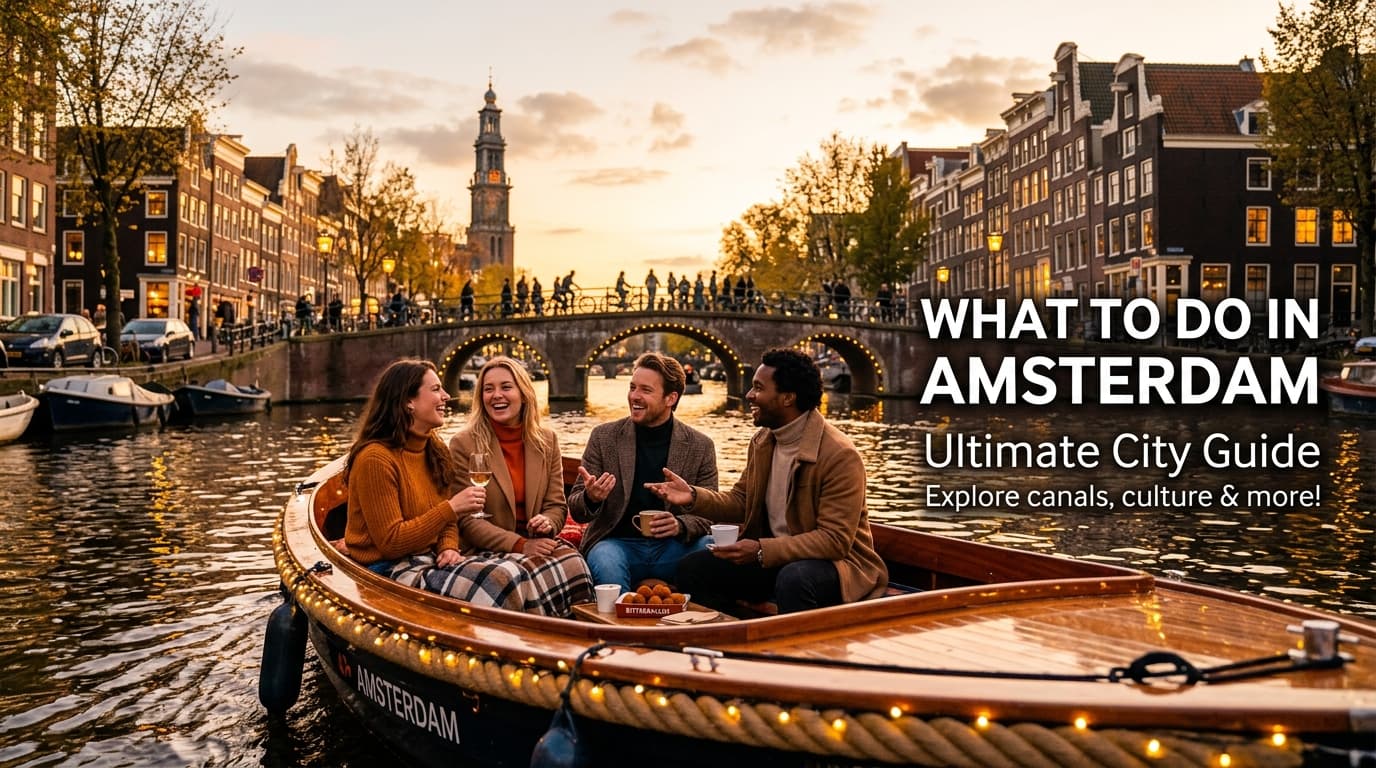
What to do in Amsterdam starts with the classics: canal cruises, world-class museums, walkable neighborhoods, great food, and a few truly memorable local experiences that make the city feel easy to love. If it’s your first visit, focus on the city center, one or two major museums, a canal cruise, and a neighborhood or two like Jordaan or De Pijp so you get both the postcard version and the local rhythm.
From experience, Amsterdam rewards smart planning more than rushed sightseeing. We checked the current visitor flow, booking patterns, and the kinds of outings travelers actually enjoy most in 2026, and the best trips balance iconic sights with flexible time for cafés, markets, and spontaneous discoveries. That’s exactly how this guide is built: as a practical, local-style plan for 1–3 days, with scenario-based picks, neighborhood advice, food tips, nightlife ideas, and current planning guidance so you can book confidently and avoid the usual first-timer mistakes.
Quick answer: what to do in Amsterdam if it’s your first visit
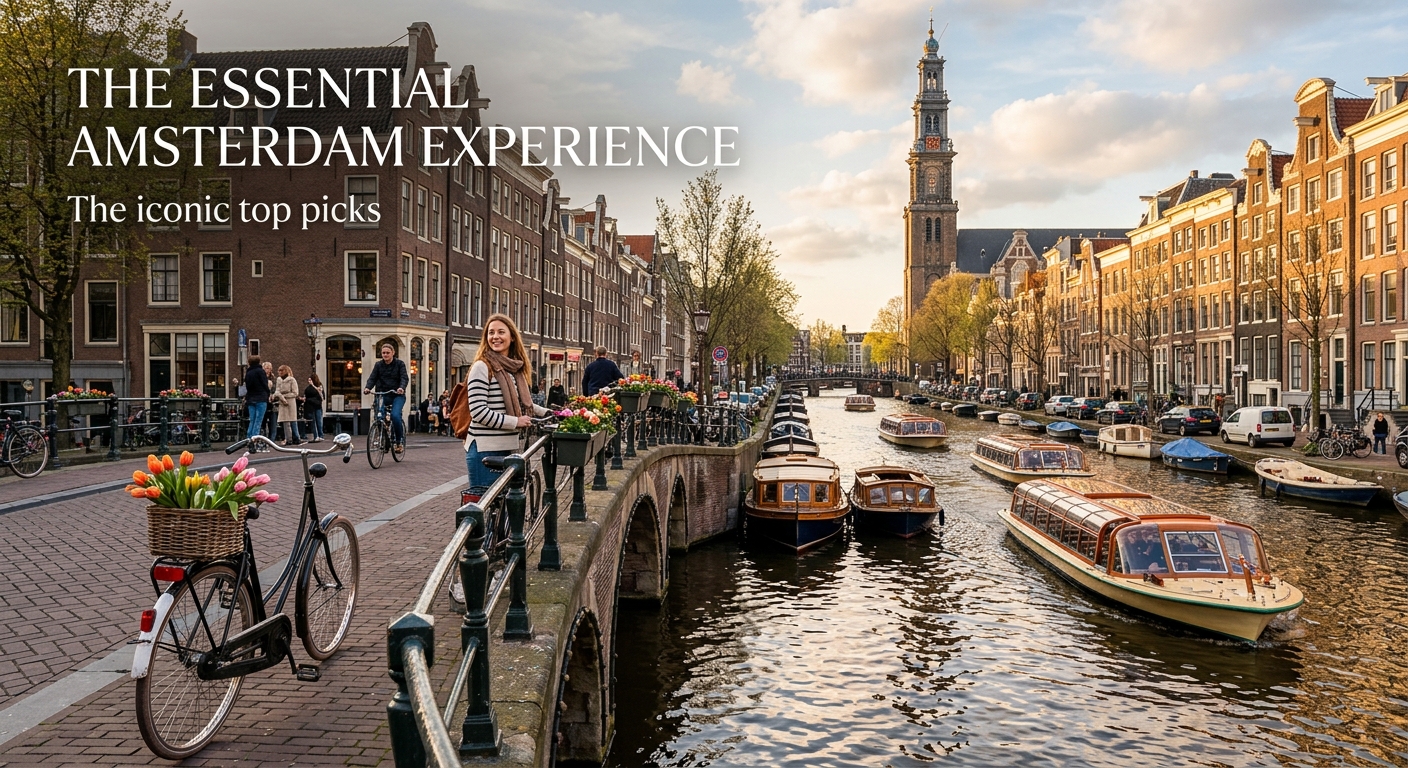
If you only have a short time in Amsterdam, the best approach is simple: see the canals, choose one or two major museums, explore a neighborhood beyond the center, and make time for a canal cruise or a long walk. The city is compact, but there’s a lot to choose from, so first-timers do best when they prioritize a few iconic experiences instead of trying to do everything. We’ve found that the most satisfying visits mix one “big ticket” attraction, one neighborhood that feels lived-in, and one flexible activity like a cruise, market visit, or food stop.
For a first trip, the can’t-miss shortlist usually includes the Rijksmuseum, the Van Gogh Museum, the Anne Frank House if you can book it, a canal cruise, Dam Square, and a canal-side wander through Jordaan or along the Nine Streets. If your style is more relaxed, you can swap one museum for a food market, a park, or a coffee-and-canal afternoon. Amsterdam is one of those cities where the in-between moments matter almost as much as the headline sights, so leave some unscheduled time.
In 2026, the smartest first-timer strategy is still to pre-book the major museums and any timed experiences, then keep the rest open for weather, energy, and neighborhood discoveries. For live “things to do near me” style planning, Gidly’s catalog is especially useful because it can surface current shows, events, comedy nights, and seasonal outings beyond the fixed attractions. That makes it easier to build a trip around what’s actually happening now, not just what was popular last year.
Direct answer capsule: the must-do shortlist for 1–3 days
If you have one day, start in Dam Square and the canal ring, take a short canal cruise, and visit either the Rijksmuseum or Van Gogh Museum. If you have two days, add Jordaan, De Pijp, and one more museum or an afternoon market stop. If you have three days, include a neighborhood like Oost or Noord, a more leisurely food experience, and a second outing after dark, such as live music, a comedy show, or a dinner cruise.
The ideal first-timer mix usually looks like this: one iconic museum, one neighborhood walk, one cruise, one food experience, and one evening plan. That gives you the city’s history, atmosphere, and everyday energy without exhausting yourself. It also leaves room for the weather to surprise you, which is part of Amsterdam life.
In practical terms, think of the city as a set of easy building blocks rather than a checklist. Museums cover the culture, canals cover the scenery, neighborhoods cover the local feel, and food and nightlife cover the fun. Once you understand that structure, choosing what to do becomes much easier.
How to prioritize if you only have a weekend
For a weekend, your priority should be to combine one major attraction with one slower, walkable area and one activity that feels uniquely Amsterdam. The biggest mistake first-time visitors make is overbooking the first day and leaving the second day too vague, which leads to random backtracking. A better plan is to anchor each day around one neighborhood or experience and let cafes, shops, and canals fill the gaps naturally.
On a two-day visit, we’d suggest either Rijksmuseum plus Jordaan, or Anne Frank House plus De Pijp, depending on your interests and what you can secure in advance. If you’re not a big museum person, one canal cruise plus a walking tour can cover a lot of the city’s essentials without feeling academic. The point is not to “win” Amsterdam, but to experience it at a rhythm that fits the city.
Booking ahead matters more on a weekend because the top attractions can sell out or become inconvenient if you wait until arrival. That’s especially true for the Anne Frank House and the Van Gogh Museum, and it’s smart to check official sites before you travel. For everything else, a little flexibility gives you better meals, fewer crowds, and more enjoyable wandering.
What first-timers should book in advance
The biggest advance bookings are museums with timed entry, especially the Anne Frank House, Van Gogh Museum, and, in busy seasons, some special exhibitions at the Rijksmuseum and Stedelijk. Canal cruises are usually easier to book last-minute, but a small-boat or dinner cruise can fill up faster than a standard daytime cruise. If you’re traveling during spring, summer, or holiday periods, your booking window should be longer than you think.
We recommend securing your “must-see” items before you leave, then leaving casual activities open. That means booking one or two anchor experiences and keeping your food, neighborhood walks, and nightlife flexible. It’s the best balance between control and spontaneity, and it prevents the frustration of arriving in Amsterdam only to discover the one thing you wanted is sold out.
Transportation tickets and some city passes can also be worth reviewing in advance, especially if you’ll be using the tram and metro often. For a short stay, though, the real value comes from choosing well rather than buying too many extras. In Amsterdam, less planning overall can actually create a better trip, as long as your top tickets are locked in.
Best “near me” search combinations for Amsterdam planning
If you’re planning while already in the city, the most useful searches are often location-based and intention-based rather than broad. Try combinations like “museum near me Amsterdam open now,” “canal cruise near me today,” “live music near Dam Square,” “food market near De Pijp,” or “things to do near Jordaan tonight.” These kinds of searches are useful because Amsterdam is compact, but experience quality changes sharply by neighborhood and time of day.
That’s where live discovery tools help, because the city’s entertainment layer changes constantly. Gidly’s event catalog is a smart place to check for current concerts, comedy, performances, and seasonal events when you want something happening now instead of a static attraction. For first-time travelers, this can be the difference between a generic sightseeing day and a trip that feels current and memorable.
When in doubt, search by neighborhood plus mood: “romantic canal dinner near me,” “family activities near Museumplein,” or “rainy day things to do in Amsterdam Centrum.” That approach matches how locals actually choose outings. It also makes it easier to pivot when the weather changes or when you realize you’re more tired than you expected.
The essential Amsterdam experience: the iconic top picks
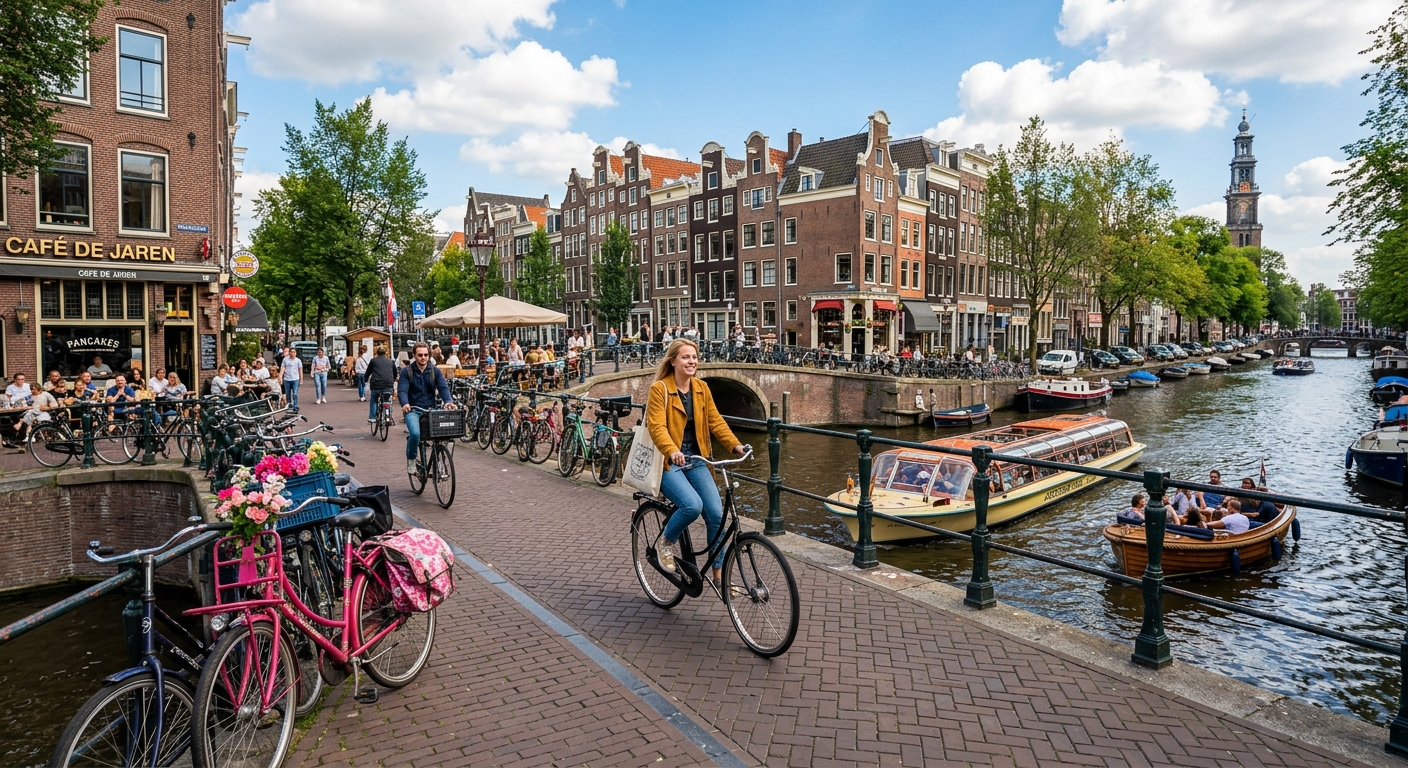
Amsterdam works so well for first-time visitors because the city gives you a lot of variety in a very compact area. You can move from a major museum to a canal walk to a cozy café in a single afternoon, and the transitions feel natural rather than forced. That is a huge part of the city’s appeal: it’s famous, but it still feels human-scale and easy to navigate.
The essential Amsterdam experience usually combines water, history, design, food, and daily life. The canals are the visual signature, the museums give context, the neighborhoods show how people actually live, and the food and nightlife add personality. If you only do the “top ten” list without any slower exploration, you’ll miss the city’s texture, which is arguably what people remember most.
In 2026, many first-time visitors are looking for a more balanced trip than they used to. Rather than stacking attraction after attraction, they want one or two meaningful bookings and more neighborhood immersion. That’s a good instinct in Amsterdam, because the best moments often happen between the headline stops.
Why Amsterdam works so well for first-time visitors
Amsterdam is one of the easiest major European cities to enjoy without a car, and that makes it ideal for a first trip. The core areas are walkable, the transit network is efficient, and the canal layout makes orientation surprisingly intuitive once you learn a few landmarks. Even if you’re only in town for a short visit, the city gives you a strong sense of place quickly.
The other reason Amsterdam works is that the city offers a clear “starter pack” of experiences that don’t require deep local knowledge. Visitors can enjoy a canal cruise, a museum, a market, and a neighborhood walk without needing a special tour agenda. That means first-timers can build confidence fast while still feeling like they’re doing something memorable.
There’s also a good balance between paid and free experiences. You can spend money on major cultural institutions and still get a lot out of simple canal walks, parks, and public squares. That flexibility makes Amsterdam appealing for couples, friend groups, solo travelers, and families alike.
Amsterdam’s can’t-miss classics: canals, museums, squares, and streets
The canal belt is the visual heart of the city, and first-timers should absolutely spend time on foot near the Herengracht, Prinsengracht, and Keizersgracht. Dam Square is worth a visit for orientation, if not for lingering, because it gives you a central reference point and easy access to the Royal Palace and nearby shopping streets. The Nine Streets area is a great follow-up because it adds small boutiques, cafés, and a calmer pace.
For museums, the Rijksmuseum and Van Gogh Museum are the biggest draws, while the Anne Frank House adds one of the city’s most powerful historical experiences. If you want a more modern or family-friendly angle, the Stedelijk and NEMO Science Museum expand the picture in very different directions. This is why first-time Amsterdam trips can be so satisfying: one city, several distinct cultural personalities.
Streets matter here too. Walking along the canals, through Jordaan, or around Museumplein is part of the experience, not just transit between sights. The city rewards looking up, slowing down, and stopping often, because the architecture and street life are part of the attraction.
The best order to see the main sights efficiently
If you want to move efficiently, start in the center and spiral outward rather than zigzagging across the city. A practical flow is Dam Square, canal district, a museum area, then a neighborhood like Jordaan or De Pijp. That sequence reduces transit time and gives you a natural progression from overview to detail.
For a single day, we’d do a canal cruise either at the start or end, because it helps you understand the layout and also creates a good pacing break. Museums work well in the middle of the day when you’re ready to be indoors. Neighborhood wandering is best saved for late afternoon and evening, when cafés and bars start feeling lively.
If you’re taking photos, mornings often offer lighter crowds and cleaner canal shots, while late afternoon gives you a warmer feel and better energy in the streets. Either way, don’t try to “cover” Amsterdam like a race. The city is best experienced in layers.
What’s worth paying for vs what’s best enjoyed for free
It is worth paying for at least one major museum, one canal cruise, and perhaps one special food or nightlife experience. Those three paid choices can anchor your trip and make the rest feel meaningful. If your budget is tight, choose the experiences that are hardest to replicate on your own, such as museum entry or a guided canal cruise.
Free experiences that are absolutely worth your time include canal walks, neighborhood wandering, people-watching in squares, ferry rides in Amsterdam Noord, and market browsing. You can also enjoy parks, bridges, and window-shopping in design-forward areas without spending much. The city is generous in that way; a lot of the best atmosphere is available with no ticket at all.
Our rule of thumb is simple: pay for interpretation, not just access. A good museum or guided cruise gives context, while a walk through a neighborhood gives freedom. Combining the two gives you the richest trip for your money.
Answer capsule: the 5 experiences that define Amsterdam
The five experiences that define Amsterdam for most first-timers are: a canal cruise, a major museum visit, a walk through the canal belt or Jordaan, a food stop that feels local, and a night out or evening activity. Those five pieces cover scenery, culture, daily life, flavor, and atmosphere. If you only had one day, that would still be enough to feel like you saw Amsterdam properly.
If you want to upgrade the experience, add one neighborhood outside the classic center, like De Pijp or Noord. That single move gives your trip more balance and helps you understand the city beyond the postcard core. It also makes your visit feel less tourist-only and more like a real city adventure.
For current events and live entertainment, check Gidly’s catalog before locking your evening plans. The city’s best “defining” experiences change with the season, and a live show or event can make your Amsterdam trip feel much more personal.
| Experience | Typical Cost | Time Needed |
|---|---|---|
| Canal cruise | €15–€35 | 1–2 hours |
| Rijksmuseum | About €25 | 2–4 hours |
| Van Gogh Museum | About €24–€25 | 1.5–3 hours |
| Anne Frank House | About €16 | 1–1.5 hours |
| Neighborhood walk | Free | 1–3 hours |
Best neighborhoods to explore in Amsterdam
The neighborhoods are where Amsterdam’s personality really shows up. If you only stay around one central zone, you’ll get the famous version of the city, but not the full one. The best first-time visits include at least one neighborhood that feels tourist-friendly and one that feels more local, because that contrast is what makes Amsterdam memorable.
Each area has a different tempo. Centrum and Dam Square are practical and busy, Jordaan is canal-rich and charming, De Pijp is energetic and food-forward, Museumplein is culture-heavy, Oost is broader and more residential, and Noord gives you a slightly more experimental edge. Choosing based on your mood is often smarter than choosing based on popularity alone.
We’ve also found that neighborhoods work best when matched to the rest of your plan. If you’re museum-heavy, pair with Museumplein or Oud-Zuid. If you’re food-heavy, De Pijp is a great fit. If you want a relaxed walking afternoon, Jordaan is hard to beat.
Centrum and Dam Square: the obvious starting point
Centrum is where most first-time visitors begin, and for good reason. It gives you immediate access to major landmarks, shops, transit, and a solid sense of the city’s layout. Dam Square itself is busy and sometimes chaotic, but it is still a useful orientation point and a very common first stop.
From Centrum, you can easily walk to the Royal Palace, the New Church, the shopping streets, and the canal ring. It is also a practical area for short stays because so many tours and cruises depart nearby. If you are only in Amsterdam for a day or two, staying near Centrum can save time, even if the neighborhood itself is not the city’s most atmospheric.
That said, don’t confuse convenience with depth. Centrum is a great launch pad, but the real joy comes from moving into nearby areas where the pace softens and the cafés get better. Use it as your base, not your whole trip.
Jordaan: canals, boutiques, cafés, and relaxed local energy
Jordaan is one of the best neighborhoods for first-timers because it feels beautiful without feeling overly staged. The canals are photogenic, the streets are easy to walk, and the area has a lived-in character that makes it ideal for lingering. It’s the kind of neighborhood where you can plan one hour and accidentally spend three.
You’ll find boutiques, bakeries, small restaurants, and plenty of places to sit with a coffee or drink. It’s especially good for couples, solo travelers, and anyone who wants the city’s charm without the more intense crowds of the center. Our team always recommends setting aside at least one slow wandering window here.
If you want to understand Amsterdam at a human scale, Jordaan is one of the best places to do it. The area rewards curiosity: turn down a side street, cross a bridge, and follow what looks interesting. You’ll probably find something worth stopping for.
De Pijp: food, markets, and a younger vibe
De Pijp is the neighborhood we’d recommend to travelers who care about food, casual drinks, and a livelier local feel. It’s home to the Albert Cuyp Market and a dense mix of cafés, lunch spots, bars, and international restaurants. The area feels younger and more social than some of the city’s quieter canal districts.
This is a great place to build a lunch or afternoon plan. You can browse the market, grab something inexpensive, and then move into a café or bar without needing a complicated schedule. If you’re traveling with friends or on a relaxed date, De Pijp can easily become the most enjoyable part of the trip.
It’s also one of the best places to eat across different budgets. You can keep it casual and cheap, or use it as a starting point for a more upscale dinner. That flexibility is one reason locals and visitors both keep coming back.
Museumplein and Oud-Zuid: museums and elegant streets
Museumplein is the obvious area for cultural sightseeing because it places the Rijksmuseum, Van Gogh Museum, and Stedelijk within easy reach. It’s a smart neighborhood to center if you want a museum-heavy day, especially if you dislike wasting time in transit. The area is also easy to understand, which helps first-timers feel less overwhelmed.
Oud-Zuid adds a calmer, more elegant feel just beyond the museum zone. The streets are polished, the pace is relaxed, and you can pair major attractions with a more upscale lunch or café break. It’s especially good for travelers who want the cultural highlights but prefer a less hectic atmosphere.
If your trip leans toward art, design, or architecture, this whole part of the city is worth your time. You can make it an efficient half-day or stretch it into a leisurely full day depending on how much museum time you want.
Oost, Noord, and other lesser-known areas worth adding
Amsterdam Oost gives you a broader local perspective, with restaurants, parks, and a more residential feel that many first-time visitors miss. It’s a good choice if you want to step outside the obvious tourist circuit and see where people actually live, eat, and relax. The area also works well for travelers who like slow exploration and fewer crowds.
Amsterdam Noord is one of the most interesting “extra” areas to add because it feels modern and creative, and the ferry ride itself is part of the fun. Once across the water, you’ll find a different energy, more experimental spaces, and often better value than the center. It’s one of the easiest ways to make your trip feel current rather than purely classic.
Other smaller pockets can be worth it too, especially if you’re matching a neighborhood to a specific mood. The key is to avoid treating Amsterdam as one homogeneous zone. It’s really a collection of distinct experiences, and that is part of the city’s charm.
| Neighborhood | Best For | Atmosphere |
|---|---|---|
| Centrum / Dam Square | Orientation, short stays | Busy, central, practical |
| Jordaan | Couples, walking, cafés | Charming, relaxed, canal-rich |
| De Pijp | Foodies, friends, markets | Lively, youthful, social |
| Museumplein / Oud-Zuid | Museum lovers | Polished, cultural, efficient |
| Oost / Noord | Repeat visitors, explorers | Local, creative, less touristy |
The must-see museums and cultural highlights
Amsterdam’s museums are a major reason people visit, and for good reason: the city combines blockbuster institutions with smaller, more personal cultural stops. If you are new to the city, it is worth being selective rather than trying to see everything. The best museum day is one where you have enough time to actually enjoy the experience, not just rush from gallery to gallery.
Most first-timers should choose one major museum and, if they have energy, one smaller stop or a cultural walk nearby. The Rijksmuseum is the broadest art and history option, the Van Gogh Museum is the most focused and emotionally accessible, and the Anne Frank House is the most powerful historical visit for many travelers. After that, the Stedelijk, NEMO, Maritime Museum, and Rembrandt House can round out your interests depending on your age, schedule, and travel style.
In 2026, the booking challenge is not just finding tickets; it’s choosing the right museum mix for your actual interests. If you know in advance that your group prefers design over old masters, or history over fine art, your day gets much easier. That’s why we always recommend matching the museum to the traveler, not just the list.
Rijksmuseum: what to see, how long to spend, and ticket tips
The Rijksmuseum is the most comprehensive must-see museum in Amsterdam, and it’s ideal if you want one institution that covers Dutch art, history, and national identity in a single visit. It’s best known for works by Rembrandt and Vermeer, but the building itself and the layout also make it a rewarding experience. If you only have time for one major museum, this is probably the safest choice for most first-time visitors.
Plan on spending at least two hours, and three to four if you enjoy art and history deeply. The official museum website is the best place to check current opening hours and ticket availability, especially for high-demand dates. For 2026, standard adult tickets are around €25, but always verify on the museum’s own site before booking because pricing and entry rules can change.
Go earlier in the day if possible, and don’t try to see every room unless you genuinely want to. A focused visit to the highlights is often more satisfying than a marathon walkthrough. The museum is also very well suited to pairing with Museumplein, a nearby lunch, and either the Van Gogh Museum or a canal cruise afterward.
Van Gogh Museum: when to go and what to expect
The Van Gogh Museum is one of the city’s most emotionally engaging attractions because it’s accessible even to visitors who are not deeply into art history. The story-driven structure makes it easy to follow, and the collection gives you a strong sense of Van Gogh’s evolution as an artist. It is one of those museums that tends to surprise people in a good way.
Tickets are generally timed and should be booked in advance, especially in spring and summer. Expect adult admission around €24–€25 in 2026, though you should confirm on the official website. The museum is a good fit for people who prefer a focused visit over a sprawling institution, and it usually takes about 90 minutes to three hours depending on your pace.
For first-timers, the best way to enjoy it is to arrive with enough mental space to actually read and look. If you are museum-fatigued, this is not the one to speed through. Pair it with a café break afterward, because the museum is close to enough other activity that you’ll want a reset before your next stop.
Anne Frank House: booking reality and planning notes
The Anne Frank House is one of Amsterdam’s most important and emotionally significant attractions, but it also requires the most planning. Tickets are sold in timed releases through the official site, and they can disappear quickly, especially during popular travel periods. If this is a priority, check the museum’s booking system well ahead of your trip and be ready to act fast.
For many first-time visitors, this is not just a museum; it’s a deeply personal and reflective experience that shapes how they understand the city. Expect a visit of about an hour to 90 minutes, though emotional impact can make it feel longer. The standard adult ticket is around €16 in 2026, but again, the official site should always be your source for current information.
Because demand is so high, some travelers are disappointed when they can’t get in. Our advice is to treat this as one of the few true “book early or miss out” Amsterdam experiences. If you can’t secure it, don’t waste the rest of your trip stressing; pivot to other meaningful history experiences and keep your itinerary balanced.
Stedelijk, NEMO, Maritime Museum, and Rembrandt House
The Stedelijk Museum is the better choice if you want modern and contemporary art, design, and a more current cultural lens. It’s a strong option for travelers who already know they’re not seeking classical Dutch paintings. NEMO is ideal for families, science-curious adults, and rainy days because it’s interactive and much more hands-on.
The Maritime Museum adds another angle, especially if you’re interested in the Netherlands’ seafaring history and trade legacy. The Rembrandt House is smaller, more intimate, and easier to fit into a busy day, which makes it useful for visitors who want a cultural stop without a major time commitment. Each of these museums serves a different kind of traveler, and that’s exactly why Amsterdam’s culture scene feels so rich.
When choosing among them, think in terms of energy as much as interest. If you’re already doing the Rijksmuseum and Van Gogh Museum, you may want a lighter, more fun stop like NEMO or the Rembrandt House. If you’re planning a rainy day, the smaller museums can save your trip.
How to choose museums based on your interests and time
If you love classical art and want a wide survey, pick the Rijksmuseum. If you want a more emotional and focused story, pick the Van Gogh Museum. If you care about history and remembrance, prioritize the Anne Frank House. If you travel with kids or want something interactive, NEMO is usually the best fit.
For short trips, avoid museum overloading. Two well-chosen museums are usually better than three or four rushed ones. If you are the kind of traveler who likes context but not too much indoor time, combine one museum with a canal cruise and a neighborhood walk. That way you get a rounded Amsterdam experience without feeling trapped in galleries all day.
Also remember that museum fatigue is real, especially after a flight or a long day of walking. Build in a lunch break or a café stop between visits. In Amsterdam, the best cultural day is usually not the most intense one; it’s the one with the right rhythm.
| Museum | Approx. 2026 Price | Book Ahead? |
|---|---|---|
| Rijksmuseum | ~€25 | Recommended |
| Van Gogh Museum | ~€24–€25 | Yes |
| Anne Frank House | ~€16 | Absolutely |
| NEMO Science Museum | Varies; check official site | Useful in busy periods |
| Stedelijk Museum | Varies; check official site | Recommended |
Canal cruise, walking tour, or bike ride: the best ways to see Amsterdam
Seeing Amsterdam is not just about what you visit; it’s about how you move through it. For most first-timers, the best sightseeing format depends on your time, energy, weather, and confidence level. Canal cruises, walking tours, and bike rides each reveal a different side of the city, and none of them is universally “best.”
In practice, a canal cruise gives you the easiest overview, a walking tour gives you the most context, and a bike ride gives you the most local-feeling experience. The smartest first-timer itinerary often combines two of the three, not all three. That way you get a strong sense of the city without overcommitting or exhausting yourself.
We also recommend thinking about your trip style honestly. If you love guided commentary and relaxed pacing, a cruise is perfect. If you love details and history, a walking tour is more rewarding. If you’re a confident cyclist and want to feel like a temporary local, a bike ride can be amazing as long as you ride carefully.
Canal cruise types: standard, small boat, evening, wine-and-cheese, and themed cruises
The standard canal cruise is the easiest and most beginner-friendly option, especially if you want scenic orientation with minimal effort. Small-boat cruises feel more intimate and are often better for couples or smaller groups. Evening cruises are especially atmospheric because the city lights reflect beautifully off the water, and they can make a short trip feel surprisingly special.
Wine-and-cheese cruises and themed cruises are more about mood than pure sightseeing, and that’s not a bad thing. They work well for date nights, birthdays, reunions, and friend trips where the social experience matters as much as the views. If you’re traveling with someone who prefers experiences over landmarks, these can be especially memorable.
Prices typically range from about €15 to €35 for standard options, with private or premium experiences costing more. Book directly with reputable operators or via official event pages when possible, and read the fine print about duration, meeting point, and weather policies. In 2026, cruise quality varies a lot, so it’s worth reading reviews before booking rather than choosing the cheapest option blindly.
Walking tours: when they’re best and what neighborhoods suit them
Walking tours are ideal when you want context, stories, and a better sense of how Amsterdam evolved. A good guide can explain canal history, architecture, local customs, and the practical quirks of life in the city. If you’ve never been before, a neighborhood walk can help the city make sense in a way that self-guided wandering sometimes cannot.
Jordaan, the canal belt, the Red Light District, and De Pijp are all good walking-tour zones because they reveal different sides of Amsterdam. Some tours focus on history, others on food, architecture, or social culture, so the best fit depends on your interests. If you only have a few hours, a walk through one strong neighborhood often beats trying to cover the whole city.
Walking tours are also a smart choice when the weather is mild but not perfect. You stay active, stay flexible, and still get a lot of value out of the outing. For first-timers, this is often one of the easiest ways to move beyond the basic tourist checklist.
Bike riding in Amsterdam: how to do it safely and confidently
Biking is iconic in Amsterdam, but first-timers should approach it realistically. The city has serious bike traffic, clear rules, and a pace that can be intimidating if you are not used to urban cycling. If you want to ride, choose calm routes, avoid peak commuting times if possible, and pay attention to bike lanes, signals, and local etiquette.
A guided bike tour can be a better choice than renting and riding alone on your first day. That way you can learn the flow of traffic and see safe routes without having to navigate independently right away. If you do rent a bike solo, start in less crowded areas and don’t attempt a complicated route across the busiest center immediately.
For many first-timers, biking is better on day two or day three after you’ve already understood the city a little. It can be incredibly rewarding, but only if you treat it as a transportation skill, not a novelty. The best bike experience is confident, calm, and unhurried.
Which sightseeing format to choose by time, budget, and weather
If you have little time, choose a canal cruise because it delivers a lot of visual information quickly. If your budget is tight, a walking tour or self-guided walk may give you more value. If the weather is beautiful and you want to feel active, a bike ride or long neighborhood walk can be ideal.
Rainy weather often pushes travelers toward cruises and indoor sightseeing, while sunny days reward outdoor wandering and café breaks. Couples often prefer evening cruises or leisurely walks, friends may lean toward bike tours or group outings, and solo travelers often appreciate walking tours because they are social without being overwhelming. The right choice depends less on “best overall” and more on what will actually feel good that day.
Our advice: choose the format that reduces friction. If you dislike logistics, book a cruise. If you like structure, take a tour. If you crave freedom, walk. Amsterdam is flexible enough to support all three.
Answer capsule: the easiest way for first-timers to experience the city
The easiest and most effective first-timer combo is a canal cruise plus a walk through one neighborhood like Jordaan or the canal belt. That gives you the big-picture view first, then a closer, more human-scale look at the city. It is efficient, relaxing, and easy to fit into one day.
If you only choose one format, the canal cruise usually wins for overall accessibility. It is weather-tolerant, low effort, and excellent for orientation. But if you want to understand Amsterdam beyond the postcard, add at least one walking segment so you can notice the detail and atmosphere on the ground.
For current options and live departures, check local operators directly and compare against Gidly’s event and outing listings if you want a broader menu of things happening today. That can help you match the right format to the right moment instead of booking blindly.
Things to do in Amsterdam by scenario
The best Amsterdam itinerary depends on who you are with and what kind of day you want to have. A romantic date, a family outing, a friends’ weekend, and a solo day in the city all benefit from different pacing and different types of activities. That’s why a scenario-based approach works better than a generic top-ten list.
We’ve noticed that travelers are happiest when they choose experiences based on mood, weather, and energy level. Amsterdam has enough range to support slow, cultural, social, and adventurous days, but only if you choose carefully. Trying to make everyone happy with one vague plan is how good trips become mediocre.
Below, we break down the best options by scenario so you can skip the guesswork. Whether you want easy romance, kid-friendly fun, social energy, or a solo plan that feels rewarding, Amsterdam has a strong answer.
Date night ideas: romantic, scenic, and low-effort outings
For date night, Amsterdam is excellent because the city is naturally atmospheric without requiring a lot of extra effort. A canal cruise at sunset or after dark is one of the easiest romantic wins, and a slow dinner in Jordaan or along a canal can be just as effective. The city’s compact layout means you can move from drinks to dinner to a late walk without needing complicated transportation.
If you want something especially memorable, consider a wine-and-cheese cruise, a canal-side restaurant, or a small museum visit followed by dessert and drinks. Couples who like low-key sophistication often enjoy Museumplein in the early evening, while those who want something cozier may prefer the Nine Streets or Jordaan. The key is to keep the plan intimate and not overpack it.
For a more playful date, browse a market, do a coffee stop, and end at a bar with a view. Amsterdam is at its best when romance feels unforced, and that usually means choosing a single beautiful anchor activity rather than three or four rushed ones.
With kids: family-friendly museums, parks, and indoor options
Amsterdam can be very family-friendly if you pick the right activities. NEMO Science Museum is one of the best child-focused options because it is interactive and engaging for a wide age range. Parks, ferry rides, and canal walks can also work well when you need low-cost, low-stress entertainment with room to move.
Families often do best by building in physical breaks. A museum in the morning, lunch nearby, a park or ferry in the afternoon, and an early dinner is a good rhythm. If your kids are younger, don’t underestimate simple experiences like boat rides, market snacks, or exploring an open square.
Rainy-day planning matters more with kids because energy can shift quickly. Keep one indoor backup like NEMO, a smaller museum, or a kid-friendly café in reserve. That way you can stay flexible without having to search for options under pressure.
With friends: social, lively, and group-friendly activities
Amsterdam with friends is about variety and momentum. A canal cruise, market lunch, neighborhood drinks, and a live event or nightlife stop make a great social day. De Pijp, Noord, and the center all work well depending on whether your group wants food, drinks, music, or a bigger night out.
Group trips benefit from experiences that have a natural start and finish, like cruises, tasting experiences, or comedy shows. Those help everyone stay together and avoid the “what do you want to do?” spiral. If your group likes photos and social media moments, the canal belt and evening city lights are easy wins.
For friend groups, nightlife matters too, but it doesn’t have to mean clubs. You can keep it fun with bars, live music, a late dinner, or a themed event. Amsterdam has enough going on that you can make the night as mellow or as energetic as you want.
Solo activities: easy, safe, and rewarding ways to spend a day
Amsterdam is one of the better cities in Europe for solo travel because it feels active without feeling isolating. A museum visit, a canal walk, a café lunch, and a self-guided neighborhood loop can fill a whole day pleasantly. Solo travelers often appreciate that the city’s public spaces are easy to navigate and that it’s normal to spend time alone in cafés and parks.
Walking tours are also a strong solo option because they provide structure and a little social interaction without forcing conversation all day. If you want a quiet solo day, Jordaan and Museumplein are good starting points. If you want a more dynamic day, De Pijp and Noord give you more variety and more chances to people-watch.
One of the best solo moves is to build your day around one thing you really care about rather than trying to maximize every hour. That can be a museum, a café crawl, photography, or a live event. With solo travel, the freedom to follow your own pace is the real luxury.
Team building and corporate outings: group formats that work
For team-building or corporate outings, Amsterdam offers several formats that are actually enjoyable rather than forced. Canal cruises, private dining experiences, guided city walks, and hands-on workshops all work well for groups because they create shared focus without requiring everyone to be “on” the entire time. In general, the best corporate outing is one that blends conversation and structure.
We’ve found that groups respond well to experiences with easy logistics and a clear endpoint. That makes cruises, dinner reservations, and guided tours especially strong. If the group includes international visitors or mixed energy levels, choose something with broad appeal rather than a niche concept.
For after-work entertainment, live music, comedy, and low-key social outings often outperform formal sightseeing. That’s where Gidly’s current catalog is particularly handy, because it can help you find live options that fit the group’s size, timing, and vibe. In a city like Amsterdam, the best team outing is usually the one that feels fun first and “team building” second.
Free and budget-friendly things to do in Amsterdam
Amsterdam can be expensive if you stack museums, cruises, and nightlife every day, but it does not have to be. There are plenty of free and low-cost things to do, and some of the best city experiences don’t require a ticket at all. That’s good news for budget travelers, spontaneous visitors, and anyone who wants to save money for one or two special splurges.
The easiest budget strategy is to pair one paid anchor activity with several free experiences. You could do a museum in the morning, a canal walk in the afternoon, and an inexpensive market meal in the evening. That structure keeps your trip rich without making it financially heavy.
Another reason budget travel works well here is that the city’s atmosphere is deeply public. Bridges, parks, markets, ferries, and neighborhoods all offer value without forcing you to spend. If you plan well, you can have a surprisingly full day for not much money.
Free viewpoints, markets, and canal walks
The canal belt itself is one of the best free attractions in Amsterdam. You can walk along the water, cross bridges, and stop for photos without spending a euro. The best part is that every neighborhood offers a slightly different canal experience, so even a simple walk can feel fresh.
Markets are another excellent free-to-browse option. Albert Cuyp Market in De Pijp is especially useful because it gives you food, atmosphere, and a local pulse in one stop. Flower markets and street markets can also be a good way to break up your day without committing to a full shopping session.
For viewpoint-style experiences, ferries across the IJ are a great budget hack because they feel scenic without costing much. They also give you a nice look at Amsterdam Noord and the city skyline. If you’re trying to spend less, it’s smart to use the city’s free movement as part of the experience rather than treating transportation as a separate chore.
Low-cost cultural stops and self-guided sightseeing
Self-guided walking is the best low-cost cultural strategy in Amsterdam. Choose a neighborhood, map a few landmarks, and give yourself a loose route rather than a strict itinerary. That way you can enjoy architecture, shop windows, canal views, and small discoveries without paying for a formal tour.
Some smaller museums and churches may also be easier on the budget than the headline attractions, and they can be very rewarding if you like quieter spaces. The point is to get selective: one or two meaningful paid entries, then free wandering to fill the gaps. That approach gives you a better sense of the city than squeezing in too many expensive tickets.
If you want more structure without much cost, look for free or donation-based walking resources, self-guided audio options, or neighborhood maps. Just make sure you stay realistic about timing, because the best low-cost days are the ones that aren’t rushed.
Cheap eats and happy-hour style experiences
Budget eating in Amsterdam often means markets, simple cafés, sandwiches, snack shops, and casual international spots. De Pijp is especially good for finding affordable lunch options, while other central areas can still be manageable if you avoid the most tourist-heavy restaurants. The trick is to eat one “good value” meal and then spend selectively where it matters most.
Alcohol can add up quickly, so happy-hour style stops, shared drinks, and choosing one or two better bars instead of a long bar crawl can keep costs down. If you are with friends, splitting appetizers or tasting plates can also help. In Amsterdam, a smart budget night still feels fun if the setting is right.
Look for places with straightforward menus, local crowds, and clear pricing. If a canal-side view is inflating the bill too much, move one street inland and you may find the same quality for less. That small shift can have a big impact on your daily total.
How to build a great Amsterdam day on a budget
A great budget day might start with a self-guided canal walk, continue with an affordable market lunch, include one low-cost or free attraction, and end with a relaxed drink or ferry ride. That formula lets you experience the city without making every decision expensive. It also gives you room to splurge once, if you want, on a cruise or museum ticket.
We recommend choosing one “anchor purchase” and then keeping the rest of the day flexible. If your anchor is a museum, make your neighborhood time free. If your anchor is a cruise, keep lunch casual and self-guided. Budget travel becomes much easier when you think in categories rather than individual line items.
Also, don’t overlook seasonal bargains. Shoulder seasons can bring lower prices and easier reservations, especially for accommodations. That means the same Amsterdam trip can feel much more accessible if you travel at the right time of year.
Answer capsule: the best free things to do in Amsterdam
The best free things to do in Amsterdam include canal walks, bridge-hopping in the canal belt, browsing markets, taking the ferry to Noord, and wandering neighborhoods like Jordaan or the Nine Streets. Those experiences give you the look and feel of the city without requiring tickets. They’re also easy to fit around paid attractions.
If you only do free activities, try to make one of them a neighborhood with food and café options, so the day doesn’t feel too bare. A combination of walking, people-watching, and one inexpensive meal can go a long way. That’s especially true if the weather is good.
For current free or low-cost events, local listings matter because the city’s calendar changes constantly. Gidly is useful here because it can surface current outings, shows, and neighborhood happenings that may be free or relatively affordable right now.
Food and drink experiences you shouldn’t skip
Amsterdam’s food scene is more interesting than many first-time visitors expect. Yes, you can find Dutch classics, but you can also eat your way through Indonesian, Surinamese, Middle Eastern, Mediterranean, and modern European influences that reflect the city’s international identity. If you plan carefully, food can become one of the highlights of your trip rather than just a necessary stop between attractions.
We always advise travelers to use food as a way of understanding the city. Markets show the casual side, cafés reveal daily habits, and dinner spots can be great for a relaxed evening after sightseeing. The best Amsterdam eating plans are varied and not overly formal unless that is exactly what you want.
Prices vary a lot by neighborhood and style, but you can eat very well by mixing budget lunches with one better dinner. That approach gives you range without overcommitting. It also allows you to try several local flavors in a short visit.
Dutch classics to try first
For a first-timer, the easiest Dutch foods to try include stroopwafels, bitterballen, poffertjes, herring if you’re adventurous, and frites with sauce. These are simple but iconic, and they give you a quick taste of the local snack culture. They’re also easy to sample as you move through the city rather than requiring a sit-down meal.
Try them in markets, snack bars, or casual cafés so you can compare styles. A fresh stroopwafel from a market can feel very different from a packaged one, and bitterballen are best when they’re hot and crisp. Small food experiences like this often become favorite memories because they fit naturally into a walking day.
If you only want one snack, make it a stroopwafel or a frites stop. They’re simple, affordable, and easy to work into nearly any itinerary. That makes them ideal for first-time visitors who don’t want to overthink lunch.
Indonesian, Surinamese, and multicultural Amsterdam food culture
Amsterdam’s food identity is strongly shaped by Indonesian and Surinamese influences, and that is one of the best reasons to eat beyond the most obvious tourist spots. Rijsttafel-style meals, satay, noodle dishes, and Surinamese snacks can all be excellent choices if you want a more local-feeling dinner. These cuisines are part of the city’s cultural fabric, not just “ethnic food” on the side.
If you’re only in town for a short time, at least one Indonesian or Surinamese meal is worth considering. It gives you a sense of how Amsterdam’s history and global connections show up at the table. Travelers often remember these meals because they feel both comforting and distinctly local.
Look for neighborhood restaurants rather than only central tourist streets, and read menus ahead of time if you want to compare options. The best places tend to be busy with a mix of locals and visitors, and they often have stronger value than the restaurants with the most obvious canal views.
Best food markets, cafés, bars, and casual spots
Albert Cuyp Market is one of the best starting points for casual food in Amsterdam because you can snack your way through the visit. The Nine Streets area and Jordaan also have plenty of cafés and lunch spots that work well for a slower pace. If you want to sit and watch the city move, these are great neighborhoods for that.
For drinks, canal-side bars and neighborhood pubs can offer a great atmosphere without the intensity of late-night nightlife. A lot of first-time visitors overestimate how much they need to “go out” and underestimate how much they’ll enjoy a comfortable bar with a good view or local energy. The city’s café culture is as much part of the experience as any big attraction.
If you like food and drink discovery, save some appetite for spontaneous stops. One of the pleasures of Amsterdam is stumbling into a good café or snack spot while doing something else. The city is surprisingly good at rewarding curiosity.
Coffee shops, nightlife, and how to understand the local scene responsibly
Amsterdam’s coffee shop culture is one of the most famous in Europe, but first-timers should approach it with basic common sense and respect. Understand the difference between coffee shops and cafés, know your limits, and don’t assume that novelty makes for a better experience. If you choose to visit one, keep your plans light and make sure you know local rules and venue policies.
Nightlife is similarly varied. Some venues are casual and social, while others are more club-oriented, and the best choice depends on what kind of night you want. The city is not just about the red-light-image stereotype; it has real depth in bars, venues, and late-night culture.
Responsible planning matters here because your decisions affect your comfort, safety, and overall trip quality. Know your route home, keep track of closing times, and avoid mixing too many new experiences in one night. In Amsterdam, a good night out is one you can actually remember clearly.
What to eat based on mood, budget, and neighborhood
If you want cheap and easy, go for market snacks or a frites stop in Centrum or De Pijp. If you want a cozy meal, Jordaan is a strong bet. If you want a broader cultural food experience, look for Indonesian or Surinamese restaurants in neighborhoods beyond the most obvious tourist corridors.
For a romantic dinner, canal-side settings and quieter side streets usually work best. For a casual meal with friends, De Pijp is often more fun because the energy is livelier and the options are wide. If your mood is uncertain, start with a café and let the neighborhood steer you.
Food is one of the easiest places to personalize your trip, so use it strategically. That way even a short visit feels like your version of Amsterdam, not just a generic tourist plan.
Nightlife, live music, comedy, and late-night entertainment
Amsterdam after dark can be as relaxed or as energetic as you want it to be. Some visitors are looking for stylish bars and a quiet nightcap, while others want live music, DJs, clubs, or a comedy show. The good news is that the city supports all of those moods, often within a small radius.
If you are only in town for a short time, do not skip the evening layer of the city. Amsterdam has a strong late-night personality, and one good night out can completely change how you remember the trip. Whether that means a canal-side drink or a dance floor depends on your style.
For 2026, live discovery is especially helpful because the entertainment landscape shifts by night, season, and venue. Gidly’s catalog is a smart place to check when you want current listings for concerts, comedy, and happenings near you instead of guessing what might be open.
Bars, pubs, and canal-side drinks
Bars and pubs are the easiest entry point into Amsterdam nightlife because they are social without being overwhelming. Canal-side bars give you the atmosphere, while neighborhood pubs often give you a more local and relaxed crowd. If you want a night that feels grown-up and comfortable, this is usually the best path.
Travelers often enjoy starting with drinks in Jordaan, the Nine Streets, or De Pijp before deciding whether to continue out. That approach keeps the night flexible and prevents overplanning. You can always extend the evening if the energy is right.
For couples and small groups, a bar-focused night is often enough. You don’t need to chase the most intense nightlife to have a memorable Amsterdam evening. A good view, a well-made drink, and the right neighborhood can be more satisfying than a packed club.
Live music, DJs, and clubs
Live music in Amsterdam ranges from intimate venues to larger concert halls and DJ-driven nightlife spaces. If you care about music quality, check current listings rather than assuming a venue’s regular identity is all that matters. Many places shift formats by night, and some of the best experiences are one-off events or seasonal lineups.
Clubs are best for travelers who want a later night and a more energetic scene. If that’s you, plan transport home in advance and choose your venue based on the type of crowd and music you actually want. Amsterdam nightlife works best when you know whether you’re in the mood for dancing or just socializing.
For a first visit, one live show or DJ night can be the perfect addition after a day of sightseeing. It gives the trip a second identity and helps you see the city as more than a museum destination.
Comedy, theater, and performance venues
Comedy and theater are underrated ways to spend an Amsterdam evening, especially if you want something memorable without a heavy late-night commitment. These shows are often easier to enjoy than a club if you’re tired from walking or want a more social but not wild night. They also work very well for solo travelers and mixed groups.
Because lineups change regularly, it’s smart to check current event calendars before you go. That’s exactly where a city-discovery platform becomes useful, since the best option tonight may not be the same one tomorrow. Gidly can help fill that gap by showing what’s happening now rather than what’s permanently on offer.
Performance venues also give you a strong fallback when the weather turns bad. If the rain ruins your outdoor plans, you can still salvage the night with live entertainment and dinner. That flexibility is one of the easiest ways to protect a trip from disappointment.
Late-night options for couples, friends, and solo travelers
Couples may prefer an evening cruise, a wine bar, or a quiet live show. Friends often do best with a bar-to-music progression, while solo travelers may feel most comfortable at a smaller venue or an event with clear start and end times. The point is to match the night to your comfort level, not to force a “big night out” because you think that’s what Amsterdam demands.
The city’s late-night scene is broad enough that you can keep it low-key or go all-in. If you’re tired, don’t push it; Amsterdam is not a city that requires you to stay up late to feel like you did it right. A strong evening can be as simple as a great meal, a drink, and a nighttime canal walk.
For current nightlife and live event ideas, use Gidly as a discovery tool. It is the easiest way to find what’s actually on tonight, what fits your group size, and what feels close to where you are.
Answer capsule: where to go after dark in Amsterdam
After dark, the best Amsterdam choices are usually a canal-side bar, a live music venue, an evening cruise, or a show in a neighborhood like Jordaan, De Pijp, or the center. If you want atmosphere, start with the canals. If you want energy, choose music or a club. If you want comfort, go for a good dinner and one well-chosen drink.
First-timers should not feel pressured to overdo nightlife. One great evening is enough to give you the city’s nighttime character. That is often more memorable than a long, unfocused bar crawl.
If you’re deciding last minute, search by mood and location, then cross-check with live listings. Gidly is especially helpful here because it can show current entertainment options instead of generic nightlife advice.
Seasonal and calendar-based Amsterdam planning
Amsterdam changes noticeably with the seasons, and first-time visitors are often surprised by how much that affects the trip. Spring and summer bring more outdoor energy and more crowds, while autumn and winter are quieter, moodier, and often better for museum-heavy or indoor plans. The best time to go depends on what you want from the city.
Seasonality also affects prices, especially for hotels and high-demand activities. The earlier you lock in museum tickets and special outings during peak periods, the more likely you are to get the exact experience you want. In shoulder season, you may have more flexibility, but you should still watch the calendar because major events can change availability quickly.
For 2026, the pattern remains the same: plan around weather, daylight, and crowd levels. If you understand those three variables, you can shape a much better Amsterdam itinerary.
Best things to do in spring, summer, autumn, and winter
Spring is ideal for canals, gardens, early outdoor wandering, and flower-season day trips. Summer is best for long walks, terrace cafés, evening cruises, outdoor events, and late sunsets. Autumn suits museums, cozy food stops, and smaller crowds, while winter is excellent for indoor culture, festive markets, and atmospheric nights.
In spring, travelers often build one city day and one flower-related excursion. In summer, you can stretch your sightseeing later into the evening and enjoy more outdoor dining. In autumn and winter, the city feels more intimate, which is great if you prefer museums, bars, and slower pacing.
If you only care about comfortable sightseeing, late spring and early autumn are often the sweet spots. You still get good weather possibilities without some of the most intense peak-season pressure.
Festivals, holiday markets, and annual events to watch for
Amsterdam has a strong events calendar across music, culture, food, and seasonal celebrations. Holiday markets, summer festivals, and special museum programs can all add a lot to a short visit. The challenge is that these events change from year to year, so checking current calendars is essential.
This is another place where live discovery tools matter more than static guides. Gidly is useful because it can show current events and entertainment that are actually happening during your stay. For travelers whose dates are fixed, that makes planning much easier and much more rewarding.
If you enjoy city culture, try to line up at least one event with your trip rather than relying only on permanent attractions. A concert, market, or seasonal event can make your visit feel much more timely and specific.
Rainy-day, cold-weather, and shoulder-season recommendations
Rainy days are common enough in Amsterdam that you should always have an indoor backup. Museums, cafés, covered markets, and shows become much more appealing when the weather shifts. In colder months, even simple plans can feel better if they involve a warm lunch, a museum, and a short evening outing rather than an all-day outdoor itinerary.
Shoulder season can be the most balanced period because you get reasonable weather and more manageable crowds. That makes it easier to book restaurants, choose museum times, and enjoy the city without feeling squeezed. If you don’t need the hottest weather or the most festive crowds, this can be a very smart time to visit.
Remember that weather in Amsterdam can change quickly. Build a trip that can pivot. The more flexible your plan, the less a bad forecast matters.
How seasonality changes prices, crowds, and booking needs
Prices tend to rise when demand rises, especially around spring flower season, summer holidays, and major event periods. Crowds also become denser at the most famous attractions, which can make advance booking more important than usual. If you travel in a high-demand window, assume the major museum and cruise slots will be harder to secure.
In quieter months, you may have more choice, but you should not assume everything will be open on a casual schedule. Some attractions still operate on limited hours or sell timed entry even when crowds are lower. Always check official websites for current opening hours and seasonal updates.
The safest rule is to book your must-dos early and leave less time-sensitive experiences open. That way you get the right balance of certainty and freedom no matter the season.
Day trips from Amsterdam worth adding to your itinerary
If you have three or more days, a day trip can be a great way to round out your Amsterdam visit. The city itself is rich enough to fill a short trip, but nearby towns and seasonal excursions add variety, especially if you want a change of pace. The best day trips are easy to reach and meaningfully different from the city.
We usually recommend day trips only after you’ve secured your core Amsterdam plan. That way you don’t accidentally trade a museum or neighborhood you really wanted for something that feels optional later. Think of day trips as a bonus layer, not a replacement for the main city experience.
That said, some visitors love getting outside the urban core, and Amsterdam makes that easy. Whether you want classic Dutch towns, windmill scenery, or flower-season planning, there are several excellent options.
Haarlem, Utrecht, and Delft for easy city trips
Haarlem is one of the easiest and most rewarding day trips because it has a beautiful historic center and a relaxed pace. Utrecht offers a strong mix of canals, student energy, and a slightly different city vibe, while Delft is great if you like charming streets and a more traditional Dutch feel. All three are easy to reach and don’t require complicated logistics.
These trips work best for travelers who want a second city experience without giving up a full travel day. You can do a morning departure, have lunch in the town center, and return to Amsterdam in time for dinner or an evening activity. That makes them especially useful on a three-day itinerary.
If you’re undecided, choose based on mood: Haarlem for easy charm, Utrecht for a more lively city feel, and Delft for classic Dutch aesthetics. Any of them can be a good fit, depending on what you already saw in Amsterdam.
Zaanse Schans, Volendam, Marken, and windmill-style excursions
Zaanse Schans is the most iconic windmill-style excursion for many visitors, though it is also one of the most tourist-oriented. Volendam and Marken offer a more village-like and traditional atmosphere, and together they can create a classic Dutch day-trip experience. These spots are popular for a reason: they are visually distinct from central Amsterdam.
Be aware that some of these destinations can feel busy in peak season, so timing matters. Early arrival is often best if you want better photos and fewer crowds. If you’re traveling for the scenery, choose your route carefully and don’t expect every “traditional” area to feel untouched or hidden.
Still, they can be enjoyable if you want a different lens on the Netherlands. They’re especially good for first-time visitors who want one postcard-style excursion alongside urban sightseeing.
Keukenhof and flower-season planning
Keukenhof is the big flower-season name, and it matters most in spring. If your trip aligns with tulip season, it can be a stunning addition. But it is seasonal, time-sensitive, and weather-dependent, so it should be planned with care rather than as a casual last-minute idea.
For first-timers, Keukenhof makes the most sense if you already love gardens, flowers, or scenic day trips. It can be beautiful, but it is also a dedicated excursion rather than a quick side stop. Make sure the timing works with your Amsterdam stay before you build your whole itinerary around it.
If you are traveling in spring 2026, check official bloom timing, opening dates, and transport options before booking. That’s the easiest way to avoid disappointment and make the most of a very seasonal opportunity.
How to choose a day trip based on your travel style
If you love urban energy, stick with Haarlem, Utrecht, or Delft. If you want scenic traditions, go for windmills and village-style stops. If you are in spring and love flowers, Keukenhof is the clear seasonal pick. The right choice depends on whether you want culture, scenery, or variety.
Don’t force a day trip just because it is popular. Amsterdam itself is rich enough that many visitors are happier staying in the city and exploring more deeply. A day trip should add something you don’t already have, not just consume time.
For a short stay, we’d only add one day trip, and only if you already covered at least one major neighborhood and one major museum. That keeps the balance right.
Practical tips: transport, tickets, hours, parking, and etiquette
Practical planning makes a huge difference in Amsterdam because the city is easy to enjoy when you understand the logistics. Transport is straightforward, but tickets, timing, and neighborhood placement can all shape how smooth your day feels. If you want less stress, plan around those details instead of leaving them entirely to chance.
Most first-time visitors do best without a car. The city is built for walking, trams, metro, ferries, and biking, and parking can be expensive and inconvenient. If you’re staying centrally, you may not need much beyond a transit card, a comfortable pair of shoes, and a few pre-booked entries.
Etiquette matters too. Amsterdam is welcoming, but it is also a real city with residents, bikes, and normal daily life. Respecting local flow will make your trip better and easier.
Getting around without a car: tram, metro, ferry, train, and walking
The easiest way to get around Amsterdam is usually walking combined with public transit. Trams are especially useful for central routes, metro works well for longer jumps, ferries are great for reaching Amsterdam Noord, and trains help with airport transfers and day trips. Most first-timers can avoid a car entirely.
Walking remains the most rewarding way to see the center because it lets you notice the canals, bridges, and small details. For longer distances, the transit network is reliable and easy to use if you check routes in advance. If you’re staying in Centrum, Jordaan, or Museumplein, you may find that many of your key stops are closer than they look on a map.
Use transit to save energy, not just time. Amsterdam is a city where your trip can improve a lot if you avoid unnecessary back-and-forth movement.
Ticketing, passes, and what to book in advance
At minimum, book timed museum tickets and any must-do cruises ahead of time. If you’re visiting during spring or summer, or if your dates are fixed, do not wait until arrival for popular attractions. For general transit, look into the best ticketing approach based on how much you’ll actually use the system rather than buying a pass just because it sounds convenient.
The most important advance bookings are the Anne Frank House, Van Gogh Museum, and any premium cruise or dinner experience. If you want live entertainment, concerts, or shows, those may also need early purchase depending on the event. Official websites should always be your first source for schedules and ticket rules.
Booking too little is a common mistake, but booking too much can be another one. Choose the core things you care about most, then leave space for the rest.
Typical prices, opening hours, and reservation windows
Typical museum prices in Amsterdam often sit around €16 to €25 for major attractions in 2026, though special exhibitions and venue policies can change that. Canal cruises generally start around €15 and rise with duration, quality, and extras. Restaurants and bars vary widely, so the neighborhood and style matter more than the city average.
Opening hours differ by venue, with many major attractions operating daytime schedules and some cruises and evening experiences extending later. Reservation windows are especially important for high-demand museums and seasonal events. Always check official pages for the latest hours, because Amsterdam is a city where schedules can shift by season.
If you’re building a one- or two-day itinerary, keep your bookings compact and compatible with your route. That reduces wasted time and helps you enjoy the city more naturally.
Parking, accessibility, and luggage-friendly planning
Parking in central Amsterdam can be expensive and inconvenient, so most visitors are better off not driving unless they have a very specific reason. Accessibility varies by venue, so if you have mobility needs, check official pages before booking. Some older buildings and canal-area streets can be less convenient than modern venues.
If you are arriving with luggage, choose your accommodation and first-day plan carefully. A neighborhood close to your arrival point or transit line can save a lot of friction. Don’t schedule a major museum or a full walking tour immediately after a long transit day if you can avoid it.
For travelers with bags, the best first move is often to check in or store luggage before sightseeing. Starting your trip relaxed rather than burdened can make a surprisingly big difference.
Local etiquette, safety, and common tourist mistakes
One of the biggest mistakes visitors make is treating bike lanes like walking lanes. Always watch where you stand and cross carefully, because cyclists move quickly and expect the lanes to stay clear. Another common mistake is overpacking the itinerary and not leaving time to enjoy the city naturally.
It also helps to be respectful in residential areas, especially late at night. Amsterdam is fun, but people live here, work here, and commute here. Keeping your volume and behavior moderate makes you a better guest and usually leads to a better experience.
Safety is generally manageable if you use normal city awareness. Keep track of your belongings, know your route home, and avoid making every evening a big experiment. The best trips are the ones that feel adventurous without becoming chaotic.
How Amsterdam has changed: what’s trending now and what locals actually do
Amsterdam in 2026 is still recognizably Amsterdam, but the way people experience it has shifted. Visitors are increasingly looking for smaller-group experiences, neighborhood-led outings, and live local discovery rather than only big-ticket sightseeing. That trend fits the city well because Amsterdam has always been strongest when it feels lived in rather than purely performed.
Locals often combine a simple routine—coffee, market, walk, dinner, event—rather than trying to “do” the city all at once. That mindset is useful for visitors, too. It reduces pressure and often produces better memories because the day feels more organic.
What has changed most is the expectation that trips should feel current. Travelers want to know what’s open now, what’s worth booking now, and what’s happening this weekend. That’s why live event discovery has become such a helpful layer of travel planning.
What’s different in 2025–2026 for visitors
In 2025–2026, more visitors are planning around timed entry, event calendars, and neighborhood specificity. That means the old “just show up and figure it out” style is less effective for some of the city’s biggest draws. It also means that flexibility has become a valuable skill, not just a nice-to-have.
Another noticeable shift is that many travelers now want more than static sightseeing. They want a mix of culture, food, events, and local texture. Amsterdam suits that perfectly because its neighborhoods, venues, and nightlife can be combined in many ways.
For first-timers, the practical takeaway is simple: book the essentials, then stay open to live opportunities. That gives you the best balance between certainty and discovery.
Neighborhood-led, small-group, and experience-first travel trends
Small-group experiences are increasingly popular because they feel less generic and more local. Travelers are choosing neighborhood walks, intimate cruises, curated food experiences, and live shows rather than giant bus-style tourism. This is a good trend for Amsterdam because the city’s scale works beautifully at that level.
Neighborhood-led travel also helps visitors feel like they’ve actually seen the city, not just sampled it. A day built around De Pijp, for example, feels different from a day built around Museumplein or Noord. That variation is one of the city’s strengths, and it’s why matching neighborhoods to mood matters so much.
Experience-first travel also means people care more about the story behind an outing. They want to know why something matters, not just what it is. Amsterdam’s museums, food culture, and canal history are all well suited to that desire.
More local, less rushed: how to avoid the classic tourist trap itinerary
The classic tourist trap itinerary is easy to spot: too many attractions, too little walking, and no room for an actual meal or pause. In Amsterdam, that usually leads to a tired traveler who feels they “saw” a lot but experienced very little. The city is much better when you slow down.
To avoid that, use one anchor activity per half-day. For example, museum in the morning, neighborhood and food in the afternoon, live event or dinner in the evening. That rhythm lets the city breathe and gives you better memory retention, which sounds small but matters a lot.
Also, build in one non-ticketed moment each day. That could be a canal walk, a ferry ride, or time at a café. Those are often the pieces people remember most.
Using live event discovery to make your trip feel current
One of the best ways to make a trip feel less generic is to add something that only exists during your travel window. That could be a concert, stand-up show, seasonal market, special exhibition, or neighborhood festival. Those moments make the city feel active rather than merely historic.
Gidly is especially useful here because it helps surface current things to do and entertainment near you, which is exactly what many visitors need once the core sightseeing is planned. Instead of stopping at “what to do in Amsterdam,” you can move into “what is happening in Amsterdam while I’m here.” That shift makes a trip feel much more alive.
For a first-time visit, this live layer is a huge upgrade. It transforms the itinerary from a checklist into a city experience.
Comparison tables: the fastest way to choose what to do
If you are still deciding what to prioritize, comparison tables can save a lot of time. Amsterdam has enough options that the hard part is not finding things to do; it’s choosing the right mix for your time, budget, and group. These tables are meant to make that easier.
Think of them as decision shortcuts. If you know how much time you have, who you’re with, and what the weather looks like, you can narrow your options quickly. That leads to a much better trip than browsing endlessly and overthinking every choice.
We’ve included the most useful comparisons for first-timers, especially if you’re trying to plan one, two, or three days in the city. Use them as a starting point, then book the experiences that best fit your style.
Top attractions by time required, price, and audience
| Attraction | Time | Best Audience |
|---|---|---|
| Anne Frank House | 1–1.5 hours | History-minded visitors, couples, solo travelers |
| Rijksmuseum | 2–4 hours | Art lovers, first-timers, culture-focused travelers |
| Van Gogh Museum | 1.5–3 hours | Most first-timers, art-curious visitors |
| Canal cruise | 1–2 hours | Everyone, especially short-stay visitors |
| Walking tour | 1.5–3 hours | Curious travelers, solo visitors |
Best activities by weather, budget, and group type
| Scenario | Best Activity | Why It Works |
|---|---|---|
| Rainy day | Museum + café + cruise | Indoor backup, easy pacing |
| Budget trip | Free canal walk + market food | Low cost, high atmosphere |
| Couples | Evening cruise + dinner | Romantic and easy |
| Friends | Cruise + bars + live event | Social and flexible |
| Families | NEMO + park + ferry | Interactive and manageable |
Museum vs cruise vs walking tour vs bike tour comparison
| Format | Cost | Best For |
|---|---|---|
| Museum | €16–€25+ | Culture, weatherproof planning |
| Cruise | €15–€35+ | Orientation, couples, first-timers |
| Walking tour | Low to moderate | Stories, neighborhoods, flexibility |
| Bike tour | Moderate | Confident travelers, active visitors |
Which Amsterdam neighborhoods fit which traveler types
| Traveler Type | Best Neighborhood | Reason |
|---|---|---|
| First-timer | Centrum + Jordaan | Easy orientation, classic charm |
| Foodie | De Pijp | Markets, cafés, restaurants |
| Art lover | Museumplein / Oud-Zuid | Close to major museums |
| Nightlife seeker | Center, De Pijp, Noord | Bars, music, events |
| Relaxed explorer | Jordaan, Oost | Slower pace, local feel |
FAQs about what to do in Amsterdam
These are the questions first-time visitors ask most often when planning what to do in Amsterdam. We’ve written the answers in a voice-search-friendly way so they’re useful whether you’re reading, speaking into your phone, or comparing options quickly. If you need a fast decision, this section will help you narrow it down.
The answers below reflect the way the city actually works: what needs advance booking, what fits different travel styles, and what you can realistically do in one, two, or three days. As always, check official venue pages for current hours and ticket availability before you go.
For last-minute outings, live event listings remain one of the best tools. That’s why Gidly is such a useful companion when you want current things to do rather than only static sightseeing ideas.
What are the best things to do in Amsterdam for first-timers?
The best things to do in Amsterdam for first-timers are a canal cruise, one major museum, a walk through Jordaan or the canal belt, and a meal or drink in a neighborhood like De Pijp. That combination gives you the scenery, culture, and daily-life feel that define the city. If you have time, add the Anne Frank House or a live evening event.
What should I do in Amsterdam in 1 day?
In one day, focus on Dam Square, a canal cruise, one museum, and one neighborhood walk. If you want the most efficient version, choose the Rijksmuseum or Van Gogh Museum, then spend your afternoon in Jordaan or the Nine Streets. Keep your schedule light enough to enjoy the city instead of racing through it.
What should I do in Amsterdam in 2 days?
In two days, do one major museum and one neighborhood-focused day, then add a canal cruise, food market, or evening outing. A very strong two-day plan is Rijksmuseum and Jordaan on day one, then Anne Frank House or Van Gogh Museum plus De Pijp on day two. Leave time for cafés and a flexible dinner or show.
Is the Anne Frank House worth it and how do I book tickets?
Yes, the Anne Frank House is absolutely worth it if you can get tickets, especially for first-time visitors who want a deeper historical experience. Book directly through the official website as early as possible because timed tickets often sell out quickly. Expect a short but emotionally powerful visit.
Is a canal cruise worth it in Amsterdam?
Yes, a canal cruise is one of the most worthwhile first-time activities in Amsterdam because it gives you an easy overview of the city. It’s especially useful if you’re short on time, tired from walking, or want a low-effort way to orient yourself. Evening and small-boat cruises are especially good for couples and friends.
What neighborhoods should I visit in Amsterdam?
For first-timers, the best neighborhoods are Centrum, Jordaan, De Pijp, and Museumplein. If you have extra time, add Oost or Noord for a more local or creative feel. Each area gives you a different slice of the city, so the best choice depends on your mood and interests.
What are the best free things to do in Amsterdam?
The best free things to do in Amsterdam include canal walks, market browsing, bridge-hopping in the canal belt, and taking the ferry to Amsterdam Noord. You can also explore neighborhoods like Jordaan or De Pijp without paying for entry. These activities give you a strong sense of the city without spending much.
What can I do in Amsterdam with kids?
With kids, NEMO Science Museum, parks, ferry rides, and easy canal walks are some of the best options. Add one indoor backup for rainy weather and keep the day flexible so everyone stays happy. A short museum visit plus a snack stop often works better than an overly ambitious itinerary.
What is the best time of year to visit Amsterdam?
Late spring and early autumn are often the best times to visit Amsterdam because the weather is usually pleasant and the crowds are more manageable than peak summer. Spring is especially good if you want flower-related day trips, while winter is great for museums and cozy indoor plans. Your best time depends on whether you prioritize weather, events, or lower crowds.
What should tourists avoid doing in Amsterdam?
Tourists should avoid walking in bike lanes, overpacking their itinerary, and assuming the city is only about nightlife or cannabis culture. It’s also wise to respect residential areas, check official booking rules, and plan around timed-entry attractions. Amsterdam is much better when you move calmly and stay aware of local flow.
Where can I find things to do near me in Amsterdam right now?
The best way to find things to do near you right now is to search by neighborhood, time, and mood, such as live music near Dam Square or rainy-day things to do in De Pijp. Gidly is especially helpful for current events, concerts, comedy, and outings that are actually happening during your visit. That makes it easier to choose something current instead of relying only on static guides.
Resources and useful links for planning
Good planning starts with reliable sources. Amsterdam is a city where official museum pages, transit resources, and live event listings can make a major difference in how smooth your visit feels. If you want current hours, booking windows, and seasonal updates, always verify directly rather than relying on outdated screenshots or old blog posts.
We recommend using a mix of official attraction sites and live discovery tools. That lets you confirm the core logistics while still finding current entertainment. It’s the best way to keep your trip both accurate and flexible.
Use the links below as a planning stack rather than a checklist. The goal is to make booking and navigation easier, not to drown yourself in tabs.
Official museum and attraction websites
- Rijksmuseum official website — current tickets, hours, and exhibitions.
- Van Gogh Museum official website — timed entry and visit details.
- Anne Frank House official website — booking releases and visitor info.
- NEMO Science Museum official website — family-friendly planning and opening hours.
- I amsterdam official tourism site — citywide visitor information.
Transit, tourism, and weather resources
- GVB Amsterdam public transport — trams, metro, and ferries.
- NS Dutch Railways — train schedules and day-trip planning.
- KNMI weather service — official Dutch weather info.
- Met Office or National Weather Service for traveler-friendly forecasts depending on your preference.
Maps, neighborhood guides, and neighborhood safety notes
Use Google Maps or Apple Maps for live route checking, but combine them with neighborhood awareness rather than depending on them blindly. Amsterdam’s canals can make distances feel short on paper and slightly longer on foot, so route choices matter. If you are biking, be especially careful with lane design and local traffic flow.
Safety-wise, the city is generally manageable with normal urban awareness. The biggest issues for visitors are usually crowded conditions, bike traffic, and over-scheduled evenings rather than anything dramatic. A simple, well-paced plan usually beats a complicated one.
Gidly catalog references for events and entertainment discovery
For current shows, outings, and entertainment ideas near you, Gidly is the fastest way to broaden your options beyond permanent attractions. That matters especially if you want to find something “tonight,” “this weekend,” or “near me” while already in Amsterdam. It can help you discover live music, comedy, seasonal events, and neighborhood happenings that aren’t always obvious in static city guides.
Gidly's full events catalog is a good place to start when you want a real-time view of what’s happening in the city. If your itinerary feels too museum-heavy or too generic, this is the easiest way to add something current and local. It’s also helpful for matching outings to your group size, budget, and mood.
Conclusion: how to build the perfect Amsterdam day or weekend
The perfect first-time Amsterdam trip usually combines one major museum, one canal experience, one neighborhood walk, and one food or evening outing that feels personal. That mix gives you the city’s essentials without making the trip feel rushed or overly structured. Amsterdam is at its best when you balance iconic sights with the slower, local rhythm of its streets and canals.
If you only remember one planning principle, make it this: book the things that are hard to book, and stay flexible with everything else. That means Anne Frank House, Van Gogh Museum, and premium cruises should be handled early, while cafés, neighborhood walks, and evening plans can stay open until you know how you feel. This approach usually leads to a much better trip.
For live entertainment, current events, and things happening right now in the city, don’t stop at static sightseeing. Explore the full lineup at Gidly's full events catalog and find your perfect outing on Gidly. It’s the easiest way to turn a great Amsterdam itinerary into one that feels current, local, and memorable.