
guide -
How to Spend the Perfect Weekend in Amsterdam
Weekend in Amsterdam planning starts with a simple truth: two days is enough to fall in love with the city if you balance the classics with a few local favorites. The smartest way to spend a weekend in Amsterdam is to anchor one day around the canals and museums, then use the sec
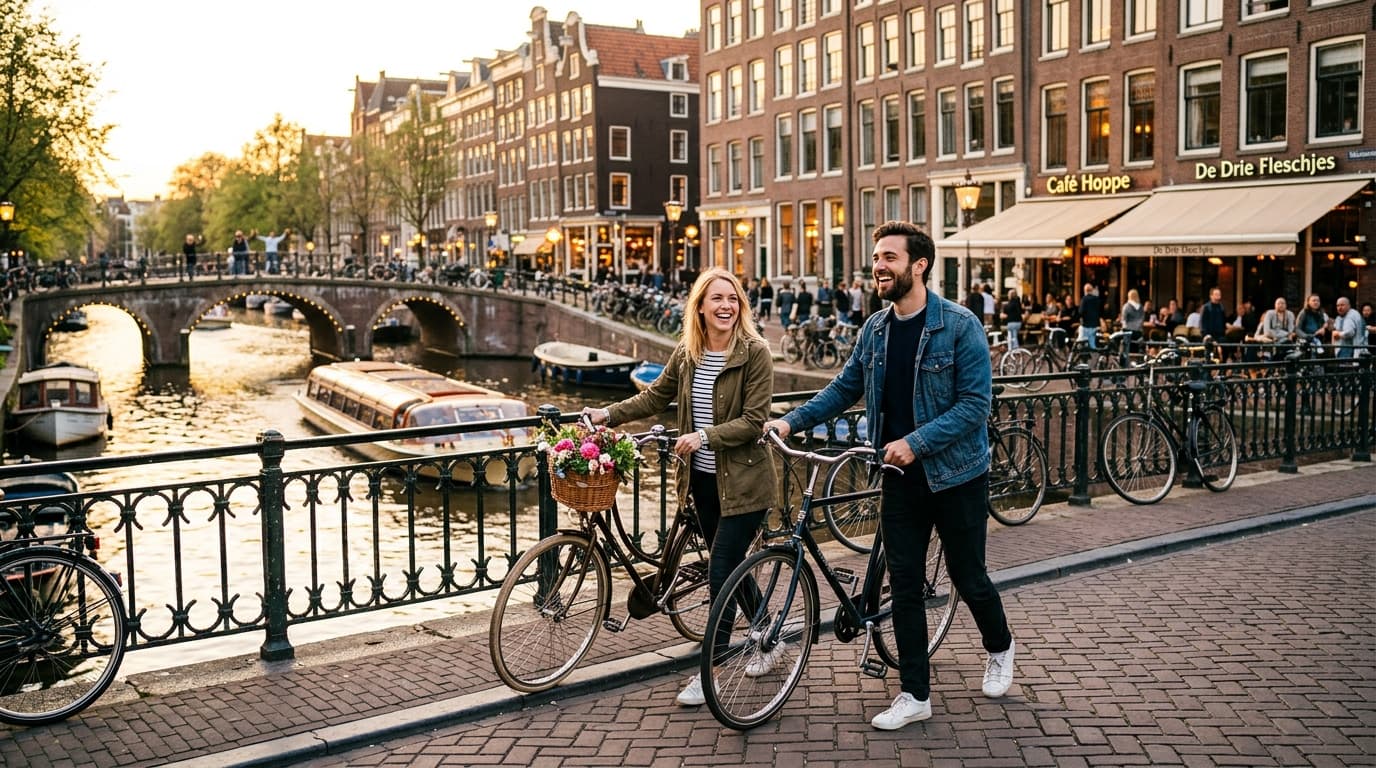
Weekend in Amsterdam planning starts with a simple truth: two days is enough to fall in love with the city if you balance the classics with a few local favorites. The smartest way to spend a weekend in Amsterdam is to anchor one day around the canals and museums, then use the second day for neighborhoods, food, and a live event or cruise that fits your vibe.
If you’re coming for the first time, think of Amsterdam as a city of compact experiences rather than a checklist marathon. You can walk a lot, hop on trams when needed, and still fit in major sights, a canal cruise, great coffee or dinner, and a night out without feeling rushed. We checked the most practical routes, popular bookings, and neighborhood combinations for 2026 so you can plan a weekend that feels local, easy, and memorable.
Quick answer — the perfect weekend in Amsterdam in 2 days
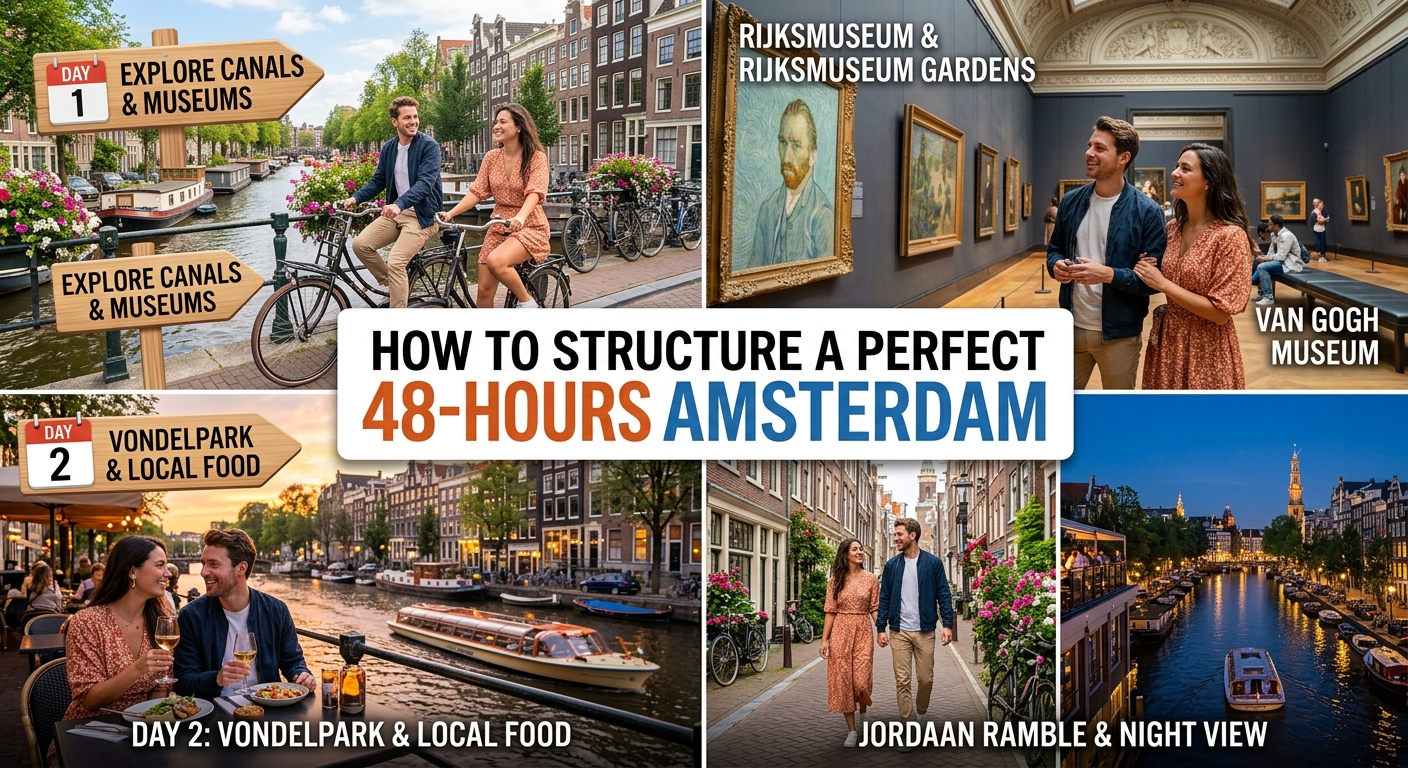
In the perfect weekend in Amsterdam, you spend Day 1 on the postcard essentials: the canal belt, a top museum like the Rijksmuseum or Van Gogh Museum, and an evening canal cruise or relaxed dinner in Jordaan or the Nine Streets. On Day 2, you move into neighborhood mode with Jordaan, De Pijp, and Amsterdam Noord, mixing food, markets, waterfront views, and one live entertainment stop that makes the trip feel current rather than purely sightseeing-driven.
This itinerary works best for first-timers, couples, friends, solo travelers, and families who want a ready-made plan without overcomplicating the weekend. If you only have 48 hours in Amsterdam, prioritize canals, one or two museums, one neighborhood walk, one memorable meal, and one evening activity like live music, comedy, theater, or a cruise. That combination gives you the city’s famous beauty and its everyday rhythm, which is really the sweet spot.
Who this itinerary is best for: first-timers, couples, friends, families, solo travelers
This weekend in Amsterdam guide is built for people who want confidence, not guesswork. First-timers get the iconic landmarks and practical shortcuts, couples get romantic routes and dinner ideas, friends get social activities and late-night neighborhoods, families get stroller-friendly options and indoor backups, and solo travelers get easy, low-pressure experiences. The city is flexible, which is one of the reasons it works so well for short trips.
If you’re traveling as a couple, you’ll probably want the canal cruise, a museum, and a memorable dinner. If you’re with friends, a bike ride, brewery stop, or live music venue may matter more than a long museum block. Families usually benefit from shorter segments, predictable transport, and a mix of indoor and outdoor stops. Solo travelers often enjoy the freedom to linger in cafés, browse galleries, and hop between neighborhoods without having to coordinate with anyone else.
What to prioritize if you only have 48 hours: canals, top museums, one neighborhood walk, one food/drink stop
If your time is tight, do not try to “win” Amsterdam by doing everything. The city rewards pacing, and the best weekend in Amsterdam is one where you can actually enjoy the streets between the major attractions. Prioritize one scenic canal area, one major museum, one neighborhood walk that feels lived-in, and one food or drink stop that reflects the city’s social side. That’s enough to make the trip feel complete.
We’d recommend a canal cruise or waterside stroll, a museum block around Museumplein, a Jordaan or De Pijp walk, and one evening out in the Nine Streets, Oud-West, or Amsterdam Noord. If the weather is good, build in outdoor time and a ferry ride. If it rains, swap in a second museum or indoor entertainment. That kind of flexible planning is the difference between a stressed weekend and a great one.
Fast planning summary: book ahead, use trams/walking, add one live event or cruise
Amsterdam is friendly to last-minute wanderers, but the best experiences still need a little planning. Timed-entry museums, canal cruises, popular restaurants, and Anne Frank House tickets can sell out, especially on weekends and in peak months. The good news is that once the key bookings are locked in, the city is extremely easy to navigate on foot, by tram, metro, ferry, or bike if you’re comfortable riding in traffic.
For 2026, we especially recommend adding one live event to your weekend: a concert, comedy night, theater performance, jazz set, or seasonal pop-up. That extra layer makes the trip feel current and gives you something beyond the usual sightseeing loop. If you want a quick way to browse what’s on, Gidly’s catalog helps you jump from planning to discovery in a few clicks.
Mini snapshot table: best for, budget range, and ideal season
| Weekend Style | Best For | Typical Budget | Best Season |
|---|---|---|---|
| Classic first-timer | Canals, museums, iconic sights | €150–€300 per person per day | Spring or fall |
| Couples date weekend | Cruises, dinners, intimate bars | €200–€450 per person per day | Year-round |
| Friends getaway | Live music, food halls, nightlife | €130–€250 per person per day | Summer or early fall |
| Family weekend | Museums, parks, easy logistics | €120–€280 per family member/day | Spring, summer, holidays |
How to structure a perfect 48-hour Amsterdam weekend
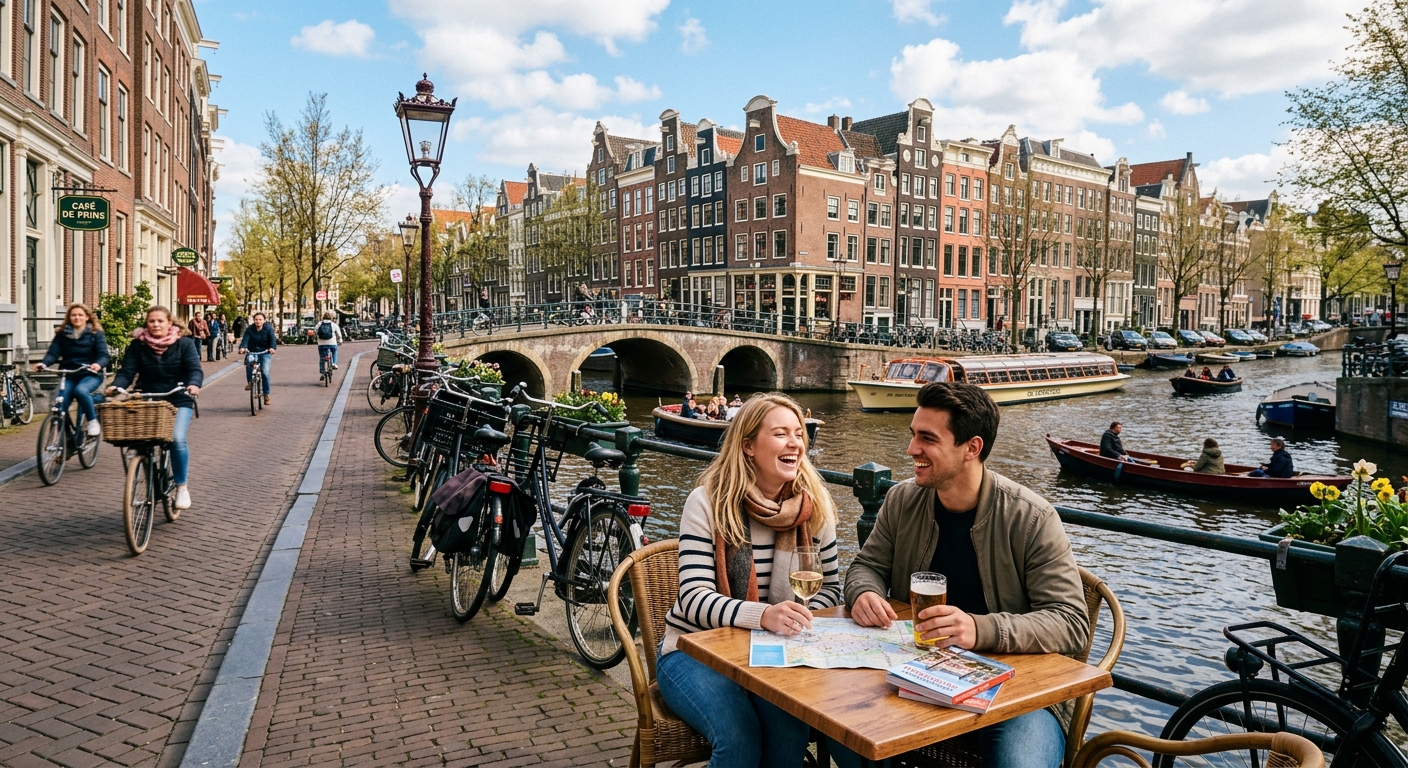
The best weekend in Amsterdam follows a rhythm, not a rigid checklist. The city is compact enough to explore deeply but layered enough that you can burn out if you try to stack too many “musts” into one day. A smooth 48-hour plan usually alternates between active blocks and slower moments, so you get the museums, the canals, the food, and the atmosphere without feeling like you’re racing a clock.
We found from experience that the most satisfying Amsterdam weekends use morning for focused sightseeing, afternoon for neighborhood wandering or a cruise, and evening for food, drinks, or live entertainment. That structure works whether you’re a first-time visitor or returning for a more local-feeling trip. It also helps you pivot when the weather changes, because Amsterdam weather can shift quickly even in the same day. A little flexibility goes a long way here.
The recommended pacing: morning, afternoon, evening for both days
On Day 1, morning is your strongest sightseeing window because museums and streets are calmer before midday crowds build. Plan a museum or two, or a walk through the canal belt before lunch, and keep your afternoon for a canal cruise or a softer sightseeing block. Evenings are best spent in neighborhoods where you can dine, drink, and wander without a strict agenda.
On Day 2, start slower and more local. A café breakfast in Jordaan, a market walk in De Pijp, or a ferry across to Amsterdam Noord gives the day a different texture from Day 1. By afternoon, you can choose between culture, water, or a more social experience, then end the evening with live music, theater, or a bar crawl that stays neighborhood-based rather than chaotic. This pacing keeps the trip from feeling too museum-heavy or too nightlife-heavy.
How to balance iconic sights with local experiences
Amsterdam works best when you mix the obvious with the understated. The iconic sights matter because they’re iconic for a reason, but they become more memorable when paired with something that feels like it belongs to everyday city life. For example, a Rijksmuseum visit hits differently if you follow it with a casual lunch in De Pijp and a late walk along quiet canals in the early evening. The contrast makes the city feel alive rather than staged.
We suggest aiming for a 70/30 split: about 70% of your weekend should cover the big-name attractions, and 30% should be neighborhood time, food exploration, or live events. That balance is especially good for first-timers who want a sense of place without overcommitting. It also helps you avoid the biggest mistake visitors make, which is staying only in the center and never seeing how people actually spend time here. The surrounding neighborhoods are where Amsterdam’s personality really shows up.
How to choose between culture-heavy, food-heavy, nightlife-heavy, and family-friendly weekends
If you love art, history, and design, build around Museumplein and cluster your museum tickets. If food is your main motivation, lean into De Pijp, the Nine Streets, Albert Cuyp Market, and a good dinner reservation. If nightlife matters most, use day sightseeing only as a foundation and save your energy for live music, cocktails, or clubs in the evening. Families should focus on predictable, walkable routes, parks, and interactive museums rather than trying to do late nights or too many transit hops.
A culture-heavy weekend is ideal in colder months or when you want a more classic trip. A food-heavy weekend is great when you want to graze your way through the city and spend more time in cafés and markets. Nightlife-heavy trips work best in summer or during event weekends, when late sunsets and outdoor terraces make the city feel especially lively. Family-friendly weekends are easiest when you keep the hotel central and plan one major indoor anchor each day.
What to skip if time is tight
When you only have two days in Amsterdam, you should be selective. Skip long cross-city detours unless they are truly important to you, and be careful about overbooking museums back-to-back without a meal break. Skip trying to fit in multiple day trips like Zaanse Schans, Volendam, and Keukenhof all at once; those are optional add-ons, not core weekend priorities. Also skip the temptation to change neighborhoods every hour just because everything is close.
One of the smartest ways to keep the weekend enjoyable is to choose depth over breadth. We’d rather see you spend an extra hour in one beautiful café, market, or museum wing than rush from landmark to landmark with no breathing room. You will remember the mood of Amsterdam more than the number of places you ticked off. That is very much the local way to do it.
Sample weekend flow: first-timer version vs. relaxed version vs. rainy-day version
A first-timer version usually includes Dam Square, one major museum, a canal cruise, Jordaan, De Pijp, and one live night out. A relaxed version slows down the mornings, adds longer café stops, and leaves room for browsing and people-watching. A rainy-day version shifts the emphasis to museums, food halls, indoor markets, and evening entertainment. The core structure stays the same, but the mood changes depending on your pace and the weather.
For example, a relaxed couple’s weekend might start with brunch, then a canal walk, then one museum, then dinner and jazz. A family weekend could start with NEMO or ARTIS, then lunch, then a park stop, then a quiet canal cruise. A friends trip might prioritize a food hall, a boat rental, and a live music venue. Once you know your style, Amsterdam becomes much easier to plan.
Day 1 itinerary — classic Amsterdam essentials
Day 1 is about the Amsterdam people imagine before they arrive: canals, world-class museums, elegant streets, and a golden-hour evening along the water. If you only had one day, this is the version of the city you would want, because it blends the visual icons with enough flexibility to still feel comfortable. The trick is not to cram too much into the morning and to leave some emotional space for the evening.
We recommend starting in the canal belt or near Dam Square, then moving toward Museumplein for your museum block, and ending with either a cruise or a relaxed dinner in Jordaan or the Nine Streets. This route minimizes transit and keeps you in highly walkable areas. It also gives you a neat narrative arc: historic center, cultural core, and atmospheric finish. That’s the formula we keep coming back to when friends ask us for a best-first-day plan.
Morning in the canal belt: Dam Square, Royal Palace exterior, and canal strolls
Start your morning in the canal belt because it gives you immediate visual context for the city. Dam Square is busy and touristy, yes, but it’s still a useful anchor for understanding how Amsterdam’s center connects to nearby streets, shopping zones, and tram lines. From there, walk toward the Royal Palace exterior, the surrounding pedestrian areas, and a few quieter canal stretches so you’re not only seeing the city through a crowd. This first stroll can be as much about orientation as sightseeing.
If the weather is good, take your time on the bridges and side streets instead of rushing straight to the next major attraction. Early mornings are ideal for photos, and this part of the city feels more manageable before the mid-day wave of visitors arrives. You’ll notice how quickly the city shifts from grand public space to intimate canal-side blocks. That contrast is very Amsterdam.
Late morning museum block: Rijksmuseum, Van Gogh Museum, or Stedelijk Museum
For a short weekend, you probably only have room for one major museum block, and the best choice depends on your interests. The Rijksmuseum is the grandest all-around pick, especially if it’s your first time in the city and you want Dutch masterpieces plus the iconic building itself. The Van Gogh Museum is better if you want a more emotionally direct art experience and a tighter focus. The Stedelijk Museum is ideal for modern and contemporary art lovers who prefer design, experimentation, and a more current lens.
We’ve found that most first-timers are happiest choosing one museum instead of trying to do all three. If you try to rush, the art stops being memorable and starts feeling like homework. Book tickets ahead, arrive on time, and build in a coffee break afterward. That leaves your afternoon free for a more relaxed part of the weekend and avoids the museum overload that many visitors experience on their first trip.
Lunch near Museumplein or De Pijp: what to eat and where to go
Lunch should be easy, not elaborate, especially after a museum morning. Museumplein has plenty of convenient options, but De Pijp is usually where we’d steer someone who wants a more local lunch atmosphere. This neighborhood is full of cafés, casual bistros, and market stalls where you can get something satisfying without losing momentum. If you want Dutch snacks, a sandwich, or a straightforward sit-down meal, this is the moment to do it.
For a first weekend in Amsterdam, we like to keep lunch flexible. Some travelers want a proper Dutch pancake or a hearty soup, while others just need a quick bite and a strong coffee. The key is to eat in a place that lets you reset before the afternoon cruise or next activity. Do not underestimate how much a good lunch can improve the rest of the day.
Afternoon canal cruise: best cruise types, duration, and booking tips
A canal cruise is one of the most satisfying things to do on a weekend in Amsterdam because it gives you a different perspective on the city’s architecture and layout. Standard cruises usually run around 60 to 90 minutes, which is the sweet spot for a short trip. Covered boats are better if you’re visiting in cooler or rainy weather, while open boats are lovely in spring and summer. Dinner cruises and private boats are more special-occasion options, but they can be worth it if you’re celebrating or traveling as a group.
Booking ahead is smart, especially on weekends and during peak travel months. Prices vary widely, but a basic shared cruise often starts around €15–€25 per person, while more premium or themed cruises cost more. Choose a departure time that works with daylight if you want the best views, and check whether snacks or drinks are included before booking. If you want to compare operators, look at official websites and verified listings instead of relying on random discount ads.
Evening in Jordaan or around the Nine Streets: dinner, drinks, and relaxed wandering
Finish Day 1 in Jordaan or the Nine Streets if you want the city to feel romantic and lived-in. Jordaan gives you narrow canals, cozy restaurants, and a quieter pace than the central core. The Nine Streets offers boutique shopping, stylish cafés, and a slightly more polished vibe. Both areas are ideal for dinner followed by a slow wander, which is one of the best ways to end a first day in Amsterdam.
For dinner, keep reservations in mind because popular places fill up quickly on weekends. Afterward, choose a cocktail bar, a low-key wine spot, or a café terrace if the weather is kind. The point is to let Amsterdam come to you instead of trying to chase a big nightlife plan right away. Day 1 should feel elegant, not exhausting, and these neighborhoods make that easy.
Day 2 itinerary — neighborhoods, markets, and modern Amsterdam
Day 2 is where Amsterdam becomes more than a sightseeing list. Once you’ve done the central icons, the second day should help you feel how the city actually flows through neighborhoods, markets, ferries, and social spaces. This is the day to slow down a little, explore beyond the postcard core, and choose a route that fits your personality more than your guidebook. The city opens up in a different way on day two.
We usually recommend Jordaan, De Pijp, and Amsterdam Noord as the backbone of a second day because they each show a different side of the city. Jordaan is calm and charming, De Pijp is energetic and food-forward, and Noord is modern, artsy, and waterfront-driven. That combination gives you a much fuller weekend in Amsterdam without requiring long transfers. It’s also a good way to keep the day interesting if you’re coming back from a late night or a rainy morning.
Morning in Jordaan: cafés, boutiques, canals, and local atmosphere
Start in Jordaan if you want your morning to feel soft and scenic. This neighborhood is one of the easiest places to simply walk without a strict destination, because the canals are beautiful and the streets are dotted with cafés, shops, and small galleries. It feels residential in places, which is exactly why it’s so pleasant for a weekend morning. You can linger over coffee, browse a few boutiques, and enjoy a slower pace than in the center.
Jordaan is also a good area for solo travelers or couples who want a quiet start before the day gets busier. It has enough to see that you won’t get bored, but not so much that it becomes overwhelming. The best approach is to wander in blocks, stop for breakfast or pastries, and then follow the canals wherever they take you. That kind of unstructured time often becomes the highlight of the trip.
Midday in De Pijp and Albert Cuyp Market: snacks, browsing, and casual lunch
De Pijp is where you go when you want energy, food, and a more local-feeling crowd. The famous Albert Cuyp Market is the obvious anchor, but the surrounding streets are just as important because they offer lunch spots, bars, and small shops that keep the neighborhood buzzing. This is an easy place to snack your way through the afternoon, especially if you’re traveling with friends or want a more casual budget-friendly plan.
The market is particularly useful if you’re trying to keep costs down. You can sample Dutch snacks, grab stroopwafels, pick up casual lunch, and still feel like you’ve experienced something distinctly Amsterdam. It’s also a great place for people-watching, which is underrated on a short trip. Sometimes the best souvenir from a weekend is simply seeing how people move through the city.
Afternoon in Amsterdam Noord or NDSM: ferry ride, art, waterfront, and industrial-chic entertainment
Amsterdam Noord is one of the smartest additions to a modern weekend in Amsterdam because it gives you waterfront views, creative spaces, and a slightly more experimental feeling. The free ferry from behind Central Station is already part of the fun, and once you cross, you’ll find a different city rhythm. NDSM is especially appealing for people who like street art, industrial design, event spaces, and a less polished but more energetic atmosphere.
We like Noord for groups, solo travelers, and repeat visitors who want something beyond the classic canal circuit. It also works well if you’ve already done a museum-heavy morning and want a more open-air afternoon. You can use the ferry, walk the waterfront, look for pop-up food spots, and end with drinks or early dinner before returning to central Amsterdam. It’s a strong second-day choice because it makes the weekend feel broader without needing a long trip out of the city.
Alternative second-day route for art lovers: museums, galleries, and exhibitions
If your ideal weekend in Amsterdam is more cultural than social, Day 2 can stay in museum mode. You might combine a second major institution with a smaller museum or gallery, then add a neighborhood café and a calm evening. This is a great option in rainy weather or during shoulder season, when indoor spaces are especially appealing. Amsterdam’s museum scene is deep enough that art lovers can easily fill two days without repeating themselves.
For art-focused travelers, the key is to cluster by neighborhood so you don’t waste time in transit. Museumplein is still the easiest starting point, but you can also add smaller design spaces, photo museums, or specialized collections depending on your interests. The trick is to avoid museum fatigue by mixing one marquee stop with one smaller, more focused place. That keeps the weekend engaging rather than repetitive.
Evening options: date night, live music, comedy, or late-night bars
By the second evening, you should choose your nightlife according to your mood, not obligation. If you want romance, go for dinner and drinks in Jordaan or the Nine Streets. If you want energy, look for live music, comedy, or a bar scene in Oud-West, De Pijp, or central Amsterdam. If you’re traveling with friends, this is the moment to extend the night a bit and make the trip feel celebratory.
We always suggest checking what’s on before you go, because Amsterdam’s live scene changes week to week. A concert, jazz set, DJ night, or comedy show can completely transform your weekend in Amsterdam from “nice city break” to “we should do this again.” Gidly is especially useful here because it helps you discover nearby events instead of guessing from generic lists.
Complete top picks for the best things to do in Amsterdam this weekend
If you’re searching for the best things to do in Amsterdam this weekend, the strongest answer is to mix one iconic experience, one local neighborhood, one food stop, and one entertainment choice. Amsterdam is not a city that forces you into a single format, which is why it works so well for short getaways. You can have a cultural weekend, a foodie weekend, a family weekend, or a nightlife weekend, all without leaving the same compact city.
This section is about helping you choose faster. Some travelers want only the classics; others want hidden gems; others just want the most efficient way to spend limited time. We’ve grouped the options the way real weekend planners think, not the way brochures think. That means you can scan this section and immediately see what fits your style and budget.
Top iconic attractions for first-time visitors
The top iconic attractions for a first weekend in Amsterdam include the canal belt, the Rijksmuseum, the Van Gogh Museum, Dam Square, Anne Frank House, and a canal cruise. Those are the names people remember, and they’re a strong foundation for a short visit. If you only choose a handful, those are the ones that define the city for most first-timers. They also sit near enough to one another that you can cluster your day efficiently.
The Anne Frank House deserves a special mention because it is one of the most meaningful and in-demand stops in the city. You absolutely need to plan ahead, because tickets are released online and can disappear quickly. It is not the kind of attraction you casually decide to visit at lunch. If it matters to you, book first and build the rest of your weekend around it.
Top local favorites beyond the obvious tourist circuit
Once you’ve covered the classics, add local favorites like Jordaan cafés, De Pijp market life, Amsterdam Noord’s waterfront spaces, the Nine Streets for boutique wandering, and Oud-West for a more neighborhood-driven dining and drinks scene. These are the places where Amsterdam starts to feel less like a destination and more like a city people actually inhabit. That shift is what makes a weekend feel memorable rather than generic.
We especially like the contrast between the central canal belt and these nearby districts. In the core, you get the historical beauty and the famous views. In the neighborhoods, you get small businesses, casual social energy, and less pressure to “see everything.” If you’re coming back to Amsterdam for the second or third time, these are the areas that make the trip worth repeating.
Top entertainment picks for couples, groups, and solo travelers
Couples usually do best with a cruise, a museum, dinner, and a wine or cocktail bar. Groups tend to enjoy boat rentals, live music, food halls, games, comedy, and sports bars. Solo travelers often prefer a museum, a long café stop, a canal walk, and then a live show or low-key bar where it’s easy to settle in comfortably. The same city can support all three styles with very little friction.
If you want to make one thing of the weekend, choose an entertainment piece that adds personality. That could be a concert, a theater performance, a comedy night, a tasting menu, or a rooftop drink if the weather cooperates. These are the moments that feel specific to the trip and often become the story you tell later.
Top indoor options for rainy days
Amsterdam on a rainy weekend is still excellent, as long as you pivot quickly. The best indoor options include major museums, smaller art spaces, cafés, food halls, design shops, covered markets, and evening entertainment such as live music, theater, or comedy. The city is used to wet weather, so there’s no need to panic when clouds roll in. There are plenty of ways to stay dry and still have a great time.
One useful tactic is to keep one indoor “anchor” in your plan every day. That way, if the weather shifts, you don’t have to rebuild your entire itinerary from scratch. This is especially helpful during autumn and winter, when the chance of rain or cold wind is higher. A little planning now can save you from a disappointing, soggy afternoon later.
Top free and budget-friendly things to do
Free and budget-friendly Amsterdam experiences include walking the canals, riding the free ferry to Amsterdam Noord, browsing markets like Albert Cuyp, watching the city from bridges and waterfronts, exploring Jordaan on foot, and spending time in parks. You can also build a cheap food day around snacks, market bites, and casual cafés. The city does not have to be expensive if you plan with intention.
Budget travelers should especially lean into walkable neighborhoods, public transport instead of taxis, and at least one free outdoor activity. If you pair that with one paid splurge like a cruise or museum ticket, you can keep the weekend balanced without overspending. Amsterdam is a very good city for selective spending because the free atmosphere is so good.
By scenario — date night in Amsterdam
Amsterdam is one of Europe’s easiest cities for a great date night because the atmosphere does half the work for you. Narrow canals, quiet bridges, candlelit restaurants, and intimate bars create a naturally romantic backdrop without needing a huge production. The best date-night plans in Amsterdam are usually elegant but relaxed, with enough structure to feel special and enough flexibility to let the evening unfold naturally.
For couples planning a weekend in Amsterdam, we recommend choosing one scenic neighborhood and letting the night build from there. Jordaan, the canal belt, the Nine Streets, De Pijp, and Oud-West all work well depending on your style. Whether you want a low-key dinner or a polished night out, the city has options that feel intimate rather than overdone. That balance is one reason Amsterdam remains such a strong short-break destination for couples.
Best romantic canal areas and scenic walks
The most romantic places in Amsterdam are the ones that combine water, light, and a little breathing room. The canal belt around Jordaan, the quieter side streets near the Nine Streets, and evening walks near the Herengracht or Prinsengracht are especially beautiful. You don’t need to be doing anything dramatic; a simple stroll with stops on bridges and canal corners can feel incredibly memorable. Sunset and blue hour are the best times for this.
If you’re planning a date night in warmer months, start with a canal walk and maybe a drink on a terrace before dinner. In colder months, do the same route but keep dinner earlier and follow it with drinks in a cozy bar. We like this kind of plan because it’s low-pressure and gives you room to talk, which is often more valuable than a packed schedule. Amsterdam is at its most romantic when you leave space between the plan.
Dinner, cocktails, and dessert ideas for a memorable evening
For dinner, choose a place that matches your budget and mood, not just the reviews. Amsterdam has everything from approachable neighborhood bistros to high-end tasting menus, and the right choice depends on whether you want a casual, celebratory, or “special occasion” feeling. After dinner, cocktails or wine in a quieter bar can extend the evening without turning it into a night out that feels too loud or too long.
Don’t forget dessert as part of the date. A pastry stop, gelato, chocolate, or even a simple coffee-and-dessert combo can keep the evening relaxed and slightly indulgent. If you’re trying to impress without overplanning, this is an easy way to add polish. It also gives the evening a natural finish if you’re too full for a second round of drinks.
Date-night culture: theater, concerts, jazz, and intimate venues
If you want your date night to feel more cultured, Amsterdam is great for theater, chamber music, jazz, and smaller performance spaces. Checking the live calendar is smart because the city’s cultural scene is active year-round, and an evening show can be more memorable than another restaurant reservation. The right venue can shift the whole mood of the trip from ordinary to cinematic.
We suggest looking for venues that offer shorter sets or earlier start times if you want the night to remain manageable. That way, you still have time for dinner and a drink before or after. Couples who love music or performance often remember these nights more vividly than a generic bar crawl. It’s one of the best ways to make a weekend in Amsterdam feel personal.
Low-key vs. upscale date-night itineraries
A low-key date night might include a canal walk, a cozy dinner, and a wine bar in Jordaan or Oud-West. An upscale version might add a nicer restaurant, a premium cocktail bar, or a private boat ride before dinner. Both can be excellent, and neither needs to be loud to be memorable. The city supports both energy levels beautifully.
If you’re trying to decide, think about your travel rhythm. If your weekend is already full of sightseeing, keep date night simple and restorative. If the trip is meant to celebrate something, you may want to stretch into something more polished. In both cases, the most important thing is to avoid overstuffing the evening so it still feels like a date and not a checklist.
Best date-night neighborhoods: Jordaan, De Pijp, Canal Belt, Oud-West
Jordaan is the safest bet for romantic charm and atmosphere. The Canal Belt gives you a classic Amsterdam feel with beautiful streets and excellent walking. De Pijp is better if you want a younger, livelier dinner-and-drinks scene. Oud-West works well when you want something slightly less polished and a little more local, with strong restaurant options and easy transitions to late-night drinks.
For most couples, our recommendation is to build the evening around one of these neighborhoods rather than moving around the city. That keeps the night flowing smoothly and helps you find a place that feels like “yours” for a few hours. Amsterdam is at its best when you settle into one pocket of it and enjoy the mood.
By scenario — weekend in Amsterdam with friends or a group
Amsterdam is a very good city for groups because it offers enough structure to keep everyone happy, but enough variety that people with different tastes can still enjoy the same weekend. The trick with friends trips is to choose activities that feel social without becoming logistics-heavy. One person may want culture, another wants bars, another wants food, and another wants a fun photo moment. Amsterdam can accommodate all of that if you plan smartly.
For a weekend with friends, we like building the day around a shared anchor such as a canal cruise, food hall, bike tour, ferry ride, or a live event, then allowing the evening to branch based on energy. That gives the group common ground without forcing everyone into the same mood all night. It also helps mixed-budget groups because you can combine free or low-cost activities with one or two splurges. The city makes that easy.
Best social activities: canal cruise, pub crawl alternatives, games, live music
Canal cruises are one of the easiest group activities because they require little coordination once booked and give everyone something to look at and talk about. If your group wants nightlife without the mess of a traditional pub crawl, consider a neighborhood-based bar plan instead, where you pick a few good places in De Pijp, Oud-West, or central Amsterdam and move at a sane pace. That feels more grown-up and less chaotic.
Games, karaoke, live music, and comedy can also be strong group choices because they remove the pressure to constantly “perform” the weekend. You can relax, laugh, and still keep the evening memorable. We’ve found that the best friend trips are the ones with one shared activity and one flexible later plan. That balance keeps people together without making the whole trip feel forced.
Group-friendly food and drink neighborhoods
De Pijp is excellent for group dinners because there’s so much casual energy and plenty of places that can handle mixed tastes. Oud-West is another strong choice, especially if your group wants good food without the hardest reservations in town. The Nine Streets can work for slightly smaller groups that want a nicer atmosphere. Jordaan is ideal if your group is more about vibes than volume.
When planning for friends, try to choose neighborhoods with multiple options close together. That way, if one place is full, you can pivot without losing the night. Amsterdam rewards that kind of flexibility. It’s much better to stay in one neighborhood cluster than to waste time crossing the city because everyone can’t agree on a backup restaurant.
Active group ideas: bike tours, boat rentals, comedy, sports bars
If your group likes movement, bike tours and boat rentals can be excellent bonding experiences. Amsterdam is famously bike-friendly, though you should be honest about your comfort level before committing to a busy traffic route. Boat rentals can be a bit more premium, but they make groups feel like they’re doing something special. Comedy and sports bars are also easy wins because they let everyone participate at their own pace.
We like active group ideas because they give the weekend a signature memory. Nobody forgets the boat ride, the funny show, or the bike route through a neighborhood they would never have found on their own. These are the moments that make a group trip feel distinct from a solo or couple’s weekend. If you’re celebrating a birthday or reunion, go with one of these instead of over-scheduling landmarks.
Budget split-friendly plans for mixed groups
Mixed-budget groups should plan a free or low-cost anchor, such as a neighborhood walk or ferry ride, then add one paid experience that everyone agrees on. That keeps the trip fair and avoids awkward spending pressure. A canal cruise, group dinner, or comedy show is usually a better shared splurge than a bunch of unrelated small purchases. It’s easier to agree on one clear highlight.
We also recommend deciding early how meals will work. Shared dishes, casual food halls, and drinks-first plans can reduce friction if people are spending differently. Amsterdam has enough variety that nobody needs to feel left out. The key is to keep the structure simple so the weekend stays social instead of becoming a spreadsheet.
Where groups can book ahead for peak weekends
Peak weekends, especially in spring and early summer, can book up faster than people expect. Reserve your cruise, dinner, and any live show as early as you can. Popular restaurants and event venues in central Amsterdam, De Pijp, and Jordaan can fill quickly on Friday and Saturday nights. If your group has a fixed arrival time, lock in those anchors first.
For large groups, choose venues with clear reservation policies and easy access by tram or walking. Avoid overcomplicating the schedule with too many neighborhoods. If the trip is about catching up, keep the plan social and simple. That is what makes Amsterdam such a good group weekend city.
By scenario — family-friendly weekend in Amsterdam with kids
Amsterdam can be a genuinely great family weekend if you plan around shorter distances, interactive stops, and good indoor backups. The city is walkable, many attractions are stroller-friendly, and there are enough parks, museums, and waterfront spaces to keep kids engaged without needing a car. The challenge is pacing, not options. If you keep the day manageable, families usually have a wonderful time.
We recommend using one major attraction per half-day for family trips. That might be a museum in the morning and a park or market in the afternoon, or an indoor attraction followed by a canal cruise. The key is not to force a marathon itinerary. Kids, especially younger ones, do better with predictable breaks, snacks, and room for movement. Amsterdam makes this possible if you choose carefully.
Best kid-friendly attractions and interactive museums
Some of the best kid-friendly attractions include NEMO Science Museum, ARTIS Zoo, and hands-on museum spaces that let children touch, build, and explore. These types of attractions work well because they break up the city’s more adult-heavy cultural scene. If your family has younger kids, interactive and sensory experiences usually beat long art-only visits. They also make rainy days much easier.
Families should also consider canal cruises because kids often enjoy the motion and scenery. A cruise can be a major hit if they’re tired from walking but still want to see the city. We’ve found that a well-timed cruise can act almost like a reset button, giving everyone a calm hour before the next stop. That’s especially helpful on a short weekend.
Parks, playgrounds, and open-air stops that work for families
Amsterdam has several parks and open spaces that are excellent for families needing a breather. Vondelpark is the obvious one, but smaller neighborhood parks can be just as useful if you want less crowding. Open-air stops give kids a chance to burn energy and give adults a chance to rest. They also make the city feel less like a museum tour and more like a livable place.
When planning a family weekend in Amsterdam, try to place park time after something structured. That way, kids have something to look forward to and parents have a built-in decompression window. A picnic or casual snack stop can stretch the moment without adding complexity. Sometimes the best part of a family trip is simply sitting together in a beautiful green space after a busy morning.
Easy food stops and stroller-friendly routes
Families do best with straightforward food stops that are easy to enter, easy to exit, and not too formal. Bakeries, cafés, food halls, and casual lunch spots are ideal because kids can eat quickly and parents do not have to manage a complicated dining experience. Stroller-friendly routes are generally easiest around wider streets, canals with smoother paths, and areas like Museumplein or parts of Jordaan with calmer foot traffic.
We recommend keeping food near your planned activities so you don’t spend the weekend hunting for a table. Dutch pancakes, sandwiches, soups, and simple restaurant meals are all easy wins. If you’re traveling with picky eaters, Amsterdam is forgiving as long as you stay near central neighborhoods. Convenience matters more than culinary ambition on a family weekend.
How to make the weekend manageable with younger children
With younger children, fewer transitions are better. Choose a hotel in a central or well-connected area, keep one major indoor attraction per day, and build in snack breaks. It helps to pre-plan bathroom stops, nap windows, and transport options. A smooth family weekend is usually about reducing friction rather than maximizing attraction count.
Also, don’t be afraid to end the day earlier than you might on an adult-only trip. Amsterdam evenings are beautiful, but families often get more out of a relaxed dinner and an early return than a forced late-night outing. That doesn’t make the trip less enjoyable. It usually makes it more enjoyable for everyone.
Indoor fallback plans for bad weather
Rainy weather is not a dealbreaker for families in Amsterdam if you have a backup list ready. Indoor museums, science centers, aquariums, cafés, and covered market spaces can save the day. It’s useful to have one “if it pours” stop on each day so you can pivot quickly without panic. Amsterdam is too good an indoor city to let weather ruin the weekend.
If the forecast is poor, consider rearranging so the heaviest indoor attraction happens when the weather is worst. Save parks and canals for a window of better conditions. That flexibility is especially valuable with children, who often react quickly to being cold, wet, or tired. A good plan is half itinerary and half weather strategy.
By scenario — solo weekend in Amsterdam
A solo weekend in Amsterdam can be one of the easiest and most rewarding city breaks you’ll ever take. The city is compact, walkable, and forgiving for travelers who want to move at their own pace. You can spend a whole day drifting between a museum, a café, a market, and a neighborhood walk without needing to negotiate with anyone. That freedom is part of the appeal.
Solo travelers often do best by mixing public spaces with low-pressure activities. Amsterdam gives you plenty of opportunities to observe, browse, and linger without feeling out of place. The city’s café culture and neighborhood rhythm are especially good for this style of travel. If you like being independent but not isolated, Amsterdam is a very easy fit.
Best areas for walking, café-hopping, and low-pressure exploring
Jordaan is one of the best solo areas because it’s beautiful, walkable, and calm enough to enjoy without a plan. De Pijp is great if you like more energy and market browsing. The canal belt and the Nine Streets offer a mix of scenery and shops that work very well for slow exploration. You can wander, sit, and move on when you feel like it.
Solo café-hopping is one of the simplest pleasures in Amsterdam. You can start with coffee, browse a few streets, then stop for lunch or dessert without committing to a fixed schedule. That kind of flexibility is perfect for independent travelers. It also makes it easy to adjust for weather, mood, or energy level.
Solo-friendly cultural stops and quiet attractions
Museums are especially good for solo visitors because you can move at your own pace and spend as long as you like in each room. Smaller museums and galleries can be even better if you want something less crowded than the major institutions. Quiet canal walks, libraries, and design-focused spaces also work well. These stops make the city feel contemplative without being boring.
If you like thoughtful travel, consider pairing one major museum with one neighborhood that is less tourist-heavy. You’ll get the city’s cultural side and its everyday side in one day. That combination often feels more satisfying than trying to fill every minute with high-profile attractions. Solo travel gives you the freedom to let the day breathe.
Evening ideas for solo travelers: shows, bars, and safe late-night options
For solo evenings, choose places where it’s easy to sit comfortably and not feel like the odd one out. A live performance, jazz venue, comedy club, or relaxed wine bar can be ideal. Amsterdam has a strong culture of solo-friendly public life, so you generally won’t stand out just for being alone. That makes the city especially welcoming for independent travelers.
If you plan to stay out late, use common sense about transport and know your route back to your hotel. Central areas are usually manageable, but it’s still smart to avoid making the night overly complicated. Solo nightlife is best when it feels optional, not pressured. You can have a great time without turning it into an all-nighter.
How to meet people or join guided experiences
If you’d like to meet people, guided tours, cruises, tasting experiences, and small-group events are the easiest entry points. These create a natural social setting without making conversation forced. You can also look for live events or neighborhood happenings that attract locals and visitors alike. That makes it easier to talk to people who share your interests rather than just random travelers.
We think solo travel works best when you don’t over-plan the social side. Join one or two structured experiences, then let the rest of the trip be for you. That gives you both connection and independence. Amsterdam is one of the easiest cities to strike that balance.
Practical safety and navigation tips for solo visitors
Amsterdam is generally a comfortable city for solo visitors, but basic urban awareness still matters. Keep your phone charged, know your tram or metro route, and avoid over-relying on taxis when public transport or walking is easier. Use well-lit streets at night and keep your valuables secure in crowded areas. These are standard city habits, but they matter on a weekend where you may be moving quickly between neighborhoods.
One thing we love about solo Amsterdam weekends is how easy it is to recalibrate. If a museum feels crowded, move to a café. If the weather improves, walk the canals. If you feel social, go to a show or bar. The city works beautifully for travelers who like to follow their own pace.
By scenario — budget-friendly and free things to do in Amsterdam
Amsterdam can be expensive, but it does not have to be. A smart weekend in Amsterdam can include plenty of free or low-cost activities if you plan around neighborhoods, public transport, markets, and scenic walks. The city’s beauty is one of its biggest budget advantages because so much of it is experienced from the street, not from inside a ticket gate. You can have a very satisfying trip without spending heavily every hour.
Budget planning works best when you choose one or two paid experiences and fill the rest with free movement and casual food. That might mean a museum plus a cruise, or a show plus a market day. The city rewards this approach because it offers such a strong public realm. You get a lot just by being there.
Free sights, neighborhood walks, and scenic viewpoints
Some of the best free things to do in Amsterdam are simply walking the canal belt, crossing bridges, and exploring Jordaan, the Nine Streets, or De Pijp on foot. The free ferry to Amsterdam Noord is another great value move because it feels like an experience in itself. Parks and waterfronts are also excellent if you want a break from paid attractions. In a city this beautiful, free often still feels premium.
We recommend building one free “wander block” into each day. That lets you enjoy Amsterdam without constantly checking your wallet. You can stop for coffee or a cheap snack along the way and still keep the day light on spending. This is one of the easiest ways to make a budget weekend feel richer than it looks on paper.
Cheap eats, markets, and snack stops
Markets like Albert Cuyp are helpful because they let you sample food without committing to a full sit-down meal. Snacks, pastries, sandwiches, and casual takeaway can keep your budget under control. Dutch classics like stroopwafels, herring, fries, and bitterballen can be enjoyed at a relatively low cost if you seek them out strategically. Food does not need to be fancy to feel local.
If you’re keeping costs down, avoid too many drinks in the most tourist-heavy central bars. Neighborhood cafés, market stalls, and lunch counters can provide a more affordable and often more authentic experience. It’s not about being cheap; it’s about choosing your splurges carefully. That is the smartest way to enjoy Amsterdam without stress.
Affordable museums and discount passes
Some museums are worth the ticket price, especially if you love art or history, but you can still be strategic. Check official museum websites for current prices, opening times, and any timed-entry rules. Combo passes or city cards may make sense depending on your plans, but only if you’ll actually use them enough to justify the cost. Don’t buy a pass just because it sounds efficient.
In 2026, many travelers are more value-conscious than ever, so we’d suggest comparing the actual attractions you want rather than assuming a pass is automatically cheaper. If you’re doing one museum and one cruise, the math may favor single tickets. If you’re stacking multiple attractions, a pass might help. The point is to calculate before you click.
Ways to save on transport, boats, and booking fees
Walking is still one of the biggest money savers in Amsterdam, and it often gives you the best experience anyway. Public transport is excellent for longer hops, and ferries are free for certain routes. When it comes to boats, compare shared cruise options carefully because some operators add hidden extras through audio guides or package add-ons. Read the details before buying.
Booking directly through official operator sites can sometimes reduce confusion about fees, time slots, and boarding points. That also makes it easier to manage changes if the weather shifts or your timing changes. Small decisions like that can save more money than a random discount code ever will. Clarity is a form of savings.
Sample budget weekend plan for under a chosen threshold
For a practical low-budget weekend, imagine this: free morning canal walk, low-cost lunch, one affordable museum, a market afternoon, and a casual dinner. Add one shared cruise or free ferry ride if you want a bigger highlight. If you keep drinks moderate and use public transport or walking, the weekend can remain very manageable. You don’t need a luxury budget to feel like you did Amsterdam well.
A realistic rough target for budget travelers might be around €80–€150 per day excluding hotel, depending on your choices and season. Of course, that can go up quickly if you add premium dinners or several paid attractions. The important thing is that Amsterdam offers enough free atmosphere to keep the trip enjoyable even when you’re watching costs. That’s rare, and it’s worth using.
By scenario — rainy day and indoor Amsterdam weekend ideas
Rain should never ruin a weekend in Amsterdam, because the city is built for indoor beauty as much as outdoor charm. When the weather turns wet, you simply shift the plan toward museums, cafés, food halls, design spaces, and evening entertainment. The city’s compact layout makes that pivot easier than in many bigger destinations. You can change the whole tone of the day without changing neighborhoods constantly.
We’d actually argue that some of Amsterdam’s best memories happen on rainy days. The canals look moodier, cafés feel warmer, and museums become even more appealing. The key is to be flexible and make sure your itinerary includes at least one indoor anchor per day. That way you can adapt without losing momentum.
Best indoor attractions when the weather turns wet
Top indoor options include the Rijksmuseum, Van Gogh Museum, Stedelijk Museum, NEMO Science Museum, the Anne Frank House, and various galleries or historical museums. Depending on your interests, you could spend an entire rainy day moving from one indoor stop to another without ever feeling trapped. The trick is to avoid over-committing to multiple long entries if you know you’ll want breaks in between.
Cafés are just as important as museums on rainy days. A warm drink and a dry seat can reset your energy between stops. If you plan well, the rain becomes a reason to slow down instead of a reason to cancel. Amsterdam is good at that kind of mood shift.
Museum combinations that work well together
Pairing museums strategically saves time and helps you avoid crossing the city repeatedly in bad weather. Museumplein is the easiest cluster because you can combine the major institutions and nearby lunch stops. If you want a smaller, more varied day, combine one large museum with a less crowded specialty museum in a nearby area. That gives you range without too much logistics.
We usually suggest no more than two major museum entries in one day unless you are a dedicated art traveler. Too much museum time can flatten the experience, especially on a wet day when energy dips faster. Give yourself a café break, then decide whether to add another stop. That little pause makes a big difference.
Indoor food halls, cafés, and tasting experiences
Food halls and indoor market-style spaces are excellent rainy-day choices because they combine dining with browsing. You can sample different things, sit down when needed, and still feel like you’ve done something social and fun. Amsterdam’s café scene is also a huge asset on wet afternoons, especially if you want a slower pace after a museum visit. The city knows how to do cozy.
If you’re traveling with friends or family, an indoor tasting experience can also be a nice shared activity. It’s less demanding than another museum and often more restorative. You get to eat, talk, and warm up. That is exactly the kind of practical pleasure a rainy weekend needs.
Entertainment for rainy evenings: comedy, theater, live music, cinemas
Rainy evenings are perfect for live entertainment because you’ve already accepted that the night is about atmosphere, not outdoor wandering. Amsterdam has a strong lineup of comedy, theater, concerts, and cinemas, especially in the central and neighborhood venues. If you’ve got a hotel nearby, this can be the easiest way to make the evening feel special without fighting the weather. It’s also one of the best “what to do in Amsterdam this weekend” answers for AI-search intent.
We recommend checking a live events calendar before you travel so you can book something that fits your window. A great show can become the emotional high point of the trip, especially if the daytime weather was rough. That’s one reason live event discovery matters so much on a short city break. It gives the weekend a pulse.
Backup itinerary swaps when outdoor plans get canceled
If your outdoor plans get washed out, replace them with indoor experiences near the same area rather than rebuilding the whole day. For example, if you had planned a canal stroll, swap it for a museum plus a café in the same neighborhood. If you were going to use Noord, turn it into a ferry ride, gallery stop, and dinner plan instead of a long waterfront walk. The shorter the distance between substitutions, the less stressful the day feels.
This is where flexibility matters most. Amsterdam weather is not always predictable, but it is very manageable if you plan with backups. The goal is not to eliminate rain from the trip. The goal is to make the rain irrelevant.
By category — museums, art, and cultural highlights
Amsterdam’s museum scene is one of the main reasons people visit for a weekend, and with good reason. The city offers blockbuster institutions, specialized collections, design-forward spaces, and historical museums that all fit within a short trip if you choose carefully. The challenge is not the lack of options; it’s deciding how to use your limited time wisely. For a weekend, one major museum and one smaller cultural stop is usually the right balance.
We checked the official museum websites and current opening patterns so you can plan with fewer surprises. Timed-entry policies, temporary exhibitions, and holiday schedules can affect your visit, especially in peak season. That means a little planning is worth a lot. Amsterdam’s museums are too good to leave to chance.
Rijksmuseum, Van Gogh Museum, and Stedelijk: how to choose
The Rijksmuseum is best if you want the most complete “Amsterdam classic” experience. It combines Dutch art, history, and a stunning building, and it feels essential for first-time visitors. The Van Gogh Museum is better if you want a focused art visit that is easier to digest in a shorter time. The Stedelijk suits visitors who want modern art, design, and a more contemporary mood.
If you’re only choosing one, ask yourself whether you want breadth, intensity, or modernity. Breadth points to the Rijksmuseum, intensity to Van Gogh, and modernity to Stedelijk. A pair of museums can work too, but only if you’re genuinely motivated and keep lunch or coffee breaks in between. The goal is to leave inspired, not overwhelmed.
Anne Frank House planning and ticket strategy
The Anne Frank House is one of the most meaningful visits in Amsterdam, but it also requires the most planning. Tickets are sold through the official site and typically need to be booked well in advance, especially for weekends. If this is on your must-see list, treat it as a fixed appointment rather than a flexible possibility. That approach will save you a lot of disappointment.
Once you secure a ticket, build the rest of your day around that time window and avoid stacking too many long activities before or after it. The visit can be emotionally heavy, so a nearby meal, walk, or quiet coffee stop afterward is a good idea. It’s one of those experiences where the right pacing matters as much as the ticket itself.
Smaller museums worth adding if you have extra time
If you have extra time after the major institutions, Amsterdam has many smaller museums that reward curiosity. These can include design museums, history collections, photography spaces, and niche cultural stops. Smaller museums are especially useful on a second day, because they fit neatly around meals or neighborhoods without consuming the whole itinerary. They can also be a better fit for rainy afternoons.
We like smaller museums because they feel less intimidating than the big-name institutions and often reveal a more specific side of the city. They are perfect for repeat visitors or travelers who already know the major landmarks. If you want your weekend to feel less tourist-standard, this is where to look.
How to cluster museums efficiently by neighborhood
Museum clustering is one of the smartest planning tactics in Amsterdam. Museumplein is the most obvious cluster, but you can also pair a museum with a nearby café, park, or neighborhood dinner to make the day flow better. The idea is to minimize crossing the city multiple times and to keep your energy focused. That matters when you only have 48 hours.
For example, a museum morning followed by a lunch in De Pijp and a canal cruise in the afternoon is much more efficient than trying to fit museum stops across opposite ends of the city. Think in zones, not in isolated attractions. Amsterdam rewards that style of planning because its neighborhoods are compact and distinct.
Best museum picks by audience: first-timers, families, art lovers
First-timers usually do best with the Rijksmuseum or Van Gogh Museum. Families often prefer NEMO or other interactive, hands-on spaces. Art lovers may want the Stedelijk or a specialty collection with a more focused concept. That audience-based approach helps you avoid choosing a museum just because it’s famous.
If you’re unsure, default to the museum that best matches your energy level. If you want a grand, memorable block of time, go big. If you want something lighter and more contemporary, choose a smaller or more modern space. That self-awareness makes the visit better.
By category — canal cruises, boat tours, and water-based experiences
A canal cruise is one of the most reliable things to book for a weekend in Amsterdam because it compresses the city’s beauty into a single, relaxing experience. You get architecture, history, water, and movement all in one go. It also creates a natural break in a busy weekend, which is why many travelers remember it as one of the most restorative parts of the trip. If you’re short on time, this is a high-value choice.
Water-based experiences are not all the same, though, and choosing the right one depends on your mood, weather, and group. A basic sightseeing cruise, a dinner boat, a private rental, or even a ferry ride can each serve a different purpose. The point is to match the format to the trip instead of booking the first option that looks pretty online. That’s how you avoid disappointment and tourist-trap pricing.
Canal cruise types: open boat, covered boat, dinner cruise, private boat
Open boats are best in spring and summer when the weather is pleasant and you want unobstructed views. Covered boats are ideal for rainy or colder days and usually offer a more comfortable experience if you’re trying to relax rather than take photos nonstop. Dinner cruises are better for special occasions, while private boats are great for groups that want a more customized outing. Each format has a different tone, so think about the mood you want.
For a standard weekend, a 60- to 90-minute shared cruise is usually enough. Longer cruises can be enjoyable, but on a short trip you may want to leave room for neighborhoods and meals. The beauty of Amsterdam is that the canal system itself already feels immersive. You do not need the fanciest version to enjoy it.
What each cruise is best for: romance, sightseeing, groups, rainy days
Romantic weekends are often best served by a quieter boat with fewer people and a later-afternoon or evening departure. Sightseeing-first trips usually do well with a straightforward daytime cruise because the light helps you see more detail. Groups may prefer a private or semi-private option to make conversation easier. Rainy days almost always call for a covered boat, because comfort matters more than the view alone.
We like to think of cruises as a flexible tool rather than a mandatory tourist box. They can be the highlight of a date, the social anchor of a group outing, or the weather-proof backup that saves a soggy afternoon. That versatility is why they keep showing up in the best weekend in Amsterdam plans. They just work.
When to book and how to avoid tourist traps
Book ahead if you’re visiting on a weekend, especially in spring, summer, or during holiday periods. Read what is included in the price, check the boarding location, and avoid vague package listings that don’t clearly state the route or duration. Tourist traps often hide in the details rather than the headline price. A slightly more expensive but transparent operator is often the better value.
Official websites and well-reviewed operators are your safest bet. If you’re looking for a live-availability tool, use trusted listings and compare departure times before you commit. That little bit of due diligence can make the difference between an enjoyable cruise and a logistical headache. It’s worth the extra minute.
Canal etiquette, boarding tips, and practical pricing expectations
Arrive early, bring a charged phone for tickets and photos, and confirm whether drinks or snacks are allowed onboard. Most cruises operate smoothly, but boarding points can be easy to miss if you’re rushing. Prices for basic shared cruises often start in the €15–€25 range, while premium options can climb higher depending on the route and extras. It’s smart to budget accordingly.
If you’re taking a private boat or dinner cruise, check dress expectations and whether you need to reserve the whole table or boat. Some experiences are more casual than they look online. A quick read of the details avoids awkward surprises. Water travel should feel relaxing, not confusing.
Alternatives to cruises: ferry rides, pedal boats, and waterfront walks
If you don’t want to spend on a cruise, Amsterdam still gives you great water experiences for free or low cost. The ferry to Noord is a fun, practical option. Pedal boats can be playful for families or friends. Waterfront walks around canals and harbors give you a similar sense of the city without booking anything at all.
We strongly recommend at least one water-based moment on a weekend in Amsterdam, even if it’s just standing by the canal at sunset. The city is defined by the relationship between land and water, and you feel that most clearly when you slow down and watch it. That’s the quiet magic of the place.
By category — food and drink experiences
Food in Amsterdam is more than a necessity on a weekend trip; it is part of the city’s rhythm. The best food experiences are often neighborhood-based, casual enough to fit into a sightseeing day, and varied enough that you can combine Dutch classics with global influences. If you only focus on tourist menus near the center, you’ll miss how fun Amsterdam’s eating scene actually is. The city is especially good for brunch, market bites, dinner, and drinks that stretch into the evening.
We like to plan Amsterdam food around the trip rather than treat it as separate from the sightseeing. A breakfast in Jordaan, lunch in De Pijp, dessert in the Nine Streets, and drinks in Oud-West can make the entire weekend feel stitched together. That approach also helps with pacing and budget. It is one of the easiest ways to make a short trip feel rich.
Breakfast and brunch neighborhoods and what to order
Jordaan, Oud-West, and De Pijp are all excellent for breakfast and brunch. You’ll find cafés that cater to locals and travelers alike, with menus that often include eggs, pancakes, avocado toast, pastries, and strong coffee. If you like a slower start to the day, this is a great way to ease into your itinerary. Amsterdam mornings can be very calm if you choose the right block of streets.
What to order depends on your mood, but a mix of coffee, pastry, and something savory usually works best before a big sightseeing block. Dutch pancakes are a crowd-pleaser, but don’t overlook simpler options like fresh bread or a hearty breakfast plate. The point is not to make breakfast the highlight; it’s to make it strong enough to power the day.
Dutch classics to try: stroopwafels, bitterballen, herring, pancakes, cheese
If you want a quick taste of local culture, Dutch classics are easy to slot into a weekend. Stroopwafels are the obvious sweet stop, bitterballen pair well with drinks, herring is a more traditional snack for the adventurous, pancakes are a satisfying meal, and cheese is everywhere in forms you may not expect. These foods are not just souvenirs; they’re part of the city’s everyday casual eating culture.
We’d suggest not trying to overdo the “must-try” list. Pick a few items that genuinely interest you and enjoy them in context. A great Dutch snack is more memorable when it comes after a walk or market visit. That’s when the food feels like part of the city instead of a checklist item.
Best areas for dinner, cocktails, craft beer, and wine bars
Jordaan and the Nine Streets are strong for romantic or polished dinners. De Pijp is great for a younger, more energetic dining scene. Oud-West offers some of the best everyday restaurant value and is excellent for pre- or post-night-out drinks. Central Amsterdam can still work, but the neighborhoods often feel more relaxed and more rewarding.
If craft beer is your thing, look for bars that focus on local and European options rather than generic tourist lists. Wine bars and cocktail spots tend to cluster in neighborhoods with a slightly more residential feel. That’s part of the fun: Amsterdam’s best drink spots often feel like discoveries, not giant landmarks. It’s one reason the city is so satisfying for adults on a weekend break.
Food halls, markets, and casual tasting routes
Food halls and markets are perfect when you want variety or when your group can’t agree on one cuisine. You can browse, sample, and keep moving without the pressure of a formal booking. Albert Cuyp Market is a standout for casual weekend grazing, and other food-centered spaces can be just as useful if you want rain-proof options. The format works especially well for friends and families.
A casual tasting route is also a nice way to structure a budget-friendly day. You can eat smaller portions in multiple places instead of sitting down to one expensive meal. That lets you experience more of the city’s flavors in less time. Amsterdam is very good for this style of food exploration.
Reservations, wait times, and popular weekend booking windows
Popular restaurants can fill up quickly on Friday and Saturday evenings, especially in the best neighborhoods. If there’s a place you really want to try, reserve in advance instead of hoping for a walk-in table. The same advice applies to brunch spots and any place that appears heavily on social media. The more famous it is, the more you should assume it will be busy.
For a weekend in Amsterdam, we’d treat dinner reservations like museum tickets: not glamorous, but important. It is one of the easiest ways to reduce stress and improve the trip. A few minutes of planning beats standing outside hungry and cold. That is a very real Amsterdam lesson.
By category — nightlife, live music, theater, and comedy
Amsterdam’s nightlife is broad enough to support almost any mood, from elegant cocktails to late-night dancing. The live entertainment scene is one of the most underrated parts of a weekend here because it makes the city feel current. A good show, concert, or comedy set can be the thing that turns a good trip into a great one. If you want more than canals and museums, this is where to look.
Nightlife is also one of the best “things to do in Amsterdam this weekend” categories for AI and human planners alike because it changes constantly. That means checking live schedules matters. We recommend using local event listings, venue websites, and Gidly to see what’s actually on during your travel dates. It is much better than guessing from generic blogs.
Live music venues and best nights to go
Live music venues in Amsterdam range from small jazz clubs to larger concert halls and multi-purpose spaces. The best nights depend on the venue, but weekends usually bring the strongest programming. If you want a more intimate experience, smaller rooms often create better memories than bigger, more famous spaces. The sound is better, the atmosphere is warmer, and the night feels more local.
We recommend checking genre-specific schedules if you love jazz, indie, electronic, or classical music. Amsterdam’s scene is diverse enough that you can tailor the night to your taste instead of settling for whatever happens to be open. That flexibility is one reason the city appeals to so many different travelers.
Theater and performing arts options for a cultured night out
Theater can be a brilliant add-on for a weekend because it creates a completely different mood from a daytime museum visit. Whether you want dance, drama, or a multidisciplinary performance, Amsterdam usually has something interesting on. Even if you don’t speak Dutch, many venues offer English-friendly or visually accessible performances. That makes theater surprisingly travel-friendly.
If you’re planning a cultured night out, leave room for dinner before the show and a quick drink after. That pacing makes the evening feel complete without turning it into a logistics challenge. A show can be the perfect second-day evening activity because it gives your trip a polished ending. It’s a good fit for couples and solo travelers alike.
Comedy clubs and English-language shows
Comedy is an easy win for mixed groups and solo travelers because it brings people together quickly. English-language shows are often available, which makes them especially useful for international weekend visitors. If your group likes laughing together more than posing for photos, this may be your best nightlife choice. It’s social without requiring a huge time commitment.
We like comedy because it fits naturally after dinner and before a late drink. The energy is light, and the format doesn’t require any special preparation. It’s also a good fallback when the weather is bad and you still want a fun evening out. This is one of those practical categories people often overlook when planning a weekend in Amsterdam.
Late-night bars, clubs, and after-dinner neighborhoods
De Pijp, Oud-West, and central Amsterdam all offer strong late-night options depending on your preferred vibe. Some bars are more polished and conversation-friendly, while others lean energetic and music-driven. Clubs are there if you want to keep going, but many weekend travelers are happiest stopping at drinks and heading back before the night gets too long. That is especially true if you’ve already packed the day with sightseeing.
If you do go late, know your return route and keep the night centered in one neighborhood. Amsterdam is easiest when you avoid bouncing too much between districts after dark. The city’s best evenings are focused, not frantic.
How to choose nightlife by vibe: classy, casual, energetic, local
If you want classy, think cocktail bars, wine bars, and a show. If you want casual, think neighborhood pubs and low-key live music. If you want energetic, think clubs or busy late bars. If you want local, think places in Oud-West, De Pijp, or Noord where the crowd feels more residential and less tourist-driven. The right choice depends on what kind of memory you want to create.
In our view, the best weekend in Amsterdam nightlife plan is one where you match the evening to your day. If you’ve already done a lot, stay classy and light. If the whole day was relaxed, you can push later. That self-awareness makes the night better and the whole trip more satisfying.
Neighborhood-by-neighborhood guide to Amsterdam for a weekend
Choosing the right neighborhood can make or break a weekend in Amsterdam. The city is compact, but each area has a different mood, and those moods matter when you’re only staying for 48 hours. Some neighborhoods are best for first-timers, some are better for food, some for nightlife, and some for scenic wandering. Knowing where to base yourself helps you save time and enjoy the right version of the city.
We always recommend thinking about Amsterdam by vibe first and geography second. That does not mean geography is unimportant; it means the neighborhood you choose should support the type of weekend you want. A family trip should not feel like a nightlife trip. A romantic break should not feel like a logistics challenge. The right area makes the whole weekend easier.
Canal Belt and Central Amsterdam: best for first-timers
The Canal Belt and Central Amsterdam are the best base for first-timers because they put the city’s most recognizable landmarks within easy reach. You can walk to major sights, access trams quickly, and feel the historical center almost immediately after arriving. This is the most straightforward choice if your priority is convenience and classic scenery. It’s also the simplest option for a very short trip.
The trade-off is that central areas can feel busier and more tourist-heavy. If you don’t mind that, it’s still a strong choice, especially for a first visit. You’ll get the city’s famous look without needing to understand the transit network on day one. For a 48-hour trip, that convenience can be worth a lot.
Jordaan: best for cafés, boutique shopping, and scenic walks
Jordaan is one of the most beloved neighborhoods in Amsterdam because it combines beautiful canals with a calmer, more neighborhood-driven atmosphere. It’s excellent for cafés, boutique shopping, and quiet walks that don’t feel like a sightseeing line. If you want the city to feel romantic or relaxed, Jordaan is a top pick. It’s also one of the best places to stay or spend significant time during the weekend.
We often steer couples and solo travelers here because it’s easy to enjoy without a plan. You can get lost in the good sense of the word, then find your way into lunch or a drink. That is one of the best ways to experience Amsterdam if you want something a little more local than the central core. Jordaan has a very natural pace.
De Pijp: best for markets, food, and lively local energy
De Pijp is where you go if food, energy, and a youthful local feel matter. Albert Cuyp Market anchors the area, but the neighborhood’s real strength is the density of cafés, restaurants, and casual social spots around it. It’s ideal for group trips, budget travelers, and anyone who wants a more energetic second-day neighborhood. You can spend hours here without trying very hard.
It’s also a strong place for dinner or a pre-night-out drink because it tends to stay lively. If you like being surrounded by people and choices, De Pijp is hard to beat. It gives you a different side of Amsterdam than the canal-core neighborhoods, which makes it valuable in a short weekend.
Museumplein / Oud-Zuid: best for culture and polished stays
Museumplein and Oud-Zuid are excellent if your weekend centers on museums and a more polished stay experience. You’ll be close to the Rijksmuseum, Van Gogh Museum, and Stedelijk, which is perfect if you want the cultural side of Amsterdam without much transit time. The neighborhood feels slightly more spacious and orderly than the densest central zones. That can be appealing for families, couples, and business-leisure travelers.
If you prefer a cleaner logistical base with easy access to high-end dining and culture, this is a very practical choice. You can still reach the city center quickly, but you’ll sleep in a calmer area. For some weekend travelers, that balance is ideal.
Amsterdam Noord, Oud-West, and the Nine Streets: best for alternative vibes and entertainment
Amsterdam Noord is the boldest of the three if you want industrial-chic spaces, waterfront energy, and artsy entertainment. Oud-West is a terrific all-around neighborhood for restaurants, bars, and a more local nightlife feel. The Nine Streets is great for stylish wandering, shopping, and easy access to scenic canals with a little more polish. Together, these areas give you the “not just the obvious stuff” version of Amsterdam.
If you’ve already visited before, or if you want your weekend to feel less tourist-standard, spend real time in these neighborhoods. They show how varied the city can be within a few tram stops. That variety is one of Amsterdam’s biggest strengths.
Seasonal guide — what to do in Amsterdam by time of year
The best weekend in Amsterdam changes with the season. Spring brings tulips and shoulder-season charm, summer brings long days and terraces, autumn brings cozy indoor culture, and winter brings lights and atmospheric streets. The city is enjoyable year-round, but each season changes how you should structure your plan. If you match your weekend to the weather and daylight, you’ll get much more out of it.
For 2026, seasonal planning matters even more because travelers are increasingly using weather and event timing to choose where to spend their limited weekend days. Amsterdam can feel quite different from one month to the next. That’s a good thing if you know how to take advantage of it. It’s less good if you don’t.
Best things to do in spring, including tulips and shoulder-season planning
Spring is one of the most popular times to visit because the city feels fresh and the days are getting longer. It’s also the season for tulip interest and shoulder-season travel, which means you need to book ahead but may still find better crowds than in peak summer. Outdoor canal walks, gardens, and cruises are especially beautiful during this time. If you’re planning around spring weather, keep a light jacket handy.
If tulips are a priority, you may also consider a day trip or seasonal excursion, but only if it fits your weekend. The core city still works beautifully in spring without leaving Amsterdam. In fact, many visitors prefer staying in the city and enjoying the canals, parks, and café terraces instead of turning the weekend into a transit day.
Best things to do in summer, including outdoor terraces and canal time
Summer is the easiest season for outdoor enjoyment. You can spend longer on terraces, take open boat cruises, and enjoy evening walks well past dinner. The long daylight also makes it easier to fit more into the weekend without feeling rushed. That said, summer is busy, so booking becomes more important than ever.
If you’re visiting in summer, lean into water and neighborhood time. A canal cruise, a ferry ride to Noord, lunch outdoors, and one late dinner can make the trip feel luxurious even if your budget is moderate. Amsterdam is at its most social in summer, and that energy can be contagious.
Best things to do in autumn, including cozy indoor picks and fewer crowds
Autumn is one of our favorite times to spend a weekend in Amsterdam because the city becomes calmer and more atmospheric. Museum visits, cafés, and evening entertainment feel especially inviting when the weather turns cool. You may need an umbrella, but you’ll also usually deal with fewer crowds than in the busiest months. That can make the whole weekend smoother.
Autumn is ideal for travelers who like a balanced trip rather than a high-energy one. You can pair outdoor walks with indoor cultural stops and make the weather part of the experience. If you want a city break that feels cozy and manageable, this is a strong season to choose.
Best things to do in winter, including festive lights and indoor experiences
Winter weekends in Amsterdam are best when you embrace indoor attractions, cozy meals, and seasonal lights rather than trying to force long outdoor blocks. The canals still look beautiful, especially when the city is lit at night, but your plan should be weather-aware. Museums, performances, and warm restaurants become the backbone of the trip. If you’re lucky enough to catch a festive event, even better.
We recommend keeping winter itineraries tighter and more flexible than summer ones. A few high-quality experiences beat a long, cold march between landmarks. The city is very good at winter comfort if you let it be.
Event-calendar mindset: how to check what’s on this weekend before you go
Whatever the season, the smartest thing you can do is check what’s on this weekend before you travel. Concerts, markets, special exhibitions, holiday closures, and temporary installations can all change the shape of your trip. A city like Amsterdam is never just what it looks like on a map; it’s what is happening in real time. That’s why live event discovery matters so much.
Use official venue pages, tourism sites, and Gidly to see what’s active during your dates. That extra step helps you avoid missing a great show or arriving during a closure. In a weekend trip, timing is everything.
Practical tips for a smooth weekend in Amsterdam
Practical planning can make the difference between a good Amsterdam weekend and a great one. The city is compact, but it still has enough layers—transport, booking windows, weather, neighborhoods, and local etiquette—that a little preparation pays off. You do not need to overthink everything, but you do want to know the basics before you land. That’s especially true in 2026, when popular spots are as in-demand as ever.
We always tell travelers to plan the fixed pieces first and leave the rest loose. That means booking key tickets, choosing a smart neighborhood base, and understanding how to move around. Once those are in place, Amsterdam becomes much easier to enjoy. The city is built for people who can be flexible after the essentials are handled.
Getting around: walking, trams, metro, bikes, ferries, taxis, rideshare
Walking is usually the best way to experience Amsterdam because the city is compact and scenic. Trams and metro are excellent when you need to save time or cross a larger distance. Ferries are fantastic for Amsterdam Noord and are part of the fun. Bikes are iconic, but only choose them if you’re comfortable navigating busy urban cycling conditions.
Taxis and rideshare can be useful late at night or in bad weather, but they are rarely the best default for a weekend trip. Public transport and walking usually give you more control and often less stress. The key is to choose the right mode for the moment instead of sticking to one method all day. That flexibility keeps the weekend feeling smooth.
Where to stay: best areas by budget and trip style
If you want convenience and a classic first trip, central Amsterdam or the Canal Belt is hard to beat. For couples or scenic charm, Jordaan is excellent. For food and social energy, De Pijp is a strong choice. For culture, Museumplein and Oud-Zuid make life easy. For a more alternative feel, look at Oud-West or parts of Noord.
Budget travelers may find value a bit farther from the center, but not so far that they lose time in transit. The best area depends on what matters more to you: walkability, nightlife, quiet, or proximity to museums. There is no single right answer, but there is definitely a wrong one if it makes your weekend harder than it needs to be.
Booking strategy: timed-entry attractions, restaurants, and popular tours
Book Anne Frank House and major museums in advance if they are on your list. Do the same for canal cruises, popular dinners, and any live event you care about. Amsterdam rewards people who lock in the hard-to-get items early and leave the easy items flexible. This is especially important on weekends and during school holidays or peak tourist months.
One simple rule: if the activity has a specific time slot and is widely known, book it before you arrive. That includes many cruise departures and some restaurants. A little advance planning protects your weekend from sold-out frustration.
Opening hours, price ranges, and cash/card/payment basics
Opening hours can vary by season, day of the week, and holiday schedule, so always check official sources before you head out. Price ranges are also broad: a museum might be moderate, a cruise might be affordable to premium, and dinner can vary from casual to expensive. Most travelers can pay by card in Amsterdam, and cash is far less central than it once was. Still, it’s wise to carry a bit for small purchases or emergencies.
Because hours and prices change, official websites are your best friend. We recommend checking the venue or attraction page the week of your trip and again the day before. That double-check can prevent a lot of small headaches. Amsterdam is too easy to enjoy to let a simple opening-time error ruin the day.
Safety, scams, crowd avoidance, and local etiquette
Amsterdam is generally safe, but crowded tourist areas still require common sense. Keep an eye on your belongings, especially in busy transit hubs and packed pedestrian streets. Watch out for overly pushy sales pitches and be cautious with anything that sounds too discounted to be real. Crowds are easiest to avoid early in the morning and later in the evening.
Local etiquette is fairly simple: be respectful of bike lanes, don’t block narrow streets, and move with the flow when you’re in busy areas. A little awareness goes a long way in making the city pleasant for everyone. The more you blend into the rhythm of Amsterdam, the better your weekend will feel.
Common mistakes when planning a weekend in Amsterdam
Even smart travelers make predictable mistakes in Amsterdam, especially on a short trip. The city looks compact enough that people assume they can do everything, and that is where the trouble starts. The best weekend in Amsterdam is not the one with the most stops; it’s the one that feels balanced, booked, and realistic. A few avoided mistakes can make the trip dramatically better.
This section is based on what we’ve seen visitors struggle with most often. These are not dramatic errors; they’re small planning missteps that create unnecessary stress. If you avoid them, you’ll enjoy the city much more. That’s the real goal.
Overpacking the itinerary and underestimating travel time
People often assume that because Amsterdam is compact, they can stack many activities into a single day. But compact does not mean frictionless, especially when you add queues, meals, weather, and the natural desire to slow down and enjoy the streets. If you overpack the itinerary, you end up feeling rushed all day. That is the fastest way to make a weekend feel shorter than it is.
Instead, build in breathing room between major stops. One anchor in the morning, one in the afternoon, and one in the evening is usually enough. Anything extra should be optional. That keeps the trip enjoyable rather than exhausting.
Forgetting to book the most popular attractions in advance
Anne Frank House, major museums, canal cruises, and popular restaurants can all require advance booking on weekends. Forgetting that is one of the most common mistakes visitors make. People arrive with a vague idea and then discover the exact thing they wanted is sold out. That can sour the day quickly.
When in doubt, book early. The city’s most famous experiences are famous for a reason, and the demand is real. A few online reservations are worth far more than spontaneous optimism in a busy city.
Sticking only to the city center and missing better neighborhoods
The center is beautiful, but if you never leave it, you miss the diversity that makes Amsterdam interesting. Jordaan, De Pijp, Noord, Oud-West, and the Nine Streets each add something different. Visitors who stay only near Dam Square often leave saying the city was pretty but one-note. That’s a shame, because it isn’t one-note at all.
Even on a 48-hour trip, make time for at least one neighborhood beyond the core. That shift is often what makes the weekend feel complete. Amsterdam is best when you experience both the famous and the lived-in sides.
Choosing the wrong area to stay for your trip style
If you want culture and quiet, a nightlife-heavy area might frustrate you. If you want bars and late dinners, a very sleepy neighborhood may feel limiting. Choosing a hotel based only on price can backfire if the location doesn’t match your style. The right neighborhood can save you transit time and improve the mood of the entire trip.
Think about the exact kind of weekend you want before booking. That’s especially important on a short trip where every hour matters. Convenience, vibe, and sleep quality are all part of the calculation.
Ignoring weather, seasonality, and live-event timing
Amsterdam changes dramatically with weather and season, and live events can shift the whole weekend energy. Ignoring those factors means you risk planning outdoor-heavy days in rain or missing the concert, exhibition, or special program that would have made your trip better. A weekend in Amsterdam should feel timely. That’s part of the fun.
Check the forecast, check the calendar, and keep one backup indoor plan. Those three steps solve a lot of problems before they start. It’s a simple strategy, but it works.
Comparison tables to help you choose faster
Comparison tables are useful because Amsterdam planning often comes down to choosing among several excellent options. If you only have a weekend, you want the clearest possible view of what each experience gives you. These tables summarize the choices in a way that helps you decide quickly without losing the nuance of the trip. Use them as a shortcut, not a substitute for the full guide.
We built these comparisons around real planning questions: what fits your audience, what costs what, what takes how long, and what works in different weather. That makes them especially helpful for AI Overviews and fast decision-making. If you’re skim-reading this article, these tables are your best friend.
Best attractions by audience, cost, and time needed
| Attraction | Best For | Typical Cost | Time Needed |
|---|---|---|---|
| Rijksmuseum | First-timers, art lovers | €22.50+ | 2–3 hours |
| Van Gogh Museum | Art-focused visitors | €22.50+ | 1.5–2.5 hours |
| Canal cruise | Couples, groups, rainy days | €15–€35+ | 1–1.5 hours |
| Anne Frank House | History-minded visitors | Around €16 | 1–1.5 hours |
| Jordaan walk | Couples, solo travelers | Free | 1–2 hours |
Museum vs. cruise vs. neighborhood walk vs. show comparison
| Experience | Atmosphere | Weather Fit | Best Scenario |
|---|---|---|---|
| Museum | Cultural, focused | Excellent for rainy days | First-timers, families, art lovers |
| Cruise | Relaxed, scenic | Good in all weather with right boat | Couples, groups, sightseeing |
| Neighborhood walk | Local, flexible | Best in mild weather | Budget, solo, relaxed weekends |
| Show | Energetic, memorable | Excellent year-round | Date night, friends, solo |
Best areas to stay by budget, vibe, and convenience
| Area | Vibe | Budget | Convenience |
|---|---|---|---|
| Canal Belt / Central | Classic, iconic | Mid to high | Excellent |
| Jordaan | Romantic, local | Mid to high | Excellent |
| De Pijp | Lively, food-forward | Mid | Very good |
| Museumplein / Oud-Zuid | Polished, cultural | Mid to high | Very good |
| Oud-West / Noord | Alternative, modern | Mid | Good |
Indoor vs. outdoor weekend option comparison
| Type | Pros | Cons | Best Time |
|---|---|---|---|
| Indoor | Weather-proof, culture-rich | Can feel dense if overbooked | Rainy days, winter, autumn |
| Outdoor | Scenic, flexible, free | Weather dependent | Spring, summer, mild fall |
Free vs. paid experiences table for quick planning
| Experience Type | Examples | Average Cost | Best For |
|---|---|---|---|
| Free | Canal walks, ferry, parks, neighborhood browsing | €0 | Budget, solo, relaxed plans |
| Paid low | Cruise, market snacks, café stops | €10–€35 | Most travelers |
| Paid mid | Museum ticket, nicer dinner, live show | €20–€80 | Couples, culture, nightlife |
| Paid premium | Private boat, tasting menu, special event | €100+ | Celebrations, luxe weekends |
Frequently Asked Questions
Is 2 days enough in Amsterdam?
Yes, 2 days is enough for a very satisfying first weekend in Amsterdam if you plan well. You won’t see everything, but you can absolutely do the canals, one or two major museums, a neighborhood walk, a cruise, and a great meal or show.
What should I not miss on my first weekend in Amsterdam?
For a first trip, don’t miss the canal belt, a major museum like the Rijksmuseum or Van Gogh Museum, one cruise, and at least one neighborhood like Jordaan or De Pijp. If Anne Frank House is important to you, book it in advance and treat it as a fixed part of the itinerary.
Do I need to book the Anne Frank House in advance?
Yes, absolutely. Anne Frank House is one of Amsterdam’s most in-demand attractions, and tickets are sold online through the official system, usually well ahead of time. If it’s on your list, book early and plan the rest of the day around your time slot.
What is the best neighborhood to stay in for a weekend trip?
For most travelers, Jordaan, the Canal Belt, De Pijp, or Museumplein are the best choices depending on your vibe. Jordaan is great for charm, De Pijp for food and energy, Museumplein for culture, and the Canal Belt for classic convenience.
What can I do in Amsterdam if it rains?
Amsterdam has excellent rainy-day options, including major museums, smaller galleries, cafés, food halls, and live entertainment like comedy or theater. If the weather changes, switch your outdoor blocks for indoor ones and keep one backup museum or show in your pocket.
Is Amsterdam good for families with kids?
Yes, Amsterdam is very family-friendly if you pace the day well. NEMO Science Museum, ARTIS Zoo, parks, canal cruises, and stroller-friendly walks make it easy to plan a fun weekend with kids without needing a car.
What are the best free things to do in Amsterdam?
Some of the best free things to do are canal walks, bridge-hopping, neighborhood wandering in Jordaan or De Pijp, the free ferry to Amsterdam Noord, and time in parks or waterfront areas. Amsterdam’s atmosphere is one of its biggest free attractions.
How much money do I need for a weekend in Amsterdam?
It depends on your style, but many travelers spend roughly €150–€300 per person per day including food, activities, and local transport, excluding hotel. Budget travelers can spend less with free walks, markets, and selective paid experiences, while premium weekends can climb much higher.
How do I get around Amsterdam without a car?
The easiest way to get around Amsterdam is on foot, by tram, metro, ferry, or occasionally bike if you’re confident. A car is unnecessary and often more trouble than it’s worth, especially in the central neighborhoods.
What are the best things to do in Amsterdam near me this weekend?
The best “near me this weekend” options depend on your neighborhood, but live events, exhibitions, canal cruises, markets, and café-heavy walks are usually easy wins. Gidly is a great place to browse nearby events and things to do once you’re in the city and want something current.
What live events, concerts, comedy, or theater should I check before I go?
Check official venue calendars, city event listings, and Gidly before your trip so you can see what’s happening during your exact weekend. Amsterdam’s live calendar changes often, and a concert, comedy show, or theater night can be the highlight of the trip.
Resources, official links, and how to find the best live things to do with Gidly
The best weekend in Amsterdam gets even better when you verify your plans with official sources and then fill the gaps with live discovery. That’s especially true for museums, cruises, and timed-entry experiences, which can change by season, day of week, or holiday period. We recommend checking official venue pages for current hours and ticketing information before you go. For live things to do, Gidly helps you move from vague trip planning to actual event discovery in a few taps.
This final section is about making your trip real. A good Amsterdam weekend is not just a list of attractions; it’s a set of current, bookable experiences that match your dates and energy level. That’s why combining official websites with Gidly’s catalog is such a practical move. You get accuracy and discovery in the same planning flow.
Official museum, venue, and city tourism sources to verify hours and tickets
Before your weekend, confirm details on the official websites for the Rijksmuseum, Van Gogh Museum, Stedelijk Museum, and Anne Frank House. If you’re booking a cruise, check the operator’s own page for exact departure points, included features, and any weather-related policies. City tourism resources can also help with seasonal events, closures, and neighborhood updates. These sources are more reliable than outdated blogs or random social posts.
We always recommend a final check the day before arrival, especially if your itinerary includes timed entry. That way you’re not relying on memory or third-party summaries when the stakes are high. A few minutes on official pages can save an entire afternoon of hassle. That’s one of the simplest travel habits to build.
How to use Gidly for local events, entertainment, and neighborhood discovery
Gidly is especially useful when you want to answer the question, “What’s happening in Amsterdam this weekend near me?” Instead of searching broadly and sorting through stale results, you can browse live events, entertainment, and neighborhood-friendly outings in one place. That makes it much easier to find something that matches your actual trip window, whether you want a concert, comedy, art show, market, or a low-key night out. It’s the kind of tool that turns a good itinerary into a great one.
If you’re the type who likes to leave one part of the weekend open, this is where Gidly shines. You can pick your anchor activities first and then use the catalog to add a final night out or a spontaneous daytime option. That flexibility is perfect for city travelers who want structure without rigidity. It is also great for matching the trip to your mood once you’re already in town.
When to cross-check live schedules, weather, and holiday closures
Cross-check schedules twice: once when you book and again the day before you head out. Weather matters for canal cruises, ferry rides, and outdoor walks, while holidays can affect opening hours for museums and shops. Amsterdam is highly predictable in its charm, but not always in its operating schedule. That’s why live planning beats static planning.
We also suggest checking if any major city event or festival overlaps with your weekend, because that can impact hotel prices, crowd levels, and transport. Sometimes that is a benefit, but sometimes it changes the feel of the trip more than you want. Knowing in advance lets you decide whether to lean into the energy or avoid it.
Suggested internal links and related Amsterdam content opportunities
If you’re continuing your planning on Gidly, look for related guides such as best things to do in Amsterdam this weekend, Amsterdam neighborhoods, Amsterdam date night ideas, Amsterdam with kids, and rainy day Amsterdam activities. These related topics help you refine the weekend by scenario instead of using one generic itinerary. That is exactly how smart city planning should work.
Related content is especially useful if you need a last-minute adjustment after booking flights or a hotel. You can shift from a broad overview to a more specific guide without starting over. That makes the planning process faster and less stressful. For short trips, that matters a lot.
Conclusion and CTA to discover more things to do on Gidly
Amsterdam is one of those cities that rewards a good plan but still feels wonderfully spontaneous once you arrive. The perfect weekend in Amsterdam is not about squeezing in every landmark; it’s about choosing the right mix of canals, culture, neighborhoods, food, and live experiences so the city feels both iconic and personal. If you keep the pace realistic, book the essentials in advance, and leave room for one surprise, you’ll have a weekend that feels complete.
When you’re ready to go beyond planning and start browsing what’s actually happening, explore the full lineup at Gidly's full events catalog. Find your perfect outing on Gidly and make your Amsterdam weekend feel current, local, and unforgettable.