
guide -
15 Weird and Unusual Things to Do in Tokyo
The most unusual things to do in Tokyo include diving into its subcultures, from dressing up for real-life street go-karting and visiting bizarre themed cafes to attending an intimate sumo morning practice. These offbeat experiences move beyond typical sightseeing to offer a glim
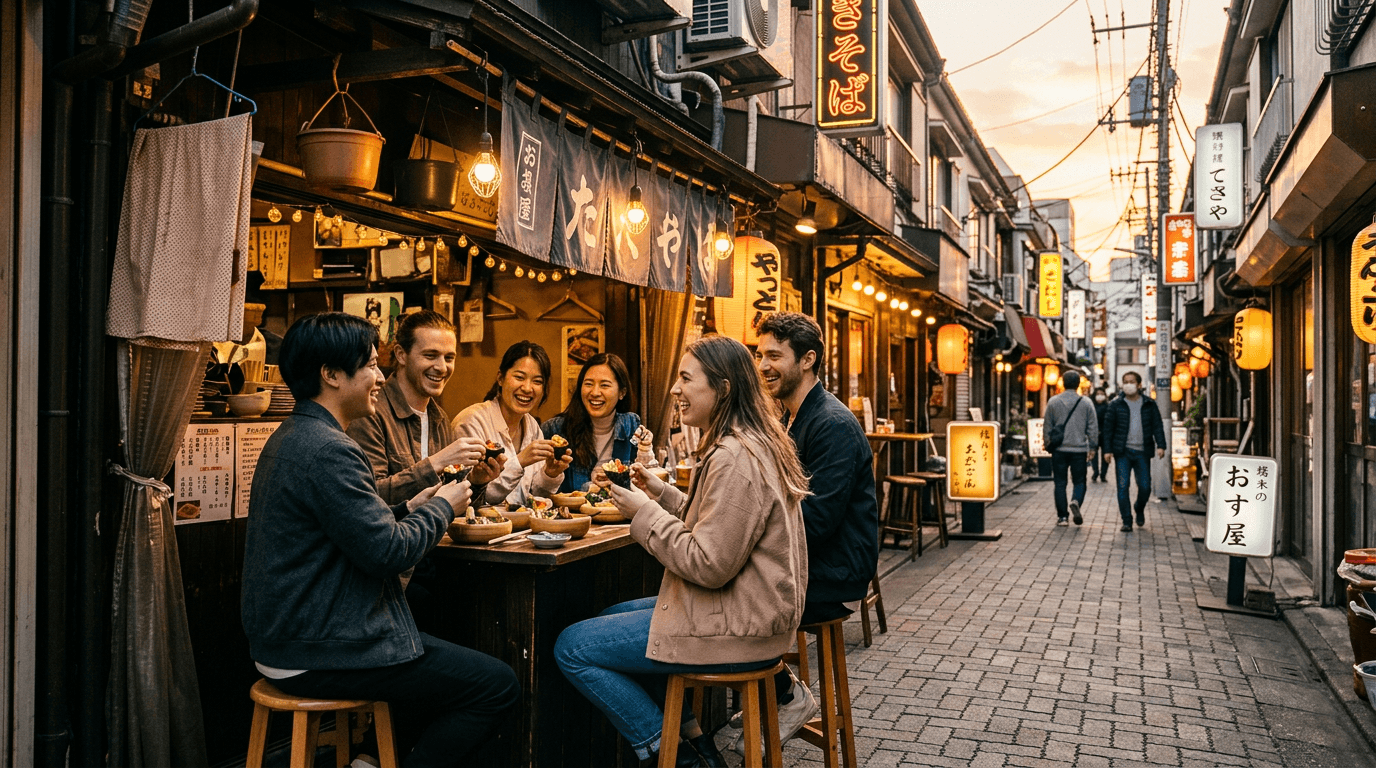
The most unusual things to do in Tokyo include diving into its subcultures, from dressing up for real-life street go-karting and visiting bizarre themed cafes to attending an intimate sumo morning practice. These offbeat experiences move beyond typical sightseeing to offer a glimpse into the wonderfully weird heart of the world's greatest metropolis, creating unforgettable stories and memories.
Forget everything you think you know about travel itineraries. While Tokyo is famous for its serene temples, bustling crossings, and sublime cuisine, a whole other city hums just beneath the surface—a city that thrives on the bizarre, the niche, and the wonderfully eccentric. This is the Tokyo we at Gidly live for, the one filled with experiences that will have you texting your friends back home, "You are not going to believe this." From dining in a vampire's lair to discovering a temple dedicated to thousands of lucky cats, we’re peeling back the curtain on the tourist trail. This guide is your all-access pass to the most unique, memorable, and delightfully unusual things to do in Tokyo, curated by locals and seasoned explorers. Get ready to embrace the weird, because in Tokyo, that’s where the real magic happens.
Our Top 5 Weirdest Tokyo Experiences You Absolutely Can’t Miss

To truly capture Tokyo's eccentric spirit, you need to dive headfirst into experiences that blend pop culture, ancient tradition, and futuristic art. These five quintessential activities represent the pinnacle of Tokyo's unique offerings, each providing a story you'll be telling for years to come. From the adrenaline rush of navigating city streets in a go-kart to the profound silence of watching sumo wrestlers train, these aren't just tourist attractions; they are cultural immersions of the most peculiar and wonderful kind. Our team has tried them all, and we can confirm they are absolutely worth the hype. These are the moments that will define your trip and showcase the city's incredible diversity of character. Get ready to update your bucket list, because these are the top-tier, must-do weird experiences that make Tokyo one of a kind.
Street Go-Karting: The Lowdown on a Real-Life Video Game (and How to Do it Safely)
Imagine the neon-drenched streets of Shibuya or Akihabara, not from a crowded sidewalk, but from the driver's seat of a custom-tuned go-kart, often while wearing a hilarious costume. This is the wild, real-life video game experience that is street go-karting in Tokyo. It's an adrenaline-pumping, sensory-overloading adventure that puts you right in the middle of the city's iconic landscapes. You'll drive in a convoy led by an expert guide, waving to pedestrians who will excitedly take your picture as you zip past landmarks like the Tokyo Tower and the Rainbow Bridge. It’s loud, it’s bold, and it’s about as far from a quiet museum tour as you can get. From our experience, the night tours are especially magical, as the city's lights create a cyberpunk-esque backdrop for your ride.
Now, let's talk logistics, because this isn't just a matter of hopping in and hitting the gas. The most crucial requirement is a valid driver's license from your home country AND an International Driving Permit (IDP). We cannot stress this enough: you will be turned away without an IDP, and a simple translation is not sufficient for most nationalities. Companies like Street Kart are the main operators and are very strict about this. You must arrange your IDP in your home country *before* you travel to Japan. Booking in advance is also essential, especially for popular weekend and evening slots. Prices typically range from ¥13,000 to ¥16,000 (approx. $85-$105 USD) for a two-hour tour.
Safety is paramount. While it feels like a game, you are driving a real vehicle on public roads alongside cars, buses, and trucks. Your guide will give you a thorough safety briefing, and it's vital to follow their instructions, stay in formation, and obey all traffic laws. The karts are surprisingly stable and easy to operate, but you need to remain vigilant. We recommend wearing comfortable, closed-toe shoes and dressing in layers, as it can get chilly. While costumes are part of the fun (and provided by the company), they are optional. This experience is an incredible way to see the city from a completely new perspective, turning a sightseeing tour into an unforgettable urban adventure.
The Ghibli Museum: How to Actually Get Tickets to Miyazaki’s Magical World
The Ghibli Museum in Mitaka is less a museum and more a portal into the whimsical, heartwarming, and intricately detailed world of Studio Ghibli. Designed by Hayao Miyazaki himself, the building is a work of art, filled with spiral staircases, stained-glass windows depicting characters, and hidden passages that evoke a sense of childlike wonder. You can watch exclusive short films in the Saturn Theater, marvel at the sketches and storyboards in the animation studios, and climb aboard a life-sized Catbus (for kids 12 and under, sorry adults!). The museum's motto is "Let's get lost, together," and it’s a philosophy that permeates the entire experience. There is no set path, encouraging visitors to wander and discover its secrets at their own pace. It is a profoundly personal and enchanting place that will touch the heart of any Ghibli fan.
Here’s the catch: getting tickets is notoriously difficult, feeling at times like a quest from one of the films itself. You cannot buy tickets at the museum entrance. Your only official route is through a monthly online lottery system on the official Lawson Ticket website. Tickets for the following month go on sale around the 10th of each month at 10:00 AM Japan Standard Time (JST). You select your preferred date and time slots and wait to see if you won the lottery. Competition is fierce, and tickets for popular dates sell out in seconds. If you fail, some overseas travel agencies (like JTB) occasionally have ticket allotments, but these are also limited and often part of a package.
Our Gidly team has navigated this process many times, and our best advice is to be prepared and flexible. Have your passport information and credit card ready before the sale goes live. Log in from multiple devices if you can, and have several backup dates in mind. If you are traveling with a group, have everyone try simultaneously to increase your chances. The tickets are named, and ID is checked at the entrance, so reselling is not a viable or recommended option. The effort is absolutely worth it. Stepping into the Ghibli Museum feels like stepping into a dream, a beautifully crafted tribute to imagination and the art of animation that stays with you long after you leave.
Sumo Morning Practice (Keiko): An Intimate and Powerful Cultural Experience
For a truly unique and powerful cultural experience that few tourists get to witness, consider attending a sumo morning practice, or `keiko`. This is not the flashy, grand spectacle of a tournament but something much more raw, intimate, and profound. You'll be visiting a `heya` (a sumo stable), where the wrestlers live, eat, and train together as a tight-knit brotherhood. From a respectful silence, you will watch these titans—men of immense size and surprising agility—clash with thunderous impact. The air is thick with the sounds of grunts, shouts, the slap of skin on skin, and the rhythmic stomping that shakes the very floor. It’s a hypnotic and almost meditative experience, offering a deep insight into the incredible discipline, sacrifice, and spirit required to be a `rikishi` (sumo wrestler).
Gaining access to a `heya` is not something you can do by simply showing up. These are private, serious training facilities, and access is strictly controlled to avoid disrupting the wrestlers' routine. The only reliable way to attend a morning practice is by booking a guided tour through a reputable company. These tours have established relationships with specific stables and ensure that visitors understand and adhere to the strict etiquette required. Expect to pay between ¥10,000 and ¥15,000 (approx. $65-$100 USD) per person for a tour that typically lasts about two hours. Your guide will provide invaluable context about the history of sumo, the different training exercises you are seeing, and the rankings and lives of the wrestlers.
The rules of conduct are non-negotiable. You will be sitting on the floor (often for the entire duration), you must remain absolutely silent, and you cannot eat, drink, or use your phone for anything other than taking photos (and only when permitted, without flash). You must not point your feet towards the `dohyō` (the wrestling ring) as it is considered disrespectful. While it sounds strict, this reverence is what makes the experience so special. You are a privileged guest witnessing a sacred tradition. Our team found it to be one of the most moving and authentic cultural encounters available in Tokyo, a world away from the neon lights of the city.
teamLab Planets: A Barefoot Journey Through a Digital Art Universe
Prepare to have your senses completely rewired at teamLab Planets TOKYO in Toyosu. This is not your typical art museum where you passively observe paintings on a wall. It’s a fully immersive, multi-sensory experience where you become part of the art itself. The journey begins with a surprising instruction: take off your shoes and socks. You will navigate the entire museum barefoot, wading through knee-deep water, traversing soft, yielding floors, and lying down in rooms of infinite light. The concept is "body immersive," and the tactile sensations are just as important as the stunning visual displays. It’s a disorienting, playful, and utterly mesmerizing adventure from start to finish. The art is dynamic, constantly changing and reacting to the presence of people within the space, meaning no two visits are exactly the same.
The museum is composed of several large-scale installations. You might find yourself wandering through a digital waterfall that flows uphill, navigating a room filled with giant, color-changing spheres you can push and interact with, or losing all sense of space and time in the "Infinite Crystal Universe," a room of endless, glittering LED strands. One of the signature exhibits involves wading through water populated by digital koi fish that swirl around your legs and burst into flowers upon contact. The experience is designed to be shared and is incredibly photogenic, making it a favorite for couples and groups of friends. We at Gidly recommend wearing shorts or pants that can be easily rolled up to your knees, as you will get wet!
Located in the Toyosu area, teamLab Planets is easily accessible via the Yurikamome Line. Tickets are best purchased online in advance via their official website, as they operate on a timed-entry system to manage crowds. Adult tickets cost ¥3,800 (approx. $25 USD). The entire experience takes about two to three hours to explore fully. It’s an evolution of the art gallery concept, blurring the lines between art, technology, and human experience in a way that feels futuristic and deeply emotional. It’s an unusual activity that will leave you with a renewed sense of wonder and some truly spectacular photos.
Omoide Yokocho (Piss Alley): Gritty, Authentic Yakitori in the Shadow of Shinjuku
Just a stone's throw from the gleaming skyscrapers and sprawling Shinjuku Station lies a relic of post-war Tokyo: Omoide Yokocho. Its unfortunate nickname, "Piss Alley," harks back to a time when sanitation was less of a priority, but its official name, "Memory Lane," better captures its essence. This tight network of narrow, lantern-lit alleyways is crammed with tiny, smoke-filled eateries, most with only a handful of seats. The air is thick with the irresistible aroma of grilled meats and the convivial chatter of office workers unwinding after a long day. This is the antithesis of fine dining; it's gritty, it's authentic, and it's absolutely delicious. Visiting Omoide Yokocho feels like stepping back in time to the Showa Era, offering a taste of Tokyo that is rapidly disappearing.
The star of the show here is `yakitori`—skewered and grilled chicken. You can find every part of the chicken imaginable, from the familiar `momo` (thigh) and `negima` (thigh and leek) to the more adventurous `kawa` (skin), `sunagimo` (gizzard), and `hatsu` (heart). Each skewer costs just a few hundred yen, making it easy to sample a wide variety. Our team recommends just pointing at what looks good on the grill. Beyond yakitori, many stalls also serve `motsuni` (a rich stew of giblets) and other simple, hearty dishes. Paired with a cold beer or a glass of sake, it's the perfect way to experience the `izakaya` (Japanese pub) culture in its most elemental form. Be prepared for a cozy experience; you'll likely be rubbing elbows with your neighbors.
While some of the larger stalls on the main drag cater more to tourists, the real gems are tucked away in the smaller offshoots. Don't be afraid to wander. Some establishments have a small cover charge called `otōshi`, which comes with a small appetizer. This is standard practice. Omoide Yokocho isn't just about the food; it's about the atmosphere. It's a communal, unpretentious experience that offers a warm, smoky, and delicious window into the soul of working-class Tokyo. It's an essential stop for anyone seeking an authentic and unusual slice of city life.
By Scenario: Unique & Weird Date Night Ideas
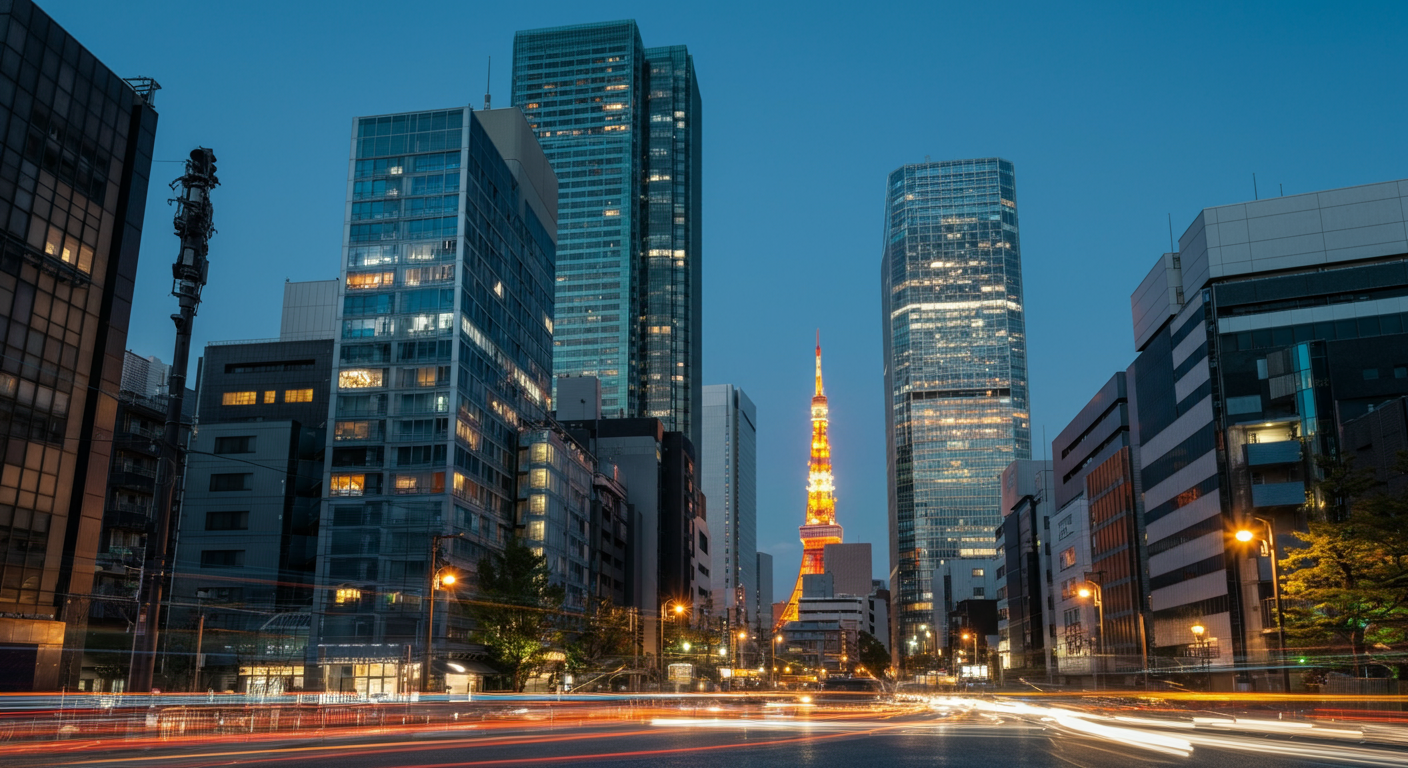
Tired of the same old dinner-and-a-movie routine? Tokyo is a playground for couples looking to create unique and memorable moments. The city's penchant for the theatrical and the niche makes it the perfect place to craft a date night that is anything but ordinary. Whether your idea of romance involves catching your own dinner, getting lost in the smooth sounds of a hidden jazz club, or creating a deeply personal souvenir together, Tokyo has a weird and wonderful option for you. We've scouted the city for experiences that foster connection through shared adventure, creativity, and a touch of the bizarre. These date night ideas are designed to break the ice, spark conversation, and build a story you’ll both cherish. So, grab your partner and get ready to explore the romantic side of weird.
Dinner with a Twist: Catch Your Own Fish at Zauo or Brave the Vampire Cafe
Elevate your dinner date from a simple meal to a full-blown adventure. For a playful and interactive evening, there's nothing quite like Zauo. Here, you don't just order fish—you catch it yourself. The restaurant is designed to look like a giant boat floating in a moat stocked with various types of fish. You're given a rod, bait, and a prime spot to cast your line. Once you hook a sea bream or flounder, the staff celebrates with drumming and chanting before preparing your catch to your exact specifications: sashimi, grilled, fried, or in a soup. The thrill of the catch followed by the freshest meal imaginable makes for an incredibly fun and engaging date. It’s a bit kitschy, but the shared laughter and teamwork are guaranteed to make it a memorable night. A typical meal for two, including the fishing experience, will run about ¥8,000-¥12,000 ($52-$78 USD).
If your tastes run a little darker, transport yourselves to a gothic fantasy at the Vampire Cafe in Ginza. From the moment you step through the door, you are immersed in a world of red velvet, candelabras, skulls, and dramatic baroque music. Your host, often a count or countess in full vampiric regalia, will lead you to your coffin-themed booth. The menu is a delightful collection of macabre puns and spooky presentations—cocktails served in beakers that smoke, appetizers arranged to look like crucifixes, and desserts shaped like bats. While the food is secondary to the immersive, theatrical atmosphere, it’s a surprisingly fun experience. It's a chance to be playful, a little bit silly, and completely escape reality for a few hours. This is the perfect date for couples who love Halloween, horror movies, or just want a dinner that comes with a side of performance art.
A Moody Night of Jazz and Whiskey in a Hidden Shinjuku Kissa
For a more sophisticated and intimate date, escape the frantic energy of the city and descend into the cool, smoky world of a traditional Japanese jazz `kissa` (jazz cafe/bar). These are not loud, boisterous clubs but hallowed spaces for the serious appreciation of music. Tucked away in basements or on the upper floors of non-descript buildings in areas like Shinjuku, Shibuya, and Ginza, they are sanctuaries for audiophiles. The decor is often dark wood, worn leather, and walls lined with thousands of vinyl records. The focus here is on the music, spun with reverence by a knowledgeable "master" on a high-fidelity sound system. Places like Dug in Shinjuku or the legendary Pit Inn (for live music) offer an authentic glimpse into this unique subculture.
The etiquette in a jazz kissa is part of the experience. During a record side or a live set, conversation is often hushed or discouraged entirely. This isn't awkward; it's a shared, meditative experience. You and your date can communicate through shared glances and the mutual appreciation of a killer saxophone solo. Order a classic Japanese whiskey or a meticulously prepared pour-over coffee and let the music wash over you. It’s a deeply romantic and atmospheric setting that fosters a different kind of connection, one based on shared quiet and sensory experience. After the set, you’ll have plenty to talk about. It’s the perfect antidote to a loud, overwhelming city and a truly adult way to spend an evening together.
Craft a Personal Souvenir: Perfume Making in Kagurazaka or Kintsugi Workshop
Create a lasting memory of your trip and your time together by engaging in a hands-on workshop. Instead of buying a generic souvenir, craft something that is uniquely yours. In the charming, slightly French-influenced neighborhood of Kagurazaka, you can find workshops that guide you through the process of creating your own custom perfume. You'll learn about top, middle, and base notes, smelling dozens of essential oils and essences to find the perfect combination that tells your story as a couple. It’s a sensual and creative process, and at the end, you'll each have a fragrance that will forever remind you of your time in Tokyo. The quiet, focused activity provides plenty of opportunities for conversation and collaboration.
For a date with a deeper, more philosophical meaning, consider a `kintsugi` workshop. Kintsugi is the traditional Japanese art of repairing broken pottery with lacquer dusted or mixed with powdered gold, silver, or platinum. The philosophy behind it is that an object's history of breakage and repair makes it more beautiful and resilient, not something to be discarded. As a metaphor for a relationship and for life, it's incredibly powerful. You'll work together, carefully mending a broken ceramic piece, transforming its "flaws" into beautiful golden seams. It’s a slow, meditative, and deeply satisfying process that encourages patience and appreciation for imperfection. Workshops are available throughout Tokyo and offer a unique, meaningful experience far beyond the typical date night.
Stargazing and Cocktails at Konica Minolta Planetaria TOKYO
Take your date night to the cosmos at one of Tokyo's ultra-modern planetariums. The Konica Minolta Planetaria TOKYO in Yurakucho is a far cry from the dusty school-trip planetariums of your youth. This is a sophisticated, multi-sensory "healing planetarium" experience designed for adults. The main dome features state-of-the-art projectors that create a breathtakingly realistic night sky, often accompanied by high-resolution video, surround sound, and even aroma diffusers that release scents timed to the visuals. It's an incredibly immersive and relaxing experience that feels both grand and intimate. Watching the universe unfold above you is a humbling and romantic experience to share.
What makes this a truly standout date spot are the premium seating options. You can book "galaxy seats," which are luxurious, cushioned pods for two that allow you to lie back and cuddle while you watch the show. It's the ultimate in comfort and privacy. Some screenings are even accompanied by live music or narration from famous actors. Before or after the show, you can visit the attached "Cafe Planetaria" which serves galaxy-themed cocktails and sparkling desserts that look like constellations. The entire facility is designed to be an elegant and otherworldly escape from the city. Booking your tickets and premium seats in advance online is highly recommended, as they are incredibly popular with local couples.
By Scenario: Unforgettable Outings with Friends & Groups
Tokyo is a city that’s best experienced with friends, and its unusual activities are tailor-made for group adventures that create lasting inside jokes and epic stories. Forget quietly shuffling through a museum; we're talking about high-energy battles, historical bar crawls, and mastering ancient arts together. These are activities that thrive on team spirit, friendly competition, and the shared thrill of diving into something completely new. Whether you're strategizing in a mock battlefield, belting out karaoke anthems, or learning to wield a samurai sword, these group outings are designed for maximum fun and bonding. Our Gidly team has tested these for group-friendliness, ensuring there's something for every crew's vibe, from the competitive to the creative.
Battle it Out: Join an Indoor Survival Game (Airsoft) in Akihabara
Unleash your competitive spirit and blow off some steam with an indoor "survival game," the Japanese term for airsoft. In neighborhoods like Akihabara, the hub of otaku culture, you'll find multi-level indoor arenas designed as intricate battlefields, from abandoned warehouses to futuristic sci-fi landscapes. This isn't your backyard BB gun fight; it's a highly organized, fast-paced sport. You and your friends will be equipped with realistic replica firearms (that shoot small plastic pellets), protective gear, and a mission. The games are short, intense, and incredibly fun, involving everything from team deathmatches to capture-the-flag scenarios. It’s a fantastic way to bond as a group, requiring communication, strategy, and a willingness to laugh at yourselves when you get dramatically "hit."
Places like ASOBIBA in Akihabara are perfect for tourists and first-timers. They offer packages that include rental of all necessary equipment—gun, mask, uniform—and have English-speaking staff who can walk you through the safety rules and game modes. Prices are very reasonable, often starting around ¥3,000-¥4,000 (approx. $20-$26 USD) for a few hours of play. No prior experience is necessary, and the emphasis is on fun and fair play. It’s an amazing adrenaline rush and a hilarious story to tell afterward, comparing heroic charges and comical defeats over a well-deserved victory dinner. It's a unique way to experience a modern Japanese subculture and get some high-energy fun into your itinerary.
Master the Blade: Learn the Art of Samurai Sword Fighting
For a group activity that combines history, culture, and a serious cool factor, nothing beats learning the art of the samurai. Several dojos across Tokyo offer English-friendly workshops where you and your friends can don traditional `hakama` pants and learn the basics of `kenjutsu` (sword fighting). A master instructor will guide you through the philosophy of Bushido, the proper way to hold and draw a `katana`, and the fundamental stances, slashes, and blocks. It’s a surprisingly meditative and physically demanding practice that requires focus and respect. You’ll gain a newfound appreciation for the skill and discipline of the samurai warriors of old.
The highlight for many is the `tameshigiri`—the test cutting. After practicing the forms with a wooden or blunted sword, you may get the chance to wield a live, razor-sharp katana to slice through a rolled-up tatami mat. The feeling of the blade cleanly cutting through the target is an indescribable and empowering thrill. It's a fantastic photo and video opportunity for the whole group. These workshops are a safe and controlled environment to handle a real piece of Japanese history. Booking is essential, and prices vary depending on the length and content of the class, but typically range from ¥7,000 to ¥15,000 ($45-$100 USD) per person. It’s a powerful bonding experience and a story that definitely has a sharp edge.
Bar Hopping Through History in Golden Gai’s Tiny, Themed Bars
For a quintessential Tokyo night out with friends, a pilgrimage to Shinjuku's Golden Gai is a must. This preserved slice of mid-century Tokyo is a labyrinth of six narrow alleys, home to over 200 tiny, ramshackle bars, each with its own distinct personality and theme. Some bars can only seat five or six people, creating an incredibly intimate and social atmosphere. One bar might be decorated with vintage movie posters, another dedicated to punk rock, and a third run by a master mixologist with a passion for local gin. The fun of Golden Gai is in the exploration; wandering the alleys, peering into doorways, and picking a spot that calls to your group.
A few ground rules for a successful Golden Gai adventure: go in a small group (2-4 people is ideal, as larger groups won't fit in most bars), be prepared for a cover charge (`otōshi`, which often includes a small snack), and don't be afraid to move on after one drink to sample another bar's atmosphere. This is a bar-hopping paradise. While it has become more tourist-friendly, it still retains its authentic, slightly gritty charm. Start your evening at a place with a clear "Welcome" sign, and once you get a feel for the area, you can be more adventurous. It’s a night of discovery, conversation, and experiencing a piece of living history, one tiny, fascinating bar at a time.
A Day of Sensory Overload: Arcades, Bowling, and Karaoke at Round1 Stadium
When your group can't decide on just one activity, head to a Round1 Stadium. These massive, multi-story entertainment complexes are a one-stop shop for an entire day or night of fun, offering an almost overwhelming variety of activities under one roof. The crown jewel is the "Spo-Cha" (Sports Challenge) area, where you pay a flat fee for a block of time (e.g., 3 hours or all day) and get unlimited access to dozens of sports and games. We're talking batting cages, basketball courts, mini-golf, archery, roller skating, bubble soccer, mechanical bull riding, and so much more. It's a paradise of playful competition, allowing everyone in the group to find something they love.
Of course, no Round1 is complete without a colossal arcade floor. Here you’ll find the latest rhythm games, classic fighters, and an insane number of `UFO catchers` (crane games) filled with desirable prizes. After you've exhausted yourselves at Spo-Cha, the natural progression is to book a private karaoke room. You can order food and drinks directly to your room and sing your hearts out for a few hours. Round1 is a quintessential modern Japanese experience, especially popular with students and young people. It's loud, it's chaotic, it's fueled by neon lights and sugary drinks, and it's an incredibly fun and cost-effective way for a group to spend a rainy day or a lively evening together.
By Scenario: Family-Friendly Fun That Isn’t a Cliche
Traveling with family in Tokyo can be magical, but it’s easy to fall into the trap of a clichéd itinerary. How many more temples can the little ones handle? It's time to explore the weird and wonderful side of Tokyo that will captivate kids and adults alike. These are not just "kid-friendly" activities; they are genuinely fun, interactive, and imaginative experiences that the whole family will talk about. From shrinking down to explore miniature worlds to creating your own delicious souvenirs, we've selected unusual outings that spark creativity, encourage play, and offer a delightful break from traditional sightseeing. These are the Gidly-approved secrets to making your family trip to Tokyo truly unforgettable for everyone.
Small Worlds Tokyo: Discover an Incredible Miniature Universe
Step into a world where you're the giant at Small Worlds Tokyo, the world's largest indoor miniature theme park. This isn't your grandparents' model railroad; it's a breathtakingly intricate and dynamic universe in 1/80th scale. The attention to detail is mind-boggling. You can explore a bustling Global Village with European and Asian cityscapes, a Space Center where a rocket launch sequence happens every hour, and an incredibly detailed Kansai International Airport where planes taxi, take off, and land. The worlds are alive, with tiny cars moving, people going about their days, and day turning to night every 15 minutes. It’s a captivating experience for all ages, as kids love the toy-like scale and adults will be mesmerized by the craftsmanship.
What makes Small Worlds especially unique are its fantasy sections. There are meticulously recreated worlds from iconic anime series like Sailor Moon and Evangelion. You can watch miniature mechs being prepared for battle in the Evangelion cage or spot Usagi Tsukino's neighborhood from Sailor Moon Crystal. The coolest part? For an extra fee, you can get a 3D scan of yourself and have a tiny, 1/80th scale version of you placed within one of the dioramas for a year! Imagine finding your own miniature self on your next visit. It’s an incredibly clever and personal souvenir. Plan to spend at least 3-4 hours here; there's so much to see, and spotting all the tiny hidden details and stories is part of the fun.
Make Your Own Sampuru: Create Realistic Plastic Food in Kappabashi
If you've ever marveled at the incredibly realistic plastic food displays (`sampuru`) in the windows of Japanese restaurants, here's your family's chance to make your own. Head to Kappabashi Street, Tokyo's "Kitchen Town," a fascinating district filled with shops selling everything a restaurant could ever need. Tucked among the giant pots and stacks of bowls are studios where you can take a workshop on making your own `sampuru`. It's a fun, slightly messy, and totally unique craft that is perfect for families with school-aged children. The most popular and accessible workshops involve making items like tempura shrimp or heads of lettuce using wax and colored plastic.
The process is fascinating and feels like a magic trick. For example, to make lettuce, you'll drizzle layers of melted white and green wax onto warm water, then gather and fold it in a specific way until it miraculously forms a realistic-looking leaf. For tempura, you'll dip a plastic shrimp into yellow wax and then into cold water to create the bubbly, crispy-looking batter. The instructors are experts at guiding kids and adults through the steps, and you get to take your creations home as a truly one-of-a-kind souvenir. Companies like Ganso Shokuhin Sample-ya offer reservations online, which is highly recommended as classes fill up. It’s a wonderful hands-on activity that connects you to a quirky and iconic part of Japanese food culture.
Get Lost in Illusion at the Tokyo Trick Art Museum in Odaiba
Give your family's photo album a hilarious and mind-bending upgrade at the Tokyo Trick Art Museum. Located in the Decks Tokyo Beach mall in the futuristic Odaiba district, this museum is all about interactive fun. It’s filled with `trompe-l'œil` paintings and forced-perspective sets that allow you to become part of the art. You can pose as if you're being eaten by a giant shark, escaping from ninjas in a traditional Japanese house, or pouring a drink for a ghostly character from an ukiyo-e woodblock print. The museum is designed to be photographed, with markers on the floor showing the best place to stand to get the perfect shot and create the illusion.
The museum is divided into several zones, including an Edo Area, a Haunted Mansion with Japanese monsters, and a gallery of famous masterpieces with a tricky twist. It’s a fantastic way to engage kids who might be tired of more conventional attractions. They'll love the silliness of it all and the chance to be creative with their poses. The staff are friendly and will happily help you take group photos. Plan to spend about 60-90 minutes here. It's a surefire way to generate laughter and some of the most memorable and shareable photos from your entire trip. It’s an unusual museum where touching the art isn't just allowed—it's required!
Meet Totoro: Visit Shiro-Hige’s Cream Puff Factory for a Delicious Treat
For a dose of pure, edible whimsy that will delight any Ghibli fan, big or small, make the pilgrimage to Shiro-Hige’s Cream Puff Factory. This is the only bakery in the world officially licensed by Studio Ghibli to create treats in the shape of their beloved character, Totoro. Tucked away in a quiet residential neighborhood of Setagaya, finding the charming, ivy-covered building feels like a small adventure in itself. Inside, you'll find the most adorable cream puffs you've ever seen, each one a perfectly crafted, wide-eyed Totoro, complete with a little leaf or hat on its head to signify the flavor.
The flavors change seasonally, but you can always find the classic custard and chocolate cream. Other variations might include strawberry, caramel banana, or matcha. These aren't just cute; they're genuinely delicious, with a crisp choux pastry shell and a light, flavorful cream filling. There is a small café upstairs (TOLO Coffee & Bakery) where you can sit and enjoy your treats with coffee or tea, but seats are limited. Most people opt for takeaway. Our Gidly team strongly advises you to go early in the day, as the Totoros are made in limited quantities and often sell out by early afternoon. It’s a sweet, charming, and highly Instagrammable experience that feels like a secret find, perfect for a special family treat.
By Scenario: Bizarre on a Budget (Free & Cheap Things to Do)
Experiencing Tokyo's weird side doesn't have to drain your wallet. In fact, some of the city's most peculiar and memorable sights are completely free or cost next to nothing. From monster spotting in the concrete jungle to finding spiritual solace in a sea of lucky cats, budget-friendly bizarre is a genre Tokyo excels at. This is about seeing the city with curious eyes, finding the magic in the mundane, and realizing that the best stories often come from the simplest discoveries. Our team loves a good bargain, and we've compiled our favorite cheap thrills and free oddities that deliver maximum weirdness for minimum yen. These activities prove that you don’t need a big budget to have a big adventure in Tokyo.
The Godzilla Head: Spot the King of Monsters in Shinjuku
One of Tokyo’s most iconic and completely free attractions is a giant monster peeking over a skyscraper. Head to the bustling Shinjuku district and look up! Perched atop the Hotel Gracery on a terrace 40 meters high is a life-sized Godzilla head, roaring silently over the city he so famously loves to destroy. You can get a great view and photo from the streets below, particularly from the plaza at the base of the building. The scale is impressive, and seeing the King of Monsters embedded in the real-life urban landscape is a delightfully surreal experience. It’s the ultimate Tokyo photo op, blending pop culture with reality in a way that is uniquely Japanese.
For an even closer look, you can access the terrace on the 8th floor of the Hotel Gracery. While it’s technically for hotel guests and customers of the café, it's generally accessible to respectful visitors. The best part? Several times a day, Godzilla puts on a little show. The eyes glow, smoke billows from its mouth, and a thunderous roar echoes through the streets, complete with snippets of the classic movie theme. The showtimes are usually posted in the lobby, but it’s typically on the hour from noon until the evening. It’s a quick, fun, and totally free spectacle that never fails to bring a smile to your face. Finding this monstrous landmark is a mini-adventure in itself and a must-do for any movie fan.
Gōtokuji Temple: Get Lost in a Sea of 10,000 Lucky Cats (Maneki-neko)
For a truly astounding and wonderfully weird sight, take a short train ride to the quiet neighborhood of Setagaya to visit Gōtokuji Temple. While it’s a beautiful and serene Buddhist temple in its own right, it’s famous for one thing: cats. Specifically, `maneki-neko`, the beckoning lucky cats that you see in shops and restaurants all over Japan. Gōtokuji is believed to be the birthplace of this tradition, and as a result, a corner of the temple grounds is now home to an ever-growing army of thousands upon thousands of white cat figurines. People who have had their wishes granted by a maneki-neko return it to the temple as a thank you, creating an overwhelming and breathtaking display.
Wandering through the shelves and piles of cats, ranging from tiny to large, is a surreal and peaceful experience. The sheer number of them is hard to comprehend, each one representing a small story of hope and gratitude. The temple itself is lovely, with a beautiful pagoda and tranquil grounds, and it’s refreshingly free of the tourist crowds that plague the more central temples. Admission is free, though you'll almost certainly be tempted to purchase your own maneki-neko from the temple shop to make a wish and perhaps return one day. It’s a photographer’s dream and a peaceful, offbeat excursion that feels like discovering a magical secret.
Explore the World of Themed Vending Machines (From Hot Meals to Mystery Boxes)
In Tokyo, the humble vending machine is elevated to an art form and a cornerstone of daily life. Exploring the city’s vending machines is a free and fascinating urban safari that reveals the incredible convenience and delightful weirdness of Japanese culture. You can find them on practically every street corner, but the real fun is in hunting for the unusual ones. Go beyond the standard drinks and search for machines that dispense hot cans of coffee, corn potage soup, or even a full, hot bowl of dashi broth with flying fish. In areas like Akihabara, you might find machines selling collectible figurines, old video games, or even "mystery boxes" containing who-knows-what.
The variety is endless and often hyper-local. In residential areas, you might find a machine selling fresh eggs from a local farm or bags of rice. Near business districts, there are machines for ties and dress shirts for any salaryman who has had a spill. One of the most famous is the "Natsukashii Jihanki" (Nostalgic Vending Machine) corner in Sagamihara, a bit of a trip but a pilgrimage for fans, offering hot toasties and noodles from vintage machines. For a cheaper and easier adventure, simply keep your eyes peeled as you walk around. For the price of a few coins (typically ¥100-¥500), you can get a snack, a drink, and a great story. It's a quintessential, everyday-weird Tokyo experience.
Find Your Niche Shrine (Animators, Beautiful Legs, and More)
While Senso-ji and Meiji Jingu are magnificent, Tokyo is home to hundreds of smaller, hyper-specific shrines that cater to very particular prayers and communities, offering a quirky and free glimpse into modern Japanese spirituality. Instead of praying for general good fortune, why not get specific? Head to Kanda Myojin in Akihabara, a major shrine that has fully embraced its neighborhood. Here, you can buy talismans specifically designed to bless your electronic devices, protecting them from crashes and viruses. It’s the go-to shrine for the city's IT professionals and tech lovers.
The niche specialization doesn't stop there. In Asakusa, the small Yakushido hall within Senso-ji temple has become an unofficial pilgrimage spot for animators and manga artists, who leave `ema` (prayer plaques) with incredible drawings, hoping for creative success. For something truly unusual, seek out the Goyō-jinja Shrine within the larger Ōkunitama Shrine in Fuchu, which is dedicated to feet and legs, attracting dancers, athletes, and those praying for a swift recovery from leg injuries. Discovering these specialized shrines is a wonderful way to explore different neighborhoods and understand how ancient traditions adapt to the passions and anxieties of modern life. It's a free, fascinating, and deeply personal way to connect with the city.
Free Panoramic Views from the Tokyo Metropolitan Government Building
Why pay steep fees for the Tokyo Skytree or Tokyo Tower when you can get one of the best panoramic views of the city for absolutely free? The Tokyo Metropolitan Government Building, a striking architectural landmark in Shinjuku designed by Kenzo Tange, has two observation decks on the 45th floor, 202 meters (663 feet) above the ground. Both the North and South observatories offer breathtaking 360-degree views of the sprawling urban landscape. You can see major landmarks like the Tokyo Dome, Meiji Shrine, and on a clear day, the majestic silhouette of Mount Fuji on the western horizon.
The experience is well-organized and efficient. You’ll take a dedicated elevator that whisks you to the top in just 55 seconds. The South Observatory is generally considered to have the better daytime view towards Mt. Fuji, while the North Observatory often stays open later and has a bar, making it a great spot for evening views of the glittering city lights. Be sure to check the official website for opening hours and any temporary closures before you go. Our team considers this one of the best value experiences in all of Tokyo. It provides a sense of scale and perspective that is essential to understanding this vast metropolis, all without costing a single yen.
| Budget-Friendly Weird Activity | Cost | Gidly's Rating (Weirdness Factor) |
|---|---|---|
| Godzilla Head Viewing | Free | 7/10 - Iconically weird |
| Gōtokuji Temple (Lucky Cats) | Free (donations welcome) | 9/10 - Surreal and wonderful |
| Vending Machine Hunting | Free to look, ¥100+ to play | 8/10 - Everyday weirdness at its best |
| Niche Shrine Exploration | Free | 8/10 - Quirky cultural insight |
| Tokyo Metropolitan Government Bldg View | Free | 4/10 - Not weird, but an amazing freebie |
By Scenario: Intriguing Adventures for the Solo Traveler
Tokyo is a paradise for solo travelers. It’s one of the safest cities in the world, incredibly easy to navigate, and full of experiences that are perfect for, if not enhanced by, solitary exploration. Traveling alone gives you the freedom to indulge your most specific and unusual interests without compromise. Want to spend three hours in a museum dedicated to parasites? Go for it. Feel like getting lost in a maze of vintage clothing stores? The day is yours. These Gidly-approved solo adventures are designed for introspection, discovery, and the joy of following your own weird curiosity. They offer a chance to connect with the city on a deeper, more personal level, turning a trip into a journey of self-discovery.
Get Lost in Jimbocho, Tokyo’s Vintage Book Town
For the introspective solo traveler, there's no better place to lose an afternoon than Jimbocho. This neighborhood is Tokyo's intellectual heart, a district dedicated almost entirely to books. The main street, Yasukuni-dori, is lined with over 150 bookstores, most specializing in secondhand and antique volumes. The air smells of old paper and history. Even if you don't read Japanese, it's a fascinating place to explore. Many shops have stunning collections of `ukiyoe` woodblock prints, vintage art books, and beautifully illustrated children's stories. The quiet, studious atmosphere is perfect for solitary wandering. You can browse for hours, undisturbed, hunting for a unique visual treasure to take home.
The real magic of Jimbocho is in the details. Notice how most of the shops are built facing north to protect the books from the damaging effects of the sun. Duck into tiny side streets to find even more specialized stores, dedicated to everything from philosophy to film theory. The neighborhood is also home to some of Tokyo’s oldest and most atmospheric coffee shops (`kissaten`), where you can sit with your newfound purchase, sip a meticulously brewed coffee, and watch the world go by. It’s a slow, contemplative experience that feels a world away from the rush of Shibuya, and a perfect solo date with yourself and the written word.
Contemplate Life (and Death) at the Meguro Parasitological Museum
This one is not for the faint of heart, but for the curious solo traveler with a strong stomach and a love for the truly bizarre, the Meguro Parasitological Museum is an absolute must-see. This two-story museum, founded by a doctor in 1953, is the only one of its kind in the world, dedicated entirely to the fascinating and horrifying world of parasites. It's a serious scientific institution, but there's no denying its macabre appeal. The exhibits feature over 300 preserved specimens, showcasing a mind-boggling array of creatures that live on and inside other living things. The displays are clinical and educational, which somehow makes them even more unsettling.
The museum's most famous exhibit is a staggering 8.8-meter (29-foot) long tapeworm that was extracted from a single person, displayed alongside the rope of the same length to help you grasp its terrifying scale. You'll learn about parasites in Japan and around the world, their life cycles, and their impact on their hosts. Best of all? Admission is completely free (donations are appreciated). It's a quick visit—you can see everything in under an hour—but it will stay with you for a lifetime. It’s the perfect kind of weird story to bring back from your solo travels, a badge of honor for the truly adventurous explorer.
Hunt for Treasures in Shimokitazawa’s Vintage Shops and Record Stores
If your idea of a perfect solo day involves treasure hunting, set your sights on Shimokitazawa. This neighborhood, affectionately known as "Shimokita," is Tokyo's capital of cool, a bohemian enclave packed with an incredible density of vintage clothing shops, independent boutiques, and vinyl record stores. The narrow, winding streets are a joy to explore on your own, allowing you to duck into any shop that catches your eye without having to consult a group. The vibe is laid-back and creative, a stark contrast to the high-fashion gloss of Ginza or the fast-fashion chaos of Shibuya.
You can find everything here, from high-end, curated vintage designer pieces to massive thrift stores where you can buy clothing by the pound. Spend hours sifting through racks of '70s denim, '80s band tees, and beautifully preserved kimonos. Record lovers will be in heaven, with shops specializing in everything from Japanese city pop to obscure indie rock. The neighborhood is also dotted with charming cafes, tiny curry houses, and independent theaters. Shimokitazawa is a place to wander without a plan, to let your curiosity lead you, and to come away with a unique piece of clothing or music that has its own history. It's the ultimate solo shopping safari.
Meditate on Imperfection at a Kintsugi (Golden Repair) Workshop
A solo trip can be a time for reflection, and there's no more beautiful or poignant way to do that than by participating in a `kintsugi` workshop. As mentioned earlier, kintsugi is the art of repairing broken pottery with golden lacquer, but for a solo traveler, the experience takes on a new, more personal dimension. It’s a quiet, meditative activity that allows for deep focus and introspection. As you carefully piece together the broken fragments of a bowl or cup, it's hard not to reflect on the breaks and repairs in your own life. The philosophy of celebrating imperfection and finding beauty in scars is a powerful one to contemplate while traveling alone.
Several studios in Tokyo offer workshops in English, providing all the materials and expert guidance. The process is slow and deliberate, requiring patience and a gentle hand. You're not just fixing an object; you're transforming it. At the end of the workshop, you will have a beautiful, tangible object that is not only a souvenir of your trip but also a physical representation of resilience and beauty. It’s a deeply meaningful and personal experience, a perfect way to spend a quiet afternoon in Tokyo, creating something that is both beautiful and profound, just for you.
Conclusion: Embrace the Weird & Plan Your Next Adventure with Gidly
Tokyo is a city of beautiful contradictions. It's a place where ancient tradition and futuristic technology coexist, where serene gardens sit in the shadow of neon-soaked skyscrapers, and where a profound sense of order underlies a thriving culture of the wonderfully weird. As we've journeyed through catching our own dinner, dodging traffic in a go-kart, and contemplating life with parasites, one thing becomes clear: to truly know Tokyo is to embrace its eccentricities. The unusual, offbeat, and downright bizarre experiences are not just quirky side notes; they are the very soul of the city, offering a deeper, more authentic connection than any standard itinerary ever could.
These adventures push you out of your comfort zone, spark your curiosity, and leave you with stories that are infinitely more interesting than a simple photo of a famous landmark. They remind us that travel is not just about seeing new places, but about experiencing them with an open mind and a sense of play. Whether you're traveling solo, with a partner, or with your whole family, there's a perfect piece of weirdness waiting for you in Tokyo. The city is a constantly evolving masterpiece of delightful absurdity, and this list is just the beginning.
Ready to find your next unforgettable story? Tokyo's catalog of unique events, hidden gems, and pop-up oddities is always changing. For the most up-to-date listings and to discover even more weird and wonderful things to do, check out Gidly's full events catalog. Your offbeat Tokyo adventure starts now.
Frequently Asked Questions
What is the absolute weirdest thing to do in Tokyo?
While "weird" is subjective, visiting the Meguro Parasitological Museum often tops the list. It's a free, scientific, yet deeply unsettling museum dedicated entirely to parasites, featuring an 8.8-meter-long tapeworm that is guaranteed to be unforgettable.
Are animal cafes in Tokyo ethical to visit?
The ethics of animal cafes vary greatly. We at Gidly recommend researching specific cafes before visiting; look for ones with clear animal welfare policies, spacious enclosures, limited interaction times, and a focus on animal well-being over pure entertainment. Avoid cafes with nocturnal animals active during the day.
How much does a full day of unusual activities in Tokyo cost?
A day of unusual activities can range dramatically. A budget-friendly day combining free things like Gōtokuji Temple and the Godzilla head with cheap vending machine snacks could be under ¥2,000 ($13). A premium day with street go-karting, a themed restaurant, and teamLab could easily cost ¥25,000 ($165) or more.
What are some unusual things to do in Tokyo at night?
Tokyo's nightlife is legendarily weird. You can bar hop through the tiny, themed bars of Golden Gai, see the city lights from a go-kart, dine with vampires in Ginza, or get lost in a multi-story arcade and karaoke complex like Round1.
Can I do the street go-karting if I don't have an International Driving Permit?
No, you absolutely cannot. You must have a valid International Driving Permit (IDP) based on the 1949 Geneva Convention, along with the original driver's license from your home country. Companies are extremely strict, and you will be refused service without the correct documents.
What are the best non-touristy neighborhoods to explore for unusual finds?
For unusual finds, explore neighborhoods like Koenji for its punk rock scene and vintage shops, Kichijoji for its charming park and tiny bars in Harmonica Yokocho, or Yanaka for a taste of old-world Tokyo with its cemetery and traditional shops.
Where can I find quirky, non-tacky souvenirs?
For unique souvenirs, hunt for vintage ukiyo-e prints in Jimbocho, find a one-of-a-kind clothing item in Shimokitazawa, or buy specialty stationery from Tokyu Hands or Loft. Making your own plastic food sample in Kappabashi also provides a fantastic, personal souvenir.
Is the Robot Restaurant permanently closed?
Yes, the iconic Robot Restaurant in Shinjuku has permanently closed and will not be reopening. For a similar dinner theater experience, you can check out the Samurai Restaurant in Shinjuku, which offers a high-energy show with sword fighting and traditional music.