
guide -
Top Tourist Spots in Barcelona You Can't Miss
Tourist spots in Barcelona are best experienced as a mix of iconic landmarks, neighborhood wanderings, beach time, food stops, and a few smart reservations, especially if it’s your first visit. If you only have 1–3 days, prioritize Sagrada Família, Park Güell, the Gothic Quarter,
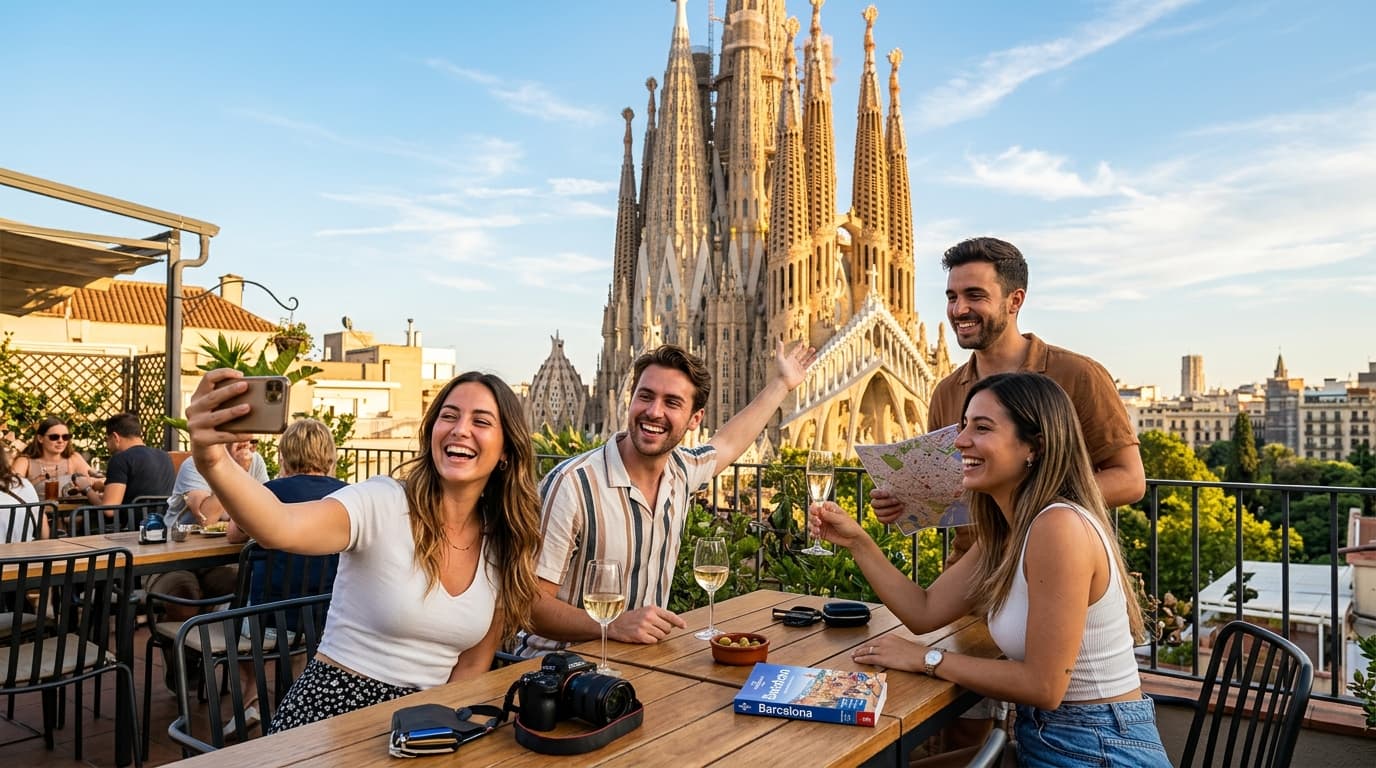
Tourist spots in Barcelona are best experienced as a mix of iconic landmarks, neighborhood wanderings, beach time, food stops, and a few smart reservations, especially if it’s your first visit. If you only have 1–3 days, prioritize Sagrada Família, Park Güell, the Gothic Quarter, La Rambla, Casa Batlló or Casa Milà, Barceloneta Beach, Montjuïc, and one market like La Boqueria for the fullest Barcelona snapshot.
We checked the city the way a local friend would: by moving between the big-ticket sights, the side streets, the sunset viewpoints, and the places people actually linger once the photos are done. Barcelona in 2026 is still one of Europe’s easiest cities to enjoy without overplanning, but the smartest trip now blends prebooked attractions with flexible neighborhood time, because the most popular sites do sell out and the most memorable moments often happen between the famous stops. This guide is built for first-time visitors, couples, families, solo travelers, and friend groups who want a clear answer on what is worth seeing, what can be skipped, and how to fit the city together without wasting time. Along the way, we’ll flag current ticket ranges, crowd patterns, seasonal advice, accessibility notes, and a few event-aware ideas inspired by the kind of live, nearby discoveries you’d find on Gidly's full events catalog.
Quick answer: the best tourist spots in Barcelona at a glance
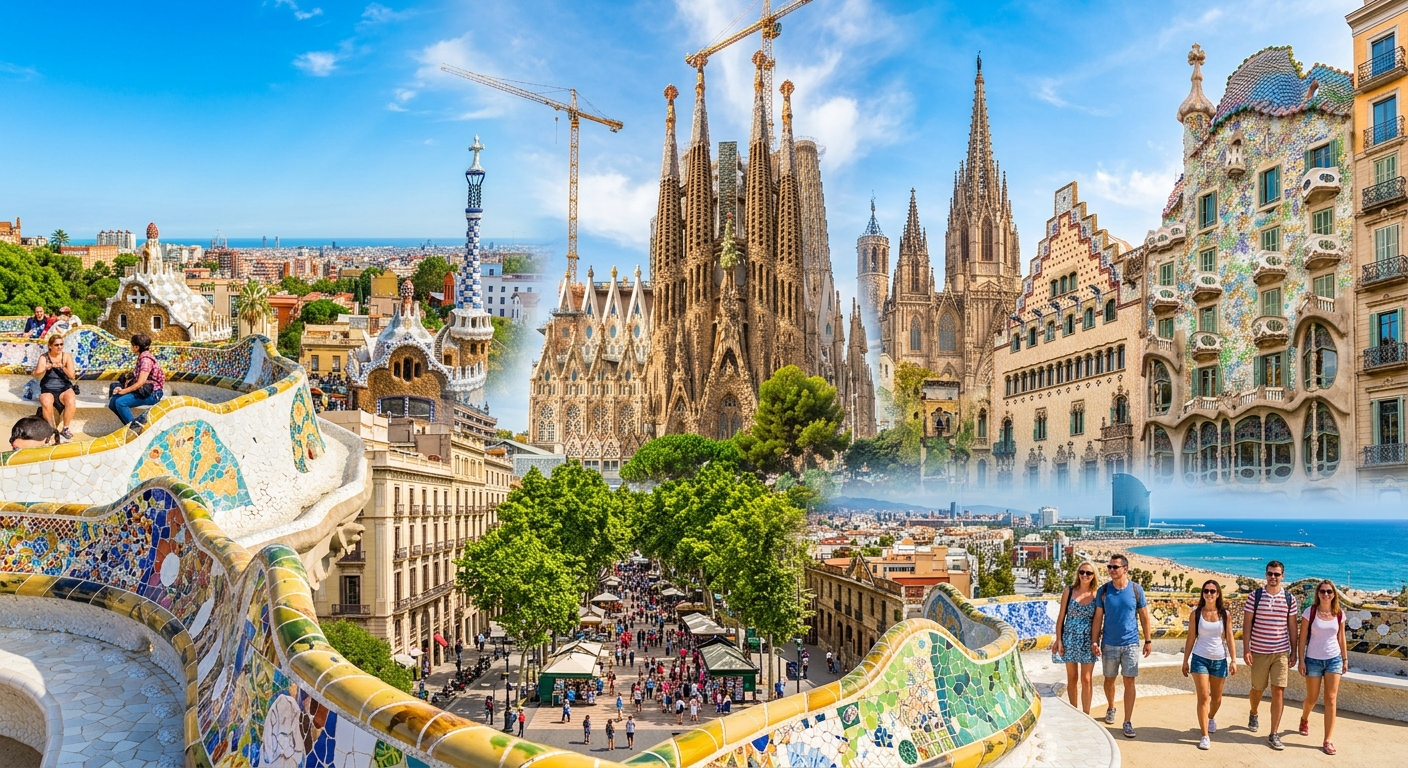
If you’re trying to make fast decisions, here’s the simplest way to think about Barcelona sightseeing. The city’s top tourist spots fall into a few must-have buckets: one world-famous Gaudí landmark, one historic old-town area, one viewpoint or hilltop escape, one beach or waterfront stroll, and one food market or tapas stop. That formula gives you a balanced trip without cramming too much into one day. From experience, first-time visitors who try to “do everything” usually remember the lines more than the landmarks, so choosing the right mix matters more than checking off every famous address.
For 1–3 days, the essentials are Sagrada Família, Park Güell, the Gothic Quarter, Barceloneta, Montjuïc, and either Casa Batlló or Casa Milà depending on your architecture interest. Add La Boqueria or Mercat de Sant Antoni if food is high on your list, and you’ll have a trip that feels complete. If you want the strongest all-around itinerary, pair one prebooked major attraction with one walkable neighborhood and one sunset viewpoint each day. That structure leaves room for lunch, coffee, and spontaneous stops, which is often when Barcelona feels most alive.
We also recommend planning around the type of traveler you are, because Barcelona can be experienced in several completely different ways. Couples tend to love rooftop views, atmospheric dinner neighborhoods, and evening architecture tours, while families often do better with parks, beaches, and interactive museums. Budget travelers can have a fantastic time with mostly free sights if they avoid unnecessary taxis and reserve only one or two paid highlights. Solo travelers usually get the most out of walkable districts, cultural stops, and flexible meal times, while friend groups often want a mix of daytime sightseeing and nightlife-friendly areas.
One more practical note: the city’s best-known attractions now reward advance booking more than they did a few years ago. In 2026, timed entry, high-season crowd management, and dynamic pricing are more common than ever, especially at Sagrada Família, Park Güell, Casa Batlló, Casa Milà, and popular food tours. That doesn’t mean spontaneous travel is impossible; it just means you’ll do better if you lock in a few headline tickets and keep the rest of your days open. Think of Barcelona as a place where structure and wandering work best together.
Best for first-time visitors
For a first visit, the best strategy is to cover the city’s “greatest hits” without making your itinerary feel like a scavenger hunt. Start with Sagrada Família, then choose either Park Güell or Casa Batlló as your second signature sight, because both show Gaudí’s style in very different ways. Add the Gothic Quarter for old-world streets, La Rambla for the classic central corridor, and Barceloneta for a seaside finish. This combination gives you architecture, history, and sea air in one trip, which is about as Barcelona as it gets.
If you want a first-visit formula that feels especially efficient, we’d suggest this order: morning Gaudí site, lunch in Eixample or El Born, afternoon old-town walk, and sunset at the waterfront or a hilltop viewpoint. That pacing keeps you from burning out on museum-style sightseeing. It also gives you more chances to discover small plazas, bakeries, and neighborhood bars that don’t appear on generic bucket lists. First-timers often say the city’s charm comes from the transitions between attractions, not just the attractions themselves.
For first-time visitors who only have one full day, choose one major paid attraction, one free neighborhood loop, and one sunset viewpoint. If you have two or three days, add a museum or another Gaudí house, plus a market or beach stop. This is usually enough to leave with a clear sense of the city’s identity without feeling like you only saw the inside of ticketed venues. Barcelona is very good at rewarding slow observation, and first-time travelers often enjoy it more when they resist the urge to overbook every hour.
Best for couples/date night
Couples should think in terms of atmosphere, not just landmarks. Barcelona is especially romantic when you pair a beautiful daytime sight with a relaxed evening neighborhood, a rooftop drink, or a waterfront walk after sunset. Casa Batlló at dusk, the lights around Passeig de Gràcia, and a dinner in El Born or Gràcia can feel more memorable than simply ticking off the biggest monument in daylight. The city also has plenty of intimate corners where you can slow down, which is ideal for a date that feels special without being overly formal.
Our team’s favorite couple-friendly plan is a late afternoon start at one iconic site, followed by cocktails or vermouth, then dinner in a neighborhood with good pedestrian energy. Eixample works well if you want polished, elegant evenings, while El Born is better if you like narrow streets and a little buzz. For a softer, more scenic date, combine Montjuïc views with a waterfront walk near Port Vell or Barceloneta. The trick is to avoid trying to squeeze in too many large attractions on a date night, because the mood tends to disappear when you’re rushing between entrances and taxis.
Nighttime experiences matter here too. Seasonal rooftop events, live jazz, small concerts, and gallery openings can be a great add-on when you want something beyond dinner. That’s where it helps to check Gidly for nearby happenings on the exact date of your visit, because Barcelona’s evening scene changes constantly and some of the best nights are built around an event, not a landmark. If you want a one-line recommendation, choose one scenic stop, one good meal, and one neighborhood walk, and let the city do the rest.
Best for families and kids
Families do best in Barcelona when they mix excitement with easy logistics. Parks, beaches, cable cars, and museums with interactive elements usually land better than long, crowded monument days. The most family-friendly tourist spots in Barcelona include Ciutadella Park, Barceloneta Beach, Montjuïc, and child-friendly museums such as CosmoCaixa if you’re open to adding a slightly wider city radius. Sagrada Família can also work with kids if you book a timed visit and don’t push the day too hard afterward.
From experience, stroller access and bathroom planning matter more in Barcelona than many visitors expect. The old streets of the Gothic Quarter are charming but not always easy for small kids or strollers, so it’s best to keep that area for shorter, purpose-driven visits. Beaches and parks give children room to move, and cable cars or funicular rides can feel like attractions in themselves. If you want a calmer family day, structure it around one main paid stop and two open-air breaks, with snacks and shade built in.
Another smart family strategy is to combine sightseeing with a meal that doesn’t require a long wait. Barcelona has many places where tapas, sandwiches, and casual seafood can keep everyone happy without committing to a two-hour sit-down dinner. Families often enjoy the city more when they treat the itinerary like a series of manageable blocks instead of one big “museum day.” If you’re traveling with younger kids, go early, prioritize shaded areas in warm months, and choose attractions that allow you to reset between activities. That approach keeps the day fun instead of exhausting.
Best for budget travelers
Budget travelers can have an excellent Barcelona trip without sacrificing the iconic moments. The city offers plenty of free or low-cost sightseeing, including neighborhood walks, churches, beaches, public parks, and viewpoints like parts of Montjuïc or the Bunkers del Carmel area. You can spend very little on entry fees if you choose one or two paid attractions and fill the rest of the itinerary with free areas. In Barcelona, the biggest money saver is often not the attraction ticket itself but how you move around and eat between stops.
A budget-friendly first visit usually includes the Gothic Quarter, El Born, Ciutadella Park, Barceloneta, and a market visit with a casual snack rather than a full meal at every stop. If you want one paid highlight, Sagrada Família is often the best “splurge” because it’s such a defining part of the city. For architecture lovers on a tight budget, walking Passeig de Gràcia and admiring the façades from outside can still feel worthwhile even if you skip some of the interior tickets. Many of Barcelona’s most photogenic experiences are accessible from the street, which makes it friendly to low-spend travelers.
We also recommend watching the timing of your visit. Shoulder seasons often bring better rates for hotels and fewer crowds at attractions, which indirectly saves money by reducing the need for last-minute premium tickets or taxis. If you’re booking in advance, compare official ticket prices to package options, but don’t assume a pass is automatically better. For many travelers, a smart mix of free sights and one carefully chosen ticket gives the best value. In other words, budget travel here is not about deprivation; it’s about being selective.
Best for rainy-day backup plans
Barcelona is more outdoor-focused than some European cities, but it still has excellent indoor backups when the weather shifts or when summer heat makes you want shade. Museums, Gaudí interiors, food markets, and church visits are your best rainy-day anchors. Sagrada Família, Casa Batlló, Casa Milà, the Picasso Museum, MNAC, MUHBA, and Fundació Joan Miró can easily fill one or two gray-weather days. If you want a day that still feels distinctly Barcelona, use the rain as an excuse to move from architecture to art to a long lunch.
For families and mixed groups, rainy days are actually a chance to reduce walking fatigue and stay central. Indoor attractions in Eixample, El Born, and near Montjuïc are especially useful because you can pair them with cafes and short transfers. Food markets also work well because they let you sample the city without committing to a long sit-down meal. If you plan well, a rainy-day itinerary can feel calmer and more local than a sunny one packed with outdoor must-sees.
One important tip: don’t assume every rainy-day plan needs a major museum. Some of the best “indoor” experiences in Barcelona are actually design spaces, churches, tasting sessions, rooftop galleries, or guided walks with covered segments. Check live listings before you go, because temporary exhibitions and concerts can provide a better weather-proof option than a standard attraction. That’s another place where live event discovery tools are useful, since the most satisfying rainy-day backup is often the one that matches the exact day and neighborhood you’re already in.
Top tourist spots in Barcelona: the complete must-see list
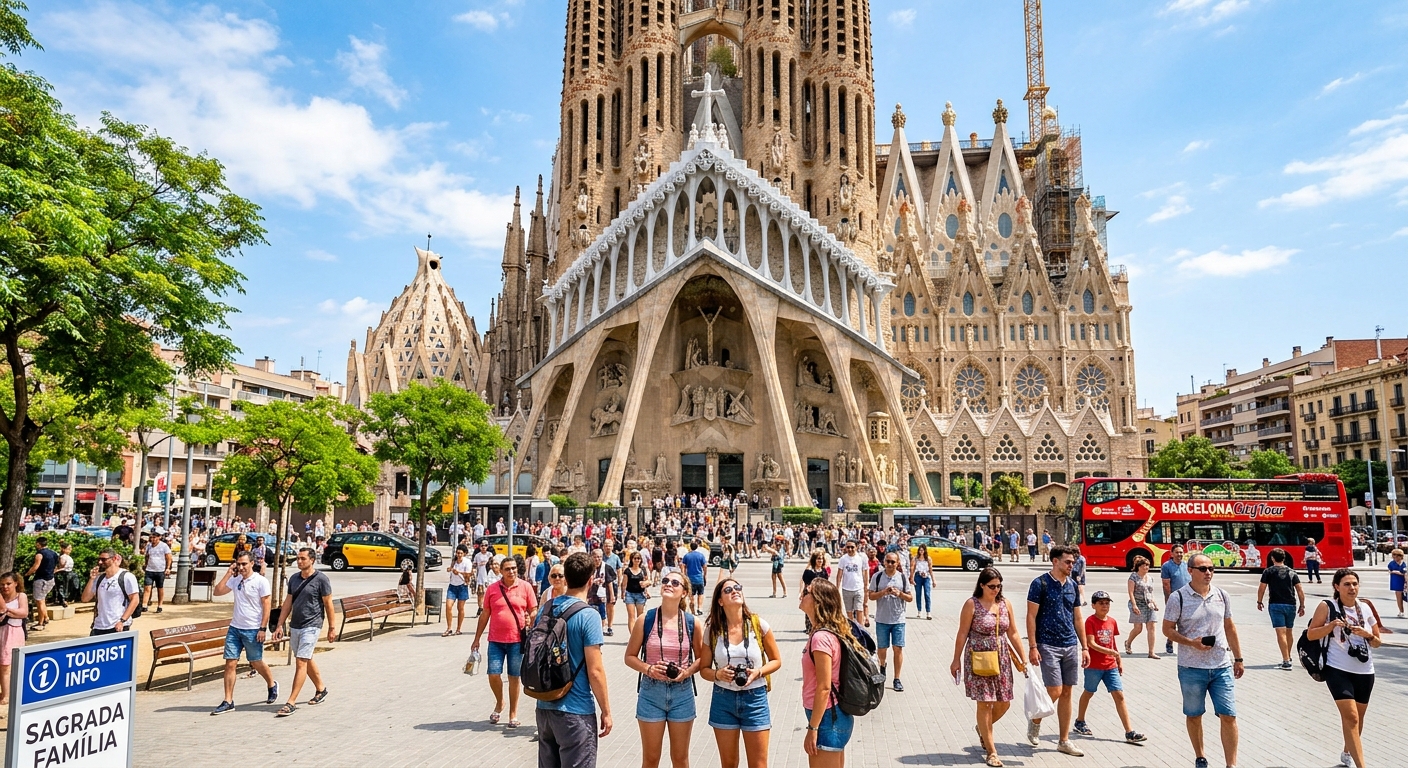
The core Barcelona sightseeing list is surprisingly manageable once you group the city’s major draws by type. Some visitors think they need dozens of attractions, but the truth is that a handful of major spots define the city so strongly that they become the backbone of a great itinerary. These are the places that appear in postcards for a reason, and they’re worth seeing even if you’re usually not into “tourist stuff.” The key is to visit them in the right order and with realistic expectations.
We recommend thinking of Barcelona’s top tourist spots as a set of anchor experiences. Sagrada Família gives you the most important landmark, Park Güell gives you the city’s signature playful design, the Gothic Quarter gives you history and atmosphere, La Rambla gives you the classic central promenade, and Barceloneta gives you sea views and a change of pace. Each one offers a different mood, which is why the city feels fuller when you visit more than one category. You can do all of them in a short trip, but you’ll enjoy them more if you leave room for meals and spontaneous detours.
There’s also a practical order to these sights. Start with the places that require timed tickets or have the longest queues, then move into free or low-commitment neighborhoods, and finish with an evening area or viewpoint. Barcelona rewards that kind of flow because the city’s geography naturally alternates between dense, walkable zones and open-air spaces. That rhythm keeps your energy up, and it gives you a better sense of how locals actually experience the city, not just how travelers photograph it.
If you’re deciding what is truly essential, we’d rank the top must-sees this way: Sagrada Família first, Park Güell second or third, then the Gothic Quarter, Casa Batlló or Casa Milà, Barceloneta, and Montjuïc. La Rambla is still worth a walk if you’ve never been, but it’s better treated as a connector than a full destination. The surrounding streets, markets, and side lanes are often more interesting than the main strip itself. That distinction matters because it helps you spend your time where Barcelona feels most alive.
Sagrada Família — why it is the city’s most essential landmark
Sagrada Família is the single most important tourist attraction in Barcelona, and it remains the clearest answer to “what should I absolutely not miss?” The basilica is both a spiritual site and an architectural masterpiece, and even visitors who aren’t normally church people usually come away impressed. Gaudí’s work here is so ambitious, so layered, and so visually unusual that it feels unlike any other landmark in Europe. From experience, this is the one attraction that almost always justifies an advance booking if your schedule allows.
Ticket prices in 2026 typically start around the mid-20 euro range for basic entry and rise with tower access or guided options. Expect timed-entry slots, and plan to book several days in advance in shoulder season or weeks ahead during summer and holiday periods. Official hours change by season, so always verify on the official Sagrada Família website before you go. If you want the best photos and a calmer visit, morning entry is usually the safest bet, while late afternoon can give you beautiful light inside the stained-glass interior. The tower experience is memorable, but if your time is limited, the main interior visit is the priority.
We also recommend leaving enough time to walk the surrounding Eixample streets, because the basilica is more powerful when you approach it rather than rush in and out. The exterior has details that are easy to miss if you arrive only for a quick selfie. Nearby cafes and bakeries make it easy to turn the visit into a slower neighborhood stop. If you’re with kids, build in a snack break before or after so the experience doesn’t feel too formal. Sagrada Família is a “must” for a reason, but it becomes a better memory when it’s part of a fuller morning or afternoon.
Park Güell — best for views, mosaics, and Gaudí design
Park Güell is Barcelona’s most colorful outdoor attraction and one of the best places to understand Gaudí’s imagination in a landscape setting. The mosaic benches, tiled details, and elevated city views make it feel playful and scenic at the same time. It’s especially popular with first-time visitors because it offers a different side of Barcelona than the monumental basilica experience. You come for the architecture, but many people end up staying for the views and the atmosphere.
Entry to the monumental zone is ticketed, and basic tickets generally fall in the low-to-mid 20 euro range depending on the option and season. We strongly recommend booking ahead, especially in spring and summer, because the timed slots are limited and the most convenient times disappear quickly. The official Park Güell site is the place to verify hours and access rules, since opening windows can shift across seasons. If you want fewer people around, early morning is the best bet, and late afternoon can also be pleasant if your timing works out. The park is large enough to enjoy even after the paid zone, so don’t treat the ticketed area as the whole experience.
From a trip-planning perspective, Park Güell works best when paired with Gràcia or a north-Barcelona neighborhood stop. That way, you get a sense of the city beyond the central monuments. It’s also an excellent choice for travelers who like colorful photos but don’t want to spend an entire day in a museum. Families often enjoy it because the open-air format gives kids room to move, and couples tend to like the sunset-friendly views. If you only book one “view and architecture” sight, this is often the most visually satisfying choice.
Gothic Quarter — medieval streets, plazas, and history
The Gothic Quarter is where Barcelona feels oldest, narrowest, and most atmospheric. It’s a maze of lanes, squares, old stone buildings, hidden courtyards, and small cafes that reward slow walking more than rushing. If you want one area that instantly explains the city’s historic identity, this is it. It’s also the place many travelers revisit in the evening because the vibe changes nicely as the lights come on.
The best way to enjoy the Gothic Quarter is to wander it on foot with a loose route rather than trying to “complete” it. Start near the cathedral, drift toward Plaça Reial, and use the side streets to connect the bigger plazas. Along the way, you’ll find small shops, tapas bars, and glimpses of Roman and medieval layers. Just remember that this area is also one of the busiest in the city, so it’s smart to visit earlier in the day if you want a calmer feel. We’ve found that mid-morning or late afternoon often works better than peak lunch hours.
Accessibility can be tricky here because the streets are uneven and sometimes crowded, so families with strollers or travelers with mobility concerns should keep expectations realistic. That said, the area is still worth seeing, even if you choose a shorter route. Combine it with El Born for a more complete old-town experience, since the two districts complement each other very well. The Gothic Quarter is one of those Barcelona areas that can feel touristy in parts, but if you know where to slow down, it becomes one of the city’s most rewarding walks.
La Rambla and surrounding center — what is worth seeing and what to skip
La Rambla is Barcelona’s most famous promenade, but it’s also one of the most misunderstood tourist zones. The strip itself is still worth walking at least once if you’ve never been, mainly because it connects major city landmarks and gives you the classic central Barcelona experience. But we’d be honest and say the side streets, nearby plazas, and adjoining markets often deliver a better visit than the main corridor alone. Think of La Rambla as a spine rather than the whole body of the downtown area.
In 2026, the practical advice remains the same: enjoy the walk, but stay alert to pickpockets and overly aggressive vendors, especially in busier stretches. Use it as a way to connect the Gothic Quarter, the waterfront, and central market areas rather than as a destination where you linger for hours. The more interesting parts are often just a block away, where you can find local bars, historic facades, and less chaotic pedestrian lanes. If you want a more satisfying center-city experience, combine La Rambla with Plaça Reial, the Boqueria area, and a detour into El Raval or the Gothic Quarter depending on your comfort level.
For first-timers, La Rambla is useful because it helps orient you geographically. For repeat visitors, it’s usually a quick pass-through rather than a long stay. That’s not a criticism so much as a planning reality. Barcelona has evolved, and many travelers now prefer more neighborhood-driven experiences over spending too much time in its most crowded central corridor. If you do go, go with a plan, keep valuables secure, and use it as one piece of a broader downtown loop.
Barceloneta and the waterfront — beach, port, and sunset strolling
Barceloneta is the city’s classic seaside stop, and it gives you an easy contrast to the architecture-heavy parts of the itinerary. This is where you go for sand, sea breeze, marina views, and a less structured kind of sightseeing. It’s ideal when you want a reset after a museum or historic district. The beachfront promenade also makes it easy to walk, bike, or just sit and people-watch.
Barceloneta Beach is busiest in summer, and swimming conditions are most inviting from late spring through early fall. If you want a better balance of space and atmosphere, consider going earlier in the day or near sunset rather than at midday. The surrounding area has plenty of seafood spots and casual places for an aperitif, so it can be both a sightseeing stop and a meal destination. That said, it’s one of the most tourist-heavy beach zones in the city, so travelers who want a quieter vibe should compare it with Bogatell or Mar Bella before deciding.
The waterfront around Port Vell also works well for a scenic walk even if you’re not planning to sit on the sand. From experience, this is one of the easiest places to create a flexible itinerary because you can keep moving between the beach, the marina, and the Old Town. It’s also a good spot for a relaxed date, a family break, or a solo sunset walk. If you want Barcelona to feel breezy and low-pressure, this part of the city delivers exactly that.
Gaudí landmarks and Modernist icons you should not miss
Barcelona’s identity is inseparable from Gaudí, and the Modernist architecture here is one of the strongest reasons travelers come in the first place. The city has several major Gaudí sites, but not all of them deserve equal priority depending on your budget, time, and interest level. Some are must-book attractions, some are excellent if you love architecture, and some are best if you want a quieter, more local-feeling experience. The key is choosing wisely so you don’t overpay for a version of Barcelona that doesn’t match your style.
If you only choose one paid architecture stop beyond Sagrada Família, many first-timers prefer Casa Batlló because it feels immersive and visually striking. Casa Milà is a close second if you care about rooftop design and building history. Park Güell gives you architecture in a landscape setting, while Casa Vicens and Palau Güell reward travelers who want something a little less crowded. In 2026, the Gaudí trail remains one of the city’s most reliable tourist draws, but it now works best when you pair one flagship ticket with one exterior walk rather than trying to do every site.
Barcelona’s Modernist circuit also teaches you a lot about the city’s evolution. These buildings are not just decorative objects; they’re part of a broader urban story that shaped Eixample and helped define the city’s cultural brand. Many visitors are surprised by how different each Gaudí stop feels. That’s why comparing them in advance saves money and time. If you know what kind of experience you want—immersive, panoramic, historic, or hidden-gem—you’ll choose better.
From an itinerary perspective, the most efficient approach is to choose a “main Gaudí” and one supporting site near your route. Sagrada Família plus Casa Batlló is a classic combo, as is Park Güell plus a Gràcia wander. If you want a more scholarly or less crowded route, Casa Vicens, Palau Güell, and the Sant Pau Art Nouveau Site can be excellent alternatives. This section breaks down how to think about those options without falling into the trap of just booking whatever appears first in search results.
Casa Batlló — immersive architecture and night visits
Casa Batlló is one of Barcelona’s most memorable interior experiences because it feels like stepping into a living art object. The façade alone is worth a stop, but the real magic happens inside, where the building’s curves, colors, and lighting effects create a highly immersive visit. It’s a strong choice for travelers who want something visually dramatic and distinctly Barcelona. Couples often especially like it because the building has a playful, almost dreamlike quality.
Ticket prices generally sit in the higher range compared with some other sights, often starting around the mid-30 euro mark and rising for premium or night packages. Because this is a popular attraction on Passeig de Gràcia, advance booking is a very good idea, particularly during high season or weekends. The official Casa Batlló website is the best place to confirm current hours, seasonal night experiences, and access policies. We’ve found the evening visits can be especially appealing if you want a less rushed atmosphere and more dramatic lighting. If your budget is limited, this is one of the sites where you should decide up front whether the immersive experience is worth the premium for you.
For many travelers, Casa Batlló is a better “special occasion” pick than an everyday sightseeing stop. It feels celebratory, polished, and photo-friendly, so it works well for date nights or a first-time trip where you want one standout interior. If you’re short on time, pair it with a walk along Passeig de Gràcia and maybe one nearby restaurant rather than trying to tack it onto a packed day. That way, you give the experience room to breathe. It’s one of the clearest examples of Barcelona’s architectural theater at its best.
Casa Milà (La Pedrera) — rooftop views and design significance
Casa Milà, often called La Pedrera, is one of the city’s most important Modernist landmarks and a strong counterpart to Casa Batlló. Where Casa Batlló feels ornate and whimsical, Casa Milà feels more sculptural and architectural in a pure design sense. The rooftop is the big draw, with its distinctive chimneys and city views. If you like buildings that reveal their genius through structure rather than decoration, this one deserves a place on your list.
Ticket prices usually fall in a similar premium range to other flagship Gaudí houses, and guided or evening options can cost more. It’s worth checking the official Casa Milà site for current schedules, because the rooftop and night experiences often vary by season. If you’re choosing between this and Casa Batlló, think about your travel style: Casa Batlló is more immersive and theatrical, while Casa Milà is more architectural and panoramic. Both are good, but if you have time for only one, choose based on whether you care more about spectacle or design history.
Casa Milà also pairs well with the Eixample neighborhood, which makes it useful in a broader sightseeing day. You can combine the visit with a stroll through elegant boulevards, shopping, or a long lunch. The rooftop is especially rewarding in clear weather, so if your trip has a bright day to spare, this can be a great candidate. From experience, people who enjoy architecture often leave Casa Milà saying it was more subtle than they expected, in a good way. It’s not just a landmark; it’s a lesson in how Barcelona turned modern design into a city identity.
Casa Vicens and lesser-known Gaudí stops
Casa Vicens is a smart option if you want Gaudí without the biggest crowds. It’s one of his earlier works and offers a different perspective from the more famous Eixample icons. Travelers who enjoy design history often appreciate it because it feels more intimate and less staged. If you’ve already seen Sagrada Família or Park Güell, Casa Vicens can be the next site that deepens your understanding rather than simply adding another photo stop.
The same logic applies to some of Barcelona’s less famous Modernist buildings and interiors. Not every Gaudí-related attraction is a must-book priority for a short trip, but many are rewarding if you’ve got a full architecture day or a longer stay. For example, the city’s smaller Modernist façades and decorative details in Eixample can be appreciated for free from the street. That means you don’t have to spend on every site to get the full effect. In practice, many travelers mix one major ticketed attraction with a self-guided Modernist walk to balance budget and experience.
If you’re choosing among lesser-known sites, think about the overall mood you want. Casa Vicens is excellent for design-minded travelers; Sant Pau Art Nouveau Site is strong for beauty and space; and Palau Güell is useful if you want a historic interior that isn’t as overwhelmed as the biggest headline stops. Barcelona rewards curiosity, so you don’t need to limit yourself to the top two Instagram-famous buildings. The city’s side list of architecture is deep enough to satisfy serious fans while still being manageable for casual visitors.
Palau Güell and UNESCO context
Palau Güell is one of those attractions that architecture lovers often rate very highly, even though casual travelers sometimes overlook it. It was designed by Gaudí and shows his early genius in a more contained, urban setting. The building has historical importance and UNESCO-related context, which makes it especially interesting if you like understanding how Barcelona’s architectural legacy was built over time. It’s also generally less overwhelming than the biggest headline sites, which can make it feel like a smarter use of time for some visitors.
Admission tends to be more moderate than the city’s most expensive Gaudí experiences, though you should still check official ticketing for current pricing and hours. Because it sits near the historic center, it can be added to an Old Town day without major routing headaches. That convenience matters if you don’t want to cross the city multiple times. Palau Güell is a good example of why Barcelona sightseeing works best when you mix famous icons with smaller, more focused experiences. The city’s architecture story is not just about spectacle; it’s also about depth.
If you are deciding whether Palau Güell deserves a slot, ask yourself whether you prefer intimate historic buildings or larger, more famous landmarks. If you love layered interiors, fewer crowds, and a slightly more scholarly feel, you’ll probably enjoy it. If your trip is very short and you want only the biggest “wow” attractions, you may prioritize the larger Gaudí houses first. Either way, Palau Güell is worth knowing about because it helps round out Barcelona’s architecture circuit and gives serious travelers a quieter alternative.
How to choose which Gaudí site to book first
If you’re short on time or money, choosing the right Gaudí site first is one of the most important planning decisions you can make. The simplest answer is this: book Sagrada Família first, then choose one of Casa Batlló, Casa Milà, or Park Güell depending on your interests. If you want the strongest visual impact and are okay spending more, Casa Batlló is often the crowd-pleaser. If you like rooftop views and more direct architectural history, Casa Milà is a strong pick. If you want outdoor beauty and a more relaxed pace, Park Güell may be the better fit.
Budget, timing, and travel style matter here. Families often do better with Park Güell because it gives kids space, while couples may prefer Casa Batlló for the immersive mood. Architecture fans who want depth may choose Casa Milà or Casa Vicens before another flashy option. If you already know you’ll be in Barcelona for several days, you can split the experience across separate mornings and avoid decision fatigue. That approach also reduces the chance that you book too many expensive interior tickets on the same day.
Another practical factor is crowd management. Popular Gaudí sites are strongest when visited early or late in the day, and that timing can influence which one fits your schedule. If one attraction has a timed slot that works neatly with your day, choose that one rather than forcing a more expensive ticket into the wrong part of your itinerary. Barcelona is a city where smart sequencing matters just as much as where you go. Once you think of Gaudí stops as a portfolio instead of a checklist, the whole planning process gets easier.
Neighborhood-by-neighborhood guide to the best sightseeing areas
Barcelona becomes much easier to understand once you stop thinking only in terms of individual attractions and start thinking in neighborhoods. The city’s character changes sharply from one district to the next, and that’s exactly why a good trip includes both landmarks and local area wandering. Some neighborhoods are polished and architectural, some are historic and dense, some are creative and relaxed, and some are better known for nightlife or food than for a major monument. This section helps you choose the right base or sightseeing zone depending on your style.
We’ve found that travelers often enjoy Barcelona more when they settle into one neighborhood each day rather than jumping all over the map. That method reduces transport time and gives you better meals, better people-watching, and a more coherent memory of the city. It also helps with practical stuff like rest breaks, restroom access, and choosing a dinner area without backtracking. Barcelona is walkable, but it’s not so compact that you should ignore neighborhood logic.
Each district below has its own rhythm. El Born is stylish and evening-friendly, Gràcia feels more local and low-key, Eixample is grand and elegant, Sant Antoni and Raval offer a mix of markets and edges, and Poblenou is creative and beach-adjacent. If you choose the right neighborhood for your energy level, you’ll avoid the common mistake of seeing Barcelona only as a set of famous addresses. The city is much more rewarding than that.
We also recommend pairing neighborhood time with live listings when possible. That is especially useful in the evenings, when galleries, concerts, chef pop-ups, and neighborhood events can shift the feel of a district dramatically. Static sights tell you where to go; live listings tell you what’s happening once you get there. Barcelona is one of those cities where the difference is huge, especially for travelers who care about food, music, or nightlife.
El Born — boutiques, museums, food, and evening atmosphere
El Born is one of Barcelona’s best all-around neighborhoods for visitors because it combines history, style, dining, and a lively evening mood. It sits close to the Gothic Quarter but feels a little less chaotic and a little more polished. That makes it a favorite for couples, solo travelers, and small groups who want a neighborhood that works from lunch through late night. The area has museums, churches, small stores, and plenty of good restaurants, so you can easily spend half a day here without running out of things to do.
From a sightseeing perspective, El Born is especially useful because it sits near the Picasso Museum and the old town’s more charming pedestrian streets. It’s a great area to slow down and let the city feel less checklist-driven. We like it for coffee breaks, tapas crawls, and early evening walks when the lighting gets softer. The neighborhood also tends to feel more manageable than La Rambla, which many travelers appreciate after a crowded morning elsewhere.
If you’re choosing where to stay, El Born is a strong option for visitors who want walkability and nightlife without being right in the thick of the noisiest tourist lanes. It’s also a helpful base if your interests lean toward art, design, and food rather than purely beach time. Keep an eye on restaurant reservations during peak season, because the better spots can fill up. El Born is one of those districts where the neighborhood itself feels like part of the attraction.
Gràcia — local feel, plazas, and relaxed nights out
Gràcia is the neighborhood many travelers wish they had discovered sooner. It feels more residential and local than the historic center, with smaller plazas, neighborhood bars, independent shops, and a more relaxed evening rhythm. If you want Barcelona without the constant tourist intensity, Gràcia is one of the best places to spend time. It’s also excellent for people who like lingering over coffee or moving from one square to another rather than racing through major monuments.
The main draw here is atmosphere, not one single mega-attraction. That said, Gràcia is an excellent base for reaching Park Güell, and it offers a more authentic-feeling place to eat and drink afterward. Travelers often enjoy it because it gives them a sense of everyday Barcelona that contrasts nicely with the more monumental zones. In the evening, the neighborhood can be lively but not overwhelming, which makes it ideal for a low-stress dinner or drinks.
We especially recommend Gràcia for repeat visitors, solo travelers, and couples who like a neighborhood that feels lived-in. It’s also a good place to look for small events, live music, and seasonal street life. If your Barcelona style is less “big sights only” and more “I want to see how locals spend time,” Gràcia belongs on your list. It’s a reminder that the city is not just a museum of famous buildings; it’s also a very active, very social place to hang out.
Eixample — elegant boulevards, Modernist architecture, and shopping
Eixample is the Barcelona neighborhood that best shows off the city’s grand urban planning and many of its best-known Modernist facades. Wide boulevards, rational street grids, fashionable shops, and architectural landmarks make it a highly practical area for sightseeing. If you want a clean, elegant environment that feels easy to navigate, Eixample is one of the best districts to spend time in. It also tends to be more comfortable for first-time visitors than the tighter, older streets of the Gothic Quarter.
This is where you’ll find major Gaudí sites like Casa Batlló and Casa Milà, along with plenty of cafes, restaurants, and shopping. The neighborhood works well for travelers who want to combine sightseeing with a polished meal or some retail browsing. It’s also a smart area for a short trip because many of the big-ticket attractions are clustered here. You can see a lot without constantly crossing the city.
From a planning standpoint, Eixample is one of the best neighborhoods to stay in if your priority is efficient sightseeing. You can reach multiple attractions quickly, and the streets are generally easier to orient yourself on than the older parts of town. It’s also a solid nighttime choice if you want dinner and drinks that feel stylish rather than rowdy. If Barcelona had a “best all-purpose district for first-time visitors,” Eixample would be near the top of the list.
Sant Antoni and Raval — markets, dining, and mixed vibes
Sant Antoni has become one of Barcelona’s most interesting areas for food, markets, and a more local-feeling urban experience. It’s a great example of the city’s evolving personality, because it blends neighborhood life with visitor-friendly dining and a strong market culture. Nearby Raval is more mixed and can feel edgier, busier, and less polished, but it also includes cultural attractions and some excellent food and nightlife. Together, these areas offer a more textured, less postcard-perfect version of Barcelona.
Sant Antoni Market is a strong stop for travelers who like food-centric exploration without the intensity of La Boqueria. The surrounding streets are good for brunch, vermouth, and casual dinners. Raval, meanwhile, has cultural institutions and an urban energy that some travelers love and others prefer to navigate more selectively. It’s important to stay aware of your surroundings here, especially at night, and to choose streets and venues thoughtfully. This is not a district to rush through blindly, but it’s also not a place to dismiss outright.
If you want a more local-feeling Barcelona day, Sant Antoni is a good place to center yourself. It’s ideal for travelers who care about markets, neighborhood restaurants, and a real-city vibe rather than only monumental sightseeing. Raval works best when you know where you’re going and you have a specific plan, like a museum, dinner reservation, or performance. In other words, these neighborhoods are useful not because they are simple, but because they’re real.
Poblenou and the waterfront — modern, creative, and less crowded
Poblenou is one of the best neighborhoods for travelers who want a more contemporary Barcelona feel. It has creative energy, longer streets, more open space, and a closer connection to the waterfront than the old center. This makes it especially appealing if you want a break from dense historic streets or if you’re traveling with people who prefer a modern neighborhood to a medieval one. It also gives you easier access to some calmer beach areas like Bogatell and Mar Bella.
The district is useful for both daytime wandering and casual evening plans. You’ll find a growing mix of cafes, restaurants, and local creative spaces, which gives it a different personality from the historic core. It’s not where most visitors begin their trip, but it can be one of the most pleasant places to spend a relaxed afternoon. We like it for travelers who’ve already seen the big monuments and want something less crowded. It also works well as a base if beach access is high on your list.
Poblenou is a good reminder that Barcelona isn’t frozen in its tourist image. The city keeps changing, and this neighborhood reflects a more contemporary lifestyle side of town. If you like modern architecture, open-air walks, and fewer bottlenecks, it deserves a place in your planning. It can also be a smart “near me” area once you’re in the city and want an easy outing without returning to the central crush.
Beaches, parks, and outdoor tourist spots in Barcelona
Barcelona’s outdoor attractions are a big part of why the city feels so easy to love, especially for travelers coming from colder or denser places. You can move from architecture to water to green space without changing cities, and that flexibility makes the trip feel balanced. The beaches, parks, and viewpoints also help break up the more crowded indoor sightseeing days. If you plan your route well, outdoor time becomes the glue that connects the famous landmarks.
The best outdoor options range from classic and busy to calm and local. Barceloneta is the obvious beach stop, but Bogatell and Mar Bella can give you a more relaxed swim or stroll. Montjuïc is the best all-around hill for views, gardens, and museums, while Ciutadella Park is the easiest green space for a picnic or rest break. Add sunset viewpoints like the Bunkers del Carmel, and you have an outdoor network that can fill multiple days without repeating yourself.
Seasonality matters here more than almost anywhere else in the city. Beaches are best in warmer months, but park walks and viewpoints can work year-round if you dress appropriately and avoid peak heat. Spring and autumn are especially comfortable for outdoor sightseeing because the light is good and the temperatures are manageable. In summer, go early or late in the day and plan indoor stops between outdoor segments.
Barcelona’s outdoor scene also pairs nicely with live events, seasonal festivals, and pop-up activities. A beach walk can turn into a concert night, a park afternoon can lead to a street performance, and a viewpoint visit can be paired with dinner nearby. That’s another reason it’s useful to think about tourism and things to do together rather than separately. The city is at its best when you move fluidly between them.
Barceloneta Beach — best for a classic seaside stop
Barceloneta Beach is the city’s most famous stretch of sand, and for many travelers it’s the easiest way to experience Barcelona’s coastal identity. It’s lively, central, and very easy to combine with the waterfront or Old Town. If you want a “Barcelona beach day” without complicated logistics, this is the one most people choose. It works well for a quick swim, a long walk, or just a break between sightseeing blocks.
The downside is that it can get crowded, especially during summer and on weekends. If you want more space, early morning is better than midday, and sunset can be a nicer time for atmosphere even if you’re not swimming. Food and drink options are plentiful nearby, though some are more tourist-focused than others, so it helps to choose carefully. From a practical standpoint, Barceloneta is best viewed as an easy, iconic beach stop rather than a remote or pristine escape.
Families may like the convenience, while couples often enjoy the sunset setting and the ability to walk along the waterfront afterward. Solo travelers can also use it as a low-stress place to read, people-watch, or reset between sights. If you’re only in town for a short trip, Barceloneta is a good place to touch the sea without losing half a day. It may not be the most tranquil beach in the region, but it is one of the city’s most classic outdoor experiences.
Bogatell and Mar Bella — calmer alternatives and local feel
Bogatell and Mar Bella are the smart alternatives if you want a beach experience with a little more breathing room. These areas tend to feel less compressed than Barceloneta and are often favored by locals or travelers who want a calmer atmosphere. Bogatell in particular is a solid pick if you like a cleaner, more open beach day without the constant central-city buzz. Mar Bella can feel more relaxed and has its own distinctive vibe, especially in warmer months.
These beaches are useful if you’re planning a longer stay or want a second beach day after seeing the classic seaside area. They also work well if you are trying to avoid the tourist density of Barceloneta during peak hours. Pair them with Poblenou for a modern, less crowded itinerary. That combination is especially good for travelers who like open space, casual food, and a more local rhythm.
If you’re deciding between these beaches and the famous central one, think about your priorities. Barceloneta is the easier first-timer choice, but Bogatell and Mar Bella may deliver a better overall experience if your goal is comfort and space. Either way, Barcelona’s coastline is one of the city’s biggest strengths, and it deserves at least one dedicated stop. The main difference is whether you want iconic or relaxed.
Montjuïc — viewpoints, gardens, museums, and cable car options
Montjuïc is one of Barcelona’s best all-in-one outdoor and culture zones. It gives you panoramic views, landscaped gardens, museums, historic structures, and multiple ways to get up and down the hill. If you want a day that combines nature, history, and scenery, Montjuïc is one of the best choices in the city. It’s also useful because it can be tailored to different energy levels, from a quick viewpoint visit to a full half-day exploration.
Some visitors arrive by funicular and cable car, which can be part of the fun. Others prefer buses, taxis, or a more leisurely walk depending on where they’re starting. The hill is large, so it’s important not to underestimate travel time between points of interest. We recommend choosing a few priorities—like MNAC, the Olympic area, a garden, and one view—and building around that. Otherwise, it’s easy to spend too much time in transit rather than enjoying the hill itself.
Montjuïc also works beautifully in sunset hours or on clear days when the city and sea views are sharp. It can be a strong date-night or solo-travel stop because it feels spacious and scenic rather than hectic. If you only have a limited time in Barcelona and want a place that offers more than one type of experience, this is a top candidate. It’s basically a whole mini-district of viewpoints and culture in one hillside package.
Ciutadella Park — relaxing green space for picnic breaks
Ciutadella Park is one of the easiest places in Barcelona to slow down and breathe. It’s central, approachable, and ideal for a break between museum visits, old-town wandering, or a lunch stop in El Born. The park offers lawns, paths, fountains, and a generally pleasant atmosphere that works for all kinds of travelers. If Barcelona starts to feel busy, this is one of the first places we’d send you to reset.
Families like it because kids can move around more freely than in the tighter tourist streets. Solo travelers like it because it offers an easy, non-intimidating place to sit and read or people-watch. Couples often enjoy it for a picnic-style pause before an afternoon or evening plan. It’s not a headline attraction in the same way as Sagrada Família or Park Güell, but it plays a very important supporting role in a good itinerary.
Because it sits close to El Born and the old town, Ciutadella Park is also highly practical. You can pair it with a market visit, a museum stop, or a waterfront walk without adding much transit complexity. In a city full of “must-see” monuments, this is one of the best reminders that sometimes the best tourist spot is the place that gives your day a rhythm. Don’t skip parks just because they’re not famous enough to dominate a travel brochure.
Best outdoor walks and viewpoints for sunset
Barcelona has several excellent sunset options, and choosing the right one depends on whether you want cityscape, sea views, or a more local feel. Montjuïc is one of the best all-around choices because it gives you broad views and a sense of elevation. The waterfront around Port Vell and Barceloneta is easier if you want a simple walk after dinner. For a more dramatic panorama, the Bunkers del Carmel are often a favorite among travelers who don’t mind a bit more effort to get there.
Sunset timing matters more than people expect, especially in summer when light lasts late and the best spots get crowded. We suggest arriving early enough to secure a comfortable place and then staying through the golden hour rather than arriving at the last minute. If you want a romantic evening, pair your viewpoint with a nearby drink or dinner reservation. If you want a low-cost outing, a sunset walk can be the highlight of the whole day without adding much to your budget.
These walks also give you a chance to see Barcelona’s geography in a more intuitive way. You start to understand how the city stretches from mountain to sea, and why its neighborhoods feel so different from one another. That makes sunset one of the best times for first-time visitors to orient themselves. It’s not just pretty; it’s informative. And that’s a rare combination.
Museums, culture, and rainy-day attractions
Barcelona is famous for its architecture and outdoor life, but its museums and cultural institutions are crucial if you want a more complete city experience. These are the places to lean on when weather turns, when summer heat gets intense, or when you simply want a more thoughtful sightseeing day. The city’s museum scene is strongest when combined with neighborhood wandering, not treated as a separate “boring” category. In practice, a museum day can be one of the most satisfying parts of the trip.
The best indoor attractions include the Picasso Museum, MNAC, MUHBA, Fundació Joan Miró, and several contemporary or design-focused spaces. These places help you understand Barcelona’s artistic heritage beyond the Gaudí narrative. They also give you good refuge from crowds and heat. If you are traveling in high season, indoor attractions can be especially useful in the middle of the day when the outdoor spots are at their busiest.
Barcelona’s museums vary widely in style, so it pays to match the institution to your interests. Some are essential for art lovers, some are better for history buffs, and some are ideal if you want a shorter indoor stop rather than a full afternoon commitment. That flexibility is part of what makes the city work so well for mixed groups. Everyone can find a museum that feels rewarding rather than obligatory.
We also recommend checking temporary exhibits and programming before you go. Barcelona’s cultural calendar changes constantly, and sometimes a special exhibition or nighttime event can be a better use of your time than a standard standalone visit. This is another place where Gidly-style event awareness matters, because the best indoor day may depend on what’s happening right now near the neighborhood you’re already in.
Picasso Museum — art and historic context
The Picasso Museum is one of Barcelona’s most important cultural stops, especially if you want to understand the city’s artistic lineage. It offers more than just a collection of works; it gives context for Picasso’s development and his ties to Barcelona. The museum sits in a beautiful old-town setting, which adds to the experience. If you’re already planning time in El Born or the Gothic Quarter, this is a very logical addition.
Ticket pricing is usually moderate, but you should still verify current rates and free-admission windows on the official museum site. Reservations are wise in peak season, especially for popular time slots. The museum can be busy, so visiting earlier in the day often improves the experience. If you are not a huge museum person, you may still enjoy it because the surrounding district makes it easy to turn the visit into a broader cultural walk.
From experience, the Picasso Museum is best for travelers who want a bit of substance behind the city’s visual charm. It’s not the only museum worth seeing, but it is one of the most meaningful. If you have limited time and can only choose one major art museum, this often belongs near the top of the list. It adds depth to your Barcelona trip in a way that purely scenic stops cannot.
MNAC — national art and city panoramas
The Museu Nacional d’Art de Catalunya, or MNAC, is a standout because it combines a major art collection with one of the best city views in Barcelona. It’s located on Montjuïc, which makes it convenient if you’re already planning a hilltop day. The museum is especially strong for travelers who want to balance culture and scenery rather than doing a pure indoor-only visit. That dual appeal makes it a good all-around recommendation.
Because MNAC sits in a scenic part of the city, it can work as the anchor for a half-day around Montjuïc. Check the official museum website for opening hours and special exhibition pricing, since those can vary. If you like grand interiors, historical art, and a room to breathe, this is a strong pick. It’s also a nice contrast to the more intimate Picasso Museum. Where Picasso feels compact and urban, MNAC feels more expansive and panoramic.
We especially recommend MNAC for travelers who want to understand Catalan art history and also capture sunset or late-day views. It’s one of the city’s more satisfying combinations of culture and landscape. Families with older kids, couples, and solo travelers all tend to handle it well because the pacing is flexible. If you’re building a thoughtful Barcelona day, MNAC belongs high on the list.
Museu d’Història de Barcelona (MUHBA) and Roman remains
MUHBA is a great choice if you like history that is tied directly to the ground beneath your feet. Barcelona’s Roman and medieval layers become much easier to understand here, especially when you follow the city’s older traces through the Gothic area. It’s not as universally famous as Sagrada Família, but it can make the city feel much more legible. For travelers who care about context, that is a big win.
The museum and related archaeological sites are especially useful on rainy days or when you want to escape the crowds without leaving the historic center. Pricing is usually manageable, though you should check official details for current admission and site access. The advantage of MUHBA is that it makes your walking around the Gothic Quarter more meaningful. Suddenly, walls and plazas that seemed decorative become part of a longer urban story.
If you are a first-time visitor who likes history but doesn’t want a huge museum commitment, MUHBA is a smart middle ground. It is often easier to fit into a mixed sightseeing day than a large art museum. It’s also one of the best examples of Barcelona’s layered identity, where ancient, medieval, and modern city life sit very close together. That’s a big reason why the city keeps rewarding repeat visits.
Moco Museum, Fundació Joan Miró, and contemporary options
Barcelona’s contemporary and modern art options give you a more playful or experimental indoor plan. Moco Museum has become especially popular with younger travelers and social-media-friendly visitors, while Fundació Joan Miró offers a more established and substantial art experience tied to one of Catalonia’s most important artists. Both are good reminders that Barcelona’s art scene is not stuck in the past. It keeps evolving.
Fundació Joan Miró, on Montjuïc, is especially nice if you’re already building a hilltop day. It combines art with space and perspective, which makes it less draining than some denser museums. Moco, meanwhile, can appeal if you want a more contemporary, visually punchy option. Just be aware that popularity can affect the feel of these places, so check current reviews and official schedules before committing. The right museum for one traveler may not be the right one for another.
If you want the simplest rule, use Picasso for historic depth, MNAC for art plus views, MUHBA for city history, and Miró or contemporary spaces for a lighter, more modern cultural stop. That way you can tailor the trip to your mood rather than forcing yourself into the wrong kind of museum day. Barcelona’s indoor scene is broad enough to support that kind of choice.
Best indoor picks when it rains or gets too hot
When the weather is bad or the sun is punishing, Barcelona’s best indoor picks are the ones that are already close to your route. Sagrada Família, Casa Batlló, Casa Milà, Picasso Museum, MNAC, MUHBA, and Fundació Joan Miró are the most reliable big options. Markets, churches, and architecture interiors can also help you keep the day moving without feeling trapped indoors for too long. That balance is important because Barcelona works best as a city of movement, not a marathon of sitting.
Our advice is to match the indoor stop to the neighborhood you are already in. If you’re in Eixample, choose a Gaudí house. If you’re in El Born, choose Picasso or a nearby old-town museum. If you’re on Montjuïc, choose MNAC or Miró. This reduces travel time and keeps you from losing half the day to transit. A weather backup that is well-located often feels like the best plan of all.
If you are traveling in summer, it’s worth treating indoor stops not as “fallbacks” but as strategic midday anchors. You can spend the hottest hours in a cool space and then enjoy the city again in the evening. That makes your trip feel more balanced and less exhausting. In other words, indoor attractions aren’t just for bad weather; they are part of smart Barcelona pacing.
Markets, food, and local experiences worth planning for
Food is one of the easiest ways to make your Barcelona trip feel local, even if you’re only in town for a short time. The city’s markets, tapas bars, seafood spots, vermouth counters, and casual lunch places can become memorable sightseeing stops in their own right. That matters because a great day in Barcelona is rarely just about the landmark; it’s usually about what happens before, after, or between the landmark visits. The right meal can anchor a whole neighborhood experience.
La Boqueria is the headline food market, but it is not the only one worth your time. Mercat de Sant Antoni is a more local-feeling alternative, and many smaller neighborhood markets or classic bars can give you a better meal without the heavy tourist traffic. Barcelona is especially good for mixing quick bites with longer restaurant experiences, which helps when you are sightseeing all day. Tapas, vermouth, seafood, sandwiches, and churros can all fit into a flexible itinerary.
We also think food experiences are one of the best ways to connect static attractions with live city energy. A museum visit can end in a vermouth bar. A beach walk can lead to seafood lunch. An old-town stroll can transition into a tasting menu or market snack. That’s the kind of trip planning that makes Barcelona feel dynamic rather than prepackaged. If you enjoy discovering new places, consider checking Gidly for live food and neighborhood happenings nearby while you’re in town.
One final note: tourist-friendly does not have to mean inauthentic. Barcelona has many places that are both accessible to visitors and genuinely enjoyable for locals. The key is to avoid the most obvious traps and to use a little timing strategy. Go early, go off-peak, and go a block away from the most obvious entrance when possible.
La Boqueria — iconic but crowded, plus how to visit smartly
La Boqueria is the city’s most famous market, and for many first-time visitors it’s a fun, sensory stop. The colors, sounds, and snack options make it one of the most immediate ways to experience Barcelona’s food culture. That said, it is also one of the most crowded and tourist-focused places on the list, so expectations should be realistic. Think of it as a classic Barcelona experience rather than an intimate local market visit.
The smartest way to visit La Boqueria is to go earlier in the day, avoid peak lunch crush, and focus on a snack or light tasting rather than trying to have a full meal in the most obvious stall. If you go with a plan, it can still be very rewarding. Official market hours and vendor schedules can change, so it’s worth checking current information before heading there. The market also pairs naturally with La Rambla and the Old Town, which makes it convenient even if you do not linger long.
From our point of view, La Boqueria is worth it once, but not necessarily twice on the same trip. If you love food markets, it can be a fun anchor. If you dislike crowds, you may prefer Sant Antoni or a smaller neighborhood market. Either way, it remains one of the most recognizable tourist spots in Barcelona, and it can help first-timers understand the city’s food identity quickly.
Mercat de Sant Antoni and local-market alternatives
Mercat de Sant Antoni is one of the best alternatives to La Boqueria if you want a market that feels a little less staged for visitors. It has a neighborhood personality that makes it easier to relax and enjoy the food. The surrounding area also supports a good meal before or after your visit, which is important because the market itself is only part of the experience. For travelers who like a more everyday Barcelona feel, Sant Antoni is often the better choice.
Smaller market alternatives can also be excellent depending on your route. Some are better for produce and fresh foods, others for casual bites, and others for the neighborhood atmosphere. The specific benefit of choosing a less famous market is that you often get better pacing and fewer bottlenecks. If you are traveling with kids or a bigger group, that can be a major advantage. You spend less time crowding around stalls and more time actually enjoying the food.
If you only have room for one market visit, think about what kind of experience you want. La Boqueria is iconic and easy to combine with central sightseeing, while Sant Antoni feels more local and relaxed. Both can fit into a great Barcelona trip. The difference is mostly about energy level and crowd tolerance, not quality alone.
Tapas, vermouth, seafood, and churros stops near major attractions
Barcelona’s classic food rhythm is easy to learn once you see how locals actually move through the day. A light breakfast, a coffee stop, a vermouth or aperitif around midday, a tapas lunch, and a more relaxed dinner all fit naturally around sightseeing. Seafood is especially rewarding near the waterfront, while churros and sweets are easy to add near the center or after an evening walk. The point is not to overcomplicate meals; it is to use them as part of the experience.
Near major attractions, the safest strategy is to choose places with clear menus, sensible opening hours, and a mix of locals and visitors. Around Sagrada Família and Eixample, you’ll find plenty of straightforward lunch spots. Around El Born and the Gothic Quarter, tapas bars and vermouth places are easy to work into a walking day. Near Barceloneta, seafood and relaxed drinks make sense after the beach or promenade. We always recommend checking whether a place needs reservations, especially for dinner in popular districts.
Food stops are also a good way to keep a day balanced if you are traveling with people who tire at different speeds. A strong meal can reset the group and improve the rest of the itinerary. That’s why we think food should be planned almost like another attraction. It really can be the difference between a good day and a great one.
Food experiences that are tourist-friendly but still authentic
The best food experiences in Barcelona for travelers are often the ones that are welcoming without feeling fake. A tapas crawl in the right neighborhood, a neighborhood vermouth bar, a seafood lunch near the coast, or a guided tasting in a local market can all be tourist-friendly and still feel authentic. The difference is usually in the density of gimmicks and the quality of the surrounding area. If a place feels like it exists only for cruise passengers, you can usually do better.
We like food experiences that connect to the city’s rhythms. Vermouth at midday in a lively district, a slow lunch after a museum visit, or a post-sunset meal near a viewpoint all feel very Barcelona. You do not need a Michelin-level reservation for the experience to be meaningful. In fact, some of the most memorable meals are the simple ones you had after choosing the right neighborhood. Barcelona rewards travelers who care about timing as much as menu selection.
If you want a low-stress food plan, build one “special” meal into the trip and keep the others flexible. That lets you enjoy the city without turning every lunch into a research project. It also keeps your budget under control. Good travel is often about choosing a few memorable moments rather than trying to make every meal a production.
What to book in advance for food tours and tastings
Food tours, market tastings, wine experiences, and chef-led events can book up faster than people expect, especially in peak travel months. If you want a guided tasting or a small-group food tour, reserve ahead instead of waiting until you arrive. Barcelona has a lot of options, but the best ones often depend on group size, neighborhood, and timing. That means the first available slot is not always the best one for your itinerary.
When deciding what to book, think about whether you want structure or flexibility. A guided tour can help first-timers understand the city’s food culture quickly, while independent eating gives you more freedom to follow your mood. If you are traveling with a group, booking in advance can also prevent endless decision-making once you are hungry. That practical advantage is easy to underestimate until you’re standing in a crowded street trying to agree on dinner.
For many travelers, one planned food experience plus spontaneous meals is the ideal balance. It gives you one anchor and enough room to discover the rest naturally. If you’re using Gidly, this is exactly the kind of category where live listings can help you find nearby tastings or events that fit the day’s neighborhood. Barcelona’s food scene is broad, but the best choices are usually the ones that are easiest to reach when you actually want them.
Best tourist spots in Barcelona by scenario
The best tourist spots in Barcelona depend heavily on what kind of trip you’re taking. A city that works beautifully for a romantic weekend may feel too crowded for a stroller-heavy family plan, and a budget solo trip may prioritize totally different neighborhoods than a friends’ nightlife getaway. That is why scenario-based planning is so useful here. It helps you choose spots that fit your energy level, travel companions, and spending style.
In 2026, travelers are also more likely to combine sightseeing with experiences, events, and reservation-based outings rather than treating every day as a pure landmarks tour. That shift is especially noticeable in Barcelona, where rooftop bars, concerts, seasonal markets, and cultural programming can make the same neighborhood feel very different depending on the day. The best trip is not just about where you go; it is about what kind of day you want to have there. That is where a city like Barcelona really shines.
Below, we break down the best tourist spots by scenario so you can match the city to your actual travel style. If your priorities are romance, convenience, child-friendliness, safety, or budget, this section will help you narrow down the options. You do not need to visit every famous place to have a great trip. You just need the right combination.
Use this section like a shortcut, not a replacement for the full guide. Most travelers end up mixing categories anyway, and that’s usually the right move. A family might still want one Gaudí stop. A couple might still want a beach afternoon. A solo traveler might still want a market meal. Barcelona works best when you blend scenarios instead of locking into just one.
For date night — sunset views, cocktails, and atmospheric walks
If you’re planning a date night in Barcelona, prioritize atmosphere over quantity. The best romantic outings usually include one scenic stop, one good meal, and one slow walk where you can actually talk. Montjuïc at sunset, a rooftop drink in Eixample, a dinner in El Born, or an evening around Casa Batlló can all work beautifully. Barcelona’s architecture and waterfront make it easy to build a date that feels special without being fussy.
Our favorite formula is a late afternoon attraction, followed by drinks, then dinner in a neighborhood with good evening energy. El Born and Eixample are especially reliable because they offer style, walkability, and plenty of dining choices. If you want something more relaxed, the waterfront near Port Vell or Barceloneta can be a lovely place for a post-dinner stroll. The city’s lighting at night adds a lot to the experience, so do not rush straight back to your hotel after dinner.
For couples, the most important thing is not to overload the day before the evening. Too many tickets can ruin the mood. Keep one or two headline sights, then let the night breathe. Barcelona is a city that rewards unhurried evenings, and date nights here often work best when they feel a little improvised.
For friends and groups — lively districts, rooftops, and nightlife
Groups usually want a mix of daytime sightseeing and night energy, which Barcelona handles very well. During the day, you can hit one big attraction like Sagrada Família or Park Güell, then spend the afternoon in a lively district like El Born, Gràcia, or Eixample. At night, the city offers everything from casual bars to late-night neighborhoods and live events. The trick is choosing one base neighborhood so nobody wastes time coordinating transport every hour.
Friends’ trips tend to go best when you combine structure with flexibility. Book the major ticketed sites in advance, then leave dinner and drinks more open. That way, the group can decide based on mood rather than a rigid plan. If your crew likes nightlife, avoid making the entire day a heavy museum crawl. Instead, keep one anchor sight and then move into food, drinks, and an evening venue or live event.
We’ve found that neighborhoods like El Born and Eixample offer the best balance for groups because they can handle mixed interests. Some people can shop, others can eat, and others can just enjoy the walk. That is a big advantage on friend trips where everyone wants the same city but not always the same activity. Barcelona is one of the easiest cities in Europe for that kind of group compromise.
For families with kids — parks, interactive museums, and easy logistics
Families should focus on open space, manageable walking, and a small number of high-value attractions. Ciutadella Park, Barceloneta, Montjuïc, and Park Güell are especially good for breaking up the day. Sagrada Família can also work if the timing and energy are right. The goal is to keep the day fun without creating a logistics nightmare around strollers, food, and bathroom stops.
Interactive or hands-on cultural stops are worth considering too, especially if you have older children. Museums with more space and less crowd stress usually go over better than cramped, highly technical attractions. Families often benefit from building the itinerary around rest intervals, because Barcelona is a city that can become tiring if you try to move too fast. A good family day might be one paid attraction, one park, and one beach or easy meal stop.
If you want the best family-friendly rule, choose places where kids can move and adults can sit. Barcelona has plenty of these, and the city is generally more family-friendly than travelers expect. Just be realistic about heat, crowds, and queue times. The fewer transitions you force, the better the trip will feel for everyone involved.
For solo travelers — safe, walkable, and easy-to-enjoy areas
Solo travelers do very well in Barcelona because the city is easy to explore independently and has a strong cafe, museum, and neighborhood-walking culture. Eixample, El Born, Gràcia, and the waterfront are all excellent solo zones because they are pleasant to navigate and easy to pair with meals or casual stops. If you like to move at your own pace, you’ll probably enjoy Barcelona a lot. It’s one of those places where doing less can actually produce a better trip.
We recommend solo travelers anchor the day around one or two major sights and then keep the rest loose. That lets you follow your interest rather than obeying a fixed schedule. Museums, bookstores, market stops, and long walks are all strong solo activities here. You can also use solo time to check out local events or small performances, which often feel more accessible when you’re traveling alone. A city like Barcelona can be surprisingly rewarding if you let yourself wander a little.
Safety-wise, solo travelers should still use common sense, especially in crowded tourist areas and late at night. But in general, Barcelona is very workable if you stay aware of your belongings and choose well-trafficked streets. The city’s greatest advantage for solo visitors is how easy it is to fill a day with meaningful stops without needing a companion to enjoy them. That is not true everywhere, but it is definitely true here.
For budget travelers — free viewpoints, beaches, and low-cost plans
Budget travelers can get a lot out of Barcelona with surprisingly little spending if they choose carefully. The best low-cost itinerary often includes the Gothic Quarter, El Born, Ciutadella Park, Barceloneta, a few viewpoints, and one or two paid attractions at most. The city has enough beautiful street-level architecture and public spaces that you do not need to buy entry to every famous site. In fact, some of the best memories come from free walks and unplanned stops.
For a budget day, start with a free neighborhood walk, add a picnic or simple lunch, then use the afternoon for a park, beach, or viewpoint. If you want one splurge, choose Sagrada Família or Park Güell. Everything else can be built around that. Cheap public transit and walkable routes help too, so you can keep transport costs under control if you avoid unnecessary taxis. Barcelona is a city where planning a little saves a lot.
Budget travelers should also look for off-peak tickets, combo discounts, and free museum windows when available. Just remember that the cheapest option is not always the best value if it wastes too much time in transit or queues. The real goal is to spend where it matters and save where it doesn’t. Barcelona makes that possible better than many big tourist cities.
Seasonal guide: what to do in Barcelona by time of year
Barcelona changes a lot by season, even if the headline attractions stay the same. The weather, crowd patterns, daylight, and event calendar all influence how you should plan your sightseeing. That’s why a good Barcelona itinerary in spring looks different from one in peak summer or winter holiday season. If you want to enjoy the city rather than simply survive it, timing matters.
Spring and autumn are often the most comfortable seasons for mixed sightseeing because temperatures are moderate and the city feels lively without being at maximum crowd pressure. Summer brings beach energy, longer evenings, and more festivals, but it also demands better timing and more heat management. Winter can be surprisingly pleasant for city walking, especially if you want fewer queues and a stronger indoor focus. Barcelona is not a one-season city; it works year-round if you adjust your expectations.
We also recommend checking the current event calendar for the year you’re traveling. Barcelona’s festivals, holiday lighting, and temporary cultural programming can significantly change the feel of an area. Sometimes the best thing to do in a given week is not the obvious landmark but an event or night outing nearby. That’s one reason live planning tools are so useful here.
Use this section to match the city to your calendar, not the other way around. If you know how the season affects timing, you’ll avoid common disappointments like summer midday crowds, winter closures, or spring overbooking. Barcelona is easy to enjoy when you travel with the weather, not against it.
Spring highlights and shoulder-season advantages
Spring is one of the best times to visit Barcelona for sightseeing because the weather is often mild and the city still feels energetic. Outdoor attractions like Park Güell, Montjuïc, Ciutadella Park, and the beaches become especially pleasant without the most intense summer heat. This is also a strong season for first-time travelers because you can comfortably mix walking with indoor visits. The city feels alive but usually not at its most overwhelming.
Shoulder season often means better ticket availability and more reasonable hotel prices than peak summer. That makes advance planning less stressful, though popular attractions still deserve bookings. We like spring for longer walks and more flexible outdoor meals. It’s also a nice time for date nights because the evenings are comfortable enough for lingering outside. If you’re choosing one season for the broadest range of activities, spring is a top contender.
One thing to watch is event timing, because spring can still bring spikes in demand around holidays and local celebrations. Check official venue hours and city calendars before locking in a final itinerary. That extra step can prevent schedule surprises. In spring, the city often feels like it’s waking up in a particularly enjoyable way.
Summer priorities, crowd management, and beach timing
Summer in Barcelona is all about heat, long days, and beach-friendly planning. This is when Barceloneta, Bogatell, Mar Bella, and the waterfront come into their own, but it is also when outdoor sightseeing can become tiring if you plan it badly. The best summer strategy is to start early, pause in indoor spaces during peak heat, and return to the outdoors later in the day. That pacing helps you avoid the midday exhaustion that ruins so many trips.
Crowd management is especially important in summer because the headline attractions fill up faster and popular neighborhoods get denser. Book Sagrada Família, Park Güell, and any premium Gaudí houses in advance. Use museums or lunch breaks to cover the hottest hours. If you do beach time, mornings and late afternoons are usually much nicer than the middle of the day. Summer is fantastic in Barcelona, but only if you respect the temperature.
Evenings are one of the big rewards of summer travel because daylight lasts longer and the city stays active later. That opens up more rooftop drinks, outdoor dinners, and sunset walks. It also makes event-aware planning more valuable because you can often fit one live outing after a full sightseeing day. In summer, Barcelona really becomes a city of long nights and smart pacing.
Autumn city breaks and cultural season
Autumn is one of the most underrated times to visit Barcelona because it offers cooler weather, manageable crowds, and a strong cultural calendar. If you want to see the city without the peak summer pressure, this season is ideal. It’s especially good for museum days, architecture tours, and relaxed neighborhood wandering. The city remains lively, but you usually have more breathing room to enjoy it.
This is a strong season for food lovers too, because the weather makes long meals more comfortable and the evening scene can feel especially inviting. You can plan more mixed itineraries without worrying as much about heat-related fatigue. Outdoor viewpoints, parks, and waterfront walks also remain highly enjoyable. If you like a trip that feels balanced rather than beach-heavy, autumn is a great fit.
As always, check event calendars and official attraction hours, because autumn can still include spikes around festivals or holiday prep. But overall, it’s one of the city’s best-value windows. Many travelers end up preferring it because it gives them the Barcelona experience they imagined without the summer crush. That’s not a bad trade at all.
Winter, holiday lights, and indoor entertainment
Winter in Barcelona is mild compared with many northern cities, which makes it a surprisingly pleasant time for sightseeing. The cooler weather means you can still walk a lot, but indoor attractions become more important, especially for cloudy or rainy days. This is the season when Sagrada Família, Casa Batlló, Casa Milà, museums, and food markets become especially useful. You can still enjoy the city outside, but you’ll likely build a more indoor-friendly plan.
The holiday period can also be festive, with lights, markets, and seasonal atmosphere adding another layer to the city. If you like urban holiday travel, Barcelona can be very charming in winter. It’s a good time for couples, solo travelers, and anyone who prefers less crowd pressure than peak summer. Just note that specific holiday dates can alter hours, so official verification matters more in winter than many visitors realize.
We like winter for efficient sightseeing because the city is easier to move through and museum visits feel more rewarding. A well-designed winter itinerary can be one of the smartest ways to see Barcelona. You just need to be ready to lean into indoor anchors and shorter outdoor windows. The payoff is a city that feels calmer and more accessible.
Festival and event-aware planning notes for 2025-2026
Barcelona’s event calendar in 2025-2026 continues to influence the sightseeing experience in major ways. Big festivals, local holidays, sports events, concerts, and neighborhood celebrations can change crowd patterns, hotel pricing, and even how easy it is to move around. If your travel dates are fixed, check what’s happening in the city before you finalize your daily plan. It can make a significant difference.
For many visitors, the best strategy is to anchor the trip around a few static must-sees and then layer live experiences on top of them. A museum day can become a concert night. A neighborhood walk can end at a street festival. A waterfront afternoon can lead to a rooftop event. This kind of planning is increasingly important because travelers now want more than sightseeing; they want something that feels current and specific to the trip dates they chose.
That is exactly where an events guide like Gidly can help, because the city’s live programming gives you a reason to return to neighborhoods you already planned to visit. If you are in Barcelona during a busy festival window, booking ahead matters even more. If you are there during a quieter week, you may get more flexibility but still want to check what special outings are nearby. Either way, the city rewards event-aware planning.
Day trips from Barcelona worth adding to your itinerary
Barcelona is a great standalone city trip, but some travelers want to add one day outside the city to widen the experience. The best day trips from Barcelona are close enough to be manageable but different enough to feel worthwhile. That balance is important because a day trip should add to the itinerary, not exhaust you before you return. The right excursion depends on whether you want mountains, medieval history, beaches, or Roman heritage.
We generally suggest limiting yourself to one day trip unless you have a longer stay. Barcelona itself has enough to fill several days, and overcommitting to outside excursions can make the trip feel scattered. The good news is that the best options are all fairly distinct. Montserrat is spiritual and scenic, Girona is historic and cinematic, Sitges is beachy and easygoing, and Tarragona brings Roman history and coastal calm. Each one suits a different type of traveler.
Transportation matters here too. Some day trips are easiest by train, some by tour, and some by a mix of public transport and walking. If you are traveling with kids, older family members, or a group with mixed interests, the most efficient option may not be the most famous one. The best day trip is the one that fits your energy level and leaves you enough in the tank to enjoy the evening back in Barcelona.
Also remember that some day trips can be paired with events or seasonal experiences, especially in peak travel months. If you want a more curated outing, check live listings or local calendars before you lock in the plan. Barcelona’s region has enough variety that the surrounding area can feel like a second trip entirely.
Montserrat — mountains, monastery, and scenic transport
Montserrat is the most classic day trip from Barcelona if you want dramatic scenery and a sense of escape. The mountain setting is striking, and the monastery adds historical and spiritual weight. For travelers who want a break from city streets, this is one of the most satisfying excursions in the region. It feels bigger and quieter than Barcelona, which is part of the appeal.
The journey itself can be part of the experience, whether you go by train, cable-related transport, or tour. Because the trip takes planning, it’s best for travelers who don’t mind leaving the city early. If you only have one or two days in Barcelona, we’d usually advise staying in the city unless Montserrat is a personal priority. But if you have three or more days, it becomes a very attractive add-on.
Montserrat is especially good for travelers who like views, photography, and a more contemplative atmosphere. It is less about nightlife or shopping and more about landscape and presence. If your Barcelona trip needs one dramatic contrast, this is it. You come back with a different emotional memory of the region, which is sometimes exactly what a day trip should do.
Girona — medieval city and filming locations
Girona is a favorite day trip for people who love medieval streets, river views, and a walkable old town that feels different from Barcelona. It has a strong historic atmosphere and is easy to enjoy at a slower pace. For travelers who like architecture and wandering, it is one of the best nearby choices. The city also has a polished but not overly flashy feel, which makes it appealing for a broad range of visitors.
Many travelers know Girona from filming locations, but you do not need to be a TV fan to enjoy it. The real reward is the layered historic core and the chance to spend a day in a smaller, highly walkable city. You can usually cover the highlights without a frantic pace, which is ideal if Barcelona has already given you a busy few days. It’s a particularly strong option for couples or solo travelers who like photogenic streets.
If you want a day trip that feels more like a city break than a nature excursion, Girona is a smart choice. It pairs well with a lunch stop and a slow afternoon walk. Just be mindful of your return timing so you don’t end up rushing back to Barcelona late at night. As day trips go, this one has excellent payoff for the amount of effort required.
Sitges — beach town, dining, and relaxed nightlife
Sitges is the easiest day trip for travelers who want a coastal change of scene. It has beaches, dining, and a relaxed but lively atmosphere that feels distinct from Barcelona’s urban coastline. If your trip is in warm weather and you want a less hectic seaside outing, Sitges is one of the best nearby options. It’s especially appealing for couples and groups who like a little beach time with their city trip.
The town’s dining and nightlife can also make it a good choice for a longer day that stretches into evening. It offers a more laid-back social vibe than Barcelona’s big-center energy. That said, you should still plan transport carefully so you can enjoy the day without clock-watching too much. Sitges is best when it feels easy, not rushed.
Travelers who want a full beach-day experience but don’t want to stay in the Barcelona center often find Sitges more relaxing than Barceloneta. It gives you a different pace and often a more vacation-like mood. If that sounds appealing, it’s one of the strongest one-day escapes from the city.
Tarragona — Roman heritage and coastal atmosphere
Tarragona is an excellent option if you care about Roman history and want a less obvious day trip. The city’s heritage sites give it a deeper historical feel than many beach towns, and the coastal setting adds a nice extra dimension. For travelers who enjoy archaeology or older urban layers, it can be a very satisfying outing. It’s also different enough from Barcelona to feel like a genuine change of pace.
Tarragona works well for visitors who want their day trip to be educational as well as scenic. The Roman remains are the key draw, but the broader city atmosphere is part of the charm too. If your Barcelona itinerary already covers a lot of modernist architecture and nightlife, this is a way to widen the story. You get a different chapter of Catalonia rather than just another postcard view.
It’s a good fit for history-focused travelers, repeat Barcelona visitors, and anyone who wants a quieter day outside the city without losing too much convenience. If you choose only one day trip and history matters to you, Tarragona should be on the shortlist.
Which day trip fits your travel style best
The best day trip depends entirely on your priorities. Choose Montserrat if you want mountains and scenic transport, Girona if you want a medieval city, Sitges if you want a beach town, and Tarragona if you want Roman history and a coastal setting. That simple framework makes the decision easier and avoids random over-research. Barcelona has enough to keep you busy, so your excursion should feel intentional.
Families often do best with the easiest logistics and least intense transport, while couples may lean toward Girona or Sitges depending on their pace. Solo travelers may enjoy Montserrat for reflection or Girona for walkability. Groups often choose based on the balance between sightseeing and eating. There isn’t one right answer, but there is usually one right fit for your trip style.
If you have limited time, remember that staying in Barcelona is still a valid choice. Not every trip needs a day outside the city. In fact, many visitors enjoy Barcelona more when they spend the full trip inside its neighborhoods, attractions, and beaches. The surrounding region is great, but the city itself is already more than enough.
Practical tips for tickets, prices, transport, and booking
Practical planning can make the difference between a smooth Barcelona trip and a frustrating one. The city is tourist-friendly, but the most famous attractions are busy enough that you can easily lose time if you don’t book smartly. Transportation is easy once you understand the basics, but the combination of crowds, timed tickets, and summer heat means it helps to plan ahead. This is especially true in 2026, when prebooking and crowd-aware sequencing are more important than ever.
We recommend thinking about Barcelona logistics in five parts: what to book, what to leave flexible, what it usually costs, how to move around, and how to stay alert. That framework keeps you from overcomplicating the trip. It also helps you compare attraction value instead of buying tickets reactively. The city is absolutely manageable if you plan with a little discipline.
Another important point is pacing. Barcelona is highly walkable, but the distances between some headline attractions are still enough to matter, especially in heat or with kids. Knowing when to walk, when to take the metro, and when to use a taxi saves energy for the actual sightseeing. That’s one reason locals often move the city in zones rather than trying to zigzag constantly.
Finally, the most expensive mistake travelers make is ignoring crowd timing. A one-hour line can turn a great day into a draining one, particularly if you stacked two big-ticket visits too close together. The good news is that with a little planning, Barcelona becomes much easier and often cheaper than people expect. Smart booking is not optional here; it’s part of the experience.
What to book in advance and what you can leave flexible
The attractions you should book in advance are the most famous timed-entry sites: Sagrada Família, Park Güell, Casa Batlló, Casa Milà, and sometimes premium museum or guided experiences during peak periods. Food tours and high-demand restaurants also benefit from advance reservations. If your trip falls in summer, major holidays, or a busy event window, earlier booking becomes even more valuable. This is where many travelers either save their itinerary or accidentally limit it.
What can usually stay flexible? Neighborhood wandering, beach time, park visits, many museums outside peak hours, and casual food stops. That flexibility is useful because it gives you room to respond to weather, mood, and energy levels. A strong Barcelona trip usually has a few anchor reservations and enough open space to breathe between them. Too much prebooking can make the city feel like a checklist; too little can make you miss the best things entirely.
If you’re only in town for a short stay, prioritize the headline sites first and then let the rest fill in naturally. If you’re staying longer, split the bookings across different days so you don’t overload any one part of the trip. That approach keeps you from feeling trapped by your own schedule. In a city as enjoyable as Barcelona, flexibility is a feature, not a backup plan.
Typical price ranges for top attractions
Prices in Barcelona vary by attraction and season, but here is the rough pattern to expect in 2026. Sagrada Família basic entry often starts in the mid-20 euro range and rises with tower access or guided options. Park Güell’s monumental zone generally sits in the low-to-mid 20 euro range. Casa Batlló and Casa Milà are usually premium-priced compared with smaller museums, often in the 30+ euro range depending on the ticket type. Museums such as Picasso, MNAC, and MUHBA are generally more moderate, though special exhibits can add to the cost.
For budget planning, remember that prices can move with demand and ticket packages. Official websites are the best reference points for exact current pricing, opening times, and included features. It’s smart to compare basic entry against combo offers if you’re planning multiple paid attractions, but don’t assume a pass is automatically the cheapest option. Sometimes two individual tickets make more sense than a bundle.
As a general rule, use your money on the attractions that are hardest to replicate elsewhere: Sagrada Família, Park Güell, and one Gaudí interior if you’re architecture-minded. Save on areas that are already great from the street or that don’t require paid entry to enjoy. Barcelona is one of those cities where the right paid choice can elevate the whole trip, but the wrong one can feel overpriced fast.
Metro, bus, walking, and taxi tips for tourists
Barcelona’s metro is one of the easiest ways to move between major tourist spots, especially if you’re crossing between neighborhoods like Eixample, Montjuïc, or the waterfront. Buses are also useful, but for first-time visitors the metro usually feels simpler. Walking is excellent within neighborhoods and between close-by attractions, but you do need to watch distances in the heat or when chaining multiple sights. Taxis are practical when you’re short on time or traveling with family, but they can add up quickly if you use them too often.
The best approach is usually a hybrid. Walk when the route is pleasant and compact, use the metro for efficient cross-city jumps, and grab a taxi only when convenience matters more than cost. This keeps the day feeling smooth without overspending. It also helps you conserve energy for the actual experiences, which is easy to underestimate on a multi-stop trip.
If you are staying in Eixample, El Born, or near the Gothic Quarter, you may find that many key sights are closer than they appear on a map. Still, always consider the weather and your footwear. Barcelona is a city where good walking shoes matter more than people think. A comfortable transit plan usually makes the whole trip better.
Safety, scams, pickpocketing, and common mistakes to avoid
Barcelona is a welcoming city, but like any major tourist destination, it has pickpocketing and petty theft risks, especially in crowded areas such as La Rambla, the metro, beaches, and busy landmarks. The best defense is simple: keep valuables secured, avoid obvious distractions, and stay aware in packed spaces. Cross-body bags, zipped pockets, and basic attention go a long way. Most visitors have a wonderful trip, but you should not be casual about your phone or wallet.
Another common mistake is assuming that crowded tourist areas are safe simply because they are public and busy. In reality, crowds create opportunity. Keep your bag in front of you, don’t set your phone down at outdoor cafes, and be cautious around people who try to create confusion. The city is easy to enjoy if you use normal big-city awareness. You do not need to be anxious; you do need to be attentive.
We also recommend being thoughtful about where you wander late at night, especially if you are solo or unfamiliar with the area. Stick to active streets and well-reviewed venues, and use common sense with transit back to your lodging. Barcelona is generally very manageable for tourists, but the little habits matter. Avoiding these mistakes preserves the good part of the trip, which is what matters most.
Accessibility, queues, and best times of day
Accessibility varies by attraction and neighborhood, so it’s important to check each official site if mobility is a concern. Newer or heavily managed attractions are often easier to navigate than old streets and uneven historic areas. The Gothic Quarter, for example, can be charming but tricky for strollers or wheelchairs in some parts. Beaches, parks, and many modern museums are easier to handle, while older buildings may have limitations.
Queue management is another reason to think carefully about timing. Early morning is usually best for major attractions, while late afternoon can also be good if the site stays open and you want softer light. Midday is often the most crowded, especially in peak season. If you can visit a famous site outside the obvious rush, the experience improves dramatically. That timing strategy can be as valuable as any discount.
For families, seniors, or travelers with limited stamina, plan shorter blocks and fewer transitions. Barcelona is generous to people who move slowly and deliberately. You don’t need to see everything in one burst. In many cases, the best experience comes from seeing fewer things at better times.
Comparison tables: which Barcelona tourist spots are best for different travelers
Comparing attractions side by side is one of the easiest ways to make Barcelona planning less stressful. The city has a lot of overlap between neighborhoods, ticket types, and experience styles, so a simple matrix can save you time and money. Instead of guessing which landmark is “best,” use the tables below to compare based on budget, time, crowd level, and traveler type. That is much closer to how locals and seasoned visitors actually choose their days.
These comparisons are especially useful if you are traveling with mixed interests. Maybe one person wants architecture, another wants food, and another wants a beach day. A table gives you a fast way to find common ground. It also helps you understand which attractions are worth paying for and which are better as free or low-cost add-ons. Barcelona is ideal for comparison-based planning because the differences between options are real and meaningful.
We’ve included cost, format, and booking urgency so you can see how the pieces fit together. Remember that official websites should always be the final check for current hours and ticket prices, but the ranges below will help you make a solid first pass. If you use these tables before booking, you’ll almost certainly choose better.
Use them as filters, not rigid rules. The “best” attraction is the one that fits your trip style and timing. That simple truth saves more money than almost any travel hack.
Best attractions by audience and budget
| Attraction | Typical Price | Best For |
|---|---|---|
| Sagrada Família | From about €26+ | First-time visitors, architecture fans |
| Park Güell | From about €18–€22 | Families, views, colorful photos |
| Casa Batlló | From about €35+ | Couples, design lovers, immersive visits |
| Casa Milà | From about €30+ | Architecture and rooftop views |
| Picasso Museum | Moderate, often under €15–€20 | Rainy days, art lovers |
| Ciutadella Park | Free | Families, budget travelers, breaks |
Paid vs free attractions
| Type | Examples | Why Choose It |
|---|---|---|
| Free | Gothic Quarter walk, Barceloneta promenade, Ciutadella Park, Montjuïc viewpoints, Passeig de Gràcia facades | Budget-friendly, flexible, easy to combine |
| Paid | Sagrada Família, Park Güell, Casa Batlló, Casa Milà, Picasso Museum, MNAC special exhibits | Deeper access, iconic interiors, timed experiences |
Indoor vs outdoor attractions
| Format | Best Picks | Best Use Case |
|---|---|---|
| Indoor | Sagrada Família interior, Casa Batlló, Casa Milà, Picasso Museum, MNAC, MUHBA | Rain, heat, culture days, concentration |
| Outdoor | Park Güell, Barceloneta, Bogatell, Mar Bella, Montjuïc, Ciutadella Park, Bunkers del Carmel | Fresh air, views, relaxed pacing, families |
Top spots by time required
| Time Needed | Best Spots | Notes |
|---|---|---|
| 1–2 hours | La Rambla walk, Ciutadella Park, waterfront stroll, cathedral area | Good between meals or before dinner |
| Half-day | Sagrada Família, Park Güell, Gothic Quarter, Picasso Museum, Casa Batlló | Best for major sightseeing blocks |
| Full day | Montjuïc, museum plus neighborhood combo, Old Town plus waterfront, day trip | Needs good pacing and meal planning |
Top spots by booking urgency and crowd level
| Booking Level | Attractions | Crowd Guidance |
|---|---|---|
| High urgency | Sagrada Família, Park Güell, Casa Batlló, Casa Milà | Book ahead, especially in summer and weekends |
| Medium urgency | Picasso Museum, MNAC, food tours, guided tastings | Reserve for peak dates or special exhibits |
| Low urgency | Gothic Quarter, El Born, Ciutadella Park, beach walks, viewpoints | Go early or late for better atmosphere |
Lesser-known tourist spots and hidden gems locals still recommend
Barcelona’s famous attractions deserve their reputation, but the city becomes much more rewarding when you add a few lesser-known spots. These are the places that help you avoid the most crowded bottlenecks while still giving you a genuine sense of the city. Some are hidden gems in the strict sense, while others are simply underrated compared with the giants that dominate search results. Either way, they’re worth knowing about if you want a trip that feels more personal.
We often recommend mixing one or two hidden-gem stops into a list that already includes the big landmarks. That way, you get the Instagram-worthy icons and the calmer, more local-feeling experiences. Barcelona has enough depth for both. You do not need to choose between the famous and the quiet; the best trips usually include both. The key is to avoid making the hidden gems into random detours that waste time.
Some of these alternative spots are especially good for repeat visitors, architecture fans, and travelers who don’t want to spend every day in overtouristed zones. Others are useful simply because they offer better views or easier logistics than the headline attractions. The best “hidden” choice is usually the one that makes your itinerary feel more balanced, not just less crowded.
We also like these areas because they often connect well to current events and neighborhood outings. A quieter viewpoint or cultural site can be the perfect prelude to a local dinner, a live music night, or a nearby exhibition. In that sense, hidden gems are not just fallback options; they are often the most useful building blocks of a great day.
Bunkers del Carmel and other viewpoints beyond the classics
Bunkers del Carmel remains one of the most talked-about viewpoints in Barcelona, and for good reason. The city views are dramatic, the atmosphere is more informal than a formal monument, and it’s a favorite for sunset watching. If you’re looking for a free or low-cost scenic stop, this is one of the best. It’s especially popular with younger travelers, photographers, and anyone who wants a broader skyline shot than the waterfront provides.
Because it has become more known over time, you should still expect company, especially at sunset. But it often feels more expansive and less structured than a major attraction. That makes it a good complement to the more ticketed sites. The area can also work well if you’re trying to build a lower-budget itinerary around views rather than entrance fees. Just make sure you account for the uphill access and return logistics.
Other viewpoints around Montjuïc and the city’s elevated areas can also be excellent, depending on what you want to see. If you like panoramic experiences, Barcelona has more than one way to get them. The main question is whether you want the famous and social version or a quieter one. Either way, a viewpoint stop is one of the smartest free additions to any Barcelona trip.
Sant Pau Art Nouveau Site
The Sant Pau Art Nouveau Site is one of Barcelona’s most beautiful and underrated architectural stops. It offers striking modernist design in a setting that feels spacious and less chaotic than the biggest headline attractions. If you care about architecture but want a calmer experience than the busiest Gaudí sites, this is a top choice. It is especially appealing to travelers who like historic buildings with room to appreciate the details.
The site is often easier to enjoy at a relaxed pace because it doesn’t have the same crush of visitors as Sagrada Família or Park Güell. That can make the experience more satisfying, especially if you are sensitive to crowds. It also works well as a secondary architecture stop after you have already done one or two major Barcelona icons. In that sense, it adds depth without repeating the exact same mood.
For design-minded visitors, Sant Pau is one of the best examples of how Barcelona’s architectural treasures go beyond Gaudí alone. If you want a site that feels both beautiful and slightly under-the-radar, keep it on your shortlist. It’s a very good fit for couples, solo travelers, and repeat visitors who want something different.
Hidden courtyards, design spaces, and calmer museum picks
Barcelona has plenty of hidden courtyards, smaller design spaces, and museums that don’t always make the top-10 lists but can be deeply rewarding. These are ideal when you want a lighter day or a break from the city’s more famous bottlenecks. Often the charm comes from the setting as much as the attraction itself. A quiet courtyard, a design gallery, or a small cultural venue can feel like a breath of fresh air.
We especially like these kinds of places for solo travelers and repeat visitors because they reward curiosity rather than checklist behavior. They also help you see the city as a working cultural place, not just a collection of monuments. If you are already near El Born, Eixample, or a creative district, look for spaces that fit into the neighborhood rather than forcing a long transit hop. The best hidden gem is usually the one that fits the rest of your day naturally.
These stops can also be useful when you want to keep spending under control. A lower-cost venue paired with a great lunch or sunset can feel more satisfying than one more premium ticket. Barcelona is generous in that way. The city gives you many ways to enjoy it if you’re willing to look beyond the headline names.
Underrated neighborhoods and scenic streets
Some of Barcelona’s most enjoyable experiences happen simply by walking the right streets. Sant Antoni, parts of Poblenou, quieter pockets of Eixample, and selected lanes around Gràcia can all feel surprisingly rewarding. These areas may not have one singular major monument, but they give you a richer sense of how the city actually lives. That’s often more valuable than squeezing in another overbooked attraction.
Underrated neighborhoods are great for lunch, coffee, casual shopping, and simply slowing down. They’re also better if you want a more local feeling without leaving the city center entirely. If you’re wondering where locals go when they want a quieter outing, these districts are often the answer. They won’t replace the icons, but they will improve the trip around the edges, which is where a lot of the magic happens.
When in doubt, build a route that includes one famous place and one quieter street-heavy area. That mix usually produces the best day. It keeps the itinerary from feeling one-dimensional and gives you a chance to discover things that don’t show up on standard top-10 lists.
How to balance famous icons with local discoveries
The best Barcelona itineraries usually use a 70/30 or 60/40 split between famous and local-feeling experiences. That means you absolutely do the big landmarks, but you also reserve time for neighborhood wandering, spontaneous meals, or a quieter viewpoint. This balance matters because the iconic spots give you recognition, while the local discoveries give you memory. Without both, the trip can feel either generic or underwhelming.
We suggest one major ticketed anchor each day, plus one neighborhood area and one flexible meal or sunset plan. That is often enough. If you try to make every hour a headline attraction, you’ll likely exhaust yourself. If you avoid the icons entirely, you may leave feeling like you missed the essence of the city. Balance is the trick.
Barcelona is a city where the famous and the everyday sit close together, so it is easy to combine them if you plan by neighborhood. This is one of the main reasons the city is so satisfying to revisit. You can always discover a new layer without abandoning the classics. That’s a very good sign in any travel destination.
Common mistakes when choosing tourist spots in Barcelona
Barcelona is straightforward to enjoy, but travelers do make a few avoidable mistakes that can turn a great trip into a rushed one. The most common problems are overpacking the itinerary, ignoring neighborhood logic, underestimating booking needs, and not respecting heat or crowd patterns. These mistakes are easy to avoid once you know what to look for. That’s why this section is important even if you already have your shortlist of attractions.
We see many first-time visitors treat Barcelona like a city they need to “cover” rather than one they need to experience. That mindset leads to too many taxis, too many timed slots back-to-back, and too little room for meals or wandering. Another common error is focusing only on the city center and missing the character of districts like Gràcia, Sant Antoni, and Poblenou. Barcelona is much richer than the old-town loop alone.
There’s also a tendency to assume every famous attraction is automatically worth it. That is not always true for every traveler. Some people will love Casa Batlló and find Park Güell merely okay; others feel the opposite. The key is matching the site to the traveler, not to the ranking list. That is especially relevant in 2026, when demand makes choosing the right attraction more important than ever.
If you avoid the common mistakes, Barcelona becomes a much smoother city to enjoy. The city is generous to travelers who plan just enough and flexible enough. Overplanning is usually the bigger enemy than not planning at all.
Overpacking the itinerary and underestimating travel time
One of the most common Barcelona mistakes is trying to fit too many major sights into one day. The city may look compact on a map, but moving between attractions, waiting in line, and taking breaks adds up quickly. If you schedule Sagrada Família, Park Güell, a museum, a market, and a beach walk in the same day, you will probably end up rushing most of it. Barcelona is better when you allow it to breathe.
Travel time matters even more in hot weather or with a group. Walking distance, transit, and meal breaks all take longer than they seem when you’re planning from home. A better approach is to build around one or two anchors per day and leave the rest flexible. That gives you room to actually enjoy each stop. It also reduces the likelihood that one delay ruins the whole day.
If you want the trip to feel satisfying rather than stressful, choose fewer things and do them better. That principle almost always works in Barcelona. It’s a city of atmosphere as much as attractions, so schedule accordingly.
Visiting only the center and missing neighborhood character
Many travelers spend almost all their time around La Rambla, the Gothic Quarter, and a couple of headline attractions. While that does cover important territory, it misses a huge amount of what makes Barcelona interesting. Neighborhoods like Gràcia, Poblenou, Sant Antoni, and Eixample add different textures, dining options, and evening vibes. They also help you understand the city as a living place, not just a tourist backdrop.
We recommend making at least one neighborhood the focus of each day. That could be an art-focused Eixample day, a relaxed Gràcia evening, or a Poblenou beach-and-creative-space afternoon. The point is to let the area shape the experience. That creates a more coherent trip and usually leads to better restaurants, better walking, and better memories.
Barcelona’s personality is spread across districts, so staying in only one tourist zone is like reading only the headline of a book. You get the basic idea, but not the full story. Don’t let that happen on your first trip.
Not prebooking the most popular attractions
The biggest mistake visitors make in Barcelona now is assuming they can decide on the day for every major attraction. That used to be more feasible, but high demand has changed the game. Sagrada Família, Park Güell, Casa Batlló, and Casa Milà often need advance booking if you want the best timing. Waiting until the last minute can force you into inconvenient slots or sold-out days.
Advance booking is especially important if you’re traveling in summer, during holidays, or with a group that needs a specific schedule. It also helps families who need predictable timing and solo travelers who want to avoid queue stress. The simple solution is to book your must-see sites first and then keep the rest of the itinerary fluid. That gives you both security and flexibility.
It’s a small step that prevents a lot of frustration. In a city with so many good alternatives, there is no reason to gamble on the attractions that are known to fill up.
Ignoring heat, crowds, and closing times
Barcelona’s climate and crowd patterns should shape your itinerary more than many visitors realize. Midday in summer can be draining, crowded attractions can feel much more tiring than expected, and some museums or sites close earlier than you might assume. If you ignore those realities, even great places can feel like work. Timing is part of the experience here.
The smart move is to reserve early mornings and late afternoons for the biggest outdoor or ticketed stops, then use the hottest hours for lunch or indoor culture. In winter, you may do the reverse and take advantage of shorter days for focused museum visits. Either way, the city rewards people who plan around its rhythms. That’s one reason local-style pacing often beats a generic tourist schedule.
It also helps to verify official hours before leaving, because seasonal changes happen. The best itinerary is the one that matches current conditions, not last year’s assumptions. Small adjustments can save you a lot of energy.
Assuming every famous attraction is worth the hype
Barcelona has many famous spots, but not every attraction will be equally meaningful for every traveler. Some people fall in love with Park Güell; others prefer the architectural seriousness of Casa Milà or the immersive feel of Casa Batlló. Some are happy to stroll La Rambla once and move on. That variation is normal, and it’s why generic top-10 lists are often incomplete.
The better question is: what kind of experience do you actually want? If you care about views, choose a viewpoint-heavy route. If you care about design, prioritize Modernist architecture. If you care about the local pulse, spend more time in neighborhoods and markets. Barcelona is versatile enough to support all of that, but not all at once in one short trip.
When you let your interests guide the plan, the city feels more generous and less like a required reading assignment. That is usually the difference between a decent visit and a really memorable one.
Frequently Asked Questions
These FAQs are written in natural, search-friendly language to help you quickly answer the most common Barcelona trip-planning questions. We kept the answers short, practical, and focused on the kinds of decisions travelers actually make once they start booking. If you’re still choosing between attractions or neighborhoods, this section should help you narrow things down fast. It also covers timing, safety, family planning, and day-trip logic.
For best results, use these answers alongside the comparison tables and scenario sections above. That way you can move from a general idea to a concrete plan. Barcelona is easy to enjoy when you know which parts of the city match your goals. These FAQs are meant to support that process.
What are the top tourist spots in Barcelona for first-time visitors?
The top tourist spots in Barcelona for first-time visitors are Sagrada Família, Park Güell, the Gothic Quarter, La Rambla, Casa Batlló or Casa Milà, Barceloneta Beach, Montjuïc, and one market like La Boqueria. If you only have a few days, combine one Gaudí landmark, one historic district, one viewpoint, and one food stop for the most complete experience.
Which Barcelona attractions should I book in advance?
Book Sagrada Família, Park Güell, Casa Batlló, and Casa Milà in advance, especially in spring, summer, weekends, and holiday periods. If you want a guided food tour or a premium museum experience, those can also sell out sooner than expected.
What are the best free tourist spots in Barcelona?
The best free tourist spots in Barcelona include the Gothic Quarter, Ciutadella Park, Barceloneta promenade, parts of Montjuïc, and the street-level Modernist facades along Passeig de Gràcia. Free neighborhood walks are one of the easiest ways to enjoy the city on a budget.
What are the best tourist spots in Barcelona for kids?
For kids, the best tourist spots in Barcelona are Ciutadella Park, Barceloneta Beach, Montjuïc, and Park Güell because they offer open space and easier pacing. Families with older children can also enjoy Sagrada Família and select museums if they plan rest breaks and keep the day manageable.
Is Barcelona walkable for sightseeing?
Yes, Barcelona is very walkable for sightseeing, especially within neighborhoods like Eixample, El Born, the Gothic Quarter, and parts of the waterfront. You’ll still want to use the metro or a taxi for longer cross-city jumps, but many major areas are easy to explore on foot.
What should I do in Barcelona if it rains?
If it rains, focus on indoor attractions like Sagrada Família, Casa Batlló, Casa Milà, the Picasso Museum, MNAC, MUHBA, and Fundació Joan Miró. A market stop or a long lunch can also make a rainy day feel like part of the trip rather than a setback.
Which neighborhood is best to stay in for sightseeing in Barcelona?
Eixample is one of the best neighborhoods to stay in for sightseeing because it’s central, walkable, and close to many major attractions. El Born is also excellent if you want a more atmospheric base with easy access to the old town and good dining.
What are the best day trips from Barcelona?
The best day trips from Barcelona are Montserrat, Girona, Sitges, and Tarragona. Montserrat is best for mountains and views, Girona for medieval streets, Sitges for beaches and dining, and Tarragona for Roman heritage and a coastal atmosphere.
What is the best time of year to visit Barcelona for sightseeing?
Spring and autumn are usually the best seasons for sightseeing in Barcelona because temperatures are comfortable and crowds are more manageable than in peak summer. Winter is also a good option if you prefer indoor attractions and fewer queues.
How many days do I need to see Barcelona properly?
You need at least 2–3 days to see the main tourist spots in Barcelona without feeling rushed. If you want to add museums, beaches, neighborhood time, and a day trip, 4–5 days is even better.
Resources, official links, and planning tools
Good planning starts with reliable sources, especially when attraction hours and ticketing rules can shift by season. For Barcelona, the official venue websites are the best place to confirm current schedules, entry policies, and any special closures. It’s also smart to cross-check transport options and map distances before you leave your hotel. That small bit of prep can save a lot of wasted time on the ground.
We recommend using official sources for the big-ticket sites and then layering in live neighborhood information for restaurants, events, and flexible outings. That combination gives you the best of both worlds: accurate logistics and current local energy. Barcelona is especially good for this kind of planning because the city has both iconic landmarks and a highly active events scene. In other words, your itinerary should not stop at “what to see”; it should also include “what’s happening nearby.”
Below are the most useful categories of resources to check before and during your trip. If you keep them handy, you’ll have a much easier time adjusting for weather, crowd levels, and spontaneous plans. Think of this as your pre-trip and in-trip toolkit.
For the most current and nearby things to do, remember that Gidly is a strong companion because it bridges fixed attractions with live outings and event-based options. That’s especially helpful when you’re looking for something to do after a museum, before dinner, or near your hotel.
Official venue websites to verify hours and ticketing
Before you go, check the official websites for Sagrada Família, Park Güell, Casa Batlló, Casa Milà, the Picasso Museum, MNAC, MUHBA, and Fundació Joan Miró. These pages will give you the most reliable information on opening hours, prices, accessibility, and timed-entry rules. Because Barcelona attractions sometimes adjust schedules by season, the official site is always better than a third-party summary for final confirmation.
For major attractions, look for tower access rules, guided options, night experiences, and any special closures. These details can materially change the value of a ticket. If you’re comparing multiple sites, official pages also help you understand exactly what each admission type includes. That makes it much easier to choose the right one for your trip style.
If you only do one type of prep, do this. It’s the simplest and most effective way to avoid disappointment. Barcelona rewards travelers who double-check the details.
Transit and map resources
Barcelona’s metro and bus maps are worth reviewing before arrival, especially if you plan to split time between Eixample, Montjuïc, the waterfront, and different old-town districts. A good map can help you decide whether walking makes sense or whether a quick metro jump will save time and energy. For first-timers, this matters a lot more than it seems, because the city is walkable but not always equally compact.
Map apps are also helpful for estimating walking time between places like Sagrada Família and Casa Batlló, or between El Born and Barceloneta. Small differences in route can matter when it’s hot or when you’re traveling with family. Use transit tools to simplify your day instead of improvising every leg. That keeps your schedule cleaner and your feet happier.
If you’re planning an event-based evening, maps are useful for checking how late you can stay out before returning to your lodging. Barcelona’s late-night culture is part of its charm, but it’s much easier to enjoy when you know your transport options. A little map awareness goes a long way here.
Booking and itinerary planning checklist
Before you arrive, make a quick checklist: book the headline attractions, confirm official hours, decide which neighborhood each day centers on, and identify one backup indoor option for weather changes. That alone covers most of the common trip problems. If you’re traveling in peak season, make sure your top two or three ticketed sites are already locked in. You can leave meals and neighborhoods more flexible.
Then build a simple day structure. One morning anchor, one midday meal, one afternoon neighborhood or museum, and one evening plan is usually enough. Do not try to overdesign every hour. Barcelona works best when you leave room for a coffee break, an extra plaza, or a spontaneous detour. Those unplanned pauses are often where the city feels most memorable.
Finally, think about how you’ll adjust if plans change. Rain, heat, or a sold-out ticket should not derail the whole trip. If you have a backup attraction and a backup neighborhood in mind, you’ll be fine. Planning is about resilience as much as efficiency.
How to use Gidly to find nearby events and things to do
Barcelona is full of static sights, but the city really comes alive when you add current events, nightlife, and seasonal outings into the mix. That’s where Gidly can help, because it’s built to surface nearby things to do rather than just landmark names. If you’ve already booked a museum or a monument and want to see what’s happening afterward, Gidly is a natural next step. It’s also useful if you want to find something near your hotel, near your dinner reservation, or near a neighborhood you’re already exploring.
We like using Gidly as the bridge between sightseeing and live local energy. That might mean a concert after a museum day, a food event near El Born, or a nightlife idea after a waterfront walk. Barcelona is especially suited to that kind of layering because the city already has strong neighborhood identities and a busy events calendar. Instead of treating sightseeing and entertainment as separate tasks, you can combine them into one better day.
If you want to make your itinerary feel more current and personal, check nearby listings before you lock in your evening. That can turn a normal day into a much better one. Explore the full lineup at Gidly and see what’s happening around the city while you’re there.
Conclusion: build your ideal Barcelona itinerary and book with Gidly
Barcelona is one of those cities where the classic icons really do matter, but the best trip comes from how you connect them to the neighborhoods, meals, viewpoints, and evening plans around them. If you only remember one thing from this guide, let it be this: the smartest way to see Barcelona is to combine one major landmark, one walkable district, one scenic outdoor stop, and one food or event experience each day. That formula gives you the iconic version of the city without losing the local feeling that makes it special. It also keeps the trip flexible enough to handle heat, crowds, and changing moods.
For most travelers, our final recommendation is simple. First-timers should prioritize Sagrada Família, Park Güell, the Gothic Quarter, Barceloneta, Montjuïc, and one museum or market. Couples should add rooftop time, atmospheric dinners, and sunset walks. Families should lean into parks, beaches, and manageable indoor stops. Solo travelers should keep it walkable and neighborhood-based. Budget travelers should use the city’s many free and low-cost experiences to balance out one or two paid highlights. Barcelona can absolutely fit all of those styles.
The city is also more event-aware than many visitors realize, which means the same neighborhood can offer a very different experience depending on the day. That is why we like pairing sightseeing with live outings and local programming. If you want to make the most of your trip, don’t stop at the static attractions. See what else is happening around them.
Find your perfect outing on Gidly, or explore the full lineup at gidly.app to discover events, things to do, and nearby experiences that fit your Barcelona plans.
Final recommendation by travel style
If you want the quick version: first-timers should book the big Gaudí sites first, couples should prioritize sunset and rooftop atmospheres, families should choose parks and beaches, solo travelers should lean into museums and walkable districts, and budget travelers should build around free neighborhoods plus one or two paid icons. That approach is the easiest way to tailor Barcelona without overthinking it. The city gives you plenty of room to personalize the trip, which is part of the fun.
Remember that Barcelona is not just a list of famous places. It’s a city of rhythms, neighborhoods, and changing moods. If you align your plans with that reality, you’ll get much more out of your visit. That’s the local-friend version of the city, and honestly, it’s the best one.
CTA to explore more outings on Gidly
Ready to turn your sightseeing list into a real plan? Find your perfect outing on Gidly and explore more things to do around Barcelona, from live events to neighborhood discoveries to easy booking ideas. Start planning now at Gidly's full events catalog.