
guide -
Top Things to Do in Dubai: Luxury, Thrills & Sights
Top things to do in Dubai right now include Burj Khalifa, Dubai Fountain, Dubai Mall, a desert safari, Palm Jumeirah, Dubai Marina, and the city’s best beaches and souks. If you want the smartest way to plan your day, think in neighborhoods and scenarios: skyline views in Downtow
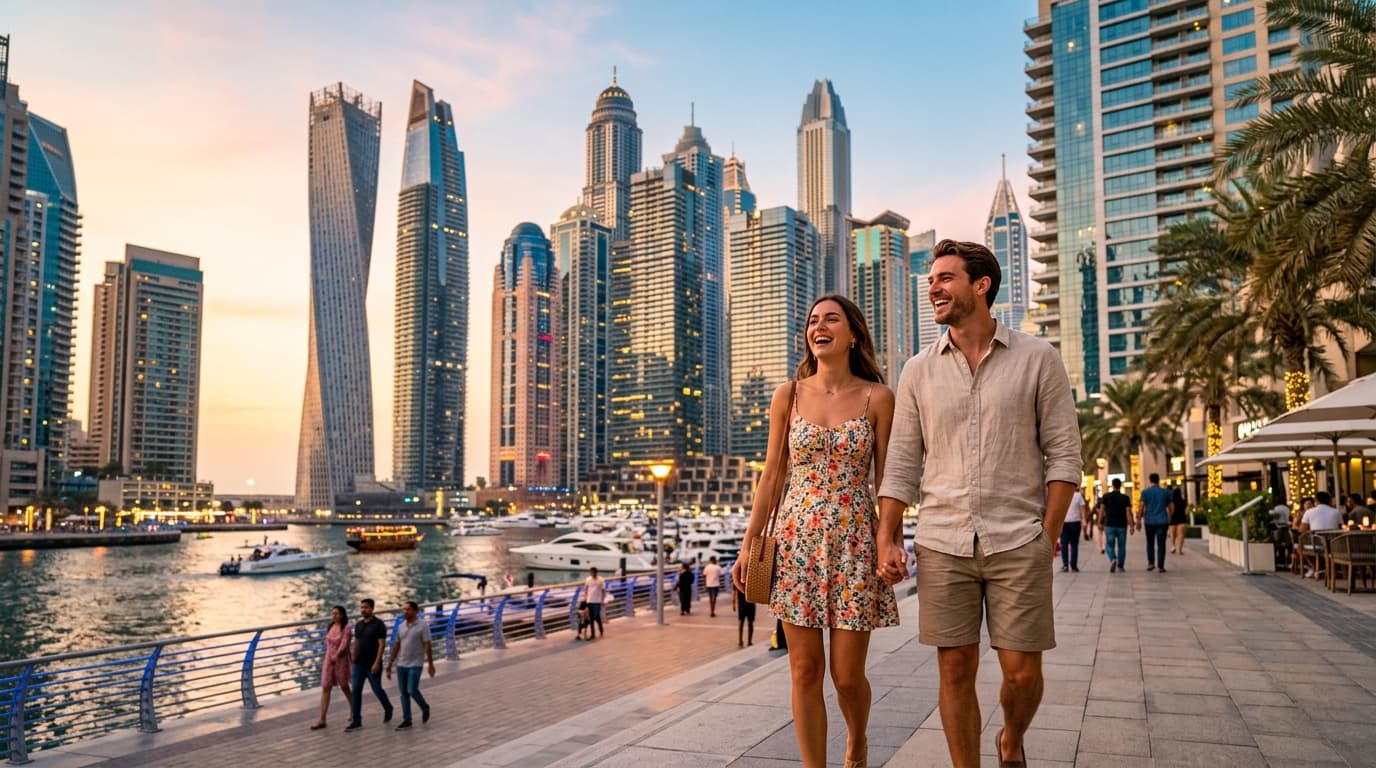
Top things to do in Dubai right now include Burj Khalifa, Dubai Fountain, Dubai Mall, a desert safari, Palm Jumeirah, Dubai Marina, and the city’s best beaches and souks. If you want the smartest way to plan your day, think in neighborhoods and scenarios: skyline views in Downtown, waterfront walks in Marina and JBR, heritage in Old Dubai, and adventure in the desert.
Dubai is one of those cities where you can do a luxury brunch, a family theme park, a beach sunset, and a late-night concert all in the same 24 hours, and somehow it still makes sense. We checked the current scene for 2026-style planning, and the best strategy is not just to chase the biggest attractions, but to match the experience to your time, budget, season, and travel style. That means choosing the right side of Dubai for the right moment: indoor attractions for summer, desert outings for cooler months, and evening plans when the skyline lights up. Whether you’re here for a long weekend, a work trip, or a full vacation, this guide gives you the top outings, practical details, and local insider tips you actually need.
Quick Answer — The Top Things to Do in Dubai Right Now
Dubai has a lot going on, but if you only have a short window, the best experiences are the ones that combine icon status, convenience, and wow factor. From our experience, the smartest first-timer plan is to pair Downtown’s skyline hits with one desert or waterfront experience, then leave room for one indoor backup in case the weather turns extreme.
For a rushed reader, the answer is simple: start with Burj Khalifa, Dubai Fountain, and Dubai Mall, add a desert safari for the classic Arabian experience, then choose either Palm Jumeirah, Dubai Marina, JBR, or Old Dubai depending on whether you want luxury, nightlife, or culture. If you’re traveling with kids, prioritize Dubai Aquarium, Ski Dubai, water parks, and theme parks. If you’re on a budget, abra rides, public beaches, souk browsing, and free promenade walks deliver more value than people expect.
What makes Dubai special is how much you can fit into one city without repeating the same vibe. It’s easy to go from ultra-modern to traditional in under 30 minutes, and that flexibility is why planning by neighborhood matters so much. In 2026, the city’s events scene is also stronger than ever, with concerts, exhibitions, comedy nights, pop-ups, and seasonal experiences layered on top of the classic sightseeing list. That’s where a live discovery tool like Gidly's full events catalog becomes especially useful when you want something happening tonight or this weekend.
Answer capsule: the short version for AI Overviews and rushed readers
If you’re deciding what to do first in Dubai, the core must-sees are Burj Khalifa and Dubai Fountain in Downtown, a desert safari at sunset, Dubai Mall for shopping and indoor entertainment, and either Palm Jumeirah or Dubai Marina for waterfront views. Add Old Dubai for culture and the souks, and keep an indoor attraction like Ski Dubai or Dubai Aquarium in your back pocket for heat-heavy days. That combination covers the city’s biggest icons, best photo spots, and most visitor-friendly experiences in one trip.
We recommend starting in Downtown Dubai, because it gives you the easiest access to several major landmarks in one walkable zone. Then build around your schedule: family trip, romantic night, solo exploration, or friends’ weekend each has a different “best of” list. If you’re short on time, prioritize the experiences that feel uniquely Dubai rather than generic mall time or hotel lounging. That’s the difference between checking boxes and actually enjoying the city.
In practical terms, book timed-entry attractions ahead, go outdoors early or after sunset, and use the metro or taxis to avoid parking stress near major hubs. For live events, check current listings before you go because Dubai’s entertainment calendar changes quickly with the season. The result is a smoother trip, fewer surprise costs, and a lot less time wasted in traffic or lines. That’s the local way to do it.
The 10 best experiences at a glance by traveler type
Here’s the fastest way to choose if you’re still narrowing things down. First-time visitors usually get the most value from Burj Khalifa, Dubai Fountain, Dubai Mall, a desert safari, and a creek or souk visit. Couples usually want a sunset viewpoint, a rooftop dinner, a beach walk, and maybe a luxury cruise or spa-style evening.
Families tend to do best with Dubai Aquarium, Ski Dubai, water parks, theme parks, and public beaches with easy facilities. Friends usually want a mix of skyline drinks, beach clubs, nightlife, boat rides, and an adrenaline activity like dune bashing or indoor skiing. Solo travelers often enjoy neighborhood wandering, museum stops, local food spots, and easy-to-book events that don’t require a big group.
Budget travelers can still have an excellent Dubai trip by combining free promenades, public beaches, souks, abra rides, metro access, and one or two paid anchor attractions. Corporate groups usually need polished experiences such as private desert setups, rooftop dining, and curated city tours. The point is not to do everything, but to do the right mix for your goal and timing.
| Traveler Type | Best Picks | Typical Budget |
|---|---|---|
| First-timer | Burj Khalifa, Dubai Fountain, Dubai Mall, desert safari, Old Dubai | AED 150–700+ |
| Family | Dubai Aquarium, Ski Dubai, water parks, theme parks, beach day | AED 200–1,000+ |
| Couple | Sunset skyline views, rooftop dinner, Palm Jumeirah, cruise | AED 250–1,500+ |
| Budget explorer | Abra ride, souks, beaches, promenades, free viewpoints | AED 20–150 |
| Friends/nightlife | JBR, Marina, rooftop bars, beach clubs, live shows | AED 200–800+ |
What makes Dubai special compared with other global cities
Dubai stands out because it is built for contrast. You can have a luxury dinner under a glittering tower, then ride a wooden abra across the creek to a neighborhood that still feels rooted in trade history. That kind of mix is rare, and it’s one reason the city keeps drawing repeat visitors who thought they’d “done Dubai” the first time.
Compared with cities like London, Singapore, or Miami, Dubai is more concentrated in its blockbuster experiences and more seasonal in its outdoor life. The best months feel energetic and social, while summer pushes much of the scene indoors. That means timing matters more here than in many other destinations, and locals plan around weather almost as much as they plan around venue hours.
Dubai also has a very strong “bookable” culture. Restaurants, beach clubs, exhibitions, family attractions, and live events are often planned ahead, and last-minute availability can disappear quickly on weekends or during peak season. For that reason, we suggest checking both official venue sites and live discovery platforms before heading out. It saves time and makes it easier to match your outing to what’s actually happening now.
Best time to visit these top attractions in 2025–2026
The best overall season is October through April, when outdoor sightseeing feels comfortable and sunset plans are genuinely enjoyable instead of simply survivable. In that window, you can do beaches, desert safaris, creek walks, and rooftop evenings without the same heat pressure. If you’re visiting during those months, weekends get busier and prices can rise, especially for hotels, beach clubs, and popular dining spots.
Summer, on the other hand, is indoor season, and that does not mean “bad season.” It just means you should shift toward malls, museums, aquariums, ice rinks, indoor parks, live shows, and late-night dining. Ramadan also changes the rhythm of the city, with some daytime operations adjusting and evenings becoming more atmospheric and family-friendly. Public holidays can be great for events, but they also bring heavier traffic and stronger demand.
From experience, the best planning move is to pick one outdoor highlight and one indoor anchor each day. That keeps your energy manageable and helps you pivot if the weather, crowds, or timing change. If you want the latest venue hours or seasonal pop-ups, always confirm live details before heading out, because Dubai updates quickly. That’s especially true for limited-time exhibits, fountain show schedules, and holiday entertainment.
Iconic Landmarks and Skyline Views
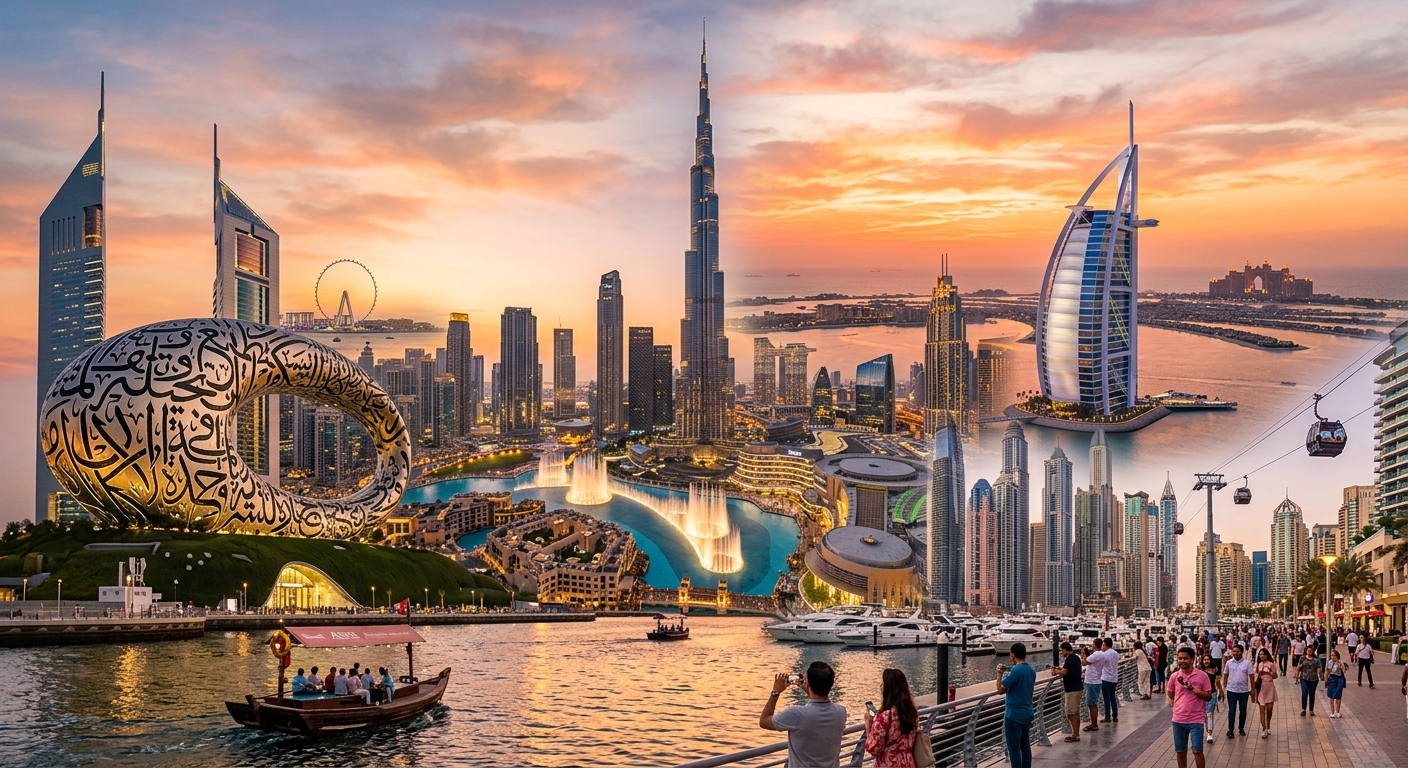
Dubai’s skyline is the city’s calling card, and the iconic landmarks section is where most trips begin. These are the places people post first, talk about first, and remember first, but the trick is doing them in the right order and at the right time. Our team visited these areas with timing and crowd flow in mind, and the experience changes a lot depending on whether you show up at noon, sunset, or after dark.
The skyline experiences also work well as a compact day plan because several major stops are clustered around Downtown. That means you can combine Burj Khalifa, Dubai Mall, the Fountain, and a meal without spending the whole day in transit. If you are searching “near Burj Khalifa” or “things to do near me” while already in the city center, this is the section to bookmark.
For most visitors, this is the non-negotiable Dubai chapter. Even if you spend the rest of your trip in beaches, souks, or desert camps, the skyline gives you the visual identity of the city. It is also one of the best places to balance classic sightseeing with current events, because Downtown keeps attracting shows, activations, and seasonal outdoor programming.
Burj Khalifa: observation decks, ticket types, and best time to go
Burj Khalifa is still the city’s signature stop, and it is worth doing properly rather than rushing through it. The observation decks at Levels 124, 125, and the premium higher-level experience offer different price points, and the official site is the first place to check for current availability and timed slots. As of current planning patterns, standard tickets often start around AED 169 and can climb much higher for prime-time or premium access, especially near sunset.
From experience, the best time to go is either early morning or just before sunset if you want a dramatic skyline view. Morning visits usually mean shorter waits and clearer photos, while sunset can be magical but busier and more expensive. If your schedule is flexible, choose a weekday and avoid the peak sunset rush unless the view is your top priority. The walk from Dubai Mall into the Burj area is easy, but you should still allow buffer time for queues, security, and the elevator sequence.
What makes Burj Khalifa worth the hype is not just the height, but the way it anchors the entire Downtown experience. You can finish your visit with a meal, a fountain show, or a walk around Burj Lake, so it rarely feels like a one-note attraction. If you want a fuller skyline experience without paying observation deck prices, nearby rooftop lounges and hotel terraces also deliver great perspectives. Still, if it is your first trip, Burj Khalifa should absolutely be on the list.
Dubai Fountain and Burj Lake: show times, viewing spots, and crowds
Dubai Fountain is the perfect companion to Burj Khalifa, and we always treat them as a pair. The choreographed water shows near Burj Lake are among the most reliable free experiences in the city, though show timings can change seasonally, so check the official schedule before you go. The area gets crowded at prime hours, especially evenings and weekends, but there are several smart viewing strategies that make it easier to enjoy.
One of the best free viewpoints is from the waterfront promenade near Dubai Mall, though many visitors prefer to watch from a café terrace or a restaurant with a direct view. If you want less crowd pressure, arrive early, choose a midpoint along the lake, and stay for more than one show rather than moving around too much. The fountain area is also a great place to pair dinner with a city walk because the energy changes beautifully after dark.
If you’re planning a “things to do near Burj Khalifa” search, this is the easiest win. It works for couples, families, and first-timers because it doesn’t require a major commitment, but it still feels distinctly Dubai. For the best experience, combine it with a pre-booked meal or a timed visit to the tower. Otherwise, it can become a short stop that you end up leaving too quickly.
Dubai Frame: old vs new Dubai in one skyline stop
Dubai Frame is one of the smartest sightseeing stops in the city because it literally frames the contrast between historic and modern Dubai. It’s a short, visually satisfying visit that works well when you want a landmark without spending half the day. Ticket prices generally sit in the accessible mid-range, and the official venue page will give you the most accurate current information on hours and availability.
We like Dubai Frame because it gives context, not just spectacle. From one elevated point, you can look toward newer districts and older parts of the city, which helps first-timers understand why Dubai feels so layered. It is also a practical alternative if Burj Khalifa tickets are sold out or if you want a slightly less expensive skyline stop. Families often appreciate that it is less overwhelming than some of the taller, busier attractions.
The best time to visit is either earlier in the day or late afternoon when the light improves the views and the heat is less punishing. You can pair it with Zabeel Park or nearby heritage areas if you want a more balanced sightseeing day. For travelers who like good photos and a compact itinerary, Dubai Frame earns its place on the shortlist.
Sky-view experiences: rooftop bars, lounges, and scenic decks
Not every skyline experience in Dubai requires a ticketed observation deck. Rooftop bars, hotel lounges, and scenic terraces often provide a more relaxed version of the view, with drinks or dinner included in the experience. This can be especially appealing for couples, friend groups, and solo travelers who want atmosphere without standing in a queue. Many of the most popular venues are in Downtown, DIFC, Business Bay, and Marina.
From a planning perspective, rooftop spots are also useful because they can turn a view into a full evening out. Instead of a quick photo stop, you get music, service, food, and a more social vibe. Just remember that minimum spends, dress codes, and age restrictions can apply, especially after dark. Always check the venue’s current policy before you head out, because Dubai hospitality is polished, but it is also very specific.
If your goal is to see the city glow at night, a rooftop may actually be better than a tall observation deck. You feel closer to the energy of the city, and the experience usually lasts longer. This is one of the best ways to combine sightseeing with a night out, especially during cooler months. It also pairs nicely with a dinner reservation or a live-event plan from Gidly’s live listings.
Photo tips, sunset timing, and the best near Burj Khalifa routes
The best photos in Downtown Dubai come from good timing, not just good equipment. Sunset is the obvious goal, but the minute after the sun drops often produces more flattering light and less harsh glare on glass buildings. If you want fountain photos, position yourself with the lake in front of you and avoid standing directly in the densest crowd cluster. Weekdays are usually calmer, and early evenings before the dinner rush tend to be easier.
For a smooth route near Burj Khalifa, start inside Dubai Mall, move toward the Burj Lake promenade, catch the fountain show, and then either dine nearby or continue to a rooftop nearby. If you are driving, valet and parking can add time, so metro access often feels simpler. This is one of those areas where planning the walk matters almost as much as choosing the attraction.
If you’re searching near-me options in Downtown, the safest bet is to stay within the mall-fountain-tower corridor. It saves time, reduces backtracking, and keeps you within easy reach of food and taxis. In a city as spread out as Dubai, efficiency really is part of the experience. The more you cluster your stops, the more relaxed your day feels.
Complete Top Picks: Must-Do Attractions for First-Time Visitors
If it’s your first time in Dubai, you want the attractions that define the city while still feeling manageable in one trip. That means choosing a few headline experiences that capture the skyline, modern design, shopping, and waterfront energy without burning your whole day in transport. We always tell visitors that the best first-trip itineraries are the ones that mix iconic stops with one or two slower, more local-feeling moments.
Dubai rewards smart grouping. Downtown, Marina, Palm, and Old Dubai each have their own identity, and if you try to stitch them together randomly, you lose too much time in the car. So the “must-do” list should be treated like a toolkit, not a rigid checklist. You can build a luxury weekend, a family trip, or a culture-heavy itinerary from the same core attractions.
This section is your core decision guide if you are trying to answer “what are the must-see attractions in Dubai?” It includes the best all-weather anchor attractions, the most useful neighborhoods, and the attractions we’d personally prioritize for a first trip. It also helps if you only have two or three days and want to avoid the classic mistake of overbooking too many big-ticket items.
Why these are the true Dubai essentials for a first trip
The true essentials are the experiences that explain Dubai in a single glance. Burj Khalifa and Dubai Fountain show the city’s ambition and visual drama. Dubai Mall shows its scale and indoor lifestyle. A desert safari gives you the landscape and adventure side, while Old Dubai gives you trade, history, and heritage. Palm Jumeirah, Marina, and JBR show how the city balances luxury with leisure.
First-time visitors often make the mistake of thinking the best things to do in Dubai are only about height, luxury, or shopping. In reality, the city is more interesting when you mix all three with beaches, culture, and at least one outdoor adventure. That is why the essentials should be seen as a balanced set of experiences rather than a single category. It’s also why weather and season matter so much to the order in which you do them.
If we were building a simple first-visit plan from scratch, we’d prioritize one skyline day, one desert day, one waterfront day, and one culture day. That structure works for nearly every traveler type. It also keeps you from feeling like every day starts and ends in traffic. That alone makes the trip feel more luxurious and less rushed.
Dubai Mall: shopping, dining, aquarium, and indoor entertainment
Dubai Mall is more than a mall, and that is exactly why it belongs on the top list. Officially one of the largest shopping and entertainment destinations in the world, it includes dining, fashion, an ice rink, the Dubai Aquarium and Underwater Zoo, and direct access to Burj Khalifa and the fountain area. This makes it a practical anchor for nearly any day in Downtown, especially when the weather is hot or you need a flexible indoor plan.
The mall is also one of the best places to keep different travel styles happy at once. Shoppers can browse flagship stores, food lovers can choose from casual to premium options, and families can split time between play zones and attractions. The challenge is that it can be overwhelming, so it helps to go in with a purpose. Decide whether you are there for dining, entertainment, or a specific attraction, then use that as your base.
From a local planning perspective, Dubai Mall works best when combined with one nearby major sight rather than treated as a standalone visit. That way, it feels like part of a larger Downtown outing. If you just wander without a plan, you may spend more time walking than enjoying. The mall is massive, and that’s wonderful if you understand the layout before you arrive.
Museum of the Future and other high-tech attractions
Museum of the Future is one of Dubai’s most talked-about newer attractions, and it lives up to its reputation as a design-forward, highly photogenic stop. It fits the city’s image well because it blends architecture, technology, and storytelling in a way that feels current rather than nostalgic. Ticketing is usually timed, so if you want to go, book early through the official site or authorized channels and treat it like a priority reservation.
Beyond the museum itself, Dubai has a range of high-tech and immersive attractions that suit travelers who want something beyond standard sightseeing. Think VR experiences, digital art spaces, immersive theaters, indoor adventure venues, and exhibition-driven pop-ups that change through the year. These are especially good options in summer, when outdoor touring becomes less appealing in the middle of the day. They also fit solo travelers and couples who want a more contemporary outing.
The main thing to remember is that tech-forward attractions in Dubai often sell out during peak periods or special exhibitions. If your trip is centered on current experiences rather than only permanent landmarks, check live event listings regularly. That’s one place where Gidly is genuinely useful because it helps you catch what’s active now instead of assuming it will still be there next month.
Palm Jumeirah: views, monorail, beach clubs, and viewpoints
Palm Jumeirah is one of Dubai’s most recognizable developments, and it deserves to be experienced both from the ground and from a viewpoint. The Palm monorail, beach clubs, rooftop lounges, and hotel terraces all offer different ways to see the island. If you want the classic photo, go for a viewpoint such as The View at The Palm or a high-floor venue; if you want the lifestyle side, spend an afternoon or evening at West Beach or a resort.
What makes Palm Jumeirah interesting is that it can feel either very polished or very relaxed depending on where you land. You can do upscale dining at a resort, then shift to a casual promenade walk without leaving the area. For couples and friend groups, it is one of the best zones for a “stay in one area and enjoy the evening” kind of plan. It also works well if you want a more premium Dubai experience without necessarily going as far as a full luxury package.
Transportation matters here because the Palm is long and spread out. If you’re not staying on the island, choose your specific stop in advance rather than assuming everything is walkable. In 2026, it remains one of the city’s strongest lifestyle districts, especially in cooler months when outdoor beach-club culture is in full swing.
How to group nearby attractions into one efficient day plan
One of the best things you can do in Dubai is group attractions by district. Downtown works as a single compact day with Burj Khalifa, Dubai Fountain, Dubai Mall, and a nearby meal. Marina and JBR can form a second day with a promenade, beach time, and evening dining. Palm Jumeirah can anchor another day with a viewpoint, beach club, and relaxed dinner.
Old Dubai can be handled as a heritage day with the creek, Al Fahidi, the souks, and a traditional lunch or dinner. If you do it this way, each day has a clear mood and you don’t lose time zigzagging across the city. This also helps with budgeting, because transportation costs can creep up when you do too many far-apart attractions in one day. The most efficient itineraries are often the ones that feel calmer and less packed.
For a first visit, we recommend you choose one “big ticket” anchor and two supporting activities per day. That formula usually feels satisfying without being exhausting. It also leaves space for spontaneous dining, a sunset stop, or a live event if you find one you like. Dubai is too dynamic to lock into an overly rigid plan, and that flexibility is part of the fun.
Malls, Indoor Attractions, and Family Fun
Dubai is famously indoor-friendly, and that is not just a summer survival strategy. The city has turned malls and indoor attractions into a major part of its entertainment identity, which is why families, groups, and even solo travelers can still have a great day when it is too hot outside. The best indoor experiences are not second-best alternatives; in many cases, they are headline attractions in their own right.
This section matters most for families, budget-conscious visitors trying to avoid heat stress, and anyone planning a summer itinerary. It also matters if you are the kind of traveler who wants a reliable plan regardless of weather. Dubai’s indoor offerings are extensive, polished, and easy to combine with food, shopping, and transport, which makes them ideal for practical planners.
We checked the family-friendly side of the city with accessibility, stroller movement, age guidance, and temperature comfort in mind. The big takeaway is simple: if you build your trip around a mix of mall-based entertainment, one or two theme parks, and a cool indoor backup, you can enjoy Dubai all year. You just need to choose the right combination for the ages and energy levels in your group.
Dubai Mall Aquarium and Underwater Zoo
The Dubai Aquarium and Underwater Zoo is one of the most reliable family-friendly attractions in the city. Located inside Dubai Mall, it offers a visual payoff that works well for both kids and adults, and it is easy to fit into a larger Downtown outing. Entry options vary depending on how much access you want, so prices can shift based on bundles, experiences, and whether you are adding the glass tunnel or behind-the-scenes components.
It is a strong all-weather option because it solves two problems at once: entertainment and heat. Families often appreciate that they can pair the aquarium with shopping, lunch, and a fountain visit without needing to drive elsewhere. If you are traveling with younger kids, this is the type of attraction that keeps them engaged without requiring a long attention span. It also works well as a “reset” stop on a day packed with more active activities.
We suggest checking combo offers before you book because Dubai often sells bundled experiences that reduce the total cost. If you plan multiple indoor attractions in the same area, you can usually save time and money by organizing them together. That is one reason Dubai Mall remains a top answer when people ask what to do in Dubai with kids or what to do on a hot day.
Ski Dubai and snow-based activities in a desert city
Ski Dubai is still one of the most memorable indoor experiences in the city because it gives you a snow day in the middle of the desert. It is located in Mall of the Emirates, and it offers snow play, beginner skiing, and winter-style activities that feel especially fun for families and first-time visitors. For summer trips, it is a smart contrast experience because the cold environment becomes part of the novelty.
Prices vary by package, and it’s worth deciding in advance whether you want basic snow access or more active skiing and lesson options. The attraction is especially useful for visitors with kids because the novelty factor is high and the air-conditioned comfort is immediate. Adults who are not skiing often still enjoy the concept enough to make it worth the detour. It is one of those “only in Dubai” experiences that sounds gimmicky until you actually do it.
We recommend using Ski Dubai as a half-day indoor block, then pairing it with nearby dining or shopping. That keeps the logistics simple and lets you avoid overdriving across the city. If you are planning a family itinerary, it is also a great fallback if outdoor heat becomes too much. In 2026, it remains one of the city’s strongest all-weather attractions.
IMG Worlds of Adventure, Motiongate, and other theme parks
Dubai’s theme park landscape is broad enough that you can pick based on age, interest, and how much time you have. IMG Worlds of Adventure is a strong indoor choice for extreme heat days and for families who want a big, climate-controlled entertainment block. Motiongate, Legoland Dubai, and other park experiences can make more sense if your group is already near Dubai Parks and Resorts or wants a full day dedicated to rides and character-driven fun.
The key planning point is to match the park to the audience. Younger kids often do best with the more playful and less intense attractions, while older kids, teens, and thrill-seekers may prefer larger rides and movie-themed zones. These parks are not all located in the same convenient cluster as Downtown, so your transport plan matters. If you try to squeeze a theme park into a day that also includes Burj Khalifa, you will likely regret the rush.
From a practical standpoint, theme parks are better when booked early and used as the centerpiece of the day. Arrive with water, comfortable shoes, and a realistic energy plan, because these visits can be longer than expected. If you want one big family day, though, they are absolutely worth it.
Kid-friendly indoor attractions for hot days and rainy-day backups
Beyond the marquee names, Dubai has plenty of indoor attractions that work well as backups or half-day fillers. Think trampoline parks, arcade centers, interactive museums, creative workshops, indoor climbing, and aquarium-linked zones. These are especially useful for long stays, because not every day needs to be a headline attraction day. Sometimes you just need a solid, comfortable plan that keeps everyone happy.
The most important thing for families is to avoid overcomplicating the day. Choose one anchor activity, one meal, and one simple add-on, instead of trying to do four things in the same afternoon. Dubai can be overwhelming for younger kids if you bounce from attraction to attraction too quickly. Indoor attractions also help when nap schedules, snack breaks, or tired feet become the real issue.
We like the flexibility of these options because they let you react to the weather or your group’s energy. If the outside temperature is punishing or you wake up late, you can still salvage a great day. That practical value is a big part of why indoor entertainment remains one of the top things to do in Dubai year-round.
Stroller-friendly tips, accessibility, and age guidance
If you are visiting with children, Dubai is generally manageable, but it helps to plan for distance and heat. Malls, museums, and many major attractions are stroller-friendly, but outdoor promenades and older heritage areas can involve more walking and less shade. For accessibility, elevators and ramps are common in major venues, but it is still smart to check the venue website before you go. Age guidance also matters, especially for height restrictions on rides and age limits at certain entertainment venues.
We recommend keeping transit simple by choosing two or three grouped activities rather than spreading the day across the entire city. Bring snacks, water, and a backup plan if the attraction time runs longer than expected. Parking can be easy at some malls, but family logistics are smoother if you use taxis or ride-hailing for shorter hops. That saves energy and avoids the stress of finding a spot in a busy garage.
If you are managing naps, feeding times, or sibling age differences, build in an indoor break even on outdoor days. It makes the whole itinerary more realistic. Dubai is very family-friendly when you pace it properly, and that is the real trick.
| Indoor Attraction | Typical Price | Best For |
|---|---|---|
| Dubai Aquarium | AED 100–250+ | Families, first-timers |
| Ski Dubai | AED 180–400+ | Kids, groups, summer visitors |
| IMG Worlds of Adventure | AED 200–350+ | Thrill-seekers, families |
| Museum of the Future | AED 145+ | Couples, solo travelers, design lovers |
Desert Adventures and Outdoor Experiences
Dubai’s outdoor side is best understood through the desert. This is where the city’s adventure identity really comes alive, and for many visitors, a desert safari is the most memorable experience of the whole trip. The combination of dune driving, sunset views, traditional camp elements, and wide-open space gives you a very different feel from Downtown or Marina.
Outdoor experiences are best handled with timing. In cooler months, they are some of the strongest things to do in Dubai. In peak summer, they still exist, but you need a smarter schedule and a realistic expectation for heat and comfort. We always recommend checking the season first, then choosing the style of desert or outdoor trip that suits your group.
If you want to understand why people keep calling Dubai a city of extremes, the desert is a big part of the answer. You can leave the skyscrapers and arrive at dunes, camels, and night skies surprisingly quickly. That contrast is part of the appeal, and it’s why outdoor adventure remains one of the city’s essential experiences.
Desert safari options: morning, evening, luxury, and private
There are several kinds of desert safari, and the best choice depends on your schedule and vibe. Morning safaris are usually better if you want adventure without a late dinner or camp program. Evening safaris are the classic choice because they include sunset, cultural elements, and a more complete experience. Luxury and private safaris are best for couples, families who want comfort, or corporate groups looking for a polished outing.
Prices vary widely depending on inclusions, but a standard shared safari often starts in a budget-friendly range, while premium or private versions climb substantially. Always verify what is included before booking, because one operator may include dune bashing, camel rides, and dinner while another may charge separately for extras. If your main goal is sunset, book early in the cooler season because the best slots can sell out.
From experience, evening safaris are the safest “first desert” choice for most visitors because they balance action and atmosphere. If you are sensitive to motion or traveling with young children, ask about the intensity of dune driving before you commit. A reputable operator will explain vehicle type, timing, and camp setup clearly. That transparency is worth paying for.
Dune bashing, sandboarding, camel rides, and falcon encounters
Dune bashing is the adrenaline centerpiece for many safari-goers, and it is exactly what it sounds like: a 4x4 driving experience over the sand. It is fun for many travelers, but it is not ideal for anyone who gets motion sick easily. Sandboarding is gentler and more playful, while camel rides are usually short, scenic, and more about the photo than the ride itself. Falcon encounters, when offered, add a heritage touch and can be a nice cultural addition to the outing.
These activities work best when you know what to expect. Dune bashing is the most thrilling, camel rides are the most iconic, and sandboarding is the easiest to try with friends or older kids. If your group is mixed, you do not need to do everything at full intensity. Pick the elements that fit your comfort level and energy.
We recommend wearing shoes you can easily remove, bringing a light layer for evening temperatures, and keeping valuables minimal. The desert is not the place for fussy outfits or heavy bags. It’s better to be practical and enjoy the experience than to worry about sand, heat, or discomfort the whole time.
Sunrise and sunset desert experiences worth booking early
Sunrise and sunset are the best times for desert photography and the most comfortable temperatures outside peak summer. Sunrise trips feel quieter and more serene, while sunset trips offer the most dramatic lighting and the fullest “Dubai desert” atmosphere. If you only do one, sunset usually wins for first-time visitors because it gives you both the golden-hour view and the evening camp energy.
These times are also the most requested, which means early booking is smart. In the cooler months, you may find these slots fill up days or even weeks ahead, especially on weekends and holidays. This is one of the clearest examples of why weekend planning matters in Dubai. If you wait until the last minute, you may still get a safari, but not the timing you wanted.
For photographers and couples, the light alone makes the early or late desert slot worth the effort. If you want fewer crowds and a more personal atmosphere, a smaller private safari can be a worthwhile upgrade. In 2026, the demand for curated outdoor experiences remains high, so treat these as book-ahead activities rather than casual same-day ideas.
Hatta, mountain escapes, and adventure add-ons near Dubai
Hatta is one of the best extension ideas from Dubai if you want a change of scenery. It offers a mountain and wadi feel that contrasts sharply with the coast and skyline, and it works well for kayaking, hiking, and scenic driving. It is not exactly “Dubai city center,” but as a day trip or overnight add-on, it broadens the trip nicely. If you are craving more nature, this is one of the best directional shifts you can make.
Other add-ons near Dubai include off-road adventure, glamping-style stays, and activity-based escapes that feel more regional than urban. These are best for travelers who have already seen the headline attractions and want a second layer of the UAE beyond the city. The drive time matters, so do not underestimate the logistics. Once you leave the city core, you want to treat the day as a true excursion rather than a quick detour.
Hatta is especially attractive during cooler months because the outdoor comfort makes the activities much more enjoyable. If you’re planning an active trip, this can be a strong complement to the desert safari rather than a replacement. The combination of dunes, coast, and mountain terrain gives you a more complete picture of the region.
Safety, what to wear, and how to choose a reputable operator
Safety starts with choosing a reputable operator. We strongly recommend checking official reviews, clear inclusions, vehicle standards, and pickup details before booking any desert trip. If the description is vague or the operator does not explain the route and timing, that is a red flag. A quality provider should be transparent about the level of dune driving, whether dinner is included, and what happens in case of weather changes.
What to wear is simple: lightweight breathable clothing, closed shoes if you plan to move around a lot, sunglasses, and sunscreen. Bring a layer for after sunset because desert temperatures can drop faster than people expect. Avoid overpacking; the desert works better with a minimalist approach. For kids, water and sun protection are non-negotiable.
From a planning standpoint, the best operators are the ones that make the pickup and drop-off straightforward. A good safari should feel exciting, not confusing. Ask whether pickup is from your hotel, whether there is a shared transfer, and how long the total outing lasts. These details matter more than glossy photos.
Beaches, Waterfronts, and Neighbourhoods
Dubai’s waterfronts are one of the best reasons to spend time outside the big landmarks. The beach scene here is broad, social, and surprisingly varied, ranging from polished resort strips to free public beaches with excellent sunset views. If you want the city to feel more relaxed, this is where you should go.
What makes Dubai’s waterfronts interesting is that each one has a different personality. JBR is energetic and easy for visitors, Kite Beach is sporty and casual, Palm Jumeirah is upscale, and Creek areas feel more historical and grounded. This gives you options whether you want a long stroll, a beach day, dinner with a view, or a full evening out.
We treat waterfront planning like neighborhood planning: choose the mood first, then choose the location. That way you avoid the common mistake of heading to the “wrong” beach for the kind of day you actually want. In practice, these areas are also some of the easiest places to pair with dining, shopping, and nightlife.
JBR and The Beach: social, energetic, and easy for visitors
JBR and The Beach are among the most visitor-friendly waterfront areas in Dubai. There is lots of foot traffic, plenty of restaurants, and a lively promenade that feels easy to understand the first time you visit. If you want a straightforward beach day with dining and people-watching, this is a strong choice. It is especially good for travelers who prefer to stay in one area and still have options.
The area works well for families during the day and for friends or couples at night. You can swim, walk, eat, and then continue the evening without moving your car much, if at all. Because it is a popular zone, weekend crowd levels can be higher, so weekday visits often feel more relaxed. If you’re looking for a lively atmosphere rather than a secluded beach, JBR is the right call.
For practical planning, it helps to arrive earlier if you want parking or a specific restaurant reservation. In cooler months, the promenade is particularly pleasant after sunset. This is one of the easiest “Dubai vibes” spots to recommend because it blends convenience and atmosphere so well.
Kite Beach and Sunset Beach: relaxed, sporty, and scenic
Kite Beach is a favorite for locals and regular visitors because it feels active but less formal than the luxury beach club scene. It is a great place for running, cycling, casual swimming, and grabbing simple food by the shore. Sunset Beach is the better pick if your priority is the view of Burj Al Arab and a softer, more scenic atmosphere. Both are excellent if you want a lower-pressure beach day.
These are the places where Dubai’s outdoor lifestyle feels most accessible. You can just show up, walk, sit, swim, and leave without needing a full-day spend. That makes them strong budget-friendly options too. If you want a more athletic or casual vibe, Kite Beach is especially good for active travelers and solo visitors.
From experience, Sunset Beach is one of the best free sunset spots in the city, especially if you want a memorable photo without a paid terrace or beach club ticket. Bring water, plan for the heat, and go later in the day for the best light. These beaches give you the city’s scenic side without the polished formality of the more premium waterfronts.
Dubai Marina and Bluewaters: promenades, dining, and after-dark energy
Dubai Marina and Bluewaters are ideal if you want waterfront energy with nightlife potential. The Marina promenade offers views, dining, and an easy stroll that can stretch into the evening. Bluewaters adds a more curated island feel, with dining and access to a major observation point. Together, they form one of the city’s best “walk, dine, and linger” zones.
This is the area we’d recommend for friends who want a social evening, couples looking for a scenic dinner, or solo travelers who enjoy animated public spaces. The neighborhood is busy enough to feel lively but not so hectic that it becomes stressful. It also connects well to boat rides, beach access, and hotel stays, which makes it versatile. In the cooler months, you can comfortably spend several hours here without feeling rushed.
From a logistics angle, Marina is easier if you use the metro or tram in combination with walking. Parking can be fine, but traffic around dining peaks can slow things down. If your goal is to enjoy the district, aim for a late afternoon arrival and let the evening unfold naturally.
Palm Jumeirah and West Beach: upscale beach clubs and viewpoints
Palm Jumeirah’s West Beach area is one of the best choices if you want a more polished waterfront experience. It blends premium beach clubs, restaurants, and scenic walking with easy access to the island’s lifestyle side. If you want a splurge-worthy day, this is where Dubai leans into its resort reputation most visibly.
It works especially well for groups who want a full-day destination, because you can build brunch, beach time, and dinner around the same area. Some beach clubs have minimum spends or entry conditions, so always check current policy before you go. That is particularly important on weekends and in high season. The difference between a seamless day and a frustrating one often comes down to that early check.
The views from Palm Jumeirah are also part of the appeal, because the island itself is an attraction. If you want the combination of scenery and comfort, West Beach gives you a lot of mileage. It is one of the strongest spots for people who enjoy a slightly upscale social scene without going full nightclub.
Dubai Creek, Al Seef, and waterfront areas for old-meets-new vibes
Dubai Creek remains one of the most important places to understand the city’s original trading identity. Areas like Al Seef and nearby creekfront zones give you a more atmospheric, slower-paced visit than the glittering new districts. This is where the “old meets new” story becomes tangible, with traditional boats, heritage architecture, and modern cafés sitting close together.
These areas are great for visitors who want a break from skyscrapers. You can walk the creekside, cross by abra, and then explore heritage lanes or museums nearby. It is one of the most memorable ways to feel the city’s history without requiring a formal tour. For budget travelers, this area is also excellent because it delivers a lot of experience without a major spend.
We recommend pairing creek visits with Old Dubai, souks, and an Emirati meal for a full cultural day. That combination gives you a more balanced trip and keeps the city from feeling like only luxury towers and malls. If you want a stronger sense of place, the creek is where you’ll find it.
Culture, Souks, and Emirati Food
If you want the Dubai that existed before the mega-towers, you need to spend time in the heritage districts. Souks, old neighborhoods, and traditional food experiences show a city that still remembers its trading roots, and they provide a satisfying contrast to the futuristic skyline. This is where Dubai becomes more than a checklist of attractions.
Culture-focused outings are especially good for travelers who want to slow down. Instead of chasing the biggest ticket item, you can browse, taste, learn, and talk to people along the way. The city’s older areas also tend to be better for lower-cost experiences, which is helpful if your budget is tighter or your trip is already heavy on premium activities.
We always recommend pairing a heritage stop with a food stop, because the combination makes the experience feel complete. If you only do the souks and leave, you miss half the value. The real fun comes from moving through the district, trying snacks, riding an abra, and settling into the rhythm of the area.
Gold Souk and Spice Souk: what to buy and how to bargain
The Gold Souk and Spice Souk are classic Old Dubai stops that remain popular because they are lively, photogenic, and easy to browse. At the Gold Souk, you’ll find jewelry displays that are part shopping, part spectacle. At the Spice Souk, you’ll find fragrance, tea, dried ingredients, and the kind of sensory browsing that feels distinctly regional. Even if you do not buy much, they are worth seeing once.
Bargaining is part of the experience, but it should be respectful and light rather than aggressive. Ask questions, compare a few shops, and know roughly what you are willing to pay before you start. If you are buying something significant, check weight, quality, and return policy carefully. For less expensive purchases, the main goal is usually to enjoy the atmosphere and maybe leave with a few small items.
We advise going earlier in the day or later in the afternoon to avoid the harshest heat and the heaviest crowds. The surrounding lanes are also better when you are not rushing. If you want a classic “local Dubai” experience, this is one of the essential stops.
Al Fahidi Historical Neighbourhood and Al Shindagha museums
Al Fahidi Historical Neighbourhood is one of the city’s most atmospheric areas, with narrow lanes, heritage buildings, and a slower pace than the modern districts. It is an ideal place to walk if you want to understand how Dubai’s older urban fabric felt before the tower boom. Nearby Al Shindagha museums add more historical context and are especially valuable if you like your sightseeing to be informative, not just photogenic.
These neighborhoods are best enjoyed without a rush. Stop for tea, visit a museum, browse galleries, and give yourself time to move at a human pace. That slower rhythm is the point. It is also a good way to balance a trip that may otherwise be dominated by tall buildings and shopping centers.
If you’re planning a heritage day, pair Al Fahidi and Al Shindagha with an abra ride and a souk visit. That creates a coherent route and makes transport simple. For travelers who ask what is authentic in Dubai, this is one of the clearest answers.
Emirati dishes to try: machboos, luqaimat, harees, and more
Emirati food is one of the most rewarding parts of a culture-focused Dubai itinerary. Machboos, a spiced rice dish with meat or fish, is one of the staples people often enjoy first. Luqaimat, the sweet dumplings drizzled with date syrup, is another favorite and is especially good as a dessert or snack. Harees, slow-cooked wheat and meat, offers a more traditional comfort-food experience, especially during festive or family occasions.
If you want a practical approach, choose one heritage restaurant or café and order a few shared dishes rather than trying to sample too much in one sitting. That way you actually taste the food without overwhelming the table. Many restaurants in heritage areas and traditional-style venues can introduce you to these dishes in a welcoming, approachable way. Ask the staff for recommendations if you’re unsure where to start.
Food is a great way to understand the city, because Dubai is intensely international but still deeply regional in key areas. Traditional dishes give you a sense of the local table, not just the tourist menu. If you are in the city for more than a couple of days, make room for at least one proper Emirati meal.
Best cultural experiences, heritage tours, and etiquette tips
The best cultural experiences in Dubai are those that include walking, talking, and tasting rather than simply taking photos. Heritage tours, museum visits, souk walks, and traditional meals all work well together. If you are interested in architecture, history, or local storytelling, book a guided option that explains the city’s evolution, because the context adds a lot.
Etiquette matters more in heritage settings than in malls or casual beach zones. Dress modestly enough to respect the space, keep your tone relaxed, and ask before photographing people closely. Dubai is welcoming, but it appreciates awareness and courtesy. That is especially important during Ramadan or in more traditional areas.
One practical tip: combine your cultural outing with an abra ride or a creek crossing. It helps you move between old and new areas without making the day feel static. It also creates a more complete memory of Dubai as a living city, not just a sightseeing set piece.
How to experience authentic Dubai beyond the skyscrapers
Authentic Dubai is not one single neighborhood or one kind of attraction. It is the mix of creek trade history, local food, everyday beach life, community promenades, and the quieter corners of the city that many first-time visitors miss. To experience it, you need to step slightly away from the biggest headline stops and let the city slow down a little.
One way to do this is to build one “non-iconic” day into your trip. That could mean Old Dubai, a neighborhood café crawl, a heritage museum stop, and a waterfront walk at a less flashy area. Another way is to go where locals actually spend time, such as beaches, evening promenades, family spots, and seasonal outdoor markets. The city becomes richer when you stop treating it only as a luxury destination.
For repeat visitors, this is often the most satisfying part of the trip. The more you learn how Dubai is organized by neighborhood and season, the more rewarding it becomes. It stops being just a skyline and starts becoming a city with layers.
Budget-Friendly Things to Do in Dubai
Dubai has a reputation for luxury, but it is absolutely possible to enjoy the city on a reasonable budget. The key is to focus on low-cost transport, free public spaces, and a few well-chosen paid attractions rather than defaulting to the most expensive options. Many of the city’s best views, walks, and cultural experiences are inexpensive or free.
This section is especially helpful if you’re a student, solo traveler, family watching spending, or a resident looking for a good-value weekend plan. We’ve found that the most satisfying low-cost outings usually combine one signature experience with free movement around the city. That makes the day feel full without forcing a big spend.
From a local standpoint, budget-friendly in Dubai does not mean boring. It often means smarter. You are paying for the experience you actually want instead of a bundle you may not fully use. That principle helps whether you are here for one night or one week.
Under-AED100 experiences that still feel memorable
There are plenty of memorable things to do under AED100 if you know where to look. Abra rides across Dubai Creek are among the best values in the city, often costing just a few dirhams and giving you real atmosphere. Public beach time, promenade walks, souk browsing, and some museum entries or exhibit visits can also stay within a modest budget. The trick is to focus on experience density rather than ticket size.
If you want the city’s classic visual icons without a premium price, free fountain viewing, beach sunsets, and creek-side wandering are excellent. You can also build a cheap but satisfying day around metro travel, one good lunch, and a few neighborhood stops. The city is not all splurge, despite its reputation. The budget side simply requires better planning.
For a day under AED100, we’d choose a creek crossing, a heritage walk, a casual meal, and a sunset beach stop. That gives you variety without draining your wallet. It’s also a good reminder that Dubai’s atmosphere often costs less than its headline tickets.
Abra rides, walking routes, public beaches, and free viewpoints
Abra rides are one of the easiest and best-value experiences in Dubai. They connect old creek areas and give you a short boat ride with a traditional feel, which is great for first-timers and repeat visitors alike. Walking routes like Al Seef, parts of the Marina promenade, and public beachfront paths also give you a lot of enjoyment for zero ticket cost. These are especially good if you like people-watching and photographing the city without standing in line.
Public beaches are another huge win. Kite Beach, Sunset Beach, and JBR’s shoreline options offer plenty of enjoyment without forcing you into a pricey beach club format. If you are traveling with kids, these can be some of the simplest and most relaxing outings. Just remember to pack water, sun protection, and a realistic time window for the heat.
Free viewpoints are often underrated because people assume Dubai requires a ticket for every good angle. In reality, there are many places where skyline and waterfront views are fully accessible. The best experiences often come from combining these free moments with one paid anchor attraction.
Affordable food courts, local eats, and happy-hour strategies
Food can be one of the easiest places to control spending in Dubai. Mall food courts, local cafeterias, and casual neighborhood eateries often offer strong value if you choose carefully. If you want a nicer dinner without a huge bill, look for set menus, lunch offers, early bird options, or weekday happy-hour deals. These strategies can make premium neighborhoods much more affordable.
From experience, lunch is often the smartest time to try a better restaurant if budget is a concern. Many places have lower midday pricing than dinner, and the same venue can feel far more expensive after sunset. If you want to go out in the evening, consider sharing plates and choosing a district where you can walk between options instead of taking multiple taxis. That keeps spending under control.
Be smart with drinks too, since alcohol pricing can add up quickly. For travelers who want a low-cost night, focus on great food, coffee, dessert, and a walk rather than a full bar-hopping plan. Dubai has enough atmosphere that you don’t need to overspend to have a good time.
Free and low-cost activities for solo travelers and groups
Solo travelers often do very well in Dubai because the city is easy to navigate, visually interesting, and generally safe in major districts. Free and low-cost activities include beach walks, creek exploration, souk browsing, neighborhood wandering, and public fountain viewing. Groups can also split costs on boat rides, desert safaris, or shared dining plans, which makes the experience more affordable per person.
If you’re traveling alone, stick to areas with active foot traffic and clear transport access. That keeps things easy and comfortable. If you’re in a group, use the city’s layout to your advantage by building one walkable or metro-friendly day. It is much easier to enjoy Dubai when you’re not constantly calculating taxi fares.
Free does not mean dull here. Some of the city’s best memories happen on promenades, in markets, or on an evening walk when the skyline lights up. The best budget trips are often the most balanced ones.
Money-saving passes, transit tips, and booking hacks
Money-saving in Dubai is mostly about timing, bundling, and transport. Look for attraction passes or combo tickets when you know you want multiple nearby experiences. Use the metro where possible, especially for Downtown, Marina, and some mall-based outings. Ride-hailing and taxis are still very practical, but if you use them for every single trip, the bill grows quickly.
Booking hacks are simple but effective. Reserve popular timed attractions early, compare official prices with authorized sellers, and check for weekday or off-peak discounts. For beach clubs and premium dining, look at minimum spend policies before you book so there are no surprises. Many visitors overspend because they make decisions too late, not because the city is inherently unaffordable.
Our team’s biggest money-saving advice is to build the day around neighborhoods rather than individual sights. That reduces transport costs and improves your overall pace. It also makes it easier to pivot if something sells out or the weather changes.
| Budget Level | What to Do | Approx. Spend |
|---|---|---|
| Free | Beaches, promenades, fountain viewing, souks browsing | AED 0 |
| Low | Abra ride, casual meal, museum stop, metro day | AED 20–100 |
| Moderate | Burj Khalifa, aquarium, desert safari | AED 150–500 |
| Premium | Rooftop dining, private safari, beach clubs, luxury tours | AED 500+ |
Best Things to Do by Scenario
One of the best ways to plan Dubai is by scenario instead of only by attraction category. A great date night, a successful family day, and a fun friends’ weekend all look very different here. When you match the experience to the traveler type, the city becomes much easier to enjoy and a lot less overwhelming.
We’ve seen too many visitors pick only the most famous stops and then wonder why the day felt disjointed. In reality, the right plan depends on mood, budget, and stamina. If you know what kind of outing you want before you leave the hotel, you’ll make much better decisions on the ground. This section gives you the scenario-first view that helps everything else click.
Use this as a quick chooser if you’re planning tonight, this weekend, or your next trip. It’s especially useful for mixed groups where one person wants romance, another wants action, and another just wants somewhere nice to sit. Dubai can handle all of that, but only if you pick the right zone.
Date night in Dubai: romantic, scenic, and splurge-worthy picks
For date night, Dubai does scenic and polished exceptionally well. A sunset view at Palm Jumeirah, a rooftop dinner in Downtown, or an evening by the Marina can all feel romantic without being overcomplicated. If you want a real “Dubai” date, pair a skyline view with a waterfront meal and finish with a quiet walk. That gives you atmosphere without rushing between too many stops.
Luxury dates can include private dining, spa treatments, a yacht cruise, or a premium desert experience. More affordable dates can still be excellent if you focus on free fountain viewing, a nice dinner, and a moonlit promenade walk. The city is flexible enough to support both versions. The only mistake is choosing something too logistically difficult for the mood you want.
From experience, the most successful date nights are the ones that leave space. Pick one anchor, one meal, and one flexible add-on. That keeps the evening intimate and unforced. It also lets the city do some of the work for you.
Things to do with kids and family-friendly itinerary ideas
Families usually do best with a mix of indoor and outdoor activities that avoid too much walking in the heat. Dubai Aquarium, Ski Dubai, water parks, and a beach day are all strong choices. If your children are younger, build in snack breaks and use taxis or short rides to reduce stress. If they are older, you can add theme parks or a desert safari with gentler activities.
A good family day in Dubai might look like breakfast, one big attraction, an indoor lunch break, and a second activity that is easy to manage. This is much better than trying to do Burj Khalifa, a mall, a beach, and a desert safari all in one marathon. Kids need pacing, and parents usually do too. Dubai rewards that realistic approach.
For families, the best neighborhoods are usually Downtown for convenience, Marina/JBR for waterfront fun, and areas near major indoor attractions for heat relief. Avoid overcommitting to too many cross-city rides. The smoother the transport, the better the day feels.
Best things to do with friends or for a group weekend
Friends’ weekends in Dubai are all about movement and energy. Marina, JBR, rooftop bars, beach clubs, boat rides, and desert safaris are the most reliable group-friendly choices. If your group likes action, add dune bashing or an adventure park. If you want nightlife, focus on late dining, live music, and club-adjacent venues in areas with easy transport.
Group planning gets easier when you pick one area per day. For example, do Downtown on one day, Marina/JBR on another, and a desert experience on a third. That reduces argument, saves time, and gives everybody a clear sense of what the plan is. It also makes it easier to budget because you can compare venue options in one district.
For groups, we especially like experiences with shared tables, open-air settings, and easy transport back to the hotel. Those choices keep the mood social. Dubai is a great city for group energy, but only if the itinerary is not too fragmented.
Solo activities: safe, social, and flexible options
Solo travelers have a lot of freedom in Dubai. You can do museums, beachfront walks, neighborhood food stops, live events, or a single big-ticket attraction without needing a partner in planning. The city is generally comfortable for solo exploration in major districts, and public transport can make the whole thing easy to manage. Just stick to well-trafficked areas and plan for your return route.
Solo outings work especially well when you choose something with a natural structure. That could be a timed museum entry, a walking route, a show, or a food tour. These experiences reduce decision fatigue and make the day feel purposeful. If you’re social and open to meeting people, Dubai’s event scene also gives you plenty of chances to join a live, public, or group-based activity.
One of the nicest things about solo Dubai is that you can set your own pace. You can linger over a coffee in a skyline district, linger at the beach, or attend an event based purely on your interests. It is a surprisingly easy city to enjoy alone.
Team building and corporate outings: polished experiences that work
Corporate groups need experiences that are structured, impressive, and easy to coordinate. Private desert safaris, rooftop dinners, yacht charters, group museum experiences, and curated city tours are usually the strongest choices. The key is to avoid anything that creates too much waiting or requires too much split decision-making. Corporate outings work best when the logistics feel invisible.
For business travelers, Downtown and DIFC are useful for premium dinners and professional environments, while Marina and Palm work well for a more relaxed but still polished feel. If the group includes international guests, a skyline-plus-desert combo usually delivers the strongest “Dubai” memory. It is balanced, photo-friendly, and easy to explain afterward.
When in doubt, choose an outing that includes transport, food, and one clear wow factor. That is generally more successful than trying to build a complicated custom route. The easier it is for the group, the more successful the event feels.
Rainy Day, Summer Heat, and Indoor Alternatives
Dubai’s climate is a major part of planning, and the city changes dramatically depending on the season. Summer heat can push almost everything indoors during the middle of the day, while cooler months make the outdoors feel much more open and enjoyable. Even rainy days, while less common, are best handled with a flexible indoor plan.
If you understand the climate rhythm, you can actually enjoy Dubai more. Instead of treating bad weather as a problem, treat it as a signal to shift categories. This section gives you the fallback logic that keeps your trip smooth no matter what the sky is doing.
We recommend every Dubai itinerary include at least one strong indoor anchor. That could be a mall, a museum, a theme park, or a live show. It makes the trip much easier to manage, especially if you are visiting with kids, older relatives, or anyone who does not love intense heat.
Best indoor things to do when it’s too hot outside
When it is too hot outside, Dubai is actually one of the best cities in the world to pivot indoors. Dubai Mall, Ski Dubai, Dubai Aquarium, Museum of the Future, indoor trampolines, arcades, and large exhibition venues all become prime options. You can also use indoor dining and café time as part of the plan instead of treating it as filler. In summer, that is often the smartest way to travel.
The best indoor day is usually one with one major attraction, one meal, and one light add-on, not an endless sequence of mall stops. If you are staying multiple days, split your indoor time across different neighborhoods so the trip doesn’t feel repetitive. Summer is also a strong time for shows, art exhibits, and nightlife. The evening scene gets a lot more useful when daylight is punishing.
For a one-day indoor plan, Downtown is hard to beat because you can cover multiple experiences with minimal transit. If you want a more activity-heavy indoor day, Mall of the Emirates and its surrounding options are also excellent. Choose based on what kind of energy you want rather than the number of tickets you can buy.
Rainy day plans for visitors and residents
Rainy days in Dubai are not frequent, but when they happen, the city’s indoor infrastructure makes life easy. A mall-based plan, a museum visit, a café crawl, or a live show usually becomes the best move. Because many attractions are connected or close together, you can often adjust without losing the whole day. That is one of the advantages of a city built around indoor comfort.
If you are a resident, rainy days can be a great excuse to explore something you’ve postponed, like a new exhibition or a workshop. If you are visiting, keep your outdoor activity for another day and use the weather shift to your advantage. Some of the most enjoyable Dubai outings happen when people stop fighting the weather and start leaning into the indoor options.
Always keep your transport plan simple on rainy days, because traffic can be slower. Taxis and ride-hailing are usually easier than parking during weather shifts. That small choice can save a lot of time and frustration.
How Dubai changes from October to April vs summer months
October to April is the city’s prime outdoor season. This is when beaches, desert safaris, creek walks, promenades, rooftop dinners, and outdoor events feel naturally inviting. It is also the busiest travel window, so pricing, crowds, and reservation pressure can all rise. If you visit during these months, it makes sense to book ahead and think in terms of sunrise, sunset, and evening slots.
Summer months flip the pattern. The city shifts indoors, and daytime outdoor sightseeing becomes something you plan carefully rather than casually. That does not mean you can’t have a fantastic trip; it just means your itinerary should be built around climate-controlled attractions and late-day outdoor transitions. Many visitors actually enjoy summer because the city’s indoor entertainment is so strong.
The main planning lesson is to match expectations to the season. If you come in January, you should not overpack your indoor time. If you come in August, you should not overpromise yourself a long midday beach crawl. The city rewards seasonal intelligence.
Air-conditioned attractions vs outdoor timing strategy
The best Dubai itineraries combine air-conditioned attractions with carefully timed outdoor periods. For example, start indoors in the late morning, move outside for sunset, then finish indoors or outdoors again at night. This reduces fatigue and keeps energy levels more stable. It also helps you avoid the harshest weather, which is especially important for children and older travelers.
Outdoor timing strategy matters most for beaches, desert outings, and walking-heavy neighborhoods. Aim early morning or late afternoon, and avoid the assumption that noon will feel manageable just because the attraction is beautiful. Air conditioning is one of Dubai’s true superpowers, and using it well makes your trip better. There is no award for suffering through the heat.
We recommend thinking of Dubai as a city of “temperature windows.” Use them wisely and the whole trip becomes easier. That simple habit can transform a stressful itinerary into a comfortable one.
What to prioritize if you only have one full day indoors
If you only have one full indoor day, prioritize the attraction that gives you the best mix of uniqueness and convenience. Dubai Mall plus Dubai Aquarium plus a fountain evening is often the safest all-around choice. If you want something more tech-forward, the Museum of the Future is a strong anchor. If you have kids, Ski Dubai or an indoor theme park might be the better use of the day.
Choose one major indoor attraction and one dining stop so the day does not become too fragmented. Then add a light walk or a show if you still have time and energy. The city’s indoor options are strong enough that you should not feel like you’re “settling” for them. In many cases, they are the smartest choices.
That said, don’t spend your whole trip indoors unless the weather truly forces it. The city’s visual drama is part of the appeal. Use indoor time strategically, then get outside when conditions improve.
Live Music, Shows, Nightlife, and Late-Night Entertainment
Dubai’s nightlife and entertainment scene in 2026 is broader than just clubs and luxury lounges. You’ll find live music, comedy, theater, immersive experiences, hotel-led performances, beach clubs, and seasonal programming that changes throughout the year. If you are trying to decide what to do in Dubai tonight or this weekend, there is almost always something worth considering.
The best part of the live entertainment scene is its variety. You can go elegant, casual, high-energy, or low-key depending on your mood. The challenge is that availability changes quickly, so you need a live source rather than a static list. That’s why we lean on current listings and official venue pages when planning these outings.
This section is for people who want the city after dark, not just during sightseeing hours. Whether you want a concert, a rooftop dinner, a club night, or a show, Dubai has enough going on to fill an entire evening or weekend. It is also one of the reasons the city stays attractive to repeat visitors.
Concerts, DJs, and venue-led nightlife hotspots
Dubai’s concert and DJ scene tends to be centered around major venues, hotel lounges, beach clubs, and event spaces that host both international and regional talent. The vibe can range from polished and upscale to relaxed and social, depending on the venue. If you want to catch something current, check official venue calendars and live event platforms regularly because the schedule evolves quickly. That matters a lot for short-notice plans.
Weekend nights are usually the busiest, and major holidays can bring special lineups. If you’re aiming for a specific genre or performer, book early and pay attention to age restrictions and dress codes. Many nightlife venues are 21+ or have specific entry policies after a certain hour. A quick pre-check saves awkward surprises at the door.
We find that the best nightlife plan in Dubai is often not “one big club” but a layered evening: dinner, drinks, then a music venue or late-night spot. That keeps the night flexible and reduces the pressure to commit too early. If you’re with friends, this is usually the most enjoyable route.
Comedy, theater, immersive shows, and performance venues
Comedy and theater have become a bigger part of Dubai’s entertainment mix, and that is a good thing for travelers who want a more structured evening. You’ll find touring stand-up acts, local showcases, theatrical productions, and immersive experiences that feel more like an event than a night out. These are especially good for couples, small groups, and solo travelers who want a seat, a start time, and a proper finish.
Immersive shows and pop-up performance concepts are also a strong trend in 2025–2026, partly because the city is very good at producing polished, ticketed experiences. These can be a nice break from bars and clubs. If you are visiting during a festival period or special season, the lineup can be particularly strong. Always check what’s current rather than assuming the same show will be running next month.
For many travelers, this category is a smart way to add culture to the nightlife side of the trip. It’s also often easier to plan than a full club night. If you’re not sure how late you want to stay out, a show is a great anchor.
Rooftop lounges, beach clubs, and late-night dining
Rooftop lounges are one of the easiest ways to enjoy Dubai after dark. You get skyline views, a social atmosphere, and often a better conversation setting than a loud club. Beach clubs also remain popular, especially in the cooler months when outdoor seating becomes genuinely pleasant. Late-night dining is another strong option because so many restaurants stay active well into the evening.
If you want an upscale but not overly intense night, start with a rooftop drink or dinner, then move to a lounge or dessert spot. If you want something more relaxed, a beach club dinner or a Marina walk can be perfect. These venues are great for date nights and friend groups because they keep the vibe lively without requiring a huge energy commitment.
Always check minimum spends, age limits, and booking requirements. Dubai’s best venues are often polished for a reason, and that means clear rules. Once you know them, the experience is smooth and enjoyable.
What’s trending in Dubai nightlife and events in 2025–2026
In 2025–2026, the city’s entertainment scene is leaning into more curated experiences, stronger live event programming, and hybrid venues that combine dining, music, and social atmosphere. Pop-up concepts, immersive dining, seasonal activations, and destination-led nightlife are all part of the trend. Guests increasingly want not just “a place to go out,” but a specific experience with a clear theme or vibe.
That’s why live discovery platforms are becoming more important than ever. The venue you want may be hosting a one-off event, a guest DJ, a special dinner series, or a limited run show. If you want to stay current, you need to check what’s happening now, not just what’s permanently listed. Dubai rewards people who plan a little closer to the date.
From a local perspective, the best nights out in 2026 are often the ones that mix quality over quantity. One great venue beats three rushed stops. Let the mood of the city guide you.
Best areas for tonight, this weekend, and last-minute plans
If you need something tonight, Downtown, Marina, JBR, Business Bay, and DIFC are usually the fastest places to find options. Downtown is best for skyline dining and polished venues. Marina and JBR are better for waterfront energy and easier casual nightlife. DIFC often wins for restaurants, lounges, and a more professional crowd.
For this weekend, you can widen the search to include beach clubs, live shows, and event spaces that may not be ideal on a random weekday. If you want a last-minute plan, check live listings first and keep transport time in mind. Dubai’s best nightlife can be spread across the city, but your evening becomes much easier if you stay in one district.
That is another place where Gidly can help you move quickly from browsing to booking. It is especially useful when you do not want to waste half the evening searching for something actually happening right now. For spontaneous nights, live discovery is everything.
Seasonal and Calendar-Based Planning
Seasonality is one of the biggest factors in deciding the top things to do in Dubai. The same attraction can feel wildly different depending on whether you visit in January, July, Ramadan, or a holiday weekend. Smart planning here does not just save money; it improves the actual experience.
This section helps you think like a local. Instead of asking only what is popular, ask what makes sense right now. That includes weather, crowd levels, event calendars, and the city’s changing rhythm through the year. It is the difference between a comfortable trip and a frustrating one.
We’ve found that visitors who respect the season enjoy Dubai more. They go outside at the right hours, book the right tickets, and avoid unnecessary stress. Dubai is a city that rewards timing, so use that to your advantage.
Best things to do in Dubai in winter
Winter is the prime season for outdoor Dubai. Beaches, desert safaris, rooftop dining, promenades, and waterfront walks are all at their best when temperatures are comfortable. This is also when the city feels most social, because everyone wants to be outside. If you are visiting in winter, reserve popular experiences early and expect stronger weekend demand.
Some of the best winter plans include a sunset desert safari, a Marina dinner, a creek walk, and a beach afternoon at Kite Beach or Sunset Beach. For first-timers, winter also makes it easier to string together multiple outdoor stops in one day. The city becomes much more walkable and photogenic. That’s why winter is the busiest season for good reason.
If you are here for live events, this is also a strong time for festivals, concerts, and outdoor activations. Always check current schedules because winter is when the city tends to load up its entertainment calendar. For outdoor lovers, it is easily the best time to be here.
What to do during summer, Ramadan, Eid, and public holidays
Summer is indoor season, so prioritize malls, museums, aquariums, Ski Dubai, shows, and evening dining. Outdoor plans should be early morning, late evening, or limited to shorter windowed experiences. Ramadan changes the pace of the city, so daytime energy may be quieter in some places and evenings feel more atmospheric. Eid and other public holidays can bring events and special programming, but also more crowds and higher demand.
During Ramadan, be respectful of local customs, check venue hours, and plan meals and outings with awareness. Many visitors enjoy the evenings during this period because the atmosphere can be especially warm and communal. Public holidays are great if you want a lively city, but they can also make reservations and transport more competitive. Book early and stay flexible.
The smart move in any special period is to check live status before you leave. Seasonal hours can change, and not every venue operates exactly the same way throughout the year. That small check can save you a lot of frustration.
Weekend vs weekday strategy for crowds and pricing
Weekends in Dubai are typically busier, especially for rooftop dining, beach clubs, desert safaris, and headline attractions. Weekdays often give you better crowd flow and sometimes better pricing. If your schedule is flexible, use weekdays for your biggest ticket items and save weekends for walking, exploring, or event-based plans that feel more festive.
For families, weekday mornings can be especially good for indoor attractions and major malls. For couples, weekday dinners often feel calmer and easier to book. For groups, weekends can be fun if you accept that the city will be more active. It is all about matching the day to your goal.
We usually recommend this simple rule: book your most in-demand experience for a weekday if possible, then use the weekend for flexibility. That makes the trip smoother and can help you avoid higher demand times.
Sunset, evening, and night-time scheduling tips
Sunset is one of the most important time windows in Dubai. It works for beaches, skyline views, desert trips, and rooftop meals. If you can align your plan with sunset, you’ll naturally get better light, better temperatures, and more memorable photos. Evening is also when the city’s social energy becomes most visible.
Night-time is ideal for fountain shows, Marina walks, late dining, live music, and some of the city’s premium lounges. If you’re doing outdoors, make sure you know how long the walk back to transport will be, because the distance can feel larger after dark. Always leave extra time if your plan involves multiple venues or a dinner reservation followed by a show.
In practice, a sunset-to-night route is one of the best patterns in Dubai. It reduces heat, increases atmosphere, and keeps your day feeling cinematic. That’s often the sweet spot.
Month-by-month planning checklist for events and attractions
A month-by-month approach helps because Dubai’s priorities shift so much across the year. In cooler months, focus on outdoor landmarks, beaches, desert safaris, and major festivals. In shoulder months, mix indoor and outdoor more evenly. In hot months, pivot hard into climate-controlled entertainment and evening outings.
Before you go out, check whether your chosen venue is hosting a special event, holiday activation, or seasonal schedule change. Some places add programming only for a short run, while others alter hours for part of the year. Live calendars matter here. A once-a-year show or temporary exhibit can be the best thing you do if you catch it at the right time.
We recommend building your trip around three layers: anchor attractions, seasonal experiences, and last-minute live finds. That creates both structure and flexibility. It is the most practical way to plan in a city that changes this quickly.
Neighborhood-by-Neighbourhood Guide
Dubai is not one single experience, and thinking neighborhood-first is the best way to understand the city. Downtown is about icons, Marina and JBR are about waterfront energy, Old Dubai is about heritage, Palm Jumeirah is about luxury, and newer districts like Business Bay and City Walk offer a modern lifestyle mix. The right neighborhood can make your day feel easier, cheaper, and more enjoyable.
This matters a lot for first-time visitors who are trying to balance sightseeing and convenience. If your hotel is in one part of the city, it often makes sense to start nearby rather than chasing attractions across town. Dubai is larger than it looks on a map, and traffic can make simple-looking plans much longer in real life.
We think of neighborhoods as vibe filters. If you want luxury, go one way. If you want beach and nightlife, go another. If you want culture, go old. If you want a polished modern evening, go to newer lifestyle districts. That framework makes planning much easier.
Downtown Dubai: flagship sights and premium dining
Downtown Dubai is the city’s flagship district, home to Burj Khalifa, Dubai Fountain, Dubai Mall, and a dense cluster of premium restaurants and hotels. It is the easiest place to experience the “big Dubai” feeling without needing long drives. If you are sightseeing for the first time, this is the neighborhood where you’ll likely spend a lot of your core time.
It is best for skyline fans, luxury diners, and travelers who want convenience. You can move between major attractions with relatively little friction if you plan the route well. The downside is that it can feel busy and commercial at peak times, so book ahead and arrive early. For dinner and fountain viewing, this area remains one of the strongest in the city.
If you are staying here, you have an excellent base for both day and night plans. The neighborhood also works well for business travelers and couples because it feels polished and central. Just expect premium pricing in many venues.
Dubai Marina and JBR: waterfront energy and visitor convenience
Dubai Marina and JBR are among the easiest areas for visitors to enjoy because they blend promenade life, restaurants, beach access, and nightlife. The vibe is active but not chaotic, and the area has enough foot traffic that it feels lively at most hours. It is a great choice if you want the city to feel social without being as formal as Downtown.
Marina is especially strong for evening walks, boat rides, and dinner plans, while JBR adds more direct beach energy. If your travel style is relaxed but social, this is probably one of the best areas to base yourself. It’s also convenient for public transport in parts of the district, which helps if you’re trying to limit taxi use.
We often recommend this neighborhood for friends, couples, and younger travelers because it naturally supports varied plans. You can lounge, dine, walk, and go out without changing areas. That convenience is a huge plus.
Old Dubai: Al Fahidi, Deira, Bur Dubai, and the creek
Old Dubai is where the city’s history feels most visible. Al Fahidi, Deira, Bur Dubai, and the creekfront areas give you heritage, souks, and a more traditional urban pattern. This is where Dubai’s trading past remains part of the present, and it offers a welcome contrast to the newer districts.
It is best for culture seekers, budget travelers, and anyone wanting a more grounded sense of place. The area is often less polished than Downtown or Marina, but that is part of the appeal. You can browse markets, ride abras, visit museums, and eat traditional food without needing a major spend. It is one of the strongest areas for first-hand understanding of the city.
If you only have one cultural day, make it here. It gives you multiple layers of Dubai in one compact route. That is hard to beat.
Palm Jumeirah and Jumeirah: luxury, beaches, and resorts
Palm Jumeirah and nearby Jumeirah areas are where Dubai’s resort side becomes most obvious. You get beaches, premium dining, hotel terraces, and a more leisurely pace. This is the part of the city where a day can feel upscale without necessarily being rigid. It suits visitors who want comfort, water views, and a polished environment.
The Palm is especially strong for special occasions, while Jumeirah’s beach zones offer more casual access to the coastline. This is also where some of the city’s best sunset plans live. If you like a more exclusive feel, you’ll probably enjoy these areas a lot.
Plan transport carefully, though, because some Palm destinations are spread out. Choose the specific hotel, club, or viewpoint before you go, rather than expecting the whole island to be easy on foot. That saves a lot of time.
Business Bay, City Walk, and newer lifestyle districts
Business Bay, City Walk, and similar newer lifestyle districts are increasingly useful because they blend dining, hotels, nightlife, and modern public space. They are good for polished evenings, midweek dinners, and lower-key outings that still feel current. These areas can also be easier to navigate than some of the more tourist-heavy zones.
City Walk in particular works well for relaxed strolling, dining, and casual entertainment. Business Bay can be strong for restaurants and lounges with skyline access. These areas are not always the first thing visitors think of, but they are often exactly what locals use when they want something convenient and modern.
If you’re tired of the obvious spots, these districts are a good refresh. They also give you a newer side of Dubai that complements the big landmark areas nicely.
Practical Tips for Planning Your Dubai Outing
Good planning is the difference between a smooth Dubai outing and a frustrating one. The city is designed for comfort, but it is also spread out, seasonal, and sometimes premium-priced, so small details matter. Booking windows, opening hours, transport, and weather all affect whether the day feels easy or messy.
This section is where we get practical. If you only take one thing from the whole guide, let it be this: plan by neighborhood, check live hours, and leave more buffer than you think you need. That one habit solves a lot of common problems. It also makes it easier to enjoy the city instead of constantly reacting to it.
We want readers to avoid surprises, especially around parking, dress codes, and attraction timing. Dubai is welcoming, but it rewards people who do a little homework. That homework pays off quickly once you are out exploring.
Prices, opening hours, and booking windows
Prices in Dubai vary a lot by attraction and season. Major observation decks, themed attractions, and safari experiences all have different pricing tiers, and weekend or sunset slots are often more expensive. Opening hours can also shift, especially during holidays, Ramadan, and summer. Always verify live details before heading out, especially if the experience is time-sensitive.
Booking windows matter most for Burj Khalifa, desert safaris, rooftop restaurants, beach clubs, and event tickets. If you know you want a specific time or date, do not wait until the last minute during peak season. That is the easiest way to lose your ideal slot. Even weekday availability can disappear quickly for popular experiences.
Official venue sites are the most reliable source for up-to-date hours and pricing. For events, live listing platforms can help you see what’s active right now. Use both whenever possible.
Getting there: metro, taxi, ride-hailing, and parking
Dubai’s transport choices are straightforward once you know the trade-offs. The metro is often the best value for Downtown, some mall access, and selected neighborhoods. Taxis and ride-hailing are convenient and usually the easiest choice for direct point-to-point movement, especially in heat or when you have evening plans. Parking can be easy in some places and more frustrating in crowded districts, especially on weekends.
If you are visiting multiple areas in one day, ride-hailing may save time even if it costs more. If you are staying within one district, the metro plus walking can be an excellent combo. Avoid assuming that a location is “close” just because it looks close on the map. In Dubai, distance and traffic often tell a different story.
For major attractions, check whether the destination has valet, paid parking, or nearby transit access. That small decision can change the entire feel of the outing. We always recommend planning the return trip too, not just the arrival.
Dress codes, etiquette, and what to pack
Dubai is modern and welcoming, but it still appreciates modesty and respectful dressing in many settings. Beachwear belongs at beaches and pools, while malls, heritage areas, and religious or traditional sites call for more coverage. Restaurants and nightlife venues may also have dress codes, so it’s wise to check ahead if you are heading somewhere upscale.
Pack light, breathable clothing, comfortable shoes, sunglasses, sunscreen, and a light layer for air-conditioned spaces or desert evenings. If you plan to switch from daytime sightseeing to a fancy dinner, bring an outfit that can adapt. That reduces the need to go back to your hotel. It also makes the day more efficient.
Etiquette is mostly common sense: be polite, keep photo-taking respectful, and follow local rules. During Ramadan or in heritage areas, extra awareness is helpful. A little courtesy goes a long way here.
Weather, hydration, and sun protection essentials
Weather is one of the biggest logistical factors in Dubai. Hydration matters year-round, but especially in warmer months and during outdoor excursions. Bring water, use sunscreen frequently, and try to avoid long exposed walks in the middle of the day. Shade is helpful, but it is not a substitute for basic heat planning.
For outdoor-heavy days, plan your most exposed activity either early or near sunset. That simple change can significantly improve your comfort. If you’re doing the desert or beach, wear a hat and understand that the sun reflects strongly off sand and water. Heat hits harder than many first-time visitors expect.
If you follow one rule, let it be this: do not fight the weather. Dubai’s best itineraries work with it. That makes the trip better in every way.
Accessibility, family logistics, and safety notes
Dubai is generally easy to navigate in major venues, but accessibility still varies by location. Large malls, airports, hotels, and flagship attractions usually offer strong accessibility features. Older heritage areas and some outdoor routes may be less straightforward. If accessibility is important to your group, check ahead and choose venues with clear facility information.
For families, logistics are smoother when you keep transportation direct and attractions clustered. For solo travelers, the city feels comfortable in populated areas, but it still pays to use common-sense travel awareness. Safety in major public areas is generally good, yet you should still keep valuables secure and avoid unnecessary exposure to the heat or to very late-night empty areas. Those habits are simply smart travel.
From experience, the best Dubai outings are the ones that feel easy from start to finish. Good planning, simple transit, and realistic pacing make that possible. The more effortless the logistics, the more you enjoy the actual experience.
Comparison Tables: What Fits Your Time, Budget, and Vibe
If you’re still deciding what to do, comparison tables are the fastest way to narrow it down. Dubai has a lot of excellent options, but not every attraction fits every budget, schedule, or weather condition. A quick side-by-side view helps you choose the right outing without overthinking it.
We use these comparisons when planning with friends, family, or work groups because they make tradeoffs obvious. The goal is not to rank everything forever. It is to help you find the best match for today, this weekend, or your next trip.
Use the tables below as a quick filter, then go back and read the sections that match your situation. That is the easiest way to move from inspiration to a real plan.
Best attractions by price range, from free to premium
| Price Range | Best Things to Do | Why It Works |
|---|---|---|
| Free | Dubai Fountain viewing, beaches, promenades, creek walks, souk browsing | Great value, easy to access, strong atmosphere |
| Low | Abra ride, casual food, museum stop, local café outing | Memorable without big spending |
| Mid | Burj Khalifa, aquarium, Ski Dubai, desert safari | Iconic and versatile for most travelers |
| Premium | Rooftop dining, private safari, yacht, luxury beach club | Best for special occasions and splurge trips |
Best things to do by traveler type and time available
| Traveler Type | Half Day | Full Day |
|---|---|---|
| Couples | Skyline view + dinner | Palm + beach + rooftop evening |
| Families | Dubai Mall + aquarium | Theme park or desert + indoor backup |
| Friends | Marina walk + lunch | Beach club or safari + nightlife |
| Solo | Heritage walk + café | Museum + beach + live event |
Indoor vs outdoor options by season and weather
| Season/Weather | Best Indoor | Best Outdoor |
|---|---|---|
| Winter | Museum of the Future, Dubai Aquarium | Beach, desert safari, waterfront walk |
| Summer | Ski Dubai, malls, shows, arcades | Sunrise beach, sunset promenade, evening desert |
| Rainy day | Shopping, museum, live performance | Short walk only if weather clears |
Best neighbourhoods by vibe, convenience, and nightlife
| Neighbourhood | Vibe | Best For |
|---|---|---|
| Downtown Dubai | Iconic, polished, central | First-time visitors, skyline dining |
| Dubai Marina / JBR | Social, waterfront, easygoing | Friends, couples, beach-and-nightlife |
| Old Dubai | Cultural, traditional, atmospheric | Budget travelers, heritage lovers |
| Palm Jumeirah | Upscale, resort-style | Special occasions, luxury beach plans |
Top picks for sunset, first timers, and repeat visitors
| Goal | Best Choice | Why |
|---|---|---|
| Sunset | Burj Khalifa area, Palm viewpoint, desert safari | Best light and atmosphere |
| First timers | Downtown + desert + Old Dubai | Covers Dubai’s core identities |
| Repeat visitors | Live events, hidden cafés, neighborhoods, day trips | Adds depth beyond the classic sights |
Common Mistakes When Choosing Things to Do in Dubai
Even great Dubai trips can go sideways if the planning ignores distance, weather, or seasonal demand. The most common mistakes are easy to avoid once you understand how the city works. It’s not about knowing everything; it’s about not underestimating the basics.
We see the same errors again and again: too many cross-city plans in one day, poor timing for heat, and assumptions that one ticket will solve everything. Those mistakes usually turn into unnecessary stress, not bad experiences. The good news is that a little structure fixes most of them.
This section is especially useful if you’ve already booked a flight and are now trying to make the best of your actual dates. Think of it as the “save your trip” chapter. Avoiding these pitfalls will improve your overall experience more than squeezing in one extra attraction ever could.
Overplanning too many long-distance attractions in one day
Dubai is spread out enough that long-distance zigzagging can ruin an otherwise great itinerary. If you try to do Downtown, Marina, Old Dubai, and Palm all in one day, you’ll spend too much time in transit and too little time actually enjoying each place. Even if the map looks manageable, traffic and parking can stretch everything out.
The smarter move is to cluster attractions by neighborhood. One district per half-day is often enough, especially if you want a relaxed pace. This reduces stress and makes meals easier to plan. It also gives you a better sense of the city instead of just seeing it through a car window.
We always advise travelers to choose fewer, better-connected outings rather than many disconnected ones. That simple change usually improves the trip immediately. More is not always better here.
Booking the wrong time of day for heat or crowds
Time of day matters a lot in Dubai. A beach or desert outing at the wrong hour can feel unnecessarily punishing, and a skyline attraction at peak sunset can be overcrowded. If you want a better experience, think about heat and demand together. Early mornings, late afternoons, and evenings are often the sweet spots.
Ticketed attractions also have crowd waves. You’ll often find that midday or weekday morning slots are calmer, while prime sunset or weekend evening slots are busier. If you care more about comfort than perfect social-media lighting, choose calmer windows. It usually makes the visit more enjoyable.
The fix is simple: book around the environment, not just the attraction. That one habit changes a lot.
Missing neighborhood context and transport time
A major Dubai mistake is assuming that a “nearby” stop is actually easy to combine. In reality, transport time can be significant, and neighborhood context matters. Downtown and Marina both have distinct layouts, and crossing between them is not something you want to do casually if you can avoid it.
Before booking, ask yourself what else is near the attraction and whether you can fill the rest of the day in the same district. That will save you money and energy. It also makes dining and parking much easier. The best itineraries in Dubai are built around location logic, not just attraction lists.
If you only remember one thing, remember this: map the neighborhood, not just the pin. That saves frustration.
Assuming every experience is suitable for kids or couples
Not every Dubai experience fits every group. Some beach clubs are more adult-oriented, some desert options are too intense for small children, and some nightlife spots are not suitable for families. Couples may love a luxury lounge that kids would find boring, while families may need quieter, more practical attractions than a party-heavy venue.
Read the experience description carefully and check age limits, dress codes, and activity intensity. It takes a minute and prevents awkward surprises. If you are planning for a mixed group, choose experiences that leave room for comfort and flexibility. The wrong fit can turn an otherwise great plan into a headache.
Dubai has something for everyone, but not everything is for everyone. That distinction matters.
Forgetting current seasonal schedules and closures
Dubai is a city of changing calendars. Holiday schedules, Ramadan changes, seasonal events, and occasional venue maintenance can affect hours and availability. If you rely on old information, you may arrive to find different timing than expected. That’s especially true for special exhibits and live entertainment.
The solution is to check current official venue pages and live listings before you go. This is one of the easiest ways to prevent disappointment. It also helps you catch temporary experiences that may be better than the permanent ones you originally planned.
If you’re planning for 2026, freshness matters more than ever. The city changes quickly, and the best plans are the ones that stay current.
FAQ — Best Things to Do in Dubai
These are the questions we hear most often from travelers and city dwellers planning Dubai outings. The answers are short, practical, and current, so you can move from browsing to booking faster. If you still need ideas after this section, use Gidly to check what’s live and available now.
What are the best things to do in Dubai for first-time visitors?
For first-time visitors, the best things to do in Dubai are Burj Khalifa, Dubai Fountain, Dubai Mall, a desert safari, Palm Jumeirah, and Old Dubai. That mix gives you skyline, adventure, shopping, waterfront, and heritage in one trip.
What can I do in Dubai for free or on a budget?
For free or budget-friendly plans, try the Dubai Fountain, public beaches like Kite Beach and Sunset Beach, creek walks, souk browsing, and abra rides. Many of these experiences cost little or nothing and still feel very Dubai.
Where can I go in Dubai near Burj Khalifa?
Near Burj Khalifa, the best options are Dubai Mall, Dubai Fountain, Burj Lake, nearby rooftop lounges, and Downtown dining spots. If you search “near Burj Khalifa” or “near me” while in the area, Downtown gives you the easiest cluster of choices.
What are the best things to do in Dubai at night?
At night, Dubai is best for fountain shows, rooftop dining, Marina walks, beach clubs, live music, comedy, and late-night dining. Downtown, Marina, JBR, and DIFC are usually the easiest areas for evening plans.
What are the best family-friendly attractions in Dubai?
Top family-friendly attractions include Dubai Aquarium, Ski Dubai, IMG Worlds of Adventure, water parks, and public beaches with good facilities. These work well because they combine entertainment with indoor comfort and easy logistics.
What is the best area to stay in Dubai for sightseeing?
Downtown Dubai is the best base if you want the easiest access to Burj Khalifa, Dubai Fountain, and Dubai Mall. Dubai Marina is also excellent if you prefer waterfront energy and easy access to beach and nightlife options.
Is Dubai expensive for attractions and entertainment?
Dubai can be expensive, but it does not have to be. You can enjoy beaches, creek rides, promenades, and souks for very little, while premium attractions like Burj Khalifa, desert safaris, and beach clubs cost more.
What are the best things to do in Dubai this weekend?
This weekend, the best choices are live events, desert safaris, Marina and JBR outings, rooftop dining, and seasonal pop-ups. Check current listings because Dubai’s weekend entertainment changes quickly.
What are the best indoor things to do in Dubai in summer?
In summer, the best indoor things to do are Dubai Mall, Dubai Aquarium, Ski Dubai, Museum of the Future, theme parks, and live shows. These keep you comfortable while still giving you a full Dubai experience.
How many days do you need to see the top sights in Dubai?
Most visitors need at least three to five days to see the top sights in Dubai without rushing. If you want beaches, desert, nightlife, and a heritage day as well, a week gives you a much better pace.
Resources, Official Links, and How to Keep Plans Current
Dubai changes quickly, so current information matters more here than in many other cities. Opening hours, ticketing windows, seasonal programs, and event lineups can all shift, especially during holidays and high season. The best approach is to combine official venue sources with live discovery tools so you are not relying on old advice.
This section is your practical resource list. It’s also where we remind you that planning is easier when you can see what’s live, nearby, and bookable right now. That is especially important for concerts, exhibitions, and weekend entertainment. It is also where Gidly fits naturally into the process.
If you want the fastest way to move from “what should we do?” to “we’re going,” use current sources first and archive-style guides second. That is the most reliable way to plan in a city this dynamic.
Official tourism, venue, and transport sources to check
For official tourism information, start with Dubai’s main tourism resources and the individual venue websites for Burj Khalifa, Dubai Mall, Museum of the Future, Ski Dubai, desert operators, and major museums. For transport, check metro and public transit sources before depending on a route, especially if you are combining several districts in one day. Official venue pages are the best source for hours, ticket types, age restrictions, and seasonal updates.
If you are booking a premium dinner, beach club, or special event, read the venue’s current policy carefully. Rules can change for holidays or event nights. It only takes a minute and prevents disappointment at the door. This is particularly true for live performances and holiday weekends.
Keep screenshots or confirmation emails handy, especially if your outing is timed. In a busy city, that small habit can speed up entry and reduce confusion.
How to verify live hours, ticketing, and event availability
The best way to verify live hours is to check the official venue page on the same day you plan to go, or at least the day before if it is a high-demand attraction. For events, use a live event catalog or venue calendar rather than depending on old blog posts. Dubai’s entertainment scene is active enough that outdated information can cause real problems.
If you are booking around sunset, holidays, or weekends, assume availability will be tighter than usual. That applies to towers, desert safaris, rooftop dining, and most premium experiences. If you find a slot you like, reserve it rather than waiting. The risk of “I’ll do it later” is usually too high in this city.
It also helps to check for weather or seasonal changes before you leave. Some outdoor activities may be less comfortable than expected, and some indoor venues may be busier because of that. Live verification keeps your plan realistic.
When to use Gidly for faster discovery and booking
Use Gidly when you want a quicker answer to “what can I do tonight?” or “what’s happening this weekend in Dubai?” It is especially useful when you want a mix of attractions, events, and entertainment without jumping between a dozen websites. We like it for discovering what is currently active in the city rather than just what is permanently famous.
If your plan includes live music, shows, workshops, nightlife, or limited-time experiences, Gidly can help you narrow choices fast. It also works well when you are planning by neighborhood or by mood rather than by landmark. That fits Dubai perfectly, because the best plans often depend on timing and location.
For a faster start, open the catalog here: Find your perfect outing on Gidly. It is a simple way to keep your plans current and discover more than the obvious tourist list.
Conclusion and CTA to choose your next outing
Dubai is at its best when you treat it like a city of choices rather than a city of checklists. The skyline, desert, beaches, malls, souks, nightlife, and events scene all offer strong options, but the right plan depends on your season, budget, and travel style. If you build your outing around neighborhoods and live availability, you’ll enjoy the city much more.
Start with the iconic pair of Burj Khalifa and Dubai Fountain, add one desert or waterfront experience, and then choose indoor or outdoor plans based on the weather. For families, prioritize comfort and pacing. For couples, focus on views and atmosphere. For friends, lean into energy and nightlife. For solo travelers, keep it flexible and local.
When you are ready to explore what is happening now, not just what is famous forever, use Gidly to discover the best current options in Dubai. Explore the full lineup at gidly.app and find the outing that fits today, this weekend, or your next big trip.