
guide -
Tokyo Food Guide: What to Eat and Where to Find It
This Tokyo food guide is your ultimate key to unlocking the city's unparalleled culinary scene, from Michelin-starred sushi counters to humble street-side ramen stalls. You'll discover the must-try dishes like Edo-mae sushi, rich tonkotsu ramen, and delicate tempura, along with t
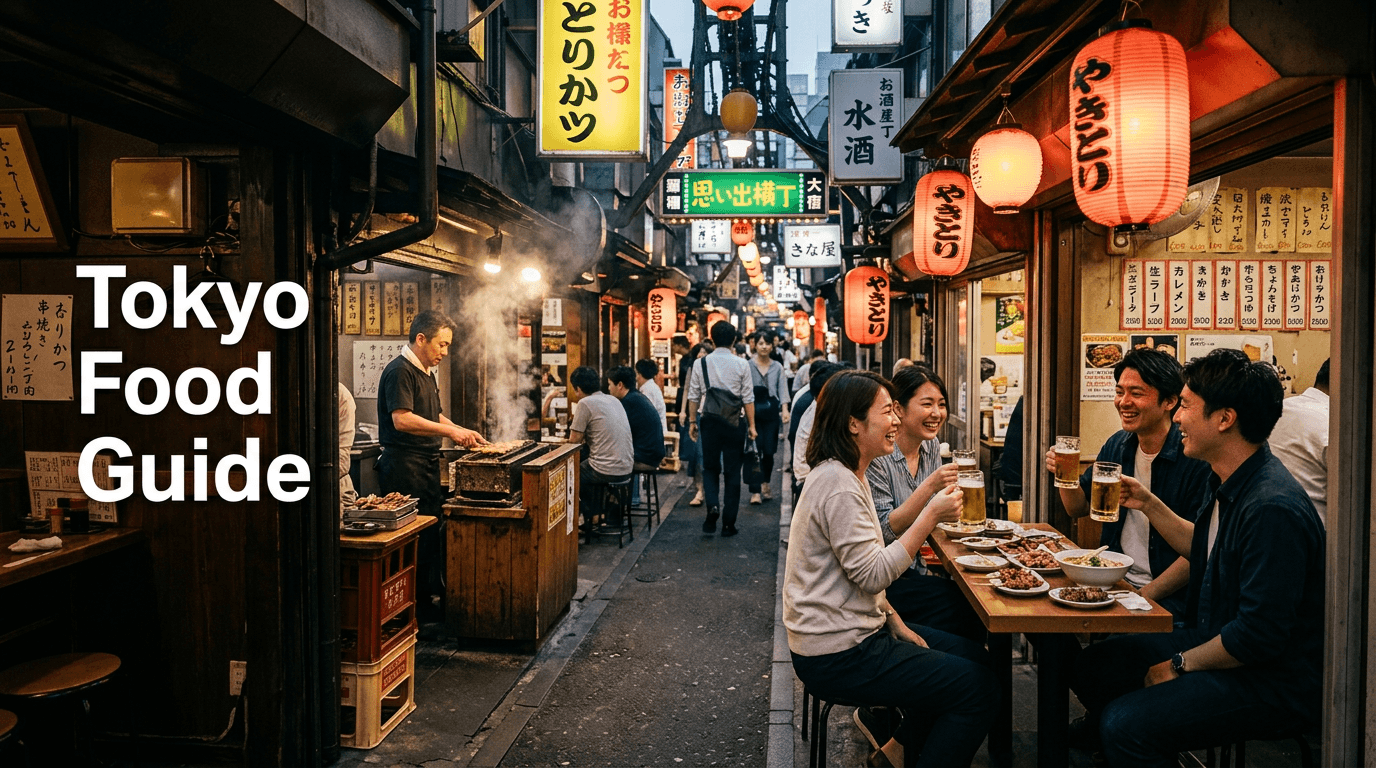
This Tokyo food guide is your ultimate key to unlocking the city's unparalleled culinary scene, from Michelin-starred sushi counters to humble street-side ramen stalls. You'll discover the must-try dishes like Edo-mae sushi, rich tonkotsu ramen, and delicate tempura, along with the best local spots our team has vetted for an authentic taste of Tokyo. Whether you're on a romantic getaway, a family vacation, or a solo adventure, we've curated the perfect food experiences for you.
Welcome to the world's greatest food city. That's a bold claim, but Tokyo backs it up with more Michelin stars than any other city on Earth, a deep-rooted culinary history, and an obsessive dedication to perfection in every bite. Eating in Tokyo is more than just sustenance; it's an event, a cultural immersion, and a journey for your senses. From the sizzle of yakitori grills in a smoky Shinjuku alley to the serene, artful presentation of a kaiseki meal in Ginza, every meal tells a story. This guide is your personal passport to that story. We’re not just going to list dishes; we’re going to show you where to eat them, how to eat them, and how to find the experiences that will make your trip unforgettable. Get ready to dive deep into the heart of Japanese cuisine.
What Are the Must-Try Foods in Tokyo?
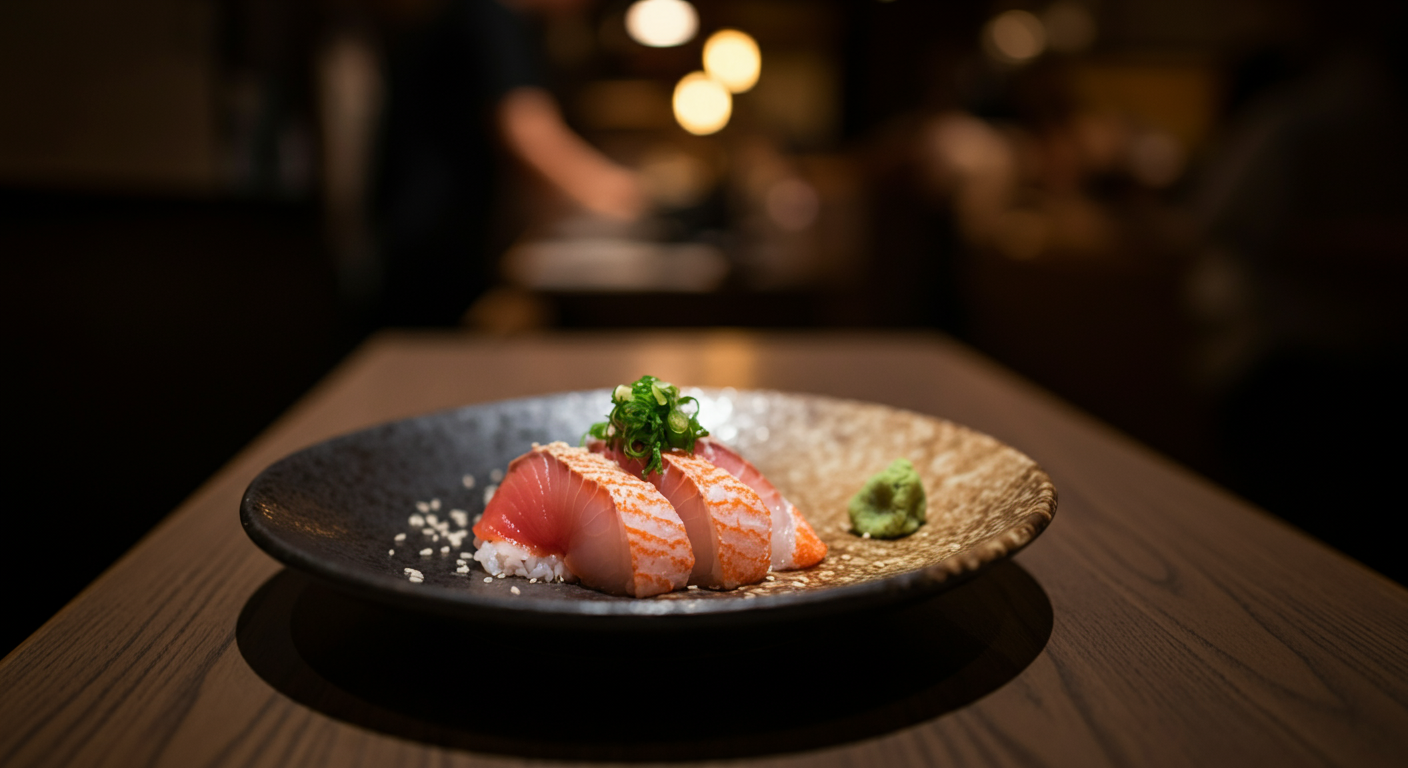
Tokyo's culinary landscape is a dazzling feast for the senses, offering everything from the world's most refined sushi to comforting, soulful bowls of ramen. To truly experience the city's gastronomic soul, you must sample a few key dishes that define its identity. At the top of any list is Edo-mae style sushi, a tradition born right here in Tokyo (formerly Edo), characterized by its focus on fresh, locally sourced seafood and perfectly seasoned rice. Another non-negotiable is ramen, and Tokyo offers every variety imaginable, from the rich, pork-bone tonkotsu broth to the lighter, soy-based shoyu. You simply cannot leave without trying delicate, perfectly fried tempura, where fresh ingredients are transformed into crispy, airy delights.
Beyond these titans of Japanese cuisine, your culinary exploration should include savory, grill-it-yourself okonomiyaki and its Tokyo-style cousin, monjayaki. For a quintessential local experience, duck into an izakaya—a Japanese-style pub—for an evening of shared small plates, grilled yakitori skewers, and lively conversation fueled by sake or beer. These dishes represent the core of Tokyo's food culture, a blend of centuries-old tradition and constant innovation. Exploring them is not just about tasting food; it's about understanding the history, craftsmanship, and social fabric of this incredible city. Each meal offers a different window into the Japanese spirit, from the focused silence of a high-end sushi bar to the boisterous energy of a neighborhood izakaya.
To round out your must-try list, don't forget the simpler pleasures. A perfectly grilled piece of unagi (eel) glazed in a sweet soy sauce can be a revelation. Tonkatsu, a breaded and deep-fried pork cutlet, offers a satisfying crunch and juicy interior that is pure comfort food. And for a taste of everyday life, grab an onigiri (rice ball) from a convenience store or a steaming bowl of soba noodles from a standing bar. This guide will walk you through each of these experiences, giving you the confidence to order, eat, and enjoy your journey through Tokyo's culinary wonderland. We've done the delicious research so you can focus on the eating.
Tokyo’s Culinary Pillars: A Glimpse into the Essentials
The foundation of Tokyo's food scene rests on a few key pillars that every visitor should experience. Sushi, specifically the local Edo-mae style, is paramount. This isn't just about raw fish; it's an art form where the chef, or *itamae*, balances the flavor of the seafood with meticulously prepared, vinegared rice. Next is ramen, a dish that inspires a cult-like following. Tokyo is a battleground for ramen supremacy, with thousands of shops perfecting their unique broths, noodles, and toppings. Whether you prefer a thick, creamy pork broth or a clear, delicate chicken and dashi base, there is a perfect bowl waiting for you. Finally, tempura represents the Japanese obsession with texture and ingredient integrity. Watching a master chef lightly batter and fry seasonal vegetables and pristine seafood to golden, non-greasy perfection is a mesmerizing experience that results in one of the most delightful meals you can have. These three dishes form the holy trinity of Tokyo dining, each offering a deep dive into Japanese culinary philosophy.
The 15 Must-Try Dishes in Tokyo (And Where to Find the Best)
Embarking on a culinary tour of Tokyo can feel overwhelming with its endless options. To help you navigate this delicious metropolis, we’ve distilled the essentials into a definitive list of 15 must-try dishes. This is your ultimate foodie checklist, guiding you from iconic sushi masters to hidden local gems. Each dish offers a unique taste of Tokyo's history, culture, and dedication to flavor. Let's begin your journey.
1. Sushi & Sashimi (Edo-mae Style)
Edo-mae sushi is Tokyo's signature culinary art form. Born in the 19th century as a "fast food" for the busy residents of Edo (old Tokyo), it focuses on seafood from Tokyo Bay. The fish is often cured, marinated, or lightly cooked to enhance its flavor and preserve it, a practice that predates modern refrigeration. The rice, seasoned with red or white vinegar, is just as important as the fish. A meal at a high-end sushiya is a performance, with the *itamae* (sushi chef) crafting each piece before your eyes. Don't miss toppings like *toro* (fatty tuna), *uni* (sea urchin), and *anago* (sea eel). While the finest experiences can be expensive, the quality and craftsmanship are unparalleled. Our team finds that even mid-range sushi in Tokyo often surpasses top-tier options elsewhere in the world.
2. Ramen (Tonkotsu, Shoyu, Shio, Miso)
Ramen in Tokyo is not just a dish; it's a religion. Each shop has its own secret recipe, from the broth that may simmer for days to the custom-made noodles. The four main types of ramen tare (seasoning base) are *Shio* (salt), *Shoyu* (soy sauce), *Miso* (fermented soybean paste), and *Tonkotsu* (pork bone broth, which is a broth type but often used as a category). Tokyo is famous for its Shoyu ramen, but you can find world-class examples of every style. Ordering is often done via a vending machine at the entrance: insert cash, press the button for your desired ramen and toppings, and hand the ticket to the chef. Slurping is not just allowed; it's encouraged as it cools the noodles and enhances the flavor.
3. Tempura (Seafood and Vegetable)
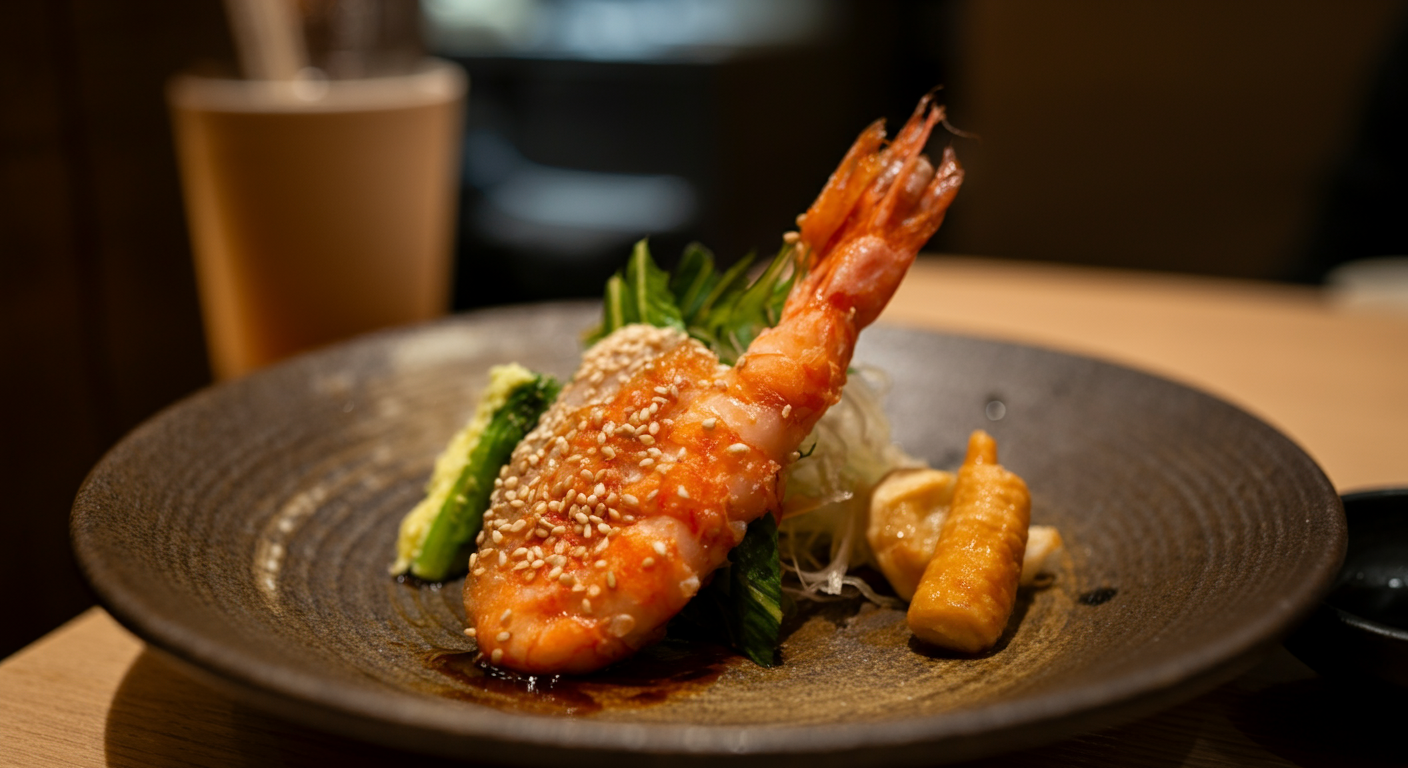
True tempura is a world away from the heavy, greasy versions found elsewhere. In Tokyo, it's an art of lightness and precision. Master chefs use a delicate, ice-cold batter and specific oil blends to fry ingredients so quickly that they are essentially steamed within their crispy shells. A proper tempura meal is often served *omakase* (chef's choice) style at a counter, where the chef fries each piece one by one and places it on your plate. You'll enjoy seasonal vegetables like lotus root and Japanese pumpkin, alongside pristine seafood like *ebi* (prawn), *kisu* (whiting), and *anago* (sea eel). It’s typically served with a dipping sauce (*tentsuyu*) with grated daikon radish, or simply with a pinch of sea salt and a wedge of lemon to let the ingredient's natural flavor shine.
4. Tonkatsu (Pork Cutlet)
Tonkatsu is Japanese comfort food at its finest: a thick, juicy pork cutlet breaded with flaky *panko* breadcrumbs and deep-fried to golden perfection. It's served sliced, usually alongside shredded cabbage (which comes with free refills), rice, and miso soup. You'll be given a small bowl with sesame seeds to grind yourself before mixing in the thick, sweet, and tangy tonkatsu sauce. The quality of the pork is key, with brands like *kurobuta* (Berkshire pig) being highly prized for their flavor and tenderness. There are two main cuts: *hire* (fillet, leaner) and *rosu* (loin, fattier and more flavorful). Our team often debates which is better, but you can't go wrong with either. It’s a hearty, satisfying meal that’s beloved by people of all ages.
5. Yakitori (Grilled Skewers)
Yakitori translates to "grilled chicken," but it encompasses so much more. At a yakitori-ya, various parts of a chicken—from thigh (*momo*) and breast (*mune*) to skin (*kawa*), wings (*tebasaki*), and even cartilage (*nankotsu*)—are skewered and grilled over a charcoal fire. You can also find skewers of vegetables, pork (*butabara*), and cheese. Ordering is simple: you specify the skewer and choose between *shio* (salt) or *tare* (a sweet soy-based glaze). An evening at a yakitori joint, often found in atmospheric alleys like Shinjuku's Omoide Yokocho, is a quintessential Tokyo experience. The air is thick with smoke and camaraderie as you enjoy skewers with a cold beer or a glass of sake. It's the perfect group meal.
6. Udon & Soba Noodles
While ramen often steals the spotlight, soba (buckwheat noodles) and udon (thick wheat noodles) are beloved staples of the Japanese diet. Soba can be served hot in a broth or cold with a dipping sauce (*zaru soba*), the latter being a perfect way to appreciate the noodle's nutty, earthy flavor. Udon noodles are prized for their chewy, springy texture and are fantastic in a hot soup, especially on a cold day. Look for *tachigui* (standing) noodle shops in and around train stations for a quick, cheap, and authentically local meal. It’s where you’ll see office workers slurping down a bowl for lunch. It’s fast, efficient, and incredibly delicious.
7. Okonomiyaki & Monjayaki
Okonomiyaki is a savory Japanese pancake filled with cabbage and your choice of ingredients like pork, shrimp, or squid, then topped with a special sauce, Japanese mayonnaise, dried seaweed (*aonori*), and dancing bonito flakes (*katsuobushi*). While it's more famous in Osaka and Hiroshima, Tokyo has its own version called *monjayaki*. Monjayaki has a much runnier, more liquid batter, resulting in a gooey, cheese-like consistency that you scrape off the grill with small spatulas. It's a fun, interactive meal where you often cook it yourself at a table with a built-in griddle. The best place to try monjayaki is on Tsukishima Monja Street, an entire street dedicated to this dish. It's a messy, social, and incredibly fun dining experience.
8. Unagi (Grilled Eel)
Unagi, or freshwater eel, is a true delicacy in Japan. It's typically prepared in the *kabayaki* style, where the eel is filleted, skewered, and grilled over charcoal while being basted in a sweet soy-based *tare* sauce. The process is repeated several times, resulting in a crispy skin and tender, flaky meat that almost melts in your mouth. It's most commonly served over a bed of rice in a lacquered box, a dish called *unaju*. Unagi is considered a stamina-boosting food, traditionally eaten during the hot summer months. Finding a restaurant that specializes in unagi is a treat; the best ones have been perfecting their secret sauce for generations. Our team was blown away by the depth of flavor in a well-prepared unaju.
9. Gyoza (Pan-Fried Dumplings)
While gyoza originated in China, Japan has adopted and perfected its own version. Japanese gyoza are typically smaller, with a thinner skin and a more finely textured filling, usually of ground pork, cabbage, and chives. The most common preparation is *yaki-gyoza*: pan-fried on one side until crispy and golden brown, then steamed to cook the filling, creating a delightful textural contrast. They are served with a dipping sauce you mix yourself from soy sauce, vinegar, and chili oil (*rayu*). Gyoza are the perfect companion to a bowl of ramen or a cold beer. You can find them everywhere from ramen shops to specialized gyoza restaurants, making for a cheap, quick, and satisfying meal or snack.
10. Kare Raisu (Japanese Curry)
Japanese curry, or *kare raisu*, is a thick, savory, and mildly sweet stew that bears little resemblance to its Indian or Thai counterparts. It was introduced to Japan by the British in the Meiji era and has since become one of the nation's most popular comfort foods. It's typically served over rice, often with a breaded pork cutlet (*katsu kare*), chicken, or vegetables. The flavor profile is complex and rich, with a gentle heat that makes it accessible to almost everyone. You can customize the spice level at most curry houses. It’s a hearty and affordable meal that you'll find locals enjoying for a quick lunch or a comforting dinner. Coco Ichibanya is a massive, ubiquitous chain where you can customize everything from the rice portion to the spice level and toppings.
11. Onigiri (Rice Balls)
Onigiri are the unsung heroes of Japanese cuisine. These humble rice balls, often triangular or round, are a portable, satisfying, and delicious snack or light meal. The rice can be lightly salted or mixed with ingredients, and they typically contain a filling, such as salted salmon (*shiozake*), pickled plum (*umeboshi*), tuna with mayonnaise, or seasoned kelp (*kombu*). A piece of nori seaweed is often wrapped around it to make it easier to hold. You can find them for around ¥150-¥250 at any convenience store (*kombini*), making them a perfect budget-friendly bite. However, for a truly transcendent experience, visit an onigiri specialty shop where the rice is warm, the fillings are generous, and the quality is exceptional.
12. Tamagoyaki (Japanese Omelette)
Tamagoyaki is a Japanese rolled omelette, made by rolling together several layers of cooked egg in a special rectangular pan. It can be sweet, made with sugar and mirin, or savory, made with dashi and soy sauce. You'll find it as a common side dish in bento boxes, a topping for nigiri sushi (*tamago*), and as a standalone snack. In the Tsukiji Outer Market, you can find street food stalls specializing in freshly made, warm tamagoyaki on a stick. It's a deceptively simple dish, but achieving the perfect texture—light, fluffy, and slightly moist—requires great skill. Trying a freshly made one from a specialist is a completely different experience from the pre-packaged versions. It’s a comforting and classic taste of Japan.
13. Melonpan (Sweet Bun)
Despite its name, melonpan typically does not contain any melon. This classic Japanese sweet bun gets its name from its appearance, which resembles a rock melon or cantaloupe. It's made from an enriched dough covered in a thin layer of crisp cookie dough. The result is a delightful textural contrast: a soft, fluffy interior with a crunchy, sugary crust. You can find them in bakeries and convenience stores all over Tokyo. Some modern variations are filled with whipped cream, ice cream, or custard, and some even have a hint of melon flavoring. Asakusa Kagetsudo is famous for its "Jumbo Melonpan," which are incredibly light, fluffy, and always served fresh from the oven.
14. Taiyaki (Fish-Shaped Cake)
Taiyaki is a beloved Japanese street food snack. It's a fish-shaped cake (the name means "baked sea bream") made from a pancake or waffle-like batter that's poured into a fish-shaped mold and cooked until golden. The most traditional filling is *anko* (sweet red bean paste), but modern variations include custard, chocolate, and even savory fillings like cheese or sausage. The sea bream shape is considered lucky in Japan, adding to the charm of this treat. The best taiyaki has a crispy, thin outer shell with a generous amount of warm, gooey filling inside. Look for small, dedicated shops where you can watch them being made on the iron presses.
15. Kaiseki (Traditional Multi-Course Meal)
Kaiseki is the pinnacle of Japanese haute cuisine, a traditional multi-course meal that is as much a work of art as it is a dining experience. It's not a single dish, but a carefully choreographed sequence of small, exquisite dishes that showcase the season's best ingredients and the chef's skill. A kaiseki meal typically includes an appetizer, a sashimi course, a simmered dish, a grilled dish, and a steamed course, among others, all culminating in rice, miso soup, and dessert. The presentation is paramount, with each dish served on carefully selected ceramics that complement the food and the season. While it is one of the most expensive dining experiences in Japan, it offers an unparalleled insight into the aesthetics and philosophy of Japanese cuisine.
A Deep Dive into Tokyo’s 3 Greats: Sushi, Ramen, and Tempura
To truly understand Tokyo's food culture, one must go deeper into its three most iconic culinary pillars: sushi, ramen, and tempura. These are not just meals; they are crafts honed over generations, each with its own history, philosophy, and set of rituals. While you can enjoy them casually, appreciating the nuances will elevate your dining experience from simply delicious to profoundly memorable. Our team has spent countless hours in Tokyo's specialty shops, speaking with chefs and dedicated regulars to bring you this insider's look. We'll explore the history of Edo-mae sushi, demystify the complex world of ramen, and reveal the secrets behind perfectly light tempura.
Each of these disciplines embodies the Japanese principle of *shokunin*—an artisan deeply dedicated to mastering their craft. A sushi *itamae* spends a decade just learning to make the rice. A ramen master tastes their broth hundreds of times a day to ensure perfect balance. A tempura chef can tell the ideal cooking time by the sound and feel of the frying. This section is a tribute to that dedication. We will provide you with the knowledge to not just eat, but to appreciate the immense skill and passion that goes into every single plate. From the etiquette of eating sushi to the regional differences in tempura, this deep dive will make you a more informed and appreciative diner.
Furthermore, we'll equip you with practical advice for navigating these specific dining environments. We'll tell you how to slurp your ramen like a local, why you should sometimes eat sushi with your hands, and what to expect during a counter-style tempura meal. Understanding these small details enhances the experience and shows respect for the craft. Finally, we'll give you our top recommendations for where to have an authentic experience in each category, from legendary institutions to exciting newcomers that are pushing the boundaries of tradition. This is your masterclass in Tokyo's culinary greats.
Understanding Tokyo-Style "Edo-mae" Sushi: History & Etiquette
Edo-mae sushi is the heart and soul of Tokyo's sushi scene. "Edo" is the former name for Tokyo, and "mae" means front, so the term literally translates to "in front of Edo," referring to the fish and seafood caught in Tokyo Bay. It originated in the 1820s as street food sold from stalls, a quick meal for a bustling city. Because there was no refrigeration, chefs had to be creative to preserve the fish. They would marinate it in soy sauce (*zuke*), simmer it in broth (*nitsume*), or cure it with salt and vinegar (*shime*). These techniques are still central to Edo-mae sushi today, adding complex layers of flavor beyond just "raw fish." The rice, or *shari*, is equally vital, seasoned with a unique blend of vinegar, salt, and sugar. The balance between the seasoned topping (*neta*) and the shari is what a master strives for. The ideal piece should be eaten in one bite to experience this perfect harmony.
When dining at a traditional sushiya, especially a high-end one, a little etiquette goes a long way. If you're sitting at the counter, it's best to order *omakase* (chef's choice) to experience the best of the day's market offerings. It's perfectly acceptable to eat nigiri sushi with your clean hands. If using chopsticks, pick up the sushi by holding it from the sides. When dipping in soy sauce, turn the sushi over and lightly dip the fish side only, never the rice. The rice will absorb too much soy sauce and fall apart. Pickled ginger, or *gari*, is meant to be eaten between pieces of sushi to cleanse your palate, not as a topping. Finally, trust your chef. The sushi is served ready to eat; the chef has already applied the perfect amount of wasabi between the fish and rice, so there's no need to add more to your soy sauce unless you truly prefer it that way.
The Ramen Matrix: A Guide to Broths (Tonkotsu, Shio, Shoyu, Miso) & Toppings
Navigating the world of ramen can be dizzying, but it primarily breaks down by the *tare*, or seasoning base, which defines the broth's primary flavor profile. The four main types are: Shoyu (Soy Sauce): Often a clear brown broth, based on chicken or vegetable stock with a generous amount of soy sauce. It's the oldest and most classic style, with a tangy, savory flavor. Shio (Salt): Typically a lighter, clearer broth, seasoned with salt. The flavor is more subtle, allowing the quality of the base stock (often chicken or seafood) to shine through. Miso (Soybean Paste): A uniquely Japanese creation from Hokkaido, miso ramen has a complex, nutty, and robust broth. It's often heartier and paired with thicker, wavier noodles. Tonkotsu (Pork Bone): This isn't a tare, but a broth type so dominant it's its own category. Pork bones are boiled for hours until they break down, creating a rich, milky, and deeply savory broth full of collagen. Within this framework, countless variations exist.
Toppings, or *gu*, are what complete the bowl. The most common is *chashu* (braised pork belly), which can be lean, fatty, torched, or stewed. *Ajitama* (marinated soft-boiled egg) with its gooey, custardy yolk is a must-add. Other popular toppings include *menma* (bamboo shoots), *nori* (dried seaweed), chopped scallions, and *narutomaki* (the pink-swirled fish cake). Many shops offer customizations like noodle firmness (*katame* for harder, *yawarakame* for softer) and broth richness. Don't be afraid to experiment to find your perfect combination. A bowl of ramen is a personal journey, and discovering your favorite style is one of the great joys of eating in Tokyo.
Tempura Perfection: The Difference Between Kanto & Kansai Styles
While tempura seems straightforward, there are subtle regional differences, primarily between the Kanto region (where Tokyo is) and the Kansai region (Osaka, Kyoto). Understanding this distinction can help you appreciate what makes Tokyo's tempura special. Kanto-style tempura, developed around Tokyo Bay, traditionally used a batter made with egg and was fried in sesame oil, giving it a golden color and a richer, nuttier flavor. It was often served with a stronger *tentsuyu* dipping sauce to complement the robust flavors. This style was well-suited to the strong-flavored seafood from the bay. It’s a heartier, more assertive style of tempura that feels deeply rooted in Edo's history.
In contrast, Kansai-style tempura uses a batter without egg and is fried in vegetable oil, resulting in a whiter, lighter, and crispier coating. The focus is more on the pure, natural flavor of the ingredients, which were often high-quality vegetables from the Kyoto area. Instead of a strong dipping sauce, Kansai tempura is more commonly eaten with flavored salts to avoid overpowering the delicate ingredients. While you can find both styles in Tokyo today, the city's old-school, high-end tempura restaurants often lean towards the Kanto tradition, using proprietary blends of oil that might include a portion of sesame oil for that signature aroma and color. The goal for any master, regardless of style, is a feather-light coating that seals in flavor and moisture without a hint of greasiness.
How to Eat: A Quick Guide for Each Dish (Using Hands for Sushi, Slurping Ramen)
Eating like a local can enhance your dining experience and show respect for the food and its preparation. Here’s a quick guide for the big three. For Sushi, as mentioned, using your hands for nigiri is traditional and often preferred by chefs as it's gentler on the delicate rice. Aim to eat each piece in a single bite. For Ramen, slurping is essential. It's not rude; it's a compliment! Slurping helps cool the hot noodles as they enter your mouth and aerates the broth, which many believe enhances its flavor. Use your chopsticks to guide the noodles and the spoon for the broth and toppings. It's common to see diners hunched over their bowls, focused entirely on the meal. Don't linger; ramen shops are fast-paced, and it's polite to leave once you're finished if there's a queue.
When enjoying Tempura, especially at a counter, timing is everything. The chef will place each freshly fried piece in front of you, and it's meant to be eaten immediately to appreciate its perfect texture—crispy on the outside, steamy and moist on the inside. Your chef will often advise you on whether to use the *tentsuyu* dipping sauce or a specific salt for each item. Follow their lead. For items served with sauce, dip them lightly; don't soak them. For items served with salt, take a small pinch with your fingers and sprinkle it over the tempura. This mindful way of eating ensures you enjoy each piece exactly as the chef intended, at its absolute peak.
Top Recommended Shops for an Authentic Experience in Each Category
Finding the right spot is crucial for a truly authentic experience. Our Gidly team has eaten its way through the city to bring you vetted recommendations. For Sushi, if the top-tier places like Kyubey are out of budget or fully booked, Manten Sushi Marunouchi offers an incredible cost-performance omakase that's much easier to reserve. For a standing sushi experience that's quick and high-quality, Uogashi Nihon-Ichi is a great choice. For Ramen, the variety is endless. We love Kikanbo in Kanda for its face-numbingly spicy Miso ramen (you choose the spice and numbness level). For a lighter, more refined bowl, Ginza Kagari serves a creamy chicken-based *tori-paitan* ramen that is simply sublime. And for something different, try the tsukemen (dipping noodles) at Fuunji in Shinjuku, where you dip thick, chewy noodles into a rich, fish-and-pork broth.
For an unforgettable Tempura meal, the legendary counter at Tempura Kondo in Ginza is a masterclass in seasonal ingredients and perfect technique. Reservations are essential. For a more accessible but still fantastic option, Kaneko Hannosuke in Nihonbashi serves a famous *tendon* bowl—a mountain of assorted tempura over rice with a sweet-savory sauce—for an incredible price. The line is always long but moves reasonably fast. From experience, arriving about 30 minutes before opening can significantly cut down your wait time. These spots represent a great cross-section of what Tokyo has to offer, from budget-friendly and bustling to refined and contemplative.
The Tokyo Food Scene by Scenario: Curated Itineraries for Every Traveler
Tokyo's food scene is not one-size-fits-all. The perfect meal depends on who you're with and what kind of experience you're looking for. A quiet, intimate dinner for two calls for a different venue than a loud, fun meal with a group of friends or a quick, easy bite for a solo explorer. To help you find the perfect fit, we've curated food itineraries for five common travel scenarios. We'll guide you to the right neighborhoods, suggest the best types of restaurants, and recommend specific dishes that suit the mood. Think of this as your personal concierge service for Tokyo dining, tailored to your specific needs.
Whether you're trying to impress a date, keep your kids entertained and well-fed, or organize a memorable outing for your work team, we've got you covered. This isn't just about where to eat; it's about creating the right atmosphere and a memorable experience. We've considered everything from ambiance and noise level to seating arrangements and menu variety. The Gidly team has tested these scenarios, finding the best spots for a romantic toast, the most patient restaurants for picky eaters, and the liveliest izakayas for a group celebration. Let's match your travel style to Tokyo's incredible culinary offerings.
We believe that the context of a meal is just as important as the food itself. A bowl of ramen can be a contemplative solo experience or a quick refuel before a night out. An izakaya can be a cozy spot for two or a boisterous hall for twenty. By understanding the nuances of each dining style and venue, you can craft a food journey that perfectly complements your trip. This section will help you move beyond generic recommendations and build a personalized culinary adventure through Tokyo.
For a Romantic Date Night: Ambiance, Quality, and Intimate Settings
For a romantic evening in Tokyo, ambiance is key. You're looking for a place with intimate seating, soft lighting, and impeccable service that allows for quiet conversation. The neighborhoods of Ginza, Ebisu, and Daikanyama are excellent hunting grounds. Consider a restaurant with a stunning view of the city skyline, like those found at the top of skyscrapers in Shinjuku or Marunouchi. A sophisticated kaiseki meal in a private room in Kagurazaka, Tokyo's "Little Kyoto," can be incredibly romantic. Alternatively, a cozy, high-end yakitori counter where you can watch the chef's masterful grilling technique up close offers a more interactive but still intimate experience. Think less about noisy ramen shops and more about places where the presentation is as beautiful as the flavor. A quiet wine bar in a chic neighborhood like Ebisu, paired with expertly crafted small plates, is another fantastic option for a memorable night out.
For Families with Kids: Fun, Accessible, and Kid-Approved Eats
Traveling with kids in Tokyo is a delight, and the food scene is surprisingly family-friendly if you know where to look. The key is finding places that are fun, not too quiet, and have menus that appeal to younger palates. Interactive dining is a huge win: okonomiyaki/monjayaki restaurants where you cook on a griddle at your table are always a hit. Conveyor belt sushi (*kaiten-zushi*) is another fantastic option; kids love watching the plates go by and picking what they want. It's also casual, fast, and budget-friendly. Most ramen shops are welcoming to children, and a simple bowl of noodles in broth is often a crowd-pleaser. Don't underestimate the power of Japanese curry, which is mild, sweet, and beloved by kids. For dessert, a trip for crepes in Harajuku or taiyaki fish-shaped cakes is a must.
For a Weekend with Friends: Izakayas, Food Halls, and Group-Friendly Dining
A weekend in Tokyo with friends is all about shared experiences and lively atmospheres. The Japanese izakaya is tailor-made for this. These Japanese pubs serve a wide variety of small, shareable dishes alongside beer, sake, and highballs. It's the perfect way to sample a lot of different foods, from sashimi and fried chicken (*karaage*) to grilled fish and salads. The neighborhoods of Shinjuku, Shibuya, and Ueno are packed with izakayas, ranging from noisy, cheap-and-cheerful chains to more refined, specialized spots. For a truly memorable experience, explore the narrow alleys of Shinjuku's Omoide Yokocho or Golden Gai, where tiny, atmospheric bars and eateries are crammed together. Another great option for groups is a *yakiniku* (Japanese BBQ) restaurant, where you grill your own meat at the table. It's interactive, delicious, and always a good time.
For the Solo Adventurer: Counter Seating, Food Markets, and Easy Eats
Tokyo is arguably the best city in the world for solo dining. The culture of counter seating means you'll never feel awkward eating alone; in fact, it's often the best seat in the house. Ramen shops, sushi bars, tempura counters, and yakitori joints are all perfectly suited for the solo adventurer. You can focus on the food and watch the chefs at work, which is a form of entertainment in itself. Standing noodle bars (*tachigui soba/udon*) and standing sushi bars are other fantastic options for a quick, high-quality, and inexpensive meal where dining alone is the norm. Food markets like Tsukiji Outer Market are a solo foodie's paradise, offering endless opportunities to graze on street food, from grilled scallops to tamagoyaki on a stick. Don't forget the convenience stores (*kombini*), which offer surprisingly delicious and varied meals perfect for a solo picnic in a park like Yoyogi or Ueno.
For Corporate & Team Building: Private Rooms, Cooking Classes, and Impressive Menus
When planning a corporate dinner or team-building event in Tokyo, you need options that are impressive, accommodating, and facilitate interaction. Many upscale restaurants in areas like Marunouchi, Ginza, and Akasaka offer private rooms (*koshitsu*) that are perfect for business meetings or team dinners. Look for restaurants specializing in shabu-shabu or sukiyaki, where the shared hot pot encourages conversation and teamwork. A high-end kaiseki meal in a private room is another excellent choice to impress clients or reward a team. For a more hands-on team-building activity, consider a private cooking class. Learning to make sushi, soba noodles, or even cute *wagashi* (Japanese sweets) together is a fun and memorable bonding experience. These classes are often led by English-speaking instructors and can be tailored to your group's size and interests.
Tokyo on a Budget: How to Eat Like a King for Under ¥1,500
Eating well in Tokyo doesn't have to drain your wallet. In fact, some of the city's most iconic and delicious food experiences are also its most affordable. With a budget of around ¥1,500 (about $10-12 USD), you can enjoy a fantastic, filling meal that locals love. The key is knowing where to look. Forget fancy restaurants and embrace the world of quick, casual, and high-quality eats. From the surprisingly gourmet offerings at convenience stores to the bustling basement food halls of department stores, Tokyo is a paradise for budget-conscious foodies. This section will be your guide to navigating this delicious and affordable side of the city's food scene.
We'll show you how to fuel your day with hearty bowls of noodles for just a few hundred yen, where to find the best cheap-and-cheerful gyoza, and how to turn a trip to a convenience store into a culinary adventure. Our Gidly team loves a good bargain, and we've scoured the city to find the best value-for-money meals. Eating on a budget in Tokyo isn't about sacrifice; it's about discovering a different, more grounded side of its food culture. It's about eating where the locals eat on their lunch breaks and after work. Prepare to be amazed by the quality and variety you can find for less than the price of a movie ticket.
What are the best cheap eats in Tokyo?
The best cheap eats in Tokyo are a delicious tour of Japanese comfort food, and you can easily have a fantastic meal for under ¥1,500. A bowl of ramen from a neighborhood shop, a hearty plate of Japanese curry rice, or a *gyudon* (beef bowl) from chains like Yoshinoya or Sukiya are all excellent options. Don't overlook the standing soba and udon shops in train stations for a quick, satisfying meal under ¥500. For a true taste of high-quality, low-cost dining, explore the culinary wonders of convenience stores (*kombini*) like 7-Eleven or Family Mart for incredible onigiri, sandwiches, and bento boxes. Finally, the basement food halls of department stores (*depachika*) offer a dazzling array of prepared foods that are perfect for a budget-friendly feast.
The Culinary World of Kombini (Convenience Stores): 7-Eleven, Family Mart, Lawson
Japanese convenience stores, or *kombini*, are a universe away from their counterparts in other countries. They are clean, well-stocked, and offer an astonishing variety of high-quality, delicious food. For a budget traveler, they are an absolute godsend. You can start your day with a fluffy egg salad sandwich (*tamago sando*), a cult favorite for a reason, and a cup of surprisingly good machine-brewed coffee. For lunch, choose from dozens of onigiri flavors, from classic salmon to inventive tuna-mayo. They also offer bento boxes with everything from tonkatsu to grilled fish, pasta dishes, and even single-serving ramen bowls that are shockingly good. Don't miss the hot snacks counter near the register, where you can get fried chicken (*Fami-Chiki* from Family Mart is legendary), corn dogs, and steamed buns (*nikuman*). It's possible to eat three solid meals a day from a kombini for under ¥2,000.
Standing Soba & Udon Shops: A Local Lunch Staple
For a truly local, lightning-fast, and incredibly cheap meal, step into a *tachigui* (standing) soba or udon shop. You'll find these no-frills eateries in and around train stations and in business districts, catering to busy commuters and office workers. The ordering process is simple: buy a ticket from a vending machine, hand it to the staff behind the counter, and your steaming bowl of noodles will be ready in a minute or two. You eat standing at a counter, shoulder-to-shoulder with locals. A basic bowl of *kake soba* (hot noodles in broth) can cost as little as ¥300-¥400. You can add toppings like a raw egg (*tsukimi*), fried tofu (*kitsune*), or a piece of tempura (*tensoba*) for a little extra. It's a quintessential Tokyo experience that's both delicious and incredibly efficient.
Depachika Delights: Exploring Basement Food Halls of Department Stores
*Depachika* are the spectacular food halls located in the basements of major department stores like Isetan, Mitsukoshi, and Takashimaya. They are a dazzling labyrinth of food stalls, offering everything from exquisite wagashi and high-end fruit to gourmet bento boxes, salads, fried foods, and baked goods. While some items can be pricey, a walk through a depachika is a feast for the eyes and a fantastic place to assemble a budget-friendly gourmet meal. You can buy a small portion of salad from one vendor, a few skewers of yakitori from another, and a beautiful onigiri from a third. The quality is generally very high. Our team loves doing this for a picnic lunch in a nearby park.
Best Budget-Friendly Gyoza, Curry, and Donburi Spots
Beyond noodles and kombinis, Tokyo offers several categories of restaurants that are reliably cheap and delicious. Gyoza specialists, as mentioned earlier, like Harajuku Gyozaro, offer a plate of six dumplings for around ¥300, allowing you to have a full meal for well under ¥1,000. Japanese curry houses are another budget staple. Chains like Coco Ichibanya and Go! Go! Curry! serve massive plates of curry rice for around ¥800-¥1,200. Finally, there's the world of *donburi* (rice bowls). Chains like Yoshinoya, Sukiya, and Matsuya are fierce competitors in the *gyudon* (beef bowl) market, with a regular bowl costing around ¥500. They also offer other donburi like pork or chicken. These places are open 24/7, making them a reliable option anytime, anywhere. They are the backbone of affordable eating for students and workers across Japan.
A Neighborhood-by-Neighborhood Guide to Eating in Tokyo
Tokyo isn't a single city; it's a collection of distinct neighborhoods, each with its own personality, vibe, and, most importantly, food scene. To eat like a local, you need to know where to go for what. Shinjuku's neon-drenched chaos hides tiny ramen shops and smoky yakitori alleys. Ginza's polished streets are home to Michelin-starred temples of gastronomy and historic, century-old restaurants. The youthful energy of Shibuya and Harajuku fuels ever-changing food trends, while the old-world charm of Asakusa offers a taste of traditional Tokyo. This neighborhood guide will act as your culinary compass, pointing you toward the best eats in each district.
We'll take you on a walking tour through Tokyo's most iconic areas, highlighting the must-visit food destinations in each one. From the freshest seafood breakfast near the fish market to the hipster cafes of Shimokitazawa, we'll give you the inside scoop on what makes each neighborhood's food culture unique. The Gidly team has spent countless hours exploring these streets, from the busiest intersections to the quietest back alleys, to find the spots that truly define each area's culinary identity. Whether you have an afternoon or a week, you can use this guide to plan a targeted food crawl and taste the diverse flavors that make up this incredible city.
Understanding the geography of taste in Tokyo will transform your trip. Instead of wandering aimlessly, you can head to Shinjuku specifically for ramen, Ginza for a special occasion sushi dinner, Asakusa for street food, and Kichijoji to see where locals go for a relaxed weekend meal. This targeted approach will help you make the most of your time and ensure every meal is a discovery. Let's explore the delicious mosaic of Tokyo's neighborhoods, one bite at a time.
Shinjuku: Ramen Alleys, Izakaya Hubs, and High-End Views
Shinjuku is a microcosm of Tokyo itself: a dizzying mix of skyscrapers, sprawling department stores, serene gardens, and gritty entertainment districts. Its food scene is just as diverse. For ramen lovers, Shinjuku is a pilgrimage site, with hundreds of shops vying for supremacy. You'll find everything from rich tonkotsu at Fuunji to fiery miso ramen at Kikanbo. For a quintessential Tokyo experience, dive into Omoide Yokocho ("Memory Lane" or "Piss Alley"), a network of narrow alleys crammed with tiny yakitori stalls and izakayas, perpetually shrouded in delicious-smelling smoke. Nearby, Golden Gai offers a similar vibe with its collection of minuscule, atmospheric bars. For a completely different perspective, the top floors of the Tokyo Metropolitan Government Building or the Park Hyatt hotel offer high-end dining with panoramic city views. The basements of Isetan and Takashimaya department stores also host some of the city's best *depachika*.
Shibuya: Trendy Cafes, Youth Food Trends, and Bustling Depachika
Shibuya is the vibrant heart of Tokyo's youth culture, and its food scene reflects that with a constant churn of new trends. This is the place to find the latest crazes, whether it's bubble tea, Basque cheesecake, or fluffy souffle pancakes. Stroll through Center Gai, the main pedestrian thoroughfare, to see what's currently popular. Beyond the trends, Shibuya has a solid food foundation. You'll find excellent ramen (like the classic chain Ichiran), great sushi (Uobei's high-tech conveyor belt is a blast), and countless cafes. The recently redeveloped Shibuya Parco building has an incredible "Chaos Kitchen" basement food hall with a diverse and edgy collection of eateries. Shibuya Stream, built along the river, has another great selection of modern restaurants. For a grittier, more local vibe, head to Nonbei Yokocho ("Drunkard's Alley") right next to the train tracks, a tiny slice of post-war Tokyo with charming, intimate bars.
Ginza & Marunouchi: Michelin Stars, Luxury Dining, and Historic Restaurants
Ginza is Tokyo's most glamorous and upscale neighborhood, a playground for high fashion and high finance. Its dining scene is the city's most decorated, boasting an incredible concentration of Michelin-starred restaurants and legendary sushi counters like Sukiyabashi Jiro and Kyubey. This is the neighborhood for a once-in-a-lifetime splurge on a kaiseki dinner, a high-end tempura meal, or a perfect steak. But Ginza isn't just about expense accounts. Tucked between the luxury boutiques, you'll find historic restaurants that have been serving unagi, tonkatsu, or soba for over a century. The adjacent Marunouchi district, between Ginza and Tokyo Station, is a newer hub for sophisticated dining, with many excellent restaurants in the KITTE and Marunouchi Brick Square buildings. Tokyo Ramen Street and Tokyo Character Street in the underground labyrinth of Tokyo Station also offer more casual options.
Asakusa & Ueno: Traditional Eats, Street Food, and Old-Tokyo Flavors
Step into Asakusa, and you'll feel like you've traveled back in time. Centered around the magnificent Senso-ji Temple, this area preserves the atmosphere of old "Shitamachi" (downtown) Tokyo. The food here is traditional and comforting. The Nakamise-dori, the street leading to the temple, is lined with stalls selling classic snacks like *ningyo-yaki* (small, shaped cakes with red bean paste), *kibi dango* (millet dumplings), and freshly fried *age-manju*. Asakusa is also famous for its tempura and unagi restaurants, some of which have been in business for generations. Nearby Ueno, home to a large park, museums, and a zoo, has a more bustling, down-to-earth food scene. Ameya Yokocho (Ameyoko), a vibrant market street running along the train tracks between Ueno and Okachimachi stations, is a fantastic place to find street food, cheap eats, and lively izakayas. It’s a sensory overload in the best possible way.
Tsukiji Outer Market & Toyosu: The Freshest Seafood Breakfasts
While the famous tuna auction and wholesale market moved from Tsukiji to the modern Toyosu Market in 2018, the Tsukiji Outer Market remains one of Tokyo's absolute best food destinations. The narrow streets are packed with vendors selling fresh and dried seafood, kitchenware, and an incredible array of street food. This is the place for a legendary sushi or sashimi breakfast. The famous shops like Sushi Dai and Daiwa Sushi still operate here, and the lines are just as long. Beyond sushi, you can graze on grilled scallops, fresh oysters, tamagoyaki on a stick, and countless other delights. The new Toyosu Market also has a restaurant area with many of the famous sushi shops that moved from the old inner market. You can visit Toyosu early in the morning to watch the tuna auction from a viewing gallery (reservations required for the closest deck) and then have a world-class sushi breakfast on-site. From our team's experience, Tsukiji offers a better atmosphere and more street food variety, while Toyosu is cleaner and the place to go if you want to see the auction.
Kichijoji & Shimokitazawa: Hipster Cafes, Indie Eateries, and Local Vibes
To see where trendy Tokyoites live and eat, head west to Kichijoji and Shimokitazawa. Kichijoji, consistently voted one of the most desirable places to live in Tokyo, has a relaxed, slightly upscale vibe. It's centered around the beautiful Inokashira Park and is filled with stylish boutiques, independent shops, and fantastic eateries. The Harmonica Yokocho alleyway near the station is a maze of tiny, excellent restaurants and bars. Kichijoji is also known for itsメンチカツ (menchi-katsu - ground meat cutlet); the line at Satou butcher shop is always long for a reason. Shimokitazawa, or "Shimokita," is Tokyo's bohemian hub, known for its vintage clothing stores, live music venues, and fiercely independent spirit. The food scene is eclectic and creative, with an abundance of cozy cafes, unique curry spots (it's a curry battleground), and indie restaurants. It's the perfect neighborhood to wander without a plan and discover your new favorite spot.
Beyond the Restaurant: Unique Food Experiences in Tokyo
Eating in Tokyo is about more than just sitting down in a restaurant. The city offers a wealth of unique, interactive, and sometimes downright quirky food experiences that will give you a deeper appreciation for its culinary culture. These activities go beyond the plate, immersing you in the process, history, and fun-loving side of Japanese food. From learning the art of sushi-making from a master to navigating the delightful chaos of a food market or sipping sake with a local expert, these experiences create lasting memories. They are perfect for breaking up a schedule of restaurant meals and offer a different lens through which to view the city.
Our Gidly team believes that participation is the key to true understanding. That's why we've sought out the most engaging and unforgettable food-related activities Tokyo has to offer. In this section, we'll guide you through the best markets, the most interesting themed cafes, hands-on cooking classes, and quintessentially Japanese experiences like vending machine restaurants. We’ll also take a look at the world of Japanese beverages, guiding you through the nuanced worlds of sake and whisky. These experiences are not just for tourists; they are beloved by locals and offer a genuine slice of life in Tokyo.
Whether you want to learn a new skill, have a bit of fun, or simply see where your food comes from, these activities add a whole new dimension to your culinary journey. They are fantastic options for families, couples, and solo travelers alike, offering something for every interest and budget. Let's look beyond the menu and dive into the world of hands-on food adventures in Tokyo. And don't forget, many of these amazing experiences can be discovered and booked directly on Gidly.
Exploring Tokyo’s Best Food Markets: Tsukiji Outer Market vs. Toyosu
A visit to one of Tokyo's food markets is an essential experience. As mentioned, the main choice is between the historic Tsukiji Outer Market and the modern Toyosu Market. Tsukiji Outer Market is a vibrant, chaotic, and utterly charming labyrinth of streets. It's a sensory explosion of sights, sounds, and smells. Here, the experience is about grazing and exploring. You can wander from stall to stall, sampling fresh oysters, grilled eel skewers, sweet tamagoyaki, and tiny bowls of sashimi. It's crowded and bustling, offering a fantastic glimpse into Tokyo's street food culture. The Gidly team feels Tsukiji offers a richer, more atmospheric experience for the casual visitor focused on eating.
Toyosu Market, on the other hand, is a modern, purpose-built facility. It's cleaner, more organized, and less crowded. Its main draw is the famous tuna auction, which you can view from dedicated galleries (book ahead for the best spots). The restaurant section on the upper floors hosts many of the legendary sushi counters that moved from Tsukiji's inner market. The experience here is less about street food grazing and more about a targeted, high-quality meal after witnessing the heart of Japan's fishing industry. Our recommendation: Go to Toyosu early one morning for the auction and a pristine sushi breakfast. Go to Tsukiji on another day for the atmosphere, street food, and shopping.
Themed Cafes: From Anime Characters to Animal Encounters
Tokyo's themed cafes are a world unto themselves, offering a unique blend of food, fantasy, and fun. These are less about gourmet cuisine and more about the immersive experience. The variety is staggering. You can have coffee and cake decorated with your favorite Sanrio characters at the Pompompurin Cafe or a meal surrounded by Pokémon at the Pokémon Cafe (reservations are essential and notoriously hard to get). There are cafes dedicated to popular anime series, video games, and even a permanent Kirby Cafe. Beyond characters, Tokyo is famous for its animal cafes. You can sip a latte while petting cats, owls, hedgehogs, or even miniature pigs. It's important to choose these cafes carefully and opt for ones that prioritize animal welfare, with clean environments and strict rules for interaction. While the food is often secondary, the experience is uniquely Tokyo and makes for an unforgettable story and great photos.
Food Tours & Cooking Classes: Learn to Make Sushi, Ramen, and More
For a truly hands-on experience, nothing beats a cooking class or a guided food tour. A cooking class allows you to get behind the scenes and learn the techniques of Japanese cuisine from a local expert. Popular classes include sushi making, where you'll learn to prepare the rice and form different types of nigiri; ramen classes, where you might make your own noodles and broth; and wagashi-making, where you'll craft beautiful and delicate traditional sweets. These classes are typically conducted in English and are a fantastic way to bring a taste of Japan home with you. A guided food tour is another excellent option, especially for your first few days in the city. A local guide can help you navigate a specific neighborhood like Shinjuku's Omoide Yokocho or the Tsukiji market, taking you to hidden gems you'd never find on your own and helping you order with confidence. It's a great way to demystify the food scene quickly.
Vending Machine Restaurants: A Quintessentially Japanese Experience
While ordering from a ticket vending machine is common at ramen and donburi shops, some places take it a step further, offering entire meals served directly from a wall of retro vending machines. These are a nostalgic throwback to a bygone era and offer a fun, quirky dining experience. You'll find them in places like Sagamihara or in specific "vending machine corners" along highways, but there are a few accessible spots for tourists too. These machines dispense hot food like tempura soba, toasties, and even curry rice. The food is surprisingly tasty and incredibly cheap. It's not gourmet dining, but it's a fun and uniquely Japanese adventure. The experience of putting in your coins, hearing the machine whir to life, and receiving a hot, ready-to-eat meal is strangely satisfying. It’s a trip back to the Showa era and a fun detour from the usual restaurant routine.
Sake & Whisky Tasting: A Guide to Japanese Drinks
Your culinary journey through Tokyo isn't complete without exploring its world-class beverages. Japanese sake (*nihonshu*) is a complex and diverse world. It's not a "rice wine"; it's a brewed beverage more akin to beer, with a huge range of flavor profiles from dry and crisp (*karakuchi*) to sweet and fruity (*amakuchi*). The best way to learn is by visiting a specialized sake bar or a *tachinomi* (standing bar) with a knowledgeable bartender. They can recommend a tasting flight and explain the differences between *junmai*, *ginjo*, and *daiginjo* classifications. Many izakayas also have excellent sake lists. Japanese whisky has also taken the world by storm, winning international awards for its quality and craftsmanship. While distilleries are outside Tokyo, many sophisticated bars in Ginza and Shinjuku specialize in Japanese whisky, offering rare and vintage bottlings. A visit to one of these quiet, temple-like bars for a perfectly carved ice ball and a glass of Yamazaki or Hibiki is a sublime experience.
Navigating Tokyo’s Food Scene with Dietary Restrictions
Navigating Tokyo with dietary restrictions can seem daunting, especially with the language barrier and the prevalence of ingredients like fish-based dashi and soy sauce. However, the situation has improved dramatically in recent years. With a bit of planning and the right resources, it is entirely possible to eat safely and deliciously as a vegetarian, vegan, gluten-free, or halal diner. The key is research, communication, and knowing which dishes and restaurants are your best bet. Tokyo's international character means awareness is growing, and dedicated restaurants are popping up to cater to various needs.
This section is designed to be your practical guide to eating with confidence. We'll provide essential Japanese phrases, recommend specific restaurants that our team has found to be reliable, and offer tips for identifying hidden ingredients. The Gidly team understands how stressful it can be to eat with restrictions in a foreign country, so we've focused on providing clear, actionable advice. Whether you're looking for a bowl of creamy vegan ramen or trying to figure out which snacks are gluten-free, we've got you covered. Don't let your dietary needs stop you from exploring one of the world's best food cities.
We'll break down the challenges and solutions for each major dietary requirement. From understanding the ubiquity of dashi to knowing how to ask for a dish without meat, this information will empower you to communicate your needs effectively. We will also highlight the traditional Japanese cuisine that is naturally friendly to certain diets, like *shojin ryori* (Buddhist vegetarian cuisine). With these tools in hand, you can focus less on worrying and more on enjoying the incredible flavors Tokyo has to offer.
Is it hard to be vegetarian/vegan in Tokyo?
While it used to be very difficult, being vegetarian or vegan in Tokyo is much easier now than it was a few years ago, though it still requires planning. The main challenge is the hidden use of fish-based broth (*dashi*) in many seemingly vegetarian dishes. However, Tokyo now has a growing number of excellent, fully vegan and vegetarian restaurants, especially for ramen and curry. Using apps like HappyCow is essential for locating these spots. Learning a few key phrases to communicate your needs is also incredibly helpful for dining at conventional restaurants.
Essential Japanese Phrases for Vegetarians, Vegans, and Allergies
Communication is your most powerful tool. Even if your pronunciation isn't perfect, showing a card with these phrases written down will be immensely helpful.
- I am a vegetarian: 私はベジタリアンです (Watashi wa bejitarian desu).
- I don't eat meat or fish: 肉と魚は食べません (Niku to sakana wa tabemasen).
- Does this contain meat/fish/dashi?: これは肉/魚/だしが入っていますか (Kore wa niku/sakana/dashi ga haitte imasu ka?).
- No meat, please: 肉なしでお願いします (Niku nashi de onegaishimasu).
- For Vegans: I don't eat meat, fish, eggs, or dairy: 肉、魚、卵、乳製品は食べません (Niku, sakana, tamago, nyuseihin wa tabemasen).
- I have a [X] allergy: [X] のアレルギーがあります ([X] no arerugii ga arimasu). For example, *Komugi no arerugii ga arimasu* for a wheat allergy.
Recommended Vegan & Vegetarian Ramen, Sushi, and Shojin Ryori Restaurants
The vegan scene in Tokyo is booming. For incredible vegan ramen, T's Tantan, with locations in Tokyo Station and Ueno, is a must-visit. They serve rich and flavorful tantanmen and other ramen styles using no animal products. Afuri is another popular ramen chain that now offers a fully vegan, rainbow-colored bowl of ramen that's both beautiful and delicious. For vegan sushi, you can find it at some specialty restaurants, where they use creative vegetable preparations like torched bell peppers or marinated eggplant to mimic traditional toppings. Saido in Jiyugaoka is a world-renowned vegan restaurant offering an exquisite multi-course experience that redefines vegan cuisine. For a traditional experience, seek out a restaurant serving shojin ryori, which is Japanese Buddhist vegetarian (and often vegan) cuisine. It's elegant, healthy, and naturally free of animal products. Bon, in Ueno, offers a beautiful shojin ryori experience in a traditional setting.
Gluten-Free in Tokyo: Navigating Soy Sauce, Noodles, and More
Being gluten-free in Tokyo is particularly challenging due to the widespread use of wheat-based soy sauce, barley, and wheat noodles (ramen, udon). Soy sauce is in almost everything. However, it's not impossible. The key is to seek out dedicated gluten-free establishments and to be extremely careful elsewhere. Carry a Japanese-language gluten-free dining card explaining celiac disease and cross-contamination. Some restaurants, especially those in tourist-heavy areas or with a health focus, may offer tamari (gluten-free soy sauce). Rice is your friend, so sashimi, grilled fish (*yakizana*, ask for it with salt, *shioyaki*, instead of sauce), and yakitori (ask for salt, *shio*) are generally safe bets, but you must be vigilant about sauces and marinades. There are a few dedicated gluten-free cafes and bakeries, like Gluten Free T's Kitchen and Comeco no Co, which can be lifesavers for finding safe bread, pastries, and meals.
Halal Food Guide: Finding Certified Restaurants and Markets
The availability of halal food in Tokyo has grown significantly to accommodate the increasing number of Muslim tourists and residents. You can find a good number of halal-certified or Muslim-friendly restaurants serving Japanese food like ramen, yakiniku, and shabu-shabu. Apps and websites like Halal Navi and Halal Gourmet Japan are invaluable resources for locating these restaurants, which are often clustered in areas like Asakusa, Shinjuku, and Shibuya. For example, Honolu Ebisu is a popular spot for delicious halal ramen. Some larger hotels may also offer halal menu options if you inquire in advance. In addition to restaurants, there are several halal grocery stores in Tokyo, particularly in areas with large international communities like Shin-Okubo and Ikebukuro, where you can buy halal meat and other products if you have access to a kitchen. Look for official halal certification marks at restaurant entrances.
Practical Tips for Dining in Tokyo (From a Local)
Dining in Tokyo is a seamless and enjoyable experience, but a few local customs and practical tips can make it even smoother. From securing a table at that popular spot to understanding the bill and navigating the unspoken rules of restaurant etiquette, a little knowledge goes a long way. As your local guide, we want to give you the confidence to walk into any restaurant, order like a pro, and avoid any minor cultural faux pas. These are the things locals know instinctively, but that can sometimes trip up visitors. Think of this as your cheat sheet to the Tokyo dining scene.
This section is all about the nuts and bolts of eating out. We'll cover the best ways to make reservations, demystify the payment process (including the infamous "no tipping" rule), and provide strategies for deciphering menus, even when they're only in Japanese. Our team has compiled these tips from years of experience dining all over the city, learning from our own mistakes so you don't have to. These small bits of advice can make a big difference, turning a potentially confusing situation into a smooth and pleasant one. With these tips in your back pocket, you'll be ready to tackle anything from a high-end kaiseki restaurant to a tiny, local noodle shop.
We'll also cover the subtle points of etiquette that will make you feel more comfortable and show respect to the chefs and staff who work so hard to create your meal. Understanding chopstick rules or the right way to sit in a traditional restaurant can enhance your experience and the experience of those around you. Let's dive into the practicalities that will make you a savvy Tokyo diner.
Making Reservations: When You Need Them and How to Get Them (Tabelog, Gurunavi)
For many casual eateries in Tokyo like ramen shops or standing noodle bars, reservations are not possible—you simply show up and queue. However, for most mid-range to high-end restaurants, especially popular ones or those with few seats, reservations are essential. For Michelin-starred or world-famous places, you may need to book months in advance. The challenge for tourists is that many restaurants only accept reservations by phone and in Japanese. Your first best bet is to ask your hotel concierge to make reservations for you; this is one of their primary services. If you're staying at an Airbnb, you might not have this option. The next best tool is an online booking service. Websites like Tabelog and Gurunavi are the go-to resources for locals (use Google Chrome to auto-translate the page), and many restaurants on these platforms now have an online booking portal. Other services like Omakase, Tableall, and Pocket Concierge specialize in booking high-end, hard-to-get-into restaurants for a fee.
Understanding the Bill: Tipping, Table Charges (Otooshi), and Paying
This is simple: do not tip in Japan. It's not part of the culture, and service is included in the price. Leaving cash on the table will likely cause confusion, and a server might even chase you down to return it. Instead of a tip, some establishments, particularly izakayas, will have a mandatory table charge called *otooshi* or *tsukidashi*. This is a small, compulsory appetizer that is brought to you at the beginning of your meal. It typically costs a few hundred yen per person and will be added to your bill. Think of it as a cover charge that comes with a snack. When it's time to pay, you don't usually flag down your server. Instead, you take the bill (which is often left face down on your table in a small tray) to the cashier at the front of the restaurant. Most places now accept credit cards, but it's always wise to carry enough cash, especially at smaller, older, or more rural establishments.
Navigating Menus: Photo Menus, English Versions, and Google Translate Tips
The language barrier can be a hurdle, but Tokyo restaurants are getting increasingly foreigner-friendly. Many restaurants in tourist areas will have an English menu (*eigo no menyu arimasu ka?*). If not, look for menus with pictures—you can simply point to what you want (*kore o onegaishimasu*). Plastic food models displayed in the window are also common and serve the same purpose. For menus with no pictures or English, modern technology is your best friend. The Google Translate app has a fantastic camera feature that can translate Japanese text in real-time. Simply point your phone's camera at the menu, and it will overlay the English translation. It's not always perfect, but it's usually good enough to help you understand the main dishes. If all else fails, you can always ask the chef or staff for their recommendation (*osusume wa nan desu ka?*).
Restaurant Etiquette 101: Chopstick Rules, Slurping, and Seiza Seating
A few basic etiquette points will help you dine with grace. When it comes to chopsticks (*ohashi*), there are a few key rules. Never stick your chopsticks upright in your bowl of rice, as this resembles a funeral rite. Don't pass food directly from your chopsticks to another person's chopsticks. Don't use them to point at people or things, and don't lick them. When you're not using them, place them on the provided chopstick rest (*hashioki*). As mentioned before, slurping noodles is not only acceptable but encouraged. It shows you're enjoying your meal. Some traditional restaurants may have *tatami* mat seating. You'll be expected to take off your shoes before stepping onto the mat. You may sit in the *seiza* position (kneeling), but it's generally acceptable for foreigners to sit cross-legged or with their legs to the side if it's more comfortable. The most important rule is to be respectful and appreciative of the food and the staff.
What’s Trending: The Tokyo Food Scene in 2025-2026
Tokyo's food scene is in a constant state of evolution. While it deeply honors tradition, it also embraces innovation with incredible speed and creativity. As we look towards 2025 and 2026, several exciting trends are shaping the way Tokyoites eat and drink. These trends reflect a global shift towards more casual, conscious, and experience-driven dining, but with a uniquely Japanese twist. From the reinvention of the classic izakaya to a burgeoning passion for artisanal bread and coffee, the city's culinary landscape is becoming even more diverse and exciting. This section will give you a glimpse into the future of Tokyo dining, helping you discover the new and now.
Our Gidly team is always on the ground, tracking the latest openings and shifts in the city's gastronomic currents. We're seeing a move away from rigid formality towards more relaxed, high-quality experiences. There's a growing emphasis on ingredient provenance, sustainability, and the stories behind the food. These trends offer new ways to experience Tokyo's culinary prowess, whether you're a wine lover, a coffee aficionado, or a diner who cares about where their food comes from. Exploring these new movements is a fantastic way to see a modern, forward-thinking side of Tokyo's culture.
This isn't about fleeting fads but about significant shifts in dining philosophy. These trends are creating new destinations and experiences that are redefining what it means to eat out in Tokyo. By tapping into these currents, you can enjoy the city's food scene at its most dynamic. Let's explore the neo-izakayas, third-wave coffee shops, and sustainable kitchens that are setting the stage for Tokyo's culinary future.
The Rise of Neo-Izakayas and Natural Wine Bars
The traditional izakaya is getting a modern makeover. A new wave of "neo-izakayas" is sweeping through Tokyo, particularly in hip neighborhoods like Shibuya, Ebisu, and Nakameguro. These spots retain the lively, casual, and shareable-plate format of a classic izakaya but elevate the experience with more creative, often globally-inspired cuisine, stylish interiors, and a sophisticated beverage program. Instead of just beer and cheap sake, you'll find curated lists of craft sake, natural wines, and artisanal cocktails. They attract a younger, more fashionable crowd and offer a fun, vibrant atmosphere that feels both contemporary and uniquely Japanese. Similarly, standalone natural wine bars have exploded in popularity, offering low-intervention wines from around the world paired with inventive, market-driven small plates. These places, like Bouteille in Shibuya or Human Nature in Koenji, are perfect for a relaxed yet refined evening.
Third-Wave Coffee and Artisanal Bakeries
Tokyo's obsession with craftsmanship has fully embraced the world of coffee and baking. The city is now a world-class destination for third-wave coffee. Independent roasters and cafes, particularly in neighborhoods like Kiyosumi-Shirakawa (Tokyo's "coffee town") and Shimokitazawa, are treating coffee with the same reverence as sushi or tea. Places like Blue Bottle Coffee, Fuglen, and Onibus Coffee focus on single-origin beans, meticulous pour-over methods, and a deep knowledge of their product. This coffee revolution has been paralleled by a boom in artisanal bakeries (*panya-san*). While Japan has always loved soft, white bread (*shokupan*), there's now a huge demand for European-style sourdough, rustic loaves, and inventive pastries. Bakeries like 365 Jours in Yoyogi-Uehara and Maruichi Bagel in Shirokane draw long lines for their high-quality, handcrafted goods. Starting your day with a perfect cup of coffee and a freshly baked pastry has become a new Tokyo ritual.
Sustainability in Dining: Farm-to-Table and Low-Waste Kitchens
A growing consciousness around sustainability is beginning to influence Tokyo's dining scene. More chefs and restaurateurs are focusing on building direct relationships with farmers, highlighting the provenance of their ingredients, and embracing a farm-to-table ethos. This is leading to menus that are more seasonal and locally focused than ever before. You'll find restaurants proudly listing the farms where their vegetables are grown or the specific port their fish came from. Alongside this, there's a movement towards low-waste or zero-waste cooking. Chefs are getting creative with using all parts of an ingredient—vegetable peels are turned into broth, fish bones are used for stock, and off-cuts are transformed into delicious small dishes. This mindful approach not only reduces environmental impact but also often leads to more innovative and flavorful cuisine. Restaurants like L'Effervescence and Florilège in Ginza are leaders in this movement, combining fine dining with a deep commitment to sustainability.
The Evolution of Delivery and High-End Takeout
The pandemic accelerated the evolution of food delivery and takeout in Tokyo, and the trend is here to stay, but with a sophisticated twist. While basic delivery from chains has always existed, there's now a burgeoning market for high-end takeout and delivery from top-tier restaurants. You can now enjoy multi-course bento boxes from kaiseki restaurants, gourmet pizza from artisanal pizzerias, and beautifully arranged sushi sets from respected counters in the comfort of your hotel or home. Services like Uber Eats, Wolt, and Demae-can have expanded their offerings to include a much wider range of quality restaurants. This trend has made Tokyo's incredible food more accessible than ever. It's a fantastic option for a relaxed evening after a long day of sightseeing, allowing you to sample restaurant-quality food without the need for reservations or travel.
Comparison Tables for the Overwhelmed Traveler
We get it—the sheer volume of information about Tokyo's food scene can be overwhelming. To help you make quick, informed decisions, we've created a series of simple comparison tables. These charts distill key information into an easy-to-digest format, allowing you to see the differences between various types of ramen, dining experiences, and neighborhood vibes at a glance. Think of these as your quick reference guides for when you're on the go and need to make a choice. Whether you're trying to decide what kind of ramen to try first or which neighborhood best suits your mood for dinner, these tables will help you navigate your options with ease.
Table: Ramen Types (Broth, Noodle, Price, Best For…)
| Ramen Type | Broth Profile | Noodle Type | Avg. Price | Best For... |
|---|---|---|---|---|
| Shoyu (Soy Sauce) | Clear, brown, savory, tangy. Often chicken or dashi based. | Typically wavy, medium thickness. | ¥900 - ¥1,300 | A classic, balanced bowl. The quintessential Tokyo style. |
| Shio (Salt) | Clear, light, delicate. Highlights the base stock (chicken, seafood). | Often thin, straight noodles. | ¥900 - ¥1,300 | A lighter, more refined ramen experience. Great on a hot day. |
| Miso (Soybean) | Opaque, robust, nutty, complex, slightly sweet. | Usually thick, wavy, and chewy to stand up to the broth. | ¥1,000 - ¥1,500 | A hearty, warming, and flavor-packed meal. Perfect for cold weather. |
| Tonkotsu (Pork Bone) | Milky, opaque, rich, creamy, deeply savory with pork flavor. | Typically very thin, straight noodles, often served firm. | ¥900 - ¥1,400 | Those who love rich, intense, and comforting flavors. |
| Tsukemen (Dipping) | Broth is extra thick and concentrated for dipping. Often pork/fish based. | Thick, chewy noodles served separately, usually cold or room temp. | ¥1,000 - ¥1,500 | A different textural experience. Great for appreciating noodle quality. |
Table: Dining Experience Comparison (Izakaya vs. Ryotei vs. Tachinomi)
| Experience | Vibe | Food Style | Price Point | Best For... |
|---|---|---|---|---|
| Izakaya (Pub) | Lively, casual, sometimes smoky. Can be loud. | Wide variety of small, shareable plates. From sashimi to fried food. | $$ | A fun night out with friends; trying many different dishes. |
| Ryotei / Kaiseki | Formal, serene, quiet, elegant. Often in private rooms. | Traditional multi-course haute cuisine. Artful presentation. | $$$$$ | Special occasions, romantic dinners, experiencing Japanese fine dining. |
| Sushiya (Sushi Bar) | Can be quiet and reverent (high-end) or bustling (kaiten-zushi). | Sushi and sashimi. Often omakase (chef's choice) at the counter. | $$ - $$$$$ | Experiencing the art of sushi. Great for solo diners at the counter. |
| Tachinomi (Standing Bar) | Casual, fast-paced, social. No seats. | Simple snacks and drinks. Skewers, small plates of food. | $ | A quick, cheap drink and snack; mingling with locals. |
Table: Neighborhood Food Vibe (Shinjuku vs. Ginza vs. Shimokitazawa)
| Neighborhood | Overall Vibe | Known For | Price Range | Go here for... |
|---|---|---|---|---|
| Shinjuku | Vast, chaotic, diverse. Something for everyone. | Ramen, yakitori alleys (Omoide Yokocho), depachika, high-end hotel dining. | $ - $$$$$ | A classic Tokyo night out, from cheap eats to luxury views. |
| Ginza | Upscale, polished, luxurious, historic. | Michelin-starred dining, high-end sushi, historic specialty restaurants. | $$$ - $$$$$ | A special occasion splurge, world-class fine dining, and culinary history. |
| Shibuya | Trendy, youthful, fast-paced, modern. | Food trends, themed cafes, modern food halls, lively izakayas. | $ - $$$ | Tasting the latest food crazes and soaking in youth culture. |
| Asakusa | Traditional, historic, tourist-friendly, charming. | Street food (Nakamise-dori), tempura, unagi, traditional sweets. | $ - $$$ | A taste of old Tokyo and traditional Japanese snacks. |
| Shimokitazawa | Bohemian, indie, relaxed, creative. | Independent cafes, soup curry, eclectic eateries, vintage vibes. | $$ - $$$ | A lazy afternoon of cafe-hopping and discovering unique local spots. |
Frequently Asked Questions (FAQ) About Eating in Tokyo
What food is Tokyo most famous for?
Tokyo is most famous for Edo-mae style sushi, which originated in the city. It is also a global capital for ramen, with countless shops serving every imaginable style, though Tokyo's classic is shoyu ramen. Tempura, monjayaki, and unagi are other iconic dishes with deep roots in the city.
How much should I budget for food per day in Tokyo?
You can eat very well on a variety of budgets. A budget traveler can get by on ¥3,000-¥4,000 ($20-$27) per day by utilizing convenience stores, noodle shops, and curry houses. A mid-range budget of ¥7,000-¥10,000 ($47-$67) allows for a mix of casual meals and a nice sit-down dinner. For high-end dining, the sky is the limit.
Is street food safe to eat in Tokyo?
Yes, street food in Tokyo is extremely safe to eat. Japan has very high standards of food safety and hygiene. You can confidently eat from stalls at markets like Tsukiji Outer Market or during festivals without any concern. Just be aware that eating while walking is generally frowned upon; it's better to stand to the side or find a designated area to eat.
Do I need to speak Japanese to eat at restaurants in Tokyo?
No, you don't need to be fluent in Japanese. In major tourist areas, many restaurants have English menus or picture menus. Using translation apps on your phone is also very effective. Learning a few basic phrases like "Sumimasen" (Excuse me), "Arigato" (Thank you), and "Oishii" (Delicious) will be greatly appreciated.
Where can I find the best food for a 2-day trip to Tokyo?
For a short trip, focus on variety. Spend one morning at Tsukiji Outer Market for a seafood breakfast and street food. Have a classic bowl of ramen in Shinjuku or Tokyo Station's Ramen Street for lunch. For dinner, try an izakaya in Shibuya or Shinjuku for a fun, social meal with many small dishes.
What is Japanese "Otooshi" or table charge?
Otooshi is a small, mandatory appetizer served at many izakayas and some other restaurants. It functions as a table charge and is typically a few hundred yen per person. It is not optional, so just consider it part of the dining experience.
What are some must-try Japanese sweets and desserts in Tokyo?
You must try taiyaki (fish-shaped cake with red bean), dango (sweet rice dumplings on a skewer), and melonpan (a sweet bun with a cookie crust). Also, look for fluffy Japanese souffle pancakes, crepes in Harajuku, and matcha (green tea) flavored soft-serve ice cream and parfaits.
Can I drink tap water in Tokyo?
Yes, the tap water in Tokyo is perfectly safe to drink and meets strict quality standards. You will be served free water or tea at almost every restaurant. Bringing a reusable water bottle and refilling it is a great way to stay hydrated and save money.
Resources and Useful Links for Your Culinary Journey
To make your Tokyo food adventure even easier, we've compiled a list of essential resources and links. These are the tools our own team uses to navigate, book, and discover the best of the city's dining scene. From reservation websites to insightful blogs, these resources will help you plan your trip and make discoveries on the fly. Keep these handy on your phone, and you'll be well-equipped to tackle Tokyo's culinary world like a seasoned pro.
Essential Reservation Apps & Websites
Booking ahead is crucial for many popular spots. These are the go-to platforms:
- Tabelog: Japan's most comprehensive restaurant review and booking site. The user scores are highly trusted by locals. Use with a browser translator.
- Gurunavi & Hot Pepper: Similar to Tabelog, these sites offer listings, coupons, and online booking for a wide range of restaurants.
- Pocket Concierge & Omakase: These are premium services (often with a booking fee) that specialize in securing reservations at high-end and difficult-to-book restaurants.
- HappyCow: An essential app and website for finding vegetarian and vegan restaurants worldwide, with extensive listings for Tokyo.
Links to Official Tourism and Food Blogger Sites
For more inspiration and up-to-date information, check out these excellent resources:
- Go Tokyo: The official Tokyo tourism website, with great neighborhood guides and event information.
- Japan-Guide.com: An incredibly detailed and practical travel guide with excellent food and restaurant pages.
- Time Out Tokyo: Offers curated lists, reviews of new openings, and articles on food trends in the city.
- Ramen Beast: An app and website providing in-depth reviews and a map of Tokyo's best ramen shops.
Gidly Food Tours & Cooking Classes in Tokyo
For a curated and unforgettable experience, let us guide you. Gidly connects you with the best local experts for immersive culinary adventures.
- Tokyo Food Tours: Explore the hidden alleys of Shinjuku, graze through the Tsukiji market, or go on a sake-tasting journey with a knowledgeable local guide.
- Japanese Cooking Classes: Learn to make your own sushi, ramen, or decorative wagashi in a fun, hands-on class. Perfect for families, couples, and teams.
- Explore all our curated food experiences and book your next adventure on the Gidly Tokyo page.
Conclusion: Your Unforgettable Tokyo Food Adventure Starts Here
You now hold the keys to Tokyo's culinary kingdom. We've journeyed together from the hallowed counters of Ginza's sushi masters to the bustling ramen alleys of Shinjuku, from the refined world of kaiseki to the simple perfection of a convenience store onigiri. This guide has armed you with the knowledge to not just eat in Tokyo, but to experience it, understand it, and truly savor it. You know what to order, where to find it, and how to enjoy it like a local. Tokyo is a city that rewards curiosity, and its food scene is a delicious, never-ending adventure waiting to be explored.
Remember that this guide is just the beginning. The true magic of eating in Tokyo lies in the unexpected discoveries: the tiny, family-run diner you stumble upon in a quiet neighborhood, the seasonal dessert that's only available for a week, the friendly chef who recommends a life-changing bowl of noodles. Use this guide as your foundation, but don't be afraid to wander off the beaten path. Follow the delicious smells, peek into the welcoming glow of a lantern-lit doorway, and be open to trying something new. Your most memorable meal might be one that's not on any list.
Tokyo is ready for you. Its chefs are at their stations, its broths are simmering, and a world of incredible flavors is at your fingertips. So go forth, be adventurous, and eat well. Your unforgettable food adventure is about to begin. To find the perfect tour, class, or unique dining event to kickstart your journey, explore the full lineup of incredible experiences on gidly.app. Itadakimasu!