
guide -
The Ultimate Tokyo 5 Day Itinerary
Tokyo 5 day itinerary planning works best when you group sights by neighborhood, book a few must-do attractions in advance, and leave room for food, views, and one flexible day trip. If it’s your first time in Tokyo, this guide gives you a practical, neighborhood-by-neighborhood
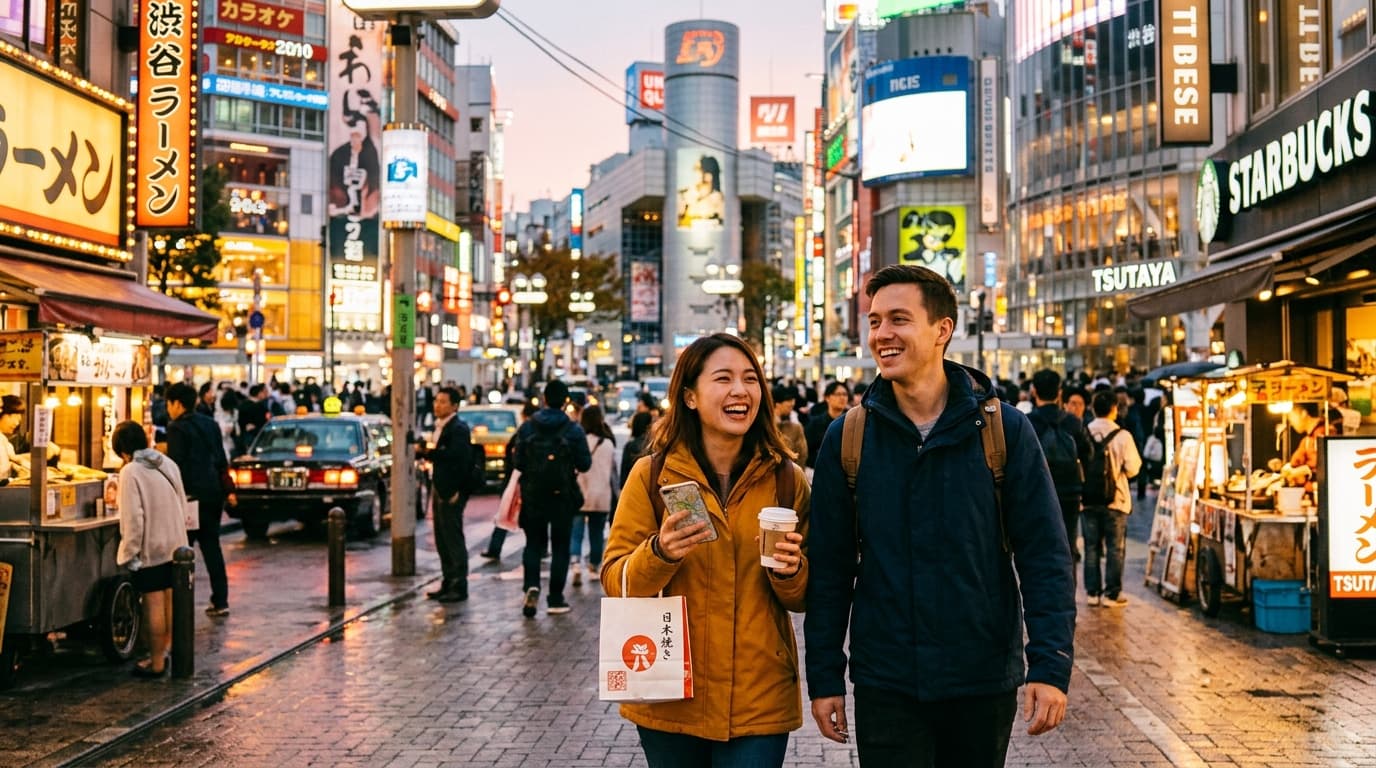
Tokyo 5 day itinerary planning works best when you group sights by neighborhood, book a few must-do attractions in advance, and leave room for food, views, and one flexible day trip. If it’s your first time in Tokyo, this guide gives you a practical, neighborhood-by-neighborhood plan that keeps train time low and fun time high.
We’ve built this like a local friend would: start with classic old Tokyo in Asakusa and Ueno, move through Shibuya and Harajuku for the iconic modern side, spend a night in Shinjuku and a more local evening in Shimokitazawa, then finish with Tsukiji, Ginza, Marunouchi, and Akihabara before deciding whether to day trip or stay in the city. Along the way, we’ll cover where to stay, what to book, what to eat, how to use transit, and which areas are best for couples, families, solo travelers, budget trips, and friends. For current things to do, events, and entertainment discovery while you’re in town, you can also use Gidly's full events catalog.
Quick Answer: The Best Tokyo 5 Day Itinerary for First-Time Visitors
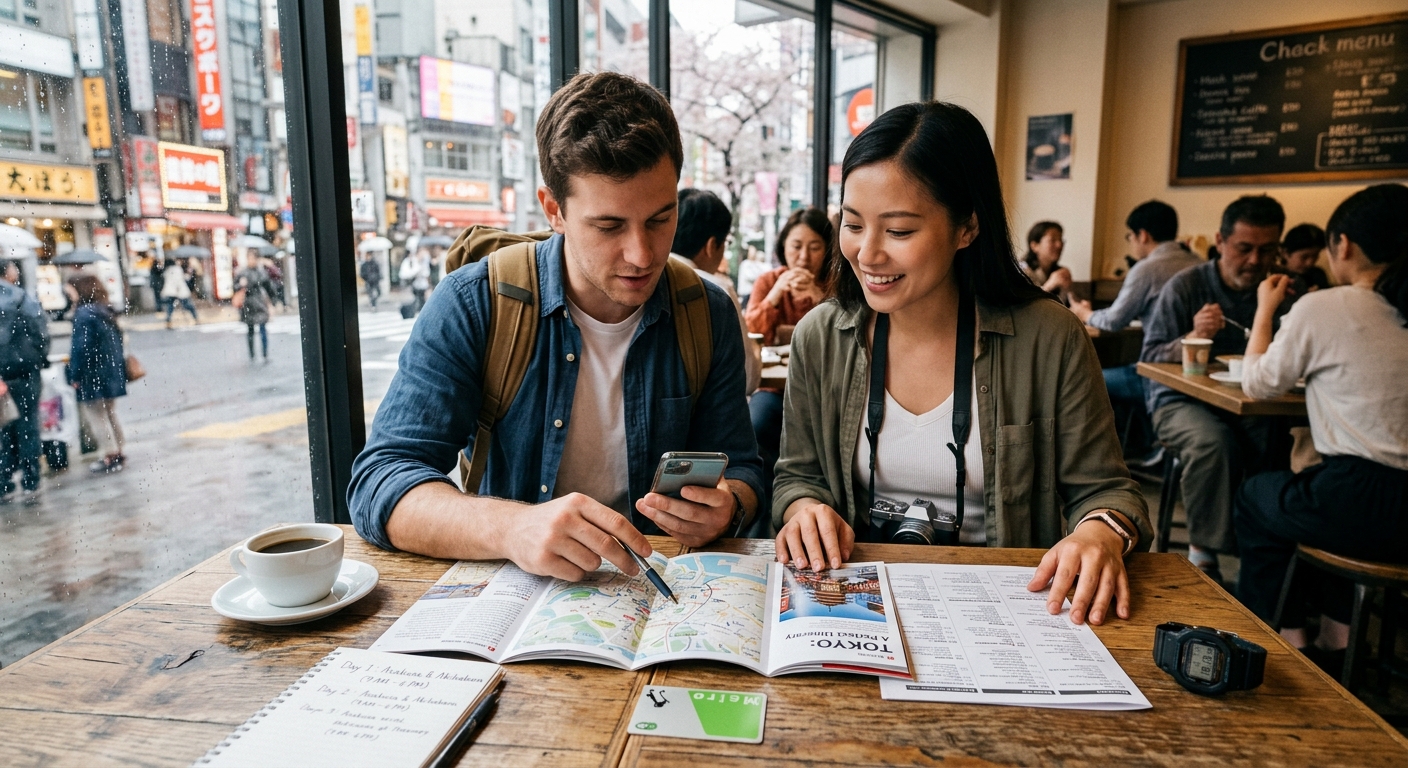
If you want the smartest Tokyo 5 day itinerary, split your trip by district instead of chasing a giant checklist across the city. The easiest first-time flow is Day 1 Asakusa and Ueno, Day 2 Shibuya, Harajuku, and Omotesando, Day 3 Shinjuku and Shimokitazawa, Day 4 Tsukiji, Ginza, Marunouchi, and Akihabara, and Day 5 a day trip or a flexible Tokyo-only day.
This structure keeps your days balanced, helps you avoid burnout, and makes it much easier to squeeze in food stops, views, and nightlife. From experience, Tokyo feels far more enjoyable when you let each neighborhood have a purpose, rather than treating the city like a checklist of disconnected attractions. That approach also works better if you’re traveling with a partner, friends, kids, or even solo.
Who this itinerary is for
This itinerary is for first-time visitors who want the classic Tokyo experience without constantly crossing the city on trains. It works especially well for travelers who want a mix of culture, shopping, food, nightlife, and a little breathing room between big-ticket sights. If you’re a food lover, you’ll like the market mornings and ramen stops; if you’re a couple, you’ll appreciate the skyline views and dinner options; and if you’re a family, you’ll find plenty of indoor backups and easy transit days.
We also built this for people who care about booking the right things at the right time. Tokyo has a lot of timed-entry attractions, and if you don’t plan ahead, you can miss out on popular experiences like Shibuya Sky, teamLab, Disney parks, or certain museums. The good news is that you do not need to overplan every hour to enjoy Tokyo. You just need a clear framework and a few reservations locked in early.
Core route summary
The most efficient core route is simple: Asakusa and Ueno for traditional Tokyo, Shibuya and Harajuku for iconic modern Tokyo, Shinjuku and Shimokitazawa for nightlife and local culture, Tsukiji and Ginza for food and upscale city life, and Akihabara or Marunouchi for pop culture and transit-friendly add-ons. If you have energy left, Nakameguro can be a beautiful evening detour, especially in spring or at night when the river area feels extra atmospheric.
We checked this routing against actual station connections, and it keeps you close to major hubs while reducing backtracking. That means fewer long rides, fewer station-confusion moments, and more time where you actually want to be. If your group is mixed-interest, you can also swap one neighborhood stop in each day depending on whether you care more about food, views, shopping, museums, or nightlife.
| Day | Main Area | What You’ll Get |
|---|---|---|
| Day 1 | Asakusa + Ueno | Traditional Tokyo, temples, markets, museums |
| Day 2 | Shibuya + Harajuku + Omotesando | Iconic city scenes, fashion, shopping, views |
| Day 3 | Shinjuku + Shimokitazawa | Skyscrapers, nightlife, local vibe, live music |
| Day 4 | Tsukiji + Ginza + Marunouchi + Akihabara | Food, luxury, rail hub convenience, pop culture |
| Day 5 | Day trip or Tokyo alternative | Fuji, Hakone, Kamakura, Yokohama, Disney, or flex day |
What to book ahead
In Tokyo, a few experiences are worth reserving early because they have timed entries or limited inventory. Shibuya Sky is one of the most obvious, especially for sunset slots, and popular restaurants can fill up weeks ahead if they’re well known on social media or in travel guides. teamLab, DisneySea, Disneyland, and certain museums or special exhibitions can also become unavailable if you leave them too late.
As a rule, book the things you care about most before you lock in the rest of your daily schedule. That way, the itinerary can flex around your confirmed entries instead of forcing you to race across town. If you want a smoother trip, build around one or two anchors per day and leave the rest as walk-in exploration.
Fast planning rule
The fastest rule for a stress-free Tokyo trip is this: stay near a major station on the JR Yamanote line or near a central transit hub like Shinjuku, Shibuya, Tokyo Station, Ginza, Ueno, or Asakusa. That choice alone can save you a surprising amount of time, especially after a late dinner or when you’re tired from jet lag. Tokyo’s rail system is amazing, but station size and transfer complexity can be intimidating if your hotel is poorly located.
From experience, being within a short walk of a big station matters more than fancy hotel extras for most first-timers. You’ll get easier airport access, easier day-trip departures, and more options for late-night returns. If you’re comparing hotels, prioritize station distance first, then room size, then style, then price.
How to Use This Tokyo Itinerary: Timing, Pace, and Trip Style
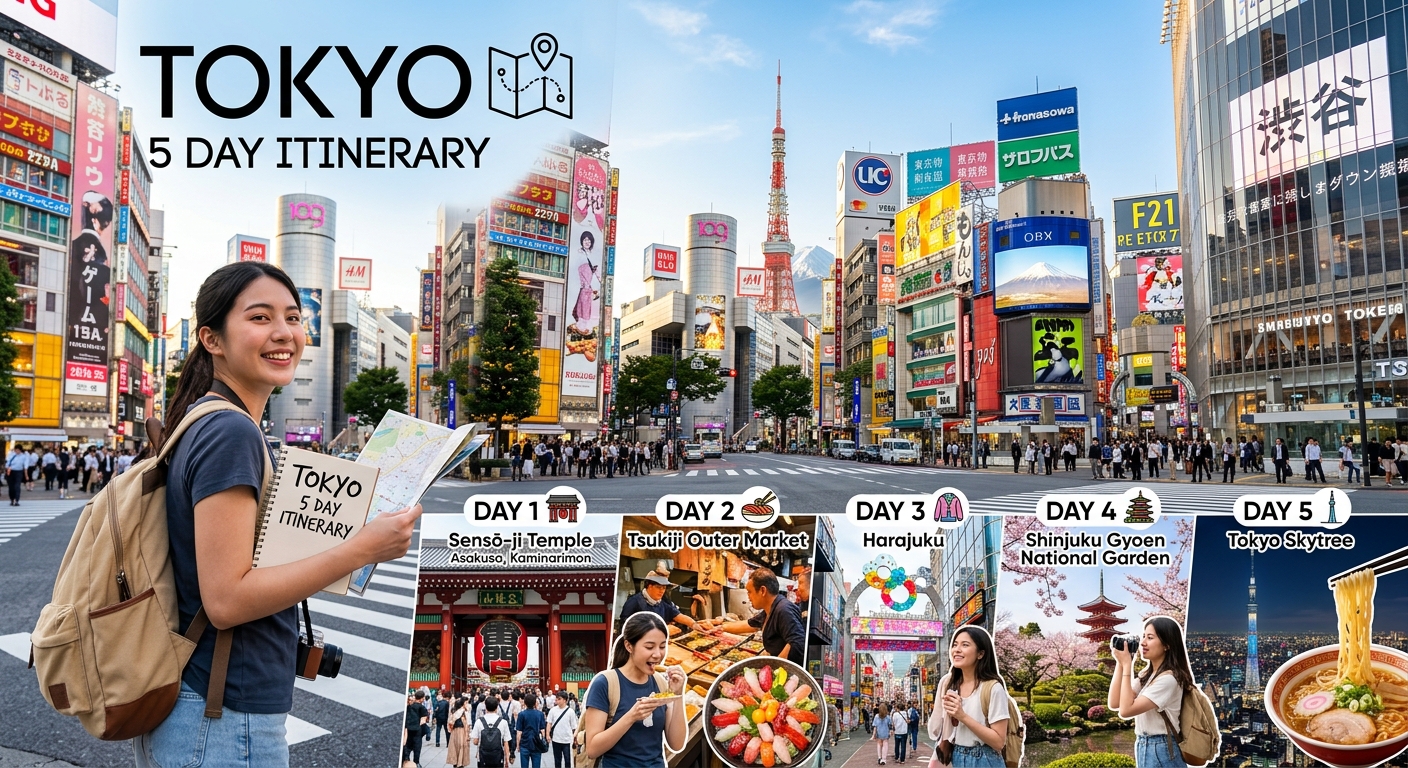
Tokyo is not the kind of city where you win by checking off the most landmarks. It’s a city where timing, neighborhood flow, and pacing matter just as much as the attractions themselves. This section helps you adapt the five-day plan to your energy level, season, and travel style so you can actually enjoy the city instead of just moving through it.
We’ve seen first-time visitors make the same mistake repeatedly: they try to do too many major areas in one day, underestimate station complexity, and arrive at an attraction when it’s either closed, sold out, or packed. Tokyo rewards people who plan smartly and leave small pockets of flexibility. That’s especially true in 2026, when more timed-entry experiences, special exhibits, and seasonal events are in demand across the city.
Why neighborhood planning works better than a checklist
Tokyo is enormous, but the city becomes surprisingly manageable when you think of it in clusters. A neighborhood-based plan lets you stack activities that are physically close to each other, which reduces train fatigue and gives each day a clear identity. Instead of racing from the west side to the east side and back again, you’re moving naturally through one area and seeing a few worthwhile add-ons nearby.
This also makes food planning easier. A market breakfast works beautifully on the day you’re already in Tsukiji or Asakusa, while a high-energy nightlife evening fits naturally in Shinjuku or Shibuya. Once you see Tokyo as a set of linked districts rather than one giant city, the whole trip gets much easier to enjoy.
Recommended pacing for different travelers
If you like a relaxed pace, plan for one major neighborhood per day plus one bonus stop and a good dinner. A balanced trip usually includes two or three major experiences, a meal or snack crawl, and an evening activity. A packed itinerary can fit more, but in Tokyo that often backfires because the city’s best moments are the in-between ones: a quiet shrine visit, a hidden cafe, a great omakase lunch, or an unexpected live music set.
Families usually do better with the relaxed version, especially if kids need naps or rest breaks. Couples often enjoy the balanced version because it leaves time for long dinners and night views. Solo travelers can be surprisingly efficient, but even then, we recommend one lighter day in the middle of the trip to avoid sensory overload.
Best season adjustments
Spring, especially late March through early April, is one of the most beautiful times in Tokyo, but it also means higher crowds and tougher reservations. Summer brings festivals, fireworks, and longer daylight, but the humidity can be intense, so you’ll want indoor backups and lots of cold drinks. Autumn is one of the best all-around seasons because the weather is comfortable and the city’s parks and temple grounds feel extra photogenic.
Winter is underrated because it’s often dry, clear, and great for skyline views. Illumination events around Marunouchi, Roppongi, and elsewhere can make evenings especially memorable. Whatever season you visit, check the official websites of major parks, museums, and event venues before you go, because opening hours and seasonal programming can change.
How to swap activities for weather or jet lag
If you arrive tired, make your first day lighter and keep the more active sightseeing for the next morning. A late arrival from North America or Europe often means you’ll be dragging by midafternoon, so a temple, a shopping street, and a simple dinner can be enough. If it rains, move museums, department stores, arcades, and food halls to the front of the day and save outdoor viewpoints for clearer weather.
Weekends matter too. Popular districts like Shibuya, Harajuku, and Asakusa can feel busier on weekends, while business areas such as Marunouchi or parts of Ginza may be calmer on Sundays. If your trip overlaps with a public holiday or school break, expect higher crowd levels at family attractions, shrines, and day-trip lines.
When to choose a day trip versus staying in Tokyo
A day trip is worth it if you want a strong change of scenery and you’re comfortable with a longer travel day. Mount Fuji and Hakone are the classic choices, while Kamakura and Yokohama are easier, softer alternatives with less transit stress. If your trip is only five days and you care most about Tokyo neighborhoods, food, and nightlife, staying inside the city may actually give you a richer overall experience.
The real question is energy. If you love train rides and scenery, add a day trip. If you’d rather explore more Tokyo neighborhoods, food halls, art spaces, and evening entertainment, keep all five days in the city and use the extra time for flexible experiences. Either way, Tokyo gives you plenty to do.
Where to Stay in Tokyo for a 5 Day Trip
Where you stay in Tokyo changes the trip more than many first-time visitors realize. A great hotel location can make a five-day itinerary feel effortless, while a bad location can waste time every single day. The best areas are the ones that put you close to the lines you’ll use most, with easy access to food, convenience stores, and late-night returns.
Our team’s experience is that most first-timers are happiest in areas with strong transit and lots of dining options nearby. You do not need to stay in the absolute center of every tourist area, but you do want to be near a major station and a neighborhood that matches your travel style. The right neighborhood can also shape your evenings, since Tokyo’s nightlife varies a lot from district to district.
Best areas for first-timers
Shinjuku is one of the most practical choices because it’s a huge transport hub, full of hotels, and close to nightlife, shopping, and food. Shibuya is great if you want a more youthful, energetic feel with easy access to the west side of the city. Tokyo Station and Marunouchi are extremely convenient for transit and day trips, and they’re especially good if you plan to move around a lot or use the Shinkansen.
Ginza offers a more polished, upscale base with department stores, great dining, and easy access to Tsukiji and Tokyo Station. Ueno is practical and often friendlier on price, with easy access to museums, Asakusa, and direct airport connections. Asakusa is ideal if you want a traditional atmosphere and calmer evenings, though it’s a little less central for nightlife-heavy trips.
Which neighborhood fits each travel style
If nightlife is your priority, stay in Shinjuku or Shibuya. If luxury shopping and sophisticated dining matter most, choose Ginza or Marunouchi. If you’re traveling with kids and want easy sightseeing plus simpler mornings, Ueno or Asakusa can be a smart fit, especially if you want to avoid overwhelming station crowds.
For budget travelers, Ueno, Asakusa, and certain parts of Shinjuku can offer better value without making you feel too far away. For couples, Shibuya, Ginza, or Marunouchi often feel more special because they balance convenience with atmosphere. Solo travelers usually do well anywhere near a major station, but we especially like Shinjuku, Ueno, and Shibuya because they provide lots of food and transit options.
West side vs east side of Tokyo
Tokyo’s west side, including Shibuya, Shinjuku, Harajuku, and Omotesando, leans more toward nightlife, shopping, and modern city energy. The east side, including Asakusa, Ueno, Ginza, Marunouchi, and Akihabara, often feels better for cultural sites, transit practicality, and traditional or business-district vibes. Neither side is better in a vacuum; the right side depends on what your itinerary emphasizes most.
If this is your first Tokyo visit and you want maximum convenience with a wide range of activities, west-side hotels often feel more exciting and flexible. If you prefer easier day-trip access, cleaner logistics, and a slightly calmer rhythm, the east side can be a better choice. A lot of travelers end up happiest near Tokyo Station or in Shinjuku because those areas balance both sides well.
Hotel selection tips near train lines
When comparing hotels, don’t just look at the neighborhood name. Look at the actual walking route to the station, the line connections, and how many transfers you’ll need for your planned itinerary. A hotel that is technically “near Shinjuku” can still be annoying if it’s a long walk with multiple escalators and confusing exits.
From experience, properties that are a direct walk from the station, have easy luggage storage, and sit close to convenience stores are worth paying a bit more for. If you’re arriving from the airport late at night, the directness of the route matters even more. A good hotel location can save you enough time and energy to enjoy one more meal, one more museum, or one more night view.
Common booking mistakes
The biggest mistake is choosing a hotel that looks cheap but is far from a useful station. Another common issue is staying somewhere with limited late-night food, which can be frustrating after a long sightseeing day. Travelers also underestimate how much station size matters in Tokyo, especially if they are juggling luggage, kids, or a late airport arrival.
We’d also caution against booking a suburb just because it appears cheaper. The savings often disappear once you add transit time, fatigue, and fewer spontaneous options. In Tokyo, convenience is part of the experience, so a well-located hotel usually pays for itself in saved energy and extra flexibility.
| Area | Best For | Watch Out For |
|---|---|---|
| Shinjuku | Nightlife, transit, shopping | Large station confusion, busy crowds |
| Shibuya | Couples, views, modern energy | Higher hotel prices, heavy foot traffic |
| Tokyo Station / Marunouchi | Day trips, transit, business comfort | Can feel quieter at night |
| Ginza | Luxury, dining, shopping | Less nightlife, pricier stays |
| Ueno | Budget, museums, airport access | Less upscale feel |
| Asakusa | Traditional atmosphere, families | Farther from west-side nightlife |
Tokyo Transport Basics You Need Before Day 1
Tokyo transit is excellent, but it is also the part of the trip where first-time visitors can waste the most time if they don’t understand the basics. The good news is that once you get the rhythm, moving around Tokyo becomes straightforward and even kind of fun. This section covers the essentials: IC cards, train types, airport transfers, taxis, and a few practical tricks that make each day easier.
We checked this against how real visitors actually move through the city, and the main goal is simple: reduce friction. If you know which card to use, which line gets you closest, and when a taxi is worth it, you can keep your energy for the actual sightseeing. That matters a lot on a five-day trip where every day counts.
Suica and PASMO basics
Suica and PASMO are rechargeable IC cards that let you tap through trains, subways, buses, and many convenience stores or vending machines. For most visitors, they’re the easiest way to pay for local transport in Tokyo. You can usually buy them at station machines or counters, and many travelers also use mobile versions if their phone supports them.
The key advantage is simplicity. Instead of buying individual tickets for every short ride, you just tap in and out, and the fare is automatically calculated. If you’re moving between neighborhoods on the itinerary we recommend, an IC card will save time every single day and keep your transit flexible.
JR lines, subway lines, and when to use taxis
The JR Yamanote line is the famous loop line that many first-timers end up using constantly because it connects major hubs like Shinjuku, Shibuya, Harajuku, Ueno, and Tokyo Station. Subway lines are essential too, especially when you’re going to places like Ginza, Akihabara, or Asakusa. In practical terms, you’ll probably use both JR and subway systems during the trip.
Taxis are not usually the best choice for long distances, but they are useful late at night, during heavy rain, when you’re carrying luggage, or if you’re returning from a difficult transfer. Tokyo taxis are clean and reliable, and the fare is worth it when it saves you from an exhausting walk or a station transfer at midnight.
Airport arrival options from Narita and Haneda
Haneda is generally easier and closer to central Tokyo, while Narita is farther out and often requires a longer train or bus ride. If you’re staying in Shinjuku, Shibuya, Tokyo Station, or Ginza, both airports are manageable, but Haneda usually feels simpler. Narita can still be very convenient if you use the right train or limousine bus and arrive at a time that avoids rush stress.
Airport transfer planning matters because it shapes your first and last day. If you land late, staying near a station with direct airport service can save you a lot of hassle. If you depart early, leave buffer time because Tokyo transit is efficient but still needs room for luggage, security, and possible delays.
Route planning and station exits
Tokyo stations are huge, and the exit you choose can change your walking time dramatically. Before you leave a station, look up the exact exit for your destination, because a five-minute walk can become a fifteen-minute zigzag if you choose the wrong one. This is especially useful at places like Shinjuku, Shibuya, and Tokyo Station, where multiple exits serve different parts of the neighborhood.
We strongly recommend using route planning apps and checking the final destination with a map before you go. That small habit saves you from wandering underground and getting tired before you’ve even started sightseeing. In a city this efficient, the local advantage comes from knowing the little details.
Accessibility and luggage tips
If you’re traveling with a stroller, wheelchair, or large luggage, plan a little extra time for stations with long transfer paths and multiple levels. Many major stations do have elevators and accessible routes, but they may take longer to find than the stairs or escalators. If you have a lot of bags, luggage forwarding can be a game changer, especially if you’re doing a day trip or changing hotels.
For a five-day stay, smaller bags generally make Tokyo easier. If you can travel light, you’ll appreciate crowded stations, busy sidewalks, and late-night taxi rides a lot more. The city is manageable for everyone, but it rewards travelers who plan for practical mobility.
Day 1 Itinerary: Asakusa, Ueno, and Tokyo’s Classic Old-World Side
Your first full day in Tokyo is the perfect time to start with the city’s historic side. Asakusa and Ueno are classic first-timer neighborhoods because they combine traditional atmosphere, easy sightseeing, and enough nearby food and culture to fill the day without overwhelming you. It’s a gentle but memorable way to begin the trip.
We like this first-day route because it introduces a different Tokyo than the one most visitors imagine. You get temple energy, market streets, river walks, museum options, and a calmer pace that helps with jet lag. It’s also a great area for family photos, food stops, and a slow dinner before you decide how hard to push the rest of the trip.
Morning at Senso-ji and Nakamise shopping street
Start at Senso-ji, Tokyo’s most famous temple and one of the best places to begin a Tokyo 5 day itinerary. The temple itself is free to enter, and the surrounding grounds are open throughout the day, though early morning is usually calmer and more photogenic. We recommend arriving around opening time if you want fewer people and better light for photos.
Nakamise shopping street, which leads to the temple, is lined with souvenirs and snacks. You’ll find ningyo-yaki, rice crackers, traditional sweets, and lots of gifts that are easy to bring home. The area can get busy quickly, so if you want a more relaxed experience, go early, browse slowly, and don’t try to buy everything at once.
Sumida Park and Skytree viewpoint add-on
After Senso-ji, walk toward Sumida Park for a riverside break. This area is especially pleasant in cherry blossom season, but it’s worth a stop even outside spring because it gives you a calmer view of the city and a nice contrast to the temple crowds. If the weather is clear and you want a major skyline moment, Tokyo Skytree is a natural add-on in this part of the city.
Skytree tickets and hours should be checked on the official site before you go, because popular time slots can sell out and seasonal operations can shift. If you’re doing lots of other viewpoints later in the trip, you can skip Skytree and keep the day lighter. If you’re traveling with kids or want one big observation deck, it can absolutely be worth the detour.
Ueno Park and museum cluster
Ueno Park is one of the easiest cultural add-ons in Tokyo because it offers museums, open green space, and a large, walkable area with plenty of options. If you only have an hour, pick one museum or just enjoy the park and local atmosphere. If you have half a day, you can visit a museum, stroll the grounds, and still have time for a snack or late lunch.
Common museum choices include the Tokyo National Museum, the National Museum of Western Art, and the Ueno Zoo depending on your interests and how you feel that day. Ueno works especially well if you’re traveling with children or if one person in the group wants culture while another wants a more casual walk. The area gives you flexibility, which is very helpful on day one when everyone’s energy may be different.
Food stops: tempura, melon pan, and sweets
Asakusa is one of the best places to start your food discoveries because it has classic snacks that are easy to try without committing to a long meal. Look for melon pan, ningyo-yaki, traditional wagashi sweets, and tempura lunch spots if you want a sit-down option. The area also has plenty of small cafes and dessert shops that are friendly for first-time visitors.
If you want a local-style lunch, this is a good day for tempura or a simple noodle meal. If you’re still adjusting to the time change, a lighter food crawl may be easier than a big multi-course dinner. Tokyo rewards grazing, especially on your first few days, because it lets you sample more without feeling overfull.
Evening option: Ameyoko, izakaya dinner, or a quiet Asakusa walk
For the evening, you can go casual or keep it relaxed. Ameyoko near Ueno is lively and good for browsing, snack stops, and izakaya energy, while Asakusa is better if you want a quieter first night with a scenic walk. A gentle riverfront stroll or an early dinner can be perfect after a long travel day.
If you want to maximize your trip without burning out, keep day one’s evening manageable. The smartest version of Tokyo on day one is not the most ambitious one; it’s the one that gets you comfortable, fed, and excited for the rest of the week. If you still have energy, this is a nice place to test your appetite for Tokyo nightlife in a low-pressure way.
| Stop | Typical Cost | Best Time |
|---|---|---|
| Senso-ji | Free | Early morning |
| Skytree observatory | From about ¥2,100-¥3,500+ | Sunset to evening |
| Ueno museum entry | Varies, often ¥500-¥2,000+ | Late morning |
| Snacks on Nakamise | ¥300-¥1,000 | Mid-morning |
Day 2 Itinerary: Shibuya, Harajuku, and Omotesando for Iconic Modern Tokyo
Day two is where many first-time visitors start to feel the famous side of Tokyo. Shibuya, Harajuku, and Omotesando are close enough to combine smoothly, and each area gives you a different flavor of modern city life. You’ll get landmarks, fashion streets, park calm, design-forward shopping, and one of the best skyline viewpoints in the city.
This day works well for couples, friends, and solo travelers because it’s visually exciting without being too hard to navigate. If you want Tokyo energy in one compact route, this is the day that delivers it. It’s also one of the most photo-friendly days in the whole itinerary, especially if you time your evening well.
Shibuya Crossing and Hachiko
Start at Shibuya Crossing, one of the world’s most famous urban scenes, and then stop by the Hachiko statue for the classic meetup and photo point. The crossing is best experienced both from street level and from above, because each angle gives a different sense of the area’s scale and motion. If you want the cleanest photos, visit outside the most intense rush periods and pay attention to traffic light cycles.
Shibuya is busy, but that’s part of the appeal. The neighborhood feels alive from morning until late at night, which makes it ideal for travelers who want constant energy and lots of food or shopping options nearby. If your trip is short, don’t try to “do” every building here; just enjoy the core experience and move on.
Shibuya Sky and other night views
Shibuya Sky is one of Tokyo’s most sought-after viewpoints, and yes, it’s worth it if you like panoramic city scenes. Sunset slots are especially popular, so book early and be ready to go through security and timed entry steps. The rooftop observation space gives you a huge open-air view, which is a real advantage over indoor observatories if the weather is clear.
If Shibuya Sky sells out, you can consider Tokyo Metropolitan Government Building later in the trip or a rooftop bar in Ginza or Shinjuku. But if you can secure Shibuya Sky for a sunset or blue-hour slot, it’s one of the most memorable things you can do in the city. Build the rest of your evening around it and enjoy the neighborhood afterward.
Harajuku and Takeshita Street
Harajuku and Takeshita Street are all about youth culture, fashion, and over-the-top snacks. Even if you’re not shopping much, it’s worth walking through because the area has a unique energy that you won’t find anywhere else in Tokyo. This is a fun place for people watching, quirky treats, and browsing streetwear or accessories.
Takeshita Street can be crowded, so go in with the mindset of browsing rather than rushing. If you want to enjoy it more, pair it with a snack stop and then move toward Meiji Jingu for a calmer contrast. That combination gives you both the playful and the traditional side of the same day.
Meiji Jingu and Yoyogi Park
Meiji Jingu is one of the most important shrine visits in Tokyo and a beautiful reset after the energy of Shibuya and Harajuku. The approach through the forested paths feels peaceful, and the shrine grounds offer a strong cultural contrast to the surrounding shopping districts. It’s a nice reminder that Tokyo can move from intense to serene in just a few minutes.
Yoyogi Park nearby adds open space, which is especially useful if you need a break, want to sit for a while, or are traveling with kids. The whole area is easy to customize based on energy level. If you’re doing the trip in spring or autumn, this neighborhood becomes even more pleasant because the walking is comfortable and the natural spaces look especially good.
Omotesando cafés, architecture, and shopping
Omotesando is where the day becomes more design-forward and refined. The street is known for architecturally interesting buildings, upscale cafes, and a shopping experience that feels more polished than Shibuya or Harajuku. If you like photography, interior design, or stylish coffee stops, this area is worth lingering in.
Couples often enjoy this part of the day because it offers a slower, more elegant pace. You can grab dessert, browse a few stores, and then transition into a relaxed dinner or an evening view. If you want a “best of Tokyo” day that mixes youth culture, calm culture, and design, this is one of the most balanced routes in the city.
Day 3 Itinerary: Shinjuku, Kabukicho, and Shimokitazawa for Nightlife and Local Vibes
Day three is your energy-and-atmosphere day. Shinjuku gives you skyscraper Tokyo, nightlife, and one of the city’s biggest station hubs, while Shimokitazawa offers a more local, indie side of the city with cafes, records, and live music. Together, they create a day that feels both iconic and personal.
This day is especially useful if you want a strong night out or you’re curious about what Tokyo feels like after dark. It’s also a smart place to insert a garden or skyline stop in the morning so the day doesn’t become too intense too quickly. We like this sequence because it naturally ramps from calm to lively.
Shinjuku Gyoen for a slower morning
Shinjuku Gyoen National Garden is one of the best places to start the day if you want a gentler pace. It’s a large, beautifully maintained garden that can feel especially lovely in spring and autumn, but it’s worthwhile year-round. The entry fee is modest, and the atmosphere gives you a quiet reset before you dive into the busier parts of Shinjuku.
If you’re traveling with kids, have jet lag, or simply need a slower morning, this is a great anchor. The garden helps you balance the day so you don’t go straight from breakfast to neon overload. It’s also a nice reminder that Tokyo offers peaceful green spaces even in the middle of one of its busiest districts.
Tokyo Metropolitan Government Building viewpoints
The Tokyo Metropolitan Government Building is a fantastic free viewpoint and one of the smartest budget stops in the city. The observation areas are a great option if you want a skyline experience without paying for a premium observatory. It’s especially useful if Shibuya Sky is sold out or if you want to compare a free panoramic view with a paid rooftop experience later in the trip.
We like this stop because it’s practical and satisfying. You get a big-city view, easy access by transit, and a low-cost way to enjoy Tokyo from above. For many travelers, that makes it one of the best “value” attractions in the whole itinerary.
Kabukicho, Omoide Yokocho, and Golden Gai
Kabukicho is Tokyo’s famous nightlife district, and it’s best approached with a mix of curiosity and common sense. It’s bright, busy, and full of bars, restaurants, and entertainment options, but it’s not the place to wander mindlessly. Stick to the areas you’re interested in, be aware of your surroundings, and keep your plans intentional.
Omoide Yokocho and Golden Gai are more intimate and atmospheric, especially for people who want small bars, local character, and a more old-school vibe. Golden Gai is the one many travelers remember most because of its tiny bars and narrow alleys. If you’re going out at night, this is a great place to have one or two drinks and soak up the atmosphere rather than trying to do everything.
Shimokitazawa for indie shopping and live music
Shimokitazawa gives you a different kind of evening, one that feels more local, creative, and less polished than Shinjuku. The neighborhood is known for thrift stores, record shops, cafés, live houses, and a relaxed street life that appeals to travelers who want something beyond the typical tourist circuit. It’s a great choice if you like neighborhood wandering and low-key evening plans.
If you want a more authentic-feeling dinner or a music venue, this is a smart place to end the day. The vibe here is less “big city spectacle” and more “Tokyo neighborhood you could actually spend time in.” For many travelers, that variety is exactly what keeps a five-day trip from feeling repetitive.
Safety, etiquette, and late-night Tokyo
Tokyo nightlife is generally very safe, but good etiquette goes a long way. Watch out for aggressive street promoters, avoid getting pulled into bars you didn’t plan to visit, and keep your valuables organized. If you’re drinking, know your return route in advance so you’re not trying to decode station maps after midnight.
Late-night Tokyo can be one of the best parts of the trip, but it works best when you stay deliberate. Pick a zone, have a dinner reservation or bar idea in mind, and know when you’re heading back. That simple structure turns nightlife from chaotic to genuinely enjoyable.
| Night Area | Vibe | Best For |
|---|---|---|
| Kabukicho | High-energy, neon, entertainment | Friends, nightlife seekers |
| Golden Gai | Tiny bars, intimate, atmospheric | Couples, solo travelers |
| Omoide Yokocho | Food stalls, alley nostalgia | First-timers, food lovers |
| Shimokitazawa | Indie, local, relaxed | Music fans, creatives |
Day 4 Itinerary: Tsukiji, Ginza, Marunouchi, and Akihabara for Food, Luxury, and Pop Culture
Day four is one of the most flexible and delicious days in this Tokyo 5 day itinerary. You can lean food-heavy, shopping-heavy, pop-culture-heavy, or split the day among all four. Tsukiji, Ginza, Marunouchi, and Akihabara each offer a distinct side of the city, and they’re all relatively easy to connect if you plan your timing well.
This is the day where many travelers either eat very well or spend a lot of money, so it helps to go in with a plan. If you love breakfast markets, department stores, Tokyo Station food, anime, arcades, or elegant dessert stops, this day has a lot to offer. It’s also a great day for mixed groups because everyone can get something different out of it.
Tsukiji Outer Market food crawl
Tsukiji Outer Market is still one of the best places in Tokyo for a breakfast or brunch-style food crawl. Even though wholesale fish operations moved to Toyosu, Tsukiji Outer Market remains a lively place for sushi, tamagoyaki, seafood bowls, grilled snacks, and sweet treats. Earlier is generally better because stalls can get crowded and popular items can sell out.
If you want the best experience, arrive in the morning and focus on a handful of snacks rather than trying to sample everything. A few well-chosen bites can be much more enjoyable than standing in line all day. This is especially true if you’re also planning to visit Ginza or Akihabara later, because a massive breakfast can slow the day down fast.
Ginza shopping streets and dessert stops
Ginza is where Tokyo gets polished. Department stores, flagship boutiques, high-end sweets, and calm, wide streets create a very different mood from Shibuya or Harajuku. Even if you’re not buying luxury fashion, Ginza is excellent for browsing and for discovering beautifully presented desserts and food halls.
The basement food floors, known as depachika, are a highlight here and throughout Tokyo. They’re a great place to buy souvenirs, picnic snacks, desserts, and beautifully packaged treats. If you want to experience upscale Tokyo without committing to a luxury shopping spree, Ginza is a perfect stop.
Marunouchi and Tokyo Station area
Marunouchi and the broader Tokyo Station area are extremely practical because they connect easily to many parts of the city and to day-trip services. This area is especially good for ramen, tsukemen, character shops, and train-related browsing. Tokyo Station also makes it simple to regroup if you’re traveling with people who like different things.
If your group wants a polished lunch, efficient transit, and easy access to shopping or rail options, this is a smart middle-of-the-day anchor. You can also use the station area to grab gifts or pick up food before an evening activity. From a trip-planning perspective, this district is one of the most useful in the city.
Akihabara for anime, arcades, and gaming
Akihabara is Tokyo’s pop-culture playground, and it’s much more than anime shops. You’ll find arcades, gachapon machines, gaming centers, character stores, collectible shops, and the famous themed-culture atmosphere that makes the district so unique. If you enjoy Japanese games, anime, or hobby shopping, this is one of the most exciting places in the city.
For first-time visitors, the key is not to force a long stay if you’re not deeply into the scene. Even an hour or two can be enough to feel the neighborhood’s energy, play a few games, and browse a couple of shops. If you are a fan, though, it can easily become a half-day or longer.
How to structure the day by interest
Food lovers should prioritize Tsukiji, a great lunch, and a dessert stop in Ginza, then either skip Akihabara or keep it short. Pop-culture fans might do a lighter Tsukiji breakfast, then spend much more time in Akihabara. Mixed-interest groups are usually happiest when they do a shared morning, split for one midafternoon hour, and regroup for dinner.
This flexibility is one of the biggest strengths of Tokyo. You can build a day that is elegant, energetic, or food-forward without needing to leave the same transit corridor. If you want a strong “Tokyo was worth it” feeling, this is one of the best days to customize.
Day 5 Itinerary Options: Day Trip, Theme Parks, or a Final Tokyo Deep Dive
Your fifth day is where the itinerary becomes personal. Some travelers want a classic day trip, others want a theme park, and others would rather stay inside Tokyo and enjoy a final flexible day. All three approaches can work beautifully, and the best choice depends on your energy, interests, and how much transit you want to handle on your last full day.
We recommend choosing this day based on what the trip has been missing so far. If you’ve done lots of neighborhoods and want a scenery change, day trip. If you’ve got kids or love immersive entertainment, Disney. If you still feel like there are Tokyo districts you want to explore, stay in the city and use the day as a buffer for weather, shopping, or a major attraction you couldn’t fit earlier.
Option A: Mount Fuji and Kawaguchiko
Mount Fuji and Kawaguchiko are ideal if you want iconic scenery and don’t mind a longer travel day. This option is especially good in clear weather and can be a highlight for photographers or travelers who really want that postcard-style Japan moment. The tradeoff is time, so you should only choose it if you’re comfortable with an early start and a full day out.
Transport can vary depending on whether you go independently or on a guided tour. If you choose this route, book early and keep an eye on weather conditions, since visibility matters a lot. On cloudy days, Fuji views can be disappointing, so it’s a good option to keep flexible if possible.
Option B: Hakone
Hakone is often the better choice if you want a slower, more relaxing day trip. It offers hot springs, scenic mountain transport, and a more leisurely atmosphere than a Fuji-only run. For many travelers, Hakone feels like a better balance of nature, comfort, and sightseeing because you can enjoy the journey as much as the destination.
If you’re a couple, want an onsen experience, or simply prefer a less exhausting day, Hakone is hard to beat. It is still a full day, but it tends to feel more restful than the Fuji/Kawaguchiko option. If your five days have been very busy already, this may be the day-trip choice that leaves you feeling best at the end of the trip.
Option C: Kamakura and Yokohama
Kamakura and Yokohama are excellent if you want a lighter day trip with a city-and-seaside contrast. Kamakura gives you temple visits, a more relaxed town feel, and easy cultural sightseeing, while Yokohama adds waterfront walks, shopping, and a different urban vibe. Together, they offer a pleasant, less stressful alternative to the more famous mountain routes.
These are especially good if you want to avoid a super long travel day or if weather makes a mountain trip less appealing. Many first-time visitors appreciate how easy this combination is to enjoy at a gentler pace. If you want variety without exhaustion, it’s a very smart choice.
Option D: Tokyo DisneySea or Disneyland
If your group includes kids, theme park fans, or anyone who really wants a big entertainment day, DisneySea or Disneyland can absolutely justify a full day. DisneySea is often the favorite for adults and older teens because of its unique design and immersive atmosphere, while Disneyland is the more classic family-friendly option. Both require advance planning, and timing matters a lot.
Whether it’s worth it depends on your priorities. If Tokyo culture, food, and neighborhoods are your main goals, you may prefer to stay in the city. If you want a major entertainment day and you love theme parks, it can be one of the most memorable parts of the trip.
Option E: Stay in Tokyo for a flexible deep dive
Staying in Tokyo is often the smartest choice if you want a weather-proof, lower-stress final day. You can use it for teamLab, another museum, a themed café, a shopping district you missed, a river walk, or a last night of views and dinner. This is especially helpful if you had to adjust earlier in the trip because of jet lag, rain, or sold-out tickets.
Tokyo is full of small discoveries, and a flexible final day can feel surprisingly rewarding. If you want to maximize your comfort and keep logistics easy, this option is underrated. It also gives you a chance to discover events and last-minute outings on Gidly before your trip ends.
The Best Tokyo 5 Day Itinerary by Travel Scenario
Not every traveler wants the same Tokyo. A couple may want skyline dinners and slow wandering, while a family needs stroller-friendly pacing and indoor backups. Friends may want nightlife, games, and food halls, and solo travelers may want safe neighborhoods and easy social experiences. This section adapts the same five days to different trip styles so you can make the itinerary feel personal.
From our experience, scenario-based planning is the fastest way to make Tokyo feel less overwhelming. You do not need a totally different city for each group—you just need different emphasis, better timing, and a few swaps. The sections below help you do exactly that.
Couple and date-night version
For couples, emphasize scenic mornings, design-forward cafes, sunset views, and one memorable dinner reservation. A great date-night Tokyo itinerary often includes Shibuya Sky, Omotesando, a slow dinner in Ginza or Shibuya, and a nighttime stroll through a lit-up neighborhood. You can also swap in Nakameguro for a romantic riverside walk, especially in cherry blossom season.
Couples usually benefit from fewer attractions and longer meals. Instead of rushing through five photo stops, build in two or three meaningful ones, then make the evening the star. Tokyo has a lot of romantic possibilities, from quiet gardens to rooftop bars, and the city rewards a slower pace when you’re traveling as a pair.
With kids or family-friendly version
Families should prioritize simple routes, indoor backups, and neighborhoods with easy transit. Asakusa, Ueno, Akihabara, and Disney are especially family-friendly if you balance energy carefully. Children often do better with short blocks of sightseeing, snack breaks, and one high-interest stop each day rather than a packed adult-style schedule.
Look for stroller access, elevator routes, and restaurants that are forgiving of family dining. Ueno Park, the aquarium or zoo options, arcades, and major department stores can all help fill the trip without overwhelming kids. If the weather turns bad, Tokyo has plenty of museum and shopping backups that still feel fun.
Friends or group version
Groups of friends usually want the city’s most energetic side. That means Shibuya, Shinjuku, Kabukicho, Golden Gai, Akihabara, and a few food halls or late-night ramen stops. The key is making sure everyone agrees on the “main thing” for each day so the group does not splinter too much.
Friends often do well with shared meals and photo-heavy stops. Tokyo is fantastic for this because you can have a big lunch, split for an hour, and reunite for nightlife or dinner. If your group likes gaming, pop culture, or bars, this is one of the best cities in the world for that mix.
Solo traveler version
Tokyo is one of the easiest major cities for solo travel because it feels safe, orderly, and full of things to do without requiring a companion. Solo travelers can enjoy cafes, museums, neighborhoods, live music, arcades, and ramen counters without awkwardness. The best solo itinerary usually includes a mix of popular districts and one or two quieter spaces to recharge.
If you’re traveling alone, choose hotels near big stations, keep your nights intentional, and don’t overcommit to every reservation. That leaves space for spontaneous discoveries, which is where solo Tokyo trips often become unforgettable. Solo travel also makes it easier to follow your own appetite, whether that means more food, more shopping, or more nighttime exploration.
Budget-friendly version
Tokyo can absolutely be done on a budget if you know where to focus. Prioritize free viewpoints like Tokyo Metropolitan Government Building, parks, shrines, and neighborhood walks. Eat at convenience stores, ramen shops, lunch sets, depachika food halls, and markets instead of committing to expensive dinners every night.
Budget travelers should also stay near useful transit but not necessarily the flashiest hotels. Ueno, Asakusa, and some Shinjuku options can offer good value. The biggest budget mistake is overspending on a hotel that saves little time but costs a lot more; in Tokyo, location and practicality matter more than fancy extras.
What to Book Ahead of Time for Tokyo
Tokyo is a city where a little advance planning can dramatically improve your trip. Some experiences are easy to walk into, but others have timed entries, limited seats, or high demand during peak season. Knowing what to book and when to book it helps you avoid disappointment and makes the whole itinerary feel smoother.
As of 2026, the demand for popular observatories, immersive art experiences, theme parks, and special dining experiences remains high. That means the most successful travelers are the ones who reserve a few anchors in advance and then leave the rest of the trip flexible. It’s the smartest way to travel here.
Timed-entry attractions
Attractions like Shibuya Sky, teamLab, some museum exhibitions, and Disney parks often use timed-entry systems that can sell out quickly. If these are on your must-do list, reserve them as soon as your travel dates are firm. Sunset and evening slots are especially popular because they combine sightseeing with the best atmosphere.
This is also true for some special seasonal exhibitions and pop-up experiences. Tokyo’s events calendar changes constantly, which is great for travelers but also means you should verify official listings before you arrive. If you want current events and entertainment options, that’s where Gidly can help you discover what’s happening near your dates.
Restaurants and food experiences
Many casual food stops do not require reservations, but famous sushi counters, omakase meals, and high-demand specialty restaurants often do. If you want one truly memorable dinner, book it early and plan the rest of the day around it. Lunch reservations can also be easier and more affordable than dinner at some places, so don’t overlook midday dining.
Tokyo’s food scene is broad enough that you can eat very well even without a strict reservation strategy. Still, one or two advance bookings can make the trip feel special and remove the pressure of searching for a great restaurant every evening. That’s especially helpful after a long sightseeing day.
Disney, day trips, and transport seats
Disney tickets should be handled early, and popular day-trip transportation can also be worth booking ahead, especially in peak periods. If you’re taking a bus or a train with reserved seating to Hakone, Fuji, or another destination, lock it in before the rush. Reserved transport can save time, guarantee seats, and reduce morning stress.
This is particularly important for families, larger groups, or anyone traveling during spring break, summer holidays, or year-end periods. Tokyo and its surrounding areas get busy during those windows, and a little planning makes a big difference. If you want the smoothest possible trip, treat transport like an attraction, not just an afterthought.
Booking timeline
A good rule is to book the highest-demand attractions one to three months ahead if possible, especially if they are central to your trip. Restaurants with limited seating should be reserved as soon as you’re confident in your dates. Day trips and less competitive activities can often wait a bit longer, but popular seasonal experiences should still be checked early.
What can wait? Many museums, casual dining spots, neighborhood walks, and non-timed attractions. The best approach is a hybrid one: anchor the trip with a few confirmed experiences and leave room to discover the rest once you arrive.
Tokyo Food Guide Inside the 5 Day Itinerary
Food is one of the main reasons people fall in love with Tokyo, and this itinerary is designed to make room for it. You don’t need to eat at Michelin-level restaurants every day to have an amazing food trip. Some of the best Tokyo experiences come from breakfast bites, market snacks, lunch sets, depachika desserts, and a late-night bowl of ramen.
We like to think of Tokyo food in layers: simple, quick, and excellent during the day; more atmospheric and memorable at night; and one or two “special” meals if that fits your budget. That approach helps you taste a lot of the city without making every meal a major logistical event.
Best breakfasts
Breakfast in Tokyo can be as easy as a convenience store onigiri or as elaborate as a market meal. For many travelers, a combination of onigiri, coffee, yogurt, and a quick pastry is the most practical choice before an early attraction. If you’re near Tsukiji, Asakusa, or a major station, you can also find market snacks and bakery items that feel more local.
We especially like lighter breakfasts on days with lots of walking. That gives you flexibility for a bigger lunch or a snack-heavy market stop. If you’re still adjusting to jet lag, breakfast is a great time to keep things simple and predictable.
Lunch ideas by neighborhood
Lunch is one of the best value meals in Tokyo. In many neighborhoods, lunch sets can be more affordable than dinner while still giving you excellent quality and portion size. Asakusa is a smart choice for tempura, Ueno for casual eats, Shibuya for trendy lunch counters, and Tokyo Station for dependable ramen or tsukemen.
If you want a simple rule, eat lunch where you already are instead of rushing to a famous restaurant across town. Tokyo has enough great food density that you rarely need to crisscross the city just for a meal. That approach keeps your itinerary clean and your energy high.
Dinner planning
Dinner is where you can decide whether the evening is casual or special. Izakaya dinners are excellent for groups and solo travelers alike, ramen is easy and satisfying, sushi can be as upscale or modest as you want, and yakitori is perfect if you’re going out at night. If you want one memorable splurge, a kaiseki or omakase dinner can become a highlight of the entire trip.
It helps to match dinner to the day’s energy. After a museum day, a calmer restaurant may feel better; after a nightlife-focused day, a quick bowl of noodles might be all you want. Tokyo gives you that range, which is part of why the city is so easy to love.
Desserts and snacks
Tokyo snack culture is famously strong. Crepes in Harajuku, taiyaki, soft serve, seasonal parfaits, matcha desserts, and beautifully packaged sweets all make excellent in-between stops. Depachika food halls in Ginza, Shinjuku, and Tokyo Station are also fantastic for grabbing desserts that look almost too nice to eat.
Don’t underestimate the value of a snack stop on a long sightseeing day. A good dessert can reset your mood and give your feet a break. In Tokyo, snack stops are part of the experience, not just filler.
Food safety, allergies, and ordering tips
If you have dietary restrictions, do a little prep before you go. Save allergy cards in Japanese, check restaurant menus online when possible, and don’t be afraid to ask simple questions. Many places are accommodating, but communication is easier when you’re prepared.
For ordering, a few polite phrases and a translation app can go a long way. You don’t need to speak Japanese fluently to eat well in Tokyo, but having your basics ready will help you feel more confident. When in doubt, choose places with clear displays, English menus, or easy photo references.
Tokyo Nightlife, Views, and Evening Entertainment
Tokyo at night is a huge part of the city’s appeal. The skyline lights up, neighborhoods take on different personalities, and the city becomes even more interesting once the day-tripper crowds thin out. Whether you want a skyline view, a live music venue, a bar crawl, or a quiet illuminated walk, Tokyo has a strong evening scene.
This is also one of the best places to use Gidly as a discovery tool, because nightlife and evening entertainment are changing all the time. Current live events, limited-run shows, seasonal illuminations, and pop-up experiences can turn an ordinary night into a great one. If you’re still deciding what to do after dinner, the city has plenty of options.
Best night views
Shibuya Sky is the headline choice for many travelers, but it’s not the only good view in town. The Tokyo Metropolitan Government Building is a reliable free option, while rooftop bars in Shibuya, Shinjuku, and Ginza offer a more social and relaxed approach. River walks, especially in neighborhoods like Nakameguro or along certain waterfront paths, can also be beautiful after dark.
The best night view depends on your mood. If you want drama, go rooftop. If you want low-cost, go free observatory. If you want a romantic atmosphere, choose a quieter illuminated street or riverfront walk. Tokyo makes it easy to tailor the night to the occasion.
Live music, comedy, and small venues
Tokyo has a strong small-venue culture, and this is one of the most rewarding ways to experience the city beyond sightseeing. Live houses, jazz bars, indie music venues, and comedy-friendly spots can make a night feel genuinely local. If you enjoy performance, it’s worth checking what’s on during your dates instead of assuming every evening has to revolve around bars.
These experiences are particularly good for solo travelers and couples who want something memorable but not overly planned. You may not need a full night out to have a great story to tell. Sometimes one excellent set or show is enough.
Late-night streets by neighborhood
Shinjuku is the strongest all-around nightlife district, with everything from neon-heavy streets to tiny bars and late ramen. Shibuya is youthful and busy, especially for people who like a more casual, social energy. Roppongi is another nightlife hub, though it tends to feel different and is best approached with clear plans and good judgment.
Each district has a different personality, so pick the one that matches your group. If you want bar hopping, Shinjuku or Shibuya are usually the safest bets. If you want a slower, more intimate evening, smaller neighborhoods or rooftop venues may work better.
Seasonal illuminations and night events
Tokyo’s night scene gets even better during seasonal illumination periods and special event windows. Winter lights, spring blossoms after dark, summer festivals, and autumn foliage displays can all change the city’s nighttime feel. If you’re visiting during one of these windows, check official event pages before you build your evening plans.
This is one of the reasons we recommend using a flexible discovery layer while in Tokyo. You can keep the daytime itinerary fixed and let the evenings respond to what’s actually happening. That’s a very Tokyo-friendly way to travel.
Safe and fun evening planning
The best evening plans are simple: one anchor, one dinner idea, and one backup. That might mean a view before dinner, or dinner before a bar, or a live show after an early meal. The point is to avoid drifting without a plan, especially if you’re tired or unfamiliar with the area.
Tokyo is generally safe and easy to enjoy at night, but the best experience comes from being intentional. Know your last train or taxi plan, choose a district that fits your mood, and stop while the night is still fun. That’s the secret to leaving Tokyo nightlife feeling great instead of drained.
Seasonal and Calendar-Based Tokyo Tips
Tokyo changes a lot with the seasons, and the best version of your itinerary depends on when you go. Spring can be dreamy but crowded, summer is energetic but hot, autumn is comfortable and photogenic, and winter brings crisp skies and excellent illuminations. If you adjust your plan to the season, the whole trip gets better.
We also recommend checking the calendar for major holidays, school breaks, and special events before you finalize your itinerary. Those dates can affect crowd levels, prices, and availability in ways that first-time visitors often underestimate. A little seasonal awareness goes a long way in Tokyo.
Spring cherry blossoms
Spring is one of the most popular times to visit Tokyo because cherry blossoms can transform parks and river areas into some of the city’s prettiest spaces. Places like Ueno Park, Shinjuku Gyoen, and Nakameguro become especially busy, so timing matters. If you’re visiting during bloom season, expect more competition for hotel rooms and attraction reservations.
The best strategy is to book early and keep one or two blossom-friendly stops in your plan without relying on them for the entire trip. Cherry blossom timing shifts every year, so flexibility is key. If you hit the season right, it can be unforgettable.
Summer heat, festivals, and fireworks
Summer in Tokyo is lively, but it can also be hot and humid. This makes early morning starts, indoor midday breaks, and evening outings especially useful. Summer festivals, matsuri, and fireworks events can be wonderful, but they also mean bigger crowds and more transit planning.
Our advice is to build summer days around indoor attractions, shaded walks, and food stops. Save the more strenuous outdoor time for early or late in the day. Tokyo’s summer energy can be amazing if you pace yourself well.
Autumn foliage
Autumn may be the best all-around season for many travelers because the weather is comfortable and the city’s parks and shrine grounds look beautiful. This is a great time to spend more hours walking through neighborhoods like Shinjuku Gyoen, Ueno, and quieter riverside or garden areas. You’ll also get a pleasant balance of outdoor and indoor activities.
Because walking feels easier in autumn, you can often fit more into each day without getting too tired. That’s one reason why a Tokyo 5 day itinerary in autumn often feels especially satisfying. You simply have more room to enjoy the city on foot.
Winter illuminations and clear skyline days
Winter can be a surprisingly strong season for Tokyo because the air is often clearer and skyline views can look especially crisp. Illuminations around shopping districts, business areas, and parks make the evenings feel festive without needing a big event ticket. It’s also a good season for cozy food, hot noodles, and more comfort-focused plans.
If you like night views, winter may be your friend. The combination of sharp city lights and dry air creates great observatory conditions on many days. Just remember to dress warmly, especially if you plan to be outside for long stretches after sunset.
Weekend versus weekday planning
Weekends can change the feel of a neighborhood dramatically. Harajuku, Shibuya, Asakusa, and major attractions can feel much busier on Saturdays and Sundays, while business districts may be calmer. If you have flexibility, use weekdays for the most crowded attractions and reserve weekends for more flexible wandering or evening entertainment.
Public holidays, school vacation periods, and event dates can also shift crowd patterns. We always recommend checking the calendar before you set your hardest-to-book activities. Tokyo is wonderful year-round, but timing smartly makes a big difference.
Insider Tips, Local Hacks, and Common Mistakes to Avoid
A lot of first-time Tokyo stress can be prevented with a few practical habits. The city is efficient, but it also rewards visitors who understand how to move through it. If you know when to arrive, how to avoid line bottlenecks, and what not to overdo, your five days will feel much smoother and more enjoyable.
These are the kinds of things we’d tell a friend before they land in Tokyo. Some are about timing, some are about money, and some are about simply avoiding the most common first-timer mistakes. The difference between a good Tokyo trip and a great one is often in these details.
Best times to visit major attractions
For popular spots, early morning is usually the best bet. Temples, parks, and outdoor areas are calmer then, and you’ll usually get better photos. For views, sunset or blue hour is ideal, but those are also the most popular times, so book ahead when possible.
Markets and food areas are often best before peak lunch rush. If you arrive too late, the lines can get long and the energy can become chaotic. A lot of Tokyo enjoyment comes from arriving at the “right enough” time rather than the absolute busiest or quietest moment.
Hidden gems and nearby add-ons
If you have extra energy, Nakameguro is a lovely add-on for a riverside stroll, especially in spring or for a romantic evening. Kappabashi, near Asakusa, is great for kitchenware and food-related shopping. Smaller shrines, local cafes, and neighborhood shopping arcades can also make a day feel richer without demanding another huge commute.
The trick is not to force hidden gems into every day. Use them as optional bonuses when your main plan is already complete. That way, they feel like discoveries instead of obligations.
Common mistakes first-timers make
The biggest mistake is overbooking the itinerary and not leaving space for meals, transfers, or fatigue. Another common issue is not checking station exits, which can add unnecessary walking and frustration. Travelers also sometimes assume they can get every popular attraction on the same day without thinking about geography.
We also see people underestimate how much fun simple neighborhood wandering can be in Tokyo. Not every great memory comes from a top-ten attraction. Some of the best moments come from a cafe, a side street, a market snack, or a spontaneous evening event.
Money-saving tips
Use free viewpoints when you can, buy lunch sets instead of dinner splurges for some meals, and lean on depachika food halls and convenience stores for snacks or quick breakfasts. Staying near a major station often saves money indirectly because it reduces taxis and wasted transit time. If you’re going to pay extra for anything, make it location, not a room you barely use.
Combo efficiency also matters. If you already plan to be in a district, add nearby sights rather than heading across the city for one attraction. Tokyo rewards smart clustering more than brute-force sightseeing.
How locals would optimize the same five days
Locals would probably do less in terms of famous landmarks and more in terms of specific neighborhoods, food spots, and events. They’d likely check current exhibitions, seasonal pop-ups, music gigs, or food fairs rather than relying only on guidebook staples. That’s where a living things-to-do tool becomes especially useful.
If you want to travel more like a local, treat one part of each day as open for discovery. Maybe it’s lunch, maybe it’s the evening, maybe it’s your last stop. That little bit of freedom is often what makes Tokyo feel personal.
Comparison Tables: Which Tokyo Activities Fit Your Trip Best?
Comparison tables are useful because Tokyo has a lot of choices, and first-time visitors often need a simple way to decide fast. Instead of guessing, you can compare neighborhoods, attractions, and day trips side by side and see which ones match your style. These tables are especially helpful if you’re traveling as a couple, family, solo traveler, or group with mixed interests.
Use the tables below as a quick decision tool, then build the rest of the itinerary around your top matches. That’s the easiest way to make the trip feel tailored without overcomplicating your planning.
Neighborhood comparison
| Neighborhood | Vibe | Best Use Case |
|---|---|---|
| Shibuya | Young, energetic, iconic | Views, nightlife, couples, shopping |
| Shinjuku | Big-city, busy, practical | Transit, nightlife, skyline, budget range |
| Asakusa | Traditional, calmer, scenic | Temples, families, first-day ease |
| Ueno | Practical, cultural, accessible | Museums, budget stays, airport access |
| Ginza | Upscale, polished, food-forward | Dining, shopping, dessert, couples |
| Akihabara | Pop culture, gaming, bright | Anime, arcades, collectibles |
Attraction comparison
| Attraction | Price | Booking Need |
|---|---|---|
| Senso-ji | Free | None |
| Shibuya Sky | About ¥2,000-¥3,500+ | Strongly recommended |
| Tokyo Metropolitan Government Building | Free | Usually none |
| teamLab | Varies by exhibition | Yes, timed entry |
| Disney parks | Varies by date and age | Yes, essential |
| Shinjuku Gyoen | Low-cost entry | Usually none, but check season |
Day trip comparison
| Day Trip | Travel Time | Best For |
|---|---|---|
| Mount Fuji / Kawaguchiko | Longer day | Scenery, photos, clear weather |
| Hakone | Long but relaxing | Onsen, slower pace, couples |
| Kamakura | Moderate | Temples, easy contrast, families |
| Yokohama | Moderate | Waterfront, shopping, urban variety |
| Nikko | Longer | Nature, history, iconic shrines |
Quick recommendations by traveler type
- Date night: Shibuya Sky, Omotesando dinner, and a quiet nighttime stroll.
- Families: Asakusa, Ueno, and Disney or a museum backup day.
- Friends: Shibuya, Shinjuku, Akihabara, and late-night food or bars.
- Solo travelers: Ueno, Asakusa, Shimokitazawa, and one social evening venue.
- Budget travelers: Free viewpoints, depachika, lunch sets, and neighborhood walks.
FAQ: Tokyo 5 Day Itinerary Questions Answered
What is the best way to spend 5 days in Tokyo?
The best way is to cluster by neighborhood and keep one main area per day. A smart first-timer plan is Asakusa/Ueno, Shibuya/Harajuku/Omotesando, Shinjuku/Shimokitazawa, Tsukiji/Ginza/Akihabara, and then a day trip or a flexible Tokyo-only final day.
Where should I stay in Tokyo for easy sightseeing, food, and nightlife?
Shinjuku is the strongest all-around pick for convenience, nightlife, and transit. Shibuya is great for couples and a younger vibe, while Tokyo Station, Ginza, Ueno, and Asakusa each work well depending on your budget and trip style.
What should I book ahead of time for Tokyo?
Book timed-entry attractions like Shibuya Sky, teamLab, Disney parks, and any special exhibitions as early as you can. Popular restaurants, omakase meals, and day-trip transport can also sell out or become harder to arrange close to your travel dates.
Is Shibuya Sky worth it and when should I go?
Yes, especially if you want one big skyline moment in Tokyo. Sunset and blue-hour slots are the most popular and usually the most rewarding, but they also sell out fastest, so book early if possible.
How do I plan Tokyo so I do not waste time on trains?
Use a neighborhood-based itinerary and stay near a major station. The best way to save time is to group attractions that are close together, use an IC card, and check station exits before you leave your hotel.
Should I include a Mount Fuji day trip in a 5 day Tokyo itinerary?
Only if scenery is a top priority and you are comfortable with a full travel day. If you want a more relaxed option, Hakone or Kamakura may fit better, and if you care most about Tokyo neighborhoods, staying in the city is often smarter.
Is Hakone, Kamakura, or Yokohama better for a Tokyo day trip?
Hakone is best for a slower scenic day and onsen, Kamakura is great for temples and an easy cultural contrast, and Yokohama is ideal if you want waterfront city energy. For most first-time visitors, Hakone feels the most “special,” while Kamakura is the easiest.
Can I do Tokyo with kids in 5 days?
Absolutely. Ueno, Asakusa, family-friendly museums, Akihabara, and Disney can all work well if you keep the pacing reasonable and add indoor backups for weather or fatigue.
What are the best things to do in Tokyo at night?
The best night options include Shibuya Sky, rooftop bars, Shinjuku nightlife, Golden Gai, Omoide Yokocho, illuminated garden walks, and live music venues. If you want current events or last-minute evening ideas, checking Gidly can help you find something happening on your dates.
How much walking and transit should I expect each day?
Most days will include a fair amount of walking plus two to four train rides, depending on how you structure the itinerary. Tokyo is very walkable within neighborhoods, but you should still plan for transit between districts and allow extra time for large stations.
What are the best free things to do in Tokyo?
Great free options include Senso-ji grounds, Meiji Jingu, the Tokyo Metropolitan Government Building observatory, park walks, neighborhood exploring, and people-watching in places like Shibuya, Harajuku, and Akihabara. You can have a very full Tokyo trip without paying for every attraction.
Resources, Official Links, and Conclusion
Tokyo is one of those cities where a little up-front planning pays off all week long. The smartest travelers check official sources, verify current hours, and stay flexible enough to adjust for weather, crowds, and event changes. With the right five-day structure, you can cover the classic sights, eat incredibly well, enjoy nightlife, and still feel like you have room to breathe.
If you use this guide as your backbone, you’ll get a balanced trip that feels like Tokyo without turning into a train marathon. Then you can layer in your own interests, whether that means extra museums, more shopping, a major day trip, or a focused food itinerary. For current experiences, event discovery, and things to do near you while you’re in the city, explore the full lineup at gidly.app.
Official sources to check before your trip
Always verify current hours, ticket policies, and seasonal closures on official websites before you go. Good places to check include the venue pages for temples, museums, observatories, theme parks, and gardens, as well as Tokyo’s transportation updates and weather forecasts. That’s especially important for spring bloom periods, summer event season, and winter illuminations.
For the most reliable planning, check the official site of each major attraction you plan to visit. If you’re comparing options or looking for fresh events and entertainment, Gidly can help you discover what’s happening in Tokyo during your trip dates. That makes it easier to move beyond static lists and into real, current plans.
Final recap
The best Tokyo 5 day itinerary for first-time visitors is neighborhood-based, food-aware, and flexible enough to fit your travel style. Start with Asakusa and Ueno, hit the west side for Shibuya and Harajuku, spend a day on Shinjuku and Shimokitazawa, go food-and-pop-culture-heavy with Tsukiji, Ginza, Marunouchi, and Akihabara, then finish with a day trip or a Tokyo-only deep dive. That structure covers the city’s classic highlights without exhausting you.
If you want to make the trip even better, prebook the high-demand experiences, stay near a major station, and leave at least one part of each day open for spontaneous discovery. Tokyo rewards travelers who mix planning with curiosity. And when you’re ready to fill in the gaps with the best current outings, events, and entertainment, find your perfect outing on Gidly.
CTA
Explore the full lineup at gidly.app and use it to discover what’s happening in Tokyo while you’re there. Whether you’re looking for a last-minute dinner spot, a live show, a seasonal event, or a fun night out near your hotel, Gidly helps you find the right thing to do.