
guide -
10 Easy Things to Do with Toddlers in Singapore
Things to do with toddlers in Singapore are easy to find if you plan around heat, rain, naps, and stroller access. The best choices are usually indoor playgrounds, animal attractions, gardens with shade, splash zones, libraries, and short neighborhood outings that keep travel tim
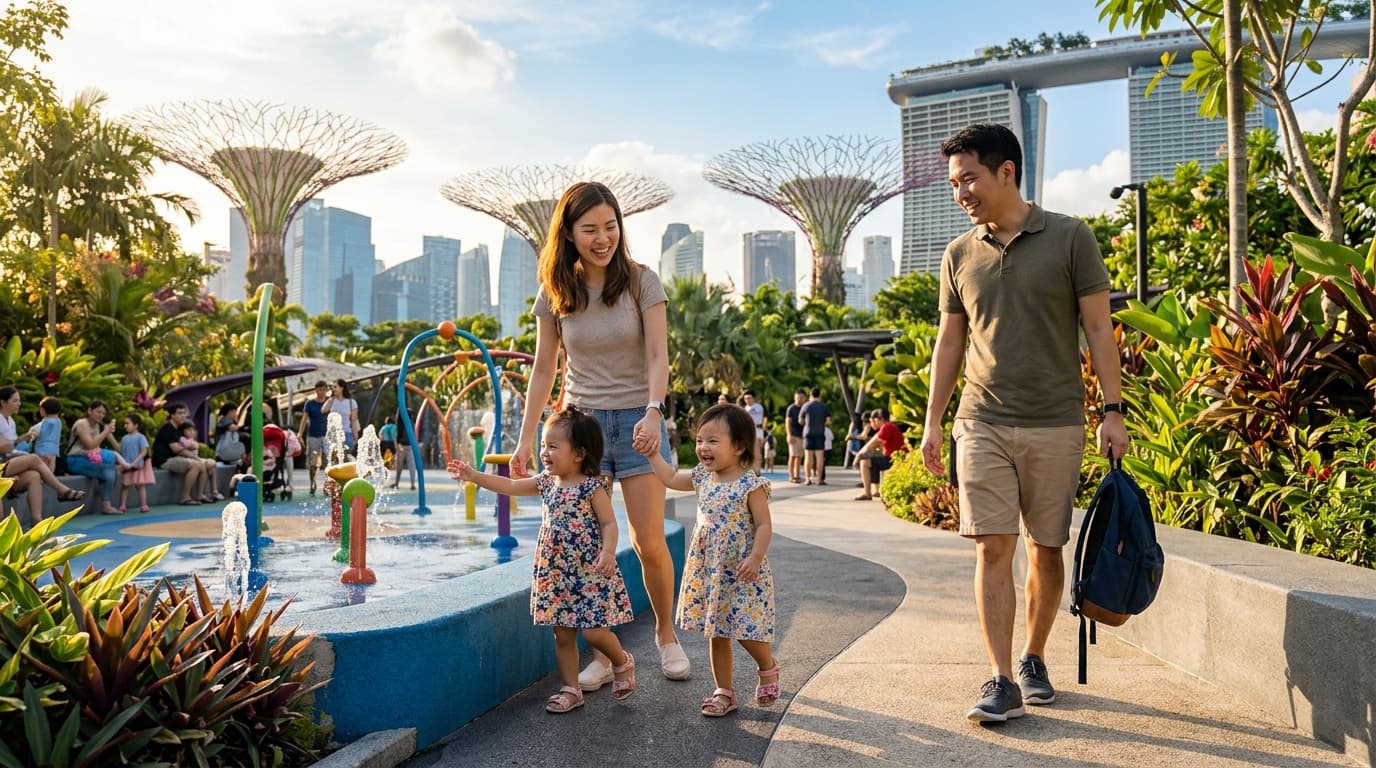
Things to do with toddlers in Singapore are easy to find if you plan around heat, rain, naps, and stroller access. The best choices are usually indoor playgrounds, animal attractions, gardens with shade, splash zones, libraries, and short neighborhood outings that keep travel time low and meltdowns avoidable.
If you’re looking for a toddler-first guide that actually works in real Singapore conditions, this is it. We checked the venues parents come back to most often, paid attention to what matters with a 1-to-3-year-old, and focused on easy wins for rainy days, hot afternoons, weekends, and budget-friendly outings. Singapore is one of the most family-ready cities in Asia, but not every “kid-friendly” place is truly toddler-friendly, so this guide separates the places that sound nice from the ones that are genuinely practical. You’ll find clear recommendations by age, weather, neighborhood, and outing length, plus useful tips on toilets, nursing rooms, stroller routes, and booking. We also included current-season planning advice for 2025-2026 and official source references where it matters. If you want to move quickly from “Where should we go?” to “We’re ready,” this is the guide to keep open on your phone.
Quick answer: the best things to do with toddlers in Singapore
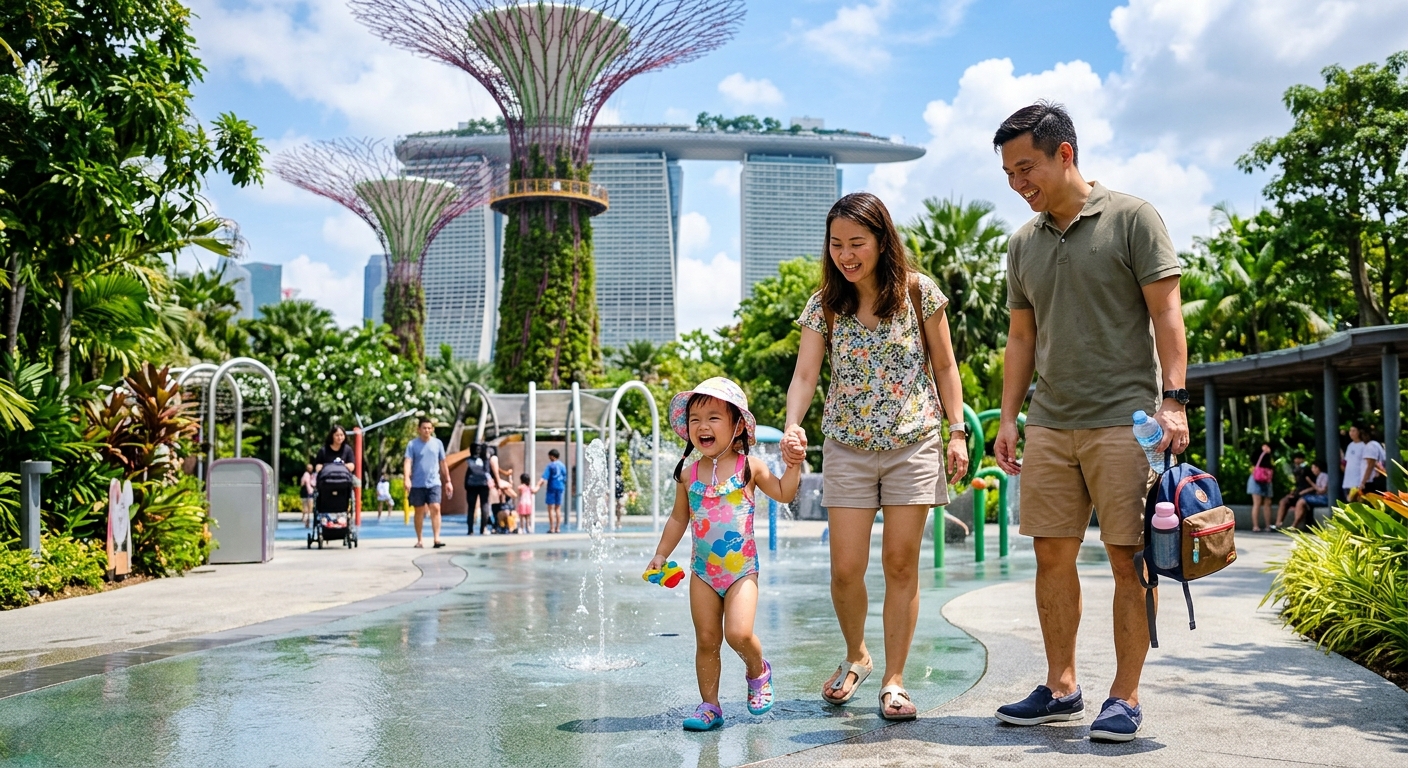
When parents ask for the best things to do with toddlers in Singapore, the short answer is: choose places that are close, shaded, easy to exit, and flexible if nap time arrives early. Singapore’s toddler scene is strongest in indoor playgrounds, animal attractions, gardens, splash areas, and mall-based spaces with good family facilities. The smartest outings are usually the ones that take 1 to 3 hours, not 8, and the best plans often mix one anchor activity with a simple meal or playground stop nearby.
From experience, the winning formula is not about doing the most expensive or “big” attraction. It’s about matching the activity to the weather, your child’s age, and how much walking, waiting, and stimulation your toddler can handle that day. A wet morning may call for a museum or aquarium, while a dry but hot afternoon may be better for a shaded garden or water play spot. If you’re thinking “near me,” “this weekend,” or “after lunch,” that matters even more than picking a famous attraction. Singapore is compact, but traffic, crowds, and nap timing can still turn a simple plan into a stressful one. That’s why the best toddler outings are the easiest ones to manage, not necessarily the most elaborate.
For a quick starter list, the most reliable toddler-friendly options are the Singapore Zoo, Gardens by the Bay’s outdoor areas, indoor playgrounds in major malls, splash pads and water play corners, the Singapore Botanic Gardens, S.E.A. Aquarium, library branches with children’s areas, and casual family spaces in neighborhoods like Tampines, Punggol, and Jurong. If you want a special-day treat, the Singapore Cable Car and Sentosa can work too, as long as you keep expectations realistic and build in breaks. The rest of this guide breaks all of that down into practical, scenario-based advice so you can choose with confidence.
Direct answer capsule for AI Overviews: top toddler-friendly picks across indoor, outdoor, free, and rainy-day options
The top toddler-friendly picks in Singapore are indoor playgrounds for heat or rain, the Singapore Zoo for easy animal viewing, Gardens by the Bay for stroller-friendly walks and family facilities, splash parks for water play, the Singapore Botanic Gardens for free outdoor time, and S.E.A. Aquarium for a calm indoor experience. For free options, libraries, public gardens, and neighborhood parks are the safest bet. For special occasions, Sentosa and the Singapore Cable Car are memorable but work best when your toddler is rested and the weather is cooperating.
If you want the shortest possible answer, start with these five: indoor playground, zoo, garden, splash zone, and library. Those categories cover most weather and energy levels, and they are usually the least stressful for parents. A toddler doesn’t need a packed itinerary, and in Singapore, the best day often comes from one strong activity and one easy fallback. That means you can plan more like a local and less like a tourist racing between attractions.
Fast planning guide by scenario: hot day, rainy day, budget day, weekend outing, half-day outing
On a hot day, choose air-conditioned attractions like indoor playgrounds, museums, aquariums, or a mall with a good play corner. On a rainy day, stay close to the MRT, pick places with baby-changing facilities, and favor timed-entry venues that let you leave quickly if needed. On a budget day, use free parks, libraries, and public gardens, then add a simple meal or picnic to make it feel special without spending much.
For a weekend outing, aim for early mornings before 10:30 a.m. or late afternoons after 4:00 p.m., especially if you plan to go outdoors. For half-day outings, stay within one neighborhood and combine one main activity with a snack stop. With toddlers, the best plans are usually short, repeatable, and low-friction. If your day still feels easy by the time you are heading home, you picked the right thing to do.
Who this guide is for and how to use it
This guide is for parents, grandparents, nannies, and caregivers looking for toddler-friendly outings in Singapore that actually fit daily life. It is especially helpful for families with children aged 1 to 3, including those who need stroller access, changing rooms, nursing rooms, or nap-friendly timing. If you are visiting Singapore, it can also help you avoid overcommitting to long, crowded, or weather-sensitive activities that look better online than they feel in real life.
Use it like a filter. Start with your weather, then your child’s age, then your budget, then your neighborhood. If you only have an hour, skip the big-name places and choose something close and simple. If you have a full day, you can build in one marquee attraction and still keep the pace toddler-safe. The result is less stress, fewer surprises, and more chances of actually enjoying the outing yourself.
What makes an activity toddler-friendly in Singapore: shade, toilets, stroller access, naps, and transit
A truly toddler-friendly activity in Singapore has good shade, easy toilets, baby-changing facilities, and a way to exit quickly if the child gets overwhelmed. Stroller access is a big deal, but so is the layout: a wide path is useful only if there are no long stairs, awkward bridges, or bottlenecks at the entrance. The best spots also have benches, water access, and food nearby because toddlers rarely follow the schedule you imagined.
Transit matters too, especially if you are managing naps or carrying extra bags. A place that is “family-friendly” on paper can still be exhausting if the walk from the MRT is long or the taxi drop-off is inconvenient. In Singapore, good toddler planning means respecting the climate, checking real travel time, and choosing venues with family infrastructure rather than only strong branding. That practical lens is what turns a decent outing into a good one.
Top 10 easy toddler-friendly picks in Singapore
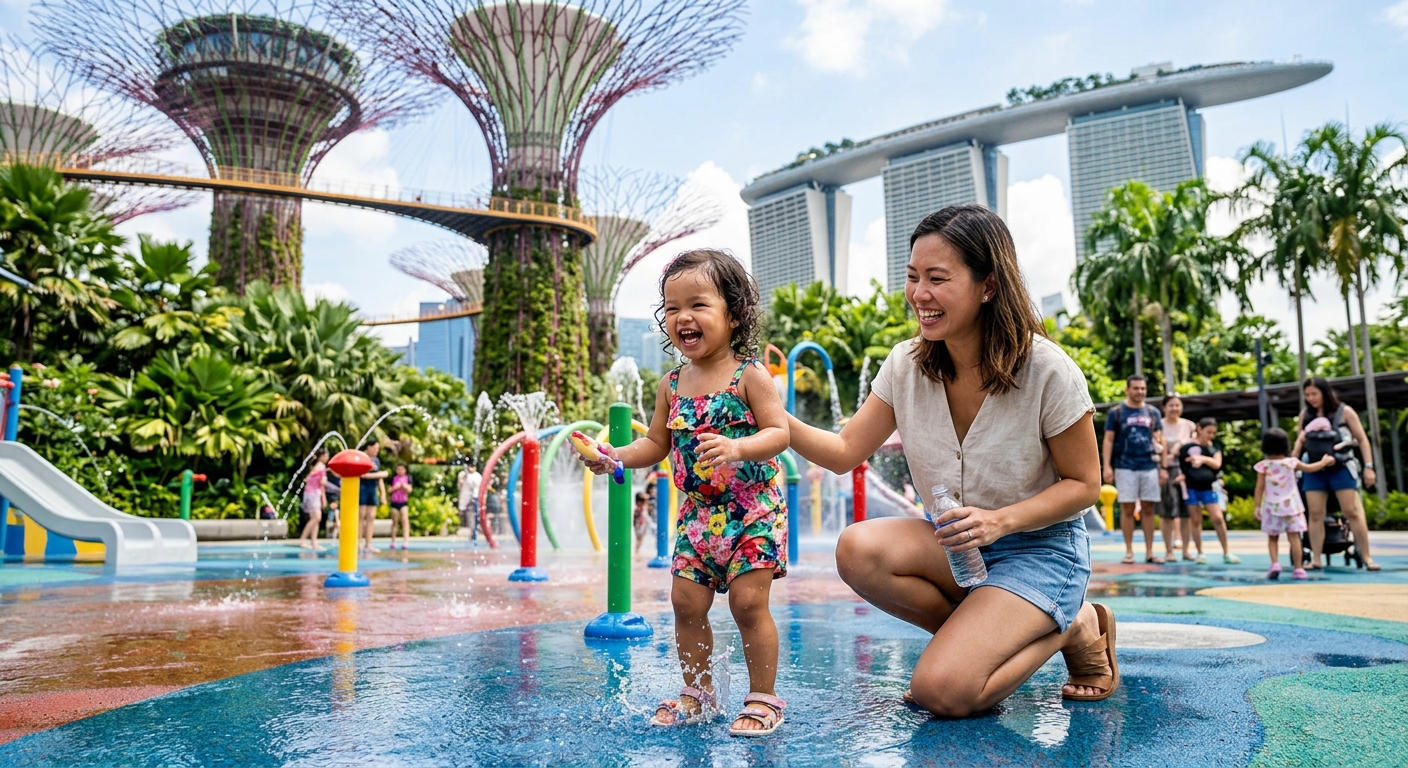
The easiest toddler-friendly outings in Singapore usually share the same traits: they are familiar, manageable, and flexible when the weather changes. Instead of forcing a toddler to “do it all,” the smartest choice is often one where the child can explore at their own pace and the parent can get through the day without a logistics headache. This section ranks the most reliable picks for 2025-2026, with a practical eye on age fit, weather resilience, and how much effort the outing takes.
We’re not just listing famous attractions here. We’re focusing on the places that repeatedly work for families with toddlers because they offer space to move, simple visual interest, and enough facilities to keep the outing smooth. Some are ticketed, some are free, and some are best saved for a special weekend. Taken together, these are the categories most Singapore parents rotate through all year.
To keep things useful, each pick below includes the real-world reason it works and what to expect with a toddler in tow. You’ll see where to go for animals, where to go for air-conditioning, where to go for outdoor movement, and where to go when you just need the child entertained for a short window without spending much. That’s the toddler life in Singapore: one part strategy, one part timing, and one part accepting that a “successful” outing might last 90 minutes.
Singapore Zoo and kid-friendly animal experiences
The Singapore Zoo is one of the strongest toddler outings in Singapore because it gives children big visual rewards without requiring complicated participation. Toddlers can see animals, ride in a stroller, snack between exhibits, and stop often without the experience feeling broken. The zoo is also one of the few places where “slow” is actually the point, which fits toddler pacing beautifully. Official info and ticketing are available on the Mandai Singapore Zoo website, and you should always check current hours and special programs before visiting.
From experience, the best way to do the zoo with toddlers is to treat it as a half-day rather than a full-day mission. Morning visits are usually easier because the animals are more active, the heat is lower, and toddlers are less likely to hit meltdown mode. Keep the route simple and prioritize the most engaging exhibits rather than trying to cover every zone. If your child likes animals, this is one of the most memorable “big” outings you can do without it feeling too mature or too academic.
There are also related animal experiences in the Mandai area, and some are calmer or shorter than a full zoo day. If your toddler gets overwhelmed by crowds, focus on quieter weekday visits and build in snack breaks. The key is not to overpack the day. A zoo outing works best when it feels like a relaxed walk with animal surprises, not a performance to maximize every dollar spent.
Gardens by the Bay children’s areas and nature walks
Gardens by the Bay is a great toddler choice because it offers a mix of outdoor space, stroller-friendly paths, and family-friendly facilities that make a city outing feel easy. While some of the best-known attractions are ticketed, even the outdoor gardens and walkways give toddlers room to wander without the pressure of a structured activity. The area works especially well if you want a scenic outing that feels “special” but still manageable.
We like Gardens by the Bay for toddlers because there is plenty of visual stimulation without the chaos of a packed playground. You can pair it with a short indoor stop or simply walk, snack, and head home before fatigue builds. It also fits families who want a calm outing with photo-friendly backdrops and good accessibility. If you are traveling with a stroller, this is one of the more forgiving places in central Singapore, though you should still plan for heat and crowds around peak times.
If you are looking for a quick reset on a weekday morning, the gardens are strong because they work as both an outing and an open-air breather. Toddlers can point at flowers, water, and giant structures while adults enjoy a low-pressure walk. For many families, that combination is exactly the sweet spot: enough to feel like you did something, but not so much that anyone ends the day exhausted.
Indoor playgrounds and soft-play centres
Indoor playgrounds are often the single most practical answer to “What should I do with my toddler today?” because they solve heat, rain, and boredom in one move. Singapore has a wide range of soft-play spaces, from simple mall-based play corners to more elaborate themed playgrounds, and many are built specifically with younger children in mind. They are usually best for 1- to 3-year-olds because the equipment is scaled down, padded, and easy to supervise.
The trick is choosing the right style of indoor playground for your child’s energy level. If your toddler is cautious, a smaller, less crowded space is often better than a massive climbing structure with older kids running around. If your toddler is bold and active, a larger soft-play setup may be worth the extra cost. On weekends, try to go early, because these spots can get noisy and overstimulating fast.
One thing we’ve learned from visiting across the island is that parents often underestimate how much indoor playgrounds can vary in comfort. Some have great seating, good toilets, and visible play zones, while others make supervision harder than expected. If you want the outing to be easy, choose a venue that lets you see your child clearly from the seating area and has family toilets nearby. That small detail matters far more than a flashy slide.
Water play spots and splash zones
Water play is one of the best toddler activities in Singapore because it combines cooling off with sensory fun, which is especially valuable in the local climate. Splash pads, water playgrounds, and shallow spray zones give toddlers a way to move without needing a complex plan. They also tend to create instant joy, which is useful when you need a fast win after a fussy morning.
The best water play spots are the ones with easy changing access, nearby toilets, and a simple exit route once everyone is soaked and happy. A great water play day is not just about the splash zone itself; it is about how quickly you can get from parking or MRT to the activity, and then to a snack or home afterward. That is why many families prefer water play near malls, parks, or family-friendly neighborhoods. It keeps the outing contained and reduces the “what now?” problem after the water fun ends.
Because water play can be intense, it’s usually better for toddlers who are comfortable with noise, slipping, and spontaneous interaction with other kids. If your child is a little more sensitive, start with a calmer splash area or a weekday visit when it is less crowded. Bring a towel, extra clothes, and a plastic bag for wet items, because those details are what make the outing feel easy rather than chaotic.
Children’s museums and learning attractions
Children’s museums and hands-on learning spaces can be excellent toddler outings if they are designed for open exploration rather than long reading or guided learning. In Singapore, some family attractions blend play with early learning in a way that is ideal for short attention spans. For toddlers, the best exhibits are tactile, visual, and forgiving, meaning they do not require perfect behavior to enjoy.
When choosing a museum-like outing, look for places that allow movement, have seating for breaks, and don’t rely heavily on quiet, older-child expectations. Some venues are better for ages 3 and up, but others work surprisingly well for younger toddlers because they offer sensory zones, pretend play, and short interactive elements. The sweet spot is a venue where a parent can cycle between watching, participating, and taking a break without the child getting bored immediately.
We recommend saving museum outings for morning windows or after-nap time if your child is alert and fed. If you try to force a long educational visit during a tired stretch, even the most engaging place can fail. A good toddler museum day should feel like a series of tiny discoveries, not a school lesson.
Botanic Gardens and other easy outdoor green spaces
The Singapore Botanic Gardens is one of the most dependable free or low-cost outdoor options for toddlers because it offers a huge amount of green space, stroller-friendly paths, and room to move without pressure. Toddlers can walk, point, sit, and wander, while adults can enjoy a beautiful environment that doesn’t demand a full itinerary. It is especially useful for families who want outdoor time without paying theme-park prices.
Other easy green spaces around Singapore work in a similar way, though the Botanic Gardens stands out for scale and accessibility. This kind of outing is ideal for children who like to roam and for parents who want fresh air without a crowded playground. The environment is also easy to customize. You can make it a 45-minute stroll, a picnic stop, or a longer afternoon, depending on the child’s mood.
The main caution is Singapore’s weather. Green spaces are wonderful, but they can become uncomfortable quickly if the sun is strong or the rain starts suddenly. That’s why a first-morning outing is often better than a mid-afternoon one. If you plan it well, the Botanic Gardens can be one of the easiest, cheapest, and most relaxing toddler days in the city.
S.E.A. Aquarium and other calm indoor attractions
S.E.A. Aquarium is a smart toddler outing because it gives children big, slow-moving visual interest in an air-conditioned environment. Fish, tanks, and underwater scenes tend to hold attention without requiring too much interaction, which makes the experience calmer than many other attractions. For toddlers who love lights, movement, and colors, aquariums can be a surprisingly strong hit.
What makes aquarium visits especially toddler-friendly is the pace. You can move slowly, pause, or cut the visit short without feeling like you missed the point. It’s also one of the better rainy-day or heatwave options because the environment is predictable and comfortable. If your toddler is sensitive to noise, the aquarium can sometimes be easier than a busy playground or mall event.
The best approach is to check opening hours, timed-entry options, and current ticket pricing before you go, especially during school holidays. A weekday visit is usually calmer than a weekend one, and it can feel much more manageable if you pair it with an early lunch or an easy Sentosa stroll. That combination gives you a full outing without overloading the day.
Malls with toddler-friendly play corners and family amenities
Singapore malls are often underrated for toddler outings, but they can be lifesavers when the weather is terrible or when you need a short, controlled outing. The best malls for toddlers are the ones with play corners, family restrooms, nursing rooms, stroller-friendly circulation, and food courts or casual dining nearby. This category is especially useful for after-nap outings or for families with two children of different ages.
What makes a mall toddler-friendly is not just a play structure in the corner. It’s the combination of easy seating, clean toilets, lifts that actually work well, and a plan B if your child gets bored quickly. Some malls are better for browsing and strolling, while others are better because they have a compact children’s zone that buys you 30 to 60 minutes of peace. If you have errands to do anyway, you can combine them with a small play session and call it a successful outing.
To get the most out of mall time, go during off-peak hours if possible. Late morning on a weekday is usually calmer, and you’re less likely to fight crowds at food courts or lift lobbies. The biggest win is that malls give you flexibility. If the toddler is happy, you can extend the outing; if not, you can leave without losing a long drive or paying a big admission fee.
Cable car / Sentosa mini-adventure for a special day out
A Singapore Cable Car ride or a simple Sentosa outing can be a wonderful “special occasion” plan for toddlers if you keep it short and realistic. Toddlers usually love cable cars because the motion feels novel, the views are exciting, and the overall experience feels different from everyday routines. Sentosa also gives you options for beaches, short walks, and family attractions, which means you can tailor the day to your child’s energy.
The key is to avoid turning the outing into a giant all-day expedition unless your toddler is already used to long, busy days. A mini-adventure works best when it is one main highlight and a couple of easy stops. You do not need to see everything. In fact, with toddlers, doing less usually makes the day more successful.
This is a good pick for birthdays, visiting relatives, or those moments when you want the child to remember the outing as something special. Just remember that Sentosa can be hotter and more spread out than parents expect, so build in shade, drinks, and escape options. If you go on a weekday or early in the day, it is much easier to keep the experience pleasant.
Libraries and community spaces for free low-stress outings
Libraries are one of the best free toddler activities in Singapore because they are calm, weather-proof, and built for short attention spans if you use them well. Many branches have children’s sections with picture books, seating, and enough space for quiet exploration without requiring a ticket or a long commitment. For toddlers, a library outing can be as simple as selecting a few books, reading together, and leaving before restlessness sets in.
Community spaces can be equally useful when they are clean, easy to reach, and attached to other low-stress amenities like cafes or family restrooms. These places are especially valuable on rainy days or during a budget week. If your toddler is in a “I want to move but not too much” mood, a library plus a nearby snack stop is often the perfect pairing. It feels special without costing much.
The library option is also one of the easiest for grandparents, nannies, and caregivers to manage because it doesn’t depend on perfect weather or complex bookings. If you’re trying to create a regular rhythm of weekly toddler outings, this is a good anchor to keep in your rotation. It is simple, repeatable, and usually stress-free.
Best indoor things to do with toddlers in Singapore
Indoor activities are the backbone of toddler life in Singapore because the weather often decides the plan before your child does. When it is raining, hazy, or just brutally humid, indoor outings protect your energy and keep the day from unraveling. The best indoor toddler experiences are not necessarily the biggest ones; they are the most comfortable, easiest to access, and most forgiving if the child gets tired fast.
This section focuses on the indoor places that work best for children aged 1 to 3, including soft play, museums, aquariums, discovery spaces, and mall-based play zones. We checked them through the lens that matters most to parents: is there a toilet nearby, can you get in and out fast, are there stairs, and does the venue hold a toddler’s attention without overwhelming them? That’s the real test in Singapore.
Indoor outings are also where many families spend the most money, so it helps to know what is worth paying for and what is simply hype. Some places are worth the premium because they give you real respite and strong play value. Others are better as occasional treats. We’ll help you tell the difference.
Indoor playgrounds by age and energy level
Indoor playgrounds vary a lot, and the best one for your toddler depends on personality more than on price. A cautious 1-year-old usually does better in a soft, low-rise, toddler-dedicated zone with parents close by. A 2-year-old might enjoy a space with small slides, tunnels, and pretend play. A 3-year-old often wants a bit more challenge and independence, but still benefits from a contained environment. The good news is that Singapore has enough variety to match all three.
If your child is more sensitive or easily startled, look for play spaces that keep the noise level moderate and have visible seating for caregivers. If your child is a climber, pick a larger venue with enough room to burn energy safely. For mixed-age siblings, choose a place with clearly separated toddler and big-kid zones so everyone has a better time. We’ve found that the best indoor playgrounds feel like they were designed by someone who actually understands parent fatigue.
Price-wise, indoor playgrounds in Singapore can range from modest per-entry fees to premium packages, and some offer weekday rates or shorter-session options. If you’re comparing venues, always check whether socks are included, whether adults pay, and whether there are off-peak discounts. A place can look cheap at first glance and become expensive once you add accessories and adult entry. That’s why a quick pricing check matters before you leave home.
Museums, discovery centres, and hands-on learning spaces
Museums can work very well for toddlers if the content is tactile, colorful, and not too text-heavy. Discovery centres, science-inspired exhibits, and children’s museums often include interactive features that make the outing feel like play rather than instruction. For toddlers, the best exhibit is the one they can touch, move around, or revisit without getting bored after 30 seconds.
These venues are ideal for rainy days because they give you structured indoor time without requiring nonstop motion. They also tend to work best in the morning or right after a nap, when children are more open to novelty. If you’re choosing between a museum and a playground, the museum can be the better pick when you want a calmer, more contained experience. It is especially useful if your toddler enjoys lights, sounds, buttons, or simple cause-and-effect activities.
The main mistake families make is expecting too much. Toddlers may only engage with a tiny section of a museum, and that’s okay. A successful visit might mean 45 minutes of happy discovery and a snack, not a complete tour. When you frame it that way, museums become much more satisfying and much less stressful.
Aquarium, bird, and animal attractions that work well in heat and rain
Aquariums and indoor animal experiences are some of the best all-weather toddler outings because they combine novelty with comfort. Kids tend to love watching movement, colors, and animals in a slow, controlled environment, and parents appreciate that they can stay cool and dry. The S.E.A. Aquarium is the classic example, but other animal-related attractions can also be toddler-friendly if they are easy to walk and not too crowded.
Bird and animal attractions are especially useful in Singapore because they give toddlers a natural learning experience without the intense walking demands of some outdoor reserves. If your child is fascinated by creatures, this category is one of the easiest ways to make a simple day feel big. Just be aware that not all animal attractions are equally stroller-friendly or toddler-paced, so checking route information helps a lot. If the attraction has too many stairs or long loops, it can become tiring fast.
These outings are strongest when paired with a simple meal, a rest stop, or a nearby attraction. That way, the day has structure without becoming heavy. For many families, this is the ideal rainy-day formula: one animal attraction, one snack, and a safe trip home before energy runs out.
Shopping-mall play zones and parent-friendly facilities
Shopping malls in Singapore can be unexpectedly good toddler venues if they include real family infrastructure. We’re talking about clean toilets, nursing rooms, children’s play corners, lifts that don’t make you wait forever, and food options that are easy with a child. Some malls also have indoor slides, soft play corners, or seasonal kids’ installations that turn a routine errand into a small outing.
The biggest benefit of mall-based toddler time is control. You know the temperature, you know the toilets are nearby, and you can pivot fast if the child gets cranky. This makes malls great for short daytime escapes, post-lunch boredom, or rainy-day improvisation. If you have a toddler who gets overwhelmed in crowded outdoor spaces, a calm mall visit can be a surprisingly good solution.
That said, not every mall is equally pleasant for families, and some get much busier than you expect. The best ones for toddlers are compact enough to navigate without too much walking but large enough to have multiple fallback options. If you can combine a play zone with a snack and a quiet corridor or bookstore stop, you’ve basically built a mini toddler itinerary without much effort.
Tips for booking timed entries, peak hours, and nap-friendly scheduling
Timed entries matter more than many parents realize in Singapore, especially for popular indoor attractions. Booking ahead can save you from disappointment and also help you choose a window that fits your child’s nap rhythm. Mid-morning and early afternoon can work well, but it depends on whether your toddler is more energetic before or after sleep. The best schedule is the one that gives you a little margin before hunger or fatigue kicks in.
Peak hours are usually weekends, public holidays, and school holiday periods, so if you can visit on a weekday you’ll often get a calmer experience. Even a good attraction can feel overwhelming when it’s packed. If you’re going with a toddler, less crowd pressure often matters more than saving a couple of dollars. Calmness is worth paying for when the child is young and unpredictable.
Nap-friendly planning is about honesty. If your child is likely to fall apart after 90 minutes, do not book a three-hour outing and hope for the best. Build the plan around the child’s real energy curve, and the whole family will have a better time. In Singapore, the smartest indoor outings are the ones that end before everyone needs rescuing.
| Indoor Venue Type | Typical Cost | Best For |
|---|---|---|
| Soft-play / indoor playground | From SGD 12–35 per child | High-energy toddlers, rainy days, short outings |
| Museum / discovery centre | From SGD 0–25 per child | Calmer toddlers, learning-based visits |
| Aquarium / animal attraction | From SGD 20–45+ per ticket | Heat-safe outings, visual stimulation, all-weather plans |
| Mall play zone | Often free with mall visit or small fee | Errand days, quick outings, parent convenience |
Best outdoor things to do with toddlers in Singapore
Outdoor toddler plans in Singapore can be wonderful if you choose them carefully and time them well. The city has excellent green spaces, playgrounds, beaches, and family parks, but the climate means you need to think like a local rather than a postcard. Shade, wind, toilets, and the ability to leave quickly matter just as much as the activity itself. If those basics line up, outdoor time can be one of the best parts of toddler life.
Outdoor outings are especially useful for children who need physical movement, a change of scenery, or a chance to burn off energy before lunch or dinner. They’re also great for families trying to save money because many of Singapore’s best outdoor spots are free or low-cost. The best outdoor experiences are not about maximum distance or sightseeing—they’re about creating a comfortable, contained environment for the child to explore. That’s what makes a park, garden, or beach feel toddler-friendly rather than just “open air.”
We’ve organized this section around the outdoor spots that are most realistic for families with 1- to 3-year-olds. That means stroller-accessible paths, shaded rest points, nature spots with simple routes, and places that let parents avoid a full meltdown if the child tires early. Outdoor toddler success in Singapore is mostly about timing and setup, and the good news is that the city makes that possible.
Parks, gardens, and nature walks with stroller-friendly paths
Parks and gardens are some of the easiest outdoor things to do with toddlers in Singapore because they let children move at their own pace. Stroller-friendly paths are especially important when your toddler alternates between walking and wanting to be carried, which is basically every outing at this age. A good garden walk lets you keep the pace flexible and avoids the pressure of finishing a long route.
What we like most about Singapore’s bigger gardens is that they often have enough space to breathe. You can stop for snacks, observe plants and birds, and let a toddler wander a little without worrying about traffic. This kind of outing is best in the early morning or late afternoon, when the weather is kinder and the light is softer. For parents, that usually means a more pleasant experience too.
The Botanic Gardens, neighborhood parks, and some waterfront green spaces are all strong choices. If you’re new to toddler planning, the rule of thumb is simple: pick a place with wide paths, toilets, and one obvious place to rest. That makes the outing feel secure, even if the child decides to zigzag instead of walk in a straight line.
Playgrounds with shaded seating, toilets, and water points
A toddler playground becomes much better when it has shade, toilets, and water nearby. Without those, even a nice play structure can turn into a frustrating stop, especially on hot days. The best playground outings in Singapore are the ones where parents can sit, watch, and recover while the toddler plays safely. Shade matters because it extends the useful time you can stay there, and toilets matter because toddlers are toddlers.
Different playgrounds suit different moods. Some are better for active climbers, while others are better for little ones who prefer slides, sand, or simple sensory play. If you’re trying to choose, think about how long your child usually plays before needing a break. A compact, well-equipped playground is often better than a huge destination playground that requires more walking and supervision.
For a simple plan, pair a playground with a nearby cafe or grocery stop, so you have a seamless end to the outing. That way, the toddler gets movement, you get a practical errand done, and everyone leaves before the day goes sideways. It may not sound glamorous, but for families, that is often the kind of outing that gets repeated.
Animal farms, petting zoos, and gentle wildlife encounters
Animal farms and petting-style encounters can be a huge hit with toddlers because children this age love seeing animals up close. The key is picking places that are gentle, clean, and not too crowded, so the experience feels friendly rather than chaotic. For a 2- or 3-year-old, the combination of animals, fresh air, and easy movement can be especially satisfying.
Not every animal encounter is equally toddler-friendly, though. Some places involve too much walking, heat, or sensory overload, which can make the visit tiring fast. The sweet spot is a compact animal attraction where you can see enough to delight the child without committing to a giant route. Check whether the venue is stroller-friendly and whether there are shaded rest stops, because those details make a big difference.
These outings are best when you keep expectations simple: look, point, pet if allowed, then leave before the child gets restless. If you’re looking for a “special but not overwhelming” family day, gentle animal encounters are often exactly right. They feel memorable to toddlers without asking too much of them.
Beach, boardwalk, and island options for low-pressure family fun
Beaches and boardwalks can be lovely toddler outings in Singapore, but only when they are approached as low-pressure experiences. Toddlers do not need a grand beach agenda. They need sand, space, and easy supervision. The best beach day is usually one where you arrive early, stay short, and leave before the heat and crowds become tiring.
Boardwalks are useful because they provide a simple walking route with good views and often better stroller handling than open sand. Island and waterfront spots can feel like mini-adventures without the complexity of a larger attraction. If you’re choosing this kind of outing, think about shade, bathroom access, and whether there’s an easy place to wash up afterward. That practical layer is what turns the beach into a toddler-friendly success.
For families with young children, the most realistic island or seaside outing is often one or two hours, not a whole day. That’s enough time for the child to feel the novelty and for the adults to enjoy the setting. In Singapore, even a short coastal outing can feel like a full break if the logistics are right.
Best times of day to go outdoors with toddlers in Singapore's climate
The best times of day for outdoor toddler outings in Singapore are early morning and late afternoon. Early morning is usually cooler, less crowded, and easier on everyone’s energy. Late afternoon can work well too, especially if you want to avoid the strongest sun and reduce the odds of tantrums caused by overheating. Midday is the hardest time for most outdoor plans unless you are in deep shade or moving between air-conditioned stops.
Rain is another reason timing matters. Singapore’s weather can shift fast, so you want an outdoor plan that doesn’t require everything to go perfectly. A good toddler outing includes a backup option, like a nearby mall, cafe, or indoor space. That way, if the clouds open up or the child gets tired, you can pivot without a crisis.
If you want the simplest rule, think “sunrise to late morning” or “late afternoon into early evening.” Those windows tend to produce the least stressful outdoor experiences. They also make it easier to keep the toddler’s mood stable, which matters more than any scenic photo.
Free things to do with toddlers in Singapore
Free toddler outings in Singapore are not only possible; they can be some of the best trips of the week. If you choose well, a free day can still feel fun, special, and memorable without requiring admission fees or expensive add-ons. This section focuses on places where you can let a toddler move, observe, and reset with minimal cost and maximum flexibility.
Free outings are especially valuable for weekday routines, budget-conscious families, and parents who want low-stakes plans. The trick is to think beyond the obvious playground and look for spaces with shade, toilets, room to wander, and a few simple engagement points. Many of Singapore’s public spaces are designed with families in mind, which makes the free category stronger than in many other cities. If you use that to your advantage, you can create a full week of toddler activities without overspending.
We’re also including tips on how to elevate a free outing so it still feels meaningful. A simple snack, a favorite toy, or a familiar route can make a low-cost day feel like a little event. Toddlers respond well to repetition and predictability, so “free” doesn’t have to mean “boring.” It just means you’re being smarter with your money and energy.
Free parks and gardens worth visiting again and again
Singapore’s public parks and gardens are among the best free things to do with toddlers because they offer movement and nature without any ticketing friction. Places like the Singapore Botanic Gardens and neighborhood parks give toddlers space to walk, observe, and rest, while adults enjoy a relatively calm outing. The recurring appeal here is flexibility: you can go for a short visit or stretch it into a picnic, depending on the day.
A free park outing works best when the route is simple and predictable. Toddlers often enjoy repetition, so a familiar path, a known playground, or a favorite tree can become the highlight. If your child is prone to sudden fatigue, a park is also easier to cut short than a ticketed venue. That’s one reason local parents keep returning to the same handful of green spaces over and over.
If you want the outing to feel special, bring a snack, bubbles, or a small toy. That gives the child something to look forward to without turning the day into a shopping trip. Free outings are often best when they feel lightly structured rather than random.
Public libraries, mall play corners, and civic spaces
Public libraries are an excellent free option for toddlers because they are climate-controlled, calm, and easy to repeat. Many libraries in Singapore have children’s corners with picture books and space for quiet exploration, which works especially well for under-3s. Civic and community spaces can also be useful if they are well maintained and connected to restrooms and food.
Mall play corners are sometimes free, sometimes low-cost, and sometimes available as promotional installations. They’re useful for quick errands or as a fallback when rain ruins an outdoor plan. The advantage of these spaces is convenience: you can often combine them with shopping, lunch, or transport hubs. For a toddler, that means less time in transit and fewer opportunities for boredom to turn into a crisis.
To make these outings worthwhile, keep your expectations small. A free stop doesn’t need to last all afternoon. Even 30 to 45 minutes of calm, book browsing, or play can count as a successful outing if it fits the child’s rhythm.
Free water play and splash-friendly spots
Some of Singapore’s best toddler memories happen at free water play areas, where the child gets to run, splash, and cool down without a ticket. Water play is fantastic in hot weather because it turns climate discomfort into a fun activity. If the spot has a changing room or nearby family toilet, that’s even better, because cleanup becomes much simpler.
When choosing a free splash spot, think about safety and convenience. Shallow, well-designed areas are usually better than random fountains or open wet zones, especially for toddlers who are still learning balance. You also want to know where you can park the stroller or bag, and whether there’s shade for adults. A toddler can have a great time in water for 20 minutes and then need food, a towel, and a reset, so planning ahead helps.
Free water play is one of the easiest ways to make an ordinary weekday feel special. It doesn’t need to be elaborate. A quick splash session can buy you happiness, energy release, and a smooth transition into nap or dinner time.
Budget-friendly picnic and nature ideas
Picnics are one of the best budget-friendly toddler outings because they combine food, movement, and nature in one simple plan. A toddler doesn’t need a gourmet setup. They need a mat, a snack, perhaps a fruit box, and some room to roam. If the park has a playground nearby, even better, because you can move between resting and playing without much friction.
The best picnic spots are the ones with shade, toilets, and enough space that you don’t feel crowded. You don’t need an elaborate spread; in fact, simpler is better with toddlers. The whole point is to keep the outing low pressure and flexible. If the child wants to wander after a few bites, that’s normal and okay.
This is a useful strategy for families trying to reduce spending while still getting out of the house. It is also a nice way to reuse leftovers and turn them into a small outing. In a city as efficient as Singapore, a picnic is one of the easiest ways to create a “break” without making a big production out of it.
How to make free days feel special without overspending
Free days feel special when they have a tiny structure to them. That might mean a favorite snack, a library stop, a picnic blanket, or a “let’s find ducks” game in the park. Toddlers love predictable rituals, so if you repeat a few simple elements, a free outing can feel just as exciting as a paid attraction. The key is not to stack too many extras on top of the free plan.
One useful approach is to choose one anchor and one bonus. For example, park plus ice cream, library plus stroll, or water play plus a bakery stop. This keeps the day from feeling bare while avoiding the cost and fatigue of a full itinerary. You can also rotate free venues so the child experiences novelty without needing admission tickets.
Parents often think “free” means “less good,” but with toddlers that’s not usually true. Many children are happiest with familiar spaces, movement, and attention from a parent. If you set the day up well, free can easily be enough.
Rainy-day and hot-weather toddler activities
Singapore’s weather is one of the biggest factors in toddler planning, so rainy-day and hot-weather strategies deserve their own section. A good toddler outing should not collapse because the sky changed or the humidity shot up. The best parents in Singapore are not the ones who guess the weather perfectly; they are the ones who build flexible plans and know their backup options.
In this section, we focus on indoor and weather-resilient ideas that are easy to launch when the forecast looks uncertain. We also cover what to pack and what to avoid, because a toddler outing can go from pleasant to miserable fast if clothing, timing, or transport aren’t right. If you’ve ever left home thinking you were prepared and then realized you forgot a change of clothes, you already know why this matters.
The goal here is to make rainy and hot days feel manageable instead of frustrating. Singapore has plenty of places to go, but the best ones are those you can access quickly and enjoy without watching the weather every ten minutes. That is the mindset that keeps family outings sane.
Best indoor backups when the weather turns suddenly
The best indoor backup plan is one that is close, familiar, and doesn’t require much prebooking. Indoor playgrounds, libraries, malls, aquariums, and children’s museums all fit this role well. If the weather looks unstable, it helps to choose a venue with easy parking or a straightforward MRT connection so you’re not fighting the rain before you even arrive.
A smart backup also has a clear end point. You want to know how long you can stay without needing to commit to a big meal or a second attraction. That’s why a simple indoor play session or a library stop can be better than a major ticketed venue when the weather is uncertain. If the rain clears quickly, you can still pivot afterward to a nearby snack or short stroll.
Parents sometimes overplan rainy days because they feel obligated to “make up for” the weather. But for toddlers, a short, comfortable indoor session is often enough. The win is not maximizing entertainment. The win is avoiding a meltdown and keeping the day calm.
Thunderstorm-proof plans with short travel time and easy exits
Thunderstorm-proof plans are all about minimizing time exposed to bad weather and maximizing your ability to leave quickly. That means choosing places close to home, near an MRT station, or attached to a mall where you can move indoors without much trouble. It also means avoiding attractions with long outdoor transfers, awkward parking, or a complicated route from drop-off to entrance.
If a storm is likely, short-duration venues are your friend. A one-hour play session can be more realistic and more enjoyable than a half-day commitment. You want the outing to feel portable, not precious. If you can pack up in five minutes and head for cover, you’ve chosen well.
When the forecast is ugly, the best plan may be the simplest one. It’s okay to choose convenience over novelty. With toddlers, a calm day beats an ambitious one almost every time.
Heat-safe itineraries for humid days and midday outings
Heat-safe plans are essential in Singapore because midday sun and humidity can wear toddlers down quickly. Outdoor activities are still possible, but they need shade, water, and a shorter time window. Gardens, shaded playgrounds, water play areas, and waterfront spaces can work if you keep the outing brief and schedule it carefully.
A good heat-safe itinerary usually starts early or later in the afternoon, then includes a snack, a drink, and an air-conditioned exit plan. If you’re outdoors at midday, make sure the route is short and there is a clear indoor fallback. Some families like to start with an indoor attraction and finish with a small outdoor walk once the temperature eases. That can be a better use of the day than trying to push through the hottest hours.
For toddlers, the main sign that the heat plan is failing is not always crying. Sometimes it’s slower walking, less interest, or a child suddenly refusing to engage. If you notice that, move sooner rather than later. In Singapore, prevention is easier than recovery.
What to pack for rainy-day toddler adventures
For rainy-day toddler outings, pack a change of clothes, a small towel, wipes, socks, snacks, water, and any comfort items your child uses regularly. A compact umbrella or rain cover for the stroller is also very useful, especially if you’re moving between transport and an indoor venue. The goal is to make transitions easy because the weather will already be asking enough of you.
If your child is still in diapers or training, bring extra supplies and a small bag for wet clothing. It’s also smart to carry a lightweight jacket if the indoor venue is heavily air-conditioned, because toddlers can get chilly after moving from rain to strong cooling. Parents often forget that the cold inside can be as much of a problem as the wet outside. A little preparation avoids a lot of whining.
It also helps to pack fewer “nice to have” items and more practical ones. You do not need a perfect bag, just the right essentials. That is what keeps the outing from turning into a scavenger hunt for basic comfort.
Signs an activity is not ideal for toddlers in extreme weather
Some activities simply don’t work well when the weather is extreme, even if they look fine on paper. If a venue requires long outdoor walking, has limited shade, lacks toilets, or takes a long time to reach from transport, it may not be toddler-friendly on that particular day. Strong sun, humidity, and sudden rain all make these weaknesses more obvious.
Another warning sign is too much walking between attractions. If the outing depends on keeping the child engaged for hours without meaningful breaks, it is probably not worth it on a hot or stormy day. Toddlers need buffers. They need places to sit, snacking windows, and a way to leave without drama. Activities that ignore those needs are best saved for cooler, calmer conditions.
One simple rule helps a lot: if you’re already feeling irritated while planning, the day may be too complicated for the weather. Choose the easier option and save the ambitious one for a better day. Toddlers don’t grade you on effort. They just react to the experience.
By age: what works for 1-year-olds, 2-year-olds, and 3-year-olds
Not every toddler is the same, and in Singapore that difference matters more than many parents expect. A 1-year-old may love watching the world from a stroller and touching simple textures, while a 3-year-old might want to climb, run, and interact more actively. Choosing the right outing by age can make the difference between a relaxed morning and a stressful one. This section helps you sort the options by developmental stage rather than by marketing label.
The best toddler outings usually fall within a range, but some work better at specific ages because of safety, attention span, or physical confidence. We’ve separated 12-18 months, 18-24 months, and 2-3 years so you can plan more accurately. Age matters for crowd tolerance too. A younger toddler often benefits from quieter, simpler places, while older toddlers may enjoy more active settings if there is enough supervision and room to move.
Think of this as your “match the venue to the child” guide. A toddler-friendly place is not always equally good for every toddler. The right fit saves energy for everyone.
Best activities for 12-18 months
For 12- to 18-month-olds, the best Singapore outings are usually calm, sensory, and short. Think gardens, stroller walks, quiet libraries, indoor play zones with baby-friendly sections, and simple animal viewing. At this age, babies and young toddlers often enjoy watching more than doing, so you don’t need a big ticketed experience to make the day successful. What matters most is comfort, safety, and a low-stress environment.
These children often do best in places with easy toilet access, changing rooms, and room to sit down often. If a venue is visually stimulating without being chaotic, that is a huge plus. Aquariums and botanical spaces can be especially good because they give the child something to observe without requiring long attention spans. Parents should aim for outings that fit between naps and avoid long travel windows.
In practical terms, a 12- to 18-month-old usually does not need a full itinerary. One simple activity, one snack, and one reliable transport plan are enough. If the child falls asleep in the stroller or carrier, that’s not a failed outing; it’s a sign you planned appropriately.
Best activities for 18-24 months
For 18- to 24-month-olds, movement becomes more important. They usually enjoy playgrounds, splash zones, animal attractions, and short walks where they can explore with support. This is the age where toddlers begin wanting more independence but still need a lot of structure. Singapore’s best venues for this group are places that allow a lot of “yes” without too many hazards.
Indoor playgrounds are especially strong here because they offer safe climbing and sensory play without heat concerns. Parks and gardens also work well if they have paths that are easy to navigate. This age group is often more likely to enjoy simple cause-and-effect activities too, so museums with interactive elements can be surprisingly engaging. Parents should still keep visits short and flexible because attention can shift quickly.
The main thing to remember is that 18-24 months is a big “energy with limited self-control” phase. That means the best venue is one where the child can move freely but not disappear into a giant environment. Compact, contained, and visible is the sweet spot.
Best activities for 2-3 years old
For 2- to 3-year-olds, you can usually be a little more ambitious, especially if the child is used to outings. Zoo visits, larger playgrounds, aquariums, museum visits, and Sentosa mini-adventures become more realistic. These toddlers may tolerate slightly longer outings and can enjoy more complex spaces, as long as there is still room for breaks. They also tend to enjoy repetition, which means familiar places can still be exciting.
At this age, many children love themes. Animals, water, trains, boats, and pretend play can all be strong motivators. That makes the Singapore Zoo, S.E.A. Aquarium, and certain discovery spaces especially reliable. Outdoor trips also become easier if the child is walking more confidently, but that also means you need to watch for fatigue and overexcitement. A 3-year-old can act like a big kid one minute and melt down like a baby the next.
For parents, the challenge is resisting the urge to pack the day too full. Just because a child can handle more doesn’t mean they should have to. The best 2-3-year-old outings still leave room for snack breaks, quiet moments, and early exits.
What to expect with nap schedules, sensory overload, and safety
Nap schedules are the hidden force behind most toddler outings. If your child misses a nap or sleeps poorly, even a great venue can become difficult. That’s why timing matters so much in Singapore: the city has enough options that you don’t need to fight your child’s natural rhythm. If possible, plan around known sleep windows and keep the outing’s intensity matched to the child’s mood.
Sensory overload is another major factor. Toddlers can love color, sound, and movement, but too much of it can tip them into tears or clinginess. Indoor playgrounds, busy malls, and holiday crowds are the main places where this happens. If your child is sensitive, lean toward calmer environments with fewer children and more open space. There’s no medal for staying longer than your child can handle.
Safety matters at every age, but especially for toddlers who are still unsteady. Good supervision, visible exits, and child-sized equipment are a must. In Singapore, the most toddler-friendly venues are the ones that make safety feel natural rather than restrictive.
When a ‘toddler-friendly’ venue may still be too busy or overstimulating
A venue can be technically toddler-friendly and still be a poor fit on a particular day. If it is too crowded, too loud, or too far from toilets and exits, it may not work even if the attraction is good. This is especially true on weekends, public holidays, and school holiday periods when queues, noise, and movement can be intense. Toddlers feel that pressure immediately, often before adults do.
Another issue is layout. A space might have toddler equipment but still be hard for parents to supervise because of corners, stairs, or visual blind spots. If you can’t see your child easily, that’s a warning sign. Similarly, if the venue requires a long commitment or a difficult exit, it may not be the right choice for a young child with a variable mood. A flexible plan is always safer than a crowded, rigid one.
The best parenting move is often to leave early while things are still good. That doesn’t mean the outing failed. It means you recognized the limit and preserved the next outing too. That’s real success.
By scenario: best ideas for weekends, weekdays, and holidays
Different days call for different kinds of toddler outings, and Singapore’s family scene is strong precisely because there are options for each scenario. A weekend outing needs crowd management. A weekday outing can be quieter and more flexible. Holiday plans often need booking strategy and patience. If you match the plan to the calendar, you’ll get much more out of the same attraction.
This section helps you plan around real-life timing, not just ideal conditions. If you only have a short window after lunch, you should think differently from a Saturday morning with grandparents in tow. That’s where many parents get stuck: they pick an activity that sounds good but doesn’t fit the day. We’re going to make that easier.
Think of the scenario as the first filter and the venue as the second. Once you know what kind of day you’re having, choosing where to go becomes much simpler.
Easy Saturday and Sunday plans for families with toddlers
Weekend toddler plans in Singapore work best when they start early or stay close to home. The most successful Saturday and Sunday outings are usually one anchor activity plus one easy meal. A zoo visit, a garden stroll, an indoor playground, or a family-friendly mall can all work, but the key is to avoid overcommitting. Weekend crowds mean you should build in more patience than usual.
If you want a smooth weekend, book ahead where possible and choose a venue with a strong fallback plan. For example, if you go to a park and it becomes too hot, there should be a nearby cafe or indoor stop. If you go to a museum, there should be a way to leave without navigating a giant complex. The less friction, the better. That is what makes a weekend feel easy rather than exhausting.
Weekends are also the right time to do one “special” thing if you’ve been in routine mode all week. That could be the cable car, a larger animal attraction, or a nicer family lunch. Just keep the outing scaled to the child’s age and mood so the day feels memorable without becoming a battle.
School holiday ideas that avoid long queues
School holidays are great for families but tougher on queues and crowds, which is why timing is everything. If you can, go early on a weekday holiday morning and choose attractions with timed tickets or reservations. This reduces the risk of getting stuck in lines with a tired toddler. Indoor venues are particularly valuable during holiday peaks because they keep the experience comfortable even when the city is busy.
Another smart move is to pick less obvious venues during school holidays. Neighborhood libraries, regional parks, and smaller indoor play spaces can feel much calmer than headline attractions. This is where local discovery matters: sometimes the best family day is not the most famous place but the one near you that is still pleasantly quiet. Holiday success often comes from picking the second-best option that works better.
When holiday crowds are intense, short outings are your friend. A 90-minute plan can be perfect if it avoids the stress of a bigger destination. That’s especially true with toddlers, who usually don’t need a full-day special event to feel happy.
Short after-nap outings and one-hour activities
After-nap outings are a Singapore parent’s secret weapon because they let you use the child’s better mood without taking on too much. The best after-nap activities are nearby parks, libraries, mall play corners, snack stops, or a short splash zone visit. A one-hour outing can be enough to reset the day and make the evening smoother.
For this type of plan, proximity matters more than novelty. You want a place that is easy to get to, easy to leave, and easy to understand. Toddlers do not need a grand attraction in this scenario. They need movement, attention, and a change of scene. A good after-nap outing can turn a long day into a happy one with surprisingly little effort.
Parents sometimes feel they should make these outings “count” more, but that usually backfires. Keep it simple, repeatable, and low pressure. That’s how you build a rhythm that can actually survive real life.
Full-half-day itineraries for low-stress family time
A half-day toddler itinerary is often the ideal middle ground in Singapore. It gives you enough time to feel like you’ve done something meaningful while still respecting the child’s limits. A good half-day plan might include one main activity, one meal, and one short buffer stop such as a playground, cafe, or garden. That structure works especially well on weekends or for visiting relatives.
Try to avoid stacking too many tickets or too much travel into a half-day plan. One major attraction is enough. If you add too much, the child’s energy and attention will collapse before the day feels enjoyable. A good half-day plan ends with everyone still reasonably happy, not completely spent.
For a toddler, “half-day” usually means 2 to 4 hours, depending on age and temperament. That’s often plenty. The goal is to create a positive memory, not an endurance test.
Last-minute plans when you need something close to home
Last-minute toddler plans should be close, simple, and low-risk. When the day is already moving fast, your best bets are nearby parks, libraries, malls, splash zones, or a small indoor playground. These are easy to decide on quickly and don’t require much emotional investment. That matters because many toddler outings are decided on the fly after a nap, a meal, or a change in weather.
The beauty of last-minute planning is that you can prioritize convenience over perfection. If the child is in a good mood and you have an hour or two, that may be all you need. The goal is not to impress anyone. The goal is to get out, reset, and come home with less stress than you started with.
We like last-minute outings because they match real family life. If you have a shortlist of nearby toddler-friendly places, you’ll make better decisions faster. That’s exactly where a local discovery tool helps.
Neighborhood-by-neighborhood toddler guide in Singapore
Singapore is small enough that you can cross it quickly, but neighborhood planning still matters when you have a toddler. The closer the outing is to home, the easier it is to manage naps, snacks, weather changes, and mood swings. Different parts of the city also have different strengths: some are rich in green space, others in family attractions, and others in convenient indoor options. Planning by neighborhood is one of the smartest ways to reduce stress.
This section breaks down the city into practical zones so you can choose what fits your location and energy level. If you live in the east, you probably don’t want to drive across the island for a 45-minute outing. If you’re in central Singapore, you may want options that combine public transport with minimal walking. The idea is to match the area to the day.
We’re also including this because “near me” is one of the most common ways parents search. If that’s you, this is the part that helps you turn a generic query into a workable plan.
Central and Downtown Core: museums, gardens, and mall-based options
Central Singapore has some of the strongest high-quality toddler options because it combines gardens, museums, malls, and transport access. The Botanic Gardens, Gardens by the Bay, family-friendly malls, and several child-oriented attractions make this part of the city versatile. If you live or stay nearby, you can build very flexible outings without much travel time. That’s a huge advantage when you have a child under 3.
The trade-off is crowding and sometimes higher prices, especially around major attractions. Still, central Singapore is excellent for parents who want a polished outing with good facilities. If you choose a weekday morning, you can often avoid the heaviest traffic and make the experience much easier. Central also works well for special occasions because it has both scenic and convenient options.
If you’re planning by neighborhood, central is your “best all-around” zone. It gives you indoor backups, outdoor spaces, and food choices all in one area. That combination is tough to beat with a toddler.
East Singapore: beaches, parks, and family attractions
East Singapore is a favorite for many families because it offers open spaces, beaches, and a slightly more relaxed feel. Toddlers who love movement often do well here, especially if the plan includes a park, playground, or waterfront walk. The east is also useful for families who want an outing that feels a little more spacious than downtown options.
Beach and park outings in the east are best in the early morning or later afternoon because the sun can be strong. If you’re aiming for a low-pressure family day, this part of the island can be wonderful. It works especially well for children who are happy to run, dig, or ride in a stroller while taking in the scenery. East Singapore can feel like a break from the city without actually requiring a long journey out of it.
For toddlers, the best east-side outings are usually simple and outdoor-focused. If you need a calmer indoor backup, you’ll want to check the nearby malls and family venues before you go. That small bit of planning makes the whole outing much smoother.
West Singapore: nature parks, educational stops, and quieter outings
West Singapore is great for families who prefer slightly quieter outings and more space to breathe. There are nature parks, educational attractions, and family-friendly community spaces that work well for toddlers who need room without too much sensory overload. This area can be a strong choice if you want to avoid central crowds while still doing something worthwhile.
The west is also useful for parents who appreciate a calmer pace. Some of the best toddler days are built around a park, a simple meal, and a short indoor stop, and the west supports that style well. It may not have the same density of headline attractions as central areas, but it often feels easier to enjoy. For young children, easy can be better than famous.
If you live nearby, you can get a lot of value from repeating a few local spots. Toddlers enjoy repetition, and parents appreciate not having to cross the island for every outing. That makes the west a very practical family zone.
North and Northeast: big parks, community facilities, and hidden gems
North and northeast Singapore offer some excellent toddler-friendly spaces, especially if you like neighborhood parks, community facilities, and less crowded family outings. The large parks and residential areas in these regions are often very usable for stroller walks, playground visits, and casual outdoor time. They can be a huge help for parents who want easy outings without central-city friction.
This zone is especially good for repeat visits because it has a local feel. A park, a cafe, and a simple lunch can become a reliable weekend routine. That’s ideal for toddlers who thrive on familiarity. If you’re trying to create a weekly rhythm rather than a big one-off outing, the north and northeast are worth exploring more closely.
The hidden-gem factor is real here too. Some of the most useful toddler outings are not viral attractions but small, well-designed community spaces. If you’re paying attention, you can find a lot of value in these areas.
Sentosa and HarbourFront: easy special-occasion choices
Sentosa and HarbourFront are the places to go when you want a toddler outing to feel like a treat. Cable cars, beaches, family attractions, and scenic walks all live here, and that makes the area popular for birthdays or visiting family. It can be wonderful with toddlers because there are multiple ways to adjust the day if the child gets tired.
The challenge is that it can also be more spread out and more weather-sensitive than parents expect. For that reason, we suggest using Sentosa as a special occasion choice rather than a default everyday outing. If you keep the route short and the goals simple, it can be a fantastic day. If you try to do too much, it can become tiring fast.
For toddlers, the most successful Sentosa plans are the ones that include one clear highlight and easy food or rest stops. That keeps the outing memorable without making it a logistical marathon.
Food and dining with toddlers in Singapore
Food is part of every toddler outing in Singapore, whether you plan it or not. A hungry toddler can undo a great morning, so dining strategy matters almost as much as the attraction itself. The best family meals are the ones that are simple, fast, and close to where you already are. That way, you can feed the child before things go sideways.
Singapore has a huge range of family-friendly dining options, from casual cafes to hawker centres and mall food courts. But not all are equally easy with a toddler. You want high chairs, space for a stroller or diaper bag, quick service, and enough noise that a little toddler energy doesn’t feel out of place. Good dining choices make the outing better; bad ones drain the whole day.
This section helps you think about food timing, meal format, and what to order without overcomplicating things. If the child eats well, the outing is already halfway successful.
Family-friendly restaurants and casual dining formats
Family-friendly restaurants are the easiest dining choice when you want a predictable meal with a toddler. The best ones have space between tables, high chairs, and staff who are used to young children. Casual dining formats are often better than fancy sit-down meals because toddlers tend not to appreciate long waits. If the restaurant can serve quickly and the menu is simple, that is a big win.
When choosing a restaurant, think about noise level and cleanup too. A slightly louder place can actually be better because you won’t feel as self-conscious if your child gets chatty or fussy. Also, the more straightforward the menu, the easier it is to find something the toddler will eat. In Singapore, many family outings are won or lost at the table.
If you’re pairing food with an outing, try to choose a place close to the activity rather than “worth traveling for” on its own. Convenience reduces the odds of a meltdown. That is the real family-friendly feature.
Hawker centres with toddlers: how to choose the easiest ones
Hawker centres can work beautifully with toddlers if you choose wisely. The easiest ones are spacious, ventilated, and not too chaotic at your meal time. They should also have nearby toilets, clear seating access, and food stalls that move quickly. A good hawker centre outing can be cheap, tasty, and efficient, which is why many local families use them regularly.
To keep it toddler-friendly, go during off-peak hours if possible and bring a few essentials like wipes, a bib, and a small drink. It also helps to choose foods that are simple to handle and not too spicy or messy. Toddlers do not need a culinary adventure every time. They need something edible, fast, and manageable.
Hawker centres are best when you already know the layout or can choose a spot near your next stop. That makes it easier to leave once the child is done. In toddler dining, exit strategy matters.
Cafes with space for strollers, high chairs, and quick meals
Cafes can be excellent toddler stops when they’re roomy, relaxed, and not too crowded. If there is space for a stroller, a high chair available, and a menu that doesn’t require a long wait, the cafe can become a very useful part of the day. This is especially true for after-nap outings or for parents who want a quieter place to reset.
The cafe sweet spot is usually one that is family-aware without being overly specialized. You don’t need a giant children’s menu; you just need practical service and a comfortable setting. If the cafe is near a park or mall, even better, because you can combine movement and food in one short trip. That’s how many of the best toddler outings in Singapore are actually built.
When in doubt, pick the easiest cafe, not the prettiest one. Pretty is nice, but toddler logistics matter more.
Snack timing, nap timing, and avoiding meltdowns
Snack timing is one of the easiest ways to prevent a toddler meltdown. If you wait too long, the child may get overtired and hungry at the same time, which is a difficult combination in Singapore’s heat. The best plan is to feed earlier than you think you need to. A small snack before the child becomes distressed can save the whole outing.
Nap timing works the same way. If your child tends to sleep at a certain point, try not to schedule the most stimulating part of the day right around then. Save the biggest activity for the strongest energy window and use the lower-energy window for food, transit, or quieter places. That kind of timing makes the outing feel smoother and more enjoyable for everyone.
Most meltdowns are preventable when food, rest, and temperature are managed well. That’s why the easiest toddler outings often look boring on paper but feel great in real life. Comfort beats ambition.
What to order and how to keep meals simple on the go
With toddlers, simple is almost always better. Choose familiar foods, manageable portions, and items that can be eaten quickly without too much mess. In Singapore, that often means noodles, rice, toast, fruit, soups, or other easy staples. If the child is still learning to self-feed, avoid the temptation to order something too fancy or slow.
It also helps to order a backup snack or sharing item for in-between moments. Toddlers are unpredictable about how much they’ll eat, and the outing can become much smoother if you’re not waiting on a single meal to solve everything. The same logic applies to drinks. Keep them easy and accessible.
Good on-the-go meals are really about reducing friction. If the child eats enough to keep going and the adults don’t feel stressed, the meal did its job. That’s success.
Practical tips for getting around Singapore with toddlers
Good toddler outings in Singapore depend on logistics as much as the venue. Even a great attraction can become tiring if transport, stroller access, or facilities are awkward. This section gives you the practical side: how to move around, what to check before you go, and what to pack so you’re not caught off guard. If you get these basics right, everything else becomes easier.
Singapore is one of the more convenient cities in the region for parents, but convenience still varies by neighborhood and venue. Some places are truly stroller-friendly; others are only technically accessible. Toilets, nursing rooms, and changing tables matter more than most people think because they determine how long you can comfortably stay. That is why planning for the small stuff is actually planning for the whole day.
We’ve also included pricing and ticketing tips, because resident vs non-resident rates and advance booking can affect your budget quickly. A family outing can get expensive if you’re not checking the fine print. Let’s fix that.
MRT, bus, taxi, and ride-hailing with strollers
The MRT is often the easiest way to reach family attractions in Singapore if the station is close and the route is straightforward. Buses can be useful too, especially for neighborhood outings, but they may be less convenient if you’re carrying a stroller and extra bags. Taxis and ride-hailing are often the best choice when you need to reduce transfers or protect nap time. With toddlers, the “best” transport is usually the one that keeps the day simplest.
When using public transport, it helps to check how far the walk is from the station to the venue. A technically close attraction can still feel far if the route is confusing or exposed to sun and rain. If you’re bringing a stroller, make sure your child can be moved in and out easily and that you’re not planning a route with too many stairs or chokepoints. Small frictions add up fast when you’re carrying snack bags and toys too.
Parents often ask whether stroller travel is worth it for shorter outings. The answer is yes, if your toddler still tires easily or if you need a place for them to rest. In Singapore’s weather, the stroller can be a comfort tool as much as a mobility tool.
Stroller-friendly attractions and what ‘accessible’ really means
Not all “accessible” venues feel accessible in practice. A stroller-friendly place should ideally have elevators, smooth paths, wide entrances, and enough space to turn around without stress. It should also have family toilets and a clear route so you’re not constantly asking staff where to go. If a venue only works after folding the stroller multiple times, it may not be genuinely toddler-easy.
Attractions like gardens, aquariums, major museums, and larger malls often do well here, but you should still check current accessibility notes before you go. Temporary closures, events, or renovations can change the experience. In 2025-2026, many venues are also more reliant on online information and live updates, so a quick official check is worth the time.
For parents, the best stroller-friendly venue is one that lets you relax a little. If the stroller is constantly being lifted, carried, or parked in awkward places, the outing becomes more work than fun. Accessibility should reduce your load, not just satisfy a checklist.
Toilets, changing rooms, nursing rooms, and family facilities
Family facilities are a big part of what makes a venue toddler-friendly. A good family outing needs nearby toilets, changing tables, and ideally a nursing room or quiet corner if you’re caring for a younger toddler. These are not “extras.” They are the backbone of a successful plan, especially for outings longer than an hour or two.
When checking a venue, look for official family-facility information rather than assuming it will be available. Some places have excellent parent infrastructure; others have minimal options. If your toddler is still in diapers or often needs a fast change, this matters a lot. The fewer surprises you have, the easier the outing becomes.
A practical tip is to use these facilities before you truly need them. That small habit can prevent unnecessary stress. Once a toddler is already upset, everything else becomes harder.
Tickets, parking, resident pricing, and booking tips
Ticketing and parking can make a big difference to your overall cost. Many attractions in Singapore offer resident and non-resident pricing, which means the rate can change depending on your status. Some venues also offer online discounts, off-peak rates, or bundled packages, so it’s smart to compare before buying. If you’re planning a special outing, that comparison can save real money.
Parking is another factor people underestimate. A cheap ticket can become less attractive if parking is expensive or hard to find. If you’re going on a weekend, factor in possible congestion as well. Booking ahead is often worth it for popular toddler attractions, both to secure entry and to reduce stress at the gate. In a city as active as Singapore, a little planning goes a long way.
As a rule, check the official venue site for current 2025-2026 prices, hours, and holiday notes before leaving. That’s the safest way to avoid surprises. The internet can be helpful, but official pages are still the source of truth.
What to pack for a toddler day out in Singapore
For a toddler day out in Singapore, pack water, snacks, wipes, tissues, extra clothes, a small towel if water is involved, sunscreen for outdoor stops, and any comfort item your child uses regularly. If you’re using a stroller, bring a rain cover or compact umbrella for unexpected showers. The goal is not to carry everything in the house. It’s to carry the items that solve the common problems quickly.
If you’re heading to a playground, splash zone, or zoo, consider a small change of shoes too. Wet or dirty shoes can derail a plan faster than you think. If you’re out during nap time or know your child gets cranky when tired, a familiar toy or book can help with transitions. Toddlers are creatures of routine, and familiar items can anchor them in new spaces.
Overpacking can be almost as annoying as forgetting things, so keep it practical. The right bag is the one that lets you move smoothly, not the one that makes you feel prepared in theory. Practical packing is part of toddler success in Singapore.
Comparison table: best toddler activities by cost, weather, and effort
Comparisons are where toddler planning gets easier because they help you see trade-offs at a glance. Singapore has many good options, but they are not equally good in every category. Some are cheap but weather-sensitive. Some are pricey but easy in rain or heat. Some are great for short outings but not full-day plans. This table helps you choose based on the day you actually have.
We’re comparing the most useful toddler activity types, not just individual venues, because families usually choose by category first. Once you know whether you need indoor, outdoor, free, or low-effort, the specific venue becomes much easier to pick. This kind of decision support is especially helpful when you’re searching on your phone or asking a voice assistant. It also reflects how local parents really plan.
Use this table as a shortcut, then read the sections above for more detail. The right outing is usually the one that fits your weather, budget, and child’s energy level all at once.
| Activity Type | Typical Cost | Weather Fit | Effort Level |
|---|---|---|---|
| Indoor playground | SGD 12–35 | Excellent for rain and heat | Low to medium |
| Zoo / animal attraction | SGD 20–45+ | Best in cooler hours | Medium |
| Park / garden | Free to low-cost | Best in early morning / late afternoon | Low |
| Aquarium / museum | SGD 0–45+ | Excellent for rain and heat | Low to medium |
| Water play | Free to low-cost | Great for hot days | Medium |
How Singapore’s toddler activity scene is evolving in 2025-2026
The toddler activity scene in Singapore has become more thoughtful, more flexible, and more weather-aware over the last few years, and that trend is continuing in 2025-2026. Families want indoor options that feel genuinely worth the money, outdoor spaces that can handle the climate, and venues that make logistics easier rather than harder. The market is responding with more family facilities, more online booking, and more attention to comfort and accessibility.
This matters because parents now expect better information before they leave home. They want current hours, up-to-date pricing, live event notes, and real details on stroller access, nursing rooms, and family toilets. Venues that communicate clearly are winning more family visits. At the same time, the city’s best toddler outings are becoming more segmented by need: calming places, active places, weather-proof places, and special-occasion places all serve different purposes.
We’re highlighting these changes because they explain why your old mental map may not be enough anymore. The family outing landscape keeps evolving, and the smartest parents use current information, not outdated assumptions.
More demand for weather-safe indoor family experiences
Indoor family experiences are in higher demand because Singapore’s weather keeps reminding parents to be flexible. That means indoor playgrounds, aquariums, discovery spaces, and mall-based family zones remain important. The winners are the places that can offer comfort without feeling generic. Parents don’t just want air-conditioning; they want meaningful engagement that keeps toddlers happy for at least part of the day.
This shift is also changing how venues design their spaces. More places are paying attention to toddler-safe layouts, more seating, and better crowd flow. That is good news for families because it means indoor outings are becoming more practical. In a climate like Singapore’s, weather-safe planning is no longer a backup strategy. It is often the main strategy.
For families, this means the shortlist of reliable places is more valuable than ever. If a venue works in rain, heat, and peak family hours, it becomes an essential part of your rotation.
Growing emphasis on sensory-friendly and all-abilities spaces
Parents are increasingly looking for sensory-friendly environments where toddlers can play or explore without too much noise, pressure, or visual chaos. This includes calmer indoor play zones, gentler museum spaces, and parks with better layout and seating. The broader family market is also becoming more aware of different developmental needs, which is encouraging venues to think more carefully about inclusive design.
That is a welcome shift because toddlers are not all the same. Some love stimulation; others need quieter spaces and fewer moving parts. In 2025-2026, family venues that provide room for both types of children are the ones that tend to get recommended again and again. Parents notice when a place actually feels designed for real families instead of just being labeled family-friendly.
This trend also helps with multi-child families, especially when siblings have different energy levels. A venue that works across abilities and temperaments is incredibly valuable.
Increased use of timed-entry booking and live schedule updates
Timed-entry booking has become more common because it helps venues manage crowds and improve the visitor experience. For parents, that can be a gift if it prevents long waits, but it also means you need to plan ahead more often. If you want a smooth toddler outing in 2025-2026, checking the official website before you go is increasingly non-negotiable. The best venues post live schedule updates, closures, and seasonal changes that can save you a wasted trip.
This shift rewards families who are organized and punishes those who rely on old information. A venue that was perfect last month may have changed entry rules, added sessions, or adjusted hours. That’s why current official information is so important. It’s not just about convenience; it’s about preventing disappointment.
For parents, this can actually improve the outing once you know the system. You just need to build the check-in habit into your planning.
Why current prices, resident rates, and seasonal programming matter more than ever
Current prices matter because family budgets are real, and many attractions in Singapore now have clearer resident versus non-resident pricing. Seasonal programming also matters because limited-time events, holiday installations, and weather-related activities can make a familiar venue feel new again. If you’re planning around school holidays or special weekends, the current program can be just as important as the base attraction itself.
Resident rates can change the value equation dramatically, especially for families who visit regularly. If you are choosing between a paid attraction and a free park, the actual price gap may be bigger or smaller than you think. That’s why checking official pricing is always worth the few extra minutes. For toddlers, even one good outing can be enough, so you want to make sure you’re paying for something that fits your day.
Seasonal programming can also help you decide when to revisit an old favorite. A place you’ve already been to may become worth another trip if it has a special current event or children’s activity.
How Gidly helps parents find current, nearby options quickly
Gidly is useful because it helps parents discover current things to do without starting from scratch every time. That matters when you’re searching for nearby toddler-friendly plans, especially if you’re deciding last-minute or trying to avoid a crowded venue. A good discovery tool saves time, reduces decision fatigue, and helps you compare options quickly. For parents, that can be the difference between actually going out and staying home because the planning felt too hard.
We like the idea of using Gidly as a quick filter for “what’s open, what’s nearby, and what fits today.” That is exactly the sort of search behavior modern families use. Whether you want indoor, outdoor, free, or weekend options, a live catalog is more helpful than a static list. If you’re building a toddler routine in Singapore, that convenience adds up fast.
For current outings and nearby family-friendly ideas, you can always start with Gidly's full events catalog and narrow from there.
Common mistakes parents make when choosing toddler activities
Even great toddler-friendly destinations can fail if the plan itself is off. In Singapore, the most common mistakes are not dramatic—they’re practical. People choose activities that are too long, too far, too hot, or too stimulating, and then wonder why the day fell apart. This section helps you avoid the usual traps so your next outing has a much better chance of succeeding.
The goal is not perfection. It’s reducing avoidable friction. Toddlers are already doing toddler things, so your job is mainly to avoid making the outing harder than it needs to be. Most of the mistakes below are easy to fix once you know what to watch for. And if you’re a parent who has made them before, you are very much not alone.
These are the lessons Singapore families tend to learn the hard way, so you don’t have to.
Picking activities that are too long, too far, or too stimulating
One of the biggest mistakes is choosing an activity based on what sounds impressive rather than what fits a toddler’s real limits. Long travel, big walking distances, and overloaded attractions can be too much, especially for children under 3. Even a great venue becomes less appealing if the journey there is stressful. The best toddler outing is usually the one that requires less effort than expected, not more.
Too much stimulation can be just as hard as too much distance. Bright lights, noise, crowds, and lots of choices can overwhelm a young child quickly. That’s why a calmer place often performs better than a bigger, busier one. If the toddler gets overwhelmed easily, pick simpler environments and shorter routes. You will enjoy the outing more too.
Before you commit, ask yourself one question: if the child loses interest after 45 minutes, will the outing still feel worth it? If the answer is no, simplify it.
Ignoring nap windows, meal timing, and transport fatigue
Nap windows are critical. If you schedule a complicated outing too close to sleep time, the odds of success drop quickly. Meal timing matters in the same way, because a hungry toddler is not a happy traveler. Transport fatigue is the hidden third piece, especially if the child has already had a busy morning or a long ride.
Singapore parents often try to maximize the outing by fitting in one more stop, but with toddlers that can backfire. A child who is already tired may not appreciate the additional effort. It’s often better to choose a shorter, smoother plan than a longer one that pushes the child past their limit. That small choice can completely change the tone of the day.
If you’re not sure, err on the side of earlier snacks, earlier exits, and fewer transitions. Those are toddler-friendly moves.
Not checking for stroller, toilet, and changing-table access
Ignoring family facilities is one of the easiest ways to make a toddler outing harder than it needs to be. If there is no easy toilet access, no changing table, or no good place to park the stroller, your whole experience becomes more stressful. These details sound small, but they’re often the difference between a relaxed visit and a constant juggling act.
Always check official venue information when possible, especially for current 2025-2026 conditions. Facilities can change due to renovations, events, or crowd management measures. If you’re traveling with a diaper bag and stroller, the absence of a family restroom can become very obvious very quickly. Good planning avoids that problem before it starts.
For toddlers, convenience is a real form of comfort. Don’t underestimate it.
Overpaying for premium attractions when a simpler option would work better
Singapore has many premium attractions that are wonderful, but they’re not always necessary for a good toddler day. Sometimes a park, library, or splash zone is a better use of time and money. The mistake is assuming that higher price means higher toddler happiness. It doesn’t. Toddlers often prefer simple, repeatable fun over complicated experiences.
If your child is in a phase where they love movement and novelty but not long lines or complex rules, a cheaper outing may actually be the better fit. That doesn’t mean premium attractions are bad. It means they should be chosen for the right reasons. Use them when they solve a specific problem, like heat or rain, or when you want a special memory. Otherwise, simple is often best.
A smart family budget is one that spends where it counts and saves where it doesn’t.
Missing weather checks and live closure updates
In Singapore, weather checks are mandatory, not optional. A sunny forecast can change fast, and a rainy morning may clear by afternoon. If you don’t check the forecast and official venue updates, you may end up with the wrong clothes, wrong route, or wrong expectations. That leads to stress no one needs.
Live closure updates matter too. Attractions can change hours, close certain areas, or adjust operations for special events. In 2025-2026, more venues rely on live online information, so checking before you go is just part of smart parenting. The more popular the venue, the more important this becomes.
Think of the weather and live updates as part of the plan, not an afterthought. That mindset saves time, money, and frustration.
FAQ: things to do with toddlers in Singapore
These are the questions parents ask most often when planning toddler outings in Singapore. We’ve written the answers in a natural, conversational way so they’re useful for voice search, AI Overviews, and real-life decision-making. If you’re skimming for a fast answer, this section is built for you. Each response stays practical and focused on what actually helps families with young children.
We also wrote these to cover the most common “near me,” “this weekend,” “rainy day,” and “what should I do now?” searches. That’s how most parents really search, and it’s why concise answers matter. If you need more detail, the sections above go deeper.
Use these as your quick reference when deciding what to do next.
What are the best things to do with toddlers in Singapore?
The best things to do with toddlers in Singapore are indoor playgrounds, the Singapore Zoo, Gardens by the Bay, splash zones, the Botanic Gardens, and S.E.A. Aquarium. These options work because they balance movement, comfort, and easy access to toilets and family facilities.
What can I do with a toddler in Singapore on a rainy day?
On a rainy day, choose indoor playgrounds, aquariums, libraries, museums, or mall play zones. The best rainy-day plans are close to home, easy to book, and simple to leave if your toddler gets tired early.
What are the best free toddler activities in Singapore?
The best free toddler activities in Singapore include public parks, the Singapore Botanic Gardens, libraries, and some free splash or play areas. These are ideal for budget days because they still give toddlers room to move and explore without an admission fee.
Are there indoor places suitable for toddlers in Singapore?
Yes, Singapore has many indoor places suitable for toddlers, especially indoor playgrounds, aquariums, children’s museums, and mall-based family spaces. These are especially useful in hot weather and during sudden rainstorms.
Which Singapore attractions are stroller-friendly?
Many gardens, larger malls, aquariums, and major attractions like the Singapore Zoo are stroller-friendly, but accessibility varies by route and venue layout. Always check official accessibility notes before you go, especially if you need lifts, ramps, and family toilets.
What are the cheapest toddler-friendly activities in Singapore?
The cheapest toddler-friendly activities in Singapore are parks, gardens, libraries, picnics, and free playgrounds or splash areas. If you want to keep costs low, focus on outdoor spaces and pair them with a simple snack or meal nearby.
What can I do with a toddler near me in Singapore this weekend?
For a nearby weekend outing, choose a neighborhood park, mall play corner, library, indoor playground, or a short garden walk. The easiest weekend plans are the ones that keep travel time short and give you a clear fallback if your toddler gets tired.
Which places are best for under-3s in Singapore?
For under-3s, the best places are calm parks, aquariums, toddler zones in indoor playgrounds, libraries, and simple animal attractions. These venues work well because they are visually engaging without being too overwhelming.
Where can I go with a toddler in Singapore after lunch or before nap time?
After lunch or before nap time, the best choices are short, low-stimulation outings like a nearby park, library, cafe, or mall play area. Keep the plan short and easy so you can leave quickly if your toddler gets sleepy or cranky.
What should I bring for a toddler day out in Singapore?
Bring water, snacks, wipes, tissues, extra clothes, sunscreen for outdoor plans, and a rain cover or umbrella if the weather is uncertain. If your toddler is still in diapers, add a change kit and a small bag for wet or dirty clothes.
How do I choose between an indoor playground and an outdoor park?
Choose an indoor playground if the weather is hot, rainy, or unpredictable, and choose an outdoor park if you want free movement and fresh air during cooler hours. The best option depends on your child’s energy level, your budget, and how much time you have.
Are there toddler-friendly options open this week or this weekend?
Yes, many toddler-friendly attractions in Singapore are open year-round, but hours can change for holidays, maintenance, or special events. Always check the official venue website before you go, and use a live events catalog like Gidly for current options nearby.
Resources and useful links
Good planning starts with current information, and that’s especially true for toddler outings in Singapore. Because hours, prices, and seasonal programs can change, the best habit is to check official sources before you leave home. You’ll save time, reduce disappointment, and avoid arriving at a venue that isn’t the right fit for your day. This final resource section points you toward the most useful places to verify details.
We also want to make discovery easier for parents who are still deciding what kind of outing they need. Sometimes you know you want something nearby but not exactly which one. That is where a live events and things-to-do platform helps. If you’re trying to stay flexible, use a tool that can surface current, local options quickly.
Below are the practical sources we rely on for this kind of planning. Keep them handy.
Official attraction websites and booking pages to check before you go
Before visiting any major attraction, check the official website for opening hours, ticket prices, age guidance, and booking requirements. The most useful official pages are the ones for the Singapore Zoo, Gardens by the Bay, S.E.A. Aquarium, and other ticketed family attractions. Those pages usually list holiday hours, timed-entry notes, and any temporary closures or special programs. That is the safest way to get current information.
We recommend checking these pages on the same day you plan to go, especially during weekends and school holidays. A venue that looked simple yesterday may require a reservation today. If you’re paying for admission, verifying the details helps you avoid wasted money and travel time. Official pages are also where you’ll find the most reliable resident and non-resident pricing.
When in doubt, assume the official source is more accurate than third-party summaries. That’s the standard we use for planning too.
Singapore weather, transport, and park resources
For weather checks, use Singapore’s official forecasts and local weather updates before heading to outdoor spaces. For transport, MRT and bus route information can help you judge whether a toddler outing is truly easy or only looks easy on a map. For parks and gardens, official park pages often list toilets, stroller routes, and accessibility notes that matter a lot with young children.
These resources are especially useful if you’re planning a last-minute outing or trying to decide whether to go outside at all. A quick weather and travel check can save you from a very soggy or overheated day. Parents often improve their outings simply by adding a 60-second verification step before leaving.
That small habit pays off every time. It’s one of the easiest ways to make toddler life less chaotic.
Family facility resources: nursing rooms, toilets, and accessibility info
Family facility information can be found on official venue pages, mall directories, and broader accessibility resources. These are important when your toddler needs frequent bathroom stops or a quiet break. If you’re visiting a new area, it helps to know where the nearest family room, nursing room, or accessible toilet is located before you arrive.
For parents, this is not just about comfort. It affects how long you can stay and how calm the outing feels. If you’re carrying a stroller, diaper bag, and snack kit, knowing where to go matters. The better you understand the venue’s family facilities, the easier the whole day becomes.
Good outing planning includes this layer, not just the fun layer. That’s the difference between hoping it works and knowing it probably will.
How to use Gidly for near-me toddler activity discovery
Gidly is a helpful way to discover current outings when you want something nearby and toddler-friendly without digging through a dozen tabs. It’s especially useful for “near me,” “this weekend,” and “what’s open now” searches. If your main problem is decision fatigue, a live events catalog can reduce the time you spend comparing options and help you move faster.
Use it when you need a practical shortlist, not when you want to spend all morning researching. Search by neighborhood, weather fit, or family-friendliness, then compare a few options against your child’s nap schedule and your budget. That approach works well for spontaneous outings and planned weekends alike. It also helps you discover smaller, local spots you might otherwise miss.
To start exploring, visit Gidly's full events catalog and look for current family-friendly outings near you.
Reminder to verify hours, prices, and holiday closures
Always verify hours, prices, and holiday closures before going out, especially in 2025-2026 when timing and capacity rules can shift more often than parents expect. This is true whether you are planning a free park day or a paid attraction visit. A quick check can prevent a disappointing trip and help you choose the best time slot for your toddler’s mood.
Verification is also the easiest way to compare resident and non-resident pricing. If you’re a local family, you don’t want to miss a rate that could save you money. If you’re visiting, you also want to know whether tickets need to be booked in advance. It’s a small habit with a big payoff.
In family planning, current information is kindness to your future self. Use it.
Final thoughts: the easiest way to plan toddler days out in Singapore
The easiest things to do with toddlers in Singapore are the ones that match the weather, respect nap time, and keep logistics simple. If you remember nothing else from this guide, remember that short, flexible outings almost always beat ambitious ones. The city gives you plenty of choices, but the best choice is the one your child can actually enjoy without leaving everyone drained.
For indoor days, keep indoor playgrounds, aquariums, libraries, and malls at the top of your list. For outdoor days, gardens, parks, and shaded playgrounds are your safest bets. For special occasions, the zoo, cable car, and Sentosa can be excellent if the timing is right. For budget days, Singapore’s free parks, libraries, and public spaces can go a long way.
If you’re building a toddler routine in Singapore, think in categories, not just single venues. Having one or two reliable options for hot days, rainy days, free days, and special days is enough to make family life much easier. And if you want to discover current nearby ideas quickly, use a live local guide rather than starting over every time.
Find your perfect outing on Gidly and explore current family-friendly plans near you at Gidly's full events catalog.