
guide -
20 Fun Things to Do with Kids in London
Things to do with kids in London right now include world-class museums, big-name attractions like the London Eye and SEA LIFE, huge free parks, and plenty of rainy-day indoor options that actually work with children of different ages. If you want the shortest answer: start with o

Things to do with kids in London right now include world-class museums, big-name attractions like the London Eye and SEA LIFE, huge free parks, and plenty of rainy-day indoor options that actually work with children of different ages. If you want the shortest answer: start with one iconic paid experience, add one free museum or park, and plan around the weather and your child’s energy level.
London is one of the easiest big cities in the world for family travel because there’s so much variety in a relatively compact area. You can do a stroller-friendly museum morning, a picnic by the river, and an early dinner all without crossing the entire city. We checked the current family mix for 2026 planning, and the best days are the ones built around smart neighborhoods, not just a random list of attractions. From experience, families have the smoothest time when they book one headline activity, keep one free backup idea, and avoid trying to do too much in a single day. That approach saves money, cuts down on queue stress, and leaves room for actual fun. Below, we’ll walk you through the best options by age, budget, weather, and area so you can build a family day that feels easy, not exhausting.
Quick Answer: The Best Things to Do with Kids in London Right Now
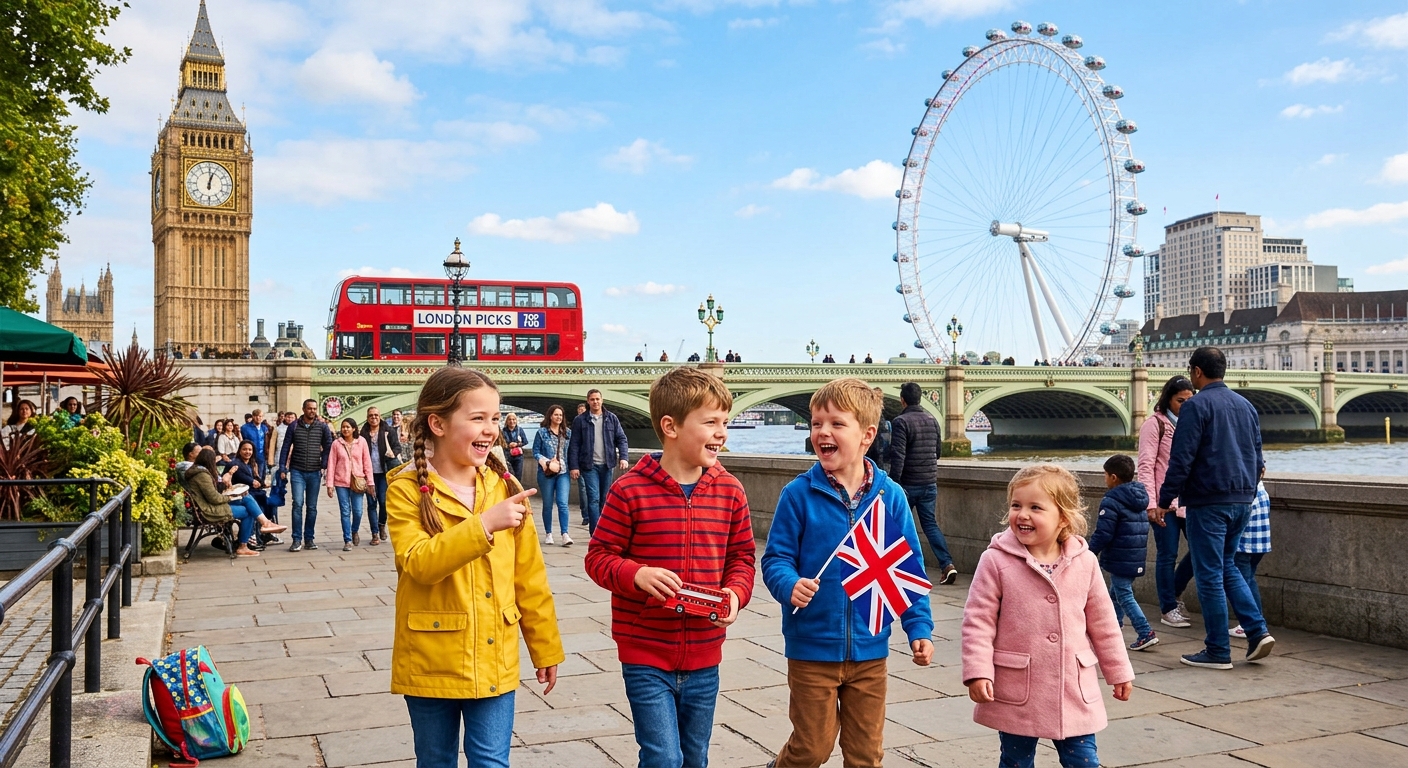
If you only have time for a fast planning answer, the best family experiences in London are the ones that balance wow factor with convenience. For most families, that means a mix of one iconic attraction, one free museum or park, and a food stop that doesn’t require a long wait. London is especially strong for family days because the city’s best kid-friendly spots are clustered in a few easy neighborhoods, which makes it easier to avoid too much transit.
What we’ve seen, especially heading into 2026, is that families do best when they choose based on age and weather first. Toddlers need shorter, calmer plans, while primary-school kids usually want hands-on experiences and a little spectacle, and teens want something that feels cool, social, or thrilling. If you’re visiting in wet weather, the city’s museum scene is a lifesaver; if the sun is out, the parks, riverfront, and zoo-style experiences become much more attractive. The smartest family plan is not “what is the most famous thing,” but “what is the best fit for today.”
2-3 sentence answer capsule summarizing the best overall options for families
The best all-around things to do with kids in London are the Natural History Museum, the Science Museum, the London Eye, Hyde Park or Regent’s Park, and a family-friendly river walk along the South Bank. If your budget is tight, lean on free museums and parks; if you want a special treat, book one paid attraction and fill the rest of the day with free stops nearby. In our experience, that formula gives families the best value and the least stress.
Best picks at a glance by age group, budget, and weather
| Family Need | Best Pick | Why It Works |
|---|---|---|
| Toddlers | Natural History Museum, Hyde Park, London Transport Museum | Short visits, sensory appeal, toilets, buggy access |
| Primary-school kids | Science Museum, SEA LIFE London, ZSL London Zoo | Hands-on learning and strong “wow” factor |
| Teens | London Eye, immersive exhibitions, climbing or bowling | Feels social, visual, and age-appropriate |
| Budget families | Free museums, parks, South Bank walk | Low entry cost and easy to combine |
| Rainy days | Museums, play centers, indoor attractions | Weather-proof and easy to book ahead |
| Sunny days | Parks, river cruises, zoo, playgrounds | Better outdoors than indoors when weather cooperates |
Fast route to the right choice: toddlers, kids, teens, and mixed-age families
For toddlers, keep the day short and pick one anchor attraction with clean toilets, lifts, and stroller-friendly routes. For kids in the primary-school range, choose a hands-on museum plus a playground or a scenic walk so they can burn energy between “look, learn, repeat” moments. For teens, the best strategy is to include one visually impressive stop, one social activity, and one food or dessert break that feels like a treat rather than a chore. Mixed-age families usually do best near the South Bank, South Kensington, or Greenwich because there’s enough variety to satisfy everyone without extra travel. We’ll break all of that down below so you can match the day to your crew instead of forcing everyone into the same plan.
20 Fun Things to Do with Kids in London: Top Picks Overview

London’s family scene is strongest when you compare attractions by kid appeal, value, queue risk, and weather proofing instead of just popularity. That’s why we built this list like a planning tool, not just a list of names. Some of the best options are free and iconic, while others are worth paying for because they create a memorable “big city” moment that children talk about for weeks. The trick is knowing which category each attraction falls into before you arrive.
In 2026, family planning is also more time-sensitive than it used to be. School holiday peaks, weekend crowding, and pre-booked time slots mean a little research goes a long way. We checked official venue pages and current family travel patterns to make this list practical for real-world planning. Some places are best early in the morning, some are better right before closing, and some are only really worth it if you combine them with nearby free stops. That is the kind of detail that saves a trip from becoming a queue marathon.
How this list was chosen: kid appeal, value, queue risk, and weather-proofing
We chose these 20 ideas by asking four questions: will kids actually enjoy it, does it feel worth the price, how bad are the lines, and what happens if the weather turns? That framework matters in London because family days can fall apart quickly if you ignore distance and weather. A place can be famous and still be a bad choice for your child’s age or your schedule. For example, a long, highly priced attraction may be perfect for a teen but not worth it for a sleepy toddler after lunch. Likewise, a free museum can be amazing value but still a poor fit if your kids are burnt out.
We also looked at whether attractions cluster well together, because the best family days in London are rarely single-stop days. If you can pair the London Eye with the South Bank, or South Kensington museums with Hyde Park, you reduce transit stress and increase flexibility. That’s especially useful for parents juggling snacks, naps, bathroom breaks, and mood swings. From experience, the places that make family travel easiest are the ones that give you multiple escape hatches. Those include nearby cafes, public toilets, seating, and an easy Tube or bus connection.
Top 5 must-do attractions for first-time family visitors
If it’s your first family visit to London, start with the London Eye, Natural History Museum, Science Museum, Hyde Park, and the South Bank walkway. Those five give you a good mix of iconic views, hands-on learning, open space, and easy logistics. The London Eye is the classic “big city” treat, while the museums are free and especially forgiving on rainy days. Hyde Park gives you room to reset, and the South Bank adds street performers, river views, and a simple walking route. These are the places we’d recommend to friends without hesitation.
First-timers should also consider the nearby food and transit setup. South Kensington is great for a museum-heavy day because you can shift between attractions without exhausting the kids. Waterloo and Embankment work well for the South Bank because they’re easy to reach and easy to leave if attention spans run short. That’s important because many family trip mistakes happen not at the attraction itself, but in the transitions. If you can keep the transfers short, the whole day feels smoother and more relaxed.
Top 5 best-value attractions for families on a budget
For value, the strongest family options are the Natural History Museum, Science Museum, Tate Modern, Hyde Park, and Greenwich Park. These are excellent because the main attraction is free or low-cost, but the experience still feels substantial. A family can easily spend half a day at the museums and another half day outdoors without spending much beyond snacks and transport. In a city like London, that is a real advantage, especially if you’re balancing entrance fees across several days. The free options are not “backup” ideas here; they are some of the best family experiences in the city.
If you want to keep costs down, build your day around one free anchor and one inexpensive treat. For example, a museum morning plus a picnic, or a park visit plus a cheap family meal, works beautifully. You can also save money by booking paid attractions in advance, since same-day tickets can be more expensive or harder to get during peak periods. We’ll cover booking tactics later, but the short version is: plan ahead when it matters, and keep your free options ready when it doesn’t.
Top 5 best indoor activities for rainy days
London rain is normal, so it pays to know the best indoor family plans. The top rainy-day choices are the Science Museum, Natural History Museum, London Transport Museum, SEA LIFE London, and the London Dungeon for older kids and teens who like spooky entertainment. These attractions are popular for a reason: they are easy to reach, mostly weather-proof, and engaging enough to fill a few hours without forcing kids to sit still too long. Indoor plans work best when they involve movement, interactive exhibits, and clear breaks.
We also recommend having one indoor backup near the area you are already visiting. For example, if you are around South Kensington, you can switch between museums without losing time to transport. If you are on the South Bank, indoor attractions like SEA LIFE or the London Eye can be paired with lunch and a riverside walk. This kind of flexible planning is especially important on weekends, when weather and crowds can both shift quickly. A good indoor plan should feel easy to pivot into, not like a complicated rescue mission.
Top 5 best outdoor and active options when the weather is good
When the sun comes out, London gets much better for active families. The best outdoor picks are Hyde Park, Regent’s Park, ZSL London Zoo, the Diana Memorial Playground, and a Thames river walk or river cruise. Outdoor time matters because many kids need a chance to run, climb, and reset after a museum-heavy morning. If you do one active thing well, the rest of the day often goes more smoothly. A good park or outdoor stop can save an entire itinerary from a meltdown.
Outdoor experiences also tend to work well with snacks and low-pressure pacing. You don’t need reservations for every part of the day, and that leaves room to follow your children’s energy. From experience, the best sunny-day families in London are the ones who do not overpack the schedule. They choose one scenic destination, one activity, and one food stop, then leave enough empty space for surprises. That makes the day feel like a vacation instead of a checklist.
Best Things to Do with Toddlers and Preschoolers
Toddlers and preschoolers need a different kind of London day. The best activities for under-5s are short, sensory, and easy to interrupt for snacks, naps, or bathroom breaks. That means the “best” attraction is not always the biggest or most famous one. A smaller, calmer visit with good facilities can be a much better choice than a long queue-heavy experience that leaves everyone tired and irritated. The good news is that London has plenty of stroller-friendly options that work well for this age group.
For little ones, we look for attractions with wide paths, lifts, family toilets, and enough visual stimulation to hold attention without overwhelming them. In 2026, many families are planning with more attention to accessibility and comfort than before, which is a smart shift. The city’s best toddler spots usually sit near parks, cafes, and transport links, so the day can be adjusted if nap time arrives early. That flexibility is a lifesaver when you’re traveling with a child who still runs on a completely different clock from the adults. Below are the best fits by style and need.
Soft-play, interactive, and short-duration experiences that suit under-5s
For under-5s, prioritize short-duration places where the experience is interactive but not overwhelming. The Diana Memorial Playground in Kensington Gardens is a standout for imaginative play, and many local soft-play centers and family cafes across London give toddlers a controlled space to climb, slide, and burn energy. The London Transport Museum is also excellent because children can climb aboard vehicles, push buttons, and explore without needing to understand a lot of context. For some families, a simple visit to a child-friendly farm or playground is actually more successful than a formal attraction.
The main rule with toddlers is to stop before the burnout point. That means one or two hours of active fun, then a snack or quiet break, then either a second small stop or heading home. London rewards this kind of pacing because there’s almost always a cafe, bench, or park nearby. If you try to force a full adult-style itinerary on a toddler, the day will usually unravel around lunchtime. Keep it simple, keep it close together, and choose one clear highlight.
Best toddler-friendly museums and sensory attractions
The Natural History Museum is often the top pick for toddlers because it combines giant dinosaurs, wide galleries, and free entry. The Science Museum is another good option, especially the family-friendly areas that let little children press, turn, and touch. London’s transport and discovery museums can also be good if your toddler is fascinated by buses, trains, or anything with wheels. These venues are popular for good reason: they are among the few museum experiences where young children can stay interested for more than a few minutes. They also provide enough visual variety to feel like a proper outing.
For sensory-friendly planning, visit early in the day or later in the afternoon when the biggest rush has passed. Quiet corners, predictable layouts, and spaces where children can move at their own pace matter more than a fancy lunch reservation. We’ve found that toddlers generally prefer fewer rooms done well over a long itinerary with too many transitions. If your child is sensitive to sound or crowds, a museum visit can still work if you choose a calmer weekday and keep expectations realistic. Short, pleasant, and flexible beats ambitious every time.
Stroller-friendly stops, toilets, feeding spaces, and nap-time planning
Stroller-friendliness is a huge factor in London, especially because the city has a mix of step-free stations and older Tube access points. South Kensington, Westminster, Waterloo, and Kensington Gardens are often easier for stroller movement than more complicated or crowded areas. Museums in the South Kensington cluster generally do well with family facilities, and larger parks help when a child needs a buggy nap. It is worth checking each venue’s accessibility and family facilities page before you go, especially if you need lifts or step-free access. This is one of those details that can make the difference between a smooth day and an exhausting one.
Plan around naps rather than pretending they do not exist. If your toddler sleeps in the stroller, build a route with enough outdoor or low-noise time to make that possible. If they nap indoors, consider pairing a morning museum with a lunch break and a quieter afternoon walk. Family toilets and feeding areas also matter more than most travel guides admit, so we strongly recommend checking the venue’s official website before booking. A place can look perfect online and still be a hassle if the facilities do not match your child’s needs.
Quiet-time and low-stimulation options for sensitive children
Some children need calmer, lower-stimulation experiences, and London can accommodate that if you choose carefully. Early morning park visits, quiet museum hours, and small neighborhood walks are often better than loud, crowded attractions. Places like Greenwich Park, St. James’s Park, and the calmer corners of the major museums can be much more manageable for children who get overwhelmed. A slower London day does not mean a less fun day; it often means a more enjoyable one for everyone involved. Parents of sensitive kids usually know that fewer transitions make a much bigger difference than price or fame.
If your child gets anxious in crowded settings, do not schedule back-to-back major attractions. Instead, choose one main stop and one open-air reset. A calm lunch, a playground break, or a short river walk can help re-center the day. You may also want to avoid peak weekend times and school-holiday surges, which can be especially busy in the most famous venues. London is very doable for sensitive children, but the key is to match the plan to the child rather than to the guidebook.
Best Things to Do with Primary-School Kids
Primary-school kids usually want more action, more discovery, and a stronger sense that the day is “for them.” London is ideal for this age group because so many attractions combine learning with movement and surprise. The best experiences often include a mission, a trail, an interactive zone, or a big visual payoff at the end. If your child likes facts and hands-on fun, this is the age when London really shines. You can mix education and entertainment without them feeling like they are in class.
What works best for ages 5-10 is an itinerary with variety but not chaos. A museum, a walk, and a snack stop can be enough if the museum has family activities and the walk has something to look at. We’ve found that kids in this age range love places where they can ask questions, press buttons, collect stamps, or follow a map. They also enjoy being given a small job, like spotting landmarks or finding a hidden object. London is full of those opportunities if you know where to look.
Hands-on science, discovery, and learning experiences
The Science Museum is one of the best choices for primary-school kids because it makes learning feel active. Children can explore exhibits, move through themed areas, and spend time in spaces designed for engagement rather than passive viewing. The Natural History Museum also works beautifully because the dinosaur galleries and giant animal displays feel dramatic and memorable. If your child likes transport, the London Transport Museum is a standout for turning buses and trains into a real adventure. These places are educational, but more importantly, they are fun in a way kids actually understand.
To keep the day successful, pair these learning-heavy attractions with something physical. A nearby park, an outdoor lunch, or a short walk gives children the chance to decompress. The best family days in London are not about maximizing educational content; they are about balancing curiosity with energy. That balance keeps kids engaged longer and prevents the classic museum slump after the first hour. We’d rather see a child fascinated than overinformed and exhausted.
Attractions with the strongest wow factor for ages 5-10
For pure wow factor, the London Eye, SEA LIFE London, the Tower of London, and ZSL London Zoo are hard to beat. The London Eye gives kids a huge city view and the feeling of doing something special. SEA LIFE London is a favorite because it’s visually immersive and works well even if children do not have a huge attention span. The Tower of London is better for slightly older or history-curious children, while the zoo gives you animals, walking, and a whole day’s worth of variety. These are the kinds of places that feel memorable even months later.
When choosing a wow-factor attraction, think about queue risk and overall pacing. A big-ticket stop is more successful if it is part of a broader plan rather than the only thing you do. For example, the London Eye works well with the South Bank, while the zoo pairs well with Regent’s Park. That keeps the day from becoming a one-item outing that feels too short or too expensive. For primary-school kids, the best souvenirs are usually not things you buy; they are the experiences they can retell.
Best family zones, trails, and activity booklets to keep kids engaged
Activity booklets, family trails, and treasure-hunt style prompts are gold for this age group. Many London museums offer family maps or themed worksheets, and these can transform a standard visit into a mini challenge. Children in primary school often love having a mission, especially if they can earn a sticker, stamp, or “did you find it?” moment. Family trails also help parents manage attention spans because they create a natural structure. You are no longer just wandering; you are completing an adventure.
We recommend checking the official site for downloadable trails or family resources before you go. Some venues publish activity sheets by age, which makes it easy to tailor the visit. This is especially helpful on crowded days when wandering aimlessly is more likely to lead to boredom. A structured route gives children a reason to keep moving and gives parents a way to focus the visit. It’s one of the simplest upgrades you can make to a family day.
How to balance education and fun without overloading the day
The main mistake parents make with primary-school kids is overloading the schedule with “good for them” experiences. Children this age do learn a lot from London, but they still need play, snack breaks, and some choice in the day. A museum plus an outdoor stop plus one special treat is usually the sweet spot. That gives you enough content to feel worthwhile without turning the outing into a lecture. Kids are usually more receptive when they feel included rather than managed.
We suggest building the day in layers: one anchor attraction, one flexible break, and one optional extra if energy is still high. If your child is having a great time, add the second stop. If not, simplify and leave on a win. London has enough depth that you do not need to force every idea into one day. In our experience, families remember the relaxed and playful days far more fondly than the overplanned ones.
Best Things to Do with Teens in London
Teenagers are often the hardest age group to please, but London actually offers a lot if you frame the day correctly. Teens usually want something that feels current, visually impressive, socially shareable, or a little bit thrilling. That means the best choices are not always the most “child-friendly” on paper. Instead, think about things that feel cool, independent, and worth posting about. If an activity looks good, moves fast, or has an edge, teens are much more likely to buy in.
London is also a strong teen city because it blends culture and urban energy. A teen can enjoy a museum, a skyline view, a sports activity, or a street-food lunch in a single day without feeling trapped in a childish itinerary. The key is avoiding anything that feels overly cute or too obviously aimed at younger children. Give teens some autonomy in the choices, and they usually respond better. That’s especially important if you’re traveling with mixed-age siblings and need one plan that does not embarrass the older child.
Trend-led experiences, thrill factor, and social-media-worthy stops
For teens, the London Eye, rooftop views, riverfront sunsets, and immersive installations often land well because they create strong visuals. Experiences that feel a little bit “big city” or “only in London” tend to work better than generic family outings. Some teens also love adrenaline-adjacent activities like climbing centers, zipline-style experiences, or escape rooms. The point is not to force a thrill; it’s to offer something that feels active and current. A skyline photo or a dramatic attraction can be more compelling to a teenager than a dozen smaller activities.
Social-media-friendly does not mean superficial. It simply means the experience should have a clear visual hook and a sense of place. The South Bank, for example, gives you performers, river views, and a lot of movement in one walk. That makes it easier to keep teens engaged, especially if they can stop for food or photos along the way. In 2026, that kind of flexible, experience-rich outing tends to work better than rigid “family time” in the old-fashioned sense.
Teen-approved museums, immersive attractions, and sports outings
Teens often enjoy museums more than parents expect, especially if the museum has modern design, interactive elements, or strong visual storytelling. The Science Museum, Tate Modern, and the design-heavy corners of major collections can work very well. Immersive attractions and sports-related experiences also tend to score higher with older kids. Depending on the season, that could mean a football tour, a climbing wall, or a time-based immersive exhibition. The more the experience feels active and current, the better it usually lands.
We’ve seen many families succeed by matching the teen’s interests to a single anchor activity and then adding a food stop they actually want. If your teen is into sports, music, fashion, or gaming, London can accommodate that with some planning. You don’t need every stop to be “teeny”; you just need enough relevance to keep them from disengaging. When teens feel consulted, they usually complain less and participate more.
Experiences that work well for mixed-age sibling groups
Mixed-age sibling groups are common, and they need attractions that can satisfy both younger kids and older teens without becoming awkward. The South Bank is one of the best areas for this because everyone gets something different out of it. Younger kids enjoy the motion and performers, older kids enjoy the views and energy, and adults appreciate the easy route and food choices. Museums with varied zones also work well because everyone can self-direct a little. That reduces sibling conflict and makes the day feel less forced.
Another smart move is to choose a “shared wow” activity such as the London Eye, a river cruise, or a big museum, then let each child have a say in the second half of the day. One child might want dessert, another might want a playground, and another might want a photo stop. That kind of compromise is far more successful than trying to find one perfect attraction for all ages. London’s diversity makes it one of the easiest cities for this style of planning if you keep the route compact.
How to keep teenagers engaged without making the day feel too childish
The biggest mistake with teens is overexplaining family fun. They usually want to feel treated like capable travelers, not little kids being managed through an itinerary. Give them a role in the plan, whether that’s choosing lunch, picking the last stop, or deciding between two neighborhoods. That small bit of agency can make a big difference. They are more likely to stay engaged if the outing feels collaborative rather than imposed.
Also, do not underestimate food and free time. A good lunch, a coffee or bubble tea stop, or an hour at a scenic spot can turn an okay day into a good one. Teens often remember the vibe more than the checklist. So if you want the outing to land, make it feel relaxed, photogenic, and worth their attention. London is excellent for that if you avoid trying to cram too much into the day.
Free Things to Do with Kids in London
One of London’s biggest strengths is how much you can do with children for free or nearly free. This is especially useful for family travel because not every day needs a big-ticket attraction to feel memorable. Free museums, parks, playgrounds, and open-air landmarks can easily fill a full day if you plan them well. For budget-conscious families, this is where London really shines. The key is knowing which free options are actually worth your time and which are better as short add-ons.
We checked the usual family favorites and the best free days almost always combine indoor and outdoor stops. That gives you flexibility if the weather changes and keeps kids from getting bored too quickly. A free day can still feel rich and varied if you choose a good neighborhood cluster. London is especially good at this because many top museums sit close together, and the parks are often within walking distance. In other words, “free” does not mean “thin” if you plan it right.
Major free museums that are genuinely kid-friendly
The Natural History Museum, Science Museum, and Tate Modern are among the strongest free family attractions in the city. They work because they offer scale, variety, and plenty of things to look at without requiring every child to be a museum lover. The Natural History Museum is a slam dunk for dinosaur fans, while the Science Museum is ideal for hands-on curiosity. Tate Modern can be surprisingly engaging for older kids and teens, especially if you focus on the building, space, and visually dramatic installations rather than trying to cover everything. These are the places we’d prioritize first on a budget trip.
Free museums are even better when you use them as anchors instead of one-off errands. Pick one museum, arrive early, and add a nearby park or lunch stop. That way, the day feels planned and not random. For families, the real value is not just the lack of entry fee, but the fact that you can spend more or less time depending on your child’s interest. That flexibility is one reason these institutions remain so popular with local parents as well as visitors.
Best free parks, playgrounds, and open spaces
Hyde Park, Regent’s Park, Kensington Gardens, St. James’s Park, and Greenwich Park are all excellent free options. The Diana Memorial Playground is a standout for younger children, while Regent’s Park offers broad open spaces and easy pairings with the zoo. St. James’s Park is especially good if you want a simple scenic walk near central London landmarks. Greenwich Park gives you views, space, and a more relaxed atmosphere than many central attractions. These parks are not just “nice to have”; for many families, they are the part of the trip children remember most fondly.
Parks are also one of the easiest places to absorb energy changes during the day. If kids are getting restless in a museum, heading to a playground can save the outing. If everyone needs lunch in the open air, a park solves the problem without a reservation. London’s park network is one of the reasons it is so family-friendly, because it offers built-in reset points. You should absolutely use them.
Free wildlife, city farm, and riverfront ideas
London also has excellent wildlife-leaning family options that don’t always require high entry fees. Depending on the area and season, you can spot birds, ducks, and other animals in the parks, or visit city farm-style experiences that feel especially good for younger children. Riverfront walks along the Thames, especially near the South Bank or Greenwich, also give kids plenty to look at without costing anything. These are the kinds of activities that are easy to underestimate, but they can carry a whole afternoon if the weather is kind. They are especially good for children who like motion and observation more than formal learning.
Free wildlife and riverfront experiences are great because they can be layered with snack stops and transportation breaks. A ferry or river bus can feel like a treat without the price of a formal attraction. If you’re traveling with a stroller or a mixed-age group, these open-air options are often the easiest to manage. They are also some of the best ways to see London in a low-pressure, local-feeling way. That’s the kind of family outing many visitors miss when they focus only on headline attractions.
How to build a full free family day without spending much on transport or food
To build a truly budget-friendly family day, cluster your stops by neighborhood so you’re not paying for multiple long transit rides. Start with one free museum, move to a park or river walk, and then choose a simple lunch or picnic. If you time it well, you can spend most of the day on foot and avoid unnecessary extras. The cheapest family days are usually the best-planned ones, not the most restrictive. That means thinking about location, not just attraction names.
One practical strategy is to bring snacks and use public seating and open spaces for breaks. Another is to use free entry venues in the morning, when energy is highest and queues are usually more manageable. You can then keep the afternoon flexible for whatever the family feels up to. London rewards this approach because the city is dense with options. A little planning can turn a zero-entrance-fee day into a genuinely satisfying outing.
Rainy Day and Indoor Activities for Kids in London
Rainy-day planning is not optional in London; it’s part of the game. The good news is that the city has some of the best indoor family attractions in Europe, so a wet forecast does not have to ruin your day. In fact, some of the most memorable family visits happen indoors because the kids are focused, comfortable, and less distracted by weather. The trick is choosing indoor activities that are genuinely engaging rather than just “somewhere to go.”
For 2026 family planning, indoor backup thinking is more important than ever because school holiday crowds can make the most famous attractions busier than expected. We recommend booking one indoor anchor and having a second nearby backup if possible. That way, if a venue feels too crowded or the children are tired early, you have somewhere else ready. Indoor plans also work best when they include food nearby, since you’ll want a warm drink or lunch before heading back out. London’s indoor family scene is broad enough that you can match it to almost any age or energy level.
Best all-weather attractions when you need a guaranteed indoor plan
The Science Museum, Natural History Museum, SEA LIFE London, London Transport Museum, and the Warner Bros. Studio Tour London are among the safest all-weather bets for families. Each offers enough indoor coverage to handle rain, wind, or cold without the day feeling compromised. The Science Museum and Natural History Museum are especially easy because they’re free and have broad appeal. SEA LIFE London is a strong choice if your kids love animals and underwater settings. Warner Bros. is more of a destination trip, but many families consider it a major highlight if they have older kids or Harry Potter fans.
Guaranteed indoor plans are worth paying for when they remove uncertainty. A rainy weekend with kids can spiral quickly if you do not already have a good indoor option. That is why families often book one anchor experience ahead of time even when they are trying to stay flexible. It gives you a safety net and a clear focal point for the day. In London, that kind of confidence is worth a lot.
Museum-based options that are ideal in wet, cold, or windy weather
Museums are especially valuable because they let you stretch the day at your own pace. The key is choosing ones with enough hands-on content that children don’t simply drift from room to room. The Science Museum is the most obvious choice for this, but the Natural History Museum and London Transport Museum also deliver strong family experiences. Some museums have family trails, craft areas, or interactive galleries that make a rainy day feel like an adventure rather than a compromise. These are excellent options when outside conditions are poor and you still want the day to feel worthwhile.
When using museums as rainy-day anchors, check opening hours and any timed entry requirements on the official site. A rainy Saturday can be a very different experience from a rainy Tuesday, especially around holidays. If you want less stress, go early or later in the day and avoid the middle-of-the-day rush. That pattern often helps with toilets, seating, and finding space for a buggy. These practical details matter more than most people realize.
Indoor entertainment for high-energy kids: climbing, bowling, arcades, and play centres
Not every child wants a museum day, and London has plenty of high-energy indoor options. Climbing centers, bowling alleys, trampoline-style venues, soft-play centers, and family arcades can all be lifesavers on a wet afternoon. These spaces are especially useful for kids who need movement more than information. They also work well if you have siblings with very different needs, because some can run while others stay a bit more contained. If you’re traveling with local kids or returning visitors, these may feel more exciting than the “classic” sights.
The best indoor active venues are those that also work for parents. That means decent seating, visible play areas, and easy food access. You do not want an activity that leaves adults standing in a noisy hallway for two hours. Check age limits, grip-sock rules, and booking slots before you go, because these can vary a lot by venue. A little prep keeps high-energy fun from becoming high-stress logistics.
Booking tips for rainy weekends and school-holiday peak times
Rainy weekends can be busier than sunny ones because everyone has the same backup plan. That means advance booking matters even more for indoor attractions during school holidays and half-term periods. If a venue offers timed entry, choose an early slot and build the rest of the day around it. That usually gives you the best chance of smoother entry and shorter lines. If your plan is flexible, aim for weekday visits whenever possible.
We also recommend checking the attraction’s official website for closures, special exhibitions, and family hours. Small schedule changes can make a big difference in how crowded the venue feels. For transport-heavy days, keep the route simple so a rainy weather delay does not turn into a full itinerary collapse. London is excellent at rainy-day recovery, but only if you choose venues with practical access and enough space for families to move comfortably.
Outdoor and Active Things to Do with Kids in London
When the weather cooperates, London becomes a much more active and open-air city for families. Outdoor days are where kids can run off energy, parents can breathe a little, and everyone can enjoy a more relaxed pace. The city has great parks, playgrounds, zoos, river walks, and seasonal outdoor events that make it easy to build a full day without overthinking it. If the forecast is good, use it. London’s indoor strengths are famous, but its outdoor family options are just as important.
For a good outdoor day, look for one scenic anchor, one activity stop, and one easy food break. That could mean a zoo morning, a park lunch, and a river walk in the afternoon. It could also mean a big playground plus a picnic plus a ferry ride. The point is to keep the day moving without turning it into a race. Families often enjoy outdoor London most when they leave some gaps for unplanned stops, like duck-feeding, photos, or an ice cream break.
Parks, playgrounds, and adventure spaces
Hyde Park, Regent’s Park, Kensington Gardens, St. James’s Park, and the Diana Memorial Playground are top-tier family outdoor spots. Each one offers a different kind of experience, from open lawns to structured play to scenic walks. The Diana Memorial Playground is especially beloved because it feels designed for imaginative children rather than just being a patch of equipment. Regent’s Park has the bonus of pairing easily with the zoo, which makes a full day more natural. These spaces are excellent for families because they are free, flexible, and easy to interrupt if someone gets tired.
Adventure spaces and larger playgrounds are often underrated because they seem too simple compared with major attractions. In reality, they can be the most valuable part of a family day, especially if children need physical movement. The best outdoor play areas usually also have toilets, nearby cafes, and plenty of seating for adults. We’d always suggest checking opening hours and access details if the playground is inside a managed park or attraction. Simple can still be well planned.
River walks, bike rides, and family-friendly sightseeing routes
The South Bank walk is one of the easiest family-friendly routes in central London because it gives you views, performers, food, and landmarks without much complexity. You can also enjoy relaxed riverside walking in Greenwich or along other Thames-side sections, depending on your starting point. For slightly older kids, bike rides or scooter-friendly routes can be a fun way to cover more ground without feeling like a formal tour. These activities are ideal when children want movement but not necessarily a ticketed attraction. The city becomes the playground.
If you plan a walking route, make sure there’s a clear end point with food or transport. Kids usually enjoy a walk more when they know there’s a payoff. A river cruise or ferry ride can work as a great transition between two neighborhoods. It gives everyone a break from walking and makes the journey part of the fun. That kind of route is one of our favorite ways to help families see the city without fatigue.
Zoo, farm, and nature-based experiences
ZSL London Zoo is one of the standout paid outdoor options, especially for primary-school kids and animal lovers. It’s big enough to feel like a proper day out and varied enough to keep children moving. Depending on your itinerary, city farm experiences and nature-oriented parks can also offer a gentler, lower-cost alternative. These options are particularly good for younger kids who love animals but may not have the stamina for a full, busy day. Nature-based attractions tend to work well in spring and summer, but even in cooler months they can be refreshing if layered with indoor breaks.
Animal-focused days are also useful because they naturally create pacing. Children often move from exhibit to exhibit with less resistance if there’s a goal, like spotting a favorite animal. Parents should still check weather exposure and on-site food availability, because outdoor animal days can run longer than expected. A good animal day is part sightseeing, part education, and part energy release. That’s a combination many families need.
Best outdoor options for sunny weekends and school breaks
On sunny weekends, the best strategy is to go early and choose open-air attractions that can absorb a crowd. Parks, the zoo, the South Bank, and river walks all become more popular when the weather is good, so an early start helps. School breaks can be especially busy, which is why it helps to book major attractions ahead and use free spaces as overflow. If your family is visiting during summer, bring water, hats, sunscreen, and a plan for shade. London is not always thought of as a heat city, but summer days can still be intense.
Outdoor plans are most successful when they are simple and location-based. Don’t try to cover all of London in one sunny day. Pick a neighborhood and let the weather do the work. The city is much more pleasant when you allow yourself to linger in one area rather than constantly moving from site to site. That’s how you get the easy, local-feeling day most families are actually looking for.
By Neighborhood: Where to Go in London with Kids
Neighborhood planning is one of the smartest ways to build a family day in London. The city is large, but its best kid-friendly attractions cluster into clear areas that make sense for different ages and budgets. If you choose a neighborhood well, you can reduce transport time, avoid unnecessary stress, and make lunch easier to handle. That matters more with kids than almost anything else. A good family outing in London is often less about the attraction itself and more about the area around it.
We checked the main family zones that locals and visitors use most: South Bank, Westminster, South Kensington, Greenwich, Camden, Regent’s Park, and parts of East and North London. Each has a different feel and works better for different family types. Some are ideal for first-time visitors, while others are better for a more local, relaxed day. If you build around neighborhoods instead of isolated attractions, you’ll have a much easier time making the whole day flow naturally.
South Bank and Westminster family day ideas
The South Bank is one of London’s best family areas because it combines landmarks, food, entertainment, and easy walking routes. You can pair the London Eye with riverside strolling, street performers, and nearby indoor options like SEA LIFE London. Westminster adds iconic views, but it can feel busier and more transit-heavy, so it works best when you keep the plan focused. This area is excellent for first-time visitors who want that classic London feeling without needing to bounce across the city. It’s also one of the easiest places to create a flexible half-day or full-day outing.
We like the South Bank because it gives you room to change plans. If kids get tired, you can shorten the walk. If they’re loving it, you can stretch the day with lunch, dessert, or another attraction. The area works best if you arrive by Tube or bus and avoid piling on too many separate bookings. In practice, this is one of the most family-friendly urban areas in London for all ages.
South Kensington museum cluster for easy multi-stop planning
South Kensington is a dream for families because the museums are close together and the area is extremely practical. The Natural History Museum and Science Museum are the obvious anchors, but the neighborhood also gives you easy access to cafes and Hyde Park. This is one of the best places in the city for rainy days because you can move between attractions with relatively little friction. It also works well for toddlers because the surrounding streets and park access allow for stroller breaks. If you want one neighborhood where education and convenience meet, this is it.
The challenge here is simply not trying to do too much. The museum cluster can tempt families into overbooking because everything looks close and doable. But one strong museum plus a park break is often enough for younger kids. If your children are older and highly engaged, you can add more. The beauty of South Kensington is that it supports both light and ambitious plans. It’s one of the most versatile family neighborhoods in London.
Greenwich, Camden, and Regent’s Park area ideas
Greenwich is wonderful for families who want a slightly slower pace, riverside views, and an area that feels more like a day trip inside the city. The park, observatory area, and water-adjacent setting make it especially appealing for children who like open spaces. Camden, by contrast, is a more energetic choice and can be interesting for older kids and teens who enjoy markets and city buzz. Regent’s Park is one of the easiest green-space anchors in central London, especially if you are pairing it with the zoo. Each of these neighborhoods offers a very different kind of family day.
Greenwich works best when you want a less rushed outing, while Camden is better for families with older children who enjoy sensory, urban environments. Regent’s Park is a strong “reset” neighborhood that can support a zoo day or a relaxed picnic. Choosing between them depends on whether you want calm, energy, or green space. That’s why neighborhood choice matters so much in family trip planning.
East London and North London family-friendly options
East and North London can be excellent for families who want something a little less tourist-heavy. Depending on the specific area, you can find parks, museums, markets, play spaces, and more local-feeling family outings. These neighborhoods are often a better fit for repeat visitors or families staying longer in the city. They can also offer good food options and slightly less crowded vibes than the central tourist core. If your family prefers a more neighborhood-based day rather than a landmark hunt, these areas are worth exploring.
Because East and North London are broader and more varied, it helps to pick a specific attraction first and then build nearby food and transit around it. That keeps the outing simple. These areas are also useful when you want a break from the highest-profile tourist zones. Families often appreciate the change of pace, especially on a second or third London day.
How to choose a neighborhood based on Tube access, walkability, and food options
The best family neighborhood is the one that matches your child’s stamina and your willingness to walk. If you need easy Tube access and minimal stairs, choose a well-connected area like South Kensington, Waterloo, or Westminster and check step-free access in advance. If walkability matters more than transit, parks and museum clusters are your friend. Food options matter too, because hungry kids change the entire equation very quickly. You want easy lunch, snack, and coffee access without a long search.
As a rule, choose neighborhoods with a simple loop or linear route. That lets you move forward without backtracking when energy dips. In London, a good family day often feels “small” in geography even if it contains many experiences. That is exactly what you want. The city is big enough; your route doesn’t need to be.
Best Paid Attractions Worth Booking Ahead
Some London attractions are worth paying for because they deliver a distinct experience that free options cannot fully replace. The best paid family attractions usually offer a strong view, a memorable theme, or an immersive environment that children talk about afterward. But not every paid attraction is equal, and families should think about value, age fit, and queue risk before booking. We recommend treating paid attractions as “anchor moments,” not automatic must-dos. That way, you spend money where it really matters.
Booking ahead is especially important in 2026 because family-friendly time slots can sell fast on weekends, holidays, and school-break weeks. If you want the best value, compare the price against duration, nearby free extras, and whether the attraction fits your child’s age. Some things are worth the splurge because they are efficient and memorable; others are better skipped in favor of free museums or parks. Here’s how to tell the difference.
London Eye and nearby family landmarks
The London Eye is one of the most iconic family experiences in the city, and many children absolutely love the feeling of seeing London from above. It’s especially appealing for first-time visitors because it offers a clear, easy-to-understand payoff: you get the view, the photos, and the “we did London” moment. The ride itself is not long, so it works best when paired with the South Bank or nearby attractions. Official booking and current opening details are available on the London Eye’s website, and families should check timed entry before visiting. The current-year family value is strongest when you combine it with surrounding free activities.
Is it worth it for kids? Usually yes, if they enjoy views or if this is their first big London trip. The ride is calmer than many families expect, and it can be a good choice for children who do not want something overly stimulating. It is less ideal if your children want lots of motion or active play. That’s why we see it as a “special moment” attraction rather than a full-day solution. The surrounding neighborhood makes it much more valuable than the ride alone.
SEA LIFE London, Madame Tussauds, and immersive attraction clusters
SEA LIFE London is a strong choice for children who love marine life, underwater tunnels, and bright visual environments. Madame Tussauds can also be a hit with older kids and teens who enjoy celebrity-style photo moments, though it depends heavily on the child’s personality. These attractions are often sold together in family tourism bundles, which can be useful if you want a packaged day and are willing to pay for convenience. Official websites should always be checked for current pricing and time slots because these can shift by season. The appeal here is straightforward: they are easy to understand and fun without requiring much prior knowledge.
These clustered attractions make sense if you want a concentrated sightseeing day. They work less well if your family is already museum-heavy or if you prefer a quieter pace. From a value perspective, the best time to book is when you can combine them with nearby lunch or a riverside walk. Otherwise, the day can start to feel expensive for the amount of time spent inside. They are good, but only if they fit the rest of your plan.
Paddington Bear Experience and other character-led attractions
Character-led attractions can be fantastic for younger kids who connect strongly with a favorite story or figure. The Paddington Bear Experience is a good example of the kind of themed outing that can create a lot of joy if your child loves the character. Similar experiences around London often change over time, so checking current official availability is essential. These kinds of attractions are at their best when the child already has emotional buy-in. If they do, the experience can feel magical; if not, it may not justify the price.
We recommend character-led attractions for children who are already enthusiastic about the theme. They are often less about educational value and more about emotional connection and memory-making. For the right child, that is absolutely worth it. For a less interested child, a free museum or zoo may be better value. This is one of the clearest examples of “fit” being more important than popularity.
When paid attractions are worth it versus when free options are better value
Paid attractions are worth it when they solve a problem: they offer a unique experience, they save planning time, or they create a major family memory. Free attractions are better when the goal is simply to fill time, keep costs down, or stay flexible. If your child is young and easily overwhelmed, free museums and parks often provide better value because they can be customized to your pace. If your child is older, some paid attractions become more attractive because they feel purposeful and exciting. The decision should be based on your child and your schedule, not on a generic “must-do” list.
Our general rule is to pay for one big highlight and use free stops to support it. That gives you balance and keeps the budget manageable. London is one of the few cities where this strategy works extremely well because the free alternatives are actually high quality. If you choose carefully, you can have a very full family day without spending on every single stop.
Best Museums for Kids in London
London’s museums are among the city’s biggest family assets because they turn learning into a fun, flexible experience. For kids, the best museums are the ones with hands-on areas, big visual hooks, and enough space to move around without constant pressure. The city’s top museums are also great for parents because many offer free entry to the main collections, family trails, and accessible layouts. If you’re planning a rainy day or a low-cost day, museums should be at the top of your list.
The main museum challenge is not quality; it’s choosing the right one for your child’s age and attention span. Some kids can spend hours exploring, while others need a more focused visit. We recommend keeping the visit short enough that curiosity stays high. London’s museum system rewards selective planning. The best museum day is one that leaves kids wanting more, not feeling done in.
Science, natural history, transport, and discovery museums
The Science Museum is excellent for curious kids who enjoy experiments, engineering, and interactive discovery. The Natural History Museum is the classic choice for dinosaur fans and children who are drawn to big animals and dramatic architecture. The London Transport Museum appeals to vehicle lovers and younger children who enjoy climbing into buses, trains, and transport-themed play. These museums give you a strong spread across age groups and interests. They are among the most reliable family wins in the city.
For families, these museums are especially useful because they can support both short and long visits. If a child loses interest after an hour, you still got a good outing. If they are hooked, you can stretch it longer. That flexibility is a big reason why these institutions remain so popular year after year. They are not just educational; they are highly practical.
Interactive exhibits and family trails to look for
When choosing a museum, look for interactive galleries, family trails, and hands-on zones rather than only the headline exhibits. These are what keep children engaged once the initial excitement wears off. Many London museums publish activity sheets, seasonal programs, or age-specific routes on their official websites. These can be extremely helpful if you want to avoid wandering aimlessly. A simple scavenger-hunt style trail can transform a museum visit from passive viewing into a game.
Interactive features are also useful for mixed-age groups because children can engage at different levels. One child might read every label while another races to the next activity station. That’s normal, and it’s why family trails work so well. They allow each child to feel involved without requiring everyone to process the museum in the same way. That’s the ideal setup for family harmony.
Museums with free entry versus paid special exhibitions
Many of London’s best family museums have free main entry but paid special exhibitions. This can be a smart model if you’re trying to balance value and novelty. Free entry gives you a reliable baseline, while a special exhibition can provide the “extra” if your child is especially interested. Always check the official website for current ticket structures, because the details can change. Some families will be perfectly happy with the free galleries alone, which is often the best value in the city.
Paid exhibitions make the most sense when they are age-appropriate and tightly themed. A child who is deeply interested in dinosaurs, space, or transport may find the add-on worth it. If not, the free collection is usually enough. That is one of the reasons London is so family-friendly: you can customize the spend based on interest without losing the whole day’s value.
How to plan a museum day so kids do not get bored
The easiest way to avoid boredom is to limit the number of museums in one day. One major museum plus a lunch or playground break is usually enough for younger children. Older children can sometimes handle two, but only if the route is short and the topics are different. Try not to stack too many similar experiences back-to-back. That can make even a great museum feel repetitive.
Build in movement and choice. Let children pick one gallery, one object to find, or one family trail to complete. Keep the food break simple and nearby. If everyone is still having fun, add a second stop; if not, call it a success and leave. That flexible approach is usually the difference between a smooth museum day and a tired one.
Best Shows, Theatre, and Performance Experiences for Families
London’s family performance scene is much stronger than many visitors expect. Beyond the big West End musicals, there are children’s theatre productions, storytelling sessions, comedy shows, seasonal performances, and live entertainment that can be a highlight of a family trip. Performance is a great option when you want to sit down, stay warm, and still feel like you’ve done something special. It can also be a good break from walking-heavy days.
The best family shows are age-specific and not too long, especially for younger children. Teens tend to enjoy bigger productions, immersive shows, or comedy that feels more grown-up. Families should check age guidance carefully because some performances are designed for slightly older kids. In 2026, booking ahead remains important for popular family performances, especially during holidays. A show can be a fantastic way to end a day without overstimulating the children before bed.
Kid-friendly West End shows and family theatre
West End family shows are one of London’s classic treats, and the city offers plenty of productions that work for children. Big musical productions, stage adaptations, and family-oriented stories can be especially effective for ages 6 and up. The excitement of the theater district itself also adds to the experience. Kids often remember the lights, the crowd, and the sense that they are doing something special in the heart of the city. That atmosphere is hard to replicate elsewhere.
When choosing a show, look for runtimes that match your child’s stamina and consider a matinee for younger kids. Family theatre works best when the pace is accessible and the story is easy to follow. If your child is shy, pick a show that has strong visuals and music rather than something dialogue-heavy. This is one of those places where the right match matters more than the title. A good family show can become the emotional centerpiece of the trip.
Interactive shows, storytelling, and seasonal performances
Interactive performances and storytelling events can be excellent for younger children because they include movement, response, and participation. Seasonal shows around holidays, especially Christmas and school breaks, are particularly popular with families. These performances often feel more intimate and playful than a big commercial production. If your child likes to be part of the action, these are often the best choice. They can be a refreshing alternative to more traditional sightseeing.
Seasonal performances also work well because they give your day a special calendar feel. A winter story show or an Easter-season performance can make a trip feel memorable and time-specific. Always check official event pages for age guidance and booking availability. Smaller shows can fill quickly when families are traveling during school holidays. If you know your dates, book early.
Comedy, circus, and live entertainment options for older kids and teens
Older kids and teens may enjoy comedy, circus, or live performance formats that feel a bit more adventurous. These are good options when you want something less “little kid” and more broad-appeal. Some live entertainment in London is especially strong because the city has a huge performance culture. Teens often respond well to spectacle, rhythm, and things that feel unusual or high energy. A circus or comedy outing can make the night feel distinct from daytime sightseeing.
For mixed-age families, live entertainment can be the safest place to split the difference. Younger children may enjoy the visuals, while older siblings appreciate the energy or humor. Check age rules carefully, though, because not every show is suitable for every child. A little due diligence avoids disappointment at the door. That’s especially important if you are traveling on a tight schedule and can’t easily pivot.
Booking and seating tips for younger children
For younger children, seating matters as much as the show. Aim for good sightlines, easy access to exits, and a schedule that won’t run too late. Matinees are often the best choice because they fit better with bedtime and reduce fatigue. If possible, choose an aisle seat for a quicker exit if needed. This may sound minor, but in practice it can make the experience much calmer for the whole family.
Always check official venue guidance on age limits, booster seats, and family-friendly facilities. Some theaters have clear policies and family programs, while others are better suited for older audiences. A small amount of preparation helps ensure the show feels special rather than stressful. In a city like London, that preparation pays off.
Best Food and Drink Experiences for Families
Food is part of the experience in London, and family dining can either be easy or frustrating depending on where you go. The best places for children are casual, quick to serve, and near the attractions you already planned to visit. There’s no reason to overcomplicate lunch when you’re traveling with kids. A good meal should support the day, not interrupt it. That means thinking about lines, seating, allergies, and how hungry everyone will be after walking and sightseeing.
London has great family food options near major attractions, plus plenty of parks and picnic-friendly spots. The city is also good at casual international food, which helps with picky eaters. If you’re traveling on a budget, food strategy can save a lot of money. If you want a treat, you can still find it without making the entire outing expensive. From experience, a well-timed snack stop can prevent more tantrums than almost anything else.
Family-friendly restaurants and casual dining areas
Family-friendly restaurants are easiest to find around the South Bank, South Kensington, Covent Garden, Greenwich, and larger park areas. Casual dining is better than formal dining when you’re managing kids, especially if you are between attractions. Look for menus with simple options, visible seating, and quick service. That kind of setup reduces stress and keeps the day moving. It also makes it easier to accommodate different appetites in one group.
When in doubt, choose places where families are already common. If you see other strollers, kids, and quick-turn tables, you’re usually in the right spot. The best family meal is not necessarily the “best restaurant” by foodie standards. It’s the place where everyone eats, recharges, and leaves in a good mood. That’s a different kind of success.
Treat stops: dessert cafés, afternoon tea, and themed dining
A family trip in London deserves one treat stop, even if the rest of the day is budget-friendly. Dessert cafés, sweet shops, themed dining, and kid-friendly afternoon tea can turn an ordinary outing into something memorable. Afternoon tea can work well for children if the venue is relaxed and not too formal, and dessert stops are often a safer bet for mixed ages. These are the places where the day becomes a little more celebratory. If you choose them well, they add a lot of joy without taking too much time.
Themed dining is most successful when it matches the child’s interests. A character-themed cafe may be a hit with one family and irrelevant to another. That’s why we recommend using treats as a reward for a good day rather than the core of the outing. Done right, they make great photos and happy memories. Done badly, they become an expensive detour.
Picnic-friendly parks and easy lunch planning
Picnics are one of the easiest ways to keep a family day flexible and affordable. Hyde Park, Regent’s Park, Kensington Gardens, and Greenwich Park are all good picnic choices, especially in spring and summer. Picnics let you decide lunch on your schedule instead of around restaurant queues. They also give children a chance to rest in open air, which usually helps the afternoon go better. For many families, a picnic is the most “London local” thing they do all day.
If you plan to picnic, buy food near your morning attraction so you’re not carrying it too far. Bring wipes, napkins, and a simple blanket if you expect to sit on the grass. This kind of planning sounds small, but it improves the whole outing. It also gives you a low-cost fallback if restaurant lines are too long. That flexibility is worth more than it seems.
Tips for picky eaters, allergies, and budget-conscious families
Picky eaters are easier to manage in London than in many cities because there are so many casual food formats. Sandwich shops, bakeries, grocery snacks, and simple cafes are everywhere near major attractions. If your child has allergies, check menus online before you arrive and do not assume that any place is automatically prepared. The best strategy is to have one reliable food plan and one backup snack source. That reduces the odds of a meal becoming the most stressful part of the day.
Budget-conscious families should think in terms of meals plus snacks rather than full restaurant stops every time. A big lunch and a simple dinner, or a picnic and a dessert stop, can work well. This approach gives you variety without overspending. London can be expensive, but food doesn’t have to be the thing that pushes the day over budget. Use the city’s casual options to your advantage.
Seasonal Guide: Best Things to Do with Kids in London by Time of Year
Seasonality matters a lot in London because the city changes character with the weather, school calendar, and holiday season. The best things to do with kids in London in spring are not always the same as the best things in winter. Families who plan around the season usually have a much better time because they match the city’s strengths to the conditions of the day. That is especially important if you’re visiting from abroad and trying to balance sightseeing with practical comfort.
We also recommend planning around school breaks, half-term, and weekends because crowd levels can change dramatically. Some experiences are best booked weeks ahead in peak seasons, while others are easier to enjoy spontaneously. If you’re traveling in 2025-2026, holiday timing and current opening hours should always be checked on official websites. Seasonal flexibility is one of the biggest advantages of London family planning if you use it well.
Spring family ideas and Easter-period planning
Spring is one of the nicest times for family outings in London because the parks start coming alive and outdoor time becomes more appealing. This is a great season for Hyde Park, Regent’s Park, Greenwich Park, and museum-plus-playground combinations. Easter periods can be busy, so booking a major attraction ahead is smart if you’re traveling then. Spring also works well for river walks and early outdoor lunches because the temperatures are usually more comfortable than in winter. The city feels lighter and easier in this season.
Easter holiday planning should include an indoor fallback because spring weather can still be unpredictable. A museum, zoo, or family performance can save the day if rain shows up. The best spring family trips are the ones that mix flowers, open space, and one indoor anchor. That creates a balanced day that feels seasonal and manageable at the same time.
Summer outdoor events, festivals, and water play
Summer is ideal for outdoor family plans, but it also brings bigger crowds and more competition for popular attractions. Parks, playgrounds, river walks, and water-friendly spaces become especially attractive. Families with kids should also think about shade, hydration, and timing because hot days can wear children out quickly. The best summer days are often early-start days that end before the afternoon heat and crowds peak. London can be wonderful in summer if you pace it well.
Summer is also a strong season for festivals, family events, and outdoor entertainment, many of which can be found on Gidly and official venue pages. If you want a more local experience, look for pop-up family events, outdoor cinema screenings, or community activities in park settings. These can add personality to the day without replacing the main sightseeing. Summer in London should feel lively, not exhausting.
Autumn half-term and indoor fallback plans
Autumn is a perfect time to use London’s indoor strengths because the weather often becomes less reliable and half-term crowds can spike. This is when museums, family shows, and indoor entertainment really matter. The city’s tree-lined parks also look beautiful in autumn, so you can still build a mixed indoor-outdoor day. If you’re planning a half-term trip, the booking window matters more than at quieter times of year. Many family-friendly activities fill quickly during school breaks.
We like autumn as a season for shorter, richer days. That means one museum, one treat, and one scenic stop. You get the seasonal color without trying to do too much. If the forecast looks bad, shift quickly to indoor backup and keep the plan simple. Autumn rewards flexibility more than ambition.
Winter lights, Christmas markets, and holiday theatre
Winter is one of the most magical times to do family activities in London if you focus on atmosphere rather than quantity. Christmas lights, seasonal markets, ice rinks, and holiday theatre can make the city feel extra special. Younger children often love the visual sparkle, while older kids enjoy the novelty of being in a big city at holiday time. The trick is to avoid overplanning, because winter days are shorter and colder. You want a warm, memorable outing, not an all-day endurance test.
Holiday theater and indoor attractions are excellent winter choices because they reduce weather stress and feel celebratory. Check schedules early, since family-friendly winter performances and special events can book out fast. If you’re visiting in December or early January, use official venue pages to verify holiday hours. Winter in London works best when the plan is compact, festive, and well timed.
Planning Tips, Prices, Booking, and Getting Around London with Kids
Practical planning is what makes a family day in London successful or stressful. Even the best attraction can feel hard if you misjudge the travel, prices, or queue situation. That’s why logistics matter so much for family travelers. The good news is that once you understand the basics, London is surprisingly easy to navigate with kids. It just rewards a bit of advance thinking.
We checked the common family pain points—prices, booking, transit, and comfort—and the biggest pattern is that families do better when they plan the “shape” of the day, not every minute. Choose your neighborhood, choose your main attraction, and figure out lunch before you go. That’s usually enough. From there, a little flexibility goes a long way. Here’s how to make the city work for your family instead of against it.
Typical prices, family ticket types, and free-entry rules to check
Pricing in London varies widely by attraction. Major paid experiences like the London Eye, SEA LIFE London, and some immersive attractions can cost significantly more than a museum visit, especially if you buy at the last minute. Free-entry museums remain one of the best deals in the city, though special exhibitions may still charge. Family ticket types can reduce cost, but the actual savings depend on the venue and date. Always verify current prices on official booking pages before you commit.
Free-entry rules also matter. Some museums are free for the main collection but charge for special galleries or events. Some attractions have child age bands, stroller policies, or separate pricing for peak times. This is where checking ahead pays off. A few minutes on the official site can save a lot of surprise costs later. If the budget is tight, build the day around the places with the clearest value.
Booking ahead versus walk-up strategy
Book ahead for anything that uses timed entry, has a strong seasonal crowd, or is a once-per-trip highlight. Walk-up strategy works better for parks, open-air walks, and some free museums on quieter days. The most reliable family strategy is a hybrid one: book your anchor attraction, then keep the rest flexible. That way you get security without overcommitting. It’s particularly useful if you’re traveling with kids whose energy can change quickly.
In busy seasons, same-day availability can disappear fast, especially for the most famous attractions. If you know your dates, reserve early and keep a backup plan in the same neighborhood. That reduces stress and helps you avoid long travel detours if a venue is unexpectedly full. For family planning, predictability is usually worth more than spontaneity.
Tube, bus, stroller, and accessibility advice
Getting around London with kids is usually easiest by combining Tube and bus travel with short walks. But if you are using a stroller, check step-free access and elevator availability before you head out, especially at older Tube stations. South Kensington, Waterloo, Westminster, and several major sightseeing areas are generally easier starting points than more complex stations. Buses can be easier than the Tube for short hops because they avoid stairs and give children a view of the city. The right choice depends on your child’s age and your comfort with navigation.
Accessibility should not be an afterthought. Family toilets, buggy access, lifts, and seating all matter more when you’re carrying bags or managing a toddler. Official venue pages usually have useful accessibility sections, and those should be part of your planning. A smooth family day is usually built on these practical details, not just the attraction list.
Peak times, queue avoidance, and what to pack
Peak times in London family attractions are usually weekends, school holidays, and midday windows. If you can go early, do it. If you can visit on a weekday, even better. The quieter the start, the more relaxed the day tends to feel. Queue avoidance is often just a matter of timing and booking. That small shift makes a huge difference for children.
As for packing, bring water, snacks, wet wipes, tissues, a charger, a light layer, and any child-specific comfort items you know you’ll need. In spring and autumn, layers are especially important because weather can flip quickly. In summer, think sun protection and water; in winter, think gloves and warm outerwear. A well-packed day is not about over-preparing, but about avoiding needless friction. Families who pack smart tend to enjoy London more.
Insider Tips and Common Mistakes to Avoid
The easiest way to improve a family day in London is to think like a local. Locals do not usually try to conquer the whole city in one go; they choose one neighborhood, one anchor activity, and a simple food plan. They also know how to avoid the biggest crowd windows. Those small habits make a huge difference in how enjoyable the day feels. When you’re out with kids, the goal is not maximum activity count—it’s a great day that everyone survives happily.
We’ve also seen the same mistakes repeated by visitors: overbooking, ignoring weather, picking the wrong neighborhood, and not checking facilities. These are easy mistakes to make because London has so many good options. But the best family planners narrow the field fast. They ask: what fits our child, our weather, and our budget today? That’s how you turn a good guide into a great day.
What locals do to save time and money
Locals often use free museums and parks as the backbone of family days and only pay for one special item. They also plan around local schedules and avoid the busiest midday hours when possible. Picnics, casual lunches, and neighborhood clustering are common because they keep costs down and reduce transit fatigue. Another local habit is checking official venue pages for current hours rather than assuming yesterday’s information still applies. That habit saves a lot of headaches.
For money-saving, family passes and advance tickets can help, but only if they match your actual plan. Don’t buy bundles you won’t use. It’s better to choose a few things carefully than to overspend on a package that sounds efficient but isn’t. The smartest savings often come from better planning rather than coupons.
Common mistakes families make when choosing attractions
The biggest mistake is choosing based on fame instead of fit. A famous attraction can be wrong for your child’s age, your weather, or your timing. Another common mistake is trying to do too much in one day, which usually leads to tired children and rushed meals. Families also often underestimate travel time between attractions, especially when switching across neighborhoods. London is walkable in parts, but not every sightseeing combination is a short hop.
Another frequent issue is ignoring the difference between weekday and weekend conditions. A place that feels easy on Tuesday may be crowded on Saturday. If you can, plan the most popular attractions for the quieter parts of your trip. That alone can change the whole experience. Remember, a calmer day is usually a better day with kids.
Hidden-gem tips for quieter visits and better photos
For quieter visits, go early, choose shoulder hours, and favor less obvious days if your schedule allows. Some of the best family photos happen in the parks, on the riverfront, or during the first hour of a museum visit before crowds build. If you want better pictures and more breathing room, avoid the most obvious rush times. The city looks different when it is not packed shoulder to shoulder.
Hidden-gem moments often come from simple choices: a river bus ride, a slightly less famous park, or a quieter lunch spot a few blocks from the main attraction. Those are the memories families often treasure most. It’s not always about the headline moment; sometimes it’s the calm in between. London is very good at those in-between moments if you let them happen.
How to combine activities into one efficient day
The best family days follow a simple pattern: one anchor, one break, one optional extra. You can do that almost anywhere in London if you choose the neighborhood well. For example, South Kensington can mean museum plus park, while the South Bank can mean London Eye plus river walk plus snack stop. This structure keeps the day efficient without making it rigid. It also protects against the classic family problem of running out of steam at noon.
Efficient combining is really about geography and energy, not cramming. Stay close to your anchor attraction, eat nearby, and avoid long cross-city transfers unless the day truly calls for them. That’s how you keep the outing pleasant. In family travel, efficiency should create space, not pressure.
Comparison Tables: Best Options by Age, Budget, and Weather
Comparison tables are incredibly useful for family planning because they make the tradeoffs visible fast. Instead of guessing which attraction fits your child, you can compare age fit, price, weather suitability, and length of visit at a glance. That’s especially helpful in London, where many options are good but not all are good for the same family. A table can quickly show you which places are best for toddlers, which are better for teens, and which are worth the entry fee. For busy parents, that kind of clarity is gold.
We created these tables to help with practical decision-making, not just browsing. If you’re trying to plan a family day before breakfast or book something between meetings, these comparisons make it easier to move from “too many options” to “book this one.” Use them as a shortcut, then read the nearby sections for the details you need. That’s the best way to make a smart London choice without overthinking it.
Best attractions by age group
| Attraction | Best Age | Why |
|---|---|---|
| Natural History Museum | Toddlers to 10 | Dinosaurs, big visuals, free entry |
| Science Museum | 5 to teens | Hands-on, interactive, broad appeal |
| London Eye | 5 to teens | Big-view wow factor |
| Diana Memorial Playground | Toddlers to 8 | Imaginative outdoor play |
| SEA LIFE London | 3 to 10 | Immersive and easy to follow |
| Tate Modern | 8 to teens | Visual and contemporary |
Best options by free versus paid value
| Type | Best Choices | Value Notes |
|---|---|---|
| Free | Natural History Museum, Science Museum, parks | Strongest budget wins |
| Low-cost | London Transport Museum, some family shows | Good balance of time and price |
| Higher-cost | London Eye, SEA LIFE London, Warner Bros. Studio Tour | Worth it for a special highlight |
Best rainy-day versus sunny-day choices
| Weather | Best Options | Why It Works |
|---|---|---|
| Rainy | Museums, SEA LIFE, indoor play centers | Weather-proof and flexible |
| Sunny | Parks, zoo, river walks, playgrounds | More energy outdoors |
| Mixed forecast | South Kensington, South Bank, Greenwich | Easy to pivot between indoor and outdoor |
Best for short visits versus full-day outings
| Visit Length | Best Choices | Planning Tip |
|---|---|---|
| 2-3 hours | London Eye, one museum, playground | Keep it simple |
| Half-day | Museum plus park or river walk | Add lunch nearby |
| Full day | Zoo, South Bank cluster, Greenwich | Leave room for breaks |
FAQ: Things to Do with Kids in London
Here are the questions parents ask most often when planning things to do with kids in London. We’ve kept the answers practical, current, and easy to scan, because family planning usually happens fast. If you need a quick decision, this section should help you narrow the choices. Use it as a final check before booking or heading out. The answers reflect the most useful family planning logic for 2026.
What are the best things to do with kids in London right now?
The best all-around options are the Natural History Museum, Science Museum, London Eye, Hyde Park, Regent’s Park, and the South Bank. If you want one paid highlight and one free activity, that combination usually works best for families.
What are the best free things to do in London with kids?
The best free family options are the Natural History Museum, Science Museum, Tate Modern, and major parks like Hyde Park and Greenwich Park. These are genuinely strong attractions, not just filler, and they can easily anchor a full day.
What can you do in London with kids on a rainy day?
Rainy-day favorites include the Science Museum, Natural History Museum, SEA LIFE London, London Transport Museum, and indoor play centers. We recommend booking one main indoor attraction and keeping a nearby backup in case crowds are heavier than expected.
What are the best indoor activities for children in London?
The best indoor activities are museums with interactive exhibits, aquariums, climbing centers, bowling, and family theatres. For most children, the strongest picks are the Science Museum, Natural History Museum, and SEA LIFE London.
What are the best things to do in London with toddlers?
Toddlers usually do best at the Natural History Museum, the Diana Memorial Playground, London Transport Museum, and shorter park-based outings. Choose stroller-friendly routes, keep the day short, and plan for snacks and naps.
What are the best things to do in London with primary-school kids?
Primary-school kids usually love the Science Museum, the London Eye, SEA LIFE London, ZSL London Zoo, and family trails at major museums. These choices combine learning, movement, and a big visual payoff.
What are the best things to do in London with teenagers?
Teens tend to enjoy skyline views, immersive attractions, sports-related outings, modern museums, and lively neighborhoods like the South Bank or Camden. Give them some choice in the plan and include a food stop they actually want.
Which London attractions are most family-friendly?
The most family-friendly attractions are the Natural History Museum, Science Museum, London Eye, ZSL London Zoo, SEA LIFE London, and the major central parks. They offer a strong mix of age appeal, easy logistics, and nearby food options.
Which London attractions are stroller-friendly and easy with a buggy?
Museums in South Kensington, large parks, and many major tourist attractions are relatively stroller-friendly, though Tube access varies by station. Always check official accessibility pages for lifts, step-free routes, and family facilities before you go.
What should families book ahead in London?
Book ahead for timed-entry attractions, major paid experiences, family theatre, and anything you plan to do during school holidays or weekends. That includes the London Eye, SEA LIFE London, popular shows, and some immersive experiences.
Is the London Eye worth it for kids?
Yes, especially for first-time visitors and children who enjoy big views and landmark spotting. It works best as part of a South Bank day so the ride feels like one highlight in a larger outing.
How long does the London Eye take?
The ride itself is short, but families should allow extra time for ticketing, boarding, and nearby walking. In practice, it’s best to treat it as a couple of hours with the surrounding South Bank area.
Where is the London Eye located?
The London Eye is on the South Bank of the River Thames near Waterloo and Westminster, which makes it easy to combine with riverside walking and nearby family attractions. Check the official site for the latest access and booking details.
What are the best free museums in London for kids?
The best free museums for children are the Natural History Museum, Science Museum, and Tate Modern. Each has a different appeal, so you can match the choice to your child’s age and interests.
What are the best parks and playgrounds in London for families?
Hyde Park, Regent’s Park, Kensington Gardens, Greenwich Park, and the Diana Memorial Playground are among the best family outdoor spaces. They offer room to run, picnic-friendly areas, and easy opportunities to reset between activities.
What are the best neighborhood areas in London for a family day out?
The best family neighborhoods are South Bank, South Kensington, Greenwich, Regent’s Park, and parts of Westminster, Camden, and East London depending on your style. Choose based on Tube access, walking distance, and whether you want museums, parks, or food options.
What are the best budget-friendly things to do with kids in London?
Budget-friendly favorites include free museums, parks, playgrounds, and river walks. If you pair one free anchor with a picnic or low-cost lunch, you can have a full day out without spending much.
What are the best things to do with kids in London in winter?
Winter is best for museums, indoor attractions, holiday theatre, and seasonal lights. Keep the day compact, book ahead where needed, and use one warm indoor anchor plus one short scenic stop.
What are the best things to do with kids in London in summer?
Summer is ideal for parks, zoo visits, river walks, outdoor play spaces, and family-friendly festivals. Start early, bring water and sunscreen, and keep the schedule loose enough for breaks.
How can I plan a full day out in London with kids without overspending?
Choose one paid highlight, pair it with free attractions nearby, and keep transport simple by staying in one neighborhood. Bring snacks, check official hours in advance, and avoid trying to cross the city multiple times in one day.
Resources and Useful Links for Families
When planning family activities in London, official sources matter because hours, ticketing, accessibility, and seasonal events can change. We always recommend checking venue websites before you leave, especially if you’re traveling during school holidays or using a stroller. Having the right links also makes it easier to verify whether a place is currently open, whether family tickets exist, and whether you need timed entry. That saves time and reduces uncertainty. Below are the kinds of resources that make planning easier.
This section is also where you can discover more current outings through Gidly. If you want fresh, bookable options, it helps to combine official venue pages with event discovery tools. London changes constantly, and that means current listings are just as important as evergreen attraction names. Use this as your planning toolkit and you’ll avoid most of the common family-day mistakes.
Official attraction websites and booking pages to verify current hours and prices
- London Eye official website for tickets, hours, and timed entry.
- Science Museum official website for exhibitions and family information.
- Natural History Museum official website for current access, family trails, and opening times.
- SEA LIFE London official booking page for tickets and opening hours.
- London Transport Museum official website for family programming and prices.
- ZSL London Zoo official website for tickets, shows, and opening times.
Transport, accessibility, and museum family resources
For transport, the best place to start is official TfL guidance for Tube, bus, and step-free travel planning. This is especially important if you’re using a buggy or need elevator access. For accessibility, each major attraction usually has a dedicated family or access page with details about toilets, lifts, and stroller policies. Those pages are often the most useful parts of a venue website. If your family has specific needs, check them before booking instead of after.
Many museums also offer downloadable family trails, gallery maps, and age-based activity ideas. That can help you choose what to see and reduce decision fatigue once you arrive. If you’re trying to keep children engaged, these resources are well worth reading before the visit. They can turn an otherwise random museum stop into a planned adventure.
School holiday and event calendar sources for up-to-date planning
For current season planning, use official venue event calendars, local tourism pages, and school holiday dates from reliable sources. Holiday timings affect crowd levels, availability, and opening hours, so they matter more than many visitors realize. If you’re traveling during Easter, summer break, half-term, or December holidays, double-check what’s on and when. A few minutes of research can dramatically improve the day. The same is true for special exhibitions and seasonal shows.
We also recommend using city event discovery platforms like Gidly to spot family-friendly events, pop-ups, and current listings. That is especially helpful if you want something beyond the standard tourist attractions. Families who use both official sites and live event listings tend to get the best blend of reliability and freshness. London’s calendar changes constantly, so a current source is invaluable.
Gidly catalog and discovery links for more family outings
If you want more current ideas beyond this guide, Gidly's full events catalog is a useful place to start. It helps you discover family-friendly outings, seasonal ideas, and nearby things to do without relying on static listicles alone. For parents planning around weekends or school breaks, that kind of live catalog is especially helpful. You can browse by interest and location, which makes it easier to match the outing to your day. We like using it as a final check before booking.
Explore the full lineup at gidly.app if you want a wider mix of family experiences, local events, and fresh outings. London is always changing, and Gidly makes it easier to keep up with what’s currently bookable or happening nearby. It’s a smart way to keep your family plans current without starting the search from scratch every time.
Conclusion: Build Your Perfect Family Day in London with Gidly
London is one of the best cities in the world for family outings because it gives you so many ways to tailor the day to your children’s age, energy, and interests. The best things to do with kids in London are not just the famous attractions; they’re the smart combinations of museums, parks, scenic walks, and one memorable paid experience. If you plan by neighborhood and season, the city becomes much easier and more fun to navigate. That’s the real secret locals use. A well-chosen family day in London feels relaxed, not rushed.
Our strongest recommendation is to mix one anchor attraction with one free extra and one food stop that fits your budget and pace. That could mean the London Eye plus the South Bank, or the Science Museum plus Hyde Park, or Greenwich Park plus a ferry ride and picnic. Families of toddlers, primary-school kids, and teens can all find a winning formula in this city if they match the plan to the child. The more you focus on fit, the better your day will go. And because London is so transit-friendly in the central areas, you can keep that plan surprisingly simple.
For the freshest family outings, current schedules, and nearby discovery, use Gidly as your planning companion. Find your perfect outing on Gidly and discover more family-friendly events and activities across London. Whether you want a rainy-day backup, a seasonal highlight, or a neighborhood walk that turns into a full day, the right choice is usually closer than you think. London has the variety; Gidly helps you find the version that fits your family best.