
guide -
20 Best Things to Do in Tokyo, Japan
things to do in Tokyo span iconic sights, neighborhood walks, food markets, immersive art, nightlife, family attractions, and seasonal events, so the smartest way to plan is by area, vibe, and time of year. If you want the short version: start with Senso-ji, Shibuya Crossing, Mei
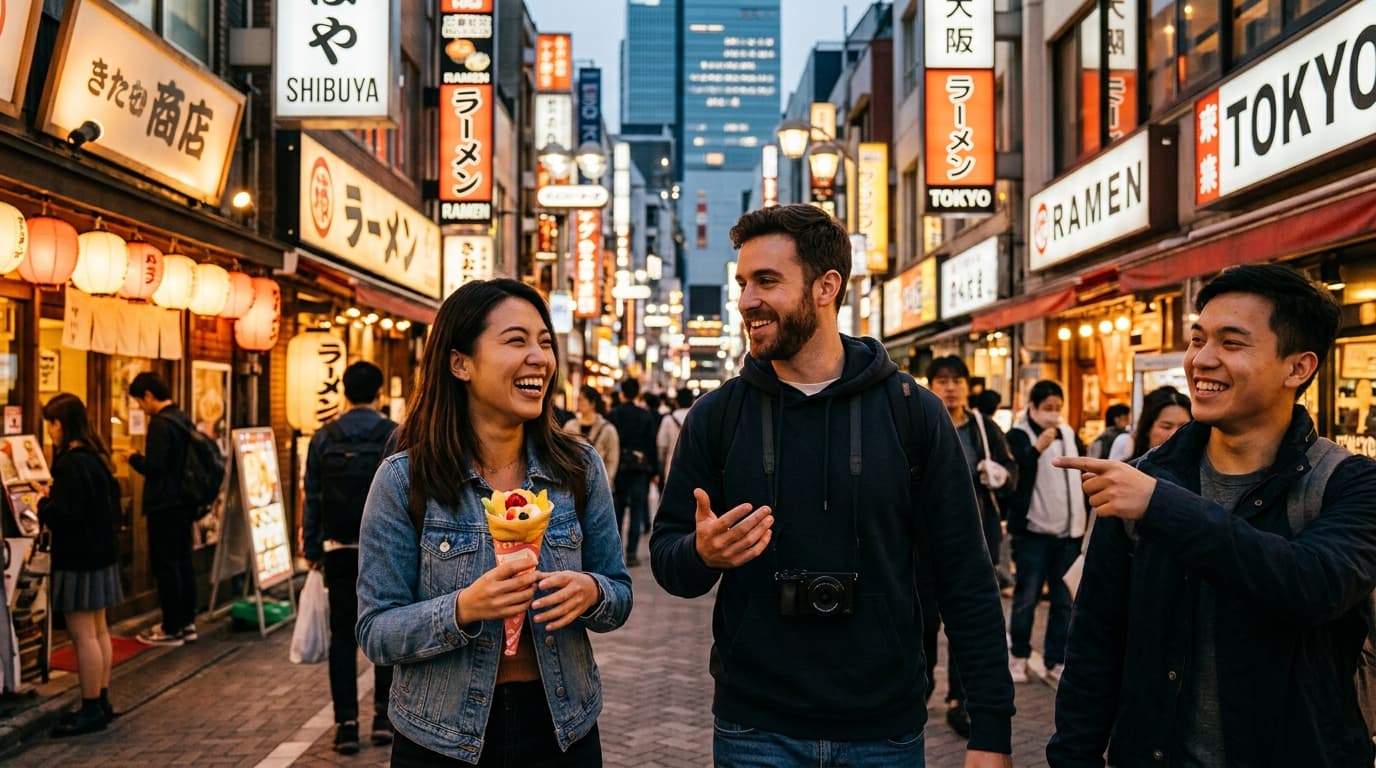
things to do in Tokyo span iconic sights, neighborhood walks, food markets, immersive art, nightlife, family attractions, and seasonal events, so the smartest way to plan is by area, vibe, and time of year. If you want the short version: start with Senso-ji, Shibuya Crossing, Meiji Jingu, Tokyo Skytree or Tokyo Tower, then add one food experience, one museum or art stop, and one night out.
Tokyo is one of those cities that can feel overwhelming at first, but once you start grouping it by neighborhood and interest, it becomes incredibly easy to love. We checked the city with the same mindset we’d use for a friend visiting for the first time: what is truly worth it, what is easy to combine in one day, what feels special in 2026, and what still delivers even if you only have 48 hours. The result is a practical, local-style playbook built around real planning needs, not just a generic bucket list. You’ll find the big-name landmarks, but also the kinds of experiences that make Tokyo memorable, like a depachika food hall, a hidden alley in Yanaka, a karaoke session in Shinjuku, or a limited-run exhibition you found on Gidly. We also include seasonality, prices, transit advice, and neighborhood shortcuts so you can choose quickly and avoid wasting time crisscrossing the city. If you’re looking for current events and last-minute ideas, Gidly's full events catalog is a great place to start.
Quick answer: the 20 best things to do in Tokyo right now
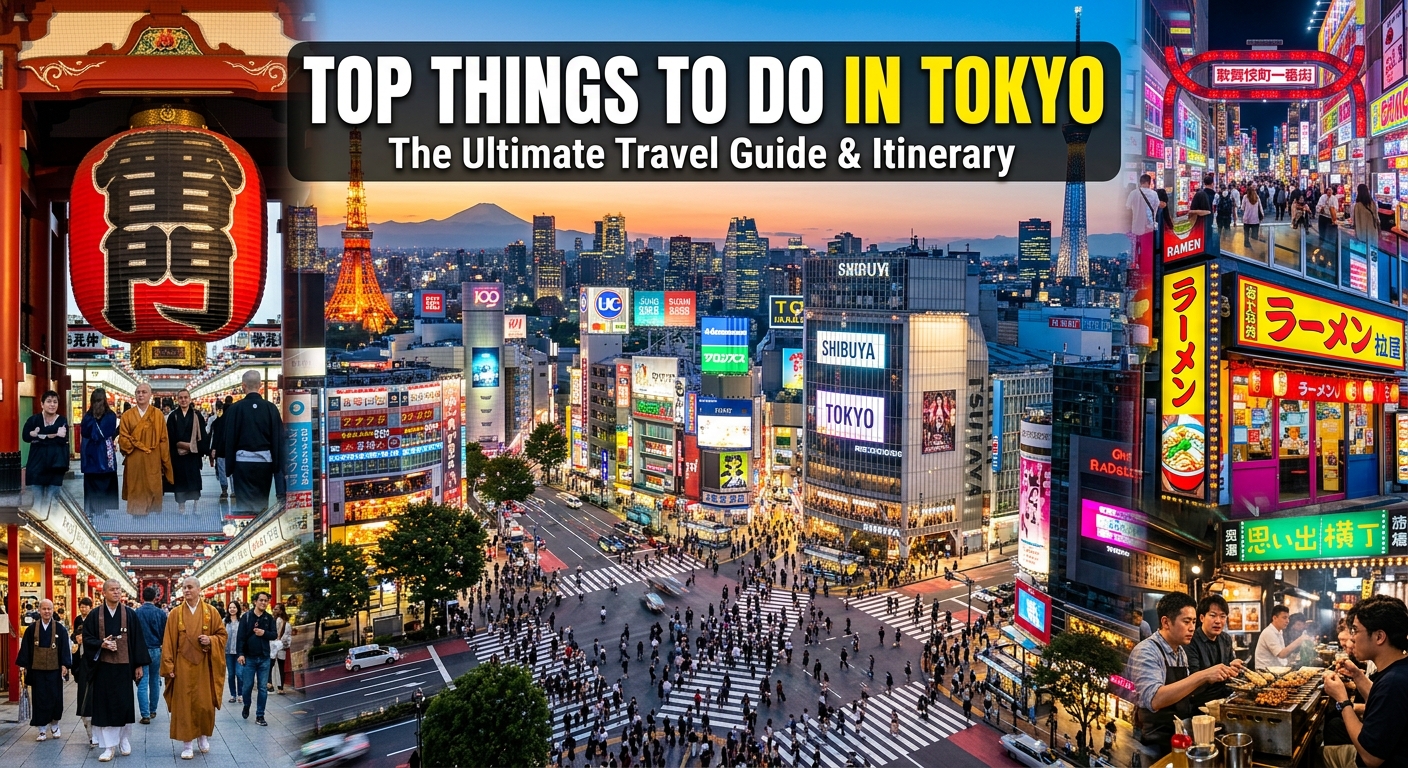
Tokyo is worth visiting because it gives you a little bit of everything in one city: world-famous landmarks, deep local culture, amazing food, easy transit, and enough entertainment to fill any trip length. For first-timers, the best move is to mix one historic area, one modern skyline experience, one food stop, and one neighborhood walk, instead of trying to do everything in a single day. That balance is what makes Tokyo feel both efficient and exciting, especially if you only have a short stay.
The best mix includes the obvious icons and the fun local details people usually miss. Start with Senso-ji in Asakusa, Shibuya Crossing, Meiji Jingu, Tokyo Skytree or Tokyo Tower, then layer in Tsukiji Outer Market, Akihabara, Odaiba, and a nightlife district like Shinjuku or Roppongi. If you want something more unique, Tokyo also shines with immersive art, themed cafes, cultural workshops, retro arcades, and seasonal illuminations that change throughout the year.
From a planning standpoint, Tokyo works best when you choose based on neighborhood and budget. Some of the most rewarding activities are free or low-cost, such as shrine visits, park walks, and department store browsing, while others like observation decks or premium dining can be a bit more expensive. The city also changes fast in 2026, with temporary exhibits, seasonal pop-ups, and live events appearing constantly, which is where Gidly becomes especially useful for finding current things to do near your hotel or train stop.
One-paragraph summary of why Tokyo is worth visiting for first-timers
Tokyo is ideal for first-time visitors because it is huge, but not random once you understand its districts. You can move from a centuries-old temple to a futuristic tower to a ramen counter and a rooftop bar in the same day without feeling like you’ve left the city’s rhythm. The transit system is excellent, the neighborhoods have clear personalities, and there is always something open, whether it is a museum, arcade, market, or late-night snack spot. That combination makes Tokyo one of the easiest major cities to customize for couples, solo travelers, families, and friend groups alike.
First-timers usually want a mix of famous highlights and manageable logistics, and Tokyo delivers both if you plan by area. You do not need to “see the whole city” to have a great trip; in fact, the best experiences usually come from going deep in a few neighborhoods rather than rushing through ten. We’d recommend choosing one classic cluster like Asakusa and Ueno, one modern cluster like Shibuya and Harajuku, and one evening cluster like Shinjuku or Roppongi. That gives you classic Tokyo, trendy Tokyo, and nightlife Tokyo in one itinerary.
The best mix of iconic, local, free, budget-friendly, and unique experiences
The strongest Tokyo itinerary has variety, because that is what keeps the city from feeling one-note. Iconic experiences give you the “I really came to Tokyo” moments, while local and free activities keep your budget in check and often feel more memorable. In our experience, a really good Tokyo day might include a temple, a coffee stop, a market lunch, a museum or observation deck, and one unexpected evening activity like karaoke or an illuminated walk. That mix works better than trying to cram in every famous spot you saw on social media.
If you are traveling on a budget, Tokyo is still very doable because so many major sights cost little or nothing. Shrine visits, park walks, window shopping in Ginza, and district exploration can all be free, while markets and depachika let you sample great food without committing to a huge meal. If you want something more unusual, Tokyo has plenty of quirky options too, from themed cafes to immersive art installations and retro game centers. The trick is to balance high-cost highlights with low-cost neighborhood wandering.
Fast guidance on how to choose by neighborhood, budget, and trip length
If your trip is short, the easiest way to choose things to do in Tokyo is to let your hotel location and the rail lines do the work. Staying in Shibuya, Shinjuku, Tokyo Station/Marunouchi, or Asakusa gives you fast access to major attractions and makes half-day planning much easier. Budget-wise, you can build a strong day for under ¥3,000-¥5,000 if you focus on walking routes, shrines, parks, and one casual meal, while observation decks, premium dining, and live shows can push a day much higher. The right plan depends on whether you care more about views, culture, shopping, food, or nightlife.
For one day, pick a compact neighborhood pair, such as Asakusa + Ueno or Shibuya + Harajuku. For two to three days, add one skyline stop, one museum or immersive art experience, and one evening out. For a full week, you can spread out into Odaiba, Ginza, Yanaka, Ikebukuro, and Tokyo Bay without feeling rushed. The main rule is simple: cluster your plans by rail line and district, and Tokyo becomes surprisingly easy to navigate.
Short note on seasonal timing, booking, and how Gidly helps you find current events
Tokyo is a city where timing matters almost as much as destination. Spring cherry blossoms, summer fireworks, autumn leaves, and winter illuminations each change what is worth prioritizing, and special exhibitions or pop-up events can be the highlight of a trip if you catch them at the right time. We always recommend checking official venue pages for opening hours and holiday closures, especially around public holidays and seasonal transitions. For live concerts, short-run exhibitions, neighborhood festivals, and last-minute plans, Gidly helps you discover current options that may not show up on older listicles.
Booking ahead is smart for observation decks, popular food spots, tea ceremonies, teamLab-style experiences, and any hot-ticket evening event. You can often still have a great spontaneous day in Tokyo, but the best-value approach is to reserve only the things that are genuinely likely to sell out. The rest of the time, keep your schedule flexible and use Gidly to find what is happening near you right now. That is especially useful if you are already in the city and searching for “near me” plans after dinner or on a rainy afternoon.
| Activity Type | Typical Cost | Best For |
|---|---|---|
| Shrines, parks, neighborhood walks | Free to ¥500 | Budget travelers, solo visitors, first-timers |
| Observation decks and major museums | ¥1,000-¥3,500 | Couples, families, skyline seekers |
| Immersive art, workshops, specialty experiences | ¥2,000-¥8,000 | Unique trips, date nights, rainy days |
| Dinner, bars, karaoke, nightlife | ¥2,000-¥10,000+ | Friends, couples, after-hours plans |
At a glance: how to plan Tokyo by neighborhood and vibe
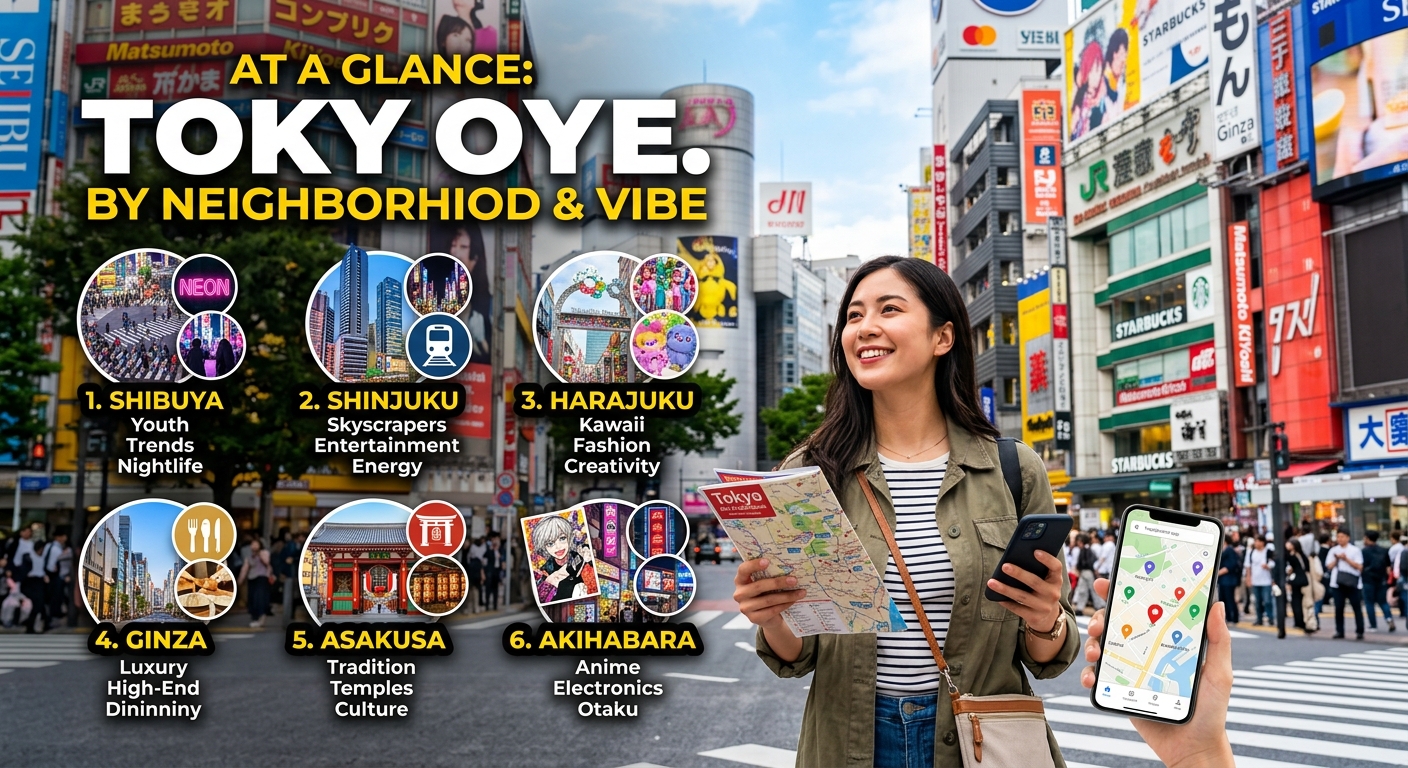
Tokyo becomes much easier once you stop thinking of it as one giant city and start thinking in neighborhoods. Each district has a very different mood, and if you choose the right area for the kind of day you want, you save time, money, and a lot of train transfers. In practice, that means pairing places that are physically close and have similar energy, rather than bouncing across the metropolis just because a landmark is famous.
The best planning method is to identify your base neighborhood, then build a route around nearby attractions. Shibuya and Harajuku are perfect for trendy shopping, youth culture, and nightlife. Asakusa and Ueno are better for classic Tokyo, temples, parks, and museums. Odaiba and Tokyo Bay work well for waterfront views and indoor attractions, while Ginza and Marunouchi are strong for polished shopping, dining, and easy city walks.
We checked these areas with real visitor flow in mind, and the same advice keeps coming up: cluster your day around one rail line and one vibe. Tokyo is famous for efficiency, but that efficiency disappears quickly if you try to fit Shinjuku, Asakusa, Odaiba, and Akihabara into the same afternoon. Better to pick one area and enjoy it deeply, then save the next district for another day. That approach also gives you a better feel for the city, because Tokyo reveals itself through its neighborhoods rather than through a checklist.
Best areas for first-time visitors: Shibuya, Shinjuku, Asakusa, Tokyo Station
If it is your first trip, these are the four areas we’d prioritize because they give you the cleanest introduction to Tokyo. Shibuya is the classic modern energy zone, with the crossing, shopping, dining, and nightlife packed together. Shinjuku is more intense and more layered, with big station convenience, observation decks, bars, and easy access to both entertainment and transport. Asakusa gives you temple culture and old-Tokyo atmosphere, while Tokyo Station and Marunouchi give you a polished city-center base with great transit and clean, walkable streets.
These neighborhoods are also practical because they solve different travel problems. Shibuya and Shinjuku are great if you want late-night options and lots of hotel inventory. Asakusa is especially good for travelers who want a more traditional neighborhood feel and lower hotel prices. Tokyo Station is ideal for business travelers, day-trippers, and anyone who plans to do a lot of train travel. If you only have a couple of days, these areas provide the strongest mix of classic sights and easy logistics.
Best areas for pop culture and gaming: Akihabara, Ikebukuro, Harajuku
For anime, gaming, collectibles, and youth culture, Akihabara is the obvious starting point, but it is not the only option. Ikebukuro has become a major pop-culture hub as well, especially for character shops, anime stores, themed cafes, and fan-focused retail. Harajuku adds a fashion and street-culture angle, with more style-driven browsing, sweets, and a younger, playful energy. Together, these neighborhoods cover most of the pop-culture side of Tokyo that first-timers want to see.
If you want to spend several hours browsing, eating, and taking photos, these districts are perfect for a low-pressure day. Akihabara is especially strong for indoor wandering when the weather is bad, while Ikebukuro works well for people who like a mix of shopping and entertainment. Harajuku is a great add-on to Meiji Jingu because you can go from peaceful shrine grounds to high-energy shopping streets in about 15 minutes. That contrast is part of what makes Tokyo so fun to explore.
Best areas for waterfront, skyline, and modern attractions: Odaiba, Roppongi, Tokyo Bay
When you want wide-open city views, futuristic architecture, and family-friendly entertainment, head toward Odaiba and the Tokyo Bay side. Odaiba is one of the best areas for indoor attractions, museums, shopping complexes, and waterfront walks, especially on rainy days or when traveling with kids. Roppongi, meanwhile, is the city’s more polished evening district, with museums, observation decks, good restaurants, and a nightlife scene that feels a bit more international than some other areas.
Tokyo Bay and the waterfront neighborhoods also tend to feel more spacious, which is a nice break from the intensity of central Tokyo. They are especially helpful if you want a slower pace, a skyline photo, or a full afternoon indoors without feeling trapped in a single shopping mall. If you are planning a date night or a family outing, these areas can be easier than navigating denser neighborhoods after dark. They are also good places to slot in a museum and a dinner reservation without much travel friction.
Best areas for traditional culture and slower exploring: Ueno, Yanaka, Ginza, Asakusa
If you prefer a more local, less frantic experience, these neighborhoods are among the most rewarding in Tokyo. Ueno combines museums, a large park, and easy access to older shopping streets, which makes it a solid all-purpose district. Yanaka is quieter and more atmospheric, with narrow lanes, old houses, small temples, and a slower rhythm that feels very different from the city’s flashier core. Ginza adds an upscale shopping and dining experience, while Asakusa provides the city’s most famous traditional temple district.
These are the places we recommend when you want your day to feel less like tourism and more like city wandering. Ueno is excellent for museum-hopping, while Yanaka is better for relaxed walking and small local shops. Ginza is worth seeing even if you do not plan to spend a lot, because the architecture and department stores are part of the experience. Asakusa gives you the most classic “old Tokyo” introduction and pairs naturally with nearby river walks and market browsing.
Mini route planning tip: cluster activities by rail line to save time
Tokyo’s rail system is one of the city’s biggest advantages, but only if you use it strategically. The smartest move is to cluster attractions by rail line or by a short walking radius instead of assuming every must-see spot is a quick hop away. If you are staying in Shibuya, build around Harajuku, Meiji Jingu, and Omotesando; if you are in Ueno, think Asakusa, Yanaka, and Akihabara; if you are in Shinjuku, combine the station area, Kabukicho, and nearby observation or nightlife stops. This saves time and cuts down on the stress of transferring during peak hours.
It also helps to think in morning-afternoon-evening blocks. Put the busiest sightseeing stop in the morning, the food or shopping stretch in the afternoon, and the nightlife or skyline visit at night. That rhythm feels natural in Tokyo and lets you avoid the heaviest crowds. If you are uncertain, use your base district and then look for nearby events or experiences on Gidly so your planning stays flexible. That way, you can make a decision based on where you actually are, not just where you thought you might go days earlier.
Iconic Tokyo sights you should not miss
Tokyo has a few landmarks that are famous for a reason, and these are the sights that usually make a first-time trip feel complete. They are not just “must-see” because of the name recognition; they also give you a clear sense of the city’s identity, from traditional religion and local shopping to neon energy and skyline drama. If you are short on time, these are the anchors worth building around.
What makes Tokyo’s iconic spots special is the contrast between them. You can start at a peaceful shrine, move to a chaotic crossing, and finish with a skyline view or a major shopping district all in one day. That mix is very Tokyo, and it is the fastest way to understand why the city is so compelling. Even if you have seen these places in photos, they are more memorable in person because the surrounding neighborhoods are part of the experience.
We recommend treating these icons as both sightseeing stops and neighborhood gateways. Senso-ji leads you into Asakusa, Shibuya Crossing drops you into one of the city’s liveliest districts, Meiji Jingu opens into a calm walk through greenery, and Tokyo Skytree or Tokyo Tower gives you a new perspective on the city’s scale. If you are planning a short itinerary, these landmarks are the backbone of a strong Tokyo trip.
Senso-ji and Nakamise Shopping Street in Asakusa
Senso-ji is Tokyo’s most famous temple, and for good reason: it is beautiful, accessible, and surrounded by a lively shopping street that makes the whole visit feel like an experience rather than a quick photo stop. The temple grounds are open daily, and Nakamise Shopping Street is one of the easiest places to browse souvenirs, snacks, and traditional-style gifts. It is also one of the best places to feel “old Tokyo” without leaving the city center.
From experience, the best time to visit is early morning or later in the evening if you want fewer crowds, though the area stays active much of the day. You can visit for free, aside from whatever you spend on snacks or souvenirs, which makes it one of the best-value stops in the city. Nearby, you can combine the temple with a walk toward Sumida Park or a river-side route for a fuller morning. Official info is available on the Senso-ji official website.
Shibuya Crossing and the surrounding scramble district
Shibuya Crossing is the landmark most people picture when they think of Tokyo, and yes, it is worth seeing in person. The crossing is fun because it is not just a view; it is a kinetic city moment that lets you feel the speed and scale of Tokyo. The surrounding Scramble district adds shopping, food, nightlife, and observation options, so you can turn a five-minute stop into a half-day outing if you want.
If you want a good viewing angle, head to a nearby upper floor, rooftop, or observation point before or after crossing on foot. Shibuya is especially useful for first-time visitors because everything is concentrated, and you can easily pair the crossing with Shibuya Scramble Square, Hachiko, cafes, and dinner. It is busy, but that is part of the appeal. For official district and station-area updates, the Shibuya Scramble Square site is a helpful starting point.
Tokyo Tower and Tokyo Skytree as skyline experiences
Tokyo Tower and Tokyo Skytree both deliver skyline views, but the experience is slightly different at each. Tokyo Tower feels more classic, with a retro icon status that is tied to the city’s postwar identity, while Skytree is bigger, newer, and more dramatic in scale. If you only choose one, many first-timers go with Skytree for the height and surrounding complex, but Tokyo Tower has a nostalgic charm that makes it special at night.
Prices typically vary by deck and package, but budget around ¥1,000-¥3,500 depending on the experience. The best time to go is around sunset if you can book it, because you get daytime city views and then the lights come on. Official details are available at Tokyo Tower and Tokyo Skytree. If you are deciding between them, think of Tokyo Tower as atmospheric and Skytree as expansive.
Meiji Jingu Shrine and the Harajuku approach walk
Meiji Jingu is one of the most peaceful and visually satisfying stops in central Tokyo, especially if you enter through the tree-lined approach from Harajuku. The shrine offers a clear contrast to the surrounding urban energy, which is part of what makes the visit so memorable. It is free to enter the grounds, and you can pair it with Yoyogi Park or Harajuku for a relaxed, full morning.
The approach walk matters as much as the shrine itself, because it lets you transition gradually from the city’s fashion and youth culture into a quieter spiritual space. That contrast is exactly why locals and visitors both keep coming back. If you want practical timing advice, go earlier in the day if you prefer a calmer atmosphere. Official updates are on the Meiji Jingu official site.
Imperial Palace area, Marunouchi, and classic city-center strolling
The Imperial Palace area is one of the best places to understand Tokyo’s more formal city-center side, even if you do not go inside every time. The surroundings are beautiful for walking, especially around the east gardens and the wider Marunouchi district. You get a mix of government history, landscaped paths, business towers, and polished public space that feels different from the more chaotic entertainment districts.
Marunouchi is especially good for visitors who like architecture, cafes, and a cleaner-paced stroll. It also works well as a transition zone between Tokyo Station and other central attractions. If you are traveling with family, business colleagues, or a partner who enjoys elegant city walks, this area is underrated. Official resources for the palace area can be found through the Imperial Household Agency.
Complete top picks: the 20 best things to do in Tokyo
This is the heart of the guide: 20 things to do in Tokyo that cover the city’s biggest hits and its most memorable experiences. We built this list to be useful whether you are planning your first trip or your fifth, and to give you options for different budgets, trip lengths, and moods. Some are iconic, some are cultural, some are food-focused, and some are simply fun in a very Tokyo way.
To make the list truly practical, we include what each experience is best for, where it fits geographically, and how much time and money to budget. In Tokyo, the “best” thing to do is often the one that matches your current situation: what neighborhood you are in, whether it is raining, whether you have kids in tow, and whether you want a full evening or a quick stop. That is why these picks work well as both a master list and a planning tool.
As you browse, notice how many of the top activities can be combined. Tokyo rewards pairing: temple plus market, skyline plus dinner, museum plus park, or arcade plus karaoke. That makes it easier to build a day that feels complete without being exhausting. And if you want current concerts, exhibitions, or temporary events to plug into your itinerary, Gidly is the easiest way to check what is happening right now.
#1 Visit Senso-ji for Tokyo’s most famous temple experience
Senso-ji deserves its top spot because it gives you historic atmosphere, shopping, local snacks, and an easy introduction to Asakusa all in one. It is one of Tokyo’s oldest and most visited temples, and the grounds are usually lively without feeling hard to navigate. If you only have time for one traditional stop, this is probably the one most visitors should choose.
The surrounding Nakamise area makes the visit even better, since you can browse food, souvenirs, and traditional goods on the way in and out. Expect a low-cost outing, with the temple itself free and optional spending on snacks or shopping. It is especially good for first-timers, families, and budget travelers. For the most current visitor details, check the official Senso-ji website.
#2 Cross Shibuya Crossing and explore Shibuya Scramble Square
Shibuya Crossing is one of the most recognizable urban scenes in the world, and the surrounding district makes it a full entertainment stop rather than a quick photo moment. Cross it on foot, then head up for a view, shop around the station complex, or grab dinner nearby. The whole area is a great snapshot of modern Tokyo energy.
Shibuya Scramble Square is especially useful because it puts dining, shopping, and skyline views in one place. If you like people-watching, neon, and constant motion, Shibuya is one of the best neighborhoods to spend an evening. It works well for date nights and friend groups, and the area is easy to reach by train. Official info is available on the Shibuya Scramble Square site.
#3 See the city from Tokyo Skytree or Tokyo Tower
If you want one sweeping panoramic view of the city, this is where to go. Tokyo Skytree gives you scale and height, while Tokyo Tower offers a more classic and romantic skyline experience. Either one is a solid choice depending on whether you want newer architecture or nostalgic city charm.
We’d suggest booking around sunset if your schedule allows it, because you get the most dramatic light change. Prices usually start around ¥1,000 and can rise with higher deck access or bundled experiences. If you are deciding quickly, choose Skytree for the wow factor and Tower for the mood. Official sites: Tokyo Skytree and Tokyo Tower.
#4 Explore Meiji Jingu and Yoyogi Park
Meiji Jingu is the perfect reset button in the middle of the city. The shrine grounds are peaceful, the walk is beautiful, and it pairs naturally with Yoyogi Park, where you can slow down and enjoy a more casual outdoor atmosphere. This is one of the easiest ways to balance Tokyo’s intensity with some fresh air.
The combo works well for travelers who want a half-day that does not feel rushed. You can start with the shrine, continue into the park, and finish in Harajuku or Omotesando. It is free to enter, which makes it one of the best value experiences in the city. Check the official shrine page before you go: Meiji Jingu.
#5 Wander Harajuku and Takeshita Street
Harajuku is Tokyo’s playful fashion and youth-culture district, and Takeshita Street is where that energy is most concentrated. Expect sweets, bold fashion, character goods, and plenty of people-watching. It is a great place to wander without a strict plan, because the fun comes from seeing what catches your eye.
We recommend pairing Harajuku with Meiji Jingu or Omotesando, since that gives you a nice mix of chaotic and calm. The area is especially good for younger travelers, pop-culture fans, and anyone who likes shopping and snacks. It is also a solid rainy-day area because you can pop between indoor shops and cafes. For more on the district, start with the local tourism resources and station-area updates.
#6 Spend a pop-culture day in Akihabara
Akihabara remains one of the best places in the world for anime, gaming, electronics, collectibles, and arcade culture. If you love Japanese pop culture, you can easily spend several hours here browsing stores, trying gacha machines, and exploring multi-floor entertainment complexes. It is both tourist-friendly and genuinely useful for fans.
Akihabara works especially well for indoor planning because there is so much to do in a small area. You can combine shopping, retro gaming, themed cafes, and a casual meal without needing much transit time. It is one of the most reliable places in Tokyo for a rainy day. If you are a first-timer, go with a loose plan and let the streets decide your route.
#7 Eat your way through Tsukiji Outer Market
Tsukiji Outer Market is one of Tokyo’s best food experiences because you can snack, sample, and browse without committing to a formal meal. Even though the wholesale market moved long ago, the outer market scene remains active and delicious, with seafood, tamagoyaki, fresh fruit, rice bowls, and small eateries. It is a great morning stop.
From experience, the earlier you go, the better the atmosphere and the easier it is to avoid the biggest crowds. Budget-wise, you can keep it simple or spend more on premium bites depending on your appetite. This is one of the easiest ways to build a Tokyo day around food rather than landmarks. For official and vendor updates, check the market’s site and individual shop pages as needed.
#8 Stroll Odaiba for waterfront views and indoor attractions
Odaiba is a strong all-weather option with waterfront walks, shopping centers, entertainment venues, and family-friendly attractions. It is also one of the best places to enjoy a modern Tokyo skyline view without the same density you get downtown. If you want a less hectic afternoon, Odaiba is a smart choice.
The area is especially helpful for families because it offers both indoor and outdoor options, so bad weather does not ruin the plan. It also works well for a date or a relaxed solo day if you want something lower stress. Transportation is easy enough once you know your route, and the vibe is more spacious than central Tokyo.
#9 Discover art and views at teamLab-style immersive experiences or major digital art exhibits
Immersive art is one of the most interesting things to do in Tokyo in 2026 because it blends technology, design, and photography into a single experience. TeamLab-style installations and temporary digital exhibitions can be among the most memorable indoor activities in the city, especially if you want something beyond classic museums. These experiences also fit rainy-day planning beautifully.
Because these exhibits are often timed-entry or limited-run, they are worth booking in advance. We also like them for date nights because they feel special without being overly formal. If you are planning around current events, check Gidly for live exhibition listings and limited-time art experiences that may not stay on the calendar long.
#10 Go to a sumo, baseball, or live sports event
Tokyo’s live sports scene gives you a great local atmosphere and an easy way to spend an evening like a city resident. A sumo tournament, baseball game, or other sports event can be one of the most fun group activities in the city. Even if you are not a huge sports fan, the crowd energy and food options make it worth considering.
Prices vary a lot depending on the event, seat type, and season, so this is a good place to check current listings before you commit. The experience is especially valuable because it gives you a living piece of Japanese culture rather than just a sightseeing view. If you want the latest schedule, Gidly’s event catalog is a useful place to compare options quickly.
#11 Catch a theater, comedy, or live performance night
Tokyo has a deep performance scene, from theater to comedy and variety shows to live music in compact venues. This is a great way to make a night feel different from the standard dinner-and-drinks routine. It also works well for business travelers who want something polished after meetings.
Check venue pages for language accessibility, show length, and age restrictions before you go, since those details matter a lot here. Live performance nights can be budget-friendly or premium depending on the venue. Either way, they are a strong way to experience the city after dark. Current listings are the kind of thing that often change quickly, so event discovery tools help a lot.
#12 Book a traditional tea ceremony or cultural workshop
If you want a more hands-on cultural experience, a tea ceremony, calligraphy session, kimono fitting, or craft workshop can be a great choice. These experiences are usually smaller, calmer, and more personal than major tourist attractions, which is part of the appeal. They also make excellent rainy-day or jet-lag-friendly activities.
Expect to pay more than a basic shrine visit, but not necessarily a huge amount, especially for small group sessions. We like these for couples, solo travelers, and anyone who wants to bring home a real memory rather than just photos. Bookings are often limited, so reserve ahead if this is high on your list. Look for classes with clear timing, English support, and recent reviews.
#13 Ride the Yamanote Line district hop for a self-guided day
The Yamanote Line is one of the easiest ways to discover Tokyo without overplanning. Pick three or four stations, then build a self-guided day around them, such as Ueno, Akihabara, Shibuya, and Shinjuku. This strategy gives you variety while keeping transit simple.
We like this approach for travelers who want flexibility and a sense of exploration. It is also ideal if you are not sure where you want to spend your time yet. Because the line circles many of the city’s most important districts, it serves as a practical backbone for almost any itinerary. The key is to avoid adding too many stops; choose quality over quantity.
#14 Explore Ueno Park, museums, and zoo attractions
Ueno is one of Tokyo’s best all-around neighborhoods for culture, parks, and family-friendly pacing. Ueno Park can be a full outing by itself, especially if you combine the park with one or more museums or the zoo. It is also one of the easiest places to spend time without spending much money.
This is a strong option if you want an activity mix that feels balanced and educational. The museums and park make it good for couples, families, and solo travelers alike. If you are planning a spring visit, it is also a popular cherry blossom viewing area. Official museum and zoo websites are worth checking for hours and special exhibitions before you go.
#15 Shop and dine in Ginza and Marunouchi
Ginza and Marunouchi give you a more polished, city-center Tokyo experience. Ginza is known for upscale shopping, department stores, and fine dining, while Marunouchi offers elegant streets, architecture, and easy access to Tokyo Station. This area is especially good if you want to browse a little, eat well, and walk in a cleaner, calmer environment.
The department store food halls here are a highlight on their own, and the whole area works beautifully in the evening when the buildings light up. You do not need a huge budget to enjoy Ginza, since simply walking and window shopping is part of the appeal. For a special dinner or a refined date night, this district is one of the safest bets in the city.
#16 Go karaoke, arcade hopping, or retro gaming in the evening
Few things feel more Tokyo than a late-night karaoke session or an arcade crawl. These activities are flexible, social, and easy to slot into almost any evening, whether you are out with friends or traveling solo. They also work well after dinner when you still want energy but do not want a formal event.
Prices are generally manageable, though karaoke rooms and premium arcade experiences can vary by time and package. We like this option because it gives you a low-pressure, high-fun night without requiring a lot of advance planning. If you are new to Japanese karaoke, try a short session first and then decide whether to extend. It is one of the city’s simplest group pleasures.
#17 Take a themed cafe or character-cafe stop
Themed cafes are one of Tokyo’s signature quirky experiences, and they range from playful character tie-ins to very specific concepts that you will not find anywhere else. Some are more novelty-driven, while others are surprisingly polished and well-run. Either way, they are a fun way to break up a day of sightseeing.
These work especially well for pop-culture fans, couples, and travelers who enjoy trying unusual local experiences. Because themed cafes can be popular or temporary, checking opening details and reservations in advance is important. They also pair well with shopping districts like Akihabara, Harajuku, and Ikebukuro. If you want something truly unique, this category is worth a slot in your itinerary.
#18 Do a Tokyo food crawl: ramen, sushi, wagyu, depachika
Food is one of Tokyo’s strongest reasons to visit, and a food crawl is often more satisfying than trying to book one expensive meal. You can build a day around ramen, sushi, curry, wagyu, dessert, and department store food halls, each offering a different side of the city’s food culture. A depachika, or department store basement food floor, is especially useful when you want quality and variety in one place.
We suggest mixing one casual meal with one splurge, so you get both value and a special experience. Tokyo is incredibly good for solo dining, which makes ramen counters and lunch sets especially appealing. If you are traveling as a group, food halls solve the “everyone wants something different” problem quickly. This category is one of the easiest ways to make Tokyo feel personal.
#19 Find a seasonal event, festival, or illumination on Gidly
Seasonal events are one of the most underrated parts of Tokyo travel because the city is always changing its calendar. In spring you might catch cherry blossom-related activities, in summer fireworks and festivals, in autumn harvest or foliage events, and in winter massive illumination displays. These are the experiences that make a trip feel current rather than generic.
Because event schedules change, it is smart to look at live listings instead of relying on old blog posts. Gidly helps with that, especially when you want something happening during the exact week you are in Tokyo. We recommend using it to fill one evening or one flexible half-day in your schedule. It is a very practical way to turn “what’s around me” into a real outing.
#20 Do a hidden-gem neighborhood walk in Yanaka or Kagurazaka
Yanaka and Kagurazaka are two of the best choices when you want to see a quieter, more local side of Tokyo. Yanaka has old streets, small temples, and a slow-paced feel that is rare in a city this large. Kagurazaka has a more refined, atmospheric side, with alleyways, dining, and a subtle historic character.
These walks are especially rewarding if you already did the major sights and want something less crowded. They are great for solo travelers, couples, and anyone who loves neighborhoods over landmarks. You will not always see them on “top 10” lists, which is exactly why they matter. Sometimes the most memorable Tokyo day is the one that feels unhurried.
| Top Pick | Estimated Cost | Time Needed |
|---|---|---|
| Senso-ji + Asakusa walk | Free to ¥2,000 | 2-3 hours |
| Shibuya Crossing + dining | ¥2,000-¥8,000 | 3-5 hours |
| Skytree/Tower + skyline dinner | ¥3,000-¥12,000 | 3-4 hours |
| Akihabara pop-culture day | ¥2,000-¥10,000+ | Half day |
| Yanaka neighborhood walk | Free to ¥3,000 | 2-4 hours |
Best things to do in Tokyo by scenario
One of the best ways to avoid itinerary mistakes in Tokyo is to plan by scenario instead of trying to build a single universal list. A date night, a family day, a solo afternoon, and a friends’ night out all have different needs, even if they happen in the same neighborhood. Tokyo is flexible enough to handle all of them, but only if you choose the right mix of attractions, food, and transit.
Scenario planning also helps you respect energy levels. Some travelers want a relaxed, scenic day; others want a packed, high-energy one. Tokyo can do both, but the city is better when your schedule reflects the actual purpose of the outing. That is why these recommendations are designed to be practical and easy to adapt.
We also kept price and logistics in mind because that is where trip quality really changes. Families need easy stations and stroller-friendly spaces. Solo travelers often want safe, walkable areas and low-pressure dining. Couples usually want atmosphere and a clear evening anchor. Groups need activities that are social and flexible. Tokyo has all of that, if you choose well.
Date night in Tokyo: skyline views, dinner, cocktails, and late-night spots
For date night, Tokyo is at its best when you combine one view, one meal, and one relaxed evening activity. Good combinations include Tokyo Tower at sunset, dinner in Ginza or Roppongi, and a cocktail bar or illuminated walk after. Shibuya and Shinjuku can also work if you want more energy, but Ginza and Roppongi generally feel a bit smoother and more romantic.
We like date nights that do not require too many transfers, because the best part is being able to enjoy the evening rather than managing trains. If you want something special, book ahead for a panoramic restaurant or a timed observation deck slot. If you want something more casual, food halls, alley bars, and a short karaoke session can be very fun. Tokyo is one of those cities where the date night can be elegant or playful, depending on your mood.
With kids / family-friendly Tokyo: zoos, aquariums, parks, museums, and easy transit
Families do especially well in Tokyo because there are so many safe, engaging, and easy-to-navigate options. Ueno Park, the Tokyo National Museum area, zoos, aquariums, and Odaiba’s indoor attractions are all strong choices. The key is to avoid overpacking and to keep train transfers manageable, especially if you have younger kids or strollers.
Look for destinations with food courts, restrooms, and indoor backup options, because that makes the day much smoother. Many families also like department store food halls, character stores, and arcade stops, which can break up the day nicely without a huge cost. If you are choosing one area, Odaiba or Ueno often works best because there is enough variety to keep everyone entertained. Tokyo’s family-friendly side is strong when the plan is simple and flexible.
With friends / groups: karaoke, arcades, food halls, sports, and nightlife
Groups need variety, and Tokyo is excellent at mixing social activities with low friction. Karaoke, arcade hopping, izakaya dining, live sports, and casual bar districts all work well, especially when everyone has slightly different interests. The best group days are usually the ones where you can split briefly and regroup easily, like shopping in Shibuya or eating through a market.
Food halls and shared plates are especially useful because they solve the “what should we eat?” debate fast. After dinner, arcade centers or karaoke are the natural continuation, and both are easy to find in major districts. If you want a more high-energy night, Shinjuku or Roppongi gives you plenty of options. The important thing is to choose one home base, then let the group’s energy determine how late you stay out.
Budget-friendly and free things to do in Tokyo: parks, shrines, markets, viewpoints, and walks
Tokyo can absolutely be done on a budget, and in some ways budget travelers have an advantage because the city’s best free activities are genuinely good. Shrines like Meiji Jingu, parks like Yoyogi and Ueno, neighborhood walks in Yanaka or Asakusa, and people-watching in Shibuya all cost little or nothing. Markets and department store food floors also let you eat well without spending as much as you would at a formal restaurant.
The trick is to avoid expensive transit backtracking and to limit splurge activities to one or two per day. A free morning plus a reasonable lunch and one paid evening activity can still feel like a full Tokyo day. Observation decks, museums, and special exhibits are worth it when they fit your interests, but they are not mandatory to enjoy the city. In Tokyo, the best budget strategy is often to spend selectively rather than constantly.
Solo activities in Tokyo: museums, coffee shops, bookstores, ramen counters, and safe evening plans
Tokyo is one of the easiest major cities for solo travelers because so many activities are naturally self-directed. Museums, shrines, coffee shops, bookstores, ramen counters, and neighborhood walks all work beautifully alone. You do not need a group to enjoy the city, and in many cases being solo actually makes it easier to move at your own pace.
For evening plans, we recommend districts that feel active but manageable, such as Shibuya, Shinjuku, or central Ginza. A solo dinner at a ramen shop, followed by an observation deck or a low-key bar, is a classic Tokyo night. If you want something more structured, a workshop or performance can be a great way to meet the city’s cultural side without needing to socialize too much. Tokyo is very solo-friendly when you choose activities that are comfortable and flexible.
Rainy day / indoor things to do in Tokyo: shopping arcades, museums, immersive art, and entertainment complexes
Rainy days are not a problem in Tokyo if you plan a good indoor route. Akihabara, major museums in Ueno, department stores in Ginza, immersive art experiences, and large entertainment complexes in Odaiba are all excellent backup options. In fact, some of these are better in bad weather because crowds disperse more predictably and indoor attractions feel more worthwhile.
A good rainy-day strategy is to anchor your plans around one district with transit access and multiple indoor stops. That way, you can move between shopping, food, and entertainment without getting soaked or repeatedly changing trains. This is where current event listings also matter, because temporary exhibitions and pop-ups often make rainy days much more interesting. If you need something last minute, check Gidly for near-me indoor ideas in the part of Tokyo you are already in.
| Scenario | Best Neighborhood | Typical Spend |
|---|---|---|
| Date night | Ginza, Roppongi, Shibuya | ¥6,000-¥20,000+ |
| Family day | Ueno, Odaiba, Asakusa | ¥3,000-¥12,000 |
| Friends/group night | Shinjuku, Shibuya, Akihabara | ¥4,000-¥15,000 |
| Solo day | Asakusa, Ueno, Ginza | ¥2,000-¥8,000 |
Best things to do in Tokyo by category
Tokyo’s entertainment scene is so broad that it helps to think in categories, especially if you already know what kind of day you want. The city’s strongest categories include live music, art, outdoor exploration, performance, food, and shopping. Each one can be experienced at multiple budget levels, which means Tokyo can work for casual visitors and serious enthusiasts alike.
The important thing is that categories are not isolated. A food day can include shopping, an art day can end with dinner, and a nightlife night can include a skyline view or a festival. Tokyo’s neighborhoods make these combinations easy. That is why this section is designed as a menu rather than a rigid list.
We also want to highlight how current the city feels in 2026. Temporary exhibitions, pop-ups, event nights, and new venue openings can change what is exciting from one month to the next. If you care about what is happening right now, live event discovery becomes just as important as landmark sightseeing. That is where a city guide with fresh listings is especially useful.
Live music, concerts, and nightlife venues
Tokyo has a deep live music culture, ranging from intimate jazz rooms to major concert halls and high-energy club nights. If you want a classic “night in the city” experience, this category is one of the most rewarding. Different neighborhoods serve different moods: Shibuya and Shinjuku are strong for youth-oriented nightlife, Roppongi often feels more international, and smaller live houses give you a more local, music-first vibe.
Prices can vary widely, from modest cover charges to premium concert tickets, so it is worth checking event pages in advance. The best strategy is often to choose a district first, then look for what is currently playing there. That helps you avoid extra transit and gives you a better chance of finding a show that fits your timing. Current concert and event listings on Gidly are especially helpful for this kind of last-minute planning.
Art, museums, exhibitions, and immersive installations
Tokyo is a major museum city, but the standout experiences often go beyond traditional galleries. You can do major art museums, design spaces, history museums, and immersive digital exhibits all in the same trip. That makes art one of the most flexible categories for both rainy days and slower cultural travel.
The best museum days are usually the ones where you do not try to overdo it. Pick one major anchor, one neighborhood walk, and one cafe or lunch stop. Many museums have special exhibitions that are worth the extra fee, especially if you are visiting in spring or autumn. Check official websites for current exhibit schedules and timed entry, because those details can change quickly.
Outdoor and active experiences: parks, rivers, sports, cycling, and day-walks
Tokyo is surprisingly good for outdoor time, especially when you know where to look. Parks like Yoyogi and Ueno, river-side walks, waterfront routes in Odaiba, and neighborhood strolls in Yanaka or Marunouchi all let you enjoy the city at a slower pace. If you want a more active outing, cycling routes and long walking itineraries can be a great way to see a lot without feeling locked into a schedule.
This category is strongest in spring and autumn, when the weather is most comfortable. Summer can be hot and humid, but mornings and evenings are still great for outdoor activities. The key is to keep your route compact and add indoor backup options if the weather shifts. Tokyo’s outdoor life is best when it is treated as part of a larger neighborhood day rather than a standalone long trek.
Theater, comedy, variety shows, and performing arts
For something a little more formal or culturally specific, Tokyo’s performing arts scene is worth exploring. Theater, comedy, and variety performances give you a chance to experience the city’s humor, style, and stage culture in one sitting. It is a strong option for travelers who already handled the big landmarks and want something less obvious.
Language accessibility matters here, so check whether a show is in English or visually accessible if that is important to your group. Performing arts nights are also a smart choice for a business dinner follow-up or a date that needs a memorable centerpiece. Because showtimes are fixed, book ahead if the performance is important to your trip. These events often make for a better evening than another generic restaurant reservation.
Food and drink experiences: markets, depachika, izakaya, sake, dessert, and specialty cafes
Food is one of the most satisfying categories in Tokyo because it covers both everyday meals and special experiences. Tsukiji Outer Market, ramen counters, sushi bars, izakaya, sake tastings, dessert shops, and depachika food halls all offer different ways to eat well. If you have limited time, this is one category where you can still get a lot of value in a few hours.
One of our favorite Tokyo habits is to combine a proper meal with a smaller food discovery afterward. For example, you might do a ramen lunch and then browse a department store food hall, or eat at an izakaya and finish with a dessert stop. That gives you both the practical and the playful side of the city’s food scene. It also works well for travelers with different budgets, since not every food stop needs to be expensive.
Shopping and pop-culture experiences: anime, gaming, fashion, vintage, and department stores
Shopping in Tokyo can be a full-day activity, especially if your interests are anime, gaming, fashion, beauty, or vintage. Akihabara, Harajuku, Ikebukuro, Shibuya, and Ginza all serve different types of shoppers, from collectors to trend seekers. Department stores are also a bigger part of the experience than many first-time visitors realize, especially if you care about food floors and high-quality gifts.
If you do not want to shop heavily, these districts still work well for browsing and people-watching. Vintage stores and specialty shops can offer surprises that feel more personal than chain retail. For pop-culture travelers, this is often where Tokyo becomes most addictive. Plan enough time to wander, because some of the best finds appear when you are not in a rush.
Seasonal Tokyo: what to do in spring, summer, autumn, and winter
Tokyo changes dramatically by season, and that is one of the reasons the city stays interesting even if you visit more than once. The same neighborhood can feel completely different in spring versus winter, and the best activities often shift with the weather and the event calendar. If you want the best possible trip, seasonal planning is not optional; it is part of the fun.
Spring is famous for cherry blossoms, summer brings festivals and fireworks, autumn delivers foliage and comfortable walking weather, and winter turns the city into a glowing illumination scene. Each season also affects crowds, booking pressure, and transit pace. So when people ask for the “best things to do in Tokyo,” the honest answer is that the best options depend on when you are there.
We always recommend checking official venue pages, park updates, and event calendars close to your trip, because seasonal timing can move by a week or more. Gidly also helps here because it surfaces current and limited-time listings instead of only evergreen attractions. That is especially useful if you want to find the right event for the exact season you are visiting.
Spring cherry blossom timing and best viewing areas
Spring in Tokyo is one of the most sought-after travel windows because cherry blossom season transforms the city’s parks and riversides. Ueno Park, Chidorigafuchi, Shinjuku Gyoen, and river walks become especially popular when blossoms open, and many visitors plan their whole itinerary around this window. It is a beautiful time to be in the city, but it is also one of the busiest.
If you are visiting in spring, go early in the day for the best balance of light and crowds. Book hotels and major activities early, especially if your timing lines up with peak bloom estimates. Keep in mind that blossom timing shifts every year depending on weather, so official forecasts matter more than old averages. For the most current planning, use official park and tourism sources plus live event calendars.
Summer festivals, fireworks, and night markets
Summer in Tokyo brings heat, humidity, and a huge amount of nighttime energy. Festivals and fireworks are major highlights, and they make evening outings far more appealing than afternoon sightseeing. If you can handle the weather, summer can be one of the most festive and social times to visit.
Plan around shade, hydration, and late starts, because the city is much easier after sunset. Night markets, summer event venues, and riverside walks can all feel more comfortable once the day cools down. Summer is also a strong season for short events and pop-ups, which means it is worth checking live listings often. That is where Gidly can help you find what is happening near you without extra research.
Autumn leaves, garden walks, and cultural events
Autumn is one of the best overall seasons for Tokyo because the weather is comfortable and the city’s parks and gardens look fantastic. This is a great time for walking routes, museum days, outdoor cafes, and neighborhood exploration. You also get a fuller version of the city because you can move comfortably without the weight of summer heat or winter chill.
The best autumn activities tend to be simple: garden walks, shrine visits, river routes, and evening dining. You can also catch cultural events and temporary exhibits that feel more appealing when the weather encourages longer outings. If you want to do several neighborhoods in a day, autumn is the season to do it. It is the most balanced time for travelers who want both sightseeing and comfort.
Winter illuminations, holiday displays, and indoor escapes
Winter in Tokyo is excellent for illuminations, shopping, museums, and cozy food plans. The city looks especially beautiful at night when major business districts, parks, and shopping areas light up for the season. This makes winter a surprisingly romantic and photo-friendly time to visit.
Because the weather is cooler and drier, you can also do more comfortable daytime walking than in summer. Still, it is smart to mix outdoor viewing with indoor backups like observation decks, food halls, and immersive exhibits. Holiday timing can affect opening hours, so check official schedules before you go. Winter is one of the best seasons for travelers who like polished city energy rather than outdoor adventure.
How to check current seasonal events and limited-time listings on official sources and Gidly
Seasonal Tokyo rewards travelers who double-check the calendar. Official tourism pages, park websites, museum sites, and venue social accounts are useful for opening hours and special programs. But because Tokyo changes quickly, you should also look at live event listings to catch things like pop-ups, concerts, themed menus, and temporary exhibits that may not be widely advertised yet.
Gidly is especially useful when you want a current answer to the question “what’s on near me right now?” That is the kind of planning that turns an average trip into a memorable one, especially if you are staying for only a few days. Seasonal travel becomes much easier when you combine evergreen sights with live event discovery. That way, you can lock in a classic Tokyo experience and still keep room for something current and local.
Tokyo’s neighborhoods, explained like a local
Understanding Tokyo by neighborhood is the fastest way to make your trip smarter and less stressful. Each district has a clear identity, and once you learn those identities, choosing what to do becomes much simpler. It also helps you avoid a common first-timer mistake: assuming all of Tokyo feels the same.
In reality, Shibuya is not Shinjuku, and Asakusa is not Odaiba. Harajuku has a different energy from Ginza, and Akihabara has a different audience from Yanaka. The city’s scale can be intimidating, but its neighborhood structure is your advantage. Once you know the vibe, you can pick the right area for your mood, budget, and schedule.
We use neighborhood-first planning because it reduces unnecessary movement and increases your odds of a good day. If you know where you are staying, you can pair nearby districts and make better use of your time. That is especially important in a city as large as Tokyo, where train efficiency matters as much as attraction quality.
Shibuya vs Shinjuku vs Harajuku: which one is best for your trip
Shibuya is the best all-around choice for first-time visitors who want energy, shopping, and nightlife in one place. Shinjuku is larger and more layered, with major transit, bars, restaurants, entertainment, and easy access to observation decks and business hotels. Harajuku is more playful and style-focused, with fashion, sweets, and youth culture at the center.
If you want one neighborhood to spend an entire evening, Shibuya is usually the easiest to enjoy. If you want the city’s biggest station area with lots of options, Shinjuku is the most practical. If you care most about fashion, pop culture, and a slightly more playful mood, Harajuku is the one to choose. Many visitors end up using all three together, because they sit close enough to combine in one broader day.
Asakusa, Ueno, and Yanaka for traditional Tokyo
These three areas are the best places to feel a more traditional, calmer Tokyo without leaving the city. Asakusa gives you temple culture and classic sightseeing, Ueno offers museums and a big park, and Yanaka gives you a quieter neighborhood feeling with old streets and local texture. Together they create a great “older Tokyo” route that is especially good for slower travel.
If you are staying in central Tokyo and want a break from neon and towers, this cluster is a strong choice. It is also very family-friendly and budget-friendly. The main tip is to walk enough between attractions to enjoy the neighborhood atmosphere, rather than jumping immediately back on the train. That is where the character of the area really shows up.
Akihabara and Ikebukuro for anime, gaming, and fan culture
Akihabara is the headline district for gaming, anime, and electronics, but Ikebukuro has become just as important for many fans. Akihabara feels more concentrated and iconic, while Ikebukuro often offers a slightly broader mix of retail, character shops, and fan-oriented stops. If you are a pop-culture traveler, both are worth knowing.
Harajuku also plays a supporting role in this world, especially for fashion and limited-edition trends. But Akihabara and Ikebukuro are the places where you can spend the most time exploring stores and themed entertainment. They are excellent when you want indoor activities, especially in bad weather. For collectors and fans, these districts can easily become the highlight of the trip.
Ginza, Marunouchi, and Tokyo Station for upscale dining and city walks
Ginza and Marunouchi are the polished side of Tokyo, with shopping, architecture, and dining that feel refined without being inaccessible. Tokyo Station makes this area especially practical because it is one of the city’s biggest transport hubs. If you want to feel organized and central, this is a very smart place to base yourself.
Ginza is particularly useful for food halls, department stores, and upscale restaurants, while Marunouchi is stronger for walking and business-friendly city atmosphere. This area works well for short trips, business travelers, and couples who want an elegant evening. It is also a good neighborhood for people who prefer clean streets, easy navigation, and a more composed urban feel.
Odaiba and Tokyo Bay for skyline, families, and indoor attractions
Odaiba and Tokyo Bay are ideal when you want space, indoor backup, and waterfront scenery. Families like this area because it offers entertainment with fewer logistics headaches. Couples like it for views and sunset walks. Solo travelers and groups often appreciate it because it feels different from the dense central districts.
If the weather is not ideal, this area becomes even more valuable because you can still have a full day indoors. Shopping centers, attractions, and museums help make it work in almost any season. It is less about one single landmark and more about the overall environment. That makes it a good choice if you want a slower, more flexible outing.
Practical planning tips: prices, hours, transport, booking, and money-saving hacks
Tokyo is easy to enjoy, but it gets much easier when you understand the practical side of how the city works. Price ranges, opening hours, transit patterns, and booking windows matter a lot more than many travelers expect. A smart plan can save you money and help you avoid the most crowded or inconvenient times.
We always tell people to plan around three things: where you are staying, what time of day you want to be out, and whether the experience requires reservations. If those three line up, Tokyo feels smooth. If they do not, even a great itinerary can feel tiring. The city rewards preparation, but it does not require a minute-by-minute spreadsheet.
The other thing to remember is that Tokyo is both cashless-friendly and still occasionally cash-dependent, depending on the venue. That means you should have a payment plan that includes cards and a little cash. Doing that makes market visits, small restaurants, and transit much less stressful.
Typical price bands for top Tokyo attractions, meals, and entertainment
Many of Tokyo’s best experiences are surprisingly affordable, especially compared with other major world cities. Shrine visits are usually free, parks are free or inexpensive, and neighborhood walks cost nothing unless you stop for food or shopping. Observation decks, museums, and premium experiences are where your budget starts to climb.
As a rough guide, casual meals often run around ¥1,000-¥2,500, mid-range dinners around ¥3,000-¥6,000, and special dining or nightlife can move higher quickly. Karaoke, arcades, and live shows range widely depending on time and package. If you want to keep costs under control, build your day around one paid highlight and several low-cost neighborhood stops. That approach tends to feel the most balanced.
Best times to go: mornings, evenings, weekdays, and seasonal peaks
Morning is usually the best time for temples, markets, and major sightseeing, because crowds are lighter and temperatures are cooler. Evenings are ideal for skyline views, nightlife, and illuminated city walks. Weekdays are generally easier than weekends for popular attractions, though some museums and business districts feel better on weekdays than others.
Seasonal peaks matter a lot too. Cherry blossom season and major holiday periods can increase crowds and raise prices, while summer evenings and winter illuminations can change how you should schedule your day. If you can be flexible, aim for shoulder periods or off-peak hours. That one adjustment often improves your trip more than adding another big-ticket attraction.
How to get around Tokyo by train, subway, and walking routes
Tokyo’s transit system is excellent, but it is most efficient when you keep your route simple. Use the train and subway network to move between districts, then walk within each neighborhood. If you stay near a major station, you can usually reach several top attractions quickly without a taxi.
The JR Yamanote Line is particularly useful because it links many of the city’s major areas in a loop. If you are planning a district-hopping day, use it as your spine. Walking is also more rewarding than many visitors expect, especially in areas like Marunouchi, Ginza, Asakusa, Harajuku, and Yanaka. Always leave time for transit buffers during rush hour.
Booking tips for popular attractions, timed-entry experiences, and events
Some Tokyo experiences should absolutely be booked in advance, especially observation decks at sunset, special exhibits, tea ceremonies, popular restaurants, and live events with limited capacity. The earlier you book, the more likely you are to get your preferred time. This matters most during high season and weekends.
For everything else, flexibility is a big advantage. Many neighborhood activities, shrines, parks, and casual food stops do not require booking at all. If you are not sure whether something needs advance planning, check the official venue page first. That quick habit can save you from disappointment and make your schedule feel more relaxed.
Parking, accessibility, and luggage-friendly planning notes
Tokyo is generally much easier by train than by car, so parking is usually not the first option we recommend. If you do drive or use taxis for specific reasons, expect city-center parking to be expensive and space to be limited. Public transit is still the best default for most travelers.
Accessibility varies by venue, so it is worth checking elevators, step-free access, and station exits ahead of time if anyone in your group has mobility needs. Luggage lockers at major stations can help you avoid dragging bags through a full day of sightseeing. If you are arriving or departing the same day, plan a station-based route to make things easier. A little logistics work upfront pays off a lot in Tokyo.
Comparison tables: how to choose the right Tokyo activity fast
When people search for things to do in Tokyo, what they usually need is not more options but faster decision-making. Comparison tables help by showing the tradeoffs between cost, weather, traveler type, and time commitment. In a city this large, clarity is more useful than endless inspiration.
The tables below are designed to help you choose based on the actual trip you are taking. If the weather changes, if you are traveling with kids, or if you suddenly have only one free evening, you can scan these and move on quickly. We also built them to be useful on mobile, since many travelers are checking plans on the go.
Use them as a shortcut, then jump back to the sections above if you want more detail. Tokyo rewards both fast decisions and deeper planning, so having a table-based view alongside the neighborhood guide gives you the best of both worlds.
Table comparing iconic sights, unique experiences, and seasonal events by time, budget, and traveler type
| Activity | Time Needed | Budget |
|---|---|---|
| Senso-ji and Asakusa | 2-3 hours | Free-¥2,000 |
| Shibuya Crossing and Scramble Square | 2-4 hours | ¥2,000-¥8,000 |
| teamLab-style immersive art | 1.5-3 hours | ¥2,500-¥5,000+ |
| Seasonal festival or illumination | 2-4 hours | Often free to ¥3,000 |
Table comparing neighborhoods by vibe, average spend, and best use case
| Neighborhood | Vibe | Best Use Case |
|---|---|---|
| Shibuya | Energetic, trendy, busy | First-timers, nightlife, shopping |
| Asakusa | Traditional, walkable, lively | Temple visits, families, budget days |
| Akihabara | Pop-culture, indoor, high-energy | Anime fans, gamers, rainy days |
| Ginza | Polished, upscale, calm | Date nights, shopping, dining |
| Odaiba | Open, modern, family-friendly | Kids, indoor attractions, skyline views |
Table comparing indoor vs outdoor options for weather and season
| Type | Best In | Examples |
|---|---|---|
| Indoor | Rain, summer heat, winter cold | Museums, Akihabara, immersive art, department stores |
| Outdoor | Spring, autumn, clear evenings | Shrines, parks, river walks, neighborhood strolls |
Table comparing family-friendly, date-night, and group-friendly choices
| Traveler Type | Best Activities | Why It Works |
|---|---|---|
| Family | Ueno Park, Odaiba, aquariums, arcades | Easy transit, variety, indoor backup |
| Date night | Tokyo Tower, Ginza dinner, cocktails, illuminations | Atmosphere, smooth logistics, memorable views |
| Group | Karaoke, arcades, sports, izakaya hopping | Social, flexible, easy to split and regroup |
Common mistakes when choosing things to do in Tokyo
Tokyo is easy to enjoy once you avoid a few common planning mistakes. Most of them come from underestimating distance, overloading the day, or assuming a famous sight is enough on its own. If you know what to avoid, you can make your itinerary feel much smoother and less stressful.
The city can also trick travelers into thinking they need to see everything. They do not. In fact, Tokyo usually feels better when you slow down a little and let neighborhoods breathe. The city’s best parts often appear between the headline attractions: the coffee break, the alleyway walk, the food hall stop, the late-night neon stroll.
We see the same pattern all the time: people overplan the famous spots and underplan the in-between time. That is how a great Tokyo trip starts feeling rushed. This section exists to keep your trip realistic, enjoyable, and flexible enough to handle actual city life.
Overpacking too many neighborhoods into one day
This is probably the biggest mistake first-time visitors make. Tokyo looks compact on a map, but moving between neighborhoods takes longer than people expect, especially during busy hours. If you try to do Asakusa, Shibuya, Odaiba, and Akihabara in one day, you will spend too much time in transit and too little time enjoying each place.
Instead, plan by clusters. Choose one traditional area, one modern area, or one pop-culture area per day. That makes your schedule feel calmer and your decisions easier. It also reduces the risk of burnout, which is very real in a city with this much to do.
Ignoring distance, train transfers, and peak-hour crowding
Tokyo’s train system is excellent, but rush hour can still be tiring, and transfers can eat into your day. If you do not account for that, you can arrive at an attraction already annoyed or exhausted. That is not the mood you want for sightseeing or a date night.
The solution is simple: leave buffers, especially if you have timed tickets or dinner reservations. Try to travel outside the heaviest commuter peaks when possible. And remember that a shorter, smarter route usually beats a more ambitious one.
Skipping reservations for popular experiences and restaurants
Some Tokyo experiences are flexible, but others sell out quickly, especially in high season or on weekends. Observation decks at sunset, popular restaurants, immersive art, and smaller workshops are all worth reserving when they matter to your trip. If something is a priority, book it instead of hoping it will be available later.
This is particularly important for travelers with limited days. A missed reservation can change your whole plan. We recommend making advance bookings for anything that feels “must-do” rather than leaving it to chance.
Missing seasonal timing, event calendars, and closing days
Tokyo’s seasonal shifts are part of the magic, but they also affect availability. A cherry blossom day, a fireworks night, or a winter illumination can be amazing, but only if you know when it is happening. Likewise, some venues have specific closing days or altered holiday hours that can catch travelers off guard.
Always check current calendars before you finalize your plan. Official venue pages and live event listings are especially important for temporary exhibits or limited-run activities. This habit prevents disappointment and makes your trip feel more current.
Assuming one district works for every traveler type
Shibuya is not automatically the best base for everyone. Families might be better served in Odaiba or Ueno, couples might prefer Ginza or Marunouchi, and pop-culture travelers may want to stay closer to Akihabara or Shinjuku. The “best” area depends on what you want to do most often.
Choosing the wrong district can add stress to every day, especially if you have early starts or late nights. Think about your priorities first, then choose the neighborhood that supports them. Tokyo rewards that kind of thoughtful match more than random convenience.
Frequently Asked Questions
These are the questions we hear most often from travelers planning things to do in Tokyo. The answers below are kept short and practical so you can use them while booking, packing, or deciding what to do next. If you need current listings, event details, or last-minute ideas, Gidly is a good place to cross-check what is happening right now.
What are the best things to do in Tokyo for first-time visitors?
The best first-time mix is Senso-ji, Shibuya Crossing, Meiji Jingu, and one skyline view like Tokyo Skytree or Tokyo Tower. Add one food market or neighborhood walk so you get both the classic sights and the local feel.
What are the best free things to do in Tokyo?
Free highlights include Meiji Jingu, walking around Senso-ji and Asakusa, exploring Ueno Park, and wandering Yanaka or Marunouchi. Many of Tokyo’s best experiences are free because the city is so good for walking and sightseeing.
Where can I go in Tokyo with kids?
Ueno, Odaiba, and Asakusa are the easiest family-friendly choices because they have parks, indoor attractions, easy transit, and plenty of food options. Aquariums, zoos, and arcade centers also work well for mixed-age groups.
What are the most unique things to do in Tokyo?
Unique Tokyo experiences include immersive art installations, themed cafes, tea ceremonies, retro game arcades, and small cultural workshops. Seasonal pop-ups and temporary exhibitions can also be some of the most memorable things to do if you catch them at the right time.
What is the best area to stay in Tokyo for sightseeing?
For most visitors, Shibuya, Shinjuku, Tokyo Station/Marunouchi, or Asakusa are the most practical bases. They offer strong transit access and put you close to a wide range of attractions, food, and evening options.
How many days do you need in Tokyo?
You can get a good feel for Tokyo in 3 to 4 days, but 5 to 7 days is much better if you want to mix major sights, food, neighborhoods, and a night out. If you only have 2 days, focus on neighborhood clusters instead of trying to see everything.
What can I do in Tokyo at night?
At night, Tokyo is great for skyline views, karaoke, bars, live music, illuminated walks, and late dinners. Shibuya, Shinjuku, Ginza, and Roppongi are the most reliable evening districts, depending on the vibe you want.
What should I book in advance in Tokyo?
Book observation decks at sunset, special exhibitions, popular restaurants, workshops, and any limited-capacity event in advance. If something is a top priority for your trip, it is usually smarter to reserve early than to hope for walk-in availability.
What are the best rainy-day things to do in Tokyo?
Akihabara, museums, immersive art, department stores, food halls, and Odaiba attractions are all excellent rainy-day options. The best strategy is to stay in one district with lots of indoor choices so you do not have to keep changing trains in bad weather.
How do I find near me events and last-minute plans in Tokyo?
Check live event listings by neighborhood and time of day, especially for concerts, pop-ups, exhibitions, and seasonal activities. Gidly is useful for finding what is happening near your current location so you can make a plan without starting from scratch.
Resources and useful links for planning Tokyo activities
Good Tokyo planning depends on having the right references close at hand. Official tourism, venue, museum, park, and transit resources help you confirm hours, ticketing, and seasonal updates, while live event discovery tools help you catch what is happening now. We always recommend checking both before you finalize a day.
The best resources are the ones you will actually use while moving through the city. That means official websites for major landmarks, route tools for trains, and a reliable event platform for current listings. Tokyo changes fast enough that old blog posts can become outdated, especially for temporary shows and seasonal activities. Fresh sources matter here.
Below are the types of resources we rely on when planning Tokyo outings. Use them to verify opening times, event dates, and the best way to get from one neighborhood to the next. It is the simplest way to keep your trip accurate and low-stress.
Official tourism boards and city resources
Official tourism sites are useful when you want a high-level overview of neighborhoods, seasonal events, or public-area updates. They are especially helpful for first-time visitors who want to understand how Tokyo’s districts fit together. Because Tokyo is large, a city-backed overview can make route planning much clearer.
Use these resources to confirm basic travel advice, seasonal forecasts, and venue groupings. They are also useful for event calendars that may not be listed everywhere else. When in doubt, start with an official tourism page and then drill down into individual venue sites.
Official venue, museum, shrine, and park websites
For hours, holidays, and special exhibits, official venue sites are the most trustworthy source. This matters for places like Senso-ji, Meiji Jingu, Tokyo Tower, Tokyo Skytree, museums, and major parks. Small details like closure days or last admission time can make or break a day.
We recommend checking these pages the day before or morning of your visit, especially if weather or public holidays are in play. This is one of the easiest ways to avoid disappointment. When you have a backup plan ready, Tokyo becomes much more enjoyable.
Transit planning tools and route maps
Transit tools are essential if you want to cluster neighborhoods efficiently. Route maps help you compare rail, subway, and walking connections, while station maps help you find the right exits. That can save a surprising amount of time in large station areas like Shinjuku, Tokyo Station, and Shibuya.
If your hotel or event is near a major line, use that as your starting point. A simple route plan is often better than a highly ambitious one. Tokyo’s transit is excellent, but clarity is what makes it feel effortless.
Gidly catalog and event discovery for current things to do
Gidly is especially helpful when you want current things to do in Tokyo, not just evergreen attractions. That includes concerts, exhibitions, pop-ups, seasonal events, and last-minute ideas near where you are staying. If your trip is already underway, this is one of the fastest ways to find a spontaneous plan.
For people searching “near me” or “what’s happening tonight,” a live catalog is often more useful than a static guide. That is why we like using Gidly alongside official venue pages. It helps you find current options without losing the bigger trip picture.
Booking, ticketing, and weather-check resources
Before heading out, it is smart to check ticketing platforms and weather forecasts at the same time. Tokyo’s weather can change the value of an outdoor plan very quickly, and a rainy day may be the perfect excuse to switch to an indoor exhibit or food crawl. Ticketing systems are also useful for timed-entry attractions that sell out ahead of time.
Use weather checks to decide whether you should prioritize skyline views, park walks, or museum time. Use booking platforms to secure the limited-capacity experiences that matter most. That combination keeps your Tokyo day realistic and flexible.
Final Thoughts
Tokyo rewards travelers who plan by neighborhood, mix iconic sights with local experiences, and stay flexible enough to catch something current. The best trips usually combine one classic landmark, one food or culture stop, and one evening activity that fits the season or your mood. That approach works whether you are visiting for two days or two weeks.
If you want a simple formula, use this: do one big sight, one local walk, and one live event or night out. That gives you the Tokyo everyone dreams about, plus the Tokyo that locals actually enjoy. It also keeps you from overpacking your schedule and missing the small moments that make the city memorable. For current listings, seasonal ideas, and last-minute plans, Gidly can help you find what is happening right now and near where you are staying.
Find your perfect outing on Gidly and explore the full lineup at gidly.app.