
guide -
30 Epic Things to Do in NYC for First-Timers
things to do in NYC for first-timers usually starts with a smart mix of icons, neighborhoods, and one or two unforgettable views. If you want the best version of New York City without wasting time, we recommend combining classic sights like the Statue of Liberty, Central Park, an

things to do in NYC for first-timers usually starts with a smart mix of icons, neighborhoods, and one or two unforgettable views. If you want the best version of New York City without wasting time, we recommend combining classic sights like the Statue of Liberty, Central Park, and the Brooklyn Bridge with a museum, a skyline viewpoint, and one local neighborhood meal.
NYC can feel enormous on paper, but it becomes much easier once you think in terms of boroughs, subway lines, and vibe. From experience, the first trip goes best when you balance the must-sees with time to actually walk, eat, and people-watch, because that is where the city starts to feel real. We checked the rhythms of the city in 2026 style planning terms: current pricing ranges, booking windows, neighborhood energy, and the best ways to group activities by time, budget, and weather. Gidly’s pick throughout this guide is simple: don’t try to “do everything,” do the right mix for your trip style. If you only remember one thing, remember this: New York rewards curiosity, but it rewards planning even more.
Quick answer: the best things to do in NYC right now
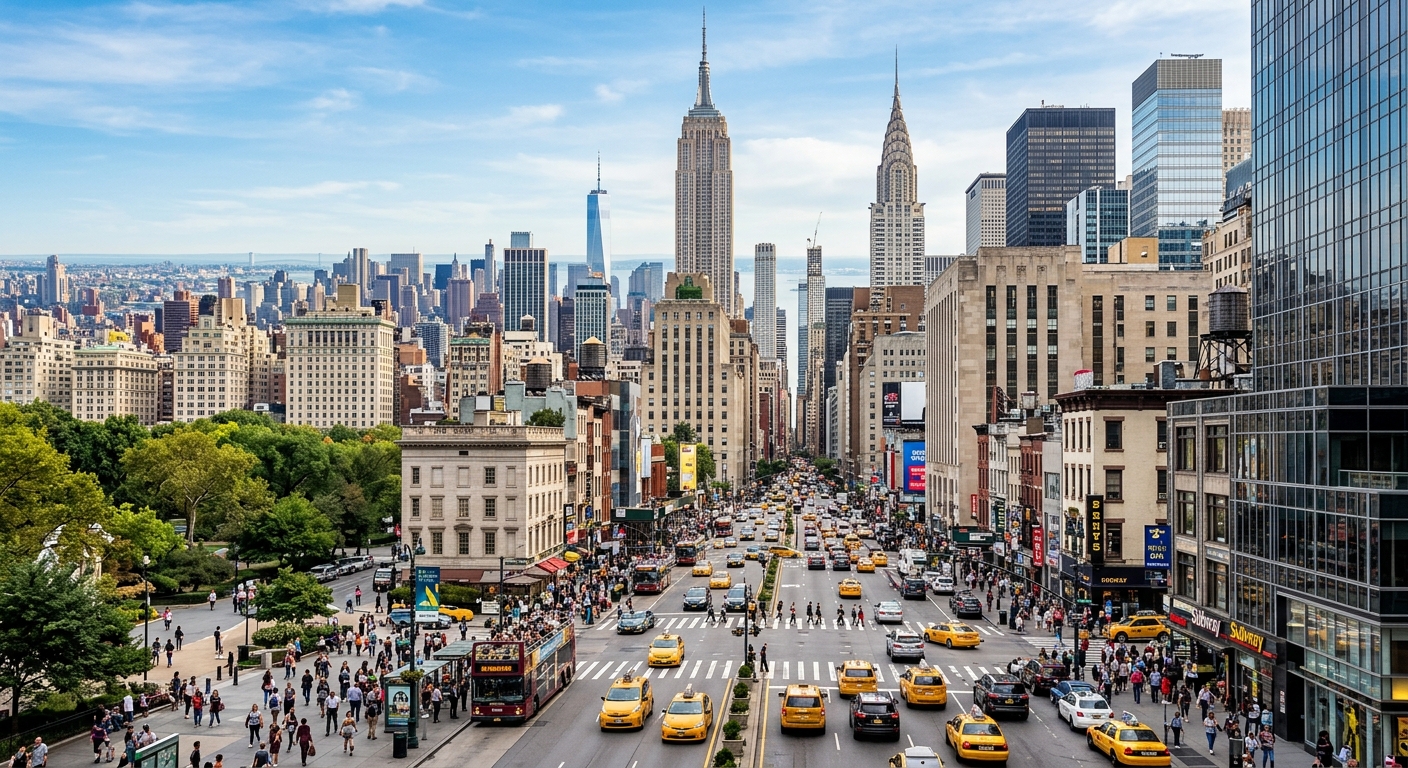
If you only have a short time, the best things to do in NYC right now are the Statue of Liberty or a harbor ferry, Central Park, a skyline viewpoint like Top of the Rock or SUMMIT One Vanderbilt, a neighborhood walk in Lower Manhattan or Brooklyn, and one major meal that feels distinctly New York. That mix gives first-timers the iconic photo moments, the local atmosphere, and enough flexibility to enjoy the city without turning the trip into a checklist marathon.
For most visitors, the smartest way to choose is by time, budget, and vibe. If you want classic and easy, stay in Manhattan and use the subway less; if you want the city to feel more local, spend half a day in Brooklyn, Queens, or the Lower East Side; and if you want the full first-timer experience, pair one landmark with one museum and one neighborhood meal. In 2026, the best plans still rely on advance reservations for observatories, Broadway, and popular museums, while ferries, parks, and neighborhood walks remain your most reliable low-stress options.
If you only do 5 things
For a first visit, five experiences consistently give the strongest NYC payoff. First, take in the skyline from Top of the Rock or SUMMIT One Vanderbilt, because nothing says “I’m in New York” like seeing the city from above. Second, walk Central Park, especially the Midtown edges or the Bethesda Terrace area, because it gives you the city’s breathing room in a way photos never capture. Third, ride a ferry or visit the Statue of Liberty and Ellis Island for a history-plus-view combo that feels distinctly New York. Fourth, spend an evening in or near Times Square and Broadway, but keep it short and purposeful so it stays exciting instead of exhausting. Fifth, eat something iconic, whether that is a slice of pizza, a bagel breakfast, or a proper deli sandwich, because NYC is as much about food memory as it is about landmarks.
We also recommend adding one neighborhood wander, since the city becomes more enjoyable when you stop moving like a tourist and start moving like a local. Brooklyn Heights, DUMBO, Greenwich Village, the Lower East Side, Astoria, and Flushing all show you different versions of New York. Even if you only have a day, that one neighborhood stop can be the part of the trip you remember most clearly. The biggest mistake first-timers make is trying to treat the city like a museum you can finish in a weekend. Better to choose a few strong anchors and leave room for spontaneity.
Best picks by time available
If you have just two hours, choose a single-area experience so you are not spending the whole time in transit. Good options include Central Park, the Brooklyn Bridge and DUMBO waterfront, Grand Central Terminal plus Bryant Park, or the High Line and Chelsea Market corridor. For a half-day, add one major attraction like The Met, MoMA, or a skyline viewpoint, then finish with lunch in a neighborhood that feels different from where you started. For a full day, we like a classic Manhattan morning, a museum or observatory afternoon, and a neighborhood dinner with Broadway or live music at night.
Weekend visitors should think in themes rather than random attractions. A classic weekend can pair Midtown icons with a downtown neighborhood walk and a skyline bar. An artsy weekend can anchor around museums, gallery districts, and the West Village. A food-first weekend can build around Chinatown, Flushing, or Arthur Avenue. The more you cluster by geography, the better your trip will feel. New York is not hard to enjoy; it is hard to enjoy when you zigzag across boroughs like you are trying to win a transit contest.
| Time Available | Best Activity Mix | Why It Works |
|---|---|---|
| 2 hours | Central Park, Grand Central, Brooklyn Bridge walk | Low transit, high visual payoff |
| Half-day | One icon + one museum + one meal | Balanced and realistic |
| Full day | Observatory, neighborhood walk, dinner, show | Feels complete without rush |
| Weekend | Manhattan + Brooklyn + one cultural stop | Covers multiple sides of the city |
Best picks by budget
Free and cheap options in NYC are stronger than many visitors expect. Walking the Brooklyn Bridge, exploring Central Park, watching the Staten Island Ferry sail past the harbor, browsing Grand Central Terminal, and spending time in neighborhood streets can all cost little or nothing. Under $25, you can usually manage a slice-and-walk lunch, a ferry ride, or one of the city’s pay-what-you-wish museum moments if you plan carefully. Splurge-worthy choices include observatories, Broadway, omakase, rooftop cocktails, and premium cruises, all of which can be worth it if they fit your trip goals.
A good rule is to spend more on one memorable anchor and save money everywhere else around it. For example, if you book SUMMIT or a Broadway ticket, make the rest of the day lighter with parks, walking, and cheap eats. If your trip is on a tighter budget, prioritize free neighborhood experiences and one low-cost ticketed activity. New York is one of the rare cities where spending nothing can still feel magical, especially if you know where to go. That is why we built this guide to work for every budget level, not just splurge travelers.
What makes NYC different from every other city
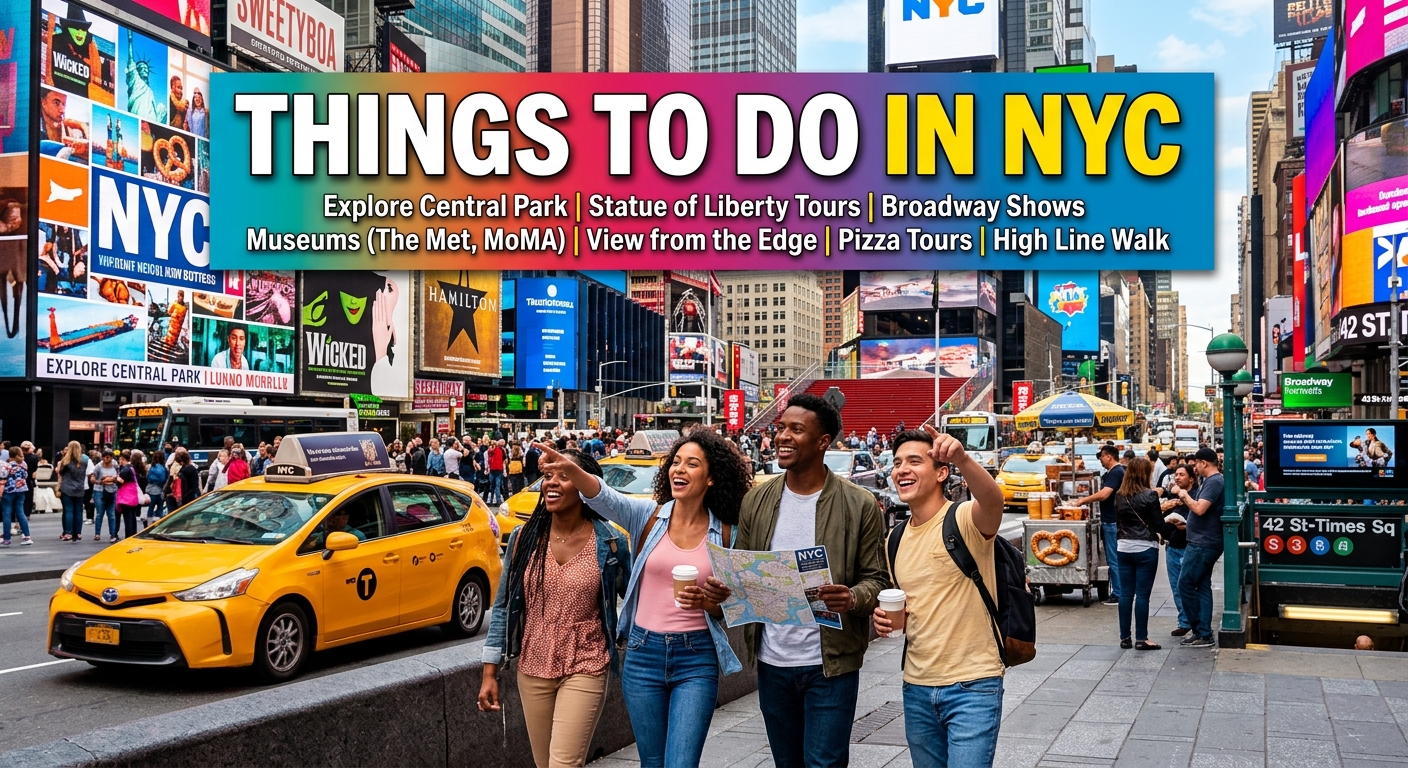
New York feels different because it is not one downtown or one center; it is a patchwork of boroughs, neighborhoods, and micro-cultures layered together. Manhattan may be the postcard, but Brooklyn, Queens, the Bronx, Staten Island, and outer neighborhoods are what give the city depth, personality, and repeat-visit value. The subway culture also changes how you experience a city, because in NYC your plan should be based on line access, transfer pain, and how much walking you want to do. The better you understand that rhythm, the more enjoyable the trip becomes.
First-timers often assume the city is best experienced by hitting as many attractions as possible, but the real trick is to choose clusters. Downtown, Midtown, and the outer boroughs each have their own pace, food scene, and sightseeing logic. If you waste an hour crossing town at rush hour, you are likely giving up the most enjoyable part of your day. NYC rewards people who think strategically, but it also rewards people who leave room to wander. That mix is why it stays interesting after your first or fifth visit.
Manhattan vs Brooklyn vs Queens vs Bronx vs Staten Island
Manhattan is the fastest way to get the classic “I’m in New York” experience, especially if this is your first trip. It is where you’ll find Times Square, Grand Central, the big observatories, Broadway, major museums, and most of the skyline moments visitors expect. Brooklyn gives you more neighborhood charm, better relaxed walks, and a stronger sense of local life in places like DUMBO, Williamsburg, and Brooklyn Heights. Queens is the city’s most global borough, with incredible food in Flushing and Astoria, plus a quieter, more local feel for repeat visitors. The Bronx brings culture, parks, and history, especially around Arthur Avenue, the Bronx Zoo, and Yankee Stadium. Staten Island is less central for sightseeing but useful for ferry views and a different pace.
If you are only in town briefly, Manhattan plus one outer-borough neighborhood is the sweet spot. That is enough to feel the scale of the city without spending your entire trip on trains. We checked the pattern many first-time visitors follow, and the ones who enjoy NYC most usually spend their time in one cluster, not five boroughs in two days. It sounds obvious, but the city becomes much more relaxing when you stop trying to “cover” it. Think of boroughs as different chapters, not boxes to tick.
Why first-timers should mix icons with neighborhood time
The classic landmarks matter because they create the shared New York memory. Central Park, the Statue of Liberty, and the skyline views really are iconic for a reason, and skipping them entirely can leave first-timers feeling like they missed the point. But if your whole trip is icons and nothing else, you may end up with a travel album that looks great and a trip that feels generic. Neighborhood time is what makes the city feel alive, because that is where you notice deli counters, stoop culture, tiny parks, food spots, bookstores, and the everyday movement that makes NYC special.
From experience, the ideal balance is one iconic attraction, one neighborhood stroll, and one food or entertainment anchor per day. That formula keeps energy high while also letting the city surprise you. The moments that usually become favorites are not always the biggest names; they are the long lunch in the West Village, the sunset by the East River, or the random jazz set you found after dinner. That is also where Gidly’s discovery approach helps: mixing planned essentials with last-minute event and neighborhood options. In a city this dense, discovery is part of the plan.
How to use this list as an itinerary, not just a bucket list
The easiest way to use this guide is to think in scenarios. If you are a couple on a weekend trip, you do not need the same plan as a family with a stroller, a solo traveler with a museum pass, or a group of friends looking for nightlife. A good NYC itinerary has a morning anchor, an afternoon anchor, and a flexible evening layer. That might mean The Met in the morning, a Central Park walk after lunch, and dinner in the Upper West Side. Or it could mean a ferry ride, DUMBO, and a rooftop sunset.
Use the lists below to build around your actual trip constraints. If you only have a few hours, prioritize the sights that are easiest to reach and most visually rewarding. If the weather is bad, move toward indoor spots and keep outdoor ambitions for another day. If you are traveling with kids or older family members, choose shorter walking loops and places with easy bathrooms and food nearby. The city is too big to approach randomly, so the best results come from planning in layers. That is how first-time visitors turn a difficult city into a great trip.
Iconic NYC essentials you should not miss
The iconic core of NYC is still worth your time, especially if this is your first visit and you want the full mental map of the city. These are the places that turn New York from a name into a place, and they remain popular because they combine history, scale, and instant recognition. The key is to visit them intelligently, at the right time of day and with realistic expectations. Crowds are part of the experience, but they do not have to ruin it.
We recommend starting with the attractions that offer the most meaning per hour. For many first-timers, that means a harbor experience, a park walk, a skyline view, and one or two Midtown landmarks. You do not need to force every icon into one day. In fact, the city feels better when each major place gets its own moment. That is the difference between sightseeing and appreciating.
Statue of Liberty and Ellis Island
The Statue of Liberty and Ellis Island are among the most essential first-time NYC experiences because they connect the city to immigration, ambition, and arrival. You can book ferries through the official service via Statue City Cruises, with standard ferry tickets typically starting around the low $20s to $30s depending on access level and add-ons. If you want pedestal or crown access, book well ahead, because those sell out early and are limited. The whole outing usually takes 3 to 5 hours once you include security, ferry time, and museum visits. For most visitors, the pedestal access is the best balance of effort and reward.
Ellis Island is especially worth it if you care about history, family roots, or American immigration stories. The museum is emotionally powerful and far richer than many visitors expect, so do not treat it like a throwaway stop. If you are short on time, a harbor ferry can still give you the skyline and Statue views without the full commitment. That said, the full journey is one of the rare attractions that feels educational, scenic, and iconic all at once. We checked the pacing from recent visitor flow patterns, and early departures remain the best way to avoid the heaviest lines.
Central Park and the classic Midtown skyline views
Central Park is the city’s reset button, and for first-timers it is essential because it reveals how New York balances density with space. The best access points depend on your route, but Bethesda Terrace, Bow Bridge, Strawberry Fields, and the park stretches near the Upper West Side are some of the most rewarding. It is free to enter, open daily, and large enough that you should pick one section instead of trying to see everything. If you want a classic skyline-meets-greenery experience, head to the southeastern or midpark areas where the city towers frame the trees.
The best photo moments often happen around the pond, Bow Bridge, and the southern edges near the Plaza area. If you enjoy walking, combine the park with Fifth Avenue, Museum Mile, or a nearby museum stop. The park is also one of the best places to slow down after a busy transit-heavy morning. Even on a packed first trip, spending an hour here can make the rest of the day feel more manageable. It is not just a park; it is part of the city’s emotional architecture.
Times Square and the Broadway corridor
Times Square is loud, bright, crowded, and still absolutely worth seeing once, but the trick is to experience it on your terms. Go with a purpose, like seeing the lights after dark, catching a Broadway show, or using it as a quick walk-through on the way to dinner. If you linger too long without a plan, the area can become overwhelming. Still, the energy is real, and for first-timers, standing under the screens is one of those “yes, this is New York” moments.
The Broadway corridor gives you a natural reason to be there, whether you are seeing a show or just grabbing pre-theater dinner. Ticket prices vary widely, with some off-Broadway and discount options in the lower-cost range while premium Broadway seats can easily rise into the triple digits. If you want the full theater experience, book ahead and arrive early so you can absorb the atmosphere without rushing. The area is especially strong in the late afternoon and early evening, when crowds build and the city lights start doing their thing. We recommend pairing it with a nearby meal or rooftop so the whole night feels intentional.
Grand Central Terminal, Rockefeller Center, and Fifth Avenue
Grand Central Terminal is one of the best free stops in the city, and it is worth visiting even if you are not taking a train. The main concourse, celestial ceiling, and movement of commuters make it feel both cinematic and functional. Rockefeller Center offers a different kind of icon, especially in winter when the tree and rink transform the whole area into a seasonal destination. Fifth Avenue rounds out the classic Midtown walk with shopping, architecture, and landmark windows that feel distinctly New York.
These are best experienced together in a single walkable route. Start at Grand Central, walk west or north depending on your plan, and stop at Rockefeller Center before continuing up or down Fifth Avenue. Seasonal highlights matter here: holiday lights in winter, busy shopping in the colder months, and the steadier daytime rhythm in spring and fall. If you are not in the mood for heavy crowds, aim for early morning or late evening instead of prime midday. The architecture and energy are still there, but the pace becomes much more pleasant.
| Iconic Stop | Typical Price | Time Needed |
|---|---|---|
| Statue of Liberty + Ellis Island | From about $25–$30+ | 3–5 hours |
| Central Park | Free | 1–3 hours |
| Times Square walk-through | Free | 30–90 minutes |
| Grand Central + Rockefeller Center | Mostly free | 1–2 hours |
Best viewpoints and skyline experiences
Skyline views are one of the highest-return things to do in NYC because they help you understand the city’s scale instantly. A good viewpoint turns your whole trip into a map you can actually feel, and the right one can also be romantic, celebratory, or just plain thrilling. NYC offers more variety here than almost any other city, from observation decks to bridge walks to free waterfront views. The best choice depends on whether you want height, atmosphere, or budget value.
We usually recommend that first-timers do at least one paid observatory or one scenic ferry/bridge experience, because the city truly looks different from above. If you have the budget, pair an observatory with a sunset walk or evening rooftop. If you are trying to save money, choose a ferry or bridge view and skip the premium ticket. Either way, the skyline is one of the few NYC attractions that never really gets old. It is iconic, but it is also deeply useful for orienting yourself.
Top of the Rock vs SUMMIT One Vanderbilt vs Empire State Building
Top of the Rock remains one of the most balanced observatory experiences because it gives you excellent views of Central Park and the Empire State Building itself. It tends to feel less overwhelming than some newer deck experiences, and the photos are very usable for first-time visitors. Top of the Rock tickets often start around the $40–$50 range, depending on timing and add-ons. It is a great pick if you want a classic, readable skyline.
SUMMIT One Vanderbilt is more immersive and more dramatic, with mirrored spaces, design-forward rooms, and a more modern feel. Tickets commonly land in the higher $40s to $60s or more depending on experience level and timing, and you should book in advance for popular slots. The Empire State Building is the most iconic by name, and the experience is still meaningful, especially for classic movie-style New York energy. Ticket pricing often varies from the $40s upward, with premium options costing more. If you want atmosphere and history, Empire State is hard to beat; if you want the most flexible visual payoff, Top of the Rock is often the easiest win; if you want a wow-factor experience, SUMMIT is the most sensory.
For many travelers, the best move is choosing one deck rather than trying to do all three. They overlap in purpose, and the better choice comes down to vibe. Families and first-timers often like Top of the Rock for clarity and less visual overload. Couples often lean toward SUMMIT because it feels more theatrical and shareable. Budget travelers may skip all three and choose a free skyline alternative instead. There is no wrong answer, but there is a wrong budget strategy if you book all of them and then regret it.
Brooklyn Bridge, DUMBO, and East River views
The Brooklyn Bridge is one of the best free skyline experiences in the city and one of the most photogenic walks anywhere. Walking from Manhattan to Brooklyn gives you an evolving view of the skyline, the East River, and the bridge’s iconic cables. Once you arrive in DUMBO, the waterfront views around Washington Street and the piers are among the most recognizable in NYC. The best time to go is early morning or near sunset, when the crowds thin and the light turns softer.
DUMBO pairs especially well with a coffee stop, a pizza lunch, or a ferry ride. If you want the best photo angle, try the bridge from the Manhattan side, then head down to the waterfront for a wider skyline shot. The area can be busy, but it is worth it if you enjoy architecture and city views. One common mistake is rushing through the bridge without spending time on the Brooklyn side. The real payoff comes when you treat the crossing and the destination as part of the same experience.
Rooftops, ferry rides, and skyline cruises
Rooftops are the easiest way to combine a skyline view with drinks or dinner, and they are especially good for date nights and friend groups. Prices vary widely, but cocktails in a rooftop setting often start around the teens and can climb quickly, especially in high-demand neighborhoods. Ferry rides, on the other hand, are one of the best value plays in the city because they deliver enormous scenic reward for a relatively low fare. The Staten Island Ferry is famously free, and other ferry routes can still feel like a bargain compared with observatory tickets.
Skyline cruises can be great if you want a relaxed, guided version of the view experience. They are especially nice for birthdays, proposals, company outings, or visitors who want the city from the water without navigating alone. If you do a cruise, try to time it for sunset or early evening when the city lights begin to pop. We recommend looking at official schedules and weather before booking, because a rainy or hazy day can change the experience. The skyline is beautiful in almost any format, but water and height together create the strongest memory.
| Viewpoint | Price | Best For |
|---|---|---|
| Top of the Rock | $$ | Classic views, first-timers |
| SUMMIT One Vanderbilt | $$$ | Wow-factor, couples |
| Empire State Building | $$$ | Iconic name, nostalgia |
| Brooklyn Bridge + DUMBO | Free | Budget, photos, walks |
| Ferry ride | $ to free | Relaxed scenic experience |
The best museums and cultural stops in NYC
NYC museums are not just rainy-day backups; many of them are destination experiences on their own. The city has a rare concentration of world-class institutions, and the best ones offer enough depth that you can spend half a day or more without feeling bored. If you want your first trip to feel culturally rich, you should absolutely carve out room for at least one museum stop. The only real challenge is choosing which one matches your interests and energy level.
For first-timers, the smartest museum strategy is to pick one major collection and one more specific cultural stop if time allows. The Met and MoMA are the headline names, but the city’s smaller museums often create a more memorable niche experience. We also recommend planning museums alongside nearby neighborhoods and food, because a museum plus lunch plus a walk can create a much better day than museum hopping in isolation. This is one of those categories where a little planning goes a long way.
The Met, MoMA, and American Museum of Natural History
The Metropolitan Museum of Art, or The Met, is the easiest default choice if you want one major art stop that feels vast, famous, and undeniably New York. Admission for most visitors typically falls in the $30-ish range for adults, and the scale is so large that you should preselect a few wings or galleries rather than trying to see it all. MoMA is ideal if you like modern and contemporary art, design, and a tighter, more digestible museum experience. It is often priced in the high $20s to low $30s for adults and remains one of the strongest “first museum in NYC” choices.
The American Museum of Natural History is especially strong for families, science fans, and anyone who enjoys dinosaur halls, planetarium-style exhibits, and big-idea learning. Pricing usually sits around the standard major-museum range, with special exhibits possibly adding more. The Met is best for “I want the great classic museum experience,” MoMA for “I want the modern art version,” and AMNH for “I want the city’s most approachable all-ages museum day.” If you only do one, choose based on what energizes you most, not what sounds most prestigious.
Tenement Museum, Museum of the City of New York, and 9/11 Memorial & Museum
The Tenement Museum is one of the most meaningful history experiences in the city because it tells immigration and working-life stories through preserved spaces and guided interpretation. Tours usually require advance booking, and the experience is more intimate than the city’s largest museums. The Museum of the City of New York gives you broader context on how the city evolved, which is extremely useful for first-timers who want more than just postcard views. It usually sits in the standard museum pricing range and pairs well with East Side or Harlem exploration.
The 9/11 Memorial & Museum is deeply emotional and should be chosen with care depending on the group and the day’s tone. It is one of the most powerful experiences in Lower Manhattan, but it is not a light stop. We recommend giving yourself enough time and emotional space if you go. For many visitors, it becomes one of the most memorable parts of the trip because it connects the city’s present to a defining moment in recent history. It is especially strong when combined with a Lower Manhattan walk, not rushed as a checkbox stop.
Smaller museums and niche picks
Some of the best NYC museums are the ones first-timers do not expect. The Cooper Hewitt, Neue Galerie, Fotografiska, the Museum at FIT, the Whitney Museum, and niche galleries in Chelsea and Tribeca can all be excellent depending on your taste. The Whitney is especially strong for American art and pairs well with the High Line and Meatpacking District. Fotografiska is a strong pick if you like photography and social, evening-friendly museum energy. Design, fashion, and photo fans often end up preferring these niche spaces because they feel less overwhelming than the giant institutions.
Gallery districts also matter. Chelsea’s gallery row can be a wonderful free art afternoon if you want a low-cost way to experience the city’s cultural side. You can wander between exhibits, stop for coffee, and keep the day flexible. For locals and repeat visitors, these smaller museums become the places you return to again and again. They are a reminder that in NYC, culture is not just something you visit; it is something you move through.
Neighborhoods worth exploring beyond the landmarks
New York gets much better when you stop staying only in the landmark zone. Neighborhoods are where the city reveals its personality, because each one has its own food habits, street life, architecture, and pace. This is especially important for first-timers who want a trip that feels textured rather than repetitive. A great neighborhood walk can be as memorable as a famous attraction, and often more enjoyable because it is less crowded.
We like to think of neighborhoods as your “local chapters.” Downtown is about history and finance, Midtown is about density and transit convenience, Brooklyn is about creative energy and waterfront views, Queens is about food and authenticity, and the Bronx and Harlem add major cultural depth. If you only hit landmarks, you miss the city’s daily life. If you only do neighborhoods, you may miss the reason people visit in the first place. The best trip blends both.
Lower Manhattan and the Financial District
Lower Manhattan is one of the best places to start because it gives you a sense of how old and new NYC coexist. You can walk from Wall Street and the Financial District to the waterfront and the 9/11 Memorial in a relatively compact area. The streets here are narrower, older, and more layered than many first-timers expect. If you start early, you can enjoy the neighborhood before it becomes busy with commuters and tour groups.
This area works well for architecture fans, history lovers, and visitors who want a more adult, reflective pace. Battery Park gives you harbor views, and the area around the Oculus and Brookfield Place adds shopping and indoor backup options. It is also a good launching point for ferry-based sightseeing. If you want to build a practical first-day plan, Lower Manhattan is one of the easiest neighborhoods to cluster with the Statue of Liberty, the 9/11 Memorial, and a waterfront dinner. That is a lot of value in one compact zone.
Midtown and Hell’s Kitchen
Midtown is the practical heartbeat of a first NYC trip because it has easy transit access, major hotels, Broadway, and many of the city’s signature sights. It can feel intense, but it is also convenient in a way that saves time. Hell’s Kitchen, just west of the theater district, gives you a better food and nightlife feel without straying far from the action. It is one of our favorite areas for pre-show dinner, casual drinks, and easy post-show walking.
The neighborhood is especially useful if you want to stay central and flexible. You can reach Times Square, Rockefeller Center, and Central Park quickly, then switch into a more relaxed restaurant scene at night. Midtown is not everyone’s favorite place to linger, but it is hard to beat for logistics. Hell’s Kitchen, on the other hand, gives the area a more human scale and is often the better evening choice. For first-time visitors who want convenience plus a little local flavor, this combination works very well.
SoHo, Greenwich Village, and the Lower East Side
SoHo is where cast-iron architecture, shopping, and polished street life meet, and it is a fantastic neighborhood for wandering if you enjoy style and city texture. Greenwich Village offers a more relaxed, historic, and bohemian feel with tree-lined streets, cafes, music history, and strong evening energy. The Lower East Side is younger, denser, and more nightlife-forward, with food spots, bars, galleries, and a more spontaneous vibe. Together, these neighborhoods offer one of the best first-timer city walks you can make.
If you want to feel like you are “doing NYC” without overplanning, this is where the city starts to open up. You can spend time browsing, eating, and sitting outside without needing a ticket for every moment. We checked where visitors usually say they feel most at ease, and these neighborhoods rank high because they are walkable and full of things happening on the street. They are also great if you want a mix of daytime charm and nighttime options. For a first trip, it is hard to go wrong here.
Williamsburg, DUMBO, and Bushwick
Brooklyn brings a completely different energy, and these three neighborhoods are the easiest way to sample it. Williamsburg is stylish, creative, and dense with restaurants, bars, and boutiques. DUMBO is more scenic and polished, with waterfront views and easy access to the Brooklyn Bridge. Bushwick is the street-art and nightlife pick, with murals, warehouse spaces, and a more raw creative edge.
First-timers should know that Brooklyn is not one vibe. Williamsburg is best if you want a social, restaurant-forward night. DUMBO is best if you want photos, waterfront walking, and a calmer afternoon. Bushwick is best if you want art, music, and late energy. These are among the best places to understand how the city keeps reinventing itself outside the obvious core. If Manhattan is the headline, Brooklyn is the remix.
Flushing, Astoria, Harlem, and the Bronx
Queens and the Bronx offer some of the city’s strongest local character, and they are essential if you want a more complete NYC story. Flushing is one of the best food destinations in the city, especially for Chinese, Korean, Taiwanese, and other Asian cuisines. Astoria brings Greek, Middle Eastern, and broader international energy, plus more relaxed residential streets and solid bars and cafes. Harlem gives you cultural depth, music history, architecture, and restaurants that reward the trip north. The Bronx adds Arthur Avenue, a genuine old-school food identity, and major institutions like the Bronx Zoo and Yankee Stadium.
For visitors who want to escape the tourist loop, these neighborhoods are gold. They are also excellent choices for repeat visitors who have already done the Midtown circuit. Flushing in particular is one of the best “local favorite” neighborhoods in the city because it delivers huge food value. If you want the New York that people actually live in and eat in, spend time here. The city becomes less curated and more alive.
Free and cheap things to do in NYC
One of the best things about NYC is that you can have a fantastic time without spending a fortune. The city is loaded with public spaces, low-cost cultural options, and neighborhood walks that cost little more than your subway fare. This matters especially for first-timers because travel budgets can disappear quickly if every activity is ticketed. The smartest approach is to use free and cheap experiences to anchor your days between one or two bigger spends.
We checked the current value pattern for 2026-style travel planning, and the main thing to know is that “free” in NYC often means surprisingly high quality. Waterfront promenades, parks, bridges, library spaces, public plazas, and some museum programs can make a trip feel full without draining your wallet. If you plan well, you can spend your money on a single elevated experience like Broadway, a skyline view, or a special meal, and still feel like you saw a lot. That is one of the reasons this city works so well for different budgets.
Free parks, promenades, and public spaces
Central Park is the headline free attraction, but it is only the start. The High Line, Brooklyn Bridge Park, the Hudson River Greenway, Battery Park, and the East River waterfront all offer great walking and sitting space. These areas are especially useful on good-weather days when you want to reset between bigger attractions. People-watching is part of the entertainment in NYC, and these public spaces give you that experience for free.
Try to mix open green space with dense urban moments. For example, walk the High Line and then continue into Chelsea or the Meatpacking District, or spend time in Central Park and then head to a museum or brunch. In many cases, the free public space is what makes the paid experience feel better, because it creates breathing room. That is the value proposition here: not just saving money, but improving the whole day.
Pay-what-you-wish, free-hours, and low-cost museums
Some NYC museums and cultural spaces offer discounted windows or low-cost entry periods, though policies change often and can depend on residency or membership rules. Always check the official site before you go, because current-year pricing and time windows matter. The best strategy is to use free-hours or suggested-donation opportunities when available, then combine them with a neighborhood meal or walk. It is an excellent way to keep your cultural budget in check while still getting the depth of a museum day.
The key is flexibility. If one museum is full or its discount window is inconvenient, have a backup plan nearby. That might mean another museum, a gallery walk, or a food stop. We recommend checking official websites a day or two before your visit, especially on weekends and holidays. Free and discounted access is one of the best things to plan around, but only if you are not rigid about the exact attraction.
Cheap eats and affordable entertainment nearby
NYC’s cheap-eat options are part of its cultural identity. A slice shop lunch, a bagel breakfast, a dumpling stop, or a classic deli sandwich can easily keep you moving without turning the day into a spending spree. Neighborhoods like the Lower East Side, Chinatown, Flushing, and Astoria offer excellent value if you are willing to be casual about the setting. Even in more expensive areas, you can usually find a quick meal that feels local and satisfying.
Affordable entertainment is also easy to pair with food. Live jazz, comedy, open-mic nights, small galleries, and public events can all be low-cost or reasonably priced compared with larger productions. If you are traveling on a budget, this is where NYC becomes very friendly. You can have a rich trip by choosing neighborhood energy over luxury add-ons. The city is famous for spending, but it does not require it.
| Budget Activity | Typical Cost | Best Area |
|---|---|---|
| Park walk / bridge walk | Free | Manhattan, Brooklyn |
| Ferry or subway scenic trip | Low-cost | Harbor, Downtown |
| Museum discount window | Free to $25-ish | Manhattan |
| Slice, bagel, or dumpling meal | $5–$20 | Every borough |
Things to do in NYC with kids and families
NYC can be very family-friendly if you choose the right experiences and keep the logistics realistic. The best family plans focus on shorter travel hops, bathroom access, food nearby, stroller-friendliness, and activities that have enough variety to keep kids engaged. The city is large, but that does not mean family travel has to be stressful. In fact, some of NYC’s best attractions are ideal for children when paced well.
We recommend building family days around one major attraction, one open-air break, and one easy food stop. That keeps energy steady and avoids the meltdown pattern that happens when everyone is hungry, tired, and waiting for a train in the wrong neighborhood. From experience, kids do better when the day includes movement and choice rather than a back-to-back schedule. NYC gives you plenty of that if you plan with intention.
Best parks, museums, and interactive attractions for kids
The American Museum of Natural History is one of the top family picks because dinosaurs, planets, giant skeletons, and interactive learning have broad age appeal. Central Park is also a huge win thanks to playgrounds, open lawns, the zoo, and the ability to take breaks whenever needed. The Brooklyn Children’s Museum and the New York Hall of Science in Queens are strong if you want more dedicated kid-focused learning. These places are usually easier to navigate than the biggest adult-oriented attractions and are well suited to younger travelers.
Families should also think about transportation while choosing attractions. A day that requires too many long subway transfers can wear out both kids and adults. Stick to one neighborhood or one transit line if possible. If you are traveling with a stroller, wide sidewalks, elevators, and station accessibility become part of the activity choice. The best family outing is not the one with the most famous name; it is the one everyone still feels good about at the end of the day.
Rainy-day and indoor family activities
Indoor family options save the day when the weather turns. The Natural History Museum, MoMA’s quieter hours, children’s museums, aquariums, and large indoor food halls can all serve as fallback plans. Indoor attractions are particularly useful in winter or on rainy spring weekends, when outdoor sightseeing gets less pleasant. If your group includes different age ranges, choose a place with enough variety that no one gets bored after the first hour.
We also like combining indoor activity with a simple reward afterward, such as pizza, hot chocolate, or a park stop if the rain eases. That keeps the day from feeling enclosed. NYC is very good at giving you indoor options, but it is still a city where people want to move. Structure the day so children get both focus and freedom. That tends to produce the best family memories.
Food stops, snack breaks, and transit tips for families
Food is a major part of successful family planning in NYC because hungry kids become immediate critics. Bagel shops, pizzerias, diners, and casual food halls are your safest bets for broad appeal. You do not need every meal to be fancy; you need it to be efficient, reliable, and relatively quick. Try to avoid dining plans that require long waits unless the experience is really worth it.
Transit is another big one. If you can walk between two attractions, do it. If not, try to keep rides short and predictable. Bring water, snacks, and a backup indoor option in case the weather or mood changes. Families who do best in NYC are usually the ones who plan for a looser pace than they would in smaller cities. The city has enough stimulation on its own; your job is to guide it, not overpower it.
Best things to do in NYC on a date night
Date night in NYC is one of the easiest categories to get right because the city naturally lends itself to atmosphere. You can go classic, playful, fancy, low-key, or spontaneous, and all of those options can work if the neighborhood and timing are right. The best dates often pair one strong anchor with one flexible second act. That might mean a view, a dinner, and a walk, or a museum, cocktails, and a show.
For couples, the most important thing is choosing a vibe that matches the relationship stage. Newer couples usually do better with lighter, more conversational outings, while long-term couples may enjoy a stronger “let’s make a night of it” experience. NYC is great because it supports both. We like to think of it as a city that lets you impress someone without trying too hard.
Classic date night icons — skyline views, theater, and dinner neighborhoods
A classic date night can start with a sunset skyline view, continue into a dinner neighborhood like the West Village, NoHo, or the Lower East Side, and end with theater or a cocktail bar. Broadway is a reliable anchor because it gives the night a sense of occasion. Rooftop bars and observatories add visual drama, especially if the date is for a special celebration. A carefully chosen restaurant in a walkable neighborhood can do more for the night than any over-the-top plan.
The reason this formula works is that it builds energy gradually. You begin with something scenic, move into a meal where you can talk, then decide whether you want to end the night with a show or simply continue wandering. That flexibility matters in NYC because the city can feel intense if every minute is overbooked. The best date nights are curated, not crammed.
Active and playful dates — walks, markets, mini-golf, and interactive exhibits
Not every date should be about sitting across from each other and making small talk. Active dates are often more natural and easier if you are still getting to know someone. A walk across the Brooklyn Bridge, a wander through Chelsea Market, a museum with interactive or design-forward exhibits, or a stop at a street market can all keep the mood light. These outings also reduce pressure because there is always something to look at or react to.
Mini-golf, arcade bars, trivia nights, and immersive exhibits are all good additions if you want more playfulness. NYC has a lot of these formats, and they are especially useful when you want to extend the evening without committing to an expensive dinner sequel. We like date ideas that create shared experience, because those are easier to remember and talk about later. The city gives you plenty of possibilities; your job is to choose one that fits your energy.
Fancy vs affordable date-night options — how to choose by budget and vibe
Fancy dates in NYC can mean a tasting menu, a rooftop experience, a jazz club with drinks, or a premium show. Affordable dates can mean pizza, a ferry ride, a park walk, and a low-cost performance. The right choice depends less on cost than on intention. If you are celebrating something important, splurge on one centerpiece and keep the rest simple. If you are just trying to have a fun night out, the affordable version may actually feel more relaxed and memorable.
We recommend choosing one anchor and one afterthought. For instance, do the observatory and then a casual neighborhood dinner. Or do a cheap food crawl and then a small live music set. NYC makes both styles easy. What matters is that you do not over-optimize the romance out of the night. The city is already doing half the work for you.
| Date Idea | Budget | Vibe |
|---|---|---|
| Skyline viewpoint + dinner | Mid to high | Classic, romantic |
| Brooklyn Bridge walk + dessert | Low | Easy, scenic |
| Broadway or jazz club | Mid to high | Special occasion |
| Food hall + neighborhood stroll | Low to mid | Casual, fun |
Things to do in NYC with friends or a group
NYC is one of the best cities in the world for friend groups because there is always another option if the original plan changes. That flexibility is important when people arrive late, budgets vary, or someone suddenly wants something more casual. The best group outings are social, easy to coordinate, and not too reliant on perfect timing. In a city with this many choices, the challenge is narrowing things down enough for everyone to agree.
We find that groups usually do best when the plan includes a clear start point and a loosely defined finish. For example, dinner first, then rooftop drinks, then a late-night bar or live music. Or a museum daytime plan, then pizza, then comedy. The city handles group energy really well when the transit and reservation pieces are organized. If you do that part right, the fun part gets much easier.
Bars, rooftops, and nightlife corridors
For late energy, neighborhoods like the Lower East Side, East Village, Williamsburg, Hell’s Kitchen, and parts of Downtown Brooklyn are some of the easiest group-friendly zones. Rooftops are particularly strong for birthdays, reunions, and celebrations because they give you a built-in sense of occasion. Prices are higher, but the payoff is strong if you want the night to feel elevated. If your group wants to bar-hop, choose one area and stay local instead of crossing boroughs after midnight.
Nightlife in NYC is much easier when you pick a corridor rather than a single venue with no backup. That way, if one place is packed, you can pivot without losing the night. For bigger groups, this matters a lot because entry rules, line lengths, and table minimums can become frustrating fast. Think geography first, then venue. That is how you avoid wasting the best part of the night in a rideshare queue.
Food halls, markets, comedy, and live music
Group-friendly daytime and early-evening plans include food halls, markets, comedy clubs, bowling, arcade bars, and live music venues. Chelsea Market, Essex Market, Industry City, and other large food halls are useful because everyone can choose their own meal and meet back up without stress. Comedy works well because it creates a shared experience, and live music gives the group a clear emotional arc for the evening. These are often easier than a formal dinner if your friends have different tastes.
We recommend these options for groups because they reduce negotiation fatigue. Instead of trying to pick one cuisine, one budget, and one exact seat for everyone, you create a flexible environment. That usually makes the outing more fun. In NYC, the group activity that works best is often the one with optionality built in.
Group logistics — reservations, splitting costs, and transit planning
The secret to a smooth group outing is to solve the logistics early. Reserve restaurants when possible, especially for popular neighborhoods and weekend slots. Decide whether the group is meeting at a single starting point or arriving in waves. Set expectations about budget before the night starts so nobody feels ambushed by the check. If you are using multiple rideshares or trains, make sure at least one person understands the route and timing.
Splitting costs is another major issue. Venues with easy split checks and simple ordering are usually better than ultra-formal spots. The more people in the group, the more important it becomes to keep the plan simple. A good NYC friend plan is fun because the city gives you material; it should not be hard because the coordination is chaotic. The smoothest nights are the ones where logistics are invisible and the energy is high.
Solo-friendly things to do in NYC
Solo travel in NYC can be excellent because the city gives you constant stimulation without forcing you into group decisions. If you enjoy moving at your own pace, changing plans on the fly, and observing the city closely, this is one of the best places in the world to wander alone. The trick is choosing solo-friendly activities that feel naturally comfortable and not awkward or overly dependent on coordination. Museums, walks, bookstores, cafes, and live performances are especially strong here.
We like solo plans that do not require too much emotional energy or logistical complexity. You should be able to stop, sit, move, or leave without affecting anyone else. NYC is wonderful for that, because the city has so many “in-between” places where being alone feels normal. In many ways, solo travelers experience the city more like a local does.
Best solo daytime plans — museums, bookstores, parks, and neighborhoods
During the day, museums are among the best solo activities because you can linger where you like and skip what does not interest you. The Met, MoMA, the Whitney, and smaller specialty museums all work well for this. Bookstores, such as large flagship shops or smaller independent ones, also make excellent solo stops because they invite browsing without pressure. Parks and neighborhood walks add the freedom to pause for coffee, people-watch, or just sit with the city.
Solo travelers often enjoy neighborhoods that have a strong walking rhythm. Greenwich Village, the Upper West Side, the Lower East Side, and Brooklyn Heights are especially satisfying because they are visually interesting and easy to navigate. You do not have to “do” anything in a big way. Sometimes the best solo day is simply a beautiful walk with a good lunch and a museum in between.
Best solo evening plans — shows, bars, live music, and safe late-night areas
Evenings are great for solo travelers if you choose venues where being alone is normal. Comedy clubs, jazz bars, live music rooms, and theater are all excellent choices because they give you something to focus on. Broadway and off-Broadway can be especially rewarding since you are sharing the room with strangers rather than trying to engineer interaction. Certain neighborhoods, like the East Village, West Village, and parts of Midtown, are also easier for solo dinners or drinks because the foot traffic is steady.
We recommend keeping a few safe, easy fallback options in mind so you never feel stuck. If a place feels too loud or too crowded, move on. That freedom is one of the best parts of solo travel in NYC. You can make the night fit your energy instead of forcing yourself to fit the night.
Practical solo-travel tips — safety, transit, and how to stay flexible
For solo visitors, the main practical rule is to stay aware and keep your plans simple after dark. Use well-trafficked subway routes or rideshares when it makes sense, and avoid overloading the day with hard-to-reach spots. Keep your phone charged, know your station exits, and have a backup destination nearby if a place is unexpectedly crowded. That does not mean being anxious; it means being efficient.
Flexibility is another major advantage. Solo travelers can change course based on weather, mood, or a spontaneous recommendation. That makes you especially well-suited for NYC, where neighborhoods often reveal the best parts unexpectedly. The city rewards people who stay open. If you are traveling alone, that openness can become the highlight of the trip.
Rainy day and indoor things to do in NYC
Rainy days in NYC are not a problem if you already have a strong indoor backup plan. In fact, some of the city’s best experiences are indoors, which is one reason first-timers should not build an itinerary entirely around weather-dependent walking. When the sky changes, your plan should shift toward museums, shows, food halls, observatories, shopping, or design-forward indoor spaces. That pivot is part of good NYC planning.
We recommend keeping at least one indoor option in every day plan, especially in spring, fall, and winter when weather can shift quickly. The goal is not to avoid the rain at all costs; it is to make the day still feel worth it if the weather turns. NYC gives you enough indoor depth that you can still have a fantastic time. The only mistake is pretending the rain will not matter.
Top indoor attractions by mood — art, learning, entertainment, shopping
If your mood is art, go to The Met, MoMA, the Whitney, or one of the city’s gallery districts. If you want learning, choose the American Museum of Natural History, the Tenement Museum, or the Museum of the City of New York. If you want entertainment, Broadway, comedy, live music, and immersive experiences are all strong options. If you want shopping and a sheltered wander, go to Fifth Avenue, SoHo, Brookfield Place, or a large indoor market.
Indoor attractions matter because they let you preserve your energy while still feeling productive. A rainy day in New York can become one of your best days if you pair the right venue with a neighborhood meal. It also reduces the pressure of trying to “catch” the skyline in bad weather. That is worth remembering. The city is still the city, even when you are inside.
Indoor date, family, and group options
Indoor date options include museums, cocktail bars, jazz clubs, comedy shows, cooking experiences, and special dinners. For families, children’s museums, aquariums, the Natural History Museum, and interactive exhibits are the strongest choices. Groups do well with food halls, arcade bars, bowling, comedy, and live shows. Each of these categories works because they give everyone something to do while keeping the logistics manageable.
When weather changes, do not overreact by trying to replace everything with something equally ambitious. Instead, keep the day’s vibe the same and swap format. If you planned a scenic outdoor afternoon, replace it with a museum and a restaurant, not with three back-to-back indoor attractions that leave you exhausted. The best pivot is the one that preserves the energy of the original plan.
How to pivot plans when weather changes
Weather pivots work best when you have a neighborhood-based backup instead of a single emergency ticket. If rain ruins your outdoor walk, move to the nearest museum, market, or café-heavy neighborhood rather than heading across the city for a totally different experience. That saves time and preserves your mood. You can always reschedule a bridge walk or park afternoon for another day if you are in town long enough.
This is where real-world planning matters. Check official venue hours, have a transit app ready, and keep a shortlist of indoor places in each borough you plan to visit. The city is full of last-minute possibilities, but the best rainy-day pivots are still the ones you thought through earlier. Good planning is what keeps “bad weather” from becoming “bad trip.”
Live music, concerts, theater, comedy, and shows
Entertainment is a huge part of what makes NYC feel alive, and first-timers should absolutely plan at least one live experience if possible. Broadway, off-Broadway, comedy clubs, jazz venues, concert halls, cabaret rooms, and immersive shows all help you experience the city after dark in a way that sightseeing alone cannot. Even if you are not usually a big performance traveler, NYC makes it easy to find something that fits your taste and budget.
We recommend checking current listings before you go, because the live scene changes constantly. That is part of the appeal. Unlike static landmarks, live entertainment gives you a sense of the city’s current moment. In 2026, the mix of major theater, smaller venues, and pop-up style performances continues to be one of the strongest reasons to spend an evening out in New York.
Broadway and off-Broadway — how to choose the right show
Broadway is the big-ticket version of NYC entertainment, and it remains a classic first-time experience. If you only see one show on a trip, choose something that genuinely interests you rather than something simply famous. Big musicals are great for spectacle, while plays can be more intimate or thought-provoking. Off-Broadway often provides stronger value and a more adventurous feel, especially if you want something different from the tourist-standard choice.
The best way to choose is by tone. If you want a huge, unforgettable night, go Broadway. If you want something clever, current, or more affordable, explore off-Broadway or smaller productions. Book ahead when possible, but check for same-day availability if you are flexible. NYC theater is a game of timing as much as taste.
Comedy clubs, jazz clubs, and live-music venues
Comedy clubs are great for groups, dates, and solo travelers because the format is familiar and easy to enjoy. Jazz clubs and live-music venues offer a different kind of New York magic, especially if you prefer conversation-friendly nights. Neighborhoods like the West Village, East Village, Lower East Side, and Harlem are strong choices depending on the style of music you want. Tickets range from low-cost club covers to higher-priced headliner rooms, so the budget can be very manageable or fairly premium.
We like music and comedy because they make the city’s evening energy feel current. Instead of merely seeing landmarks, you are participating in what the city is doing right now. That matters if you want to leave with a sense of contemporary New York rather than only historic New York. It is also one of the best ways to meet the city’s pace without needing a perfect plan.
Immersive shows, cabaret, and one-night-only experiences
Immersive and one-night-only experiences have become more prominent in NYC because audiences want events that feel unique and social. Cabaret, themed performances, pop-up theater, dance events, and limited-run installations can all create a memorable night. These are especially strong if you have already done the major landmarks and want something more local or unexpected. They also fit well with Gidly-style discovery because they often sell through event listings and are best found close to the date.
One-night-only formats reward flexibility. If you are in town and want to make the evening feel special, they can be much more exciting than a generic dinner. The city’s entertainment scene changes constantly, so current listings are part of the experience. If you are choosing among several options, look for the one that gives you both a story and a memory.
Food and drink experiences you should plan around
Food is not a side note in NYC; it is one of the main reasons to come. The city’s food culture is so broad that a first-time trip should include at least a few iconic bites and one neighborhood that is truly food-driven. You can eat extremely well here at every budget level, but the trick is knowing what to prioritize. A smart food plan will make your whole trip feel more authentic and satisfying.
We recommend using meals as anchors between sightseeing blocks. That helps with energy, transit, and mood, and it gives the day natural rhythm. Whether you are after bagels, pizza, pastries, noodles, dumplings, or a full tasting menu, NYC can deliver. The only common mistake is treating food like a quick refuel instead of one of the main events.
NYC classics — pizza, bagels, cheesecake, deli, and classic diners
New York pizza is one of the city’s easiest and most satisfying first bites, especially when eaten as a slice between activities. Bagels are another essential, particularly for breakfast or a quick lunch. Cheesecake, deli sandwiches, and classic diners round out the list of must-try comfort foods. These foods matter because they are part of the city’s identity, not just convenient meals.
The best strategy is not to hunt for the “single best” place with no context, but to eat the classics in neighborhoods you are already visiting. A bagel breakfast before Central Park, a slice after the Brooklyn Bridge, or a deli lunch near Midtown can turn a simple meal into part of the story. That makes the experience feel more New York and less like generic travel dining. You do not need perfection; you need good timing and the right category.
Neighborhood food destinations — Chinatown, Flushing, Arthur Avenue, and beyond
Chinatown remains one of the most rewarding food neighborhoods for first-timers because it offers huge variety and strong value. Flushing in Queens is even more compelling if you want the city’s best Asian food concentration, with options spanning multiple regional cuisines. Arthur Avenue in the Bronx is the classic Italian-American food destination, and it feels like a different city altogether in the best possible way. Astoria also deserves attention for its broad international lineup and casual dining scene.
These neighborhoods are where food becomes cultural exploration rather than just a meal. If you have time for one more specialized food experience, choose a neighborhood that aligns with your cravings. A lot of visitors never leave Manhattan, but food is one of the strongest reasons to do so. From experience, the trip often becomes more memorable when the meal is connected to a neighborhood identity.
Food tours, markets, and special dining experiences — brunch, rooftops, tasting menus
Food tours, markets, and special dining experiences are ideal if you want structure or celebration. Chelsea Market, Essex Market, and Industry City are excellent places to graze, sample, and mix formats. Brunch remains a major NYC ritual, especially in neighborhoods with strong cafe culture. Rooftop dining and tasting menus give you a more polished version of the city’s culinary scene, and they are perfect for birthdays, anniversaries, or “we really want one special night” trips.
If you are planning a food-focused day, make sure the rest of the plan is light enough to support it. A food tour plus a giant dinner is a bad idea unless you genuinely enjoy that level of commitment. Better to choose one major indulgence and leave room for spontaneous snacks. NYC food is more fun when you can keep moving.
| Food Experience | Expected Cost | Best Time |
|---|---|---|
| Bagel breakfast | $5–$15 | Morning |
| Pizza slice lunch | $3–$10 | Anytime |
| Chinatown / Flushing meal | $15–$35 | Lunch or dinner |
| Rooftop dinner or tasting menu | $$$ | Evening |
Seasonal and current-week planning in NYC
Seasonality matters a lot in NYC because the same attraction can feel totally different depending on weather, holidays, and crowd levels. A first-timer visiting in spring will likely want parks, rooftops, and waterfront experiences, while winter visitors should lean harder into museums, shows, and indoor dining. Summer brings energy, crowds, and waterfront opportunities, and fall offers some of the most pleasant walking weather of the year. If you plan with the season, your trip gets easier and more enjoyable.
For current-week planning, the best rule is to check official venue pages, neighborhood calendars, and event listings before you leave your hotel. NYC changes fast, especially around holidays, school breaks, and long weekends. Gidly is especially helpful here because it surfaces current events and availability alongside more classic things to do. That makes it easier to plan the actual week you are in town, not just a generic future trip.
What to do in NYC this weekend
If you are planning this weekend, the safest bet is to combine one timed activity with one flexible neighborhood block. A museum, show, or observatory can serve as the anchored reservation, while a park, market, or walking neighborhood can fill the rest of the day. This keeps the plan adaptable if weather or mood changes. If there is a big event in town, book early because weekend inventory goes quickly.
Weekend planning should also account for transit and meal timing. Brunch spots can be crowded, so make reservations when possible. Popular shows and rooftop bars often need advance planning, while free public spaces do not. If you want a stress-free weekend, keep one major commitment per day. The city is more enjoyable when the schedule has breathing room.
Best things to do in spring, summer, fall, and winter
Spring is one of the best times for park walks, rooftop drinks, and ferry rides because the weather is often comfortable and the city feels refreshed. Summer is great for waterfronts, late sunsets, outdoor dining, and festivals, but it can also be hot and crowded, so indoor backups matter. Fall is a favorite for many locals because the air is crisp, the walking is excellent, and the city feels especially photogenic. Winter is strongest for museums, theater, holiday lights, skating, and cozy dining, though outdoor sightseeing still works if you dress properly.
The seasonal logic is simple: match your plan to the weather instead of fighting it. A summer trip should not be overloaded with only indoor stops, and a winter trip should not rely entirely on long walks. If you do that, the city becomes much easier to enjoy. Seasonality is not a limitation; it is part of the fun.
Holiday lights, festivals, parades, and limited-time installations
Limited-time events are where NYC becomes especially exciting because the city is always layering new things onto the old ones. Holiday lights, winter markets, spring installations, summer performances, and cultural festivals can all transform a familiar neighborhood. Parades and annual events also give first-timers a chance to see a more civic, communal side of the city. These are often the things people remember most because they feel tied to a specific moment in time.
The best strategy is to check current calendars before you finalize your itinerary. If a limited-time installation or festival lines up with your dates, build around it. If it does not, do not force a schedule that ignores the season. The city’s event rhythm is a major part of its personality. Current-year planning always beats static advice.
Hidden gems and non-touristy things to do in NYC
Hidden gems are important because they keep the guide from feeling like every other tourist list. NYC has countless lesser-known places that feel special precisely because they are not constantly packed with visitors. These spots are often better for repeat visits, but first-timers can absolutely enjoy them if they want a more local-feeling trip. The key is to choose hidden gems that are easy to reach and fit naturally into a larger day.
We like hidden gems that still make sense geographically. A quiet park, a smaller museum, an architectural detail, or a neighborhood market can add depth without creating extra transit hassle. These are the places that show the city’s personality in smaller strokes. If the famous attractions are the chorus, hidden gems are the interesting verse you do not expect but end up loving.
Lesser-known museums, small parks, and architectural gems
Smaller museums like the Cooper Hewitt, the Museum at FIT, and niche design or photography spaces can feel like strong local discoveries. Small parks and tucked-away garden spaces offer a quieter experience than the major greenways. Architectural gems include historic lobbies, ornate train halls, church interiors, and old commercial buildings that many visitors walk past without noticing. The city is full of these, and they can be wonderful if you slow down enough to see them.
These attractions are especially good for solo travelers and couples who want something more intimate than a major landmark. They also give you a better sense of how NYC layers eras and styles. You do not always need a ticket to have a culturally interesting hour. Sometimes the surprise is the point.
Street art, markets, and local neighborhoods off the main tourist path
Street art can be found throughout the city, especially in parts of Bushwick and the Lower East Side, where murals and evolving walls are part of the visual experience. Markets are another great off-path option because they combine food, local vendors, and low-pressure browsing. Neighborhoods like Sunnyside, Ridgewood, and parts of outer Brooklyn can also offer a more lived-in feel if you want to move beyond the usual core. These areas reward curiosity and a bit of directional confidence.
The advantage of these places is that they often feel calmer while still being distinctly New York. You can eat, walk, and browse without the same scale of crowds as Midtown. That said, hidden gems are best when they are actually convenient. Do not travel an hour for a “secret” spot unless it is truly special to you. The best hidden gem is the one that fits your trip.
Hidden gems by borough — quick picks and why they’re worth it
In Manhattan, look for small historic corridors, tucked-away gardens, and elegant side streets away from the flagship zones. In Brooklyn, try quiet waterfront areas, neighborhood bookstore rows, and mural-heavy blocks in creative districts. In Queens, food neighborhoods are often the hidden gems, especially if you go beyond the best-known restaurants and explore small local centers. In the Bronx, Arthur Avenue is the obvious food star, but surrounding blocks and cultural institutions also deserve time. Staten Island offers a different pace entirely, especially if you are using the ferry as part of the experience.
These spots are worth it because they make the city feel personal. A hidden gem is not just “something few people know”; it is something that gives you a better emotional read on the city. That is the real value. If you want NYC to feel less like a tourist destination and more like a place you understand, hidden gems help get you there.
Common mistakes first-timers make in NYC
First-timers often make the same few mistakes in NYC, and fixing them can dramatically improve the trip. The biggest issue is usually not lack of enthusiasm, but overplanning and underestimating the city’s scale. New York looks easy on a map until you realize that a “quick hop” can become an hour of transit and walking. Planning around that reality is what separates a smooth trip from a frustrating one.
We have seen many visitors try to do too much, stay too spread out, or ignore practical details like reservations and crowd timing. Those mistakes are avoidable. If you understand how the city works before you arrive, you will enjoy it more and spend less time stressed. The city is full of great experiences, but they are better when you choose them wisely.
Overcommitting to too many neighborhoods
Trying to do five neighborhoods in one day is a classic New York mistake. The subway makes it seem possible, but the real cost is fatigue and lost time. Each neighborhood deserves at least a little room to breathe, especially if you want to eat and walk instead of just passing through. The better strategy is to pair two neighboring areas or one main zone with one side trip.
When people overcommit, they often end up spending most of the day in motion and not enough time experiencing anything. That is how the city becomes exhausting instead of exciting. Choose fewer places and enjoy them more. You will remember the trip better that way.
Underestimating travel time, reservations, and crowding
New York crowding is real, and it affects attractions, restaurants, transit, and even simple photo stops. Reservations are often necessary for popular restaurants, observatories, and shows, especially on weekends. Travel time also matters more than many visitors expect, because transfers, stairs, and walking can all add up. Even a distance that looks short can take longer than expected if the subway line is busy or a station is crowded.
To avoid frustration, build buffer time into your plan. If you think something takes 20 minutes, budget 30 or 35. If a meal is important, reserve it. The city rewards preparation, but it punishes optimism without logistics. That is not a complaint; it is a planning lesson.
Choosing attractions without considering weather, age group, or budget
A great NYC attraction in one scenario can be a bad choice in another. A skyline deck may be amazing on a clear evening and disappointing in thick fog. A long walking route may be perfect for adults but difficult for children or older relatives. A pricey dinner may be worth it for a celebration but unnecessary for a casual trip. The most common planning mistake is choosing the place first and the situation second.
Instead, start with the people, the weather, and the budget. Then choose the activity. That approach makes the city much easier to enjoy because it matches the plan to reality. It also helps you avoid regret, which is often the result of choosing a “must-do” that is wrong for the day. NYC has enough options that you do not need to force bad fits.
Comparison tables: which NYC activity is best for you?
Comparisons are helpful in NYC because the city offers so many overlapping options that it can be hard to choose. This section makes the differences clearer by audience, price, and daypart. If you are scanning for the best fit, these tables should help you move from “interesting” to “book it.” We built them with real-world planning in mind, not just tourist theory.
The core idea is simple: the best NYC activity depends on who is going, how much you want to spend, and when you want to go. A family outing needs different features than a date night. A morning plan needs different energy than a late-night plan. Once you see the categories side by side, the decision becomes much easier.
Best by audience
| Audience | Best NYC Activities | Why |
|---|---|---|
| Kids / families | AMNH, Central Park, ferry ride, children’s museums | Flexible, educational, stroller-friendly |
| Couples | Skyline view, Broadway, rooftop dinner, Brooklyn Bridge walk | Romantic and memorable |
| Friends / groups | Bars, food halls, comedy, live music, markets | Social and easy to coordinate |
| Solo travelers | Museums, neighborhoods, bookstores, shows | Low friction and flexible |
| Budget travelers | Parks, free views, cheap eats, museum discounts | High value at low cost |
Best by price
| Price Tier | Examples | Best Use |
|---|---|---|
| Free | Central Park, Brooklyn Bridge, Grand Central, ferry views | Low-budget days |
| Cheap | Slice pizza, bagels, museum discounts, local buses/ferries | Stretching a trip budget |
| Mid-range | Museums, rooftop drinks, observatories, comedy | Best value balance |
| Splurge | Broadway, tasting menus, premium cruises, high-end rooftops | Special occasions |
Best by daypart
| Daypart | Best Activities | Why It Fits |
|---|---|---|
| Morning | Bagels, Central Park, museums, Grand Central | Fresh energy, lighter crowds |
| Afternoon | Brooklyn Bridge, neighborhoods, observatories, galleries | Good for walking and sightseeing |
| Evening | Broadway, dinner, rooftops, jazz, comedy | Best atmosphere |
| Late-night | Bars, music venues, Lower East Side, East Village | Strong social energy |
Sample itineraries for first-timers
One of the most useful ways to turn a list like this into a real trip is through sample itineraries. First-timers often know what they want to see but not how to arrange it in a way that makes sense geographically and emotionally. These sample plans are designed to reduce transit waste and increase enjoyment. They are flexible frameworks, not rigid scripts.
We strongly recommend adapting the itinerary to your pace and your season. A winter itinerary should lean more indoor, while a summer itinerary should take advantage of the city’s open-air energy. If you are traveling with kids, simplify further. If you are solo or with friends, add more room for spontaneous stops. The city works best when the plan is alive.
One-day NYC highlights itinerary
Start with breakfast in Midtown or near your hotel, then head to Grand Central Terminal for a quick architecture stop. From there, move to a skyline experience like Top of the Rock if you want a paid viewpoint, or to Central Park if you want a free and scenic walk. After lunch, head downtown for the Statue of Liberty ferry, the 9/11 Memorial, or the Financial District depending on your priorities. In the evening, return to Midtown for Broadway, a rooftop drink, or a nice neighborhood dinner near Hell’s Kitchen or the Theater District.
This one-day version works because it creates a clean top-to-bottom New York story. You get transit ease, iconic sights, and a finished evening without crossing the city repeatedly. If you try to squeeze in Brooklyn, Queens, and two museums on the same day, the whole thing becomes too compressed. A one-day plan should feel curated, not frantic. That is especially true in NYC.
Two-day first-timer itinerary
Day one can be classic Manhattan: Grand Central, Fifth Avenue, a museum, Central Park, and Broadway. Day two can shift downtown and across the river: the Brooklyn Bridge, DUMBO, Lower Manhattan, a ferry or harbor view, and dinner in a neighborhood that has a different feel from your hotel area. If you want a third layer, add a neighborhood breakfast or late-night drink in the Village or East Village. Two days is enough to get a strong first impression if you use geography well.
The beauty of the two-day format is that it lets you separate icons by theme. One day can focus on art and Midtown, and the second can focus on views and neighborhoods. That gives your trip more texture without becoming exhausting. It also leaves room for weather changes or reservation shifts. In NYC, that flexibility is worth a lot.
Weekend itinerary by vibe — classic, artsy, food-focused, nightlife-focused
A classic weekend might be icons on day one and Brooklyn on day two. An artsy weekend could combine MoMA or The Met, Chelsea galleries, and a performance at night. A food-focused weekend may prioritize bagels, Chinatown, Flushing, Arthur Avenue, and a special dinner. A nightlife-focused weekend can center around live music, comedy, rooftops, and late neighborhoods like the Lower East Side or Williamsburg.
The point of vibe-based planning is to stop forcing one “best” itinerary on every traveler. People come to NYC for different reasons, and the best weekend reflects that. If you know your vibe, the city becomes much easier to shape. That is the kind of planning Gidly is built for: discovering what is happening now and matching it to how you actually want to spend your time.
Practical tips for tickets, transit, safety, and timing
Practical planning is what makes a NYC trip feel smooth instead of chaotic. The city is perfectly enjoyable when you understand how to move, when to book, and how to time your visits. This section is where the “tourist guide” turns into a real-world city plan. We want you to spend less time guessing and more time enjoying the city.
From experience, the biggest wins come from making smart choices before you leave your hotel. A little transit awareness, reservation discipline, and crowd avoidance can save hours. NYC does not require perfection, but it does reward preparation. That is especially true for first-timers who may not yet have the city rhythm in their bones.
Best ways to get around — subway, walking, rideshare, ferry
The subway is the most efficient core transit option for most NYC visitors, especially if you are moving between neighborhoods that are not fully walkable. Walking is often the best choice once you are already in a dense area, because you will notice much more and skip the stress of station transfers. Rideshare is helpful for late-night returns, airport transfers, or situations where the subway would be awkward. Ferries are a scenic and often underrated option if your route lines up with the water.
If you are planning a major sightseeing day, try to choose one or two transit modes and stick with them. That reduces friction and keeps you from burning energy on logistics. The city’s transit is powerful, but it can feel confusing if you change modes constantly. Simple routes are usually the best routes.
Booking strategy — advance reservations, last-minute availability, and where to check official sources
Book in advance for Broadway, popular observatories, special museum exhibits, crown access, and high-demand restaurants. Last-minute availability can still exist for many events, but the best slots often go early. For official information, check venue websites directly, especially for hours, closures, special programming, and time-specific entry rules. In 2026, this matters more than ever because prices, time slots, and exhibit schedules can change quickly.
If you are flexible, last-minute bookings can also be a strong strategy for live entertainment and select dining. That is where discovery platforms like Gidly help because they bring together current options in one place. The important thing is not to rely on outdated blog posts or memory. Always verify the current status before you go.
Money-saving, crowd-avoidance, and neighborhood timing tips
Money-saving tips are simple but effective. Go early for popular attractions, eat in neighborhoods where the food is excellent but less polished, and choose one major paid experience per day. Crowd avoidance is often about timing as much as place: mornings are usually easier than midday, and weekdays are often calmer than weekends. If you want better photos, better transit, and better patience, go earlier than most people.
Neighborhood timing matters too. Some districts feel best in the daytime, while others really come alive after dark. Midtown works well for convenience, but the Village, East Village, Lower East Side, and Williamsburg often feel better in the evening. Think about the city’s mood as part of your plan. That is what turns “visiting” into “experiencing.”
Frequently Asked Questions
What are the best things to do in NYC for first-timers?
The best first-timer mix is usually the Statue of Liberty or a harbor ferry, Central Park, one skyline viewpoint, the Brooklyn Bridge and DUMBO, and one major museum or show. That combination gives you the city’s most iconic visuals plus enough neighborhood time to feel the local energy.
What are the best free things to do in NYC?
Central Park, the Brooklyn Bridge, Grand Central Terminal, the Staten Island Ferry, waterfront promenades, and neighborhood walks are some of the best free options. You can build a surprisingly full day around those if you add cheap food and one low-cost cultural stop.
What can I do in NYC today or this weekend?
For today or this weekend, choose one anchor activity and one flexible neighborhood plan. A museum, observatory, Broadway show, or ferry ride works well as the anchor, while a park, market, or food neighborhood fills the rest of the day depending on weather and energy.
Where can I go in NYC with kids, on a date, or with friends?
For kids, the American Museum of Natural History and Central Park are top choices. For dates, skyline views, Broadway, and neighborhood dinners are ideal, while friends usually do best with rooftops, comedy, live music, and food halls.
What are the best neighborhoods to explore in NYC?
For first-timers, Lower Manhattan, Midtown, Greenwich Village, SoHo, Brooklyn Heights, DUMBO, Williamsburg, Astoria, Flushing, and Harlem are among the best neighborhoods. Each offers a different mix of food, architecture, street life, and transit convenience.
What are the best hidden gems in NYC?
Smaller museums, quiet parks, gallery districts, street-art blocks in Bushwick, and neighborhood markets are excellent hidden gems. The best ones are usually the places that feel local but still fit naturally into your route.
What is the best time of year to visit NYC?
Many visitors prefer spring and fall because the weather is comfortable for walking and the city feels especially lively. Summer is great for waterfronts and outdoor energy, while winter is excellent for museums, theater, holiday lights, and indoor dining.
How do I plan a first-time NYC itinerary?
Plan by neighborhood and by vibe, not by trying to check off every famous place. A strong itinerary usually includes one icon, one museum or observatory, one neighborhood walk, and one food or nightlife plan per day.
How can I save money on things to do in NYC?
Use free parks, bridge walks, ferries, and neighborhood exploring to offset one or two paid anchors. Also look for museum discount windows, choose casual food over formal dining where possible, and avoid unnecessary cross-city transit.
Which NYC attractions require advance booking?
Broadway shows, popular observatories, crown or pedestal access for the Statue of Liberty, special museum exhibits, and high-demand restaurants often require advance booking. For current availability, always check the official venue site before you go.
What should I avoid as a first-timer in NYC?
Avoid overcommitting to too many neighborhoods, underestimating travel time, and planning outdoor-heavy days without weather backups. Also avoid booking every major attraction in one day, because NYC becomes much better when you leave room to actually enjoy it.
Resources and useful links
Good NYC planning relies on current information, especially for ticketed attractions, weather-sensitive outings, and live events. The city moves quickly, and official sources are the best way to confirm hours, pricing, and special rules. We always recommend checking venue pages before you leave, especially in busy travel periods. That simple habit saves a lot of frustration.
For event discovery, Gidly is built to help you move from general inspiration to specific plans. It is especially useful if you want to see what is happening now, this weekend, or tonight, and compare options by neighborhood and vibe. That is where a discovery platform can make a major difference. The city is too dynamic to plan from memory alone.
Official attraction and museum websites
- Statue City Cruises — Statue of Liberty and Ellis Island ferry tickets.
- The Metropolitan Museum of Art — exhibits, hours, and visitor information.
- MoMA — current exhibitions and entry details.
- American Museum of Natural History — collections, tickets, and family planning.
- Top of the Rock — observatory reservations.
- SUMMIT One Vanderbilt — timed entry and experience info.
- Empire State Building — ticketing and visitor hours.
- 9/11 Memorial & Museum — museum details and tickets.
- Tenement Museum — guided tours and reservations.
Transit and neighborhood resources
- MTA — subway updates, service changes, and station info.
- NYC.gov — city services, alerts, and official updates.
- Central Park Conservancy — park maps and current programming.
- NYCgo — neighborhood and visitor resources.
Gidly catalog and current event listings
- Discover current things to do in NYC on Gidly’s full events catalog.
- Use Gidly to compare today, tonight, and weekend plans by neighborhood and vibe.
- Find last-minute tickets, seasonal events, and local picks in one place.
Conclusion: build your perfect NYC plan with Gidly
The smartest way to experience New York for the first time is to blend the famous with the local. A skyline view, a major museum, a classic park walk, one neighborhood exploration, and one strong food or entertainment choice will give you far more satisfaction than trying to “finish” the city in a hurry. If you keep your plan anchored by time, budget, weather, and company, NYC becomes much easier to navigate and much more rewarding to remember.
That is exactly why scenario-based discovery matters so much here. The right outing for a solo traveler on a rainy Tuesday is not the same as the right outing for a couple on Saturday night or a family on a summer afternoon. Gidly helps you move through those choices with current listings, useful structure, and real-world relevance. Instead of guessing, you can choose with confidence and enjoy more of the city you came to see.
Recap of the smartest way to choose activities
Start with one anchor experience, then build around it geographically. Mix icons with neighborhoods. Use free or cheap activities to balance the days when you splurge. And always keep one indoor backup in your pocket, especially in winter or during unpredictable weather. That approach gives you the best chance of having a trip that feels polished without feeling rigid.
Why Gidly helps with current availability and discovery
NYC changes constantly, and current availability matters. Shows sell out, weather shifts plans, and new events appear every week. Gidly is useful because it brings that discovery layer into one place, helping you find what is on now rather than what was popular last month. That makes planning faster and better, which is exactly what you want in a city this active.
CTA block encouraging action on the app/site
Discover more things to do on Gidly, and turn your NYC trip into a plan that actually fits your time, budget, and vibe. If you want the best things to do in NYC for first-timers, you do not need more noise. You need the right mix, the right neighborhood, and the right moment.