
guide -
Things to Do in Kyoto: Temples, Shrines & Geishas
Things to do in Kyoto start with the city’s iconic temples and shrines, but the best trip also mixes historic neighborhoods, matcha stops, scenic walks, night views, and a few well-timed meals. If you’re planning Kyoto for the first time, this guide will help you choose what’s ac
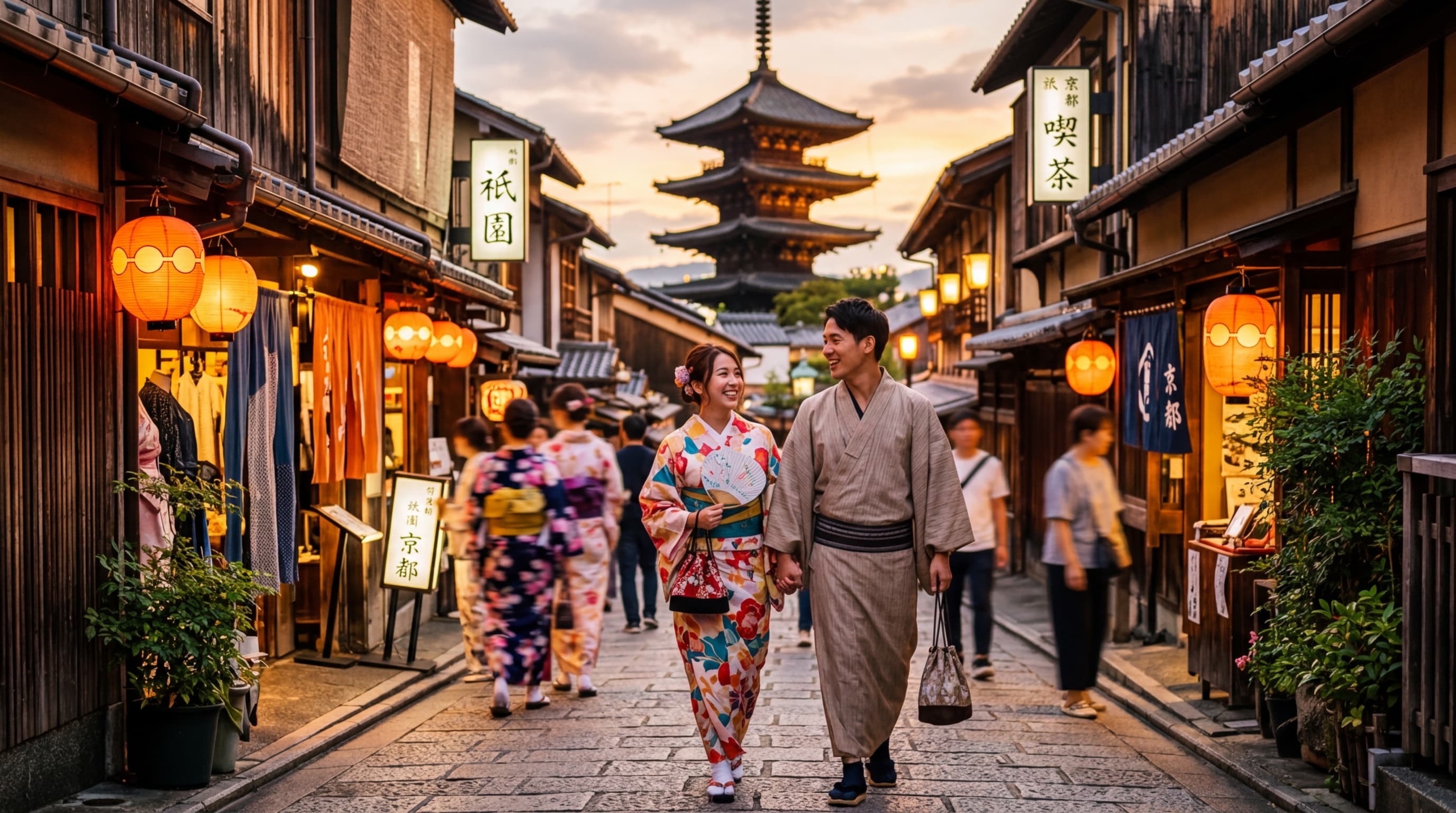
Things to do in Kyoto start with the city’s iconic temples and shrines, but the best trip also mixes historic neighborhoods, matcha stops, scenic walks, night views, and a few well-timed meals. If you’re planning Kyoto for the first time, this guide will help you choose what’s actually worth your time, how to avoid the biggest crowds, and how to build a route that fits your style, budget, and season.
Kyoto is one of those cities that rewards smart planning more than frantic sightseeing. From experience, the best days here feel balanced: one or two headline sights, a neighborhood walk, a great lunch, and an evening plan that doesn’t involve racing from place to place. We checked the current 2026 travel patterns, and the biggest difference now is that booking ahead matters more than it used to, especially for tea ceremonies, premium dinners, and popular guided walks. This article is written like a local friend’s cheat sheet, with practical route ideas, crowd-avoidance tips, official source references, and scenario-based picks for couples, families, solo travelers, and budget explorers. If you want the quickest answer, Kyoto’s essentials are Kinkaku-ji, Fushimi Inari Taisha, Kiyomizu-dera, Gion, Arashiyama, Nishiki Market, and one evening spent wandering Pontocho or the Kamo River area. Everything else is about choosing the right order and the right pace.
Quick Answer: The Best Things to Do in Kyoto for First-Time Visitors
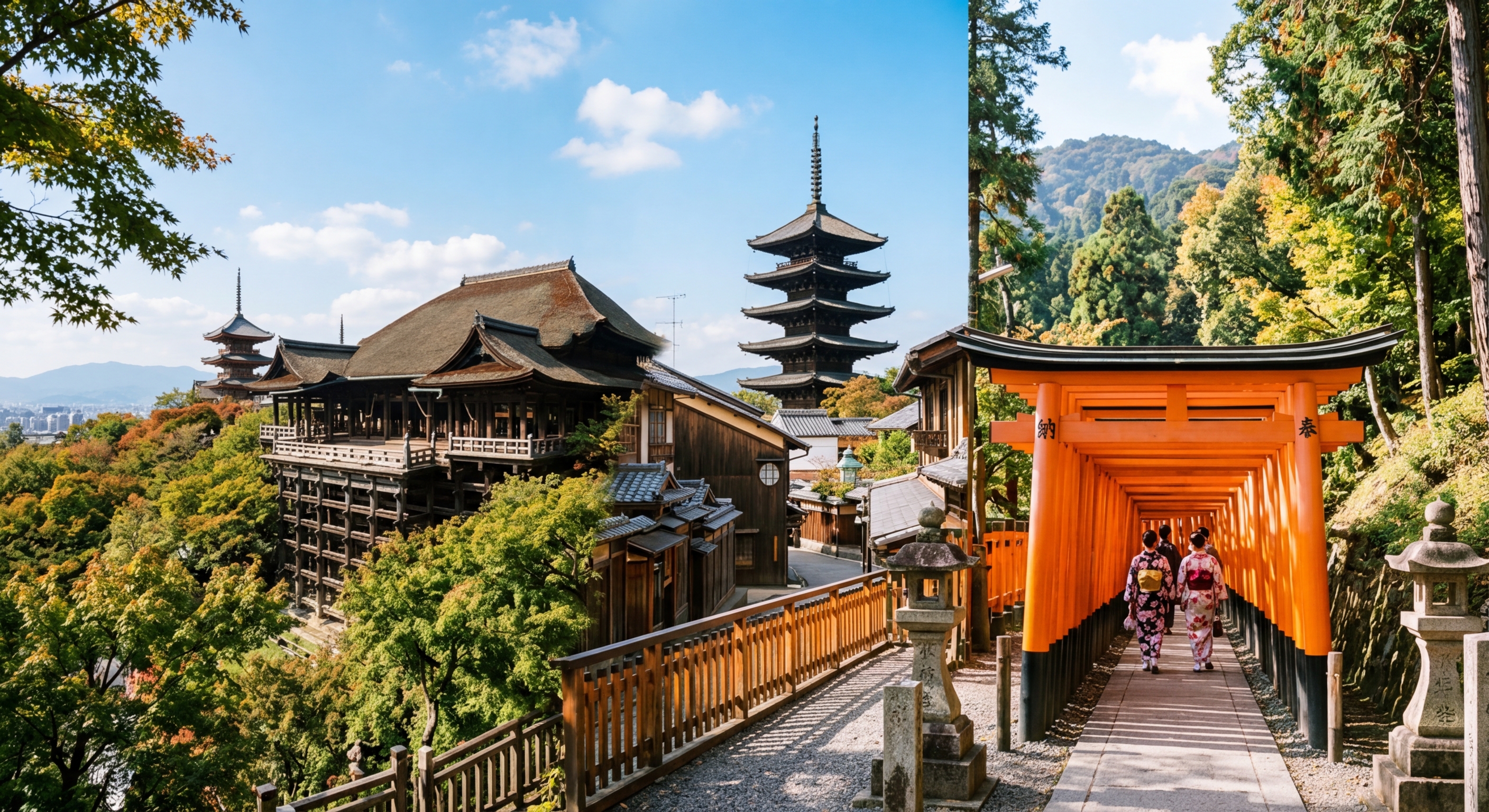
Kyoto’s best first-time experiences combine UNESCO-listed temples and shrines, preserved historic districts, seasonal gardens, and food experiences that feel deeply local. If you only have one to two days, prioritize Kinkaku-ji, Fushimi Inari Taisha, Kiyomizu-dera, Gion, and one food stop like Nishiki Market or a kaiseki lunch, then save Arashiyama or a tea ceremony for a second day.
The city is especially good for travelers who like walking, photography, culture, and food. Kyoto is less about “checking off” attractions and more about building a memorable rhythm, where a temple visit is followed by a quiet lane, a tea break, and a sunset walk. That mix is what makes the city feel different from Tokyo or Osaka, because Kyoto’s energy is calmer, more ceremonial, and more seasonal. It also means your experience changes a lot depending on when you go, what time you arrive at each place, and whether you stay in central Kyoto, near Kyoto Station, or closer to Gion and Higashiyama.
Direct answer: the essential Kyoto mix
If you want the short version, do this: one major temple, one famous shrine, one historic neighborhood walk, one food stop, one garden or scenic route, and one night plan. In practical terms, that means Kinkaku-ji or Kiyomizu-dera, Fushimi Inari Taisha, Gion or Higashiyama, Nishiki Market, Arashiyama’s bamboo grove or a Zen garden, and then dinner plus an evening stroll in Pontocho or along the Kamo River. That formula works because Kyoto’s best experiences are distributed across areas, not clustered into one compact downtown core.
From our team’s planning tests, the easiest first-timer mistake is overloading the day with six or seven famous stops that are far apart and all crowded at the same hour. Kyoto looks small on a map, but buses, walking slopes, and transfer times add up. A better plan is to keep each day centered around one side of the city, such as eastern Kyoto, the Arashiyama side, or the central Kyoto Station corridor. If you do that, you’ll see more and feel less rushed.
Who this guide is for
This guide is built for first-time visitors, but it also works for repeat travelers who want deeper neighborhood ideas and better timing. Couples can use it for date-night planning, families can use it to avoid overly tiring routes, solo travelers can lean into reflective temples and food stops, and budget-conscious visitors can use the free and low-cost picks. If you’re visiting in spring or autumn, the seasonal sections matter even more because crowd flow changes the whole day.
We also wrote this with real trip planning in mind, which means you’ll find comparison tables, scenario-based recommendations, and practical notes like where to stay, what to book, and when to go. Kyoto rewards people who plan like locals: early starts, lunch reservations, and a willingness to pair famous places with smaller, calmer ones. That’s how the trip feels rich instead of rushed.
What makes Kyoto different from other Japanese cities
Kyoto’s biggest draw is heritage, but its real strength is how that heritage shapes everyday experiences. The city has more than 1,600 Buddhist temples and 400 Shinto shrines, including many sites tied to UNESCO World Heritage status, so the culture isn’t packaged as a theme—it’s part of the urban fabric. Unlike faster-paced cities, Kyoto invites slower movement, especially in districts like Higashiyama and Gion where the street layout, old wooden facades, and small shops all encourage wandering.
Kyoto is also extremely seasonal, which is why the same street can feel completely different in March, May, August, or November. Cherry blossom season, summer festival season, autumn foliage, and winter illumination all change the experience. That’s good news if you like visiting the same city in different ways, because there’s always another layer to discover. For current outings and seasonal experiences, it’s smart to cross-check the latest activity lineup on Gidly's full events catalog.
Kyoto’s Must-See Temples and Shrines
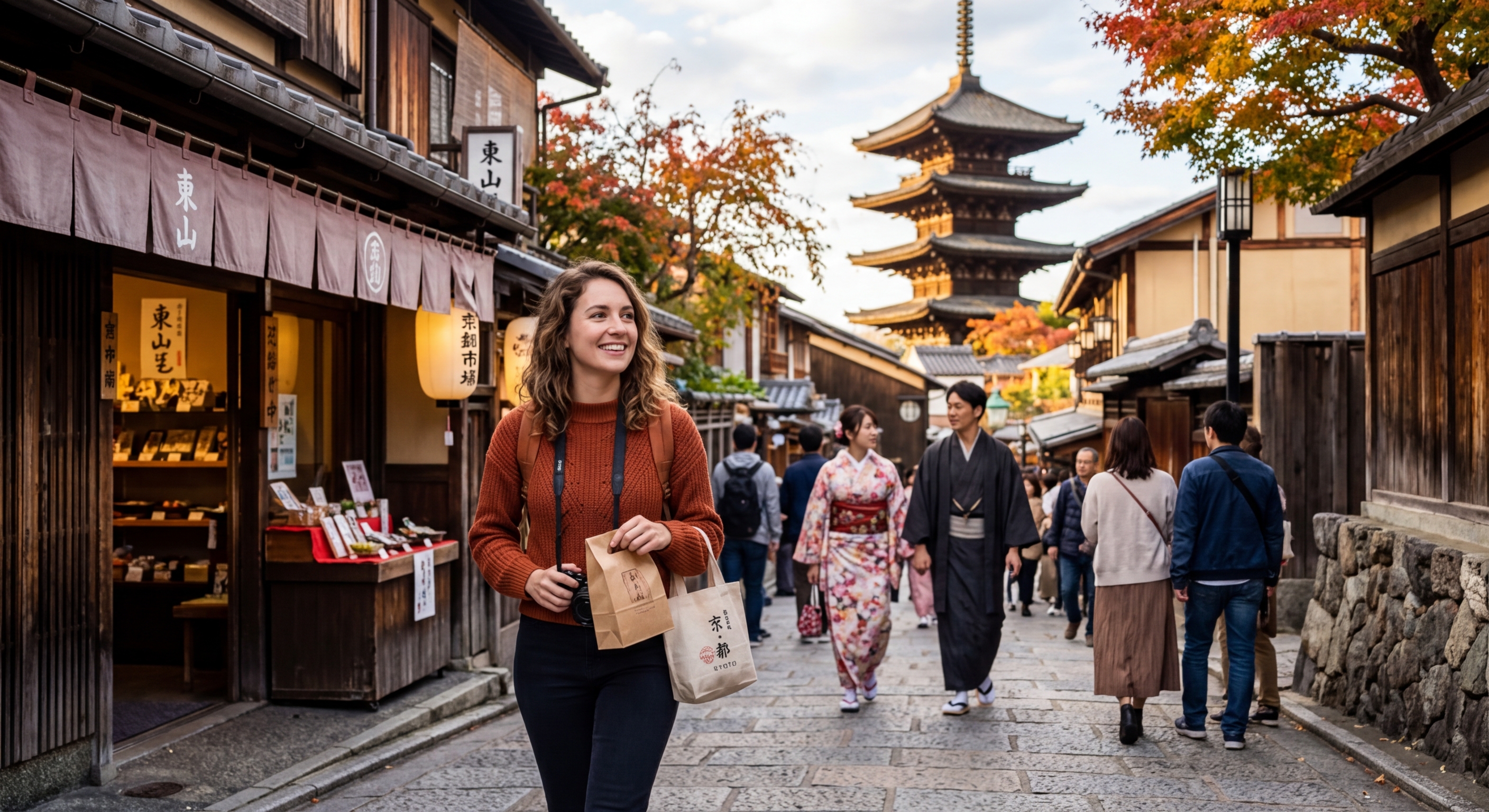
Kyoto’s temples and shrines are the backbone of any trip, but not all of them deserve equal time. The highest-priority trio for most visitors is Kinkaku-ji, Fushimi Inari Taisha, and Kiyomizu-dera, with Ginkaku-ji and Nanzen-ji making excellent second-tier additions depending on your pace and interests.
What matters most is understanding what each place is best for. Some are visual icons, some are walkable pilgrimage-style experiences, and some are about atmosphere rather than a single famous structure. We checked official visitor pages and current schedules for 2026, and while hours and fees can shift seasonally, most major temples open in the morning and reward early arrivals. In a city with so many heritage sites, the smartest approach is to choose a few that match your travel style rather than trying to visit all the “top 10” lists in one go.
Temple days also work best when combined with nearby neighborhoods. Kiyomizu-dera flows naturally into Higashiyama and Gion, Fushimi Inari can be paired with southern Kyoto or a sake stop in Fushimi, and Kinkaku-ji is easiest when you cluster it with nearby northern or western stops. If you sequence things well, Kyoto feels elegant and manageable rather than crowded and confusing.
Kinkaku-ji: the Golden Pavilion and whether it’s worth the crowds
Kinkaku-ji, officially the Rokuon-ji temple complex, is one of Kyoto’s most famous images for a reason. The gold-leaf pavilion reflected in the pond is striking in person, especially on a clear day, and the surrounding garden is polished enough to feel ceremonial even when the site is busy. It’s not a long visit, usually about 45 to 75 minutes, but it’s one of those places that delivers a big visual payoff quickly.
From experience, Kinkaku-ji is best when you arrive early or near closing, because midday tours can make the pathways feel crowded. The official admission has historically been inexpensive, typically around 500 yen for adults, though visitors should always verify current rates on the temple’s official site before going. If you’re choosing between Kinkaku-ji and another famous Kyoto landmark, this one wins for iconic scenery, while Kiyomizu-dera wins for views and neighborhood atmosphere. That makes Kinkaku-ji ideal for travelers who want the classic postcard shot without committing half a day.
Fushimi Inari Taisha: the torii gates and the best hiking strategy
Fushimi Inari Taisha is one of Kyoto’s most memorable experiences because it is both a shrine and a hike. The famous torii gate path starts near the main sanctuary and climbs the mountain through thousands of vermilion gates, with the full loop taking around two to three hours if you go all the way up and back. Many visitors only walk the first major section, which is fine if you’re short on time, but the experience gets quieter and more rewarding as you climb higher.
The best strategy is sunrise or late afternoon, when crowds are thinner and the forested sections feel more atmospheric. Morning is especially good because the gates glow softly and the lower paths are less congested, while late afternoon gives you a richer light for photos. According to current practice and official shrine information, there is no general admission fee, and the shrine is open 24 hours, which makes it one of the easiest major Kyoto experiences to fit around your schedule. Be respectful on the path, keep noise low, and remember that this is an active shrine, not just a photo location.
Kiyomizu-dera: views, hillside walking, and the classic eastern Kyoto route
Kiyomizu-dera is the place to go if you want a full Kyoto experience in one area. The temple sits on the hillside above eastern Kyoto, with a broad wooden stage, seasonal foliage, and views that make the walk up feel worthwhile. The surrounding lanes—Sannen-zaka, Ninen-zaka, and the streets leading toward Gion—are part of the appeal, because they turn the temple visit into a neighborhood stroll rather than a single stop.
We like Kiyomizu-dera most as part of a morning-to-afternoon route in Higashiyama. Start early, spend 90 minutes to two hours at the temple and grounds, then descend through the preserved streets for coffee, souvenirs, or lunch. Official admission is usually around 400 to 500 yen depending on the area and season, but visitors should confirm before going. If you’re visiting during cherry blossom or autumn leaf season, this is one of the most dramatic places in the city, but it’s also one of the busiest, so timing matters more than anything.
Ginkaku-ji, Nanzen-ji, and other heritage stops worth prioritizing
Ginkaku-ji, the Silver Pavilion, is often underrated because it doesn’t have the dramatic gold-and-red visuals of some other Kyoto landmarks, but it offers a beautifully restrained garden experience. Nanzen-ji is another strong choice, especially if you like spacious temple grounds, old gates, and quieter walking. Both are excellent for travelers who want a more reflective heritage experience and fewer crowds than the headline icons.
Other worthwhile sites include Tenryu-ji in Arashiyama, Heian Shrine for its large grounds and seasonal garden views, and Sanjusangen-do if you’re fascinated by religious art and long-hall architecture. The key is deciding whether you want visual drama, historical depth, or peaceful strolling. If you do, you’ll probably enjoy one “big-name” temple and one quieter site more than three famous stops in a row. That’s also how Kyoto becomes less tourist checklist and more meaningful travel.
Temple etiquette, hours, fees, and how many to fit in one day
Temple etiquette in Kyoto is simple but important. Keep voices low, avoid blocking entrances and photo lines, and follow posted rules about photography, prayer areas, and footwear when entering buildings. Many sites open around 8:00 or 8:30 a.m. and close around late afternoon, commonly 4:30 to 5:30 p.m., though seasonal adjustments are common. Admission fees for major temples are generally affordable, often in the 300 to 600 yen range, with some special gardens or illuminated periods costing more.
As a rule, two major temples or shrines in a day is comfortable, three is doable if they’re close together, and four is usually too much unless you’re moving very fast. Kyoto becomes better when you allow time for the spaces between places: the gardens, alleys, tea stops, and unplanned detours. If you only remember one planning tip from this article, make it this: prioritize quality over quantity.
| Temple/Shrine | Typical Cost | Time Needed |
|---|---|---|
| Kinkaku-ji | About ¥500 | 45-75 min |
| Fushimi Inari Taisha | Free | 1-3 hrs |
| Kiyomizu-dera | About ¥400-500 | 1.5-2.5 hrs |
| Ginkaku-ji | About ¥500 | 60-90 min |
Traditional Districts and Neighborhoods to Explore on Foot
Kyoto is one of the best walking cities in Japan, and the neighborhoods are often more memorable than the individual landmarks. Gion, Higashiyama, Arashiyama, and Pontocho each offer a different side of the city, from geisha culture to preserved streets to river scenery and late-night dining.
The smartest way to enjoy Kyoto on foot is to pair a destination with its surrounding area. That way you’re not just “going to see a street,” you’re building a half-day that includes wandering, eating, and pausing. The neighborhoods also help you decide where to stay, where to eat, and how to structure your days. We found that people who plan by district usually enjoy Kyoto more because they spend less time moving around and more time absorbing the atmosphere.
Each district has peak hours, hidden corners, and a different crowd profile. Gion can feel magical in the evening but packed by day, Higashiyama is best early, Arashiyama needs careful timing, and Pontocho is better after dark. Kyoto’s neighborhood logic is basically the secret to a low-stress trip.
Gion: geisha culture, Hanamikoji Street, and evening atmosphere
Gion is the district most visitors picture when they think of old Kyoto, with wooden facades, narrow lanes, and the possibility of spotting a geiko or maiko on the way to an appointment. The most famous stretch is Hanamikoji Street, where many people come to walk, photograph, and admire the preserved architecture. It’s one of the city’s most atmospheric areas, but it also requires a little etiquette: keep voices down, don’t block alleyways, and never treat performers or locals like tourist props.
We like Gion most in the early evening, when the lanterns start to glow and the air feels calmer than midday. The area near Yasaka Shrine and Maruyama Park is also excellent for combining a shrine stop with dinner or dessert. If you’re short on time, a 60- to 90-minute loop through Gion is enough to get the feeling. If you have more time, pair it with Higashiyama and Kiyomizu-dera for a deeply Kyoto day.
Higashiyama: preserved streets, souvenir shops, and the best walking order
Higashiyama is the district where many first-time visitors fall in love with Kyoto, because the lanes are beautifully preserved and easy to explore on foot. The classic route runs downhill from Kiyomizu-dera through Sannen-zaka and Ninen-zaka toward Gion, with tea shops, ceramics, sweets, and small craft stores along the way. It’s one of the city’s best areas for slow travel because the route itself becomes the experience.
From experience, the ideal walking order is temple first, then streets, then coffee or lunch, then one final shrine or garden stop if you still have energy. That keeps you moving naturally downhill, which is much easier than adding extra hills after a long morning. Higashiyama is also excellent for photographers and shoppers who prefer small, local-looking stores over big commercial streets. If you only choose one “historic Kyoto” neighborhood, this is the one we’d recommend.
Arashiyama: bamboo grove, river views, and congestion strategy
Arashiyama is famous for the bamboo grove, Togetsukyo Bridge, riverside scenery, and nearby temple complexes like Tenryu-ji. It’s beautiful, but it’s also one of the easiest places to overdo or experience at the wrong hour. The bamboo grove itself is much smaller than many people expect, so the key is combining it with the wider area rather than visiting for five minutes and leaving disappointed.
Our team’s best advice is to arrive early, ideally around opening time for nearby temples, or go later in the afternoon after some of the day-trip crowds have thinned. If you want to extend the visit, include the riverbank, the Monkey Park Iwatayama climb, or a tea stop near the station. Arashiyama is especially good in autumn and spring, and it becomes a very pleasant low-key half day if you avoid the midday crush. It’s one of Kyoto’s top scenic zones, but timing is what makes it enjoyable.
Pontocho and central Kyoto: narrow alleys, dining, and nightlife
Pontocho is one of Kyoto’s most compact and rewarding evening areas, especially if you want dinner, drinks, and a little atmosphere without a full nightlife crawl. The alley runs near the Kamogawa River and is lined with restaurants ranging from casual to high-end, making it a smart pick for couples, friends, and solo travelers alike. It’s especially charming at dusk, when the lanterns and river reflections create a distinctly Kyoto feeling.
Central Kyoto around Kawaramachi and the Kyoto-Kawaramachi or Shijo areas is more practical, with better transit and a larger range of food options. If you’re on a shorter trip, this central corridor gives you a good base for moving between temples, markets, and evening plans. Pontocho is best thought of as a dining and strolling district rather than a party zone, which is exactly why it works so well for visitors who want something lively but not overwhelming.
Best neighborhood pairings for half-day and full-day itineraries
The easiest Kyoto itineraries are built around pairs. Kiyomizu-dera + Higashiyama + Gion is the classic eastern Kyoto route, Arashiyama + Tenryu-ji + river walk works as a western Kyoto half day, and Fushimi Inari + Fushimi sake district creates a strong southern Kyoto combo. If you’re staying near Kyoto Station, you can also use that as a transport hub and branch out by train or bus without backtracking too much.
For a full day, we like one major morning attraction, one neighborhood walk, one food stop, and one evening district. That formula keeps the pace realistic and lets Kyoto’s texture come through. If you’re a planner, this is where Gidly can help you compare outings and time windows quickly, especially when you’re mixing bookable experiences with self-guided wandering.
| Neighborhood | Best Time | Best For |
|---|---|---|
| Gion | Late afternoon/evening | Geisha atmosphere, dinner |
| Higashiyama | Morning | Walking, historic streets |
| Arashiyama | Early morning/late afternoon | Scenery, bamboo, river |
| Pontocho | Evening | Dining, low-key nightlife |
Food, Tea, and Kyoto Culinary Experiences
Kyoto’s food scene is one of the city’s biggest surprises for first-time visitors, because the dining experience is every bit as cultural as the temples. From market snacks and tofu dishes to kaiseki and matcha desserts, food in Kyoto is a major reason to slow down and stay a little longer.
The city’s cuisine is defined by refinement, seasonal ingredients, and presentation. That means the same meal can feel very different depending on where you go and when you visit. We especially recommend building one meal into a temple neighborhood day, because Kyoto food experiences work best when they feel connected to the city rather than treated as a separate activity. You do not need to book only expensive meals to eat well here either; there are excellent lunch sets, bakeries, casual noodle shops, and vegetarian-friendly places all over town.
For 2026 planning, the biggest food trend is reservation awareness. Popular kaiseki restaurants, cooking classes, and some tea experiences fill earlier than casual travelers expect, so it helps to book ahead, especially on weekends or during peak travel seasons. If you’re using Gidly to plan the trip, food-based outings are one of the easiest categories to compare by duration, budget, and vibe.
Nishiki Market: what to eat, how long to spend, and how to navigate peak hours
Nishiki Market is Kyoto’s most famous food street, and it’s a great place to sample a lot of small bites in one compact area. The market runs east-west through central Kyoto and is known for pickles, tofu products, seafood skewers, tamagoyaki, sweets, and local snack stalls. It’s not a sit-down lunch zone so much as a walking-and-snacking destination, and most visitors spend about one to two hours here.
Our advice is to go earlier in the day or around lunch, but not right at the most crowded midday peak if you’re sensitive to shoulder-to-shoulder walking. Since many stalls are compact and popular, patience helps. You’ll find plenty to taste without needing a giant appetite, and the best strategy is to sample a few items, pause for tea or coffee, and then continue your day elsewhere. Nishiki is especially convenient if you’re already in central Kyoto or heading toward downtown shopping streets.
Kaiseki, yudofu, matcha desserts, and Kyoto’s seasonal specialties
Kaiseki is the refined multi-course dining style that many visitors associate with Kyoto, and it can be an unforgettable meal if you’re interested in presentation and seasonality. It ranges from formal and pricey to somewhat more accessible lunch versions, so the category is broader than people think. Yudofu, a simple tofu hot pot often associated with temple areas, is another Kyoto specialty worth trying, especially if you want a lighter meal after a long walking day.
Matcha desserts are everywhere, but the good ones stand out. Look for parfaits, soft serve, mochi, and cakes near Gion, Higashiyama, or around major station corridors. Kyoto also does excellent obanzai, the style of home cooking and small vegetable dishes often found in local restaurants. If you want a meal that feels uniquely Kyoto without going ultra-formal, a lunch set with tofu, seasonal vegetables, and a matcha dessert afterward is one of the nicest combinations in the city.
Tea ceremony experiences: authentic, casual, and how to choose
Tea ceremony experiences range from brief introductory sessions for visitors to more formal, traditional settings. The best one for you depends on whether you want education, atmosphere, or a ceremonial experience with kimono and photographs. Casual sessions can be a great fit for first-time visitors because they explain the basics, let you participate without stress, and often include English guidance. Formal tea ceremonies are better if you want depth and a stronger sense of ritual.
When booking, check whether the experience includes matcha preparation, sweets, a cultural explanation, seating style, and photography rules. In 2026, many of the most popular Kyoto tea sessions get booked days or weeks in advance, especially in spring and autumn. If you’re trying to choose quickly, go with a session in Gion, Higashiyama, or near a known cultural house, and avoid anything that seems too much like a mass-market photo stop. The best experiences feel calm, knowledgeable, and small-group oriented.
Cooking classes, sake tasting, and food tours: what’s worth it
Cooking classes are an excellent choice if you want more than restaurant meals, because they give you something hands-on and practical to remember. Kyoto classes often focus on sushi, ramen, dashi, bento, or Japanese home cooking, and they’re especially good on rainy days. Sake tasting is also worthwhile if you plan to visit the Fushimi district, where brewing culture is part of the area’s identity.
Food tours make sense for visitors who want to understand the city through eating but don’t want to navigate alone. They’re particularly useful in Nishiki, central Kyoto, and around nightlife districts where local etiquette or ordering can feel intimidating at first. We recommend food tours for groups, solo travelers who want structure, or couples who want a more memorable first evening than simply wandering for dinner. The best tours are paced well and include context, not just bites.
Budget-friendly eats, vegetarian options, and lunch set strategies
Kyoto is absolutely doable on a budget if you pay attention to lunch sets, bakeries, noodle shops, and temple-area cafés. A good lunch in a casual spot can often cost around ¥1,000 to ¥1,800, which is far more manageable than a formal dinner. Vegetarian travelers also have solid options here, especially with tofu dishes, yudofu, temple cuisine, and many café salads or set lunches that can be adapted.
One of our favorite strategies is making lunch the main meal and keeping dinner lighter. That lets you splurge on a kaiseki lunch or a polished café experience without blowing the whole budget. If you’re traveling with picky eaters or kids, Kyoto also has enough ramen, curry, donburi, and bakery options to keep everyone happy. Food in this city rewards flexibility, so don’t lock yourself into only one type of dining.
| Food Experience | Typical Price | Good for |
|---|---|---|
| Nishiki Market snacks | ¥500-¥2,000 | Casual grazing |
| Lunch set / teishoku | ¥1,000-¥2,500 | Budget and value |
| Tea ceremony | ¥2,000-¥8,000+ | Culture and calm |
| Kaiseki meal | ¥5,000-¥20,000+ | Special occasions |
Nature Spots, Gardens, and Scenic Walks
Kyoto is one of the easiest Japanese cities to enjoy at a slow pace because so much of its appeal lives outdoors in gardens, rivers, temple grounds, and preserved lanes. Even if you come for the famous cultural sites, the nature layer often ends up being what people remember most. Seasonal scenery is one of Kyoto’s superpowers, especially when cherry blossoms, fresh green, autumn leaves, or winter calm frame the city differently each time you visit.
The best nature-focused plans are usually the ones that mix a walk with a destination. A bamboo grove plus a temple, a river promenade plus dinner, or a garden plus a tea room feels much more satisfying than treating nature as a separate checklist. We also found that scenic time in Kyoto is great for solo travelers, photographers, and couples who want quiet without leaving the city. If you want a “breather” day in Kyoto, this is the section to use.
Nature experiences are also where crowd timing pays off in a major way. A famous garden at sunrise can feel like a different place than the same garden at noon. If you like calm, you can absolutely build an entire Kyoto day around green spaces, tea, and slow walking.
Arashiyama’s bamboo grove, river walk, and scenic circuit
The bamboo grove in Arashiyama is famous, but the better experience is the full circuit. Start with the grove, continue to Tenryu-ji or another nearby temple, walk to the Togetsukyo Bridge, and then spend time along the river. If you have extra energy, the Monkey Park Iwatayama climb gives you a different kind of view over the area and makes the visit feel more active.
What makes this route work is that it gives you several textures in one neighborhood: quiet path, temple garden, river scenery, and a bridge crossing. It’s a good half-day for travelers who want nature without leaving Kyoto proper. To avoid the biggest crowd crush, aim for early morning or later in the afternoon, and don’t expect the bamboo grove itself to occupy much time. The longer you linger in the broader area, the more worthwhile the trip becomes.
Zen gardens, temple gardens, and quiet spaces for slower travel
Kyoto’s Zen gardens are perfect for travelers who want a more meditative experience. Places like Ryan-ji, Daitoku-ji subtemples, and some of the quieter temple grounds around the city offer the kind of carefully designed simplicity that makes Kyoto so distinct. These are not high-energy sightseeing stops. They are places to sit, look, and let the city slow down for a while.
We recommend bringing a little patience to garden visits, because the reward is in attention rather than speed. If you’re a photographer, they’re also excellent for composition and texture. If you’re feeling tour-saturated, a garden afternoon can reset your trip and make the whole city feel more manageable. This is one of Kyoto’s most underrated strengths: it lets you recover while still “doing” something meaningful.
Viewpoints and sunset spots with city and mountain vistas
Kyoto is not a giant skyline city, so viewpoints here tend to be more subtle and more atmospheric than dramatic. That said, hilltop temple grounds, river areas, and some elevated paths around eastern Kyoto offer lovely views of rooftops, mountains, and seasonal color. The area around Kiyomizu-dera is especially strong for this, as is the upper path in Fushimi Inari if you climb far enough.
Sunset is a lovely time to be near the Kamo River or in Pontocho, where the changing light softens the city. If you want a more elevated perspective, aim for a temple or a hillside route rather than a random rooftop café. Kyoto’s viewpoints are less about towering over the city and more about feeling enclosed by it and the surrounding mountains, which gives the city its special character.
Parks, canals, and seasonal flower spots
Kyoto has a lot of excellent low-cost green spaces that are ideal during cherry blossom and autumn foliage seasons. Maruyama Park is a classic spring destination near Gion, while the Kamo River is a year-round walking and picnic zone. In the right season, temple gardens and canal-adjacent streets can be just as memorable as famous spots, especially if you prefer a less formal setting.
These are also the easiest places to build into a flexible day, because they don’t require the same kind of strict timing as ticketed sites. A park, canal walk, or blossom-hunting detour can fill the gap between major attractions and help your itinerary breathe. If you’re traveling with kids, these areas are particularly useful because they create space to move around without the pressure of a “must-see” site every hour.
Best nature-focused options for solo travelers and photographers
Solo travelers often enjoy Kyoto’s quieter natural spots the most, because the city is already comfortable for independent wandering. Gardens, riverbanks, and temple paths give you room to move at your own pace, and they’re easy to pair with a coffee stop or lunch. For photographers, the best nature moments often happen in the early morning when the city is still soft and the crowds are thinner.
If you’re planning around photography, pack light, wear comfortable shoes, and give yourself time to wait for good light rather than trying to force a route. Kyoto is a city that rewards observation. The best shots often come from slowing down long enough to notice the framing of a gate, the angle of a stone lantern, or the reflection in a pond.
Night Views and After-Dark Activities in Kyoto
Kyoto after dark is quieter than Tokyo or Osaka, but that’s part of its charm. Nighttime here is about atmosphere, not chaos, and the best evening plans often revolve around lantern-lit streets, riverside walks, shrine illuminations, and dinner in an intimate restaurant or izakaya. If you love low-key nightlife, Kyoto is excellent.
Evening is also a useful time to revisit popular areas when day crowds have thinned. Gion gets more elegant, Pontocho feels more intimate, and the Kamo River becomes a favorite local hangout. Some temples and shrines host illumination events in select seasons, and those can be some of the most memorable experiences in the city. Just remember that Kyoto’s nightlife is generally softer and earlier than big-party cities, so it pays to plan around dinner, a stroll, and maybe one drink rather than expecting a huge late-night scene.
For 2026, the practical issue is transport timing. Last trains and buses matter more than they do in dense nightlife cities, so check return options before committing to a late evening out. Kyoto is safe and manageable, but being proactive makes the night feel relaxed instead of rushed.
Evening shrine and temple experiences
Some Kyoto temples and shrines offer nighttime illumination or special evening access during certain seasons, and those events can be magical. The combination of soft lighting, quieter pathways, and cooler temperatures makes evenings appealing in spring, summer, and autumn. Illuminated gardens and temple facades feel especially beautiful because Kyoto’s architecture responds so well to subtle light.
When choosing a night visit, make sure you know whether it is a seasonal ticketed event, a regular extended-hours program, or just a shrine that remains open for general worship. The details matter because they affect timing, crowd levels, and whether photography is allowed. From experience, night temple visits are best when they are paired with dinner or a nearby evening walk, so the whole outing feels complete.
Gion after dark: atmosphere without over-touristing
Gion after dark is one of the most rewarding free experiences in the city if you approach it respectfully. The district becomes visually richer in the evening, with lanterns, quieter streets, and a stronger sense of old Kyoto. You don’t need to do much here beyond walking slowly, noticing the architecture, and keeping your behavior low-key.
The biggest mistake visitors make is turning Gion into a performance hunt. The better approach is to appreciate the ambiance, maybe stop for dessert or tea, and move on if the area is busy. If you want a calm, memorable evening without much cost, Gion at dusk is perfect.
Pontocho, izakayas, and nightlife options for couples and groups
Pontocho is a great middle ground between formal dining and casual nightlife. The alleys are narrow, atmospheric, and full of restaurant choices, making it ideal for couples and small groups who want to eat well and then linger over another drink. Izakayas in the area offer a more relaxed social format than clubs, and that suits Kyoto’s evening vibe better than trying to force a big-night-out experience.
Nearby central areas like Kawaramachi also give you more flexibility if your group has different budgets or energy levels. One person can do a proper dinner, another can do a bar hop, and another can just take a river walk. Kyoto is not trying to be a nightlife city in the same way Osaka or Tokyo are, which is exactly why its evening charm feels special.
Night walks, riverfront strolls, and low-key alternatives
If clubbing is not your thing, Kyoto gives you excellent low-key alternatives. A walk along the Kamo River, a lantern-lit pass through Gion, or a dinner and dessert route in central Kyoto can be just enough. In warm months, the riverfront is particularly popular for both visitors and locals, and it gives you a real sense of how Kyoto people unwind after work or sightseeing.
These low-key plans are great for solo travelers, couples, and anyone who wants to end the day without another reservation or ticket. They’re also highly flexible, which makes them useful when your daytime plans run long. Sometimes the best Kyoto evening is simply walking with nowhere urgent to be.
Safe and easy late-night planning
Kyoto is generally easy to navigate at night, but you should still plan carefully. Check the last train if you’re staying outside central Kyoto, and remember that some buses and shops wind down earlier than you might expect. Taxis can be helpful, but they’re not always the cheapest option, so save them for when they solve a real timing issue.
Dress casually smart if you plan to eat at nicer restaurants, but there is no need to overdo it. Kyoto is fairly relaxed about visitor clothing, though some traditional restaurants appreciate a polished look. If you’re out late, keep your route simple and your return plan realistic, and you’ll enjoy Kyoto’s evenings much more.
Best Things to Do in Kyoto by Scenario
One of the best ways to plan Kyoto is by trip style rather than just by attraction type. A couple on date night, a family with kids, a friend group, and a solo traveler will all enjoy the city differently, and the best itinerary for each is not the same. Kyoto becomes much easier once you stop asking, “What are the top 10 things?” and start asking, “What fits my pace today?”
That approach also helps you avoid the most common travel regrets, like taking kids to too many uphill temple walks or booking an elegant dinner on a night when you actually wanted something lively and casual. Kyoto is flexible enough to support almost any style, but the key is matching the experience to the mood. We pulled these scenario ideas from the routes people most often enjoy in real trip planning.
If you’re with companions, think about energy levels, food preferences, and transit tolerance. Kyoto is peaceful, but it still requires some physical movement and timing discipline. The best scenario-based plan is the one you can actually enjoy from start to finish.
Date night ideas: romantic walks, dinner, tea, and scenic evening plans
For date night, Kyoto is at its best when you keep the itinerary intimate and unhurried. A strong formula is a late-afternoon temple or garden visit, followed by a quiet walk through Gion or along the Kamo River, then dinner in Pontocho or a candlelit kaiseki spot. If you want something more interactive, add a tea ceremony or a dessert café after dinner.
The city’s romance comes from atmosphere rather than spectacle, so you do not need to overpack the evening. Couples often enjoy the soft light in Higashiyama at dusk, a river bench stop, or a traditional meal with seasonal dishes. If you want to elevate the night, book ahead, dress a little nicer, and choose one memorable experience rather than trying to hit three different neighborhoods.
Family-friendly Kyoto: easy walks, hands-on activities, and low-stress stops
For families, Kyoto works best when you prioritize variety and manageable walking. Fushimi Inari Taisha is useful because you can choose how far to hike, Nishiki Market offers snack-based entertainment, and Arashiyama gives you scenery with room to move. The Kyoto Railway Museum, Kyoto Aquarium, and some larger parks also make strong kid-friendly backups if you want a break from temples.
The most important family planning tip is to avoid too many steep or crowded routes in one day. Kids often do better with a temple, a snack stop, a train or bus ride, then a park or river walk. If you have younger children, keep the day centered around one neighborhood, and use taxis strategically when needed. Kyoto becomes far more pleasant when the pace is relaxed.
With friends or a group: food tours, karaoke, market hopping, and night areas
Friend groups often enjoy Kyoto most when the day has built-in flexibility. Nishiki Market for lunch, a shrine or temple for culture, then dinner and drinks in Pontocho or downtown is a very workable structure. If your group wants a more social activity, a food tour, sake tasting, or cooking class gives everyone something to talk about and take home as a memory.
Karaoke is also a classic late-night option in central Kyoto if your group wants something lighter and more playful after dinner. The main challenge with groups is managing decision-making, so choose one or two anchor plans and leave some room for spontaneous snacks and photo stops. Kyoto is a city that gets better when the group is not in a rush.
Budget-friendly and free things to do in Kyoto
Kyoto can absolutely be enjoyed on a modest budget, especially if you focus on free or low-cost sights. Fushimi Inari Taisha is free, many neighborhood walks cost nothing, river strolls are free, and several temple grounds have low entry fees compared to major museums elsewhere. You can also eat well with lunch sets, noodle shops, and market snacks without paying for expensive dinners every night.
The best budget approach is to mix one paid highlight with several free stops. For example, Kiyomizu-dera plus a historic street walk and a river evening is a great low-cost day. If you’re careful about transport and lunch, Kyoto remains very doable without sacrificing the quality of the trip. The city’s beauty is one of its greatest budget advantages.
Solo traveler picks: reflective, flexible, and easy-to-navigate activities
Solo travelers often have the best time in Kyoto because the city works so well at your own pace. Temples, gardens, markets, and tea rooms are all easy to enjoy independently, and there is no pressure to keep up with a group. We especially recommend Fushimi Inari early in the morning, a quiet temple garden in the afternoon, and a casual dinner in central Kyoto or Pontocho at night.
If you like reflective travel, Kyoto is ideal for slow wandering, journaling, and photography. The city also feels safe and intuitive for solo navigation compared with many larger urban destinations. You can easily structure a day with one cultural anchor, one food stop, and one flexible walking route. That makes Kyoto one of the easiest cities in Japan to enjoy alone.
Best Things to Do in Kyoto When It Rains or in Extreme Weather
Rain does not ruin Kyoto, but it does change the shape of the day. The key is to swap exposed walking routes for indoor culture, food experiences, and shorter neighborhood moves so you are not wasting time on transit or soggy footpaths. This is one of the easiest cities in Japan to adapt to weather because there are so many compact districts, temples with indoor spaces, and food stops that naturally break up the day.
In summer, heat can be just as important as rain, so weather-proof planning means more than carrying an umbrella. It means knowing when to choose a tea room, a museum, a market, or a long lunch instead of forcing a full outdoor circuit. In winter, Kyoto gets quieter and more comfortable for sightseeing, but you’ll still appreciate indoor backups and warm restaurant plans. The best travelers in Kyoto are the flexible ones.
If you’re building a weather-sensitive itinerary for 2026, it helps to identify at least two indoor anchors per day. That way you can reshuffle without losing the whole plan when the forecast changes.
Indoor culture options: museums, galleries, and covered attractions
Kyoto has a solid set of indoor cultural backups, including museums, craft spaces, and temple-related indoor halls. These are ideal when rain makes hillside routes less pleasant or when summer humidity is wearing you down. You can shift to a museum in central Kyoto, spend time in a large temple hall, or explore galleries that focus on traditional arts, textiles, or ceramics.
The best part of indoor culture stops is that they give you a more relaxed and informed view of the city. They are also usually easier to pair with lunch or tea, which keeps the day feeling cohesive. If the weather is truly bad, indoor activities can actually improve the trip because they encourage slower pacing and less queue stress.
Food-based backups: markets, cafés, dessert stops, and lunch plans
Food is one of the smartest rain-day solutions in Kyoto. Nishiki Market, covered shopping arcades, dessert cafés, and long lunches can fill several hours without making the weather matter much. This is a great time to try matcha sweets, ramen, tofu dishes, or a nicer lunch set that might feel too leisurely on a packed sightseeing day.
Rain also makes café hopping more appealing because Kyoto has many small, comfortable coffee and tea spaces. If you want a simple weather-proof backup, plan a market lunch, a café break, and one indoor heritage site. That combination is easy to move between and keeps the day from feeling lost.
Relaxed experiences: tea rooms, bathhouses, and slow-travel alternatives
A rainy Kyoto day is perfect for a tea ceremony or an extended tea break. You get a sense of calm, cover, and tradition all at once. Some travelers also enjoy bathhouse or onsen-style relaxation if their accommodation or itinerary allows it, though that’s more of a recovery move than a sightseeing stop.
Slow-travel options like craft workshops, sake tasting, or a long kaiseki lunch work especially well when the weather is unpleasant. The point is not to “wait out” the rain, but to use it as an excuse to do the kinds of experiences that feel quieter and more memorable. Kyoto is one of the few cities where a rainy day can feel almost cinematic.
How to reshuffle your itinerary without wasting time
The best weather pivot is to keep your route geographically tight. If it rains, avoid crossing the city multiple times unless you absolutely need to. Stay in one district, use a market or café as a midday anchor, and put your most exposed walking route in the time window when the rain is least heavy. Small tactical changes can save a surprising amount of energy.
If you’re using transit, build in extra time because bus waits and transfers can become more annoying in bad weather. Taxis can be useful when they save a long, wet transfer, but don’t overuse them if the route is short. The goal is not perfection; it’s preserving the tone of the day.
Weather-aware packing and seasonal prep
Bring comfortable waterproof shoes, a compact umbrella, and a bag that can handle wet conditions. In summer, add a cooling towel, water, and sun protection; in winter, layer in a way that works for both outdoor and heated indoor spaces. Kyoto’s weather shifts can be more impactful than visitors expect because the city involves so much walking.
If you are visiting in sakura or foliage season, be prepared for weather-related crowd surges too, not just rain. A flexible outfit and a flexible mindset will do more for your trip than trying to stick to a rigid checklist. Kyoto rewards adaptability every time.
Kyoto’s Seasonal Highlights and When to Visit
Kyoto is a city defined by seasons, and the time of year you visit changes the whole personality of the trip. Spring brings cherry blossoms and a celebratory mood, summer brings festivals and late-evening energy, autumn brings unforgettable foliage, and winter offers clarity, fewer crowds, and cozy indoor moments. There is no bad season, but there is definitely a best season for your particular style of travel.
Because Kyoto is so seasonal, current-year planning matters more than many visitors realize. In 2025-2026, booking behavior has shifted toward earlier reservations for popular activities, especially during blossom and foliage peaks. More travelers are also building flexible routes rather than static lists, which is smart in a city where weather, festival calendars, and crowds can change the mood quickly. If you want the most rewarding visit, plan around both the season and the hour of day.
We like to think of Kyoto as a city that has four different personalities, and all of them are worth meeting. The trick is knowing which one you’re coming to see.
Spring: cherry blossoms, crowd strategy, and best viewing areas
Spring is the classic Kyoto season, especially from late March through early April, though timing varies by year. Popular blossom spots include Maruyama Park, the Philosopher’s Path, temple gardens, and river areas with trees lining the water. It’s beautiful, but it’s also when the city can feel the most crowded, so early mornings and weekday visits are essential.
If you are coming specifically for sakura, build one or two blossom-first experiences into your plan and then use the rest of the day for less crowded neighborhoods. That helps you avoid the trap of spending every hour chasing flowers. Spring also pairs beautifully with tea, kimono photos, and outdoor lunches, which makes it one of the easiest seasons for first-time visitors to enjoy.
Summer: festivals, evening outings, river escapes, and heat management
Summer in Kyoto is hot, humid, and lively, with major festivals and evening cultural events that make the city feel energetic after dark. Gion Matsuri is the most famous example, but there are also countless smaller seasonal happenings, illumination events, and river-adjacent places that feel cooler later in the day. The trick is to avoid heavy midday walking when possible and use indoor or shaded pauses generously.
Summer is a great time for night walks, restaurant reservations, and shorter, more tactical sightseeing. If you plan around the heat instead of fighting it, you can still have a fantastic trip. Evening is often the sweet spot, which means Kyoto’s after-dark section becomes even more important in summer than in other seasons.
Autumn: foliage, temple gardens, and the best neighborhoods for color
Autumn is the other peak season, and many seasoned travelers consider it the best overall time to visit. Temple gardens, hillside routes, and areas like Arashiyama and Higashiyama become especially striking as the leaves change. The weather is usually comfortable too, which makes walking a pleasure rather than a chore.
As with spring, the most important strategy is timing. Go early, choose one or two headline foliage spots, and then enjoy the rest of your day in quieter streets, cafes, or gardens. Autumn in Kyoto is one of those rare travel experiences that feels better in person than in photos, because the color and light are so layered.
Winter: fewer crowds, illumination events, and cozy indoor experiences
Winter in Kyoto is underrated because the city feels calmer and more breathable. You get fewer crowds, better availability at many restaurants, and a more contemplative atmosphere at temples and shrines. Some days can be chilly, but the crisp weather is pleasant for walking if you dress appropriately. Winter illumination events and seasonal displays also add charm without the intense pressure of blossom or foliage seasons.
If you prefer a city that feels spacious and restful, winter may actually be the best time for you. It’s especially good for solo travelers, couples, and repeat visitors who want a slower, more local-feeling version of Kyoto. You’ll also find it easier to move through famous places without feeling constantly boxed in by tour groups.
What’s new in 2025-2026 and current travel trends
In 2025-2026, Kyoto continues to see stronger advance booking behavior, more interest in smaller-group cultural experiences, and more visitors trying to balance the iconic sites with neighborhood discovery. That means tea ceremonies, craft workshops, food tours, and premium dinners are more popular than they used to be. It also means that travelers who plan around districts and times of day tend to have a better experience than those who only follow top-10 lists.
Another trend is the rise of “one iconic, one local” trip planning, where visitors pair a famous temple with a quieter garden, market, or walk. That is the right instinct for Kyoto. It keeps the trip from becoming repetitive and makes the city feel more lived-in, which is exactly what most people are hoping for.
Practical Tips: Transport, Costs, Crowds, and Booking
Kyoto is easy to enjoy if you understand the transport and pacing rules, but it can become frustrating if you assume everything is as close as it looks on a map. The city is walkable in specific neighborhoods, but many headline attractions are spread across different districts, which means trains, subway, buses, and the occasional taxi all play a role. The best trips use a mix of these without overthinking every move.
Costs in Kyoto can range from very budget-friendly to high-end depending on what you choose. Temples are usually cheap or free, food can be modest or luxurious, and experiences like tea ceremonies or guided tours vary widely. Booking needs have also become more important in 2025-2026, especially for popular dining and hands-on cultural activities. It helps to think ahead, especially during peak seasons and weekends.
Our biggest practical advice is simple: choose neighborhoods first, then figure out transport, not the other way around. That keeps the day efficient and prevents unnecessary backtracking.
Getting around Kyoto by train, subway, bus, taxi, and on foot
Kyoto is best navigated with a combination of walking and rail-based transit, especially if you’re connecting Kyoto Station, central Kyoto, southern Kyoto, and Arashiyama. The bus system reaches many famous sites, but buses can be slower in traffic and more crowded than first-time visitors expect, particularly in peak seasons. The subway is useful for specific corridors, while trains are often the easiest way to reach districts like Fushimi Inari or Arashiyama.
Taxis are worth considering when they save time or reduce complicated transfers, especially in bad weather or when you’re traveling with luggage or kids. Walking is ideal within neighborhoods like Gion, Higashiyama, and Pontocho. The overall rule is to cluster nearby attractions and keep cross-city moves limited.
Estimated prices for temples, food, tours, and experiences
Temple and shrine entries are often inexpensive, commonly free to around ¥500, while some special gardens or exhibitions cost more. Casual meals can range from roughly ¥1,000 to ¥2,500, mid-range dinners from ¥3,000 to ¥8,000, and premium kaiseki far above that. Tea ceremonies, kimono rentals, guided tours, and cooking classes vary widely depending on duration and inclusions.
A realistic day budget for a moderate traveler might include a couple of low-cost admissions, lunch, snacks, a coffee or tea stop, and one paid evening experience. If you’re careful, Kyoto can be very affordable without feeling cheap. If you want to splurge, the city has enough quality to justify it. That flexibility is one of the reasons Kyoto works for so many trip styles.
Best times of day to avoid crowds at headline attractions
The best crowd strategy is early morning for shrines and temples, late afternoon for some neighborhoods, and weekday visits whenever possible. Kinkaku-ji, Kiyomizu-dera, Arashiyama, and Fushimi Inari can all be much more pleasant outside the midday rush. If you’re visiting in spring or autumn, timing matters even more because the crowds can spike quickly.
One useful trick is to start with the most famous place right at opening, then move to a quieter neighborhood, and leave the second major attraction for later in the day. That gives you better photos, shorter lines, and a stronger sense of calm. Kyoto feels far less crowded when you control the clock instead of letting it control you.
Where to stay by trip style: first-timers, nightlife, family, and convenience
First-timers usually do best near Kyoto Station, central Kyoto, or the Kawaramachi/Shijo corridor because these areas make transit and dining easy. If you want nightlife and evening dining, central Kyoto near Kawaramachi and Pontocho is ideal. Families often prefer easy access to transit and straightforward food options, while travelers focused on traditional atmosphere may like staying closer to Gion or Higashiyama.
The main tradeoff is convenience versus ambiance. Staying near a historic district feels magical, but staying near a major transit hub can save time and stress. If your trip is short, convenience often wins. If your trip is longer, atmosphere becomes more valuable.
Booking tips, passes, luggage advice, and common mistakes
Book popular experiences in advance when possible, especially tea ceremonies, guided food tours, and high-demand restaurants. Consider luggage storage or forwarding if you’re arriving with large bags, because Kyoto’s walking-heavy neighborhoods are easier when you’re light. If you use transport passes, make sure they actually match your route; some travelers buy too much and still end up taking taxis or walking a lot.
The most common mistake is underestimating how long it takes to move between attractions and recover from crowded areas. Another is trying to force all the big hits into one day. Better to make the trip feel roomy. Kyoto almost always rewards the traveler who plans a little less and experiences a little more.
Kyoto Neighborhoods Explained: Where to Go Based on Your Trip Style
Kyoto is a city where neighborhood choice can make or break the trip. If you stay and explore in the right area for your style, everything feels easier, from meals to evening plans to transit. If you choose the wrong base, even beautiful sights can feel like a slog because you spend too much time moving around.
The good news is that Kyoto’s major visitor districts are distinct but manageable. You can think of them as different filters: central convenience, historic atmosphere, nightlife access, or quieter local character. That makes Kyoto surprisingly easy to tailor, whether you’re on a short first visit or a longer cultural trip. It also means you can combine neighborhoods intelligently instead of trying to treat the city as one uniform center.
We recommend choosing your base area based on the kind of Kyoto day you want to repeat. If you know that, the rest becomes much simpler.
Best base areas for first-timers and short stays
First-timers usually do best near Kyoto Station, Kawaramachi, or the Shijo area because those locations provide practical access to transit, dining, and shopping. Kyoto Station is especially good if you’re arriving by bullet train or planning day trips, while Kawaramachi gives you a more central feel with easier access to Pontocho, Nishiki Market, and evening activity. If your stay is very short, convenience is the top priority.
The tradeoff is that the most atmospheric neighborhood is not always the most practical. A more central base lets you maximize your time at the city’s attractions instead of commuting to them. That’s especially helpful for travelers who want to make the most of one or two days.
Best areas for nightlife, food, and evening plans
If your Kyoto trip leans into food and evenings, the central areas around Kawaramachi, Shijo, and Pontocho are the sweet spot. You’ll have better access to restaurants, bars, snack spots, and river walks, which makes spontaneous dinner planning much easier. This is also the best zone if your group has mixed tastes and budgets, because there are enough options to keep everyone satisfied.
Kyoto’s nightlife is not wild, but it is elegant and easygoing. That makes central areas appealing for travelers who want to eat well and keep the evening simple. You can go from dinner to dessert to a walk without needing a taxi or a second plan.
Best areas for traditional Kyoto and historic sightseeing
If your goal is atmosphere, Gion and Higashiyama are the most classic Kyoto areas. They put you close to preserved streets, temple access, and early-morning walking routes. The downside is that these neighborhoods can be busier during the day and slightly less convenient for broader city access.
That said, many visitors find the tradeoff worth it because waking up near historic Kyoto feels special. If you want to spend your mornings in old streets and your evenings in the same district after the crowds thin out, this is your zone. For a heritage-focused trip, it’s one of the best choices in the city.
Best areas for quieter, local-feeling stays and longer itineraries
For longer stays or repeat visits, quieter areas farther from the immediate tourist core can be rewarding. These can offer a more residential feel, easier access to cafés and neighborhood restaurants, and a slower pace that many travelers appreciate after the first couple of days. If you already know Kyoto well, or if you prefer staying away from the most obvious visitor hubs, this is worth considering.
Longer itineraries benefit from this because they let you balance famous places with more everyday Kyoto experiences. You might do a temple morning, a neighborhood lunch, then an unhurried evening without needing to be in the center of everything. That can make the trip feel more grounded and less performative.
How to combine neighborhoods into efficient one- and two-day routes
A one-day route might combine Kiyomizu-dera, Higashiyama, Gion, and Pontocho, all of which work well together. A two-day route might pair that eastern Kyoto day with Arashiyama and central Kyoto the next day. Fushimi Inari fits nicely into either a morning start or a southern Kyoto half day, especially if you want to avoid backtracking.
The key is to think in clusters rather than isolated attractions. Kyoto becomes dramatically easier when you realize the city is a handful of excellent walking and transit zones rather than a single destination. If you structure it that way, you’ll have a better trip and a better sense of how the city actually works.
Day Trips from Kyoto Worth Adding to Your Plan
Kyoto is rich enough to fill many days on its own, but a few day trips can add variety if you have the time. Nara, Osaka, Uji, and Ohara are the most useful additions because each gives you a very different flavor without requiring an exhausting journey. The best day trip is the one that complements your Kyoto itinerary rather than duplicating it.
We usually recommend one day trip only after you’ve identified what you still want from Kyoto. If you haven’t done enough temples yet, Uji or Ohara may be better than a full city contrast. If you want food and nightlife energy, Osaka is a strong add-on. If you want a classic heritage-and-deer experience, Nara is the easiest choice.
Because transportation in the Kansai region is efficient, these trips are very doable, but you still want to avoid wasting a full Kyoto day by hopping around too much. Keep the decision simple and intentional.
Nara: deer, temples, and an easy classic add-on
Nara is one of the most popular day trips from Kyoto because it is easy, famous, and visually different. Nara Park, Todai-ji, and the free-roaming deer create a day that feels open and playful compared with Kyoto’s more layered cityscape. It’s especially good for families, first-time Japan visitors, and anyone who wants one of the region’s most famous temple experiences outside Kyoto proper.
The only caution is crowd overlap with other tourists, especially at peak times. Still, if you want a classic, low-stress add-on, Nara is hard to beat. It’s often the simplest day trip to explain and the easiest one to enjoy without lots of advance planning.
Osaka: food, entertainment, and big-city contrast
Osaka makes a strong contrast day, especially if you want neon, shopping, nightlife, and a more extroverted urban pace. It gives you food options and energy that feel very different from Kyoto’s refined calm. If your Kyoto trip already includes several temples and traditional districts, a day in Osaka can reset the palate.
This is a better choice for travelers who want variety than for those who still haven’t had enough cultural sightseeing. If you do both Kyoto and Osaka in one trip, you’ll notice how different their personalities are. That contrast can be one of the best parts of a Kansai itinerary.
Uji: matcha, temples, and a quieter cultural escape
Uji is ideal for travelers who love matcha, tea culture, and a quieter riverside setting. It’s often overlooked by first-time visitors, which is exactly why it works. You can combine tea-focused stops, temples, and a slower small-town atmosphere that feels deeply connected to Kyoto’s culinary identity.
If you’re already doing food and tea experiences in Kyoto, Uji becomes a natural extension rather than a random add-on. It’s especially nice for travelers who prefer low-stress wandering and fewer crowds. If that sounds like you, Uji may be one of the smartest day trip picks in the region.
Ohara and the Kyoto outskirts: nature and rural atmosphere
Ohara and similar Kyoto outskirts are excellent for nature, rural calm, and a more spacious temple experience. If the central city feels too dense or too familiar after a couple of days, these areas offer a change of pace without leaving the Kyoto region. They are especially appealing in autumn and spring when the landscape is at its most attractive.
These trips are best for repeat visitors, photographers, and travelers who want to see a quieter side of the prefecture. They’re less “must-do” for a one-day first visit but can be wonderful if you want to escape the standard tourist pattern. If you like the idea of a more contemplative outing, this is a good path.
How to decide if a day trip beats another Kyoto neighborhood
If you only have a short stay, a Kyoto neighborhood often beats a day trip because the city itself has so much to offer. If you have three or more days, one day trip can add welcome variety. The decision should depend on what you feel is missing: food energy, nature, calm, or a different historical texture.
As a rule, don’t take a day trip just because it’s famous. Take it because it offers something your Kyoto itinerary lacks. That keeps the trip balanced and prevents overloading on transit. Kyoto is strongest when you experience it deeply, not just widely.
Common Mistakes When Choosing Things to Do in Kyoto
Kyoto is easy to enjoy, but it is also easy to mis-plan. The city’s biggest mistakes usually come from crowd timing, overpacking, and ignoring the geography of neighborhoods. If you avoid those traps, your trip instantly feels smoother.
We see the same issues again and again: people try to visit too many temples in one day, they arrive at the most famous places in the middle of the day, or they cross the city too often because they didn’t think about route sequencing. Kyoto is forgiving, but it rewards smarter planning. The good news is that these mistakes are simple to avoid once you know what to look for.
Think of this section as your frustration-prevention guide. A little structure goes a long way here.
Trying to see too many temples in one day
Kyoto tempts visitors into temple overload because there are so many famous options. But once you’ve seen two or three in a day, the details start blending together and the experience loses impact. The architecture, gardens, and ceremonial atmosphere deserve space to breathe, which is why a smaller number of better-timed visits often feels richer.
A good rule is to balance a temple visit with a different kind of activity, like a neighborhood walk, a market, or a tea break. That way the day has contrast and rhythm. More is not better if it makes everything blur together.
Visiting the most famous spots at peak hours
Peak-hour Kyoto can feel very different from the Kyoto in guidebook photos. Crowds can flatten the atmosphere at Kinkaku-ji, Fushimi Inari, Kiyomizu-dera, and Arashiyama, especially during spring and autumn. If you show up at midday, you’ll spend more time waiting and less time enjoying the place.
Early morning and late afternoon are your best tools. Even one hour of good timing can transform the visit. If you can only make one improvement to your itinerary, timing is the easiest and most effective one.
Ignoring neighborhood sequencing and transit time
Many first-time visitors underestimate how much smoother Kyoto becomes when nearby sights are grouped together. If you plan Kiyomizu-dera, Gion, and Pontocho in one arc, the day flows naturally. If you bounce from northern Kyoto to southern Kyoto and then back again, the trip starts to feel inefficient fast.
Map the route before you leave the hotel and think in clusters. That one habit will save time, reduce stress, and make your sightseeing feel more intentional. In Kyoto, the right order matters more than the sheer number of stops.
Overlooking booking needs for experiences, dinners, and tours
Some Kyoto experiences still accept walk-ins, but not all of them do. Popular tea ceremonies, high-end dinners, kimono rentals, and guided activities can fill up early, especially during peak season and weekends. If you assume everything can be improvised, you may miss the experiences you wanted most.
It’s best to book any “must-have” items first and leave the flexible parts of the day open. That gives you structure without rigidity. In 2026, this hybrid approach is the smartest way to travel Kyoto.
Choosing activities that don’t match your pace, budget, or weather
Some visitors pick activities based on what looks famous rather than what feels right. A family may not need a long uphill hike, a solo traveler may prefer a quiet garden over a high-end dinner, and a rainy day calls for indoor culture rather than a long outdoor route. Matching the activity to the moment is what makes Kyoto memorable.
Budget matters too. You can have a fantastic Kyoto trip without a single premium meal, but you may want to splurge on one special dinner or tea experience if that fits your style. The city works best when the plan feels personal, not generic.
Comparison Tables: Top Kyoto Experiences at a Glance
When you’re choosing among Kyoto’s many options, a quick comparison can save a lot of decision fatigue. The tables below help separate the iconic sites from the quieter wins, the free experiences from the paid ones, and the activities that fit different travel styles. This is especially useful if you are planning in a rush or sharing options with friends and family.
We built these tables to be practical, not just pretty. They are designed to help you decide what to do based on time, budget, crowd tolerance, and trip type. Use them as a planning shortcut, then read the surrounding sections for more context.
If you’re a visual planner or comparing options across a group chat, this is probably the fastest section in the article to bookmark.
Best temples and shrines by crowd level, time needed, and payoff
| Site | Crowd Level | Time Needed | Overall Payoff |
|---|---|---|---|
| Fushimi Inari Taisha | Medium to high near entrance | 1-3 hrs | Excellent |
| Kiyomizu-dera | High | 1.5-2.5 hrs | Excellent |
| Kinkaku-ji | High | 45-75 min | Very high |
| Ginkaku-ji | Medium | 60-90 min | High |
| Nanzen-ji | Low to medium | 60-120 min | High |
Best activities by traveler type
| Traveler Type | Best Kyoto Activities | Why It Works |
|---|---|---|
| Couples | Pontocho dinner, tea ceremony, Gion walk | Atmosphere and intimacy |
| Families | Fushimi Inari, Arashiyama, Nishiki Market | Flexible pacing and variety |
| Solo travelers | Gardens, temples, café stops, river walks | Easy and reflective |
| Groups | Food tours, sake tasting, karaoke | Social and flexible |
| Budget travelers | Free shrines, walks, market snacks | Low cost, high value |
Free vs paid things to do in Kyoto
| Category | Examples | Best For |
|---|---|---|
| Free | Fushimi Inari Taisha, river walks, neighborhood wandering | Budget and flexibility |
| Low-cost | Most temples, gardens, market snacks | Balanced itineraries |
| Premium | Kaiseki, private tea, guided cultural tours | Special occasions |
Day vs night and indoor vs outdoor options
| Type | Best Picks | When to Use |
|---|---|---|
| Day | Temples, markets, bamboo grove, neighborhood walks | Clear weather and sightseeing hours |
| Night | Pontocho, river walks, Gion ambience | Dinner and low-key evenings |
| Indoor | Tea ceremony, museums, cooking classes | Rain, heat, or slow days |
| Outdoor | Shrines, gardens, riverfront, scenic streets | Best weather windows |
Frequently Asked Questions
What are the best things to do in Kyoto for first-time visitors?
The best first-time things to do in Kyoto are Kinkaku-ji, Fushimi Inari Taisha, Kiyomizu-dera, Gion, Nishiki Market, and Arashiyama. If you only have one or two days, combine one famous temple, one shrine, one historic neighborhood, one food stop, and one evening walk.
How many days do you need in Kyoto?
Two full days is the minimum if you want to see the essentials without rushing too much. Three to four days is better if you want temples, neighborhoods, food experiences, and at least one slower or weather-flexible day.
What are the most unique things to do in Kyoto beyond temples?
Some of the most unique Kyoto experiences beyond temples are a tea ceremony, a kaiseki meal, Nishiki Market tasting, a cooking class, a sake tasting in Fushimi, and a quiet evening walk through Pontocho or along the Kamo River. These give you a more local and sensory feel for the city.
What can I do in Kyoto at night?
At night, Kyoto is best for Gion walks, riverfront strolls, dinner in Pontocho, low-key izakayas, and seasonal temple illuminations. It’s not a wild party city, but it is excellent for atmospheric evenings and relaxed dining.
What should I do in Kyoto if it rains?
On a rainy day, shift to indoor culture, tea ceremonies, museums, markets, dessert cafés, and long lunches. Kyoto is very weather-flexible, so the best strategy is to keep your route in one district and avoid long cross-city transfers.
Is Kyoto good for families with kids?
Yes, Kyoto is very family-friendly if you plan the pace carefully. Good family options include Fushimi Inari Taisha, Arashiyama, Nishiki Market, parks, and easy neighborhood walks, while keeping steep or overly crowded routes to a minimum.
What are the best free things to do in Kyoto?
The best free things to do in Kyoto include Fushimi Inari Taisha, walking through Gion and Higashiyama, strolling the Kamo River, exploring Pontocho from the outside, and wandering the bamboo area and surrounding streets in Arashiyama. You can build a very strong budget itinerary around these.
Which Kyoto areas are best for staying without a car?
Kyoto Station, Kawaramachi/Shijo, Gion, and parts of Higashiyama are the best areas if you do not want a car. They offer strong transit access, walkable dining, and easy connections to major sights.
When is the best time of year to visit Kyoto?
Autumn and spring are the most popular times because of foliage and cherry blossoms, but winter is excellent for fewer crowds and summer is great if you like festivals and evening outings. The best season depends on whether you want scenery, comfort, or atmosphere.
What are the best day trips from Kyoto?
The best day trips from Kyoto are Nara, Osaka, Uji, and Ohara. Nara is the easiest classic add-on, Osaka gives you food and nightlife contrast, Uji is great for matcha and tea culture, and Ohara is ideal for a quieter nature-focused escape.
Resources and Useful Links for Planning Your Kyoto Trip
Good Kyoto planning usually means checking a few trusted sources before you go. Hours, fees, and seasonal schedules can change, and the city’s biggest attractions sometimes adjust visitor flow during peak periods or special events. That’s why it’s smart to verify details directly with official venue and tourism pages rather than relying only on old blog posts or random search snippets.
For current trip planning, we recommend combining official tourism sites with transport tools and up-to-date activity catalogs. That gives you both reliability and flexibility. It also helps when you’re comparing temple hours, tea ceremony availability, and local events in one place. This is especially useful in 2026, when travelers increasingly expect live, bookable, and route-aware information before they commit.
Below are the kinds of resources worth using before and during your trip, especially if you want the latest updates on festivals, special openings, or bookable outings.
Official tourism sites, temple pages, and transport resources
Use the Kyoto City official tourism site, the official pages for major temples and shrines, and the JR West or local rail resources when checking access and operating hours. For popular sites like Kinkaku-ji, Fushimi Inari Taisha, Kiyomizu-dera, and Arashiyama-area temples, official websites are the best place to confirm opening times, admission fees, and seasonal notices. Public transport maps also help you decide whether a bus, train, or taxi is the smartest move.
It’s worth doing this final check the day before you go, especially during holidays or blossom and foliage seasons. Kyoto is a city where small timing details matter more than many visitors expect. If a site has a special event, an early closure, or a seasonal illumination, official sources will usually be the first to reflect it.
Map and neighborhood planning tools
Route planning is easiest when you build your day by neighborhood. Use maps to cluster nearby sites like Kiyomizu-dera, Higashiyama, and Gion, or Arashiyama and its riverfront surroundings. That way you reduce the number of transfers and make the day feel more intuitive.
Planning tools also help you estimate walking time, elevation, and whether a route is better handled by subway, train, bus, or taxi. In Kyoto, a five-minute-looking route can be more tiring than it seems, especially if there are hills or crowded sidewalks. A good map is one of the most underrated trip tools you can bring.
Booking sources for tours, tea ceremonies, and classes
If you want a tea ceremony, cooking class, food tour, or guided walking experience, booking in advance is often the smartest move. Smaller-group experiences are especially popular now because travelers want something more personal and more memorable than a standard group excursion. It’s also easier to compare price, length, and location online before committing.
Look for clear descriptions, small group sizes, and a good cancellation policy. A strong booking page should tell you where the activity starts, what language is spoken, whether photos are allowed, and whether dietary needs or clothing requirements matter. Those details make a big difference in Kyoto.
Gidly catalog references for updated outings and bookable experiences
If you want a fast way to discover current outings, seasonal experiences, and city-friendly plans, check Gidly's full events catalog. Gidly is especially useful when you want to compare activities by vibe, duration, or neighborhood instead of sorting through dozens of disconnected pages. That’s helpful in Kyoto because the city’s best experiences often come in combinations rather than single attractions.
Use it as a discovery tool for events, experiences, and updated local ideas, especially if your itinerary still has a few open slots. It’s a practical way to keep your trip fresh and current without starting over from scratch. For last-minute planning, that kind of flexibility is gold.
Seasonal schedules, festival dates, and cross-check sources
Always cross-check festival dates, illumination periods, and special openings with official tourism announcements or venue pages. Kyoto’s calendar can shift more than visitors expect, and some of the best experiences happen only on certain nights or during short seasonal windows. The best planning habit is to verify early and re-check close to departure.
That extra step is worth it because it prevents disappointment and helps you make the most of the city’s seasonal personality. Kyoto is one of the few destinations where “current” really matters, since the experience changes so much with the weather, the month, and the time of day. Freshness is not a bonus here; it’s part of the trip.
Conclusion — Build Your Kyoto Plan and Discover More on Gidly
Kyoto is at its best when you mix the iconic with the local, the famous with the quiet, and the daytime with one thoughtful evening plan. The most worthwhile things to do in Kyoto include the big three temples and shrines, historic districts like Gion and Higashiyama, food experiences at Nishiki Market or a kaiseki lunch, scenic routes in Arashiyama, and low-key after-dark walks that let the city breathe. If you’re traveling as a couple, with kids, on a budget, or solo, Kyoto has a version that fits you perfectly.
Our strongest recommendation is to plan by neighborhood and season, not just by landmarks. That approach gives you better pacing, fewer transit headaches, and a deeper experience of the city’s charm. Whether you come for cherry blossoms, autumn leaves, food, shrines, or the quiet elegance of Kyoto at night, the city rewards travelers who give it a little structure and a lot of curiosity.
Find your perfect outing on Gidly, and explore updated events, experiences, and bookable ideas that help you turn a Kyoto trip into something truly memorable. Start with Gidly’s full events catalog and build from there.