
guide -
15 Incredible Things to Do in Istanbul, Turkey
Things to do in Istanbul range from bucket-list landmarks like Hagia Sophia and Topkapi Palace to Bosphorus cruises, bazaars, neighborhood food crawls, ferry rides between Europe and Asia, rooftop sunsets, and late-night live music. If you want the best version of Istanbul, mix o
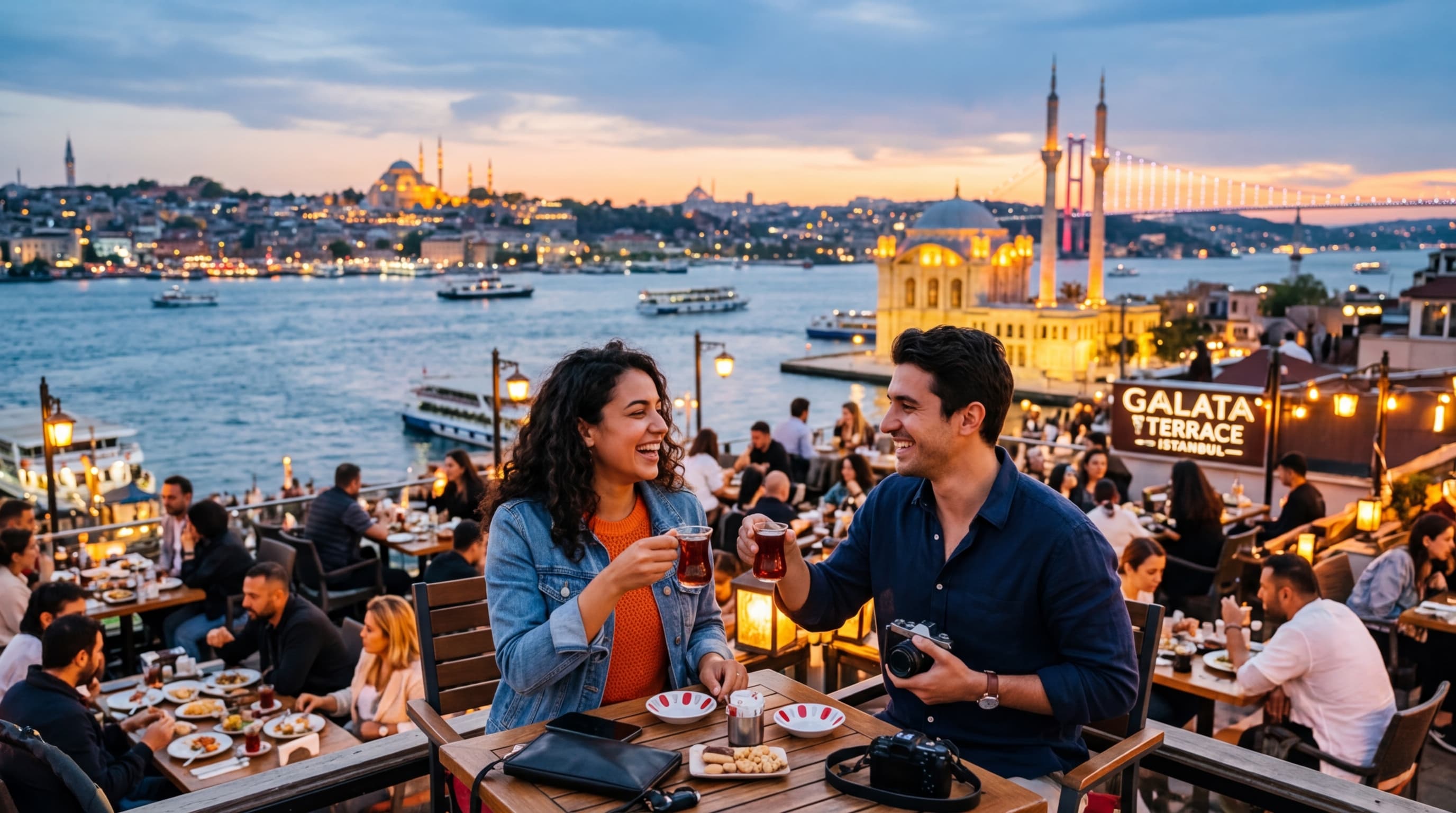
Things to do in Istanbul range from bucket-list landmarks like Hagia Sophia and Topkapi Palace to Bosphorus cruises, bazaars, neighborhood food crawls, ferry rides between Europe and Asia, rooftop sunsets, and late-night live music. If you want the best version of Istanbul, mix one historic core day, one waterfront day, and one neighborhood experience—and if you only have one day, start in Sultanahmet, cross the Bosphorus by ferry, and end with dinner in Karaköy or Kadıköy.
Istanbul is one of those rare cities where you can spend the morning inside a 1,500-year-old masterpiece, grab a simit and tea by the water at lunch, and finish the day with a rooftop view or a meyhane feast after midnight. We checked the current traveler flow, common ticketing patterns, and the way locals actually move through the city in 2026, and the big takeaway is simple: the best trip is not just about checking off monuments. It’s about pairing iconic sights with food, neighborhoods, ferries, and at least one sunset on the Bosphorus. For live events, concerts, comedy, and what’s happening tonight or this weekend, Gidly is the easiest way to keep your plan fresh and local.
Quick Answer: The Best Things to Do in Istanbul Right Now
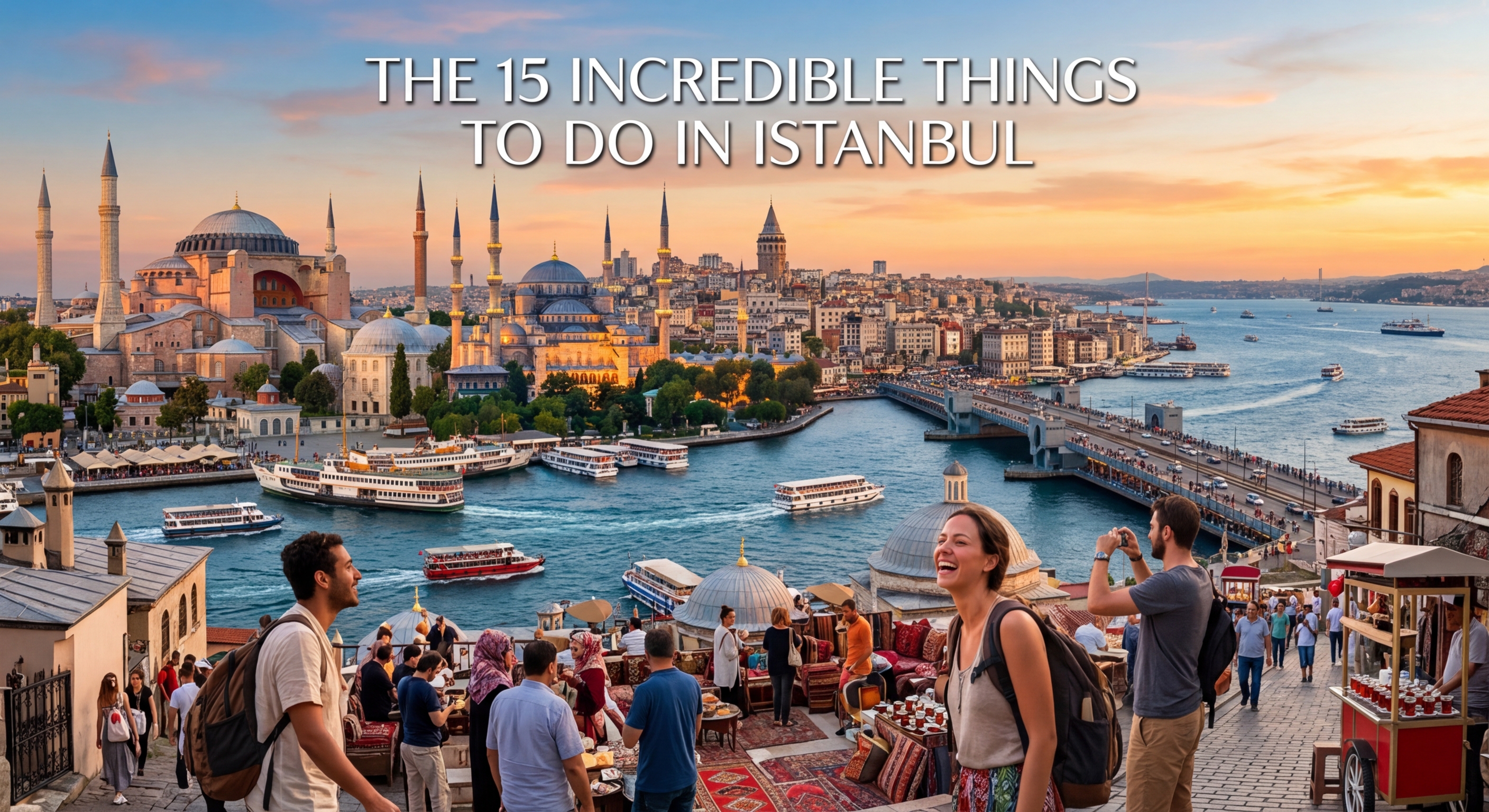
If you’re searching for the best things to do in Istanbul right now, start with the classics: Hagia Sophia, the Blue Mosque, Topkapi Palace, the Basilica Cistern, the Grand Bazaar, a Bosphorus cruise, Galata Tower, and a ferry ride between Europe and Asia. The smartest Istanbul itinerary blends history, food, neighborhood wandering, and one waterfront moment at sunset, because that’s when the city’s energy really clicks.
For first-timers, we’d say the essential formula is Old City + Beyoğlu + Bosphorus. Spend one day in Sultanahmet for the major landmarks, one half-day in Karaköy and Galata for modern café culture and city views, and one evening on a ferry or cruise to see the skyline glow. If you only have one day, do Hagia Sophia, the Blue Mosque, the Basilica Cistern, lunch near Sultanahmet, and a ferry or sunset Bosphorus ride before dinner. For current events, openings, performances, and neighborhood happenings, check Gidly's full events catalog before you go.
Istanbul changes fast, but the best experience is still very readable: historic core in the morning, local food in the afternoon, water views at golden hour, and nightlife or a long dinner in the evening. You do not need to cram every famous site into a single day, because the city works better when you leave room for wandering, tea breaks, and ferry timing. If you want the shortest possible answer, the top must-dos are Hagia Sophia, the Blue Mosque, Topkapi Palace, Basilica Cistern, Grand Bazaar, Spice Bazaar, a Bosphorus cruise, and a sunset over the water.
The 15 Incredible Things to Do in Istanbul
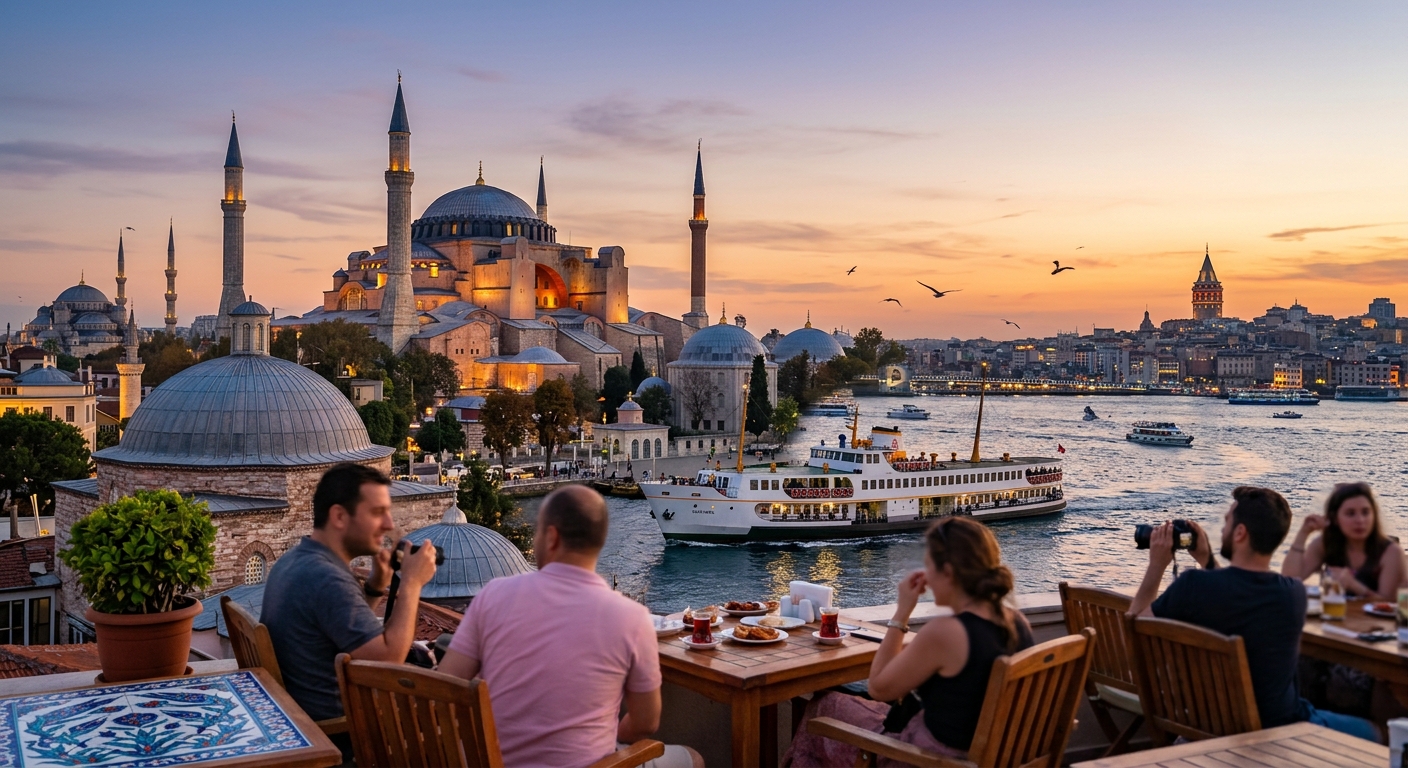
Here’s our complete top-picks list of the 15 most incredible things to do in Istanbul, based on a mix of first-time must-sees, local favorites, and experiences that still feel special even if you’ve been before. We’ve included what each place is, why it matters, who it’s best for, when to go, and how to combine it with nearby stops, because in Istanbul the smartest plans always bundle a few things together.
As of 2026, tickets and opening conditions can shift, especially for top attractions and mosque visiting hours, so we strongly recommend checking official websites the morning you go. That said, the overall visitor pattern is stable: historic sites are busiest late morning, bazaars are most atmospheric earlier in the day, and the Bosphorus is best around sunset or after dark when the skyline lights up. Below, we’re giving you the practical version, not just the postcard version.
To make planning easier, we also included a few quick notes on pricing and nearby add-ons. Some attractions are free or donation-based, while others are pricey enough that booking ahead is worth it, especially in peak spring and summer. Keep reading, because Istanbul rewards the travelers who know how to stack the city efficiently.
1) Hagia Sophia
Hagia Sophia is the city’s most famous landmark and one of the most significant buildings in the world, period. It has served as a church, mosque, museum, and mosque again, and that layered history is exactly why it feels so powerful when you walk inside. The building itself is stunning, but the real experience is standing under the vast dome and realizing how much of Istanbul’s story is wrapped up in one place. It’s best for first-timers, history lovers, and anyone who wants the most essential Istanbul photo and memory in one stop. Plan 45 to 75 minutes, longer if the lines are heavy or you want to slow down and admire the details. Entry rules and prayer-time access can change, so check the official site or local guidance before going.
In 2026, the biggest mistake visitors make is treating Hagia Sophia like a quick checklist stop instead of giving it proper breathing room. Go early in the morning if possible, because it’s cooler, quieter, and easier for photos. Dress respectfully, bring a scarf if you want to cover your head, and expect security screening and some waiting even if the line looks manageable. The area around Sultanahmet makes this easy to pair with the Blue Mosque and Basilica Cistern in one compact walk.
2) The Blue Mosque (Sultan Ahmed Mosque)
The Blue Mosque is one of Istanbul’s most beloved worship spaces, famous for its domes, minarets, and gorgeous interior tilework. It’s still an active mosque, which means your visit feels both spiritual and architectural rather than purely tourist-driven. This is one of the best things to do in Istanbul for travelers who want a classic landmark that is also free to enter. Expect to remove your shoes and dress modestly, and keep in mind that prayer times can temporarily limit visitor access. A visit usually takes 30 to 45 minutes, though you may stay longer if you’re taking in the details or waiting for a quieter time.
From experience, the Blue Mosque is most rewarding when you combine it with the surrounding square and a slow walk through Sultanahmet rather than rushing in from another district. The exterior is beautiful from multiple angles, especially early in the morning or at sunset when the stone glows. If you only have one half-day in the Old City, this belongs on the route. It’s close to tram connections, cafés, and several major attractions, which makes it one of the easiest stops to integrate into a first-time itinerary.
3) Topkapi Palace
Topkapi Palace is where Ottoman power once lived, and it remains one of the city’s most rewarding historical experiences. The palace complex gives you courtyards, imperial rooms, relic displays, and some of the best Bosphorus and Golden Horn views in the city. It suits history fans, architecture lovers, and travelers who enjoy places that take an hour or two to absorb fully. Plan 2 to 3 hours if you want the major sections without rushing, and more if you’re also interested in the Harem section and museum collections. Admission is usually paid, and lines can get long during peak season, so advance ticketing is smart.
Topkapi is one of those places where the pacing matters. The outdoor courtyards can feel relaxed and breezy, but the interiors can get congested, especially midmorning in spring and summer. Go early, pair it with Hagia Sophia and the Basilica Cistern, and build in a café break afterward. If you’re trying to understand why Istanbul feels like a bridge between empires, this is one of the clearest stops for that story.
4) Basilica Cistern
The Basilica Cistern is one of Istanbul’s most atmospheric indoor attractions, and it’s especially good on hot, crowded, or rainy days. Descending into the underground reservoir feels theatrical in the best way: dim light, reflective water, columns, and that famous Medusa-head detail. It’s a hit with photographers, couples, and anyone who likes a more immersive historic stop than a standard museum. Visitors usually spend 30 to 60 minutes here, depending on crowd levels and how much time they want for photos. Entry is paid, and we recommend booking ahead in high season because time slots can sell out.
Our team visited in a shoulder-season week and found that earlier or later slots were much calmer than midday. This is a great “cool-down” stop between outdoor monuments, especially if you’re traveling with kids, older relatives, or anyone who wants a break from the sun. It is also one of the best indoor things to do in Istanbul when the weather turns wet. If you’re visiting in 2026, be aware that major attractions are increasingly timed and ticketed, so don’t assume walk-up entry will always be painless.
5) Bosphorus Cruise
A Bosphorus cruise is one of the most Istanbul things you can do, because it shows you the city from the water, where Europe and Asia start to feel incredibly close. You’ll see palaces, mosques, waterfront mansions, fortresses, and neighborhoods that look completely different from the street. It’s ideal for couples, first-timers, and anyone who wants a low-effort, high-reward experience with built-in skyline views. Pricing varies a lot, from inexpensive public ferries and short sightseeing boats to premium dinner cruises and private charters. For a first trip, we usually suggest a daytime or sunset cruise rather than the full dinner show format, unless you specifically want nightlife-on-water energy.
The best time is late afternoon into sunset, because the light softens and the skyline becomes much more dramatic. If you’re on a budget, use a regular ferry route instead of a packaged cruise and you’ll still get a beautiful experience at a fraction of the cost. Some of the best views actually come from short point-to-point ferries, not luxury boats, so don’t overpay unless the extras matter to you. The Bosphorus is one of those places where even a simple seat near the railing can become the highlight of the day.
6) Grand Bazaar
The Grand Bazaar is one of the oldest and largest covered markets in the world, and it’s still a working marketplace rather than a museum piece. That means you’ll find jewelry, carpets, ceramics, lanterns, leather goods, spices, souvenirs, and plenty of salespeople trying to get your attention. It’s best for travelers who enjoy browsing, bargaining, and sensory overload in the fun sense of the phrase. Plan 1 to 2 hours if you want a relaxed wander, and use it as part of a broader Old City day. The bazaar is generally free to enter, but the purchases can tempt you into spending more than expected.
From experience, the trick is not to buy the first thing you see, because the same general item often appears at multiple stalls with different prices and quality levels. Go earlier in the day if you want slightly calmer aisles, and keep an eye on your route so you don’t get turned around too much. This is also a smart place to practice your coffee-and-tea breaks, because stepping out for a minute makes the whole experience more enjoyable. If you love markets, this is one of the essential things to do in Istanbul.
7) Spice Bazaar
The Spice Bazaar is smaller than the Grand Bazaar but often easier and more pleasant for a first-time visit. It’s the place to smell spices, Turkish delight, teas, dried fruits, nuts, and sweets all in one compact setting. It suits food lovers, casual shoppers, and travelers who want a market experience without the full maze effect of the Grand Bazaar. Visits usually take 30 to 60 minutes unless you’re sampling a lot or shopping slowly. It’s also one of the better spots to find edible souvenirs and gifts that are easy to pack.
This bazaar works especially well as part of a route that includes Eminönü, a ferry departure, or a walk toward the waterfront. The area around it is busy, but that is part of the charm, especially if you want to feel the city’s daily rhythm. If you’re short on time, we would actually rank the Spice Bazaar higher than the Grand Bazaar for a quick, easy market stop. It gives you a strong local flavor with less time commitment and less decision fatigue.
8) Galata Tower
Galata Tower is one of the best places in Istanbul for panoramic city views, especially if you want to see the Golden Horn, the Bosphorus, and the Old City skyline from above. It’s in a lively area full of cafés, side streets, and photo-friendly corners, which makes the whole visit feel like part of a neighborhood day rather than a standalone monument. It’s ideal for first-timers, photographers, and couples looking for a classic viewpoint. Expect paid entry, and be prepared for a line if you arrive at peak times. The visit itself is not long, often 30 to 60 minutes depending on crowds.
We like Galata Tower best when it’s combined with a slow walk through Galata and Karaköy, because those areas have some of the city’s best coffee, dessert, and window-shopping options. Go at sunset if you can, but only if you’re okay with more people and possibly more waiting. The neighborhood has a good energy late afternoon into evening, so the tower can be the anchor of an excellent date night or friend outing. It is one of the most reliable “wow” views in the city.
9) Istiklal Avenue
Istiklal Avenue is the city’s famous pedestrian street and one of the best places to experience modern Istanbul in motion. Think historic buildings, chain stores, bookstores, arcades, bakeries, live music spillover, and a constant flow of people from all over the city. It’s a great fit for travelers who want shopping, people-watching, and easy access to nightlife and side streets. You can spend 1 to 3 hours here depending on how many cafés, galleries, and detours you take. There’s no entry fee, which makes it one of the best free things to do in Istanbul.
Take the nostalgic tram if you want the iconic experience, but honestly, walking is the best way to enjoy it. Start near Taksim and work toward Galata, or reverse the route depending on where you plan to eat or drink later. The avenue is often crowded, but that energy is exactly why people return. It’s a useful anchor for a broader Beyoğlu day, especially if you want both daytime wandering and nighttime options in the same area.
10) Sultanahmet Square
Sultanahmet Square is not just a transit point between landmarks; it’s the historic stage where Istanbul’s most famous monuments face each other. The square gives you the Blue Mosque, Hagia Sophia, the German Fountain, and easy routes to the Basilica Cistern and nearby museums. It’s perfect for first-timers because it compresses a huge amount of history into a walkable area. This is one of the easiest places to understand Istanbul’s layered identity, where Roman, Byzantine, Ottoman, and modern city life overlap. Visits can be quick or long depending on how many sites you combine.
We recommend lingering here rather than treating it like a hallway. Grab tea, sit for a few minutes, and watch the movement of pilgrims, tourists, families, and local guides. In 2026, the square remains one of the city’s highest-traffic zones, so early mornings and late afternoons are more pleasant than the middle of the day. If you’re doing landmark sightseeing, this is your base rather than just another stop.
11) Prince’s Islands
The Prince’s Islands, especially Büyükada, are the city’s classic escape when you want a slower day, sea breezes, and less traffic noise. The islands are car-light or car-free in practical experience, which changes the mood immediately. They’re ideal for couples, families, and anyone who needs a reset from the pace of central Istanbul. You can bike, walk, eat seafood, and enjoy old wooden houses and waterfront views. The ferry ride itself is part of the attraction and usually more memorable than a lot of urban transit elsewhere.
Plan a half-day or full day depending on your energy, and go in good weather if possible. Spring and early fall are especially nice because the temperatures are milder and the air is clearer. If you’re looking for one of the best “leave the city but don’t really leave the city” experiences, this is it. It’s not the cheapest activity once you add meals and bike rentals, but it often feels worth it because the pace is so different from central Istanbul.
12) Dolmabahçe Palace
Dolmabahçe Palace is where Ottoman grandeur becomes more European in style, with lavish interiors, chandeliers, ceremonial rooms, and waterfront elegance. It’s a superb follow-up to the Old City landmarks if you want to see how the empire evolved into a more modern, palace-driven image of power. The palace suits architecture fans, art lovers, and travelers who enjoy interiors as much as exteriors. Expect a paid entry and a visit that can take 1.5 to 2.5 hours, depending on what sections are open and how crowded it is. Photography restrictions may apply in some areas, so check rules before you enter.
Its waterfront setting is part of the appeal, and the area around Beşiktaş offers plenty of food options before or after your visit. If you want a more polished, less chaotic historical stop than some of the Old City sites, Dolmabahçe delivers. It is also a strong rainy-day option because much of the experience is indoors. Combine it with a Bosphorus walk or a ferry nearby for a well-rounded day.
13) Kadıköy Food Crawl
Kadıköy is one of the best places in Istanbul for a real local food crawl, especially if you want to feel like you’re on the Asian side rather than in a tourist district. The neighborhood is full of bakeries, meze bars, seafood spots, specialty coffee, dessert shops, and markets. It’s best for food lovers, younger travelers, friend groups, and anyone who enjoys wandering between bites. You can easily spend 3 to 5 hours here if you’re eating slowly and browsing side streets. Price ranges vary, but you can do it on a modest budget or go upscale with a tasting-style evening.
We love Kadıköy because it has actual neighborhood life, not just visitor-oriented storefronts. Start around the market area, move through local snack stops, then head toward Moda or a waterfront walk. If your Istanbul trip needs one area where food and local atmosphere come together naturally, this is it. It’s also a great answer when someone asks what to do on the Asian side of Istanbul.
14) Turkish Bath / Hammam
A traditional hammam is one of the most memorable things to do in Istanbul if you want a mix of ritual, relaxation, and heritage. A good hammam can include heat, steam, scrubbing, foam massage, and a deeply satisfying reset after a busy sightseeing day. It suits couples, solo travelers, and anyone who wants an indoor experience with a distinctly local character. Prices vary widely by venue and treatment package, so expect anywhere from modest to luxurious depending on the bath house and service level. The most famous and historic hammams often cost more, but the experience can be worth it if you’ve never done one before.
From experience, this is one of the smartest things to book for a midtrip afternoon, especially after your feet have taken a beating in the Old City. Choose a reputable bath with clear pricing and reservation policies, and be ready for a different comfort level than a typical spa. If you’re shy or uncertain, ask in advance what is included and whether same-gender or mixed services are offered. A hammam can be a highlight, not just a wellness stop, if you pick the right one.
15) Sunset Ferry Ride
A sunset ferry ride is one of the cheapest ways to feel the magic of Istanbul without paying luxury-cruise prices. It gives you water, breeze, skyline views, and the sensation of moving through a city that truly belongs to the sea. This is ideal for solo travelers, budget travelers, couples, and anyone who wants a simple but unforgettable moment. Ferry tickets are usually inexpensive compared with private boats, and you can often build the ride around your dinner reservation or evening plans. For many visitors, this becomes the “I actually get this city now” moment.
We prefer ferries over taxis when the route makes sense, because the trip itself becomes the activity. If the weather is clear, bring a jacket and sit outside for the best views. If it’s colder or windy, sit inside and still enjoy the motion and light. In the 2026 travel mix, ferries remain one of the smartest, most local-feeling ways to move around Istanbul and see the city at the same time.
| Attraction | Typical Price | Best For | Best Neighborhood |
|---|---|---|---|
| Hagia Sophia | Often free or access-based; check current rules | First-timers, history lovers | Sultanahmet |
| Basilica Cistern | Paid; varies by season and time slot | Rainy days, photography | Sultanahmet |
| Bosphorus Cruise | From low-cost ferry rides to premium cruises | Couples, scenic trips | Eminönü / Karaköy |
| Galata Tower | Paid | Views, photos, date night | Galata |
If It’s Your First Time in Istanbul: The Essential Route
If this is your first time in Istanbul, the biggest win is not trying to see everything. The city is huge, traffic can be stubborn, and the best experiences come from grouping neighborhoods intelligently rather than zigzagging all day. The easiest route for a first trip is to focus on the Old City, then move toward Beyoğlu or the water, and finish with a ferry, sunset, or dinner in a neighborhood that feels alive at night.
We’ve seen travelers do four landmarks in eight hours and leave exhausted, which is a shame because Istanbul is much better when it breathes. The city rewards slower pacing, tea breaks, and a few planned anchors. If you have one day, see the essentials; if you have three to five, build the trip around one district per day and let ferries do some of the transport work for you. Below we’ve laid out the route options we’d actually recommend to a friend.
1-Day Itinerary
If you only have one day, keep it tight and highly walkable. Start in Sultanahmet with Hagia Sophia and the Blue Mosque, then move to the Basilica Cistern, followed by a simple lunch nearby. In the afternoon, choose either Topkapi Palace or the Grand Bazaar depending on whether you prefer history or shopping, then finish with a Bosphorus ferry or sunset cruise. Dinner should be near Karaköy, Galata, or back in the Old City if you want an easier logistics day. This route gives you the city’s identity without wasting time in transit.
The biggest mistake in a one-day trip is overcommitting to too many neighborhoods. Istanbul traffic and walking distances can expand the day more than you expect, so save the Asian side for a return visit unless it’s specifically part of your plan. If you’re here on a layover, this is the route to steal from. Keep your luggage situation simple, book key tickets in advance, and focus on one excellent meal and one memorable water view.
2-Day Itinerary
With two days, you can do the essentials plus a neighborhood with personality. Day one should still be Sultanahmet and the historic core. Day two can split between Galata, Karaköy, Istiklal Avenue, and a ferry ride, or shift to Kadıköy and Moda if you want the Asian side. That second day is where the city starts to feel less like a monument collection and more like a living place. Add coffee stops, dessert, and at least one rooftop or waterfront break.
Two days is the sweet spot for travelers who want a first impression without burnout. You’ll get the landmarks and still have time to eat well, shop a little, and see how locals actually move through the city after work. If your energy is good, end day two with nightlife or a meyhane dinner rather than more sightseeing. Istanbul at night is an important part of the experience.
3-Day Itinerary
Three days is where Istanbul really opens up. You can do one day in the Old City, one in Beyoğlu and the Bosphorus, and one in Kadıköy or a slower day like the Prince’s Islands. That structure gives you history, modern city life, and water-based relaxation without feeling rushed. It also gives you a little flexibility for weather, which is useful because a windy ferry day or hot summer afternoon can change your best plan quickly. You’ll have time for a proper meal, a shopping detour, and either a museum or hammam.
This is the number of days we most often recommend for travelers who want the best balance. It’s enough to get context, but not so long that you run out of headline sights. If you enjoy wandering, you can add Balat, Beşiktaş, or Nişantaşı as a half-day side trip. The key is to group activities geographically and keep one flexible block open for a neighborhood discovery walk.
5-Day Itinerary
Five days lets you build a deeper Istanbul, with room for a day trip or a slower neighborhood theme. You can cover the Old City, Beyoğlu, the Bosphorus, Kadıköy, and either the Prince’s Islands or a museum-heavy indoor day. This is also enough time to sample different food scenes, go out one night, and revisit an area that felt rushed the first time. If you like a city trip with both iconic and local layers, five days is excellent. It lets you see how Istanbul changes from one shoreline to the other.
For many travelers, the biggest benefit of a five-day stay is the freedom to be weather-aware. If one day is rainy, swap in museums and hammams. If one evening is clear, go all-in on the Bosphorus. If you have five days and still feel behind, that’s just Istanbul being Istanbul.
| Trip Length | What to Prioritize | Best Area Mix |
|---|---|---|
| 1 Day | Hagia Sophia, Blue Mosque, Basilica Cistern, Bosphorus ferry | Sultanahmet + waterfront |
| 2 Days | Add Topkapi, Galata, Karaköy, or Kadıköy | Old City + Beyoğlu or Asian side |
| 3 Days | Add neighborhoods, food crawl, hammam, museum | Old City + Galata/Kadıköy + Bosphorus |
| 5 Days | Day trip or deeper neighborhood exploration | Balanced city + island/day escape |
Things to Do in Istanbul by Scenario — Date Night, Friends, Family, Solo, Budget
Istanbul works beautifully when you choose by mood rather than by a generic list. A date night in Galata is not the same as a family day in Sultanahmet, and a budget afternoon in Kadıköy is not the same as a splurge dinner overlooking the Bosphorus. That’s why scenario planning matters here more than in many cities, because distance, traffic, and neighborhood vibe change the whole feel of the outing.
We’ve grouped the best things to do in Istanbul by real-life use case so you can make a better decision faster. If you want romance, go for water views and a great meal. If you want friends and energy, aim for rooftop bars, live music, or a meyhane. If you’re traveling solo or watching your budget, ferries, neighborhoods, and free landmarks become your best friends. The city has something for every type of traveler, but the smartest plan matches the activity to the vibe.
Date Night in Istanbul
For date night, Istanbul is hard to beat because it gives you atmosphere almost for free. The best date-night playbook is sunset by the water, dinner in a scenic neighborhood, and a relaxed walk afterward. Galata, Karaköy, Beşiktaş, and Kadıköy all work well depending on whether you want a classic, stylish, or more local-feeling evening. A Bosphorus dinner cruise can be fun, but a thoughtful dinner followed by a ferry or rooftop drink often feels more intimate. Couples usually enjoy places where movement is easy and views are part of the meal.
If you want the most romantic low-stress option, we’d suggest a late afternoon Galata Tower view, then dinner in Karaköy, and a final walk near the water. Another great option is a ferry ride from Europe to Asia, followed by a candlelit meyhane or seafood dinner in Kadıköy. The city does the heavy lifting for romance, especially at blue hour. Just book ahead for popular rooftops or waterfront spots on weekends.
Friends and Weekend Fun
For friends, Istanbul is all about variety. Start with brunch or breakfast, move into a neighborhood walk, then finish with drinks, live music, or a late dinner. Beyoğlu, Kadıköy, Karaköy, and Beşiktaş are the strongest friendship zones because they offer easy hopping between cafés, bars, and late-night food. If your group likes photo ops, add Balat or Galata. If your group likes more “let’s see where the night goes,” use Kadıköy or İstiklal as your base.
One of the best friend itineraries is breakfast in Beşiktaş, ferry to the Asian side, street food and coffee in Kadıköy, then a bar or live-music spot at night. Another is a Sultanahmet history block early, then a rooftop and meyhane evening in Galata. The city rewards groups that stay flexible but keep a few anchor reservations. If you’re planning a birthday or reunion, this is a city where one great dinner and one great view can carry the whole day.
Family and Kids
For families, the best activities are compact, visual, and not too transport-heavy. The Old City works well if you don’t try to overdo it, and water-based transport is usually more fun than taxis for children. Miniaturk, the Istanbul Aquarium, ferry rides, parks, and kid-friendly museums are often better than packing the day with major monuments. Families do best with a slower pace, snack breaks, and a hotel base that doesn’t require too much cross-city travel. Restrooms and stroller access should be part of the plan, not an afterthought.
We’d especially recommend mixing one landmark morning with one interactive or open-air afternoon. A ferry ride can feel like an attraction on its own to kids, and the Prince’s Islands offer a very different tempo without leaving the region. If your kids need a nap, build the schedule around it rather than fighting it. Istanbul can be magical for families, but only if you respect the energy budget.
Solo Travel
Istanbul is a fantastic solo city because there’s always something to watch, taste, or photograph. The best solo activities include museum visits, ferry rides, neighborhood wandering, coffee stops, hammams, and market browsing. Solo travelers often enjoy Kadıköy, Karaköy, Balat, and the Old City because they can move at their own pace without needing consensus. A ferry is especially good solo because you can sit, think, and absorb the city without pressure.
If you’re solo, don’t feel like you need to fill every hour. Istanbul is a place where a good breakfast, a long walk, and one compelling museum can be a perfect day. Evening-wise, live music, wine bars, and low-key meyhane dinners can be social without being too intense. The city is friendly to independent travelers who like to drift a little.
Budget and Free Fun
If you’re keeping costs down, Istanbul is generous if you know where to look. Walking Sultanahmet, crossing by ferry, exploring Istiklal Avenue, watching the city from a public square, and wandering neighborhoods like Balat or Kadıköy can cost almost nothing. Markets, waterfront promenades, and tea gardens are inexpensive ways to feel like you’re doing a lot without spending much. Some of the best views are free, and some of the best meals are modestly priced street food rather than formal restaurants.
A budget half-day could be a ferry ride, simit and tea, a market walk, and a sunset viewpoint. Add one paid attraction if you want the splurge feel, like the Basilica Cistern or Galata Tower. The biggest budget mistake is paying premium taxi fares when a tram, ferry, or walk would work just as well. Istanbul is one of those cities where transportation choices affect the budget almost as much as the activities themselves.
| Scenario | Best Activities | Best Areas |
|---|---|---|
| Date Night | Sunset ferry, rooftop dinner, Galata Tower, meyhane | Galata, Karaköy, Beşiktaş, Kadıköy |
| Friends | Breakfast crawl, bars, live music, neighborhoods | Beyoğlu, Kadıköy, Karaköy, Beşiktaş |
| Family | Ferries, parks, Miniaturk, Aquarium, easy museums | Sultanahmet, Eyüp, Üsküdar, Bakırköy |
| Solo | Museums, hammams, wandering, coffee, ferry rides | Kadıköy, Balat, Galata, Sultanahmet |
| Budget | Free landmarks, ferries, markets, walking routes | Sultanahmet, Eminönü, Kadıköy, Balat |
Things to Do in Istanbul with Kids and Family-Friendly Attractions
Istanbul can be surprisingly family-friendly if you choose the right mix of activities and keep transit realistic. The city is huge, but children usually do better with a few anchors, a lot of snacks, and at least one experience that feels playful rather than purely historical. The best family days usually include a ferry, a park, a museum with visual impact, or a hands-on attraction. If you try to do too many mosques or palaces in one day, younger kids may hit a wall fast. The secret is pacing, not packing.
For families, we also recommend paying attention to restrooms, stroller access, and seating opportunities. Istanbul’s major tourist areas can be busy, but they also have plenty of tea gardens, squares, and waterfront benches if you know where to pause. Rainy-day backups matter too, because a child who is cold and tired on a ferry day won’t care how scenic it is. The good news is that the city gives you enough variety to adapt without losing the fun.
Miniaturk and Visual Attractions
Miniaturk is one of the easiest family hits because kids can see famous structures in miniature form without long museum-style explanations. It’s a playful way to introduce Istanbul and Turkey’s geography through models, open spaces, and short attention-span-friendly wandering. This makes it ideal for younger children and mixed-age families where not everyone wants to spend the day in historic interiors. It’s a paid attraction, but the novelty and open-air pacing often make it worthwhile. You’ll likely spend 1.5 to 2.5 hours here, depending on snack and photo breaks.
Visual attractions also help parents avoid meltdown mode because they create natural stopping points. If you have a child who likes maps, buildings, or anything miniature, this can be a surprisingly strong choice. Pair it with a ferry or park afterward rather than another heavy indoor stop. For family travel, variety beats intensity every time.
Istanbul Aquarium and Rainy-Day Options
The Istanbul Aquarium is one of the best rainy-day or heatwave backups for families because it is contained, interactive, and easy to understand. Aquariums tend to work well across ages, and this one can be a relief when outdoor walking becomes too much. It’s especially helpful if you’re traveling with kids who need a more immersive visual experience after a day of landmarks. Price varies by age and package, so check official rates before you go.
Other good family indoor alternatives include shopping centers with play zones, select museums, and the Basilica Cistern for older children who enjoy dramatic spaces. The key is having at least one indoor anchor ready so weather doesn’t derail the trip. In Istanbul’s winter or sudden rain, this kind of backup can save the day.
Vialand/Isfanbul and Amusement-Style Fun
For families wanting a more theme-park-style outing, Vialand, now commonly associated with the broader Isfanbul entertainment concept, can be a better fit than a day of pure sightseeing. It gives children rides, play, and a more conventional “fun day” structure. This is the kind of activity that works best when you want to give kids one high-energy day and then return to calmer sightseeing afterward. It usually needs a larger time block and some transportation planning.
If your family is splitting up interests, this is one of the cleanest ways to separate “kid fun” from “adult sightseeing.” It’s not the best choice for a short trip, but it can be a lifesaver on longer stays. Check age and height restrictions before planning, because some rides will have limits. With kids, the details matter more than the headline.
Parks, Ferry Rides, and Easy Pace Days
Some of the best family-friendly experiences in Istanbul are simple: parks, ferry rides, tea by the water, and a scenic lunch. Emirgan Park, Gülhane Park, and waterfront promenades can give kids room to move without requiring complicated logistics. Ferries are excellent because they feel like a ride but also move you between places you actually want to visit. The Prince’s Islands are especially useful for this slower, more breathable approach.
When planning a family day, think in terms of rhythm. Do one active thing, one food stop, one open-air stop, and one gentle attraction, then call it a win. Istanbul’s family magic comes from combining movement and rest, not from trying to replicate a theme-park schedule in a historic city.
| Family Activity | Best Age Range | Typical Time |
|---|---|---|
| Miniaturk | 4+ | 1.5–2.5 hours |
| Istanbul Aquarium | All ages | 2–3 hours |
| Ferry Ride | All ages | 30–90 minutes |
| Park + Picnic | All ages | 1–3 hours |
Best Neighborhoods for Things to Do in Istanbul
Istanbul is really a city of neighborhoods, and choosing the right one changes your trip more than people expect. Sultanahmet is ideal for history, Beyoğlu is better for nightlife and city energy, Kadıköy leans food-forward and local, and Usküdar offers calmer waterfront views. Every district has a different tempo, and the “best” one depends on whether you want monuments, cafés, bars, family logistics, or a more residential feel. If you only stick to one area, you’ll miss the city’s contrast, which is a huge part of the fun.
We’ve visited and compared these areas with three things in mind: atmosphere, food, and practical movement. Some neighborhoods are best in the morning, some shine after dark, and some are strongest when paired with a ferry crossing. Below, we break down the major areas so you can choose where to stay, where to eat, and where to spend your time. This section also helps if you’re searching location-aware ideas like “near Sultanahmet” or “near Taksim.”
Sultanahmet
Sultanahmet is the city’s historic core and the best base for first-time sightseeing. It has the major monuments, constant foot traffic, and the easiest access to the classic old-Istanbul route. The atmosphere is grand, tourist-friendly, and intensely historic, which makes it perfect if landmarks matter most. Food is convenient rather than cutting-edge, and nightlife is not the point here. You come to Sultanahmet for the essentials, not for trendy bars or late-night clubbing.
Best time to go is early morning or late afternoon, when the crowds and heat are more manageable. It’s also ideal if you want to walk between Hagia Sophia, the Blue Mosque, Topkapi Palace, and the Basilica Cistern with minimal transport. Families and first-timers tend to appreciate the convenience. If you want the city’s soul in a compact form, this is where it starts.
Beyoğlu and Taksim
Beyoğlu is where Istanbul feels more modern, bustling, and layered with cafés, shops, music, and nightlife. Taksim is the transit and energy hub, while the surrounding side streets hold restaurants, bars, galleries, and all sorts of late-night options. This area suits travelers who want to feel the city’s current pulse instead of only its historic past. It’s especially good for adults, friend groups, and people who like staying out later. The vibe changes block by block, which is part of the appeal.
Istiklal Avenue is the obvious headline, but the side streets are often more interesting than the main drag. Daytime works for shopping and people-watching, while evening brings music, drinks, and a more social pace. If you want to combine sightseeing and nightlife, Beyoğlu is a safe bet. It’s one of the best areas if you want a “near Taksim” base with easy movement.
Karaköy and Galata
Karaköy and Galata are among the city’s best all-around neighborhoods for food, views, and stylish wandering. You get historic lanes, contemporary cafés, dessert spots, design shops, and easy access to the Bosphorus and Galata Tower. This is a strong area for couples, solo travelers, and anyone who wants a polished but still local-feeling base. Karaköy can be especially good for breakfast, coffee, and waterfront walks. Galata adds a bit more vertical drama and tower views.
The best time to go is late morning through evening, when the cafés are active and the light is beautiful. This is also a great base for a date night or for people who want to transition from a museum day into a dinner-and-drinks evening. We like this area because it feels current without losing texture. If you have limited time, it’s a smart place to eat well and see a lot without taking a long cross-city detour.
Kadıköy and Moda
Kadıköy and Moda are among the best choices for people who want a local, food-centric experience on the Asian side. The area has markets, cafés, bars, bakeries, and a more lived-in feeling than the heavily tourist-focused old city. Moda in particular is excellent for waterfront walks, tea, gelato, and a calmer neighborhood vibe. This is a great fit for food lovers, repeat visitors, and anyone who wants to spend time where locals actually hang out.
Kadıköy is strongest from midday through late night, especially if you’re doing a long lunch, dinner, or nightlife plan. The ferry connection makes it easy to pair with a European-side outing, which is one reason we recommend it so often. If you want to understand the Asian side of Istanbul, this is the place to start.
Balat, Beşiktaş, Nişantaşı, and Üsküdar
Balat is colorful, photogenic, and great for slow wandering, but it works best if you enjoy exploring at a more relaxed pace. Beşiktaş is great for breakfast, waterfront movement, and an easy launch point for Bosphorus-adjacent plans. Nişantaşı is more upscale, with shopping and polished cafés, while Üsküdar gives you calmer views and a different perspective on the skyline. Each of these neighborhoods is useful for a specific mood rather than an all-purpose visit.
From experience, the smartest way to use these areas is as add-ons rather than your only plan. Balat can pair well with a photography morning. Beşiktaş can anchor a food day or ferry plan. Nişantaşı is good if shopping matters. Üsküdar is a great place to slow down and see the water from the Asian side.
| Neighborhood | Atmosphere | Best For |
|---|---|---|
| Sultanahmet | Historic, iconic, tourist-heavy | First-timers, landmarks |
| Beyoğlu/Taksim | Energetic, central, nightlife-friendly | Friends, nightlife, shopping |
| Karaköy/Galata | Stylish, walkable, scenic | Couples, food lovers, views |
| Kadıköy/Moda | Local, food-forward, relaxed | Foodies, solo travelers, repeat visitors |
| Balat | Colorful, photogenic, slower | Photos, wandering |
Culture, History, and Iconic Landmarks
Istanbul’s cultural landmarks are famous for a reason, but they become much more meaningful once you understand the layers behind them. The city was shaped by Byzantine, Roman, Ottoman, and modern Turkish eras, and that stacking effect is visible everywhere from domes and minarets to underground cisterns and palace courtyards. A good landmark day in Istanbul is less about speed and more about context. Once you know why these places matter, they feel much more alive.
We see a lot of travelers make the same mistake: they rush through one famous site after another without understanding the story connecting them. That creates landmark fatigue, which is avoidable if you pace the day and cluster the sights. Below we’ve included the major cultural stops and the practical way to approach them. Think of this section as your shortcut to the city’s historical logic.
Hagia Sophia, Topkapi Palace, and the Old Imperial Core
Hagia Sophia and Topkapi Palace are the key pieces of the Old Imperial Core, and they explain a lot about how Istanbul became one of the world’s great cities. Hagia Sophia represents a monumental shift in religious and political symbolism, while Topkapi tells the story of Ottoman rule, court life, and imperial power. Together, they give you a framework for understanding the city as more than just a pretty skyline. If you spend time in this cluster, you’re seeing the “why” behind the city’s image. It’s the best anchor for a first-time visit.
Plan at least half a day here if you want both places done properly. If you only have time for one, choose based on your interests: Hagia Sophia for iconic architecture and spiritual weight, Topkapi for imperial history and palace atmosphere. Common mistake? Treating the two as interchangeable. They’re related in the larger story, but they offer very different experiences.
Blue Mosque, Sultanahmet Square, and Civic Ritual
The Blue Mosque and Sultanahmet Square show how the city’s religious and civic life coexist. The mosque remains active, so the visit is shaped by prayer schedules, modest dress, and visitor etiquette. Sultanahmet Square, meanwhile, is where visitors gather, local movement continues, and landmark-to-landmark travel becomes easy. This is the area where first-time Istanbul often starts to feel understandable. You’re seeing how history is not separated from daily life, but woven into it.
One common mistake is assuming the square is just a passageway. It’s actually part of the experience because it lets you pause and process what you’ve just seen. Sit, drink tea, look around, and let the city’s scale settle in. That rhythm is a huge part of traveling well in Istanbul.
Basilica Cistern, Chora/Kariye, and Hidden Layers
The Basilica Cistern is an obvious highlight, but places like Chora/Kariye reveal how rich Istanbul’s hidden interiors can be. The city is full of spaces that look modest outside and extraordinary inside, and that contrast is one of its defining charms. If you enjoy the idea of stepping beneath the surface—literally or figuratively—these are the places to prioritize. They also work well on rainy days or hot afternoons because they offer a different sensory pace. You’re not just looking; you’re entering a mood.
When people ask what to do beyond the obvious, we usually steer them toward these layered interiors. They tend to be less exhausting than full-day monument marathons, but they still feel substantial. Add one of these to a broader neighborhood plan and you’ll get a much richer trip. Istanbul’s best cultural experiences often happen in the in-between spaces, not just the headline façades.
Food and Drink Experiences in Istanbul
Istanbul is a food city in the most satisfying way: you can eat incredibly well at every price level, and the food scene changes from neighborhood to neighborhood. A great day might start with a Turkish breakfast, continue with street food and market snacks, then end with a meyhane dinner, dessert, and tea. The city’s food culture is deeply social, which means a lot of the best meals are as much about setting and pacing as they are about flavor. If you love to eat while traveling, Istanbul will absolutely keep up.
In 2025–2026, locals continue to care about quality ingredients, seasonal menus, café culture, better coffee, and more design-forward dining, especially in Kadıköy, Karaköy, Beşiktaş, and parts of Nişantaşı. At the same time, classic experiences still matter: simit, balık ekmek, kebabs, meze, baklava, Turkish coffee, and tea are still the backbone of a good culinary day. Below we’ve broken the city’s food scene into the best practical categories so you can plan a meal route, not just a single reservation.
Turkish Breakfast and Brunch
Turkish breakfast is one of the most joyful food experiences in Istanbul, especially if you’re not in a hurry. Expect cheese, olives, tomatoes, cucumbers, eggs, bread, butter, honey, jam, pastries, tea, and sometimes much more depending on the restaurant and your appetite. Beşiktaş, Kadıköy, and parts of Karaköy are especially strong for breakfast culture. It’s a meal that can easily become the centerpiece of the morning rather than a quick stop. Prices vary by spread size, but a generous breakfast for two can still be reasonable compared with many global cities.
If you’re doing a landmark day, don’t skip breakfast culture entirely. It often gives you the fuel and mood you need for a full walking itinerary. We like breakfast as an activity because it naturally slows the day down in a good way. That matters in Istanbul, where it’s easy to start sightseeing too aggressively and miss the city’s actual rhythm.
Street Food and Market Eating
Street food is one of the best ways to experience Istanbul affordably and locally. Simit, döner, kebabs, roasted chestnuts in season, corn, mussels, fish sandwiches, and gözleme can all make a flexible, tasty day. Eminönü, Kadıköy market streets, and the areas around major ferry stops are especially good for snack hopping. Market eating is great because you can try several things without committing to a long meal. It’s also friendly for travelers who want budget-friendly options without feeling like they’re missing out.
Some of the smartest food moments in the city are unplanned. You grab something hot while moving between neighborhoods, then sit for tea or dessert later. This is where Istanbul feels both casual and deeply satisfying. If you’re trying to “eat like a local,” you don’t need fancy credentials—just curiosity and a little appetite spacing.
Meyhane Culture and Meze Nights
A meyhane dinner is one of the most classic evening experiences in Istanbul. It usually means meze plates, seafood or grilled dishes, raki, conversation, and a pace that can stretch deep into the night. It’s ideal for groups, couples, and adults who want a slower, more social dinner rather than a quick meal. Beyoğlu, Karaköy, Kadıköy, and Beşiktaş all have strong meyhane options, with different levels of formality and price. Budget-wise, meyhane can range from moderate to quite expensive depending on the seafood and drinks.
If you’re not familiar with the format, the key is to enjoy it as a progression rather than a single dish. Start light, order a few plates, and let the meal expand naturally. A meyhane night is often one of the best ways to feel the city’s adult social energy. It’s also one of the best date-night or friend-group plans if you want to spend a whole evening in one place.
Rooftop Dining and Café Trends
Rooftop dining remains a major draw because Istanbul’s skyline is one of the most photogenic in the world. In 2026, locals and visitors alike continue to gravitate toward places with a view, but the best rooftops are not just about the panorama—they also need good service and solid food. Karaköy, Galata, Beyoğlu, and some Bosphorus-adjacent spots are the strongest bets. Café culture is also very alive, with specialty coffee, dessert bars, and design-focused interiors spreading across more neighborhoods.
If you want a more modern food day, combine a breakfast café, market lunch, and a rooftop dinner or drink. This gives you a good sense of how the city’s dining scene has evolved beyond classic kebab-only expectations. The biggest trend now is balance: historical flavor plus contemporary presentation. That’s Istanbul in 2026 in a nutshell.
| Food Experience | Typical Cost | Best Neighborhoods |
|---|---|---|
| Breakfast | From budget to mid-range per person | Beşiktaş, Kadıköy, Karaköy |
| Street Food | Low-cost | Eminönü, Kadıköy, ferry areas |
| Meyhane Dinner | Mid-range to premium | Kadıköy, Beyoğlu, Karaköy |
| Rooftop Dining | Mid-range to premium | Galata, Karaköy, Beyoğlu |
Best Outdoor, Water, and Scenic Things to Do
Outdoor Istanbul is where the city’s geography really matters. Water is everywhere, and the best scenic experiences usually involve ferries, waterfront promenades, rooftops, parks, or one of the islands. On a clear day, the city becomes almost cinematic: minarets in the distance, ferries crossing, gulls overhead, and people gathering along the shore. If you want a version of Istanbul that feels spacious rather than intense, outdoor plans are your best bet.
We always recommend having at least one outdoor anchor in your itinerary, especially in spring, summer, or early fall. The weather affects everything from visibility to crowd flow, and a good sunny day can make even simple experiences unforgettable. That said, wind and rain are part of Istanbul too, so the best travelers keep indoor backups ready. Below is the scenic playbook we’d use ourselves.
Bosphorus Cruises and Ferry Routes
The Bosphorus is the city’s signature waterway, and both formal cruises and public ferries are worth your time. Cruises are better if you want commentary, a dedicated route, or a more comfortable package. Ferries are better if you want authenticity, budget-friendliness, and more flexible movement. Some of the most beautiful views are actually on standard commuter ferries, especially if you sit outside and let the city drift by. For many visitors, the ferry becomes part of the sightseeing rather than just transportation.
Best time is late afternoon into sunset for the prettiest light, but midday can work well on cooler days. If you’re choosing one scenic water activity only, we’d choose a sunset ferry over a pricey dinner cruise unless the dinner experience itself matters to you. The city’s waterfront from the water is one of the clearest ways to understand its scale and charm.
Waterfront Promenades and Viewpoints
Waterfront walks in places like Karaköy, Beşiktaş, Üsküdar, and parts of Kadıköy are free, easy, and surprisingly rewarding. You do not need a ticket to enjoy a memorable Istanbul view, especially if you’re willing to walk a bit and stop for tea. Viewpoints near Galata, the Bosphorus shoreline, and certain hilltop areas also provide excellent skyline moments. These are ideal for solo travelers, budget travelers, and anyone who likes to move at their own pace. A good promenade can turn a simple evening into the best part of the day.
In spring and autumn, these walks are particularly pleasant because the temperatures are comfortable and the light is great. In summer, go early or late. In winter, wind can make a waterfront walk brisk, but the city still looks dramatic. That is part of Istanbul’s appeal: the scenery works in multiple seasons.
Princes’ Islands and Nature Escapes
The Prince’s Islands are the easiest nature-forward escape without leaving the greater Istanbul experience behind. They feel less hectic, have bike-and-walk appeal, and offer a softer urban-nature blend than the city center. Büyükada is the classic choice, but the real point is getting a quieter pace, sea air, and a different visual rhythm. If you’re traveling with someone who wants a break from monuments, this is one of the best answers. It works especially well in shoulder season.
Not every traveler needs a full day trip, though. If you only have a few days, the islands are best when the weather is right and your itinerary already includes the main landmarks. They’re not a replacement for Old City sightseeing; they’re a contrast. That contrast is what makes the experience memorable.
Museums, Art, and Indoor Activities for Rainy Days
Istanbul’s indoor scene matters more than most people think because the weather can be hot, windy, rainy, or simply too crowded for nonstop outdoor walking. Museums, underground spaces, hammams, galleries, and shopping arcades give you a smarter way to enjoy the city without forcing yourself through the elements. This is especially important in winter, during sudden spring rain, or on days when the humidity makes the historic core feel heavier than expected.
The best indoor plans cluster geographically so you don’t spend half your day in transit. We recommend pairing a museum with a café, a historical interior with a nearby lunch stop, or a hammam with an early dinner afterward. Indoor time in Istanbul does not have to feel like a compromise. In many cases, it’s the thing that saves the trip.
Best Museums to Cluster
Some of the best museum clusters are near Sultanahmet, Karaköy, and Beyoğlu, which makes itinerary building easier. The trick is to choose two or three places that are close together rather than trying to scatter across the city. A good museum day might include the Basilica Cistern, a nearby historical museum, and a slow meal. If you’re a serious museum traveler, you can also build a more art-heavy route around Beyoğlu and the surrounding galleries.
For practical planning, opening hours vary, so always verify the official site before you go. On busy days, timed tickets can help a lot. Museum passes may be worth it if you’re hitting several paid sites, especially across multiple days. If you’re not sure, compare the pass cost against the individual attractions you definitely want to see.
Hammams and Wellness
A hammam is one of the best indoor experiences because it feels distinctly local and also restorative after long sightseeing days. It’s not just a spa treatment; it’s a cultural ritual that gives your trip a slower, more tactile dimension. Some hammams are historic and luxurious, while others are more practical and straightforward. Choose based on the mood you want, not just the price. If it’s your first time, read the service description carefully so you know what’s included.
Wellness can be a big win on a rainy or cold day, especially if you’ve already done the landmark circuit. Book early if you want a specific time or gender arrangement, and bring only what you need. Many visitors leave a hammam feeling refreshed in a way that a standard museum stop simply can’t deliver. That makes it one of the strongest indoor backups in the city.
Shopping Arcades, Covered Streets, and Cafés
Istanbul’s indoor appeal also includes shopping arcades, covered streets, cafés, and design-forward retail spaces. These are ideal if you want to keep walking without getting drenched or overheated. Istiklal Avenue’s side passages, passages around Galata, and select parts of Nişantaşı can all support an indoor-wandering day. You can browse, snack, and rest without forcing a rigid schedule. That’s often exactly what a rainy city day needs.
If you’re traveling in winter, this kind of “soft indoor” strategy works better than trying to power through huge distances. Add a tea stop, a dessert stop, and one destination stop and you’ll still have a very satisfying day. Istanbul has enough texture indoors to make the weather almost irrelevant if you plan well.
| Indoor Activity | Best Weather Use | Cost Level |
|---|---|---|
| Basilica Cistern | Rainy or hot days | Paid |
| Museum Cluster | Bad weather, winter | Paid |
| Hammam | Cold days, recovery day | Mid to high |
| Shopping Arcades | Rain, heat, flexible day | Free to browse |
Nightlife, Late-Night, and Evening Entertainment
Istanbul’s nightlife is broad enough to fit almost any mood, from polished rooftop cocktails to low-key meyhanes, jazz clubs, and live-music venues. The key is choosing the neighborhood carefully, because the city’s evening personality changes dramatically across districts. Beyoğlu and Kadıköy are generally the biggest nightlife magnets, while Karaköy, Beşiktaş, and some parts of Nişantaşı offer more specific vibes. If you’re the type who likes to keep the day going after sunset, Istanbul can be excellent.
We’ve found that the best nights in Istanbul usually mix one good meal, one drink stop, and either live music or a scenic walk. You do not need to chase a huge club scene unless that’s truly your style. The city’s more memorable evenings often come from places with atmosphere and conversation rather than pure volume. Still, if you want late-night energy, there is plenty to find.
Rooftops and Cocktail Bars
Rooftops are a major draw because the skyline is so dramatic at night. A good rooftop can turn an ordinary evening into a memorable one, especially if you arrive before full darkness so you can watch the transition from sunset to city lights. Karaköy, Galata, and Beyoğlu are especially strong for this. Some venues lean upscale and reservation-heavy, while others are more relaxed but still scenic. Prices vary, so check whether a minimum spend applies before you commit.
From experience, the best rooftop plans are booked early and paired with a pre-dinner or post-dinner walk. That way, even if the venue is busy, your night still feels complete. Rooftops are ideal for date night and visitor celebrations, but they can also be a great friend-group choice if everyone wants the “I’m in Istanbul” moment with a view.
Live Music and Jazz
Live music is one of the best ways to experience Istanbul at night if you like a more cultural or intimate atmosphere. Jazz clubs, acoustic rooms, and venue-based music spots are spread across Beyoğlu, Kadıköy, and Karaköy. The feel is often more relaxed than full club nights, which makes it good for travelers who want to stay out but still hear themselves think. If you enjoy discovering local musicians or low-key performance venues, this is a strong category to explore on Gidly as well.
Check schedules in advance because live music nights can vary by day and season. Weekends are usually best, but some smaller venues have excellent weekday programming. In 2026, live-event discovery is much easier if you search neighborhood by neighborhood instead of only citywide. That’s where a curated platform becomes useful rather than scrolling endlessly.
Meyhanes, Bars, and Late-Night Food
Meyhanes often function as evening entertainment as much as dinner, especially in social neighborhoods where groups linger over food and drinks. If you want a more casual bar scene, Kadıköy and parts of Beyoğlu give you lots of options without requiring a dressy night out. Late-night food is also part of the package, because a good Istanbul night often ends with a snack, not a cab ride home. That’s part of why the city feels alive so late into the evening.
Safety-wise, late-night movement is best handled with normal urban caution: use reputable taxis or transit, stick to active areas, and know your route back. The city is large, and late-night logistics matter more than people expect. If you plan smart, Istanbul’s night entertainment can be one of the trip’s strongest memories.
LGBTQ-Friendly and Inclusive Spots
Istanbul’s nightlife has a range of spaces that are more welcoming and inclusive, especially in the broader Beyoğlu area and certain city-center venues. The scene can shift, so it’s wise to check current listings and recent reviews before heading out. For travelers who want this kind of nightlife, the key is to focus on established, current, and well-reviewed spots rather than assuming the neighborhood alone guarantees the vibe. Gidly’s live listings can help you find current events and venues more quickly.
We recommend checking the crowd level, dress code, and transport home before committing to a late night. Like any big city, Istanbul is best enjoyed when you know where you’re going and how you’re getting back. That planning makes the night much easier and more fun.
Seasonal and Calendar-Based Planning
Istanbul is a city where the season changes the entire feel of your itinerary. Spring gives you the best mix of weather and sightseeing comfort, summer brings long golden evenings and waterfront crowds, fall is crisp and photogenic, and winter shifts the balance toward indoor experiences and shorter days. Ramadan, public holidays, and weekend energy can also affect store hours, traffic, and the atmosphere around major attractions. If you plan by season, you’ll make better choices and avoid a lot of frustration.
The city also has a strong “today, tonight, this weekend” energy if you know where to look. Some neighborhoods are better for a spontaneous meal, others for a planned event, and some for a weather-dependent outing. Below, we’ve laid out the seasonal logic we’d use ourselves in 2026. This is the kind of planning that turns a good Istanbul trip into a great one.
Spring and Fall
Spring and fall are arguably the best times to visit Istanbul because temperatures are more comfortable and outdoor activity is easier to enjoy. This is when you can walk the Old City, ride ferries, and linger at viewpoints without feeling overwhelmed by heat or cold. Parks, waterfronts, and island day trips also become especially appealing. If you’re choosing a season for a first-time trip, these are the safest bets. Crowds can still be strong, so booking key tickets remains smart.
These shoulder seasons are also great for photography because the light tends to be softer and the skies often look clearer. If your trip includes a lot of walking, spring and fall will reward you. In our experience, this is when Istanbul feels easiest to love on foot.
Summer
Summer is all about water, evenings, and strategic timing. You want to do your major landmark walking early, then shift toward ferries, shade, museums, and late dinners as the day warms up. The Bosphorus becomes especially attractive, and rooftops, waterfronts, and island trips are at their peak. The tradeoff is crowding and heat, so hydration and pacing matter. Summer is still excellent, but only if you respect the sun and the schedule.
Don’t underestimate evening energy in summer. The city can feel especially social after dark, and a long dinner or night walk may be more enjoyable than another daytime monument. This is also a good season for booking reservations ahead of time, because the most popular experiences fill quickly.
Winter, Ramadan, and Holidays
Winter is a strong season for museums, hammams, cafés, and indoor cultural stops, especially if you prefer fewer crowds and a more reflective pace. You’ll want a tighter itinerary and a backup plan for rain or wind, but the city still delivers. Ramadan can shift restaurant rhythms and public-life timing, so check hours carefully if your trip overlaps with it. Public holidays may also affect opening times, transport patterns, and crowd behavior.
If you’re visiting during a holiday period, stay flexible and confirm details in advance. The upside is that the city can feel especially lively in certain districts and at certain times. Just don’t assume everything works like a normal weekday. Istanbul rewards travelers who verify, not those who guess.
Practical Tips for Tickets, Transport, and Timing
Istanbul’s practical side matters a lot because the city is big enough that bad logistics can drain your energy quickly. The good news is that the transit network is useful once you understand it, and ferries are often the most enjoyable part of getting around. If you know when to take the tram, metro, ferry, or taxi, you can save both time and money. Planning tickets and timing is just as important as picking the attractions themselves.
We always recommend checking official websites for opening hours and ticket policies, especially for Topkapi Palace, Basilica Cistern, major mosques, and timed-entry experiences. In 2026, lines and access patterns are still highly variable based on season and hour of day. The more popular the attraction, the more useful advance planning becomes. Here’s the practical version that keeps your day moving.
Istanbulkart, Metro, Tram, Ferry, and Taxi
Istanbulkart is the city’s essential transit card and one of the first things you should understand. It works across metro, tram, bus, and ferry systems, which makes it the easiest way to move around like a semi-local. The tram is especially useful for the Old City, while ferries are excellent for scenic cross-city movement. Metro can be very helpful for longer distances, but you still need to check your route carefully because the city layout is complex. Taxis are useful in some cases, but traffic can make them slower and more expensive than you expect.
If you’re trying to choose between transit modes, we usually favor ferry first, tram second, metro third, and taxi only when it really saves time or effort. That may sound counterintuitive, but in Istanbul the route itself is often part of the experience. Using the water is both practical and scenic, which is a rare combination.
Tickets, Passes, and Booking Strategy
Should you buy a museum pass? Sometimes, yes. If you plan to visit several paid attractions, especially Topkapi Palace, museums, and cisterns, the pass can be worth comparing against individual ticket prices. But don’t buy it blindly—do the math based on your itinerary. Some travelers overbuy passes and still don’t use them enough. That’s the most common mistake with city passes anywhere, not just Istanbul.
For high-demand sites, book ahead when possible, especially in spring and summer. Basilica Cistern, Topkapi Palace, and premium cruise or dinner experiences are the most obvious candidates. If you’re aiming for a specific time window, prebooking can save you from unnecessary queue stress. Always keep a screenshot or offline copy of your ticket confirmation.
Airport Transfers, Parking, and Route Timing
Airport transfers matter because the city is large and airport-to-center travel can take longer than first-time visitors expect. Plan extra time, especially if you have a hotel in the Old City or across the Bosphorus. Parking is a weak point in many central districts, so if you’re driving, research in advance and be realistic about traffic. Most travelers will be happier relying on transit and walking than trying to self-drive across the city core.
Timing-wise, early morning is the best time for major landmarks, and sunset is the best time for waterfront experiences. Midday is for indoor stops, lunch, or areas where you can linger in cafés. Once you understand that rhythm, Istanbul becomes much easier to manage.
Insider Tips, Local Hacks, and Common Mistakes
There are a few Istanbul mistakes we see over and over, and avoiding them can make a huge difference. The first is trying to see too much in one day. The second is ignoring the Asian side. The third is assuming that a taxi is always the easiest answer. The fourth is not checking prayer times or closure windows for major religious sites. If you avoid those traps, you’re already ahead of a lot of visitors.
Our team’s biggest local-style advice is to plan around neighborhoods and water, not just individual attractions. Istanbul feels more manageable when you use ferries, tram lines, and walking corridors intentionally. We also recommend leaving at least one block of unscheduled time so you can say yes to a café, a market stall, or a spontaneous view. Those unexpected moments often become the trip’s best memory.
How to Save Money and Skip Lines
If you want to save money, use ferries and transit instead of taxis whenever possible, and combine nearby attractions into one route. Go early to major landmarks to reduce queue time and heat fatigue. Eat one major meal and one simpler street-food meal instead of every meal being a sit-down experience. That keeps costs reasonable while still letting you enjoy the city’s food culture. Some of the best experiences are low-cost or free, especially the waterfronts and neighborhood walks.
Queue avoidance matters most at the most famous sites. Advance tickets and earlier arrival times are the best tools in your pocket. If an attraction has a timed system, respect it. In a city this busy, being slightly early is a form of travel luxury.
Common Tourist Mistakes
The most common mistake is overpacking Sultanahmet without leaving time to breathe. Another is skipping the Asian side entirely, which means you miss a huge part of how locals live and eat. People also underestimate the city’s scale and overestimate how much they can do in one taxi-driven day. That leads to frustration, especially when traffic builds. The fix is simple: pick a zone, plan fewer transitions, and let the city work with you.
Another subtle mistake is not checking whether your chosen museum or mosque is open or partially restricted at the time you want to go. Istanbul’s operating conditions are dynamic enough that assumptions can cost you time. A quick official check can save an hour of wandering. That’s especially important in 2026, when travelers expect instant certainty but the city still runs on its own rhythm.
Hidden Gems and Better-Than-Expected Stops
If you want hidden-gem energy without forcing a treasure hunt, focus on Balat, side streets in Karaköy, smaller cafés in Kadıköy, and less obvious waterfront promenades. Some of the city’s best surprises are not secret in the local sense; they’re simply overlooked by first-time visitors who stay in landmark mode too long. A little wandering goes a long way here. That is especially true in neighborhoods with strong visual character and good food density.
We like to describe Istanbul as a city where the best plan is a flexible framework. Hit the famous site, but also leave room for a small street, a tea stop, or a side alley with a view. That’s where the city gets personal.
Best Day Trips and Add-On Experiences Near Istanbul
Day trips can be a great add-on if you’re in Istanbul long enough and want a change of pace, but they’re not mandatory. For many travelers, the city itself has enough depth that a neighborhood deep dive is smarter than leaving town. Still, certain escapes are genuinely worthwhile, especially if you want nature, a slower pace, or a historic contrast. The Princes’ Islands are the most obvious and often the easiest win.
We’d recommend choosing a day trip only if it matches your trip length and energy. If you have just a couple of days, stay in the city and explore more neighborhoods. If you have five or more days, a short escape can be a nice contrast. Below are the add-ons that make the most sense for different types of travelers.
Princes’ Islands
The Princes’ Islands remain the top add-on for a reason: they feel different enough to justify the ferry but close enough to fit into a normal trip. Büyükada is the classic choice, and the experience usually includes walking, biking, sea air, and a quieter visual rhythm. This is best for couples, families, and anyone who wants a softer day than central Istanbul provides. It’s also one of the easiest ways to create a “mini vacation inside the vacation” effect.
Go in good weather if possible, and avoid overloading your day with too many other commitments. The island works best when it has room to breathe. A leisurely lunch there can be the entire point of the outing.
Bursa and Edirne
Bursa and Edirne are better for travelers who want a more historically or regionally varied experience. Bursa is often associated with Ottoman heritage and a change of pace from the metropolis, while Edirne offers another layer of historical interest. These are more “we want to explore beyond Istanbul” choices than casual half-day escapes. Travel time and logistics are more involved, so they’re best for longer stays or deeply interested travelers.
If you’re comparing a day trip versus a neighborhood deep dive, ask whether you want contrast or depth. Most first-timers are better served by depth inside Istanbul. These trips make more sense once you’ve already seen the city’s core.
Sapanca, Maşukiye, and Nature-Oriented Escapes
If you want greenery and nature rather than urban history, these types of escapes can be appealing, especially for travelers who have already done the main sightseeing. They can be beautiful in the right season, but they also take more planning than the compact city routes. This makes them better for travelers with enough time to spare. If your group wants fresh air and a break from stone and traffic, they can be satisfying additions.
Still, for most visitors, Istanbul’s own waterfronts, parks, and island trips are enough. Don’t leave the city just because you think you should. Leave only if the day trip truly adds value to your trip style.
Things to Do in Istanbul That Are Trending in 2025-2026
Istanbul in 2025-2026 feels more experience-driven than ever. Travelers are increasingly looking for rooftop bars, waterfront dining, immersive museum spaces, design-forward neighborhoods, and better live-event discovery. The city is still anchored by its heritage icons, but the way people consume the city has changed. More visitors want curated experiences, neighborhood-based outings, and evenings that feel current rather than generic.
We’re seeing stronger interest in concept cafés, boutique galleries, modern hammams, food-forward neighborhoods, and event discovery that reflects what’s happening right now, not just what has always been famous. That’s where platforms like Gidly are especially useful, because they help you find current concerts, comedy, neighborhood happenings, and one-off experiences that don’t appear in standard guidebooks. If you want Istanbul to feel alive in the present tense, this is the section to pay attention to.
Experiential Dining and Rooftop Culture
Experiential dining is more popular now because travelers want meals that feel like part of the outing, not just fuel. Rooftop spaces, tasting menus, seafood dinners with a view, and meyhane nights all fit this trend. The best places are the ones that combine atmosphere with actual food quality, not just skyline marketing. Karaköy, Galata, Beşiktaş, and Kadıköy continue to benefit from this shift. If you want to feel current in Istanbul, a good dinner with a view is still a solid move.
The trend is also about pacing. People increasingly prefer one thoughtfully chosen dinner over three rushed stops. That matches Istanbul beautifully, because the city naturally lends itself to long, atmospheric evenings. Make the reservation count.
Design, Concept Stores, and Neighborhood Discovery
Istanbul’s design-forward neighborhoods are getting more attention, especially among travelers who like shopping, architecture, and local brands. Nişantaşı, Karaköy, parts of Galata, and selected streets in Kadıköy all support this style of exploration. Instead of just the old-school bazaar experience, visitors now want a blend of local design, specialty coffee, and a walkable district feel. That’s a very 2026 way to travel in the city. It’s not replacing the classics; it’s expanding what counts as a good day out.
This trend also helps repeat visitors. If you’ve already seen the headline monuments, modern neighborhood discovery becomes the best next step. It keeps the trip fresh without leaving Istanbul behind.
Live Events, Comedy, and What’s On Tonight
Live events are one of the most useful ways to make Istanbul feel current. Concerts, comedy nights, DJ sets, neighborhood festivals, and pop-up cultural events give you something to do after sightseeing or on a weather-challenged day. The city’s entertainment inventory changes often, which is why checking a live catalog matters. Gidly is especially helpful here because it makes “what’s happening tonight” much easier to answer without endless searching.
If you have flexibility, a live event can be the best final ingredient in an Istanbul trip. It adds local texture and helps you go home with a memory that isn’t just about old stones and famous views. That balance between iconic and current is what makes the city feel complete.
Frequently Asked Questions
What are the best things to do in Istanbul?
The best things to do in Istanbul are Hagia Sophia, the Blue Mosque, Topkapi Palace, the Basilica Cistern, a Bosphorus cruise or ferry ride, the Grand Bazaar, Galata Tower, and neighborhood food and nightlife in Kadıköy or Karaköy. The smartest trip mixes history, water views, local food, and one evening experience.
What should I do in Istanbul for 1 day, 2 days, 3 days, or 5 days?
For 1 day, focus on Sultanahmet and a Bosphorus ferry. For 2 days, add Galata, Karaköy, or Kadıköy; for 3 days, include a neighborhood deep dive or the Prince’s Islands; and for 5 days, add a day trip or more nightlife and food exploration. The key is to cluster by neighborhood, not jump all over the city.
What are the absolute must-see attractions in Istanbul for first-time visitors?
First-timers should prioritize Hagia Sophia, the Blue Mosque, Topkapi Palace, the Basilica Cistern, the Grand Bazaar, and a Bosphorus ferry or cruise. If you can add Galata Tower and a neighborhood meal in Karaköy or Kadıköy, you’ll get a fuller picture of the city.
What are the best things to do in Istanbul with kids?
The best family-friendly options are Miniaturk, the Istanbul Aquarium, ferry rides, parks, and the Prince’s Islands. Families should keep the pace slower, plan snack breaks, and choose areas with easy transit and restroom access.
What are the best free things to do in Istanbul?
Some of the best free activities are walking Sultanahmet Square, visiting the Blue Mosque, exploring Istiklal Avenue, wandering Balat, and taking waterfront strolls in Karaköy, Beşiktaş, or Kadıköy. A regular ferry ride is also very affordable and feels like an experience, not just transport.
What are the best date night ideas in Istanbul?
The best date-night ideas are a sunset ferry, rooftop drinks in Galata or Karaköy, a meyhane dinner in Kadıköy or Beyoğlu, and a slow walk near the Bosphorus. Istanbul is especially romantic when you pair water views with a good meal.
What are the best neighborhoods to explore in Istanbul?
The best neighborhoods are Sultanahmet for history, Beyoğlu and Taksim for energy and nightlife, Karaköy and Galata for views and cafés, Kadıköy and Moda for food and local life, Balat for color and photos, and Üsküdar for calmer waterfront scenery. Each one serves a different purpose, so choose based on your mood.
Is Hagia Sophia free to visit, and when is it open?
Hagia Sophia access rules can change, and some visits are free while prayer times and visitor restrictions affect entry. Check the official site or local guidance on the day you go, because opening windows and access rules can vary depending on religious use and current policies.
Do I need to book Basilica Cistern or Topkapi Palace tickets in advance?
Yes, booking in advance is a smart move for both Basilica Cistern and Topkapi Palace, especially during spring, summer, and holiday periods. Timed entry and popular time slots can help you avoid long waits and make your day much smoother.
Is the Istanbul Museum Pass worth it?
The Istanbul Museum Pass can be worth it if you plan to visit several paid museums and historical sites in a short time. Compare the pass cost with the individual attractions on your itinerary before buying, because it is not automatically the best value for every traveler.
What can I do in Istanbul tonight or this weekend?
Tonight or this weekend, look for rooftop bars, meyhane dinners, live music, comedy, ferry sunsets, and neighborhood events in Beyoğlu, Kadıköy, Karaköy, or Beşiktaş. For current options, check Gidly’s event listings so you can see what’s actually happening right now.
Final Thoughts
Istanbul is one of the rare cities where the famous sights really do live up to the hype, but the deeper magic comes from how the city connects those sights to food, neighborhoods, ferries, and nightlife. The best things to do in Istanbul are not just the monuments themselves; they’re the combinations—Old City in the morning, Bosphorus at sunset, Kadıköy at dinner, a ferry ride between continents, or a rainy-day hammam and museum pair. If you plan by scenario and neighborhood, you’ll get far more out of the city than if you simply chase a checklist.
Our best advice is to leave room for atmosphere. Istanbul is at its best when you stop, look around, and let the city show you its layers. Whether you’re traveling with kids, on a date, with friends, solo, or on a budget, there’s a version of Istanbul that will fit your trip beautifully. And if you want the latest events, current entertainment, concerts, comedy, and neighborhood happenings, explore the full lineup at gidly.app and find your perfect outing on Gidly.