
guide -
Things to Do at Night in Tokyo: A Local's Guide
The absolute best things to do at night in Tokyo range from gazing over the neon-drenched metropolis from an observation deck like Shibuya Sky to getting lost in the lantern-lit alleyways of Shinjuku's Golden Gai for an authentic bar experience. This city truly comes alive after
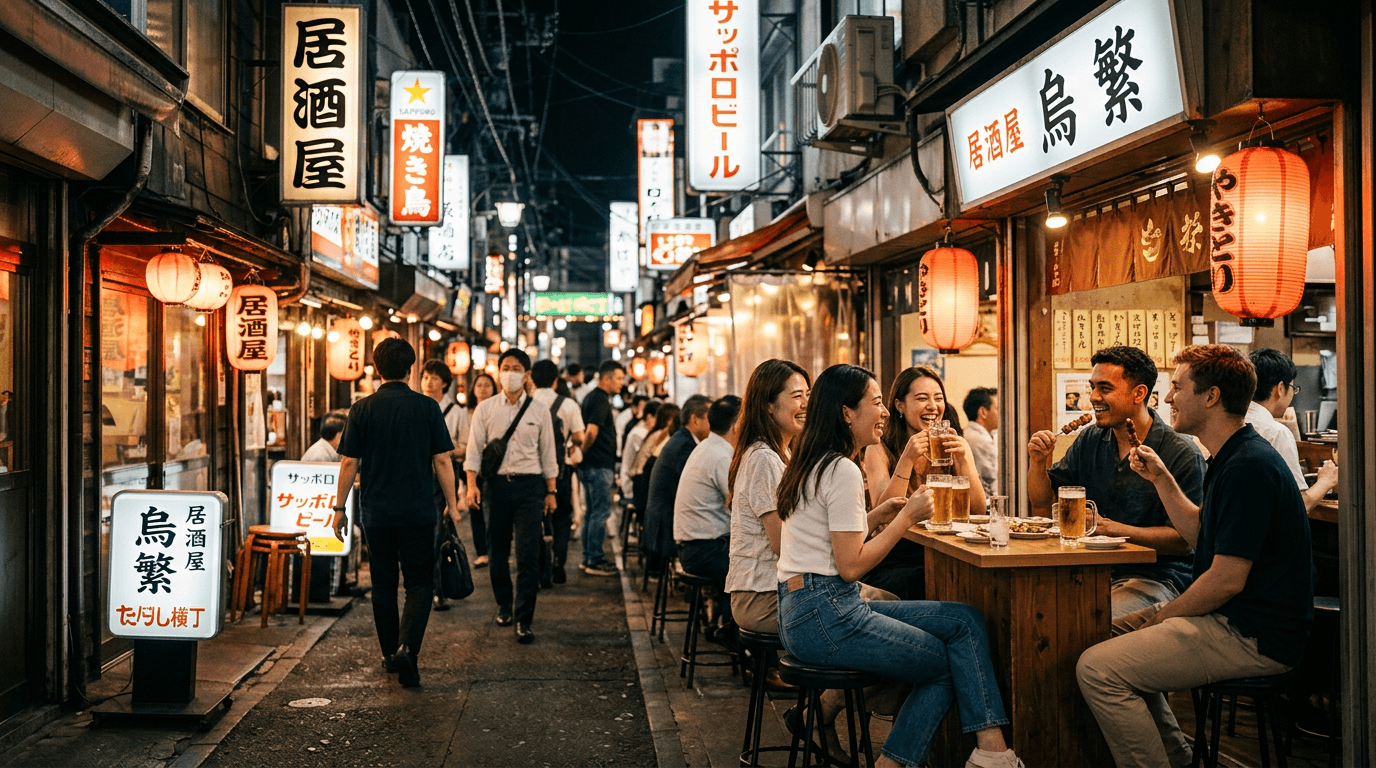
The absolute best things to do at night in Tokyo range from gazing over the neon-drenched metropolis from an observation deck like Shibuya Sky to getting lost in the lantern-lit alleyways of Shinjuku's Golden Gai for an authentic bar experience. This city truly comes alive after dark, offering a dazzling array of activities for every type of traveler, whether you're seeking futuristic digital art, traditional culinary adventures, or high-energy entertainment.
When the sun sets over the world's largest metropolis, a new city awakens. Tokyo at night is a breathtaking spectacle of glowing neon, bustling crowds, and endless possibilities. It's a place where ancient traditions coexist with hyper-modern trends, creating a nocturnal playground unlike any other. From the towering skyscrapers of Shinjuku to the quiet, lantern-lit paths of a historic temple, the city offers a different personality after dark. This guide is your ultimate key, crafted by locals who have spent countless nights exploring every corner. We're here to take you beyond the typical tourist trails and show you the real heart of Tokyo after hours. Prepare to discover everything from sophisticated cocktail bars to raucous arcades, ensuring your nights in Tokyo are just as unforgettable as your days.
Our Top 5 Unmissable Tokyo Night Experiences (For First-Timers & Quick Trips)
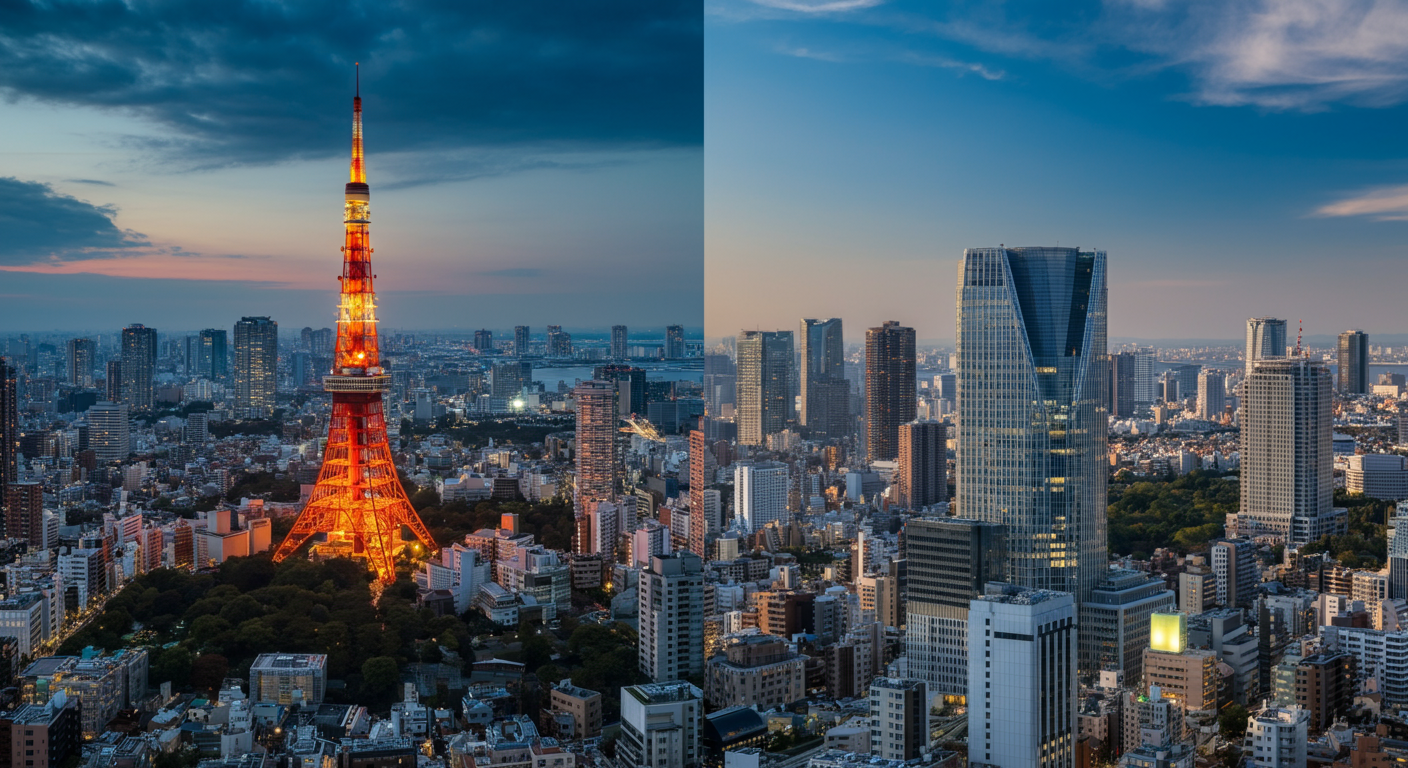
If you're short on time or experiencing Tokyo for the first time, this is your essential checklist. These five experiences capture the quintessential energy, beauty, and delightful absurdity of Tokyo after dark, providing a perfect snapshot of what makes this city's nightlife so legendary. Our Gidly team has handpicked these activities as the absolute must-dos that deliver maximum impact and create lasting memories. They represent a fantastic cross-section of the city's offerings, from jaw-dropping views and historic drinking dens to futuristic art and a cultural obsession with singing. You could do all five in a whirlwind 48-hour trip or spread them out to savor each moment. Think of this as your starting line for a grand adventure into Tokyo's nocturnal wonderland, a curated list designed to give you the most iconic and memorable moments possible.
1. Gaze Over the Metropolis from Shibuya Sky: The 360° View Above the Scramble
For a view that will genuinely take your breath away, nothing in Tokyo currently compares to Shibuya Sky. Perched atop the Shibuya Scramble Square tower, this observation deck is more than just a high place; it's a full-blown experience. The journey begins with a futuristic elevator ride that transports you to the 46th floor. From there, you ascend an escalator through a dazzling light-filled atrium to the main event: the "Sky Edge," an open-air corner that offers an unparalleled, glass-enclosed view directly over the world-famous Shibuya Crossing. Watching thousands of people and countless vehicles flow like rivers of light is mesmerizing. The 360-degree rooftop deck provides unobstructed panoramic views of the entire city, with landmarks like the Tokyo Tower and Skytree visible on clear nights. It's an incredible spot for photos, with thoughtful design elements like hammocks for cloud-gazing and a helipad that offers a completely open view of the sky. Our team recommends booking your tickets online in advance for a specific time slot, especially for sunset, which is the most popular (and magical) time to visit.
2. Get Lost in Shinjuku's Golden Gai: A Labyrinth of Tiny, Post-War Bars
Step back in time as you navigate the six narrow, atmospheric alleyways of Shinjuku's Golden Gai. This compact district is a preserved pocket of post-war Tokyo, crammed with over 200 tiny bars, some so small they can only seat five or six people. Each bar has its own unique theme, décor, and clientele, from punk rock dens and movie-themed hideouts to quiet, sophisticated nooks run by the same "mama-san" for decades. The experience is intimate and utterly unique. Don't be intimidated by the small doors and steep staircases; while some bars are members-only, many are welcoming to tourists, often indicated by an English menu or sign outside. Be aware that most places have a cover charge (called otoshi or sekiryo), which usually includes a small appetizer. Our advice is to wander, peek into doorways, and pick a place that catches your eye. You're not just going for a drink; you're stepping into a piece of living history and likely to strike up a conversation with fellow patrons or the charismatic owner.
3. Immerse Yourself in Digital Art at teamLab Borderless
Prepare to have your senses completely overwhelmed at teamLab Borderless. Now located in the brand new Azabudai Hills, this world-renowned digital art museum is a must-visit. It’s not a traditional museum where you passively observe art; here, you are part of the art. The 'borderless' concept means the artworks flow from room to room, interact with each other, and respond to your presence. You'll wander through fields of digital flowers that bloom and decay around your feet, get caught in a cascade of shimmering crystal lights, and interact with creatures made of light that swim across the walls. The experience is different for every visitor and changes with every visit. It's a fantastic night activity as it's entirely indoors and offers a surreal escape from the city outside. Allow at least 2-3 hours to explore, as it’s easy to lose track of time in this captivating world. Gidly's advice is to wear comfortable shoes as you'll be doing a lot of walking, and consider wearing white or light-colored clothing to become a better canvas for the light projections.
4. Experience an Authentic Izakaya in a Classic 'Yokocho' (Alleyway)
An evening in Tokyo isn't complete without visiting an izakaya, the Japanese equivalent of a pub or tavern. For the most authentic experience, head to a yokocho (side alley). While Golden Gai is famous, Shinjuku's Omoide Yokocho (often called 'Piss Alley', though it's much cleaner now!) or Shibuya's Nonbei Yokocho ('Drunkard's Alley') offer a more food-focused experience. These smoky, lantern-lit alleys are packed with tiny restaurants serving up delicious, unpretentious food like yakitori (grilled chicken skewers), motsuni (offal stew), and other classic izakaya fare. Squeeze onto a small stool at a counter, order a draft beer (nama biiru) or a highball, and point at what looks good. The atmosphere is lively, friendly, and a fantastic way to rub shoulders with locals. It's a true sensory experience—the smell of grilling meat, the clatter of dishes, the buzz of conversation—that perfectly encapsulates the casual, after-work culture of Tokyo.
5. Sing Your Heart Out at a High-Tech Karaoke Box
Karaoke isn't just a drunken pastime in Japan; it's a national sport and a deeply ingrained part of the social fabric. Forget singing in front of strangers in a crowded bar. In Tokyo, karaoke is done in private rooms, or "karaoke boxes," that you rent by the hour. Major chains like Karaoke Kan, Big Echo, and Joysound are everywhere and offer a surprisingly high-tech and comfortable experience. You'll get a private, soundproofed room with a plush sofa, a massive screen, two microphones, and a tablet to select from a staggering library of Japanese and international songs. You can order food and drinks directly to your room via a telephone. It's the perfect activity for a group of friends, a fun date, or even a solo session to unleash your inner rock star. Many places offer nomihodai (all-you-can-drink) packages, making it a cost-effective way to spend a few hours, especially on a rainy night.
Choosing Your View: Tokyo's Best Observation Decks Compared
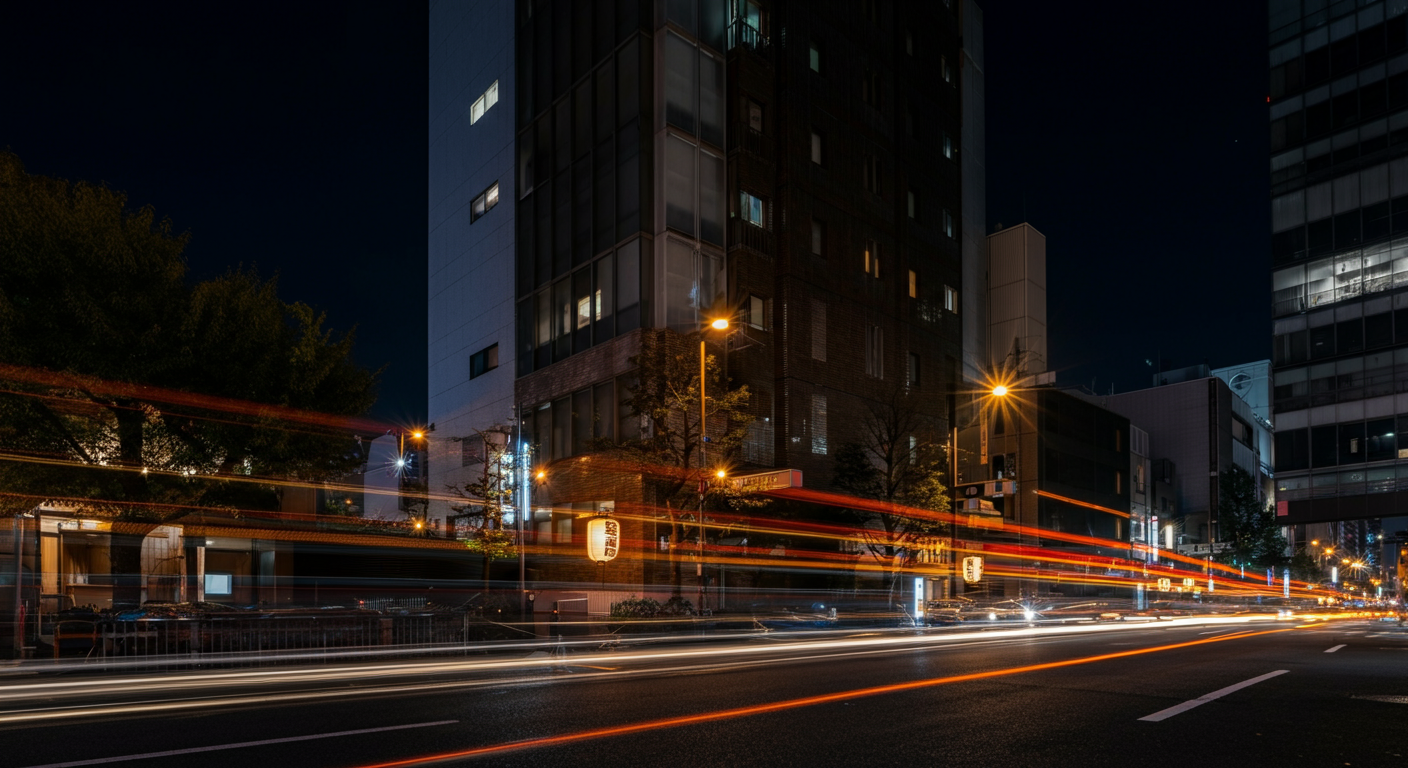
Deciding which observation deck to visit can be a challenge, as Tokyo offers several world-class options, each with its own unique charm and perspective. Your choice depends on what you value most: the highest view, the most iconic photo op, a trendy open-air experience, or a combination of art and cityscape. The city's skyline is a vast, glittering tapestry, and where you choose to see it from will fundamentally shape your memory of it. Our team has visited them all, at different times of day and in different weather, to give you the ultimate breakdown. We'll compare the big four—Skytree, Shibuya Sky, Tokyo Tower, and the Mori Tower—to help you pick the perfect perch for your Tokyo night adventure. We'll look at the view, the vibe, the cost, and the overall experience to ensure you invest your time and money wisely for that jaw-dropping panorama.
Tokyo Skytree: The Tallest View in Japan
The Tokyo Skytree is the undisputed king of height. As the tallest structure in Japan, its observation decks offer a view that is simply unparalleled in its scale. From the main Tembo Deck at 350 meters, the city sprawls out like a circuit board. For an extra fee, you can ascend to the Tembo Galleria at a dizzying 450 meters, a spiraling glass-enclosed ramp that makes you feel like you're walking in the sky. The view is so vast that on a clear day (or night), you can see the entire Kanto region. The downside is that its location in Sumida, slightly east of the main city center, means that major landmarks like the Shinjuku skyscrapers can feel a bit distant. It's best for those who want the bragging rights of visiting the tallest tower and appreciate a truly macro, map-like perspective of the city's immense scale. The experience is modern, polished, and very well-organized, but can feel a bit less central to the action compared to other decks.
Shibuya Sky: The Trendiest Open-Air Deck
Shibuya Sky has quickly become the hottest ticket in town, and for good reason. Its prime location directly above Shibuya Station gives it the most dynamic and energetic view in Tokyo. The highlight is the "Sky Stage" rooftop, an open-air deck that delivers a thrilling, windswept 360-degree panorama. Looking down on the famous Shibuya Scramble Crossing is a signature experience you won't find anywhere else. The design is sleek, modern, and highly photogenic, with glass corners, hammocks, and an overall sophisticated, 'Instagrammable' vibe. The indoor gallery on the 46th floor is also excellent, offering shelter on windy days without compromising the view. It’s best for trend-conscious travelers, photographers, and anyone who wants to feel the pulse of the city from above. The open-air element makes it feel more immediate and exciting than the enclosed decks, though it does mean it can be subject to weather closures.
Tokyo Tower: The Iconic Classic
The Tokyo Tower is the Eiffel Tower-inspired icon that has defined the city's skyline since 1958. What makes a visit here so special is that the Tokyo Tower is *in* your photos of the skyline from other decks, but from here, you're inside the icon itself. The view from its decks (the Main Deck at 150m and the Top Deck at 250m) is more intimate and central than the Skytree. You're nestled amongst the towers of Minato ward, with a fantastic view towards Roppongi Hills and the Rainbow Bridge. There's a nostalgic, retro charm to the experience. Seeing the city from this classic landmark feels fundamentally 'Tokyo'. It's best for romantics, first-time visitors who want to experience a piece of history, and those who want a great view that includes the modern Skytree in the distance. The lower height also means you feel more connected to the city streets below.
Roppongi Hills Mori Tower: The Art Lover's View
The observation deck at the Roppongi Hills Mori Tower, known as the Tokyo City View, offers one of the best value propositions. A ticket typically includes access not only to the stunning indoor observation deck but also to the world-class Mori Art Museum on the 53rd floor. This makes it the perfect choice for art lovers and those looking to combine cultural enrichment with breathtaking views. The view itself is spectacular, with a front-and-center look at the iconic Tokyo Tower, especially beautiful when it’s lit up at night. For an extra fee, you can access the open-air Sky Deck on the roof, which offers a fantastic, breezy experience similar to Shibuya Sky but often with fewer crowds. It's best for cultured travelers and anyone looking for a "two-for-one" experience. The combination of incredible art followed by an equally incredible view of the city makes for a truly sophisticated and memorable evening.
Comparison Table: Price vs. View vs. Wait Times vs. Photo Policy
| Observation Deck | Approx. Price (Adult) | Key View Feature | Vibe & Best For |
|---|---|---|---|
| Tokyo Skytree | ¥2,100 - ¥4,000 | Highest, most expansive, map-like view. | Modern & Polished. Best for those seeking the ultimate height and a vast perspective. |
| Shibuya Sky | ¥2,200 (Online) | Open-air rooftop, view of Shibuya Crossing. | Trendy & Energetic. Best for photographers and feeling the city's pulse. |
| Tokyo Tower | ¥1,200 - ¥3,000 | Iconic, central view from within a landmark. | Nostalgic & Classic. Best for romantics and first-timers wanting a historic experience. |
| Roppongi Hills Mori Tower | ¥2,000 - ¥2,500 | Prime view of Tokyo Tower, includes art museum. | Sophisticated & Cultural. Best for art lovers and value seekers. |
| Tokyo Metro. Govt. Bldg. | Free | Excellent western view towards Mt. Fuji (day). | Practical & No-Frills. Best for budget travelers and a fantastic free option. |
For a Romantic Evening: Unforgettable Date Night Ideas
Tokyo is a city built for romance, where dazzling cityscapes, hidden alleyways, and world-class cuisine create the perfect backdrop for a memorable date night. Whether you're planning a first date, celebrating an anniversary, or simply want a special night out with your partner, the city offers a spectrum of options from extravagant to intimately cozy. The key is finding an experience that matches your style as a couple. Do you connect over breathtaking views and fine dining, or do you prefer discovering a quiet, hidden gem where you can talk for hours? Our Gidly team, full of hopeless romantics, has scoured the city for the most enchanting experiences. We've sipped cocktails in sky-high bars, strolled through illuminated gardens, and found the coziest corners for two. Here are our top recommendations for an unforgettable romantic evening in Tokyo.
Upscale Dining with a View in Ginza or Marunouchi
For a truly show-stopping date, nothing beats a fine dining experience with a panoramic view of the Tokyo skyline. The districts of Ginza and Marunouchi are epicenters of culinary excellence, boasting numerous restaurants perched on the top floors of skyscrapers and luxury hotels. Imagine savoring exquisite French, Italian, or contemporary Japanese cuisine while the lights of the city glitter below. In Marunouchi, the area around Tokyo Station offers stunning views of the beautifully illuminated station building and the Imperial Palace grounds. Restaurants like Peter at The Peninsula Tokyo offer grilled specialties with jaw-dropping vistas. In Ginza, you'll find a constellation of Michelin-starred establishments and chic hotel restaurants. While this is certainly a splurge, the combination of impeccable service, masterful cooking, and a dazzling backdrop makes for a milestone-worthy romantic evening that you'll be talking about for years. Reservations are essential, often weeks or even months in advance for the top spots.
A Stroll Through an Illuminated Garden (Rikugien or Shinjuku Gyoen in season)
For a more serene and uniquely Japanese romantic experience, time your visit with one of the city's seasonal garden illuminations. During cherry blossom season in spring, and again for the autumn leaves (momiji) season, gardens like Rikugien and Shinjuku Gyoen extend their hours and light up their most beautiful trees. This is known as yozakura (night cherry blossoms) in the spring. Strolling hand-in-hand along lantern-lit paths, with ancient trees and reflective ponds magically illuminated, is an incredibly romantic and peaceful experience. Rikugien Garden, a classic Edo-period strolling garden, is particularly famous for its spectacular weeping cherry tree, which looks like a pink waterfall under the lights. It's a beautiful, and often more affordable, alternative to a bustling dinner, offering quiet moments of connection amidst breathtaking natural beauty enhanced by artful lighting. Always check the official garden websites for specific dates and times, as these events are highly seasonal and weather-dependent.
Sipping Cocktails at a Sophisticated Rooftop Bar (e.g., Park Hyatt's New York Bar)
Channel your inner Bill Murray and Scarlett Johansson with a visit to the legendary New York Bar on the 52nd floor of the Park Hyatt Tokyo. Made famous by the film "Lost in Translation," it lives up to the hype with its floor-to-ceiling windows, live jazz music, and sophisticated ambiance. It’s the quintessential Tokyo 'wow' moment. While this is the most famous, Tokyo is brimming with incredible hotel bars. The Rooftop Bar at Andaz Tokyo offers a stunning open-air terrace with views of Tokyo Tower, while The Lobby Lounge at The Ritz-Carlton provides an elegant setting for drinks. These places are not just about the cocktails (which are expertly crafted); they are about the entire experience—the hushed atmosphere, the impeccable service, and the feeling of being suspended above the world's most vibrant city. Be prepared for a cover charge (especially if there's live music) and a smart-casual dress code. It's the perfect way to start or end a romantic evening.
An Evening Boat Cruise on the Sumida River or Tokyo Bay
See Tokyo from a completely different perspective with a romantic evening cruise. Drifting along the Sumida River or out into Tokyo Bay as the city's bridges and waterfront buildings light up is a magical experience. Several companies offer dinner cruises, known as yakatabune, on traditional-style boats decorated with lanterns. These often include a full course meal of Japanese delicacies like tempura and sashimi, along with drinks. You can sit on tatami mats and gaze out the window as you pass landmarks like the Rainbow Bridge and the Tokyo Skytree. For a simpler option, you can take one of the futuristic-looking "water bus" ferries operated by the Tokyo Cruise Ship Company for a shorter trip down the river. Seeing the skyline reflected on the water, feeling the gentle breeze, and escaping the city's hustle and bustle for an hour or two provides a unique and intimate setting for a memorable date.
Finding a Cozy, Two-Person Bar in Ebisu or Daikanyama
Sometimes the most romantic nights aren't about grand views, but about intimate conversations in a hidden corner. The stylish neighborhoods of Ebisu and Daikanyama are perfect for this. These areas are less chaotic than Shibuya or Shinjuku and are filled with charming, sophisticated, and often tiny bars perfect for two. Explore the backstreets to find specialist whiskey bars, wine bars with curated lists, or cocktail dens where the bartender is a true artist. Bar Trench in Ebisu, for example, is famous for its absinthe and herbal cocktails and has a wonderfully intimate, vintage-inspired atmosphere. These are the kinds of places where you can sit at the bar, watch a master at work, and enjoy a quiet conversation. The thrill is in the discovery, and stumbling upon your own "special place" is a romantic adventure in itself. This is a more relaxed, spontaneous approach to a date night that feels authentically local.
Fun for the Whole Family: Kid-Friendly Tokyo Nights
Tokyo's reputation as a bustling metropolis might not immediately scream "family-friendly," but after dark, the city transforms into a wonderland that can captivate kids and parents alike. The key to a successful family night out is choosing activities that are high-energy, visually stimulating, and offer something for everyone. From thrilling amusement park rides under the city lights to battling aliens in a giant arcade, Tokyo provides a unique playground for families once the sun goes down. The Gidly team, including our own parents, has tested these spots to ensure they are safe, fun, and create those core family memories. Forget early bedtimes; in Tokyo, some of the best family adventures begin at dusk. Here's how to keep the little ones (and the not-so-little ones) entertained all evening long.
Tokyo Dome City: Rollercoasters, Illuminations, and Entertainment
Tokyo Dome City is a one-stop entertainment complex that truly shines at night. The best part? Entry to the park itself is free; you simply pay for the rides and attractions you want to experience. The centerpiece is the Thunder Dolphin rollercoaster, which thrillingly weaves through the buildings of the complex, including passing through a hole in the LaQua building. For younger kids, there's a beautiful carousel and other gentler rides. The entire area is beautifully lit up, especially during the winter illumination season, which turns the grounds into a magical landscape of light. Beyond the rides, you'll find the TeNQ Space Museum, a bowling alley, and dozens of restaurants. It's an easy, contained, and exciting environment for a family evening, offering enough variety to keep everyone from toddlers to teenagers happy. You can spend an hour or an entire evening here without ever getting bored.
Themed Restaurants and Cafes: From Ninjas to Kawaii Monsters
Turn dinnertime into a full-blown entertainment experience by visiting one of Tokyo's famous themed restaurants. These aren't just about the food; they're about immersive, theatrical fun that kids will adore. At Ninja Akasaka, you'll be led through secret passages by a ninja guide to your private dining "dojo" where you'll be served "magical" dishes with dramatic flair. Or, dive into the world of "cute" at the Kawaii Monster Cafe in Harajuku (check for reopening status/new locations as it evolves), a psychedelic explosion of color, costumed characters, and over-the-top desserts. There are also cafes dedicated to popular characters like Pokémon and Hello Kitty. These experiences can be a bit gimmicky for adults, but for children, they are pure magic. The look on their faces as a ninja appears from the ceiling or a giant monster performer starts a show is priceless. Reservations are highly recommended for the most popular spots.
Giant Arcades in Akihabara & Shinjuku (Taito Station, GiGO)
Step into the cacophony of light and sound that is a Japanese arcade, or "game center." These multi-story buildings are sensory wonderlands for kids and teens. The ground floors are typically filled with UFO catchers (crane games) packed with adorable plushies and prizes. As you ascend, you'll find rhythm games like Taiko no Tatsujin (drumming), high-speed racing games, fighting games, and photo booths (purikura) that let you decorate your photos with cute stickers. Major chains like Taito Station and GiGO (formerly SEGA arcades) have huge outposts in Akihabara and Shinjuku. It's a loud, high-energy environment where you can give the kids a budget of ¥1,000 each and let them explore. It’s a fantastic way to burn off any remaining energy before heading back to the hotel and a classic Tokyo experience that feels straight out of a movie.
Evening Views from a Family-Friendly Spot like the Tokyo Metropolitan Government Building
Want the thrill of a skyscraper view without the high ticket price or the need to keep kids perfectly quiet in a fancy bar? The Tokyo Metropolitan Government Building in Shinjuku is the perfect solution. The observation decks are completely free and offer a stunning 202-meter-high view of the city. Kids will love spotting landmarks and watching the endless sea of lights. The atmosphere is much more relaxed and family-friendly than the paid observation decks, and there's a cafe and gift shop for souvenirs. It's a great way to give your family a sense of the sheer scale of Tokyo. The North Tower observatory is typically open until 10:00 PM, making it an easy and impressive addition to your evening itinerary. It’s an educational and awe-inspiring experience that won't break the bank, leaving more in the budget for toys and treats.
Special Night Events at Sanrio Puroland or other theme parks (check schedules)
Many of Tokyo's theme parks offer special evening events or extended hours, particularly during holidays or peak seasons. Sanrio Puroland, the indoor theme park dedicated to Hello Kitty and her friends, sometimes hosts special "after 5" tickets and evening parades with dazzling light shows that are utterly enchanting for young children. Similarly, parks like Tokyo Disneyland and DisneySea have their famous nighttime parades and fireworks spectaculars that are the highlight of any visit. Even smaller parks or attractions may have seasonal illuminations. The key is to check the official websites for the parks you're interested in before your trip. These evening events are often less crowded than the daytime, offer a different, more magical atmosphere, and can be a fantastic way to experience the parks with your family.
For the Squad: Epic Group Activities & Nights Out with Friends
Tokyo is a phenomenal city to explore with a group of friends, offering a vast playground for shared experiences and unforgettable nights out. The city's social fabric is woven with activities designed for groups, from communal dining to team-based entertainment. Whether your squad is looking to dive into the raucous energy of the city's nightlife, engage in some friendly competition, or just find the perfect spot for great food and conversation, Tokyo has you covered. The Gidly team knows that planning for a group can be tough, so we've put together a list of can't-miss activities that are perfect for sharing. These are the experiences that will have you laughing, cheering, and creating stories you'll retell for years. So gather your friends, it's time to take on Tokyo's nightlife together.
Izakaya Hopping in Shinjuku's Omoide Yokocho ('Piss Alley')
There is no better group activity for food-loving friends than an evening of izakaya hopping. Omoide Yokocho, a network of tight alleyways near Shinjuku Station's west exit, is the perfect starting point. The name might be unappealing, but the experience is pure gold. The air is thick with the smoke from countless grills cooking up yakitori (chicken skewers), the signature dish of the area. Squeeze your group onto the small stools of a tiny eatery, order rounds of skewers, draft beer, and highballs, and soak in the buzzing, post-war atmosphere. The beauty of izakaya hopping is that you don't commit to one place. Have a couple of dishes and a drink, then move on to the next spot that catches your eye. It's a dynamic and social way to eat, allowing everyone to try different things and experience a variety of tiny, character-filled establishments. It’s a quintessential Tokyo experience that’s best enjoyed with a lively group.
All-You-Can-Drink (Nomihodai) Karaoke Packages
Karaoke is fun solo, but it's an absolute blast with a group of friends. Renting a private room means you can sing your hearts out without any judgment. To elevate the experience, look for nomihodai (all-you-can-drink) packages. For a fixed price per hour or for a set period, your group gets unlimited access to a menu of drinks, ranging from soft drinks to beers, highballs, and basic cocktails. This is an incredibly cost-effective and fun way to spend an evening. Someone from your group will be the designated song selector, another will be the tambourine master, and everyone will get their moment in the spotlight. The songbooks are massive, with all the latest hits and classic anthems in multiple languages. It’s a guaranteed recipe for laughter, bonding, and some truly epic (or epically bad) vocal performances. Major chains like Big Echo and Karaoke Kan are easy to find and offer these packages.
Battle it Out at a VR Park or a Late-Night Bowling Alley (Round1)
Inject some friendly competition into your night out. Tokyo's entertainment complexes offer fantastic options for groups. VR parks like VR Park TOKYO in Shibuya allow your squad to team up to fight zombies, race against each other in virtual reality, or tackle other immersive challenges. It's a futuristic and exhilarating experience that is best shared. Alternatively, go for a classic: late-night bowling. Chains like Round1 are open late (some 24 hours) and offer a party atmosphere with glowing lanes, music, and food and drink service. It's a simple, universally fun activity that gets everyone involved. These competitive but low-stakes games are a great icebreaker if you have a mixed group and a fantastic way to build camaraderie before heading out for more drinks or food. The shared thrill of victory (or the collective groan of defeat) is a powerful bonding agent.
Exploring the Energetic Club Scene in Shibuya or Roppongi
If your group is ready to dance the night away, Tokyo's club scene delivers. The two main hubs are Shibuya and Roppongi, each offering a different vibe. Shibuya is the heart of youth culture, with clubs like Womb, Contact, and WOMB boasting world-class sound systems and hosting internationally renowned DJs playing techno, house, and electronic music. The crowd is trendy and energetic. Roppongi, on the other hand, has a more international feel, with a mix of larger, multi-floor clubs and smaller bars catering to a diverse crowd of locals, expats, and tourists. It can be more mainstream in its music policy, with more hip-hop and Top 40 hits. When going as a group, it’s a good idea to pick a meeting point inside the club in case you get separated. Be prepared for cover charges (often higher for men) which usually include a drink ticket. For a safe and epic night of dancing, these districts are your go-to.
Joining a Guided Pub Crawl to Meet Other Travelers
If your group is looking to expand its circle and meet other like-minded people from around the world, joining a guided pub crawl is an excellent choice. Companies like Tokyo Pub Crawl organize events that take you to several different bars and a club over the course of one night. The price usually includes free shots at each bar, drink discounts, and entry to the final club. It's a fantastic way to explore the nightlife of a district like Roppongi or Shibuya without having to do any of the planning yourself. The guides are experts at breaking the ice and getting everyone mingling with games and activities. This is an especially great option for smaller groups or those who are new to the city and want a safe, structured way to experience the nightlife while making new friends. It takes the pressure off and guarantees a lively, social evening.
Tokyo on a Budget: The Best Free & Cheap Things to Do at Night
Tokyo has a reputation for being an expensive city, but experiencing its incredible nightlife doesn't have to drain your wallet. In fact, some of the most iconic and memorable nighttime experiences are completely free or surprisingly cheap. From the sensory overload of its neon-lit streets to the serene beauty of an illuminated temple, budget-conscious travelers have a wealth of options. The key is to know where to look and to embrace the simple pleasures that the city offers in abundance. Our Gidly team loves a good deal, and we've spent countless hours uncovering the best ways to soak in the atmosphere of Tokyo after dark without spending a fortune. So put your wallet away for a bit and get ready to explore the city's nocturnal charm on a shoestring budget.
How can you enjoy Tokyo at night for free?
You can easily enjoy Tokyo at night for free by immersing yourself in its vibrant street life. Witness the organized chaos of Shibuya Crossing, go "neon hunting" in the dazzling streets of Shinjuku and Akihabara, and visit the beautifully illuminated Senso-ji Temple in Asakusa when the crowds have thinned. Additionally, the observation deck at the Tokyo Metropolitan Government Building offers breathtaking panoramic views of the city's lights at no cost. These experiences capture the essence of Tokyo's energy without costing a single yen. There's a whole world of free entertainment just waiting to be discovered by simply walking through the city's most dynamic neighborhoods.
Witness the Spectacle of Shibuya Crossing from the Starbucks Overlook
The Shibuya Scramble Crossing is one of the most iconic sights in the world, and watching it is a mesmerizing, free show. Every time the traffic lights turn red, a wave of humanity floods the intersection from all directions in a display of organized chaos. While you can experience it by walking through it, the best vantage point is from above. The Starbucks in the Tsutaya building on the north side of the crossing has a second-floor seating area with a massive window that looks directly over the intersection. While it’s courteous to buy a drink if you want to sit, you can also just stand at the back and watch for a few cycles of the lights. It's the perfect place to appreciate the scale and energy of the crossing, especially at night when it's illuminated by giant video screens and neon signs. It’s people-watching on an epic scale and a quintessential Tokyo experience.
Go Neon Hunting in Shinjuku, Akihabara, and Ginza
Tokyo's neon signs are an art form in themselves. A "neon hunt" is simply a walk through the city's most brilliantly lit districts, and it's one of the best free activities you can do at night. Start in Shinjuku, particularly around the East Exit of the station and the entrance to Kabukicho. The sheer density and scale of the signs are mind-boggling. Next, head to Akihabara, "Electric Town," where the neon signs are often adorned with anime and video game characters, creating a unique otaku-culture-infused glow. Finally, for a different flavor, stroll through Ginza. Here, the neon is more sophisticated, with sleek, high-end brand logos and artfully designed light displays on the facades of department stores and boutiques. Each district has its own visual language, and exploring them by foot is like walking through a free, open-air museum of light and graphic design.
Have a Night Picnic in Ueno Park or Yoyogi Park
For a cheap and cheerful evening, do as the locals do and have a night picnic. First, stop by a konbini (convenience store) like 7-Eleven, FamilyMart, or Lawson. You’ll be amazed by the quality and variety of food on offer. You can assemble a delicious and satisfying meal for under ¥1,000, including onigiri (rice balls), sandwiches, fried chicken (famously good!), salads, and a huge selection of drinks (including alcoholic ones). Then, find a nice spot in a park. Ueno Park is a great option, as it's well-lit and generally feels safe. Yoyogi Park, near Harajuku, is another popular spot, often with groups of people practicing dance moves or playing music. It's a wonderfully relaxed, local way to spend an evening, enjoying good food and good company under the Tokyo sky, and it's as cheap as you want to make it.
Visit Senso-ji Temple in Asakusa After Dark (Illuminated & Crowd-Free)
During the day, Senso-ji Temple in Asakusa is one of Tokyo's busiest tourist spots. But at night, it transforms into a place of serene beauty. While the main temple building closes, the temple grounds remain open, and all the main structures, including the iconic Kaminarimon (Thunder Gate), the five-story pagoda, and the Hozomon Gate, are beautifully illuminated until around 11 PM. The Nakamise-dori shopping street leading to the temple is closed, but the shuttered storefronts are decorated with beautiful seasonal paintings, creating a long, open-air art gallery. With the crowds gone, you can wander the grounds in peace, appreciate the architecture, and take stunning photos. It's a completely different, more spiritual and atmospheric experience than visiting during the chaotic daytime hours, and it costs absolutely nothing.
Explore the Floors of Don Quijote, the Ultimate Discount Store
A visit to Don Quijote (affectionately known as "Donki") is a chaotic, overwhelming, and uniquely Japanese experience. These multi-story discount stores are packed to the rafters with an unbelievable variety of products, from snacks and cosmetics to electronics, costumes, and luxury goods. The aisles are narrow, the shelves are overflowing, and the catchy theme song plays on a loop. Exploring a Don Quijote at night (many are open 24 hours) is an adventure in itself. You can spend hours just browsing the bizarre and wonderful items on offer. It's the perfect place to hunt for cheap and quirky souvenirs, stock up on Japanese snacks, or simply be amazed by the sheer volume of stuff. It's part store, part museum of modern Japanese consumer culture, and wandering its aisles is a free and fascinating way to spend an hour or two.
For the Solo Traveler: Safe & Engaging Nighttime Adventures
Tokyo is arguably one of the best cities in the world for solo travel, and that holds true even after the sun goes down. Thanks to its incredible safety record and a culture that values individual experiences, exploring Tokyo alone at night is not only easy but also deeply rewarding. The city is filled with activities and spaces that are perfectly suited for one, from counter-style restaurants to quiet, contemplative spots. Traveling solo gives you the ultimate freedom to follow your own interests and curiosities at your own pace. You can dive deep into a niche hobby, lose yourself in a book, or simply observe the city's fascinating rhythm. Our Gidly team, many of whom have explored the city solo, have curated this list of safe, engaging, and non-intimidating activities for your independent night out in Tokyo.
Master the Art of a Solo Meal at a Counter-Seating Ramen Shop
Dining alone is not just accepted in Japan; it's an art form. Many restaurants are designed specifically for individual diners, and there's no better place to experience this than at a classic ramen shop. Look for places with a long wooden counter facing the open kitchen. You'll often order from a vending machine at the entrance, receive a ticket, and hand it to the chef—a process that requires minimal conversation. Then, you can sit back and watch the chefs expertly assemble your bowl of steaming, flavorful noodles. It's a dinner and a show. Famous chains like Ichiran Ramen take this even further, with "flavor concentration booths" that offer a private cubicle for you to enjoy your ramen without any distractions. It’s a delicious, affordable, and comforting solo dining experience that is quintessentially Japanese. You are there for one purpose: to savor every last drop of that incredible broth.
Relax and Recharge at a Local Sento (Public Bathhouse) or Super Sento
After a long day of exploring, there's no better way to relax and recharge than by visiting a Japanese bathhouse. There are two main types: the local sento and the larger super sento. A local sento is a neighborhood institution, a simple place with hot baths for bathing and socializing, offering a truly authentic glimpse into daily life. A super sento is a larger, resort-like facility, often with a variety of indoor and outdoor baths (including some with natural hot spring water, known as onsen), saunas, relaxation rooms, and restaurants. Places like Spa LaQua at Tokyo Dome City or Thermae-Yu in Shinjuku are open late and are perfect for a solo traveler. It's a wonderful way to unwind, soothe tired muscles, and enjoy a few hours of quiet contemplation. Be sure to read up on bathhouse etiquette before you go (showering before entering the baths is a must!).
Catch a Late-Night Movie in a High-Tech Toho Cinema
Sometimes, all you want is to escape into a good movie. Tokyo's cinemas, particularly the major chains like Toho Cinemas, offer a world-class movie-going experience that is perfect for a solo night out. The audio-visual quality is typically outstanding, with options for IMAX and 4DX (which adds motion, scents, and weather effects to the experience). Seats are reserved, so you can book your perfect spot online in advance. The theaters are clean, the audiences are respectful (no talking or phone use!), and you can grab some unique Japanese movie snacks like flavored popcorn or crepes. Many cinemas have late-night showings, making it a great option for after dinner. It's a comfortable, easy, and entertaining way to spend an evening alone, whether you're catching a Hollywood blockbuster or a Japanese anime film.
Browse the Shelves at a Multi-Story Bookstore like Tsutaya
A giant bookstore can be a wonderfully comforting and engaging place to spend an evening alone. Tokyo is home to some of the world's most impressive bookstores. The Shibuya Tsutaya, located in the building overlooking the Scramble Crossing, is a seven-story behemoth with a vast selection of books, music, and a Starbucks with that famous view. For a more curated and stylish experience, head to the Daikanyama T-Site, a beautifully designed complex of interconnected buildings that houses a stunning bookstore, a lounge, and cafes. You can grab a coffee, find a comfortable chair, and browse through beautiful art books, magazines from around the world, or the latest Japanese fiction. It's a peaceful and intellectually stimulating way to spend a few hours, surrounded by the quiet energy of fellow book lovers.
Safely Enjoy a Drink at a Standing Bar (Tachinomi) or a Local Jazz Kissaten
Want to have a drink alone without feeling awkward? Tokyo has you covered. A tachinomi, or standing bar, is a casual spot where locals grab a quick drink and a snack after work. The atmosphere is unpretentious and the standing arrangement encourages brief, friendly interactions if you're open to them, but it's also perfectly normal to just enjoy your own space. Alternatively, seek out a jazz kissaten. These are old-school coffee shops or bars dedicated to the serious appreciation of jazz music. The focus is on listening to the extensive vinyl collection, often played on a high-end vintage sound system. Conversation is minimal, and the lights are low, making it the perfect spot for a solo traveler to enjoy a whiskey or a coffee and get lost in the music. It’s a sophisticated and wonderfully atmospheric way to spend an evening in your own company.
For the Team: Corporate Outings & Team Building After Hours
Organizing a corporate outing or team-building event in Tokyo offers a unique opportunity to bond with colleagues in one of the world's most dynamic urban environments. Moving beyond the boardroom and into the city's vibrant nightlife can foster camaraderie and create shared experiences that boost morale and teamwork. The key is to find activities that are engaging, cater to a group, and provide a comfortable setting for professional networking and relaxation. From private dining rooms that allow for easy conversation to friendly competitions that encourage teamwork, Tokyo's after-hours scene is well-equipped for corporate groups. Our Gidly guide for business teams focuses on options that are polished, easy to organize, and guaranteed to be a hit with your colleagues and clients.
Private Dining Rooms (Koshitsu) in upscale Izakayas
For a corporate dinner, an upscale izakaya with private dining rooms, known as koshitsu, is an ideal choice. These rooms offer the perfect balance between the lively, communal atmosphere of an izakaya and the privacy needed for team conversations or hosting clients. You can enjoy the delicious, shareable plates of modern Japanese cuisine without shouting over the noise of a main dining room. Many establishments in business districts like Marunouchi, Ginza, or Akasaka specialize in catering to corporate clients, offering set course menus (kaiseki) and all-you-can-drink (nomihodai) packages that simplify ordering and billing. This setup allows for a relaxed yet professional environment, fostering easy conversation and allowing the team to connect on a personal level outside the pressures of the office. It's a sophisticated step up from a standard restaurant, showing thoughtfulness in your planning.
Booking a block of lanes at a Bowling Alley with food/drink packages
A little friendly competition is a fantastic team-building tool, and bowling is a classic choice for a reason. It's accessible to everyone, regardless of athletic ability, and naturally encourages cheering and light-hearted rivalry. Modern bowling alleys in Tokyo, such as the Tokyo Dome Bowling Center or branches of Round1, are far from the dusty lanes of the past. They offer a sleek, fun environment with music, flashy lighting, and the option to book several lanes together for your team. Many offer corporate packages that include lane rentals, shoe hire, and food and drink service directly to your lane. This creates a self-contained party atmosphere where the team can relax, socialize, and bond over strikes and gutter balls. It's a simple, effective, and fun way to get the team interacting in a low-pressure setting.
Corporate-friendly Golf Bars or Batting Cages
For a more active and uniquely Japanese corporate outing, consider a golf bar or a batting cage. Golf is immensely popular in Japanese business culture, and indoor golf bars provide a comfortable, all-weather environment to practice your swing. Using high-tech simulators, you can "play" famous courses from around the world while enjoying drinks and food. It's a great activity for small to medium-sized groups and allows for plenty of downtime for conversation between swings. Similarly, batting cages are a fantastic way to let off some steam. You can rent a few cages for your team and see who can hit the fastest pitches. These activities are engaging, interactive, and offer a fun, competitive outlet that can help break down corporate hierarchies and encourage a more relaxed team dynamic.
A Guided Food Tour Through a Market like Tsukiji Outer Market (evening version)
While Tsukiji is famous for its morning hustle, the Outer Market has a growing number of establishments that are open in the evening, offering a different, less chaotic atmosphere. A guided food tour is an excellent corporate activity as it's structured, engaging, and takes all the guesswork out of finding the best spots. A professional guide can lead your team through the market, explaining the history and culture while stopping at various stalls to sample fresh seafood, grilled delicacies, sake, and other local treats. It’s a walking, talking, and eating event that encourages mingling and provides a shared sensory experience. This can be tailored to the group's preferences and dietary needs, making it a flexible and educational team-building option that provides a true taste of Japanese culture.
Reserving a Private Room at a high-end Karaoke establishment
Karaoke is a cornerstone of Japanese corporate life, often used to entertain clients or for team celebrations. For a corporate event, opt for a high-end karaoke establishment like LOHAS J in Ginza or a premium room at a chain like Big Echo. These venues offer more luxurious, spacious rooms with better sound systems, plusher seating, and a more extensive menu of high-quality food and premium drinks. Reserving a large private room allows the team to let their hair down in a contained and exclusive environment. It's a powerful tool for team bonding, as there's nothing quite like seeing your boss belt out a classic rock anthem to break down barriers. It encourages participation, provides a lot of laughs, and is a quintessential Japanese business entertainment experience that your team, especially any international members, will never forget.
A Neighborhood-by-Neighborhood Guide to Tokyo Nightlife
Tokyo is not one single city but a constellation of diverse cities, each with its own distinct personality, especially at night. The vibe of a night out in gritty Shinjuku is worlds away from an evening in sophisticated Ginza. Understanding the character of each neighborhood is key to crafting your perfect Tokyo night. Do you crave non-stop energy and youthful trends, or are you looking for indie music and vintage charm? Our Gidly team has spent years navigating these districts after dark, and we're here to be your guide. We'll break down the major nightlife hubs, telling you what to expect, who you'll find there, and what makes each one unique. This is your roadmap to finding the corner of Tokyo that resonates with your nighttime mood.
Shinjuku: The District That Has It All (Golden Gai, Skyscraper Bars, Red Light District)
Shinjuku is the undisputed king of Tokyo nightlife, a sprawling, multifaceted beast that truly has something for everyone. It's a city within a city. To the west of the station, you'll find the skyscraper district, home to the Tokyo Metropolitan Government Building and several luxury hotels like the Park Hyatt, which houses the famous New York Bar. Here, the nightlife is sophisticated and sky-high. The East side is the polar opposite: a chaotic, neon-drenched world of shopping, massive arcades, and the entrance to Kabukicho, Japan's largest red-light district. While it requires some street smarts, Kabukicho is also home to the Robot Restaurant, countless izakayas, and karaoke joints. Tucked away within this madness are two historical gems: the smoky, food-focused alleyways of Omoide Yokocho and the tiny, atmospheric bars of Golden Gai. Shinjuku's sheer diversity is its greatest strength; you could spend a week exploring its nightlife and only scratch the surface.
Shibuya: Youth Culture, Trendsetting Clubs & Non-Stop Energy
If Shinjuku is the king, Shibuya is the energetic crown prince. This is the heart of Japanese youth culture, a district that is constantly moving, changing, and setting trends. The epicenter is, of course, the Scramble Crossing, a symbol of the area's non-stop energy. At night, Shibuya comes alive with groups of friends heading to its many clubs, live music venues, and bars. The club scene here is arguably the best in Tokyo for electronic music enthusiasts, with legendary venues like Womb, Contact, and Vent hosting top-tier international and local DJs. Beyond the clubs, you'll find countless izakayas, trendy restaurants, and the "Drunkard's Alley" of Nonbei Yokocho for a more traditional drinking experience. Shibuya is loud, fashionable, and relentlessly vibrant, making it the perfect place for those looking to be at the center of the action and dance the night away.
Roppongi: The International Hub for Upscale Clubs & Art
Roppongi has a long-standing reputation as Tokyo's most international nightlife district, a place where expats, tourists, and locals mingle. The area is anchored by two massive, modern complexes: Roppongi Hills and Tokyo Midtown. These offer sophisticated dining, upscale shopping, art museums (like the Mori Art Museum), and chic bars. The club scene in Roppongi is more mainstream than Shibuya's, with larger venues playing a mix of EDM, hip-hop, and Top 40 hits. It's also known for its high concentration of bars and pubs catering to an English-speaking clientele. While it has a slightly notorious reputation for touts and aggressive promotions in certain areas (it's wise to be cautious), Roppongi offers a polished, accessible, and high-energy nightlife experience, particularly for those looking to party in a more international environment. It’s also the best place to find late-night fine dining and world-class art under one roof.
Ginza: Sophisticated Dining, Kabuki Theater & High-End Cocktail Bars
Ginza is Tokyo's capital of luxury and sophistication, and its nightlife reflects that. This is not the place for wild, raucous parties but for refined, elegant evenings. By night, the wide boulevards are lined with beautifully lit designer flagship stores and department stores. The entertainment here is classic and high-end. You can catch a traditional performance at the magnificent Kabuki-za Theatre, an unforgettable cultural experience. Dining is a serious affair, with a higher concentration of Michelin-starred restaurants than almost anywhere else on earth. The bar scene is legendary, known for its tiny, perfect cocktail bars where master bartenders (often in sharp suits) create liquid works of art. These are places for quiet appreciation and conversation. Ginza is where you go for a dressed-up, grown-up night out, a place to indulge in the finer things in life.
Akihabara: Electric Town's Arcades, Maid Cafes, and Otaku Culture
Akihabara, or "Akiba," offers a nightlife experience unlike any other, centered around Japan's vibrant otaku (geek) culture. When the sun sets, the entire district glows with the light from multi-story buildings covered in anime and video game advertisements. The main attractions here are the giant arcades, which are open late and filled with the sounds of a thousand different games. Another quintessential Akiba experience is the maid cafe, where waitresses in maid costumes serve food and drinks while treating customers as the "masters" of their home. It's a surreal and uniquely Japanese form of entertainment. The area is also packed with stores selling electronics, anime merchandise, and manga, many of which are open late. Akihabara's nightlife is less about drinking and dancing and more about immersing yourself in the fascinating and colorful world of Japanese pop culture.
Shimokitazawa & Koenji: Indie Music, Vintage Shops & Hipster Bars
For a taste of Tokyo's bohemian, counter-culture scene, head west to the neighborhoods of Shimokitazawa and Koenji. These are the city's hipster havens, known for their thriving independent spirit. By day, they are centers for vintage clothing and quirky雑貨 (zakka, or miscellaneous goods) shops. By night, they come alive with a different kind of energy. Both neighborhoods are packed with small, intimate live music venues showcasing everything from punk rock and indie pop to experimental noise. The bar scene is unpretentious and cool, with countless tiny, personality-driven bars, craft beer pubs, and casual eateries tucked into a maze of narrow streets. This is where you go to see the next big J-rock band in a tiny club, hunt for vinyl records, and drink with local artists and musicians. It's a more relaxed, authentic, and creative side of Tokyo nightlife, far from the polish of Ginza or the chaos of Shibuya.
For the Foodie: Your Ultimate Guide to Late-Night Dining & Drinking
In Tokyo, the line between eating and drinking is beautifully blurred, and the night is a feast waiting to happen. The city is a paradise for food lovers, and its culinary prowess doesn't stop when the sun goes down. In fact, some of the most authentic and delicious food experiences are found late at night, in smoky alleyways, bustling ramen counters, and even brightly-lit convenience stores. A night out in Tokyo is as much about the food as it is about the drinks or the entertainment. The Gidly foodie team has dedicated countless evenings (and early mornings) to researching the city's after-hours gastronomic landscape. This is your ultimate guide to eating and drinking your way through a Tokyo night like a local.
The Izakaya Explained: What to Order, Drink, and Expect (Otoshi included)
The izakaya is the backbone of Japanese nightlife. Think of it as a Japanese pub, but with food that is just as important as the drink. When you first sit down, you'll almost always be served a small appetizer you didn't order. This is the otoshi, a compulsory table charge that also functions as your seating fee. Embrace it! Common drinks to start with are a draft beer (nama biiru) or a lemon sour. The menu is designed for sharing. Don't order a whole meal for yourself; instead, order a variety of small plates for the table throughout the evening.
- Yakitori: Grilled chicken skewers. A must-try. Be adventurous and try different parts like momo (thigh), negima (thigh and leek), and tsukune (meatball).
- Karaage: Japanese fried chicken. Incredibly juicy and flavorful.
- Edamame: Boiled and salted soybeans. The perfect starter.
- Agedashi Dofu: Lightly fried tofu in a savory dashi broth.
- Sashimi: Slices of fresh raw fish. Quality can be surprisingly good even at casual places.
Yokocho Alleys: A Deep Dive into Omoide Yokocho vs. Nonbei Yokocho
For the most atmospheric dining, head to a yokocho (alleyway). While they might look similar, Tokyo's famous yokocho have distinct personalities. Omoide Yokocho (Shinjuku): Known as "Memory Lane," this is a network of two main alleys packed with tiny, often ramshackle-looking eateries. The specialty here is yakitori and motsuyaki (grilled offal). The air is thick with smoke and history. It's larger and more sprawling than other yokocho, offering more variety. It's a fantastic, gritty, and delicious experience, perfect for the adventurous foodie. You'll be sitting elbow-to-elbow with Japanese salarymen and fellow tourists, all bonded by the love of grilled meats and cold beer. Nonbei Yokocho (Shibuya): Meaning "Drunkard's Alley," this is a much smaller, more intimate lane just a stone's throw from the Shibuya Crossing chaos. It consists of a single, narrow alley with about 40 tiny bars and eateries. The vibe is a bit more bar-focused than Omoide Yokocho, with many places specializing in a specific type of drink or having a unique theme. It feels more like stepping into a hidden secret. It's a great place to find a tiny, character-filled bar for a quiet drink and a few small bites after escaping the Shibuya crowds.
The Quest for Midnight Ramen: Top Shops Open After Hours in Key Districts
Eating ramen after a night of drinking is a sacred ritual in Japan. This practice, known as shime-ramen ("finishing ramen"), is the perfect way to cap off an evening. Many ramen shops stay open late specifically to cater to this crowd. You can't go wrong with the big chains, which offer consistency and convenience. Ichiran, with its solo dining booths, has locations in every major district and is often open 24/7. Ippudo is another fantastic option, known for its rich Hakata-style tonkotsu (pork bone) broth. For a slightly different flavor, try Afuri, famous for its lighter, yuzu-infused chicken broth, with late-night locations in places like Roppongi. The beauty of midnight ramen is its simplicity and satisfaction. Huddled over a steaming bowl of noodles in a brightly lit shop while the city sleeps outside is a deeply comforting and authentically Tokyo experience.
For Non-Drinkers: Where to Find the Best Late-Night Parfait & Coffee Shops
Tokyo's nightlife isn't just about alcohol. The city has a serious obsession with desserts, and the "night parfait" (yoparfait) has become a trendy way to end an evening. In districts like Shibuya and Shinjuku, you'll find dedicated parfait parlors that are open late, serving up towering, elaborate creations in beautiful glassware. These aren't just ice cream sundaes; they are architectural masterpieces of fruit, cream, sponge cake, and delicate toppings. Look for places like Parfaiteria beL in Shibuya. For a more relaxed vibe, many cafes and coffee shops stay open late. Starbucks is ubiquitous, but for something more local, look for chains like Doutor or Tully's Coffee. These offer a comfortable and safe space to relax, read, or chat with friends over a coffee and a slice of cake, providing a calm alternative to the bar scene.
Convenience Store Gourmet: Creating a Delicious Late-Night Meal from 7-Eleven, Lawson, or FamilyMart
Do not underestimate the Japanese convenience store. It is a culinary wonderland, and for a late-night meal, it is unparalleled in its quality and variety. The "big three"—7-Eleven, Lawson, and FamilyMart—are in a constant state of competition to offer the most delicious and innovative products. Forget what you know about convenience stores elsewhere; in Japan, the food is fresh, high-quality, and incredibly diverse. You can get steaming hot oden (a winter stew) from the counter, perfectly crispy fried chicken, a vast array of onigiri with different fillings, surprisingly good pasta dishes, and bento boxes that can be heated up for you. The dessert and drink sections are also phenomenal. For a solo traveler on a budget or a group of friends needing a post-karaoke snack, a trip to the konbini is a non-negotiable part of the Tokyo night experience. It’s a rite of passage and a delicious one at that.
Entertainment Beyond the Bars: Shows, Music & Games
While Tokyo's bar and restaurant scene is legendary, the city's nighttime entertainment options extend far beyond food and drink. This is a city that thrives on spectacle, sound, and play. From the timeless traditions of kabuki theater to the deafening roar of a pachinko parlor, Tokyo offers a diverse menu of experiences to captivate your senses and fill your evenings. Whether you're a music aficionado, a culture vulture, or just curious about Japan's unique forms of gaming, there's a show, a venue, or a game waiting for you. The Gidly team has explored the full spectrum, from high culture to pop culture, to bring you the best entertainment that doesn't necessarily come in a glass. Get ready to be amazed, amused, and maybe a little bewildered by Tokyo's incredible entertainment landscape.
Live Music Deep Dive: Venues for Jazz, Rock, and J-Pop (with booking tips)
Tokyo's live music scene is one of the best in the world, though it can be a bit opaque for visitors. For jazz lovers, the Blue Note Tokyo in Aoyama is the premier venue, hosting top international and Japanese artists in a sophisticated, seated club environment. For a more old-school vibe, Shinjuku's Pit Inn is a legendary spot for serious jazz aficionados. For rock and indie fans, the neighborhoods of Shimokitazawa and Koenji are your destination. Venues like Shimokitazawa Shelter or UFO Club are tiny, intense, and the best place to catch up-and-coming bands. For J-Pop, you'll need to look at larger venues like Zepp concert halls or even the Tokyo Dome for the biggest acts. Booking Tips: Tickets for major artists sell out fast via lottery systems. For smaller clubs, you can often buy tickets at the door, but it's best to check their website (use Google Translate). Many rock/indie shows have a system where you "reserve" a spot online and pay at the door. Be prepared for a mandatory drink order (usually ¥500-¥600) on top of the ticket price at most small venues.
Catching a Traditional Kabuki Performance at Kabuki-za Theatre
For a truly unique cultural experience, spend an evening at the Kabuki-za Theatre in Ginza. Kabuki is a classical form of Japanese dance-drama known for its highly stylized performances, elaborate costumes, and dramatic makeup. Even if you don't understand Japanese, the sheer spectacle is captivating. Full programs can last for hours, which can be daunting for a first-timer. The best option is to get a "Single Act" (Hitomaku-mi) ticket. These are affordable, sold on the day of the performance, and allow you to see just one act of a play, which is usually 60-90 minutes long. This is the perfect way to sample the art form without committing to a full afternoon or evening. English audio guides are available for rent, which provide real-time translation and explanation of the plot, symbolism, and history, making the experience much more accessible and enjoyable. It's a mesmerizing glimpse into Japan's rich artistic heritage.
Themed Shows: Robot Restaurant, Samurai shows, and others (Are They Worth It in 2026?)
Tokyo is famous for its over-the-top themed shows. The most famous, the Robot Restaurant, was a casualty of the pandemic but its spirit lives on in new forms. As of our latest check, a new experience called "Samurai Restaurant" has opened in its former location in Kabukicho, promising a similar level of sensory overload with a samurai theme. These shows are unabashedly tourist-focused, expensive, and have little to do with authentic Japanese culture. So, are they worth it? The answer depends on what you're looking for. If you want a quiet, cultural evening, this is not it. If you want a loud, bright, chaotic, and utterly bonkers 90 minutes of lasers, dancers, robots, and samurais that you will talk about for years, then yes, it's absolutely worth it. It’s an experience that defies easy description. Our advice for 2026 is to check reviews on Gidly and other platforms for the latest iterations of these shows, but go in with an open mind and a readiness to embrace the absurd.
Pachinko & Slot Machines: A Guide for Curious First-Timers
Walk past any train station in Tokyo, and you'll be assaulted by the deafening sound and flashing lights of a pachinko parlor. This pinball-slot machine hybrid is a massive industry and a national obsession. For a curious first-timer, it can be an intimidating experience. Here's a simple guide: Don't expect to win money directly. Gambling for cash is illegal. Instead, you win small steel balls, which you then exchange for prizes (from cheap snacks to electronics) at a counter inside the parlor. Then, you take a special token prize to a separate, unaffiliated window outside the parlor to exchange it for cash—a legal loophole. To play, you put money into the machine, which releases a torrent of balls. You turn a knob to control the force with which the balls are shot up into the machine. The goal is to get them into a specific hole in the center. It's mostly luck. Our advice: Set a strict budget (¥1,000 is plenty for the experience), pick a cool-looking machine, and just enjoy the sensory overload for 15 minutes. It's a fascinating, if noisy, glimpse into a unique part of Japanese culture.
Finding English-Speaking Comedy Nights in Tokyo
If you're craving some laughs in a language you can understand, Tokyo has a small but thriving English-language stand-up comedy scene. This is a fantastic way to connect with the city's international community and get a unique, often hilarious perspective on life in Japan as an expat. Groups like Stand-Up Tokyo and Tokyo Comedy Bar host regular open mic nights and showcase events throughout the week. These are typically held in friendly, accessible bars in areas like Shibuya or Shinjuku. The quality can vary, as is the nature of open mics, but you're guaranteed a supportive crowd and a few good laughs. It's a great, low-key way to spend an evening, especially for solo travelers or those looking to meet new people. Check their social media pages for the latest schedules and locations. It’s a wonderful alternative to the usual tourist activities and provides a real sense of the local expat community.
Seasonal Nights: What to Do in Spring, Summer, Fall & Winter
Tokyo's nightlife is not static; it transforms dramatically with the changing of the seasons. Each season brings its own unique set of traditions, events, and atmospheric phenomena that offer new ways to experience the city after dark. From the delicate pink glow of cherry blossoms in spring to the dazzling, futuristic illuminations of winter, aligning your trip with the season can lead to some of the most beautiful and memorable nighttime experiences. A true local knows that the best nights out are often dictated by the calendar. The Gidly team is here to walk you through the year, highlighting the must-see nocturnal spectacles of each season, ensuring you can take full advantage of Tokyo's seasonal charm.
| Season | Key Nighttime Activity | Best Locations | Local Tip |
|---|---|---|---|
| Spring (Mar-Apr) | Yozakura (Night Cherry Blossom Viewing) | Ueno Park, Meguro River, Chidorigafuchi | Meguro River can be extremely crowded; go on a weekday night for a slightly calmer experience. |
| Summer (Jul-Aug) | Hanabi (Fireworks Festivals) & Beer Gardens | Sumida River, department store rooftops | For fireworks, secure a spot hours in advance or book a restaurant with a view. |
| Autumn (Nov) | Momiji (Autumn Leaf) Illuminations | Rikugien Garden, Shinjuku Gyoen | Rikugien is famous for its lighting design that plays on reflections in the pond. Bring a good camera. |
| Winter (Dec-Feb) | Winter & Christmas Illuminations | Roppongi Hills, Tokyo Midtown, Shiodome | The Shiodome Caretta Illumination is known for its incredible, timed light-and-sound shows. |
Spring: Yozakura (Nighttime Cherry Blossom Viewing) in Ueno Park & Meguro River
In spring, Tokyo is consumed by sakura madness, and this continues well into the night. Yozakura, or nighttime cherry blossom viewing, is a magical experience. Many parks and riversides hang lanterns to illuminate the delicate pink and white blossoms, creating an ethereal, dreamlike atmosphere. Ueno Park is a classic spot, where long rows of cherry trees are lit up, and it turns into a giant, festive picnic party after dark. For a more romantic and picturesque scene, head to the Meguro River. Here, hundreds of cherry trees line the canal, and their illuminated branches create a stunning pink tunnel over the water. You can stroll along the banks, grabbing snacks and drinks from the many food stalls that pop up. It's a breathtakingly beautiful, quintessentially Japanese way to welcome the spring.
Summer: Epic Fireworks Festivals (Hanabi) and Rooftop Beer Gardens
Japanese summer is synonymous with hanabi (fireworks) and beer gardens. On specific weekends in July and August, the skies above Tokyo erupt in some of the most spectacular fireworks displays on earth. The Sumidagawa Fireworks Festival is the most famous and oldest, drawing nearly a million spectators. These are not just a few rockets; they are massive, choreographed pyrotechnic shows lasting over an hour. Securing a good viewing spot requires dedication (arriving many hours early) or booking a spot on a cruise or in a hotel with a view. To beat the summer heat on a regular night, head to a rooftop beer garden. Many major department stores, like those in Shinjuku or Ginza, open up their rooftops, offering all-you-can-drink-and-eat packages with city views. It’s a classic summer tradition for friends and colleagues to unwind after a hot day.
Autumn: Evening Garden Illuminations to view Momiji (Autumn Leaves)
While cherry blossoms get all the fame, many locals will tell you that the autumn colors, or momiji, are even more beautiful. In mid-to-late November, the maple and ginkgo trees of Tokyo turn brilliant shades of red, orange, and gold. To celebrate this, several traditional Japanese gardens host special evening illuminations. Rikugien Garden is perhaps the most famous, using hundreds of lights to artfully highlight the stunning autumn foliage, with the reflections in its central pond creating a breathtaking mirror image. Shinjuku Gyoen also hosts similar events. Strolling through these magically lit gardens on a crisp autumn evening is a peaceful and deeply beautiful experience, a more contemplative and serene alternative to the boisterous parties of spring's yozakura.
Winter: Dazzling Christmas & Winter Illuminations (Roppongi Hills, Tokyo Midtown, Shiodome)
Tokyo goes all out for winter illuminations. From early November through Christmas (and often until Valentine's Day), entire districts are transformed into glittering fantasias of light. These are not just a few strings of lights; they are massive, choreographed, and technologically advanced displays. Keyakizaka Street in Roppongi Hills is a classic, with the trees lining the street covered in millions of LED lights that change color, with Tokyo Tower glowing in the background. Nearby Tokyo Midtown hosts a massive "Starlight Garden" in its park. The Shiodome Caretta Illumination is famous for its grand, themed light-and-sound shows that run every 15-20 minutes. Exploring these free light displays is a beloved winter tradition and makes for a wonderfully festive and romantic evening walk, perfect for warming the spirit on a cold winter's night.
The Ultimate Practical Guide: Navigating Tokyo After Hours
Enjoying Tokyo's nightlife to the fullest requires a bit of practical knowledge, especially when it comes to getting around. The city's legendary public transport system is incredibly efficient, but it does have one major quirk: it stops running. Understanding the logistics of navigating the city after midnight is the key to a stress-free night out. From mastering the last train schedule to knowing your options when you've missed it, a little planning goes a long way. The Gidly team has been stranded and has paid for expensive taxis, so you don't have to. Here is our ultimate practical guide to mastering Tokyo's after-hours transportation and logistics.
How do you get around Tokyo late at night?
Getting around Tokyo late at night primarily involves a race against time for the last train, which is typically between 12:00 AM and 12:45 AM. Before that, the train and subway system is the best way. After the trains stop, your main options are taxis, which are plentiful but expensive, or late-night buses on limited routes. Ride-sharing apps like Uber exist but are often just dispatching regular taxis at a premium. Therefore, planning your evening around the last train is the most common and cost-effective strategy for most people.
The Last Train Challenge: Planning Your Exit Strategy with Apps (Jorudan/Navitime)
The "Last Train Challenge" is a real part of Tokyo nightlife. The city’s extensive network of trains and subways generally stops running between midnight and 1:00 AM and doesn't start again until around 5:00 AM. Missing your last train can be a costly mistake. Your best friends in this challenge are navigation apps. While Google Maps is good, local apps like Jorudan or Navitime's Japan Travel are often more accurate and offer specific "Last Train" search options. Before you head out, or at least a couple of hours before you plan to leave, use one of these apps to check the exact time of the last connection to your station. Remember to account for transfer times and the time it takes to walk to the station. Setting an alarm on your phone for 30 minutes before your planned departure is a pro move.
Taxis vs. Ride-Sharing vs. Night Buses: Costs and Convenience
So you missed the last train. Don't panic. You have options, but they come at a cost. Taxis: Taxis are the most convenient option. They are safe, clean, and plentiful, especially outside major stations and nightlife districts. However, they are expensive. A late-night surcharge (usually 20%) kicks in after 10 PM. A 20-30 minute ride can easily cost ¥5,000-¥10,000. Ride-Sharing: Apps like Uber, Didi, and Go are available in Tokyo, but they function primarily as taxi-hailing apps. You'll get a licensed taxi at a price that is often higher than just hailing one on the street, especially during peak demand. Night Buses: Some major routes have late-night or even 24-hour bus services, but these are limited and can be tricky for tourists to navigate. They are a much cheaper alternative if a route happens to go where you need to be. Check the Toei Bus website for late-night route information. For many, the high cost of a taxi makes the "stay out all night" option—at a karaoke box, manga cafe, or 24-hour restaurant until the first train at 5 AM—a surprisingly popular and budget-friendly choice.
District-by-District Safety Tips: What to Watch Out For
Tokyo is one of the safest large cities in the world, and you can generally walk around at night without fear. However, it's always wise to be aware of your surroundings, especially in certain areas.
- Shinjuku (Kabukicho) & Roppongi: These are the two areas where you need to be most cautious. Be wary of touts (kyatchi) on the street trying to pull you into their bar or club. They are persistent and often promise cheap drinks, but you may end up with a massive, unexpected bill. Politely but firmly say "no thanks" (kekkou desu) and walk away. Never follow them.
- Drink Spiking: While rare, it's not unheard of, particularly in the more tourist-heavy nightlife areas. As you would anywhere, keep an eye on your drink and be cautious about accepting drinks from strangers.
- General Safety: Pickpocketing is rare but can happen in dense crowds. Keep your valuables secure. If you're lost or in trouble, look for a koban (police box). These small police stations are everywhere and the officers can help you.
Cash, Cards, and IC Cards: Managing Your Money After Dark
While Japan is rapidly adopting cashless payments, cash is still king in many smaller, older establishments, especially in places like Golden Gai or Omoide Yokocho. It's always a good idea to have a decent amount of yen on you for a night out. Larger restaurants, department stores, chains, and clubs will almost always accept credit cards. Your IC card (Suica, Pasmo, ICOCA) is your best friend. Not only does it pay for your trains, but you can also use it to pay at convenience stores, vending machines, and even some restaurants. It's the fastest and easiest way to make small purchases. Before heading out, make sure your IC card is topped up and you have around ¥10,000-¥20,000 in cash, just in case. You can withdraw cash from ATMs at 7-Eleven convenience stores, which are open 24/7 and accept most international cards.
Common Mistakes to Avoid When Planning Your Tokyo Night Out
Tokyo is an incredibly welcoming and easy city to navigate, but like any destination, there are a few local customs and logistical quirks that can trip up even the most seasoned traveler. A little bit of insider knowledge can be the difference between a smooth, amazing night and an evening of frustration and unexpected costs. The Gidly team has seen it all (and made a few of these mistakes ourselves over the years). To help you have the best possible experience, we've compiled a list of the most common pitfalls to avoid when planning your adventures in Tokyo after dark. Avoiding these simple mistakes will ensure your night is memorable for all the right reasons.
Misunderstanding Cover Charges (Otoshi/Sekiryo) at Bars
One of the most common sources of confusion and frustration for visitors is the unexpected charge that appears on the bill at many izakayas and small bars. This is the otoshi or sekiryo. It's essentially a mandatory cover charge or table fee. The otoshi is usually accompanied by a small appetizer that is brought to your table as soon as you sit down. The sekiryo is more of a pure seating charge. This is not a scam; it's a standard part of Japanese bar culture. The fee is usually modest (typically ¥300-¥800 per person). The mistake is not being aware of it and thinking you're being overcharged. When entering a small bar, especially in places like Golden Gai, it's fair to assume there will be a cover charge. Think of it as part of the price of admission to these unique, intimate spaces.
Arriving at a Museum or Garden After Last Entry
This is a classic mistake. You see that a museum or garden is open until 6:00 PM and you show up at 5:45 PM, only to be turned away. In Japan, it's crucial to pay attention to the "Last Entry" or "Last Admission" time (最終入館, saishū nyūkan), which is almost always 30 to 60 minutes before the actual closing time. This applies to everything from observation decks and museums to temples and parks. The closing time is when they expect all visitors to be out of the building, not when they stop letting people in. Always double-check the last entry time on the official website before you go. Planning to arrive at least an hour before the stated closing time is a safe bet to avoid disappointment at a closed door.
Relying on Late-Night Trains That Don't Exist (after ~12:30 AM)
We've mentioned it before, but it bears repeating as it is the single most common and costly mistake tourists make. Many visitors from cities with 24-hour subway systems (like New York) assume Tokyo is the same. It is not. The train system shuts down completely for about four hours every night. Relying on a train after 12:30 AM is a recipe for disaster. The mistake is not just staying out late, but not having a plan for what happens when the trains stop. Before you get too comfortable at that last bar, do a quick check on your navigation app. If you decide to stay out, you must commit to it: either be prepared for an expensive taxi ride or find a 24-hour establishment to wait in until the first train around 5:00 AM. This one simple piece of planning will save you a lot of stress and money.
Not Having a Plan B for When Your First Choice is Full
Tokyo is a city of 14 million people, and many of its best nightspots are famously small. That tiny, 8-seat yakitori bar you saw on a blog? Chances are, other people saw it too. A common mistake is pinning all your hopes on one specific restaurant or bar, only to arrive and find it has a two-hour wait or is completely full for the night. The key to a successful night out, especially in popular areas, is flexibility and having a Plan B (and even a Plan C). Before you head to a neighborhood, research a few different options that appeal to you. If your top choice for ramen is packed, know the name of another great shop a few blocks away. This not only saves you from disappointment but also encourages exploration. Sometimes, the Plan B spot turns out to be the highlight of your night.
Frequently Asked Questions (FAQ) About Tokyo at Night
Is Tokyo safe to walk around at night?
Yes, Tokyo is exceptionally safe to walk around at night, even for solo travelers. Crime rates are very low, but it's always wise to use common sense, especially in crowded nightlife districts like Kabukicho or Roppongi by being aware of your belongings and avoiding touts.
What is the main nightlife area in Tokyo?
Shinjuku is arguably the main and most diverse nightlife area, offering everything from skyscraper bars and department stores to the tiny bars of Golden Gai and the chaotic energy of Kabukicho. Shibuya is a close second, known for its youth culture and world-class music clubs.
Are things open late in Tokyo?
Many restaurants, bars, and entertainment venues are open late, often until the last train around midnight. However, many shops and department stores close earlier, around 8 or 9 PM. For all-night options, look for 24-hour convenience stores, some restaurants, karaoke boxes, and manga cafes.
How much does a night out in Tokyo cost?
A night out in Tokyo can range from nearly free (neon hunting and visiting Senso-ji) to extremely expensive. A casual night with dinner at an izakaya and a few drinks might cost ¥4,000-¥7,000, while clubbing or fine dining can easily exceed ¥15,000 per person.
What can you do in Tokyo at night if you don't drink?
There are tons of non-alcoholic activities! You can visit an observation deck, play at a giant arcade, go bowling, see a movie, enjoy a late-night parfait, visit an illuminated temple or garden, or browse a multi-story bookstore. Tokyo's nightlife is much more than just bars.
Are there family-friendly activities at night in Tokyo?
Absolutely. Families can enjoy the rides and illuminations at Tokyo Dome City, eat at a fun themed restaurant, explore the giant arcades in Akihabara, or get a free city view from the Tokyo Metropolitan Government Building. Many activities are suitable for all ages.
What time do clubs close in Tokyo?
Most major clubs in Shibuya and Roppongi stay open until around 5:00 AM, timed perfectly for when the first trains of the day start running again. Peak time at most clubs is usually from 1 AM to 4 AM.
How do I get back to my hotel after the trains stop?
After the last train (around 12:30 AM), your main options are a taxi, which is safe but expensive, or a limited late-night bus service. Alternatively, many people choose to stay out until the first train around 5 AM at a karaoke box, manga cafe, or 24-hour restaurant.
What should I wear for a night out in Tokyo?
It depends on the venue. For casual izakayas, arcades, or walking around, casual wear is fine. For upscale bars, fine dining restaurants, or high-end clubs in Ginza or Roppongi, a smart casual dress code (no shorts, sandals, or sleeveless shirts for men) is often expected.
Can I use a credit card everywhere at night?
Not everywhere. While major chains, hotels, clubs, and department stores widely accept credit cards, many smaller, independent bars and eateries (especially in Golden Gai or Omoide Yokocho) are cash-only. It is essential to carry a reasonable amount of yen with you.
Conclusion: Your Perfect Tokyo Night Awaits on Gidly
As you can see, the question isn't "what is there to do at night in Tokyo?" but rather "how can I possibly choose?" When the sun sets, Tokyo doesn't go to sleep; it simply changes its outfit and reveals a thousand different, dazzling personalities. It's a city of soaring views and hidden alleys, of serene temples and chaotic arcades, of Michelin-starred meals and convenience store feasts. Whether you're here for a romantic getaway, a wild week with friends, a family adventure, or a solo journey of discovery, Tokyo after dark has a perfectly tailored experience waiting for you. The endless possibilities are what make this city so intoxicating.
We hope this guide has illuminated the path and given you the confidence to dive headfirst into the city's incredible nightlife. Embrace the energy, be open to getting a little lost, and don't forget to look up at the neon-drenched sky. Your perfect Tokyo night is out there, a unique combination of experiences that will become the stories you tell for years to come. Remember to plan for that last train, but don't be afraid to miss it every once in a while. Sometimes the best adventures happen between the hours of 1 AM and 5 AM.
Ready to turn these ideas into a reality? Your adventure starts now. Explore live events, book unique local experiences, and build your perfect itinerary with Gidly. We've got the latest information on everything from concert tickets to food tours, all in one place. Don't just visit Tokyo—experience it like a local. Discover and book hundreds of unforgettable things to do at night in Tokyo on Gidly's full events catalog!