
guide -
The Ultimate Guide to Street Food in Bangkok
The best street food in Bangkok can be found everywhere, from the bustling alleys of Yaowarat (Chinatown) and the trendy Jodd Fairs night market to historic neighborhoods like Bangrak. This vibrant culinary landscape is the lifeblood of the city, offering an endless array of deli
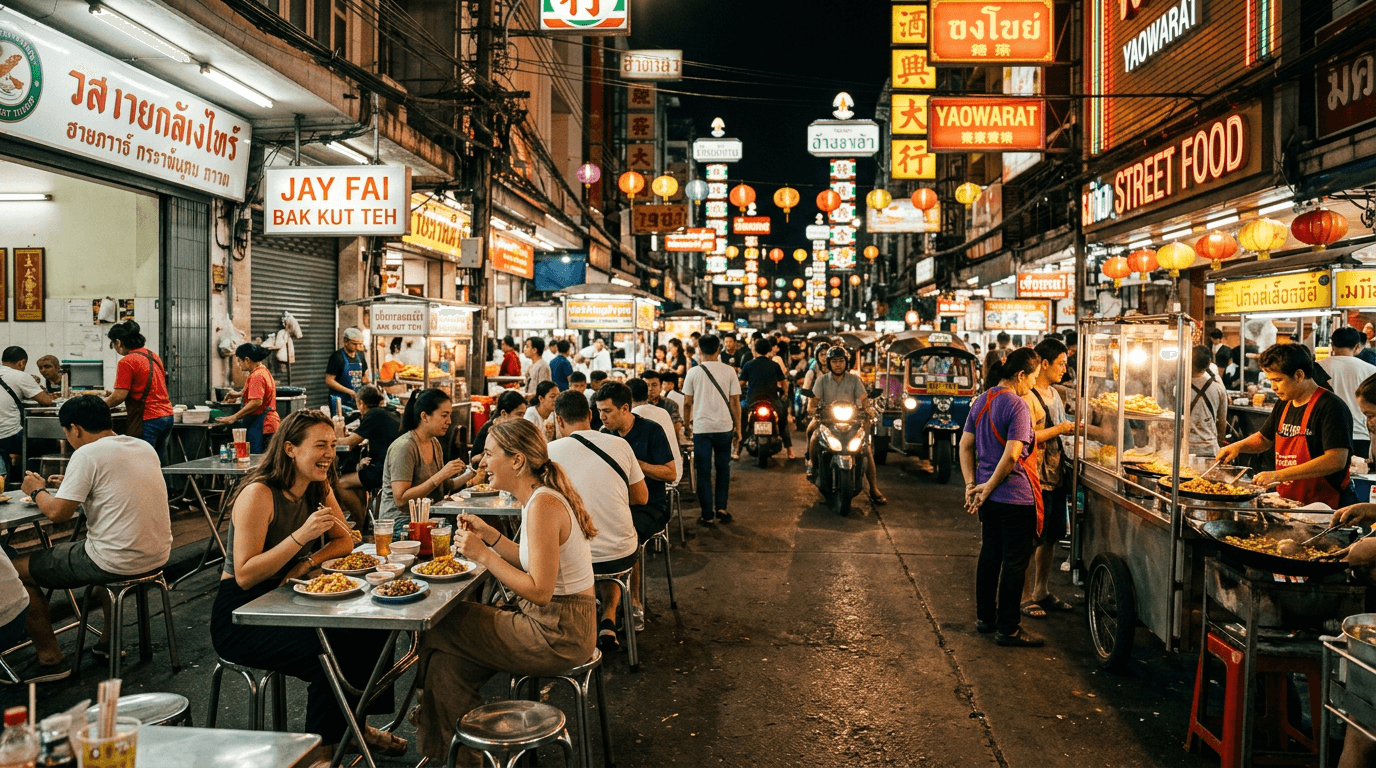
The best street food in Bangkok can be found everywhere, from the bustling alleys of Yaowarat (Chinatown) and the trendy Jodd Fairs night market to historic neighborhoods like Bangrak. This vibrant culinary landscape is the lifeblood of the city, offering an endless array of delicious, authentic, and incredibly affordable dishes on almost every corner, making it a world-renowned paradise for food lovers.
Welcome to the ultimate foodie's map to Bangkok's sprawling, sizzling, and utterly sensational street food scene. If you've ever dreamt of a city where world-class meals are served from humble carts for just a few dollars, you've come to the right place. For locals and travelers alike, Bangkok's streets are not just pathways; they are open-air dining rooms, social hubs, and culinary laboratories. This guide, crafted by the city-loving team at Gidly, is your all-access pass. We'll take you beyond the tourist traps, decode the menus, and share the local secrets that will transform your trip from a simple vacation into an unforgettable gastronomic adventure. Get ready to eat like a local, discover hidden gems, and understand why Bangkok is unequivocally the street food capital of the world.
What is Bangkok Street Food & Why Is It World-Famous?
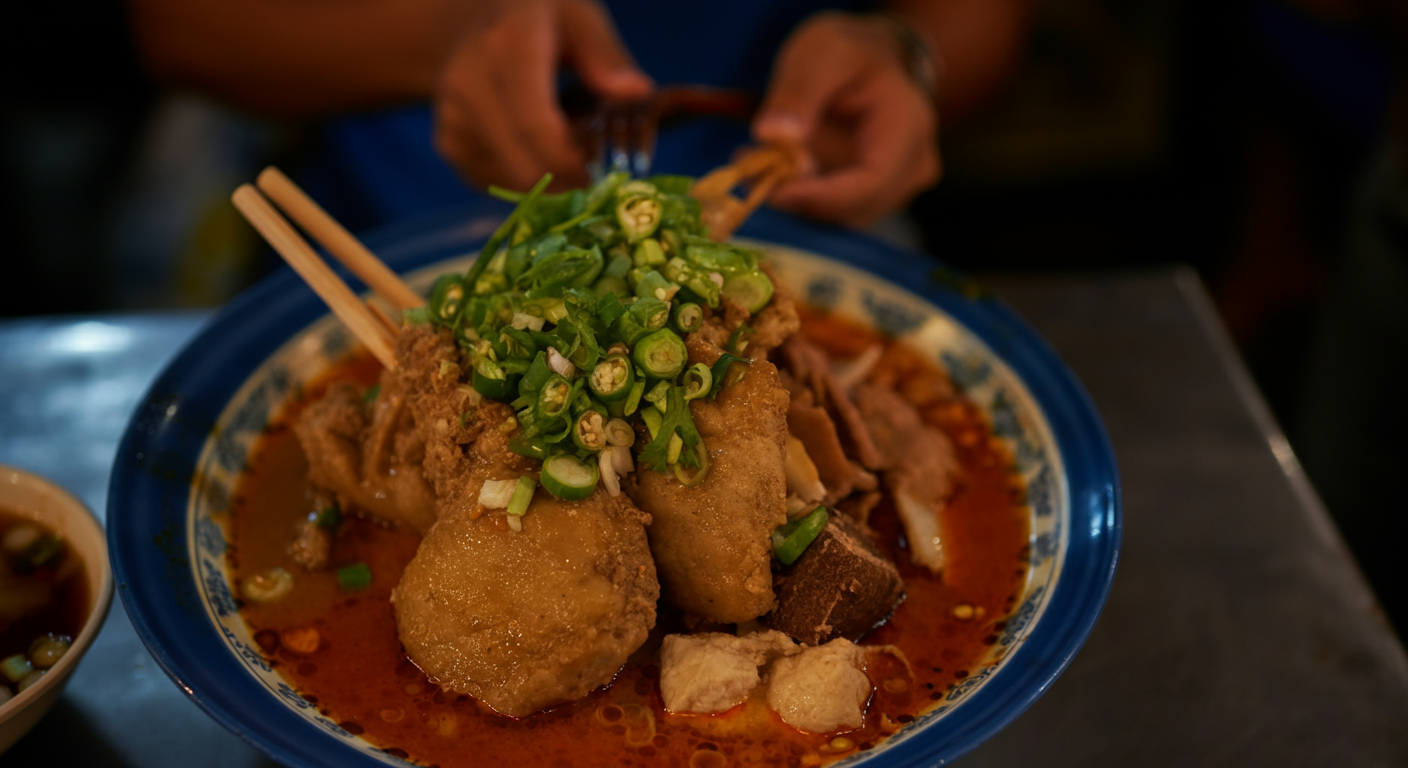
Bangkok street food is a sprawling, dynamic ecosystem of mobile carts, humble shophouses, and bustling market stalls that collectively form the city's primary dining room. It's a culinary democracy where office workers, students, and tourists stand side-by-side, united by their love for a perfectly grilled pork skewer or a fiery bowl of Tom Yum soup. The sheer variety and accessibility are what make it world-famous. You can find everything from a quick breakfast of soy milk and fried dough to a complex, multi-course seafood feast, all served with a smile and often for less than the price of a coffee back home. This scene is a living, breathing testament to Thai culture’s emphasis on fresh ingredients, intricate flavors, and the joy of a shared meal. It’s not just about sustenance; it’s a daily celebration of flavor and community.
A vibrant culinary scene with diverse, affordable, and delicious food available nearly 24/7
The defining characteristic of Bangkok's street food culture is its sheer, overwhelming variety and near-constant availability. From the pre-dawn hours when vendors set up to serve breakfast to office workers, until the late-night revelers seek out a final comforting bowl of noodles, the city is always cooking. This 24/7 culinary clock means you are never more than a few steps away from a delicious meal. The diversity is truly staggering; one street corner might specialize in Isan (Northeastern Thai) cuisine with its spicy salads and grilled meats, while the next alley could be a haven for rich, coconut-based Southern curries or Chinese-influenced noodle dishes. This incredible selection is matched by its affordability. A filling and deeply satisfying meal, like a plate of Pad Kra Pao with a fried egg or a bowl of boat noodles, can often be enjoyed for 50-80 THB (less than $2.50 USD). This price point makes it possible for everyone to enjoy high-quality, flavorful food every single day, turning the entire city into an accessible and ever-changing buffet.
More than just food: It's the heart of Bangkok's culture and social life
To understand Bangkok, you must understand its street food, because it’s so much more than just a way to eat. It is the pulsating heart of the city's social fabric. It's where colleagues gather for a quick and casual lunch, where families share a meal after a long day, and where friends meet before a night out. The plastic stools and foldable tables that line the sidewalks are not just furniture; they are the stages for daily life, places of connection and conversation. Eating on the street is a deeply communal activity. You'll see vendors who have known their customers for decades, sharing stories and gossip over the sizzle of a hot wok. This daily ritual fosters a unique sense of community and belonging. For many Thais, the idea of cooking at home is less common, not out of inconvenience, but because the street offers better, more varied, and more social dining experiences. By participating, you’re not just a tourist; you’re taking part in a fundamental aspect of Bangkok life.
From generation-old recipes to Michelin-starred stalls
The magic of Bangkok's street food scene lies in its incredible depth and range, where tradition and innovation coexist beautifully. Many of the most beloved vendors are families who have been perfecting a single dish for generations. A Pad Thai recipe might have been passed down from a grandmother, or a specific technique for grilling pork skewers might be a family secret guarded for over 50 years. These stalls are living museums of culinary heritage. At the same time, Bangkok is a city that embraces the new, and this is reflected on its streets. You'll find a new generation of chefs reinterpreting classic dishes, as well as a level of quality so high that it has attracted global recognition. The city is home to several street food stalls that have been awarded the prestigious Michelin Bib Gourmand or even a Michelin star, like the legendary Raan Jay Fai. This blend of humble, time-honored recipes and world-class culinary excellence is what makes the scene so endlessly exciting. You could eat a 70-year-old recipe for breakfast and a Michelin-starred crab omelet for dinner, all on the same day.
The 25 Must-Try Street Food Dishes in Bangkok (Our Ultimate List)
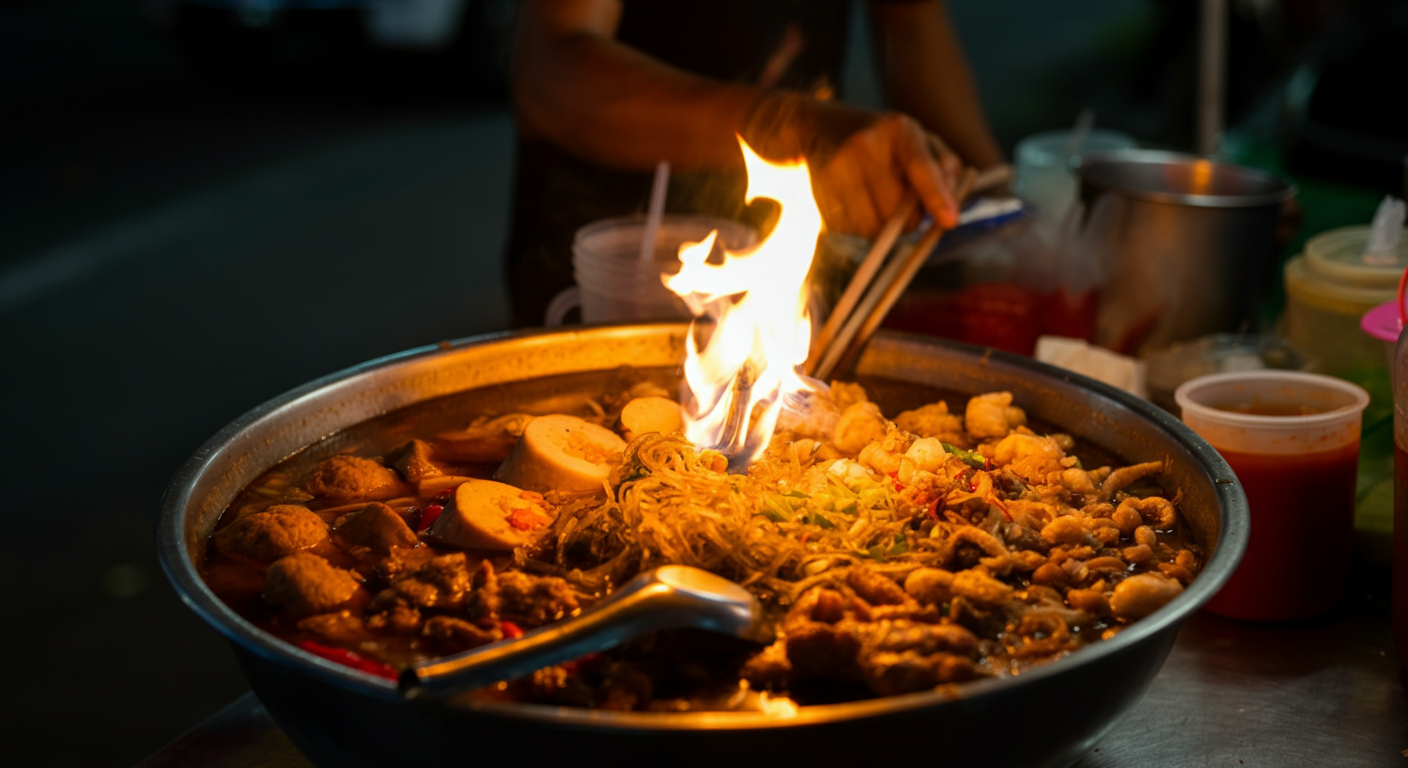
Embarking on a Bangkok street food journey can be overwhelming, so we've curated the definitive list of dishes you simply cannot miss. This is your culinary checklist, a guide to the essential flavors that define this incredible city. From world-famous noodles to an entire universe of grilled, fried, and sweet delights, each dish tells a story about Thai culture, ingredients, and the art of balancing sweet, sour, salty, and spicy. Use this list to be adventurous, to point at something new, and to ensure you leave Bangkok having tasted the very best it has to to offer. We've organized them by category to help you build your perfect meal, whether you're craving a hearty soup, a quick snack, or a decadent dessert. Get your appetite ready; your adventure starts now.
Noodles & Soups (Pad Thai, Guay Tiew Reua/Boat Noodles, Tom Yum Goong, Khao Soi)
Noodles and soups are the soulful backbone of Thai street food. Pad Thai is the global ambassador, but the street version is a world away from what you get back home—a dynamic stir-fry of rice noodles, shrimp or tofu, peanuts, and tamarind sauce, cooked in a flash over a searing hot wok. Look for vendors who cook it to order. For a more intense experience, seek out Guay Tiew Reua (Boat Noodles). Served in small bowls with a rich, complex broth thickened with pig's blood (don't worry, it's delicious and you can ask for it without), tender meat, and meatballs, it's a dish you'll order bowl after bowl. Then there's Tom Yum Goong, the iconic hot and sour soup with plump shrimp, lemongrass, galangal, and chili that delivers a flavor explosion. While often found in restaurants, street-side versions can be even more potent and aromatic. Finally, though a Northern Thai specialty, Khao Soi has found a loving home in Bangkok. This creamy, coconut curry noodle soup with tender chicken or beef, topped with crispy fried noodles, is pure comfort in a bowl.
Grilled & Fried (Moo Ping/Grilled Pork, Gai Tod/Fried Chicken, Hoy Tod/Oyster Omelette, Sai Krok Isan/Isan Sausage)
The smoky aroma of grilled meats is the quintessential scent of Bangkok's streets. At the forefront is Moo Ping, skewers of tender pork marinated in a sweet and savory glaze of coconut milk, garlic, and soy sauce, then grilled over charcoal until lightly caramelized. They're the perfect breakfast or anytime snack. Equally addictive is Gai Tod, Thai-style fried chicken. Forget what you know about fried chicken; this version is lighter, crispier, and often served with a pile of fried shallots and a sweet chili dipping sauce. For something more substantial, try Hoy Tod, a crispy omelet made with rice flour batter, mussels or oysters, and bean sprouts, served with a tangy chili sauce. It's a textural masterpiece. Don't miss Sai Krok Isan, the fermented pork and rice sausages from Northeastern Thailand. Grilled until plump, they have a unique tangy flavor and are typically served with fresh cabbage, chilies, and ginger for a perfect bite.
Salads & Stir-Fries (Som Tum/Papaya Salad, Pad Kra Pao/Basil Stir-fry, Pad See Ew)
Thai salads and stir-fries are a masterclass in fresh, vibrant flavors. The king of salads is Som Tum, a spicy green papaya salad pounded in a mortar and pestle with chilies, garlic, lime juice, fish sauce, and peanuts. It's a refreshing, fiery, and crunchy explosion of flavor. Ask for it "mai pet" if you can't handle the heat. The ultimate one-plate meal is Pad Kra Pao Moo Saap Kai Dao, a stir-fry of minced pork with holy basil, chilies, and garlic, served over rice with a crispy fried egg on top. It's the go-to comfort food for millions of Thais. For a less spicy but equally satisfying noodle stir-fry, order Pad See Ew. These wide rice noodles are wok-fried with Chinese broccoli, egg, and your choice of meat in a sweet and savory dark soy sauce, resulting in a smoky, caramelized, and utterly delicious dish. Our team at Gidly agrees this is one of the most comforting dishes you can find on the street.
Snacks & Small Bites (Kanom Krok, Patongo, Look Chin/Meatballs)
Snacking is a serious business in Bangkok, and the options are endless. Seek out a vendor making Kanom Krok, delightful little coconut-rice pancakes that are cooked in a cast-iron pan. They are crispy on the bottom, custardy on top, and have a perfect sweet-salty balance, often topped with a bit of green onion or corn. For an early morning treat, find a stall selling Patongo, the Thai version of Chinese crullers. These light, airy pieces of fried dough are the perfect accompaniment to a cup of coffee or sweet soy milk (nam tao hoo). All day long, you'll see vendors selling Look Chin, which are various types of meatballs (pork, beef, fish) on skewers. They are either grilled or deep-fried and served with a sweet and spicy dipping sauce. They’re a simple, cheap, and satisfying snack to eat on the go.
Desserts (Khao Niao Mamuang/Mango Sticky Rice, Roti Gluay, Tup Tim Krob)
No Bangkok food tour is complete without indulging in its incredible desserts. The most famous is Khao Niao Mamuang (Mango Sticky Rice). During mango season (typically April-June), you'll find perfectly ripe, sweet mango served alongside sticky rice that has been steamed with rich coconut milk and a touch of sugar, then drizzled with more coconut cream. It's heavenly. Another must-try is Roti Gluay, a pan-fried pastry similar to a crepe. A thin sheet of dough is fried with banana and egg, folded up, and then drizzled generously with sweetened condensed milk and sugar. For a uniquely refreshing dessert, try Tup Tim Krob. It consists of water chestnut pieces coated in tapioca flour, giving them a chewy, jewel-like appearance ("red rubies"), served in a bowl with iced coconut milk and shaved ice. It's the perfect way to cool down after a spicy meal.
The 10 Best Street Food Areas & Neighborhoods: A Complete Map
Navigating Bangkok's immense street food landscape requires a map, and we've created the definitive one for food lovers. While delicious food can be found on nearly any street, certain neighborhoods have become legendary for their concentration of top-tier vendors and iconic dishes. These are the epicenters of flavor, each with its own unique character, history, and culinary specialties. From the chaotic energy of Chinatown to the trendy vibes of Ari, this guide will take you through the ten best areas to eat your heart out. Our Gidly team has scoured these neighborhoods to bring you the must-visit spots, ensuring you spend your time eating the best food, not searching for it. Prepare to mark your map and loosen your belt.
1. Yaowarat (Chinatown): A Legendary Foodie Destination
When you think of street food in Bangkok, Yaowarat Road in Chinatown is often the first place that comes to mind, and for good reason. As soon as the sun sets, the main thoroughfare and its surrounding alleys transform into a dazzling, chaotic, and intoxicating food festival. Neon signs in Chinese and Thai flicker to life, casting a vibrant glow over hundreds of stalls and shophouses serving up a feast for the senses. This is the historic heart of Bangkok's Chinese community, and the food reflects that heritage, with a focus on seafood, hearty noodle soups, and delectable desserts. Be prepared for crowds, but the energy is part of the experience. Must-try dishes here include toasted bread with sweet fillings from the famous stall outside the Government Savings Bank, seafood barbecued on the street, rolled noodle soup (kuay jab), and bird's nest soup. Getting here is easy via the MRT Blue Line to Wat Mangkon station, which drops you right in the middle of the action.
2. Jodd Fairs Night Market: The Trendy Hotspot
If Yaowarat is the historic grandfather, Jodd Fairs is the cool, trendy grandchild. Located behind Central Rama 9 (easily accessible via MRT Phra Ram 9 station), this market has quickly become a favorite for both locals and tourists. It's known for its modern, clean layout, live music, and a fantastic, curated selection of food stalls. The vibe is youthful and photogenic, making it a great place for an evening out with friends. While you'll find classic Thai dishes, Jodd Fairs is famous for its more modern and Instagram-worthy creations. The viral sensation here is the "volcano" of spicy pork ribs (Leng Saap), a massive pile of tender ribs covered in green chilies. You'll also find countless stalls selling everything from grilled river prawns and cheese-dusted fried chicken to Korean-style street food and creative cocktails. It's the perfect blend of a traditional night market and a modern food festival, and a must-visit on any trip to Bangkok in 2026.
3. Bangrak District: Historic Charm & Authentic Flavors
Nestled along the Chao Phraya River, the Bangrak district is one of Bangkok's oldest and most charming neighborhoods. It's a place where tradition runs deep, and that is beautifully reflected in its food scene. This area is less about a single-strip market and more about a collection of legendary, decades-old shophouses and street stalls scattered along Charoen Krung Road and its connecting sois (alleys). Come here for some of the city's most authentic and respected versions of classic dishes. Prachak Pet Jang is legendary for its roasted duck, while a few doors down you can find incredible jok (rice porridge). Bangrak is also home to some of the best Khao Soi and the original street food cart that earned a Michelin star, Raan Jay Fai (though getting a seat is another story). Explore the area on foot during the day to discover its rich culinary heritage. The best way to get here is by taking the BTS Skytrain to Saphan Taksin station and walking.
4. Wang Lang Market: A Local Favorite by the River
For a truly local, chaotic, and delicious experience, take a ferry across the Chao Phraya River to Wang Lang Market. Located near Siriraj Hospital on the Thonburi side, this market is a bustling labyrinth of narrow alleys packed with food stalls primarily catering to hospital staff, students, and local residents. This means the food is authentic, cheap, and incredibly tasty. The sheer density of vendors is staggering. You'll find everything from grilled fish and southern Thai curries to an incredible array of Thai desserts and snacks. It's a fantastic place to wander and sample whatever catches your eye. Be sure to try the kanom tang taek (crispy pancakes with sweet fillings) and the famous grilled pork from one of the many competing vendors. The market is most vibrant during daytime hours, particularly around lunchtime. Getting there is part of the fun: take the BTS to Saphan Taksin, then a cross-river ferry from Sathorn Pier to Wang Lang (Siriraj) Pier.
5. Petchaburi Soi 5: An Off-the-Beaten-Path Gem
If you want to eat where the locals eat, far from the main tourist trails, make your way to Petchaburi Soi 5. This unassuming street, located between the Ratchathewi and Phaya Thai BTS stations, comes alive in the evening with a fantastic lineup of street food stalls that are beloved by the neighborhood's residents. This is street food in its purest form: no fancy setups, just incredible flavor. The highlight of the soi is P’Aor, a restaurant famous for its Tom Yum Goong with noodles, served with a giant river prawn. But the real joy is walking the length of the street and grazing. You'll find excellent chicken rice (khao man gai), Isan sausage, boat noodles, and a fantastic stall selling crispy hoy tod (oyster omelets). The prices here are incredibly low, and the quality is consistently high. It's a Gidly-approved spot for an authentic, no-frills food adventure.
6. Talat Phlu: A Market for Old-School Food Lovers
Talat Phlu is another gem on the Thonburi side of the river, a historic neighborhood with a food scene that feels like a step back in time. Accessible via the BTS Silom Line (Talat Phlu station), this area is revered by Thai foodies for its collection of vendors who have been mastering their craft for generations. The action is centered around the train tracks. Here you'll find arguably one of the best Kanom Buang Yuan (crispy Thai crepes with savory fillings) in the city. Another legendary spot is a small shophouse selling mee krob (crispy fried noodles) using a recipe that has been in the family for over a century. The atmosphere is laid-back and distinctly local. It's best visited in the late afternoon and evening. Exploring Talat Phlu offers a delicious glimpse into Bangkok's culinary past, rewarding those who make the journey with unforgettable flavors.
7. Ari Neighborhood: For the Modern & Hip Food Scene
Ari, clustered around the BTS station of the same name, represents the new face of Bangkok's food culture. This leafy, relaxed neighborhood is a favorite among expats, young professionals, and creatives, and its food scene reflects that. While you'll still find classic street food carts tucked away in its sois, Ari is better known for its blend of traditional eateries, chic cafes, and modern restaurants that offer elevated street food concepts. It’s the kind of place where you can grab a fantastic bowl of boat noodles for lunch and then head to a stylish cafe for a specialty coffee and dessert. The main street food action happens in the evening along Soi Ari 1 and the surrounding area. It's a great place for a food crawl, offering a more curated and less chaotic experience than some of the larger markets, making it perfect for a date night or a relaxed evening with friends.
8. Ratchaprasong (Central World Area): Accessible & Upscale Street Eats
You might not expect to find great street food amidst the gleaming shopping malls of Ratchaprasong, but look closer and you shall find. The area around Central World, particularly on the street between the mall and the Isetan building (now being redeveloped), has long been a hotspot for street food vendors. This is street food made convenient for shoppers and office workers. While some vendors were relocated during recent developments, many have found new spots nearby or are part of curated food courts inside the malls themselves. The appeal here is accessibility. You can step out of an air-conditioned mall and immediately grab a plate of Pad Thai, a bowl of Tom Yum, or some delicious chicken satay. The prices might be slightly higher than in more local areas, but the quality is often surprisingly good. It’s the perfect option for a quick, tasty meal in between shopping sprees.
9. Victory Monument: Noodle Paradise
Victory Monument is one of Bangkok's busiest transport hubs, and where there are crowds of commuters, there is always fantastic, fast, and cheap food. The area is a true paradise for noodle lovers, especially famous for its "Boat Noodle Alley" located along the canal. Here, you'll find a cluster of restaurants where servers ferry tiny bowls of the iconic dish to your table. The idea is to stack the empty bowls high as you eat. Each bowl costs only around 15-20 THB, so you can try different variations of pork and beef. Beyond boat noodles, the network of sois around the monument is packed with other street food treasures, from khao man gai and moo ping to stalls selling all manner of sweets and snacks. It's a high-energy, fast-paced eating environment that offers a quintessential Bangkok experience.
10. Or Tor Kor Market: The "Hi-So" Gourmet Market
Located opposite the famous Chatuchak Weekend Market and accessible via MRT Kamphaeng Phet, Or Tor Kor Market is a different kind of street food experience. Often ranked among the world's best fresh markets, it's known as the "hi-so" (high society) market for its immaculate cleanliness, beautiful presentation, and premium-quality produce. While it's a great place to see and buy some of Thailand's finest fruits and ingredients, it also has a fantastic cooked food section. Here you can find pristine, high-quality versions of classic Thai dishes, from grilled river prawns and southern Thai curries to impeccable mango sticky rice and durian. The prices are higher than on the street, but you are paying for top-notch quality in a comfortable, clean, and air-conditioned environment. It's the perfect spot for foodies who appreciate quality and are willing to pay a premium for it.
Comparison: Night Markets vs. Shophouses vs. Standalone Carts
Understanding the different venues for street food in Bangkok is key to curating your perfect eating experience, as each offers a distinct vibe, price point, and culinary focus. The three main players are the vibrant night markets, the permanent shophouse eateries, and the nimble standalone carts. Night markets are sprawling festivals of food and fun, shophouses are the reliable neighborhood institutions often specializing in one dish for generations, and standalone carts are the nimble specialists, popping up on street corners to offer one or two perfect items. Each format has its own charm and purpose, and a true Bangkok food adventure involves embracing them all. Let's break down the differences to help you decide where to head for your next meal.
Atmosphere & Vibe
The atmosphere is perhaps the biggest differentiator. Night Markets, like Jodd Fairs or the former Rot Fai Market, are all about energy and entertainment. They are lively, loud, and visually stimulating, often featuring live music, neon lights, and a sea of people. It's a social experience, a place to see and be seen while grazing on a huge variety of trendy and traditional foods. Shophouses offer a more grounded, traditional atmosphere. These are typically narrow, open-fronted restaurants, often family-run, with simple metal tables and plastic stools. The focus here is purely on the food. The vibe is less about spectacle and more about the comforting, familiar routine of a neighborhood joint. You're there for the one legendary dish they've been perfecting for 50 years. Standalone Carts provide the most intimate and transient experience. It’s just you, the vendor, and their small cooking station. The atmosphere is hyperlocal and immediate, defined by the sizzle of the wok or the smoke from the grill. It's a raw, unfiltered slice of Bangkok life right on the sidewalk.
Price & Value
Generally, Bangkok street food is incredibly affordable across the board, but there are nuances. Standalone Carts and many Shophouses in local neighborhoods offer the best value. Here, you'll find dishes like noodle soups, Pad Kra Pao, and skewers for the lowest prices, often ranging from 40-70 THB ($1.25-$2.25 USD). The overheads are low, and they cater to a local clientele. Shophouses that have gained "legendary" status or are in prime tourist areas might charge slightly more, but the value is still excellent given the quality. Night Markets, especially the trendier ones, can have slightly inflated prices. You're paying a small premium for the ambiance, the curated environment, and often, the "Instagrammability" of the food. A dish that costs 60 THB at a local stall might be 80-100 THB at a popular night market. However, they also offer a chance to try many different things in one place, which provides its own kind of value.
Best for... (Quick Bite, Full Meal, Photos)
Choosing the right venue depends on your goal for the meal. For a quick, delicious bite on the go, nothing beats a Standalone Cart. Grabbing a few moo ping skewers or a bag of patongo is the quintessential Bangkok snacking experience. For a hearty, focused, and truly authentic full meal, a Shophouse is your best bet. This is where you go when you want the absolute best bowl of duck noodles or the most comforting plate of chicken rice, prepared by a master. It's about sitting down and savoring a single, perfected dish. Night Markets are best for a fun evening out, social grazing, and photos. They are ideal for groups and couples who want variety, a lively atmosphere, and visually appealing food. You can build a multi-course meal by hopping from stall to stall, trying everything from savory snacks to elaborate desserts, all while soaking in the vibrant energy. This is where you go for the experience as much as the food itself.
| Venue Type | Atmosphere | Average Price (per dish) | Best For |
|---|---|---|---|
| Night Market | Lively, trendy, social, entertaining | 60 - 150 THB | Groups, dates, variety, photos, a full evening experience |
| Shophouse | Traditional, focused, no-frills, local | 50 - 100 THB | Authentic full meals, tasting a "master" dish, lunch |
| Standalone Cart | Immediate, transient, hyper-local | 10 - 60 THB | Quick snacks, specific single items (e.g., skewers, fruit) |
Bangkok Street Food for a Romantic Date Night
Who says romance requires white tablecloths and expensive wine? In Bangkok, a romantic date night can be found amidst the sizzling woks and vibrant energy of the city's streets. A street food date is fun, adventurous, and a fantastic way to connect while discovering new flavors together. It’s about sharing small plates, laughing over a spicy dish, and creating memories that are far more unique than a standard restaurant dinner. The key is to choose the right location and the right foods to create a relaxed yet special atmosphere. From markets with a cool vibe and live music to crafting your own culinary tour through a charming neighborhood, a street food date night is quintessentially Bangkok.
Best Ambiance: Markets with live music and seating
For a date night, atmosphere is everything. You want a place that's lively but not overwhelmingly chaotic, with comfortable seating and a touch of charm. Our top pick is Jodd Fairs Night Market. It strikes the perfect balance with its clean layout, cool vintage-car photo ops, and dedicated seating areas. You can grab a variety of dishes—from grilled seafood to trendy desserts—and then find a table to enjoy them while listening to live acoustic music. The vibe is upbeat and modern, making it a great icebreaker or a fun night out for an established couple. Another excellent option is the area around Chang Chui Plane Market, which combines food stalls with art installations and quirky shops, offering plenty of things to see and talk about between bites. These spots elevate the street food experience from a quick bite to a full-fledged evening's entertainment.
A Curated Food Crawl Itinerary in Bangrak or Ari
For a more intimate and exploratory date, consider designing your own food crawl through a neighborhood known for both great food and a pleasant walking experience. The Gidly team recommends Ari or Bangrak for this. In Ari, you can start with a savory snack from a street cart near the BTS, move to a famous shophouse for a bowl of their signature noodles, and then finish at one of the neighborhood's chic cafes for dessert and coffee. The leafy, quiet sois make for a pleasant stroll between stops. Alternatively, a crawl down Charoen Krung Road in Bangrak offers a taste of old-world romance. You can share a plate of legendary roasted duck from Prachak, sample some sweets from a traditional vendor, and then take a romantic walk towards the river. The key is to plan 3-4 stops, ordering one dish to share at each. This keeps the experience light, interactive, and focused on discovery.
- Start: Grilled meatballs or sausage skewers from a cart on Phahonyothin Soi 7.
- Main: Share a bowl of rich Tom Yum noodles at the laid-back Lay Lao restaurant.
- Dessert: Finish with a specialty coffee and cake at a stylish cafe like Casa Lapin.
Combining a Rooftop Bar with a Street Food Start
For the ultimate "best of both worlds" date night, combine the high-end glamour of a rooftop bar with the down-to-earth deliciousness of street food. This plan offers a fantastic contrast and shows you know how to enjoy all facets of Bangkok life. Start your evening on the street. Head to a lively area like Silom Soi 20 or Petchaburi Soi 5 and have a quick, amazing dinner. Share a plate of Pad Thai and some Gai Tod, soaking in the authentic street-side atmosphere. Keep it relatively short and sweet. After you've had your fill of delicious, cheap eats, clean up and head to a nearby rooftop bar for spectacular views and cocktails. For example, after eating in Silom, you could head to a bar atop one of the many hotels in the area. This "high-low" approach is incredibly romantic, memorable, and uniquely Bangkok.
Dishes to Share: What to Order for Two
Sharing is the essence of a street food date. It allows you to try more things without getting too full on any one dish. Certain foods are naturally better for sharing. Moo Ping (grilled pork skewers) or Gai Satay (chicken satay) are perfect starters, as you can easily split the skewers. A plate of Som Tum (papaya salad) is fantastic to share, as you can customize the spice level and enjoy its refreshing crunch together. Hoy Tod (crispy mussel/oyster omelet) is another great option, as it's served on a large plate and can be broken up and eaten piece by piece. For dessert, a plate of Roti Gluay (banana roti) is the ideal romantic finish, as you can feed each other bites of the warm, sweet pastry. Avoid things that are too soupy or difficult to eat without a proper table, unless you're at a market with good seating.
Family-Friendly Bangkok Street Food: A Guide for Parents
Bringing your kids on a Bangkok street food adventure can be one of the most memorable parts of your family trip, but it can also feel daunting for parents worried about hygiene, spice levels, and picky eaters. The good news is that Bangkok's street food scene is incredibly welcoming to children if you know what to look for. With a little planning and a spirit of adventure, you can introduce your kids to a world of new flavors in a fun and safe way. It's an opportunity for them to see, smell, and taste a new culture, turning a simple meal into an exciting discovery. From kid-approved dishes to choosing the right environment, here is our Gidly guide to conquering Bangkok street food with the whole family.
Kid-Approved Dishes (Non-spicy noodles, fried chicken, fruit smoothies)
The key to a successful food outing with kids is finding dishes that are appealing and not intimidatingly spicy. Luckily, Thai cuisine has plenty of non-spicy (or "mai pet") options. Gai Tod (fried chicken) is a universal winner; the crispy, flavorful chicken is a hit with kids of all ages. Pair it with Khao Niao (sticky rice), which is fun for them to eat with their hands. Moo Ping (grilled pork skewers) are another guaranteed success story with their sweet and savory glaze. For a noodle dish, skip the spicy Tom Yum and opt for Kuay Tiew Nam Sai, a clear noodle soup with meatballs and sliced pork that is gentle and comforting. Pad See Ew (stir-fried wide noodles in soy sauce) is another fantastic, non-spicy option. And don't forget the drinks! Fresh fruit smoothies (look for "nam ponlamai pan") are available everywhere and are a healthy, refreshing treat. Mango, pineapple, and watermelon are always safe bets.
Best Markets for Families (Space to move, fewer crowds)
While the chaos of a market like Wang Lang might be overwhelming for little ones, other spots are much more family-friendly. The Gidly team suggests looking for markets with more open space, clear walkways, and dedicated seating. Or Tor Kor Market is an excellent choice for families. It's exceptionally clean, spacious, air-conditioned in parts, and has proper tables and chairs. While pricier, the peace of mind and comfort can be well worth it. Newer night markets like Jodd Fairs can also work well if you go early (around 5-6 PM) before the main crowds arrive. The aisles are generally wider than in older markets, and the variety means everyone can find something they like. Another strategy is to focus on shophouse restaurants in quieter neighborhoods like Ari, where you can have a sit-down meal away from the main street hustle.
Hygiene Tips & How to Engage Kids with Food
Safety is the number one concern for parents. The most important rule is the "busy stall" rule: always eat at vendors with a high turnover and a line of locals. This indicates the food is fresh and popular. Look for vendors who handle money and food separately, and where the cooking station looks clean and organized. It's wise to carry hand sanitizer and use it before eating. To get kids excited, turn it into a game. Let them choose a fruit for a smoothie, pointing at the colorful display. Let them watch the vendor make their banana roti, explaining the process. Give them a small amount of money (e.g., 20 THB) and let them "buy" their own skewer of meatballs. This sense of ownership and involvement can make a huge difference. Frame the experience as an adventure: "We're going on a food treasure hunt!" This will help turn potential apprehension into excitement and curiosity.
- Choose Busy Stalls: A crowd of locals is the best sign of quality and safety.
- Watch the Preparation: Opt for food that is cooked fresh to order in front of you.
- Check for Cleanliness: Look at the state of the cart, utensils, and cutting boards.
- Bring Hand Sanitizer: A must-have before and after eating.
- Stick to Bottled Water: Avoid tap water and be cautious with ice outside of reputable restaurants.
The Ultimate Street Food Crawl with Friends or a Group
There's no better way to experience the diversity and energy of Bangkok's food scene than with a group of friends. A street food crawl allows you to sample a huge variety of dishes, share the adventure, and create lasting memories. The "more the merrier" rule definitely applies here, as a larger group means you can order more items and everyone gets to try a bite of everything. The key to a successful group food crawl is a good plan, a flexible attitude, and an appetite for fun. From mastering the art of group ordering to finding the best spots for a late-night snack after a few drinks, we'll guide you on how to orchestrate the perfect foodie outing for your squad.
Group-Friendly Eating: How to Order and Share
The golden rule of a group food crawl is "order to share." Instead of each person getting their own full meal at each stop, order one or two of the vendor's specialty dishes for the entire group to try. This allows you to visit multiple stalls without getting full too quickly. Appoint a "treasurer" to create a group fund at the beginning of the night; have everyone chip in 500 THB, for example. This person pays for all the food, avoiding the hassle of splitting bills at every stall. For dishes like noodle soups, you can ask for extra small bowls ("tuay baeng") to divide them up. For stir-fries and grilled items, simply place them in the middle of the table and let everyone dig in. This communal style of eating is not only efficient but also mirrors the way Thai families and friends often share meals, making the experience more authentic and interactive.
Best Areas for Bar Hopping and Snacking (Sukhumvit Soi 11, Jodd Fairs)
Some nights call for a dynamic duo of good drinks and great snacks. For this, you need an area where bars and street food stalls coexist in perfect harmony. Sukhumvit Soi 11 is a classic choice. The street is lined with bustling bars, rooftop lounges, and nightclubs, and interspersed among them are fantastic street food vendors selling everything from Isan food to kebabs, perfect for fueling up between venues. The energy is electric and perfect for a high-spirited night out. Another top contender is Jodd Fairs. You can start your evening there, grazing on a wide variety of food and enjoying some beers or cocktails from the market's own bars. Its proximity to the RCA nightlife area also makes it a great starting point before heading out to a club. The combination of easy access to food and drinks makes these areas ideal for a fun, free-flowing night with friends.
Late-Night Eats: Where to Go After Midnight
Bangkok doesn't sleep, and neither does its food scene. After a night of bar hopping, a final "closing meal" is practically a ritual. Certain areas and dishes are famous for satisfying those late-night cravings. After midnight, many of the main markets wind down, but specific late-night culinary hubs come to life. The area around Thonglor (Sukhumvit Soi 55) has several famous late-night spots, including a renowned mango sticky rice stall and shophouses serving khao tom (boiled rice soup with various side dishes), a classic Thai after-drinking meal. Yaowarat (Chinatown) also stays lively late into the night, with many seafood restaurants and dessert stalls open until 2 AM or later. For a simple, satisfying, and ubiquitous option, look for a 7-Eleven. Their toasted cheese and ham sandwich is a legendary—if not exactly traditional—end to a Bangkok night out. Our Gidly team has tested this theory many times, for research purposes, of course.
How to Eat Amazing Street Food on a Budget ($10/Day Challenge)
One of the most incredible things about street food in Bangkok is the exceptional value it offers. It's entirely possible to eat three delicious, filling meals a day and still have change from $10 USD (around 350 THB). This budget-friendly aspect makes Bangkok a paradise for backpackers, students, and anyone who wants to experience world-class cuisine without breaking the bank. Taking on a "$10 a day" food challenge is a fun way to explore the city's culinary landscape and eat like a true local. It forces you to seek out the best deals and discover the humble dishes that fuel the city. Here’s how you can feast like a king on a pauper's budget.
The Best Value Dishes (Boat noodles, skewers, khao gaeng)
To master the art of budget eating, you need to know which dishes offer the most bang for your baht. At the top of the list is Guay Tiew Reua (Boat Noodles). At just 15-20 THB per bowl, you can eat 3-4 bowls for a full meal and still spend less than $2. They are flavorful, fun to eat, and an unbeatable value. Another budget champion is Khao Gaeng (curry on rice). Look for stalls with a dozen or more trays of pre-cooked dishes. You simply point to what you want (usually 1-3 items), and they serve it over a plate of rice. A plate with two choices typically costs around 40-50 THB and is a fantastic way to sample different curries and stir-fries. Finally, skewers like Moo Ping (grilled pork) or Look Chin (meatballs) are perfect for a cheap snack or to supplement a meal, often costing just 10-20 THB per skewer.
University Areas: Where to Eat Like a Local Student
If you want to find the cheapest and most authentic food, go where the students go. The areas surrounding Bangkok's many universities are treasure troves of budget-friendly eats. Vendors here cater to a student population with big appetites and small wallets, meaning portions are often generous and prices are rock-bottom. The area around Chulalongkorn University (near Sam Yan and Siam) has countless alleys and canteens packed with cheap food stalls. Another great spot is the Wang Lang Market area near Siriraj Hospital and Thammasat University's Tha Prachan campus. Here, you'll find a dizzying array of snacks, meals, and desserts at prices that have remained low for years. Eating in these areas not only saves you money but also gives you a glimpse into the daily life of Bangkok's youth.
A Sample $10 Daily Meal Plan (Approx. 350 THB)
Here is a tangible example of how you can eat incredibly well for an entire day in Bangkok for under $10 USD. This plan ensures you get a variety of classic dishes and stay full and satisfied from morning till night. From experience, our team knows this is not just possible, but a genuinely enjoyable way to eat.
| Meal | Dish | Estimated Cost (THB) | Description |
|---|---|---|---|
| Breakfast | 2 Moo Ping + Sticky Rice | 30 THB | Grilled pork skewers (10 THB each) and a bag of sticky rice (10 THB). |
| Lunch | Khao Gaeng (Rice with 2 toppings) | 50 THB | A filling plate from a local curry-on-rice stall. |
| Afternoon Snack | Fresh Fruit Smoothie | 40 THB | A refreshing watermelon or pineapple smoothie. |
| Dinner | Pad Kra Pao Moo Saap Kai Dao | 60 THB | Minced pork with holy basil on rice with a fried egg. |
| Dessert | Kanom Krok | 30 THB | A set of sweet and savory coconut pancakes. |
| Total Daily Cost | 210 THB (Approx. $6 USD) |
A Solo Traveler's Guide to Conquering Bangkok Street Food
Traveling solo in Bangkok is an incredibly liberating experience, and its street food culture is perfectly suited for the individual adventurer. Eating alone is not just common here; it's the norm for many. The city's informal dining culture, with its countless counter-style stalls and quick-service shophouses, means you'll never feel out of place grabbing a stool and enjoying a delicious meal by yourself. In fact, it can be a fantastic way to observe the city's rhythm and maybe even strike up a conversation with a local or fellow traveler. For solo explorers, street food offers flexibility, affordability, and a direct line to the heart of Bangkok. Here's how to make the most of it on your own terms.
Best Stalls & Markets for Single Diners
As a solo diner, you have the advantage of being able to squeeze into any available spot. Counter-style seating is your best friend. Look for noodle shops, jok (porridge) stalls, or khao man gai (chicken rice) vendors where you can simply pull up a stool at the bar facing the action. This setup is not only efficient but also provides a captivating show as you watch the chefs at work. Most boat noodle shops are perfect for solo diners, as you can order as many or as few small bowls as you like. Food courts inside shopping malls, like the one at Terminal 21 or Central World, are also excellent choices. They offer a huge variety of street food classics in a clean, safe, and air-conditioned environment where eating alone is completely standard. You can grab a card, load it with cash, and wander around picking exactly what you want without any pressure.
Safety Tips for Solo Explorers at Night
Bangkok is generally a very safe city, but it's always wise to be aware of your surroundings, especially when exploring alone at night. When heading to a night market or a late-night food area, stick to well-lit, busy streets. Yaowarat (Chinatown) and Jodd Fairs are great options because they are always crowded, and there's a certain safety in numbers. Let someone know where you're going, or share your live location with a friend or family member back home. Keep your belongings secure; a cross-body bag is ideal. Be mindful of your alcohol consumption if you're drinking. Perhaps most importantly, trust your gut. If a particular alley or situation feels off, simply turn around and walk away. There will always be another amazing food stall just around the corner in a more comfortable setting. Following these common-sense tips will ensure your solo food adventures are nothing but enjoyable.
Joining a Food Tour to Meet Other Travelers
While eating solo is great, sometimes you might want a bit of social interaction. This is where a food tour can be a fantastic option. Joining a tour is an excellent way to meet other like-minded travelers who are also passionate about food. It instantly provides you with a group of dining companions for the evening. A good food tour, like the ones you can find on Gidly, will not only take you to incredible, off-the-beaten-path spots you might not find on your own but also handle all the ordering and logistics. The guide will explain the history and cultural context of each dish, enriching your understanding of Thai cuisine. It’s a perfect, hassle-free way to sample a wide variety of foods, learn from a local expert, and make new friends from around the world in a fun, relaxed setting.
Michelin-Recognized Street Food: Worth the Hype?
In 2017, the culinary world was captivated when the Michelin Guide launched in Bangkok and awarded a coveted star to a humble street food vendor. This act catapulted Bangkok's street food onto the global fine-dining stage and raised a fascinating question: is it worth queuing for hours and paying a premium for Michelin-recognized street eats? The Michelin Guide in Bangkok includes not just the one-star wonders but also a long list of "Bib Gourmand" recipients—establishments recognized for offering "good quality, good value cooking." For many food-obsessed travelers, these spots have become pilgrimage sites. We've investigated to see which ones are worth the hype and if there are better, undiscovered alternatives waiting for you.
The Legend: Raan Jay Fai (What to order, how to book, is it worth the wait?)
Supinya "Jay Fai" Junsuta is a true culinary icon. Her open-air shophouse, Raan Jay Fai, is the only street food venue in Bangkok with a Michelin star. She is famous for her signature ski goggles, her fiery woks, and her use of incredibly high-quality, jumbo-sized seafood. The star dish is the Khai Jiao Poo (crab omelet), a golden-brown parcel packed with an obscene amount of fresh crab meat, costing upwards of 1,000 THB. Another must-try is the Phad Kee Mao Talay (drunken noodles with seafood). Now, for the reality check. Getting a table is an ordeal. You can try to book via email months in advance or show up before opening (around 8 AM) to put your name on a list for a same-day table, with no guarantee. The wait can be 4-6 hours. Is it worth it? For the once-in-a-lifetime experience and to witness a master at work, perhaps. The food is undeniably excellent. However, for the price and the time commitment, you could have a dozen other outstanding street food meals. It's an event, not a casual dinner.
Other Bib Gourmand Winners You Can Actually Get Into (with map)
Beyond Jay Fai, the Michelin Bib Gourmand list is a treasure map of fantastic, accessible eats. These are the places Gidly's team enthusiastically recommends. Unlike the starred venues, most Bib Gourmand spots are regular shophouses with normal prices and manageable queues. Some standouts include: Go-Ang Pratunam Chicken Rice, famous for its tender poached chicken and flavorful rice; Guay Jub Ouan Pochana in Yaowarat for peppery rolled noodle soup; and Here Hai Restaurant for its indulgent fried rice with mountains of crab meat. Another favorite is Ann Guay Tiew Kua Gai, which serves incredible wok-charred noodles with chicken, cooked over charcoal for a unique smoky flavor. Most of these places will have a line, but it usually moves quickly, and the wait is rarely more than 30 minutes. The reward is a top-tier meal at a fraction of the cost and hassle of a starred restaurant.
Are There Better, Undiscovered Alternatives? Our Local Picks
The Michelin Guide has done a great job of highlighting fantastic eateries, but it has also created hype and long lines. The truth is, for every Bib Gourmand winner, there are dozens of other, equally amazing vendors serving the same dish without any international recognition. This is the beauty of Bangkok. The "One Dish Stall" rule often applies here: a vendor who has been making only Khao Man Gai or only beef noodles for 30 years is likely a master of their craft, regardless of whether they have a red plaque on their wall. Our local advice is to use the Michelin list as a starting point, not a bible. If the line at the famous chicken rice place is too long, walk two blocks and try the one that has a steady stream of local office workers. We've found that some of our all-time favorite meals have come from these anonymous, un-hyped stalls. The joy is in the discovery.
A Vegetarian & Vegan's Guide to Bangkok Street Food
At first glance, navigating Bangkok's meat-heavy street food scene as a vegetarian or vegan can seem challenging. Fish sauce, shrimp paste, and chicken broth are common base ingredients in many Thai dishes. However, with a little knowledge and a few key phrases, a vast and delicious world of plant-based street food opens up. Thai cuisine is rich in vegetables, fruits, tofu, and coconut milk, and the Buddhist influence means there's a well-established concept of vegetarianism. You just need to know how to ask for it. From learning the magic word "Jay" to knowing which dishes are easily adaptable, this guide will help you feast on the streets of Bangkok, plant-based style.
Essential Thai Phrases for Ordering "Jay" (Vegetarian/Vegan)
The most important word to learn is "Jay" (เจ). "Jay" refers to a specific type of vegetarianism rooted in Buddhist beliefs, which excludes meat, poultry, seafood, and certain pungent vegetables like garlic and onion. For most vegans, "Jay" is the perfect word to use as it also excludes dairy and eggs. You can say "Gin Jay" (I eat Jay) or point to a dish and ask "Jay, mai?" (Is this Jay?). If you are a vegetarian who eats eggs and dairy, the word you want is "Mangsawirat" (มังสวิรัติ).
- To be very clear, say: "Mai sai nam pla" (Don't add fish sauce) and "Mai sai goong haeng" (Don't add dried shrimp).
- "Jay" (เจ) = Vegan (no meat, no dairy, no egg, no pungent spices like garlic/onion).
- "Mangsawirat" (มังสวิรัติ) = Vegetarian (no meat, but may include egg/dairy).
Common Dishes That Can Be Made Vegan (and what to watch out for)
Many classic street food dishes can be made vegan upon request. A Som Tum (papaya salad) can be ordered "Jay," where they will use a salt or soy-based seasoning instead of fish sauce and dried shrimp. It’s called "Tum Thai Jay". For stir-fried noodles like Pad Thai or Pad See Ew, you can ask for them with tofu ("tao hoo") and request them "Jay" to ensure no fish sauce or egg is used. Vegetable stir-fries with rice are also a great option. Be aware that many curry pastes contain shrimp paste. Your best bet is to find a dedicated "Jay" food stall (look for a yellow and red flag with the "เจ" character) where everything is guaranteed to be vegan. Also, be mindful of broths in noodle soups, as they are often made with pork or chicken bones, even if you order the dish with vegetables and tofu. Always confirm by asking "nam soup Jay, mai?".
The "Tesagan Gin Jay" (Vegetarian Festival): What and When
For plant-based eaters, the absolute best time to be in Bangkok is during the Tesagan Gin Jay, the annual nine-day vegetarian festival. This Taoist celebration, which usually falls in September or October, transforms the city into a vegan paradise. For nine days, you will see the yellow and red "Jay" flags everywhere, from street food carts to 7-Elevens and high-end restaurants. Yaowarat (Chinatown) becomes the epicenter of the festival, with hundreds of stalls selling an incredible variety of mock meats, vegan versions of classic dishes, and creative plant-based snacks. It's a time when you can walk up to almost any food stall flying the flag and eat with complete confidence that everything is 100% vegan. Even if you're not vegan, it's a fascinating cultural event and a chance to try some incredibly innovative and delicious food. Check the lunar calendar for the exact dates for 2026!
Beyond Night Markets: Uncovering Bangkok's Morning & Lunch Scene
While Bangkok's night markets get most of the glory, the city's culinary pulse beats just as strong, if not stronger, during the day. To truly eat like a local, you must explore the morning and lunch scene. This is when the city's workers, chefs, and residents fuel up for the day ahead. From bustling fresh markets where restaurateurs source their ingredients to the humble stalls serving up the perfect breakfast porridge, the daytime offers a different, more functional, and equally delicious side of Bangkok's food culture. Skipping the morning scene means missing half of the story. Let's set our alarms and dive into the world of Bangkok before noon.
Early Morning Markets: Where the Chefs Eat (Khlong Toei, Pak Khlong Talat)
For a raw, unfiltered look at Bangkok's food supply chain, you must visit an early morning market. Khlong Toei Market is the city's largest wet market, a sprawling, chaotic maze where chefs and restaurant owners come to buy the freshest meat, seafood, and produce at wholesale prices. While not for the faint of heart, a walk through Khlong Toei is a fascinating sensory experience. You'll also find stalls on the periphery selling cooked food for the market workers, offering some of the most authentic and cheap eats in the city. For a slightly less intense but more beautiful experience, head to Pak Khlong Talat, the city's 24-hour flower market. Amidst the vibrant blooms, you'll find food stalls catering to the market's vendors and early-morning shoppers, making it a wonderfully fragrant place to grab a quick breakfast.
Must-Try Breakfast Dishes (Jok, Patongo, Nam Tao Hoo)
A typical Thai breakfast is a savory, comforting affair. The quintessential breakfast dish is Jok, a slow-cooked rice porridge or congee. It's the ultimate comfort food, often served with minced pork balls, a soft-boiled egg, and slivers of ginger and green onion. You'll see locals huddled around Jok stalls from 6 AM onwards. Another classic breakfast pairing is Patongo and Nam Tao Hoo. Patongo are light, airy pieces of fried dough, similar to a Chinese cruller, perfect for dipping. They are traditionally eaten with Nam Tao Hoo, which is fresh, warm soy milk, often lightly sweetened and sometimes served with additions like barley or basil seeds. This combination is a simple, cheap, and deeply satisfying way to start the day. You'll also see many people grabbing a few Moo Ping (grilled pork skewers) with sticky rice for a quick breakfast on the go.
A Guide to Bangkok's Famous "Khao Gaeng" (Curry on Rice) Stalls
The "Khao Gaeng" stall is the backbone of the Bangkok lunch scene. These are the unsung heroes that feed the city's millions of office workers, construction crews, and motorbike taxi drivers every day. The setup is simple: a stall with a dozen or more large metal trays, each filled with a different pre-cooked dish, ranging from spicy curries and flavorful stir-fries to simple vegetable dishes. To order, you simply get in line and point at what you want. You can ask for one, two, or three choices ("raat khao song yaang" means "on rice with two things"). The vendor will ladle your selections over a fresh plate of rice. It's fast, incredibly cheap (usually 40-60 THB), and a fantastic way to sample a variety of authentic Thai dishes that you might not see on a typical restaurant menu. Finding a busy Khao Gaeng stall around noon is a guarantee for a delicious, authentic, and affordable lunch.
Practical Guide: How to Eat Street Food Like a Local
Eating street food in Bangkok is about more than just what you order; it's about how you do it. From knowing how to order without speaking a word of Thai to understanding the mysterious array of condiments on your table, a few key pieces of knowledge can elevate your experience from that of a confused tourist to a confident local. Embracing the local etiquette and practices not only makes the process smoother but also shows respect for the culture and the vendors. Gidly's here to give you the inside scoop on the unwritten rules of the road... or rather, the sidewalk. Follow these tips, and you'll be navigating the street food scene like a seasoned pro.
Is Bangkok Street Food Safe? (Answer Capsule & Checklist)
This is the number one question for first-time visitors, and the answer is a resounding yes, Bangkok street food is generally very safe to eat, provided you use common sense. Millions of locals eat it every day without issue. The key is to choose your vendors wisely. The single most important rule is to eat at busy stalls. A long line of Thai locals is the best safety certification you can get. It means the food is fresh, the turnover is high, and the quality is trusted. Look for clean cooking stations, and observe how the vendor handles the food and money (ideally, they are separate tasks or done by different people). Opt for food that is cooked to order right in front of you over high heat. While it’s impossible to eliminate all risks, following these simple guidelines will make your street food experience safe and delicious.
- Popularity: Is there a queue of locals? (Good sign!)
- Freshness: Is the food being cooked to order over high heat?
- Cleanliness: Does the cart and surrounding area look well-kept?
- Food Handling: Are raw and cooked ingredients kept separate?
Ordering Etiquette (Pointing, Hand Signals, Simple Thai Phrases)
Don't let a language barrier intimidate you. Ordering street food is often a non-verbal process. Pointing is not rude; it's expected. Simply point at the dish you want. If there are pictures, point at the picture. The vendor will usually understand. You can use hand signals to indicate quantity (holding up one finger for "one plate"). A smile and a polite nod go a long way. Learning a few basic Thai phrases will be greatly appreciated. "Ao an nee" (I want this one) while pointing is very useful. When you're finished, you can get the bill by saying "Check bin" or "Kep tang". A simple "Kop khun krap" (for men) or "Kop khun ka" (for women) for "thank you" is always a nice touch. Remember, Thai people are generally friendly and forgiving of foreigners' attempts at their language.
Understanding the Condiment Caddy (Kruang Pung)
Almost every noodle or rice dish table will have a small caddy containing four containers. This is the "kruang pung," your personal flavor-adjustment toolkit. Understanding it is key to customizing your meal like a Thai. The four mainstays are:
- Prik Pon: Dried chili flakes for adding heat.
- Nam Pla Prik: Fish sauce with sliced chilies for a salty, spicy kick.
- Nam Som Prik: White vinegar with sliced chilies for adding sourness.
- Nam Tan: Plain white sugar for balancing out the flavors (yes, sugar!).
Navigating Opening Hours (and Why Many Stalls Close on Mondays)
Bangkok's street food scene operates on its own unique rhythm. You can't just assume your favorite stall will be open. Many vendors have specific hours; some only open for breakfast and lunch, while others only appear after sunset. A very important local quirk to know is that many street food stalls are closed on Mondays. This is traditionally the day for city-wide street cleaning, and many vendors take it as their day off. If you have your heart set on a specific stall, it's a disaster to show up on a Monday and find it closed. Our team has learned this the hard way. Always have a backup plan for Monday dining. For famous spots, a quick Google search can often reveal their opening days and hours, but for most humble carts, their schedule is simply learned by local experience. When in doubt, explore and be ready to discover a new favorite if your first choice is closed.
Insider Tips & Local Hacks for the Best Experience
After you've mastered the basics, it's time to level up with some insider tips and local hacks that will truly enhance your Bangkok street food journey. These are the secrets that separate the casual tourist from the savvy food explorer. From knowing how to spot the absolute best vendors to using modern technology to your advantage, these strategies are gleaned from years of experience by our Gidly team and local foodie friends. These small adjustments in your approach can lead to big payoffs in flavor and experience, helping you uncover gems that most visitors miss and navigate the city's culinary landscape with confidence and ease.
The "One Dish Stall" Rule: Why Specialists are Often Best
This is one of the most reliable rules in the world of street food: if you find a vendor that sells only one thing, you should probably eat there. A stall that only serves Pad Thai, or only makes chicken rice, or specializes solely in mango sticky rice, has likely spent years, or even generations, perfecting that single dish. Their reputation and livelihood depend on it. They don't have a sprawling menu to hide behind; their one product has to be exceptional to survive. These specialists are often the masters of their craft. While a stall with a huge menu offering 50 different items might seem convenient, the quality can be diluted. When you see a long line of locals queuing at a cart that only offers one dish, get in that line. You are likely about to taste the best version of that dish you'll ever have.
Using Google Maps and Food Blogs to Find Hidden Gems
While wandering and discovering things by chance is part of the fun, a little digital reconnaissance can lead you to some incredible finds. Before your trip, or even while you're on the go, use Google Maps to your advantage. Search for a specific dish like "Khao Soi" or "Boat Noodles" and see what pops up near you. Pay close attention to the spots with a high number of reviews and a good star rating (4.5 or higher is a great sign), especially if the reviews are recent and from local guides. Furthermore, Bangkok has a vibrant community of food bloggers who do the hard work of finding and documenting amazing street food. Following blogs like Mark Wiens's Migrationology or checking out local Instagram foodies can provide you with a curated list of must-try spots, complete with maps and photos, saving you valuable time on the ground.
Best Times to Visit Key Locations to Avoid Crowds
Timing is everything, especially in a city as bustling as Bangkok. If you want to experience the best food without the worst crowds, you need to think strategically. For major night markets like Yaowarat or Jodd Fairs, the peak time is from 7 PM to 9 PM. If you can, go early (around 5:30-6:00 PM). You'll get to see the vendors setting up, the light is beautiful for photos, and you'll be able to grab a table and order before the massive dinner rush. For famous lunch spots like a Michelin-recognized chicken rice stall, avoid the 12:00 PM to 1:00 PM lunch rush. Try to go at 11:00 AM or after 1:30 PM. This "shoulder time" strategy can be the difference between a 10-minute wait and a 60-minute wait, dramatically improving your dining experience.
How to Use Delivery Apps (GrabFood/LineMan) to Your Advantage
Don't underestimate the power of modern technology. On days when you're feeling tired from sightseeing, or when it's just too hot and humid to venture out, food delivery apps like GrabFood and Line Man are your best friends. These apps feature an astonishing number of street food vendors, including many famous ones. You can get a Michelin Bib Gourmand meal delivered right to your hotel room! This is also a fantastic way to try food from a place that's too far away or has notoriously long queues. While you miss out on the street-side atmosphere, it's an incredibly convenient hack for maximizing your food intake. It's also great for a rainy day or for when you just want to relax and have a "street food feast" in the comfort of your air-conditioned room. Just make sure your hotel address is entered correctly in the app.
Frequently Asked Questions
Where can I find the absolute best street food in Bangkok?
There's no single "best" spot, but legendary areas include Yaowarat (Chinatown) for its vibrant night scene, the Bangrak district for historic, authentic stalls, and Jodd Fairs night market for trendy and diverse options. The true best is often found by exploring and following the local crowds.
How much does a typical street food meal cost?
A typical one-plate meal, like Pad Thai or a bowl of noodle soup, costs between 50 and 80 THB (approximately $1.50 - $2.50 USD). Small snacks and skewers can be as cheap as 10-20 THB, making it possible to eat very well on a small budget.
Is it rude to just point at the food I want?
No, not at all! Pointing is a completely normal and expected way to order at street food stalls, especially when there's a language barrier. Accompany your point with a smile, and vendors will be happy to help you.
Can I drink the tap water or ice in Bangkok?
It is not recommended to drink tap water in Bangkok. Always drink bottled water. Ice served in restaurants and at street stalls is generally safe, as it's commercially produced from purified water and delivered in bags. Look for ice cubes with a hole in the middle, a sign of machine-made, clean ice.
What are the best night markets for foodies in 2026?
Jodd Fairs is currently the most popular and trendy night market for foodies, known for its variety and lively atmosphere. Yaowarat (Chinatown) remains a timeless classic, and for a more local, off-the-beaten-path experience, try exploring the stalls at Petchaburi Soi 5 in the evening.
Are there street food tours worth taking?
Yes, absolutely. A good food tour is an excellent way to discover hidden gems, learn about Thai culture, and sample a wide variety of dishes without the stress of logistics. They are especially great for solo travelers or first-time visitors. You can find a curated selection of top-rated food tours on Gidly.
How do I find vegetarian street food in Bangkok?
Look for stalls with a yellow and red flag showing the Thai character for "Jay" (เจ), which signifies vegan food. You can also learn the phrase "gin jay" (I eat vegan) and ask vendors if they can adapt dishes, for example, by not using fish sauce ("mai sai nam pla").
What's the one dish I absolutely cannot leave Bangkok without trying?
While it's tough to pick just one, a plate of Pad Kra Pao Moo Saap Kai Dao (minced pork with holy basil on rice with a fried egg) is arguably the quintessential Thai comfort food and a must-try. It perfectly represents the delicious, fast, and satisfying nature of Bangkok street food.
Conclusion: Your Bangkok Food Adventure Begins Now
You are now equipped with the knowledge, tips, and confidence to dive headfirst into the single greatest street food scene on the planet. From understanding the difference between a shophouse and a night market to knowing the magic words to order a vegan meal, you have the keys to unlocking a truly authentic and unforgettable culinary journey. Bangkok's streets are calling, laden with generations of history, culture, and flavor, all waiting for you on a humble plate or in a simple bowl. The city's true character is not found in its temples or its malls, but in the sizzle of a wok, the smoke of a charcoal grill, and the shared joy of a delicious meal eaten on a plastic stool.
Remember the key takeaways: be adventurous, but also be smart. Follow the crowds of locals, as they will never lead you to a bad meal. Don't be afraid to point, to try something you can't pronounce, and to customize your noodle soup with the condiment caddy like a pro. Embrace the chaos, the heat, and the incredible energy of it all. Each meal is an opportunity for discovery, a chance to connect with the heart and soul of this magnificent city. Whether you're on a shoestring budget or chasing Michelin stars, there is a perfect meal waiting for you on the streets of Bangkok.
So, what are you waiting for? Your ultimate food adventure begins with the very next meal. Be bold, be curious, and most importantly, be hungry. The world of Bangkok street food is vast and endlessly rewarding. And when you're ready to dive even deeper with guided tours, cooking classes, or other unique local experiences, your friends at Gidly are here to help. Now go forth and eat gloriously. Ready to explore? Discover hundreds of unique food experiences and find your perfect outing on Gidly!