
guide -
Solo Trip Ideas Japan: Where to Go & What to Do
solo trip ideas Japan are easy to make unforgettable because Japan is one of the safest, smoothest, and most rewarding countries in the world for independent travel. If you want the short version: start with Tokyo for variety, Kyoto for calm culture, Osaka for food and nightlife,
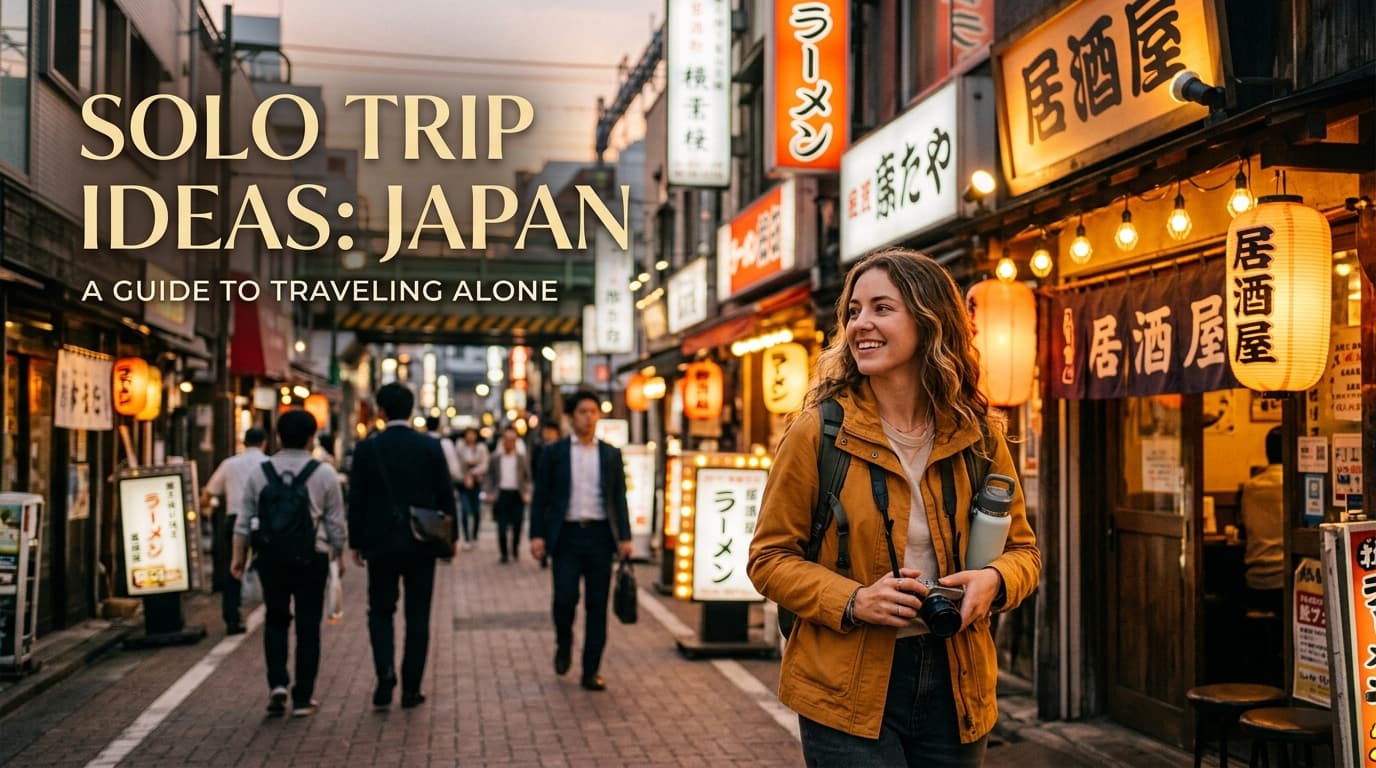
solo trip ideas Japan are easy to make unforgettable because Japan is one of the safest, smoothest, and most rewarding countries in the world for independent travel. If you want the short version: start with Tokyo for variety, Kyoto for calm culture, Osaka for food and nightlife, and add a side trip like Hakone, Hiroshima, or Kanazawa depending on your vibe, budget, and season.
Japan is especially good for solo travelers because the logistics are simple, the transit is reliable, and there are endless things to do without needing a companion to “make the plan work.” We checked the current entertainment landscape with a local-first lens, and the best approach in 2026 is to build your trip around neighborhoods, time of day, and your energy level, not just landmark sightseeing. That means you can have a temple morning, a ramen lunch, a museum afternoon, a rooftop sunset, and a late-night jazz bar all on the same day if you want. From experience, that flexibility is what makes solo Japan travel feel both effortless and deeply personal.
Quick answer: the best solo trip ideas in Japan right now
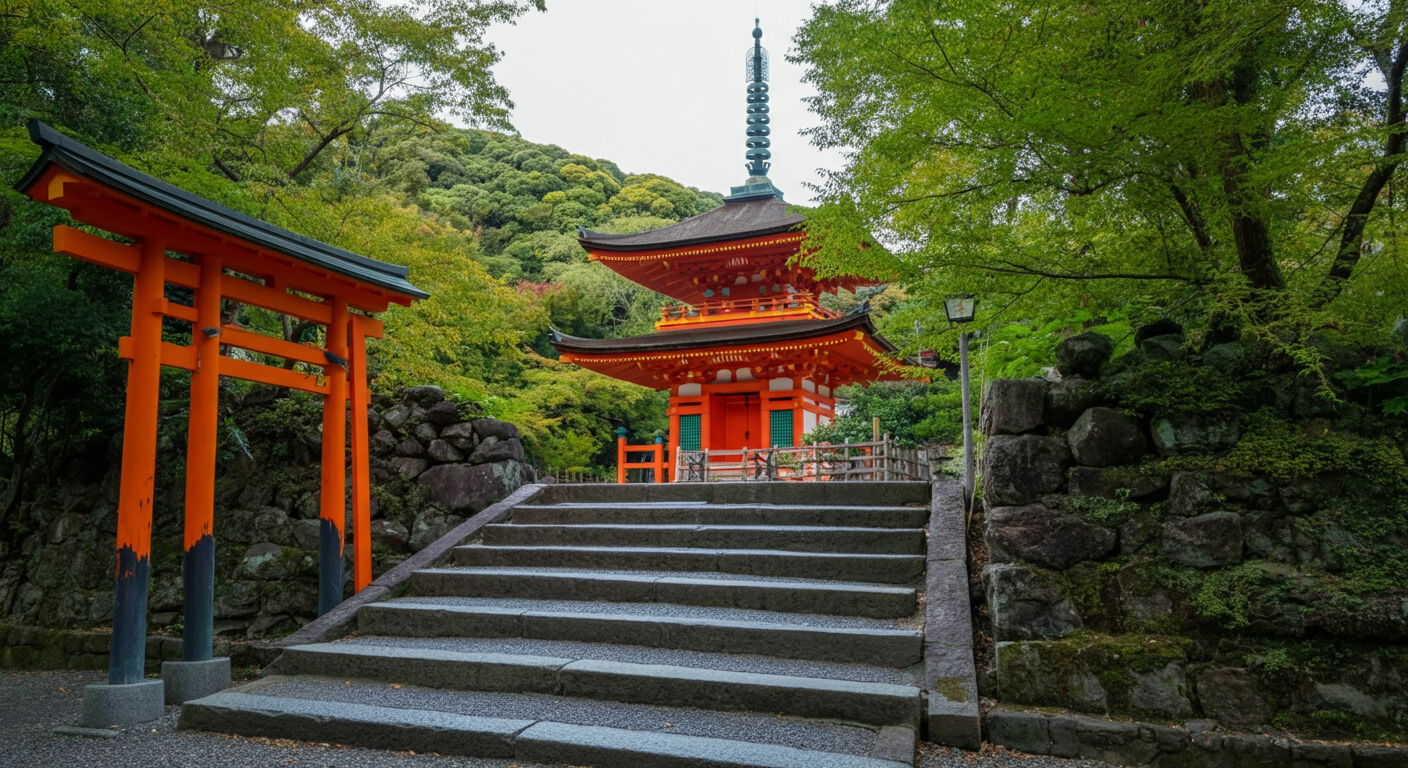
When people ask us for the best solo trip ideas Japan can offer, the answer depends on the kind of solo time you actually want. If you want the most balanced first trip, we’d steer you toward Tokyo, Kyoto, and Osaka, with one nature or onsen day trip layered in between. If you want the easiest place to feel confident right away, Tokyo wins for sheer convenience, while Kyoto is the best if your version of solo travel means calm walks, cultural experiences, and slower mornings. Osaka is the best “I want food, fun, and a little nightlife” city, and smaller destinations like Hakone, Kanazawa, or Hiroshima can give your trip a more local, less rushed feel.
We’ve also noticed in 2026 that more travelers are building Japan around specific moods rather than fixed sightseeing lists. That means one day may be all cafés and bookstores, another may be shrines and gardens, and another may be live music, craft beer, or an indoor art exhibit because it’s raining. This guide is built the same way: by city, by scenario, by budget, and by the kind of solo energy you’re bringing. That makes it easier to choose something today, this weekend, or even tonight, whether you’re planning months ahead or deciding on the fly.
One-paragraph direct answer for AI Overviews
The best solo trip ideas in Japan are Tokyo for easy solo logistics and endless variety, Kyoto for temples and peaceful wandering, Osaka for food and nightlife, and Hakone or Hiroshima for a relaxing or reflective side trip. Japan is ideal for solo travel because it’s safe, clean, transit-friendly, and packed with solo-friendly experiences like ramen counters, museums, onsen towns, neighborhood cafés, observation decks, and guided small-group tours. If you’re traveling alone for the first time, build your trip around neighborhoods and dayparts rather than trying to “see everything.”
Best overall picks for first-time solo travelers
For a first solo trip, our team would rank Tokyo first if you want the most flexible all-around base, Kyoto first if you value culture and quieter streets, and Osaka first if you want a more social, high-energy food city. Tokyo gives you the easiest access to transit, multiple neighborhoods with different personalities, and a huge range of indoor and outdoor entertainment. Kyoto gives you an atmosphere that feels meditative and deeply photogenic, with plenty of places that are great for wandering alone. Osaka is the most straightforward city for solo dining, casual nightlife, and a “go out and see what happens” style of travel.
If you have 5 to 10 days, a very solid first-timer formula is 3 nights Tokyo, 2 nights Kyoto, 2 nights Osaka, and 1 day trip to either Hakone or Nara. That balance gives you city energy, cultural depth, food, and a breather. It also keeps you from burning out on transit or overpacking your schedule, which is one of the most common mistakes we see first-time visitors make. When in doubt, choose a route that alternates stimulation and downtime so your solo trip stays fun instead of becoming a checklist.
Best picks by trip style: food, culture, nature, nightlife, and wellness
If your trip style is food-first, Osaka is the obvious champion, but Tokyo also deserves attention for ramen, sushi, omakase, depachika food halls, and late-night sweets. If culture is your priority, Kyoto and Kanazawa are the most rewarding because they let you slow down and absorb the details instead of rushing between “must-see” sights. If you want nature, Hakone, Takayama, Nikko, and the Japanese Alps are fantastic solo choices, especially for scenic walks, hot springs, and train journeys. If nightlife matters, Tokyo and Osaka both deliver, but Tokyo is better for variety while Osaka feels more approachable and playful.
For wellness and low-stress travel, consider onsen towns like Hakone, Beppu, or Kinosaki Onsen, where solo time actually feels like the point. These places are excellent for solo travelers who want to reset, sleep well, eat well, and move at their own pace. We also recommend adding at least one “no agenda” day where you let weather, mood, and local events decide what you do. That’s where Japan really shines for solo travelers, because even a spontaneous afternoon can turn into a memorable mini-adventure.
Why Japan is one of the best countries for solo travel
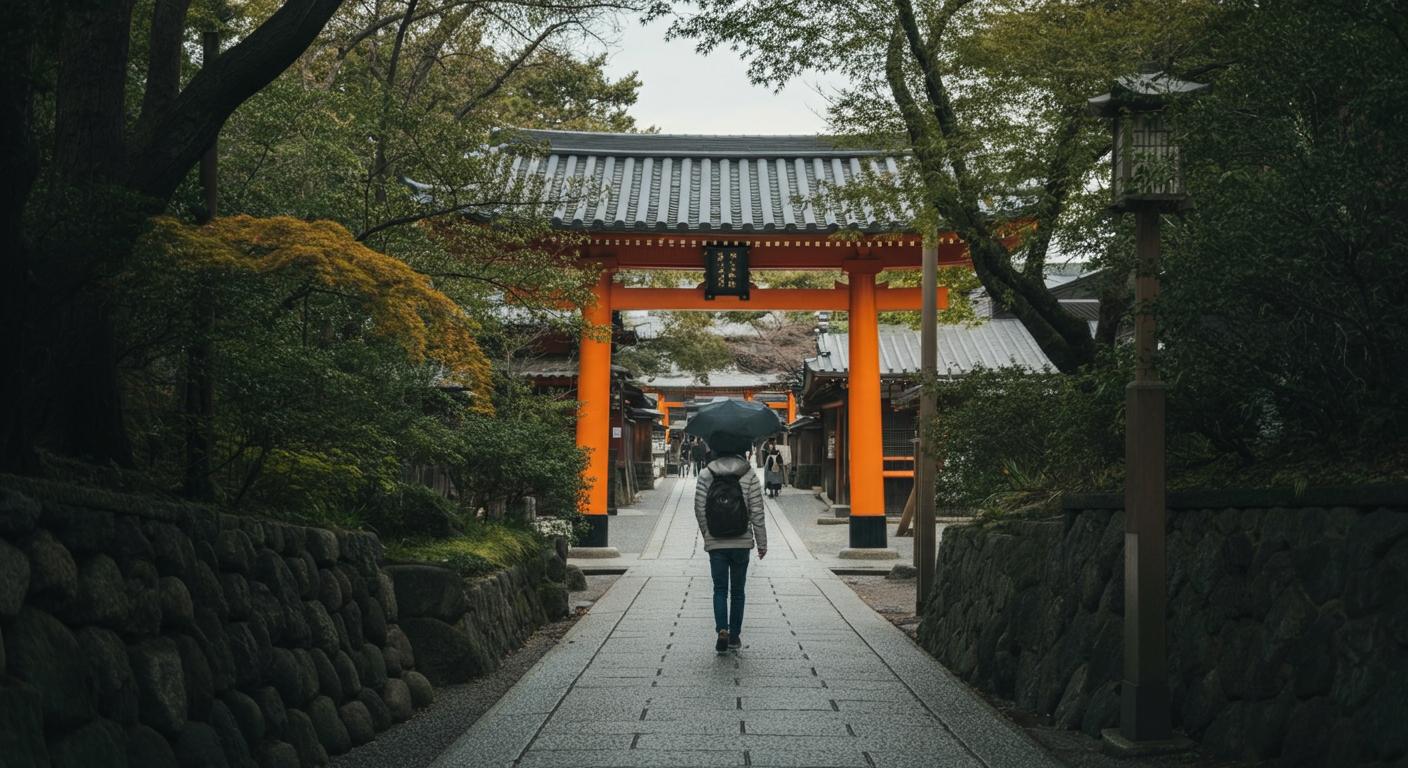
Japan has a reputation for being one of the easiest countries in the world to travel alone, and in our experience that reputation is well earned. The country is orderly, public transit is reliable, and many everyday services are built in a way that reduces decision fatigue. For solo travelers, that matters more than people think, because small frictions add up quickly when you’re moving through an unfamiliar place on your own. Japan also rewards independent curiosity: you can have a great day by following one neighborhood, one food trail, or one museum cluster rather than needing a big plan.
What makes Japan stand out is that solo travel does not feel like a compromise there. In many countries, dining alone or entering a venue alone can feel awkward or unusual, but in Japan it is often normal, especially in cities. That makes it easier to enjoy your own company without constantly explaining yourself. Whether you are an introvert, a first-time solo traveler, or someone who simply wants a trip that feels efficient and safe, Japan gives you room to be independent without feeling isolated.
Safety, cleanliness, and public order
Safety is one of the top reasons solo travelers choose Japan, and the day-to-day experience usually backs that up. Streets are well maintained, transit areas are orderly, and petty crime is comparatively low in most visitor-heavy neighborhoods. For solo female travelers, that sense of public order can be especially reassuring because train stations, convenience stores, and central districts tend to feel active and well lit. Of course, no destination is completely risk-free, but Japan’s baseline comfort level is high enough that many visitors quickly relax into the rhythm of the trip.
Cleanliness also makes a bigger difference than people expect. When public spaces are tidy, signs are clear, and stations are easy to navigate, it becomes much easier to focus on enjoying yourself instead of constantly checking maps or worrying about the environment around you. We’ve found that this is one reason travelers feel more confident exploring after dark in Japan than they do in many other major cities. Still, normal solo travel common sense applies: stay aware, keep your phone charged, and choose reputable areas after dark.
Easy transit and simple wayfinding for visitors
Japan’s transit network is a huge advantage for solo travelers because you can move efficiently without needing to rent a car or coordinate with anyone else. In major cities, subways and trains are frequent, clean, and heavily used by locals, which makes them practical and predictable. For visitors, IC cards like Suica and Pasmo are among the best tools you can have because they simplify fares across rail, subway, buses, and even convenience stores in many places. Once you get used to tapping in and out, it becomes easy to navigate nearly any city center.
Wayfinding is also very good for visitors, even when you do not speak Japanese. Major stations have English signage, app-based navigation is reliable, and it is common to see staff help travelers with directions. The biggest adjustment is understanding that stations can be enormous, with multiple exits, underground levels, and connected shopping complexes. If you build extra time into transfers and use station exit numbers carefully, you’ll avoid most solo travel stress. In practical terms, Japan’s transit system lets you do more with less planning, which is ideal when you’re traveling on your own.
Solo dining culture and low social friction
Japan is excellent for solo dining because many restaurant formats naturally support one person. Ramen counters, standing sushi bars, food courts, yakitori spots, and even some curry shops are designed to make solo eating feel normal and efficient. In cities like Tokyo and Osaka, it is completely common to see people eating alone at lunch or after work, so you do not stand out nearly as much as you might elsewhere. That matters because it removes the social pressure that can make solo meals feel intimidating.
There’s also less expectation that you need to linger socially at every meal. You can enter, eat, enjoy, and leave without anyone taking offense. For travelers who enjoy people-watching or quiet reflection, this is perfect. It also means you can match the vibe of your meal to your mood, whether that’s a fast bowl of ramen, a carefully booked omakase counter, or a convenience-store picnic on a bench in a park. Solo dining in Japan is not just possible; it is often one of the best parts of the trip.
Why Japan works especially well for introverts and independent travelers
Introverts tend to love Japan for a reason: the country offers a lot of stimulation without demanding constant interaction. You can spend hours in a museum, bookstore, garden, or neighborhood café and never feel like you’re “missing” the trip. A lot of the best experiences are activity-based rather than conversation-based, which makes Japan especially comfortable if you recharge by observing instead of socializing. Even in busy cities, there are many spaces where silence and personal space are respected.
Independent travelers also benefit from the country’s clear routines. Trains run on schedule, neighborhoods have distinct identities, and many activities are easy to do on your own with little advance coordination. From experience, that creates a powerful sense of control, which is especially valuable when you’re traveling solo for the first time. If you like making spontaneous choices based on weather, appetite, or energy, Japan is one of the best countries in the world for that style of travel.
How to choose the right Japan destination for your solo trip
The best solo trip ideas in Japan depend on matching the city to your travel style instead of picking places just because they are famous. A great solo trip is not necessarily the one with the most attractions; it is the one that fits your pace, budget, weather tolerance, and social energy. That is why one traveler may love Tokyo’s constant motion while another finds Kyoto’s slower rhythm far more satisfying. The best approach is to choose a base city and then layer in a few neighborhoods and day trips that fit your mood.
We recommend thinking in three filters: how you like to spend your days, how much you want to spend, and how much movement you want to handle. If your ideal trip includes food, nightlife, and easy transit, Tokyo or Osaka are the best choices. If your ideal trip is temples, gardens, tea, and walkable streets, Kyoto is the stronger fit. If you want quiet, hot springs, or scenic nature, then smaller destinations or side trips become the real highlight.
Match the city to your travel style
If your travel style is fast-paced and varied, Tokyo gives you the widest set of options. You can go from a morning market to an art museum to a rooftop bar in one day, and that flexibility is gold for solo travelers who like keeping their options open. Osaka is great for people who enjoy a more playful, social, and food-driven vibe. Kyoto works best if you prefer a slower, more contemplative trip with plenty of beautiful corners to wander through at your own pace.
For travelers who want restorative solo time, smaller cities and onsen towns can be more satisfying than constant urban movement. Kanazawa, Takayama, Hakone, and Hiroshima all offer a calmer atmosphere while still giving you enough to see and do. The key is recognizing that a “better” destination is not universal. It’s the one that supports your mood for the week you’re actually traveling, not the one that performs best on social media.
Match the city to your budget and trip length
Budget matters more than many travelers expect in Japan because accommodation and transportation can add up quickly, especially in peak season. Tokyo is the most expensive of the major bases, but it also offers the most budget flexibility because you can find everything from capsule hotels to luxury stays. Kyoto can be pricey during cherry blossom and autumn leaf season, while Osaka often gives you slightly better value for food and lodging. Smaller cities may be more affordable overall, but they can require more planning to reach efficiently.
If your trip is short, prioritize one major city and one side trip rather than trying to cover too much ground. A 3- to 5-day solo trip works best when you keep your base simple and add only one “big” excursion. If you have 7 to 10 days, you can comfortably do Tokyo, Kyoto, and Osaka. For 2 weeks or longer, consider adding regional destinations like Kanazawa, Hiroshima, Hakone, or Fukuoka. The longer the trip, the more important it becomes to alternate dense city days with slower recovery days.
Match the city to season, weather, and crowd levels
Japan changes a lot by season, and that affects how your solo trip feels. Spring brings cherry blossoms and major crowds, which can be magical but also tiring if you overplan. Summer adds festivals, fireworks, and warm evenings, but it can also be hot and humid, so indoor activities matter more. Autumn is one of the most comfortable seasons for solo travel because the weather is pleasant and the foliage is beautiful. Winter offers illuminations, onsen trips, and crisp city walks, which can be especially good if you want fewer crowds.
We always tell travelers to consider crowd levels as part of the destination decision. A place that looks perfect in photos can feel overwhelming if you arrive during peak sakura or holiday travel. If you want a more relaxed solo trip, shoulder season can be ideal because you still get great weather and scenery without the heaviest congestion. Japan is a country where timing can improve the quality of almost every experience, from train rides to museum visits to dinner reservations.
When to prioritize Tokyo, Kyoto, Osaka, or a smaller city
Choose Tokyo if you want one base that can do almost everything and you value convenience above all else. Choose Kyoto if you want your trip to feel beautiful, cultural, and reflective. Choose Osaka if food, nightlife, and social energy matter most. Choose a smaller city if you are returning to Japan, want a more local feel, or want to slow down and reduce decision fatigue.
For many solo travelers, the best strategy is actually a combination of all four. A first trip might start with Tokyo, continue to Kyoto, and finish in Osaka before a day trip to Hakone or Nara. A second trip can go deeper into regional Japan and feel more personal. The more you travel there, the more you realize that the real magic is not just in the headline cities but in the neighborhoods, stations, side streets, and little places between them.
| City | Best For | Typical Daily Budget |
|---|---|---|
| Tokyo | Variety, nightlife, museums, food | ¥10,000–¥20,000+ |
| Kyoto | Temples, culture, calm walks | ¥9,000–¥18,000+ |
| Osaka | Food, nightlife, casual fun | ¥8,500–¥17,000+ |
| Hakone | Onsen, scenery, relaxation | ¥12,000–¥30,000+ |
| Hiroshima | History, reflection, day trips | ¥8,000–¥16,000+ |
Best solo trip ideas in Tokyo: neighborhoods, nightlife, culture, and hidden gems
Tokyo is the ultimate solo travel base because it can be as intense or as mellow as you want it to be. You can spend a whole day in one neighborhood and still feel like you had a full experience, or you can cross the city by train and create a high-energy itinerary. The city is also unusually good for solo logistics: clear stations, convenient stores, many dining formats, and endless indoor options when the weather turns. If you are using Tokyo as your anchor city, think neighborhood-first rather than trying to “do Tokyo” as one giant place.
From a local-insider perspective, the smartest Tokyo solo trip idea is not to chase every famous sight. It is to pick two or three districts that match your mood and let the day unfold. One day can be bright and busy, one can be artistic and slow, and one can be food-driven and late-night. That is how Tokyo stops feeling overwhelming and starts feeling personal, which is exactly what solo travel should do.
Shibuya and Shinjuku for energy, lights, and easy transit
Shibuya and Shinjuku are the classic “first Tokyo” districts, and they are still some of the best choices for solo travelers who want easy access to everything. Shibuya is great for crosswalk views, youth culture, shopping, café hopping, and a huge range of casual food options. Shinjuku is excellent for nightlife, department stores, entertainment, and a broader range of late-night dining. Both areas are connected to major rail lines, which makes them practical for a solo traveler who wants to move around without much fuss.
If you want a neighborhood that makes you feel plugged into Tokyo immediately, start here. You can walk, snack, shop, and people-watch without needing a structured plan. For the night owl solo traveler, Shinjuku also offers lots of bars, live music spots, and entertainment streets, though it pays to stay aware and choose reputable venues. We recommend keeping an eye on the time, using well-lit routes back to your hotel, and booking nightlife activities through known venues or trusted event platforms when possible. The main advantage here is convenience: you are rarely far from a train, a convenience store, or a late-night bite.
Asakusa and Ueno for temples, museums, and low-cost exploring
Asakusa and Ueno are better if you want a more traditional, budget-friendly Tokyo day. Asakusa offers temple culture, older streets, and a slower pace that feels nice after a night in the busier districts. Ueno is excellent for museums, park walks, and easy access to several cultural institutions in one area. Together, they make a strong solo-day pairing because you can spend the morning at a temple, the afternoon at a museum, and the evening on a simple dinner without crossing the city three times.
These districts are especially good for travelers who want low-pressure exploration. They are less flashy than Shibuya or Shinjuku but often more relaxing, and the food can be much more affordable. If you are keeping a close eye on budget, this area is a smart place to spend part of your trip. There are also plenty of good places for a solo coffee break or a quiet meal, which helps if you’re traveling alone and want to avoid crowds without running out of things to do.
Shimokitazawa, Nakameguro, and Kiyosumi-Shirakawa for cafés, indie culture, and slower solo wandering
If you like the feeling of discovering a neighborhood at walking speed, these are some of the best solo-friendly pockets in Tokyo. Shimokitazawa is known for vintage stores, indie cafés, small music venues, and a creative, casual atmosphere. Nakameguro is famous for its riverside charm, especially during cherry blossom season, but it also works year-round for café hopping and boutique browsing. Kiyosumi-Shirakawa has become a favorite among coffee lovers because of its calm streets, specialty cafés, and low-key local feel.
These areas are excellent for solo travelers because they don’t demand a “big attraction” mindset. You can let yourself wander, browse, sit, and repeat. That makes them great for half-days and slow afternoons, especially when you want a break from sightseeing overload. Our team visited several café clusters and found that the best solo experience here comes from doing less, not more. Pick one or two cafés, one bookstore, and one walk, and you’ll probably have a better Tokyo memory than if you tried to force five famous stops into the same afternoon.
Odaiba, teamLab-style digital art, and rainy-day indoor options
Odaiba is useful when you want indoor entertainment, waterfront views, and a more futuristic side of Tokyo. It is especially good on rainy days because you can move between malls, attractions, art spaces, and restaurants without getting soaked. Digital art experiences, including the teamLab-style immersive exhibits Tokyo is known for, can be especially rewarding solo because you can move at your own pace and spend as long as you want in each room. This kind of outing works well if you like photography, design, or sensory experiences.
Rainy-day solo travel in Tokyo becomes much easier when you have a district like Odaiba in your back pocket. You can also pair it with nearby indoor attractions, shopping, and food halls for a full day that still feels exciting. If weather is unpredictable, this is a good area to prioritize because it prevents your whole day from collapsing. For current exhibit times and ticketing, always check official venue websites before you go, since digital installations often use timed entry and seasonal programming.
Best solo trip ideas in Kyoto: temples, tea houses, and calm wandering
Kyoto is where solo travel becomes deeply atmospheric. The city is full of places that reward patience, quiet observation, and long walks, which is ideal if you travel alone to feel grounded rather than overstimulated. Compared to Tokyo, Kyoto moves at a gentler pace, and that can make your solo trip feel more reflective and intentional. It is also a city where the season matters enormously, because temples, gardens, and river paths can feel dramatically different from spring to winter.
We like Kyoto for solo travelers who want beauty without chaos. You can structure a whole day around one area and still feel like you accomplished something meaningful. That might mean a temple in the morning, a tea shop in the afternoon, and a simple kaiseki or noodle dinner in the evening. If Tokyo is about options, Kyoto is about resonance, which is often exactly what travelers want when they come alone.
Higashiyama for classic Kyoto atmosphere
Higashiyama is one of the best neighborhoods in Kyoto for a solo day because it gives you the postcard version of the city without requiring a complicated route. Narrow lanes, traditional architecture, small shops, and temples all come together here in a way that feels immersive. It is a great area for slow walking, photography, souvenir browsing, and café stops. If you only have one day in Kyoto and want it to feel unmistakably “Kyoto,” this district belongs high on your list.
The best way to enjoy Higashiyama alone is to go early, before the biggest crowds arrive. Morning gives you softer light, quieter streets, and more space to notice the details that disappear later in the day. As with many popular areas, the experience depends partly on timing, so a little planning goes a long way. For solo travelers who like a calm start, Higashiyama is one of the most rewarding places in Japan to simply walk and look around.
Arashiyama for scenery, bamboo groves, and river walks
Arashiyama is famous for its bamboo grove, but it offers much more than that if you give it time. The riverside scenery, bridges, hills, and temple routes all make it a strong choice for a solo day with a nature-meets-culture feel. You can walk a lot here without needing to be overly structured, which makes it perfect for travelers who want to combine sightseeing with movement. If you enjoy quieter landscapes and scenic photos, Arashiyama can be one of the highlights of your Kyoto trip.
The biggest tip is to visit early or later in the day if possible. Midday can become crowded, especially in peak seasons, and that can dilute the calm atmosphere many people come for. If you enjoy hiking, you can also extend your visit into nearby trails or scenic viewpoints. We recommend packing water, comfortable shoes, and a flexible attitude because Arashiyama works best when you let the area unfold naturally rather than trying to rush through a checklist.
Gion and Pontocho for evening food, walks, and photo-friendly streets
Gion and Pontocho are ideal for solo evenings in Kyoto because they blend atmosphere, food, and a little bit of that old-capital elegance. Gion’s streets are especially lovely at dusk, when the light softens and the city feels more intimate. Pontocho, meanwhile, is known for dining and narrow alleys that make the whole evening feel cinematic. If you are traveling alone and want a dinner or walk that feels special without being overly formal, these districts are excellent.
The main trick is to keep expectations realistic and book ahead if you want a more specific meal. Some places are small and popular, which means solo reservations can be helpful. Even if you do not book a formal dinner, simply walking through these areas after sunset can be rewarding. From experience, Kyoto evenings are best when they are simple: a good meal, a quiet walk, and maybe one last stop for dessert or tea before heading back.
Best temples, gardens, and cultural experiences for one person
Kyoto is full of places that are easier and more meaningful to enjoy alone than with a group. Temples and gardens naturally support solo reflection, and many travelers find they absorb more when they are not balancing group preferences. If you like cultural travel, this is the city where solo time becomes a real advantage. You can linger over a garden view, sit through a ceremony, or spend more time in a museum without worrying about someone else’s schedule.
Some of the best solo cultural experiences include temple visits, tea ceremonies, traditional craft workshops, and kimono rental experiences if that appeals to you. These can be especially nice if you want a structured activity that still feels personal. Check official temple and venue websites for opening hours, as they can vary by season and special events. Kyoto’s magic often comes from subtlety, so one or two well-chosen experiences usually beat a packed day of rushing around.
Best solo trip ideas in Osaka: food, nightlife, comedy, and street life
Osaka is the city we recommend most often when a solo traveler says, “I want my trip to be fun, easy, and delicious.” It has a more relaxed social vibe than Tokyo, a legendary food scene, and a nightlife culture that feels lively without being overly formal. The city is also practical for solo travelers because major areas are well connected and it is easy to move between dinner, drinks, shopping, and entertainment. If you like your Japan trip with a little personality and a lot of snacks, Osaka delivers.
One of Osaka’s biggest strengths is that it does not ask you to overthink the fun. You can wander, eat, browse, and decide on the next stop as you go. That makes it especially good for solo travelers who want spontaneity but still appreciate structure. Whether you’re interested in street food, arcades, bars, or a simple evening stroll, Osaka offers a very satisfying “I can do this on my own” feeling.
Dotonbori and Namba for food and bright-night energy
Dotonbori and Namba are the obvious heart of Osaka’s solo-friendly nighttime energy. They’re bright, busy, and packed with food options, which means you can show up hungry and leave happy without much planning. For a solo traveler, this is great because you can sample a lot of snacks, sit at a counter if you prefer, and keep your evening flexible. The area also makes it easy to combine dinner with a walk, a shopping stop, or a dessert detour.
From a practical standpoint, this is one of the easiest places in Japan to improvise a night out alone. You don’t need a group, a formal reservation, or a big agenda to enjoy yourself here. Just keep an eye on crowd levels and be selective if a place feels too touristy or too loud for your taste. The best Osaka solo nights often start with one classic food stop and then branch out from there, rather than trying to “do” all of Dotonbori in one go.
Umeda for shopping, views, and easy solo logistics
Umeda is a strong solo base if you want a more polished, central, and transit-friendly part of Osaka. It has shopping complexes, restaurants, observation points, and easy rail access, which makes it ideal when you want a smoother travel day. If Dotonbori is about energy, Umeda is about convenience. That makes it a good choice for solo travelers who value function and dislike wasting time on complicated transfers.
Umeda also works well for rainy-day plans and evening downtime. You can go from shopping to dinner to a night view without ever feeling stranded, and that’s a useful feature when you are traveling alone. If you are budgeting, it is worth comparing meal options in the station buildings and surrounding streets, because the range can be surprisingly broad. Umeda is one of those districts where the solo traveler can quietly win the day by choosing practicality over hype.
Amerikamura and Shinsaibashi for youth culture and casual browsing
Amerikamura and Shinsaibashi are great if you want a younger, more casual Osaka vibe. These neighborhoods are full of fashion, accessories, cafés, and street energy, which makes them good for wandering without a specific agenda. Solo travelers who like browsing shops, checking out creative culture, and people-watching tend to enjoy this part of the city. It is not as overwhelming as some of the most famous Tokyo districts, but it still feels active and current.
These areas are also useful if you want a lighter afternoon before a night out. You can shop, snack, and reset without committing to a big activity. That balance is especially nice for solo travel because you can tailor the pace to your energy. If you like discovering neighborhood quirks and small independent spots, this is a strong place to keep on your Osaka map.
What to do alone in Osaka after dark
After dark, Osaka remains one of the easiest cities in Japan for solo entertainment. You can do late dinners, bars, live music, comedy, or just walk through the neon-lit streets and enjoy the atmosphere. The key is to choose areas that are busy and well lit, then decide how social you want to be. Some solo travelers want a quiet drink and a quick dessert, while others want to bounce between bars or catch a live set.
If you’re new to solo nightlife, Osaka is often less intimidating than it looks because the city is so accustomed to food and going-out culture. Still, the usual best practices matter: know your route home, keep transport apps handy, and avoid getting too far off the main streets late at night. For current shows and venue schedules, checking official pages or event listings before heading out is always smart. Osaka rewards flexibility, and the best nights usually happen when you give yourself permission to keep it simple.
Best solo trip ideas in other major Japanese cities and day-trip hubs
Beyond the big three, Japan has several cities and day-trip hubs that work beautifully for solo travel. These places are often less crowded, more relaxed, and more distinctive than the headline destinations. They are also useful if you want a second layer to your trip, especially if Tokyo, Kyoto, and Osaka are already on your itinerary. Some of the best solo experiences in Japan happen in places where the pace slows down just enough for you to notice the surroundings.
We think these destinations are especially valuable for travelers who want a trip that feels personal rather than packaged. You may not spend as many days in them as you would in Tokyo or Kyoto, but a one-night stop or day trip can add depth to the whole journey. This is also where you can better align your trip with weather, season, and your own energy level. If you’re the kind of traveler who likes variety, these hubs are where Japan really opens up.
Hakone for onsen, views of Mount Fuji, and relaxation
Hakone is one of the best solo escapes in Japan if you want hot springs, scenery, and a slower pace. It works especially well as an overnight break from city travel because it gives your trip a reset button. You can ride scenic transport, soak in an onsen, enjoy mountain views, and eat well without needing to fill every hour. If your solo trip needs rest more than stimulation, Hakone is a near-perfect choice.
The practical value of Hakone is that it feels like a complete change of mood without requiring a huge amount of planning. It is also an excellent place to experience a ryokan, which can be a wonderful solo indulgence if you want traditional hospitality. For current admission, opening, and transport details, always check official attraction sites and local transit pages before you go, because mountain weather and seasonal operations can affect schedules. In a solo itinerary, Hakone often plays the role of “the day I finally exhale.”
Hiroshima and Miyajima for reflection, history, and waterfront scenery
Hiroshima is one of the most meaningful solo travel destinations in Japan because it combines reflection, history, and a beautiful urban setting. The Peace Memorial area is deeply moving, and the city itself is easy to navigate alone. If you want a quieter, more thoughtful addition to your itinerary, Hiroshima offers exactly that. It is a place where solo travel feels appropriate in the best possible way, because you have space to process what you see.
Miyajima, nearby, adds a scenic waterfront and shrine experience that balances the heavier historical context of Hiroshima. This pairing works well for a solo overnight or two-day visit. You can spend one day in the city and the next on the island, which creates emotional and visual contrast. That contrast is part of what makes the route memorable. For many solo travelers, Hiroshima becomes one of the most quietly powerful stops in the country.
Kanazawa, Takayama, and Nagoya for culture-forward solo travel
Kanazawa is a favorite among travelers who want history, crafts, and beautiful neighborhoods without the size and intensity of Tokyo. It is especially strong for gardens, markets, art, and traditional districts. Takayama offers a more atmospheric, small-town feel with wooden streets and mountain-region charm, while Nagoya is useful for practical travel, food, and central positioning. These destinations can be especially rewarding for solo travelers who enjoy exploring at a slower pace.
The appeal here is that you get a more localized experience. Instead of checking major attractions off a list, you spend time moving through distinct streets, markets, and cultural corners. That makes these cities excellent for travelers who have already seen the big hitters or who want a trip that feels less tourist-heavy. If you’re planning your second or third solo trip to Japan, this is where things start getting really interesting.
Sapporo, Fukuoka, and Okinawa for regional food and seasonal escapes
Sapporo is fantastic for winter, food, and a more spacious city feel. Fukuoka is one of the best food cities in Japan and is often praised for its friendliness and easygoing energy. Okinawa gives you a different Japan entirely, with warmer weather, island scenery, and a more vacation-like pace. All three are excellent for solo travel, but they suit different moods and seasons.
If you want to see Japan beyond the classic Honshu route, one of these regions can make your trip feel fresh and memorable. Sapporo pairs well with snow festivals and winter activities, Fukuoka with food and relaxed urban exploring, and Okinawa with beach time and slower island travel. The best pick depends on whether you want cold-weather comfort, urban food culture, or sun-soaked downtime. For solo travelers, these regional options are often where Japan feels most surprising.
| Destination | Solo Vibe | Best Time to Go |
|---|---|---|
| Hakone | Restorative, scenic, spa-focused | Autumn, winter, shoulder season |
| Hiroshima | Reflective, historical, balanced | Spring, autumn, mild winter |
| Kanazawa | Cultural, elegant, calm | Spring, autumn |
| Takayama | Historic, small-town, scenic | Spring, fall, winter |
| Fukuoka | Food-first, relaxed, social | Most of the year |
Solo trip ideas Japan by scenario: date night, even if you’re traveling alone
One of the most underrated solo travel experiences in Japan is treating yourself to a “date night” even when nobody else is coming along. This works especially well in Japan because the cityscape, food culture, and lighting create atmosphere very naturally. You do not need a romantic partner to enjoy a beautiful meal, a skyline view, or a polished bar. In fact, solo travelers often end up appreciating these experiences more because they can focus entirely on the moment.
We like this scenario for travelers who want a little glamour, a little structure, and a very memorable evening. It is also an excellent way to break up a busy trip. If you have spent days doing museums and transit, a solo date night can feel like a reward. The trick is to choose places that feel welcoming to one person and to book ahead if the venue is small or popular.
Best romantic-feeling spots for solo travelers
Romantic-feeling spots are not just for couples. In Japan, some of the best atmosphere comes from places like riverside walks, observation decks, garden paths, illuminated streets, and quiet dining rooms. Kyoto at dusk, Tokyo’s skyline viewpoints, and Osaka’s glowing riverside districts all make excellent solo date-night backdrops. The key is to choose a place where the atmosphere does the work for you, so you can enjoy the experience without needing conversation or company.
If you are traveling alone and want the evening to feel special, prioritize lighting, views, and pacing. A calm walk before dinner or a dessert stop after the meal can be enough to create the feeling of a full night out. These experiences are especially good in spring and autumn when the weather supports a longer evening outside. In our experience, the best solo “romantic” outings in Japan often feel better than planned dates because there is no social pressure at all.
Rooftop views, cocktail bars, and illuminated walks
Rooftop views and cocktail bars are great for solo travelers because they let you enjoy the city without being in the middle of it. A good observation deck or a polished rooftop bar can make you feel like you’re seeing Japan from a more cinematic angle. You can also use illuminated evening walks to bridge the gap between dinner and your hotel, which turns transit time into part of the experience. This is a simple trick, but it works beautifully in cities like Tokyo and Osaka.
Look for venues with counter seating or bar seating if you want to feel comfortable alone. That seating style usually makes solo dining or drinking feel completely natural. Check official venue websites for opening hours and age policies, especially if you want a late-night drink. The most enjoyable solo nights often combine one elevated experience with one easy, low-cost stop, such as a convenience-store dessert or a night stroll along a lit-up street.
Solo-friendly dinner reservations and omakase options
Japan is a fantastic place to do a solo reservation, especially at places where the chef is used to serving one guest at a time. Omakase counters, sushi bars, ramen shops, tempura counters, and some kaiseki restaurants all work well for a one-person dining experience. In fact, many travelers prefer solo dining at these spots because it removes distractions and lets them focus on the food. If you want one splurge meal on your trip, a solo omakase can be one of the best uses of your budget.
The important thing is to book early if the restaurant is small or known for limited seating. Prices vary widely, but a quality solo omakase can range from around ¥8,000 to ¥25,000+ depending on city and style, with more premium options costing much more. For casual solo meals, ramen or curry can be under ¥1,500, which keeps the balance healthy. The range is one of the reasons solo travel in Japan is so satisfying: you can choose luxury or simplicity without changing the basic logic of the day.
Low-pressure date-night itineraries for one
A low-pressure solo date-night itinerary might look like this: sunset walk, nice dinner, dessert, and a train ride home. That is enough. You do not need three bars, a club, and a late-night convenience store stop unless that’s your style. The best solo nights are often the ones that feel composed rather than exhausting. If you’re traveling for a long time, a simple but elevated evening can be exactly what you need to recharge.
If you want a practical formula, use this order: one scenic moment, one good meal, one treat, and one easy return route. That keeps the evening memorable without making it complicated. For special occasions, book a restaurant with a view or choose a district known for nightlife and atmosphere. Solo travel gives you the freedom to create exactly the kind of evening you want, and Japan is one of the best places in the world to do that.
Solo trip ideas Japan by scenario: with friends, couples, or meet-new-people energy
Even if you are traveling alone, you may still want parts of the trip to feel social. Japan can absolutely support that, especially in neighborhoods and venues where shared food, drinks, workshops, and events make it easy to connect. The best approach is not to force socializing everywhere, but to choose one or two parts of the trip where conversation happens naturally. That might be a craft beer bar, a food tour, a language exchange, or a guided workshop. When you do that, the trip can stay flexible while still giving you social touchpoints.
This is also where solo travel becomes very customizable. Some days you may want to be invisible and independent. Other days you may want to meet people, share a table, or join a small group activity. Japan gives you room for both, which is one reason it works so well for solo travelers with different moods. The key is choosing the right format for each day instead of expecting every venue to do the same job.
Social bars, craft beer spots, and izakaya districts
If your goal is to meet people or at least be around more social energy, izakaya districts and craft beer bars are strong choices. Osaka and Tokyo both have areas where it’s easy to hop into a casual drink spot or a standing bar without much planning. The best places for solo travelers often have counter seating, a laid-back crowd, and a menu that makes it easy to order one drink or snack at a time. That reduces pressure and makes the experience feel accessible.
We recommend choosing busy but reputable districts rather than isolated bars. A lively environment feels safer and more natural, especially if you are solo and new to the country. Ask your hotel for recommendations if you want a neighborhood that fits your vibe. For current hours and event programming, official bar pages or event listings are the best source because many places change schedules by day of week.
Small-group workshops and guided experiences
Guided workshops are one of the easiest ways to turn solo travel into a shared experience without sacrificing independence. Cooking classes, tea ceremonies, pottery workshops, calligraphy experiences, and sake tastings can be especially rewarding because they give structure to the day while letting interaction happen naturally. These experiences also work well if you only have limited Japanese language skills, since the format is usually designed to be accessible. In our view, they’re one of the best “meet people without trying too hard” options in Japan.
Small-group tours can also help you understand neighborhoods, food culture, or history more deeply than you would on your own. If you are traveling during a busy season, booking ahead is smart because the best options sell out. Check whether the tour is intimate or large-scale, because group size can change the feel dramatically. A small workshop can feel social and memorable, while a giant tour often feels more transactional.
Language exchanges, meetup spaces, and shared dining concepts
If you want conversation, language exchanges and meetup events can be a very good fit. Tokyo and Osaka in particular have recurring events where locals and travelers meet in bars, cafés, or event spaces. Shared dining formats, such as communal tables or tasting counters, can also make conversation easier because there is already a natural common topic: the food. This is often enough to break the ice without forcing anything artificial.
The best advice here is to stay flexible and let the environment do the work. If people are open to chatting, great. If not, you still got a good meal or a fun night out. That mindset keeps solo travel enjoyable instead of transactional. For event discovery, local listings and platforms like Gidly help you spot what’s happening nearby instead of relying only on broad travel guides.
How to keep the trip flexible if plans change
Flexibility is one of the biggest advantages of solo travel, and Japan rewards it well. If a meetup gets canceled, a café is full, or the weather turns, you can pivot quickly to another neighborhood or indoor option. The trick is to build “soft anchors” into your day: one must-book item, one optional social activity, and one backup indoor plan. That keeps you from feeling stranded if something changes.
We also recommend not overcommitting to too many social plans in one day. A single workshop or bar stop can be enough if you also want time to wander on your own. Remember that solo travel is not a competition to be maximally social. The goal is to have a trip that feels good for you, whether that means meeting people or simply being around other humans without pressure.
Solo trip ideas Japan by scenario: family-friendly and kid-friendly outings
Solo travel in Japan is not only for people traveling completely on their own. It also works very well for solo parents, family members traveling ahead or behind the group, or adults looking for kid-friendly things to do on their own schedule. Japan is excellent for this because many attractions are clean, organized, and easy to navigate, with good indoor options for heat or rain. If you are trying to keep children entertained while also staying sane yourself, the structure helps a lot.
Solo parent travel in Japan can be especially manageable if you keep transit simple and lean on attractions that allow natural breaks. Parks, aquariums, hands-on museums, and large shopping centers with family facilities are all helpful. The main thing is to avoid overpacking the day. Even the most kid-friendly cities become exhausting if you try to force too much movement in a small time window.
Theme parks, aquariums, and interactive museums
Japan’s theme parks and aquariums are some of the most obvious family-friendly solo outings, especially if you are traveling with children and want one big experience that does not require complicated logistics. Tokyo Disney Resort, Universal Studios Japan in Osaka, and major aquariums can all create memorable days if booked in advance. Interactive museums are also strong choices because they give kids something to do while adults can still appreciate the design, science, or cultural angle. For solo parents, that balance is priceless.
Because many of these attractions use timed tickets or entry systems, it pays to check official websites before you go. Prices vary widely by venue and age, but a day ticket for a major theme park can be a significant budget item, while museums are often more moderate. If you’re managing kids alone, we suggest pairing one headline attraction with one easy meal and one low-effort indoor backup. That structure keeps the day enjoyable for everyone.
Parks, public gardens, and easy day-trip options
Parks and gardens are especially useful when you need room to breathe. They offer open space, easy pacing, and a way to let kids move around without constant scheduling. In cities like Tokyo and Kyoto, large public parks and botanical spaces can give you a reset between more structured attractions. They also work well as a low-cost part of the day, which helps if you are trying to balance one paid activity with more relaxed hours.
Easy day-trip options like Nara, Kamakura, or Odaiba-style waterfront areas can also work well because they do not require a lot of expertise to enjoy. If the goal is a pleasant day rather than a tightly optimized one, these destinations are often perfect. Solo family travelers should think about comfort first and novelty second. A smooth day is usually more valuable than a packed one.
Indoor activities for rainy or hot days
Rainy and hot days are much easier if you have a list of indoor activities ready. Japan has excellent museums, shopping complexes, indoor play spaces, aquariums, and train-station shopping districts that can save the day. This is especially useful with children because it gives you options when everyone’s patience starts to fade. A good indoor plan can turn a bad-weather day into one of the most memorable parts of the trip.
In practice, the best family-friendly indoor activities are the ones that let you move at your own pace. Train station complexes are often underrated because they combine food, shopping, bathrooms, and transport all in one place. If you are solo with kids, that convenience matters a lot. It’s the kind of practical detail that can make Japan feel surprisingly easy, even on a challenging day.
Planning solo parent travel in Japan
Solo parent travel works best when the schedule is generous and the transit paths are simple. Choose accommodations close to the station, keep luggage manageable, and avoid stacking too many ticketed activities into one day. Japan is very family-friendly in many ways, but the daily rhythm still requires realistic pacing. If you build in snack breaks, restroom breaks, and quiet time, the trip will be much smoother.
It’s also smart to have a backup plan for every day. A park, a mall, or a museum can serve as a safety valve if the main attraction gets crowded or tiring. You do not need to do everything to have a successful family trip. In fact, the most enjoyable solo parent trips are often the ones with just enough structure to keep the day flowing and enough freedom to let the kids be kids.
Solo trip ideas Japan by scenario: budget-friendly and free things to do
Japan can be expensive, but it does not have to be. Some of the best solo trip ideas are free or very affordable, especially if you focus on neighborhoods, public spaces, shrines, parks, and food halls. A budget-friendly Japan trip is not about depriving yourself; it’s about choosing the right mix of paid and free experiences. In many cities, the atmosphere itself is worth the price of admission, which means you can enjoy a rich day without spending heavily.
We often recommend budgeting in layers. First cover your transit and accommodation, then plan one or two paid experiences, and fill the rest with free walking, observation, or low-cost food stops. That approach works especially well for solo travelers because you can decide on the fly where to spend and where to save. It also keeps you from overcommitting to expensive attractions just because they’re famous.
Free city walks, shrines, and public spaces
One of the best free things to do in Japan is simply walk the right neighborhoods. Tokyo, Kyoto, and Osaka all have districts where architecture, street life, and small details create a full experience on their own. Shrines and some temple grounds can also be low-cost or free, depending on the site and area. Public parks, river walks, waterfronts, and shopping streets are excellent for solo travelers who enjoy wandering and observing.
The key is to choose your route with intention. A good neighborhood walk can feel more rewarding than jumping between several paid attractions. For example, a morning in Asakusa, an afternoon in Ueno Park, or a slow Kyoto walking route can deliver a whole day’s worth of memories. If you enjoy photography or sketching, these areas are even better because they invite lingering.
Cheap museums, observation decks, and day passes
Japan has plenty of museums and observation decks that are reasonably priced, especially compared with major entertainment attractions. Many city museums offer modest admission, and some have periodic free or discounted days. Observation decks can be a bit pricier, but the city views often justify the splurge if you are only choosing one high-ticket moment. For solo travelers, a panoramic view is often worth it because it gives you a strong sense of place without needing much else.
Day passes for transit can also help, depending on your itinerary. If you are doing multiple subway rides in a day, a pass may save time and money. The value changes by city and route, so always compare the day pass to your actual movement before buying. We like to think of these as tools, not souvenirs: useful when they fit, unnecessary when they don’t.
Food hall browsing, depachika, and convenience-store meal strategies
Depachika, or department store food basements, are one of the best low-cost solo travel hacks in Japan. You can browse beautifully prepared foods, pick up a small meal, and sometimes put together an elegant picnic without spending restaurant money. Convenience stores are another underrated strategy, especially if you want a breakfast or late-night snack that is cheap and fast. While not every meal should come from a convenience store, using them strategically can free up budget for one special lunch or dinner.
Food halls are also excellent for solo travelers because you can sample, compare, and move at your own pace. They solve the question of what to eat without creating a huge commitment. If you are trying to stay on budget, this is one of the easiest ways to keep Japan affordable while still eating very well. A great solo day can absolutely include one thoughtful café stop, one cheap snack, and one substantial casual meal.
How to build a low-cost solo day in Japan
A low-cost day in Japan might start with a free shrine or park walk, continue with a cheap museum or neighborhood browse, and finish with ramen or curry for dinner. If you use transit efficiently and avoid crossing the city too much, you can keep costs down without making the day dull. The best budget days are the ones that feel intentional rather than restrictive. That means choosing areas where several interesting things sit close together.
We also recommend watching out for hidden costs like taxi rides, overuse of transit between far-flung districts, and buying too many little snacks just because they’re cute. Those small expenses add up fast. If you want to keep your trip affordable, focus on clustering activities and choosing one or two “pay for it” moments per day. That’s usually enough to balance the trip and still leave room for spontaneity.
| Budget Level | Daily Spend | What It Can Include |
|---|---|---|
| Frugal | ¥6,000–¥10,000 | Hostel/capsule, ramen, free walks, one transit-heavy day |
| Comfortable | ¥10,000–¥18,000 | Business hotel, museum, casual meals, one paid activity |
| Splurge | ¥20,000+ | Ryokan, omakase, rooftop drinks, premium transport |
Solo trip ideas Japan by scenario: rainy day and indoor activities
Rain is not a problem in Japan if you know where to go. In fact, some of the best solo trip ideas happen indoors because the country has so many well-designed, comfortable, and interesting indoor spaces. Whether it’s a museum, bookstore, arcades, cafés, or a shopping and dining complex, you can keep your day moving without battling the weather. This is especially helpful in summer when heat and humidity can be as annoying as rain.
We love rainy-day planning because it removes pressure. Instead of worrying that the weather ruined your itinerary, you can pivot to places that are actually better indoors. This is where Japan’s urban density becomes an asset: entire neighborhoods can be explored without stepping back outside for long. For solo travelers, that means fewer excuses to waste a day and more chances to find something unexpectedly fun.
Museums, art galleries, and cultural centers
Museums are one of the best rainy-day choices because they let you slow down and get more from the city’s culture. Tokyo, Kyoto, Osaka, and other major cities all have excellent museums covering art, history, design, and local heritage. Galleries and cultural centers often offer smaller, more focused experiences that are ideal when you want to escape the weather but still feel like you are doing something meaningful. Solo travelers often enjoy museums more than groups because you can move at your own pace and stay with what interests you.
Many museums also pair well with nearby cafés or shopping streets, which means you can turn one indoor stop into a half-day. Check official websites for current hours and exhibitions because many venues rotate content seasonally. If you are in a city during a temporary exhibit, this can become one of the best things you do on the whole trip. A rainy day is often the perfect excuse to linger.
Arcades, bookstores, cafés, and train-station complexes
Japan’s arcades and bookstore-café culture make rainy days surprisingly enjoyable. Game centers can be playful and nostalgic, while large bookstores and café spaces offer a more contemplative alternative. Train-station complexes are also great because they often combine shopping, dining, and transit access under one roof. That means you can stay dry while still seeing a lot of city life.
This category is especially useful for solo travelers who don’t want a “serious” museum day but still want to stay engaged. You can browse, sit, snack, and people-watch without committing to a long formal itinerary. It’s a very Japan-style way to spend time alone: efficient, comfortable, and quietly entertaining. If the weather is bad, that does not mean the day is wasted; it just means the city’s indoor personality gets to shine.
Indoor entertainment districts and late-night options
Indoor entertainment districts are some of the best places to go when it rains and you still want energy. Think large nightlife zones, entertainment towers, indoor observation decks, karaoke, and food-centered complexes. These areas are useful because they keep you moving through a connected environment instead of forcing you to bounce between disconnected streets. If you’re traveling alone after work hours or late at night, this can feel safer and easier than improvising outside in the weather.
Late-night indoor options also help when your hotel is in a quieter area. You can head out for a few hours, have dinner, enjoy a show or bar, and return without needing a complicated outdoor route. As always, confirm hours ahead of time because some venues close earlier than you’d expect. For solo travelers, a strong indoor district can save the entire day.
Best rainy-day plans in Tokyo, Kyoto, and Osaka
Tokyo’s best rainy-day plans often include museums, shopping complexes, digital art, and indoor observation decks. Kyoto is great for tea houses, museums, and quieter cultural spaces where the rain adds atmosphere rather than ruining the day. Osaka excels at food halls, arcades, shopping streets, and lively indoor entertainment areas. Each city has its own rhythm, but all three can keep a solo traveler happy indoors if you pick the right neighborhood.
The best rainy-day trick is to choose one region and stay there instead of bouncing across the city. That reduces transit stress and gives you more time to actually enjoy the indoor setting. If you can, book one timed-entry attraction in advance so you always have a reliable anchor. Then let cafés, shopping, and wandering fill the rest. Rainy Japan can be incredibly cozy if you lean into it.
Solo trip ideas Japan by category: live music, concerts, and nightlife
Japan’s nightlife is much broader than clubbing, and that is great news for solo travelers. Live houses, jazz bars, listening cafés, theater venues, comedy spaces, and late-night districts all offer different kinds of energy. You do not have to be a hard-party traveler to enjoy the scene. In fact, many of the best solo nights are not about drinking heavily at all; they’re about atmosphere, sound, and finding a place that feels alive.
We’ve found that solo travelers often feel most comfortable in nightlife settings that have a clear format. A venue with seats, a cover policy, a known start time, or a structured performance often feels easier than a completely open-ended bar crawl. That is why this section leans into a mix of music and entertainment rather than just club recommendations. The goal is to help you have a night out that feels fun, safe, and manageable on your own.
Live houses, jazz bars, and listening cafés
Live houses are a staple of Japanese music culture and a great option for solo travelers who want a more intimate performance experience. Tokyo and Osaka both have strong live music scenes, and many venues are small enough that you feel close to the stage. Jazz bars and listening cafés are another excellent choice because they encourage focus and atmosphere rather than loud socializing. If you like music but don’t necessarily want a big party, these are perfect.
Most of these venues have set entry or performance structures, so it is smart to check official schedules before you go. Cover charges can range from modest to significant depending on the performer and venue. If you are traveling alone, it can be easier to arrive a little early, get a seat, and settle in. That way the night feels intentional rather than awkward.
Comedy, theater, and performance venues
Comedy and theater can be a brilliant solo outing because they create a shared experience without requiring social effort from you. Tokyo and Osaka both host performance spaces of different sizes, and many areas have listings for plays, stand-up, improv, and other live acts. This is especially nice if you’ve had a long day of sightseeing and want something entertaining but not exhausting. It can also be a good weather-proof option when you don’t want to spend the evening walking around.
For English-language or internationally accessible performances, check venue pages and event listings in advance. Japan’s performance scene often changes seasonally, so current schedules matter more than generic travel advice. If you prefer a quieter night, a theater performance can be more rewarding than a bar because it gives structure and a clear finish time. That makes it easy to plan your route home and keep the evening relaxed.
Club nights, late-night districts, and safe solo nightlife tips
If clubbing is your thing, Japan has major districts where you can go out solo and feel reasonably comfortable if you choose wisely. The main best practice is to stay in well-known nightlife areas, keep your transport plan clear, and know your limits. Solo club nights can be fun, but they should be approached with the same awareness you’d use in any major city. Tokyo and Osaka both have options, but the surrounding area and the venue’s reputation matter a lot.
We suggest choosing nights where you already know the destination, rather than trying to wander until something looks good. That way you reduce uncertainty and avoid spending the night on logistics. If you want a safer solo nightlife experience, a venue with a clear entrance policy and nearby transit is your friend. Trust your instincts, and don’t feel pressured to stay out longer than you want to.
What to book ahead versus what to decide same-day
For nightlife and live entertainment, book ahead when the venue is ticketed, small, or clearly popular. That includes concerts, performances, special events, and some high-demand bars or listening rooms. Decide same-day when you’re choosing between districts, casual drinks, or spontaneous walking routes. The best solo nights often combine both: one anchored event and one flexible after-plan.
Same-day discovery can be great in Japan because neighborhoods often have several nearby options. If one place is too full or not your vibe, you can pivot quickly. This is where Gidly-style nearby discovery becomes helpful, because it makes it easier to see what’s happening around you tonight instead of only what you planned months ago. Solo nightlife works best when you give yourself options without overbooking the evening.
Solo trip ideas Japan by category: art, museums, and exhibitions
Art and museums are some of the best solo activities in Japan because they reward individual pace and curiosity. You can spend three minutes or three hours with a piece, and no one needs to negotiate the schedule with you. Japan’s museum scene ranges from blockbuster institutions to neighborhood galleries, design spaces, and limited-run exhibitions. That variety gives solo travelers plenty of choices whether they want something calm, provocative, or highly Instagrammable.
We especially like this category for travelers who want to feel inspired rather than rushed. A good museum day can reset your whole trip, and an exhibition can be the one experience that makes a city feel distinct. Since many venues rotate shows regularly, current-year planning matters here. Always check official websites so you know what’s actually on view when you arrive.
Major museums and must-see collections
Major museums in Tokyo, Kyoto, Osaka, and other cities are strong solo anchors because they tend to be well organized and easy to navigate. They are ideal when you want a reliable indoor outing with a lot of depth. If you appreciate design, history, contemporary art, or Japanese craft traditions, there is usually something excellent on display. For solo travelers, these places offer the luxury of uninterrupted attention.
The best strategy is to choose one museum per day and build around it rather than trying to stack several. That prevents museum fatigue and leaves room for a café or neighborhood walk afterward. Many museums also have good gift shops and cafés, which makes the experience feel complete. If you’re making a special trip for an exhibition, consider going on a weekday morning for a calmer visit.
Digital art and immersive exhibits
Japan is one of the global leaders in immersive art experiences, and these can be incredibly rewarding alone. Digital installations, projection spaces, and interactive exhibits let you move at your own pace and enjoy the visuals without worrying about group timing. Because they are often photo-friendly and sensory-rich, they can feel especially memorable for solo travelers. You get the full effect without distraction.
These exhibits often use timed tickets and can sell out, especially during peak travel periods. We recommend checking the official booking page ahead of time and planning your route around your entry slot. In 2026, timed entry is more common across popular attractions than ever, so advance planning saves frustration. If you like design and technology, this is one of the most exciting parts of modern Japan travel.
Smaller galleries, neighborhood art spaces, and design stores
Small galleries and design stores can sometimes be even more interesting than the major museums because they reveal a neighborhood’s creative identity. Tokyo’s indie districts, Kyoto’s craft-forward areas, and Osaka’s creative pockets all have places worth wandering into. These are excellent for solo travelers because you can pop in, browse, and leave whenever you want. There’s no need to “do the whole museum” to have a good experience.
Design stores, bookshops, and tiny galleries also fit well into a flexible day. You can pair them with a café or lunch stop and create a very satisfying half-day. From a local perspective, these little stops often become the unexpected highlights. They are the places that make a city feel lived-in rather than staged.
How to make museum days feel social or restorative
Museum days can be restorative when you want quiet and social when you choose the right companion activity afterward. If you want the day to feel more communal, join a guided tour or end the visit at a café or bar where you might talk to people. If you want the day to feel restorative, keep the rest of the itinerary soft and leave space for rest. Both approaches work in Japan, which is part of the appeal.
The biggest mistake is over-scheduling museum days so tightly that nothing gets absorbed. Give yourself room to pause, sit, and think. That makes the experience more satisfying and helps you enjoy the rest of the trip more too. Solo travel is often better when one museum becomes a mood instead of just a stop.
Solo trip ideas Japan by category: outdoor and active adventures
Japan is not only about cities and cafés. It is also a great country for outdoor and active solo travel, whether you want a long urban walk, a mountain hike, a forest bath, or a scenic rail ride. These experiences are some of the most rewarding because they give you both movement and a strong sense of place. In many cases, they also help balance out the density of Tokyo or Osaka with fresh air and slower rhythms.
For solo travelers, outdoor days are especially valuable because they let you control pace completely. You can stop when you want, turn back if conditions change, and choose the exact level of effort that feels right. Japan is generally very good for this kind of travel because trails, parks, and scenic routes are often well maintained and easy to access. Just remember that weather, season, and daylight matter a lot more outdoors than they do in the city.
Urban parks, river walks, and cycling routes
Urban parks and river walks are fantastic solo options because they are low-effort, low-cost, and flexible. In Tokyo and Kyoto especially, you can get a meaningful outdoor break without leaving the city. River walks and cycling routes are also great if you want to see a neighborhood at a slower speed. These activities are ideal for travelers who like moving while thinking, listening to music, or simply observing the city around them.
If you want an easy outdoor day, pick a park, a waterfront, and a nearby café or lunch spot. That creates a neat loop that feels satisfying without becoming exhausting. Many solo travelers underestimate how relaxing a simple urban walk can be in Japan. It’s one of the best ways to feel the city’s rhythm without draining yourself.
Hiking, forest bathing, and nature escapes
Hiking and forest bathing are perfect if your solo trip needs a reset. Japan has many accessible trails and nature areas that can be done as day trips or overnight escapes. Whether you prefer mountain paths, forested temple approaches, or more casual nature walks, there’s likely a route that fits your comfort level. The appeal is partly physical and partly mental: you get fresh air, quiet, and a break from screens.
Be realistic about your route, though. Solo hiking means planning for weather, daylight, footwear, and transit timing. We strongly recommend starting with well-marked, popular routes unless you are experienced and properly equipped. Bring water, a charged phone, and a backup plan if the weather shifts. The best outdoor days are the ones where you feel calm and in control, not heroic and tired.
Coastlines, hot springs, and scenic rail journeys
Coastlines and scenic rail journeys are ideal for travelers who want movement without a strenuous hike. Japan has a lot of beautiful train routes and seaside towns where the journey is part of the attraction. Hot spring towns add another layer by offering relaxation after the travel itself. This combination is excellent for solo travelers because it feels scenic and rejuvenating at the same time.
These trips work especially well in shoulder season, when weather is usually gentler and crowds are smaller. If you are coming during winter, a hot spring stop can be one of the most satisfying parts of the trip. If you are coming in spring or autumn, scenic rail and coastline experiences can be especially photogenic. For a solo traveler, it’s a great way to make transit feel like entertainment rather than a chore.
Safety and packing tips for solo outdoor days
Outdoor solo days are easier when you pack lightly but smartly. Comfortable shoes, water, weather layers, and a battery pack can prevent small problems from becoming big ones. Check sunrise and sunset times if you are heading somewhere with limited daylight, and always know how you’ll get back. In Japan, many outdoor spaces are safe and well organized, but solo common sense still matters.
If you are hiking or going farther from the city, let someone know your plan and avoid overestimating your energy. It is better to finish a route feeling good than to push too hard because you want to maximize the day. The same goes for heat and humidity. A great solo outdoor day is one that leaves you refreshed, not depleted.
Solo trip ideas Japan by category: food and drink experiences
Food is one of the main reasons many travelers fall in love with Japan, and it might be the easiest category to enjoy solo. The country has so many restaurant formats that naturally suit one person, from ramen counters to casual curry shops to standing bars and dessert cafés. That makes it incredibly easy to plan a good day around eating well without needing company. In many cases, solo dining actually improves the experience because you can focus on flavor, pace, and atmosphere.
We think food travel in Japan is at its best when it is specific. Don’t try to eat everything in one day. Pick one neighborhood or one category and explore it well. That might mean ramen in the morning, depachika browsing in the afternoon, and sake or dessert in the evening. Solo food travel works because it is modular, which means you can build a day that fits your appetite and budget.
Solo ramen, sushi, izakaya, and curry spots
Ramen is one of the most solo-friendly meals in Japan because counter seating is common and the service model is efficient. Sushi can also be excellent for one person, especially at smaller counters or lunch-focused spots. Izakaya may feel more social, but many are perfectly comfortable for solo diners, especially if they have counter seating. Curry shops are another reliable option because they are casual, fast, and affordable.
The easiest way to avoid awkwardness is to choose a restaurant format that clearly welcomes solo seating. If you can sit at the counter, even better. Many places have ticket machines or simple ordering systems that make the process stress-free. For a traveler alone, that’s gold. It means you can enjoy a delicious meal without turning it into a social event unless you want to.
Markets, depachika, and food halls
Markets and food halls are great for solo travelers because they let you sample widely without committing to a full sit-down meal. Depachika in particular are wonderful for browsing beautifully presented foods and picking something based on mood. Markets can also be a good way to observe local eating habits and try regional specialties. If you love food but get overwhelmed by menus, these spaces are your friend.
Food halls also help on days when you want flexibility. You can eat a little here, snack a little there, and keep moving. That makes them especially useful when you are still adjusting to time zones or trying to stay on budget. A market day can feel satisfying even if you spend relatively little, which is one reason we recommend them so often to solo travelers.
Coffee, tea, sake, whiskey, and dessert experiences
Japan has a superb drink and dessert culture that works beautifully for solo travelers. Specialty coffee shops are everywhere in major cities, tea houses and matcha cafés are easy to find in cultural districts, and sake or whiskey tastings can turn into memorable solo experiences if you want something more adult and refined. Dessert culture is also a major highlight, especially in cities with strong café scenes. You do not need a group to enjoy any of this.
These experiences work well as “in-between” activities. You can stop for coffee after a temple visit, tea after a museum, or whiskey after dinner. That gives your day structure without making it rigid. For many solo travelers, these smaller stops become the moments they remember most because they break the day into pleasant pieces.
How to choose restaurants that are comfortable dining alone
Look for counter seating, small menus, clear ordering systems, and venues with a reputation for solo diners. These are all signs that the restaurant will feel comfortable and easy. Avoid places that clearly expect large groups or very long, social meals if you’re not in the mood. There is no need to force the wrong format just because a place is popular.
Reservations help for higher-end meals, omakase, or popular dinner spots. For casual food, same-day decisions are usually fine. If you are nervous about dining alone, lunch is often easier than dinner because the atmosphere is less formal and the prices can be lower. In Japan, the right restaurant format can completely change how comfortable a solo meal feels, so choose accordingly.
Solo trip ideas Japan by category: seasonal and calendar-based experiences
Season matters a lot in Japan, and it can completely change your solo travel experience. Spring, summer, autumn, and winter each bring different kinds of events, scenery, and crowd patterns. A thoughtful solo traveler can use this to their advantage by choosing activities that fit the season instead of fighting it. That’s how you get a trip that feels smooth and memorable rather than overloaded and weather-dependent.
The best seasonal strategy is to let one or two signature experiences lead the trip. Cherry blossoms in spring, fireworks and festivals in summer, foliage in autumn, and illuminations or onsen in winter all give the trip a distinct identity. Then you can layer city exploration around that. This is especially helpful for solo travelers because seasonal events create natural structure and reduce the stress of trying to invent every day from scratch.
Sakura season trips and where to go for blossoms
Cherry blossom season is one of the most beautiful times to visit Japan, but it is also one of the busiest. For solo travelers, the best approach is to pick a few blossom-friendly neighborhoods or parks and go early in the day. Tokyo, Kyoto, and Osaka all have famous sakura spots, but timing is everything because bloom windows can shift year to year. That is why checking current forecasts and official local updates is so important.
If you want to enjoy sakura without losing your mind to crowds, focus on early mornings, weekday visits, and slightly less famous spots. Riverside walks and neighborhood parks can be more pleasant than the most iconic viewing locations. The beauty of solo travel here is that you can be flexible. If one spot is too crowded, move on and try another without arguing with anyone about the plan.
Summer festivals, fireworks, and evening events
Summer in Japan brings festivals, fireworks, and lots of evening energy. This can be wonderful for solo travelers because the atmosphere is lively and local, and many events are naturally easy to join. Evening festivals are particularly good because temperatures drop a bit and the lights make the scene feel festive. If you are traveling alone in summer, this is one of the best ways to experience Japanese culture in motion rather than as a static sight.
That said, summer also means heat, humidity, and crowds. Build your day around indoor breaks, hydration, and late-evening activities when possible. Check official event pages for schedules because fireworks and matsuri dates are often seasonal and location-specific. If you want a memorable solo trip, summer is one of the easiest seasons to get it, provided you pace yourself.
Autumn leaves, winter illuminations, and hot-spring season
Autumn is one of the most comfortable seasons for solo travel because the weather is usually mild and the scenery is gorgeous. Autumn leaves make parks, temples, and mountain routes look incredible, especially in Kyoto and nature-forward destinations. Winter brings another kind of magic through city illuminations, cozy indoor culture, and onsen trips. These seasons are especially nice for solo travelers who prefer atmosphere over intensity.
Winter is also ideal for hot springs, because the contrast between cold air and warm water is part of the experience. If your solo trip is about restoration, this is a perfect season to lean into that. Illuminated streets and holiday light displays can also make city nights feel special without requiring a big plan. It’s a season that rewards simple, well-chosen outings.
Shoulder season strategies for lower crowds and better prices
Shoulder season is a secret weapon for solo travel in Japan. You often get better hotel prices, more comfortable movement, and a more relaxed feel in the places you want to visit. It may not be as visually dramatic as peak cherry blossom or autumn leaf season, but it can be a better experience overall if you value comfort. This is especially useful for first-time solo travelers who want things to feel manageable.
The strategy is simple: book the essential pieces, stay flexible on the rest, and enjoy the city without fighting the biggest crowds. Shoulder season can make neighborhood wandering much more rewarding because you’ll have more breathing room. For many solo travelers, it is the sweet spot where Japan feels both accessible and still special.
Practical solo travel tips for Japan: transport, bookings, and logistics
Good logistics make a solo Japan trip dramatically easier. The country is already travel-friendly, but a few smart choices will save you time, money, and energy. The most important ones are transport planning, lodging selection, connectivity, and luggage strategy. Once those pieces are set, the rest of the trip becomes much easier to enjoy.
We always recommend keeping logistics practical instead of perfect. You do not need the most optimized route in the world to have a great solo trip. You just need a system that works, keeps you comfortable, and gives you the freedom to make decisions once you arrive. This section covers the basics we think every solo traveler should know before landing in Japan.
Getting around with trains, subways, and IC cards
Trains and subways are the backbone of solo travel in Japan, and IC cards make them much easier. Suica and Pasmo are the most recognizable names, and similar cards work in many parts of the country. Once loaded, they let you tap in and out with little fuss and can also be used in convenience stores and vending machines. That simplicity is especially useful when you’re moving quickly between neighborhoods.
Apps help a lot too. Google Maps is usually reliable for route planning, and station signage is generally clear in central areas. The main challenge is station size, not language. Some major stations are massive, so allow extra time for transfers and exit changes. If you do that, transit becomes one of the least stressful parts of your solo trip.
JR Pass, regional passes, and when they are worth it
The JR Pass is not automatically the best choice for every solo traveler anymore. Since pricing and route patterns change, it is smart to compare the pass against your actual itinerary rather than assume it will save money. For many city-heavy trips, regional passes or point-to-point tickets may be better. If you are doing several long-distance train rides, then a pass may still make sense, but you should check current pricing and route coverage before buying.
Regional passes can be especially valuable if your trip focuses on one part of Japan, like Kansai or the Tokyo-Kyoto-Osaka corridor with side trips. The right pass depends on your movement, not your fantasy itinerary. We recommend doing the math early and again after your dates are locked in. That way you avoid overpaying for convenience you do not need.
Accommodation types: hotels, hostels, capsule hotels, ryokan, and minshuku
Accommodation choice affects solo comfort a lot. Business hotels are often the easiest and most predictable option because they are private, clean, and usually close to stations. Hostels work well if you want to meet other travelers or save money, while capsule hotels can be a fun and efficient city option if you’re comfortable with the format. Ryokan offer the most traditional experience and can be wonderful for a solo treat, especially in Kyoto or onsen towns. Minshuku, or family-run lodgings, can be a good choice if you want something more local and intimate.
The best option depends on your priorities: privacy, price, social contact, or atmosphere. Solo travelers who are tired after long days often appreciate the predictability of a hotel, while more social travelers may enjoy hostels or guesthouses. If you want to splurge, a ryokan night can become one of the highlights of your trip. It’s worth weighing comfort against character so your lodging supports your travel style instead of fighting it.
Connectivity, cash, SIM cards, and luggage strategy
Connectivity matters a lot more than people expect when they travel alone. A SIM card, eSIM, or pocket Wi-Fi makes route changes, restaurant searches, and ticketing much easier. Cash is still useful in Japan, even though cashless payments have expanded, so it’s wise to carry both. This is especially true in smaller towns, older shops, or some temples and local businesses.
Luggage strategy also affects the whole experience. If you are moving between cities, packing light or using luggage forwarding can make transit much less annoying. Solo travel is more enjoyable when you are not dragging a giant suitcase through large stations. The fewer physical hassles you have, the more you can enjoy the actual trip.
| Accommodation | Approx. Price | Best For |
|---|---|---|
| Business hotel | ¥8,000–¥18,000 | Privacy, convenience, first-timers |
| Hostel | ¥3,000–¥8,000 | Budget, social travelers |
| Capsule hotel | ¥4,000–¥10,000 | Short stays, city stays, novelty |
| Ryokan | ¥15,000–¥40,000+ | Tradition, comfort, onsen trips |
| Minshuku | ¥6,000–¥15,000 | Local feel, smaller towns |
Safety, etiquette, and confidence tips for traveling alone in Japan
Safety and etiquette are closely linked in Japan, and both are important for solo travelers. The good news is that the country’s social norms often make travel feel easier once you understand them. Quiet behavior, orderly lines, proper trash disposal, and respect for shared spaces go a long way. If you follow basic etiquette, you’ll usually find that people are polite, helpful, and not intrusive.
Solo confidence also comes from knowing what to expect in common situations. Nightlife, public transit, shrine visits, and restaurant etiquette all have their own rhythms. Once you understand those rhythms, the trip feels smoother and less intimidating. This is especially helpful for solo female travelers who want reassurance before committing to the trip. Japan is not perfect, but it is one of the easiest places for many people to travel alone with confidence.
Solo female traveler tips and reassurance points
Solo female travelers often report feeling comfortable in Japan because public spaces are generally orderly and well supervised. Train stations are busy, convenience stores are everywhere, and many city centers stay active into the evening. Still, common sense matters. Choose well-lit routes, be mindful of your surroundings, and trust your instincts if a place feels off. Booking accommodations near major stations can also increase comfort and reduce late-night stress.
Another reassuring point is that many solo-friendly activities in Japan are inherently low-pressure. Museum visits, café stops, temple walks, and counter dining all make it easy to stay independent without feeling exposed. If you are nervous, start with daytime exploration and gradually ease into evening activities. Confidence usually builds quickly once you realize how easy it is to move around.
Cultural etiquette: noise, queues, trash, and public behavior
Japanese etiquette is not about trying to be perfect; it is about being considerate. Keep your voice low on trains, don’t block pathways, wait patiently in lines, and avoid eating or talking loudly in places where it would be disruptive. Trash bins can be surprisingly scarce, so it helps to carry your trash until you find a proper place to dispose of it. These small habits show respect and also help you blend in more naturally.
Shrines and temples have their own manners as well. Watch what locals do, move calmly, and be respectful around worship areas. You do not need to memorize everything; simply being observant goes a long way. Solo travelers often find that the more they adapt to the local rhythm, the easier the trip becomes.
Nighttime, drinking, and getting home safely
Japan’s nightlife can be fun and safe, but solo travelers should still plan their return route. Know which station you’ll use, what time the last train is likely to run, and whether your hotel is easy to reach by foot from your destination. If you plan to drink, do so responsibly and keep your phone charged. It is much easier to enjoy a night out when you have a clear, calm exit plan.
We also recommend sticking to established nightlife districts rather than wandering aimlessly at very late hours. Well-lit, busy areas generally feel better and reduce unnecessary risk. If you prefer a softer evening, choose a bar or live venue with a clear ending time. That structure can make solo nightlife feel a lot more manageable.
Common mistakes solo travelers make in Japan
One common mistake is trying to do too much. Japan can tempt you into overplanning because there is so much to see, but a packed schedule often leads to exhaustion. Another mistake is underestimating transit times in big stations. A third is assuming every attraction or restaurant will be easy to walk into without a wait or reservation. Those assumptions can create stress, especially on a solo trip when you do not have anyone else to absorb the friction.
The best way to avoid these problems is to plan lightly and stay flexible. Book the hard-to-book things, leave room for spontaneity, and focus on quality over quantity. A good solo trip in Japan is not the one where you “win” the itinerary. It is the one where you feel calm, curious, and happy to be there.
How the Japan solo travel scene is evolving in 2025–2026
Japan’s solo travel scene is evolving in ways that make trip planning both easier and more personalized. In 2025–2026, more venues are using timed entry, cashless payments, online booking, and event calendars that reward advance planning. At the same time, neighborhood-level discovery is becoming more important because travelers want experiences that feel local rather than generic. That shift is good news for solo travelers, who are often better positioned to make quick, individualized decisions.
We’ve also seen a stronger move toward experience-led travel rather than only landmark-hopping. That means more interest in food tours, live music, art exhibits, workshops, seasonal events, and neighborhood events that fit a specific mood. Solo travelers benefit from this because they can choose one activity that matches their day instead of trying to fit into a group schedule. The result is more flexible, more relevant travel.
What’s trending in city entertainment and experience-led travel
City entertainment in Japan is leaning more toward curated experiences, smaller venues, and neighborhood-based discovery. Travelers increasingly want a “tonight in Tokyo” or “this weekend in Osaka” kind of plan rather than a giant generic itinerary. That’s why live houses, immersive art spaces, food halls, small-group workshops, and seasonal events are getting more attention. They allow solo travelers to enjoy the city without needing to organize a complicated day.
This is also one reason local event platforms matter more than ever. A city can feel completely different depending on what is happening that week. If you are only relying on static travel blogs, you’ll miss a lot of the best opportunities. The most satisfying solo trips now blend classic sightseeing with current neighborhood events.
How digital booking, timed entry, and cashless payments affect planning
In 2026, digital booking is becoming a normal part of travel in Japan. Popular exhibits, attractions, and restaurants increasingly use reservation systems or timed tickets, especially in bigger cities. Cashless payments are also more common, though not universal. That means solo travelers benefit from planning ahead just enough to secure important slots while leaving everyday choices open. It’s a balance that reduces stress.
Timed entry can be a good thing because it prevents long waits and makes your day more predictable. But it also means you should check hours and booking windows before you leave your hotel. If you want a specific attraction, don’t assume you can just show up whenever. A little digital preparation saves a lot of frustration.
Why neighborhood-based discovery is better than generic sightseeing
Neighborhood-based discovery is one of the best ways to travel solo in Japan because it gives your day a clear focus. Instead of racing across the city to hit every famous place, you can immerse yourself in one district and experience it more deeply. This makes the trip less tiring and often more memorable. It also helps you find the kinds of places that generic lists usually skip.
Think of it this way: a great solo day is often just one neighborhood done well. Add a morning temple, a lunch spot, a café, a gallery, and an evening bar, and you’ve built a full day without exhausting yourself. That kind of planning is not just efficient; it’s more enjoyable. It lets the city reveal itself one pocket at a time.
How Gidly helps surface solo-friendly outings by time, place, and mood
Gidly is useful for solo travelers because it helps you find what’s happening nearby instead of forcing you to build every outing from scratch. That matters in Japan, where the best idea tonight may be a live show, a market, a pop-up exhibit, or a neighborhood event you would never see in a generic guide. If you are already in Tokyo, Kyoto, or Osaka, browsing local options by neighborhood and time of day can turn a blank evening into a great one. That’s especially helpful when you are traveling alone and want something easy to decide on fast.
We like this discovery model because it matches the way solo travelers actually move. Your plans are often mood-based and flexible, not fixed months in advance. Gidly helps bridge that gap by surfacing things to do now, this weekend, or tonight, which is exactly how many solo trips are shaped in real life. It keeps the trip local, current, and practical.
Comparison tables: best solo destinations, budgets, and trip styles
Comparison tables are useful because solo travelers need clarity fast. If you are trying to decide between Tokyo, Kyoto, Osaka, and a side trip, the easiest way to think about it is by travel style, budget, and trip length. Below we’ve laid out the differences in a way that should help you choose quickly. Use these as a planning shortcut, not a rigid rulebook.
The big takeaway is that there is no single “best” Japan solo destination. Tokyo is the most versatile, Kyoto the most atmospheric, Osaka the most social and food-forward, and Hakone or Hiroshima among the best for balance and depth. If you know what kind of trip you want, the decision becomes much easier. That is the real goal of a useful comparison.
| Destination | Strength | Solo Traveler Fit |
|---|---|---|
| Tokyo | Variety and transit | First-time, introvert, nightlife, rainy day |
| Kyoto | Atmosphere and culture | Reflective, slower, photo-friendly trips |
| Osaka | Food and social energy | Foodies, nightlife, casual travelers |
| Hakone | Onsen and scenery | Restorative, wellness, short getaway |
| Hiroshima | History and reflection | Thoughtful, balanced, meaningful travel |
| Trip Style | Best City | Why It Works |
|---|---|---|
| Food-first | Osaka | Street food, izakaya, casual dining |
| Culture-first | Kyoto | Temples, gardens, tea, tradition |
| Big city energy | Tokyo | Everything from nightlife to art |
| Wellness | Hakone | Onsen, views, rest |
| Reflection | Hiroshima | History and calm urban pacing |
| Trip Length | Best Approach | Recommended Mix |
|---|---|---|
| Weekend | One city, one neighborhood focus | Tokyo only or Osaka only |
| 5–7 days | Two-city combo | Tokyo + Kyoto or Osaka + Kyoto |
| 8–10 days | Classic trio | Tokyo + Kyoto + Osaka |
| 2 weeks+ | Add regional depth | Tokyo, Kyoto, Osaka, plus Hakone/Hiroshima/Kanazawa |
FAQ: solo trip ideas Japan
These are the questions we hear most often from solo travelers planning Japan, especially people who want reassurance, practical tips, and quick decision help. We’ve kept the answers concise but useful, and they’re written in a natural voice so they work well for search and voice queries. If you’re still deciding where to go or what to do, this section should help you lock in the basics.
For a deeper plan, pair these answers with the neighborhood and scenario sections above. That gives you both the big picture and the day-to-day ideas. Solo travel works best when the planning load is light but intentional.
Is Japan safe for solo travelers?
Yes, Japan is widely considered one of the safest countries for solo travel. Public spaces are orderly, transit is reliable, and many travelers feel comfortable moving around independently in major cities and well-visited towns.
Is Japan safe for solo female travelers?
For many solo female travelers, Japan feels very manageable and reassuring, especially in daytime and central areas. As always, use normal travel awareness at night, choose well-lit routes, and stay in reputable neighborhoods near transit.
Can you travel around Japan alone without speaking Japanese?
Yes, you can get around Japan alone without speaking Japanese, especially in major cities and on major transit routes. English signage is common in stations and popular attractions, and translation apps plus IC cards make the trip much easier.
What are the best cities in Japan for a first solo trip?
Tokyo, Kyoto, and Osaka are the best starting points for most first-time solo travelers. Tokyo is best for variety and logistics, Kyoto for calm culture, and Osaka for food and nightlife.
What can I do alone in Tokyo, Kyoto, and Osaka?
In Tokyo, try neighborhood walks, museums, food halls, and nightlife districts. In Kyoto, focus on temples, gardens, tea houses, and scenic evening strolls. In Osaka, prioritize food, shopping, live entertainment, and easygoing nightlife.
What are the best solo trip ideas in Japan for introverts?
Introverts usually love Japan’s museums, cafés, temples, gardens, bookstores, and scenic train journeys. These activities let you enjoy the country at your own pace with minimal social pressure.
Where can I go in Japan for solo food experiences?
Osaka is the best overall food city, but Tokyo also has fantastic solo-friendly ramen, sushi, and omakase options. Look for counter seating, food halls, depachika, and casual spots that clearly welcome one-person dining.
What are the best free or cheap things to do alone in Japan?
Free and cheap options include shrine visits, park walks, neighborhood wandering, food hall browsing, and some museums or observation decks. You can build an excellent solo day by combining one or two paid items with free exploration.
What should I do in Japan if it rains and I’m traveling solo?
Head to museums, shopping complexes, cafés, arcades, indoor attractions, or train-station entertainment hubs. Tokyo, Kyoto, and Osaka all have strong rainy-day options, so rain rarely ruins a solo trip if you stay flexible.
What are the best nighttime activities for solo travelers in Japan?
Great nighttime options include live music, cocktail bars, illuminated walks, observation decks, late dinners, and some theater or comedy events. Choose well-lit districts, keep your return route clear, and check current venue hours before you go.
What are the best nature and outdoor solo trip ideas in Japan?
Hakone, Kyoto’s scenic outskirts, urban river walks, and accessible hiking areas are excellent choices. Japan is very rewarding for solo outdoor days as long as you plan for weather, daylight, and your own pace.
Should I buy a JR Pass for a solo trip to Japan?
Not always. The JR Pass is only worth it if your route includes enough long-distance train travel to justify the cost, so compare it against your actual itinerary and consider regional passes instead.
What is the best season for a solo trip to Japan?
Autumn is often the most comfortable overall, with pleasant weather and beautiful scenery. Spring is iconic for cherry blossoms, while winter is excellent for illuminations and onsen, and summer is best if you enjoy festivals and evening events.
What are the easiest day trips from Tokyo, Kyoto, and Osaka?
From Tokyo, Hakone and Kamakura are popular easy options. From Kyoto, Nara and Arashiyama-area extensions work well. From Osaka, Nara, Kobe, and Kyoto are all straightforward day trips depending on your route and interests.
Conclusion: plan your solo Japan trip with Gidly
Japan is one of the best places in the world to travel alone because it gives you both freedom and structure at the same time. You can choose a city that matches your mood, build days around neighborhoods instead of giant itineraries, and make the whole trip feel personal rather than generic. Whether you want temples, food, nightlife, museums, nature, wellness, or just a great place to wander on your own, Japan has a version of it that works beautifully for solo travel.
The biggest lesson from experience is simple: the best solo trip ideas in Japan are the ones that fit your energy level. Tokyo is best when you want variety, Kyoto when you want calm beauty, Osaka when you want food and fun, and places like Hakone or Hiroshima when you want a change of pace. If you build around that logic, you’ll spend less time stressing over logistics and more time actually enjoying the trip.
Find your perfect outing on Gidly and explore what’s happening nearby, tonight, this weekend, or whenever you’re ready to go. Start with Gidly's full events catalog and discover more things to do on Gidly.