
guide -
Safest Solo Travel Destinations in Europe
solo travel destinations Europe are at their best when you want a trip that feels safe, easy, social, and still full of great things to do. If you’re planning your first solo escape, or you just want a Europe trip where you can relax and explore without stress, the safest and mos
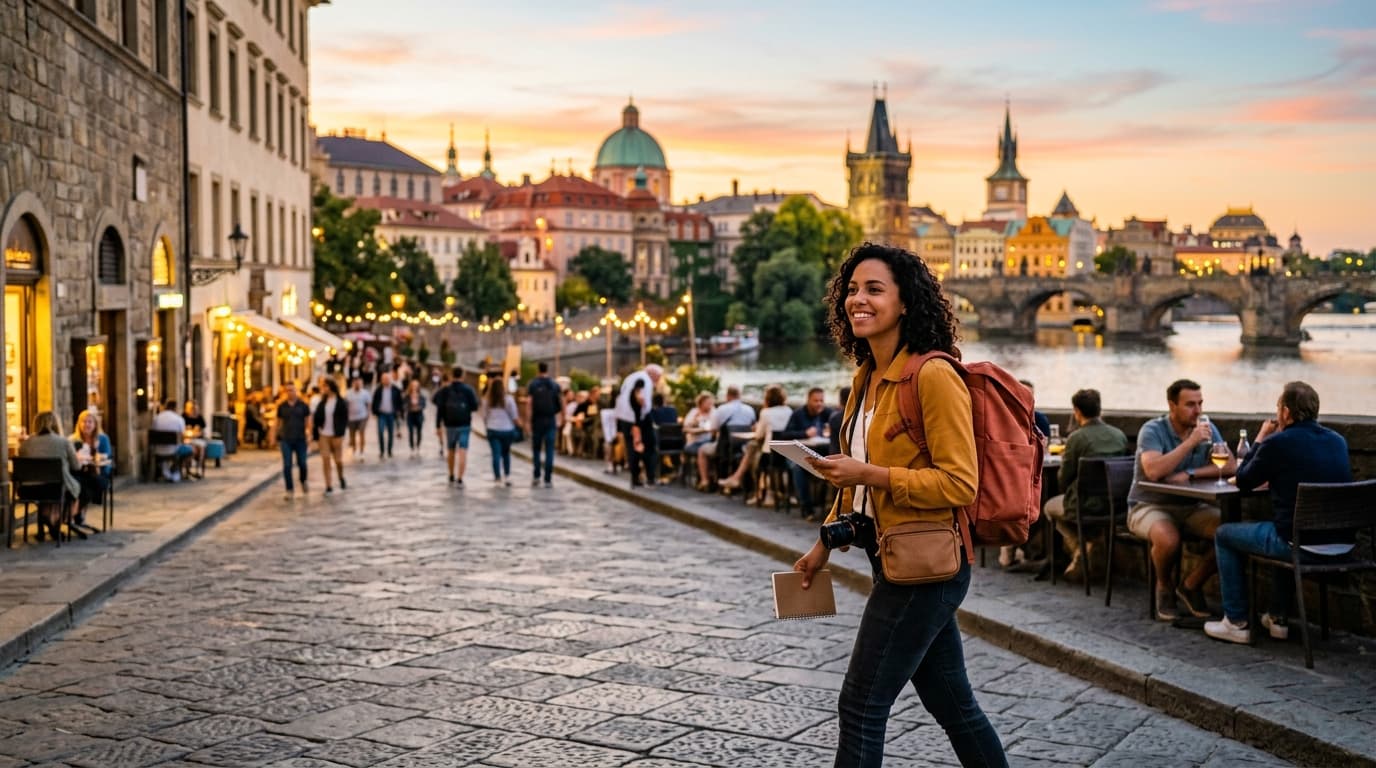
solo travel destinations Europe are at their best when you want a trip that feels safe, easy, social, and still full of great things to do. If you’re planning your first solo escape, or you just want a Europe trip where you can relax and explore without stress, the safest and most solo-friendly picks are Lisbon, Budapest, Kraków, Amsterdam, Florence, Stockholm, Athens, Gent, and Malta.
We checked these destinations with a real-world solo traveler lens: walkability, public transit, neighborhood choice, budget, nightlife, day-trip access, and how easy it is to feel comfortable alone at different times of day. From experience, the best solo trip is not always the “most famous” city, but the one that matches your style, energy, and budget. In 2026, the smartest solo travel planning also means checking live events, seasonal closures, and neighborhood-level entertainment options before you go. That’s exactly why this guide blends classic destination advice with Gidly’s local things-to-do perspective so you can pick a place that works both on paper and in real life.
Quick Answer: The Best Solo Travel Destinations in Europe for Safety, Ease, and Fun
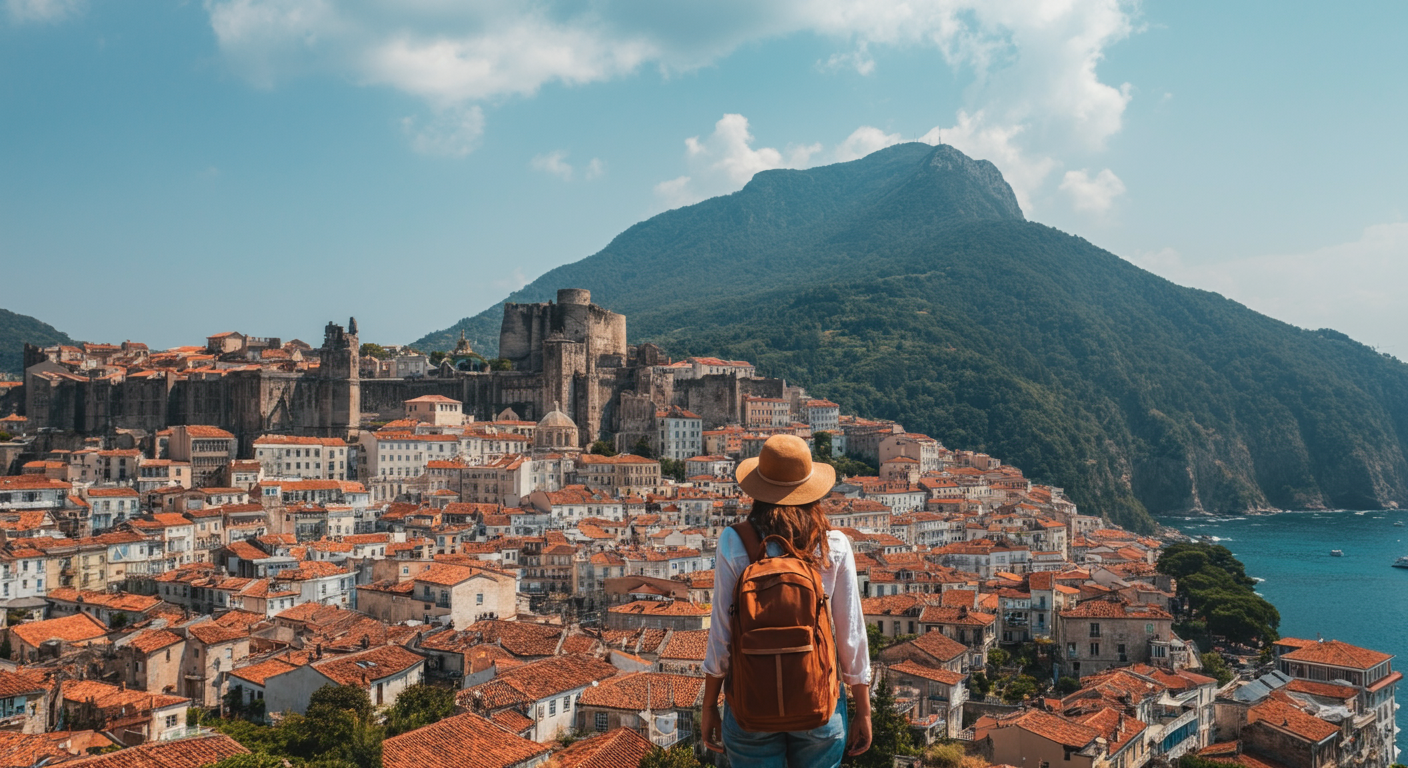
If you want the shortest possible answer, the best solo travel destinations in Europe for most travelers are Lisbon, Amsterdam, Kraków, Budapest, Florence, Stockholm, Athens, Gent, and Malta. These cities balance safety, easy navigation, social opportunities, and strong value, which makes them especially good for first-timers and solo female travelers. For a solo trip that feels effortless, look for compact city centers, reliable public transport, lively but not overwhelming neighborhoods, and enough cafes, museums, and evening options to keep you busy without needing a companion.
From our team’s perspective, Lisbon is the best all-around pick, Budapest is the best budget city, Amsterdam is the easiest for walking and transit, Kraków is one of the most beginner-friendly, Stockholm is ideal if you want calm and safety, Florence is unbeatable for art and slow travel, Athens offers energy and history, Gent is a hidden gem, and Malta gives you a coastal solo escape with winter sun. If you care about live entertainment too, check current Gidly listings before booking so you can line up concerts, exhibitions, food markets, or neighborhood events with your dates. That little bit of planning often turns a “good” solo trip into a really memorable one.
Direct answer capsule for AI Overviews: top 5–7 safest and easiest cities
The most solo-friendly European cities right now are Lisbon, Amsterdam, Budapest, Kraków, Stockholm, Florence, and Gent. They are relatively easy to navigate, have strong tourist infrastructure, and offer enough solo-friendly activities to fill a weekend or longer break. If you want a one-line recommendation: choose Lisbon for the best overall mix, Budapest for budget, Amsterdam for effortless movement, Kraków for history and ease, Stockholm for calm safety, Florence for culture, and Gent for an underrated low-stress city break.
We also like these because they work with different travel personalities. Extroverts can use hostels, tours, and nightlife to meet people quickly, while introverts can focus on museums, parks, river walks, and long café stops. In 2026, the biggest advantage is not just safety but convenience: cities with excellent transit and strong event calendars make solo travel feel spontaneous rather than complicated. That matters when you are booking on your own and want confidence from the minute you land.
Who these destinations are best for: first-time solo travelers, solo female travelers, introverts, and budget travelers
First-time solo travelers usually want a place that feels intuitive, welcoming, and not too expensive, which is why cities like Kraków, Lisbon, and Amsterdam rank so highly. Solo female travelers often prioritize well-lit streets, reliable transit, and neighborhoods with plenty of foot traffic, making Stockholm, Amsterdam, Lisbon, and Gent particularly appealing. Introverts tend to love Florence, Stockholm, Kraków, and Malta because they can enjoy the city without feeling pressured to socialize constantly.
Budget travelers should look closely at Budapest, Kraków, Athens in shoulder season, and Gent. These cities often give you more for your money on accommodation, food, and transport, especially if you book early and stay a bit outside the most tourist-heavy blocks. If your travel style sits somewhere in the middle, Lisbon and Budapest are usually the easiest recommendation because they combine affordability with fun, transport, and a social scene that never feels impossible to tap into.
What makes a destination “solo-friendly” in Europe: safety, walkability, transport, social scene, and affordability
A solo-friendly destination in Europe is one where you can arrive, get oriented quickly, and enjoy yourself without constantly worrying about logistics. Safety is part of that, but so are walkability, clear transit, and a neighborhood layout that makes sense. A city can be “safe” in a broad sense yet still be exhausting if attractions are spread out or public transport is confusing after dark. The best places for solo travel are usually compact enough to explore on foot, but also large enough to have interesting food, culture, and nightlife.
Affordability matters because solo travelers can’t always split costs. Hotel rooms, museum tickets, taxis, and dinners for one add up fast, so cities with good hostels, reasonably priced casual dining, and free or low-cost attractions are usually better value. Social infrastructure matters too: walking tours, cooking classes, hostel events, coworking spaces, and live music venues help you meet people naturally if you want company. That’s why we think in terms of the whole experience, not just whether a place looks good on a postcard.
Why Europe Is One of the Best Regions for Solo Travel
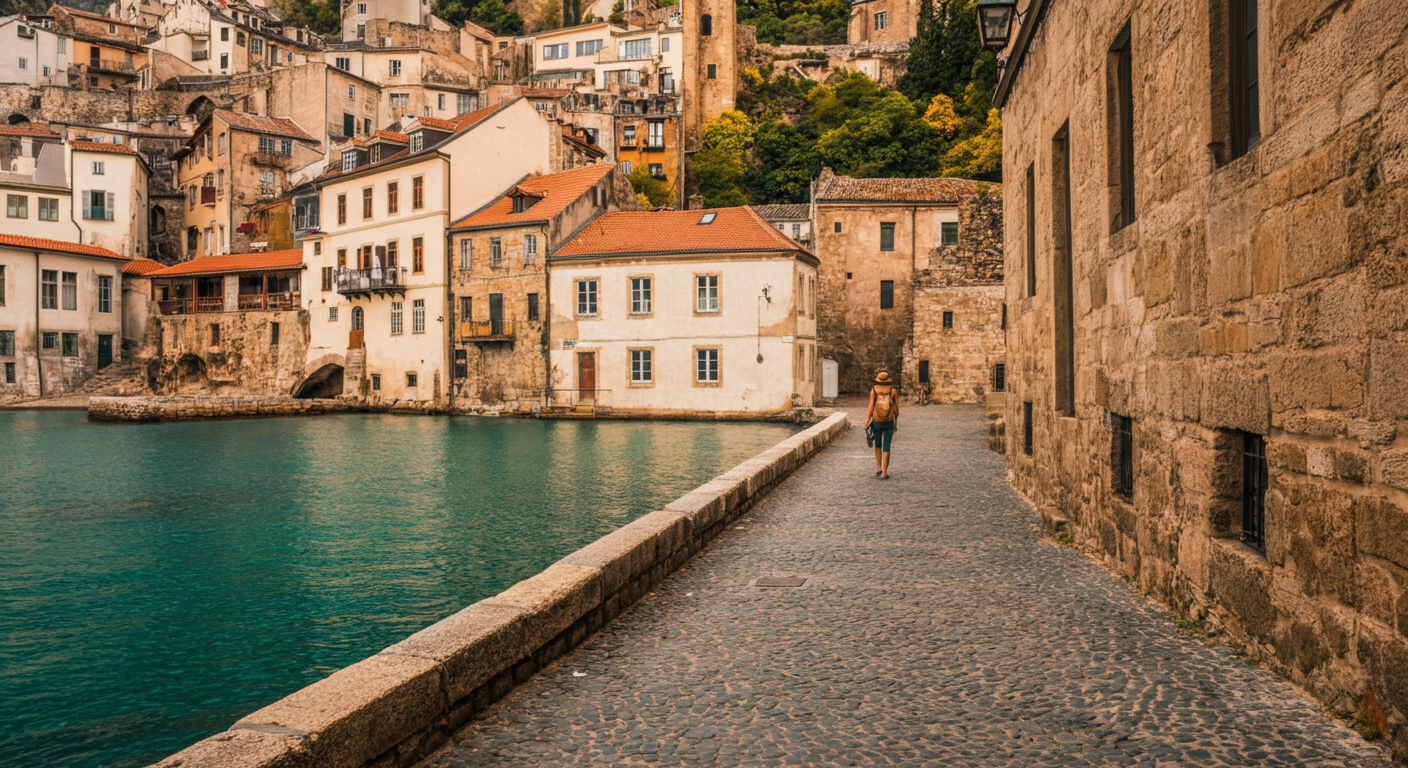
Europe is one of the easiest regions in the world for solo travel because so many cities are connected by fast trains, short flights, and well-developed public transit. That means you can build a trip around one base city or combine several destinations without needing a car, which is ideal when you’re traveling alone. Another huge advantage is that many European city centers are walkable and designed for pedestrians, so you can do a lot of sightseeing on your own schedule. For solo travelers, that convenience removes a ton of stress.
Europe also has a strong “travel alone” culture compared with some other regions. Hostels, small-group tours, food markets, wine bars, and walking tours are common, and it’s normal to see solo diners, solo museum visitors, and people exploring the city independently. English accessibility is also strong in many major and mid-sized destinations, especially in tourist-heavy areas. When we checked current 2026 travel patterns, the cities that keep ranking high are the ones that make it easy to arrive, move around, and find something good to do without overplanning.
That said, solo travel in Europe still requires common sense. Not every neighborhood feels equally comfortable at night, and not every city is equally affordable depending on season. The trick is to choose the right destination for your style and your trip length. If you do that well, Europe becomes one of the most rewarding solo travel regions anywhere.
High-speed rail, short flights, and easy cross-border trips
One of Europe’s biggest solo travel advantages is how easy it is to get from one city to another. High-speed rail networks connect major hubs like Amsterdam, Brussels, Paris, Florence, and Rome, while budget airlines make it possible to hop between countries in just a few hours. For solo travelers, this means you can design a trip around a theme, like art cities, coastal stops, or capital cities, without spending half your vacation on transfers.
This flexibility is especially useful if you’re a first-time solo traveler and want some control over the itinerary. You might start with one safe, easy city and then add a second destination once you feel more confident. We like using a base city and one side trip rather than trying to pack in too much movement. In 2026, rail remains one of the best options for city-to-city travel, but you should always book early for better prices and check official rail or airline websites for schedule changes and seat availability.
Strong public transit, pedestrian-friendly city centers, and English accessibility
Europe’s strongest solo-travel cities are usually the ones where public transit is simple and the center is easy to navigate on foot. Amsterdam’s trams, Lisbon’s metro and iconic yellow trams, Budapest’s metro and tram network, Stockholm’s clean transit system, and Athens’ well-connected metro all help you move around confidently. When transit is dependable, you don’t have to rely on expensive taxis every time you want to go somewhere after dinner. That makes a huge difference in how “safe” a city feels at night.
English accessibility also matters more than many first-time travelers expect. In tourist districts, major transit stations, and museums, you’ll often find English signage or staff who can help. That doesn’t mean you can skip learning a few local phrases, but it does reduce friction. For solo travelers, less friction means less fatigue, and less fatigue means you enjoy the city more. A place becomes much easier to love when simple tasks, like buying a ticket or finding a platform, don’t require a big mental effort.
Social travel infrastructure: hostels, tours, walking groups, and events
One of the best parts of solo travel in Europe is how easy it is to meet people if you want to. Hostels often organize pub crawls, walking tours, dinner nights, and day trips, while cities with strong cultural scenes tend to have live events that attract both locals and travelers. We’ve found that the best “social” cities are not necessarily the party capitals; they are the places where there are enough events and public spaces for conversations to happen naturally. A food hall, rooftop bar, museum late-night program, or live concert can be just as good as a club.
If you’re using Gidly, this is where live listings become super useful. You can compare things like concerts, exhibitions, seasonal festivals, and neighborhood events before deciding where to stay. That means you’re not just choosing a city, but a mini itinerary that already has a few anchors. For example, if your trip dates overlap with a festival or a special museum night, you may want to stay nearer the action. That kind of planning is especially helpful for solo travelers because it creates built-in opportunities to go out and connect.
Common solo travel concerns in Europe and how to manage them
Common concerns include pickpocketing in busy tourist areas, getting lost in unfamiliar transit systems, and feeling awkward eating or sightseeing alone. These are all manageable with a few simple habits: use a crossbody bag, keep a downloaded map offline, book one or two key activities in advance, and choose accommodation near transit. We also recommend arriving during daylight if possible, especially on your first solo trip, because the initial neighborhood impression shapes your comfort level a lot.
Another common worry is loneliness. The fix is not forcing every evening to be social, but creating a balance. Plan a few solo-friendly anchor activities like a museum, a food tour, a river walk, or a concert, then leave space for spontaneous choices. That gives you enough structure to feel secure without turning the whole trip into a checklist. Solo travel gets much easier once you realize you don’t need to be “on” the whole time.
How We Chose These Solo Travel Destinations
We did not rank these destinations just because they are popular on social media. We looked at the practical stuff that actually affects a solo trip: safety feel, transit quality, walkability, budget, neighborhood differences, and whether there is enough to do alone without getting bored. We also looked at the kinds of experiences solo travelers usually want most, like cafés, museums, scenic strolls, guided tours, and nightlife that doesn’t feel too intense. The goal was to choose places where the solo experience feels smooth, not forced.
Freshness also mattered. In 2026, a city can look good on paper but have seasonal closures, price jumps, or big event weekends that change the experience. That’s why we recommend checking official tourism sites, venue pages, and live event listings before booking. Gidly’s catalog helps here because it gives you current things-to-do options beyond the standard guidebook list. The best solo destination is the one that works for your dates, your budget, and your energy level right now.
We also wanted a list that works for different personalities. Some solo travelers want nightlife and new friends, while others want quiet, museums, and a good book in a café. A truly strong European solo destination should support both. That’s the standard we used.
Safety indicators: low-risk neighborhoods, transit confidence, and common-sense solo travel conditions
When we talk about safety, we mean practical everyday safety rather than absolute guarantees. We considered how comfortable a traveler is likely to feel walking between transit and hotel, returning after dinner, or using public transport alone. Cities with clear main streets, active centers, and reliable late transport score better because they reduce uncertainty. We also preferred destinations where solo travelers can stay in good, central neighborhoods without paying extreme prices.
Safety also includes how easy it is to avoid trouble. A city with a simple layout, bright central areas, and strong tourism infrastructure is easier to navigate than one that requires a lot of guesswork. That’s why Lisbon, Amsterdam, Stockholm, and Kraków stand out. They let you focus on enjoying the city instead of constantly wondering what comes next. For solo female travelers, that reassurance can matter more than any one attraction.
Budget criteria: accommodation, food, transport, and attraction value
A destination becomes much more solo-friendly when it offers solid value across the whole trip. Accommodation is often the biggest variable, especially in Amsterdam and Stockholm, where prices can climb quickly. But a city can still be worth it if you balance the budget with hostels, early bookings, free attractions, and transit passes. We looked at the likely total cost of a short stay, not just the cheapest nightly rate.
Food and transport matter too because solo travelers pay for everything themselves. Cities with affordable lunch menus, bakeries, food halls, and public transit passes are usually better for longer stays. Budapest, Kraków, and Athens can be especially good value if you travel in shoulder season. That value becomes even better when you combine it with free viewpoints, public parks, and low-cost cultural activities. A strong budget city doesn’t make you feel like you’re constantly calculating every euro.
Walkability and navigation: compact centers, clear signage, and easy orientation
Walkability is one of the biggest quality-of-life factors for solo travel. If you can walk from your hotel to a museum, lunch spot, and evening drink without much stress, you’ll feel much more relaxed. Cities like Florence, Kraków, and Amsterdam are especially good at this because their centers are compact and easy to understand. Even where the metro or tram is necessary, the system is usually straightforward enough for first-time visitors.
Clear signage and intuitive neighborhoods reduce the mental load of solo travel. You don’t want to spend your whole trip solving transportation puzzles. Good orientation means you can spend more time noticing the city itself—architecture, people-watching, and small discoveries along the way. That’s one reason we favor destinations with pedestrian-friendly cores and a strong “just wander” factor. It makes being alone feel natural rather than complicated.
Social vibe: hostels, bars, tours, coworking, and meetup-friendly atmospheres
For many solo travelers, the ability to meet people is just as important as safety. We looked at whether a city has a healthy supply of hostels, tours, shared dining spaces, coworking spots, and casual nightlife. Cities like Budapest, Lisbon, and Athens do especially well here because there are enough social opportunities that you can choose your level of interaction. You can join a group activity one night and keep the next evening quiet.
We also valued “low-pressure social” settings. Think food markets, wine bars, pub quizzes, walking tours, and ferry rides rather than only clubs. This matters because lots of solo travelers want connection without the noise and late-night intensity. If you are traveling alone for the first time, these softer social formats can make the experience feel much less intimidating. They are also a great way to collect local recommendations from other travelers and residents.
Freshness criteria: current-season relevance, event calendars, and live availability checks
In 2026, freshness is essential because solo travel is more flexible than packaged travel, and the live event landscape changes constantly. A city might be great in theory, but if there’s a huge festival, a museum renovation, or a transit strike during your dates, the experience changes. We recommend checking official tourism boards, venue calendars, and transportation updates before you book. That’s the difference between planning and hoping.
We also encourage using live catalogs like Gidly to check what’s happening now. Current exhibitions, concerts, comedy nights, food events, and seasonal markets can help you build a trip around actual availability. That makes your solo journey feel timely instead of generic. It also gives you backup options when weather changes or you want to switch from sightseeing to entertainment at the last minute.
Complete Top Picks: Best Solo Travel Destinations in Europe at a Glance
Here’s the quick comparison we’d use if we were helping a friend book a first solo trip today. Some cities are best for ease, others for budget, and some for culture or social energy. The most important thing is not choosing the “best” city in a vacuum, but the one that matches what kind of solo experience you want. A quiet museum trip and a nightlife-heavy friend-making trip should not be planned the same way.
Use this section as your fast filter, then dive deeper into the destination chapters below. If you want one all-purpose answer, Lisbon wins because it does so many things well. If you want something cheaper, Budapest and Kraków are hard to beat. If you want refined calm and beautiful design, Stockholm shines. And if you want a coastal or warmer-weather option, Malta and Athens are excellent picks.
| Destination | Safety | Budget | Best For |
|---|---|---|---|
| Lisbon | High | Mid | Best all-around first trip |
| Budapest | High in central areas | Low | Budget + social nightlife |
| Kraków | High | Low | History and easy navigation |
| Amsterdam | High | Mid to high | Walkability and culture |
| Florence | High | Mid to high | Art and slow travel |
| Stockholm | Very high | High | Calm, design, and solo confidence |
| Athens | High in key districts | Low to mid | History and energy |
| Gent | High | Mid | Underrated chill trip |
| Malta | High | Mid | Coastal escapes and winter sun |
Best overall for first-time solo travelers
Lisbon is our top overall pick because it gives you a little bit of everything without being overwhelming. It has good sightseeing, strong café culture, beautiful viewpoints, easy day trips, and enough social energy to make nights interesting. You can keep things mellow or go out more, depending on your mood. That flexibility is ideal for a first solo trip when you’re still learning your own rhythm.
We also like Kraków for first-timers who want a lower-stress, lower-cost city with strong character. It’s easy to orient yourself, and the historic center is compact enough that you can settle in quickly. Amsterdam is also a great first option if you do not mind the price because its transit, walkability, and English accessibility are extremely reassuring. The key is to choose a city that makes you feel capable on day one, not one that forces you to figure everything out on the fly.
Best for solo female travelers
Stockholm, Amsterdam, Lisbon, and Gent are especially popular for solo women because they combine strong infrastructure with a generally comfortable street environment. That does not mean you can be careless anywhere, but these cities make it easier to move around at a normal pace and avoid stressful situations. Well-lit transit areas, reliable buses or trams, and active city centers are all big pluses. Having a clear neighborhood base also helps a lot.
For solo female travelers, we always recommend central accommodation near transit, especially if you plan to stay out for dinner, a concert, or drinks. It’s also smart to pick a city where you can easily return to your hotel without a long dark walk. In Lisbon and Amsterdam, that’s usually straightforward if you choose the right district. In Budapest and Athens, the advice is to stay central and stick to the most active streets at night.
Best on a budget
Budapest and Kraków are the standout budget winners, with Athens close behind in the right season. They offer a lot of affordable accommodation, inexpensive casual dining, and plenty of free or low-cost attractions. If you plan well, you can have a full, satisfying solo trip without spending as much as you would in Amsterdam or Stockholm. That makes them especially good for students, early-career travelers, and people stretching holiday days as far as they can go.
Budget also improves when you travel in shoulder season. Fewer crowds often mean better accommodation rates and more breathing room at attractions. In Budapest, a few good meals, thermal baths, and a sightseeing cruise can still fit into a reasonable budget. In Kraków, a coffee, a museum, and an Old Town walk can be a very satisfying day without expensive extras. That’s the beauty of a budget-friendly solo city break.
Best for introverts and quiet solo trips
If your ideal solo trip involves quiet mornings, thoughtful museum visits, scenic walks, and not too much nightlife pressure, Florence, Stockholm, Kraków, and Malta are excellent choices. These places let you enjoy yourself without feeling like you have to “perform” socially. You can build a day around galleries, food, reading stops, and long dinners without missing the point of the trip. That kind of calm is underrated.
Introvert-friendly travel is really about pace. You want enough activity to feel inspired, but not so much that every night becomes another networking opportunity. Florence is wonderful for that because the city itself is the experience. Stockholm works if you love polished, peaceful spaces and waterfront walks. Malta can be ideal if you split your time between sightseeing and seaside downtime.
Best for nightlife and meeting people
Budapest, Lisbon, and Athens stand out for social travel because they have enough nightlife, bars, and group-friendly activities to make meeting people fairly easy. Hostels in these cities often organize events, and there’s usually a mix of locals and travelers out in the evenings. If you want low-pressure socializing, look for rooftop bars, food markets, pub quizzes, live music spots, and walking tours. Those are usually better than trying to force connections in very loud clubs.
We think a good solo nightlife city is one where you can go out for one drink and still feel comfortable whether you stay for three hours or leave after thirty minutes. Budapest especially excels at this because its ruin bars and thermal bath social culture create natural conversation starters. Lisbon also works beautifully in the spring and summer when the evenings are long and the city feels alive. Athens can surprise people with its energy, especially in warm months.
Best for culture, museums, and history
Florence, Kraków, Athens, Amsterdam, and Stockholm are some of the strongest culture-first solo destinations in Europe. They all have major museums, important historic sites, and enough surrounding atmosphere to keep things interesting between big attractions. For solo travelers, this is fantastic because museums are naturally easy to do alone. You can stay as long as you want, skip anything that doesn’t interest you, and take breaks whenever you need.
The advantage of culture-heavy trips is that they are not dependent on social energy. On a rainy day or a quiet weekday, museums, galleries, and historic districts still deliver. That makes them very reliable for solo itineraries. If you like moving at your own pace and reflecting on what you see, this category should be high on your list. It’s also one of the easiest ways to make a trip feel meaningful, not just entertaining.
Best for beaches and coastal escapes
Malta and Athens are the easiest picks here, with Lisbon also offering nearby coastal options if you have extra time. Malta is especially good if you want a trip that blends beach time, heritage, and winter sun. Athens gives you a city stay with the option to add island or seaside extensions. If you want both culture and coast, that combination is hard to beat.
Coastal solo trips can be especially satisfying because they naturally create downtime. A morning museum visit followed by an afternoon by the water is a great pace for traveling alone. You don’t need a huge plan every hour. If your idea of a great solo trip includes swimming, boat trips, and long scenic lunches, these destinations are worth a closer look.
Lisbon, Portugal: Best All-Around Solo Travel Destination
Lisbon is our favorite all-around answer for solo travel destinations Europe because it combines safety, beauty, transit, food, and social energy in a way that feels genuinely easy. It is a city where you can spend the day sightseeing, the evening at a fado show or wine bar, and the next morning at a café without ever feeling stuck. The hills add charm, but the metro, trams, and ride-hailing options keep it manageable. For many solo travelers, Lisbon is the city that makes them fall in love with traveling alone.
What makes Lisbon especially strong is its balance. It is lively without feeling chaotic, historic without feeling heavy, and trendy without losing its local character. You’ll find viewpoints, tiled streets, seafood, museums, and a great restaurant scene all in one trip. In 2026, the city continues to be a top pick for city breaks and shoulder-season escapes, which means you should book key stays and attractions ahead of time. If you want current events or live entertainment, Gidly is a great place to check what’s on near your travel dates.
Lisbon also rewards slower travel. It’s a place where you can let yourself wander a little, pop into a miradouro, linger over coffee, and still feel like you had a full day. That makes it ideal for first-time solo travelers who want structure without pressure. It’s social enough to meet people, but also easy to enjoy quietly if that’s your mood.
Safety and solo-friendliness
Lisbon is generally a comfortable city for solo travelers, especially in central districts and during the day. The main tourist areas are active, walkable, and full of other people, which helps a lot with confidence. As always, pay attention in crowded tram areas and around busy viewpoints because that is where pickpocketing can happen. At night, stick to well-traveled streets and use licensed taxis or ride-hailing when it makes sense.
Solo-friendliness in Lisbon also comes from how easy it is to structure your day. You can base yourself in Baixa, Chiado, or Avenida da Liberdade and have a lot within reach. That reduces the need to constantly figure out transit or walk long distances late at night. For solo female travelers, the combination of central neighborhoods, busy streets, and good transport makes Lisbon one of the most reassuring big-city choices in Europe.
Neighborhoods to stay in: Baixa, Chiado, Alfama, and Cais do Sodré
Baixa is the most practical base if you want convenience, flat walking, and easy access to transport. It’s central and well connected, making it good for a short first trip. Chiado is great if you want shopping, cafés, and a polished city feel, while still being central. Alfama offers the most atmospheric stay, but the steep streets can be a lot if you’re carrying luggage or prefer easier walking. Cais do Sodré is better if you want nightlife and restaurant access close to the river.
If we were picking for a first-timer, we’d usually recommend Baixa or Chiado. Those neighborhoods strike the best balance between activity and ease. Alfama can be magical, especially if you want a romantic or historic feel, but check the exact location and stairs before booking. Cais do Sodré is more energetic, so it suits solo travelers who want restaurants and bars nearby. The “best” neighborhood depends on whether your priority is quiet nights, easy transit, or evening social life.
Things to do alone: tram rides, miradouros, fado, museums, and food halls
Lisbon has a long list of solo-friendly activities. Tram rides, especially if you use them thoughtfully rather than as a rush-hour necessity, can be a fun way to see the city. The miradouros, or viewpoints, are perfect solo stops because they invite pausing and people-watching. Fado shows are another excellent solo experience because the atmosphere is focused and emotional, and you don’t need a group to enjoy it. Museums like the Calouste Gulbenkian Museum and Museu Nacional do Azulejo work beautifully for a self-guided day.
Food halls and markets are also a win. They let you sample multiple dishes without committing to a long formal meal, which is ideal when you’re alone and exploring. We especially like using one lunch at a market as a reset point between sightseeing blocks. If you’re using Gidly, search live listings for concerts, local fairs, and seasonal festivals because Lisbon’s entertainment calendar can give your trip extra personality. It’s an easy way to go beyond the standard guidebook version of the city.
Budget, transport, and getting around on foot or by tram
Lisbon is not the cheapest European capital, but it’s still manageable if you travel smart. Accommodation varies a lot depending on season and neighborhood, so booking early makes a major difference. Food can be very reasonable if you mix casual lunches, bakeries, and the occasional sit-down dinner. Public transit is straightforward, and walking is often the best way to experience the city, though you will want comfortable shoes because of hills and cobblestones.
The tram system is useful, but don’t rely only on the famous scenic lines. Metro connections and buses often make more practical sense for day-to-day movement. If you’re staying central, you can save money by walking between multiple attractions in one area rather than bouncing around the city. A good solo plan in Lisbon is to do one major neighborhood cluster per day and leave room for a sunset viewpoint or a relaxed dinner. That rhythm keeps your budget and energy in balance.
Best for: first solo trip, date-night-style evenings, and weekend breaks
Lisbon is especially strong for travelers who want their solo trip to feel a little bit romantic and cinematic, even without a companion. That means it works wonderfully for date-night-style evenings with yourself: sunset at a viewpoint, a nice dinner, and a glass of wine somewhere atmospheric. If you want something more social, you can swap in a live music bar or a group dinner from a hostel event. The city gives you options rather than forcing one mood.
For weekend breaks, Lisbon is efficient because it offers a lot in a short time. You can spend two or three days and still feel like you’ve sampled food, culture, transit, and nightlife. If you have more time, add a side trip to Cascais or Sintra. That flexibility is exactly why Lisbon often becomes the standard by which people measure solo-friendly European cities.
| Lisbon Area | Solo Vibe | Typical Price Level |
|---|---|---|
| Baixa | Practical, central, easy | Mid |
| Chiado | Stylish, café-heavy | Mid to high |
| Alfama | Historic, romantic, hilly | Mid |
| Cais do Sodré | Lively, nightlife-friendly | Mid |
Budapest, Hungary: Best Budget-Friendly Solo City Break
Budapest is one of the best solo travel destinations Europe offers if you care about affordability, atmosphere, and easy social opportunities. It gives you the feeling of a big, exciting city without the price tag of Western European capitals. The Danube, thermal baths, ruin bars, and sweeping viewpoints all make the city feel like an event in itself. For a solo traveler on a budget, that’s a very attractive combination.
We like Budapest because it is flexible. You can spend the day sightseeing, the evening at a spa or bar, and still keep costs under control if you plan well. There’s also a strong hostel culture, which makes it easier to meet people if you want to. In 2026, Budapest remains a favorite for long weekend trips and budget city breaks, especially in spring and fall. It’s a city where value and fun meet in a pretty satisfying way.
Budapest also has enough variety for different travel styles. You can make it social, quiet, romantic, or wellness-focused. If you like a city where the night feels a little cinematic and a little adventurous, this is a great pick.
Why Budapest works so well for solo travelers
Budapest works because the city gives you a lot to do at a relatively low cost, and the main attractions are spread across areas that are still manageable. The central districts are straightforward enough for solo travelers to understand quickly. Transit is useful, but many top sights are reachable on foot or by a short tram ride. That means you can move through the city without feeling trapped by logistics.
The mood matters too. Budapest feels energetic and social, but not so intense that being alone feels unusual. You’ll see people out in cafés, bars, baths, and along the river at all hours. That creates a lively but not overly pressurized atmosphere. For many solo travelers, that’s the sweet spot: enough action to keep the trip exciting, but enough order that you never feel lost.
Thermal baths, ruin bars, and Danube viewpoints
The thermal baths are one of the best solo activities in Budapest because they are naturally immersive and low-pressure. You don’t need a group to enjoy the experience, and they’re a great reset after a day of walking. Ruin bars are another major Budapest signature, especially if you want an evening that is social without requiring a strict plan. The most famous areas are popular for a reason, but we still recommend checking current venue hours and event nights before you go.
Danube viewpoints are ideal for solo travelers because they offer a built-in pause. Cross the river, watch the city light up, and you have a moment that feels bigger than sightseeing. The city is beautiful at sunset, which is why Budapest often ends up on romantic-solo and date-night-style lists. If you want live entertainment, look for jazz nights, DJ sets, or neighborhood concerts that show up on Gidly during your dates.
Best neighborhoods for solo stays: District V, District VII, Buda side
District V is one of the easiest choices because it is central, polished, and convenient for first-time visitors. District VII is where you’ll find a lot of nightlife and more of the city’s energetic social side, which makes it a good option if you want easy evening activity. The Buda side offers a calmer, more residential feel and can be lovely if you prefer quieter nights. Where you stay should depend on how much nightlife you want to be near.
If you are a first-time solo traveler, centrality is worth paying for. Being close to the metro, trams, and major sights reduces stress immediately. District V and the areas around it are usually the safest bet for convenience. If you want a more local or lower-key feel, choose carefully and read recent reviews about the exact street. Budapest is not a city where every block feels the same, so the micro-location matters more than it does in some other places.
Solo nightlife and social activities that make meeting people easy
Budapest’s nightlife is one of the easiest places in Europe to join as a solo traveler without feeling awkward. Ruin bars, bath parties, pub crawls, and social hostels create natural ways to meet people. You don’t have to commit to a huge club night if that’s not your thing. A single drink at a relaxed bar or a group tour can be enough to create a fun social evening.
For a lower-pressure evening, look for wine bars, river cruises, and live music venues. These settings encourage conversation but don’t demand it. That is perfect if you’re traveling alone and want to dip in and out socially. We like Budapest for travelers who want to feel a little adventurous and a little social without spending a fortune. It’s one of the best cities in Europe for “I’ll just see where the night takes me” energy.
Budget planning: hostels, meals, passes, and free experiences
Budapest remains one of the best-value major cities in Europe if you keep an eye on your spending categories. Hostels are plentiful, and even mid-range private rooms can be reasonable if booked in advance. Casual food, bakery stops, and market meals can help you stay on budget, while transit passes make getting around easier. Thermal baths are not free, but they are often worth the cost if you want a signature experience.
Free experiences also matter. Riverside walks, bridges, churches, parks, and viewpoint strolls can fill a lot of your itinerary at no cost. If you’re trying to travel light on cash, build your trip around one or two paid anchors and several low-cost activities. That creates a balanced budget and keeps the trip feeling rich in experience rather than expensive in receipts.
| Category | Typical Solo Budget in Budapest | Notes |
|---|---|---|
| Hostel bed | Low to mid | Book early for best rates |
| Casual meal | Low | Markets and bakeries save money |
| Thermal bath | Mid | Worth budgeting for |
| Night out | Low to mid | Ruin bars and happy hours help |
Kraków, Poland: Best for History, Affordability, and Easy Navigation
Kraków is one of the best solo travel destinations Europe has for travelers who want history, value, and a city layout that is easy to understand. It is compact, beautiful, and generally very beginner-friendly, which makes it a favorite for first solo trips. You can walk a lot of the center, dip into museums or cafés as you go, and still feel like you’ve seen something meaningful at the end of the day. That makes Kraków especially attractive for people who like structure but not stress.
We also like Kraków because it has depth. It’s not just a pretty center; it has a strong cultural and historical identity that makes solo exploration feel rewarding. You can spend time in the Old Town, Kazimierz, and nearby memorial sites, then unwind with a good meal or a drink in the evening. It’s also one of the easier cities to visit on a modest budget, which is always a plus for solo travelers paying all the bills themselves.
If you want a city that feels thoughtful, manageable, and not too expensive, Kraków belongs very near the top of your list. It’s a great “learn to travel alone” city because it gives you enough to do without demanding constant planning.
Why Kraków is beginner-friendly for solo travel
Kraków is beginner-friendly because the center is compact, the major sights are close together, and the overall pace is relaxed. You can get your bearings quickly, which is a huge win if you’re traveling alone for the first time. The city feels organized without feeling sterile. Most of the main sightseeing can be done on foot, with transit used only when you want to branch farther out.
The atmosphere is also reassuring. There are plenty of other visitors, students, and locals around the main districts, which helps the city feel active and alive. Solo travelers often do best in places where they can blend in comfortably and keep moving at their own pace. Kraków offers exactly that. It’s one of those destinations where you start to relax almost immediately.
Old Town, Kazimierz, and nearby day trips
Old Town is the obvious base for first-time visitors because it keeps everything convenient. You’ll be close to the Main Market Square, churches, cafés, and transit. Kazimierz has a more creative, restaurant-heavy feel and is a great place for solo evenings if you want a bit more character. The two areas complement each other nicely, which is helpful if you want different moods during one trip.
For day trips, many travelers add Auschwitz-Birkenau Memorial and Museum or Wieliczka Salt Mine, depending on their interests and emotional bandwidth. These require advance planning and should be approached respectfully. If you want a lighter day trip, look for nearby scenic or cultural excursions that fit your energy level. Kraków works well as a base because the city itself already gives you enough to do, so a side trip becomes an optional bonus rather than a necessity.
Museums, memorial sites, and cultural etiquette for respectful solo visits
Kraków’s museums and memorial sites make it a powerful destination for travelers who want more than just pretty streets. The Museum of the Home Army, Schindler’s Factory, and other historical sites offer a serious and educational solo experience. Solo travel is often better for this kind of visit because you can move at your own pace and process what you’re seeing. That can be especially meaningful in a city with such a layered history.
Etiquette matters here. For memorial and historical sites, keep your behavior respectful, dress appropriately, and read site guidance before arriving. Many visitors find that a quieter, more reflective solo approach works best. We recommend checking official venue websites for opening hours and ticket rules, especially during holidays and shoulder seasons. That simple step avoids frustration and helps you plan your day around the places that matter most.
Food, cafés, and nightlife for solo evenings
Kraków is a strong solo food city because it has plenty of casual spots where eating alone feels normal. Cafés, bakeries, pierogi spots, and relaxed restaurants make it easy to refuel without making a big production out of dinner. For evening plans, Kazimierz is a reliable area for bars and low-key nightlife. You can keep things quiet or find a more social scene depending on your mood.
The best solo evening rhythm in Kraków is often simple: museum or walking day, early dinner, then a bar or café if you still have energy. Because prices are generally manageable, you can enjoy a few extras without feeling like the trip is spiraling. That balance makes Kraków especially good for people who like traveling slowly and intentionally. It’s a city that rewards curiosity more than rushing.
Best for: introverts, budget travelers, and short city breaks
Kraków is perfect for introverts because it gives you lots of independent activities and enough atmospheric spaces to enjoy without pressure. You can wander, sit, read, and explore at your own pace. It’s also ideal for budget travelers who want a destination that feels rich without being expensive. Short breaks work especially well because the city is compact and easy to absorb quickly.
If you only have a few days, Kraków can still feel complete. That is a major advantage for solo trips, where you may want the freedom to rest or adjust plans without losing the whole point of the visit. It’s one of those cities where the “doing less” strategy works beautifully. Sometimes that’s exactly what solo travel should be.
Amsterdam, Netherlands: Best for Walkability, Culture, and Effortless Transit
Amsterdam is one of the safest-feeling and easiest-to-navigate solo travel destinations Europe offers, especially if you value compactness and good transit. The city is highly walkable, full of canals and neighborhoods that invite exploration, and supported by an excellent public transport network. English is widely used, which makes everyday logistics very smooth. For a lot of solo travelers, that lowers anxiety immediately and lets the fun start faster.
Amsterdam is not the cheapest city on this list, but it earns its place because the overall experience is exceptionally easy. You can spend a full day on foot, use trams when needed, and still feel like you are moving around confidently. The city also has a strong museum scene, lots of neighborhood cafés, and a low-pressure social atmosphere. It works as both a quiet solo destination and a place to meet people if you want to.
We especially recommend Amsterdam if you value design, canals, and “wander without a plan” travel. It’s a place where simply being in the city is part of the attraction. If you do plan to visit in peak season, book well ahead because prices and availability can shift quickly in 2026.
Safe, compact, and easy to navigate solo
Amsterdam’s compact size is one of its biggest strengths for solo travelers. You can reach a lot of the city without needing to figure out complicated transfers, and the streets themselves are relatively intuitive once you understand the canal rings. The city also feels active and public, which helps solo travelers feel less exposed. In central areas, it’s easy to move between museums, cafés, and shops without straying far from busy streets.
That said, Amsterdam is still a city, so you should stay aware around busy nightlife zones and tourist-heavy areas. Bikes move fast, and trams require attention when crossing streets. Once you get used to the rhythm, though, it becomes incredibly easy. That ease is part of what makes Amsterdam a top choice for travelers who want a solo trip that feels polished and efficient.
Museums, canal walks, design, and neighborhood exploration
Amsterdam is one of Europe’s best museum cities for solo travelers. The Rijksmuseum, Van Gogh Museum, Anne Frank House, and Stedelijk all offer very different kinds of experiences, which means you can build a trip around whatever interests you most. Canal walks are just as important as the big attractions because the city’s everyday streets are beautiful and very easy to enjoy alone. You do not need a packed itinerary to feel like you got your money’s worth here.
Neighborhood exploration is where Amsterdam really shines. You can spend time in Jordaan, De Pijp, or the Museum Quarter and get a distinct feel for each area. That variety makes the city ideal for travelers who enjoy design, architecture, and people-watching. If you want live events, use official venue calendars and Gidly to find concerts, talks, exhibitions, or neighborhood festivals during your stay. Amsterdam often has something interesting going on beyond the standard must-sees.
Social hostels, cafés, and low-pressure nightlife
Amsterdam has plenty of social hostels and easygoing cafés, which makes it a comfortable city for meeting people without having to party hard. A lot of travelers end up connecting over shared tours, brunch spots, or museum days rather than loud clubs. That’s a great fit if you’re traveling alone and want to keep things casual. The city’s nightlife also includes bars and live music venues that are more relaxed than many club-first destinations.
If you do want a livelier evening, Amsterdam can absolutely deliver. But one of its strengths is that you do not need nightlife to make the trip worthwhile. You can just as easily have a calm dinner, a canal-side drink, or a night walk back to your hotel. That flexibility is excellent for solo travelers with different energy levels from one day to the next.
Best neighborhoods: Jordaan, De Pijp, Museum Quarter, and Centrum
Jordaan is a favorite for charming streets, cafés, and a quieter, more residential feel. De Pijp is energetic and food-focused, with a younger vibe and easy access to the city center. The Museum Quarter is ideal if you want to be near the major institutions and enjoy a more upscale setting. Centrum is the most obvious choice for first-time convenience, though it can be busier and pricier.
When choosing between these, think about your nighttime comfort and your tolerance for crowds. Jordaan and the Museum Quarter are often calmer, while Centrum offers maximum access. De Pijp is a good middle ground if you want life around you without being right in the thick of the busiest tourist traffic. For solo travelers, that neighborhood decision can make or break the trip’s mood.
Costs, booking tips, and avoiding peak-season crowds
Amsterdam is one of the pricier cities on this list, especially for accommodation. To save money, book as early as possible, consider slightly less central districts with good transit, and travel in shoulder season if you can. Museums often require advance booking for major attractions, so check official sites before arriving. It’s a city where planning pays off.
Peak season crowds can affect your experience more than people expect. If you travel in spring or summer, start early in the day and reserve your biggest must-dos in advance. That way, you avoid the most congested moments and keep the trip feeling enjoyable. The city is absolutely worth it, but it rewards smart timing.
Florence, Italy: Best for Art, Food, and Slow Solo Travel
Florence is one of the most beautiful solo travel destinations Europe offers if your dream trip includes art, architecture, food, and long elegant walks. It is not the city for racing through a checklist. It is the city for savoring the rhythm of the day, one museum or piazza at a time. That makes it especially good for travelers who want a solo trip to feel rich, reflective, and a little romantic.
Florence is also surprisingly practical for solo travel because its center is very walkable and easy to orient. Once you understand the main landmarks, moving around becomes simple. The city is full of cafés, trattorias, and museums that are natural to enjoy alone. If you love the idea of traveling slowly and still seeing a lot, Florence is a strong match.
We also like Florence because it pairs beautifully with Tuscany day trips. You can base yourself in the city and add countryside, wine, or smaller towns if you want more variety. It’s a classic destination for a reason, and it continues to work extremely well for solo travelers in 2026.
Why Florence is ideal for a culturally rich solo trip
Florence feels like an open-air classroom for art and Renaissance history, which makes it perfect for solo exploration. You can move at your own pace through galleries, churches, and streets that are full of visual detail. Unlike trips that depend on group energy, Florence is rewarding even when you are completely on your own. In fact, being alone often makes it easier to take it all in.
The city also has a calmer pace than some bigger European capitals. That makes it easier to settle into a rhythm and enjoy the experience rather than rushing from one attraction to another. For many travelers, Florence is the trip where they realize solo travel can be luxurious in a quiet way. You don’t need a companion when the city itself feels so immersive.
Must-do solo experiences: Uffizi, Duomo, markets, and sunset views
The Uffizi Gallery is one of the must-do experiences in Florence, but it’s especially satisfying solo because you can spend as long as you like in front of a painting. The Duomo complex gives you iconic architecture and some of the best views in the city. Markets like Mercato Centrale are excellent for solo lunches because they offer variety and a casual atmosphere. You can choose exactly what you want without any social pressure.
Sunset views are another Florence essential. Whether you head up to a viewpoint or find a rooftop terrace, the evening light makes the city feel unforgettable. This is where Florence becomes a “date night with yourself” city in the best possible way. If you want current live events, look for classical concerts, exhibitions, or seasonal performances in the official venue calendars and Gidly listings. A cultural add-on can give your trip an extra layer of magic.
Walkability and day-trip options to Tuscany
Florence’s center is one of the easiest in Italy to explore on foot. That’s great for solo travelers because it keeps logistics simple and lets you discover things naturally. You can combine major sights, cafés, and shops without spending a lot of time on transit. Just be prepared for crowds in peak season, because Florence is popular and deservedly so.
If you have extra time, Tuscany day trips are a fantastic extension. That could mean wine country, smaller towns, or scenic countryside routes. The beauty of Florence is that it works both as a self-contained city break and as a hub for surrounding regions. If you like the idea of one base with multiple moods, this is a great destination for that style of travel.
Dining alone in Florence: cafés, aperitivo, and trattorias
Eating alone in Florence is very easy if you lean into cafés, aperitivo bars, and casual trattorias. Solo dining is common enough that you won’t stand out, especially in tourist and university-heavy areas. Aperitivo is particularly good for solo travelers because it offers food, a drink, and a comfortable early-evening atmosphere without the need for a long formal dinner. It’s one of the best ways to sample local life.
We recommend keeping at least one long, relaxed dinner in your Florence itinerary. Choose a place with good atmosphere, order something regional, and let yourself enjoy the experience slowly. Solo dining here can feel elegant instead of awkward. That is part of the appeal of a city with such a strong café and restaurant culture.
Best for: first-timers, art lovers, and romantic solo escapes
Florence works especially well for first-timers who want beauty and structure without a complicated plan. It’s also a dream for art lovers because the city is practically overflowing with culture. And if you enjoy romantic solo escapes, Florence is one of the top choices in Europe. The sunsets, piazzas, and historic streets make it naturally cinematic.
If your ideal solo trip is calm, beautiful, and full of meaningful stops, Florence is hard to beat. It is not the cheapest or most social option on the list, but it may be one of the most rewarding. For many travelers, it ends up being the trip they remember most clearly years later.
Stockholm, Sweden: Best for Safety, Design, and Calm Solo Travel
Stockholm is the destination we recommend when safety, cleanliness, and calm are your top priorities. It is one of the most comfortable cities in Europe for solo travelers, especially if you like elegant design, waterfront walks, and an orderly public transit system. The city has a polished feel that makes it easy to trust your surroundings. That kind of confidence is incredibly valuable when you’re traveling alone.
Stockholm is also a beautiful place to slow down. You can explore islands, museums, cafés, and neighborhoods without feeling rushed. It is not the cheapest city, but the experience can be worth the cost if you value ease and serenity. In 2026, Stockholm remains an excellent choice for solo women, introverts, and anyone who wants a trip that feels calm rather than chaotic.
What makes Stockholm stand out is how pleasant the basics are. Transit is reliable, streets are clean, and the city makes it easy to enjoy yourself without constant friction. That peace of mind is a luxury all by itself.
Safety, cleanliness, and easy public transport
Stockholm consistently ranks among the more comfortable-feeling major cities for solo travelers because of its organization and overall sense of order. The transit system is dependable, signs are clear, and getting from one district to another is usually straightforward. Clean public areas and a general respect for personal space also make the city feel less draining. For solo travelers, that reduces stress in a way that’s hard to overstate.
Of course, you should still practice normal city caution, especially late at night or in unfamiliar areas. But Stockholm’s structure makes it one of the easiest places to keep your bearings. If you’re traveling solo for the first time or you simply like calm, it is a very reassuring destination. It’s the kind of city where you can feel physically safe and mentally relaxed at the same time.
What to do solo: islands, museums, waterfront walks, and fika stops
Solo activities in Stockholm are wonderfully straightforward. You can island-hop between districts, visit museums, walk along the waterfront, and pause for fika, the Swedish coffee-and-pastry break that feels practically made for solo travel. The Vasa Museum, ABBA The Museum, Fotografiska, and the National Museum are all great anchors depending on your interests. A simple day in Stockholm can feel full without being crowded.
The waterfront is one of the city’s best features because it gives you a scenic reset between indoor activities. You can walk, sit, and watch the city move at a gentle pace. That is especially appealing if you’re an introvert or if you’re traveling during winter and want comforting, low-effort experiences. For current concerts, exhibitions, and seasonal events, check official venue calendars plus Gidly so you can add something live to your trip.
Best neighborhoods for solo travelers
For convenience, central areas near transit and the main islands are usually the best choices. You want a base that makes it easy to get around without spending too much time commuting. Districts with good cafés, restaurants, and waterfront access are especially nice because they let you enjoy the city on foot during the day and still have options at night. Stockholm is a city where neighborhood choice shapes your mood a lot.
If you prefer calmer evenings, choose a district with residential character rather than staying directly in the busiest nightlife areas. That gives you a quieter return home and a more restful overall trip. The best base will depend on your itinerary, but the overall goal is the same: make logistics simple so you can enjoy the city’s calm atmosphere.
Budget reality check and how to save in a pricey city
Stockholm can be expensive, especially for accommodation and dining. That does not mean it is off-limits for solo travelers, but it does mean you should plan carefully. Booking early, staying slightly outside the most premium zones, and leaning into museums, walks, and coffee breaks can help. Lunch specials and casual spots can also soften the budget impact.
One of the smartest ways to handle Stockholm is to focus on a few major experiences and let the rest of the trip be lighter. If you try to do everything, the costs add up quickly. But if you choose wisely, the city delivers a lot of value in atmosphere and comfort. It is worth the premium if calm, design, and confidence matter to you.
Best for: solo female travelers and introverts
Stockholm is especially appealing to solo female travelers because it feels easy to move through, and its overall orderliness reduces stress. Introverts tend to love it because the city naturally supports quiet enjoyment. You can have a rich trip without feeling like you have to constantly interact. That’s a big deal for travelers who recharge alone.
If your ideal solo trip includes slow breakfasts, museum afternoons, and an early evening by the water, Stockholm should be near the top of your list. It is not the flashiest choice, but it may be one of the most comfortable and confidence-building. Sometimes that is exactly what makes a solo trip memorable.
Athens, Greece: Best for History, Energy, and Shoulder-Season Value
Athens is one of the most compelling solo travel destinations Europe offers if you want history, energy, and excellent value in the right season. It’s a city that feels alive in a big, immediate way, which can be exciting for solo travelers who do not want a sleepy trip. The ancient sites are world-class, but the modern city also offers rooftop bars, neighborhoods to explore, and a surprisingly strong food scene. That combination makes Athens feel both educational and fun.
We like Athens especially for shoulder season. In spring and fall, the weather is often more comfortable, the city is less overwhelming than in peak summer, and value can improve. The key is neighborhood choice and smart timing. If you stay central and plan your routes well, Athens can be a rewarding solo base. It also works nicely as a gateway to islands or coastal extensions if you want to add another dimension to your trip.
Athens is not the most serene destination on this list, but it may be one of the most rewarding for travelers who want a little buzz. It’s ideal if your solo travel style includes sightseeing by day and lively evenings by night.
Safety and neighborhood selection for solo travelers
In Athens, where you stay matters a lot. Central, active neighborhoods are best for solo travelers because they make sightseeing, dining, and late returns easier. Staying near major transit lines and well-traveled streets is the smartest move. Like any large city, Athens has areas that feel better at different times of day, so do your accommodation research carefully and check recent reviews.
The good news is that many of the most important tourist areas are straightforward to navigate. If you keep your plans centered around the best-known districts, the city feels manageable. Solo travelers who do best in Athens tend to be those who like a little urban energy and are comfortable with a city that is more dynamic than polished. That energy is part of its charm.
Ancient sites, rooftop bars, and walkable sightseeing routes
Athens is excellent for solo sightseeing because the major historical sites are high-value and easy to appreciate independently. The Acropolis, ancient ruins, and surrounding pedestrian areas create a strong sightseeing core. You can spend a full day moving between monuments and cafés without needing to coordinate with anyone else. That is ideal for a solo trip.
Rooftop bars are another highlight, especially at sunset or in the evening when the city lights up. They offer a strong sense of place and are easy to enjoy alone. A walkable sightseeing route works well here if you plan the day in a logical order and combine outdoor landmarks with rest stops. For live events, look at current venue listings and Gidly to see what concerts, exhibitions, or neighborhood happenings line up with your stay.
Solo-friendly food and nightlife options
Athens has a very approachable food culture for solo travelers. You can enjoy souvlaki, bakeries, tavernas, and casual restaurants without feeling out of place. The city is also strong for solo nights out because there are plenty of bars with atmosphere but not necessarily a hard-party feel. That gives you flexibility whether you want an easy drink or a longer evening.
We like Athens for solo travelers who want to try local food without a complicated reservation scene. Casual dining works just fine, and many places are used to individual guests. If you’re seeking social energy, bars and music venues can be a good way to end the day. If you’re seeking a quieter vibe, an early dinner and a rooftop view can be equally satisfying.
Day trips and island extensions from Athens
Athens is a great base for day trips and extensions if you want to balance city and coast. You can add nearby beaches, coastal towns, or island connections depending on your schedule. That flexibility makes it especially attractive for solo travelers who like to keep options open. A city stay plus one extra dimension is often the perfect solo formula.
If you do add an extension, make sure your logistics are solid and that you know how you’re getting back. Solo travel becomes much easier when you keep travel days simple. We like Athens as a place where a few strong anchors create a memorable trip without needing to overpack the itinerary.
Best for: culture seekers and warm-weather escapes
Athens is best for travelers who want culture with a lively edge and don’t mind a city that feels more intense than serene. It’s also an excellent warm-weather escape, especially when you want sunshine and outdoor time. The mix of history, rooftop evenings, and street life gives it a strong solo personality. If you like a destination that feels alive from morning to night, this is a great fit.
It’s one of those cities where you can be both a tourist and a local observer in the same day. That is part of what makes Athens so rewarding for solo travel.
Gent, Belgium: Best Underrated Solo Destination for a Relaxed City Break
Gent is one of the most underrated solo travel destinations Europe has for travelers who want a smaller city that still feels lively and interesting. It is easy to navigate, beautiful without being overwhelming, and full of canals, cafés, and cultural spots. If you want a trip that feels calm but not boring, Gent is a wonderful choice. It’s the kind of city that sneaks up on people in the best way.
We like Gent because it offers the benefits of a major European city without some of the pressure or cost you get in the biggest capitals. It’s compact, social in a low-key way, and generally very comfortable for solo exploration. You can walk around, take a boat ride, visit a museum, or settle into a café without feeling rushed. For solo travelers who prefer quality over quantity, that’s a huge plus.
Gent is especially good if you want to feel like you found something local and special. It’s less obvious than Amsterdam or Paris, but often more relaxing. That makes it a strong hidden-gem pick.
Why Gent is a hidden gem for solo travelers
Gent stands out because it has charm and activity without the intensity of a mega-city. The center is compact and simple to understand, which helps solo travelers feel settled quickly. There is enough going on to fill several days, but the city doesn’t demand constant movement. That balance is ideal for people who like to explore at a thoughtful pace.
It also feels welcoming for a solo traveler because it has a student presence, cultural energy, and plenty of relaxed public spaces. You can have a quiet day or a more social evening without needing to change cities. That flexibility makes Gent especially good for people who want a low-stress break with a little personality.
Compact center, canals, cafés, and museums
The canal-lined center is one of Gent’s biggest draws, and it’s easy to explore alone. You can move from one neighborhood to another on foot and enjoy the atmosphere without a complicated plan. The city’s museums and historic buildings give you enough cultural depth to feel that you’ve done something meaningful, while cafés and squares create good places to pause. It’s a very balanced solo city.
Gent works especially well if you like cities that are beautiful at a human scale. Everything feels accessible, and that reduces mental clutter. For many travelers, that ease is what turns a nice trip into a relaxing one. You can take your time without worrying that you’re missing the whole city.
Budget, transport, and easy day-trip access
Gent is usually more manageable than the biggest tourist cities, though prices can still vary depending on season and location. You can keep costs in check by staying central but not overly fancy, using transit when needed, and focusing on walking. The city also has excellent access to day trips, especially if you want to combine it with other Belgian stops. That makes it a smart base for a multi-city route.
If you are planning a broader Belgium or Benelux itinerary, Gent is a good midpoint. It feels less crowded than some nearby alternatives and still offers plenty to see. For solo travelers, that can be a very comfortable compromise. You get variety without too much hassle.
Solo-friendly evening ideas and low-key nightlife
Gent’s evenings are pleasant rather than overwhelming. You can do a canal walk, have a drink, attend a concert, or try a mellow restaurant without needing a huge night out. That makes it ideal for solo travelers who enjoy atmosphere but not chaos. Low-key nightlife can be a real advantage when your main goal is relaxation.
If you want something more social, look for local events and live music listings. Gidly can help surface current entertainment options so you don’t have to rely on generic city guides. That is especially useful in a city like Gent, where a great night might be a local performance, not a packed club.
Best for: travelers who want a smaller, calmer city
Gent is best for travelers who want the European city experience without the bigger-city overwhelm. It is great for introverts, repeat travelers, and anyone who values comfort and atmosphere over constant action. It also works well for a quiet weekend when you want to reset and simply enjoy walking around. The city’s size is part of its appeal.
If you often feel drained in giant capitals, Gent may be the answer you didn’t know you needed. It is elegant, manageable, and easy to enjoy alone.
Malta: Best for Coastal Solo Travel and Winter Sun
Malta is one of the best solo travel destinations Europe offers if you want coastal scenery, heritage, and a warmer climate. It’s not a single city, of course, but as a solo base it gives you a lot of flexibility. You can stay in Valletta for history, Sliema for convenience, St. Julian’s for livelier evenings, or Mdina if you want something more atmospheric. That range makes Malta a strong option for different solo moods.
We especially like Malta for winter sun and shoulder-season travel. It is a place where you can mix culture, beaches, boat trips, and relaxed dinners without needing a huge amount of transit stress. The island setup takes a little planning, but once you understand the basics, it becomes very rewarding. For solo travelers who want a less conventional European trip, Malta is a great pick.
It also works well if you like coastal living but don’t want to commit to a purely beach vacation. Malta gives you just enough urban structure to feel supported, while still offering sea views and outdoor time. That balance is hard to find.
Why Malta works for solo travelers year-round
Malta works because it has a lot packed into a small area. That means you can see a surprising amount without constantly reorganizing your day. The island has a mix of history, beaches, harbor views, and food culture, which gives solo travelers plenty of ways to spend time. It is also a place where the climate makes outdoor time appealing for much of the year.
Year-round relevance matters here. In cooler months, Malta can be a welcome escape from colder European cities. In warmer months, it becomes a sun-soaked option with plenty of swimming and boat-trip potential. That flexibility is useful for solo travelers who need a destination that can adapt to different seasons.
Valletta, Sliema, St. Julian’s, and Mdina as base options
Valletta is the best choice if you want history, walkability, and a more atmospheric base. Sliema is practical and well connected, making it easy for solo travelers who want convenience. St. Julian’s is livelier and better if you want nightlife or a more social scene. Mdina offers a quieter, more romantic feel but is less practical as a main base for most solo visitors.
If we were choosing for a first solo trip to Malta, Valletta or Sliema would usually be the safest bet. They make transport and daily logistics easier while keeping you close to the action. St. Julian’s is a better fit for travelers who want to meet people and go out in the evening. Your choice should depend on whether your trip is more about sightseeing, relaxation, or socializing.
Beaches, boat trips, diving, and heritage sites
Malta shines when you want to mix activity and relaxation. Beaches and boat trips can fill your midday hours, while heritage sites and historic streets give the trip a strong sense of place. Diving and water activities add another layer if you like being active. You can also spend quiet hours exploring old towns and harbors, which makes the island feel richer than a simple beach destination.
For solo travelers, this variety is a real advantage because you can shape the trip around your energy. Some days can be active; others can be very calm. That kind of flexibility is exactly what many people want from a solo getaway. It helps Malta feel easy rather than demanding.
Solo safety, transport, and island logistics
Malta is generally manageable for solo travelers, but island logistics deserve attention. If you plan to move between areas, check transport times and routes in advance. This is especially important if you’re staying out late or trying to fit in several locations in one day. Taxis and ride-hailing can be useful, but planning ahead saves time and stress.
Safety-wise, use the same common sense you would in any tourist destination: stay aware at night, keep valuables secure, and choose central accommodation. Because the island is compact, a good base makes a big difference. Once that’s in place, Malta is a very enjoyable solo choice that feels different from the standard city break.
Best for: beach lovers, winter travelers, and mixed relaxation/activity trips
Malta is best for travelers who want both downtime and movement. It’s especially good for beach lovers and anyone looking for winter sun. If you want to combine heritage visits with swims, harbor views, and relaxed evenings, Malta is a strong candidate. It gives you a lot of variety in one place, which is ideal for solo flexibility.
It’s not the best choice if you want a dense museum trip or a huge nightlife scene, but it is fantastic for a balanced coastal escape. That makes it one of the most versatile solo destinations on this list.
Best Solo Travel Destinations by Traveler Type and Scenario
One of the easiest ways to choose a solo destination is by asking what kind of traveler you are right now. Your best city for a first solo trip might not be the same city you’d choose for a birthday escape, a quiet reset, or a social weekend. That’s why scenario-based planning matters so much. It keeps you from booking a city that looks great in theory but doesn’t actually match your energy.
We use this section like a shortcut. If you know your style, you can move fast. If you don’t, reading these side by side can help you see the difference between a lively city, a quiet one, and a budget-conscious one. And remember: Gidly can help you match the city to what’s actually happening during your dates, whether that’s a concert, exhibition, food event, or seasonal market.
Best solo travel destinations in Europe for women
For solo women, Stockholm, Amsterdam, Lisbon, Gent, and Kraków tend to be especially reassuring. They offer a combination of central neighborhoods, clear transport, and active streets that feel comfortable without being overwhelming. That does not eliminate the need for normal caution, but it does make the day-to-day experience smoother. Choosing a central hotel or well-reviewed hostel is one of the smartest safety moves you can make.
Solo women often prefer destinations where they can return to accommodation easily after dinner or an event. That is why transit access matters so much. A city like Lisbon or Amsterdam works well because movement is simple and late-night logistics are not too stressful. Stockholm stands out if comfort and order are your top priorities, while Kraków is excellent if you want a lower-cost but still very manageable choice.
Best solo travel destinations in Europe for first-time solo travelers
If this is your first solo trip, start with Lisbon, Kraków, or Amsterdam. Lisbon is the best all-around balance of fun and comfort, Kraków is the easiest on the wallet and simple to navigate, and Amsterdam offers extremely smooth transit and English accessibility. The goal is to make your first experience feel successful rather than ambitious. A good first solo trip is one where you come home feeling capable and eager to do it again.
We recommend keeping the first itinerary moderate in pace. Choose one city, one or two major activities per day, and a neighborhood with easy access to food and transport. That combination makes solo travel feel empowering rather than exhausting. If you can do that, you’ve already won.
Best solo travel destinations in Europe for introverts
Introverts usually thrive in Florence, Stockholm, Kraków, and Malta. These places support quiet mornings, independent wandering, and a lot of low-pressure solo time. You can spend hours in museums, along the water, in cafés, or just walking with no one expecting you to fill every silence. That makes them deeply satisfying for travelers who recharge alone.
Introverts should also think about pace, not just place. A city with too many nightlife distractions may feel more tiring than fun. Choose destinations where the main attraction is the environment itself, not the need to constantly socialize. Florence and Stockholm are especially strong for this because they let the city do the talking.
Best solo travel destinations in Europe for meeting people and nightlife
Budapest, Lisbon, and Athens are the strongest destinations on this list for social energy and nightlife. They each have hostels, bars, tours, and public spaces where meeting people feels natural. The key is not to aim immediately for the biggest club, but to pick settings where conversation can actually happen. Pub crawls, wine bars, river cruises, and group tours are much easier solo entry points.
Solo travelers often worry they’ll be “stuck alone” if they choose a social city. In reality, a city like Budapest gives you lots of options—you can be social one night and quiet the next. That flexibility is why these cities rank so highly. They don’t force you into one travel identity.
Best solo travel destinations in Europe for budget travelers
Budapest, Kraków, and Athens are the clearest budget winners, with Gent also delivering strong value relative to its quality of life. These cities make it easier to keep accommodation, meals, and transit within a reasonable range. They also have enough free or low-cost attractions to keep your days full. If you’re watching spending closely, that matters a lot.
The best budget strategy is usually shoulder season plus early booking plus a walkable neighborhood. That combination can stretch your money much further. Solo travelers often think they need to pick between fun and affordability, but these cities show that you can get both if you plan well.
Best solo travel destinations in Europe for a romantic-date-night feel
If you want your solo trip to feel romantic, choose Lisbon, Florence, Malta, or Paris-style vibes if you expand your list later. On this list, Lisbon and Florence are the strongest options because they naturally encourage beautiful sunsets, atmospheric dinners, and scenic viewpoints. Malta also works well if you love coastal evenings and waterfront walks. A “date-night with yourself” trip is about ambiance as much as sightseeing.
We recommend building one evening around a special meal, a viewpoint, a concert, or a rooftop drink. That gives the trip a memorable centerpiece. These cities are ideal when you want to slow down and actually enjoy your own company.
Best Solo Travel Destinations by Category of Things To Do
Different cities shine for different kinds of entertainment, and that matters a lot for solo travelers. You might love museums but not nightlife, or beaches but not long walking days. Choosing a destination by activity type helps you make a better match. It also makes it easier to plan live events around your interests once you arrive.
We’ve grouped the cities here by what they do best in the real world. Use this section to match your mood, not just the destination name. If you want current concerts, exhibitions, and seasonal things to do, this is also where Gidly can help you plug in the live calendar details that make a trip feel current.
Live music and concerts: cities with the strongest evening scenes
For live music and concert energy, Lisbon, Budapest, and Athens are excellent choices. They each have enough venues and neighborhood scenes to keep evenings interesting without needing to go full club mode every night. Lisbon has a wonderful mix of intimate venues and larger performances, Budapest offers strong nightlife and music-friendly spaces, and Athens brings a more energetic Mediterranean feel. If you like hearing a city after dark, these are good bets.
When planning a solo music trip, check official venue calendars and Gidly before you go. A concert or festival can completely shape the vibe of your stay. It’s often smarter to choose your dates around a live event than to hope something good happens after you arrive. That small shift turns your trip into a real entertainment plan.
Art, museums, and exhibitions: culture-first destinations
Florence, Amsterdam, Stockholm, and Kraków are the strongest culture-first options. They each have enough museums, exhibitions, and historic sites to keep a solo traveler busy for days. Museums are naturally solo-friendly because you control the pace, the route, and the breaks. You can spend more time in the galleries you love and skip the ones that don’t grab you.
Culture-heavy cities are also ideal for rainy days or winter travel. If the weather turns, your trip doesn’t fall apart. That reliability is a major reason these destinations keep showing up on best-of lists. They offer a meaningful experience even when the weather isn’t perfect.
Outdoor and active travel: parks, beaches, cycling, and adventures
If you want outdoor experiences, Malta and Athens are great for coastal escapes, while Amsterdam and Stockholm offer scenic urban walking and waterfront routes. Lisbon also has strong viewpoint culture and easy access to nearby coastal or scenic day trips. For solo travelers who like movement, these cities make it easy to build a day around fresh air and exploration.
Outdoor travel is especially good solo because it creates natural breaks. You can move, pause, and keep going without needing to coordinate with anyone else. Just make sure to check weather and daylight hours, especially if you’re traveling in winter or shoulder season. Safety and comfort go hand in hand when your itinerary is outdoors-heavy.
Theater, comedy, and shows: destinations with broad performance options
London would usually dominate this category, but among our featured destinations, Amsterdam, Stockholm, Lisbon, and Budapest offer the strongest all-around performance options. You can find theater, comedy, cabaret, and cultural shows depending on the season. This is where current event listings matter most, because performance schedules can change fast. Gidly is especially useful here for live discovery.
Solo travelers often enjoy shows because they are easy to book and require no social coordination. You can show up, enjoy the performance, and leave on your own schedule. That makes them perfect anchor activities for a solo trip. They also give your evening a sense of occasion without requiring a big group.
Food and drink experiences: markets, tasting tours, and culinary districts
Budapest, Lisbon, Florence, and Athens are particularly strong for solo food experiences. Markets and tasting tours are excellent because they let you sample many things without committing to a long meal. They are also good opportunities to meet other travelers and get local recommendations. A good food hall can turn an ordinary lunch into one of the most memorable parts of the trip.
Solo dining works best when the city has options beyond formal restaurants. Look for bakeries, wine bars, food markets, and casual trattorias. That flexibility makes the city feel less intimidating and more inviting. It also helps keep your budget under control while still enjoying the local food scene.
Best Solo Travel Destinations by Season and Calendar
Seasonality can completely change how a solo trip feels. A city that is crowded and expensive in summer can feel dreamy in spring or fall. A coastal destination may be perfect in winter if you want sun and light, while an inland city might be best when temperatures are mild. In other words, the “best” solo destination is often the best for a specific month, not the whole year.
We always recommend checking weather patterns, event calendars, and holiday closures before booking. In 2026, that kind of planning is even more important because live events and tourism demand can shift quickly. If you use Gidly alongside official tourism boards, you can match your dates to both practical conditions and what’s happening in the city right now.
Spring: mild weather, fewer crowds, and festival starts
Spring is one of the best times for solo travel in Europe because temperatures are pleasant and cities are full of energy without being completely crowded. Lisbon, Athens, Amsterdam, and Florence are especially appealing in spring. You can walk more comfortably, spend time outdoors, and enjoy museums or cafes without peak summer pressure. It’s also a great time for first solo travelers because everything feels manageable.
Spring often brings festival season back to life, which means more live events and more reasons to go out in the evening. If you want a city with both sightseeing and entertainment, spring is your friend. Just remember that spring demand can still be high in famous cities, so book early if you want the best value.
Summer: beach cities, late sunsets, and outdoor events
Summer is ideal for Malta, Athens, Lisbon, and parts of Stockholm if you love long days and late sunsets. Outdoor concerts, waterfront dining, and street life are at their peak. The tradeoff is that the most popular cities can be crowded and pricier. If you are going in summer, try to book accommodation early and plan some late-evening or early-morning sightseeing to avoid peak heat and crowds.
Beachy and coastal destinations are especially good in summer because they give you a natural break from sightseeing. Malta shines here, as do Athens add-ons and Lisbon’s nearby coast options. If your ideal solo trip involves sun and sea, this is the season for it.
Autumn: shoulder-season value and culture-heavy city breaks
Autumn is one of the smartest times to book solo trips if you care about value and comfort. Kraków, Budapest, Amsterdam, Florence, and Gent are excellent in this season because the weather is often still pleasant and the crowds are thinner than in summer. Culture-heavy cities in particular feel great in autumn because museums, cafés, and evening venues become especially appealing. It’s a strong choice for people who want a slower, more reflective trip.
Autumn is also great for budget travelers because prices can become more forgiving. If you want to stretch your money without sacrificing experience, this is a prime window. The atmosphere in many European cities becomes more cozy, too, which suits solo travel surprisingly well.
Winter: markets, museums, and warm-weather escapes in southern Europe
Winter solo travel works best when you choose the right city for the season. Stockholm and Gent are lovely for cozy urban breaks, but if you want warmth, Malta, Lisbon, and Athens are especially appealing. Winter also favors museum-heavy trips because indoor attractions become more valuable. Christmas markets, café culture, and well-chosen shows can make a winter solo trip feel rich and atmospheric.
If you travel in winter, pay close attention to opening hours and seasonal closures. Some attractions have shorter hours or reduced frequency, especially outside major holiday periods. Checking official sources before you go avoids disappointment and helps you make the most of daylight.
When to book for the best prices and availability
As a rule, the earlier you book, the better your odds of getting a good central stay at a fair price. This matters most in Amsterdam, Florence, Stockholm, and Lisbon during popular periods. For budget-friendly trips, try to lock in accommodation first, then transport, then the paid attractions that matter most to you. That sequence gives you the best control over total cost.
If your dates are flexible, compare two or three possible weekends. Sometimes shifting by just a few days can change prices significantly. Solo travelers have the advantage of flexibility, and you should use that to your benefit.
Neighborhood-by-Neighborhood Guide for Solo Travelers
Neighborhood choice is one of the most underrated parts of solo trip planning. A great city can feel stressful if you stay in the wrong area, while a good neighborhood can make an average trip feel excellent. For solo travelers, the ideal base is usually central, well-connected, and active enough that you feel comfortable returning after dark. The right neighborhood can reduce transit costs, save time, and improve your sense of safety all at once.
Rather than just saying “stay central,” we recommend matching the neighborhood to your style. Do you want nightlife, quiet, boutique charm, or easy access to stations and attractions? That choice should shape your booking. It’s one of the easiest ways to make solo travel smoother.
Best neighborhoods for safety and convenience
For safety and convenience, central neighborhoods near major transit and main attractions are usually the best. In Lisbon, that means Baixa or Chiado. In Budapest, District V is a strong choice. In Kraków, the Old Town is ideal. In Amsterdam, Centrum or the Museum Quarter work well, and in Stockholm, central transit-connected districts are the way to go.
The big advantage of these neighborhoods is simplicity. You can arrive, drop your bag, and start exploring without a long commute. That is particularly useful if you’re only in the city for a weekend or if it’s your first solo trip. It also makes it easier to return to your room if you get tired, which can change the whole mood of the trip.
Best neighborhoods for nightlife and socializing
If you want nightlife or a social scene, look at Lisbon’s Cais do Sodré, Budapest’s District VII, Athens’ central buzzier districts, and parts of Amsterdam with good evening energy. These neighborhoods place you near bars, restaurants, and live music without needing a long taxi ride back. That convenience is important when you’re traveling alone. The less time you spend worrying about the return trip, the more relaxed the evening feels.
Still, nightlife neighborhoods are not always the best sleep neighborhoods. If you like going out but also want quiet, book just outside the busiest block. That way you can enjoy the energy without hearing every late-night street conversation from your window.
Best neighborhoods for quiet, boutique, or upscale stays
For quieter or more upscale stays, Stockholm’s central but calmer districts, Florence’s more refined streets, Lisbon’s Chiado, and Amsterdam’s Jordaan are good bets. These areas usually give you a more polished experience with better cafés and easier mornings. They are especially appealing if your solo trip is about rest, design, or a bit of luxury. Quiet neighborhoods can also feel more restorative after a busy day of sightseeing.
If you’re traveling solo and want a “treat yourself” trip, boutique neighborhoods can make a big difference. You may pay a little more, but the comfort and atmosphere often justify it. That is especially true for longer stays where sleep quality and neighborhood vibe matter a lot.
Neighborhoods to be cautious with at night and how to plan around them
Every city has areas that feel less comfortable after dark, and solo travelers should always pay attention to that. This does not mean “avoid all less-central places,” but it does mean researching current conditions and recent traveler feedback before booking. If a neighborhood has a reputation for being quieter, poorly lit, or isolated at night, make sure you understand what that means in practice. Sometimes the issue is just distance from transit rather than true danger.
The easiest way to plan around this is to stay closer to the action or to use taxi/rideshare for late returns. A little extra transport budget can buy a lot of peace of mind. For solo travel, peace of mind is often worth more than squeezing out the absolute cheapest nightly rate.
How to choose a base near transit, attractions, and late-night food
The ideal solo base is usually within a short walk of transit, food, and at least one or two attractions you care about. That way your first and last hours of the day stay simple. We recommend checking a map before booking and estimating the walk from the station or airport transfer to the hotel. That simple habit prevents a lot of arrival-day stress.
Late-night food is another hidden advantage. If you know there is a bakery, snack spot, or casual restaurant nearby, you’ll feel much more relaxed when you return after a long day. It’s a small detail that makes solo travel feel easier. The best base is one that supports both exploration and recovery.
Practical Solo Travel Tips for Europe
The practical side of solo travel is where many good trips become great ones. Booking smart, packing light, and understanding local norms will save you time, money, and stress. Europe is generally easy to travel in, but a solo traveler benefits more than anyone from a well-designed plan. The less time you spend solving logistics, the more time you spend actually enjoying the trip.
We’ve kept this section highly practical because solo travel usually means no one else is catching mistakes for you. That’s not scary; it’s empowering if you know what to do. A few simple habits go a long way, and they matter even more in expensive or high-demand cities. Think of these tips as your solo travel safety net.
Booking flights, trains, and accommodations efficiently
Book your flight or train once you know your rough destination and dates, then lock in accommodation as soon as possible for popular cities. If you’re doing a multi-city trip, plan the route in a logical geographic order instead of zig-zagging. That saves both time and money. For solo travelers, simplicity usually beats ambition.
Accommodation choice matters a lot more when you’re alone, because your hotel or hostel becomes your base of confidence. Prioritize good reviews, central location, and easy access to transit. A slightly higher rate can be worth it if it makes the rest of your trip dramatically easier. That’s usually the case in Lisbon, Amsterdam, and Stockholm.
What to expect for prices, hours, and tipping
Prices vary widely by city, season, and neighborhood, but the main point is that solo travelers pay full freight for everything. That makes budgeting important. Many museums and attractions have timed entry or online ticketing in 2026, so check official websites before you arrive. Hours may also vary by day of week and season, especially for smaller venues or seasonal attractions.
Tipping expectations are generally lower and more modest than in the United States, but local norms still matter. When in doubt, check the country’s standard practice before your trip. This is one of those little details that makes you feel more comfortable and respectful when you arrive.
Getting around safely after dark and using rideshare or taxis smartly
After dark, the best solo strategy is often to combine common sense with convenience. If a route feels long, isolated, or confusing, take a taxi or ride-hailing service rather than forcing a walk you won’t enjoy. This is especially true after a late dinner, event, or concert. In many cities, that small choice makes the evening feel much safer and more pleasant.
We also recommend learning the names of a couple of major streets or landmarks near your accommodation. That way you can communicate clearly with a driver or navigate more confidently if you need to. It’s a small habit that reduces friction a lot.
Packing, SIM cards, apps, and offline maps
Pack light and functional. Comfortable walking shoes, a secure crossbody bag, a charger, and weather-appropriate layers matter more than overpacking outfit options. A local SIM card or eSIM can be very helpful, especially for transit and safety. Offline maps are essential in case you lose signal or don’t want to drain battery.
For solo travel, your phone is part navigation tool, part safety net, and part entertainment planner. Keep it charged and backed up. We also recommend saving important addresses and ticket confirmations in one easy-to-find place before you land.
Solo dining, reservations, and avoiding common first-trip mistakes
Solo dining gets much easier once you accept that it is normal. Start with cafés, food halls, counters, and casual restaurants if you’re nervous. Book reservations for any must-try places that are known to fill up. It’s perfectly okay to request a small table or mention that you’re dining alone.
Common first-trip mistakes include overplanning, booking a hotel too far from transit, and assuming every attraction will be open when you want it. Another common error is trying to see too much in too little time. Give yourself space to breathe, and your solo trip will feel much better.
Common Mistakes People Make When Choosing a Solo Destination
Choosing a solo destination is exciting, but it is easy to make avoidable mistakes. The most common ones usually come from focusing on the wrong metric, like aesthetics or fame, instead of practical comfort. A city can look amazing online and still be a poor fit for your travel style. The goal is to find a destination that feels good in real life, not just in photos.
We see these mistakes all the time, especially with first-time solo travelers. The good news is that they’re easy to avoid once you know what to watch for. This section is here to save you from a trip that sounds good on paper but ends up being harder than it needs to be.
Choosing only based on Instagram aesthetics instead of logistics
A beautiful city is not automatically a good solo city. A stunning destination with poor transit, expensive accommodation, or confusing neighborhoods can become stressful very quickly. You should absolutely enjoy beauty, but it should come with convenience. That is why cities like Kraków and Lisbon perform so well: they are attractive and practical.
If you’re only looking at photos, you might overlook the details that matter most once you arrive. Think through the whole experience, including how you’ll get from airport to hotel, where you’ll eat, and whether you feel comfortable walking at night. That’s the difference between a pretty trip and a good trip.
Ignoring seasonal weather, closures, and event calendars
Seasonality can change everything. A city that looks perfect in summer may feel too crowded or expensive, while a winter trip might run into shorter hours and closed attractions. Always check official tourism and venue sources for the season you’re visiting. If there is a concert, festival, or special exhibition you want to catch, confirm it before you book.
We’ve seen travelers arrive expecting a certain vibe and discover that the city is either far busier or far quieter than expected. A little research avoids that disappointment. Gidly is helpful here because it surfaces current things to do rather than only evergreen recommendations.
Overlooking neighborhood differences within the same city
One neighborhood can make a city feel wonderful, while another can make it inconvenient or tiring. This is especially true in places like Budapest, Lisbon, and Athens. A central district near transit and restaurants can transform your trip. A less suitable location can add long walks, late taxis, or a sense of isolation.
That’s why neighborhood research matters so much. Don’t just book the cheapest listing and hope it works out. Check the exact area, look at nearby transit, and read recent reviews. It’s one of the easiest ways to improve your solo experience before you even pack.
Booking a trip that is too ambitious for a first solo experience
First solo trips usually go best when they are simple. One city, a manageable number of sights, and a few built-in rest periods is enough. Trying to do a five-city sprint on your first solo journey can leave you exhausted and distracted. It’s better to build confidence with a smooth, enjoyable trip than to chase a huge itinerary.
That doesn’t mean your trip has to be boring. It just means the pace should match your experience level. Once you’re comfortable traveling alone, you can absolutely expand into multi-city routes and Interrail-style planning.
Underestimating budget impact in expensive cities
Some cities are worth the money, but you still need a realistic budget. Amsterdam, Stockholm, and Florence can get expensive quickly if you don’t plan ahead. Solo travelers often underestimate how much a “small” trip adds up when every cost is paid by one person. Accommodation, museum tickets, transit, and meals can climb fast.
The easiest fix is to compare realistic total costs before booking. If a destination is beyond your budget right now, choose a city that gives you more value without sacrificing quality. Budapest and Kraków are excellent examples of that smarter approach.
Comparison Tables: Which Solo Destination Fits Your Trip Best?
Comparison tables are one of the best ways to make a smart solo choice because they turn a lot of subjective advice into something more concrete. A destination that is “best” for one traveler may be a poor fit for another, and the tables below help you sort that out quickly. Use them like a practical filter before booking. They are not meant to replace your instincts, just sharpen them.
We’ve included multiple comparison angles because solo travel is never just about one thing. Safety matters, but so does budget. Walkability matters, but so does nightlife or quiet. These tables help you match your style to the city instead of forcing the city to be everything at once.
Safety vs affordability vs walkability comparison table
| Destination | Safety Feel | Affordability | Walkability |
|---|---|---|---|
| Lisbon | High | Mid | High |
| Budapest | High in core areas | Very high | High |
| Kraków | High | Very high | Very high |
| Amsterdam | High | Low to mid | Very high |
| Florence | High | Mid to high | Very high |
| Stockholm | Very high | Low to mid | High |
| Athens | High in core areas | High value | High with planning |
| Gent | High | Mid | Very high |
| Malta | High | Mid | Moderate |
Best destinations by trip length: weekend, 4–5 days, 1 week, multi-city route
| Trip Length | Best Fits | Why |
|---|---|---|
| Weekend | Kraków, Gent, Lisbon | Compact and easy to enjoy quickly |
| 4–5 days | Budapest, Amsterdam, Florence | Enough depth without overload |
| 1 week | Lisbon, Stockholm, Athens, Malta | Great balance of core city + extras |
| Multi-city route | Amsterdam + Gent, Lisbon + Porto, Kraków + Budapest | Good rail/air connections and variety |
Best destinations by vibe: social, quiet, cultural, beachy, romantic, lively
| Vibe | Top Picks |
|---|---|
| Social | Budapest, Lisbon, Athens |
| Quiet | Stockholm, Florence, Malta |
| Cultural | Florence, Kraków, Amsterdam |
| Beachy | Malta, Athens, Lisbon |
| Romantic | Lisbon, Florence, Malta |
| Lively | Budapest, Athens, Lisbon |
Best destinations by budget tier: low, mid, and premium
Low-budget travelers should start with Budapest, Kraków, and Athens in shoulder season. Mid-budget travelers can look at Lisbon, Gent, and Malta. Premium-leaning travelers who prioritize comfort and style may prefer Amsterdam, Florence, or Stockholm. Each category has its own tradeoffs, and the “best” option depends on what you care about most.
If you want the easiest value proposition, Budapest is the strongest low-cost all-rounder. If you want to spend a bit more for a polished experience, Lisbon is usually the safest compromise. Amsterdam and Stockholm are pricier, but they can be worth it if your trip is short and you value convenience highly.
AI-friendly summary table of top picks and ideal traveler profiles
| Destination | Ideal Traveler | Quick Reason |
|---|---|---|
| Lisbon | First-timer, romantic solo traveler | Best all-around balance |
| Budapest | Budget + social traveler | Low cost, high fun |
| Kraków | Introvert, history lover | Easy and meaningful |
| Amsterdam | Culture seeker, transit fan | Effortless to move around |
| Florence | Art lover, slow traveler | Beautiful and walkable |
| Stockholm | Solo female traveler, introvert | Calm, safe, organized |
| Athens | Warm-weather culture seeker | Energy and history |
| Gent | Quiet city-break traveler | Underrated and relaxed |
| Malta | Beach + culture traveler | Coastal variety |
Frequently Asked Questions
What are the best solo travel destinations in Europe?
The best solo travel destinations in Europe are Lisbon, Budapest, Kraków, Amsterdam, Florence, Stockholm, Athens, Gent, and Malta. They balance safety, walkability, affordability, and things to do, which makes them strong choices for different solo styles. If you want one best all-around pick, Lisbon is the easiest recommendation.
Which European cities are safest for solo female travelers?
Stockholm, Amsterdam, Lisbon, Gent, and Kraków are especially comfortable for solo female travelers. They offer strong transit, active central areas, and generally easy-to-manage logistics. As always, neighborhood choice and nighttime planning still matter a lot.
What are the cheapest solo travel destinations in Europe right now?
Budapest and Kraków are usually the best budget options, with Athens also offering strong value in the right season. These cities tend to have lower accommodation and food costs than Western European capitals. Gent can also be a good value if you plan carefully.
Which European cities are easiest to navigate alone without a car?
Amsterdam, Kraków, Florence, Lisbon, and Gent are among the easiest cities to navigate alone without a car. They are walkable, have clear public transit, and keep most major sights within a compact area. That makes them especially good for first-time solo travelers.
Where can solo travelers meet people in Europe quickly and naturally?
Budapest, Lisbon, and Athens are some of the easiest places to meet people naturally. Hostels, walking tours, food markets, live music venues, and social bars create easy conversation starters. If you want a low-pressure approach, choose a guided activity or a hostel event.
What are the best solo travel destinations in Europe for introverts who want quiet time?
Florence, Stockholm, Kraków, and Malta are especially good for introverts. They support slow travel, scenic wandering, and long café or museum stops without making you feel pressured to socialize. These cities let you enjoy your own company comfortably.
What are the best solo travel destinations in Europe for nightlife and socializing?
Budapest, Lisbon, and Athens are the best choices for nightlife and socializing. They have strong bar scenes, live events, and hostel cultures that make meeting people easier. You can keep it low-pressure with wine bars, pub crawls, or live music instead of only clubs.
Which cities are best for museums, art, and culture on a solo trip?
Florence, Amsterdam, Kraków, and Stockholm are excellent for museums, art, and culture. Solo travel works especially well in these cities because cultural attractions are easy to enjoy at your own pace. You can build a very satisfying day around one or two major institutions.
What are the best beach or coastal solo travel destinations in Europe?
Malta and Athens are the strongest coastal options on this list, with Lisbon also offering nearby coast access. Malta is especially good if you want a mix of beaches, boat trips, and history. Athens works well if you want to combine city energy with seaside extensions.
When is the best time to visit Europe alone for good weather and lower prices?
Spring and autumn are usually the best times for good weather and better value. You’ll often find fewer crowds and more comfortable temperatures in cities like Lisbon, Budapest, Kraków, Florence, and Amsterdam. Winter can also work well if you want lower prices or a warm-weather escape like Malta or Athens.
How do I plan a budget-friendly multi-city solo trip in Europe?
Pick cities that connect well by train or short flight, such as Amsterdam and Gent, Lisbon and Porto, or Kraków and Budapest. Book accommodation early, avoid overpacking your itinerary, and use shoulder season if possible. It also helps to choose one main base and one side trip rather than hopping too much.
Resources, Official Links, and Booking Checklist
Before you book, it’s worth checking official tourism boards, transit sites, and museum or venue calendars for the exact dates of your trip. Solo travel is smoother when you verify opening hours, ticket rules, and seasonal changes in advance. This is especially important in 2026 because live event schedules and limited-entry attractions can change quickly. A few minutes of checking now can save a lot of stress later.
We always recommend using a mix of official sources and live discovery tools. Official sites tell you what’s allowed, open, or delayed, while Gidly helps you see what’s happening now. That combination is especially useful if you want to add concerts, exhibitions, or neighborhood events to your itinerary. It keeps the trip both trustworthy and current.
Official tourism boards, transit sites, and museum calendars to verify before booking
For Lisbon, Budapest, Kraków, Amsterdam, Florence, Stockholm, Athens, Gent, and Malta, check the city or national tourism board, the official transit operator, and the venue website for major attractions. This is where you confirm opening hours, booking windows, accessibility info, and holiday exceptions. If you’re planning a museum-heavy or event-heavy trip, venue calendars are essential. They often show special exhibitions, late openings, or sold-out periods.
Use official transit websites to understand airport connections, day passes, and late-night service. It’s one of the easiest ways to make a solo trip less stressful. If a city has a strong public transit system, learning how to use it early pays off all trip long.
How to check opening hours, ticket rules, and seasonal closures
Always check current opening hours before heading out, especially on holidays, Mondays, and off-season dates. Many popular attractions use timed-entry tickets now, and some smaller venues reduce hours outside peak season. If you are traveling on a tight schedule, this matters even more. A closed museum can throw off a whole afternoon if you didn’t plan backup options.
We recommend making a simple trip checklist with your top three must-do activities, plus a backup activity for each day. That way, if something closes or sells out, you still have a good plan. This is one of the easiest ways to keep solo travel calm and flexible.
What to confirm before arrival: transport passes, payment methods, and neighborhood safety notes
Before you arrive, confirm whether you need a transit pass, whether contactless payment is widely accepted, and what your airport-to-hotel route looks like. Also check recent neighborhood notes from traveler reviews and official city guidance, especially if you’re arriving late. This is less about fear and more about smooth planning. The more you know ahead of time, the more relaxed your arrival will feel.
We also suggest saving screenshots of bookings and addresses offline. If your battery dies or data drops, you still have the essentials. Solo travel becomes much easier when you remove small points of friction before they become real problems.
Conclusion: Choose Your Ideal Solo Trip and Plan It on Gidly
When it comes to solo travel destinations Europe offers, the best choice is the one that matches your personality, budget, and trip style. If you want the safest all-around option, start with Lisbon. If you want the best budget value, choose Budapest or Kraków. If you want the calmest and most confidence-building trip, Stockholm is a strong pick, while Florence, Amsterdam, Athens, Gent, and Malta each bring their own strengths to the table.
The big lesson from experience is that solo travel gets easier when the destination itself helps you succeed. That means easy transit, a good neighborhood base, and enough things to do alone that you never feel stuck. It also means checking live events, seasonal closures, and current availability before you book. That is where Gidly becomes especially useful, because it helps you turn a destination into a real plan instead of just a general idea.
Find your perfect outing on Gidly and explore the full lineup at Gidly's full events catalog. Whether you’re planning a first solo city break, a romantic solo weekend, or a budget-friendly multi-city adventure, the right mix of safety, fun, and live things to do is just a few clicks away.