
guide -
12 Secret Places in London You Never Knew Existed
The best secret places in London are the hidden gems that offer a genuine escape from the tourist crowds, such as the tranquil ruins of St Dunstan in the East, the eccentric Sir John Soane’s Museum, and the enchanting Hill Garden and Pergola. This guide uncovers the city's most u
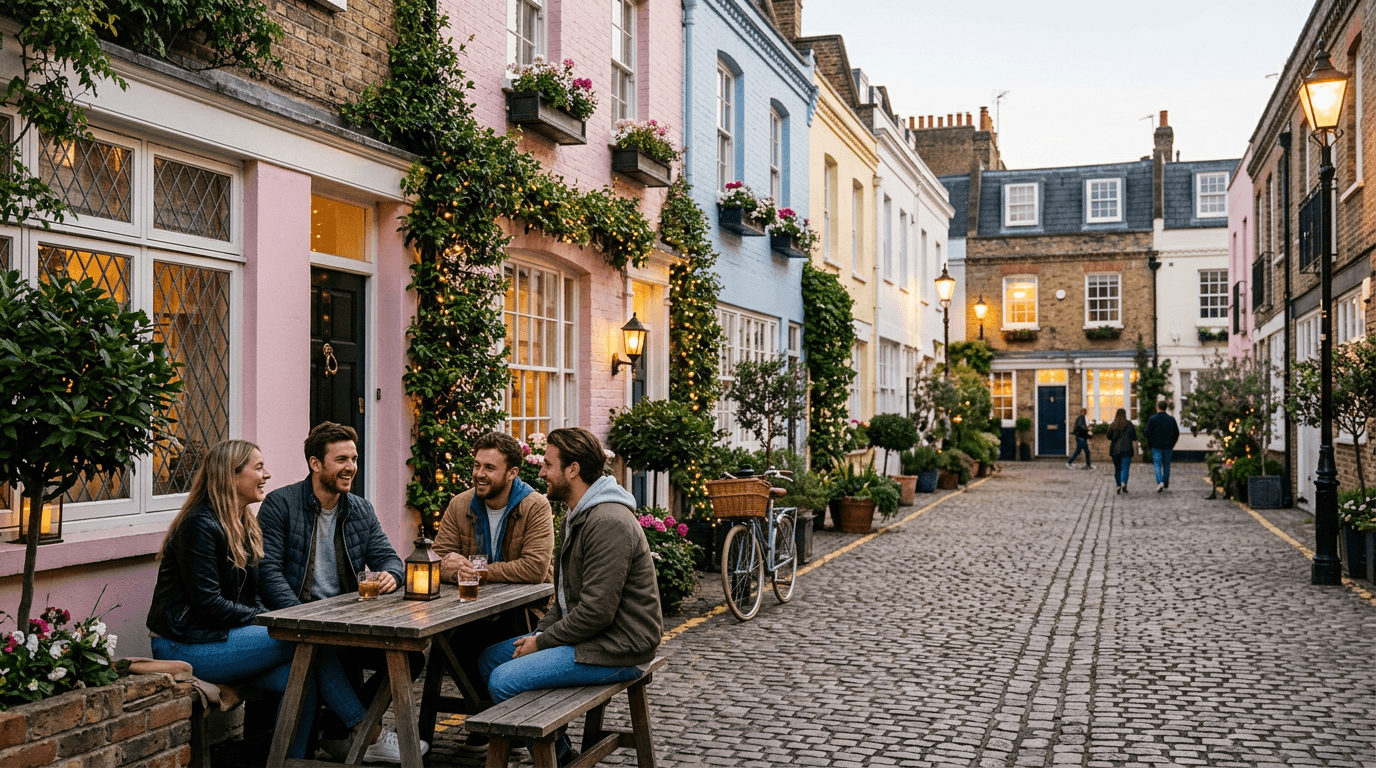
The best secret places in London are the hidden gems that offer a genuine escape from the tourist crowds, such as the tranquil ruins of St Dunstan in the East, the eccentric Sir John Soane’s Museum, and the enchanting Hill Garden and Pergola. This guide uncovers the city's most unique and lesser-known spots, providing an authentic glimpse into London's heart for curious explorers. Whether you're a local or a seasoned visitor, prepare to discover a side of London you've never seen before.
London is a city of layers, where centuries of history and culture are stacked on top of one another. While iconic landmarks like the Tower of London and Buckingham Palace draw millions, the real magic often lies just around the corner, down a quiet alleyway, or behind an unassuming door. These are the places that Londoners cherish—the quiet gardens, quirky museums, and atmospheric pubs that give the city its soul. This guide is your personal key to unlocking that hidden world. We've pounded the pavements, explored the forgotten corners, and compiled the ultimate list of London's best-kept secrets. Forget the queues and the crowds; it's time to explore London like an insider.
Our Top 12 Secret Spots: An Insider’s Guide
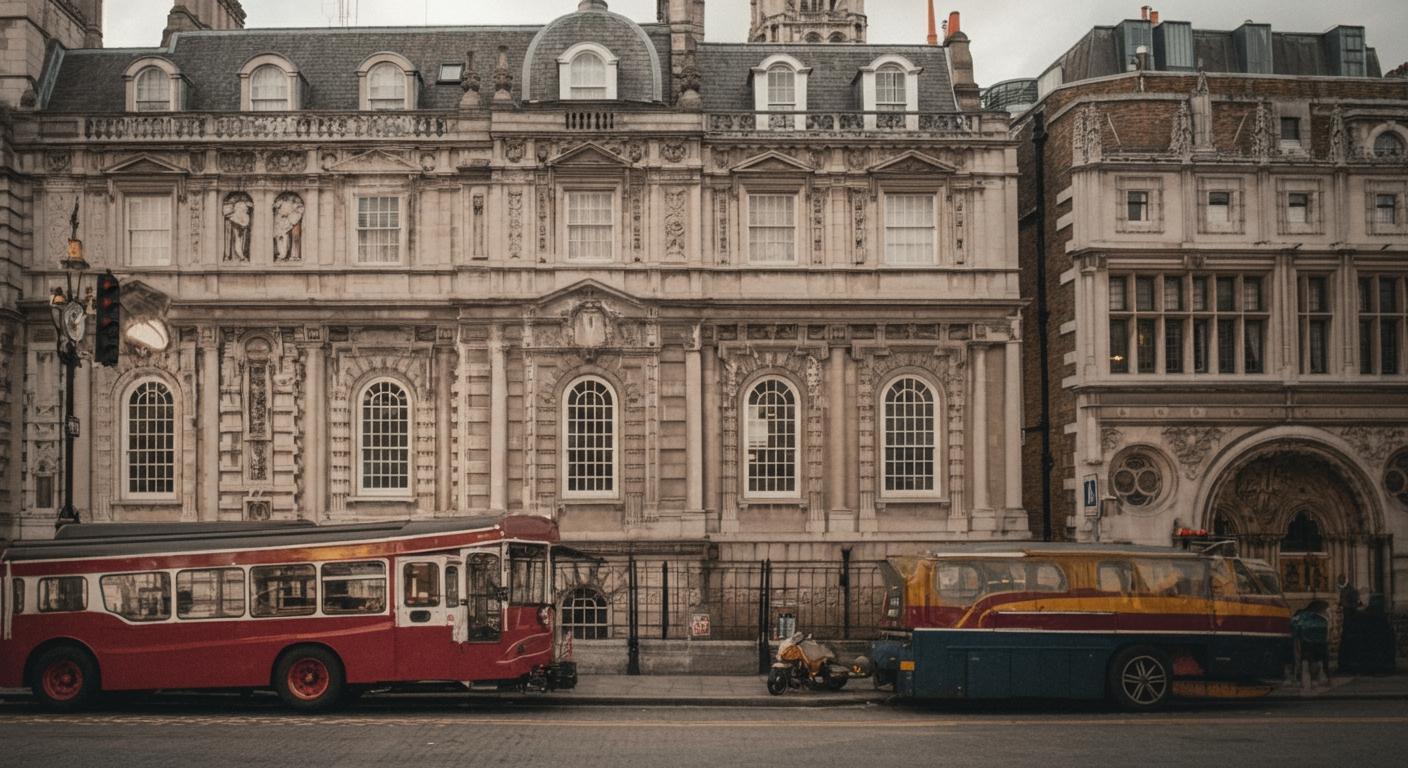
Embark on a journey beyond the well-trodden tourist path with our curated list of London's most captivating secret places. These twelve locations, handpicked by the Gidly team, represent the very best of hidden London, from serene natural escapes to historical oddities and vibrant cultural hubs. Each spot offers a unique story and an unforgettable experience, far from the bustling crowds. We'll give you the inside scoop on why they're special, what to do when you're there, and how to make the most of your visit. This is your definitive guide to discovering the city's soul.
1. St Dunstan in the East: The Lost Church Garden
Nestled between London Bridge and the Tower of London, St Dunstan in the East is a breathtakingly beautiful public garden housed within the ruins of a Wren church. Bombed during the Blitz in 1941, only the tower, steeple, and north and south walls remained. Instead of being rebuilt, the City of London transformed it into a serene green space in 1970. Today, it’s a tranquil oasis where nature has reclaimed the Gothic architecture, with vines snaking up the stone walls and trees growing within the former nave. It feels like stepping into a forgotten world, a poignant and peaceful memorial to London's resilience. The contrast between the ancient ruins and the modern skyscrapers peeking through the archways, like The Shard, makes it a uniquely London experience and a photographer's dream.
The main activity here is simply to be. Find a bench, listen to the quiet rustle of leaves, and soak in the atmosphere. It's the perfect spot for a quiet lunch break, a contemplative read, or a romantic moment away from the city's frenetic pace. Explore the nooks and crannies of the ruins, admire the central fountain, and appreciate the clever planting that creates a sense of wildness and discovery. It’s a place that invites you to slow down and reflect. For a deeper dive, look for informational plaques that tell the story of the church's long history, from its Saxon origins to its destruction and rebirth. The juxtaposition of decay and life is profoundly moving and offers a quiet space for reflection in the heart of the bustling financial district.
Our team visited on a weekday afternoon and found it surprisingly quiet, a true sanctuary. For the best photos, visit on a sunny day when light streams through the empty window frames, creating dramatic shadows. The golden hour, just before sunset, bathes the stone in a warm glow. It’s also incredibly atmospheric on a misty morning. Because of its popularity for photoshoots, especially weddings, try to visit mid-week to have more of the space to yourself. Bring a coffee and a pastry from a nearby café to complete the experience. It's a place you'll want to linger.
- Location: St Dunstan's Hill, London EC3R 5DD
- Price: Free
- Opening Hours: Daily, 8:00 AM – 7:00 PM (or dusk, whichever is earlier).
- Nearest Tube: Monument or Tower Hill.
2. Sir John Soane’s Museum: The House of Curiosities
Imagine a house where every surface is covered in art, antiquities, and architectural models, where walls open up to reveal hidden rooms, and where an Egyptian sarcophagus sits in the basement. This isn’t a fantasy; it’s Sir John Soane’s Museum, the former home of the neo-classical architect Sir John Soane (1753-1837). Located in Lincoln's Inn Fields, this museum is preserved exactly as Soane left it at the time of his death, by a private Act of Parliament. It's one of London's most unique and atmospheric experiences, a labyrinthine treasure trove that feels more like a personal obsession than a public institution. It remains a secret largely because of its unassuming exterior and its intimate, house-like scale, which limits visitor numbers and keeps it off the main tourist radar.
The joy of visiting is in the discovery. The collection is vast and eclectic, with over 30,000 architectural drawings, Roman and Greek sculptures, furniture, and paintings, including Hogarth's "A Rake's Progress." The highlight for many is the Picture Room, where ingenious hinged panels allow over 100 paintings to be displayed in a small space. The staff occasionally demonstrate how these planes swing open, a moment of pure theatricality. Don’t miss the basement, or "Crypt," which houses the magnificent Sarcophagus of Seti I. The sheer density of objects is overwhelming in the best possible way, creating a sense of wonder and intellectual curiosity. It’s a museum you experience rather than just observe, wandering through cluttered, creatively lit rooms that Soane designed as a teaching aid for his students.
Photography is restricted in most areas to preserve the intimate atmosphere, so this is a place to be present and use your eyes. Arrive early, especially on weekends, as queues can form due to the small capacity. You'll be asked to place large bags in clear plastic bags provided by the museum to protect the collection. Take your time and don’t be afraid to ask the knowledgeable room guides questions; they have fantastic stories about Soane and his collection. The museum's complexity means you'll spot new details on every visit, making it a place worth returning to again and again.
- Location: 13 Lincoln's Inn Fields, London WC2A 3BP
- Price: Free (donations welcome). Some exhibitions and evening openings have a charge.
- Opening Hours: Wednesday to Sunday, 10:00 AM – 5:00 PM.
- Nearest Tube: Holborn.
3. The Hill Garden and Pergola: A Lost Edwardian Paradise
High on Hampstead Heath lies one of London's most romantic and surreal secrets: The Hill Garden and Pergola. This magnificent raised walkway, draped in wisteria and vines, offers stunning views over the West Heath. It was the private passion project of Lord Leverhulme, a wealthy soap baron, who wanted an extravagant setting for his lavish Edwardian garden parties. After falling into disrepair post-WWII, it was lovingly restored and is now a public park. Its secrecy is due to its slightly out-of-the-way location and the fact that you can’t see it from the main paths of the Heath; you have to know it's there. Finding it feels like stumbling upon the ruins of a forgotten Italianate palace, making the discovery all the more magical.
The Pergola is the star attraction. Meandering along its length, you'll feel transported to another era. It's a photographer's paradise, especially in late spring (May/June) when the wisteria is in full, fragrant bloom, or in autumn when the Virginia creepers turn a fiery red. Beyond the Pergola, there's the beautifully maintained Hill Garden, a more formal space with flower beds, a lawn, and a reflective pond that perfectly mirrors the sky and surrounding structure. It’s an incredibly peaceful place to wander, find a quiet bench, and enjoy a moment of tranquility. The slightly dilapidated, melancholic beauty of the structure is what makes it so special. It's less a manicured park and more a poetic landscape, perfect for dreamers and romantics.
The best time to visit is on a weekday to avoid the weekend crowds that have discovered this gem through Instagram. For photographers, the "golden hour" light is sublime, casting long shadows through the columns. Pack a flask of tea and a good book for a truly idyllic afternoon. Access can be a bit tricky. The easiest route is from North End Way, near Inverforth Close, but part of the charm is the feeling of getting slightly lost on the Heath before you find it. Check the City of London Corporation website for any temporary closures for maintenance or private events before you go.
- Location: North End Way, Hampstead, London NW3 7EX
- Price: Free
- Opening Hours: Daily from 8:30 AM; closing times vary seasonally (check signs at the entrance).
- Nearest Tube: Hampstead or Golders Green (both require a 15-20 minute walk).
4. Little Venice: London’s Canal-side Secret
Where the Grand Union and Regent's Canals meet, a tranquil pocket of London known as Little Venice emerges. This picturesque waterway, lined with elegant white stucco townhouses and colorful narrowboats, feels a world away from the city's hustle. It earned its nickname from the poet Robert Browning, who lived here. Its secret status comes from its residential nature; it isn't a commercial hub but a peaceful community. Tourists often rush past on canal boat tours to Camden, but the real joy is in slowing down and exploring the area on foot. The calm waters, resident swans and ducks, and the gentle pace of life make it a truly restorative place to visit.
The best way to experience Little Venice is to simply walk the towpaths. Start at Warwick Avenue station and head towards the triangular pool of water where the canals converge. You can cross the water via the footbridges to see the houseboats up close, many of which are beautifully maintained with rooftop gardens and quirky decorations. You can also take a waterbus trip from Little Venice to ZSL London Zoo or Camden Lock for a different perspective. There are several charming waterside cafes, like the Waterside Café and the Puppet Theatre Barge, a unique 55-seat marionette theatre on a boat. It's a wonderful place for a leisurely brunch followed by a stroll, offering a slice of Amsterdam in the heart of London.
Our team recommends visiting in the spring or summer when the area is at its most vibrant, with flowers blooming in pots along the towpath and on the boats. For a unique experience, check Gidly for events at the Puppet Theatre Barge or floating concerts that occasionally take place. A walk from Little Venice along the Regent's Canal through Regent's Park is one of London's best urban walks. It’s about a 45-minute stroll to the park's entrance and offers a constantly changing view of London's backside, from grand houses to industrial remnants. This area is perfect for a lazy Sunday afternoon when you want to feel like you've left the city without actually going anywhere.
- Location: Junction of Grand Union and Regent's Canals, London W9 2PF
- Price: Free to walk around. Waterbus trips from approx. £15 per adult.
- Opening Hours: Accessible 24/7. Cafes and attractions have their own hours.
- Nearest Tube: Warwick Avenue.
5. Leighton House Museum: A Victorian Art Palace
Tucked away on a quiet residential street in Holland Park, Leighton House is the extraordinary former home and studio of the Victorian artist Frederic, Lord Leighton. From the outside, it's a modest brick villa. But step inside, and you are transported to an opulent, art-filled fantasy world. The house was designed by Leighton himself as a 'private palace of art'. While well-known in art circles, it remains a secret for the general public, overshadowed by the larger museums in nearby South Kensington. Its recent multi-million-pound refurbishment has made it even more spectacular, restoring its vibrant interiors and adding new exhibition spaces.
The undisputed highlight is the jaw-dropping Arab Hall. Inspired by Leighton's travels in the Middle East, it features a golden dome, a central fountain, and walls adorned with over 1,000 stunning Islamic tiles from Damascus, Cairo, and beyond. It is one of the most breathtaking interior spaces in all of London. The rest of the house is equally impressive, from the grand staircase to the light-filled painting studio where Leighton created his masterpieces. The collection includes works by Leighton and his contemporaries like Millais and Burne-Jones. The new wing seamlessly integrates modern galleries, a café, and learning spaces, making it a complete cultural destination. You can easily spend two to three hours exploring every detail.
To make the most of your visit, consider taking one of the guided tours to hear the fascinating stories behind Leighton's life and the creation of his house. The museum is rarely overcrowded, offering a peaceful and immersive experience. After your visit, take a stroll through Holland Park, which is just a few minutes' walk away. Don't miss the park's own secret gem, the Kyoto Garden. The combination of Leighton House and the park makes for a perfect day out in West London, blending art, history, and nature.
- Location: 12 Holland Park Road, London W14 8LZ
- Price: Adults from £11, concessions available. Free for members.
- Opening Hours: Wednesday - Monday, 10:00 AM – 5:30 PM.
- Nearest Tube: High Street Kensington.
6. The Seven Noses of Soho: An Artistic Treasure Hunt
This is less a single place and more a delightful, quirky treasure hunt through the streets of Soho. In 1997, artist Rick Buckley installed plaster replicas of his own nose on buildings throughout London as a protest against the proliferation of CCTV cameras. It was a piece of guerilla art, an act of "I'm nosing on you as you're nosing on me." Originally, there were around 35, but today, only about seven are known to survive in Soho. Finding them is a fantastic way to explore the area's hidden alleys and side streets, forcing you to look up and notice the details you'd otherwise miss. They've become a beloved piece of London folklore, a secret that’s hiding in plain sight.
The challenge is to find them all! They are discreetly placed on walls, often just above ground level, and painted to match the building's facade. We won't give all the locations away—that would spoil the fun—but we'll give you a starting point: look around Admiralty Arch. Another is famously located on Bateman Street. Legend has it that anyone who finds all seven will attain infinite wealth (we're still waiting on that!). This activity turns a simple walk into an engaging game, perfect for a solo adventure, a quirky date, or a fun challenge with friends. It makes you look at the city with fresh eyes, discovering architectural details, historic plaques, and hidden courtyards along the way.
Make an afternoon of it. Start your hunt, and when you need a break, dive into one of Soho's many independent coffee shops or historic pubs. The search will take you past iconic spots like Carnaby Street and Ronnie Scott's Jazz Club, but also down lesser-known passages like Meard Street. It's a free, fun, and totally unique way to engage with London's urban landscape and its rebellious artistic spirit. You'll finish with a real sense of accomplishment and a new appreciation for the layers of stories hidden in the city's streets.
- Location: Various locations across Soho, London W1.
- Price: Free.
- Opening Hours: 24/7 (best during daylight hours).
- Nearest Tube: Piccadilly Circus, Oxford Circus, or Tottenham Court Road.
7. Postman’s Park: The Memorial to Heroic Self-Sacrifice
Tucked away near St. Paul's Cathedral, Postman's Park is a quiet green space with a deeply moving secret. It's home to the 'Memorial to Heroic Self-Sacrifice', a collection of 54 ceramic plaques commemorating ordinary people who died while saving the lives of others. The memorial was the idea of Victorian painter and philanthropist George Frederic Watts. Each tile tells a poignant, concise story of bravery: "Thomas Simpson, Died of his injuries Jan 25 1885 while saving a man from a falling scaffold at a fire in Redcross Street," or "Alice Ayres, Daughter of a bricklayer's labourer, who by intrepid conduct saved 3 children from a burning house in Union Street Borough at the cost of her own young life."
This is not a place for grand gestures, but for quiet contemplation. Reading the tiles is a powerful and humbling experience. It's a monument to the quiet heroism of everyday life, a stark contrast to the grand statues of generals and kings found elsewhere in London. The park itself is a lovely, shaded spot, popular with local office workers on their lunch breaks (it gets its name from the nearby former General Post Office). Take time to read each plaque and reflect on the stories. The memorial is incomplete, with the last plaque added in 2009, leaving space for future heroes. It’s a profound reminder of the human capacity for courage and sacrifice, hidden away from the main tourist trail.
The Gidly team finds this park to be one of the most emotionally resonant places in London. To get the full impact, visit alone or with someone who appreciates quiet reflection. It provides a powerful sense of perspective. It’s a small park, so a visit might only take 30-45 minutes, but its impact will stay with you much longer. For a photo, focus on the details of the Doulton tiles, the beautiful typography, and the simple, powerful narratives. The covered wooden structure housing the memorial is beautiful in its own right. It's an essential stop for anyone interested in London's social history and the stories of its people.
- Location: King Edward Street, London EC1A 7BT
- Price: Free
- Opening Hours: Daily, 8:00 AM – 7:00 PM (or dusk).
- Nearest Tube: St. Paul's.
8. The London Roman Amphitheatre: Gladiators in Guildhall
Beneath the modern paving of Guildhall Yard, in the heart of the City of London, lie the remains of London's Roman Amphitheatre. For centuries, its existence was just a theory, until it was discovered by Museum of London archaeologists in 1988 during the construction of the new Guildhall Art Gallery. Now, you can descend into the basement of the gallery and stand in the very spot where gladiators fought and public spectacles were held for the citizens of Londinium. It’s a secret because it’s literally underground and hidden within another attraction. Many visitors to the art gallery above are completely unaware of the ancient history beneath their feet.
The experience is brilliantly executed. As you enter the space, the outline of the amphitheatre is marked on the floor in black stone. Projections and sound effects help to recreate the atmosphere of the arena, complete with the roar of the crowd. You can see the original Roman walls, the drainage system, and the sand that would have soaked up the blood of combatants. It’s a fascinating glimpse into Roman London, a city far more brutal and spectacular than we often imagine. The fact that this 7,000-seater stadium lay hidden for over 1,500 years is mind-boggling. The exhibition is small but incredibly atmospheric and well-presented, offering a direct physical link to London’s distant past.
The best time to visit is during the week when it's quieter. You can often have the entire amphitheatre space to yourself, which enhances the slightly spooky, historical atmosphere. Imagine the noise, the smells, and the drama of the events that took place right where you are standing. It's a fantastic secret spot for history buffs, and a great addition to any tour of the City of London, linking up nicely with the nearby Museum of London and the London Wall.
- Location: Guildhall Art Gallery, Guildhall Yard, London EC2V 5AE
- Price: Free
- Opening Hours: Daily, 10:30 AM – 4:00 PM.
- Nearest Tube: Bank, St. Paul's, or Moorgate.
9. God’s Own Junkyard: A Neon Wonderland
Prepare for sensory overload in the most spectacular way. Located in an industrial estate in Walthamstow, God’s Own Junkyard is a psychedelic paradise, a gallery and workshop filled with thousands of neon signs, vintage movie props, and salvaged treasures. It's the personal collection of the late, legendary neon artist Chris Bracey, who created props for directors like Tim Burton and Stanley Kubrick. Now run by his family, it's a dazzling, kaleidoscopic explosion of light and color. It's a secret due to its off-the-beaten-path location in Zone 3, but it is more than worth the journey. It is without a doubt one of the most Instagrammable spots in London.
Walk through the doors and you're hit with an incredible glow. Every inch of space is filled with neon art, from religious iconography and pop culture slogans to giant, glittering disco balls. You can wander through the maze of signs, each one telling a story. Many are available to buy or rent, but it functions primarily as a free-to-enter gallery. At the back, you’ll find The Rolling Scones Café, where you can grab a coffee or a cocktail and soak up the unique atmosphere. It’s a place that is simultaneously chaotic and beautiful, a shrine to the art of neon and a celebration of creativity. You'll spot pieces you recognise from films and fashion shoots, alongside deeply personal creations.
The Gidly team loves this place for a weekend adventure. It gets busy, especially on Saturdays and Sundays, so be prepared for a lively crowd. Photography is encouraged, but be mindful of others. The low light and bright neon can be tricky for phone cameras, so play around with your settings. To make a day of it, explore the other creative businesses on the Ravenswood Industrial Estate, including the Wild Card Brewery and the Mother's Ruin Gin Palace. It's a fantastic little hub of local, independent businesses. God's Own Junkyard is a truly unique London experience that will leave you buzzing.
- Location: Unit 12, Ravenswood Industrial Estate, Shernhall Street, London E17 9HQ
- Price: Free entry.
- Opening Hours: Friday 11am-10pm, Saturday 11am-10pm, Sunday 11am-6pm.
- Nearest Tube/Train: Walthamstow Central (Victoria Line/Overground), then a 15-minute walk.
10. The Templar Church: Knights and Conspiracy
Step through a quiet courtyard off Fleet Street and you'll find the Temple Church, one of London's most historic and atmospheric buildings. Built by the Knights Templar in the 12th century, it’s famous for its unusual circular nave (the 'Round Church'), modelled on the Church of the Holy Sepulchre in Jerusalem, and the striking stone effigies of knights on the floor. It survived the Great Fire of London, was damaged in the Blitz, and gained worldwide fame after being featured prominently in Dan Brown's "The Da Vinci Code." Despite this brush with fame, it remains surprisingly peaceful and overlooked, a secret sanctuary from the noise of the city.
The main draw is the incredible history you can feel in the stones. The Round Church is a rare and beautiful piece of architecture, and seeing the life-sized effigies of medieval knights is a powerful link to a distant, almost mythical past. These aren't tombs, but memorials to some of the most powerful men in medieval England. The attached Chancel, a more conventional rectangular church, is a beautiful example of Early English Gothic architecture with soaring arches. Take time to look for the "penitent's cell" and the grotesque gargoyle-like heads that decorate the walls. The church often has one of its vergers on hand to answer questions, and their knowledge is encyclopedic.
The church is located within the Inner Temple, one of the four Inns of Court. The surrounding courtyards, gardens, and legal chambers are a secret world in themselves, and you are free to wander through them during the week (they are generally closed on weekends). This whole area feels like a time capsule. Finding the church is part of the adventure; look for the archway on the south side of Fleet Street with a sign for "The Temple." Pass through, and the modern city falls away. Please note that opening times can be restricted due to services, concerts, and legal events, so always check their website before visiting.
- Location: Temple, London EC4Y 7BB
- Price: Around £5 for tourist entry (free for worship).
- Opening Hours: Generally 10:00 AM – 4:00 PM on weekdays, but variable. Always check the website for the current week's schedule.
- Nearest Tube: Temple.
11. Cahoots: A Subterranean Speakeasy Bar
For a secret that's served with a cocktail, head to Cahoots. Hidden in a disused tube station in Soho, this immersive 1940s-themed bar transports you back to post-war London. The entrance is discreet; look for the "To The Trains" sign in Kingly Court. Once you're past the "station master," you descend into a perfectly recreated vintage tube carriage, complete with original seating, platform signs, and period details. The whole experience is theatrical and fun, from the staff who stay in character to the cocktails served in tin cans, milk bottles, and hip flasks. It’s a secret bar that truly commits to its theme, making it more than just a place for a drink—it’s an event.
The main attraction is the incredible atmosphere. The attention to detail is astonishing, creating a transportive experience that feels both authentic and playful. The cocktail menu is extensive and creative, with drinks organised into categories like "Smuggled Sips" and "Dig for Victory." They also serve a range of beers, wines, and spirits, as well as bar snacks and "rations." The bar often features live music, with bands playing swing, jazz, and lindy-hop, which adds to the lively, celebratory post-war vibe. Cahoots now has three distinct spaces: the original Underground, the Ticket Hall (above ground), and The Control Room, each offering a slightly different take on the 1940s theme.
Cahoots is perfect for a special occasion, a fun date night, or a unique night out with friends. It's a conversation starter and a memorable experience from start to finish. The staff are part of the show, so play along and have fun with it. Be prepared for it to be busy and loud, especially when the live music is on. This isn't a quiet, contemplative secret spot; it's a boisterous, joyful one. For a slightly more relaxed vibe, try booking a table in the early evening during the week. Check Gidly for special themed nights or new menu launches.
- Location: 13 Kingly Court, Carnaby, London W1B 5PW
- Price: Cocktails from £15. Booking highly recommended.
- Opening Hours: Varies by space, generally open from mid-afternoon until late.
- Nearest Tube: Oxford Circus or Piccadilly Circus.
12. Highgate Cemetery: Victorian Valhalla
More than just a burial ground, Highgate Cemetery is a magnificent, sprawling landscape of gothic tombs, overgrown ivy, and towering trees. Opened in 1839, it became the most fashionable place to be buried in Victorian London, resulting in an extraordinary collection of funerary architecture. It's split into two sections: the East Cemetery, which you can explore freely, and the more atmospheric West Cemetery, which can only be visited on a guided tour. Its secrets lie in the stories of its residents and the breathtaking, melancholic beauty of its overgrown avenues. It feels like a lost city of the dead, both spooky and serene.
The East Cemetery is home to the cemetery's most famous resident, Karl Marx, whose tomb is a site of political pilgrimage. You can wander at your own pace here, discovering the graves of other notable figures like novelist George Eliot and artist Patrick Caulfield. However, the real magic is in the West Cemetery. The guided tour is essential and absolutely brilliant. It takes you along winding paths, through the Egyptian Avenue, into the Terrace Catacombs, and past enormous, elaborate mausoleums built for London's wealthy elite. The guides are fantastic storytellers, bringing the history of the cemetery and its inhabitants to life. The whole place has a wild, romantic feel, with nature reclaiming the ornate stonework.
Booking the West Cemetery tour in advance is crucial as it sells out, especially on weekends. Our team recommends a tour in autumn when the falling leaves and low light create an incredibly atmospheric setting. Wear sturdy, comfortable shoes, as the paths are uneven and can be muddy. Photography is permitted, but tripods are not, and you're asked to be respectful. Allow a good 90 minutes for the West tour and another hour to explore the East side. The cemetery is a haven for wildlife, so keep an eye out for birds and foxes. It's a truly unforgettable place that offers a unique perspective on London's history, culture, and relationship with death.
- Location: Swain's Lane, London N6 6PJ
- Price: East Cemetery entry approx. £4.50. West Cemetery guided tour (includes East entry) approx. £15.
- Opening Hours: Daily, 10:00 AM – 5:00 PM (seasonal variations apply).
- Nearest Tube: Archway, followed by a 15-minute uphill walk.
Secret London by Scenario: Find Your Perfect Outing
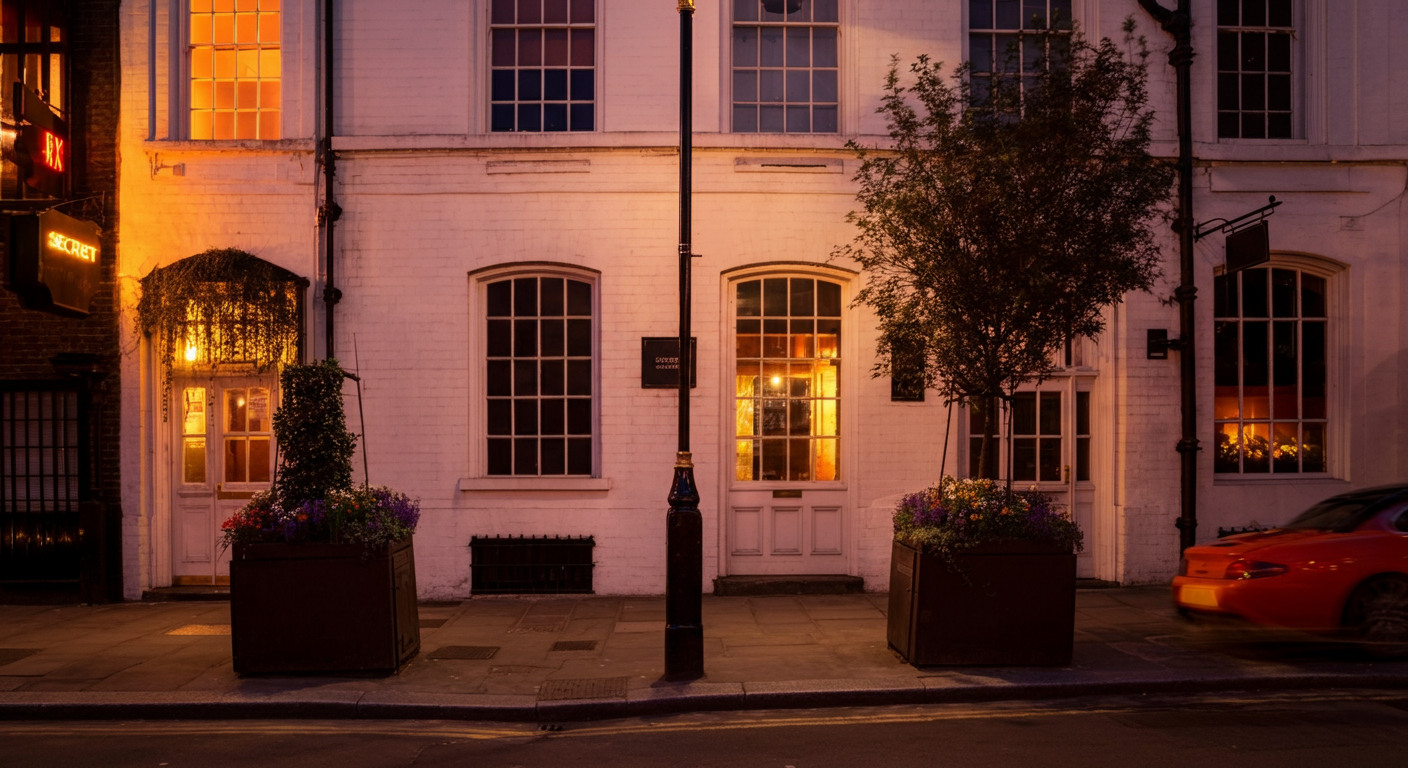
London's secrets aren't one-size-fits-all; the perfect hidden gem depends on who you're with and what you're looking for. A quiet, romantic garden might not be the best spot for a lively reunion with friends. To help you plan the perfect day or night out, the Gidly team has curated our top secret picks for every occasion. Whether you're planning an unforgettable date, a fun-filled family adventure, a memorable get-together with friends, or a peaceful solo exploration, we've got the inside track on the hidden spots that will make your outing special. Say goodbye to decision fatigue and hello to perfectly tailored secret experiences.
For a Romantic Date Night
London is filled with opportunities for romance if you know where to look beyond the obvious. For a date that impresses, it's all about atmosphere, intimacy, and a touch of the unexpected. The goal is to create a shared experience that feels special and unique to the two of you. Forget crowded restaurants and generic bars; these secret spots provide the perfect backdrop for connection. From sunset views over forgotten gardens to candlelit museums and clandestine dining, these ideas are guaranteed to elevate your date night from standard to truly memorable, creating stories you'll both want to retell.
- The Hill Garden & Pergola at sunset: Pack a small, elegant picnic (think prosecco and strawberries) and find a secluded spot along the vine-covered walkway. As the sun goes down, the light is magical, and the slightly crumbling grandeur feels incredibly romantic. It's a world away from the city buzz, offering peace, quiet, and stunning views.
- A candlelit tour of Sir John Soane’s Museum: This is the ultimate sophisticated date. Experiencing the museum's cluttered wonders by flickering candlelight is an intimate and unforgettable experience. It's mysterious, intellectual, and incredibly atmospheric. Tickets are like gold dust, so book months in advance or keep a keen eye on the Gidly app for last-minute openings.
- A private table at a hidden restaurant: Skip the trendy hotspots and find a classic, old-school romantic restaurant like La Poule au Pot in Belgravia. With its candle-strewn tables, rustic French charm, and intimate atmosphere, it feels like a secret Parisian bistro. Or search Gidly for supper clubs in unusual locations for a truly one-of-a-kind dining experience.
- Watching a film at the Electric Cinema Portobello: While not a complete secret, it offers a far more romantic and luxurious experience than a standard multiplex. Sink into a plush velvet armchair or a front-row double bed, complete with a cashmere blanket, and have cocktails delivered to your seat. It turns a simple movie night into a decadent, cozy, and intimate affair.
For a Day Out With the Kids
Keeping children entertained in a big city can be a challenge, especially when you want to avoid the same old crowded, expensive attractions. The key is to find places that are interactive, spark curiosity, and offer a sense of adventure. London's best secret spots for families are those that feel like a discovery and allow kids to explore, learn, and play in a unique environment. These ideas move beyond the typical playground and offer experiences that are just as fun for the adults as they are for the little ones, making for a memorable family day out for everyone involved.
- Exploring the Horniman Museum & Gardens: Located in Forest Hill, the Horniman Museum is a treasure. It has an eclectic collection of anthropology, natural history (don't miss the overstuffed walrus), and musical instruments. There's also an aquarium, a butterfly house, and beautiful gardens with an animal walk and incredible views back over London. It's less crowded than the South Kensington museums and has a wonderfully quirky charm.
- Mudlarking on the Thames foreshore: With a permit from the Port of London Authority, you can legally search the riverbed at low tide for historical treasures. Kids love the thrill of finding old clay pipes, pottery fragments, and other bits of London's past. It's a hands-on history lesson and a real adventure. Some of the best spots are near the Tate Modern and Gabriel's Wharf.
- The Harry Potter trail (lesser-known spots): Go beyond Platform 9¾. Visit Leadenhall Market (the real Diagon Alley), find the entrance to the Leaky Cauldron (it’s an optician in Bull's Head Passage), and see the inspiration for Grimmauld Place (Claremont Square). Creating your own treasure map of these secret spots is far more fun than joining a crowded tour.
- Discovering Crystal Palace Park’s dinosaurs: While the Crystal Palace itself is long gone, its park is home to the world's first dinosaur sculptures. These charmingly inaccurate Victorian interpretations of dinosaurs are wonderfully monstrous and fascinating. The park also has a boating lake, a maze, and a children's farm, making it a brilliant and budget-friendly day out.
For a Weekend Adventure With Friends
Planning a get-together with friends calls for something dynamic, sociable, and a little bit different. You want a destination or activity that sparks conversation and creates shared memories. Whether it’s a daytime exploration or a unique night out, London’s hidden gems offer plenty of options for group fun. The best spots are those with a lively atmosphere, an element of discovery, and, ideally, great food or drink options nearby. Move away from the usual pub meet-up and try one of these ideas for an adventure you'll all be talking about for weeks to come. These are perfect for birthdays, celebrations, or just a long-overdue catch-up.
- A neon trip to God’s Own Junkyard: The sheer visual spectacle of this place is a fantastic group experience. It's free to enter, incredibly photogenic, and has a café on-site for drinks. The surrounding Ravenswood Industrial Estate has a brewery and a gin palace, so you can easily turn the visit into a mini craft-booze crawl.
- A cocktail crawl through hidden speakeasies: Plan a route that takes in a few of London's best secret bars. Start at Cahoots in Soho, then find your way to a bar hidden behind a bookcase like The Mayor of Scaredy Cat Town, or solve a puzzle to get into an " detective agency" like Evans & Peel. It turns a night of drinking into an interactive mission.
- Exploring the street art of the Leake Street Arches: Also known as the "Banksy Tunnel," this is a long tunnel underneath Waterloo Station where graffiti is legal. The art is constantly changing, so it's different every time you visit. It's a vibrant, edgy, and free place to explore, with a great atmosphere and several cool bars and eateries located right within the arches.
- A Gidly-exclusive pop-up dining experience: Keep an eye on the Gidly events catalog for unique supper clubs and pop-up restaurants. These often take place in unusual, secret locations – from warehouses to private homes – and offer a set menu from an up-and-coming chef. It’s a fantastic way to have a unique culinary adventure with your friends.
For the Solo Explorer
Exploring London alone is a wonderfully liberating experience. It allows you to move at your own pace, indulge your own interests, and truly soak up the city's atmosphere without distraction. The best secret spots for solo adventurers are those that invite quiet contemplation, offer opportunities for people-watching, or provide a satisfying sense of personal discovery. These are places where being on your own is an advantage, allowing you to fully immerse yourself in the history, beauty, or simple tranquility of your surroundings. Whether you have a whole day or just a spare hour, these solo missions are perfect for reconnecting with yourself and the city.
- A quiet afternoon at Daunt Books Marylebone: Often cited as London's most beautiful bookshop, this Edwardian gem with its long oak galleries and skylight is a sanctuary for bibliophiles. The focus is on travel literature, arranged by country. It's the perfect place to lose an hour (or three), browsing the shelves and discovering your next literary adventure, completely undisturbed.
- A reflective walk through Postman’s Park: This park is almost designed for solo contemplation. Reading the tiles of the Memorial to Heroic Self-Sacrifice is a moving and personal experience. It's a quiet, humbling place that encourages introspection and offers a profound sense of perspective on life in the big city.
- Hunting for the Seven Noses of Soho: This quirky treasure hunt is an ideal solo activity. It gives your walk a purpose and encourages you to be highly observant of your surroundings. You can take as long as you like, stopping for a coffee or diving into an interesting shop along the way, with no one to hurry you along. The satisfaction of spotting one of the elusive noses is a small, perfect private victory.
- Exploring a new neighborhood like Angel or Greenwich: Pick a neighborhood you don't know well and just wander. In Angel, explore the antique shops of Camden Passage. In Greenwich, stray from the main tourist sites to discover the quiet, grand streets west of the park or the independent shops in the town centre. Solo exploration without a fixed plan is the best way to uncover your own personal secret spots.
London’s Best Kept Secrets on a Budget
Exploring London's hidden side doesn't have to break the bank. In fact, some of the city's most authentic and memorable experiences are completely free or incredibly affordable. The key to budget-friendly discovery is knowing where to find the experiences that deliver maximum impact for minimal cost. From tranquil gardens and world-class museums with no entry fee to bustling food markets where you can eat like a king for under a tenner, secret London is accessible to everyone. Forget expensive tickets and overpriced tourist traps; this is how you explore the city's soul without emptying your wallet.
Top 5 Free Secret Places in London
London is packed with incredible free attractions, but many of them, like the British Museum or the National Gallery, are firmly on the tourist trail. For a quieter, more unique experience that costs nothing, you need to dig a little deeper. These five spots offer beauty, history, and tranquility without charging a single penny for admission. They are perfect for a spontaneous afternoon of discovery, proving that the best things in life (and in London) are often free. We've personally visited each of these to confirm they offer a genuine slice of secret London, perfect for a budget-conscious explorer.
- St Dunstan in the East: As mentioned in our top 12, this ruined church garden is a spectacular oasis in the City of London. It's free to enter and offers a priceless sense of peace. It's the perfect spot for a free, atmospheric photoshoot or a quiet packed lunch.
- The Wellcome Collection: Billed as a "free museum and library for the incurably curious," this spot near Euston Station is a must-visit. Its exhibitions explore the connections between medicine, life, and art in the past, present, and future. It's thought-provoking, often strange, and far less crowded than the South Kensington museums. The permanent "Medicine Man" exhibit is a fascinating cabinet of curiosities.
- A walk through the London Mews: Tucked behind London's grandest townhouses are picturesque cobbled streets known as mews. Originally built as stables, they are now some of London's most charming and expensive addresses. Kynance Mews in Kensington (especially in autumn) and St Luke’s Mews in Notting Hill are famously beautiful and perfect for a peaceful, photogenic stroll.
- The view from Greenwich Park: While many tourists pay for the view from The Shard, one of London's best panoramas is completely free. Climb the hill in Greenwich Park to the Royal Observatory. From here, you have a protected, postcard-perfect view of the Queen's House and the Old Royal Naval College, with the modern skyscrapers of Canary Wharf rising up behind them. It's a breathtaking juxtaposition of old and new.
- Window shopping in Leadenhall Market: Even if you don't buy anything, a walk through this gorgeous Victorian covered market is a treat. With its ornate painted roof and cobbled floors, it's one of London's most beautiful marketplaces. Film fans will recognize it as the location for Diagon Alley in the first Harry Potter film. It's a wonderful place to soak up the atmosphere, especially on a rainy day.
Cheap Eats Only Locals Know About
Eating well in London can be expensive, but the city's vibrant street food scene offers a delicious and affordable alternative to pricey restaurants. The real culinary secrets are the markets that are beloved by locals but often overlooked by tourists. These places are not just about food; they are bustling community hubs where you can find authentic flavors from around the world at a fraction of the price of a sit-down meal. For £8-£12, you can get a seriously high-quality, inventive, and satisfying lunch. Here are Gidly's top picks for markets where Londoners actually go for a fantastic, budget-friendly meal.
| Market | Vibe & Specialty | Gidly's Must-Try |
|---|---|---|
| Brixton Village & Market Row | Vibrant, multicultural, covered arcades. Strong Caribbean and Latin American influence. | Jerk chicken from Fish, Wings & Tings or an incredible Colombian empanada from Paladar. |
| Maltby Street Market | Hip and foodie-focused, set under railway arches in Bermondsey. Weekend-only. | The steak sandwich from The Beefsteaks or a decadent doughnut from St. JOHN Bakery. |
| Leather Lane Market | Bustling weekday lunch market for local office workers. Unpretentious and diverse. | A massive, delicious wrap from Grill My Cheese or a fresh pasta bowl from The Brokedown Palace. |
| Tooting Market | Sprawling, authentic South London market. Amazing South Asian food. | Dosas from Dosa n Tosa or Guyanese street food from Papi's Pickles. |
Secret London by Neighborhood
London is not a single entity but a sprawling collection of distinct villages, each with its own character, history, and secrets. To truly explore hidden London, you need to think like a local and dive deep into its neighborhoods. While tourists flock to Westminster and the South Bank, Londoners know that the real gems are often found in the residential and historic corners of the city. We've broken down our favorite secrets by area, creating mini-guides to help you explore beyond the center. Whether you find yourself in the ancient City or the creative East, this guide will point you toward the treasures hidden just around the corner.
Hidden Gems in The City of London
The City of London, or "The Square Mile," is the ancient core from which the rest of London grew. During the week, it's a bustling hub of finance, but on weekends, it becomes strangely quiet, making it the perfect time to explore its hidden history. Behind the gleaming modern skyscrapers lie Roman ruins, ancient churches, and tranquil gardens. This area is a treasure trove for history lovers, offering layers of discovery for those willing to look past the corporate facades and wander its maze of alleyways. Many of its best secrets are hiding in plain sight, waiting to be noticed.
- London Roman Amphitheatre: As detailed earlier, this incredible piece of Roman history is hidden beneath the Guildhall Art Gallery. It's a free and atmospheric journey back to Londinium.
- Postman's Park: A short walk from the amphitheater, this park offers a profoundly moving experience with its Memorial to Heroic Self-Sacrifice. It's a perfect spot for quiet reflection.
- Whittington's Cat statue: On Highgate Hill, just outside the traditional City boundary but linked to its lore, is a statue commemorating Dick Whittington and his cat. A smaller, more hidden cat statue can be found on a windowsill on Whittington Avenue, near Leadenhall Market, marking a spot where his house may have stood. Finding these small markers connects you to one of London's most enduring legends.
Secrets of West London
West London is known for its elegant architecture, wealthy residents, and world-class museums. But beyond the designer shops of Knightsbridge and the crowds of Portobello Road lies a quieter, more refined side to the area. This is a land of secret gardens, opulent house museums, and impossibly pretty cobbled streets. Exploring West London's secrets is about finding pockets of beauty and tranquility amidst the grandeur. It’s a chance to step into a more peaceful, picturesque version of the city, where charm and history are found in the details.
- Leighton House Museum: The 'private palace of art' is West London's most stunning secret, a jaw-dropping fusion of Victorian and Middle Eastern design.
- Kyoto Garden in Holland Park: A perfect slice of Japan in the middle of London. This tranquil, landscaped garden was a gift from the city of Kyoto and features tiered waterfalls, a pond full of koi carp, stone lanterns, and even resident peacocks. It's a serene and beautiful escape within the already lovely Holland Park.
- Kynance Mews: Possibly the most beautiful mews street in London. In spring it's covered in wisteria, and in autumn the walls turn a brilliant shade of crimson. It's a short, picturesque walk that feels like stepping onto a film set.
Uncovering North London
North London is a diverse and sprawling area, characterized by its leafy suburbs, intellectual heritage, and panoramic viewpoints. From the bohemian charm of Camden to the village-like atmosphere of Hampstead, it's an area full of character and hidden treasures. Its secrets often involve nature and history, from magnificent cemeteries to rambling gardens and tranquil waterways. Exploring North London is about embracing its slightly wild, intellectual, and romantic spirit, and it often rewards you with some of the best views of the entire city skyline.
- The Hill Garden & Pergola: This faded Edwardian paradise in Hampstead is one of London's most romantic and photogenic spots, a must-visit for dreamers.
- Highgate Cemetery: A gothic wonderland and the final resting place of Karl Marx, George Eliot, and many other luminaries. The guided tour of the West Cemetery is an unforgettable experience.
- Little Venice: The peaceful canal basin where colorful narrowboats bob on the water is a tranquil escape that feels miles away from Central London.
Exploring South London
Vast, diverse, and historically underserved by the Tube, South London has always marched to the beat of its own drum. This has allowed it to cultivate a fiercely independent and creative spirit. Its secrets are eclectic, ranging from quirky museums and historic windmills to vibrant markets and sprawling green spaces. South of the river is where you'll find some of London's most authentic neighborhoods and communities. Exploring here is about venturing off the beaten path to discover a side of the city that is dynamic, unpretentious, and full of surprises.
- Brixton Windmill: Yes, London has a windmill! Tucked away in a small park in Brixton, this restored 19th-century mill is a charming and unexpected sight. It’s run by volunteers, and you can take tours (and even buy flour milled there) on certain open days.
- The Horniman Museum: As mentioned for families, this is a fantastic and eccentric museum in Forest Hill with beautiful gardens and amazing views.
- Nunhead Cemetery: Less famous than Highgate but arguably just as beautiful, Nunhead is another of the "Magnificent Seven" Victorian cemeteries. It's wilder and more overgrown than Highgate, with a wonderfully atmospheric, forgotten feel. The view of St. Paul's Cathedral from the overgrown path near the ruined chapel is one of London's great secret views.
East London’s Hidden Treasures
Historically the city's industrial heartland, East London has transformed into London's creative and cultural engine. It's a place of constant change, where historic pubs sit next to cutting-edge art galleries. Its secrets reflect this dynamic character, from neon-lit wonderlands in industrial estates to perfectly preserved time-capsule houses. Exploring the East is about embracing the grit and the glamour, discovering art in unexpected places, and tapping into the area's vibrant, youthful energy. It's a part of London that is always reinventing itself, with new secrets emerging all the time.
- God’s Own Junkyard: The ultimate East London secret—a dazzling, psychedelic neon playground in Walthamstow.
- Dennis Severs’ House: In Spitalfields, this is not a museum but a "still-life drama" created by the artist Dennis Severs. You walk in silence through a candlelit 18th-century Huguenot silk-weaver's home, which is staged as if the family has just left the room. Smells, sounds, and sights create an immersive, deeply atmospheric, and slightly spooky time-travel experience.
- Trinity Buoy Wharf: A quirky, creative peninsula across the river from the O2 Arena. It's home to London's only lighthouse (where you can hear a sound installation), a collection of colorful shipping container workspaces called "Container City," and a classic American-style diner. It offers fantastic river views and a real sense of being off the beaten track.
London’s Secrets Through the Seasons
London's character shifts dramatically with the seasons, and its secret spots are no exception. A hidden garden that's glorious in spring might be bleak in winter, while a cozy, historic pub truly comes into its own on a cold autumn night. To explore London like a true insider, it pays to tailor your discoveries to the time of year. Knowing where to go to find a sun-drenched secret terrace in July or a festive, non-touristy hideaway in December is key to unlocking the city's seasonal charms. Here’s our guide to the best hidden gems for every season, ensuring you find the perfect secret escape no matter when you visit.
Winter Secrets: Cozy Pubs and Festive Hideaways
When the days are short and cold, London’s secrets turn inward. The goal is to find warmth, history, and festive cheer away from the overwhelming crowds of Oxford Street and Winter Wonderland. This is the season for discovering ancient pubs with roaring fires, exploring intimate museums, and finding unique, atmospheric festive experiences. Seek out the snug corners of the city where you can hibernate in style. A great example is Ye Olde Cheshire Cheese, a 17th-century pub off Fleet Street. With its labyrinthine, sawdust-strewn cellars and multiple fireplaces, it's the epitome of a cozy winter hideout. For a festive touch, visit the candlelit carol services at Temple Church for an experience that is both historic and deeply atmospheric, a world away from commercial Christmas chaos.
Spring Secrets: Hidden Gardens in Full Bloom
Spring is when London bursts into color, and its secret gardens come to life. This is the time to explore the city’s hidden green spaces, which offer a more intimate and peaceful alternative to the grand Royal Parks. From magnificent wisteria displays to carpets of bluebells, secret gardens provide a stunning floral spectacle. The Hill Garden & Pergola is at its absolute peak in late spring, when the wisteria drapes the structure in fragrant purple blooms. Another fantastic choice is Isabella Plantation in Richmond Park, a 40-acre woodland garden that explodes with vibrant azaleas and rhododendrons in April and May. It feels like a secret, magical forest hidden within the larger park.
Summer Secrets: Quiet Terraces and Alfresco Spots
When the sun shines, Londoners flock outside. But you don't have to fight for a patch of grass in Hyde Park or a crowded pub garden. Summer is the time to find secret alfresco spots where you can enjoy the weather in peace. Think quiet canal-side walks, hidden rooftop bars, and secluded garden cafes. A walk along the Regent's Canal from Little Venice to Camden offers a constantly changing, leafy waterside view. For a drink, skip the packed terraces of Soho and head to the roof garden at the Barbican Centre (check for opening times). It’s a tropical conservatory and a concrete jungle in one, a truly unique and often quiet place for a summer evening.
Autumn Secrets: Atmospheric Walks and Historic Interiors
Autumn is arguably London's most beautiful season. The low, golden light and changing leaves lend a melancholic, romantic atmosphere to the city. This is the perfect time for atmospheric walks through historic cemeteries and parks, followed by a visit to an opulent, richly decorated interior. Highgate Cemetery is at its most gothic and beautiful in autumn, with golden leaves carpeting the tombs. Kynance Mews in Kensington becomes a spectacle as the Virginia creeper covering its houses turns a brilliant crimson. Afterwards, escape the crisp air with a visit to Leighton House Museum, where the rich colors and textures of the Arab Hall provide a warm and lavish sanctuary from the outside world.
Planning Your Secret London Adventure
Discovering London's hidden gems is a rewarding adventure, but a little bit of planning can make the experience even smoother and more enjoyable. Unlike major tourist attractions, many secret spots have unusual opening hours, require advance booking, or can be tricky to find. Knowing the best way to get around, what needs a ticket, and how to unearth even more temporary secrets is key to a successful exploration. This section provides the practical advice you need to navigate London's hidden layer like a pro, ensuring you spend less time worrying about logistics and more time soaking up the magic of these special places.
Getting Around: The Best Way to Reach These Spots
London's public transport network is your best friend for reaching these hidden gems. While some central spots are easily walkable, others in North, East, or South London will require a journey on the Tube, Overground, or a classic red bus. We recommend getting an Oyster card or using a contactless payment card for the cheapest and easiest travel. The Citymapper app is an indispensable tool, often providing more accurate and varied route options than Google Maps, including walking and cycling times. For spots like God's Own Junkyard or Highgate Cemetery, which require a walk from the station, consider it part of the adventure. For a truly scenic route, don't forget the London Waterbus service, which connects Little Venice, London Zoo, and Camden along the Regent's Canal.
Booking in Advance: What Needs a Ticket?
Spontaneity is great, but for some of London's best secrets, booking is non-negotiable. This is especially true for experiences with limited capacity or immense popularity. Always book ahead for these:
- Highgate Cemetery (West): Access is by guided tour only, which frequently sells out weeks in advance, especially on weekends.
- Sir John Soane’s Museum (Candlelit Tours): These highly sought-after evening tours are released in batches and sell out almost instantly.
- Cahoots and other speakeasies: To guarantee entry, especially on a Friday or Saturday night, a reservation is essential.
- Dennis Severs’ House: Visits are timed and must be booked online. The silent evening tours are particularly popular.
Insider Tip: Using Gidly to Find Secret Events
The most secret spots of all are the ones that don't have a permanent address. London's event scene is filled with pop-up restaurants, secret cinema screenings, immersive theatre experiences, and one-off warehouse parties. These are the experiences that make you feel like a true insider, but they can be hard to track down. This is where Gidly becomes your ultimate secret weapon. Our platform constantly scans the city for unique, temporary, and lesser-known events. By setting up alerts for keywords like "supper club," "immersive," or "secret gig," you can get notified the moment tickets go on sale. It's the best way to move beyond static secret places and tap into the living, breathing, ever-changing secret life of the city.
Comparison Table: Secret Spots vs. Tourist Traps
To really appreciate the value of seeking out London's secrets, it helps to see a direct comparison. Here’s how some of our favorite hidden gems stack up against their more famous, and often more crowded and expensive, counterparts. This isn't to say the famous spots aren't worth visiting once, but to show the alternative experience you can have by venturing off the beaten path.
| The Tourist Trap | The Secret Alternative | Why It's a Better Experience |
|---|---|---|
| The View from The Shard (£32+) | The view from Greenwich Park (Free) | Equally iconic panorama, historic context, and completely free. Feels more earned after the walk up the hill. |
| Buckingham Palace Tour (£30) | Leighton House Museum (£11) | A far more intimate and artistically stunning "palace." No crowds, and every room is a work of art. |
| Hyde Park / Regent's Park | St Dunstan in the East or The Hill Garden & Pergola | Offers a unique atmosphere, tranquility, and a sense of discovery that you won't find in the vast, busy Royal Parks. |
| Madame Tussauds (£30+) | Sir John Soane's Museum (Free) | Instead of wax figures, see genuine antiquities and art in a deeply personal and eccentric setting. A truly intellectual curiosity. |
Frequently Asked Questions About Secret London
We know that venturing off the beaten path can bring up a few questions. As your local guides to the city, the Gidly team has heard them all. To help you on your quest to uncover the capital's hidden layer, we've compiled answers to some of the most common queries about secret London. From the truly most secret spot to finding things to do at night, here's the essential info you need to explore with confidence.
What is the most secret place in London?
While many places claim the title, a strong contender is Dennis Severs' House in Spitalfields. It's a truly unique, immersive time-travel experience that remains relatively unknown to the wider public and relies on its mysterious, word-of-mouth reputation.
What are some non-touristy things to do in London at night?
Attend an evening concert at Temple Church, book a candlelit tour of Sir John Soane's Museum, or discover a hidden speakeasy like Cahoots or Evans & Peel Detective Agency. For something different, check out a late-night opening at the Wellcome Collection.
Where can I find quiet, peaceful places in Central London?
Postman's Park near St Paul's, St Dunstan in the East near Tower Bridge, and the tranquil courtyards of the Inns of Court near Temple are all wonderful, peaceful escapes right in the heart of the city. Lincoln's Inn Fields also offers a large, calm green space.
Are there any secret pop culture spots in London?
Absolutely. You can hunt for the Seven Noses of Soho, visit the real-life Diagon Alley at Leadenhall Market, or see the inspiration for Grimmauld Place from Harry Potter at Claremont Square. The Leake Street Arches ("Banksy Tunnel") is a must-see for street art fans.
What hidden gems can I find near me in London?
The best way to find gems near you is to explore your local neighborhood on foot. Look for mews streets, small parks, and blue plaques. Using an app like Gidly, you can also filter events and activities by your current location to discover pop-ups and local happenings you might otherwise miss.
Where do Londoners actually hang out?
Londoners hang out in their local neighborhood pubs, at food markets like Maltby Street or Brixton Village, in the parks away from the center like Hampstead Heath or Victoria Park, and at local gigs, pop-ups, and gallery openings they find through word-of-mouth or apps like Gidly.
What are some unusual museums to visit?
For unusual museums, Sir John Soane's Museum is top of the list. Also consider the Horniman Museum with its quirky collection, the Wellcome Collection for a deep dive into medicine and art, and Leighton House Museum for its stunning, unexpected interiors.
How can I find secret events and pop-ups in London?
Finding secret events requires being connected. Follow your favorite chefs and artists on social media, sign up for newsletters from publications like Time Out London, and, most effectively, use the Gidly app. Our platform is specifically designed to uncover these unique, temporary experiences.
Go Beyond the Obvious with Gidly
You've now got the map to a hidden London, a city of quiet gardens, strange museums, and stories whispered in ancient alleyways. We've journeyed from the Roman Amphitheatre under the city's streets to the neon wonderland of an East London junkyard, and from the romantic ruins of a blitzed church to the gothic splendor of a Victorian cemetery. These twelve places are just the beginning. They represent a different way of seeing London—a way that values curiosity, discovery, and the quiet magic that exists just beyond the edges of the tourist trail. This is the London that locals love, a city that constantly surprises and rewards those who are willing to explore.
This spirit of discovery is at the heart of what we do at Gidly. Our mission is to help you unlock the most exciting, unique, and memorable experiences your city has to offer, from a permanent secret spot to a one-night-only pop-up event. The adventure doesn't stop here. The secret side of London is always changing, with new bars, galleries, and events appearing all the time. To stay connected to the city's hidden pulse and to find your next perfect outing, be sure to explore the full lineup of events and activities on our app. Your next great London adventure is waiting to be discovered.
Ready to uncover more? Download the Gidly app or visit gidly.app to explore thousands of unique events and things to do in London and beyond. Go beyond the obvious and start your next adventure today.