
guide -
How to See the Best of Rome in One Day
Rome in one day is absolutely doable if you plan your route smartly, book the big-ticket sights in advance, and keep your expectations realistic. The best one-day plan is usually an early start at the Colosseum, a sweep through the Roman Forum and historic center, then a sunset-s
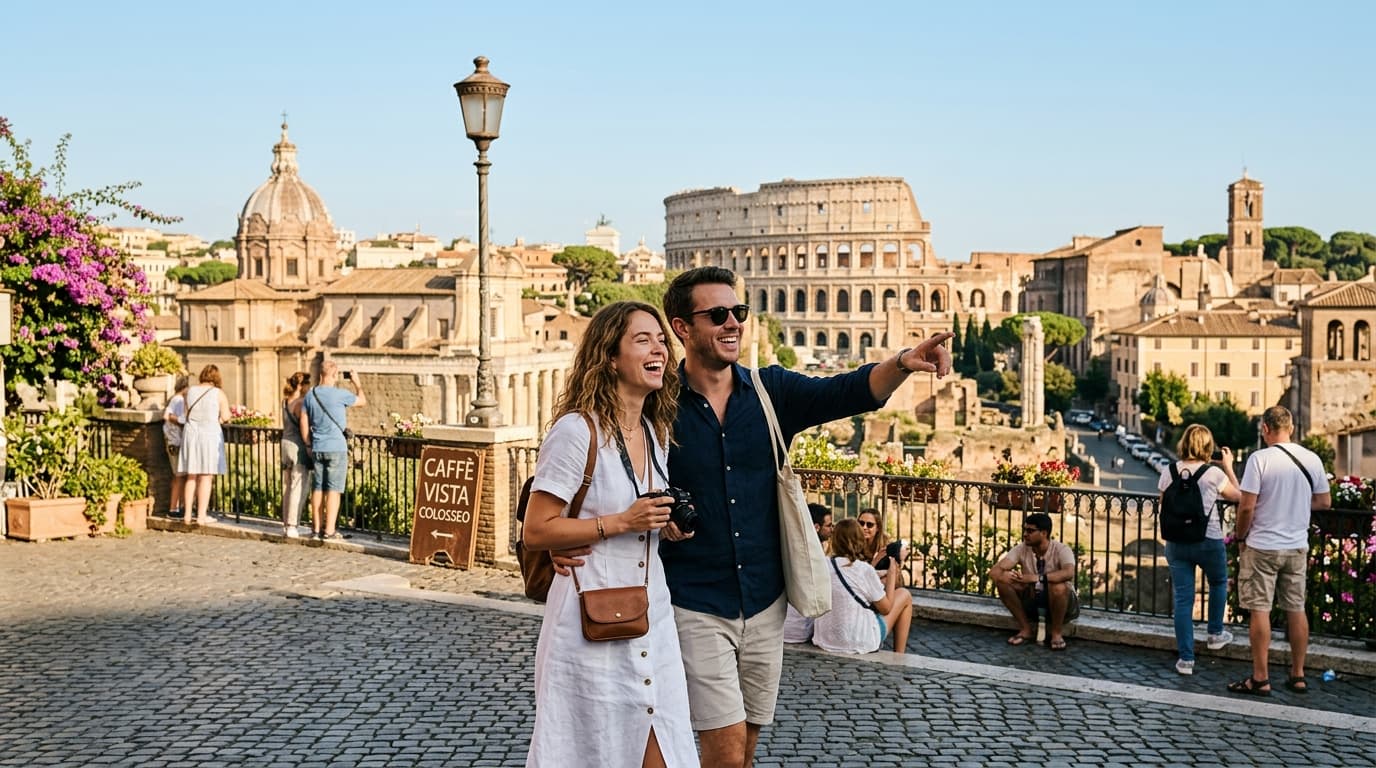
Rome in one day is absolutely doable if you plan your route smartly, book the big-ticket sights in advance, and keep your expectations realistic. The best one-day plan is usually an early start at the Colosseum, a sweep through the Roman Forum and historic center, then a sunset-style finish with food and atmosphere in Trastevere.
If you only have 24 hours in the Eternal City, the trick is not trying to “do everything.” It’s choosing the landmarks that define Rome, building a walkable route, and leaving room for a great meal, a gelato stop, and one memorable evening moment. We checked the flow ourselves, and this guide is built like a local’s game plan: practical, efficient, and focused on what actually works on the ground in 2026.
Quick Answer — The Best Way to See Rome in One Day
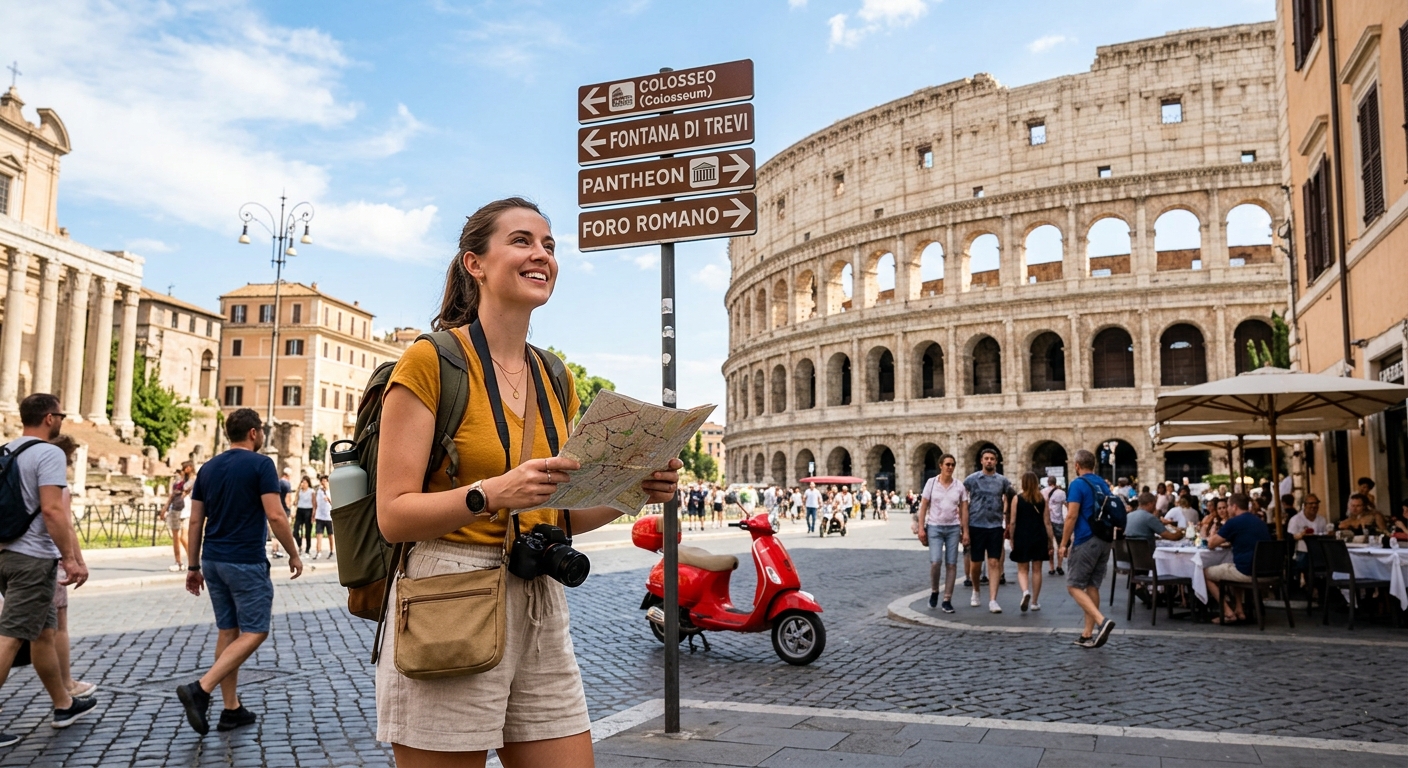
Rome in one day works best when you think in zones, not individual landmarks. The smartest formula is an early start at one major ticketed attraction, a midday walk through the core historic center, a relaxed lunch, and an evening finish in a neighborhood with food and atmosphere.
If this is your first time in the city, your day should be built around the Colosseum, Roman Forum, Palatine Hill, Pantheon, Piazza Navona, Trevi Fountain, and the Spanish Steps, with the Vatican added only if you are willing to move quickly and book ahead. That combination gives you the greatest hits without spending half the day in transit or queues. In our experience, most first-timers enjoy Rome more when they see fewer sights and spend a little more time actually being there.
Direct answer: yes, one day is enough for Rome's greatest hits if you plan the route well
Yes, one day is enough to see the headline versions of Rome’s most famous places, but not enough to explore every museum room, church, ruin, and piazza in depth. The winning mindset is “best-of Rome,” not “complete Rome.” You can absolutely see the Colosseum, wander the Forum, admire the Pantheon, toss a coin at Trevi, and end with a great dinner if you start early and keep moving.
What makes the day work is sequencing. Rome’s best sightseeing is concentrated enough that you can string together major highlights on foot or with very short taxi rides. That means you do not need to waste your only day zigzagging across the city. If you are staying near Termini, the historic center, or Trastevere, this becomes even easier because your transfers shrink and your energy goes farther.
From a practical standpoint, one day is best for travelers on a layover, cruise stop, train connection, or short city break. It also works for people who want a “taste of Rome” before returning for a longer trip later. If you want to fully understand the city’s layers, history, art, and neighborhood life, you will need more time, but the one-day version can still feel rich and satisfying.
The ideal one-day formula: early start, one major ticketed site, core historic center, lunch, evening stroll
The most reliable one-day formula is simple: start early, choose one major anchor attraction, keep the middle of the day centered on walkable highlights, and end with a meal in a neighborhood that has character. The anchor attraction is usually the Colosseum and Forum for a classic Rome experience, or the Vatican Museums for an art-first day. The rest of the route should stay compact so you are not spending precious hours in transit.
A good day typically includes one ticketed stop that requires advance booking, two to four major outdoor or semi-outdoor landmarks, one meaningful food stop, and one evening zone where you can linger without a strict schedule. That might mean aperitivo in Monti, dinner in Trastevere, or a rooftop drink near the historic center. We like this format because it gives you a natural rhythm instead of a checklist that turns into a sprint.
If you are asking what matters most, the answer is pacing. Even the best itinerary fails if you arrive too late, stop too often for unnecessary detours, or underestimate queues at major monuments. The ideal day feels full but not frantic, and it leaves you enough energy to enjoy Rome’s atmosphere instead of just photographing it.
What you should prioritize if this is your first visit to Rome
If this is your first time in Rome, prioritize the places that define the city visually and historically. At the top of that list are the Colosseum, Roman Forum, Palatine Hill, Pantheon, Trevi Fountain, Piazza Navona, and the Spanish Steps. If you have a strong interest in art or Catholic history, then the Vatican Museums, Sistine Chapel, and St. Peter’s Basilica deserve a place in the plan.
First-timers should also prioritize one neighborhood experience, because Rome is not just monuments. Walking through Monti, Centro Storico, or Trastevere gives you cafés, local rhythm, and a sense of how Rome actually feels. If you only move between ticketed attractions, the city can feel like a museum. If you add one or two genuine neighborhood stops, it starts to feel alive.
We also recommend prioritizing food in a smart way, not as an afterthought. A plate of cacio e pepe, amatriciana, or carbonara at a good trattoria is as much a Rome memory as any ruin. If you only have one day, one unforgettable meal can anchor the whole experience and make the day feel complete rather than rushed.
What to skip if time is tight and why
When time is tight, skip places that require long detours or long internal visits unless they are your personal must-sees. That often means skipping the Borghese Gallery, catacombs, Appian Way excursions, and deep-dive museum time on a first quick visit. Those are wonderful, but they are better for a second or third day because they pull you away from the compact core.
You should also skip over-planning your meal breaks. A leisurely three-hour lunch sounds lovely, but it can eat half your day. In Rome, a tighter lunch of 45 to 75 minutes is usually enough if you choose a place near your route and order efficiently. That keeps the day moving while still giving you time to enjoy the food properly.
Finally, skip the urge to “collect” every famous fountain, church, and piazza on a map. Rome rewards wandering, but only when the wandering is intentional. The best one-day trip is not the one with the longest list; it is the one where you leave feeling like you saw the city’s essence and still had room to breathe.
Can You Really See Rome in One Day?
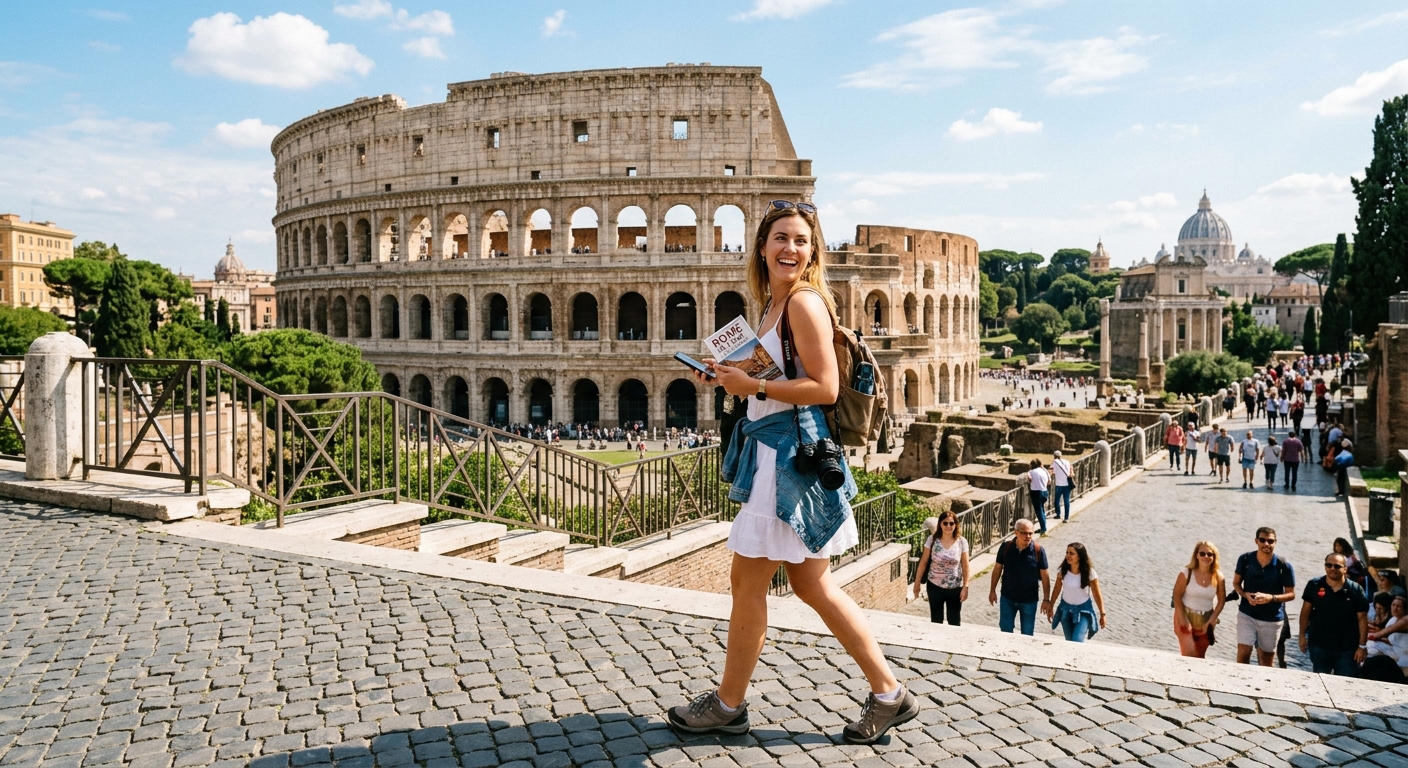
Yes, you can really see Rome in one day if your goal is to experience the city’s biggest highlights rather than explore every layer. The key is understanding what “see” means in a city with 2,000 years of history, crowds, and endless things to do.
One day in Rome is enough for a strong first impression, a memorable route, and a few iconic photos. It is not enough for a deep, leisurely, museum-heavy immersion, and that is okay. The goal is to make the day feel like Rome, not like a checklist.
What a realistic 24-hour Rome experience looks like
A realistic 24-hour Rome experience usually includes one major paid attraction, three to five iconic outdoor stops, one solid meal, and at least one neighborhood walk where you can actually slow down. It also includes some walking, some waiting, and likely at least one moment when you choose between a second coffee and another church. In our experience, the best days balance structure with a little flexibility.
You might spend the morning at the Colosseum and Forum, then move through Piazza Venezia and the historic center, pause for lunch, and continue to the Pantheon, Piazza Navona, Trevi Fountain, and the Spanish Steps. If you still have energy, finish in Trastevere for dinner and aperitivo. That is a full day, but not an unrealistic one if you start around 8:00 a.m. or earlier.
What surprises many travelers is how much of Rome is best experienced by just being present between stops. The streets, scooters, fountain crossings, church façades, and café pauses are part of the experience. So yes, the monuments matter, but so does the texture in between.
The difference between “seeing” Rome and “doing justice” to Rome
Seeing Rome in one day is about hitting the essential landmarks and feeling the city’s energy. Doing justice to Rome would mean slower museum time, deeper neighborhood exploration, maybe a second evening, and a chance to revisit places without rushing. That is a meaningful difference, and it helps manage expectations before you arrive.
If your trip is short, you should not feel guilty about choosing the “greatest hits” approach. The city is massive in time, history, and experience, and every visitor has to compress it somehow. What matters is making smart choices that match your travel style, not trying to imitate an impossible perfect itinerary.
We’ve found that first-time visitors are happiest when they accept one big trade-off: you may not see every masterpiece inside every site, but you will see enough to understand why Rome is legendary. That trade-off is a good one if it means less stress, better food, and more memorable moments.
Who one day works best for: layovers, cruise stopovers, train trips, quick city breaks
One day in Rome works especially well for travelers arriving by train, on a layover, or as part of a cruise stop. It also works for a long weekend where the Rome day is just one piece of a broader Italy trip. If you already have your hotel and transit sorted, the day becomes much easier to execute.
Cruise visitors should be especially strategic because the clock is real. The best plan is often a private or small-group tour, a taxi-based transfer system, or a route that stays very close to the center. Train travelers can make the day efficient by storing luggage near Termini and working outward from a central base. Layover travelers should keep the route compact and close to the airport transfer line or central transport hubs.
Families, couples, and solo travelers can all make one day work, but they may need different pacing. Families need more breaks, couples may want a nicer dinner, and solo visitors can move a little faster and be more flexible. The route can be adjusted, but the core principle stays the same: choose a manageable zone and do not overstuff the schedule.
Common expectations vs reality: crowds, walking, queues, heat, closures
The biggest gap between expectations and reality is how much Rome still requires from your body. There is walking, uneven pavement, stairs, heat in summer, and queues at the major sites. Even a “simple” sightseeing day can become tiring if you are not prepared with good shoes, water, and a realistic pace.
Crowds are another reality, especially in 2026 with steady international travel demand and strong interest in iconic European city breaks. The Colosseum, Vatican Museums, Trevi Fountain, and Pantheon can all feel busy depending on the time of day and season. Early morning is your friend, as is booking timed tickets before you arrive.
Closures and seasonal changes matter too. Some churches or museums may have reduced hours, special liturgical events, or holiday adjustments. If your one day is fixed around a specific date, always check official websites in advance. A little pre-trip research can save you from the classic “we arrived and it was closed” disappointment.
The Best Rome in One Day Itinerary at a Glance
The best one-day route in Rome is the one that minimizes backtracking while maximizing the city’s icons. A classic itinerary usually starts in the ancient area, moves through the center, and ends in a neighborhood with dinner and atmosphere.
Think of Rome in four chapters: ancient Rome, the civic/historic center, the classic piazza corridor, and an evening food district. When you connect them logically, the day feels much smoother than hopping randomly between famous names on a map.
Morning: Colosseum, Roman Forum, and Palatine Hill
Morning is the best time to begin with Rome’s ancient core because temperatures are lower, energy is higher, and ticketed attractions are usually easier to manage before midday crowds build. Start with the Colosseum, then continue into the Roman Forum and Palatine Hill if your ticket includes them. This is the part of the day where a guided entry can be worth it because the history is dense and the site rewards context.
Plan roughly 2 to 3 hours for this block if you want a meaningful visit without rushing. The Colosseum alone does not take the whole morning, but the surrounding archaeological zone definitely can. Wear comfortable shoes because this area includes uneven surfaces, slopes, and a lot of steps in some sections.
If you want a photo stop, the exterior viewpoints near Via dei Fori Imperiali and the surrounding edges can be useful, but do not linger too long. The goal is to absorb the scale of ancient Rome and then move on while you still have enough daylight and energy for the rest of the itinerary.
Late morning: Piazza Venezia, Capitoline Hill, and historic center walk
From the Colosseum area, the route naturally flows toward Piazza Venezia and Capitoline Hill. This section gives you a transition from ancient Rome to the more civic and architectural heart of the city. The views from Capitoline Hill are especially helpful because they give you a visual sense of how the old and new layers of Rome fit together.
This is also a good moment to slow your pace a bit and enjoy street life. The historic center is not just about one famous object after another; it is about the spaces between them. A short walk here can make the day feel more complete than simply ticking off attractions.
Depending on your energy, you can use this area for a coffee, an espresso break, or a quick snack before moving deeper into the center. The important thing is not to let a spontaneous sit-down become a two-hour pause. Rome is at its best when you balance curiosity with momentum.
Afternoon: Pantheon, Piazza Navona, Trevi Fountain, Spanish Steps
The afternoon is ideal for the classic center loop. The Pantheon, Piazza Navona, Trevi Fountain, and Spanish Steps are all central enough to connect on foot with a little planning. This is the Rome people picture in postcards, and it is exactly why the middle of the day should be reserved for it.
Expect crowds, especially at Trevi Fountain, and keep your route fluid because the order can depend on your lunch stop and whether you want to do more shopping or just move through. The Pantheon is particularly important because it offers a dramatic interior without requiring a huge time commitment. Piazza Navona is better for soaking in atmosphere than rushing through, while the Spanish Steps are more of a scenic pause than a full stop.
If you are short on time, this cluster is where you can be selective. You do not need to sit at every café or enter every church. A focused walk, a few good photos, and one proper gelato stop can be enough to make the afternoon memorable.
Evening: Trastevere dinner, aperitivo, and optional rooftop or nightlife stop
The best way to end a Rome day is in a neighborhood that gives you food and atmosphere after the sightseeing rush. Trastevere is the classic choice because it feels lively, romantic, and distinctly Roman in the evening. You can also choose a rooftop bar near the center if you want views, or head to Monti for a more local, low-key vibe.
We recommend making dinner the emotional finish of the day. After a lot of walking and iconic stops, sitting down for cacio e pepe, amatriciana, or a Roman-style pizza gives the day a satisfying ending. Aperitivo beforehand works well if you want a slower pace and a little drink-and-snack moment before dinner.
If you still have energy, add a post-dinner stroll rather than another major attraction. The glow of piazzas, bridges, and lit-up monuments at night can be one of the best memories of the trip. Rome after dark is different enough from daytime Rome to feel like a bonus chapter.
Recommended pacing and transfer times between landmarks
As a rule of thumb, the Colosseum to Pantheon corridor is manageable on foot with careful routing, but you should still expect real walking time between stops. Moving from the Colosseum area to the historic center can take around 20 to 35 minutes depending on pace and exact route, and a taxi can help if you are running behind. Planning for transit time prevents the day from collapsing under its own ambition.
Try to leave buffer time for queues, photos, bathroom breaks, and accidental detours. The city is full of small temptations, and that is part of the charm. But if your schedule is tight, the best tactic is to resist the urge to stop every time something beautiful appears.
The easiest way to think about pacing is simple: morning anchor site, late-morning transition, lunch, afternoon cluster, evening neighborhood. That rhythm keeps the day coherent. If you are too aggressive, you will spend the afternoon tired; if you are too loose, you may miss the day’s most important sights altogether.
| Time Block | Main Stops | Typical Time Needed |
|---|---|---|
| Morning | Colosseum, Roman Forum, Palatine Hill | 2.5–3.5 hours |
| Late Morning | Piazza Venezia, Capitoline Hill, short center walk | 1–1.5 hours |
| Afternoon | Pantheon, Piazza Navona, Trevi, Spanish Steps | 3–4 hours |
| Evening | Trastevere dinner, aperitivo, rooftop option | 2–3 hours |
Itinerary Option 1 — Classic First-Timer Route (Most Popular)
The classic first-timer route is the most balanced and popular way to see Rome in one day. It gives you the greatest hits in a logical order and works well for almost everyone, especially if this is your first visit.
This itinerary starts with the ancient core, moves into the city center, and ends with one of Rome’s most atmospheric dinner neighborhoods. It is the safest recommendation when you want a route that feels iconic but still realistic.
Step 1: Start at the Colosseum before crowds arrive
Start at the Colosseum as early as you can, ideally around opening time or shortly after. This helps you beat the strongest crowds and gives you the clearest first impression of the monument. If you have a timed ticket, build the entire day around that slot and arrive with some cushion.
The Colosseum is one of those sights where the exterior is dramatic, but the interior visit adds context and scale. You do not need to linger forever, but you should give it enough time to feel the atmosphere and understand what you are seeing. If you book a guided entry, the experience is often smoother because you spend less time figuring out where to go.
We recommend taking your first photos quickly and then moving inside rather than waiting until the area is packed. The longer you wait, the harder it gets to capture the space without crowds. Early morning is the easiest win of the whole day.
Step 2: Walk through the Roman Forum and Palatine Hill
After the Colosseum, continue through the Roman Forum and Palatine Hill if your ticket includes access. This area gives you the best feel for ancient Rome’s civic and political life, and it connects beautifully to the Colosseum visit. A lot of first-timers underestimate how interesting this area is because it looks like ruins from a distance, but it becomes fascinating with even a basic explanation.
If you are short on time, move through it efficiently rather than trying to memorize every temple and arch. Focus on the broader story and the main viewpoints. Palatine Hill, in particular, offers elevated perspectives that help you see the city’s historical layers all at once.
This block is where you should be patient with walking conditions. The surfaces can be uneven, the sun can be intense in warmer months, and the route can be more tiring than it looks on a map. Hydration and good shoes matter a lot here.
Step 3: Move into the historic center for Pantheon and Piazza Navona
Once you leave the ancient site, head toward the historic center for a softer, more elegant stretch of the day. The Pantheon is the anchor here, and Piazza Navona makes an excellent nearby companion stop. Together they give you the classic Rome balance of monumental architecture and lively urban life.
The Pantheon is one of the few places that can still feel awe-inspiring even on a tight schedule, which is why it belongs on nearly every one-day plan. Piazza Navona works well as a pause point where you can sit, people-watch, or grab a coffee. If you like street performers, fountains, and visual energy, this is a good place to linger a bit longer.
From our perspective, this area is also ideal for a lunch break if you want to stay on route. There are plenty of options nearby, though you should be selective and avoid the first tourist trap with a multilingual menu and aggressive host. A short walk often leads to a much better meal.
Step 4: Finish with Trevi Fountain and the Spanish Steps
Trevi Fountain and the Spanish Steps are the classic closing pair for a first-time Rome day. Trevi is the more chaotic and iconic stop, while the Spanish Steps offer a scenic place to sit and watch the city move. If you are patient with crowds, Trevi is worth the stop even if it is busy.
The best trick here is to keep your expectations humble. Trevi is rarely peaceful in daylight, but the spectacle is still worth it. The Spanish Steps are less about “doing” and more about ending the afternoon in a place that feels instantly recognizable.
If you want a photo that feels less crowded, consider returning to Trevi early or late if your schedule allows. But if you only have one day, it is better to see it in the flow of the itinerary than to sacrifice another important landmark for a perfect picture.
Why this route is best for most visitors
This route is best because it captures the identity of Rome in one day without asking you to cross the city unnecessarily. It mixes ancient history, city-center beauty, and neighborhood atmosphere in a way that feels complete. It also works whether you are traveling solo, as a couple, with friends, or on a small family trip.
Another advantage is that it leaves room for flexibility. If one sight takes longer, you can trim the next one. If you are ahead of schedule, you can add gelato, shopping, or a basilica stop. That flexibility matters a lot in a city where crowds and queues can shift the pace quickly.
For most travelers, this is the route we would recommend first. It is balanced, efficient, and emotionally satisfying, which is exactly what you want from a one-day Rome visit. If you are not sure what to choose, choose this.
Itinerary Option 2 — Vatican-First Rome in One Day
A Vatican-first day makes sense if your top priority is art, religion, or the Vatican Museums rather than the Colosseum. This route can be fantastic, but it works best when you accept that the rest of the day needs to stay tight and efficient.
If you are the kind of traveler who cares more about the Sistine Chapel than ancient ruins, this may be your ideal one-day plan. The trick is keeping the city-center portion focused so you do not end the day exhausted and behind schedule.
When it makes sense to start at the Vatican Museums
Start at the Vatican Museums if you are visiting on a day when crowd levels look manageable, you have pre-booked entry, and you genuinely want the museum experience more than the ancient Rome experience. It also makes sense if you are religious, traveling on a Sunday-centered trip, or planning around a papal audience or Vatican-related event. For some visitors, this is the emotional centerpiece of the day.
The Vatican Museums can take a significant chunk of your morning, especially if you want time to appreciate more than the headline rooms. Because of that, you should not pair a slow Vatican visit with too many additional heavyweight stops. The rest of the itinerary should be more streamlined than the classic route.
We checked the flow and found that Vatican-first works best when the museums are the non-negotiable anchor and the city center becomes the lighter second half. That way, you get the experience you care about most without rushing through a major cultural site.
Best sequence for Vatican Museums, Sistine Chapel, and St. Peter's Basilica
The best Vatican sequence is usually Vatican Museums first, then Sistine Chapel, then St. Peter’s Basilica, with the basilica visit dependent on security and access timing. The museum visit ends in the chapel area, and then you can continue toward the basilica if you have the energy and timing. Because of the crowd flow, it is important to move with purpose and not drift.
St. Peter’s Basilica can feel surprisingly efficient compared with the museums, but security lines can still add time. If you are there during a particularly busy season or special religious event, that line can be the hidden delay that changes your afternoon. That is why you need to keep the second half of the day more flexible.
If your schedule is tight, do not try to turn the Vatican into a fully comprehensive multi-hour art marathon plus a full downtown sightseeing circuit. Pick your priorities and let the rest of the route breathe.
How to balance the Vatican with the city center without rushing
After the Vatican, move to the city center using a taxi or the fastest practical route, then pick only the best core highlights. Pantheon, Piazza Navona, Trevi Fountain, and maybe the Spanish Steps are enough. If you have already had a rich Vatican experience, there is no need to overextend your day.
Balancing the Vatican with the city center means making lunch simple and nearby. You do not want a long, wandering meal in between the museum and your afternoon walk. Instead, choose a reliable trattoria or café near your next stop and keep the timing under control.
If you are running late, trim the Spanish Steps or make them a quick photo stop rather than a full sit-down. That keeps the day coherent and helps you preserve energy for dinner, which is often the part people remember most.
Best for Sunday, religious travelers, and art-focused visitors
This route is especially good for Sunday arrivals, religious travelers, and visitors who place Vatican art high on their personal must-see list. If you are looking for a spiritually meaningful day rather than a purely sightseeing-driven one, the Vatican can give your trip a different emotional tone. It also appeals to art lovers who want the museum and chapel experience more than ancient ruins.
For Sunday planning, check service times, museum hours, and any papal audience schedules in advance because those can affect access and crowd patterns. The city around the Vatican can feel different on Sundays, and that can be either a bonus or a complication depending on your timing.
We like this route for travelers who already know they are not interested in a Colosseum-first day. Choosing the right anchor matters more than forcing yourself into the “standard” itinerary if your interests are different.
Time-saving tips for crossing the city efficiently
If you do Vatican-first, use transport wisely. A taxi is often worth it when crossing from the Vatican to the center because it preserves the rest of the day. Rome is walkable in pockets, but across the entire city, transit efficiency matters.
Also, avoid getting trapped in souvenir browsing or snack detours near the museums. The Vatican area has plenty of options, but not all of them are time-friendly. A disciplined lunch plan can save the whole afternoon.
If you have live availability in 2026 and can choose your Vatican timing, go as early as possible. Earlier entry usually means a calmer start and less stress for the rest of your route. That simple decision can improve the whole day dramatically.
Itinerary Option 3 — Budget-Friendly / Free Rome in One Day
You can absolutely enjoy Rome in one day on a budget without feeling like you missed the point of the city. The city’s best public spaces are some of its biggest strengths, and many iconic views cost nothing to enjoy.
A budget-friendly Rome day is all about choosing free landmarks, staying smart with transit, and splurging only on the one or two things that matter most to you. If you plan well, you can make the day feel rich without draining your wallet.
What to do when you want the lowest-cost route
If your goal is the lowest-cost route, focus on exterior views, piazzas, churches with free entry, and one cheap but good meal. Start with the Colosseum exterior and nearby viewpoints if you do not plan to enter. Then continue through the historic center for the Pantheon exterior and interior, Piazza Navona, Trevi Fountain, and Spanish Steps.
You can also skip one major ticketed attraction and replace it with a neighborhood walk or church visit. Rome’s cityscape is full of moments that feel expensive even when they are free. The challenge is resisting the urge to pay for every small convenience just because you are in a famous city.
Budget travelers should watch drink prices and tourist-area menus. Coffee standing at the bar is usually cheaper than table service, and a simple slice of pizza or supplì can make a fast, affordable lunch. That kind of planning stretches your day without making it feel cheap.
Free and low-cost sights that still feel essential
Rome has several free or low-cost stops that feel essential in a one-day plan. The Pantheon’s general entry policies can vary by current rules, so always confirm on the official site or current source before you go. Piazza Navona, Trevi Fountain, the Spanish Steps, and many church interiors can be enjoyed without heavy spending.
Walking around Centro Storico is itself an experience. You do not need to pay to admire fountains, bridges, and layered architecture. The trick is to string these places together on a good route so they feel like a connected story rather than random free items on a list.
If you want one paid splurge, choose the Colosseum or Vatican depending on your interests. If you want no paid splurge, make sure your route still has enough variety to feel special. Free does not have to mean thin if you build the day intentionally.
How to minimize paid tickets and transit costs
The easiest way to minimize costs is to keep your route walkable and avoid unnecessary taxis. If you are arriving by train, store your luggage near Termini and use that as your base. If you are arriving by air, the express train or airport transfer into central Rome often makes more sense than multiple taxis.
For tickets, book only the things that will materially improve your experience. You do not need every optional add-on or premium audio guide. Sometimes a simple timed entry is enough. If you are traveling on a budget, your money should go toward saving time where queues are worst and toward one memorable meal.
Also consider travel cards, but only if they fit your exact day. In many one-day scenarios, a straightforward combination of walking and one or two rides is cheaper and easier than chasing a transit pass you will barely use.
Cheap lunch, gelato, and aperitivo ideas
For cheap lunch, look for pizza al taglio, a simple panino, or a local place offering a quick plate of pasta without a huge tourist markup. Supplì is an excellent low-cost snack that also feels very Roman. If you want a sit-down meal, choose a trattoria a few streets away from the biggest tourist hubs.
Gelato is one of the best budget pleasures in Rome, but quality varies. Avoid places with giant brightly colored mounds that look more decorative than delicious. A good gelateria usually keeps flavors looking natural and restrained. The same goes for espresso: standing at the bar is fast and authentic.
Aperitivo can also be surprisingly affordable if you pick the right place and time it well. Some bars offer a drink plus light snacks at a fair price. It is a nice way to end the day without committing to an expensive dinner immediately.
Best for backpackers, students, and spontaneous travelers
This route is perfect for backpackers, students, and spontaneous travelers who value atmosphere over intensive ticketed sightseeing. If you are traveling light and want flexibility, a budget day keeps your options open. It also works if you arrived in Rome unexpectedly and want a meaningful experience without a lot of advance planning.
We like this option because it proves that Rome’s magic is not limited to expensive tours. Some of the most memorable moments in the city are free: a golden-hour piazza, a good coffee, a spontaneous church interior, or a fountain stop at dusk. Those moments cost little and feel like the city itself.
If your budget is tight, you can still leave Rome feeling like you did it properly. The trick is choosing a few strong experiences and not trying to buy your way through the city.
Itinerary Option 4 — Rome in One Day by Scenario
Not every traveler wants the same kind of day in Rome, and that is exactly why scenario-based planning matters. A great itinerary for a couple might be too slow for friends, too romantic for solo travel, or too ambitious for families with kids.
When you design Rome in one day around a specific scenario, the city becomes much easier to enjoy. The landmarks stay the same, but the pacing, food choices, and evening end point shift to fit the trip you actually want.
Date night Rome: scenic walks, sunset, dinner, and aperitivo
For a date-night version of Rome, prioritize beauty, flow, and a dinner finish that feels special. Start with one major attraction, but do not make the day feel like homework. The ideal date itinerary includes the Colosseum or a quiet Vatican start, a leisurely historic center walk, a sunset viewpoint, and dinner in Trastevere or Monti.
You want a route that leaves room for conversation and stops at places that feel romantic rather than purely educational. Piazza Navona, the Pantheon area, and a rooftop bar or terrace are excellent additions. A golden-hour walk along the Tiber or through softly lit streets can make the day feel cinematic.
For couples, the biggest win is choosing one memorable meal. That could be a cozy trattoria, an aperitivo with a view, or a dessert stop after dinner. A couple’s day in Rome should feel like a story, not a race.
Rome with kids: stroller-friendly stops, breaks, and attention spans
Rome with kids in one day works best when you reduce the number of hard transitions and add planned breaks. The Colosseum is a strong choice because it is visually exciting and easy to explain at a basic level. After that, keep the route compact and avoid overloading the day with too many long museum visits.
Stroller-friendly routes vary by neighborhood, but the historic center can be manageable if you avoid overly crowded side streets and too many stairs. Kids often enjoy Trevi Fountain, piazza people-watching, and a gelato break more than a second major monument. That is not a problem; it is a clue for how to pace the day.
Plan food and bathroom stops proactively because kids do not care that the Pantheon is “just around the corner.” They care whether they are hungry, tired, or bored. A successful family Rome day usually means fewer sights, more breaks, and a solid early dinner.
Rome with friends: social, photo-worthy, and nightlife-friendly plan
For friends, the best Rome day is social, efficient, and built around good photos and a lively evening. Start early if you want the major sights, but keep the middle of the day flexible enough for brunch, coffee, and spontaneous stops. Friends groups often do best with a slightly looser route than couples or solo travelers.
Photo-friendly places like Trevi Fountain, the Spanish Steps, and rooftop terraces are especially fun for groups. If everyone has different interests, choose the classic route and then add one shared evening stop in Trastevere or near Campo de’ Fiori. That gives the day a built-in social payoff.
If nightlife matters, do not make dinner too late or too heavy. A pre-dinner aperitivo and a shorter meal can leave enough energy for bars or live music later. Rome’s nightlife may be more spread out than in some cities, but a well-chosen evening district can still deliver.
Solo in Rome: safe, flexible, and low-stress pacing
Solo travelers have a unique advantage in Rome: flexibility. You can shift plans quickly, choose your own pace, and make spontaneous decisions based on how crowded or hot the city feels that day. A solo day can be especially rewarding if you like museums, cafés, and wandering at your own rhythm.
For safety and ease, stick to well-trafficked areas, keep your belongings secure, and stay aware in busy transit zones. Rome is generally very manageable for solo visitors who use common sense. The historic center, major attraction zones, and popular dining streets are all comfortable for independent exploration.
Solo is also a good format if you want to spend longer at one sight and shorter at another without worrying about group consensus. That can make one day feel surprisingly relaxing. It is often the least stressful way to see the city if you are comfortable navigating on your own.
Rainy-day Rome: indoor-heavy alternatives and backup options
Rain does not ruin Rome in one day, but it does change the rhythm. On a rainy day, prioritize the Colosseum if the weather is tolerable, then lean harder into indoor sites like the Vatican Museums, churches, and museums. The Pantheon is especially useful in wetter weather because it gives you a major highlight without a huge time cost.
Rain also makes cafés and long lunch breaks more appealing, so build your meal into the plan rather than treating it like downtime. This is the day to add covered arcades, museum time, and a rooftop only if the weather breaks. If it is heavily raining, skip long outdoor detours that would be more fun in dry weather.
Have a backup shortlist before you leave your hotel. That way, you can switch from ruins to art, from piazzas to churches, or from walking-heavy sightseeing to a more compact zone without losing the day. Flexibility is the difference between a frustrating rainy day and a surprisingly good one.
| Scenario | Best Route Style | Evening Finish |
|---|---|---|
| Couple | Classic or Vatican-first with slower pace | Rooftop drink + Trastevere dinner |
| Family | Classic route with fewer stops | Early dinner near center |
| Friends | Flexible classic route | Aperitivo + nightlife |
| Solo | Either route with personal pacing | Low-key dinner or bar |
| Budget | Free-sights route | Cheap aperitivo or pizza al taglio |
Must-See Attractions in Rome You Should Not Miss
If you only have one day in Rome, a few landmarks are truly non-negotiable for most first-time visitors. These are the sites that define the city in history, architecture, and atmosphere.
The challenge is not knowing what matters; it is knowing how much time to give each place and how to sequence them without exhausting yourself. Here is the practical version of the must-see list.
Colosseum: what it is, how much time to spend, and how to book
The Colosseum is Rome’s best-known landmark for a reason, and it belongs on almost every one-day itinerary. It represents the city’s ancient power and remains one of the most visually striking ruins in Europe. Plan about 1 to 1.5 hours for the core experience if you are moving efficiently, or longer if you are on a guided visit.
Booking ahead is strongly recommended, especially in high season and busy holiday periods. Timed entry helps control the day and reduces stress. Check the official site or a trusted booking platform for current availability and any special access options.
If you want the strongest visual impression, visit early in the morning or later in the day when the light is softer. Even if you are not a deep history buff, the Colosseum is one of those places that rewards simply showing up in the right mindset.
Roman Forum and Palatine Hill: why they matter and how to experience them fast
The Roman Forum and Palatine Hill matter because they explain the city’s political, religious, and imperial past in the landscape itself. They are not just “ruins”; they are the backbone of ancient Rome’s story. For a one-day visitor, they add depth to the Colosseum visit and make the morning feel complete.
To experience them fast, focus on the main paths and viewpoints rather than trying to decode every fragment. A guide, audio guide, or even a quick pre-read helps a lot here because the site becomes more meaningful when you know what you are looking at. Without context, the area can feel like a beautiful pile of stones.
Plan around 1 to 2 hours if you want the highlights. More time is wonderful if you have it, but on a one-day trip, the important thing is to absorb the scale and story rather than chase every detail.
Pantheon: why it remains essential in a one-day plan
The Pantheon remains essential because it is one of the most impressive and complete ancient structures in the city. It is also relatively easy to fit into a short itinerary, which makes it perfect for a one-day plan. The interior is the main draw, with its scale, light, and famous dome creating a strong “wow” moment.
Even a quick visit can feel meaningful here. That makes it especially valuable when time is limited and you want one site that delivers a lot in a short window. The area around it also helps connect the broader center walk, so it is not just a standalone stop.
Because policies and access can change, always verify current entry details before you go. As of the current year, the Pantheon still deserves its place on the shortlist because it bridges ancient, religious, and architectural history in a way few places do.
Trevi Fountain, Spanish Steps, and Piazza Navona: the classic center trio
Trevi Fountain, the Spanish Steps, and Piazza Navona form the classic center trio because they capture different sides of central Rome. Trevi is dramatic and crowded, the Spanish Steps are scenic and social, and Piazza Navona is elegant and lively. Together they give you the city’s public-space magic in a single stretch.
Trevi Fountain is one of the best-known stops in the world, so expect company. It is worth seeing even with crowds because the spectacle is part of the experience. The Spanish Steps are more about the setting and energy than about long activity, while Piazza Navona is ideal for a short pause, coffee, or people-watching.
If you are short on time, you can do these in under two hours combined, depending on your pace. They work especially well in the afternoon when the ancient core is done and you want a more fluid city-center walk.
St. Peter's Basilica and Vatican Museums: when they deserve priority
St. Peter’s Basilica and the Vatican Museums deserve priority if art, religion, or the Vatican itself is the main reason you came to Rome. They are also the right choice if you already know the Colosseum is less important to you personally. Not every visitor needs the same anchor, and that is fine.
The Vatican Museums are time-intensive, so give them priority only if you are genuinely willing to spend a big chunk of the day there. St. Peter’s Basilica can be easier to include if you move efficiently. In both cases, advance planning matters because lines and security can affect the rhythm significantly.
If you have to choose between the Vatican and ancient Rome, choose the one that aligns with your interests. Rome is best enjoyed when the itinerary reflects what you actually care about, not just a generic popularity contest.
Neighborhood-by-Neighborhood Guide for a One-Day Visit
Rome feels much easier to navigate when you understand its neighborhoods. A one-day trip is not about covering the whole city; it is about choosing the right zones and letting them work together.
These neighborhood notes help you decide where to eat, where to end the day, and where you might want to stay if you are arriving or leaving quickly.
Centro Storico: best for walking, icons, cafés, and your first Rome stop
Centro Storico is the obvious heart of a short Rome trip because it contains many of the city’s most famous landmarks and is easy to explore on foot. If you want a classic Rome feel with fountains, piazzas, churches, and cafés all close together, this is the zone to prioritize. It is especially strong for first-time visitors who want to stay in the “postcard” version of Rome.
For a one-day route, Centro Storico is where the Pantheon, Piazza Navona, and Trevi Fountain cluster naturally. That makes it ideal for a mid-day or afternoon block. It is also a good place to slow down a little, since the district rewards wandering as much as it rewards direct sightseeing.
If you are asking where to stay or spend time near me in central Rome, this is usually the answer. It is the easiest area to feel like you are in the middle of everything without needing to constantly check transit.
Monti: best for cool lunch spots, local energy, and easy Colosseum access
Monti is one of our favorite neighborhoods for one-day Rome visitors because it feels local without being inconvenient. It sits close to the Colosseum and offers excellent lunch and aperitivo options, plus a slightly less frantic vibe than the most famous tourist corridors. If you want a neighborhood that feels like a smart insider choice, Monti is a great bet.
Monti works especially well between the ancient morning block and the center afternoon. That makes it ideal for a relaxed but efficient lunch. You can eat well here without straying far from your route, which is exactly what a one-day plan needs.
If your hotel is in Monti, you are in a very good position for a compact Rome day. You can start early, return easily, and still feel connected to the city’s main highlights without heavy transit.
Trastevere: best for dinner, aperitivo, and evening atmosphere
Trastevere is the neighborhood most people imagine when they want a romantic or atmospheric Roman evening. Cobblestone streets, lively restaurants, and a strong dinner scene make it perfect for ending a one-day visit. It is less about checking a box and more about enjoying the city’s evening mood.
For a short trip, Trastevere is best saved for late afternoon or evening rather than the middle of the day, unless your route naturally ends there. That way, you arrive when the neighborhood feels most alive. If you want an aperitivo followed by dinner and maybe a drink after, this area is a natural fit.
From experience, Trastevere can be magical but also touristy in some pockets, so choose your restaurant carefully. Wander a few streets beyond the obvious ones if you want a better meal and a more relaxed setting.
Vatican area: best for early starts, guided tours, and museum access
The Vatican area is the right place to base or begin your day if the Vatican Museums are your anchor. It is also practical for early starts because you can get to the museum entrance or basilica without fighting the city from the opposite side. If your one-day plan revolves around the Vatican, staying nearby can reduce a lot of stress.
This area is less ideal as your only evening base unless you specifically want a quieter hotel zone. For sightseeing, though, it is highly efficient. It allows you to avoid the biggest time loss on a short visit: unnecessary cross-city commuting.
It is also a good area for people asking “what can I do today in Rome?” because guided tours, nearby churches, and river walks are often within easy reach. If you are using Gidly to find nearby experiences, this is one of the best zones for practical options.
Termini / Esquilino / Via Nazionale: best for arrivals, luggage storage, and quick transit
Termini, Esquilino, and Via Nazionale are practical rather than pretty, but they matter a lot for one-day visitors. If you are arriving by train, Termini is where your logistics become manageable. This is the best area for luggage storage, quick Metro access, and straightforward connections to the rest of the city.
Via Nazionale can also be useful because it links transit and sightseeing in a way that makes short stays easier. It is not the most atmospheric part of Rome, but it is functional. If you are only in the city for 24 hours, function often beats romance in the first hour of the day.
For travelers with bags, late arrivals, or early departures, this area can make or break the day. The smoother your arrival and departure, the better the rest of the itinerary feels.
| Neighborhood | Best For | One-Day Use |
|---|---|---|
| Centro Storico | Sightseeing, cafés, iconic walks | Best afternoon base |
| Monti | Lunch, local energy, Colosseum access | Best midday stop |
| Trastevere | Dinner, aperitivo, nightlife | Best evening finish |
| Vatican area | Museum-first itineraries | Best morning anchor |
| Termini | Arrivals, storage, transit | Best logistics base |
Food Stops, Lunch Ideas, and Roman Things to Eat in One Day
Food is not a side quest in Rome; it is part of the itinerary. If you only have one day, one great meal and a few smart snack stops can elevate the whole experience.
The best food plan is simple: eat well, eat near your route, and avoid wasting time on indecisive restaurant hunting. Roman food rewards clarity and timing.
What to eat in Rome if you only have one day
If you only eat a few things in Rome, make them Roman. Cacio e pepe, carbonara, and amatriciana are the classic pasta trio and each gives you a different angle on the city’s culinary identity. Supplì is the perfect on-the-go snack, and a proper gelato stop belongs almost anywhere in the day. Espresso or cappuccino also fits naturally into the rhythm of a short visit.
Do not overcomplicate the menu. One day is not the time to chase twenty dishes. It is the time to pick a few representative bites that are well made and close to your route. That way, the food complements the sightseeing instead of interrupting it.
If you have room for dessert, a simple pastry or gelato in the evening is a nice finish. Rome’s food scene is broad, but for a one-day traveler, the goal is memorable basics done well.
Best timing for lunch so you do not lose sightseeing hours
The best lunch timing is usually around 12:30 to 1:30 p.m., before the heaviest late-afternoon fatigue sets in. If you eat too early, you may waste valuable morning time; if you eat too late, you can lose the afternoon. A lunch in the middle of the route keeps the itinerary balanced.
Choose a place that is no more than a short walk from your next landmark. That sounds obvious, but it is the single biggest way travelers accidentally lose time. A 20-minute walk each way may not sound like much, but it compounds quickly on a packed day.
For a one-day Rome trip, lunch should feel enjoyable, not elaborate. If you are in a great neighborhood and have the energy, sit down. If not, a quick pasta or pizza stop is perfectly valid and often the smarter move.
Roman pasta, supplì, pizza al taglio, gelato, and espresso basics
Roman pasta is famous for a reason. Carbonara should be creamy without cream, cacio e pepe should be sharp and simple, and amatriciana should bring tomato, guanciale, and depth. If you want one “proper meal,” this is where to spend it. Supplì is a fried rice ball with a gooey center that makes a great mid-walk snack.
Pizza al taglio is another excellent option for short trips because it is fast, flexible, and easy to eat without a long sit-down. Gelato should be treated as a quality choice, not just a sugary stop, so look for places with natural colors and a smaller, fresher-looking display. Espresso is best when it is quick and strong, often standing at the bar like the locals do.
If you only have one day, the beauty of these items is that they fit into a sightseeing rhythm. You are not building a food tour; you are building a Rome day that tastes as good as it looks.
Easy lunch and dinner neighborhoods by itinerary route
If you are doing the classic route, Monti is ideal for lunch because it sits close to the Colosseum and offers a more local feel. For the afternoon center loop, the area around the Pantheon and Piazza Navona has options, but you should stay selective. For dinner, Trastevere is the obvious choice if you want atmosphere and a lively evening.
If you are doing Vatican-first, lunch near the Vatican or a short taxi ride into the center keeps the day efficient. Don’t overdo the wandering between lunch and your next museum or church stop. On a short day, restaurant proximity matters as much as the menu.
If you are on a budget, pizza al taglio near Termini or a simple lunch spot off the main tourist drag can be excellent. The point is to stay on route and avoid overpaying for convenience when better options are just a few streets away.
Aperitivo and rooftop options for a memorable finish
Aperitivo is one of the best ways to close a one-day Rome itinerary because it gives you a relaxed transition from sightseeing to evening. A drink, a snack, and a nice view can make the day feel complete even before dinner starts. Rooftop bars are especially good if you want a final panoramic memory.
Look for rooftop or terrace venues near the historic center, Monti, or around Trastevere if you want the city lit up beneath you. Prices can be higher than a casual bar, but the payoff is the view and the atmosphere. If you are celebrating a special trip, this is often worth it.
If you prefer a more local vibe, choose a standing aperitivo near your dinner neighborhood and keep it simple. Rome does not require every ending to be fancy; sometimes the best finish is a drink, a few bites, and an unhurried walk home.
Practical Planning Tips: Tickets, Hours, Transit, and Booking
The difference between a good one-day Rome trip and a stressful one often comes down to logistics. Tickets, hours, transit, and planning choices determine how much of the city you actually enjoy.
The good news is that a little preparation goes a long way. Most of the major problems are avoidable if you know what to book, what to leave spontaneous, and how to move around the city efficiently.
What to book in advance and what can be spontaneous
Book in advance: the Colosseum, Vatican Museums, special tours, and any timed-entry attraction you absolutely do not want to miss. These are the places where tickets can sell out or where waiting can consume too much of your one-day schedule. If your date is fixed, securing these early is the safest move.
Leave spontaneous: coffee stops, casual lunch, piazza wandering, gelato, and some churches or exterior sightseeing. Rome has enough flexible beauty that you do not need to overbook every hour. In fact, leaving a little open time helps you handle delays better.
If you are traveling during a busy season or holiday period, pre-booking becomes even more important. The earlier you lock in your anchor site, the easier the rest of the day becomes.
Skip-the-line strategy for the Colosseum and Vatican Museums
Skip-the-line tickets or timed entry are especially valuable at the Colosseum and Vatican Museums because those are the places most likely to create bottlenecks. The phrase “skip-the-line” can mean different things depending on the ticket type, so read the fine print and understand what you are actually buying. Sometimes it means a more efficient entry window rather than literally no queue at all.
For the Colosseum, a good timed slot can preserve the rest of the morning. For the Vatican Museums, it can save your whole day from starting behind schedule. We strongly recommend verifying current official booking rules before you go because access patterns can change.
Don’t assume that a premium ticket solves every problem. It helps most when paired with an early arrival and a route that doesn’t introduce new delays. Think of it as a time-management tool, not a magic wand.
Transport tips: walking, metro, taxis, rides, and airport/train arrivals
Walking is the best way to experience Rome’s historic core, but not every segment should be on foot. The city is compact in some areas and deceptively large in others. A taxi or ride-share-like option can save time when you are crossing between major zones, especially if you are moving from the Vatican to the center or vice versa.
If you arrive by train, Termini is the easiest logistical anchor. Luggage storage near the station can make the day dramatically easier. If you arrive by air, plan your airport transfer in advance so you do not lose the first hour of your only day to confusion.
For cruise visitors, the transfer from port to city can be the biggest hidden time cost. That is why cruise days often work best with a pre-arranged plan rather than improvisation. If you only have a few hours in Rome, every extra transfer matters.
Luggage storage, bathroom breaks, water fountains, and heat planning
Luggage storage is one of the most underrated one-day Rome tools, especially for train arrivals and late departures. Carrying a bag around the Colosseum or historic center is a fast way to make a short day feel much longer. If possible, drop your luggage near Termini or another practical hub.
Bathroom breaks and water are equally important. Rome’s heat, especially in late spring and summer, can drain energy quickly. You should know where your next refill or restroom stop is before you get desperate. Public fountains and café stops can help, but planning ahead is easier.
Heat planning matters in 2026 because busy travel seasons still overlap with strong summer temperatures. Start early, wear breathable clothing, and build in shade or indoor breaks. Your future self will thank you around 2:00 p.m.
Opening hours, closures, dress codes, and seasonal timing
Opening hours in Rome can vary by season, day of week, religious calendar, and special event schedule. Some attractions may adjust hours around holidays, and some churches require modest dress. Always check official sources close to your travel date, especially if your visit is fixed and short.
Dress codes matter most for religious spaces. If you plan to enter St. Peter’s Basilica or certain churches, avoid overly revealing clothing and keep shoulders covered when needed. It is one of those small planning details that prevents a frustrating delay at the door.
Seasonal timing also affects how your day feels. Summer means earlier starts and later evenings; winter means fewer daylight hours and more pressure to compress the sightseeing into a shorter window. Adjust the itinerary to the season rather than pretending every month works the same way.
| Item | Book Ahead? | Why It Matters |
|---|---|---|
| Colosseum | Yes | Timed entry saves the day |
| Vatican Museums | Yes | Queues can be long |
| Lunch | Optional | Only if you want a specific place |
| Taxi/transfer | Optional | Useful for cross-city time savings |
| Dinner in Trastevere | Recommended | Popular spots fill quickly |
Insider Tips and Local Hacks for a Better One-Day Rome Trip
A lot of Rome stress comes from small, avoidable mistakes rather than big planning failures. The city is much easier when you know the local tricks that save time, money, and energy.
These are the kinds of practical details we would share with a friend landing in Rome for a single day.
Best times of day to visit each landmark
The best time for the Colosseum is early morning because crowds and heat are lower. The Vatican Museums also benefit from an early slot, especially if you want a calmer entrance experience. Trevi Fountain and the Spanish Steps can work anytime, but early or late is much better if you want fewer people in your photos.
Piazza Navona is often pleasant in late morning or late afternoon when the city has more energy but the light is still attractive. The Pantheon works well as a mid-day anchor because it gives you a strong interior stop without eating the whole afternoon. Trastevere comes alive in the evening, which is why dinner there feels so natural.
If you can shape your whole day around time-of-day logic, you will feel the difference immediately. Rome’s rhythm is not random; it is just busy. Working with the city’s natural pulse makes the day smoother.
Hidden shortcuts and route-saving tricks
One of the best route-saving tricks is to use a taxi only for the biggest gap in your itinerary, not for every move. That can preserve your legs for the parts of Rome where walking is genuinely enjoyable. Another smart tactic is to pick restaurants that sit on the way rather than off the route.
If you need to cross between the Vatican and the center, do not underestimate the time savings of a direct ride. Likewise, if you are starting from Termini, think about your first and last stops before you get there. A good beginning and end can make the whole itinerary feel more polished.
Also, be strategic about bathrooms and snack stops. If you know where the next convenient break is, you avoid panic detours that consume half an hour. Small efficiencies add up a lot in a one-day city visit.
How to avoid the worst crowds and tourist traps
To avoid the worst crowds, start early, book timed tickets, and visit popular places in the order that most tourists do not. If everyone heads to Trevi at the same time, choose a different hour. If every visitor lingers too long at lunch, move through the city center while it is still manageable.
Tourist traps are often obvious once you know what to look for: aggressive hosts, giant multilingual menus, pictures of food posted everywhere, and a dining room that feels more like a machine than a restaurant. Walk a few streets away and you often find better value and better food.
We also recommend avoiding the urge to queue for every famous photo if it means sacrificing the rest of your day. One decent shot and a great memory are better than standing in line for twenty minutes while your schedule falls apart.
Smart ways to save money without missing the essentials
Save money by combining walkable sightseeing with one or two carefully chosen paid experiences. You do not need premium upgrades for everything. Spend where it matters most: skip-the-line access, one really good meal, and possibly a guided tour if you value context.
For food, lunch away from the most obvious tourist clusters and coffee at the bar instead of table service can save more than you think. For transit, walking plus one strategic taxi is often the sweet spot. For souvenirs, skip impulse purchases until the very end so you don’t spend early and regret it later.
The best money-saving strategy in Rome is selective spending, not total austerity. A little investment in time-saving or quality can actually make the trip feel cheaper because you waste less of the day.
What locals actually do when they have one free day in Rome
If locals only had one free day in Rome, they would likely avoid trying to “do everything” and instead choose a zone they enjoy. They might have coffee, wander one neighborhood, take in a museum or a church, and end with dinner and a drink. That rhythm is a useful model for visitors because it values quality over quantity.
Locals also know when to use the city’s atmosphere as the attraction. A walk along the Tiber, aperitivo in a favorite neighborhood, or a rooftop moment at sunset can be more satisfying than rushing between ten crowded spots. That doesn’t mean skipping the classics; it means not turning the day into a burden.
One of the most local-feeling ways to spend a free day is to build around your favorite time of day. Morning people should go early and hit the monuments. Evening people should keep the afternoon lighter and save energy for a great dinner and a long walk after dark.
How Rome in One Day Changes by Season and Travel Calendar
The same Rome itinerary can feel very different depending on the season. Weather, daylight, crowd levels, and holiday schedules all shape how you should pace a one-day visit.
In 2026, being seasonal is not optional. It is part of how you make the day work well.
Spring in Rome: weather, flowers, and peak-but-manageable crowds
Spring is one of the best times for Rome in one day because temperatures are comfortable and the city feels bright without being overwhelmingly hot. You still need to expect crowds, especially around Easter and major spring travel dates, but the overall pace is usually enjoyable. Parks, piazzas, and outdoor walks are especially pleasant.
This is a great season for the classic route because walking becomes easier and longer outdoor stretches are more rewarding. You can afford a little more spontaneity because the weather usually supports it. Spring also makes rooftop drinks and aperitivo feel especially satisfying.
The main caution is holiday spikes. If your one day falls around Easter or a major event, book even earlier than usual and check special closures or service changes. Spring can be magical, but popular dates move fast.
Summer in Rome: heat, early starts, and evening-heavy plans
Summer in Rome requires an early-start mindset. The city can be very hot, and the midday hours are best handled with shade, indoor stops, or a restaurant break. If you only have one day, starting early can make the difference between a great visit and a drained, sweaty one.
In summer, it often makes sense to keep the afternoon lighter and save energy for evening dining and a later walk. Piazza life after sunset can be fantastic. If possible, choose one major site and one compact center route rather than trying to stretch the day in the heat.
Hydration, sunscreen, and breathable clothing are essential. Summer one-day Rome works best when you accept the climate and build the plan around it instead of pretending it will feel like April.
Autumn in Rome: comfortable walking weather and better pacing
Autumn is another excellent season for one-day Rome because the temperatures are often ideal for walking. The city still feels lively, but the harshest summer pressure is usually gone. That makes it easier to enjoy a longer, more balanced itinerary.
Because the weather is more forgiving, you can fit slightly more into the day without feeling like you are pushing too hard. Museum visits, walking tours, and outdoor piazzas all work well. Evening dining also becomes especially pleasant.
If you are flexible with dates, autumn is a very strong choice for first-time visitors. It often gives you the best blend of comfort and atmosphere.
Winter in Rome: shorter lines, earlier sunsets, and indoor priorities
Winter can be underrated for Rome in one day because it often brings shorter lines and a calmer feel at many sights. The trade-off is shorter daylight, which means you need to move efficiently. Starting early becomes even more important because you lose sunlight faster.
Winter days are ideal for a more museum-and-landmark-focused route with some indoor backups ready. The Vatican, churches, and a good lunch become more important because you may not want to spend as long outdoors in colder weather. Evening light fades earlier, so plan your last outdoor stops before dusk.
If you like fewer crowds and do not mind layering up, winter can be a smart time to see Rome in one day. It just asks for better time discipline.
Holidays, festivals, and event-driven planning considerations
Holiday and festival timing can change everything. Religious dates, national holidays, and special events may affect opening hours, transit, and crowd density. A one-day itinerary is much safer when you check the calendar before you travel.
Events can also be an opportunity. If there is an exhibition, concert, live performance, or seasonal market that fits your route, you may want to add it as your evening finish or lunch-break enhancement. That is where a discovery platform like Gidly can help you quickly see what is happening nearby today.
In 2026, travelers increasingly want one trip that combines iconic sightseeing with live experiences. That is smart in Rome, because a major event or special evening program can turn a standard day into something memorable.
Comparison Tables: Which Rome One-Day Route Is Best for You?
Choosing the right route becomes much easier when you compare the main options side by side. Not everyone should do the same Rome day, and these tables help you decide fast.
Use them as a planning shortcut if you are traveling with limited time or trying to match the day to your budget, pace, and interests.
Table 1 — Classic vs Vatican-first vs Budget route
| Route | Best For | Downside |
|---|---|---|
| Classic First-Timer | Most visitors, best overall balance | Can feel busy |
| Vatican-First | Art lovers, religious travelers | More time pressure later |
| Budget/Free | Backpackers, spontaneous trips | Less museum depth |
Table 2 — Best route by traveler type: couples, families, solo, friends
| Traveler Type | Best Itinerary | Recommended Ending |
|---|---|---|
| Couples | Classic with slower pace | Rooftop + Trastevere |
| Families | Classic with fewer stops | Early dinner near center |
| Solo | Flexible classic or Vatican | Casual dinner/bar |
| Friends | Classic with photo breaks | Aperitivo + nightlife |
Table 3 — Paid tickets vs free sights vs guided tours
| Option | Cost Level | Best Use |
|---|---|---|
| Paid Tickets | Medium to high | Colosseum, Vatican Museums |
| Free Sights | Low | Piazzas, fountains, center walk |
| Guided Tour | Medium to high | Time-saving, context, first-time visitors |
Table 4 — Morning/afternoon/evening options with time estimates
| Part of Day | Best Activity | Time Estimate |
|---|---|---|
| Morning | Colosseum / Vatican | 2.5–4 hours |
| Afternoon | Pantheon / Piazza Navona / Trevi | 3–4 hours |
| Evening | Trastevere dinner / rooftop | 2–3 hours |
Table 5 — Best neighborhood for lunch, dinner, and nightlife
| Meal/Stop | Best Neighborhood | Why |
|---|---|---|
| Lunch | Monti | Close to Colosseum, good food, local feel |
| Dinner | Trastevere | Atmosphere and classic Roman evening |
| Nightlife | Trastevere / Centro Storico | Bars, aperitivo, evening energy |
Common Mistakes People Make When Trying to See Rome in One Day
Most one-day Rome mistakes are completely avoidable. People usually do too much, start too late, or ignore the city’s actual geography and tempo.
If you avoid the common traps, the day gets much easier and more enjoyable.
Trying to fit in too many landmarks
The most common mistake is trying to cram in every famous place. Rome is too rich for that approach to work well. Instead of seeing the city, you end up seeing traffic, ticket lines, and your own frustration. It is much better to choose a strong route and execute it well than to overpack the day.
People often underestimate how long each stop actually takes once you factor in walking, entry, and photos. A place that looks “quick” on a map can absorb an hour once you are there. Multiply that by five or six, and your day collapses.
Our advice is simple: pick a maximum of one major paid site and a handful of key outdoor stops. That is enough for a memorable day. Anything beyond that should be a bonus, not a requirement.
Ignoring travel time between sights
Another big mistake is ignoring transit time. Rome’s landmarks are central, but they are not all next door to one another. Even a short walk can become a long walk once crowds, heat, and turns are involved.
People also forget that route logic matters. A zigzag itinerary wastes energy and makes lunch or evening plans feel much harder. Choosing nearby clusters is one of the easiest ways to improve the whole day.
If you only remember one logistics rule, remember this: every crossing of the city has a cost. Save crossings for when they matter, and keep the rest of the day compact.
Not booking headline attractions ahead of time
Not booking the Colosseum or Vatican Museums ahead of time can turn a confident itinerary into a rushed scramble. These are the places where timing matters most. On a one-day trip, you do not have much room for uncertainty.
Even if you prefer spontaneous travel, the major anchor sites in Rome are best treated as exceptions. You can be spontaneous with coffee, dinner, and wandering. Be organized with the attractions that can define your whole day.
This is especially true in busy seasons and holidays. If the ticket you wanted is sold out, you may be forced into a less ideal route or lose too much time searching for alternatives.
Starting too late or spending too long at lunch
Starting late is fatal to a one-day Rome itinerary because the city rewards early momentum. The morning hours are the easiest time to see the biggest sites without feeling squeezed. If you begin at 10:30 or 11:00, you may find yourself rushing the entire rest of the day.
Long lunches can also quietly ruin the pace. Rome’s food is worth enjoying, but not at the expense of your only day. A good lunch is one that supports the route, not one that swallows the afternoon.
Set a rough time limit before you sit down, and choose a restaurant that is close to your next stop. That one move will improve the whole itinerary more than almost anything else.
Underestimating heat, stairs, and queue fatigue
Rome can be physically demanding even when the itinerary looks simple on paper. Heat, uneven surfaces, stairs, and queue fatigue all add up. Many visitors start the day enthusiastic and finish it drained because they did not prepare for the physical side of sightseeing.
Proper shoes, water, and small breaks are not optional extras; they are part of the plan. If you are visiting in summer, heat management becomes especially important. If you are traveling with kids or older family members, pacing matters even more.
One of the smartest things you can do is keep the last part of the day lighter than the first. That way, you leave Rome with energy and a good memory instead of a sore back and a deadline.
FAQ — Rome in One Day
Here are the most common questions people ask when planning Rome in one day. These answers are designed to be practical, direct, and easy to use on mobile.
What is the best itinerary for Rome in one day?
The best itinerary for Rome in one day is the classic first-timer route: Colosseum, Roman Forum, Palatine Hill, then the Pantheon, Piazza Navona, Trevi Fountain, and the Spanish Steps, finishing with dinner in Trastevere. It is the most balanced route for seeing the city’s top highlights without too much backtracking.
Can you visit the Colosseum and Vatican in the same day?
Yes, you can visit the Colosseum and Vatican in the same day, but it is a fast-paced day and works best if both are pre-booked. If you want a less rushed experience, choose one as your anchor and save the other for a future visit.
Is Rome walkable in one day?
Yes, central Rome is very walkable in one day, especially if you focus on the historic center and nearby sights. You will still want to use a taxi or transit for one or two longer jumps, especially between the Vatican and the center or if you are arriving with luggage.
How much money do you need for one day in Rome?
A one-day Rome trip can be very affordable or fairly expensive depending on your choices. Budget travelers might spend around €40–€80 per person, while visitors with ticketed attractions, taxis, and a nicer dinner can easily spend €100–€200+ per person.
Do you need skip-the-line tickets for Rome's main attractions?
For the Colosseum and Vatican Museums, skip-the-line or timed-entry tickets are strongly recommended. They can save enough time to protect the rest of your itinerary and reduce stress, especially in high season.
What should I eat in Rome if I only have one day?
If you only have one day, try at least one Roman pasta like carbonara, cacio e pepe, or amatriciana, plus supplì and gelato. An espresso and an aperitivo are also easy ways to make the day feel very Roman without slowing your route too much.
Is it better to do Rome solo or with a tour?
If it is your first and only day, a tour can be better for the Colosseum or Vatican because it saves time and adds context. Solo travel is great if you want flexibility, but a tour is often the safer choice when the clock is tight.
What time should I start if I only have 24 hours in Rome?
Start as early as possible, ideally around 8:00 a.m. or earlier if your ticket schedule allows it. The early hours are the best time to beat crowds, reduce heat, and keep the rest of the day from feeling rushed.
Can I do Rome in one day from a cruise, layover, or train stop?
Yes, but you need a compact plan and very tight logistics. Cruise and layover visitors should prioritize either the Colosseum route or the Vatican route, store luggage where needed, and avoid long cross-city detours.
Where is the best place to end the day in Rome?
Trastevere is the best place to end the day if you want atmosphere, food, and an easy evening vibe. If you prefer views, a rooftop near the historic center or Monti is also a strong finish.
Resources, Official Links, and What to Check Before You Go
Before you go, check official sources for opening hours, ticket availability, and any seasonal changes. Rome is a city where a little verification saves a lot of frustration.
Use these resources as your final planning layer, especially if your date is fixed, your trip is short, or your interests are concentrated around one or two major sights.
Official museum and monument websites
For the Colosseum, Roman Forum, and Palatine Hill, use the official archaeology site or the Ministry of Culture-linked booking channels. For the Vatican Museums and St. Peter’s Basilica, check the official Vatican Museums website and the basilica’s current visitor information. For the Pantheon, verify the latest access rules and opening times on the official or government-linked source.
Official sites matter because hours and access policies can change. In 2026, especially during holiday periods and special events, you want current details rather than assumptions. If a page looks outdated, confirm with a second source before you commit your day.
When in doubt, check right before departure and again the night before. That small habit can save your route.
Transit resources, maps, and ticketing references
Use Rome’s transit maps and official transportation resources if you plan to take the Metro or train between zones. If you are arriving or leaving by rail, the Termini area is your practical reference point. For taxis, use official stands or reputable app-based services where available.
A good offline map is also valuable because you will likely walk more than you expect. Save the addresses of your anchor sites in your phone before you go. That makes it easier to pivot if lunch, crowds, or weather changes your route.
Ticketing references should include the official booking pages plus any reputable resellers if official inventory is limited. Just make sure you know what is included before paying.
Local event calendars and seasonal happenings to check on Gidly
Rome is not just monuments; it is also concerts, exhibitions, aperitivo events, live music, seasonal festivals, and special evenings that can transform a short trip. That is where Gidly becomes especially useful because you can quickly check what is happening nearby today or tonight. If your one day has an open evening slot, a live event can be a perfect add-on.
We like using event discovery as a final layer because it makes the trip feel current rather than generic. A rooftop DJ set, a gallery opening, or a neighborhood food event can be the exact thing that turns your day into something memorable. If you are a traveler who likes real-time options, this is worth checking.
Explore the full lineup at Gidly's full events catalog and look for Rome experiences that fit your route and timing.
Travel advisories, dress code reminders, and closure alerts
Before you leave, check any travel advisories, public transit notices, or weather alerts that may affect your day. Also remember dress code rules for religious sites and any security or entry restrictions at your anchor attractions. These details can sound minor, but they can slow down a short itinerary if ignored.
If you are visiting during a holiday week, confirm reduced hours or special closures. The same applies to strikes or transit disruptions. The goal is not to be anxious; it is to be informed enough to keep the day moving.
For a one-day trip, being one step ahead is a huge advantage. The fewer surprises you have, the more you can enjoy the city.
How to use Gidly to find more things to do in Rome today
If your one-day route ends earlier than expected or you want an extra evening plan, Gidly is a simple way to find things to do in Rome today. You can browse events, entertainment, and live options near your current neighborhood rather than guessing what might be open. That is especially useful if you finish sightseeing and still want something fun nearby.
We recommend checking Gidly for last-minute concerts, exhibitions, rooftop events, food pop-ups, and nightlife options that match your pace. A short trip feels richer when you add one timely experience to the classic sightseeing route. It also helps you avoid stale recommendations that do not reflect the current season.
Find your perfect outing on Gidly and make your Rome day feel current, local, and easy to plan.
Final Verdict — The Smartest Way to Spend One Day in Rome
The smartest way to spend one day in Rome is to focus on one anchor attraction, keep the rest of the route compact and walkable, and finish with a memorable neighborhood meal. For most first-time visitors, the classic route from the Colosseum through the historic center to Trastevere is the best balance of iconic, efficient, and enjoyable.
If your interests are more art-focused or religious, the Vatican-first version is a strong alternative. If your budget is tight, the free-sights route still gives you a very real Rome experience. The right plan is the one that matches your travel style, timing, and energy.
Summary of the best route for most first-time visitors
For most first-timers, the best one-day Rome plan is: early Colosseum visit, Roman Forum and Palatine Hill, quick transition through Piazza Venezia, afternoon in the Pantheon/Piazza Navona/Trevi/Spanish Steps zone, and dinner in Trastevere. That route gives you the core identity of the city without overcomplicating the day.
This plan works because it respects geography, crowd patterns, and natural pacing. It also leaves you room for a great meal and an evening atmosphere, which are essential in Rome. If you do nothing else, do this well.
That said, if the Vatican is your priority, choose Vatican-first and simplify the rest. The best itinerary is the one that fits your actual travel goals.
When to choose a guided tour instead of going solo
Choose a guided tour if you want to maximize context, save time, or remove decision fatigue. A tour is especially useful for the Colosseum or Vatican Museums because those sites can be more rewarding when explained by someone who knows the history. It is also a smart move if you are arriving on a cruise or only have a partial day.
Go solo if you value flexibility, enjoy navigating cities on your own, or prefer to move at your own speed. Solo works very well for the compact center route and for travelers who are comfortable booking their own timed tickets.
In short: tours are better for efficiency and depth at major sites; solo is better for freedom and spontaneity. Either can work beautifully if you match the format to the day.
Final planning checklist for the perfect 24 hours
- Book the Colosseum or Vatican anchor in advance.
- Choose one main route: classic, Vatican-first, budget, or scenario-based.
- Plan lunch near your route, not across the city.
- Wear comfortable walking shoes and carry water.
- Check current-year opening hours and holiday closures.
- Leave space for one memorable evening stop, ideally Trastevere or a rooftop view.
- Use Gidly to see nearby events, live experiences, and last-minute plans in Rome today.
CTA: Find your perfect outing on Gidly
Rome in one day can be iconic, delicious, and surprisingly smooth when you plan it with the city’s real rhythm in mind. Whether you want ancient ruins, Vatican art, a romantic dinner, or a live event to finish the night, you can shape the day around what actually excites you. For more real-time ideas, local experiences, and things to do nearby, Find your perfect outing on Gidly.