
guide -
15 Must-See Rome Attractions and Historical Sites
Rome attractions worth prioritizing first are the Colosseum, Roman Forum, Vatican Museums, Sistine Chapel, Trevi Fountain, Pantheon, Piazza Navona, and a neighborhood like Trastevere or Monti. If your time is limited, those spots give you the fastest possible feel for ancient Rom
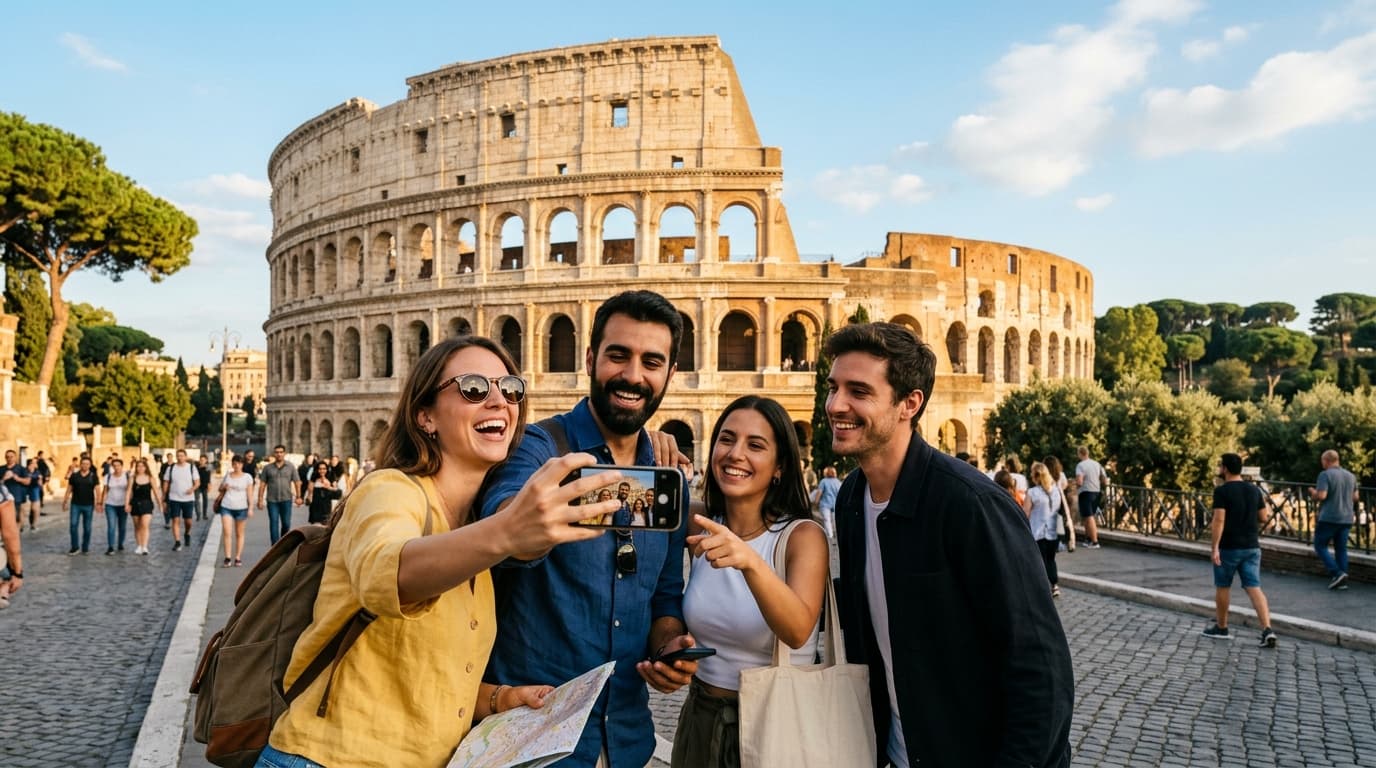
Rome attractions worth prioritizing first are the Colosseum, Roman Forum, Vatican Museums, Sistine Chapel, Trevi Fountain, Pantheon, Piazza Navona, and a neighborhood like Trastevere or Monti. If your time is limited, those spots give you the fastest possible feel for ancient Rome, Catholic grandeur, classic piazzas, and the city’s lived-in street life.
Rome rewards smart planning more than most cities, because the biggest sights are spread across different eras, ticket rules, and neighborhoods that each have their own rhythm. We checked these routes from a local-minded perspective so you can build a trip that feels memorable instead of rushed, whether you are coming for a day, a weekend, or a full week. This guide goes beyond a generic top-15 list and helps you choose what is actually worth your time, money, and energy in 2026.
Quick Answer: The 15 Rome attractions worth prioritizing first
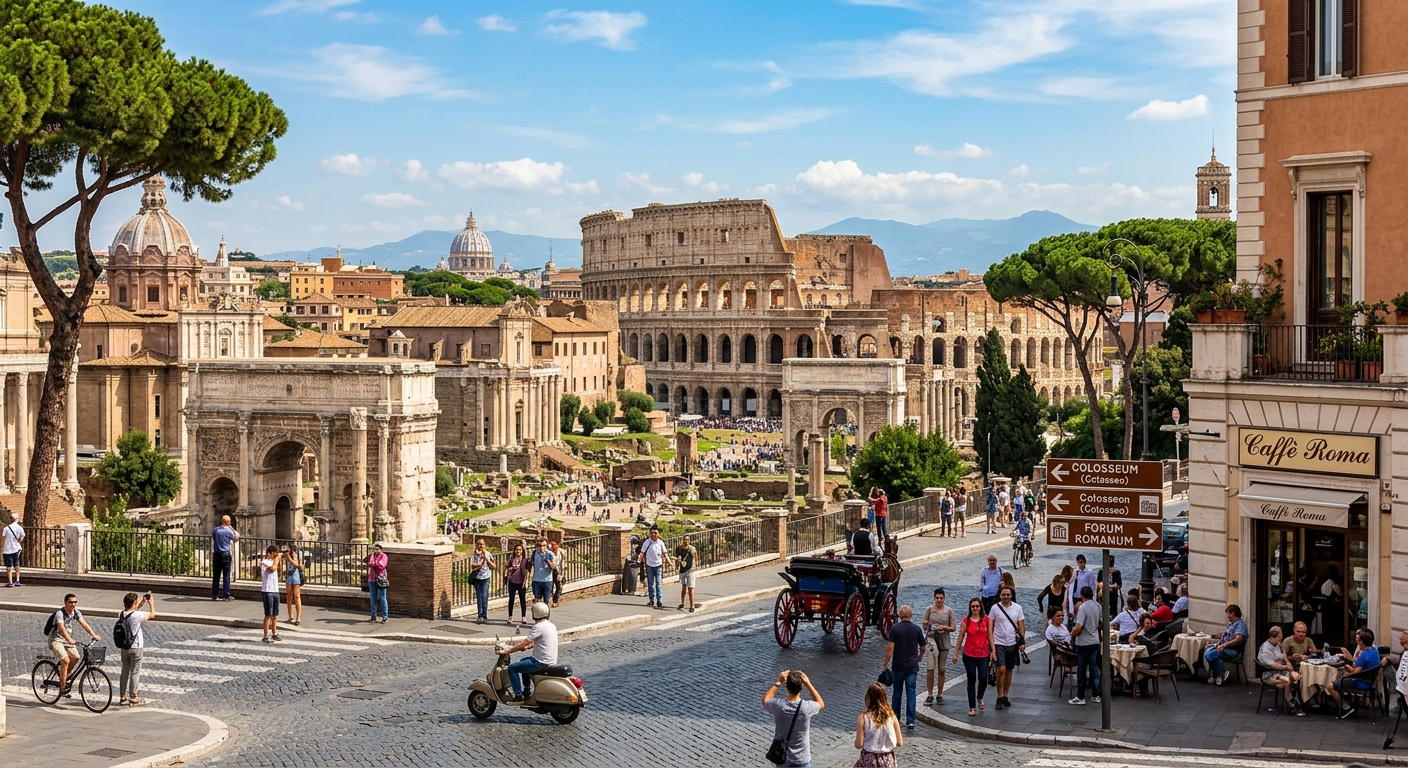
If you only have one shot at the city, start with the places that tell Rome’s biggest stories: ancient empire, papal power, public life, and the daily beauty of its streets. The best Rome attractions are not just the most famous ones; they are the ones that give you the most context per hour, and that is why route planning matters so much here.
For first-time visitors, the short list is simple: Colosseum, Roman Forum, Palatine Hill, Vatican Museums, Sistine Chapel, St. Peter’s Basilica, Trevi Fountain, Pantheon, Piazza Navona, Spanish Steps, Castel Sant’Angelo, Capitoline Museums, Trastevere, Monti, and Villa Borghese. If you can mix one major archaeological site, one major museum, one piazza cluster, and one neighborhood walk, you will leave with a rounded picture of the city rather than a checklist snapshot.
From experience, people often make the mistake of trying to “do Rome” through only landmarks, but Rome is one of those cities where the spaces between sights are part of the attraction. A five-minute walk can turn into a café stop, a church visit, a surprise fountain, or a better view than the postcard. That is why our Gidly-style approach is to organize the top picks by trip length, travel style, and district, so you can match the city to the kind of day you want.
The short list for first-time visitors
For a true first look, the strongest trio is the Colosseum, the Vatican Museums, and one historic center loop around the Pantheon, Trevi Fountain, and Piazza Navona. That combination gives you Rome’s imperial past, its artistic peak, and its iconic street-level energy in one package. If you only want the places that most visitors regret skipping, these are the ones.
We also recommend adding one “living Rome” neighborhood, especially Monti or Trastevere, because that is where the city stops feeling like a museum and starts feeling like a place people actually inhabit. Monti is especially handy if you want a short walking route near the Colosseum, while Trastevere is better if you want evening atmosphere, dinner, and a little less formality. If you want a quieter, more polished base, Prati near the Vatican works well too.
When people ask what is truly essential, our answer is usually not “everything famous.” It is “the sites that together explain Rome.” Ancient ruins, Christian landmarks, one or two piazzas, and a neighborhood meal are enough to create a strong first impression without rushing from one ticket line to another.
Which attractions are best for a first 1-day, 2-day, or 3-day trip
For one day, keep it tight: Colosseum, Roman Forum or Palatine Hill, Pantheon, Trevi Fountain, Piazza Navona, and one sunset walk in Trastevere or along the Tiber. You will cover the biggest emotional and visual hits without wasting time on cross-city transfers. If you can only reserve one timed entry, make it the Colosseum or Vatican Museums, depending on your interest.
For two days, split the city into ancient Rome and Vatican/center Rome. Day one can handle the Colosseum complex and nearby historic center, while day two can focus on Vatican Museums, St. Peter’s Basilica, Castel Sant’Angelo, and a slower piazza-and-food afternoon. This structure reduces backtracking, which is one of the biggest energy drains in Rome.
For three days, add a museum or park day, preferably Capitoline Museums, Galleria Borghese, or Villa Borghese with a long walk. That extra space lets you enjoy more churches, markets, and a food tour without feeling like you are sprinting. It also gives you time for a more realistic Roman lunch schedule, which matters more than many visitors expect.
How to choose between iconic landmarks, neighborhoods, and experiences
The easiest way to choose is to decide what kind of memory you want. If you want “I stood inside history,” choose the Colosseum, Forum, Vatican Museums, and Capitoline Museums. If you want “I fell in love with Rome,” choose Trastevere, Monti, Campo de’ Fiori, and a river walk at sunset.
Iconic landmarks are best when you need a sure thing, but neighborhoods give you flexibility and often better value. A piazza, church, and dinner route can feel more rewarding than another museum if you are already saturated with art and artifacts. In our experience, a balanced itinerary combines at least one famous paid attraction, one free landmark, one scenic walk, and one food stop.
Experiences are also where Rome gets especially strong in 2026. Food tours, underground catacomb visits, evening monument tours, and neighborhood tasting walks give you structure without the fatigue of trying to self-navigate every detail. If you are traveling with friends, kids, or a partner, those curated experiences often become the easiest way to enjoy the city without logistically overthinking it.
What makes a Rome attraction truly “must-see”
A must-see in Rome should do one or more of three things: reveal a major historical layer, deliver a uniquely Roman visual, or connect you to the way locals actually use the city. The Colosseum is a must-see because it is the symbol of imperial Rome, the Pantheon because it is one of the best-preserved ancient buildings anywhere, and Trastevere because it shows the city’s social heartbeat. The strongest attractions check more than one box.
We also think “must-see” should include accessibility and time value. A place that looks amazing but consumes half your day and requires complicated transport may not deserve priority if you are on a short stay. That is why this guide emphasizes clustering: sites that sit near each other, or that can be connected by one straightforward walk or transit hop, are the ones that deserve first consideration.
Finally, what makes something truly worth seeing in Rome often changes with your age, budget, and travel style. A family with kids may value outdoor space and easy pacing more than another church interior, while a solo traveler might prefer long wandering routes and museum depth. “Must-see” in Rome is not one-size-fits-all, and that is exactly why scenario-based planning works better here than a rigid ranking.
Fast planning note for tickets, lines, and walking distances
Rome is a city where the best sightseeing often depends on timing more than interest. Book the major timed-entry places early, especially the Colosseum, Vatican Museums, and Galleria Borghese, because those tickets can disappear well before your trip in high season. The official websites are the safest source for current availability, and we always recommend checking them before relying on third-party listings.
Walking distances can be deceptive in Rome because a map may look compact while hills, cobblestones, and crowds slow you down. A route that looks like “just 20 minutes” can become 35 to 45 minutes if you stop for photos, wait at crossings, or detour around busy squares. If you are trying to fit in more than four major stops in one day, cluster them tightly and build in coffee or gelato breaks so the day stays enjoyable.
Good to Know: For 2026 planning, assume the most popular attractions may require advance reservations, especially during spring, Easter, summer, and holiday weekends. Check official venue pages for exact hours and ticket rules before you leave your hotel.
Why Rome attractions are different from most city sights
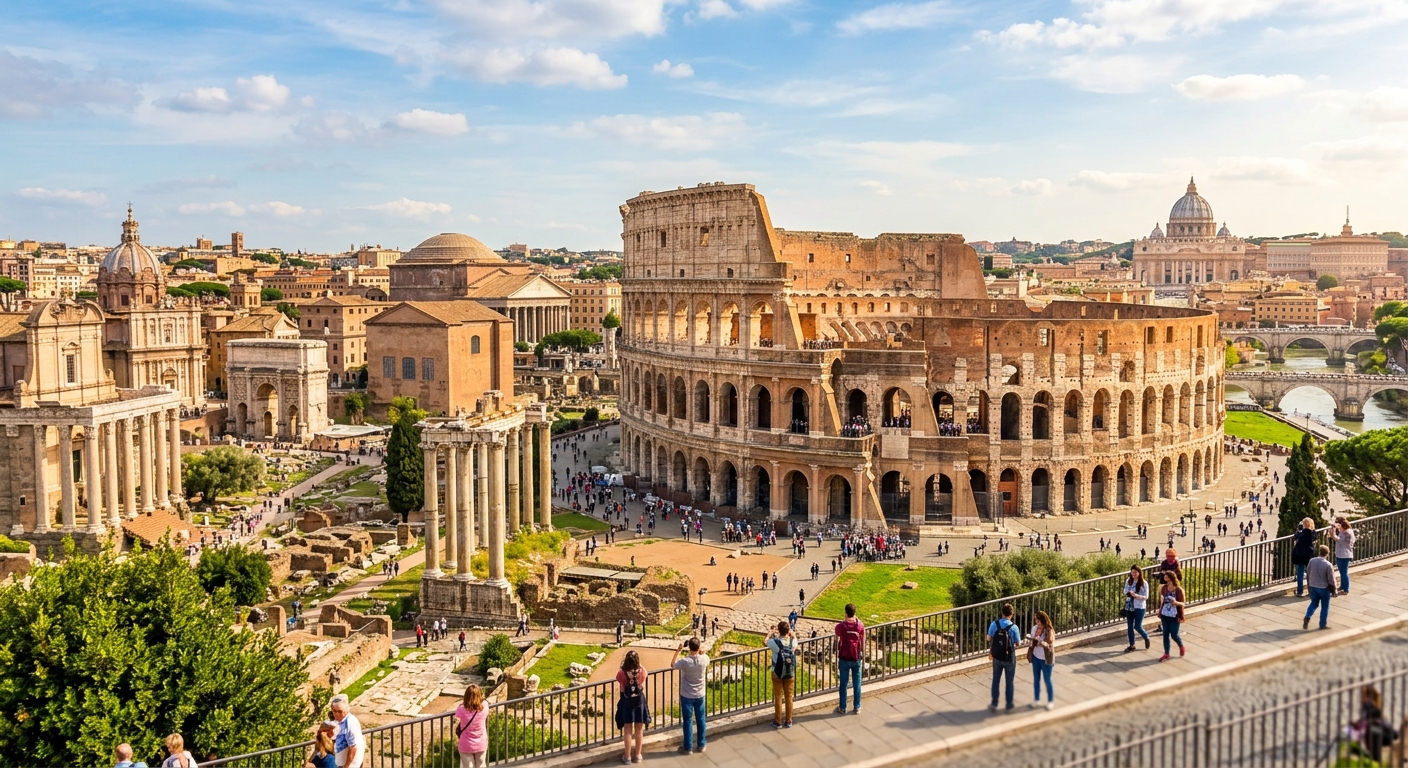
Rome is not a city that presents its attractions in neat, single-era packages. You can stand in front of an ancient temple, turn the corner, and find a Baroque fountain, then walk two blocks and enter a Renaissance church with a masterpiece on the wall. That layering is what makes Rome fascinating, but it also means planning is more important here than in cities where attractions are more centralized.
Another major difference is that many of Rome’s best sights are part monument, part public space. A piazza is not just a place to “visit,” it is a place to cross, sit, watch, and eat near. A church may be free to enter but still function as one of the city’s greatest art experiences. The city’s best moments often come from a mix of paid and free, indoor and outdoor, iconic and incidental.
We also checked how the city feels in 2025–2026, and the biggest pattern is that reservations and crowd management matter more than they used to. Popular spots are increasingly structured around timed entry, digital ticketing, and busy visitor windows, especially around midday. That is not a bad thing if you plan ahead; in fact, it can make the day smoother by reducing uncertainty and preventing you from wasting time in line.
Ancient, Christian, and modern layers in one city
Rome’s appeal comes from the fact that its identity is not frozen in one period. Ancient imperial sites like the Colosseum and Forum sit near medieval streets, Baroque churches, modern transit, and contemporary dining scenes. That is why one hour in Rome can feel like three different cities at once.
This makes the city especially rewarding for travelers who like context. The Roman Forum helps you understand public life in the ancient city, while the Vatican explains the religious and artistic power that shaped later Rome. Meanwhile, neighborhoods like Monti or Trastevere show how today’s city lives around those layers rather than replacing them.
From a planning perspective, this also means your route can tell a story. You might start with ancient Rome, move into the papal city, and finish with an evening aperitivo in a neighborhood full of modern energy. That sequence works better than picking random attractions, because each stop adds a new chapter instead of repeating the same visual language.
Why some landmarks are free, some need timed entry, and some are best seen from outside
Not every great Rome attraction requires a ticket, and that is one of the city’s best features for budget travelers. Many churches, piazzas, fountains, bridges, and streets are free, and some of the most famous landmarks are most powerful simply by being experienced in public space. The Pantheon now has a ticketing system for many visits, but its surrounding area remains one of the easiest places to enjoy the city without spending much.
Timed entry usually applies to places where crowd control, preservation, or security matters. The Colosseum, Vatican Museums, and Galleria Borghese are prime examples, and those tickets are worth it because they unlock experiences you cannot fully replicate from outside. On the other hand, some sites are better admired from the exterior or from a nearby viewpoint, especially when time is tight.
A good rule is this: pay when entry adds meaningful access, context, or a guideable interior, and save when the exterior or public setting gives you nearly the same experience. That logic keeps your budget healthy and prevents “ticket fatigue,” which is a real thing in Rome. The city is richer when you mix paid focal points with free wandering.
How walking routes and district clustering save time
Rome rewards clustering more than crossing the city repeatedly. The best day plans group the Colosseum, Forum, Palatine, Capitoline, and Monti together; or Vatican Museums, St. Peter’s, Castel Sant’Angelo, and Prati together; or Pantheon, Trevi, Piazza Navona, and Campo de’ Fiori together. Once you think in clusters, the city becomes much easier to navigate.
That approach also improves your dining choices. If you are already in Trastevere at dusk, it makes sense to stay there for dinner instead of crossing town for a restaurant review you saw online. Similarly, if you finish near the Vatican, a late lunch in Prati is often more comfortable than trying to race back to the center.
We find that visitors enjoy Rome more when they leave deliberate empty time between the big sights. Those gaps are what allow spontaneous church stops, market browsing, or a terrace coffee break. In Rome, the walk between attractions is often where the best details hide, and clustering gives you the mental space to notice them.
What changed in 2025–2026: crowd flow, reservations, pricing pressure, and visitor patterns
In 2025–2026, Rome continues to see strong demand from international travelers, which means peak-season planning has become even more important. Timed tickets sell earlier, popular museums can feel more compressed, and the busiest parts of the historic center may be crowded from late morning through evening. If you are flexible, early starts remain your best advantage.
Pricing pressure is also noticeable, especially for guided tours, premium skip-the-line products, and centrally located dining. That does not mean Rome is inaccessible; it simply means budget-conscious travelers should compare official tickets, reputable tour operators, and city pass options carefully before booking. Sometimes the best value is a simple direct entry ticket paired with a self-guided route, especially if you are comfortable planning your own day.
Another trend we noticed is that visitors are increasingly looking for “themed” Rome, not just the standard checklist. Food-first itineraries, neighborhood strolls, catacomb tours, and sunset photo routes are more popular than they were a few years ago. This is good news, because it means the city is being experienced in a more varied, less frantic way.
Complete Top Picks: The iconic Rome attractions you should not skip
The core Rome attractions are famous for a reason: they are the city’s defining symbols, and many of them are essential even if you are not usually a “big landmark” traveler. The trick is not just seeing them, but seeing them in the right order and at the right time so the experience feels memorable instead of exhausting.
We are including the places that consistently perform as high-value choices for first-timers, repeat visitors, and mixed-interest groups. Some are ticketed, some are free, and some work best as part of a route. If you build your itinerary around this group, you will cover the city’s biggest historical and visual anchors without overcomplicating the day.
Pro Tip: The best Rome landmark day is usually one that starts early, includes one reserved entry, and leaves the afternoon open for a piazza, a neighborhood meal, and a scenic walk. That rhythm beats a packed “seven attractions in six hours” approach almost every time.
Colosseum
The Colosseum is the obvious starting point, but it is still worth the hype because it immediately places you inside Rome’s imperial story. Inside, you get scale, engineering drama, and one of the most recognizable structures on earth, while outside you get one of the city’s best photo scenes and easy access to the nearby Forum and Monti. If this is your first time in Rome, the Colosseum should be near the top of your list.
Official information is available on the Parco archeologico del Colosseo website, which is the best place to verify hours, ticket types, and any special access rules. In 2026, plan to book ahead rather than hoping for same-day availability, especially from spring through autumn. Prices vary by access level, with basic entry typically starting around the low teens in euros and guided/expanded options costing more.
For the best experience, arrive early or later in the day to reduce the worst crowd pressure. The surrounding area is also excellent for a combined route because you can walk to the Forum, Palatine Hill, and Monti without needing extra transit. If you only pay for one ancient site, this is often the one.
Roman Forum and Palatine Hill
The Roman Forum and Palatine Hill are where Rome starts making deeper sense, because they show how the ancient city actually functioned beyond the arena spectacle. The Forum is a spread of ruins, temples, and processional spaces that once held political, religious, and civic life, while Palatine Hill adds viewpoint drama and a sense of the city’s earliest elite foundations. Together they create a much fuller historical picture than the Colosseum alone.
We like this pair because it rewards slower wandering, and you do not need to be a classicist to enjoy it. The elevated views, open-air atmosphere, and layered ruins make it one of the best outdoor-history combinations in the city. Official ticketing is usually bundled through the same Colosseum system, so check the official pages before buying from resellers.
This is a place where a guided tour can genuinely improve the visit if you want context and do not want to stare at rubble without a story. If you prefer to explore independently, download a map or audio guide in advance and allow enough time to sit, look, and orient yourself. Rome’s ancient core is not a quick stop; it is best treated like a slow walk through the city’s origin story.
Vatican Museums and Sistine Chapel
The Vatican Museums are one of the most important art experiences in the world, and the Sistine Chapel is the capstone moment most visitors come for. The scale is huge, the collection is dense, and the route can feel overwhelming if you arrive without a plan. That said, it absolutely belongs on a Rome must-see list because it delivers a level of artistic and religious significance that is difficult to match anywhere else.
The official source is the Vatican Museums website, which you should use to confirm opening times, closures, and available ticket categories. In 2026, pre-booking is strongly recommended, especially if you want an easier entry window or a guided visit. Expect higher ticket prices for special access or tours, but basic entry is still a standard paid attraction rather than a luxury-only experience.
From experience, this is one of the places where pacing matters most. If you are prone to museum fatigue, don’t try to see every room in a single sweep; choose the highlights and save energy for St. Peter’s or lunch afterward. The Museums work best as a major morning anchor before a calmer afternoon in Prati or along the Tiber.
St. Peter’s Basilica
St. Peter’s Basilica is free to enter, which makes it one of the best-value major sights in Rome if you have the patience for security and queues. The interior is vast, ornate, and deeply symbolic, and even visitors who are not religious often find it moving because of its sheer scale and craftsmanship. It pairs naturally with the Vatican Museums, but it can also stand alone as a separate morning stop.
We recommend checking the official Vatican information pages before your visit, especially around liturgical events and special closures. Dress code matters here, so shoulders and knees should be covered, and security screening can take time, so do not plan this as a rushed add-on. If you want the full experience, consider climbing the dome for one of the best views in the city, though that adds effort and a modest additional fee.
St. Peter’s is especially strong for travelers who want a monumental indoor space without paying museum-level prices. It is also a good option on rainy days, when the basilica can anchor a broader Vatican area plan. If you only have a few hours and want one major free interior plus one meal nearby, this is a strong choice.
Pantheon
The Pantheon is one of Rome’s most elegant and efficient attractions because it delivers ancient architecture, atmosphere, and easy access all in one stop. It is also one of the city’s best reminders that “old” does not have to mean exhausting. The interior dome and oculus still impress almost everyone, even after the headlines fade.
Because ticketing and rules have evolved in recent years, always confirm current entry details through official sources or the venue’s listed channels before going. In the center of Rome, small rule changes can affect your timing, so it is worth checking before you build the stop into a route. The Pantheon works best as part of a larger historic center loop rather than as a one-off destination.
We like the Pantheon because it is both culturally important and logistically convenient. It sits near great coffee, churches, and other piazzas, so your visit can be short without feeling incomplete. If you are planning a low-stress day, the Pantheon is exactly the kind of attraction that gives a lot and asks very little.
Trevi Fountain
The Trevi Fountain is one of Rome’s most photographed spots, and it remains worth seeing despite the crowds because the Baroque drama is genuinely beautiful. The key is timing: early morning or late evening gives you a much better chance to appreciate it without feeling boxed in by tour groups. Throwing a coin is a classic ritual, but the real magic is standing close enough to see the water and sculpture detail.
Because it is free and central, the Trevi Fountain fits almost any itinerary, especially when combined with the Pantheon and Piazza Navona. It does not need a long visit, which makes it useful as a transition stop between bigger anchors. If you are staying in Centro Storico, you may end up passing it more than once, which is actually ideal if you want one quiet look and one lively look.
Be careful of pickpockets and crowded edges here, as the area can become tight during peak hours. The fountain is best treated as a “look, linger, and move on” attraction rather than a place to camp out. The smartest way to enjoy it is to build it into a nearby walking route and use timing to your advantage.
Piazza Navona
Piazza Navona is one of the most pleasant public spaces in the city because it mixes history, art, and social life so naturally. Bernini’s Fountain of the Four Rivers, the long oval shape of the square, and the surrounding cafés create a classic Roman scene that works for both daytime and evening visits. It is free, central, and easy to combine with the Pantheon and Campo de’ Fiori.
For travelers who want Rome without an entry ticket, Piazza Navona is a great example of how much the city gives away for free. You can sit, people-watch, take photos, and move at your own pace. In the evening, the atmosphere softens and the square becomes one of the city’s easiest spots for a relaxed stroll after dinner.
It is also a strong choice for mixed groups because there is no “one right way” to visit. Families can use it as a pause point, couples can use it for a romantic walk, and solo travelers can use it as a safe, easy orientation landmark in the center. If you only have time for one piazza, this is a strong contender.
Spanish Steps
The Spanish Steps are more about setting than action, which is exactly why they remain popular. The staircase itself is iconic, but the surrounding fashion district and central position make it useful as a connector between shopping, strolling, and sightseeing. It is not a deep historical stop in the same way the Forum is, but it is still one of the city’s visual signatures.
Because the Steps are free, they work well as a low-pressure addition to a bigger route. They are also a good place to pass through if you are heading toward Via Condotti, Villa Borghese, or a café stop in the historic center. Just remember that sitting on the Steps may be restricted, so follow the posted rules and treat it as a photo and transit point more than a picnic spot.
We think the Spanish Steps are best appreciated as part of a broader center walk rather than as a stand-alone destination. They are a classic “Rome attraction,” but they shine brightest when linked to nearby streets, shopping, and a slow coffee break. If you enjoy elegant urban scenery, they are worth the detour.
Castel Sant’Angelo
Castel Sant’Angelo has one of the most interesting transformations in Rome, moving from imperial mausoleum to fortress to museum. Its riverside position and view over the Vatican area make it especially good for route-based sightseeing, and the interior gives you enough history to justify the ticket. The bridge approach alone is worth the visit if you like dramatic city views.
The official museum page should be checked before visiting, since hours and access details can shift with events and maintenance. In 2026, this is a smart alternative if you want a less overwhelming monument than the Vatican Museums but still want history and views. It is also a good place to end a Vatican-day route before dinner in Prati or Centro Storico.
This site tends to be underappreciated compared with the major headline attractions, which is good news for visitors who like slightly less crowded options. From the ramparts, you get a memorable look at the city and the river, and that perspective can help orient your whole trip. It is a strong “worth the ticket” pick for many travelers.
Capitoline Museums
The Capitoline Museums are one of the best museum choices in Rome if you want art and ancient history without the sheer sprawl of the Vatican Museums. They are centrally located, full of major works, and connected to one of the city’s most historically important civic hilltops. For travelers who like manageable museum pacing, this is a smart choice.
Because the collection is significant but not overwhelming, the Capitoline Museums are especially good for people who want depth without burnout. The setting also matters: standing on the Capitoline Hill gives you a strong sense of Rome’s public identity and its long continuity from antiquity to today. Check the official museum information for hours and ticket pricing before your visit.
If you are building a 2- or 3-day itinerary, we often suggest the Capitoline Museums as the “second museum” after either the Vatican or Borghese. It adds a serious cultural layer without requiring an entire day. It is also a great rainy-day option if you need an indoor anchor near the historic center.
| Attraction | Typical Cost | Time Needed |
|---|---|---|
| Colosseum | From about €18+ | 1.5–2.5 hours |
| Vatican Museums | From about €20+ | 2.5–4 hours |
| Pantheon | Low-cost ticket / sometimes near-free feel | 30–60 minutes |
| Castel Sant’Angelo | From about €15+ | 1.5–2 hours |
Rome attractions by scenario: best picks for every travel style
Rome becomes much easier to plan when you stop asking “what is best?” and start asking “what is best for this kind of day?” The city is flexible enough to work for romantic trips, family outings, friend weekends, solo wandering, and even corporate groups, but each scenario benefits from a different blend of sights and pacing.
We checked this from the standpoint of real trip behavior: people do not visit Rome in a vacuum. They arrive hungry, tired, jet-lagged, under-booked, over-booked, and often with very different interests within the same group. That is why this section groups the city by use case, so you can make choices faster and avoid compromise fatigue.
One of the smartest ways to experience Rome is to pair a major attraction with a “mood” attraction. For example, a museum plus dinner for couples, or ruins plus gelato for families, or a scenic viewpoint plus aperitivo for friends. That balance makes the day feel curated instead of transactional.
Best Rome attractions for a date night
For date nights, choose places with atmosphere, shorter walking burdens, and a natural transition into dinner or drinks. Trastevere at sunset, Piazza Navona after dark, Castel Sant’Angelo views, and a riverside stroll near the Tiber are especially good because they feel romantic without being overstructured. If you want a ticketed option, an evening museum or guided monuments walk can also work well.
Our favorite date-night formula is simple: one scenic stop, one low-stress cultural stop, and one exceptional meal. For example, begin with the Pantheon or Trevi Fountain at a quieter hour, continue to a viewpoint or bridge, then end in Trastevere with pasta and wine. Couples who want something more refined may prefer Prati or the area near Via Margutta for a calmer, more polished evening.
Good to Know: In Rome, the best date-night plan often avoids marathon museum days. A lighter itinerary leaves room for long meals, spontaneous detours, and the kind of relaxed pacing that makes the city feel especially special at night.
Best Rome attractions with kids
Families do best with a mix of open space, visual excitement, and short transfer distances. The Colosseum, Roman Forum, Villa Borghese park, Piazza Navona, and the Trevi Fountain are all strong options, but you should avoid packing too many indoor, text-heavy sites into one day. Kids usually enjoy the drama of ancient ruins and the freedom of a park much more than a museum marathon.
Villa Borghese is especially useful because it gives children room to move and gives adults a break from constant sightseeing. The park can also be combined with the Borghese Gallery if your group is mature enough for a timed museum slot, or simply used for pedal boats, bikes, playground time, and picnic breaks. If your child has a low tolerance for queues, build in snack stops near every major site.
Practical tip: when visiting the Vatican or other formal religious sites with kids, plan extra time for security and dress code compliance. Strollers are manageable in many areas, but cobblestones and crowds can slow things down. A family-friendly Rome itinerary works best when you accept fewer stops and more breathing room.
Best Rome attractions for a weekend with friends
Friend trips usually need a blend of high-energy social spaces and one or two “wow” landmarks. Trastevere, Campo de’ Fiori, Piazza Navona, the Colosseum area, and rooftop bars or aperitivo spots give you exactly that mix. If your group likes photos, add the Spanish Steps, a panoramic terrace, or a sunset river walk.
What works especially well with friends is a route that naturally includes food and drinks. Start with a major attraction in the morning, take a long lunch, then shift into a neighborhood with dinner and nightlife. The city’s best friend-trip memories often come from a slightly loose schedule rather than a rigid one.
If your group has different energy levels, let the day branch. Some people can continue to museums while others take a coffee break or browse markets. Rome is not a city where everyone needs to see the same thing at the same pace, and that flexibility can save the trip from friction.
Best Rome attractions for solo travelers
Solo travelers often enjoy Rome most when they can move freely between sightseeing and reflective wandering. The Pantheon, Capitoline Museums, Vatican Museums, Villa Borghese, and long neighborhood walks in Monti or Prati are especially good because they allow you to go at your own rhythm. Solo travel in Rome can feel very satisfying, especially if you like museums, architecture, and café stops.
A solo-friendly day usually benefits from easy logistics and low-decision routes. Pick one district, one major attraction, and one meal that you actually want to sit down and enjoy. The city is full of places where solo dining feels normal, especially in cafés, wine bars, and casual trattorias.
If you want a safer, more social feel in the evening, stay in busier central areas and use main streets rather than isolated backroads after dark. Joining a food tour, evening walk, or small-group museum visit can also add social energy without making the trip feel group-dependent. In Rome, solo travel works best when you embrace the city’s rhythm instead of trying to cover too much ground.
Best Rome attractions for team building or corporate outings
For corporate groups, the best Rome attractions are usually the ones that can accommodate different energy levels while still feeling elevated and memorable. Private or semi-private Vatican tours, Colosseum and Forum experiences, food tastings, cooking classes, and curated neighborhood walks work well because they create shared moments without requiring everyone to be equally interested in every detail. The goal is connection, not exhaustion.
We recommend choosing experiences with a clear time block and a good finish point, ideally near dinner or a cocktail venue. That structure keeps logistics clean, especially if your group includes first-timers or people with limited mobility. Rome can be a surprisingly strong destination for business groups when the day includes a cultural anchor, a social meal, and a comfortable transfer to the next activity.
For large groups, always verify private-tour policies, entry caps, and transport arrangements in advance. Some attractions handle groups better than others, and the right choice depends on whether you want collaborative energy, networking, or a purely celebratory outing. Food and history together are usually the safest bet.
| Scenario | Best Attraction Mix | Why It Works |
|---|---|---|
| Date night | Trastevere, Piazza Navona, Castel Sant’Angelo | Atmosphere, easy dinner transition, scenic walks |
| Families | Colosseum, Villa Borghese, Trevi Fountain | Big visual payoff, breaks, and flexible pacing |
| Friends | Monti, Campo de’ Fiori, rooftop aperitivo | Social, central, easy nightlife handoff |
| Solo | Pantheon, Capitoline Museums, neighborhood walks | Flexible, digestible, reflective |
Free vs paid Rome attractions: what is worth paying for and what is not
One of the best ways to enjoy Rome on any budget is to separate the city into what truly requires a ticket and what rewards simple timing and smart walking. Rome has an unusually high concentration of free attractions, but the paid ones are often worth the expense when they unlock interiors, access, or a deeper historical layer. If you plan this well, you can have a very rich trip without overspending.
We found that travelers are most satisfied when they spend money where it materially improves the experience, not just where it seems famous. In Rome, that often means paying for the Colosseum, Vatican Museums, Galleria Borghese, and one good guided experience, while keeping plenty of churches, piazzas, and scenic walks free. That mix is usually the sweet spot.
The other thing to know is that “free” does not always mean “casual.” Some free attractions still require time, dress codes, or a bit of patience, especially churches and basilicas. Meanwhile, some paid attractions feel like better value because they reduce uncertainty, line-waiting, or wandering fatigue. The comparison below should make the tradeoffs clearer.
Best free Rome attractions
Rome’s strongest free attractions include the Trevi Fountain, Piazza Navona, the Spanish Steps, the exterior of the Colosseum, many churches, bridge walks, and a large amount of the historic center itself. St. Peter’s Basilica is also free, though entry conditions can change with security or event scheduling. You can spend an entire day in Rome with minimal spend if you choose carefully.
For budget travelers, the best free strategy is to combine free landmarks with low-cost food and public-space wandering. A route like Pantheon area, Trevi, Piazza Navona, Campo de’ Fiori, and a river walk can feel full without requiring multiple entry fees. The key is to avoid paying for redundant sights when the exterior or neighborhood is already the star.
Free churches deserve special mention because some of the city’s most astonishing art can be seen this way. You may stumble into a Caravaggio, a Bernini interior, or an astonishing dome with no ticket at all. Just remember to dress respectfully and check posted visitor rules.
Best paid attractions that are worth the ticket
The Colosseum, Vatican Museums, Galleria Borghese, and parts of Castel Sant’Angelo are usually worth paying for because the interior experience is fundamentally different from simply passing by. The paid entry gives you historical depth, collection access, and an experience you cannot fully recreate outside. For many travelers, these are the tickets that define the trip.
The Capitoline Museums are also strong value if you want a more manageable indoor visit than the Vatican. Depending on your interests, a paid catacomb tour or guided archaeological walk can be very worthwhile too. These are the kinds of experiences where the guide, access pattern, and storytelling are part of the value proposition.
If you are on a strict budget, you do not need to pay for every famous place. Pick one or two major paid sights and let the rest of your trip be a mix of churches, piazzas, and free neighborhoods. Rome is one of the few major cities where a limited paid strategy still feels complete.
Experiences that are better with a guided tour
Some Rome attractions are objectively easier or better with a guide, especially for first-timers. The Roman Forum and Palatine Hill become much richer when someone explains the ruins in context, and the Vatican Museums can feel less overwhelming if a guide helps you focus on the meaningful parts. Even catacomb tours benefit from guided storytelling because the underground setting is hard to interpret without background.
Guides are also useful when you need to optimize time. If you have only a day or two, a good guide can keep you from wandering in circles or missing the best viewpoints. This is one of the best situations for a group outing, date, or corporate visit where efficiency matters.
That said, you do not always need a guide. If you are comfortable reading, navigating, and pacing yourself, self-guided routes can save money and allow more freedom. A good rule is to guide the places that are dense with history or confusing to interpret, and self-guide the plazas, neighborhoods, and scenic walks.
How to build a value-for-money itinerary
Start by picking one major paid anchor, one major free anchor, and one neighborhood. For example, Colosseum plus Trevi plus Monti, or Vatican Museums plus St. Peter’s plus Prati, or Capitoline Museums plus Piazza Navona plus Campo de’ Fiori. That structure gives you a full day with controlled spending.
Next, use meals as part of the value equation. A good lunch in a neighborhood you already plan to visit is better than crossing town for a pricey place with no route logic. Rome’s best value often comes from eating well in the right area at the right time, not from chasing the cheapest possible meal.
Finally, avoid ticket overlap. Do not book two long indoor attractions back-to-back unless you are truly museum-happy. It is usually smarter to alternate expensive with free, indoor with outdoor, and structured with flexible. That rhythm maximizes the return on each euro.
| Type | Examples | Best For |
|---|---|---|
| Free | Trevi Fountain, Piazza Navona, many churches | Budget travelers, spontaneous walkers |
| Low-cost | Pantheon, some basilica entries, local markets | Value seekers, short stays |
| Premium | Vatican Museums, Colosseum special access, Borghese timed slots | First-timers, art lovers, guided touring |
Neighborhood-by-neighborhood guide to Rome attractions
Rome is easier to enjoy when you think in neighborhoods rather than isolated attractions. Each district has its own pace, food scene, transport convenience, and sightseeing style, which means your hotel or apartment choice can quietly shape your whole trip. If you stay well, you can save hours each day and see more without adding stress.
We strongly recommend choosing where to spend time based on the kind of Rome you want. Centro Storico is the classic core, Monti is stylish and close to ruins, Trastevere is lively and dinner-friendly, Prati is calm and practical, and the Vatican area is ideal for early access to major sights. Campo de’ Fiori, Testaccio, and the Appian Way each add a different flavor.
To make route planning easier, we broke the city into clusters that work well on foot or with short transit hops. This is especially useful if you are trying to match attractions to meals, nightlife, or a half-day window. Think less “Where is the attraction?” and more “Which neighborhood experience do I want today?”
Centro Storico
Centro Storico is the classic postcard Rome most people imagine, with the Pantheon, Trevi Fountain, Piazza Navona, and countless churches and lanes. It is one of the most walkable and visually rewarding parts of the city, especially if you like wandering without a hard schedule. The downside is that it is also one of the busiest and often most expensive areas, so expect crowds.
For first-timers, this is the easiest area to build a half-day or full-day loop because so many major sights sit close together. You can move between attractions, coffee, shopping, and dinner without needing a complicated transit plan. If you are only in Rome briefly, Centro Storico is one of the safest places to anchor your time.
We recommend this area for travelers who want the classic atmosphere and do not mind sharing it with everyone else. The trick is timing: go early, go late, or use the in-between hours to duck into churches or cafés. That is how you enjoy the center without feeling swallowed by it.
Monti
Monti is one of our favorite Roman neighborhoods because it feels central, stylish, and still lived-in. It sits close to the Colosseum and Forum, but it has a more local energy than the biggest tourist corridors. If you want dinner, drinks, boutique browsing, and an easy walk to ancient Rome, Monti is a great choice.
It is also one of the best areas for travelers who like to stay near action without being in the thick of the busiest crowd flow. You can start the day at the Colosseum, take a lunch break in Monti, and then drift into the historic center or Capitol area in the afternoon. For many visitors, that convenience is worth more than a technically “famous” address.
Monti works well for couples, solo travelers, and small groups who want a neighborhood that feels more current than ceremonial. It is one of the easiest places to find a good aperitivo, a casual dinner, and a short walk back after dark. If you want a stylish base with excellent route logic, this is a top pick.
Trastevere
Trastevere is Rome at its most social and atmospheric, especially in the evening. Narrow streets, lively squares, trattorias, bars, and a more relaxed rhythm make it a favorite for dinners, date nights, and friends’ trips. It is slightly less convenient for all-day sightseeing than the center, but it shines after 5 p.m.
The neighborhood is also excellent for wandering because the streets themselves are part of the attraction. You do not need a strict checklist to enjoy Trastevere; just pick a few landmarks, eat well, and let the evening unfold. From experience, this is one of the best places in Rome to transition from sightseeing into nightlife.
If you stay here, plan for a bit more walking and possibly a taxi or bus back late at night. Trastevere is worth it for the ambiance, but it works best when you use it intentionally, not as a base for every major attraction. Think of it as your “Rome after dark” neighborhood.
Prati
Prati is clean, organized, and practical, which makes it especially appealing if you want easier logistics near the Vatican. The streets are broader, the dining scene is comfortable, and the neighborhood generally feels calmer than Centro Storico or Trastevere. It is a smart choice for families, first-timers, and travelers who prefer less chaos.
Because Prati is so close to the Vatican Museums and St. Peter’s Basilica, it works especially well for early-morning starts. You can walk to the Vatican area without rushing through transit, then return for lunch or a break before heading elsewhere. For many visitors, that convenience creates a less stressful trip.
Prati also pairs well with Castel Sant’Angelo and river walks, making it a good base for both culture and comfort. If your ideal Rome includes solid cafés, tidy streets, and less sensory overload, Prati deserves serious consideration. It may not be the flashiest district, but it is often one of the smartest.
Vatican area
The Vatican area is best if your priorities are the Vatican Museums, St. Peter’s Basilica, and an easy start to one of Rome’s biggest museum days. Staying nearby means you can beat the worst of the lines and avoid dragging yourself across the city first thing in the morning. That alone can make a major difference.
The neighborhood itself is more functional than charming in some parts, but it is very effective for sightseeing. You can finish a museum-heavy day, grab lunch in Prati, and still have enough energy for an afternoon at Castel Sant’Angelo or a Tiber walk. If convenience matters more than nightlife, this is a strong area.
It is especially useful for families or anyone who does not want to manage a lot of transit. The tradeoff is that you may need to travel farther for the evening atmosphere of Trastevere or the classic piazzas of the center. Still, for sightseeing efficiency, the Vatican area is hard to beat.
Campo de’ Fiori
Campo de’ Fiori is energetic, central, and easy to combine with Piazza Navona, the Pantheon, and the historic center. By day, it can be a market stop; by evening, it becomes a social area with restaurants and bars. It is ideal if you want a flexible base for both sightseeing and food.
The main benefit here is access. You can walk to multiple famous sights without much effort, and you do not need to over-plan to make the neighborhood useful. If you enjoy a bit of buzz and do not mind some tourist traffic, it is a convenient and lively place to be.
It works best for visitors who like being in the middle of things but still want a neighborhood identity. That said, be selective with restaurants, as central tourist zones can vary widely in quality and value. Use the area as a launchpad and be choosy with meals.
Testaccio
Testaccio gives you a more local, food-forward Rome that many first-time visitors miss. It is especially appealing for markets, traditional eating, and a less polished but more authentic-feeling urban rhythm. If your trip includes culinary interest, this area deserves a spot on the map.
It is not where most travelers stay for classic landmarks, but that is part of the appeal. You can come here specifically for meals, markets, and a more everyday Roman atmosphere. It also works well if you want to pair food experiences with an off-the-beaten-path mood rather than another monumental square.
For repeat visitors, Testaccio can be a refreshing change from the heavily toured center. It is a strong choice for travelers who care about local culture, not just famous facades. If you are food-curious, add it to your itinerary.
Appian Way and south Rome
The Appian Way area is where Rome starts feeling expansive, historical, and less urban in the tourist-core sense. Ancient roads, catacombs, parks, and long outdoor stretches make it a strong option if you want a different pace from central monuments. It is especially appealing for active travelers and history lovers.
This area works best when you give it enough time. It is not a quick hop between major piazzas; it is a half-day or full-day idea that rewards walking, cycling, or touring. The experience is excellent if you want something layered but quieter than the busiest center sites.
We also like it for people who have already seen the headline attractions and want a deeper second layer. Catacombs and the Appian Way show a very different Rome, one that feels spacious and atmospheric. It is a smart add-on if you are in town for more than a couple of days.
Villa Borghese and Parioli
Villa Borghese is the city’s major green anchor, and the nearby Parioli area adds a more residential, upscale feeling. Together they work well for museum days, park breaks, and gentler pacing. If you need relief from ruins and crowds, this part of Rome is a welcome reset.
The park is especially useful for families, runners, cyclists, and anyone who wants open space between cultural stops. The Borghese Gallery, if booked in advance, makes this area even more valuable for art lovers. Otherwise, the park itself offers enough to justify several hours.
Parioli is less about headline attractions and more about livability and comfort. It is a good fit for travelers who want a calmer place to stay and do not mind using transit or taxis to reach major landmarks. If your ideal day includes a museum plus a long stroll, this is a great area to know.
| Neighborhood | Best For | Main Drawback |
|---|---|---|
| Centro Storico | Classic landmarks, walkability | Crowds, higher prices |
| Monti | Colosseum access, dining, style | Less quiet at peak hours |
| Trastevere | Nightlife, romance, dining | Can be busy and noisy |
| Prati | Vatican access, calm base | Less historic atmosphere |
| Testaccio | Food culture, local feel | Farther from some icons |
The best Rome attractions for art, museums, and exhibitions
Rome is not only an outdoor museum; it also has some of the strongest indoor cultural experiences in Europe. If you love art, sculpture, archaeology, or just having a weather-proof plan, the city’s museums are worth more than a passing glance. The trick is choosing the right ones so you do not overload your schedule.
The Vatican Museums are the headline, but the city’s museum scene is much broader than that. Galleria Borghese, Capitoline Museums, and Museo Nazionale Romano each offer different scales and strengths. In 2026, the smart play is to book the museums that align with your interests instead of trying to collect them all.
We recommend alternating a museum-heavy morning with an outdoor lunch, park walk, or neighborhood stroll. That pacing keeps the trip from becoming a blur of galleries and helps you actually retain what you are seeing. The best cultural days in Rome leave room to breathe.
Vatican Museums
The Vatican Museums are the essential major museum visit in Rome because they combine world-class art, history, and religious significance in one enormous complex. The collection is so extensive that first-time visitors should plan around highlights rather than attempting to see everything. If you can manage your expectations, it becomes one of the most rewarding experiences in the city.
Booking in advance is nearly always the right move, particularly in spring and summer. Use the official Vatican Museums website to verify entry options and avoid being surprised by closures or special schedules. The best strategy is to reserve a timed slot and plan a post-visit break nearby, because the museum can be physically and mentally demanding.
For art lovers, this is a must. For casual visitors, it is still worthwhile, but you should pace yourself and avoid museum overload. The Sistine Chapel is famous, but the value of the visit is in the full route, the galleries, and the experience of moving through the Vatican’s artistic world.
Galleria Borghese
Galleria Borghese is one of Rome’s most elegant and manageable museum visits. Because entry is timed and controlled, the experience feels calmer than the Vatican Museums, and the collection is famously strong in sculpture and Baroque art. If you appreciate Caravaggio, Bernini, or simply a museum that is not overwhelming, this is a top-tier choice.
It is essential to book ahead because tickets are limited and often sell early. The museum sits inside Villa Borghese, which gives you a natural route for a pre- or post-visit walk in the park. That combination makes it ideal for travelers who want culture without museum fatigue.
We especially recommend this for couples and solo travelers who like refined, focused experiences. It is also a strong rainy-day option if you want to avoid the scale of the Vatican. The timed entry is one of the best built-in crowd control systems in Rome, and that alone improves the visit.
Capitoline Museums
The Capitoline Museums are perfect if you want a substantial museum without losing half your day. Their central location and historical importance make them especially useful in a combined ancient-Rome route, and the collection includes key works that help frame the city’s civic and imperial story. This is one of the most practical “serious culture” stops in Rome.
They are also a strong way to connect the city’s history from outdoor ruins to indoor interpretation. After walking the Forum or Colosseum area, moving into the Capitoline Museums feels like a natural extension rather than a separate chore. Official hours and ticket details should still be checked before arrival.
If your schedule is tight, this museum offers excellent value per hour. It is not as physically draining as the Vatican, and it does not require the same level of advance emotional preparation. For a balanced trip, it is a smart addition.
Museo Nazionale Romano
Museo Nazionale Romano is a broader institution with multiple branches, and it can be a very rewarding option if you want archaeology and Roman history with less crowd pressure than the biggest-name sites. Depending on the branch you visit, you can get a sense of ancient Roman life, sculpture, and material culture in a more digestible format. That makes it attractive for repeat visitors and history-focused travelers.
Because the museum has multiple locations and formats, it pays to decide which branch best fits your route. Some branches are better paired with the center, others with transit or a broader archaeology day. We recommend checking official information and matching it to your existing itinerary rather than forcing it into a random slot.
For travelers who want a deeper understanding of Rome beyond the famous highlights, this can be one of the more underrated choices. It is especially useful when you want an indoor stop that feels serious but not overbooked. If you prefer history with a little breathing room, consider it.
Contemporary and rotating exhibition spaces
Rome is sometimes thought of only as an ancient and Renaissance city, but it also has contemporary exhibition spaces and rotating shows worth watching. These can be a refreshing break from the expected sightseeing pattern, especially if you live in a city and want something more current mixed into your trip. Checking the seasonal exhibition calendar can uncover a very different side of the city.
For 2026, this is especially helpful if you are returning to Rome or staying longer than a weekend. Temporary exhibitions can make the city feel new even if you have already seen the big icons. They are also often less crowded than the headline attractions.
If you are traveling with a group that includes both museum lovers and more casual sightseeing friends, a rotating show can be a good compromise. It offers culture without demanding a full-day commitment. When in doubt, use it as the “bonus stop” after your main anchor attraction.
Tips for booking museum slots and avoiding burnout
Book the strongest timed-entry museums first, then plan lighter outdoor time afterward. The city’s museum density is high, but your attention span is not infinite, especially after walking the streets all morning. A smart booking plan is often more valuable than an extra attraction.
It helps to separate “major effort museums” from “easy museums.” The Vatican and Borghese are effortful in different ways, while Capitoline or a smaller collection may be easier to slot into a half-day. That distinction helps you avoid stacking three mentally heavy indoor visits back-to-back.
Try to cap your museum day with food or a park rather than another ticketed place. Rome is more enjoyable when you leave room for digestion, literal and mental. A good museum day should feel enriching, not like a final exam.
Outdoor, scenic, and active Rome attractions
Rome is one of the best cities in Europe for outdoor sightseeing because so many scenic places are free, walkable, and layered with history. If you want to mix movement with sightseeing, you have plenty of options that feel rewarding without requiring another indoor ticket. This is where Rome becomes especially good for travelers who like to explore on foot.
The best outdoor attractions include parks, hills, river walks, ancient roads, and panoramic viewpoints. They are also easier to tailor to the weather and the energy of your group, which makes them valuable for families, couples, solo travelers, and fitness-minded visitors. In warm months, these spaces can save your trip.
One of the biggest mistakes visitors make is treating Rome as a museum-only destination. In reality, the city’s scenery is one of its strongest assets, and some of the best memories come from walking, sitting, or simply looking out over the rooftops. The outdoor options below help balance a heavy sightseeing day.
Villa Borghese park
Villa Borghese is one of Rome’s best all-purpose outdoor escapes. The park gives you green space, shade, walking paths, and a natural break from the intensity of the historic center. Families especially appreciate it because kids can move freely, while adults can finally sit down for a moment.
The park is also strategically useful because it sits near the Borghese Gallery and offers connections to scenic viewpoints and relaxed routes. If you have just finished a museum-heavy morning, this is one of the best places to reset. In warmer months, the park is a very smart midday stop because it feels cooler than many stone-heavy streets below.
For active travelers, the park can be part of a longer walking or cycling day. You can easily spend an hour or more here without realizing it, which is exactly why it works so well in a balanced itinerary. It is the kind of attraction that quietly improves the whole trip.
Janiculum Hill and panoramic viewpoints
Janiculum Hill offers some of the best panoramic views in Rome, and it is worth the extra effort if you like skyline moments. The hill is especially strong at sunset, when the city’s domes and rooftops start to glow. Because it is a viewpoint rather than a heavy ticketed attraction, it pairs well with a relaxed afternoon route.
This is one of the better options if you want a memorable outdoor experience without needing a museum reservation. It also gives you a broader sense of the city’s geography, which can help you orient yourself for the rest of your trip. In a city as layered as Rome, perspective matters.
If you are traveling with friends or on a date, the hill is a nice place for a scenic pause before dinner. It is also a great place to take photos without the claustrophobic feel of the most crowded landmarks. For the best experience, go when the light is soft and the day has time to unfold.
Appian Way and Catacombs
The Appian Way is one of the most atmospheric outdoor experiences in Rome because it combines ancient road history with open space and a quieter pace. Add catacomb visits, and you get a very different side of the city that feels both historical and physically refreshing. This is a particularly strong choice if you want to step away from the center.
It works well for walking, cycling, or guided exploration, and it is more of a half-day or full-day option than a quick stop. Because transport and access can be more complicated than central sites, it helps to plan ahead and check official entry details for any catacombs you want to see. That said, the effort is worth it if you enjoy more immersive history.
We especially like this option for repeat visitors who want something beyond the standard checklist. It is also good for active travelers who prefer a route that feels more spacious and less crowded. If you want one attraction that feels like a genuine change of pace, this is it.
Tiber river walks and bridges
The Tiber is not the city’s most glamorous feature, but it is one of the easiest ways to create a scenic connector between attractions. Walking along the river, crossing bridges, and pausing for views can turn a plain transit segment into part of the experience. In Rome, this matters more than it sounds.
The river area is especially good near Castel Sant’Angelo, the historic center, and the approach to Trastevere. If you are doing a full day of sightseeing, using the Tiber as your connective tissue makes the route feel smoother. It is also a good option when you are between meals and do not want to rush.
For solo travelers and couples, the river walk can be one of the simplest low-pressure pleasures in the city. It is free, flexible, and easy to cut short or extend. Sometimes Rome’s best scenic moments are the ones you do not need to book.
Cycling, scooters, and walking routes
Rome is mostly a walking city for visitors, but there are situations where bikes and scooters can make sense, especially in parks or on longer routes like the Appian Way. In the dense historic center, walking is usually better because traffic, cobblestones, and congestion make wheels less efficient. Still, the city’s outdoor network offers a few good active options.
If you choose to cycle, stick to safer and more open areas rather than trying to battle the busiest tourist streets. Electric scooters can be useful for experienced riders, but you should pay attention to local rules and traffic conditions. The best active route is often one that combines a short ride with a lot of walking.
For most visitors, the ideal “active” plan is still a walking route with strategic rest stops. Rome rewards people who slow down, notice the layers, and follow a path that feels good rather than fast. Your legs will remember the trip either way, so make the miles count.
| Outdoor option | Effort level | Best Time |
|---|---|---|
| Villa Borghese | Easy | Late morning, afternoon |
| Janiculum Hill | Moderate | Sunset |
| Appian Way | Moderate to high | Morning |
| Tiber walk | Easy | Evening |
Food and drink experiences that count as Rome attractions
In Rome, food is not just a side note; it is part of the sightseeing plan. Markets, food tours, aperitivo bars, gelato stops, and classic cafés all count as attraction-adjacent experiences because they tell you how the city lives every day. If you build meals into your route properly, the whole trip feels richer.
Food experiences are especially valuable because they break up heavy sight routes and give you something tangible to remember. A great lunch near a piazza or a market stop before a museum can change the tone of your whole day. In our experience, the best Rome itineraries are the ones that plan food with the same care as landmarks.
This also matters for budget and energy management. Eating in the right neighborhood, at the right hour, can save time and money while making your day easier. Whether you want a formal food tour or just a smart espresso-and-supplì route, Rome rewards people who eat with intention.
Markets like Campo de’ Fiori and Testaccio Market
Markets are one of the simplest ways to experience local food culture in Rome. Campo de’ Fiori is the most famous central option, while Testaccio Market often appeals to travelers who want a more local, food-focused feel. Each offers a different version of Roman daily life and is easy to fold into a neighborhood route.
Markets are especially useful if you want a casual lunch, a snack break, or a place to browse between attractions. They are also good for travelers who prefer sampling over formal sit-down meals. We recommend checking opening days and hours, because market schedules can vary.
If you are building a day around Centro Storico or Testaccio, a market stop can be the easiest meal anchor in the city. It keeps you moving without losing the sense of place. For many visitors, it becomes one of the most memorable parts of the trip.
Food tours and tastings
Food tours are one of the best “experience attractions” in Rome because they combine storytelling, local food, and route logic. Instead of guessing where to eat, you get a guided sampling of the city’s culinary identity, often with dishes that are tied to specific neighborhoods. This is especially useful if you are short on time or want a social activity.
From experience, food tours are great for first-timers because they reduce decision fatigue. They are also ideal for friends, couples, and corporate groups that want a shared experience beyond standard sightseeing. If you choose one, look for tours that balance history with actual eating rather than turning into a rushed checklist.
Food tastings can also be paired with landmarks. For example, a center-based tasting route can flow naturally from the Pantheon to Piazza Navona, while a Trastevere tour can roll directly into dinner. That kind of sequencing is what makes a city day feel seamless.
Aperitivo spots and wine bars
Aperitivo is one of the easiest ways to enjoy Rome like a local. The idea is simple: arrive before dinner, order a drink, and enjoy snacks or a small spread while the city shifts into evening. In neighborhoods like Trastevere, Monti, and Centro Storico, this can become a highlight rather than just a pre-meal pause.
A good aperitivo stop is especially valuable after a museum day because it gives you a slower social transition. Instead of jumping straight from crowded sites into a heavy dinner reservation, you can decompress over a drink. That rhythm feels very Roman and very traveler-friendly.
Wine bars are also a smart choice if your group wants a calmer evening than the nightlife circuit. They work well for date nights, solo travelers, and friend groups who prefer conversation over club energy. If you want atmosphere without chaos, this is a reliable category.
Coffee, gelato, and street-food stops
Rome’s café culture and snack culture are part of the city’s sightseeing infrastructure. Espresso breaks are quick, cheap, and useful, while gelato and street-food snacks help you keep energy up between major landmarks. These small stops matter more than people think because they prevent sightseeing burnout.
We recommend using coffee and gelato strategically, not randomly. For example, an espresso before the Vatican, gelato after the Pantheon, or a snack between the Forum and Monti can keep your pace steady. In Rome, a good break can be as valuable as another sight.
Street food is also a practical way to eat well without committing to a long meal. If your schedule is tight, a supplì or quick sandwich can keep you moving. The goal is not to eat everything everywhere, but to place food at the right point in the route.
How to pair meals with sightseeing routes
Best practice is to eat where you already are rather than crossing the city for a meal. If you finish in the Vatican area, eat in Prati; if you are near the Colosseum, look at Monti; if you are in Centro Storico, stay nearby for lunch and then continue walking. That simple rule saves time and reduces decision fatigue.
Breakfast should be light and close to your first attraction, lunch should fit the route, and dinner should align with the neighborhood you want for the evening. This approach lets you enjoy Rome’s food without sacrificing momentum. It also avoids the common tourist mistake of booking a lunch “destination” that adds unnecessary transit.
If you want the trip to feel polished, let meals define your day structure. A morning sight, a good lunch, an afternoon walk, and a scenic dinner stop is one of the most satisfying Roman patterns you can build. It is also one of the easiest ways to keep everyone in the group happy.
Nightlife and late-night Rome attractions
Rome at night feels softer, more romantic, and often more enjoyable than the same sights at noon. Monuments are lit beautifully, crowds thin out in some areas, and dinner naturally becomes part of the sightseeing experience. If you like evenings that blend food, walking, and atmosphere, the city delivers.
Late-night Rome attractions are not just about clubs or bars. They include piazzas, river walks, illuminated monuments, rooftop views, live music, and the simple pleasure of being outside in a city that knows how to linger over the evening. This makes Rome a strong destination for couples, friends, and solo travelers who enjoy a slower night scene.
That said, late-night planning should be smart. Some areas are much better after dark than others, and transport back to your hotel may matter more than expected. We always recommend keeping your nightlife plan in the busier, well-trafficked central neighborhoods unless you know the area well.
Piazza Navona and Centro Storico after dark
Piazza Navona is one of the best night stroll spots in Rome because the square retains its elegance even after the daytime crowds move on. The fountains and façades look especially good under evening light, and the surrounding area gives you easy access to dinner or dessert. It is a low-effort, high-reward evening stop.
The broader Centro Storico is also worth exploring after dark if you enjoy wandering. Streets that felt crowded and intense during the day can become calmer and more beautiful at night, especially once the heat drops in warmer months. A quiet walk from the Pantheon to Trevi or toward the river can feel magical.
For date nights and solo travelers, this is one of the safest and easiest ways to extend the day without planning a major event. Just stay aware of your surroundings and avoid getting too far off the main routes. The center after dark is all about mood, not speed.
Trastevere evening energy
Trastevere comes alive at night in a way few other Roman neighborhoods do. Dinner service, bar energy, and lively streets make it a natural magnet for people who want something social but not overly formal. It is one of the top choices in the city for friend groups and couples.
The area is especially strong if you want your evening to unfold organically. You can start with aperitivo, continue to dinner, and then decide whether to keep walking, have another drink, or head back. That flexibility is part of why Trastevere remains such a staple.
Because it is popular, expect crowds, especially on weekends and in peak season. That is not a reason to avoid it, but it is a reason to book dinner or arrive early if you care about a specific place. Trastevere works best when you accept the buzz as part of the appeal.
Rooftops, cocktail bars, and live music
Rooftop bars and cocktail spots give you some of the best skyline views in Rome, especially in warm weather when outdoor seating is enjoyable well into the evening. They are a strong fit for date nights, celebratory friend trips, and travelers who want a more polished night out. If you enjoy a scenic drink with a view, Rome has plenty of options.
Live music venues add another layer, especially if you want a break from pure sightseeing. They are useful for nights when you want to sit rather than walk, and they can be a nice way to end a packed day. Just verify age rules, dress codes, and reservation practices if you want a smoother experience.
We recommend pairing rooftops or music with one central attraction, not a huge checklist. A sunset terrace after a day at the Vatican or an evening drink after the Forum can feel like the perfect reward. In Rome, a great night out should still feel rooted in the city’s scenery.
Late museums, night tours, and illuminated monuments
Some museums and attractions offer special evening programming or night tours, which can be a great alternative to daytime crowd pressure. Illuminated monuments also give you a different visual experience, often with fewer people and better photo conditions. This is especially useful in hot months when daytime walking feels intense.
Night tours work well for travelers who want structure without heat. They can be especially memorable at archaeological sites or in areas where the lighting adds drama. If you are considering one, confirm official schedules and seasonal availability before assuming a night option exists.
Illuminated landmarks like the Colosseum, Castel Sant’Angelo, and central piazzas can also become part of a self-guided night walk. Sometimes you do not need a ticket to enjoy the city after dark; you just need a thoughtful route and a comfortable pace. That is one of Rome’s biggest evening strengths.
Safe and smart late-night planning tips
Stay in the most active central areas if you plan to be out late, and use taxis or pre-arranged transport if your route gets longer than expected. Rome is generally manageable for evening exploring, but it is still a large city, and tired travelers can make simple navigation mistakes. Keep your phone charged and your route simple.
Avoid the temptation to overbook dinner and nightlife back-to-back with a full sightseeing day unless you are sure your energy will hold. It is usually smarter to choose one strong evening plan and enjoy it fully. Rome at night is better when you are not running on fumes.
We also suggest carrying small cash and checking closing times for metro or specific services before relying on them. A smooth nighttime route is one that feels relaxed from start to finish. The city gives you plenty of atmosphere, so let the evening be about enjoyment rather than logistics.
Seasonal and calendar planning for Rome attractions
Rome changes a lot by season, and the best attraction choices can shift depending on weather, crowds, and holidays. A sunny spring morning feels very different from a hot August afternoon, and that should affect how you plan your route. If you match the season to the right sights, the city becomes much easier.
In 2026, visitors are still dealing with crowd spikes around major travel periods, so timing matters more than it once did. That means early mornings, shoulder seasons, and indoor-outdoor balance are your best tools. The good news is that Rome has enough variety to work in every season.
We recommend thinking in terms of weather windows and daily energy, not just calendar dates. For example, winter may be ideal for museums and churches, while spring and autumn are perfect for walking routes and viewpoints. The city rewards adaptable planners.
Best time of year to visit Rome attractions
Spring and autumn are usually the sweet spots because temperatures are more comfortable and outdoor sightseeing feels less punishing. You can walk more, linger longer, and keep your attention focused on the city rather than the heat. These seasons are especially good for first-time visitors who want the classic Rome experience.
Summer is lively but demanding. If you visit then, plan early starts, long lunch breaks, and plenty of hydration, because heat and crowds can wear you down faster than expected. Winter can be a good value season, especially for indoor attractions, but the city’s outdoor atmosphere is different and sometimes quieter.
In any season, the smartest strategy is to build around your most important timed entry and make the rest of the day flexible. That way you are not forcing the city into a rigid schedule that the weather or crowds can disrupt. Rome is best enjoyed with some room to adapt.
Spring and Easter considerations
Spring is one of the most popular times to visit Rome, and Easter can create additional crowds and altered schedules. The Vatican area, especially, may experience unusual demand and special religious events that affect access. If your trip overlaps this period, check official schedules carefully.
That extra traffic is not a reason to avoid spring; it is just a reason to book sooner and be more deliberate about time slots. Early mornings become even more valuable, and neighborhood walks can be more pleasant than queue-heavy museum marathons. You may also want to reserve dinner ahead if you are targeting popular areas.
Spring is one of the best times for outdoor Rome attractions like Villa Borghese, Janiculum Hill, and river walks. The city looks gorgeous, flowers are often out, and the walking experience is at its best. If you can choose your dates, spring is a strong bet.
Summer heat, crowds, and water-fountain strategy
Summer in Rome requires strategy. Start early, rest in the middle of the day, and avoid stacking too many exposed outdoor sites back-to-back. Water fountains and shaded breaks are not optional extras; they are part of the plan.
One of the smartest summer tactics is to use indoor attractions or churches during peak heat, then shift into evening sightseeing once the light softens. That might mean the Vatican Museums in the morning, lunch in Prati, and Trastevere at night. It may sound simple, but it works extremely well.
Stay hydrated, wear comfortable shoes, and keep your day realistic. Rome can still be magical in summer, but only if you respect the climate and crowd pressure. The city is not a place to power through in the name of productivity.
Autumn value season
Autumn is one of the best balance seasons for Rome because temperatures are often kinder, crowds can feel more manageable than in peak summer, and the city still has excellent outdoor energy. It is a particularly good season for food, museum visits, and neighborhood wandering. Many travelers find it the easiest time to enjoy both classics and hidden gems.
For value-conscious visitors, autumn can be a smart compromise between weather and availability. You may still need to book major attractions in advance, but the overall experience tends to be smoother than in the highest-pressure months. That makes it ideal for a flexible city break.
The season also works well for scenic routes and photography because the light can be beautiful. If you are prioritizing atmosphere, autumn gives you a little of everything. It is one of our favorite seasons for a well-rounded Roman trip.
Winter holidays, lights, and indoor museum focus
Winter is underrated in Rome, especially if you are happy to emphasize indoor attractions, churches, cafés, and holiday atmosphere. The city can feel calmer, and the major sights may be easier to enjoy without the worst heat. That makes it a strong season for art, history, and food-first itineraries.
Holiday lights and seasonal decorations add a festive layer, especially in central areas and around major religious sites. You may want to plan more church interiors, museum visits, and longer coffee breaks. The atmosphere is less about long park days and more about layered urban warmth.
If your goal is to avoid the most intense lines and heat, winter can be a smart time to come. Just keep an eye on holiday closures and reduced hours. With the right planning, a winter Rome trip can be deeply rewarding.
What to do this weekend in Rome-style planning
If you are only in the city for a weekend, think in mini-clusters. One historic core day, one Vatican or museum day, and one neighborhood evening usually gives you the best return. You do not need to see everything to feel like you did Rome properly.
Weekend planning works best when you book one anchor and let the rest be easy. That could mean a Colosseum morning, a Centro Storico afternoon, and Trastevere at night, or a Vatican morning, Prati lunch, and a river walk after dark. The fewer unnecessary transfers, the better.
If the weather shifts, swap in indoor sites like museums, basilicas, or markets. Rome’s weekend flexibility is one of its great strengths if you do not over-plan. A good weekend here is about rhythm, not volume.
Practical planning tips: tickets, hours, transport, and booking strategy
Practical planning is where many Rome trips succeed or fail. The city is straightforward once you know the big rules, but those rules matter a lot because the most famous attractions are high-demand and often time-sensitive. If you book smartly, you can avoid frustration and save hours.
We recommend treating major tickets, hours, and transport as part of the itinerary rather than afterthoughts. Rome is a walking city, but it is also big enough that a bad transfer or missed entry slot can throw off your whole day. This is why a little prep goes a long way.
The good news is that once you understand how the city moves, the system is not difficult. Plan the famous places early, verify official sources, and keep your routes compact. That is the practical formula.
How far in advance to book major attractions
Book the Colosseum, Vatican Museums, and Galleria Borghese as early as you reasonably can, especially in spring, summer, and holiday periods. These are the places most likely to sell out or become inconvenient if you wait until the last minute. If your dates are fixed, there is no reason to delay.
For other sights, a few days or even same-week booking may be enough, but always check official sites first. Last-minute planning can work for flexible travelers, yet it is riskier in 2026 due to sustained demand. A smart rule is to secure the most limited tickets first, then fill in the rest.
If you are traveling with a group, book even earlier because multiple tickets in the same time slot are harder to secure. That applies especially to guided tours and museum visits. Good planning is what keeps the trip smooth.
Skip-the-line tickets versus guided tours versus city passes
Skip-the-line tickets can be worth it if they save a lot of waiting and still include the specific access you want. Guided tours are worth more when the place is historically dense or hard to interpret, while city passes are best only when they match your exact itinerary. Not every “deal” is actually a deal.
For first-timers, a guided tour for the Colosseum or Vatican can be one of the best investments, especially if you want context and less decision fatigue. For independent travelers, direct tickets may be enough. If you are considering a city pass, compare the included attractions against your real plan rather than the marketing list.
The best value usually comes from combining one or two smart pre-booked tickets with a lot of free walking. Rome is not a city where you need a pass to feel like you are doing it right. Use passes only when the math and itinerary both work.
Opening hours, closure days, and dress codes
Hours can change by season, special events, and religious observances, so check official attraction websites before each visit. Some museums or churches may close one day per week or have reduced access around holidays. If a site matters deeply to you, verify it close to your travel date rather than months in advance only.
Dress codes are especially important at religious sites such as St. Peter’s Basilica and many churches. Shoulders and knees should be covered, and overly casual clothing may limit entry. It is worth packing one outfit that works for sacred spaces so you do not have to rethink your day at the door.
Opening hours are also a reason to cluster attractions logically. If one place closes earlier than another, build your sequence around that. The city becomes easier the moment you stop treating every stop as equally flexible.
Getting around Rome on foot, metro, bus, taxi, or rideshare
Walking is the best default for central Rome because it lets you absorb the layers and reduces transfer friction. Metro is useful for longer jumps, but the historic center is often too dense to make transit the fastest choice. Buses can help, but they can also be less predictable during busy periods.
Taxis or rideshares are often smartest when you are tired, going late at night, or trying to connect neighborhoods that would otherwise require too much effort. That is especially true after a long museum day or when the weather is hot. Don’t be afraid to use a car when it improves the experience.
The key is to choose the right mode for the right part of the day. Walk the core, transit when needed, and save your energy for the parts of Rome that deserve it. Efficient transport planning can add up to a better trip than any one attraction choice.
Parking, accessibility, and mobility considerations
Parking in central Rome can be complicated and is usually not worth the stress if you are sightseeing. Public transport, walking, or taxis are generally better for visitors staying near the core. If you do drive, research parking in advance and assume it will take longer than expected.
Accessibility varies across attractions because Rome’s historic fabric naturally includes stairs, uneven surfaces, and older building layouts. Some sites are more manageable than others, so it is wise to check official accessibility pages for exact conditions and lift access. For travelers with mobility concerns, this step is essential rather than optional.
If you need a lower-stress visit, build routes with fewer crossings, less hill climbing, and more direct access. Prati, parts of Centro Storico, and certain museum visits may be easier than hill-heavy or ruin-heavy days. Rome can still be wonderful when planned around comfort.
Insider tips and local hacks to enjoy Rome attractions like a local
Rome is much easier to enjoy when you stop thinking like a checklist tourist and start thinking like someone who understands the city’s pace. That means showing up at the right hour, clustering sight lines, and knowing when to skip a queue and when to pay for convenience. These small choices can transform the whole experience.
From experience, the biggest local advantage is timing. Early mornings and late evenings are the golden windows for famous spots, while mid-day is often best used for meals, museums, or shaded wandering. If you use the city this way, it feels less crowded and more generous.
The following tips are the kind we wish more first-time visitors knew before they arrived. They are practical, specific, and designed to help you enjoy more of Rome without trying to outsmart the city.
Best time of day for each major landmark
For the Colosseum, early morning or later afternoon is ideal. For the Vatican Museums, go as early as possible and leave the rest of the day flexible. For Trevi Fountain and Piazza Navona, early morning or after dinner gives the best atmosphere and fewer crowds.
The Pantheon works almost any time, but it feels especially good as a mid-route stop when you need a reset. Castel Sant’Angelo is excellent near sunset, and the Spanish Steps can work well as a morning connector before shopping streets get too busy. Timing is often the difference between a memorable visit and a frustrating one.
If you can only take one local rule from this guide, take this: do the most famous places before the city fully wakes up, then enjoy the rest of Rome at a more leisurely pace. That is how the city gives you its best version of itself.
Hidden corners, lesser-known viewpoints, and quieter alternatives
If a famous place feels too crowded, there is almost always a quieter nearby alternative. Instead of lingering only at Trevi, spend time in the lanes around the Pantheon or the quieter side streets of the historic center. Instead of focusing only on the Vatican crowds, use Prati or Castel Sant’Angelo for a calmer continuation.
Viewpoints matter too, and not every one needs to be Instagram-famous. Janiculum Hill, certain river bridges, and park edges in Villa Borghese can give you beautiful city views with less pressure. These alternatives are often more relaxing than the marquee spots.
The best hidden corners are usually found when you leave a little slack in the schedule. A church side chapel, a small square, or a terrace café can become a trip highlight if you are not rushing to the next entry slot. Rome rewards curiosity.
Tourist traps to avoid
Central Rome has plenty of restaurants that survive on location rather than quality, so be selective with meals near the biggest landmarks. You should also be cautious about overly aggressive ticket resellers, high-pressure “skip-the-line” pitches, and places that hide fees until the end. A little skepticism helps a lot.
Another common trap is the “one more famous thing” mentality, where visitors keep adding attractions until the day becomes exhausting. The city is full of tempting detours, but not every detour is worth your energy. Prioritize quality over quantity.
When in doubt, check official websites, use reputable booking sources, and trust your route logic. Rome is too good to spend the day recovering from bad decisions. Avoiding traps is half of good travel.
How to combine sights in efficient half-day routes
The easiest half-day route patterns are Colosseum/Forum/Monti, Vatican/St. Peter’s/Prati, and Pantheon/Trevi/Navona/Campo de’ Fiori. These combinations work because they reduce transit and create a smooth narrative. Each one gives you a different slice of Rome without doubling back.
You can also build a scenic half-day with Villa Borghese and a museum, or Appian Way and catacombs if you want something more exploratory. The best half-day routes include one anchor, one connector, and one relaxed end point. That keeps the day from feeling abrupt.
If you only have a small window, half-day planning is your best friend. Rome is a city where small wins add up, and a well-built four-hour route often feels better than a scattered full day. Efficiency creates enjoyment here.
Budget-saving tricks and combo strategies
Save money by pairing one or two major paid attractions with plenty of free sites. Use churches, piazzas, and neighborhood walks to fill in the gaps instead of booking multiple premium tickets. This is the simplest way to keep the trip affordable without making it feel cheap.
Eat by neighborhood, not by tourist gravity. Lunch in Monti after the Colosseum, dinner in Trastevere after a center walk, or coffee near your museum stop can reduce wasteful transit and overpriced impulse decisions. Food budgeting is route budgeting.
Finally, compare combo options carefully. Sometimes a guided bundle is a genuine value, and sometimes two direct tickets are better. The smartest budget choice is the one that saves time, money, and stress at the same time.
Common mistakes when choosing Rome attractions
Rome trips often go wrong for predictable reasons, and most of them are fixable before you even arrive. The biggest mistakes are usually about time, pacing, and overcommitting. Once you understand those patterns, it becomes much easier to plan a satisfying visit.
We see the same issues repeatedly: too many sights in one day, too little attention to neighborhood logic, and too much focus on the biggest names at the expense of the city’s rhythm. Rome is not a place where more is always better. Better sequencing almost always beats more volume.
The good news is that these mistakes are easy to avoid once you know what to watch for. A smart itinerary gives you more enjoyment, better meals, and less fatigue. That is the real win.
Trying to see too much in one day
This is the number one Rome mistake. People underestimate walking times, queue times, heat, and how much mental energy the city asks for when you are constantly moving between huge sights. Four well-chosen stops often beat eight rushed ones.
Rome is not a city where you get extra credit for exhausting yourself. If anything, the city punishes overplanning because the best moments happen when you slow down long enough to notice them. Leave room for a proper lunch and a few unscheduled pauses.
When in doubt, cut one major sight rather than compressing everything. You will almost always enjoy the day more. Less can genuinely be more here.
Only booking the biggest landmarks
Focusing only on the Colosseum and Vatican can leave you with a trip that feels oddly incomplete. Rome is also piazzas, markets, side streets, churches, parks, and food culture. If you skip those layers, you miss the city’s personality.
We recommend pairing every major landmark with something more relaxed and local. That might be Monti after the Colosseum, Prati after the Vatican, or a food stop after the Pantheon. The contrast is what makes the day feel balanced.
Think of the famous sights as anchors and the neighborhoods as the connective tissue. Both matter. Rome becomes much more satisfying when you plan for both.
Ignoring neighborhood time and meal breaks
Many travelers forget that moving between neighborhoods can take longer than expected, especially if they are tired or navigating crowds. A route that looks efficient on paper may become messy once you factor in photos, coffee stops, and real-life hunger. Meal planning is not optional in Rome; it is part of the itinerary.
If you skip breaks, the whole day can start feeling harder than it should. That often leads to rushed decisions and unnecessary taxi rides. A thoughtful lunch or aperitivo can actually save your day.
We suggest using meals as markers: one before the heavy sightseeing, one after the major anchor, and one pleasant evening finish. That rhythm keeps the city enjoyable and sustainable.
Underestimating heat, walking, and dress requirements
Rome can be deceptively demanding physically. Cobblestones, hills, long queues, and sun exposure all add up, especially in summer. Comfortable shoes and weather-appropriate clothing are not style compromises; they are trip-saving tools.
Dress requirements also matter more than some visitors expect, particularly for churches and the Vatican. If you are not prepared, you may lose time or have to change plans. A little foresight avoids embarrassing setbacks.
If you are traveling with kids or older relatives, build in extra time everywhere. Mobility and comfort shape sightseeing success far more than people usually admit. In Rome, a comfortable traveler is a happier traveler.
Not verifying official schedules and ticket rules
Rome’s most important attractions can have special hours, closures, or ticket rules that vary by season or event. If you rely only on old screenshots or generic blogs, you risk showing up at the wrong time. Official sources are your best safeguard.
This is especially true for the Colosseum, Vatican Museums, catacombs, and any special-access tour. Even free attractions may have changing rules depending on religious events or maintenance. It only takes a few minutes to check, and it can save a lot of frustration.
Before leaving your hotel each day, confirm the one or two places that matter most. That tiny habit can dramatically improve your trip. Smart verification is part of smart sightseeing.
Suggested 1-day, 2-day, and 3-day Rome attraction itineraries
If you want the easiest possible planning win, use a route built around time available rather than trying to force every must-see into a single list. Rome is much easier to enjoy when your day has a shape. These sample itineraries are designed to be practical, flexible, and realistic.
We built them to help you combine the best attractions without turning the trip into a sprint. They also work well for different budgets and energy levels, which makes them easy to adapt. Think of them as templates rather than strict commands.
Each route below includes a strong anchor, a logical neighborhood flow, and enough room for food and rest. That structure is what makes a Rome day feel good from start to finish.
Perfect 1-day first-timer route
Start early at the Colosseum, continue to the Roman Forum and Palatine Hill, then move toward the Capitoline area or a nearby lunch in Monti. After lunch, head to the Pantheon, Trevi Fountain, and Piazza Navona, finishing with an evening drink or dinner in Trastevere if you still have energy. This route covers the biggest classics while keeping transfers reasonable.
The key to making one day work is not overstuffing it. Choose one paid anchor in the morning and one scenic cluster in the afternoon. If you need to cut something, cut the least unique stop rather than the most iconic one.
This is the route we recommend for short trips, first visits, and travelers who want Rome’s biggest emotional hits. It is simple, efficient, and still feels satisfying.
Balanced 2-day classic route
Day one can focus on ancient Rome: Colosseum, Forum, Palatine Hill, Monti, and perhaps the Capitoline Museums. End with dinner in the center or Trastevere. Day two can focus on Vatican Museums, St. Peter’s Basilica, Castel Sant’Angelo, Prati, and an evening piazza walk.
This is the best all-around structure for most travelers because it balances the city’s two biggest identity pillars. It also avoids cramming the Vatican and Colosseum into a single exhausting day. If your budget allows one guided tour, this is where we would use it.
With two days, you finally have room for meals, coffee, and an actual evening experience. That makes the trip feel much more human and much less checklist-driven.
3-day deep-dive route with neighborhoods and a museum or park
On day three, add Galleria Borghese and Villa Borghese, or choose the Appian Way and catacombs if you want something more historic and outdoorsy. You can also use the third day to deepen your neighborhood exploration in Monti, Trastevere, Campo de’ Fiori, or Testaccio. This is where Rome begins to feel less like a sightseeing list and more like a city you are getting to know.
A 3-day plan is ideal for travelers who want both headline attractions and a slower layer of local texture. You can spend more time eating well, visiting churches, and taking scenic breaks. That extra breathing room often makes the trip much better.
If you are in Rome for three days, do not feel pressured to “fill” every hour. The point is to enjoy the city at a deeper pace. That is where Rome really shines.
Family-friendly route
Families should prioritize the Colosseum, Villa Borghese, Piazza Navona, the Trevi Fountain, and at least one open-air break in between. Add the Vatican only if your children can handle a longer indoor visit, or keep it to St. Peter’s Basilica if you want the free and less exhaustive version. Build in snacks, rest, and flexibility.
The best family route includes movement and novelty without too much waiting. Parks, fountains, and ruins usually hold children’s attention better than dense art galleries. If you are traveling with a stroller, keep routes more compact and avoid unnecessary uphill detours.
Rome can be very family-friendly if you respect pacing. The city rewards child-friendly breaks almost as much as it rewards major landmarks.
Budget-friendly route
Start with free exterior views of the Colosseum, then use the Pantheon area, Trevi Fountain, Piazza Navona, and churches as your core. Add one low-cost paid attraction if you want a larger interior experience, such as the Pantheon or a museum with controlled pricing. Eat in neighborhood-friendly places rather than landmark-adjacent tourist corridors.
This route still feels classic because so much of Rome is free or low-cost if you know where to look. You can get a remarkable amount of city experience without booking multiple premium tickets. The trick is to be intentional and selective.
Budget travel in Rome is not about deprivation; it is about choosing the best value. Done well, it can feel just as rich as a high-spend itinerary.
Rainy-day route
Use the Vatican Museums, Capitoline Museums, Galleria Borghese, St. Peter’s Basilica, and selected churches to build a strong indoor day. Interleave with coffee, lunch, and short sheltered walks if the weather allows. The city’s indoor art and religious sites make rainy weather much less of a problem than it might seem.
If the rain is light, you can still add the Pantheon, covered market stops, or brief piazza visits between indoor anchors. The point is to reduce exposure and keep transit simple. Rome is very manageable when you have a weather-flex plan.
A rainy day in Rome can actually be a good museum day. With smart sequencing, it becomes atmospheric rather than frustrating.
FAQ: common questions about Rome attractions
Here are the most common practical questions travelers ask when planning Rome attractions. We kept the answers direct and useful so they are easy to scan, compare, and use while building your itinerary. If you are short on time, this section should help you make fast decisions.
These answers are based on current-season planning logic for 2026, but always confirm exact hours and ticket rules on official venue websites before you go. Rome changes enough that a quick check is worth the effort. When in doubt, use official sources first.
What are the best Rome attractions for first-time visitors?
Start with the Colosseum, Roman Forum, Vatican Museums, Sistine Chapel, Trevi Fountain, Pantheon, and Piazza Navona. If you have room, add Trastevere or Monti for a neighborhood feel. That mix gives you the strongest possible first impression of the city.
How many days do you need to see the top Rome attractions?
Two days is the minimum comfortable amount for the biggest highlights, while three days is much better if you want museums, neighborhoods, and meals without rushing. One day can work, but you will need to stay very selective. Rome rewards a slower pace.
Which Rome attractions are free?
The Trevi Fountain, Piazza Navona, Spanish Steps, many churches, river walks, and St. Peter’s Basilica are free to enter, though some may have queueing or dress requirements. Many of the best outdoor experiences in Rome cost nothing. That makes the city excellent for budget travelers.
Do I need to book Colosseum and Vatican tickets in advance?
Yes, in most cases you should book both in advance, especially during spring, summer, holidays, and weekends. Timed entry often sells early and the official sites are the safest source for current availability. Waiting until you arrive can limit your options a lot.
What are the best Rome attractions for kids?
The Colosseum, Villa Borghese, Piazza Navona, and the Trevi Fountain are usually the easiest wins for families. Kids often like open-air spaces and visually dramatic sites more than long indoor visits. Build in snacks and breaks to keep the day smooth.
Is Rome walkable for sightseeing?
Yes, central Rome is very walkable, especially if you cluster attractions by neighborhood. The main challenge is that distances, hills, and cobblestones can be more tiring than they look on a map. Smart route planning makes a huge difference.
What is the best neighborhood to stay in for attractions?
Centro Storico is the most classic choice, Monti is great for the Colosseum area, Trastevere is best for nightlife and dinner, and Prati is excellent for Vatican access. The best choice depends on whether you want convenience, atmosphere, or a calmer base. Most travelers do well in Monti, Centro Storico, or Prati.
Are Rome attractions expensive?
Some are, but many of the best sights are free or low-cost. The biggest ticketed attractions, like the Colosseum and Vatican Museums, are usually worth paying for, while piazzas, churches, and neighborhood walks help keep the trip affordable. A balanced plan can work for almost any budget.
What should I not miss if I only have one day in Rome?
Prioritize the Colosseum, Roman Forum, Pantheon, Trevi Fountain, and Piazza Navona, then finish with a neighborhood like Monti or Trastevere if time allows. That route gives you the strongest combination of ancient history, classic center views, and local atmosphere. It is the best one-day snapshot of the city.
Where can I find official hours and ticket updates?
Use each attraction’s official website whenever possible, especially for the Colosseum, Vatican Museums, Borghese Gallery, and major basilicas. Official pages are the most reliable source for current hours, closures, and ticket rules. Check them close to your visit date because schedules can change.
What are the best food tours and markets in Rome?
Campo de’ Fiori and Testaccio Market are the best-known market stops, while neighborhood food tours in the center, Trastevere, and Testaccio are excellent for curated tastings. Food tours work especially well if you want a guided experience that also doubles as dinner. They are a smart choice for couples, friends, and first-timers.
What are the best day trips from Rome?
Popular day trips include Tivoli, Ostia Antica, and other nearby historical or coastal options depending on your interests. If you want to stay focused on Rome itself, a half-day outside the center can still add variety without overwhelming the schedule. Pick a day trip only if it fits your pace and length of stay.
Resources and useful links
When planning Rome attractions, official sources are your best friend, especially for tickets, hours, closures, and special-access rules. We always recommend checking the attraction itself before relying on a third-party summary. That habit saves time and helps you build a more realistic day.
For discovering more things to do beyond the classics, Gidly is a useful way to browse outings by mood, neighborhood, and trip style. Whether you want a date night, family idea, solo plan, or group outing, a catalog approach makes it easier to compare options quickly. Rome has more than enough to fill a trip, and the best plan is the one that matches your actual travel style.
If you want to keep exploring after this guide, use the official websites below as your first stop and then search Gidly for more local-friendly ideas. That combination gives you both accuracy and inspiration.
Official attraction websites
- Parco archeologico del Colosseo — Colosseum, Roman Forum, Palatine Hill
- Vatican Museums — Vatican Museums and Sistine Chapel
- Galleria Borghese — Timed museum visits in Villa Borghese
- Capitoline Museums — Major civic museum collection
- Rome official tourism portal — Citywide planning and visitor info
Museum and city tourism sources
- Official museum calendars for current exhibitions and special closures
- Religious site pages for dress code and event timing updates
- Neighborhood guides for restaurant and route planning
Transit and mobility resources
- Rome public transit maps for metro and bus routing
- Taxi and transfer services for late-night or cross-city movement
- Accessibility pages for steps, lifts, and route limitations
How to use Gidly to discover more things to do in Rome
Find your perfect outing on Gidly by exploring Rome attractions, tours, evening plans, family-friendly outings, and neighborhood experiences in one place. If you want a date night, a weekend plan, or something spontaneous near your hotel, browse the live catalog at Gidly's full events catalog. It is a simple way to turn a great city into an easy plan.
Final Thoughts
Rome is at its best when you treat it as both a list of world-famous sights and a living city made of neighborhoods, meals, and walking routes. The must-see attractions are absolutely worth prioritizing, but the real magic comes from pairing them with the right timing, the right area, and enough breathing room to enjoy the atmosphere. That is how you turn a standard sightseeing trip into a memorable Roman experience.
If you remember only one thing, let it be this: choose fewer things, but choose them well. Book the anchors in advance, leave room for food and neighborhood time, and build your day around clusters rather than random pins on a map. Rome rewards travelers who move like locals, not people racing a checklist.
Ready to plan your own version of the city? Find your perfect outing on Gidly and explore the full lineup at gidly.app.