
guide -
Top Points of Interest in Singapore: A Complete Map
Points of interest in Singapore range from skyline icons and world-class gardens to neighborhood heritage streets, free waterfront walks, family attractions, museums, and late-night food stops. If you want the smartest way to see the city, we’d start with Marina Bay, Gardens by t
Points of interest in Singapore range from skyline icons and world-class gardens to neighborhood heritage streets, free waterfront walks, family attractions, museums, and late-night food stops. If you want the smartest way to see the city, we’d start with Marina Bay, Gardens by the Bay, Chinatown, Little India, and Sentosa, then mix in a few hidden gems and a night activity so your trip feels both efficient and local.
Singapore is one of those rare cities where you can pack a lot into a short visit without feeling completely rushed, as long as you choose well. The city is compact, clean, highly walkable in key districts, and supported by an MRT system that makes attraction-hopping surprisingly easy. From experience, the best Singapore plans blend one or two major landmarks, one neighborhood with character, one nature stop, and one evening outing, rather than trying to “collect” every famous sight in a single day. That approach saves energy, gives you better photos, and makes room for spontaneous meals, cafés, and pop-up events. In 2026, that balance matters even more because visitors are increasingly combining classic sightseeing with live events, immersive exhibits, and after-dark experiences. This guide is built to help you do exactly that, whether you are here for a weekend, a layover, a family trip, a date night, or a budget-friendly solo wander.
Quick answer — the best points of interest in Singapore right now
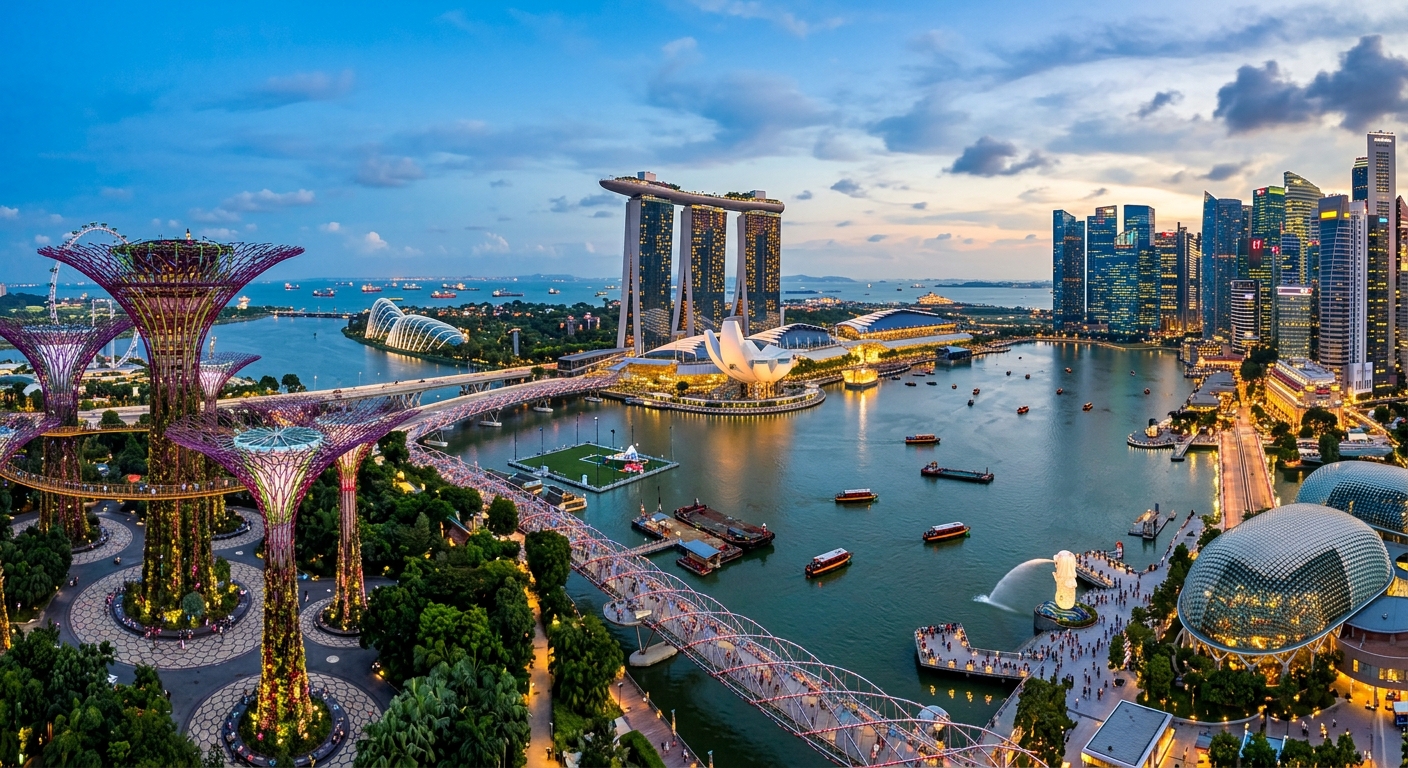
If you only have a short time, the best points of interest in Singapore are Marina Bay Sands, Gardens by the Bay, Merlion Park, Chinatown, Little India, Sentosa, the Singapore Botanic Gardens, and Jewel Changi Airport. Those give you the city’s signature skyline, nature, heritage, food, and family-friendly experiences in one easy-to-understand route.
For first-time visitors, we’d build the day around Marina Bay in the afternoon, Gardens by the Bay at sunset, and a nighttime light show or river walk after dinner. For families, add the Singapore Zoo or S.E.A. Aquarium, and for budget travelers, focus on free waterfront promenades, heritage neighborhoods, and park trails. If you are searching “today” or “tonight,” the most reliable late-day options are light shows, rooftop views, food halls, river walks, and live entertainment around Clarke Quay, Esplanade, and Marina Bay.
Singapore works best when you think in clusters rather than scattered pin drops. The city’s top attractions sit close enough together that a well-planned route can save you hours and a lot of transit fatigue. We checked current visitor patterns, and the most satisfying itineraries in 2026 usually combine at least one paid anchor attraction with free public spaces and one local neighborhood. That gives you a fuller sense of the city while keeping the budget flexible. If you want a quick shortcut, start with the Marina Bay cluster, then choose one heritage district and one outdoor or museum stop based on weather.
There is also a practical reason this approach works well: Singapore heat and sudden rain can change your day fast. Indoor options, MRT access, and nearby food matter as much as the attraction itself. Gidly’s pick for a first visit is to anchor your plan around Marina Bay, then use Chinatown or Kampong Glam as your “local texture” stop, and close the night with a skyline view or performance. That formula is simple, efficient, and very Singapore.
Why Singapore is packed with unmissable points of interest
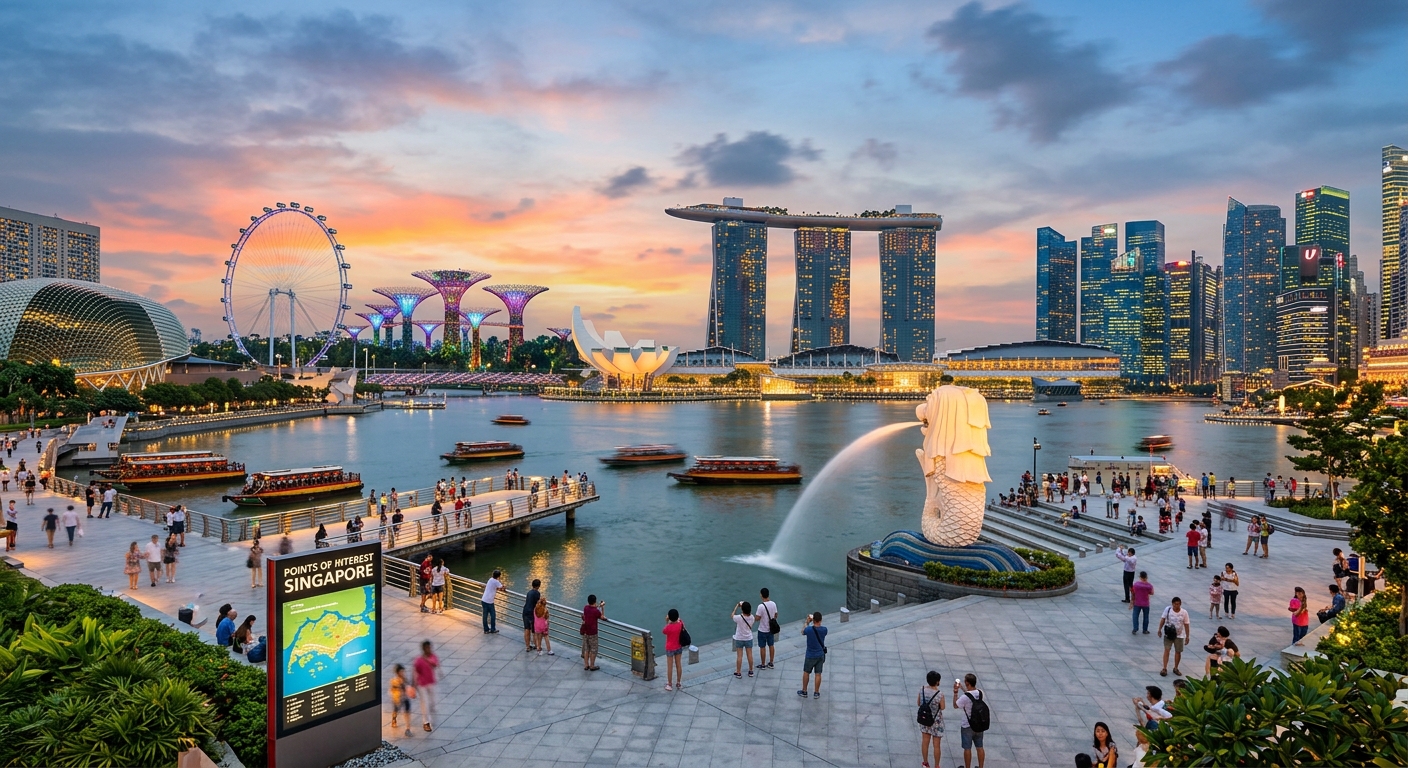
Singapore is unusually easy to explore because the city is compact, safe, and well connected, which means the points of interest in Singapore are clustered in a way that rewards smart routing. Unlike sprawling cities where sightseeing can feel like a transportation project, here you can move from skyline icons to heritage streets to parks in a single half-day. The MRT system links major districts efficiently, and taxis or rideshares fill in the gaps when you want to move quickly or escape the rain. That combination is a big reason Singapore is so popular with first-time travelers, weekenders, and business visitors who only have a few free hours.
Another reason the city stands out is the contrast between ultra-modern and deeply local experiences. You can look out from a futuristic observation deck in the afternoon and be eating laksa in a hawker centre or walking past Peranakan shophouses an hour later. The city’s design creates these easy transitions, and that is what makes it feel richer than a simple list of landmarks. From our experience, visitors enjoy Singapore most when they let each neighborhood tell a different story. Marina Bay is about the skyline, Chinatown is about heritage and food, Little India is about color and energy, Kampong Glam blends history and style, and Sentosa is the resort escape.
This guide is for travelers who want a complete and scannable map, but it is also for locals looking for ideas for a date, a family outing, or a weekend with friends. If you are asking “what should I do near me today,” you probably do not need a generic top-ten list. You need a plan that works by area, budget, weather, and time of day. That is why we broke this article into neighborhood groups, indoor and outdoor backups, free and paid options, and scenario-based picks. It is a more useful way to plan, especially when a city has as many layers as Singapore.
In 2026, the scene continues to evolve toward experience-driven outings. People are less interested in checking off monuments alone and more interested in pairing attractions with food, nightlife, seasonal programming, and one memorable “only in Singapore” moment. That means your best plan might be a museum followed by hawker dinner, a park walk followed by a light show, or a heritage neighborhood followed by a rooftop drink. Once you start thinking this way, the city opens up fast.
How to use this guide like a local
We recommend reading this guide in two passes. First, skim the iconic attractions and neighborhood sections to understand the city’s layout and decide which areas belong on your map. Then jump to the scenario sections if you are traveling with kids, on a date, on a budget, or just trying to fill tonight with something fun. That method works better than trying to force every attraction into a single itinerary. It also helps you avoid the common mistake of overplanning Singapore as if it were a road-trip city.
A local-style approach is to group by weather and energy. Choose one outdoor cluster for the cooler parts of the day, one indoor attraction for the hottest or rainiest hours, and one evening plan for after sunset. You can also use the neighborhood sections as “theme days,” such as heritage day, skyline day, or nature day. The city is flexible enough to support all three. If you only have one day, the best move is to keep your route tight and your expectations realistic.
What makes Singapore different from other city destinations
Singapore’s biggest advantage is that it offers polished, world-famous sights without losing the street-level character that makes a city feel alive. The public transit is reliable, the sidewalks are generally easy to navigate, and many attractions are designed to be visitor-friendly without being repetitive. That makes it ideal for mixed groups, because one person can go hard on museums while another focuses on food, photos, or shopping. Few cities make this kind of split itinerary so easy.
Another difference is how strong the city is after dark. Some places quiet down dramatically at night, but Singapore often becomes more attractive in the evening thanks to light shows, illuminated architecture, riverside dining, and nightlife districts that are clean and manageable. If you are visiting for the first time, do not make the mistake of treating nighttime as downtime only. In Singapore, evening can be the best part of the day.
Top iconic landmarks and must-see attractions
The headline points of interest in Singapore are the sights most visitors expect to see, and for good reason. These attractions define the city’s visual identity, and they are usually the easiest places to build a first-day or first-night plan around. If you only choose a handful of “must-sees,” these should be at the top of the list because they combine iconic status with great photo opportunities and efficient location clustering.
What we like about Singapore’s landmark circuit is that it does not require you to spend the whole day in a queue. Many of the city’s big sights can be experienced from the outside, from public walkways, or as part of a broader neighborhood visit. That means you can customize the depth of each stop based on your budget, energy, and weather. Some attractions are best viewed at sunset, others at night, and a few work well as daytime anchors.
From our team’s perspective, the best landmark route in Singapore is Marina Bay Sands, then Gardens by the Bay, then Merlion Park, then a waterfront walk toward the Singapore Flyer or Esplanade. If you want to add a premium experience, choose the SkyPark Observation Deck at Marina Bay Sands. If you want a more budget-friendly version, focus on the public promenades and light shows. Either way, you get the city’s signature look without making the day feel overly formal.
Marina Bay Sands and the Marina Bay skyline
Marina Bay Sands is one of the most recognizable points of interest in Singapore, and it is worth visiting even if you are not staying there. The hotel, shopping mall, dining scene, and SkyPark Observation Deck create a full-scale destination rather than a single attraction. The skyline views are especially strong at sunset and after dark when the bay lights up and the city starts reflecting on the water. If you are into photography, this is one of the easiest places to get a dramatic Singapore shot with minimal effort.
Current 2026 visitor patterns still make the observation deck one of the most popular paid experiences in the city. Tickets typically vary by date and time, so checking the official Marina Bay Sands website before you go is smart. Even if you skip the deck, the public areas around the complex are excellent for walks, people-watching, and skyline photos. The nearby Bayfront MRT station also makes it easy to link this stop with Gardens by the Bay. As a practical matter, we suggest arriving at least 45 to 60 minutes before sunset if you want the best color and fewer crowds.
There is also a lifestyle side to Marina Bay Sands that many visitors underestimate. The shopping and dining options are not just about luxury brands; they are part of what makes the area pleasant to spend time in on a hot or rainy day. If you need a polished, weatherproof stop that feels distinctly Singaporean, this is one of the strongest choices. It is also one of the best date-night backdrops in the city because you can move from sightseeing to dinner to a drink without changing neighborhoods.
Gardens by the Bay and Supertree Grove
Gardens by the Bay is not just a garden; it is one of Singapore’s defining experiences, and arguably the most complete blend of nature, design, and spectacle in the city. The Cloud Forest and Flower Dome are especially useful if you want an indoor attraction that still feels lush and memorable. Supertree Grove becomes the star after sunset when the Garden Rhapsody light and sound show transforms the area into a nighttime event. If you are mapping the city for the first time, this is a non-negotiable stop.
What makes Gardens by the Bay so effective is its flexibility. You can spend a full half-day here exploring the domes, walking the paths, and enjoying the waterfront, or you can do a quick evening visit just for the light show. Families like it because it works for different ages, couples like it because it is romantic without being too formal, and solo visitors like it because it is easy to navigate and visually rewarding. The key planning decision is whether to do the domes by day and the Supertrees by night, or pair everything into one long visit. We usually prefer the split if time allows.
In 2026, Gardens by the Bay remains one of the strongest examples of how Singapore mixes tourism with civic design. It is photogenic, educational, and comfortable in the heat because of the indoor zones. If you are visiting during a wet month or a very hot afternoon, this is one of the best ways to keep your trip moving without sacrificing quality. We also recommend checking the official schedule for the Garden Rhapsody because timing and crowd patterns can shift, especially during holidays and major seasonal events.
Merlion Park and the waterfront promenade
Merlion Park remains one of the core points of interest in Singapore because it gives you the classic “I was here” moment with Marina Bay in the background. Yes, it is busy, and yes, it is touristy, but those are exactly the reasons it still belongs on a first-trip route. The location is central, the photos are iconic, and it pairs naturally with the waterfront promenade, the Fullerton area, and the bridges leading toward Marina Bay Sands. If you want a quick stop that still feels like part of the city’s identity, this is the place.
From experience, the best times to visit are early morning or later in the evening, when the light is better and the crowd pressure is lower. Midday can be hot and more congested, which is fine if you are only making a short stop, but not ideal if you want lingering photos. The waterfront walk nearby is more valuable than many travelers realize, because it lets you keep moving without needing a specific ticket. You can easily turn this into a scenic loop that includes the Esplanade, the bridge views, and a riverfront dinner.
Merlion Park also helps orient first-time visitors geographically. It sits in the middle of several major landmarks, so it functions like a visual anchor as well as a photo stop. If your plan is limited to one afternoon in the city, you can still see a surprising amount by walking from here toward Marina Bay Sands or toward the Singapore Flyer. That flexibility makes it more than a checklist item.
Singapore Flyer and the Bay East / Esplanade area
The Singapore Flyer is worth considering if you want a slower, more panoramic way to absorb the skyline. It is not always the first attraction we recommend for a strict budget traveler, but it is a strong option for couples, families, and anyone who wants a broader view of Marina Bay from above. The experience is most compelling when visibility is good and when you pair it with a waterfront walk or dinner nearby. On a clear evening, the views can be especially memorable.
The surrounding Bay East and Esplanade areas are also valuable because they let you experience Singapore from the ground without paying extra. The promenades are wide, the architecture is interesting, and the area ties easily into the bay’s wider evening circuit. We like this zone for relaxed walks, photography, and pre-show or post-show downtime. If you are attending something at the Esplanade, the surrounding public spaces add a lot of value before and after the event.
The Singapore Flyer is one of those attractions that makes most sense when you are already in the Marina Bay district. It is not usually a standalone destination unless you have time to spare. If you plan properly, though, it can become the “slow and scenic” counterbalance to more energetic activities like museum-hopping or shopping. That mix is especially useful for travelers who want one calm attraction in a busy itinerary.
Jewel Changi Airport as a destination, not just a transit hub
Jewel Changi Airport is one of the easiest places to underestimate in Singapore, because many people still think of it as just an airport add-on. In reality, it is a legitimate destination, and one of the most visitor-friendly points of interest in Singapore for arrivals, departures, and layovers. The Rain Vortex, indoor gardens, and Canopy Park make it feel like a polished attraction rather than a place you happen to pass through. If your flight schedule gives you even a few spare hours, Jewel deserves real time.
We especially like Jewel for travelers who want an indoor plan that requires almost no logistical stress. You can eat, walk, take photos, shop, and relax without dealing with weather or long transit hops. That makes it ideal for first-day or last-day plans, families with jet lag, and anyone who needs a soft landing into the city. From a route-planning standpoint, it is also one of the easiest “near airport” options in Singapore.
In 2026, Jewel continues to be popular because it functions so well on social media and in real life. The visual payoff is immediate, and you do not need a museum-level attention span to enjoy it. If you are moving through Singapore with limited time, this is one of the smartest add-ons on the list. It also pairs well with Changi’s broader dining and entertainment options if you want to extend the visit.
Best points of interest in Singapore by neighborhood
One of the most useful ways to explore the points of interest in Singapore is by neighborhood. The city becomes much easier to understand when you stop thinking in individual attractions and start seeing how districts cluster by vibe, transit, food, and walking distance. That is especially important if you want to make your day efficient and avoid zigzagging across the island. It also helps you choose the right part of the city for your mood, whether you want skyline, heritage, shopping, or beach time.
Neighborhood-based planning is also the best way to adapt to weather. If it is hot or rainy, you can switch into a district with more indoor options, like Orchard or Marina Bay. If the weather is pleasant, heritage neighborhoods and waterfronts become ideal for walking. In 2026, many visitors are using this logic to build more flexible itineraries instead of rigid hour-by-hour schedules. That is a smarter way to travel in Singapore, where short distances can still add up if you keep changing areas.
Below, we break the city into the areas most visitors actually use. Each one comes with its own character, easy pairings, and practical tips. If you only remember one thing from this guide, remember this: Singapore rewards grouping. The more you cluster your stops, the better your day will feel.
Marina Bay and Downtown Core
Marina Bay and the Downtown Core are the polished heart of Singapore, where the skyline, financial district, waterfront promenades, and major landmarks come together. This is the most efficient area for first-time sightseeing because so many of the city’s signature attractions sit within a relatively short walking range. If you want architecture, photo stops, evening lights, and high-end dining, this is your best base. It is also the easiest district for a “wow” factor, since nearly every turn looks camera-ready.
We like this area for short visits because it minimizes decision fatigue. You can start at Merlion Park, cross toward the Fullerton area, walk along the bay, and finish at Gardens by the Bay or Marina Bay Sands. At night, the entire district changes character and becomes one of the best after-dark zones in the city. If you are visiting with someone who wants a romantic or polished experience, this neighborhood is an easy win. It is also highly accessible by MRT, which matters more than people realize after a long travel day.
For practical planning, Marina Bay is best when combined with one indoor attraction and one free outdoor walk. That gives you air-conditioned comfort, visual drama, and budget balance. If you have only one evening in Singapore, this is probably the most efficient place to spend it. It captures the city’s modern identity better than any single building can.
Chinatown
Chinatown is one of the most rewarding points of interest areas in Singapore because it combines heritage, food, temples, markets, and street life in a compact, easy-to-walk zone. You can spend a few hours here and feel like you have seen a very different layer of the city. The area works particularly well for visitors who want local culture without spending heavily. It is also one of the easiest places to pair sightseeing with an excellent meal.
The district’s mix of shophouses, temples, and food streets gives it a lot of texture. Budding photographers will like the details, while food lovers can move from hawker favourites to cafés and dessert stops without leaving the neighborhood. If you are interested in cultural sightseeing, start with a temple or heritage walk, then continue toward a market lunch or early dinner. Chinatown is especially strong in the late afternoon and evening when the streets feel lively but still manageable.
From our experience, visitors often underestimate how good Chinatown is for repeat visits. It changes character depending on the time of day and the season, and major festivals can make it feel even more festive. During Chinese New Year, for example, the district becomes one of the city’s most active and photogenic areas. Even outside festival periods, it remains a dependable stop for practical sightseeing with real atmosphere.
Little India
Little India is one of the most colorful and energetic points of interest in Singapore, and it offers some of the clearest cultural contrast in the city. The streets are visually rich, the food is excellent, and the pace feels different from Marina Bay or Orchard. It is a great district for travelers who enjoy lively neighborhoods, texture, and casual exploration. If you want Singapore to feel more lived-in and less polished, Little India should be on your map.
This area works especially well for photography, food, and heritage wandering. Temples, shopfronts, markets, and murals sit close together, so you can build a satisfying route without a lot of planning. It is also a strong option on a budget because much of the enjoyment comes from simply walking, looking, and eating. If you visit in the evening, the energy can feel even more animated, though it is still best to keep an eye on crowd density and transit timing.
One of the reasons we recommend Little India so often is that it adds emotional contrast to a Singapore itinerary. If you have spent most of the day in malls or on a skyline route, this neighborhood brings color, sound, and a more street-level rhythm. That makes the whole trip feel more balanced. It is also a good place to look for snacks, casual meals, and small gifts without overpaying.
Kampong Glam and Bugis
Kampong Glam and Bugis are a strong pairing because they combine history, design, shopping, cafés, and photo-friendly streets in one compact area. The Sultan Mosque is the anchor landmark, but the real charm comes from the surrounding lanes, especially Haji Lane, where you will find boutiques, murals, and a youthful, creative atmosphere. Bugis adds transport convenience, food options, and indoor backup in case the weather changes. Together, they make one of the most flexible neighborhoods in Singapore.
We like this district for friends, couples, and solo visitors who want something stylish but not overly formal. It is easy to combine a heritage walk with a coffee stop, a shopping break, and an early dinner. The area also adapts well to shorter visits because you can see the essentials without needing a large time commitment. If you are building a half-day plan, this is one of the better neighborhoods to choose.
In 2026, Kampong Glam remains especially appealing because it bridges old and new Singapore in a very walkable way. The area feels creative without being disconnected from its heritage, which is exactly what makes it memorable. It also gives you a more local-feeling alternative to the polished Marina Bay zone. If your trip needs one neighborhood that is visually interesting, food-friendly, and easy to route, this is it.
Orchard Road and Somerset
Orchard Road and Somerset are the city’s classic shopping and indoor-entertainment districts, and they remain useful even for visitors who do not care much about shopping. The reason is simple: malls, food courts, cafés, cinemas, and indoor attractions make this area one of the best rainy-day and heat-escape options in Singapore. If you want convenience and flexibility, Orchard is hard to beat. It also provides a very different version of the city from the heritage districts and waterfront.
One thing travelers often miss is how easy it is to use Orchard as a base rather than just a shopping stop. The MRT access is excellent, and the concentration of services means you can handle meals, errands, and entertainment without crossing the island. Families like it for indoor backup, while solo visitors appreciate how straightforward the area is to navigate. If you are staying nearby, it can simplify a lot of your trip.
Orchard is also a sensible place for mixed-interest groups. One person can shop, another can go to a museum or gallery nearby, and everyone can meet for a meal later. That flexibility is a huge advantage, especially on days when weather or energy levels are unpredictable. It is not the most “Instagram-famous” zone in the city, but it is one of the most practical.
Family-friendly points of interest in Singapore
Singapore is one of the easiest cities in Asia for families because so many attractions are clean, well-run, stroller-friendly, and suitable for a range of ages. The best family-friendly points of interest in Singapore are not just kid-focused venues; they are places that work well for parents too. That means manageable transit, restrooms, food access, and enough variety to avoid boredom. When a city gets this right, the whole trip feels smoother.
For families, the trick is to combine one high-energy attraction, one educational stop, and one open-air or water-adjacent break. That keeps kids engaged without forcing them into a marathon of ticketed experiences. It also gives parents a little breathing room. We found that the most successful family days in Singapore use attractions that are close enough to each other to reduce transit stress. Sentosa, the Zoo cluster, and Gardens by the Bay all work especially well for that reason.
Below, we break down the top options by age fit, weather flexibility, and practical planning. If you are traveling with toddlers, tweens, grandparents, or a mixed-age group, Singapore is unusually forgiving. You just need to choose the right mix. That is where the city really shines.
Singapore Zoo, River Wonders, Night Safari, and Bird Paradise
The wildlife parks are some of the strongest family-friendly points of interest in Singapore because they offer different experiences for different energy levels and age groups. The Singapore Zoo is the broadest all-ages pick, River Wonders works well for animal lovers and younger children, Night Safari is more atmospheric and better for older kids or teens, and Bird Paradise is a more recent favorite for visitors who want a fresh, modern park experience. Together, they form one of the city’s most substantial full-day outing clusters.
From a planning standpoint, you do not need to do all four in one trip unless you really love wildlife parks. For most families, the best move is choosing one or two based on age and attention span. The Zoo is often the easiest starting point because it feels active and open. Night Safari is memorable but works best if your family is comfortable with later hours. Bird Paradise is a good fit if your group likes colorful, immersive spaces and wants something that feels more contemporary.
We recommend checking the official park websites for current show times, transport options, and ticket bundles. In 2026, bundle pricing and timed-entry arrangements can change, especially during school holidays. If you are building a child-friendly itinerary, these parks are among the most reliable “worth it” experiences in the city. They also give your trip a strong outdoors component without feeling rough or logistically complicated.
S.E.A. Aquarium and Sentosa family attractions
S.E.A. Aquarium is a family favorite because it works in nearly any weather and gives children an immersive indoor experience that still feels exciting. Sentosa as a whole is one of the most useful family zones in Singapore because it offers beaches, cable cars, attractions, and easy half-day options. If your group needs a place where everyone can do something a little different, Sentosa is a natural fit. It is especially good for multigenerational travel.
The best thing about Sentosa is its range. You can keep it simple with a beach walk and aquarium, or expand into cable car rides, theme-style attractions, and resort dining. That means you can scale the day to your budget and your child’s stamina. We often suggest Sentosa to families because it creates a vacation feeling without requiring a major departure from the city. It is also straightforward to reach, which matters after a morning of sightseeing elsewhere.
For practical planning, avoid packing too much into one Sentosa visit. The island can easily become a time sink if you try to do everything. Instead, pick one anchor attraction and one low-effort add-on. That keeps the day fun and prevents meltdowns, which is the real goal on a family trip.
Science Centre Singapore and KidsSTOP
The Science Centre Singapore and KidsSTOP are excellent rainy-day and indoor options for families who want learning plus play. These spaces are especially valuable for younger children and school-age kids because they offer hands-on exhibits that feel active rather than passive. On a hot afternoon or wet day, that can be a lifesaver. Parents also appreciate that the environment is designed for browsing at a flexible pace rather than a strict schedule.
What makes this pairing useful is the balance of discovery and downtime. Kids can touch, press, build, and experiment while adults stay comfortable indoors. That lowers the stress level and makes it easier to stretch the outing over several hours. If you have already done the “big sightseeing” items and want a more relaxed family stop, this is a smart pivot. It is also a good choice for visitors whose children need a break from long walking routes.
Check official hours before you go, because school holiday schedules and special exhibitions can affect operations. In 2026, many families are leaning into indoor attractions more strategically, especially when weather looks uncertain. This is one of those practical city experiences that may not be as famous as Marina Bay, but often ends up being one of the most useful parts of a family itinerary.
Gardens, parks, and playgrounds that work for children
Singapore’s parks and gardens are a major strength for families because they offer open space, shade, and a break from the high-density sightseeing circuit. East Coast Park, Bishan-Ang Mo Kio Park, and Jacob Ballas Children’s Garden are especially good when kids need room to run. These spaces also give parents a chance to slow the pace without losing the sense of being “out” and active. That balance matters on longer stays.
We especially like Jacob Ballas Children’s Garden because it is purpose-built for younger visitors and gives them a greener, more playful environment. East Coast Park works beautifully if your family wants biking, breezy paths, or a beach-adjacent afternoon. Bishan-Ang Mo Kio Park is a favorite for locals because it is spacious and practical, not overly curated, which makes it feel more like everyday Singapore. These spots are useful when you want family time that feels less like a formal attraction and more like a neighborhood outing.
When planning with children, the best strategy is to combine a structured attraction with a park stop. This reduces the sense of being trapped in ticketed venues all day. It also gives you flexibility if naps, food, or weather interruptions appear. In Singapore, that kind of flexibility is one of the biggest parenting advantages you can have.
Free attractions and budget-friendly things to do
Some of the best points of interest in Singapore are free, and that matters because the city has a reputation for being expensive. The good news is that you can build an excellent trip without paying entry for every stop. Singapore’s public spaces are polished enough that a waterfront walk, neighborhood loop, or park visit can feel as satisfying as a ticketed attraction. If you are traveling on a budget, this section is your best friend.
We checked the city through a budget lens, and the pattern is clear: free does not mean low quality here. It usually means you are paying with time and attention rather than money. That can be a great trade if you want to see a lot of the city’s character while keeping costs down. It also works well for repeat visitors who have already done the paid icons and want a more local experience. The smartest free plans combine one skyline area, one cultural district, and one nature stop.
Singapore is particularly generous when it comes to free scenic walks and neighborhood exploration. The city’s cleanliness and organization make it easier to wander without feeling lost or unsafe. If you want “things to do near me today” and your budget is tight, this is where you should look first. You can absolutely have a full day here without opening your wallet much.
Free waterfront and skyline experiences
The Marina Bay promenade, Merlion Park, the Helix Bridge, and surrounding waterfront paths are some of the best free attractions in the city. These areas give you iconic skyline views without requiring an entrance fee, which is one of Singapore’s best-value secrets. The walk itself is pleasant, the sightlines are dramatic, and the routes connect naturally to other major landmarks. For visitors on a budget, these are essential stops rather than optional extras.
The best part is how easy these spaces are to adapt by time of day. In the morning, the waterfront feels calm and good for photos. In the evening, it becomes one of the strongest sunset and nighttime walking routes in Singapore. If you want to stretch your budget while still seeing the city’s signature look, spend time here before paying for any premium view. Many travelers find that the public vantage points are enough.
We also like these free routes because they pair well with food and transit. You can walk, stop for hawker snacks, continue toward a light show, and then decide whether to pay for an observation deck or keep things free. That kind of flexibility is ideal for mixed groups and short stays. It is the difference between feeling pressured and feeling in control.
Free cultural neighborhoods and heritage walks
Chinatown, Little India, and Kampong Glam are excellent free things to do because the neighborhoods themselves are the attraction. You do not have to pay to enjoy the street life, architecture, temples, markets, or atmosphere. This is especially valuable if you like slow travel, photography, or local character. Walking these districts is one of the best ways to understand Singapore beyond the postcard version.
Joo Chiat and Katong also deserve mention here, because they offer rich heritage streets and a strong sense of place without requiring entry fees. The same goes for smaller pockets in Tiong Bahru, where the neighborhood architecture and café scene make for a satisfying stroll. In each case, the point is not to “rush through” but to let the district unfold a little. That is how you find the details that make the city memorable.
If you are traveling on a low budget, these areas are more than filler. They are core experiences that can easily stand next to paid attractions in terms of satisfaction. You just need to plan for enough time to walk, snack, and look around. A rushed heritage walk misses the whole point.
Free nature and park experiences
Singapore’s parks and trails are a huge reason the city works so well for budget travelers. The Singapore Botanic Gardens has large free-access areas, MacRitchie Reservoir offers memorable trail time, the Southern Ridges provides scenic walking, and East Coast Park gives you long stretches of waterfront recreation. These are not afterthoughts; they are among the city’s most dependable attractions. If you are feeling overscheduled, a park day can be the reset you need.
What makes these spaces special is that they let you slow down without losing momentum. You can still feel like you are “doing Singapore,” but the pace changes. That is especially useful in a city where so many attractions are visually intense or indoors. A walk in the Botanic Gardens or along the Southern Ridges can restore some balance to your trip. It also gives you more breathing room between paid stops.
For budget-conscious visitors, the parks are often where the best surprises happen. You may stumble into a local picnic, a fitness crowd, or a sunset view that turns out better than a ticketed observation deck. That unpredictability is part of the charm. If your goal is to enjoy the city without spending excessively, do not skip the parks.
Budget tips for attraction passes, combo tickets, and off-peak deals
Singapore has many paid attractions, but not every one needs to be purchased at full price. Bundle passes, combo tickets, and off-peak promotions can make a big difference if you are visiting multiple venues. The trick is to avoid buying a pass before you know your route. Instead, map your clusters first, then check whether a bundled option actually saves money. Some passes are great for active sightseeing days, while others look better on paper than in practice.
We recommend checking official attraction websites as well as the Singapore Tourism Board for current offers and seasonal promotions. You may also find better pricing by shifting to weekday or earlier time slots. In 2026, timed entry remains important for popular indoor attractions, so the cheapest ticket is not always the smartest ticket. Read the fine print on validity, re-entry, and add-ons before you commit.
One of the best savings hacks is to reserve paid attractions for weather-sensitive days and keep free attractions for the best-weather days. That way, you are not “wasting” indoor time when you could be enjoying skyline walks or park views. It sounds simple, but it is one of the easiest ways to travel smarter in Singapore. Think of free outdoor time as your flexible currency.
| Free Attraction | Best Time | Best For |
|---|---|---|
| Marina Bay Promenade | Sunset to night | Skyline photos, couples, easy walks |
| Chinatown Heritage Streets | Afternoon | Culture, food, first-timers |
| Botanic Gardens | Morning | Nature, families, picnics |
| Southern Ridges | Late afternoon | Walkers, sunset seekers |
Hidden gems and unique experiences locals actually recommend
The hidden gem side of Singapore is where the city starts to feel more personal. Beyond the famous landmarks, there are neighborhoods and islands that locals enjoy for their atmosphere, not just their fame. These places are usually less crowded, more walkable, and better for travelers who want something that feels a little less packaged. If you have already seen the obvious icons, this is where to go next.
We like recommending hidden gems because they solve a common problem: many visitors want a Singapore trip that feels unique, but they are only seeing the same major attractions repeated everywhere online. The truth is that the city has a strong “local layer” if you know where to look. That layer includes heritage shophouse districts, quiet waterfronts, old-island cycling routes, and café neighborhoods with a more lived-in feel. These spots are often best discovered by combining a map with some wandering.
Hidden gems are also a great answer to “near me” searches because they often sit close to more popular areas. You do not need to go far off the beaten path to find them. In fact, some of the best local stops in Singapore are only one MRT ride away from a major landmark. That makes them ideal for travelers who want to go beyond the checklist without adding too much complexity.
Joo Chiat and Katong
Joo Chiat and Katong are among the best hidden-gem-style points of interest in Singapore because they deliver heritage, food, and visual character in a way that feels authentic and easygoing. The colorful shophouses, Peranakan heritage, and neighborhood cafés create a lovely atmosphere for walking and photography. This area is especially good if you want a calmer alternative to the major tourist districts. It is also a strong fit for food lovers who enjoy a more local pace.
One of the best ways to enjoy this area is to walk without a rigid plan. The details are in the façades, the side streets, and the small eateries. If you stop for laksa or a snack and then keep going, you will get a more complete sense of why locals like it. From our experience, Joo Chiat works well for slow mornings or casual afternoons when you want a break from the big-sight intensity of Marina Bay.
It also pairs well with East Coast Park if you want to turn the day into a bigger east-side outing. That makes it surprisingly useful for trip planning. You get heritage, food, and optional beach time in one direction of the city, which is more efficient than it sounds. This is a great example of a “hidden gem” that also functions as a practical neighborhood stop.
Tiong Bahru
Tiong Bahru is one of the city’s most beloved local neighborhoods because it mixes art deco architecture, independent cafés, bookstores, and a calmer residential feel. It is not flashy, and that is exactly why people enjoy it. If you are tired of the tourist-heavy routes, Tiong Bahru offers a softer, more neighborhood-level Singapore experience. It is ideal for coffee stops, brunch, and leisurely wandering.
The neighborhood works especially well for solo travelers and couples because it invites unhurried exploration. You can browse shops, sit in a café, and notice the design details without needing a major itinerary. It is also an excellent example of how Singapore manages to be both modern and intimate. The area feels lived-in rather than curated, which gives it charm. That makes it a good antidote to more blockbuster attractions.
From a planning perspective, Tiong Bahru is one of those places where less is more. If you try to turn it into a long list of stops, you may miss the point. Instead, treat it as a neighborhood experience. Pair it with a museum, a heritage walk, or a food stop, and you will have a satisfying half-day without feeling rushed.
Pulau Ubin
Pulau Ubin is one of the best “different Singapore” experiences because it feels rustic, slower, and more old-school than the mainland city. Cycling is a popular way to explore, and the island’s laid-back vibe gives you a break from the polished urban core. If you want to understand how Singapore looked and felt before its modern transformation, this is one of the best places to go. It is especially appealing for travelers who enjoy nature and light adventure.
The visit does require a little more planning than a city neighborhood, but it is worth it if you have the time. You will need to consider ferry timing, weather, hydration, and what you want to do once you arrive. That said, the simplicity of the island is part of the charm. It makes a wonderful contrast to the city’s skyscraper zones, and it can be one of the most memorable parts of a trip for visitors who like a little variety.
If you are traveling with active friends or older kids who enjoy biking, Pulau Ubin is a strong choice. It feels like a mini-escape without leaving Singapore entirely. We recommend it when your itinerary already includes the more famous sights and you want a less commercial, more atmospheric outing. It is a great reminder that Singapore is not just one city image.
Southern Islands or off-the-main-path waterfront spots
Singapore’s quieter waterfront areas and Southern Islands experiences are great for visitors who want scenic space without the crowds of Marina Bay. These spots are less about ticking famous boxes and more about enjoying the feeling of being near the water in a calmer setting. They can be excellent for couples, photographers, and anyone who wants a slower pace. If your trip needs one peaceful chapter, this is a good place to find it.
These areas are also useful when you want a break from the “must-see” pressure. There is a real benefit to giving yourself one part of the day that is not over-programmed. In a city as efficient as Singapore, that can feel surprisingly refreshing. You are still sightseeing, but without the intensity of the busiest landmarks.
As with Pulau Ubin, the key is to check logistics before you go. Some of these areas are better as half-day or afternoon trips rather than spontaneous last-minute plans. Still, they are exactly the kinds of places locals mention when asked where to go beyond the obvious list. If you want a more memorable Singapore story, they are worth your attention.
Art, museums, and exhibitions worth seeing
Singapore’s museum scene is stronger than many travelers expect, and it plays an important role in making the city a good all-weather destination. The best museums and cultural venues offer a mix of history, design, and visual spectacle that works for both serious culture lovers and casual visitors. If you need a slower pace, a rainy-day backup, or a date-night option that feels thoughtful, this section matters a lot. Museums here are not just educational; they are often beautifully designed and easy to pair with nearby food or skyline stops.
One of the biggest strengths of Singapore’s cultural scene is its range. You can visit major national museums, contemporary art spaces, specialty heritage collections, and rotating exhibitions that change enough to reward repeat visits. That keeps the city interesting beyond the first trip. In 2026, more visitors are looking for immersive, photo-friendly, and “only here for a limited time” exhibits, so staying current matters. Always check official venues before you go, because exhibition schedules and opening times can shift.
For practical planning, museums are especially valuable when paired with neighborhoods. A museum morning in the Civic District can flow into Marina Bay, while a cultural stop in the city center can pair with lunch in Chinatown or a café in Tiong Bahru. That is one of the reasons they belong on any serious Singapore map.
National Gallery Singapore
National Gallery Singapore is one of the city’s most important cultural points of interest, and it deserves time even if you are not usually a museum person. The building itself is stunning, and the collection offers a strong look at Singaporean and Southeast Asian art. It is a good fit for visitors who want a richer understanding of the region, not just a set of pretty rooms. If you like combining architecture and culture, this is a standout.
The Gallery also works well for a rainy or hot afternoon because it is spacious, calm, and easy to break into sections. You do not have to “finish” everything in one go for the visit to be worthwhile. That makes it accessible for families, couples, and solo travelers with different attention spans. We especially recommend it for people who want one major indoor anchor attraction in the Civic District. It pairs naturally with the surrounding government and heritage buildings.
Because exhibitions and entry prices can change, it is smart to verify current details on the official website. But in general, this is one of the city’s most substantial culture stops. If your Singapore trip needs depth rather than just surface-level sightseeing, the National Gallery is an easy recommendation.
National Museum of Singapore and Asian Civilisations Museum
The National Museum of Singapore and the Asian Civilisations Museum are excellent pairings for travelers who want history and context. The National Museum gives you a broad narrative of Singapore’s development, while the Asian Civilisations Museum expands the regional cultural picture. Together, they create a satisfying historical layer that complements the city’s more modern landmarks. If you care about understanding how Singapore became what it is today, these institutions are worth your time.
These museums are also practical because they fit well into an easy city-center itinerary. You can pair them with a walk through the Civic District, a meal in Chinatown, or an evening by the bay. That makes them ideal for visitors who want structure but do not want a whole day trapped indoors. They also help solve the problem of rainy weather in a way that still feels purposeful. Rather than waiting out the rain, you are learning something while staying comfortable.
For families and first-time travelers, these museums are particularly useful because they give the city a narrative. That can make later sightseeing more meaningful. If you see the skyline after understanding the history, the whole trip feels more grounded. That is a strong return on a few hours’ investment.
ArtScience Museum and rotating exhibitions
ArtScience Museum is one of the most visually appealing indoor attractions in Singapore, and it is especially good for visitors who want something immersive or contemporary. The exhibitions often lean toward interactive and photogenic experiences, which makes the museum popular with younger travelers, couples, and groups. It is also a strong option when you want something distinctly modern but not as physically demanding as a full walking tour. The building itself is part of the draw.
Rotating exhibitions matter here, so the current show at the time of your visit is part of the decision. In 2026, this flexibility is a major advantage because travelers increasingly want experiences that feel current, limited, or event-like. That is exactly where the museum can shine. If there is a special exhibition that matches your interests, this can become one of the best paid indoor experiences in Singapore.
We like pairing ArtScience Museum with Marina Bay Sands and Gardens by the Bay because the entire area becomes a complete daytime-to-night package. You can do indoor culture, outdoor skyline views, and a light show without crossing the city. That makes it especially strong for short stays. It is one of the easiest ways to feel like you have done a lot without actually overextending yourself.
Smaller museums and specialty galleries
Smaller museums and specialty galleries are where repeat visitors often find the most rewarding surprises. The Peranakan Museum, NUS Museum, and design-focused spaces offer a more specific lens on the city’s culture and creative life. These venues are often less crowded and more manageable than the blockbuster institutions, which makes them appealing for slower travel styles. If you are already familiar with Singapore’s major sights, this is where to go deeper.
These smaller spaces are also especially useful for rainy days or afternoons when you want something more intimate. They tend to feel less overwhelming, and because they are focused on one subject, you can often appreciate them in a shorter window. That makes them ideal for travelers who like variety but do not want to spend all day museum-hopping. In some cases, they also reveal the local layers that the larger institutions only touch on.
For the most current details, always verify opening hours and special exhibitions with the official venue website. Some specialty galleries operate with limited schedules or event-based programming. But if your travel style leans toward discovery, these smaller venues are some of the most satisfying points of interest in Singapore.
Outdoor, active, and nature-based points of interest
Singapore’s outdoor scene is a major part of what makes the city feel balanced. Even with its dense urban core, the city offers gardens, reservoirs, trails, parks, and waterfront recreation that give you room to breathe. That matters if you are coming from a fast-paced trip or if you simply do better when your sightseeing includes movement. The best outdoor points of interest in Singapore are not just “nice to have”; they are central to how the city works.
We especially like that the outdoor options are diverse. You can do a short garden stroll, a longer forest walk, a skyline-side promenade, or a beach day, depending on your energy level. That makes it easy to tailor the city to your mood and the weather. In 2026, travelers are increasingly choosing active travel experiences that feel healthy and less crowded than conventional sightseeing. Singapore is a perfect match for that style.
Below, we cover the best places to get moving. Some are easy and accessible; others require more effort but pay off with scenic views and a sense of accomplishment. If your trip needs fresh air, this section will help a lot.
Singapore Botanic Gardens and UNESCO appeal
Singapore Botanic Gardens is one of the city’s most beloved green spaces and a UNESCO World Heritage Site, which tells you a lot about its importance. It offers a calm, beautiful environment for walking, picnicking, and exploring at an easy pace. The National Orchid Garden is often the highlight for visitors who want a more curated experience, but the free areas are lovely in their own right. If you need a relaxing reset during a busy trip, this is a top choice.
The gardens are especially good for morning visits when temperatures are cooler and the paths feel more peaceful. Families like it because there is room to spread out, while solo visitors appreciate the quiet. It is also an excellent place to spend an hour or two without needing a large plan around it. That flexibility makes it one of the most useful parks in the city for both locals and visitors.
If you want a low-cost outing that still feels premium, the Botanic Gardens is a standout. It combines natural beauty, easy transit access, and a sense of history that many parks lack. This is one of those rare places where “just walking around” is enough.
MacRitchie Reservoir and TreeTop Walk
MacRitchie Reservoir is one of the best active nature experiences in Singapore, especially for visitors who want a more adventurous feel. The trails can be more demanding than a casual park walk, but that is part of the appeal. The TreeTop Walk is often a highlight for people who like scenic routes and a slightly more immersive forest environment. If you enjoy hiking or want a break from urban density, MacRitchie is a great choice.
From a planning perspective, it is important to be realistic about duration, heat, and hydration. This is not the same as strolling through a city garden. You should expect a proper walk, which means comfortable shoes, water, and enough time to enjoy it. We found that visitors are often happiest here when they treat it as a half-day nature excursion rather than a quick stop. The payoff is a memorable experience that feels quite different from the rest of the Singapore itinerary.
If your trip is all about landmarks and malls, MacRitchie can feel like a refreshing counterbalance. It is a chance to see another side of the city’s identity, one that includes dense greenery and active recreation. That makes it valuable not only for fitness-minded travelers but also for anyone who wants a fuller picture of Singapore.
Southern Ridges and Henderson Waves
The Southern Ridges trail and Henderson Waves are among the best scenic walks in Singapore, especially if you want a route with strong skyline and forest views. The route is popular for its combination of nature, architecture, and city vistas, and it works well for visitors who like a meaningful walk with photo payoff. If you want something that feels both active and visually impressive, this is one of the smartest choices in the city.
Late afternoon into sunset is usually the sweet spot here, because the light is softer and the temperature is more comfortable. The trail is a nice example of how Singapore blends urban planning with outdoor living. You are not just walking through nature; you are walking through a city that has deliberately made room for scenic movement. That is part of what makes the route so appealing.
It is a good fit for couples, solo travelers, and friend groups who do not mind a bit of walking. It is less ideal if you need a very short, low-effort outing. But if you want to earn your dinner and enjoy a memorable skyline-angle photo, it is a great option. The route also helps diversify your trip beyond the big downtown icons.
Beaches, cycling, and waterfront recreation
Singapore’s beach and waterfront recreation options are especially useful if you want something active but not overly scheduled. East Coast Park is a dependable favorite for cycling, walking, and sea views, while Sentosa beaches offer a more resort-style environment. These spaces are not about dramatic wilderness; they are about accessible outdoor fun with good infrastructure. That makes them easy to use for families, groups, and casual visitors alike.
Bike rental logistics are usually straightforward at major parks and recreational areas, but availability can vary by day and season. We recommend checking in advance if cycling is central to your plan. These spaces also work well as informal gathering spots, which makes them useful for team outings or friend hangouts. The atmosphere is relaxed and social without feeling chaotic.
If your trip needs a break from museums and shopping, these waterfront options give you space to move. They are also one of the best ways to enjoy Singapore’s climate in a positive sense, especially during breezier parts of the day. They remind you that the city is not just vertical; it has a strong horizontal life too.
Food and drink experiences that double as points of interest
Food is one of the biggest reasons people fall in love with Singapore, and many of the city’s best food experiences also count as points of interest in their own right. Hawker centres, rooftop bars, café districts, and night food streets all tell you something about how the city lives. That is why we treat food as part of the sightseeing map rather than as a separate category. In Singapore, eating is often the activity.
The best food stops also solve practical problems. They give you shelter, air conditioning, seating, and a reason to slow down between attractions. That is useful in a city where the weather can be intense and walking from stop to stop can add up. In 2026, a lot of visitors are planning trips around food neighborhoods more deliberately, and we think that is the right move. It makes the day feel richer and more local.
Below, we cover the food destinations that matter most for travelers who want atmosphere with their meal. Some are cheap, some are splurge-worthy, and some are best after dark. All of them belong on a serious Singapore itinerary.
Hawker centres as cultural landmarks
Singapore’s hawker centres are not just places to eat; they are cultural landmarks that help define the city. Maxwell Food Centre, Lau Pa Sat, and Newton Food Centre are all widely recognized by visitors, and each has its own personality. Hawker centres are ideal if you want local flavor, good value, and a casual atmosphere. They are also some of the most accessible points of interest in Singapore because they are easy to integrate into almost any itinerary.
Maxwell is a strong choice for Chinatown visits, Lau Pa Sat is especially useful for the CBD and evening dining, and Newton often comes up in visitor discussions around iconic Singapore food stops. The important thing is not to expect all hawker centres to feel the same. Some are better at lunch, some come alive at dinner, and some are more about convenience than destination appeal. If you choose well, you get a meal and a cultural experience in one stop.
From a practical standpoint, hawker centres are one of the best ways to manage budget without losing quality. They also give you flexibility, because you can sample multiple dishes and keep moving. If you are visiting Singapore for the first time, do not treat hawker centres as an optional add-on. They are part of the city’s identity.
Rooftop bars, sky dining, and skyline views
Rooftop bars and sky dining experiences are part of what makes Singapore feel glamorous after dark. They are especially good for date nights, celebratory evenings, and visitors who want a skyline view with a drink or meal. The city’s vertical density means you can often pair a rooftop experience with an easy return to your hotel or another nightlife district. That convenience matters after a long day of sightseeing.
Dress codes can matter, so it is smart to check ahead if you plan to visit a higher-end venue. Prices can also be significantly higher than hawker centres, so this is a splurge category rather than a casual one. Still, the experience value can be worth it if you want one memorable night in the city. Sunset slots are often the most popular because they transition naturally into the illuminated skyline.
We like recommending a rooftop stop after a day of neighborhood walking or museum visits because it feels like a payoff. You have seen the city from below, and now you get to see it from above. That contrast is one of the most satisfying parts of a Singapore trip.
Cafés, dessert spots, and themed dining in lifestyle districts
Tiong Bahru, Chinatown, and Haji Lane are among the best areas for café hopping, dessert breaks, and themed dining experiences. These spots are useful because they combine food with neighborhood character, which makes them feel more like outings than mere meals. If you like discovering stylish, small-scale places, these districts are rich with options. They are also friendly to solo visitors who want to sit, browse, and people-watch.
The advantage of café and dessert stops is that they can bridge your itinerary. You can use them as a morning anchor, an afternoon break, or a post-sightseeing cooldown. In Singapore’s climate, that kind of pause can make a big difference. It keeps your day from feeling too intense while still giving you something enjoyable to do.
These districts also make it easy to mix food with shopping and photography. That means one neighborhood can satisfy multiple interests in a single stop. For travelers who like Instagram-friendly spots without sacrificing substance, this is one of the better categories to explore.
Night markets and food streets
Night markets and evening food streets are excellent for casual, energetic outings once the sun goes down. They are especially useful when you want a low-pressure evening plan that still feels active. Singapore’s food streets often combine open-air seating, social energy, and a broad range of affordable dishes. That makes them ideal for groups, families, and budget travelers who want variety.
One thing to remember is that the atmosphere can vary a lot by night and by season. Some streets feel lively and crowded, while others are more relaxed. We recommend choosing a food street that fits your broader plan, whether that is a bay walk, a nightlife evening, or a heritage district stop. That keeps the meal from feeling disconnected from the rest of your route.
If your trip goal is to “do Singapore like a local,” food streets are often where the city feels most social. They are also among the easiest places to build a spontaneous evening around. You do not always need a reservation, which is helpful if your day has run long or your plans have changed.
Nightlife, light shows, and after-dark points of interest
Singapore is especially strong at night, and this is one of the biggest content gaps in many attraction guides. If you are looking for points of interest in Singapore tonight, the city gives you a lot more than just bars. Light shows, illuminated architecture, riverfront promenades, rooftop venues, live music, and lively dining districts all create a strong after-dark scene. That is one reason Singapore works so well for short stays and evening-oriented trips.
Nighttime planning is important here because the best experiences are often timed. Some shows happen at fixed hours, some neighborhoods become more active after dinner, and some skyline viewpoints are significantly better after sunset. In 2026, a lot of travelers are using their evenings more deliberately, mixing one visual activity with one social or dining stop. That is a smart way to maximize the city’s nighttime energy without overspending.
If you are searching “today” or “tonight,” start with the light shows and river districts. Then add a bar, a concert, or a performance depending on your mood. Singapore’s evening options are broad enough that you rarely have to settle for a boring night.
Garden Rhapsody, Spectra, and other light shows
Garden Rhapsody at Supertree Grove and Spectra at Marina Bay are two of the best nighttime attractions in Singapore because they are accessible, photogenic, and easy to pair with dinner or a walk. These shows make the city feel alive after dark without requiring a major spend. If you are only staying one or two nights, they belong near the top of your list. They also make great “anchor events” around which to build the rest of the evening.
The key to enjoying light shows is timing. Arrive a bit early to secure a comfortable viewing spot, and remember that the best experience often comes from not trying to rush off immediately after. The surrounding areas are part of the fun. You can take photos, walk the promenade, or continue to a meal nearby. That makes the shows more than just a short spectacle.
We recommend checking official venue pages for current show schedules because these can change with seasons, holidays, or maintenance periods. This is one of those places where a few minutes of planning can make the experience much smoother. If your goal is the best free nighttime entertainment in Singapore, these shows are extremely hard to beat.
Clarke Quay and Boat Quay
Clarke Quay and Boat Quay are classic nightlife and riverside entertainment zones, and they remain relevant for anyone looking for a social evening out. Boat Quay tends to feel more compact and river-focused, while Clarke Quay is more obviously built for nightlife energy. Both areas work well for drinks, dinner, and late evening atmosphere. If you want a more active night than a simple restaurant reservation, these districts are dependable choices.
The river setting is part of the appeal because it gives you a scenic backdrop even when the night gets lively. That makes these areas useful for mixed groups, especially if some people want to stay out later than others. You can start with dinner, move into a bar, or simply walk the riverside and see where the night goes. It is flexible in the best possible way.
For practical reasons, check transportation and closing times before you go, especially if you are visiting on a weekday. The vibe can vary depending on the night, with weekends usually busier. If you are in the mood for social energy, live music, and easy access to food and drinks, this is one of the city’s core after-dark districts.
Live music venues and performance spaces
Singapore has a healthy mix of live music venues, from polished performance spaces to smaller bars and cultural spots. The most useful way to think about this category is by type rather than by a single venue list, because the scene shifts often and different nights suit different moods. You can find jazz, indie sets, acoustic acts, DJ-driven nights, and occasional one-off performances across the city. That variety makes live entertainment a real part of the Singapore experience rather than a niche add-on.
If you are planning a night out, consider whether you want seated listening, bar energy, or a larger concert-like setting. That decision affects where you should go and how much time you need. In 2026, event discovery has become more important because visitors increasingly build nights around what is on today or tonight rather than what a static guide recommends. That is exactly where platforms like Gidly help, because they surface current options instead of stale lists.
Live music also pairs well with dinner districts like Clarke Quay, the Esplanade area, and certain creative neighborhoods. If you are flexible, you can choose based on the night’s listings rather than forcing a rigid plan. That makes the evening feel more spontaneous and more “alive.”
Late-night neighborhoods and safe-night-out basics
Singapore is generally straightforward for a safe and enjoyable night out, but it still helps to understand which neighborhoods stay active later and how to move between them. Marina Bay, Clarke Quay, Boat Quay, Orchard, and selected parts of Sentosa and the CBD are among the most common nighttime areas. Each has a different feel, from polished and scenic to energetic and social. Choosing the right zone makes a big difference in how your evening unfolds.
We recommend using MRT or rideshare strategically, especially if your night involves multiple stops or if you are staying out after public transport frequency slows. Keep an eye on opening hours, because not every bar, restaurant, or venue stays open equally late. If you are out with a group, agree on a meeting point before the night gets busy. That simple step saves a lot of hassle.
If you are looking for a relaxed, low-friction night, start with a waterfront walk, then choose a dining or drink stop nearby. If you want more energy, move toward a nightlife district. Singapore makes both options easy, which is part of why its after-dark scene is so appealing.
Theater, comedy, festivals, and live entertainment
Live entertainment is a major part of what makes Singapore feel current, and it deserves more attention than it often gets in attraction roundups. Beyond the major landmarks, the city has a robust performance ecosystem that includes theaters, free concerts, comedy rooms, seasonal festivals, and specialty programming throughout the year. If you want to go beyond sightseeing and actually feel the city’s cultural pulse, this is where to look.
In 2026, event-aware planning matters more than ever. Visitors are increasingly mixing landmarks with live events, which means a Singapore trip can be both visual and social. That is especially helpful for travelers who want to know what is on today or tonight. Instead of locking yourself into a fixed list, you can check current listings and build a better evening around them. That makes the trip feel more alive.
This section is also important for locals and repeat visitors who need fresh ideas. If you have already seen the Bay and Gardens, an evening performance can change the tone of the whole trip. Singapore is very good at this kind of reset.
Esplanade – Theatres on the Bay
Esplanade – Theatres on the Bay is one of the city’s most important live-entertainment landmarks, and it deserves a place on any serious list of points of interest in Singapore. The venue hosts concerts, theater, dance, and frequent free or low-cost performances. It is also architecturally distinctive, so even a casual walk-by can feel worthwhile. If you want culture with convenience, this is a top-tier option.
The Esplanade is especially useful because it sits right near Marina Bay, which makes it easy to build into a skyline evening. You can watch a performance, then walk the waterfront, then continue to dinner or a light show. That is a very Singapore-style evening: polished, efficient, and full of options. Visitors who enjoy cultural programming will appreciate how much is happening here throughout the year.
Before you go, check the official program calendar. Some events are free, some ticketed, and the mix changes constantly. That makes the Esplanade perfect for flexible planners and anyone trying to build an evening around what is actually on rather than what was on last month.
Stand-up comedy, small venues, and indie performances
Singapore’s stand-up and indie performance scenes are smaller than in giant entertainment capitals, but they are lively enough to matter. You can find comedy nights, open mics, and intimate music gigs if you know where to look, especially around central nightlife and creative districts. These events are excellent for visitors who want something social without committing to a large concert or formal theater outing. They are also great for groups and solo travelers who want to meet the city in a less structured way.
One thing to remember is that schedules can be event-driven rather than permanent. That means your best bet is to check current listings close to the date you want to go out. This is exactly where a discovery platform helps, because the local entertainment scene changes weekly. In 2026, spontaneity is more valuable than ever for finding the best night out.
If you enjoy smaller-scale culture, do not overlook this category. A good comedy room or indie set can be more memorable than a bigger, more expensive night if it matches your taste. That is part of the reason Singapore keeps repeating itself as a good trip destination: there is always another layer if you look for it.
Festivals and seasonal programming
Festivals are one of the easiest ways to make a Singapore itinerary feel timely. Chinese New Year, National Day, Deepavali, Christmas, and the year-round calendar of art and food events all influence what the city looks and feels like. Neighborhoods decorate differently, special performances appear, and some attractions become more crowded or more festive. If you can align your trip with a seasonal event, you often get a more vivid experience than you would on a quiet week.
Seasonality also affects sightseeing logistics. During holiday periods, popular areas may require more time, and tickets or reservations may disappear faster. At the same time, the city tends to be particularly rewarding when it is in celebration mode. You may see night markets, themed lighting, cultural performances, or expanded event programming. That can add a lot of value to a short stay.
Always check official event pages and tourism calendars before you travel. In 2026, the smartest itineraries are those that leave room for one seasonal surprise. Even if the main purpose of your trip is sightseeing, a festival layer can make the whole city feel more memorable.
How to check what is on today or tonight
If you are trying to find something happening today or tonight, use a mix of official venue calendars, tourism websites, and event discovery platforms like Gidly. That combination is much more reliable than relying on generic search results or outdated listicles. Singapore’s entertainment and exhibition scene changes often, so the closer your check is to the date, the better. This is especially important for live shows, special exhibits, and holiday programming.
We recommend starting with your location and time window. If you are already near Marina Bay, look at the Esplanade, waterfront light shows, and nearby dining options. If you are in the city center, check museums or live music venues that fit your schedule. If you are near a heritage district, see whether there are festivals or neighborhood events. That way, the plan grows naturally from where you already are.
This is exactly the kind of planning where Gidly’s live catalog can help. Discovering what is on now makes your evening feel more current and more local. It also reduces the chance of showing up to a venue only to discover that schedules have shifted.
Best points of interest in Singapore by scenario
One of the most useful ways to choose points of interest in Singapore is by scenario. People do not travel the same way, and even the same traveler wants different things depending on the day. A couple on date night needs a very different plan from a family with kids or a solo visitor with a free afternoon. This section turns the city into a decision tool rather than just a sightseeing list.
Scenario-based planning is also what makes AI summaries and featured snippets more useful. It gives a fast answer to mixed-intent searches like “what should I do tonight” or “best things to do with kids.” In our experience, this format mirrors how people actually plan in Singapore. They usually begin with a mood, a budget, or a time limit, and then choose a cluster from there. That is the best way to think about this city.
Below, we lay out the strongest picks for date nights, groups, solo travel, rainy days, and team outings. If you only have a few minutes to decide, this is the section to bookmark.
For date night
The best date-night points of interest in Singapore are the Marina Bay waterfront, Gardens by the Bay at night, a rooftop bar, and a scenic walk around Clarke Quay or the Esplanade. These places create a natural progression from sunset to dinner to drinks or a show. If you want romance without overcomplicating the evening, the bay area is the easiest win. It feels special without requiring you to cross the whole island.
From experience, the strongest date nights combine one visual experience and one shared meal. A light show plus waterfront dinner is a classic Singapore move for a reason. If you want something quieter, choose a museum followed by drinks in a stylish neighborhood like Tiong Bahru or Kampong Glam. The key is to avoid an itinerary that feels like a race. Date nights work best when there is enough room to linger.
If you are choosing between paid and free, remember that free does not mean less romantic here. The skyline promenades, public gardens, and illuminated bridges can be more memorable than an expensive venue if the timing is right. The city does a lot of the work for you.
For friends and group outings
Groups do best in Singapore when the plan is social, flexible, and photo-friendly. That usually means Marina Bay, Sentosa, Clarke Quay, Haji Lane, rooftop venues, or a food-focused neighborhood outing. Groups often need a plan that allows people to split and rejoin easily, and these areas support that. They also provide enough variety that not everyone has to like the exact same activity.
A smart group plan usually includes one active stop, one food stop, and one late-evening option. For example, you might do a heritage neighborhood in the afternoon, hawker dinner, and then a riverfront or rooftop night. That makes the outing feel fuller without becoming exhausting. It also helps when people arrive late or want to leave early, because the plan is flexible.
If your group is budget-sensitive, focus on free skyline walks and hawker centres, then decide whether to add one paid attraction. If the group is celebratory, upgrade to rooftop dining or a ticketed show. Either way, Singapore makes group logistics fairly painless, which is one of its strengths.
For solo travelers
Solo travelers often do best in Singapore when they choose low-friction, walkable, and transit-friendly points of interest. Chinatown, Tiong Bahru, the Botanic Gardens, museums, and Marina Bay promenades are all excellent solo options. They are easy to navigate, safe-feeling, and rich enough to enjoy without needing a companion. That combination matters a lot when you want freedom rather than coordination.
We also recommend solo travelers lean into café culture and neighborhood wandering. Singapore is ideal for doing “one more block” because the city’s organization reduces the stress of getting lost. You can stop for a drink, browse a museum, or sit in a park without needing a formal plan. That makes solo travel feel rewarding rather than lonely.
If you are solo and want to meet people, nightlife districts, shared food halls, and live events are the best places to look. But even if you do not socialize much, the city still offers enough visual and culinary stimulation to keep things interesting. Solo days in Singapore can be very satisfying if you pace them well.
For rainy days and indoor plans
Singapore is a great rainy-day city because it has so many indoor attractions worth visiting. Marina Bay Sands, Gardens by the Bay’s domes, Jewel Changi, museums, S.E.A. Aquarium, and Orchard Road malls all work well when the weather turns. If the rain is intense, the city’s covered walkways and MRT connections make it easy to keep moving. That is a major advantage compared with cities that shut down when the weather turns.
The best rainy-day strategy is to choose one or two large indoor anchors and then build meals and transit around them. For example, you might do a museum in the morning and Gardens by the Bay’s indoor zones in the afternoon. Or you could spend the whole day between Jewel, a mall, and a skyline dinner. The key is not to fight the weather; just route around it.
Rainy days can actually improve Singapore trips if you lean into the city’s strengths. Indoor attractions here are often polished, air-conditioned, and easy to pair with food. In that sense, rain does not have to be a setback at all.
For team building and corporate outings
Singapore is excellent for team building because many attractions can accommodate groups without feeling chaotic. Gardens by the Bay, Sentosa, interactive museums, food tours, and skyline cruises or river experiences all work well. The city’s transport and safety infrastructure help too, because groups can move around efficiently without a lot of friction. That makes it easy to keep the day organized.
We recommend choosing activities that give people shared talking points without forcing constant interaction. A food-centered outing, a scenic walk, or a hands-on museum visit often works better than a very competitive activity for a mixed group. It is also smart to keep travel times short between stops. Group outings can lose energy quickly if the route is too ambitious.
If your team is visiting during a work trip, aim for a plan that feels polished but not overly formal. A marina-side dinner, a light show, or a neighborhood food stop can create a good social tone without turning into an all-night event. That balance is often the sweet spot for corporate groups in Singapore.
Practical trip-planning tips for visiting points of interest in Singapore
Good planning makes a huge difference in Singapore because the city is easy to navigate only if you cluster well and respect weather, timing, and ticketing. The best points of interest in Singapore are spread across a city that looks small on a map but can still eat up time if you are careless with transit. That is why logistics deserve a real section here. Great trips in Singapore are not just about what you see; they are about how smoothly you move.
We also want to emphasize that opening hours and ticket rules can change, especially in 2026 as attractions update schedules, seasonal exhibits, and booking systems. Always verify with official venues before you go. That advice may sound basic, but it saves a lot of frustration. It also helps you avoid the most common planning mistakes, such as showing up too late or overestimating same-day availability.
Below we cover the practical basics that make the rest of your itinerary work better. Think of this as the difference between a good Singapore trip and a great one.
Getting around by MRT, bus, taxi, and rideshare
The MRT is the backbone of sightseeing in Singapore because it is reliable, fast, and easy to use for most major districts. If you are moving between Marina Bay, Chinatown, Orchard, Bugis, and Sentosa connections, the MRT often saves both time and stress. Buses fill in the gaps well, but for visitors, the MRT is usually the most intuitive place to start. Taxis and rideshares are useful when you are short on time, carrying bags, or trying to avoid a rain shower.
One of the smartest ways to plan is to cluster attractions by MRT line and neighborhood. For example, Marina Bay and the Civic District can be combined efficiently, while Chinatown and Clarke Quay work well together. This reduces backtracking and lets you enjoy more of the city without exhaustion. It also makes it easier to fit in meals and spontaneous stops.
If you are visiting with family or a larger group, sometimes a taxi between clustered areas is worth the cost simply because it reduces friction. Singapore is compact, but weather and fatigue still matter. A little transit flexibility goes a long way.
Tickets, booking windows, and peak vs off-peak visits
Popular paid attractions such as Marina Bay Sands SkyPark, Gardens by the Bay domes, the Singapore Zoo cluster, S.E.A. Aquarium, and special exhibitions may benefit from advance booking, especially on weekends and school holidays. In 2026, timed-entry practices remain common, so checking ahead is not optional if you want a smooth visit. Official websites usually give the most accurate availability and rules. If you can book early, do it.
For off-peak visits, weekday mornings and late afternoons often offer the best combination of lower crowds and better pacing. That is especially true for attractions that can get congested around sunset or during holiday periods. If your schedule is flexible, it is worth shifting the order of your day to avoid the busiest window. The difference can be significant.
Combo tickets can help, but only when they match a route you were already planning. Do not buy bundles just because they exist. The best value comes from comparing actual travel time, actual interest, and actual inclusion. That is how you avoid wasting money on a pass that looks good but creates a bad itinerary.
Prices, opening hours, and seasonal changes
Singapore attraction prices and hours vary by venue, season, and special event schedule. Some public spaces are free and open all day, while indoor attractions may have specific operating windows or last-entry times. Because seasonal festivals and maintenance periods can alter schedules, you should verify details right before visiting. That is especially important during holiday weeks and school breaks.
As a general rule, paid attractions in Singapore can range from affordable to premium, depending on the experience. Free places, hawker centres, parks, and public promenades give you plenty of room to balance your budget. If you are traveling with a mixed group, the best approach is to pair one paid highlight with several free stops. That keeps the day satisfying without becoming expensive.
We also recommend checking seasonal changes because Singapore’s event calendar can affect crowd levels, lighting, and even which areas feel most lively. In 2026, that seasonal awareness matters more than ever since visitors are increasingly timing trips around festivals, exhibitions, and nightlife events. Stay current and your trip will feel much more intentional.
Payment methods, connectivity, and practical travel basics
Singapore is highly cashless, so cards, mobile payments, and contactless options are very useful. That makes it easy to move between attractions, food stops, and transport without carrying a lot of cash. An eSIM or strong roaming plan also helps a lot because you will likely be checking transit, maps, attraction hours, and event listings throughout the day. Reliable connectivity makes spontaneous planning much easier.
Weather matters too. Bring water, expect humidity, and prepare for sudden rain even if the forecast looks decent. A light umbrella and comfortable shoes are small things that make a big difference. If you plan to walk between several attractions, clothing that handles heat well will improve the day noticeably. Singapore rewards preparation more than overpacking.
Finally, do not underestimate hydration and pacing. The city is easy to explore, but the climate can be draining if you keep moving without breaks. Mixing indoor and outdoor stops is not just a comfort choice; it is a strategy. It keeps your energy up and helps you enjoy the city more fully.
Comparison tables and best-for breakdowns
Comparison tables are incredibly helpful for Singapore because the city offers so many different kinds of attractions that it can be hard to choose quickly. Instead of making you read through dozens of options, we can compare them by cost, time, and audience. That is especially useful for AI Overviews, quick trip planning, and mixed-intent searches. If you want a fast answer, this is the section to bookmark.
The tables below are designed to make route planning easier. They separate free from paid, quick stops from half-day experiences, and family-friendly options from date-night picks. That way, you can match the city to your actual travel style instead of forcing a generic itinerary. It is a better way to use your time.
We also use these tables to highlight practical tradeoffs. Sometimes the best attraction is not the most famous one, but the one that fits your time window, weather, or budget. That is where good trip planning becomes useful instead of overwhelming.
| Attraction | Price | Time Needed | Best For |
|---|---|---|---|
| Gardens by the Bay | Paid + free areas | 2–4 hours | First-timers, families, date night |
| Merlion Park | Free | 20–45 minutes | Photos, quick stop |
| Singapore Zoo | Paid | Half-day/full-day | Families, animal lovers |
| Botanic Gardens | Mostly free | 1–3 hours | Nature, low-cost plans |
| National Gallery Singapore | Paid | 2–3 hours | Culture, rainy days |
| Traveler Type | Best Areas | Recommended Mix |
|---|---|---|
| Couples | Marina Bay, Kampong Glam, Tiong Bahru | Skyline + dinner + rooftop or light show |
| Families | Sentosa, Zoo cluster, Gardens by the Bay | One anchor attraction + park break + meal stop |
| Solo travelers | Chinatown, Botanic Gardens, museums | Neighborhood walk + café + museum or food hall |
| Friends/groups | Clarke Quay, Marina Bay, Sentosa | Photo stop + shared meal + nightlife or show |
| Neighborhood | Vibe | Best Time | What to Pair It With |
|---|---|---|---|
| Marina Bay | Iconic, polished, skyline-heavy | Sunset/night | Gardens by the Bay, light shows |
| Chinatown | Heritage, food, bustling | Afternoon/evening | Temples, hawker lunch, heritage walk |
| Little India | Colorful, lively, cultural | Morning/afternoon | Temples, markets, food stops |
| Kampong Glam | Stylish, creative, historic | Late morning/evening | Haji Lane, cafés, Sultan Mosque |
| Sentosa | Resort, family, beach | Daytime | Aquarium, cable car, beach time |
Common mistakes when choosing points of interest in Singapore
A lot of Singapore trip frustration comes from avoidable planning mistakes rather than the attractions themselves. The city is forgiving, but it still rewards smart choices. If you know where travelers usually go wrong, you can build a much better day with less effort. That is especially true when you are trying to fit multiple points of interest into a short stay.
The biggest issue is usually overconfidence. Singapore looks compact, so travelers assume they can do everything. In reality, the heat, the rain, the time needed for meals, and the temptation to linger all affect pace. The city is easy, but it is not magic. Good planning still matters.
We also see people miss out on the city’s best value by focusing only on famous ticketed attractions. Free walks, heritage neighborhoods, and parks often make the trip feel more complete. If you avoid the mistakes below, you will likely enjoy Singapore more and spend less doing it.
Trying to see too much in one day
The most common mistake is building a route that feels perfect on paper but exhausting in real life. Singapore’s attractions are close enough to tempt you into overstuffing, but that usually backfires. You end up rushing through major sights, skipping meals, and arriving at the final stop too tired to enjoy it. The city rewards quality over quantity.
The better approach is to build around clusters and leave space for breaks. One skyline zone, one neighborhood, and one indoor or outdoor anchor are often enough for a great day. If you are here for several days, you can expand naturally. But for a short trip, restraint usually produces better results.
Think in terms of memorable moments rather than raw numbers. It is better to deeply enjoy four or five well-chosen points of interest than to half-experience ten of them. Singapore makes that easy if you let it.
Ignoring weather, heat, and indoor-outdoor balance
Singapore’s weather is one of the biggest factors in how a day feels, and visitors often underestimate it. Heat and humidity can make long outdoor stretches tiring, while sudden rain can interrupt a route if you do not have indoor backup. The smartest plans balance open-air walks with indoor attractions, shaded rest stops, or meal breaks. That keeps energy stable.
If the forecast looks uncertain, prioritize attractions with flexible indoor components. Gardens by the Bay, Jewel, museums, malls, and hawker centres can absorb weather changes well. On clear days, use the outdoors more aggressively. The key is not to pretend the weather is irrelevant. It absolutely affects the experience.
Planning for weather does not make the trip less spontaneous; it makes it more durable. That is a smart trade in a tropical city.
Skipping booking and timing for popular attractions
Some of Singapore’s most popular attractions do not work well as pure walk-up decisions, especially during peak seasons. This is where people get caught out. They arrive late, discover sold-out time slots, and end up changing their whole route. That is avoidable with a little advance checking.
We suggest booking ahead for anything you would be disappointed to miss, especially premium observation decks, major wildlife parks, and special exhibitions. Even when same-day tickets exist, the best times can disappear first. Timed entry matters more in a city with so much demand in concentrated areas. A few minutes of preparation can protect the whole day.
Use official venues for the most accurate availability, and keep an eye on holiday periods. It is one of the simplest ways to travel smarter in Singapore.
Overlooking free and local experiences
Many visitors focus too heavily on the famous paid attractions and miss the free experiences that make Singapore feel like a real city. Neighborhood walks, waterfront promenades, hawker centres, and parks are not filler; they are essential. They often create the memories that stand out later because they feel less staged and more local.
If you build only a ticketed itinerary, the trip can start to feel generic. That is the opposite of what Singapore does well. The city’s public spaces are strong enough to be attractions in their own right. The best itineraries usually mix paid icons with free local texture.
That mix is also better for your wallet. You do not need to choose between quality and budget in Singapore if you plan well. You can have both.
FAQ — answers to the most common questions about points of interest in Singapore
What are the best points of interest in Singapore for first-time visitors?
For first-time visitors, start with Marina Bay Sands, Gardens by the Bay, Merlion Park, Chinatown, and Sentosa. That mix gives you the city’s skyline, nature, heritage, and resort energy in one efficient plan.
What are the best free points of interest in Singapore?
The best free options include the Marina Bay promenade, Merlion Park, Chinatown and Little India heritage walks, the Botanic Gardens’ free areas, and the Southern Ridges. These are great if you want memorable sightseeing without paying entry fees.
What are the best points of interest in Singapore for kids?
Families usually do best with the Singapore Zoo, S.E.A. Aquarium, Gardens by the Bay, Sentosa, and Kid-friendly parks like Jacob Ballas Children’s Garden. These places are stroller-friendly, easy to pair with meals, and flexible for different ages.
What can I do in Singapore today or tonight?
For today or tonight, check Gardens by the Bay’s light show, Marina Bay waterfront walks, Clarke Quay, the Esplanade, rooftop bars, and current museum or live-event listings. Singapore is strong after dark, so you can usually build a great evening around a show, dinner, and a skyline view.
Which Singapore attractions are worth booking in advance?
Book in advance for popular attractions like Marina Bay Sands SkyPark, the Singapore Zoo cluster, S.E.A. Aquarium, Jewel’s more time-sensitive experiences, and special museum exhibitions. During weekends and school holidays, advance booking helps you avoid sold-out slots and long waits.
What is the easiest way to get around Singapore’s attractions?
The easiest way is to cluster attractions by neighborhood and use the MRT for most cross-city moves. Taxis or rideshares are helpful for rain, late nights, or family travel, but the MRT is usually the fastest and simplest starting point.
Where can I find hidden gems in Singapore near me?
Good hidden-gem areas include Joo Chiat, Katong, Tiong Bahru, Pulau Ubin, and quieter waterfront or park zones around the Southern Islands. If you are near the city center, these are easy to reach and usually feel more local than the main tourist circuit.
What are the best rainy day attractions in Singapore?
The best rainy-day picks are Gardens by the Bay’s indoor domes, Jewel Changi Airport, museums like the National Gallery, S.E.A. Aquarium, and Orchard Road malls. These options keep you comfortable while still giving you a strong sightseeing experience.
What are the best date night points of interest in Singapore?
For date night, the best choices are Marina Bay at sunset, Gardens by the Bay after dark, rooftop bars, the waterfront promenade, and a dinner-and-show plan near the Esplanade or Clarke Quay. These spots combine atmosphere, easy transit, and strong photo opportunities.
What are the best budget-friendly things to do in Singapore?
Budget-friendly favorites include free skyline walks, heritage neighborhood exploration, Botanic Gardens, park trails, hawker centres, and the Marina Bay light shows. You can have a full day out in Singapore while spending very little if you focus on these options.
Resources, official links, and how to keep your plan up to date
For current hours, ticket prices, and event schedules, always confirm with official venue websites and tourism resources before you go. Singapore is a city where details matter, especially for timed-entry attractions, holiday programming, and live events. If a venue is important to your day, treat the official source as the final word. That is the easiest way to avoid disappointment.
Useful official resources include the Singapore Tourism Board, individual attraction sites such as Gardens by the Bay, Marina Bay Sands, National Gallery Singapore, the Singapore Zoo parks, Esplanade, and Jewel Changi Airport. These pages usually give the most accurate opening times, closures, and booking windows. For transport, MRT and bus information is also important, especially if your route crosses multiple neighborhoods. Having the right source list makes planning much easier.
For discovery beyond static attraction pages, Gidly is a great layer because it helps you find what is happening now, near you, today, or tonight. That is especially valuable when your trip is flexible or you want to add a live event, pop-up, or last-minute outing. The best Singapore plans are current, not just evergreen.
Find your perfect outing on Gidly and keep your itinerary fresh with local events, nightlife, shows, and attractions that match the moment. Explore the full lineup at Gidly's full events catalog.
Conclusion — build your Singapore itinerary with Gidly
The best points of interest in Singapore are the ones that help you build a trip, not just a checklist. Marina Bay, Gardens by the Bay, Chinatown, Little India, Sentosa, the Botanic Gardens, Jewel, and the city’s museum and nightlife districts each add something different to the map. When you combine them thoughtfully, you get a version of Singapore that feels modern, local, scenic, and easy to enjoy. That is the real payoff.
From our experience, the strongest Singapore itineraries mix iconic sights with free walks, one indoor attraction, one food stop, and one evening plan. That formula works for first-time visitors, families, couples, solo travelers, and groups alike. It also leaves room for weather, energy, and spontaneous discoveries, which is exactly how you should approach a city like this. The more flexible you are, the better the experience usually becomes.
If you want to keep your trip current and discover what is happening in the city right now, use Gidly as your live discovery layer. It helps you move from “what should I see?” to “what should I do next?” in a way that fits the moment. Explore more things to do on Gidly and build a Singapore plan that feels both classic and fresh.
Optional add-on section for freshness: what’s trending in Singapore’s attractions scene for 2025-2026
In 2025-2026, Singapore’s attractions scene is trending toward more flexible, experience-based travel. Visitors are not just asking which landmark to see; they are asking what feels current, what works tonight, and what combines well with dining or nightlife. That shift has made live-event discovery, rotating exhibitions, and timed evening activities more important than ever. It has also pushed more travelers to plan around neighborhoods rather than just individual attractions.
We are also seeing stronger interest in immersive indoor experiences, especially when the weather is hot or unpredictable. Places like Jewel, museums with rotating shows, and attraction clusters with strong food and nightlife support have become even more valuable. Families are leaning into all-weather planning, while couples and groups are using sunset-plus-night packages to get the most from a single outing. This makes Singapore feel even more like a city built for smart combinations.
Another trend is the growing desire for local-feeling experiences. Visitors still want Marina Bay and Gardens by the Bay, but they also want Joo Chiat, Tiong Bahru, Kampong Glam, and hidden waterfront corners. That is a good thing for the city, because it spreads attention more evenly and rewards deeper exploration. If you are planning a 2026 trip, this is the moment to think beyond the standard postcard.
New or newly popular attractions and experiences
Newly popular experiences in Singapore are often less about brand-new buildings and more about refreshed programs, immersive exhibitions, and updated event calendars. Bird Paradise and Jewel continue to attract attention because they feel polished and current, while rotating museum exhibitions keep cultural venues fresh. Travelers are also paying more attention to evening programming, because that is where the city feels most dynamic right now. If something looks new or limited-time, it tends to draw interest quickly.
That means it is worth checking event calendars instead of relying only on static attraction lists. The city’s entertainment scene changes fast enough that a “new” experience today may be different next season. This is exactly why discovery platforms matter more in 2026. They help you catch what is relevant now, not just what was famous last year.
For visitors, the practical takeaway is simple: leave space in your itinerary for a surprise. That could be a special exhibition, a performance, or a neighborhood event. Singapore rewards spontaneity more than people expect.
How visitors are mixing landmarks with events and nightlife
One of the strongest planning trends is the hybrid day: a landmark in the afternoon, food or a show in the evening, and a nightlife or light-show stop after dark. This works especially well in Singapore because the city is compact and well lit at night. You can see Marina Bay, then have dinner, then catch a performance or a river walk without wasting time in transit. It is efficient and satisfying.
Groups and couples are especially likely to use this model because it creates a clear arc for the day. Families may substitute a museum or aquarium for the nightlife portion, while solo travelers may prefer a quieter after-dark walk or live music venue. The key is that the city now supports more than one type of evening. That makes it more useful for different travelers.
If you want your trip to feel current, do not stop after the daytime sightseeing. Singapore’s best recent travel behavior is about layering, not separating.
What’s changing in ticketing, passes, and timed-entry planning
Ticketing in Singapore is becoming more digital, more time-sensitive, and more dependent on advance checking. Attractions that once felt easy to visit on a whim may now work better with booking windows, especially during holiday periods. That has made official websites more important, because the details can shift quickly. If your plan depends on a specific time slot, verify it early.
Passes and bundles are still useful, but only if they fit your route. Travelers are becoming more selective about what they buy, which is a good thing. Rather than collecting passes, people are choosing experiences that match their pace and budget. That trend is likely to continue as visitors look for smarter, less wasteful planning.
The bottom line is that Singapore is still very easy to enjoy, but the best trips now require a little more intention. Use official sources, keep your itinerary clustered, and leave room for event discovery. That is the modern Singapore way.