
guide -
Hidden Gems: Amazing Places to Visit Near Me
Places to visit near me are easiest to find when you match the outing to your mood, budget, weather, and who’s coming with you. If you want something worth going to today, this guide helps you choose the right nearby attraction, event, or hidden gem fast, with local-style tips an
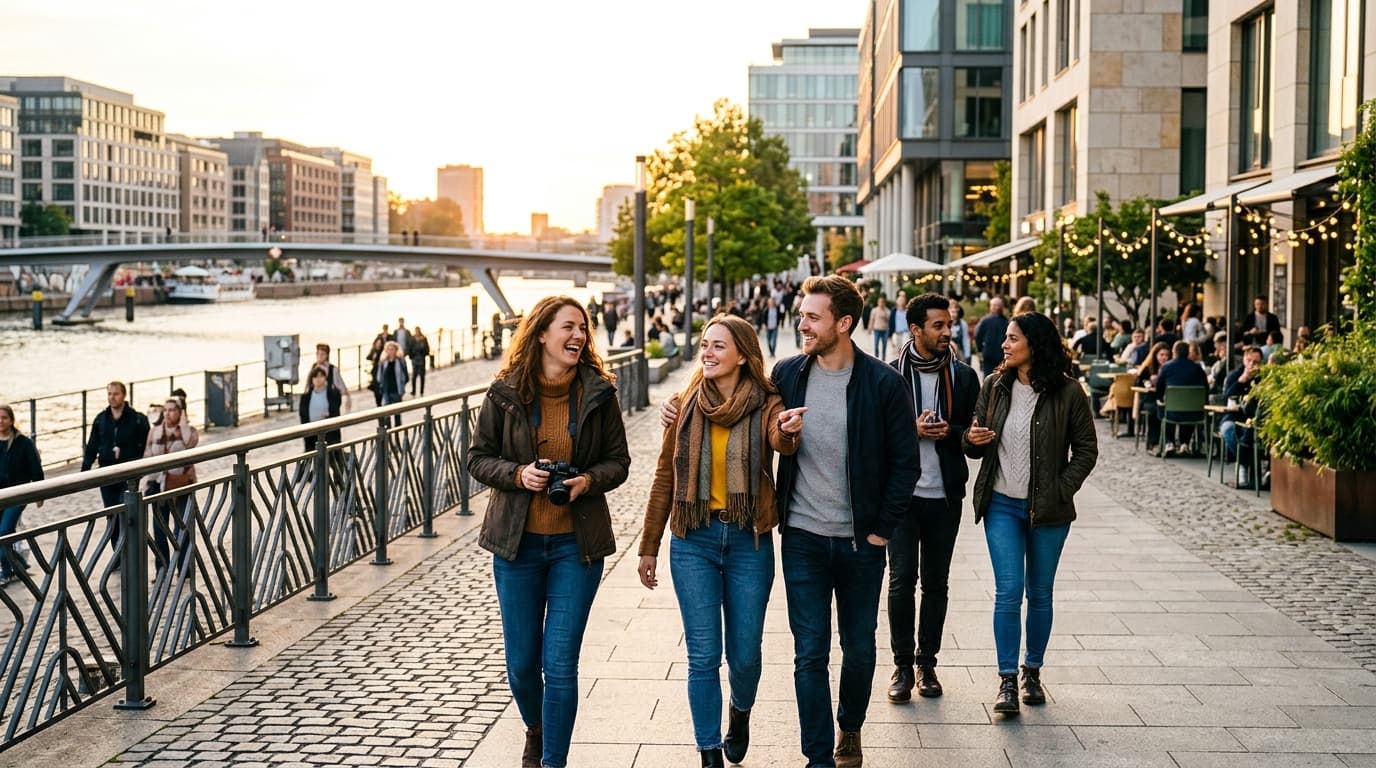
Places to visit near me are easiest to find when you match the outing to your mood, budget, weather, and who’s coming with you. If you want something worth going to today, this guide helps you choose the right nearby attraction, event, or hidden gem fast, with local-style tips and live planning logic from Gidly.
We built this guide for the real-world “I want to go somewhere now” moment, not just the vague “what’s around?” search. From experience, the best nearby outings are usually the ones that fit your timing, your neighborhood, and your energy level, whether that means a free park walk, a last-minute comedy show, a family museum day, or a reservation-worthy dinner-and-drinks plan. Our team checked the way people actually decide: open now, top-rated, near me, family-friendly, budget-friendly, and bookable. That’s the difference between browsing forever and actually getting out the door.
Quick Answer: The Best Places to Visit Near Me Right Now
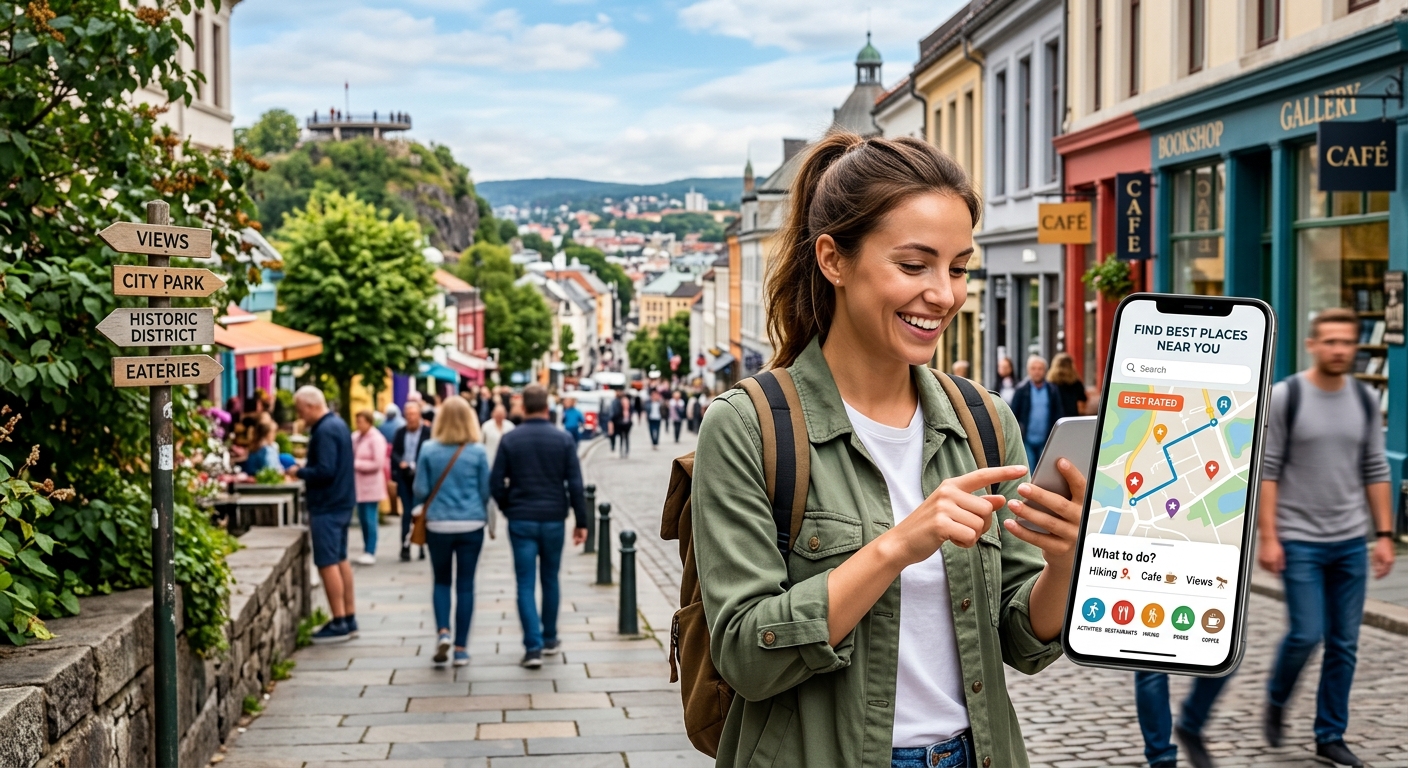
If you need the fastest answer, the best places to visit near me are the ones that are open now, fit your plan, and don’t require a lot of guessing. For most people, that means a nearby museum, park, live music venue, food hall, neighborhood bar, family attraction, or special event that’s bookable or walk-in friendly. We’d start with Gidly’s live filters so you can sort by distance, open now, price, category, and vibe without wasting time.
The smartest way to decide is to narrow your options by what you want to do, who you’re with, and how much time you have. A classic tourist spot can be great, but a hidden gem or event listing may be better if you want something less crowded and more current. If you’re choosing today, prioritize places with updated hours, recent reviews, clear directions, and a booking link or live event calendar.
In 2025 and 2026, the best nearby discovery is less about static lists and more about real-time availability. That means checking whether a place is open now, whether tickets are still available, and whether the neighborhood around it gives you food, parking, and a backup plan. Gidly is built around that logic, which is why it works well when you need a plan today, this weekend, or after work.
Choose the fastest path: open now, top-rated, near me, family-friendly, budget-friendly, or bookable
When you’re short on time, use a decision shortcut instead of comparing everything at once. Start with “open now” if you’re going out immediately, “top-rated” if you want something reliable, and “bookable” if you’re planning date night, a show, or a group outing. If you’re with kids, choose “family-friendly” first, because stroller access, bathrooms, and timing matter more than a high star rating. If money is tight, filter by “free” or “low-cost” before anything else, because the right budget match can make a plain day out feel much better.
We like a simple order: location, hours, price, and then vibe. That reduces the common mistake of falling in love with a place that’s too far away or closed when you arrive. When people ask us what’s worth visiting nearby, we usually say the best place is the one that is doable today, not just impressive on paper. That’s why live filters matter so much in a city guide like Gidly.
How to Find the Best Places Near You by What You Want to Do
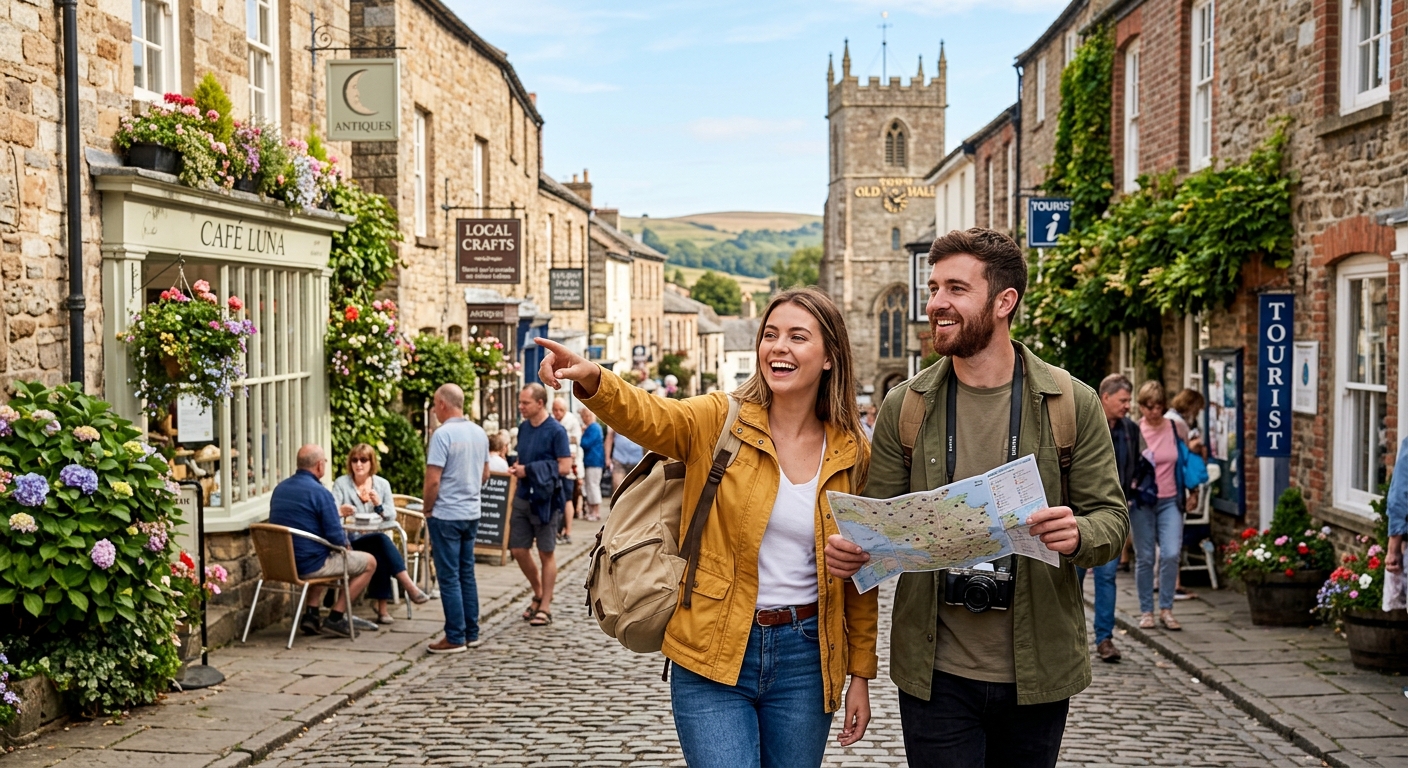
Finding the best nearby place starts with understanding intent, because “place to visit” can mean very different things depending on your mood. A place can be a tourist attraction, but it can also be a concert, a scenic walk, a brewery, a late-night dessert stop, or a neighborhood event. The strongest local guides don’t just name venues; they help you decide what type of experience fits your moment. That is exactly why a plan-first mindset beats random browsing.
We’ve found that most successful outings begin with a very short filter set: how long you have, who’s going, how much you want to spend, and whether the weather is cooperating. If you have two hours, a museum and lunch combo might be ideal. If you have a whole day, you can stretch into a waterfront district, a historic neighborhood, or a day trip. The right answer changes depending on whether you need a quick win or a full itinerary.
Gidly’s style of discovery works well because it treats nearby places like live options, not just listings. That means you can compare categories the way locals do, using a combination of map distance, reviews, opening hours, and event timing. If one place is perfect but closed, you need the second-best place quickly. If a neighborhood is full of good options, you want to know which one matches your companions and the hour of day.
Choose by your plan: quick outing, full day, or weekend
The best nearby place for a quick outing is usually simple, close, and low-friction. Think coffee shops with a view, a public garden, a compact museum, a rooftop bar, or a single activity like mini-golf or a comedy set. The goal is to get a satisfying experience without spending half the day commuting or overplanning. For a full day, you can layer two or three stops, such as brunch, an exhibit, and dinner, which gives the outing more shape and makes the day feel special.
Weekend plans benefit from a broader radius, especially if you’re willing to cross neighborhoods or go a bit farther for a hidden gem. We like to think in terms of “trip value” rather than just distance, because a 45-minute ride to something excellent can be worth it if the quality is high and the area has more to do afterward. This is where neighborhood browsing is powerful, since a strong district can support several hours of entertainment. Use the map like a local would: cluster your stops instead of zigzagging across town.
For weekend planning, look at event calendars first, then fill in the rest of the day around them. A live show, festival, market, or special exhibit can anchor the outing and help you choose the right lunch or drink spot nearby. That’s one of the biggest upgrades from old-school attraction lists. Instead of asking, “What’s a famous place?” you ask, “What’s happening nearby that makes this day worth it?”
Choose by audience: date night, friends, family, solo, coworkers
Who you’re with changes everything, especially in a city where travel time and atmosphere can make or break the experience. For date night, the best place often has a conversation-friendly setting, a little novelty, and easy add-ons like dessert, drinks, or a scenic walk. For friends, the ideal spot usually supports group energy and flexible arrival times, which means games, bars, food halls, or live shows often win. Family outings need the most practical detail, including bathrooms, stroller space, and a pace that doesn’t turn into a meltdown by hour two.
Solo outings have their own logic and are often better when the place feels safe, rewarding, and easy to move through at your own speed. A bookstore, museum, scenic trail, or solo lunch bar can be perfect because you can stay as long as you want and leave when you’re ready. Coworker or team outings should feel polished but not stiff, which is why activity-based formats often work better than a standard restaurant table. Shared experiences create conversation more naturally than sitting in a conference-room-ish dining room.
The trick is not to force one outing type into another. A loud bar may be fantastic for a birthday, but it’s usually a poor first-date choice. A sprawling park might be perfect for kids but exhausting for a friend group that wants nightlife after. Matching the place to the audience is one of the easiest ways to make nearby discovery feel instantly better.
Choose by vibe: hidden gem, classic attraction, trending spot, open now
“Hidden gem” means something a little less obvious, often neighborhood-driven and strong on local character. These are the kinds of places locals brag about because they feel discovered rather than packaged. Classic attractions, on the other hand, are famous for a reason and can be worth it if you want a dependable, high-recognition experience. Trending spots are often busy and social-media visible, which can be exciting if you want a lively scene, but they may also require more patience and more booking.
Open-now filtering is the most practical vibe filter because it removes the fantasy from the planning process. There’s no point choosing a place that looks perfect if it’s not available when you can actually go. We’ve noticed that people often confuse “popular” with “best for me right now,” and that’s not always true. The more live the data, the better your decision becomes.
Our advice is to mix one reliable option with one wildcard. For example, pair a classic museum with a hidden-cafe stop, or a trendy rooftop with a quiet dessert bar. That gives you the emotional safety of a known winner and the fun of discovering something new. The balance is often what makes an outing memorable.
Choose by logistics: distance, parking, transit, hours, booking
Logistics are the unglamorous part of planning, but they’re often what separates a good outing from a frustrating one. Distance matters, but travel friction matters even more, especially if you’re heading out during rush hour or trying to coordinate multiple people. Parking can be the difference between a relaxed dinner and a stressful circle-the-block situation. Transit is great when the route is easy and the stop is close, but not every destination is equally accessible.
Hours and booking rules should be checked before you leave, particularly for shows, exhibitions, restaurants, and timed-entry attractions. Many places now use reservations, limited capacity, or seasonal schedules, which means an old memory of the place is not enough. If a venue has a last entry time, don’t arrive expecting full access right before closing. Look for official websites, event pages, and recent reviews to confirm the current status.
Gidly helps here because proximity and availability are both part of the discovery experience. A place that is a bit farther away but easy to get to may outperform a closer place with bad parking or inflexible hours. That’s the type of practical thinking locals use every day. It’s also why map-first browsing often wins over list-only browsing.
Choose by budget: free, low-cost, premium, ticketed
Budget is not just about saving money; it’s about making sure the outing feels worth what you spend. Free places are great for walks, public art, gardens, neighborhood exploring, and community events. Low-cost outings can include small museums, coffee-and-wander plans, matinees, happy hour spots, and modest ticketed activities. Premium or ticketed experiences should offer enough value in atmosphere, uniqueness, or convenience to justify the spend.
We recommend setting a rough ceiling before you search, because it narrows the field immediately and removes awkward surprises. A family day can get expensive fast if you don’t account for parking, snacks, and add-ons. A date night can also quietly grow if you layer cocktails, tickets, and dessert without a plan. On the other hand, a smart low-cost outing can feel excellent if the location and timing are right.
The best deals often hide in off-peak times, weekday visits, or bundle pricing. Some venues offer discounted entry late in the day, while others have free days or neighborhood promotions. If you’re looking for value, the goal is not simply “cheap.” It is “high enjoyment per dollar,” which is a much better way to think about local entertainment.
Complete Top Picks: Amazing Places to Visit Near Me for Every Type of Outing
When we say top picks, we don’t mean just the most famous places. The best nearby outings are often a mix of reliable attractions, local favorites, and experiences that work well in real life. Think of this section as your local chooser: what is fun, easy to reach, and actually worth the time today? That’s the question behind every good “near me” search.
Tripadvisor-style logic says to look for strong ratings, repeat praise, and consistent visitor satisfaction. Expedia-style thinking emphasizes bookable experiences and easy discovery by interest. Google Maps-style browsing gives you proximity, directions, and open-now cues, while Yelp-style review reading helps you spot trust signals like crowd level, service quality, and what people keep mentioning. The best nearby plan uses all of that together instead of relying on one source alone.
We also like the idea of planning by attraction type, because the right category often matters more than the exact venue name. A great market, trail, or performance can be as memorable as a big landmark. If you’re new in town or just want to re-discover your own city, start with categories and then choose a venue with the best fit. That strategy surfaces more hidden gems and keeps your options fresh.
Best overall nearby attractions and experience-based picks
The best overall nearby places usually give you the most complete experience with the least hassle. That could mean a museum with a cafe, a historic district with food and shopping, a waterfront promenade, or a venue complex with multiple things to do in one area. These places work because they offer built-in flexibility, so the outing doesn’t depend on a single moment going perfectly. You can arrive early, stay longer, or pivot if the weather changes.
Experience-based picks are especially useful in cities where people want more than a “sight.” A place that lets you walk, eat, sit, look, and maybe book something else nearby is often a better fit than a one-stop attraction with no surrounding options. We checked this logic against how locals actually spend weekends, and the winners usually share one thing: they let you extend the outing naturally. That’s what makes a day feel full without feeling forced.
If you’re choosing just one type of nearby place to start with, choose the one that gives you the broadest emotional payoff. For some people that’s art and coffee. For others it’s live music and dinner. For families, it might be a park, zoo, and snack stop. The ideal overall pick is the one that gives you both convenience and a little spark.
Best hidden gems worth traveling a little farther for
Hidden gems are often found in neighborhoods just outside the main tourist path, or in venues that don’t market themselves loudly but have loyal repeat visitors. We love these because they feel local, not generic, and they often deliver more personality per minute than a famous attraction. A tiny gallery, a tucked-away rooftop, a neighborhood performance room, or a scenic trail with fewer crowds can become the highlight of your week. When people ask for “amazing places to visit near me,” hidden gems are often the answer they really want.
Traveling a bit farther can be worth it when the destination has a clear identity. Maybe it has a standout view, a special event series, a chef-driven menu, or a community vibe that makes the extra drive feel justified. We recommend checking reviews for words like “worth the trip,” “local favorite,” or “came back again,” because those usually indicate real repeat value. If the place feels special and the path there is manageable, it’s probably a winner.
Hidden gems are also easier to enjoy on weekdays or off-peak hours, when the experience feels less rushed. Use maps to see what’s clustered nearby, since a great hidden gem becomes even better if there’s parking, coffee, or another stop within walking distance. That’s how locals build a low-stress outing around a place that tourists might miss entirely.
Best places that are easy to book or visit last minute
Last-minute-friendly places are gold when your plans change or you suddenly have free time. These include walk-in restaurants, smaller museums, casual activity venues, indoor attractions with ticket availability, and events with same-day entry. A good last-minute option should have clear hours, quick booking, or an obvious walk-up process. If it takes twenty messages to coordinate, it’s not a great spontaneous choice.
Bookable experiences are especially useful for people who like certainty. If there’s a reservation link, a timeslot system, or a ticket page, you can lock in the outing and avoid the “where should we go?” spiral. We’ve found that a lot of stress disappears once the plan has a starting time and a confirmed place. That’s one reason live calendars and ticketing systems are so valuable now.
For same-day choices, prioritize places that list current availability rather than just general info. Look for venues that update their hours on the official site, show current event schedules, or confirm open slots through booking platforms. That extra minute of checking can save your evening. It’s a small habit with big payoff.
Best places with strong reviews and repeat-visit value
Strong reviews matter most when they’re consistent and specific. Five stars are nice, but what really helps is a steady pattern of comments about atmosphere, service, cleanliness, uniqueness, and reliability. Repeat-visit value means people don’t just try the place once; they go back because it keeps delivering. That is one of the best local trust indicators you can find.
When we read reviews, we look for clues that the place is dependable for the kind of outing you want. For example, does it feel good for date night, or is it better for loud groups? Is it better early in the day or later in the evening? Do reviewers mention easy parking, friendly staff, or a beautiful space? Those details matter more than a generic number.
The best reviewed places tend to be the ones that know what they are and do it well. If you want calm and cultured, don’t pick a place that’s mainly a party scene. If you want energy, don’t settle for a sleepy venue that happens to have high stars. Matching the review patterns to your purpose is how you get better results.
Best places that work across seasons and weather
Some nearby places are strong year-round because they work in almost any weather. Indoor markets, museums, entertainment districts, performance venues, and mixed-use neighborhoods are especially dependable. Even outdoor-heavy places can be smart if they have shade, covered areas, or nearby indoor backup options. Seasonal flexibility matters more than people think, especially in cities with dramatic weather swings.
We always recommend choosing a place that can absorb a weather change without wrecking the day. If it rains, can you move indoors? If it’s hot, is there water, shade, or AC nearby? If it’s winter, is the area walkable and reasonably warm between stops? These questions turn a pretty idea into a usable plan.
A year-round place is also more useful if you like repeat visits. You can return in spring for a longer walk, in summer for outdoor dining, in fall for events, and in winter for indoor programming. That continuity is a huge advantage because it gives you a reliable favorite instead of a one-season wonder.
| Place Type | Typical Price | Best For |
|---|---|---|
| Museum or gallery | Free to $30 | Solo, couples, culture lovers |
| Live show or concert | $20 to $150+ | Friends, date night, music fans |
| Park, trail, waterfront | Free to small parking fee | Families, solo, budget outings |
| Food hall or market | $10 to $40 | Groups, casual dates, quick visits |
| Activity venue | $15 to $60 | Friends, team building, dates |
By Scenario: Date Night Places to Visit Near Me
Date night plans work best when they feel easy, a little special, and not too complicated to execute. The best nearby date spots usually blend atmosphere, conversation, and some kind of memorable detail, whether that’s a view, a tasting menu, live music, or a playful activity. You do not need the most expensive place in town to have a great date. You need a place that fits your chemistry and your timing.
In 2025-2026, more couples are choosing experience-first dates rather than just dinner reservations. That means comedy clubs, arcades, wine bars, scenic walks, late dessert, and intimate performances are all strong options. A good date-night place should be easy to book, simple to get to, and flexible if the night runs long. We checked what tends to work best locally, and the winner is usually the place that removes awkward planning friction.
There’s also a huge difference between first dates, ongoing dating, anniversary nights, and spontaneous “let’s get out” evenings. The best choice depends on whether you want low pressure or more wow factor. If you’re not sure, choose a place with a built-in second act, like a restaurant near a riverwalk, a show near a cocktail bar, or a tasting room near dessert. That keeps the night flowing naturally.
Romantic low-key spots for first dates and casual dates
For a first date, low-key is often better than dramatic. A quiet cocktail bar, a coffee shop with seating, a bookstore cafe, or a neighborhood bistro lets you talk without shouting over music. If the chemistry is good, you can always add a walk, a dessert stop, or a second drink. The best first-date venues are usually simple, comfortable, and not so expensive that either person feels trapped by the investment.
Casual date spots should also give you an easy exit if needed. That sounds unromantic, but it’s actually what makes the experience feel relaxed. We like venues with a clear start and end point, such as a set menu, a short tasting, or a walkable district where you can see how the mood is going. When you don’t know each other well yet, a flexible setting is your friend.
Review clues matter here. Look for notes about noise level, seating comfort, and whether the place feels too crowded on weekends. A beautiful room can still be a bad date if it’s too loud to hear each other. The right low-key spot usually wins because it makes connection easier, not because it tries too hard.
Interactive date ideas: comedy, arcades, mini-golf, escape rooms
Interactive dates are great when you want built-in conversation without putting all the pressure on face-to-face talk. Comedy clubs can make the night feel easy and fun, while arcades or mini-golf add a playful angle that keeps things light. Escape rooms are especially good for couples who enjoy teamwork and a little challenge. These options are often more memorable than a standard dinner because you’re doing something together.
The key is to match the energy level to the relationship stage. A very competitive activity can be fun, but if one person takes it too seriously, the mood can shift fast. We usually recommend picking experiences that have a clear time limit and a natural ending, so the date can transition into food or drinks if it’s going well. That makes the whole outing feel smoother and less forced.
Book ahead for popular time slots, especially on weekends or holidays. If you want a less crowded experience, earlier evening slots or weekday bookings are often best. Many venues also offer combo deals or bundled pricing if you pair an activity with food or another attraction. That’s worth looking for because the value is often better than booking things separately.
Elevated date-night experiences: views, tastings, performances
When you want a more polished date night, elevated experiences can make a big impression. Rooftop bars, tasting menus, jazz rooms, and performance venues create an atmosphere that feels intentional. These outings are ideal for anniversaries, celebrations, or dates where you want to show a little extra thought. The best elevated plans still feel comfortable, though, so don’t confuse fancy with good.
We recommend choosing one standout moment rather than trying to pack the whole night with premium extras. A scenic view plus a great cocktail can be enough. A tasting plus a short performance can feel rich without becoming exhausting. The real goal is to create a memory, not just a receipt. That’s why a well-chosen venue often matters more than layering on too much.
Always check dress code, reservation timing, and age restrictions before you go. Some performance spaces or tasting rooms have limited seating and require advance booking. If the place has a strict start time, arrive early enough to settle in without rushing. The polished experience is only polished if you’re not sprinting to your table.
Late-night date ideas and after-dinner add-ons
Late-night date ideas are perfect when dinner is over but the night still has momentum. Dessert bars, night walks, lounge music, skyline viewpoints, and 24-hour cafes can extend the evening in a simple way. The best add-on is usually something low commitment, because you don’t want to overplan after a full dinner. A short stroll can often be the most romantic option of all.
If your city has a lively late scene, look for neighborhoods where several good options are clustered together. That way you can pivot from dinner to drinks to a final stop without a long ride in between. We’ve found this approach works especially well in downtowns, arts districts, and waterfront areas. It makes the night feel organic instead of segmented.
Late-night plans also benefit from practical thinking. Check transit schedules, parking exit times, and whether the area feels safe and active later in the evening. A great date can sour quickly if the last leg home is annoying. Build the end of the night with as much care as the beginning.
Best date-night mistakes to avoid and how to improve the plan
The most common date-night mistake is choosing a place that looks impressive but doesn’t fit the actual date. A noisy venue may be exciting in theory but terrible for connection. A too-expensive spot can create pressure, and a too-casual one can feel like no effort was made. The best dates feel thoughtful, not overengineered.
Another mistake is forgetting that timing matters. If you go too early, the place may be empty and flat. If you go too late, you may be stressed by wait times or closing hours. We suggest checking peak times and aiming for the sweet spot when the venue has energy but still has space. That’s a simple detail with a big effect.
To improve any date-night plan, add one small surprise and one easy backup. A hidden dessert stop, a scenic walk, or a live music detour can turn a decent night into a memorable one. And if your first choice falls through, having a second nearby option keeps the mood from collapsing. That’s the local trick that saves the evening.
By Scenario: Things to Do Near Me with Kids or Family
Family outings work best when they balance fun with practicality, because kids and adults need different things from the same plan. The best family-friendly places nearby usually have space to move, activities that hold attention, and enough infrastructure to make the day manageable. That means bathrooms, snack options, parking, shade, and predictable hours matter just as much as the attraction itself. A place can be amazing for kids and still be exhausting for parents if those basics are missing.
We like to think about family outings by age group, weather, and how long everyone can stay engaged. Toddlers need simpler experiences, while older kids and teens want more independence or interactive elements. If you’ve got a mixed-age group, you want a place with layered appeal, such as a zoo, science center, park system, or market with food and open space. That gives everyone something to enjoy without splitting the family up too much.
In the current travel and local outing landscape, families also care more about booking and timing than before. A timed-entry exhibit, reserved activity, or ticketed session can be a lifesaver because it reduces waiting and uncertainty. Gidly’s live discovery approach is useful here because it helps you see what’s happening today, what fits your family, and what’s already booked up. That saves a lot of weekend frustration.
Best family attractions for toddlers, kids, and teens
For toddlers, the best places are usually short, sensory, and easy to leave if needed. Think petting areas, small zoos, interactive kids’ museums, fountains, playgrounds, and stroller-friendly green spaces. The ideal toddler outing has a short commute and plenty of rest stops, because energy levels can change fast. A place that looks simple on paper can be perfect if it is low stress in practice.
For school-age kids, look for hands-on learning and movement. Science centers, aquariums, climbing gyms, art workshops, and bigger parks are often winners because they combine fun with discovery. Teens are harder to impress, so the best pick usually has some autonomy, novelty, or social value. That might be a food hall, an escape room, a live show, a sports experience, or an outdoor adventure.
A family-friendly venue is strongest when it offers multiple ways to enjoy the same visit. A zoo with a train, a museum with a children’s wing, or a waterfront with picnic lawns and bike rentals gives you options if attention spans shift. That flexibility is often more valuable than a single headline attraction. Families usually remember how smooth the day felt, not just what they saw.
Indoor family places for rainy days and extreme weather
Rainy days and weather extremes are where indoor family spots become essential. Museums, aquariums, science centers, indoor play spaces, libraries with programming, and kid-friendly entertainment centers can rescue a day fast. The key is to choose places where kids can move or interact, not just sit still and look at things. If the space is too formal, energy builds up and everyone gets tired faster.
Indoor family outings are also easier when there is food nearby or on-site. A snack break can reset the entire mood and make the day feel manageable again. We recommend checking whether the venue has coat storage, stroller access, nursing rooms, and seating areas, especially if you’re going with younger children. Those details don’t sound exciting, but they matter a lot in real life.
For weather-proof planning, build an indoor backup into your weekend even if the forecast looks good. A sudden rain shift or heat spike can ruin a long outdoor plan if you haven’t thought ahead. The best family planners don’t guess; they prepare one fallback option and one optional add-on. That habit saves time and keeps the day fun.
Outdoor family places: parks, zoos, gardens, waterfronts
Outdoor family places are great when they have open space, shade, and enough variety to keep things moving. Parks with playgrounds, botanical gardens, zoos, waterfront promenades, and nature centers are especially strong because they allow flexible pacing. Families can walk, sit, snack, and explore without feeling locked into one activity. That freedom is often what makes outdoor outings successful.
Waterfronts and gardens are underrated family wins because they feel calm and visually appealing without requiring a huge commitment. A walk by the water or through a garden can be surprisingly satisfying for adults and kids alike. Zoos remain a classic choice because they offer clear interest points and built-in learning. Just remember to check animal feeding times, accessibility, and the best time of day for fewer crowds.
If you’re going outdoors, check weather and sunscreen needs, and think through the return plan. Parking close to the entrance matters more than most people expect, especially if you have strollers or tired kids. A beautiful place becomes much easier to enjoy when the logistics are simple. That’s the difference between a pleasant family memory and an overlong ordeal.
Budget-friendly family outings and free options
Budget-friendly family outings are often the most sustainable, especially if you’re planning frequent weekends. Public parks, community events, free museum days, playgrounds, neighborhood festivals, and library programs are all strong options. Many families overlook the best free plans because they seem too simple, but kids often love them precisely because they are relaxed and open-ended. You don’t need a big ticket to have a good day out.
To stretch your budget, combine one free anchor with one small paid add-on. For example, start with a park visit and end with ice cream, or visit a free public garden and then grab a low-cost lunch. That kind of planning keeps the outing feeling special without blowing your budget. It also gives you more control over the overall spend.
Be mindful of hidden family costs, especially parking, snacks, and impulse purchases. A “free” place can become expensive if you don’t plan around it. The smartest budget outings are the ones where you know the total cost before you leave home. That’s the kind of control parents appreciate most.
Family logistics: bathrooms, snacks, strollers, parking, timing
Family logistics are the part people forget to check until it’s too late. Bathrooms, food access, stroller friendliness, and parking location can make or break the visit. Even a great attraction becomes stressful if there is no easy place to take a break or the lot is far from the entrance. Timing is also important, because kids often do best earlier in the day before energy and patience run low.
We recommend checking official websites for family amenities before you go. Look for stroller policies, nursing rooms, changing tables, height restrictions, and accessibility details. If the venue has timed entry, reserve the best window rather than just showing up at random. It’s usually better to go shorter and happier than to push for a longer visit that everyone resents.
Have snacks and water ready even if the place sells food. That backup can save you from a mid-outing crash. If you’re going with multiple adults, agree on a meeting point in case anyone wanders. Small details like that keep the experience calmer and more enjoyable for everyone.
By Scenario: Fun Places to Visit Near Me with Friends or Groups
Friends’ outings are all about shared energy, low friction, and enough variety that nobody feels stuck. The best group-friendly places nearby usually make coordination easy and give people something to do besides stand around deciding what to do next. Activity venues, food halls, live shows, and nightlife districts are all popular for good reason. They create momentum, which is what group plans need most.
The challenge with groups is that everyone has different preferences, budgets, and arrival times. A successful outing has enough structure to hold the group together without being too rigid. That’s why venues with timed activities, casual seating, or adjacent options tend to work well. If the plan can survive a late arrival or an early exit, you’re in good shape.
We’ve also seen that mixed-interest groups do better with multi-stop plans than with a single all-or-nothing destination. Start with food, add an activity, and leave room for a final drink or dessert. That format works well for birthdays, reunions, and weekend catchups because it creates natural conversation points. It feels organized without being overplanned.
Social spots for big groups and easy coordination
Big groups need places that don’t punish late arrivals or split bills into chaos. Food halls, breweries with open seating, casual restaurants with large tables, and entertainment venues with ticketing are usually the easiest. The best group venues have simple meet-up instructions, plenty of space, and staff that understand larger parties. That lowers the coordination burden, which is half the battle.
If your group has lots of moving parts, choose a place that is easy to find on a map and simple to get into. A venue near transit or with clear parking options is much better than a hidden location with no obvious entry point. We also like places where one person can arrive early and hold space without it feeling awkward. That small detail can save the whole outing.
Reviews are useful here because people often mention whether the venue handled groups well. Look for notes about table size, wait times, and how easy it was to split payment. If the venue gets repeated praise for groups, it’s probably a safe pick. That’s one of the easiest ways to avoid friction.
Competitive activities and shared experiences
Competitive activities are excellent for groups that want a little energy and friendly rivalry. Bowling, mini-golf, darts, arcade bars, go-karts, and trivia nights all create natural interaction. Shared experiences are especially helpful when not everyone knows each other well, because the activity gives people something immediate to react to. That makes the group feel looser and more social.
The best competitive outing is one where the pressure stays light. If the activity is too serious, it can become awkward. We prefer venues that combine play with food or drinks so the mood stays relaxed. A little competition plus a casual hangout is often the sweet spot for friend groups.
Book ahead for popular time slots and check whether lanes, tables, or game rooms are shared or private. Those details affect the overall feel more than people realize. If you want a loud, lively evening, shared spaces are fine. If you want a more contained celebration, private booking may be worth the extra cost.
Food-and-drink-centered group plans
Food-and-drink plans are ideal when the group wants to talk and graze rather than commit to one activity. Food halls, tasting rooms, breweries, wine bars, and neighborhood restaurant rows give people room to choose. That flexibility helps with mixed tastes and different budgets. It also makes the outing easier to extend if everyone is having a good time.
One smart strategy is to choose a central neighborhood with several nearby options, then let the group drift naturally. That avoids the headache of locking into a single restaurant that may not suit everyone. If your group is indecisive, start with a shared anchor like drinks or appetizers and then decide whether to move on. The plan can stay loose but still feel intentional.
Be careful with peak times and large-party policies, because many places now require reservations or minimum spends for groups. Check the details before everyone gets in the car. That’s especially important on weekends and special event nights when popular spots fill up quickly.
Nightlife, live shows, and post-event hangouts
Nightlife works well for groups that want energy after dinner or a full evening out. Bars, clubs, late-night lounges, and live music venues all offer a clear social signal: the night is still going. If your group likes dancing, DJs, or a buzzy room, nightlife districts are usually better than isolated venues. For a more relaxed evening, a live show followed by a neighborhood bar is often the best compromise.
Post-event hangouts are underrated because they let the night end naturally instead of abruptly. After a concert, comedy show, or game, people often want one final stop to talk and decompress. Choosing a nearby late bar or dessert place makes that easy. It’s a simple way to stretch the value of the outing without needing a second major plan.
As always, transportation matters. Late-night group plans need a clear ride strategy, especially if public transit is limited or the venue is far from your starting point. The more you think ahead about the ending, the less likely the night is to fall apart at midnight.
How to choose a place that works for mixed interests
Mixed-interest groups need a venue with multiple layers of appeal. A place that offers food, seating, activity, and atmosphere is much better than one that only does one thing well. Think neighborhoods with a cluster of options, or venues with multiple zones, like a bar upstairs and a restaurant downstairs. That variety helps each person find something to enjoy.
We recommend looking for universal comforts first: decent acoustics, accessible seating, reasonable price, and easy arrival. Those are the basics that make everyone feel included. Then look for one feature that gives the outing personality, like a view, a game, or live music. The combination is what turns a generic plan into a good one.
If the group is still divided, choose a central plan with an optional after-plan. That way the people who want more can keep going, and the rest can head home without awkwardness. That flexibility is one of the best hidden tools for group success.
| Scenario | Best Format | Budget Range |
|---|---|---|
| First date | Coffee, cocktails, low-key activity | $20 to $75 |
| Birthday with friends | Games, food hall, live show | $30 to $150 |
| Family afternoon | Zoo, park, museum, garden | Free to $100 |
| Solo reset | Museum, walk, bookstore, cafe | Free to $40 |
| Work outing | Activity venue, private dining, tour | $40 to $200+ |
By Scenario: Budget-Friendly and Free Places to Visit Near Me
Budget-friendly outings are often the smartest ones because they force you to focus on what actually makes a place enjoyable. Free and low-cost places nearby can be just as satisfying as pricey attractions if they have strong atmosphere, good timing, and simple logistics. The biggest value wins usually come from public spaces, community events, discounted admission windows, and neighborhood favorites that don’t charge much to enjoy. You do not need to spend heavily to have a great local day.
People often think “free” means boring, but that’s only true if they don’t know where to look. A scenic waterfront walk, public market, free exhibit, street festival, or community performance can feel just as rich as a ticketed attraction. In fact, many locals prefer free places because they are easier to revisit and less stressful to plan around. They also leave room in the budget for food or one special add-on.
We recommend building budget outings around one anchor experience and one small treat. A free museum day plus coffee. A park walk plus ice cream. A community concert plus a cheap dinner nearby. That structure makes the day feel complete while keeping spending in check. It also helps you avoid the trap of trying to make a cheap outing feel expensive.
Best free attractions and public spaces
Free attractions often include parks, waterfronts, public art, markets, plazas, scenic drives, and neighborhood festivals. These places are especially good for spontaneous plans because they don’t require ticketing or much pre-commitment. A good public space should feel safe, walkable, and active enough to be interesting. If it also has food nearby, even better.
We like free places that give you options. A park with trails and picnic space is better than a patch of grass with nothing else around. A public square with outdoor art, seating, and nearby cafes is stronger than a photo stop alone. The best free outings usually work because they create a pleasant environment, not because they are flashy.
Check city event calendars and neighborhood listings for free programming, because many great things are not obvious on standard maps. Outdoor movie nights, public performances, seasonal lights, and community fairs often pop up with little fanfare. Those are exactly the kinds of hidden gems people wish they had known about earlier.
Cheap things to do near me under common budget ranges
Cheap doesn’t mean low value; it means efficient. Under $20, you can often find coffee walks, small exhibits, happy hour snacks, local galleries, or entry to low-cost community events. Under $50, you can usually do an activity, a light meal, and maybe a drink or dessert. Under $100, the world opens up to matinees, better dining, and more specialized experiences.
It helps to decide your budget before searching because the right outing changes drastically at each price tier. A $15 plan might be an afternoon wander plus one treat. A $75 plan might be a show and dinner. Matching the budget to the format is one of the easiest ways to feel like you got a deal. Overpaying for the wrong kind of outing is usually worse than choosing something modest that fits well.
When comparing cheap options, think about total cost, not just entry price. Parking, transit, snacks, and add-ons can double the spend quickly. We always encourage people to look at the full outing cost before deciding. That’s how you stay pleasantly surprised instead of financially annoyed.
Best off-peak times for discounts and lower crowds
Off-peak timing is one of the best value hacks available. Weekday afternoons, early evening windows, and late-day admission periods often have smaller crowds and sometimes lower prices. Restaurants may offer happy hour deals, museums may have free or discounted evening access, and activity venues may run weekday specials. The exact savings depend on the city, but the logic is the same.
Lower crowds also improve the experience itself, which is part of the value. A smaller line, quieter room, and easier parking can feel like a luxury even if the ticket price is modest. We often find that off-peak visits are more enjoyable than peak visits, even at the same location. The place feels more relaxed, and you can actually take it in.
Check venue schedules carefully because off-peak benefits often have strict windows. Arriving too late can erase the advantage. If you can shift your plan by an hour or two, you may get a better experience for less money. That’s a simple move with outsized results.
How to find free events, museum days, and community programming
Free events are often hidden in plain sight because they live on city calendars, museum pages, neighborhood newsletters, and venue social feeds. Museum days can be monthly or seasonal, and some institutions offer free admission windows that aren’t obvious unless you look directly. Community programming may include workshops, performances, outdoor screenings, and public celebrations. These are fantastic for spontaneous outings because they often don’t require a big budget or long planning process.
Use a mix of map search, event calendars, and local guides to surface these options. This is where Gidly’s event-first discovery model is especially useful, because it helps connect you to current programming rather than old articles. The best free events are often time-sensitive, and freshness matters. A great free thing to do today may not exist tomorrow.
We recommend saving a few trusted sources for your city, including official tourism pages and neighborhood event listings. That way you can check quickly when you need a plan. If a community event is popular, arrive a bit early, since the best free things often come with the biggest crowds.
Budget planning tips: transit, parking, dining, tickets
Budget planning should include every cost that could quietly increase the total. Transit is often cheaper than parking in dense areas, but not always if multiple people are going together. Parking can be reasonable in some neighborhoods and extremely expensive in others. Dining can also swing wildly depending on whether you choose a food hall, a casual cafe, or a sit-down restaurant.
We suggest setting a “hard cost” and a “soft cost” before you go. Hard cost is your ticket or entry price. Soft cost is the rest of the outing, like food, drinks, and transport. Once you know both, you can choose a plan that feels good without surprise spending. That’s the best way to keep an outing fun and sustainable.
For savings, look for combo deals, weekday pricing, public transit perks, and venues near multiple low-cost food options. Sometimes the smartest budget move is to visit a place in a neighborhood where you can stroll rather than pay extra for every part of the day. The right area can do a lot of the budget work for you.
By Scenario: Team Building and Corporate Outings Near Me
Team building works best when it feels like a shared experience rather than a forced exercise. The best nearby work-friendly places usually offer structure, a comfortable setting, and a format that allows people to interact naturally. Think cooking classes, escape rooms, guided tours, group tastings, museum private events, sports outings, or activity venues with private rooms. These options are better than just “let’s all sit at a restaurant” because they create energy and conversation.
Corporate outings also need to respect practical details like food, transport, accessibility, and timing. A great venue for a team of five may fail for a team of thirty if there isn’t enough space or a booking process that handles groups well. We recommend looking for venues that advertise private bookings, packages, or event coordinators. That makes the planning side much easier and gives the outing a more professional finish.
In 2025-2026, team experiences are increasingly about engagement and convenience. Leaders want something polished but not stuffy, and employees want something that actually feels fun. That’s why activity-first formats and experience-led venues are growing in popularity. Gidly is a good starting point because it surfaces these options in a way that’s easier to compare by vibe and availability.
Best team-building venues and activity formats
Team-building venues should encourage interaction without making people uncomfortable. Escape rooms, bowling alleys, trivia nights, axe-throwing lounges, creative workshops, and group cooking experiences are all common winners. The best formats have clear rules, a shared goal, and enough room for different personalities to participate. That helps introverts and extroverts alike enjoy the outing.
If your team doesn’t know each other well, choose something low-pressure and social rather than highly competitive. If the group is already tight-knit, a little competition can be fun. The point is not to force bonding but to create conditions where connection happens naturally. That’s why the venue matters so much.
Book early if you need a private space or preferred time slot. Group activities often sell out faster than expected, especially after work and on Fridays. A good team-building plan should feel organized from the first email to the final photo. The venue should help you do that, not make it harder.
Client-friendly entertaining and polished group experiences
Client-friendly entertainment needs to feel polished, calm, and easy to navigate. That usually means upscale dining, private tastings, gallery events, performance venues, or scenic hospitality spaces. The goal is to make guests feel taken care of without overwhelming them. A smooth plan often reflects better on your team than a flashy one with too many moving parts.
We like venues that offer private dining rooms, host-led experiences, or a clear concierge contact. Those details help if the client has dietary needs, timing constraints, or special preferences. The experience should feel tailored without being overly formal. That balance is especially important when you want to build trust and keep the conversation flowing.
Look at seating comfort, acoustics, and transportation convenience before you choose. A noisy room can make business conversation harder, while a hard-to-reach venue can create unnecessary friction. The best client outing is the one that feels effortless from arrival to departure.
Half-day and after-work corporate outing ideas
Half-day outings work well because they are substantial without taking over the entire schedule. A lunch-and-learn, afternoon museum trip, guided neighborhood tour, or short activity followed by drinks can fit neatly into a workday or after-work window. These plans are especially useful for teams that cannot spare a full day. They offer value without too much disruption.
After-work outings should be close to transit or parking, since people are often arriving from different directions. A central neighborhood with multiple food and drink options is usually best. If the venue is easy to reach and the plan is simple, people are more likely to show up relaxed and on time. That sounds basic, but it’s a huge part of success.
We recommend making the outing feel optional in spirit but clear in structure. People like knowing the plan, even if they choose how much of it to attend. A predictable start time and a nearby second stop can make the whole thing feel balanced.
Accessibility, food, and logistics for workplace groups
Workplace groups need special attention to accessibility and food because you’re planning for a wider range of needs. Make sure the venue is accessible by transit, has step-free entry if needed, and can handle dietary preferences. It also helps if the venue offers clear restroom access and seating for people who prefer not to stand long. These details matter more when you have a mixed group.
Food should be easy to order, easy to share, and not overly time-consuming. A place with set menus, tasting plates, or flexible catering can make the evening much smoother. If alcohol is part of the plan, make sure there is a comfortable non-alcoholic option too. Good workplace hospitality includes everyone.
We also suggest confirming timing and cancellation policies in writing. Corporate schedules change, and a flexible venue is a real asset. The more detail you settle up front, the less likely the outing is to run into surprises later.
When to book private rooms, packages, or guided experiences
Private rooms and packages are worth it when you want control, clarity, or a stronger premium feel. They are especially useful for larger groups, client events, and milestone team celebrations. Guided experiences can also be excellent because they remove the burden of hosting from your shoulders. You can relax and participate instead of managing every detail.
If your group is small and casual, you may not need a private room. But if noise, privacy, or timing matter, the extra cost can be justified quickly. Private booking can also help with food service, seating, and pacing, which makes the whole event more professional. It’s often the difference between a good idea and a smooth execution.
Ask about deposit terms, minimum spends, and what is included in the package. The best corporate experience is transparent about costs and expectations. Once those are clear, the outing becomes much easier to approve and enjoy.
By Scenario: Solo Places to Visit Near Me
Solo outings are some of the most underrated things to do nearby because they let you move at your own pace. The best solo-friendly places are safe, flexible, and rewarding whether you stay for twenty minutes or three hours. Museums, bookstores, scenic walks, cafes, lectures, galleries, and low-pressure food stops are all strong options. When you go alone, the outing becomes more about your own rhythm and less about group compromise.
We’ve noticed that solo plans work best when they have a clear purpose, even if that purpose is simple. You might want to read, think, sketch, walk, taste something new, or just get out of your routine. A solo outing feels richer when the place supports that intention. It should feel comfortable enough that you want to linger and easy enough that leaving doesn’t feel awkward.
Gidly’s live discovery model helps here because solo planners often need reliable, nearby options that don’t require negotiation. If a venue is open now, well-rated, and easy to navigate, it can become an ideal solo stop. That’s especially useful in cities where the best experiences are hidden in plain sight.
Best solo-friendly indoor places and attractions
Indoor solo places are great when you want structure without social pressure. Museums, galleries, bookstores, cafes, theaters, and food halls all fit that need well. They let you wander, sit, and observe without having to coordinate anyone else’s preferences. The best solo place often has enough variety to keep you engaged but not so much that it becomes exhausting.
We recommend choosing venues that feel comfortable to spend time in alone. A good museum cafe, a bookstore with seating, or a market with small stalls can make solo time feel natural. If you like journaling, people-watching, or listening to music, these places can become mini reset sessions. That’s the beauty of going solo: the outing can be exactly as social or quiet as you want.
Check safety, lighting, and closing times if you plan to stay later in the day. Solo outings are best when you don’t feel rushed or uncertain about the ending. A clear exit plan makes the whole experience more enjoyable.
Best solo outdoor places and scenic walks
Outdoor solo places are ideal when you need movement and space. Public gardens, waterfront paths, park loops, neighborhood streets with good architecture, and scenic overlooks can all work beautifully. These outings are especially good when the weather is kind and you want to clear your head. Walking alone can be one of the simplest and most satisfying city activities.
The best solo outdoor route has landmarks or stopping points, so you don’t feel like you’re wandering aimlessly. A loop is often better than an out-and-back path because it keeps the experience fresh. If possible, choose areas with cafes, restrooms, and transit access nearby. That makes the outing more comfortable and extends how long you can stay out.
For evening walks, stick to well-trafficked, well-lit areas and areas you know are active. Safety and comfort matter more than scenic ambition. A pleasant, secure route will always beat a beautiful but uncomfortable one.
Solo cultural stops: museums, galleries, bookstores, talks
Solo cultural outings are especially rewarding because they let you engage deeply without distraction. A museum exhibit, gallery opening, author talk, or bookstore event can feel personal and reflective when you attend alone. You can spend more time on what interests you and skip the parts that don’t. That makes the experience more efficient and often more meaningful.
Many solo travelers and locals love these outings because they naturally lead to interesting observations. You may notice details or themes you would miss in a group. If there’s a cafe or bar nearby afterward, the experience can end with a nice solo meal or drink. That little transition often makes the outing feel complete.
Check event pages for time-specific programs, because talks and gallery nights often have limited seating or timed entry. If it’s a special exhibition, confirm the dates before you go. Solo cultural planning rewards the person who checks ahead.
Safe planning tips for solo outings at different times of day
Safety planning is smart, not paranoid. When going out solo, tell someone where you’re headed if it’s late or unfamiliar, and keep an eye on transit times. Daytime outings are usually easier, but evening plans can be great if the neighborhood is active and the venue is well lit. The key is to choose places that feel comfortable to enter, leave, and move around in alone.
We also recommend paying attention to crowds in a practical way. Too empty can feel isolating, and too packed can feel stressful. The right solo place usually has a moderate amount of activity. That provides energy without pressure. A good solo outing should feel like an invitation, not a challenge.
Use map reviews and recent photos to judge the atmosphere. If other solo visitors mention comfort, friendliness, or ease of navigation, that’s a strong sign. Those details often matter more than the headline rating.
How to make solo outings feel social without overplanning
Solo outings can still feel social if the environment has built-in energy. Try places with communal seating, open bars, classes, public events, or neighborhoods where you can easily move between spots. You don’t need to be with friends to feel connected to the city. Sometimes simply being around other people is enough.
Another easy trick is to choose a solo outing that includes one optional interaction, like a class, tour, or event with a natural conversation point. That gives the day a little structure without requiring heavy social effort. If you don’t end up talking to anyone, the outing still works. If you do, it becomes a bonus.
The best solo plans leave room for spontaneity. You can start with a museum, then decide whether to get coffee, browse a bookstore, or walk somewhere scenic. That freedom is part of the appeal, and it’s one reason solo discovery is such a strong use case for Gidly.
By Scenario: Rainy Day and Indoor Places to Visit Near Me
Rainy day plans are where good local guides really earn their keep. The best indoor places nearby are those that can rescue your day fast without requiring a lot of reshuffling. Museums, indoor markets, comedy clubs, aquariums, climbing gyms, performance spaces, cafes, and gaming spots are all excellent backup options. When the weather turns, a good indoor destination can keep the outing alive.
Rainy-day planning is less about compromise and more about preserving the mood. If the original outdoor plan falls apart, you want a backup that still feels intentional. The trick is to think in categories rather than exact places. If the weather is bad, a mixed-use indoor district or a cluster of bookable activities may outperform a single big attraction. That’s because you can adapt while staying out.
We recommend checking live hours and ticket availability early in the day, especially on weekends. Rain tends to push more people indoors, which means popular spots can fill up. Gidly’s emphasis on open-now and current listings is especially useful in this context because the best rainy-day option is often the one you can still get into.
Best indoor attractions when the weather turns
When weather is bad, the best indoor attractions are the ones that feel rich enough to justify the change of plans. Museums, planetariums, aquariums, galleries, libraries, indoor conservatories, and hands-on science centers are classic examples. They give you a defined destination and enough time to explore. That is often the right balance for a rainy day.
If you want more energy, indoor entertainment venues like bowling, arcade bars, climbing gyms, and immersive exhibits can be great too. These spaces make bad weather feel irrelevant because the outing itself is the point. Check whether they require advance booking or have time slots, since rainy days often boost demand. If you can reserve early, do it.
Indoor attractions are also better when they have food on-site or nearby. That allows you to extend the outing without stepping back into ugly weather too often. A rainy day feels much better when the plan has a comfortable center.
Rainy day ideas for couples, families, and friends
For couples, rainy day plans work well when they feel cozy and unhurried. A museum, tasting room, film house, or dessert spot can create a calm atmosphere that actually benefits from the weather. For families, look for indoor play, interactive exhibits, or a children’s museum where kids can burn off energy. For friends, activity venues and food halls are strong because they keep the mood lively.
The shared principle is simple: choose something with enough indoor dwell time to feel worthwhile. If the outing lasts only fifteen minutes, you’ll still be stuck with the rain. The best rainy-day plans absorb the weather rather than fighting it. That makes everyone feel like the day still succeeded.
It helps to have a sequence in mind: arrive, do the main indoor activity, then add food or drinks. The sequence gives the plan structure and makes it feel complete even if the original outdoor idea disappears entirely. That’s the rainy-day version of a well-built outing.
Indoor places with food, drink, and extended dwell time
Indoor places with food and drink are especially useful because they let you stay longer without boredom. Food halls, winery tasting rooms, breweries, lounges, and museum cafes can stretch a rainy day nicely. The ability to sit, snack, and talk matters a lot when the weather keeps you inside. A place becomes more valuable when it supports several moods in one visit.
Extended dwell time is best when the seating is comfortable and the atmosphere is pleasant. You don’t want to feel like you’re lingering awkwardly. We tend to prefer venues that are designed for a longer stay, because they make the outing feel natural rather than improvised. If the room has good light, comfortable chairs, and a manageable noise level, that’s a strong sign.
Look for neighborhoods where several indoor options sit close together. That gives you a backup if one place is busy. On rainy days, the best strategy is often to stay within a small radius and move less, not more.
How to check hours, closures, and ticket availability fast
Fast checking is a skill worth building. Start with the official website, then confirm live availability on the event or booking page. For museums, theaters, and special exhibitions, make sure there isn’t timed entry or a last admission window. For restaurants, verify whether the kitchen closes earlier than the dining room. Those small differences can ruin a rainy-day backup if you miss them.
Google Maps-style map cues are also useful because they often show current busyness, directions, and hours in one place. Still, always verify on the official source when you can. Reviews can help too, especially recent ones that mention closures, entry process, or crowd levels. Fresh information is your best friend when weather is changing quickly.
Once you find a good backup, save it. Rainy days love repeatable options. The next time the weather turns, you’ll already have a plan.
Indoor vs outdoor decision guide by season
Season matters as much as weather. In winter, indoor spots usually win unless the city is built for cold-weather walking. In spring and fall, mixed plans often work best because the weather is unpredictable but still comfortable. In summer, indoor air-conditioned places become especially attractive during heat waves, while early morning and evening outdoor outings can be excellent. The best choice depends on both climate and time of day.
A good rule is to choose outdoor when the forecast is stable and indoor when the forecast is uncertain. If you have a flexible group, keep both options on the table until the day-of decision point. That prevents disappointment and gives you better control over the outing.
Many of the best nearby experiences today are hybrid anyway, combining indoor and outdoor elements. That means you don’t have to choose one forever. You can build a plan that adapts as the day unfolds.
By Category: Live Music and Concerts Near Me
Live music is one of the best categories for anyone searching for places to visit near me because it transforms an ordinary night into a memorable one. The current scene is especially strong in cities where small venues, neighborhood clubs, and touring acts coexist. Whether you want a low-key acoustic set, a high-energy club show, or a larger concert experience, nearby live music gives you a reason to get out tonight. It’s also one of the easiest ways to match entertainment to mood.
In 2025-2026, live event discovery is increasingly about freshness. People want to know what’s happening tonight, this week, and this weekend, not just the permanent venues. That means the venue matters, but the calendar matters just as much. Gidly’s event-first approach is useful here because it helps you find current shows, not stale lists from last season.
One thing we always tell readers: the best live music choice is not just the biggest name. It’s the venue size, the genre, the crowd, the starting time, and the neighborhood around it. Those details shape the whole night. A smaller room can feel more intimate and rewarding, while a larger venue may be better for a major touring act. Choose based on your experience goal, not just the poster.
Small venues, clubs, and neighborhood music rooms
Small music venues are where a lot of local magic happens. These spaces often host emerging artists, jazz sets, indie shows, acoustic nights, and intimate DJ events. The vibe is usually more personal, and you can often get closer to the performance. That makes small rooms ideal for people who want atmosphere and discovery rather than spectacle.
Neighborhood clubs and music rooms are also easier to pair with dinner or drinks, which makes planning simpler. You can choose a venue in a district with bars and late food nearby, then keep the night moving after the set. We like this format because it feels local, flexible, and easier to customize. It’s the kind of outing that can be casual one week and special the next.
Check age limits, door policies, and start times before you go. Some small rooms have strict entry rules or limited tickets at the door. If you want a good spot, arrive early or book in advance. That small bit of planning can improve the whole experience dramatically.
Arenas, theaters, and ticketed touring shows
Arenas and theaters are best when you want a bigger night out and a well-produced performance. Touring acts, headline concerts, and major productions often live here. These venues give you scale, lights, sound, and a sense of occasion that smaller rooms can’t always match. They are a great choice when the artist or show is the primary reason to go.
The tradeoff is usually price and logistics. Bigger venues may require earlier booking, more formal planning, and a more careful look at parking or transit. Seating choice matters too, because the experience can vary a lot depending on the section. If you want the best value, compare the seat map, view, and total cost rather than just the base ticket price.
We recommend checking official venue pages for bags, arrival times, and entry rules. A smooth arrival makes the whole night feel better. That’s particularly important when the event is sold out or the venue is large and unfamiliar.
Open mics, showcases, and local talent nights
Open mics and showcase nights are fantastic for cheap, flexible, and often surprisingly good entertainment. You may discover a future favorite artist or simply enjoy the raw energy of a local scene. These events are especially useful if you want a plan that feels authentic rather than polished. They are also often easier on the budget.
The best part is the variety. One night can feature music, spoken word, comedy, or mixed performance formats. That makes these events perfect for people who like variety and are willing to be pleasantly surprised. If you’re choosing an open mic, check whether it’s genuinely music-focused or more of a mixed open stage, because the crowd and pacing can differ a lot.
These events can be hidden gems because they are not always heavily advertised. Community calendars, neighborhood venues, and Gidly event listings are excellent places to find them. That’s the kind of local discovery many people miss when they only search by famous venue names.
Best ways to compare ticket price, seating, and vibe
Comparing concerts or music nights should go beyond the ticket price. Seating, sightline, room size, sound quality, and the type of crowd all shape the event. A cheaper ticket can be a better deal if the room is intimate and the view is good. A more expensive seat can be worth it if the venue is large and the performance is one-time only.
We always suggest looking at recent photos and reviews before buying. People often mention whether the sound was clear, whether the room felt crowded, and whether standing areas were comfortable. Those details help you predict the vibe. If possible, match the venue type to your energy level: intimate room for a calmer night, bigger space for a celebration.
It’s also smart to think about the after-plan. A show near a bar district or dessert place can turn into a fuller evening. That helps the ticket feel more valuable because you’re not making the night about a single point in time.
How to find live music that fits your genre and schedule
The easiest way to find the right live music is to search by genre first, then refine by date and location. If you want jazz, indie, rock, electronic, Latin, or classical, start there and check which venues in your area are active this week. Timing matters because live music calendars change quickly. A venue that looked full last month may have a different lineup now.
Schedule filters matter just as much as genre. Tonight, this weekend, and next month can each produce a different set of options. If you’re spontaneous, open-now or same-day ticket availability is a huge plus. If you’re planning ahead, choose a venue with a strong calendar and enough lead time to book the seats or standing room you want.
Gidly helps surface live entertainment in a way that’s easier to scan than static venue lists. That’s important because live music is one of the categories where freshness matters most. The best find is the one you can actually attend.
By Category: Art, Museums, and Exhibitions Near Me
Art and museum outings remain one of the most dependable ways to spend time locally because they offer culture, learning, and a comfortable pace. The best nearby museum or exhibition is not necessarily the largest one. It’s the one with a current exhibit that excites you, a layout that suits your attention span, and enough nearby amenities to make the visit smooth. When done well, a museum day can feel relaxing, inspiring, and surprisingly social.
In the current discovery landscape, art outings are increasingly event-driven. That means special exhibitions, late-night openings, talks, and immersive installations matter more than they used to. You’re not just looking for a collection; you’re looking for what’s happening now. That shift aligns well with Gidly’s live catalog approach because exhibit dates, ticket times, and member nights change regularly.
We also think museums and galleries are a great answer to “what should I do near me today?” because they work for so many scenarios. Solo visitors can move at their own pace, couples can enjoy a cultured date, families can pick kid-friendly exhibits, and friends can pair art with food. It’s one of the most versatile categories on this whole list.
Major museums and must-see collections
Major museums are ideal when you want a strong, reliable cultural outing. Their collections are usually broad, the spaces are polished, and the facilities tend to be good. If you only have one major art or museum stop to make, a flagship institution is often the best place to start. The key is to check what’s open now and whether special exhibits require separate tickets.
Big museums also tend to have better amenities than smaller ones, including cafes, shops, restrooms, and coat checks. That makes them easier for families and out-of-town guests. We like them especially for rainy days, solo afternoons, and date plans that involve a little learning and a little wandering. They’re dependable, but they can still feel fresh if you choose the right exhibit.
Look at the museum’s current programming rather than assuming the permanent collection is the whole story. Lectures, evening events, and rotating shows are often the best reason to go. That’s where the real freshness is.
Smaller galleries, studios, and pop-up exhibitions
Smaller galleries and studios often feel more local and less crowded than major institutions. They are excellent for discovering emerging artists, neighborhood scenes, and work that hasn’t been overexposed. Pop-up exhibitions can be especially exciting because they often exist for a short time only. That makes them a great choice if you want a “go now” feeling.
These places are ideal for people who want a faster cultural stop. You can often see a show in less time, then move on to lunch, coffee, or another neighborhood activity. We’ve noticed that smaller spaces are especially strong when you want something intimate and less formal. They often feel more human and more directly connected to the city’s creative pulse.
Check opening days carefully, because smaller galleries may have limited hours or appointment-based access. A great hidden gem can be easy to miss if you rely only on broad search results. That is why local discovery tools and neighborhood guides are so useful.
Immersive and interactive art experiences
Immersive art has become a major part of the entertainment scene because it’s visual, social, and highly shareable. These experiences can include projection rooms, light installations, themed walkthroughs, and interactive exhibits. They’re especially popular for groups, date nights, and younger audiences because they feel playful and current. If you want something more sensory than traditional museum viewing, this category is worth exploring.
The best immersive experiences usually have timed tickets and a clear duration, which makes them easy to fit into a bigger plan. They also photograph well, which many visitors enjoy. The downside is that some can feel gimmicky if they’re not done well. To avoid disappointment, read recent reviews and check whether the exhibit has substance beyond the visuals.
These experiences tend to be strongest when they are temporary and city-specific. That’s what makes them feel like a now-or-never plan. If one is in town, it may be worth moving it to the top of your list.
Free museum days, member nights, and late openings
Free museum days and late openings are some of the best value opportunities in any city. They let you experience high-quality culture without the usual admission cost, though they may come with larger crowds. Member nights can also be worthwhile if you have access, because they often feel calmer and more relaxed. Late openings are especially good if your daytime schedule is packed.
These windows are time-sensitive, so they require a little planning. Check official museum calendars rather than relying on old blog posts. Some institutions also offer city resident discounts, student pricing, or pay-what-you-wish periods. Those details can make a big difference if you’re trying to keep the outing affordable.
We suggest arriving early for free or special-night access, because the best experiences often come with queues. If you can combine a museum night with dinner nearby, the outing becomes even more worthwhile. It’s a smart way to stretch the value of the trip.
Tips for checking exhibit dates, tickets, and timed entry
Timed entry is now common enough that it should be part of your standard check. Before you go, confirm the exhibit dates, ticket times, and whether your entry is tied to a specific window. Some shows also require separate reservations, even if the general museum is open. Missing one of those details is a common reason people end up disappointed at the door.
We recommend reading the official page first, then checking the venue’s FAQ and current event calendar. Recent visitor reviews can also reveal whether the timing process is smooth or confusing. If a show is especially popular, book sooner rather than later. The best time slots often go first, especially on weekends.
Once the tickets are set, build the rest of your outing around them. Nearby coffee, lunch, or a walk can turn the museum stop into a more complete day. That is one of the easiest ways to make a cultural plan feel like a full outing instead of a single errand.
By Category: Outdoor and Active Places Near Me
Outdoor and active places are among the best nearby options when you want movement, fresh air, and a more flexible pace. Parks, gardens, trails, waterfronts, bike routes, and recreational spaces are all especially useful because they can fit many different moods and budgets. The best outdoor place is not just scenic; it is usable. That means good access, clear paths, shade or shelter when needed, and enough to see or do that the trip feels worthwhile.
In cities, active places often reveal the strongest neighborhood personality. A waterfront can give you skyline views, a park can give you calm, and a trail can give you a reset. These are excellent answers to “places to visit near me” because they don’t always require tickets or reservations. They also work well as anchors for a larger outing, especially when you pair them with a coffee stop, lunch, or a market nearby.
We also recommend using outdoor places seasonally. Spring and fall can be beautiful for long walks and bike rides, while summer may call for shade, morning timing, or water access. Winter can still be great if the route is safe and you’re dressed properly. The right outdoor plan depends on the weather, but the category stays useful year-round.
Parks, gardens, and scenic public spaces
Parks and gardens are the classic local reset. They work well for solo visits, couples, families, and even casual friend meetups because they are flexible and low cost. A good park can support a walk, a picnic, a read, a jog, or simply a break from the city. Public gardens add structure and beauty, making them especially appealing if you want something calm and visually satisfying.
When choosing a park or garden, check whether it has bathrooms, seating, food nearby, and good access points. These practical details make a big difference in how long you can comfortably stay. Some of the best places are not the largest ones but the most walkable and best maintained. A modest park with a great design can beat a huge one with poor amenities.
If you want something a little more hidden, look for neighborhood parks that are beloved by locals but not heavily promoted. These often feel like genuine gems. They’re the kind of places you end up revisiting because they fit your routine so well.
Trails, hikes, bike routes, and walking loops
Trails and walking loops are excellent when you want the outing to feel active without needing full-on sports commitment. A good loop saves time and planning because you end where you started. Bike routes are strong if you want a bit more distance and speed, while hiking or nature paths work well when you want a stronger change of scenery. Even in urban environments, a well-designed walking loop can feel restorative.
We recommend checking the route length, surface quality, lighting, and elevation before you go. Those details determine whether the outing will be energizing or tiring. If you are going with a mixed group, pick a route that can be shortened or extended easily. Flexibility is important because not everyone moves at the same pace.
Weather and safety matter more on trails than people sometimes realize. Bring water, wear appropriate shoes, and avoid poorly lit routes after dark. The right trail can be one of the best hidden gems near you, especially if it offers views or quiet you can’t get elsewhere.
Water activities, beaches, and waterfront things to do
Waterfront places are almost always good value because they combine scenery with atmosphere. A beach, riverwalk, harbor path, or lakeside promenade can give you several different outing modes in one location. You can walk, sit, eat, take photos, or join a water activity if available. That versatility makes waterfronts excellent for dates, family days, and group hangs.
Pay attention to the season and crowd patterns. Summer weekends can get busy, while early mornings and weekdays are often calmer. Some waterfronts also have seasonal boat rides, kayak rentals, or event programming that adds another layer of fun. If you want the best version of the experience, check what’s happening now rather than assuming the area is always the same.
Waterfronts are especially strong when the surrounding neighborhood has food and entertainment nearby. That gives you a second stop without much travel. A scenic area with nothing else around can still be beautiful, but a scenic area with coffee, restaurants, and events is usually better.
Sports, recreation centers, and active play
Sports and recreation centers are great if you want to do more than just look around. Indoor climbing, pickleball, basketball courts, skating, golf simulators, and recreation complexes can all turn a normal day into an active outing. These are especially useful for groups of friends or coworkers who want a bit of movement and some social energy. Active play is often a more memorable answer than another passive hangout.
Most active places require checking hours, age rules, equipment policies, and booking needs. Some are drop-in friendly while others are by reservation only. If you’re going with beginners, choose a venue that is welcoming and not too intimidating. The best active outing should feel fun, not like a test.
These places also tend to be strong in rainy weather or extreme temperatures because they offer a physical outlet without exposing you to the elements. That makes them useful year-round. They’re an especially good fit for people who don’t want the whole outing to be about eating or sitting.
Weather, safety, and accessibility considerations
Outdoor plans only work well when the basics are covered. Check the forecast, shade, wind, hydration needs, and seasonal risks before you go. If it’s hot, consider an earlier start or a water-adjacent route. If it’s cold, look for shorter paths and warm-up stops nearby. Weather awareness is the difference between “nice idea” and “good day out.”
Accessibility matters too, especially for families, older adults, or anyone with mobility concerns. Make sure paths are paved if needed, restrooms are available, and the route is suitable for your group. Safety is part of the experience, not an afterthought. A beautiful place is only truly good if people can enjoy it comfortably.
Use maps and recent photos to check trail conditions and parking situations. A current local image can tell you more than a stale listing. That’s why map-first planning is so useful for outdoor discovery.
By Category: Theater, Comedy, and Shows Near Me
Theater, comedy, and live shows are one of the easiest categories to plug into an evening plan because they create structure. You know when the event starts, you know roughly how long it lasts, and you can build dinner or drinks around it. That makes these outings especially good for date night, friend groups, and anyone who wants a night that feels organized without being boring. The main question becomes not whether to go, but which show fits best.
In a strong local entertainment scene, shows also help you discover neighborhoods and venues you might otherwise ignore. A small theater in an arts district or a comedy club downtown can anchor a whole evening. The best current shows are often time-sensitive, so browsing live calendars matters more than old recommendations. This is another area where Gidly’s fresh discovery model is especially valuable.
We recommend using runtime, age guidance, and seat location as your first filters. A funny show that ends late may be perfect for adults but not ideal for families. A matinee may be great for kids or older adults. Matching the performance to the audience keeps the outing smooth.
Touring productions and local theater
Touring productions and local theater can offer a more immersive cultural night than many people expect. Major touring shows bring production value and familiarity, while local theater often gives you more character and a stronger community feel. Both can be excellent if the show matches your taste. The trick is to decide whether you want a polished spectacle or a more intimate performance.
Local theater often shines because it feels tied to the city itself. The venues may be smaller, the audiences more engaged, and the ticket prices more approachable. Touring productions, meanwhile, are ideal when you want something recognizable and high-production. Either way, check cast schedules, performance dates, and seat maps before buying.
If you plan to pair the show with dinner, choose a venue in a district that makes that easy. Theater neighborhoods often have plenty of pre-show and post-show options. That lets you shape the night around the performance rather than around logistics.
Comedy clubs, improv, and variety nights
Comedy clubs are one of the best spontaneous night-out options because they are social, lively, and usually less formal than theater. Improv and variety nights add unpredictability, which can be part of the fun. They’re especially good for groups that want laughter and a low-pressure evening. A comedy outing often works better than a restaurant plan when you want something that naturally creates shared reactions.
Check content warnings and age limits before you book. Some rooms are rowdy or adult-oriented, while others are cleaner and more broadly suitable. Seat choice matters too because some clubs have tight layouts. If you want the best experience, arrive early and choose a room with good sightlines and easy drink service.
These venues often pair well with a late-night snack or after-show drink. That gives the evening a satisfying finish and often makes the ticket feel more worth it. It’s a simple format that rarely disappoints when chosen well.
Family shows, matinees, and seasonal productions
Family shows and matinees are ideal for younger audiences or anyone who prefers a daytime outing. These performances often run shorter and earlier, which makes them easier to fit into a family schedule. Seasonal productions, especially around holidays, can be great if you want something festive and memorable. Thematic performances add a little magic without requiring an entire day.
We recommend checking runtime, intermission details, and age guidance carefully. Children may need a shorter show or a more interactive format. A matinee can also be better for parking and transit, since evenings get busier. The smoother the logistics, the more likely the family will enjoy the show itself.
Seasonal productions can sell out early, so booking ahead is smart. If a holiday show is part of your family tradition, lock it in early and plan a nearby meal afterward. That makes the outing feel complete and repeatable.
Seat selection, runtime, and age guidance
Seat selection matters more than many people expect. In smaller venues, almost any seat may be fine, but in larger theaters or clubs, sightlines and acoustics can change the experience. Check the seating map, and look for recent reviews that mention view quality. If you’re tall, need legroom, or want a quick exit, those details matter too.
Runtime also affects whether the outing feels easy or tiring. A 60-minute set is very different from a three-hour production. If you’re going with kids or a group with mixed energy levels, shorter is often better. Age guidance is equally important, especially for comedy or content-heavy performances.
Once you know the seat and runtime, you can plan everything else more confidently. Dinner, parking, transit, and after-show drinks all fall into place more easily. That planning discipline saves stress and helps the night flow naturally.
Best ways to pair a show with dinner or drinks
Shows almost always feel better when they are part of a broader night out. Dinner before the show creates anticipation, while drinks or dessert afterward let you talk about what you saw. The best pairings are nearby, walkable, and simple to book. That way the whole evening feels connected instead of stitched together awkwardly.
We suggest choosing a restaurant or bar within a short distance of the venue rather than somewhere trendy across town. Time matters, and pre-show traffic can be annoying. A neighborhood with multiple options gives you flexibility if one place is full. That’s one reason entertainment districts are so useful.
If you’re celebrating, consider reserving both pieces in advance. A confirmed meal plus a ticketed show makes the whole night feel planned in a good way. It also reduces the chance that the event becomes stressful just before it starts.
By Category: Food and Drink Experiences Near Me
Food and drink are not just meals; they are entertainment. The best nearby culinary experiences often combine atmosphere, exploration, and flavor in one outing. Food halls, markets, breweries, wineries, distilleries, chef-led tasting menus, dessert bars, and brunch spots can all qualify as places to visit near me because they create a destination, not just a dinner stop. They’re especially useful when you want the outing to feel social and easy.
In many cities, food and drink venues have become some of the most reliable hidden gems because they change quickly and keep adding new concepts. That’s why it pays to check what’s open now, what’s new, and what’s trending. Gidly is useful here because it can surface event-driven dining, tasting experiences, and live food programming rather than only static restaurant pages.
We like to think of culinary outings in layers: quick stops, sit-down experiences, guided tastings, and special-event dining. The right choice depends on whether you want a snack, a date, a group hang, or a full evening. Matching the format to the occasion helps a lot more than just choosing a famous place.
Food halls, markets, and casual tasting stops
Food halls and markets are excellent for flexible groups because everyone can choose what they want. That makes them ideal for friends, families, and casual dates. They also tend to have a lively atmosphere that makes even a simple snack feel like an outing. Casual tasting stops are great if you want to sample a neighborhood without committing to a long meal.
These places are particularly useful in busy or tourist-heavy areas because they reduce decision fatigue. One person can get noodles, another can get tacos, and someone else can get dessert, all in one place. That flexibility is a major reason food halls are so popular. They work for mixed tastes and mixed budgets.
Check peak times and seating availability, because the best food halls can get crowded. If you go off-peak, you may have a much better experience. Some markets also host live events or seasonal vendors, so the line between food and entertainment is increasingly blurred.
Breweries, wineries, distilleries, and cocktail bars
Breweries, wineries, distilleries, and cocktail bars are excellent nearby places to visit because they offer flavor plus atmosphere. They’re especially good for adult groups, date nights, and after-work plans. Many of these venues now include outdoor patios, tours, tasting flights, and food options, which makes them more than just a drink stop. They can be a full outing if chosen well.
We recommend checking whether reservations are needed and whether there’s a minimum group size or age requirement. Some venues are walk-in friendly, while others fill up fast on weekends. If you care about atmosphere, reviews can tell you whether a venue is lively, relaxed, or date-night friendly. That kind of signal helps a lot when the options feel similar.
Tasting flights are a smart way to make the outing feel complete without overspending. If the venue has a patio or sits in a walkable district, you can extend the plan naturally. That’s often what makes these places feel special.
Chef-led experiences, classes, and special menus
Chef-led experiences are one of the best “worth the trip” categories because they feel curated. Cooking classes, chef’s tables, themed dinners, and special menu events are great for couples, friends, and food-loving solo guests. They often turn a meal into a memory because there is something unique about the format. That uniqueness is what makes them feel like more than dinner.
Special menus and pop-up dinners are often time-limited, so you have to act quickly when you find a good one. We like these because they are naturally fresh and often seasonal. They also pair well with Gidly-style discovery since the event is part of the appeal. If there’s a chef, a theme, or a limited menu, you’re usually getting something designed to be experienced now.
Check dietary accommodations, ticket rules, and start times in advance. Some events are communal, some are private, and some have strict pacing. The more you know ahead of time, the better the experience will be.
Dessert stops, late-night eats, and brunch outings
Dessert stops and late-night eats are underrated because they are easier to fit into a spontaneous schedule. A great bakery, gelato shop, pie place, or 24-hour diner can become a simple but satisfying outing. Brunch, meanwhile, is its own kind of entertainment in many cities, especially on weekends. The atmosphere, lineup, and timing often matter just as much as the food.
These outings work especially well when paired with another nearby activity. Dessert after a show, brunch after a walk, or late-night eats after live music can turn a small plan into a memorable one. They’re also easier on the budget than a full dinner, which makes them strong choices for value-conscious outings.
Look at recent reviews for wait times and service speed, especially on weekends. Brunch can get crowded fast. If you want a calmer experience, earlier seatings or weekday visits may be much better.
Reservations, walk-ins, and peak-time planning
Reservations are worth it when the venue is popular, time-sensitive, or part of a special event night. Walk-ins are fine when you want flexibility, but they come with more uncertainty. Peak-time planning matters because popular restaurants and bars can stretch your wait time significantly. If your outing is built around a specific schedule, book ahead whenever possible.
We suggest checking whether the venue uses reservations for all seating or only some tables. Some places hold space for walk-ins, but not enough for a large group. Knowing that in advance helps you choose the right kind of venue. That is especially useful for date nights and group plans where timing matters.
Food and drink experiences are best when they fit the rhythm of the rest of your day. The smarter the booking, the less likely you are to end up hungry and annoyed. That’s the practical side of entertainment planning that people often forget.
By Category: Nightlife and Late-Night Places Near Me
Nightlife is one of the strongest local search categories because it answers the question of what to do after dark. The best nearby nightlife spots are not just bars and clubs; they include lounges, late-night cafes, music venues, after-hours food spots, and entertainment districts. What matters most is the vibe. Do you want low-key conversation, dancing, music, cocktails, or a late bite?
In 2025-2026, nightlife planning is becoming more neighborhood-specific and event-specific. People want to know which district has the right energy tonight, which venues are hosting live DJs, and which spots are actually open late. That makes fresh listings and current calendars much more important than generic “best bars” pages. Gidly’s real-time discovery style fits this need well.
We also encourage readers to think about nightlife as a spectrum. Chill doesn’t mean boring, and high-energy doesn’t always mean best. The right choice depends on your group size, transportation, and tolerance for noise and crowds. Matching the place to your night is the key.
Chill nightlife vs high-energy nightlife
Chill nightlife is perfect for people who want to talk, sip, and stay comfortable. That includes wine bars, cocktail lounges, rooftop spaces, late cafes, and quieter music rooms. High-energy nightlife, on the other hand, means dancing, packed rooms, DJs, and a more social, kinetic atmosphere. Both can be great, but they serve very different moods.
Chill places tend to work better for date nights, small groups, and people who want to end the day on a relaxed note. High-energy venues are often best for birthdays, celebrations, and nights when the whole group wants to go all out. If you choose the wrong type, the night can feel off even if the venue itself is good. That’s why vibe matters so much.
We recommend using recent reviews and photos to judge the room energy before you go. Look for clues about crowd level, music volume, and dress code. The more accurately you match the venue to the mood, the better the night will feel.
Best late-night places after events or dinner
Late-night places after events or dinner should be easy to get into and comfortable to linger in. Dessert spots, late bars, lounges, and food places with extended hours are excellent choices. These are the kinds of places that rescue a night after a concert or restaurant reservation. They help the evening feel full without forcing you into another big commitment.
We like options that are near the original event, so the transition is quick. A short walk or easy rideshare keeps the momentum alive. If the area has multiple late-night choices, even better. That gives your group flexibility if one place is busy or not quite right.
Always check closing time and last-call timing. A lot of disappointment happens when people arrive too late for the real experience. Late-night planning rewards people who think one step ahead.
Live DJ, dancing, and themed night options
Live DJ and themed nights are a great way to make a regular evening feel special. These events can include disco nights, throwback parties, genre-specific sets, karaoke, Latin nights, and more. They often live in venues that switch identities depending on the night, which is why checking the calendar matters. A venue that seems calm on Tuesday may be packed and energetic on Saturday.
Themed nights are especially fun for groups because they give everyone a shared reference point. They also create easy photo and memory moments. If dancing is important, check the floor size, sound, and crowd style. Some places are more lounge than dance, and that distinction matters.
Tickets, door policies, and age restrictions are common here, so read carefully before you go. A little advance checking can prevent a disappointing entry issue. If you want the full experience, arrive early and stay aware of transit or ride options home.
Safety, transport, and closing-time planning
Nightlife planning should always include the exit. Safety, transport, and closing-time awareness are essential because late hours change the experience. Know your ride home, parking situation, or transit window before you leave. A great night can become stressful fast if you haven’t thought about how you’re getting back.
We advise choosing neighborhoods that are active and well-lit if you’re out late. Stick to areas with a steady flow of people and easy access to rideshare or transit. For groups, it helps to set a check-in point and a departure plan ahead of time. That’s not overcautious; it’s efficient.
If alcohol is part of the evening, pace yourself and make sure everyone has a safe way home. The best nightlife memories are the ones you actually remember for the right reasons.
How to match nightlife to group size and vibe
Small groups can do almost anything, from lounges to dance floors, because they’re easier to coordinate. Larger groups do better in places with open seating, reservations, or a clear meeting point. If your group is mixed, choose a venue with multiple zones so people can split naturally without losing each other. That can make the night much more enjoyable.
The vibe should be decided early. Are you going for classy, loud, casual, or celebratory? Once you know that, the options narrow quickly. We often find that a group feels better about the venue if everyone agrees on the general energy before arrival. That avoids last-minute arguing at the door.
Matching nightlife to the group is really about reducing friction. The fewer questions you have once you arrive, the better the night unfolds. That’s why thoughtful planning always wins.
Neighborhood-by-Neighborhood Guide to Places Near Me
One of the smartest ways to search for places to visit near me is by neighborhood rather than by city name alone. Different districts create completely different experiences, even when they’re only a few minutes apart. Downtown tends to be denser and more event-heavy, arts districts feel more creative, waterfronts are scenic and social, and suburban or commuter areas often offer lower-stress parking and easier planning. Neighborhood character shapes the outing just as much as the venue does.
This is where map-first browsing really shines. You can compare what’s clustered together and build a practical outing around the area rather than the individual spot. If a district has good food, good transit, and a strong event calendar, it becomes a destination on its own. That’s exactly how locals think about their city when they’re deciding where to go tonight.
We also like neighborhood browsing because it surfaces hidden gems that broad searches miss. A small theater in one district or a tucked-away restaurant in another may never make a generic top-ten list. But for the right person, it can be the best nearby place in the city.
Downtown and city-center options
Downtown areas usually offer the highest concentration of events, nightlife, dining, and transit access. That makes them ideal for spontaneous plans and after-work outings. If you want variety, downtown is often the easiest place to find it. You can go from a museum to dinner to a show without moving far.
The downside is that downtown can be more crowded, more expensive, and sometimes more parking-intensive. The experience is usually worth it if you’re there for energy and convenience. We recommend using downtown when you want a classic city night or when you need the broadest possible choice set. It’s the “pick almost anything” zone.
Check whether the area is best during the day, at night, or both. Some downtowns are work-heavy by day and lively by evening. That matters if you’re choosing a date, family plan, or late-night outing.
Arts districts and creative neighborhoods
Arts districts are perfect for people who want something more local and expressive. These neighborhoods often have galleries, studios, theaters, independent cafes, small music venues, and cool restaurants. They tend to reward wandering, which makes them great for discovery. If you like places with personality, start here.
The energy is often less generic and more community-driven than downtown. That can make the outing feel more memorable and less commercial. These are some of the best neighborhoods for solo time, date night, and friend walks. They also tend to host special events and pop-ups that don’t last forever.
Because creative districts change quickly, keep an eye on current programming and opening hours. A space that was active last season may have a different calendar now. That freshness is part of the fun.
Waterfront, riverfront, and scenic districts
Waterfront districts are a dream for scenic walks, dining, and sunset plans. They’re especially strong when you want a relaxing outing that still feels special. A riverfront or harbor area often gives you built-in views and a good excuse to linger. Those districts are excellent for couples, families, and visitors who want a pleasant first impression.
Scenic districts also often have a mix of food, open space, and event programming. That makes them useful at multiple times of day. Early afternoons can be calm and family-friendly, while evenings can feel romantic or lively. It’s one of the most flexible types of neighborhood in any city.
Parking and crowd levels may vary heavily by season, so check ahead. Waterfronts are beautiful, but they’re not always stress-free on peak weekends. A little timing goes a long way.
Suburban, outer-borough, and commuter-area options
Suburban and commuter-area options are often overlooked, but they can be excellent for lower-stress outings. You may find easier parking, more space, and less crowded venues. These areas can be great for family plans, casual food outings, and activity-based entertainment. They’re also useful when you want a break from dense city-center logistics.
The tradeoff is usually less walkability and sometimes fewer “everything in one place” neighborhoods. But if you’re driving anyway, these areas can be a strong value choice. We often find that hidden gems live a little farther out, where they’ve built loyal local followings. That can make the outing feel more relaxed and less trendy.
Use neighborhood searches to compare not just venues but the overall area character. A low-key district with parking and good food may outperform a flashy one that’s harder to navigate. It’s a very local way to choose, and it often works better.
How neighborhood character changes the experience
Neighborhood character changes the outing because it changes the energy around the venue. The same type of place can feel different in a busy downtown versus a calm side street. A bar in an arts district may attract a different crowd than one in a shopping corridor. These differences affect comfort, style, and how long you’ll want to stay.
That’s why map browsing should always include context. Look at what else is around the venue, not just the venue itself. If there are multiple good options nearby, the outing becomes easier to shape. If the neighborhood feels isolated, you may need to plan more carefully.
In local discovery, place and neighborhood are partners. The best nearby plan usually comes from matching both.
Seasonal Guide: Best Places to Visit Near Me in 2025-2026
Seasonality matters more than most people realize because the best nearby outing changes with weather, daylight, and event calendars. In 2025-2026, the strongest local plans are often seasonal hybrid experiences, meaning they combine live events, outdoor spaces, and indoor backup options. Winter brings holiday markets, lights, and cozy interiors. Spring brings festivals, gardens, and the return of outdoor life. Summer favors heat-smart plans, water-adjacent places, and later-night energy. Fall is the sweet spot for culture, foliage, and event season.
We like seasonal discovery because it keeps your nearby options feeling current. A place that is okay year-round may become excellent in one season and less useful in another. That’s why the best guides don’t just list attractions; they tell you when to go. If you’re searching today, your season may be the biggest factor in what’s actually worth it.
Gidly’s discovery model fits seasonality well because live events and timing change constantly. If you want the best possible outing, use the current season as a filter, not an afterthought. That’s how you get more out of your city now, not later.
Winter places and holiday experiences
Winter is the season for indoor comfort, festive lights, holiday shows, and cozy food and drink experiences. Museums, theaters, winter markets, aquariums, indoor gardens, and warm dining rooms are especially appealing. If your city has a strong holiday calendar, winter can be one of the most fun times of the year to explore nearby. The best winter plans keep you warm without feeling boxed in.
Look for activities that can be paired with short walks rather than long exposure to the cold. A holiday light display followed by a cafe, or a museum followed by dinner, is often ideal. The experience feels seasonal but not exhausting. That balance is what makes winter outings successful.
Book early for the most popular holiday events, because the season fills up fast. The best nights tend to disappear well in advance. If you want a calm version of winter entertainment, choose weekdays or early time slots.
Spring festivals, gardens, and outdoor returns
Spring is when cities start to feel alive again outdoors. Gardens bloom, festivals return, patio season starts, and neighborhood streets become more walkable. This is a great time for parks, outdoor markets, waterfronts, and family-friendly excursions. Spring also tends to have a good mix of indoor and outdoor choices, so you can be flexible with weather.
We especially like spring for scenic walks and event discovery because the city feels newly open. You’ll often find more pop-ups, block parties, and community programming as the weather improves. It’s a good season to explore areas you ignored in winter. Many hidden gems become much more appealing now that you can walk between them comfortably.
If the weather is changeable, keep a backup indoor option ready. Spring showers can turn a perfect plan into a soggy one if you’re not prepared. A little weather awareness goes a long way.
Summer heat-friendly and high-energy outings
Summer creates both opportunity and challenge. Long daylight hours and late sunsets make it easy to go out, but heat can make midday plans tough. The best summer outings are often early morning, evening, or water-adjacent. Think rooftop evenings, waterfront walks, outdoor concerts, shaded parks, and indoor air-conditioned escapes during peak heat.
Summer is also a strong season for festivals and outdoor entertainment. If you like high-energy plans, this is the time to lean in. Just remember to hydrate, plan transit carefully, and check whether the venue has shade or indoor cover. Those small details can make the difference between a great day and a miserable one.
If you want the best value in summer, look for off-peak times. Early openings, weekday evenings, and late-night events often offer a better experience than packed midday weekends. The season is rich, but timing matters.
Fall foliage, culture, and event season
Fall is one of the best seasons for local exploration because the weather is often ideal and the event calendar gets busy. Cultural programming picks up, outdoor walking becomes pleasant again, and foliage adds beauty to even simple outings. It’s a great time for museum days, neighborhood hopping, food events, and scenic drives or walks. For many people, fall is the most reliable “go explore” season.
We also like fall for date nights and friend plans because the city feels active but not overwhelming. Outdoor dining may still be possible, and indoor events ramp back up. That means more choice and less weather stress. A lot of the year’s best hidden gems become especially enjoyable now.
Keep an eye on local event calendars because fall fills up quickly with festivals, shows, and seasonal experiences. The sooner you plan, the better your chances of getting the best times.
Current 2025-2026 trends: immersive attractions and live local discovery
The biggest trend in 2025-2026 is that people want live, bookable, immediate experiences rather than static lists. Immersive attractions, limited-run exhibits, neighborhood events, and last-minute availability are in demand because they feel current and worth leaving home for. Discovery is increasingly map-based, event-based, and scenario-based. That is a big shift from the old “top ten attractions” model.
We’re also seeing more interest in hidden gems and local recommendations that feel real, not generic. People want to know what locals actually do, not just what the tourism brochure says. That’s why reviews, current calendars, and neighborhood context matter so much. They help you choose what’s worth it now.
Gidly’s live catalog is built around this new behavior. It’s all about helping you find the right thing nearby fast, with less guessing and more doing.
Practical Tips: Prices, Hours, Tickets, Parking, and Getting There
Practical planning is the part that turns a good idea into a successful outing. Before you leave, check whether the place is open now, whether there is last entry, whether tickets are sold out, and how you’re getting there. A lot of frustration comes from assuming current info is the same as it was last month. It often isn’t. That’s especially true for events, seasonal attractions, and popular venues.
We recommend thinking in terms of total friction. Is parking easy? Is transit close? Is the entrance obvious? Are the hours reliable? Do you need a reservation? The more of those answers you know, the better the outing will be. This is what locals do when they plan efficiently, and it’s one reason some places feel much easier to enjoy than others.
Gidly’s value is that it supports this practical layer of planning. You’re not just picking a place; you’re figuring out whether it fits your day. That’s a much smarter way to choose entertainment nearby.
How to check open now, last entry, and sold-out status
Open now is the first thing to verify if you’re leaving soon. If a place is event-based, sold-out status matters just as much as hours. Many attractions now use timed entry or capacity-based systems, and the official page is usually the best source. Google Maps can help, but it should not be your only check when the stakes are high.
Last entry is a detail people often miss, especially for museums or attractions that close later than the final admission window. If you arrive too late, you may still be “on time” for closing but too late to experience the full venue. The same goes for restaurants that stop seating before they close. Timing is everything.
When in doubt, look at the venue’s website, booking page, or event calendar. If you’re comparing several places, choose the one with the clearest live status. That usually saves time and stress.
Typical price ranges and how to budget a day out
Pricing varies a lot by category, but a practical day out can still be planned on almost any budget. Free outings may cost only transport and food. Moderate outings might land in the $20 to $60 range per person. Premium experiences, live shows, or special dinners can easily move past that. The key is to decide your comfort zone before you start clicking around.
Budgeting should include entry, food, drinks, transport, parking, and any expected add-ons. A hidden cost can make a cheap outing feel expensive in a hurry. We recommend using a simple “all-in” estimate so you aren’t surprised later. Once you know the total, it becomes easier to compare different types of plans.
Some of the best value outings are not the cheapest, but the ones with the best experience-to-cost ratio. A well-chosen $35 evening can be far better than a random $15 one. Focus on fit and value, not just the lowest price.
Parking, transit, rideshare, and walking access
Getting there matters a lot, especially in urban areas where parking can be expensive or limited. Transit is often the easiest way to reach downtown or event-heavy neighborhoods, while driving may be better for suburban or outlying destinations. Rideshare can help if you’re ending the night late or don’t want to deal with parking. Walking access is ideal when the area has multiple nearby stops and good sidewalk connectivity.
Before you go, check how far the venue is from the nearest transit stop or parking garage. A short map distance can still feel long if the route is awkward. If you’re going with a group, plan the arrival method ahead of time so no one is waiting around. That reduces stress and makes the outing feel smoother.
We also recommend checking return logistics before you leave, especially at night. If the last train or bus is early, your outing needs a different ending. Small planning choices make big differences here.
Accessibility, family facilities, and safety checks
Accessibility is part of quality, not a bonus. Check for step-free access, elevator availability, restroom access, seating, and family facilities. If anyone in your group has mobility needs, these details are essential. The best nearby place is the one everyone can actually enjoy comfortably.
Safety checks matter too, especially for solo and late-night outings. Look at lighting, neighborhood activity, and recent reviews. For families, think about stroller access, changing tables, and whether the venue is overwhelming. For older adults or larger groups, seating and pacing can be the most important factors of all.
We always suggest verifying these details on official pages when possible. A quick check up front prevents a lot of trouble later. It’s one of the most practical habits you can develop as a local explorer.
Best booking habits for peak times and weekends
Peak times are when the most popular spots fill up first and the logistics get harder. Weekends, holidays, and after-work hours often require reservations or early arrivals. If you have a specific place in mind, book sooner than you think you need to. The best slots usually disappear quickly.
We also recommend keeping two or three backup options in the same neighborhood. That way, if the first choice is full, you don’t lose the whole evening. Neighborhood-based flexibility is one of the easiest ways to avoid disappointment. It keeps the outing flowing.
If the venue has waitlists or notification tools, use them. Those can be very helpful for popular places or event nights. Smart booking is one of the simplest ways to improve a “near me” plan.
Insider Tips and Local Hacks for Finding Hidden Gems Near Me
Finding hidden gems is part art, part pattern recognition. The best local places usually aren’t the loudest ones. They’re the ones with consistent praise, a clear identity, and a neighborhood following. Hidden gems often have strong photos, detailed reviews, and a vibe that locals keep returning to because it feels authentic. That’s the kind of insight you want when searching for places to visit near me.
We’ve found that people often discover better places when they stop searching only by category and start searching by neighborhood, timing, and vibe. A well-reviewed spot in a less obvious district may beat a famous place with long lines. Local discovery works best when you think like someone who lives there, not like someone skimming a tourist list.
Gidly helps surface those under-the-radar options because it is built around current events and nearby things to do, not just destination names. That makes hidden gem discovery much more practical. You can use the filters and live signals to move from “maybe” to “yes” faster.
How to spot hidden gems from reviews and photos
Reviews and photos can tell you a lot if you know what to look for. Repeated praise for atmosphere, staff, uniqueness, or repeat visits usually signals something special. Photos that show real people using the space, not just polished marketing shots, can reveal whether a place feels lively, cozy, stylish, or family-friendly. That helps you judge the vibe before you go.
Look for reviews that mention details such as “worth the trip,” “came back again,” or “local favorite.” Those phrases often mean the place has staying power. A hidden gem doesn’t need to be perfect; it needs to be consistently good at what it does. That consistency is the real clue.
If the place is smaller, newer, or less famous, pay extra attention to current reviews. Hidden gems can change quickly, and recent feedback is often more useful than old ratings. Fresh signals are what keep discovery accurate.
Best times to go for fewer crowds and better value
Timing can turn a good place into a great one. Off-peak hours, weekday visits, early openings, and late-afternoon windows often mean fewer crowds and a calmer experience. You may also get better service or easier access to popular parts of the venue. That’s especially true for hidden gems that locals already know and visitors are just discovering.
Some places also change character depending on the time of day. A cafe may be quiet and cozy in the morning, but busy and social later. A gallery can feel meditative during the day and lively at an opening. Choosing the right time is a simple way to improve value without changing the destination.
If you’re chasing a popular hidden gem, go when everyone else is not. That’s often the easiest local hack there is. It makes the outing more pleasant and more memorable.
How locals use filters, maps, and neighborhood search
Locals often think in layers: map distance first, then neighborhood vibe, then category, then timing. That method is much more effective than searching broadly and hoping something works out. Maps show you what’s clustered together, which helps you build a whole outing instead of one isolated stop. Neighborhood search gives you context and helps reveal options you might have missed.
The best local method is to start with the area you want to be in and then zoom in on the category you want. That avoids wasting time on places that are too far or in the wrong part of town. If a district is already good for food, drinks, or entertainment, the venue you choose becomes easier to enjoy. The area does half the work.
Gidly is especially useful when used this way because it supports both the map view and the live event view. That combination is what makes the local planning feel smart. You’re not just discovering; you’re filtering efficiently.
Promo nights, discounts, memberships, and off-peak deals
Promo nights and membership perks can make a big difference, especially for museums, shows, and activity venues. Many places offer resident discounts, student rates, happy hour specials, or quiet-night promotions. Off-peak deals are one of the best ways to enjoy the city more often without spending too much. If you’re flexible, you can get excellent value.
We suggest checking whether a venue has recurring discounts or membership benefits that match your habits. If you visit often, membership may pay for itself. If you go only once, look for weekday specials or timed promotions. Either way, the savings can be meaningful.
Always verify the conditions, because deal rules can change. A discount that works on one night may not apply on weekends. Reading the fine print is worth it when the venue is a popular one.
How Gidly catalog insights improve discovery
Gidly’s advantage is that it brings live entertainment and things to do into one place so you can make better decisions faster. Instead of jumping between a map, a calendar, and a review site, you can use a more unified discovery flow. That matters because nearby outing planning is usually time-sensitive. The best option is often the one you can confirm quickly.
Catalog insights also help you compare experiences by scenario. A date-night venue, family outing, solo stop, or group activity can each be evaluated differently. That’s more helpful than a one-size-fits-all ranking. Local discovery should reflect real life, not just popularity.
When you use Gidly alongside maps and official venue pages, you get the best of both worlds: freshness and verification. That’s the smartest way to find hidden gems without wasting your evening.
How the Scene Has Evolved: What’s Trending in 2025-2026
The nearby entertainment scene has changed a lot in the last few years. People are less interested in static “best places” lists and more interested in live, bookable, and current experiences. That means event calendars, open-now status, neighborhood vibe, and weather-friendly planning matter more than ever. In 2025-2026, discovery is dynamic, not fixed.
We’re also seeing stronger demand for hidden gems and experience-led outings. People want places that feel personal, local, and worth the trip. They also want to know whether a place is actually available today, not just whether it exists. This is especially true for younger city dwellers who plan around spontaneity, social sharing, and convenience.
Gidly fits this shift because it’s designed for real-time entertainment discovery. The modern “near me” search is about what can I do now, who is it good for, and how do I get there easily? That’s the new standard.
From static tourist attractions to live, bookable experiences
The biggest shift is from destination-only thinking to experience-first planning. People still visit famous places, but they increasingly want something they can book, schedule, and experience today. That can be a show, a tasting, an exhibition, or a limited-time event. The live element makes the outing feel more current and more valuable.
This also changes how we evaluate quality. A place is no longer only judged by its reputation; it is judged by whether the current program is worth your time now. That makes event calendars and current listings essential. Without them, the experience may be stale before you arrive.
That’s why the best nearby guides are now more like live hubs than static articles. They help you act, not just browse. That’s the future of local discovery.
Growth of immersive events and experience-led venues
Immersive venues have grown because people want entertainment that feels participatory. Light shows, interactive exhibits, themed bars, projection experiences, and pop-up installations all fit that trend. These places are often highly shareable, but more importantly, they offer a clear sense of novelty. If you’ve already done the standard museum-bar-restaurant loop, immersive outings can feel fresh.
Experience-led venues also work well for groups because they create an activity and a memory at the same time. They are especially popular for birthdays, date nights, and social media-friendly outings. Not every immersive venue is good, though, so reviews and current programming still matter. The best ones are more than a photo opportunity; they have enough substance to justify the ticket.
Keep an eye on temporary exhibits and seasonal openings, since those often deliver the strongest “go now” energy. They are some of the best hidden gems in any city.
Why “near me” searches need freshness and availability
“Near me” searches are only helpful if the data is fresh. A place that was open last season might now have different hours, different tickets, or a different event schedule. That’s why availability matters so much in 2025-2026. People want to know if they can go today, this weekend, or tonight. Outdated information wastes time and kills momentum.
This is especially important for restaurants, attractions with timed entry, and live events. A stale listing can send you across town for nothing. Freshness is not just convenient; it’s essential. That’s also why real-time catalogs and live filters are now so valuable.
We recommend using recent reviews, current calendars, and official venue pages together. That gives you the most accurate picture. If a source is not current, it shouldn’t be your final decision-maker.
How social sharing and reviews shape decisions now
Social sharing has made people more aware of what’s visually and emotionally compelling. Reviews now carry even more weight because they show whether the experience lives up to the photos. A place can look amazing online but feel mediocre in person, and people are quicker to call that out. That makes review reading an important part of planning.
What people say about atmosphere, wait times, staff, and repeat visits can tell you a lot about fit. Recent comments are especially useful because they reflect the current version of the place. Social posts can also reveal timing and crowd patterns. Together, they make your decision better and faster.
The best move is to use review and social signals as a filter, not a final answer. They help you narrow down the options, then verify with live info. That’s the strongest modern planning habit.
What Gidly surfaces that other directories miss
Gidly surfaces the things people actually need when deciding what to do now. That includes live events, neighborhood context, category filters, and scenario-based ideas. Other directories often stop at listings, but the modern user wants more than a pin on a map. They want a plan that makes sense.
That’s why Gidly is especially useful for hidden gems and immediate outings. It bridges the gap between discovery and action. You can move from “places to visit near me” to “here’s where I should go tonight” much more quickly. That practical value is what sets live discovery apart.
As more people plan by intent rather than by attraction name, this kind of guidance becomes even more important. The future of local entertainment is fast, live, and context-aware.
Common Mistakes People Make When Choosing Places to Visit Near Me
Choosing a nearby place seems easy until the small mistakes start adding up. The most common errors are picking by rating alone, ignoring travel time, failing to match the place to the audience, forgetting to check hours, and skipping a backup plan. Any one of these can turn a promising outing into a disappointing one. The good news is that all of them are easy to avoid once you know what to look for.
We’ve seen that people often overvalue popularity and undervalue practicality. A famous place can still be the wrong choice for your particular night. The best local planners think in terms of fit, not just hype. That shift makes nearby discovery much more successful.
This section is about helping you avoid the “looked good online, bad in real life” problem. A little extra checking can save a lot of frustration. That’s especially true for event-based and seasonal outings.
Mistake 1: Choosing by rating alone
Ratings are useful, but they don’t tell the whole story. A five-star place might be perfect for one kind of outing and terrible for another. Maybe it’s great for energetic groups but too loud for a date. Maybe people love the food but complain about parking. That’s why ratings should be one input, not the whole decision.
We recommend reading the actual review patterns and looking for clues about fit. What do people keep praising? What do they keep warning about? Those details matter more than the overall score. A smaller place with very specific strengths may be a better choice than a famous one with broad but vague approval.
Use ratings to shortlist, not to finalize. That keeps you from being misled by popularity alone.
Mistake 2: Ignoring travel time and parking
A place can be “near you” in theory and still be annoying to reach. Travel time, parking, and transit access all affect how the outing feels. A destination that requires a stressful drive or a difficult lot can drain the fun before you arrive. That’s why proximity is more than just miles on a map.
We always suggest checking directions and parking before committing. If there is a better area with easier access and similar quality, choose that instead. The best outing is the one that feels smooth from the start. Convenience is part of the experience.
If you’re going with a group, this becomes even more important. Coordinating arrivals is much easier when the destination is easy to find and easy to park near. That’s a practical upgrade you’ll always appreciate.
Mistake 3: Not matching the place to the audience
Some places are great, but not for your specific group. A loud bar may be ideal for friends and wrong for a first date. A playground-heavy park may be perfect for kids and less appealing to adults looking for a quiet outing. Matching the place to the audience is one of the biggest predictors of success.
Think about energy level, age, attention span, and comfort. When those align, the outing feels easy. When they don’t, even a nice place can feel awkward. The best local choice is often the one that understands who is coming.
Before you book or leave, ask the simple question: is this right for us? That one question prevents a lot of bad matches.
Mistake 4: Forgetting weather, booking, and opening hours
Weather and timing issues are a huge source of disappointment. Outdoor plans can fail if the forecast changes, and indoor plans can fail if the venue needs a reservation or has a shortened schedule. Many people assume they can just show up. That often works badly in popular cities.
We recommend verifying the current hours and booking rules every time for time-sensitive outings. That includes live events, special exhibits, and popular dining spots. If the plan depends on something being open or available, confirm it before you go.
Seasonal shifts matter too. A place that works in summer may not work in winter, and vice versa. Fresh information is always better than memory.
Mistake 5: Skipping backup plans
Backup plans save nights. If your first choice is full, closed, or suddenly not the vibe, a second option nearby keeps the outing alive. Without a backup, people get stuck in indecision or frustration. That’s avoidable.
We recommend picking one main place and one nearby fallback in the same neighborhood. That way, if you need to pivot, you’re not starting over. This is especially helpful for date nights, group plans, and rainy days. A backup plan is a small move with major benefits.
Good local planners don’t just choose a place; they choose a path. That mindset makes the whole outing much more resilient.
Comparison Tables: Best Nearby Places by Format, Price, and Audience
Comparison tables are one of the easiest ways to make a “places to visit near me” guide usable fast. They help you scan the differences between place types, budgets, audiences, and time of day without reading everything line by line. We built these tables to support real decision-making, especially for people who need an answer now. They’re also useful for AI Overviews and voice search because they reduce the options into clear categories.
What matters most is not just the list, but the fit. The best nearby place for a solo reset is often not the best for a group birthday. A rainy indoor option can be terrible on a sunny weekend. The tables below make those differences easier to see.
Table 1: Best place types by occasion
| Occasion | Best Place Type | Why It Works |
|---|---|---|
| Date night | Cocktail bar, theater, tasting room | Conversation + atmosphere + easy add-on |
| Family day | Zoo, museum, park, garden | Engaging and practical |
| Friends weekend | Food hall, game venue, live music | Social and flexible |
| Solo outing | Gallery, bookstore, scenic walk | Independent pace |
| Rainy day | Museum, indoor market, arcade | Weather-proof |
Table 2: Typical price ranges and booking needs
| Format | Typical Price | Booking Need |
|---|---|---|
| Public park / walk | Free | No |
| Museum / gallery | Free to $30 | Sometimes |
| Activity venue | $15 to $60 | Often |
| Show or concert | $20 to $150+ | Yes |
| Dining experience | $15 to $100+ | Recommended |
Table 3: Best options by audience and age group
| Audience | Best Option | Best Feature |
|---|---|---|
| Toddlers | Zoo, playground, children’s museum | Movement and simplicity |
| Kids | Science center, aquarium, park | Hands-on engagement |
| Teens | Arcade, concert, food hall | Social energy |
| Adults | Bars, shows, exhibits, tastings | Flexibility |
| Seniors | Gardens, museums, scenic districts | Comfort and access |
Table 4: Indoor vs outdoor vs mixed-weather options
| Type | Strengths | Best Use Case |
|---|---|---|
| Indoor | Weather-proof, predictable | Rainy days, winter, evening plans |
| Outdoor | Free, spacious, scenic | Spring, summer mornings, fall |
| Mixed-weather | Flexible, adaptable | Uncertain forecast, group plans |
Table 5: Daytime vs nighttime vs late-night options
| Time | Best Places | Why It Fits |
|---|---|---|
| Daytime | Parks, museums, markets | Easier access, family-friendly |
| Nighttime | Shows, dinner, live music | Energy and atmosphere |
| Late-night | Lounges, dessert, after-hours spots | Extended social time |
FAQ: Places to Visit Near Me
What are the best places to visit near me today?
The best places to visit near you today are the ones that are open now, fit your budget, and match your vibe. For most people, that means a museum, park, live show, food hall, or neighborhood event with current hours and easy access.
What things can I do near me right now?
Right now, you can look for open-now attractions, same-day events, nearby walks, and bookable entertainment. Gidly is especially helpful when you want something current instead of a stale list.
Where can I find hidden gems near me?
Hidden gems are often found in arts districts, waterfront neighborhoods, side streets, and local event calendars. Check recent reviews for repeat-visit praise and look for places locals keep mentioning.
What are the best family-friendly places near me?
The best family-friendly places are usually zoos, aquariums, museums, parks, gardens, and indoor play spaces. Look for bathrooms, stroller access, snacks, and hours that match your children’s energy level.
Are there any free places to visit near me?
Yes, free places often include parks, public art spaces, waterfronts, gardens, community festivals, and some museum days. The best free outings still feel special when you pair them with a coffee, snack, or scenic neighborhood walk.
What are the best rainy day places near me?
Rainy day places usually include museums, indoor markets, comedy clubs, aquariums, climbing gyms, and food halls. Check live hours and ticket availability before you go because rainy weather often increases demand.
What are the best date night places near me?
The best date night places are usually low-noise bars, restaurants with atmosphere, live shows, tasting rooms, or interactive activities like comedy and mini-golf. Pick a place that makes conversation easy and gives you a natural second stop nearby.
How do I find open now places near me?
Search with an open-now filter, then confirm the hours on the venue’s official website or booking page. This is especially important for restaurants, museums, and live events because hours can change by day and season.
What are the best places to visit near me with friends?
Friends groups usually do best at food halls, game venues, breweries, live music spots, and nightlife districts. Choose a place that can handle mixed arrival times and gives people something to do besides wait.
How do I find local events and entertainment near me?
Use live event calendars, official venue pages, and a discovery tool like Gidly to see what’s happening tonight, this week, or this weekend. That keeps your search current and helps you find bookable, nearby entertainment faster.
Useful Resources and Official Links
Official sources are essential when you’re planning a nearby outing because they give you the freshest information. Hours, prices, ticket rules, and event schedules change often, especially in 2025-2026. We always recommend verifying with official venue websites or event pages before you leave. That’s the best way to avoid outdated info and make a confident decision.
City tourism pages, neighborhood guides, transit tools, and parking resources are also valuable because they help you understand the area around the venue. The destination is only part of the experience. How you get there and what’s nearby can shape the whole outing. That’s why we suggest using both discovery and logistics tools together.
Gidly can help you find the right thing to do, but official links help confirm the details. Together, they make a strong planning stack. That’s how locals get it right.
Official venue and attraction websites
Start with the official website for any museum, theater, park, restaurant, or activity venue you’re considering. That is where current hours, ticket rules, and closures usually appear first. If a venue has a timed-entry policy or special event calendar, the official site is the best source. It’s also where you’ll find accessibility and age-limit details.
For major attractions, official pages often include maps, parking information, and special exhibits or seasonal programming. Those details are especially important if you’re going today or this weekend. When in doubt, official beats third-party.
Keep official links bookmarked for your favorite spots. That way you can verify quickly the next time you want to go out.
City tourism and neighborhood guides
City tourism sites and local neighborhood guides are helpful when you want to understand districts, seasonal programming, and hidden gems. They often highlight special events, public spaces, and neighborhood trails that don’t show up in standard attraction lists. If you’re exploring a new city or a new part of your own city, these resources are worth checking.
They’re also useful for finding visitor-friendly information like district maps, transit tips, and major festivals. That can help you build a day around a neighborhood instead of one stop. It’s a more local, more useful way to plan.
If you like walking and spontaneous discovery, these guides can be a goldmine. They help you see how a district actually functions.
Transit, maps, and parking resources
Transit and map tools are essential for smart planning because they show how long a place really takes to reach. Parking resources help you avoid unpleasant surprises, especially in downtown areas and event-heavy neighborhoods. If you’re going at a busy time, check garage availability and rates before you leave. That can save time and money.
Walking directions also matter more than people think because the last few blocks can determine the outing’s comfort. A venue that looks close on a map might be harder to reach than expected if the route is awkward. Always look at the full path, not just the pin.
For bigger outings, save a return route too. That helps with late-night events and unpredictable weather.
Ticketing, reservations, and event calendars
Ticketing platforms and event calendars are where the live stuff lives. If you want shows, classes, special exhibits, or timed-entry experiences, check these sources early. They often show availability, pricing tiers, and start times that make planning much easier. For popular outings, this step should happen before anything else.
Reservations matter for restaurants, premium venues, and group plans. If a place takes bookings, use that to reduce uncertainty. The event calendar is also useful for discovering one-night-only programs and seasonal happenings that make the outing feel current.
We recommend checking both the official calendar and the booking page when possible. That gives you the fullest picture of what’s available.
Gidly discovery and planning resources
Gidly is built to help people find events and things to do quickly, with live filters and scenario-friendly browsing. That makes it a practical starting point when you want “places to visit near me” without spending half an hour comparing tabs. You can search by neighborhood, category, vibe, and timing, which is exactly how people actually plan outings now.
Use Gidly as your discovery layer, then confirm the details through official links. That combination is strong because it gives you both inspiration and accuracy. It’s a modern planning workflow that saves time and improves decisions.
Gidly's full events catalog is the best place to start if you want to move from browsing to doing.
Conclusion: Find Your Next Great Outing Near You with Gidly
The best places to visit near me are the ones that fit your current mood, your group, your budget, and the real-world details of the day. Whether you want date night, family fun, a solo reset, a rainy-day backup, or a last-minute event, the smartest approach is to choose by scenario and verify with live information. That’s how you stop scrolling and start actually going somewhere worth your time.
We’ve seen that the strongest outings usually come from a mix of freshness, neighborhood context, and practical planning. Live hours, current events, open-now availability, and easy transport all matter more than most people think. Hidden gems are great, but only if they’re open, accessible, and right for the moment. That’s why Gidly is so useful: it helps you discover what’s happening now, not just what has always been there.
Find your perfect outing on Gidly. Explore the full lineup at gidly.app and turn “what should we do?” into a real plan today.