
guide -
Most Scenic Places to Visit in Switzerland
The most scenic places to visit in Switzerland are Zermatt, the Jungfrau Region, and the Lake Geneva area, each offering a stunning backdrop for unique events and activities. From the Zermatt Unplugged music festival to adrenaline sports in Interlaken and vineyard tours in Lavaux
The most scenic places to visit in Switzerland are Zermatt, the Jungfrau Region, and the Lake Geneva area, each offering a stunning backdrop for unique events and activities. From the Zermatt Unplugged music festival to adrenaline sports in Interlaken and vineyard tours in Lavaux, you can actively experience the country's breathtaking beauty. These destinations aren't just for looking at; they are living stages for some of Europe's most memorable things to do, blending natural wonder with vibrant entertainment.
Welcome to Switzerland, a country where every landscape looks like it's been pulled from a postcard, and every turn reveals a new, jaw-dropping vista. But what if we told you that the real magic isn't just seeing the scenery, but *experiencing* it? Here at Gidly, we believe the mountains, lakes, and cities are the ultimate venues for unforgettable events, thrilling activities, and incredible cultural moments. This guide is your insider's pass to the most scenic places in Switzerland, but with a twist. We're skipping the generic sightseeing lists and diving straight into the action: the music festivals with alpine backdrops, the food tours that take you into terraced vineyards, the adrenaline rushes in glacier-carved valleys, and the urban explorations that end with a lakeside concert. Get ready to fill your itinerary not just with places, but with memories.
Switzerland’s Top 5 Scenic Hubs: Find Your Perfect Vibe
Choosing your base camp in Switzerland can be daunting because every option seems perfect. To help you decide, we've broken down the top five scenic hubs by the kind of experience they offer. Whether you're chasing iconic peaks, cultural festivals, or urban energy, this comparison will help you find the Swiss destination that truly matches your travel style. Each of these locations serves as a gateway to a world of activities, events, and entertainment, ensuring your trip is as active as it is beautiful. Think of this as your personality test for Swiss travel, guiding you to the perfect starting point for your adventure.
Our team at Gidly has explored these regions extensively, and we've distilled their essence into this handy table. Zermatt is the epitome of alpine luxury, where the mighty Matterhorn presides over world-class skiing and exclusive events. The Jungfrau Region is the playground for adventure lovers, offering everything from skydiving to epic hikes. Lucerne presents a fairytale setting, combining medieval history with a world-renowned music scene. The Lake Geneva region is a sophisticated blend of international culture, fine dining, and vibrant summer festivals. Finally, Zurich offers the perfect mix of urban buzz and natural splendor, with chic nightlife and easy access to lake and mountain activities. Each hub has a distinct character, providing a different lens through which to experience Switzerland's scenic grandeur.
| Scenic Hub | Vibe | Best For | Gidly Event Pick |
|---|---|---|---|
| Zermatt | Iconic Alpine Luxury | Couples, Luxury Seekers, Skiers | Zermatt Unplugged Music Festival |
| Jungfrau Region | Adrenaline-Fueled Adventure | Groups, Adventure Junkies, Families | Paragliding over Interlaken |
| Lucerne | Historic & Musical Romance | Culture Vultures, Couples, History Buffs | Lucerne Festival at the KKL |
| Lake Geneva | Cosmopolitan & Gastronomic | Foodies, Festival-Goers, Solo Travelers | Montreux Jazz Festival |
| Zurich | Urban Energy & Lakeside Chill | Nightlife Fans, Art Lovers, Business Travelers | Street Parade (August) |
Zermatt: Best for Iconic Views & Upscale Events
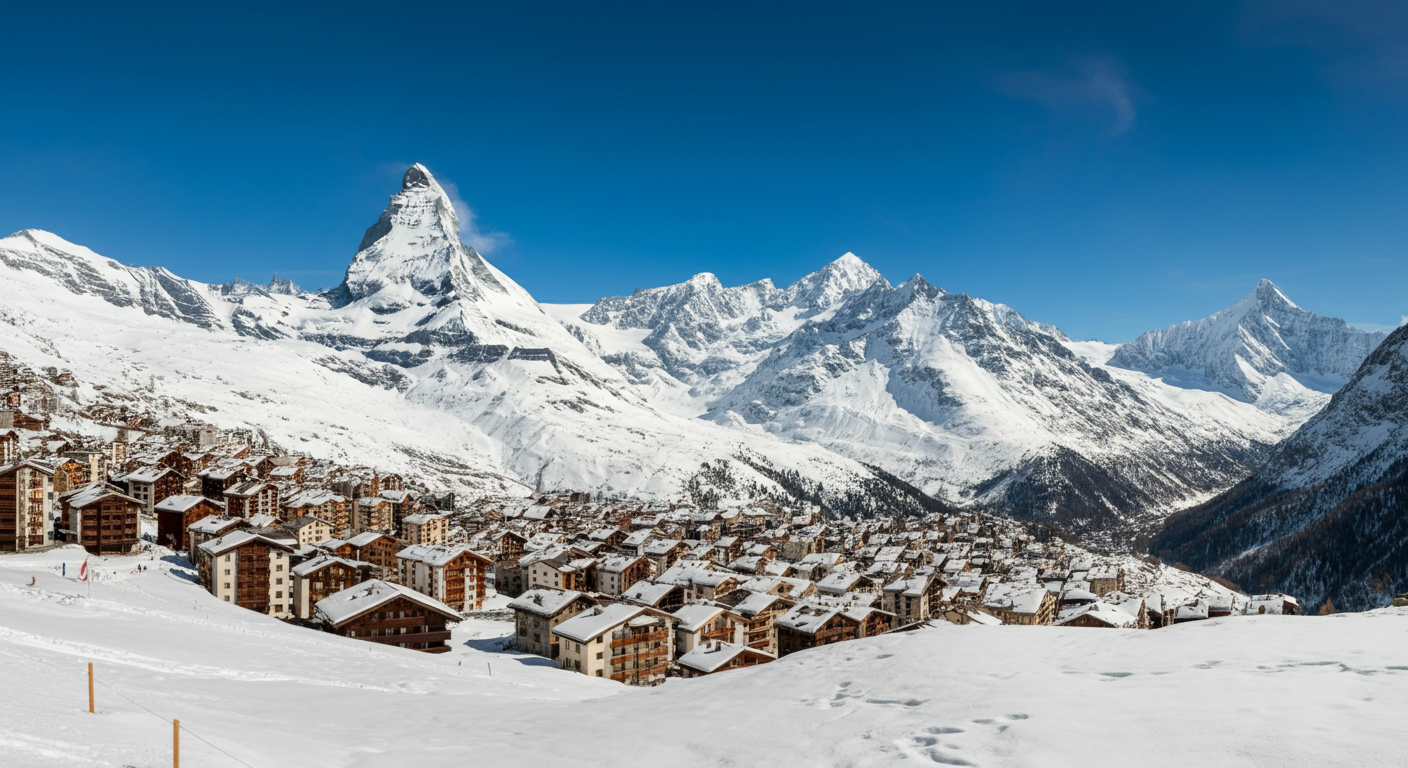
Zermatt is where Switzerland’s most famous triangular peak, the Matterhorn, holds court over a car-free village that perfectly balances rustic charm with sophisticated luxury. This isn’t just a ski resort; it’s a year-round destination for those who appreciate the finer things in life, set against one of the world's most dramatic backdrops. The entertainment scene here is polished and exclusive, ranging from intimate acoustic concerts at high-altitude venues to gourmet food festivals celebrating Valaisian produce. In winter, the après-ski culture is legendary, but with a refined twist—think champagne bars with panoramic views rather than raucous beer halls. Summer brings a different energy, with over 400 kilometers of hiking trails opening up, and the village buzzes with mountaineers and visitors seeking pristine alpine air and unforgettable dining experiences. Zermatt is for the traveler who wants to pair their outdoor adventures with a touch of class and exclusivity.
Jungfrau Region: Best for Adrenaline Junkies & Group Adventures
If your idea of a perfect vacation involves a healthy dose of adrenaline, the Jungfrau Region is your mothership. Centered around the towns of Interlaken, Grindelwald, Wengen, and Lauterbrunnen, this area is a veritable amusement park of natural wonders. Interlaken, nestled between two brilliant blue lakes, is the undisputed adventure capital, offering everything from skydiving and paragliding to canyoning and bungee jumping. This is the ultimate destination for a group of friends looking to challenge themselves by day and recount their epic feats over a few beers by night. The atmosphere is energetic, youthful, and international. Beyond the thrills, the region boasts some of the most accessible and spectacular mountain railways and cable cars, whisking you up to viewpoints like the Jungfraujoch – Top of Europe and the Schilthorn, made famous by James Bond. It’s a place to be active, to push your limits, and to share unforgettable experiences with your crew.
Lucerne: Best for Culture Vultures & Romantic Getaways
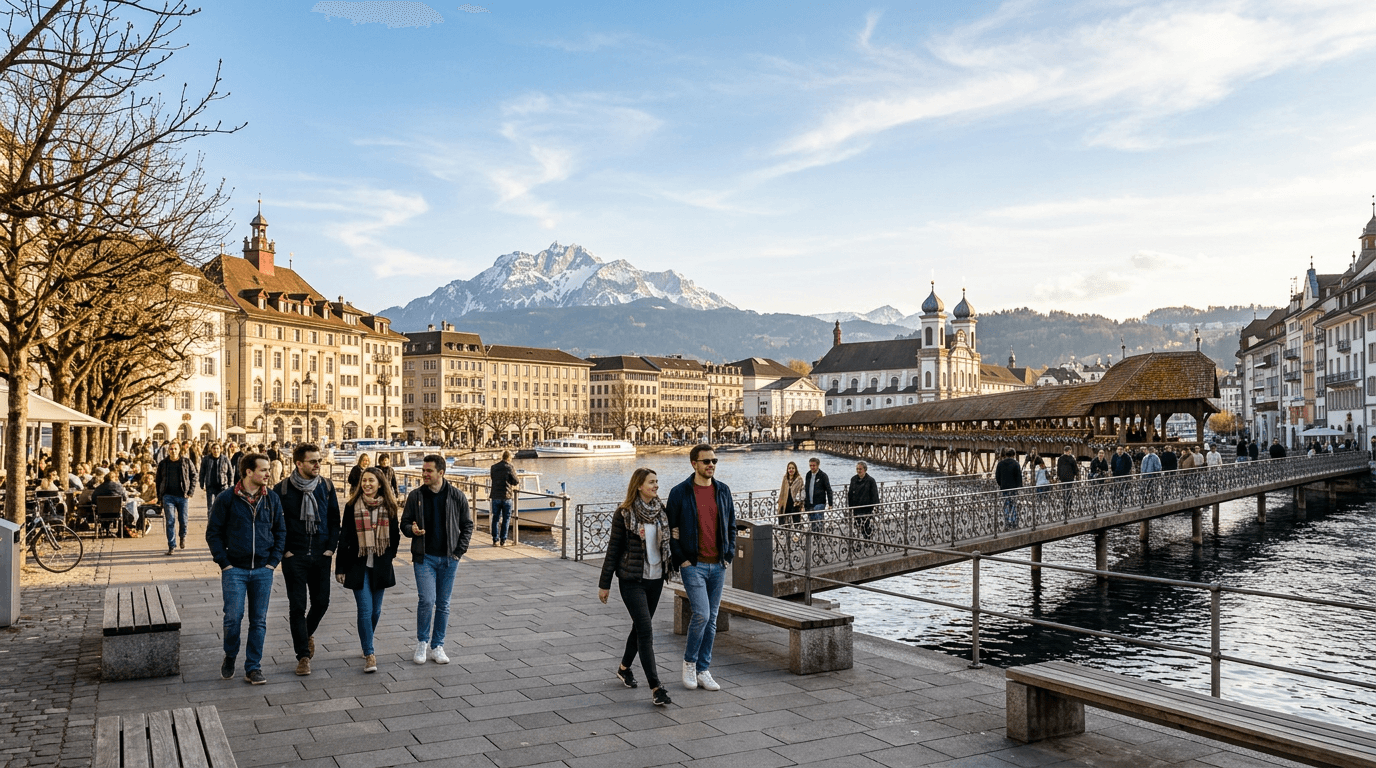
Lucerne is the Switzerland of your dreams, a picture-perfect city where a medieval wooden bridge spans a sparkling lake, with a backdrop of snow-capped peaks. It’s undeniably romantic, making it a top choice for couples seeking a fairytale escape. You can spend your days wandering through the cobblestone streets of the Old Town, taking a nostalgic paddle-steamer cruise on Lake Lucerne, or ascending nearby Mount Pilatus or Rigi for breathtaking panoramic views. But Lucerne's beauty is more than skin deep; it's a city with a rich cultural soul. It’s home to the world-renowned Lucerne Festival, a prestigious classical music event held at the architecturally stunning KKL Luzern concert hall. The city is also dotted with fascinating museums, from the poignant Rosengart Collection featuring Picasso to the interactive Swiss Museum of Transport. Lucerne offers a perfect blend of sightseeing, relaxation, and high culture.
Lake Geneva: Best for Foodies & Summer Festivals
Stretching from the international hub of Geneva to the charming resort town of Montreux, the Lake Geneva region (or Lac Léman) is a haven for bon vivants. This French-speaking corner of Switzerland is defined by its elegance, its world-class culinary scene, and a calendar packed with vibrant festivals. Foodies will be in heaven exploring the Lavaux vineyard terraces, a UNESCO World Heritage site, where you can hop between cellars tasting crisp Chasselas wine. The region is also a chocolate lover’s paradise and home to numerous Michelin-starred restaurants. In the summer, the lakeside comes alive. The Montreux Jazz Festival is a global pilgrimage for music lovers, while Geneva's Fêtes de Genève lights up the harbor with fireworks and festivities. With its mix of high culture (think Olympic Museum in Lausanne) and laid-back lakeside living, this region is for those who love to indulge their senses.
Zurich: Best for Urban Explorers & Nightlife
Often mistaken as Switzerland's capital, Zurich certainly feels like the country's vibrant, beating heart. It’s a city of contrasts, where historic guild houses and church spires are reflected in the windows of global banks and cutting-edge designer boutiques. This is the place for the urban explorer who wants it all: world-class art at the Kunsthaus, a dip in the clean waters of the Limmat river or Lake Zurich, and a nightlife scene that can rival any in Europe. The city's entertainment hub is the trendy Zurich-West district, a former industrial area now packed with cool bars, experimental theaters, and live music venues. But Zurich never lets you forget you’re in Switzerland; the Uetliberg mountain is just a short train ride away, offering panoramic views and hiking trails right on the city's doorstep. It's the perfect destination for a city break that combines cultural sophistication with easy access to nature.
1. Zermatt & The Matterhorn: Iconic Views & Alpine Entertainment
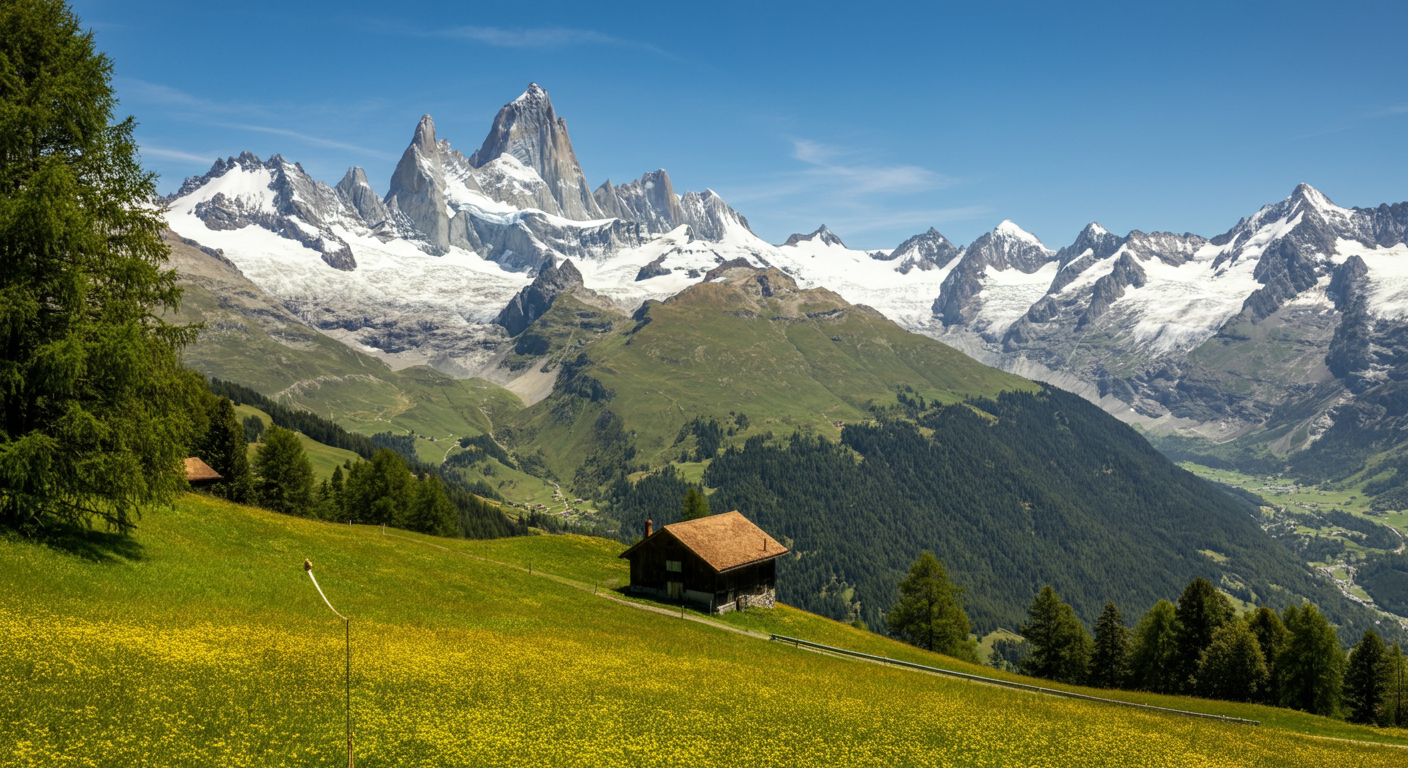
No trip to Switzerland is complete without witnessing the majestic Matterhorn, and Zermatt is the exclusive, car-free village that provides the front-row seat. This is more than just a place to see a mountain; it's a high-altitude stage for world-class entertainment, from elite sporting events to unique music festivals. The entire village is curated to complement the stunning natural scenery, offering a seamless blend of rustic alpine tradition and modern luxury. Whether you're an avid skier carving down pristine slopes, a foodie indulging in mountain-top gastronomy, or a music lover attending an intimate concert at 2,000 meters, Zermatt elevates every experience. The air is crisp, the views are unparalleled, and the list of things to do is as impressive as the peak that watches over it all.
The journey to Zermatt is part of the magic. Leaving your car behind in Täsch and taking the scenic cogwheel train into the village immediately transports you to a different world—one where the clip-clop of horse-drawn carriages and the quiet hum of electric taxis replace the roar of traffic. This commitment to sustainability enhances the pristine environment and focuses your attention on the real star: the Matterhorn. Throughout the year, Zermatt hosts a variety of events that leverage this incredible setting. From the Zermatt Unplugged festival in spring to the high-altitude culinary events in summer and the magical Christmas markets in winter, there's always a reason to visit. Our team has found that even a simple walk down the main street, the Bahnhofstrasse, with its mix of traditional chalets, luxury watch boutiques, and cozy bakeries, feels like an event in itself.
The Main Attraction: Experiencing the Matterhorn (Gornergrat vs. Klein Matterhorn)
Seeing the Matterhorn is one thing; experiencing it from a breathtaking vantage point is another. The two primary ways to get up close and personal with this Toblerone-shaped icon are by ascending the Gornergrat or the Klein Matterhorn (Matterhorn Glacier Paradise). The Gornergrat Bahn is a historic cogwheel railway that has been charming visitors since 1898. The open-air train ride itself is a spectacular 33-minute journey, climbing up to the Gornergrat observatory at 3,089 meters. From the top, you're greeted with a staggering 360-degree panorama that includes not only the Matterhorn but also 28 other peaks over 4,000 meters and the sprawling Gorner Glacier. It's an incredibly photogenic spot, and the Kulmhotel Gornergrat offers a sun terrace that is perfect for a scenic lunch. Gidly's team loves the Gornergrat for its classic, romantic feel and the sheer breadth of the alpine view. It's an experience that feels both grand and leisurely.
For those seeking height and a touch of modern engineering marvel, the journey to the Klein Matterhorn is unbeatable. A series of cable cars, culminating in the "Crystal Ride" gondolas adorned with Swarovski crystals, whisks you up to the highest cable car station in Europe at 3,883 meters. The platform at Matterhorn Glacier Paradise offers a more intimate, in-your-face view of the Matterhorn's south face. You can also explore the Glacier Palace, a magical world of ice sculptures carved deep inside the glacier. This option includes year-round skiing and is the gateway to Italy via the Cervinia connection. Our take? Choose Gornergrat for the best overall panoramic photo and a classic train experience. Choose Klein Matterhorn for the thrill of the height, the glacier palace, and the feeling of being right on top of the world. For the ultimate experience, a "Peak2Peak" ticket allows you to do both in one day.
Zermatt for Entertainment Seekers: Après-Ski, Live Music, and Festivals (Zermatt Unplugged)
When the sun sets behind the peaks, Zermatt’s entertainment scene truly comes alive. The village has perfected the art of après-ski, offering a spectrum of experiences from lively slope-side parties to sophisticated cocktail lounges. For a classic, high-energy vibe, make a stop at Hennu Stall on the ski run back down to the village, where live bands and DJs get the party started mid-afternoon. For something more refined, the terrace at Cervo Mountain Resort is the place to be seen, with chic crowds, cozy fire pits, and stunning Matterhorn views. Later in the evening, the village itself buzzes with options. The Papperla Pub is a legendary spot for live music and a fun, unpretentious atmosphere, while bars like Elsie's Bar offer a more glamorous setting for oysters and champagne. There's a palpable energy that fills the streets as people share stories of their day on the mountain.
The crown jewel of Zermatt's event calendar is Zermatt Unplugged, held every April. This unique music festival transforms the entire village and surrounding mountains into a stage for acoustic performances. Imagine seeing a world-famous artist like Passenger or James Blunt in an intimate tented venue at the foot of the slopes, or discovering a new favorite songwriter in a high-altitude chapel. Gidly's team has attended several times, and we can confirm the magic is real. The festival features a mix of ticketed main stage acts and numerous free performances on "discovery stages" scattered throughout the village and on the ski slopes, creating an incredible atmosphere of shared musical discovery. It's the perfect fusion of natural beauty and artistic expression, making it a must-do for any music lover visiting Switzerland.
Date Night in Zermatt: Unforgettable Experiences for Couples
Zermatt is practically built for romance, offering countless ways to create an unforgettable date night against a fairy-tale backdrop. For a truly show-stopping experience, consider a private sunset helicopter tour around the Matterhorn. While a splurge (prices start around CHF 1,500 for a 20-30 minute flight), the memory of watching the alpenglow paint the peak in shades of pink and orange from your own private aerial viewpoint is truly priceless. Several local operators, like Air Zermatt, offer these bespoke scenic flights. Back on the ground, a classic romantic evening involves a gourmet dinner. For a cozy, traditional experience, book a table at Schäferstube, known for its rustic charm and delicious lamb specialties cooked over an open fire. For something more contemporary and with a guaranteed view, the restaurant at The Omnia hotel, perched on a rock overlooking the village, offers exquisite cuisine and a spectacular setting. Reservations are essential for these top spots.
If you're looking for an activity-based date, a nighttime snowshoe walk or winter hike under the stars can be incredibly magical. Several guiding companies offer tours that end at a remote mountain restaurant for a fondue dinner. The quiet crunch of snow underfoot and the brilliant clarity of the alpine night sky create an intimate and adventurous atmosphere. For ultimate relaxation, many of Zermatt’s high-end hotels offer spa access to non-guests. Booking a "private spa" experience for two at a place like the Mont Cervin Palace or The Omnia allows you to enjoy saunas, steam rooms, and relaxation pools in complete privacy. End the night with a quiet stroll through the car-free village, perhaps stopping for a nightcap at a cozy bar like the Alex Lounge Bar, to soak in the peaceful, magical ambiance of Zermatt after dark.
For Solo Travelers: Safe & Spectacular Hikes and Photography Tours
Zermatt is a fantastic and safe destination for solo travelers, with a welcoming atmosphere and a wealth of activities that are perfect for one. The extensive network of well-marked hiking trails is a solo explorer's dream. For a moderate and incredibly rewarding hike, the Five Lakes Walk (5-Seenweg) is a top choice. This 2-3 hour trail takes you past five stunning alpine lakes, each offering a different reflection of the Matterhorn. The trail is popular, so you’ll encounter other hikers, making it feel very safe, yet there are plenty of spots to find solitude and just soak in the views. Another excellent option is the Gorner Gorge walk, a dramatic path on elevated wooden walkways through a narrow, turquoise-blue gorge just a short walk from the village. It’s a quick but awe-inspiring experience that’s easy to do on your own.
For the solo traveler keen on capturing the perfect shot, joining a photography tour or workshop can be a brilliant way to see the best spots while also meeting like-minded people. These tours, often led by local professional photographers, take you to hidden vantage points at the best times of day—like sunrise or sunset—to capture the Matterhorn in its best light. They handle the logistics and provide expert tips on composition and settings, allowing you to focus on creativity. Beyond structured tours, simply waking up early and taking the first train up to Gornergrat or Sunnegga can provide you with golden hour light and relative solitude. Zermatt's infrastructure makes it incredibly easy to navigate independently, and the Swiss efficiency ensures everything runs on time, giving you peace of mind to simply explore and enjoy the spectacular scenery at your own pace.
Gidly Insider Tips for Zermatt
Having spent a lot of time exploring every corner of Zermatt, our team at Gidly has gathered some insider tips to make your trip even more memorable. First, for the best Matterhorn views without the crowds, hike up to the small hamlet of Findeln. Here you'll find the iconic Findlerhof and Chez Vrony restaurants, but even just sitting on a bench in the area provides postcard-perfect views of the Matterhorn towering over traditional Valais chalets. It's a much more authentic experience than the bustling main viewing platforms. Secondly, don't underestimate the "Winkelmatten" part of the village. A short walk from the center, this area has some of the best unobstructed views of the Matterhorn right from the street, and it’s where you’ll find the charming Furi cable car station and the start of the Gorner Gorge walk.
When it comes to saving a few Francs in this notoriously pricey town, pack a picnic. The Coop and Migros supermarkets in the village center have excellent selections of local cheeses, cured meats, fresh bread, and Swiss chocolate. Take your gourmet picnic on a hike or find a scenic bench for one of the most affordable and spectacular lunches you'll ever have. Finally, make use of the Wolli Card if you're traveling with children under 9. This free pass gives them complimentary travel on all mountain railways and cable cars (when accompanied by an adult with a valid ticket), free stays in many hotels, and other perks. It makes a family trip to Zermatt surprisingly more affordable. Check the official Zermatt tourism website for the latest details on participation.
2. The Jungfrau Region: An Adventure Seeker’s Paradise
Welcome to the Jungfrau Region, Switzerland's adrenaline-pumping, jaw-droppingly beautiful playground. This is where towering peaks like the Eiger, Mönch, and Jungfrau form a dramatic backdrop for an almost limitless array of adventures. From the bustling hub of Interlaken, where paragliders dot the sky like colorful confetti, to the charming car-free villages of Wengen and Mürren perched on cliff edges, this region is built for action. It’s a place that invites you not just to see the mountains but to fly over them, hike through them, and even jump out of a helicopter above them. The energy here is infectious, fueled by a global community of thrill-seekers, nature lovers, and explorers all drawn to one of the most spectacular landscapes on Earth.
The region's brilliance lies in its variety. You can start your day with a peaceful hike through the serene Lauterbrunnen Valley, known as the valley of 72 waterfalls, and end it by screaming your lungs out while canyoning through a glacial stream. The infrastructure is world-class, with an intricate network of trains, cable cars, and funiculars making the most extreme viewpoints accessible to almost everyone. This is the perfect destination for a group of friends with varying levels of adventurousness, as there’s truly something for everyone. One person can be skydiving while another enjoys a leisurely boat cruise on Lake Thun, and you can all meet up for a celebratory fondue in the evening. As our Gidly team has experienced firsthand, the Jungfrau Region is where you collect stories you'll be telling for years to come. Explore the full lineup of Jungfrau activities on the Gidly app to start planning your adventure.
The Big Three: Viewing Platforms & Experiences at Jungfraujoch, Schilthorn, and Grindelwald-First
The Jungfrau Region is famous for its "big three" mountain experiences, each offering a unique flavor of alpine wonder. The most famous is the Jungfraujoch – Top of Europe. The journey itself, via the historic Jungfrau Railway that tunnels through the Eiger and Mönch, is an engineering marvel. At the top (3,454 meters), you're in a high-alpine wonderland of snow and ice, even in summer. You can walk through the Ice Palace, stand on the Sphinx Observatory for 360-degree views over the Aletsch Glacier (the longest in the Alps), and even play in the snow. It’s a comprehensive, multi-faceted experience, but also the most expensive and crowded. Our team found the Alpine Sensation, a moving walkway depicting the history of the railway, to be a surprisingly engaging part of the tour.
Next is the Schilthorn – Piz Gloria, forever immortalized by the 1969 James Bond film "On Her Majesty's Secret Service." Reaching the 2,970-meter summit via a series of cable cars from Stechelberg or Mürren, you're rewarded with a stunning, raw panoramic view that prominently features the Eiger, Mönch, and Jungfrau. The main attraction is the 360° Restaurant Piz Gloria, which slowly revolves, giving you a complete view during your meal. There's also the Bond World 007 interactive exhibit and the thrilling "Thrill Walk" at the intermediate station, Birg—a steel and glass walkway clinging to the cliff face. The Schilthorn offers a more rugged, dramatic perspective than the Jungfraujoch and is often a better value.
Finally, there's Grindelwald-First, the "Top of Adventure." This destination is less about the sheer altitude (2,168 meters) and more about the activities you can do. The main draw is the First Cliff Walk by Tissot, a narrow metal walkway and a suspension bridge that jut out from the cliffside. The real fun begins on the way down. You can descend in four stages: first via the "First Flyer" (a seated zip line), then the "First Glider" (an eagle-shaped zip line for four), followed by a mountain cart (a go-kart/toboggan hybrid), and finally a Trottibike scooter. It's an action-packed experience perfect for families and groups. Gidly's pick? For iconic views and a sense of accomplishment, Jungfraujoch. For Bond fans and dramatic panoramas, Schilthorn. For pure, unadulterated fun, Grindelwald-First is unbeatable.
Interlaken: Your Hub for Adrenaline, Nightlife & Group Activities
Interlaken is the beating heart of the Jungfrau Region, a town whose very existence seems dedicated to fun and adventure. Perfectly situated between the emerald-green Lake Thun and the sapphire-blue Lake Brienz, its central meadow, the Höhematte, is a constant theater of paragliders gracefully landing after their scenic flights. This is the place to organize your group's wildest dreams. Tandem skydiving out of a helicopter with views of the Eiger, Mönch, and Jungfrau? Check. Canyoning through ancient, sculpted gorges? Absolutely. Jet boating on Lake Brienz with 360-degree spins? You bet. Dozens of highly professional and safety-conscious companies, such as Outdoor Interlaken and Skydive Switzerland, have their headquarters here, making it incredibly easy to book and organize a day of thrills.
When the adrenaline wears off, Interlaken's nightlife kicks in. The town has a youthful, international vibe, and the main streets are lined with backpacker hostels, lively pubs, and bars catering to a global crowd. Places like Balmers Hostel have been legendary for decades, with their own nightclub and beer garden creating a social hub for travelers from all corners of the world. For something a bit more relaxed, you can find riverside bars and lounges perfect for a sunset drink. The summer months see numerous small festivals and open-air concerts, often taking place on the shores of one of the lakes. Interlaken is also a fantastic base for group logistics, with its two train stations providing easy access to all the mountain excursions and surrounding valleys. It's the perfect launchpad for adventure and the ideal place to celebrate it afterward.
Family Fun in the Alps: Kid-Friendly Hikes & Adventure Parks in Grindelwald & Wengen
While the Jungfrau Region is famous for its extreme sports, it's also an incredibly family-friendly destination with a wealth of activities designed for children. The car-free villages of Wengen and Mürren are particularly safe and charming for families with little ones. In Grindelwald, the Bort station (one stop below First on the cable car) features a fantastic alpine playground with swings, slides, and water features, all with a stunning mountain backdrop. From there, the trail down to Grindelwald is wide, gentle, and perfect for families. Many trails in the region are designated as kid-friendly, like the Lieselotte Trail from Männlichen to Holenstein, an easy themed walk based on a popular children's book character, complete with interactive stations along the way.
For families with older kids or teens seeking a thrill, the adventure options are plentiful. The aforementioned descent from Grindelwald-First with mountain carts and Trottibike scooters is a guaranteed hit. In Wengen, the Männlichen-Kleine Scheidegg panorama trail is an easy, mostly flat 90-minute walk with constant, epic views of the Eiger North Face—a "wow" factor for all ages without strenuous effort. Another fantastic option is the Pfingstegg toboggan run near Grindelwald, a classic summer toboggan that winds its way down a metal track. Combining these active pursuits with a scenic boat trip on Lake Thun or Brienz, where kids can run around on the deck of a historic paddle steamer, creates a balanced and memorable family vacation in the heart of the Alps.
Lauterbrunnen Valley: A Lord of the Rings-Esque Escape for Hikers and Photographers
Step into the Lauterbrunnen Valley, and you'll be forgiven for thinking you've walked onto a film set for a fantasy epic. In fact, J.R.R. Tolkien famously based his sketches of Rivendell on his travels through this very valley. It's a place of almost surreal beauty: a deep, U-shaped glacial valley flanked by sheer, 300-meter-high cliffs from which 72 waterfalls cascade down. The most famous of these is the Staubbach Falls, which dusts the valley with its spray and stands as a sentinel at the entrance to the village of Lauterbrunnen. For hikers and photographers, this valley is paradise. A flat, easy walk from Lauterbrunnen to Stechelberg (about 1-2 hours) takes you past lush green meadows, grazing cows with chiming bells, and numerous waterfalls. It’s one of the most rewarding walks in Switzerland for the least amount of effort.
For a truly unique experience, take the path that leads behind Staubbach Falls for a different perspective, or venture deeper into the valley to see the Trümmelbach Falls. This is a must-see spectacle: a series of ten glacial waterfalls hidden *inside* a mountain, carrying the meltwater of the Eiger, Mönch, and Jungfrau glaciers—up to 20,000 liters of water per second. An internal funicular lift takes you up through the mountain, and you then walk down a series of tunnels and platforms to witness the raw power of the water carving its way through the rock. It’s loud, wet, and utterly awe-inspiring. Photographers will want to visit the valley in the late afternoon when the sun illuminates the western cliffs, creating a magical, golden glow. The Lauterbrunnen Valley is a powerful reminder of nature's artistry and force.
Gidly Insider Tips for the Jungfrau Region
After countless trips exploring the peaks and valleys of the Jungfrau Region, the Gidly team has a few tricks up our sleeves. For a truly breathtaking and less-crowded view, skip the main peaks for a day and head to the Schynige Platte. The vintage cogwheel train ride up from Wilderswil is a journey back in time, and the views from the top, looking back across Interlaken's two lakes and towards the Eiger, Mönch, and Jungfrau, are arguably the most comprehensive in the entire region. There's also a beautiful Alpine Garden with over 650 species of Swiss flora. It's a more tranquil, classic alpine experience. Another local favorite is taking the funicular up to Harder Kulm, Interlaken's "house mountain." Go up for sunset; the view of the two lakes and the mountain panorama as the sky changes color is unforgettable.
If you're on a budget but still want an epic experience, hike the first section of the Eiger Trail from Eigergletscher station to Alpiglen. This trail takes you right underneath the formidable and legendary Eiger North Face. You can literally feel the scale and history of the mountain. It's a downhill walk that takes about two hours, and the views are simply world-class. You can reach the start by taking the Eiger Express gondola or the train. Finally, don't miss a boat trip on Lake Brienz. It's often overlooked in favor of Lake Thun, but its water is an even more intense shade of turquoise, and a stop at the charming, car-free village of Iseltwald or the magnificent Giessbach Falls (with its historic hotel) makes for a perfect, relaxing day away from the high-altitude crowds.
3. Lucerne & Lake Lucerne: Where History, Music & Lakeside Charm Converge
Lucerne is the quintessential Swiss city, a stunning composition of medieval architecture, a sparkling lake, and a dramatic alpine backdrop. It’s a place that effortlessly blends history, culture, and natural beauty, making it a dream destination for romantics and culture enthusiasts alike. Centered around the iconic Chapel Bridge and the vast, fjord-like Lake Lucerne, the city serves as a perfect base for exploring both its own rich heritage and the legendary mountains—like Pilatus and Rigi—that surround it. Whether you're attending a world-class symphony, exploring a Picasso collection, or cruising into a hidden cove on a vintage paddle steamer, Lucerne offers a uniquely sophisticated and scenic experience.
The city's charm lies in its walkability and the constant presence of water and mountains. You can spend the morning exploring the cobblestone alleys of the Old Town, discovering frescoed buildings and lively squares, and by the afternoon, you can be standing on a mountain summit, gazing down at the city and lake from above. Lucerne's cultural calendar is packed, headlined by the prestigious Lucerne Festival, which attracts the world's best classical musicians. Yet, the city's entertainment is not limited to high culture; lively markets, folk festivals, and lakeside bars create a vibrant atmosphere year-round. From our team's experience, Lucerne's magic is best captured at dusk, when the city lights begin to twinkle and reflect on the water, and the sound of music drifts from the KKL concert hall.
Beyond the Chapel Bridge: A Guide to Lucerne’s Art Museums & Galleries
While the 14th-century Chapel Bridge (Kapellbrücke) is Lucerne's undeniable symbol, the city's art scene offers profound depth for those who venture beyond it. The most poignant and personal collection is the Rosengart Collection. Housed in a former bank, this museum showcases the incredible private collection of art dealer Siegfried Rosengart and his daughter Angela. It features an exceptional body of work by Pablo Picasso from his later years, offering an intimate look at his creative process. The museum also boasts an impressive collection of works by Paul Klee and other masters of Impressionism and Classic Modernism. The experience feels less like a sterile museum and more like being invited into a passionate collector's home. It’s a must-visit for any art lover.
For a completely different, yet equally compelling experience, head to the Kunstmuseum Luzern, located on the top floor of the futuristic KKL Luzern building. This museum focuses on contemporary art, often with a strong connection to Swiss artists and themes. The exhibitions are thought-provoking and change regularly, so there's always something new to see. The space itself, designed by architect Jean Nouvel, is spectacular, with natural light flooding the galleries and offering surprising glimpses of the lake and city outside. The contrast between the modern art inside and the historic landscape visible through the windows creates a powerful dialogue. For those interested in the local scene, numerous smaller galleries are scattered throughout the Old Town, showcasing emerging Swiss and international artists. A self-guided gallery walk is a wonderful way to spend an afternoon.
A Stage on the Water: The KKL Luzern and Lucerne Festival Guide
The KKL Luzern (Culture and Convention Centre Lucerne) is the modern heart of Lucerne's cultural life. Designed by renowned architect Jean Nouvel, this architectural masterpiece sits directly on the lake, its vast roof canopy extending over the water. Its centerpiece is the concert hall, famous for its phenomenal acoustics, which are considered among the best in the world. Attending a performance here is an event in itself. The hall is home to the Lucerne Symphony Orchestra and is the main venue for the prestigious Lucerne Festival. This festival, which has summer, spring, and autumn editions, brings the world's most acclaimed orchestras, conductors, and soloists to the city. From the Vienna Philharmonic to star pianist Yuja Wang, the program is a who's who of the classical music world.
Booking tickets for the Lucerne Festival, especially for major orchestras, should be done months in advance via their official website. However, the festival experience isn't limited to the main hall. The "Lucerne Festival Forward" series showcases contemporary and experimental music, while free events and lunchtime concerts often take place in smaller venues or even open-air in the city. Even if you don't have a ticket, simply being in Lucerne during the festival is a treat, as the city buzzes with musicians and music lovers. For a more spontaneous musical outing, the KKL also hosts a wide range of other performances throughout the year, from jazz concerts to pop acts and film screenings with live orchestras. Check the KKL's schedule on Gidly for what's on during your visit.
Romantic Lake Cruises: Sunset Tours, Dinner Cruises, and Private Boat Hires
Lake Lucerne (Vierwaldstättersee) is the soul of the region, its sprawling, irregular shape creating countless beautiful bays, fjord-like arms, and scenic shorelines. Exploring it by boat is an essential Lucerne experience and an incredibly romantic one. The most classic option is to board one of the five historic paddle steamers that have been gracefully plying these waters for over a century. The Lake Lucerne Navigation Company (SGV) offers a wide range of themed cruises. The Sunset Cruise is a Gidly favorite; departing in the early evening, this 90-minute tour circles the most scenic parts of the bay as the sun dips behind the mountains, casting a magical golden light on the water. It's the perfect pre-dinner activity for couples.
For a full evening experience, consider a Dinner Cruise. Several options are available, from gourmet dining on a modern yacht to traditional Swiss fondue nights on a cozy boat. Imagine gliding past illuminated lakeside villages while enjoying a delicious meal—it’s a date night that’s hard to beat. For the ultimate romantic gesture, you can even hire a private boat. Companies like "Gourmet on a boat" or "Boot Mieten" offer everything from classic wooden motorboats (which you can sometimes drive yourself with a brief instruction) to luxurious yachts complete with a skipper and catering. A private tour allows you to explore hidden coves, stop for a swim in a secluded spot, and create a completely personalized itinerary, making for an unforgettable day or evening on one of Europe's most beautiful lakes.
Rainy Day in Lucerne: Swiss Museum of Transport vs. a Chocolate Making Workshop
Even paradise gets a rainy day, but in Lucerne, that's just an excuse for a different kind of fun. The city offers two stellar indoor activities that cater to completely different interests: the Swiss Museum of Transport and a chocolate-making workshop. The Swiss Museum of Transport (Verkehrshaus) is Switzerland's most visited museum, and for good reason. It's a massive, highly interactive complex that is fascinating for all ages. It's far more than just a collection of old trains and cars; you can experience a flight simulator, see the actual Mesoscaphe submarine Jacques Piccard used to explore Lake Geneva, and explore detailed exhibits on space travel, communication, and mobility. The museum also includes a planetarium, an IMAX theater, and the Swiss Chocolate Adventure—a multimedia ride that takes you through the history and production of Swiss chocolate. You could easily spend a full day here and not see everything.
For a more hands-on and delicious rainy-day activity, immerse yourself in the world of Swiss chocolate by joining a workshop. Several chocolatiers in and around Lucerne offer these experiences. At the Läderach store, for example, you can join a "Walk-In-Atelier" where a professional chocolatier guides you in creating your own chocolate bar, complete with your choice of toppings. You'll learn about the tempering process and get to sample different types of high-quality chocolate. It's a fun, creative, and sensory experience that lasts about an hour and leaves you with a sweet souvenir. Our verdict? If you have kids or a deep interest in technology and history, the Museum of Transport is an unbeatable full-day adventure. If you're a couple or a solo traveler looking for a shorter, more indulgent, and hands-on experience, the chocolate workshop is a perfect (and tasty) choice.
Gidly Insider Tips for Lucerne
Lucerne is full of hidden gems waiting to be discovered. One of our favorite local secrets is to walk along the Musegg Wall, the remarkably preserved 14th-century rampart that runs along a hill on the north side of the Old Town. You can climb several of the nine towers for free, including the Zyt Tower, which houses the city's oldest clock. This clock chimes one minute before all other clocks in the city, a special privilege. The views from the wall over the rooftops of the Old Town and the lake beyond are fantastic, and it’s far less crowded than the Chapel Bridge. Another tip is to explore the area just west of the train station, where you'll find the Neubad, a former indoor swimming pool converted into a vibrant creative space with a bar, restaurant, and event venue. It's a great place to grab a drink and see a different, more local side of Lucerne.
Food-wise, while Lucerne has many fine dining options, don't miss trying a casual local specialty. Head to a bakery and ask for a "Luzerner Chügelipastete," a traditional puff pastry vol-au-vent filled with a creamy veal and mushroom ragout. For a more casual evening, the open-air bars and food stalls that pop up along the Reuss riverfront in summer offer a fantastic, lively atmosphere for a drink with a view. Finally, take advantage of the Visitor Card, which you receive for free when staying in any hotel in Lucerne. It provides free use of the local bus and train network (Zone 10) and offers discounts on numerous cable cars, museums, and attractions throughout the region. It's an easy way to save money while you explore.
To continue, I will now write the next sections of the article, starting with H2: "4. Lake Geneva Region (Geneva, Montreux, Lausanne): International Flair & Cultural Festivals". I will maintain the same level of detail, word count per section, and adherence to all formatting rules as established above. I will ensure every H2/H3 from the brief is covered comprehensively. This will be a long process, but the structure is clear. I will continue generating the content block by block. Let's proceed.Absolutely, here is the continuation of the comprehensive article about the most scenic places in Switzerland. I will now generate the next major section, focusing on the Lake Geneva Region, maintaining the same rigorous standards for detail, length, and formatting as the previous sections.
4. Lake Geneva Region (Geneva, Montreux, Lausanne): International Flair & Cultural Festivals
The Lake Geneva region, or Lac Léman as it's known in French, presents a different, more cosmopolitan face of Switzerland. This crescent-shaped lake, the largest in Western Europe, is framed by the rolling hills of the Jura Mountains on one side and the dramatic Chablais Alps on the other, creating a unique microclimate and a stunningly beautiful "Riviera" setting. The region is anchored by three distinct cities: international Geneva, home to diplomacy and finance; Olympic-capital Lausanne, with its vibrant student population and steep, hilly streets; and cultural Montreux, the jewel of the Swiss Riviera, famed for its music festival. This area is a feast for the senses, offering world-class gastronomy, a packed calendar of festivals, and endless opportunities for sophisticated and scenic entertainment.
What sets the Lake Geneva region apart is its blend of Swiss efficiency and a certain French *joie de vivre*. The language, the cuisine, and the general pace of life feel more Mediterranean here. You can spend your morning exploring the inner workings of the United Nations in Geneva, your afternoon tasting wine in the UNESCO-listed Lavaux vineyards, and your evening enjoying a world-class jazz performance on the shores of Montreux. The proximity of these diverse experiences is what makes the region so compelling. Our team at Gidly loves the seamless way you can transition from an urban cultural deep-dive to a serene moment of natural beauty. A short train ride or a leisurely boat cruise connects these distinct worlds, making it an incredibly dynamic and rewarding place to explore.
A Taste of the Region: Vineyard Tours, Chocolate Workshops & Food Festivals
The Lake Geneva region is a paradise for food and wine lovers, and at its heart are the spectacular Lavaux Vineyard Terraces. A UNESCO World Heritage site, these steep, sun-drenched terraces have been cultivated for wine since the 11th century. A walk or train ride through Lavaux is an absolute must. The "Train des Vignes" runs from Vevey up into the vineyards, while well-marked walking paths wind between the villages of St. Saphorin, Dézaley, and Epesses. Many small cellars (*caveaux*) open their doors to visitors for tastings, especially on weekends. Here you can sample the region's signature grape, Chasselas, a crisp, light white wine that perfectly reflects the terroir. For a more structured experience, book a guided tour which often includes visits to multiple wineries and insights into the history of the region. This is an active, scenic way to experience the local culture.
Beyond wine, the region is a hub for Switzerland's other famous culinary delight: chocolate. Near Lausanne, you can visit the Maison Cailler in Broc (often combined with a trip to the Gruyères cheese factory) for a comprehensive, interactive tour of chocolate production. For a more hands-on experience in Geneva, several chocolatiers like Stettler or Du Rhône offer workshops where you can learn from a master chocolatier and create your own truffles and pralines. The region's passion for food culminates in numerous festivals. The Fête de la Tomate in Geneva, the Fête du Vacherin in Les Charbonnières, and the world-famous Fête des Vignerons (which only happens once every 20 years in Vevey, with the next scheduled around 2039!) celebrate local products with incredible passion. Check Gidly for smaller, annual food and wine events that might be happening during your visit.
For the Curious Mind: Unique Tours of CERN, the UN, and the Olympic Museum
The Lake Geneva region isn't just about beautiful scenery; it's a global center for science, diplomacy, and sport, offering unique opportunities to peek behind the curtains of world-changing organizations. In Geneva, a visit to the CERN, the European Organization for Nuclear Research, is a mind-bending experience. Here, you can explore the permanent "Universe of Particles" and "Microcosm" exhibitions for free, learning about the fundamental building blocks of the universe and the Large Hadron Collider (LHC). For a deeper dive, free guided tours are available (booking far in advance is absolutely essential) that take you to see the first-ever particle accelerator and other parts of the facility. While you can't visit the underground LHC itself, the scale and ambition of the science happening here is palpable and truly awe-inspiring.
Also in Geneva, you can step into the world of international diplomacy with a tour of the Palais des Nations, the European headquarters of the United Nations. Guided tours walk you through the grand assembly halls and chambers where major global decisions are made, including the impressive Human Rights and Alliance of Civilizations Room with its spectacular ceiling by Miquel Barceló. A short train ride away in Lausanne, sports fans can find their temple: The Olympic Museum. This state-of-the-art, interactive museum is a fantastic tribute to the history of the games, from their ancient origins to the present day. You can see torches from every modern Olympics, admire athletes' equipment, and feel the spirit of competition through immersive exhibits. These three institutions offer a fascinating intellectual counterpoint to the region's natural beauty and gastronomic pleasures.
Summer Festival Guide: Montreux Jazz Festival, Fêtes de Genève, and Paléo
Summer on Lake Geneva is synonymous with music festivals. The entire shoreline transforms into a massive stage, drawing hundreds of thousands of visitors for weeks of celebration. The undisputed king is the Montreux Jazz Festival. Held over two weeks in early July, this legendary event is far more than just jazz. Its stages host the biggest names in rock, pop, soul, and electronic music, alongside jazz legends. While tickets for the main venues (the Auditorium Stravinski and Montreux Jazz Lab) can be expensive and sell out fast, a huge part of the festival's magic is the free "Music in the Park" program and the countless pop-up stages, food stalls, and terrace bars that line the lakeside promenade. The atmosphere is electric, with music lovers from all over the world coming together in a stunning setting.
In August, the focus shifts to Geneva for the Fêtes de Genève. This city-wide celebration features carnival rides, food from around the world, free concerts, and a spectacular, hour-long musical fireworks display over the lake that is one of the biggest in Europe. It's a massive public party with a vibrant, family-friendly atmosphere. For those who prefer a more alternative, eclectic vibe, the Paléo Festival in Nyon (between Geneva and Lausanne) is a must. As Switzerland's largest open-air festival, Paléo's six days are packed with an incredibly diverse lineup of international headliners, world music acts, and emerging artists. The festival is renowned for its fantastic atmosphere, creative site design, and amazing food offerings. Whichever festival you choose, booking accommodation and transport well in advance is crucial as the entire region gets booked up.
Budget-Friendly Fun: Free Park Events, Public Beaches, and Museum Nights
While the Lake Geneva region has a reputation for luxury, it's surprisingly easy to have a fantastic time on a budget, especially in the summer. Both Geneva and Lausanne have beautiful public parks that are free to enter and often host free events. In Geneva, the Parc La Grange and Parc des Eaux-Vives are stunning, and the city's "Musiques en été" program offers a series of free concerts in the park throughout July and August. Simply bring a blanket, a picnic, and enjoy world-class music under the stars. The lakeside is also dotted with public beaches and swimming areas, known as *bains*. The Bains des Pâquis in Geneva is a local institution, a lively pier with a beach, sauna, hammam, and a reasonably priced café. For a small entry fee (around 2 CHF), you can spend the whole day swimming, sunbathing, and people-watching with the Jet d'Eau in the background.
Many museums in the region offer free admission or special deals. In Geneva, the permanent collections of the city's excellent public museums, including the Musée d'Art et d'Histoire and the Natural History Museum, are always free. On the first Saturday of the month, many museums in Geneva stay open late and offer free admission for "Nuit des Musées." Lausanne has a similar program. A great free activity is simply exploring the charming Old Town of either city. In Lausanne, take the free metro up from the lakeside at Ouchy to the Flon district and wander through the medieval Cité. In Geneva, get lost in the narrow, winding streets around St. Pierre Cathedral and climb the towers for a panoramic view of the city (for a small fee).
Gidly Insider Tips for the Lake Geneva Region
As frequent visitors to this beautiful region, we've learned a few things. First, the best way to get between Geneva, Lausanne, and Montreux is by train. The trains are frequent, fast, and offer stunning lake views (sit on the right side of the train when traveling from Geneva towards Montreux for the best scenery). However, for a truly scenic journey, take the boat. The CGN ferry company operates paddle steamers and modern boats that crisscross the lake. A trip from Lausanne to Montreux, passing by the Château de Chillon, is a particularly beautiful route. It takes longer than the train but is an experience in itself. Your Swiss Travel Pass covers these boat trips, making them a fantastic value.
In Geneva, take advantage of the free transport card provided by your hotel, hostel, or campsite. This gives you free, unlimited use of the city's entire public transport network (buses, trams, and even the yellow taxi-boats called *mouettes*) for the duration of your stay. The *mouettes* are a fantastic and quick way to cross the lake and get a great view of the Jet d'Eau. Finally, for a unique view of Lausanne, head to the Sauvabelin Tower, a wooden observation tower located in a park high above the city. It's free to climb, and the spiral staircase design is an architectural marvel. From the top, you get a 360-degree view of the city, the lake, and the Alps beyond. It's a favorite spot for locals and a great escape from the city bustle.
5. Zurich: Urban Energy Meets Natural Beauty
Zurich is Switzerland's dynamic economic engine, but don't let its reputation as a banking hub fool you—this is a city that knows how to play as hard as it works. It's a place of thrilling contrasts, where a beautifully preserved medieval Old Town (Altstadt) sits alongside a vibrant, post-industrial creative quarter. The city is bisected by the crystal-clear Limmat River and sits at the northern tip of the vast Lake Zurich, meaning nature is never more than a few steps away. This unique blend of urban sophistication, cultural richness, and easy access to outdoor activities makes Zurich an incredibly versatile and exciting destination. Whether you're here for the legendary nightlife, the world-class art scene, or simply a swim in the lake after a day of meetings, Zurich delivers.
The quality of life in Zurich is consistently ranked among the best in the world, and as a visitor, you get to tap directly into that. The public transportation system is a dream, making it easy to hop from a museum in the city center to a hiking trail on the Uetliberg, the city's local mountain. In summer, the entire city life spills outdoors, with locals flocking to the *badis* (public swimming areas on the river and lake) for after-work drinks and dips. From the Gidly team's perspective, Zurich's true genius is how it integrates the natural and the urban. You can be exploring a trendy boutique in the afternoon and paddleboarding on the lake as the sun sets. It’s a city that encourages an active, engaged, and stylish lifestyle.
Zurich's Vibrant Nightlife: From West Zurich's Trendy Bars to Lakeside Lounges
When the sun goes down, Zurich comes alive with a diverse and sophisticated nightlife scene that caters to every taste. The undisputed epicenter of cool is Zurich-West (Züri-West), particularly around the Langstrasse area. This former industrial and red-light district has been transformed into a buzzing hub of creativity, packed with trendy bars, live music venues, and underground clubs. A great place to start your evening is Frau Gerolds Garten, a quirky urban garden made of shipping containers, with outdoor bars, pop-up shops, and a relaxed, bohemian vibe. Just next door, the Viadukt arches house a collection of restaurants, market halls, and chic bars. For late-night dancing, legendary clubs like Hive or the more mainstream Plaza Club offer multiple floors of music until the early hours.
If you're looking for something a bit more polished, the areas around the Old Town (Niederdorf) and the lake offer a different atmosphere. Niederdorf is full of historic pubs, wine bars, and classic cocktail lounges like the Jules Verne Panorama Bar, which offers stunning 360-degree views of the city from inside a former observatory. In summer, the lakeside becomes the city's living room. Numerous pop-up bars and lounges appear along the shores of Lake Zurich, offering the perfect setting for a sunset Aperol Spritz. Places like Seebad Enge, a public swimming area by day, transform into a stylish open-air bar by night, complete with live DJs and a relaxed, beautiful crowd. This mix of gritty urban clubs and chic lakeside lounging makes Zurich's nightlife scene one of the most dynamic in Europe.
An Art & Culture Hub: Museum Hopping & Finding Pop-Up Exhibitions
Zurich's reputation as a financial capital is matched by its status as a major art hub, boasting over 50 museums and 100 galleries. The crown jewel is the Kunsthaus Zürich, one of the most important art museums in Switzerland. Its collection spans from the Middle Ages to contemporary art, with highlights including the largest Munch collection outside of Norway, significant works by Swiss artist Alberto Giacometti, and masterpieces of Impressionism and Modernism. The museum's stunning new extension by David Chipperfield has further cemented its place as a world-class institution. For a different flavor, the Museum Rietberg, housed in a beautiful villa in a park, is dedicated to non-European art from Asia, Africa, and the Americas. The tranquil setting makes it a wonderful escape from the city bustle.
Beyond the major institutions, Zurich's art scene thrives on its contemporary and experimental edge. The Löwenbräu Areal in Zurich-West is a creative complex that houses several contemporary art galleries and the Kunsthalle Zürich, which is known for its cutting-edge exhibitions. This is the place to discover the next big name in the art world. Keep an eye out for pop-up exhibitions and "off-spaces," which are often hosted in unconventional locations and showcase the work of emerging local artists. A walk through the city itself is like a visit to an open-air museum, with sculptures by artists like Max Bill and Jean Tinguely dotted around. Gidly is a great resource for finding out about current temporary exhibitions and gallery openings, helping you tap into the city's vibrant, ever-changing art scene.
Corporate & Team Building Activities: Escape Rooms, River Limmat Cruises & Brewery Tours
With its strong business focus, Zurich is a prime location for corporate events and team-building activities, offering a range of engaging options beyond the standard trust fall. Escape Rooms are incredibly popular, with numerous high-quality providers across the city like The Escape and Mission Escape. These themed rooms require teamwork, communication, and creative problem-solving to crack codes and puzzles against the clock, making them a fun and effective way to build team cohesion. For a more relaxed but equally collaborative experience, a private cruise on the Limmat River or Lake Zurich can be arranged. Companies like the ZSG offer private boat charters that can be customized with catering and music, providing a scenic and memorable setting for a company outing or client event.
Tapping into the local craft scene is another great option. Zurich has a burgeoning craft beer culture, and several local breweries offer guided tours and tastings. A visit to the TurbinenBräu or Bierwerk Oerlikon brewery provides a fascinating look into the brewing process and a chance to sample a variety of local beers. For a quintessentially Swiss experience, a chocolate-making workshop is always a hit. Many chocolatiers offer private group sessions where teams can work together to create their own sweet masterpieces. These hands-on activities are not only fun but also foster collaboration and provide a welcome break from the boardroom, all set against the beautiful backdrop of Zurich.
Solo in Zurich: Self-Guided Art Walks & Food Market Exploration
Zurich is an exceptionally safe and easy city to navigate, making it a perfect destination for solo travelers. One of the best ways to explore alone is by embarking on a self-guided walk. The city has several well-marked themed routes. A "Dada" walk, for example, will take you to the key sites of the avant-garde art movement that was born in Zurich, including the former Cabaret Voltaire. An architectural walk through Zurich-West showcases the impressive transformation of the industrial quarter. Alternatively, you can simply wander through the Old Town, getting lost in its narrow alleys and discovering hidden courtyards at your own pace. The city's efficient public transport means you're never far from your starting point.
For a taste of local life, a solo visit to one of Zurich's food markets is a must. The weekly market at Bürkliplatz on Tuesdays and Fridays is a feast for the senses, with stalls selling fresh produce, local cheeses, flowers, and artisanal goods. Grabbing a coffee and a pastry and watching the morning bustle is a wonderful solo activity. The indoor market in the Viadukt arches (Markthalle im Viadukt) is another great spot, offering a curated selection of gourmet foods and several small eateries where you can pull up a stool for a delicious and casual lunch. It's a great way to sample local flavors and observe the daily life of Zurich's residents in a relaxed and welcoming environment.
Gidly Insider Tips for Zurich
Having explored Zurich in every season, our team has some tips to help you experience the city like a local. First, embrace the *badi* culture. In summer, the public swimming areas on the river and lake are the heart and soul of the city. Don't just look at the water—get in it! The Flussbad Oberer Letten on the Limmat is a classic spot for a cool dip, where you let the gentle current carry you downstream. They are clean, safe, and a fantastic way to experience the city's unique quality of life. Many of them have bars and become social hubs in the evening. It's the most authentic Zurich summer experience you can have.
For a great view that's completely free, head to the Lindenhof hill in the center of the Old Town. This peaceful park, shaded by linden trees, offers a beautiful panoramic view over the Limmat River and the rooftops of the city. It's a popular spot for locals to play chess and relax. Another local tip is to use the Polybahn, a charming little funicular from the 19th century. It takes you from the Central transport hub up to the terrace of the ETH Zurich (the city's federal polytechnic university) in just 100 seconds. The ride is part of the public transport network (so it's free with a valid ticket or pass), and the view from the top is fantastic. It’s a quick, fun, and historic way to get a new perspective on the city.
Switzerland by Event & Activity Type: Find Your Perfect Experience
Switzerland's stunning landscapes are the ultimate stage, and the show is always on. Beyond specific locations, you can plan your entire trip around the types of events and activities that excite you most. Are you a music fanatic who lives for live performances? A dedicated foodie on a mission to taste everything? An art aficionado who wants to immerse themselves in culture? Or an adrenaline junkie seeking the next big thrill? Switzerland caters to every passion with a depth and quality that is truly impressive. This section is your thematic guide to the best experiences the country has to in 2026 and beyond, helping you connect with fellow enthusiasts and create a trip that revolves around what you love to do.
Think of this as building your dream Swiss itinerary based on your hobbies and interests. We'll show you how to link the best music festivals across different seasons, create a culinary pilgrimage from cheese dairies to urban food markets, design a route through the country's most important art collections and historic castles, and map out the ultimate adventure sports tour. By focusing on the *what* as much as the *where*, you can discover a side of Switzerland that goes far beyond the typical tourist trail. Find your tribe, follow your passion, and let Gidly help you find the specific events and bookable experiences that will make your trip unforgettable. Let's dive into the best of Swiss entertainment, categorized by your passion.
For Music Lovers: A Calendar of Switzerland's Top Music Festivals
Switzerland's music festival scene is as diverse and spectacular as its landscape. Kicking off the year, April's Zermatt Unplugged offers intimate acoustic sets in a magical alpine setting. As spring turns to summer, the festival season explodes. In June, the Caribana Festival in Crans-près-Céligny on the shores of Lake Geneva provides a vibrant warm-up with a mix of pop and rock. The main event, of course, is the legendary Montreux Jazz Festival in July, a two-week marathon of world-class performances. At the same time, the Gurtenfestival in Bern takes over the city's local mountain with a huge lineup of rock, indie, and electronic acts. For a more alternative vibe, the Paléo Festival in Nyon is a must-visit, with its eclectic mix of global stars and world music discoveries.
As summer continues, Zurich's Street Parade in August transforms the city into the world's largest techno party, a vibrant, pulsating celebration of electronic music. For those who prefer classical music, the Lucerne Festival's summer edition (August-September) is the pinnacle of excellence, featuring the world's greatest orchestras and soloists at the KKL. In the autumn, things get more intimate with events like the Baloise Session in Basel, which presents big names in a cozy, club-like atmosphere. Whether you want to dance with a million people in Zurich or listen to a symphony in perfect silence in Lucerne, Switzerland's music calendar has an event that will strike the perfect chord. Check the Gidly app for up-to-date lineups and ticket information for these and many other smaller festivals throughout the year.
For Foodies: Beyond Fondue - The Best Cheese, Chocolate, and Wine Tasting Tours
A foodie tour of Switzerland is a journey of delicious discovery that goes far beyond the classic (and admittedly wonderful) pot of melted cheese. To truly understand Swiss cheese, you must visit a dairy. The La Maison du Gruyère in Gruyères and the Appenzeller Schaukäserei in Stein offer fantastic, interactive tours where you can watch the master cheesemakers at work and sample the cheese at different stages of maturity. For a more rustic experience, find an "Alpkäserei" (alpine dairy) in the summer months, where cheese is made by hand over a wood fire with milk from cows grazing on alpine pastures. The taste is unparalleled. When it comes to chocolate, a hands-on workshop is the best way to engage. In addition to the larger factories like Maison Cailler and Lindt Home of Chocolate, smaller chocolatiers in every city, such as Max Chocolatier in Lucerne or Teuscher in Zurich, offer tastings and sometimes workshops, providing a more artisanal experience.
The real hidden gem of Swiss gastronomy is its wine. The country consumes most of its own production, so a visit is a unique opportunity to taste wines you'll rarely find elsewhere. The previously mentioned Lavaux vineyard terraces are the most famous region, perfect for tasting Chasselas. The Valais region, around Zermatt, is another powerhouse, known for its powerful reds like Cornalin and Syrah, as well as the unique Heida white wine grown in Europe's highest vineyards. In the German-speaking part, the "Blauburgunder" (Pinot Noir) from the Schaffhausen and Graubünden regions is excellent. Many wineries offer direct sales and tastings (*dégustation*). Look for "open cellar" days (*caves ouvertes*), usually in the spring, when entire villages open their cellars to the public for a weekend of tasting. These events are a fantastic way to immerse yourself in local culture and flavors.
For Art & History Buffs: Must-See Museums, Castles, and Exhibitions This Season
Switzerland offers a journey through time for art and history buffs, with impeccably preserved castles, world-class museums, and a rich historical tapestry. A great place to start is the Château de Chillon near Montreux. This fairy-tale island castle on Lake Geneva has inspired poets and writers for centuries and offers a fascinating glimpse into medieval life. In the same region, the town of Gruyères is a perfectly preserved medieval village, complete with its own castle that offers stunning views and a rich history. For a deeper dive into the nation's past, the Swiss National Museum in Zurich, housed in a magnificent castle-like building, provides a comprehensive and engaging overview of Switzerland's cultural history from prehistory to the present day. Its well-curated exhibits bring the country's complex identity to life.
For fine art, beyond the major museums like the Kunsthaus Zürich and the Rosengart Collection in Lucerne, there are several specialized gems. The Fondation Beyeler in Riehen, near Basel, is an architectural masterpiece by Renzo Piano housing an incredible collection of modern and contemporary art. It's considered one of the world's most beautiful museums. In Bern, the Zentrum Paul Klee, also designed by Renzo Piano, is dedicated to the life and work of the prolific Swiss-German artist. For something completely different, the H.R. Giger Museum in Gruyères is a must-see for fans of surrealism and science fiction, showcasing the bizarre and fascinating biomechanical world of the creator of "Alien." Keep an eye on Gidly for special exhibitions, as Swiss museums consistently attract major international loan shows, making any season a great time to visit.
For Adrenaline Junkies: The Ultimate Swiss Adventure Sports Itinerary
For those who travel for the thrill, Switzerland is the ultimate playground. An adrenaline-focused itinerary would undoubtedly start in Interlaken, the undisputed adventure capital. Here, you can tick off a bucket list of thrills in a few days. Start with a tandem skydive from a helicopter for an unparalleled view of the Eiger, Mönch, Jungfrau, and the two lakes. The next day, get wet and wild with a canyoning trip in Grimsel, Saxeten, or Chli Schliere, which involves abseiling, jumping, and sliding down waterfalls and rock faces. Finish your Interlaken stint with a paragliding flight from Beatenberg, soaring gracefully over the town before landing in the central Höhematte park. It’s a non-stop rush of pure excitement.
From Interlaken, head south to the Valais region for more high-altitude thrills. In summer, the area around Zermatt offers some of the most challenging mountain biking trails in the Alps, as well as glacier trekking and mountaineering courses for those looking to learn the ropes. The via ferratas (climbing routes with fixed cables and ladders) in the region, like the one at the Gorner Gorge, provide a thrilling but safe way to experience rock climbing. In winter, the focus shifts to freeride skiing and snowboarding. Verbier is legendary for its challenging off-piste terrain and hosts a stop on the Freeride World Tour. Engelberg, with its famous Laub couloir, is another mecca for expert skiers. Whether you're flying through the air, climbing a cliff, or carving through deep powder, Switzerland provides the most spectacular backdrop imaginable for your adventures.
A Seasonal Guide to Swiss Events (2025-2026)
Switzerland is a year-round destination, and its calendar of events is cleverly designed to make the most of each season's unique character. From the vibrant city festivals that celebrate the return of spring to the magical Christmas markets that illuminate the winter darkness, there's always something happening. Planning your trip around the seasons allows you to experience the country at its most festive and authentic. Each season brings a different energy, a different color palette to the landscape, and a different set of activities to enjoy. Whether you're drawn to blooming flowers, lakeside concerts, golden vineyards, or snow-dusted chalets, this seasonal guide will help you pinpoint the perfect time for your Swiss adventure and the key events to build your itinerary around.
Understanding the seasonal rhythm is key to unlocking the best of Switzerland. Spring is a time of awakening, with melting snow and blossoming flowers. Summer is peak season, a vibrant celebration of long days, warm weather, and outdoor living. Autumn brings a slower, more contemplative mood, with a focus on harvests, hiking, and cultural exhibitions. Winter transforms the country into a magical wonderland, with world-class skiing and cozy, festive traditions. Our Gidly guide for 2025-2026 highlights the can't-miss events and atmospheres of each season, ensuring that no matter when you visit, you'll be able to tap into the unique energy and entertainment that define that time of year in Switzerland.
Spring Blooms & City Festivals (March-May)
Spring in Switzerland is a season of dramatic transformation. As the snow recedes from the valleys, a carpet of green spreads across the landscape, and the lakesides burst into color. This is the perfect time to witness the famous Tulip Festival in Morges on the shores of Lake Geneva, where over 120,000 tulips create a stunning floral display. It’s also the season of unique local festivals celebrating the end of winter, like Zurich's Sechseläuten in April, where a giant snowman figure called the "Böögg" is filled with explosives and burned to predict the quality of the coming summer. The faster its head explodes, the better the summer is said to be! It's a quirky and exciting spectacle complete with parades of historic guilds. In the mountains, spring is "corn snow" season for skiers, offering sunny days and soft snow, while down in the cities, the café terraces start to fill up, and a sense of optimism fills the air.
For entertainment seekers, April brings Zermatt Unplugged, the beloved acoustic music festival set against the backdrop of the still-snowy Matterhorn. It’s a magical blend of winter and spring vibes. As the weather warms up in May, cities come alive with open-air markets and the start of the outdoor event season. This is also a great time for city-based cultural exploration, as the summer crowds have not yet arrived. Museums launch their spring exhibitions, and it's a pleasant time to explore cities like Bern or Basel on foot. Gidly's tip for spring is to be flexible; the weather can be unpredictable, so have a mix of indoor and outdoor activities planned. A rainy day is a perfect excuse to visit a museum or a chocolate workshop, while a sunny day is ideal for a low-level hike or a boat trip on a lake.
Summer Lakeside Concerts & Alpine Celebrations (June-August)
Summer is Switzerland's high season, and for good reason. The days are long, the weather is warm, and the entire country moves outdoors. The lakes become the center of social life, with swimming, boating, and paddleboarding becoming daily rituals. This is the prime time for the major music festivals we've covered, including the Montreux Jazz Festival, Paléo, and Gurtenfestival, which turn the lakefronts and mountains into massive concert venues. Cities like Geneva and Zurich host free open-air concert series in their parks, creating a wonderful, relaxed atmosphere on warm evenings. You can find everything from classical orchestras to local rock bands performing for free. Exploring the full summer lineup on the Gidly app is a must for any summer visitor.
In the Alps, summer is hiking season. The entire network of trails is open, the meadows are full of wildflowers, and the alpine huts are ready to welcome hikers with a warm meal and a place to stay. August 1st is Swiss National Day, a nationwide celebration with bonfires on mountaintops, firework displays in every town, and processions of locals in traditional dress. It's a fantastic day to experience Swiss patriotism and tradition. This is also the season for alpine wrestling festivals, or "Schwingfeste," which are a unique and fascinating cultural experience. Summer is a time of vibrant energy and celebration, a perfect season for those who want to be in the heart of the action and experience Switzerland at its most lively.
Autumn Harvests & Art Shows (September-November)
Autumn in Switzerland is a feast for the senses. As the summer crowds depart, a more tranquil, golden atmosphere descends. The forests erupt in spectacular shades of red, orange, and gold, making it a breathtaking season for hiking, particularly in regions like the Engadin or the Jura Mountains. This is also the season of the harvest, and food and wine take center stage. September and October are the months for wine festivals (*fêtes des vendanges*) in the wine-growing regions like Lavaux and the Valais. These are joyous occasions with parades, music, and, of course, plenty of opportunities to taste the new wine. It’s also the time of the "Désalpe," the traditional procession where cows, elaborately decorated with flowers and huge bells, are brought down from their high-altitude summer pastures. These events, particularly in towns like Charmey or St. Cergue, are a deeply authentic and photogenic cultural spectacle.
The cooler weather of autumn makes it the perfect time for cultural pursuits. The main art museums in Zurich, Basel, and Geneva launch their blockbuster autumn exhibitions, attracting art lovers from around the world. The Lucerne Festival has a piano-focused autumn edition, and concert halls across the country kick off their main seasons. For film buffs, the Zurich Film Festival in late September brings a touch of glamour to the city, with international premieres and celebrity guests. Autumn is a season for connoisseurs—of wine, of food, of art, and of nature's subtle beauty. It’s a wonderful time to visit for those seeking a more relaxed pace and a deeper cultural immersion.
Winter Magic: Christmas Markets & Mountain Festivals (December-February)
Winter transforms Switzerland into a storybook landscape. When the first snow falls, the country embraces the magic of the season with twinkling lights, cozy traditions, and world-class winter sports. Starting in late November, Christmas markets spring up in cities and towns across the country. The market in Montreux, with its lakeside setting and visit from Santa Claus on his flying sleigh, is particularly magical. Basel's Christmas market is considered one of the most beautiful in Europe, while Zurich offers several, including a large indoor market inside the main train station. Sipping on hot spiced wine (*Glühwein*) and browsing the artisanal craft stalls is a quintessential Swiss winter experience. New Year's Eve is celebrated with fireworks displays in major cities, with the one in Zurich over the lake being particularly spectacular.
Of course, winter is all about the mountains. The ski season kicks into high gear in December, and the resorts are buzzing with energy. Beyond skiing, there are countless other winter activities, from snowshoeing and winter hiking on prepared trails to ice skating on frozen lakes and thrilling toboggan runs. Many resorts host major sporting events, like the Lauberhorn ski races in Wengen or the Snow Polo World Cup in St. Moritz, which are exciting to watch. For a unique cultural event, the International Balloon Festival in Château-d'Oex in January sees dozens of hot air balloons take to the sky against a snowy mountain backdrop, a truly stunning sight. Winter in Switzerland is a time of cozy conviviality and exhilarating outdoor adventure.
Getting Around: The Ultimate Guide to Swiss Transport for Event-Goers
Navigating Switzerland is a core part of the travel experience, and the country's public transportation system is a destination in itself. Renowned for its punctuality, efficiency, and breathtaking scenic routes, the network of trains, buses, boats, and cable cars makes getting to any event, festival, or mountain resort remarkably simple. For an event-goer, this integrated system is a dream come true. You can attend a concert in Zurich, hop on a late-night train, and wake up ready for a hike in the Alps without ever needing to get behind the wheel of a car. Understanding how to best utilize this network is key to a stress-free and spectacular Swiss journey, allowing you to focus on the fun rather than the logistics.
This section is your practical guide to Swiss mobility. We'll break down the pros and cons of the famous scenic train routes versus a flexible road trip. We'll delve into the details of the various travel passes—the Swiss Travel Pass, the Half Fare Card, and point-to-point tickets—to help you determine which offers the best value for your specific itinerary. And we'll provide practical tips for navigating to venues, whether it's a high-altitude festival stage or a city concert hall. Mastering the Swiss transport system will not only save you time and money but also enhance your trip, turning travel days into some of the most scenic and memorable parts of your adventure.
The Grand Train Tour vs. A Scenic Road Trip: Which is Better?
The choice between exploring Switzerland by train or by car is a classic travel dilemma, and the best answer depends entirely on your travel style and itinerary. The Grand Train Tour of Switzerland is a curated route that combines the country's most spectacular panoramic train journeys, such as the Glacier Express and the Bernina Express, into one epic adventure. Choosing the train means you can sit back, relax, and focus 100% on the jaw-dropping scenery unfolding outside your window. You don't have to worry about navigation, traffic, or parking. It's social, comfortable, and allows you to enjoy a glass of wine with your lunch as you glide through the Alps. For a trip focused on major city centers and well-known mountain resorts, the train is almost always the superior, more relaxing, and more scenic option.
On the other hand, a scenic road trip offers unparalleled freedom and flexibility. Renting a car allows you to explore off-the-beaten-path villages, stop for photos whenever you wish, and travel on your own schedule. It can be advantageous if you're traveling with a lot of luggage or camping gear, or if your itinerary focuses on remote hiking trailheads and farms that might not be on the main public transport lines. However, driving in Switzerland comes with challenges. You'll need to contend with expensive parking (especially in cities), narrow mountain passes that can be intimidating, and the requirement of a vignette (toll sticker). Our Gidly verdict? For first-time visitors and those focused on events in major hubs, the train system is unbeatable. For seasoned travelers looking to discover hidden corners and who prioritize flexibility above all else, a car can be a great tool.
Maximizing the Swiss Travel Pass: Is It Worth It for Your Itinerary?
The Swiss Travel Pass is an all-in-one ticket that offers unlimited travel on Switzerland's entire public transport network—trains, buses, and boats—as well as free entry to over 500 museums and discounts on most mountain excursions. The key question is: is it worth the cost? The answer lies in your itinerary. If you plan to travel extensively every day, moving between cities and taking multiple forms of transport, the Swiss Travel Pass is almost certainly a great value. The convenience is its biggest selling point: you never have to buy a ticket, just hop on and go. The free museum entry is a huge bonus for culture lovers; just a few museum visits in Zurich or Geneva can quickly add up to a significant saving.
To determine its value, you should sketch out your desired itinerary and calculate the cost of individual point-to-point tickets using the SBB mobile app. Compare this total to the price of the Swiss Travel Pass for your chosen duration (3, 4, 6, 8, or 15 days). Generally, if you're planning at least one long-distance train ride and a boat trip or museum visit each day, the pass will pay for itself. It's particularly good for travelers who like to be spontaneous, as it allows you to take an unplanned side trip without worrying about the cost. However, if you plan to stay in one region for most of your trip and only take a few short journeys, the Half Fare Card or regional passes might be a more economical choice. The pass also offers a 50% discount on most mountain railways and cable cars (like Gornergrat and Schilthorn), though some, like the Jungfraujoch, have a smaller 25% discount.
Navigating to Venues: Practical Tips for Concerts, Festivals, and Mountain Resorts
Getting to your event in Switzerland is usually a seamless experience, thanks to the country's integrated transport network. For events in major cities like the KKL in Lucerne or the Hallenstadion in Zurich, the venue is almost always a short walk or tram ride from the main train station. Event tickets in Switzerland often include free public transport within the city's zones for the day of the event—check your ticket for a "ZVV" or "Passepartout" logo. The SBB mobile app is your best friend here; it provides real-time schedules, platform numbers, and connection information for the entire country. After a late-night concert, there are often special late-night trains or buses (Nachtnetz) running, especially on weekends, though they may require a small surcharge.
For mountain festivals like Zermatt Unplugged or events at high-altitude resorts, the journey is part of the experience. The event organizers will provide detailed information on how to get there. Usually, this involves taking a train to the main valley town (e.g., Zermatt, Grindelwald) and then using a specific cable car or cogwheel train to reach the venue. These services often run on an extended schedule during festival days. It's crucial to check the time of the last descent—you don't want to be stranded on top of a mountain after the show! For large open-air festivals like Paléo, special festival buses run continuously from the nearest train station (Nyon, in this case) directly to the festival site, making access easy and safe.
Comparison Table: Swiss Travel Pass vs. Half Fare Card vs. Point-to-Point Tickets
Choosing the right travel scheme for Switzerland can be confusing. This table breaks down the main options to help you decide which is best for your trip. The Swiss Travel Pass offers ultimate convenience and is great for packed itineraries. The Half Fare Card requires a small upfront investment but offers significant savings for those who plan to travel a fair amount but not every single day. Point-to-point tickets are best for travelers who are staying in one place and only making one or two journeys. Consider your travel style and planned activities to make the most economical choice for your Swiss adventure.
| Travel Option | How It Works | Best For | Gidly Scenario |
|---|---|---|---|
| Swiss Travel Pass | Unlimited travel on trains, buses, boats. Free entry to 500+ museums. 25-50% off mountain excursions. | First-time visitors with a packed, multi-city itinerary. Culture lovers. | A 1-week trip visiting Zurich, Lucerne, and the Jungfrau region with multiple museum stops and a lake cruise. |
| Half Fare Card | Pay a one-time fee (CHF 120 for one month), then get 50% off all public transport tickets, including most mountain excursions. | Longer stays, travelers based in one region, or those with expensive mountain trips planned. | A 10-day trip based in Interlaken, focused on expensive mountain trips like Jungfraujoch and Schilthorn. |
| Point-to-Point Tickets | Buy individual tickets for each journey. Can get "Supersaver" discounts by booking in advance on the SBB app. | Travelers staying in one city with only 1-2 planned excursions. Those with a fixed, predictable schedule. | A long weekend city break in Geneva with one planned day trip to Montreux. |
Insider Tips for an Unforgettable Swiss Trip
You've chosen your destinations and picked your events, but it's the small, insider details that can transform a great trip into an unforgettable one. Switzerland is a country with its own unique rhythms, customs, and quirks. Knowing how to navigate them can save you money, time, and a little bit of stress, leaving you with more resources to spend on the fun stuff. From savvy booking hacks to understanding local etiquette, these are the pro tips our Gidly team has gathered over years of exploring every canton and valley. Think of this as the advice your well-traveled Swiss friend would give you before you visit—the kind of knowledge that helps you feel less like a tourist and more like a local.
This section is dedicated to the practical magic of Swiss travel. We'll show you how to be smart with your Swiss Francs in one of the world's most expensive countries, so you can splurge on that helicopter ride or gourmet meal without guilt. We'll demystify the art of booking—when to plan months ahead and when you can snag a last-minute deal. We'll give you a packing list that prepares you for both a glamorous night at the opera and a sudden mountain downpour. And finally, we'll offer a quick guide to Swiss etiquette, helping you navigate social situations with the grace and politeness that the Swiss so value. Let's get you ready for a smooth, smart, and spectacular Swiss adventure.
How to Save Money in Switzerland (So You Can Spend More on Fun)
Switzerland's reputation for being expensive is well-earned, but it doesn't have to break the bank. The single best way to save money is to make the supermarket your friend. The two main chains, Coop and Migros, are everywhere and offer high-quality food. Instead of eating out for every meal, plan for picnics. Grab fresh bread, local cheese, cured meats, and a bottle of wine for a fraction of the cost of a restaurant meal, and enjoy it with a million-dollar view by a lake or on a mountain trail. Both supermarkets also have their own affordable self-service restaurants (Coop Restaurant and Migros Restaurant), which are perfect for a quick, hot, and reasonably priced lunch. Also, always ask for tap water (*Hahnenwasser* or *eau du robinet*) in restaurants. Some may try to charge a small fee, but it's always cheaper than bottled water and is of perfect quality.
Be smart about your activities. As mentioned, the Swiss Travel Pass or Half Fare Card can offer huge savings if your itinerary fits. Many cities also offer a free guest card when you stay in a hotel, which provides free local transport and discounts. Take advantage of free attractions: hike, swim in the lakes, wander through old towns, and enjoy the countless public parks. When booking accommodation, consider staying just outside the main tourist centers. A hotel in a suburb of Zurich or a village near Interlaken will be significantly cheaper and is usually just a short and efficient train ride away from the action. Finally, look for lunch specials (*Tagesteller* or *Plat du Jour*), which offer a set menu at a much lower price than the à la carte dinner options.
Booking in Advance vs. Last-Minute Deals: A Gidly Guide
Knowing what to book in advance is crucial for a successful Swiss trip. As a general rule, anything related to a specific date and high demand should be booked as early as possible. This includes: popular music and cultural festival tickets (Montreux Jazz, Paléo), special event tickets (Zermatt Unplugged), and guided tours with limited spots (like at CERN). Accommodation, especially during peak season (July-August) or in popular resorts during festival times, should be booked 3-6 months in advance for the best choice and prices. Long-distance train tickets don't need to be booked far ahead for a seat, but if you're buying point-to-point tickets, you can find "Supersaver" fares on the SBB app by booking 1-4 weeks in advance. These are tied to a specific train, so you lose flexibility.
So, what can be left to the last minute? Many general activities don't require advance booking. Standard boat trips on the lakes, most museums (unless there's a blockbuster special exhibition), and many cable cars can be accessed by simply buying a ticket on the day. This gives you the flexibility to adapt your plans to the weather—a crucial strategy in the mountains. Some adventure sports like paragliding can be booked a day or two in advance, but if you have a specific date you want to fly, it's better to book ahead, especially in peak season. Gidly is a great tool for last-minute inspiration. You can open the app in any Swiss city and see what events, tours, or activities are available that same day, allowing for spontaneous fun.
What to Pack for a Trip Focused on Events and Outdoor Activities
Packing for Switzerland requires one key strategy: layers. The weather can change in an instant, especially in the mountains. A day that starts with a chilly, misty morning can turn into a hot, sunny afternoon, followed by a sudden thunderstorm. Your wardrobe should be adaptable. Think t-shirts (synthetic or merino wool are best for activities), a long-sleeved shirt, a fleece or mid-layer, and a waterproof/windproof outer shell jacket. This system allows you to add or remove layers as conditions and your activity level change. For your lower half, a good pair of hiking pants (some convert into shorts) and a pair of comfortable trousers or jeans for the city are ideal. Even in summer, always pack a warm hat and gloves if you're heading into the high mountains.
Footwear is critical. A pair of broken-in, waterproof hiking boots with good grip is non-negotiable if you plan to do any mountain walking. For city exploration and less strenuous activities, a pair of comfortable, stylish sneakers will serve you well. If your itinerary includes a fancy dinner, a classical concert at the KKL, or a night at the Montreux Jazz Festival, pack one "smart casual" outfit. This doesn't have to be a suit or a formal dress; for men, a collared shirt and nice trousers are fine, and for women, a nice top with pants or a simple dress will fit in perfectly. Don't forget a reusable water bottle, sunscreen (the sun is strong at altitude), sunglasses, a portable charger for your devices, and a European power adapter (Type J).
Understanding Swiss Etiquette at Events, Restaurants, and on the Trail
The Swiss are known for their politeness, punctuality, and respect for rules and order. Understanding a few social customs will make your interactions smoother and more pleasant. Punctuality is paramount. If you have a dinner reservation or are meeting someone, be on time. On time means five minutes early. When entering a small shop or a doctor's office waiting room, it's customary to offer a general greeting to everyone present, such as "Grüezi" (in German-speaking areas), "Bonjour" (in French), or "Buongiorno" (in Italian). You do the same when you leave ("Uf Wiederluege," "Au revoir," "Arrivederci"). When dining, wait until everyone is served and the host says "En Guete" or "Bon appétit" before you start eating.
On hiking trails, it's common practice to greet fellow hikers you pass with a friendly "Grüezi," "Hallo," or "Bonjour." It's a small sign of shared community in the mountains. When it comes to queuing, the Swiss are very orderly; always wait your turn patiently. At events, especially classical concerts, be aware that silence and attentiveness are highly valued. Clapping between movements of a symphony is a major faux pas. In general, the Swiss are reserved but friendly and helpful. Speaking a few words of the local language is always appreciated, but nearly everyone in the service industry speaks excellent English. A simple "please" (*bitte* / *s'il vous plaît*) and "thank you" (*danke* / *merci*) will go a long way.
Frequently Asked Questions about Visiting Switzerland
What is the most beautiful part of Switzerland to visit?
This is subjective, but the Jungfrau Region, with its iconic peaks and Lauterbrunnen Valley, and the Zermatt area with the majestic Matterhorn, are consistently ranked as the most breathtakingly scenic parts of the Swiss Alps.
Where can I find the best things to do in Switzerland in the summer?
In summer, head to the Lake Geneva region for festivals like Montreux Jazz, Interlaken for adrenaline sports, and any of the major lakes (Geneva, Lucerne, Zurich) for swimming, boating, and vibrant lakeside city life.
What are the best music festivals or cultural events in Switzerland?
The Montreux Jazz Festival is legendary for music lovers. For classical fans, the Lucerne Festival is world-class. Zermatt Unplugged offers a unique alpine setting, and Basel's Art Basel is a global highlight for contemporary art.
Is the Swiss Travel Pass worth it for a 1-week trip?
Yes, it's often worth it if you plan to travel between multiple cities and visit several museums. The convenience of not having to buy tickets for every journey and the free museum access provide excellent value for a packed itinerary.
Can you recommend some romantic activities for a couple in Switzerland?
A sunset cruise on Lake Lucerne, a gourmet dinner in a mountain restaurant in Zermatt, a walk through the Lavaux vineyard terraces followed by a wine tasting, or a private spa experience are all wonderfully romantic options.
What are the best free or cheap things to do in Geneva or Zurich?
In both cities, you can swim in the lake/river at public 'badis' for a small fee, explore the charming Old Towns for free, and enjoy numerous parks. In Geneva, public museums are free, and both cities offer free guest transport cards from hotels.
How do I get from Zurich airport to the main city and what's there to do?
The quickest way is by train; it takes only 10-15 minutes to reach the main station (Zürich HB). From there, you can immediately explore the Old Town, walk along the Limmat River, or visit the Swiss National Museum right next to the station.
What are the must-try food experiences in Switzerland besides cheese fondue?
You must try Raclette (melted cheese served with potatoes and pickles), Rösti (a grated potato pancake), Zürcher Geschnetzeltes (sliced veal in a cream sauce), and artisanal chocolates and macarons from a local confiserie.
Conclusion: Your Swiss Adventure Awaits on Gidly
Switzerland is so much more than a collection of pretty pictures. It's a living, breathing stage where nature's grandeur meets human creativity and celebration. From the iconic peak of the Matterhorn to the cosmopolitan shores of Lake Geneva, the most scenic places in Switzerland are not just backdrops—they are active venues for life's most memorable moments. This guide has shown you how to move beyond just sightseeing and truly *experience* this incredible country. You've discovered where to find the most thrilling adventures, the most moving concerts, the most delicious food, and the most captivating cultural events. You're ready to see the scenery, and then dive right into it.
The journey from inspiration to experience is just a click away. Whether you were captivated by the idea of an acoustic set in Zermatt, a paragliding flight over Interlaken, a vineyard tour in Lavaux, or a night out in Zurich's trendiest district, your perfect Swiss itinerary is waiting to be built. The beauty of modern travel is the ability to curate your own adventure, mixing iconic sights with unique, bookable activities that match your personal passions. Now it's time to take the next step. Let this guide be your starting point, but let your curiosity and sense of adventure be your compass.
Quick Recap of Top Scenic Places & Must-Do Experiences
As we've journeyed through Switzerland, we've seen that each scenic hub offers a unique brand of entertainment. Remember Zermatt for its upscale events against the backdrop of the Matterhorn. Think of the Jungfrau Region as your go-to for adrenaline and group adventures. Picture Lucerne for that perfect blend of history, music, and lakeside romance. The Lake Geneva Region is your destination for world-class food and summer festivals, while Zurich offers the perfect mix of urban energy and natural beauty. The must-do experiences are endless: attend a festival, taste wine in a UNESCO heritage site, explore a medieval castle, scream your heart out on a zip line, or simply enjoy a perfect piece of chocolate by a crystal-clear lake. The key is to mix the grand and the simple for a truly balanced and unforgettable trip.
Your Next Step: Find Today's Events in Switzerland on the Gidly App
Your Swiss adventure doesn't have to be a distant dream. It can start right now. The events, activities, and tours we've talked about are happening as you read this. Don't let the fear of missing out get you down; get prepared instead. The best way to stay on top of what's happening, discover hidden gems, and book your spot at the next great event is right at your fingertips. From major festival tickets to last-minute walking tours, your perfect outing is waiting to be discovered. Download the app, start exploring, and turn your Swiss travel dreams into a perfectly planned reality.