
guide -
Top 12 Amazing Places to Visit in Japan
Places to visit in Japan depend on your travel style, but if you want the best mix of culture, food, scenery, and convenience, start with Tokyo, Kyoto, Osaka, Mount Fuji, Nara, Hiroshima, Hokkaido, Okinawa, Kamakura, and Yokohama. This guide breaks down the top 12 destinations in
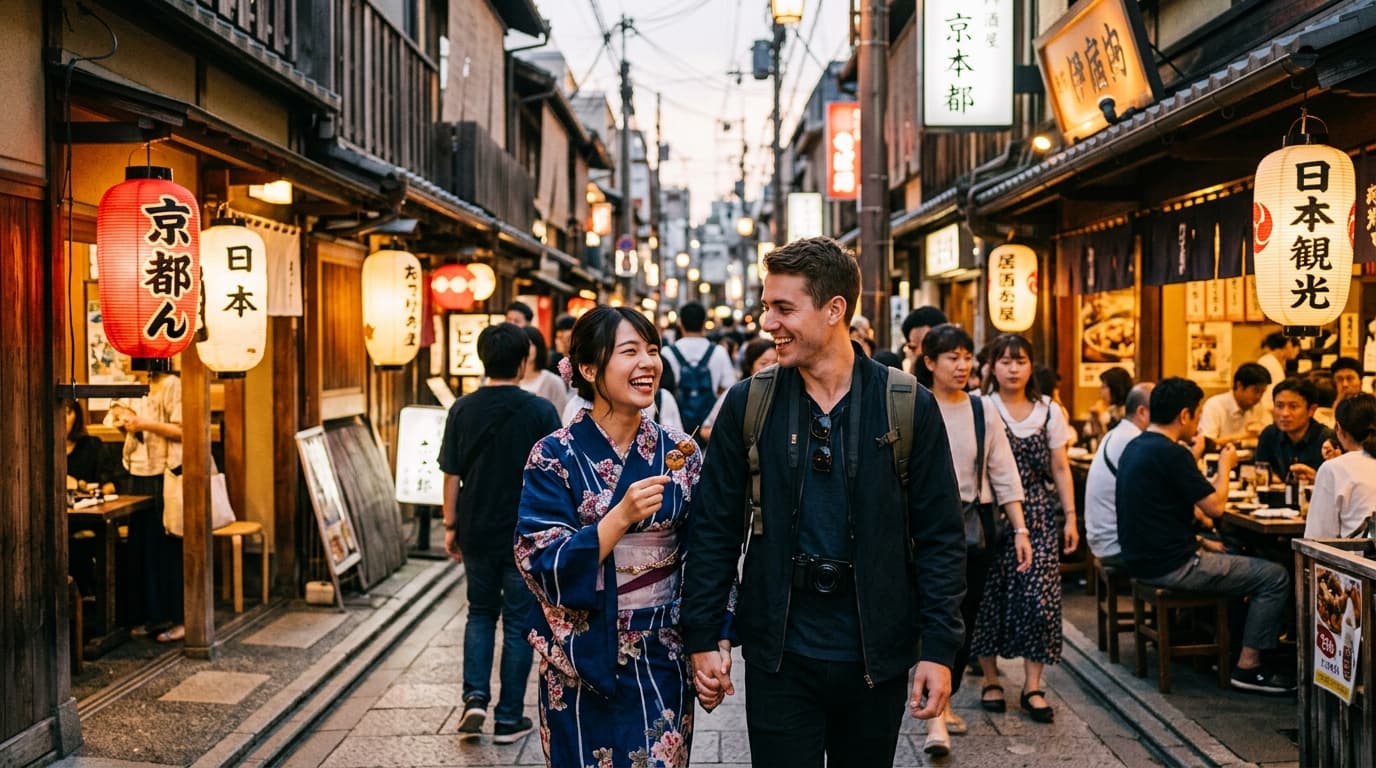
Places to visit in Japan depend on your travel style, but if you want the best mix of culture, food, scenery, and convenience, start with Tokyo, Kyoto, Osaka, Mount Fuji, Nara, Hiroshima, Hokkaido, Okinawa, Kamakura, and Yokohama. This guide breaks down the top 12 destinations in a way that actually helps you plan a trip, not just dream about one.
If you’re building your first Japan itinerary in 2026, the smartest approach is to mix one or two iconic cities with one nature or regional stop, then leave room for food, neighborhoods, and a few flexible experiences. We wrote this like a local-friendly planning guide, with practical tips, seasonal advice, budget ranges, and the kinds of details travelers usually wish they had before booking.
Quick answer — the top places to visit in Japan for first-time visitors
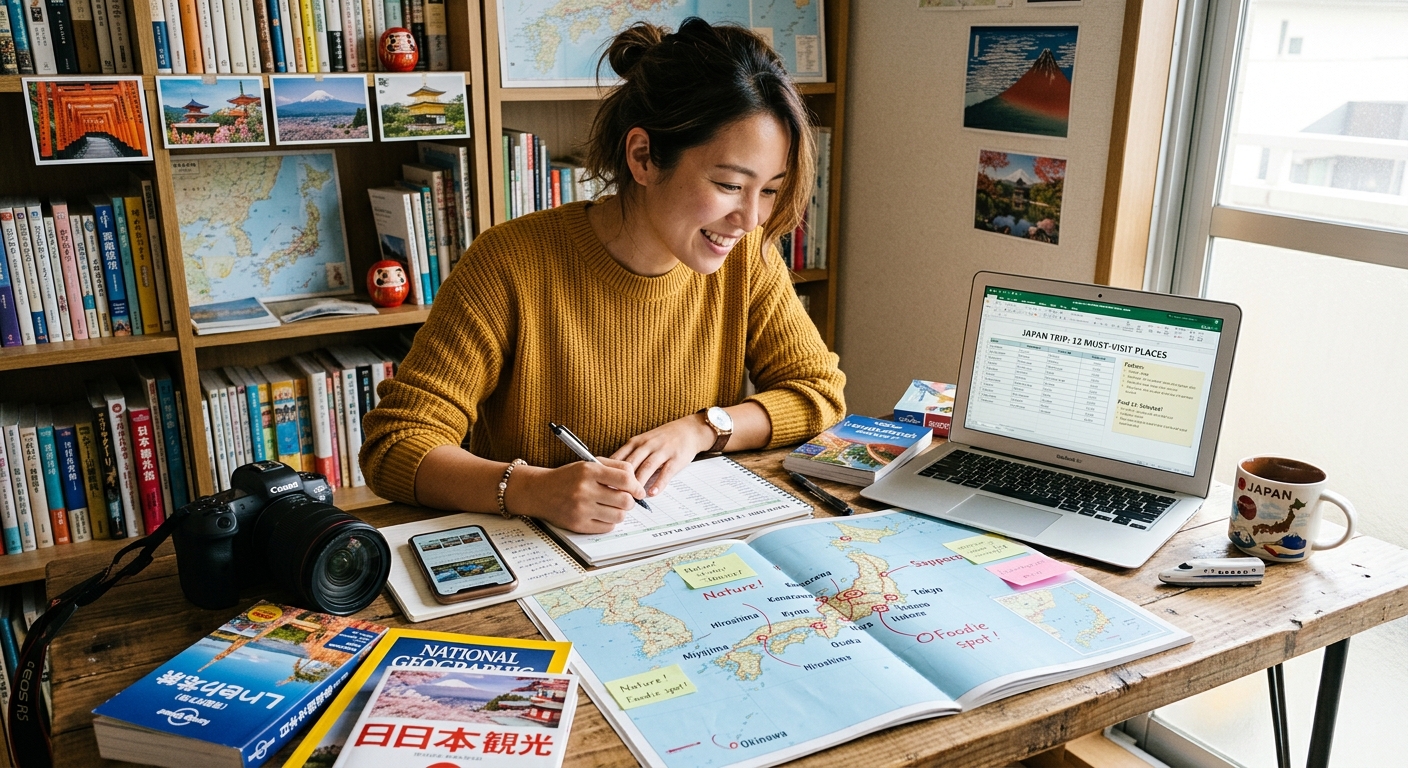
If you only have one Japan trip to plan, the best places to visit in Japan for first-time visitors are Tokyo, Kyoto, Osaka, Mount Fuji and the Fuji Five Lakes, Nara, Hiroshima and Miyajima, Hokkaido, Okinawa, Kamakura, and Yokohama. These destinations give you the widest possible range of experiences: major cities, historic districts, famous landscapes, beaches, mountains, and easy day trips.
The real secret is not simply choosing the “most famous” places, but choosing destinations that match how you like to travel. Some travelers want big-city energy and nightlife, some want temples and slower mornings, and others care most about food, nature, family activities, or a budget-friendly route. This list is designed to help you compare those options quickly and confidently.
We checked current travel patterns, common route logic, and the kinds of itineraries travelers actually finish without burnout. In 2026, Japan is still best experienced by mixing iconic highlights with local neighborhoods and seasonal timing. That means a great trip is not just about checking boxes; it’s about choosing places that fit together smoothly by train, flight, or day trip. If you plan well, you can see a lot without feeling rushed.
Direct answer capsule: the 12 destinations that best balance culture, food, nature, and convenience
The most balanced top 12 are Tokyo, Kyoto, Osaka, Mount Fuji/Fuji Five Lakes, Nara, Hiroshima/Miyajima, Hokkaido, Okinawa, Kamakura, Yokohama, Hakone, and Kanazawa. If you want a truly well-rounded itinerary, this mix gives you urban energy, traditional Japan, coastal scenery, volcanic landscapes, and island relaxation.
We like this shortlist because it covers all four main islands plus the major “gateway” regions travelers naturally connect through. Tokyo, Kyoto, and Osaka are the easy core, but Hokkaido and Okinawa help you understand how different Japan can feel from north to south. Nara and Kamakura are ideal for day trips, while Hiroshima, Miyajima, and Fuji create the “wow” moments that make a trip feel complete.
For most first-timers, the best strategy is to use 3 to 5 destinations as anchors, then add nearby day trips. That keeps your itinerary strong without turning it into a transit marathon. The destinations below are ranked for overall usefulness, but the “best” place depends on whether you care most about food, cherry blossoms, beaches, winter snow, heritage, or budget.
Who this list is for: first-timers, repeat visitors, families, couples, solo travelers, and budget travelers
This guide is for travelers who want a destination list that can actually become an itinerary. If you’re a first-timer, you’ll get the easiest and most rewarding places to start. If you’re returning to Japan, you’ll find regional options beyond the classic Tokyo-Kyoto-Osaka loop.
Families will find kid-friendly sightseeing, easy transport, and places with room to breathe. Couples can use the romantic picks and scenic combinations to build date-night-friendly trips. Solo travelers can lean on safe, transit-friendly cities with lots to do on your own, while budget travelers can identify places where the experience-to-cost ratio is especially strong.
We also included off-the-beaten-path context, because a lot of travelers want Japan to feel both iconic and personal. That means combining major sights with neighborhood strolls, local markets, food streets, and event discovery. If you’re using Gidly-style planning, think of this list as your macro guide, then use real-time events and neighborhood picks to fill in the details.
Fast planning tip: how to use this list by trip length, season, and region
If you have 5 to 7 days, focus on one major base city plus one nearby day trip. If you have 8 to 10 days, add a second city and one cultural or scenic stop. If you have 12 to 14 days or more, you can comfortably layer in a region like Hokkaido, Okinawa, or Hiroshima/Miyajima.
Season matters a lot in Japan. Spring is best for cherry blossoms, summer is full of festivals and fireworks, autumn is peak foliage season, and winter is perfect for snow, onsen, and illuminations. A destination that feels average in one season can be unforgettable in another, so timing is part of the decision, not an afterthought.
The region matters too. East Japan, Central Japan, Kansai, Chugoku, Hokkaido, and Okinawa all have different travel rhythms. If you want to avoid overpacking your route, choose destinations that cluster together logically. That is how you save time, money, and energy while seeing more of what makes Japan memorable.
Answer capsule 2: the best all-around Japan itinerary mix for a 7-14 day trip
For a 7-day trip, the best all-around mix is Tokyo, Kyoto, and Osaka, with one day trip to Nara or Mount Fuji. For 10 days, add Hiroshima/Miyajima or Hakone. For 14 days, include either Hokkaido or Okinawa, depending on whether you want snow and nature or beaches and a slower pace.
This formula works because it balances city life, culture, and a change of scenery without creating too many hotel switches. It also gives you room for food, shopping, and a few “just wander” moments, which are honestly some of the best things to do in Japan. Many travelers regret squeezing in too many places and ending up exhausted by trains instead of enjoying the neighborhoods.
Our advice from experience: choose fewer places, but choose them better. Pick the right districts, not just the right city names. That’s how your itinerary starts to feel local, flexible, and far more enjoyable.
How we chose these 12 places to visit in Japan
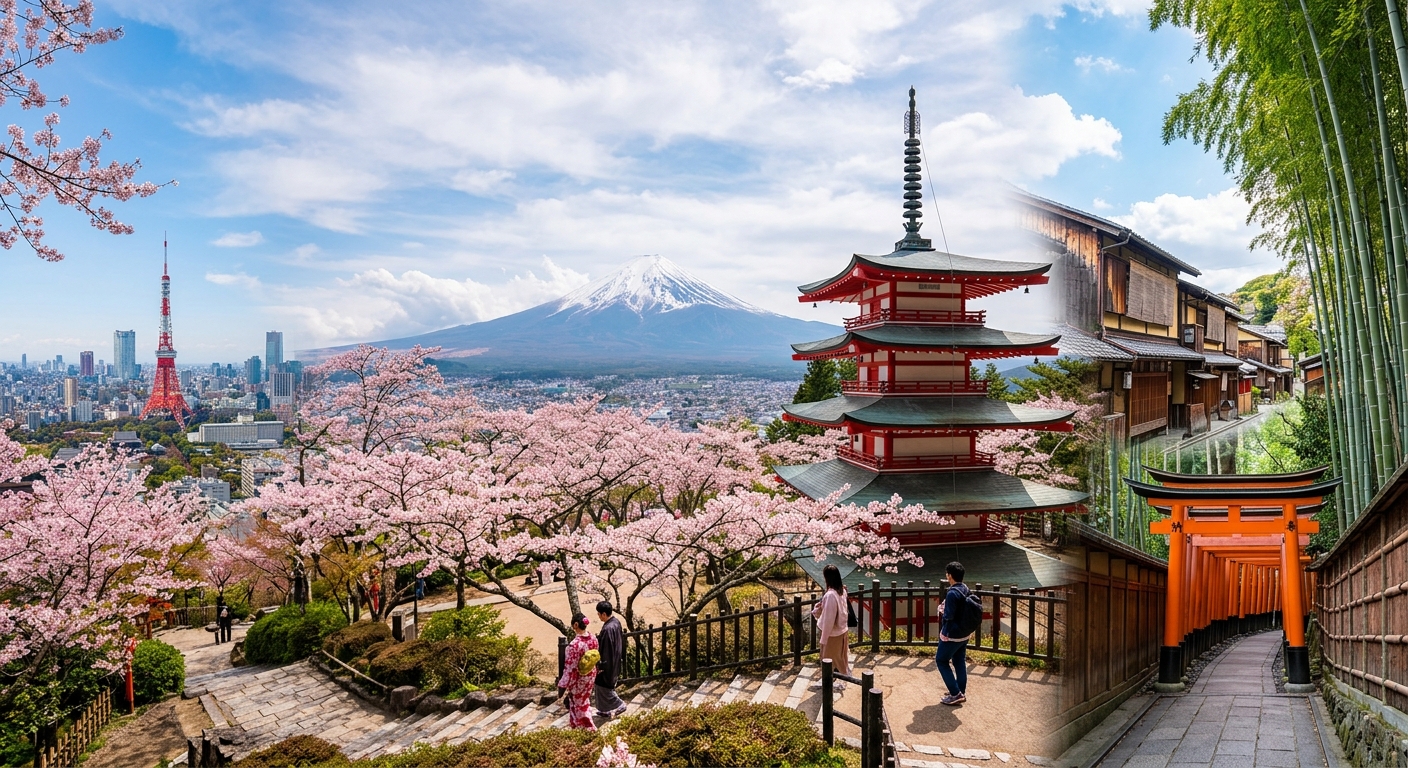
We selected these destinations based on a mix of iconic value, diversity, accessibility, and practical trip-planning usefulness. That means we didn’t just include the places with the biggest names; we included the places that consistently deliver a great travel experience for different types of visitors. We also tried to spread the list across all four main islands so the guide isn’t just another Tokyo-Kyoto-Osaka roundup.
When we look at what makes a destination truly worth it, we ask whether it gives travelers something distinct, whether it is easy to reach, whether it works in multiple seasons, and whether it offers enough to justify your time. A place can be gorgeous, but if it takes too much effort to reach for too little payoff, it may not belong in a top-12 trip-planning guide.
We also wanted destinations that support different travel moods. Some travelers want temples and quiet mornings. Others want nightlife, live music, shopping streets, and food halls. Others need family-friendly attractions or easy day trip logistics. The best Japan itinerary usually contains a mix of all of that, and the destinations below reflect that reality.
Selection criteria: iconic status, unique experiences, accessibility, seasonality, and breadth across all four main islands
The first filter was icon status. Tokyo, Kyoto, Osaka, Mount Fuji, and Hiroshima are globally recognized for a reason, and they remain essential for most first-time trips. The second filter was unique experience, which is where places like Hokkaido and Okinawa shine, because they offer very different climates, landscapes, and activities from mainland urban centers.
Accessibility matters because many travelers are building a trip around trains or a limited number of domestic flights. A destination that is beautiful but impossible to connect efficiently can complicate your whole route. We favored places with strong rail links, straightforward airport access, or easy day trip potential from major cities.
Seasonality also matters because Japan changes dramatically through the year. Kyoto during cherry blossom season feels entirely different from Kyoto in late summer or winter. Hokkaido in February is a snow playground, while Okinawa in early summer feels like a beach holiday. A good destination list should help you choose not just where to go, but when to go there.
Why this list goes beyond the Tokyo-Kyoto-Osaka triangle
Tokyo, Kyoto, and Osaka are fantastic, but if you only visit those three, you miss a huge amount of what makes Japan exciting. You miss the island scenery of Okinawa, the snow and food culture of Hokkaido, the history and reflection of Hiroshima, and the iconic landscape around Mount Fuji. You also miss the calmer rhythm of places like Nara, Kamakura, and Yokohama, which are often easier to enjoy than the biggest cities.
Travelers sometimes think “more cities” means “more of Japan,” but that’s not always true. In reality, variety usually comes from mixing different types of destinations, not just adding more urban stops. A nature escape, a coastal town, and a historic district can often feel more enriching than three extra big cities.
That’s also where location-aware discovery becomes useful. Instead of asking only “What are the famous places to visit in Japan?” you can ask “What are the best things to do near me in this city today?” and discover markets, festivals, observatories, or local performances. That makes the trip feel less like a checklist and more like an evolving experience.
How Gidly-style discovery helps travelers combine landmarks with events, neighborhoods, and experiences
The best Japan trips are not built on landmarks alone. They are built on a mix of landmarks, neighborhoods, restaurants, events, and spontaneous discoveries. That is exactly where a discovery platform like Gidly comes in handy, because it helps turn a destination into a real day plan instead of a generic idea.
For example, Tokyo is not just “Shibuya Crossing” and “Skytree.” It’s also hidden coffee streets in Kiyosumi-Shirakawa, live music in Shinjuku, seasonal pop-ups, and after-dinner entertainment in areas you may not have planned to visit. Kyoto is not just temples; it’s also evening walks in Gion, riverside dining, and cultural events that change with the season.
From experience, the most satisfying trips include one major sight, one neighborhood stroll, one food stop, and one flexible evening activity. That combination feels local without being complicated. It also helps you avoid the common mistake of planning every hour around famous sights and missing the energy of the city itself.
What travelers usually miss when choosing destinations in Japan
Many travelers underestimate how much the “in-between” matters in Japan. The train ride can be scenic, the neighborhood can be more memorable than the landmark, and a local market can be more enjoyable than another overbooked attraction. People also forget to plan for weather, especially in summer heat, winter snow, and rainy season.
Another common miss is the pace of travel. Japan rewards slower exploration in a way that can surprise first-timers. You can visit a world-famous temple, but if you leave immediately, you may miss the surrounding streets, the tea shop down the corner, or the seasonal garden that makes the visit special.
We also see travelers skipping practical details like opening hours, reserved tickets, holiday closures, and walking intensity. Those details matter a lot. A destination that sounds perfect can become stressful if you didn’t account for transit time, luggage, or the fact that some attractions are much better early in the morning or late in the afternoon.
Top 12 amazing places to visit in Japan — at a glance
Here’s the quick comparison view travelers usually need first. This table gives you the basic decision framework before you dive into the detailed destination sections. It’s especially helpful if you are comparing budget, season, trip length, and the kind of experience you want most.
Use this as your shortcut: pick the destination that best matches your top priority, then build the rest of your route around it. If you’re traveling in peak season, also check which places are busiest at that time. A place can be great in theory, but if you hate crowds, timing should influence your choice as much as the destination itself.
We’ve kept the categories practical and traveler-friendly. Prices are approximate and can vary a lot based on accommodation style, transit, and the specific experiences you choose. Always verify current rates and opening hours on official venue or tourism pages before booking.
Comparison table: destination, best for, ideal season, typical time needed, and budget level
| Destination | Best For | Ideal Season | Time Needed | Budget Level |
|---|---|---|---|---|
| Tokyo | First-timers, food, nightlife | Year-round | 3-5 days | Mid to high |
| Kyoto | Temples, tradition, seasonal beauty | Spring, autumn | 2-4 days | Mid |
| Osaka | Food, nightlife, friends | Year-round | 1-3 days | Budget to mid |
| Mount Fuji/Fuji Five Lakes | Scenery, day trips, onsen | Winter, spring, autumn | 1-2 days | Budget to mid |
| Nara | Families, day trips, history | Year-round | Half to 1 day | Budget |
| Hiroshima/Miyajima | History, reflection, island scenery | Spring, autumn | 2-3 days | Mid |
| Hokkaido | Snow, nature, food | Winter, summer | 4-7 days | Mid to high |
| Okinawa | Beaches, relaxation, families | Late spring to fall | 3-6 days | Mid |
| Kamakura | Coastal day trips, temples | Spring, autumn | Half to 1 day | Budget |
| Yokohama | Waterfront walks, dining, easy add-on | Year-round | Half to 2 days | Mid |
| Hakone | Onsen, Fuji views, relaxation | Year-round | 1-2 days | Mid to high |
| Kanazawa | Gardens, heritage, food | Spring, autumn, winter | 1-2 days | Mid |
Quick pros and cons for each place
Tokyo gives you unmatched variety, but it can be overwhelming if you try to do too much. Kyoto is beautiful and deeply rewarding, but crowd management is essential. Osaka is incredibly fun and often more affordable for food and lodging, though it is less “classic postcard Japan” than Kyoto. Mount Fuji and Fuji Five Lakes are breathtaking, but visibility is never guaranteed.
Nara is easy, charming, and family-friendly, but it’s more of a focused half-day or day-trip stop than a sprawling city. Hiroshima and Miyajima offer history and emotional depth, but they work best if you allow enough time to balance reflection with island scenery. Hokkaido is a dream for winter and summer nature lovers, though distances are larger and planning matters more.
Okinawa is ideal when you want beaches and a slower pace, but weather and flight timing need extra attention. Kamakura and Yokohama are perfect add-ons, though many travelers underestimate how much there is to do. Hakone and Kanazawa are strong “smart choice” destinations because they add depth, scenery, and culture without requiring a huge amount of transit complexity.
Best destination by traveler type: couples, families, solo travelers, groups, and food lovers
Couples usually love Kyoto, Hakone, Tokyo’s upscale neighborhoods, and Okinawa for beach time. Families tend to do well in Tokyo, Nara, Osaka, and Okinawa because the logistics are relatively straightforward and there is lots of variety. Solo travelers often enjoy Tokyo, Kyoto, and Yokohama because they are easy to navigate and safe, with plenty of dining and activity options for one.
Groups and friends usually have the best time in Osaka, Tokyo, or a mix of both, because nightlife, karaoke, food halls, and late-night districts are easy to enjoy together. Food lovers should prioritize Tokyo, Osaka, Hokkaido, and Hiroshima. If food is one of your top reasons for going to Japan, build part of your route around neighborhoods and markets rather than just major attractions.
We also recommend thinking about energy level. Some travelers want high-motion city days, while others want one big outing and a relaxed afternoon. The right destination is often the one that matches your pacing style. A “best” place on paper may not be the best place for you if you dislike crowds, walking, or frequent hotel changes.
Best destination by season: spring, summer, fall, and winter
Spring: Kyoto, Tokyo, Nara, and Kamakura are especially strong for cherry blossoms. Summer: Okinawa, Hokkaido, and festival-heavy cities like Tokyo and Osaka work well, especially if you pair outdoor plans with indoor breaks. Autumn: Kyoto, Nara, Hakone, and Kanazawa become spectacular with foliage, while Tokyo parks and gardens also shine.
Winter: Hokkaido is the standout, but Hakone, Tokyo, and Hiroshima can also be excellent thanks to illuminations, cozy dining, and onsen. If you’re traveling during shoulder seasons, you’ll often get better hotel rates and more manageable crowds. That can make a destination feel much more enjoyable, even if it’s not the absolute “peak” season.
Always think about seasonal trade-offs. Cherry blossoms are gorgeous but busy. Summer festivals are fun but hot and crowded. Winter can be magical, but snow and weather disruptions are real in some regions. Choosing the right destination for the right season is one of the smartest moves you can make.
Tokyo — best for first-time visitors, food, nightlife, and neighborhoods
Tokyo is one of the most important places to visit in Japan because it combines everything travelers hope for in one destination: old and new, quiet and loud, expensive and affordable, polished and playful. It is huge, but that size is exactly why it works so well for first-timers and repeat visitors alike. You can spend a week here and still feel like you only scratched the surface.
From experience, Tokyo is best when you stop thinking of it as a single city and start thinking of it as a collection of neighborhoods. Each district has its own personality, and that personality shapes what you should do there. You can build a day around shopping, a day around museums, a day around food, or a night around bars and live music without ever leaving the metro system.
Tokyo also matters because it is one of the easiest places to combine official sightseeing with local-style discovery. The city is packed with observatories, department stores, shrine grounds, food halls, gaming arcades, themed cafés, and seasonal events. If you want “things to do near me” while in Japan, Tokyo is the city where that search becomes endlessly useful.
Why Tokyo belongs on every Japan list: scale, variety, and nonstop entertainment
Tokyo belongs on every best places to visit in Japan list because it gives travelers the broadest possible snapshot of modern Japan. You can move from a historic district like Asakusa to neon-heavy Shinjuku in the same afternoon. That flexibility is priceless when you want one city to do multiple jobs in your itinerary.
It’s also one of the world’s best cities for food and entertainment. You can eat ramen at a tiny counter, enjoy a kaiseki dinner, grab street snacks, visit a rooftop bar, and end the night in an arcade or a jazz club. Tokyo is not a city that makes you choose between sophistication and fun. It gives you both, often on the same block.
For travelers, the biggest advantage is that Tokyo is easy to customize. If you love design, there are galleries and concept stores. If you love pop culture, there are anime, gaming, and character districts. If you love calm, there are gardens and temple grounds. That range is why Tokyo often becomes the trip’s anchor.
Best neighborhoods to explore: Shibuya, Shinjuku, Asakusa, Harajuku, Ginza, Akihabara, and Odaiba
Shibuya is the classic energy district, home to Shibuya Crossing, shopping, casual dining, and a young-nightlife feel. Shinjuku is bigger, busier, and better for nightlife, skyscraper views, and late-night food options. Asakusa offers older Tokyo, with Senso-ji Temple and traditional streets that feel calmer and more historic.
Harajuku is where you go for youth culture, style, and street-facing creativity, while Ginza is polished, upscale, and great for luxury shopping and refined dining. Akihabara is essential for gaming, anime, electronics, and a very specific kind of pop-culture immersion. Odaiba offers waterfront views, entertainment complexes, and a more family-friendly pace.
If you only have a few days, don’t try to “see all of Tokyo” in a straight line. Choose one neighborhood per half-day and let the city breathe. That approach gives you more time to actually enjoy cafés, streets, and spontaneous stops, which is where Tokyo becomes memorable rather than just busy.
Top things to do: observatories, temples, markets, shopping streets, museums, and pop culture stops
Some of the best things to do in Tokyo include visiting the Tokyo Metropolitan Government Building observatory, exploring Senso-ji and Nakamise Street, browsing Tsukiji-area food stops, and checking out teamLab Borderless-style immersive art experiences when available. Museum lovers can spend hours in Ueno, while shopping travelers can bounce between department stores, subculture shops, and local boutiques.
Tokyo is also a great city for seasonal entertainment. Spring brings blossoms in parks like Ueno and Chidorigafuchi. Summer brings festivals and fireworks. Autumn and winter bring illuminations, art events, and special pop-ups. That means a Tokyo trip can feel completely different depending on when you go.
If you’re planning your days well, leave room for at least one unstructured evening. That’s where you can discover a live music venue, a neighborhood izakaya, or a rooftop with a sunset view. Gidly-style browsing is especially useful here because a lot of Tokyo’s best outings are event-driven and time-sensitive.
Practical tips: getting around, IC cards, time needed, and where to base yourself
Tokyo’s transit is excellent, so you do not need a car. Use an IC card such as Suica or PASMO for subways, trains, and convenience purchases where accepted. For most travelers, staying in Shinjuku, Shibuya, Tokyo Station, or Asakusa gives you strong access to the rest of the city.
Budget-wise, Tokyo can be surprisingly affordable if you mix midrange hotels with casual food and use transit efficiently. Expect roughly ¥1,000-¥2,500 for casual meals, ¥1,500-¥4,000 for museum or observatory entries, and hotel prices that can swing dramatically by season. If you visit during peak cherry blossom or holiday periods, book early.
Time needed depends on your travel style, but we recommend at least 3 full days and ideally 4 to 5 if Tokyo is your primary base. That gives you room for neighborhoods, food, and a night out. If you are only in Japan for a short trip, Tokyo still works beautifully as the arrival or departure anchor.
Insiders’ note: the best times of day and week to avoid crowds
Early mornings are your best friend in Tokyo, especially in popular areas like Asakusa, Shibuya, and Harajuku. You’ll get cleaner photos, shorter lines, and a calmer feel. Late weekday mornings and early afternoons are also easier for museums and department stores than weekend peak times.
If you want nightlife, plan to arrive in districts like Shinjuku or Shibuya before dinner so you can get your bearings before the crowds peak. If you want local atmosphere, take neighborhood walks after a museum or market visit. The city feels especially rewarding when you’re not rushing.
One mistake travelers make is trying to do too much in one day because Tokyo’s map looks manageable. It isn’t. The city is huge, and transit takes time even when it’s efficient. Build in margin so the fun parts stay fun.
Kyoto — best for temples, traditional streets, and seasonal beauty
Kyoto is one of the most iconic places to visit in Japan because it feels like the country’s cultural memory made visible. Temples, shrines, wooden streets, gardens, and traditional neighborhoods come together in a way that still feels alive rather than frozen in time. If Tokyo is Japan’s modern face, Kyoto is one of its deepest layers.
What makes Kyoto so rewarding is how much it changes with the seasons. Cherry blossoms can transform quiet lanes into dreamlike routes, while autumn foliage turns temple gardens into some of the most beautiful places in the country. Even in less famous months, Kyoto offers a slower, more reflective travel pace that many visitors end up loving most.
We always tell travelers to treat Kyoto gently. It is not a city best enjoyed by racing from landmark to landmark. It is a city best experienced by walking, pausing, and noticing the details. That slower rhythm is part of the charm, and it is one reason Kyoto remains a must-see destination year after year.
Why Kyoto is the cultural heart of Japan
Kyoto earned its reputation because it preserves a dense concentration of heritage sites, traditional neighborhoods, and beautifully maintained public spaces. You can visit major temples and shrines, then walk into old-style lanes where tea houses, craft shops, and small eateries still shape the atmosphere. That continuity is rare and deeply appealing.
Kyoto also works as a lens for understanding Japanese aesthetics. Garden design, seasonal views, architecture, and ritual spaces all matter here in a way that can feel more concentrated than in other cities. For visitors who want more than just photogenic stops, Kyoto offers context and calm.
It is also one of the best places to visit in Japan for travelers who enjoy a “quiet luxury” style of trip. You can have elegant meals, stay in a ryokan, sip tea in refined settings, and move between cultural sites at a gentler pace. That makes Kyoto especially appealing for couples, solo travelers, and anyone who wants a more contemplative Japan experience.
Must-see areas and sights: Gion, Higashiyama, Arashiyama, Fushimi Inari, Kiyomizu-dera, and Philosopher’s Path
Gion is the famous geisha district and one of the most atmospheric parts of the city, especially in the evening. Higashiyama is ideal for traditional streets, temple visits, and scenic walking routes. Arashiyama is a major highlight for the bamboo grove, river scenery, and surrounding temples, though it gets busy.
Fushimi Inari Taisha is one of Kyoto’s most photographed places, and for good reason. The torii gates create a dramatic walking experience, especially if you start early. Kiyomizu-dera is essential for both city views and historic atmosphere, while the Philosopher’s Path is a beautiful seasonal walk, especially in spring and autumn.
Kyoto rewards route planning. Rather than trying to see everything in one giant loop, combine nearby sights into walking clusters. That way, your day feels smoother and you spend more time actually enjoying the places instead of backtracking across the city.
Best times to visit Kyoto for cherry blossoms, autumn foliage, and quieter sightseeing
Spring is one of the most famous times to visit Kyoto because cherry blossom season makes the whole city feel elevated. Popular areas can be crowded, so booking early is critical. If you want blossoms without the densest crowds, aim for less central spots, early mornings, or slightly off-peak dates within the season.
Autumn may be Kyoto’s most beautiful season overall, especially in temple gardens and mountain-edge neighborhoods. The foliage tends to create richer color contrasts than you’ll find in many other cities. Winter can also be rewarding because the city is quieter, and the light on temple grounds can be especially lovely.
Summer is the toughest season because of humidity and heat, but it can still be good if you plan indoor breaks and evening outings. If you travel in summer, prioritize early starts, shade, and comfortable shoes. Kyoto is beautiful, but the walking intensity should not be underestimated.
Practical tips: walking routes, bus vs. train, reservations, and crowd strategy
Kyoto is one of those places where transportation choices can shape your whole day. Buses reach many major sights, but they can be crowded and slow. Trains and taxis can be worth it for efficiency, especially if you’re moving between clusters like Arashiyama, Fushimi, and central Kyoto.
Reservations matter more in Kyoto than many visitors expect. Popular restaurants, tea experiences, ryokan stays, and some cultural activities can book up early, especially in peak seasons. If you’re traveling during cherry blossom or autumn foliage periods, plan ahead more than you think you need to.
For crowd strategy, start early, build in lunch breaks away from the busiest zones, and visit one or two major sights rather than five rushed ones. Kyoto is not a place to “win” by seeing everything. It is a place to win by feeling the atmosphere at the right pace.
Local hack: how to enjoy Kyoto like a slow-travel destination
Our favorite Kyoto hack is simple: choose one temple or shrine, one old street, one café or tea stop, and one evening area each day. That balance gives you structure without overcrowding your schedule. You’ll remember the walk between places almost as much as the destinations themselves.
Try to stay at least two nights, because Kyoto becomes much more enjoyable when you don’t treat it like a rushed day trip. Early morning and evening are the golden hours, and those are easiest to enjoy when you sleep in the city. You also get a better sense of local rhythm when you’re not commuting in and out.
If you want a more local feel, explore smaller side streets and less obvious temples in between the headline sights. Kyoto’s magic is often in the quiet moments. That’s why it rewards patience more than speed.
Osaka — best for food, nightlife, and group trips
Osaka is one of the most fun places to visit in Japan because it has a social energy that feels immediately welcoming. It is famous for food, nightlife, and a more relaxed urban vibe than Tokyo. If your trip needs a city that feels lively, friendly, and easy to enjoy with friends, Osaka is a standout choice.
One reason Osaka is so useful in planning is that it often serves as both a destination and a base. You can use it for food-focused days, shopping, nightlife, and easy access to nearby Kyoto, Nara, and Kobe. For many travelers, Osaka ends up being the city where they feel least intimidated and most inclined to just go out and explore.
It’s also a great city for travelers who don’t want every day to feel curated. Osaka is informal in a good way. You can wander, snack, shop, and discover the best things to do in Osaka by simply following the street energy. That relaxed vibe is a big part of its charm.
Why Osaka is one of the most fun places to visit in Japan
Osaka is often described as Japan’s kitchen, and the city lives up to that reputation with street food, casual dining, and neighborhood food culture that feels immediately accessible. It also has a more outspoken, playful personality than some other Japanese cities, which many visitors find refreshing. The result is a destination that feels easy to enjoy without needing to “understand” it first.
For entertainment, Osaka offers shopping arcades, lively districts, amusement areas, comedy, and a nightlife scene that stretches well into the evening. The city feels social in a way that makes it perfect for group travel. If Tokyo can feel vast and polished, Osaka often feels more direct and relaxed.
We also like Osaka because it delivers value. Food can be more budget-friendly than in some parts of Tokyo, and a lot of the city’s best experiences are street-level and easy to access. That combination makes it especially appealing for travelers who want a lot of fun without overspending.
Best districts: Dotonbori, Namba, Umeda, Shinsekai, and Amerikamura
Dotonbori is the neon-heavy heart of Osaka nightlife and food tourism. Namba is the surrounding district that gives you shopping, transit, and easy access to the action. Umeda is the more modern business-and-shopping side of the city, with excellent transit connections and observatory options.
Shinsekai has a retro feel and a different kind of charm, while Amerikamura is younger, trendier, and great for street fashion and casual browsing. Together, these districts show why Osaka is not just one vibe but several. You can have a food crawl, a shopping afternoon, and a late-night walk all in one city.
If you’re short on time, base yourself in Namba or Umeda for convenience. If you want easy access to food and nightlife, Dotonbori is hard to beat, though it can be busier. Pick your neighborhood based on whether you want convenience, energy, or a slightly calmer atmosphere.
Things to do: street food, neon nights, castle visits, shopping, and entertainment
Osaka is ideal for takoyaki, okonomiyaki, kushikatsu, and all the casual foods that make Japan trip memories vivid. You can spend an entire evening snacking your way through Dotonbori and nearby streets. That alone makes Osaka one of the best places to visit in Japan for food lovers.
Beyond food, Osaka Castle offers history and a beautiful park setting, while shopping districts provide plenty of indoor entertainment. Families can enjoy aquariums and amusement options, and groups can easily turn the city into a nightlife base. Depending on your style, Osaka can be either a high-energy stop or a practical hub.
The best approach is to mix one major sight with one food-heavy neighborhood and one evening outing. That keeps the city from becoming just a blur of restaurants. You’ll get a better sense of how Osaka’s neighborhoods differ and where you’d want to return.
Budget and convenience tips: where Osaka saves money compared with Tokyo and Kyoto
Osaka is often a good choice for budget-conscious travelers because meals and some lodging options can be more affordable than in Tokyo. You still need to compare prices carefully, especially during major events or holidays, but value tends to be strong. That makes Osaka useful for longer stays.
The city is also easy to navigate via subway and train, so you can avoid unnecessary taxi use. If you are combining Osaka with Kyoto and Nara, it makes sense to stay in Osaka for at least part of the trip and day trip outward. That can simplify logistics and reduce hotel-hopping.
Look for neighborhoods near major stations or transit hubs if convenience matters most. This is especially important if you plan to arrive late, leave early, or enjoy nightlife. Osaka rewards practical planning, but it doesn’t punish spontaneity the way some more complex destinations can.
Best for: friends, couples, and travelers who want a lively city base
Osaka is one of the best places in Japan for friends because the city naturally supports shared meals, casual wandering, and nightlife. Couples often enjoy it because there is plenty to do without needing a rigid schedule. If you want a city that feels fun instead of formal, Osaka is an excellent match.
It’s also a strong fit for travelers who want a base that feels simpler than Tokyo. You can still access world-class food and entertainment, but the city is easier to digest emotionally and logistically. That combination makes it especially appealing on a first Japan trip.
If your Japan style is “good food, fun streets, easy transit, and a lively evening,” Osaka should be near the top of your list. It is not just a stopover city. For many travelers, it becomes one of the most memorable parts of the trip.
Mount Fuji and the Fuji Five Lakes — best for iconic scenery and day trips
Mount Fuji is the most recognizable natural landmark in Japan, and the surrounding Fuji Five Lakes region gives you some of the most beautiful scenery in the country. If you want that iconic “Japan postcard” feeling, this area deserves a spot on your itinerary. It is especially attractive for travelers who want a nature break between cities.
What makes Fuji special is that it works as both a quick day trip and a slower overnight stay. You can chase viewpoints, relax in an onsen, and enjoy lake scenery without needing a huge hiking commitment. That flexibility makes the area useful for couples, photographers, and anyone who wants a memorable scenic pause.
At the same time, Fuji requires realistic expectations. Visibility is weather-dependent, and the mountain does not pose for travelers on demand. The people who enjoy this area most are the ones who build a flexible plan and are happy even if the view changes throughout the day.
Why Mount Fuji is the most recognizable natural landmark in Japan
Mount Fuji is famous because it is both aesthetically perfect and culturally important. It appears in art, literature, tourism branding, and countless travel dreams. That symbolism matters, but the landscape around it is also genuinely beautiful, especially in clear weather.
The best experiences come from combining a mountain view with something else: a lake cruise, a ropeway, a shrine, an onsen stay, or a seasonal garden. That creates a fuller sense of place and helps avoid the disappointment of treating Fuji as a single photo stop. The region rewards curiosity, not just camera use.
For a lot of travelers, Fuji is also a reset button. After a few intense days in Tokyo, Kyoto, or Osaka, the lakes and mountain air feel restorative. That makes the region particularly valuable in 7- to 14-day itineraries where you need a breather between cities.
Best viewpoints and areas: Kawaguchiko, Hakone, Chureito Pagoda, and Fuji Q area
Kawaguchiko is one of the most popular bases for Fuji views and lake scenery. It gives you a classic combination of water, mountain, and seasonal color. Chureito Pagoda is famous for its framing view, especially during cherry blossom season.
Hakone offers a slightly different experience, with onsen, mountain transport, and the chance to layer relaxation with scenic sightseeing. The Fuji Q area is more playful and works well for travelers who want theme-park energy alongside mountain views. Each area gives you a different angle on the same iconic landscape.
If you have time, choose the viewpoint that best fits your mood. Photographers and couples often prefer lakeside stays and early starts. Families may prefer the more activity-rich setups. Travelers wanting a spa-like experience usually lean toward Hakone.
Seasonal highlights: clear winter views, spring blossoms, summer hikes, and autumn color
Winter often gives the clearest views of Mount Fuji, which is one of the best-kept secrets for first-time visitors. Spring adds blossoms and softer color palettes, while autumn gives you foliage around the lakes and mountain roads. Summer is greener, but haze can be more common.
If you want hiking, summer is your most practical season, though you should still monitor weather and route conditions carefully. If your main goal is the classic Fuji panorama, colder seasons are often more rewarding. That’s why many travelers plan Fuji as a flexible scenic stop instead of a fixed one-photo mission.
Always check visibility forecasts and official transport or attraction pages before heading out. A cloudy day is not a wasted day, but it may change your plan. The smart move is to build backup activities like museums, onsen, or lakeside walks.
Practical tips: visibility, transit, overnight stays, and onsen add-ons
You can reach Fuji areas by train, bus, or organized day tours from Tokyo and other cities. If you are sensitive to time, a guided day trip can reduce stress, but staying overnight gives you a better chance of catching a clear view at sunrise or sunset. Overnight stays are often the better choice if Fuji is one of your trip’s highlights.
Budget can vary depending on whether you choose a simple guesthouse, a midrange hotel, or an onsen ryokan. Expect the experience itself to feel more premium when you add hot springs or lakefront lodging. If you’re traveling as a couple, that can be worth it.
One smart tip: do not build your entire day around one famous viewpoint. Add a ropeway, lake walk, or onsen break so the day still feels satisfying even if visibility changes. That makes the area much more enjoyable and less stressful.
Common mistake: expecting Fuji to be visible every day
The biggest mistake travelers make is assuming Mount Fuji will be visible whenever they arrive. It often is not, especially in warmer or hazier weather. That is not a failure of the trip; it is just the reality of mountain viewing.
The way around this is to treat Fuji as a region, not just a summit. The lakes, shrines, onsens, and seasonal settings are all part of the experience. That broader approach makes the trip worthwhile even if the mountain stays partly hidden.
If you’re trying to maximize your odds, check weather patterns and go early when possible. But even then, keep your expectations flexible. The best Fuji trips are the ones that leave room for the landscape to surprise you.
Nara — best for a relaxed day trip, temples, and family-friendly sightseeing
Nara is one of the best places to visit in Japan if you want a gentle, highly rewarding half-day or day trip. It combines historical landmarks, relaxed walking routes, and family-friendly open spaces in a way that feels approachable. Many travelers are surprised by how easy Nara is to enjoy compared with busier cities.
It is especially appealing if you want a break from the high-energy pace of Tokyo, Kyoto, or Osaka. Nara feels calmer, greener, and more spacious. That makes it a favorite for families, first-time travelers who want an easy cultural stop, and anyone who appreciates a slower mood.
We like Nara because it does not try too hard. It has a clear identity, a compact center, and enough to do without overwhelming you. That makes it one of the most efficient and enjoyable day trips in Japan.
Why Nara works so well for a half-day or one-day trip
Nara works because the main sights are clustered and easy to reach. You can visit the park, see the deer, and explore major temples without building a complicated transit plan. That simplicity is a huge advantage for travelers who want one easy cultural day.
The city also gives you a different emotional tone than the larger urban centers. Instead of rush, you get strolls. Instead of crowds everywhere, you get open spaces and calmer routes between attractions. That change of pace is refreshing.
If you’re doing a Tokyo-Kyoto-Osaka trip, Nara is one of the easiest “bonus” destinations to add. You do not need to restructure your whole itinerary. Just leave one morning or afternoon open and go.
Top attractions: Nara Park, Todai-ji, Kasuga Taisha, and the old town atmosphere
Nara Park is famous for its deer, and it is a central part of the experience. Todai-ji is one of Japan’s most important temples and offers an impressive scale that surprises many visitors. Kasuga Taisha adds a distinct shrine atmosphere with lanterns and forest paths.
The old town areas around the main sights contribute to the charm, with traditional streets, small restaurants, and a walkable rhythm. If you enjoy gentle sightseeing and historical context, Nara hits a sweet spot. It is not crowded with entertainment options, but that’s part of the appeal.
Plan your route so that you don’t just “tick off” the deer and leave. Give yourself time to walk, eat, and linger. That makes the city feel much richer than a rushed stopover.
Why families and first-timers love Nara
Families love Nara because the open park spaces make it easier to move at your own pace. Kids tend to enjoy the deer and the gentle adventure of walking around the park. Parents appreciate that the logistics are simpler than in some larger cities.
First-timers often love Nara because it feels immediately legible. You can understand where to go, what to see, and how long to spend there without much stress. That makes it one of the best places to visit in Japan if you want a low-friction cultural experience.
It’s also a destination where small details matter. A tea stop, a temple garden, or a quiet walk can become the highlight. Nara rewards slowing down and noticing the atmosphere rather than trying to “do it all.”
Practical tips: deer etiquette, walking routes, and best time to arrive
Deer etiquette matters. Feed only what is sold as deer crackers, do not tease or startle the animals, and keep food secure. The deer are part of the attraction, but they are still wild animals, and respecting that keeps the experience pleasant for everyone.
Arrive early if you want calmer paths and fewer tour groups. The morning light is also better for photos. Comfortable shoes are essential, since you will likely spend more time walking than you expect once you spread out beyond the park.
If your schedule is tight, prioritize the park and Todai-ji first, then add a smaller shrine or street walk if time allows. That gives you a satisfying visit even if you only have a few hours.
Add-on ideas: pairing Nara with Kyoto or Osaka
Nara pairs extremely well with both Kyoto and Osaka, which is why it’s one of the best day trips in the Kansai region. From Osaka, it feels like an easy cultural add-on after a food-heavy base. From Kyoto, it adds a more open, less crowded layer to your heritage-focused trip.
If you have only one half-day, pick the route that minimizes backtracking. Many travelers find Osaka to Nara to be the easiest combination. But Kyoto to Nara can work beautifully too, especially if you’re already based near a convenient station.
When in doubt, treat Nara as your “calm day.” That mindset makes the visit more enjoyable and prevents the common mistake of trying to cram in too many temples in one go.
Hiroshima and Miyajima — best for history, reflection, and island scenery
Hiroshima and Miyajima together create one of the most meaningful travel combinations in Japan. Hiroshima offers historical reflection and a modern city with excellent food, while Miyajima adds island scenery, shrine views, and a much softer natural mood. The contrast between the two makes the visit especially memorable.
Many travelers underestimate how much Hiroshima deserves a place on a Japan itinerary. It is not just a historical stop. It is a city with strong food culture, easy transit, and a thoughtful pace that pairs beautifully with a nearby island visit. If you want your trip to include both depth and beauty, this is a powerful combination.
From experience, we recommend giving this area enough time to breathe. A rushed day trip can work, but an overnight stay creates space for reflection, sunset views, and a more balanced experience. That extra time usually pays off.
Why Hiroshima is an essential stop on a Japan itinerary
Hiroshima is essential because it offers context that matters. Visiting the Peace Memorial Park and Atomic Bomb Dome provides a deeper understanding of Japan’s modern history and resilience. For many travelers, this becomes one of the most meaningful parts of the entire trip.
The city also feels practical and welcoming. It is not difficult to navigate, and it has enough food, shopping, and transit access to be a comfortable base. That makes the visit emotionally significant without becoming logistically difficult.
Hiroshima is also valuable because it broadens the Japan experience beyond the most famous tourist corridor. If you want a trip that feels richer and less repetitive, this is one of the best places to visit in Japan for that purpose.
Major sights: Peace Memorial Park, Atomic Bomb Dome, Miyajima, and Itsukushima Shrine
Peace Memorial Park is the heart of the city’s historical experience, and the Atomic Bomb Dome is one of the most recognized heritage sites in Japan. These places deserve time and attention, not just a quick photo stop. They create a space for reflection that many travelers find deeply impactful.
Miyajima, reached by ferry, offers a very different atmosphere with the famous floating torii gate and shrine complex. Itsukushima Shrine is especially beautiful at different tides and times of day, which is why timing matters. The island’s scenery makes it feel like a natural counterpart to Hiroshima’s urban depth.
When combined, these two areas create a fuller and more emotionally varied trip. You go from history and remembrance to beauty and calm. That contrast is one of the reasons Hiroshima and Miyajima stand out.
How to split time between the city and island for the best experience
If you have two days, spend one in Hiroshima city and one on Miyajima. If you have only one day, prioritize the Peace Memorial sites in the morning and the island later in the day if ferry timing allows. The key is not to rush the transfer so much that you lose the mood of both places.
Overnighting on or near Miyajima can be especially rewarding if you want quieter evenings and early-morning atmosphere. Hiroshima city lodging is better if you want more dining choice and easier urban logistics. Either can work; the right answer depends on your pace.
We suggest checking ferry schedules and shrine conditions in advance, especially if you care about tide-dependent views. A little planning goes a long way here, and it helps avoid disappointment.
Food highlight: Hiroshima-style okonomiyaki and local dining areas
Hiroshima-style okonomiyaki is a must-try and one of the most distinctive foods in Japan. It differs from Osaka-style in construction and feel, so even travelers who have tried okonomiyaki elsewhere should sample it here. Food halls and local dining streets make it easy to find a good version.
The city’s food scene is one of the reasons it works so well as an overnight stop. You can pair a reflective daytime visit with a satisfying evening meal, which helps balance the emotional tone of the trip. That combination is memorable and practical.
If you enjoy food-first travel, Hiroshima is a strong candidate for a longer stop than many people expect. It offers enough depth to justify taking your time.
Practical tips: transport, ferry timing, and overnight vs. day trip planning
Hiroshima is reachable by shinkansen from major Kansai cities, which makes it realistic for a longer day or overnight stay. The ferry to Miyajima is straightforward, but timing still matters if you want to see the island when it feels calm. Morning and later afternoon can be especially nice.
Budget-wise, Hiroshima can be reasonable if you choose standard city hotels and casual dining. Ferry and local transit costs are manageable, but you should still build in enough time so you don’t waste money on rushed movement. An overnight can often be more satisfying than trying to compress everything.
If you’re choosing between a rushed same-day visit and a one-night stay, we usually recommend the overnight. It creates a better rhythm and lets you appreciate both the city and island properly.
Hokkaido — best for winter snow, summer nature, and food lovers
Hokkaido is the place to go when you want a different Japan experience altogether. The climate is cooler, the landscapes are broader, and the seasonal shifts are dramatic. If you love nature, winter sports, seafood, or road-trip energy, Hokkaido is one of the strongest destinations in the country.
What makes Hokkaido special is how distinct it feels from Japan’s more densely packed urban centers. You get more breathing room, more nature, and a sense of scale that changes how you travel. It’s the kind of destination that appeals to active travelers, couples, and anyone looking for something more spacious than the main island cities.
Because Hokkaido is large, planning matters more here than in compact city destinations. But the payoff is huge. If you want scenic variety and seasonal experiences that feel almost cinematic, Hokkaido is a top pick.
Why Hokkaido stands out from the rest of Japan
Hokkaido stands out because it offers a colder, more open, more nature-forward version of Japan. Winter snow is serious here, but summer also brings fields, hiking, and outdoor adventures that feel completely different from Tokyo or Kyoto. That seasonal range is hard to match.
The food culture is also a major draw. Seafood, dairy, ramen, and local specialties make meals feel like part of the destination rather than just a necessity. Travelers who care about food often leave Hokkaido talking about meals as much as landscapes.
For people who enjoy a slower pace, Hokkaido can feel like a welcome exhale. It’s still well-developed and easy to navigate in major centers, but the overall mood is less compressed. That balance is why it keeps showing up on “best places to visit in Japan” lists year after year.
Best places in Hokkaido: Sapporo, Otaru, Hakodate, Furano, Biei, and Niseko
Sapporo is the main gateway city and a useful base for food, shopping, and winter events. Otaru offers canal scenery and a romantic, compact atmosphere. Hakodate is known for harbor views and a distinctive city profile that feels worth the extra stop.
Furano and Biei are famous for summer flowers and open landscapes, while Niseko is one of the most recognizable ski areas in Japan. Together, they show the range of what Hokkaido can offer. You can do a city stay, a romantic coastal stop, a flower-field route, or a snow-focused adventure.
If you have limited time, choose based on season. Winter travelers should prioritize Sapporo and Niseko. Summer travelers should look at Furano and Biei. Otaru and Hakodate work well as supplemental stops when you want a more varied itinerary.
Seasonal planning: ski season, lavender season, seafood season, and autumn color
Winter is the headline season for skiing and snow scenery, especially in places like Niseko. Summer is famous for lavender and flower fields, particularly in Furano, while also offering easier hiking and road-trip conditions. Autumn brings color, though timing can be more variable depending on the area.
Seafood is strong year-round, but many travelers especially enjoy Hokkaido for its winter comfort-food atmosphere. That makes restaurant and market experiences part of the seasonal draw. If you enjoy eating well while traveling, Hokkaido rewards you quickly.
The key to Hokkaido is matching destination to season. A winter-only traveler and a summer flower traveler may need entirely different routes. Once you plan that correctly, the region becomes much easier and more satisfying.
Practical tips: distances, rental cars, trains, and weather planning
Distances in Hokkaido are larger than many first-timers expect. This is not the place to overestimate how many stops you can fit into a single day. Trains work well in some corridors, but rental cars can be extremely useful if you want flexibility outside the major urban centers.
Weather planning matters a lot. Winter conditions can be intense, and even summer can bring temperature differences that surprise travelers. If you’re doing a road trip, build in margin for weather and daylight. If you’re staying in cities, make sure your lodging is convenient to transit.
For many visitors, the best Hokkaido trip is a focused one: a city base, one or two side trips, and enough time to enjoy meals and landscapes without rushing. That approach gives you the best odds of actually enjoying the region rather than just driving through it.
Best for: couples, active travelers, winter sports fans, and road-trip lovers
Couples often love Hokkaido because it feels scenic and intimate in a different way than the big cities. Active travelers appreciate hiking, skiing, cycling, and nature routes. Road-trip lovers will find the open landscapes especially appealing, as long as they are comfortable with planning.
It is also a strong choice for travelers who want a less congested Japan itinerary. You can still find crowds in peak seasons, but the overall experience often feels roomier and more relaxed. That makes Hokkaido one of the best places to visit in Japan if you want both adventure and breathing space.
If you’ve already seen the classic triangle, Hokkaido may be the regional upgrade you didn’t know you needed. It changes the tone of the trip in a very good way.
Okinawa — best for beaches, tropical relaxation, and family trips
Okinawa gives Japan a tropical side that many first-time visitors don’t expect. If you want beaches, snorkeling, island driving, and a slower pace, this is one of the best places to visit in Japan. It feels very different from mainland Japan in climate, scenery, and daily rhythm.
For many travelers, Okinawa is the “rest” portion of the trip. After city sightseeing, it gives you room to breathe, swim, and relax. That makes it especially appealing for families, honeymooners, and longer itineraries that need a softer ending.
Okinawa also works well when you want the trip to feel warm and sunny during the right season. It is not the place to rush. It’s the place to slow down, enjoy the water, and let the itinerary become more flexible.
Why Okinawa offers a totally different Japan experience
Okinawa is distinct because it combines Japanese travel with island-holiday energy. The culture, food, architecture, and geography feel noticeably different from mainland cities. For travelers who want a broader sense of Japan, this is incredibly valuable.
The beaches and marine activities are the obvious draw, but the island atmosphere is what stays with you. Roads are more spread out, the pace is calmer, and the days can feel more open. That creates a strong contrast with the dense city days many travelers start with.
It’s also a place where vacation mode comes naturally. You don’t need to micromanage every hour. A beach morning, an aquarium afternoon, and a waterfront dinner can already make for a very full day.
Best islands and areas: Naha, Chatan, Okinawa Main Island, Ishigaki, and Miyakojima
Naha is the main gateway and a practical starting point. Chatan offers entertainment and waterfront appeal. Okinawa Main Island gives you enough variety for a longer stay without island-hopping too much. If you want more remote beauty, Ishigaki and Miyakojima are excellent choices.
Each area has a different personality. Naha is more urban and convenient, while the more remote islands feel quieter and more nature-oriented. That means your choice should depend on whether you want practicality or a more secluded escape.
If you’re traveling with family, the main island often makes the most sense. If you’re on a honeymoon or longer vacation, the island options can feel exceptionally rewarding. The trick is not to try to do all of Okinawa in one short trip.
Top experiences: beaches, snorkeling, island driving, and local food
The beach experience is the headline, but it’s not the whole story. Snorkeling, coastal drives, and scenic stops are major parts of what makes Okinawa special. You can also enjoy local food that reflects the island’s distinct culture and ingredients.
For families, aquariums and beach parks can be especially useful because they create variety beyond swimming alone. For couples, sunset viewpoints and sea-facing stays are often a highlight. For solo travelers, the island is a good place to decompress.
Because Okinawa is spread out, the route matters. Try not to over-plan every stop. Leave room for weather and spontaneous beach time, especially if the sea conditions are good.
Seasonal tips: when the sea is best, when crowds rise, and typhoon considerations
Late spring through fall is generally the strongest range for warm-weather experiences, though exact conditions vary. Crowds tend to rise during holiday periods and popular beach windows. Typhoon season is a real consideration, so travelers should check forecasts carefully and maintain flexible plans.
If you want the best balance of good weather and manageable crowds, shoulder periods can be ideal. Booking early helps if you want a specific resort or family-friendly property. The sea is central to the experience, so weather really matters here more than in city destinations.
Always have an indoor backup plan. That could be a museum, aquarium, shopping area, or food stop. Okinawa is relaxed, but smart planning still matters.
Best for: families, honeymooners, and travelers wanting a slower pace
Okinawa is especially good for families because it offers beaches, open spaces, and attractions that feel less stressful than dense city touring. Honeymooners love it for the tropical mood and relaxing stays. Travelers who simply want a break from constant sightseeing often find it ideal.
If you want a Japan trip that includes both high-energy and low-energy segments, Okinawa is the low-energy piece that makes the whole trip more sustainable. It helps prevent travel fatigue. That matters a lot on longer itineraries.
It may not be the first Japan stop everyone imagines, but it is often the one travelers remember most fondly when they want actual rest. That makes it a smart addition.
Kamakura and Yokohama — best for easy Tokyo-area escapes
Kamakura and Yokohama are two of the easiest and best day trips from Tokyo, and they deserve attention for that reason alone. Kamakura gives you heritage, temples, and coastal charm, while Yokohama offers waterfront urban scenery, Chinatown, and a more open, modern feeling. Together, they create a strong Tokyo-area escape plan.
These destinations are especially useful if you want variety without changing hotels. They let you see a different side of the greater Tokyo region while keeping your base simple. That is often the smartest move on short trips.
From experience, travelers who add Kamakura or Yokohama often feel like they got more out of their Tokyo stay. That’s because both places are easy to enjoy, but they each feel distinct enough to deserve their own afternoon or full day.
Why these destinations are perfect add-ons to Tokyo
Kamakura and Yokohama are perfect add-ons because they are easy to reach and feel meaningfully different from central Tokyo. Kamakura is slower, greener, and more historic. Yokohama is smoother, more waterfront-oriented, and great for food and evening strolls.
They are ideal when you want the convenience of the capital without spending every day in a mega-city environment. A Tokyo base can feel intense after a while, so a nearby escape helps balance the trip. That’s especially true if you’re traveling with a partner or family.
These destinations also work well as “soft” travel days. You don’t need a complicated checklist. One scenic route, one major attraction, and one good meal can be enough.
Kamakura highlights: Great Buddha, temples, coastal vibes, and café streets
Kamakura is known for the Great Buddha, but the larger experience is its combination of temples, nature, and neighborhood life. It feels smaller and calmer than central Tokyo, which is part of its appeal. Coastal breezes and relaxed streets give it an easygoing character.
Café culture and small shops add another layer, especially if you enjoy wandering rather than just sightseeing. Kamakura is also especially pleasant in spring and autumn, when the weather makes long walks more enjoyable. It’s one of the best places to visit in Japan if you want a day trip that feels charming rather than busy.
The best Kamakura trips mix one or two headline sights with time to simply walk and eat. That keeps the day from feeling mechanical.
Yokohama highlights: Minato Mirai, Chinatown, waterfront walks, and entertainment
Yokohama offers a very different energy. Minato Mirai gives you a modern waterfront skyline, while Chinatown adds dining and browsing variety. The city is especially nice for evening walks and casual entertainment.
It is also a strong choice for indoor-outdoor balance. You can visit museums, shop, eat well, and enjoy harbor views without much complexity. That makes Yokohama a practical choice for travelers who want a more urban add-on than Kamakura.
If you like cities but want something less overwhelming than Tokyo, Yokohama often feels like a very comfortable middle ground. It’s polished, easy, and pleasant.
Practical tips: how to combine both in one day or one weekend
You can combine Kamakura and Yokohama in one day if you are efficient, but most travelers will enjoy them more if they split them across two separate half-days or choose one as a main outing. Kamakura is better for history and strolling, while Yokohama is better for urban scenery and dining.
If you only have one Tokyo-area escape, pick based on mood. Want history, temples, and slower streets? Choose Kamakura. Want waterfront dining and a city vibe? Choose Yokohama. If you have a weekend, do both.
Transit is easy, but don’t underestimate walking. Even “easy” day trips can involve more strolling than expected, so plan comfortable shoes and flexible timing.
Best for: day trippers, locals, and travelers short on time
Kamakura and Yokohama are ideal if you are short on time because they provide a lot of value without requiring a major itinerary shift. They also work well for repeat visitors who want to see more than the classic headlines. If you’re already based in Tokyo, these are among the smartest extra places to visit in Japan.
They are also good for travelers who like a mix of local life and sightseeing. You can feel like you’ve left the capital without actually making your trip complicated. That balance is hard to beat.
If your schedule is packed, one of these two can be the difference between a good Japan trip and a great one. Don’t overlook them.
Best places to visit in Japan by travel scenario
One of the smartest ways to choose places to visit in Japan is by scenario, not just by fame. A destination that works for a honeymoon may not be ideal for a family. A city that’s perfect for nightlife may feel too busy for a solo wellness-style trip. Thinking in scenarios helps you make better choices faster.
We’ve found that travelers are happiest when the destination matches the mood of the trip. If you want romance, choose atmosphere. If you want family convenience, choose accessibility. If you want budget value, choose places with lots of free or low-cost things to do. The list below makes that easier.
This is also where Gidly-style planning shines, because the platform approach makes it easy to move from destination research to actual outing selection. Instead of wondering what to do once you arrive, you can browse activities, neighborhoods, and events that match your trip style.
Date night: romantic neighborhoods, riversides, observation decks, and dining districts
For date nights, Kyoto, Hakone, Tokyo’s upscale neighborhoods, Osaka’s river and neon areas, and Yokohama’s waterfront are all strong choices. These places offer ambiance, good dining, and scenic evening walks. If you want romance, focus on lighting, pace, and the kind of setting where conversation feels natural.
In Tokyo, observation decks and refined dining districts can create a memorable evening. In Kyoto, evening walks through historic streets and riverside dining are especially romantic. Hakone is ideal if you want an onsen stay and a slower, intimate pace. Yokohama and Osaka give you waterfront or neon energy for a livelier night out.
Our advice: don’t overfill a romantic day. One great meal, one beautiful viewpoint, and one slow walk are usually enough. That keeps the evening special instead of exhausting.
Family-friendly: parks, interactive museums, aquariums, and animal encounters
For families, Tokyo, Osaka, Nara, Okinawa, and Yokohama stand out. These destinations offer easy transport, a mix of indoor and outdoor activities, and enough flexibility for different ages. Nara’s deer are especially popular with kids, while Tokyo and Osaka have countless indoor options for mixed weather days.
Interactive museums and aquariums can save the day when the weather turns. Okinawa is ideal if your family wants beach time, while Yokohama often offers a nice balance of city and kid-friendly spaces. The goal is to avoid building a family itinerary that is too fragile or too packed.
Look for places with shorter transfer times, clear signage, and food options that work for children. That makes a much bigger difference than choosing only “famous” spots.
With friends: nightlife hubs, karaoke, gaming, food halls, and social districts
With friends, Osaka and Tokyo are usually the top choices, with Kyoto or Yokohama as excellent complements. Nightlife hubs, karaoke, gaming districts, and late-night food streets make group travel much easier and more memorable. A place that works socially will always outperform a place that looks good on paper but feels awkward in practice.
Osaka is especially strong for group dining and nightlife. Tokyo adds variety, from upscale bars to themed experiences and live music. If your group likes moving around, mixing neighborhoods can keep the energy up.
The best group trips have one flexible evening built in. That’s when you can follow the mood instead of the schedule.
Budget-friendly/free: parks, shrine visits, markets, and scenic walks
Some of the best budget-friendly places in Japan are Tokyo, Osaka, Nara, Kamakura, and parts of Kyoto. Parks, shrine grounds, scenic streets, and markets often cost little or nothing, especially if you plan carefully. This is one reason Japan can be more affordable than many travelers expect.
Free things to do in Japan’s major destinations often include city walks, temple grounds, observatories with low entry fees, waterfront promenades, and seasonal public events. Markets and neighborhood browsing can also deliver a lot of value. The trick is to mix a few paid highlights with many low-cost experiences.
If you’re traveling on a budget, choose destinations where transit is efficient and attractions are clustered. That lowers costs and reduces wasted time.
Solo travel: safe, easy-to-navigate destinations with strong transit access
Tokyo, Kyoto, Osaka, Yokohama, and Hiroshima are all strong solo-travel choices. They are safe, well connected, and full of places where one person can comfortably eat, walk, and explore. Solo travel in Japan is especially good when you enjoy cafés, museums, neighborhood wandering, and independent dining.
Solo travelers often do best in cities with clear train lines and lots of micro-experiences. That way, a day can be shaped by interest rather than by coordination. Japan is excellent for this style of travel.
If you travel solo, don’t underestimate how satisfying a “simple” afternoon can be. One neighborhood, one shrine, one meal, and one evening viewpoint can make a perfect day.
Team building/corporate outings: group-friendly city experiences, cultural workshops, and private tours
For team travel, Tokyo, Osaka, Kyoto, and Yokohama are usually the easiest choices. They offer group dining, workshop-style experiences, private transport options, and enough variety to keep different personalities happy. Corporate outings work best when logistics are simple and the experience feels participatory.
Look for cultural workshops, guided food tours, group boat rides, or private access experiences when possible. These can help create shared memories without forcing the group into a rigid sightseeing crawl. If your team has mixed interests, choose a city with both cultural and entertainment options.
The most effective group trips balance structure with optional free time. That reduces friction and keeps morale high.
Rainy day/indoor: museums, arcades, shopping complexes, and food halls
Tokyo, Osaka, Yokohama, and Kyoto all have excellent rainy-day options, which is one reason they rank so highly overall. Shopping complexes, museums, aquariums, arcades, and food halls can save a day when the weather is bad. In Japan, weather does not have to ruin a travel day if you plan smartly.
Rain is actually a good reason to prioritize indoor neighborhoods and transit-rich districts. You can move between stops efficiently and still have a strong day. Food halls and department store basements are especially useful in this situation.
Always keep a backup list. The best rainy-day plan is the one you already thought about before the weather changed.
Best places to visit in Japan by season
Japan is one of the most seasonal destinations in the world, and that matters when you decide where to go. Spring, summer, autumn, and winter each create a different set of best places. If you match destination to season, your trip gets noticeably better.
Seasonality affects everything from crowd levels to hotel prices to whether a place feels magical or merely okay. That’s why the best places to visit in Japan are not the same in every month. A little seasonal strategy can save both money and disappointment.
Use the seasonal guides below to narrow your shortlist before you book. It’s one of the easiest ways to turn a good trip into a great one.
Spring: cherry blossoms, hanami parks, and temple gardens
Spring is one of the most popular times to travel because cherry blossoms make parks, riversides, and temple grounds unforgettable. Tokyo, Kyoto, Nara, Kamakura, and parts of Hiroshima are especially strong during this season. If you want classic Japan scenery, spring is hard to beat.
That said, spring is also one of the busiest travel periods, so you’ll want to book early and build flexibility into your plan. Popular blossom spots can be crowded, but there are often quieter side streets and neighborhood parks nearby. Early mornings are usually worth it.
We especially like spring for mixed itineraries because you can pair city exploration with outdoor walking without suffering too much heat. It’s the most famous season for a reason.
Summer: festivals, fireworks, beaches, mountain escapes, and cooling indoor options
Summer in Japan is lively, hot, and event-heavy. It’s a strong season for festivals, fireworks, outdoor nights, and beach escapes in Okinawa. Hokkaido also becomes especially attractive because the climate is cooler and more comfortable for outdoor travel.
If you travel in summer, be prepared for humidity and plan for indoor breaks. Tokyo, Osaka, and Kyoto all have strong air-conditioned backup options. That allows you to enjoy the season without exhausting yourself.
Summer is also a great time for evening exploration. Many of the best experiences happen after sunset, when temperatures drop and streets come alive. This is a season where entertainment and local events really matter.
Autumn: foliage, scenic train rides, gardens, and temple landscapes
Autumn is one of the best seasons for Kyoto, Nara, Hakone, Kanazawa, and Hokkaido’s more southern foliage areas. The color palette is rich, and the weather is often ideal for walking. If you love scenic photography and calmer temperatures, autumn is a dream.
This is also a season when temple gardens become especially moving. The combination of architecture, leaves, and light can be dramatic. Many travelers rank autumn right alongside spring for overall beauty.
Because autumn is popular, you still need to book ahead. But many travelers find it more comfortable than spring because the weather is more stable and less humid. That makes it especially good for active sightseeing.
Winter: snow towns, illuminations, onsen, ski resorts, and cozy city breaks
Winter is the season for Hokkaido, Hakone, snowy landscapes, and city illuminations. It is also a great time for onsen stays and cozy food-focused trips. If you like atmospheric nights and fewer heat-related concerns, winter can be fantastic.
Tokyo, Osaka, and Yokohama also work well in winter because they offer indoor entertainment and seasonal light displays. The cities can feel especially beautiful after dark. For many travelers, winter is underrated simply because people focus too much on the cold.
The key is to choose the right place. A winter trip to the right destination can feel magical. A winter trip to the wrong one can feel inconvenient. Plan accordingly.
Shoulder seasons and long-weekend strategy for cheaper, less crowded travel
Shoulder seasons are ideal if you want balance. Fewer crowds, more manageable hotel prices, and pleasant weather often make shoulder periods the best value. This is where a lot of savvy travelers find the sweet spot.
If you only have a long weekend, choose destinations with simple transit and strong density of attractions. Tokyo, Kyoto, Osaka, Kamakura, Yokohama, and Nara are all strong for shorter trips. That gives you enough substance without wasting time moving around.
Shoulder-season flexibility is one of the smartest ways to travel Japan well. It helps you spend less time fighting crowds and more time enjoying what you came to see.
Best places to visit in Japan by category
Another helpful way to choose your route is by category. Not everyone wants temples first, or beaches first, or city lights first. Some travelers are planning around music, art, food, or outdoor activity, and Japan is excellent in all of those categories.
When you match category to destination, you get a more satisfying trip. You also reduce the risk of picking a place that sounds impressive but does not align with your interests. The category breakdown below helps you think like a traveler with a real itinerary, not just a checklist.
We also encourage mixing categories. A trip that includes food, art, and one good night out usually feels more complete than one that only covers one kind of experience.
Live music and concerts: where to go for urban entertainment
Tokyo and Osaka are the clear winners for live music and concert-style entertainment, with Kyoto and Yokohama as strong secondary options. These cities support both large venues and smaller neighborhood performance spaces. If music matters to you, use transit-friendly urban districts as your base.
Tokyo offers the widest range, from major arenas to intimate clubs. Osaka’s nightlife energy makes evening entertainment feel especially natural. Yokohama can be a great middle ground if you want urban entertainment with a more relaxed waterfront feel.
Always check official venue calendars and event pages before you go. Japan’s live event scene can be dynamic, and a lot of the best outings are time-specific rather than permanent attractions.
Art, museums, and exhibitions: best cities and districts for culture lovers
Tokyo, Kyoto, Naer—sorry, Nara, Yokohama, and Kanazawa are especially strong for culture lovers. Tokyo has large museums and immersive exhibitions, Kyoto has heritage depth, Yokohama offers artsy waterfront spaces, and Kanazawa is loved for its traditional aesthetics and gardens.
For travelers who enjoy exhibitions and design, Tokyo is probably the most versatile base. For travelers who want the cultural “soul” of Japan, Kyoto often wins. Kanazawa is a smart addition if you want something refined and less crowded.
Art-focused travel often benefits from a slower pace. Make room for cafés, gardens, or evening walks so the museum visits don’t become too dense.
Outdoor and active: hiking, parks, cycling, and adventure destinations
Mount Fuji, Hokkaido, Kamakura, Hakone, and Okinawa are excellent for outdoor travelers. You can hike, cycle, walk coastal paths, or simply enjoy scenic terrain. Japan’s outdoor appeal is often understated, but it is a major part of the travel experience.
Hokkaido is especially strong for big landscapes and active trips. Hakone gives you mountain scenery with easy logistics. Kamakura works beautifully for a coastal day with light hiking and temple visits. Okinawa brings the water.
Choose outdoor destinations with realistic weather expectations and enough indoor backup options. That keeps the experience balanced even when conditions change.
Theater, comedy, and shows: entertainment districts and performance venues
Tokyo and Osaka are the most obvious options for theater, comedy, and show-based entertainment. They have the scale, neighborhood variety, and audience base to support a wide spectrum of performances. This is one area where big-city energy truly matters.
If you want an evening that is more structured than wandering, check official venues and schedules in advance. Some of the best experiences are not obvious from street level. That’s where local discovery platforms help a lot.
Consider pairing a show with a nearby dinner district, so the night feels complete. Japan nightlife is often best when it’s a sequence rather than one isolated event.
Food and drink experiences: markets, izakaya streets, sake regions, and specialty foods
Tokyo, Osaka, Hiroshima, Hokkaido, Kyoto, and Kanazawa are major food destinations in different ways. Tokyo offers range, Osaka offers street-food energy, Hiroshima offers okonomiyaki, Hokkaido offers seafood and dairy, Kyoto offers refined dining, and Kanazawa has a quieter culinary sophistication.
Food travel works best when you look beyond the famous dish and ask which neighborhood or market gives the best overall experience. That’s how you find the local layer. A great meal is even better when the area around it feels lively and worth exploring.
If food is central to your trip, save room for spontaneous stops. Some of Japan’s best meals are found by following your nose, your schedule, and the crowd at the counter.
Nightlife and late-night: neon districts, bar streets, and after-dark experiences
Tokyo and Osaka lead the nightlife category, with Yokohama and parts of Kyoto also worth noting depending on the vibe you want. Neon districts, bar streets, and late-night food zones give travelers an easy way to extend the day. If you enjoy night exploration, these cities are highly rewarding.
Nightlife is also where location matters most. Staying near the right district can turn a good evening into a great one, because you avoid transit friction after dark. That’s especially useful if you plan to stay out late.
Our tip: keep the daytime flexible so you still have energy at night. Japan nightlife is too good to experience half-asleep.
How many days do you need to visit Japan’s best places?
The right number of days depends on how many regions you want to include and how fast you like to travel. Japan can be enjoyed on a short trip, but it becomes much better when you stop trying to see everything. The best itineraries usually leave enough room to actually enjoy the destinations.
This section helps you avoid one of the biggest planning mistakes: overpacking your route. Many travelers think they need more cities to make the trip worth it, but often the opposite is true. A calmer, better-paced route usually feels more impressive in hindsight.
Use the recommendations below as a starting point, then adjust based on your energy level and interest mix. That’s how you build a practical trip instead of a stressful one.
5-7 days: which 2-3 destinations to prioritize
For a short trip, prioritize Tokyo plus one nearby or easy-access destination like Kyoto/Osaka via shinkansen, or Tokyo plus Hakone or Kamakura. If you want a more Kansai-focused short trip, base in Osaka or Kyoto and add Nara. Short trips should be about minimizing transit and maximizing quality time.
You will enjoy Japan much more if you limit hotel changes. Pick one main city and one nearby excursion, or two cities at most. That gives you room for actual experiences instead of just movement.
If this is your first trip, Tokyo and Kyoto are the safest core choices. Add Osaka if you have extra days or if food and nightlife matter a lot to you.
8-10 days: balanced first-timer itinerary mix
Eight to ten days is the sweet spot for many first-timers. You can do Tokyo, Kyoto, Osaka, and one day trip or scenic stop like Nara or Mount Fuji. That creates a balanced route with enough depth and enough variety.
This amount of time is also enough to add Hiroshima/Miyajima if you want a stronger regional mix. The key is to stop before the itinerary becomes too fragmented. Choose one scenic or historical add-on, not three.
For most travelers, this is the range where Japan starts to feel layered. You see modern city life, traditional culture, and a different pace outside the main cores.
12-14+ days: how to add regional variety and avoid rushed transit
With 12 to 14 days or more, you can include Hokkaido or Okinawa, plus the classic core and one or two side destinations. This is the ideal range for travelers who want a more complete Japan experience. It allows you to create a trip with both icons and surprises.
At this length, consider an overnight scenic stop like Hakone or a regional city like Kanazawa. These additions create more texture without overwhelming your schedule. The best long trips feel varied, not crowded.
Do not fill every day just because you have the time. Leave some margin for weather, rest, and discoveries. Japan rewards that kind of flexibility.
When to use rail passes, regional passes, or domestic flights
Rail passes and regional passes can be useful, but they are not automatically the best answer for every trip. Calculate your actual route before buying. If your trip is concentrated in one region, local tickets may be better value.
Domestic flights become more useful when you want to reach Hokkaido or Okinawa efficiently. They can save time, especially on longer itineraries. The right choice depends on whether you value convenience or uninterrupted rail travel more.
Use official transport tools and current pricing when planning. Japan’s transport system is excellent, but route design should be intentional.
Planning mistake to avoid: overpacking too many cities into one trip
The most common mistake is trying to fit too many destinations into too few days. This leads to constant packing, check-ins, transfers, and fatigue. You end up remembering the stations more than the places.
Instead, choose fewer bases and build outward from them. That gives you a chance to explore neighborhoods and enjoy meals without the pressure of the next transfer. It also gives you more room to adapt if a particular area is especially good in person.
If you’re unsure, go with the simpler plan. In Japan, simplicity is often the smarter travel strategy.
Practical travel tips for visiting Japan’s top destinations
Practical planning is what turns a list of beautiful destinations into a smooth trip. Japan is very manageable for travelers, but a few details matter a lot: transport, tickets, luggage, walking intensity, and booking timing. The earlier you think through those details, the better your trip will feel.
Most visitors do not need to overcomplicate things. Japan is one of the easiest countries to navigate once you understand the basics. The trick is to use the system well instead of fighting it with a rushed itinerary.
This section covers the stuff that often gets skipped in glossy destination roundups. It’s the difference between being inspired and being prepared.
Getting around: Shinkansen, regional trains, subways, buses, ferries, and domestic flights
The shinkansen is ideal for long-distance travel between major cities, especially Tokyo, Kyoto, Osaka, and Hiroshima. Regional trains are excellent for day trips and shorter moves, while subways are essential in big cities like Tokyo and Osaka. Buses matter in places like Kyoto and rural regions, but they can be slower and more crowded.
Ferries are useful for island access like Miyajima, while domestic flights make more sense for Hokkaido and Okinawa on many itineraries. Your route should determine your transport, not the other way around. That’s how you save time and avoid unnecessary stress.
If you’re unsure which option to use, look at travel time, not just distance. Japan’s fast trains change the math, and sometimes an “overnight” location becomes surprisingly practical.
Budget planning: accommodation, attraction fees, food, and transport ranges
Japan can be affordable or expensive depending on how you travel. Casual meals can be very reasonable, while high-end dining and premium hotels can raise the budget quickly. Attractions also vary, with some temples and shrines costing little and immersive exhibitions costing more.
A practical daily budget often depends on location and style. Tokyo and Kyoto can be pricier in peak seasons, while Osaka often offers strong food value. Regional trips like Nara or Kamakura can be relatively budget-friendly, especially if you’re day tripping from a base city.
Always budget for transport, because intercity movement can be a major cost if you’re covering a lot of ground. That is another reason to keep your route efficient.
Booking strategy: when to reserve, what can be booked last minute, and peak travel dates
Book early for peak seasons, major city hotels, popular ryokan, and any must-have cultural or dining experiences. Spring cherry blossom periods, autumn foliage, and holiday windows tend to fill quickly. If your trip overlaps with those times, early booking is not optional.
Many casual meals, some museums, and lower-demand activities can be handled more flexibly. But the more specific the experience, the more likely it is to require advance planning. That includes popular observation decks, special exhibitions, and limited-capacity spots.
When in doubt, reserve the hard-to-replace items first: lodging, intercity transport, and signature activities. Everything else can often be adjusted later.
Accessibility and walking intensity: what travelers should know before they go
Japan is generally accessible, but walking intensity can be higher than people expect. Even in excellent transit cities, you may spend a lot of time moving between stations, exits, and attractions. Kyoto in particular can involve more walking than a map suggests.
If mobility is a concern, choose stations and hotels carefully and avoid overloading days with multiple far-apart sights. Look for destinations with straightforward layouts and good transport. Tokyo and Osaka are often easier in this regard than some more traditional areas.
Plan rest breaks as part of the itinerary, not as a fallback. That makes the trip more enjoyable for everyone.
Packing and etiquette: shoes, cash, luggage, and cultural dos and don’ts
Bring comfortable shoes, because you will walk more than expected. Cash is still useful in some places, even though card acceptance is very widespread. Lightweight luggage or a good forwarding strategy can make transfers much easier.
Follow local etiquette: be respectful in temples and shrines, keep noise lower on transit, and be mindful of space in crowded areas. Many places ask visitors to remove shoes or follow specific rules, so pay attention to signs. These details help you travel smoothly and respectfully.
One final packing note: be ready for weather swings. Japan’s seasons are real, and they matter. The right clothes can make a huge difference in how much you enjoy each destination.
Common mistakes when choosing places to visit in Japan
Even smart travelers make avoidable mistakes when planning Japan. The most common issue is choosing too many places and then not having enough time to enjoy them properly. Another is missing seasonal realities and opening hours. A little foresight goes a long way here.
Japan is one of those destinations where details genuinely change the experience. A city can be fantastic, but the wrong timing or routing can make it frustrating. This section is about preventing that.
We’ve seen these mistakes enough to know they matter. Avoid them, and your trip instantly becomes smoother.
Only visiting Tokyo, Kyoto, and Osaka and missing regional depth
The classic triangle is excellent, but if it is all you see, you may leave with a limited sense of the country. Japan has a lot more to offer in places like Hokkaido, Okinawa, Hiroshima, Kanazawa, and Hakone. These destinations give the trip range and personality.
Even adding one regional stop can change the feel of the whole itinerary. A nature region, island, or heritage city often becomes the most memorable part of the trip. That’s why it’s worth looking beyond the obvious trio.
Think of the triangle as your foundation, not your entire trip.
Underestimating transit time between destinations
Japan’s transit system is excellent, but travel still takes time. Platform changes, station navigation, luggage, and transfer windows all add up. A route that looks short on a map may still consume a meaningful part of your day.
That is especially true when you mix big cities with scenic or rural areas. Always account for real-world movement, not just train schedules. A half-day can disappear faster than you think.
Build in buffer time, and your days will feel much calmer.
Ignoring seasonality and weather conditions
Cherry blossoms, foliage, snow, typhoons, humidity, and visibility all matter. A destination can be beautiful in one season and less comfortable in another. If you ignore weather, you risk choosing the wrong place at the wrong time.
This is especially true for Mount Fuji, Okinawa, Hokkaido, and Kyoto. These places can be extraordinary, but timing affects them deeply. Seasonal planning is not optional in Japan; it is part of the strategy.
Always check the season before you lock the route.
Not checking opening hours, holiday closures, or ticket requirements
Many attractions, temples, museums, and transport-linked experiences have specific hours or closures. Holidays can shift patterns too. If you assume everything will be open all the time, you may be disappointed.
Official websites are the best source for current hours, prices, and access rules. This is especially important for special exhibitions and popular venues. A quick check can save a lot of wasted time.
When planning major stops, verify before you go.
Choosing sights instead of neighborhood experiences and local atmosphere
The biggest missed opportunity is traveling only for famous sights and skipping the surrounding neighborhoods. In Japan, the neighborhood often matters as much as the landmark. That is where cafés, small restaurants, side streets, and local rhythm live.
Try to include one unstructured walk or evening outing in each base city. That can be the difference between a postcard trip and a trip you actually feel. Some of the best memories come from wandering, not just checking off highlights.
Use the famous places as anchors, then let the neighborhood fill in the rest.
How Japan’s travel scene is changing heading into 2025-2026
Japan travel in 2025-2026 is becoming more experience-driven, more neighborhood-focused, and more seasonal than ever. Travelers still want the icons, but they also want local rhythm, current events, and places that feel authentic in the moment. That shift is changing how people plan.
We’re seeing more interest in food-first itineraries, live events, and district-level discovery. Travelers are spending more time in neighborhoods and less time trying to “cover” entire cities. That’s a healthier, better-paced way to experience Japan.
This is also why freshness matters so much. A static bucket list can inspire you, but only a current, location-aware plan helps you enjoy the trip you’re actually taking right now.
What’s trending now: experiential travel, neighborhood exploration, and food-first itineraries
Experiential travel is a major trend. Travelers want to do something memorable, not just see something famous. That means food tours, workshops, seasonal events, neighborhood walks, and live entertainment are increasingly important.
Food-first itineraries are also huge, especially in Tokyo, Osaka, and Hokkaido. People are planning days around meals and areas rather than purely around attractions. That makes for a more relaxed and more satisfying rhythm.
Neighborhood exploration is another big shift. Visitors want to feel like they found a place, not just passed through it. That’s a better use of Japan’s incredible density of local experiences.
Why travelers are mixing iconic landmarks with local events and entertainment
Landmarks still matter, but they are no longer enough on their own. Travelers increasingly want a headline sight plus something local: a night market, a live show, a food street, or a seasonal event. That creates a fuller trip memory.
Japan is especially well suited to this because events are often highly place-based and seasonal. You can pair a shrine visit with a festival, or a city view with an evening performance, or a market with a neighborhood dinner. That blend is what makes the trip feel alive.
Gidly-style discovery fits this trend perfectly, because it helps travelers connect static landmarks with real outings available now. That’s the practical future of travel planning.
How crowds, prices, and advance booking behavior are shifting
Popular seasons are still popular, but travelers are becoming more intentional about booking early. That means the best hotels, tours, and signature experiences are moving faster. If you want a specific kind of trip, you need to plan earlier than you used to.
Crowds are also pushing more people toward secondary neighborhoods and less obvious time slots. Early mornings and weekday visits are becoming more valuable. That’s a good thing for travelers willing to adjust.
Price sensitivity is also rising, so smart budgeting and flexible planning matter more than ever. A balanced itinerary can save real money.
Why fresh, location-aware recommendations matter more than static bucket lists
Japan changes by season, neighborhood, and even time of day. That’s why static lists can only take you so far. A fresh recommendation tells you what is actually worth doing now, not just what was famous last year.
Location-aware planning helps you make better “near me” decisions while traveling. Instead of forcing a giant route, you can choose the best thing close by and enjoy the city more naturally. That is especially useful in Tokyo, Osaka, and Kyoto.
The future of travel discovery is a mix of planning and spontaneity. That’s exactly how Japan is best enjoyed.
FAQ — common questions about places to visit in Japan
Here are the most common planning questions travelers ask when deciding where to go in Japan. We kept the answers practical, current, and easy to scan. If you are building an itinerary, these are the questions worth resolving early.
We also wrote these in a natural search style, because that is how many people ask about Japan in Google and AI Overviews. Use them as a quick reference while refining your route. And as always, verify official hours, pricing, and transit details before you go.
What are the best places to visit in Japan?
The best places to visit in Japan for most travelers are Tokyo, Kyoto, Osaka, Mount Fuji and the Fuji Five Lakes, Nara, Hiroshima and Miyajima, Hokkaido, Okinawa, Kamakura, Yokohama, Hakone, and Kanazawa. This mix gives you the strongest balance of culture, food, nature, and convenience.
What is the best time of year to visit Japan?
Spring and autumn are usually the most popular because of cherry blossoms and foliage, while winter is great for snow and onsen and summer is best for festivals and beaches. The “best” time depends on what you want most, so season should influence your destination choice.
Which places in Japan are best for cherry blossoms?
Tokyo, Kyoto, Nara, Kamakura, and parts of Hiroshima are especially strong for cherry blossoms. Kyoto is the most famous, but Tokyo offers lots of park options, and Nara is excellent if you want a calmer hanami experience.
Where can I go in Japan for food, nightlife, and entertainment?
Tokyo and Osaka are the best overall choices for food, nightlife, and entertainment. Tokyo gives you the widest variety, while Osaka is especially fun for street food, neon districts, and group-friendly nights out.
What are the best places to visit in Japan on a budget?
Nara, Kamakura, Osaka, and parts of Tokyo can be very budget-friendly, especially if you use transit well and focus on free or low-cost sightseeing. Shrines, parks, markets, and scenic walks are some of the best value experiences in Japan.
What are the best family-friendly places to visit in Japan?
Tokyo, Osaka, Nara, Yokohama, and Okinawa are some of the best family-friendly destinations in Japan. They offer easy transport, kid-friendly attractions, and a good mix of indoor and outdoor activities for different ages.
How many days do I need for a Japan trip?
With 5 to 7 days, focus on one main city and one nearby add-on. With 8 to 10 days, you can do the classic Tokyo-Kyoto-Osaka mix, and with 12 to 14 days or more, you can add regional destinations like Hokkaido, Okinawa, or Hiroshima.
Can I visit Japan without a car?
Yes, absolutely. Most first-time itineraries can be done by train, subway, bus, ferry, and occasional domestic flight, especially if you focus on Tokyo, Kyoto, Osaka, Hiroshima, Nara, and nearby day trips.
What places in Japan are best for solo travel?
Tokyo, Kyoto, Osaka, Yokohama, and Hiroshima are excellent for solo travelers because they are safe, easy to navigate, and full of activities that work well for one person. They also have plenty of casual dining and transit-friendly neighborhoods.
What are some good day trips from Tokyo, Kyoto, and Osaka?
From Tokyo, Kamakura, Yokohama, Hakone, and Mount Fuji are top options. From Kyoto and Osaka, Nara is one of the easiest and best day trips, while Hiroshima is a stronger overnight or long-day option from Kansai.
Is Japan good for rainy-day activities?
Yes, Japan is excellent for rainy-day travel because major cities have museums, shopping complexes, food halls, arcades, and indoor attractions. Tokyo, Osaka, Kyoto, and Yokohama all have strong backup options when the weather changes.
Which places in Japan are less crowded but still worth visiting?
Kanazawa, Hakone, Hokkaido’s regional areas, Miyajima on the right timing, and some parts of Okinawa can feel less crowded than the main tourist core. Even in famous cities, early mornings and neighborhood-level exploration can lead to quieter, more rewarding experiences.
Resources and useful links for trip planning
Official sources are the best way to verify opening hours, ticket prices, transport updates, and seasonal conditions before you go. Japan travel planning is much easier when you use a mix of tourism boards, transit tools, and venue websites. That is especially important in peak seasons, when schedules can shift or sell out quickly.
We recommend building your trip around current information rather than relying only on old blog posts. Japan is a place where details matter, and small differences in timing can change the experience. Use the resources below to keep your plan current and accurate.
And if you want to connect inspiration with action, Gidly can help you turn destination research into a real outing plan with current events and things to do.
Official tourism boards and city guides
Start with official tourism sites for Tokyo, Kyoto, Osaka, Hokkaido, Okinawa, Hiroshima, and Nara when you need destination overviews, seasonal highlights, and local transportation tips. These sources are particularly useful for current-year event calendars and neighborhood recommendations.
Official tourism boards usually offer the most reliable context for what is open, what is seasonal, and what is newly trending. That makes them a strong first stop when building a fresh itinerary.
Use them alongside current event listings so you get both the big picture and the immediate options available during your trip.
Official transport and rail planning tools
Use official rail and transport planners for shinkansen, regional trains, subways, ferries, and airport connections. These tools are essential for route timing and transfer planning. They also help you compare whether a day trip is actually practical.
For Japan travel, transit accuracy is a major part of trip success. The more confidently you can estimate timing, the better your itinerary will work. This is especially important if you are connecting multiple cities.
Check current schedules before departure dates and again closer to travel, especially in holiday periods or weather-sensitive seasons.
Venue and attraction websites for hours, pricing, and closures
Always confirm opening hours and prices directly on venue or attraction websites before visiting. Temples, museums, observatories, gardens, and special experiences can all have seasonal or holiday changes. A few minutes of verification can save a wasted trip across the city.
This matters most for timed-entry spots, popular exhibits, and places with strict closure days. It also matters in smaller cities where schedules may be less flexible than in major urban centers.
If a destination is a key part of your trip, verify it the night before and again the morning of if needed.
Gidly discovery resources for events, things to do, and local entertainment
For travelers who want more than static sightseeing, Gidly is a smart companion for discovering events, entertainment, and neighborhood-level outings. That is especially useful in cities like Tokyo, Osaka, Kyoto, and Yokohama, where the best thing to do today may be different from the best thing to do next week.
Use Gidly when you want to find current happenings, flexible outings, and a more local-feeling plan. It works well for date nights, solo outings, group plans, rainy-day backups, and “what’s near me” style browsing while traveling.
Find your perfect outing on Gidly at Gidly's full events catalog.
Conclusion — build your Japan itinerary with the right mix of icons and local experiences
The best places to visit in Japan are the ones that fit your trip style, your season, and your pace. For most travelers, the winning formula is simple: start with a few iconic destinations, then add one or two regional or scenic stops that change the tone of the trip. That’s how you get a journey that feels complete without feeling rushed.
If you’re a first-timer, Tokyo, Kyoto, Osaka, Mount Fuji, and Nara are the most reliable starting points. If you want more regional depth, add Hiroshima, Hokkaido, Okinawa, Kamakura, Yokohama, Hakone, or Kanazawa. The more you match the destination to the season and travel scenario, the better your trip will feel.
Our final tip is the same one we’d give a friend: don’t just plan places, plan experiences. Mix iconic sightseeing with neighborhoods, food, nights out, day trips, and a few flexible moments. That’s the difference between visiting Japan and really enjoying Japan. Find your perfect outing on Gidly, or explore the full lineup at gidly.app.