
guide -
15 Most Beautiful Places to Visit in Europe in 2026
Places to visit in Europe in 2026 range from iconic city breaks like Paris, Rome, and Barcelona to scenic escapes like the Swiss Alps, Iceland, and Dubrovnik. The best choice depends on your travel style, season, and budget, but if you want the most versatile first-timer picks, s
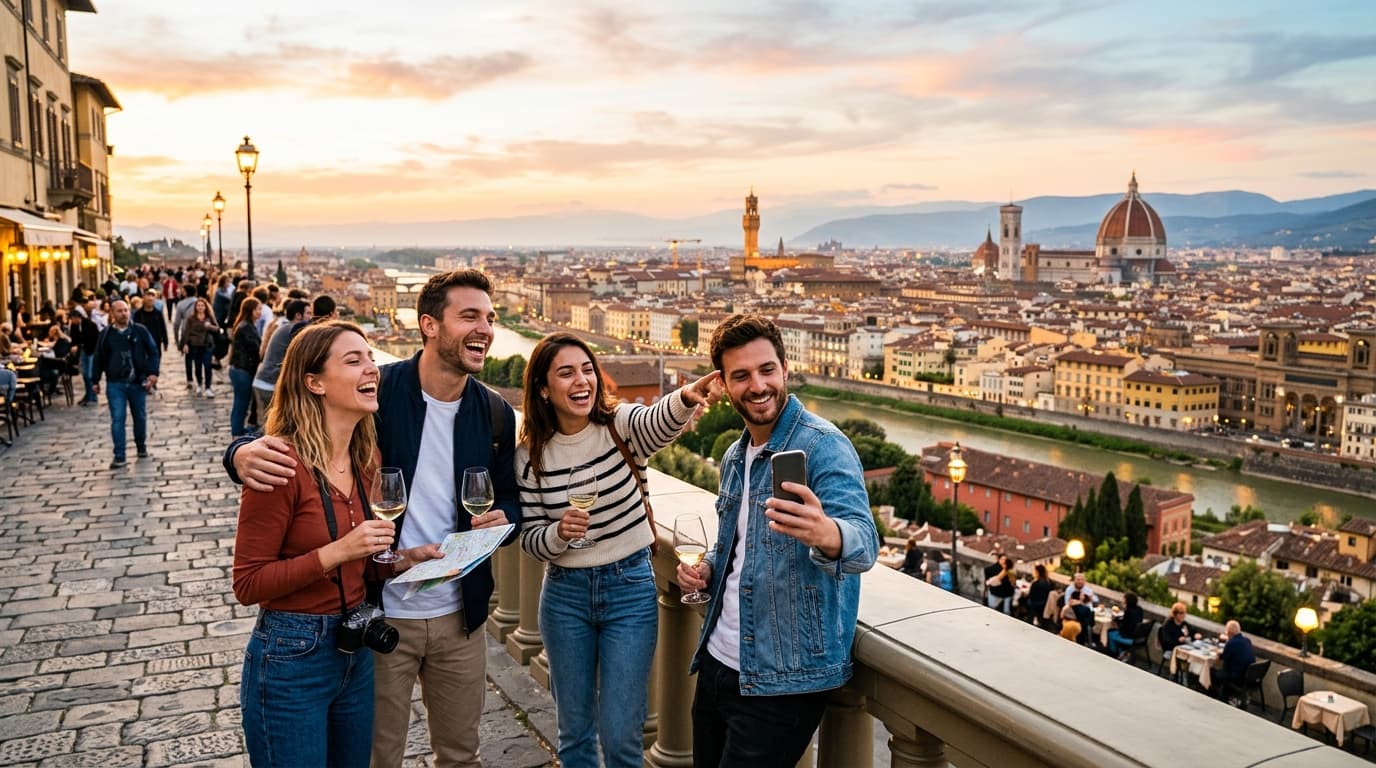
Places to visit in Europe in 2026 range from iconic city breaks like Paris, Rome, and Barcelona to scenic escapes like the Swiss Alps, Iceland, and Dubrovnik. The best choice depends on your travel style, season, and budget, but if you want the most versatile first-timer picks, start with Paris, Rome, Lisbon, Amsterdam, and Budapest.
If you’re building a bucket list for 2026, Europe is still the easiest place to mix beauty, culture, food, nightlife, and memorable live experiences in one trip. We looked at the destinations that consistently deliver the biggest “wow” factor while still giving you enough to do beyond the main postcard sights, from concerts and exhibitions to neighborhoods, festivals, and late-night food spots. The result is a list that works for couples planning a romantic escape, families looking for easy logistics, solo travelers chasing atmosphere, and friend groups who want both sightseeing and a great night out. We also added seasonal planning, practical budgeting advice, and event-friendly tips, because in 2026 the best trips are the ones you can actually shape around what’s happening in the city when you arrive.
Quick Answer: The 15 Best Places to Visit in Europe in 2026

If you want the short version, these are the 15 most beautiful and worthwhile places to visit in Europe in 2026: Paris, Rome, Barcelona, Amsterdam, Prague, Lisbon, Vienna, Dubrovnik, Reykjavik and South Iceland, the Swiss Alps, Edinburgh, Copenhagen, Budapest, plus a few smaller gems that deserve a spot on your list. Some are classic first-timer cities with world-class museums and easy entertainment, while others are scenic escapes built for outdoor adventure, food, or a slower pace.
The smartest way to choose is to match the destination to your trip style. For romance, Paris and Lisbon are hard to beat; for families, Copenhagen and Vienna are especially easy; for friends, Barcelona and Budapest deliver the best mix of nightlife and sightseeing; and for scenery, Iceland and the Swiss Alps are in a league of their own. We’ve organized this guide so you can scan fast and then zoom in on the trip that fits your dates, budget, and energy level.
Why this list is different in 2026
This isn’t just a standard “top cities in Europe” roundup, because those lists often repeat the same famous names without telling you what to actually do once you get there. In 2026, travelers are planning around experiences as much as destinations, which means concerts, exhibitions, seasonal festivals, comedy nights, food markets, and neighborhood discoveries matter more than ever. That’s why we blended iconic cities with live-event-friendly places, coastal escapes, and a few less-obvious gems that give you more value and fewer crowds. We also leaned into destinations that are easy to pair with a strong itinerary, whether that’s a museum-heavy weekend, a romantic anniversary trip, or a winter market getaway. From experience, this makes the list more useful for real trip planning, not just daydreaming.
Best overall picks at a glance
Paris is the best all-around choice for first-time visitors who want beauty, food, and endless things to do. Rome is the strongest pick for history lovers who also want great eating and a lively street scene. Barcelona works best for social travelers who want architecture by day and nightlife by night. Vienna is ideal for polished culture, concerts, and family-friendly ease, while Budapest is the budget-friendly standout for couples and friend groups who still want a premium-looking trip.
How to use this guide
Start by thinking about what kind of trip you want, not just which place is the most famous. If your priority is museums, architecture, and classic city energy, look at Paris, Rome, Amsterdam, Vienna, and Edinburgh. If you want beaches, waterfronts, and warm-weather wandering, Barcelona, Lisbon, and Dubrovnik should move up your list. If you want landscapes, outdoor adventure, or winter magic, Iceland and the Swiss Alps are the obvious standouts, while Prague and Budapest give you maximum beauty for a lower price point. Later in the guide, you’ll find scenario-based picks, seasonal advice, and comparison tables to help you narrow it down quickly.
How We Chose These Places
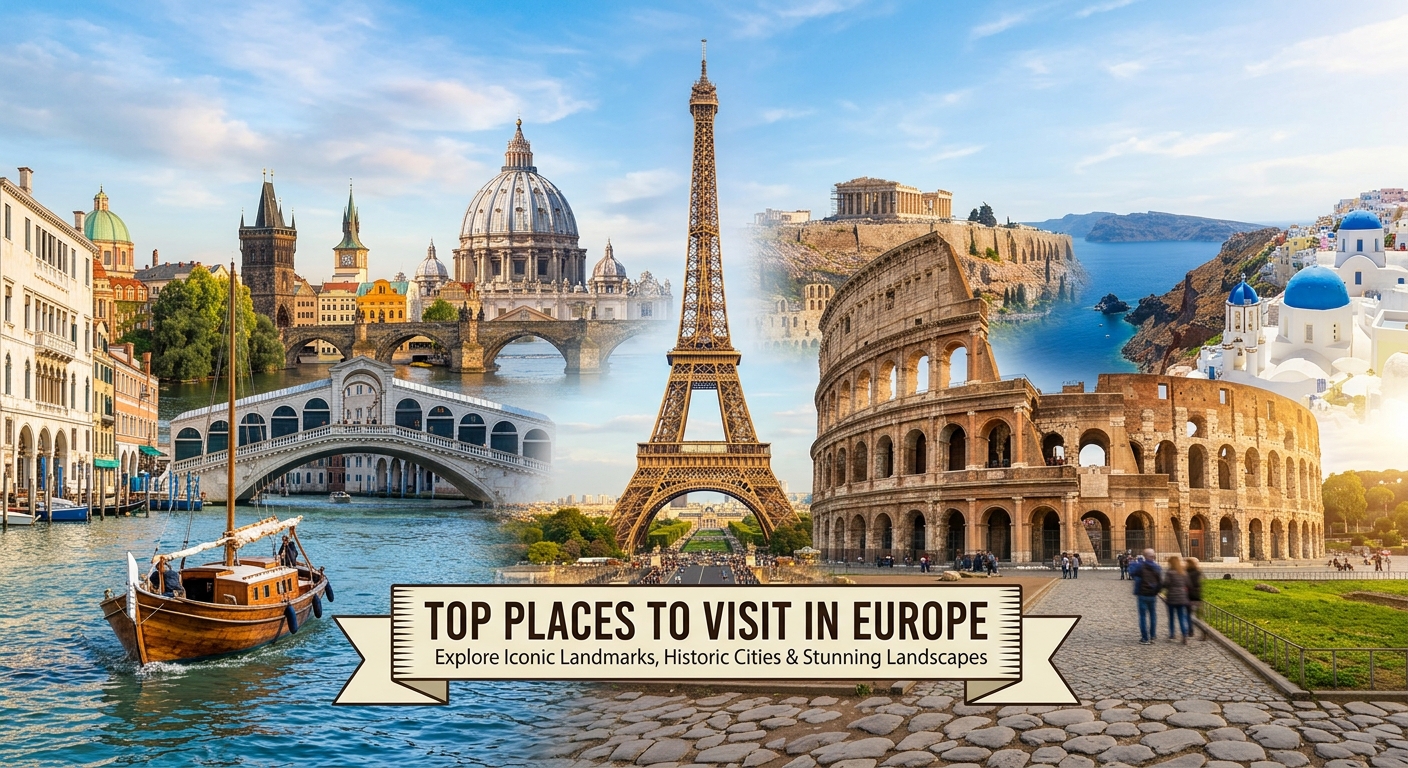
We didn’t choose these destinations randomly, and we didn’t just rank them by fame. Our selection blended visual beauty, uniqueness, accessibility, quality of live experiences, and how well each place works for different traveler types. We also paid attention to how easy it is to build a fun itinerary around each destination, because a beautiful place is only half the story if there’s nothing to do once you arrive.
That means this guide includes big-name cities, but it also includes scenic regions, compact capitals, and lesser-known places that are genuinely worth your time. From our perspective, the best places to visit in Europe are the ones that reward both first-time sightseeing and deeper exploration. So every destination here has enough range for a long weekend or a longer trip, plus practical value for travelers who want to feel like they made a smart choice.
Selection criteria: scenery, culture, and live experiences
We scored each destination against a mix of scenery, cultural depth, and event density. Scenery includes the obvious visual appeal: architecture, waterfronts, mountains, old towns, and that overall “I can’t believe I’m here” feeling. Culture includes museums, history, neighborhoods, cuisine, local traditions, and the quality of the urban atmosphere. Live experiences include concerts, festivals, theater, comedy, nightlife, and the kinds of things you can book through event platforms or find on a city weekend. The best destinations score high across multiple categories rather than only one.
From experience, a place becomes much more valuable when it has strong daylight and nighttime options. That’s why cities like Paris, Barcelona, Budapest, and Edinburgh rank so well: you can spend the afternoon in a museum or on a walking route, then pivot to dinner, a show, or a late-night bar without needing to change neighborhoods. This combination matters even more in 2026, when travelers increasingly want an experience-rich trip instead of a purely sightseeing one.
Traveler-fit criteria
We also looked at how each place fits different kinds of travelers. Couples usually want atmosphere, walkability, and memorable dinners, which is why Paris, Lisbon, Dubrovnik, and Budapest stand out. Families need simple transportation, indoor backup plans, and attractions that don’t require a complicated reservation strategy, which gives Vienna, Copenhagen, Amsterdam, and the Swiss Alps a real edge. Solo travelers often value safety, ease, and a strong café or neighborhood culture, so Amsterdam, Lisbon, Edinburgh, and Prague are excellent fits. Friend groups tend to want nightlife, easy logistics, and enough variety for mixed interests, which is where Barcelona, Budapest, and Prague really shine.
Budget matters too, and we kept that in mind. Some cities are expensive but still worthwhile if you plan carefully, while others give you much better value for food, hotels, and activities. That doesn’t mean “cheap” equals “best,” but it does mean travelers can choose based on what they care about most. A higher-cost city may be the right choice for a special occasion, while a value city may be better if you want to stretch your trip longer or do more activities once you arrive.
Freshness and 2026 relevance
Europe in 2026 feels especially event-driven. Travelers are planning around concert calendars, museum openings, seasonal festivals, food events, and neighborhood nightlife rather than simply ticking off landmark photos. Some cities are also benefiting from renewed tourism interest in their smaller districts, waterfronts, and up-and-coming areas, which means there’s more to discover beyond the obvious center. We’ve included current-season thinking so you can choose a spring city break, summer coast trip, autumn culture escape, or winter market and ski holiday without guessing.
We also looked at where the traveler conversation is moving in 2025-2026: more people want shorter but richer trips, fewer bucket-list-only stops, and more local flavor. That’s exactly where Gidly’s approach fits, because a destination becomes better when you know what’s actually happening there on the days you visit. For official details, always check venue and tourism pages, such as Paris Tourism, Rome Tourism, and Barcelona Turisme.
Paris, France
Paris belongs on every serious list of places to visit in Europe because it delivers the full package: iconic architecture, world-class museums, unforgettable food, and a romantic atmosphere that still feels special even if you’ve seen it in a hundred movies. It’s one of those cities where the simplest plans can be the best ones, whether that’s a long walk along the Seine, a café lunch, or a slow evening in a neighborhood wine bar. In 2026, Paris remains one of the strongest destinations for people who want a trip that feels both classic and current.
What makes Paris especially useful for travelers is its range. You can come for a luxury anniversary weekend, a museum-heavy solo trip, a family vacation with indoor backup options, or a city break built around shopping, food, and nightlife. From our experience, the city is at its best when you balance the famous landmarks with local neighborhoods, because that’s where the trip starts to feel personal. Paris is not the cheapest destination on this list, but it’s one of the most rewarding if you plan well and choose the right area to stay in.
Why visit Paris
Paris is beautiful in a way that feels layered rather than loud. Yes, the Eiffel Tower is iconic, but so are the Haussmann boulevards, bridges over the Seine, grand museums, rooftop views, and tiny streets in neighborhoods like Le Marais and Saint-Germain. The city has a rhythm that rewards slow travel, which is one reason it’s so good for couples and culture seekers. You can spend the morning in a museum, the afternoon on a riverbank, and the evening at a brasserie or live music venue without crossing the city in a panic.
It’s also one of Europe’s best cities for combining sightseeing with entertainment. The theater and concert scene is strong, the exhibition calendar is always active, and the nightlife ranges from low-key wine bars to clubs and late-night cabarets. If you’re using a travel platform like Gidly to plan the fun part of your trip, Paris is one of the easiest cities to build around because there’s always something happening. For official inspiration and current museum programs, check the City of Paris and major venues like the Louvre and Eiffel Tower.
Top things to do in Paris
The classic list still matters: the Eiffel Tower, the Louvre, Notre-Dame area, the Seine, Montmartre, and the Arc de Triomphe. But in 2026, the best trips also include neighborhood-level experiences. Take a Seine cruise at golden hour, walk the Left Bank, linger in the Marais, or plan a night around a concert or a cabaret show. If you love art, mix the big museums with a smaller gallery visit so the day doesn’t feel too packed with “must-sees.”
From a live-experience angle, Paris is excellent for performances, cinema, and temporary exhibitions. Many travelers overlook this and only do the monuments, which is a mistake because the city’s event calendar adds a lot of texture. The best evenings often come from a simple combination: an early dinner, a show, and a walk through a well-lit neighborhood after dark. If you want something more local-feeling, search for jazz clubs, intimate theaters, or seasonal outdoor events on official city listings before you go.
Best Paris neighborhoods for different travelers
Le Marais is one of the best areas for first-timers because it’s central, lively, and packed with cafés, boutiques, and museums. Saint-Germain-des-Prés is excellent for a more elegant, literary, and romantic stay. The Latin Quarter is great for younger travelers and anyone who wants a student-friendly, energetic atmosphere near the river. Canal Saint-Martin feels more local and creative, with a relaxed vibe that works well for solo travelers and couples who prefer less tourist polish.
If you want a practical comparison, here’s a useful way to think about it: Le Marais is best for atmosphere and convenience, Saint-Germain for romance, the Latin Quarter for history and value, and Canal Saint-Martin for a cooler, less predictable trip. Try not to stay too far out unless you’re intentionally trading convenience for price, because Paris is a city where location matters. The right neighborhood can save you transit time and give you better evenings, which matters when you only have a few days.
Best time to visit Paris
Spring and early fall are usually the sweet spots, especially if you want pleasant walking weather and better conditions for outdoor café time. In spring, the city feels fresh and elegant, while early fall brings one of the best overall atmospheres for museums, dining, and neighborhoods that feel alive without the summer crush. Winter can be wonderful too if you love lights, shopping, and indoor cultural plans, though it’s better for people who don’t mind cooler weather.
For 2026, it’s smart to plan around exhibition seasons and major holiday periods because Paris can swing from easygoing to packed depending on the week. If you’re a concert or show traveler, check venue calendars early, because the city’s best nights often sell out sooner than you’d expect. Our team’s experience: Paris rewards advance planning more than almost anywhere on this list, especially for popular attractions and hotels.
Rome, Italy
Rome is one of the most essential places to visit in Europe because it combines a living museum with an everyday city full of food, movement, and local energy. You’re not just looking at history here; you’re walking through it, eating beside it, and taking transit past it on the way to your next meal. That mix makes Rome especially memorable for couples, culture lovers, and anyone who wants a destination with enough depth to fill several days without feeling repetitive.
In 2026, Rome remains a top choice for people who want landmarks plus neighborhood charm. The city works well whether you’re planning a long weekend or a full Italian itinerary. It’s also surprisingly entertaining at night, with piazzas, wine bars, late dinners, and a strong food culture that extends well beyond the tourist core. Rome can be busy, sure, but it’s one of those cities where even the chaos feels part of the appeal.
Why visit Rome
Rome’s biggest draw is the combination of the ancient and the everyday. You can see the Colosseum and the Forum, then walk to a neighborhood café, then end the evening in a lively square with a gelato in hand. The city’s architecture, fountains, churches, and ruins are all part of the same urban fabric, which gives every walk a sense of discovery. That’s why first-time visitors tend to fall hard for Rome: it feels larger than life but still deeply lived-in.
Rome is also fantastic for travelers who like to eat and linger. Meals here are events, not refueling stops, and the city’s restaurant culture is reason enough to visit on its own. Add in museum collections, basilicas, markets, and the easy possibility of a food tour, and you’ve got a destination that serves nearly every travel mood. It’s not the most organized city in Europe, but that’s part of its charm if you go in with the right expectations.
Must-do experiences in Rome
The obvious essentials include the Colosseum, Vatican City, the Pantheon, and the Trevi Fountain, but the best Rome trips also include wandering. Spend time in Trastevere for dinner and atmosphere, visit Campo de’ Fiori or Piazza Navona, and make room for a long lunch in a neighborhood away from the biggest crowds. A food tour is especially useful here because it gives you context for Roman dishes and helps you find the places locals actually like.
For entertainment beyond sightseeing, look at opera, chamber concerts, open-air summer events, and cultural festivals. Rome has a strong classical backbone, but it’s also a city where late-night aperitivo culture matters almost as much as museum time. If you only hit the monuments, you’ll miss the feeling of the city, which is usually what people remember most. Check official sources like Rome Tourism and venue calendars for the Colosseum Archaeological Park and Vatican Museums before booking.
Rome for different trip styles
For a date night, Rome is unbeatable if you combine a scenic walk, a memorable dinner, and a quiet square after dark. For friends, it’s great because the city has enough nightlife and late restaurants to support a sociable trip without feeling like a party-only destination. Families do well here too if they balance major sights with park time, gelato stops, and one or two key attractions per day. Solo travelers will appreciate the abundance of café culture, walkable routes, and straightforward places to sit and people-watch.
Budget travelers can still have an excellent time by leaning into churches, neighborhoods, free viewpoints, and simple Roman meals. The mistake many visitors make is cramming too much into too few days. Rome is most enjoyable when you build breathing room into the itinerary, because the city rewards wandering and lingering far more than racing from one famous site to another.
Practical tips for Rome
Book major attractions in advance, especially the Colosseum, Vatican Museums, and any special access experiences. Transit is usable, but central Rome is best explored on foot, so wear shoes you can actually walk in. Expect queues at popular spots, and plan indoor sites early in the day or later in the afternoon when possible. If you’re staying in the historic center, Trastevere, Monti, or near Campo de’ Fiori, you’ll usually have the easiest access to evening plans.
For parking, it’s usually better to avoid driving unless your entire Italy trip is built around a car. Rome is not a destination where you want to waste time hunting for parking or navigating restricted traffic zones. From experience, the best Rome trip is one where you keep logistics simple and leave plenty of room for pasta, gelato, and an unplanned drink at sunset.
| City | Typical Daily Budget | Best For |
|---|---|---|
| Paris | $180–$450+ | Romance, art, iconic sightseeing |
| Rome | $140–$350+ | History, food, walkable city life |
| Budapest | $90–$220+ | Value, baths, nightlife |
Barcelona, Spain
Barcelona is one of the best places to visit in Europe if you want a city that feels sunny, social, and endlessly photogenic. It combines beach access, standout architecture, strong food culture, and a nightlife scene that makes it especially attractive for friends, couples, and solo travelers. The city has a very easy “weekend getaway” feel, but there’s enough depth to keep you busy for much longer if you want to explore beyond the famous landmarks.
What sets Barcelona apart is how naturally it mixes city energy with coastal relaxation. You can spend the morning in a museum, the afternoon on the beach, and the evening in a neighborhood tapas bar or music venue. For 2026 travelers, that combination is especially attractive because more people want destination flexibility: a place where you can do culture, food, and entertainment without changing cities. Barcelona is one of the strongest examples of that model in Europe.
Why visit Barcelona
Barcelona’s architecture alone is enough reason to go. Gaudí’s masterpieces, from the Sagrada Família to Park Güell and Casa Batlló, give the city a visual identity that feels playful and memorable. Add in the Gothic Quarter, waterfront promenades, and the city’s distinctive neighborhoods, and you get a destination that never really looks or feels flat. It’s visually rich without being overly formal, which helps it work for a wide range of travelers.
The city is also a major contender for live entertainment. Barcelona has concerts, clubs, comedy, festivals, and event venues that keep the calendar full throughout the year. If you’re the kind of traveler who likes to build a trip around what’s on, this is one of the easiest cities to do that in. Check official tourism listings and venue pages before you go, because the best tickets and weekend plans can disappear quickly in peak season.
Best things to do in Barcelona
Start with the essentials: Sagrada Família, Park Güell, the Gothic Quarter, and a walk along the beach or port area. Then give yourself time for things that make the city feel real, like a long lunch, a market visit, or a slow evening in a neighborhood that isn’t packed with tour groups. Barcelona is one of those places where the second layer of the trip often becomes the best layer.
From a things-to-do perspective, look for live music, small clubs, rooftop bars, and seasonal events that line up with your dates. The city’s open-air vibe means summer can feel especially lively, but spring and fall are often better if you want to avoid peak heat and crowds. If you’re traveling with a friend group, Barcelona gives you that rare mix of beach daytime plans and late-night energy, which is why it remains one of Europe’s most reliable social destinations.
Best areas to stay and explore
Eixample is a great all-around base because it’s central, elegant, and easy to navigate. El Born is excellent if you want a more atmospheric, walkable area with bars, boutiques, and restaurants. Gràcia feels more local and village-like, which is great for people who want to avoid the most tourist-heavy streets. Barceloneta is best if beach access is a priority, though it can feel busier and more seasonal.
If you’re choosing between neighborhoods, ask yourself what kind of nights you want. Eixample is practical and polished, El Born is stylish and social, Gràcia is relaxed and neighborhood-driven, and Barceloneta is all about the water. From experience, Barcelona trips become much easier when you stay in a district that matches your daily rhythm instead of trying to cover everything from one distant base.
Barcelona by season
Summer is the obvious beach season, but it’s also the busiest and hottest, so you’ll want to plan carefully if you hate crowds. Spring and fall are often the smartest times to visit because the weather is gentler and the city is still very active culturally. Winter can be pleasantly mild compared with much of Europe, which makes it appealing for travelers who care more about walking, food, and fewer lines than about beach time.
If you’re timing your trip around events, Barcelona is one of the easiest cities to attach to a concert, festival, or exhibition. We’d especially recommend checking schedules before booking because the city’s entertainment calendar can meaningfully change the feel of a weekend. For more trip inspiration, pair your planning with Gidly searches for current concerts, nightlife, and local events.
Amsterdam, Netherlands
Amsterdam is one of Europe’s most consistently appealing city breaks because it’s compact, beautiful, and easy to navigate without feeling overly rushed. The canals, historic houses, bike culture, and strong museum scene make it especially attractive to couples, solo travelers, and anyone who prefers a city that feels manageable. In 2026, Amsterdam continues to be a favorite for travelers who want culture during the day and easygoing social energy at night.
What makes Amsterdam especially useful is the balance between major attractions and neighborhood wandering. You can do the big museums and still have plenty of time for canal-side walks, cafés, market stops, and evening drinks. It’s also one of the easiest cities on this list for a rainy-day trip, which matters more than people think. If your weather luck is mixed, Amsterdam still works.
Why visit Amsterdam
Amsterdam has a beautiful scale. It’s large enough to offer real variety, but small enough that you don’t feel like you’re constantly spending the day in transit. The canal ring gives the city a postcard look, while neighborhoods like Jordaan and De Pijp add enough local flavor to make it feel lived in. This combination makes it one of Europe’s best choices for travelers who want a city break that doesn’t feel overwhelming.
The cultural scene is another major strength. Museums, galleries, small venues, live shows, and special exhibitions all contribute to a trip that can be as relaxed or as activity-packed as you want. Official resources like I amsterdam and venue websites are helpful for planning, especially if you want to book high-demand stops in advance. From our team’s experience, Amsterdam is one of the best cities for slow travel done right.
Top experiences in Amsterdam
Canal cruising is still one of the best first-day activities because it gives you orientation and atmosphere at the same time. The Rijksmuseum and the Anne Frank House are the obvious headline attractions, but don’t skip time in Jordaan, the Nine Streets, or the museum district. The city’s charm often shows up between the big sights, in the cafés, side streets, and waterfront corners where you actually slow down.
For live entertainment, Amsterdam has a solid mix of concerts, theater, and clubs. The city’s evening scene is more varied than many first-timers expect, and it’s easy to find everything from low-key wine bars to bigger venues. If you’re planning a date night, a canal dinner or a show followed by a walk works beautifully here. If you’re traveling with friends, the city still offers enough nightlife to keep things fun without being chaotic.
Family-friendly and rainy-day appeal
Amsterdam is one of the best family-friendly cities in Europe because the logistics are relatively easy and many attractions have strong indoor options. Museums, boat rides, and interactive spaces give you good weather insurance, while the compact city center makes it possible to avoid too much transit stress. Families also appreciate the general walkability and the fact that you don’t need a car to do a lot of the important things.
On rainy days, Amsterdam still works because the city has so many places you can move between without feeling trapped indoors for too long. That said, book some timed tickets before your trip if you’re visiting in peak season. The smartest Amsterdam trips are the ones that mix one or two major bookings with plenty of flexible wandering.
Tips for exploring Amsterdam
Bikes are part of the culture, but don’t feel pressured to cycle if you’re not comfortable; walking and transit are fine for most visitors. Be mindful of booking timelines for the biggest attractions, because the city’s most famous experiences can sell out. Try to stay in or near the canal belt, Jordaan, De Pijp, or the museum area if you want easy access to your plans. Parking is expensive and unnecessary for most travelers.
One common mistake is treating Amsterdam like a party-only city. Yes, there’s nightlife, but the real magic comes from combining canals, museums, food, and neighborhood atmosphere. If you give the city enough daylight time, it becomes much richer than a one-night stop.
Prague, Czech Republic
Prague is one of the most beautiful and budget-friendly places to visit in Europe, which is exactly why it keeps landing on bucket lists. The city looks almost unreal in parts, with medieval architecture, castle views, river scenery, and an old-town atmosphere that feels cinematic from morning to night. For travelers who want value without sacrificing beauty, Prague is one of the strongest choices on the continent.
In 2026, Prague remains especially appealing because it gives you a lot for your money: great walkability, a strong beer and nightlife culture, classical concerts, and an easy-to-love historic center. It’s a great fit for couples, friend groups, and even solo travelers who want a pretty city with low pressure and good pricing. We’ve found that Prague tends to surprise people who expect it to be “just a pretty stop” because it can support a full, rewarding trip.
Why visit Prague
Prague’s skyline is one of the best in Europe. Between the castle, bridges, towers, and red rooftops, the city delivers the kind of visual drama that never gets old, especially at sunrise or sunset. The historic center is compact enough for easy exploring, and the river adds another layer of charm that makes even ordinary walks feel scenic. If your ideal trip includes photo-worthy views, walkable streets, and affordable meals, Prague belongs high on the list.
It’s also a city where entertainment feels easy to access. Classical concerts, jazz clubs, pubs, and performance spaces help the city feel active well into the evening. For official planning, use local tourism resources and event listings, because Prague’s calendar changes by season and by neighborhood. That’s especially helpful if you want to do more than just the standard old-town loop.
Best things to do in Prague
Charles Bridge, Prague Castle, and Old Town Square are the essential first stops, but try not to stop there. Walk the riverfront, explore side streets, visit a brewery or beer hall, and take time for a scenic viewpoint away from the densest tourist traffic. A river cruise can be a nice addition if you want a slower perspective on the city, and a classical concert can add an elegant evening layer to the trip.
One of the biggest strengths of Prague is that many of the best experiences are affordable or even free. You can enjoy the skyline, cross the bridges, wander the old streets, and still keep your budget under control. If you’re planning a cultural trip on a tighter budget, Prague gives you enough visual and entertainment payoff to feel like a much pricier destination.
Budget and nightlife angle
Prague is famous for value, especially when compared with Paris, Amsterdam, or Copenhagen. Meals, drinks, and many activities are typically more budget-friendly, which makes it a strong choice for longer stays or traveler groups with mixed budgets. That said, you still want to pick your areas carefully because central convenience can cost more than staying farther out. The good news is that the city’s core is very walkable, so you don’t need to overpay just to be close to everything.
For nightlife, Prague is a strong contender thanks to pubs, bars, music venues, and easy late-night energy. It’s a good fit for travelers who want an evening scene without the price shock of some Western European capitals. If you’re traveling with friends, Prague is one of the easiest places to make the trip feel celebratory without blowing the budget.
Best time and local hacks
Shoulder seasons are usually ideal because the city is beautiful without feeling as packed. Summer brings more visitors, while winter can be atmospheric if you like cold-weather city breaks and festive lights. Book central stays early if you’re traveling in peak periods, especially if your ideal location is near the Old Town or the river.
From experience, one of the best Prague hacks is to do the big old-town sights early in the day, then branch into quieter neighborhoods later. You’ll enjoy the city more if you alternate between the obvious landmarks and less crowded streets. Also, check official venue schedules for concerts and seasonal performances before you go, because Prague can be surprisingly event-rich for a city that’s also so good for simply wandering.
| Destination Type | Best Example | Why It Wins |
|---|---|---|
| Romantic city break | Paris | Atmosphere, dining, views |
| Budget beauty | Prague | High visual payoff, lower cost |
| Nightlife city | Budapest | Bars, baths, cruises, energy |
Lisbon, Portugal
Lisbon is one of the most compelling places to visit in Europe if you want warmth, charm, views, and a relaxed pace that still leaves room for excellent food and nightlife. The city has a sunny, easygoing quality that makes it especially attractive for couples, solo travelers, and anyone planning a short city break with style. In 2026, Lisbon continues to stand out because it feels both accessible and distinctive, with enough neighborhood variation to keep repeat visitors interested.
What travelers love most about Lisbon is the feeling of movement through the city. Hills, viewpoints, trams, tiled facades, waterfront walks, and compact districts all make it feel like a place you experience by wandering. It’s also one of the better destinations on this list for a date-night-focused trip because the scenery, dining, and nightlife all work together naturally. If you want a European city with character and warmth, Lisbon is one of the safest bets.
Why visit Lisbon
Lisbon’s visual appeal is immediate: pastel buildings, steep streets, miradouros, and tram lines that seem almost designed for postcards. But the city has more depth than its beauty suggests. It’s creative, food-forward, and full of neighborhoods that feel distinct enough to support different moods. You can do old-world charm in Alfama, a polished dinner in Chiado, and a late night in Bairro Alto without losing the sense that you’re still in the same memorable city.
Lisbon is also a strong choice for travelers who like a lower-intensity rhythm. It’s not sleepy, but it’s more relaxed than some of Europe’s big capitals, which makes it good for people who want beauty without the stress. Official planning is easy through tourism resources like Visit Lisboa, and you’ll find plenty of event listings that help the city come alive beyond the usual daytime landmarks.
Best things to do in Lisbon
Alfama is the heart of the old Lisbon experience, with winding lanes, traditional atmosphere, and views that reward every uphill walk. Belém brings monuments, riverside scenery, and important food stops, while the city’s viewpoints are a must no matter what else you do. Riding a historic tram is fun, but it’s even better when paired with a plan to explore on foot so you can stop for coffee, drinks, or a spontaneous photo session.
For live experiences, Lisbon has strong fado, good small venues, and a growing calendar of shows and events. Waterfront dining is particularly enjoyable here, especially at sunset, and it’s easy to turn a simple evening into a memorable one with very little effort. If you’re using Gidly to plan, Lisbon is a city where the “what’s on tonight?” question can improve the whole trip.
Neighborhood guide for Lisbon
Baixa is central and practical, with easy access to transport and major sights. Chiado is a polished, great-for-dining area that works well for couples. Alfama gives you the most traditional atmosphere, though the hills and older buildings mean you should be ready for stairs. Bairro Alto is the go-to for nightlife, while Príncipe Real feels stylish and a bit more relaxed, with a nice balance of restaurants, bars, and local life.
Choosing the right neighborhood in Lisbon can change your trip significantly. If you want quieter nights, avoid staying too deep into the party zones. If you want easy access to food and bars, choose a base with walkable evening options. Lisbon is a city where neighborhood choice is part of the experience, not just a logistics detail.
Lisbon seasonality and value
Shoulder season is usually the best time to visit, especially spring and fall, when the weather is still pleasant and the city is active but not at its hottest or busiest. Summer can be lovely, but heat and crowds can make hill walking more tiring than expected. Winter is often a smart value choice if you care more about food, neighborhoods, and culture than beach time.
Lisbon is still relatively good value compared with some Western European capitals, though popular neighborhoods and trendy restaurants can push prices up quickly. To save money, stay slightly outside the most tourist-heavy center, use public transit, and build at least one simple daytime itinerary with free viewpoints and neighborhood wandering. That combination gives you a lot of Lisbon without overpaying for every hour.
Vienna, Austria
Vienna is one of the most refined places to visit in Europe, and it stands out for travelers who want elegance, culture, and an easy-to-enjoy city layout. It’s a polished destination where museums, concert halls, coffeehouses, and historic spaces create a trip that feels both relaxing and intellectually rewarding. In 2026, Vienna is especially strong for families, culture lovers, and travelers who prefer a smoother, more graceful city break.
What makes Vienna special is its consistency. The city is beautiful without trying too hard, organized without being cold, and rich in entertainment without feeling overwhelming. You can fill days with palaces, exhibitions, music, and cafés, then transition into dinner or a concert without friction. It’s one of the best examples of a destination where quality of life is visible to visitors.
Why visit Vienna
Vienna is a city of grand scale and quiet confidence. Schönbrunn Palace, the Hofburg, stately boulevards, and ornate public buildings give it a majestic atmosphere, while the café culture keeps everything grounded and welcoming. It’s a destination that appeals to people who like history but don’t want chaos, and that’s a major reason it works so well for families and mature city travelers.
The city is also deeply music-oriented, which is a huge plus in 2026. Concerts, opera, and classical performances are part of Vienna’s identity, but there are also seasonal events, museum programs, and markets that keep the city lively throughout the year. If you want a city that feels cultured at every turn, Vienna is hard to beat. Official sources like Vienna Tourism and venue calendars are especially helpful here.
Must-do experiences in Vienna
Schönbrunn is a must, and so is the historic center, but Vienna becomes more interesting when you mix palace visits with café breaks and live music. The coffeehouse tradition is not a side note; it’s one of the best ways to understand the city. Spend real time sitting down, ordering something sweet, and letting the city slow you down a little. That rhythm is part of Vienna’s appeal.
For entertainment, consider a classical performance, an opera, or a seasonal market if you’re there in the colder months. Museums are excellent here too, and Vienna is one of the best cities for pairing a cultural day with an elegant evening. If you’re planning around live events, the city rewards advance booking because popular performances and special exhibitions can fill up early.
Vienna for culture lovers and families
Culture lovers get a lot from Vienna because the city offers depth without the sensory overload some big capitals create. It’s easy to move from art to architecture to music to food in a way that feels cohesive rather than rushed. Families also do well because the city has strong transit, good indoor attractions, and enough open public space to make the trip feel manageable.
If you’re traveling with kids, Vienna’s structure is a major advantage. You can plan a museum in the morning, a park or palace visit in the afternoon, and an early dinner without needing a complex logistics strategy. For adults, that same structure can make the city feel restorative, which is a nice change from more intense destinations.
Practical tips for Vienna
Vienna’s transit system is straightforward, and the city is very easy to navigate compared with many major European capitals. Booking ahead is smart for popular concerts, palaces, and special exhibitions, especially during high season and holiday periods. If you’re watching your budget, look for combo tickets or city passes only after you’ve compared them with the exact sights you actually want to see.
Dress code is generally relaxed for daytime sightseeing, but if you’re going to the opera or a formal concert, it’s worth dressing up a little more than usual. Vienna is not a city where you need to overthink every outfit, but it does reward a polished look in the evening. From experience, it’s one of the easiest destinations on this list for a smooth, well-organized trip.
Dubrovnik, Croatia
Dubrovnik is one of the most dramatically beautiful places to visit in Europe, especially if you want coastal scenery, medieval walls, and a trip that feels cinematic from the moment you arrive. The old town is compact and unforgettable, with limestone streets, sea views, and a sense of place that’s hard to replicate elsewhere. In 2026, Dubrovnik is still one of the strongest picks for couples, summer travelers, and anyone who loves a city that doubles as a scenic backdrop.
It’s particularly appealing for travelers who want a romantic or scenic escape with the option to add boat trips and island hopping. Dubrovnik can be busy, but the payoff is very high if you plan smartly. It’s best approached as a destination that rewards early starts, evening walks, and a willingness to look just beyond the busiest main streets.
Why visit Dubrovnik
Dubrovnik’s old town walls are the big draw, and for good reason. Walking them gives you one of the most striking panoramic experiences in Europe, with the city on one side and the Adriatic on the other. The old town itself is elegant and compact, and even simple moments like a coffee break or sunset walk can feel memorable because the setting is so strong. That dramatic quality makes Dubrovnik ideal for a special occasion trip.
The city also works well as a base for coastal exploration. Boat trips, beaches, and nearby islands add variety, while the sea air and bright stone architecture give the entire place a luminous feel. If you want one of the most visually rewarding destinations on the continent, Dubrovnik absolutely belongs on the list.
Best things to do in Dubrovnik
Walk the city walls, explore the old town, and spend time by the sea. Those are the core experiences, but the best trips also include boat trips and island-hopping add-ons that widen the scenery beyond the historic center. Beaches and waterfront stops are a smart way to balance sightseeing with downtime, especially in summer when the sun and heat make a slower pace more appealing.
Dubrovnik also has appeal for travelers who enjoy scenic dining and long evening strolls. The city’s compact size means you can create a full day without needing much transit. If you’re looking for a destination where the setting does most of the work, Dubrovnik is about as good as it gets.
Who Dubrovnik is best for
It’s fantastic for romantic getaways because the scenery is so strong and the old town feels intimate. It’s also a good fit for friend groups who want a scenic summer trip with enough restaurants and boat excursions to keep things lively. Cruise travelers often add it as a stop, but it can absolutely be a standalone destination if you give it enough time.
Families can enjoy Dubrovnik too, though they should plan carefully around crowds and heat in the high season. Solo travelers who like scenery and coastal calm will also find it rewarding. The main mistake is treating Dubrovnik like a quick photo stop; it’s much better when you allow time for the coast, the sea, and slower walks.
Tips for avoiding crowds and saving money
Visit early in the day or later in the evening if you want the old town at its best. Staying outside the most crowded core can improve both price and comfort, and sometimes gives you better views as well. If you’re traveling in peak summer, book ahead for accommodations and any major boat or island activities.
Dubrovnik can be expensive in the prime months, so if budget matters, consider shoulder season. The city still looks beautiful without peak-season pressure, and the weather can remain very pleasant. From experience, Dubrovnik works best when you treat it as a scenic destination worth savoring rather than rushing through.
Reykjavik and South Iceland, Iceland
Iceland is the nature-first Europe pick on this list, and if your idea of beauty includes dramatic landscapes rather than just pretty streets, it deserves a top spot. Reykjavik gives you an accessible base, while South Iceland opens the door to waterfalls, geothermal areas, glaciers, black sand beaches, and road-trip scenery that feels unlike anywhere else in Europe. In 2026, Iceland remains one of the best choices for travelers who want a trip built around outdoor adventure and unforgettable nature.
It’s especially compelling for solo travelers, friend groups, and anyone interested in winter aurora planning or summer daylight adventures. You won’t come here for traditional city pacing, but you will come away with some of the most striking travel memories you can make on the continent. Iceland also pairs well with event planning in Reykjavik, where the city’s music and nightlife add a welcome contrast to the wilderness.
Why visit Iceland
Iceland is a destination where the scenery feels almost exaggerated. Waterfalls, volcanic terrain, thermal waters, rugged coasts, and wide-open horizons create a sense of scale that’s hard to forget. South Iceland in particular is built for road trips, with each stop offering something visually different from the last. If you’ve been craving a Europe trip that feels more adventurous than urban, this is it.
Reykjavik itself is smaller than many travelers expect, but it’s a useful base with restaurants, bars, music, and easy access to tours. For official trip planning, check Visit Reykjavik and national tourism resources, especially if you’re coordinating seasonal activities. In a lot of ways, Iceland is less about “seeing a city” and more about building a very memorable outdoor itinerary with one city anchor.
Best things to do from Reykjavik
The Golden Circle remains one of the classic first-timer routes, and it’s still a strong introduction to the country. Geothermal spa experiences are another major draw, whether you choose the more famous options or a less crowded local-style soak. In Reykjavik, you can also fit in live music, bars, and a surprisingly good food scene after a day outside, which is part of what makes the trip feel balanced.
We’d strongly recommend combining one or two major nature routes with time in the capital. That mix keeps the trip from feeling too one-note. Iceland is one of the few places where the day can be about waterfalls and the night can be about live music, and that contrast is a big reason travelers remember it so vividly.
Best for solo, friends, and adventure travelers
Solo travelers often love Iceland because guided tours make it easy to join activities without needing a large group. Friend groups can turn it into a road-trip adventure, especially if everyone wants the same kind of outdoor experience. Couples who like scenery over city nightlife will also find it incredibly rewarding, particularly if they’re planning a winter trip with aurora hopes or a summer trip with long daylight hours.
Winter requires more planning and respect for conditions, while summer allows more freedom and longer driving windows. That seasonal contrast is one of the reasons Iceland feels different every time you visit. It’s a strong reminder that some of the best places to visit in Europe aren’t city-only destinations at all.
Seasonal planning in Iceland
Summer gives you extended daylight and easier road conditions, which is ideal for exploring far more of South Iceland in a single trip. Winter brings the chance of Northern Lights viewing, but it also requires flexibility and a much more careful approach to weather and transport. If you’re visiting in the colder months, keep your plan loose enough to adapt to conditions.
Budget-wise, Iceland is not a cheap destination, so it’s worth planning accommodations, transport, and food carefully. If you want to save money, focus on shared tours, self-catering where possible, and free natural attractions. From experience, Iceland is worth the higher spend if you want a trip that feels truly different from the usual Europe city break.
Swiss Alps: Zermatt and Interlaken
The Swiss Alps are one of the most beautiful places to visit in Europe if your travel dreams lean toward mountains, fresh air, and dramatic outdoor scenery. Zermatt and Interlaken are two especially strong bases because they give you access to iconic views, hiking, skiing, cable cars, and that impossible-to-ignore postcard landscape Switzerland is famous for. In 2026, the Alps remain a premium but unforgettable choice for families, couples, and active travelers.
This is not the cheapest option on the list, but it is one of the most rewarding for people who want nature with excellent infrastructure. You can travel by scenic train, stay in polished alpine towns, and spend your days hiking, skiing, or simply soaking up views. It’s also one of the best family skiing holiday options in Europe, assuming you plan for the higher cost.
Why visit the Swiss Alps
The Swiss Alps are all about scale and clarity: huge mountains, clean air, bright lakes, and a travel system that makes remote-looking places surprisingly accessible. Zermatt is especially famous for its Matterhorn views and car-free charm, while Interlaken is a classic gateway for adventure and lake scenery. The whole region is visually powerful in a way that feels immediate and restorative.
These destinations also work in multiple seasons. In winter, they’re excellent for skiing and snow activities. In summer, hiking, cable cars, and mountain viewpoints take center stage. If you want a destination that can support both a luxury escape and an active outdoor trip, the Swiss Alps are among the best in Europe. Official tourism information is available via MySwitzerland, which is very useful for current conditions and route planning.
Best activities
Hiking is a huge draw in summer, with routes that range from easy scenic walks to more ambitious mountain paths. In winter, skiing and snowboarding dominate, though non-skiers can still have an excellent time with gondolas, scenic viewpoints, and cozy towns. Scenic rail journeys are another major highlight, because Switzerland’s train network turns getting there into part of the attraction.
Lake towns, mountain restaurants, and cable cars add variety to the trip so it never feels repetitive. If you want a vacation that is as much about the view as the itinerary, the Alps make that easy. The biggest mistake travelers make is underestimating how much time they’ll want just to pause and look around.
Best fit for families, couples, and active travelers
Families do well in the Swiss Alps because outdoor activities can be scaled up or down depending on age and ability. Couples often choose it for romance because the scenery does so much of the work, and the atmosphere can feel especially special in winter or shoulder season. Active travelers will find endless options, from hiking and skiing to lake excursions and mountain viewpoints.
If you’re planning a family ski trip, book early and research the exact town carefully, because different bases suit different ages and priorities. Zermatt is iconic, while Interlaken offers easier access to a wide range of activities. The right choice depends on whether you want a classic alpine village feel or a more versatile adventure base.
Cost and planning tips
Switzerland is expensive, and it helps to go in with that expectation rather than pretending otherwise. Save money by choosing the right base, booking transportation early, and comparing accommodation options well in advance. Meals and scenic transport can add up quickly, so it’s smart to build your itinerary around the experiences you truly care about most.
Because prices are high, the trip feels better when you do fewer things but do them well. That’s especially true in the Alps, where even simple plans can feel premium because the scenery is doing so much of the heavy lifting. From experience, Switzerland is one of those places where value comes from quality, not quantity.
Edinburgh, Scotland
Edinburgh is one of the most atmospheric places to visit in Europe, combining history, walkability, culture, and event energy in a city that feels both dramatic and accessible. The skyline alone is enough to make it memorable, but it’s the mix of festivals, pubs, museums, and day-trip potential that makes it such a strong all-around choice. In 2026, Edinburgh stands out for travelers who want a city that’s beautiful in every season and especially lively during its major events.
The city is ideal for people who like compact destinations with a strong sense of character. It’s easy to cover a lot on foot, and the best experiences often involve a mix of outdoor exploration, indoor refuge, and a good evening out. If you want a city that feels genuinely alive with things to do, Edinburgh is one of the best in the UK and one of the most distinctive in Europe.
Why visit Edinburgh
Edinburgh’s visual identity is unforgettable: castle views, historic stone streets, hills, and the contrast between Old Town and New Town. It feels literary, mysterious, and wonderfully layered. You can spend the morning climbing, the afternoon in museums, and the evening in a pub or theater without losing the city’s atmosphere. That compactness is one of Edinburgh’s biggest assets.
It’s also one of the best European destinations for event-rich travel. Festivals, performances, and seasonal celebrations can completely change the feel of a visit, which is why timing matters so much here. Official tourism and festival sites are worth checking ahead of time, especially if you want to book around the Fringe or Hogmanay. For current city info, look at Visit Edinburgh.
Top things to do in Edinburgh
The Royal Mile, Edinburgh Castle, and Arthur’s Seat are the classic must-dos, but the city’s real charm comes from the way those sites connect to the rest of the urban fabric. Museums and galleries are strong, and the pub scene gives the city a cozy, social layer that works especially well after dark. Ghost tours, literary spots, and historic lanes add to the sense that the whole city is a stage set for stories.
If you like entertainment, Edinburgh rewards evening planning. You can go from a museum afternoon to a show, then finish with dinner or drinks. That makes it especially good for couples and friend groups who want variety without needing to travel far between activities. It’s also a reliable rainy-day destination because the city has enough indoor culture to keep your trip enjoyable no matter what the weather does.
Festival and seasonal highlights
The Edinburgh Fringe is the big headline event, drawing performers and visitors from around the world. Hogmanay is another major draw, especially if you love winter celebrations with a strong local identity. In the quieter months, winter markets, theater, and museum visits still give the city plenty to offer. That seasonal range is a big reason Edinburgh is more than just a summer festival stop.
If your trip lines up with a major event, book earlier than you think you need to. Hotels, performances, and popular dining spots can fill up quickly. From our team’s perspective, Edinburgh is one of the best places in Europe to plan around the calendar because the city’s personality changes in really interesting ways across the year.
Best neighborhoods and nearby excursions
Old Town is the classic atmospheric base, especially if you want to be close to the big sights. New Town feels more elegant and open, while Leith gives you a more food-forward, waterfront feel. If you have extra time, nearby day trips can add nature or coastal scenery to the city break, which helps round out the experience.
Edinburgh is also a smart choice for travelers who want a city that feels manageable without sacrificing depth. You can arrive, walk, and immediately feel oriented. That’s a huge advantage if you’re looking for a weekend trip that delivers a lot without requiring complicated planning.
Copenhagen, Denmark
Copenhagen is one of the most design-forward and livable places to visit in Europe, and it’s ideal for travelers who want a city break that feels calm, stylish, and easy. The city’s waterfront charm, clean urban planning, cycling culture, and strong food scene make it a standout for couples, families, and solo travelers alike. In 2026, Copenhagen continues to be one of the best examples of a modern European destination that feels welcoming and polished.
What makes Copenhagen special is how effortless it feels to move through. Streets are intuitive, neighborhoods are appealing, and there’s enough to do for a full trip without the stress some larger capitals create. It’s not the cheapest city on this list, but many travelers find the quality of the experience worth it. If you’re looking for a trip that balances design, food, and a relaxed pace, Copenhagen is a superb choice.
Why visit Copenhagen
Copenhagen’s biggest strength is its overall quality of life, which visitors feel immediately. The city looks and functions beautifully, with canals, bicycles, public spaces, and thoughtful architecture all contributing to its appeal. It’s a great place to slow down, walk a lot, and enjoy the city itself rather than rushing through a checklist of attractions.
The city also offers excellent entertainment for different moods. You can do museums and design attractions, eat well, spend time by the water, and then choose between relaxed evenings or livelier outings. For official planning, VisitCopenhagen is a good starting point. Copenhagen works especially well for travelers who want a city that feels modern without losing charm.
Best things to do in Copenhagen
Tivoli Gardens is one of the city’s most iconic experiences, and it’s especially fun if you like seasonal atmosphere and classic amusement-park charm with a stylish twist. Nyhavn is the image most people know, but the city’s real appeal extends into museums, canal areas, and neighborhoods where design and food culture are central. It’s easy to make a full day out of simple walking and a few carefully chosen stops.
Food is a major part of the Copenhagen story, whether you go high-end or keep it casual. The city is excellent for travelers who like to combine sightseeing with a serious meal, and it has the kind of dining reputation that makes a trip feel special. If you’re using Gidly to plan, Copenhagen is a city where both daytime and evening choices matter a lot.
Copenhagen for families and solo travelers
Families appreciate Copenhagen because it’s safe, walkable, and easy to understand. Kid-friendly attractions and good transit reduce stress, and the city’s overall design makes it feel approachable. Solo travelers also do well here because the city is comfortable to navigate and rich enough to stay interesting even if you’re exploring at your own pace.
The calmness of Copenhagen is a feature, not a flaw. If you’re coming from a more intense city, the sense of balance can feel restorative. It’s one of the rare destinations where you can have a high-quality city trip without feeling like you need to cram every hour with activity.
Practical tips
Prices can be high, so it helps to plan a mix of paid and free activities. Use transit when needed, but know that walking and biking are both very practical in the city. If you’re visiting in peak season or around holidays, book accommodations earlier than expected because the best locations go quickly.
For best results, choose a neighborhood that gives you easy access to your interests. Stay central if you want your first Copenhagen trip to feel simple, and keep your itinerary light enough to enjoy the city’s pace. Copenhagen is less about checking boxes and more about enjoying how well the trip flows.
Budapest, Hungary
Budapest is one of the best value destinations in Europe, and it offers an exceptional mix of beauty, nightlife, architecture, and thermal bath culture. The city feels grand without being prohibitive, which makes it a favorite for couples, friend groups, solo travelers, and budget-conscious visitors who still want a memorable trip. In 2026, Budapest remains one of the strongest all-around choices if you want a destination that gives you a lot without draining your wallet.
What makes Budapest stand out is the way it balances different kinds of experiences so well. You can spend the day in a bath, a museum, or on a river walk, then move into ruin bars, dinner, or a night cruise. It’s one of those cities where beauty and nightlife don’t fight each other; they work together. That’s a big reason it ranks so high among places to visit in Europe.
Why visit Budapest
Budapest is visually dramatic in all the right ways. The Danube divides Buda and Pest, creating river views and skyline scenes that are especially strong at night. Parliament, Buda Castle, bridges, and grand buildings all contribute to the sense that you’re in a city with serious presence. Yet it still feels accessible, not intimidating, which helps it appeal to a wide range of travelers.
The thermal bath tradition adds another layer that few European cities can match. Budapest isn’t just beautiful to look at; it also gives you a signature experience that is easy to remember. Combine that with a strong food and bar scene, and you have a destination that works as well for a relaxed recharge as it does for an energetic weekend. For current city information and event listings, official tourism resources are worth checking before you go.
Must-do experiences
Thermal baths are the headline, and they’re absolutely worth planning around. Add in a river cruise in the evening for one of the most scenic city views in Europe. The Parliament building, Buda Castle, and riverfront walks are essential, while ruin bars give the city a nightlife identity that feels both playful and distinctly local.
Budapest also works well for travelers who want to combine day and night plans. You can spend the morning sightseeing, the afternoon at a spa, and the evening in bars or on the water. That kind of flexibility is what makes the city so compelling for short trips, especially if you’re trying to get a lot out of a long weekend.
Budapest by traveler type
Budget travelers love Budapest because the value is strong without the trip feeling stripped down. Couples appreciate the river views and bath culture, especially for a romantic weekend. Solo travelers often find it easy to explore, and friend groups enjoy the mix of nightlife and scenic evenings. The city gives each of those traveler types a different version of the same strong core experience.
If you’re traveling with a group, Budapest is one of the easiest cities to make feel fun without a complicated plan. If you’re traveling alone, it has enough atmosphere to feel rich but not overwhelming. That versatility is a huge reason it remains such a reliable European favorite.
Tips for getting the best value
Public transit is useful, and neighborhood choice can make a big difference in how much you spend and how easy the trip feels. Central areas are convenient, but there are still good-value options if you book early. If you want the best balance, choose a location that gives you reasonable access to both river views and nightlife.
Advance booking helps with baths, popular river cruises, and the better restaurant slots. Budapest rewards smart planning because you can keep the trip high-quality without overspending. From experience, it’s one of the best cities on this list for travelers who want a rich trip that still feels affordable.
| Trip Style | Best Destinations | Why They Fit |
|---|---|---|
| Romantic getaway | Paris, Lisbon, Dubrovnik | Atmosphere, dining, scenic nights |
| Family trip | Vienna, Copenhagen, Amsterdam | Easy transit, indoor options, safe layouts |
| Friends/group trip | Barcelona, Budapest, Prague | Nightlife, value, energy |
| Outdoor adventure | Iceland, Swiss Alps | Nature, hiking, winter sports |
Hidden Gems in Europe Worth Adding to Your Bucket List
The big names are famous for a reason, but some of the most satisfying European trips happen in places that feel a little less obvious. Hidden gems can be easier on the budget, less crowded, and surprisingly rich in character, which is why they’re worth including alongside the classics. If you want a trip that feels a bit more local or a little less overrun, these destinations are excellent additions to your Europe bucket list.
We especially like hidden gems in 2026 because many travelers are craving places that still feel discoverable. These spots often have walkable centers, good food, scenic neighborhoods, and enough things to do to support a real trip without the pressure of a mega-city. They also pair well with Gidly-style planning because smaller places often shine when you know what’s on and where to go before you arrive.
Ljubljana, Slovenia
Ljubljana is one of Europe’s easiest hidden gems to recommend because it’s green, compact, and charming without being overwhelming. The city center is walkable, the riverfront is pleasant, and the overall experience feels relaxed in a way that first-time visitors tend to appreciate immediately. It’s a great choice for travelers who want a smaller capital city that still feels culturally alive.
We especially like Ljubljana for couples and solo travelers who want a simple, scenic base with low stress. It also works well as part of a broader Slovenia trip if you’re pairing it with lakes, mountains, or coast. Compared with the bigger names on this list, it’s a more understated choice, but that’s exactly why people remember it fondly.
Porto, Portugal
Porto has river views, tiled streets, a strong food and wine culture, and a slightly grittier charm than Lisbon. That makes it a great hidden gem for travelers who want atmosphere with a bit of edge. The city is beautiful in a less polished, more textured way, which is part of the appeal.
It’s especially good for food and drink travelers, as well as couples looking for a romantic but not overly formal city break. The Ribeira area, bridge views, and port wine culture all make the city feel distinct. If Lisbon is the bright, sun-soaked star, Porto is the cooler, more contemplative counterpart.
Valletta, Malta
Valletta is compact, historic, and blessed with sea access, which makes it a strong choice for a sunny Europe trip with cultural depth. The city is small enough to navigate easily but full of architecture, fortifications, and viewpoints that keep it interesting. It’s particularly appealing if you want a destination with strong weather and a manageable footprint.
Valletta works well for travelers who like history without needing a massive city to explore. It can also be a smart off-season option if you want milder weather and fewer crowds than the most famous coastal destinations. It’s a great example of a place that feels special because of its scale and setting.
Bruges or Ghent, Belgium
Bruges gives you medieval beauty in a very concentrated form, while Ghent often feels a bit more lived-in and energetic. Both are highly walkable, photogenic, and easy to enjoy on a short trip. If your ideal European destination includes canals, old buildings, and a lot of charm in a small area, either one can work beautifully.
We’d suggest Bruges for pure storybook aesthetics and Ghent for a bit more everyday energy and variety. Either way, these are excellent add-ons for travelers who want something beyond the standard capital-city route. They’re also easy to combine with nearby destinations in Belgium or the Netherlands.
Best Places to Visit in Europe by Scenario
One of the biggest mistakes travelers make is choosing a destination by fame alone instead of trip purpose. A place can be stunning and still be a poor fit for your specific plan, especially if you’re traveling with kids, trying to save money, or hoping for a romantic atmosphere. This section breaks down the best places to visit in Europe by scenario so you can match the destination to the experience you actually want.
We’ve used this framework a lot in real trip planning because it makes decisions faster and better. If you’re planning a date night trip, you need atmosphere and easy evening plans. If you’re traveling with kids, you need simplicity and indoor backups. If you’re going with friends, nightlife and shared energy matter more. This is where the details really matter.
Best places in Europe for a romantic getaway
For romance, the strongest choices are Paris, Lisbon, Dubrovnik, Rome, and Budapest. Paris is the obvious classic because its architecture, restaurants, and river views make almost any evening feel special. Lisbon is a great alternative for couples who want warmth, viewpoints, and a more relaxed mood. Dubrovnik delivers cinematic sea views, while Rome gives you history and long dinners. Budapest adds a romantic riverfront and thermal bath experience that feels unique without being too formal.
If you want to plan a date-night-style itinerary, choose a city where dinner, a scenic walk, and a late drink all fit into one neighborhood. That’s the real romance multiplier. You don’t need the most famous city; you need the one that fits your pace and gives you enough atmosphere after dark.
Best places in Europe for families with kids
Families generally do best in Copenhagen, Vienna, Amsterdam, and the Swiss Alps. Copenhagen and Vienna are excellent because they’re organized, walkable, and full of manageable attractions. Amsterdam gives you museums, canal rides, and lots of indoor options for bad weather. The Swiss Alps are the best fit if your family trip is built around skiing, hiking, or outdoor adventure rather than city sightseeing.
The key is to reduce friction. Pick cities with good transit, child-friendly attractions, and enough flexibility to handle short attention spans or tired legs. Families do better when they avoid over-scheduling, so a city that can be enjoyed at a gentler pace is usually the smartest choice.
Best places in Europe for solo travelers
Solo travelers tend to enjoy Amsterdam, Lisbon, Edinburgh, Prague, and Copenhagen. These places are easy to navigate, culturally rich, and comfortable for people exploring on their own. Amsterdam and Copenhagen are especially approachable if you value safety, order, and indoor-outdoor balance. Lisbon and Prague are great if you want strong atmosphere and neighborhood wandering, while Edinburgh is ideal for a solo trip with a strong sense of identity.
When traveling solo, choose destinations with lots of cafés, museums, and walkable districts so it’s easy to enjoy the day at your own pace. A strong solo city also has enough live events and evening options that you don’t feel stuck after sunset. That combination matters more than people think.
Best places in Europe for friends, nightlife, and group trips
Barcelona, Budapest, Prague, and Lisbon are the strongest all-around choices for friend groups. Barcelona gives you beaches, nightlife, and neighborhood variety. Budapest is fantastic for baths, river nights, and value. Prague gives you affordable drinks and a beautiful setting. Lisbon adds enough nightlife and food to keep the trip energetic without becoming chaotic.
For groups, the ideal city is one where it’s easy to split and reunite without stress. You want enough food, bars, and activities to keep everyone happy, but not so much transit friction that the trip becomes a planning headache. That’s why these cities work so well for groups with different tastes.
Best places in Europe on a budget or for free things to do
Prague, Budapest, Lisbon, and parts of Portugal and Eastern Europe are strong budget picks. Prague and Budapest are especially good if you want high visual appeal at lower prices, while Lisbon still gives you strong value if you choose your neighborhood and meals carefully. You’ll also find a lot of free or low-cost things to do in most of these cities, from walking tours to viewpoints to public squares and parks.
If you’re traveling on a tighter budget, the smartest move is to prioritize cities where the free experience is still excellent. Some destinations are beautiful but expensive; others are beautiful and affordable. That difference can dramatically change the quality of your trip, especially if you want to stay longer or include more live entertainment.
Best Time to Visit Europe in 2026
There is no single best time to visit Europe because the continent changes so much by season. The right choice depends on whether you want city walks, beach weather, festival energy, holiday markets, or outdoor adventure. In 2026, travelers are increasingly planning around the season first and the destination second, which is smart because weather and crowd patterns can dramatically affect your experience.
We usually recommend shoulder seasons for city breaks and peak summer for coastlines or mountain adventures, but the real answer is more nuanced. Some cities are better in winter because of their indoor culture and festive atmosphere, while others shine in spring when cafés and walking routes are most enjoyable. Below is the quick seasonal breakdown we use ourselves.
Spring in Europe
Spring is one of the best times for city breaks because the weather is usually mild, flowers and parks are at their best, and crowds haven’t reached summer highs. Paris, Amsterdam, Rome, Lisbon, and Vienna all perform especially well in spring. It’s a great time to prioritize walking, outdoor dining, and neighborhood exploration without the heat or peak-season pressure.
If you like photography and lighter crowds, spring often gives you the best balance. It’s also a smart time to book travel if you want more flexibility and a better shot at deals. The biggest caveat is that spring weather can still be unpredictable, so build in one or two indoor backups, especially in Northern Europe.
Summer in Europe
Summer is ideal for beaches, islands, alpine travel, and long evenings outdoors. Barcelona, Dubrovnik, Iceland, and the Swiss Alps all have major summer appeal, though some cities can get crowded and hot. It’s also a strong season for festivals, rooftop events, and outdoor concerts, which can make a trip feel extra lively.
The challenge in summer is crowd management, so timing and neighborhood choices matter. If you’re visiting a major city, go early in the day for the biggest sights and keep some flexibility for evening plans. If you’re going coastal, book early and expect higher prices in the best locations.
Autumn in Europe
Autumn is one of the best all-purpose seasons because temperatures are often comfortable, crowds are lower, and cultural calendars are strong. Cities like Paris, Rome, Budapest, Prague, and Edinburgh can be especially good in fall. You also get great food seasonality, which matters more in cities where dining is a big part of the trip.
We like autumn for travelers who want a more local-feeling experience. The season is often easier on the budget than summer, and it usually gives you a good mix of indoor and outdoor options. It’s a great time for museum-heavy trips, concerts, and weekend getaways.
Winter in Europe
Winter is excellent for Christmas markets, indoor culture, and ski trips. Vienna, Edinburgh, Budapest, Copenhagen, and the Swiss Alps all have strong winter appeal, while Paris and Amsterdam can feel especially pretty under lights. Winter can also be a smart value season depending on the city and dates.
If you’re traveling in winter, choose destinations with strong indoor backup plans and efficient transit. That way, the weather doesn’t dictate your whole trip. It’s a season that rewards good planning, but it can produce some of the most memorable Europe experiences of the year.
Practical Travel Tips for Visiting Europe
Beautiful destinations are great, but a good trip depends on practical planning. In Europe, the details matter: how far in advance you book, how you move between cities, what you expect to spend, and how many places you try to fit into one trip. We’ve seen too many travelers underplan the logistics and then lose time, money, or energy that should have gone into enjoying the trip.
Think of this section as your reality check before you book. Europe is relatively easy to travel in compared with many regions, but it still rewards smart decisions. Use these tips to avoid the most common mistakes and make your chosen destination feel easier from day one.
How far in advance to book flights, trains, and hotels
For popular destinations and peak seasons, booking earlier is almost always better. Summer, major festivals, holiday periods, and school vacation windows can push up prices and reduce availability quickly. For city breaks in places like Paris, Rome, Amsterdam, and Barcelona, earlier booking can make a huge difference in both hotel quality and location.
Trains and flights between major European cities also benefit from advance planning. If your trip includes a specific show, festival, or event, lock in the accommodation first and then organize the rest around it. From experience, the most stressful trips are the ones where travelers pick the destination but wait too long to secure the details.
Typical costs to expect
Costs vary widely by destination, but it helps to think in rough bands. High-cost cities like Paris, Copenhagen, and parts of Switzerland can be expensive for hotels, meals, and activities. Mid-range cities like Rome, Lisbon, and Edinburgh can still be quite manageable if you plan carefully. Value destinations like Prague, Budapest, and some parts of Portugal offer more room in the budget for food, nightlife, and activities.
Don’t forget the small costs that add up: transit tickets, timed-entry museum passes, baggage fees, snacks, and drinks. These can become a big part of the total trip cost if you’re not watching them. A good budget plan isn’t about cutting everything; it’s about knowing what matters most to you.
Getting around Europe efficiently
Europe is one of the best regions in the world for train travel, especially between major cities. Short-haul flights can also be useful, but they’re often best used strategically rather than as the default. Many of the destinations on this list are highly walkable, which is a huge advantage because it means your day doesn’t disappear into transit.
For city trips, public transport usually beats driving. Parking is often expensive, inconvenient, or unnecessary, especially in dense historic centers. If you’re visiting multiple places, it’s better to keep your route simple and let the train network do the heavy lifting.
Common mistakes to avoid
One common mistake is trying to visit too many cities in one trip. Europe is tempting because everything feels close, but constant packing and transit can ruin the slower, more enjoyable part of travel. Another mistake is booking a destination based only on social media photos without checking whether it actually fits your style, budget, or season.
Travelers also underestimate event calendars. A city can be far better when you time it around a concert, festival, or exhibition, and far less satisfying if you show up without checking what’s on. The best trips are usually the ones where the logistics and entertainment line up.
Comparison Tables: Which European Destinations Fit Your Trip Best?
If you’re still deciding, comparison tables are the fastest way to narrow things down. These tables help you match destinations to travel style, budget, and the kind of experience you want on the ground. We use this kind of quick comparison ourselves because it prevents overthinking and makes it easier to move from inspiration to booking.
The goal here is not to “win” every category with one city. Instead, it’s to show which destinations are best aligned with specific trip goals. That way you can choose a place that feels right instead of just popular.
Best for couples, families, solo travelers, and friend groups
| Traveler Type | Top Picks | Why |
|---|---|---|
| Couples | Paris, Lisbon, Dubrovnik, Rome | Romantic settings, dinners, scenic evenings |
| Families | Vienna, Copenhagen, Amsterdam, Swiss Alps | Easy logistics, indoor options, kid-friendly structure |
| Solo | Amsterdam, Lisbon, Edinburgh, Prague | Walkable, safe, social, easy to explore alone |
| Friends | Barcelona, Budapest, Prague, Lisbon | Nightlife, variety, value, shared energy |
Best for budget, luxury, and mid-range trips
| Budget Band | Best Picks | Typical Experience |
|---|---|---|
| Budget | Prague, Budapest, Porto, Ljubljana | High value, lower daily spend, strong atmosphere |
| Mid-range | Rome, Lisbon, Edinburgh, Barcelona | Good balance of cost and quality |
| Luxury | Paris, Copenhagen, Swiss Alps, Dubrovnik | Premium stays, signature experiences, scenic dining |
Best for culture, nightlife, beaches, and outdoor adventure
| Experience Type | Top Picks | Best Feature |
|---|---|---|
| Culture | Paris, Rome, Vienna, Edinburgh | Museums, history, architecture, performances |
| Nightlife | Barcelona, Budapest, Prague, Lisbon | Bars, clubs, concerts, late-night energy |
| Beaches/coast | Barcelona, Dubrovnik, Lisbon, Valletta | Waterfront access and sunny days |
| Outdoor adventure | Iceland, Swiss Alps | Landscapes, hikes, skiing, road trips |
What’s Trending in Europe for 2025-2026
Europe travel in 2025-2026 is moving toward more experience-led, neighborhood-focused trips. People still want the big landmarks, but they increasingly care about what happens between them: where to eat, what show to see, which district has the best local energy, and what events are on during the visit. That shift is exactly why a guide like this works better than a simple list of famous places.
Another big trend is the search for less crowded alternatives that still feel beautiful and worthwhile. Travelers are realizing they don’t need to spend every trip in the same most-famous places if there are smaller cities and scenic towns that deliver a great experience with fewer hassles. In 2026, being strategic matters more than ever because a great destination is only great if it fits your time, budget, and energy.
Rise of experience-first city breaks
City breaks are becoming less about checklists and more about the quality of the outing. Concerts, exhibitions, theater, comedy, food markets, and neighborhood nightlife all matter in the new travel calculus. That’s why places like Paris, Berlin-adjacent trip ideas, Barcelona, Edinburgh, and Budapest keep getting attention: they have a strong live calendar in addition to the usual sightseeing highlights.
This is also why local-event platforms are so useful now. Travelers don’t just want to know what a city looks like; they want to know what it feels like on a Friday night or a rainy Sunday. If you can pair the destination with the right events, the trip becomes much more personal.
Demand for underrated destinations
Hidden gems are no longer hidden in the old sense, but they are increasingly valued because they feel more manageable. Cities like Ljubljana, Porto, Valletta, and Ghent are appealing because they solve the “too crowded, too expensive, too rushed” problem. Travelers still want beauty, but they want it in places where they can breathe and explore without constant pressure.
This trend is especially strong among travelers who have already visited the big capitals and are looking for their second or third Europe trip. Instead of repeating the obvious, they want a trip with more personality. That’s where smaller cities often win.
Event-led planning and weekend travel
One of the biggest shifts we’ve seen is the growth of event-led travel. People now plan weekends around a concert, a festival, a special exhibition, or a nightlife scene they want to experience. That’s a major opportunity for cities that are already strong in entertainment, because a single event can turn a regular city trip into something memorable.
This is also why travel planning is becoming more local and more specific. The best trips are not just “go to Europe” anymore; they’re “go to Lisbon in April for the weather and a music-filled weekend,” or “go to Vienna in December for markets and concerts.” That way, the destination and the activity reinforce each other.
Frequently Asked Questions
Here are the most common questions travelers ask when comparing places to visit in Europe. We kept the answers direct, practical, and easy to scan, so you can move from inspiration to decision faster.
What are the best places to visit in Europe for first-time travelers?
Paris, Rome, Amsterdam, Barcelona, and Vienna are excellent first-time choices because they combine iconic sights with strong infrastructure. They’re also easy to enjoy without needing a car, which makes planning simpler.
What are the most beautiful places to visit in Europe in 2026?
Paris, Dubrovnik, the Swiss Alps, Iceland, Prague, and Lisbon are among the most visually striking choices for 2026. Each offers a different version of beauty, from old-world architecture to dramatic natural scenery.
Which European cities are best for couples?
Paris, Lisbon, Rome, Dubrovnik, and Budapest are especially strong for couples because they offer atmosphere, scenic dining, and easy evening plans. If you want a romantic trip, pick a city where you can walk, eat well, and enjoy the night without too much transit.
Which places in Europe are best for families with kids?
Vienna, Copenhagen, Amsterdam, and the Swiss Alps are great family choices because they’re organized, walkable, and full of kid-friendly options. They also offer reliable indoor backup plans, which helps a lot when the weather changes.
What are the best places to visit in Europe on a budget?
Prague, Budapest, Porto, and Ljubljana are some of the best budget-friendly options in Europe. They offer a strong mix of beauty, food, and activities without the higher daily costs you’ll find in places like Paris or Copenhagen.
What are some underrated places to visit in Europe?
Ljubljana, Porto, Valletta, Ghent, and even parts of Scotland and Croatia beyond the main hubs can feel underrated. These places often give you great scenery and culture with fewer crowds than the most famous capitals.
When is the best time to visit Europe?
Spring and autumn are usually the best overall times for city trips because the weather is comfortable and the crowds are more manageable. Summer is best for beaches and outdoor adventure, while winter is great for markets, culture, and ski holidays.
Which European city has the best nightlife?
Barcelona, Budapest, Prague, and Lisbon are among the strongest nightlife cities on this list. Barcelona and Budapest are especially good if you want late energy, bars, and a broad mix of night activities.
What are the best places to visit in Europe in 2026?
The best places to visit in Europe in 2026 include Paris, Rome, Barcelona, Amsterdam, Prague, Lisbon, Vienna, Dubrovnik, Iceland, the Swiss Alps, Edinburgh, Copenhagen, Budapest, and a few hidden gems like Ljubljana and Porto. The best choice depends on your season, budget, and travel style.
How do I choose between famous cities and hidden gems in Europe?
Choose famous cities if you want iconic landmarks, major museums, and lots of built-in amenities. Choose hidden gems if you want fewer crowds, lower prices, and a more relaxed feeling while still getting strong scenery and culture.
Final Thoughts: Build Your Europe Bucket List with Live Experiences
The best places to visit in Europe in 2026 are the ones that match your travel style, season, and budget, not just the most famous names on a map. Paris, Rome, Barcelona, Amsterdam, Prague, Lisbon, Vienna, Dubrovnik, Iceland, the Swiss Alps, Edinburgh, Copenhagen, and Budapest all offer something different, which is exactly why Europe stays so endlessly appealing. If you want classic beauty, start with the big cities; if you want scenery, go coastal or alpine; if you want value, look to Prague or Budapest; and if you want a hidden gem, consider Ljubljana, Porto, or Valletta.
Our favorite way to plan any Europe trip is to think beyond the postcard. Ask what’s happening in the city while you’re there, which neighborhood you’ll stay in, and what kind of nights you want after sightseeing ends. That’s where the trip becomes memorable instead of generic. Find your perfect outing on Gidly and explore what’s happening in your chosen city before you go. You can start with Gidly's full events catalog and discover more things to do on Gidly.
If you’re ready for the next step, check what’s on this weekend, compare a few destinations by season, and build your itinerary around live local experiences instead of only landmarks. That’s the easiest way to turn a good trip into a great one. Europe has no shortage of beautiful places, but the best trip is the one that feels made for you.