
guide -
How to Do Paris on a Budget (Without Missing Out)
Visiting Paris on a budget is not only possible, it’s an incredible way to experience the city like a local. The key is strategic planning: travel during the off-season, prioritize the wealth of free activities and museums, and embrace the local food culture of bakeries and marke
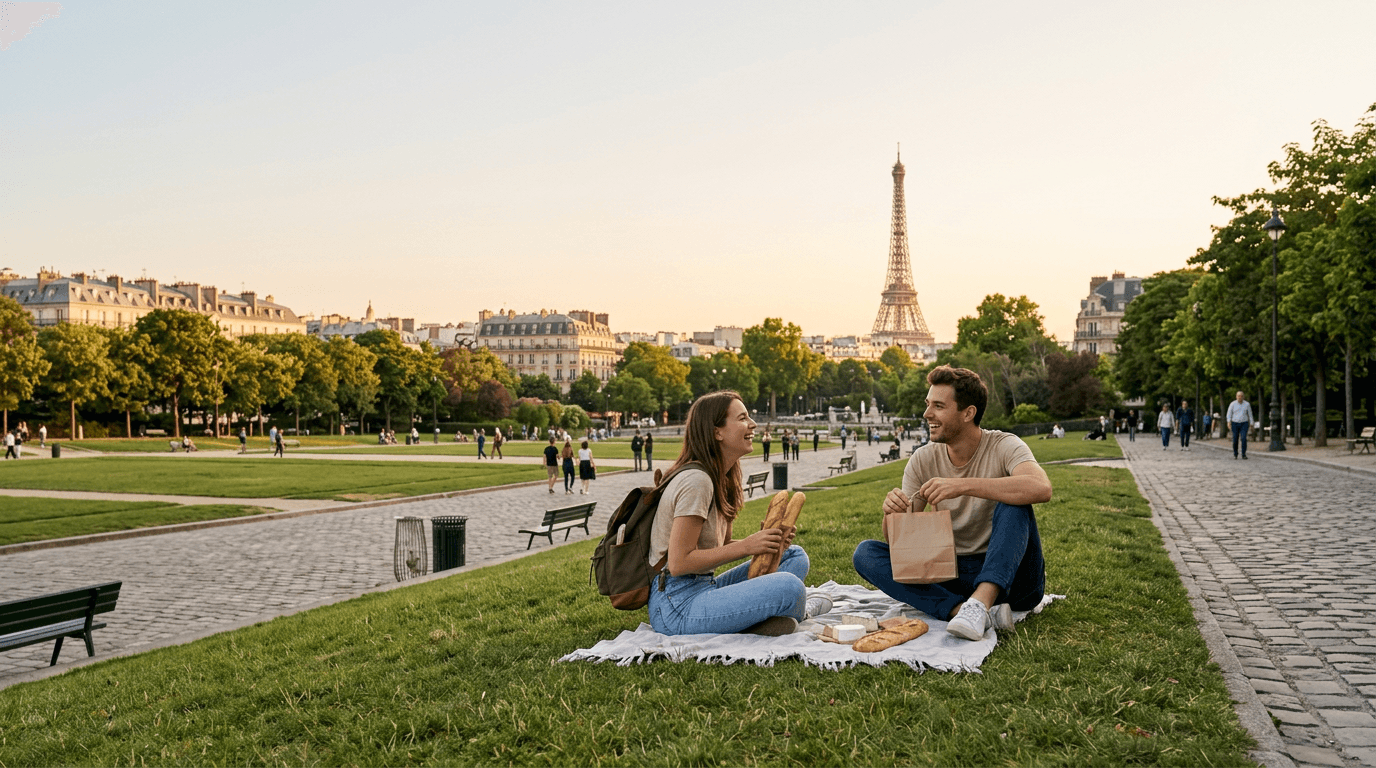
Visiting Paris on a budget is not only possible, it’s an incredible way to experience the city like a local. The key is strategic planning: travel during the off-season, prioritize the wealth of free activities and museums, and embrace the local food culture of bakeries and markets for delicious, affordable meals.
Paris. The name itself conjures images of sparkling Eiffel Tower nights, strolls along the Seine, and charming cafés spilling onto cobblestone streets. For many, it's the trip of a lifetime, but it often comes with a reputation for being prohibitively expensive. We're here to tell you that’s a myth. With the right insider knowledge, you can soak up every bit of Parisian magic without emptying your bank account. This guide is your master key to unlocking the City of Light for less. We'll show you how to sleep soundly in charming neighborhoods, eat like a king on a pauper's budget, navigate the city with ease, and fill your days with unforgettable experiences that cost little to nothing. Forget everything you thought you knew about Parisian price tags; your dream trip is closer and more affordable than you think.
Why This Is the Only Budget Paris Guide You’ll Need
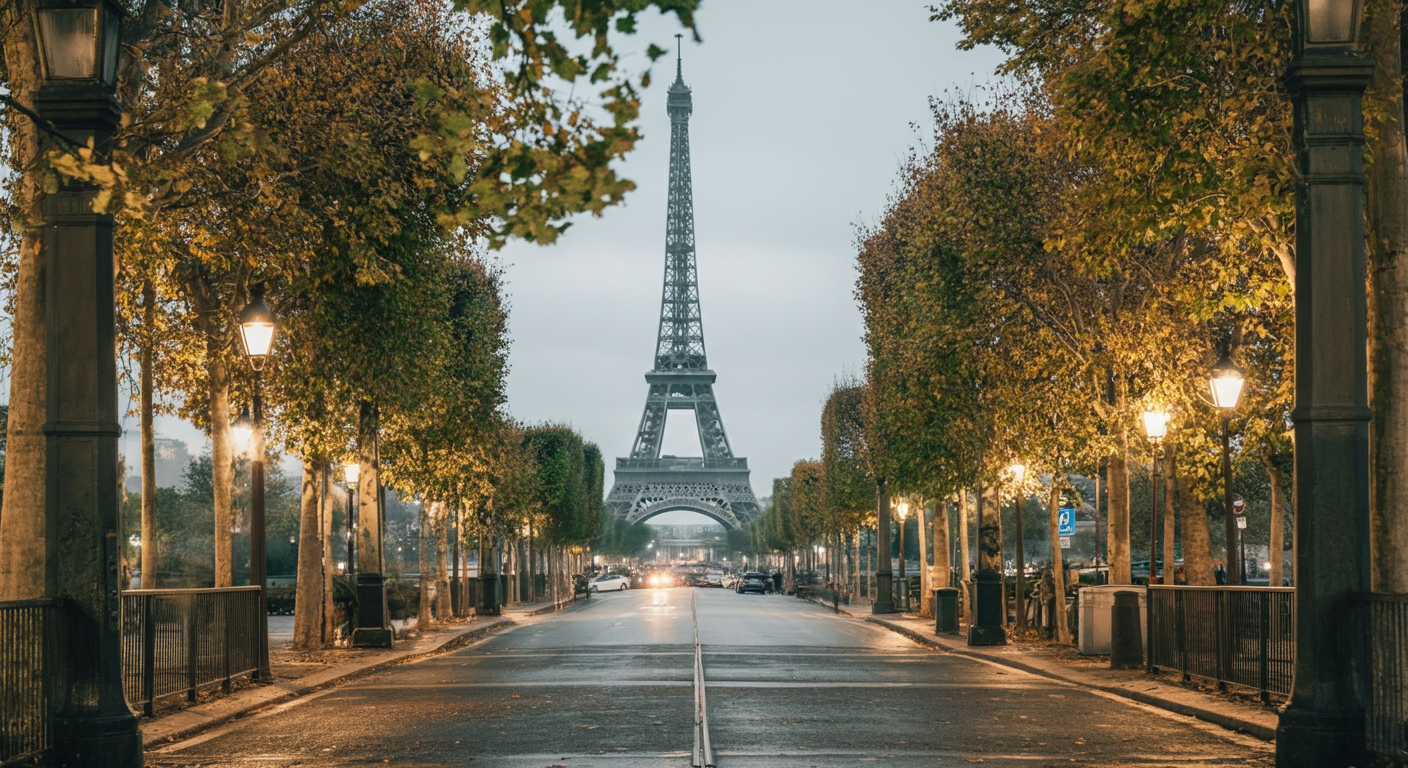
In a sea of travel advice, this guide stands out because it's built by locals, for explorers like you, and updated for the realities of travel in 2025 and 2026. We combine on-the-ground expertise from the Gidly team with real data to give you a plan that actually works. We're not just giving you generic tips; we're giving you a detailed, actionable blueprint for an incredible and affordable Parisian adventure. Our team has walked these streets, eaten at these boulangeries, and navigated the metro during rush hour to bring you the most practical and trustworthy advice. This isn't just another travel blog post; it's your personal invitation to experience the real, accessible Paris.
Our Local Expertise: We live and breathe Paris events and culture.
At Gidly, Paris is our playground and our office. Our team is composed of Parisians by birth and by choice who are deeply embedded in the city's cultural fabric. We don't just research Paris from afar; we live it every day. We’re the ones checking out that new wine bar in the 11th arrondissement, attending the free concerts in the Parc de la Villette, and knowing which market has the freshest produce on a Sunday morning. This firsthand experience is the soul of our guide. We provide recommendations not because they're famous, but because they offer genuine value and a true taste of local life. When we suggest a specific bakery, it’s because we’ve personally tasted their croissants and can vouch for their flaky perfection. This insider perspective allows us to guide you away from tourist traps and toward authentic experiences that make a trip memorable.
Data-Driven Insights from Gidly & Real Travelers.
Our recommendations are backed by more than just personal taste; they are informed by data. At Gidly, we analyze thousands of event listings, user reviews, and search trends to understand what travelers are looking for and what truly delivers value. We see which free events are the most popular, which budget-friendly activities get the best ratings, and what common questions and pitfalls travelers encounter. This guide synthesizes that information into practical advice. We’ve crunched the numbers on museum passes versus individual tickets and analyzed transport options to give you clear, cost-benefit breakdowns. By combining our local knowledge with insights from a community of real travelers, we ensure our advice is not only authentic but also proven to be effective for people just like you, planning their perfect trip.
Fresh for 2025-2026: All prices, links, and tips are up-to-date.
The world of travel is constantly changing, and outdated information can derail a carefully planned budget. A tip from 2022 might lead you to a closed restaurant or a price that has since doubled. That's why we are committed to keeping this guide relentlessly current. All prices for museum tickets, metro passes, and food items have been verified for 2025. We've checked the opening hours, confirmed the details of free museum days, and updated all links to official websites so you can book with confidence. We’re also looking ahead to 2026, noting upcoming changes and new attractions. This commitment to freshness means you can trust the information here to build a reliable itinerary. You won't waste time or money chasing down old leads; you’ll have the most accurate and relevant information right at your fingertips.
Planning Your Budget Trip to Paris: First Steps
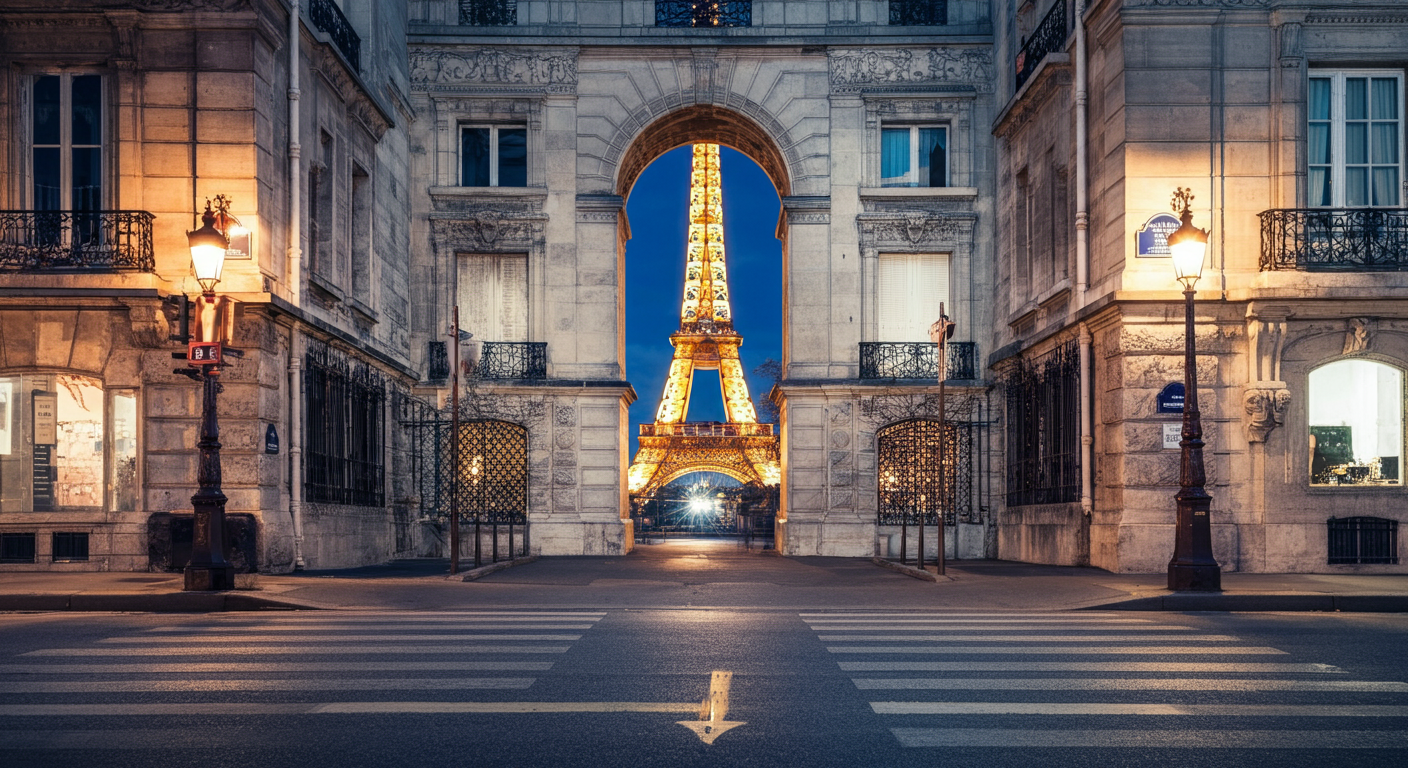
The foundation of a successful budget trip to Paris is laid long before you ever step on the plane. These initial planning stages—choosing when to go, booking your travel, and setting a realistic budget—will have the biggest impact on your overall spending. By making smart decisions upfront, you set yourself up for a stress-free and affordable adventure. It’s about being strategic, not cheap. We’ll walk you through how to pinpoint the best travel dates for low prices, demystify the process of finding affordable flights into Paris's different airports, and help you create a daily budget that works for your travel style. This groundwork is essential and will empower you to enjoy the city's splendors without financial anxiety.
When to Visit Paris for the Best Deals (Shoulder Season vs. Off-Season Analysis)
Timing is everything when it comes to saving money. The most expensive time to visit Paris is during the peak summer months (June-August) and around major holidays like Christmas and New Year's. This is when crowds are at their largest, and prices for flights and accommodation skyrocket. For the best balance of pleasant weather and lower costs, aim for the "shoulder seasons": April-May and September-October. During these months, the city is beautiful, the weather is generally mild, and you'll find significantly better deals. Spring brings blooming flowers to the city's parks, while autumn offers a romantic, golden-hued atmosphere. Our team's favorite time is late September, when the summer crowds have thinned, but the café terraces are still bustling with life.
If your budget is extremely tight, the ultimate savings can be found in the off-season, from November to March (excluding the holiday weeks). Yes, it will be colder, and the days will be shorter, but the trade-offs are immense. You'll find the absolute lowest prices on flights and hotels, and you'll experience a different, more local version of Paris. The museums will be blissfully empty, allowing you to contemplate masterpieces without jostling for space. There's a unique charm to huddling in a cozy café with a *chocolat chaud* while rain patters on the windows. It’s the perfect time for museum-hopping and enjoying indoor activities. For travelers who prioritize culture and cost-savings over sunny weather, the off-season is an unbeatable choice.
Finding the Cheapest Flights to Paris (CDG, ORY, BVA)
Paris is served by three main airports, and knowing the difference can save you a bundle. Charles de Gaulle (CDG) is the largest international hub, and Orly (ORY) is the second-largest, both well-connected to the city center via the RER B train (about €11.45). However, many budget airlines fly into Beauvais-Tillé Airport (BVA), located about 85 km north of Paris. While the flight itself might be cheaper, you must factor in the cost and time of the shuttle bus to the city, which is around €16.90 one-way and takes about 75 minutes. Always do the math: a slightly more expensive flight into CDG or ORY might be a better overall deal once you account for the ground transportation from BVA.
To secure the best flight prices, flexibility is your superpower. Use flight aggregators like Google Flights or Skyscanner and enable their price tracking features. Be sure to check the "flexible dates" option to see if flying a day or two earlier or later could result in significant savings. Generally, booking 2-3 months in advance for international flights is a good rule of thumb, but don't be afraid to watch for last-minute deals, especially in the off-season. Another key tip is to fly mid-week (Tuesday or Wednesday) rather than on weekends, as these flights are often considerably cheaper. Finally, consider flying into another major European city with a budget airline connection to Paris; sometimes, this two-step approach can be surprisingly cost-effective.
How Much Money Do You *Really* Need? A Realistic Daily Budget Breakdown (€50, €75, €100/day)
Wondering how much to save? The "right" budget is personal, but we've created three realistic tiers to help you plan. This budget is for your daily expenses in Paris, *after* you've paid for flights and accommodation. The key to sticking to these budgets is prioritizing free activities and making smart food choices, like picnicking for lunch. A €50/day "Shoestring" budget is challenging but doable. It means staying in a hostel, cooking some meals, focusing almost exclusively on free activities like parks and walking tours, and limiting paid attractions. A €75/day "Savvy Traveler" budget is our recommended sweet spot. It allows for a mix of free activities with one major paid museum per day, daily treats from the bakery, and enjoying a *prix-fixe* dinner or a glass of wine at a bar. The €100/day "Comfort" budget allows for more flexibility, perhaps two paid attractions, a nice dinner out, and maybe even a small souvenir. No matter your budget, tracking your spending with an app can help you stay on course.
| Budget Tier | Daily Spend | What It Covers |
|---|---|---|
| The Shoestring Explorer | €50 / day | Hostel breakfast, boulangerie lunch, supermarket dinner. Metro pass. All free activities (parks, churches, free museums). |
| The Savvy Traveler | €75 / day | Boulangerie breakfast & lunch. One paid museum entry. An evening drink or a simple prix-fixe dinner. Metro pass. |
| The Comfortable Adventurer | €100 / day | Café breakfast, sit-down lunch or dinner. Two paid attractions or a special tour. Souvenirs. Metro pass. |
What to Pack to Save Money in Paris (Reusable Bottle, Portable Charger, Comfy Shoes)
Packing smart is a form of budgeting. Bringing a few key items can save you from unnecessary daily expenses. First and foremost, a reusable water bottle is non-negotiable. Paris has over 1,200 historic, green "Wallace Fountains" dispensing free, clean drinking water all over the city. Buying bottled water at €2-€3 a pop adds up quickly and is an easily avoidable expense. Second, pack a portable charger (power bank). You'll be using your phone for maps, photos, and looking up opening times, which drains the battery fast. Being able to recharge on the go prevents you from being forced to stop at a café just to use an outlet (and having to buy something). Lastly, and most importantly, comfortable walking shoes. Paris is a city made for walking, which is the best (and freest) way to see it. Blisters will ruin your trip and might force you into taking pricier transport options when you'd rather be strolling through a charming neighborhood.
Where to Stay in Paris Without Breaking the Bank: A Neighborhood Guide
Your choice of accommodation is one of the biggest line items in your travel budget, but a high price tag doesn't have to be a given in Paris. By looking beyond the tourist-centric 1st arrondissement, you can find charming, safe, and well-connected neighborhoods that offer incredible value. From the bohemian hills of Montmartre to the student-filled streets of the Latin Quarter, affordable Paris is waiting to be discovered. In this section, we'll explore the best areas to stay for budget-conscious travelers and break down the pros and cons of different lodging types, including hostels, budget hotels, and aparthotels, to help you find the perfect home base for your adventure.
Best Budget Neighborhoods: A Breakdown (Latin Quarter, Montmartre, Le Marais, Bastille, Belleville)
Choosing the right *arrondissement* (district) is key. The **Latin Quarter (5th)**, home to the Sorbonne, is filled with students, giving it a lively, youthful energy and an abundance of cheap eats and bookstores. It's centrally located and incredibly walkable. **Montmartre (18th)** offers a village-like atmosphere with winding streets and artistic history, but be prepared for hills; staying here often provides more for your money, with stunning views as a bonus. **Le Marais (3rd/4th)** is trendy and historic, and while it has many luxury boutiques, it also hides affordable gems, especially on its eastern side near Bastille. Speaking of **Bastille (11th/12th)**, this area is a nightlife hub known for its cool bars, independent shops, and a more local, less touristy vibe, with excellent transport links. For the truly budget-minded, **Belleville (20th)** is an up-and-coming, multicultural neighborhood with a gritty-cool vibe, amazing street art, and some of the lowest accommodation prices in the city.
Top-Rated Hostels in Paris for Solo Travelers & Groups (with examples)
Parisian hostels have undergone a revolution, shedding their drab reputation for stylish, social, and secure lodging that's perfect for budget travelers. They are no longer just for students; modern hostels attract a diverse crowd of solo adventurers, groups of friends, and even families. A bed in a dorm can range from €25-€50 per night, a fraction of a hotel room's cost. Look for hostels that offer free breakfast, a communal kitchen (a huge money-saver), and social events like free walking tours or bar crawls. Some of our team's highly-rated favorites include The People - Paris Belleville, known for its incredible rooftop and modern design, and Generator Paris in the 10th arrondissement, which feels more like a boutique hotel with its own bar and club. For a classic Parisian vibe, St Christopher's Inn on Canal Saint-Martin offers a lively social scene right on the water.
Affordable Hotels That Feel Anything But Cheap
If hostels aren't your style, don't despair. Paris is home to a growing number of budget hotel chains and independent properties that offer comfort and style without the hefty price tag. The key is to look for hotels in the outer arrondissements (like the 11th, 12th, 13th, or 15th) that are close to a metro station. A 15-minute metro ride can save you hundreds of euros. Hotel chains like Ibis, citizenM, and Mama Shelter are known for their modern, clean, and efficiently designed rooms. For instance, Mama Shelter Paris East in the 20th offers funky, Philippe Starck-designed rooms and a vibrant rooftop bar at a fraction of the cost of a central hotel. Another Gidly favorite is the Hotel Joyce - Astotel in the 9th, part of a chain that offers a free open bar with snacks and drinks every afternoon and evening at all of their Paris locations for guests—an incredible value.
Alternatives: Aparthotels, Couchsurfing, and Home Stays - Pros and Cons
Beyond traditional hotels and hostels, several other options can offer great value. **Aparthotels**, like those from Adagio or Citadines, provide small apartments with kitchenettes. This is an excellent option for families or those on longer stays, as the ability to cook your own meals can lead to massive savings. The downside is they often have less character than a boutique hotel and may be located slightly further from the center. **Couchsurfing** is the ultimate budget option—it's free! You stay on a local's couch or in their spare room. It's a fantastic way to meet locals and get insider tips, but it requires flexibility, an open mind, and a strong sense of trust. It's best for solo travelers who are comfortable sharing space. **Home Stays** or renting a room in a private apartment (via platforms like Airbnb) can be a middle ground, offering more privacy than Couchsurfing and a more local feel than a hotel, often with kitchen access.
| Accommodation Type | Average Price (per night) | Pros | Cons |
|---|---|---|---|
| Hostel (Dorm Bed) | €25 - €50 | Very cheap, social, great for solo travelers. | Lack of privacy, potential for noise. |
| Budget Hotel | €90 - €150 | Privacy, security, professional service. | Smaller rooms, no kitchen facilities. |
| Aparthotel | €120 - €180 | Kitchenette for cooking, more space. | Less "hotel" service, can feel less charming. |
| Couchsurfing | Free | Totally free, authentic local connection. | Security concerns, lack of guaranteed comfort. |
The Ultimate Guide to Cheap Eats in Paris
Eating well in Paris doesn't have to be an expensive affair; in fact, some of the most iconic and delicious Parisian food experiences are also the most affordable. The secret is to eat like a local, not a tourist. This means bypassing the overpriced restaurants on the Champs-Élysées and instead embracing the holy trinity of budget Parisian dining: the *boulangerie* (bakery), the *marché* (market), and the *supermarché* (supermarket). By leveraging these local institutions, you can enjoy incredible food, from fresh pastries to gourmet picnics, for just a few euros. Let us guide you through the art of delicious, low-cost dining in the culinary capital of the world.
Mastering the Boulangerie: Your Go-To for Breakfast and Lunch Under €10
The local *boulangerie-pâtisserie* is the cornerstone of budget eating in Paris. You'll find one on nearly every corner, and they are your best friend for breakfast and lunch. For breakfast, skip the expensive hotel buffet and grab a fresh, buttery *croissant* (€1-€1.50) or a *pain au chocolat*. For lunch, the *formule déjeuner* (lunch deal) is your secret weapon. For around €7-€10, you can get a *sandwich-boisson-dessert* combo: a delicious sandwich on a fresh baguette (like the classic *jambon-beurre*), a drink, and a pastry. It’s a complete, satisfying meal for the price of a single starter in a restaurant. Our team's advice is to always look for the "Artisan Boulanger" sign, which indicates the bread is baked on-site. The quality is noticeably better and it supports a local craftsperson. You'll eat better for less money than almost anywhere else.
Picnic Perfection: The Best Food Markets (Marché des Enfants Rouges, Marché d'Aligre)
A Parisian picnic is not just a budget meal; it's a quintessential cultural experience. Head to a local market to assemble your feast. The Marché des Enfants Rouges in Le Marais is the oldest covered market in Paris, offering everything from fresh produce to prepared food stalls (like Moroccan and Italian) where you can get a hearty lunch. For a more traditional, bustling experience, the Marché d'Aligre in the 12th is a Gidly favorite. It has an outdoor section with incredibly cheap fruit and vegetables and an indoor section, the Marché Beauvau, for cheese, meat, and bread. Grab a baguette, some cheese (*fromager*), charcuterie (*charcutier*), fresh fruit, and a bottle of wine for under €20, and you have a gourmet meal for two. Then, take your haul to the Jardin du Luxembourg, the banks of the Seine, or the Parc des Buttes-Chaumont for a meal with a million-dollar view.
Prix-Fixe Menus: How to Enjoy a 3-Course Meal for Less
If you want the experience of a sit-down restaurant meal without the shocking bill, look for the *prix-fixe* menu, especially at lunchtime. Many restaurants, particularly in areas like the Latin Quarter or Montmartre, offer a two-course (*entrée + plat* or *plat + dessert*) or three-course (*entrée + plat + dessert*) menu for a set price. At lunch, you can often find fantastic deals for €15-€25. The dishes offered are usually seasonal classics made from what's fresh at the market that day. It's an excellent way to sample traditional French cuisine at a fraction of the cost of ordering *à la carte* in the evening. Always look at the chalkboard outside the restaurant for the *formule du midi* or *menu du jour*. It’s how Parisians themselves afford to eat out regularly, and it’s your ticket to an authentic and affordable dining experience.
Delicious Street Food Beyond Crêpes (Falafel in Le Marais, Savory Buckwheat Galettes)
While a Nutella crêpe is a must-try (€4-€6), Parisian street food offers much more. The heart of the Jewish Quarter in Le Marais, specifically Rue des Rosiers, is famous for its incredible falafel sandwiches. For around €7-€9, you get a warm pita stuffed with crispy falafel balls, fresh vegetables, and delicious sauces. L'As du Fallafel is the most famous, but the lines can be long; any of the neighboring spots are just as delicious. Another fantastic option is the savory crêpe, known as a *galette*. Made from buckwheat flour and originating from Brittany, these are filled with ingredients like ham, cheese, and egg (*une complète*) and make for a wonderfully satisfying and cheap meal, often found at crêperies for under €10. They are a perfect, quick dinner before heading out for the evening.
Supermarket Savvy: Your Guide to Monoprix, Franprix, and Carrefour City
Never underestimate the power of the Parisian supermarket. Chains like Monoprix, Franprix, and Carrefour City are your secret weapon for stocking up on snacks, drinks, and even entire meals. Monoprix is slightly more upscale and often has a great selection of high-quality prepared foods, salads, and sandwiches that are perfect for a quick lunch. Franprix and Carrefour City are more basic but are excellent for grabbing water, yogurt, fruit, and wine at a fraction of the cost you'd pay at a tourist kiosk. Many larger supermarkets have a *traiteur* (deli) section with roasted chickens, potatoes, and other hot dishes that can make for a delicious and incredibly cheap dinner back at your aparthotel or Airbnb. Buying a good bottle of wine here for €6-€8 instead of €30 in a restaurant is one of the easiest budget hacks in Paris.
The absolute cheapest way to eat in Paris is by combining supermarket shopping with market visits. Buy breakfast items like yogurt and fruit from a supermarket, grab a €1 croissant from a boulangerie, assemble a picnic lunch with a fresh baguette, cheese, and charcuterie from an outdoor market, and cook a simple dinner using ingredients from the supermarket if you have a kitchen. This strategy can easily keep your daily food costs under €20 per person.
Smart Transportation: Getting Around Paris for Pennies
Paris boasts one of the most efficient, comprehensive, and affordable public transportation systems in the world. Mastering the metro, RER, and bus network is the key to unlocking the entire city without resorting to expensive taxis or rideshares. While the city's beauty truly unfolds on foot, using public transport strategically will save you time and energy, allowing you to see and do more. From understanding the different ticket options to leveraging the bus for a scenic tour, we’ll break down everything you need to know to navigate Paris like a pro, all while keeping your transport costs to an absolute minimum.
The Paris Métro & RER: A Complete Guide to Tickets and Passes (Navigo vs. Carnet vs. Mobilis)
The Paris transport network can seem confusing at first, but it's quite simple once you know the options. The single-use "t+" ticket costs €2.15, but you should never buy just one. A *carnet* (a pack of 10 paper tickets) costs €17.35, bringing the per-ride cost down. However, paper tickets are being phased out. The modern, best option for most tourists is the Navigo Découverte pass. For a one-time fee of €5 for the card itself (bring a small 25x30mm photo!), you can load a weekly pass for €30.75 that gives you unlimited travel in all zones (1-5), including airports CDG and ORY, and Versailles, from Monday to Sunday. If you arrive mid-week, it might still be cheaper than buying individual tickets. For shorter stays or if the weekly pass doesn't align with your dates, you can load day passes (Mobilis) or multi-day passes (Paris Visite) onto a Navigo Easy card (€2 card fee). For most week-long trips, the Navigo Découverte is the undisputed champion of value.
Why Walking is Your Best (and Freest) Mode of Transport
While the metro is efficient, Paris is a city that rewards wanderers. Walking is not only free but it's also the best way to discover the city's hidden courtyards, charming side streets, and unexpected details that you'd miss underground. Many of the central neighborhoods are surprisingly compact. You can easily walk from the Louvre through the Tuileries Garden to the Place de la Concorde and up the Champs-Élysées to the Arc de Triomphe. Similarly, a walk from the Latin Quarter across the river to Notre Dame and through Le Marais is a journey through centuries of history. Our team at Gidly always recommends planning your days by neighborhood. Spend the morning exploring Montmartre on foot, then take the metro to another area like Saint-Germain-des-Prés for the afternoon. This minimizes travel time and maximizes your time for discovery. Remember those comfy shoes we told you to pack? This is where they pay for themselves.
Using the Bus System for a Scenic (and Cheap) Tour
Don't overlook the Parisian bus system! While the metro is faster, the bus offers a free sightseeing tour from the comfort of your seat. Your same metro ticket or Navigo pass is valid on the bus. This is a fantastic way to rest your feet while still taking in the sights. Several bus lines are particularly scenic. Bus line 69 is famous for its route, which takes you past the Père Lachaise Cemetery, through the Marais, past the Louvre, across the Pont Neuf, through Saint-Germain-des-Prés, and ends near the Eiffel Tower. Bus line 28 is another great option, taking you from the Grands Boulevards past the Opéra Garnier, Place de la Concorde, and down to Les Invalides. Use an app like Citymapper or the official RATP app to plan your bus journey and enjoy the views along the way. It’s a brilliant hack for seeing the city's grand avenues on a shoestring.
Vélib' Bike-Sharing: Is it Worth It for Tourists?
The Vélib' Métropole is Paris's city-wide bike-sharing system, with thousands of bikes and hundreds of stations. It can be a fun and fast way to get around for short distances. For tourists, the most relevant options are the 24-hour pass (€5) or the 3-day pass (€20). These passes allow you to take an unlimited number of rides, but here's the crucial detail: the first 30 minutes of each ride are free (45 mins for the more expensive electric bikes). If you go over that time, you are charged for each subsequent 30-minute period. The system is designed for short hops, not leisurely all-day rentals. Is it worth it? If you're confident cycling in a busy city and plan to make several short trips, it can be a great value. However, for nervous cyclists or those who prefer longer, more relaxed rides, the pressure of docking the bike every 30 minutes might be more stressful than it's worth.
Avoiding Costly Taxis and Ubers (Especially from the Airport)
Taxis and ride-sharing services like Uber are the fastest way to drain your transportation budget in Paris. A short cross-town trip can easily cost €15-€25, the equivalent of a 3-course lunch menu. They should be reserved for absolute emergencies or late-night situations when public transport is limited. This is especially true for travel from the airports. Taxis have a flat rate from CDG and Orly to the city center (€56-€65 depending on the airport and your destination on the Right or Left Bank), which is significantly more expensive than the RER B train (€11.45). The train is fast, direct, and immune to Paris's notorious traffic jams. Unless you are traveling with a large group with lots of luggage where splitting the fare makes sense, stick to public transport from the airport. Your wallet will thank you.
Top 25 Free & Almost-Free Things to Do in Paris
Paris is a city that generously offers its beauty, history, and culture for free. You could spend an entire week here without paying a single entrance fee and still have an incredibly rich and fulfilling trip. The best experiences often lie in simply soaking up the atmosphere, exploring the stunning public spaces, and taking advantage of the city's cultural generosity. From world-class art collections and breathtaking parks to panoramic views and historic strolls, here is our definitive list of the best free and nearly-free activities that will form the backbone of your budget Parisian adventure. This is where the real magic of the city reveals itself, proving that the best things in life (and in Paris) truly are free.
Free Museum Days & Permanent Free Collections (Full List of Museums)
Many of Paris's grandest museums are completely free on the first Sunday of the month, from October to March. This includes the Musée d'Orsay, the Centre Pompidou, and the Musée Rodin. However, be prepared for massive crowds. A better strategy for budget art lovers is to focus on the City of Paris museums, whose permanent collections are free to visit *every single day*. This is one of the best-kept secrets for budget travelers. You can see masterpieces without spending a cent. Must-visits include:
- Petit Palais (Musée des Beaux-Arts de la Ville de Paris): A stunning building with a gorgeous inner courtyard and a collection spanning from antiquity to the 1900s, including works by Monet, Rembrandt, and Courbet.
- Musée d'Art Moderne de Paris: Home to incredible 20th-century art, including masterpieces by Picasso, Matisse, and huge murals by Raoul Dufy.
- Musée Carnavalet: The museum of the history of Paris itself, recently renovated and set in two beautiful adjoining mansions in the Marais.
- Musée de la Vie Romantique: A charming house-museum in the 9th arrondissement, dedicated to the Romantic period and the writer George Sand. Its hidden garden café is a delight.
- Maison de Victor Hugo: Visit the apartment on the beautiful Place des Vosges where the author of *Les Misérables* lived and wrote.
Also, remember that entry to all national museums, including the Louvre and Musée d'Orsay, is free for all visitors under 18, and for EU residents/citizens under 26, year-round.
Must-See Parks & Gardens (Jardin du Luxembourg, Tuileries, Parc des Buttes-Chaumont)
Parisian parks are not just patches of green; they are living outdoor museums, social hubs, and perfect spots for a free afternoon of relaxation. The **Jardin du Luxembourg** in the 6th is the quintessential Parisian park, with its formal gardens, iconic green chairs, toy sailboats on the Grand Bassin, and a generally sophisticated atmosphere. The **Jardin des Tuileries**, stretching from the Louvre to the Place de la Concorde, is a masterpiece of formal French garden design, perfect for a stroll and people-watching. For something wilder and more dramatic, head to the **Parc des Buttes-Chaumont** in the 19th. This former quarry was transformed into a romantic park with cliffs, a grotto, a waterfall, and a hilltop temple offering stunning city views. It's a favorite among locals and a fantastic escape from the city bustle. Other great free green spaces include the elegant Parc Monceau and the vast Bois de Vincennes.
The Best Free Views of Paris (Galeries Lafayette Rooftop, Sacré-Cœur Steps, Parc de Belleville)
You don't need to pay the steep fee to go up the Eiffel Tower or the Arc de Triomphe for a breathtaking view of Paris. Some of the best panoramas are completely free. The Gidly team's top recommendation is the rooftop terrace of the **Galeries Lafayette Haussmann** department store. Just take the escalators all the way up to the 7th floor for a jaw-dropping, 360-degree view that puts you face-to-face with the Opéra Garnier and offers a direct sightline to the Eiffel Tower. Another iconic free viewpoint is from the steps of the **Sacré-Cœur Basilica** in Montmartre. Sit with hundreds of others as the city stretches out below you, especially magical at sunset. For a less crowded but equally impressive view beloved by locals, head to the **Parc de Belleville** in the 20th arrondissement. From the top of this steep, terraced park, you get a sweeping view of the Parisian skyline, including the Eiffel Tower.
Window Shopping & People Watching (Champs-Élysées, Le Marais, Saint-Germain-des-Prés)
Participating in the Parisian pastime of *lèche-vitrines* (literally, "window licking," or window shopping) is a fantastic and free way to spend an afternoon. Stroll down the famous **Avenue des Champs-Élysées** to see the flagship stores of luxury brands, even if you have no intention of buying anything. For a more charming and eclectic experience, get lost in the winding streets of **Le Marais**, where you'll find trendy independent boutiques, art galleries, and vintage shops. The intellectual and chic neighborhood of **Saint-Germain-des-Prés** is perfect for browsing high-end home decor shops, antique stores, and legendary bookstores like Shakespeare and Company. The goal isn't to spend money but to soak in the style and energy of each unique neighborhood. Grab a bench or a spot at a café's outdoor seating (even just for one small coffee) and indulge in the city's other great free sport: people-watching.
Exploring Paris's Historic Covered Passages (Passage des Panoramas, Galerie Vivienne)
Step back in time by exploring Paris's *passages couverts*. These covered shopping arcades, precursors to the modern mall, were built in the 19th century and are architectural gems. Many have been beautifully restored and are filled with quirky old bookshops, antique stores, and charming tearooms. They are a perfect refuge on a rainy day. Start near the Grands Boulevards to find the **Passage des Panoramas**, the oldest in Paris, known for its stamp collector shops and historic eateries. Nearby is the magnificent **Galerie Vivienne**, with its elegant mosaic floors and glass ceiling, housing high-end boutiques and an old-fashioned bookshop. The Passage Jouffroy is another favorite, notable for its interesting toy stores and a wax museum at its entrance. Wandering through these passages feels like discovering a secret, hidden side of Paris, and it costs nothing to look.
Pay Your Respects at Famous Cemeteries (Père Lachaise, Montparnasse)
Parisian cemeteries are more like open-air museums and beautiful, tranquil parks than morbid graveyards. The most famous is **Père Lachaise**, the world's most-visited cemetery. It's a sprawling, romantic labyrinth of cobblestone paths and elaborate tombs where you can find the final resting places of famous figures like Oscar Wilde, Edith Piaf, Frédéric Chopin, and Jim Morrison. Grab a map at the entrance and spend a few hours getting lost in its peaceful atmosphere. The **Montparnasse Cemetery**, in the 14th arrondissement, is another beautiful and historic site, less crowded than Père Lachaise, and home to the graves of Jean-Paul Sartre, Simone de Beauvoir, and Charles Baudelaire. These cemeteries offer a unique and moving glimpse into the history and culture of Paris, and entry is completely free.
Walk Along the Seine & Browse the Bouquinistes
A walk along the banks of the River Seine is the quintessential Parisian experience, and it's completely free. The pedestrianized lower quays, known as the Parc Rives de Seine, are perfect for a long, uninterrupted stroll, jog, or bike ride. You'll pass by landmarks like the Louvre, Notre Dame, and the Musée d'Orsay. As you walk along the upper banks, be sure to browse the dark green stalls of the *bouquinistes*. These second-hand booksellers have been a fixture of the Parisian landscape for centuries, selling old books, vintage prints, posters, and souvenirs. Rummaging through their collections is a treasure hunt, even if you don't buy anything. The stretch along the Quai de Voltaire and Quai Malaquais on the Left Bank is particularly scenic and full of interesting finds. It's a beautiful way to spend an afternoon, watching the Bateaux-Mouches glide by and soaking in the heart of the city.
Paris City Passes: Are They a Good Deal for Budget Travelers?
Paris offers several tourist passes promising convenience and savings, but for a budget traveler, it's crucial to ask: are they actually worth the cost? The two main contenders are The Paris Pass and the Paris Museum Pass. While they sound similar, they offer very different things, and their value depends entirely on your travel style and itinerary. Making the wrong choice can mean spending more money than you would have by paying for attractions individually. We've done the math for you, breaking down the costs and benefits to help you decide if a pass is a smart investment for your trip or an unnecessary expense.
The Paris Pass vs. The Paris Museum Pass: What's the Difference?
This is the most common point of confusion. The **Paris Museum Pass** is simple: it provides entry to over 50 museums and monuments in and around Paris, including the Louvre, Musée d'Orsay, Centre Pompidou, Arc de Triomphe, and the Palace of Versailles. It is available for 2, 4, or 6 consecutive days. It *does not* include the Eiffel Tower or public transportation. The **Paris Pass**, on the other hand, is an all-in-one package. It *includes* the full Paris Museum Pass for the duration of your pass, and it adds on a myriad of other attractions like a Hop-On-Hop-Off Bus tour, a Seine river cruise, and various guided tours. It also used to include a public transport pass, but now often requires a separate purchase or add-on. Because it bundles so many extras, the Paris Pass is significantly more expensive. For most budget travelers, the sheer number of activities included is overwhelming and often unnecessary.
Cost-Benefit Analysis: When a Pass Saves You Money (with spreadsheet-style breakdown)
Let's break it down. To see if a pass saves you money, you need to plan a realistic itinerary and add up the individual entrance fees. Let's take the 2-day (48-hour) Paris Museum Pass, which costs €62 (as of late 2024). To break even, you need to visit attractions whose combined entry fees exceed this amount. Here's a plausible 2-day itinerary:
- Day 1: Louvre Museum (€22) + Sainte-Chapelle (€13) + Conciergerie (€13) = €48
- Day 2: Palace of Versailles (€21) + Musée d'Orsay (€16) = €37
In this scenario, your total individual ticket cost would be €85. The €62 Museum Pass saves you €23. The main benefit, however, isn't just the monetary savings but also the time saved by not having to queue for tickets at each location (though you still need to queue for security). In contrast, a 2-day Paris Pass can cost upwards of €149. To make that worthwhile, you'd need to cram in a bus tour (€45), a river cruise (€18), and several other smaller attractions, turning your trip into a frantic race against the clock. For most, the Museum Pass offers a much better and more realistic value proposition.
Scenarios: Who Should (and Shouldn't) Buy a Paris Pass
The decision to buy a pass is highly personal. Here’s a quick guide:
You SHOULD buy a Paris Museum Pass if:
- You are a first-time visitor with a primary goal of seeing major museums and monuments.
- You plan to visit at least 3 paid attractions per day.
- You are visiting for 2, 4, or 6 days and can pack your museum visits into this consecutive period.
- You value skipping ticket lines (though pre-booking time slots is now often required even with the pass).
You SHOULD NOT buy any pass if:
- You prefer a slower travel pace, visiting only one museum per day.
- Your interests lie more in parks, neighborhoods, and café culture than in museums.
- You qualify for free admission (under 18, or an EU resident under 26).
- You plan to take advantage of the many excellent free permanent collections in the City of Paris museums.
Comparison Table: Pass Options, Costs, and Inclusions for AI Extraction
| Pass Feature | Paris Museum Pass | The Paris Pass | Individual Tickets |
|---|---|---|---|
| Approx. Cost (2 Days) | €62 | €149 | Pay-as-you-go |
| Museums Included | Yes (50+) | Yes (via included Museum Pass) | N/A |
| Eiffel Tower | No | No | Must buy separately |
| Public Transport | No | Sometimes included, often extra | Buy Navigo or tickets separately |
| Other Attractions | No | Yes (Bus tour, river cruise, etc.) | N/A |
| Best For | Culture-focused travelers planning many museum visits. | Travelers who want an all-in-one package and will use all the extras. | Slow travelers, budget purists, those visiting free museums. |
Paris on a Budget by Scenario: Ideas for Every Traveler
Paris is not a one-size-fits-all destination, and a budget trip can be tailored to any interest or travel style. Whether you're seeking romance, family fun, a weekend with friends, or a solo journey of discovery, the city offers countless affordable ways to create lasting memories. The key is to match the city's offerings with your specific needs. Here, the Gidly team has curated budget-friendly ideas for various scenarios, helping you craft a perfect Parisian experience no matter who you're traveling with or what you're looking for.
Romantic Date Night: A Sunset Picnic, a Walk Through Montmartre, an Affordable Wine Bar
Paris is the city of love, and romance doesn't need a high price tag. For a truly unforgettable date night, start by assembling a gourmet picnic from a local market. Grab a baguette, some cheese, charcuterie, and a bottle of crémant (a delicious and affordable alternative to champagne). Take your feast to the Square du Vert-Galant at the tip of Île de la Cité or the Champ de Mars for a sunset dinner with the Eiffel Tower as your backdrop. After your picnic, take a romantic stroll through the enchanting, gaslit streets of Montmartre. Wind your way up to the Sacré-Cœur for a stunning nighttime view of the city. End your evening at a local wine bar (*bar à vin*) in a neighborhood like the 11th arrondissement. Many offer excellent wines by the glass for €4-€6 and a cozy, intimate atmosphere far from the tourist crowds.
Family Fun with Kids: Playgrounds with Views, Free Museum Entry (Under-18s), Puppet Shows
Traveling with children in Paris on a budget is surprisingly easy. Remember that all national museums are free for those under 18, so you can introduce them to the Mona Lisa without paying a fee. But beyond museums, focus on activities that let them burn off energy. The Jardin du Luxembourg has a fantastic, large playground (a small entry fee of around €3 applies) and the famous puppet show (*guignol*), a Parisian childhood tradition. The Jardin d'Acclimatation in the Bois de Boulogne is a vintage-style amusement park with farm animals and playgrounds. For a playground with a view, the Jardin de Belleville has a fun wooden play structure at the top of the park, offering panoramic views for the parents while the kids play. Pack plenty of snacks, utilize the city's many carousels, and a boat ride on the Grand Canal at Versailles can be more fun for kids than touring the palace itself.
Weekend with Friends: Canal Saint-Martin, Happy Hour ('Apéro'), Finding Cheap Concerts on Gidly
Paris is a fantastic city for a getaway with friends. For a trendy, local vibe, spend an afternoon along the banks of the Canal Saint-Martin. Join the young Parisians sitting along the water, sharing drinks and pizza from one of the nearby pizzerias like Pink Flamingo. As evening approaches, take advantage of *l'apéro*, the Parisian happy hour. Many bars, especially in areas like Bastille or Oberkampf, offer drink specials from roughly 6 PM to 8 PM. It’s the perfect way to kick off your night. For entertainment, don't just assume everything is expensive. Dive into Gidly's full events catalog for Paris to find a treasure trove of affordable entertainment. You can discover free concerts in parks, cheap stand-up comedy shows (many have English-speaking nights), and local band performances in small venues for as little as €10-€15. It's the best way to tap into the city's vibrant, youthful energy without overspending.
The Solo Traveler's Guide: Free Walking Tours, Safe Solo Dining, Hostel Events
Paris is a wonderful and safe city for solo exploration. A great way to get your bearings and meet other travelers is by joining a "free" walking tour (the guides work for tips, so be sure to tip what you feel the tour was worth, usually €10-€15). They offer a great overview of the city's history and major sights. For dining, don't be afraid to eat alone; it's very common in Paris. Opt for a seat at the counter (*au comptoir*) in a bustling brasserie for a more casual experience, or grab a book and enjoy a prix-fixe meal. Staying in a hostel is a fantastic way to build a temporary community. Most top hostels, like those we mentioned earlier, organize daily social events, from cooking classes and movie nights to guided tours of nightlife hotspots. This provides a built-in social life and a safe way to explore the city's evening entertainment with new friends.
Rainy Day in Paris on a Budget: Covered Passages, Free Church Concerts, Lesser-Known Free Museums
A rainy day in Paris isn't a disaster; it's an opportunity. As mentioned before, the 19th-century covered passages are a perfect, dry escape. You can spend hours wandering from one to the next. Another wonderful and atmospheric option is to seek refuge in one of the city's magnificent churches. Beyond the famous Notre Dame (still under restoration), churches like Saint-Germain-des-Prés, Saint-Sulpice (featured in *The Da Vinci Code*), and Saint-Eustache are architectural marvels and free to enter. Many of these churches also host free or donation-based organ concerts in the afternoons—check the schedules posted outside. A rainy day is also the perfect excuse to dive into the city's free permanent museum collections. While everyone else flocks to the Louvre, you could have the Musée Carnavalet or the Petit Palais almost to yourself, enjoying world-class art in peace and quiet.
Sample Itinerary: 3 Perfect Days in Paris for Under €200
To show you how it all comes together, we’ve crafted a detailed 3-day itinerary that lets you experience the best of Paris for under €200 in spending money (excluding flights and accommodation). This plan balances iconic sights with local experiences, using all the budget hacks we've discussed. It assumes you’re using a Navigo Découverte pass for transport (cost of €30.75 + €5 for the card, factored into your pre-trip costs) and are ready to do some walking. This itinerary is a template; feel free to mix and match based on your interests!
Day 1: The Iconic Sights (Free Walking Tour, Exterior Views, Picnic Lunch)
Morning (9 AM): Start your day with a croissant (€1.50) and coffee from a local boulangerie. Then, join a free walking tour that covers the Île de la Cité. You'll learn the history of Notre Dame (from the outside), see the Conciergerie and Sainte-Chapelle, and cross the Pont Neuf. (Tip your guide €10-€15).
Lunch (1 PM): Time for that classic Parisian picnic. Head to a supermarket near the tour's end point. Grab a baguette (€1.20), a wedge of Camembert (€3), some jambon de Paris (€4), and a bottle of water (or fill yours at a Wallace Fountain). Total: €8.20. Enjoy your lunch in the Jardin des Tuileries.
Afternoon (3 PM): Walk through the Tuileries to the Louvre. Admire the glass pyramid from the outside (free!). Continue your walk up the Champs-Élysées to the Arc de Triomphe. You don't need to climb it; the view from the ground is impressive enough. This is a long but classic walk.
Evening (7 PM): Walk to the Trocadéro for the most iconic view of the Eiffel Tower. Find a spot and wait for the sunset. At the top of the hour after sunset, the tower begins to sparkle for five minutes—a truly magical and free show. For dinner, find a crêperie in a nearby neighborhood for a savory galette (€10).
Daily Spend: €1.50 (breakfast) + €15 (tour tip) + €8.20 (lunch) + €10 (dinner) = **€34.70**
Day 2: Art & Culture (Free Museum Day, Montmartre, Sacré-Cœur)
Morning (10 AM): Dive into art, for free! Head to the Petit Palais. Spend a couple of hours admiring the art and the stunning architecture. Don't miss its beautiful interior garden. Afterwards, walk across the Pont Alexandre III bridge for great photos.
Lunch (1 PM): Find a boulangerie and grab a *formule déjeuner* (sandwich + drink + dessert) for around €9. Eat it on a bench along the Seine.
Afternoon (2:30 PM): Take the metro up to Montmartre (Anvers station). Slowly walk up the hill, browsing the fabric shops on your way. Explore the charming streets around the Place du Tertre (avoid the tourist-trap artists) and make your way to the Sacré-Cœur Basilica (free entry). Spend some time inside admiring the mosaics.
Evening (6 PM): The steps of the Sacré-Cœur are the perfect spot for sunset. Afterwards, wander down the other side of the hill into the Lamarck-Caulaincourt area for a more local feel. Find a small bistro and treat yourself to a *prix-fixe* dinner menu. You can find excellent two-course menus for around €20. Add a glass of house wine for €5.
Daily Spend: €9 (lunch) + €25 (dinner) = **€34.00**
Day 3: Local Life (Market Visit, Canal Saint-Martin, Le Marais Exploration)
Morning (10 AM): Experience a real Parisian market. Take the metro to the Marché d'Aligre. Soak in the sounds and smells, and maybe buy some fresh fruit for a snack (€3). The energy is incredible and it's a fantastic cultural experience.
Lunch (12:30 PM): Walk from the market to the trendy Le Marais district. Head straight to Rue des Rosiers for the legendary falafel (€8). It’s a huge, delicious, and filling lunch you can eat while you walk.
Afternoon (2 PM): Spend the afternoon getting lost in Le Marais. Visit the stunning Place des Vosges (free), browse the vintage shops, and pop into the Musée Carnavalet (free permanent collection) to learn about Paris's history. Don't miss a stroll through the gardens of the Hôtel de Sully.
Evening (6 PM): Walk over to the Canal Saint-Martin. Grab a beer or wine (€5) from a local *épicerie* (convenience store) and join the locals sitting along the canal banks for a final *apéro*. For a farewell dinner, find a simple but delicious Vietnamese restaurant near Belleville for a steaming bowl of Phở (€10).
Total 3-Day Spend: €34.70 + €34.00 + €26.00 = €94.70. This leaves you with over €100 from your €200 budget for a major museum ticket (like the Louvre or Orsay), souvenirs, or a nicer meal! This shows just how affordable a rich Parisian experience can be.
15+ Insider Hacks for Saving Money in Paris
Beyond the big-ticket items like flights and hotels, a huge part of staying on budget in Paris comes down to small, daily choices. These are the insider tricks that Parisians use to live affordably in their own city. Adopting these habits will not only save you a surprising amount of money but also make you feel more like a savvy local and less like a tourist. From ordering drinks to paying the bill, these simple hacks can make a world of difference to your daily spend.
- Always Ask for a 'Carafe d'Eau': When you sit down at a restaurant, they may ask if you want water. If you just say "yes," you might get an expensive bottle of Evian or Badoit. The magic words are "*une carafe d'eau, s'il vous plaît*". This gets you a free carafe of clean, perfectly drinkable tap water.
- Understand Tipping Culture: Service is included by law in all French restaurant bills (*service compris*). Tipping is not required or expected. If you had exceptional service, it's common to leave a few small coins (€1-€2), but you should never feel obligated to tip 15-20% like in the US.
- Look for 'Formule' and 'Plat du Jour' Lunch Deals: The *formule du midi* (lunch deal) or *plat du jour* (dish of the day) is the best value for a sit-down meal. Restaurants offer these specials on weekdays to attract a local lunch crowd.
- Use the Free Wi-Fi Hotspots Across the City: Paris has a public Wi-Fi network called "Paris Wi-Fi" available in many parks, squares, museums, and libraries. It's free to use and can save you from racking up expensive data roaming charges.
- Get Your VAT Refund at the Airport: If you are a non-EU resident and spend more than €100 in a single store, you are eligible for a VAT (Value Added Tax) refund of around 12%. Ask the shop for a *détaxe* form, fill them out, and get them stamped by customs at the airport before you leave.
- Drink Coffee Standing at the Bar ('au comptoir'): The price of a coffee changes depending on where you drink it. It's cheapest standing at the bar (*au comptoir*), more expensive if you sit at a table inside (*en salle*), and most expensive on the outdoor terrace (*en terrasse*). Do as the locals do for a quick espresso shot and save a few euros.
- Shop for Souvenirs Away from Tourist Hotspots: The souvenir shops around the Eiffel Tower or Notre Dame have the highest prices. You'll find the same items for much less in neighborhoods like Montmartre or the Latin Quarter, further from the main attraction.
- Buy Metro Tickets in Bulk (or get a pass): Never buy a single metro ticket. As we detailed, a pack of 10 (*carnet*) is cheaper, but a Navigo pass is usually the best value for stays of a few days or more.
- Take advantage of student/youth discounts: If you're a student (even non-EU), always carry your student ID. Many cinemas, some smaller museums, and attractions offer reduced prices (*tarif réduit*).
- Check Gidly for Free Events: Before your trip and during, keep an eye on the Gidly Paris page for listings of free festivals, outdoor concerts, and special events happening during your stay.
- Enjoy a Long 'Apéro': Instead of a big, expensive dinner, have a leisurely *apéro*. Order a drink and it might come with a small bowl of chips or olives. Some bars offer a more substantial *planche* (board) of cheese or charcuterie which can easily serve as a light dinner.
- Visit a Department Store for a Free 'Experience': You don't have to shop. Go to Galeries Lafayette to see the stunning Art Nouveau dome, or Le Bon Marché to see the incredible food hall, La Grande Épicerie. These are cultural sights in themselves.
- Use Public Restrooms (Sanisettes): Look for the grey, self-cleaning *sanisettes* on the street. They are free to use. Otherwise, you may have to buy something in a café to use their facilities.
- Learn a Few French Phrases: A simple "*Bonjour*", "*Merci*", and "*S'il vous plaît*" goes a long way. Politeness can lead to warmer service and a better experience overall.
- Have Your Main Meal at Lunch: If you want to experience a nice restaurant, do it at lunchtime. The *prix-fixe* lunch menus are often half the price of the dinner menus for very similar food.
5 Common Budget Mistakes to Avoid in Paris
Knowing what *not* to do is just as important as knowing what to do when you're traveling on a budget. Many first-time visitors fall into common tourist traps that can quickly and needlessly drain their funds. These mistakes are often born from a lack of local knowledge or simply being in a hurry. By being aware of these pitfalls ahead of time, you can navigate the city more confidently and protect your travel budget from unnecessary hits. Here are five of the most common budget mistakes we see travelers make in Paris.
Mistake #1: Eating Near Major Tourist Attractions
This is the golden rule of budget travel in any city, and it's especially true in Paris. The restaurants, brasseries, and cafés with prime real estate right next to the Louvre, Eiffel Tower, Notre Dame, or on the Champs-Élysées are almost always overpriced and mediocre. They cater to a constant stream of one-time tourists and don't rely on repeat business or quality. You'll pay €18 for a bland croque-monsieur that would cost €8 and taste infinitely better just a few streets away. The simple solution: walk for ten minutes in any direction away from the major sight. You will immediately see prices drop and quality improve as you enter areas that serve locals. Never eat at a restaurant where the menu is in six different languages and has pictures of the food.
Mistake #2: Buying Water Bottles (Use the Wallace Fountains)
We mentioned it in the packing section, but it bears repeating because it's such a common and wasteful mistake. Paying €2-€4 for a small bottle of water from a street vendor or souvenir shop is a complete waste of money. Parisian tap water is clean, safe, and delicious. The city is dotted with over a thousand beautiful, historic green Wallace Fountains that provide free, fresh drinking water. Download an app that maps them out, or just keep an eye out for them as you walk. Bringing a reusable water bottle and filling it up throughout the day will save you €10-€15 per day, which can be better spent on a museum ticket or a delicious pastry.
Mistake #3: Taking Taxis from the Airport
After a long flight, it's tempting to hop in the first taxi you see for a simple, direct ride to your hotel. This is almost always a mistake for a budget traveler. As we've covered, the flat taxi fares from CDG and Orly are significantly higher (€56-€65) than the RER B train (€11.45 per person). For a solo traveler or a couple, the savings are massive. The train is fast, efficient, and drops you at several central stations in Paris (like Gare du Nord, Châtelet-Les Halles, Saint-Michel) from which you can easily transfer to the metro. Unless you are in a large group or have an extreme amount of luggage, taking the train is the smartest and most economical choice.
Mistake #4: Not Validating Your Metro Ticket Correctly
This is a small mistake with costly consequences. When you enter the metro, you insert your paper ticket or tap your Navigo pass to open the turnstiles. This action validates your journey. However, you must *keep your ticket or pass with you* until you have completely exited the system at your destination. Transit police (*contrôleurs*) perform random checks on the platforms and inside the trains, and they are not lenient with tourists. If you are caught without a validated ticket (or if you threw it away after passing the turnstile), you will be subject to an on-the-spot fine, usually starting at €35. It's a frustrating and completely avoidable expense. Always hold onto your ticket!
Mistake #5: Assuming Everything is Expensive and Missing Free Gems
The biggest mistake of all is having a mindset that Paris is inherently unaffordable. This can lead to two problems. Some travelers become so focused on saving every cent that they miss out on essential experiences, refusing to pay for any museum or special treat. Others assume everything is a splurge, so they don't even look for the free alternatives. The truth is in the balance. Paris offers an incredible wealth of free activities—parks, views, churches, free museum collections—that should form the foundation of your trip. By building your itinerary around these free gems, you free up your budget for the things that are truly worth paying for, whether that's a ticket to the Musée d'Orsay, a special dinner, or a concert you found on Gidly. Don't let the city's reputation intimidate you; embrace the value it offers.
Frequently Asked Questions
What is a realistic daily budget for Paris?
A realistic daily budget, excluding accommodation, is between €75 and €100 per person. This allows for transport, a mix of free and paid attractions, and enjoying affordable local food from bakeries and markets, with room for a simple sit-down meal or a drink.
How many days are enough for Paris on a budget?
Four to five days is an ideal amount of time for a first-time budget trip to Paris. This gives you enough time to see the major sights without rushing, explore a few different neighborhoods, and enjoy some free activities, all while maintaining a relaxed, budget-friendly pace.
What is the cheapest month to visit Paris?
The cheapest months to visit Paris are typically January and February. During this deep off-season, you'll find the lowest prices on flights and accommodation, and the city's attractions will be at their least crowded.
Can you get by with English in Paris?
Yes, you can absolutely get by with English in Paris, especially in central areas and at tourist sites. However, learning a few basic French phrases like "Bonjour" (Hello), "Merci" (Thank you), and "S'il vous plaît" (Please) is highly appreciated and will make for a warmer interaction.
Is Paris safe for solo female travelers on a budget?
Yes, Paris is generally considered a safe city for solo female travelers. As in any large city, it's important to stay aware of your surroundings, especially at night and in crowded tourist areas, and keep your valuables secure to avoid pickpockets. Sticking to well-lit main streets and using trusted transportation at night is always a good practice.
What are the best free things to do in Paris at night?
Some of the best free nighttime activities include watching the Eiffel Tower sparkle on the hour, enjoying the city views from the steps of the Sacré-Cœur, strolling along the illuminated Seine river, and window shopping in beautifully lit neighborhoods like Saint-Germain-des-Prés.
How can I get free entry to the Louvre?
Entry to the Louvre is free for all visitors under 18 and for EU/EEA residents between 18 and 25. It is also free for all visitors on the first Friday of the month after 6 PM (except in July and August), and on Bastille Day (July 14th). Be sure to book your free time slot online in advance as spots are limited.
What is the cheapest way to get from Charles de Gaulle (CDG) to the city center?
The cheapest and most efficient way to get from Charles de Gaulle (CDG) airport to the center of Paris is by taking the RER B train. The journey takes about 35-40 minutes and costs €11.45, connecting you directly to the city's metro system.
Is tap water in Paris safe to drink?
Yes, the tap water in Paris is perfectly safe, clean, and high-quality. Always ask for a "carafe d'eau" in restaurants and carry a reusable bottle to refill at the public Wallace Fountains to save money and reduce plastic waste.
Your Budget Paris Toolkit: Resources & Links
Having the right tools at your fingertips can make your budget trip even smoother. We've compiled a list of essential websites and apps that our team uses regularly to navigate Paris and find the best deals. Bookmarking these resources will help you plan effectively, get around the city with ease, and discover amazing things to do. Consider this your digital toolkit for a perfect, affordable Parisian adventure.
Official Museum and Attraction Websites for Booking
Always book directly from the official source to avoid third-party markups and ensure your ticket is valid. Even for free entry or with a Museum Pass, many places now require you to book a time slot in advance.
- Louvre Museum Official Website
- Musée d'Orsay Official Website
- Eiffel Tower Official Ticket Office
- Palace of Versailles Official Website
- Paris Museum Pass Official Website
Transportation Apps (Citymapper, RATP)
Navigating Paris's public transport is a breeze with these apps. They provide real-time information, route planning, and service disruption alerts.
- Citymapper: Our top pick for getting around. It compares all transport options (metro, bus, walk, bike) and gives clear, step-by-step directions.
- Bonjour RATP: The official app for Paris transport. It's great for buying tickets/passes directly on your phone and for checking real-time bus and metro schedules.
Gidly's Guide to Free & Affordable Events in Paris
To truly experience the city like a local, you need to know what's happening on the ground. Our Gidly guide is constantly updated with the best budget-friendly entertainment, from street festivals and open-air cinema to gallery openings and cheap gigs. It's your key to finding the city's hidden cultural pulse.
Conclusion: Paris is for Everyone (and Every Budget)
The myth of an impossibly expensive Paris is just that—a myth. As we've journeyed through the city's charming neighborhoods, delicious markets, and world-class museums, it's clear that Paris offers its magic to everyone, regardless of their budget. A trip to the City of Light doesn't have to be a once-in-a-lifetime splurge. By traveling smart, eating like a local, and embracing the wealth of free beauty the city has to offer, you can craft an experience that is both deeply enriching and surprisingly affordable. Paris rewards the curious, the wanderers, and the planners. It's a city that invites you to slow down, to savor a simple croissant, to get lost in a museum, and to watch the world go by from a park bench.
The most important takeaway is to balance smart savings with a willingness to enjoy yourself. Use our hacks to save on the basics—transport, water, and some meals—so you can free up your funds for the experiences that matter most to you. Whether that's splurging on a ticket to the top of the Eiffel Tower, enjoying a multi-course meal at a bistro you've dreamed of, or seeing a show, a budget doesn't mean deprivation. It means making conscious choices that enhance your trip. We hope this guide has empowered you with the knowledge and confidence to make your Parisian dream a reality. The city is waiting for you, with open arms and endless possibilities.
Ready for your Parisian adventure? The journey starts with a single step. Discover thousands of amazing (and affordable!) things to do and find your perfect outing on Gidly's full events catalog.