
guide -
Top Outdoor Activities in Bali for Adrenaline Junkies
The best outdoor activities in Bali for adrenaline junkies include climbing Mount Batur for sunrise, white water rafting on the Ayung or Telaga Waja rivers, and roaring through the jungle on an ATV quad bike. These iconic adventures offer a perfect blend of breathtaking scenery a
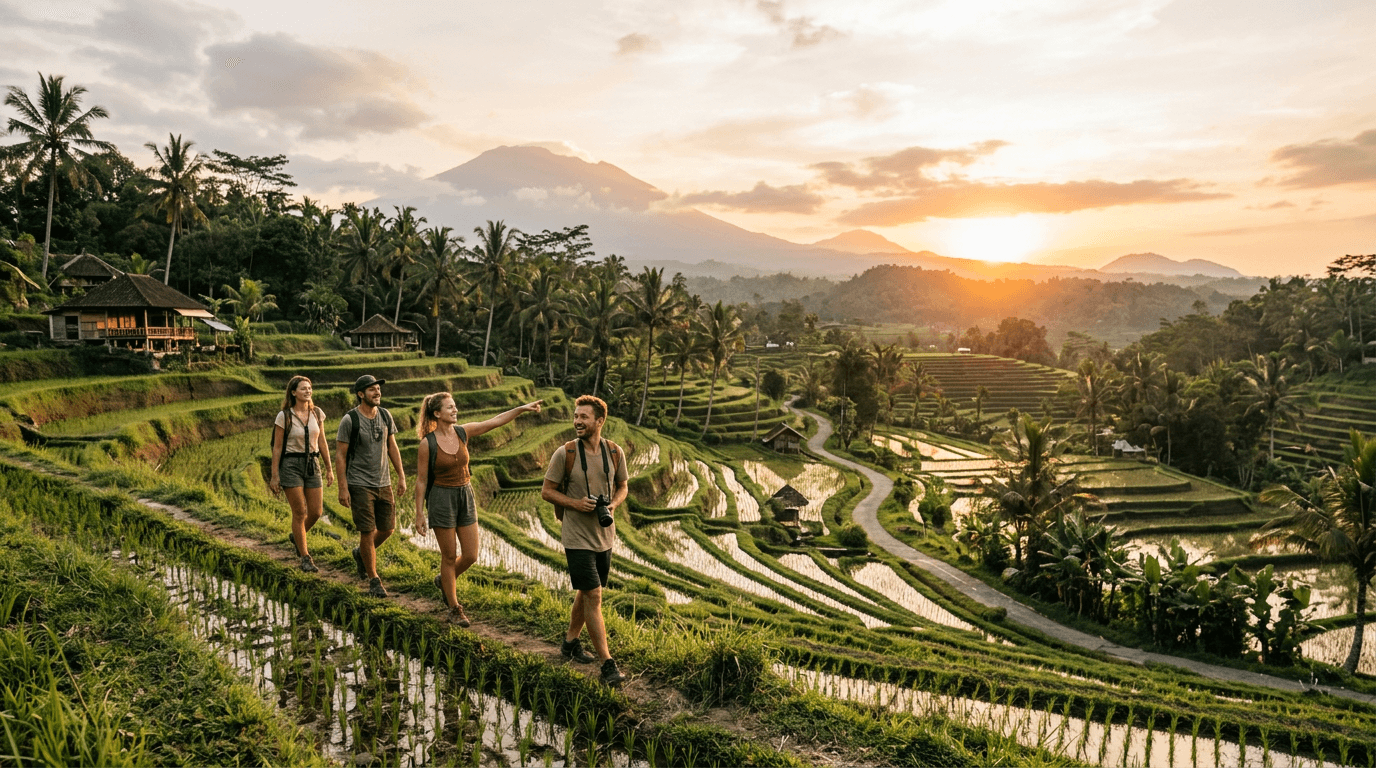
The best outdoor activities in Bali for adrenaline junkies include climbing Mount Batur for sunrise, white water rafting on the Ayung or Telaga Waja rivers, and roaring through the jungle on an ATV quad bike. These iconic adventures offer a perfect blend of breathtaking scenery and heart-pounding excitement, defining the island's reputation as a paradise for thrill-seekers. Whether you're scaling a live volcano, navigating wild rapids, or exploring hidden canyons, Bali delivers an unforgettable dose of adventure.
Welcome to Bali, the Island of the Gods, where emerald rice paddies cascade down hillsides, ancient temples stand guard over dramatic coastlines, and the spirit of adventure is woven into the very fabric of the island. While many come for the yoga retreats and serene beaches, you're here for something more—the rush of the wind, the splash of the rapids, the thrill of conquering a new challenge. As your local guide to all things exciting, Gidly is here to show you a side of Bali that will get your heart racing. We've explored the hidden canyons, trekked the volcanoes before dawn, and surfed the legendary breaks to bring you the definitive guide to Bali's most exhilarating outdoor activities in 2026. Forget the tourist traps; we're taking you on an adrenaline-fueled journey through Bali's untamed wilderness.
What Are The Best Outdoor Activities in Bali? (Quick Answer)
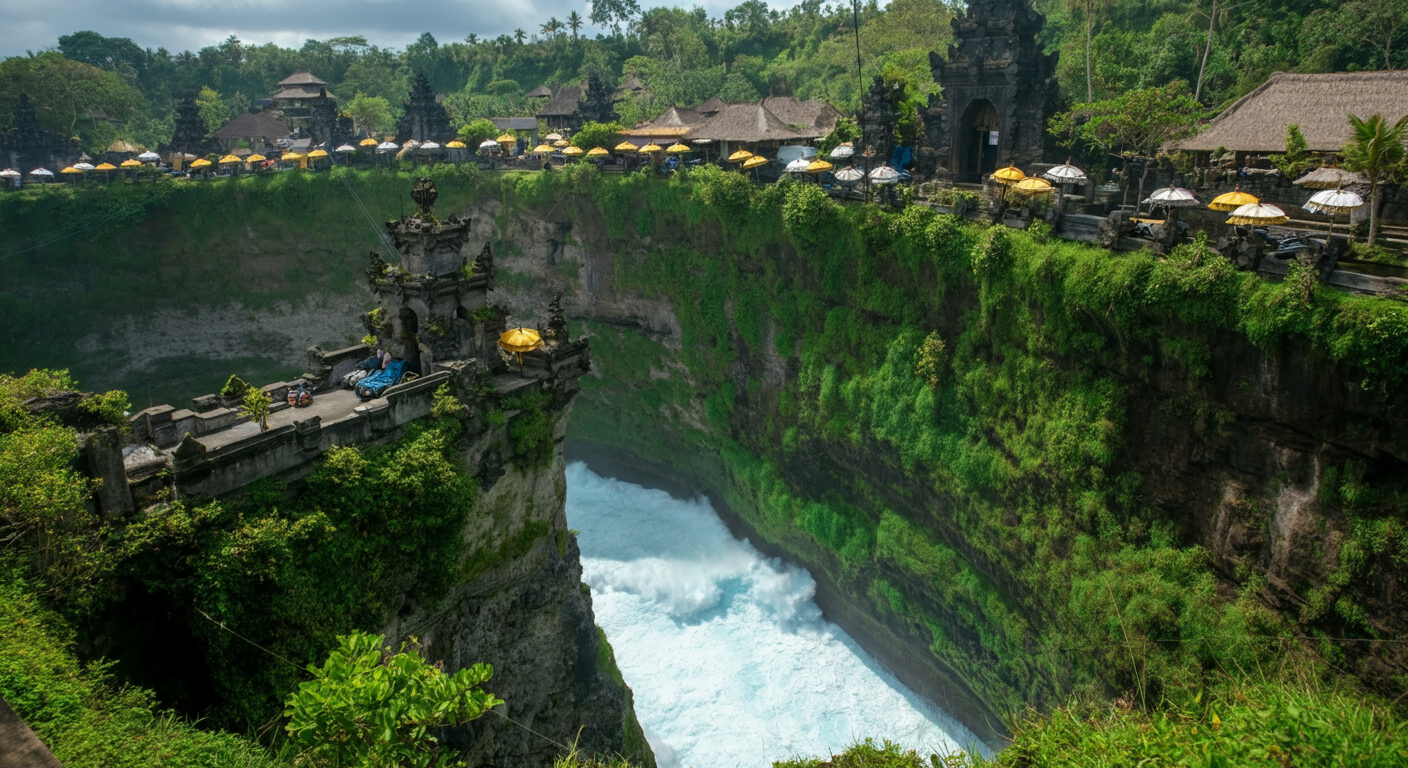
For those short on time but big on adrenaline, Bali’s top outdoor activities can be distilled into three quintessential experiences. These adventures perfectly capture the island's diverse and thrilling landscape, offering a taste of its volcanic peaks, rushing rivers, and dense jungles. From our experience guiding travelers to the best thrills, these are the activities that consistently deliver the biggest "wow" factor and the most unforgettable memories. They are well-established, with a range of reputable operators, making them accessible yet profoundly exciting for first-time visitors and seasoned adventurers alike. If you only have a few days to get your adrenaline fix, prioritizing one of these is a surefire way to experience the wild heart of Bali.
The first must-do is the iconic Mount Batur sunrise trek, an experience that combines physical challenge with an almost spiritual reward. Next, the exhilarating rush of white water rafting down one of Bali's scenic rivers, like the Ayung or Telaga Waja, offers a perfect blend of natural beauty and heart-pounding action. Finally, for a dose of raw, muddy fun, an ATV jungle tour allows you to tear through rice fields, traditional villages, and tropical forests, giving you a unique perspective on the island's interior. Each of these activities provides a distinct flavor of Balinese adventure, showcasing the island's incredible natural playground in the most exciting way possible. Let's briefly break down what makes each of these top picks an essential part of any thrill-seeker's itinerary.
A quick overview of the top 3 adrenaline activities: Mount Batur sunrise trekking, white water rafting on the Ayung River, and ATV jungle tours.
The Mount Batur sunrise trek is arguably Bali's most famous adventure. It involves an early morning (often a 2 AM pickup) ascent of a 1,717-meter active volcano to witness a spectacular sunrise over a caldera lake and the distant Mount Agung. The hike itself is moderately challenging, taking about two hours to reach the summit. The reward is not just the breathtaking view but also the unique experience of having breakfast (often eggs cooked in volcanic steam) on the peak. It’s a rite of passage for many visitors and a truly magical experience. We've found that going with a smaller, more intimate group often enhances the experience, allowing for a better pace and more personal interaction with the guide.
White water rafting, particularly on the Ayung River near Ubud, is a classic Bali adventure suitable for most fitness levels. The river features Class II and III rapids, making it exciting without being overly dangerous. The journey takes you through a stunning gorge with lush rainforest, towering cliffs, and even ancient stone carvings on the rock walls. It's about a two-hour paddle, offering moments of calm to soak in the scenery punctuated by thrilling rapids that will leave you soaked and smiling. It's an excellent group activity and a fantastic way to see a part of Bali's landscape that's inaccessible by road. Many operators, like the ones vetted on Gidly, include lunch and transfers, making it a seamless day of fun.
For those who prefer horsepower to paddle power, ATV (All-Terrain Vehicle) jungle tours are an absolute blast. These quad biking adventures take you on a thrilling ride through a variety of terrains. You'll navigate muddy jungle trails, splash through rivers, roar through bamboo forests, and ride alongside picturesque rice paddies. The tours are typically 1.5 to 2 hours long and are guided, ensuring safety while maximizing fun. It’s a fantastic way to access Bali's rugged interior and feel a sense of freedom and excitement. It can get messy, but that's all part of the fun—embrace the mud and enjoy the ride! Operators usually provide all necessary safety gear, including helmets and boots.
Our Top 5 Adrenaline-Pumping Experiences in Bali (Editor’s Choice)
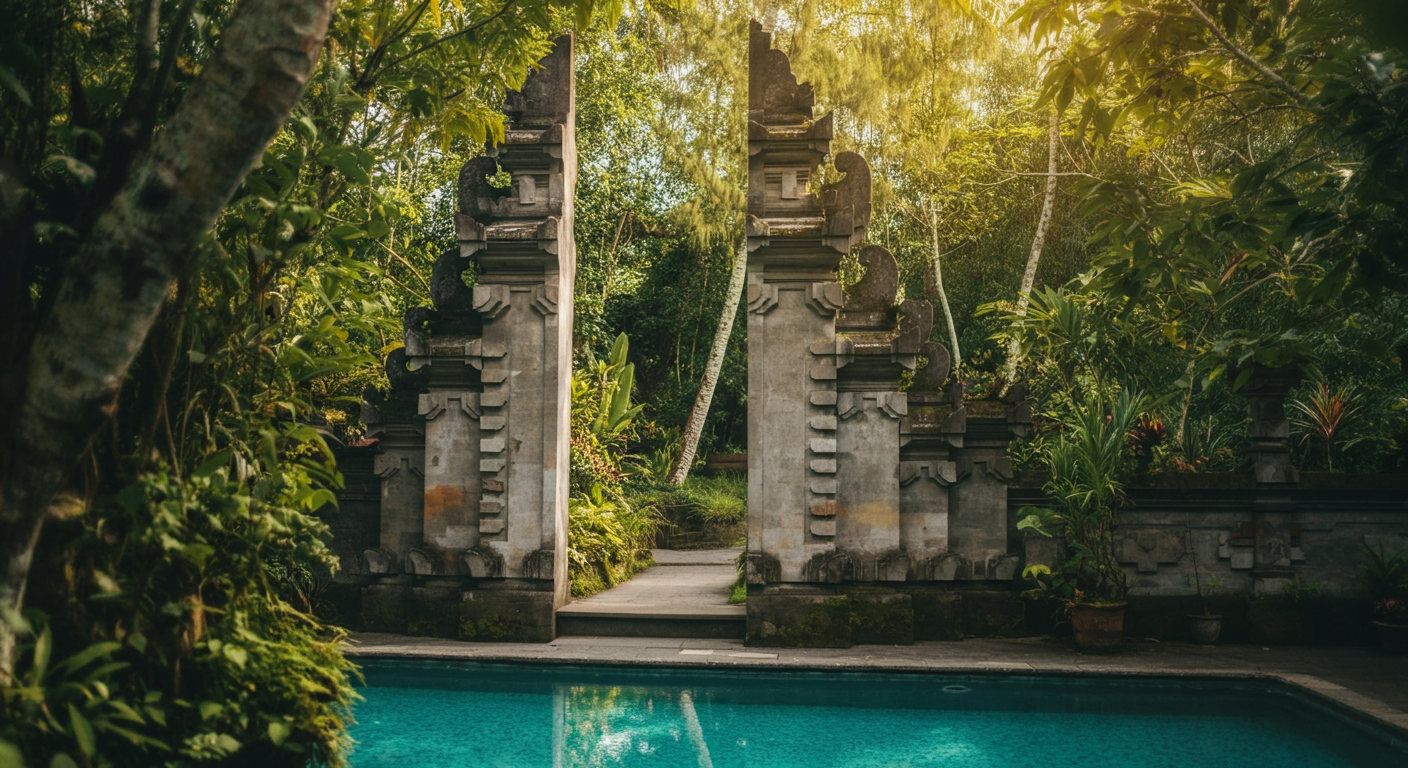
While the top three cover the basics, we at Gidly believe in digging deeper. After countless hours spent testing, reviewing, and curating experiences, our team has handpicked five truly exceptional adrenaline-pumping activities. These are the ones that go beyond the ordinary, offering not just a thrill, but a profound connection to Bali's unique environment. This isn't just a list; it's our highly-vetted, editor-approved selection of the absolute best adventures the island has to offer. We’ve evaluated them based on thrill factor, safety, scenic beauty, and overall value, ensuring they represent the pinnacle of Balinese adventure. These are the experiences we recommend to our own friends and family when they visit.
This curated list includes the quintessential volcano trek and a comparison of river rafting experiences, but we also venture further afield to the dramatic cliffs of Nusa Penida for canyoning and into the depths of the Indian Ocean to dance with giants. We also put the ever-popular ATV quad biking under the microscope, highlighting what makes a truly great tour. These five activities represent a perfect cross-section of Bali's adventure offerings: earth, water, fire (volcanic!), and pure, unadulterated speed. Prepare to have your expectations shattered and your adrenaline levels maxed out as we dive into the detailed reviews of our Gidly Editor's Choice for 2026.
Detailed Review: Mount Batur Sunrise Volcano Hike
The Mount Batur sunrise hike is more than just a trek; it's a pilgrimage for adventure lovers. The experience begins in the dead of night, with a hotel pickup typically between 1:30 and 2:30 AM. After a drive to the Kintamani highlands, you'll meet your local guide, get a quick safety briefing, and be handed a flashlight. The ascent starts around 4 AM. The initial part of the trail is a gentle incline through volcanic ash and sand, but it progressively gets steeper and more challenging, with rocky sections requiring careful footing. The air is cool and the sky is filled with a dazzling array of stars, a sight often missed in the light-polluted cities many of us come from. The total hiking time to the summit is roughly 1.5 to 2.5 hours, depending on your fitness level. While challenging, it's achievable for most people with a decent level of fitness. Remember to wear sturdy shoes and bring layers of clothing, as it's cold at the start but you'll warm up quickly.
Reaching the summit before dawn is a moment of pure triumph. You'll join fellow hikers from around the world, all buzzing with anticipation. As the first light begins to break, the sky transforms into a spectacular canvas of orange, pink, and purple hues. The view is simply jaw-dropping: you're standing above the clouds, looking out over the vast caldera, Lake Batur, and the towering Mount Agung on the horizon. Your guide will prepare a simple breakfast, often including bananas and eggs cooked using the natural steam vents from the volcano—a truly unique touch. After soaking in the sunrise and exploring the crater rim (watch out for the friendly monkeys!), the descent begins. It's often more challenging on the legs than the ascent due to the loose volcanic gravel, but the daylight reveals the stunning landscape you couldn't see on the way up. The entire experience, from the pre-dawn start to the triumphant return, is a quintessential Bali adventure that will stay with you forever.
Detailed Review: White Water Rafting on Ayung or Telaga Waja River
White water rafting in Bali is an absolute must-do, offering a thrilling ride through some of the island's most spectacular scenery. The two main rivers for this activity are the Ayung River near Ubud and the Telaga Waja River near Mount Agung. Choosing between them depends on the level of adventure you're seeking. The Ayung River is the most popular choice, especially for families and first-timers. It features Class II-III rapids, which provide plenty of excitement with splashes and bumps, but are generally considered very safe. The 10-kilometer journey on the Ayung takes about two hours, winding through a deep, lush gorge. The scenery is the real star here; you'll float past pristine rainforest, cascading waterfalls, and incredible Hindu carvings etched into the stone walls by local artists. It’s a beautiful and immersive experience that perfectly balances thrill and tranquility.
For those craving a bigger adrenaline rush, the Telaga Waja River in East Bali is the answer. This river boasts more challenging Class III-IV rapids, offering a faster, more technical, and wilder ride. The water is clearer and the current is stronger, demanding more active paddling from everyone in the raft. The highlight for many is a thrilling 4-meter drop over a dam, a heart-in-your-throat moment that ends with a huge splash and cheers of exhilaration. The Telaga Waja route is also longer, covering about 16 kilometers. The scenery is equally stunning, with views of rice paddies, tropical forests, and the majestic Mount Agung in the distance. Our team found the Telaga Waja to be a more intense workout and a bigger thrill, but both rivers offer an incredible day out.
Detailed Review: Nusa Penida Canyoning & Cliff Jumping
If you're looking for an activity that is truly off the beaten path and pushes your limits, canyoning on the nearby island of Nusa Penida is an unparalleled adventure. This isn't your standard tourist activity; it's a raw, physically demanding, and incredibly rewarding journey into the island's wild heart. Canyoning, or canyoneering, involves navigating down a gorge or canyon using a variety of techniques including rappelling (abseiling), sliding down natural water slides, and jumping into deep pools. Nusa Penida, with its dramatic limestone cliffs and hidden water systems, provides the perfect, rugged playground for this sport. Companies like Adventure & Spirit offer guided trips that are world-class in terms of safety and excitement.
A typical canyoning day trip to Nusa Penida involves an early morning fast boat from Bali. Upon arrival, you'll be kitted out with professional-grade gear—wetsuit, helmet, harness, and specialized footwear. After a thorough safety briefing and training on rappelling techniques, you'll embark on a trek to the canyon entrance. The experience itself is a sequence of exhilarating challenges. You might rappel down a 20-meter waterfall, slide down a slick rock face into a crystal-clear pool, or leap from a cliff into the turquoise water below. It's a full-body workout that requires a good level of fitness and a head for heights. The feeling of conquering each obstacle, surrounded by the untouched, prehistoric-looking beauty of the canyon, is indescribable. It's you, your team, and the raw power of nature.
This activity is not for the faint of heart, but for true adrenaline junkies, it's a slice of heaven. The cliff jumping component is often a highlight, with options for various heights, allowing you to push your comfort zone as much as you dare. Our team members who tested this came back buzzing, describing it as the most intense and authentic adventure they had in Bali. It’s crucial to book with a highly reputable, certified operator, as safety is paramount in this technical sport. The guides are not just thrill-seekers; they are highly trained professionals who manage risk and ensure you have an incredible experience. Canyoning in Nusa Penida is a commitment, but the payoff is a memory of pure, unadulterated adventure that few other tourists will ever experience.
Detailed Review: ATV Quad Biking Through Jungle & Villages
Unleash your inner thrill-seeker and get gloriously muddy with an ATV quad biking adventure. This is one of the most popular outdoor activities in Bali for a reason: it's accessible, outrageously fun, and offers a unique way to see the island's countryside. Centered primarily around the Ubud area, these tours put you in control of a powerful All-Terrain Vehicle, ready to conquer a custom-built track that winds through a stunning variety of Balinese landscapes. You'll power through dense jungles, navigate through dark caves (often man-made for the track), splash across rivers, and ride alongside verdant rice paddies and traditional villages. The contrast of the roaring engine with the serene, rural backdrop is a thrill in itself.
Most tours last for about 1.5 to 2 hours of actual ride time. You'll be given a safety briefing and a chance to practice on a training circuit before heading out with your guide. You can choose to ride single (one person per ATV) or tandem (two people sharing), making it a great option for couples or families with older children. The tracks are designed to be challenging but manageable, with a mix of easy stretches and more technical sections with mud pits and steep inclines. From our experience, the best operators have well-maintained vehicles and diverse, interesting tracks that don't just feel like you're going in circles. Some even incorporate unique features like tunnels and gorilla-face caves for that perfect Instagram shot.
What makes ATV riding so compelling is the sense of freedom it provides. You're not just a passenger; you're an active participant, navigating the terrain and feeling every bump and splash. It’s a high-octane way to immerse yourself in the natural beauty of Bali's interior, far from the busy streets of the southern tourist hubs. Whether you’re a seasoned rider or a complete beginner, the guides ensure you have a safe and exhilarating experience. For groups of friends, it’s an absolute blast, creating shared memories of laughter, mud, and pure, unadulterated fun.
Detailed Review: Scuba Diving with Manta Rays at Manta Point
For a truly awe-inspiring encounter that combines adventure with the profound beauty of the marine world, nothing beats scuba diving with manta rays at Manta Point. Located off the coast of Nusa Penida, this world-renowned dive site is a cleaning station for majestic reef manta rays, which can have a wingspan of up to 5 meters. The experience of descending into the blue and having these gentle giants glide effortlessly around you is something that stays with you for a lifetime. It’s a humbling, magical, and heart-thumping moment all at once. While it's a dive, the adrenaline comes from the sheer scale and proximity of these incredible creatures. The anticipation as you scan the deep blue, followed by the breathtaking sight of the first manta appearing out of the gloom, is a thrill unlike any other.
Trips to Manta Point are typically full-day excursions from mainland Bali, involving a fast boat journey to Nusa Penida and then a smaller dive boat to the site. You'll usually do two or three dives during the day, with Manta Point being the main event, often combined with another stunning Penida dive site like Crystal Bay, where you might spot the elusive Mola Mola (sunfish) during the right season (July-October). Manta Point itself is a relatively shallow dive, typically around 10-15 meters, but it can have strong currents and surge, so it's best suited for certified divers who are comfortable in such conditions. Your divemaster will guide you to the cleaning station, a series of coral bommies where small fish clean parasites off the mantas. The key is to remain calm, control your buoyancy, and let the mantas come to you. Chasing them is a definite no-no.
While manta sightings are very common, they are not 100% guaranteed as these are wild animals in their natural habitat. However, the success rate is very high. It's crucial to choose a reputable dive operator that prioritizes marine conservation and follows responsible diving practices, such as those recommended by organizations like PADI or SSI. A good operator will give a thorough briefing on how to interact with the mantas respectfully to ensure the sustainability of this incredible natural wonder. Our team rates this as a top-tier Bali adventure, an experience that transcends a simple thrill and connects you to the majestic underwater world of Indonesia. Even the boat ride around Penida’s dramatic cliffs is an adventure in itself.
For Couples: Romantic & Thrilling Bali Adventures
Bali is undeniably romantic, but that doesn't mean you have to stick to candlelit dinners and walks on the beach. For couples who share a love for excitement, the island offers a plethora of activities that blend romance with a healthy dose of adrenaline. These adventures are perfect for creating shared memories, strengthening your bond through teamwork, and seeing each other in a new, exhilarating light. Forget the standard couple's massage; think tandem paragliding over ocean cliffs, conquering a volcano together at sunrise, or learning a new skill like surfing. These experiences are designed to get your hearts racing, both for the adventure and for each other.
From the Gidly team's perspective, the best romantic adventures are those that combine a thrilling activity with a stunning, intimate setting. Imagine soaring through the air together, with nothing but the sound of the wind and a bird's-eye view of Bali's most dramatic coastline. Or picture the quiet satisfaction of reaching a mountain peak hand-in-hand to watch the world awaken below you. These are the moments that transform a simple vacation into a legendary chapter in your relationship's story. We've handpicked experiences that offer this perfect mix, ensuring you and your partner can challenge yourselves, have fun, and fall in love with both Bali and each other all over again.
Tandem Paragliding over Uluwatu’s Cliffs
For the ultimate blend of romance and jaw-dropping thrills, tandem paragliding over the majestic cliffs of Uluwatu is an experience that is hard to beat. You and your partner will each be strapped securely to an experienced pilot, so no prior experience is needed. The launch site is typically on a high cliff near Nyang Nyang or Pandawa Beach. The feeling of taking a few running steps and then being gently lifted into the air by the wind is simply magical. Once airborne, you'll soar like a bird along the stunning Bukit Peninsula coastline. The views are absolutely breathtaking: turquoise water crashing against the base of hundred-foot cliffs, hidden beaches revealed from above, and the iconic Uluwatu Temple perched dramatically on the horizon.
The flight itself lasts around 15-20 minutes, which is the perfect amount of time to soak in the scenery without it becoming overwhelming. It's surprisingly peaceful up there, with just the sound of the wind whistling past. You can communicate with your pilot, who can make the ride more gentle or perform some more thrilling acrobatic maneuvers if you're feeling brave. For couples, the best part is seeing your partner soaring nearby, sharing the same incredible perspective. Many operators offer photo and video packages (usually using a GoPro on a selfie stick), which are well worth it to capture the look of pure joy on both of your faces. Booking a late afternoon slot allows you to experience the golden hour light, and if you time it right, you might even catch the beginning of a spectacular Bali sunset from the air. It’s a memory you’ll talk about for years to come.
Private Sunrise Trek and Hot Springs Experience
While the standard Mount Batur trek is amazing, you can elevate it into a deeply romantic experience by opting for a private tour. This allows you to move at your own pace without being rushed or held back by a large group. Your private guide can offer more personalized insights into the local culture and the volcanic landscape. The real magic of a private tour is the intimacy of the experience. Reaching the summit together, away from the main crowds, and sharing a quiet moment as the sun paints the sky is incredibly special. You can find a secluded spot to enjoy your volcanically-cooked breakfast and coffee, just the two of you against a backdrop of one of the world's most beautiful sunrises.
The romance doesn't end at the summit. The best private tours, which can be found on Gidly's curated lists, often include a post-hike visit to the Toya Devasya Hot Springs. There’s nothing more rewarding after a challenging pre-dawn hike than sinking into the naturally heated mineral water. Soaking your tired muscles together while looking back at the volcano you just conquered is a perfect and well-deserved indulgence. Many hot spring resorts have infinity pools that overlook Lake Batur, creating a stunning setting for relaxation. This combination of a shared challenge followed by shared relaxation and pampering is the perfect recipe for a romantic and adventurous day in Bali.
Couples Surfing Lessons in Canggu or Seminyak
Learning a new skill together is a fantastic way to bond, and what better skill to learn in Bali than surfing? The beaches of Canggu (like Batu Bolong) and Seminyak (like Double Six Beach) are famous for their gentle, rolling waves, making them perfect for beginners. Booking a private or semi-private lesson for just the two of you ensures you get personalized attention from your instructor. The lesson typically starts on the sand, where you'll learn the basics of paddling, positioning on the board, and the all-important "pop-up" technique. Then, it's into the water to put it all into practice. There will be laughs, there will be wipeouts, and there will be moments of pure triumph.
The shared experience of paddling out, cheering each other on, and celebrating that first successful ride (no matter how short!) is incredibly fun and rewarding. It's a low-pressure, high-energy activity that is all about having a good time. The instructors are usually fantastic, full of encouragement and local charm. After your two-hour lesson, you'll both be happily exhausted. The perfect end to a surf session is grabbing a fresh coconut or a cold Bintang beer from a beachside warung, sitting on a beanbag, and watching the professional surfers tackle the bigger waves as the sun sets. It’s a classic Bali experience that's even better when shared.
Secluded Waterfall Exploration in North Bali
For couples seeking a more off-the-grid adventure, escaping the southern crowds and heading to the lush, mountainous region of North Bali is a fantastic option. The area around Munduk and Sekumpul is home to some of the island's most spectacular and less-visited waterfalls. Instead of just visiting one, you can hire a local guide for a day of "waterfall trekking," a journey that takes you through jungle paths, across bamboo bridges, and through small villages to discover multiple hidden gems. The trek to Sekumpul Waterfall, often called the most beautiful in Bali, is an adventure in itself, involving a significant hike and river crossings. But the reward is a breathtaking view of multiple cascades tumbling down a jungle-clad cliff face.
The romantic element comes from the sense of discovery and the stunning, intimate settings. You can swim in the cool, refreshing pools at the base of the falls, often with very few other people around. The sound of the rushing water and the misty spray create a magical, almost private paradise. Other nearby falls like Gitgit, Aling-Aling (known for its natural water slides and cliff jumping spots for the truly adventurous), and the more hidden Banyumala Twin Waterfalls offer different but equally enchanting experiences. A day spent exploring these natural wonders, followed by lunch at a local warung with panoramic views over the twin lakes (Buyan and Tamblingan), is a perfect recipe for a romantic adventure far from the tourist trail.
Romantic Sunset Dinner Cruise from Benoa Harbour
For a dose of adrenaline that is more "ooh" than "argh," a romantic sunset dinner cruise from Benoa Harbour offers a thrillingly beautiful end to any day. While it might sound purely leisurely, the experience of being out on the open water as the sun dips below the horizon, with the sea breeze in your hair and a panoramic view of Bali’s coastline, is exhilarating in its own right. Several operators offer different styles of cruises, from large catamarans with live bands and buffets to more intimate, luxurious sailing yachts. For couples, we recommend opting for the latter for a more exclusive and romantic atmosphere.
The cruise typically departs in the late afternoon, allowing you to enjoy the changing colors of the sky. As you sail along the coast, you'll be treated to stunning views of the island from a unique perspective. Many cruises include welcome drinks, canapés, and a full dinner buffet with a mix of international and Indonesian cuisine. Some even have live acoustic music to set the mood. It’s a chance to dress up a little, relax, and simply enjoy each other's company in a spectacular setting. The moment the sun finally disappears, painting the sky and water in fiery hues, is truly unforgettable. It's a sophisticated, beautiful, and wonderfully romantic way to experience the magic of a Bali sunset.
For Families: Safe & Exciting Outdoor Fun
Traveling with family, especially with kids, means finding that perfect balance between excitement and safety. Bali is a fantastic destination for families because it offers a huge range of outdoor activities that are thrilling enough for adventurous parents and older kids, yet safe and accessible for the little ones. As local experts and parents ourselves, the Gidly team has rigorously tested these activities to ensure they meet our high standards for family fun. We look for reputable operators with excellent safety records, engaging guides who are great with children, and experiences that create lasting memories for the whole family.
The key to a successful family adventure in Bali is choosing age-appropriate activities and operators who specialize in catering to families. Whether it's a gentle rafting trip where your kids can splash and laugh, a treetop adventure that builds confidence, or a day at one of the world's best waterparks, Bali has you covered. These experiences are not just about keeping the kids entertained; they're about sharing moments of joy and discovery, exploring the island's natural beauty together, and building a family story that you'll recount for years. Here are our top picks for safe, exciting, and unforgettable outdoor fun for the whole family.
Family-Friendly Rafting on the Ayung River (Class II-III)
White water rafting might sound intense for a family trip, but the Ayung River near Ubud is the perfect setting for a family-friendly adventure. With its gentle Class II and III rapids, the river provides enough bumps and splashes to be exciting for kids (and adults!) without being intimidating or dangerous. Most reputable tour operators have a minimum age requirement, usually around 7-9 years old, so it's best to check beforehand. The guides are experts at navigating the river safely and are fantastic at engaging with children, often turning the trip into a fun game of "splash the other raft" and pointing out interesting sights along the way.
The two-hour journey on the water is a feast for the senses. The raft glides through a spectacular jungle gorge, past cascading waterfalls where you can stop for a quick "natural shower," and alongside intricate stone carvings on the riverbank walls. It’s like a real-life jungle cruise. From a parent's perspective, it's reassuring to know that you're in the hands of professionals. Everyone is provided with a helmet and a life jacket, and the pre-trip safety briefing is thorough. The experience teaches kids about teamwork (everyone has to paddle!) and gives them a newfound appreciation for nature. Finishing the trip with a delicious buffet lunch, included in most packages, is the perfect way to refuel and share stories about the most exciting parts of the ride.
Treetop Adventures at Bali Treetop Adventure Park
Located within the beautiful Bali Botanic Garden in the cool highlands of Bedugul, the Bali Treetop Adventure Park is an absolute must-visit for active families. This high-ropes course offers a series of circuits with varying levels of difficulty, making it suitable for everyone from young children (starting from age 4) to adrenaline-seeking teens and adults. The circuits are color-coded, starting with easy, low-to-the-ground courses for the little ones and progressing to challenging black circuits high up in the canopy for the truly fearless. Each circuit involves navigating a series of obstacles like rope bridges, Tarzan swings, spider nets, and thrilling zip lines.
Safety is the top priority here. At the start, everyone is fitted with a harness and goes through a comprehensive training session on how to use the continuous belay system, which ensures you are always attached to a safety line. This gives older kids a great sense of independence and responsibility as they manage their own equipment through the course. For parents, it's wonderful to see your children's confidence grow as they overcome challenges and push their boundaries in a safe, controlled environment. The park is set amongst towering trees, providing plenty of shade and a stunning natural backdrop. It's a fantastic few hours of physical fun that will leave the whole family feeling accomplished and exhilarated.
Waterbom Bali: Asia’s Top Waterpark
A day at Waterbom Bali in Kuta is a guaranteed win for the entire family. Consistently voted the best waterpark in Asia, it's an immaculately maintained, eco-conscious oasis of fun. What sets Waterbom apart is its incredible variety of slides and attractions, catering to every age and thrill level. For the little ones, the 'Funtastic' area has gentle slides, water cannons, and a giant splash bucket. For the ultimate thrill-seekers, there are adrenaline-pumping rides like 'Climax', where you're dropped through a trapdoor into a near-vertical slide, or 'Smashdown 2.0', an 8-story-high speed slide. There's also a lazy river for a gentle float and several large pools for relaxing.
The park is beautifully landscaped with lush tropical gardens, providing plenty of shade and a pleasant atmosphere. The cashless wristband system is a brilliant touch for families, allowing you to load credit for food, drinks, and locker rentals without having to carry cash around. The food options are surprisingly good for a waterpark, with several restaurants and cafes offering a wide range of choices. While it's one of the pricier family activities in Bali, our team agrees it's worth every penny for a full day of world-class entertainment. It's clean, safe, and offers an unbeatable variety of fun that will leave every member of the family with a huge smile on their face.
Snorkeling for Beginners in the Blue Lagoon, Padang Bai
Introducing children to the wonders of the underwater world is a magical experience, and the Blue Lagoon in Padang Bai is one of the best places in Bali to do it. This sheltered bay has calm, clear water and a vibrant coral reef just a few meters from the shore, making it ideal for beginner snorkelers and families. You can hire a traditional 'jukung' boat from the main beach in Padang Bai to take you to the Blue Lagoon and another nearby snorkeling spot, Jepun. The boat ride itself is a fun little adventure. Once you arrive, you can jump straight from the boat into the warm water, which is teeming with colorful fish.
Even if your kids are not confident swimmers, they can wear a life jacket and simply float on the surface, looking down through their masks at the bustling marine life below. It’s like being in a real-life aquarium. You can expect to see angelfish, clownfish (Nemo!), butterflyfish, and maybe even a turtle if you're lucky. Snorkeling gear can be rented on-site, or it's often included in the boat trip price. The guides are typically local fishermen who are great at spotting marine life and ensuring everyone feels safe. After a morning of snorkeling, you can relax at one of the simple warungs on the white sand beach of the Blue Lagoon, enjoying a fresh juice and some grilled fish. It’s a simple, beautiful, and educational adventure for the whole family.
Bali Safari and Marine Park Encounters
For a family adventure that combines wildlife, education, and entertainment, the Bali Safari and Marine Park is an excellent choice. This sprawling 40-hectare park is home to over a thousand animals from Indonesia, Africa, and India. The main attraction is the Safari Journey, where you ride in a comfortable, air-conditioned tram through different enclosures that mimic the animals' natural habitats. You'll get up close (but safely separated) with zebras, rhinos, hippos, and even lions and tigers. It’s far more engaging and ethical than a traditional zoo, as the animals have large, open spaces to roam.
Beyond the safari journey, the park offers a wealth of other experiences. There are animal shows that are both entertaining and educational, a freshwater aquarium, and opportunities for animal encounters, such as feeding the elephants or having breakfast with the orangutans. The park also has its own small water park and a fun zone with rides, ensuring there's something to keep kids of all ages entertained for a full day. While it's a more commercial experience, the park plays a vital role in conservation and breeding programs for endangered species, including the Bali Starling. It's a fun and educational day out that will delight animal-loving families and provide plenty of photo opportunities.
For Groups & Friends: Epic Squad Adventures
Traveling with your squad is all about creating epic stories and unforgettable shared experiences. Bali is the ultimate playground for groups of friends, offering a perfect mix of high-energy adventures, stunning backdrops for group photos, and legendary nightlife to celebrate your exploits. The best group activities are those that encourage teamwork, a bit of friendly competition, and plenty of laughs. Our team at Gidly has scouted the island for adventures that are perfectly suited for groups, whether you're celebrating a bachelor party, on a girls' trip, or just getting away with your best mates.
From organizing your own ATV convoy to chartering a private boat for a day of island hopping, Bali makes it easy to scale up the fun for a larger crew. The island’s vibrant energy is contagious, and sharing these thrilling moments with your friends only amplifies the experience. These activities are not just about the adrenaline rush; they are about the bonding that happens when you navigate a new challenge together, the inside jokes that are born from a hilarious wipeout, and the collective awe of witnessing a spectacular view. Get ready to rally your crew and dive into some of the most epic squad adventures Bali has to offer.
Group ATV Convoy & Team Challenges
Nothing says "squad goals" quite like tearing through the Balinese jungle in your own ATV convoy. This activity is practically made for groups of friends. Instead of a quiet tandem ride, imagine a line of 5, 10, or even 15 of your friends roaring through mud pits, splashing through rivers, and navigating challenging trails together. The energy is infectious. The hoots and hollers as someone gets stuck in the mud (and the subsequent "rescue mission") are all part of the fun. Many ATV operators near Ubud are well-equipped to handle large groups, offering competitive pricing and the ability to keep your crew together with a dedicated guide.
To take it to the next level, you can turn the ride into a series of friendly team challenges. Who can make the biggest splash? Who can navigate the muddiest section without getting stuck? Some operators can even help facilitate this, setting up simple relay races or a "best photo" competition along the route. The shared thrill and the slightly competitive nature of it all make for incredible bonding. Post-ride, everyone gathers for a well-deserved lunch, covered in mud and grinning from ear to ear, sharing stories and re-living the best moments. It's a guaranteed high-energy, laugh-filled experience that your group will be talking about long after the mud has washed off.
Full-Day Nusa Penida Tour (Kelingking Beach, Angel’s Billabong)
A day trip to the rugged, untamed island of Nusa Penida is an essential Bali pilgrimage for any adventurous group. The island's dramatic landscapes provide the most stunning, almost unbelievable, backdrops for your group photos. Chartering a private car and driver for the day is the best way for a group to explore the island's highlights. The must-see spots include Kelingking Beach, with its famous T-Rex-shaped cliff viewpoint. The hike down to the beach itself is extremely steep and challenging, and should only be attempted by fit and confident members of your group, but the view from the top is a reward in itself for everyone.
Other unmissable locations are Angel's Billabong, a natural infinity pool set in volcanic rock, and the adjacent Broken Beach (Pasih Uug), a spectacular circular cove with a natural archway. Exploring these sites involves navigating bumpy roads and some walking, making it a proper adventure. The shared experience of being awestruck by the raw, natural beauty of these places is a powerful bonding moment. You can cap off the day with a swim and snorkel at the more accessible Crystal Bay before catching the fast boat back to Bali. It's a long, tiring, but incredibly rewarding day that will fill your camera rolls and give your squad some serious travel cred.
Paintball in the Balinese Jungle
Ready to settle some friendly rivalries? Take your squad to a paintball field set in the heart of the Balinese jungle. This is the ultimate team-building activity, combining strategy, adrenaline, and the pure, primal fun of splattering your friends with paint. Several specialized paintball parks, often located near Ubud or in the central part of Bali, offer immersive game zones designed to look like battlegrounds, complete with bunkers, obstacles, and dense foliage for cover. You'll be split into teams and play various game scenarios, like "Capture the Flag" or "Elimination."
The experience starts with a full safety briefing and gearing up in camouflage overalls, protective masks, and body armor. Then, it's into the field for a few hours of intense, heart-pounding action. It’s a fantastic way to burn off some energy and engage in some healthy competition. The strategies, alliances, and heroic (or not-so-heroic) moments that unfold during the game become instant inside jokes. From the Gidly team's experience, paintball is a brilliant way to break the ice in a new group or just create some hilarious memories with old friends. And the best part? After the battle, you're all on the same team again, sharing stories of epic shots and dramatic dives over a cold drink.
Booking a Private Boat for Island Hopping & Snorkeling
For the ultimate day of freedom and customized adventure, nothing beats chartering a private boat for your group. You can design your own itinerary, escape the crowds of the public ferries, and create a party atmosphere on the water. A popular option is to explore the three Nusa Islands (Lembongan, Ceningan, and Penida), but you can also charter boats to explore the Gili Islands (near Lombok) for a longer trip. With your own boat, you have a captain and crew at your disposal. You can blast your own playlist, bring your own drinks (and snacks), and decide how long you want to spend at each spot.
Your day could look something like this: start with a snorkeling session at Manta Point to swim with the majestic manta rays. Then, cruise over to a secluded beach on Nusa Lembongan for a swim. After that, head to a cool beach club on Nusa Ceningan for lunch and a cocktail. The possibilities are endless. It's your boat, your day. This option offers incredible value for groups, as the cost per person can often be comparable to or even cheaper than joining a crowded public tour. It’s a luxurious, fun, and completely flexible way to experience the best of Bali's marine environment with your favorite people. Check out the charter options on Gidly to find the perfect vessel for your squad.
Learning to Surf Together at a Canggu Surf Camp
A surf camp is an amazing way for a group of friends to immerse themselves in Bali's iconic surf culture. Instead of just a single lesson, a multi-day surf camp in a place like Canggu provides a more structured and social learning environment. You'll all be learning together, progressing at your own pace, and supporting each other in the water. The camps typically include accommodation, multiple surf lessons, board rental, and often other activities like yoga or video analysis of your surfing technique. It's an all-in-one package that takes the stress out of planning.
The social aspect is a huge part of the appeal. You'll start the day with a surf session, spend the afternoon relaxing by the pool or exploring the local area, and then gather in the evening to share stories, have dinner, and maybe check out Canggu's vibrant nightlife. The shared struggle and triumph of learning to surf create a strong bond. Celebrating a friend's first proper wave is just as exciting as catching one yourself. It’s an active, healthy, and incredibly fun way to spend a few days or even a week, and you'll leave with a new skill, a tan, and a bunch of amazing memories with your crew.
On a Budget: Free & Affordable Bali Adventures
Bali is often perceived as a luxury destination, but one of its greatest secrets is how incredibly accessible it is for budget-conscious travelers. The island is packed with breathtaking natural beauty and exhilarating experiences that cost very little, or even nothing at all. You don't need a fat wallet to have an adventurous and fulfilling trip. Our Gidly team loves a good bargain, and we've scoured the island to find the best free and affordable outdoor activities that deliver maximum impact for minimum cost. All it takes is a bit of local knowledge and a spirit of adventure.
From scenic ridge walks and chasing waterfalls to simply enjoying the island's world-famous beaches, the best things in Bali are often free. For just a few dollars, you can rent a scooter and unlock a world of independent exploration, or hire some snorkeling gear and discover the vibrant marine life just off the shore. This section is dedicated to proving that an adrenaline-pumping, nature-filled Bali adventure doesn't have to break the bank. Here's how you can experience the thrill of the island without emptying your pockets, with tips and tricks we've learned from years of exploring Bali on a shoestring.
Free: Campuhan Ridge Walk in Ubud
One of the most iconic and completely free activities in Ubud is the Campuhan Ridge Walk. This easy 2-kilometer paved trail offers stunning panoramic views of a lush, green valley where two rivers, the Wos and the Campuhan, meet. It’s a beautiful, gentle hike that feels a world away from the busy streets of central Ubud, yet it’s just a few minutes' walk from the main road. To find the entrance, look for the sign for Warwick Ibah Luxury Villas and Spa; the path starts down a small driveway just before the hotel entrance. The best times to go are early in the morning (around 7 AM) or late in the afternoon (around 5 PM) to avoid the midday heat and catch the beautiful golden light.
The walk itself is not strenuous, making it accessible to all fitness levels. You'll be surrounded by tall 'alang-alang' grass and swaying palm trees, with the green ridge unfolding before you. It’s an incredibly peaceful and meditative experience. The path eventually leads to the small village of Bangkiang Sidem, where you can stop at a cafe like Karsa Kafe for a fresh juice with a stunning view over rice paddies before heading back. It's a simple, beautiful, and utterly refreshing dose of nature that costs absolutely nothing. For budget travelers, it’s a perfect way to start or end the day in Ubud.
Free: Exploring Bali’s Beaches (and which are best for what)
This might seem obvious, but it's worth stating: Bali's beaches are its greatest free attraction. But not all beaches are created equal. Knowing which beach is best for which activity can save you time and money. For world-class surfing (or just watching the pros), head to the dramatic cliff-backed beaches of the Bukit Peninsula like Uluwatu, Padang Padang, or Bingin. For a lively atmosphere, beginner surf waves, and spectacular sunsets with beanbags and Bintangs, the long stretches of Kuta, Legian, Seminyak, and Canggu are your go-to. These are also great for a simple jog or a game of beach football.
If you're seeking pristine white sand and calm, swimmable turquoise water, you'll need to venture further afield. The beaches around Padang Bai (like Blue Lagoon and Bias Tugel, also known as White Sand Beach) are fantastic. In the north, the black sand beaches of Lovina are famous for dolphin watching tours, but are also beautifully calm. On Nusa Lembongan, Dream Beach and Mushroom Bay offer idyllic spots for sunbathing and swimming. Exploring these different coastal environments, finding your favorite spot, and enjoying a day of sun, sand, and sea is the ultimate affordable Bali adventure.
Free: Tegalalang Rice Terraces (from the main road)
The Tegalalang Rice Terraces are one of Bali's most photographed landscapes, and for good reason. The intricate, cascading layers of green are a stunning example of the island's ancient 'subak' irrigation system, a UNESCO World Heritage site. While there is now a more formalized tourist area where you'll have to pay for entry, a classic budget-traveler hack is to simply enjoy the magnificent view from the main road, Jalan Raya Tegalalang. There are numerous viewpoints along the road where you can pull over (carefully!) and take in the spectacular panorama for free. Many small warungs and cafes are perched on the side of the road, offering million-dollar views for the price of a coffee or a coconut.
Affordable: Renting a Scooter to Discover Hidden Waterfalls
Renting a scooter is the single most empowering and affordable thing you can do in Bali. For around IDR 60,000 - 100,000 (about $4-$6 USD) per day, you have the freedom to explore the island on your own terms. This unlocks a world of adventure, particularly when it comes to discovering Bali's many hidden waterfalls. While tour buses flock to the most famous ones, a scooter allows you to venture down smaller roads and follow signs to lesser-known gems. Imagine cruising through lush green countryside, feeling the wind in your face, and pulling over at a small, unassuming sign that leads you on a short jungle trek to a beautiful, secluded waterfall that you have all to yourself. Some of our team's favorites to find this way include Tibumana, Tukad Cepung (famous for its light rays), and Kanto Lampo.
A few important caveats: only rent a scooter if you are a confident and experienced rider. Always wear a helmet, and make sure you have the proper international driving permit and travel insurance that covers scooter accidents. Traffic in Bali can be chaotic, but once you get out of the main towns and into the countryside, the roads are much quieter and the riding is a joy. The cost of a full tank of petrol (Pertalite) is incredibly cheap, meaning you can explore all day for just a couple of dollars. This is the epitome of affordable adventure.
Affordable: Snorkel Rental at Amed or Tulamben Beach
You don't need to book an expensive boat tour to experience Bali's incredible underwater world. The beaches of Amed and Tulamben on Bali's northeast coast offer fantastic snorkeling and diving right from the shore. This area is famous for its calm, clear waters and healthy coral reefs. The most famous attraction is the USAT Liberty Shipwreck in Tulamben, which lies just 30 meters from the beach. You can simply rent a mask, snorkel, and fins for a few dollars (around IDR 50,000) from one of the many dive shops or warungs along the beach, walk into the water, and start exploring. The top of the wreck is shallow enough to be seen by snorkelers, and it's encrusted with coral and teeming with fish.
Similarly, the beach at Jemeluk Bay in Amed has a vibrant coral garden just a few meters offshore, complete with an underwater temple. The ease of access makes this an incredibly affordable and rewarding activity. You can spend hours exploring the reef, take a break for a cheap and delicious lunch at a beachside warung, and then go back in for another session. It's a perfect example of how Bali's world-class natural attractions can be enjoyed on a shoestring budget. This area offers some of the best value-for-money adventures on the entire island.
For Solo Travelers: Meet People & Conquer Challenges
Traveling solo in Bali is an incredibly liberating and rewarding experience. The island's welcoming culture and well-developed tourist infrastructure make it a safe and easy place to navigate on your own. For the adventurous solo traveler, Bali is a paradise. It offers the perfect combination of personal challenges to conquer and a vibrant social scene where you can easily connect with like-minded people from all over the world. The Gidly team has a lot of love for solo travel, and we've found that Bali is one of the best places to do it. The key is to choose activities that are either inherently social or offer a profound sense of personal achievement.
The beauty of solo adventure travel in Bali is the flexibility. You're on your own schedule, free to be spontaneous and follow your curiosity. Want to spend a week getting your scuba certification? Go for it. Feel like joining a last-minute group hike up a volcano? Easy. The island is full of opportunities to push your boundaries, learn new skills, and make connections that can last a lifetime. Here are our top picks for solo travelers looking to meet people, conquer challenges, and have the adventure of a lifetime.
Joining a Group Mount Batur Sunrise Hike
The Mount Batur sunrise hike is a fantastic activity for solo travelers. Since most people book this as a guided tour, you'll naturally be placed in a small group with other travelers. The pre-dawn start and the shared challenge of the ascent create an instant sense of camaraderie. You'll find yourself striking up conversations with your fellow hikers on the way up, sharing water, and offering words of encouragement. The guides are also great facilitators, often introducing people and keeping the group morale high. It’s an environment where it feels completely natural to connect with strangers.
By the time you reach the summit, you'll have already bonded with your new-found friends. Watching the spectacular sunrise together, sharing the "volcano breakfast," and taking photos for each other solidifies this connection. The shared experience of witnessing something so beautiful after a physical effort is a powerful thing. Many lifelong friendships (and even a few travel romances!) have started on this volcano. After the hike, groups often decide to have lunch together or even make plans for the following days. It's an easy, safe, and almost guaranteed way to meet other adventurous travelers at the start of your trip.
Scuba Diving Certification Courses in Amed or Tulamben
For a more immersive and skill-building solo adventure, enrolling in a scuba diving certification course is an incredible option. The laid-back towns of Amed and Tulamben in northeast Bali are world-renowned for their excellent and affordable dive schools. A PADI or SSI Open Water Diver course typically takes 3-4 days and is a fantastic way to meet people. You'll be in a small class with a few other students and an instructor, spending your days learning theory, practicing skills in the pool, and then doing your certification dives in the ocean. This intense, shared learning experience creates a very strong bond within the group.
You’ll learn a valuable new skill that opens up a whole new world of underwater exploration. The sense of achievement after completing your final dive and becoming a certified diver is immense. In the evenings, dive students and instructors often hang out together, sharing meals, talking about the day's dives, and enjoying the relaxed vibe of the town. Amed and Tulamben have a real community feel, and as a solo traveler, you'll quickly feel like part of the local diving family. It’s an investment of time and money that pays off with a lifelong certification and a network of new dive buddies.
Joining a Surf & Yoga Retreat
Surf and yoga retreats are practically a rite of passage in Bali, especially in areas like Canggu, Uluwatu, or even the quieter west coast near Medewi. These retreats are tailor-made for solo travelers. They offer a structured yet relaxed environment where everything is taken care of—accommodation, healthy meals, surf lessons, and yoga classes. You simply show up and immerse yourself in the experience. The daily routine of surfing, yoga, and eating delicious food with a group of like-minded people is a fantastic way to connect. You're all there with a shared purpose: to improve your skills, relax, and have a good time.
The communal nature of these retreats makes it incredibly easy to make friends. You'll bond over wipeouts during the surf lesson, share a moment of zen in yoga class, and have deep conversations over dinner. Many retreats also organize group excursions, like trips to temples or sunset drinks at a beach club. It’s a perfect balance of activity, relaxation, and social connection. You’ll leave feeling refreshed, rejuvenated, with a new set of skills and a phone full of new contacts from around the globe.
Exploring Ubud’s Surroundings by Bicycle
For a day of solo exploration and quiet contemplation, joining a guided bicycle tour around the outskirts of Ubud is a wonderful choice. These tours offer a gentle but adventurous way to get off the beaten track and see the "real" Bali. You're part of a group, so there's a social element, but the nature of cycling also allows for plenty of personal space to soak in your surroundings. Most tours start with a drive up to the Kintamani highlands, where you have breakfast overlooking Mount Batur. Then, it's mostly downhill and flat cycling for the rest of the day, making it accessible for most fitness levels.
You'll pedal through lush rice paddies, quiet traditional villages, and shady bamboo forests. The guides are local and provide fascinating insights into Balinese culture, stopping to explain the subak irrigation system, show you exotic fruit growing on trees, and even take you into a traditional Balinese family compound. It's a culturally rich and physically rewarding experience. For a solo traveler, it's a perfect way to see a lot of the countryside in one day, learn about the culture, and share the experience with a small group, all without the stress of navigating on your own.
Rainy Day in Bali? Indoor & All-Weather Adventures
A rainy day in Bali, especially during the wet season (typically October to April), doesn't mean your adventure has to come to a halt. In fact, some of the island's most thrilling activities are either unaffected by the rain or are even enhanced by it. The Gidly philosophy is that there's no such thing as bad weather, only the wrong gear and the wrong attitude! When the heavens open up, it’s an opportunity to try something different, to embrace the elements, or to turn your focus inward and learn a new skill. The rain brings out a different side of Bali's beauty—the jungles become more lush, the smells are more intense, and the waterfalls become more powerful.
Instead of hiding in your hotel room, a rainy day can be a call to a new kind of adventure. From leaning into the wetness with a canyoning trip to seeking refuge in an indoor climbing gym or a hands-on cultural workshop, there are plenty of ways to keep the adrenaline and excitement going. We've put together our favorite all-weather and indoor activities that will save your day and might just become a highlight of your trip. So, don't let a little 'Bali blessing' (as the locals call the rain) dampen your spirits.
Canyoning: Get Wet When It’s Already Wet!
This might sound counterintuitive, but a rainy day is actually a fantastic time to go canyoning. Think about it: you're going to get completely soaked anyway! The premise of canyoning is to navigate down a river gorge, which involves abseiling down waterfalls, sliding down natural rock slides, and jumping into pools. A bit of rain just adds to the atmosphere, making the experience feel even more wild and adventurous. The water levels might be slightly higher and the waterfalls more powerful, which, for an adrenaline junkie, only adds to the thrill (guides will, of course, assess safety and won't operate in dangerously high water).
The jungle appears even more vibrant and alive in the rain, with the glistening leaves and the earthy smell of the wet soil. Reputable canyoning companies in the north of Bali (like in the Gitgit or Sambangan area) provide you with thick wetsuits, which keep you warm regardless of the weather. Our team has done this, and we can confirm that there's a certain badass feeling to gearing up and heading out into the wild while others are hiding from the rain. It's the ultimate way to embrace the elements and turn a potentially 'bad' weather day into an epic adventure story.
Indoor Rock Climbing & Bouldering in Canggu
When the weather drives you indoors, you can still get a fantastic physical challenge and an adrenaline rush at one of Bali's indoor climbing gyms. Canggu, in particular, has become a hub for this, with places like the Bali Bouldering gym. Bouldering is a form of rock climbing performed on smaller walls without ropes, with thick crash pads below for safety. It's an incredibly fun, social, and challenging workout that focuses on problem-solving as much as physical strength. You'll find yourself trying a 'problem' (a specific route of holds) over and over, working with others in the gym to figure out the sequence of moves.
These gyms have a great community vibe, making them a perfect spot for solo travelers or groups of friends to spend a few hours. They offer routes for all levels, from absolute beginners to seasoned climbers. It’s a fantastic way to stay active, meet people, and keep your adventurous spirit alive even when you can't be out in the mountains. It's a productive and healthy alternative to sitting in a cafe waiting for the rain to stop, and you'll leave feeling accomplished and ready for your next outdoor challenge when the sun comes out.
Learning Balinese Crafts (Wood Carving, Silver Making)
A rainy day is the perfect opportunity to dive into Bali's rich artistic heritage. While it might not be a high-adrenaline activity, the focus and skill required for these crafts provide a different kind of thrill—the thrill of creation. All around Ubud, you can find workshops that offer half-day or full-day classes in traditional Balinese arts. Imagine spending a few hours in a silver-making class in the village of Celuk, where you learn to transform a piece of silver into a unique ring or pendant that you get to take home as a souvenir. You'll learn traditional techniques from a master artisan, using tools to shape, solder, and polish your own design.
Similarly, in the village of Mas, you can take a wood carving class. Under the guidance of a patient teacher, you'll be given a block of wood and learn to carve it into a traditional mask or a small statue. These workshops are incredibly meditative and offer a profound connection to the local culture. It’s a hands-on experience that gives you a much deeper appreciation for the intricate craftsmanship you see all over the island. It’s a rewarding, creative, and perfect rainy-day activity that leaves you with a tangible and personal memento of your trip.
Taking a Balinese Cooking Class
Another fantastic and delicious way to spend a rainy day is to immerse yourself in the flavors of Bali by taking a cooking class. This is a multi-sensory adventure that starts with a tour of a local market (often under the cover of large umbrellas) where you'll learn about the exotic ingredients—the fresh herbs, spices, vegetables, and fruits that form the foundation of Balinese cuisine. The vibrant colors and smells of the market are a feast for the senses, even in the rain. Afterwards, you'll head to a traditional kitchen, often in a beautiful open-air setting in a family compound or overlooking a rice paddy.
Under the guidance of an expert local chef, you'll learn to prepare a full Balinese feast from scratch. You'll get hands-on experience grinding spices to make 'bumbu' (spice paste), wrapping fish in banana leaves ('pepes ikan'), and grilling satay over coconut husks. The class is usually fun, social, and very interactive. The best part, of course, is at the end, when you get to sit down and enjoy the incredible meal you've just prepared. It’s a culturally immersive, delicious, and social activity that is perfect for a day when the weather keeps you from the beach.
By Category: Water Sports & Marine Adventures
Bali is an island, and its identity is intrinsically linked to the ocean that surrounds it. For any adrenaline junkie, the call of the water is impossible to ignore. Bali's diverse marine environment offers a world-class playground for every imaginable water sport. From the legendary surf breaks that attract professionals from around the globe to the tranquil coral gardens perfect for a first-time snorkeler, the waters of Bali are teeming with adventure. The Gidly team has spent countless hours in, on, and under the water to bring you the definitive breakdown of the island's best aquatic adventures.
Whether your dream is to ride the perfect wave, explore a sunken shipwreck, navigate thrilling river rapids, or fly above the water on a jet-powered board, Bali has a spot for you. The island's unique geography creates a variety of conditions, from the powerful southern swells hitting the Bukit Peninsula to the calm, protected bays of the north and east. This section will dive deep into each category of water sport, giving you the insider knowledge you need to choose your next marine adventure, whether you're a seasoned pro or a curious beginner.
Surfing: A Guide to Bali’s Best Breaks (Kuta, Canggu, Uluwatu)
Surfing is the lifeblood of Bali's coastal culture. The island is a true surfer's paradise, offering waves for every skill level. For absolute beginners, the long, sandy-bottom beaches of Kuta, Legian, and Seminyak are the perfect place to start. The gentle, rolling white-water waves are ideal for learning, and the beaches are lined with surf schools and board rental stalls. Moving up the coast, Canggu (with breaks like Batu Bolong and Old Man's) offers a mix of mellow longboard waves and slightly more challenging reef breaks, all set against a trendy backdrop of beach clubs and cafes. It's the epicenter of Bali's modern surf and lifestyle scene.
For experienced and expert surfers, the Bukit Peninsula in the south is the holy grail. This is where you'll find the legendary, world-class reef breaks that put Bali on the surfing map. Uluwatu, with its multiple peaks breaking under dramatic cliffs, is the most famous. Padang Padang offers a challenging, fast, and hollow left-hand barrel (the "Balinese Pipeline"), while Bingin provides a shorter but equally intense barrel. Impossibles and Dreamland offer longer, faster waves. These are powerful, expert-only waves that break over sharp, shallow coral reefs, demanding respect and a high level of skill. Watching the sunset from a clifftop warung at Uluwatu, overlooking the action, is an essential Bali experience for surfers and non-surfers alike.
Scuba Diving & Snorkeling Hotspots (Nusa Islands, Amed, Menjangan)
Bali's underwater world is just as dramatic and diverse as its landscape. The prime diving and snorkeling destinations are clustered in three main areas. The Nusa Islands (Penida, Lembongan, Ceningan) are a short boat ride from the mainland and offer thrilling drift dives and incredible marine life. This is where you'll find Manta Point for swimming with manta rays and Crystal Bay, famous for potential sightings of the giant Mola Mola (ocean sunfish) in season (July-October). The currents can be strong, so it's best for more experienced divers, though there are sheltered spots for snorkelers.
On Bali's northeast coast, the sleepy towns of Amed and Tulamben are a diver's paradise, especially for macro life enthusiasts and those who prefer shore dives. The main attraction is the USAT Liberty Shipwreck in Tulamben, a massive wreck that is easily accessible from the beach and covered in coral and marine life. Amed offers a string of small bays with beautiful coral gardens, including an underwater temple, all accessible from the shore. Far to the northwest, Menjangan Island, part of the West Bali National Park, boasts some of the most pristine and protected coral reefs in Bali. The wall dives here are spectacular, with incredible visibility and a huge diversity of fish and coral. It's more remote but well worth the trip for serious underwater enthusiasts.
Rafting & Tubing: Comparing the Ayung, Telaga Waja, and Pakerisan Rivers
Bali's inland rivers offer a different kind of water adventure. As we've discussed, the Ayung River near Ubud is the most popular choice. It's perfect for families and beginners, offering Class II-III rapids and stunning jungle scenery with unique stone carvings. It’s more of a scenic float with some exciting moments. For a bigger adrenaline kick, the Telaga Waja River in East Bali is the clear winner. With faster-flowing water and Class III-IV rapids, including a famous 4-meter dam drop, it’s a more intense and thrilling experience. The water is clearer and the backdrop of rice paddies and Mount Agung is spectacular.
For those looking for something a bit different, river tubing offers a more solitary and personal experience. A lesser-known but wonderful option is tubing on the Pakerisan River. Here, instead of a large raft, you float down the river in your own inflatable tube. It's a more relaxed and immersive way to experience the river's ecosystem. You'll float through canyons and under a canopy of tropical trees, with small rapids providing gentle excitement along the way. It’s less about high adrenaline and more about serene adventure, making it a great choice for nature lovers who want to get up close and personal with Bali's beautiful waterways.
Jet Ski, Parasailing, and Flyboarding in Tanjung Benoa
If you're looking for a concentrated dose of motorized water sports action, Tanjung Benoa is your destination. This peninsula near Nusa Dua is the undisputed hub for all things fast, loud, and fun on the water. Here you'll find a dizzying array of activities to choose from. You can rent a jet ski and blast across the calm bay waters (often with a guide on the back for safety and insurance reasons). You can get a bird's-eye view of the coastline by going parasailing, either solo or in tandem, towed behind a speedboat. Or you can try the classic banana boat or donut ride, a guaranteed laugh-fest for groups.
Tanjung Benoa is a one-stop-shop for these kinds of thrills. It's a very commercialized area, with operators lining the beach, so it's a good idea to compare prices and check the condition of the equipment before committing. Many hotels in Nusa Dua offer packages, or you can book a full day of water sports through a tour operator to try a little bit of everything. It's not the most 'authentic' Balinese experience, but for pure, unadulterated motorized fun, it can't be beaten.
Kitesurfing and Windsurfing in Sanur
For those who prefer to be powered by the wind, Sanur on Bali's southeast coast is the place to be. During the dry season (roughly June to September), the consistent onshore winds create perfect conditions for kitesurfing and windsurfing. The long reef offshore creates a large, flat, and shallow lagoon that is ideal for learning and practicing. The beach in Sanur is lined with kite schools and rental shops, making it a hub for the island's wind sports community. The vibe here is laid-back and friendly, with a mix of locals, expats, and tourists all sharing the stoke.
Learning to kitesurf is a challenging but incredibly rewarding process. A full course typically takes 3 days, starting with learning to control the kite on land, then progressing to 'body dragging' in the water, and finally getting up on the board. It requires patience, but the feeling of your first successful ride, silently gliding across the water powered only by the wind, is pure magic. Windsurfing is a bit easier to pick up the basics of, and you can be up and sailing within a couple of hours of instruction. Whether you're a seasoned pro or a complete beginner, Sanur's breezy coastline offers a fantastic and exhilarating way to play with the elements.
By Category: Hiking, Trekking & Volcanoes
To truly understand Bali's soul, you need to explore it on foot. The island's interior is a breathtaking tapestry of volcanic peaks, cascading rice terraces, dense jungle, and powerful waterfalls. Hiking and trekking here isn't just exercise; it's a journey into the heart of the island's culture and spirituality. The volcanoes, in particular, are considered sacred, the homes of the gods. Trekking them is a physical and spiritual pilgrimage that offers unparalleled views and a profound sense of accomplishment. At Gidly, we believe that lacing up your hiking boots is one of the best ways to connect with the raw, natural beauty of Bali.
This section is your guide to Bali's best on-foot adventures. We'll compare the island's two most famous volcano treks, helping you decide which monumental challenge is right for you. We'll guide you through lush jungles to find hidden waterfalls, lead you through a pristine national park, and show you the difference between Bali's two most famous rice paddy landscapes. Whether you're looking for a gentle stroll or a multi-day expedition, Bali's trails are waiting. So pack some water, grab your camera, and let's explore the island's epic landscapes, one step at a time.
Mount Batur vs. Mount Agung: Which Volcano Trek is for You?
Choosing between Bali's two most famous volcano treks is a key decision for any serious adventurer. Mount Batur (1,717m) is the more popular and accessible option. As detailed earlier, it's a relatively short (2-hour ascent) pre-dawn hike to catch the sunrise. It's moderately challenging but achievable for anyone with a decent fitness level. The reward is a spectacular sunrise view over the caldera lake and a fun, social atmosphere at the summit. It's a fantastic introduction to volcano trekking and a quintessential Bali experience.
Mount Agung (3,142m), Bali's highest and most sacred mountain, is a completely different beast. This is a serious, physically demanding trek for experienced hikers only. There are two main routes. The shorter route from Pasar Agung temple takes 4-5 hours to reach the crater rim (not the true summit). The longer, more challenging route from Besakih Temple takes 6-7 hours to reach the absolute summit and is an extremely strenuous ascent in the dark. The reward is an unparalleled, 360-degree view from the highest point on the island, a truly profound and humbling experience. However, the trek is grueling, cold, and requires a high level of physical and mental stamina. Following recent volcanic activity, access to Mount Agung is often restricted, so you must check the current status and go with a professional guide. In short: Batur is a fun adventure; Agung is a serious expedition.
Jungle Trekking to Sekumpul or Gitgit Waterfall
Beyond the volcanoes, Bali's jungles hide some of Southeast Asia's most magnificent waterfalls, and trekking to them is an adventure in itself. Sekumpul Waterfall in the north is often hailed as Bali's most beautiful. The trek to reach it is an integral part of the experience. From the parking area, it's a steep descent on a combination of stairs and dirt paths, passing through local villages and clove plantations. The journey involves crossing a river (sometimes on a bridge, sometimes by wading) before you arrive at the base. The payoff is immense: a cluster of seven tall cascades thundering down a lush, jungle-clad cliff face into a misty pool. It feels like stepping into a lost world. Most tours now include a local guide, which is mandatory and helps support the local community.
Gitgit Waterfall, also in the north but closer to the main road, is more easily accessible but no less impressive. There are actually several waterfalls in the Gitgit area. The most famous, Gitgit Twin Waterfall, is reached by a short, paved walk through a market of souvenir stalls. For a more adventurous experience, ask a local guide to take you to the more secluded Gitgit Multitier Waterfall, which requires a bit more of a jungle trek. The trails are surrounded by lush vegetation, and the air is cool and misty. While Sekumpul offers a bigger "wow" factor and a more challenging trek, Gitgit is a great option if you're shorter on time but still want to experience the power and beauty of a major Balinese waterfall.
Exploring West Bali National Park
For a truly off-the-beaten-path trekking experience, head to the far northwest corner of the island to explore West Bali National Park (Taman Nasional Bali Barat). This protected area covers over 19,000 hectares and encompasses a huge range of habitats, from rainforest and mangrove swamps to savanna and pristine coral reefs (including Menjangan Island). This is the wild, untamed side of Bali, a world away from the crowds of the south. The park is the last remaining habitat of the critically endangered Bali Starling, a beautiful white bird that is the island's official mascot. Hiking here offers a chance to see a different array of flora and fauna, including monkeys, deer, and a huge variety of birds.
All trekking in the park must be done with an official guide, who you can hire at the park headquarters in Cekik. There are several trails of varying lengths and difficulties, from easy one-hour strolls to more challenging 5-7 hour treks. The guides are incredibly knowledgeable and will point out plants and animals you would never spot on your own. It's not the dramatic, volcanic landscape of central Bali, but a subtle, beautiful, and ecologically important area that offers a peaceful and educational trekking experience. It's a must-do for serious nature lovers and bird watchers looking to escape the crowds.
Rice Paddy Walks: Tegalalang vs. Jatiluwih (UNESCO)
A walk through Bali's iconic rice paddies is a quintessential experience. The two most famous locations for this are Tegalalang and Jatiluwih, and they offer very different experiences. Tegalalang, near Ubud, is famous for its dramatic, steep terraces packed into a narrow valley. It's incredibly photogenic and easily accessible. However, it has become very commercialized, with numerous swings, photo props, and a network of paths where you're often asked for small donations. A walk here can feel more like navigating a theme park than a peaceful stroll. The views from the roadside cafes are stunning, but the walking experience itself can be crowded and fragmented.
In contrast, Jatiluwih, in the Tabanan regency, is a UNESCO World Heritage site recognized for its vast, rolling expanse of rice terraces that seem to stretch to the horizon. The scale is breathtaking. Jatiluwih offers several well-marked trekking routes, from short 1-hour loops to longer 4-hour hikes, that take you through the heart of the working rice fields. It's much less crowded and commercialized than Tegalalang. Here, you can truly appreciate the scale and beauty of the subak irrigation system and observe local farmers at work. While it's further to get to, our Gidly team overwhelmingly recommends Jatiluwih for anyone who wants an authentic and peaceful rice paddy trekking experience. The sheer beauty and tranquility of Jatiluwih are simply unparalleled.
By Category: Adventure Sports & Thrill-Seeking
For those who chase the purest form of adrenaline, Bali offers a dedicated menu of heart-stopping, gravity-defying sports. This is where the thrill factor is turned up to eleven. These activities are designed for one purpose: to get your pulse pounding and to push you out of your comfort zone. From flying through the air on a giant swing to rappelling down powerful waterfalls and soaring on thermals like an eagle, Bali’s adventure sports scene is as diverse as it is exhilarating. The Gidly team, being adrenaline junkies themselves, has thoroughly vetted these high-octane experiences to ensure they deliver not just thrills, but also meet stringent safety standards.
This category is for the true thrill-seekers, the ones who aren't content with just a pretty view but want to experience it from a unique, hair-raising perspective. We’ll look at the famous Bali swings and ask if they are worth the hype. We’ll delve deeper into the technical world of canyoning. We'll take to the skies for a look at paragliding and microlighting, and get down and dirty with off-road dirt biking. If you're looking to write the most exciting chapter of your Bali story, this is where you'll find the pen.
The Famous Bali Swings: Are They Worth It?
You’ve seen the photos on Instagram: a person in a flowing dress soaring high above a jungle canopy on a giant swing. The Bali Swing has become an iconic, must-have shot for many visitors. Dozens of these "swing parks" have popped up, primarily around Ubud and Tegalalang. So, are they worth it? The answer is: it depends. From a pure adrenaline perspective, the sensation of swinging out into a void with a stunning view below is genuinely thrilling. The swings come in various heights, some reaching up to 78 meters high. For a few brief moments, you feel like you're flying.
However, it’s important to understand what you're paying for. These are essentially photo parks. The price of admission (which can be relatively high, from IDR 200,000 to 500,000) often includes access to multiple swings, "nests," and other photo props, and you will likely spend more time waiting in line for your turn than actually swinging. If your primary goal is to get that perfect, epic photo for your social media feed, then yes, it's absolutely worth it. The operators are experts at getting the shot. If you're looking for a more authentic, prolonged adrenaline experience, your money might be better spent on an activity like canyoning or paragliding. Our verdict: it's a fun, touristy thrill that delivers on its photographic promise, but manage your expectations about it being a deep adventure experience.
Canyoning in Northern Bali (Levels for Beginners to Experts)
Canyoning is arguably one of the most complete and challenging adventure sports available in Bali. As we've touched on, it's a multi-sport discipline that involves trekking, rappelling, sliding, jumping, and swimming through a river canyon. The epicenter for this sport is Northern Bali, around the Sambangan and Gitgit areas, where the geology has carved out perfect natural playgrounds. What makes canyoning so great is that it's scalable. There are canyons and routes suitable for complete beginners, offering a taste of the sport with smaller rappels and jumps, as well as highly technical, expert-only routes that require a full day of demanding physical and mental effort.
A beginner's trip might involve rappelling down a 10-meter waterfall, sliding down some natural rock slides, and a few small jumps. It's an incredible introduction to the sport. An expert-level trip, on the other hand, could involve multiple rappels of over 30 meters, big technical jumps, and hours in the water. Booking with a professional, certified operator like Adventure & Spirit is non-negotiable. They provide all the high-quality gear (wetsuits, harnesses, helmets), expert instruction, and highly trained guides who manage safety at every step. For the true adrenaline junkie seeking a challenging, immersive, and unforgettable experience in nature, canyoning is the absolute pinnacle of Bali adventures.
Paragliding and Microlighting Experiences
Seeing Bali from the sky offers a perspective that is both peaceful and exhilarating. Tandem paragliding, as mentioned earlier, is a popular activity, especially over the stunning cliffs of the Bukit Peninsula near Uluwatu. You're harnessed to a pilot who controls the glider, allowing you to simply sit back and enjoy the ride. The feeling of soaring silently on the wind currents, with the turquoise ocean below and the vast sky above, is a unique thrill. The experience is highly dependent on wind conditions, and flights typically last between 15 and 20 minutes.
For a slightly different aerial adventure, consider a microlight flight. A microlight is a small, open-cockpit, two-seater aircraft. Unlike paragliding, it's powered by an engine, which means it's not as dependent on wind and can cover more ground. Flights often take off from airfields and can offer tours over different parts of the island, such as the coastline, rice paddies, or even the volcanoes (weather permitting). It feels more like being in a private, open-air plane. It's faster and noisier than paragliding but offers a more extensive tour and a different kind of "wind in your face" freedom. Both offer an incredible adrenaline rush and unforgettable views.
Dirt Biking and Enduro Tours
If ATV quad biking feels a bit too tame for you, then it's time to level up to dirt biking. Bali's rugged interior offers some of the best and most diverse terrains for off-road motorcycling in Southeast Asia. Enduro tours cater to riders of all levels, from beginners who have never been on a dirt bike to expert-level riders looking for extreme challenges. You'll be kitted out with full protective gear (helmet, boots, armor, jersey) and given a proper dirt bike (like a Kawasaki KLX or a KTM). The guides are expert riders who know the trails like the back of their hand.
A typical tour will take you on a journey through landscapes inaccessible by any other vehicle. You'll ride on single-track jungle trails, climb volcanic slopes on black sand, cross rivers, and navigate through remote villages. It's a physically demanding and technically challenging sport that requires focus and fitness. The sense of accomplishment after conquering a particularly difficult section of trail is immense. For experienced motorcyclists looking for the ultimate off-road adventure, a multi-day enduro tour through the heart of Bali is an epic journey that is hard to top.
| Activity | Thrill Level | Skill Required | Best For |
|---|---|---|---|
| Bali Swing | Medium | None | Getting the perfect Instagram photo. |
| Canyoning (Beginner) | High | Good fitness, no fear of heights. | True adventure seekers wanting a full-body challenge. |
| Paragliding | Medium-High | None (Tandem) | Those seeking breathtaking views and a feeling of flight. |
| Enduro Dirt Biking | Very High | Motorcycle experience recommended. | Experienced riders looking for a technical off-road challenge. |
A Neighborhood-by-Neighborhood Guide to Outdoor Fun
Bali is not a monolith; it's a collection of diverse regions, each with its own unique character, landscape, and menu of adventures. Where you choose to base yourself can have a big impact on the types of activities that are easily accessible. A common mistake visitors make is underestimating the travel time between different parts of the island. To help you plan your adventure itinerary more effectively, the Gidly team has broken down the island's outdoor fun by its key neighborhoods. Think of this as your strategic guide to positioning yourself for maximum adventure.
Understanding the "specialty" of each area allows you to be more efficient with your time. You wouldn't go to Uluwatu looking for rice paddy cycling, nor would you head to Ubud for world-class surfing. This guide will help you match your desired activities with the right location. Whether you're drawn to the spiritual and jungle-centric vibe of Ubud, the trendy surf culture of Canggu, the dramatic cliffs of Uluwatu, the raw marine beauty of the Nusa Islands, or the tranquil nature of the North, we'll show you what adventures await in each distinct region.
Ubud: Spiritual Heart & Adventure Hub (Rafting, Cycling, Hiking)
Ubud is Bali's cultural and spiritual center, but it's also the island's premier hub for inland adventures. Nestled among rolling hills, lush river gorges, and terraced rice paddies, its natural setting is an adventure playground. This is the undisputed home of white water rafting, with the Ayung River running right through its backyard. It's also the starting point for countless cycling tours that take you through the surrounding villages and countryside. The famous Campuhan Ridge Walk and numerous rice paddy trails offer fantastic opportunities for gentle hikes and walks. Ubud is also the closest major town to many of the island's most famous waterfalls, such as Tegenungan, and serves as a primary base for ATV quad biking tours and Mount Batur sunrise treks (though they still require an early morning drive).
The vibe in Ubud is a unique mix of wellness and adventure. You can start your day with a challenging jungle trek, refuel with a healthy lunch at a vegan cafe, and end it with a restorative yoga class. The town is packed with tour operators who can arrange any number of excursions. It's the perfect base for those who want to immerse themselves in Bali's natural and cultural landscapes. If your vision of a Bali adventure involves more green than blue, more jungles than beaches, and more spiritual calm than party chaos, then Ubud is your perfect base camp.
Canggu/Seminyak: Surf, Beach Clubs & Wellness
The coastal stretch from Seminyak to Canggu represents the modern, trendy face of Bali. This is where surf culture, beach clubs, healthy cafes, and boutique shops collide. The primary outdoor activity here is, without a doubt, surfing. The long, sandy beaches and consistent waves make it a mecca for longboarders and beginner-to-intermediate surfers. The entire coastline is dotted with surf schools, rental shacks, and a vibrant community of wave riders. The days here revolve around the tides: surf in the morning, brunch at a hip cafe, relax by a pool, and then head to a beach club like The Lawn or Finns to watch the sunset with a cocktail in hand.
Beyond surfing, the focus here is on lifestyle and wellness. The flat coastal terrain is perfect for jogging on the beach or cycling between cafes. You'll find countless yoga studios, fitness centers, and spas. While it's not a hub for "extreme" adventures like volcano trekking or rafting (which require a day trip), its appeal lies in its active, sun-drenched, and highly social lifestyle. It's the place to be if you want to combine your outdoor activities with a vibrant social scene, great food, and stylish surroundings. This is where you come to see and be seen, both on and off the surfboard.
Uluwatu & The Bukit: World-Class Surf, Cliffs & Paragliding
The Bukit Peninsula, the southern tip of Bali, is a land of dramatic limestone cliffs, hidden white-sand beaches, and some of the most powerful and perfect waves on the planet. This is a region for serious surfers and ocean lovers. The legendary breaks of Uluwatu, Padang Padang, Bingin, and Impossibles attract pro surfers from around the world. The vibe here is more raw and rugged than in Canggu; it's less about the scene and more about the surf. Even if you don't surf, exploring the 'warungs' (small cafes) built into the cliffs at Uluwatu or Bingin to watch the action is an adventure in itself.
The dramatic cliffs also make this the best place in Bali for paragliding. Launching from a clifftop and soaring over the turquoise water is an unforgettable experience. The Bukit is also home to some of Bali's most beautiful and secluded beaches, which often require a trek down a steep set of stairs to access—the reward is a pristine cove that feels like a secret discovery. The evenings here are all about sunset sessions at clifftop bars like Single Fin at Uluwatu, celebrating the end of another epic day in the ocean. This area is for those who are drawn to the raw power and beauty of the sea.
The Nusa Islands (Lembongan, Ceningan, Penida): Diving, Cliffs & Raw Beauty
Just a 30-minute fast boat ride from the mainland, the trio of Nusa Islands offers a glimpse of what Bali was like decades ago, combined with world-class marine adventures. Nusa Lembongan is the most developed, with beautiful beaches, seaweed farms, and a laid-back vibe. It's a great base for surfing (with breaks like Playgrounds and Lacerations) and snorkeling. It's connected to the tiny Nusa Ceningan by a picturesque yellow bridge, where you can find cliff-jumping spots and cool waterfront bars. The real giant of the group is Nusa Penida. This large, rugged island is home to the most dramatic landscapes in the entire Bali region.
Nusa Penida is an adventurer's dream. It's where you'll find the iconic Kelingking Beach, Angel's Billabong, and Broken Beach. It's also the location for the famous Manta Point and Crystal Bay dive sites, making it a global hotspot for diving and snorkeling. The roads are rough, the hikes are steep, and the infrastructure is still developing, but the rewards are immense. The scenery is on a scale that is hard to comprehend. A trip to the Nusa Islands is essential for anyone serious about marine adventures and exploring raw, untamed natural beauty. You can visit on a day trip, but our Gidly team recommends spending at least a few nights to truly soak it all in.
North Bali (Lovina, Munduk): Waterfalls, Dolphins & Less Crowds
For those willing to make the 3-4 hour journey from the south, North Bali offers a completely different experience. This region, encompassing the coastal town of Lovina and the cool mountain village of Munduk, is serene, authentic, and far less crowded. The pace of life is slower here, and the focus is on natural beauty and tranquility. Lovina is famous for its black sand beaches and the traditional outrigger boats that take tourists out at sunrise to see pods of dolphins. It's a magical and peaceful experience.
The area inland from Lovina, around Munduk, is a trekker's paradise. This is waterfall country. The region is home to Bali's most spectacular waterfalls, including Sekumpul, Gitgit, and Aling-Aling, all of which are surrounded by lush jungle and offer incredible hiking opportunities. The cool climate also makes it a major center for growing coffee, cloves, and hydrangeas. The landscape is dotted with stunning viewpoints, like the one overlooking the twin lakes of Buyan and Tamblingan. If your idea of adventure is about quiet exploration, discovering hidden natural gems, and escaping the hustle and bustle, then a trip to North Bali is an absolute must.
Practical Planning Guide for Bali’s Outdoor Activities
The difference between a good adventure and a great one often comes down to planning. While Bali's laid-back vibe encourages spontaneity, a little bit of practical preparation can go a long way in making your outdoor activities safer, smoother, and more enjoyable. From knowing the best time of year to visit for your chosen sport to understanding the nuances of booking tours and packing the right gear, this guide is designed to take the guesswork out of your planning. The Gidly team has learned these lessons through years of experience on the island, and we're here to share our most valuable practical tips.
Navigating the logistics of an adventure trip can be daunting, but it doesn't have to be. This section will equip you with the essential knowledge you need to plan like a pro. We'll cover the critical differences between the wet and dry seasons, break down the pros and cons of different booking methods, provide a definitive packing list, and offer crucial advice on safety, health, and transportation. Think of this as your pre-flight checklist for an epic Bali adventure, ensuring you arrive prepared, confident, and ready to make the most of every thrilling moment.
Best Time of Year for Outdoor Adventures (Wet vs. Dry Season)
Bali has two distinct seasons: the dry season (roughly April to September) and the wet season (October to March). The dry season is generally considered the best time for most outdoor activities. You can expect sunny days, lower humidity, and ideal conditions for hiking, surfing, diving, and beach days. The winds during this time are offshore on the west coast, creating perfect waves for surfing in places like Canggu and Uluwatu. The seas are calmer, making boat trips to the Nusa Islands more comfortable and diving visibility better. This is also the peak tourist season, so expect larger crowds and higher prices.
The wet season, however, shouldn't be dismissed. It rarely rains all day; more often, it's intense tropical downpours for a few hours in the afternoon, with sunny periods in between. This season has its own advantages. The island is incredibly lush and green, waterfalls are at their most powerful, and there are fewer tourists, leading to lower prices for accommodation and tours. For adrenaline junkies, some activities like canyoning and rafting are excellent during the wet season. The surf also switches, with the east coast breaks (like Keramas) coming alive. If you're flexible and don't mind a bit of rain, traveling in the shoulder months (April, May, September, October) can offer the best of both worlds: good weather, fewer crowds, and better prices.
How to Book: Comparing OTAs, Local Stalls, and Direct Booking
You'll be faced with three main options for booking your adventures in Bali. The first is using Online Travel Agencies (OTAs) like Klook, Viator, or even Gidly's curated platform. The pros of this are convenience, the ability to read reviews, and often, secure online payment and clear confirmation. Platforms like Gidly go a step further by vetting operators for quality and safety, which is a huge plus. The downside can sometimes be a slightly higher price due to commissions.
The second option is booking through the ubiquitous local tour stalls you'll see on every street corner in tourist areas. The main advantage here is the potential to haggle and get a last-minute deal. However, the quality can be a lottery. These are often just resellers, and you don't always know which specific operator you'll end up with. It can be hard to verify safety standards or the quality of equipment. Our team advises caution with this method, especially for technical sports like diving or canyoning. The third option is booking directly with the tour operator, either via their website or by calling them. This can be great for getting the most accurate information and sometimes a better price by cutting out the middleman. The challenge is finding these reputable operators in the first place, which is where a trusted guide like Gidly comes in handy.
What to Pack: The Essential Gear List for an Active Bali Trip
Packing for an active Bali trip is about being smart and versatile. Leave the heavy jackets and formal wear at home. Here’s an essential checklist:
- Footwear: This is critical. Pack a pair of sturdy, broken-in hiking shoes or trail runners for treks. A pair of water shoes or sandals with a heel strap (like Tevas or Keens) is invaluable for rafting, canyoning, and waterfall exploring. And of course, a pair of flip-flops for the beach.
- Clothing: Lightweight, quick-drying synthetic fabrics are your best friend. Pack t-shirts, tank tops, shorts, and a pair of lightweight long pants for hiking (to protect from scratches and insects) and for visiting temples. A light rain jacket or poncho is essential, even in the dry season. Don't forget multiple swimsuits.
- Health & Safety: A small first-aid kit with antiseptic wipes, bandages, pain relievers, and any personal medications. High-SPF, reef-safe sunscreen is non-negotiable. A strong insect repellent, especially for jungle treks and evenings, is also a must.
- Gear: A small, lightweight daypack (15-25 liters) is perfect for carrying your essentials on day trips. A reusable water bottle is a must to stay hydrated and reduce plastic waste. A dry bag is a lifesaver for protecting your electronics during water activities. A universal power adapter and a portable power bank are also highly recommended. Don't forget your camera or GoPro to capture all the action!
Safety First: Common Scams, Health Tips, and Insurance
While Bali is generally a very safe place for travelers, being prepared is key. The biggest health risk for most visitors is "Bali Belly" (traveler's diarrhea). To avoid it, drink only bottled or filtered water, avoid ice in questionable places, and eat at busy restaurants where the food turnover is high. Be cautious with street food, but don't be afraid to try it from clean, popular stalls. Sunburn and dehydration are also common, so apply sunscreen liberally and drink more water than you think you need.
For adventure sports, your personal safety is paramount. Don't skimp on a guide or operator to save a few dollars. A good operator will have well-maintained equipment, comprehensive safety briefings, and certified guides. Read reviews, ask questions about their safety procedures, and trust your gut. If a deal seems too good to be true, it probably is. A safe adventure is a fun adventure.
Getting Around: Renting a Scooter vs. Hiring a Driver
How you navigate Bali is a key part of your adventure. The two main options are renting a scooter or hiring a car with a private driver. Renting a scooter offers the ultimate freedom and flexibility. It's cheap, allows you to explore small roads and beat the traffic, and is an adventure in itself. However, as mentioned before, it should only be undertaken by experienced and licensed riders. The traffic can be intense and chaotic, and accidents are unfortunately common. Always wear a helmet.
Hiring a car with a private driver is a much safer, more comfortable, and stress-free option, especially for groups, families, or those not confident on a scooter. For a very reasonable price (around IDR 600,000 - 800,000 for a full day), you get a car and a local driver who also acts as an informal guide. You can set your own itinerary, and your driver will navigate the traffic, find parking, and offer local insights. This is an excellent option for day trips, allowing you to relax and enjoy the scenery between your adventures. For short distances within towns like Ubud or Canggu, ride-hailing apps like Gojek and Grab are incredibly convenient and cheap, offering both car and motorcycle taxi options.
Insider Tips & Local Hacks for a Better Experience
You've got the itinerary and the practical plan, but now it's time for the real Gidly magic: the insider tips and local hacks that will elevate your Bali adventure from great to truly unforgettable. These are the secrets learned from years of exploring every corner of the island, talking to locals, and making a few mistakes along the way so you don't have to. It's about knowing how to find the hidden gems, choosing the right people to guide you, and understanding the local culture to ensure your interactions are respectful and positive. This is the knowledge that separates a tourist from a savvy traveler.
This section is packed with actionable advice that will help you go beyond the 'gram, save money, and have a more authentic and meaningful experience. We'll give you a checklist for sniffing out a top-notch tour operator, show you how to leverage the Gidly platform to your advantage, and share crucial etiquette tips that will earn you smiles and respect from the locals. These are the pro-level strategies that will make you feel less like a visitor and more like a seasoned Bali adventurer.
Going Beyond the ‘Gram: Finding Authentic, Less-Crowded Spots
The most famous spots in Bali are famous for a reason, but they are also often incredibly crowded. The key to a more authentic experience is to use the famous spot as a starting point, then explore the surrounding area. For example, instead of just visiting the main Tegalalang viewpoint, rent a scooter and drive the smaller roads north of it to find equally beautiful but completely empty rice terraces. Instead of just going to the main Tegenungan waterfall, ask a local guide about smaller, nearby cascades like Kanto Lampo or Tibumana. A great hack is to use Google Maps in satellite mode. Look for green areas, waterfalls, or interesting coastline near where you are, and then go explore. Talk to the staff at your hotel or guesthouse; they are a fantastic resource for local, non-touristy recommendations. Be curious, be respectful, and don't be afraid to take a left turn down an interesting-looking road.
How to Choose a Reputable Tour Operator (with checklist)
Choosing the right tour operator is the single most important decision for any technical or guided adventure. A good operator ensures your safety and enhances your experience; a bad one can ruin your day or worse. Here’s a checklist our Gidly team uses when vetting operators:
- Safety First: Do they have a prominent, detailed section on their website about safety? Do they mention their certifications (e.g., PADI for diving, ICOpro for canyoning)? Do they have clear safety briefings and provide well-maintained, professional-grade equipment? Don't be afraid to ask to see the gear.
- Reviews & Reputation: Look for recent reviews on multiple platforms (Google, TripAdvisor, Gidly). Are the reviews consistently positive? Do they mention guides by name? How does the company respond to negative reviews?
- Transparency: Is their pricing clear? Do they state exactly what is and isn't included (e.g., lunch, water, park fees, insurance)? A reputable company will be upfront about all costs.
- Communication: How responsive are they to emails or messages? Are they knowledgeable and willing to answer your questions thoroughly? Good communication before the tour is a great sign.
- Local & Sustainable: Do they employ local guides? Do they have any community or environmental initiatives? Choosing operators who give back to the local community and environment is a great way to make your tourism dollars count.
The Gidly Advantage: Using Our Catalog to Find Vetted Activities
We know that doing all that research can be time-consuming. That's where Gidly comes in. Think of us as your adventure concierge. Our team has already done the hard work of vetting and curating the best activities and operators across Bali. When you browse the Gidly's full events catalog, you're not just looking at a random list; you're seeing a selection of experiences that have met our high standards for safety, quality, and value. We partner directly with these top-tier operators, which means you get access to reliable, high-quality adventures without the guesswork. You can easily compare different options, see transparent pricing, and read real user reviews, all in one place. Booking through Gidly gives you peace of mind, knowing that you're in good hands and that your adventure is backed by a team of local experts. It’s the smartest and easiest way to plan and book your Bali thrills with confidence.
Understanding Local Etiquette at Temples and Natural Sites
Bali is a deeply spiritual place, and many of the island's most beautiful natural sites, like volcanoes, lakes, and large trees, are considered sacred. Showing respect for the local culture will not only be appreciated but will also enrich your experience. When visiting any temple (and you'll often pass them on treks), both men and women are required to cover their legs and shoulders. You must wear a sarong and a sash. If you don't have one, they are almost always available for rent at the entrance for a small fee. Don't point your feet at sacred objects, and never climb on temple structures or sit higher than a priest. Use your right hand for giving and receiving things.
At natural sites, follow the principle of "leave no trace." Pack out everything you pack in. Behave with a calm and respectful demeanor, especially at sacred sites like Mount Agung. Local guides will often make a small offering ('canang sari') before starting a trek; it's a beautiful tradition to observe quietly. A simple "Suksma" (thank you in Balinese) goes a long way. The Balinese are incredibly warm and welcoming people, and showing that you respect their culture and home will be met with genuine smiles and open arms, making your adventure all the more meaningful.
Comparison Table: Choosing Your Perfect Bali Adventure
With so many incredible options, choosing the right adventure can be tough. To make your decision-making process easier, we've created some direct, side-by-side comparisons of Bali's most popular and often-confused activities. This is where we break down the specifics, helping you tailor your choice to your exact thrill level, budget, and group type. Whether you're debating which volcano to conquer or which river to raft, these tables will give you the clear, concise information you need to pick the perfect adventure for your trip. We've compiled data based on our own experiences and feedback from hundreds of travelers to give you the most accurate and practical comparisons.
Table: Mount Batur vs. Mount Agung Trek
This is the ultimate showdown for hikers in Bali. Mount Batur is the crowd-pleasing champion, while Mount Agung is the formidable, heavyweight contender. Your choice depends entirely on your fitness, experience, and what you're seeking from the trek—a beautiful social experience or a grueling personal challenge.
| Feature | Mount Batur | Mount Agung |
|---|---|---|
| Difficulty | Moderate | Very Difficult / Strenuous |
| Hiking Time (Ascent) | 1.5 - 2.5 hours | 4 - 7 hours |
| Elevation | 1,717 meters | 3,142 meters |
| Approx. Cost (Guided) | IDR 400k - 800k ($25-$50) | IDR 1M - 1.8M ($65-$115) |
| Best For | Beginner/Intermediate hikers, social travelers, stunning sunrise views. | Experienced, very fit hikers seeking a serious challenge and ultimate bragging rights. |
Table: Ayung River vs. Telaga Waja River Rafting
Both rivers offer fantastic rafting experiences, but they cater to different tastes. The Ayung River is a scenic, leisurely cruise with some fun splashes, perfect for families. The Telaga Waja is a faster, wilder ride for those seeking a bigger adrenaline rush.
| Feature | Ayung River (Ubud) | Telaga Waja River (East Bali) |
|---|---|---|
| Rapids Class | Class II - III | Class III - IV |
| Scenery | Jungle gorge, waterfalls, stone carvings. | Rice paddies, forest, views of Mt. Agung. |
| Family-Friendliness | Excellent (Min. age ~7-9) | Good for older children/teens (Min. age ~12) |
| Thrill Factor | Fun and Splashy | Fast and Thrilling (with a 4m dam drop) |
| Approx. Cost | IDR 300k - 600k ($20-$40) | IDR 350k - 700k ($23-$45) |
Table: ATV Tour Provider Comparison
Not all ATV tours are created equal. The quality of the track, the condition of the vehicles, and the professionalism of the guides can vary greatly. Here’s a general comparison to help you know what to look for when choosing a provider. When browsing options on Gidly, pay close attention to these details in the descriptions and reviews.
| Feature | Budget Provider | Premium Provider (Recommended) |
|---|---|---|
| Route/Track | Often shorter, less diverse, may involve public roads. | Long, custom-built track with diverse terrain (jungle, river, caves, mud). |
| Vehicle Condition | Can be older, less powerful, and show more wear and tear. | Newer or well-maintained, powerful vehicles (e.g., 250cc). |
| Inclusions | Basic safety gear. Lunch may be simple or not included. | High-quality safety gear, boots, lockers, showers, towels, comprehensive insurance, buffet lunch. |
| Price Range | IDR 400k - 600k ($25-$40) | IDR 700k - 1.2M ($45-$75) |
| Gidly's Advice | Okay for a quick, cheap thrill, but may be underwhelming. | Worth the extra cost for a safer, more thrilling, and complete experience. |
Frequently Asked Questions about Outdoor Activities in Bali
What is the number one outdoor activity in Bali for thrill-seekers?
While it's subjective, many adrenaline junkies would point to canyoning in North Bali or tackling the advanced Telaga Waja River rapids. These activities offer a higher level of technical challenge and pure adrenaline compared to more common adventures.
How much does it cost to do outdoor activities in Bali?
Costs vary widely. Free activities like the Campuhan Ridge Walk exist, while affordable options like scooter rental are around $5/day. Major tours like Mount Batur trekking or rafting typically cost between $25-$50 USD per person, including transport and lunch.
Can beginners try activities like surfing or diving in Bali?
Absolutely! Bali is one of the best places in the world to learn. Beaches like Kuta and Canggu have gentle waves perfect for beginner surf lessons. For diving, areas like Amed and Tulamben offer calm conditions for certification courses.
Is it safe to do adventure sports in Bali?
Yes, provided you choose a reputable and professional operator. Look for companies with excellent safety records, good reviews, and proper certification. Always ensure you have comprehensive travel insurance that covers your chosen activities.
What are the best outdoor activities for families with young children?
The Ayung River rafting (Class II-III), Bali Treetop Adventure Park, Waterbom Bali, and snorkeling in calm bays like the Blue Lagoon are all fantastic and safe options. The Bali Safari and Marine Park is also a huge hit with kids.
Do I need to book activities in advance, especially in peak season?
Yes, it is highly recommended. Popular tours like the Mount Batur trek and top-rated rafting companies can get fully booked, especially during peak season (June-August, December). Booking in advance secures your spot and often gets you a better price.
What should I do in Bali on a rainy day?
Embrace the rain by going canyoning or rafting, as you'll get wet anyway! Alternatively, head indoors for a Balinese cooking class, a silver-making workshop, or a session at an indoor climbing gym in Canggu.
Where can I find the most beautiful rice paddies to walk through?
For the most breathtaking and expansive views with fewer crowds, the Jatiluwih Rice Terraces, a UNESCO World Heritage Site, are unparalleled. For the classic, dramatic valley view close to Ubud, visit Tegalalang, but go early to avoid the crowds.
Are the Bali swings safe and which one is the best?
Reputable swing parks have good safety standards with harnesses and nets. They are more of a photo opportunity than a pure adrenaline sport. The "best" one depends on the view you want; many of the most famous ones are located along the Tegalalang rice terrace road.
What are some unique outdoor activities that aren’t on every tour list?
Consider exploring West Bali National Park for trekking and bird watching, trying kitesurfing in Sanur, or booking a multi-day enduro dirt biking tour. Canyoning on Nusa Penida is another truly unique and off-the-beaten-path thrill.
Conclusion: Your Bali Adventure Awaits
From the fiery heart of its volcanoes to the vibrant depths of its oceans, Bali is an island that pulses with the spirit of adventure. We've journeyed through its rushing rivers, soared above its dramatic cliffs, and trekked into its most sacred corners. As we've seen, the island offers a staggering array of outdoor activities that cater to every type of thrill-seeker, whether you're traveling solo, with your partner, your family, or your best friends. The key is to find the experience that speaks to your soul, pushes your limits just enough, and leaves you with that incredible feeling of being truly alive.
Our Gidly team's top picks, like the Mount Batur sunrise trek, rafting the Telaga Waja, and diving with manta rays, represent the pinnacle of what Bali has to offer. They are experiences that combine physical challenge with profound natural beauty, creating memories that will last a lifetime. But the adventure doesn't stop there. We encourage you to use this guide as a starting point. Go beyond the main tourist hubs, explore the lesser-known waterfalls of the North, take on the world-class waves of the Bukit, or find your own path through the serene rice paddies of Jatiluwih. The real magic of Bali is found in those moments of personal discovery.
The island is constantly evolving, with new adventures and hidden gems waiting to be uncovered in 2026 and beyond. The most important step is the first one: the decision to go, to explore, and to be open to the thrills that await. So, what are you waiting for? Your ultimate Bali adventure is out there. Ready to plan your trip? Discover and book hundreds of amazing, vetted Bali experiences on Gidly.