
guide -
Exploring Off the Beaten Path Japan: Secret Spots
Exploring off the beaten path Japan means venturing beyond the 'Golden Route' of Tokyo, Kyoto, and Osaka to discover authentic, less-crowded destinations brimming with unique culture, stunning nature, and unforgettable local events. For a true escape, regions like the art-filled
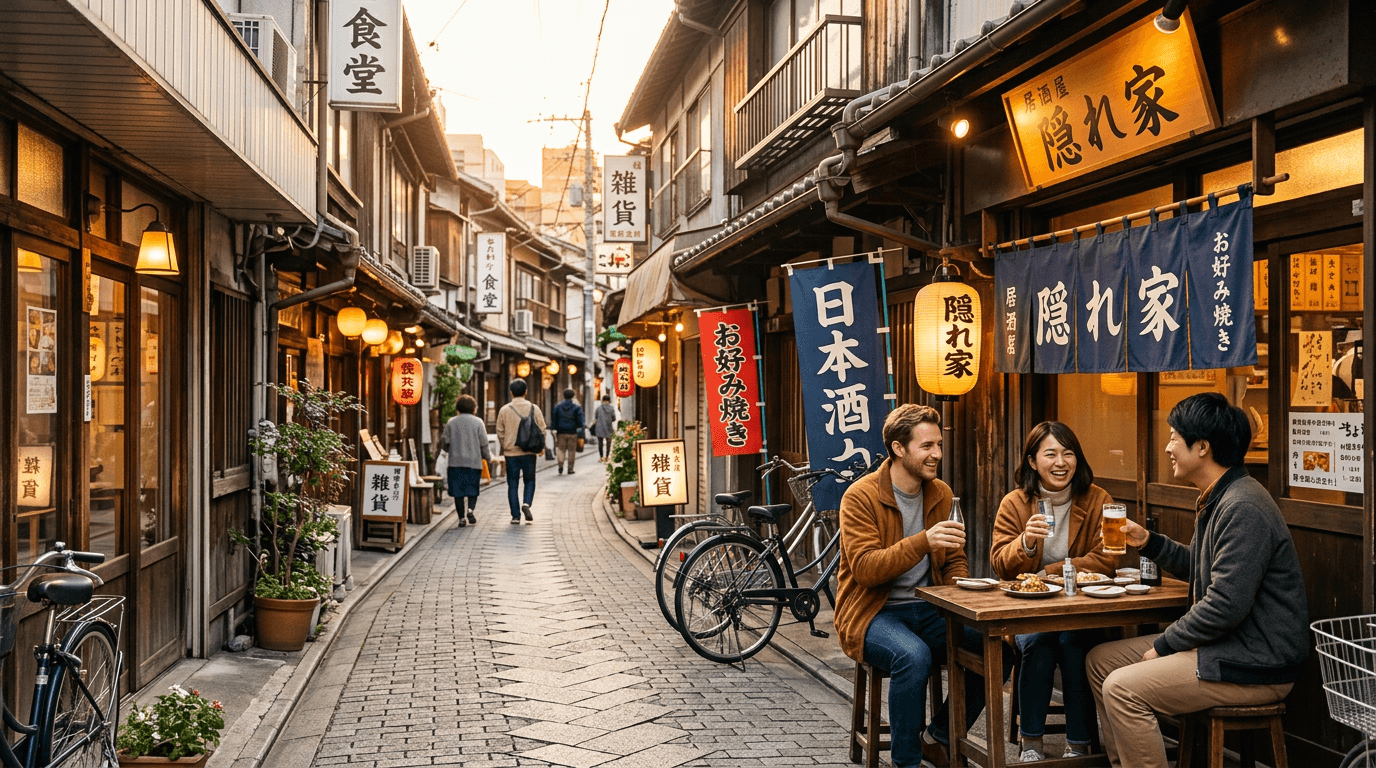
Exploring off the beaten path Japan means venturing beyond the 'Golden Route' of Tokyo, Kyoto, and Osaka to discover authentic, less-crowded destinations brimming with unique culture, stunning nature, and unforgettable local events. For a true escape, regions like the art-filled islands of Shikoku, the volcanic landscapes of Kyushu, and the historic heartland of Chugoku offer experiences that feel worlds away from the typical tourist trail. This guide is your ultimate key to unlocking Japan's secret spots, from remote mountain valleys to hidden neighborhoods in its biggest cities.
If you've ever dreamt of a Japan that exists beyond the postcard images of Shibuya Crossing and the Fushimi Inari gates, you've come to the right place. We're here to take you on a journey to a different Japan—a place of mist-shrouded valleys with ancient vine bridges, islands dedicated to contemporary art, and bustling port towns where the best meal of your life is served from a humble street stall. This isn't just about finding places with fewer tourists; it's about discovering experiences that are more personal, more immersive, and more connected to the true spirit of the country. At Gidly, we believe the best travel memories are made when you stumble upon a local festival, find a tiny bar where the owner spins vintage records, or hike a trail that leads to a breathtaking, uncrowded view. This comprehensive guide will equip you with the knowledge, insider tips, and inspiration to craft your own unique Japanese adventure for 2025 and beyond.
What "Off the Beaten Path" in Japan Truly Means in 2026
Defining "off the beaten path" in Japan is more complex than just pointing to a remote location on a map; it's about understanding different layers of tourism and what you truly seek from your adventure. In a country as popular and accessible as Japan, the concept has evolved. It’s a mix of geography, cultural awareness, and a mindset focused on discovering unique experiences rather than just ticking off landmarks. This section breaks down what it really means to get away from the crowds in Japan today, setting the stage for the incredible destinations that follow. It's about shifting your perspective from the what to the how and why of your travel.
Beyond the Golden Route: Defining the Tourist Trail (Tokyo, Kyoto, Osaka)
The "Golden Route" is the well-trodden path that connects Japan's three most famous cities: Tokyo, Kyoto, and Osaka, often with side trips to Hakone and Hiroshima. For decades, this has been the quintessential first-timer's itinerary, and for good reason—it’s packed with iconic sights, is incredibly efficient thanks to the Shinkansen (bullet train), and offers a fantastic cross-section of modern and traditional Japan. However, its immense popularity means you'll be sharing those experiences with millions of other international visitors. In 2026, "off the beaten path" begins the moment you decide to deviate from this superhighway of tourism. It could mean taking a different train line, exploring a neighboring prefecture, or simply choosing a different neighborhood within one of these major cities. For example, instead of staying near Shinjuku Station in Tokyo, you might opt for a guesthouse in the charming, retro Yanaka district. The key is to consciously step away from the gravitational pull of the Golden Route's most famous attractions and seek out the alternatives that lie just beyond.
Foreign Tourists vs. Domestic Tourists: Two Tiers of "Beaten Path"
A crucial distinction to make is between the path beaten by international tourists and the one favored by Japanese travelers. They are often two very different things. Places that are virtually unknown to foreigners can be wildly popular domestic holiday spots, complete with large hotels, tour buses, and souvenir shops. For instance, the Izu Peninsula is a beloved weekend getaway for Tokyoites but sees far fewer international visitors. Conversely, some spots hyped in Western guidebooks might be considered quaint but not essential by locals. Understanding this dynamic is key to managing your expectations. A place might be "off the beaten path" for a foreign tourist, but that doesn't guarantee you'll have it all to yourself, especially during Japanese national holidays like Golden Week in May or Obon in August. Our Gidly team recommends checking Japan's national holiday calendar before planning your trip to more remote, domestically popular areas to avoid peak Japanese travel times.
Is It Remote & Inaccessible, or Just Less Known? Setting Expectations
Many travelers equate "off the beaten path" with "difficult to get to." While this can be true for places like the remote Ogasawara Islands, it's often not the case. Many of Japan's most rewarding secret spots are surprisingly accessible, yet remain overlooked by international visitors simply due to a lack of English-language information or because they aren't on the JR Pass super-express lines. The Chugoku region, for example, is sandwiched between hyper-popular Kansai (Osaka/Kyoto) and Hiroshima, yet its stunning San'in Coast and historic towns see a fraction of the traffic. Sometimes, getting off the path is as simple as taking a local train instead of a Shinkansen, or renting a car for a day to explore the countryside around a major city. You don't always need to endure a multi-day trek to find authenticity; sometimes it’s just one train stop away, waiting to be discovered.
The Gidly Philosophy: Finding Unique *Experiences*, Not Just Places
Ultimately, the Gidly approach to "off the beaten path" travel is less about geography and more about your engagement with the destination. You can have a generic, tourist-bubble experience in a remote village, or you can find a truly unique, local experience in the heart of Tokyo. Our philosophy is to seek out the latter. This means looking for things to *do*, not just things to *see*. Instead of just photographing a temple, why not book a meditation session with a monk? Instead of just eating at a famous restaurant, why not take a cooking class focused on local cuisine? This guide is built around that idea. We'll introduce you to incredible regions, but more importantly, we’ll highlight the concerts, festivals, workshops, nightlife, and activities that will transform your trip from a sightseeing tour into a collection of unforgettable stories. Check the Gidly app to find these hyper-local events as you travel.
The Island of Spirits & Art: A Deep Dive into Shikoku
Shikoku, the smallest of Japan's four main islands, offers a perfect blend of ancient spirituality, world-class contemporary art, and breathtaking natural beauty, making it a prime destination for those looking to get off the beaten path. Largely bypassed by the bullet train network, the island has retained a slower, more traditional pace of life. Here, you can trace the footsteps of ancient pilgrims, immerse yourself in art installations that merge with the landscape, and explore deep, jungle-like valleys. From the exhilarating Awa Odori dance festival to the quiet contemplation of a temple stay, Shikoku provides a diverse and deeply rewarding Japanese experience.
The 88 Temple Pilgrimage: A Modern Backpacker's Journey
The Shikoku Henro, or 88 Temple Pilgrimage, is one of the oldest and most famous pilgrimages in the world. This 1,200-kilometer circular route connects 88 temples associated with the Buddhist monk Kōbō Daishi. While completing the entire circuit on foot takes one to two months, modern travelers have adapted the journey to fit their schedules. Many choose to visit a selection of temples by car, bus, or bicycle, or walk a smaller, scenic section over a few days. The experience is not just for the devout; it’s a journey through stunning coastal scenery, sleepy villages, and mountain forests. Staying in *shukubo* (temple lodgings) offers a chance to experience a monk's lifestyle, complete with vegetarian *shojin ryori* cuisine and morning prayers. It's a meditative and deeply personal way to connect with the island's spiritual heritage, and even visiting just one or two of these temples offers a profound sense of peace and history.
Naoshima, Teshima & Inujima: The Ultimate Art Islands Guide
In the Seto Inland Sea, just off the coast of Shikoku, lies a collection of islands that have been transformed into a world-renowned art destination. Naoshima is the most famous, home to the Benesse House Museum (a hotel and museum in one), the Chichu Art Museum's stunning Monet collection, and Yayoi Kusama's iconic pumpkins. But the magic doesn't stop there. A short ferry ride away, Teshima Island mesmerizes with the Teshima Art Museum, a single, breathtaking installation where water droplets emerge from the floor of a concrete shell. Inujima, the smallest of the main art islands, features the Seirensho Art Museum, which revitalized an old copper refinery. The Gidly team recommends renting an electric bicycle on Naoshima or Teshima to explore the outdoor sculptures and smaller art houses scattered across the islands at your own pace. This is not a sterile gallery experience; it's art that lives and breathes with the landscape, the sea, and the island communities.
Iya Valley: Vine Bridges, Deep Gorges, and Remote Onsen Hotels
Deep within Tokushima Prefecture lies the Iya Valley, a place of dramatic, mist-filled gorges, turquoise rivers, and a tangible sense of isolation. Historically a refuge for defeated clans, its remoteness has preserved a unique culture and landscape. The valley is famous for its *kazurabashi*, traditional vine bridges that sway precariously over the Iya River. While the main two are now reinforced with steel cables for safety, they still provide a thrilling crossing. For a truly wild experience, seek out the double bridges in Oku-Iya. After a day of exploring, there’s nothing better than soaking in a remote onsen. Many ryokans and hotels in the area, like the famed Hotel Iya Onsen, have outdoor baths with spectacular valley views, some accessible only by a private cable car that descends to the river floor. This is nature at its most raw and powerful.
Local Flavors: What to Eat & Drink in Shikoku (Sanuki Udon, Katsuo no Tataki)
Shikoku's relative isolation has fostered a distinct and delicious food culture. The island is a must-visit for any foodie looking to explore Japan's regional cuisines. Kagawa Prefecture, formerly known as Sanuki, is the undisputed king of udon. Here, you'll find *Sanuki Udon*, celebrated for its firm, chewy texture. Locals hop between shops, some no more than a simple kitchen and a few benches, to sample different preparations, from simple hot broth to cold noodles with a dipping sauce. In Kochi Prefecture, the local specialty is *Katsuo no Tataki*, or seared bonito tuna. Traditionally, the fish is quickly seared over a roaring straw fire, giving it a smoky aroma while leaving the inside raw. It's typically served with sliced garlic, salt, and a citrus-based ponzu sauce. Pair it with a dry local sake for a perfect meal. Also, look out for the region's abundant citrus fruits, especially yuzu and sudachi, which feature in everything from drinks to desserts.
Events & Festivals: Finding the Awa Odori Dance Festival and Other Local Happenings on Gidly
Shikoku truly comes alive during its festival season, offering some of Japan's most vibrant and participatory events. The most famous is the Awa Odori, held every August in Tokushima City. Hundreds of dance groups, or *ren*, clad in traditional costumes, parade through the streets to the sound of shamisen, flutes, and drums. The chant "It's a fool who dances and a fool who watches! If both are fools, you might as well dance!" captures the festival's infectious energy, and there are designated areas where spectators can join in. Beyond this massive event, countless smaller, local festivals happen year-round. From taiko drum performances in castle towns to harvest festivals in rural villages, these events offer an unparalleled window into local life. Keep an eye on Gidly's event listings for Shikoku; our team is constantly updating the app with information on these hyper-local celebrations, giving you the chance to stumble upon an unforgettable, authentic cultural experience during your trip.
Volcanoes, Onsens & History: Exploring the Kyushu Region
Kyushu, Japan's southernmost main island, is a land forged by fire and water, offering a dramatic landscape of active volcanoes, world-class hot springs, and a rich, complex history. From the ancient, moss-covered forests of Yakushima to the vibrant nightlife of Fukuoka and the poignant resilience of Nagasaki, Kyushu presents a different face of Japan. It’s an island of immense natural power, warm hospitality, and a food culture that is hearty and satisfying. For travelers seeking adventure, relaxation, and a deep connection to both nature and history, Kyushu is an unmissable off-the-beaten-path destination.
Yakushima Island: Ancient Forests and Studio Ghibli Landscapes
A designated UNESCO World Heritage site, Yakushima Island is a subtropical paradise that feels like stepping into a prehistoric world. Its dense forests are home to ancient cedar trees, known as *yakusugi*, some of which are estimated to be over 2,000 years old. The most famous, Jomon Sugi, requires a challenging 10-hour round-trip hike, a true pilgrimage for nature lovers. For a more accessible but equally magical experience, the Shiratani Unsuikyo Ravine offers a network of trails through a moss-covered wonderland that famously inspired the landscapes of Studio Ghibli's film *Princess Mononoke*. The island receives some of the highest rainfall in the world, creating a perpetually lush, green, and mystical atmosphere. Beyond hiking, you can enjoy sea kayaking, spot sea turtles nesting on the beaches (in season), and relax in natural seaside hot springs like Hirauchi Kaichu Onsen, which is only accessible at low tide.
Beppu & Kurokawa Onsen: A Connoisseur's Guide to Geothermal Hot Springs
Kyushu is Japan's onsen capital, and nowhere is this more evident than in Beppu. With the highest volume of hot spring water in the country, Beppu is a geothermal wonderland. The steam rising from vents all over the city is a sight to behold. While it offers countless baths to soak in, Beppu is also famous for its "Hells of Beppu" (*jigokuめぐり*), a tour of eight spectacular hot springs that are for viewing only, including the blood-red Chinoike Jigoku and the cobalt-blue Umi Jigoku. For a more tranquil and curated onsen experience, head inland to Kurokawa Onsen. This beautifully preserved riverside town has eschewed large hotels in favor of traditional ryokans. The town's innovative *Onsen Hopping Pass* (Rotenburo Meguri) allows you to purchase a wooden medallion (¥1,300) which grants access to three different outdoor baths of your choice from the town's participating ryokans. It's the perfect way to spend a day wandering in a yukata and sampling different types of mineral waters.
Fukuoka's Nightlife: A Tour of the Best Yatai Food Stalls and Cocktail Bars
Fukuoka, Kyushu's largest city, is a modern, dynamic metropolis with a legendary food and nightlife scene. Its most iconic feature is the *yatai*, open-air food stalls that pop up along the waterfront in the Nakasu and Tenjin areas every evening. Each yatai seats only a handful of people, creating an intimate and convivial atmosphere. You can hop between stalls sampling Hakata-style ramen, *yakitori* (grilled skewers), and *oden* (simmered hot pot dishes), all while chatting with the owner and fellow diners. It’s the soul of Fukuoka's social life. Beyond the yatai, the city's Daimyo district is packed with trendy boutiques, cafes, and some of Japan's best cocktail bars. Our team discovered Bar Kisling, a tiny, unassuming spot with a master bartender who creates works of art with seasonal fruits. Fukuoka offers a nightlife experience that feels more relaxed and accessible than Tokyo's, with a strong emphasis on good food and friendly conversation.
Nagasaki: A City of Resilience, History, and Hidden Christian Sites
Nagasaki's identity is forever linked to the tragic atomic bombing of 1945, and a visit to the Nagasaki Peace Park and Atomic Bomb Museum is a profound and essential experience. Yet, the city's story is one of incredible resilience and a much longer, more complex history. For centuries, Nagasaki was one of the very few ports open to foreign trade, making it a melting pot of Japanese, Chinese, and European influences. This is visible in its charming, sloping streets, colonial-era architecture in the Glover Garden, and vibrant Chinatown. The city was also the center of Japan's "Hidden Christians," who practiced their faith in secret during centuries of persecution. Exploring sites like the Oura Cathedral and the remote churches of the Goto Islands (a ferry ride away) offers a fascinating glimpse into this unique chapter of Japanese history. Nagasaki is a city that invites quiet contemplation and rewards those who take the time to uncover its many layers.
Getting Around Kyushu: Train Passes, Buses, and Rental Car Tips
Kyushu is a large island, and planning your transportation is key to a smooth trip. While the main cities like Fukuoka, Kumamoto, and Kagoshima are connected by the Kyushu Shinkansen, much of the island's charm lies in its more rural areas. The JR Kyushu Rail Pass is an excellent option, offering unlimited travel on JR trains for a set number of days. For accessing areas like Kurokawa Onsen or the interior of Aso-Kuju National Park, the extensive SunQ Bus Pass is often more convenient and economical. However, for ultimate freedom and flexibility, our team highly recommends renting a car. Driving in Kyushu (outside of Fukuoka's city center) is relatively stress-free. It allows you to stop at random scenic viewpoints, discover tiny local restaurants, and reach trailheads and remote onsen that are inaccessible by public transport. Remember to get an International Driving Permit (IDP) from your home country before you leave.
The Undiscovered Mainland: Secrets of the Chugoku Region
Often treated as mere flyover country between Kansai and Hiroshima, the Chugoku region is one of Japan's most underrated destinations, holding a treasure trove of cultural sites, artistic gems, and stunning coastal landscapes. This is the historic heartland of Japan, a place of myths, legends, and ancient shrines. From the bizarrely beautiful Tottori Sand Dunes to the hipster-cool streets of Onomichi and the perfectly preserved canals of Kurashiki, Chugoku offers a journey into a quieter, more contemplative Japan. Its location makes it a perfect addition to a longer trip, allowing you to peel off the main tourist artery and discover a world of authentic experiences.
San'in Coast: Tottori Sand Dunes and the Adachi Museum of Art
The northern San'in Coast, facing the Sea of Japan, feels like a different country altogether. Its crown jewel is the Tottori Sand Dunes, a surreal expanse of sand stretching for 16 kilometers along the coast. You can hike to the top of the tallest dunes for breathtaking sea views, try sandboarding, or even ride a camel for a quirky photo op. Nearby, the Sand Museum showcases incredible, large-scale sculptures made entirely of sand by artists from around the world. Further west in Shimane Prefecture is the Adachi Museum of Art. While its collection of modern Japanese art is superb, the main attraction is its garden, which has been named the best garden in Japan by the Journal of Japanese Gardening for over 20 consecutive years. The garden is designed to be viewed from inside the museum through panoramic windows, creating a series of "living paintings" that change with the seasons. It’s an absolute masterpiece of design and a must-see for any art or garden lover.
Izumo-taisha: Visiting One of Japan's Oldest and Most Important Shrines
Considered to be the oldest shrine in Japan, Izumo-taisha (Izumo Grand Shrine) holds a special place in the Shinto faith. It is dedicated to Okuninushi, the deity of good relationships and marriage. As legend has it, all 8 million Shinto gods from across Japan gather here for a meeting during the 10th month of the lunar calendar (usually November). The shrine's architecture is massive and imposing, reflecting a more ancient style than many other shrines in Japan. Its main hall, or *honden*, is the tallest in Japan, and the giant sacred straw rope (*shimenawa*) hanging over the entrance to the worship hall is a truly impressive sight. Unlike the brightly colored shrines of Kyoto, Izumo feels more somber, powerful, and deeply connected to the earth. The atmosphere is one of reverence and palpable history, making it a profoundly spiritual place to visit, regardless of one's own beliefs.
Onomichi: A Hipster Haven of Temples, Cafes, and Cat Alleys
Perched on a steep slope overlooking the Seto Inland Sea, Onomichi is a charming port town that has become a magnet for cyclists, artists, and creatives. The town is the starting point for the famous Shimanami Kaido, a 70-kilometer cycling route across six islands to Shikoku. But Onomichi itself is worth exploring for a day or two. Its "Temple Walk" is a winding path that connects 25 temples dotted along the hillside, offering stunning views and quiet moments of reflection. Interspersed between the temples are narrow alleys, many of which are famously inhabited by friendly stray cats. In recent years, old buildings and warehouses have been converted into stylish cafes, guesthouses, and boutiques. A prime example is the U2 Onomichi complex, a converted warehouse that now houses a hotel, restaurant, bakery, and a Giant bicycle shop, all under one chic, industrial roof. It's a town that perfectly blends old-world charm with a modern, relaxed vibe.
Okayama & Kurashiki: Japanese Gardens, Historical Canals, and a Castle Town Vibe
Just a short Shinkansen ride from Osaka, Okayama and its historic neighbor Kurashiki offer a perfect, easily accessible taste of off-the-beaten-path Japan. Okayama is home to Korakuen, one of Japan's "three great gardens." This spacious landscape garden features large ponds, walking paths, teahouses, and a beautiful view of Okayama Castle (the "Crow Castle") across the river. A 15-minute local train ride away is Kurashiki, a wonderfully preserved merchant town. Its Bikan Historical Quarter features a picturesque canal lined with weeping willows and traditional whitewashed, black-tiled warehouses (*kura*). These former rice storehouses have been converted into museums, cafes, and shops. You can take a gentle punt boat ride down the canal or simply wander the backstreets. Kurashiki is particularly magical in the evening when the crowds thin and the old-fashioned street lamps cast a warm glow on the water.
Yamaguchi Prefecture: Akiyoshido Cave and the Motonosumi Inari Shrine
At the westernmost tip of Honshu, Yamaguchi Prefecture is a true hidden gem, packed with spectacular and often surreal sights. Akiyoshido Cave is one of the largest limestone caves in Japan, a vast underground world with a well-maintained walking path that takes you past terraced pools, underground rivers, and massive caverns. Above the cave lies the Akiyoshidai Plateau, a rolling karst landscape dotted with limestone outcrops that is perfect for hiking. But perhaps the prefecture's most photogenic spot is the Motonosumi Inari Shrine. Perched on a cliff overlooking the Sea of Japan, it features a trail of 123 red torii gates that wind their way down towards the ocean. Unlike the crowded Fushimi Inari in Kyoto, you'll likely have this breathtaking view almost to yourself. The shrine is also famous for its offering box, which is located at the top of the main gate, requiring visitors to successfully toss their coins upwards to make a donation—a fun and unique challenge.
The Complete Guide to Off the Beaten Path Japan for Solo Travelers
Japan is arguably one of the best countries in the world for solo travel, and its off-the-beaten-path destinations amplify this experience, offering profound opportunities for self-reflection, genuine connection, and pure adventure. Traveling alone in rural Japan allows you to move at your own pace, be more approachable to locals, and embrace the serendipity of the road. From the communal spirit of a guesthouse to the quiet contemplation of a mountain hike, these less-traveled regions are perfectly suited for the independent adventurer. This guide is tailored for those embarking on a journey of one, providing top picks, practical tips, and the confidence to explore deeper.
Top Picks for Solo Adventures: Guesthouses in Onomichi, art in Naoshima, hiking in Yakushima
Certain destinations are exceptionally well-suited for solo travelers. Onomichi, with its vibrant guesthouse scene, is a fantastic place to meet other travelers and cyclists before or after tackling the Shimanami Kaido. Places like the Anago no Nedoko guesthouse offer cozy, communal atmospheres. The art islands of Naoshima and Teshima are perfect for solitary exploration; art is a personal experience, and wandering through the museums and outdoor installations at your own pace is a joy. Renting an e-bike allows for complete freedom. For the more adventurous solo traveler, Yakushima Island offers a powerful connection with nature. The challenge of a long hike like the one to Jomon Sugi is often a communal experience, with fellow hikers sharing greetings and encouragement along the path. The sense of accomplishment and the sheer majesty of the ancient forest make for a deeply rewarding solo journey.
Solo Dining & Nightlife: How to Confidently Enjoy Izakayas and Bars Alone
The idea of dining or drinking alone can be daunting for some, but in Japan, it's completely normal and often encouraged. Many establishments are designed for it. Look for restaurants with counter seating (*kauntaa-seki*), where you can watch the chef at work and easily strike up a conversation if you wish. *Izakayas* (Japanese pubs) are fantastic for solo diners; the atmosphere is lively, and you can order a variety of small plates. Don't be afraid to walk into a tiny, local-looking spot. A simple "Hitori desu" ("I'm alone") will usually be met with a welcoming smile. In cities like Fukuoka, the yatai food stalls are a solo traveler's dream, offering instant community. For nightlife, seek out Japan's famous small-format bars, especially vinyl bars or cocktail bars in districts like Daimyo in Fukuoka or Shinjuku's Golden Gai in Tokyo. Many of these places seat fewer than ten people, and the master (bartender/owner) often acts as a host, facilitating a friendly, intimate atmosphere.
Safety Tips & Practical Advice for the Solo Adventurer in Rural Japan
Japan is an incredibly safe country, even in its most remote corners. The biggest "dangers" you're likely to face are logistical, not criminal. However, a few precautions are always wise. Always let someone know your itinerary, even if it's just the staff at your guesthouse. For hiking, especially in areas with bears like Tohoku or Hokkaido, carry a bear bell and know the local safety recommendations. When driving, be aware of narrow rural roads and wildlife. Perhaps the most crucial piece of advice is to be prepared for limited connectivity and language barriers. Download offline maps and a translation app. Carry a portable battery charger for your phone. Have the address of your accommodation written in Japanese. Most importantly, don't be afraid to ask for help. A lost-looking tourist will almost always be met with immense kindness and a genuine desire to assist, often leading to memorable encounters.
Finding Solo-Friendly Events, Classes, and Workshops on Gidly
One of the best ways to connect with a place and meet people as a solo traveler is by joining a local event or workshop. This is where Gidly becomes an indispensable tool. Instead of just wandering aimlessly, you can actively find experiences that align with your interests. Use the Gidly app to search for local art gallery openings, live music at a small cafe, or even a community taiko drumming practice. Many rural areas offer fantastic hands-on workshops that are perfect for individuals. Think about a pottery class in a ceramics town like Bizen (near Okayama), a sake tasting at a brewery in Fushimi (Kyoto), or a traditional paper-making (*washi*) workshop. These activities not only teach you a new skill but also provide a natural, structured environment to interact with locals and other travelers, turning a solo trip into a socially rich and engaging adventure.
Unforgettable Family Adventures: Off the Beaten Path Japan with Kids
Taking your family off the beaten path in Japan opens up a world of engaging, hands-on experiences that go far beyond the typical theme parks. It's an opportunity to create lasting memories while immersing your kids in nature, culture, and adventure in a way that is fun for all ages. Japan's incredible safety, convenient transport, and focus on community make it a surprisingly family-friendly destination, even in its more remote regions. From sandy adventures to cycling across seas, these hidden gems offer a refreshing alternative for a family vacation.
Beyond Disneyland: Engaging Activities like the Tottori Sand Museum and Cycling the Shimanami Kaido
The best off-the-beaten-path destinations in Japan for families are those that offer interactive, multi-sensory experiences. Instead of just looking at things, kids can get their hands dirty and their bodies moving. The Tottori Sand Dunes are a perfect example; what kid wouldn't love running up and down a giant natural sandbox? The adjacent Sand Museum, with its colossal and intricate sand sculptures, will captivate imaginations of all ages. For active families, cycling a portion of the Shimanami Kaido is an unforgettable adventure. The dedicated bike paths are safe and well-marked, and you can rent a variety of bikes, including tandems and kids' bikes. The thrill of cycling over massive bridges high above the sea is an experience your family will talk about for years. Other great options include exploring the Akiyoshido Cave in Yamaguchi, which feels like entering a fantasy world, or visiting the monkey park in Arashiyama, Kyoto, for an up-close wildlife encounter.
Family-Friendly Stays: Ryokans with Private Baths and spacious Minshuku
Choosing the right accommodation is crucial for a successful family trip. While city hotels can be cramped, rural Japan offers fantastic alternatives. Many ryokans (traditional inns), especially in onsen towns, offer larger rooms and family plans. Look for ryokans with *kazoku-buro* or *kashikiri-buro* (private, reservable family baths). This allows your family to experience a Japanese hot spring together in a private setting, avoiding the etiquette concerns of public baths. Another excellent option is a *minshuku*, a family-run guesthouse that is more casual and affordable than a ryokan. Staying in a minshuku can feel like being welcomed into a Japanese home, often including delicious home-cooked meals and interaction with the host family. For more space and flexibility, consider renting a whole house or a modern villa, especially for longer stays or larger families. These are becoming more common in popular rural tourist spots and offer the convenience of a kitchen and separate living areas.
Logistical Tips: Navigating Japan with Strollers and Young Children
Navigating Japan with little ones requires a bit of extra planning, but it's very manageable. While major train stations have elevators, many smaller, rural stations may only have stairs. A lightweight, collapsible stroller or a good baby carrier is your best friend. Be prepared to carry the stroller up and down stairs occasionally. On trains, there are often designated priority seats and space for strollers at the end of the carriages. When it comes to food, Japan is a paradise for kids. Udon noodles, rice balls (*onigiri*), grilled chicken skewers (*yakitori*), and Japanese curry are all mild and kid-approved. Most restaurants are accommodating, but high chairs are not always available. Don't underestimate the power of the *konbini* (convenience store) for easy, healthy snacks and drinks. Finally, Japan's public restroom facilities are generally excellent and clean, and many have changing tables, even in surprising places like train stations and parks.
Romantic Getaways: Hidden Gems for Couples & Date Nights
For couples seeking to escape the everyday and reconnect, off the beaten path Japan offers an abundance of incredibly romantic settings and experiences. It’s a chance to trade crowded cityscapes for serene landscapes, shared moments of discovery, and the intimate luxury of traditional Japanese hospitality. From a private soak in a mountain hot spring to a stroll through a lantern-lit historic district, these hidden gems provide the perfect backdrop for creating memories together. This is where you'll find the quiet, beautiful moments that define a truly romantic getaway.
A Perfect Date Itinerary: Private Onsen & Kaiseki Dinner in Kurokawa
For the ultimate romantic escape, nothing beats a stay in a traditional ryokan in a town like Kurokawa Onsen. Imagine this perfect day: you arrive in the charming, yukata-clad town and check into your ryokan. You reserve the private outdoor onsen (*kashikiri-rotenburo*) for an hour, allowing you to soak together in the therapeutic mineral waters while surrounded by nature—be it a lush forest, a babbling brook, or a snowy landscape. After your relaxing bath, you change into fresh yukatas provided by the inn and are served a multi-course *kaiseki* dinner in the privacy of your own room. Each dish is a work of art, showcasing seasonal, local ingredients. The evening is spent enjoying the exquisite food, sipping sake, and having uninterrupted conversation. It’s an experience that engages all the senses and embodies the Japanese concept of *omotenashi*, or wholehearted hospitality, creating an intimate and unforgettable memory.
Strolling Through History: The preserved Geisha districts of Kanazawa or Takayama
While Kyoto's Gion district is famous, it can also be overwhelmingly crowded. For a more relaxed and arguably more authentic atmosphere, head to the preserved historical districts of Kanazawa or Takayama. Kanazawa's Higashi Chaya District is a beautifully preserved geisha district with latticed wooden buildings housing teahouses, craft shops, and cafes. In the evening, the streets are lit by soft lanterns, and you might hear the faint sound of a shamisen from an exclusive teahouse. Hida-Takayama in the Japanese Alps offers a similar vibe with its Sanmachi Suji district, a collection of streets lined with Edo-period wooden merchants' houses, many of which are now sake breweries. Strolling hand-in-hand through these atmospheric streets, stopping for a cup of matcha or a sake tasting, feels like stepping back in time. It’s a simple, elegant, and deeply romantic way to spend an afternoon and evening together.
Unique Couple's Activities: Pottery Classes, Sake Tastings, and Scenic Coastal Drives
Creating something together or sharing a new experience can be incredibly bonding. Off the beaten path Japan is full of such opportunities. In a pottery town like Bizen or Mashiko, you can take a private or small-group pottery class, trying your hand at the wheel and creating a unique, if wobbly, souvenir of your trip. Visiting a local sake brewery for a tasting tour is another fantastic couple's activity. You'll learn about the intricate process of brewing Japan's national drink and get to sample different varieties, discovering your shared favorites. For couples who love the open road, renting a car and taking a scenic coastal drive is a must. The Izu Peninsula near Tokyo or the coast of the Noto Peninsula offer stunning ocean views, charming fishing villages, and plenty of secluded spots to pull over and enjoy the scenery. These shared activities are about more than just the end product; they're about the fun, the laughter, and the shared discovery along the way.
Finding Secluded Spots: Secret Beaches and Mountaintop Lookouts
Part of the romance of travel is finding those quiet, beautiful places where it feels like you're the only two people in the world. Japan has these in spades if you know where to look. Instead of the crowded beaches of Okinawa's main island, seek out the pristine, white-sand beaches of the smaller Yaeyama or Kerama islands, where you can often find a stretch of sand all to yourselves. In the mountains, many destinations have spectacular viewpoints that are far less crowded than their famous counterparts. For example, instead of the packed observation decks in Tokyo, consider a hike up Mount Misen on Miyajima Island for panoramic views of the Seto Inland Sea, especially beautiful at sunset after the day-trippers have left. Ask the staff at your ryokan or a local tourist office for their favorite *anaba*, or "secret spot." Locals are often proud to share their hidden gems, leading you to a secluded waterfall, a cherry blossom-lined riverbank, or a mountaintop lookout with a view that's all your own.
Group Trips & Adventures with Friends
Traveling with friends in Japan opens up a whole new dimension of fun, with shared adventures, communal meals, and late-night laughs. Getting your group off the beaten path allows you to bond over unique challenges and discoveries, whether it's conquering a ski slope, navigating a food market, or trying to decipher a local bus schedule. These less-traveled regions offer fantastic opportunities for activity-based trips, vibrant but accessible nightlife, and unique accommodations that are perfect for a crew. Planning a group trip requires a bit more coordination, but the shared memories are more than worth the effort.
Activity-Focused Trips: Skiing in Hakuba, Surfing in Miyazaki, Cycling the Shimanami Kaido
Building a trip around a shared activity is a great way to structure a group adventure. For winter sports enthusiasts, Hakuba in the Japanese Alps offers some of the best skiing and snowboarding in the country, with a variety of resorts to suit different skill levels and a lively village atmosphere for après-ski. In the summer, head to Miyazaki in southern Kyushu, Japan's surf capital. The warm water and consistent waves make it a great place for both beginners and experienced surfers, with a laid-back, beach-town vibe. The ultimate group cycling trip is the Shimanami Kaido. The 70km route is manageable over two days, with plenty of fun stops, great food, and amazing views. The sense of accomplishment when your whole crew rolls into the final destination is epic. These trips provide a natural focus, making it easy to plan your days and ensuring everyone has a common goal and a great time achieving it.
Nightlife Beyond Tokyo: Fukuoka's yatai scene and Osaka's deep-cut vinyl bars
While Tokyo's nightlife is legendary, it can also be overwhelming and expensive for a group. Other cities offer more intimate and often more memorable experiences. Fukuoka's yatai food stalls are a perfect playground for a group of friends. You can hop from stall to stall, ordering different plates to share, and the close quarters make for easy conversation and a fun, communal atmosphere. It's a dinner and a night out all in one. For a different vibe, dive into Osaka's less-touristy nightlife scenes. While Dotonbori is the famous bit, neighborhoods like Amerika-mura and Nakazakicho are filled with cooler, more specific venues. Our team loves hunting for tiny, deep-cut vinyl bars (*record bars*) where audiophile owners spin rare funk, soul, and jazz on incredible sound systems. These small, passionate venues are great for a group to take over for a few hours, sharing a love for music over expertly made drinks.
Group-Friendly Stays: Renting a Traditional Machiya or a Modern Villa
Finding accommodation for a group can be tricky, but Japan offers some fantastic options beyond squeezing into multiple hotel rooms. In historic cities like Kyoto, Kanazawa, or Kurashiki, consider renting an entire traditional townhouse, or *machiya*. These beautifully restored wooden homes often come with multiple bedrooms, a small kitchen, and a common living area, allowing your group to stay together under one roof. It's a unique cultural experience and often more cost-effective than booking separate rooms. In more rural or coastal destinations like the Izu Peninsula or parts of Kyushu, you can find modern rental villas with stunning views, private onsens, and large decks perfect for a group barbecue. Having a shared space where you can all hang out, cook a meal together, and recap the day's adventures is what makes a group trip truly special.
Planning & Logistics: Splitting costs and booking for a group of 4+
The key to a successful group trip is clear planning and communication. Start with a shared document or app to track your itinerary and budget. Use apps like Splitwise to easily track shared expenses and settle up at the end. When booking for a group of four or more, it pays to book well in advance, especially for popular accommodations or train seats during peak season. For restaurants, it's always a good idea to make a reservation, as many smaller Japanese establishments can't accommodate a large walk-in group. On trains, try to book seats together if possible. One of the biggest challenges can be differing travel styles and budgets within the group. Have an open conversation about this from the start. Build free time into your itinerary so people can split off and do their own thing, then regroup for dinner. A little planning goes a long way in ensuring a smooth, drama-free, and incredibly fun trip for everyone.
The Budget Traveler's Guide to Secret Japan
Traveling in Japan has a reputation for being expensive, but venturing off the beaten path can dramatically change that equation. Once you escape the tourist pricing of the Golden Route, you'll find that food, accommodation, and activities become significantly more affordable. With a bit of local knowledge and some clever planning, exploring the hidden gems of Japan on a tight budget is not only possible but also an incredibly rewarding and authentic way to travel. This guide will show you how to eat well, travel smart, and sleep cheap while discovering the country's best-kept secrets.
Free & Cheap Things To Do: Shrines, Parks, and Local Markets
Some of the best experiences in Japan cost very little or nothing at all. Most Shinto shrines are free to enter (though major Buddhist temples often have a small entrance fee for the main hall). You can spend hours wandering the grounds of a place like Izumo-taisha or a local neighborhood shrine, soaking in the atmosphere. Public parks are another fantastic free resource. From sprawling landscape gardens like Korakuen in Okayama (which has an entrance fee, but is worth it) to local city parks perfect for people-watching, they offer a welcome respite. Exploring local markets, like a morning fish market in a coastal town or a Sunday market in a city square, is a vibrant and free activity. You'll get a fascinating glimpse into local life, see regional produce, and maybe find some cheap and delicious street food snacks. Hiking is also almost always free, and Japan's mountains and coastlines are crisscrossed with well-maintained trails.
Eating Well for Less: Konbini Hacks, Supermarket Feasts, and Local Shokudo
Food is one of the great joys of Japan, and you don't need a big budget to enjoy it. Your first stop should be the holy trinity of Japanese convenience stores: 7-Eleven, Family Mart, and Lawson. These are not your average convenience stores; they offer an incredible array of high-quality, delicious, and cheap meals. From perfect onigiri (rice balls) for ¥150 to hot and crispy fried chicken, noodle bowls, and bento boxes, you can assemble a fantastic meal for under ¥1,000. Another pro-tip is to visit the basement food hall (*depachika*) of a department store or a local supermarket about an hour before closing. You'll find gourmet bento boxes, sushi, and salads marked down by 50% or more. For a hot meal, look for a local *shokudo*, a no-frills diner serving Japanese comfort food set meals (*teishoku*) for around ¥800-¥1,200. These usually include a main dish, rice, miso soup, and pickles—a perfectly balanced and filling meal.
Transportation on a Dime: Highway Buses, Regional Train Passes, and When to Hitchhike
The Japan Rail Pass is great, but it's not always the most economical option, especially if you're traveling slowly in one region. For long-distance travel between cities, highway buses (like Willer Express) are significantly cheaper than the Shinkansen, especially if you take an overnight bus and save on a night's accommodation. Within a region, look for regional train passes offered by JR Kyushu, JR Shikoku, etc., which are much cheaper than the nationwide pass. For ultimate budget travel, hitchhiking (*hitchi-haiku*) is a viable, though uncommon, option in rural Japan. It's considered very safe, and drivers are often curious and kind to foreigners. It's best for shorter distances, like getting from a train station to a remote trailhead. Have your destination written in Japanese on a sign, and be patient. It’s a great way to meet locals and have an unexpected adventure.
Finding Affordable Stays: Hostels, Manga Kissa, and Net Cafes
Accommodation is often the biggest expense, but there are plenty of budget-friendly options. Hostels and guesthouses are common in most tourist areas, offering dorm beds for ¥2,500-¥4,000 per night. They are a great way to meet other travelers. For a uniquely Japanese and ultra-cheap option, consider a *manga kissa* or internet cafe. These 24-hour establishments offer private booths with a reclining chair or flat mat, a computer, and access to a vast library of manga. For around ¥2,000-¥3,000 for an overnight "pack," you get a place to sleep, plus access to showers and free soft drinks. It's not luxurious, but it's an experience. In some areas, you can also find temple lodgings (*shukubo*) or farm stays that can be affordable and offer an incredible cultural exchange. Always compare prices, as sometimes a small business hotel deal can be competitive with a private room in a hostel.
Secret Spots in Plain Sight: Non-Touristy Tokyo, Kyoto & Osaka
Getting off the beaten path doesn't always mean leaving Japan's major cities. In fact, some of the most rewarding discoveries are the hidden neighborhoods and quiet corners that exist just a few subway stops away from the world-famous landmarks of Tokyo, Kyoto, and Osaka. Escaping the crowds in these mega-cities is simply a matter of knowing where to look. By exploring these local-favorite districts, you can experience a completely different side of urban Japan—one that's more relaxed, authentic, and full of unique charm.
Tokyo Deep Dives: Yanaka's old-town charm, Shimokitazawa's vintage scene, Kichijoji's park life
You can get away from the crowds in Tokyo by exploring its residential neighborhoods, each with its own distinct personality. Skip the Shibuya Scramble for an afternoon and head to Yanaka. This area miraculously survived the WWII bombings, leaving it with a charming, old-Tokyo feel. The main shopping street, Yanaka Ginza, is a throwback to the Showa era, filled with small shops selling everything from croquettes to handmade goods. For a trendier, bohemian vibe, dive into Shimokitazawa. This neighborhood is a labyrinth of narrow streets packed with vintage clothing stores, independent record shops, and quirky cafes. It's the heart of Tokyo's youth culture and a paradise for thrift shoppers. If you're craving a bit of green space and a relaxed, family-friendly atmosphere, head west to Kichijoji. Consistently voted one of Tokyo's most desirable places to live, it's centered around the beautiful Inokashira Park and boasts a fantastic mix of department stores, covered shopping arcades, and tiny, atmospheric bars in the Harmonica Yokocho alley.
Kyoto's Hidden Side: Arashiyama's backstreets, Nishijin textile district, Fushimi sake district
Kyoto can feel like a city bursting at the seams with tourists, but there are still pockets of tranquility to be found. The Arashiyama Bamboo Grove is famously packed, but if you arrive at sunrise or explore the backstreets and smaller temples away from the main drag, you'll find a peaceful, magical world. The nearby Sagano-Toriimoto Preserved Street feels like a different era entirely. Instead of fighting the crowds at Nishiki Market, explore the Nishijin district in northern Kyoto. This is the traditional weaving center of the city, where high-end kimono textiles are made. You can visit the Nishijin Textile Center to see weaving demonstrations or simply wander the quiet streets where the clacking sound of looms still echoes from the houses. For a different kind of sensory experience, head south to the Fushimi sake district. Home to dozens of breweries, including the Gekkeikan Okura Sake Museum, you can spend an afternoon strolling along the willow-lined canal, hopping between breweries for tastings, and enjoying a side of Kyoto that many visitors miss.
Underrated Osaka: The retro-futurism of Shinsekai, Nakazakicho's indie boutiques, and the Expo '70 Park
Osaka is known for its boisterous, food-obsessed culture, centered around Dotonbori and Shinsaibashi. But the city has so much more to offer. For a journey into a strange and wonderful past, visit Shinsekai. This "New World" district was developed in the early 20th century and is now a glorious, slightly gritty, retro-futuristic time capsule, anchored by the Tsutenkaku Tower. It's famous for its *kushikatsu* (deep-fried skewers) restaurants and old-school pachinko parlors. Just a short walk from the bustling Umeda station is Nakazakicho, a quiet neighborhood of preserved wooden houses and narrow alleys that has become a hub for artists and designers. Here you'll find tiny, independent boutiques, art galleries, and charming cafes, each with its own unique character. For a truly off-the-beaten-path experience, take the subway out to the Expo '70 Commemorative Park, site of the 1970 World's Fair. It's a massive park featuring beautiful gardens, museums, and the iconic, surreal Tower of the Sun statue by artist Taro Okamoto. It's a fantastic, uncrowded place to spend a day.
Comparison Battle: Shikoku vs. Kyushu vs. Chugoku?
Choosing your first off-the-beaten-path adventure in Japan can be a tough decision. The regions of Shikoku, Kyushu, and Chugoku each offer a distinct flavor of Japan, with unique strengths and attractions. To help you decide which is the right fit for your travel style, we've broken them down in a head-to-head comparison. Whether you're an art lover, a nature enthusiast, a history buff, or a foodie, this guide will help you pinpoint the perfect destination for your next journey beyond the Golden Route.
Comparison Table: Vibe & Atmosphere (Arty vs. Natural vs. Historic)
Each region has a palpable and distinct atmosphere that defines the travel experience. Shikoku feels like a world apart, a blend of spiritual introspection and bold, modern creativity. It's a place for slowing down, whether on a pilgrimage route or while contemplating an art installation. Kyushu is defined by the raw power of nature; its volcanoes, lush forests, and steaming hot springs create a dynamic and adventurous backdrop. It feels wilder and more elemental. Chugoku, sandwiched between more famous regions, feels like uncovering a secret history. Its vibe is more contemplative and traditional, a journey into the myths, crafts, and beautifully preserved townscapes that form the bedrock of Japanese culture.
| Region | Vibe & Atmosphere | Keywords |
|---|---|---|
| Shikoku | Spiritual, artistic, and rural. A slower pace of life with a strong connection to both ancient pilgrimage traditions and cutting-edge contemporary art. Feels serene and creative. | Art Islands, Pilgrimage, Valleys, Udon, Secluded |
| Kyushu | Dynamic, natural, and powerful. Defined by active volcanoes, abundant hot springs, dramatic coastlines, and a hearty food culture. Feels adventurous and elemental. | Volcanoes, Onsen, Forests, Ramen, History |
| Chugoku | Historic, tranquil, and undiscovered. A journey through myths, legends, perfectly preserved towns, and stunning coastal scenery. Feels contemplative and authentic. | Shrines, Gardens, Castles, Coastline, Crafts |
Comparison Table: Best For... (Solo, Family, Foodie, Hiker, Art Lover)
While any traveler can find something to love in each region, their unique characteristics make them particularly well-suited for certain types of trips. An art lover would be in heaven island-hopping in Shikoku's Seto Inland Sea. A family looking for accessible adventure might prefer the variety of activities in Kyushu, from volcanoes to beaches. A solo traveler seeking quiet contemplation and beautiful scenery could thrive in the historic towns and coastal paths of Chugoku. This table is a starting point to match your travel persona with the right destination. Of course, the best trips often combine these elements, but knowing the core strengths of each region can help you prioritize.
| Traveler Type | Shikoku | Kyushu | Chugoku |
|---|---|---|---|
| Art Lover | Unbeatable (Naoshima, Teshima) | Good (Beppu contemporary art) | Excellent (Adachi Museum) |
| Hiker / Nature | Good (Iya Valley) | Excellent (Yakushima, Kirishima) | Good (Daisen, Sand Dunes) |
| Foodie | Excellent (Udon, Seared Bonito) | Unbeatable (Ramen, Yatai) | Good (Oysters, Local Sake) |
| Family | Good (Cycling, Whirlpools) | Excellent (Volcanoes, Zoos) | Excellent (Sand Dunes, Kurashiki) |
| Solo Traveler | Excellent (Pilgrimage, Guesthouses) | Good (Onsen hopping, City life) | Excellent (Onomichi, Temple stays) |
Comparison Table: Accessibility & Travel Time from Tokyo/Osaka
Logistics are a major factor in planning any trip. How easy is it to get there, and how much time will you spend in transit? Kyushu is the most accessible of the three, thanks to the Shinkansen line running to its major cities and Fukuoka's major international airport. Chugoku is also very easy to access, with many of its key sites like Okayama and Kurashiki just a short train ride from Osaka. Shikoku is famously the most "difficult" to reach, as it's not connected to the main Shinkansen network. This is a big part of its off-the-beaten-path charm, but it requires more planning with local trains, buses, or flights. For travelers short on time, Kyushu or Chugoku are safer bets. For those with more time to spare, the journey to Shikoku is part of the adventure.
| Region | From Tokyo | From Osaka | Best Transport |
|---|---|---|---|
| Shikoku | ~4-5 hours (Train to Okayama + Marine Liner) or 1.5 hr flight | ~2-3 hours (Train to Okayama + Marine Liner) or Highway Bus | Train/Bus combo, Rental Car on island |
| Kyushu (Fukuoka) | ~5 hours (Shinkansen) or 2 hr flight | ~2.5 hours (Shinkansen) | Shinkansen, Flights, Regional Passes |
| Chugoku (Okayama) | ~3.5 hours (Shinkansen) | ~45 mins (Shinkansen) | Shinkansen, Local Trains |
Comparison Table: Average Costs (Accommodation, Food, Transport)
While all three regions are generally more affordable than the Tokyo-Kyoto corridor, there are nuances in cost. Kyushu's major cities like Fukuoka can have prices similar to other large Japanese cities, but costs drop significantly once you're in the countryside. Its excellent and affordable food scene, especially ramen and yatai, makes it a great value destination. Shikoku can be very budget-friendly, especially for those walking the pilgrimage and staying in simple guesthouses. The art islands can be pricey for accommodation, so booking in advance is key. Chugoku offers a good middle ground, with affordable business hotels and minshuku, and reasonably priced food. Transportation costs will be a major factor in all three, so choosing the right regional pass or considering a rental car is crucial for managing your budget.
| Cost Category | Shikoku | Kyushu | Chugoku |
|---|---|---|---|
| Accommodation (Mid-range) | ¥8,000 - ¥15,000 / night | ¥9,000 - ¥18,000 / night | ¥8,000 - ¥16,000 / night |
| Meal (Local restaurant) | ¥800 - ¥1,500 | ¥700 - ¥1,400 | ¥900 - ¥1,600 |
| Internal Transport | Moderate (Buses, ferries add up) | High (Large island, passes needed) | Moderate (Local trains are key) |
| Overall Budget Friendliness | High | Very High (esp. for food) | High |
A Seasonal Calendar for the Discerning Traveler
Japan is a country of four distinct and beautiful seasons, and traveling off the beaten path allows you to experience them in a more intimate and spectacular way, far from the biggest crowds. Each season offers unique phenomena, festivals, and foods that are specific to certain regions. Planning your trip around these seasonal events can elevate your journey from a great vacation to an unforgettable life experience. Here’s a guide to what to see and do throughout the year in Japan's hidden corners, helping you chase the best of each season.
Spring: Chasing lesser-known cherry blossom spots (Hirosaki Castle, Kakunodate)
Spring in Japan is synonymous with cherry blossoms (*sakura*), but you don't have to battle the crowds in Kyoto and Tokyo to see them. In fact, some of the most breathtaking displays are found elsewhere. The Tohoku region, in northern Honshu, is a prime destination for late-blooming sakura. Hirosaki Castle in Aomori Prefecture is considered one of the best spots in the entire country, with over 2,500 trees, blossom-filled moats you can row a boat in, and beautiful evening illuminations. The former samurai district of Kakunodate in Akita Prefecture is famous for its magnificent weeping cherry trees (*shidarezakura*) that frame the historic samurai houses. Because these spots bloom later than the Golden Route (typically late April to early May), they are also less crowded with international tourists. Another great option is Mount Yoshino in Nara, where thousands of cherry trees cover the mountainside, creating a pink and white sea of blossoms.
Summer: Finding unique local festivals (Nebuta Matsuri, local Obon dances)
Japanese summer is hot, humid, and bursting with energy, thanks to a packed calendar of festivals (*matsuri*). While Kyoto's Gion Matsuri is famous, the most spectacular summer festivals are arguably in the Tohoku region. The Aomori Nebuta Matsuri (early August) is a jaw-dropping spectacle of massive, illuminated paper floats depicting gods and warriors, paraded through the streets by raucous, chanting teams. The Akita Kanto Matsuri features performers balancing huge bamboo poles laden with dozens of paper lanterns. For a more participatory experience, look for local Obon festivals, which take place all over Japan in July and August. These festivals honor ancestral spirits and usually culminate in a *Bon Odori*, a community folk dance held in the grounds of a temple or in a public park. Anyone is welcome to join the circle and follow along. It's a wonderful, heartwarming way to connect with local culture.
Autumn: Escaping the crowds for fall foliage in Tohoku's national parks
While Kyoto's temples are stunning amidst the autumn colors (*koyo*), they are also incredibly crowded. For a more immersive fall foliage experience, head to Japan's mountains and national parks. The vast, wild landscapes of the Tohoku region offer some of the most vibrant and expansive autumn colors in the country. The Oirase Stream in Aomori, a crystal-clear river flowing through a forest of brilliant reds, yellows, and oranges, is a perfect autumn hike. The Hachimantai mountains, spanning Akita and Iwate prefectures, offer stunning scenic drives and numerous onsen to relax in after a day of leaf-peeping. The Japanese Alps (Nagano, Gifu) are another top destination, with places like Kamikochi offering postcard-perfect views of snow-capped peaks, golden larch trees, and turquoise rivers. The foliage season moves from north to south, starting in Hokkaido in September and reaching Kyushu in late November, giving you a wide window to catch the colors.
Winter: Zao's snow monsters, Hokkaido's ice festivals, and the ultimate onsen escape
Winter in Japan is a magical season of snow, steam, and celebration. In the mountains of Yamagata, you can witness the surreal phenomenon of *juhyo*, or "snow monsters," at Zao Onsen. Heavy snowfall and freezing winds plaster the trees on the upper slopes of the mountain, creating bizarre and beautiful monster-like shapes, which you can see via ropeway or by skiing among them. Further north, the island of Hokkaido is a winter wonderland, famous for the Sapporo Snow Festival with its enormous snow and ice sculptures. For the ultimate winter experience, combine the snow with a hot spring. Soaking in an outdoor onsen (*rotenburo*) while fat snowflakes fall gently around you is one of the most sublime and quintessentially Japanese experiences you can have. Towns like Nyuto Onsen in Akita or Takaragawa Onsen in Gunma are renowned for their beautiful, rustic, and snow-covered outdoor baths.
Practical Tips for Your Off-Piste Adventure
Embarking on an adventure through off the beaten path Japan requires a little more preparation than a trip along the Golden Route, but that's part of the appeal. Being self-sufficient and knowledgeable about the practicalities will make your journey smoother, more enjoyable, and allow you to fully embrace the spontaneity of the road. From navigating transport and booking unique stays to staying connected and communicating with locals, these essential tips from the Gidly team will equip you for an incredible journey into the heart of Japan.
Transportation: When to ditch the JR Pass for regional passes, ferries, or budget airlines
The nationwide Japan Rail Pass is a fantastic tool, but it's not always the most economical or practical choice for an off-piste trip. If you're focusing your travel on a single region, a regional pass (e.g., JR Kyushu Pass, JR Shikoku Pass, Sanyo-San'in Area Pass) is often much cheaper and covers the local trains and sometimes buses you'll actually be using. For island hopping in places like the Seto Inland Sea or traveling to Yakushima, you'll become very familiar with Japan's excellent ferry network. These are often scenic journeys in themselves. Don't overlook budget airlines like Peach or Jetstar Japan. For long distances, like from Tokyo to Fukuoka or Sapporo, a cheap flight can be faster and even less expensive than the Shinkansen, especially if booked in advance. The key is to map out your rough itinerary first, then use a tool like Jorudan or Google Maps to price out the individual legs and see which combination of passes, tickets, or flights makes the most sense.
Accommodation: How to Book Ryokans, Minshuku, and Unique Temple Stays
Booking accommodation in rural Japan can sometimes be a challenge, but the rewards are immense. While major booking sites like Booking.com and Agoda now list many ryokans and hotels, some of the best, most traditional family-run places are still offline or only have a Japanese-language website. For these, using the Japanese Guest Houses website or asking a local tourist information center to help you book can be invaluable. For temple stays (*shukubo*), Mount Koya has a centralized booking site, but for others, you may need to find the temple's specific website or call. When booking a ryokan or minshuku, pay close attention to what's included. The price is often per person, not per room, and usually includes an elaborate dinner and breakfast. If you have dietary restrictions, it is crucial to communicate this at the time of booking, as menus are often fixed.
Connectivity: Renting Pocket WiFi vs. Buying a Tourist SIM Card
Staying connected is vital for navigation, translation, and finding things to do on the fly. You have two main options: a pocket WiFi device or a tourist SIM card. A pocket WiFi is a small, portable router that provides unlimited data for multiple devices. It's a great option for groups or travelers with a laptop and phone. You can rent one online and have it delivered to your arrival airport or first hotel. The downside is carrying and charging another device. A tourist SIM card is simpler: you just pop it into your unlocked phone. These usually come with a set amount of data for a certain number of days. For a solo traveler primarily using a phone, a data-only SIM card is often the easiest and cheapest choice. Whichever you choose, arrange it *before* you leave your home country or at the airport upon arrival. Finding them in rural towns can be nearly impossible.
Language & Etiquette: Essential Phrases and Customs for Rural Areas
In rural Japan, you will encounter far less English than in the major cities. While this is part of the immersive experience, knowing a few key phrases and customs will make your interactions much smoother and more pleasant.
- Greetings: *Ohayou gozaimasu* (Good morning), *Konnichiwa* (Hello/Good day), *Konbanwa* (Good evening).
- Politeness: *Arigatou gozaimasu* (Thank you very much), *Sumimasen* (Excuse me/Sorry). *Sumimasen* is incredibly versatile for getting attention, apologizing, or thanking someone for their trouble.
- At a Restaurant: *Oishii!* (Delicious!), *Gochisousama deshita* (A polite way to say "thank you for the meal" when leaving).
- Essential Questions: *Eigo o hanashimasu ka?* (Do you speak English?), *Kore wa nan desu ka?* (What is this?).
Beyond language, be mindful of etiquette. Remove your shoes when entering homes, ryokans, and many temples. Be quiet and respectful on public transport. When using an onsen, wash yourself thoroughly at the washing stations *before* entering the bath. A little effort to respect local customs goes a very long way.
Insider Tips & Local Hacks for 2026
You've chosen your destination and mastered the practicalities; now it's time for the insider secrets that can transform a good trip into an extraordinary one. These are the hacks and local knowledge that experienced travelers use to save money, find unique experiences, and get the most out of their time in Japan. From leveraging technology to find hyper-local happenings to understanding Japan's complex travel deals, these tips for 2026 will put you ahead of the curve and deep into the heart of authentic Japan.
How to Use Gidly to Find Hyper-Local Events, Concerts, and Pop-Ups
While guidebooks are great for landmarks, the real magic of a place is in its living culture: the pop-up gallery, the indie band playing at a local cafe, the community harvest festival. This is where an app like Gidly becomes your secret weapon. Before and during your trip, use the map function on Gidly to scan the area you're in for events happening that day or week. You might discover a small jazz club in Fukuoka, a DJ night in a bar in Onomichi, or a special exhibition on one of the art islands that wasn't in your original plan. These are the spontaneous, authentic experiences that are impossible to plan from home. By filtering by date and category, you can tailor your discoveries to your interests, ensuring you don't miss out on the vibrant, modern culture that exists even in Japan's most traditional corners.
Pro Tip: The JAL Explorer Pass & ANA Experience Japan Fare Explained
This is one of the best-kept secrets for traveling around Japan. If your itinerary involves covering long distances, Japan's two major airlines, JAL and ANA, offer special domestic fares for foreign tourists. The JAL Japan Explorer Pass and the ANA Experience JAPAN Fare allow you to book domestic flights for a flat rate, typically ranging from ¥5,500 to ¥11,000 per segment. This can be a massive saving compared to the Shinkansen or regular airfares. For example, a flight from Tokyo to a remote island in Kyushu or Hokkaido could be a fraction of the bullet train cost and save you an entire day of travel. You must reside outside of Japan and have a return ticket to your home country to be eligible. Bookings must be made through their respective websites. This is an absolute game-changer for anyone wanting to explore far-flung regions without spending a fortune on transport.
Best Time to Visit: Avoiding Both Foreign and Domestic Tourist Peaks
To truly get off the beaten path, you need to be strategic with your timing. This means avoiding not only the peak seasons for international tourism (cherry blossoms in April, autumn leaves in November) but also the peak travel times for domestic Japanese tourists. The three major domestic holidays to avoid are:
- Golden Week: A series of public holidays from late April to early May. The entire country is on the move.
- Obon Week: A festival to honor ancestors in mid-August. This is another major travel period for families returning to their hometowns.
- New Year: From late December to early January. Many businesses shut down, and transportation is packed.
How to Use Local Tourist Information Centers to Find Hidden Gems
In the age of apps and blogs, it's easy to overlook one of the best resources available: the local tourist information center. Found in almost every train station of any size, these offices are staffed by knowledgeable locals who are passionate about their hometown. They are a goldmine of information that you won't find online. Don't just go in to grab a map. Ask specific, open-ended questions. Instead of "What is there to do?" try "What's your favorite local restaurant for lunch?" or "Is there a nice walking path that tourists usually don't know about?" or "Are there any small local festivals or events happening this week?" They often have brochures for tiny museums, local craftspeople, or scenic viewpoints that are completely off the foreign tourist radar. Our Gidly team has discovered some of our all-time favorite spots, from a tiny sake brewery to a hidden waterfall, simply by having a friendly chat with the staff at a local info center.
Frequently Asked Questions about Off the Beaten Path Japan
What is the most underrated prefecture in Japan?
Many experts would point to Shimane Prefecture in the Chugoku region. It's home to the incredibly important Izumo-taisha Shrine, the stunning Adachi Museum of Art, and the Iwami Ginzan Silver Mine (a UNESCO site), yet it sees a tiny fraction of the visitors of nearby Hiroshima or Kyoto.
Can I really explore rural Japan without speaking Japanese?
Yes, absolutely. While knowing some phrases is highly recommended and appreciated, it's not a dealbreaker. With modern tools like translation apps (Google Translate's camera function is a lifesaver for menus) and the inherent kindness and helpfulness of Japanese people, you can navigate just fine.
Is it more expensive to travel to these remote areas compared to the Golden Route?
Generally, no. While getting there might involve a specific pass or flight, once you arrive, you'll find that accommodation, food, and activities are significantly cheaper than in Tokyo or Kyoto. Your daily costs will likely be much lower.
How much time do I realistically need to explore a region like Shikoku or Kyushu?
To do a region justice without feeling rushed, we recommend at least 5 to 7 days. This gives you enough time to see the main highlights and have a few days for deeper exploration or relaxation. A 10-14 day trip would allow you to cover a large part of Kyushu or do a comprehensive tour of Shikoku.
Where can I find an authentic onsen experience without other tourists?
Look for smaller, lesser-known onsen towns in regions like Tohoku (e.g., Nyuto Onsen) or deep in the mountains of Kyushu. Booking a ryokan with a private, reservable onsen (*kashikiri-buro*) is also a great way to guarantee a private and authentic experience.
What are some unique foods I can only try in these off-the-beaten-path regions?
In Shikoku, you must try Sanuki udon and Katsuo no Tataki (seared bonito). In Kyushu, Hakata ramen from Fukuoka and basashi (horse sashimi) from Kumamoto are regional specialties. In Chugoku, look for oysters from Hiroshima and the unique Fugu (pufferfish) cuisine from Shimonoseki.
Are there non-touristy beaches in Japan?
Yes, many! The Izu Peninsula and Shimoda have beautiful, less-crowded beaches just a few hours from Tokyo. For truly pristine and empty beaches, head to the smaller islands of Okinawa like the Kerama or Yaeyama islands, or the coast of the San'in region in Chugoku.
How do I find local festivals, concerts, and nightlife events?
Using an app like Gidly is the best way to find up-to-the-minute information on local happenings. You can also check the websites of local prefectural tourism boards or ask at a tourist information center upon arrival.
Is it safe for a solo female traveler to go off the beaten path in Japan?
Japan is renowned as one of the safest countries in the world for solo female travelers, and this holds true for its rural areas. Standard travel precautions apply, but the risk of crime is extremely low, and you'll generally be met with respect and kindness.
What’s the best way to get around a smaller island like Naoshima or Yakushima?
On Naoshima, renting an electric bicycle is the most popular and enjoyable way to explore the art sites. On the much larger and more mountainous Yakushima, renting a car is highly recommended for flexibility, though a local bus network does connect the main sights.
Conclusion: Your Next Adventure Awaits
We've journeyed from the art islands of Shikoku to the volcanic peaks of Kyushu, from the sacred shrines of Chugoku to the hidden alleys of Tokyo. We've shown you that "off the beaten path Japan" is not a single destination, but a mindset—a willingness to look beyond the obvious and embrace the unexpected. It's in the taste of a local specialty, the sound of a distant temple bell, the warmth of a shared laugh with a new friend, and the quiet awe of a landscape all to yourself. This is the Japan that awaits when you take that one extra train, rent that car, or simply decide to turn left when everyone else goes right.
A Recap of Japan's Hidden Beauty Beyond the Tourist Trail
This guide has armed you with the knowledge to explore Japan's most captivating and less-traveled regions. You now know that Shikoku offers a spiritual and artistic retreat, Kyushu provides an epic adventure through fire and water, and Chugoku holds the keys to Japan's historic and mythic heart. You're equipped to find these experiences whether you're traveling solo, with a partner, your family, or a group of friends. You have the insider hacks to travel smarter, eat better, and connect more deeply with the places you visit. The beauty of Japan is not confined to its famous landmarks; it's woven into the fabric of daily life in every town, valley, and island across the archipelago.
A Final Encouragement to Embrace the Unexpected and Explore Deeper
The most memorable travel moments are rarely the ones you plan for. They are the serendipitous encounters, the wrong turns that lead to the right places, and the spontaneous decisions to join in the dance. We encourage you to use this guide not as a rigid checklist, but as a launchpad for your own curiosity. Be open, be respectful, and be adventurous. Talk to people, try the food you can't identify, and take the path that looks interesting. Japan rewards the curious traveler with kindness, beauty, and unforgettable stories. The real adventure begins when you close the guidebook and start to write your own chapter.
Your Journey Starts Now: Find Your Perfect Outing on Gidly
The spirit of exploration is about turning inspiration into action. As you start planning your unique Japanese adventure, remember that a world of living, breathing culture is happening right now. From local festivals and art exhibitions to underground concerts and pop-up markets, there's always something to discover. Don't leave it to chance. Start exploring Gidly's full events catalog today and build an itinerary that's as unique as you are. Your off the beaten path Japan adventure is waiting. Find your perfect outing on Gidly and let the journey begin.