
guide -
A Guide to the Best Night Markets in Bangkok
The best night markets in Bangkok offer an intoxicating blend of sizzling street food, unique shopping, and vibrant local culture, with top spots like Jodd Fairs, Srinagarindra Train Night Market, and Asiatique The Riverfront leading the pack for 2024. These sprawling hubs of act
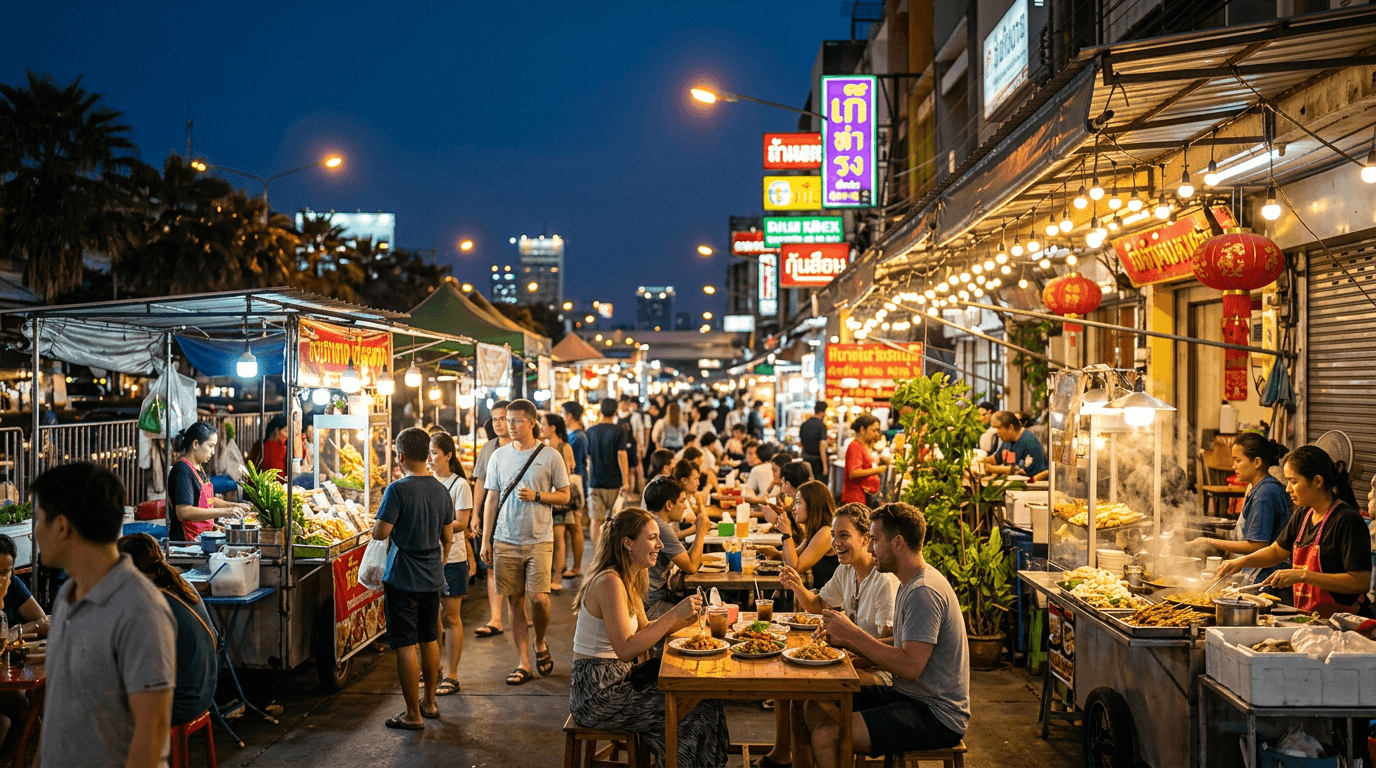
The best night markets in Bangkok offer an intoxicating blend of sizzling street food, unique shopping, and vibrant local culture, with top spots like Jodd Fairs, Srinagarindra Train Night Market, and Asiatique The Riverfront leading the pack for 2024. These sprawling hubs of activity are an essential part of the city's identity, providing an unforgettable sensory experience for every type of traveler. Whether you're a foodie hunting for the next great meal, a bargain hunter searching for vintage treasures, or simply looking to soak up the electric atmosphere, Bangkok's night markets are the place to be after the sun goes down.
Welcome to your ultimate guide, curated by the local experts at Gidly. We've spent countless nights navigating the bustling lanes, sampling every dish imaginable, and haggling for the best deals to bring you this comprehensive breakdown. Bangkok is a city that truly comes alive at night, and its markets are the beating heart of its after-dark scene. Forget generic tourist traps; we're taking you deep into the heart of the action, from the trendiest new hotspots packed with influencers to sprawling, authentic markets beloved by locals for decades. In this guide, we'll cover everything you need to know to plan your perfect night market adventure, including detailed reviews, scenario-based recommendations, insider food guides, and practical tips that will have you navigating the city like a pro. Get ready to dive into a world of incredible flavors, fascinating finds, and unforgettable memories.
Quick Answer: What Are Bangkok's Must-Visit Night Markets?
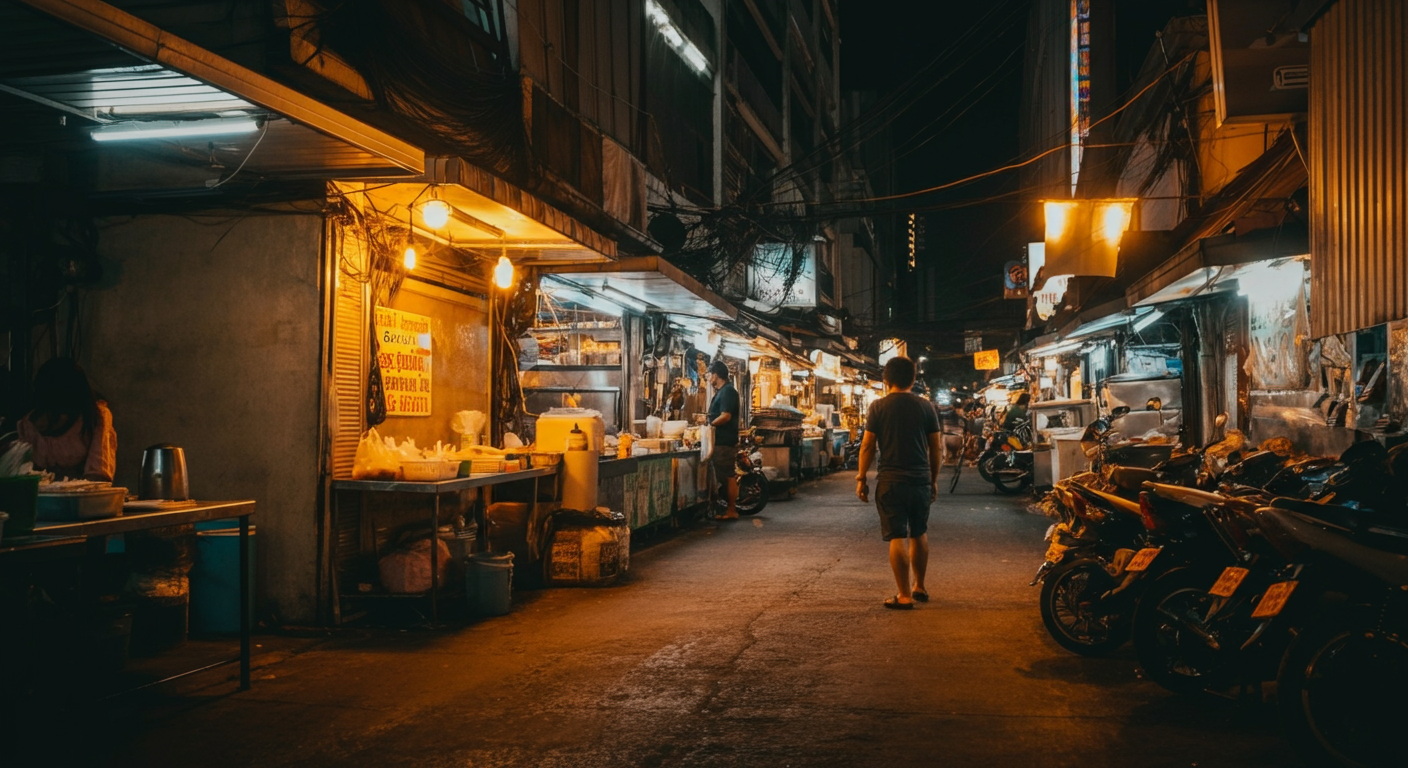
For those short on time and looking for the absolute can't-miss spots, Bangkok's night market scene can be distilled into three exceptional experiences, each offering a distinct flavor and atmosphere. These are the markets that consistently top our lists and are beloved by locals and travelers alike for their unique offerings and electric energy. From trendy foodie heavens to vintage wonderlands and polished riverside entertainment complexes, this trio represents the best of what Bangkok has to offer after dark. We've chosen these three based on their accessibility, popularity, and the quality of their overall experience, ensuring you'll have an amazing time no matter which one you pick.
Each of these markets serves a different purpose and caters to a different crowd, making it easy to choose based on your mood for the evening. Jodd Fairs is the undisputed king of modern street food and youthful energy, perfect for a lively night out with friends. Srinagarindra Train Night Market offers a completely different, more sprawling and nostalgic adventure for those who love to hunt for treasures and soak up a retro vibe. Finally, Asiatique The Riverfront provides a more relaxed, family-friendly, and comfortable experience with stunning views and a wide array of dining and entertainment. Think of these as your essential starting points for exploring the incredible world of Bangkok's nocturnal bazaars.
Jodd Fairs (Rama 9): Best for trendy street food and a lively, modern atmosphere.
Jodd Fairs is the current champion of Bangkok's night market scene, a magnetic hotspot that perfectly captures the city's modern, youthful energy. Located conveniently behind Central Rama 9, it's incredibly easy to get to, which contributes to its massive popularity. The moment you step in, you're hit with a wave of energy: upbeat music, the chatter of excited crowds, and the irresistible aroma of hundreds of food stalls. The layout is a neat grid of white tents, making it feel organized yet bustling. This market is unapologetically geared towards a younger, social media-savvy crowd, and you'll see phones out everywhere capturing the perfectly plated dishes and vibrant scenes. It's the place to see and be seen, making it ideal for a high-energy night of grazing, drinking, and people-watching.
The main draw here is undoubtedly the food. Jodd Fairs is a culinary playground, famous for popularizing viral dishes like "Leng Saap," the massive pile of spicy pork spine soup that's as delicious as it is photogenic. Beyond that, you'll find everything from giant grilled river prawns and fresh oysters to Japanese takoyaki, Korean-style cheeses, and delicate dessert crepes. The quality is generally high, and the presentation is always on point. While shopping isn't the primary focus, there are a few lanes dedicated to trendy, affordable fashion, phone accessories, and small trinkets. Come here for the food and the vibe; any shopping is just a bonus. Our team loves Jodd Fairs for its sheer vibrancy and the endless variety of delicious eats, making it a must-visit on any Bangkok itinerary.
Srinagarindra Train Night Market (Rot Fai): Best for vintage shopping, retro collectibles, and a massive, sprawling layout.
For a completely different and more authentic experience, the Srinagarindra Train Night Market, often called Talat Rot Fai, is an absolute treasure. This is the original and largest of the "train markets," and it's a paradise for lovers of all things vintage, retro, and unique. Located further out of the city center near Seacon Square mall, its sheer scale is breathtaking. The market is divided into several zones: a classic market section with food and new goods, an open-air area with retro bars and live music, and the "Warehouse Zone," where serious collectors sell antique furniture, vintage cars, Vespas, and rare memorabilia. The atmosphere is less about frantic energy and more about nostalgic discovery. It feels like stepping into a different era, a sprawling museum where everything is for sale.
While Jodd Fairs is about trendy food, Srinagarindra is about classic street food enjoyed in a cool, laid-back setting. You'll find all the Thai favorites here, but the real experience is grabbing a few dishes, finding a seat at one of the many quirky bars built from shipping containers or old buses, and enjoying a cold beer while listening to a live Thai rock band. The shopping is the star attraction. You can spend hours wandering through alleys filled with vintage clothing, old vinyl records, second-hand books, movie posters, and bizarre curiosities. Even if you don't buy anything, it's a fascinating place to explore. From our experience, it's best to take a taxi or Grab to get here, as it's a bit of a journey, but the reward is one of Bangkok's most authentic and memorable market experiences.
Asiatique The Riverfront: Best for a relaxed, family-friendly experience with restaurants, shows, and riverside views.
If the potential chaos of a traditional market seems daunting, Asiatique The Riverfront offers a polished, clean, and incredibly pleasant alternative. Situated in beautifully restored warehouses on the banks of the Chao Phraya River, Asiatique combines shopping, dining, and entertainment in a picturesque, open-air mall setting. It's clean, well-organized, and very easy to navigate, making it particularly popular with families, couples, and tourists looking for a more comfortable night out. The vibe is relaxed and almost European, with wide promenades, a gentle riverside breeze, and stunning sunset views. The iconic Ferris wheel, Asiatique Sky, provides a glittering centerpiece and offers breathtaking panoramas of the city skyline.
Asiatique is less about traditional street food stalls and more about a mix of casual food courts and a huge selection of sit-down restaurants offering everything from Thai and Japanese to Italian and seafood. This makes it a great option for groups with diverse tastes or those with dietary concerns. The shopping is also more boutique-oriented. Instead of haggling for second-hand goods, you'll find hundreds of small shops selling higher-quality souvenirs, local designer clothing, handicrafts, and beauty products. Beyond shopping and dining, Asiatique is an entertainment hub, home to the world-famous Calypso Cabaret show and traditional Thai puppetry. Getting there is part of the fun: a free shuttle boat from the pier at Saphan Taksin BTS station provides a scenic and enjoyable start to the evening. It's the perfect choice for a special occasion or a stress-free introduction to Bangkok's nightlife.
The Gidly 5: Bangkok's Best Night Markets Rated & Reviewed
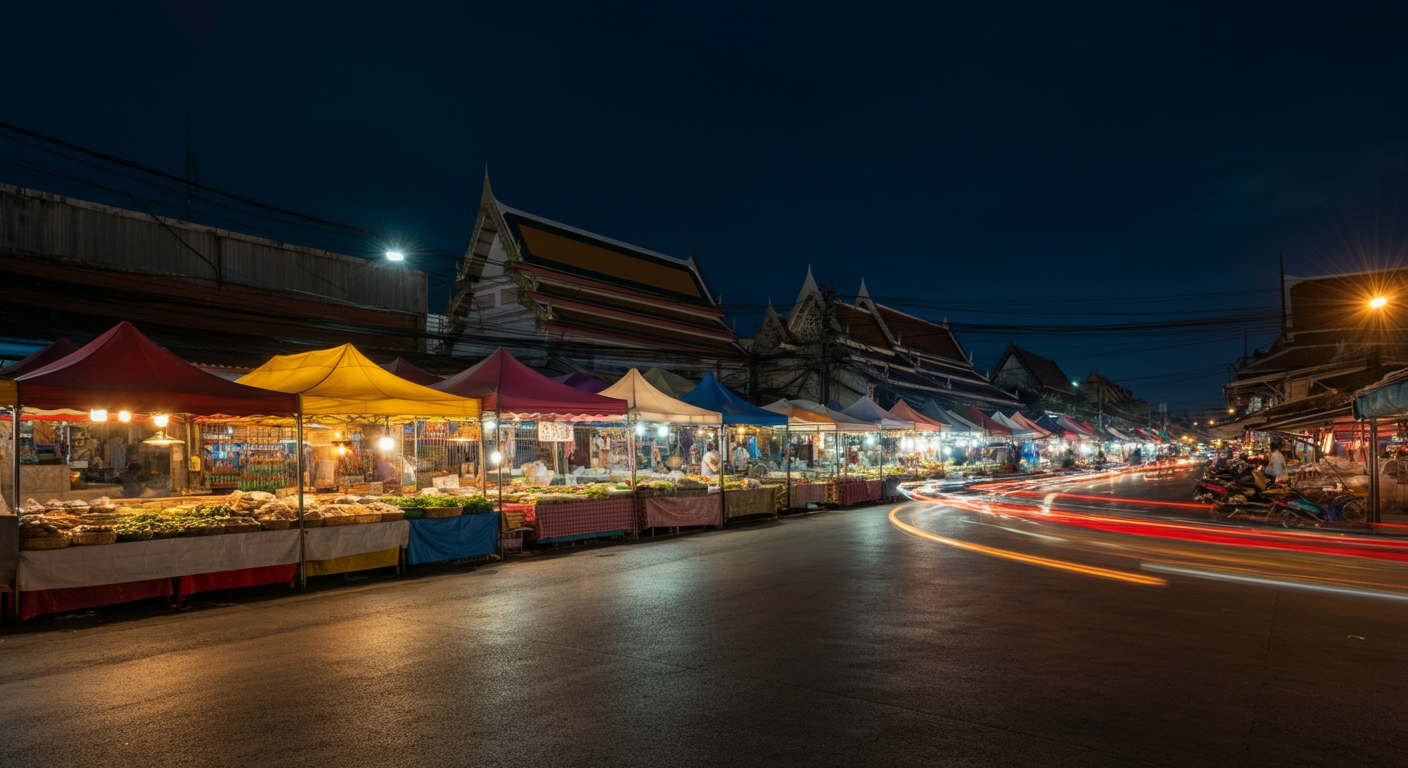
Diving deeper into Bangkok's nocturnal world, our team at Gidly has meticulously curated a list of the top five night markets that you simply cannot miss in 2024. This isn't just a random list; it's the result of countless hours of on-the-ground research, tasting sessions, and careful evaluation. We've assessed each market based on its atmosphere, food quality and variety, shopping experience, accessibility, and overall "wow" factor. These five markets represent the pinnacle of the city's after-dark offerings, each providing a uniquely brilliant experience. From the neon-lit foodie paradise of Jodd Fairs to the sprawling vintage wonderland of Srinagarindra, we’ll give you the complete insider scoop.
In this section, we'll break down each of our Gidly 5 picks with in-depth reviews. We'll tell you what the vibe really feels like on a busy Saturday night, what specific dishes you must seek out, and what kind of treasures you can expect to find in the shopping lanes. Crucially, we'll also provide our best insider tips and clear instructions on how to get there, taking the guesswork out of your planning. Whether you're a first-time visitor to Bangkok or a seasoned expat looking for a new favorite spot, this detailed guide will help you navigate the best of the best. Prepare to have your senses overwhelmed in the most wonderful way as we explore the top night markets that define Bangkok's electric nightlife.
1. Jodd Fairs (Rama 9): The Trendy Foodie Hotspot
Jodd Fairs has exploded onto the scene, quickly cementing its reputation as the trendiest and most talked-about night market in Bangkok. Situated in a prime, easily accessible location behind the Central Rama 9 shopping mall, it’s the spiritual successor to the much-loved Rot Fai Ratchada market, but with a modern, polished, and intensely food-focused twist. Our team has visited multiple times, and the energy is consistently electric. It's where you'll find the city's youth, trendy expats, and in-the-know tourists mingling under rows of brightly lit white tents. The market is defined by its clean, grid-like layout, which makes navigation relatively straightforward despite the dense crowds. It's a place designed for the social media age, with every dish and every corner seemingly optimized for the perfect photo.
Vibe & Atmosphere: Young, crowded, energetic, and extremely Instagrammable.
The atmosphere at Jodd Fairs is pure, concentrated energy. It’s loud, it’s crowded, and it's vibrant. From the moment you arrive, you're immersed in a sea of people, the sounds of sizzling woks, upbeat pop music from various stalls, and the excited chatter of friends deciding what to eat next. The crowd skews young – think university students, young professionals, and influencers. This creates a very dynamic and fashionable environment. Unlike the more rustic, sprawling nature of older markets, Jodd Fairs feels curated and contemporary. The uniform white tents and organized pathways give it a clean aesthetic, which is further enhanced by the central bar area where you can grab a drink and watch the chaos unfold from a slightly elevated perch. It’s not a place for a quiet, contemplative evening; it’s a full-on sensory assault in the best possible way. Come here ready to embrace the buzz.
What to Eat: Leng Saap (spicy pork spine soup), grilled river prawns, volcano noodles, fresh crepes.
This is where Jodd Fairs truly shines. It is, first and foremost, a food lover's paradise. The signature dish you'll see everywhere is Leng Saap, a heaping mountain of tender pork spine bones drenched in a fiery, lime-infused broth. It's served in various sizes, from a single portion to a gigantic "XXL" platter perfect for a group. Another must-try is the grilled river prawns, often sold by weight and served with a spicy seafood dipping sauce. Look for stalls with long queues selling Volcano Noodles (Kway Teow Rua), where the rich broth bubbles up over the sides of the bowl. For dessert, the options are endless. We highly recommend the delicate, crispy crepes filled with everything from Nutella and banana to savory options, and the stalls selling fresh mango sticky rice are always a solid choice. Don't be afraid to just wander and let your nose guide you; we've discovered amazing skewers, fresh oysters, and Korean-style corn dogs just by following the crowds.
What to Buy: Minimal fashion, mobile accessories, not a primary shopping destination.
Let's be clear: you don't come to Jodd Fairs primarily for the shopping. The focus is overwhelmingly on food and drink. However, there are a few rows of stalls dedicated to retail, flanking the main food area. The offerings here mirror the market's young, trendy vibe. You'll find a selection of fast-fashion clothing, often inspired by Korean street style, with lots of graphic tees, oversized shirts, and affordable dresses. There are also numerous stalls selling mobile phone cases, charging cables, and other small accessories. You might find a few interesting handmade jewelry stands or stalls selling quirky socks, but it's not a place for serious souvenir hunting or vintage digging. Think of the shopping here as a light diversion while you digest your last meal before heading for your next one.
Insider Tip & How to Get There: Go early on a weekday. Take the MRT to Phra Ram 9 station.
Getting to Jodd Fairs is incredibly simple, which is a huge part of its appeal. The easiest way is to take the MRT (Blue Line) to Phra Ram 9 station. Take Exit 2, which leads you into the Central Rama 9 mall. Walk through the mall to the back entrance (on the G floor), and you'll see the market right across the small road. This direct public transport link makes it far more accessible than markets further out of town.
2. Srinagarindra Train Night Market (Rot Fai): The Vintage Paradise
If Jodd Fairs is the trendy, modern face of Bangkok's night markets, then Srinagarindra Train Night Market is its soulful, retro heart. Located behind Seacon Square Shopping Mall on Srinagarindra Road, this is the original and largest of the famous "Rot Fai" (Train) markets. It’s a bit of a trek from central Bangkok, but the journey is handsomely rewarded with an experience that feels vast, authentic, and utterly unique. This market is a celebration of all things vintage, a sprawling paradise for collectors, artists, and anyone with a nostalgic streak. It's less a market and more a sprawling, open-air museum and party rolled into one, a place where you can genuinely get lost for hours and love every minute of it.
Vibe & Atmosphere: Sprawling, retro, authentic, with a mix of collectors and casual shoppers.
The vibe at Srinagarindra is incomparable. It’s laid-back, cool, and exudes an air of authenticity. The market is cleverly divided into three main parts. The "Market Zone" features thousands of tents selling a mix of new and second-hand fashion, trinkets, and classic street food. The "Warehouse Zone" is the real highlight for collectors, with permanent shops housed in old brick buildings selling high-end vintage furniture, restored classic cars, Americana, and rare memorabilia. The third, and perhaps most lively, section is the rows of open-air bars. These are creatively constructed from shipping containers, old VW vans, and scrap metal, each with its own unique decor and a live band playing anything from Thai indie rock to American blues. The crowd is a fantastic mix of local Thai hipsters, serious antique hunters, and curious tourists, all mingling in a relaxed, friendly atmosphere.
What to Eat: Classic Thai street food, numerous bars with live music.
While shopping is the main event, the food and drink scene at Srinagarindra is robust and satisfying. The focus here is on classic, no-frills Thai street food done right. You'll find excellent versions of all the standards: smoky Moo Ping (grilled pork skewers), flavorful boat noodles in rich broth, crispy Hoy Tod (mussel pancakes), and every variety of Som Tam (papaya salad) imaginable. The real experience, as our team has found, is to "graze and go." Buy a few different items from various stalls—some skewers here, a bag of fried chicken there—then find a spot at one of the incredible bars. You can bring your food in, order a cheap tower of beer, and settle in for an evening of fantastic live music. It’s a much more relaxed and social way to dine than the frantic food-hopping at Jodd Fairs.
What to Buy: Vintage furniture, classic cars, retro clothing, second-hand goods, and unique art.
This is the best market in Bangkok for shopping, full stop—if you love vintage. The sheer variety is staggering. In the market zone, you can sift through mountains of second-hand Levis, old band t-shirts, vintage dresses, and used sneakers for incredibly low prices. Deeper in, the warehouse zone is a wonderland. We’ve seen everything from fully restored 1950s jukeboxes and barber chairs to immaculate Chevrolet Impalas and classic Triumph motorcycles for sale. Even if you're not in the market for a vintage car, it's incredible to just browse. You'll find shops dedicated to old vinyl records, movie posters, tin toys, military surplus, and bizarre taxidermy. It’s a treasure hunt where you never know what you might find, from a 100 THB pair of sunglasses to a 1,000,000 THB piece of antique furniture.
Insider Tip & How to Get There: It's far out; a taxi/Grab from Udom Suk or Punnawithi BTS is easiest.
Srinagarindra's remote location is both a blessing and a curse; it keeps the overwhelming tourist crowds at bay but requires some planning. The most convenient way to get there is by taxi or a ride-hailing service like Grab. From the Sukhumvit area, a taxi ride can take 30-45 minutes depending on traffic and should cost around 200-300 THB. A more budget-friendly option is to take the BTS Skytrain (Sukhumvit Line) to its eastern extremities. Get off at Udom Suk (E12) or Punnawithi (E11) station, and then take a short taxi ride (around 10-15 minutes, costing about 80-100 THB) from there. A new Yellow Line MRT station, Suan Luang Rama IX, has opened right in front of Seacon Square, making it even more accessible via public transport, though it may require a transfer.
3. Asiatique The Riverfront: Polished Riverside Shopping & Dining
Asiatique The Riverfront offers a dramatically different night market experience, trading chaotic energy for polished charm and riverside romance. Located on the former docks of the East Asiatic Company, it masterfully blends historical architecture with modern commerce and entertainment. The market is housed in a series of beautifully renovated 19th-century warehouses, creating a clean, organized, and distinctly upscale atmosphere. It’s the perfect choice for those who want the fun of a night market without the sweat, crowds, and grit of a more traditional venue. With its wide, brick-paved promenades, gentle breeze from the Chao Phraya River, and stunning city views, Asiatique is a favorite for families, couples on a date night, and first-time visitors to Bangkok.
Vibe & Atmosphere: Clean, organized, tourist-friendly, with a European waterfront feel.
The ambiance at Asiatique is one of relaxed sophistication. It feels less like a Thai market and more like a charming European waterfront development, such as Fisherman's Wharf in San Francisco. Everything is spotless, well-lit, and clearly signposted, making it incredibly easy and pleasant to navigate, even with strollers or for those with mobility concerns. The space is divided into different "districts," each focusing on different types of shopping or dining. The centerpiece is the towering 60-meter-tall Ferris wheel, the Asiatique Sky, which glitters against the night sky and provides a romantic focal point. The riverside boardwalk is the main highlight, offering an uninterrupted view of the river traffic and the gleaming skyscrapers on the opposite bank—a perfect spot for a sunset stroll.
What to Eat: A mix of street food stalls and sit-down international restaurants.
Asiatique caters to a broad palate, offering a wide spectrum of dining options. While it does have a dedicated street food section with stalls selling favorites like pad thai, grilled meats, and fruit smoothies, the real strength lies in its vast array of sit-down restaurants. You can find almost any cuisine you're craving, from large, boisterous seafood restaurants with river views to cozy Italian trattorias, Japanese sushi bars, and high-end Thai establishments. This makes it an excellent choice for groups with picky eaters or for a more formal celebratory dinner. From our experience, the prices at the restaurants are significantly higher than at a traditional market, reflecting the prime location and more comfortable setting. It’s a trade-off: you pay more for the ambiance, air conditioning, and service.
What to Buy: Branded goods, higher-quality souvenirs, and boutique fashion.
Shopping at Asiatique is a more refined affair. Haggling is minimal, and the products are generally of a higher quality than what you'd find at a typical night market. The shops, housed in the old warehouses, are more like small boutiques. You'll find a great selection of locally designed clothing, beautiful silk scarves and textiles from brands like NaRaYa, unique handicrafts, aromatic spa products, and tasteful souvenirs that go beyond the usual elephant pants. It’s an excellent place to buy gifts to take home. While you won't find the rock-bottom bargains of other markets, you also won't have to sift through piles of low-quality goods. It’s a curated shopping experience for those willing to spend a bit more for quality and convenience.
Insider Tip & How to Get There: Take the free shuttle boat from Saphan Taksin BTS pier.
Getting to Asiatique is an experience in itself and a highlight of the visit. The most scenic and recommended route is by boat. First, take the BTS Skytrain to Saphan Taksin station (S6). Take Exit 2 and walk down to the Central Pier (Sathorn Pier). There, you will find a dedicated pier for the free Asiatique shuttle boat. These boats run frequently from around 4 PM until 11:30 PM. The boat ride takes about 10-15 minutes and offers fantastic views of the river and waterfront hotels. The queue for the free boat can get long, especially right after sunset. If you're impatient, there are also paid water taxis that will take you there for a small fee. A taxi is also an option, but evening traffic in this area can be notoriously bad.
4. The One Ratchada: A Familiar Location Reborn
Rising from the ashes of the legendary Rot Fai Market Ratchada, The One Ratchada is a new chapter at a familiar and much-loved location. Situated directly behind the Esplanade Ratchadaphai shopping mall, it occupies the exact spot that was once home to one of Bangkok’s most iconic night markets, famous for its colorful tents viewed from above. While the original market was a casualty of the pandemic, The One Ratchada has emerged to fill the void, offering a more streamlined and modern experience. Our team visited to see how it stacks up, and we found a market that, while lacking the sheer scale and character of its predecessor, offers convenience, a great food selection, and a lively atmosphere that makes it a worthy destination in its own right.
Vibe & Atmosphere: A more compact, slightly less chaotic version of the old Rot Fai Ratchada.
The atmosphere at The One Ratchada feels like a "lite" version of Jodd Fairs or the old Rot Fai. It’s busy and energetic, but the smaller footprint and wider lanes make it feel slightly less claustrophobic than its competitors. Like Jodd Fairs, it uses the clean, white tent aesthetic, which gives it a modern, organized feel. The famous photo spot from the adjacent mall’s parking garage no longer reveals a sea of rainbow-colored tents, but the uniform white rows still create a striking visual. The crowd is a mix of locals, office workers from the surrounding area, and tourists who are familiar with the location. It's a great "entry-level" night market—lively enough to be exciting but manageable enough not to be overwhelming.
What to Eat: A good mix of popular Thai street food stalls.
The food at The One Ratchada is its strongest selling point. The market has done an excellent job of curating a selection of the most popular and crowd-pleasing street food dishes. You’ll find many of the same trendy eats as at Jodd Fairs, including stalls selling Leng Saap, fresh seafood, and various grilled meats and skewers. There are also plenty of classic options, from Pad Thai and Som Tam to mango sticky rice and coconut ice cream. A number of small bars are scattered throughout the market, offering beers and simple cocktails, making it easy to grab a drink to accompany your food exploration. The prices are competitive and generally a touch cheaper than at the more tourist-focused Jodd Fairs, making it a solid choice for a delicious and affordable meal.
What to Buy: Fashion, souvenirs, and everyday items.
The shopping at The One Ratchada is quite similar to what you'll find at Jodd Fairs, focusing on affordable, on-trend fashion and accessories. The stalls are filled with youthful clothing, phone cases, cute socks, and a small selection of souvenirs. It's a good place to pick up a few casual items or gifts, but it doesn't offer the unique, vintage finds of a market like Srinagarindra. Because of its convenient location next to a major MRT station and shopping mall, it caters to a crowd looking for everyday items and impulse buys. You can comfortably browse the shopping lanes without feeling pressured, and the prices are generally low, with some room for gentle bargaining on non-food items.
Insider Tip & How to Get There: Directly accessible from the MRT at Thailand Cultural Centre station.
The biggest advantage of The One Ratchada is its unbeatable accessibility. It is one of the easiest night markets to reach using public transportation. Simply take the MRT (Blue Line) to the Thailand Cultural Centre station. Take Exit 3, which leads you directly in front of the Esplanade Ratchadaphai shopping mall. Walk through the mall's ground floor to the back entrance, and you will step right into the market. This direct link to the MRT system means you can get here from almost anywhere in the city without worrying about taxis or traffic, making it an excellent and reliable choice for a spontaneous evening out.
5. Chang Chui Plane Market: The Creative & Artistic Hub
Chang Chui Creative Park, often referred to as the "Plane Market," is not just a market; it's a destination. This unique and ambitious project bills itself as a "creative space," and it lives up to the name by blending art, design, shopping, and food in a thought-provoking and highly unconventional setting. The undeniable centerpiece is a massive, decommissioned Lockheed L-1011 Tristar airplane, which sits majestically in the middle of the park. The entire space is a sprawling gallery of sculptures made from recycled materials, quirky art installations, and moody, industrial-chic architecture. From our visits, we can confirm it's one of the most visually stunning and artistically driven markets in Bangkok, attracting a crowd of creatives, designers, and curious explorers.
Vibe & Atmosphere: Eccentric, artistic, and thought-provoking, built around a decommissioned airplane.
The atmosphere at Chang Chui is unlike any other market in the city. It's moody, eclectic, and designed to make you think. The motto "Nothing is useless" is evident everywhere, with scrap metal, old windows, and discarded wood repurposed into beautiful and bizarre structures. By day, it functions as more of a creative park with cafes and galleries. By night, the market area comes alive, but it maintains a more subdued, artsy vibe compared to the frantic energy of other markets. It’s split into two zones: the "Green Zone" (alcohol-free, focused on art and family) and the "Night Zone" (where the bars and live music are). Exploring Chang Chui feels like wandering through a post-apocalyptic art-world fantasy, with something new and strange to discover around every corner.
What to Eat: Upscale dining in the plane, plus creative street food options.
The dining options at Chang Chui mirror its creative ethos. The most famous dining experience is the upscale restaurant located inside the fuselage of the giant airplane, offering a fine-dining menu in an unforgettable setting (reservations are essential). Beyond this centerpiece, the "Night Zone" offers a range of food options. You'll find a selection of creative street food stalls putting an artisanal twist on classic dishes, alongside a food pavilion serving more traditional Thai meals. There are also several very cool, themed bars and a craft beer garden. The food here is generally a bit more expensive than at other markets, but the quality is high, and the unique environment is part of what you're paying for. It’s a place for a memorable meal rather than a cheap, quick bite.
What to Buy: Local designer goods, art, sculptures, and unique handmade crafts.
Shopping at Chang Chui is an exercise in discovery. This is the place to find one-of-a-kind items created by local artists and designers. The market is dotted with small boutiques and shops selling everything from avant-garde fashion and handmade leather goods to original paintings, small sculptures, and intricate home decor items. You won't find the typical tourist souvenirs here. Instead, you'll find items with a story, often crafted from recycled or unusual materials. The prices reflect the artistry and originality of the goods, so it’s not a bargain-hunter's destination. It’s the perfect place to find a truly unique and meaningful souvenir or gift that you won't see anywhere else in Bangkok.
Insider Tip & How to Get There: Best reached by taxi; check opening days as it's not open daily.
Chang Chui is located in the Thonburi district on the western side of the Chao Phraya River, quite far from the central tourist areas and not directly served by the BTS or MRT. The most practical way to get there is by taking a taxi or Grab. From the Siam or Sukhumvit areas, the ride can take 45-60 minutes, depending heavily on traffic. It's best to go after the evening rush hour has subsided.
Bangkok Night Markets: Comparison Table for Easy Planning
Navigating the sheer number of night market options in Bangkok can be overwhelming, especially when you're trying to craft the perfect itinerary. To simplify your decision-making process, our Gidly team has compiled all the essential information into one easy-to-read comparison table. We've taken our top market picks, plus another key player, and broken them down by the criteria that matter most: the overall vibe, who the market is best suited for, the most convenient public transport station, and their typical operating days. This at-a-glance guide is designed to be your quick reference tool, helping you match a market to your mood, your travel companions, and your location in the city.
Use this table to quickly cross-reference your needs. Are you looking for a romantic evening? Check the "Best For" column. Are you staying near an MRT line and want something easy to get to? Look at the "Nearest Station" column. This chart distills our extensive research into a practical format, allowing you to compare the key features of Bangkok's best night markets in seconds. Whether you're planning your trip weeks in advance or making a spontaneous decision on a Tuesday night, this table will point you in the right direction. Remember that opening days can sometimes change for holidays or special events, so it's always a good idea to do a quick check online before heading out, but this provides a solid and reliable foundation for all your night market adventures.
Market vs. Vibe vs. Best For vs. Nearest Station vs. Open Days
Each market in Bangkok possesses a unique personality. The "Vibe" is the intangible feeling you get when you're there—is it hectic and modern, or laid-back and retro? The "Best For" category is our direct recommendation based on your travel scenario, helping you choose the perfect spot for a date night, a family outing, or a night with friends. "Nearest Station" is your key to logistical planning, highlighting the closest BTS Skytrain or MRT subway stop, which are often the fastest and cheapest ways to get around the city. Finally, "Open Days" is crucial information, as not all markets are open every night of the week. Some, like the massive Chatuchak, have a special, smaller-scale night market on Fridays that offers a completely different experience from the main weekend market. This comprehensive breakdown is your shortcut to becoming a night market expert.
Understanding these key differences is the secret to a successful night market outing. Choosing Jodd Fairs when you're looking for a quiet, romantic evening would lead to disappointment, just as heading to Asiatique for rare vintage finds would be a fruitless endeavor. This table is designed to prevent those mismatches. By aligning your expectations with what each market truly offers, you ensure a fantastic experience every time. The Gidly team believes that the "best" market is entirely subjective and depends on what you're looking for. This table empowers you to find *your* personal best, whether it's the trendy food of Jodd Fairs or the artistic soul of Chang Chui. Consider this your cheat sheet for planning unforgettable nights in Bangkok.
| Market Name | Vibe | Best For | Nearest Station | Open Days |
|---|---|---|---|---|
| Jodd Fairs (Rama 9) | Trendy, crowded, modern, foodie-focused | Foodies, friends, trendy youth | MRT Phra Ram 9 | Daily (4 PM - Midnight) |
| Srinagarindra Train Market | Vast, retro, authentic, laid-back | Vintage shoppers, explorers, music lovers | MRT Suan Luang Rama IX / Taxi from BTS | Thurs - Sun (5 PM - 1 AM) |
| Asiatique The Riverfront | Polished, clean, romantic, family-friendly | Families, couples, tourists seeking comfort | BTS Saphan Taksin (then free boat) | Daily (5 PM - Midnight) |
| The One Ratchada | Convenient, manageable, lively | Easy weeknight dinner, solo explorers | MRT Thailand Cultural Centre | Daily (5 PM - 1 AM) |
| Chang Chui Plane Market | Artsy, eccentric, creative, unique | Art lovers, designers, unconventional dates | Taxi/Grab is best | Tues - Sun (4 PM - 11 PM) |
| Chatuchak Friday Night | Wholesale focus, less crowded, for serious shoppers | Bargain hunters, boutique owners | MRT Kamphaeng Phet / BTS Mo Chit | Friday (Approx. 9 PM - Late) |
The Perfect Bangkok Night Market For Your Trip: A Scenario-Based Guide
Choosing the "best" night market in Bangkok is impossible because the right answer depends entirely on you—your mood, your companions, and what you hope to get out of the evening. That's why we at Gidly have gone beyond simple reviews to create this scenario-based guide. Think of us as your local friend, asking, "So, what kind of night are you looking for?" We've broken down the most common travel scenarios and paired them with the perfect market destination, complete with a solid alternative option. This approach helps you cut through the noise and find the experience that is genuinely right for you.
Are you planning a romantic evening with your partner? A wholesome night of fun for the whole family? A high-energy food crawl with your best friends? Or perhaps a safe and engaging adventure as a solo explorer? Each of these situations calls for a different kind of atmosphere, different logistical considerations, and a different style of market. In this section, we will walk you through our top recommendations for each scenario, explaining exactly why a particular market works so well for that context. We'll paint a picture of what your ideal night could look like, helping you plan an outing that's not just good, but perfectly suited to your needs. This is your key to unlocking truly personalized and memorable Bangkok experiences.
For a Romantic Date Night: Asiatique The Riverfront
When it comes to planning a romantic evening in Bangkok, the ambiance is everything. You want a setting that is beautiful, comfortable, and offers a mix of activities without being overly chaotic or stressful. For this reason, Asiatique The Riverfront is our top recommendation for a date night. Its unique combination of stunning riverside views, clean and charming walkways, and a relaxed atmosphere creates an effortlessly romantic backdrop. The entire experience, from the scenic shuttle boat ride to the glittering lights of the Ferris wheel, feels special and curated for a memorable night out with a loved one. It strikes the perfect balance between being lively and intimate.
Why it works: Riverside walks, Ferris wheel, nice restaurants, and live music create a perfect ambiance.
Asiatique is practically built for romance. You can start your evening with a slow, hand-in-hand stroll along the riverside boardwalk as the sun sets, watching the long-tail boats and dinner cruises glide by. For dinner, you have the choice of dozens of restaurants, from casual eateries to more upscale options with waterfront tables, allowing you to tailor the meal to your budget and taste. After dinner, a ride on the iconic Asiatique Sky Ferris wheel is a must; the private cabins offer a few minutes of quiet intimacy and provide breathtaking, glittering views of the Bangkok skyline. Later, you can find a cozy spot to listen to one of the live acoustic musicians that often play in the open squares, or simply browse the charming boutiques together. It’s a complete, contained, and stress-free date night package.
Alternative Option: Chang Chui for an artsy, unconventional date.
If you and your partner share a love for art, design, and the unconventional, Chang Chui Plane Market offers a fantastic alternative. It’s a date night that’s less about classic romance and more about shared discovery and conversation. Wandering through the surreal landscape of recycled art sculptures and moody, industrial spaces is an experience you won't forget. You can explore the unique shops, discuss the art installations, and then cap off the night with a craft beer in a quirky bar or even a splurge on a fine-dining meal inside the airplane. It’s a date that shows off your creative side and is guaranteed to provide plenty of interesting talking points, perfect for a couple looking for something beyond the ordinary.
For Fun With the Whole Family: Asiatique The Riverfront
Traveling with family, especially with young children, requires a different set of priorities. Safety, cleanliness, accessibility, and a variety of activities that appeal to all ages become paramount. This is why Asiatique The Riverfront stands out as the number one choice for a family night out in Bangkok. Its open-air mall format eliminates many of the stressors of a traditional market. The wide, smooth promenades are stroller-friendly, the restrooms are clean and easily accessible, and the entire environment feels safe and contained. You can let your kids have a bit of freedom without the constant worry of them getting lost in a dense, chaotic crowd.
Why it works: Clean, stroller-friendly, shows like the Calypso Cabaret, and easy food options for kids.
Asiatique is a parent's dream. The food options are a major plus; if you have picky eaters, the sheer variety of sit-down restaurants means you are guaranteed to find something everyone will enjoy, from simple pizza and pasta to Thai dishes that aren't too spicy. The entertainment options are built-in. Kids will be mesmerized by the giant Ferris wheel and might enjoy a ride on the small carousel. For older children and teens, world-class shows like the spectacular Calypso Cabaret or a traditional Thai puppet show offer fantastic cultural experiences. Even the boat ride to get there is an adventure for little ones. The combination of easy logistics, diverse food, and built-in entertainment makes it a stress-free and genuinely enjoyable evening for the entire family.
Alternative Option: Huamum Market for its entertaining vendors (if kids are older).
If your children are older teens who can appreciate some quirky humor, Huamum Market could be a fun and memorable alternative. This market is famous for one particular seafood stall where the muscular, handsome male vendors break into spontaneous, hilarious dance routines while serving customers. It's campy, fun, and completely unexpected. The rest of the market is a fairly standard, local-style market with good food and shopping, but this one viral attraction could be a huge hit with teenagers looking for something funny and shareable for their social media. It provides a more "local" and less polished experience than Asiatique, which might appeal to families with adventurous older kids who are tired of typical tourist spots.
For a Big Night Out With Friends: Jodd Fairs
When you're planning a night out with a group of friends, the key ingredients are high energy, great food for sharing, plentiful drinks, and a central location that's easy for everyone to get to. Jodd Fairs ticks every single one of these boxes, making it the undisputed champion for a big, social night out. The atmosphere is electric from the moment you arrive, fueled by the young crowd, upbeat music, and the collective buzz of thousands of people having a good time. Its layout is perfect for a group "food crawl," where you can move from stall to stall, grabbing different dishes to share and experience together. It's a dynamic, interactive, and delicious way to spend an evening with your crew.
Why it works: High energy, great for food-hopping, numerous bars, and a central, easy-to-meet location.
The logistics of Jodd Fairs are perfect for a group. Its location right at the Phra Ram 9 MRT station means everyone can arrive independently via public transport without the hassle of coordinating taxis. Once inside, the market's energy is infectious. You can start by tackling a massive "XXL" Leng Saap platter together, a built-in communal experience. Then, different members of the group can branch off to grab grilled prawns, skewers, crepes, and other treats to bring back to a central table. The central bar area, often with a live DJ, serves as a great home base. You can grab pitchers of beer or cocktails and find a spot to eat, drink, and people-watch. The constant activity and endless food options mean the night never gets dull.
Alternative Option: Srinagarindra (Rot Fai) for its cool retro bars and live music scene.
If your group of friends is more into a laid-back, cool vibe than a frantic foodie one, Srinagarindra Train Market is an excellent alternative. The journey there is longer, so it requires more planning (perhaps sharing a large taxi or Grab Van), but the payoff is huge. The main draw for a group of friends is the incredible retro bar scene. You can pick from dozens of unique, open-air bars, each with a different live band playing. The vibe is less about rushing and more about settling in. You can grab a beer tower, order some classic street food from nearby vendors to share, and spend hours enjoying the fantastic music and authentic, cool atmosphere. It's a night out that feels more like a relaxed festival than a market.
For Budget-Friendly & Free Fun: Local Markets
Experiencing the magic of a Bangkok night market doesn't have to break the bank. In fact, one of the best things about them is that the atmosphere itself is free entertainment. The sights, sounds, and smells, the energy of the crowds, the mesmerizing skill of the food vendors—all of this can be enjoyed without spending a single baht. For travelers on a tight budget, night markets are a fantastic way to have a rich cultural experience. The key is to shift your focus from consumption to observation. Soak it all in, enjoy the people-watching, and be strategic about your spending. You can have a full, satisfying evening for just a few US dollars.
How to enjoy on a budget: Focus on street food which is cheap, soak in the atmosphere, and limit shopping.
The number one rule for a budget night out is to make street food your main event. A filling and delicious meal can be assembled for under 200 THB (about $5-6 USD). A stick of Moo Ping (grilled pork) might be 10 THB, a plate of Pad See Ew noodles 50 THB, and a fresh fruit smoothie 40 THB. Stick to water or Thai iced tea instead of beer to save money. The second rule is to treat shopping as window shopping. It's fun to look at all the unique items, but resist the urge to buy souvenirs. Your primary activity should be walking, observing, and soaking in the vibrant energy. Find a spot to sit and just watch the world go by. The experience is the main attraction, and that part is always free.
Best options: Smaller, local markets like Indy Market often have lower prices than tourist hotspots.
To really stretch your baht, avoid the major tourist hotspots like Asiatique or even Jodd Fairs, where prices can be slightly inflated. Instead, venture out to a more local market. A great example is Indy Market (Dao Khanong) on the Thonburi side of the river. This market is hugely popular with local teenagers and university students, which means prices for both food and fashion are kept very low. You'll find a more authentic slice of Bangkok life here, with fewer tourists and a more relaxed, community feel. Other smaller neighborhood markets that pop up across the city offer similarly low prices. Exploring these less-famous spots is not only great for your wallet but also provides a more genuine and rewarding travel experience.
For the Solo Explorer: The One Ratchada or Jodd Fairs
Exploring Bangkok solo is an incredibly rewarding experience, and the city's night markets are a perfect activity for the lone traveler. They offer a safe, engaging, and endlessly entertaining environment where you can immerse yourself in the local culture at your own pace. For solo explorers, the best markets are those that are easy to get to, have a lot of activity to keep you stimulated, and feel secure. Both The One Ratchada and Jodd Fairs fit this bill perfectly. Their direct access via the MRT subway system means you can get there and back to your accommodation easily and safely, without having to navigate confusing taxi rides late at night.
Why they work: Easy to access via MRT, safe, with lots of activity to keep you entertained.
These markets are ideal for solo travelers because they are constantly buzzing with people and activity. You never feel truly "alone" in a conspicuous way; you're just another person in the lively crowd. You can wander freely, taking your time to browse stalls without having to consult with anyone else. You can be adventurous and try that strange-looking dish that caught your eye, or simply grab a beer and find a spot to people-watch. The compact, organized layout of both markets makes them feel manageable and not too intimidating. The sheer amount of visual and culinary stimulation provides endless entertainment, making it a perfect, self-contained evening out where you are your own guide.
Safety Tips: Keep belongings secure, know your way back to the station.
While Bangkok is generally a very safe city, it's always wise to take precautions, especially in crowded places. For solo travelers at a night market, the main concerns are petty theft and getting disoriented. Keep your wallet, phone, and any valuables in a secure bag that you wear on the front of your body, like a cross-body bag or a fanny pack. Avoid keeping things in your back pockets. Before you dive deep into the market, make a mental note of the direction you came from and how to get back to the MRT station entrance. Having a local SIM card with data is invaluable for checking maps if you do get turned around. Finally, be aware of your alcohol consumption. Enjoy a beer, but maintain your wits to ensure you get home safely.
For Foodies: An Ultimate Guide to Night Market Street Food
For any true foodie, Bangkok's night markets are not just an attraction; they are a pilgrimage. This is the epicenter of the world's greatest street food scene, a sprawling, sizzling, and endlessly inventive culinary landscape that operates under the stars. Here, generations-old recipes are served up alongside viral, Instagram-famous creations, offering a taste of Thailand in all its glorious complexity. It's a place where you can eat like a king for just a few dollars, sampling dish after dish as you wander through the bustling lanes. The sheer variety can be overwhelming, so we've created this ultimate foodie guide to help you navigate the delicious chaos and ensure you don't miss out on the most essential bites.
In this section, we'll dive deep into the must-try dishes that define the night market experience. We'll go beyond the obvious Pad Thai and explore the savory, spicy, sweet, and sometimes shocking flavors that make Thai street food so beloved around the world. We will tell you not just what to eat, but how to eat it, what to look for in a good stall, and where you're most likely to find the best versions. From towering mountains of spicy pork bones to delicate coconut desserts and even a few challenges for the adventurous palate, this is your roadmap to an unforgettable culinary adventure. Prepare your appetite; we’re going on a food crawl.
Answer Capsule: The Best Market for Food
If you have to pick just one market for a purely food-focused adventure in 2024, the undisputed champion is Jodd Fairs. Its entire identity is built around food, particularly trendy, photogenic, and incredibly delicious food. The competition among vendors is fierce, which means the quality is consistently high, and there's always something new and exciting to try. It’s a one-stop-shop for all the viral dishes you’ve seen online, from Leng Saap to Volcano Noodles, alongside excellent versions of classic street food. The organized layout makes it easy to hop from stall to stall, and the lively atmosphere only enhances the dining experience.
For overall variety and trendiness, Jodd Fairs is the top choice for foodies right now. For a more traditional street food experience, explore the area around Banthat Thong Road.
While Jodd Fairs wins for its concentrated, trendy offerings, it's important to give an honorable mention to Banthat Thong Road. Though not a market in the traditional sense, this street near the Sam Yan and National Stadium areas has transformed into Bangkok's ultimate street food destination, beloved by locals. It's a long stretch of road lined with legendary shophouse restaurants and countless street food carts, many of them Michelin Bib Gourmand recipients. Here you'll find a more traditional, less tourist-focused experience. Come to Jodd Fairs for the trends and the scene, but head to Banthat Thong for a deep, authentic dive into legendary local eats. From our experience, a perfect foodie trip to Bangkok includes visiting both.
Must-Try Savory Dishes: Beyond Pad Thai
While Pad Thai is a delicious and world-famous dish, the savory side of Thai street food is a vast universe waiting to be explored. The night markets are the perfect place to expand your culinary horizons and fall in love with new flavors. These are the dishes that locals line up for, the ones that fill the air with irresistible aromas of chili, lime, garlic, and grilling meat. We've picked a few absolute must-try savory dishes that represent the heart and soul of Thai street cooking. Be prepared for bold, intense flavors that are perfectly balanced between spicy, sour, salty, and sweet. These are the tastes you'll be dreaming about long after you've left Bangkok.
Leng Saap (Spicy Pork Spine Soup)
This is the dish that put Jodd Fairs on the map and has since become a nationwide sensation. Leng Saap is a spectacular, show-stopping dish. It consists of a gigantic pile of slow-cooked pork spine bones, which are incredibly tender and full of succulent meat, all drenched in a clear, fiery broth made from pork stock, copious amounts of lime juice, fish sauce, and a frightening amount of green chilies and cilantro. It's served in sizes from M to XXL, with the larger sizes arriving as a literal mountain on a platter. The flavor is an explosion in your mouth: intensely sour from the lime, then a wave of savory pork flavor, followed by a creeping, powerful heat from the chilies. To eat it, you use gloves and forks to pull the tender meat from the bones. It's a messy, interactive, and unforgettable meal. Prices range from around 150 THB for a small bowl to 600+ THB for a giant platter to share.
Grilled Meats (Moo Ping & Gai Yang)
Simple, yet perfect. The smell of grilling meat is a quintessential part of any Thai market. You must try Moo Ping, which are skewers of fatty pork, marinated in a sweet and savory mixture of coconut milk, fish sauce, and palm sugar, then grilled over charcoal until caramelized and smoky. They are often sold in bundles of three or four and are the perfect walking-around snack. Look for vendors who also offer a small bag of sticky rice to go with them. Equally delicious is Gai Yang, or grilled chicken. You'll find vendors selling whole grilled chickens, but for a snack, look for smaller pieces like wings or thighs, marinated in a mix of lemongrass, garlic, and turmeric. The skin is crispy and flavorful, and the meat is juicy and tender. Both are incredibly cheap, usually 10-20 THB per skewer for pork and 30-50 THB for a piece of chicken.
Salt-Crusted Grilled Fish (Pla Pao)
Don't be intimidated by the appearance of this dish. Pla Pao is a whole fish—usually tilapia or red ruby fish—stuffed with lemongrass and pandan leaves, coated in a thick crust of salt, and then grilled slowly over charcoal. The salt crust doesn't make the fish salty; instead, it seals in all the moisture, steaming the fish in its own juices and infusing it with the aroma of the herbs. The result is arguably the most tender, moist, and flavorful fish you will ever eat. It's served with two dipping sauces: a sweet and spicy chili sauce, and a fiery green seafood sauce made with chili, lime, and garlic. You break through the crispy skin and pull off chunks of the succulent white flesh with a fork. It’s a healthy, light, and incredibly delicious meal, typically costing between 200-350 THB for a whole fish.
Som Tam (Papaya Salad)
No Thai food tour is complete without Som Tam. This iconic salad from the Isaan region of northeastern Thailand is a symphony of textures and flavors. The base is shredded green (unripe) papaya, which is crunchy and has a mild flavor. This is pounded in a mortar and pestle with a variety of ingredients. The most common version, Som Tam Thai, includes peanuts, dried shrimp, cherry tomatoes, and long beans, with a dressing of palm sugar, lime juice, and fish sauce. For a funkier, more authentic taste, try Som Tam Boo Pla Ra, which includes fermented fish sauce and pickled crab. You can specify your desired spice level, but be warned, "Thai spicy" is no joke. It's a refreshing, explosive, and addictive dish that perfectly balances all the core elements of Thai cuisine.
Essential Sweet Treats and Desserts
After indulging in the spicy and savory delights of the market, it's time to cool your palate with some of Thailand's incredible desserts. Thai sweets are often based on a holy trinity of ingredients: coconut, rice, and fruit. They are generally not overly sweet in the Western sense, instead offering a more complex and refreshing flavor profile. From world-famous classics to simple, satisfying treats, the night markets are a treasure trove for anyone with a sweet tooth. These are the desserts that our Gidly team seeks out every time we visit a market, the perfect ending to a perfect meal.
Mango Sticky Rice (Khao Niao Mamuang)
This is the undisputed king of Thai desserts, and for very good reason. It's a dish of pure, simple perfection. It consists of three components: perfectly ripe, sweet, and fragrant mango, sliced and served alongside a scoop of sticky rice that has been steamed with sweet coconut milk. The final touch is a drizzle of even richer, saltier coconut cream on top and often a sprinkle of crispy toasted mung beans for texture. The combination of the warm, chewy, sweet-salty rice with the cool, fragrant, sweet-tart mango is a match made in heaven. Look for vendors who use high-quality mangoes (like Nam Dok Mai) and who make their sticky rice fresh. A good portion will cost between 60-120 THB.
Coconut Ice Cream in a Coconut Shell
A classic, refreshing, and highly photogenic market treat. Vendors serve scoops of creamy, rich coconut ice cream inside a hollowed-out young coconut shell. The ice cream itself is often made with pure coconut milk, giving it an intense flavor. But the toppings are what make it special. You're typically offered a choice of toppings, including roasted peanuts, sweet corn, strips of fresh coconut meat scraped from the shell itself, and colorful sticky rice. The combination of the cold, sweet ice cream with the savory crunch of peanuts and the chewy texture of the coconut meat is divine. It's the perfect way to cool down on a hot Bangkok night, and it's a bargain, usually costing around 50-60 THB.
Thai Roti with Banana and Condensed Milk
This dessert showcases the influence of South Asian cuisine in Thailand. Roti is a type of thin, layered pancake or flatbread. At the market, you'll see vendors skillfully stretching and flipping a ball of dough until it's paper-thin. They fry it on a large griddle with plenty of margarine or ghee until it's golden and crispy. The most popular version is filled with slices of fresh banana and a beaten egg. The vendor then folds the roti into a square, cuts it into bite-sized pieces, and generously drizzles it with sweetened condensed milk and sometimes a sprinkle of sugar. The result is a heavenly combination of crispy, chewy, sweet, and savory. It's a decadent and incredibly satisfying treat, best eaten hot off the griddle.
For the Adventurous Eater: Unique Finds
Are you the type of traveler who seeks out the unusual, the challenging, the food experiences you can't get anywhere else? Bangkok's night markets have you covered. Beyond the crowd-pleasing favorites lies a world of unique and sometimes intimidating ingredients that offer a true taste of local and regional Thai cuisine. For the adventurous eater, trying these dishes is a rite of passage. It's about pushing your boundaries, challenging your palate, and coming away with an incredible story. Here are a few of the most famous (and infamous) adventurous eats to look for.
Fried Insects and Scorpions
Perhaps the most cliché "adventurous" food in Thailand, the fried insect cart is a common sight in tourist-heavy markets. These carts offer a buffet of deep-fried critters, including grasshoppers, crickets, silkworm pupae, and, for the truly brave, large black scorpions. They are typically fried to a crisp and then seasoned with soy sauce and pepper. How do they taste? Most of the smaller insects, like crickets, are just crunchy and salty, a bit like a savory popcorn. The silkworm pupae are a bit squishier with a nutty flavor. The scorpion, once you get past the intimidating appearance, tastes mostly of the seasoning and has a texture similar to a very crispy piece of fried chicken skin. It's more of a novelty for tourists than a local staple, but it's a must-try for bragging rights.
Dancing Shrimp (Goong Ten)
This dish is not for the faint of heart. Goong Ten, which literally translates to "dancing shrimp," is a salad made with tiny, live freshwater shrimp. The minuscule, transparent shrimp are mixed in a bowl with a fiery and sour dressing of chili, lime juice, fish sauce, mint, and other herbs. The dish is "dancing" because the shrimp are still alive and jumping around when it's served to you. You're meant to eat them quickly with a spoon. The sensation is bizarre—a combination of the intense, spicy dressing and the tickling feeling of the live shrimp in your mouth. It's a specialty from the Isaan region and is considered a delicacy by those who love it. You'll need to seek this one out in more local markets or specific Isaan food sections.
Durian (The King of Fruits)
While not as "gross" as insects, Durian is perhaps the most divisive food on the planet. This large, spiky fruit is notorious for its incredibly pungent aroma, which has been compared to everything from rotten onions and turpentine to old gym socks. The smell is so strong that it's banned on public transport and in many hotels. However, for those who can get past the smell, the reward is a flesh with a uniquely rich, creamy, and custard-like texture and a complex flavor that is sweet, savory, and slightly bitter all at once. In the markets, you can buy it by the whole fruit or, more conveniently, in pre-packaged trays of just the flesh. Our advice for first-timers: try a smaller, less pungent variety like Monthong, and think of it as a savory, creamy custard rather than a typical sweet fruit. It's a true love-it-or-hate-it experience.
For Shoppers: A Guide to Vintage, Fashion & Souvenirs
Beyond the incredible food, Bangkok's night markets are a shopper's paradise, offering a dizzying array of goods that cater to every taste and budget. This is where you can find unique treasures that tell a story, from rare vintage collectibles and one-of-a-kind handmade crafts to the latest fast-fashion trends at unbelievably low prices. Shopping in a Bangkok night market is an interactive and exciting experience, involving treasure hunting, friendly haggling, and the thrill of discovery. It’s a world away from a sterile shopping mall experience. Each market has its own specialty, and knowing where to go for what you want is the key to a successful shopping spree.
Whether you're a serious vintage aficionado on the hunt for the perfect denim jacket, a fashionista looking to update your wardrobe with trendy local designs, or a traveler searching for meaningful souvenirs to bring back home, this guide is for you. We'll break down which markets excel in which categories, what specific items to look for, and even give you a few tips on the art of bargaining. Get your cash ready and make some space in your luggage, because you're going to need it after exploring Bangkok's best shopping markets.
Answer Capsule: The Best Market for Shopping
The "best" market for shopping truly depends on what you're looking for, as each excels in a different niche. There isn't one single market that is best for everything. If your heart is set on vintage clothing, retro furniture, and unique second-hand goods, then there is no competition: Srinagarindra Train Market (Rot Fai) is your ultimate destination. It is the largest and most comprehensive vintage market in the city. However, if you are more interested in current, trendy, and affordable fashion, you'll have better luck at the newer, more modern markets.
For vintage and unique, second-hand items, Srinagarindra Train Market (Rot Fai) is unbeatable. For trendy fashion, Jodd Fairs and The One Ratchada are strong contenders.
Srinagarindra offers a deep, authentic treasure-hunting experience that can last for hours. You can find everything from 1970s band tees to antique ceramics. On the other hand, Jodd Fairs and The One Ratchada are perfect for a quick fashion fix. They cater to a younger crowd with a fast turnover of styles inspired by Korean and Japanese street fashion. Here, you'll find graphic t-shirts, light summer dresses, and stylish accessories at very low prices. For higher-quality, unique designer goods and handicrafts, Chang Chui and Asiatique are the superior choices. Knowing this distinction is key to managing your shopping expectations and heading to the right place.
For Vintage & Retro Finds: Srinagarindra (Rot Fai) Deep Dive
Srinagarindra Train Market is more than just a market; it's a pilgrimage site for vintage lovers worldwide. This is where you come to find the soul of Bangkok's retro scene. The scale of it is hard to comprehend until you're there, wandering through endless alleys of curiosities. The experience is a true treasure hunt. You'll need patience and a willingness to dig, but the rewards can be incredible. The market is roughly divided into open-air stalls with piles of second-hand clothes and more formal, curated shops in the Warehouse Zone for serious collectors. It’s a place where you can feel the history in the items you're touching.
What to look for: Americana, vintage Levis, old vinyl records, antique furniture.
The selection at Srinagarindra is vast, but there are certain categories where it truly excels. There's a huge obsession with classic Americana: think vintage biker jackets, old college sweatshirts, Hawaiian shirts, and military surplus gear. Denim lovers will be in heaven, with entire stalls dedicated to vintage Levis, from 501s to denim jackets, often sold at a fraction of their cost in the West. Music lovers should head to the shops selling old vinyl records, where you can find everything from Thai funk classics to American rock. The Warehouse Zone is where you'll find the big-ticket items: beautifully restored antique furniture from teak cabinets to mid-century modern sideboards, old-school arcade machines, and even fully restored classic cars and motorcycles.
Bargaining level: Moderate to high, especially for collectibles.
Haggling is an essential part of the experience at Srinagarindra. For items in the open-air stalls, like second-hand t-shirts or army jackets, you have a good amount of bargaining power. A friendly smile and a polite "Phaeng mak" (too expensive) can often bring the price down by 20-30%. Start by offering about half of the initial asking price and meet somewhere in the middle. For the high-end collectibles and furniture in the Warehouse Zone, the sellers are experts and know the value of their items. There is still some room for negotiation, especially if you are buying multiple items, but don't expect huge discounts. The bargaining here is more of a respectful discussion than a lowball game. Cash is king, and having it on hand can give you more leverage.
For Trendy Local Fashion: The One Ratchada & Jodd Fairs
If you're looking to tap into what the youth of Bangkok are wearing right now, head straight to The One Ratchada or Jodd Fairs. These markets are the epicenters of affordable, fast fashion in the city. Their proximity to major public transport hubs and their energetic, youthful atmosphere make them magnets for students and young professionals. The fashion here is heavily influenced by what's popular in Korea and on social media platforms like TikTok and Instagram. The turnover is incredibly fast, so what you see one week might be gone the next, replaced by the newest micro-trend. It's the perfect place to experiment with a new style without a major financial commitment.
What to look for: K-pop inspired fashion, graphic tees, affordable dresses and shoes.
The clothing stalls at these markets are a vibrant mix of colors, textures, and styles. You'll find a massive selection of K-pop inspired fashion: think oversized blazers, wide-leg trousers, crop tops, and pleated skirts. Graphic tees are everywhere, featuring everything from retro band logos to quirky illustrations and Thai cultural references. There's an endless supply of light, airy, affordable dresses and two-piece sets perfect for the Bangkok heat. The shoe game is also strong, with lots of trendy sneakers, platform sandals, and cute slides. Don't expect high-end materials; this is all about fun, affordable style. Most items are priced between 150-500 THB, making it easy to pick up a few new outfits.
Bargaining level: Low to moderate.
Unlike the vintage markets, the bargaining culture at Jodd Fairs and The One Ratchada is more subdued. Many stalls have fixed, clearly marked prices, especially for items under 200 THB. Haggling over a 150 THB t-shirt is generally not done. However, for items priced over 300-400 THB, there might be a small amount of wiggle room. Your best bet for a discount is to buy multiple items from the same stall. If you're buying three or four shirts, you can politely ask for a "bundle" price. A friendly "Lot noi dai mai?" (Can you give a small discount?) might get you 50-100 THB off your total purchase, but don't expect to slash the price in half. The margins are already quite thin on these items.
For Unique Souvenirs & Handicrafts: Chang Chui & Asiatique
If you're tired of the same old elephant-print pants and generic "I Love Bangkok" t-shirts, there are markets that offer a much more refined and unique souvenir shopping experience. Chang Chui Creative Park and Asiatique The Riverfront are the two best destinations for finding high-quality, memorable gifts and keepsakes that truly reflect Thai creativity and craftsmanship. These markets cater to a clientele that values design, originality, and quality over rock-bottom prices. Shopping here is a more relaxed and curated experience, allowing you to find pieces that you will actually cherish or be proud to give as gifts.
What to look for: Artist-made goods, high-quality textiles, and non-typical souvenirs.
At Chang Chui, the focus is on artist-made goods. This is where you'll find unique t-shirts designed by local illustrators, handmade leather wallets, one-of-a-kind silver jewelry, and even small sculptures made from recycled materials. It's a fantastic place to support emerging Thai artists. At Asiatique, the focus is a bit more commercial but still high-quality. Look for shops selling beautiful high-quality textiles, like the silk scarves and bags from the famous Thai brand NaRaYa. You will also find a huge variety of artisanal spa products, from fragrant soaps and massage oils to aromatic incense and candles. These are non-typical souvenirs that are practical, beautiful, and offer a real sense of place.
Bargaining level: Low; prices are often fixed at these venues.
At both Chang Chui and Asiatique, the shopping experience is much closer to that of a standard retail store or boutique. The vast majority of shops have fixed prices, which are clearly marked on the items. The concept of haggling is largely absent here. The prices reflect the higher quality, unique design, and often the rent of a permanent, air-conditioned shop space. You are paying for the originality and the craftsmanship of the items. While you can't bargain, you can be assured of the quality. This straightforward pricing makes for a stress-free shopping experience, especially for those who are uncomfortable with the back-and-forth of haggling.
Beyond the Tourist Trail: Lesser-Known & Local Favorite Markets
While the big-name markets like Jodd Fairs and Asiatique are fantastic and popular for a reason, part of the magic of Bangkok is discovering the places that lie just off the beaten path. To truly experience the city like a local, you need to venture into the neighborhoods and explore the markets that cater primarily to the people who live there. These lesser-known spots offer a more authentic atmosphere, often with lower prices and a completely different energy. They might require a bit more effort to get to, but the reward is a genuine glimpse into everyday Thai life and culture.
Our Gidly team loves to explore these local gems, where the food is unapologetically authentic and the vibe is pure community. In this section, we're pulling back the curtain and sharing some of our favorite local markets and food streets. These are the places we go on a weeknight when we're not "working," the places we take visiting friends who want to see the "real" Bangkok. From a market famous for its dancing waiters to a street that has become a legendary foodie destination, these are the spots that will take your Bangkok adventure to the next level. This is your insider's ticket to go beyond the tourist trail.
Indy Market (Dao Khanong): For a Truly Local Vibe
Located on the Thonburi side of the river, Indy Market is a sprawling, lively market that is wildly popular with local Thais but sees very few foreign tourists. This is the place to go if you want to see what young Bangkok locals are really into. The atmosphere is buzzing and youthful, filled with university students and young adults. The main draw is the vast selection of incredibly cheap and trendy fashion. The style is similar to The One Ratchada but even more affordable. You can find t-shirts for 100 THB and entire outfits for under 500 THB. The food section is equally impressive, offering a huge variety of classic Thai street food at local prices, which are noticeably cheaper than in the more central markets. Getting here requires a taxi or a bus ride, but it's worth it for the authentic experience and amazing bargains. It feels like a real community gathering spot, not just a place for commerce.
Huamum Market: Famous for its Entertaining, Muscular Vendors
Huamum Market, located on the northeastern outskirts of the city, was a standard local night market until one seafood stall went viral and put it on the map. The "Staneemeehoi" (Here are my mussels) restaurant became an internet sensation thanks to its staff of muscular, good-looking men who serve food while dressed in comical outfits and periodically break into hilarious, well-choreographed dance routines to pop music. It's campy, outrageous, and incredibly fun. While this one stall is the main reason many people visit, the rest of Huamum Market is also worth exploring. It's a large, well-organized market with a great selection of food stalls, plenty of fashion and goods, and several laid-back bars with live music. The crowd is almost entirely Thai, and the atmosphere is very cheerful and relaxed. It's a bit of a journey to get to (a taxi is essential), but it guarantees a night of laughter and unique memories.
Banthat Thong Road: Not a market, but the ultimate street food street
While not a market in the traditional tented sense, no guide to Bangkok's night food scene would be complete without mentioning Banthat Thong Road. Located near the Sam Yan and Chulalongkorn University area, this street has exploded in recent years to become the city's most exciting and concentrated street food destination. For several kilometers, the road is lined shoulder-to-shoulder with legendary shophouse restaurants, trendy new dessert cafes, and countless street food carts. Many of the establishments here have been awarded a Michelin Bib Gourmand. You can find legendary versions of duck noodles, congee, toasted bread with pandan custard, and so much more. The sidewalks are packed every single night with local foodies hopping from one famous spot to the next. To experience it, take the MRT to Sam Yan or the BTS to National Stadium and just start walking. It's a chaotic, delicious, and utterly essential Bangkok food experience.
Sai Mai Night Market: A new and popular choice for locals
For those looking to get way off the tourist map and see a truly modern, local market, Sai Mai Night Market is a fantastic choice. Located far to the north, right at the terminus of the new Green Line BTS extension (Yaek Kor Por Aor station), this market is a perfect example of a new-generation market built for locals. It's clean, well-designed, and has an incredible variety of food stalls that are both high quality and very cheap. Because it caters entirely to the surrounding residential community, the vibe is very relaxed and family-oriented. You'll see families out for their evening meal, teenagers browsing for clothes, and groups of friends enjoying a drink. The food selection is vast, with many vendors who are local legends in the area. Visiting Sai Mai offers a glimpse into suburban Bangkok life and is a testament to how integral night markets are to every part of the city.
Practical Guide: How to Plan Your Night Market Adventure
A little bit of planning can make the difference between a good night market experience and a great one. While the spontaneous magic of just showing up is part of the fun, being prepared with the right knowledge and the right gear will help you navigate the crowds, the heat, and the logistics with ease. A successful night market adventure involves more than just choosing where to go; it's also about knowing how to get there, how much money to bring, and what to wear for maximum comfort. Think of it as preparing for a mini urban expedition where the terrain is crowded alleys and the goal is delicious food and unique finds.
In this section, the Gidly team has compiled all the essential, practical advice you'll need. We'll break down the pros and cons of different transportation methods, give you a realistic budget to plan for, and offer our best advice on dressing for the occasion. This is the nitty-gritty information that will help you avoid common frustrations like getting stuck in traffic, running out of cash, or ending the night with sore, blistered feet. With this guide, you'll be able to focus less on the hassles and more on the incredible sensory experience that awaits you.
Getting Around: BTS, MRT, Taxis, and Tuk-Tuks
Bangkok's transportation system can seem chaotic, but it offers a variety of options to get you to your night market destination. Choosing the right mode of transport depends on the market's location, the time of day, your budget, and your tolerance for traffic. The city's infamous gridlock means that a car is not always the fastest option, especially during peak evening hours. A smart combination of public transit and other options is usually the best strategy for a smooth journey. We recommend using Google Maps' public transport feature to plan your route, as it provides real-time suggestions and combines different transport types.
Using the Skytrain (BTS) and Subway (MRT): The Best Way
For any market located near a station, the BTS Skytrain and MRT Subway are, without a doubt, the best way to travel. They are fast, cheap, air-conditioned, and completely bypass Bangkok's notorious traffic. Markets like Jodd Fairs (MRT Phra Ram 9), The One Ratchada (MRT Thailand Cultural Centre), and Chatuchak (BTS Mo Chit/MRT Kamphaeng Phet) are directly accessible from the system. For others, like Asiatique or Srinagarindra, the train system can get you most of the way there, requiring only a short boat or taxi ride to complete the journey. A Rabbit Card (for BTS) or a stored-value card (for MRT) can make travel even more seamless. From our experience, this is the most reliable and stress-free way to get around.
Taxis & Grab: When and How to Use Them
Taxis and ride-hailing services like Grab are essential for reaching markets that are not on the train lines, such as Srinagarindra or Chang Chui. They are also a convenient option for late-night returns after the BTS/MRT has closed (around midnight). When taking a traditional taxi, always insist on using the meter ("meter, na krap/ka"). If the driver refuses, simply get out and find another one. Using the Grab app is often easier as the price is fixed upfront, and there's no language barrier in telling the driver your destination. However, be prepared for surge pricing during peak hours or rain. The biggest downside is traffic; a short 5-kilometer journey can easily take over an hour during rush hour (approx. 4 PM - 7 PM).
The Tuk-Tuk Experience: For short distances and fun.
The iconic three-wheeled tuk-tuk is more of a tourist experience than a practical mode of transport. They are fun for a short, open-air ride, and can sometimes weave through traffic better than a taxi. However, they are not metered, and you must negotiate the price firmly *before* you get in. Tuk-tuk drivers, especially in tourist areas, are notorious for overcharging. A good rule of thumb is that a tuk-tuk ride should cost slightly less than a metered taxi for the same distance, but you'll almost always end up paying more. We recommend using them once for the novelty, but stick to taxis or Grab for most journeys. They are best for very short hops, like from your hotel to the nearest BTS station.
Budgeting Your Night: How Much Cash to Bring
One of the most common questions we get is, "How much money should I bring?" While Bangkok is incredibly affordable, it's easy to get carried away with all the tempting food and shopping. The vast majority of vendors at traditional night markets are cash-only. While some stalls at newer markets like Jodd Fairs may accept QR code payments (which usually only work with Thai bank accounts), you should never rely on this. Cash is king. It's a good idea to have a mix of bills, including smaller notes like 20s, 50s, and 100s, as vendors often have trouble making change for a 1,000 THB note early in the evening.
Food Costs: 50-200 THB per dish
Street food is incredibly cheap. A simple snack like a pork skewer might be 10-20 THB. A full plate of noodles like Pad Thai or a bowl of noodle soup will typically cost between 50-80 THB. More substantial or trendy dishes, like a small Leng Saap, a plate of grilled prawns, or a salt-crusted fish, will range from 150-300 THB. You can eat very well and be completely full for around 300-400 THB per person if you stick to classic dishes. If you want to try a few of the more expensive, "showcase" items, your food budget will be closer to 500-600 THB.
Drink Costs: 30-150 THB
A bottle of water will cost 10-20 THB. A fresh fruit smoothie or a cup of Thai iced tea will be around 30-50 THB. Local beers like Chang, Leo, or Singha will cost between 60-100 THB for a large bottle at a market bar. A simple cocktail or a craft beer will be in the 120-180 THB range. If you plan on having a few alcoholic drinks, be sure to budget an extra 300-400 THB for the evening.
Shopping Costs: From 100 THB for trinkets to thousands for vintage goods.
This is the most variable part of your budget. You can find cheap souvenirs and trinkets for under 100 THB. A trendy t-shirt might cost 150-300 THB. A pair of elephant pants will be around 200 THB. However, if you're shopping for vintage goods at Srinagarindra, prices can range dramatically. A vintage band tee might be 500 THB, while a rare denim jacket could be 5,000 THB or more. It's best to decide on your shopping budget beforehand to avoid overspending.
What to Wear and What to Bring
Dressing appropriately for a Bangkok night market is all about comfort and practicality. The weather in Bangkok is hot and humid year-round, and the markets themselves can generate even more heat from the crowds and food stalls. You will be doing a lot of walking, often on uneven surfaces, so your choice of clothing and footwear is crucial to your enjoyment of the evening. Packing a small bag with a few essentials can also be a lifesaver. Think of it as dressing for a casual, active event in a tropical climate.
Clothing: Lightweight, breathable fabrics.
The key is to wear the lightest and most breathable clothing you have. Fabrics like linen, cotton, and modern moisture-wicking athletic wear are your best friends. Avoid heavy materials like denim jeans, which will become hot and uncomfortable. Loose-fitting clothing is also a great idea as it allows for better air circulation. A light t-shirt or tank top paired with shorts, a skirt, or loose linen pants is a perfect market outfit. While it's hot, some people like to bring a very light long-sleeved shirt or scarf to cover up if they get chilly in air-conditioned spaces (like a mall you walk through to get to the market) or for mosquito protection in outdoor seating areas.
Shoes: Comfortable sneakers or sandals are a must.
This is the most important piece of advice: wear comfortable shoes. You will be on your feet for hours, walking and standing. A night market is not the place to break in new shoes or wear high heels. Your best options are a comfortable pair of sneakers or walking shoes. Well-worn, supportive sandals with a back strap are also a good choice. Avoid flip-flops, as they offer no support and leave your feet exposed to being stepped on in the crowds or getting dirty. Our team cannot stress this enough; your choice of footwear will make or break your night.
Essentials: Cash (many stalls don't take cards), power bank, tissues/wet wipes.
Here's a checklist of essentials to put in your bag:
- Cash: As mentioned, bring enough for the evening, including small notes.
- Power Bank: Your phone will be your map, your camera, and your translator. A power bank is essential to ensure you don't run out of battery.
- Tissues/Wet Wipes: Many street food stalls don't provide napkins. Wet wipes are a lifesaver after eating messy food like Leng Saap or grilled prawns. They are also useful as some local market restrooms may not have toilet paper.
- Hand Sanitizer: A small bottle of hand sanitizer is great for cleaning your hands before eating.
- Small Reusable Bag: Helpful for carrying your small shopping purchases.
- Mosquito Repellent: If you plan to sit in outdoor bar areas, especially near greenery, mosquito repellent is a good idea.
Insider Tips & Local Hacks for the Best Experience
After you've chosen your market, planned your route, and dressed for success, there's one more layer to a truly great night market experience: the insider knowledge. These are the small tips and local hacks that can elevate your night from fun to unforgettable. They are the things you learn after countless visits, the little tricks that help you save money, find the best food, and interact more authentically with the local culture. The Gidly team has gathered our collective wisdom to share these pro-tips with you. Think of this as the secret knowledge that separates the tourists from the travelers.
From the timing of your visit to the art of polite negotiation, these hacks are all about making your experience smoother, more enjoyable, and more rewarding. We'll teach you a few essential Thai phrases that will bring a smile to any vendor's face, show you how to spot the best food stalls like a local, and give you the confidence to haggle with grace and respect. Mastering these small details will not only improve your own experience but also show respect for the local culture, leading to more positive and memorable interactions with the wonderful people of Bangkok.
Go Late for Bargains, Go Early to Beat Crowds
There's a simple trade-off when it comes to timing your visit. If your primary goal is to eat at the most popular food stalls without a long wait and to browse comfortably, you should go early. Arriving right as the market opens (usually around 5-6 PM) means you'll have the place relatively to yourself for an hour or so. You can snag a good table, order food quickly, and take photos without a hundred other people in your shot. However, if your main goal is shopping for bargains, especially for clothing or non-food items, it can be advantageous to go late. As vendors are packing up for the night (around 10-11 PM), they are sometimes more willing to give a final, deep discount to make a last sale rather than packing the item away. It's a gamble, as the item you want might already be sold, but it can pay off.
Learn a Few Thai Phrases ("Tao Rai?" / How much?, "Phaeng Mak" / Too expensive!)
A little bit of effort goes a long way. You don't need to be fluent, but learning a few basic phrases will completely change your interactions. Thai people are incredibly friendly and will appreciate your effort. Start with a polite greeting: "Sawasdee krap" (if you're male) or "Sawasdee ka" (if you're female). When asking for a price, point to the item and say "An nee tao rai krap/ka?" (How much is this?). If the price is too high, you can say "Phaeng mak" (Too expensive) with a smile. To ask for a discount, you can say "Lot noi dai mai?" (Can you give a little discount?). And most importantly, always say "Khop khun krap/ka" (Thank you) after every transaction. Using these simple phrases will earn you smiles and often, a better price.
Look for Stalls with Long Queues of Locals
This is the golden rule of street food, not just in Bangkok but around the world. In a market with hundreds of stalls all selling similar things, how do you know which one is the best? The answer is simple: look for the queues. And more specifically, look for queues of Thai people. Locals know where the best food is, and they are willing to wait for it. A long line is a sign of quality, freshness (due to high turnover), and deliciousness. Don't be put off by a 10-minute wait; it's almost always worth it. Our team has discovered some of our all-time favorite food spots simply by joining a queue without even knowing what they were selling. Trust the locals; their judgment is almost always right.
How to Handle Haggling Politely
Haggling, or bargaining, is an expected and integral part of the culture at many Thai markets, but it's important to do it correctly. This is not a battle; it's a friendly negotiation. The first rule is to always keep it light and friendly. A smile is your most powerful tool. Never be aggressive or rude. Second, have a realistic expectation. A 10-30% discount is a reasonable goal. Third, only start negotiating if you are genuinely interested in buying the item. It's considered rude to bargain down the price and then walk away. A good strategy is to ask the price, then offer a lower price (perhaps 50-60% of the asking price). The vendor will counter, and you'll meet somewhere in the middle. If you're buying multiple items, you have more bargaining power. Always handle the negotiation with a sense of fun and respect.
Always Have Small Notes and Change
This is a practical tip that can save you a lot of hassle. Many market vendors, especially early in the evening, may not have enough change for a 1,000 THB note (which is about $27 USD). If you try to pay for a 40 THB smoothie with a large bill, you'll be met with a frown and a scramble to find change from neighboring stalls. This can hold up the line and be frustrating for everyone. Before you go to the market, try to break a large note at a convenience store like 7-Eleven by buying a bottle of water. Arriving at the market armed with a wallet full of 20, 50, and 100 THB notes will make every transaction smoother and faster. It's a small thing that makes a big difference and shows you're a savvy, experienced traveler.
The Evolution & Future of Bangkok's Night Markets (2025-2026)
Bangkok's night market scene is not a static entity; it is a living, breathing ecosystem that is constantly evolving, adapting, and reinventing itself. The markets you visit today are different from the ones that existed five years ago, and they will likely be different again in five years. This constant change is driven by shifts in trends, urban development, economic pressures, and the changing tastes of both locals and tourists. Understanding this evolution gives you a deeper appreciation for the market landscape and a glimpse into what the future might hold. The story of Bangkok's markets is a story of resilience, creativity, and the city's incredible ability to regenerate.
The period from the early 2020s into 2025-2026 has been one of the most transformative in recent memory, largely shaped by the impact of the global pandemic and the subsequent tourism boom. Iconic markets have closed, new champions have risen, and underlying trends have emerged that are shaping the next generation of night markets. As we look ahead, we see a scene that is becoming more polished, more experience-driven, and more conscious of global trends, while still trying to hold onto the chaotic, authentic charm that makes it so special. This section explores the recent past and the exciting future of this quintessential Bangkok experience.
The Story of Rot Fai Ratchada: Why It Closed and What Replaced It
For years, the Rot Fai Market in the Ratchada district was one of Bangkok's most beloved and iconic night markets. It was famous for the stunning aerial view from the Esplanade Mall parking garage, which showed thousands of multi-colored vendor tents creating a vibrant, rainbow-like tapestry. It was a perfect blend of food, shopping, and cool retro bars, and its convenient MRT access made it a hit with everyone. The market was a major casualty of the COVID-19 pandemic. With tourism at a standstill and lockdowns in place, the market was forced to close in 2021, and the land lease was not renewed. Its closure was a heartbreaking moment for many Bangkok residents and lovers of the city.
However, nature abhors a vacuum, and so does Bangkok's market scene. Two major players emerged to fill the void. First, the original owners of Rot Fai Ratchada, drawing on their massive success, opened Jodd Fairs in a new location on Rama 9. They took the lessons from Ratchada and created a more streamlined, food-focused, and modern market. Second, a new operator took over the original Ratchada location and opened The One Ratchada. While it occupies the same hallowed ground, it's a different market with a new layout (uniform white tents) and a slightly different vibe. This story perfectly illustrates the dynamic nature of the scene: when one door closes, two new, different ones open.
The Rise of the "Instagrammable" Market: Jodd Fairs' Impact
The runaway success of Jodd Fairs has had a profound impact on the direction of Bangkok's night markets. Its success is built on a formula that is perfectly tailored to the social media age. The market is clean, well-lit, and aesthetically pleasing, with its uniform white tents providing a clean backdrop for photos. More importantly, the food itself is highly "Instagrammable." Dishes like the mountainous Leng Saap, bubbling Volcano Noodles, and colorful dessert crepes are designed to be as visually spectacular as they are delicious. Vendors know that a photogenic dish can go viral and bring thousands of customers to their stall.
This trend has put pressure on other markets and vendors to up their game in terms of presentation. We are seeing more and more markets adopt a cleaner, more organized aesthetic and more food vendors focusing on creative plating and "wow" factor. While this leads to some amazing-looking food, some critics argue it can lead to a more homogenous experience, with markets chasing the same trends rather than cultivating their own unique identity. The challenge for the future will be to balance this desire for social media appeal with the preservation of the authentic, gritty charm that defined older markets. From what our team is seeing, the most successful new markets are those that find a way to do both.
What's Next?: Trends in Sustainability, Art, and Hyper-Local Experiences
Looking ahead to 2026 and beyond, we see several exciting trends shaping the future of Bangkok's night markets. The first is a growing focus on sustainability. Markets like Chang Chui, with its ethos of recycling and upcycling, are pioneers in this space. We expect to see more markets encouraging waste reduction, banning single-use plastics, and featuring vendors who focus on sustainable and ethically sourced products. This aligns with a growing global consciousness among travelers. The second trend is the deeper integration of art and creativity. Chang Chui has shown that a market can be a cultural destination and a gallery space. We anticipate more markets incorporating art installations, performance art, and spaces for local creatives to showcase their work, moving beyond just food and shopping.
Finally, we predict a rise in hyper-local experiences. As major tourist markets become more crowded and sometimes more generic, savvy travelers and locals are seeking out smaller, more authentic neighborhood markets. Markets like Sai Mai or Indy Market, which cater almost exclusively to their local communities, offer a different kind of appeal—a quieter, more intimate, and more genuine glimpse into Thai life. Technology will also play a role, with apps like Gidly helping visitors discover these hidden gems. The future of Bangkok's night markets is likely to be a diverse ecosystem, with massive, trendy mega-markets coexisting with small, artistic, and hyper-local hubs, offering something for every type of explorer.
Frequently Asked Questions about Bangkok Night Markets
What are the top 5 night markets in Bangkok right now?
Based on our 2024 reviews, the top 5 night markets in Bangkok are Jodd Fairs (for trendy food), Srinagarindra Train Market (for vintage), Asiatique The Riverfront (for families/couples), The One Ratchada (for convenience), and Chang Chui Plane Market (for art).
Which Bangkok night market is the absolute best for street food?
For the best combination of trendy dishes, variety, and energetic atmosphere, Jodd Fairs is currently the top night market for foodies. For a more traditional and local street food experience, we recommend exploring Banthat Thong Road.
Where can I find the best vintage clothes at a night market in Bangkok?
Srinagarindra Train Night Market (Talat Rot Fai) is by far the best and largest destination for vintage clothes, retro goods, and second-hand treasures. You can spend hours sifting through racks of vintage denim, band t-shirts, and unique accessories.
How do I get to Jodd Fairs Rama 9 using the MRT?
It's very easy. Take the MRT Blue Line to Phra Ram 9 station. Use Exit 2 to enter the Central Rama 9 shopping mall, walk through to the back, and the market is right across the street.
What are the opening days and times for the Srinagarindra Train Market?
The Srinagarindra Train Night Market is typically open from Thursday to Sunday, from approximately 5:00 PM until 1:00 AM. It is closed from Monday to Wednesday, so plan your visit for the end of the week.
Is Asiatique The Riverfront expensive?
Compared to traditional night markets, yes, Asiatique is more expensive. Prices for food in the sit-down restaurants and goods in the boutiques are higher, reflecting the upscale atmosphere, prime riverside location, and higher quality of products.
Is Chatuchak Market open on Friday nights?
Yes, a portion of Chatuchak Market is open on Friday nights, typically from around 9 PM until the early morning hours. It has a different vibe, catering more to wholesale buyers and serious shoppers looking for deals before the weekend rush.
What's the difference between Jodd Fairs and The One Ratchada?
While they have a similar modern aesthetic with white tents, Jodd Fairs is larger, more crowded, and more focused on trendy, "viral" food. The One Ratchada is smaller, more manageable, and offers a great mix of classic street food in the convenient location of the old Rot Fai Ratchada.
Are Bangkok night markets safe for tourists and solo female travelers?
Yes, Bangkok's major night markets are generally very safe for tourists, including solo female travelers. The main thing to be aware of is petty theft in crowded areas, so keep your belongings secure. Stick to well-lit, busy areas and you'll have a great time.
How much money should I bring to a Bangkok night market?
A good starting budget is 1,000 THB (approx. $27 USD) per person. This will comfortably cover a full meal, drinks, dessert, and some light shopping. Remember to bring cash, as most vendors do not accept credit cards.
Are there any good night markets near Sukhumvit?
While there are no major, large-scale night markets directly on Sukhumvit Road itself, many are easily accessible from there. Jodd Fairs and The One Ratchada are just a short MRT ride away. Smaller, pop-up style markets can often be found in the parking lots of malls along Sukhumvit as well.
What should I wear to a night market in Bangkok?
Wear lightweight, breathable clothing like cotton or linen to stay cool in the heat. Most importantly, wear very comfortable shoes, like sneakers or supportive sandals, as you will be doing a lot of walking and standing.
Conclusion: Your Unforgettable Bangkok Night Awaits
As the sun sets over the City of Angels, a different kind of energy begins to crackle in the air. The sizzle of woks, the beat of live music, and the glow of a thousand lights signal the awakening of one of Bangkok's most cherished institutions: the night market. We've journeyed through the trendiest foodie hotspots, dug for treasure in vintage wonderlands, and strolled along romantic riverfronts. We've seen that these markets are so much more than just a place to eat and shop; they are vibrant, chaotic, and beautiful expressions of Thai culture, community, and creativity. They are the beating heart of Bangkok's nightlife.
From the high-energy crowds at Jodd Fairs to the laid-back cool of Srinagarindra and the family-friendly polish of Asiatique, there is a perfect night market experience waiting for every type of traveler. Whether you came for the Leng Saap, the vintage Levis, or simply to soak in the incredible atmosphere, we hope this guide has equipped you with the knowledge and confidence to dive in headfirst. The beauty of Bangkok's markets lies in their diversity and their constant evolution, always offering something new to discover. The best advice we can give is to go with an open mind, a curious palate, and an empty stomach. Your unforgettable Bangkok night awaits.
A Quick Recap of Our Top Recommendations
Feeling overwhelmed by all the amazing options? Let's simplify. If you only have time for one market and you love food and energy, go to Jodd Fairs. If you're a shopper who loves vintage and a more authentic, sprawling experience, make the journey to Srinagarindra Train Market. For a relaxed, romantic, or family-friendly night out with zero stress, the free shuttle boat to Asiatique The Riverfront is your best bet. And for maximum convenience, the MRT-adjacent The One Ratchada is a fantastic and reliable choice for any night of the week. You can't go wrong with any of these, and each offers a uniquely memorable slice of Bangkok life.
Ready to Explore? Discover More Things to Do in Bangkok on Gidly
The night market is just the beginning of your Bangkok adventure. This city is overflowing with incredible experiences, from serene temple tours and exhilarating Muay Thai matches to luxurious rooftop bars and immersive cultural workshops. Don't let the planning stop here. To discover the full spectrum of activities and events happening in Bangkok right now, from hidden gems to blockbuster attractions, we invite you to explore the Gidly platform.
Let Gidly be your trusted guide to making the most of your time in this incredible city. Find your perfect outing, book tickets with ease, and unlock a world of experiences. Your next great adventure is just a click away.