
guide -
The Ultimate Guide to the Best National Parks in USA
The best national parks in the USA for an unforgettable trip include the geothermal wonders and abundant wildlife of Yellowstone, the breathtaking canyon hikes of Zion, and the iconic granite cliffs and waterfalls of Yosemite. This guide is your ultimate resource for discovering
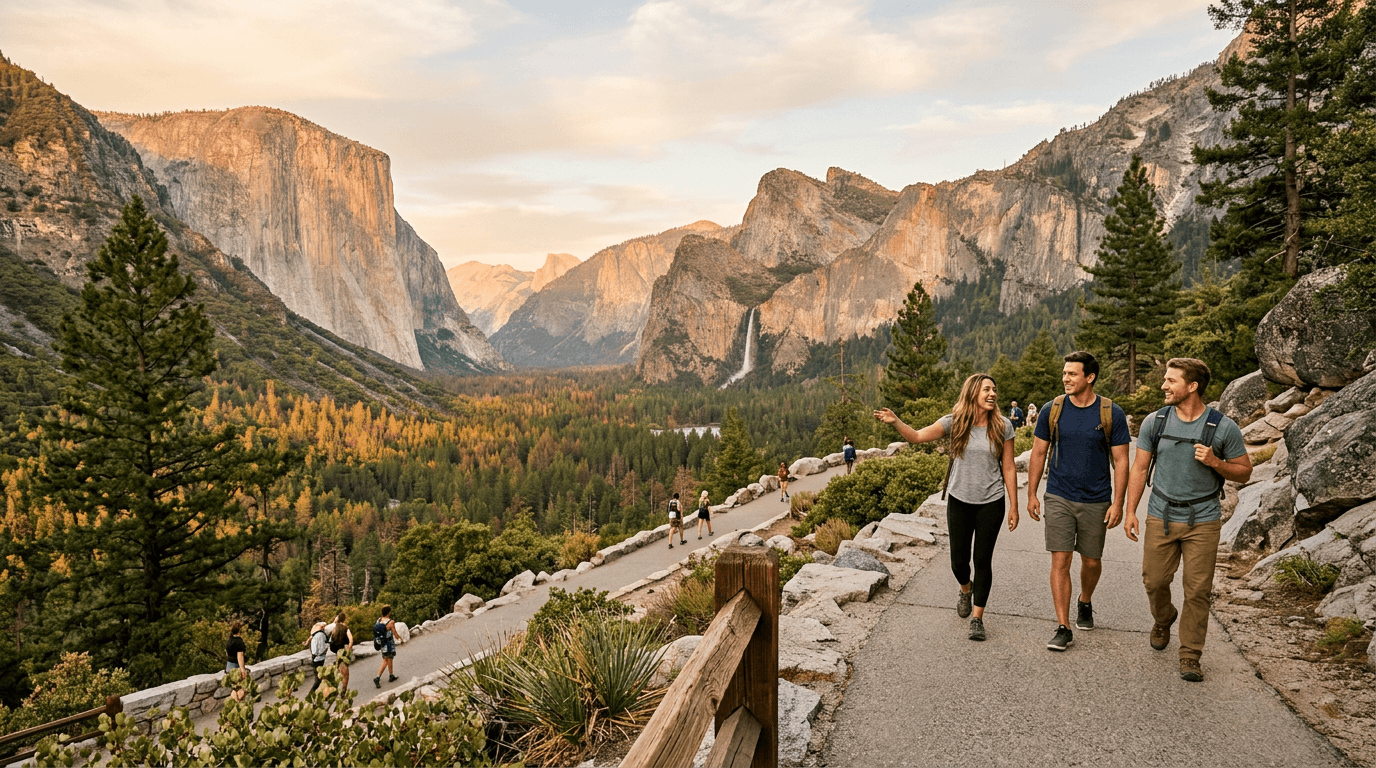
The best national parks in the USA for an unforgettable trip include the geothermal wonders and abundant wildlife of Yellowstone, the breathtaking canyon hikes of Zion, and the iconic granite cliffs and waterfalls of Yosemite. This guide is your ultimate resource for discovering the perfect park for your specific adventure, whether you're planning a romantic getaway, a budget-friendly road trip, or an action-packed family vacation. We've explored these natural treasures to bring you the most comprehensive and up-to-date recommendations for 2024 and beyond.
Welcome, adventurer! You've landed in the right place to start planning the trip of a lifetime. The United States is home to 63 designated national parks, each a protected sanctuary of stunning landscapes, diverse ecosystems, and rich history. From the jagged, snow-capped peaks of the Rockies to the sun-drenched deserts of the Southwest and the lush, temperate rainforests of the Pacific Northwest, these parks offer a staggering variety of experiences. Think of us at Gidly as your trusted local friend, the one who knows all the best spots, the hidden trails, the tastiest post-hike meals, and the can't-miss local events. We're here to guide you through the overwhelming options and help you craft a truly memorable journey into America's greatest treasures.
Our Top 12 Best National Parks for 2024/2025: Gidly's Ranked List
We've meticulously curated this list of the top 12 national parks in the USA to help you start your planning. This ranking considers not just iconic beauty but also the variety of activities, accessibility, and overall visitor experience. From the geysers of Yellowstone to the coastal charm of Acadia, these parks represent the best of the best, offering something for every type of traveler. Our team has spent countless hours exploring these magnificent landscapes to bring you insider tips and can't-miss experiences for your 2024/2025 adventures. Whether you're seeking high-octane thrills, peaceful solitude, or family-friendly fun, you'll find your perfect match right here. We've balanced classic favorites with parks that offer unique, unforgettable moments you won't find anywhere else. Let this list be your springboard into the vast and wonderful world of America's national parks.
1. Yellowstone National Park: For Geothermal Marvels & Abundant Wildlife
As America's first national park, Yellowstone sets an incredibly high bar. It’s a place where the earth feels alive, steaming and bubbling with a raw, untamed energy. The park is most famous for its geothermal features; it holds over half of the world's geysers, with Old Faithful being the star performer. But to only focus on Old Faithful is to miss the true magic. Our team recommends spending an entire afternoon exploring the Upper Geyser Basin, where you can walk among a surreal landscape of steaming vents, vibrant hot springs like the Grand Prismatic Spring, and less predictable but equally impressive geysers. The sheer density of geothermal activity here is unlike anything else on the planet, creating a landscape that feels both prehistoric and otherworldly. Don't forget to explore the Norris Geyser Basin, the hottest and most dynamic thermal area in the park.
Beyond the geysers, Yellowstone is one of the premier wildlife-watching destinations in the world. The Lamar and Hayden Valleys are often called "America's Serengeti" for good reason. On a Gidly team visit last spring, we spotted massive herds of bison causing "bison jams" on the roads, a pack of wolves in the distance through a spotting scope, majestic bald eagles, and even a grizzly bear foraging for berries. For the best chances of seeing wildlife, we recommend driving through these valleys at dawn or dusk. Bring a good pair of binoculars or a spotting scope; it's a game-changer. The experience of watching a 2,000-pound bison graze just yards from your car (stay in your vehicle!) is a humbling and unforgettable reminder of the wild heart of America.
2. Zion National Park: For Thrilling Hikes & Otherworldly Canyons
If you're seeking jaw-dropping vertical landscapes and hikes that will test your mettle, Zion National Park is your destination. The main canyon, carved by the Virgin River, features towering sandstone cliffs of cream, pink, and red that soar into a brilliant blue sky. The park's signature hike, Angels Landing, is not for the faint of heart, involving steep switchbacks and a final chain-assisted scramble along a narrow spine with dizzying drop-offs on either side. Our team members who have conquered it agree: the 360-degree view from the top is one of the most rewarding vistas in the entire park system. Due to its popularity and for safety, a permit is now required to hike the final chained section, which you can apply for via a seasonal lottery. It's a challenging, adrenaline-pumping experience that will stay with you forever.
For a different kind of thrill, The Narrows is an absolute must-do. This iconic hike takes you directly into the Virgin River, wading (and sometimes swimming) through the narrowest section of Zion Canyon where the walls are a thousand feet tall and the river is just 20-30 feet wide. You can experience it as a bottom-up day hike from the Temple of Sinawava, going as far as you feel comfortable, or as a strenuous top-down 16-mile backpacking trip (permit required). We rented Canyoneering shoes, neoprene socks, and a walking stick from an outfitter in the gateway town of Springdale, and it made all the difference. The feeling of being enveloped by the colossal canyon walls, with the cool river flowing around you, is a deeply immersive and almost spiritual experience.
3. Yosemite National Park: For Giant Sequoias & Iconic Granite Cliffs
Yosemite National Park is the stuff of legends. It's a place of superlatives, home to iconic granite monoliths like El Capitan and Half Dome, thundering waterfalls, and groves of the world's largest single-stem trees. The heart of the park, Yosemite Valley, is a breathtaking seven-square-mile area that packs in more world-famous landmarks than almost anywhere on earth. From the valley floor, you can gaze up at Yosemite Falls, one of the tallest waterfalls in North America, or watch rock climbers scale the sheer face of El Capitan. For a classic experience, we suggest a bike ride around the valley loop to take in the views at a slower pace. The Mist Trail to Vernal and Nevada Falls is a quintessential Yosemite hike, offering an up-close (and very wet!) encounter with the power of the falls, especially during spring runoff.
Beyond the famous valley, Yosemite offers vast wilderness areas to explore. A drive up to Glacier Point provides a postcard-perfect panoramic view of Yosemite Valley, Half Dome, and the High Sierra. Tioga Road (typically open late May to November) unlocks the park's high country, with its pristine alpine meadows, sparkling lakes like Tenaya Lake, and spectacular Tuolumne Meadows. And of course, no visit is complete without standing in awe among the giant sequoias. While the Mariposa Grove is the largest and most famous, our team also loves the quieter Tuolumne and Merced Groves for a more personal and reflective experience with these ancient giants. Yosemite is a park that balances immense popularity with profound beauty, and with a little planning, you can find your own slice of granite-and-waterfall heaven.
4. Glacier National Park: For Epic Drives & Glacial Landscapes
Known as the "Crown of the Continent," Glacier National Park in Montana is a dramatic wonderland of pristine forests, alpine meadows, rugged mountains, and spectacular lakes. Its defining feature is the Going-to-the-Sun Road, a 50-mile engineering marvel that bisects the park and offers some of the most breathtaking roadside views in North America. Driving this road is an adventure in itself, clinging to the side of the mountains and crossing the Continental Divide at Logan Pass (elevation 6,646 feet). Our Gidly team recommends starting early to beat the traffic and secure a parking spot at Logan Pass, the starting point for incredible hikes like the Highline Trail and the path to Hidden Lake Overlook. Vehicle reservations are required for the road during peak season, so plan ahead!
While the drive is epic, the real soul of Glacier is found on its trails. With over 700 miles of hiking paths, there's something for every ability. The trail to Avalanche Lake is a relatively easy and rewarding hike through a lush forest to a stunning lake fed by cascading waterfalls. For a more challenging day, the Grinnell Glacier Trail is an iconic trek that takes you past turquoise lakes and offers the chance to see one of the park's namesake glaciers up close. Wildlife is abundant here; keep your eyes peeled for mountain goats and bighorn sheep (especially near Logan Pass), as well as grizzly bears and black bears (bear spray is essential!). The Many Glacier area is particularly renowned for its wildlife sightings and dramatic scenery, making it a must-visit region of the park.
5. Grand Canyon National Park: For Awe-Inspiring Vistas & Geology
There are few places on Earth that can truly take your breath away like the Grand Canyon. It's a cliché for a reason: the sheer scale and grandeur of this geological wonder are simply impossible to capture in photos or words. The South Rim is the most accessible and popular area, open year-round and offering numerous viewpoints, including Mather Point and Yavapai Point. Our advice is to escape the main crowds by walking a portion of the Rim Trail, which stretches for 13 miles and offers constantly changing perspectives of the canyon. Sunrise and sunset are magical times, as the shifting light paints the canyon walls in a kaleidoscope of colors. Attending a ranger talk on geology at the Yavapai Geology Museum is a fantastic way to deepen your appreciation for the billion years of Earth's history laid bare before you.
For those with a sense of adventure, hiking below the rim is an unforgettable experience, but it must be approached with extreme caution and preparation. Even a short day hike on the Bright Angel Trail or South Kaibab Trail will give you a completely different perspective, revealing the canyon's immense depth and intricate details. The North Rim, open from mid-May to mid-October, is higher in elevation, more remote, and receives only 10% of the visitors, offering a quieter, more wild experience. For a truly unique adventure, consider applying for a permit to raft the Colorado River, an experience our Gidly team members who've done it call a life-changing journey through the heart of the canyon.
6. Arches National Park: For Photogenic Natural Arches & Desert Hikes
Step into a world of surreal red rock formations and gravity-defying stone arches at Arches National Park. Located just outside the vibrant town of Moab, Utah, this park boasts the highest concentration of natural stone arches in the world—over 2,000 of them! The park's scenic drive makes many of the most famous formations easily accessible. The must-see hike is the 3-mile round trip to Delicate Arch, the iconic symbol of Utah that graces its license plates. We highly recommend making this hike for sunset; watching the arch glow a fiery red as the sun dips below the horizon is a photographer's dream and a core memory for anyone who witnesses it. Remember to bring a headlamp for the hike back in the dark. A timed entry permit system is in place during peak season, so be sure to book your slot on Recreation.gov well in advance.
Beyond Delicate Arch, there is so much more to explore. The Devils Garden area offers a longer, more challenging trail system where you can see numerous arches, including the magnificent Landscape Arch, one of the longest natural arches in the world. The Windows Section provides a short, easy loop to see several massive arches, including North and South Window and Turret Arch. For a less crowded experience, our team loves the hike through Park Avenue, where you walk on the canyon floor surrounded by towering sandstone "skyscrapers." And for those seeking a bit more adventure, consider a ranger-led tour of the Fiery Furnace, a labyrinthine maze of narrow canyons and fins that requires a permit or a guided tour to enter.
7. Grand Teton National Park: For Dramatic Peaks & Alpine Lakes
Just south of Yellowstone, Grand Teton National Park stands in stunning contrast. While Yellowstone is about what lies beneath the earth's crust, Grand Teton is all about what rises dramatically above it. The Teton Range is one of the most abrupt and impressive mountain fronts in the world, soaring 7,000 feet straight from the valley floor with no foothills to soften the view. The 42-mile scenic loop drive is the best way to get oriented, offering spectacular views from every angle. Don't miss the iconic photo op at Mormon Row, where historic barns frame the jagged peaks perfectly. Our favorite spot for a picnic and a swim is String Lake, where the water is relatively shallow and warm (for the Rockies!) and the views are simply sublime. You can also rent a canoe or kayak here for a paddle with an unbeatable backdrop.
Hiking in the Tetons is a truly rewarding experience. A popular and beautiful hike is the trail to Inspiration Point and Hidden Falls, which you can access via a shuttle boat across Jenny Lake. The boat ride itself is a scenic treat, and the hike offers incredible views of the lake and the surrounding peaks. For wildlife enthusiasts, Oxbow Bend is a must-visit spot, especially at dawn, for its mirror-like reflections of Mount Moran and the chance to spot moose, elk, and a variety of waterfowl. The sheer accessibility of such dramatic mountain scenery is what makes Grand Teton so special. It's a place that inspires awe and invites you to get out and explore, whether you're a seasoned mountaineer or a family looking for a beautiful lakeside stroll.
8. Rocky Mountain National Park: For Accessible High-Altitude Adventure
Just a short drive from Denver, Rocky Mountain National Park offers an incredible taste of the high country, making alpine wonderland accessible to millions. The park's crown jewel is Trail Ridge Road, the highest continuous paved road in North America, which crests at over 12,000 feet. A drive along this "highway to the sky" is an experience in itself, taking you from montane forests to the windswept alpine tundra in under an hour. There are numerous pullouts along the way to admire the jaw-dropping views and look for elk, bighorn sheep, and marmots. Remember that the park uses a timed entry permit system during the busy summer months for both the Bear Lake Road corridor and the rest of the park, so advanced planning is essential.
The park is a hiker's paradise with over 350 miles of trails. The Bear Lake area is the most popular trailhead, offering access to a series of stunning subalpine lakes like Nymph, Dream, and Emerald Lake on a relatively easy hike. For a longer adventure, Sky Pond is a challenging but incredibly rewarding trek that involves a bit of scrambling next to a waterfall. Our team also loves exploring the west side of the park near Grand Lake, which is quieter and moister, offering better chances to see moose. A word of caution: the high altitude is no joke. Give yourself a day or two in the Estes Park or Grand Lake area to acclimate before attempting any strenuous hikes, and be sure to drink plenty of water.
9. Acadia National Park: For Coastal Scenery & Charming New England Culture
The first national park east of the Mississippi River, Acadia offers a unique blend of rugged coastal beauty, granite peaks, and historic carriage roads. Located primarily on Maine's Mount Desert Island, the park is a captivating mix of mountains and sea. The best way to get an overview is by driving the 27-mile Park Loop Road, which winds past highlights like Sand Beach (a rare sandy beach in rocky Maine), Thunder Hole (where waves crash into a small cavern with a thunderous boom), and Otter Cliffs. For the ultimate Acadia experience, you must drive or hike to the top of Cadillac Mountain, the highest point on the U.S. Atlantic coast. From October to early March, it's the first place in the United States to see the sunrise, a truly magical experience that our team wholeheartedly recommends. Vehicle reservations are required for Cadillac Summit Road during peak season.
What makes Acadia truly special is its network of 45 miles of historic carriage roads, a gift from philanthropist John D. Rockefeller Jr. These crushed-stone roads are closed to cars and are perfect for walking, biking, or even taking a horse-drawn carriage ride. They wind through the heart of the park, over stunning stone bridges, and around pristine ponds, offering a peaceful way to explore. For hikers, the Precipice Trail is a thrilling, non-technical climb up the face of Champlain Mountain using iron rungs and ladders (not for those with a fear of heights), while the Beehive Trail offers a similar but shorter challenge. After a day of exploring, head into the charming town of Bar Harbor for a well-deserved lobster roll and some local craft beer.
10. Olympic National Park: For Diverse Ecosystems, from Rainforests to Coastlines
Visiting Olympic National Park is like visiting three parks in one. This incredibly diverse park in Washington state protects three distinct and spectacular ecosystems: a dramatic, rugged Pacific coastline; glacier-capped mountains; and lush, temperate rainforests. Start your exploration in the Hoh Rain Forest, one of the finest remaining examples of temperate rainforest in the U.S. Walking the Hall of Mosses trail is a surreal experience, where giant Sitka spruce and western hemlock trees are draped in thick carpets of green and brown moss, creating a magical, primeval atmosphere. It receives over 12 feet of rain per year, so be sure to pack your rain gear, but don't let a little drizzle deter you—the forest is often at its most enchanting in the mist.
Next, head to the park's wild coastline. Rialto Beach and Second Beach are two of the most popular and stunning spots, featuring massive sea stacks, enormous drift logs, and fascinating tide pools teeming with life. Our team loves planning a visit around low tide to explore the vibrant communities of starfish, anemones, and crabs. A sunset here is an unforgettable sight. Finally, drive up to Hurricane Ridge to experience the park's alpine zone. From the visitor center at over 5,200 feet, you're treated to panoramic views of the Olympic Mountains and, on a clear day, across the Strait of Juan de Fuca to Canada. The subalpine meadows are filled with wildflowers in the summer, and it's a great place to spot marmots and deer. The sheer diversity packed into one park makes Olympic a truly unique and rewarding destination.
11. Great Smoky Mountains National Park: For Biodiversity & Rich Appalachian History
Straddling the border between North Carolina and Tennessee, Great Smoky Mountains National Park is America's most visited national park, and for good reason. It's renowned for its ancient, mist-covered mountains, the incredible diversity of its plant and animal life, and its preservation of Southern Appalachian mountain culture. The park is a world-class destination for viewing wildflowers in the spring and vibrant fall foliage in autumn. One of the best ways to experience the park is by driving the Newfound Gap Road, which climbs to over 5,000 feet, or by exploring the 11-mile Cades Cove Loop Road, an open-air museum where you can see historic cabins, churches, and a working grist mill, all while looking for wildlife like black bears, white-tailed deer, and wild turkey. We recommend visiting Cades Cove on a Wednesday, when the loop is closed to cars until 3 p.m. (May-Sept), making it perfect for biking or walking.
With over 800 miles of hiking trails, the Smokies offer endless opportunities for exploration. A hike to Laurel Falls is a popular, paved trail perfect for families. For a more challenging trek that rewards with stunning views, the hike to Alum Cave Bluffs on the way to Mount LeConte is a park classic. Clingmans Dome, the highest point in the park and in Tennessee, offers a 360-degree view from its observation tower that can stretch over 100 miles on a clear day. The "smoke" that gives the mountains their name is a fog created by the vegetation, which exudes volatile organic compounds, adding to the mystical, blue-hazy atmosphere of this beautiful and accessible park. Best of all? There is no entrance fee to enter the park, though parking tags are now required for any vehicle parking for more than 15 minutes.
12. Joshua Tree National Park: For Bouldering, Quirky Culture & Stargazing
Where two distinct desert ecosystems, the Mojave and the Colorado, converge, you'll find the otherworldly landscape of Joshua Tree National Park. This Southern California gem is famous for its namesake Joshua trees, which are actually a species of yucca, and its giant, whimsical piles of monzogranite boulders. The park has become a world-renowned destination for rock climbers and boulderers, who come to test their skills on the thousands of established routes. But you don't have to be a climber to enjoy scrambling around the rocks. Areas like Skull Rock and the Jumbo Rocks Campground are fantastic for exploratory hikes and family-friendly adventures, making you feel like a kid on a natural playground.
Beyond the rocks, the park offers a unique desert beauty. A walk through the Cholla Cactus Garden at sunrise or sunset is a must-do; the low-angled light makes the spiky cacti appear to glow (just be careful not to touch!). For panoramic views of the Coachella Valley, a drive up to Keys View is well worth the effort. But where Joshua Tree truly shines, in our Gidly team's opinion, is after the sun goes down. As an International Dark Sky Park, the stargazing here is simply phenomenal. On a clear, moonless night, the Milky Way arches across the sky in breathtaking detail. Attending a ranger-led night sky program or simply finding a quiet pullout to lay down a blanket and gaze up at the cosmos is an essential Joshua Tree experience. The park’s proximity to quirky desert towns like Pioneertown and Twentynine Palms adds to its appeal, blending natural wonder with a vibrant, artistic culture.
Find the Perfect Park For Your Crew: A Scenario-Based Guide
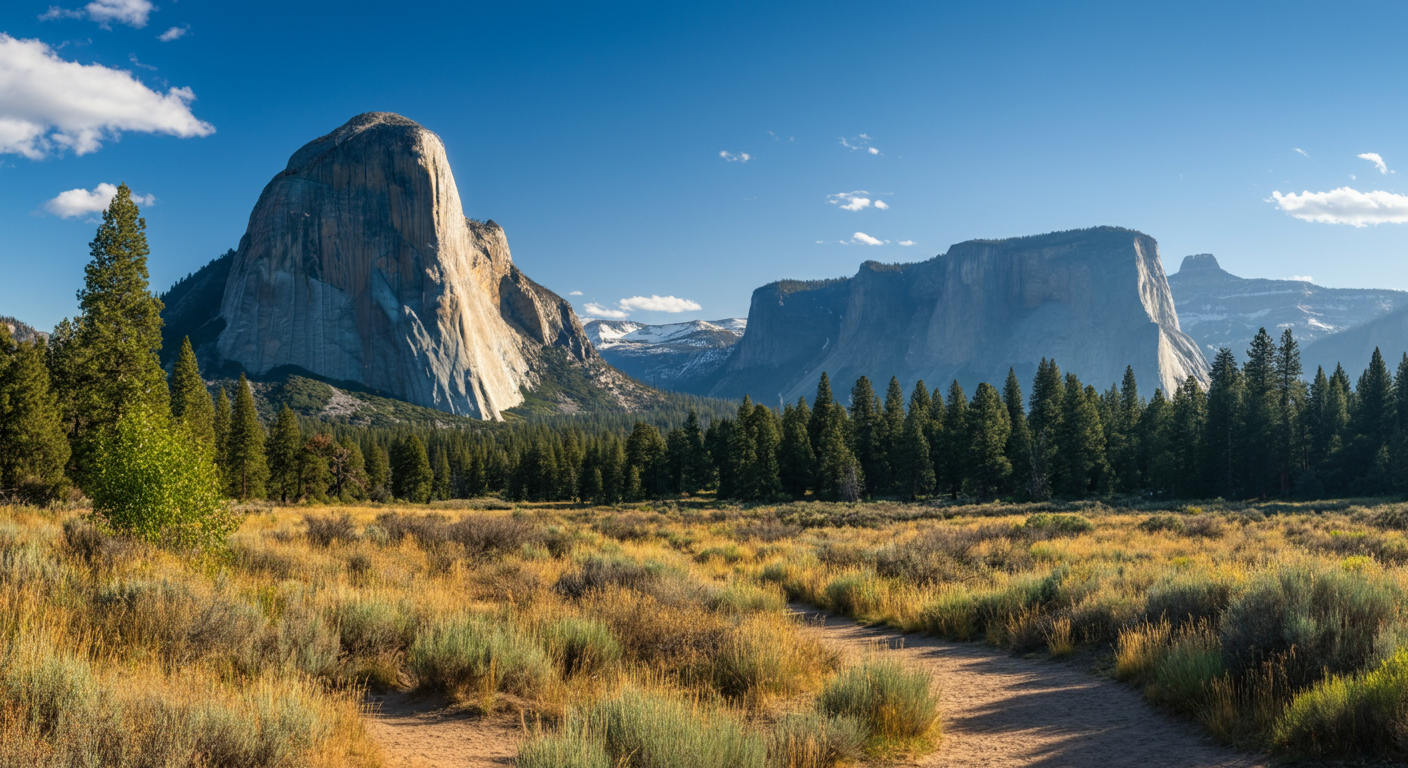
Choosing the right national park isn't just about picking the most famous one; it's about matching the park's personality with your group's vibe. The perfect park for a thrilling adventure with friends might not be the best choice for a relaxing getaway with young children. That's where we come in. The Gidly team has broken down our top recommendations based on who you're traveling with. We've considered factors like activity levels, accessibility, romantic potential, and opportunities for group bonding. This guide will help you move beyond a generic "best parks" list and find the specific destination that will create unforgettable memories for your crew, whether it's a party of two, a family of five, or a team of twenty.
For a Romantic Getaway or Date Night (Stargazing in Joshua Tree, Sunsets in Acadia)
When it comes to romance, a national park setting can be incredibly powerful. Imagine sharing a quiet moment as the sun sets over the ocean or cuddling under a blanket of brilliant stars. For a truly magical experience, our top pick is Joshua Tree National Park. Its designation as an International Dark Sky Park means the stargazing is world-class. After a day of exploring the unique rock formations and quirky flora, find a secluded spot in the park, lay out a blanket, and just look up. The sheer number of stars visible is breathtaking and creates an intimate, unforgettable atmosphere. For a more structured experience, check Gidly for local companies offering guided stargazing tours complete with telescopes and expert commentary. Pair this with a stay in a trendy desert Airbnb with a hot tub for the ultimate romantic escape.
On the other side of the country, Acadia National Park offers a different, but equally romantic, flavor. The combination of rugged mountains and crashing waves is classic New England romance. A sunset from the top of Cadillac Mountain is a must-do, painting the sky and the surrounding islands in hues of pink and orange. For a more active date, rent bicycles and explore the historic carriage roads, stopping for a picnic by a serene pond. Afterwards, the charming town of Bar Harbor provides the perfect setting for a romantic dinner, featuring fresh seafood and cozy ambiance. The key is finding those shared moments of awe, whether it's the vastness of the cosmos in the desert or the beauty of the sun dipping below the Atlantic horizon.
For Unforgettable Family Adventures with Kids (Junior Ranger programs in Grand Canyon, easy trails in Redwood)
National parks are incredible outdoor classrooms and playgrounds for children, and the National Park Service's Junior Ranger Program is one of the best family activities available. Kids receive a free activity booklet, and by completing a certain number of pages, they can earn a badge and be sworn in by a park ranger. Our team's kids universally love this program! The Grand Canyon is a fantastic place to start. The sheer scale of the canyon is mind-boggling for all ages, and the flat, paved Rim Trail on the South Rim is perfect for strollers and little legs. The Yavapai Geology Museum has interactive exhibits that bring the canyon's history to life, and the free park shuttle makes getting around easy. Attending a ranger program together is a great way for the whole family to learn about the park's wildlife and geology.
For a different kind of awe, take your family to Redwood National and State Parks. There is nothing quite like watching a child's face as they crane their neck to see the top of a 300-foot-tall tree. The sense of wonder is palpable. The parks offer many easy, accessible trails perfect for families, like the Lady Bird Johnson Grove Trail or the Big Tree Wayside loop. The experience of being dwarfed by these ancient giants is a powerful lesson in nature and time. Many of these parks also have visitor centers with hands-on exhibits that cater to younger audiences, making the educational aspect fun and engaging. The key to a successful family trip is to embrace a slower pace, celebrate the small discoveries, and definitely participate in the Junior Ranger program—that badge becomes a treasured souvenir.
For a Weekend Trip with Friends (Group hikes in Zion, climbing in Joshua Tree)
Planning a weekend getaway with friends is all about finding a destination that offers shared challenges, great social spaces, and a fun vibe. Zion National Park is an excellent choice for an active group. Tackling a challenging hike like The Narrows together is a fantastic bonding experience. You'll rely on each other for balance as you wade through the river and share in the triumph of reaching a beautiful waterfall or canyon bend. After a long day of hiking, the town of Springdale at the park's entrance is buzzing with energy. Grab a celebratory beer and a burger at Zion Brewery or find a restaurant with a patio to recount the day's adventures. The combination of epic adventure in the park and a lively social scene just outside the gate makes Zion a perfect friends' weekend destination.
If your crew is more into bouldering and desert vibes, Joshua Tree National Park is unbeatable. The landscape of jumbled rocks is a natural playground. You can spend the day bouldering, with routes available for all skill levels, or simply scrambling and exploring the rock piles. It's an active, engaging way to spend time together. The evenings are just as good; book a large campsite at Jumbo Rocks, grill some food, and enjoy the incredible stargazing. The nearby town of Pioneertown, with its famous Pappy & Harriet's Pioneertown Palace, often features live music and provides a quirky, fun evening outing. The shared experience of pushing physical limits during the day and relaxing under the stars at night is the perfect recipe for a memorable trip with friends.
For the Solo Traveler Seeking Adventure or Solitude (Backpacking in Big Bend, photography in Arches)
Traveling solo in a national park can be an incredibly rewarding and empowering experience, offering a chance for introspection, personal challenge, or simply peaceful solitude. For the adventurous solo traveler, we recommend Big Bend National Park in Texas. Its vast, remote landscapes offer a true sense of solitude. The park's size means you can genuinely feel like you have a corner of the world to yourself. It's a fantastic park for multi-day backpacking trips, like the South Rim trail in the Chisos Mountains, which offers some of the most spectacular views in Texas. The park's certified dark sky status also means the nights are as spectacular as the days. As a solo traveler, it's crucial to be over-prepared with water, navigation tools, and a detailed itinerary left with someone back home, but the reward is a profound connection with the wild desert landscape.
For the solo traveler whose adventure is more creative, Arches National Park is a photographer's paradise. Traveling alone gives you the flexibility to operate on a photographer's schedule—waking up before dawn for the best light, waiting patiently for the perfect sunset glow on Delicate Arch, and staying out late for astrophotography. You're not on anyone else's timeline. This allows you to truly immerse yourself in the craft and the landscape. The park's iconic formations provide endless subjects, from grand vistas to intimate details in the sandstone. The quiet moments spent waiting for the light to be just right, alone in such a spectacular setting, can be as fulfilling as the final photograph itself. It's an opportunity to see the world through your own lens, both literally and figuratively.
For Corporate Retreats & Team-Building (Guided activities in Yosemite, scenic drives in Shenandoah)
Taking the team out of the office and into a national park can be a powerful way to foster collaboration, boost morale, and inspire new ideas. For a high-impact retreat, Yosemite National Park offers a fantastic blend of iconic inspiration and structured activities. Staying at a lodge within the park, like The Ahwahnee or Yosemite Valley Lodge, provides a comfortable base with meeting facilities. You can organize group activities like a guided valley floor tour, a group hike to Vernal Fall, or even workshops with the Yosemite Conservancy. The shared experience of being in such a majestic place can break down workplace hierarchies and encourage genuine connection. A group challenge, even a relatively easy one, can build a sense of shared accomplishment that translates back to the office environment.
For a more relaxed and accessible retreat, especially for teams on the East Coast, Shenandoah National Park is an excellent choice. The 105-mile Skyline Drive runs the length of the park, offering numerous overlooks for scenic breaks and group photos. You can book rooms at Skyland or Big Meadows Lodge, both of which have conference spaces and restaurants. Plan a group hike to a waterfall like Dark Hollow Falls or organize a "road rally" scavenger hunt along Skyline Drive. The goal is to provide a refreshing change of scenery that encourages conversation and connection outside the confines of the office. The shared beauty of the Blue Ridge Mountains, especially during the fall foliage season, provides a memorable backdrop for team-building and strategic planning.
The Gidly Edge: Best National Parks for Events & Entertainment
For unique events and entertainment, look beyond the trails and consider the park's calendar. Head to parks like Big Bend or Great Basin for their renowned Dark Sky Festivals, where you can join fellow stargazers and astronomers for an unforgettable cosmic experience. For a dose of culture, explore the vibrant gateway towns like Moab near Arches or Springdale near Zion, both of which boast thriving music and art scenes, especially during peak season. And don't overlook the parks themselves; many offer fantastic ranger-led workshops in everything from wildlife tracking to night sky photography, providing a perfect opportunity to learn a new skill in a spectacular setting. Gidly is your go-to source for finding these hidden event gems that can elevate your park trip from great to extraordinary.
Top Parks for Stargazing & Dark Sky Festivals (Big Bend, Great Basin, Death Valley)
There's a special kind of magic that happens in a national park after the sun goes down. In our light-polluted world, experiencing a truly dark sky is a rare and profound event. Several national parks have been recognized by the International Dark-Sky Association for their pristine night skies and commitment to preserving them. Big Bend National Park in Texas holds the distinction of having the least light pollution of any national park in the lower 48 states. The experience of seeing the Milky Way blaze across the sky here is simply jaw-dropping. The park often hosts star parties and has rangers who are experts in astronomy. It's a humbling experience that reconnects you to the vastness of the universe.
For a more organized event, Great Basin National Park in Nevada hosts an annual Astronomy Festival that is one of the best in the country. For a few days each fall, amateur and professional astronomers gather with powerful telescopes, offering free viewings to the public. There are talks, workshops, and even a chance to look through the park's research-grade observatory telescope. Similarly, Death Valley National Park, a Gold Tier Dark Sky Park, partners with astronomical societies for regular star parties at its Furnace Creek and Stovepipe Wells locations. Our Gidly team highly recommends planning a trip around one of these festivals. You can check the Gidly app for dates and schedules. It’s an incredible way to experience the parks from a completely different perspective.
Best Gateway Towns for Live Music & Cultural Events (Moab, UT; Jackson, WY; Bar Harbor, ME)
The adventure doesn't have to stop when you leave the park gates. The towns that border national parks often have vibrant cultural scenes of their own, providing the perfect evening entertainment after a day on the trails. Moab, Utah, the gateway to Arches and Canyonlands, is a prime example. This town is a hub for adventure sports, and its downtown reflects that energy. You'll find a surprising number of venues, from the classic Woody's Tavern to local breweries, hosting live music nearly every night of the week during the high season. The Moab Music Festival, held in late summer, even features classical music concerts in stunning natural settings like a river grotto. It’s the perfect place to grab a great meal, listen to some tunes, and mingle with fellow adventurers.
In Wyoming, Jackson, the gateway to Grand Teton and Yellowstone, offers a more upscale, western-chic vibe. The town square, with its famous elk-antler arches, is surrounded by world-class art galleries. But for live music, the iconic Million Dollar Cowboy Bar is a must-visit, with live bands and dancing almost every night. For a more concert-like experience, check the schedule at the Center for the Arts. On the East Coast, Bar Harbor, Maine, provides the perfect post-Acadia hangout. After a lobster dinner, you can often find live folk or acoustic music spilling out of the local pubs. The town also hosts the Acadia Night Sky Festival and the Bar Harbor Music Festival. We always check Gidly for local event listings to find the best post-hike entertainment.
Amazing Ranger-Led Programs & Workshops (Wildlife tracking, geology talks, night sky tours)
One of the most underutilized resources in any national park is the wealth of knowledge held by the park rangers. Tapping into their expertise through a ranger-led program can completely transform your visit from just seeing beautiful things to truly understanding them. These programs are often free and cover a huge range of topics. In Yellowstone, you can join a "geyser walk" where a ranger explains the intricate plumbing of the thermal features. In Rocky Mountain National Park, our team joined a "tundra talk" at the top of Trail Ridge Road, learning about the fragile ecosystem and the tiny flowers that survive in the harsh environment. These programs add a rich layer of context to what you're seeing.
Many parks also offer more hands-on workshops. Imagine learning the basics of wildlife tracking in Grand Teton, identifying tracks and signs left by the park's inhabitants. Or participating in a night sky photography workshop in Joshua Tree, where a ranger teaches you how to capture the Milky Way with your own camera. These are not just lectures; they are interactive experiences. The schedule for these programs is usually posted at visitor centers and on the park's official website. We at Gidly make it a point to check the daily schedule upon arriving at any park. It's a fantastic way to discover hidden stories, learn a new skill, and get a behind-the-scenes look at the science and history that make each park unique.
Where to Find Art, Photography & Wellness Retreats In and Around the Parks
The profound beauty of national parks has long been a source of inspiration for artists. Today, this tradition continues with a host of workshops and retreats aimed at helping you tap into your own creativity. Many non-profit park partners, like the Yosemite Conservancy or the Grand Canyon Conservancy, offer multi-day art and photography workshops. These are incredible opportunities to learn from professional artists and photographers in one of the world's most stunning outdoor studios. You can learn plein air painting in Zion, large format photography in Yosemite, or watercolor techniques in the Smokies. These workshops cater to all skill levels, from complete beginners to experienced artists looking for new inspiration.
The wellness trend has also found a natural home in the serene landscapes of our national parks. More and more, you can find yoga and wellness retreats hosted in or near the parks. Imagine starting your day with a sun salutation facing the Teton Range or a meditation session in the quiet forests of Olympic National Park. These retreats combine guided hikes and time in nature with practices like yoga, meditation, and mindful eating. They offer a holistic way to experience the parks, focusing not just on physical activity but on mental and spiritual rejuvenation. Gidly's events catalog is a great place to search for these unique offerings, which often pop up in gateway towns like Springdale, UT, or Estes Park, CO, blending the park experience with a focus on personal well-being.
Choose Your Adventure: Top Parks by Activity & Interest
The sheer diversity of the national parks in the USA means there's a perfect park for every passion. Whether you live for the burn of a multi-day backpacking trip, the thrill of seeing a grizzly in the wild, or the simple joy of a spectacular drive, there's a park that specializes in your favorite activity. This section is all about matching your interest to a destination. The Gidly team has broken down our top picks for hiking, wildlife viewing, water sports, climbing, and scenic drives, giving you concrete recommendations to help you plan an adventure-filled trip centered around what you love to do most. So, what's your adventure style? Let's find the park that speaks your language.
Best for Serious Hiking & Backpacking (North Cascades, Kings Canyon, Isle Royale)
For those who believe the best views are earned, not given, the national parks offer some of the most challenging and rewarding backcountry experiences in the world. If you're looking to truly get away from it all, North Cascades National Park in Washington is a top contender. It's one of the least visited parks in the lower 48, yet it boasts some of the most dramatic, alpine scenery imaginable, often called the "American Alps." With over 300 glaciers, jagged peaks, and turquoise lakes, it's a backpacker's dream. Trails like the Cascade Pass Trail offer epic day-hike views, but the real magic lies in multi-day treks into areas like the Sahale Arm or the shores of Ross Lake. The solitude here is profound, but be prepared—the trails are steep, and the weather can be unpredictable.
In California, while Yosemite gets the crowds, seasoned backpackers often head south to Kings Canyon National Park. The Rae Lakes Loop is a classic 41-mile circuit that is consistently ranked among the best backpacking trips in the country, taking you over high mountain passes and past a string of stunning alpine lakes. For the ultimate remote experience, consider Isle Royale National Park, an island archipelago in Lake Superior. Accessible only by boat or seaplane, this car-free park offers a unique wilderness experience where you can hike for days along the Greenstone Ridge Trail, with a good chance of spotting moose and hearing the howl of wolves. Obtaining backcountry permits for these popular routes requires planning, so research the park's specific system well in advance.
Best for Unforgettable Wildlife Viewing (Katmai, Yellowstone, Everglades)
Witnessing wild animals in their natural habitat is one of the most thrilling experiences a national park can offer. For the ultimate bear-viewing experience, nothing compares to Katmai National Park & Preserve in Alaska. Specifically, Brooks Falls in July and September becomes a veritable bear-watching stadium. Dozens of massive brown bears congregate here to feast on salmon jumping up the falls. Raised viewing platforms allow for safe, incredibly close observation. It's a bucket-list trip that requires significant planning and expense (flights to King Salmon, then a float plane to the park), but as our team members who've been can attest, it is absolutely worth it.
For more accessible, but still world-class wildlife viewing, Yellowstone National Park remains the champion of the lower 48. The Lamar and Hayden Valleys are the place to be at dawn and dusk. With a little patience and a good pair of binoculars, you have an excellent chance of seeing bison, elk, pronghorn, bears, and even wolves. For a completely different kind of wildlife, head to Everglades National Park in Florida. Take an airboat tour (in areas just outside the park) or a quieter ranger-led boat tour within the park to see an incredible array of wading birds, and of course, American alligators. The Anhinga Trail is a short, accessible boardwalk where you are almost guaranteed to see gators, turtles, and dozens of bird species up close.
Best for Water Activities: Kayaking, Rafting & More (Grand Canyon, Voyageurs, New River Gorge)
Some parks are best experienced from the water. A multi-day rafting trip through the Grand Canyon on the Colorado River is often described as the trip of a lifetime. It offers a perspective on the canyon's scale and beauty that you simply can't get from the rim. These trips, run by permitted outfitters, can range from a few days to over two weeks and combine thrilling whitewater rapids with serene floats and side hikes to hidden waterfalls and ancient ruins. While securing a spot on a commercial trip or winning the lottery for a private permit takes planning, it's an unparalleled adventure.
For a park that is defined by water, look no further than Voyageurs National Park in Minnesota. With over a third of its area covered by water, this park is best explored by boat. Rent a houseboat for a unique lodging experience or spend your days kayaking and canoeing through the interconnected network of lakes and waterways, exploring remote islands and looking for bald eagles and loons. America's newest national park, New River Gorge in West Virginia, is a world-class destination for whitewater rafting. The powerful New River offers sections suitable for everyone from families to seasoned adrenaline junkies, all set within a stunning, 1,000-foot-deep gorge.
Best for Rock Climbing & Bouldering (Joshua Tree, Yosemite, Zion)
The national parks are home to some of the most iconic and historic climbing areas in the world. Joshua Tree National Park is a bouldering and trad climbing mecca. Its grippy monzogranite rock and thousands of established problems and routes make it a perfect winter climbing destination. The sheer volume of accessible, high-quality climbs, from beginner-friendly slabs to expert-level test pieces, is staggering. The atmosphere in the campgrounds, filled with climbers from around the world, is a huge part of the experience. It's a place to push your limits, hone your skills, and be part of a vibrant climbing community.
Yosemite Valley is the undisputed birthplace of modern big wall climbing. The granite cliffs of El Capitan and Half Dome are legendary. While tackling these multi-day routes is reserved for the world's elite, the park offers a lifetime of climbing for all abilities. The Camp 4 area, the historic climbers' campground, is a place of pilgrimage. Even if you're not a climber, spending an afternoon at El Capitan Meadow with binoculars, watching the tiny figures slowly making their way up the 3,000-foot wall, is an awe-inspiring experience. For a different style of big wall climbing, the massive sandstone cliffs of Zion National Park offer world-class aid and free climbing routes, like the iconic Moonlight Buttress.
Best for Scenic Drives (Glacier's Going-to-the-Sun Road, Shenandoah's Skyline Drive, Acadia Loop Road)
You don't always have to leave your car to experience the grandeur of a national park. Some of the most spectacular scenery in the country is accessible via incredible, engineered scenic drives. Topping the list for our team is the Going-to-the-Sun Road in Glacier National Park. This 50-mile road is an engineering marvel, clinging to the mountainside as it crosses the Continental Divide. The views of glaciated valleys, waterfalls, and wildlife are non-stop. It's a drive that requires your full attention and is an adventure in itself. Remember that vehicle reservations are required in summer, and the road is only fully open for a short season, typically from late June/early July to early October.
On the East Coast, Shenandoah's Skyline Drive offers a more serene, but equally beautiful, experience. This 105-mile road winds along the crest of the Blue Ridge Mountains, with 75 overlooks providing stunning views of the Shenandoah Valley to the west and the rolling Piedmont to the east. It's particularly spectacular in the fall when the foliage is ablaze with color. For coastal beauty, the 27-mile Park Loop Road in Acadia National Park is hard to beat. It links the park's main attractions, from Sand Beach to Otter Cliffs, offering dramatic views of Maine's rocky coastline at every turn. These drives are destinations in their own right, perfect for a relaxed day of sightseeing.
| Activity | Top Park Pick | Why It's the Best | Runner-Up Parks |
|---|---|---|---|
| Backpacking | North Cascades, WA | Unparalleled alpine scenery, rugged terrain, and profound solitude. A true wilderness challenge. | Kings Canyon, Isle Royale |
| Wildlife Viewing | Yellowstone, WY/MT/ID | Incredible diversity and density of large mammals (bison, bears, wolves, elk) in accessible areas. | Katmai, Everglades |
| Kayaking | Voyageurs, MN | A water-based park with interconnected lakes and islands, perfect for multi-day paddle trips. | Channel Islands, Grand Teton |
| Rock Climbing | Joshua Tree, CA | A world-renowned mecca for bouldering and trad climbing with thousands of routes on unique rock. | Yosemite, Zion |
| Scenic Driving | Glacier, MT | The Going-to-the-Sun Road is an engineering marvel with non-stop, jaw-dropping mountain views. | Shenandoah, Rocky Mountain |
A Park for Every Season: When to Go Where
Timing is everything when it comes to planning a national park trip. While summer is the classic season for adventure, the other seasons offer unique opportunities, fewer crowds, and different kinds of beauty. A park that is spectacular in summer might be inaccessible in winter, while a desert park that's scorching in July becomes a paradise in March. Our Gidly team has traveled the parks year-round, and we've learned that aligning your destination with the season is the key to an amazing trip. This seasonal guide will help you choose the right park at the right time, whether you're chasing spring wildflowers, escaping the summer heat at high elevations, seeking out brilliant fall foliage, or embracing the magical solitude of a winter wonderland.
Spring (March-May): For Wildflowers & Rushing Waterfalls (Great Smoky Mountains, Yosemite)
Spring in the national parks is a time of awakening and renewal. As the snow melts, waterfalls roar to life and hillsides explode in a riot of color. Great Smoky Mountains National Park is arguably the best place in North America to witness spring wildflowers. The park is a world-renowned biodiversity hotspot, home to over 1,500 kinds of flowering plants. From late March through May, a wave of color washes over the park, from the forest floor to the mountain slopes. The park even hosts an annual "Spring Wildflower Pilgrimage," a week-long festival of guided walks and talks. Trails like the Cove Hardwood Nature Trail or the Porter's Creek Trail are fantastic for wildflower viewing. It's a truly enchanting time to visit.
Out west, spring is waterfall season in Yosemite National Park. Fueled by the melting snowpack of the High Sierra, the park's iconic waterfalls are at their absolute peak flow from April to June. Yosemite Falls, Bridalveil Fall, and the cascades along the Mist Trail thunder with incredible power, sending clouds of spray across the trails. It's a multisensory experience you can feel as much as see. While the park is busy, the sheer spectacle of the waterfalls makes it worth it. Be prepared for cooler, wetter weather, and know that some higher elevation areas like Tioga Pass will still be closed. But for a taste of nature's raw power, Yosemite in the spring is unbeatable.
Summer (June-August): For High-Altitude Escapes & Alpine Wildflowers (Mount Rainier, Rocky Mountain)
Summer is peak season for most national parks, and the key to enjoying it is to head for the hills—literally. High-altitude parks offer a welcome escape from the summer heat and a short but glorious window when their alpine environments are accessible. Mount Rainier National Park in Washington is a prime example. While the glaciated peak is the star, the real magic in summer happens in the subalpine meadows that surround it. In late July and August, the Paradise and Sunrise areas of the park are transformed into a carpet of spectacular wildflowers. The contrast of the colorful meadows against the backdrop of the massive, snowy volcano is one of the most beautiful sights in the park system. It’s a photographer's and hiker's dream come true.
Similarly, Rocky Mountain National Park in Colorado comes alive in the summer. This is the season when Trail Ridge Road is fully open, allowing access to the fragile but beautiful alpine tundra. The park's high-elevation trails, which are snow-covered for most of the year, become accessible, opening up a world of pristine alpine lakes and panoramic views. Summer is also the best time to spot the park's wildlife, including large herds of elk and bighorn sheep. While afternoon thunderstorms are common, the warm days and cool nights make for perfect hiking weather. Just remember to start your hikes early to avoid the storms and the crowds, and be sure to secure your timed-entry permit well in advance.
Fall (September-November): For Epic Foliage & Fewer Crowds (Acadia, Cuyahoga Valley, Shenandoah)
As the summer crowds disperse and a crispness fills the air, fall brings a special kind of beauty to the parks. It's a season of vibrant colors, comfortable hiking temperatures, and a more peaceful atmosphere. For classic fall foliage, the East Coast parks shine. Acadia National Park is spectacular in late September to mid-October when the mixed hardwood forest turns brilliant shades of red, orange, and yellow, creating a stunning contrast with the evergreen spruces and the blue ocean. The view from the top of Cadillac Mountain, looking out over a landscape ablaze with color, is simply breathtaking. It’s our team's favorite time to bike the carriage roads.
Another fantastic, and perhaps more surprising, fall destination is Cuyahoga Valley National Park in Ohio. Tucked between Cleveland and Akron, this park protects a beautiful river valley whose deciduous forests put on a spectacular show in October. The Towpath Trail is perfect for a bike ride or stroll, and the Cuyahoga Valley Scenic Railroad offers a relaxing way to take in the colors. Further south, Shenandoah National Park's Skyline Drive becomes one of the most popular scenic drives in the country during the fall foliage peak. The rolling hills of the Blue Ridge Mountains seem to be painted in a thousand different hues. No matter which you choose, fall is a fantastic time for a park road trip.
Winter (December-February): For Snow Sports & Otherworldly Solitude (Yellowstone, Bryce Canyon, Yosemite)
For the adventurous traveler willing to brave the cold, winter in the national parks offers a unique and magical experience. Crowds are gone, landscapes are transformed by a blanket of snow, and a profound quiet descends. Yellowstone National Park in winter is a completely different world. Most park roads are closed to regular vehicles, and access is limited to guided snowmobile or snowcoach tours. The contrast of the steaming geyser basins against the pristine white snow is otherworldly. Wildlife is often easier to spot against the snowy backdrop, and the park's wolf packs are particularly active. It's a challenging trip to plan, but the rewards are immense.
Another park that is arguably more beautiful in the winter is Bryce Canyon National Park. The contrast of the bright red rock hoodoos with a dusting of pure white snow is absolutely stunning. The park is open year-round, and you can explore the rim trails on foot or rent snowshoes for a trek below the rim (conditions permitting). The crisp, cold air makes for incredibly clear views. In Yosemite, the valley takes on a quiet, peaceful beauty in winter. The Badger Pass Ski Area offers downhill and cross-country skiing, and you can ice skate with a view of Half Dome. It's a chance to see these iconic parks in a way that few visitors ever do, experiencing a solitude that's impossible to find in the summer months.
The Complete List: All 63 US National Parks by State (A-Z)
For the true national park enthusiast and the meticulous trip planner, here is the ultimate resource: a complete list of all 63 designated national parks in the United States. This comprehensive directory is your starting point for discovering some of the lesser-known gems in the park system or for checking off parks on your personal bucket list. From the remote wilderness of Alaska to the tropical waters of American Samoa, this list spans the incredible breadth and diversity of America's protected lands. Use this section to get a bird's-eye view of the entire system, compare parks by size and popularity, and maybe even discover your next adventure in a state you never expected.
How to Use This A-Z Directory and Park Map
Navigating the full list of 63 national parks can be a fun exploration in itself. Our comprehensive table below is designed to be a powerful trip-planning tool. You can sort it in your mind to answer key questions. Curious about which state is a national park powerhouse? Look at the "State(s)" column. Want to visit the oldest parks? Check the "Year Established" column to trace the history of the park system from Yellowstone in 1872. Planning to avoid crowds? Compare the "Annual Visitors (approx.)" column to find hidden gems with fewer visitors, like North Cascades or Isle Royale. Fascinated by scale? The "Size (Acres)" column reveals the vast differences between the sprawling wilderness of Wrangell-St. Elias and the compact urban oasis of Gateway Arch.
Use this table as a starting point for further research. Once a park piques your interest, you can use the Gidly app to dive deeper into things to do, local events, and lodging options in the area. This A-Z directory is not just a list; it's a gateway to 63 different worlds, each with its own unique story, landscape, and opportunities for adventure. Whether you're planning an epic cross-country road trip to visit multiple parks or just looking for the closest national park to your home, this directory and the accompanying map are your essential first steps. Let the exploration begin!
Comparison Table: All 63 National Parks (State, Year Established, Size, Annual Visitors)
| National Park | State(s) | Year Established | Size (Acres) | Annual Visitors (approx.) |
|---|---|---|---|---|
| Acadia | ME | 1919 | 49,075 | 3,970,000 |
| American Samoa | AS | 1988 | 8,257 | 8,500 |
| Arches | UT | 1971 | 76,679 | 1,460,000 |
| Badlands | SD | 1978 | 242,756 | 1,000,000 |
| Big Bend | TX | 1944 | 801,163 | 510,000 |
| Biscayne | FL | 1980 | 172,971 | 700,000 |
| Black Canyon of the Gunnison | CO | 1999 | 30,750 | 297,000 |
| Bryce Canyon | UT | 1928 | 35,835 | 2,350,000 |
| Canyonlands | UT | 1964 | 337,598 | 779,000 |
| Capitol Reef | UT | 1971 | 241,904 | 1,227,000 |
| Carlsbad Caverns | NM | 1930 | 46,766 | 349,000 |
| Channel Islands | CA | 1980 | 249,561 | 320,000 |
| Congaree | SC | 2003 | 26,692 | 204,000 |
| Crater Lake | OR | 1902 | 183,224 | 527,000 |
| Cuyahoga Valley | OH | 2000 | 32,572 | 2,913,000 |
| Death Valley | CA, NV | 1994 | 3,408,407 | 1,148,000 |
| Denali | AK | 1917 | 4,740,911 | 428,000 |
| Dry Tortugas | FL | 1992 | 64,701 | 80,000 |
| Everglades | FL | 1934 | 1,508,938 | 1,155,000 |
| Gates of the Arctic | AK | 1980 | 7,523,897 | 11,000 |
| Gateway Arch | MO | 2018 | 193 | 1,148,000 |
| Glacier | MT | 1910 | 1,013,322 | 2,908,000 |
| Glacier Bay | AK | 1980 | 3,223,383 | 700,000 |
| Grand Canyon | AZ | 1919 | 1,218,375 | 4,732,000 |
| Grand Teton | WY | 1929 | 310,044 | 3,270,000 |
| Great Basin | NV | 1986 | 77,180 | 142,000 |
| Great Sand Dunes | CO | 2004 | 107,342 | 494,000 |
| Great Smoky Mountains | NC, TN | 1934 | 522,427 | 12,937,000 |
| Guadalupe Mountains | TX | 1972 | 86,367 | 227,000 |
| Haleakalā | HI | 1916 | 33,265 | 853,000 |
| Hawaiʻi Volcanoes | HI | 1916 | 323,431 | 1,585,000 |
| Hot Springs | AR | 1921 | 5,550 | 2,504,000 |
| Indiana Dunes | IN | 2019 | 15,349 | 2,757,000 |
| Isle Royale | MI | 1940 | 571,790 | 25,400 |
| Joshua Tree | CA | 1994 | 795,156 | 3,058,000 |
| Katmai | AK | 1980 | 3,674,530 | 33,900 |
| Kenai Fjords | AK | 1980 | 669,684 | 404,000 |
| Kings Canyon | CA | 1890 | 461,901 | 562,000 |
| Kobuk Valley | AK | 1980 | 1,750,716 | 17,600 |
| Lake Clark | AK | 1980 | 2,619,816 | 18,000 |
| Lassen Volcanic | CA | 1916 | 106,452 | 418,000 |
| Mammoth Cave | KY | 1941 | 54,011 | 597,000 |
| Mesa Verde | CO | 1906 | 52,485 | 505,000 |
| Mount Rainier | WA | 1899 | 236,381 | 1,673,000 |
| New River Gorge | WV | 2020 | 72,808 | 1,592,000 |
| North Cascades | WA | 1968 | 504,781 | 30,000 |
| Olympic | WA | 1938 | 922,649 | 2,718,000 |
| Petrified Forest | AZ | 1962 | 221,390 | 590,000 |
| Pinnacles | CA | 2013 | 26,606 | 222,000 |
| Redwood | CA | 1968 | 138,999 | 435,000 |
| Rocky Mountain | CO | 1915 | 265,807 | 4,300,000 |
| Saguaro | AZ | 1994 | 91,716 | 1,010,000 |
| Sequoia | CA | 1890 | 404,063 | 1,153,000 |
| Shenandoah | VA | 1935 | 199,223 | 1,592,000 |
| Theodore Roosevelt | ND | 1978 | 70,447 | 796,000 |
| Virgin Islands | VI | 1956 | 14,942 | 196,000 |
| Voyageurs | MN | 1975 | 218,222 | 221,000 |
| White Sands | NM | 2019 | 146,344 | 782,000 |
| Wind Cave | SD | 1903 | 33,970 | 709,000 |
| Wrangell–St. Elias | AK | 1980 | 8,323,146 | 65,000 |
| Yellowstone | WY, MT, ID | 1872 | 2,219,791 | 3,290,000 |
| Yosemite | CA | 1890 | 761,747 | 3,667,000 |
| Zion | UT | 1919 | 147,242 | 4,692,000 |
Interactive Map of All US National Parks (Embed)
To help you visualize your next great American road trip, we've compiled this interactive map. Click on any pin to see the name of the park and get a direct link to its page on the Gidly app, where you can find more details, photos, and a curated list of things to do in and around the park. Use this map to see how parks cluster together, making it easy to plan a trip to visit several at once. For example, you can see the "Grand Circle" of parks in Utah and Arizona, or the string of parks along the Sierra Nevada in California. Zoom in, explore, and let your curiosity guide you to your next adventure. Happy planning!
The Budget-Friendly Guide: Exploring National Parks for Free or Cheap
To save money on your national park adventure, your best strategies are to visit on one of the National Park Service's designated fee-free days, focus your trip on parks that are always free to enter (like Great Smoky Mountains or North Cascades), and purchase an "America the Beautiful" annual pass if you plan to visit multiple parks within a year. A national park trip doesn't have to break the bank. With a little bit of strategic planning, you can experience the best of America's natural wonders while keeping your budget in check. Our Gidly team has gathered the best tips and tricks for saving money on entrance fees, lodging, food, and transportation, so you can spend less on logistics and more on making memories.
Full List of 2025 Fee-Free Days
One of the easiest ways to save money is to plan your visit around one of the days when the National Park Service waives entrance fees at all parks that normally charge them. This is a fantastic opportunity to visit a park you've always dreamed of without paying the $20-$35 per vehicle entry fee. Keep in mind that these days can be more crowded than usual, so it's wise to arrive early. The fee waiver applies only to entrance fees; it does not cover amenity or user fees for activities such as camping, boat launches, transportation, or special tours. Still, it's a significant saving and a great incentive to get out and explore.
The National Park Service typically announces the fee-free days for the upcoming year in the fall. For 2025, while the official list is pending confirmation, the dates usually revolve around key holidays and anniversaries. Expect them to be:
- January 20: Martin Luther King, Jr. Day
- April 19: First day of National Park Week
- June 19: Juneteenth National Independence Day
- August 4: The Great American Outdoors Act Anniversary
- September 27: National Public Lands Day
- November 11: Veterans Day
The Best National Parks With No Entrance Fee
Did you know that the majority of the 400+ sites in the National Park System are free to enter every day? While most of the 63 premier "National Parks" do charge a fee, there are some spectacular exceptions. The most famous is Great Smoky Mountains National Park, the country's most visited national park, which remains free due to the deeds for the land and historic public roads that pass through it (though parking tags are now required). This makes it an incredibly accessible destination for millions. Another stunning park that is always free is North Cascades National Park in Washington. While the adjacent Ross Lake and Lake Chelan National Recreation Areas (managed with the park) also have free access, the park itself offers some of the most rugged, alpine scenery in the country without an entrance fee.
Here's a list of some other fantastic national parks that do not charge an entrance fee, making them perfect for a budget-friendly trip:
- Redwood National and State Parks, CA: While some of the co-managed state parks have day-use fees, you can explore much of the national park's majestic groves for free.
- Cuyahoga Valley National Park, OH: This lush river valley park between Cleveland and Akron is completely free to enter.
- Congaree National Park, SC: Explore the largest tract of old-growth bottomland hardwood forest left in the southeastern U.S. without paying a fee.
- Voyageurs National Park, MN: While you'll need a boat to truly explore it, there's no fee to enter the park itself.
Our Top Tips for Saving Money on Lodging, Food, and Transportation
Entrance fees are just one part of the cost. The biggest expenses on a national park trip are often lodging, food, and gas. But with some savvy planning, you can save big here too.
Lodging: The cheapest way to stay is to camp. National park campgrounds are a fraction of the cost of a hotel room. Our team loves camping because it keeps you immersed in the park experience. Book well in advance, especially for popular parks. If camping isn't your style, look for lodging in gateway towns that are slightly further from the park entrance; prices often drop significantly with just a 15-20 minute extra drive.
Food: Eating at park lodges and restaurants can be expensive. The number one tip from our Gidly team is to pack your own food. Bring a cooler and stock up on groceries in a larger town before you get to the park. Pack lunches and snacks for your daily adventures. Having a picnic at a scenic overlook is not only cheaper but also a much better experience than waiting in line at a crowded grill.
Transportation: The "America the Beautiful" Pass is a no-brainer if you plan to visit three or more fee-charging parks in a year. For $80, it covers entrance fees for a driver and all passengers in a personal vehicle. Also, utilize park shuttles! In parks like Zion, Grand Canyon, and Yosemite, free shuttle buses can save you money on gas and the headache of finding parking.
Beyond the Gates: Best Gateway Towns for Food, Drink & Culture
The adventure doesn't end at the park boundary. The towns that serve as gateways to our national parks are often destinations in their own right, brimming with character, fantastic food, and local culture. These towns are where you'll find the best post-hike meals, celebratory craft beers, and unique souvenirs. They are the basecamps for adventure, where outfitters, art galleries, and cozy cafes create a vibrant ecosystem that complements the natural wonder next door. The Gidly team believes that exploring the gateway town is an essential part of the national park experience, offering a chance to relax, refuel, and connect with the local community. Here are some of our favorites.
Moab, UT (Arches/Canyonlands): Adventure Outfitters & Craft Breweries
Moab is more than just a town; it's the undisputed adventure capital of the desert Southwest. Serving as the gateway to both Arches and Canyonlands National Parks, its entire identity is built around outdoor recreation. Main Street is lined with a dizzying array of rafting companies, Jeep rental shops, and bike stores. It's the kind of place where you can book a guided canyoneering trip for the morning and a sunset Hummer tour for the evening. This high-energy atmosphere extends to its food and drink scene. After a hot, dusty day in the parks, nothing beats a cold beer from Moab Brewery, a local institution. For food, the options range from the delicious Thai food at Arches Thai to the massive burgers and eclectic decor of Milt's Stop & Eat, a classic walk-up diner that's been serving Moab since 1954.
The cultural fabric of Moab is woven with threads of art and a laid-back, independent spirit. You'll find numerous art galleries showcasing stunning landscape photography and Southwestern-inspired art, a perfect memento of your trip. The town also has a surprisingly diverse culinary scene for its size, fueled by the international crowd it attracts. Our team loves grabbing breakfast burritos from the food trucks in the morning and enjoying a well-earned dinner on a patio in the evening, sharing stories with fellow travelers from around the globe. Moab isn't just a place to sleep; it's the vibrant, beating heart of Utah's canyon country.
Jackson, WY (Grand Teton/Yellowstone): Upscale Dining & Western Art Galleries
If Moab is the rugged adventurer, Jackson, Wyoming, is its sophisticated, wealthy cousin. Nestled in a valley surrounded by stunning mountain ranges, Jackson is the gateway to both Grand Teton and the south entrance of Yellowstone. The town exudes a unique "cowboy chic" aesthetic. Wooden boardwalks and western-themed storefronts house high-end art galleries, designer boutiques, and world-class restaurants. The iconic town square, with its four arches made of shed elk antlers, is the center of the action. A stroll through the town reveals an incredible concentration of art, with galleries showcasing everything from classic Western paintings by Remington and Russell to contemporary sculpture and stunning wildlife photography.
The dining scene in Jackson is exceptional. While you can still find a great burger and a rowdy saloon (the Million Dollar Cowboy Bar is a must-see), the town also boasts a number of fine dining establishments that would be at home in any major city. Our team has had incredible meals at places like Snake River Grill and The Blue Lion. The proximity to two major national parks means there's also a strong conservationist and outdoor-focused culture. You can visit the National Museum of Wildlife Art, which overlooks the National Elk Refuge, or book a wildlife safari with one of the many excellent local guide companies. Jackson offers a way to experience the wildness of the Rockies with a side of luxury and culture.
Bar Harbor, ME (Acadia): Fresh Lobster Rolls & Coastal Shops
Nestled on the eastern shore of Mount Desert Island, Bar Harbor is the charming and quintessential gateway to Acadia National Park. This picturesque New England town perfectly blends the ruggedness of the Maine coast with a relaxed, vacation-town atmosphere. The waterfront is a bustling hub of activity, with whale-watching tours, kayak outfitters, and the historic Schooner Margaret Todd setting sail from the pier. The town's streets are lined with a delightful mix of souvenir shops, art galleries showcasing local marine artists, and, of course, countless places to eat lobster. It's almost a requirement to have at least one lobster roll during your visit—our team conducted extensive "research" and can confirm that they are all delicious, whether you get them from a fancy restaurant or a simple roadside shack.
Beyond the lobster, Bar Harbor has a rich history as a summer retreat for the wealthy, and you can still see hints of this Gilded Age past in the beautiful architecture. The town has a lively, walkable downtown area that's perfect for an evening stroll after a day of hiking or biking in Acadia. Grab an ice cream from one of the local shops and find a bench in the Village Green to listen to a free concert. Bar Harbor hosts numerous festivals throughout the year, including a music festival and the Acadia Night Sky Festival. It's the perfect coastal counterpart to the mountain-and-sea beauty of the park it serves.
Springdale, UT (Zion): Art Galleries & Post-Hike Patios
Literally nestled at the mouth of Zion Canyon, the town of Springdale, Utah, has one of the most dramatic settings of any gateway town in the country. The towering red and white cliffs of the park serve as a backdrop to everything. The town has a more relaxed, artsy vibe compared to the high-octane energy of Moab. The main street is lined with a wonderful collection of art galleries, photography studios, and crystal shops, many featuring works inspired by the incredible landscapes just a stone's throw away. A free and efficient town shuttle runs the length of the main drag, connecting hotels and restaurants to the park's pedestrian entrance, making it easy to get around without a car.
Springdale's dining and drinking scene is perfectly tailored to the rhythm of a day in Zion. In the morning, cafes like the Deep Creek Coffee Co. are buzzing with hikers fueling up with coffee and breakfast burritos before catching the first shuttle into the canyon. In the late afternoon, the patios of restaurants and breweries come alive. There is no better feeling than kicking off your hiking boots, grabbing a cold beer at the Zion Canyon Brew Pub (located right at the park entrance), and gazing up at the cliffs you just spent the day exploring. Our team loves the sense of community here; you'll find yourself swapping stories and trail tips with fellow hikers from all over the world.
Whitefish, MT (Glacier): Mountain Town Vibes & Craft Distilleries
While West Glacier and St. Mary are the towns immediately adjacent to Glacier National Park, the Gidly team often recommends basing yourself in the more vibrant and character-filled town of Whitefish, Montana, about a 40-minute drive from the park's west entrance. Whitefish has a classic, authentic mountain town feel, with a historic downtown that's listed on the National Register of Historic Places. It's a year-round destination, with a ski resort on Big Mountain in the winter and a beautiful lake for summer recreation, which gives it a more lived-in, less tourist-trap feel than some other gateway towns. The downtown area is packed with great restaurants, breweries, and unique shops.
The food and drink scene in Whitefish is a standout. You can find everything from huckleberry-themed everything (a Montana specialty) to upscale farm-to-table dining. The town has a thriving craft beverage scene, with several excellent breweries like Bonsai Brewing Project and two craft distilleries, Spotted Bear Spirits and Whitefish Distilling Co., which offer tours and tastings. In the summer, the town hosts a weekly farmers market with live music, and the Whitefish Theatre Company puts on a great schedule of plays and performances. Whitefish provides a perfect basecamp, offering a comfortable and lively place to return to after a long, spectacular day driving the Going-to-the-Sun Road or hiking in Glacier's backcountry.
Pro Tips & Local Hacks for Your National Park Trip
A little insider knowledge can go a long way in making your national park trip smoother, more affordable, and more memorable. Having navigated the booking windows, the pre-dawn crowds, and the maze of permits, the Gidly team has compiled our best pro tips and local hacks. These are the strategies we use ourselves to get the most out of every visit. From knowing exactly when to book your campsite to discovering a hidden trail that most visitors walk right past, this is the advice that will elevate your trip from a standard vacation to a perfectly executed adventure. Think of this as your secret playbook for conquering the logistics so you can focus on the fun.
The Ultimate Booking Timeline (When to book lodging, permits, and tours)
Spontaneity is great, but for a popular national park trip, planning is paramount. The demand for lodging, campsites, and special permits often far exceeds the supply. Here's a general timeline our team follows:
- 12+ Months Out: This is for the big, bucket-list items. If you want to stay at an iconic in-park lodge like Yellowstone's Old Faithful Inn or the Grand Canyon's El Tovar, you need to book a year or more in advance. These reservations open up 13 months ahead and fill up almost instantly. The same goes for highly coveted rafting permits for the Grand Canyon.
- 6 Months Out: This is the magic number for most national park campgrounds. Most campsites on Recreation.gov are released on a 6-month rolling basis. That means if you want to camp on July 15th, you need to be online with your finger on the button at 10 AM ET on January 15th. For popular parks like Yosemite, Zion, and Glacier, campsites can sell out in minutes.
- 2-4 Months Out: This is the window for many special activity permits, like the lottery for Zion's Angels Landing or the permit for Yosemite's Half Dome cables. Each park has its own system, so research is key. This is also a good time to book popular third-party tours like boat trips or guided hikes.
- 1 Month Out: This is when timed-entry vehicle reservations for parks like Rocky Mountain, Glacier, and Arches are often released. Check the specific park's website for the exact date and time.
How to Use Timed-Entry Reservations to Your Advantage
Timed-entry reservation systems have become the new normal at many of the most popular national parks, and while they require extra planning, they aren't necessarily a bad thing. Our team has found that they can actually improve the visitor experience by reducing congestion and overcrowding. The key is to understand the system and use it to your advantage. Most systems release a large block of reservations several months in advance, but they also hold back a smaller number of reservations to be released just one or two days before. If you missed the initial window, this is your second chance. Be online the moment they are released, as they go quickly.
Another hack is to understand the rules of your reservation. For example, in Rocky Mountain National Park, a reservation for the Bear Lake Road corridor also grants you access to the rest of the park. However, a reservation for just the "rest of the park" does NOT get you into the Bear Lake Road corridor. Knowing these details is crucial. Also, most timed-entry systems only apply during peak hours (e.g., 6 AM to 5 PM). If you are an early riser, you can often enter the park before the reservation system kicks in, giving you a head start on the day and the crowds. Always double-check the specific park's rules before you go.
Beating the Crowds: The Dawn & Dusk Strategy
This is perhaps the single most important piece of advice our team can offer for visiting popular national parks: The vast majority of visitors are in the parks between 10 AM and 4 PM. If you want to experience the parks with a fraction of the people and in the best light for photography, you need to operate outside of these hours. This is the Dawn and Dusk Strategy. Set your alarm and get to the most popular trailheads or viewpoints before sunrise. You'll be rewarded with a parking spot, golden light, more active wildlife, and often, complete solitude at a place that will be swarming with people in just a few hours. We've watched the sunrise from the Grand Canyon rim and felt like the only people on earth.
The same logic applies to the evening. Instead of heading back to your hotel for dinner at 5 PM, pack a picnic and stay in the park for sunset. As the crowds thin out, a sense of peace returns to the landscape. The "golden hour" light before sunset is magical. Plus, this is another prime time for wildlife viewing as animals become more active in the cooler temperatures. The Dawn and Dusk strategy allows you to have two distinct park experiences in one day: a quiet, magical morning, a mid-day break (maybe a nap or a swim) outside the park's busiest areas, and then a return for a beautiful, peaceful evening.
Essential Apps for Navigation, Trail Maps, and Safety (AllTrails, NPS App, Gaia GPS)
In the digital age, your smartphone can be your most valuable tool in a national park—but only if you're prepared. You cannot rely on cell service. The key is to download maps and information for offline use before you lose signal.
- The Official NPS App: This should be your first download. It's free and allows you to download park content for offline use, including maps, points of interest, and self-guided tours. We love it for the official, up-to-date information on facility closures and ranger program schedules.
- AllTrails: This is our team's go-to for hiking. The Pro version ($35.99/year) is worth every penny for its offline map capabilities. You can download trail maps and use your phone's GPS to track your location on the trail, even with no cell service. The recent user reviews are also invaluable for getting up-to-date trail conditions.
- Gaia GPS: For serious backcountry hikers and off-roaders, Gaia GPS offers more detailed and customizable topographic and satellite maps. It has a steeper learning curve but is an incredibly powerful tool for off-trail navigation and trip planning.
Gidly's Hidden Gems: Lesser-Known Trails & Viewpoints in the Top 10 Parks
While the iconic spots are famous for a reason, sometimes the most memorable moments happen when you step off the beaten path. Our team loves finding those hidden gems that most visitors miss. Here are a few of our secrets from the top parks:
- In Yellowstone: Instead of jockeying for a spot at the Grand Prismatic Overlook, hike the Fairy Falls trail. Just a half-mile in, a side trail leads up the hill to the same spectacular view, but you'll have earned it and will share it with far fewer people.
- In Zion: While everyone is in the main canyon, drive to the Kolob Canyons section of the park. This less-visited area in the northwest corner has stunning scenery, great hiking trails like the Taylor Creek Trail, and a fraction of the crowds.
- In Yosemite: Escape the Valley crowds by exploring Hetch Hetchy. This "other Yosemite Valley" was dammed to create a reservoir for San Francisco but is still stunningly beautiful, with granite cliffs and waterfalls. The hike to Wapama Falls is fantastic.
- In Grand Canyon: Instead of just looking down from the South Rim, drive east to Desert View. The view from the top of the historic Watchtower offers a unique perspective down the canyon towards the river's bend and the Painted Desert.
Common Mistakes to Avoid on Your First National Park Visit
A trip to a national park can be the adventure of a lifetime, but these are wild, powerful places that demand respect. For first-time visitors, it's easy to make mistakes that can compromise safety, harm the environment, or simply diminish the experience. The Gidly team has seen it all, and we want to help you avoid the common pitfalls. From underestimating the effects of altitude to getting dangerously close to a bison for a selfie, these are the mistakes we see people make over and over again. By learning from them, you can ensure your trip is safe, responsible, and enjoyable for both you and the park's other inhabitants.
Ignoring Altitude Sickness & Dehydration
Many of the most popular national parks in the western U.S. are at high elevations. Rocky Mountain National Park's Trail Ridge Road climbs above 12,000 feet, and even the South Rim of the Grand Canyon sits at 7,000 feet. If you're flying in from a sea-level city, your body needs time to adjust. Altitude sickness is real, with symptoms ranging from headache and nausea to more severe, life-threatening conditions. The biggest mistake we see is people overexerting themselves on their first day. The solution is simple: take it easy for the first 24-48 hours. Plan a scenic drive or an easy, flat walk. Most importantly, drink water—way more water than you think you need. Dehydration exacerbates the effects of altitude. Carry a reusable water bottle and sip from it constantly. Proper acclimatization and hydration are not optional; they are essential for a safe and enjoyable trip.
Underestimating Driving Distances & Traffic
National parks are huge. On a map, the drive from Old Faithful to Mammoth Hot Springs in Yellowstone might not look that far, but in reality, it can take two hours or more, not even counting stops for wildlife or photos. People constantly underestimate the time it takes to get from point A to point B. This leads to rushed, stressful days where you spend more time in the car than out of it. Our advice: pick one or two areas of a large park to explore each day. Don't try to see it all. Also, be prepared for "traffic." In national parks, traffic jams are often caused by wildlife (a "bison jam" in Yellowstone) or by cars backing up at popular trailheads and entrance stations. The solution is the Dawn & Dusk strategy we mentioned earlier. Get an early start to beat the worst of the congestion and have a more relaxed experience.
Getting Dangerously Close to Wildlife
This is a mistake that is not only dangerous to you but also to the animals. The rise of social media has led to a terrifying trend of people trying to get selfies with wild animals. Remember: these are wild animals, not Disney characters. They are unpredictable and can be extremely dangerous. The National Park Service has clear guidelines: stay at least 100 yards (the length of a football field) away from bears and wolves, and at least 25 yards away from all other large animals like bison, elk, and moose. A bison can run up to 35 miles per hour and can weigh 2,000 pounds. You cannot outrun it. Use a zoom lens for photos. If an animal's behavior changes because of your presence, you are too close. Getting that perfect photo is not worth your life or the health of the animal.
Not Following Leave No Trace Principles
The Leave No Trace (LNT) principles are a set of ethics designed to help us enjoy the outdoors responsibly and minimize our impact. The most common mistakes we see are leaving trash behind (including organic matter like apple cores and orange peels, which can take years to decompose and attract animals) and going off-trail in fragile environments. In desert ecosystems, a single footstep on biological soil crust can destroy decades of growth. In alpine tundra, delicate flowers can be killed by being trampled. The rules are simple: Pack it in, pack it out. Stay on designated trails. Respect wildlife. Leave what you find. By following these simple guidelines, we can all help protect these magnificent places for future generations. It's a responsibility that comes with the privilege of visiting.
Relying on Cell Service for Navigation
This is a critical safety mistake. Once you leave a gateway town and enter a national park, you should assume you will have zero cell service. We've seen people get lost because they were relying on their phone's mapping app, which stopped working the moment they lost signal. It is absolutely essential to have a non-digital backup. This means carrying a physical, paper map of the park and the trails you plan to hike. It also means downloading maps for offline use on apps like AllTrails or Gaia GPS *before* you leave your hotel. Do not start a hike without a map and the knowledge of how to read it. Tell someone where you are going and when you expect to be back. Your phone is a useful tool, but it should never be your only tool for navigation and safety in the backcountry.
The Future of Parks: What to Expect in 2025-2026
The national parks are not static museums; they are dynamic landscapes and institutions that are constantly evolving. As we look ahead to 2025 and 2026, several key trends are shaping the future of the visitor experience, park management, and the very health of these ecosystems. The Gidly team keeps a close watch on these developments to help you be a more informed and prepared traveler. From the continued rollout of reservation systems to the undeniable impacts of climate change, understanding these trends is crucial for planning future trips and for being a responsible steward of these precious places. Here's what we see on the horizon.
The Continued Rise of Reservation Systems
If you've visited a popular national park recently, you've likely encountered a timed-entry permit or a reservation requirement for a popular trail. Get used to it. This is the new reality for managing visitation at the most beloved and crowded parks. In 2025 and beyond, we expect to see these systems become more common, more refined, and potentially expanded to more parks and more areas within parks. While some visitors find them frustrating, park managers see them as a vital tool to protect resources from overuse and to improve the visitor experience by reducing congestion. Our prediction is that we'll see more sophisticated systems that may offer different tiers of access or more dynamic pricing. The key for travelers will be to embrace planning and to become adept at navigating Recreation.gov.
How Climate Change is Impacting Park Access & Seasons
The impacts of climate change are no longer a future threat in the national parks; they are a present reality. We are seeing more frequent and intense wildfires, leading to closures and smoky skies that can last for weeks, especially in the West. In Glacier National Park, the namesake glaciers are rapidly disappearing. In Joshua Tree, scientists are concerned about the future of the iconic trees. For visitors, this means a need for increased flexibility and awareness. The traditional "best time to visit" may be shifting. Fire season is getting longer, and extreme weather events, like the historic floods that closed Yellowstone in 2022, are becoming more common. When planning your trip for 2025-2026, it's more important than ever to check current conditions and have backup plans.
New Trends in Sustainable Tourism & Ecotourism
As more people become aware of their environmental impact, we're seeing a growing demand for sustainable travel options. In response, national parks and their partners are leaning into ecotourism. This includes investing in electric shuttle buses, promoting "park and bike" options, and installing more water bottle filling stations to reduce plastic waste. We're also seeing a rise in "voluntourism," where visitors can participate in park projects like trail maintenance or invasive species removal. Our Gidly team anticipates more tour operators offering carbon-neutral trips and more lodging options with certifications for sustainability. As a traveler, you can be part of this trend by making conscious choices: offsetting your travel, choosing sustainable operators, and practicing rigorous Leave No Trace principles.
The Push for Greater Accessibility and Inclusivity
The National Park Service is making a concerted effort to ensure that "America's Best Idea" is for everyone. This means a significant push towards making parks more physically accessible and more welcoming to diverse communities. In the coming years, expect to see more investment in accessible trails, viewpoints, and facilities. The NPS is creating trails like the new, fully accessible boardwalk in the Mariposa Grove of Giant Sequoias, which allows visitors in wheelchairs to experience these magnificent trees. Beyond physical access, there is a growing movement to tell more inclusive stories about the parks, acknowledging the Indigenous peoples who originally inhabited these lands and the diverse groups who contributed to their history. The Gidly team is excited to see more programs and partnerships aimed at bringing new and more diverse audiences into the parks, ensuring their preservation and relevance for generations to come.
Your National Parks Questions, Answered (FAQ)
How many US national parks are there?
As of 2024, there are 63 designated national parks in the United States. This is part of a larger National Park System that includes over 425 sites, but only 63 have the specific "National Park" designation from Congress.
Which state has the most national parks?
California has the most national parks, with a total of nine (Yosemite, Sequoia, Kings Canyon, Joshua Tree, Death Valley, Lassen Volcanic, Redwood, Channel Islands, and Pinnacles). Alaska is second with eight national parks.
What is the most visited national park in the USA?
Great Smoky Mountains National Park is consistently the most visited national park in the USA, attracting over 12 million visitors annually. Its proximity to major population centers on the East Coast and its free entrance are major contributing factors.
What is the largest and smallest national park?
The largest national park is Wrangell-St. Elias in Alaska, which is a massive 13.2 million acres—larger than Switzerland! The smallest national park is Gateway Arch National Park in Missouri, which covers just 193 acres.
What was the first national park?
Yellowstone National Park was established on March 1, 1872, by President Ulysses S. Grant, making it the first national park in the United States and widely considered the first national park in the world.
Can I bring my dog to a national park?
It depends on the park, but policies are generally restrictive. Pets are usually allowed in developed areas, campgrounds, and on paved roads, but are almost always prohibited on hiking trails, in the backcountry, and in buildings to protect wildlife and other visitors.
Is the 'America the Beautiful' pass worth it?
The "America the Beautiful" pass costs $80 for one year. With most popular parks charging $30-$35 per vehicle for entry, the pass pays for itself if you plan to visit three or more fee-charging national parks or federal recreation sites within a year. For frequent visitors, it's an excellent value.
What's the difference between a National Park and a National Forest?
National Parks, managed by the Department of the Interior, prioritize preservation and recreation. National Forests, managed by the Department of Agriculture, have a multiple-use mission that includes conservation, recreation, and also commercial activities like logging and grazing.
How can I find events and tours happening in the parks?
The official NPS app and park websites list ranger-led programs. For a broader range of activities, including festivals, workshops, and tours from vetted local operators, the Gidly app is your best resource for discovering things to do in and around the parks.
What are the best parks for wheelchair accessibility?
Many parks have made great strides in accessibility. Grand Canyon's South Rim has a paved Rim Trail, Yosemite Valley has many paved paths, and Shenandoah's Skyline Drive is very accessible. Always check the specific park's accessibility page on NPS.gov for the most detailed information.
How can I see which national parks are near me?
The official NPS app has a "Find a Park" feature that can locate parks near you. You can also use the interactive map in this guide or on the Gidly app to explore parks by state and region to plan your next adventure, whether it's across the country or in your own backyard.
Useful Resources & Links for Planning
Successful national park adventures are born from good planning. To help you on your way, we've compiled a list of essential websites and tools that our own Gidly team uses to plan our trips. These resources are your gateway to official information, reservation portals, and local event listings. From securing that coveted campsite to discovering a last-minute festival in a gateway town, these links will be invaluable as you build your itinerary. Bookmarking these sites is the first step towards a well-planned and unforgettable journey into America's most beautiful landscapes.
Official National Park Service Website (NPS.gov)
This should always be your first stop. The official NPS website is the source of truth for all things parks. Each park has its own dedicated section with critical, up-to-date information on hours, closures, alerts, and conditions. This is where you'll find the most reliable details on park regulations, safety warnings (like fire or wildlife activity), and the current status of roads and trails. Before you visit any park, even if you've been a dozen times, a quick check of the park's official page is essential. It's the best way to avoid surprises like an unexpected road closure or a new reservation requirement. The site is also a treasure trove of information about the park's natural and cultural history.
Reservation Portal (Recreation.gov)
If NPS.gov is the brain, Recreation.gov is the booking engine. This is the centralized portal for making the vast majority of reservations for national parks and other federal lands. This is where you will go to book campsites, timed-entry vehicle permits, and permits for special activities like the Half Dome cables or Angels Landing. The site can be competitive, especially for popular parks and dates. Our best advice is to create an account and familiarize yourself with the site's layout *before* your booking window opens. Knowing exactly where to click when the clock strikes 10:00 AM can be the difference between getting a reservation and missing out.
The Gidly App for Local Events & Things to Do
While the official sites are great for park logistics, what about the fun stuff? That's where we come in. The Gidly app is your guide to the events, entertainment, and things to do that make a trip special. We curate a comprehensive list of what's happening both inside the parks and in the vibrant gateway towns. Looking for a stargazing festival in Great Basin, live music in Moab, a farmers market in Bar Harbor, or a yoga retreat near Joshua Tree? You'll find it on Gidly. We bridge the gap between the trail and the town, helping you build a complete itinerary that includes both epic adventures and relaxing, culturally rich experiences. Download the app and see what's happening near your next park destination.
Conclusion: Your Next Adventure is Waiting
From the geothermal heart of Yellowstone to the coastal charm of Acadia, we've journeyed through the crown jewels of the United States. We've explored parks for every season, every activity, and every type of traveler. The 63 national parks in the USA represent a staggering collection of natural beauty, diverse ecosystems, and profound history. They are places of immense power and quiet solitude, of thrilling adventure and peaceful reflection. These parks are more than just pretty places; they are a vital part of the American story and an inheritance that belongs to us all. We hope this guide has inspired you, answered your questions, and given you the tools to start planning your own unforgettable journey.
Quick Recap of Top Parks & Key Takeaways
Remember, the "best" park is the one that's right for you. If you're seeking iconic wildlife and geothermal wonders, Yellowstone is unparalleled. For heart-pounding hikes and canyon views, Zion is your destination. For families, the Junior Ranger programs and accessible trails in parks like Grand Canyon or the Smokies are perfect. For a budget trip, seek out the fee-free parks and visit on fee-free days. And don't forget the Gidly edge: the adventure continues beyond the park gates. Explore the music, food, and culture of vibrant gateway towns and look for unique events like dark sky festivals to make your trip truly special. The most important takeaway is to plan ahead—book early, check conditions, and always, always practice Leave No Trace.
Final Encouragement & CTA: Discover thousands of unforgettable experiences and local events for your trip on Gidly. Explore the full lineup at gidly.app and start your adventure today!
The mountains are calling, the deserts are waiting, and the forests are whispering your name. Your next great adventure is out there, waiting to be discovered in the magnificent landscapes of America's national parks. Whether you're planning a solo expedition, a romantic escape, or a family road trip, the memories you make will last a lifetime. So what are you waiting for? Start exploring, start planning, and get ready to be amazed. Discover thousands of unforgettable experiences and local events for your trip on Gidly. Explore the full lineup at gidly.app and start your adventure today!