
guide -
The Ultimate "Must See in Paris" Checklist
must see in Paris means the iconic landmarks, neighborhood walks, museums, cruises, food stops, and evening experiences that make a first trip feel complete. If you only have a few days, the real answer is to prioritize the Eiffel Tower, the Louvre, Notre-Dame and Île de la Cité,
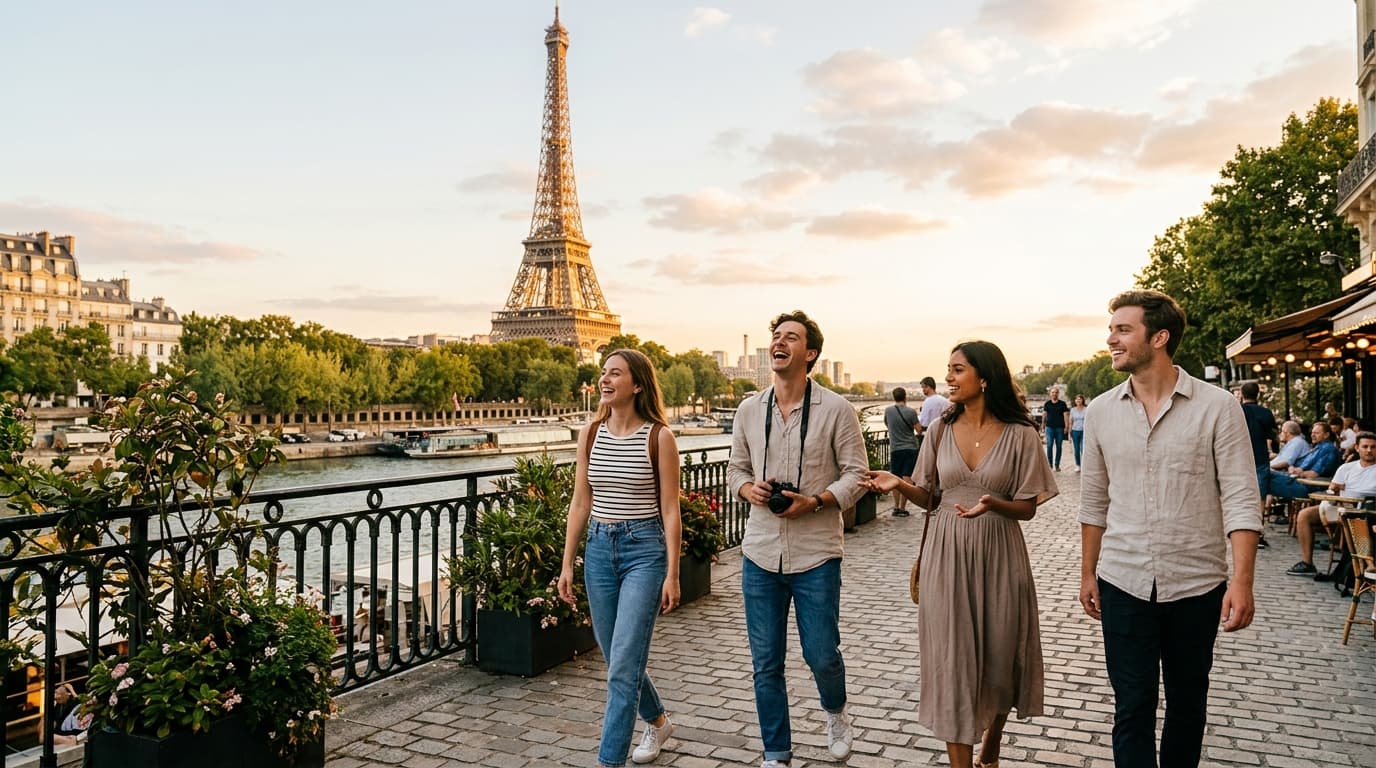
must see in Paris means the iconic landmarks, neighborhood walks, museums, cruises, food stops, and evening experiences that make a first trip feel complete. If you only have a few days, the real answer is to prioritize the Eiffel Tower, the Louvre, Notre-Dame and Île de la Cité, Montmartre, and one scenic Seine experience, then build around your travel style and season.
Paris can be as classic or as local as you want it to be, and that is exactly why it rewards a smart plan. We checked the city from the perspective of first-time visitors, couples, families, solo travelers, and budget-minded explorers, and the best approach is not to try to “do everything,” but to choose the right mix of big sights and neighborhood moments. From experience, the most memorable Paris days combine one or two headline attractions with a long walk, a proper café break, and one evening plan that feels special. In 2026, the city is also especially strong for timed-entry museum visits, scenic walking routes, and bookable experiences that help you skip the stress and spend more time enjoying the city. If you want a live, curated way to discover current outings while you plan, explore Gidly's full events catalog.
Quick answer — the must-see in Paris if you only have a short time
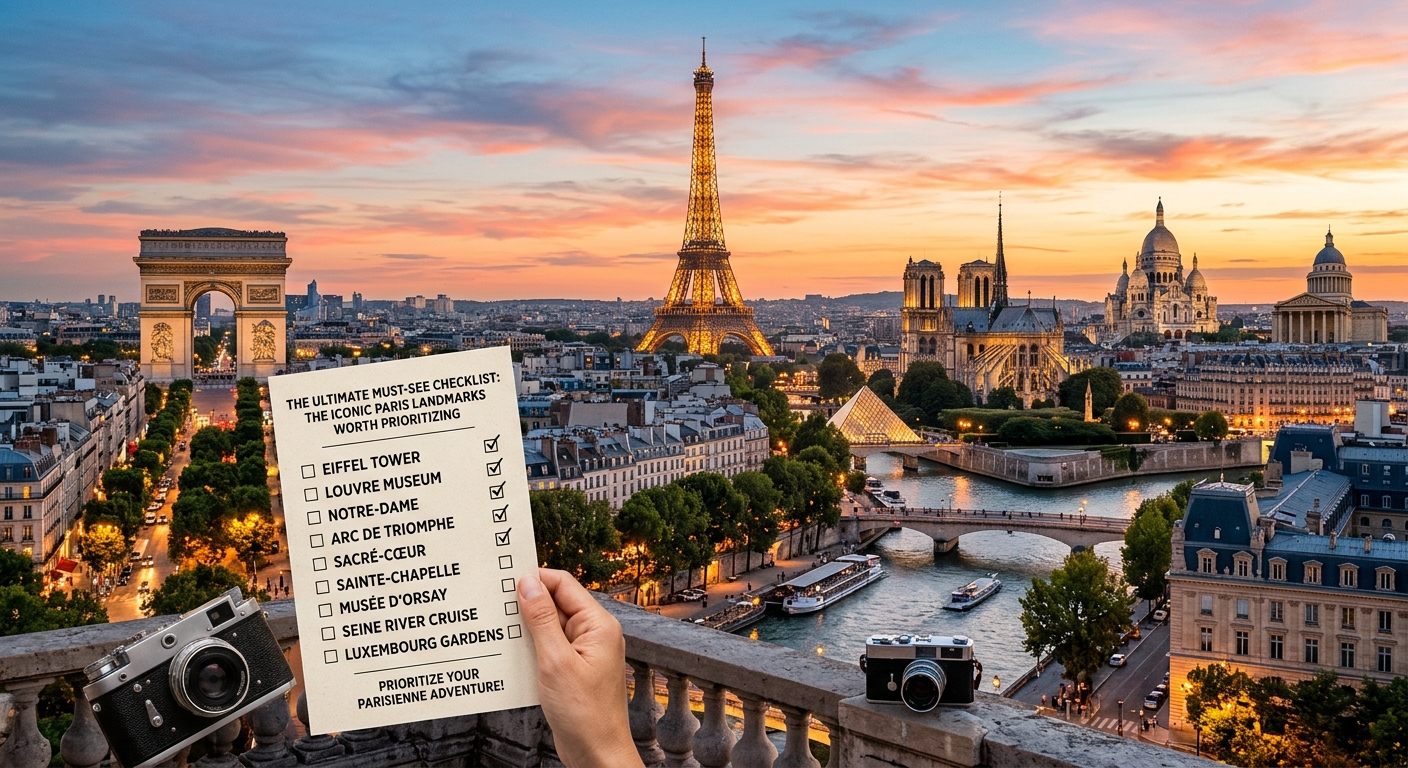
If you are trying to figure out the must see in Paris with limited time, start with the places that give you the strongest “this is Paris” feeling in the shortest amount of effort. For most first-timers, that means the Eiffel Tower, the Louvre exterior or a highlights visit, Notre-Dame and Île de la Cité, Montmartre, and one Seine cruise or riverside walk. Those five give you the best mix of skyline, art, history, neighborhood atmosphere, and romantic city energy without turning your trip into a marathon.
The trick is to think in layers rather than individual attractions. Paris works best when you combine one major indoor stop with one outdoor neighborhood, then leave room for food, people-watching, and an easy evening plan. If you only have a day, you should not try to cross the whole city twice just to add one more famous building. We’ve found that the smartest “shortlist” comes from balancing priority, transit, and how much time you actually want to spend inside museums versus wandering on foot.
For current-year planning, this is especially important because timed entry, popular brunch slots, and evening cruises can sell out faster than casual travelers expect. In 2026, the best Paris planning feels less like checking boxes and more like curating a route that flows naturally by arrondissement. That means doing the big names, yes, but doing them in a way that leaves you energized instead of exhausted. Paris is famous for being beautiful, but it is also a city that rewards pacing, and your shortlist should reflect that.
The 5 non-negotiables for first-time visitors
If we had to narrow the city down to five experiences, these would be the ones we’d keep on a first trip. First, the Eiffel Tower is the ultimate symbol of Paris, whether you go up or admire it from below. Second, the Louvre is still the world’s most famous museum, and even a focused highlights visit gives you a memorable cultural anchor. Third, Notre-Dame and the Île de la Cité area give you the historic core of the city and a strong sense of old Paris. Fourth, Montmartre provides the hilltop views, artistic history, and village-like streets that many visitors imagine before they even land. Fifth, a Seine cruise or river walk delivers the postcard angle that ties the entire trip together.
That set works because it covers five different versions of Paris. You get architecture, art, history, neighborhood charm, and scenic movement through the city. You do not need to spend an entire day at each one to appreciate them, and that matters if your trip is short. The most common mistake first-timers make is overcommitting to too many museums and monuments in one day, then ending up with no time to actually enjoy Parisian life. A better plan is to choose one “headliner” in the morning, one neighborhood in the afternoon, and one scenic evening experience after dinner.
When our team looked at what visitors remember most, these five kept coming up not because they are the only worthwhile places, but because they create the clearest memory map. Even if you are normally not the type to do touristy things, these are worth the stop. Paris is one of those cities where the classic choices are classic for a reason. That said, you can still make them feel personal by choosing the best time of day, pairing them with nearby cafés, and skipping the more exhausting versions when a simpler view or shorter visit gives you the same satisfaction.
The best order to experience them in one day
If you are trying to fit a lot into a single day, the best order usually begins with the Louvre or Notre-Dame area in the morning, then moves toward a neighborhood lunch, a river walk or cruise in the afternoon, and finishes with the Eiffel Tower or Montmartre at sunset. This sequence works because it reduces backtracking and lets the city unfold naturally as the light changes. Morning is the best time for indoor attractions that get crowded, while late afternoon and evening are ideal for skyline views, river scenes, and romantic dinner plans.
A very practical one-day route is: start at the Louvre pyramids early, cross toward the Seine and Île de la Cité, take a café break in the Latin Quarter or Saint-Germain, then head to the Eiffel Tower area for sunset or a cruise after dark. If you prefer a more bohemian mood, switch the final stop to Montmartre and stay for golden hour on the hill. Either way, you should avoid zigzagging across Paris just because every attraction looks close on a map. The metro is excellent, but time saved by planning well is time you get to use on experiences that feel memorable.
From experience, the “best order” is also emotional, not just logistical. Start with something iconic when you still have energy, then move toward something picturesque, and end with something atmospheric. That way, your day has a clear arc rather than feeling like a checklist. If you are traveling with kids or with anyone who tires easily, consider using a hop-on hop-off bus or a Seine boat segment as your connector, because those options give you a break from walking while still keeping the sightseeing momentum going.
What makes a place truly “must see” in Paris
Not every famous attraction deserves your limited vacation hours, and that is where the phrase “must see” needs some judgment. A true must-see in Paris should satisfy at least one of three things: it should be iconic enough to shape your mental picture of the city, it should be beautiful enough to justify the time and ticket cost, or it should give you a strong local experience that you cannot recreate elsewhere. The best spots often do all three. That is why the Eiffel Tower, the Seine, and Montmartre keep making the cut while more niche attractions depend heavily on your interests.
It also helps to ask whether a place changes your experience of the city, not just your photo gallery. For example, a great museum can be a must-see even if you are not usually a museum person because it reveals a major chapter of Parisian culture. A neighborhood like Le Marais may be a must-see because it makes the city feel lived-in, stylish, and walkable. Meanwhile, something globally famous but operationally frustrating may be worth only if you have the appetite for lines, crowds, and ticket planning.
We also think a true must-see should still feel good in the current year, not just in old guidebooks. In 2026, the best attractions are the ones that work well with timed reservations, clear visitor flow, and a strong nearby ecosystem of cafés, walks, and complementary stops. That is why this guide favors places where you can build a full experience, not just stand in front of a landmark and leave. The real Paris magic is often in the combination of headline sight plus neighborhood rhythm.
Answer capsule: the fastest way to plan your shortlist
If you only have a few days, choose one big museum, one skyline landmark, one historic island walk, one neighborhood like Montmartre or Le Marais, and one scenic experience like a Seine cruise or rooftop drink. That gives you the strongest mix of classic Paris and actual enjoyment. Anything beyond that should depend on your pace, weather, and whether you care more about art, food, romance, or photos.
For most visitors, the best “first draft” itinerary is simple: Eiffel Tower, Louvre highlights, Notre-Dame area, Montmartre, and the Seine. Then add a café, a pastry stop, and one evening activity. If you want live options and seasonal events layered onto your trip, browse Gidly's full events catalog to see what is happening nearby while you are in town.
The ultimate must-see checklist: the iconic Paris landmarks worth prioritizing
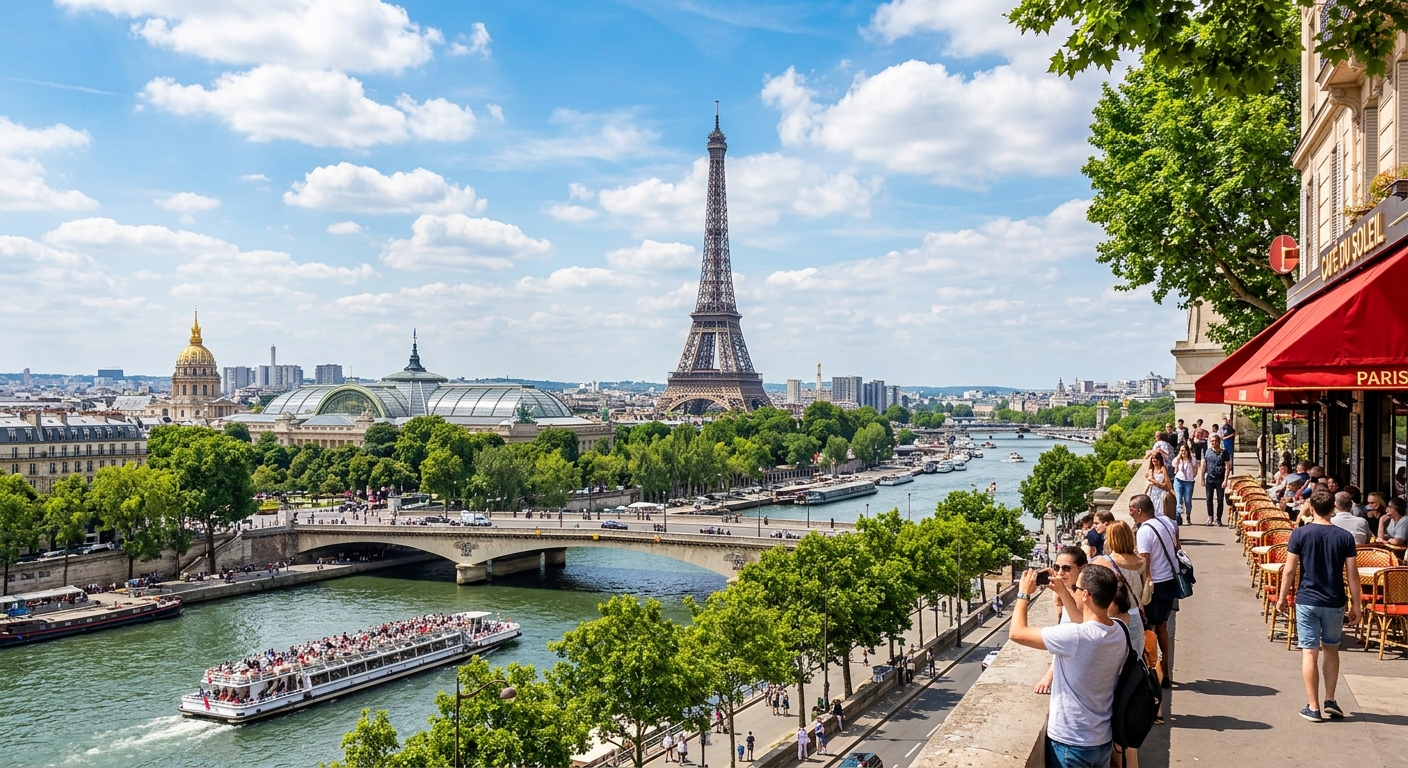
The most famous landmarks are famous because they earn their place, but the best way to handle them is not to blindly visit all of them in one breathless rush. The smartest approach is to rank them by your interests, then pair them with the right time of day, the right nearby neighborhood, and the right level of ticket commitment. In practical terms, the Eiffel Tower, Louvre, Notre-Dame, Arc de Triomphe, and Sacré-Cœur are the clearest anchors of a Paris first trip.
These are the sights that define the city skyline, the art legacy, the religious and medieval core, and the hilltop bohemian side of Paris. They are also the places most likely to be overbooked, crowded, or misunderstood by travelers who arrive without a plan. A landmark is not just a photo stop; it is often the center of an entire quarter of the city, and that makes the surrounding walk just as important as the attraction itself. In Paris, the best visits usually include a nearby café, viewpoint, or side street that makes the headline stop feel richer.
We checked official and current visitor patterns for 2025-2026, and the biggest shift is how much better the experience becomes when you pre-book, go early, and avoid peak tourist rhythms. The city is still very walkable, but the most popular sights now reward timing more than ever. Below, we break down each classic stop with practical advice, insider pacing, and honest recommendations on what is worth doing, what is optional, and what can be enjoyed from the outside without missing the point.
Eiffel Tower — when to go, where to view it, and whether to go up
The Eiffel Tower is still the single most recognizable must see in Paris landmark, and yes, it is worth seeing in person even if you are skeptical about “tourist traps.” The big decision is whether to go up. If it is your first trip and you love skyline views, the ascent can be worth it, but if you are short on time, the tower from the ground, Champ de Mars, Trocadéro, or a nearby Seine bridge can be just as satisfying for the classic photo and atmosphere.
The best times to see the Eiffel Tower are early morning for thinner crowds, late afternoon for golden light, and evening for the sparkle effect. If you want to go up, book ahead through the official site and choose the time slot carefully, since the lines can be intense in peak season. Current pricing varies by access level and age, but adult tickets generally start in the lower teens and rise depending on whether you take stairs or elevator access to different levels. Families and budget travelers often prefer the surrounding views, because the tower itself can be appreciated without paying for the full climb.
From experience, the surrounding neighborhood matters more than many visitors realize. The 7th arrondissement offers a polished, elegant version of Paris, with broad avenues and iconic sightlines, while Trocadéro delivers the most dramatic viewpoint across the Seine. If you want a more local-feeling stop, walk along the river toward Pont de Bir-Hakeim or even book a Seine cruise that passes under the tower. That gives you multiple angles without repeating the same selfie from three different sidewalks.
Louvre Museum — the essential masterpieces and how to avoid overwhelm
The Louvre Museum is essential, but it is also the place most likely to overwhelm first-time visitors. The museum is enormous, so the goal is not to “see it all” but to choose a focused route. For most people, the must-see cluster includes the Mona Lisa, Venus de Milo, Winged Victory of Samothrace, and a few rooms that fit your interests, whether that is ancient art, French painting, or decorative arts. A two- to three-hour visit can be perfectly meaningful if you enter with a plan.
The smartest way to visit is to reserve timed entry in advance, arrive early, and go in with a short list rather than wandering until you run out of energy. Official ticket pricing changes by exhibition and access rules, but the standard admission is typically in the low twenties in euros for adults, with some free or reduced-access categories depending on age, residency, and special days. Because the museum is so busy, it helps to use the official map and focus on one wing instead of crossing the entire complex multiple times. If you are not a museum person, a highlights tour is often the best value because it removes decision fatigue.
We’ve found the Louvre becomes much more enjoyable when paired with the nearby Tuileries Garden or a Seine-side walk after your visit. That turns a potentially intense indoor stop into a smooth half-day in central Paris. It is also one of the best rainy-day anchors in the city, since you can spend several hours inside and then step out into the center of Paris without losing the day. If you only do one major museum in Paris, this is the one most likely to feel like a true rite of passage.
Notre-Dame and Île de la Cité — what to see now and what’s reopening
Notre-Dame remains one of the most important must-sees in Paris, not only because of its history and architecture but because the entire island around it anchors the origins of the city. The cathedral area has evolved significantly in recent years, so visitors should check current official updates before planning their route. Even when certain areas are under restoration or reopening in phases, the exterior, surrounding squares, and nearby river walks still offer a deeply Parisian experience. This is one of those places where the atmosphere matters almost as much as the building itself.
The best way to visit is to combine Notre-Dame with Île de la Cité and, if time allows, Île Saint-Louis. That gives you cobblestone lanes, river views, old stone facades, and the feeling of walking through the historic center of the city rather than just stopping for a photo. The area is especially good early in the day or near sunset when the light hits the stone and the crowds thin slightly. Saint-Chapelle, nearby, is also a major highlight if it is open on your dates, and its stained glass makes it one of the most impressive indoor experiences in Paris.
From a planning perspective, this is a good “connector” stop rather than a full-day destination. It works beautifully between the Louvre and the Left Bank, or as part of a walking loop through the Latin Quarter. If you are into architecture, religion, or history, take time here. If you mainly want scenic Paris, even a short visit is worthwhile because the island gives you some of the city’s clearest visual layers in a compact space.
Arc de Triomphe and Champs-Élysées — the classic Paris viewpoint
The Arc de Triomphe is another landmark that deserves more than a drive-by glance, especially if you like views and city geometry. Climbing to the top gives you one of the best perspectives in Paris, with the straight lines of the avenues radiating outward like a star. The ticket price is usually moderate by Paris standards, and the view is often worth it if you want a different angle from the Eiffel Tower. It is particularly satisfying at dusk when the lights come on and the city starts to glow.
The Champs-Élysées is more variable. Some visitors love the grand scale and energy, while others find it too commercial to be truly charming. Our take is that it is best treated as a classic stroll, not a full destination. Walk a section, stop for a coffee or a snack, and continue toward the Arc or nearby gardens. If you are shopping-focused, it can be fun; if you are there for atmosphere, it is usually better to prioritize the viewpoint and the surrounding architecture over the boulevard itself.
A practical tip: traffic around the Arc is intense, and crossing at street level is not the point. Use the underground access and avoid trying to make the circle work like a normal intersection. This area also works well as part of a larger western Paris route, especially if you combine it with a river cruise, the Eiffel Tower, or a dinner reservation nearby. For first-timers who want “big Paris,” this is one of the strongest skyline experiences in the city.
Sacré-Cœur and Montmartre — the skyline, steps, and atmosphere
The Sacré-Cœur Basilica and the surrounding Montmartre streets are must-sees because they bring a different emotional register to Paris. Here, the city feels hillier, more artistic, and slightly more village-like than the grand boulevards below. The basilica itself is free to enter, though the dome and some special areas may require separate tickets. The real draw is the setting: the steps, the skyline, the winding lanes, and the feeling that you have stepped into a more informal side of the city.
Montmartre is best in the early morning or later in the day, when the area feels less rushed and the light is prettier. It can get extremely busy around the main squares and portrait areas, especially when bus tours arrive, so the real insider move is to wander the side streets and stop where the neighborhood feels calmer. If you are into art history, cafés, and old Paris ambiance, this is one of the most rewarding areas to spend a few unhurried hours. If you only want a quick view, the basilica terrace alone is enough to justify the trip.
We also recommend Montmartre for anyone planning a romantic or solo trip. It has enough energy to feel lively without being exhausting, and there are plenty of places to pause for a drink, pastry, or simple dinner. The area also ties nicely into an evening cabaret or jazz plan if you want to keep the night going. Of all the famous Paris neighborhoods, this is the one most likely to reward wandering without a strict agenda.
Paris must-sees by neighborhood: where to go and what each area is best for
One of the best ways to make the must see in Paris list more useful is to think neighborhood by neighborhood. Paris is not a single sightseeing blob; it is a city of distinct districts, each with a different mood, pace, and practical purpose. That matters because the same attraction can feel completely different depending on where you start, where you eat, and how much walking you want to do. The neighborhood approach also helps you avoid the classic mistake of crossing the city repeatedly for no reason.
For a first visit, five areas consistently deliver the best return on time: Le Marais, the Latin Quarter, Saint-Germain-des-Prés, Île de la Cité and Île Saint-Louis, and Montmartre. These districts give you a strong mix of history, food, shopping, café culture, and scenic wandering. They also happen to be some of the easiest places to build a half-day or full-day route around, which makes them especially valuable if your trip includes rain, jet lag, or limited energy.
In 2026, neighborhood exploration is more important than ever because the city’s best days are often built from “small wins” rather than one giant sightseeing sprint. A good bakery, a quiet square, a riverside bench, or a hidden passage can make the day feel richer than another hour in line. Below, we break down each area not just as a place to visit, but as a practical tool for planning breakfast, lunch, a museum, a sunset, or a relaxed night out.
Le Marais — food, fashion, galleries, and easy wandering
Le Marais is one of the easiest neighborhoods to love because it gives you so many things at once. You get historic mansions, trendy boutiques, excellent falafel and pastry stops, design shops, galleries, and lively streets that are easy to explore on foot. It is one of the best places in Paris to wander without a rigid plan, because nearly every block offers something attractive or interesting. If you only have one “free” afternoon, this is a strong contender.
It is also one of the best places to understand how Paris balances old and new. You can move from a quiet courtyard to a stylish café to a busy shopping street in just a few minutes. The area works well for couples who want a stylish, photogenic walk, friends who want casual food and people-watching, and solo visitors who prefer a neighborhood that feels active but not chaotic. The museums and historic houses here are often smaller and less overwhelming than the city’s heavy-hitters, which makes the district feel approachable.
From experience, Le Marais is strongest when you keep the schedule loose. Don’t overpack it. Pick one museum or gallery, one food stop, and then spend the rest of the time drifting through the side streets. It is also a good base if you want to be central without being as formal as the Left Bank. In spring and autumn, the neighborhood is especially enjoyable because the weather makes window shopping, patio sitting, and spontaneous detours all feel easy.
Latin Quarter — bookshops, student energy, and historic streets
The Latin Quarter is the classic “student Paris” neighborhood, and it remains one of the best areas for first-time visitors who like history and a little movement in the streets. It is home to bookshops, old streets, university life, and a general energy that feels lively without being overly polished. If you want a mix of old stone, cafés, and a sense of daily city life, this is an excellent area to spend time in. It also connects well to Notre-Dame, the Panthéon, and parts of the Seine.
This neighborhood is particularly good for travelers who like to walk and discover things along the way. You can start with a bakery breakfast, pass through a bookshop or historic square, then make your way toward a museum or river view. The area is not about one giant headline attraction so much as it is about texture. That makes it ideal for rainy days, unhurried afternoons, and people who want Paris to feel lived-in rather than staged. It is also one of the easier places to find simple, reasonably priced meals compared with the most tourist-heavy zones.
If you are choosing between the Latin Quarter and Saint-Germain-des-Prés, think of it this way: the Latin Quarter is a bit more energetic and casual, while Saint-Germain feels more elegant and polished. Both are worth visiting, but the Latin Quarter is often the better fit for travelers who want a lively atmosphere without the luxury price tag. It pairs especially well with the Île de la Cité and the Seine, making it a natural stop in a central Paris route.
Saint-Germain-des-Prés — cafés, elegance, and classic Paris ambiance
Saint-Germain-des-Prés is what many people imagine when they picture elegant, literary Paris. The cafés are iconic, the streets feel refined, and the neighborhood has a long relationship with writers, artists, and intellectual life. It is not the cheapest area, but it is one of the most atmospheric. If your idea of a Paris day includes a long coffee, beautiful storefronts, gallery browsing, and a slow lunch, this district should be on your list.
The area is also practical, not just pretty. It sits well for Left Bank sightseeing, connects easily to the Seine, and works for a relaxed schedule that includes a museum or a church visit without feeling rushed. Travelers often make the mistake of only dropping in for one coffee and leaving, but Saint-Germain is best when you give it time to breathe. Sit down, people-watch, and enjoy the fact that some of the best Paris moments are about being in a place rather than racing through it.
For date nights, this is one of the most reliable neighborhoods in the city because it offers a polished yet comfortable setting. For solo travelers, it is excellent for a lunch break or a newspaper-and-coffee kind of morning. If you are traveling with older relatives or anyone who prefers classic city elegance to trendiness, this is one of the safest picks. The only real caution is that the area can be expensive, so budget travelers should be selective and use it more as a sightseeing-and-café zone than a full-day dining base.
Île de la Cité and Île Saint-Louis — postcard Paris on foot
The islands in the Seine are among the most concentrated versions of Paris you can experience, and they are especially useful if you want scenic walking without too much complexity. Île de la Cité gives you the historic core, Notre-Dame, courthouse facades, river views, and direct access to the city’s oldest layers. Île Saint-Louis, just next door, is quieter and often more residential-feeling, with lovely streets, classic facades, and some of the most pleasant walking in central Paris. Together, they create a compact but powerful sightseeing zone.
This area is ideal for travelers who want postcard Paris without committing to long queues or heavy museum time. It also works nicely as a transit-free zone where you can simply walk, snack, and take photos. A bridge-to-bridge route here can be one of the most satisfying parts of a first trip, especially if you combine it with a Seine cruise or a visit to nearby Sainte-Chapelle. The balance of water, stone, and skyline is what makes this part of town feel so special.
For practical planning, this is often best as a daytime or late-afternoon stop. It is easy to connect to the Latin Quarter, the Louvre, or the Marais, which means you can treat the islands as a scenic bridge between bigger objectives. If your trip is short and you only want one walk that feels truly “Paris,” make it this one. The area is also good for those who like gentle, low-stress sightseeing, because there is enough beauty here to feel rewarding without requiring a full itinerary overhaul.
Montmartre and the 18th arrondissement — views, art, and evening charm
Montmartre is the most atmospheric neighborhood on the classic must-see list, and the surrounding 18th arrondissement gives it even more depth. The area is famous for the basilica, the steps, the old artistic energy, and the sense that you can still find pockets of a more local, slightly scruffier Paris if you wander carefully. It is especially appealing for people who want a neighborhood that feels different from the grand center. That contrast is part of what makes Paris memorable.
Montmartre also works well for evenings. The streets can feel magical after sunset, especially if you have dinner nearby or plan to continue to a cabaret, jazz club, or scenic walk. The area does get busy, and the main squares can feel over-touristed, so the best advice is to look beyond the obvious photo spots. Take the side streets, stop for a drink away from the most crowded corners, and let the neighborhood show itself gradually. That pacing pays off.
If you are traveling as a couple, this is one of the strongest mood-setting areas in Paris. If you are traveling solo, it gives you a lot of visual interest without pressure. If you are with friends, it can be a great place for a long lunch, casual drinks, and skyline photos. We also like it as an end-of-day neighborhood because the hill and the streets create a natural sense of journey. You arrive, look out over Paris, and immediately feel like the day has a satisfying finale.
The best museums and art experiences that are truly worth the time
Paris is one of the world’s greatest museum cities, but that does not mean every museum should go on your first-trip shortlist. The best strategy is to choose one or two institutions that match your energy, taste, and schedule, then leave room for the rest of the trip to feel like a vacation rather than a cultural endurance test. For first-time visitors, the Louvre and Musée d’Orsay are usually the strongest anchors, with the Centre Pompidou, Picasso Museum, and select smaller collections as smart additions depending on your interests.
What makes Paris museums special is not only the collection quality but also the buildings, the neighborhood context, and the quality of the surrounding stroll. A museum visit here often becomes an entire half-day experience, especially if you add lunch, coffee, or a walk afterward. That is why the most satisfying art days in Paris are usually built around a single major stop instead of museum-hopping all over the city. The city rewards depth more than speed.
For 2026, the best museum planning also means checking current exhibition calendars and timed-entry policies more carefully. Temporary exhibitions and immersive installations are increasingly popular, and some of the best things to do in Paris are now the limited-run shows that sell out first. If you want to combine cultural sightseeing with current entertainment, Gidly is especially useful here because it helps surface what is happening now rather than what guidebooks recommended three years ago.
Louvre highlights for non-art experts
If you are not a serious art expert, the Louvre still belongs on your list, but only if you approach it the right way. The goal is to enjoy the famous pieces without pretending you can absorb the entire museum in one visit. A good highlights route can include the Mona Lisa, Venus de Milo, Winged Victory, and a small number of galleries that fit your interests. You do not need to see every wing to say you have experienced the Louvre properly.
The museum’s size is both its greatest strength and its biggest trap. Visitors often spend too long navigating corridors and too little time actually looking at works they care about. We recommend deciding ahead of time what your top three priorities are, then using the official map to move directly there. If you have a short trip, book a guided highlights tour or use a self-guided shortlist. That keeps the visit efficient and gives you enough time to enjoy the building itself, which is part of the point.
Another smart move is to visit early in the day or near the end of the afternoon, depending on your energy and the day’s entry patterns. If you are traveling with kids or a mixed-interest group, keep the visit brief and pair it with an outdoor break in the Tuileries. The Louvre is worth the time, but it is most rewarding when you treat it as a curated cultural stop rather than a complete art education. That shift in mindset makes all the difference.
Musée d’Orsay — why it’s a favorite for first timers
The Musée d’Orsay is often the most approachable major museum for first-time visitors because it offers masterpiece density without the overwhelming scale of the Louvre. Housed in a former train station, it is beautiful in its own right, and its Impressionist and Post-Impressionist collections make it especially appealing to visitors who recognize names like Monet, Renoir, Degas, and Van Gogh. If your museum time is limited, this is the one we’d often recommend alongside or instead of a larger art stop depending on your taste.
The building itself is part of the experience, and the central hall and grand clock views add to the atmosphere. Official ticket prices are generally in the reasonable-to-moderate range for a major Paris museum, and timed entry is still a good idea during busy periods. It is typically easier to enjoy than the Louvre because the scale is more manageable and the thematic focus is clearer. For people who love beautiful spaces but do not want to spend all day in galleries, it is one of the best cultural investments in the city.
We also like the Orsay as a weather-proof anchor. If it rains, it is excellent. If you want a museum that does not feel like homework, it is excellent. If you want to pair art with a nice lunch or a river walk, it is excellent. That is why many first-time travelers end up preferring it emotionally over larger institutions, even if the Louvre is more globally famous. It simply gives a more digestible, elegant museum experience.
Centre Pompidou and modern art alternatives
The Centre Pompidou is the obvious choice for modern and contemporary art, and its exterior alone is worth seeing if you like bold architecture. The museum has a different energy from the classic grand institutions, and it works well for travelers who want something a little more experimental. If you enjoy design, photography, or modern culture, this can be a very worthwhile stop. The surrounding area also gives you easy access to the Marais, which makes it useful as part of a larger day out.
That said, the Pompidou is not for everyone, and that is okay. Some visitors love the rawness and flexibility of modern art, while others prefer more iconic masterpieces. If your trip is very short, this is one of the spots you can safely skip unless contemporary art is a personal priority. But if you want a break from traditional museum pacing, it can be a refreshing choice. We think it is best when paired with a neighborhood walk rather than treated as a standalone mission.
There are also plenty of modern and design-forward alternatives in Paris, including smaller galleries and temporary exhibition spaces. In 2026, that broader current is important because the city keeps leaning into rotating shows, pop-ups, and immersive formats that feel more event-like than static museum visits. That means you can use Gidly to find what is currently on rather than guessing from old lists. If modern culture is your thing, Paris has far more going on than just the canonical collections.
Musée de l’Orangerie, Picasso Museum, and lesser-known options
The Musée de l’Orangerie is one of our favorite “smaller but excellent” museum choices because it is compact, beautiful, and home to Monet’s Water Lilies in a setting that feels almost built for calm appreciation. The Picasso Museum is another strong choice, especially if you enjoy seeing an artist’s range across multiple periods. Both are easier to fit into a trip than the major giants, and both reward visitors who want quality without spending half a day on logistics.
These smaller museums are particularly useful for rainy days, solo trips, and mixed-interest travel groups. They give you enough cultural substance to feel meaningful while leaving time for a meal, a walk, or another attraction. They also tend to be easier on attention span, which matters when you are traveling after a long flight or with companions who are not especially museum-driven. If the Louvre is the blockbuster and Orsay is the elegant crowd-pleaser, these smaller spots are the more tailored picks.
We especially recommend them if you want to avoid the “museum fatigue” that can hit first-time visitors who try to stack too many major institutions. One good museum plus a neighborhood walk often beats two rushed museum visits. That pacing leaves the trip feeling richer, and it is one of the simplest ways to make Paris more enjoyable. Think of these as high-value cultural stops that can make your itinerary feel curated rather than crowded.
Immersive exhibitions and what to book when you want something current
Paris has become very strong in immersive and temporary exhibitions, and in 2026 that trend is not slowing down. If you want something more current than a fixed museum collection, look for light installations, digital art shows, fashion exhibitions, design retrospectives, and limited-run cultural events. These are especially useful when you have already done the major classics or when you want a more social, contemporary experience. They also work well for groups and date nights because they feel more interactive than traditional gallery visits.
One of the advantages of immersive shows is that they often fit neatly into a shorter time window. That makes them ideal for rainy days or for evenings when you want something stylish but not too formal. The downside is that they can be more variable in quality, so it helps to check recent reviews and official event pages. This is where live discovery platforms matter: what is current and actually happening now should guide your choice more than a generic list from last year.
If you are deciding whether to book one of these, ask yourself what role the experience plays in your trip. If you need a cultural anchor, go for a museum. If you want a buzzier, more “now” feeling, choose an exhibition or installation. Paris does both well, and the best itinerary often includes a blend of classic art and contemporary discovery.
Scenic Paris experiences you should not skip
Some of the most memorable things to do in Paris are not just attractions but ways of moving through the city. Scenic experiences connect landmarks, reveal scale, and help you enjoy the city without turning every step into a navigation challenge. That is one reason Seine cruises, walking tours, hop-on hop-off buses, sidecar rides, and small-group bike tours remain so popular in 2026. They are not only practical; they also help you see Paris from angles that feel cinematic and memorable.
When people ask what is truly worth it in Paris, we often recommend one scenic experience along with one major landmark. That combination creates a much more rounded trip than trying to cram in six separate interior visits. The city is a visual feast, and moving through it with intention lets you appreciate the bridges, riverbanks, façades, and hidden courtyards that make the city special. In other words, how you experience Paris matters almost as much as what you visit.
These options are especially useful if you are traveling with different energy levels in your group. A cruise can give everyone a break, a walking tour can ground the trip in storytelling, and a sidecar or bike can add novelty without requiring a huge time commitment. Below, we break down the best scenic choices, when to pick them, and what kind of traveler gets the most value from each one.
Seine river cruise — daytime vs sunset vs night
A Seine cruise is one of the clearest yes-choices on any Paris checklist because it gives you a high-return overview of the city with minimal effort. A daytime cruise is the best for orientation, since you can identify bridges, landmarks, and neighborhoods as the boat moves. A sunset cruise adds softer light and a more romantic tone. A night cruise is the most atmospheric because the monuments are illuminated, and the whole city seems to glow in a way that is hard to replicate on foot.
Pricing varies by operator, duration, and whether the cruise is sightseeing-only or paired with drinks or dinner. Basic sightseeing cruises are usually relatively affordable, while premium dinner options climb quickly. If this is your first trip, a simple daylight or dusk cruise often gives the best value because it lets you see a lot without overcommitting. The official schedules and boarding points matter, so check the operator’s current information before heading out, especially in peak season or during special events.
From experience, the best cruise is not necessarily the fanciest one. It is the one that fits your day. If you are already planning a long dinner elsewhere, keep the boat ride simple. If you want one special moment after dark, choose a nighttime route. The Seine is one of Paris’s greatest assets, and cruising it is one of the easiest ways to feel like you truly saw the city rather than just visited isolated sites.
Dinner cruises and when they are worth the splurge
Dinner cruises can be wonderful, but only if they match the kind of evening you want. If you value ambiance, a moving view, and the feeling of turning dinner into an event, they can be a memorable splurge. If you are very food-focused or want a more spontaneous night, you may be happier with a separate dinner reservation and a later walk along the river. The issue is not whether dinner cruises are good; it is whether they suit your priorities.
They are especially appealing for couples celebrating something, travelers with limited time who want one polished evening, and visitors who prefer to bundle sightseeing and dining into one booking. The prices vary a lot, and the most expensive options can feel more about the setting than the cuisine. That is fine, but you should know it before you book. Always check what is included, whether drinks are part of the package, and what the boarding rules are.
If you are celebrating a milestone, a dinner cruise can absolutely be worth it. If your trip is on a tighter budget, a sunset cruise followed by a simple neighborhood dinner often gives you 80 percent of the magic for much less money. That is a useful Paris rule in general: when in doubt, split “view” and “meal” into separate choices unless a package truly adds value.
Walking tours that connect landmarks without stress
A well-designed walking tour can be one of the smartest investments in Paris because it gives you context, local shortcuts, and a sense of how neighborhoods fit together. Instead of moving from one landmark to another in isolation, you get the story of the city as a connected place. That is especially helpful if this is your first time in Paris and you want to avoid feeling lost or over-reliant on maps. A good guide can also help you spot details you would otherwise miss, like hidden courtyards, historic façades, and the best places to pause.
Walking tours come in many forms: history, food, architecture, street art, Left Bank, Marais, Montmartre, and even themed evening walks. They are especially useful for people who like structured experiences but do not want to sit indoors for hours. They also work well for solo travelers, since the social aspect can be low-pressure and easy to enjoy. For families, choose a route with a manageable pace and a clear endpoint, rather than one that tries to cover too much ground.
In our view, the best walking tours are the ones that link your must-see sights into a route you could then repeat on your own. That way, the tour is not just entertainment; it is also a map-making tool for the rest of your stay. If you only book one guided experience in Paris, this is one of the strongest contenders.
Hop-on hop-off buses and orientation hacks
Hop-on hop-off buses are sometimes dismissed by seasoned travelers, but they are genuinely useful in Paris if you are short on time, traveling with kids, or arriving jet-lagged and needing a low-effort orientation. They are not the most intimate way to see the city, but they can save your feet and simplify cross-city movement when the metro feels too chaotic. They are especially handy for first-time visitors who want to understand where the big sights sit relative to each other before spending the rest of the trip walking.
The key is to use the bus as an overview tool rather than your main mode of sightseeing. Pick a route that helps you connect the Eiffel Tower, Louvre area, and major viewpoints, then step off when something interests you. If you stay on too long, it can become less efficient than the metro or walking. But if you use it strategically, it can be a smart, time-saving bridge between major stops.
For families and mixed-age groups, the bus can be a lifesaver because it reduces stress and provides a predictable rhythm. It also helps during bad weather, when a bus tour can be more comfortable than trying to do everything on foot. Just remember that the best Paris experience still comes from getting off the bus and actually spending time in the neighborhoods.
Sidecar, bike, and small-group sightseeing for a more local feel
Sidecar tours and bike tours are among the most interesting options for travelers who want something a bit more playful or local-feeling. A sidecar ride adds novelty and a cinematic quality to your sightseeing, while a small-group bike tour can help you cover more ground without losing the intimacy of the city. These experiences are especially strong for repeat visitors, couples, and groups of friends who want something different from standard walking tours.
The main advantage is flexibility. You can often move through neighborhoods more quickly than on foot while still feeling connected to street level. That means you get the scent of cafés, the sounds of the city, and the changing rhythm of the arrondissements rather than just an overview from a vehicle window. For photo lovers, these experiences can be excellent because you can stop at multiple viewpoints without committing to a full tour day.
If you are considering one, make sure the operator’s route and pacing fit your comfort level. A bike tour that is too ambitious can feel tiring, and a sidecar ride that is too short can feel expensive for the time. The best versions are the ones that balance novelty with actual sightseeing value. They are not essential for every trip, but they are one of the more memorable ways to move through Paris.
Best must-see in Paris ideas by scenario — date night, friends, family, solo, budget, rainy day
One of the biggest planning mistakes visitors make is choosing sights by fame alone instead of by travel scenario. The best must-see in Paris list for a couple is not the same as the best list for a family with small kids or a solo traveler who wants low-stress flexibility. Paris is versatile enough to support all of those experiences, but the right pick changes based on company, weather, budget, and energy. Thinking in scenarios helps you avoid disappointment and choose activities that feel tailored.
This is where Paris really shines as a city destination. It can be romantic without being cliché, family-friendly without being boring, and budget-friendly without becoming repetitive. It can also be deeply satisfying for solo travelers because the city’s cafés, museums, and river walks make it easy to spend time alone without feeling isolated. A smart itinerary should reflect that versatility.
We also think scenario planning is one of the best ways to make a trip feel current. In 2026, travelers increasingly want a mix of pre-booked anchors and flexible add-ons. That means it helps to know your likely weather, mood, and companions before deciding what to reserve. Here is how we’d break it down.
Date night in Paris — romantic classics plus modern options
For date night, Paris gives you the full spectrum from iconic to contemporary. The classic move is an Eiffel Tower view, a scenic cruise, or a candlelit dinner in a polished neighborhood like Saint-Germain or near the Seine. That is hard to beat if you want the romance to feel unmistakably Parisian. But there are also smarter, less predictable options like a jazz club, rooftop drinks, a late museum opening, or a neighborhood wine bar followed by a quiet walk.
The trick is to choose one anchor and one surprise. For example, you could start with sunset at Trocadéro, then take a cruise, then finish with dinner in the 7th or 6th arrondissement. Or you could do a small museum, then a pastry stop, then a cabaret or live music show. You do not need every moment to scream “romance”; sometimes the most memorable evenings are the ones that feel effortless and a little unplanned.
Our favorite date night advice is to book the one thing that matters most to you and keep the rest open. If the dinner reservation is the highlight, leave the before-and-after flexible. If the view is the point, keep dinner casual. Paris rewards pacing, and romantic energy tends to rise when you are not rushing from one overbooked reservation to another.
With kids in Paris — easy wins, interactive stops, and low-meltdown plans
Paris can be excellent with kids, but only if you plan around attention span and walking tolerance. The best family-friendly must-sees are the Eiffel Tower, a Seine cruise, the Jardin du Luxembourg, selected museum highlights, and open spaces where kids can move around. The city also has enough bakeries, benches, and parks to make pacing manageable, which is a huge plus compared with destinations that require every stop to be high-energy. The key is to keep the schedule flexible and limit the number of interior attractions in one day.
Interactive stops matter a lot. A cruise provides movement without legwork, a garden gives kids space to run, and a smaller museum can feel more manageable than a giant one. If you do choose the Louvre, keep it short and focused. If your kids are younger, the exterior and surrounding garden can be more than enough. Avoid trying to force a “perfect adult itinerary” onto a child-centered trip; it will backfire quickly.
We also recommend building in snack time, restroom planning, and transit shortcuts. Paris is family-friendly when you treat it like a city of intervals, not a relay race. That means shorter stops, more breaks, and an emphasis on things kids can enjoy without needing to understand art history. Done right, the city can be magical for them and much less stressful for you.
With friends or a group — social, lively, photo-worthy plans
Traveling with friends or a group is a great excuse to mix the obvious highlights with a few fun, social experiences. A day like Eiffel Tower views, Le Marais wandering, a café lunch, and a rooftop or wine bar dinner can be ideal because it balances sightseeing and social energy. Group trips work especially well in Paris when the plan has enough structure to keep everyone aligned but enough flexibility to let people split off when needed. That is usually the sweet spot.
Photo-worthy plans matter more in group settings because everyone wants a moment that feels memorable. Montmartre, the Seine, rooftops, and bridge viewpoints are all strong choices. If your group includes different budgets, choose experiences that can be scaled: one person can upgrade to a dinner cruise while others stick to a casual river walk and shared dinner. That allows everyone to participate without forcing a single expensive option on the whole party.
A common group mistake is trying to over-optimize the itinerary around consensus. In practice, it is better to choose one or two shared anchors and leave room for personality. One group member may love museums, another may prefer shopping, and another may simply want great food and nightlife. Paris makes that easy if you plan by neighborhood rather than by exact hour.
Solo in Paris — low-pressure, scenic, and flexible activities
Solo travel in Paris can be incredibly rewarding because the city offers so many low-pressure experiences that do not require a companion to be enjoyable. A café morning, a museum afternoon, a long river walk, and a good dinner in a neighborhood bistro can make for a perfect day. Paris is also a city where being alone in public feels natural, not awkward, which is a major plus for independent travelers. You can be as active or as contemplative as you want.
The best solo picks are those that are easy to enter, easy to leave, and easy to modify. Think Musée d’Orsay, the Marais, Île Saint-Louis, or a Seine cruise. You can pause whenever you want, browse bookstores, sit by the water, and keep moving without negotiating with anyone else’s pace. That flexibility is valuable, especially if you are using the trip as a break from routine.
We also recommend a solo traveler keep one evening plan on the books, even if it is as simple as a live jazz set or a scenic drink. That gives the day a focal point and helps you avoid drifting. Paris is wonderful for wandering, but solo trips feel best when they have one or two strong anchors. That balance keeps the experience grounded and satisfying.
Rainy day and indoor must-sees — museums, passages, and covered spaces
Rain in Paris is not a disaster; it is an invitation to choose a more intimate side of the city. The strongest rainy-day choices are museums, historic covered passages, elegant cafés, department stores with views, and indoor food experiences. The Louvre and Musée d’Orsay are obvious picks, but smaller museums and galleries can be even more pleasant when you want to avoid crowds. Covered shopping arcades and passageways are also a great way to keep walking without getting soaked.
Rainy-day planning should prioritize clusters, not scattered stops. For example, the Marais plus a museum plus a café works well. So does the Left Bank with a bookshop, lunch, and a gallery. If you are caught in the rain unexpectedly, do not fight the weather by trying to force a giant walking circuit. Instead, switch the day into an indoor mode and lean into what Paris does well inside.
From experience, rainy days can become some of the most memorable if you pace them right. The city feels more intimate, the cafés feel cozier, and the museums often feel more satisfying because you are not tempted to rush outside too soon. This is exactly why having a flexible shortlist matters. Paris rewards adaptation.
Food and drink experiences that belong on a must-see Paris list
Food is not separate from sightseeing in Paris; it is part of the sightseeing. A great pastry, a long café stop, or a beautiful terrace can be just as essential as a museum if the goal is to understand what makes the city feel alive. The food scene is broad enough to fit every budget and mood, from a quick croissant run to a special dining reservation or a wine-and-cheese evening. That makes food one of the most useful ways to customize the city for your trip style.
We always advise visitors to think in categories: morning pastries, lunch, afternoon snacks, aperitifs, and dinner. That approach keeps you from eating every meal as a giant tourist transaction. It also helps you enjoy the city in smaller, more memorable parts, which is often what people remember most. In Paris, one exceptional croissant or one perfect terrace lunch can do a lot of emotional heavy lifting.
In 2026, food discovery is also increasingly tied to reservations and local timing. The best breakfast spots and terrace tables still fill up, and some of the most interesting culinary experiences are now booking-friendly rather than walk-in only. If you want current food and nightlife options while you are in town, Gidly is a helpful way to see what is active nearby right now.
Croissants, pastries, and breakfast cafés worth seeking out
A Paris trip should absolutely include at least one serious pastry stop, and ideally several. Croissants are the obvious starting point, but Paris pastry culture is much broader than that. You should also consider pain au chocolat, éclairs, tarte slices, Paris-Brest, and seasonal cakes that reflect the neighborhood bakery’s style. A good breakfast café can be one of the cheapest and happiest ways to start the day, especially if you plan to walk afterward and enjoy the sugar fuel.
The best bakeries are usually the ones people actually line up for in the morning, not just the ones near major landmarks. A little research pays off here, because quality can vary widely from one block to another. We recommend testing one or two places near your hotel or planned sightseeing area so you do not have to make breakfast a logistical project. If you find a great bakery, go back more than once. That is the kind of repeat pleasure Paris is perfect for.
For first-time visitors, breakfast also works as a low-stakes entry point into the city’s food culture. You don’t need a big reservation or an intimidating menu. You just need a seat, a hot drink, and something buttery. That simplicity is part of the charm, and it is a great reminder that “must-see” in Paris sometimes tastes as good as it looks.
Classic bistros, brasseries, and markets
Classic bistros and brasseries remain some of the most satisfying places to eat in Paris because they give you atmosphere, dependable menu structure, and a genuine sense of place. They are ideal for lunch or dinner when you want a proper sit-down meal without going full fine dining. Markets are also worth seeking out, especially if you like browsing fresh produce, cheeses, breads, and ready-to-eat bites that let you put together your own picnic or casual meal.
The nice thing about bistros and brasseries is that they are not just about the food. They are about the room, the pacing, the service rhythm, and the feeling that you are living in Paris for an hour instead of simply visiting it. That matters a lot on a sightseeing-heavy trip. If you are deciding where to eat near a major attraction, a good brasserie can be a far better use of time than a random tourist café with a view but no soul.
Markets are a particularly good option for budget travelers and families. You can choose simple items, avoid expensive table service, and still have a memorable meal. They also make excellent picnic supplies if you want to eat in a park or along the Seine. In many cases, the food experience becomes part of the scenery rather than a separate destination, and that is very Parisian in the best sense.
Rooftop bars and scenic terraces
Rooftop bars and scenic terraces are some of the easiest ways to make a Paris evening feel special without overplanning. They work beautifully at sunset, after a museum visit, or before dinner if you want a glass of something with a view. Because Paris is relatively low-rise in many central areas, a good rooftop can give you a surprisingly expansive sense of the city. The effect is romantic, but it is also practical because it helps orient you spatially.
These places tend to book up fastest in warm weather and around sunset, so planning matters. If you want a guaranteed spot, reserve ahead when possible. Otherwise, consider going a bit earlier or later than the peak golden-hour rush. That small timing adjustment can make the difference between a calm, scenic drink and a crowded wait. For couples, it is one of the simplest date-night upgrades available in the city.
Rooftops are also a useful middle ground between a full dinner cruise and a casual café stop. You get atmosphere without being locked into a long experience. If you want a city view but not a formal dinner, this is often the sweet spot. Pair it with a neighborhood walk and your night already feels well designed.
Wine bars, cheese tasting, and culinary experiences
Wine bars and cheese tastings are a fantastic way to experience Paris without forcing a formal restaurant reservation. They are intimate, social, and often easier to fit into a packed day than a long dinner. A good wine bar can feel like a local discovery, especially if the staff helps you choose by mood or region rather than requiring you to know everything in advance. Cheese tasting experiences can be equally rewarding if you want a more educational and distinctly French activity.
These experiences are especially good for adults traveling without kids, couples on a short trip, and groups that want a shared activity before a bigger dinner or night out. They also fit well into rainy days, because they are cozy and atmospheric. The best versions do not feel gimmicky; they feel like a thoughtful way to spend an hour or two with a clear sense of place. That makes them a strong addition to any must-see list that includes food culture.
If you are on a budget, you can recreate a lighter version by buying a bottle of wine, a few cheeses, bread, and fruit from a market or specialty shop. Then head to a legal picnic spot and make your own tasting. That is one of the easiest ways to keep Paris affordable without missing the pleasure of the experience.
What food experiences are touristy but still worth it
Some food experiences in Paris are undeniably touristy, but touristy does not automatically mean bad. The question is whether the experience still delivers a strong emotional or scenic payoff. Examples include terrace café lunches near famous landmarks, picnic kits in high-traffic parks, and certain classic dessert stops that are popular because they really are good. If the setting adds meaning and the quality is solid, it can absolutely be worth doing once.
The important distinction is between “touristy but iconic” and “touristy and lazy.” The first category can be a great memory; the second often feels overpriced and forgettable. As a rule, avoid spots that seem to rely entirely on foot traffic from a landmark without any local reputation of their own. But do not be afraid to enjoy a classic café moment just because guidebooks warn you about crowds. Sometimes the crowd exists because the view or ambiance genuinely justifies it.
Our advice is simple: be selective. Choose one or two food splurges that feel aligned with your trip, then fill the rest with straightforward, good-value meals. That gives you the best of both worlds: authenticity where it matters and indulgence where it enhances the experience.
Nightlife, shows, and evening entertainment in Paris
Evening entertainment in Paris is one of the most underrated parts of a first trip. Many visitors focus on daytime monuments and forget that the city becomes especially beautiful after dark, when the buildings glow and the pace softens. If you want a more complete must see in Paris checklist, you need at least one evening plan, whether that is a cabaret, opera, jazz show, cruise, or a night walk by the river. The city has serious cultural depth after sunset.
The best evening choice depends on what kind of night you want. Cabaret is playful and spectacle-driven, opera is formal and artistic, jazz is intimate and atmospheric, and a night cruise is scenic and relaxed. Paris can accommodate all of them, and that flexibility is one of the reasons the city feels so rich. You don’t need to choose between “touristy” and “local”; you can mix them intelligently. A well-chosen evening often becomes the memory that lingers longest after the trip.
Current-year planning matters here too. In 2026, many visitors are booking later-night experiences more deliberately, especially around weekends and peak travel months. If you are hoping for a specific show or music venue, reserve in advance and check age rules, dress guidance, and seating structure. That small amount of planning makes the experience much smoother.
Cabaret and Moulin Rouge — who it’s for and who can skip it
Moulin Rouge is one of the most famous entertainment experiences in Paris, and it remains a valid choice if you want big-night-out energy. It is best for travelers who enjoy spectacle, costumes, and a sense of classic Paris nightlife rather than subtle performance. The show can be fun, glamorous, and memorable, especially for first-timers who want an iconic evening. It is also a reliable option if you need something bookable and clearly structured.
That said, not everyone needs to do it. If your style is more intimate, music-focused, or contemporary, you might prefer a jazz club, a modern cabaret, or an opera performance. The Moulin Rouge experience can also be pricey, especially once you add dinner or premium seating. If budget matters, compare the total cost carefully before booking. It is worth it for the right traveler, but not a universal must.
We see it as a “choose your own iconic night” option. If you’ve always wanted to do the classic cabaret experience, this is the one to book. If you’re more interested in local-feeling nightlife, skip it and spend your evening elsewhere. Paris has enough after-dark options that you should not feel locked into the most famous name on the marquee.
Opera, ballet, and classical performances
The Opéra national de Paris is one of the city’s most elegant cultural experiences, and it offers a very different kind of night than cabaret or clubbing. Opera and ballet are ideal if you want a formal, beautiful, and distinctly Parisian evening with an artistic edge. Even if you are not usually a classical arts person, the setting and occasion can make the experience feel special. The venue itself is part of the allure.
These performances require more planning than a casual dinner or drinks, especially if you want good seats or a specific date. Prices vary widely by production and location, so budget travelers should compare options early. Dress codes are generally not as strict as people imagine, but dressing up a bit can make the night feel more complete. If you want a “grown-up” evening in Paris, this is one of the strongest options available.
We especially like opera or ballet for solo travelers and couples who want something quieter than nightlife but more formal than a standard dinner. It creates a sense of occasion, and that can be a welcome contrast to days spent walking and sightseeing. If your trip is in winter or during a rainy spell, this is one of the best ways to make the evening feel rich and memorable.
Jazz clubs, live music, and late-night culture
Jazz remains one of Paris’s best evening traditions, and live music venues can be some of the most rewarding places to spend a night if you want a more local, spontaneous atmosphere. The city has a deep relationship with jazz and improvisational music, and small venues often create a much more intimate experience than big-ticket shows. This is especially appealing if you like conversation, atmosphere, and the feeling of discovering something rather than just checking a famous name off a list.
Live music venues vary in style, from cozy basement clubs to stylish lounges and neighborhood bars. That flexibility means you can match the night to your mood. Looking for a date-night vibe? Choose a quieter club with a great cocktail menu. Traveling with friends? Pick a livelier venue where it is okay to stay out later. Because the scene shifts often, it is wise to check current listings and set times through live event resources rather than relying on static recommendations.
In our view, jazz and live music are among the best “non-obvious” must-sees in Paris. They give you culture without the formalities of a museum or opera. They also work well as the last stop after dinner or a river walk, especially if you want the night to feel like it unfolded naturally rather than being over-managed.
Evening cruises and illuminated landmarks
Evening cruises are among the easiest ways to make Paris feel magical after dark. When the monuments are lit and the river reflects the city lights, the whole experience becomes softer and more cinematic. This is one of the best choices for couples, families with older kids, and anyone who wants a lower-effort evening that still feels special. It is also a great option when you do not want to commit to a long dinner or formal show.
What makes evening cruises so effective is their combination of motion and calm. You keep seeing the city, but you are not walking or navigating. That makes them ideal at the end of a full sightseeing day. If you are deciding between a daytime cruise and a night cruise, choose daytime for orientation and night for atmosphere. If you can only do one, night often wins on memory value, while day wins on clarity.
Combine the cruise with an easy dinner before or after, and your evening is practically done. That simplicity is a virtue in Paris, especially after a long day of sightseeing. You get the beauty without adding stress, which is exactly what a good vacation evening should feel like.
Where to go after dinner for a memorable night
After dinner in Paris, the best move is usually to choose one more thing, not three. That could be a river walk, a bar with a view, a jazz set, or a low-key neighborhood stroll. The city is beautiful enough that you don’t need to force a big nightlife plan unless that is truly your style. In fact, some of the best Paris nights are the ones that end with a slow walk and a final drink rather than a high-energy club scene.
If you want to keep going, match the post-dinner destination to your neighborhood. In Saint-Germain, think polished bars and elegant cafés. In Le Marais, think lively wine bars and late-night buzz. In Montmartre, think atmospheric streets and cabaret-adjacent options. Choosing a nearby follow-up keeps the night seamless and prevents a long cab ride from killing the mood.
For first-time visitors, the main thing is not to overcomplicate it. Build one anchor, then leave room for spontaneity. Paris at night often works better as a sequence of moods than as a packed schedule.
Best free and budget-friendly must-sees in Paris
Paris has a reputation for being expensive, but one of the city’s best qualities is how much of it you can enjoy for little or no money. If you are building a budget-friendly must see in Paris list, the key is to focus on public space, self-guided walking, outdoor viewpoints, and low-cost cultural stops. You do not need to pay premium prices for every memorable moment. Some of the best Paris experiences are free because the city itself is the attraction.
This is especially useful for first-time visitors who want to save their budget for one or two major splurges, like a museum or a dinner cruise. It also helps families and solo travelers who want flexibility. Free does not mean second-rate in Paris; it often means better pacing, more spontaneity, and a stronger connection to the city’s actual rhythms. A smart budget plan can still feel rich and complete.
We also think budget planning is one of the best ways to travel like a local. When you add a park, a riverbank walk, a market lunch, and a few standout viewpoints, your trip becomes more layered and less transactional. Here are the strongest no- or low-cost options to consider.
Free viewpoints, parks, and scenic promenades
Some of the most beautiful views in Paris are completely free. Trocadéro, parts of Montmartre, the banks of the Seine, and bridge viewpoints all give you postcard-worthy city scenes without admission fees. Parks like the Jardin du Luxembourg and the Tuileries are also excellent because they combine landscape, people-watching, and a place to rest between attractions. If your trip is tight on budget, these spaces become even more valuable.
Promenades along the river are particularly effective because they connect several landmarks at once. You can walk, sit, watch boats, and enjoy the architecture without feeling rushed. The city is designed for this kind of strolling, and that is one of its biggest gifts to budget travelers. If you are staying nearby, you can build an entire half-day around a free scenic route and still feel like you saw a lot.
For the best results, pair one free viewpoint with one inexpensive café stop and one low-cost neighborhood walk. That gives you structure without the pressure of tickets or reservations. It’s one of the easiest ways to make Paris feel generous rather than expensive.
Affordable museums and low-cost culture days
Not every cultural stop in Paris has to be a major-ticket affair. Smaller museums and some exhibition spaces offer much more manageable prices than the largest institutions. Depending on your age, residency, and timing, there may also be reduced or free entry options on certain days or categories. The important thing is to check official sites before you go, because pricing and access rules can change.
The most budget-friendly culture day often looks like one smaller museum, one public garden, and one simple lunch. That is enough to feel meaningful without draining your budget. If you are traveling on a tighter timeline, this kind of low-cost day also gives you room to splurge elsewhere, whether on a special dinner or a scenic cruise. Budgeting in Paris is less about denying yourself and more about choosing where the splurge actually matters.
It is also worth remembering that not every visitor needs the biggest, most famous version of a place. Sometimes a smaller museum gives you a better experience simply because it is less exhausting. On a budget, comfort and satisfaction matter as much as prestige.
Free things to do in Paris by neighborhood
Le Marais gives you free window shopping, square-hopping, and courtyard wandering. The Latin Quarter offers historic streets, bookstore browsing, and lively public spaces. Saint-Germain rewards café culture and walking the elegant side streets. Île de la Cité and Île Saint-Louis are essentially free scenic theater. Montmartre gives you uphill views and neighborhood atmosphere even if you never pay to enter a major attraction.
This neighborhood approach is important because it helps you create a free day that still feels varied. Rather than thinking, “What free thing can I do?” think, “Which district can I explore well on foot?” That shift produces better results. Paris is one of the easiest cities in the world to enjoy simply by walking with a good route and a few pauses for food or photos.
If you are building a budget itinerary, we recommend choosing one district for the morning and one for the afternoon, then connecting them with a river walk or public transit. That keeps the day interesting without adding cost. It also makes it easier to adapt if the weather changes.
Picnic spots and self-guided walking routes
Picnics are one of the smartest budget-friendly experiences in Paris because they turn groceries into an event. Buy bread, cheese, fruit, pastries, or a simple sandwich and head to a park or riverbank. This works especially well in spring and summer, but even on mild autumn days it can be lovely. A picnic gives you a built-in break and a very Parisian memory without the markup of a scenic restaurant table.
Self-guided walking routes are equally effective. You can link one or two landmarks, then drift through side streets, bridges, and squares. The best routes are the ones that do not require too much backtracking. For example, you can move between the Louvre, Seine, Île de la Cité, and the Latin Quarter in a way that feels natural and varied. That turns sightseeing into a flow rather than a sequence of paid entries.
The bonus is that walking routes let you discover unexpected things, like a bakery, a hidden church, or a quiet plaza. Those are often the moments people remember most. Budget travel in Paris is not about seeing less; it is about seeing differently.
How to save on transit, tickets, and timed entries
Saving money in Paris starts with not wasting time or money on the wrong transport pattern. If you can group sights by neighborhood, you will spend less on transit and more time actually enjoying the city. The metro is usually the best value for longer hops, while walking is the best value of all for central areas. Taxis and rideshares are helpful, but they should be used strategically rather than as your default.
For tickets, always compare official booking options before choosing third-party add-ons. Timed entry can save you time even when it does not save you money, and that’s often worth more on a short trip. Also pay attention to free or reduced entry windows, city passes, and whether a combo ticket genuinely covers what you want to do. Too many passes sound good but save little once you calculate your actual plan.
The best money-saving hack in Paris is often timing. Go early, book once, walk more, and eat simply when you need to. That formula keeps the trip affordable without making it feel stripped down.
Seasonal and calendar-based planning for Paris
Paris changes character across the year in ways that strongly affect your must-see list. A sight that feels perfect in April may feel crowded in July, while a cozy museum or café can be the ideal winter anchor. Seasonal planning is therefore not optional; it is one of the smartest parts of building a good Paris itinerary. The city is beautiful year-round, but the best version of it depends on weather, daylight, and crowd patterns.
In 2026, seasonal awareness matters even more because visitors are booking around more specific experiences: terrace season, holiday lights, exhibition calendars, and summer outdoor entertainment. If you know what the city tends to do best in each season, you can choose smarter attractions and avoid disappointment. That is especially helpful if your trip dates are fixed and you need to work with what the season gives you.
Below is a practical breakdown of how Paris behaves across the year, and what that means for your sightseeing priorities. Think of it as a lens, not a rulebook.
Spring — gardens, terraces, and peak strolling weather
Spring is one of the best times to do the classic Paris outdoors, because the city feels fresh, the gardens start to bloom, and the walking weather is generally excellent. This is the season for riverside strolls, café terraces, and long neighborhood walks that don’t feel exhausting. The Eiffel Tower, Seine, Luxembourg Gardens, and Montmartre all shine in spring light. If you are deciding when to visit for a balanced mix of indoor and outdoor enjoyment, this is a strong candidate.
The main downside is that spring is popular, so you should still book the must-see attractions in advance. But the energy is often worth it, especially if you enjoy being outside without summer heat. It is also a great season for food stops and picnics, since parks and public spaces become more inviting. A spring day in Paris can be built almost entirely around movement, pauses, and views.
For first-timers, spring offers an ideal balance of classic sightseeing and comfortable pacing. You can do a major museum in the morning, then head to a neighborhood for lunch and a walk. The city feels alive without being overwhelming, which makes it one of the easiest seasons to fall in love with Paris.
Summer — long days, crowds, and outdoor plans
Summer in Paris is lively, bright, and sometimes crowded, but it gives you the longest days and the most flexibility for outdoor plans. Late sunsets are excellent for cruises, rooftop drinks, park picnics, and evening walks. Outdoor entertainment and riverside activity are especially strong in this season. If you love energy and don’t mind planning around crowds, summer can be a fantastic time to visit.
The tradeoff is temperature and congestion. Popular sights book up faster, sidewalks can be busier, and the city can feel more intense during heat waves. That makes early starts and indoor breaks more important than usual. Museums, shaded parks, and river-based experiences become especially useful because they give you relief while keeping the trip satisfying. Summer is less forgiving of bad planning, but more rewarding if you adapt well.
Our best summer advice is to prioritize one early sight, one shaded lunch or indoor break, and one evening activity. That makes the day feel balanced rather than tiring. If you are in Paris in summer, use the light. It’s one of the city’s best seasonal advantages.
Autumn — cultural season, cozy cafés, and fewer lines
Autumn may be the most underrated season for Paris because it combines comfortable walking weather with strong cultural programming and generally fewer lines than peak summer. Museums feel especially appealing, cafés get cozier, and the city’s visual palette changes in a way that flatters the architecture. If you enjoy a more mature, atmospheric version of Paris, autumn is excellent.
This is also a great time to mix headline attractions with neighborhood life. A morning at the Louvre or Orsay, a long lunch in Saint-Germain, and a sunset walk by the Seine can feel ideal in fall weather. The city’s fashion and design energy also becomes more visible in autumn, which makes Le Marais and the central arrondissements especially fun to browse.
If you want a trip that feels cultured but not rushed, autumn may be the sweet spot. It is one of the easiest seasons to enjoy both indoor and outdoor must-sees without the extremes of winter rain or summer heat.
Winter — indoor attractions, festive lights, and holiday markets
Winter is a strong season for anyone who prefers museums, shows, cozy meals, and illuminated evening scenes. The city’s indoor attractions become especially valuable, and Christmas lights or holiday displays can make certain streets and neighborhoods feel extra magical. If your ideal Paris day includes a museum, a warm café, a performance, and an elegant dinner, winter can be wonderful.
The challenge is that you need to be realistic about weather and shorter daylight. Outdoor sightseeing still matters, but it is often best paired with strategic indoor breaks. That means choosing a neighborhood route carefully and avoiding overly ambitious walking plans when the temperatures dip. Winter is also excellent for nightlife, because the city’s evening atmosphere feels more concentrated.
We think winter visitors should focus on quality over quantity. One major museum, one beautiful walk, one good dinner, and one evening experience can be more satisfying than trying to replicate a summer-style itinerary in bad weather. Paris in winter is not lesser; it is simply a different mood.
What changes month to month and how to adapt
Month-to-month changes in Paris mostly affect crowds, daylight, terrace availability, and the type of experience that feels most rewarding. Spring and fall are usually the easiest “all-purpose” seasons, summer is best for outdoor glow and long evenings, and winter is best for indoor depth and festive atmosphere. However, within each season, weather can shift quickly, so flexible planning is valuable.
To adapt, always build one indoor anchor and one outdoor backup into your day. If the weather changes, you can swap without losing the structure of the itinerary. Also, check official attraction pages for opening hours and special closures, especially around holidays and school vacation periods. Some of the most annoying travel surprises come from assuming standard hours apply every day.
If you are working around a fixed travel window, let the season guide the balance of your list. In warm months, prioritize river and rooftop experiences. In colder months, prioritize museums, passages, and shows. Paris rewards seasonally intelligent planning more than rigid must-do checklists.
Practical tips for first-time visitors: tickets, hours, maps, transport, and booking strategy
The practical side of Paris can make or break your trip. A strong sightseeing list is only useful if you can actually execute it smoothly, and that means understanding the city’s arrangement, ticketing patterns, transit, and booking rules. Paris is not difficult, but it does reward advance planning, especially for the most famous places. If you want your must-see list to feel enjoyable instead of stressful, this section matters a lot.
The good news is that Paris is very walkable in the central areas and well served by public transport. The challenge is that the top attractions can be busy, and many of the best experiences are time-sensitive or reservation-based. In 2026, travelers are better off thinking like locals: cluster the day by area, book what matters, and keep the rest flexible. That mindset saves time and often money too.
Below are the practical essentials we recommend for first-time visitors who want a smooth, efficient, and enjoyable Paris plan.
How to build a smart itinerary by arrondissement
Paris is easiest to plan when you think in arrondissements and clusters rather than individual attractions spread all over the map. For example, you can pair the Louvre, Tuileries, and Seine; or combine Notre-Dame, the Latin Quarter, and Saint-Germain; or link Montmartre with an evening performance. This reduces transit time and helps your day feel cohesive. A map-based itinerary also makes lunch and coffee planning much easier because you know which district you’ll be in at the right time.
We recommend choosing one central anchor per day and one nearby neighborhood walk. That lets you see major sights without turning the city into a subway puzzle. If you are staying in the center, you may be able to walk more than you think. If you are staying farther out, make your first stop the one that best sets the tone for the day. The key is reducing backtracking.
For first-timers, a simple arrondissement strategy can turn a stressful trip into a great one. Don’t ask, “What else can I fit in?” Ask, “What fits naturally beside this attraction?” That question almost always leads to better decisions.
When to book timed tickets and skip-the-line entry
Timed tickets are one of the biggest sanity savers in Paris. For the Eiffel Tower, Louvre, major museums, popular cruises, and some cabaret or evening shows, pre-booking can dramatically improve your day. The most famous sights often have limited capacity, and the best slots go quickly in peak periods. If your dates are fixed, book as early as the official site allows. For popular experiences in spring, summer, holidays, or weekends, earlier is safer.
Skip-the-line options can be worthwhile when they are official or clearly reputable, but they are not always necessary. Sometimes the real advantage is simply a timed entry window rather than a premium add-on. For some attractions, early morning or later evening slots are the smartest “skip-the-line” tool you can use. That approach often saves more time than paying extra for a generic shortcut.
As a rule, book your non-negotiables first. If the Eiffel Tower view, a specific museum, or a dinner cruise is central to your trip, lock it in before worrying about the rest. That lets you build the itinerary around confirmed anchors instead of hoping for the best.
Transit, walking, taxis, rideshares, and airport arrival tips
Paris transit works best when you use it selectively. The metro is efficient for longer jumps, but walking is often faster in central neighborhoods once you factor in station transfers and exits. Taxis and rideshares are useful late at night, with luggage, or when weather makes walking unpleasant. The airport arrival decision depends on your hotel location, luggage, and travel energy, so pick the option that best reduces stress on day one.
For sightseeing, our advice is usually metro plus walking, with a taxi reserved for strategic exceptions. This keeps costs lower while preserving your energy for actual experiences. If you are nervous about transit, consider using it in daylight the first day so you get comfortable with routes before trying more ambitious cross-city movement. A little confidence goes a long way.
One helpful habit is to plan a morning and afternoon cluster with a known transit bridge in between. That makes the city feel manageable. The biggest transport mistake is trying to “wing it” between distant sights just because they sound good together. They are usually not as close as they seem.
Opening hours, closures, and reservation rules
Opening hours in Paris can vary by attraction, season, and day of the week, so official websites are your best source of truth. Many museums have one late-opening night, some monuments have seasonal hours, and religious sites may have changes due to services, restoration, or events. If you are building a tight itinerary, verify the details before you leave your hotel. That prevents wasted trips and last-minute stress.
Reservation rules also matter. Some places require timed tickets, some recommend them, and some can be visited freely but with long lines if you don’t go early. Dining reservations are important for popular restaurants and rooftop spots, especially on weekends. Cabaret, opera, and cruises also follow a more fixed booking structure than casual sightseeing does. When in doubt, book first and adjust later.
It helps to think of Paris as a city that runs on layers of spontaneity. You can absolutely wander, but the headline attractions are easier with at least some structure. That balance is what creates a smooth trip.
Paris passes, combo tickets, and when they actually save money
Paris passes and combo tickets can be useful, but they are not automatically the best deal. Whether they save money depends on how many paid attractions you will actually visit, whether you need transport bundled in, and how tightly your itinerary is clustered. If you are planning a museum-heavy trip with several major ticketed experiences, a pass might help. If your plan is more balanced with walks, cafés, and one or two paid stops, individual tickets may be smarter.
The best way to decide is to list the attractions you are actually likely to visit, then compare the total cost to the pass price. Be realistic. Travelers often overestimate how many ticketed places they will visit and end up paying more for a pass than they would have with separate bookings. Also pay attention to the reservation rules attached to the pass, because some require advance slots anyway.
Our bottom line: use passes if they match your real plan, not your aspirational one. Paris is too good at spontaneous side quests to force a pass into every trip. Sometimes flexibility is the better value.
What to skip in Paris if you are short on time
One of the most valuable things we can tell you about the must see in Paris list is what not to prioritize when time is short. Not every famous-looking stop is worth the energy it demands. Some places are repetitive, overly crowded, or only worthwhile if they match your personal taste. Skipping strategically is not missing out; it is protecting the quality of your trip.
This is especially important for first-timers who feel pressure to “do Paris properly.” In reality, the city is too big and too layered to be conquered in one pass. The better approach is to choose the places that truly fit your goals and let the rest go. That creates a much better experience and often frees up time for better food, more rest, or a neighborhood you would otherwise overlook.
Below we talk about the kinds of experiences we would deprioritize if you only had one or two days, and what to do instead.
Overrated experiences that depend on your travel style
Some Paris experiences are not bad, just highly dependent on what you enjoy. The Champs-Élysées, for example, can feel grand to some visitors and overly commercial to others. Certain souvenir-heavy zones near major sights fall into the same category. If your travel style is about architecture, art, or neighborhood vibe, you may not need these at all.
The point is not to shame any attraction, but to distinguish between universally rewarding and personally rewarding. A shopping boulevard can be a must-do for one person and a skip for another. That is why the city’s flexibility is such a strength. You can tailor the trip around what you actually enjoy instead of what everyone else puts on a generic bucket list.
We recommend being especially skeptical of anything that feels expensive, crowded, and generic all at once. If a spot has no clear aesthetic, historical, or culinary payoff, it is probably not your best use of limited time. Your Paris trip will improve instantly once you stop assuming every famous area deserves equal attention.
Tourist traps vs worth-it classics
Paris has tourist traps, but it also has tourist classics that are absolutely worth doing. The difference comes down to whether the experience delivers something real beyond the name. The Eiffel Tower is classic and worth it. A random café with a view of the Eiffel Tower but weak food and inflated prices is much more likely to be a trap. Same neighborhood, very different value.
When in doubt, look for clues: reputation with locals, official presence, clear pricing, and whether the venue offers a genuine experience rather than just a photo opportunity. For food especially, do a little checking before committing. For sights, ask whether the setting changes your understanding of Paris or simply adds another line to your list. That simple test eliminates a lot of low-value stops.
Tourist classics usually work because they combine fame with actual quality or atmosphere. Tourist traps only have one of those things. Your best move is to choose the former and avoid the latter with confidence.
How to avoid long queues and low-value stops
Long queues are often a sign that timing, not the attraction itself, is the real problem. Early starts, timed tickets, and weekday visits can make a huge difference. For popular places, plan around the crowd rather than fighting it. If the line looks brutal and the payoff is marginal, consider whether you can enjoy the outside, return later, or replace it with a nearby alternative.
Low-value stops are usually the ones that cost you time, money, and energy without giving you much return. A lot of this comes down to overfitting the itinerary to social media rather than actual travel satisfaction. If everyone is doing it, ask why. If the answer is only “because it is famous,” be careful.
Paris is full of better alternatives that are less crowded and more rewarding. A side street in Montmartre, a Seine bridge at sunset, a smaller museum, or a good café can beat a heavily marketed stop almost every time. The more selective you are, the better your trip becomes.
Better alternatives to crowded attractions
Instead of crowd-heavy photo spots, consider lesser-known viewpoints, quieter river stretches, and neighborhoods that still feel active but not overloaded. Instead of trying to do every giant museum, pick one major collection and one smaller one that matches your interest. Instead of a touristy meal near a landmark, find a decent brasserie a few streets away. These substitutions usually improve both the experience and the value.
For example, if you are tempted by a packed Eiffel Tower viewing platform, you might get a better experience from Trocadéro, Pont de Bir-Hakeim, or a Seine cruise. If you are tempted by a certain heavily marketed café, you might enjoy Saint-Germain or the Marais more. The same principle applies to nightlife and shows: if one famous venue does not fit your style or budget, there is almost always a better match elsewhere.
Choosing alternatives is not a downgrade. It is often the more local, less stressful, and more memorable way to see Paris.
A sample “only the essentials” shortlist
If you only have one or two days, we would shortlist the Eiffel Tower area, the Louvre highlights, Notre-Dame and the Île de la Cité walk, Montmartre, a Seine cruise, and one neighborhood meal in Le Marais or Saint-Germain. That gets you the visual icons, historic core, a scenic experience, and a strong neighborhood moment. You will not “see everything,” but you will absolutely see the right things.
If you want to expand slightly, add the Musée d’Orsay or a cabaret/jazz evening depending on your interests. Keep the rest flexible. That’s the formula that produces the best short-trip Paris memories.
Comparison tables — the best must-see Paris experiences at a glance
Sometimes the fastest way to make a good decision is to compare the top options side by side. Paris has enough variety that it helps to see the differences in cost, time, and experience style before committing. The tables below are meant to make the must-see in Paris shortlist easier to sort by traveler type, budget, and daypart. Think of them as a practical cheat sheet, not a rigid ranking.
We included comparisons for landmarks, museums, cruises, shows, and planning scenarios because those are the choices that most often create confusion for first-time visitors. If you have a small window, these tables can help you decide what is most worth your time. They also make it easier to plan by weather, energy level, and time of day.
| Experience | Typical Price | Time Needed | Best For |
|---|---|---|---|
| Eiffel Tower | Free below; paid ascent typically from low teens € | 1-2.5 hours | First-timers, couples, skyline photos |
| Louvre | Around €20+ depending on access/exhibitions | 2-4 hours | Art lovers, rainy days, culture seekers |
| Seine Cruise | Low-cost to premium depending on operator | 1-2 hours | Orientation, romance, families |
| Montmartre Walk | Mostly free | 2-4 hours | Views, atmosphere, flexible wandering |
Landmarks vs museums vs cruises vs shows
Landmarks give you immediate visual identity, museums give you depth and weather protection, cruises give you effortless scenic movement, and shows give you a memorable evening. The best trips usually include at least one from each of those categories. If you are short on time, you do not need to overthink it: choose one landmark, one cultural stop, one scenic experience, and one evening plan. That is the core structure.
Landmarks are best if your priority is “I want to feel like I was in Paris.” Museums are best if you want a stronger cultural layer. Cruises are best if you want low-effort value. Shows are best if you want the evening to feel special. The trick is matching category to mood instead of trying to rank everything on one universal scale.
| Category | Pros | Cons | Best Time |
|---|---|---|---|
| Landmarks | Iconic, easy to recognize, great photos | Crowds, lines, sometimes limited interior value | Morning or golden hour |
| Museums | High cultural value, indoor, weather-proof | Can feel intense or tiring | Morning / rainy days |
| Cruises | Relaxing, scenic, simple logistics | Less intimate, weather-dependent | Sunset or night |
| Shows | Memorable evening, polished atmosphere | Cost, dress/booking planning | Evening |
Best picks by traveler type and budget
If you are traveling as a couple with a moderate budget, the strongest combination is Eiffel Tower views, a cruise, and one polished dinner. Families should prioritize scenic walks, parks, a cruise, and a short museum visit. Friends tend to do well with Le Marais, rooftop drinks, and a night experience. Solo travelers often get the most out of museums, café time, and flexible neighborhood wandering.
Budget travelers should lean hard into public space, neighborhoods, and a single paid splurge. Paris is generous to people who know how to combine free and paid experiences intelligently. The city does not require a luxury budget to feel complete; it just requires a little strategy.
| Traveler Type | Best Choice | Budget Level |
|---|---|---|
| Couples | Sunset cruise + Eiffel Tower views + rooftop drink | Mid to high |
| Families | Cruise + gardens + short landmark visit | Low to mid |
| Solo travelers | Museums + cafés + neighborhood walks | Low to mid |
| Friends | Le Marais + live music + late dinner | Mid |
| Budget travelers | Free neighborhoods + one museum + picnic | Low |
Indoor vs outdoor options
Indoor options are your best friend in winter and on rainy days, while outdoor options are the soul of spring and summer. The best Paris trips include both, because the city’s architecture and public spaces are too good to ignore. If you are booking in advance, always have one indoor backup. That way, if weather shifts, you do not lose the day.
Outdoor experiences are usually better for the heart, indoor ones better for the head. One gives you motion and space, the other gives you depth and shelter. A balanced itinerary uses both to keep energy steady.
Morning, afternoon, evening, and rainy-day matches
Mornings are best for museums, major monuments, and quieter streets. Afternoons work well for neighborhood wandering, lunch, and flexible sightseeing. Evenings are strongest for cruises, rooftop drinks, cabaret, live music, and illuminated landmarks. Rainy days are ideal for museums, covered passages, and food-focused stops.
Thinking in time blocks helps you avoid the all-day sprint trap. If a place is a famous view, go early or at sunset. If it is a museum, make it a morning anchor. If it is nightlife, let it stand alone as your evening highlight.
Booking, cancellation, and time-savings comparison
Booking ahead saves the most time for Eiffel Tower access, major museums, cruises, dining tables, and shows. Walking and neighborhood exploration are the easiest things to keep flexible. Cancellation policies vary, so read the terms carefully if your trip dates may shift. The safest strategy is to pre-book the hard-to-replace experiences and leave casual stops open.
Time savings are often more valuable than price savings in Paris, especially on a short trip. A timed reservation that prevents an hour in line can be worth far more than the slight extra cost. That is one of the best planning lessons in the city.
Insider tips, local hacks, and fresh 2025-2026 trends
Paris in 2025-2026 feels a little more curated, a little more reservation-driven, and a lot more rewarding if you plan with local pacing in mind. The city is still wonderfully spontaneous in places, but the most popular experiences now reward travelers who book early and move intelligently by neighborhood. That is not a downside; it simply means the best trips are the ones that respect the city’s rhythm. If you do that, Paris becomes easier, calmer, and more enjoyable.
From a trend standpoint, visitors are increasingly mixing iconic sights with smaller current experiences: special exhibitions, rooftop moments, live music, boutique cruises, and neighborhood food discoveries. That blend is very on-brand for 2026 and works especially well for city dwellers who want the trip to feel both classic and fresh. The challenge is sorting the truly worthwhile from the overhyped, and that is where local pacing and current discovery tools help a lot.
Here are the tips we think matter most right now.
Current tourism patterns and what’s trending now
Current travel patterns in Paris show a stronger preference for timed-entry planning, walkable neighborhood routes, and evening experiences that extend beyond the usual tourist day. Travelers want less friction and more payoff, which is why cruises, rooftops, themed walking tours, and immersive exhibitions are so popular. We also see more visitors choosing compact, experience-rich itineraries instead of trying to hit every famous site in one visit.
This means your best move is to plan like a curator, not a collector. Choose the experiences that fit your trip, your weather, and your mood. If something is trending but not aligned with your interests, skip it without guilt. Paris is far too rich to force yourself into every viral moment.
Best times of day for photos and shorter lines
For photos, early morning and golden hour are still the best bets. Early starts give you emptier streets, cleaner sightlines, and softer light. Late afternoon and sunset are ideal for skyline views, river scenes, and the Eiffel Tower. For shorter lines, weekday mornings generally beat weekends, and the most popular attractions are usually better the earlier you go.
If you want a specific spot to yourself, plan around the natural crowd rhythm rather than fighting it. Montmartre is calmer early, museums are calmer at opening, and the Eiffel Tower views are often more rewarding near sunrise or after dusk if you are just looking from below. A little timing discipline often makes the city feel dramatically more pleasant.
Hidden gems near famous attractions
Some of the best Paris moments happen within a few blocks of the famous sites. Near Notre-Dame, you have the Latin Quarter and riverside walks. Near the Eiffel Tower, you have Trocadéro, the Seine, and quieter side streets in the 7th. Near the Louvre, you have the Tuileries and elegant central routes. Near Montmartre, you have side streets that feel calmer than the main basilica steps. These micro-detours often matter more than the headline attraction itself.
When possible, tack on one nearby “bonus” stop instead of another major sight across town. That makes the day more coherent and usually more enjoyable. It also gives you a more local feeling, because hidden corners often show the city’s everyday character more clearly than the most famous façades.
Local etiquette and common mistakes
A few simple etiquette habits go a long way in Paris. Say hello when entering cafés or small shops, keep your voice moderate in enclosed spaces, and do not treat every public spot like a photo set if people are trying to use it normally. In restaurants, read the menu structure before ordering, and don’t assume the fastest path between two points is always the best one.
The most common sightseeing mistakes include overpacking the day, not booking early enough, skipping neighborhood time, and ignoring transit reality. Another big one is underestimating how much better the city feels when you take breaks. Paris is not meant to be consumed at full speed. It is meant to be enjoyed in layers.
How Gidly can help you find current outings and events
One of the smartest ways to keep your Paris trip fresh is to check what is actually happening during your dates, not just what guidebooks call “must-see.” That is where Gidly fits in well. If you want current events, live music, seasonal shows, exhibitions, or neighborhood happenings that complement the classics, Gidly's full events catalog can help you discover what is active right now. It is especially useful if you are in the city for a weekend and want to make one or two plans feel more local and current.
We like using live discovery alongside classic sightseeing because it keeps the trip from feeling frozen in time. Paris has a deep permanent core, but it also has an active present. The best itineraries usually combine both. That is exactly why a smart city guide should not stop at monuments.
FAQ — must see in Paris
What are the must-see attractions in Paris for first-time visitors?
The strongest first-time shortlist is the Eiffel Tower, the Louvre, Notre-Dame and Île de la Cité, Montmartre and Sacré-Cœur, and a Seine cruise. Those five give you the clearest mix of skyline, art, history, neighborhood charm, and scenic movement. If you only add one museum beyond that, make it the Musée d’Orsay.
What is the best thing to do in Paris for a first-time visitor?
If we had to choose one answer, it would be a combination of the Eiffel Tower area and a Seine cruise. That pair gives you the classic visual identity of Paris without requiring a huge amount of effort or coordination. If you can add a neighborhood walk afterward, even better.
Which Paris landmarks are actually worth visiting?
The most worth-it landmarks are the Eiffel Tower, Louvre exterior and highlights, Notre-Dame area, Arc de Triomphe, and Sacré-Cœur. They are not only famous; they also anchor some of the best views and walks in the city. If you want a sixth, add Sainte-Chapelle when available.
What are the top touristy things in Paris that are still worth it?
The Eiffel Tower, a Seine cruise, the Louvre highlights, Montmartre, and even a well-chosen cabaret are all touristy but still worth it for many travelers. The key is to book smartly and avoid low-quality versions of the experience. Touristy becomes worth it when the setting, timing, and execution are strong.
What should I skip if I only have one or two days in Paris?
Skip anything that requires major backtracking, long lines, or a lot of emotional commitment without much payoff. That usually means overdoing shopping boulevards, generic souvenir zones, and trying to force too many big museums into one trip. Focus on a compact route with one landmark, one neighborhood, one museum, and one scenic experience.
What are the best things to do in Paris with kids?
The best kid-friendly options are the Eiffel Tower area, Seine cruises, parks like the Jardin du Luxembourg, and short museum visits with lots of breaks. Keep the day flexible and avoid trying to squeeze in too many indoor attractions. Paris works well for families when the itinerary includes snacks, open space, and manageable walking.
What are the best date night ideas in Paris?
The best date night plans usually include sunset views, a Seine cruise, a polished dinner, and maybe a rooftop bar or jazz club. For a more classic evening, consider cabaret or an opera performance. The strongest date nights are the ones that feel special without being overcomplicated.
What are the best free things to do in Paris?
Free highlights include walking Montmartre, exploring the Seine riverbanks, visiting the Tuileries or Luxembourg Gardens, and wandering Le Marais or the Latin Quarter. The city’s best public spaces are genuinely rewarding, and many of the best views cost nothing. Add a picnic and you have a very Parisian budget day.
What are the best rainy day activities in Paris?
The best rainy-day options are the Louvre, Musée d’Orsay, smaller museums, covered passages, cafés, and indoor food experiences like wine bars or tasting menus. Paris is excellent indoors, so bad weather does not ruin the trip. The trick is to keep the day clustered so you are not moving around in the rain too much.
Which Paris neighborhoods are best for sightseeing and wandering?
Le Marais, the Latin Quarter, Saint-Germain-des-Prés, Île de la Cité, Île Saint-Louis, and Montmartre are the best neighborhoods for first-time wandering. Each offers a different mix of history, food, and atmosphere. If you want the easiest all-around walk, start with Le Marais or the islands.
What is the best time of year to visit Paris for sightseeing?
Spring and autumn are usually the best all-around seasons for sightseeing because the weather is comfortable and the city is very walkable. Summer is great for long days and outdoor life, while winter is best for museums, shows, and cozy evenings. The ideal season depends on whether you prioritize outdoor wandering or indoor culture.
What should I book in advance in Paris?
Book the Eiffel Tower, major museums like the Louvre or Musée d’Orsay, Seine cruises if you want a specific time, dinner reservations at popular restaurants, and any cabaret, opera, or live event that matters to you. Timed entry is especially helpful in peak season. The earlier you lock in the anchors, the smoother the rest of the trip becomes.
How many days do I need to see the essentials in Paris?
You can cover the essentials in two days if you stay focused, but three to four days is much better for a relaxed first trip. With two days, you should prioritize one major museum, the Eiffel Tower area, Notre-Dame, Montmartre, and one Seine experience. With more time, add neighborhoods, food stops, and an evening show or extra museum.
Final Thoughts
The smartest must see in Paris checklist is not the longest one; it is the one that fits your time, energy, budget, and travel style. For most first-timers, the Eiffel Tower, the Louvre, Notre-Dame and Île de la Cité, Montmartre, and the Seine are the essential foundation, then the neighborhoods, museums, food stops, and evening plans fill in the rest. If you plan by arrondissement, book the big anchors early, and leave breathing room for wandering, Paris becomes much easier to love.
Our final advice is simple: choose a few classics, add one scenic experience, and make room for a neighborhood meal or café stop that lets you slow down. That balance is what turns a bucket list into a great trip. If you want fresh events, local entertainment, and current ideas while you are planning, find your perfect outing on Gidly and explore what is happening around the city right now.
Find your perfect outing on Gidly at Gidly's full events catalog.