
guide -
London Sightseeing: Best Routes and Bus Tours
London sightseeing is easiest when you plan by route, not just by list of attractions. If you want the fastest answer, the best first-time plan is a central London loop that combines Westminster, the South Bank, the Tower of London, and a river or bus ride for the skyline views.
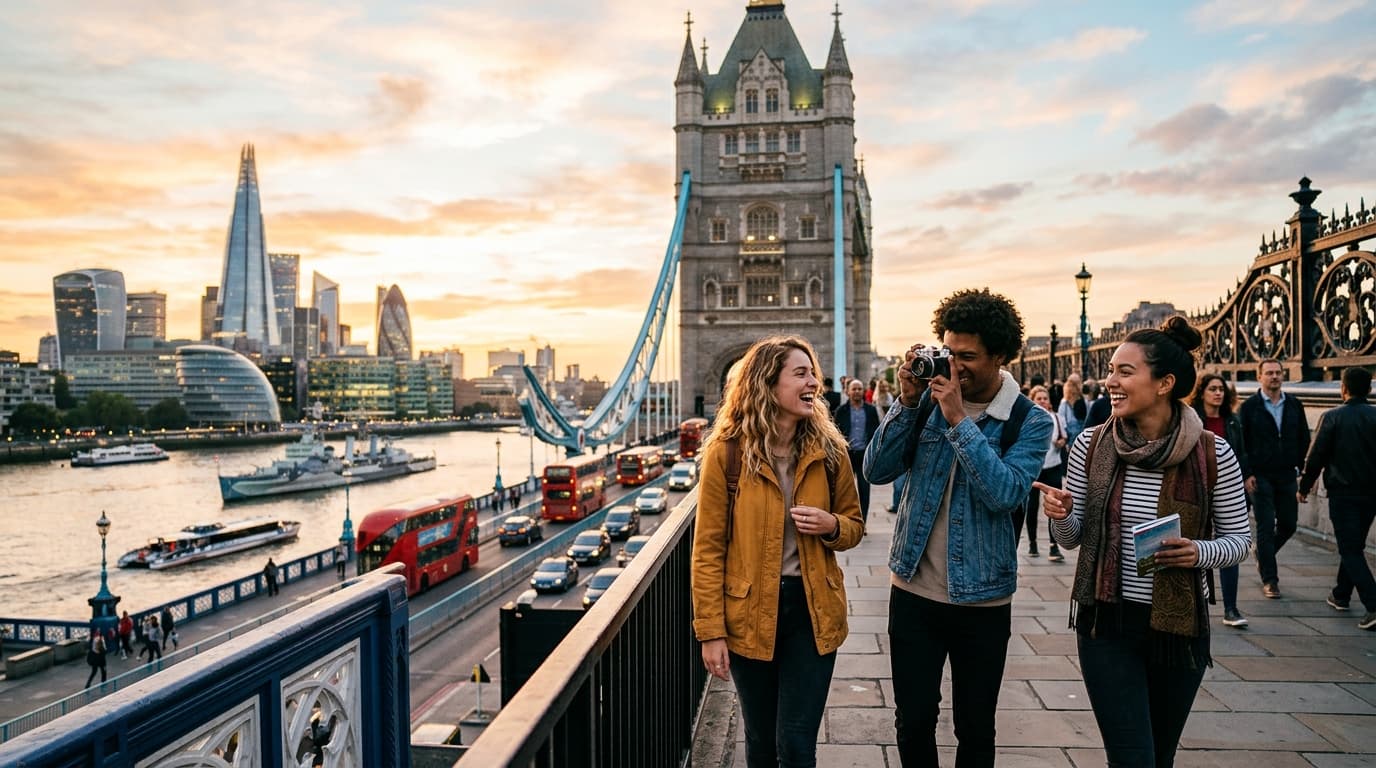
London sightseeing is easiest when you plan by route, not just by list of attractions. If you want the fastest answer, the best first-time plan is a central London loop that combines Westminster, the South Bank, the Tower of London, and a river or bus ride for the skyline views.
We checked the most practical ways to see the city in 2026, from classic open-top bus tours to walkable landmark clusters, and the big takeaway is simple: London rewards smart routing. The city is huge, but the main sights are concentrated enough that you can see a lot in one day if you choose the right neighborhoods, book timed entries where needed, and avoid crisscrossing the city too much. From experience, the best sightseeing day in London blends one or two paid attractions with free icons, a scenic transit option, and enough flexibility for weather, energy, and crowds. If you’re planning a short trip, a day out, or a weekend break, this guide will help you pick the right route, bus tour, or pass without wasting money or time.
Quick answer — the best way to do London sightseeing
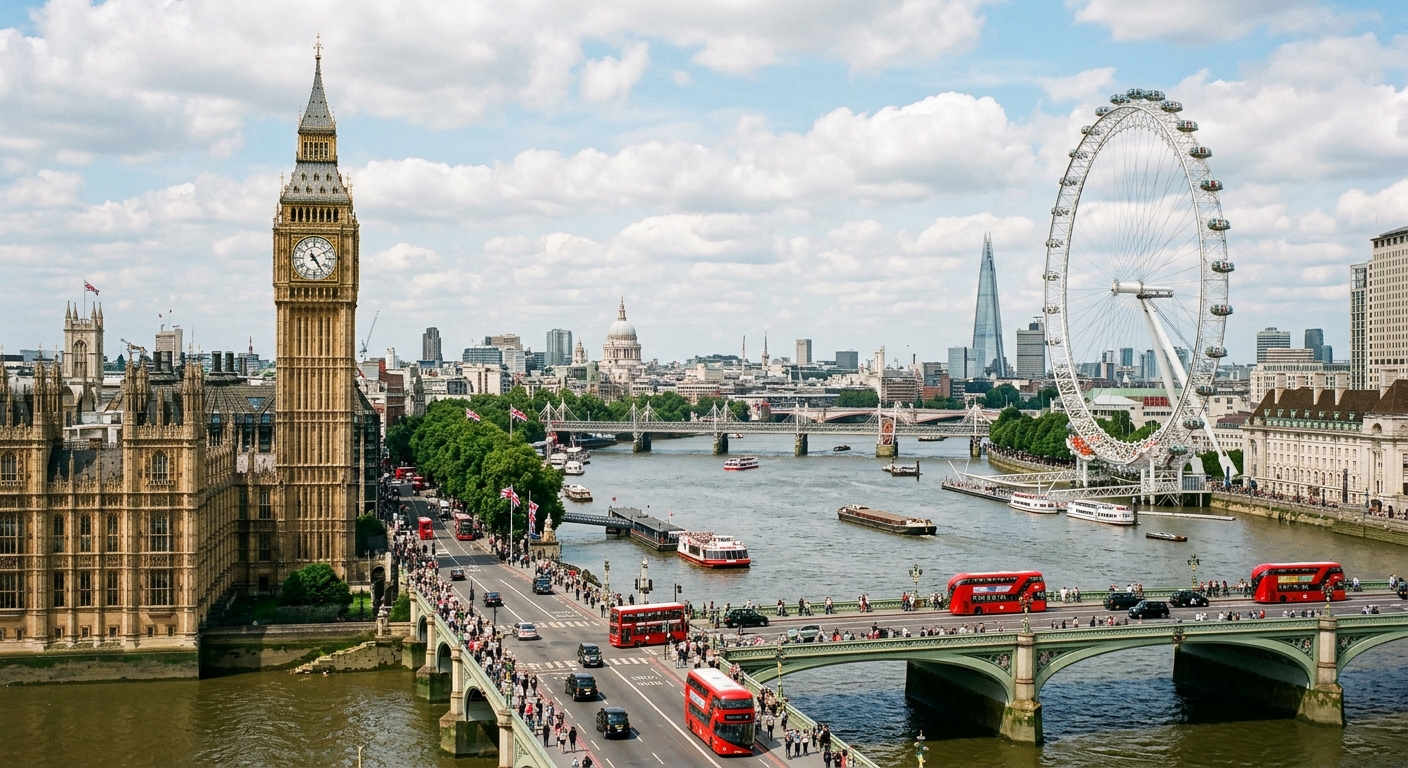
London sightseeing works best when you combine a landmark cluster, a transport shortcut, and one or two timed experiences. For most first-time visitors, the simplest winning formula is Westminster in the morning, the South Bank or river cruise midday, and the Tower of London or a museum in the afternoon.
We’ve found that people often overcomplicate London because the city has so many famous places. The truth is, you do not need to “do all of London” to have a great sightseeing day, and in fact that’s usually the fastest route to feeling rushed. The smartest approach is to pick a base area, stay in that zone for a few hours, and use the Tube, a bus, or the Thames only when it saves time or gives you a better view. In 2026, mobile ticketing and live availability make this even easier, so you can lock in big-ticket stops while leaving the rest of the day flexible. If you’re only here briefly, prioritize the sights that define London’s skyline and history rather than trying to squeeze in every museum and palace. That usually means Big Ben, Westminster Abbey, the London Eye, Tower Bridge, and one cultural stop like the British Museum or National Gallery. It also means using a route that makes sense on foot, because some of London’s best moments happen between attractions, not inside them.
From Gidly’s pick perspective, the best sightseeing format depends on your time, budget, and whether you prefer views, history, or convenience. A hop-on hop-off bus can be useful if you’re tired, traveling with family, or want a narrated overview of the city. A walking route is better if you love architecture, want to save money, or are happy to spend the day outdoors. A river cruise gives you a different angle on the same landmarks and is especially good when the weather is clear and you want a break from traffic. For many visitors, the optimal plan is a mix: walk a central stretch, ride one bus or boat segment, then use the Tube for any long hop between zones. That balance gives you the iconic London feel without making the day exhausting.
The short answer for first-time visitors
If it’s your first time in London, start with the “greatest hits” rather than niche neighborhoods. The most reliable sequence is Westminster, the South Bank, and the Tower area, because these give you royal history, river views, and postcard-worthy landmarks in one coherent route. Add a museum or a meal in Covent Garden if you still have energy, but don’t spread yourself across the entire city.
From experience, first-timers usually want two things at once: famous landmarks and an easy day. The good news is that London has several places where those overlap naturally, especially around the Thames. You can stand near Big Ben, walk across Westminster Bridge, admire the London Eye, then continue along the river for food, street performers, and skyline views. Later, you can cross toward Tower Bridge and finish near the Tower of London if you want a full history-heavy day. That’s one of the few cities where your sightseeing route can feel like a story rather than a checklist.
The trick is to avoid packing in too many paid attractions in one day. Choose one major indoor ticketed attraction, one scenic ride or cruise, and the rest as free walking and viewing time. That keeps the budget under control and prevents “museum fatigue,” which is real after a long travel day. If you only remember one planning tip, remember this: start early, book the one thing that has timed entry, and let the city do the rest.
The best sightseeing format by time available
The amount of time you have should determine the format you choose, not the other way around. Two hours calls for a tight highlights walk, half a day can support a classic central loop, a full day is enough for a landmark-rich route with one museum or cruise, and two days lets you explore at a more enjoyable pace. London is a city where pacing matters more than distance.
For a short stopover, open-top bus tours are useful because they deliver big views with minimal planning. For half a day, walking plus one Tube hop is usually more satisfying and cheaper. For a full day, pair one route with one major paid stop so you get both depth and variety. For a weekend, mix central London with one neighborhood like Greenwich or Kensington to avoid sightseeing burnout. In 2026, the best experiences are the ones that feel curated, not crowded.
We recommend thinking of London in “layers.” The first layer is the iconic skyline and royal institutions. The second layer is museums, markets, and riverfront walks. The third layer is hidden courtyards, food stops, and evening activities. If you only have one layer, do the classics. If you have time for two or three, London becomes far richer and less touristy.
What to prioritize if you only have one day
If you only have one day, prioritize locations that are close together and visually distinct. The most efficient one-day route usually includes Westminster, Trafalgar Square, the South Bank, and the Tower of London, with a cruise or bus ride connecting the eastern and western halves of the route. That gives you political London, cultural London, and historic London without spending the whole day in transit.
From our team’s experience, the biggest mistake one-day visitors make is over-optimism about London travel times. Even when everything looks close on a map, crossing the city can take longer than expected once you factor in walking, stairs, platform changes, and crowding. That’s why route-based planning beats attraction-based planning. A simple route also leaves room for food, photos, and spontaneous stops, which are often the highlights people remember most. If you’re coming from Heathrow or another airport the same day, keep the first half of your plan light and leave one “optional” item in case of delays.
For a single day, you’ll usually get more satisfaction from seeing the outside of four landmarks than standing in line for one or two. That’s especially true if the weather is good and you want skyline views. You can always come back for deeper museum visits later, but the iconic first impression of London should be anchored by the Thames, the palace-and-parliament zone, and at least one major bridge or viewpoint.
What to book first: tours, passes, or timed tickets
The first thing to book is whatever has limited entry, scheduled departure, or the best chance of selling out. That usually means the London Eye, Tower of London, Westminster Abbey, afternoon tea experiences with a set time, and popular bus or river tours on peak weekends. Passes can help, but only when they match your actual plan.
In practice, many visitors should book one headline attraction first and decide on the rest after mapping the route. If you’re using a sightseeing pass, check whether it includes your must-sees and whether the savings still make sense compared with separate tickets. We’ve found that some visitors buy a pass for flexibility, then spend extra time trying to “get their money’s worth,” which can make the day feel rushed. That’s why the best pass is the one that supports your itinerary instead of dominating it. If your goal is to see London, not collect receipts, you want the opposite of that mindset.
For 2026 planning, mobile booking is essential because many attractions now show live slots and dynamic pricing. If you see a time you like, reserve it rather than waiting until you are already nearby. That is especially true during school holidays, summer, and Christmas markets season. The city is more enjoyable when you spend your day sightseeing, not checking availability.
Answer capsule: the simplest route for seeing London’s icons
The simplest London sightseeing route is Westminster to the South Bank to Tower Bridge, with one scenic break by bus or river. Start near Big Ben and Westminster Abbey, walk across the river, continue toward the London Eye and South Bank, then finish around the Tower of London and Tower Bridge if you have the energy.
This route works because it combines London’s political heart, its riverfront views, and its historic east-side landmarks in one logical flow. You can make it faster with a hop-on hop-off bus or more scenic with a Thames cruise. If you want the least stressful version, do the route from west to east, book one timed attraction, and keep the rest flexible.
If you want one sentence to remember: see London by neighborhood cluster, not by random must-see list. That’s the easiest way to make the day feel smooth, iconic, and worth it.
London’s must-see landmarks and what each one is best for
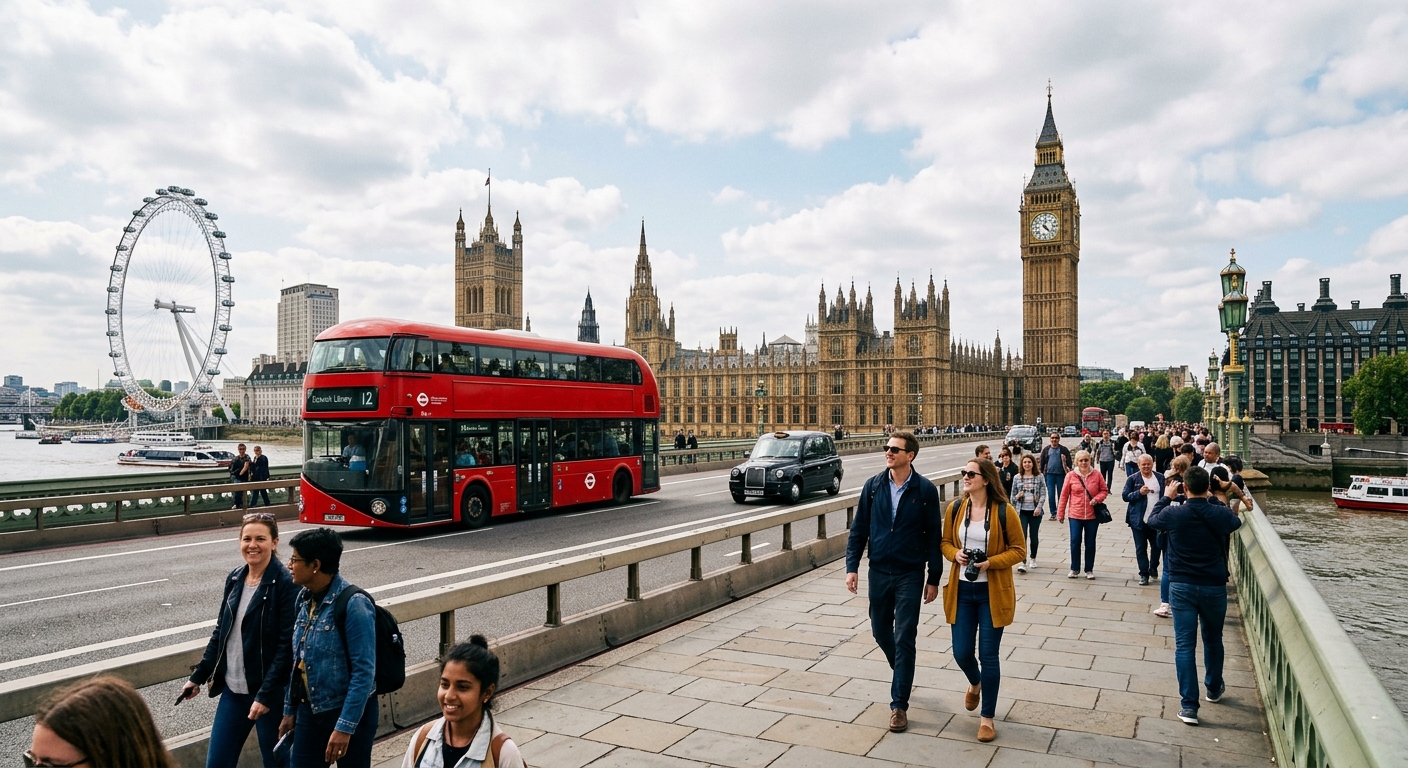
London’s must-see landmarks are popular for a reason, but each one does something slightly different for your day. Some are best for royal atmosphere, others for skyline photos, and a few are worth going inside if you care about history or architecture.
The key is knowing what each landmark is best for before you arrive. That way you can choose whether to stop, walk past, book entry, or simply photograph from the right angle. From experience, people enjoy London more when they match the landmark to the mood: ceremonial and formal at Buckingham Palace, reflective and historic at Westminster Abbey, scenic and lively at the South Bank, and dramatic and medieval at the Tower of London. If you only have one or two days, these are the places that create the feeling of being in London rather than just “in a city.” It helps that many of them sit near one another, so you can combine them without long detours. That concentration is one of the main reasons London sightseeing is so rewarding.
We also checked current visitor patterns in 2026, and the most satisfying visits often mix one indoor ticketed site with free outdoor icons. That gives you variety, saves money, and reduces queue fatigue. In other words, the must-sees are not just about fame; they’re about how they fit together. If you sequence them well, even a compact day can feel surprisingly complete.
Buckingham Palace and the royal route
Buckingham Palace is the clearest symbol of ceremonial London, especially if you want that royal postcard moment. It’s best for visitors who want to see the palace exterior, the Changing the Guard area, and the walkable royal route through St James’s Park and The Mall. The palace is not always open for full interior visits, so check the official Royal Collection Trust page before planning around inside access.
The best way to experience this stop is to treat it as part of a walking route rather than a standalone destination. Start near Green Park or Hyde Park Corner, walk past the palace, continue through St James’s Park, and then head toward Westminster. That gives you broad avenues, formal greenery, and one of the best “London is grand” sequences in the city. If you time it right, the area has a real ceremonial feeling, especially on clear mornings. The architecture is not the most ornate in London, but the symbolic value is enormous, and that’s why it remains essential.
If you’re traveling with kids or older relatives, the palace area is also a gentle start to the day because it’s open, easy to navigate, and good for photos. The downside is that it can feel crowded during guard-change times, so the insider move is to arrive early or go at a quieter off-peak hour. That lets you enjoy the setting without fighting for space at the railings.
Westminster Abbey, Big Ben, and Parliament
Westminster Abbey, Big Ben, and the Houses of Parliament form the core of London’s historic and political identity. This cluster is best for first-time visitors, architecture fans, and anyone who wants the classic “I’m in London” photo set. The abbey is worth going inside if you care about royal history, memorials, and English heritage, while the outside of Parliament and Big Ben is one of the city’s most recognizable views.
From a sightseeing perspective, this area works because it’s dense and walkable. You can photograph Big Ben from Westminster Bridge, walk by the abbey, and continue along the river without losing momentum. The soundscape also matters here; the traffic, bells, and river activity create a very London atmosphere. If you only have one morning in the city, this is the strongest place to start. The area is also a useful pivot point because it connects easily to the South Bank, Whitehall, St James’s, and Trafalgar Square.
We recommend checking the official abbey opening hours before you go, since services, events, and seasonal changes can affect access. If you want the best experience, visit early before the daytime coach crowds build up. That way you can appreciate the details without feeling hurried.
The London Eye and South Bank views
The London Eye is best for panoramic views, easy orientation, and a family-friendly “wow” moment. It’s not essential for every traveler, but it becomes more worthwhile if you want to understand the city layout quickly or if you’re visiting with someone who loves observation wheels and skyline photos. The South Bank around it is also one of London’s best free sightseeing zones.
The broader South Bank stretch gives you street performers, restaurants, book market energy, and nonstop river activity. It’s a great place to pause between major landmarks because it offers both atmosphere and convenience. If you’re planning a date or a mixed-interest group outing, this area is especially good because some people can ride the Eye while others enjoy the promenade, and everyone meets up again easily. In sunny weather, it’s one of the most pleasant walks in central London. In wet weather, it still works because there are enough indoor options nearby to fill the gaps.
The Eye itself can be booked as part of a combo ticket, a timed slot, or a broader sightseeing package. Our tip is to go near sunset if you want better light and more dramatic views, though that also means more demand. If your priority is the city view rather than the ride itself, consider seeing it from the riverfront and spending your ticket on something else.
Tower of London and Tower Bridge
The Tower of London and Tower Bridge are the best pair for travelers who want royal history with a dramatic medieval-to-modern contrast. The Tower is especially good if you like fortresses, crowns, and stories tied to the monarchy, while Tower Bridge is one of the best photo stops in the city. This area also anchors the eastern end of many classic sightseeing routes.
Inside the Tower of London, you’re paying for history, interpretation, and the chance to see one of London’s most important heritage sites. Outside, the bridge, riverside walk, and city skyline do a lot of the work for free. That makes this pair a smart use of time because even if you decide to skip the interior ticket, you still get a strong sightseeing payoff. From experience, this is one of the most satisfying stops for visitors who enjoy history but don’t want a whole day of museum time.
The area is also practical because it connects well to river cruises and City of London walks. It’s slightly less chaotic than the Westminster zone, especially later in the day. If you’re choosing just one major east-side stop, make it this one.
St Paul’s Cathedral, Trafalgar Square, and Covent Garden
St Paul’s Cathedral, Trafalgar Square, and Covent Garden give you a more layered version of London sightseeing. St Paul’s is best for architecture and dome views, Trafalgar Square for central orientation and gallery access, and Covent Garden for lively atmosphere, shopping, and street performance. Together they create a route that feels urban, energetic, and less dominated by royal history.
This trio is particularly useful if you want to balance famous landmarks with dining and entertainment. Trafalgar Square sits at the heart of central London, making it a natural connector between Westminster, the West End, and the British Museum. Covent Garden adds a fun finish, especially in the evening when the piazza feels buzzing. St Paul’s brings a more solemn, architectural note that gives the route depth and variety. If you like city scenes that mix culture and crowds, this is one of the best areas to spend a few hours.
We like this combination for repeat visitors because it feels less “tour group obvious” than the standard Westminster loop. It also works well in poor weather thanks to nearby indoor options, covered markets, and easy Tube access. If you’ve already done the palace-and-parliament classics, this is a strong next step.
Best sightseeing routes in London by time available
The best London sightseeing route depends on how much time you actually have. A smart route saves more than money; it protects your energy, helps you avoid transport mistakes, and makes the whole day feel coherent.
Instead of trying to “see everything,” plan a route that strings together the right neighborhoods. London is a city of clusters, so the trick is to move from one cluster to the next with minimal backtracking. We’ve tested this approach repeatedly, and it consistently beats scattered attraction hopping. It also makes it easier to fit meals, rest breaks, and weather changes into the day. If you’ve got only a few hours, route discipline matters even more because one bad detour can wreck your schedule. The routes below are built to feel realistic, not rushed, while still giving you a strong impression of the city. They also work well for AI-style trip planning because they are modular: you can swap a museum for a cruise or a bus ride without losing the logic of the day.
Think of these routes as templates rather than rigid scripts. You can compress them, expand them, or reverse the order depending on your hotel, arrival point, or the weather. The most important thing is to start with the neighborhood where most of your must-sees sit, then move outward only if the extra travel is worth it.
A 2-hour highlights route for a quick stopover
If you only have two hours, do not try to go inside multiple attractions. Your goal is to collect London’s essential visuals in the shortest possible loop. Start near Westminster Station, photograph Big Ben and Parliament, cross Westminster Bridge for a South Bank panorama, and continue a short distance along the river before looping back or ending near the London Eye.
This route is ideal for transit stopovers, short business breaks, or people who want a taste of the city before dinner. It works because it gives you three different lenses on London: government buildings, riverfront energy, and skyline views. If you are lucky with weather, you can fit in a coffee, a few photos, and a quick snack without feeling pinned to one spot. You could also swap the South Bank stretch for a short open-top bus ride if your legs are tired or it’s raining lightly. The route is compact, flexible, and highly shareable on social media without feeling fake.
For a 2-hour plan, keep the focus on free exterior viewing. You won’t have time for queues, security checks, or long indoor visits. The payoff is in the movement between landmarks rather than the interior of any one site. That’s often the right choice when you’re just trying to say, “Yes, I saw London.”
A half-day classic central London route
A half-day route should include one anchor attraction and one scenic connector. Our favorite version starts at Buckingham Palace or Green Park, continues through St James’s Park to Westminster Abbey and Big Ben, then heads along the South Bank toward the London Eye and Waterloo. If you still have energy, finish with a short ride or walk toward Trafalgar Square or Covent Garden.
This route is one of the best answers to “how do I see London without rushing?” because it balances icons with walking time. You get the royal side, the political side, and the riverside side in one sweep. If you want to save your feet, you can replace part of the walk with a bus ride or a Thames clipper-style river segment. The important thing is that the day stays central and thematic instead of turning into a series of disconnected stops. For many visitors, this is the sweet spot between effort and reward.
We suggest booking one timed attraction, such as Westminster Abbey or the London Eye, and leaving the rest open. That gives the route a clear anchor while preserving freedom for food and photos. If the weather changes, you can divert into a museum or covered market without destroying the plan. That flexibility is exactly why the half-day route is so useful.
A full-day first-timer route
A full day lets you see both the West End and the Tower side of the city. Start at Buckingham Palace or Westminster, continue along the river to the South Bank, take a lunch break near Waterloo or Southbank Centre, then move east to the Tower of London and Tower Bridge. If you have time left, finish in the City or ride a Thames cruise to tie the route together.
This is the route we’d choose for most first-time visitors who want a complete introduction without overbooking the day. It gives you royal London, panoramic London, medieval London, and modern skyline London in a way that feels balanced. You can insert a museum stop at the British Museum, National Gallery, or St Paul’s depending on your interests and pace. We especially like this route in spring and autumn, when the walking conditions are comfortable and daylight is long enough to make the whole day easy. During summer, start earlier to beat the crowds. During winter, shorten the route and add indoor breaks.
The full-day route is also the one most likely to benefit from bus or river transport. Not because London is impossible on foot, but because the city is large enough that strategic shortcuts keep the day enjoyable. If you want the cleanest version, think west to east and avoid zigzagging back to central hub stations unless necessary.
A two-day route for a slower pace
Two days in London gives you room to separate “icons” from “culture and neighborhoods.” On day one, focus on Westminster, the South Bank, and the Tower area. On day two, focus on museums, Covent Garden, the City, and one off-center district such as Kensington or Greenwich. That split creates a better rhythm and reduces sightseeing fatigue.
The advantage of a two-day plan is that you can spend more time inside the places that interest you and more time outside the places that are most photogenic. You can also do one bus or river tour one day and a different transport mode the next. This is particularly useful for mixed groups because everyone gets both famous landmarks and a few personal choices. Families can use day two for museums and parks, while couples can reserve day two for neighborhoods, dining, and evening plans. Solo travelers often like this structure because it gives them a relaxed morning and an active afternoon without pressure.
If you have two days, we also recommend choosing one “signature London” evening activity. That could be a West End show, a river cruise at night, or a skyline bar. Two-day trips feel more complete when one night element is included, especially if you’ve spent the daylight hours on classic sightseeing.
Answer capsule: the best all-round sightseeing route
The best all-round London sightseeing route is Westminster, South Bank, then Tower Bridge and the Tower of London, with one scenic bus or river connection. It covers the city’s most important visuals, history, and riverfront atmosphere in a single logical arc.
If you want the easiest version, start early near Buckingham Palace or Westminster, walk east along the Thames, and only use transport to skip the longest stretch or to save energy. That route works for first-timers, repeat visitors, couples, and families because it is iconic without being overly complicated.
In short, if you want one route to remember, make it the Thames corridor. It’s London at its most unmistakable.
Best bus tours, hop-on hop-off options, and river cruises
Bus tours and river cruises can be excellent in London, but only if you use them for the right reason. They are not always the cheapest option, but they are often the easiest way to see a lot without planning every transfer yourself.
In our experience, people divide into two groups: those who want transportation that doubles as sightseeing, and those who want a deeper, slower, more local experience. Both can be satisfied in London if you choose the right format. Open-top buses are great for orientation, especially on your first day. Hop-on hop-off passes are best when you want flexibility but still like the comfort of a ready-made route. Thames cruises shine when you want iconic views from the water and a break from traffic. Night tours are best if your day has already been full and you still want one more memorable perspective. The key is to treat these as tools, not as the entire itinerary.
We also recommend checking live departure times and route maps before you buy, because traffic and seasonal schedules can change the value of a tour. In 2026, the best operators are the ones that combine mobile booking, clear route coverage, and genuinely useful commentary. If a tour gives you both convenience and context, it can be worth the price. If it just circles the same streets slowly, you’ll usually do better walking and taking a single bus or boat segment instead.
Open-top bus tours: who they suit and when they are worth it
Open-top bus tours are best for visitors who want a broad overview of London without committing to a lot of walking. They suit families, first-timers, older travelers, and anyone arriving on a rainy or windy day who still wants skyline views from above street level. They’re especially helpful if your London visit is short and you want to “see the city” before choosing what to do next.
The value of an open-top bus depends on timing. During busy traffic, the ride can feel slow, but that is also when the commentary and elevated views become more useful because they reduce the stress of navigating yourself. During quiet times, the bus can be surprisingly efficient. We’ve found that the best use case is the first day of a trip, not the last. That’s because the route helps you mentally map London and decide which areas deserve a return visit. It can also work well in winter when walking outdoors for hours is less appealing.
What you should not do is treat the bus as a substitute for all sightseeing. The top deck gives a great overview, but the real magic of London often sits in the streets, squares, and river paths between stops. Use the bus to connect clusters, then get off and walk when the area looks interesting.
Hop-on hop-off passes: the value question
Hop-on hop-off passes are worth considering if you want flexibility and do not want to think too hard about transport. They can be a good value when you plan to use multiple routes, get on and off several times, or travel with children and older relatives. They’re less compelling if you are a strong walker or already comfortable with the Tube.
The main question is not whether the pass is “good,” but whether it fits your behavior. If you are the kind of traveler who enjoys spontaneous detours and likes having a moving base, it can feel like money well spent. If you tend to choose one or two sights and then move on, it may be more efficient to buy single tickets or just use public transport. From experience, many visitors overestimate how many stops they’ll use. A pass becomes valuable when it saves both planning time and transit hassle, not when it sits mostly unused.
Before you buy, check the route coverage carefully. Some passes cover the major West End and riverfront sights extremely well, while others are better for outer neighborhoods or are bundled with extras you may never use. Look at live reviews, departure frequency, and whether the audio guide is actually informative. That last point matters more than people think.
Thames river cruises: best departures and why they matter
A Thames river cruise is one of the most distinctive ways to see London because it reveals the city from the water, which changes the skyline entirely. It is especially useful for connecting Westminster, the South Bank, and Tower Bridge without dealing with traffic or packed sidewalks. For many visitors, this ends up being the most memorable transport segment of the trip.
The best departures are usually the ones that match your route rather than the ones that look prettiest on a brochure. For sightseeing, a stretch between Westminster and Tower Bridge gives you the strongest concentration of landmarks and the classic river perspective. Some cruises are simple one-way sightseeing boats, while others include commentary or combo packages with other attractions. The water view is calm and restorative, making it a strong choice if your day has already been crowded or noisy. It’s also very photogenic at sunset and early evening.
We’d especially recommend the river option for travelers who have already done the bus tour on another day or who want a less repetitive experience. It’s not always the cheapest mode, but it can add enough variety to justify the spend. If you want a sightseeing day that feels more special than standard transit, the river is a smart upgrade.
Night bus tours and illuminated London sightseeing
Night tours are underrated in London because the city transforms after dark. The landmarks are lit, the traffic is different, and the skyline feels more dramatic. If you’ve already done the daytime version of the icons, a nighttime bus or river tour can give you a fresh angle without repeating the same experience. It’s particularly effective for date nights and short stays.
The best nighttime routes focus on central London and the river corridor, where the illuminated buildings create the strongest effect. You get Parliament, the Eye, the bridges, the City, and sometimes the West End lighting all in one run. We’ve found that this type of tour is especially appealing in winter, when the city lights feel cozy and early sunsets make the timing easier. It can also be a good backup on a rainy day because the weather matters less once you’re seated and moving.
That said, not all night tours are equal. Some are more about transport than commentary, and some don’t run frequently. If you care about atmosphere, check the departure time carefully so you are not touring too early while the city still feels half-lit. The sweet spot is usually after dark, not just at dusk.
Comparison table: bus tour vs cruise vs walking tour
| Format | Typical Price | Best For |
|---|---|---|
| Open-top bus tour | From £30–£50 | First-timers, families, orientation |
| Thames cruise | From £15–£30 | Views, date nights, scenic transfers |
| Walking tour | Free–£25 | Budget travelers, deeper context, fit visitors |
Walking tours are often the best value because they give you local insight and flexibility at a lower price, especially if you like history or architecture. Bus tours win when the weather is rough or you want to cover more ground with less effort. Cruises are the most atmospheric, and they often feel like the best “one special thing” if your itinerary is otherwise built around free sightseeing.
Museums and cultural sights worth building into your route
London’s museums and galleries are not just rainy-day backups; they are core sightseeing anchors. The city’s biggest strength is that world-class culture sits close to the iconic landmarks, which makes it easy to balance outdoor sightseeing with indoor depth.
If you are only choosing a few cultural stops, think in terms of fit rather than fame alone. Some institutions are best for first-timers because they are easy to understand and centrally located. Others are better for specific interests like art, design, science, or world history. In 2026, many visitors are using museums to break up longer sightseeing routes, which is smart because it keeps the day comfortable and varied. A museum stop also gives you a weather-proof fallback when London does what London does: rain, drizzle, or sudden cloud cover. We checked official sites and opening patterns, and the major venues continue to be some of the most reliable parts of a London itinerary. They are also among the strongest free or low-cost things to do in the city.
The best museum strategy is to pick one that complements your route. For example, the British Museum pairs beautifully with Covent Garden or Trafalgar Square, the National Gallery fits a central London day, and Tate Modern works naturally with the South Bank. If you try to do too many museums in one day, though, the experience turns from inspiring to tiring. One or two is the sweet spot for most travelers.
The British Museum and why it is still a top pick
The British Museum remains a top pick because it offers enormous range, strong central access, and free general entry. It’s best for visitors who want a world history hit without needing to pay for a whole afternoon. The Rosetta Stone, Egyptian collection, and global artifacts make it especially appealing for first-time visitors who want a cultural anchor in the middle of their sightseeing day.
What makes the British Museum so useful for London sightseeing is its location near Bloomsbury, Covent Garden, and the West End. That means you can combine it with lunch, a walking route, or an evening activity without backtracking. The building itself is also a destination, with the Great Court acting as a dramatic indoor space even before you reach the collections. It’s one of those places where you can spend 45 minutes or half a day depending on your energy. If you want a museum that most people will agree on, this is usually the safest bet.
We recommend going earlier in the day or later in the afternoon if you want slightly calmer rooms. The museum can be crowded in peak periods, but because it is so large, the pressure disperses once you move beyond the most famous galleries. It’s also one of the best rainy-day options in the city, especially if you need a reliable indoor plan.
National Gallery and Trafalgar Square pairing
The National Gallery is a great match for Trafalgar Square because both are central, iconic, and easy to pair with a broader route. The gallery is best for art lovers, but it also works well for casual visitors who want a dose of classic European painting without a complicated schedule. Since general admission is free, it’s one of the easiest cultural adds to a sightseeing day.
The pairing works because Trafalgar Square gives you the outdoor civic energy, while the gallery gives you a quieter, more contemplative indoor stop. It’s a natural way to shift from street-level sightseeing to a more focused experience. If you are moving between Westminster, Covent Garden, and the West End, this combination fits almost perfectly. It’s also a strong lunch-break area because there are plenty of food options nearby. If your ideal sightseeing day includes one major museum but not hours of heavy historical interpretation, this is a fine balance.
From experience, this is especially good for repeat visitors who have already done the palace-and-parliament routine. It feels more local and less checklist-driven, while still being unmistakably London. If you’re not sure whether art is your thing, the National Gallery is a low-risk place to test that without spending a lot.
Tate Modern and the South Bank cultural strip
Tate Modern anchors the South Bank’s more contemporary cultural side and is best for modern art, architecture, and riverfront atmosphere. It sits in a part of the city that already feels lively, which makes it an easy add to a riverside route. If you like a blend of industrial architecture, city views, and creative programming, this is one of the most distinctive stops in London.
The surrounding area matters almost as much as the museum itself. You can walk the river, cross toward St Paul’s or the Millennium Bridge, and then continue into the City or back toward Waterloo. That flexibility makes Tate Modern a strong “anchor and roam” destination. The museum is free for its core collection, which makes it even easier to slot into a budget-conscious itinerary. It’s also a good choice for mixed groups because even people who are not serious art fans usually enjoy the building, the views, and the surrounding promenade.
If you are chasing a route that feels modern London rather than historical London, Tate Modern gives you that shift. It’s especially strong after lunch or on a rainy day when you want to move indoors without breaking the route logic. The South Bank around it is also one of the best places in the city for casual food and drinks before evening plans.
Victoria and Albert Museum, Natural History Museum, and Science Museum
The museum trio in South Kensington is one of London’s greatest strengths for families and repeat visitors alike. The Victoria and Albert Museum, the Natural History Museum, and the Science Museum are close enough to combine but different enough to suit different interests. They are especially useful when the weather is bad or when you want a calmer day away from the heaviest tourist zones.
South Kensington is a very efficient sightseeing base because it has strong Tube access and a concentration of major institutions. The Natural History Museum is usually the easiest win for families, the Science Museum for interactive curiosity, and the V&A for design, fashion, and decorative arts. You can choose one, or do two if your energy is high. The area also offers cafes and park access nearby, so it works well as a slower-paced day. Because these are popular institutions, check opening times before you go and consider early arrival on busy days.
We often recommend this cluster to visitors who have already seen the biggest central landmarks and want something different without leaving the core city. It’s a more relaxed, indoor-heavy version of London sightseeing that still feels premium and memorable.
Answer capsule: the best museums for first-time visitors
The best museums for first-time visitors are the British Museum, the National Gallery, and the Natural History Museum. They are easy to understand, central, and either free or good value.
If you want one art museum and one history-heavy museum, pair the National Gallery with the British Museum. If you are traveling with kids, choose the Natural History Museum first and keep the V&A or Science Museum as an optional add-on. That gives you a flexible, low-risk cultural layer on top of your landmark route.
In short, the best museum plan is not “more museums,” but the right museum at the right point in the day.
London sightseeing by neighborhood
Neighborhood planning is where London sightseeing gets much easier. Once you think in districts rather than in individual attractions, the city starts to make a lot more sense and your route becomes far more efficient.
London is too large to treat as one single sightseeing zone, but many of its best days happen inside a single neighborhood or a pair of adjacent areas. That is why we strongly recommend deciding your base area before you book everything else. Westminster gives you classic London, the South Bank gives you river views, the City gives you history and skyline contrast, Covent Garden gives you energy and entertainment, and Kensington gives you museums and calmer streets. Greenwich and Bloomsbury add alternatives if you want something less standard. In 2026, the strongest itineraries are often neighborhood-led because they reduce travel friction and create a more immersive feel. You also spend less time on the Tube and more time actually looking at the city.
Below, we break down the most useful sightseeing neighborhoods and how to use them. Each one can be a base for a half-day or a full day depending on your pace. If you are staying near one of these zones, start there first and expand outward only if it makes sense. That’s how locals usually do it when they want a day out without wasting time.
Westminster and St James’s for classic royal London
Westminster and St James’s are the most iconic starting point for traditional London sightseeing. This is where you get Buckingham Palace nearby, Westminster Abbey, Big Ben, Parliament, and easy access to parks and processional routes. It is the strongest neighborhood for travelers who want the “capital city” feeling in one concentrated area.
St James’s adds polish and calm to the route. You get formal streets, clubby architecture, and a more refined atmosphere compared with the busier riverfront. This neighborhood is also good for a morning start because it sets the tone before the crowds intensify. If you want to build your day around royal and governmental landmarks, this is the place to begin. It is also convenient for transitioning to the West End or the South Bank depending on what you want next. From a route perspective, it’s one of the most efficient districts in all of London.
We like this zone for first-timers because it is familiar and visually unmistakable, but it also has enough side streets and green space to avoid feeling too touristy. If you are doing a short trip, staying nearby can save serious time. The downside is that it can be busy, so early starts matter here more than in many other districts.
South Bank and Bankside for views and riverside walks
The South Bank and Bankside are the most scenic areas for river-based London sightseeing. The combination of the London Eye, riverside path, street activity, Tate Modern, Shakespeare’s Globe, and bridge views gives you a strong mix of culture and atmosphere. It’s one of the few parts of the city where simply walking is almost the main attraction.
The area is ideal for visitors who want a flexible route with lots of food and photo breaks. It is also good for families because there are plenty of open spaces and clear meeting points. If you are planning a date, the river walk at golden hour is hard to beat. The South Bank also connects easily to Westminster, Waterloo, Blackfriars, and the City, which makes it one of the best transit-friendly bases in London. In our experience, people who skip this area often feel like they missed the soul of the city’s modern sightseeing scene.
Bankside is particularly useful if you like turning a landmark visit into a whole afternoon. You can start at a museum or the Eye, walk east, stop for food, cross a bridge, and end up in the City or at Tower Bridge. That kind of route feels natural and satisfying.
The City of London for history, skyline, and landmarks
The City of London is where old financial London and modern skyline views sit side by side. It is best for visitors who enjoy church architecture, hidden lanes, historic guild areas, and a more businesslike version of the city. It also gives you St Paul’s Cathedral, the Tower’s western edge, and several excellent lookout points and riverfront stretches.
What makes the City so interesting is the contrast. You can move from medieval churches and narrow lanes to glass towers and sleek office districts in just a few minutes. That gives the area a much more local and less theme-park feel than some other sightseeing zones. It is especially good for repeat visitors who want a different take on London without leaving the central zone. If you want a more mature, less obvious sightseeing day, the City is a smart choice. It also pairs nicely with a lunch reservation or a late-afternoon drink because the area empties out more after office hours.
We recommend this district if you care about urban texture rather than just famous facades. It’s one of the best places to understand how London evolved as a trading, religious, and financial center.
Covent Garden and the West End for entertainment and atmosphere
Covent Garden and the West End are ideal if you want sightseeing with energy, shopping, and evening options. This is where you combine piazza vibes, theatres, restaurants, street performers, and central landmarks that are easy to walk to from Trafalgar Square and Soho. It’s one of the most versatile neighborhoods in London.
For a sightseeing day, Covent Garden works best as a middle or late stop. It gives you an enjoyable break from the more monument-heavy parts of the city and allows for food, browsing, and spontaneous entertainment. The West End then takes over for theatre, comedy, and nightlife. If your goal is “do London and then enjoy the evening,” this neighborhood is the most obvious answer. It’s also one of the best places to absorb the city’s casual social energy without needing a formal plan for every hour.
We like this area for friend groups and couples because there is always something to switch to if your original plan changes. That flexibility is valuable in a city as weather-sensitive and crowded as London. If one museum or landmark line is too long, Covent Garden gives you a ready-made backup that still feels worthwhile.
Kensington, Bloomsbury, and Greenwich as alternative sightseeing bases
Kensington, Bloomsbury, and Greenwich are excellent alternatives when you want a less intense sightseeing base. Kensington works well for museum clusters and a polished residential feel. Bloomsbury is ideal for literary and intellectual London, especially if you want the British Museum and quieter streets. Greenwich is a bit farther out, but it gives you maritime history, park views, and a more scenic day-trip feeling inside the city.
These bases are especially helpful for repeat visitors or longer stays. Kensington reduces the pressure of central crowds and gives you easy access to multiple major museums. Bloomsbury is calmer and more walkable than the busiest tourist zones, while still placing you close to central attractions. Greenwich is worth it if you want one “special trip” that feels different from standard central sightseeing. It is a good family option too because the area has open spaces and a stronger day-out feeling.
If you’re deciding where to stay or start, think about the mood you want. Central London gives you iconic density, while these alternatives give you breathing room and a different perspective on the city.
Family-friendly and kid-friendly London sightseeing
London is one of the easiest major cities for family sightseeing if you plan the route well. The best family days use short transfers, indoor backups, and at least one attraction that kids actually care about.
Families do best in London when the itinerary respects attention spans, snack needs, and restroom breaks. That means fewer long queues, fewer long walks without rest, and more places where children can engage visually or interactively. London has a lot of options that fit that brief, especially museums with hands-on displays, river walks, parks, and big-view attractions. We’ve seen plenty of families try to do a hardcore adult-style itinerary, and the result is usually overtired kids and a stressed-out day. A better plan is simpler, more playful, and more flexible. In 2026, that is easier than ever because live ticketing and mobile booking make it simple to pivot around naps, meals, or weather changes.
If you’re traveling with prams or strollers, choose routes with step-free or simple access wherever possible. The Tube is useful but not always the easiest with a stroller during rush periods, so buses, rivers, and walkable clusters may feel smoother. The best family sightseeing route is not necessarily the most famous one; it’s the one that keeps everyone happy enough to finish the day smiling.
Best attractions for children and teens
The best attractions for children and teens in London are the Natural History Museum, the Science Museum, the London Eye, and a ride or cruise on the Thames. These are strong because they combine visual impact with enough novelty to keep interest high. Children often respond better to dinosaurs, interactive exhibits, and big views than to long historical explanations, so the Natural History Museum is a classic win.
Teens can be harder to impress, which is why a route that includes skyline views, street scenes, and at least one “cool” cultural stop works best. The South Bank is a particularly good fit because there is movement, music, and enough open space to avoid feeling trapped. If your teens enjoy photography, the skyline and bridge views deliver plenty of content. If they enjoy art or science, you can easily add a museum without disrupting the route. The key is to avoid overpacking the day with passive stops that may not hold their attention.
We also like the London Zoo, the London Transport Museum, and the Tower area for slightly different age groups, depending on what your kids respond to. The best family day usually mixes one big hit with one calmer backup, so nobody gets bored or overwhelmed.
Easy transport routes with prams, strollers, and breaks
For families with prams or strollers, the most comfortable sightseeing routes are usually on the South Bank, around Hyde Park, in Kensington, or in broad central areas where you can avoid too many stairs and platform changes. Buses can be easier than the Tube if you don’t want to deal with lifts and escalators. A river cruise is also a pleasant option because it offers seating and a break from moving around constantly.
We recommend building in “reset points” every 60 to 90 minutes. That could be a cafe, a park bench, a museum entrance hall, or a riverside stop. London sightseeing becomes much easier when the day has built-in recovery moments. You should also consider luggage storage if you are sightseeing directly after arriving in the city. Carrying bags and pushing a stroller at the same time can turn a fun route into a tiring one very quickly.
If you’re planning with children, look at step-free stations and choose neighborhoods where toilets and food are easy to find. Those small logistics matter a lot more when you’re managing family energy levels. The best family-friendly routes are not the shortest ones; they are the smoothest ones.
Indoor backups for rainy or cold days
Rainy days in London are normal, not a disaster, and that makes indoor backups essential. The best backup options are museums, galleries, department stores with viewing or food spaces, and covered markets. If the weather turns, you can shift from the South Bank to Tate Modern, from Westminster to the National Gallery, or from Kensington to one of the museum trio without losing the day.
The trick is to plan at least one indoor anchor even if the forecast looks good. That way, if the sky changes, you already have a logical pivot. This is especially important with children because wet weather can quickly shorten patience. Some of the best indoor family options also happen to be free, which helps if the weather forces an unexpected detour. The British Museum, Natural History Museum, and Science Museum are all strong rainy-day saviors.
Another good rainy-day move is to use a bus or cruise in between indoor stops instead of trying to do the entire day on foot. You still see the city, but you do it in a more comfortable way. That’s often enough to save a wet sightseeing day.
Parks, playgrounds, and interactive museums
London’s parks are not just for locals; they are a major part of family sightseeing because they create breathing room between attractions. St James’s Park, Hyde Park, Kensington Gardens, and Greenwich Park all work well as low-cost, low-stress breaks. They are great for snacks, resets, and letting children move around after being indoors.
Interactive museums like the Science Museum and certain family spaces within larger institutions are equally useful because they turn sightseeing into something hands-on. That matters when a child is too young for a historical lecture but too old to be entertained by just looking at buildings. Parks and museums together make a more balanced day than landmarks alone. If you want a truly family-friendly route, choose one indoor and one outdoor stop rather than trying to do three big landmarks in a row.
From experience, the best family days are the ones that alternate energy levels. Active, calm, active, calm. London is unusually good for that pattern, which is why families often enjoy it more than they expect.
Answer capsule: best family sightseeing choices
The best family sightseeing choices in London are the Natural History Museum, the Science Museum, the London Eye, and the South Bank. They combine visual appeal, easy logistics, and enough flexibility for different ages.
If you want the simplest family route, do one museum plus one scenic riverfront area and keep the rest open. That gives you a solid day without overfilling the schedule.
For most families, the best sightseeing plan is one that feels playful, not ambitious. London is excellent for that.
Budget-friendly and free things to do in London
London can be expensive, but it does not have to be. Some of the city’s best sightseeing experiences are free, and many of the paid ones only make sense if you truly care about what’s inside.
The biggest budget advantage in London is the number of free museums and outdoor landmarks that still feel premium. You can have a very full sightseeing day without spending much beyond transport and food if you plan smartly. In 2026, that matters even more because travelers are paying close attention to value. The key is to distinguish between “must-pay” experiences and “nice-to-have” extras. Many visitors overspend on transport bundles or duplicate views when a simple route would have given them almost the same satisfaction. If you want to save money, focus on free visuals, free institutions, and one paid highlight at most. That’s usually enough to make the day feel special.
Budget sightseeing also works best when you walk strategically. A free route through Westminster, the South Bank, and Tower Bridge gives you huge visual value without forcing you into every ticket line. If you can combine that with a free museum or gallery, the city becomes surprisingly affordable. The only real risk is trying to save money by making inefficient choices, which can cost you time and energy instead.
Free museums and galleries
London’s free museums and galleries are one of its most underrated strengths. The British Museum, National Gallery, Tate Modern, and many parts of the Victoria and Albert and Science Museum collections all offer no general admission charge. That means you can build a high-quality cultural day without paying entry fees for every stop.
Free entry does not mean low value. These are some of the most important cultural institutions in the world, and they sit right in the middle of London’s sightseeing routes. The main thing to remember is that special exhibitions may still charge, so check official sites if you want something specific. If you are budget-conscious, prioritize the permanent collections and use the free areas to anchor your day. That gives you a rich experience while keeping the cost predictable. It also gives you flexibility to leave whenever you want, which is useful if you’re trying to keep plans light.
We recommend choosing a museum that fits your route rather than forcing one into the day. If it’s already near your landmark path, it becomes easy value. If not, skip it and save your energy for a free river walk or viewpoint instead.
Free viewpoints, parks, and walking routes
Some of London’s best views cost absolutely nothing. Westminster Bridge, the South Bank promenades, the Millennium Bridge area, the river paths near Tower Bridge, and various parks all offer strong sightseeing value. You do not need a ticket to enjoy the skyline, and in many cases the free view is just as satisfying as the paid one.
Parks are especially good because they combine a break with a scene. St James’s Park gives you royal-adjacent calm, Hyde Park provides broad green space, and Greenwich Park delivers a beautiful elevated view if you are willing to travel a little farther. These are excellent for budget travelers because they add quality without adding cost. Walking routes also let you discover hidden courtyards, side streets, and architectural details that bus passengers can easily miss. The result often feels more personal and more memorable.
If you want the best free sightseeing day, build a route around one riverfront stretch and one museum. That formula can easily carry a whole day without feeling cheap or incomplete.
Cheap sightseeing passes and discount strategies
Sightseeing passes can save money, but only when they match your actual itinerary. The best way to evaluate them is to total the attractions you truly plan to visit, then compare that against the pass price and the time restrictions. Some passes look attractive at first glance but only make sense if you visit several paid attractions in a short window. Others are useful for travelers who know exactly what they want and are comfortable moving quickly.
A good discount strategy is to mix one passable paid attraction with several free sights. That approach keeps the trip flexible and avoids the pressure of “using up” a pass. Student, family, and combo offers may also be worth checking, especially for bus tours and major landmarks. Booking in advance often helps with better time slots and occasionally better prices. In 2026, live availability means the earlier you check, the more likely you are to find a fair fare.
From our perspective, the biggest savings usually come not from dramatic hacks but from avoiding unnecessary duplication. You do not need three separate skyline experiences in one day. Pick the one that best matches your mood and budget.
What to skip if you’re saving money
If you are trying to keep costs down, skip attractions that duplicate the same type of experience unless they have special meaning to you. For example, you probably do not need multiple paid viewing platforms in one visit. You also may not need both a bus tour and a long hop-on hop-off pass if you already plan to walk a lot. The more efficiently you route the day, the more money you save.
Be cautious with expensive meals near the most tourist-heavy spots unless they are part of the experience you want. London has plenty of cheaper food options a few streets away from major landmarks. Likewise, avoid buying too many souvenirs in the first iconic area you pass through. Price differences can be surprisingly large. If you are budget-conscious, the smartest move is to do your shopping and eating one neighborhood away from the hottest tourist zone.
Saving money in London is less about missing out and more about choosing selectively. You can absolutely have a strong sightseeing day without paying premium prices for every stop.
Answer capsule: how to see London on a budget
The cheapest way to see London is to focus on free landmarks, free museums, and walkable routes along the Thames. Add one paid experience only if it truly improves your day, such as a river cruise or a single major attraction ticket.
If you want maximum value, choose neighborhoods with dense free sights and minimal transit. Westminster, the South Bank, Trafalgar Square, and the City are especially strong for that.
In short, budget London works best when you spend on experiences, not on repetition.
Date night and evening sightseeing in London
London is a very good city for date nights because it has easy skyline drama, memorable evening views, and endless ways to combine sightseeing with dinner or a show. The best romantic plans usually mix a scenic route with a relaxed activity.
Evening sightseeing works best when the city is lit up and the pace slows a little. You want views, atmosphere, and a place to talk between stops. That’s why the riverfront, Westminster, the South Bank, and skyline bars are so popular with couples. In 2026, nighttime experiences are also easier to book on mobile, which means you can build a flexible evening around sunset or the weather. From experience, the most successful date-night plans in London don’t try to do too much. They pick one beautiful route and one memorable finish, like dinner, a show, or a cocktail with a view. That combination feels polished without being overplanned.
If you want the evening to feel special, prioritize lighting and pacing. Sunset on the Thames is a very different experience from a crowded midday walk. Likewise, a shorter route with one great view is often more romantic than a long list of places that force you to rush.
Romantic viewpoints and sunset routes
Romantic viewpoints in London are abundant, but the best ones are the ones that feel easy, not forced. The South Bank at sunset, the Millennium Bridge area, the top of Primrose Hill, Greenwich Park, and riverside stretches near Westminster and Tower Bridge all offer memorable light and atmosphere. These locations work especially well because you can pair them with a meal or a drink afterward.
A sunset route should be simple. Walk along the river, stop for photos, and choose one elevated moment or one quiet bench with a view. Don’t overcomplicate it with too many transport changes. Couples usually enjoy this more when the route feels spontaneous enough to allow conversation and small detours. If the weather is clear, the city glows in a way that makes even common landmarks feel more intimate. If it’s cloudy or lightly rainy, the lights reflect beautifully on the river and roads, which can be just as romantic.
We recommend booking a window of time rather than overbooking the whole evening. That lets you follow the light and stop where the mood feels right. London is a great city for that kind of flexible romance.
Theatre, comedy, and West End pairings
For many couples, the best London date night is sightseeing plus a West End show. The West End gives you theatre, comedy, and easy pre- or post-show dining, making it one of the most efficient evening pairings in the city. If one of you likes landmarks and the other likes entertainment, this is often the easiest compromise.
You can start with a short daytime sightseeing route around Trafalgar Square, Covent Garden, or the South Bank, then move into dinner and a show. That creates a full evening without long travel gaps. If you prefer comedy over theatre, the West End and nearby neighborhoods still give you plenty of options. It’s also a strong choice for repeat visitors who want to keep sightseeing light and entertainment high. The area feels vibrant without requiring too much decision-making after dark.
Because show times are fixed, these plans benefit from advance booking. Check the official theatre or venue page and pair it with your sightseeing route rather than treating it as a separate event. That way the evening flows naturally.
Dinner + sightseeing combinations
Some of the best London dates are built around a great dinner that happens to be near a great view. The South Bank, Covent Garden, Soho, and areas near the river are all strong for that. The ideal plan is usually sightseeing first, dinner second, and one final scenic stop after if you still want to stretch the night.
This is where route planning really matters. If your restaurant is by Waterloo, make the South Bank your main sightseeing area. If you’re eating in Covent Garden, make Trafalgar Square or the West End part of the route. This saves you from awkwardly backtracking after the meal. It also makes the whole night feel more natural because the restaurant and the sights are in dialogue with each other. For couples, that’s usually better than trying to force three unrelated activities into one evening.
We also suggest thinking about noise level. Some couples want lively streets and crowds; others want quieter corners and a more private feel. London has both, but you need to choose the right neighborhood for the mood you want.
Night cruises, skyline bars, and late openings
Night cruises are a strong date-night option because they combine movement, views, and a built-in sense of occasion. The river at night feels elegant and calm, and the lit-up bridges and landmarks make the whole city look different. Skyline bars can also be excellent if you want drinks with a view and a more urban finish to the evening.
Late openings at museums or attractions are another useful angle, though they are less universal and more seasonal. If you find a venue open later than usual, that can create a special date-night window before dinner or before a show. The point is to use London’s nighttime personality to your advantage. The city is not just a daytime sightseeing destination; it is often more atmospheric after dark.
If you want the simplest date-night formula, do a sunset walk, one scenic drink, and one easy dinner reservation. That’s hard to beat for balance and mood.
Answer capsule: best London sightseeing for couples
The best London sightseeing for couples is a sunset route along the Thames, paired with either a river cruise, a West End show, or dinner near Covent Garden or the South Bank. Those combinations give you views, atmosphere, and a relaxed pace.
If you want it to feel especially romantic, book one scenic highlight and keep the rest of the night flexible. Couples usually enjoy London most when the evening has room to breathe.
In short, the best date-night London is beautiful, walkable, and easy to extend.
Solo sightseeing, friend groups, and team outings
London is excellent for solo travelers, friend groups, and team outings because it offers both independent exploration and easy shared experiences. The right format just depends on how much structure you want.
Solo sightseeing is easiest when the route is flexible and easy to navigate. Friend groups usually want something social and photo-friendly. Team outings need a little more coordination but benefit from activities that create a shared memory without too much complexity. We’ve seen that London works particularly well for mixed-interest groups because one person can love the museum while another enjoys the street scene, and both can meet again easily. In 2026, mobile booking and meeting-point planning have made these outings easier than ever. The trick is to avoid overengineering. A good group itinerary is one that allows people to enjoy different parts of the experience without splitting the whole day apart.
If you are organizing for others, think in terms of one anchor activity, one flexible block, and one easy food or drink stop. That structure keeps everyone aligned and lowers the chance of conflict. London is a city with a lot of choice, so simplicity becomes a real advantage when multiple preferences are in play.
Solo-friendly routes and flexible booking options
Solo sightseeing works beautifully in London because you can move at your own pace and hop between neighborhoods without needing consensus. The best solo routes are the ones that feel intuitive and easy to pause. Westminster, the South Bank, the British Museum, Covent Garden, and the City are all very solo-friendly because they have clear signage, lots of foot traffic, and plenty of places to sit or eat alone comfortably.
Flexible booking matters more when you are solo because you may decide to linger somewhere longer than expected. That is why a route with one timed entry and one open segment is ideal. You get the structure you need without feeling locked in. Solo travelers also tend to benefit from walking tours or bus tours because these offer a little social energy without requiring you to coordinate a whole group. If you want to feel immersed but not isolated, that can be a great balance.
From experience, solo sightseeing in London is one of the easiest ways to discover hidden details. You notice side streets, signage, and architecture more when you’re not managing a group conversation. That can make the day feel surprisingly rich.
Group-friendly sightseeing for friends and birthdays
Friend groups and birthday outings do best with experiences that create shared momentum. A bus tour, river cruise, landmark route, or food-and-view combination works well because it gives everyone a common thread. London also has plenty of places where you can take photos, split off briefly, and meet again without stress.
If you’re planning for friends, choose a route with low friction and plenty of options. Covent Garden, South Bank, and Soho are particularly good because they allow the group to adapt without losing the day. A birthday plan might start with brunch, move into sightseeing, and end with drinks or a show. That keeps the energy high and gives the celebration a natural arc. The best group outings are usually not the ones with the most stops, but the ones with the best flow.
We recommend booking anything that requires time slots ahead of time, especially if you have a larger group. It’s also worth agreeing in advance on whether the day is more “history” or more “fun and photos,” because that will shape the route.
Team-building and corporate-friendly experiences
For team-building and corporate outings, London sightseeing works best when it combines a light structured activity with room for conversation. River cruises, curated walking tours, museum visits, and skyline-based experiences all work better than overly complicated multi-stop days. The goal is to build connection, not to make people feel like they’re on a marathon.
Team outings often benefit from a central start point and a predictable finish, which is one reason the Thames corridor is so effective. It’s easy to reach, easy to explain, and visually memorable. If you need something more formal, a guided tour with a private or semi-private format can give the event a more polished feel. We’d avoid packing in too many attractions, because corporate groups generally value clarity and timing more than variety. A good team outing should feel smooth from arrival to finish.
In 2026, many companies also want experiences that are easy to book on mobile and easy to invoice or confirm. That means clear ticketing, reliable departure times, and a simple meeting point are very helpful. London has plenty of vendors that fit that model.
Booking for mixed-interest groups
Mixed-interest groups are the hardest to plan and the easiest to satisfy if you choose the right structure. The best strategy is to pick one activity everyone can agree on, then leave one block open where individuals can split up or make smaller choices. In London, that could mean a bus tour in the morning and lunch plus free exploration in the afternoon.
The reason this works is that London offers a lot of overlap. Someone can love architecture, someone else can love food, and someone else can care mostly about the photo spots. A route through Westminster, the South Bank, or Covent Garden can serve all three interests at once. If you try to maximize everyone’s preference at every minute, you’ll usually end up pleasing no one. If you create a simple shared core and allow some branching, everyone tends to leave happier.
We suggest setting expectations early about pace, budget, and whether there will be indoor stops. That avoids friction later and makes the outing feel more relaxed.
Answer capsule: best options by group type
Solo travelers should choose flexible routes with easy pauses, friend groups should choose photo-friendly and social neighborhoods, and teams should choose structured but low-pressure experiences like cruises or guided walks.
If you want the cleanest group formula, pick one iconic sightseeing block and one easy social finish. That works for almost everyone.
In short, London is group-friendly when the plan is simple and the route is central.
Seasonal and calendar-based London sightseeing
London changes a lot by season, and the best sightseeing plan depends on when you’re coming. The city is good year-round, but each season changes the rhythm, the crowds, and the kinds of routes that work best.
Spring and autumn are usually the sweet spots for comfortable walking and strong value. Summer is the most energetic but also the busiest. Winter is darker, but the lights, markets, and indoor attractions become more appealing. In 2026, seasonality matters more than ever because visitors are using live availability tools and weather-aware planning to make smarter decisions. The city’s annual events calendar also influences what feels worth prioritizing. For example, certain areas become especially attractive during festive periods, garden season, or major public events. If you plan around the season rather than against it, you will have a much better day.
We also recommend checking whether your dates overlap with school holidays, bank holidays, major sports fixtures, or ceremonial events. These can change crowd levels and transport patterns more than people expect. A good London plan is seasonal, flexible, and realistic about daylight. That’s how you get the best experience without fighting the city.
Spring sightseeing and the best months for walking
Spring is one of the best times for London sightseeing because temperatures are mild, gardens start to look better, and walking becomes more pleasant. April through June often gives you the strongest mix of comfortable weather and long enough daylight to enjoy a full route. The parks are especially attractive, and riverside walks feel easier when you’re not bundled up.
This is a great season for classic routes like Westminster to South Bank because the outdoor experience becomes more enjoyable. It’s also a smart time to visit royal or park-heavy areas such as St James’s Park, Hyde Park, and Kensington Gardens. Museums remain useful, of course, but spring encourages more outdoor layering. That makes it easier to pair landmark sightseeing with casual meals and spontaneous breaks. If you’re aiming for a slower pace and better photos, spring is hard to beat.
We’d still check weather forecasts, but spring typically gives you a more forgiving version of the city. If you want to do a lot of walking without sweating or freezing, this is the ideal period.
Summer crowds, long days, and outdoor routes
Summer offers the longest days and the strongest outdoor energy, but it also brings the biggest crowds. That means your route should start early, and your timed entries should be booked well ahead if they matter. Summer is ideal for river cruises, park breaks, and long walks along the Thames because you have more daylight to play with.
The challenge is that the most famous zones can feel packed, especially around the South Bank, Westminster, and major museums. If you’re sightseeing in summer, the best strategy is to front-load the day and save a simpler evening activity for later. You might also consider an early morning or sunset viewpoint to avoid the heaviest midday congestion. Bus tours can be useful if you do not want to stand outside for long stretches in heat or direct sun. On the other hand, the longer days mean you can comfortably fit in more than you can in winter.
Our advice: in summer, book the thing that matters most, then keep the rest of the day loose. London will give you enough to do either way.
Autumn museum season and shoulder-season value
Autumn is one of the best value seasons for London because crowds often ease a little after summer while the city still remains very walkable. September through November is excellent for museum-heavy or hybrid sightseeing days. The weather can be crisp and clear, which is great for skyline photos and river walks.
This is the season to combine the British Museum, National Gallery, or Tate Modern with a landmark route. It’s also a strong time for more reflective sightseeing because the city has a slightly quieter rhythm. Restaurant reservations can also become easier than in peak summer, which improves the overall day. We especially like autumn for repeat visitors who want a calmer version of the city and do not mind layering up. The colors in the parks and the soft light can make even familiar routes feel new.
If you want the best balance of atmosphere, cost, and comfort, autumn often wins. It’s one of those seasons where London feels more local than touristy.
Winter lights, Christmas markets, and festive routes
Winter in London is colder and darker, but it brings one of the city’s most beautiful sightseeing moods. The lights, shop windows, festive markets, and decorated streets create a very different atmosphere from the rest of the year. If you visit in late November or December, Christmas routes around the West End, South Bank, and major shopping areas become especially appealing.
Winter sightseeing should be more compact and indoor-friendly. Use a bus tour, a museum, a river cruise, or a short landmark loop with warm-up breaks. The city also feels excellent at night in winter because the lighted landmarks stand out more sharply. For travelers who enjoy seasonal atmosphere, this can be the most memorable time of year. Just be practical: daylight is shorter, weather can be damp, and walking too long without breaks can become tiring quickly.
We like winter for people who want a city break feel rather than a marathon day. It’s also a strong time for couples and friends looking for a cozy, atmospheric outing rather than a heavy sightseeing program.
Answer capsule: the best time of year to visit London
The best time for London sightseeing is usually spring or autumn, when walking is comfortable, crowds are more manageable, and the city feels balanced. Summer gives you long days but more congestion, while winter gives you atmosphere and indoor-friendly options.
If you want the easiest all-around experience, choose shoulder season and book your key attractions early. That’s the most reliable path to a smooth sightseeing day.
In short, London is year-round, but spring and autumn are the sweet spots for most travelers.
Practical tips: tickets, prices, opening hours, transport, and booking
Practical planning is what separates a good London sightseeing day from a frustrating one. Prices, timing, and transport all matter more than people expect, especially if you are trying to fit a lot into one day.
London is manageable once you understand the basic logic: book the things with limited slots, use contactless or Oyster for transit, and choose routes that stay close to one another. In 2026, the city is increasingly mobile-first, with digital ticketing, live status updates, and flexible planning tools. That’s great for visitors, but it also means there’s less excuse for winging it and more reason to check live details before you leave. We always recommend reading official opening hours, checking for closures, and factoring in walking time between attractions. That way you avoid unnecessary stress and can make better decisions about what deserves your money.
From experience, most visitors do not need the most complicated transport strategy. They need the simplest one that works. If you know when to walk, when to take the Tube, and when to use a scenic transfer, London suddenly feels much easier.
How much London sightseeing typically costs
London sightseeing costs can vary widely depending on how many paid attractions you choose and whether you use transport-heavy options like bus tours or cruises. A budget day can be extremely affordable if you rely on free museums, walking routes, and public transport. A more premium day with multiple timed entries and a bus or cruise can cost significantly more.
As a rough planning range, many visitors will spend a modest amount on transport, a little on food, and anywhere from zero to several paid tickets depending on the itinerary. Open-top bus tours and river cruises are usually mid-range add-ons, while major landmarks with interior access can raise the cost. The best way to control spending is to decide in advance what you are paying for because London has many good free alternatives. If the point is sightseeing, not shopping for premium admissions, you can keep the day reasonable without feeling deprived.
We recommend setting a target budget before booking anything. That makes it easier to decide whether a pass or combo package is really better than separate tickets. The final price should reflect your actual plans, not a generic tourist bundle.
How to get around: Tube, bus, river, walking, taxi
London’s transport mix is one of its biggest advantages, but it can also be overwhelming. The Tube is usually the fastest for longer cross-city hops, buses are great for scenic and surface-level travel, the river is ideal for iconic transfers, walking is best inside clusters, and taxis are useful when you’re tired or carrying bags.
For sightseeing, walking should do more work than people think, especially in central London where landmarks are relatively close together. The Tube is great for jumping between neighborhoods, but it often makes more sense to walk the shorter distances and save the Underground for the longer ones. Buses are particularly useful if you want to see the city while moving. The river is the most atmospheric transfer mode and can be a smart choice when you want a scenic break. Taxis can help late at night or after a long day, but they are usually not the main sightseeing tool.
In practical terms, choose the transport mode that supports the day’s mood. If you’re doing a photo-heavy route, surface transport can feel better. If you’re trying to maximize speed, the Tube wins. If you’re trying to make the day feel special, the river often beats both.
Oyster card vs contactless vs travelcards
For most visitors, contactless payment is the simplest way to use London public transport if your card works internationally and your bank does not charge heavy fees. Oyster cards still work well, especially if you prefer a separate travel card, but contactless is often easier for short stays. Travelcards can make sense in specific cases, but they are less universally essential than they once were.
The best choice depends on your trip length, how much you’ll ride, and whether you prefer a single payment method. If you are sightseeing mostly in central London, contactless is usually the easiest answer. If you are traveling with children or need to manage separate payments, Oyster may be more convenient. If you’re making multiple long hops and want structured travel, compare the total cost carefully before deciding. In 2026, most travelers value simplicity, and contactless often wins that contest.
Before you arrive, check the official TfL guidance if you need current rules or fare caps. Transport pricing can change, and live details are always more reliable than generic internet advice.
What to book in advance and what to leave flexible
Book in advance anything that uses timed slots, limited capacity, or high demand. That includes the London Eye, Tower of London, Westminster Abbey, special exhibitions, popular cruises, and certain bus tour packages. These are the items most likely to sell out or become inconvenient if you wait until the day of.
Leave flexible the parts of your day that depend on weather, mood, or how tired you feel. That usually means walking stretches, food stops, and some museum visits if they do not require timed entry. The best London plan has one or two anchors and several optional pieces. That way, if you wake up tired or the sky changes, you can modify the route without losing the whole day. We also recommend staying near one of the main clusters if you can, because that reduces the amount of time spent on logistics.
If you remember just one booking principle, make it this: lock in what is hard to replace and keep what is easy to swap. That is the simplest way to enjoy the city without overcommitting.
Answer capsule: the easiest logistics for sightseeing
The easiest London sightseeing logistics are contactless transit, one or two timed bookings, and a route built around one neighborhood cluster. That minimizes confusion and keeps the day moving smoothly.
If you want the most practical approach, book your top attraction first, use the Tube only for longer hops, and leave meals and smaller stops flexible.
In short, the best logistics are the ones you barely notice during the day.
What to skip, what’s overrated, and common sightseeing mistakes
Knowing what to skip is just as important as knowing what to see. London has enough great attractions that you do not need to force every famous item into one trip.
The city’s biggest sightseeing mistake is not missing a sight; it’s wasting time on the wrong version of that sight. For example, some attractions are only worth it if you care deeply about the interior, while the exterior view might be enough for most people. Other places become underwhelming simply because they are too crowded or too far from your route. In 2026, visitors are becoming more selective, which is a good thing. The smartest travelers focus on what fits their style instead of following an all-purpose checklist. That leads to a better day and usually better value too.
We also see people make avoidable timing and energy mistakes. They start too late, book too much, or ignore how much walking is involved. The city is walkable in parts, but it is still a big capital. If you treat it like a compact old town, you can burn through your energy fast. The sections below will help you choose smarter and skip with confidence.
Popular sights that depend on your interests
Some of London’s big-name sights are only “must-do” if they fit your interests. For example, some travelers will find the Tower of London essential, while others may be perfectly happy with the exterior and a photo stop. The same applies to certain churches, viewing platforms, and paid attraction add-ons. London gives you enough visual rewards from the outside that you can be selective without feeling like you missed the city.
That selectivity matters because time is limited. If you are not especially interested in royal history, you may prefer to spend more time at the South Bank or in the West End. If you’re not into modern art, Tate Modern might be a quick pass rather than a long stop. If you’ve already seen plenty of observation decks in other cities, the London Eye might be optional rather than essential. The point is not to dismiss famous places, but to align your stops with your actual curiosity.
The best sightseeing days feel personally relevant. Choose the places that match your energy, and you’ll usually enjoy the city more.
Tourist traps and crowded mistakes to avoid
One of the easiest mistakes is paying a premium for something you can enjoy almost equally from outside. Another is eating in the most obvious tourist zones at the most expensive time of day. A third is overusing hop-on hop-off buses when walking would be faster and more satisfying for your actual route.
London is full of decent tourist restaurants, but the best-value food is often a block or two away from the densest landmark traffic. The same logic applies to souvenir shopping and some transport choices. Crowded mistakes usually happen when people try to replicate a “top 10” list without thinking about how those places connect. The result is too much transit and too little enjoyment. If a place looks fun only because it is famous, pause and ask whether it is actually worth the time on your specific day.
We recommend using Google Maps or a route planner before you leave to check walking distances and line changes. That one step saves a lot of tourist frustration.
Timing mistakes that waste time or money
The most common timing mistake is starting late and then realizing the city is bigger than expected. Another is booking your most important attraction at the wrong end of the day, which can force the rest of the route into awkward chunks. A third is not checking opening hours, closures, or seasonal shifts before arrival.
London’s biggest sights get busier as the day moves on, so morning often gives you the cleanest experience. If you care about photos, the light is usually better then too. If you want better value, book some experiences in the shoulder hours rather than at the absolute peak. For example, a late afternoon museum stop can be more relaxed than a midday slot during school holidays. The point is to let the city’s rhythm work for you rather than against you.
When in doubt, build the day around one fixed point and let everything else orbit it. That keeps the schedule from collapsing under its own weight.
Accessibility and energy-level mistakes
Accessibility mistakes often come from underestimating stairs, crowding, and walking distance. Even if an attraction is technically accessible, the route to and from it may still be tiring. Energy-level mistakes are similar: too many landmarks in a row, too few breaks, or too much standing all day can make the trip feel longer than it should.
If you’re traveling with older relatives, young children, or anyone with mobility concerns, plan more carefully than the average visitor. Choose a simpler route with fewer transitions and consider bus or river options to reduce strain. Also pay attention to restroom access and seating, which matter more in practice than they do on a map. A comfortable day often beats an ambitious one, especially when you want people to actually enjoy the sights instead of counting down until the end.
Good sightseeing is not about endurance. It’s about choosing a pace the whole group can keep.
Answer capsule: how to choose smarter
Choose smarter by matching attractions to your interests, checking routes before booking, and avoiding unnecessary duplication. Not every famous place is essential for every traveler.
If you want a smarter day, prioritize one landmark cluster, one scenic transport segment, and one indoor backup. That combination gives you flexibility without waste.
In short, the best sightseeing choices are the ones that fit your day, not just the guidebook.
How London sightseeing has evolved in 2025-2026
London sightseeing in 2025-2026 looks different from even a few years ago. Visitors are planning more dynamically, booking more on mobile, and paying closer attention to real-time availability and neighborhood flow.
The biggest shift is that people no longer want a generic sightseeing list. They want route-based planning that fits their time, group, weather, and budget. That’s exactly why scenario planning is now so popular. Travelers are also more selective about passes and tours, preferring experiences that clearly save time or add value. At the same time, nighttime and immersive experiences are getting more attention because they feel less crowded and more memorable. London is adapting well to this because it has so many layers: heritage, river views, food, performance, and local neighborhoods. The city’s strength has always been that it can be seen in multiple ways, and in 2026 people are finally planning that way more often.
We also see a stronger preference for live information, official sources, and mobile-first booking. That is good news for travelers because it reduces guesswork. But it also means planning ahead matters more than ever, especially in peak season. The following trends are worth knowing if you want your London sightseeing to feel current, efficient, and worth the effort.
What’s trending now in visitor behavior
Visitors are increasingly choosing fewer but better experiences rather than trying to hit everything. That means one scenic route, one anchor museum, and one evening highlight often beats a packed checklist. People also want easier booking, clearer pricing, and fewer surprises when they arrive. In London, this is pushing demand toward flexible and route-friendly products.
The rise of short city breaks has also made neighborhood planning more important. People may be in London for only a day or two, so they need a plan that feels complete without requiring endless transit. That makes landmarks near the Thames, the West End, and the museum districts especially appealing. It also encourages more combination planning, such as pairing a cruise with a walk or a bus route with a museum stop. From a travel behavior standpoint, this is a much smarter way to experience the city.
Another trend is the growing interest in “worth it vs skip it” advice. Travelers want honesty, not just promotion. That’s why guides like this focus on practicality rather than hype.
The rise of route-based and scenario-based planning
Route-based planning has become one of the biggest developments in how people sightsee in London. Instead of saying “I want to see Big Ben and the Tower and the British Museum,” visitors are now asking “What is the best route for one day, for a date, for kids, or for a rainy afternoon?” That is a much better question.
Scenario-based planning works because London is not one compact tourist zone. It’s a city of connected districts, and the value of a plan depends on how those districts fit together. If you are staying near Westminster, your route should probably be different from someone staying in Kensington. If you are with kids, your plan should be different from someone doing a solo photography day. This is why a route-first guide is more useful than a pure top-10 list. It respects the city as a living place rather than a fixed set of attractions.
For 2026, this is the planning style we most recommend. It saves time, reduces stress, and makes the city feel more approachable.
Passes, live availability, and mobile-first booking
One of the biggest practical changes is the amount of live availability now visible on mobile. That means you can make better decisions on the day and adjust if a time slot is full or if weather changes. Sightseeing passes are still around, but their value now depends more clearly on whether they align with your exact route and current availability.
This is especially important for high-demand attractions like the London Eye, Tower of London, and guided experiences on peak weekends. The ability to book or rebook from your phone has made sightseeing more responsive, but it has also made procrastination more costly. If you know you want a specific slot, book it. The days of casually showing up and assuming everything will fit are gone for many popular experiences.
We recommend using official attraction pages and transport sources as your first reference, then comparing pass value only after you know your targets. That’s the most reliable way to prevent overbuying or underplanning.
Nighttime, immersive, and neighborhood-led experiences
Nighttime sightseeing is getting more popular because it offers a different emotional feel from daytime routes. The lights, reflections, and quieter streets create a more cinematic version of London. Immersive and experience-led outings are also rising because visitors want memorable moments, not just photos. That can mean a themed tour, a guided cruise, a show, or a district that comes alive after dark.
Neighborhood-led experiences are equally important. People are realizing that Covent Garden, South Bank, Westminster, the City, and Kensington each offer distinct sightseeing moods. This is a much richer way to experience London than simply ticking off icons in arbitrary order. It also makes the day easier to tailor by interest and budget. If you like history, one cluster may dominate. If you like food and atmosphere, another will be better. London supports all of that, which is why route-based thinking has become so effective.
In short, the city’s future is not “more attractions,” but better ways to combine them.
Answer capsule: what’s new in London sightseeing
What’s new in London sightseeing is a more flexible, mobile-first, route-based approach that prioritizes live availability, value, and neighborhood flow. Visitors want smarter plans and fewer wasted steps.
If you want to plan like a 2026 traveler, use official live pages, book the hard-to-replace items first, and build the rest of the day around a central route.
In short, the newest way to sightsee London is to plan less like a tourist and more like a local.
FAQ: common questions about London sightseeing
These are the questions we hear most often from readers planning a London day out or city break. The answers below are concise, practical, and designed to help with same-day decisions as well as advance planning.
What are the best things to do in London for first-time visitors?
The best first-time London sights are Westminster Abbey, Big Ben, Buckingham Palace, the South Bank, the Tower of London, and Tower Bridge. If you have time for one museum, add the British Museum or the National Gallery. Those choices give you the strongest mix of history, skyline views, and classic city atmosphere.
What is the best way to see London in one day?
The best one-day route is Westminster, the South Bank, and the Tower Bridge area, with one river cruise or bus transfer if needed. That keeps you in the city’s most iconic corridor and avoids too much backtracking. Start early and book any timed attraction in advance.
Are hop-on hop-off bus tours worth it in London?
They can be worth it if you want an easy overview, are traveling with family, or do not want to manage many transit changes. They are less useful if you are comfortable walking and using the Tube. The value depends on how many stops you actually plan to use.
Which London attractions are free?
Many of London’s best museums and galleries are free, including the British Museum, the National Gallery, and much of Tate Modern. Free landmark viewing is also a big part of the city, especially around Westminster, the South Bank, and Tower Bridge. Always check official sites for special exhibitions or temporary closures.
What should I book in advance in London?
Book timed-entry attractions and popular tours in advance, especially the London Eye, Tower of London, Westminster Abbey, and busy cruises or bus tours. Peak season and weekends sell faster than expected. If it has a fixed time, reserve it early.
How do I get from Heathrow to central London?
The easiest options are the Heathrow Express, the Elizabeth line, the Piccadilly line, or a licensed taxi depending on your budget and luggage. The Elizabeth line is often the best balance of price and convenience for central London. Check the official transport schedule before you travel.
Is London sightseeing good in the rain?
Yes, London is very good in the rain if you switch to indoor backups like museums, galleries, and covered markets. A bus tour or river cruise can also help if you still want to see the city while staying more comfortable. The key is to keep one indoor anchor in your plan.
What is the best month for sightseeing in London?
The best months are usually May, June, September, and early October because the weather is generally pleasant and the city is still very walkable. These shoulder-season months often give you a better balance of crowds, prices, and daylight. If you prefer festive atmosphere, December is great for lights and seasonal routes.
Where can I find London sightseeing near me today?
If you are in central London, the easiest “near me” sightseeing usually means nearby clusters like Westminster, the South Bank, Covent Garden, the City, or South Kensington. Check live attraction pages, nearby bus routes, and walking distance before choosing. Gidly can also help you discover current things to do by area and time of day.
What are the best family-friendly sightseeing options in London?
The best family options are the Natural History Museum, the Science Museum, the London Eye, river cruises, and the South Bank. These are easy to combine with breaks, food, and transport. They also work well for different ages and energy levels.
Can I do London sightseeing on a budget?
Yes, London has many free museums, parks, and landmark viewing spots that make budget sightseeing very realistic. Walk as much as possible in central areas and choose one paid experience instead of several. That approach gives you good value without making the day feel limited.
What are the best evening sightseeing ideas in London?
The best evening ideas are a sunset walk along the Thames, a night river cruise, an illuminated bus tour, a West End show, or drinks with a skyline view. Evening London feels very different from daytime London, so even a short route can feel special. Choose one scenic plan and one easy finish.
Resources and useful links for planning
Good planning starts with reliable sources. Before you go, always check official attraction pages, transport updates, and venue hours so your route reflects current information rather than outdated assumptions.
London is a city where details matter. Opening hours can shift, routes can change, and special events can affect access. That is why we always recommend verifying the live details before leaving your hotel or booking the last piece of your itinerary. In 2026, this is easier than ever because most major attractions publish current information clearly and mobile-friendly. If you are combining sightseeing with a show, market, or seasonal event, that’s even more important. The smartest travelers check official pages, then use discovery tools to fill in the gaps.
Below are the types of sources we trust most when planning a sightseeing day. Use them to confirm hours, fares, accessibility information, and route options before you commit.
Official attraction websites and ticket pages
For landmark visits, start with the official sites: Buckingham Palace via the Royal Collection Trust, Westminster Abbey, the London Eye, the Tower of London via Historic Royal Palaces, and St Paul’s Cathedral. These pages usually show the most accurate ticket options, special events, and opening details. If you want to avoid stale information, official pages are your best first stop.
Official ticket pages are also where you’ll see the real distinctions between exterior viewing, interior entry, and combo products. That matters a lot in London, where some attractions are worth the inside visit and others are perfectly fine from outside. If you only want one source before booking, make it the venue’s own page. It is usually the most useful starting point.
When you compare options, pay attention to whether the ticket is timed, flexible, or seasonal. Those details shape the whole day.
Transport and route-planning resources
For getting around, use Transport for London and live route planning tools. They are the best reference for Tube updates, bus routes, fares, station access, and any service changes that might affect your day. If you are planning a route with multiple zones, the transport planner is often more useful than a generic map app because it reflects current service realities.
For sightseeing, route planning matters just as much as transport. A walkable route between Westminster, the South Bank, and Tower Bridge will often feel better than a route that forces unnecessary Tube hops. Checking the transport plan in advance helps you understand which neighborhoods connect naturally. That can save you from spending too much time underground and too little time actually seeing the city.
We also recommend checking accessibility notes if anyone in your group needs step-free access or reduced walking. London has good resources, but it helps to know the limitations before you leave.
Museum and gallery official information
For museums and galleries, official sites are essential because collections, special exhibitions, and opening patterns can change. The British Museum, the National Gallery, Tate Modern, the Victoria and Albert Museum, the Natural History Museum, and the Science Museum all publish current visitor details clearly. That makes it easy to pick the right museum for your route and avoid surprises.
We especially like using official pages to compare free collection access versus paid exhibitions. That distinction affects both budget and time. A free museum stop can fit naturally into a flexible day, while a special exhibition might require more planning. If you are building a rainy-day backup plan, official museum pages should be bookmarked before you leave your hotel.
London’s museum scene is one of the easiest parts of the trip to optimize if you check live details first. It’s worth the few extra minutes.
Gidly catalog suggestions and discovery shortcuts
If you want to go beyond sightseeing and discover more current things to do, use Gidly’s city catalog as your shortcut. It’s especially helpful when you want to combine landmarks with events, activities, shows, food experiences, and seasonal outings. That is exactly where Gidly shines: helping you move from “what should I see?” to “what should I actually do today?”
Gidly's full events catalog is useful when your London sightseeing plan needs an upgrade, a backup, or a more social option. If you have spare time after the main route, it can help you find nearby experiences that fit your neighborhood, vibe, and budget. That is especially useful for same-day planning or when you are already in the city and want ideas close by.
Use it as a discovery layer on top of your sightseeing route. That way you get the best of both worlds: a reliable plan and room for spontaneous fun.
Answer capsule: where to check live details before you go
Check official attraction websites, Transport for London, and museum pages before you go so your plan reflects current hours and availability. Those sources are the most reliable for live London sightseeing details.
If you want a discovery shortcut after that, use Gidly to find nearby events and things to do around your route.
In short, the best London plans use official sources for accuracy and Gidly for inspiration.
Conclusion — build your London sightseeing plan with Gidly
London sightseeing becomes much easier when you stop thinking in terms of “everything to see” and start thinking in terms of the right route for your day. The city’s landmarks, museums, river views, and neighborhoods all work better when they are grouped logically, and that is the biggest difference between a stressful trip and a memorable one.
From experience, the most satisfying London plans are the ones that match time, budget, and vibe without trying to force a one-size-fits-all checklist. If you are here for one day, focus on Westminster, the South Bank, and Tower Bridge. If you are here for a weekend, add a museum cluster or a neighborhood like Covent Garden or Greenwich. If you are traveling with kids, lean on the museums and scenic transport. If it’s date night, choose sunset, the river, and one great evening finish. London rewards smart choices more than ambitious ones. That is what makes it such a good city for repeat visits too, because every trip can have a different personality.
The best next step is to choose your route, book the hard-to-replace tickets, and then fill the rest of the day around that core plan. If you want more ideas beyond the classics, or you want to discover events and outings near your route, explore what’s happening on Gidly. Find your perfect outing on Gidly, and build a London day that actually fits your time, budget, and energy.