
guide -
The Perfect London Itinerary for First-Time Visitors
London itinerary planning for a first trip is easiest when you group sights by neighborhood, mix iconic landmarks with one or two great museums or markets, and leave room for a show, pub dinner, or evening stroll. If you have 5 days, you can see the big-ticket classics, explore t
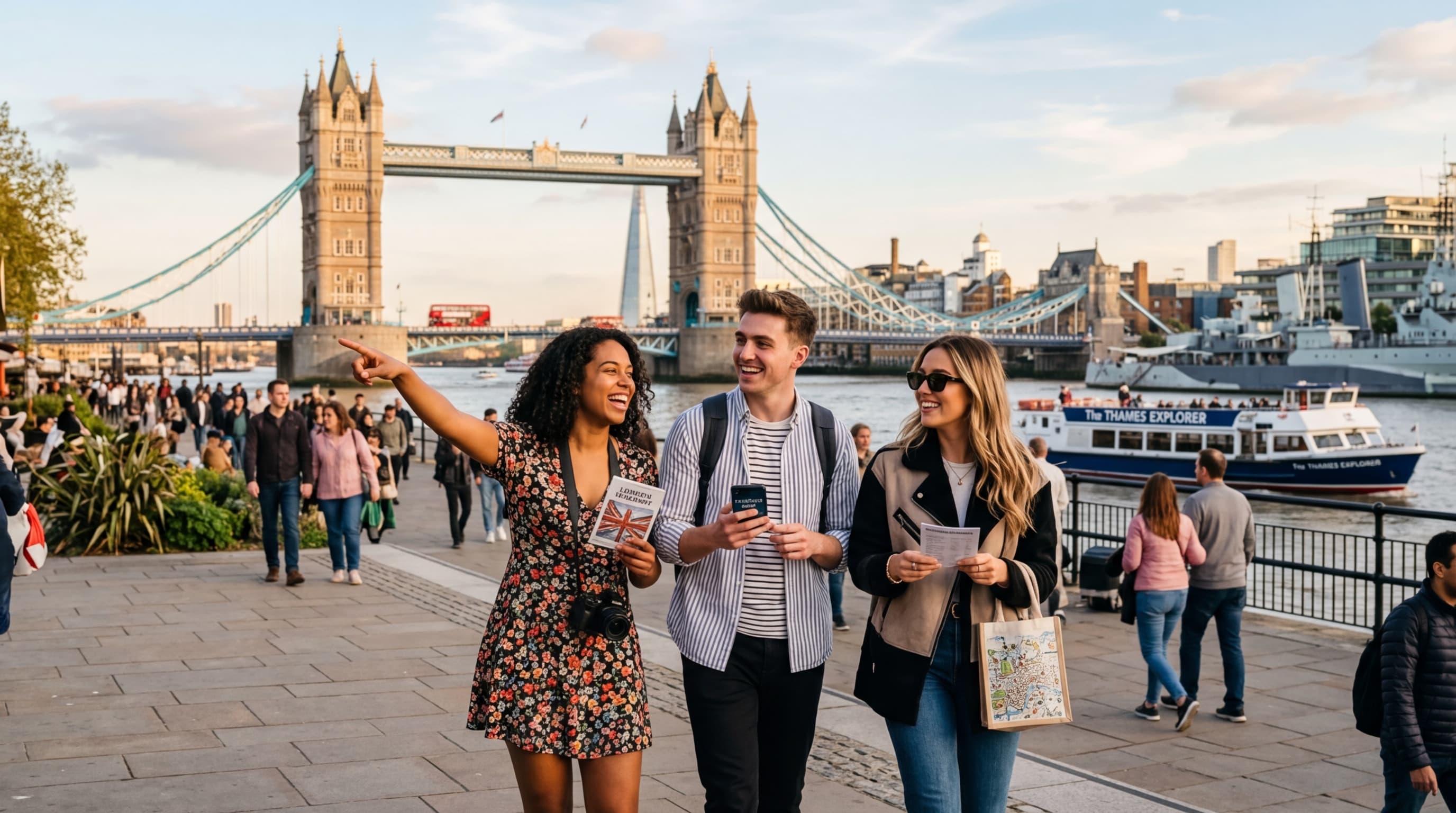
London itinerary planning for a first trip is easiest when you group sights by neighborhood, mix iconic landmarks with one or two great museums or markets, and leave room for a show, pub dinner, or evening stroll. If you have 5 days, you can see the big-ticket classics, explore the city’s best neighborhoods, and still enjoy the food and nightlife that make London feel alive.
If this is your first visit, think of London less like one giant checklist and more like a set of walkable, connected districts with their own vibe. We checked this route the way a local friend would: by looking at what makes sense geographically, what’s worth booking ahead, what’s free, and what actually feels good after a long travel day. London in 2026 is especially strong for live events, exhibitions, neighborhood dining, and late-evening entertainment, so the best itinerary is not just about seeing landmarks, but about experiencing the city after dark too. In this guide, we’ll map out a practical day-by-day plan, compare 3-, 5-, and 7-day options, and show you how to tailor the trip for couples, families, friends, solo travelers, and budget-conscious visitors.
Quick answer: the perfect London itinerary for first-time visitors
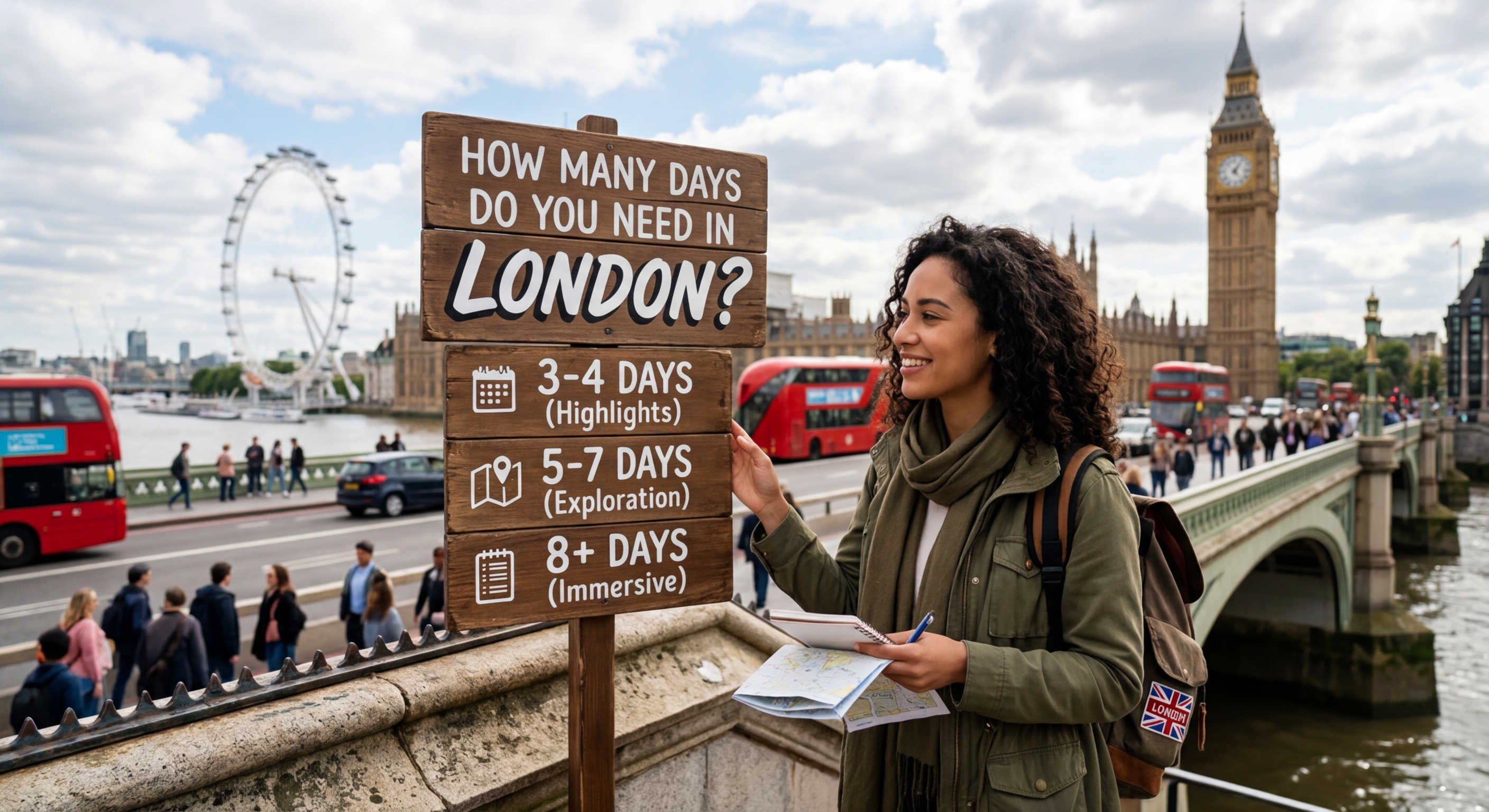
The best first-time London itinerary usually starts in Westminster, continues along the South Bank, then moves east to the Tower of London, before giving you a full neighborhood day in Covent Garden, Soho, or South Kensington. That route covers the big icons without wasting time zigzagging across the city, and it leaves space for food, a West End show, and a few free attractions that keep your budget in check.
From experience, 5 days is the sweet spot for most first-timers. You get the major landmarks, a proper museum or market day, a neighborhood with nightlife, and the chance to choose between a day trip or a slower London-based day. If you only have 3 days, you can still have a fantastic trip, but the pace gets tighter and you’ll need to be selective about which museums and optional extras you add.
Recommended number of days in London by trip length: 3, 5, or 7 days
Three days works if you want a greatest-hits version of the city and you’re comfortable moving quickly. Five days is the best all-around choice because it lets you pair sightseeing with a show, a market lunch, and a proper neighborhood wander. Seven days gives you breathing room for one or two day trips, more immersive food stops, and a night out without feeling like you’re cutting something important. If you’re coming from far away, the extra day or two also helps with jet lag and weather flexibility, both of which matter more in London than people expect.
The right length depends on your style, not just the calendar. High-energy travelers who love long walking days can cover more ground, while slower travelers or families will enjoy a lighter pace with better breaks. London is one of those cities where the “right” itinerary changes depending on whether you care more about landmarks, theater, food, architecture, museums, or nightlife. That’s why this guide gives you a core plan and then several scenario-based versions later on.
The core route in one sentence: Westminster, South Bank, the City, and a neighborhood base
If you want the simplest possible formula, here it is: spend your first day in Westminster, your second on the South Bank, your third in the City of London around the Tower, then use the remaining days for Covent Garden, South Kensington, Notting Hill, Shoreditch, and one optional day trip. That structure keeps your journey efficient because you are moving logically through nearby districts instead of bouncing from one side of London to the other.
That also makes your evenings easier. After a day in Westminster, a West End show or riverside dinner makes sense. After South Bank and Borough Market, you can stay nearby for cocktails, live music, or a Thames cruise. After the Tower and the City, a classic pub or early night usually feels right. London rewards this kind of neighborhood planning more than almost any other major city we write about on Gidly.
How many days do you need in London?
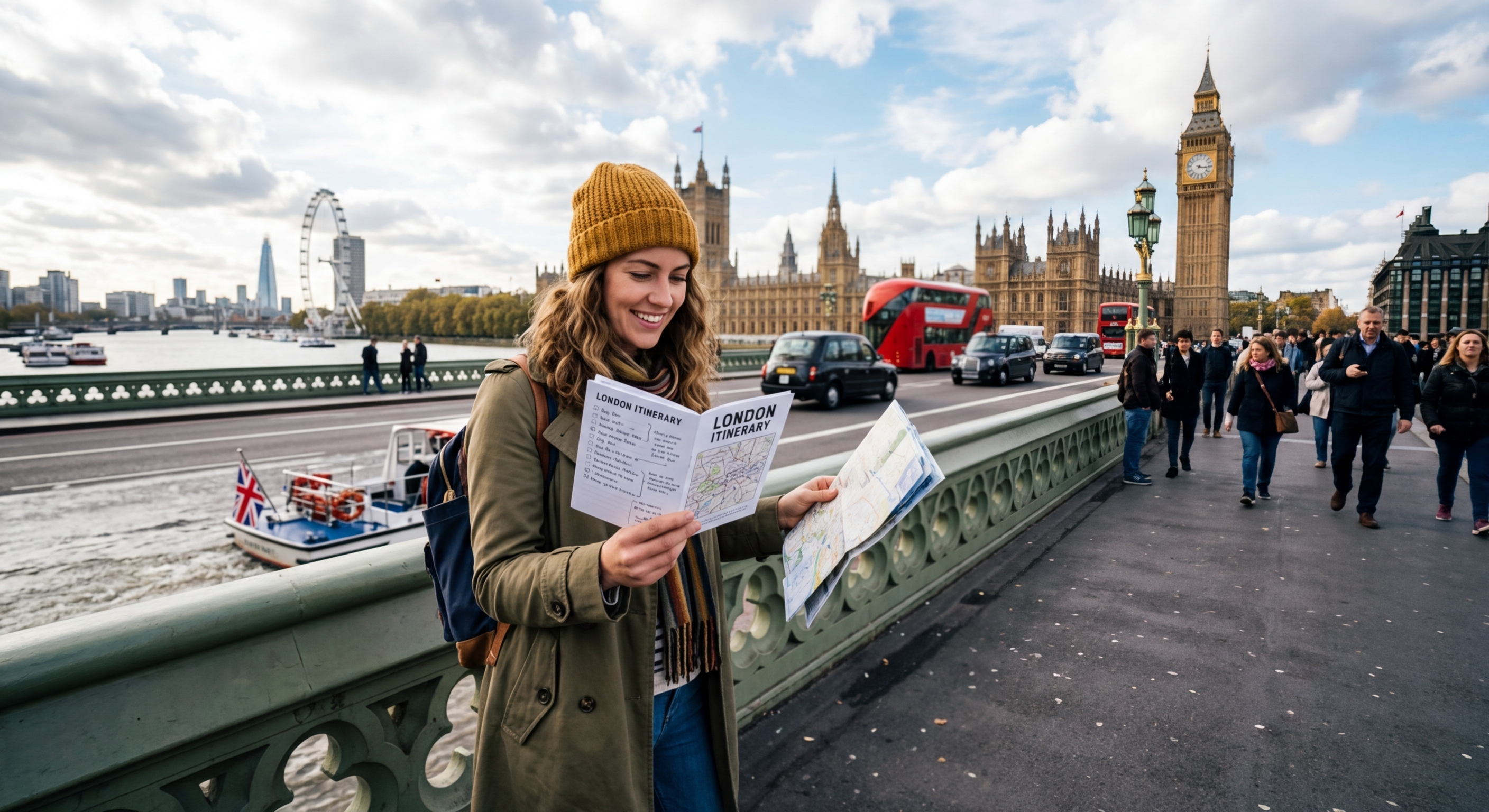
There is no single right answer to how many days you need in London, but there is a practical answer: 3 days is a whirlwind, 5 days is ideal, and 7 days lets you slow down and explore deeper. London is huge, but it is also highly segmented into neighborhoods that each offer a lot on their own, which means your days can be efficient if you plan them well. The biggest mistake first-time visitors make is trying to “see all of London” without understanding how spread out the city is.
We’ve found that most first-time visitors underestimate how much time they’ll spend walking, waiting, and eating. London is very doable on foot in the right areas, but the Tube, buses, and occasional black cab or rideshare still matter. When you match your itinerary length to your energy, you avoid the burnout that happens when every day feels like a race from one photo spot to the next. The goal is to come home feeling like you experienced London, not just checked it off.
3 days: what you can realistically see without rushing
In 3 days, focus on the icons and one or two neighborhoods. A smart plan is Westminster and Buckingham Palace on day one, the South Bank and Borough Market on day two, and the Tower of London plus the City on day three. That gives you the headline sights and still leaves room for a pub lunch, a museum stop, or one evening entertainment option like the London Eye, a comedy show, or a West End production.
What you should avoid in a 3-day trip is overcommitting to distant attractions or multiple long museum visits. You can absolutely see a lot, but you need to prioritize. If you try to add Notting Hill, South Kensington museums, and a day trip too, the itinerary starts to feel crowded and expensive. For a short stay, it’s better to do fewer things well and let London’s atmosphere do part of the work.
5 days: the sweet spot for first-timers mixing landmarks, neighborhoods, and food
Five days is where London really opens up. You can do the classic sightseeing route, then add a neighborhood day in Covent Garden, Soho, or South Kensington. That extra time lets you enjoy food markets, afternoon tea, a museum cluster, or a show without sacrificing the core landmarks. It also gives you one night where you can go out later, which matters because London is just as much about what happens after dinner as it is about the postcard views.
For first-time visitors, 5 days also strikes the best balance between structure and flexibility. You can book a few anchor experiences ahead of time, then leave space for weather changes, a spontaneous event, or a last-minute dinner reservation. This is the trip length we recommend most often because it feels complete without becoming exhausting. If you want one itinerary that covers “everything important” without turning into a marathon, 5 days is it.
7 days: when to add museums, shows, and day trips
Seven days is the best option if you want to do London properly and still breathe. You can expand your museum time, add more relaxed meals, explore additional neighborhoods like Marylebone or Greenwich, and fit in a day trip to Windsor, Oxford, Bath, or Hampton Court. You’ll also have more room to catch a concert, comedy night, or special exhibition if something exciting is on during your visit.
A week gives you the chance to experience London in layers. Day one and day two can be the famous landmarks, day three can be museums and markets, day four can be a nightlife or show night, day five can be a neighborhood day, and day six or seven can be a day trip or a slower local day. This is especially helpful in winter or rainy seasons when some outdoor time gets lost to weather and you need indoor alternatives. More days do not mean more stress if you pace the trip correctly.
How to choose based on travel style, energy level, and season
If you move fast, like walking, and don’t mind early starts, 3 or 4 days can work. If you want a balanced trip with meals, nightlife, and some downtime, choose 5 days. If you are traveling with kids, older relatives, or anyone who likes to savor rather than sprint, 6 or 7 days will be more comfortable. Season matters too, because summer evenings invite longer outdoor stays while winter makes indoor attractions and early dinners more appealing.
Energy level is often the deciding factor people forget. London has great transit, but it is still a big city with a lot of movement. If you know you’ll want café breaks, shopping time, or a slower afternoon between major stops, build that into your itinerary from the start. The best trip is not the one with the most pins on the map, but the one that keeps you excited each day.
What to skip if you only have a short stay
If your stay is short, skip distant or low-priority stops that require long transit without offering a unique payoff. You do not need to force in every famous museum, every palace, and a day trip all at once. Instead, choose one or two landmark-heavy days, one cultural day, and one evening experience. That’s enough to make a first trip memorable and still leave you time to enjoy the city instead of rushing through it.
Also, do not overbook restaurants and attractions in the same afternoon. London is best when there is space to wander, have tea, take the bus, or duck into a shop or pub when the weather turns. For short trips, flexibility is a feature, not a flaw.
| Trip Length | Best For | What You Can Cover |
|---|---|---|
| 3 Days | Quick city break, milestone trip | Westminster, South Bank, Tower, one show or market |
| 5 Days | Best overall first trip | Landmarks, museums, neighborhoods, food, nightlife |
| 7 Days | Deeper exploration, day trips | All of the above plus Windsor, Bath, Oxford, or slower local time |
Before you go: London planning essentials
Before you land in London, a little planning pays off in a big way. The city is very visitor-friendly, but the difference between a smooth trip and a frustrating one often comes down to timing, where you stay, and whether you book the things that actually need booking. London in 2026 is busy in a way that rewards people who think a few steps ahead, especially for shows, afternoon tea, special exhibitions, and major attractions like the Tower of London or the London Eye.
We also recommend building your trip around season and neighborhood rather than trying to choose everything from a list of famous names. The city feels different in spring blossoms, long summer evenings, rainy autumn afternoons, and sparkling winter lights. Once you match your itinerary to the season and to your hotel area, your days become easier and more enjoyable. That’s the kind of practical planning that saves time, money, and energy.
Best time of year to visit London for weather, crowds, and events
Spring and early autumn are usually the sweet spots for first-time visitors because the weather is milder and the city feels lively without being overwhelming. April through June can be especially good for parks, outdoor walks, and sightseeing with fewer weather disruptions than winter. September and October are also strong months because the cultural calendar ramps up, and you still get comfortable temperatures for neighborhood exploring.
Summer has the biggest energy and the longest evenings, but it can also mean more crowds and higher hotel rates. Winter is excellent for museums, theater, food, Christmas lights, and indoor activities, though you should expect shorter daylight hours and occasional rain. The best season depends on what you want most: outdoors and sightseeing, or arts, events, and cozy city vibes. For 2026, keep an eye on event calendars because festivals, temporary exhibitions, and seasonal pop-ups can make one week in London feel very different from the next.
Where to stay by travel style: central, scenic, nightlife, family-friendly
If it’s your first time, staying in or near Covent Garden, Westminster, South Kensington, or the South Bank usually makes life easiest. These areas are central, well connected, and close to many top sights. If you want a more local feel and do not mind a slightly less postcard-perfect base, Marylebone or Paddington can be practical and often better value. For nightlife, Soho or Shoreditch gives you a stronger evening scene, while families often do well near South Kensington, Kensington, or Marylebone because the vibe is calmer and there are many easy dining options.
Location matters because London travel time can add up quickly. Even if the Tube is fast, changing lines or traveling at rush hour can eat into your day. When in doubt, choose proximity to the areas you’ll visit most, not the cheapest-looking hotel on the map. A slightly better location often saves you enough transit time to feel worth the extra spend.
How to get around: Tube, buses, walking, rail, and contactless payment
The Tube is the fastest way to cross the city, buses are great for scenic rides, and walking is ideal within neighborhoods like Westminster, the South Bank, Covent Garden, and Soho. Contactless payment is usually the simplest option for visitors because you can tap in and out without buying separate paper tickets in most cases. Oyster can still work, but for many travelers contactless debit or credit card is easiest, especially if your bank doesn’t add annoying fees.
We always tell first-timers not to be afraid of the bus. In central London, buses can be a surprisingly pleasant way to travel because you see the city instead of disappearing underground. Trains and rail services matter more for day trips or airport transfers, while walking helps you discover the city’s best details. The goal is to combine modes intelligently: walk when the route is short and scenic, Tube when you need speed, and bus when you want a more relaxed ride.
Budget ranges for first-time visitors: affordable, mid-range, and splurge
London can be expensive, but it does not have to be outrageous if you make smart choices. Budget travelers often aim for lower-cost hotels or apartments, a mix of free attractions and paid highlights, and casual meals around markets or pubs. Mid-range travelers can comfortably include a show, nicer dinners, and a few paid museums or tours. Splurge trips open up afternoon tea at a luxury hotel, premium theater seats, rooftop cocktails, and upscale dining.
For a realistic sense of daily spend, it helps to separate accommodation from activity costs. Sightseeing can be surprisingly manageable because many museums are free, but food, transport, and theater tickets can raise the bill quickly. If you book a mix of paid and free experiences, you keep the trip balanced. London rewards strategic spending more than constant spending.
| Budget Style | Typical Daily Range | What It Covers |
|---|---|---|
| Affordable | £70–£140 per person, excluding flights | Simple hotel, transit, free museums, casual meals |
| Mid-range | £150–£300 per person | Comfortable hotel, a show, better dining, some paid attractions |
| Splurge | £300+ per person | Premium hotel, fine dining, front-row entertainment, private tours |
Booking strategy for attractions, shows, and afternoon tea
Book major attractions and popular evening experiences ahead of time, especially during spring, summer, weekends, and school holidays. The Tower of London, London Eye, special museum exhibitions, West End shows, and premium afternoon tea are worth reserving early if they matter to your trip. Official venue websites are the safest place to confirm opening hours, ticket categories, and accessibility details, and they usually offer the best up-to-date information.
Afternoon tea is one of those experiences that sells on ambiance as much as food. If you want a classic hotel setting, book ahead, dress a bit nicely, and check whether the venue has a smart casual or formal expectation. For shows, look at performance times as well as seat pricing because weekday matinees can be a better value than peak evening slots. If your trip overlaps with festivals or major event weekends, the booking window becomes even more important.
London itinerary at a glance: route, pacing, and neighborhood logic
The most efficient London trip is built around neighborhood clusters, not random must-see pins. That matters because London’s charm comes from moving through distinct districts with their own rhythm, food, and atmosphere. When you group Westminster with Buckingham Palace and St James’s Park, or pair the South Bank with Tate Modern and Borough Market, you save travel time and gain a better sense of place. That is the exact logic we use when building itineraries on Gidly: same-area experiences belong together.
This itinerary also balances big sights with real city life. You get the iconic photos, but you also get cafés, pubs, street performers, food halls, museums, and evening choices. The result feels less like a school field trip and more like a proper city break. For first-time visitors, that blend is crucial because London can otherwise feel like a series of long lines.
Why this itinerary is built around grouped neighborhoods
London is enormous, but many of its most interesting sights are concentrated in walkable clusters. Westminster, Whitehall, and the South Bank can all be linked on foot in one day. Covent Garden, Soho, and parts of the West End work well together for shopping, food, theater, and nightlife. The Tower, Leadenhall, and the City of London make another natural cluster, with history and modern skyline views side by side.
Grouped neighborhoods are also better for first-timers because they reduce decision fatigue. Instead of asking “What should I do next?” every hour, you already know the flow of the day. That leaves more mental space for enjoying the city. It also helps you budget better because transit costs, coffee stops, and food choices become more predictable.
How to minimize backtracking between sights
The simplest way to avoid backtracking is to think in lines rather than circles. Start near one attraction cluster and end the day somewhere nearby with a good evening option. For example, Westminster to South Bank to Borough Market makes sense because each stop feeds naturally into the next. Likewise, Tower of London to Tower Bridge to a City pub or Sky Garden visit is a clean route that doesn’t require extra crisscrossing.
Another useful trick is to plan your largest walking day around one Tube line or one river corridor. London is beautiful, but constant station hopping can drain your energy faster than you expect. If you keep your itinerary geographically tight, you arrive at dinner less tired and more likely to enjoy the nightlife or entertainment you booked. That’s a win for everyone.
Suggested daily pacing: mornings, afternoons, evenings
A good London day usually has a strong morning anchor, a flexible afternoon, and an evening that matches your energy. Mornings are best for landmarks, famous sights, and timed entry attractions because crowds are usually lighter. Afternoons work well for museums, markets, or a long lunch, while evenings should be reserved for a show, pub dinner, live music, cocktails, or a scenic walk.
We don’t recommend stacking too many paid attractions in one day. Two major stops plus one food or entertainment stop is often enough. This pacing leaves room for transit and serendipity, which are part of the London experience. It also makes rainy-day pivots much easier because you’re not locked into a rigid schedule from 9 a.m. to 10 p.m.
Best base areas for first-timers and why they work
Covent Garden is probably the easiest all-around base because it sits close to the West End, the River, and several transport links. South Kensington is excellent if you want museums, parks, and a quieter feel. Westminster and the South Bank are strong if you want postcard views and very central access. Marylebone is a polished, practical choice with great cafés and a more neighborhood feel, while Soho and Shoreditch are better if nightlife and late evenings matter most.
The best base is the one that matches your evening habits. If you want to walk home after a show, choose central. If you’re traveling with kids, choose somewhere calmer and easy to navigate. If you’re here for bars, restaurants, and events, being near Soho or Shoreditch can make your nights simpler and more fun.
| Neighborhood Cluster | Core Sights | Ideal Evening Plan |
|---|---|---|
| Westminster / South Bank | Big Ben, Buckingham Palace, London Eye, Tate Modern | Show, riverside walk, dinner |
| City / Tower | Tower of London, Tower Bridge, Sky Garden, St Paul’s | Pub, cocktail bar, early night |
| Covent Garden / Soho | Markets, theaters, shopping, dining | Comedy, theater, nightlife |
| South Kensington / Kensington | Museums, Hyde Park, Kensington Gardens | Tea, casual dinner, quiet evening |
| Shoreditch / East End | Street art, markets, independent shops | Bars, live music, club night |
Day 1 itinerary: Westminster, Buckingham Palace, and the classic London landmarks
Day one should feel like the London you imagined before you arrived, and Westminster is the best place to start. This area gives you the clearest first-time visitor payoff because it packs in the landmarks that define the city’s visual identity. You can see Parliament, Big Ben, Westminster Abbey, and Buckingham Palace without spending the day on transit. This is the kind of route that instantly makes you feel oriented in London.
The trick is to start early enough that you’re not fighting the biggest crowds. If you arrive in the morning, you’ll have a better chance of enjoying the area before tour groups and casual visitors fully pile in. The walk from Westminster to St James’s Park to Buckingham Palace also gives you a natural progression from government and history into greenery and royal spectacle. It is simple, scenic, and very first-trip friendly.
Start at Westminster for the postcard London moments
Begin near Westminster Tube station or along the river by Westminster Bridge, where the first iconic photos happen almost immediately. You’ll see the Palace of Westminster and Big Ben, and from there it’s easy to continue to Westminster Abbey if you want the full historic experience. The area is most enjoyable when you pause for the details rather than rushing through it, because the architecture and setting are a big part of the appeal. Official details and opening hours for Westminster Abbey are available on its website, and it is worth checking ahead if you plan to go inside.
If you only do one thing in this area, do the walk. London can feel abstract until you stand on the bridge, look at the river, and realize how much history is concentrated in one place. This part of the itinerary is more about atmosphere than speed, so allow some time for photos and simple observation. It’s a perfect first morning because it sets the tone for the rest of the trip.
Walk to St James’s Park and Buckingham Palace
From Westminster, move through St James’s Park toward Buckingham Palace. This is one of the most pleasant urban walks in central London, especially in spring and summer when the park is at its best. The route feels ceremonial but not stiff, and it gives you a chance to slow down between big sightseeing moments. Depending on the season and schedule, you may also catch the Changing the Guard, though you should always check the official Royal Collection or palace resources for the current timetable.
Buckingham Palace is worth seeing even if you don’t go inside, because the exterior and surrounding area are part of the London experience. If the palace is open to visitors during your trip, this can become one of your anchor bookings. If not, simply enjoy the approach, then continue into the park or toward Green Park. The point is to connect these nearby sights into one satisfying morning rather than treating them as separate projects.
Add optional extras: Westminster Abbey, Houses of Parliament, Big Ben, and the London Eye
Westminster Abbey is one of the best add-ons if you want a deeper historical experience, and it works especially well for architecture lovers or visitors who appreciate royal and national history. The Houses of Parliament and Big Ben are essentially non-negotiable for the classic photo, while the London Eye is a more optional but very tourist-friendly choice if you enjoy observation wheels and skyline views. The Eye is especially nice at sunset or after dark, though weather and visibility matter.
From a planning perspective, choose one or two extras, not all of them. If you do Westminster Abbey, you may want to skip a lengthy London Eye queue and save that energy for the evening. If you’re more into scenery than interiors, the bridge, the park, and an outside view may be enough. That’s the beauty of London: you can tailor the day without losing the overall magic.
Where to eat nearby: breakfast, lunch, and classic pub stops
For breakfast, choose something simple and central near your hotel or station so you do not waste the day hunting for food. Around Westminster and St James’s Park, you’ll find cafés and hotel options, but many first-timers prefer to save a fuller meal for lunch and keep the morning moving. A classic pub lunch can be a good fit if you want a traditional meal without overcomplicating things. If you want a more polished option, the area has plenty of hotel restaurants and café-style spots within a short walk.
For dinner, a pub stop after your sightseeing is hard to beat. It’s relaxed, easy to understand, and usually far less stressful than trying to find a restaurant in a tourist-heavy part of town at peak time. If you plan a show that evening, pick a place that can seat you early enough to avoid a rush. London’s best days often include one nice meal and one easy meal, not two elaborate ones.
Evening option: a West End show or riverside walk
Your first night in London is the perfect time for a West End show if you have the energy. It gives you a memorable evening, and it pairs naturally with a central location because you can get there without a major transit headache. Official theater websites and ticketing pages are the best place to confirm performance times, age guidance, and seat categories. If you prefer something more laid-back, do a riverside walk around the illuminated Parliament and South Bank area instead.
A show night is especially good for couples, solo travelers, and friends who want a high-energy introduction to London entertainment. If you’re traveling with children, consider an earlier family-friendly performance or keep the evening flexible. Either way, ending day one with live entertainment helps the trip feel alive immediately.
Day 2 itinerary: South Bank, Tate Modern, Shakespeare’s Globe, and Borough Market
Day two is about river energy, culture, and food, and the South Bank is perfect for all three. This part of London feels active from morning until late evening, with street performers, family visitors, cultural institutions, and one of the city’s best food markets all within reach. It is also one of the easiest places to experience London without constantly needing transit. The river gives you orientation, the bridges connect you naturally, and the views are excellent almost all day.
We like this day because it balances classic sightseeing with a more local-feeling food and arts experience. You can choose whether you want to spend more time in a museum, a theater, or a market, and the area supports all of those options. If day one is royal and political, day two is creative and social. That contrast helps the trip feel broader and more complete.
Morning on the South Bank with river views and street energy
Start the day with a walk along the South Bank promenade, where you get river views, public art, and a lively urban atmosphere. Depending on where you begin, you can pass the London Eye, the Southbank Centre, and a series of open spaces that feel especially nice on clear mornings. This is a great place to walk without a rigid agenda because the route is straightforward and scenic. If you enjoy photography, the changing light along the Thames gives you plenty of angles.
The South Bank is also a good place to let the trip breathe a little. You do not need to power through every stop right away. If you want coffee first, grab it here. If you want to browse for a bit and then decide between culture or food, that works too. The area’s flexibility is one reason it belongs so high on any first-timer itinerary.
Art and culture choices: Tate Modern, National Theatre, BFI Southbank
Tate Modern is one of the easiest museum picks for a first trip because it is free to enter for the main collections and sits right in the middle of the South Bank route. Even if modern art is not normally your thing, the building itself and the river-facing setting are worth the stop. Nearby, the National Theatre and BFI Southbank appeal to visitors who want theater, film, or performance culture. Official websites for each venue will show current exhibitions, screenings, or production schedules, which can change frequently.
Choose one culture stop and give it time rather than trying to do the whole arts triangle in a single rush. Tate Modern can take a long or short visit depending on your interest level, while BFI and the National Theatre may work better as quick look-ins or evening bookings. If your trip is happening during a festival or special exhibition period, check what’s on before you arrive because the South Bank is especially strong for time-sensitive programming. This is where Gidly-style discovery really helps: you may arrive with a museum plan but end up finding a lecture, screening, or live event instead.
Shakespeare and history: Globe tour or performance, then St Paul’s nearby
Shakespeare’s Globe is one of the most memorable stops in London because it connects the city to its theatrical history in a very tangible way. You can tour the space or attend a performance, depending on your timing and interest. Check the official Globe website for the current program and tour options, since performance seasons and ticket availability can vary. If you love theater, this is one of the best pairings in the whole city with the South Bank route.
From the Globe, St Paul’s Cathedral is a natural next stop across the river or nearby depending on your route. The contrast between the modern energy of the South Bank and the classical grandeur of St Paul’s is one of the things that makes this day feel rich. If you only have energy for one of the two, the Globe is usually the more distinctive first-timer experience, while St Paul’s is the more traditional sightseeing choice. Either way, you are getting a London that feels deeply tied to culture and history.
Borough Market for lunch and food-stall grazing
Borough Market is one of the best food stops on any first-time London trip because it is casual, energetic, and full of options. You can go for a proper lunch or simply graze among the stalls, which is ideal if your group has different tastes. We checked it from a traveler’s perspective: the market works best when you arrive hungry but not starving, so you can enjoy browsing before picking a meal. Official market hours and trader information are available on the Borough Market website, and some stalls operate on different schedules depending on the day.
The food here is one of the trip’s easiest wins. You can find comfort food, global flavors, bakery items, and sweet treats without needing a reservation. For first-time visitors, that’s a big relief after more formal sightseeing stops. If you want a classic London day that includes both culture and food, this is where the balance really clicks.
Evening option: rooftop bars, live music, or a Thames sunset cruise
By evening, you have several strong choices. If the weather is nice, a Thames sunset cruise gives you a great new perspective on landmarks you saw during the day. If you want a social scene, the South Bank and nearby areas have rooftop bars and relaxed riverside spots. If you’re in the mood for entertainment, look for live music or a theater-adjacent dinner around the same area.
The best evening plan depends on your energy. Couples often like a scenic drink or cruise, friends may prefer a louder bar or live venue, and solo travelers often enjoy a walk and an early dinner before heading to another event. The South Bank is versatile enough to support all of those moods, which is why it is such a valuable part of the itinerary. It also makes a good rainy-day fallback because much of the area’s appeal does not depend on perfect weather.
Day 3 itinerary: The Tower of London, Tower Bridge, and the City of London
Day three moves east and gives you one of the strongest combinations in London: medieval history, famous bridge views, and a business district that becomes surprisingly interesting when you know where to look. The Tower of London is a must for first-timers because it blends royal history, fortress architecture, and the Crown Jewels in one visit. Add Tower Bridge and the City of London, and you get a day that feels both historic and modern. This is the kind of route that reminds you London is not just beautiful, but layered.
We recommend starting early because this is one of the city’s most popular landmarks. Morning entry usually means a calmer experience and better rhythm for the rest of the day. Once you leave the Tower area, you can walk to viewpoints, markets, and cafés without feeling rushed. The east side of central London is full of excellent transitions, which makes the day flow well.
Start early at the Tower of London to beat lines
The Tower of London is best experienced at the start of the day when lines are lighter and your attention is fresher. Official information on opening hours and ticketing is available through Historic Royal Palaces, and advance booking is highly recommended during busy travel periods. The site itself offers enough to fill a substantial portion of the morning, especially if you want the Crown Jewels, the Yeoman Warder stories, and time to explore the grounds properly. This is one of those attractions where the experience is richer when you are not watching the clock.
Give yourself time to absorb the atmosphere. It is not just a museum; it is a living historical site with a strong sense of place. You’ll get more out of it if you slow down a little, listen to the stories, and take your time with the key exhibits. First-time visitors often say this is one of the most memorable stops in the city, and from experience, that holds up.
Walk the river to Tower Bridge and nearby viewpoints
After the Tower, take the short walk to Tower Bridge. This is one of London’s most photographed spots, but it is still worth experiencing in person because the scale and river setting feel different from what you see online. If you want to go inside the bridge’s exhibition or high-level walkways, check the official Tower Bridge website for current hours and ticket details. Even if you only view it from outside, the route along the river is highly rewarding.
This stretch is also good for slowing down with a coffee or a quick snack. The best first-time itinerary does not try to force every moment into a monument. It gives you time to look around, take photos, and enjoy being in the city. That makes the whole day feel more like a real travel experience and less like a checklist.
Explore the City of London: Leadenhall Market, Sky Garden, St Paul’s Cathedral
Once you move into the City of London, the character shifts from medieval and tourist-heavy to glass towers, historic streets, and polished lunch spots. Leadenhall Market is a beautiful stop with a distinctive covered-market feel, and it is especially fun if you like architecture or filming locations. Sky Garden is another standout if you want skyline views, but it usually requires advance booking, so check the official site early. St Paul’s Cathedral is also nearby if you didn’t do it on day two.
This part of London is a great example of why neighborhood clustering matters. You can pair a market, a viewpoint, and a cathedral without major transit time. It’s also a strong area for a slightly more grown-up lunch or an afternoon coffee break. If you enjoy looking up at the skyline as much as looking down at the street, the City will probably be a favorite.
Food and coffee breaks in the historic core
The City has a practical advantage: plenty of lunch spots built for people who work here, which often means better value and faster service than the most tourist-heavy zones. That makes it a good place to pause before continuing your afternoon. If you want a quick meal, look for a sandwich shop, bakery, or café. If you want something more relaxed, choose a pub or casual restaurant and enjoy a slower sit-down.
Do not underestimate the power of a well-timed coffee break in London. It can completely change your afternoon energy. A strong first-time itinerary knows when to stop, refuel, and reset. This is especially true after the Tower of London, which can be surprisingly absorbing.
Night option: pubs, cocktail bars, or a quieter evening after sightseeing
After a history-heavy day, a good pub or cocktail bar in the City or nearby South Bank can be the perfect finish. If you want a quieter evening, this is also a good night to eat early and return to your hotel without guilt. Not every London night needs to be a late one, especially if you have more major neighborhoods ahead. In fact, resting on day three often improves the rest of the trip.
If you do want a night out, keep it local and simple. The City has polished bars and a more adult after-work vibe, while nearby areas offer more variety if you want something livelier. This is where the itinerary becomes flexible again, which is one reason we like building in a mix of active and calm evenings.
Day 4 itinerary: Covent Garden, Soho, and the West End
Day four is your entertainment day, and it may end up being the one people remember most. Covent Garden, Soho, and the West End combine shopping, food, performances, and nightlife in a way that feels very distinctly London. The area is central, lively, and easy to navigate, which makes it ideal for first-time visitors who want a little more energy without sacrificing comfort. This is where your itinerary stops being just “sightseeing” and becomes a real city experience.
From a planning perspective, this is also the day to leave room for spontaneity. You might book a show, then discover a great pre-theater dinner, a late-night dessert spot, or a comedy venue you didn’t know about. Because the area is so dense with things to do, you can shape the day around your mood. Gidly’s event-first approach works especially well here because the West End and nearby neighborhoods are full of changing live listings.
Morning in Covent Garden: piazza, markets, and street performers
Start in Covent Garden with a relaxed morning walk through the piazza and market area. The best time to enjoy it is earlier in the day before the crowds fully arrive, especially if you want to browse shops or watch the street performers without being boxed in by people. The neighborhood has that classic London mix of polished and playful, which makes it very easy to enjoy even if you are not planning to buy much. It’s a good place for coffee, window-shopping, and people-watching.
Covent Garden works well for first-timers because it feels exciting but manageable. You can spend an hour or three here depending on your pace, and there are plenty of nearby options if you decide to extend the visit. That flexibility makes it one of the most useful neighborhoods in the city. It is also a strong choice for travelers who want central access to everything else on the day.
Explore Soho for shopping, cafes, and entertainment energy
Soho is one of London’s most fun neighborhoods because it is compact, lively, and packed with personality. You will find cafés, bars, record stores, small boutiques, and a strong restaurant scene all within a short walk. The area changes throughout the day, which is part of its appeal. In the morning it can feel calm enough for a coffee and stroll, while at night it becomes one of the city’s liveliest entertainment zones.
If you like neighborhoods that feel active rather than formal, Soho is one of the best places to spend part of a first trip. It pairs naturally with Covent Garden and the West End because you can flow between them on foot. You do not need a strict agenda here. Some of the best moments are simply wandering, finding a snack, and deciding whether to shop, sit, or head to your evening plan.
Choose your theater, comedy, or live performance experience
The West End is the heart of London theater, and it is worth building at least one performance into your itinerary if possible. Depending on your taste, that could mean a major musical, a play, a comedy show, or another live event nearby. Official theater sites and trusted ticketing platforms should always be your starting point for seat selection and performance times. If a major production is sold out, consider matinees or smaller venues in nearby districts.
One smart approach is to choose the performance first, then plan dinner around it. That keeps the evening smooth and prevents unnecessary scrambling. For first-time visitors, the West End also offers that rare combination of world-class entertainment and easy logistics. You can get there quickly, enjoy the show, and still be back at your hotel at a reasonable hour if you want to.
Food and nightlife: dinner pre-show, late bites, and bars
Pre-theater dining is one of the best parts of this neighborhood cluster. You can book an early dinner, grab a quick meal, or head to a casual spot and then walk to the venue. After the show, there are plenty of places for dessert, a drink, or a late bite depending on the time and your energy level. This is one of the few areas in London where evening plans feel truly effortless because everything is so close together.
For nightlife, Soho is the natural extension. If you want a celebration atmosphere, this is one of the best parts of London to be in after dark. If you prefer to keep it relaxed, a cocktail bar or pub is easy to find. It is also a great area for friends’ trips and date nights because the energy is lively but still polished enough to feel special.
Best fit for couples, friends, and solo travelers
Couples often love this day because it offers variety without pressure: brunch, browsing, theater, and dinner all in one compact zone. Friends can turn it into a long social day with shopping, cocktails, and a late performance. Solo travelers benefit from how easy it is to navigate and how many things there are to do without needing a group. It is one of the safest bets in the city for a fun, low-stress day.
If you only choose one “fun” neighborhood day on your trip, make it this one. It gives you the social side of London in a very concentrated way. And if you’re using Gidly to plan your night, this is the place to check for current shows, comedy listings, immersive events, and live entertainment that matches your timing.
Day 5 itinerary: Notting Hill, Kensington, and South Kensington museums
Day five is your neighborhood-and-museum balance day, and it gives you a calmer but still very rich side of London. Notting Hill brings charm, boutiques, and café culture, while South Kensington delivers three of the city’s best museums in one easy cluster. Together, they create a day that feels both beautiful and practical. If you’ve been doing a lot of heavy sightseeing, this is also a good day to slow the pace a little.
One thing we love about this route is how naturally it fits different weather conditions. On a sunny day, the streets and parks are a dream. On a rainy day, the museums save the itinerary. That makes the day highly dependable, which is useful when London weather decides not to cooperate.
Morning in Notting Hill: Portobello Road, colorful streets, and cafes
Notting Hill is most enjoyable in the morning, especially if you want the famous pastel streets and a more relaxed, residential feel. Portobello Road Market is the anchor, but the surrounding lanes and side streets are often what people remember most. If you come early, you can enjoy the area before it becomes too crowded. That matters because the neighborhood is charming precisely because it feels lived-in, not staged.
The cafés here are ideal for a slower start. You can have breakfast, browse, and take photos without needing to sprint from sight to sight. If you’re on a romantic trip, this is one of the best places for a lingering morning. If you are with friends or family, it offers a nice change of pace after the bigger central landmarks.
South Kensington museum cluster: V&A, Natural History Museum, Science Museum
South Kensington is one of the strongest museum clusters in Europe for first-time visitors because you can choose based on interest without needing a lot of transit. The Victoria and Albert Museum, Natural History Museum, and Science Museum each offer a different experience. The V&A is excellent for design, fashion, and decorative arts. The Natural History Museum is a favorite for families and architecture lovers. The Science Museum is great for interactive exhibits and broader accessibility.
Most first-time visitors do best by picking one major museum and maybe one short extra stop, rather than trying to do all three thoroughly in one day. Official museum websites should be checked for opening hours and special exhibitions, since those can change seasonally. The area is also very easy to navigate and pairs nicely with nearby cafés and parks, so the museum portion feels less intense than it might in another city.
Hyde Park and Kensington Gardens as a reset between stops
Hyde Park and Kensington Gardens are the perfect reset between neighborhood exploration and museum time. If you’ve spent the morning in Notting Hill and the afternoon in South Kensington, a park walk gives your brain and feet a break. This is one of London’s best examples of how green space and urban density work together. You get the city, but you also get quiet moments in nature.
For visitors who like to walk, this can become one of the most pleasant parts of the trip. It is also one of the easiest free activities in London, which helps balance the overall budget. In good weather, you might stay longer than expected. In bad weather, you can keep it brief and move on without ruining the day.
Afternoon tea or upscale casual dining nearby
This is one of the best days to schedule afternoon tea if it’s on your London wish list. South Kensington and nearby Kensington have several polished options, and the experience works especially well after a museum visit or park walk. If you prefer something less formal, the area also has excellent cafés and casual dining spots that feel a bit easier on the budget. The key is to book ahead if you want a particular venue or time slot.
Afternoon tea is not just about food; it’s a pacing choice. It can serve as lunch, a break, or a celebratory mid-afternoon experience. First-time visitors often find it more enjoyable when they treat it as one of the main events of the day rather than an afterthought. If you want the classic London feeling, this is a very good place to find it.
Rainy-day and family-friendly adjustments
If the weather turns wet, the museum cluster becomes even more attractive. You can easily swap outdoor strolling for more time indoors without losing the structure of the day. Families especially benefit from this setup because the Natural History and Science Museums offer a lot to children and teens, while adults can still enjoy the architecture and café breaks. London is at its best when your itinerary has a built-in weather buffer, and this day does exactly that.
For couples, the day can be made quieter and more elegant with tea, a museum, and a park walk. For solo travelers, it is an easy day to enjoy at your own pace. For anyone who likes beautiful neighborhoods and lower-stress sightseeing, it is one of the most satisfying parts of the itinerary.
Day 6 itinerary: Shoreditch, Spitalfields, and East London nightlife
Day six shows you London’s creative and contemporary side. Shoreditch and Spitalfields are ideal for visitors who want street art, independent shopping, markets, and a more modern nightlife scene. This part of the city has changed a lot over the years, and in 2026 it still feels like one of London’s best zones for food, style, and after-dark energy. If the West End is polished and classic, East London is edgy, creative, and a little more unpredictable in a good way.
This is also one of the strongest areas for travelers who want to feel like they are seeing the city as locals do. You can move between coffee shops, vintage stores, murals, galleries, and bars without needing much planning. For many first-timers, this becomes the “I get it now” day, where London’s modern identity clicks into place.
Street art, markets, and independent shops in Shoreditch
Shoreditch is best explored slowly and on foot. The street art changes over time, which means you never quite see the same neighborhood twice, and that is part of the appeal. Independent shops, pop-up spaces, and creative studios give the area a distinct feel that sets it apart from more traditional central London districts. If you like design, fashion, and visual culture, this is a strong place to spend a morning or afternoon.
The area is very search-friendly too because it has a strong “near me” energy. If you are staying nearby, it’s easy to drop into a café, shop, or event on a whim. That makes Shoreditch especially useful for people who like flexible travel days. It’s also where you’re more likely to stumble into something interesting without planning every minute.
Old Spitalfields Market and nearby food options
Old Spitalfields Market is one of the best stops in East London for food and browsing. You can find a wide range of stalls and eateries, making it especially good for groups who can’t decide what they want. The market’s website will show current hours and vendor details, which can help if you want to line up a specific food stop. It works well for lunch, an afternoon snack, or an early dinner before nightlife.
This market is useful because it solves the “what should we eat?” problem without making the day feel overly formal. It also fits the neighborhood’s energy: casual, creative, and varied. For first-time visitors, that balance is valuable because it gives you local flavor without requiring a lot of insider knowledge.
Coffee, vintage, and creative culture stops
One of the nicest things about Shoreditch is that it gives you permission to wander. You can stop for coffee, browse vintage clothing, look at murals, and pop into galleries or concept spaces as you go. There are enough interesting corners that you can spend an entire half day here without repeating yourself. If you like neighborhoods where the streets are part of the attraction, this is the one.
It also makes a great daytime option before an evening event. You can browse and eat at a slower pace, then transition into a night out without needing to move far. That convenience is one reason East London is so popular with younger visitors and groups of friends. It is social, stylish, and easy to turn into a longer outing.
Evening plan: cocktails, live music, comedy, or club night
Shoreditch is one of the strongest nightlife areas in London because it offers more variety than people expect. You can choose cocktails, a live music venue, comedy, or a full club night depending on your mood. For current event listings, it’s worth checking official venue pages and live discovery platforms like Gidly so you can see what’s actually happening during your travel dates. That matters because East London nightlife changes fast and often has limited-run events or special performances.
Safe, easy navigation is another plus. The area is busy enough to feel lively but compact enough that you can move between venues without a complicated route. Friends’ trips and solo travelers usually do very well here, especially if they want a night that feels current and energetic. If you want the city’s more creative after-dark personality, this is your day.
Best for friends, solo travelers, and younger visitors
Friends love Shoreditch because there is always another bar, another venue, or another after-dinner option. Solo travelers appreciate that it’s easy to enjoy independently without feeling out of place. Younger visitors, or anyone who wants a less formal scene, often prefer this area to more traditional parts of London. It is one of the best reminders that London is not only historic, but also very current.
If your trip is longer than five days, Shoreditch can be the day you lean into nightlife without worrying that you’ve missed the city’s main landmarks. You’ll have already done those earlier in the itinerary. That means you can focus on atmosphere, event discovery, and a fun evening that feels more like living in London than merely visiting it.
Day 7 itinerary: choose your own adventure or day trip from London
Your seventh day is a decision day, and that is a good thing. If you are staying a full week, you can either leave London for a classic day trip or deepen your city time with a neighborhood you skipped earlier. The best choice depends on your energy, your weather luck, and how much of the city you still want to see. There is no pressure to “use” day seven in a certain way; the point is to make your trip feel complete.
We usually recommend deciding this after you’ve experienced the first five or six days, because by then you’ll know what kind of pace you want. If you loved the historic core, a day trip to Windsor or Oxford may feel right. If you’re tired, a London-based day in Greenwich, Richmond, or Hampton Court may be better. Flexibility is a luxury, and a week-long trip finally gives you enough of it.
Windsor Castle and Eton for the classic royal day trip
Windsor is the most straightforward and popular day trip for many first-time visitors because it is strongly tied to royal history and easy to understand. Windsor Castle is the main attraction, and Eton adds an elegant nearby walk with a different atmosphere. Official castle information should always be checked ahead of time because opening hours and ticketing can vary. If royal history interests you at all, Windsor is usually worth it.
This day trip works best if you want a clean, manageable escape from the city without committing to a long or complicated journey. It gives you a change of pace while still feeling very “UK” in the classic sense. For many travelers, it’s the ideal compromise between more London and something different.
Bath or Oxford for history, architecture, and easy rail access
Bath and Oxford are both excellent if you want architecture and a deeper historical feel. Bath is particularly beautiful if you love Georgian streets, Roman history, and an elegant cityscape. Oxford is better if you want collegiate architecture and a more academic atmosphere. Both are accessible by rail or tour, depending on your preference, though the best option can depend on your travel time and departure station.
If your goal is a memorable day rather than the absolute easiest logistics, either of these can be a great choice. They are especially appealing if you’ve already done the main London highlights and want a change without going too far. For first-timers with a week, these day trips can round out the experience nicely.
Stonehenge add-on: when it is worth it and when it isn’t
Stonehenge is iconic, but it is not automatically the best day trip for everyone. It works best if the site is a major personal goal, if you are comfortable with a longer outing, or if you are combining it with other stops in a planned tour. If you only have one spare day and want the simplest possible experience, Windsor or Oxford may be a better use of time. The key question is whether the journey feels exciting or merely obligatory.
From a practical standpoint, Stonehenge is more logistical than immersive for some travelers, especially if you value urban wandering, food, and nightlife. That’s not a criticism; it just means it fits some itineraries better than others. Choose it if it genuinely speaks to you, not just because it appears on lists.
Richmond, Greenwich, or Hampton Court as London-based alternatives
If you do not want a full day trip, London has several excellent alternatives that still feel distinct and memorable. Greenwich offers river views, history, and a slower pace. Richmond provides parkland and a more relaxed, village-like feel. Hampton Court is ideal if you want palace history without leaving the greater London orbit. These options are often easier on energy and can be better for families or visitors who dislike long transit days.
The advantage of staying in the city is that you can still enjoy a nice dinner, a show, or a late evening without a long return journey. That makes these alternatives especially practical if you want to balance sightseeing with entertainment. They are also easier to fit around weather and mood.
How to decide between a day trip and more time in London
Choose a day trip if you have already covered the core London neighborhoods and you still have energy to travel. Stay in London if you feel like you’ve barely scratched the city or if you want more event, food, and nightlife time. A first trip does not need a day trip to be successful. In many cases, adding another neighborhood day in London makes the whole experience better.
Our advice is simple: if you are already happy with what you’ve seen, take the trip out of town. If you still feel like London itself has more to give, keep the day local. Either choice is valid, and both can be excellent.
Best London neighborhoods to explore on a first trip
Neighborhoods are the real key to understanding London. The city is too large to experience as one flat destination, so the smarter approach is to choose a few areas with different personalities. For first-time visitors, the best neighborhoods are the ones that combine easy transit, strong visuals, food, and a reason to linger. When you know how the city is zoned emotionally and geographically, the itinerary becomes much easier to plan.
We checked these areas for both practicality and feel. Some are better for daytime wandering, some for nightlife, and some for museums or scenic walks. You do not need to see all of them in one visit, but you should know how they differ. That’s how you choose where to stay, where to eat, and where to go when you have an extra hour.
Westminster and the South Bank
Westminster and the South Bank are the classic first-timer combo because they combine politics, history, river views, and easy landmark access. The area is ideal for a first morning because it instantly delivers the London people picture in their heads. You’ll be close to Big Ben, Westminster Abbey, the London Eye, and several useful walking routes. It is also highly connected by transit, which makes the rest of the trip easier.
This area is best when you want iconic and efficient. You can spend a lot or a little, and the neighborhood still works. It is also one of the strongest choices if your trip is short or you want to stay in the center of everything.
Covent Garden and Soho
Covent Garden and Soho are your best bets for atmosphere, entertainment, shopping, and food. They are central, lively, and easy to enjoy in both daytime and evening. If you want a base where you can walk to dinner, theater, and bars, this cluster is hard to beat. It’s also a smart area for first-time visitors because it reduces transit complexity while maximizing fun.
These neighborhoods work especially well for couples, friends, and solo travelers. They are social without feeling chaotic, and there is always something happening nearby. If you like a city center that feels energetic after dark, this is the place.
South Kensington and Kensington
South Kensington and Kensington are excellent for museums, parks, and a slightly calmer atmosphere. They are especially good for families and travelers who want a comfortable, elegant base. The museum cluster is a big advantage, and Hyde Park and Kensington Gardens provide a great break from indoor time. This area also tends to feel more organized and less hectic than some other central zones.
If you like walking home to a quieter neighborhood after sightseeing, this is a strong choice. It gives you access to major institutions without the intensity of the West End. That balance can be especially useful on a multi-day trip.
Notting Hill and Marylebone
Notting Hill is beautiful, photogenic, and ideal for slower mornings, while Marylebone offers a polished, local-feeling base with excellent cafés and shops. Both areas can work very well if you want a more residential vibe that still feels convenient. Notting Hill is better as a visit destination, while Marylebone is often stronger as a place to stay. Together, they offer a more refined and less tourist-heavy side of London.
These are great choices if you want a break from the busiest central zones. They are also good for visitors who care about neighborhood quality as much as attraction access. You’ll feel like you’re living in the city a little, not just passing through it.
Shoreditch and the East End
Shoreditch and the East End are the most contemporary and creative-feeling parts of the first-time itinerary. Street art, markets, independent businesses, and nightlife give the area a different energy from classic central London. If your trip is partly about food, bars, and local culture, this zone deserves a place on the map. It is especially appealing in the evening, though daytime browsing is just as worthwhile.
For younger visitors and nightlife-focused trips, East London may become the favorite neighborhood. It feels current, adaptable, and event-driven, which makes it a strong fit for Gidly’s entertainment lens. If you want to know what’s happening tonight, this is one of the first places to check.
Top attractions to prioritize if you’re short on time
If your London trip is short, prioritization becomes everything. You do not need to see every famous site to feel like you experienced the city well. The smartest strategy is to choose a few iconic landmarks, one or two museums, one market or food hall, and at least one evening experience. That mix gives you a rounded sense of London without overloading your schedule.
This section is designed to help you decide what earns a place on your itinerary and what can be left for a future trip. Some attractions are iconic but optional, while others are genuinely high-value for a first visit. We’ve grouped them by category so you can quickly build your shortlist. That’s how you make a short trip feel intentional instead of rushed.
Iconic landmarks you should not miss
For first-timers, Westminster, Big Ben, Buckingham Palace, the Tower of London, Tower Bridge, and St Paul’s Cathedral are the landmarks that most clearly define London’s visual identity. The London Eye is less historically essential but still very visitor-friendly and can be worth it for the views. If you only have limited time, these should be the landmarks you prioritize first because they deliver the strongest “I’m in London” feeling.
You do not have to go inside every building to get value from it. Sometimes the exterior, the surrounding walk, and the nearby neighborhood are enough. That approach is often better on a short trip because it leaves room for food and rest. The city becomes more enjoyable when you know which icons are worth an interior visit and which are best appreciated from outside.
Best museums for first-timers
The best all-around museum picks are the British Museum, Tate Modern, Natural History Museum, V&A, and Science Museum. Which one you choose depends on your interests, but all of them have strong first-trip value. The British Museum is broad and famous, Tate Modern is contemporary and free, the Natural History Museum is visually impressive, the V&A is stylish and design-focused, and the Science Museum is interactive and great for families.
For a short stay, one or two museums is enough. A common mistake is trying to do too many in one day, which can turn something enjoyable into a blur. Since many of London’s major museums are free, you can decide on the day which one matches your energy. That flexibility is a real advantage.
Best markets and food halls
Borough Market, Covent Garden’s market area, Spitalfields, and some of the city’s larger food hall concepts are all strong choices for first-time visitors. Markets work well because they solve the lunch problem and give you a social, local-feeling experience. Borough Market is the easiest recommendation for food lovers, while Spitalfields is excellent if you want a mix of food and browsing in East London.
If you’re short on time, one market stop can replace a sit-down meal and a casual shopping hour. That makes it a very efficient use of your day. Markets also tend to be more interesting than generic chain dining options, which is important if you want memorable travel moments.
Best parks, river walks, and viewpoints
St James’s Park, Hyde Park, Kensington Gardens, the South Bank, and the riverwalk near the Tower all deserve attention because they give you breathing room in the city. These are not just filler spaces; they are part of what makes London feel livable and enjoyable. If you need a free, low-stress activity, a park or river walk is one of the best options available.
For viewpoints, the London Eye, Sky Garden, and certain riverfront bridges or rooftop terraces can be excellent. Each has a different feel, from tourist-friendly to more polished and grown-up. Choose the one that matches your travel style and budget.
Best experiences for entertainment and nightlife
For entertainment, a West End show is the easiest first-timer recommendation, but live music, comedy, cabaret, and immersive events are also worth considering. London’s nightlife is broad enough that you can find something that fits almost any mood. The most common mistake is spending all your energy on daytime sightseeing and then ignoring the city after dark, which is where a lot of London’s personality really comes alive.
If you want the trip to feel memorable, don’t skip the evening. Even one smartly chosen night out can define the whole visit. That is especially true if you use Gidly to discover what’s on during your stay.
Food, drink, and afternoon tea in London
Food is one of the easiest ways to make a London trip feel complete. The city is far beyond old clichés, and while you can absolutely find fish and chips or a proper pub meal, you can also eat extremely well across every budget and style. For first-time visitors, food is not just a necessity; it is a planning tool. The right lunch or dinner stop can help structure the whole day.
We always recommend mixing one classic experience, one market meal, and one “this feels like London now” dinner or drink stop. That gives you range without making the trip feel overly formal. Afternoon tea can fit in beautifully if you want a more traditional experience, but it’s not mandatory unless it genuinely excites you. London dining works best when you choose what fits your pace, not what a checklist tells you to order.
What to eat in London beyond tourist clichés
Beyond the usual tourist food, London is a city of excellent global dining, modern casual restaurants, and thoughtful pub kitchens. You can eat everything from Indian and Middle Eastern to Chinese, Japanese, Caribbean, Italian, and inventive British food. That diversity is part of the city’s appeal, and it means you do not have to eat only “London foods” to have a great trip. Some of the best meals may well come from neighborhood places near your hotel or attractions.
If you want a local feel, look for places where office workers, neighborhood residents, and visitors all mix. Those are often the spots that feel most useful and most authentic. Don’t be afraid to choose simple lunches and save your bigger budget for one great dinner or special event night.
Best markets and casual meals for first-timers
Borough Market is the obvious standout, but it is not the only one worth considering. Spitalfields, food halls around central London, and smaller neighborhood markets can all be excellent depending on where you are staying. Casual meals are one of the smartest ways to keep the trip affordable while still eating well. They also let you keep moving without getting stuck in long reservation windows.
For first-time visitors, casual dining is especially useful between sightseeing blocks. You can eat quickly, rest a bit, and continue the day. That is a much better use of time than trying to force an elaborate meal into a busy itinerary every afternoon.
Pubs, gastropubs, and classic British dining
A proper pub stop belongs on almost every London itinerary because it gives you atmosphere, comfort, and a relatively low-pressure dining experience. Gastropubs can be especially good if you want pub character with better food quality. Classic British dishes are easy to find, but the best spots usually have more than just the stereotypical menu. The atmosphere, service, and neighborhood matter just as much as the plate.
For practical reasons, pubs are also a lifesaver after long sightseeing days. They are relaxed, familiar, and usually easy to book or walk into depending on the time. If you want a dependable dinner option, this is one of the best categories to keep in your back pocket.
Afternoon tea: when to book it and who it suits
Afternoon tea is best booked when you want a deliberate, celebratory experience rather than a quick bite. It works beautifully for couples, mother-daughter trips, special occasions, or travelers who want a more elegant London memory. It can also be a good rainy-day anchor because it gives you a cozy, indoor pause. Check venue websites in advance for dress codes, pricing, and reservation policies, which can vary widely.
If you do afternoon tea, treat it as a highlight rather than an afterthought. It pairs especially well with South Kensington, Mayfair, or other polished parts of the city. Not every first-time visitor needs it, but many enjoy it once they know it’s not just about tea, but about the whole experience.
Late-night dining and drinks for after the show
Late-night food matters more than many travelers realize, especially after theater or nightlife. Soho, Covent Garden, Shoreditch, and parts of the South Bank are strong areas for post-show drinks and late bites. If your evening ends after 9:30 or 10 p.m., planning a nearby food option saves you from wandering hungry. This is particularly important in London because some kitchens close earlier than you might expect.
If you’re out after a show, it can be wise to book a table or at least identify a backup stop. The city is great for spontaneous evenings, but hungry people make poor decisions. A little planning here goes a long way.
Free, affordable, and rainy-day London itinerary ideas
One of London’s biggest advantages is that you can have a fantastic trip without spending a fortune on admission every day. The city has a strong free-attraction culture, and that is especially helpful for first-time visitors who want to balance paid highlights with budget-friendly options. London is also famously rainy at times, so an itinerary with indoor backups is not optional; it is smart planning.
The best free or affordable plans are the ones that still feel rich in experience. A free museum, a market lunch, a river walk, and a pub dinner can make for a very satisfying day. On rainy days, the city’s museums, galleries, and indoor attractions save the trip. That is why we always recommend having both a primary route and a weather fallback ready.
The best free attractions for first-time visitors
Many of London’s best museums are free to enter for their main collections, including the British Museum, Tate Modern, the National Gallery, the National Portrait Gallery, the V&A, the Natural History Museum, and the Science Museum. Parks, river walks, and several iconic exterior sights also cost nothing to enjoy. This is a major advantage for first-time visitors who want to keep costs manageable without feeling like they are missing the good stuff.
The trick is to choose free attractions that fit naturally into your route. Do not chase them across town. Put a free museum between two paid sights or use a park walk as a reset between meals. That keeps the itinerary efficient and enjoyable.
Affordable entertainment and budget-friendly routing
Budget-friendly London does not mean boring London. You can do a landmark walk, a market lunch, a free museum, and an affordable evening drink or comedy show and still have an excellent day. The city has many venues and events at different price points, which makes it easy to mix cost levels. For entertainment, matinees, weekday shows, and smaller venues are often better values than prime weekend slots.
Planning by neighborhood is also a budget trick because it reduces transit costs and time waste. If you can walk more and Tube less, you keep spending under control. That lets you save for the experiences that really matter to you.
Indoor fallback plans for rain, cold, or tired legs
When the weather turns bad, pivot to museums, covered markets, department stores, galleries, or a long lunch followed by a show. Borough Market, the South Kensington museums, the Tate Modern, the British Museum, and the National Gallery are all reliable indoor choices. You can also use the time for afternoon tea or a relaxed pub meal. The point is not to “wait out” the rain but to use the city’s indoor strengths.
If your legs are tired, that’s another reason to go indoors. London is very walkable in the right areas, but a full day outside can wear you down. A smart itinerary is flexible enough to absorb that. Rain should change the route, not the quality of the day.
Free museums versus paid must-dos: how to prioritize
The best strategy is usually to pair one paid major attraction with one free museum or free experience per day. That gives your trip both structure and budget relief. Paid must-dos often include the Tower of London, a West End show, a special exhibition, or the London Eye. Free must-dos often include national museums, parks, and major exterior landmarks.
If you try to make everything free, you may miss some truly worthwhile experiences. If you make everything paid, the trip gets expensive fast. The balance is where London shines.
Low-cost evening plans after a full sightseeing day
An affordable evening can still feel special. Go for a pub dinner, a happy hour drink, a sunset river walk, or a free live-music discovery night if you find one on a current events listing. Many first-time visitors forget that the city’s energy after dark does not always require big spending. Sometimes the best thing you can do is eat well, walk a little, and enjoy the glow of central London at night.
That is also where a discovery app like Gidly helps. If you want to see what is on tonight, this weekend, or near your hotel, it is an easy way to find entertainment without overplanning. A good low-cost night is often just a few taps away.
Nightlife, live music, and evening entertainment in London
London after dark is one of the city’s biggest strengths, and first-time visitors should not treat nightlife as an afterthought. Even if you are not a big party person, there are plenty of ways to enjoy the city in the evening: theater, comedy, cabaret, live music, rooftop drinks, jazz clubs, and scenic walks all count. What matters is choosing the right neighborhood and pace for your trip style. London’s nightlife is broad enough to fit almost anyone, from polished date nights to high-energy group outings.
In 2026, the live-events ecosystem is especially important because there are constant concerts, tours, festivals, and limited-run shows. That makes it smart to build in at least one flexible evening where you can follow the best current option instead of locking every night too tightly. If you plan around the city’s event rhythm, you’re more likely to have a memorable night. This is where Gidly’s catalog-style discovery is especially useful.
West End theater and how to choose a show
West End shows are the easiest and most iconic entertainment choice for first-time visitors. To choose one, think about whether you want a big musical, a classic play, a family-friendly production, or something more contemporary. Official theater websites and reputable ticket sellers should be your main sources because they show performance dates, age restrictions, and seating availability. Matinees can be a useful value move if your schedule is tight or you want to pair a show with dinner afterward.
Theater works well because it gives your trip a memorable anchor beyond sightseeing. It also creates a natural evening plan that does not require you to overthink the rest of the night. If you only do one evening activity in London, this is often the one we recommend.
Comedy clubs, cabaret, and immersive experiences
London’s comedy and cabaret scene is strong, and immersive experiences can be a fun alternative to a traditional show. These are great for groups, date nights, or solo travelers who want something social but not too formal. Because lineups and formats change often, it is best to check current event listings before you go. That allows you to find something specific to your travel dates rather than choosing blindly from a static list.
These nights are often more flexible than theater and can be more affordable too. They are also excellent for visitors who want to feel a little more plugged into the city’s current culture. If your London trip is about entertainment as much as sightseeing, do not skip these categories.
Live music neighborhoods and venue types
For live music, look at Soho, Camden, Shoreditch, and parts of South London or the South Bank depending on your taste. The type of venue matters: intimate jazz rooms, larger touring venues, indie clubs, and festival-style spaces all create different nights. If you love music, London can easily support multiple evenings around this theme. That’s why the city is so good for return visits too.
We recommend checking official venue sites and current event platforms rather than relying on old blog posts. London’s music calendar changes fast, and the best gig tonight might not be the same one listed weeks ago. If you want to catch something worthwhile while you’re in town, current discovery matters more than generic recommendations.
Late-night bars and safe, easy-to-navigate areas
Soho, Covent Garden, Shoreditch, and parts of South Bank are among the easiest areas for a first-time visitor night out because they are well known, busy, and relatively straightforward to navigate. That doesn’t mean you should ignore basic city safety, but it does mean you have a lot of options in places where nightlife is normal and expected. Keep an eye on transit hours, know how you’ll get back, and avoid ending up in a random area far from your hotel if you’re unfamiliar with the city.
A good rule is to choose a nightlife area close to where you started dinner. That keeps the evening simple and lowers stress. It also makes it easier to switch from bar to cab to late snack without losing your way. London nights should feel fun, not complicated.
Best nightlife by scenario: date night, friends, solo
For date night, choose a show, a cocktail bar, and a late dessert or scenic walk. For friends, a live music venue, a rooftop bar, or a lively Soho night can be excellent. Solo travelers often do best with a show plus a relaxed bar or a comedy night, because it keeps the evening social without forcing too much structure. You do not need to do the “wildest” thing available to have a great night in London.
Think about how you want to feel at the end of the evening. Energized? Romantic? Social? Relaxed? Once you answer that, the right neighborhood and venue type usually become obvious. That’s the beauty of a city with this much entertainment variety.
London itinerary by scenario
Not every first-time visitor wants the same London experience, so this section turns the itinerary into practical versions for different travel styles. Couples, families, friends, solo travelers, and corporate groups all need slightly different pacing, food choices, and evening plans. The city can absolutely support all of them, but the route should change based on who is traveling.
What we like most about London is how adaptable it is. You can make it romantic, kid-friendly, social, or work-trip efficient without changing the city’s core structure. That means the same landmark clusters can be repurposed for different people. The key is deciding what kind of energy you want on the trip before you build each day.
Romantic London itinerary for date night or a couple’s weekend
For couples, the best London itinerary combines scenic walks, one major cultural stop, a nice dinner, and one memorable evening activity. A great romantic day might include Westminster and St James’s Park in the morning, Borough Market or South Kensington in the afternoon, and a West End show or rooftop cocktail afterward. If you want something even softer, a Thames cruise or riverside walk at sunset can be very effective.
Couples usually do well when the itinerary is less about quantity and more about mood. Choose beautiful neighborhoods, book one special meal, and let the rest flow. London is incredibly good at romance when you build around atmosphere instead of a hard checklist.
Family-friendly London itinerary with kids or teens
Families should lean into the museums, parks, the London Eye, the Tower of London, and perhaps a shorter day trip if everyone has the energy. South Kensington is especially family-friendly because of the museum cluster, and parks like Hyde Park give kids room to move. For teens, a mix of iconic sights and something more modern, like Shoreditch or a show, helps keep the trip engaging.
The family version should also include more breaks than the solo or couple’s version. Snack stops, park time, and straightforward meals make a huge difference. If you are traveling with kids, do not try to force adult pacing onto the trip. London is fun for families when you plan for actual family energy.
London itinerary for friends, birthdays, and group trips
Friends’ trips work best when the itinerary includes one landmark-heavy day, one food-and-market day, and at least one strong nightlife evening. Covent Garden and Soho are obvious wins, while Shoreditch is great for a more contemporary night out. Borough Market is excellent for a group lunch because everyone can choose their own food. A birthday trip might also include a show, a rooftop bar, or a prebooked dinner with a good atmosphere.
Groups should be careful not to overcomplicate logistics. The more people involved, the more valuable neighborhood clustering becomes. Pick central areas where choices are close together, and you will save everyone a lot of time and coordination.
Solo traveler London itinerary for easy social energy
Solo travelers can have a fantastic time in London because the city is easy to navigate independently and full of places where one person does not feel out of place. A solo itinerary often works well with museums, market lunches, a show, and one neighborhood exploration day. Soho, the South Bank, and South Kensington are all strong options. If you want social energy without needing a group, a comedy show, a live event, or a food hall can be ideal.
The most important thing for solo travelers is convenience. Choose neighborhoods where you can do several things in one walk, and you’ll always have a plan even if your mood changes. London is one of the easiest cities to enjoy alone when you know where to look.
Team-building or corporate outing London itinerary
For business travelers or corporate groups, the best itinerary mixes classic sightseeing with a polished evening plan. A day might include Westminster, a lunch near the South Bank or the City, then a theater performance, private dinner, or rooftop reception. If your group wants something more interactive, a curated food market visit, a team-friendly museum, or a guided neighborhood walk can work well.
Corporate outings benefit from predictability. Choose central areas, keep transit simple, and book evening experiences in advance. London is excellent for this kind of trip because it offers professionalism, entertainment, and high-quality food all in one city.
Transport, timing, and route-planning tips
Getting around London is straightforward once you understand the basic rules, and that knowledge can save you a surprising amount of time. The Tube is fast, buses are scenic, and walking is often the best way to enjoy the central clusters in your itinerary. Contactless payment keeps things easy, and timing your sightseeing to avoid rush hour makes a big difference. A little transport strategy goes a long way in London.
The most common mistake is underestimating the time it takes to move between neighborhoods. A route that looks easy on a map may feel much longer in real life, especially after a full day of walking. That’s why this itinerary emphasizes clustered days and simple transfers. It is not just about seeing London; it is about moving through it well.
Tube vs bus vs walking: what works best by neighborhood
The Tube is best when you need speed across a longer distance, such as between East London and South Kensington or from your hotel to Westminster. Buses are excellent for central sightseeing, especially if you want to stay above ground and see the streets. Walking is the best choice in areas like Westminster, the South Bank, Covent Garden, and the Tower district where the attractions are tightly grouped. In many cases, the best day is a combination of all three.
If you are unsure which to choose, remember this: walk the scenic stretches, Tube the longer hops, and use buses when you want a calmer ride. That framework makes the city feel easier immediately.
Contactless payment, Oyster, and fare-saving tips
For most visitors, contactless card payment is the simplest and often the smartest option. You tap in and out where required, and the system manages the fares. Oyster is still useful, but for short-term visitors contactless is usually more convenient. Check official Transport for London guidance for the latest payment rules and fare caps before your trip.
To save money, group your sights geographically so you are not making unnecessary extra journeys. Also avoid peak-time transit when possible if your schedule allows. Even small route changes can cut costs and stress.
Best times to visit major sights to avoid crowds
Early morning is usually best for the Tower of London, Buckingham Palace surroundings, and popular markets. Later afternoons can be good for museums if you want a calmer pace, and some attractions become more enjoyable near closing if you are not rushed. Weekdays generally offer a better experience than weekends at the most famous sites. This is especially true in spring and summer.
If a place has a timed ticket, use that to your advantage. Time slots can help you structure the day and avoid the worst bottlenecks. That is one of the simplest ways to make a first trip feel smoother.
Accessibility considerations and walking distances
London is walkable in many central areas, but distances can still surprise you if you are not used to a large city. There are accessibility features throughout the Tube and major attractions, but it is important to check official venue information for step-free access, elevators, and route details. If you or someone in your group has mobility concerns, plan more conservatively and give yourself extra time between stops.
Even very fit travelers can overdo it in London. Comfortable shoes matter more than almost anything else. The city rewards walkers, but it is still a big urban environment where a full day on your feet adds up fast.
Airport arrival and departure timing for short stays
Short trips are more sensitive to airport timing because every hour counts. If possible, arrive earlier in the day rather than late at night, so you can settle in and still have a useful first evening. For departure, do not pack the last day with a distant attraction unless you are sure the timing works. Staying central on your final night often makes the exit much easier.
If your schedule is tight, keep your last day simple and near your hotel or airport transfer route. That is one of the easiest ways to protect the trip from unnecessary stress. The best final day is usually the one that feels calm, not the one that tries to do too much.
Seasonal London itinerary adjustments for 2025-2026
London changes meaningfully with the seasons, and your itinerary should change with it. In 2025-2026, event calendars, temporary exhibitions, and seasonal programming make the city even more dynamic, so the “best” plan may look different depending on when you visit. Weather affects walking, crowds, opening hours, and even the kinds of evening plans that feel most appealing. This is why a good London itinerary is seasonal, not static.
If you plan well, each season has its strengths. Spring is for blossoms and park time, summer is for long evenings and festivals, autumn is for culture and coziness, and winter is for lights, theater, and indoor fun. The city is rarely bad; it just asks you to adjust your expectations and make the most of what the season offers. That’s especially true if you’re aiming to pair sightseeing with live events.
Spring in London: parks, blossoms, and outdoor energy
Spring is one of the best times for a first visit because the parks are beautiful and the weather is often comfortable enough for walking. St James’s Park, Hyde Park, and Kensington Gardens are especially appealing, and outdoor neighborhoods feel more inviting overall. This is also a strong season for making day one and day two lighter on transit because you can enjoy the city outside more comfortably. If you like photos, spring gives you some of the city’s prettiest scenes.
Plan for variability, though. Spring can still be rainy or cool, so your itinerary should include indoor backups. That combination of outdoor beauty and flexible alternatives makes spring an excellent first-trip season.
Summer in London: festivals, long evenings, and river life
Summer is the season of energy, especially for outdoor events, long sightseeing days, rooftop drinks, and river walks. The city feels alive late into the evening, which is great for first-timers who want to maximize daylight and nightlife. It is also one of the best times to prioritize the South Bank, parks, and any event-rich neighborhood where you can move from day to night easily. If there are festivals or pop-ups on during your trip, summer is when they are most likely to matter.
The tradeoff is crowds and higher prices. Book key attractions earlier, and plan some indoor breaks to avoid overheating or exhaustion. Summer London can be fantastic, but it works best when you build in some breathing room.
Autumn in London: culture season, markets, and cozy pubs
Autumn is one of our favorite seasons for an urban trip because the city leans into culture, food, and indoors/outdoors balance. Museums, theaters, and special exhibitions become especially appealing, while markets and pub dinners feel cozy. The weather is usually better for city walking than winter, but less intense than summer. This makes autumn a very strong season for a 5-day itinerary.
It is also a good time to explore neighborhoods like Covent Garden, Soho, South Kensington, and Shoreditch because you can pair shopping, culture, and evening plans without worrying too much about heat. If you want a thoughtful, easy-to-enjoy trip, autumn is a great choice.
Winter in London: lights, theater, Christmas markets, and indoor plans
Winter is all about atmosphere. The city’s lights, theaters, museums, and indoor dining become the main attraction, and that can make for a very memorable first visit. It’s a great time to prioritize West End shows, afternoon tea, covered markets, and indoor cultural stops. If the weather is cold or wet, you will be glad you planned a route with strong indoor content. London in winter is often less about long outdoor walks and more about warm, well-chosen experiences.
Holiday periods can make the city busier in specific areas, so book ahead where needed. If you enjoy a festive, cinematic urban vibe, winter can be a wonderful time to visit. Just dress for the weather and keep your itinerary efficient.
How current event calendars change the ideal itinerary
Major exhibitions, concerts, seasonal festivals, and temporary installations can change which neighborhoods deserve the most time. In 2026, this is especially important because event calendars often shape the vibe of a given week more than people realize. A neighborhood with a big concert or major show may suddenly become the place to be. That is one reason we suggest using a current discovery platform rather than relying solely on static travel guides.
Check official venue sites and current event listings before finalizing your nights. The best itinerary is the one that leaves room for what’s actually happening while you’re there. London is too active to plan as if nothing changes.
Common mistakes first-time visitors make in London
First-time visitors often make the same mistakes in London, and most of them are easy to avoid once you know what to watch for. The city is generous, but it rewards planning. When people feel overwhelmed in London, it is usually because they tried to do too much, ignored neighborhood logic, or forgot to leave space for food, weather, and rest. A better itinerary solves most of those issues before they start.
We’ve seen these patterns again and again: too many sights, too little transit awareness, and not enough evening planning. London is not a city where you want to rush from one place to the next with no buffer. The best trip feels intentional, not frantic.
Overpacking too many landmarks into one day
This is the number one error. People think because London is “just sightseeing,” they can stack five major attractions into a single day. In reality, transit, queues, meals, and fatigue add up quickly. You end up seeing less, not more. A better approach is two major anchor sights plus one or two smaller stops per day.
If you keep the itinerary realistic, each stop feels more enjoyable. You can actually remember where you were instead of mentally blending the whole day together. That’s a much better travel outcome.
Ignoring neighborhood grouping and transit time
London’s map can trick you into thinking things are closer than they are. They may be close by distance but not by practical walking route or transit time. This is why grouping Westminster, South Bank, and the City separately from Notting Hill, South Kensington, or Shoreditch matters so much. It saves time and mental energy.
Once you build around neighborhoods, the city becomes much easier to understand. You spend more time experiencing and less time commuting. That change alone can transform the trip.
Missing advance booking windows for top attractions
Some experiences in London do not require planning, but many of the best ones do. Tower of London tickets, West End shows, afternoon tea, Sky Garden, and special exhibitions often benefit from advance booking. If you wait too long, the time slots or seats you want may disappear. That can force you into less convenient options or higher prices.
We recommend booking the items that matter most to you first, then building the rest around them. That gives your itinerary a secure core. Everything else can stay flexible.
Skipping evenings, food, and local culture
London is not just a daytime city. If you skip the evenings, you miss theater, live music, nightlife, and the social energy that makes the city feel alive. Likewise, if you only move from landmark to landmark without thinking about food and pubs, the trip can feel thin. The city’s personality comes out most clearly when you slow down a little and enjoy the in-between moments.
Make sure at least some of your evenings are planned around a show, dinner, or neighborhood walk. Those are often the memories people end up talking about the most.
Underestimating weather, queues, and opening hours
London weather can change your day, queues can be real at major attractions, and opening hours are not always what people assume. If you build a trip with no weather buffer, no backup indoor plan, and no check on official hours, you are setting yourself up for frustration. The fix is simple: check official sites, keep a flexible option ready, and assume you’ll need a little more time than you think.
This is especially important in busy seasons and on weekends. The more famous the attraction, the more planning pays off. That’s just the reality of a world-class city.
Comparison tables and quick planning references
Sometimes the fastest way to plan is to compare options side by side. These tables give you a snapshot view of how to choose between trip lengths, neighborhoods, attractions, budgets, and evening plans. They are useful if you’re building a trip quickly or deciding what fits your style best. We designed them to be easy to scan and practical to use while planning.
Think of this section as the cheat sheet version of the guide. You can use it to narrow down your priorities, then return to the detailed days above. If you are traveling soon, this kind of quick reference is especially helpful.
3-day vs 5-day vs 7-day itinerary comparison
| Length | Strengths | Tradeoffs |
|---|---|---|
| 3 Days | Fast, iconic, efficient | Little downtime, fewer neighborhoods |
| 5 Days | Best balance of sights, food, nightlife | Still can’t do everything |
| 7 Days | Most complete, flexible, day-trip friendly | Higher cost, more planning |
Best neighborhood base by travel goal
| Travel Goal | Best Base | Why |
|---|---|---|
| First-timer convenience | Covent Garden | Central, walkable, great for dining and theater |
| Museums and calm | South Kensington | Easy museum access and parks |
| Nightlife | Soho or Shoreditch | Best evening energy and event access |
| Classic scenic stay | Westminster or South Bank | Iconic views and central location |
Best attractions by audience and interest
| Interest | Top Picks | Best For |
|---|---|---|
| History | Tower of London, Westminster Abbey, St Paul’s | First-time culture seekers |
| Art and design | Tate Modern, V&A, National Gallery | Museum lovers |
| Food | Borough Market, Spitalfields, pubs | Hungry explorers |
| Entertainment | West End, comedy, live music | Night-out travelers |
Free vs paid experiences and rough budget tiers
| Type | Examples | Typical Cost |
|---|---|---|
| Free | Museums, parks, river walks | £0 |
| Moderate | Markets, casual meals, some viewpoint tickets | £10–£40 |
| Paid Highlight | Tower of London, shows, tea, premium attractions | £25–£100+ |
Best evening options by vibe and occasion
| Vibe | Best Option | Where |
|---|---|---|
| Romantic | Show + cocktail + river walk | West End / South Bank |
| Social | Live music or rooftop bar | Soho / Shoreditch |
| Relaxed | Pub dinner and early night | City / Kensington |
FAQ: what first-time visitors ask before planning a London itinerary
Here are the most common questions first-time visitors ask when building a London trip. These answers are short, practical, and designed to help you make decisions quickly. If you are still choosing dates, neighborhoods, or attraction priorities, this section should clear up the biggest uncertainties. We’ve kept the answers direct and current for 2026 planning.
If you want more specific entertainment, event, or “what’s on tonight” ideas once you’ve picked your dates, that’s where Gidly becomes especially useful. It helps you move from general planning to actual outings fast.
What is the best London itinerary for a first-time visitor?
The best first-time London itinerary is usually 5 days, centered on Westminster, the South Bank, the Tower of London, Covent Garden, and South Kensington. That gives you the landmarks, museums, food, and one strong entertainment night without rushing too much. Add a sixth or seventh day if you want a day trip or more neighborhood time.
How many days do you need in London for the first time?
Three days is enough for the essentials, but five days is the sweet spot for most first-timers. A week is ideal if you want museums, nightlife, and a day trip without feeling rushed. If your trip is short, focus on neighborhood clusters rather than trying to see everything.
What should I not miss in London?
Do not miss Westminster and Big Ben, Buckingham Palace, the Tower of London, Tower Bridge, the South Bank, and at least one West End show if you like live entertainment. Borough Market and one major museum such as Tate Modern or the V&A are also great first-trip choices. Those stops give you history, scenery, food, and culture in one visit.
Is London walkable for tourists?
Yes, London is very walkable in the central neighborhoods, especially Westminster, the South Bank, Covent Garden, Soho, and the Tower area. Longer cross-city trips are better by Tube or bus. Comfortable shoes are essential because even “walkable” London days add up fast.
What are the best free things to do in London?
The best free things to do in London include the British Museum, Tate Modern, the National Gallery, Hyde Park, St James’s Park, and river walks along the South Bank. Many of the city’s major museums are free for the main collections, which makes the city very budget-friendly. Free sightseeing works best when you cluster it around your paid highlights.
Where should I stay in London for a first visit?
For a first visit, stay in Covent Garden, South Kensington, Westminster, the South Bank, or Marylebone if your budget allows. These areas are central, safe-feeling, and easy to navigate. If nightlife matters most, Soho or Shoreditch can be better, but they are a bit louder at night.
What is the best day trip from London?
Windsor is the easiest and most classic day trip because of Windsor Castle and the royal history. Oxford and Bath are also excellent if you want architecture and a more historic feel. If you want to keep things easier, Richmond, Greenwich, or Hampton Court are strong London-based alternatives.
What is the best area for nightlife in London?
Soho is the easiest nightlife area for first-timers, while Shoreditch is better for a more creative and trendier scene. Covent Garden and the South Bank are also strong for dinner-plus-drinks or a show-night plan. Choose the area that matches your vibe and how late you want to stay out.
Do I need to book attractions in advance?
For major attractions, yes, it’s smart to book in advance, especially the Tower of London, West End shows, afternoon tea, Sky Garden, and special exhibitions. Booking ahead helps you get the time slots and seats you want. For free museums and general neighborhood exploring, advance booking is usually not necessary.
What should I do in London if it rains?
If it rains, switch to museums, covered markets, afternoon tea, galleries, or a West End show. London is full of strong indoor options, so rain should change the route, not the quality of the day. Borough Market, the South Kensington museums, and Tate Modern are especially good fallback choices.
Final tips + how to plan the perfect London trip with Gidly
The perfect London trip for a first-time visitor is not about squeezing in every famous sight. It’s about choosing the right clusters, mixing the classic landmarks with neighborhoods and food, and leaving room for entertainment that makes the city feel alive. If you follow the core route in this guide, you’ll see Westminster, the South Bank, the Tower area, Covent Garden, and at least one of the museum or nightlife neighborhoods that give London its character. That’s enough to make your first visit feel full without being overwhelming.
What makes London especially rewarding in 2026 is the amount of live culture layered on top of the sightseeing. Concerts, shows, festivals, comedy, exhibitions, and evening events can transform a good trip into a great one. That is exactly why we like using Gidly as part of the planning process: it helps you move from “what should I see?” to “what should I do tonight?” with much less friction. If you want the city’s best outings, current events, and entertainment options in one place, this is the easiest way to start.
Recap the best route for first-timers
The simplest winning route is this: Day 1 Westminster and Buckingham Palace, Day 2 South Bank and Borough Market, Day 3 Tower of London and the City, Day 4 Covent Garden and Soho, Day 5 Notting Hill and South Kensington, and then a sixth or seventh day for Shoreditch or a day trip. That route gives you a clean overview of London’s history, culture, food, and nightlife while keeping the pace logical. It’s the version we’d recommend to a friend who wanted a first trip that feels both iconic and enjoyable.
If your time is shorter, remove the day trip first, not the core city days. If your time is longer, add slower neighborhood exploring rather than trying to repeat the same landmarks. The city is strong enough to reward both approaches.
How to adapt the itinerary to dates, budget, and interests
Adjust the plan based on when you’re traveling and what you care about most. In spring or summer, give more time to parks and river walks. In autumn or winter, lean harder into museums, shows, pubs, and afternoon tea. If your budget is tight, keep the paid attractions selective and use the free museums and parks strategically. If your goal is romance or nightlife, shift toward Soho, Covent Garden, the South Bank, and Shoreditch in the evenings.
The most important thing is not to force someone else’s version of London onto your trip. A great itinerary is personalized. That’s what makes it memorable.
Why Gidly helps you find events, shows, and things to do fast
Gidly is useful because it turns London planning into a current, local-friendly search for events and things to do. Instead of relying only on static lists, you can check what’s on tonight, this weekend, or near your hotel and build a trip around real-time options. That matters a lot in a city like London, where live events, temporary exhibitions, and neighborhood happenings change constantly. It’s one of the easiest ways to make your itinerary feel more alive and less generic.
If you want to discover concerts, performances, nightlife, or special outings without digging through a dozen sites, Gidly streamlines that process. It’s the practical bridge between inspiration and booking. That is especially helpful for first-time visitors who want confidence and convenience in one place.
CTA to explore the full lineup and build a personalized outing plan
When you’re ready to turn your London itinerary into actual plans, start with the city’s most current events and outings. Find your perfect outing on Gidly, or explore the full lineup at Gidly's full events catalog. Whether you need a date-night show, a family activity, a rainy-day backup, or a last-minute “what’s on near me” idea, Gidly makes it easy to discover the right plan fast.
For the most flexible planning, pair this guide with current venue websites, official attraction pages, and live event listings. That way, you get the best of both worlds: a smart route for first-time visitors and real-time entertainment options that fit your exact travel dates. Discover more things to do on Gidly, and make your first London trip feel effortless, exciting, and truly local.