
guide -
Is Dubai Worth Visiting? Honest Pros and Cons
Is Dubai worth visiting? Yes, for most travelers it absolutely is—especially if you want a trip that mixes iconic skyline views, beach time, desert adventures, world-class shopping, and easy-to-book entertainment in one place. Dubai is especially worth it for first-timers, couple
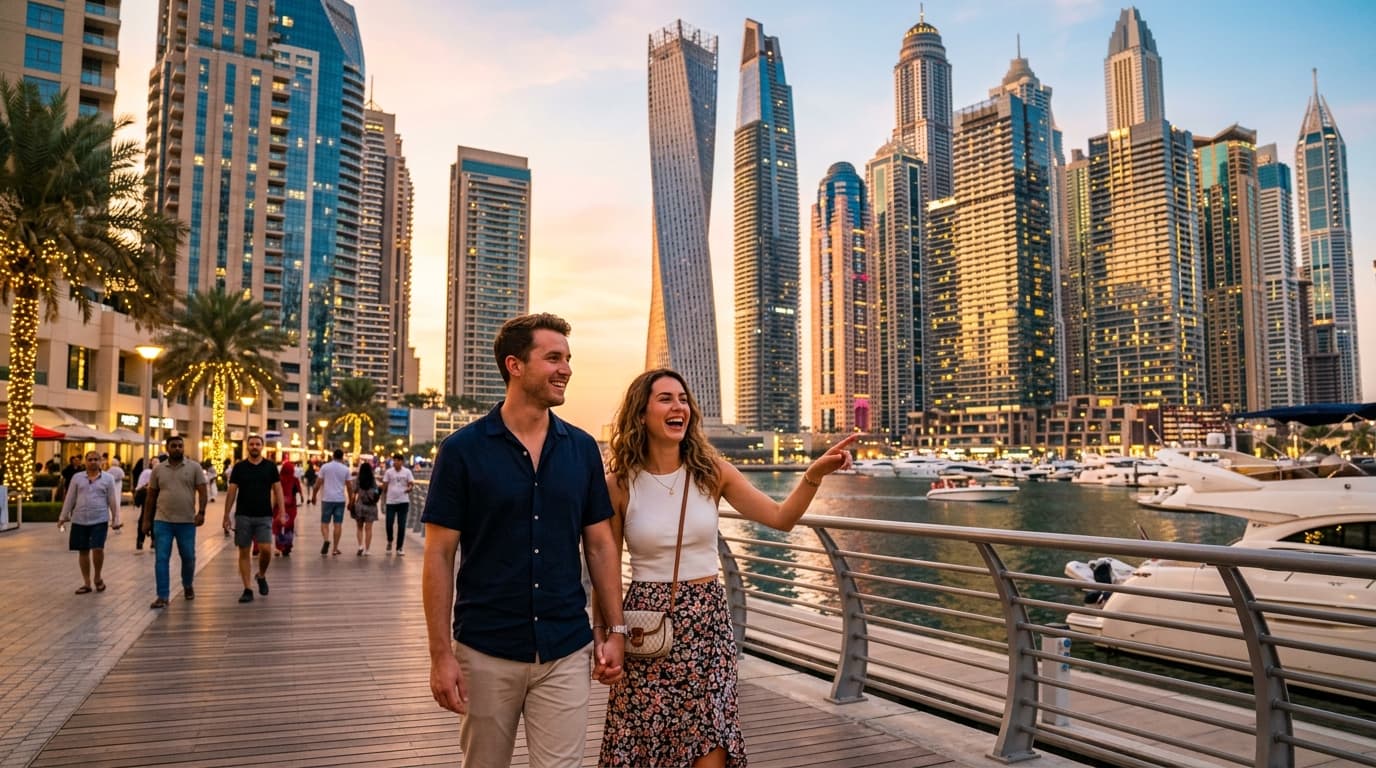
Is Dubai worth visiting? Yes, for most travelers it absolutely is—especially if you want a trip that mixes iconic skyline views, beach time, desert adventures, world-class shopping, and easy-to-book entertainment in one place. Dubai is especially worth it for first-timers, couples, families, and anyone doing a winter escape or stopover, but it can feel overpriced, intensely hot, and a little polished if you’re chasing a more “rough-around-the-edges” city vibe.
If you like a destination that’s organized, safe, visually impressive, and packed with things to do year-round, Dubai delivers. If you’re ultra-budget, nightlife-only, or hoping for deep historical character in every neighborhood, you may leave wanting a different city instead. We checked the current visitor patterns, recent attraction norms, and the way Dubai’s entertainment scene has evolved into 2026, and the short version is this: Dubai is no longer just a luxury playground or a stopover city—it’s now a full trip destination with a very broad range of experiences. The key is matching the city to your travel style, season, and budget. That’s what this guide is for.
Quick Answer — Is Dubai Worth Visiting?
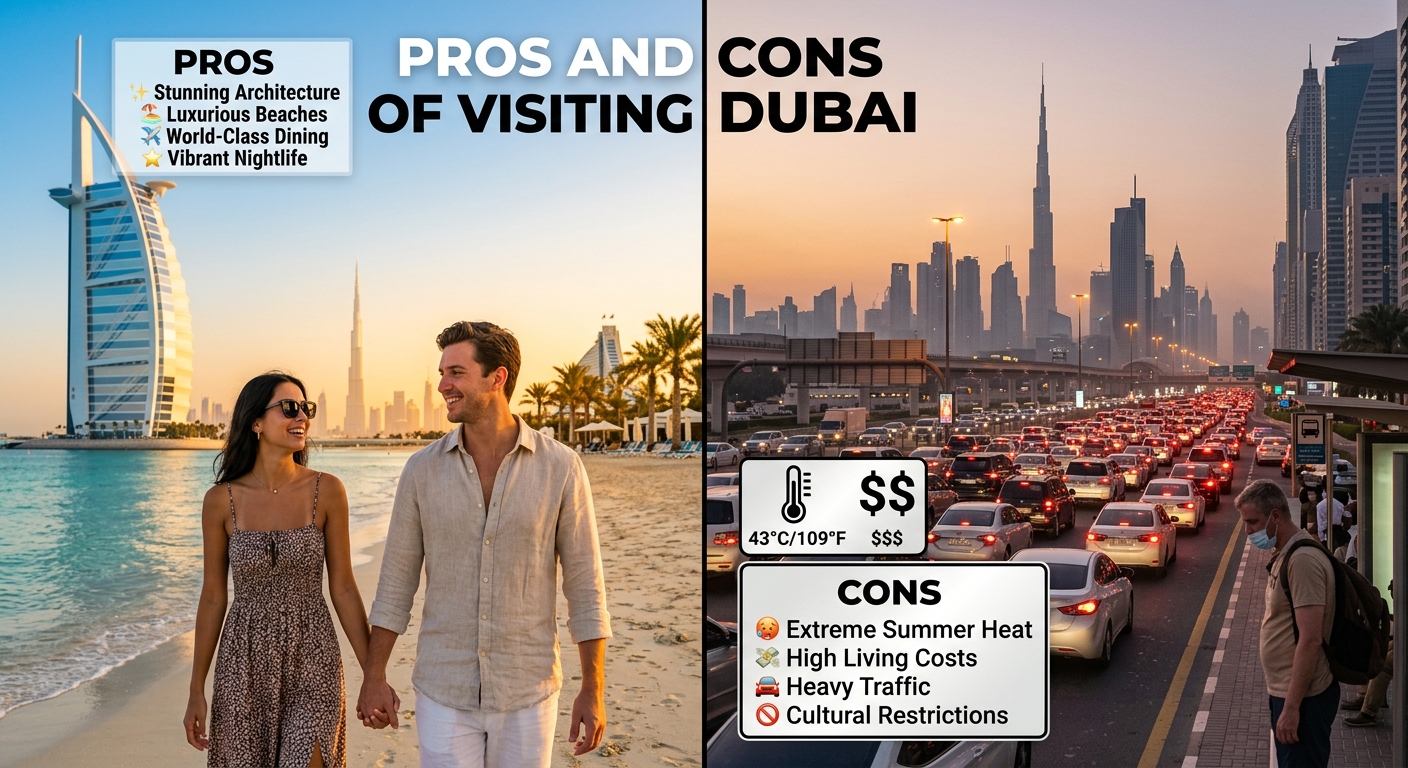
Dubai is worth visiting if you want a travel experience that feels effortless, modern, and packed with high-impact sights and activities. It’s one of those cities where you can spend the morning in a traditional souk, the afternoon at a beach club or mall, and the evening at a rooftop lounge or live show without needing a lot of complicated planning. That mix is the main reason so many visitors say “yes” after their first trip. The city is especially strong for short trips, winter sun escapes, and travelers who like their vacation to feel organized and efficient.
At the same time, Dubai is not automatically the right choice for every traveler. If you hate heat, prefer walkable old-world neighborhoods, or want a destination that’s cheap enough to wander without much budgeting, Dubai can feel more constrained. Still, for many people the pros outweigh the cons because the city delivers a lot of value in convenience, safety, comfort, and entertainment density. The biggest question isn’t really “Is Dubai good?” but “Is Dubai good for your kind of trip?”
Direct Verdict: Who Will Love Dubai and Who May Not
Dubai tends to be a hit with first-time visitors who want a polished, high-energy city break. It also works very well for families, couples, and anyone who likes attractions that are easy to book, easy to reach, and easy to enjoy in a short window. If you like big landmarks, beaches, desert activities, and a lot of dining and nightlife choices, Dubai checks a lot of boxes. You can also tailor the trip to luxury, mid-range, or budget if you plan carefully. That flexibility is a huge part of its appeal in 2026.
On the other hand, travelers who want a gritty local arts scene, a highly spontaneous nightlife culture, or a low-cost backpacking vibe may find Dubai less satisfying. The city often rewards planning, and some of the best experiences are ticketed or reservation-based. That’s not a negative if you enjoy structure, but it can frustrate travelers who want to “just show up” and discover things organically. So yes, Dubai is worth visiting—but especially if you know what kind of trip you’re buying.
3-Sentence Summary of Dubai’s Biggest Strengths and Drawbacks
Dubai’s biggest strength is its sheer variety: skyline icons, beach days, desert adventures, family attractions, luxury dining, malls, and live entertainment are all within easy reach. Its biggest drawbacks are cost, summer heat, and the fact that the city can feel heavily curated compared with more chaotic, character-rich destinations. If you visit in the right season and match your itinerary to your goals, Dubai can be one of the most efficient and rewarding trips you take.
Best-Fit Traveler Profiles at a Glance
Dubai fits travelers who want comfort, clean infrastructure, fast airport access, and a wide range of things to do. It’s especially strong for couples on a date-night style getaway, families needing stroller-friendly logistics, and groups that want a “something for everyone” trip. It also works for solo travelers who value safety and easy navigation. If you’re the type who likes a city to make life simple, Dubai is a strong match.
When Dubai Is Absolutely Worth It
Dubai is especially worth it for winter sun vacations from November through March, when outdoor dining, beach days, and desert safaris are most comfortable. It’s also a strong choice for stopovers because the airport is major, the city is straightforward to navigate, and you can experience a lot in 48 to 72 hours. If you’re visiting for a special event, concert, festival, or big exhibition, the city’s entertainment calendar can make the trip feel extra worthwhile. We’ve found that visitors who pair landmark sightseeing with a few booked experiences usually leave feeling they got great value.
When It May Not Be Worth It
Dubai may not be worth it if you’re trying to keep your trip ultra-cheap, especially if you plan to stay in peak season and do multiple premium attractions. It can also be a tough fit if your main goal is nightlife in the classic club-by-club sense or if you’re sensitive to heat and don’t want to structure your day around it. Summer from May to September can still be worthwhile for indoor travelers, but it’s not the easiest version of Dubai. If your ideal vacation is fully spontaneous and low-planning, Dubai’s booking-heavy rhythm may not feel as fun.
Pros and Cons of Visiting Dubai
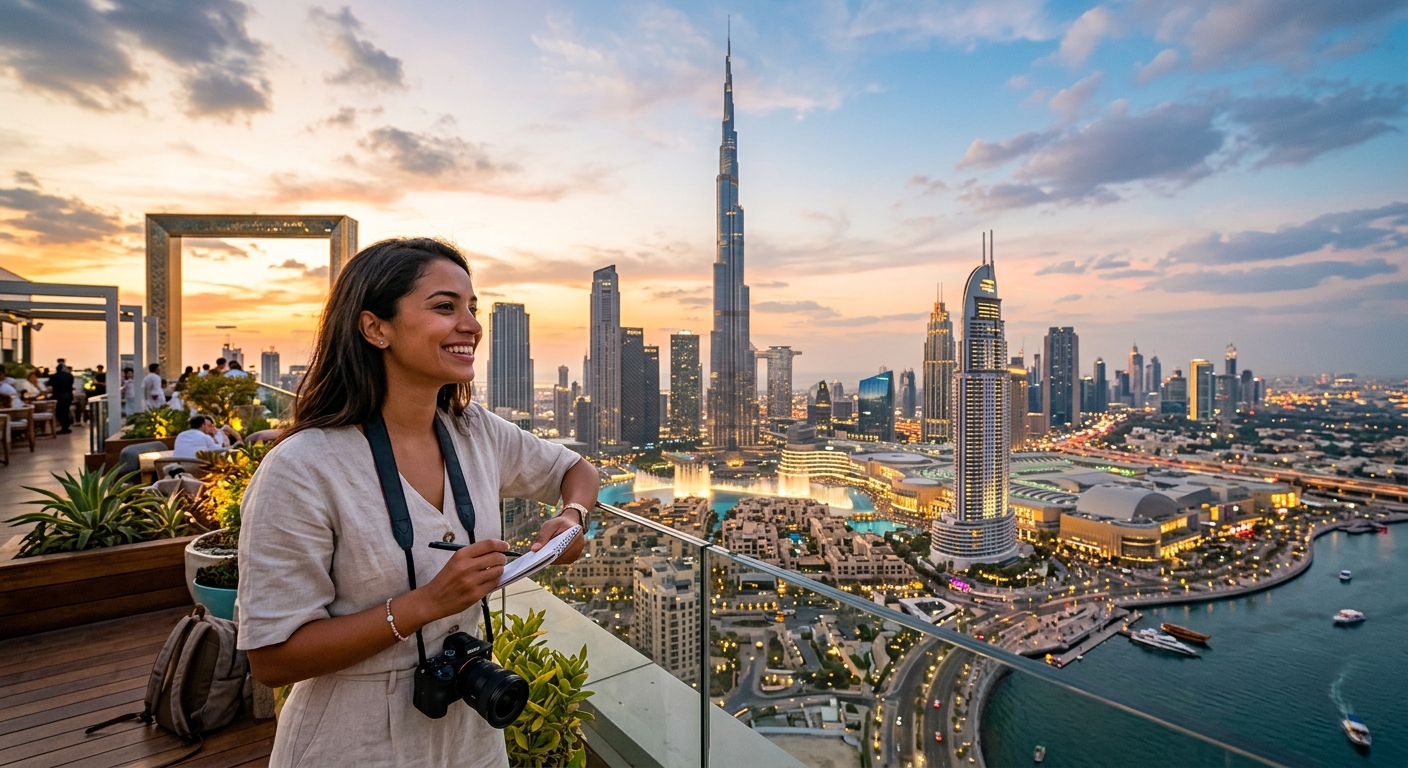
Dubai is one of those destinations that inspires strong opinions because it does so much well, but in a very particular way. The city is efficient, visually dramatic, and packed with attractions, yet it can also feel expensive and polished in a way that doesn’t suit every traveler. To decide whether Dubai is worth visiting, it helps to look at the pros and cons not as a simple scorecard, but as a match between the city’s style and your travel style. From experience, people who understand that upfront usually enjoy Dubai more.
In 2026, Dubai’s reputation is less about “look at the skyscraper” and more about how much you can actually do in a short stay. There’s better neighborhood-based discovery, more experiential dining, more event-driven travel, and a bigger focus on entertainment you can book around current dates. That means the pros are broader than they used to be. But the drawbacks are also more obvious now, especially if you show up in the hottest months or expect a bargain-heavy city break. The city is best seen as high-value for comfort and experience, not necessarily low-cost.
The Main Reasons Travelers Say Yes to Dubai
Travelers often say yes to Dubai because it delivers a huge variety of experiences without making logistics difficult. You can fly in, clear immigration relatively smoothly, get to your hotel fast, and immediately start enjoying the city. There are beaches, desert safaris, theme parks, luxury dining, major malls, and headline attractions all within reach of each other. That density makes it very easy to “fill” a trip, even a short one.
Another big reason is the visual impact. Dubai is one of the few cities where many visitors genuinely feel they are seeing something unique rather than familiar variations of other global cities. The architecture, scale, and presentation are part of the appeal. Add strong hospitality, excellent hotels, and a reliable transport network, and the overall experience becomes very smooth. For travelers who like convenience and a polished environment, that smoothness is a major selling point.
The Biggest Drawbacks: Heat, Cost, Traffic, and Planning Effort
Dubai’s biggest drawback is the summer heat, which can completely change how the city feels. Outdoor sightseeing from late spring into early fall is not a casual experience; it requires planning, hydration, and a willingness to spend a lot of time indoors. Cost is the second major drawback, especially for accommodations, premium attractions, and alcohol. Even mid-range visitors can overspend quickly if they book too many “must-do” experiences without comparing options.
Traffic and distances also matter more than first-timers expect. Dubai looks compact on a map, but getting between Downtown Dubai, Dubai Marina, Palm Jumeirah, and Old Dubai can eat up time. If you pack your itinerary too tightly, you may spend more of your trip in taxis than you expected. That’s why we always recommend grouping activities by neighborhood. The city is very doable, but it rewards strategy.
Dubai’s “Love It or Hate It” Reputation Explained
Dubai gets polarized opinions because people arrive expecting different things. Some visitors want a deeply historic, quirky, or messy city, and Dubai is not that. Others want comfort, safety, beautiful hotels, easy dining, and high-quality attractions, and Dubai excels there. When the expectation is wrong, the city can feel overrated. When the expectation is right, it can feel impressively easy and fun.
There’s also a visual bias at play. Social media makes Dubai look like a constant luxury montage, but the real city includes family neighborhoods, budget eats, old markets, affordable transport, and indoor entertainment that’s not glamorous but very practical. If you only see the influencer version, you may think the city is all high spending. In reality, your experience depends heavily on planning and neighborhood choice.
How the Pros and Cons Change by Season
The pros of Dubai are strongest in winter, when the weather makes the city feel open, active, and easy to explore. Beaches become genuinely enjoyable, desert safaris feel magical, and even simple walks around Downtown or the Marina are pleasant. Shoulder seasons, especially April and October, can still be good if you’re willing to adapt. In those months, indoor-outdoor balance matters a lot.
Summer flips the equation. The city remains fully functional, but the best activities become indoor-heavy, and outdoor spontaneity drops. The pro is that rates can be better and crowds lighter at some venues. The con is that the city can feel like a series of climate-controlled bubbles. If you love malls, aquariums, shows, and indoor attractions, summer can still work. If you want long days outside, it probably won’t.
The Verdict by Travel Style: Luxury, Family, Culture, Nightlife, Budget
Luxury travelers often find Dubai very worth visiting because the city has a wide range of five-star hotels, high-end restaurants, premium beach clubs, and private experiences. Families appreciate the ease, safety, and abundance of child-friendly attractions. Culture-focused visitors can absolutely enjoy Dubai, but they should build around Old Dubai, museums, heritage areas, and guided experiences rather than just the skyline.
Nightlife travelers will enjoy Dubai’s rooftop bars, lounges, and event scene, but may find the restrictions and pricing different from classic nightlife capitals like London or New York. Budget travelers can make Dubai work, but they need to be selective with hotels, transport, and paid attractions. The city is best viewed as a destination with flexible tiers, not a one-price-fits-all city. That’s one reason it remains popular across so many traveler types.
| Travel Style | Dubai Fit | Main Reason |
|---|---|---|
| Luxury | Excellent | Top hotels, dining, beach clubs, and premium service |
| Family | Excellent | Safety, infrastructure, malls, waterparks, theme parks |
| Culture | Good | Old Dubai, museums, heritage areas, souks |
| Nightlife | Good | Rooftops, lounges, events, dining |
| Budget | Mixed | Possible, but requires planning and trade-offs |
Why Dubai Is Worth Visiting for First-Time Travelers
For first-time travelers, Dubai has a very specific kind of appeal: it feels big and impressive without being confusing. You can come in with a moderate amount of planning and still have a trip that feels polished and full. That’s one reason it often ranks highly for first-time international city breaks, especially among travelers who want a destination that’s safe, transport-friendly, and visually memorable. The city is also built to showcase itself, which helps first-timers get an immediate sense of place.
What makes Dubai especially strong for a first visit is how much you can do in a manageable radius. You don’t need to choose between beach, desert, shopping, and skyline—you can usually include all of them if you plan smart. That matters if you only have a few days and want your trip to feel complete. The city’s best features are often concentrated enough that first-timers leave feeling satisfied rather than overwhelmed. And in 2026, with more curated entertainment and event listings, it’s easier than ever to build a strong first itinerary.
Iconic Skyline and Architecture You Can’t Replicate Elsewhere
The Burj Khalifa, Dubai Marina towers, Palm Jumeirah, and the Museum of the Future create a skyline-and-architecture mix that is hard to duplicate elsewhere. Even visitors who don’t normally care about buildings often get caught up in the scale of it all. The visual drama is part of the trip. In a city where architecture is a major attraction, the “look up” factor never really goes away.
That matters for first-timers because it gives the trip a clear sense of identity. You’re not just visiting for a beach or a mall—you’re visiting a place that actively stages itself as a modern metropolis. If you like photography, skyline dining, or even just watching the city light up at night, this alone can make Dubai worth visiting. The architecture also helps with orientation, because major landmarks are easy to understand and remember.
Easy-to-Use Infrastructure, Safety, and Visitor-Friendly Setup
Dubai is one of the easier major cities to navigate as a visitor. Roads are clear, signage is strong, ride-hailing is simple, and most big attractions are designed to be tourist-friendly. That may sound basic, but for first-time visitors it reduces stress a lot. You spend less energy figuring out how to move around and more time actually doing things.
Safety is another reason first-timers often feel comfortable. While travelers should always use common sense, Dubai is widely regarded as a secure city for visitors. Public spaces are generally orderly, and hotel and mall environments are very visitor-oriented. If you’re arriving in a new region and want a relatively low-friction first experience, Dubai is a very practical choice.
Mix of Beach, Desert, City, and Shopping in One Trip
Dubai’s biggest first-timer advantage is variety. You can do a beach morning at JBR or Kite Beach, a city afternoon in Downtown Dubai, a shopping stop in Dubai Mall or Mall of the Emirates, and then head out for a desert safari at sunset. That combination is unusually convenient. Few cities give you such a wide range of experiences without long transfer times.
This is where Dubai’s value proposition becomes obvious. Even if some activities are expensive, the city bundles a lot of “different trip” experiences into one destination. You don’t need separate vacations for beach, shopping, and adventure if Dubai is your base. For first-timers, that can feel like a great return on the time and airfare investment.
A Destination That Works for Short Stays and Stopovers
Dubai is one of the world’s strongest stopover cities because you can get a lot out of a little time. If you only have 48 hours, you can still cover one or two headline attractions, one old Dubai area, and one memorable evening. If you have three or five days, you can slow down and add beaches, desert, and a more relaxed meal plan. The city scales well with your schedule.
That flexibility matters for international travelers connecting through the UAE. Instead of seeing a stopover as “just transit,” many visitors now treat Dubai as a mini-trip. In 2026, that’s even more common because event calendars and curated experiences make short stays feel richer. If you need a destination that rewards both weekenders and longer travelers, Dubai fits the brief.
Why First-Timers Often Return for a Second, More Focused Trip
A lot of first-time Dubai visitors return because the first trip only scratches the surface. The city can feel broad at first, and people often realize they didn’t leave enough time for old Dubai, a proper desert day, or a favorite neighborhood. That’s actually a good sign. It means the city gave them enough to want a second round with a more specific plan.
From our editorial perspective, this is one of Dubai’s strongest qualities: it’s not a once-and-done city for many travelers. First-timers often come for the icons, then come back for the food scene, event calendar, or beach lifestyle. If a destination can make you want to refine your visit rather than dismiss it, that’s a strong argument in its favor. Dubai does that well.
What Is Dubai Actually Like? A Realistic Overview
Dubai is often described in extremes, but the real city is more layered than the stereotypes suggest. Yes, it has futuristic towers and glamorous hotels, but it also has older neighborhoods, practical family areas, and a very functional day-to-day rhythm for visitors. If you understand that the city is built around comfort, movement, and presentation, it becomes easier to appreciate. It is less chaotic than many global cities and more planned than most, which can be either a benefit or a limitation depending on your taste.
Day to day, Dubai feels safe, clean, and highly organized. You’ll notice a lot of driving, a lot of mall culture, and a strong preference for indoor spaces, especially outside the coolest months. At the same time, there is still plenty of local life if you know where to look. Old Dubai, Deira, Al Fahidi, and some residential neighborhoods show a very different side of the city from the glossy postcard version. That contrast is important if you want a more honest answer to whether Dubai is worth visiting.
Modern City Contrasts: Futuristic Towers vs Old Dubai
Dubai’s contrasts are part of its identity. You can see ultra-modern towers in Downtown Dubai or the Marina, then cross to Old Dubai and suddenly be surrounded by low-rise streets, abras, souks, and creekside activity. That layered feel makes the city more interesting than the “all luxury all the time” narrative suggests. It also gives visitors an easier way to shape a balanced itinerary.
The contrast can feel almost theatrical, but it works. One moment you’re looking at the Burj Khalifa; the next you’re haggling for spices or taking a creek boat ride. That range is a major reason many travelers feel Dubai offers more than just flashy visuals. If you enjoy a city that lets you switch atmospheres quickly, Dubai is unusually strong in this regard.
How Dubai Feels Day-to-Day for Visitors
For visitors, Dubai often feels orderly and comfortable, though sometimes a bit controlled. Things tend to run on schedule, major attractions are well maintained, and customer service is usually strong. That makes it easy to relax into the trip. You’re less likely to run into the sort of random friction that can wear people down in more hectic destinations.
At the same time, Dubai can feel less spontaneous than cities known for street culture and neighborhood improvisation. A lot of the best experiences are intentionally designed, booked ahead, or tied to specific venues. That’s not inherently bad, but it means the city works best if you like planning a “menu” of experiences. If you prefer a wandering, improvisational style, you may need to work a little harder to enjoy Dubai fully.
Public Behavior, Dress Expectations, and Cultural Norms
Dubai is relatively relaxed by regional standards, but it still asks visitors to respect local culture. Modest dress is a good idea in heritage areas, mosques, and more traditional neighborhoods, while beachwear belongs at the beach or pool. In malls and restaurants, neat casual clothing is fine in most places. You don’t need to overthink everything, but you should avoid assuming it operates like a beach resort everywhere.
Public behavior matters too. Loud, disruptive behavior, public intoxication, and overly affectionate conduct can draw attention in ways some travelers don’t expect. Most visitors never have issues if they use common sense and stay respectful. A good rule is to dress and behave a little more conservatively than you might in a purely party-focused destination. That approach keeps the trip smooth and comfortable.
The Role of Malls, Transport, and Air-Conditioned Attractions
Malls are not just shopping spaces in Dubai—they’re social and entertainment hubs. Dubai Mall, Mall of the Emirates, and similar centers combine food, attractions, cinemas, and indoor experiences, making them central to the visitor experience. In hot weather, that indoor ecosystem becomes even more important. It’s one of the reasons Dubai can still function as a full travel destination during the summer.
Transport also shapes how the city feels. Most visitors rely on taxis, ride-hailing, the metro, or a mix of all three. The metro is useful for certain routes, but it won’t solve every trip. The result is a city that feels very accessible, but not especially walkable in the classic European sense. Once you accept that, it becomes easier to plan your days intelligently.
Common Misconceptions Travelers Have Before Visiting
One common misconception is that Dubai is only for luxury travelers. Another is that there’s nothing to do beyond shopping and the Burj Khalifa. Both are wrong. You can build a very different kind of trip here depending on where you stay and what you book. There are free beaches, affordable eats, heritage sites, and public spaces that offer a completely different feel from the luxury image.
Another misconception is that Dubai is too artificial to enjoy. While the city is definitely curated, that curation is part of the attraction for many visitors. The key is balancing the iconic, polished side with older districts and live entertainment. If you do that, the city feels much more textured and less like a theme park. That’s the version we recommend.
Best Time to Visit Dubai — Seasonal Guide
The best time to visit Dubai is usually November through March, when temperatures are comfortable enough to enjoy beaches, outdoor dining, walking, and desert safaris without feeling drained. This is the season when Dubai feels most like a full city destination rather than an indoor escape. If you want to make the most of the city’s outdoor side, winter is the clear winner. It’s also the busiest, so booking earlier matters.
Shoulder months like April and October can offer a sweet spot if you want slightly better prices and can tolerate warmer weather. Summer from May to September is not ideal for everyone, but it can still work if you’re planning an indoor-heavy trip, want hotel deals, or are focusing on malls, museums, aquariums, shows, and dining. The season you choose changes the entire feel of the city, so timing matters more in Dubai than in many destinations. That’s a major part of deciding whether Dubai is worth visiting.
November to March: Peak Weather and Outdoor Season
From November to March, Dubai is at its most visitor-friendly. Daytime temperatures are much easier to handle, evening outings feel pleasant, and outdoor activities become genuinely enjoyable. This is the prime time for beach days, desert safaris, rooftop dining, walking around Downtown, and exploring old districts on foot. If you want the broadest possible range of things to do, this is the best window.
Because it’s peak season, demand rises. Hotels, beach clubs, desert tours, and prime dinner reservations can book up quickly, especially around holidays and major events. Prices can also climb, particularly in central neighborhoods and at popular attractions. That said, the trade-off is usually worth it. If your goal is to enjoy Dubai at its best, winter delivers the most complete experience.
April and October: Shoulder Season Trade-Offs
April and October are transition months, and that means a bit of everything. You may get some warm days, but also more manageable mornings and evenings. These months are appealing for travelers who want good value without fully committing to winter peak pricing. They also work well if your itinerary includes both indoor and outdoor activities.
The trade-off is planning. You’ll want to do the hottest parts of the day indoors and leave the outdoor experiences for earlier or later hours. For many visitors, that’s a very fair compromise. If you’re flexible and want a balance of value and comfort, shoulder season is a smart choice. It can also be a good time to catch events without peak-season crowd pressure.
May to September: Summer Pros, Cons, and Budget Deals
Summer in Dubai is intense. Outdoor activities become limited, and air-conditioned spaces take center stage. The upside is that you may find better hotel deals, less crowding at some attractions, and a stronger incentive to focus on indoor entertainment. If your trip goal is museums, malls, shows, fine dining, and indoor family attractions, summer can still be very workable.
The downside is simple: the heat changes the rhythm of the day. You will need to structure around it, and some activities are simply better saved for another season. If you visit then, think of Dubai as an indoor city with occasional outdoor windows. That mindset helps you avoid disappointment. For budget travelers who can handle the heat, summer can be the cheapest time to experience the city.
Best Time for Beaches, Desert Safaris, Festivals, and Shopping
For beaches and desert safaris, winter is the clear winner. Outdoor comfort matters a lot for both, and you’ll enjoy them much more when temperatures cooperate. If you want shopping, Dubai works year-round because the malls are climate controlled, but big sales and shopping festivals often add extra value. Many visitors use the winter festival calendar to combine retail with entertainment.
For live events, concerts, exhibitions, and seasonal festivals, the calendar becomes especially rich from late fall into spring. That’s when many open-air and large-scale experiences are easiest to run. If your trip is event-led, this is a great time to check Gidly and official venue calendars for what’s on. Dubai’s entertainment scene is increasingly shaped by timing, so the best month depends on what you want to experience.
Seasonal Event Calendar and What Changes Month to Month
Month to month, Dubai shifts from outdoor energy to indoor dominance and back again. Winter brings more rooftop events, desert outings, beachside gatherings, and major tourism activity. Spring often includes festivals, concerts, and transitional weather that still supports evening plans. Summer shifts attention to aquariums, indoor attractions, family entertainment, theater, comedy, and shopping-driven experiences.
This is one reason current event discovery matters so much in Dubai. A “good” trip in March can look very different from one in July. If you want the best value, check what’s happening now before booking flights. That’s exactly the kind of planning behavior Gidly is useful for, especially if you’re searching for things to do in Dubai this weekend or near me once you arrive.
| Season | Weather | Best Activities |
|---|---|---|
| Nov–Mar | Coolest, most comfortable | Beaches, desert safaris, rooftop dining, walking tours |
| Apr / Oct | Warm, transitional | Mixed indoor-outdoor days, sightseeing, events |
| May–Sep | Very hot | Malls, museums, aquariums, shows, indoor dining |
Is Dubai Expensive? Costs, Budget, and Value Breakdown
Dubai can be expensive, but it doesn’t have to be all-out luxury expensive. Your budget depends heavily on neighborhood, hotel choice, season, and how many premium attractions you want to fit in. Flights can vary a lot by origin, but once you’re there, daily spend is where people often get surprised. The city makes it easy to upgrade your experience without noticing how quickly the total rises. That’s why travelers should think in terms of value, not just headline prices.
In 2026, the best way to approach Dubai is to separate “must-pay” items from “optional upgrade” items. Transportation can be reasonable if you use taxis strategically and metro where practical. Food ranges from low-cost local meals to high-end dining. Attractions are where costs can spike, especially if you’re stacking Burj Khalifa tickets, desert safaris, beach clubs, boat rides, and premium experiences. The good news is that there are also plenty of free and low-cost things to do if you plan well.
Flight, Hotel, Food, Transport, and Attraction Costs Overview
Flights to Dubai can vary widely depending on where you’re flying from and when you book. Hotels are the biggest variable for many travelers, with prices rising sharply in peak season and around major events. Food costs are flexible: you can eat affordably in local neighborhoods or spend a lot on design-forward restaurants and skyline dining. Transport is generally manageable, especially if you use ride-hailing for point-to-point trips and metro where convenient.
Attractions have a broad range. Some key experiences are relatively accessible, while premium observation decks, yacht trips, major theme parks, and top-tier beach clubs can get expensive quickly. The best way to think about Dubai is that the city lets you choose your own expense level, but the default options are often more upscale than in some other destinations. If you don’t set a budget before you go, your daily total can climb faster than expected.
Luxury vs Mid-Range vs Budget Travel in Dubai
Luxury travel in Dubai is straightforward. The city is set up for high-end hotels, private drivers, fine dining, spa days, and VIP-style experiences. Mid-range travel is also very doable and is probably the sweet spot for many visitors. That usually means a comfortable hotel in a good neighborhood, a mix of paid attractions, some taxis, and a few special splurges. It’s the easiest way to feel like you’re enjoying Dubai without going overboard.
Budget travel requires more discipline. You’ll want to stay in value-friendly neighborhoods, use transport selectively, focus on free attractions, and avoid booking every major ticketed experience. It can still be rewarding, but the trip will feel different. Instead of “doing everything,” you’ll be choosing carefully. That may be perfectly fine if your goal is a shorter, efficient visit rather than a luxury escape.
Where Visitors Overspend and Where to Save
Visitors often overspend on hotels, taxis, and premium attractions all at once. It’s easy to justify one splurge after another because everything looks tempting. The most common issue is not a single huge mistake but a pattern of small upgrades that add up quickly. That’s why planning your route and booking only the experiences that matter most is smart.
You can save by choosing a well-located mid-range hotel, booking off-peak times, using the metro on simple routes, eating in local areas, and picking a couple of paid “anchor” activities instead of several. Look for bundles where they genuinely make sense, but compare official pricing before buying a pass. In many cases, one or two thoughtful bookings are better value than overloading your itinerary with ticketed attractions.
Free and Low-Cost Things to Do in Dubai
Dubai has more free and low-cost options than many travelers expect. You can enjoy public beaches, waterfront promenades, old Dubai walks, creek views, and many mall-based attractions without spending much. Some of the best sunset views are free if you know where to go. That’s one reason budget travelers can still enjoy the city.
Walking around Al Fahidi, crossing the creek on an abra, exploring parts of Dubai Marina or JBR, and relaxing at public beaches are all relatively affordable. Even if you combine these with one or two ticketed experiences, your trip can stay reasonable. The key is to mix premium and free experiences instead of doing everything at the highest price point. Dubai rewards that balance.
Sample Daily Budgets for Couples, Families, and Solo Travelers
For a solo traveler on a budget, a practical day might include a value hotel or hostel-style stay, one or two transit rides, a low-cost meal, and one free or inexpensive activity. A mid-range solo day could add a museum, an attraction ticket, or dinner out. For couples, the budget rises mainly because of hotel and dining choices, especially if you want sunset views or a special evening.
Families usually spend more because of room size, attraction tickets, snacks, and transport. However, many family activities are bundled or discounted, and some outdoor or beach time is free. Couples can control spend by choosing one romantic splurge and filling the rest of the day with lower-cost experiences. The best approach is to decide your “wow” moments in advance, then build the rest of the day around them.
| Travel Type | Typical Daily Spend | Notes |
|---|---|---|
| Budget solo | Low to moderate | Possible with value stays, public transport, and free activities |
| Mid-range couple | Moderate to high | Comfortable hotel + a few paid experiences |
| Family of four | Moderate to high | Room size, attraction tickets, and food add up quickly |
| Luxury trip | High | Premium hotels, dining, and private experiences |
Best Things to Do in Dubai if You Only Have 2, 3, or 5 Days
Dubai works well for short trips because it offers a concentrated set of headline experiences. If you only have two, three, or five days, the trick is not to try to see everything. Instead, you should choose a few major themes: skyline, old Dubai, beach, desert, food, or entertainment. That’s the most realistic way to leave satisfied rather than exhausted. The city is efficient enough that a smart itinerary can still feel complete even if it’s short.
We usually tell travelers to think in layers. Layer one is the iconic side of Dubai, layer two is the cultural and neighborhood side, and layer three is the entertainment or relaxation side. If you only stay 48 hours, you’ll probably hit one or two layers. With five days, you can cover all three without rushing. This is one of the reasons Dubai is often recommended for short escapes and stopovers.
Must-See Highlights for a First-Time Dubai Itinerary
For a first trip, the must-see list usually starts with the Burj Khalifa area, Dubai Mall, Dubai Fountain, and one waterfront or beach district. Add either Old Dubai or a desert safari depending on your interests. This combination gives you the classic contrast between modern and traditional Dubai. It also ensures you don’t leave feeling like you only saw the glossy version.
If you have limited time, anchor the trip around one signature view, one cultural stop, and one entertainment experience. That might mean a skyline observation deck, a creek and souk visit, and a dinner or show in the evening. The point is to create a rhythm that feels varied but not rushed. Dubai is best experienced through contrast.
How to Choose Between Skyline, Beach, Desert, and Old Town Experiences
Your choices should reflect your personal travel style. If you love urban spectacle, prioritize Downtown Dubai and the Marina. If you want relaxation, pick beach and waterfront days. If you’re after adventure and atmosphere, the desert should be non-negotiable. If you like history and local character, spend meaningful time in Old Dubai, Deira, and Al Fahidi.
Most first-time travelers try to do all four and end up overcommitting. A better approach is to choose two of the four as your main pillars, then sample the others lightly. For example, a couple could do skyline and beach, while a family might choose beach and desert. This helps your trip feel intentional rather than fragmented. It also leaves room for spontaneous “what’s on now” plans if something interesting comes up near you.
A Balanced Itinerary for Short Visits
A balanced 3-day Dubai trip often looks like this: Day 1 for Downtown and a major attraction, Day 2 for Old Dubai and a souk/creek experience, and Day 3 for desert or beach. If you have 5 days, you can add more meals, a neighborhood stroll in Dubai Marina or JBR, and one live entertainment night. That formula gives you a genuine feel for the city without running yourself into the ground.
Short trips benefit from pre-booked tickets and clustered geography. If your hotel is in Downtown, you should keep other nearby experiences on the same day. If you stay near the Marina, use that area for beach and evening plans. This is where smart planning pays off. Dubai is not a city where random zigzagging is efficient.
What to Skip If You’re Short on Time
If your time is limited, skip anything that requires too much cross-city travel unless it’s truly a priority. You may also want to avoid stacking several premium attractions in one day. It’s easy to get attraction fatigue in Dubai, especially if you’re jumping between tickets, transfers, and dinner reservations. Choose quality over quantity.
Another thing to skip is low-value repetition. If you already have one skyline experience, you probably don’t need three more on the same trip unless views are your main interest. Likewise, if you’ve done one desert experience, you may not need a second unless you’re comparing formats. Dubai rewards focus more than checklist tourism.
How Many Days in Dubai Is Enough?
For most first-time visitors, 3 to 5 days is the sweet spot. Two days is enough for a taste, but it can feel rushed if you want both iconic and cultural experiences. A week gives you more balance, especially if you want beaches, shopping, entertainment, and a slower pace. The ideal length depends on whether Dubai is your main destination or part of a larger trip.
If Dubai is a stopover, 2 to 3 days is excellent. If it’s your whole vacation, 4 to 6 days tends to be ideal. Beyond that, you’ll probably want to dig deeper into neighborhood life, events, and specialized interests. The city can absolutely support a longer stay, but many visitors find the first 5 days are the most efficient for getting a well-rounded impression.
Iconic Attractions That Make Dubai Worth Visiting
Dubai’s iconic attractions are a big reason people book the trip in the first place. These are the places that dominate photos, social feeds, and first-time itineraries, and for good reason: they deliver strong visual payoff and are usually easy to pair with nearby dining or entertainment. If you only see a few major sights, you’ll probably still feel like you “did Dubai.” That says a lot about how concentrated the city’s attraction base is.
In 2026, these icons are still central, but they’re increasingly part of a broader experience economy. Visitors don’t just want to take a picture and move on; they want dinner, a show, a viewing deck, or a neighborhood walk around it. That’s why major landmarks are best thought of as anchors rather than standalone stops. Here’s how the big names stack up.
Burj Khalifa and the Downtown Dubai Experience
The Burj Khalifa remains Dubai’s most famous landmark and one of the clearest reasons the city is worth visiting. Even travelers who are skeptical of supertall towers usually find the scale impressive once they’re there. The surrounding Downtown Dubai area adds value because it’s easy to combine the tower with Dubai Mall, the fountain area, and an evening meal. This is one of the most efficient tourist zones in the city.
Tickets for observation decks vary by level and time of day, so it’s wise to check current pricing on the official Burj Khalifa site before you go. Expect prime sunset slots to cost more, and book ahead during busy season. The area is also very taxi-friendly and easy to access from central neighborhoods. If you want the classic Dubai “I’m really here” moment, this is it.
Dubai Mall, Dubai Fountain, and Surrounding Entertainment
Dubai Mall is much more than a shopping mall. It’s a full entertainment destination with dining, attractions, and access to the fountain area, which makes it easy to spend several hours there without feeling bored. Depending on the day and season, you can pair shopping with aquarium visits, ice skating, cinema, and a range of food options. The surrounding Downtown area is also one of the best places to feel the city’s polished public-side atmosphere.
One of the smartest things to do is visit Dubai Mall in the late afternoon, then stay for sunset and the evening fountain ambiance. That timing gives you multiple experiences in one stop. If you’re traveling with different interests in your group, the mall is a safe bet because everyone can split up and reconvene. It’s a classic example of Dubai’s convenience-first design.
Palm Jumeirah, Atlantis, and Waterfront Landmarks
Palm Jumeirah is one of the world’s most famous artificial island developments, and it remains one of Dubai’s defining sights. For many travelers, a trip along the Palm or a stay near Atlantis creates that unmistakable “Dubai” feeling. The area is especially popular for luxury hotels, beach clubs, and family attractions. It also offers strong sunset and waterfront appeal.
Current ticket and dining prices around the Palm can vary a lot depending on the venue, so check official hotel or attraction websites for up-to-date information. If you’re not staying there, it’s still worth visiting for the visual impact and a meal or a day pass. This is one of the strongest neighborhoods for travelers who want resort energy without fully leaving the city. It’s also very appealing for couples and families who want a more relaxed pace.
Dubai Frame, Museum of the Future, and Modern Icons
The Dubai Frame and Museum of the Future are two of the city’s most photogenic modern icons. They help answer the question “What is Dubai actually about?” because they represent the city’s storytelling approach: one looks backward, one looks forward. The Dubai Frame connects old and new Dubai visually, while the Museum of the Future is a sleek symbol of the city’s futuristic branding. Both are very “only in Dubai” in different ways.
These attractions are good choices if you want something beyond the Burj Khalifa and mall circuit. They usually fit well into half-day plans and can be combined with nearby neighborhoods. We recommend checking official websites for opening hours and booking windows, especially during holidays and school breaks. They’re popular for a reason, and they book accordingly.
Why These Attractions Dominate First-Timer Itineraries
These attractions dominate because they do three things well: they look impressive, they’re easy to understand, and they create memorable trip anchors. First-time visitors often want proof that they’ve experienced the “real” Dubai, and these places provide that proof quickly. They also photograph well, which matters to many travelers today. Social proof is part of the booking cycle now, and Dubai knows how to supply it.
The downside is that the iconic list can make the city seem repetitive if that’s all you do. That’s why we always suggest pairing these landmarks with old Dubai, beach time, or live entertainment. The icons get you in the door; the neighborhoods and experiences give the trip depth. If you do both, Dubai feels much more worthwhile.
| Attraction | Typical Time Needed | Best For |
|---|---|---|
| Burj Khalifa | 1.5–2.5 hours | First-timers, skyline views, date nights |
| Dubai Mall + Fountain | 2–5 hours | Families, shoppers, mixed-interest groups |
| Palm Jumeirah | Half day | Couples, luxury travelers, families |
| Museum of the Future | 1.5–2 hours | Design lovers, curious travelers |
Old Dubai, Culture, and Local Character
If you want to know whether Dubai is worth visiting beyond the skyline hype, Old Dubai is where the answer becomes more interesting. This is the part of the city that gives you texture, history, and a sense of how Dubai evolved from a creekside trading hub into a global destination. While the modern side of Dubai gets most of the press, Old Dubai is what keeps the city from feeling one-note. It gives visitors a cultural counterweight to the glamour.
We always recommend that first-time visitors make time for the creek, the heritage district, and at least one souk. It doesn’t take long, but it changes the trip. You start to see that Dubai is not only about luxury branding; it’s also about trade, migration, tradition, and adaptation. For travelers who value local character, this part of the city can be the deciding factor in whether Dubai feels worthwhile.
Dubai Creek and the Al Fahidi Historical District
Dubai Creek is one of the city’s most important historic areas, and Al Fahidi Historical District gives visitors a more intimate sense of old urban life. The narrow lanes, wind tower architecture, and museum-like spaces offer a slower pace than Downtown or the Marina. If you’ve been wondering where Dubai’s roots are, this is the place to start. It’s also one of the best areas for a half-day of wandering without feeling overwhelmed.
From experience, the best time to visit is late morning or late afternoon when the light is good and temperatures are more manageable. You can pair the district with a creek crossing, coffee, and a souk visit. It’s a very different experience from the city’s newer neighborhoods, and that difference is exactly why it matters. A Dubai trip feels much richer when this area is included.
Souks: Gold, Spice, Textile, and Perfume Markets
The souks are among the most memorable parts of old Dubai, especially for travelers who like browsing rather than hard-structured sightseeing. The Gold Souk, Spice Souk, Textile Souk, and perfume shops all offer a lively market atmosphere. Prices and haggling expectations vary, but the experience is more about atmosphere and browsing than buying a lot. Even if you don’t purchase anything, the sensory experience is worth the time.
If you want a more genuine-feeling market stop, avoid rushing through during peak tourist flow. Go with a little curiosity and be prepared to say no politely. That way, the experience stays fun instead of stressful. The souks are a good reminder that Dubai has a trading and market culture underneath the polished surfaces. This adds depth that many visitors miss if they only stay in the newer neighborhoods.
Cultural Experiences, Museums, and Heritage Stops
Dubai has more cultural stops than many people realize, including smaller museums, heritage houses, and guided tours that explore local traditions. These experiences are especially useful for travelers who want context rather than just visuals. You don’t need to be a history buff to appreciate them. Often, one or two well-chosen cultural stops are enough to make the whole city feel more grounded.
In 2026, more visitors are seeking “experience with explanation,” meaning they want a guided or well-signposted sense of place. That trend works in Dubai’s favor because the city has been building out more interpretive and event-based cultural experiences. If you care about context, choose one heritage area and one museum-style stop, then move back to modern Dubai for balance.
How to Balance Modern Dubai with Authentic-Feeling Moments
The best Dubai itineraries don’t choose between modern and old—they blend them. A good day might start with Al Fahidi and the creek, then shift to Downtown for a landmark experience, and end with a dinner or live show near your hotel. That balance helps visitors understand the city on multiple levels. It also prevents the trip from feeling too glossy or too historical.
If you only do modern Dubai, you may feel like you saw a branded version of the city. If you only do Old Dubai, you might miss what makes the destination globally distinctive today. The sweet spot is in the middle. That’s why the city is worth visiting for travelers who like contrasts and want more than one mood from a single trip.
Common Mistakes Tourists Make When Exploring Old Dubai
One common mistake is treating Old Dubai like a quick photo stop instead of a real area to explore. Another is arriving unprepared for heat or walking more than expected. Visitors also sometimes overlook the fact that this part of town is best enjoyed slowly and not crammed between major mall appointments. If you rush it, you miss the atmosphere.
Another mistake is ignoring etiquette or dress expectations in more traditional areas. You don’t need to overcomplicate it—just be respectful, dress neatly, and keep things low-key. Finally, don’t assume Old Dubai is “less important” because it’s not as famous online. It often ends up being one of the most memorable parts of the trip.
Beaches, Outdoor Activities, and Desert Experiences
Dubai is not only a city of towers and malls; it’s also one of the region’s better destinations for beach and desert experiences. The outdoor side is a huge reason many travelers find the city worth visiting, particularly in the cooler months. You can spend one day by the water and another in the dunes without leaving the metro area for long. That variety is one of Dubai’s strongest selling points.
Outdoor activities are also where seasonality matters most. In winter, they’re a highlight. In summer, they become more limited and strategic. If you’re the kind of traveler who wants movement, sunsets, and fresh-air experiences, Dubai can be excellent—as long as you choose the right time of year and the right activities. Here’s how to approach it.
JBR, Kite Beach, and Public Beach Options
JBR and Kite Beach are among the most visitor-friendly beaches in Dubai. They’re popular because they combine clean sand, good facilities, dining options, and an easy-going atmosphere. Public beach access means you can enjoy the water without committing to a resort day, which is great for budget-conscious travelers. These areas are also easy to combine with nearby meals or evening plans.
If you want a classic beach day, go earlier in the day or near sunset, especially outside winter. Bring water, sun protection, and a plan for where you’ll eat afterward. Beach time in Dubai can be as cheap or expensive as you make it. That flexibility is another reason the city works for multiple trip styles.
Desert Safaris, Dune Bashing, Camel Rides, and Stargazing
The desert safari is one of the most popular Dubai experiences for a reason. It offers a completely different mood from the city, and for many travelers it becomes the trip highlight. You can choose from adrenaline-focused versions with dune bashing and quad biking, or calmer versions that emphasize dinner, cultural performances, camel rides, and stargazing. The format you choose should match your comfort level.
Prices vary by operator and inclusions, so always verify what’s covered before booking. Evening safaris are especially popular because they combine sunset and dinner. For families or travelers who prefer a smoother ride, look for gentler safari options. If you want the “Dubai adventure” story to tell later, this is one of the clearest yeses in the city.
Water Sports, Yacht Cruises, and Sunset Activities
Dubai’s waterfront makes it a strong city for boat rides, yacht cruises, paddleboarding, and sunset-on-the-water experiences. These outings are particularly appealing for couples and groups. A cruise can give you excellent skyline views without requiring much planning on your part. It’s one of the easiest ways to make a trip feel special.
When choosing water-based activities, think about timing, crowd level, and the kind of atmosphere you want. Daytime is better for active sports; sunset is better for romance and photography. You’ll often get the most value by pairing a water activity with a nearby dining plan. That way, the outing feels complete instead of fragmented.
Outdoor Activity Limits During Hotter Months
From late spring through early fall, outdoor activity becomes more limited. That doesn’t mean you can’t do it, but you have to be realistic about timing and intensity. Early mornings and evenings are your friend, and midday outdoor plans should be minimized unless they’re brief or highly intentional. This is where many visitors make avoidable mistakes.
If you visit in hot weather, focus on short outdoor experiences and strong indoor alternatives. A brief beach stop, a sunset cruise, or a late desert outing may still work. But trying to do long walking tours or a full beach day in peak heat can make the whole trip feel harder than it needs to be. Match the activity to the climate.
Best Options for Active Travelers and Families
Active travelers often enjoy a mix of beach time, water sports, cycling paths, and desert experiences. Families usually do better with shorter outdoor windows and more structured activities like safari dinners, aquariums, or beach clubs with facilities. Dubai makes this easy because there are so many formats to choose from. You don’t need to commit to one style all day.
If you’re traveling with kids, think in segments: morning activity, lunch break, indoor backup, then a lighter evening plan. That approach prevents burnout. For active adults, pair one big outdoor experience with one more relaxed one. Dubai rewards smart pacing more than athletic overachievement.
Nightlife, Live Entertainment, and What to Do Tonight
Dubai’s nightlife and live entertainment scene is one of the reasons the city feels more complete than many travelers expect. It may not operate exactly like London, New York, Toronto, or Sydney, but it has enough variety to keep evenings interesting. Rooftop bars, lounges, live music venues, comedy nights, theater, dinner shows, and event-driven programming give the city a strong after-dark identity. That’s important if you like your trips to have a memorable evening component.
In 2026, the nightlife and entertainment scene is increasingly tied to venue identity and seasonal calendars. That means the best “what to do tonight” choices depend on where you are staying and what’s happening near me that night. The good news is that Dubai is very event-friendly if you know where to look. Gidly is especially useful here because it surfaces current options rather than generic lists.
Rooftop Bars, Lounges, and Sunset Venues
Dubai’s skyline makes rooftop drinks and sunset venues especially appealing. Many travelers book one elevated evening just to enjoy the view and atmosphere. These spots work well for date nights, group celebrations, and solo travelers who want a stylish but low-effort evening. The vibe can range from relaxed lounge to high-energy social scene.
Pricing varies by venue and time, and some places have minimum spends or dress codes. It’s worth checking current policies before you head out. For the best experience, arrive before sunset if you want a table with a view. The transition from daylight to city lights is one of Dubai’s most satisfying evening moments.
Live Music, Comedy, Theater, and Immersive Shows
Dubai’s live entertainment scene has grown more diverse in recent years. You’ll find everything from live bands and DJ-led nights to stand-up comedy, theatrical productions, and immersive performance concepts. This matters because it gives travelers something to do beyond dining and clubbing. If you enjoy culture after dark, Dubai has more on offer than many people assume.
These events can be especially useful during hotter months when outdoor nightlife loses some appeal. They also work well for groups with mixed tastes, since not everyone wants the same kind of evening. Checking event calendars is key because the best shows are often date-specific. That’s where “things to do tonight” becomes a very real planning phrase rather than a generic idea.
Late-Night Dining, Night Markets, and After-Dark Experiences
Dubai’s dining scene stays lively late into the evening, and that makes after-dark food a major part of the entertainment landscape. Night markets, waterfront dining, dessert stops, and casual late bites are all part of the city’s rhythm. For some travelers, a late dinner with a view is the night’s main event. For others, it’s just the start.
After-dark experiences can be more family-friendly than people expect too. Not every evening has to be a bar or club night. A fountain walk, a night market, or a themed dinner can be just as satisfying. Dubai is strong precisely because it offers different evening moods instead of forcing one type of nightlife.
How Dubai Nightlife Differs from London, NYC, Toronto, or Sydney
Compared with cities like London or New York, Dubai nightlife is often more polished and venue-driven. It can feel less spontaneous and more reservation-oriented. Compared with Toronto or Sydney, it often feels more luxury-leaning and skyline-focused. You may get more lounges and rooftop concepts than gritty late-night bars. That difference matters if you’re expecting a classic club district experience.
For the right traveler, that’s a plus. It means the evening scene is easier to plan and often feels more elevated. But if your goal is to wander from pub to pub or discover street-corner nightlife, Dubai may not be the same kind of fit. Think of it as a city for curated evenings rather than chaotic ones.
Best Choices for Couples, Groups, and Solo Travelers
Couples usually do best with sunset dining, rooftops, desert evenings, or a performance-led night. Groups may prefer lounges, live music, or a shared dinner experience before heading somewhere more social. Solo travelers can enjoy a strong evening in Dubai too, especially if they want a safe and easy-to-navigate city with many structured venues. There’s plenty to do without needing a big group.
If you’re deciding what to do tonight, start by choosing a neighborhood and then checking what’s happening nearby. Downtown, the Marina, and Palm-adjacent areas are usually strong bets for evening options. This is where location-aware planning helps a lot. You don’t need to cross the entire city for a good night out if you’ve chosen the right base.
Family-Friendly Dubai: Is It Worth Visiting with Kids?
Dubai is one of the easier major cities to visit with kids because it combines safety, good infrastructure, indoor backup plans, and a huge range of family attractions. Parents often appreciate how simple it is to get around, find meals, and switch plans if the weather changes. That practical ease is a big reason many families say Dubai is worth visiting. You can have a very active trip without constantly worrying about logistics.
The city is especially strong for families who like planned attractions rather than improvised wandering. Waterparks, aquariums, theme parks, beach days, mall entertainment, and desert outings create a lot of options. If your kids are different ages, Dubai is flexible enough to keep multiple people happy. That said, family budgeting matters, because the costs can climb if you’re not careful.
Theme Parks, Aquariums, Waterparks, and Kid-Friendly Attractions
Dubai has a deep family entertainment lineup, with major theme parks, aquarium experiences, waterparks, and interactive indoor attractions. These are ideal for kids who need more than just sightseeing. The variety also helps when weather is hot, because many of the best options are climate controlled. This is one reason families often rank Dubai highly.
It’s smart to check height restrictions, age guidance, and ticket bundles before booking. Families can get better value by matching the attraction to the child’s age and energy level. If you have younger kids, shorter indoor experiences and beach time might be enough. Older kids and teens may want more thrill-based options. The city can support both.
Stroller-Friendly Areas, Transport, and Meal Planning
Dubai is relatively stroller-friendly in malls, big attractions, and many modern public spaces. That’s a huge relief for parents who don’t want every outing to feel like a logistical puzzle. Taxis are easy to use when you need point-to-point transport, and the metro can help on certain routes. Meal planning is also straightforward because restaurants and casual dining options are everywhere.
One smart family strategy is to stay near the areas you’ll use most. That reduces the time spent transporting tired kids across the city. Another is to choose lunch and dinner spots that are already part of your itinerary rather than leaving meals to chance. It sounds basic, but in Dubai it saves energy and money.
Best Neighborhoods and Hotels for Families
Families often do well in Downtown Dubai, Dubai Marina, JBR, or near large resort-style properties on the Palm. These areas give you easier access to attractions and dining. They also reduce the chance of long transfers after a long day out. For family trips, location can matter more than fancy amenities.
Choose a hotel with good room size and transport access rather than just chasing the cheapest nightly rate. Family travel gets expensive when every ride and meal becomes a hassle. A slightly better-located hotel can actually save money over the course of the trip. That’s especially true if you’re planning to do multiple attractions in a few days.
Indoor Activities for Hot or Rainy Days
Indoor activities are a lifesaver in Dubai, especially outside winter. Malls, aquariums, indoor play centers, museums, cinemas, and interactive attractions can keep kids occupied for hours. Even on rare rainy days, the city is built to keep families moving comfortably. That resilience is one reason the city works so well for parents.
When planning a family trip, always have one indoor fallback per day. That way, if the temperature spikes or kids tire out early, you’re not scrambling. Dubai’s indoor ecosystem is one of its underrated strengths. It makes family travel smoother than in many hotter destinations.
Budget and Logistics for Families
Families should budget carefully because each added ticket and ride multiplies quickly. That said, many attractions offer child pricing or bundles, and some of the city’s best family days can be partially free. Public beaches, mall wandering, and creekside exploration can be low-cost anchors. Mix those with one or two paid attractions and the value improves a lot.
Logistically, the biggest family mistake is over-scheduling. Kids need downtime, and Dubai’s polished environment can make parents think they should pack in more than necessary. Don’t do that. A balanced pace makes the trip more enjoyable and easier to remember for the right reasons.
Dubai for Couples and Date Nights
Dubai is genuinely strong for couples, and that’s one of the clearest reasons it’s worth visiting. The city makes romantic planning easy because it offers excellent views, polished dining, beach settings, desert sunsets, and hotel experiences that feel special without requiring a huge amount of improvisation. Whether you want a luxury weekend or a more modest but memorable date trip, Dubai has room for both. The city’s visual drama helps every evening feel a little more elevated.
What couples often like most is the mix of options. You can do an iconic daytime sight, a low-key afternoon, and then a high-impact evening with almost no logistical stress. That lets you focus on the experience instead of the coordination. If your goal is an easy trip that still feels special, Dubai is a very good candidate.
Romantic Skyline Views and Dinner Experiences
Skyline dining is one of Dubai’s strongest couple experiences. A meal with a view can be more memorable here than in many other cities because the city skyline is so visually distinct. Burj-facing dining, Marina views, and rooftop settings all create a naturally romantic backdrop. You don’t need to work hard to make it feel special.
For the best result, book around sunset or early evening and confirm any dress code or minimum spend. A good dinner plan can become the emotional centerpiece of a short trip. That’s especially true if one partner cares more about atmosphere and the other cares more about quality and convenience. Dubai tends to satisfy both if you choose well.
Beach Clubs, Sunset Cruises, and Desert Evenings
Couples who want a relaxed but memorable trip often choose a sunset cruise or desert evening. These experiences give you shared time without feeling overly structured. Beach clubs can also work well if you want an afternoon-to-evening flow that feels easy and stylish. The shared setting and view factor make it feel more romantic than a typical city dinner.
Desert evenings are particularly strong because they feel different from the city and create a natural sense of escape. If you want a date night that is not just “go to dinner,” this is one of the best options in Dubai. Water-based outings are another good fit, especially if you enjoy scenic moments and photography. The city makes romance feel convenient.
Luxury Stays vs Mid-Range Date-Night Options
Luxury hotels can absolutely elevate a couples trip, especially if you want spa time, private beaches, and high-end dining. But mid-range stays are also strong if you choose the right neighborhood. A well-located hotel in Downtown, the Marina, or near the Palm can give you a lot of date-night value without going fully premium. That’s one of Dubai’s biggest strengths: you don’t have to spend at the top end to have a nice trip.
Couples on a budget should prioritize one beautiful dinner or view and keep the rest of the trip simple. That approach gives you the romance without the financial sting. In Dubai, a single well-chosen evening often matters more than trying to make every night expensive. Quality beats quantity here.
Best Areas for a Couple’s First Trip
Downtown Dubai works well for couples who want classic icons and easy evening plans. Dubai Marina and JBR are great if you want beach, dining, and a more relaxed waterfront feel. The Palm is best if you want a resort-style couples escape with a luxury lean. Old Dubai can even work if you enjoy cultural exploration and want to see a more grounded side of the city together.
Where you stay changes the mood of the trip a lot. If romance is the priority, choose a neighborhood that supports evening strolls, good food, and low-stress transport. That way your date nights feel natural rather than forced. Dubai is strongest when your base matches your goal.
How to Plan an Easy, Memorable Itinerary
For couples, the easiest plan is one icon, one relaxing experience, and one special evening. You could do Burj Khalifa or the Dubai Frame, then a beach or pool afternoon, then dinner with a view or a show. That rhythm feels complete without becoming exhausting. It also leaves room for spontaneous discoveries.
If you want to make the trip feel particularly memorable, add one sunset-based activity and one neighborhood walk. These small moments often become the most talked-about parts of the trip later. Dubai’s romance is partly in the big gestures, but also in the simple visual moments. That’s what makes it such a good couples city.
Dubai for Friends, Groups, Solo Travelers, and Corporate Outings
Dubai works surprisingly well for friends, solo travelers, and corporate groups because it offers a lot of shared experiences without much friction. You can plan a high-energy weekend with friends, a safe and structured solo trip, or a polished team outing with activities that feel premium. The city’s transport, hotel, and venue infrastructure makes group planning easier than in many destinations. That’s a major point in its favor.
The main challenge is choosing the right mix. A group of friends might want nightlife and adventure, while a solo traveler might prefer safety and flexibility. A corporate group may need something cohesive but not too formal. Dubai can handle all three, but only if the itinerary matches the audience. That’s where the city’s versatility really shows up.
Group-Friendly Activities and Shared Experiences
Dubai has plenty of activities that work well for groups: desert safaris, yacht cruises, beach days, brunches, escape rooms, live shows, and multi-course dining experiences. These work because they create shared memories without requiring everyone to have identical tastes. In a city with so many high-quality group options, it’s easier to keep everyone happy. That matters when you’re traveling with a mixed-interest crew.
For groups, booking ahead is usually wise, especially for popular time slots and premium tables. It’s also smart to choose a neighborhood where you can easily regroup after splitting up during the day. Downtown and the Marina tend to work well for that. The city rewards coordination more than spontaneity when you’re in a group.
Solo-Friendly Entertainment, Safety, and Social Options
Solo travelers often enjoy Dubai because it feels secure and manageable. You can go to a museum, a mall, a show, a coffee spot, or a dinner with very little stress. The city is comfortable for people who like independent travel but don’t want the messiness that can come with it elsewhere. That ease can be a big quality-of-life improvement.
Solo social options also exist if you want them, especially through events, workshops, live music, and food-focused venues. If you’re wondering what to do near me as a solo traveler, the answer often depends on the neighborhood and the current entertainment calendar. That’s where Gidly can help you find current happenings rather than generic tourist attractions. Solo travel in Dubai can be both easy and interesting.
Team Building and Corporate Event Ideas
Dubai is a strong corporate destination because it offers polished venues, easy airport access, and a lot of premium event formats. Team-building options can include desert experiences, group dining, cooking classes, yacht outings, or activity-based venues. The city also has enough conference and hospitality infrastructure to support professional travel without much hassle. That’s why corporate planners often like it.
When choosing a corporate outing, think about whether the goal is bonding, recognition, or a fun night out. The best activity should match the team’s comfort level and the tone of the company. A desert dinner may be great for one group, while a more interactive city experience may work better for another. Dubai is flexible enough to support both.
How to Choose Between Nightlife, Adventure, and Food Experiences
Groups often struggle not with too few choices, but with too many. A nightlife-first group should base itself near the Marina, JBR, or Downtown depending on venue goals. An adventure-first group should prioritize desert, water sports, or outdoor experiences during the cooler season. A food-first group should build the trip around dining neighborhoods and special reservation nights.
The smart move is to pick one primary theme and one secondary theme. That way you avoid trying to turn every day into a different type of trip. Dubai works best when the group agrees on the trip identity before arriving. Otherwise you can burn a lot of time debating between good options.
Best Booking Strategies for Groups
For groups, book the hardest-to-secure items first: premium dinners, top attractions, and any time-specific shows or cruises. Then fill the remaining time around those anchors. It’s also worth checking cancellation policies, because group plans often change. If you’re splitting costs, make sure one person is not carrying all the admin burden.
We also recommend confirming transport in advance for large groups, especially if you’re moving between neighborhoods. A smooth transfer can save a lot of time and frustration. In Dubai, the best group trips are the ones that feel simple once you arrive. That usually comes from a little prep, not luck.
Best Neighborhoods to Stay In and Explore
Neighborhood choice changes your Dubai experience more than many visitors realize. The city is spread out enough that where you stay affects how much time you spend in taxis, how much you enjoy evenings, and whether your days feel focused or fragmented. A good location can make Dubai feel smooth and surprisingly walkable in sections. A poor one can make the trip feel like constant transfers.
In 2026, travelers are increasingly choosing neighborhoods based on trip style rather than simply picking the cheapest or fanciest hotel. That’s a smart shift. If you want skyline views, stay near Downtown. If you want beach and nightlife, the Marina or JBR may be better. If you want culture and value, Old Dubai can be the right base. Here’s how the areas compare.
Downtown Dubai for First-Timers and Iconic Sights
Downtown Dubai is ideal for first-timers because it puts you close to the Burj Khalifa, Dubai Mall, the fountain area, and a lot of polished dining. It’s the easiest place to feel like you’re in the “classic Dubai” people picture on their first trip. The neighborhood is clean, modern, and highly convenient for sightseeing. If your goal is to maximize icons and minimize friction, Downtown is a strong choice.
It also works well for short visits because you can fit a lot into a small radius. The downside is that it can feel more businesslike and less beachy than some travelers prefer. Still, for many first trips, it’s one of the best bases in the city. You’ll spend less time deciding and more time doing.
Dubai Marina and JBR for Beach, Dining, and Nightlife
Dubai Marina and JBR are great for travelers who want water views, dining, and an evening-friendly atmosphere. These areas are especially popular with couples, friends, and younger travelers who want a bit more lifestyle energy. You’ll find lots of restaurants, promenades, and beach access nearby. That makes the area feel lively without being chaotic.
If you like the idea of having beach and dinner in one neighborhood, this is one of the strongest options. It can also be a good compromise between relaxation and activity. The main drawback is traffic and popularity, especially in peak season. Still, if your trip style leans social and scenic, Marina/JBR is hard to beat.
Old Dubai for Culture and Value
Old Dubai, including areas around Deira and Bur Dubai, is best for travelers who care about culture, markets, and better value. It puts you closer to the creek, souks, and heritage experiences. Accommodation may also be more affordable than in the major luxury districts. If you want a trip with more local texture, this is a smart option.
The neighborhood won’t feel as glitzy as Downtown or the Marina, but that’s exactly the point. You trade skyline polish for atmosphere, history, and easier access to cultural exploration. It’s a very good fit for travelers who want a more grounded, less resort-like version of Dubai. We often recommend it for people who want to understand the city, not just photograph it.
Business Bay, Palm Jumeirah, and Other Notable Areas
Business Bay can be a practical base if you want proximity to Downtown with slightly different hotel options. Palm Jumeirah is best for resort-style stays, beach access, and a more luxury-forward mood. Other areas may suit very specific trip goals, such as business travel or long-stay convenience. There is no single best area for everyone, which is part of why matching the neighborhood to the trip matters so much.
Each area changes your daily rhythm. Palm stays can feel more relaxed and insulated, while Business Bay can keep you close to action without being right inside it. When deciding, think about how you want your mornings and evenings to feel, not just the hotel room itself. That lens usually leads to a better choice.
How Neighborhood Choice Changes Your Dubai Experience
Your neighborhood determines how often you’ll use taxis, how easy it is to grab dinner, and whether spontaneous outings feel practical. If you choose well, the city feels open and flexible. If you choose poorly, you may spend a lot of time commuting. In Dubai, that difference can be substantial.
For first-time visitors, it’s usually worth paying a little more for location. That extra cost often pays back in time and reduced stress. The right base makes it easier to enjoy things to do tonight, this weekend, or near me without planning your life around transport. That’s a strong reason neighborhood choice should be part of your decision, not an afterthought.
| Neighborhood | Best For | Vibe |
|---|---|---|
| Downtown Dubai | First-timers, short stays | Iconic, polished, central |
| Dubai Marina / JBR | Couples, groups, nightlife | Beachy, lively, scenic |
| Old Dubai / Deira / Bur Dubai | Culture, value seekers | Traditional, busy, local |
| Palm Jumeirah | Luxury, beach resort trips | Upscale, relaxed, resort-like |
| Business Bay | Balanced access, business travel | Convenient, modern |
Comparison Tables — Which Dubai Experience Is Right for You?
One of the easiest ways to decide whether Dubai is worth visiting is to compare it by experience type rather than just by attraction list. Dubai isn’t a single-note city. It’s a destination where your budget, neighborhood, and season can dramatically change the outcome. These tables are meant to help you quickly narrow down what kind of Dubai trip fits your style. They’re also designed to be easy to scan if you’re still in planning mode.
We’ve found this kind of comparison especially useful for travelers who are deciding between winter and summer, luxury and budget, or Downtown versus the Marina. In practice, the “best Dubai” is the version that matches your goals. A quick visual comparison can save you from booking the wrong kind of trip. That’s why it’s worth laying the options out clearly.
Attractions by Price, Time Needed, and Audience
| Experience | Typical Price Level | Time Needed | Best For |
|---|---|---|---|
| Burj Khalifa | Moderate to high | 1.5–2.5 hours | First-timers, couples |
| Dubai Mall + Fountain | Free to moderate | 2–5 hours | Families, mixed groups |
| Desert Safari | Moderate | Half day to evening | Adventure seekers, families |
| Old Dubai / Souks | Low to moderate | 2–4 hours | Culture-focused travelers |
| Rooftop dining | Moderate to high | 2–3 hours | Couples, friends |
Dubai by Trip Style: Luxury, Budget, Family, Couple, Solo
| Trip Style | Worth Visiting? | Best Approach |
|---|---|---|
| Luxury | Yes, strongly | Hotels, fine dining, beach clubs, private tours |
| Budget | Yes, if planned | Value hotels, free sights, selective paid attractions |
| Family | Yes, very | Indoor attractions, waterparks, stroller-friendly areas |
| Couple | Yes, very | View dining, sunsets, resorts, cruises |
| Solo | Yes | Safe neighborhoods, flexible bookings, event discovery |
Seasonal Comparison: Winter vs Shoulder Season vs Summer
| Season | Pros | Cons |
|---|---|---|
| Winter | Best weather, outdoor fun, full calendar | Higher prices, busier bookings |
| Shoulder | Balanced value, manageable weather | Warm days, careful timing needed |
| Summer | Deals, fewer crowds, indoor attractions | Very hot, outdoor limits |
Neighborhood Comparison: Downtown vs Marina vs Old Dubai
| Area | Strength | Main Trade-Off |
|---|---|---|
| Downtown | Icons and convenience | Less beach vibe |
| Marina / JBR | Beach, dining, nightlife | Can be busy and traffic-heavy |
| Old Dubai | Culture and value | Less glamorous, more traditional |
Common Mistakes When Deciding if Dubai Is Worth Visiting
Many disappointing Dubai trips come from mismatched expectations rather than bad experiences. People arrive with the wrong assumptions about cost, weather, pacing, or what the city actually offers. The result is often frustration that has more to do with planning than with the destination itself. If you avoid the common mistakes, your odds of enjoying Dubai go up dramatically.
This section is especially useful if you’re on the fence about the city. Sometimes a “no” is based on avoidable planning errors, not the destination’s real strengths. Dubai is a place where details matter: season, neighborhood, and activity mix can define the whole trip. Here are the most common mistakes we see travelers make.
Assuming Dubai Is Only Luxury Shopping and Skyscrapers
One of the biggest mistakes is assuming Dubai has only a luxury identity. That view makes the city seem narrower than it really is. Yes, there are upscale malls and towers, but there are also public beaches, heritage districts, street-level markets, and budget-friendly dining options. If you ignore those, you miss much of what makes the city interesting.
This misconception leads some travelers to dismiss Dubai prematurely. A better approach is to ask which parts of the city fit your style. Once you do that, Dubai becomes more flexible and often more appealing. It’s not one monolithic luxury zone; it’s a city with multiple layers.
Visiting in the Hottest Months Without a Plan
Dubai in summer can still work, but only if you plan for the climate. The mistake is treating it like a winter trip and expecting long outdoor wandering to be comfortable. That leads to fatigue and disappointment. Outdoor-heavy itineraries are usually the first thing to fail in the heat.
If you must visit in warmer months, make your plan indoor-centered with strategic outdoor windows. Think malls, shows, aquariums, museums, and short beach or sunset activities. If you respect the weather, the trip can still be rewarding. If you ignore it, it probably won’t be.
Overpacking the Itinerary and Missing the Best Experiences
Dubai looks tempting on paper because there are so many things to do. But trying to fit too much into one trip often backfires. Travelers spend more time moving than enjoying, and they end up with a list of checked boxes instead of real memories. That’s especially common in first-time visits.
The better strategy is to choose a few anchor experiences and build around them. You don’t need every icon. You need a rhythm that allows your trip to breathe. Dubai often feels more satisfying when you leave space for a good dinner, a sunset, or a spontaneous event.
Ignoring Cultural Norms and Practical Logistics
Dubai is visitor-friendly, but it still has cultural expectations and practical rules. Dressing too casually in inappropriate areas, being noisy in public, or not checking venue policies can create unnecessary friction. Most issues are avoidable with basic awareness. Respect goes a long way here.
Practical logistics matter too. Distances are larger than they look, and neighborhood choice has real consequences. Ignoring travel time between areas can make the trip feel inefficient. Good planning is not optional in Dubai if you want the best experience.
Booking the Wrong Neighborhood for Your Goals
People often book based on price alone and end up far from the activities they care about most. That can turn a fun trip into a shuttle between taxis and traffic. If you want skyline and icons, stay near Downtown. If you want beach and nightlife, choose the Marina or JBR. If you want culture and value, consider Old Dubai.
The neighborhood decision is one of the easiest ways to improve your trip. It affects everything from morning coffee to the last outing of the night. Don’t treat it like a minor detail. In Dubai, it’s a central part of the experience.
Practical Tips for First-Time Visitors
First-time visitors can make Dubai much easier by planning a few practical details before arrival. The city is efficient, but that doesn’t mean every choice should be made on the fly. Visa requirements, airport transfer, hotel location, dress code, and booking windows all matter. A little prep goes a very long way here. That’s especially true if your trip is short.
Dubai’s visitor setup is strong, but you still want to know how the system works. The most successful trips are usually the ones with a few anchors already arranged. That includes your first night, your airport plan, and at least one must-do activity. Everything else can be flexible once you’re on the ground.
Getting There, Airport Arrival, Visas, and Transport Basics
Dubai International Airport is a major global hub, which makes arrival relatively straightforward for many international travelers. Depending on your passport, visa rules may differ, so it’s essential to verify current entry requirements before you book. Once you land, taxis and ride-hailing are usually the easiest first move unless your hotel has direct transfer service. The city is built for visitors who want things to work quickly.
Transport inside the city is best handled with a combination of taxis, metro, and walkable local zones. The metro is useful on certain routes, but it doesn’t replace all ground transport. If you’re staying in a central area, you’ll often find that a mixed approach is best. That helps you save time without overcomplicating the trip.
Booking Tips: When to Reserve Hotels, Desert Safaris, and Top Attractions
Book early if you’re traveling in winter, during holidays, or around major events. Hotels can move fast, and popular attraction slots—especially sunset times—can fill up. Desert safaris, rooftop restaurants, and premium viewing decks often benefit from advance reservations. If you want flexibility, leave one or two meals open, but don’t leave everything to chance.
For the best value, compare official venue pricing with reputable booking options and look for any off-peak times. The earlier you book popular items, the more choice you’ll have. This is one of those cities where being proactive almost always pays off. It’s easier to relax later if the big pieces are already secured.
What to Wear, What to Pack, and Cultural Etiquette
Pack clothing that works for heat, air conditioning, and modesty in certain settings. Light fabrics are great, but bring something slightly more covered for heritage areas, nicer dining, and indoor spaces with stronger AC. Swimwear belongs at beaches, pools, and appropriate resort areas. In general, aim for polished casual rather than ultra-casual everywhere.
Etiquette is simple: be respectful, avoid public rowdiness, and pay attention to venue rules. If you’re visiting religious or traditional sites, dress more conservatively. Most people find the city easy to navigate socially if they err on the side of courtesy. That’s a low-effort way to keep the trip smooth.
Money-Saving Hacks: Passes, Bundles, and Off-Peak Timing
If you want to keep costs down, avoid buying every attraction at full price without comparing the total value. Sometimes a bundle makes sense; sometimes it doesn’t. Check whether you actually plan to use all components before committing. The same logic applies to hotel timing and dining.
Off-peak timing can save a lot, especially outside winter and outside prime sunset windows. You can also mix free outdoor activities with one or two bigger-ticket moments. That gives you the best value without making the trip feel stripped down. Dubai is most budget-friendly when you’re selective rather than overly ambitious.
Safety, Connectivity, and Getting Around
Dubai is generally considered safe for tourists, but standard travel awareness still applies. Keep valuables secure, use trusted transport, and check venue terms before you go. Connectivity is usually good, and that helps with navigation, reservations, and last-minute plans. If you want to find things to do near me, staying connected makes that much easier.
Getting around is straightforward once you understand the neighborhoods. You don’t need to drive unless you want to, and many visitors never do. With a decent hotel base and a smart daily plan, the city becomes much more manageable. That ease is one of the strongest arguments in Dubai’s favor.
What’s Trending in Dubai Right Now and Into 2025-2026
Dubai’s entertainment scene in 2025-2026 is more experiential, more booked, and more neighborhood-driven than it used to be. Travelers are increasingly choosing the city for live events, themed dining, immersive attractions, major exhibitions, and curated evenings rather than just landmark sightseeing. That shift has made Dubai more interesting for repeat visitors and more useful for weekend planners. It also means the city is now much better at rewarding people who check what’s on now instead of relying on generic lists.
Another big trend is that people are planning around neighborhood clusters. Instead of trying to see all of Dubai at once, visitors are focusing on Downtown, Marina/JBR, Palm-adjacent areas, or Old Dubai for a particular mood. That’s a smarter and more modern way to experience the city. Gidly’s catalog approach fits this very well because it helps you find what’s happening nearby, this weekend, or tonight.
Growth in Experiential Entertainment and Immersive Attractions
Dubai has continued investing in experiences that are more interactive than purely observational. This includes immersive dining, experiential museums, themed nights, and event spaces designed for participation rather than just viewing. These formats are popular because they give travelers a stronger emotional memory of the trip. They also work well for mixed groups who don’t all want the same thing.
As a city, Dubai has realized that “things to do” is not just about landmarks anymore. It’s about how people spend an evening, where they gather, and what kind of story they want to take home. That’s great news for travelers because the city now offers better variety beyond the classic icon list.
Seasonal Festivals, Concerts, Sporting Events, and Exhibitions
Dubai’s calendar is increasingly shaped by seasonal festivals, concerts, sporting events, and large exhibitions. Winter and spring are especially strong for this, with more outdoor-friendly programming and easier crowd flow. For visitors, that means the right month can add a lot of value to the trip. A good event can be the thing that turns a “maybe” into a “definitely.”
If you’re planning around a festival or concert, verify official dates and venue pages before booking flights. Event-led travel is one of the biggest reasons Dubai feels worth visiting for city dwellers who want a trip with a built-in agenda. It’s also why short stays can feel so satisfying. A single strong event night can anchor an entire visit.
The Rise of Neighborhood-Led Discovery and Food Experiences
Visitors are increasingly using neighborhoods as the main filter for discovery. They want to know what’s happening in Downtown, what’s open around the Marina, or what food experiences are available near their hotel. That’s a more realistic way to travel in Dubai than trying to cross the city for every recommendation. It saves time and keeps the trip more enjoyable.
Food experiences are a big part of this trend. Travelers want more than just a nice meal; they want a dinner that fits the mood of the city. That can mean rooftop dining, late-night bites, cultural meals, or a waterfront brunch. Dubai’s food scene is now part of the entertainment story, not just a separate category.
What Changes in Visitor Demand Across the Year
Visitor demand spikes in cooler months and around school holidays, major events, and festival periods. In summer, demand shifts toward indoor entertainment and value-driven hotels. That seasonal movement affects everything from ticket availability to restaurant reservations. If you understand the pattern, you can plan much better.
This also explains why “worth visiting” isn’t a static answer. A winter trip with events and outdoor comfort is a different value proposition from a summer indoor trip. Both can be good, but for different reasons. The current year matters because Dubai’s entertainment calendar and visitor behavior keep evolving.
How Gidly Catalog Insights Help Travelers Find What’s On Now
Gidly is especially useful in Dubai because the city rewards current discovery. Instead of relying only on static guides, you can use live listings to see what’s happening tonight, this weekend, or near you once you arrive. That’s a big advantage in a city where venue calendars, seasonal schedules, and booking windows matter. It’s also more practical than trying to memorize every attraction in advance.
If you’re visiting Dubai in 2026, think of your trip as a flexible plan with a few anchor bookings and a live discovery layer. That approach helps you catch concerts, events, shows, and neighborhood happenings that generic guides often miss. It’s one of the best ways to make the trip feel current rather than dated. Find your perfect outing on Gidly as soon as you know your dates.
Frequently Asked Questions
Is Dubai worth visiting?
Yes, Dubai is worth visiting for most travelers, especially if you want a safe, modern, and entertainment-rich city break. It’s strongest for first-timers, couples, families, and stopover trips, particularly from November to March.
What are the main pros and cons of visiting Dubai?
The main pros are iconic attractions, beaches, desert experiences, great infrastructure, and lots of entertainment options. The main cons are heat, cost, traffic, and the need for more planning than some travelers expect.
Is Dubai expensive for tourists?
Dubai can be expensive, especially for hotels, premium attractions, and dining in top-end areas. But it’s also possible to visit on a mid-range or budget plan if you choose value neighborhoods, mix in free activities, and avoid overbooking splurges.
What is the best month to visit Dubai?
The best months are usually November through March because the weather is most comfortable for beaches, desert safaris, and walking outdoors. If you want a balance of weather and value, April or October can also work well.
How many days do you need in Dubai?
Three to five days is the sweet spot for most first-time visitors. Two days gives you a taste, but five days lets you combine icons, culture, beach time, and one or two special experiences without rushing.
Is Dubai good for families, couples, and solo travelers?
Yes, Dubai works well for all three. Families get safety and lots of kid-friendly attractions, couples get romantic views and date-night options, and solo travelers get easy transport, good infrastructure, and a secure environment.
Is Dubai worth visiting in summer?
Dubai can be worth visiting in summer if you’re mainly interested in indoor attractions, shopping, shows, and hotel deals. It’s not the best time for outdoor-heavy sightseeing, so you’ll need to plan around the heat.
What are the best free things to do in Dubai?
Some of the best free or low-cost things to do include public beaches, creekside walks, exploring Old Dubai, wandering Dubai Marina, and watching the Dubai Fountain area. These are great ways to enjoy the city without overspending.
What neighborhood should I stay in in Dubai?
Downtown Dubai is best for first-timers and iconic sights, Dubai Marina and JBR are great for beach and nightlife, and Old Dubai is ideal for culture and better value. Pick the neighborhood that matches the trip style you want most.
Should I book Dubai attractions in advance?
Yes, especially for popular observation decks, desert safaris, rooftop restaurants, and anything tied to sunset or peak season. Booking ahead gives you better time slots, more choice, and less stress once you arrive.
Is Dubai safe for tourists?
Dubai is generally considered very safe for tourists, with strong infrastructure and well-managed public areas. As always, use normal travel awareness, follow local rules, and check venue policies before going out.
Resources, Official Links, and Booking Checklist
Before you book, it’s smart to verify attractions, transport, and event details through official sources. Dubai is a city where seasonal hours, ticket pricing, and event dates can shift, especially around holidays and peak travel periods. That’s why we always recommend checking current schedules rather than relying on old screenshots or outdated blog posts. A quick verification step can save you a lot of hassle later.
Use official venue websites for major attractions, official tourism sources for citywide guidance, and current event listings for things to do tonight or this weekend. Gidly works best as the discovery layer, while official sites confirm the final details. That combination is the most reliable way to plan in a city as dynamic as Dubai. It’s also the easiest way to keep your trip current.
Official Tourism, Transport, and Venue Websites to Check Before You Go
Before your trip, check the official Dubai tourism resources, the Dubai Metro and transport pages, and the websites for major attractions you care about most. For headline venues like the Burj Khalifa, Dubai Mall, Museum of the Future, Atlantis, and major beach clubs or show venues, official pages usually provide the most accurate hours and ticket details. If you’re booking a special dinner, use the venue’s own reservation or contact page whenever possible.
Transportation updates matter too, especially if you’ll rely on the metro or airport transfers. It’s always worth checking current service info and route options before travel. That’s especially true if you want a smooth arrival day. The less you guess, the more enjoyable the trip tends to be.
Where to Verify Hours, Ticket Prices, and Seasonal Schedules
Hours and prices can change based on season, day of week, holidays, and special events. For that reason, verify information as close to your travel date as possible. Observation decks, desert operators, and live entertainment venues are the most likely to have date-specific schedules. If the timing matters, confirm twice: once when booking and once 48 hours before you go.
This is also where event discovery platforms become very helpful. Dubai’s city experience is increasingly tied to what’s live right now, not just what exists year-round. That’s a major reason current listings are so important. You want the actual 2026 schedule, not last year’s memory of the city.
What to Confirm 48 Hours Before Each Outing
Two days before an outing, confirm your tickets, start time, dress code, location, and transport plan. If you’re visiting a restaurant or rooftop venue, check whether there’s a minimum spend or age limit. If you’re doing a desert safari or cruise, confirm pickup details and what’s included. These simple checks prevent most day-of problems.
You should also look at weather and timing, especially in shoulder season and summer. In Dubai, a small timing mistake can change the whole experience. A sunset booking is not the same as a daytime booking, and a late-evening plan is not the same as a midday one. Confirming the basics keeps the trip smooth.
How to Cross-Check Gidly Listings with Official Sources
Use Gidly to discover what’s happening, then cross-check with official venue pages for final validation. This works especially well for events, concerts, live music, and seasonal experiences, which may sell out or change schedule quickly. Gidly’s value is in surfacing relevant options fast; the official page gives you the last mile of confirmation. That’s a very efficient planning workflow.
If you’re traveling and want location-aware options, search for nearby things to do after you arrive. Then compare that with the official site for time, age restrictions, and access details. It’s a simple process that produces much better results than scrolling random lists at the last minute.
Quick Pre-Trip Checklist for a Smoother Visit
Before departure, make sure you have your visa situation confirmed, your hotel neighborhood chosen, your main attractions booked, and your first night plan sorted. Pack appropriately for heat, indoor air conditioning, and cultural settings. Have transport apps ready, and keep your itinerary flexible enough to absorb last-minute opportunities. That combination makes Dubai much easier to enjoy.
Here’s a simple checklist to follow:
- Confirm passport, visa, and entry rules for your nationality.
- Book your hotel in the neighborhood that matches your trip goals.
- Reserve one or two major attractions in advance, especially sunset slots.
- Check official hours and event dates 48 hours before each outing.
- Save a few free or low-cost backup options in case of heat or schedule changes.
Conclusion — So, Is Dubai Worth Visiting?
So, is Dubai worth visiting? For most travelers, yes—especially if you value convenience, safety, great hotels, big visual moments, and a trip that can mix culture, beach, desert, and nightlife without much friction. The city is at its best when you visit in the cooler months, choose the right neighborhood, and plan for a blend of iconic and local-feeling experiences. If you do that, Dubai can be one of the most rewarding short or mid-length trips you take. It’s not the perfect destination for every personality, but it is an excellent fit for a lot of modern travelers.
If your style is more budget-focused, nightlife-heavy, or deeply spontaneous, Dubai may still be worth it—but only if you go in with realistic expectations. For couples, families, first-timers, and stopover travelers, the answer is usually a strong yes. For culture lovers, the city is worth visiting if you go beyond the skyscrapers and include Old Dubai. For entertainment-driven travelers, especially those looking for things to do tonight, this weekend, or near me, Dubai’s 2026 scene has more depth than many people realize.
Find your perfect outing on Gidly and explore what’s on now in Dubai before you go. Whether you want a rooftop dinner, a live show, a family activity, or a neighborhood discovery plan, Gidly's full events catalog can help you choose the right experience for your trip style. If Dubai is on your list, the best time to make it worthwhile is when you match the city to your season, budget, and vibe.