
guide -
10 Hidden Gems in Rome Most Tourists Miss
The best hidden gems in Rome allow you to escape the crowds and discover the city's authentic soul, from the secret cloisters of Palazzo Doria Pamphilj to the vibrant local life in the Testaccio neighborhood. To truly experience Rome like a local, skip the long lines and seek out
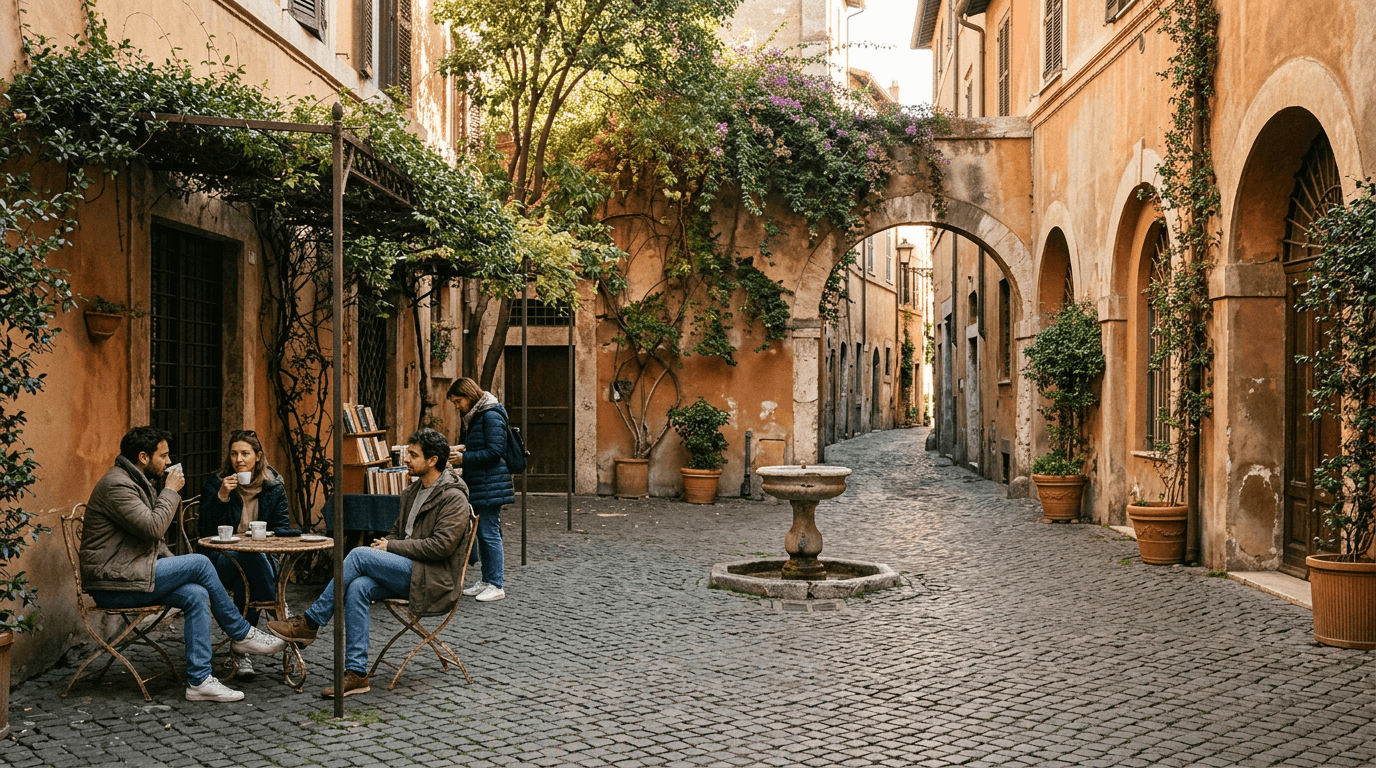
The best hidden gems in Rome allow you to escape the crowds and discover the city's authentic soul, from the secret cloisters of Palazzo Doria Pamphilj to the vibrant local life in the Testaccio neighborhood. To truly experience Rome like a local, skip the long lines and seek out a unique event, like a neighborhood food festival or an intimate jazz performance in a Trastevere backstreet.
Welcome to the Eternal City, a place where every cobblestone seems to whisper tales of emperors, artists, and gladiators. While the Colosseum, Vatican City, and Trevi Fountain are magnificent must-sees, the true magic of Rome often lies just around the corner, hidden from the bustling tourist trails. This guide is your key to unlocking that magic. We're taking you beyond the postcard views to explore the secret courtyards, subterranean wonders, and vibrant local haunts that most visitors miss. This is the Rome of Romans: a city of quiet moments, unexpected beauty, and authentic experiences that stay with you long after you've returned home. Get ready to dive deep into a side of Rome you never knew existed, all curated by your local experts at Gidly.
Why Trust This Guide?

In a city overflowing with travel advice, we know it's crucial to have a guide you can genuinely rely on. This isn't just another listicle; it's a curated collection of Rome's most authentic experiences, built on local knowledge, real data, and a passion for uncovering the city's secrets. Our team at Gidly lives and breathes Rome's event scene, and we're dedicated to bringing you the most current and valuable insights.
We believe that the best travel memories are made when you connect with a place on a deeper level. That's why we've gone beyond the typical recommendations to include bookable workshops, neighborhood festivals, and intimate performances you won't find in a standard guidebook. We've personally verified many of these spots, chatted with local organizers, and scoured our own event data to see what real Romans are enjoying right now. This guide is your trusted friend in the city, helping you navigate away from the tourist traps and toward unforgettable adventures.
We’re Local Experts: How Gidly Uncovers What’s Truly Hidden
Our team isn't just based in Rome; we're woven into its fabric. We're the ones who stumble upon a new aperitivo bar in Garbatella on our way home, who know which church has free organ concerts on Tuesdays, and who get alerts about the upcoming *sagra* (food festival) just outside the city. Our expertise comes from years of exploring these streets, not as tourists, but as residents. We cultivate relationships with local venue owners, artists, and event promoters, giving us a ground-level view of what’s happening in the city, far from the well-trodden paths of the Centro Storico.
This hands-on approach is the core of the Gidly philosophy. We believe that to truly recommend a "hidden gem," you have to have experienced it yourself. We've tasted the maritozzi, we've navigated the underground passages, and we've enjoyed the sunset from that secret viewpoint. This firsthand knowledge allows us to provide practical tips and nuanced details that you simply can't get from a generic travel blog. We're sharing our personal favorites and insider secrets to ensure your Roman holiday is genuinely unique and memorable.
Data-Driven Insights from the Gidly Events Catalog
Beyond our personal experiences, Gidly has a powerful tool at its disposal: our comprehensive events catalog. We track thousands of listings, from major concerts to tiny gallery openings, across every neighborhood in Rome. This data gives us unparalleled insight into the city's cultural pulse. We can see which types of events are trending in specific areas, identify up-and-coming venues before they become mainstream, and pinpoint unique, one-off happenings that define the local experience. For instance, our data might reveal a surge in live jazz nights in the Monti district or a cluster of new street art workshops in Pigneto.
This data-driven approach allows us to move beyond static recommendations. Instead of just telling you about a cool neighborhood, we can show you what's actually happening there *this week*. Are you looking for a free wine tasting, a puppet show for your kids, or an outdoor film screening? By analyzing the flow of events in our system, we can provide recommendations that are not only hidden but also timely and relevant to your specific interests. This guide is powered by that real-time information, making it a living, breathing resource for your trip.
Fresh for 2025: This Guide is Updated Weekly with New Finds
Rome is an ancient city, but it's far from static. New restaurants open, secret sites become accessible to the public, and the cultural calendar is always in flux. A guide from last year might already be out of date. That's why we've committed to keeping this resource incredibly fresh. Our team updates this article and our Gidly app listings on a weekly basis, ensuring that all information—from opening hours and prices to event schedules—is as accurate as possible for 2025 and beyond.
This commitment to freshness means you can plan your trip with confidence. We're constantly on the lookout for new hidden gems, whether it's a recently excavated archaeological site offering limited tours, a pop-up dining experience in a private villa, or a new festival celebrating a local Roman specialty. When you use this guide, you're not just getting a list of old secrets; you're getting the latest scoop on what makes Rome exciting right now. We'll note when a venue is new, when a tour has been updated with new technology, or when a seasonal event is about to kick off, giving you a competitive edge in planning the perfect, non-touristy itinerary.
For a Perfect Date Night: Romantic Hidden Gems
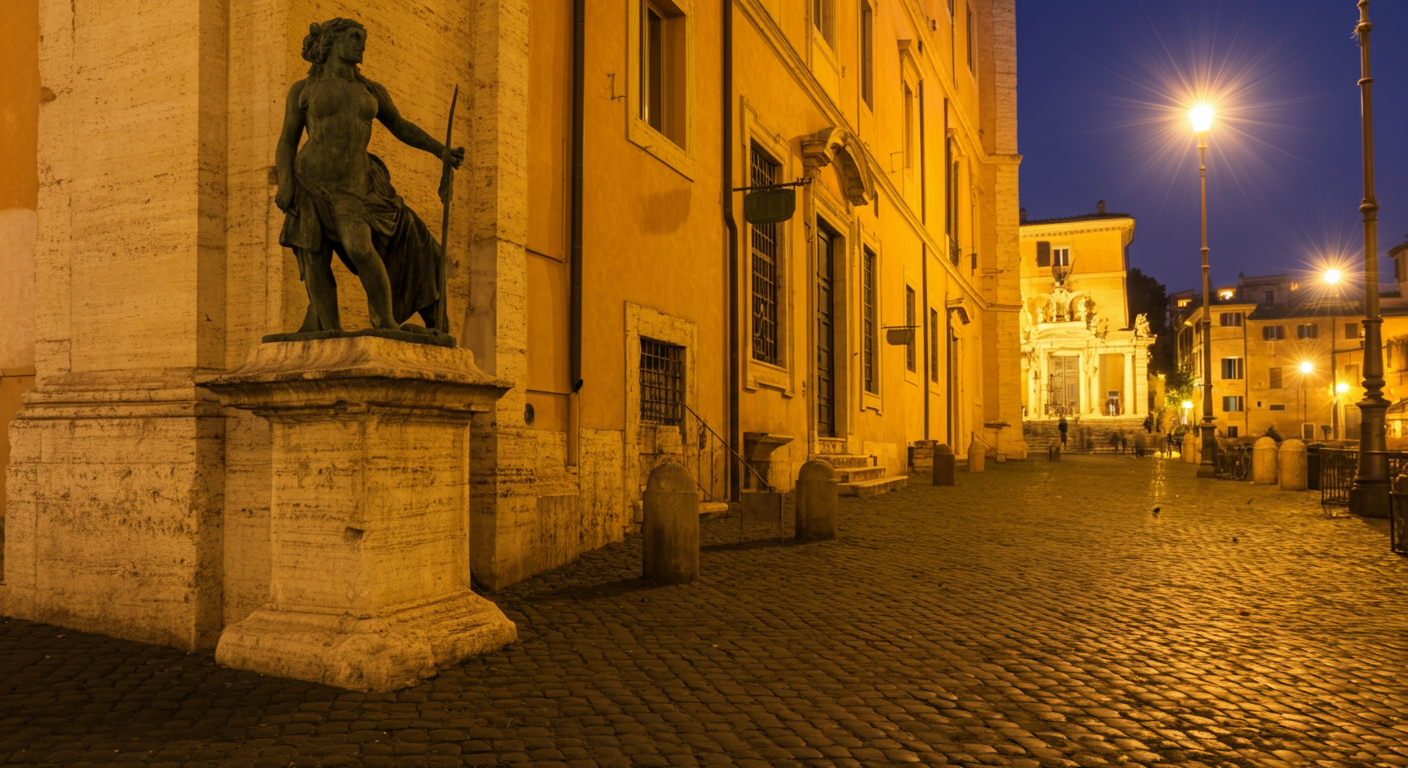
Rome is undeniably one of the world's most romantic cities, but finding a quiet corner for two can be a challenge amidst the crowds. This section is dedicated to uncovering those intimate, enchanting experiences perfect for a date night, moving far beyond a simple dinner. From secret gardens with breathtaking views to fairytale neighborhoods and hands-on creative workshops, these hidden gems provide the perfect backdrop for romance. Forget the packed Spanish Steps or the coin-tossing crowds at Trevi; we’re about to explore the places where you can connect, relax, and create a truly special memory together in the Eternal City.
The key to a romantic hidden gem is atmosphere. It's about finding a place that feels like your own personal discovery. Whether it’s the soft glow of lanterns in a hidden courtyard restaurant or the shared experience of learning a new skill together, these ideas are designed to foster connection. We've selected spots that offer a blend of beauty, privacy, and unique character, ensuring your Roman date night is as magical as the city itself. Prepare to stroll hand-in-hand through whimsical streets and discover the city's more tender, poetic side.
Sunset Views Without the Crowds: The Orange Garden & Beyond
While many tourists flock to the Pincian Hill for sunset, savvy locals and couples in the know head to the Aventine Hill. Here you'll find the Giardino degli Aranci (Orange Garden), a serene park offering one of the most stunning panoramic views of Rome. As the sun dips below the horizon, it bathes the city's domes, including St. Peter's Basilica, in a warm, golden light. The scent of orange blossoms in the spring adds another layer of romance. It's significantly less crowded than other viewpoints, allowing for a more personal and peaceful moment. Pack a small picnic with prosecco and cheese for an unforgettable experience.
Just a few steps from the garden is another famous secret: the Aventine Keyhole. Peeking through the keyhole of the gate to the Priory of the Knights of Malta, you'll see a perfectly framed view of St. Peter's Dome, lined by a tunnel of manicured hedges. It’s a tiny, magical surprise. For an even more secluded alternative, consider the view from Janiculum Hill. While more known than the Orange Garden, its sprawling size means you can always find a quiet bench away from the main Piazzale Garibaldi to watch the city lights twinkle on as dusk settles.
Intimate Dining: Restaurants in Hidden Courtyards
There's nothing more romantic than dining al fresco in a secluded Roman courtyard, surrounded by ivy-clad walls and the soft murmur of a nearby fountain. These hidden restaurants offer an escape from the city's hustle and bustle. One of Gidly's top picks is Ristorante Collegio, tucked away near Piazza Capranica. Its gorgeous, quiet courtyard feels like a private oasis, perfect for a special occasion. Another treasure is the courtyard at Osteria del Sostegno, a historic spot near the Pantheon that many tourists walk right past. The menu features classic Roman dishes executed with elegance, and the setting is pure romance.
In Trastevere, move away from the main piazzas and look for places like Spirito diVino, a restaurant housed in a medieval building with a wine cellar that is rumored to be older than the Colosseum itself. While it doesn't have a courtyard, its ancient, candlelit interior provides an incredibly intimate atmosphere. For a truly hidden experience, seek out small eateries in the Jewish Ghetto, like Nonna Betta, which often have small, semi-private outdoor seating areas in the quieter backstreets, offering a unique blend of history and delicious Kosher-Roman cuisine.
Hands-On Romance: A Private Mosaic or Pasta-Making Workshop
Creating something together is a powerful way to connect, and Rome offers unique workshops that are both fun and romantic. Instead of just eating pasta, why not learn to make it from scratch? Many local chefs offer private or small-group pasta-making classes in their own homes or dedicated studios. You'll learn the secrets of crafting perfect fettuccine or ravioli, often followed by a meal where you enjoy the fruits of your labor, paired with local wine. Check Gidly for classes in charming neighborhoods like Monti or Trastevere for the full experience.
For a more artistic date, consider a private mosaic-making workshop. This ancient Roman art form is fascinating to learn, and you'll get to create a unique souvenir to take home. Studios like Studio Cassio offer private lessons where an expert artisan guides you through the process of cutting the *tesserae* (tiles) and setting them into a design. It's a meditative, creative, and deeply engaging activity that allows you to work side-by-side, crafting a shared piece of art inspired by the city around you. It’s a far more memorable experience than simply buying a souvenir.
A Night at the Opera in an Unforgettable Setting
While the Teatro dell'Opera di Roma is grand, a truly hidden gem experience involves enjoying opera or classical music in a more intimate and atmospheric setting. During the summer, the Baths of Caracalla host a spectacular open-air opera season, where you can watch world-class productions with the majestic ancient ruins as your backdrop. It’s a breathtakingly romantic experience. Another unique option is the "Opera in the Church" series, held in venues like St. Paul's Within the Walls Church. These performances by I Virtuosi dell'opera di Roma feature selections from famous Italian operas in a stunning neo-Gothic setting.
For something even more exclusive, look for concerts held in historic palazzos. Companies like Opera Lirica di Roma often perform in the Palazzo Doria Pamphilj, allowing you to enjoy arias by Verdi and Puccini while surrounded by masterpieces of art. The combination of sublime music and opulent, historic surroundings creates an incredibly exclusive and romantic atmosphere. These smaller venues allow you to be closer to the performers, making the experience feel personal and powerful. Check the Gidly app for schedules and booking, as these events often have limited seating.
Strolling Through Quartiere Coppedè: Rome’s Fairytale Neighborhood
Tucked away between the Trieste and Salario districts lies a corner of Rome so fantastical it feels like stepping onto a film set. Quartiere Coppedè is not so much a neighborhood as an architectural fantasy, an early 20th-century experiment blending Art Nouveau, Baroque, and even medieval styles. A stroll through this tiny area is one of Rome's most romantic and surreal hidden experiences. Enter through the grand archway on Via Tagliamento, which features an enormous, ornate iron chandelier, and you're immediately transported to another world.
At the center of the neighborhood is the Piazza Mincio with its whimsical Fontana delle Rane (Fountain of the Frogs). Surrounding it are palazzos adorned with bizarre and beautiful details: asymmetrical towers, mythical creatures, floral motifs, and intricate carvings. The Palazzi degli Ambasciatori and the Villino delle Fate (Fairy House) are particularly enchanting. Because it's purely residential and contains no major attractions, Coppedè remains delightfully quiet. It’s the perfect place for a slow, hand-in-hand walk, discovering strange details and feeling like you have a magical secret corner of Rome all to yourselves.
With the Family: Kid-Friendly Hidden Gems
Traveling to Rome with children doesn't have to mean a non-stop tour of crowded, colossal monuments that can overwhelm little ones. The city is full of engaging, interactive, and fun hidden gems perfect for families. These spots are designed to spark curiosity and create lasting memories, offering a welcome break from intense history lessons. From a museum where everything is hands-on to a 3D journey through ancient times and spooky-but-not-too-spooky catacombs, we've found the best places to keep kids of all ages entertained and engaged, Roman-style.
The best family-friendly hidden gems combine education with entertainment, allowing kids to learn about Rome's incredible history and culture in a way that feels like play. We've focused on places that offer space to move, things to touch, and stories that capture the imagination. Forget trying to keep them quiet in a hushed gallery; these attractions welcome the joyful noise of discovery. Let's explore the side of Rome that will have your kids just as excited as you are to be in the Eternal City.
Explora: The Children’s Museum of Rome
Located just off Piazza del Popolo, but often missed by tourists, Explora is a museum made entirely for kids. Based on the principle of "learning by doing," everything here is interactive. The museum is set up like a miniature city where children can role-play different jobs and activities. They can be a firefighter, work at a supermarket checkout, become a TV news anchor, or even understand the principles of economics by "working" to earn kid-sized currency. The exhibits are designed for different age groups, with a dedicated soft-play area for toddlers (0-3 years) and more complex exhibits for older children (up to 12).
Visits are structured in timed 1-hour-and-45-minute slots, which helps manage crowds and ensures every child gets a chance to play. It's essential to book your tickets online in advance, especially on weekends or holidays. The museum also features a fantastic section on water power, with pumps and channels that are always a huge hit, and a garden with more outdoor exhibits. It’s the perfect antidote to museum-fatigue and a place where kids can burn off energy while engaging their brains. After a morning of ancient history, Explora is a fantastic change of pace.
Welcome to Rome: A 3D Journey Through History
Trying to explain the scale and grandeur of ancient Rome to kids can be tough when you're just looking at ruins. Welcome to Rome, located near Campo de' Fiori, solves this problem brilliantly. This immersive multimedia experience uses video projections, holograms, and a massive, detailed model of the city to bring Rome's history to life. The main show, projected onto the walls, ceiling, and floor around you, takes you on a 30-minute journey through 2,700 years of history, showing how the city grew, burned, and was rebuilt.
The narration is available in multiple languages via headphones, and the visuals are captivating for all ages. You'll see the Colosseum in its prime, watch the Pantheon being constructed, and fly over the Forum Romanum as it looked two millennia ago. In addition to the main show, there are several smaller exhibits with interactive models of key monuments like St. Peter's Basilica and the Imperial Forums. It's an excellent way to start your trip, as it gives the whole family a fantastic context for the sites you'll visit later. It helps kids (and adults!) visualize the "before" and appreciate the "after" even more.
Villa Borghese’s Hidden Corners: The Cinema dei Piccoli & Puppet Theater
Everyone knows Villa Borghese park, but many families miss its most charming, kid-centric attractions. Tucked away in the greenery is the Cinema dei Piccoli, listed in the Guinness World Records as the smallest cinema in the world. This tiny, adorable movie theater seats just over 60 people and primarily shows animated and children's films. Seeing a movie here is a unique and memorable experience. In the evenings, it often switches to showing independent films for adults, but the afternoon screenings are perfect for families looking for a relaxing break.
Not far from the cinema, near Piazza di Siena, you’ll find the San Carlino Puppet Theater. For generations, Roman children have been delighted by the classic slapstick adventures of Pulcinella and his friends. The shows are typically in Italian, but the physical comedy and expressive puppets are universally understood and hilarious for young children. The theater is open-air and performances are held on weekends, weather permitting. It's a wonderfully authentic, low-tech experience that offers a glimpse into traditional Italian childhood entertainment, and a welcome screen-free activity.
Ancient Inventions at the Leonardo da Vinci Museum
While Leonardo da Vinci is more associated with Florence and Milan, Rome has a fantastic, interactive museum dedicated to his genius that is a huge hit with curious kids and adults alike. The Leonardo da Vinci Experience Museum near the Vatican brings his inventions to life with over 50 machines built from his famous codices (notebooks). Unlike traditional museums, most of these exhibits are hands-on. Kids can turn cranks, pull levers, and see for themselves how his flying machines, war machines, and hydraulic systems were designed to work.
The museum is divided into themed rooms, including one for flight, one for war, and one for engineering principles. There is also a fascinating room of his anatomical studies and a hall of mirrors exploring his work on light and optics. The highlight for many is the full-size reproduction of "The Last Supper." Because it's interactive and relatively compact, it holds children's attention far better than a vast art gallery. It's a brilliant way to introduce concepts of science, engineering, and art history in a fun, tangible way, showcasing a different side of the Italian Renaissance.
Catacombs for Kids: The Spookier, Less Crowded Options
The idea of exploring underground burial tunnels is thrilling for many older kids, but the most famous catacombs, like those on the Appian Way, can be crowded and the tours long. For a more manageable and equally fascinating experience, consider the Catacombs of Priscilla on Via Salaria. These are known as the "Queen of the Catacombs" for their beautiful frescoes, including what some believe is the earliest known depiction of the Virgin Mary. The tours are engaging, and the passages feel a bit less claustrophobic than in other locations.
Another excellent, off-the-beaten-path choice is the Catacombs of Sant'Agnese, part of the monumental complex of Sant'Agnese fuori le Mura. Access is through a beautiful 4th-century basilica. These catacombs are smaller and receive fewer visitors, meaning you often get a more personal and less rushed tour. The guides are adept at making the history accessible without being overly frightening. It’s a "spooky" adventure that feels like a real exploration, giving kids a tangible connection to Rome’s ancient Christian history without the overwhelming crowds or macabre focus of some other underground sites.
With Friends: Unique Group Activities
Traveling with friends is all about sharing experiences, creating inside jokes, and discovering the fun side of a city together. Rome offers a fantastic playground for groups, with activities that go far beyond standard sightseeing. This section is for a crew looking to dive into the local scene, whether it's through food, art, or a bit of friendly competition. From hunting down the best local aperitivo spots to zipping through cool neighborhoods on Vespas, these hidden gems are designed for creating social, memorable moments with your friends.
We’ve selected activities that are inherently interactive and perfect for a group dynamic. Think less of quietly observing and more of actively participating. You’ll uncover Rome’s modern, edgy side, solve mysteries together, and experience the city’s social rituals just like a local. These aren't just things to see; they are things to *do* together, ensuring your trip is packed with laughter, adventure, and plenty of great stories to tell when you get back home.
The Real Roman Aperitivo: Where Locals Go in Pigneto & Testaccio
The pre-dinner ritual of aperitivo is a cornerstone of Roman social life, but the tourist-trap buffets in the city center are a pale imitation of the real thing. For an authentic experience, take your friends to the neighborhoods where Romans actually live and hang out. Pigneto, a former working-class district now known for its bohemian, creative vibe, is a top spot. The pedestrianized Via del Pigneto is lined with trendy bars like Cargo and Necci dal 1924. Here, you order a quality cocktail (like a spritz or a negroni) for around €8-€12, and it comes with a selection of high-quality small plates, not a massive, stale buffet. It's about savoring flavors and conversation.
Another fantastic neighborhood is Testaccio, the historic heart of Roman cuisine. The atmosphere here is less hipster and more salt-of-the-earth Roman. Head to the area around the main piazza or near the old slaughterhouse (Mattatoio) to find authentic spots. Places like Trapizzino offer their famous pizza pockets alongside drinks, while other bars serve up classic Roman snacks. The experience is lively, loud, and utterly authentic. Gathering your friends for an aperitivo in Pigneto or Testaccio is the perfect way to kick off an evening like true Romans.
Uncovering Rome’s Street Art Scene on a Guided Tour
While Rome is famous for its ancient and Renaissance art, it also has a thriving contemporary street art scene that offers a colorful, modern counterpoint. Exploring this edgy side of the city is a fantastic group activity. Neighborhoods like Ostiense, Quadraro, and the aforementioned Pigneto have become open-air galleries, with massive, building-sized murals by both Italian and international artists. Trying to find them on your own can be tricky, so booking a guided street art tour is a great idea. Companies like Scooteroma offer tours on Vespas, while others lead walking or biking tours.
A knowledgeable guide can share the stories behind the art, explain the social context of the pieces, and introduce you to the artists who are transforming Rome's urban landscape. In Ostiense, you can see works by the famous Italian artist Blu, while Quadraro features a project where the entire neighborhood was painted to commemorate its role in resisting the Nazi occupation. It’s a fascinating way to understand modern Rome and its social dynamics. Plus, the vibrant murals make for incredible group photos that will stand out from the usual Colosseum selfies.
Solving Mysteries in an Ancient Roman Escape Room
Escape rooms are a popular group activity worldwide, but in Rome, they come with a unique historical twist. Instead of generic themes, you can find rooms that immerse you in the world of ancient Rome, complete with togas, emperors, and gladiators. It’s a fantastic way to engage with history in a fun, competitive, and collaborative way. Your group will have to work together to decipher clues, solve puzzles, and crack codes, all under a time limit. It's a great rainy-day option or a perfect way to start an evening before dinner.
Look for escape rooms with themes like "Caesar's Tomb," "The Secrets of the Gladiators," or "Nero's Conspiracy." These rooms are expertly designed with props and settings that transport you back in time. For example, Escape Room Roma and similar venues offer multiple themed rooms suitable for groups of 4-8 people. The challenge fosters teamwork and communication, and the adrenaline rush of solving the final puzzle with seconds to spare is an unbeatable bonding experience. It’s a hilarious and engaging way to see which of your friends is the real mastermind.
Vespa Tours Off the Beaten Path: Discovering Garbatella
There is nothing more iconically Roman than zipping through the streets on a Vespa. While many tours stick to the main sights, a truly special experience is to take a Vespa tour through one of Rome's lesser-known, charming neighborhoods. Garbatella is a perfect choice. Built in the 1920s and inspired by the English "garden city" movement, it's a unique architectural experiment with a village-like feel. It’s a labyrinth of lovely courtyards, communal gardens, and buildings with whimsical details, known to Romans as *lotti*.
You can either ride as a passenger with an experienced guide or, if you have the right license and confidence, rent your own. Navigating Garbatella’s streets on a Vespa allows your group to cover more ground than walking while still being able to stop easily to admire a beautiful building or grab a coffee at a local bar. The neighborhood has a strong community feel and a distinct personality that is completely different from the historic center. It's a fun, exhilarating way to discover a truly authentic corner of Rome and feel like you're in a classic Italian film with your friends.
On a Budget: The Best Free & Cheap Hidden Gems
Experiencing the magic of Rome doesn't have to break the bank. The city is overflowing with breathtaking art, stunning views, and authentic cultural experiences that are completely free or very inexpensive. This section is your guide to enjoying the Eternal City on a budget, proving that some of the best things in life (and in Rome) are indeed free. From discovering masterpieces by Renaissance geniuses tucked away in quiet churches to soaking in panoramic city views and exploring vibrant local markets, these hidden gems offer priceless experiences without the hefty price tag.
A budget-friendly trip to Rome is about being smart and knowing where to look. By swapping expensive museums for art-filled churches, paid viewpoints for public hills, and pricey restaurants for bustling market stalls, you can have a richer, more authentic experience. These tips will help you stretch your euros further while diving deeper into the city's culture. Get ready to explore ancient aqueducts, wander down charming artisan streets, and feast your senses, all while keeping your wallet happy.
Art Without a Ticket: Lesser-known Churches with Caravaggio & Michelangelo Masterpieces
Some of Rome's greatest artistic treasures are not in its crowded, expensive museums, but in its churches, where you can admire them for free (a small coin donation for lighting is often appreciated). For fans of Caravaggio, the Church of San Luigi dei Francesi, near Piazza Navona, is an absolute must. Inside the Contarelli Chapel, you'll find a stunning trilogy of paintings depicting the life of St. Matthew. The raw drama and use of light are breathtaking. Just a short walk away, the Basilica di Sant'Agostino holds another Caravaggio masterpiece, the "Madonna of Loreto."
It's not just Caravaggio. For a powerful sculpture by Michelangelo, head to the church of San Pietro in Vincoli (St. Peter in Chains). Here, you'll find his magnificent statue of Moses, originally intended for the tomb of Pope Julius II. The intensity and detail of the sculpture are astounding, and you can get much closer to it than to many works in the Vatican. These churches are often quiet, providing a peaceful and contemplative atmosphere to appreciate world-class art without the queues or entrance fees of a major museum.
Panoramic Views for Free: Janiculum Hill and Monte Mario
Why pay for a ticket to climb a dome when some of Rome's most spectacular panoramic views are available for free? The Janiculum Hill (Gianicolo), located above Trastevere, offers a sweeping vista across the entire historic center. You can pick out landmarks like the Pantheon, the Victor Emmanuel II Monument, and the distant hills. It's a classic spot for Romans to take a stroll. At noon every day, a cannon is fired from the hill, a tradition dating back to the 19th century. It’s a wonderful place to watch the sunset or get your bearings of the city's layout.
For an even higher and more expansive view that includes the Vatican and the Stadio Olimpico, head to Monte Mario. The best viewpoint is from a spot called "Lo Zodiaco," which also has a café. It's a bit further out from the center, but the perspective is truly impressive and offers a different angle on the city. It's a genuinely local spot, far from the tourist crowds. Both hills provide a perfect, no-cost opportunity for stunning photographs and a moment of peace above the beautiful chaos of the city.
Window Shopping Down Via di Monserrato and Via dei Coronari
Sometimes the best free activity is simply to wander and absorb the atmosphere. For a more unique and less crowded window-shopping experience than the famous Via del Corso, explore the streets of the Regola and Ponte districts. Via di Monserrato is a beautiful, quiet street lined with art galleries, antique shops, and artisan workshops. It has an elegant, old-world feel, and you can admire everything from contemporary paintings to centuries-old furniture without any pressure to buy. It’s a journey back in time, showcasing Roman craftsmanship.
Nearby, Via dei Coronari, once the street for sellers of rosaries (*coronari*) catering to pilgrims on their way to the Vatican, is now famous for its antique dealers. The street itself is incredibly picturesque, running from near Piazza Navona towards the Tiber. Even if you're not in the market for a 17th-century chest of drawers, it’s a joy to browse the windows, which are like mini-museum displays. The street is largely pedestrianized in the afternoons, making it a peaceful and charming place for a stroll away from the main thoroughfares.
Explore the Testaccio Market: A Feast for the Senses
For a cheap and delicious lunch and an authentic slice of Roman life, head to the Mercato di Testaccio. Housed in a modern, bright structure, this is where locals come to shop for fresh produce, meat, cheese, and bread. But it's also a fantastic foodie destination with dozens of high-quality street food stalls. You can get a phenomenal sandwich from Mordi e Vai, which specializes in classic Roman meat fillings like *allesso di scottona* (boiled beef), for around €5-€7. Or try fresh pasta from Le Mani in Pasta or a trapizzino.
Wandering through the market is a free activity in itself. You can watch butchers at work, see piles of seasonal artichokes or zucchini flowers, and listen to the lively banter between vendors and shoppers. It's a true feast for the senses. You can assemble an entire picnic lunch here for a fraction of the cost of a sit-down restaurant meal. Grab a supplì (fried rice ball), a slice of pizza al taglio, and some fresh fruit, and enjoy a true taste of Rome without spending much at all. It's a vibrant, delicious, and budget-friendly hidden gem.
Parco degli Acquedotti: Walking Through Ancient Rome's Waterways
For a completely free and awe-inspiring day out, take the metro (Line A to Giulio Agricola or Subaugusta) to the Parco degli Acquedotti (Aqueduct Park). This vast park on the outskirts of Rome is part of the Appian Way Regional Park and is crossed by the monumental arches of ancient Roman aqueducts, including the Aqua Felix and the Aqua Claudia. The scale of these structures is staggering, and you can walk or bike for miles beneath them. It feels like stepping into a landscape painting.
This park is a favorite spot for Romans to jog, picnic, and walk their dogs, but it's vast enough that it never feels crowded. The sight of the stone arches stretching across the green fields, with the Alban Hills in the distance, is one of Rome's most evocative and powerful views. It’s a stunning reminder of the engineering prowess of the ancient Romans. Pack a lunch, bring a blanket, and spend an afternoon relaxing in the shadow of these 2,000-year-old giants. It’s an unforgettable experience that costs nothing more than a metro ticket.
For the Solo Traveler: Hidden Gems to Discover Alone
Traveling solo in Rome is a wonderfully liberating experience, allowing you to move at your own pace and indulge your own interests without compromise. The city is perfectly suited for solitary exploration, with countless quiet corners, captivating museums, and charming cafes where you can comfortably watch the world go by. This section is dedicated to the solo traveler looking for enriching and safe experiences away from the tourist throngs. These are places for contemplation, discovery, and quiet enjoyment of the Eternal City’s profound beauty.
We've chosen spots that are particularly rewarding when experienced alone. They offer a sense of peace, a deep dive into art and history, or simply a perfect perch for people-watching. From a stunning museum in a former power plant to a day trip to Rome's ancient port city, these hidden gems allow you to connect with Rome on a personal level, creating a journey that is entirely your own.
Centrale Montemartini: Ancient Sculptures in a Power Plant
For a truly unique and thought-provoking museum experience, the solo traveler should head to the Centrale Montemartini in the Ostiense neighborhood. This museum presents a stunning juxtaposition: classical Roman and Greek sculptures are displayed amidst the preserved turbines and diesel engines of Rome's first public electrical power plant. It's a branch of the Capitoline Museums, created as a temporary exhibition that became so popular it was made permanent. The contrast between the graceful marble forms of gods and goddesses and the stark, industrial machinery is breathtaking and surreal.
Wandering through this space alone allows you to fully appreciate the "dialogue" between the two worlds—the classical and the industrial. The museum is rarely crowded, offering a quiet, contemplative atmosphere. You can spend time with each sculpture, admiring the details without being jostled. The industrial setting makes the ancient art feel immediate and surprisingly modern. It's a photographer's dream and a perfect destination for anyone interested in art, history, or industrial design. It’s an intellectual and aesthetic experience that is deeply rewarding when savored at your own pace.
The Quiet Magic of Palazzo Doria Pamphilj
Imagine having a vast, opulent Roman palace almost to yourself. That's often the experience at the Palazzo Doria Pamphilj on Via del Corso. While crowds swarm nearby attractions, this privately-owned gallery remains a tranquil oasis. The palace is still inhabited by the descendants of the same noble family, and their incredible art collection is open to the public. The collection includes masterpieces by Velázquez (his famous portrait of Pope Innocent X), Caravaggio, Titian, and Raphael, all displayed in lavishly decorated rooms.
What makes it perfect for a solo visit is the excellent free audio guide included with your ticket. Narrated by one of the family's princes, it offers personal anecdotes and fascinating insights into the history of the palace and its collection. It feels like a private tour. You can wander through the stunning Hall of Mirrors and the various apartments at your leisure, stopping to sit on a bench and simply absorb the immense beauty and history around you. It’s an intimate and elegant experience that feels like a well-kept secret, perfect for a quiet afternoon of solitary reflection.
People-Watching from a Hidden Cafe in Monti
The neighborhood of Monti, with its ivy-draped buildings and cobblestone lanes, is one of Rome's most charming districts. While it's become popular, it still retains a bohemian, village-like atmosphere. For the solo traveler, it's the perfect place to find a small, independent cafe, grab an outdoor table, and engage in the delightful Roman pastime of people-watching. Avoid the main Piazza della Madonna dei Monti and instead wander down side streets like Via del Boschetto or Via Panisperna to find your spot.
Cafes like La Casetta a Monti, an adorable ivy-covered building, or the various small bars and coffee shops offer the perfect vantage point. Order a cappuccino or a glass of wine, bring a book or a journal, and simply watch the life of the neighborhood unfold. You'll see fashionable locals walking their dogs, artisans at work in their studios, and friends greeting each other with animated gestures. It's a relaxing, low-pressure way to feel part of the city without needing a companion. Monti's safe and friendly vibe makes it an ideal spot for a solo traveler to unwind.
A Solo Day Trip to Ostia Antica: Rome’s Harbour City
While Pompeii is a world-famous day trip, a much easier and equally fascinating solo excursion is to Ostia Antica, the ancient harbor city of Rome. It’s just a 30-minute train ride from the Piramide metro station (using a standard city transport ticket). Ostia Antica offers a remarkable look at everyday Roman life. You can wander through the ruins of apartment buildings (*insulae*), taverns, laundries, temples, and a beautifully preserved amphitheater. Because it’s less famous than Pompeii, it's far less crowded, allowing for a more peaceful and personal exploration.
Walking the main street, the Decumanus Maximus, under the shade of maritime pines, you can truly imagine the bustling port city it once was. The mosaics in the Square of the Guilds, depicting the various shipping and trading businesses, are particularly impressive. Being alone allows you to explore the nooks and crannies of the vast site at your own pace, sit in the ancient theater, and contemplate the history without distraction. Pack a sandwich and some water and make a day of it; it’s an immersive historical journey that feels like a true adventure.
For a Rainy Day: Best Indoor Hidden Gems
A rainy day in Rome doesn't mean your adventure has to be a washout. While others might retreat to their hotels, it’s the perfect opportunity to explore some of the city's most fascinating indoor hidden gems. From archaeological wonders hidden beneath the city streets to chillingly beautiful crypts and magnificent, quiet museums, Rome offers plenty of shelter from the storm. These spots provide a cozy and captivating escape, allowing you to continue your discovery of the city's many layers, both literally and figuratively.
Forget huddling in a crowded café. We’ve picked indoor attractions that are atmospheric, intriguing, and generally less packed than the big-ticket museums like the Vatican. A downpour can be a blessing in disguise, pushing you to discover places you might have otherwise overlooked. So grab your umbrella and get ready to delve into the secret indoor world of Rome, where history and mystery await, no matter the weather.
Vicus Caprarius: The "City of Water" Under the Trevi Fountain
Just a stone's throw from the hordes of tourists at the Trevi Fountain lies a remarkable underground secret. The Vicus Caprarius, often called the "City of Water," is an archaeological site located about nine meters below street level. A visit here reveals the foundations of an ancient Roman apartment complex (*insula*) and, most impressively, the castellum aquae, a water distribution tank for the Aqua Virgo aqueduct—the very same aqueduct that still feeds the Trevi Fountain today. You can hear the water rushing through ancient channels, connecting you directly to the famous monument above.
A visit is relatively short (30-45 minutes) but incredibly evocative. It's fascinating to see the layers of history, with the Roman structures right beneath a modern building. The small museum also displays artifacts found during the excavation, including pottery, coins, and sculptures. It’s a quiet and cool escape from both the rain and the crowds, offering a deeper understanding of the complex urban planning and engineering that lies beneath modern Rome. Booking in advance online is highly recommended as entry is limited.
Palazzo Massimo alle Terme: A Quieter National Museum
When it rains, many people flock to the Vatican Museums or the Capitoline Museums. For a world-class collection with a fraction of the crowds, head to the Palazzo Massimo alle Terme. Part of the National Roman Museum network, this palazzo near Termini Station houses one of the world's most important collections of classical art. The treasures inside are breathtaking and span four floors. You'll find stunningly preserved frescoes and mosaics taken from Roman villas, including the beautiful garden frescoes from the Villa of Livia.
The sculpture collection is equally magnificent, featuring famous works like the "Boxer at Rest" and the "Discus Thrower." Unlike in more crowded museums, you can often have entire rooms to yourself, allowing you to study these masterpieces in peace. The basement contains an extensive numismatic collection, showcasing the history of Roman currency. A visit here can easily fill several hours, making it a perfect, enriching refuge from a rainy afternoon. The sheer quality and quantity of the art, combined with the tranquil atmosphere, make it one of Rome's best-kept museum secrets.
The Bone-Chilling Capuchin Crypt
For an indoor experience that is equal parts macabre, artistic, and unforgettable, visit the Museum and Crypt of the Capuchin Friars on Via Veneto. Beneath the Santa Maria della Concezione dei Cappuccini church lies a series of six small chapels, their walls and ceilings elaborately decorated with the bones of nearly 4,000 Capuchin friars who died between the 16th and 19th centuries. This is not a gruesome horror show but a surprisingly beautiful and contemplative work of art, intended as a silent reminder of the swiftness of life and the inevitability of death.
Each chapel has a different theme, with bones arranged into intricate patterns, chandeliers, and symbolic shapes. You'll see arches made of vertebrae, rosettes of pelvic bones, and full skeletons dressed in friar's robes. A plaque poignantly reads, "What you are now we used to be; what we are now you will be." The preceding museum provides context on the Capuchin order before you descend into the crypt. It’s a powerful and unique place that will stay with you long after you leave. It’s an ideal, atmospheric stop on a gloomy, rainy day.
Exploring Rome’s Covered Neighborhood Markets
A rainy day is the perfect excuse to dive into Rome's vibrant food scene by exploring its covered markets (*mercati rionali*). These are bustling hubs of local life and fantastic places to stay dry while experiencing authentic Roman culture. We've already mentioned the Mercato di Testaccio, which is an excellent choice. Another great option is the Mercato Trionfale, near the Vatican. It's one of Rome's largest markets, with hundreds of stalls selling everything imaginable. It’s less focused on street food and more on grocery shopping, offering a fascinating glimpse into how Romans eat and cook.
For a more modern, foodie-centric experience, head to the Mercato Centrale inside Termini Station. This upscale food hall brings together some of Rome's best artisans under one roof. You can find everything from Gabriele Bonci's famous pizza to fresh pasta, craft beer, and Sicilian pastries. It's a bit more polished than the neighborhood markets, but it's incredibly convenient and offers a huge variety of high-quality options. Spending a few hours wandering, tasting, and people-watching in any of these covered markets is a delicious and dry way to spend a rainy day.
| Indoor Hidden Gem | Price Range | Best For |
|---|---|---|
| Vicus Caprarius | €4 - €5 | History buffs, short visit near Trevi |
| Palazzo Massimo alle Terme | €10 - €13 (includes other museum sites) | Art lovers, escaping crowds |
| Capuchin Crypt | €8 - €10 | Those seeking a unique, macabre experience |
| Covered Markets (e.g., Testaccio) | Free to enter (pay for food) | Foodies, experiencing local life |
By Category: Secret Food & Drink Experiences
To truly know Rome, you must eat and drink like a Roman. But the city's culinary scene extends far beyond the carbonara and cacio e pepe served in tourist-heavy trattorias. This section delves into the secret food and drink experiences that offer a genuine taste of Roman life. We’re talking about hyper-local cooking classes where you learn Nonna’s secrets, seasonal food festivals celebrating a single ingredient, and bakeries serving pastries that locals line up for. These are the flavors that define the city, hidden in plain sight.
This is your passport to Rome's gastronomic soul. We will guide you away from the generic and toward the specific, the traditional, and the truly delicious. Whether you're a seasoned foodie or just someone who loves a good meal, these experiences will connect you to the city's culture through its most beloved medium: food. Prepare to sip wine in a 2,000-year-old cellar, hunt down the perfect cream-filled bun, and discover a world of flavor that most visitors never get to taste.
Beyond Carbonara: Joining a Hyper-Local Cooking Class
While learning to make pasta is a fantastic experience, a hyper-local cooking class goes a step further by teaching you the lesser-known dishes of Roman and Lazio cuisine. Look for classes that focus on *cucina povera* (peasant cooking) or specific seasonal ingredients. For example, a spring class might focus on artichokes (*carciofi*) and fava beans, while an autumn class might feature pumpkin or wild mushrooms. These classes are often taught by local chefs or grandmothers in their private homes or small, dedicated schools, providing an incredibly intimate and authentic experience.
Search on Gidly for workshops specializing in Roman Jewish cuisine, where you can learn to make dishes like *carciofi alla giudia* (Jewish-style fried artichokes), or classes focusing on offal (*quinto quarto*), a cornerstone of Testaccio's culinary history. The experience is about more than just a recipe; it's about the stories, the techniques passed down through generations, and the importance of fresh, local ingredients. You'll leave not just with a full stomach, but with a deeper appreciation for the culture and history behind the food you're eating.
Exploring Rome's Sagre: A Guide to Local Food Festivals Near the City
One of the most authentic and joyous Italian food experiences is the *sagra*, a local festival dedicated to a specific food product. These festivals take place in the towns and villages surrounding Rome, especially from spring through autumn, and are well worth the short day trip. Each sagra celebrates a local specialty, whether it's the Sagra della Porchetta in Ariccia, the Sagra dell'Uva (grape festival) in Marino, or a festival for strawberries, artichokes, or chestnuts. They are raucous, joyful affairs with food stalls, live music, and local traditions.
Getting to a sagra usually involves a short train or bus ride. The best way to find out what's on is to check local event listings (like Gidly!) or websites for the Lazio region, as schedules change yearly. At a sagra, you can sample the celebrated food in various forms, often for very low prices. It’s an amazing opportunity to escape the city, mingle with locals, and experience Italian community life at its most festive. Don't expect tourist-friendly amenities; do expect incredible food and an unforgettable cultural immersion.
Wine Tasting in a 2000-Year-Old Cellar
Rome's history isn't just above ground. The city is built on layers, and some of its most atmospheric secrets are buried below. A truly unique experience for wine lovers is a tasting held in an ancient cellar. Several enoteche (wine bars) and tour companies offer tastings in cellars that date back to Roman times. For example, Costanza Hostaria is a restaurant built into the remains of the ancient Theater of Pompey, and nearby wine bars have similar historical cellars. Another great option is a guided wine tasting near the Pantheon or in Trastevere.
During these tastings, a sommelier will guide you through a selection of Italian wines, often focusing on regional specialties from Lazio. As you sip a crisp Frascati or a robust Cesanese, you'll be surrounded by ancient brickwork and stone, literally drinking in history. The cool, quiet atmosphere of the cellar provides a stark contrast to the bustling streets above. It's a multisensory experience that connects the modern pleasure of wine with the city's incredibly deep past. Look on Gidly for "underground wine tasting" or "ancient cellar tours" to book this special event.
The Best Maritozzo in Rome: A Local Bakery Guide
While gelato gets all the glory, the true Roman breakfast or snack obsession is the *maritozzo*. This sweet, soft brioche-like bun is sliced open and filled to bursting with lightly sweetened whipped cream (*panna*). Finding the perfect maritozzo is a delicious quest. The most famous spot is Il Maritozzaro in Trastevere, a no-frills, old-school spot that opens very early and serves legendary, generously filled buns. Going there feels like a pilgrimage for locals.
Another top contender is Regoli Pasticceria, near Piazza Vittorio Emanuele, a historic pastry shop that has been serving exceptional maritozzi for over a century. Their version is considered by many to be the benchmark of perfection. For a slightly more modern take, Roscioli Caffè near Campo de' Fiori offers a fantastic, high-quality version. Embarking on a personal "maritozzo tour" is a fun and affordable way to explore different neighborhoods. Grab one with your morning cappuccino for a truly Roman start to the day. It’s a simple, decadent pleasure that you won't find done this well anywhere else in the world.
By Category: Live Music, Festivals & Local Events
The cultural life of Rome extends far beyond its ancient monuments, with a vibrant, year-round calendar of live music, neighborhood festivals, and local events. This is where the city truly comes alive, offering experiences that are dynamic, timely, and deeply connected to the community. Tapping into this scene is the best way to feel the modern pulse of Rome. From spontaneous jazz sessions in hidden basements to massive summer festivals that take over the city, these events are the hidden gems you can't find on a map—you have to experience them.
Using a tool like the Gidly events guide is essential for discovering these happenings, as they are often hyper-local and change constantly. This section will guide you on what to look for, from the types of music venues that dot the backstreets of Trastevere to the annual traditions that bring entire neighborhoods out to celebrate. Get ready to dance, listen, and celebrate like a Roman.
Finding Live Jazz and Folk Music in Trastevere’s Backstreets
Trastevere is famous for its nightlife, but if you step away from the crowded main streets, you'll find a thriving scene for live music, particularly jazz and Italian folk. Gregory's Jazz Club, near the Spanish Steps, is well-known, but for a more hidden experience, dive into Trastevere's maze of alleys. Look for signs pointing to a *musica dal vivo*. A classic spot is the Big Mama club, a legendary venue for blues and jazz that has been a Roman institution for decades. It has a gritty, authentic feel and hosts incredible national and international artists.
For something even more intimate, seek out smaller wine bars (*enoteche*) or pubs that host weekly music nights. These are often advertised on a simple chalkboard outside. You might find a talented acoustic duo, a traditional Roman folk singer, or a high-energy jazz trio. The atmosphere is cozy and convivial, and you'll be sharing the experience almost exclusively with locals. These impromptu musical discoveries are some of the most magical moments you can have in Rome, transforming a simple night out into a memorable cultural event.
A Calendar of Rome’s Neighborhood Festivals (Feste di Quartiere)
Throughout the year, Rome's neighborhoods celebrate local saints, historical events, or simply the changing of the seasons with *feste di quartiere*. These festivals are the heart and soul of their communities. One of the most famous is the Festa de' Noantri in Trastevere in late July, which features religious processions, street food, and general revelry. In June, the San Giovanni festival is a massive celebration with food, music, and the tradition of eating snails. The Garbatella neighborhood also has a beloved birthday festival in February, celebrating its unique history.
These events offer a fantastic window into local life. Streets are closed to traffic and filled with food stalls selling porchetta sandwiches and sweets, temporary stages for bands, and games for children. The best way to find them is to keep an eye on event listings in the weeks leading up to your trip. They are often hyper-local and advertised with posters in the neighborhood itself. Attending one is a guarantee of an authentic, non-touristy experience filled with the vibrant spirit of Roman community life.
The Estate Romana Summer Festival: What to See
Summer in Rome is defined by the Estate Romana (Roman Summer), a city-wide festival that runs from June to September. It's not a single event but a massive umbrella program of thousands of concerts, film screenings, theater performances, dance shows, and cultural events, many of which are free. The entire city becomes a stage. The banks of the Tiber River transform into "Lungo il Tevere," a bustling stretch of pop-up restaurants, bars, artisan stalls, and performance spaces. It’s a perfect place for an evening stroll and to catch a free concert.
Key venues for Estate Romana include the Villa Borghese park, which hosts theater in the beautiful Globe Theatre (a replica of Shakespeare's), and the Casa del Jazz, with its outdoor stage. The key to navigating Estate Romana is to check the official program (or the Gidly app) for the specific dates of your visit. You might find a classical music concert in an ancient courtyard, a DJ set in a park, or a food festival celebrating a summer ingredient. It’s a time when Rome’s cultural life spills out into the open, and participating is the best way to enjoy the warm summer nights like a local.
The Best Outdoor Cinemas in Summer
Another beloved part of the Estate Romana is the tradition of outdoor cinema (*cinema all'aperto*). On warm summer evenings, Romans flock to temporary arenas set up in piazzas, parks, and even on an island in the middle of the Tiber. L'Isola del Cinema on Tiber Island (Isola Tiberina) is one of the most famous, offering a mix of recent hits, cult classics, and independent films in a stunning historical setting. Most films are shown in Italian, but they often have special screenings in the original language (*versione originale*) with Italian subtitles.
Other venues pop up across the city. The Casa del Cinema in Villa Borghese has a beautiful outdoor theater, and various neighborhoods will often host their own local film festivals. The experience is magical: watching a film under the stars, with the sounds of the Roman night around you, often with a drink or gelato in hand. It’s a simple, affordable, and deeply Roman way to spend a summer evening. Check listings for "cinema all'aperto" or specific event names like "Notti di Cinema a Piazza Vittorio" to find a screening near you.
By Category: Underground & Ancient Secrets
The Rome you see is only half the story. Beneath the modern streets lies a labyrinth of buried history—a subterranean city of temples, houses, and tunnels waiting to be discovered. Exploring these underground and ancient secrets is like having a key to a hidden level of the city. These are not your typical ruins; they are atmospheric, mysterious, and often require special booking, making the experience feel exclusive and adventurous. From the temple of a secret cult to the opulent palace of a notorious emperor, these sites offer a profound connection to Rome's layered past.
Many of these locations have only been excavated in recent decades and are still relatively unknown to the general public. A visit often involves a guided tour that brings the dimly lit stones to life with stories of ancient life, mystery religions, and imperial intrigue. This is the ultimate hidden gem category for history buffs and urban explorers, offering a chance to step into a world that has been hidden for centuries.
The Mithraeum at Circus Maximus: A Secret Cult’s Temple
Hidden beneath the ground near the famous Circus Maximus lies a remarkably well-preserved temple dedicated to a mysterious and secretive cult: the Mithraeum. The cult of Mithras was popular among Roman soldiers and merchants in the 2nd and 3rd centuries AD, and its rituals were conducted in underground temples designed to resemble a cave. This particular Mithraeum is one of the largest in Rome and contains a fascinating main chamber with benches where initiates would recline during ceremonies, and a striking bas-relief depicting the central myth of Mithraism: the god Mithras slaying a bull.
Visits are by appointment only through a guided tour, which adds to the feeling of uncovering a real secret. The guide explains the symbolism of the carvings and the probable nature of the secret rites performed in the dark, torchlit space. It's an incredibly atmospheric experience that offers a glimpse into the diverse and often hidden religious landscape of ancient Rome, far from the state-sponsored gods of the Pantheon. This is a must for anyone fascinated by mystery, ancient religions, and the secret history of the city.
Domus Aurea (Nero's Golden House): A VR-Enhanced Tour
After the great fire of 64 AD, Emperor Nero built himself a colossal and legendarily lavish palace, the Domus Aurea or "Golden House." After his death, his successors buried it to erase his memory, and its magnificent frescoed rooms lay hidden until they were rediscovered during the Renaissance. Today, the site is an active archaeological excavation, and visiting it is a truly unique experience. Because it is underground and damp, access is limited to guided tours on weekends, and you're required to wear a hard hat.
The highlight of the modern tour is an incredible virtual reality experience. At one point, you are given VR goggles that allow you to see the rooms as they would have appeared in their full glory, with marble-clad walls, stunning frescoes, and even a view of the gardens and colossal statue of Nero that once stood outside. This innovative use of technology brings the vast, dark ruins to life in a way that is both educational and awe-inspiring. Booking tickets well in advance through the official vendor, Coopculture, is absolutely essential as tours sell out quickly.
The Case Romane del Celio: Roman Houses Beneath a Church
Beneath the Basilica of Saints John and Paul on the Caelian Hill lies one of Rome's most fascinating and extensive underground sites: the Case Romane del Celio. This complex is a maze of over 20 rooms from different periods, including shops and apartments from a 2nd-century Roman building and a 4th-century Christian house that was the site of the martyrdom of the saints to whom the church above is dedicated. It's a journey through several centuries of Roman domestic life, all in one location.
What makes this site so special is the quality and variety of the pagan and early Christian frescoes that adorn the walls. You can see beautiful paintings of mythological scenes, decorative motifs, and one of the earliest depictions of a Christian prayer scene. The site is well-lit and the layout is easy to follow with a good audio guide. It’s far less visited than the Forum, offering a quiet and intimate look at how Romans—both pagan and Christian—actually lived. It provides a tangible link between the everyday life of the empire and the rise of a new faith.
Booking Guide: How to Get Tickets for Underground Sites
Accessing Rome's most exclusive underground sites requires advance planning. Unlike the Colosseum, you can't just show up and expect to get in. Here are the key steps:
- Identify the Official Vendor: For most state-run sites like the Domus Aurea, Case Romane, and many others, the official and cheapest ticket seller is Coopculture. Be wary of third-party resellers that charge significant markups.
- Book Well in Advance: Tours for popular underground sites can sell out weeks or even months ahead, especially during high season. As soon as you know your travel dates, check the booking calendars.
- Look for Combo Tickets: Some tickets, like the "Full Experience" ticket for the Colosseum, include access to SUPER sites in the Forum, some of which are underground. Read the ticket descriptions carefully to see what's included.
- Check for English Tours: Most underground sites are accessible only via guided tour. Ensure you are booking a tour in your preferred language. The number of English tours per day is often limited.
- Consider Private Tour Companies: If official tickets are sold out, or if you want a more in-depth experience, reputable private tour companies like Through Eternity or Walks of Italy often have pre-booked slots and expert guides. This will be more expensive but can be a great option.
A Neighborhood-by-Neighborhood Guide to Rome’s Hidden Gems
To find Rome’s best hidden gems, you need to think in terms of neighborhoods, not just monuments. Each *quartiere* has its own unique personality, history, and secrets. Venturing into these areas is where you'll find the authentic rhythm of the city. This guide will walk you through some of the most characterful and less-touristed neighborhoods, pointing out what makes each one special. From the foodie paradise of Testaccio to the architectural wonderland of Coppedè, exploring these districts is an adventure in itself.
Instead of rushing from one major sight to another, we encourage you to dedicate a half-day or even a full day to getting lost in one of these neighborhoods. Wander without a strict plan, pop into a local shop, grab a coffee at a non-descript bar, and just observe. This is how you move from being a tourist to being a traveler, and it's how you'll discover your own personal hidden gems in the Eternal City.
Testaccio: The Heart of Roman Cuisine and Counter-Culture
Testaccio is, for many Romans, the city's true heart. Located south of the Aventine Hill, this historically working-class neighborhood was built around Monte Testaccio, an artificial hill made from discarded Roman amphorae (clay pots). Its history is tied to the nearby Mattatoio, the old slaughterhouse, which made Testaccio the birthplace of Rome's famous *quinto quarto* (offal-based) cuisine. Today, the Mattatoio is a contemporary art museum, but the neighborhood's foodie soul is stronger than ever. It's home to the fantastic Testaccio Market, legendary trattorias like Felice a Testaccio, and some of the best street food in the city.
Beyond food, Testaccio has a gritty, authentic vibe. It’s a place of vibrant street life, with old-timers chatting on benches and kids playing soccer in the piazza. It also has a surprising counter-cultural side, with social centers and music venues that give it a pulsing energy at night. Explore the Protestant Cemetery, a beautiful and peaceful oasis where poets Keats and Shelley are buried. Testaccio offers a slice of unpretentious, passionate, and delicious Roman life that feels a world away from the city center.
Garbatella: A Garden Suburb with a Village Feel
Step off the metro at Garbatella and you might wonder if you're still in Rome. This neighborhood, created in the 1920s as a utopian social housing project, looks and feels completely different from the rest of the city. Inspired by the Garden City movement, it's a whimsical maze of *lotti* (housing blocks), each with its own shared courtyard, garden, and unique architectural details. You'll find mock-Baroque flourishes, medieval-style towers, and charming arches, all surrounded by lush greenery. It was designed to foster a strong sense of community, and that spirit endures today.
The best way to experience Garbatella is to simply wander. Get lost in its quiet, leafy streets, peek into the beautiful courtyards (be respectful, as these are people's homes), and admire the unique architecture. There are no major tourist sites here, which is precisely its charm. The neighborhood has a relaxed, bohemian atmosphere with some great, unpretentious osterias and bars, like the famous Bar dei Cesaroni. It offers a fascinating look at 20th-century urban planning and a glimpse into a peaceful, close-knit side of Roman life.
Quartiere Coppedè: The Strangest Corner of Rome
As mentioned in our date night section, Quartiere Coppedè deserves its own spotlight as one of Rome's most unique neighborhood experiences. This tiny architectural enclave, designed by Gino Coppedè between 1913 and 1927, is a fantastical blend of styles. It's a surreal pocket of the city where Art Nouveau, Baroque, Gothic, and ancient Greek influences collide in the most wonderful and bizarre ways. Entering through the grand arch on Via Tagliamento, you are immediately transported into a world of fairytale buildings.
The central Piazza Mincio is the heart of the district, featuring the Fontana delle Rane (Fountain of the Frogs). The surrounding buildings, like the Villino delle Fate (Fairy House) and the Palazzo del Ragno (Spider Palace), are adorned with an incredible density of detail: gargoyles, frescoes, asymmetrical towers, and intricate stonework. Because it's a small, purely residential area, it remains peaceful and free of crowds. A 30-minute stroll here feels like walking through an architect's dream, a perfect and easy escape for anyone looking for something truly different and unexpected in Rome.
Monti: A Hipster Enclave in the Shadow of the Colosseum
Nestled in the hills between the Colosseum and Via Nazionale, Monti is Rome's original *rione* (district) and one of its most atmospheric. Once a slum in ancient Rome, it is now a chic, bohemian neighborhood beloved by artists, designers, and creatives. Its narrow, cobblestone streets are lined with independent boutiques, vintage clothing stores, artisan workshops, and trendy wine bars. Despite its proximity to major tourist attractions, Monti manages to maintain a distinct, village-like feel.
The main hub is the Piazza della Madonna dei Monti, where locals gather in the evenings to chat and drink by the fountain. During the day, explore streets like Via del Boschetto and Via Panisperna for unique shopping. On weekends, the Mercato Monti offers a curated selection of clothing, jewelry, and art from local designers. Monti is the perfect neighborhood to experience Rome's contemporary cool. It’s a place where ancient history and modern style coexist beautifully, offering a hipper, more intimate alternative to the grand boulevards of the city center.
Insider Tips for Finding Your Own Hidden Gems
The most rewarding hidden gems are often the ones you discover for yourself. While this guide provides a comprehensive list of our favorites, the true spirit of Roman exploration lies in the art of wandering and being open to serendipity. This section gives you the tools and mindset to become your own local expert. With a little bit of know-how and the right attitude, you can turn any walk in Rome into a treasure hunt. We'll teach you how to read the city, use modern tools, and embrace the local culture of discovery.
Finding your own secret spots is about more than just navigation; it's about observation. It's about looking up at the details on buildings, peering into open doorways, and following the sound of music down a quiet alley. These tips will help you cultivate that sense of curiosity and give you the practical skills to venture off the beaten path with confidence. Your most memorable Roman story might just be waiting in a place that isn't in any guidebook.
Look for the "S.P.Q.R." Manhole Covers
This is a small but fun tip that trains your eye to notice details. All over Rome, you'll see the letters "S.P.Q.R." on everything from manhole covers to fountains and public buildings. It stands for *Senatus Populusque Romanus* ("The Senate and People of Rome"), the ancient motto of the Roman Republic. While the letters themselves are everywhere, paying attention to the objects they're on—like ornate old water fountains (*nasoni*), plaques, or lampposts—forces you to look more closely at the city's infrastructure and history. It's a simple game that encourages observation.
As you start noticing the S.P.Q.R., you'll begin to see other details, too: a small medieval relief built into a modern wall, a faded fresco on the side of a building, or a quirky door knocker. This habit of "looking down to look up" is the first step in discovering the small, hidden details that give Rome its incredible texture and depth. It turns a simple walk into an active process of discovery, where every street holds potential secrets.
The Art of the "Passeggiata" (Evening Stroll)
To find hidden gems like a local, you have to act like one. The *passeggiata* is the cherished Italian tradition of the evening stroll, typically taken between 5 PM and 8 PM. It’s not about getting from Point A to Point B; it's a leisurely social ritual. Entire families, couples, and groups of friends take to the streets to walk, chat, see, and be seen. By joining in, you can observe the rhythm of Roman life and discover the places that locals truly value.
Choose a neighborhood like Monti, Trastevere, or even a less-touristy residential area. Stroll without a destination. Follow the flow of people. You'll see which cafes are buzzing, which gelaterias have a line of locals, and which piazzas are the preferred gathering spots. The passeggiata is the perfect time to discover a hidden aperitivo spot, a charming shop that's only open in the evenings, or a free event happening in a local square. It's a relaxed, enjoyable, and incredibly effective way to uncover the city's social heart.
How to Use the Gidly App to Find Events Happening "Near Me" in Rome
Your smartphone is your most powerful tool for discovering timely hidden gems, and the Gidly app is designed for exactly this purpose. While walking through a neighborhood you find interesting, open the app and use the "Near Me" or map function. This will instantly show you a list of events and activities happening in your immediate vicinity. You might discover a photo exhibition in a small gallery you were about to walk past, a live music set starting in an hour at a nearby bar, or a book reading in a local library.
This real-time discovery is what separates a modern traveler from a traditional tourist. You can filter by category—like "Music," "Art," or "Food & Drink"—to tailor the results to your interests. The app can lead you to pop-up events, workshops, and neighborhood festivals that are too temporary or local to be included in print guidebooks. It turns your spontaneous wandering into an informed exploration, connecting you with the living, breathing culture of the city right where you stand.
Decoding Bus Routes to Reach Off-the-Beaten-Path Locations
The Rome metro is efficient, but it only covers a fraction of the city. To reach truly hidden neighborhoods and attractions, you need to master the bus system. It might seem daunting at first, with its web of lines, but it's the key to unlocking areas like Garbatella, Pigneto, and the farther reaches of the Appian Way. Use apps like Google Maps or Moovit to plan your route. Simply enter your destination, and they will tell you which bus to take, where to catch it, and when it's scheduled to arrive.
Don't be afraid to hop on a bus and see where it goes. For example, the #118 bus is a fantastic route for explorers; it runs from the Circus Maximus all the way down the ancient Appian Way, passing catacombs and ancient tombs. The #64 is notoriously crowded but useful, while routes like the #40 express connect key points quickly. Riding the bus places you among Romans going about their daily lives and often provides great views of the city from its windows. It's a cheap and adventurous way to push the boundaries of your Roman exploration.
Comparison Table: Which Type of Hidden Gem is Right for You?
With so many options, choosing the right kind of off-the-beaten-path experience can be overwhelming. Are you looking for quiet contemplation, a hands-on activity, or a deep dive into local culture? This table is designed to help you decide. We’ve broken down four major categories of hidden gems based on key factors like cost, time commitment, and what kind of traveler they're best suited for. Use this as a quick reference to help plan your perfect, non-touristy day in Rome.
| Type of Hidden Gem | Typical Cost | Time Required | Best For | Booking Needed? |
|---|---|---|---|---|
| Quirky Museums (e.g., Centrale Montemartini) |
€8 - €15 | 1.5 - 3 hours | Solo travelers, art lovers, rainy days | Rarely, but can be bought online |
| Outdoor Parks & Views (e.g., Parco degli Acquedotti) |
Free | 2 - 4 hours (Half-day) | Budget travelers, families, photographers | No |
| Food Tours & Workshops (e.g., Pasta Making Class) |
€50 - €150+ | 3 - 5 hours | Foodies, couples, groups of friends | Almost always essential |
| Neighborhood Exploration (e.g., Garbatella) |
Free (cost of coffee/snacks) | 2 hours to a full day | Repeat visitors, curious explorers | No |
| Underground Sites (e.g., Domus Aurea) |
€15 - €40+ | 1 - 2 hours (tour duration) | History buffs, adventurous travelers | Absolutely essential, book far in advance |
How Rome’s "Hidden" Scene is Evolving (2025-2026)
The concept of a "hidden gem" is not static; it's constantly evolving as the city changes. What was a secret yesterday might be on the front page of a travel magazine tomorrow. As we look towards 2025 and 2026, several trends are reshaping Rome's local scene, creating new opportunities for discovery. From the rise of new neighborhoods to shifts in culinary culture and the impact of global trends, staying ahead of the curve is key to finding what's genuinely "hidden" now.
Understanding these shifts will help you explore Rome with a fresh perspective. The city is a living organism, and its cultural landscape is always in motion. This section explores the emerging trends our Gidly team is tracking, giving you a glimpse into the future of authentic Roman experiences and pointing you toward the next generation of hidden gems.
The Rise of "New Garbatella" and other emerging neighborhoods
While neighborhoods like Monti and Testaccio are now firmly on the savvy traveler's map, new areas are emerging as the next frontiers for local culture. We're seeing a lot of creative energy moving into areas like Tor Pignattara (adjacent to Pigneto), known for its vibrant multicultural community and incredible street art. It's developing a reputation for some of the most diverse and authentic food in the city. Similarly, the area around the former industrial spaces in the Gazometro/Ostiense area continues to evolve, with new post-industrial clubs, art spaces, and innovative restaurants popping up.
These "new Garbatellas" are where you'll find the most dynamic local scenes over the next couple of years. They are still largely residential and unpolished, offering a raw and real look at modern Roman life. Exploring them now, before they become more established, is a chance to be a true urban pioneer. Keep an eye on Gidly's event listings in these zones for gallery openings and local festivals that signal their growth.
From Street Food to Food Tech: Culinary Trends
Rome's food scene is in an exciting state of flux. While the love for classic trattoria fare will never die, new trends are emerging. The street food revolution continues, moving beyond supplì and pizza al taglio to include gourmet food trucks, high-quality international offerings, and modern twists on Roman classics (like the savory maritozzo). We're also seeing a rise in "food tech" experiences, such as delivery services that bring kits from famous restaurants to your Airbnb, or apps that connect diners with home cooks for an authentic meal.
Another significant trend is the growing emphasis on natural wine and craft cocktails. Small, independent wine bars focusing on organic and biodynamic wines are opening in neighborhoods across the city, offering a different kind of tasting experience. Similarly, a new generation of mixologists is elevating Rome's cocktail scene far beyond the Aperol Spritz. Seeking out these new culinary and beverage hotspots is a fantastic way to taste the future of Roman gastronomy.
The Impact of Remote Work on Rome’s Local Scene
The global rise of remote work has brought a new demographic to Rome: the digital nomad. This is slowly but surely changing the fabric of local life. We're seeing a growth in co-working spaces and laptop-friendly cafes, not just in the center but in more residential neighborhoods. This is creating new daytime economies in areas that were previously quiet before the evening passeggiata. It also means there's a growing community of international residents looking for authentic, non-touristy experiences and events.
This trend is fostering a more diverse, year-round cultural scene. Events like English-language open mic nights, international film screenings, and networking events for creatives are becoming more common. For travelers, this means more opportunities to connect with a global community within a local Roman context. The Gidly app is a great tool for tapping into this subculture, listing many of the workshops, meetups, and events that cater to this growing community of new Romans.
Frequently Asked Questions About Rome’s Hidden Gems
What are some non-touristy things to do in Rome at night?
To avoid tourist crowds at night, enjoy an authentic aperitivo in Pigneto or Testaccio, catch a live jazz show in a Trastevere backstreet club, or see an indie film at an outdoor summer cinema like L'Isola del Cinema.
Where can I go in Rome to avoid the crowds?
To escape the crowds, explore residential neighborhoods like Garbatella and Quartiere Coppedè, visit vast parks like Parco degli Acquedotti, or explore quieter museums such as Palazzo Massimo alle Terme or Centrale Montemartini.
What are the best hidden Rome attractions for families with kids?
Great hidden gems for families include the Explora Children's Museum, the immersive Welcome to Rome history show, and the whimsical Cinema dei Piccoli in Villa Borghese park. The Leonardo da Vinci Experience Museum is also a fantastic interactive option.
Are there any hidden gems near the Colosseum?
Yes, near the Colosseum you can find the Basilica of San Clemente with its incredible underground layers, the Case Romane del Celio, and the charming neighborhood of Monti with its independent shops and cafes just a short walk away.
What are the best free hidden gems in Rome?
Some of the best free hidden gems are seeing Caravaggio paintings in churches like San Luigi dei Francesi, enjoying panoramic views from Janiculum Hill, exploring the whimsical Quartiere Coppedè, and walking among the ruins at Parco degli Acquedotti.
How can I find local music or events in Rome?
Use an events app like Gidly to find up-to-the-minute listings for live music, neighborhood festivals (sagre), and art shows. Also, look for posters and chalkboards outside bars and venues in neighborhoods like Trastevere and Pigneto for local gigs.
What are some romantic, non-touristy spots for a couple in Rome?
For a romantic, non-touristy experience, watch the sunset from the Orange Garden on Aventine Hill, have dinner in a hidden courtyard restaurant, or take a private mosaic-making workshop. A stroll through the fairytale-like Quartiere Coppedè is also incredibly romantic.
What is a unique souvenir to get from Rome?
Instead of a typical souvenir, consider something from a hidden gem experience. This could be the mosaic you made in a workshop, a bottle of natural wine from a local enoteca, or a unique piece of clothing from a designer at Mercato Monti.
What are some non-touristy places to eat in Rome?
For authentic, non-touristy food, head to the Testaccio Market for high-quality street food, find a traditional trattoria in the Garbatella neighborhood, or explore the aperitivo bars on Via del Pigneto where locals gather.
Is Ostia Antica worth visiting?
Absolutely. Ostia Antica is a fantastic hidden gem and an easy day trip from Rome. It offers a fascinating look at an ancient Roman port city with fewer crowds than Pompeii, allowing for a more peaceful and personal exploration of the ruins.
Conclusion: Your Roman Adventure Awaits
Rome is a city of infinite layers, and we've only just scratched the surface of its secrets. We hope this guide has inspired you to step off the beaten path and discover the quiet courtyards, vibrant neighborhoods, and unique experiences that make this city so endlessly fascinating. The true joy of Rome is found in the moments of unexpected discovery—the taste of a perfect maritozzo, the sound of jazz drifting from a basement bar, the breathtaking view from a secluded garden. These are the memories that last a lifetime.
The spirit of exploration is at the heart of what we do at Gidly. The adventure doesn't stop here. The city's cultural calendar is always changing, with new events, festivals, and workshops popping up every week. This is your invitation to go deeper, to be curious, and to create your own Roman story. Let the city surprise you. Wander down that narrow alley, try that unfamiliar dish, and say "yes" to a new experience. The most authentic version of Rome is waiting for you.