
guide -
Fun Places for Kids in Orlando (Beyond Disney)
Fun places for kids in Orlando include a lot more than the big theme parks, and that’s the good news for parents who want variety, better value, or a lower-stress day. From hands-on science museums and splash pads to wildlife parks, indoor play spaces, and neighborhood gems, Orla

Fun places for kids in Orlando include a lot more than the big theme parks, and that’s the good news for parents who want variety, better value, or a lower-stress day. From hands-on science museums and splash pads to wildlife parks, indoor play spaces, and neighborhood gems, Orlando has kid-friendly options for every age, budget, and weather forecast.
If you’re planning a family outing in 2026, the smartest way to do Orlando is by matching the activity to your child’s age, energy level, and your day’s logistics. We checked the city’s most family-friendly spots, compared indoor and outdoor options, and pulled in practical planning details so you can choose fast and confidently. Consider this your local-style guide to the best Disney alternatives, free and cheap wins, rainy-day backups, and seasonal family fun across Orlando.
Quick answer: the best fun places for kids in Orlando
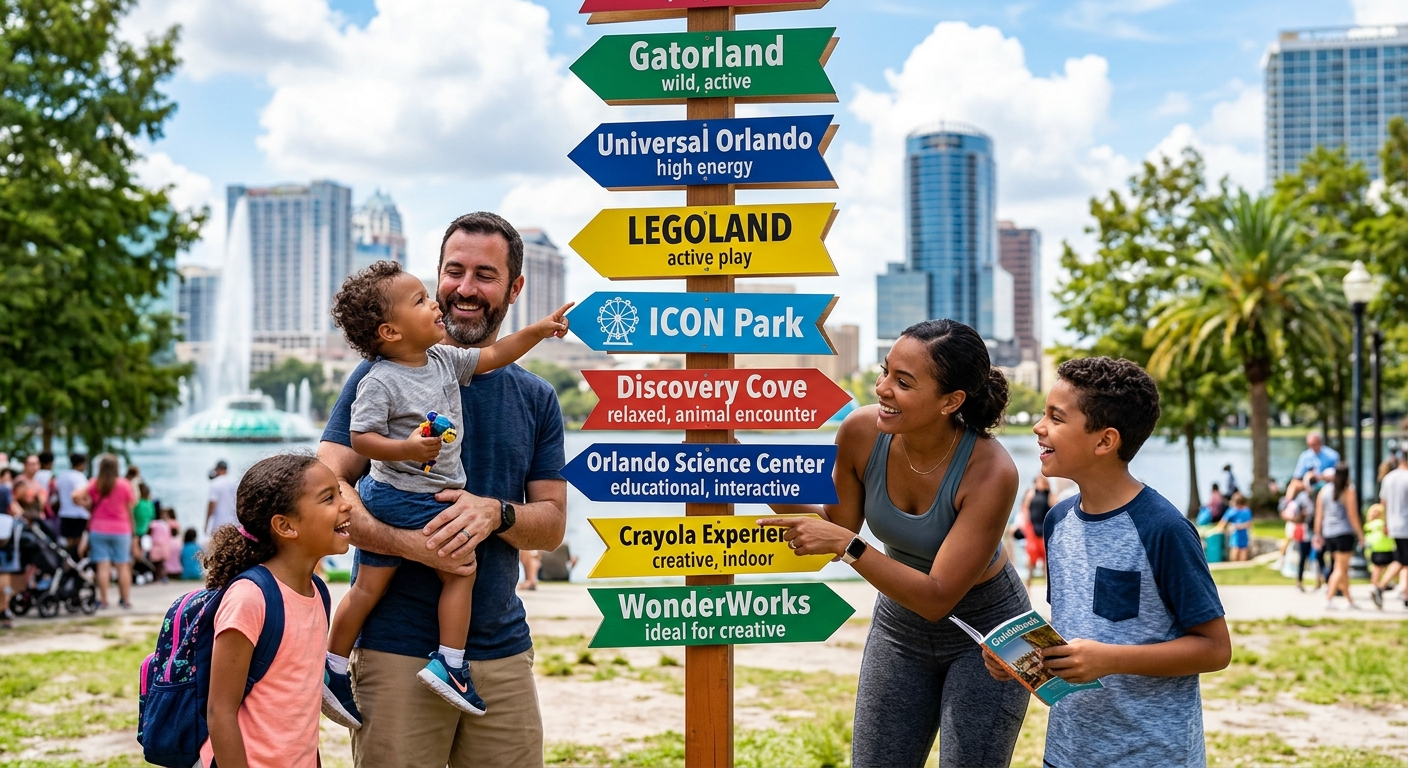
When parents ask us for the best fun places for kids in Orlando, we usually start with a short list that works for most families: the Orlando Science Center, Crayola Experience Orlando, Central Florida Zoo & Botanical Gardens, SEA LIFE Orlando Aquarium, Gatorland, and Lake Eola Park. Those are the places that consistently give you a good mix of kid appeal, manageable planning, and clear age fit, whether you’re in town for a weekend or you live nearby and want an easy outing.
For first-time visitors, the best overall bets are the ones that deliver big reactions without requiring a full theme-park commitment. That means places with hands-on exhibits, animals, splash areas, and indoor backup plans if the afternoon storm rolls in, which happens a lot in Central Florida. In our experience, the most successful family days in Orlando are not the longest ones; they’re the ones with the right timing, a realistic budget, and enough flexibility to avoid meltdowns.
Orlando is more than Disney because the city has a deep family-entertainment ecosystem built around science, nature, play, and interactive attractions. You’ll find world-famous museums, neighborhood parks, affordable indoor play spots, and seasonal events that change constantly throughout the year. If you’re looking for things to do in Orlando with kids that feel fun, easy, and worth the time, this city gives you plenty of non-Disney choices that still feel special.
Answer capsule: the 10-second version for busy parents
If you need the shortest possible answer, start with the Orlando Science Center for all-around indoor fun, Lake Eola Park for a free downtown outing, Crayola Experience Orlando for creative play, and Central Florida Zoo & Botanical Gardens for an easy half-day with animals. For hot or rainy days, SEA LIFE Orlando Aquarium and indoor play centers near International Drive are strong backups. For toddlers and preschoolers, short visits with snacks, stroller access, and playground time usually work best.
For school-age kids, hands-on attractions and animal experiences tend to be the biggest hits, especially when they can touch, build, climb, or splash. Tweens and teens usually want a little more independence, a social vibe, or something that feels cool enough to post about, such as ICON Park, mini golf, arcades, or interactive museums. If you’re budget-conscious, many of Orlando’s best family wins cost less than $25 per child or are completely free, especially when you mix paid attractions with parks and public spaces.
Best overall picks for first-time visitors
The best overall pick depends on what you want your family day to feel like, but the safest “everybody wins” choices are usually the Orlando Science Center, Crayola Experience, and the zoo. Those attractions work because they balance structure and freedom, which is exactly what parents need when they’re managing different ages at once. They also offer more predictable pacing than a huge theme park, so you can fit them into a half-day or a low-key full day.
If your child loves animals, Gatorland is a Florida classic that feels more relaxed and less overwhelming than a major park day. If your child loves creative play, Crayola Experience is one of the easiest indoor options in the city for younger kids. If your child loves learning without feeling like they’re in school, the Orlando Science Center is a standout because it keeps the experience active and playful.
Best picks by weather, budget, and age fit
On a rainy day, go indoors: the Science Center, Crayola Experience, SEA LIFE Orlando Aquarium, indoor playgrounds, and trampoline parks are all dependable options. On a hot summer day, prioritize shaded or air-conditioned venues, splash pads, and attractions with food and restroom access nearby so you can reset without losing half the day to driving. On a budget, Lake Eola Park, neighborhood playgrounds, and library programming can stretch a family outing almost for free if you pair them with a cheap lunch.
For age fit, babies and toddlers do best with short, low-sensory outings and stroller-friendly spaces, while preschoolers need movement and quick wins. Elementary-age kids thrive at hands-on museums and wildlife parks, and tweens or teens usually need either more thrill, more freedom, or a social hangout environment. The good news is that Orlando has all of those layers, so you don’t need to force a one-size-fits-all plan.
Why Orlando is more than theme parks
Orlando’s family scene has evolved a lot in recent years, especially as more parents look for value, flexibility, and lower-stress alternatives to a full theme-park day. The city now does a better job than ever of offering “micro adventures” that feel satisfying without requiring a massive ticket or a 10-hour commitment. That’s a big deal for locals and visitors who want to save energy for the rest of the trip or just avoid overplanning.
What makes Orlando especially good for families in 2026 is the mix of indoor attractions, nature-based outings, and neighborhood-specific options that can be combined into a custom day. You can do a science museum in the morning, a park or splash pad in the afternoon, and a casual dinner nearby, all without leaving the Orlando area. That kind of flexibility is why we keep recommending the city as one of the best places in the U.S. for family entertainment beyond Disney.
How to choose the right Orlando activity for your child’s age and energy level
The biggest mistake families make is choosing an activity based on what sounds fun for adults, not what fits the child in front of them. A great Orlando outing is one where the age range, attention span, and energy level match the venue’s pace, and that usually matters more than the star rating. We’ve found that even “amazing” attractions can flop if they’re too long, too loud, too hot, or too structured for the kids you’re bringing.
The good news is that Orlando gives you room to plan differently by age. That means you can choose baby-friendly places with stroller access and quiet spaces, toddler-friendly places with sensory play and short loops, school-age experiences with discovery and movement, and teen-friendly options with just enough independence to avoid eye rolls. The right pick is less about the attraction category and more about the actual rhythm of your day.
When in doubt, ask three questions before you book: how long can my child realistically stay engaged, how much movement do they need, and what will happen if the weather changes? If you can answer those clearly, you’re already ahead of most visitors. Below, we break it down by age so you can choose with less guesswork and more confidence.
Newborns and babies: what actually works
For newborns and babies, the best Orlando outings are the ones that are calm, stroller-friendly, and easy to cut short. Parks like Lake Eola and shaded neighborhood green spaces work well because you’re not locked into a long admission-based experience. Air-conditioned attractions with nursing rooms, family restrooms, and wide walking paths are also a strong choice, especially if you’re trying to fit an outing between naps.
In our experience, babies do not need “baby-specific” attractions as much as they need low-stress logistics. That means easy parking, minimal lines, a place to feed or change them, and the ability to leave without feeling like you wasted money. Places with open floor space, predictable sound levels, and stroller access are much easier than busy, high-volume entertainment venues.
If you’re planning with a baby, think in short windows: 60 to 120 minutes, then reset. Pair a calm outing with a coffee stop or a relaxed lunch spot nearby so the day feels smooth instead of forced. The baby may not remember the activity, but you will remember whether it was manageable.
Toddlers and preschoolers: short attention spans, naps, and sensory-friendly wins
Toddlers and preschoolers tend to love Orlando most when the activity is interactive, colorful, and not too long. Crayola Experience, small zoos, splash pads, and hands-on children’s spaces are usually better fits than large, sprawling attractions. You want places where they can move, touch, repeat, and reset without needing to sit still for an hour at a time.
Nap timing matters more than almost anything else for this age group. If your child naps midday, plan the most stimulating activity for the morning and save the softer, lower-demand stop for the afternoon. We also recommend choosing venues with obvious restroom access, stroller storage, and food nearby because toddler energy can change fast and small frustrations become big ones.
Sensory-friendly choices can make a huge difference. Look for attractions with manageable noise, predictable flow, and some outdoor breathing room, because toddlers often do best when they can switch between stimulation and quiet. Orlando’s better family spots often have exactly that balance if you check ahead before you go.
Elementary-age kids: hands-on fun, learning, and movement
Elementary-age kids are the sweet spot for many Orlando attractions because they’re old enough to engage with exhibits and young enough to still love the wow factor. The Orlando Science Center, Gatorland, and the zoo category all work well here because they combine curiosity with action. Kids in this age range usually want to see, do, and learn all in one visit.
For this group, the best outings offer a clear mission. Maybe they’re looking for dinosaur fossils, animal encounters, space exhibits, or water play, but there should be a sense that they’re discovering something rather than just walking around. This is also the age when a good gift shop can become a problem, so it helps to set expectations before you arrive if your child is especially souvenir-driven.
We’ve noticed that school-age kids do well with half-day plans because they still have stamina, but not endless stamina. If you give them one anchor activity and one flexible add-on, such as playground time or a snack stop, the day feels complete without getting too long. That structure also makes it easier to keep siblings of different ages on the same page.
Tweens and teens: independence, thrills, and social activities
Tweens and teens are the hardest age group to impress if the outing feels too young, but Orlando still has good options if you choose carefully. They usually want something with a little thrill, a photo-friendly environment, or enough freedom to feel like they’re not being dragged around. ICON Park, mini golf, arcades, escape rooms, and certain animal or science attractions can all land well if the vibe feels mature enough.
What works best here is giving them a role in the decision. Let them help pick between a few options, and they’re more likely to show up with the right attitude. If they can share the outing on social media, compete with siblings, or solve something, you’ll usually get better engagement than from a passive attraction.
For teens, logistics matter too, especially parking, walkability, and nearby food. They may not care about a playground, but they will care about whether the overall area feels fun and whether there’s somewhere decent to hang out afterward. That’s why districts like International Drive and ICON Park can work so well for older kids and teens.
Mixed-age family groups: finding one place everyone enjoys
Mixed-age groups are where Orlando shines, because so many attractions combine different layers of fun in one stop. A zoo with a splash pad, a museum with both toddler and teen exhibits, or a park with playgrounds and walking paths can keep multiple ages occupied at once. That’s usually more practical than trying to find one “perfect” attraction that everyone experiences the same way.
When your group spans babies to teens, prioritize places with flexible pacing and multiple interest zones. You want options for climbing, learning, sitting, and snacking, not just one main activity. Mixed-age success often comes from choosing a venue with enough variety that every family member can have a good time without needing separate destinations.
It also helps to divide and conquer within the same property. One parent can take toddlers to a quieter zone while another walks with older kids through the next exhibit, then you regroup for food or a photo stop. That approach keeps the day sane and gives everyone a chance to enjoy the outing on their own terms.
Best fun places for kids in Orlando: top overall picks
If you only have time for a short shortlist, this is the section to save. These are the places we’d put at the top of a first-timer’s list because they consistently deliver for families across ages, budgets, and weather conditions. They also tend to be easier to plan than a giant resort day, which is a major win for parents who want fun without the exhaustion.
Each of the spots below has a different strength, and that’s the point. Some are better for indoor days, some for outdoor energy burn, and some for educational fun that still feels playful. Together, they create a solid Orlando family game plan that goes far beyond the obvious theme-park answer.
For current hours, ticket prices, and seasonal programming, always check the official venue website before you go, because schedules can shift for holidays, private events, or school break programming. We also recommend checking Gidly’s live listings for family events and related experiences when you want to pair an attraction with something seasonal or nearby.
Orlando Science Center: hands-on STEM, exhibits, and planetarium fun
The Orlando Science Center is one of the best all-around kid attractions in the city because it combines learning and play in a way that actually holds attention. Families love the interactive exhibits, live demonstrations, and planetarium programming, and it’s especially strong on rainy or very hot days. The current ticket structure changes periodically, but families should expect adult and child pricing that commonly starts in the low to mid-$20s per person, with discounts for members and occasional special promotions.
What makes it work for kids is that there’s usually something physical to do, not just something to observe. That means climbing, pressing, building, exploring, and asking questions, which is perfect for elementary-age children and often still engaging for older preschoolers. It also gives parents a chance to pace the visit around rest breaks, because you can focus on a few exhibits instead of trying to conquer everything in one go.
For younger kids, the best strategy is to arrive earlier in the day and prioritize the most interactive sections first. For older kids, the planetarium or live science show can become the highlight. If your child likes dinosaurs, weather, engineering, or space, this is one of the strongest Orlando options beyond the obvious tourist spots.
Central Florida Zoo & Botanical Gardens: animals, splash pad, and easy half-day visit
The Central Florida Zoo & Botanical Gardens, located in Sanford just north of Orlando, is one of our favorite kid outings when you want animals without a full-day commitment. Admission is generally family-friendly compared with bigger attractions, and the zoo’s layout is manageable for a half-day trip. The splash pad and seasonal animal encounters make it especially appealing for younger kids and for warm-weather visits.
This is the kind of place that works well when your family wants a clear “main event” but not the intensity of a major park. You can walk at your own pace, pause for snacks, and let kids burn energy without needing a complicated schedule. The botanical setting also gives the outing a more relaxed feel than some busier entertainment districts.
We like this spot for toddlers through grade-schoolers, especially if you pair it with an early lunch or a nearby snack stop in Sanford. Parking is straightforward, strollers are useful, and the splash area can be a lifesaver in the Florida heat. Before going, check the zoo’s official site for current hours, feeding times, and any seasonal animal programming.
Crayola Experience Orlando: colorful indoor play and creative activities
Crayola Experience Orlando is one of the easiest indoor bets for younger kids because it feels playful from the moment you walk in. The attraction is built around hands-on creativity, which means kids can color, make, build, and experiment in a way that feels more like play than instruction. Ticket prices usually land in the family-friendly attraction range, and online promotions or bundled deals can make it more affordable than walk-up pricing.
For preschoolers and elementary-age kids, this place can be a huge win because there’s little pressure to sit still or understand a complicated storyline. The best visits happen when you go with a low-expectation, high-fun mindset, letting kids explore the stations that interest them most. It’s also a reliable choice if the weather has turned ugly and you need to salvage the day fast.
Parents should know that younger kids may want to stay longer than you expect because each activity feels like a mini reward. That’s not a bad thing, but it does mean you should budget enough time and bring snacks if allowed. If your child loves art, sensory play, or bright visual experiences, Crayola is one of the best Orlando alternatives to a traditional theme park day.
SEA LIFE Orlando Aquarium: indoor marine life option at ICON Park
The SEA LIFE Orlando Aquarium is a strong choice for families who want an indoor attraction with a calmer pace and easy logistics. Located at ICON Park, it’s convenient for pairing with the Wheel, dining, or other nearby activities. Admission is usually in the mid-range for Orlando attractions, and combo tickets with other ICON Park experiences can offer better value than buying separately.
Kids tend to love the tunnel views, colorful fish, and close-up animal moments because the experience feels immersive without being overwhelming. It’s especially good for toddlers, preschoolers, and younger elementary-age children who like seeing animals up close but may not have the stamina for a larger zoo. The indoor environment also makes it useful in summer when outdoor heat or afternoon rain could disrupt a bigger plan.
We recommend this as a “weather-proof anchor” rather than a full day on its own unless you’re combining it with other ICON Park stops. Restrooms, food, and parking are easy to find in the area, which makes it practical for parents with strollers or mixed-age groups. Always verify the current hours and any special events on the official site before you head out.
Gatorland: classic Florida wildlife with a kid-friendly wow factor
Gatorland is one of those classic Orlando-area attractions that feels uniquely Florida and consistently impresses families. It’s a great pick for kids who love animals, especially if they’re fascinated by reptiles or want something a little more adventurous than a standard zoo. Admission is typically priced below major theme parks, and special offers or Florida resident discounts can make it even better value.
What we like most is the mix of live animal viewing, shows, and open-air fun. It has enough spectacle to feel special, but it doesn’t require the same time commitment or financial planning as a huge resort day. For school-age kids, this can be a memorable outing because it has that “you can only do this in Florida” feeling.
Because much of the experience is outdoors, you’ll want to plan around heat and weather, especially in late spring through early fall. Bring water, sunscreen, and a plan for shade breaks, and try to arrive earlier in the day if possible. If your child is into animals and you want a very Orlando-specific memory, Gatorland is one of the best answers.
Best indoor places for kids in Orlando on rainy days
Orlando rain can arrive fast, and summer heat can feel just as limiting as a storm, so indoor options are essential for any family plan. The best indoor kid activities here are the ones that still feel lively enough to justify the drive, parking, and entrance fee. Luckily, Orlando has several attractions that work beautifully when the weather turns against you.
We always recommend having at least one indoor backup in your pocket if you’re traveling with kids, because waiting to improvise often leads to overpaying or choosing the first available thing instead of the best available thing. A good rainy-day plan usually means shorter lines, flexible timing, and nearby food so nobody gets cranky. Indoor family attractions are also useful for midday breaks during a longer Orlando itinerary.
The following spots are especially dependable because they balance entertainment, convenience, and a controlled environment. They are not necessarily the only indoor choices in Orlando, but they are the ones families return to when they need to save the day.
Orlando Science Center indoor exhibits and live demos
We’re repeating the Orlando Science Center here because it truly is one of the city’s strongest rainy-day options. Indoor exhibits, air conditioning, and regular live programming give families a built-in way to spend several hours without worrying about weather disruptions. The planetarium and special exhibitions also provide enough variety that repeat visitors usually find something new.
For parents, the best part is that the pace is manageable. You do not have to rush from ride to ride, and you can decide how much of the center you want to see based on your child’s stamina. That makes it easier to protect the day from becoming too long or too expensive.
If you’re coming in a busy season, check the official calendar first, because school break dates and special programs can change crowd levels. We also suggest wearing layers, because indoor air conditioning can be chilly after a humid walk from the car. A good plan here is one morning block, lunch nearby, and then a lower-energy afternoon stop if needed.
Crayola Experience for creative indoor play
Crayola Experience is a classic rainy-day save because it gives kids a place to move, make, and explore without being dependent on the weather. It works especially well when younger children need a tactile environment where they can stay busy for a while. If your child loves art projects, bright colors, or interactive stations, this is an easy recommendation.
Parents should know that this kind of attraction can feel more valuable when you go at the right time. Mid-morning or early afternoon often works well because it avoids the very first rush and gives you enough energy to let kids linger. If you arrive tired, hungry, and already late, even a fun indoor place can feel overwhelming.
One of our favorite strategies is to pair Crayola with a meal at a nearby restaurant or food hall so the day has a natural rhythm. That keeps the visit from turning into a “we are trapped inside, so entertain yourselves” situation. For families with children under 10, it is one of the more predictable indoor winners in Orlando.
The Wheel at ICON Park area: indoor attractions and walkable backups
ICON Park is useful because it gives you a cluster of options in one place, rather than forcing you to bet on a single attraction. The area around ICON Park includes SEA LIFE Orlando Aquarium, The Wheel, dining, and other family-friendly stops that can be mixed and matched. That kind of flexibility matters a lot when the weather is unpredictable or the kids’ energy levels are all over the place.
Even if you don’t do every attraction, the neighborhood-style layout makes it easy to pivot. You can start with an indoor activity, break for food, and then decide whether to stay or leave based on the weather and mood. That is especially helpful for parents managing multiple children or a child who gets overstimulated easily.
Parking and walkability are generally better here than at many large tourist zones, which makes it a practical “plan B” area. We recommend checking bundle offers and current opening hours before you go, because combo pricing can improve the value significantly. For teens, the visual energy of the area can be more appealing than a quieter standalone attraction.
Indoor playgrounds, trampoline parks, and play cafés near Orlando
Orlando has a growing network of indoor play spaces, trampoline parks, and family cafés that are perfect for more casual fun. These places are often the best answer when you want children to burn energy without committing to a major attraction. They can also be ideal for locals who want a repeatable outing rather than a once-a-year tourist stop.
The upside is obvious: kids get to climb, jump, and socialize, while parents get a simpler logistics experience than at a large attraction. The downside is that quality varies a lot, so it’s worth checking age rules, cleanliness, and whether there’s a separate toddler zone. If you’re choosing one of these for the first time, look for recent reviews and official photos before driving across town.
These venues are often better for school-age kids than for tiny toddlers unless there is a clearly separated soft-play area. We also recommend bringing socks, checking waiver requirements ahead of time, and confirming food policies, because those small details can affect the whole visit. For a rainy afternoon, though, they can be exactly the right solution.
Rainy-day planning tips: timing, snacks, and minimizing meltdowns
The best rainy-day strategy in Orlando is to leave room for flexibility and avoid overbooking. Start with a main indoor attraction, then keep a backup food stop or second indoor option nearby in case weather or mood changes. Families who plan too tightly often end up spending more time in the car than inside the attraction, which defeats the purpose.
Snacks matter more than most parents expect, especially when lines are longer than predicted or children are adjusting to indoor crowds. Bring water if allowed, keep a spare layer for cold air conditioning, and avoid scheduling the outing so close to a nap that everyone starts the day on empty. Small comforts can dramatically improve the quality of the experience.
If your child gets overwhelmed easily, choose a place with clear exits, easy restroom access, and a predictable layout. That way you can leave quickly if the day goes sideways. The goal on a rainy day is not perfection; it’s a good-enough win that protects everyone’s energy and mood.
Best free and low-cost things to do with kids in Orlando
You do not have to spend a lot to have a good time with kids in Orlando, and that’s one of the city’s biggest advantages. Some of the most memorable outings are cheap because they rely on public spaces, outdoor play, or programming that is already built into the community. If you’re traveling on a budget or simply want to balance expensive tickets with lower-cost days, Orlando makes that possible.
The key is to think like a local. Families here often mix one paid attraction with a free park visit, use splash pads to stretch the day, and rely on library events or community programming when they want a no-cost win. Those little savings add up, especially if you’re traveling with multiple kids or planning several days in the area.
Budget-friendly does not have to mean boring. In fact, some of Orlando’s cheapest options are the ones kids remember most because they get to run, climb, splash, and explore without a lot of rules. Below are the best places to start if you want fun under roughly $25 per child, or even free.
Lake Eola Park and downtown playground time
Lake Eola Park is one of the easiest free wins in Orlando because it offers scenery, open space, playground access, and a downtown setting all in one place. Families can walk the loop, watch the swans, let kids play, and then grab a snack nearby without spending much at all. For locals, it’s an easy repeat outing; for visitors, it gives you a downtown Orlando feel that’s different from the resort corridor.
The park works especially well for toddlers, preschoolers, and mixed-age groups because there’s enough room for everybody to do something at their own pace. A stroller is helpful for younger kids, but older children can usually roam a bit more freely. If you’re planning a budget day, pair the park with a simple meal or picnic to keep costs down.
We like Lake Eola best in the morning or later afternoon when temperatures are more manageable. The downtown location also means parking and walking should be planned ahead, especially on event days. Still, for a low-cost family outing, it remains one of the most reliable options in Orlando.
Splash pads, neighborhood parks, and public green spaces
Splash pads are an Orlando essential, especially in spring and summer when the heat can drain little kids fast. Many neighborhood parks offer free or low-cost water play areas, playgrounds, and shaded seating, making them ideal for younger children who don’t need a big-ticket attraction to be happy. These are often the places locals use most because they are simple, flexible, and easy to repeat.
One of the smartest ways to use splash pads is to treat them as the main event, not just an add-on. Bring towels, spare clothes, sunscreen, and snacks, and let the kids play until they’re done. If you’re visiting Orlando with a toddler or preschooler, this can be far more realistic than trying to force a museum visit into the middle of a hot day.
Before heading out, check park hours, water availability, and restroom access, because those practical details can vary by location. In our experience, a good park day is usually better than a mediocre expensive day, especially for very young children. The combination of movement, cooling off, and freedom makes this a family favorite.
Free museum days, library events, and community programs
Orlando’s public libraries and community programs can be a surprisingly strong source of free family fun, especially for locals or longer-stay visitors. Story times, craft sessions, seasonal activities, and special events often appear on local calendars throughout the year. These are especially useful for toddlers and preschoolers who do best with shorter, structured programming.
Free museum days can also be worth tracking, but they often require advance planning and may be limited to certain dates or times. Always verify details on the official museum website before going, because these offers change and may have residency, registration, or capacity restrictions. When they’re available, they can be one of the best value plays in the city.
For families who like a slower pace, these events are a great way to break up the day without overspending. They also give kids a chance to socialize, which can be especially helpful on longer trips. We recommend checking both city resources and Gidly for the latest family event listings.
Cheap fun under $25: what qualifies and where to find it
Under $25 usually means you’re looking at parks, small attractions, community programs, or discounted admission deals rather than major theme-based entertainment. In Orlando, that can still buy you a satisfying afternoon if you choose smartly. The trick is to factor in parking, food, and possible add-ons so your “cheap” plan doesn’t quietly become expensive.
Good candidates for budget fun include a park with a picnic lunch, a low-cost attraction with a short visit window, or a combo of two free stops. If a venue has kids’ discounts, local rates, or bundled admissions, that can also bring the effective price down. It’s worth checking official sites for online-only pricing because walk-up rates are often higher.
For parents trying to keep the day under control, this is the category where planning matters most. You want something that feels worth leaving the house for, but not so expensive that every small choice feels stressful. Orlando gives you enough options to make that balance work.
How to stretch a family day without overspending
The easiest way to stretch a family day in Orlando is to pair one paid activity with one free or low-cost stop nearby. For example, a morning attraction can be followed by a park lunch or a splash pad visit, which helps the day feel full without doubling the cost. Families who think in half-day segments usually end up happier and less frazzled.
Food is one of the biggest hidden costs, so a picnic or casual lunch can save a lot if your venue allows it or is near a grocery stop. Parking can also add up, so choosing areas with straightforward parking or walkability helps keep the total reasonable. When possible, plan your route around neighborhoods instead of zigzagging across the city.
A smart budget day is not about removing all spending; it’s about making the spending count. If your paid stop is high-value and your free stop is relaxing, everyone tends to feel good about the day. That is usually the sweet spot for families trying to enjoy Orlando without overshooting the budget.
Best outdoor and active places for kids in Orlando
Orlando’s outdoor family scene is stronger than many visitors expect, especially if you know where to go for shade, water, and short walking loops. These are the kinds of outings that let kids move naturally, which can be a huge relief after a couple of structured attractions. They’re also useful if you’re trying to let kids burn energy before dinner or before a travel day.
Because the climate can be intense, the best outdoor picks are not necessarily the biggest or most famous ones. They’re the ones with practical amenities like restrooms, parking, shaded seating, and a clear place to cool off. That’s why parks, splash pads, wildlife centers, and easy nature experiences are such strong family choices here.
Outdoor fun in Orlando works best when you respect the weather. Plan early, hydrate often, and do not underestimate how quickly a sunny day can become uncomfortable for small children. With the right pacing, though, outdoor outings can be some of the most memorable and affordable things to do in Orlando with kids.
Playgrounds, parks, and trails with room to run
Orlando has a wide range of parks and playgrounds that are great for children who need movement more than a formal attraction. A good playground day can give kids exactly what they want: running, climbing, swinging, and seeing other children. It’s also one of the easiest ways to keep mixed-age siblings happy without needing separate tickets.
When picking a park, look for shade, restrooms, seating, and parking first. A beautiful playground is less helpful if the adults are overheating or if there’s nowhere to take a break. Parks near lakes, walking trails, or downtown areas can also give you an easy way to extend the outing if everyone’s still in a good mood.
We tend to recommend parks as part of a larger plan rather than as the only thing on the schedule, unless your kids are in a very playful phase or you’re intentionally doing a lighter day. For locals, these are repeatable favorites; for visitors, they’re a nice way to see Orlando as a livable city, not just a tourist destination.
Wildlife experiences and animal encounters outdoors
Beyond the zoo and Gatorland, Orlando offers several outdoor animal-focused experiences that can be great for kids who love creatures of all kinds. Nature centers, wildlife preserves, and botanical settings can deliver a calmer experience than a big attraction while still feeling exciting. Many of these spots are especially good for elementary-age children who enjoy learning through observation.
When you visit wildlife-oriented places, it helps to keep expectations realistic. The fun comes from the setting, the animals, and the chance to slow down, rather than from constant action. That can actually make these outings more restful for adults and more memorable for children who like noticing details.
Check official websites for feeding times, encounter schedules, and any age restrictions before you go. Some experiences are seasonal or limited by weather, and that matters if you’re planning around a child’s nap or a tight travel window. If your child loves animals, these outdoor experiences can feel just as special as bigger-ticket attractions.
Splash pads, water play, and heat-friendly summer outings
Splash pads are a summer lifesaver in Orlando because they let kids cool off without requiring a pool day or expensive admission. For toddlers and preschoolers, they often hit the perfect level of stimulation: simple, active, and not too intimidating. For older kids, they’re still fun if the area has playgrounds or open space attached.
The best splash pad visits happen early enough to avoid the worst heat, and with a full change of clothes ready. Bring sandals or water shoes, towels, sunscreen, and a bag for wet clothes because those details make the transition home much smoother. It’s also smart to confirm whether the splash pad is seasonal or has set operating hours.
These outings are easy to combine with a picnic, lunch, or a short indoor stop afterward if the weather gets too intense. That flexibility is why many local families use them as a core summer plan. They’re simple, affordable, and often exactly what kids need.
Mini-adventures: boats, nature centers, and easy hikes
If you want a little more adventure without committing to a full theme-park day, Orlando’s mini-adventure options are a great fit. Boat rides, nature trails, and easy hikes can feel exciting while still being manageable for families with younger kids. These are especially nice for children who like movement but not long lines or crowded rooms.
Choose easy hikes with short distances and clear paths, because the goal is to leave everyone feeling good, not exhausted. Nature centers often add educational value through exhibits or interpretive signs, which helps if you want the outing to feel meaningful. Boat experiences can be especially memorable for older kids and teens, depending on the location and style.
Always check what the experience includes before you book. Some outings are more passive than they sound, while others may have age minimums or seasonal limitations. A little research upfront keeps expectations aligned with reality, which is especially important when you’re traveling with kids of different ages.
What to bring for Orlando heat, bugs, and sudden rain
Orlando weather can be the biggest factor in whether an outdoor outing goes well. Bring water, sunscreen, hats, bug spray, a light rain jacket, and a change of clothes if there’s any chance your child will get wet. If you’re using a stroller, a small fan or shade cover can make a surprising difference during hot months.
We also recommend planning your start time carefully. Morning is usually the easiest window for outdoor fun, while late afternoon can work if you’re aiming for a cooler end to the day. Midday can be rough in the warmer seasons, so treat it cautiously unless you have strong shade or water access.
Finally, build in an exit plan. If the weather turns or the kids are done early, knowing your next stop keeps the day from unraveling. That kind of flexibility is one of the most useful local tricks for enjoying Orlando outdoors.
Best educational attractions and museums for kids in Orlando
Orlando’s educational attractions are some of the best examples of “learning disguised as play.” The city does especially well with science, animals, engineering, and hands-on discovery, which means kids can stay engaged without feeling like they’re sitting in class. If you want an outing that parents feel good about and kids actually enjoy, this category is a strong place to start.
What makes educational attractions successful is not the subject matter alone; it’s the presentation. The best venues create an environment where children can touch, test, build, and ask questions. That matters even more for younger kids, who need active engagement to stay interested.
As a parent, it’s helpful to think of these outings as memory-making tools. Kids may not remember every fact, but they remember the hands-on moment, the giant exhibit, the interactive show, or the one thing that made them curious. That’s why Orlando’s better educational stops are so valuable for family travel.
Science centers and STEM exhibits that feel like play
Science centers are one of the best fits for Orlando families because they satisfy both curiosity and movement. The Orlando Science Center is the obvious leader, but what makes science attractions work in general is the ratio of action to observation. Kids want to press buttons, test ideas, and see what happens, and the better the attraction does that, the more successful the visit.
For school-age kids, STEM exhibits can feel like a treasure hunt. For younger children, the tactile element matters more than the actual concept, which is fine because play is still learning at that age. Parents often appreciate that science attractions can be paced gradually, so you don’t have to rush through everything to justify the ticket.
If your child is especially interested in space, weather, engineering, or dinosaurs, these venues can become the highlight of the whole trip. They’re also a smart indoor option when Florida weather gets rough. Check official calendars for live science shows, special exhibits, and school break programming before you go.
History, culture, and hands-on learning for school-age kids
Not every educational stop has to be STEM-focused, and Orlando has family-friendly cultural experiences that can be rewarding for kids, especially when presented in a hands-on way. Younger school-age children often respond well to exhibits that involve storytelling, objects, and visual learning rather than dense text. The trick is finding the right venue and the right time of day so they’re curious instead of bored.
These outings work best when you keep them short and focused. Pick one exhibit theme, one scavenger hunt, or one special display instead of trying to see everything. That keeps the experience from feeling too much like homework and makes it more accessible to mixed-age families.
Parents who want their children to be comfortable in museums should frame the visit as an adventure. Ask kids to find three things that surprise them or one item they would show a friend. That simple structure can transform a quiet museum stop into something memorable.
Space and aviation interest: nearby options and day-trip potential
Orlando families with kids who love rockets, space, or flight often want to expand beyond the city limits a bit. The greater Central Florida area is one of the best in the country for this interest, thanks to proximity to Kennedy Space Center and related aerospace experiences. It’s an especially strong option for older kids who can appreciate the scale and story behind space exploration.
Even if you don’t do a full day trip, space-themed exhibits and programming in Orlando can still scratch that itch. Children who are fascinated by what’s beyond Earth often respond strongly to planetariums, launch simulations, or aviation-related displays. That’s why it’s worth looking for current programming rather than assuming space fun only exists far away.
If you’re planning a space-themed outing, check age fit carefully. Some kids are enthralled by the idea, while others need more interactive elements to stay engaged. The best version is one that balances big ideas with enough motion and visual interest.
Museums that work for shorter attention spans
Short attention spans are not a problem if you choose the right museum strategy. Instead of treating the visit like a marathon, treat it like a sampler. Pick the top two or three areas you want to see, leave while everyone is still relatively happy, and let the children think of the day as successful rather than exhausting.
Many Orlando museums and science venues are better than they used to be at supporting flexible family pacing. That includes clear restrooms, food access, and enough interactive material to keep younger guests moving. Those details matter because they prevent the museum from becoming a stressful “don’t touch anything” experience.
In our experience, the best museum days end before the children are done with the museum. That sounds backwards, but it leaves them wanting more and protects the mood for the rest of the day. It’s one of the simplest ways to make educational outings feel like a treat.
How to turn educational stops into memorable family outings
The easiest way to make educational outings memorable is to tie them to a child’s current obsession. Dinosaurs, animals, space, weather, art, construction, or color can all become the theme of the day. When the subject is already exciting to the child, the educational value feels like a bonus instead of the purpose.
Another good trick is to give kids a role. They can be the “navigator,” the “fact finder,” or the “photo chooser,” which helps them stay engaged and feel ownership over the outing. This is especially helpful for older elementary children who like a little responsibility.
Finally, don’t overexplain. Let the venue do the heavy lifting, and save deeper discussion for lunch or the car ride home. Kids often absorb more when they’re having fun than when they realize they’re being taught something.
Best theme park alternatives beyond Disney
If you want the energy of Orlando without committing to Disney, you have excellent alternatives that feel fun, different, and often more manageable. This is a major part of the city’s appeal for families who want entertainment but don’t necessarily want the scale, cost, or intensity of a full theme-park day. In 2026, more parents are intentionally choosing these alternatives because they fit real-life schedules better.
Theme park alternatives are not just “lesser” versions of the big parks; they’re different kinds of experiences altogether. Some are focused on creativity, some on wildlife, some on interactive fun, and some on a mix of all three. That variety gives you more control over your day and often a better fit for younger kids.
Below are the best ways to get that theme-park feeling without the full theme-park investment. If you’re trying to plan strategically, this category is where Orlando becomes really flexible.
Universal Orlando area options for families who want less Disney intensity
The Universal area can work for families who want a more action-driven atmosphere, but not necessarily a Disney-style itinerary. While the full resort is a major commitment, the surrounding area and select attractions offer a different flavor of fun. Older kids, teens, and thrill-loving families often like the more energetic vibe.
If you’re not planning a full Universal day, the surrounding dining and entertainment zones can still make the area feel worth visiting. The key is to choose based on your children’s actual interests rather than assuming all Orlando park experiences are the same. If your kids are more into excitement and less into character-based experiences, this can be a better fit.
Always check current ticket rules, height requirements, and age recommendations if you’re considering any specific attraction in this category. It’s easy to overestimate how much of a park day a child can enjoy, and that’s where careful planning pays off.
LEGOLAND Florida as a strong day-trip or overnight alternative
LEGOLAND Florida is not in Orlando proper, but it’s one of the most important alternatives for families with younger kids. It tends to be especially strong for preschoolers through elementary-age children who love LEGO bricks, building, and colorful attractions. It can be a better fit than a big theme park if your child is under 10 and you want a more age-appropriate experience.
The value of LEGOLAND is that it often feels designed for kids first. That can be a huge relief for parents who are tired of forced “everyone should love this” outings. If you’re staying in Orlando, it works well as a day trip or overnight add-on depending on your schedule and budget.
Check the official website for current ticket options, water park availability, and seasonal events. If your child is in the LEGO phase of life, this is one of the strongest theme-park alternatives in the region.
ICON Park attractions for a flexible family outing
ICON Park is a great example of a place that can be a whole outing or just part of one. The area includes family-friendly attractions, dining, and easy walking, which makes it useful if you want a lower-stress entertainment district. It’s especially handy for mixed-age groups because everyone can choose something different without splitting up the whole day.
One of the best things about ICON Park is that it’s easy to tailor. You can do one attraction, have a meal, and leave, or you can layer in more if the kids are still energized. That flexibility is exactly what many parents want when they are trying to avoid overcommitting.
For teens, the area has enough visual energy to feel social and cool. For younger kids, it’s still accessible if you pick the right attractions and keep the visit manageable. Check the official site for the latest hours and combo ticket opportunities.
Mini golf, arcades, and interactive entertainment venues
Mini golf and arcades remain excellent Orlando choices because they’re easy to understand, easy to time-box, and fun across a wide age range. They also don’t require the same level of planning as a major theme park, which makes them ideal for last-minute family decisions. Many parents appreciate that these venues create competition and laughter without the fatigue of an all-day itinerary.
Interactive entertainment venues are especially good for tweens and teens, but younger children often enjoy them too if the difficulty level is right. Mini golf can be a nice “everyone together” activity because nobody needs special skills to participate. Arcades can work well as a reward stop or a rainy-day backup.
If you choose one of these, look at the nearby food options and parking situation before you go. A simple attraction becomes much easier when you can walk to lunch afterward or leave without a transportation headache. That’s a very Orlando lesson: convenience matters almost as much as entertainment.
When a theme park alternative is better than a full park day
A theme park alternative is often the smarter choice when your family has limited energy, mixed ages, or a shorter travel window. If you only have a half-day, a major theme park can become expensive and stressful very quickly. Alternatives give you a more realistic way to enjoy Orlando without feeling like you need a vacation from your vacation.
They’re also better when your child is in a transitional age group. Very young kids may not yet be ready for a full-scale park, while older kids may want something more varied than a character-heavy day. In those cases, a museum, zoo, or entertainment district can be the better call.
Think of alternatives as your flexibility tool. They let you build a family outing around your actual needs instead of around a ticket structure. In many cases, that leads to a better day and a better budget.
Best Orlando attractions by neighborhood and area
Orlando is easier to enjoy when you think in neighborhoods rather than isolated attractions. That approach helps you reduce drive time, pair meals with activities, and choose backup options nearby if something changes. It’s also more useful for parents searching for kid-friendly things to do in Orlando “near me,” because location is often the difference between a manageable day and a chaotic one.
Different parts of Orlando offer different vibes. International Drive is dense with attractions, Downtown Orlando feels more urban and park-oriented, Winter Park leans calmer and more local, and the south and west sides offer practical family options that visitors sometimes overlook. If you know the area, planning becomes much simpler.
Below is a neighborhood walkthrough that can help you match a part of the city to your family’s goals. We recommend using this section alongside your age and weather priorities so the day feels efficient and intentional.
International Drive / ICON Park corridor
International Drive is the most obvious family corridor for many visitors because it concentrates attractions, restaurants, and parking options in one place. It’s especially useful for families who want variety and the ability to pivot if kids get tired. ICON Park anchors this area with attractions like SEA LIFE Orlando Aquarium and The Wheel, plus lots of nearby dining and other entertainment.
The upside is convenience; the downside is that it can feel busy and tourist-heavy. That’s why we like it best for half-day outings, rainy days, or evenings when you want a walkable cluster instead of a scattered plan. It’s also a good area for teens because it has enough visual energy to feel exciting.
If you’re coming here with young children, choose one or two attractions rather than trying to do everything. Parking is easier when planned ahead, and restaurants are plentiful. This is one of the best places in Orlando for families who want multiple choices within a small radius.
Downtown Orlando and Lake Eola area
Downtown Orlando is great for families who want a more local feel, especially if free or low-cost fun is important. Lake Eola Park is the standout stop, but the surrounding area also gives you snack and meal options that can turn a simple park visit into a bigger outing. For a lot of families, this area feels refreshing because it’s not just built around tourism.
We like downtown for stroller walks, playground time, and easy picnics. It’s also a good answer when parents want to show kids that Orlando is a real city with public spaces, not just a resort corridor. That can be a nice change of pace if you’ve already done several attractions.
Parking and timing matter more downtown, so aim for earlier visits or plan around events. If you’re comfortable navigating a city setting, this area can deliver one of the most budget-friendly and flexible days in Orlando.
Winter Park and nearby family-friendly stops
Winter Park gives families a calmer, more polished outing with a local feel. It’s often a good fit for parents who want parks, walking, and a less intense pace than the tourist zones. Depending on your exact plan, you may find nearby museums, scenic streets, and pleasant lunch spots that create an easier half-day.
This area works well for older toddlers through teens because it is more about atmosphere and gentle exploration than constant stimulation. That can be a huge advantage if your child gets overwhelmed by crowded attractions. It’s also a nice way to mix culture with a family-friendly pace.
Winter Park is a strong option when you want to feel like you “went somewhere” without overcomplicating the day. Check local venue websites and event listings before you go, because the area often has seasonal programming that can add value.
Kissimmee and south Orlando family options
Kissimmee and south Orlando are useful for families who want more practical, spread-out, or value-focused experiences. This area often includes attractions, chain restaurants, and places that are easier to reach from certain hotel zones. It can be especially helpful if you’re staying south of the core Orlando tourist corridor.
Families looking for toddler-friendly or budget-friendly outings sometimes find better access here than in the busiest central zones. The area can also be a smart base for outdoor activities, water parks, or day-trip planning. Because it’s a bit less concentrated, it’s worth checking driving times carefully before committing.
If you’re visiting with kids and staying nearby, south Orlando can become your low-stress backup zone. It may not have the same headline energy as the center of the city, but it often has the kind of practical convenience parents appreciate.
West Orlando and suburban family activity hubs
West Orlando and the suburban edges of the city can offer lower-key family outings that feel more local than touristy. These areas are often where you’ll find neighborhood parks, indoor play centers, and some under-the-radar family amenities that are especially useful for locals. If you live in Orlando, this is often where repeat outings happen.
The benefit here is straightforward logistics: easier parking, less pressure, and more room to breathe. For children who do better in quieter settings, these areas can outperform the high-traffic attractions. They’re also a practical answer for families trying to avoid spending most of the day in the car.
Look for city parks, community centers, and family events in the area, because that’s where many of the best low-cost outings show up. These are not always the loudest options, but they’re often the most livable.
Best fun places for kids in Orlando by scenario
Scenario-based planning is the easiest way to pick the right outing in Orlando because not every family needs the same kind of fun. A toddler day is not a teen day, a rainy day is not a sunshine day, and a half-day stop is not a full itinerary. When you match the activity to the situation, the odds of a good experience go way up.
This section is designed like a parent cheat sheet. We’ll walk through the best options for toddlers, school-age kids, teens, mixed-age groups, and short visits. If you’re trying to make a quick decision, this is probably the section you’ll come back to most.
Think of these as starting points, not rigid rules. Orlando has enough variety that you can usually find something that fits, especially if you’re willing to plan around weather, timing, and energy level.
Best for toddlers and preschoolers
Toddlers and preschoolers need quick wins, sensory fun, and a low-stress environment, which is why Crayola Experience, splash pads, playgrounds, and small animal attractions are strong choices. These kids usually prefer places where they can move freely rather than sit through a long presentation. If you can find a place with bright colors, hands-on elements, and easy restroom access, you’re already in good shape.
Shorter visits are the key. A toddler outing does not need to be full day to be successful, and in many cases it is better if it is not. The best toddler days include one main activity, one snack break, and the ability to leave before everyone gets overtired.
We also recommend venues with obvious stroller access and shade. That small detail can make a huge difference in whether parents feel relaxed or strained. For this age, the experience is often more about the parent’s energy management than the child’s exact interest level.
Best for school-age kids
School-age children are where Orlando’s educational attractions really shine. The Orlando Science Center, Gatorland, the zoo, and interactive museum experiences all work well because they balance fun with discovery. This is the age when kids can begin to appreciate a bigger story behind what they’re seeing, whether that’s science, animals, or Florida wildlife.
They also tend to enjoy outings with a mission, such as finding a favorite exhibit or completing a scavenger-hunt style challenge. That little bit of structure can make the day more memorable and help them stay focused. Parents should still watch for snack and fatigue cues, because even energetic children can crash fast in the Orlando heat.
For this age, it’s often worth spending a little more on an attraction that delivers strong engagement. If the experience keeps the child talking about it later, it was probably worth it. That’s the kind of value parents usually care about most.
Best for teens and tweens
Teens and tweens need more independence and a stronger social or thrill factor than younger kids. ICON Park, mini golf, arcades, interactive entertainment spots, and certain animal or science outings can work well if they feel cool rather than childish. The ideal teen activity is one that gives them space to choose, move, and react without a parent narrating everything.
They’re also more likely to enjoy a mixed outing that includes food, walking, and photo opportunities. That means a neighborhood-based plan can sometimes beat a single attraction. If the setting feels lively and slightly grown-up, teens are usually more willing to engage.
We recommend involving them in the choice whenever possible. Even a small amount of agency can dramatically improve the mood. Orlando has enough options that you don’t need to force a mismatch.
Best for family groups with mixed ages
Mixed-age family groups do best in places that combine learning, movement, and flexibility. That’s why zoos, science centers, and parks often outperform single-purpose attractions. Everyone can find a layer of the experience that works for them, which is exactly what you need when a baby, preschooler, and older child are all in the same outing.
The best strategy is to choose a place with zones rather than a single central activity. That way the baby can nap in the stroller, the toddler can play, and the older child can explore. You may not all do the same thing at the same moment, but you can still share the day.
When group ages are mixed, convenience matters too. Nearby food, restrooms, and parking can make the difference between calm and chaos. A very good mixed-age day is one where the adults still feel like they had a good time too.
Best for short visits, half-days, and jet-lag recovery
Half-days are perfect for Orlando because so many attractions don’t require an all-day commitment. Lake Eola, Crayola Experience, SEA LIFE Orlando Aquarium, or a local park can fill a morning or afternoon without draining the entire schedule. This is especially useful on arrival day or after a late flight.
Jet-lag recovery days should be simple, predictable, and low-pressure. Try to keep the outing close to where you’re staying, and avoid overcommitting to a long drive or a reservation-heavy attraction. Children usually do better when the first day feels gentle and manageable.
The goal is to create momentum, not exhaustion. If your half-day outing ends with everyone still smiling, that’s a huge success. In Orlando, that’s often the smarter win than trying to pack in too much.
Seasonal events and holiday fun for kids in Orlando
Seasonality matters a lot in Orlando because the weather, school calendar, and event programming all shift throughout the year. Summer pushes families indoors or toward water play, while fall and winter bring festivals, holiday lights, and cooler outdoor comfort. Spring break creates a different kind of energy, with more crowds but also more family programming.
The good news is that Orlando’s calendar is always active. Even if one attraction isn’t a fit that week, there’s usually another event, festival, or seasonal experience nearby. That’s why it pays to check live listings and official event pages instead of relying on old blog posts or memory.
In 2026, more families are planning around current-season experiences rather than generic attraction lists. That’s a smart move in a city like Orlando, where what’s happening right now can matter more than what the brochure says.
Summer camps, splash season, and indoor relief from heat
Summer in Orlando is all about managing heat while still keeping kids active. Splash pads, water play, indoor attractions, and summer camps all become especially valuable because they break up the day without overheating everyone. If you’re visiting during school break, think in shorter segments and use morning hours wisely.
Many family attractions also add summer programming, so it’s worth checking official calendars for special exhibits or event weeks. These seasonal additions can make a familiar place feel new again. If you’re local, they can also help fill several weeks of summer without repeating the same outing too often.
We recommend planning around hydration and indoor backup spots. That simple habit can make a big difference in whether summer feels fun or draining. The best summer days in Orlando are usually the ones that alternate between cooling off and active play.
Fall festivals, pumpkin patches, and Halloween events
Fall is a fantastic season for Orlando families because the weather starts to feel more cooperative and the calendar fills with Halloween and harvest-themed events. Pumpkin patches, fall festivals, and kid-friendly costume activities often show up across the city and surrounding area. These are some of the best opportunities for younger kids to enjoy seasonal fun without the intensity of a major attraction.
If your child loves costumes or seasonal décor, this is the time to look at local event calendars early. Many family events book up faster than people expect, especially on weekends. It’s also a good season for outdoor outings because the temperatures are usually less punishing than summer.
Use Gidly and official venue pages to find current fall listings, since dates and times can change year to year. If you’re planning around school breaks or a long weekend, a seasonal event can become the highlight of the trip.
Winter holiday lights, parades, and seasonal markets
Winter in Orlando brings holiday lights, festivals, and special family programming that can be incredibly fun without feeling too weather-dependent. The city’s mild winter climate makes it easier to enjoy evening events with kids, and that opens up a lot of possibilities. Light displays and holiday markets can be especially magical for younger children.
Because holiday programming can be busy, it’s smart to choose the right time of day and avoid peak crowd windows when possible. Earlier evenings often work better for families with little ones. If you can pair a lights event with an easy dinner nearby, the outing becomes much smoother.
Holiday events also change quickly, so current listings matter. That’s why we recommend checking official event pages and Gidly before heading out. A little verification can save a lot of hassle.
Spring break and school holiday programming
Spring break is one of the busiest times for family activities in Orlando, but it’s also when many venues add extra programming. That can include special exhibits, extended hours, or seasonal family events. If you’re traveling during a school holiday, it’s worth booking ahead and keeping backup options ready.
Because crowds can rise quickly, we recommend choosing activities with flexible timing and easy parking. Outdoor parks in the morning and indoor attractions in the afternoon often work well. If you can split the day into two manageable pieces, you’ll have a better experience than trying to power through a huge agenda.
Holiday programming is one of the best reasons to stay current on live calendars. A simple listing search can reveal something your kids will love that wasn’t on your original plan.
How to find current family events in Orlando on Gidly
One of the easiest ways to find fresh, family-friendly Orlando outings is to use Gidly's full events catalog. Because events, seasonal programming, and limited-run experiences change so often, a live catalog is often more useful than a static list. It helps you see what’s happening now, what’s near you, and what fits your family’s schedule.
We like using a live event source when planning because it reduces the risk of showing up to a sold-out, rescheduled, or seasonal-only attraction. That matters even more when you’re juggling kids, weather, and mealtime. Gidly can also help you discover smaller or less obvious family-friendly picks that don’t always appear on the big attraction websites.
If you’re planning today or this weekend, check both official venue pages and current listings on Gidly before locking in your plan. That’s the easiest way to keep your outing fresh and accurate.
Practical planning tips for families visiting Orlando
Good planning is the difference between a fun Orlando day and a frustrating one, especially if you’re traveling with children. The city can be very family-friendly, but it also has traffic, weather swings, parking variables, and attraction-specific rules you need to know ahead of time. A little preparation goes a long way.
We always suggest treating Orlando like a city where logistics matter as much as the venue itself. That means checking hours, prices, parking, reservation requirements, age rules, and food options before you leave. Those details are what keep the day from unraveling once you arrive.
This section covers the practical stuff parents actually need in order to feel comfortable. If you only read one planning section, make it this one.
Ticket prices, hours, and reservation basics
Ticket prices in Orlando vary widely depending on whether you’re going to a museum, a zoo, an aquarium, or a larger entertainment venue. Many family attractions fall somewhere between the teens and low $30s per person, though special exhibits and bundled packages can change that quickly. Always check official websites for current pricing because online deals can be significantly better than walk-up rates.
Hours also vary by day of week and season, especially around holidays and school breaks. Some attractions open earlier for members or special programs, while others reduce hours during slower periods. If you’re building a family itinerary, confirm the current schedule the same week you go.
Reservation basics matter too. Some venues require timed entry or recommend advance booking, and popular holiday events can sell out. It’s worth taking five minutes to check before you drive across town.
Parking, rideshares, and driving with kids
Parking is one of those practical details that can turn a good outing into a stressful one if you ignore it. Some venues have simple on-site parking, while others rely on garages, lots, or area parking that takes a little more effort. For families with strollers or tired children, the shortest and easiest parking option is usually the best one.
Rideshares can make sense for some central Orlando outings, especially if you’re staying nearby and don’t want to deal with parking fees or traffic. That said, they can be trickier with multiple kids, car seats, or wet clothes after a splash pad visit. If you’re driving yourself, arrive a bit earlier than you think you need to.
In our experience, the best family days are the ones where the parking plan is boring. If you know where you’re going, where you’ll enter, and how you’ll leave, your attention can stay on the kids instead of the logistics.
Food, restrooms, strollers, and sensory needs
Food access and restroom access matter much more when kids are involved than when adults are traveling alone. Before you choose an attraction, look for on-site dining or nearby casual restaurants so you’re not stuck searching when someone gets hungry. The same is true for restrooms: if they’re hard to find, the outing becomes much more complicated.
Stroller access is especially important for babies, toddlers, and young preschoolers. Wide paths, elevator access, and stroller-friendly layouts can save a lot of energy. If your child has sensory needs, also pay attention to noise levels, lighting, and crowd density before you go.
Small adjustments can make a huge difference. A quieter time slot, a familiar snack, or a short break in the shade can change the whole day for a child who gets overwhelmed easily. That’s why practical details matter so much in family travel.
Best times of day to go with children
The best times to go with kids are usually morning and early evening, especially in warmer seasons. Morning tends to offer cooler weather, better mood, and fewer crowd issues, while early evening can be pleasant for outdoor or district-style outings. Midday is often the hardest time because kids are tired, hungry, and dealing with heat.
For toddlers and preschoolers, timing around naps can make or break the plan. For older kids, the challenge is often balancing energy with attention span, so a morning anchor activity followed by lunch and a slower afternoon works well. If you’re visiting during a holiday or weekend, a slightly earlier arrival can keep the day feeling smoother.
We recommend building your plan around the child’s natural rhythm rather than the venue’s ideal schedule. That’s the parent trick that saves a lot of unnecessary stress.
Money-saving tips, passes, and bundle deals
Bundle deals can be excellent in Orlando, especially in clusters like ICON Park or when attractions partner with each other. If you know you want to do multiple stops in one area, compare combo tickets before buying individually. Annual passes or memberships can also be worth it if you’re local or planning multiple visits during a longer stay.
Discounts can come from Florida resident pricing, online booking, weekday visits, or membership programs. It’s worth checking official sites because the savings can be meaningful, especially for larger families. Also look for food or parking savings, which often get overlooked in the excitement of buying tickets.
Budgeting smartly doesn’t mean cutting fun; it means spending where the value is strongest. If one attraction is a great fit for your kids, it may be worth paying for, while a second stop can be free or inexpensive. That mix often creates the best overall experience.
Insider tips and local hacks for Orlando families
Orlando family fun gets much easier when you start thinking like a local. That means knowing when crowds are lighter, which areas are easier to navigate, and how to build an itinerary that doesn’t collapse under heat or fatigue. The best family days often come from small hacks rather than big spending.
Local habits matter here because Orlando is a city where weather and traffic can change the shape of a day fast. If you know how locals plan around those realities, you can create a smoother experience for everyone. These are the kinds of practical tricks that save time, money, and frustration.
From experience, the families who have the best Orlando days are the ones who stay flexible, keep snacks handy, and don’t assume every outing needs to be a “big event.” Simple choices often lead to better memories.
Best times to avoid crowds and heat
Morning is usually the best crowd-avoidance tactic, especially for outdoor attractions and popular indoor venues on weekends. The earlier you arrive, the better your odds of getting parking, shorter lines, and happier kids. In hotter months, early morning also protects little ones from the midday sun.
Late afternoons can work too, especially for parks, splash pads, or neighborhood outings. The trick is to be realistic about how much energy your child has after lunch. If you’re trying to do too much during the hottest, busiest part of the day, the outing may start strong and end badly.
We recommend checking both weather and local event calendars before choosing your timing. If there’s a festival or special event nearby, it can change crowd levels in ways that affect the whole area.
Hidden-gem spots locals actually use
Locals often lean on parks, libraries, splash pads, and smaller indoor play places more than visitors do. That’s because these spots are flexible, affordable, and easy to repeat. If you’re staying in Orlando for more than a couple of days, it’s worth mixing in some of these local-style outings rather than only chasing headline attractions.
Hidden gems are usually not hidden because they’re secret; they’re hidden because they’re practical. A good neighborhood park or lesser-known family center can be more enjoyable than a crowded destination if what you need is a calm, easy day. That especially applies to families with toddlers or children who dislike overwhelming environments.
Gidly is a good place to discover these kinds of outings because live listings often surface current, smaller, and seasonal family options. That can help you spot the kinds of experiences locals talk about after they happen.
Discounts, memberships, and annual passes worth considering
If you’re local or planning multiple family outings, memberships and annual passes can pay off faster than you expect. Science centers, zoos, and aquariums often reward repeat visitors with lower effective cost per visit, free or discounted guest passes, and parking benefits. That can be especially helpful if your child has a favorite place they’ll want to revisit.
Before buying, compare the pass cost to how many visits you realistically expect. If you’re only in town once, a pass may not make sense, but a bundle deal might. If you live nearby, a membership can turn a single expensive day into several easy family outings across the year.
Always check the fine print for blackout dates, guest rules, and parking details. That’s the part that determines whether the value is real or just advertised.
How to pair activities into an efficient family itinerary
One of the best Orlando hacks is pairing a paid attraction with a nearby low-cost stop or meal. For example, a morning museum visit can be followed by a park lunch, or a zoo trip can be paired with a simple indoor treat afterward. This makes the day feel fuller without making it feel chaotic.
Location matters a lot here. If you choose activities within the same corridor, you’ll reduce driving and increase flexibility. That’s why International Drive and downtown pairings can work so well when planned carefully.
Try to think in “anchor plus backup” terms. One anchor activity gives the day structure, while the backup lets you pivot if weather, mood, or time changes. That is one of the simplest ways to make Orlando family travel feel easier.
Parent-tested strategies for naps, snacks, and meltdown prevention
Snacks are not optional for most kid outings; they are part of the strategy. Bring something easy, familiar, and quick to eat so you can reset before things spiral. Pair that with water and a short break whenever possible, especially in warm weather.
Naps should be protected whenever you can, particularly for toddlers and preschoolers. If the outing is likely to conflict with nap time, keep it short or choose an activity that allows easy exit. A shorter happy outing is better than a long, difficult one.
The most useful meltdown prevention tip is probably the simplest: don’t wait until a child is already exhausted to pivot. If you notice the energy dropping, move to the next phase of the plan early. That tiny decision can save the whole day.
Comparison table: best Orlando kid activities by age, price, and weather
If you want a fast way to compare the best kid-friendly activities in Orlando, this table is your shortcut. We included age fit, typical price range, and weather compatibility so you can choose based on real-life conditions instead of just popularity. Always verify current pricing and hours on official venue websites before you go, since these can change by season.
This comparison is designed to help you narrow the field quickly. If you’re deciding between a free park day, a museum, a zoo, or an indoor play stop, this gives you a practical starting point. It’s also useful if you need to choose based on a specific child’s age or the day’s forecast.
Use it as a planning filter, then read the nearby sections for the detailed logistics. That combination usually produces the best family decision.
| Activity | Best Age | Typical Price | Weather Fit |
|---|---|---|---|
| Orlando Science Center | Preschool to teen | From low $20s | Excellent indoors |
| Crayola Experience Orlando | Toddler to grade school | Mid-range, often discounted online | Excellent indoors |
| Lake Eola Park | All ages | Free | Best mornings/evenings |
| Central Florida Zoo | Toddler to grade school | Mid-range | Good in cooler hours |
| SEA LIFE Orlando Aquarium | Toddler to tween | Mid-range | Excellent indoors |
| Gatorland | Preschool to teen | Mid-range | Best early day |
Common mistakes families make when choosing Orlando activities
Even in a great family city like Orlando, the wrong planning choices can turn a fun outing into a tiring one. Most mistakes aren’t about choosing a bad attraction; they’re about choosing the wrong version of the right attraction for the child, weather, or day. The difference between “fun” and “too much” is often smaller than parents think.
We see the same issues over and over: too many activities, too much driving, not enough food, and not enough awareness of age fit. The good news is that these are all easy to avoid once you know what to watch for. A little realism goes a long way.
Think of this as your pre-trip reality check. If you can avoid these mistakes, your Orlando family day will almost certainly be better.
Overbooking the day and underestimating travel time
Orlando distances can fool people, especially if they are looking at a map and assuming the city is more compact than it is. A day with three or four stops can quickly turn into a day spent driving, parking, and rushing. With kids, that’s usually a recipe for fatigue and frustration.
One anchor activity plus one simple add-on is usually enough. If your children are young, one main stop may be all you need. The goal is to leave space for transitions, snacks, and unplanned needs.
We recommend building more breathing room into the day than you think necessary. If the outing still feels too short, that’s better than everyone melting down by midafternoon.
Ignoring age fit and height/participation rules
Age fit matters because not every “kid-friendly” attraction is actually right for your child’s stage. A place that’s great for tweens may be boring for toddlers, while a preschool-focused activity may feel too young for older kids. It’s easy to be disappointed if you don’t match the venue to the child’s actual needs.
Height rules, participation policies, and age minimums also matter more than many parents realize. Some attractions require adults to accompany children in specific ways, and some areas are not ideal for very young kids. Always check the official website before buying tickets.
When in doubt, read the practical details first and the marketing second. The fine print usually tells you more about the actual experience than the photos do.
Forgetting weather, hydration, and indoor backup plans
Orlando weather can change your day fast, especially during hot or stormy seasons. If you plan only outdoor fun and don’t have a backup, you may end up scrambling for the first available indoor attraction instead of the best one. That often leads to unnecessary stress and extra spending.
Hydration is another huge factor, particularly for younger children. Even happy kids can become cranky when they’re hot and thirsty. Water, shade, and breaks should be part of the plan, not an afterthought.
A simple backup plan can save the day. Even if you never use it, knowing your next step helps you stay calm and flexible.
Choosing based only on reviews instead of logistics
Reviews are useful, but they don’t tell the whole story. A five-star venue might still be wrong for your child’s age, your budget, or your day’s timing. Logistics are often more important than reputation when it comes to family outings.
For example, a highly rated attraction with difficult parking and long lines may be a worse choice for a toddler than a simpler venue with easy access and shade. Likewise, a pricey experience may not be worth it if your child only has thirty minutes of attention available. That’s why practical fit should come first.
We recommend using reviews as a final confirmation, not the main decision tool. The best family outing is the one that works in real life.
Not checking official sources for current schedules and closures
This is the easiest mistake to prevent and one of the most frustrating when it happens. Attractions change hours, close for private events, shift seasonal programming, and update ticket policies more often than many parents expect. If you rely on old posts or memory, you can easily end up disappointed.
Official venue websites are the best place to confirm hours, pricing, and age rules. For events and seasonal family programming, Gidly is a good live discovery layer to check alongside official sources. That combination gives you both freshness and practical detail.
Before you leave, spend a minute verifying the current schedule. It’s one of the highest-value habits in family travel.
FAQ: fun places for kids in Orlando
What are the best fun places for kids in Orlando beyond Disney?
The best non-Disney picks are the Orlando Science Center, Crayola Experience Orlando, Central Florida Zoo & Botanical Gardens, SEA LIFE Orlando Aquarium, Gatorland, and Lake Eola Park. These options give you a mix of indoor, outdoor, educational, and budget-friendly fun without the full theme-park commitment.
What can toddlers do in Orlando?
Toddlers do best at splash pads, playgrounds, Crayola Experience, small animal attractions, and short park outings like Lake Eola. Look for stroller access, restroom access, and short visit times so the day stays manageable.
What are the best indoor activities for kids in Orlando on rainy days?
The best rainy-day indoor picks are the Orlando Science Center, Crayola Experience Orlando, SEA LIFE Orlando Aquarium, and indoor play centers or trampoline parks near Orlando. These give kids enough movement and stimulation to make the day feel like a win instead of a backup plan.
What are the cheapest things to do with kids in Orlando?
Lake Eola Park, neighborhood playgrounds, splash pads, library events, and some community programs are among the cheapest family options in Orlando. If you want to keep costs under $25, pair a low-cost attraction with a picnic or casual lunch instead of booking multiple paid stops.
What are the best free things to do with kids in Orlando?
Lake Eola Park is one of the best free family outings, and many parks, splash pads, and library programs are also free or very low cost. Free museum days can be great too, but you should always confirm current dates on the official venue website first.
Which Orlando attractions are best for preschoolers?
Preschoolers usually love Crayola Experience Orlando, the Central Florida Zoo, splash pads, and interactive science exhibits with hands-on elements. The best choices are colorful, short, and flexible enough to handle snack breaks or a quick exit.
What are the best places for teens in Orlando?
Teens often like ICON Park, mini golf, arcades, interactive entertainment venues, and thrill-leaning attractions that feel social and photo-friendly. The best teen outings give them a little independence and something to talk about afterward.
Are there family-friendly seasonal events in Orlando?
Yes, Orlando has plenty of seasonal events, including summer splash programming, fall festivals, Halloween activities, winter holiday lights, and spring break events. Because dates change every year, it’s smart to check official venue pages and live event listings on Gidly before you go.
What should I do in Orlando with kids for just half a day?
For a half-day, choose one simple anchor like the Orlando Science Center, Crayola Experience, Lake Eola Park, or SEA LIFE Orlando Aquarium. The best half-day plans are close together, easy to park for, and not too physically demanding.
Where can I find current kid-friendly events and activities near me in Orlando?
The easiest way is to check live listings on Gidly and confirm details on official venue websites. That helps you find current family events near you in Orlando while making sure the hours, tickets, and age rules are up to date.
Resources and useful links
If you want to plan with confidence, use a mix of official websites, city resources, and a live events platform. That combination gives you the best chance of getting accurate hours, prices, and seasonal programming. It also makes it easier to discover options that are actually relevant to your family’s age range and location.
Because Orlando’s family scene changes frequently, freshness matters. Special exhibits, holiday events, weather-related closures, and timed-entry rules can shift quickly. A few reliable links can save you a lot of time and prevent day-of surprises.
Below are the resources we’d keep bookmarked if we were planning kids activities in Orlando right now.
Official venue websites for hours, tickets, and age policies
- Orlando Science Center — check exhibits, hours, and tickets.
- Crayola Experience Orlando — confirm indoor fun, pricing, and promotions.
- Central Florida Zoo & Botanical Gardens — view hours, splash pad info, and animal programs.
- SEA LIFE Orlando Aquarium — check times and combo ticket options.
- Gatorland — review shows, tickets, and seasonal details.
- ICON Park — browse attractions, dining, and area updates.
- Lake Eola Park — verify park information and downtown details.
Official tourism and city resources for family planning
The City of Orlando and local tourism resources are helpful when you want park updates, neighborhood context, or public-event calendars. These are especially useful for free outings, community programs, and outdoor family planning. When you’re trying to balance a paid attraction with a low-cost stop, city resources are often the easiest way to find a good option.
Transit, parking, and neighborhood maps
Before heading out, check parking maps and neighborhood layouts if you’re going to downtown, International Drive, or a busy event zone. Knowing where you’ll park and how you’ll walk into the venue helps reduce stress with kids. If you’re using rideshare, confirm the pickup spot in advance so the end of the outing is smooth too.
Gidly catalog and current events discovery
For live family event discovery, use Gidly to browse current outings, seasonal events, and nearby ideas. That’s especially helpful when you want something happening now rather than a static attraction list. If you’re in Orlando for a short time, Gidly can help you find a great fit quickly.
How to verify freshness before you go
Always confirm current hours, age policies, and booking requirements on the official venue site the same day or week you plan to go. For seasonal events, check whether dates have shifted and whether tickets are required. This is the simplest way to avoid last-minute disappointment and keep your family day running smoothly.
Conclusion: how to pick the best Orlando outing for your family
The best fun places for kids in Orlando are the ones that match your child’s age, your budget, and the weather you’re actually dealing with that day. For many families, that means starting with a science center, zoo, aquarium, indoor creative space, or free park rather than trying to force a giant all-day plan. Orlando is at its best when you treat it like a menu, not a checklist.
If you remember one thing from this guide, let it be this: scenario-based planning wins. Toddlers need short and simple, elementary kids need hands-on discovery, teens need a little independence, and mixed-age families need flexibility. Once you choose based on the real situation instead of a generic “must-do” list, the city gets a lot easier and a lot more fun.
For live family outings, seasonal events, and fresh Orlando ideas, Find your perfect outing on Gidly. Explore the full lineup at gidly.app and use current listings to build a day that actually fits your family.