
guide -
The Best Free Walking Tours in Rome
The best free walking tours in Rome offer an unparalleled introduction to the city's magic, led by passionate local guides on a tip-what-you-want basis. Top-rated options consistently cover the historic city center, the charming Trastevere neighborhood, and the grandeur of the Va
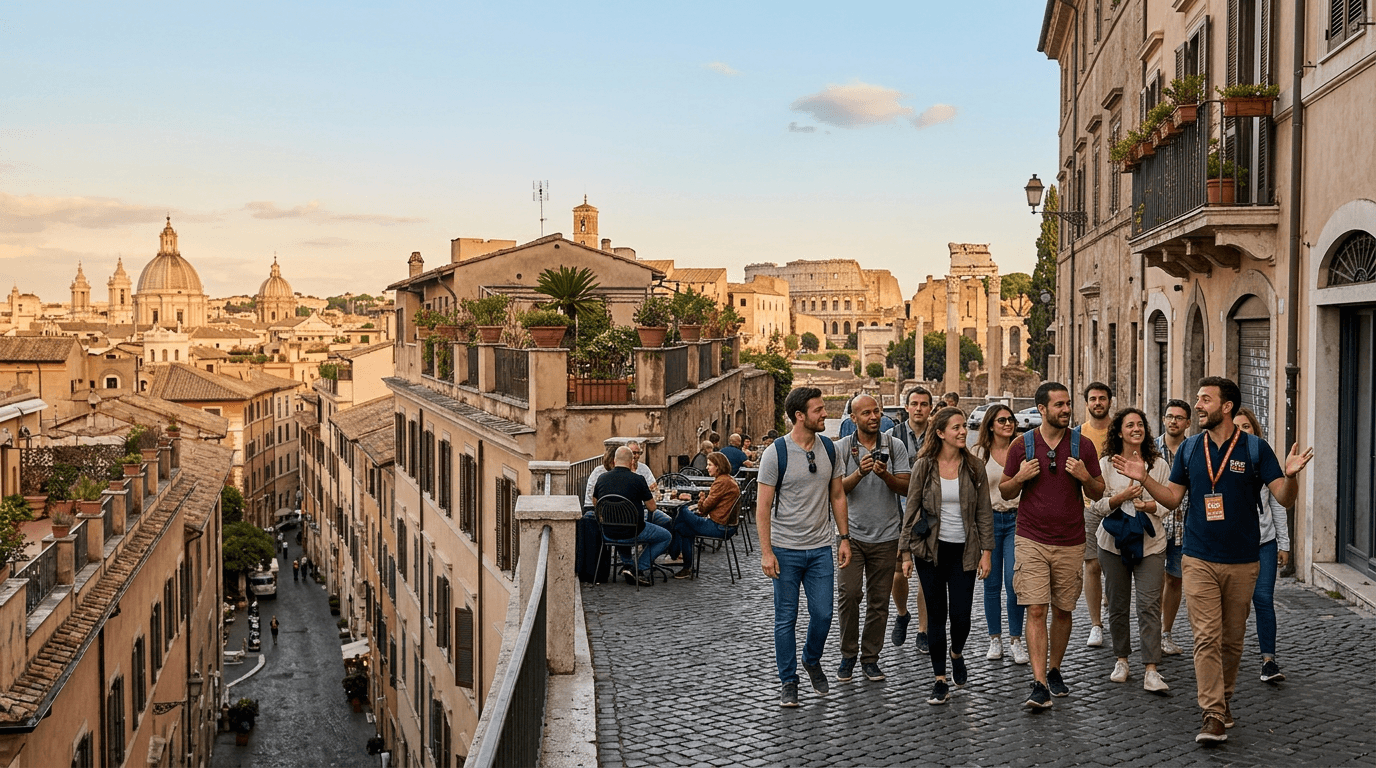
The best free walking tours in Rome offer an unparalleled introduction to the city's magic, led by passionate local guides on a tip-what-you-want basis. Top-rated options consistently cover the historic city center, the charming Trastevere neighborhood, and the grandeur of the Vatican, providing an incredible experience where you simply tip your guide what you feel the tour was worth, typically between €10 and €20 per person.
Welcome to the Eternal City, a sprawling, open-air museum where every cobblestone has a story to tell. Navigating its enchanting labyrinth of ancient ruins, Renaissance art, and bustling piazzas can feel overwhelming, but that's where the magic of a free walking tour comes in. Imagine being led through hidden alleyways and past world-famous monuments by a charismatic local who lives and breathes Roman history. This isn't just about seeing the sights; it's about understanding the soul of the city, from the whispers of the Caesars to the vibrant hum of modern life. In this Gidly guide, we'll walk you through everything you need to know to find, book, and enjoy the perfect free walking tour for your Roman holiday in 2024. Get ready to fall in love with Rome, one step at a time.
How We Chose the Best Free Tours in Rome (Our Methodology)
This guide isn't just a random list; it's a carefully curated selection based on a robust methodology designed to give you the most reliable recommendations. We combine on-the-ground experience with data-driven analysis to ensure every tour we highlight meets our high standards for quality, value, and authenticity. At Gidly, our goal is to be your most trusted friend in the city, and that trust is earned through transparency and rigorous vetting. We dive deep into what makes a tour truly exceptional, looking beyond just the route to evaluate the storytelling, guide expertise, and overall visitor experience. This commitment means you can book with confidence, knowing you're getting a top-tier introduction to the wonders of Rome.
Why Trust Gidly: Our E-E-A-T Promise
In the world of online recommendations, trust is everything. That's why we at Gidly adhere strictly to the principles of E-E-A-T: Experience, Expertise, Authoritativeness, and Trustworthiness. Our team isn't just writing about Rome from a distance; we are a collective of travel experts, local insiders, and event specialists who have walked these streets and taken these tours. Our expertise comes from years in the travel and entertainment industry, understanding the nuances that separate a good tour from a life-changing one. We build authoritativeness by collaborating with licensed local guides and cross-referencing our findings with official tourism information. Ultimately, our trustworthiness is built on this foundation, providing you with honest, unbiased advice. We don't just recommend tours; we recommend experiences we believe in, ensuring your time in Rome is nothing short of spectacular.
First-Hand Experience & Local Guide Vetting
There is simply no substitute for first-hand experience. Members of the Gidly team and our network of local Roman contributors have personally joined many of the tours mentioned in this guide. We've stood in the crowd, listened to the stories, and experienced the "a-ha!" moments right alongside other travelers. This allows us to assess the intangible qualities of a tour: Is the guide engaging? Do they manage the group size effectively? Are their stories fresh and insightful, or just recited from a script? We also vet the guides themselves. In Rome, official tour guides must be licensed, a process that requires extensive study and passing rigorous exams. We prioritize companies that work with these qualified professionals, as it guarantees a deep level of historical and artistic knowledge. This hands-on approach ensures our recommendations are grounded in real-world, quality experiences, not just online reviews.
Data-Driven Insights from the Gidly Catalog
Our on-the-ground research is powerfully augmented by data. The Gidly platform provides us with a wealth of anonymized insights into what tours travelers are booking, enjoying, and rating highly. We analyze booking trends to see which tours are most popular during different seasons and for various group types. We scrutinize user ratings and read through countless reviews to identify consistent patterns of praise or criticism. This data helps us spot the rising stars and understand what truly resonates with visitors. For instance, our data might show that a specific evening tour consistently receives top marks from couples, or that a certain company's guides are frequently praised for their humor. This quantitative analysis complements our qualitative research, giving us a comprehensive, 360-degree view of the free walking tour landscape in Rome.
Constant Updates for Prices, Schedules, and Availability
The world of travel is dynamic, and information can become outdated quickly. A tour company might change its meeting point, adjust its daily schedule, or even stop operating. That's why our commitment to you extends beyond the initial publication of this article. Our team is constantly working to verify and update the details presented here. We regularly check the booking platforms and official websites of the tour companies to ensure schedules are current for 2024 and beyond. We monitor any changes in the "free" tour model or tipping customs. This dedication to freshness means you can rely on this guide to plan your trip today, tomorrow, or next month. When we say a tour starts at 10:00 AM at the Spanish Steps, you can be confident that information is accurate and actionable, saving you from the frustration of showing up to the wrong place at the wrong time.
The 5 Absolute Best Free Walking Tours in Rome (Top Picks)
After extensive research, our team has narrowed down the dozens of options to these five standout free walking tours. These are the best of the best, each offering a unique and unforgettable way to experience the Eternal City. Whether you're a first-time visitor eager to see the highlights or a returning traveler looking for a new perspective, there's a tour on this list for you. Each one is led by top-rated, passionate guides who bring the city's history to life.
1. Rome in a Nutshell: The City Center Classic (Best for First-Timers)
If you have limited time or are stepping into Rome for the first time, this is the tour for you. The City Center Classic is a masterclass in hitting the "greatest hits" of Rome in an efficient, engaging, and utterly captivating way. This 2.5-hour walk is the quintessential Roman experience, covering a circuit of must-see sights that would take days to fully appreciate on your own. The journey typically begins at the magnificent Spanish Steps, where your guide will set the scene before leading you through a maze of charming streets to the world-famous Trevi Fountain. Here, you'll learn the stories behind its stunning Baroque sculptures and, of course, get the chance to toss a coin to ensure your return to Rome. The magic continues as you make your way to one of history's greatest architectural marvels: the Pantheon. Standing beneath its oculus is a humbling experience, and a great guide will explain how this 2,000-year-old temple has survived so perfectly intact. The tour usually concludes in the lively Piazza Navona, a stage for Bernini and Borromini's epic artistic rivalry, centered around the stunning Fountain of the Four Rivers. This tour is pure, concentrated Rome.
2. When in Rome: Trastevere & Jewish Ghetto Stroll (Best Off-the-Beaten-Path)
For those looking to escape the biggest crowds and discover a more authentic, bohemian side of Rome, the Trastevere & Jewish Ghetto tour is a perfect choice. This experience feels less like a tour and more like a stroll with a knowledgeable local friend. Trastevere, which literally means "across the Tiber," is a maze of narrow, cobblestoned lanes, ivy-draped buildings, and artisan workshops. Your guide will lead you through its most picturesque corners, pointing out hidden courtyards and sharing tales of the neighborhood's history, from ancient times to its current status as a hub for artists and foodies. After crossing back over the Tiber via the charming Ponte Sisto or Isola Tiberina (Tiber Island), the tour delves into the profound history of the Roman Jewish Ghetto. As one of the oldest Jewish communities in the world, its story is both heartbreaking and resilient. You'll walk past the Great Synagogue, see the Portico of Octavia where the fish market once bustled, and learn about the unique "Cucina Ebraica Romanesca" (Roman-Jewish cuisine). This tour offers a powerful contrast to the imperial grandeur of the city center and provides a much deeper understanding of Rome's diverse cultural layers.
3. Holy Sights: Vatican City & St. Peter's Square Tour (Best for History & Architecture)
Let's be clear: this free tour does not take you inside St. Peter's Basilica or the Vatican Museums (which require paid tickets). However, it offers an absolutely essential introduction to the world's smallest sovereign state. This tour is perfect for anyone fascinated by religious history, art, and architecture. It typically begins near Castel Sant'Angelo, the imposing fortress that was once Emperor Hadrian's mausoleum and later a papal refuge connected to the Vatican by a secret corridor. From there, your guide will lead you down the grand Via della Conciliazione, explaining the history of the Lateran Pacts which created the Vatican City state in 1929. The climax, of course, is entering the breathtaking embrace of St. Peter's Square. Here, your guide will decode the symbolism of Bernini's massive colonnade, designed to feel like "the maternal arms of the Church." You'll learn about the Egyptian obelisk at its center, the Apostolic Palace where the Pope resides, and the incredible facade of St. Peter's Basilica itself. The guide provides the context and stories you need to fully appreciate the basilica before you enter on your own (for free) after the tour concludes.
4. Ancient Majesty: Colosseum & Roman Forum Exterior Walk (Best for Ancient History)
Step back in time 2,000 years with a tour focused entirely on the heart of the Roman Empire. Similar to the Vatican tour, this experience focuses on the exteriors of the Colosseum and Roman Forum, as entry requires a ticket. However, a great guide can make the history come alive from the outside just as vividly. The tour often starts with a panoramic view from Capitoline Hill, looking down upon the sprawling ruins of the Roman Forum. From this vantage point, your guide will point out the key structures—the Senate House, the Temple of Vesta, the triumphal arches—and explain how this valley was the epicenter of political, commercial, and social life in ancient Rome. You'll then walk down towards the Colosseum, passing by the Imperial Fora and learning about the powerful emperors who built them. The walk culminates in front of the magnificent Colosseum itself. Your guide will share incredible stories of gladiatorial combat, public spectacles, and the engineering genius that went into building this iconic amphitheater. You'll leave with a profound appreciation for the scale and sophistication of the Roman Empire, fully prepped to explore the inside on your own if you choose.
5. Roman Sunset: The Evening & Golden Hour Tour (Best for Couples & Photographers)
There's a special kind of magic that descends upon Rome as the sun begins to set. The harsh midday light softens into a warm, golden glow, the marble of the ancient buildings seems to come alive, and the city's energy shifts from tourist hustle to the gentle buzz of the evening *passeggiata* (stroll). This tour is designed to capture that magic. It often follows a similar route to the city center classic but with a completely different atmosphere. Seeing the Trevi Fountain or the Pantheon illuminated at night is a breathtakingly different experience. Guides on this tour tend to focus more on romance, legends, and the secret stories of the city. It's an ideal choice for couples looking for a romantic start to their evening or for photographers wanting to capture Rome in its most beautiful light. The tour often concludes around Piazza Navona, perfectly positioning you to find a charming restaurant for dinner or a rooftop bar for an *aperitivo* with a view. This is Rome at its most atmospheric and cinematic.
Comparison Table: Rome's Top Free Walking Tour Companies
Choosing the right tour isn't just about the route; it's about the company behind it. Different companies have different philosophies, specialties, and styles. Some are large, well-oiled machines that run multiple tours a day, while others are small, boutique operations focused on niche topics. Understanding these differences is key to finding the experience that's right for you. We've created this comparison to break down the major players in Rome's free tour scene, giving you a clear, at-a-glance overview of what each one offers. We've anonymized the company names but based the profiles on the real types of operators you'll find, helping you make an informed decision beyond just the tour title.
Company Comparison at a Glance
To help you decide, we've broken down the key features of three archetypal free tour companies you'll encounter in Rome. Think of "The Originals" as the established, reliable choice, "The Themed Specialists" as the creative, niche option, and "The Local Co-Op" as the authentic, intimate experience. Each has its pros and cons depending on your travel style and what you hope to get out of your tour. This table provides a quick reference, but be sure to read our deep dives below for a more complete picture of each company's unique character and offerings. Consider what's most important to you: a comprehensive overview, a deep dive into a specific interest, or a personal connection with a local guide.
| Company Profile | Typical Duration | Average Group Size | Key Sights Focus | Gidly Rating |
|---|---|---|---|---|
| Company A: The Originals | 2.5 - 3 hours | Medium to Large (20-35 people) | City Center, Colosseum/Forum, Vatican | ★★★★☆ (Reliable & Comprehensive) |
| Company B: The Themed Specialists | 2 - 2.5 hours | Small to Medium (15-25 people) | Trastevere, Food Tours, Ghosts & Legends | ★★★★☆ (Unique & Engaging) |
| Company C: The Local Co-Op | 2.5 hours | Small (10-20 people) | Off-beat neighborhoods, deeper historical dives | ★★★★★ (Authentic & Personal) |
Deep Dive: Rome's Free Tour Company A (The Original)
This type of company is often one of the first and most established free tour operators in the city. They are the definition of a well-oiled machine, with a polished website, a clear booking process, and tours running multiple times a day, every day. Their guides, identifiable by brightly colored umbrellas or jackets, are seasoned professionals who have their scripts and routes down to a science. You can expect a highly professional, informative, and reliable experience. The main advantage here is consistency; you know what you're going to get. Their "City Center Classic" tour is a masterclass in efficiency, covering all the key sights with practiced ease. The downside can be the group size, which tends to be on the larger end. This can sometimes make it harder to hear the guide or ask individual questions. However, for a first-time visitor who wants a comprehensive and dependable introduction to Rome's main attractions, "The Originals" are an excellent and risk-free choice. They are the trusted workhorses of the Roman tour world.
Deep Dive: Rome's Free Tour Company B (The Themed Specialists)
Where "The Originals" go broad, "The Themed Specialists" go deep. This type of company carves out a niche by offering tours that focus on specific interests beyond the standard checklist of sights. Think ghost tours that explore the dark alleys of the Renaissance, street food tours that dive into the culinary heart of Testaccio or Trastevere, or art-focused walks tracing the works of Caravaggio through the city's churches. Their guides are often passionate experts in their chosen subject—art history students, food bloggers, or local folklore enthusiasts. The group sizes are typically smaller, fostering a more interactive and conversational atmosphere. From our experience, these tours often feel more like a mobile workshop or a shared exploration than a traditional tour. While they may not offer a classic city center overview, they provide a much richer experience for returning visitors or travelers with a particular passion. Booking one of their tours is a fantastic way to peel back another layer of Rome and see the city through a unique, focused lens.
Deep Dive: Rome's Free Tour Company C (The Local Co-Op)
This is a newer and increasingly popular model in Rome. A "Local Co-Op" is typically a collective of independent, licensed local guides who have banded together to market their tours directly, cutting out the large, international middleman platforms. Their primary selling point is authenticity. When you book with them, you're often communicating directly with the guides themselves. The tours feel deeply personal, filled with anecdotes and insights that only a true local can provide. Group sizes are deliberately kept small to ensure an intimate and conversational experience. You're more likely to be taken down a guide's favorite secret alleyway or be shown a small detail on a building that other tours walk right past. These co-ops often focus on neighborhoods slightly off the main tourist trail, like the cool district of Monti or the elegant streets of Prati. For travelers who prioritize connection and authenticity over a rigid itinerary, a tour with a local co-op is an unbeatable experience. It feels less like a product and more like a genuine cultural exchange.
The Best Free Walking Tours for Your Travel Style (By Scenario)
Rome is not a one-size-fits-all city, and your perfect walking tour will depend on who you're traveling with and what you're looking for. A romantic stroll for two has a very different vibe from an educational walk with young children. To help you choose, we've broken down our top recommendations by travel scenario, complete with Gidly's insider tips to make each experience even better. Think of this as your personalized tour-matching service, ensuring your Roman walk is perfectly suited to your crew and your mood. We've considered pace, content, and atmosphere to pair you with the ideal outing.
For Couples & a Romantic Date Night
For couples, Rome is an endlessly romantic backdrop, and the right walking tour can be the perfect start to a memorable evening. We overwhelmingly recommend the Roman Sunset: The Evening & Golden Hour Tour. The combination of the beautiful "golden hour" light, the illuminated monuments, and the lighter evening crowds creates an enchanting atmosphere. The stories on these tours often lean into legends, romance, and poetry, setting a wonderful mood. The pace is typically more relaxed, allowing for quiet moments to take in the views. After the tour concludes, usually around Piazza Navona or the Pantheon, you are perfectly positioned for a romantic dinner. Gidly's advice: ask your guide for a recommendation for a restaurant that's "caratteristico" (full of character) but not "turistico" (touristy). They'll point you to a hidden gem in a nearby alleyway. A post-tour stroll to the Trevi Fountain, now beautifully lit and slightly less chaotic, is the perfect end to a Roman date night.
For Families with Kids & Teens
Traveling with children requires a different strategy. Attention spans can be short, and a dense, history-heavy tour can quickly lead to boredom. The best choice for families is often the Rome in a Nutshell: The City Center Classic, but with a specific approach. The key is engagement. This tour's route is packed with visual wonders that captivate younger audiences: the grand Spanish Steps are fun to climb, the Trevi Fountain is magical, and the Pantheon's giant dome and mysterious oculus are awe-inspiring. A good guide will engage kids by asking questions and focusing on the more gruesome or amazing stories (like the Pantheon's construction) rather than dry dates. Gidly's tip: Position your family near the front so the kids can see and hear clearly. Before the tour, promise a gelato break immediately after—the area around the Pantheon is famous for some of Rome's best gelaterias, like Giolitti or Della Palma. This creates a perfect reward system and breaks up the walking with a delicious treat that everyone will love.
For Solo Travelers Seeking to Mingle
Solo travel is about freedom, but it's also a great opportunity to connect with fellow travelers. A free walking tour is one of the best ways to do this. For solo travelers, we recommend seeking out tours run by Company B (The Themed Specialists) or Company C (The Local Co-Op). These companies tend to attract a slightly younger, more adventurous crowd and their smaller group sizes naturally foster more interaction. The guides are often closer in age to the participants and create a friendly, social atmosphere. After the tour, it's very common for a small group of people, including the guide, to head for a drink or a casual bite to eat. Don't be shy! A simple "Anyone want to grab a spritz?" at the end of the tour is almost always met with enthusiasm. The Trastevere tour, in particular, is excellent for this, as it ends in a neighborhood packed with lively bars and osterias, making it easy to continue the conversation and make new friends from around the world.
For Groups of Friends on a Weekend Trip
When you're with a group of friends on a fun, fast-paced city break, you want a tour that's high-energy and covers a lot of ground. The Rome in a Nutshell: The City Center Classic is again a fantastic option, as it ensures everyone sees the essential highlights efficiently, leaving more time for other activities. The bustling energy of the piazzas and the iconic nature of the sights create great photo opportunities and shared memories. Alternatively, for a more unique group experience, consider a themed tour like a ghosts and legends walk at night. It's a fun, slightly spooky way to see the city after dark and provides plenty of stories to talk about over drinks afterward. Gidly's tip for groups: book all your spots together under one name to ensure you're all on the same tour list. Arrive at the meeting point a little early to grab a coffee or prosecco at a nearby bar to get the energy up before you start walking.
For Corporate & Team-Building Outings
Free walking tours can also be adapted for corporate groups and team-building events, offering a fantastic way to get colleagues out of the office and interacting in a new environment. While you can't just show up with 30 people, most tour companies are happy to arrange a private version of their "free" tour for a pre-negotiated flat fee or a guaranteed group tip. This is an excellent, cost-effective option for a team outing. We recommend a tour that encourages interaction and problem-solving, like an "Angels and Demons" film location tour where the team can "solve" the clues together. Another great option is a competitive food tour, where the group is split into smaller teams to sample and rate different street foods. The key is to contact the tour company directly well in advance to discuss your group's size, interests, and budget. It’s a far more engaging and memorable team-building activity than a standard trust-fall exercise.
Themed Tours: Explore a Different Side of Rome
Once you've seen the Pantheon and the Colosseum, you might be craving a deeper, more specific look into the city's culture. This is where themed walking tours shine, offering a curated experience tailored to a particular passion. These tours, often run by specialist companies, peel back the layers of Rome to reveal its artistic soul, its culinary heart, and its dark, mysterious past. They are a testament to the city's incredible depth, proving that there's always something new to discover. Whether you're a foodie, an art historian, or a mystery lover, there's a tour that speaks your language.
For Foodies: Street Food & Market Tours (Note on Extra Costs)
Roman cuisine is a universe unto itself, and a food-focused walking tour is the best way to navigate it. These tours go beyond just pasta and pizza, introducing you to the city's glorious street food culture. Be aware: while the guide's service is tip-based, you will need to pay for your own food samples along the way. Expect to spend around €15-€25 per person on tastings. A typical tour might start in Campo de' Fiori for a look at its historic market, before diving into the Jewish Ghetto to sample a "carciofo alla giudia" (Jewish-style fried artichoke). Then, you might try a "supplì" (a fried rice ball with a molten mozzarella center) and a slice of "pizza al taglio" (pizza by the slice) from a legendary local bakery. The tour provides the context, pointing you to the best vendors and explaining the history behind each dish. It’s a delicious, interactive, and incredibly satisfying way to eat your way through the city.
For Art Lovers: Caravaggio & Bernini in Situ
Rome is an art lover's paradise, but many of its greatest masterpieces aren't in museums; they're in the very churches they were created for. A tour focused on artists like Caravaggio and Bernini is a revelation. Instead of seeing art in a sterile gallery, you experience it "in situ," with the intended lighting and architectural context. A typical "Caravaggio in Rome" tour will take you to three churches that hold his works. You might visit San Luigi dei Francesi to see the stunning St. Matthew cycle, Sant'Agostino to witness the "Madonna of Loreto," and Santa Maria del Popolo, which contains two of his most dramatic canvases. A great guide will not only explain the paintings but also the revolutionary and scandalous life of Caravaggio himself. Similarly, a Bernini tour might focus on his sculptures in the Borghese Gallery (ticketed) or his public works like the fountains in Piazza Navona and the Ecstasy of Saint Teresa in Santa Maria della Vittoria. This is art history brought to life on the streets of Rome.
For Night Owls: Ghost, Murder & Mystery Tours
When darkness falls, a different side of Rome emerges—a city of shadows, legends, and ghosts. These night tours are a thrilling way to explore the city's history from a completely different angle. Forget dry dates and facts; this is all about compelling storytelling. Guides lead you through dimly lit alleyways and deserted piazzas, recounting tales of papal intrigue, brutal executions, and restless spirits said to haunt the city's landmarks. You might hear the story of Beatrice Cenci, a noblewoman executed for patricide near Castel Sant'Angelo, or learn about the ghosts that supposedly haunt the Ponte Sisto. These tours are less about jump scares and more about atmospheric, historical horror. They are incredibly popular and provide a fun, theatrical, and memorable evening. It’s a perfect pre-dinner or post-dinner activity that shows you the city’s major sites in a whole new, spooky light.
For Movie Buffs: "Angels and Demons" & Film Location Tours
Rome has been the star of countless films, from classics like "Roman Holiday" to modern blockbusters like Dan Brown's "Angels and Demons." Movie-themed tours allow you to step into your favorite scenes and see the city through a cinematic lens. An "Angels and Demons" tour, for example, is a fantastic way to see major sights as you follow the "Path of Illumination." You'll visit sites like the Pantheon (Raphael's tomb), St. Peter's Square ("West Ponente"), Santa Maria del Popolo (Chigi Chapel), and Piazza Navona (Fountain of Four Rivers), all while your guide separates the book's fiction from the fascinating historical fact. Other tours might focus on the locations from "Roman Holiday," taking you to the Mouth of Truth and the Spanish Steps, or even locations from Fellini's "La Dolce Vita." These tours are a fun, pop-culture-infused way to connect with the city's landmarks on a different level.
A Neighborhood-by-Neighborhood Guide to Rome's Free Tours
Rome is a city of distinct villages, each with its own unique character, history, and atmosphere. Understanding these neighborhoods is key to understanding Rome itself. Free walking tours are often designed around these districts, offering a deep dive into what makes each one special. From the grand monuments of the historic center to the bohemian lanes of Monti, this neighborhood guide will help you choose a tour based on the specific vibe and scenery you want to experience. Let's walk through the most popular areas covered by free tours.
Centro Storico (Historic Center): The Classic Route
The Centro Storico is the Rome you've seen in postcards, the heart of the city, and the focus of the most popular walking tours. A tour here is an absolute must for any first-time visitor. The route is a spectacular procession of world-famous landmarks, including the Spanish Steps, the Trevi Fountain, the Pantheon, and Piazza Navona. But a good tour does more than just shuttle you between these sites. A local guide will use the short walks through the connecting cobblestone streets to point out hidden details: a small fountain designed by a famous architect, a plaque commemorating a historical event, or the best spot to grab an espresso. The narrative of this tour weaves together threads of ancient history, Renaissance art, Baroque drama, and modern Roman life. It's fast-paced, visually stunning, and provides the perfect foundation for your exploration of the city. You'll leave with your bearings, a camera full of iconic shots, and a list of places to revisit.
Trastevere: The Charming & Picturesque Route
Crossing the Tiber River into Trastevere is like stepping into a different, more intimate Rome. This neighborhood is the star of tours designed for those seeking charm and picturesque beauty. A walking tour here is a sensory experience. You'll meander through a labyrinth of narrow streets, your path shaded by terracotta-roofed buildings draped in green ivy. The vibe is decidedly bohemian and relaxed. Guides in Trastevere often focus on the neighborhood's unique history as a district of sailors, fishermen, and immigrants, which gave it a fiercely independent character. You'll discover hidden piazzas, centuries-old churches like Santa Maria in Trastevere with its glittering mosaics, and countless photo-worthy corners. The tour usually includes a walk up Janiculum Hill for a breathtaking panoramic view of the entire city. It's a slower-paced, more atmospheric walk that's less about ticking off monuments and more about soaking in the authentic spirit of a beloved Roman quarter.
Monti: The Cool, Bohemian & Ancient Route
Nestled between the Colosseum and Via Nazionale lies Monti, Rome's first "rione" (district) and arguably its coolest. Once a gritty, working-class neighborhood known as the Suburra in ancient times, Monti is now a haven for artists, designers, and foodies. A walking tour here offers a fascinating juxtaposition of ancient and modern. You'll stroll down streets where hipster cafes and trendy vintage shops sit in the shadow of the Roman Forum. The guides on a Monti tour often focus on this contrast, telling stories of the area's ancient past while also pointing out the best contemporary boutiques and wine bars ('enoteche'). You'll explore the charming Piazza della Madonna dei Monti, the neighborhood's living room, and wander through the ivy-clad Via del Boschetto. This tour is perfect for travelers who want to get a feel for modern Roman life and discover a neighborhood that feels both historically significant and vibrantly current. It's off the main tourist path but right in the heart of the city.
Jewish Ghetto: The Historic & Culinary Route
A walking tour through the Roman Jewish Ghetto is one of the city's most moving and historically rich experiences. Though small in area, this neighborhood tells a powerful story spanning over 2,000 years. Tours here are often combined with a walk through Trastevere or a visit to Tiber Island. The narrative is powerful: guides explain the establishment of the ghetto in 1555, the cramped and difficult conditions, and the resilience of Europe's oldest Jewish community. You'll walk through the main street, Via del Portico d'Ottavia, seeing the ancient Roman ruins of the Portico of Octavia repurposed over centuries. The tour will also touch on the horrors of the Nazi occupation in 1943. Beyond the history, guides will introduce you to the unique Roman-Jewish culinary traditions, pointing out the bakeries famous for their "pizza ebraica" (a sweet, nutty fruitcake) and the restaurants serving the legendary fried artichokes. This tour offers a profound and essential perspective on the multifaceted history of Rome.
Prati (Vatican Area): The Grand & Holy Route
While the Vatican City tour focuses on St. Peter's Square, a broader tour of the surrounding Prati neighborhood offers a different perspective. Built after the unification of Italy in the late 19th century, Prati has a completely different feel from the medieval and Renaissance core of Rome. Its streets are wide and elegant, laid out in a grid pattern and lined with stately Art Nouveau buildings. A tour here often starts at Piazza del Popolo, crosses the Tiber, and proceeds towards the Vatican, exploring the grandeur of the area. You'll pass the imposing "Palazzaccio" (Palace of Justice), a building so extravagantly decorated it nearly bankrupted its builders. The guide will discuss the complex relationship between Italy and the Vatican State, which influenced the very design of this neighborhood. The tour usually concludes with the approach to St. Peter's Square via Via della Conciliazione, but the journey through Prati provides a fascinating political and architectural context that enriches the entire Vatican experience. It's a great choice for those interested in modern history and urban planning.
Tipping Etiquette: How "Free" Tours Really Work
The term "free walking tour" can be a bit confusing, so let's clarify how it works and the crucial role that tipping plays. These tours are "free" to book and join, meaning there's no up-front cost, which removes the risk of paying for an experience you might not enjoy. However, the guides are not volunteers; they are professionals whose sole income from these tours comes from the tips they receive at the end. Understanding this model is key to being a responsible and appreciative traveler. This section breaks down everything you need to know about tipping etiquette in Rome.
Answer Capsule: How much should you tip on a free walking tour in Rome?
For a good, standard free walking tour in Rome lasting 2-3 hours, a tip of €10 to €15 per person is the recommended and customary amount. If you feel the guide was truly exceptional, funny, and insightful, tipping €20 or even more is a wonderful way to show your appreciation. Think of it not as a donation, but as a payment for a professional service, where you get to set the price based on the quality you received. While any amount is appreciated, tipping less than €10 is generally reserved for situations where you were not satisfied with the tour. It's always a good idea to have a range of banknotes ready so you can tip what you feel is appropriate for the experience.
Why Tipping is Crucial (It's the Guide's Salary)
It's vital to understand the business model behind free tours. Most guides are freelancers. They don't receive a salary from the tour company. In fact, in many cases, the guides have to pay a marketing fee (typically €2-€4) to the booking platform for every single person who signs up for their tour, whether they show up or not. This means if a guide has 20 people booked, they may have already paid €60-€80 out of their own pocket before the tour even begins. Your tip doesn't just thank them; it first covers their costs and then becomes their income for the hours they've spent preparing, walking, and entertaining you. Tipping generously ensures that talented, passionate guides can continue to offer these amazing experiences and make a living. It's a fair system that rewards quality and allows travelers on any budget to access a great tour.
The Recommended Tipping Range: €10 to €20+
Let's break down the tipping scale to help you decide. Think of it this way:
- €10: This is a solid, standard tip for a good tour. The guide was knowledgeable, the route was well-planned, and you enjoyed the experience. It's a fair price for 2-3 hours of professional guidance.
- €15: This is for a great tour. The guide was not just knowledgeable but also charismatic, funny, and engaging. They managed the group well, answered questions thoughtfully, and gave you some real "wow" moments.
- €20 or more: This is for an exceptional, unforgettable tour. The guide went above and beyond, perhaps giving personalized recommendations, telling stories that truly moved you, or handling a difficult situation (like bad weather) with grace and humor. This level of tip shows deep appreciation for outstanding service.
Consider the value you're receiving. A similar private tour could cost €150-€300. Paying €10-€20 for a high-quality, small-group experience is incredible value. We always recommend tipping on the higher end if you can afford it, as it supports these hard-working local experts.
How & When to Tip Your Guide Discreetly
The tipping process is simple and happens at the very end of the tour. As the guide gives their concluding remarks and thanks the group, this is your cue to get your cash ready. Most travelers will approach the guide one by one to thank them personally and hand them the tip. To do this smoothly and discreetly, it's best to have the cash folded in your hand before you walk up. A simple handshake while passing the money is a common and polite method. Don't feel awkward about it; this is the expected and standard procedure. The guide will have a bag or pocket ready and will be grateful for your contribution. Make sure to bring cash with you, as very few guides will have a portable credit card reader. Some may have a QR code for PayPal or a similar service, but cash is king and always the most reliable option.
What if the Tour Was Bad?
Thankfully, with the companies we recommend, this is a rare occurrence. The tip-based model naturally filters out poor guides, as they simply can't make a living. However, if you genuinely have a bad experience—the guide was rude, unprofessional, unprepared, or provided demonstrably false information—you are under no obligation to tip. This is the "satisfaction guaranteed" part of the free tour model. If the tour was just "okay" but not great, a smaller tip of around €5 might be appropriate to at least help the guide cover their marketing fee. Before deciding not to tip, consider if the issues were within the guide's control. A torrential downpour or massive, unexpected crowds at the Trevi Fountain aren't their fault. But a lack of passion, knowledge, or professionalism is. In that case, walking away without tipping sends a clear message about the quality of the service.
Practical Tips for a Perfect Walking Tour Experience
A little preparation goes a long way in turning a good walking tour into a great one. Rome is a magnificent city, but its cobblestones, intense summer sun, and bustling crowds can pose challenges. By planning ahead, you can ensure you stay comfortable, hydrated, and focused on the incredible stories your guide is sharing. Here are our Gidly team's essential, road-tested tips for making the most of your Roman walk. These small details can make a huge difference in your overall enjoyment and stamina.
Booking in Advance vs. Showing Up
While some companies might allow you to just show up, we strongly, unequivocally recommend booking your spot online in advance. There are several critical reasons for this. First, many companies now have strict capacity limits to keep group sizes manageable, especially during the high season (May-September) and on weekends. Popular tours fill up days or even weeks in advance. Booking guarantees your spot. Second, booking provides the company with your contact information. If the tour is canceled or the meeting point changes for any reason, they can notify you. Third, it helps the guide plan. Knowing how many people to expect allows them to prepare and often leads to a better-organized tour. The booking process is free and only takes a minute, so there's no reason not to do it. Just remember, if you book a spot, please show up or cancel in advance, as the guide may be paying a fee for your reservation.
Finding Your Meeting Point: A Pre-Tour Checklist
One of the most common pre-tour stressors is finding the meeting point. Rome's piazzas can be large and confusing. Here's a simple checklist to ensure a smooth start:
- Read the confirmation email carefully: It will describe the exact meeting point, e.g., "at the bottom of the Spanish Steps, next to the fountain."
- Look it up on Google Maps the day before: Get a sense of where it is in relation to your accommodation and how long it will take to get there. Drop a pin.
- Plan to arrive 10-15 minutes early: This gives you a buffer for any transport delays and time to use a restroom or grab a water.
- Look for the sign: Guides will almost always be holding a sign, flag, or brightly colored umbrella with the tour company's logo. Scan the crowd for it.
- Have the guide's number handy: The confirmation email may include a contact number for the day of the tour. Save it in your phone just in case you get lost.
What to Wear: Essential Advice for Rome's Cobblestones
This might be the single most important piece of advice: wear your most comfortable shoes. You will be walking for 2-3 hours, often on uneven cobblestones (known as 'sanpietrini'). Stylish but unsupportive shoes are the fastest way to ruin your day. Opt for supportive sneakers, walking shoes, or comfortable sandals with a thick sole. Leave the heels and brand-new shoes at home. Beyond footwear, dress for the season. In the summer, lightweight, breathable clothing in light colors is essential. In the spring and fall, layers are key, as mornings can be cool but afternoons warm. A light jacket or sweater that you can easily take off and carry is perfect. Even in winter, Rome can be sunny, so dressing in layers is still a good idea. Comfort is paramount; you want to be focused on the history, not your aching feet.
What to Bring: Water, Sunscreen, Cash for Tips
Keep your day bag light, but don't leave home without these essentials. A reusable water bottle is a must. Rome is famous for its public drinking fountains, called 'nasoni', which provide fresh, cold, and perfectly safe drinking water. Your guide will likely point them out along the route, allowing you to refill for free. During the summer months (June-August), the sun is incredibly intense. Sunscreen, a hat, and sunglasses are non-negotiable to protect yourself from sunburn and heat exhaustion. And, as discussed in detail above, be sure to bring enough cash in small denominations (€5, €10, €20 notes) for the guide's tip at the end of the tour. Having a small snack like a granola bar can also be a lifesaver if you start to feel your energy dip halfway through the walk.
Navigating Church Dress Codes (Shoulders & Knees)
Many walking tours, especially the City Center and Vatican-focused ones, may include a stop inside a church. All churches in Rome, from the grandest basilicas to the smallest local parishes, enforce a strict dress code. To enter, both men and women must have their shoulders and knees covered. This is a sign of respect and is not flexible. During the hot summer months, this can be tricky. The easiest solution for women is to carry a light scarf or pashmina in your bag. You can quickly drape it over your shoulders or tie it around your waist as a makeshift skirt before entering a church. For men wearing shorts, some longer "city shorts" that reach the knee might be acceptable, but it's often up to the discretion of the church official at the door. To be safe, long, lightweight trousers are the best option if you know your tour will enter a church. Your guide will usually remind you of this at the beginning of the tour.
Insider Tips & Local Hacks from Gidly Experts
Taking a walking tour is a fantastic start, but a few insider strategies can elevate your experience from good to unforgettable. These are the tips and tricks our local Gidly experts and seasoned travelers swear by. From timing your tour to avoid the masses to learning how to connect with your guide, these hacks will help you get the absolute most out of your time. Think of this as the "pro level" guide to Roman walking tours, giving you an edge over the average tourist and a deeper connection to the city.
Best Times of Day to Avoid Crowds
Rome is one of the world's most popular destinations, and crowds are a reality, especially at iconic sites like the Trevi Fountain and Pantheon. However, you can be strategic. The earliest morning tours (around 9:00 AM) are often the least crowded. You'll be exploring the city as it wakes up, and you might get a precious few moments at a major landmark before the huge tour bus groups descend. The other excellent option is the evening or sunset tour (starting around 6:00 or 7:00 PM). By this time, many of the day-trippers have left, and the atmosphere becomes much more relaxed. The golden hour light is magical for photos, and seeing the city's monuments illuminated at night is a completely different and often more profound experience. The midday tours (from 11:00 AM to 4:00 PM) will almost always be the most crowded and, in summer, the hottest. If your schedule allows, aim for the beginning or the end of the day.
How to Engage with Your Guide for a Richer Experience
Your guide is a walking encyclopedia of Roman history and culture, and engaging with them is the key to unlocking a richer experience. Don't be a passive listener at the back of the group. Try to stay near the front where you can hear clearly and make eye contact. Ask thoughtful questions—not just "When was this built?" but "What was life like for ordinary people here?" or "What's your personal favorite detail about this fountain?" Guides love engaged guests, and your questions can lead the conversation in fascinating, unscripted directions. At the end of the tour, when you're tipping them, take a moment to ask for personal recommendations. Ask them for their favorite non-touristy restaurant, their favorite spot for an aperitivo, or their favorite hidden gem in the city. This is your chance to get priceless advice from a true local that you'll never find in a guidebook.
Accessibility on Rome's Tours: What to Know Before You Go
This is a critical point that is often overlooked. Rome is an ancient city and is not inherently accessible. The charming cobblestones that look so beautiful in photos can be very difficult to navigate for people with mobility issues or those using wheelchairs or strollers. Many tours involve stairs, steep slopes, and uneven surfaces. Unfortunately, most standard free walking tours are not fully accessible. However, don't be discouraged. The best course of action is to contact the tour company directly before booking. Explain your specific needs. Some companies may be able to suggest a specific tour route that is flatter and more manageable (for example, a tour focused on the wide avenues of Prati might be more feasible than one in the hilly, narrow streets of Trastevere). They may also be able to arrange a customized private tour that caters to your accessibility requirements. Being proactive and communicating clearly is the best way to find a workable solution.
Spotting a Tourist Trap Tour vs. a Quality Experience
While the "free tour" model generally promotes quality, there are still ways to spot a less-than-stellar operation. Here are some red flags versus green flags:
- Red Flag: Aggressive street sellers trying to push you onto a tour that's "starting now!" with no clear company name or booking process. Quality tours rely on online reputation and bookings.
- Green Flag: A professional website with clear information, easy online booking, and lots of recent, positive reviews on multiple platforms (Gidly, TripAdvisor, Google).
- Red Flag: The tour description is vague and makes unrealistic promises, like "skip-the-line access" on a free tour (this is impossible).
- Green Flag: The company clearly states which sights are covered (and specifies "exterior view only" for places like the Colosseum), and they explain the tip-based model transparently on their website.
- Red Flag: The guide seems more interested in up-selling you on paid tours or herding you into a specific souvenir shop or restaurant (where they likely get a commission).
- Green Flag: The guide is passionate about the subject, focuses on storytelling, and provides recommendations without a hard sell. They work for your tip, not a commission.
Trust your gut and stick with reputable companies found on trusted platforms like Gidly to ensure a high-quality, authentic experience.
The Evolution of Roman Tours: What's Trending for 2025-2026
The way we explore cities is constantly evolving, and Rome's tour scene is no exception. While the classic historical walk will always be popular, new trends are emerging that cater to a new generation of travelers seeking more personalized, immersive, and responsible experiences. Looking ahead to 2025 and 2026, we at Gidly are seeing a clear shift towards specialization and sustainability. The one-size-fits-all tour is making way for a more dynamic and tailored approach to discovering the Eternal City. Here's a look at what's new and what's next.
Hyper-Niche Tours & Personalized Experiences
Travelers are increasingly seeking tours that align with their specific, niche interests. We're seeing a rise in "hyper-niche" tours that go beyond broad themes like "art" or "food." Instead, you'll find tours focused on "The Fountains of Bernini," "Urban Sketching in Trastevere," "Ancient Roman Engineering," or even a tour dedicated solely to the cinematic locations of director Paolo Sorrentino. These are led by true specialists—engineers, artists, and film scholars—who bring a doctoral level of knowledge to a two-hour walk. This trend also extends to personalization. More companies are offering options to book a private "free" tour for your family or group, allowing you to customize the route and focus based on your interests. This move away from mass-market tourism towards bespoke experiences is a defining trend for the coming years.
The Impact of AI-Powered Audio Guides
The rise of sophisticated AI-powered audio guides and apps presents both a challenge and an opportunity for live guides. While some travelers might opt for a solo tour with an AI narrator, many still crave the human connection, humor, and spontaneity of a live guide. We're seeing savvy guides and tour companies adapt by leaning into their unique strengths. They are positioning themselves as storytellers and "experience curators" rather than just information providers. Some are even starting to integrate technology, perhaps using a tablet to show "then and now" pictures or incorporating QR codes that link to supplementary information. The future likely involves a hybrid model where a live guide provides the narrative and personality, while an app might offer supplementary visuals or translations, creating a richer, more multi-layered experience for the traveler.
Sustainability & Combating Overtourism
As awareness of overtourism grows, a new consciousness is emerging in the Roman tour industry. Responsible companies are actively working to mitigate their impact. This manifests in several ways. Firstly, there's a growing emphasis on smaller group sizes, which are less disruptive to local life and offer a better experience for everyone. Secondly, we're seeing more tours designed to take visitors away from the hyper-congested "big three" (Colosseum, Trevi, Vatican) and into fascinating, less-visited neighborhoods like Testaccio, Garbatella, or the Coppedè quarter. These tours help distribute tourist traffic more evenly and introduce travelers to a more authentic side of Rome. The narrative is also shifting to include discussions about conservation, the challenges of maintaining ancient sites, and how to be a more respectful and sustainable tourist, turning the tour itself into a lesson in responsible travel.
DIY Alternatives: Self-Guided & Audio Tours
While we believe a live guide offers an unparalleled experience, we understand that some travelers prefer the freedom and flexibility of exploring at their own pace. For the independent adventurer or the budget-conscious traveler, self-guided and audio tours are fantastic alternatives. These options allow you to be the master of your own itinerary, lingering longer at places that captivate you and skipping those that don't. Thanks to modern technology, it's easier than ever to get high-quality information delivered right to your ears. Here's how to create your own Roman walking adventure.
Gidly's Curated Self-Guided Itinerary: A Walk Through Ancient Rome
Want to try it on your own? Here's a Gidly-approved self-guided walk through the heart of Ancient Rome:
- Start at Piazza del Campidoglio: Head to the back of the piazza for the breathtaking panoramic viewpoint over the Roman Forum. This is the perfect spot to get your bearings.
- Walk down the path towards the Forum: As you descend, with the Forum on your left, you'll be walking along the Via dei Fori Imperiali. On your right are the ruins of the Imperial Fora of Trajan, Augustus, and Caesar.
- Arrive at the Colosseum: Circle this incredible monument. Walk over to the Arch of Constantine, the large triumphal arch between the Colosseum and Palatine Hill, to admire its intricate carvings.
- Head up the Via Sacra: Walk along the edge of the ticketed Forum area, past the Arch of Titus, and up towards the Palatine Hill entrance.
- Conclude at Circus Maximus: From the Palatine Hill area, it's a short walk to the vast open space that was once the Circus Maximus, the ancient chariot-racing stadium. Imagine the roar of 150,000 spectators as you stand in the now-grassy expanse.
This walk takes about 1.5-2 hours at a leisurely pace and covers the core of the ancient city without requiring any tickets.
Top 3 Recommended Free Audio Guide Apps for Rome
Let technology be your guide! Download these apps before you leave your hotel's Wi-Fi and have an expert in your pocket:
- Rick Steves Audio Europe: A travel legend, Rick Steves offers several excellent, free audio tours of Rome, including a City Walk, a St. Peter's Basilica tour, and a Roman Forum tour. They are well-produced, informative, and easy to follow.
- izi.TRAVEL: This platform hosts a huge collection of audio guides created by museums, tourism boards, and independent creators. You can find dozens of free tours for Rome, covering everything from specific neighborhoods to museum highlights.
- My Wowo: This app offers free audio guides for many of the world's landmarks. Its Rome section provides detailed explanations for sites like the Colosseum, Pantheon, and Trevi Fountain, which you can listen to while standing in front of them.
Pros and Cons: Guided Tour vs. Self-Guided
Still not sure which is right for you? Here’s a quick breakdown to help you decide.
| Factor | Guided "Free" Tour | Self-Guided / Audio Tour |
|---|---|---|
| Pace | Set by the guide and group | Completely flexible; you control the speed |
| Interaction | High; ability to ask questions and meet people | Low; a solo experience |
| Information | Curated, story-based, spontaneous insights | Fact-based, structured information |
| Cost | Tip-based (expect to pay €10-€20) | Truly free (or cost of an app) |
| Discovery | Guides show you hidden gems you'd miss | Joy of personal discovery and getting lost |
| Best For | First-timers, solo travelers, those seeking context | Independent travelers, photographers, those on a strict budget |
Frequently Asked Questions (FAQ)
Are free walking tours in Rome really free?
The tours are free to book and join, but they operate on a tip-based model. You are expected to pay the guide what you feel the tour was worth at the end. The guides' income comes solely from these tips.
How much should I tip for a free walking tour in Rome?
The customary and recommended amount is between €10 and €20 per person for a 2-3 hour tour. Tip €10-€15 for a good tour and €20 or more for an exceptional one.
How long do free walking tours in Rome last?
Most standard free walking tours in Rome last between 2 and 3 hours. This allows enough time to cover a significant area and share detailed stories without being too exhausting.
Do I need to book my free walking tour in advance?
Yes, it is highly recommended to book your spot online in advance. Tours have limited capacity and often fill up, especially in high season. Booking guarantees your spot and allows the company to contact you with any updates.
What is the best free walking tour in Rome for first-time visitors?
The best tour for first-timers is the "City Center Classic." It covers the most iconic sights like the Spanish Steps, Trevi Fountain, Pantheon, and Piazza Navona, providing a perfect introduction to the city.
Can you do a free walking tour of the Vatican?
Yes, there are free walking tours that cover Vatican City. These tours focus on the history of the Vatican state and the art and architecture of St. Peter's Square and the Basilica's exterior. They do not include entry into the Vatican Museums or the Basilica itself.
Are there free walking tours in Rome at night?
Yes, many companies offer evening tours. These can be "golden hour" sunset tours of the city center or themed tours like "Ghosts, Murders, and Mysteries," which are very popular and offer a unique, atmospheric way to see the city.
What should I wear on a walking tour in Rome?
Comfortable shoes are absolutely essential due to the cobblestones. Also, bring layers of clothing, and if your tour might enter a church, carry a light scarf to cover your shoulders and ensure your knees are covered.
Are the tours suitable for children or people with mobility issues?
While some tours can be engaging for children, Rome's cobblestones and stairs make most standard tours challenging for strollers and wheelchairs. It is best to contact the tour company directly to discuss accessibility needs and find the most suitable option.
What happens if it rains during the tour?
Tours run rain or shine! A little rain won't stop a Roman adventure. Simply bring an umbrella or a rain jacket and embrace the weather. In cases of severe, dangerous weather, the company will cancel the tour and notify you if you've booked online.
Conclusion: Walk, Don’t Run, to Your Perfect Roman Tour
You've now journeyed through the complete guide to Rome's free walking tours. From the iconic highlights of the Centro Storico to the hidden charms of Trastevere, and from the practicalities of tipping to the best strategies for avoiding crowds, you're armed with all the knowledge you need to make your Roman adventure truly special. Remember, a walking tour is more than just a sightseeing checklist; it's an opportunity to connect with the city on a human level, to hear its stories from someone who loves it, and to create memories that will last far longer than your photos.
Recap of the Best Tours for Every Traveler
To summarize, your perfect tour is waiting. If you're a first-timer, the City Center Classic is your essential starting point. For a more authentic, off-beat vibe, the Trastevere & Jewish Ghetto tour is a must. History and architecture buffs will be captivated by the Vatican and Ancient Rome exterior walks, while couples and photographers should not miss the magical Roman Sunset tour. No matter your travel style—family, solo, or group of friends—there is an experience perfectly tailored to you. The key is to choose the tour that excites you the most and dive in with curiosity and an open mind.
Your Next Step: Explore and Book on Gidly
Feeling inspired? Ready to take the next step? Your Roman walk is just a few clicks away. Don't leave it to chance by just showing up. Head over to Gidly to browse schedules, read the latest reviews, and secure your spot on one of these incredible tours. Planning ahead is the secret to a stress-free trip, and booking your tour is one of the most exciting parts of the process. It's the moment your Roman holiday starts to feel real. Find your perfect outing on Gidly and get ready to explore the Eternal City.
Discover More Things to Do in Rome with Gidly
Your journey with Gidly doesn't end with a walking tour. Rome is a city of endless possibilities, and we're here to help you discover them all. Once you have your bearings, explore Gidly's full events catalog for everything else Rome has to offer. From cooking classes and wine tastings to concert tickets and museum exhibitions, we are your comprehensive guide to the best events and things to do in the city. Let us help you fill your itinerary with unforgettable experiences. Buon viaggio!