
guide -
30 Amazing Free Things to Do in London
Free things to do in London include world-class museums, skyline viewpoints, leafy parks, canal walks, neighborhood wanders, and a surprisingly strong lineup of free talks, recitals, screenings, and cultural events. The only catch is that some “free” spots still need timed bookin

Free things to do in London include world-class museums, skyline viewpoints, leafy parks, canal walks, neighborhood wanders, and a surprisingly strong lineup of free talks, recitals, screenings, and cultural events. The only catch is that some “free” spots still need timed booking, and special exhibitions or upgrades can cost extra, so it pays to plan like a local.
If you want a genuinely useful London freebie list in 2026, this guide is built the way we’d plan a day out ourselves: by area, by weather, and by vibe. We checked the most reliable official sources, compared crowd patterns, and separated always-free entries from places that only look free at first glance. You’ll find the obvious essentials like the British Museum and the National Gallery, plus some of our favorite lower-key moves like a Regent’s Canal walk, a sunset from Parliament Hill, or a quick hop through the City of London’s churchyards and alleyways. Whether you’re traveling on a budget, planning a date night, entertaining kids, or just trying to do something interesting without spending a fortune, there’s plenty here.
Quick answer: the best free things to do in London right now
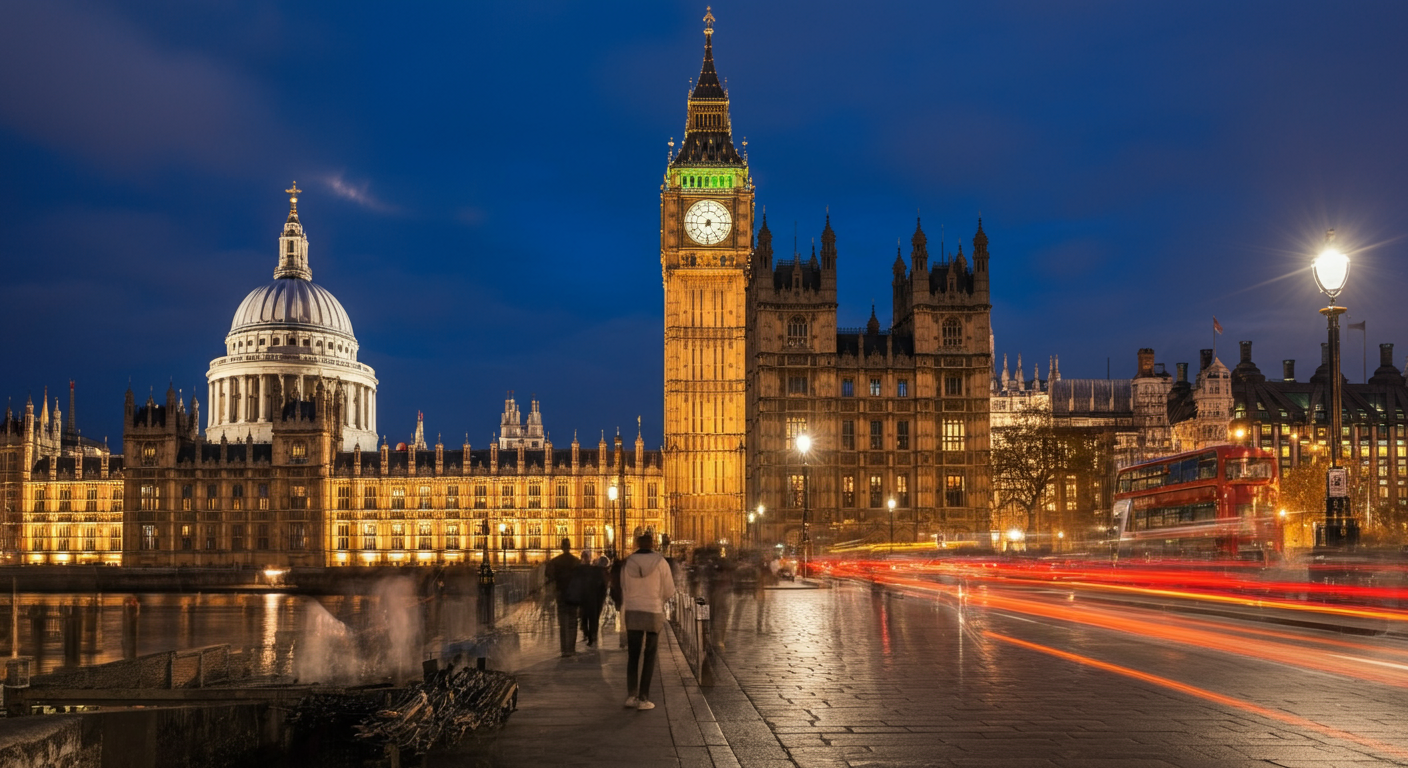
If you only have a little time, the best free things to do in London right now are the big museums, the iconic views, and the easy walking routes that connect neighborhoods without needing a ticket. Our Gidly-style shortlist would start with the British Museum, the National Gallery, Tate Modern, Sky Garden, the South Bank, and a park walk in Hampstead Heath, Hyde Park, or Greenwich Park.
The most important caveat is that “free” in London often means free general admission, not free everything. Many of the city’s best attractions are permanently free to enter but charge for special exhibitions, guided tours, or some rooftop experiences, and several popular places now use timed booking to manage crowds. That’s still a great deal, but it’s worth checking the official site before you go, especially on weekends, school holidays, and rainy days when everyone has the same idea.
From experience, the best strategy is to mix one headline attraction with one outdoor walk and one neighborhood stop. That keeps the day interesting, minimizes transit, and gives you a backup if the weather turns or the queue gets too long. If you’re hunting for free things to do in London today, tonight, or this weekend, you’ll get the best results by choosing based on area rather than trying to cross the whole city.
The 30 best free things to do in London — complete top picks overview
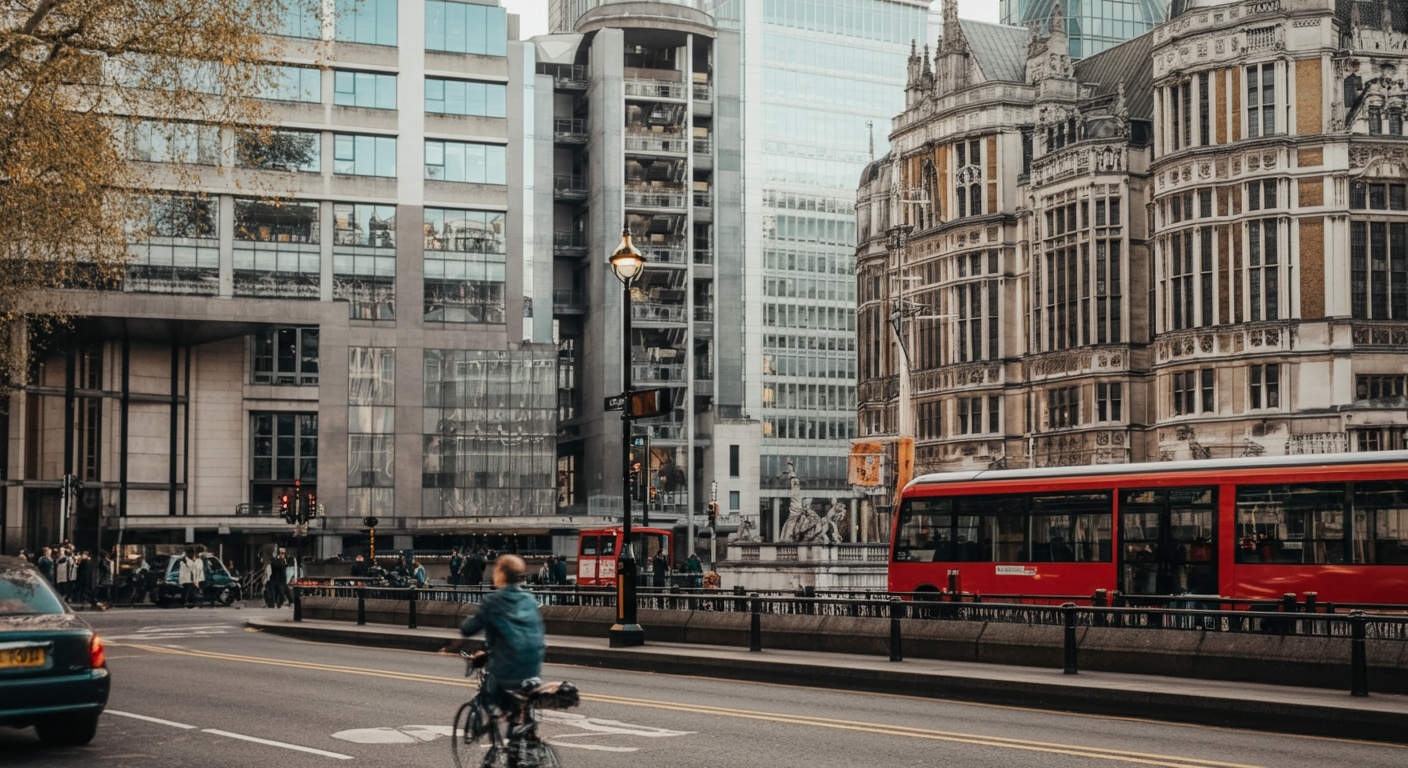
London is one of the easiest cities in the world to enjoy on a budget because so many of its headline attractions are free at the door. That includes some of the best art collections on the planet, several of the most famous public parks in Europe, and an endless supply of urban walking routes that feel like a proper day out. If you’re visiting for the first time, it can actually be overwhelming, so we’ve grouped the top free ideas by type and by how people really use them.
The list below mixes icons with less obvious finds so you can choose a plan that matches your schedule and energy. We’ve also kept an eye on the 2025-2026 reality of London: more timed entry systems, more crowd control on peak days, and more free programming happening through museums, neighborhoods, and public spaces rather than through old-school tourist brochures. That means there’s more to discover if you know where to look, but also more reason to confirm details before you leave home.
We like to think of this section as the “menu” for your free day out. Pick one museum, one viewpoint, one green space, one neighborhood, or one event, and you can build a whole London experience without opening your wallet. If you’re planning with friends or family, this overview also helps you split the city by vibe so nobody wastes half the day on transit.
Iconic free museums and galleries that are always worth it
The classic free museum circuit is still the best value in London if you want culture without paying admission. The British Museum, the National Gallery, National Portrait Gallery, Tate Modern, Tate Britain, the Natural History Museum, and the Science Museum all offer free general entry, and each one can fill a couple of hours easily. These are the places where you can spend an entire rainy afternoon and still leave feeling like you saw something meaningful, not just “killed time.”
What makes them especially useful in 2026 is how flexible they are for different group types. Couples can browse a few rooms and pair the visit with coffee nearby, families can use the kid-friendly exhibits and interactive spaces, and solo visitors can drift through without pressure. Some museums are better for quick hits, while others reward longer visits, and we break that down later so you can choose the right one instead of overcommitting.
For repeat visitors, the trick is to stop trying to “do the whole museum” and instead focus on one wing, one collection, or one architecture angle. That’s how locals actually use them. You’ll get much more enjoyment by visiting with a purpose, whether that means Egyptian antiquities, Turner canvases, modern art, or dinosaur fossils, and then heading back out into the city while you still have energy.
Classic free viewpoints, landmarks, and skyline spots
Free skyline views are one of London’s smartest splurges, because the view feels premium even when the price is zero. Sky Garden is the headline name, but there are also excellent no-ticket views from public hills like Primrose Hill and Parliament Hill, plus the city’s many riverfront and rooftop-adjacent public spaces. If you love photos, sunsets, or just orienting yourself in the city, this category is hard to beat.
Landmark walks are the underrated version of the same idea. Walking from Westminster to the South Bank, or through the City of London to Tower Bridge, gives you the architectural drama and famous backdrops without the need to buy entry to anything. That’s especially handy when you’re trying to combine sightseeing with exercise or when you want a first-date plan that doesn’t feel overly formal.
We’ve found that the best free viewpoints are usually best either early in the morning or just before sunset. Midday is fine, but the crowds can be thicker and the light less flattering. If you’re looking for that postcard shot or a quieter moment, timing matters almost as much as the location.
Parks, gardens, canals, and scenic river walks
London’s green spaces are not a backup plan; for a lot of locals, they’re the main event. Hyde Park, Regent’s Park, St James’s Park, Greenwich Park, Richmond Park, and Hampstead Heath all offer different versions of the same free pleasure: moving through a huge city while feeling strangely far from it. Add the canals and the Thames Path, and you have endless options for fresh air without a single ticket gate.
These are the spots we recommend most for mixed groups because they work in almost any season. In spring and summer you can picnic, in autumn you get beautiful color and softer light, and in winter you can still enjoy a brisk walk with a warm drink at the end. If your London trip is feeling too museum-heavy, a park day usually resets the mood instantly.
The key is to match the park to the plan. Some are perfect for a long roam and wildlife spotting, while others are better for a quick lunch break or a scenic route between neighborhood stops. We’ll help you choose the right one later, along with nearby Tube stops and crowd-avoidance tips.
Hidden gems and neighborhood discoveries for locals and repeat visitors
Once you’ve done the headline attractions, London gets much better when you start exploring by neighborhood. The City of London has quiet lanes and historic churchyards, Shoreditch and Spitalfields give you street art and market energy, and King’s Cross has some of the city’s smartest public realm design around Granary Square and Coal Drops Yard. These are the kinds of places where a simple walk becomes the activity.
We love this category because it feels more local and less scripted. You can wander, stop for a photo, duck into a church or arcade, and spend almost nothing while still feeling like you’ve discovered something. That’s ideal if you’ve already checked the major box-ticking spots and now want the London that residents actually use on a Tuesday afternoon.
The hidden-gem formula also works well for budget travelers because it reduces transport costs. If you cluster your day around one area, you spend less time underground and more time enjoying what you came for. That’s a big deal in a city this large, especially if you’re traveling with kids or trying to stay flexible.
Free events, performances, talks, and seasonal happenings
London’s free events scene is better than many visitors realize. There are free lunchtime recitals, museum talks, author signings, public lectures, screenings, and seasonal activations that pop up throughout the year, especially in cultural hubs and central neighborhoods. If you’re willing to check a few official calendars before heading out, you can find a lot more than just permanent free attractions.
This category changes fast, which is why it’s worth thinking in terms of “what’s on this week” rather than assuming the same thing will be available every month. Some events are genuinely walk-in, while others need advance booking even if they don’t cost anything. That’s a very London 2026 pattern: free, but organized.
For the best results, use free events as the centerpiece of a route rather than the only thing you plan to do. A free talk at the Southbank Centre, for example, becomes much better if you pair it with a Thames walk, a nearby gallery, or a meal from a food market afterward. That turns a single event into a full outing.
Free museums and galleries in London — the essentials
If you want the highest-value free day in London, museums and galleries should be first on your list. They’re reliable in any weather, many are centrally located, and they can suit first-timers and repeat visitors alike. Just remember that general admission being free does not mean every special exhibition is free, and some of the most popular institutions now prefer timed booking or clearly posted entry slots.
For 2026, the smartest museum strategy is to choose one anchor museum and one nearby add-on, rather than trying to cram in four or five. For example, you can easily combine the British Museum with Bloomsbury wandering, or the National Gallery with Trafalgar Square and a Covent Garden detour. That keeps the day relaxed and helps you avoid the classic mistake of museum fatigue.
We’ve also included practical planning notes here because opening hours, queues, and accessible entrances matter just as much as the collections. If you’re traveling with kids, using a stroller, or visiting on a peak holiday weekend, the details can completely change how enjoyable a free museum day feels. The good news is that once you know the basics, London’s museum network is one of the easiest free wins in the city.
The British Museum: must-see collections, best time to visit, and what is actually free
The British Museum is still one of the best free things to do in London, full stop. The permanent collection is free to enter, and that includes the famous Rosetta Stone, the Parthenon sculptures, Egyptian mummies, Assyrian reliefs, and huge stretches of world history that can easily fill half a day. The museum is at Great Russell St, London WC1B 3DG, and the nearest Tube is usually Tottenham Court Road or Holborn, depending on where you’re coming from.
From experience, the best time to visit is early on weekdays or later in the afternoon if you’re avoiding the biggest groups. Weekends and school holidays can get busy, especially at the signature rooms everyone wants to see first. Check the official website for current opening times and any temporary gallery changes, because even a free museum can have operating tweaks during events or conservation work. Special exhibitions are often ticketed, so don’t assume the whole building is cost-free if you spot a marquee show.
The museum works well for almost any audience, but it’s especially strong for first-time visitors, solo travelers, and anyone who wants a big cultural hit without a time limit. If you’re short on energy, focus on one floor or one region rather than trying to be exhaustive. That way you’ll leave with a memorable experience instead of a sore back and museum haze.
National Gallery and National Portrait Gallery: free art, Trafalgar Square access, and planning your route
The National Gallery at Trafalgar Square, London WC2N 5DN is one of the most rewarding free art stops in the world, and it’s especially good if you want big-name European painting without paying a cent. Right beside it, the National Portrait Gallery adds another layer of free browsing focused on faces, stories, and British cultural history. The closest Tube stations are Charing Cross and Leicester Square, and the whole area works well as a half-day walking plan.
We like this duo because it gives you flexibility. You can do one gallery seriously or both lightly, depending on your energy, and then step straight into the street life of Trafalgar Square, which is also free to enjoy. If you’re meeting friends or on a date, the square itself is a natural rendezvous point, and you can choose lunch, coffee, or a walk from there without much planning.
In 2026, the best approach is to check for temporary exhibitions and extended hours before you go. The permanent collections remain free, but some special programming may require tickets or reservations. If you’re crowdsensitive, the Gallery usually feels calmer first thing in the morning or toward closing time on weekdays, while the square gets busier in the middle of the day.
Tate Modern and Tate Britain: contemporary and modern art without an admission fee
Tate Modern at Bankside, London SE1 9TG and Tate Britain at Millbank, London SW1P 4RG are the two free Tate sites you should know if you want a modern-art day without spending on entry. Tate Modern is the more dramatic and international-feeling choice, with its big industrial space and riverfront location near Southwark and Blackfriars. Tate Britain is calmer and more classic, with a strong UK art focus and an easy position for combining with Westminster or Pimlico.
These museums suit different moods, and that’s useful because modern art can be polarizing in a group. Tate Modern is great for mixed-company wandering, photography, and a quick stop between the South Bank and St Paul’s. Tate Britain is more contemplative and often less hectic, which makes it ideal if you want to actually look at the work rather than power-walk through it.
Don’t forget that special exhibitions are usually paid, and some weekend slots or talks may need booking. Still, the free collections are substantial enough to justify the trip on their own. If you’re building a museum cluster, Tate Modern pairs especially well with a Thames walk, while Tate Britain works nicely with a riverside route or a quiet Westminster-area afternoon.
The Natural History Museum and Science Museum: how to combine them for a high-value day
The Natural History Museum at Cromwell Rd, South Kensington, London SW7 5BD and the Science Museum at Exhibition Rd, South Kensington, London SW7 2DD are a classic free two-for-one if you’re in the mood for hands-on learning, fossils, and big visual impact. South Kensington is one of the best museum neighborhoods in the city because you can hop between institutions without a long walk, and the South Kensington Tube station makes the logistics easy.
This combo is especially good for families and visitors who want a high-value day that doesn’t depend on weather. The Natural History Museum brings the wow factor with dinosaurs and the famous building itself, while the Science Museum works well for mixed ages and anyone who enjoys interactive exhibits. If you’re trying to keep kids engaged, the pair together can cover several hours without anyone getting bored.
As always, check official websites for current hours, booking needs, and temporary exhibit pricing. Some galleries are free, while specific experiences, simulators, and exhibitions can cost extra. If you only have time for one, choose the one that best fits your group: Natural History for spectacle and younger kids, Science for interactivity and broader age range. Either way, it’s one of the best rainy-day plays in London.
Free museum tips: booked slots, paid exhibitions, peak times, and accessibility notes
The biggest mistake people make with London’s free museums is assuming “free” means zero planning. In 2026, many institutions still have free admission but may ask you to book a timed slot for smoother crowd management, especially during holidays, school breaks, and special events. That doesn’t reduce the value; it just means you should treat the booking step like part of the visit.
Another common issue is overlooking paid add-ons. A museum may have a free permanent collection, but the exhibition everyone has posted on social media can be ticketed, and sometimes café, cloakroom, or guided tour choices add cost too. We recommend checking the official venue page right before departure, especially if you care about accessibility features, lift access, quiet hours, or family facilities.
If you’re mobility-conscious or visiting with a stroller, look for the official accessibility page and entrance details in advance. Most of the major museums are strong on access, but different entrances can matter more than you expect, particularly around older buildings. If you plan smartly, free museums are among the most stress-free entertainment options in the city.
| Museum / Gallery | Entry | Nearest Tube | Best For |
|---|---|---|---|
| British Museum | Free permanent collection | Tottenham Court Road / Holborn | First-timers, history lovers |
| National Gallery | Free permanent collection | Charing Cross / Leicester Square | Art dates, city center plans |
| Tate Modern | Free permanent collection | Southwark / Blackfriars | Modern art, river walks |
| Natural History Museum | Free permanent galleries | South Kensington | Families, rainy days |
Best free viewpoints and landmarks in London
When people ask us for the most memorable free things to do in London, viewpoints are always near the top. A good view gives you instant payoff, great photos, and a sense of scale that helps the city click into place. London is unusually generous here because it has both official public viewpoints and plenty of landmarks you can admire from the street without paying for admission.
The trick is to separate true free viewpoints from places that only seem free because the outdoor area is open while the main attraction is ticketed. We’ve included the places that are genuinely useful, easy to reach, and worth your time. We also added timing advice, because skyline spots change completely depending on light, weather, and crowd levels.
If you’re planning a date, a solo walk, or a friend meetup, this section is especially useful because views and landmarks turn a simple plan into something that feels planned. You can do them in a few hours, string them together with lunch or coffee, or use them as the anchor for a full neighborhood loop.
Sky Garden: how to book free tickets, best times, and view comparisons
Sky Garden at 1 Sky Garden Walk, London EC3M 8AF is one of the most famous free viewpoints in London, but it absolutely requires advance booking for most visits. The nearest stations are usually Monument, Bank, or Fenchurch Street, depending on your route. It’s free to enter the public viewing area and garden, but you’ll want to check the official website early because popular slots disappear quickly, especially for sunset and weekends.
From experience, Sky Garden works best when you treat it like a timed highlight rather than a spontaneous stop. The view is excellent across the City, the Thames, and many of London’s skyline icons, and it feels more polished than some other public viewpoints. If you’re trying to compare it with other options, think of Sky Garden as the most “event-like” free view, while hills like Primrose Hill feel more relaxed and open-ended.
We recommend booking as early as you can and arriving a little before your slot so you’re not rushed. There is often a security check and a crowd flow system, which means it’s not the kind of place where you can simply drift in whenever you like. If you’re staying in central London and want one premium-feeling free moment, this is still one of the best picks in the city.
The Garden at 120 and other rooftop-style public viewpoints
The Garden at 120, at 120 Fenchurch Street, London EC3M 5BA, is a lesser-known free rooftop-style public space that often flies under the radar compared with Sky Garden. It offers a different perspective over the City and can feel calmer if you’re after a quieter high-up break. The nearest Tube and rail options are in the same broad City cluster, making it easy to fold into a nearby walk.
What makes this category useful is that it broadens your options when the most famous viewpoint is full. London has several public terraces, small elevated gardens, and office-building lookout spaces that are free to access but not always heavily marketed. That gives you flexibility, especially on busy weekends or when you want a spontaneous skyline detour.
Always check opening windows, security rules, and whether the space is temporarily closed for events or maintenance. These places can have very specific access patterns. If you’re already in the City, it’s worth building your route around one or two of them rather than making a long cross-city trip just for the view.
Primrose Hill, Parliament Hill, and Hampstead Heath for panoramic city views
For a more relaxed and very London view, head to Primrose Hill, Parliament Hill, or the broader slopes of Hampstead Heath. These are free, open-air, and feel much less formal than the rooftop viewpoint scene, which is exactly why locals love them. You get a wide skyline without the booking pressure, and the atmosphere is ideal for picnics, walks, and casual meetups.
Primrose Hill is the easiest for a quick skyline fix, especially if you’re combining it with Regent’s Park or Camden. Parliament Hill and Hampstead Heath are better if you want a longer outdoor plan, more space, and a more natural setting. The nearest stations vary by exact spot, but Chalk Farm, Belsize Park, Kentish Town, and Highgate are common starting points.
We like these hilltop views because they work year-round and don’t feel engineered. They’re especially good at golden hour, when the light softens and the city becomes photogenic even if the weather isn’t perfect. If you want the kind of free activity that feels like a local recommendation rather than a tourist checklist item, this is it.
Free landmark walks around Westminster, South Bank, and the City of London
One of the easiest free things to do in London is simply walk between landmarks. Westminster gives you Big Ben, the Houses of Parliament, Westminster Abbey exteriors, and the river all in one loop, while the South Bank offers a dense stretch of riverfront life, street performers, bridges, and famous architecture. The City of London adds St Paul’s surroundings, the Bank area, and plenty of historic facades and alleys that reward slow wandering.
These walks are valuable because they turn sightseeing into an itinerary without adding much cost. You can start at one Tube stop, see several icons, and finish in a neighborhood where you can choose whether to eat, keep walking, or head home. They’re also flexible for weather, because you can shorten the route or detour indoors if needed.
We often recommend this for first-time visitors who want London’s essential image without buying a lot of tickets. It also works for seasoned locals who just want a city reset. If you like taking photos, the bridges and riverfront stretches give you repeated chances for great shots, especially in early morning or late afternoon light.
Photo tips, crowd avoidance, and sunrise/sunset planning
If you want the best free views in London, timing matters almost more than location. Early morning is the quietest, and sunset is often the prettiest but also the busiest. On clear days, a high viewpoint like Sky Garden or Primrose Hill can be spectacular, while a cloudy day may be better for moody cityscapes and less glare in your photos.
We’ve noticed that midweek visits usually feel much smoother than weekend visits, especially in tourist-heavy areas like Westminster and the South Bank. If you’re trying to avoid queues, aim for opening time or later in the day after the main sightseeing rush has passed. On hot summer weekends, parks and public viewpoints can get crowded very quickly, so arrive earlier than you think you need to.
For photography, bring a charged phone or camera and think about foregrounds as much as skyline. A bridge railing, a tree line, or a river curve can make your shot look much more intentional. The best free city view is usually the one you can enjoy without fighting the crowd to get it.
| Viewpoint | Free? | Booking | Best Time |
|---|---|---|---|
| Sky Garden | Yes | Usually required | Sunrise or sunset slot |
| Garden at 120 | Yes | Check current policy | Weekday daytime |
| Primrose Hill | Yes | No | Golden hour |
| Parliament Hill | Yes | No | Clear days |
Parks, gardens, canals, and river walks
If your version of the perfect free day in London includes fresh air, coffee, and a route you can follow without too much planning, the parks-and-walks category is where the city shines. London’s parks are not just a nice break from museums; they are major attractions in their own right. Add canals and the Thames, and you have a huge network of free routes that work for exercise, date nights, family time, or simply getting somewhere beautifully.
The best part is how adaptable these spaces are across seasons. In summer they’re picnic territory, in spring they’re flower-filled and alive, and in winter they still give you open air and fewer crowds. The only thing you really need to watch is weather and footwear, because a scenic walk can become a wet one very quickly if you’re not prepared.
We’ve grouped this section by park type and route style so you can choose based on your mood rather than randomly picking a green square on a map. If you only have a few hours, a neighborhood walk or canal route may be better than committing to a huge park, and if you want a long, calm reset, one of the bigger parks will reward you with space and variety.
Hyde Park, Regent’s Park, and St James’s Park: which park fits which mood
Hyde Park is the “big central classic,” best if you want space, openness, and easy access from the West End. Regent’s Park is more curated and elegant, with beautiful paths, gardens, and a strong fit for a relaxed couple’s stroll or a family outing. St James’s Park is the most compact and postcard-like of the three, perfect if you want views of Buckingham Palace-adjacent surroundings and a short, polished walk.
Each park has its own personality. Hyde Park is best for longer walks and broad leisure time, Regent’s Park feels more designed and comfortable for lingering, and St James’s Park is ideal if you’re pairing a walk with central sightseeing. They’re all free to enter, and all can be enjoyed with very little planning, which is why they remain some of the most dependable free things to do in London.
If you’re making a decision quickly, choose Hyde Park for scale, Regent’s Park for neatness and rose-garden appeal, and St James’s Park for convenience. We’d especially recommend St James’s Park for first-time visitors because you can see a lot of famous London scenery in a short amount of time. For local repeat visits, Regent’s Park tends to feel a bit more relaxing and less rushed.
Greenwich Park, Richmond Park, and Hampstead Heath for longer outdoor escapes
Greenwich Park gives you a mix of views, history, and a village-like feel that makes it one of the best all-day free outings in south-east London. Richmond Park is the most expansive and wild-feeling of the group, famous for deer and huge open space, while Hampstead Heath offers a more rugged, local, and slightly bohemian outdoor escape closer to central areas. All three are free to enter and all deliver a more substantial experience than a short city garden walk.
These are the parks to choose when you want a destination, not just a stroll. Greenwich works beautifully with the observatory area, river views, and nearby historic surroundings. Richmond is ideal if your goal is to feel far from the city without actually leaving it, and Hampstead Heath is great if you want to combine walking with a North London café or pub afterward.
From experience, the main planning issue is transport time. Richmond Park in particular can feel like a true excursion if you’re starting in central London, while Greenwich and Hampstead can fit more easily into half-day outings. Check the nearest station and the exact entrance point before you set out, because these spaces are large enough that the “wrong” entrance can add a lot of walking.
Little Venice to Camden and Regent’s Canal for a scenic free walk
The Regent’s Canal walk from Little Venice toward Camden is one of London’s most satisfying free routes. It gives you water, boats, bridges, and a gradual urban shift from calm residential scenery to a livelier market environment. It’s also a route that feels very local if you live in or are visiting the city more than once, because it reveals how much character London has at street level.
The walk is especially good if you want a date plan, a low-cost friend catch-up, or a solo wander with lots of visual detail. You can start at Little Venice, drift along the canal, and end in Camden for market browsing or just a transit connection. The whole thing feels like a small journey rather than a formal attraction, which is part of the appeal.
We recommend checking the light and weather before you go, since canal paths can be lovely in soft daylight and less appealing in heavy rain. If you want to avoid crowds, start earlier in the day or on weekdays. If you’re looking for one of the best free things to do in London that doesn’t feel touristy but still looks photogenic, this is a top-tier option.
South Bank and Thames Path: best free stretch for first-time visitors
The South Bank is one of the easiest places in London to feel like you’re doing a lot without spending a lot. Between the river, bridges, street performers, public seating, and sightlines to major landmarks, it delivers a high concentration of London atmosphere in a single walk. The Thames Path nearby extends that feeling and lets you customize your route based on time and energy.
This is a great first-day option because it combines orientation, landmark spotting, and flexibility. You can start near Westminster, walk east past the Southbank Centre and Tate Modern area, and end near Tower Bridge or Borough depending on how far you want to go. If you’re traveling with people who have different pace preferences, the riverfront makes it easy to split and reconvene.
The main drawback is that it can be crowded, especially on weekends and during good weather. Still, that’s part of the experience, and the atmosphere is lively rather than stressful if you start early or go later in the evening. If your goal is “free and classic,” the South Bank absolutely belongs near the top of the list.
Seasonal outdoor planning: spring blooms, summer picnics, autumn colors, winter walks
London’s parks and walks change a lot through the year, and planning around season can make a free outing much better. Spring is one of the most beautiful times because blossoms, fresh leaves, and longer daylight make even simple parks feel special. Summer is the picnic season, but it also brings crowds, so the best strategy is to arrive early and choose bigger green spaces when possible.
Autumn is underrated in London, especially in places like Hampstead Heath, Hyde Park, and Greenwich Park, where the colors are rich and the air feels crisp. Winter is less about lushness and more about atmosphere, with quieter paths, better visibility, and, on clear days, crisp skyline views. If you want festive energy, some parks and river routes also feel especially good around the holidays when the city decorations are up.
Whatever the season, packing a small umbrella or an extra layer is a very London move. A sunny forecast can turn gray quickly, and a route that feels perfect at 2 p.m. may feel much colder by 5 p.m. If you’re flexible, these outdoor options can be the foundation of almost any free day in the city.
| Outdoor Route | Ideal Season | Crowd Level | Best For |
|---|---|---|---|
| South Bank | Year-round | Medium to high | First-time visitors, dates |
| Hampstead Heath | Spring/autumn | Medium | Walks, views, solo time |
| Regent’s Canal | Spring/summer | Medium | Scenic strolls, photos |
| Richmond Park | All seasons | Lower to medium | Day escapes, nature |
Hidden gems and neighborhoods to explore for free
One of the best ways to enjoy free things to do in London is to stop thinking only in terms of attractions and start thinking in terms of neighborhoods. London’s districts are interesting enough to be the activity, especially if you cluster stops logically and let the city’s texture do the work for you. That’s how you get more value out of your day without spending more money.
For locals and repeat visitors, this is where the city becomes more rewarding. Instead of standing in queues for another obvious landmark, you can wander quiet streets, find public art, watch market life, and notice architecture that doesn’t make it onto the standard list. The difference between an okay free day and a great one is often just choosing the right area.
We’ve focused on places that are easy to combine into a route, because that’s how good free days are built. A neighborhood with a market, a churchyard, a street-art lane, and a nearby park can become a full itinerary without needing any paid activities at all. That is especially helpful if you’re trying to keep the day light, spontaneous, and low-budget.
City of London: historic lanes, churchyards, and quiet architecture
The City of London is one of the best areas for free wandering because it mixes ancient and modern in a very compact space. You can move from skyscrapers to medieval lanes to quiet churchyards in a few blocks, and much of the appeal is simply in the atmosphere. During weekends it can feel especially peaceful, since the business district empties out and the architecture becomes easier to appreciate.
Places like the lanes around St Paul’s, the square mile’s hidden gardens, and the spaces around Bank and Monument give you a sense of London that is both polished and old. This is a good free option for solo visitors, architecture lovers, and couples who like wandering without a strict plan. It also works well as an add-on to the Thames or a museum visit.
We recommend looking up a few official walking routes from the City’s own resources, because the best experience here often comes from following an intentional loop rather than random wandering. The area is dense, and that makes it easier to build a half-day route than in many other parts of London. The more you slow down, the more this district rewards you.
Shoreditch and Spitalfields: street art, markets, and creative energy
Shoreditch and Spitalfields are two of the best free picks if you want street art, markets, and a creative city feel. The streets around Brick Lane, Redchurch Street, and the broader East London canvas change constantly, so the experience feels current and alive rather than fixed. Spitalfields Market also offers a strong indoor-outdoor wandering environment even if you’re not buying anything.
This is a brilliant neighborhood for groups of friends because there’s always something to look at and plenty of places to regroup. It’s also useful for solo visitors who want to people-watch and explore on foot without needing a schedule. If you’re into photography, murals, shopfronts, and urban texture, Shoreditch is one of the best free areas in the city.
One insider tip: check the time of day. Mornings are quieter and better for clear street-art viewing, while afternoons and weekends bring more energy and more foot traffic. If you want the area to feel less overwhelming, pick one short loop and then move on rather than trying to absorb all of East London in one go.
Covent Garden, Leicester Square, and Soho: people-watching and free atmosphere
Covent Garden, Leicester Square, and Soho are famous, busy, and extremely walkable, which makes them ideal for free atmosphere rather than free entry. You can browse the street performances, watch the flow of people, and enjoy the architecture and energy without needing a ticket. This is one of the best parts of central London if you like motion, restaurants, and a city vibe that feels alive late into the day.
Covent Garden is especially good if you want an easy “we’ll just see what happens” plan. Leicester Square can be noisy but useful for quick crossings and evening energy, while Soho gives you the best sense of London nightlife without necessarily having to spend on it. All three areas can be folded into a theatre-night or dinner plan, but they are also perfectly fine as free urban theater by themselves.
If you’re trying to avoid buying things, set a clear boundary before you go because this part of town is designed to tempt you. The free fun comes from the environment, not from shopping or dining, so choose a route, enjoy it, and then leave before your wallet starts talking. That’s the easiest way to make this area work as a budget outing.
King’s Cross, Coal Drops Yard, and Granary Square: canal-side urban design
King’s Cross is one of the strongest “new London” free neighborhoods because it combines smart public design, water features, canal edges, and stylish open spaces. Granary Square, the steps and fountains around it, and the paths toward Coal Drops Yard make for a very easy low-cost outing, especially if you want a modern city feel without committing to shopping. The area also connects well to Regent’s Canal and nearby walking routes.
This is a particularly good option for mixed groups because it offers plenty of seating, easy transit access, and a lot of visual variety. Families like the open space and water features, friends can use it as a meeting point, and solo visitors can enjoy the architecture and public realm. The vibe is more polished than edgy, but still interesting enough to justify the trip.
We recommend it as a smart fallback when the weather is mixed or when you want a free area with strong food options nearby, even if you don’t end up buying anything. It’s also a useful place to begin or end a canal walk. If you’re building a route, King’s Cross pairs especially well with Camden, Regent’s Canal, or Bloomsbury.
Notting Hill, Hampstead, Greenwich, and South Bank as neighborhood day plans
Some neighborhoods work less as single attractions and more as complete free day plans. Notting Hill gives you pastel streets, quiet wandering, and the feeling of being in a movie without necessarily paying for a thing. Hampstead delivers village charm, the Heath, and a calmer north London rhythm, while Greenwich gives you history, parkland, and the river in one place.
The South Bank, meanwhile, is the most obvious “just walk and enjoy it” free district in central London. The route is scenic, lively, and packed with things to see, even if you never enter a building. That makes it ideal for first-timers who want a lot of London in a single stretch and don’t want to overthink logistics.
If we were choosing one neighborhood per mood, Notting Hill is best for pretty wandering, Hampstead for relaxed local feel, Greenwich for a full half-day destination, and the South Bank for classic city energy. None of these require much money, but they do reward route planning. Cluster nearby free stops and you’ll get much more out of the day.
Free events and performances in London
London’s free events scene is one of the reasons the city stays interesting even when you’ve seen the major landmarks already. There are free performances, talks, screenings, launches, and pop-ups happening across the city every week, especially in central cultural venues and neighborhood institutions. The challenge is not finding something free; it’s finding the right free thing for your exact time and location.
In 2026, free events have become more bookable and more structured. That’s good for crowd control and planning, but it does mean last-minute spontaneity sometimes comes with a catch. If you want free events to work for you, think in terms of checking official calendars, reserving early when possible, and arriving on time.
We’ve included this section because it’s one of the best ways to keep a London day fresh if you’re a local or a repeat visitor. A free concert or talk can anchor the day, and everything else can be built around it. That’s a smarter use of your time than searching randomly once you’re already out the door.
Free concerts, lunchtime recitals, and open rehearsals
Free concerts and lunchtime recitals are a surprisingly strong part of London’s cultural calendar. You’ll often find them at concert halls, churches, universities, and arts venues, and they can range from classical sets to jazz, chamber music, and experimental performances. If you’ve got a flexible weekday schedule, these events can be some of the most rewarding free things to do in London.
The best way to approach them is to check the venue’s current events page and see what’s offered that month. Some recitals are very short and easy to drop into, while others are more formal and may still be free but need advance reservation. If you enjoy music but don’t want to pay West End prices or club entry, this is a great alternative.
These events are especially nice for solo visitors and couples because they feel calm, cultured, and low-pressure. They’re also useful as a midday filler between other attractions. When you pair one with a walk or gallery visit, you can build a day that feels rich without being expensive.
Museum talks, author events, signings, and public lectures
Many of London’s museums, galleries, and cultural institutions run free talks, public lectures, book signings, panel discussions, and community events. These are ideal if you want something intellectual or topical without buying a full event ticket. Topics vary widely, so you can find anything from art history and architecture to urban planning, literature, and social issues.
We like these events because they often reveal a side of London that visitors miss completely. Instead of just seeing the building, you hear from the people behind the ideas and collections. That adds context and makes the city feel more alive, especially if you’re interested in culture beyond the standard selfie spots.
If you’re planning to attend, check whether registration is needed even when entry is free. Seats can go quickly, especially for well-known speakers or evening events. Arriving early is often worth it, and the surrounding neighborhood can become part of the outing if you arrive with time to spare.
Free screenings, pop-ups, market activations, and cultural festivals
London’s public spaces and cultural venues regularly host free screenings, pop-ups, and festival-related activities, especially during summer and the holiday season. Markets and shopping districts also run activations that are free to browse, even if some side attractions are paid. That means you can often find something happening just by checking a neighborhood calendar before heading out.
This category is a little more variable than permanent attractions, which is why it’s perfect for people who like discovery. A free film screening or a temporary installation can be the highlight of the day if you catch it at the right time. The flip side is that you need to move quickly when something looks good because capacity can be limited.
We suggest treating pop-ups as a bonus layer on top of a route, not as the only reason to go somewhere unless you’ve already confirmed details. That keeps your plan resilient. If the event is full or changed, the neighborhood still gives you enough to do for free.
How to find what’s free this weekend or tonight
The best way to find free events quickly is to use official venue calendars, neighborhood listings, and a local discovery platform like Gidly. Start with the area you already plan to be in, then look for events within walking distance rather than across the city. That single habit can save a huge amount of transit time and reduce the odds of arriving late or missing the booking window.
For same-day plans, it’s smart to search by current date, neighborhood, and category. Terms like “free concert near me,” “free museum talk tonight,” or “free things to do this weekend in London” often surface the right thing quickly, but always verify the source. In 2026, some events are updated more reliably on the venue’s own site than on third-party listings, so official confirmation matters.
If you’re going out with a group, check whether the event allows walk-ins or requires everyone to register individually. That small detail can cause friction if you overlook it. A few minutes of checking upfront usually saves a lot of annoyance later.
Booking rules, entry caps, and how to avoid disappointment
Free events are often the most capacity-sensitive things in London, because “free” tends to attract more interest than paid programming in a busy city. That means booking rules matter a lot. Some events allow just a simple RSVP, some require timed entry, and some fill up days in advance even though they’re free.
To avoid disappointment, check the official page for the event start time, the actual door opening time, and whether there is a queue or waiting list. If you’re traveling from another part of London, leave a little buffer because a few minutes’ delay can make the difference between getting in and missing out. It’s also worth looking for backup options in the same neighborhood.
If you’re using a free event to justify a whole outing, don’t make it the only thing on the plan. Build in a park, gallery, market, or walk so the day still works even if the event is full. That’s the local way to do free London well.
| Free Event Type | Typical Booking Need | Best Time to Check | Crowd Risk |
|---|---|---|---|
| Museum talk | Often RSVP | 1-2 weeks ahead | Medium |
| Lunchtime recital | Sometimes walk-in | Weekdays | Medium |
| Free screening | Usually booking | As soon as announced | High |
| Pop-up / festival activity | Varies | Closer to event date | High |
Free things to do with kids and families
London is a fantastic city for families on a budget because so many of the best kid-friendly experiences are free, especially if you plan around museums, parks, and open public spaces. The key is to keep the day varied and not overdo it. Kids usually do best when there’s a balance of indoor learning, outdoor movement, and an easy snack or rest break in between.
Family planning in London is also about logistics. Bathrooms, stroller access, and transit shortcuts can matter more than the headline attraction. We’ve included practical notes here because a “free” outing can quickly stop feeling free if you get stuck carrying everything across the city or waiting in a long queue with hungry children.
These suggestions are great for local parents and visitors alike, and many of them also work well on rainy days when you need somewhere interesting to go without paying for a full attraction. If you’re traveling with mixed ages, the right combination of museum, park, and low-stress walking route can carry the whole day.
Best free museums for children and interactive learning
The Natural History Museum and Science Museum are the obvious family favorites, but they’re obvious for a reason: they work. The dinosaur galleries, hands-on science displays, and big visual spaces hold children’s attention far better than a more text-heavy museum would. The British Museum can also work for older kids if you pick specific objects and keep the visit short.
We recommend choosing one museum rather than stacking too many in a single day. The best family visits are the ones where kids get enough to stay engaged but not so much that they burn out. If your children are younger, pair a museum with a park instead of another indoor site.
Check the official museum site for family facilities, accessibility, and current exhibits. Some venues also have free trails or activity sheets, which can make the visit feel more interactive without adding cost. Those little extras often make the difference between “boring” and “that was awesome.”
Parks, playgrounds, splash areas, and animal-spotting walks
London parks are a huge family win because they let children move freely without paying for a dedicated attraction every time. Hyde Park, Regent’s Park, St James’s Park, Greenwich Park, and Hampstead Heath all have their own open spaces and family-friendly corners. In warmer months, splash areas and fountains can be a lifesaver, while wildlife spotting gives even simple walks a sense of purpose.
Animal-spotting is a great low-cost activity here. Ducks, geese, pelicans in St James’s Park, deer in Richmond Park, and city birds in the larger green spaces can keep kids engaged for surprisingly long stretches. If you’re trying to keep the outing free and simple, a park plus snacks is often enough.
One thing to remember is that the busiest parks can be overwhelming on sunny weekends. If you want a calmer experience, go earlier in the day and choose a park with multiple entrances so you can leave easily when the kids get tired. That flexibility matters more than any single “best” playground.
Free family-friendly indoor options for rainy days
Rainy days are when London families really lean on museums, public libraries, covered markets, and large indoor public spaces. The best free indoor plan is usually a combination of one museum, one nearby café or snack break, and one walkable indoor stop such as a market hall. This keeps everyone from getting restless or overwhelmed.
Libraries can be surprisingly useful, especially if you want a calmer hour with books, space to sit, and a dry place to regroup. Some bookshops and public halls also work as “free browsing” stops, though it’s always good to be respectful if you’re not buying anything. The goal is to create a soft landing when the weather turns, not to force a packed schedule.
If you know it’s going to rain all day, pick a neighborhood with several indoor options close together. South Kensington, Bloomsbury, and the South Bank are especially good for this. That way you can pivot quickly without making the day feel like a disaster.
Low-stress half-day and full-day family itineraries
A low-stress half-day family route might be the Natural History Museum in the morning, lunch nearby, and a walk in Hyde Park afterward. Another strong option is Greenwich Park plus a riverside wander, which gives kids open air and enough scenery to keep them interested. For a full day, you can pair one big museum with a second free outdoor stop and keep the pace relaxed.
The biggest family mistake is trying to pack in too many “must-sees.” Free days work better when there’s room to breathe. Build in a snack break, a toilet stop, and some unstructured time, because kids often remember the spaces in between as much as the attraction itself.
If you’re traveling with a stroller, check pavement conditions and station access ahead of time. Some of London’s most charming areas have older infrastructure, and that can affect how easy a route feels. A little route planning can save you a lot of stress later.
Parent tips: toilets, snacks, stroller access, and crowd management
Toilets matter more than almost anything else on a family day out, so check the official venue page and park maps before you go. Snacks are equally important, because “we’ll figure it out later” usually turns into the wrong kind of meltdown. Many of London’s free attractions have café options nearby, but those are still not always fast or budget-friendly, so a backup plan helps.
Stroller access can vary by station, building, and even route segment. If you’re unsure, look for official accessibility information and avoid overcomplicating the day. Crowd management is easier if you arrive early, leave before the absolute peak of the afternoon, and pick a route that has clear exit options.
Families do best in London when the free plan is built around convenience. That doesn’t mean boring; it just means choosing places where the logistics don’t fight you. The city has plenty of those if you know where to look.
Free things to do for date night, friends, solo outings, and team building
One reason free things to do in London are so useful is that they work for every kind of company. A scenic walk can become a great date, a museum can become an easy friend catch-up, and a quiet gallery can be exactly the right solo reset. You don’t need a lot of money to make the day feel thoughtful if you choose the right setting.
This section is about matching the free activity to the vibe. A romantic sunset, a lively market route, a reflective gallery visit, and a low-pressure team walk all look different, but they all share the same goal: giving you a fun city experience without unnecessary spend. That is especially useful in a city where paying a lot does not always mean having a better time.
We’ve also included a few group-planning ideas because people often forget that “free” still needs a good format. A successful outing is not just about the location, but about whether it suits conversation, movement, privacy, and energy levels. London gives you plenty of options once you know what you’re aiming for.
Free date-night ideas: scenic walks, sunset viewpoints, and gallery evenings
A free London date night works best when it feels intentional rather than cheap. Scenic walks along the South Bank, a sunset on Primrose Hill, or an evening museum visit can all feel genuinely special without costing anything to enter. The point is to choose a route or setting that gives you time to talk and enough visual interest to keep things easy.
Gallery evenings are especially good if you both like culture but don’t want the pressure of a formal night out. Start with a free collection, add a short walk, and end near a casual drink or dessert spot if you decide to spend later. That keeps the free part strong while leaving room for flexibility.
We think sunset viewpoints are the top date-night free pick because they naturally build atmosphere. If the weather is good, pair one with a simple walk and you’ve already made the evening feel planned. If the weather is bad, fall back on a gallery or museum and the date still works.
Free things to do with friends: group strolls, market-hopping, and photo routes
Friend groups usually want something social, easy to pause, and flexible enough to accommodate different arrival times. That’s why market-hopping, canal walks, and neighborhood routes work so well. You can chat, take photos, stop for snacks if you choose, and move on without needing everyone to commit to a seated activity.
Shoreditch, Covent Garden, Camden, King’s Cross, and the South Bank are especially good for this because they provide visual variety and plenty of “let’s just keep walking” moments. If you’re coordinating a group, pick a single meeting point and a backup coffee stop. That keeps the outing from dissolving into location confusion.
For a slightly more structured friend plan, add one free event or exhibition opening to the route. That gives the day a centerpiece and makes the outing feel more like an occasion. You don’t need a big budget to create a memorable group plan in London; you just need a place with energy.
Free solo activities: peaceful reading spots, museums, and reflective walks
Solo outings in London are ideal because you can move at your own pace and choose exactly how much stimulation you want. A museum visit, a riverside walk, or a quiet park bench can all be perfect depending on your mood. If you enjoy reading, sketching, journaling, or people-watching, the city offers endless free spaces that support that kind of time.
We especially like solo plans that combine a free attraction with a reflective walk. For example, you can spend an hour in a gallery and then walk to a park or the river to let the experience settle. That makes the outing feel more complete and less rushed.
One of the underrated benefits of solo free plans is that they’re easy to interrupt or extend. If you’re enjoying yourself, stay longer. If not, leave and pivot. London rewards that kind of flexibility better than almost any city.
Free team-building and corporate-friendly activities: city trails and culture stops
For team-building, the best free activities are ones that encourage movement and conversation without forcing anyone into awkward group games. City trails, public art walks, canal routes, and museum-based itineraries all work well because they let people split into smaller conversations and regroup naturally. They also work across mixed fitness levels and different personalities.
Neighborhood-based plans are especially smart because they reduce transit complexity. A team can start in the City, move to the South Bank, or explore King’s Cross and Bloomsbury without needing much coordination. If you’re planning for a work group, look for easy exits, nearby coffee, and a clear meeting point.
In our experience, the most successful corporate-friendly free outings are the ones that feel optional rather than forced. A great route plus a good pub or café nearby is often enough. You don’t need to over-engineer it.
Choosing the right free activity by mood, weather, and group size
The best free activity is the one that fits the actual day, not the fantasy version of the day. If the weather is sunny, choose parks and views. If it’s rainy, choose museums or indoor public spaces. If your group is large, keep the route simple and central; if it’s small or solo, you can get more adventurous.
We use a simple rule: start with the weather, then choose the neighborhood, then choose the vibe. That order keeps the plan practical. London is a city where you can always do something free, but you’ll enjoy it more if you don’t fight the weather or the logistics.
It’s also worth thinking about energy level. Some free activities are active, some are contemplative, and some are social. Match those to your day and you’ll make better choices faster.
Rainy day and indoor free things to do in London
Rainy days in London are not a reason to stay in; they’re a reason to switch to the city’s excellent free indoor options. The museums are the obvious answer, but there are also covered public spaces, indoor markets, libraries, and architecture-rich halls that give you somewhere dry to explore. A good rainy-day plan can still feel like a proper outing, not a compromise.
What matters most on wet days is clustering. If you choose an area with several free indoor spots close together, you can stay flexible and avoid spending too much time moving between places. That’s especially helpful in London, where a short walk can still mean a damp one if the weather turns hard.
We’ve included a mix of obvious and slightly lesser-known ideas here because rainy days are when the city’s public interiors really shine. If you know what to look for, you can make even a gray day feel full and interesting.
Free indoor museums and galleries for wet-weather plans
The best rainy-day move is still a museum or gallery because it lets you stay busy without tracking the weather every five minutes. The British Museum, the National Gallery, Tate Modern, the Natural History Museum, and the Science Museum all work well here, depending on whether you want art, history, or family-friendly exhibits. They’re also easy to combine with nearby cafés and Tube stations.
Rainy days increase demand, so timed booking and early arrival become more important than usual. If you can go on a weekday or close to opening, your experience will likely be much smoother. That’s one of the reasons locals often prefer weekdays for free indoor culture.
If you want less crowded alternatives, consider smaller galleries and museum branches, or go to the big names but focus on lesser-known rooms rather than the headline displays. That often gives you a better experience and a calmer atmosphere.
Covered markets, atriums, and public halls for shelter without spending
Covered markets and large public halls are perfect rainy-day options because they let you browse, sit, and people-watch without committing to purchases. Places like Covent Garden areas, Spitalfields, Borough-area surroundings, and King’s Cross’s public spaces can all provide a sheltered atmosphere even if you never buy anything. They’re not museums, but they still feel like a proper part of the city.
These spaces are useful because they create a buffer between the weather and your day. You can pause there, wait out a shower, or use them as a transition from one outdoor stop to another. That flexibility is part of what makes London so good for budget-minded visitors.
As always, check whether any indoor public hall is temporarily reserved for events before you assume you can just wander in. Most are free to enter during public hours, but schedules change. A quick official check is usually enough.
Libraries, bookshops, and architecture spots that feel like a city break
London libraries can be wonderful free shelters when you want a quiet hour indoors. They’re not always the first place visitors think of, but they’re ideal for reading, recovering, or simply soaking up the city at a slower pace. Some central bookshops and architecture-focused public spaces also create a similar effect, even if they’re not formal attractions.
These kinds of stops are especially good for solo visitors and anyone who wants a break from crowd-heavy sightseeing. They let you feel productive and relaxed at the same time, which is a rare combination on a wet day in a large city. You can also combine them with a neighborhood walk if the rain eases up later.
If you love design or interiors, this category can be surprisingly satisfying. Public buildings, atriums, and library spaces often reveal a more modern and thoughtful side of London than the exterior tourist trail does. That’s part of the appeal of staying flexible.
Indoor-free route ideas by neighborhood
If it’s raining, neighborhood-based indoor routes make all the difference. South Kensington is the classic museum cluster, Bloomsbury is excellent for the British Museum and nearby streets, and the South Bank gives you a mix of indoor culture and covered riverside movement. King’s Cross and the City of London also offer useful indoor-public-space combinations if you want a more urban feel.
The trick is to build a route that keeps you within a short walk of multiple free stops. That way, if one place is full or less interesting than expected, you have a backup nearby. This is much better than trying to cross London in the rain for one attraction.
We recommend having one indoor anchor and one flexible backup. That gives you the confidence to head out even if the weather looks rough. In London, a good plan beats a perfect forecast.
What to do when the weather changes at the last minute
London weather can flip fast, so it’s smart to have an indoor fallback in your pocket. If your park walk gets rained out, move toward a museum, covered market, or public hall instead of trying to force the original plan. A quick pivot is often all it takes to save the day.
For last-minute changes, use the neighborhood you’re already in rather than starting over. If you’re near the South Bank, check Tate Modern or a nearby indoor venue. If you’re near Bloomsbury, head to the British Museum. If you’re near South Kensington, you have multiple free indoor choices within a very short radius.
That’s the best part of London’s free scene: it’s resilient. The city gives you enough options that a weather shift doesn’t have to ruin your day, as long as you stay flexible and think locally.
Free things to do by neighborhood — quick comparison guide
London is too big to approach as one giant sightseeing blob, especially if you’re trying to keep things free. Neighborhood clustering is the key to making the city feel manageable and budget-friendly at the same time. If you group nearby free attractions together, you reduce transit costs, save time, and usually enjoy the day more.
This section gives you a practical way to choose where to go based on the kind of day you want. Different parts of London are stronger for different moods, and that’s a helpful lens if you’re deciding between several good options. The right neighborhood can do half the planning for you.
We’ve also included a comparison table because it’s easier to pick a route when the options are side by side. If you’re in a rush, this is one of the most useful parts of the guide.
Central London: best for first-timers and short stays
Central London is the easiest place to get the most obvious free wins in the shortest time. You can combine the British Museum, the National Gallery, Trafalgar Square, the South Bank, Westminster exteriors, and various city-view walks without needing to go far. That makes it ideal for first-time visitors or anyone with only a day or two in the city.
The tradeoff is crowd density. Central London is busy almost all the time, and popular free spots can feel packed on weekends and during holidays. Still, if you want maximum iconic value with minimum transport stress, this is the place to start.
For a strong central plan, pick one museum and one walk. That keeps your day grounded and prevents the area from becoming overwhelming. Central London is best enjoyed in slices, not as an attempt to “see everything.”
East London: best for street art, markets, and creative scenes
East London is the best place for free wandering if you want a more creative, changing, and less formal atmosphere. Shoreditch, Spitalfields, Brick Lane surroundings, and parts of Hackney offer street art, market energy, and a sense that something is always happening. It’s a good fit for friends, solo explorers, and repeat visitors who want something different from the standard museum route.
This area tends to reward curiosity more than strict planning. You’ll find more if you let yourself roam, pause, and detour. The free attractions are often embedded in the streets themselves, which makes the area feel lively even when you’re not spending anything.
If you like food markets and visual texture but don’t want to commit to a paid activity, East London is one of the strongest parts of the city. Just keep an eye on travel time if you’re starting from the west or south.
North London: best for parks, views, and village-like areas
North London shines for green space and more residential-feeling free outings. Hampstead Heath, Primrose Hill, and parts of Camden give you a mix of views, walking, and neighborhood personality. It’s a great part of the city for people who want fewer tourist pressures and more room to breathe.
The area suits slow plans. It’s especially good for a weekend walk, a sunset view, or a coffee-and-stroll afternoon. You can make a whole free day out of just one northern neighborhood if you choose carefully.
Because the area is a bit more spread out than central zones, route planning matters. But once you know the pockets, North London becomes a favorite for locals and anyone who wants a less scripted experience.
South London: best for riverside walks, culture, and relaxed plans
South London offers some of the city’s best free walking routes, especially around the South Bank, Greenwich, and the Thames Path. It tends to feel a little more relaxed than the busiest central areas while still delivering strong cultural payoffs. If you like a day that mixes river views with art or history, this side of the river is excellent.
Greenwich is especially good for a half-day or full-day outing because it has enough structure to feel like a destination without requiring a ticket for everything. The South Bank, on the other hand, is more of a flexible urban promenade, which makes it ideal for quick plans and casual meetups.
South London is one of the best places to understand how London works as a city rather than just a tourist map. It’s scenic, walkable, and easy to tailor.
West London: best for museums, gardens, and pretty residential areas
West London is particularly good if your free day is centered on museums, parkland, and elegant streets. South Kensington is a major draw for the free museum cluster, while areas like Notting Hill and parts of Kensington are lovely for neighborhood wandering. It’s a good choice if you want a slightly polished vibe.
This area can be a little more expensive overall in terms of nearby cafés and add-ons, but the free attractions themselves are strong. If you’re careful, you can spend very little while still enjoying some of the city’s best public spaces and institutions.
We’d recommend West London for families, couples, and travelers who like neat, attractive environments. It’s not as edgy as East London, but it’s very easy to enjoy.
| Neighborhood | Best Free Activity Type | Ideal Visitor | Crowd Level |
|---|---|---|---|
| Central London | Museums, landmarks, walks | First-timers | High |
| East London | Street art, markets | Friends, solo visitors | Medium to high |
| North London | Parks, views | Couples, walkers | Medium |
| South London | Riverside routes, culture | Families, day-trippers | Medium |
| West London | Museums, gardens | Families, couples | Medium |
Practical tips for planning free days out in London
Planning matters more than people expect when it comes to free things to do in London. The city makes it easy to have a great low-cost day, but the details can trip you up if you don’t check them in advance. Opening hours, timed-entry rules, Tube access, and weather all affect how smooth the outing feels.
We’ve learned that the best free London plans are simple but informed. A little prep goes a long way, and it often saves both time and money. This section is where we turn the nice ideas into something practical enough to actually use.
These are also the details that make a guide feel current, because operating rules change more often than people realize. If you’re visiting in 2026, it’s worth making official site checks part of the routine.
Opening hours, reservations, and timed-entry essentials
Opening hours for free attractions can change by day of week, season, or special event, so always check the official site on the day you plan to go. Some places open early and close earlier than people expect, while others vary by gallery, exhibition, or floor. Timed-entry requirements are also more common now, especially for popular viewpoints and free events.
Reservations are not always the same as ticketing. A free attraction might ask you to reserve a slot, which is essentially a crowd-management tool, not a charge. That distinction matters if you’re planning on short notice, because you may still be able to go for free if there’s availability.
Our recommendation is to treat timed booking as normal, not annoying. It’s often the reason free places stay free and still manageable. If you’re flexible, you’ll have more options than the average visitor who only checks the headline name.
Tube, Overground, bus, and walking route tips
London’s transport system makes free days much easier if you route smartly. Use the Tube when you need speed, Overground when it connects a neighborhood nicely, and buses when you want to save money and see more of the city above ground. Walking is often the best option once you’re inside a cluster like South Bank, South Kensington, or the City.
We recommend mapping your free stops by station, not by attraction name. That reduces backtracking and helps you notice what’s actually near each other. It’s easy to underestimate how much time a cross-city move will take, especially if you’re tired or the weather is bad.
If you’re planning a full day, try to keep the route in one or two adjacent zones. That keeps things manageable and usually makes the whole outing feel more satisfying.
Parking, accessibility, toilets, and baggage storage considerations
If you’re driving, parking in central London is expensive and rarely worth it for a “free” day unless you absolutely need the car. Public transit is usually the better move. If you do need to drive, research parking ahead of time and compare the cost against transit because the math can shift quickly.
Accessibility is another big one. Most major museums and many public spaces are accessible, but older streets, station exits, and park paths can vary a lot. Toilets are easiest to manage if you confirm them before setting out, especially with kids or long walking routes. Baggage storage can also matter if you’ve arrived from the airport or train station and want to do a free outing before check-in.
In short, the more practical the plan, the more enjoyable the free day. It’s not glamorous, but it’s the difference between a good city day and a frustrating one.
What is always free vs free with paid upgrades or exhibitions
This is one of the most important distinctions in the whole guide. “Always free” generally refers to permanent museum collections, public parks, public streets, most landmark exteriors, and many public viewpoints or walks. “Free with paid upgrades” means the main entry is free, but special exhibitions, rooftop access, guided experiences, or premium elements may cost money.
That’s why it’s important to read venue pages carefully. A museum can be free while a marquee exhibition inside the same building is ticketed, and a viewpoint can be free only if you book the correct slot. None of this is a deal-breaker, but it can change your expectations.
If you know the difference, you can plan with confidence and avoid walking away disappointed. That’s especially important if you’re making a plan for a group, since nobody likes surprise costs.
Budget add-ons that keep the day nearly free
A nearly free day in London can still feel very good with a couple of tiny add-ons. A coffee, a bakery stop, or a quick snack from a market is often enough to make the outing feel complete. You don’t need a full meal or paid attraction to have a great time.
That said, it helps to decide your budget boundary ahead of time. If you want the day to stay extremely cheap, bring water, pack a snack, and use public seating or parks rather than paying for sit-down breaks. If you’re okay with one small indulgence, choose it intentionally so it feels like a treat rather than a leak.
The goal isn’t to avoid every expense forever. It’s to make sure the free part of the day is genuinely strong enough that any extras are optional, not required.
What’s trending in London’s free scene in 2025-2026
London’s free scene has changed in a few important ways over the last couple of years. The biggest shift is that more attractions and events now use timed booking, even when they remain free. That reflects crowd management, staffing realities, and the sheer popularity of the city’s best low-cost options.
Another trend is that people are choosing more neighborhood-based plans. Rather than bouncing across the city, they’re looking for experiences that cluster well and feel easier to organize. This is great news for visitors and locals because it means the best free days are often the most local ones.
We’re also seeing more public art, temporary activations, and outdoor programming that turns ordinary spaces into interesting ones. That means staying current matters more than ever, and official sources are the best way to avoid bad assumptions.
More bookable free slots and demand-based crowd control
Free entry used to imply more spontaneity, but in 2026 it often means “book early or risk missing out.” That’s especially true for popular rooftop viewpoints, high-profile talks, screenings, and landmark venues during busy periods. The upside is better crowd flow and a more pleasant experience once you’re inside.
For visitors, this means flexibility and planning have become part of the value equation. A free event that requires booking is still a great deal if you know to reserve ahead. The city is simply managing demand more carefully than before.
Our advice is to check booking policies as soon as you shortlist a place. If it’s free but bookable, treat it like a limited offer rather than a casual drop-in.
Growth in neighborhood discovery, public art, and experience-led walks
People are increasingly using free time to explore areas rather than single attractions. That’s helped public art, architectural walks, and neighborhood discovery become more popular. The experience is more layered, and often more memorable, than simply ticking off a landmark.
London is especially good for this because so much of the city is walkable at the neighborhood level. You can create a free experience out of street art, a market, a public square, and a park without needing one big paid anchor. That style of planning also works well for repeat visitors who want something new.
It’s one reason platforms like Gidly are useful: they surface the kind of local, current ideas that don’t always show up in traditional “top attractions” lists.
Seasonal pop-ups, outdoor programming, and event-led planning
Seasonal programming has become a bigger part of how people plan free days in London. Summer brings outdoor events and busier parks, while winter creates festive public atmospheres and more indoor options. Spring and autumn are often the sweet spot for walks, views, and less stressful crowd levels.
The event-led approach means you may build your day around one free talk, recital, or installation, then fill the rest with nearby walking and browsing. That’s a more modern way to enjoy the city than relying on a static list of attractions. It also makes repeat visits feel fresher.
If you’re traveling on a specific date, this is where current-year verification matters most. A seasonal pop-up is only useful if it still exists when you arrive.
How locals are mixing iconic free attractions with hidden gems
Locals rarely do only the obvious stuff or only the obscure stuff. Instead, they mix one well-known free anchor with one or two smaller discoveries in the same area. That gives them the satisfaction of seeing something iconic while still keeping the day fresh.
For example, a local might do Tate Modern plus a South Bank walk, or the British Museum plus Bloomsbury side streets, or Greenwich Park plus a riverside wander. That mix is efficient and keeps the experience from feeling stale. It’s also the best way to visit London when you’ve seen the major sites before.
The lesson for visitors is simple: use the famous free attractions as a starting point, not the whole plan.
Why freshness and official source checks matter more than ever
Because schedules, booking rules, and temporary closures change regularly, freshness matters more now than in the past. The official venue site is often the best place for current opening hours, accessibility notes, and booking windows. That’s particularly true for free events and seasonal activities.
We checked official sources where possible because outdated free activity advice is one of the fastest ways to ruin a plan. A place may still be free but not open at the time you expect, or it may require a slot that’s already full. A couple of minutes of checking beats a wasted cross-city trip.
When in doubt, verify before you go, especially for the most popular spots. It’s the easiest way to keep your free day actually free and actually fun.
Common mistakes when choosing free things to do in London
There are a few predictable mistakes people make when planning free days in London, and avoiding them makes the whole city feel much easier. The biggest one is assuming that “free” automatically means simple. In reality, the free stuff is often the most popular stuff, which means booking, timing, and route planning matter more than people expect.
Another issue is choosing too many things in too many different neighborhoods. London rewards focus. If you scatter your day across the map, even free attractions can become expensive and tiring because of transport and lost time. A local-style plan is almost always better.
We’ve included this section because it’s the quickest way to improve your experience. You don’t need more options; you need a better filter.
Assuming all “free” attractions are free all day or every day
Many attractions are free for general entry but still have limits. Some only allow free access during certain opening windows, some close earlier on specific days, and some charge for premium exhibits or experiences. If you assume “free” means “unlimited and constant,” you may end up disappointed.
It’s a good habit to check the official website right before you leave. This is especially important around public holidays, school breaks, or events. A few extra minutes of checking can prevent a lot of frustration.
Think of free in London as a category, not a guarantee of identical conditions everywhere. That mental shift makes planning much smoother.
Ignoring booking requirements and timed entry limitations
Timed entry is a major part of the current London free scene. Sky Garden is the obvious example, but plenty of free talks, screenings, and museums also prefer or require advance booking. If you ignore this, you may arrive to find that walk-ins are limited or unavailable.
The fix is simple: check whether you need a slot and reserve it as soon as you know your plan. If you’re going with a group, make sure everyone knows whether they need individual booking or a shared RSVP. Details like that prevent last-minute chaos.
In practical terms, booking is part of the free experience now. Treat it that way and you’ll be fine.
Not checking neighborhood fit, transit time, and weather exposure
Some of London’s best free activities are only great if they fit your route. A beautiful park may be hard to reach from where you’re staying, and a skyline viewpoint might be excellent but too exposed on a windy day. The best free day is the one that matches location and weather.
Use transit time as a filter. If a place requires too much cross-city travel for a short outing, choose something closer. You’ll enjoy the day more if the journey isn’t half the experience.
This is especially true if you’re with kids, have a dinner reservation later, or only have a few hours. Practicality is not the enemy of fun; it’s what makes fun happen on time.
Overlooking crowd levels, closures, and special exhibition fees
Crowds change the feel of a free attraction dramatically. A museum that’s wonderful on a Tuesday morning can be exhausting on a Saturday afternoon, and a viewpoint can feel magical or stressful depending on how many people booked the same slot. Closures matter too, because even permanent attractions sometimes have temporary changes.
Special exhibition fees are another frequent surprise. You may enter for free and then discover the headline show is ticketed. That’s not necessarily a problem, but it’s helpful to know so you can set expectations and budget correctly.
If you want a smoother experience, choose shoulder times and always glance at the venue’s latest updates before you go.
How to choose a plan that actually works for your group
The best plan depends on who you’re with. Families usually need space, toilets, and flexible pacing. Couples often want atmosphere and conversation-friendly routes. Friends may want lively neighborhoods and a few photo stops. Solo visitors usually value freedom and low-pressure flow.
If you start with the group’s mood, you’re much more likely to pick well. Then layer in the weather, time available, and location. That order makes the process faster and less frustrating.
London offers enough free options for every scenario. The trick is not finding something free; it’s finding something free that fits.
Comparison tables: the easiest way to pick a free London activity
When there are this many free options, comparison tables become the fastest way to make a decision. They help you see the difference between a museum day, a viewpoint, a park route, or a neighborhood wander without reading a thousand words of detail. That’s especially useful if you’re choosing on the fly or planning for more than one person.
We’ve included a few useful tables here to make the options easier to compare by weather, budget, and group type. These are not meant to replace the deeper guidance above; they’re the shortcut version for when you want a quick answer. If you’re the kind of person who plans with a screenshot, this is your section.
Use these tables as a decision aid, then jump back to the relevant section for practical details. That’s the fastest way to turn a long list into a usable plan.
Museum vs viewpoint vs park vs event vs neighborhood walk
Museums are the best choice when you want reliability and weather-proof culture. Viewpoints are best when you want a memorable visual payoff. Parks are strongest for low-cost relaxation and longer walks. Events are ideal when you want something current and social. Neighborhood walks are the most flexible and often the most local-feeling.
If you’re unsure, use this logic: rainy day, museum; clear sunset, viewpoint; sunny afternoon, park; tonight or this week, event; no clear agenda, neighborhood walk. That simple framework solves a lot of planning confusion.
Each format can be excellent, but they serve different needs. Knowing that in advance helps you avoid choosing the wrong kind of free activity for the day you’re actually having.
| Format | Best Weather | Best For | Example |
|---|---|---|---|
| Museum | Rain or cold | Culture, learning | British Museum |
| Viewpoint | Clear days | Photos, dates | Primrose Hill |
| Park / walk | Mild weather | Relaxation, families | Hyde Park |
| Event | Any, often indoors | Current happenings | Free recital |
| Neighborhood walk | Flexible | Locals, explorers | Shoreditch |
Best options by budget, weather, time available, and group type
If you have no budget at all, prioritize free museums, parks, and walks with no booking requirements. If you only have two or three hours, choose something central and easy to reach. If the weather is uncertain, pick a museum cluster or a neighborhood with indoor backups. If you’re with kids, aim for open space plus one free learning stop. If you’re on a date, choose views or a scenic route with room to talk.
The most efficient plans are usually the simplest ones. People often overcomplicate London because there’s so much available, but the city tends to reward a narrower focus. One good area can carry an entire outing.
Use this table as a quick filter before you dive deeper into the article sections that match your needs.
| Scenario | Best Free Choice | Why It Works |
|---|---|---|
| Rainy day | British Museum / Natural History Museum | Indoor, dependable, central |
| Sunset date | Primrose Hill / Sky Garden | Atmosphere and views |
| Kids | Natural History Museum + park | Learning and movement |
| Solo | Tate Modern + riverside walk | Low-pressure, reflective |
| Friends | Shoreditch / South Bank | Walkable and social |
Free-but-booked vs walk-in free entries
Free-but-booked options are more predictable and often less stressful once you’ve reserved your slot. Sky Garden and many free events fit here. Walk-in free entries are easier for spontaneous plans, but they can be busier or less certain during peak times. Knowing the difference helps you choose based on your personality and schedule.
If you’re a planner, booked-free is great. If you’re more spontaneous, walk-in-free is better, as long as you avoid peak days. In London, both have value.
For same-day plans, a hybrid approach is best: book one item and leave the rest flexible.
Family-friendly vs date-night vs solo-friendly picks
Family-friendly free activities usually need toilets, open space, and low pressure. Date-night picks need atmosphere, views, and conversation. Solo-friendly activities need freedom, calm, and enough interest to stay engaging without social pressure. Friends often want energy and the ability to wander.
That’s why the same city can serve so many different uses. London is layered enough to give each group type its own style of free fun.
If you’re still undecided, choose the category that best matches your group dynamic, then refine by neighborhood and weather.
| Activity | Cost | Booking | Best Use |
|---|---|---|---|
| British Museum | Free | Sometimes recommended | Culture, rainy day |
| Sky Garden | Free | Usually required | Views, sunset |
| Hyde Park | Free | No | Picnics, families |
| Shoreditch walk | Free | No | Street art, friends |
FAQ: free things to do in London
What are the best free things to do in London?
The best free things to do in London are the British Museum, the National Gallery, Tate Modern, Sky Garden, Hyde Park, Regent’s Canal, the South Bank, and a walk through Greenwich, Shoreditch, or the City of London. If you want the biggest payoff, combine one museum, one viewpoint, and one neighborhood walk in the same day.
What are the best free things to do in London with kids?
The Natural History Museum, Science Museum, Hyde Park, Regent’s Park, St James’s Park, and Greenwich Park are some of the best family-friendly free options. For an easier day, choose one museum and one park so kids get both learning and movement without getting overloaded.
Which museums in London are free to enter?
The British Museum, National Gallery, National Portrait Gallery, Tate Modern, Tate Britain, Natural History Museum, and Science Museum all offer free general admission. Special exhibitions and some events may still be paid, so check the official site before you go.
What are the best free viewpoints in London?
Sky Garden, Primrose Hill, Parliament Hill, and The Garden at 120 are among the best free viewpoints in London. Sky Garden usually needs booking, while the hilltop viewpoints are walk-in and great for sunsets or clear days.
Are there free events or performances in London this week?
Yes, London often has free talks, recitals, screenings, signings, and pop-up cultural events happening every week. The best way to find them is to check official venue calendars and use a local discovery platform like Gidly for current listings.
Which London neighborhoods have the most free attractions?
Central London, South Kensington, the South Bank, Shoreditch, the City of London, and King’s Cross are among the strongest neighborhoods for free attractions. They each offer a different mix of museums, walks, views, and public spaces, so the best one depends on your mood and time available.
What is free but requires booking in London?
Sky Garden is the best-known example, but many free talks, recitals, screenings, and some museum visits may also need timed booking or RSVPs. Always check the venue’s official page, because booking rules can change by season and event.
What should I do in London on a budget or when I’m broke?
Focus on free museums, park walks, neighborhood wandering, and one viewpoint or event if you can reserve it. A very good budget day might be the British Museum in the morning, the South Bank in the afternoon, and a sunset view from Primrose Hill or Parliament Hill.
What are the best free things to do near me in London today?
The best thing to do near you depends on your neighborhood, but a good rule is to look for the nearest major museum, park, public walk, or free event within one Tube zone of where you are. If you want the fastest answer, search by your area plus “free things to do today” and then verify details on the official venue site.
What free things to do in London are most worth it if I only have one day?
If you only have one day, choose one big museum, one iconic walk, and one viewpoint or park. A strong one-day free plan is the British Museum, a South Bank walk, and either Sky Garden or Primrose Hill depending on whether you want a booked city view or a walk-in skyline moment.
Resources and useful links
For the freshest information, always check official venue websites before you go, especially for opening hours, accessibility notes, and timed booking. London changes fast enough that a guide can’t replace a live official update, particularly for free events and seasonal programming. We’ve relied on current official sources where possible, and you should too when making final plans.
Below are the most useful types of resources to keep handy. They make it much easier to confirm whether something is still free, still open, and still available for your chosen time.
If you’re building a day out around current listings, Gidly can also help you move faster from inspiration to actual plan. That’s especially useful when you want to compare multiple free outings by area or vibe.
Official museum and attraction websites
Start with each venue’s official website for opening times, booking rules, and exhibition pricing. For the British Museum, National Gallery, National Portrait Gallery, Tate Modern, Tate Britain, Natural History Museum, Science Museum, Sky Garden, and major parks or public spaces, the official page will almost always be the most accurate source.
This is especially important if you’re visiting around holidays, school breaks, or special events. Public programming and free-slot availability can change quickly. A quick official check is one of the easiest ways to avoid disappointment.
When in doubt, trust the venue itself over a dated blog post or reposted social listing.
Transport for London and route-planning resources
Transport for London is the most useful tool for checking Tube, bus, and walking connections between free attractions. If you’re planning a neighborhood cluster, this can save you from awkward backtracking. It also helps you compare how long different free activities will actually take to reach.
For parks, viewpoints, and river walks, route planning matters nearly as much as the destination. A few minutes with a map can make a free outing much smoother.
Use transit tools before you leave, not after you’ve already committed to a route.
City tourism and neighborhood guides
City tourism pages and official neighborhood guides are helpful for discovering public art, walking routes, and free festivals. They’re especially useful for areas like the City of London, South Bank, Greenwich, and Kensington, where public space and cultural programming are a big part of the appeal.
These resources are often better than generic lists when you want something current and local. They also tend to include practical maps and accessibility details.
For repeat visitors, neighborhood guides are often the fastest way to find something new without spending a lot.
Gidly search and discovery suggestions for free events
If you want a faster way to discover what’s on, try searching Gidly for free events, public talks, recitals, and neighborhood-specific outings across London. It’s especially helpful when you’re looking for tonight’s plan, this weekend’s options, or free activities near a specific station or area.
Use Gidly to compare ideas by vibe: museum-like, scenic, family-friendly, solo-friendly, date-night, or friends. That makes it much easier to skip through irrelevant results and find something you’ll actually use.
It’s a good tool for both visitors and locals because the best free plan is often the one you can discover quickly and book fast.
How to verify current hours, closures, and booking availability before you go
The simplest method is to check the official site the same day or the day before your visit. Look for opening hours, booking requirements, temporary closures, and any note about special exhibition fees. If the place is free but bookable, confirm that your slot is secured before traveling.
For events, check whether the confirmation email or registration page lists entry instructions clearly. If the information seems vague, assume details may have changed and look again. London’s free scene is strong, but it does reward a bit of diligence.
That final check is usually the difference between a smooth free day and a frustrating one.
Conclusion: build your perfect free day in London with Gidly
London is one of the world’s best cities for free days out, and the smartest way to enjoy it is to combine the city’s iconic free attractions with neighborhood clustering and a realistic read on the weather and crowds. The British Museum, National Gallery, Tate Modern, Sky Garden, the South Bank, Hampstead Heath, Greenwich, and the city’s many canals and public spaces can all anchor a memorable day without admission costs. The main thing to remember is the distinction between always-free entry and free with booking or paid upgrades, because that’s what keeps your plan smooth.
If you’re planning by scenario, the formula is simple: museums and indoor galleries for rainy days, parks and river walks for sunny afternoons, skyline viewpoints for date nights, neighborhood wandering for friends, and kid-friendly museum-plus-park combos for families. If you want current free events, recitals, talks, or screenings, check official calendars and book early when needed. And if you’re a local or a repeat visitor, use the hidden gems and neighborhood routes to keep things fresh.
For more ideas, current listings, and easy discovery across the city, explore the full lineup at gidly.app. Find your perfect outing on Gidly, and make your next London day out feel effortless, local, and completely worth it.