
guide -
The Ultimate List of Free Museums in London
The best free museums in London include world-renowned institutions like the British Museum, the Natural History Museum, the V&A, the Science Museum, and the National Gallery, all of which offer free entry to their vast permanent collections. This guide will navigate you through
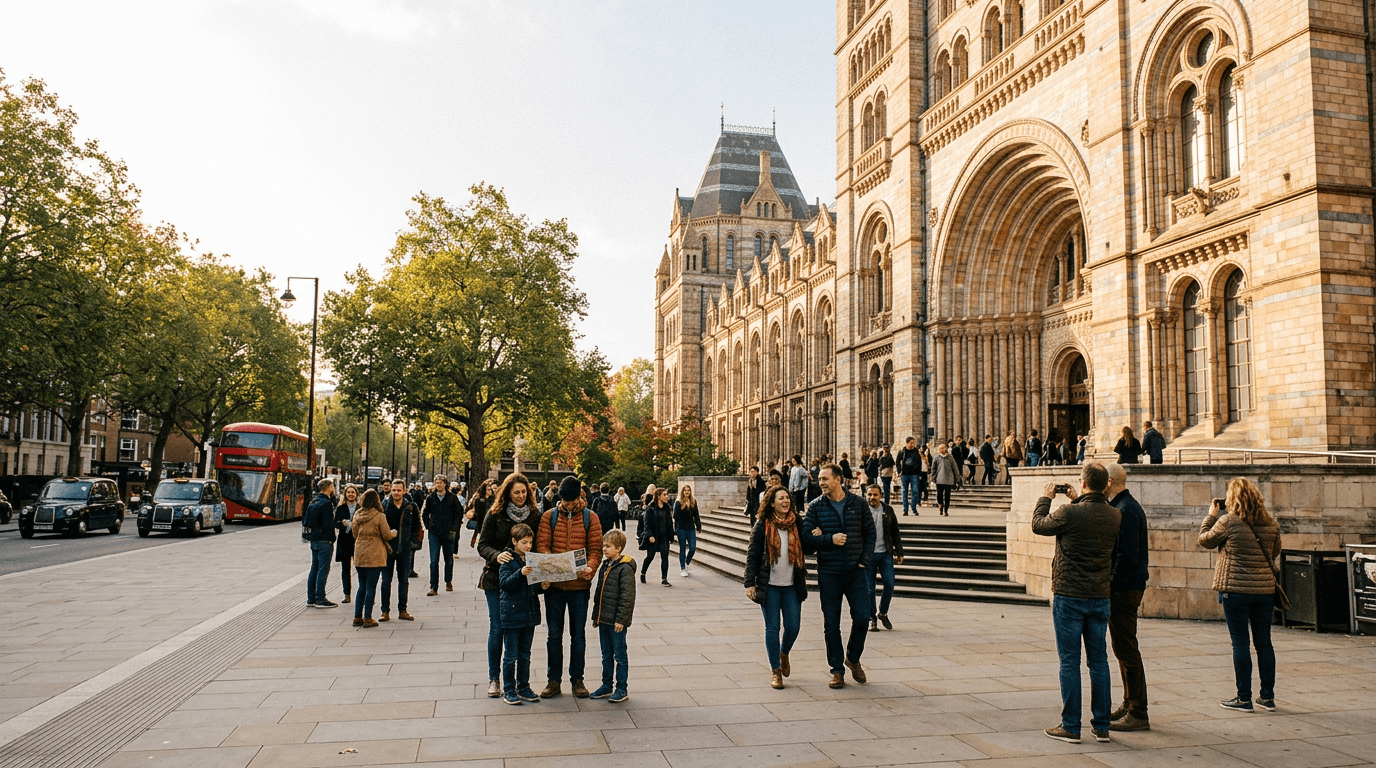
The best free museums in London include world-renowned institutions like the British Museum, the Natural History Museum, the V&A, the Science Museum, and the National Gallery, all of which offer free entry to their vast permanent collections. This guide will navigate you through these cultural giants and uncover dozens of hidden gems, ensuring you can experience London's incredible history, art, and science without spending a single pound on admission.
London stands as one of the world's greatest cultural capitals, and a huge part of its magic lies in its astonishing commitment to accessible culture. Imagine stepping into a single building and traveling through two million years of human history, or coming face-to-face with a roaring T-Rex, all for free. It sounds too good to be true, but in London, it's a daily reality. This isn't just about a handful of small galleries; we're talking about colossal, world-leading institutions that house some of humanity's most important treasures. From the masterpieces of Van Gogh and Monet to the marvels of the industrial revolution and the mysteries of the cosmos, the city's free museums offer a universe of discovery. In this Gidly guide, we’ll dive deep into the best free museums, helping you plan your visit whether you're a first-timer, a seasoned local, a couple on a date, or a family with curious kids. Get ready to explore a city where culture truly belongs to everyone.
Your Quick Answer: Are London's World-Class Museums Really Free?
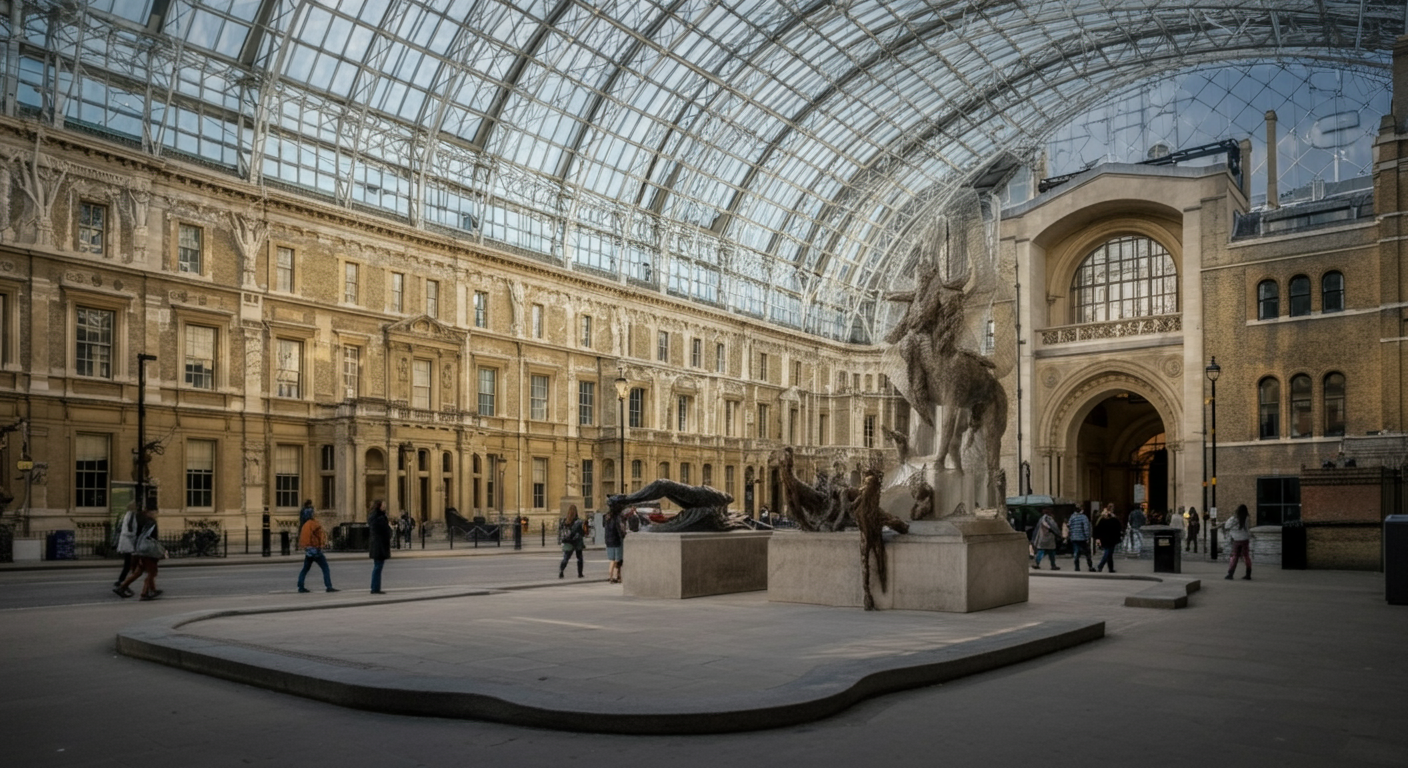
In short, yes! It’s one of the most incredible things about this city. The UK has a long-standing and proud tradition of national museums offering free general admission, a policy that was solidified in 2001. This means you can walk into some of the most famous cultural institutions on the planet and explore their main galleries and permanent collections without paying an entrance fee. This applies to the titans of the museum world—the British Museum, the Natural History Museum, the Science Museum, the V&A, the National Gallery, Tate Modern, and Tate Britain, among many others. It’s a foundational aspect of London’s cultural landscape and a huge boon for tourists and locals alike, making world-class art, science, and history accessible to absolutely everyone, regardless of their budget.
However, the word "free" comes with a couple of important footnotes. Firstly, while the permanent collections are free, almost all of these museums host major temporary or special exhibitions that are ticketed and often require booking well in advance. These are the blockbuster shows, like a major fashion retrospective at the V&A or a deep dive into a specific artist at the Tate. The revenue from these paid exhibitions is crucial for the museums' funding, helping them maintain the free entry policy for the main collections. Secondly, you will see donation boxes and contactless payment points everywhere, with signs suggesting a donation of £5 or £10. This is entirely voluntary, but highly encouraged. These donations are a vital lifeline that helps with the enormous running costs of these historic buildings and the conservation of their priceless artifacts. If you have a great time and can afford to, contributing is a wonderful way to say thank you and support the museum's future.
Finally, some activities within the museums might also carry an extra charge. For instance, the Science Museum's incredible Wonderlab is a paid, ticketed experience, as are their IMAX cinema screenings. Similarly, some special events, guided tours, or evening functions like the popular "Museum Lates" might have an entry fee, though many Lates are free with paid extras inside. So, the core experience is gloriously free, but it's always wise to check the official museum website before your visit to see what's on, what requires a ticket, and what you might want to budget for. Our team at Gidly always recommends booking a free general admission slot online in advance, especially for popular museums during peak season, as this can help you skip potential queues and guarantee entry on busy days.
London's Free Museums: Top 10 At-a-Glance Comparison
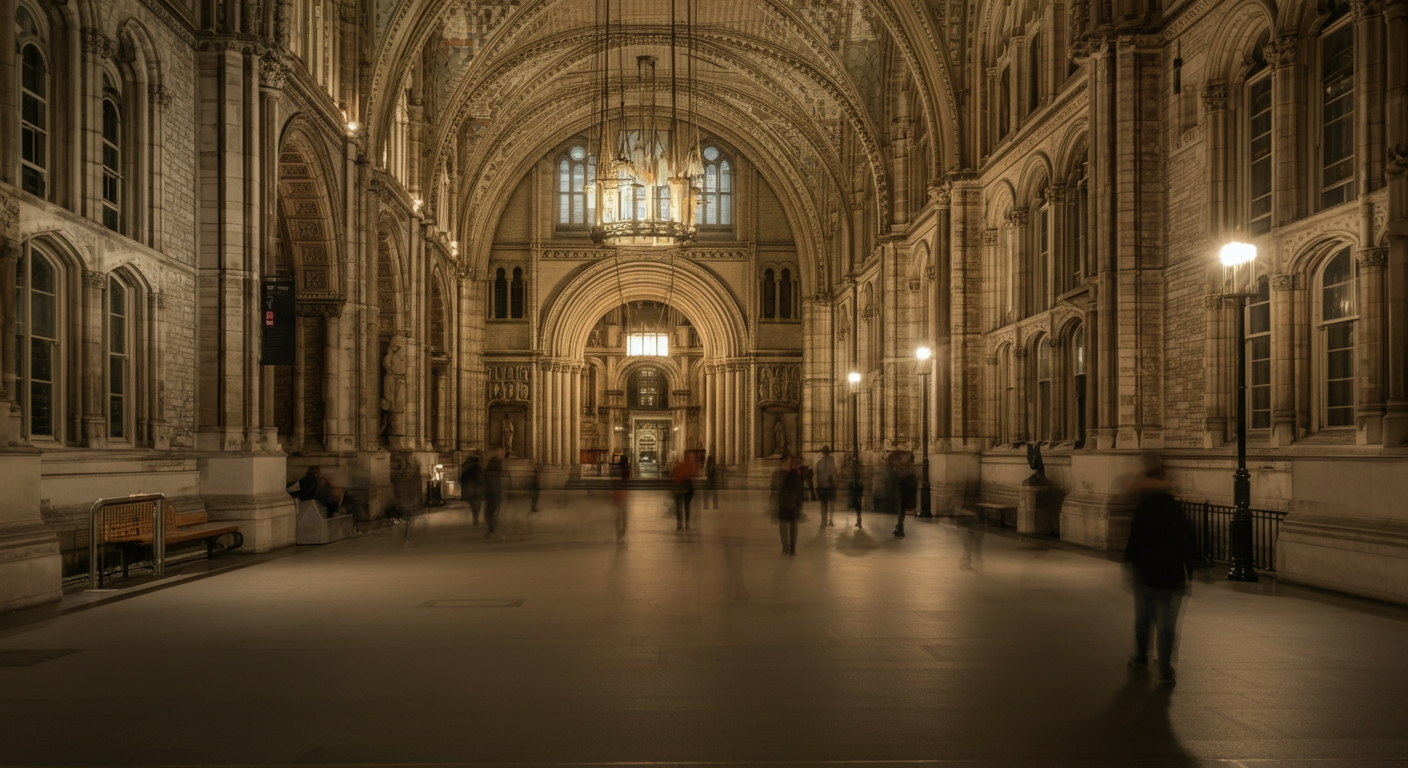
Navigating London's vast museum landscape can feel overwhelming, so we've created a handy cheatsheet to help you make a quick decision. This table breaks down our top 10 free museums, giving you the essential information you need to pick the perfect spot for your day out. Whether you're an art aficionado, a history enthusiast, or have kids in tow, this comparison will point you in the right direction. We've included the museum's main focus, who it's best for, whether you need to book your free slot in advance (a crucial tip for 2026!), and the nearest Tube station to make your journey seamless. Use this as your starting point before diving into the deeper details of each amazing institution later in this guide.
From the world-encompassing artifacts of the British Museum to the design wonders of the V&A, this list covers the must-see institutions that form the backbone of London's cultural offerings. Notice that for many of the most popular museums, booking a free timed-entry ticket online is now either required or highly recommended. This became common practice to manage visitor flow and has stuck around because it helps create a much more pleasant, less crowded experience for everyone. Our Gidly team strongly advises you to take the extra two minutes to book online—it can be the difference between a swift entry and a long wait in a queue, especially during school holidays or on weekends. Think of this table as your first step in crafting the perfect London museum adventure.
Each museum on this list offers a profoundly different experience. The South Kensington trio—the Natural History, Science, and V&A museums—are conveniently located next to each other, making them perfect for a full day of exploration. In contrast, the Tate Modern offers a journey into the provocative world of contemporary art on the vibrant South Bank, while the National Gallery holds court in the iconic Trafalgar Square. We've also included a couple of gems like the Wallace Collection, which feels like stepping into a private aristocratic palace. Let's break down the best of the best.
Top 10 Free Museums Quick Guide
| Museum | Main Category | Best For | Booking Required? | Nearest Tube Station |
|---|---|---|---|---|
| The British Museum | World History & Culture | History Buffs, Solo Explorers | Highly Recommended | Holborn / Tottenham Court Road |
| Natural History Museum | Nature & Science | Families, Everyone | Required | South Kensington |
| Science Museum | Science & Technology | Kids, Curious Minds | Highly Recommended | South Kensington |
| Victoria & Albert Museum (V&A) | Art & Design | Creatives, Date Nights | Recommended | South Kensington |
| The National Gallery | European Painting | Classical Art Lovers | Recommended | Charing Cross |
| Tate Modern | Modern & Contemporary Art | Friends, Art Students | Recommended | Blackfriars / Southwark |
| Imperial War Museum | Military History | History Fans, Families | Recommended | Lambeth North / Elephant & Castle |
| National Maritime Museum | Maritime History | Families, Day Trippers | No booking needed (usually) | Cutty Sark (DLR) |
| The Wallace Collection | Fine Arts & Armour | Couples, Quiet Reflection | No booking needed | Bond Street / Baker Street |
| Museum of London | History of London | Locals, History Lovers | Moving location (check site) | Farringdon (new site) |
The Big Hitters: The 5 Must-See Free Museums for First-Time Visitors
If it's your first time in London or you simply want to experience the absolute best of what the city's free culture has to offer, these five institutions are non-negotiable. They are the giants, the heavyweights, the ones that draw millions of visitors each year for very good reason. Each one is a world-class museum that could easily fill an entire day with wonder. From the Rosetta Stone to Van Gogh's Sunflowers, and from towering dinosaur skeletons to rockets that have been to space, these places house objects that have defined human history and our understanding of the world. Tackling them all is a marathon, but visiting even one is a profound experience. Our team has visited them countless times and they never fail to inspire. For any first-time visitor, these museums are the perfect introduction to the sheer scale and quality of London's cultural scene. They are busy, they are vast, and they are utterly magnificent.
The British Museum: A Journey Through Two Million Years of Human History
There is arguably no single place on Earth that tells the sprawling, complex, and often controversial story of human civilization quite like the British Museum. Located in the heart of Bloomsbury, entering its magnificent Great Court, with its stunning glass roof, is an experience in itself. The museum's collection spans continents and millennia, featuring over eight million objects. Of course, you can't see them all, but the highlights are truly staggering. Here you will find the Rosetta Stone, the key that unlocked the secrets of Egyptian hieroglyphs; the breathtaking Parthenon Marbles from Athens; and the mysterious Sutton Hoo ship-burial treasures, which transformed our understanding of early English history. The Egyptian sculpture galleries, with their colossal statues of pharaohs, are simply awe-inspiring.
Our advice for a first-time visit is not to try and see everything. You'll only end up exhausted and overwhelmed. Instead, pick two or three civilizations that fascinate you—perhaps Egypt, Rome, and Roman Britain—and dedicate your time to those galleries. Or, take one of the museum's own "trails" that guide you through major highlights in 60 or 90 minutes. The sheer scale means it's also a fantastic place for solo explorers to get lost for an afternoon. Remember to book your free ticket online to guarantee entry. The main entrance on Great Russell Street can have long queues, so consider using the quieter Montague Place entrance for a quicker start to your epic journey through time.
The Natural History Museum: Dinosaurs, Earthquakes, and Darwin's Discoveries
Even before you see a single exhibit, the Natural History Museum will take your breath away. The building itself, a stunning Romanesque cathedral of nature, is a masterpiece. As you step into Hintze Hall, you're greeted by "Hope," the magnificent blue whale skeleton that dives gracefully from the ceiling, setting the tone for the wonders to come. This museum is a firm family favourite for a reason: dinosaurs! The Dinosaur gallery, with its animatronic T-Rex, is a rite of passage for every London kid and a thrilling experience for all ages. But there is so much more to discover beyond the prehistoric giants. The Earth Hall, accessed via an escalator that travels through a giant metallic globe, leads you to galleries exploring volcanoes, earthquakes (complete with a simulator), and the precious minerals of our planet.
The museum is divided into different coloured zones. The Blue Zone is where you'll find dinosaurs, mammals, and marine invertebrates. The Green Zone focuses on ecology, evolution, and minerals, including the fascinating Vault gallery with its collection of precious gems. The Red Zone covers our planet's history and geology. Our team particularly loves the Darwin Centre, where you can see real scientists at work and get a glimpse of the "spirit collection"—millions of specimens preserved in alcohol, including creatures collected by Charles Darwin himself. Booking your free ticket is mandatory here, and it's one of the most popular museums, so secure your slot well in advance, especially for weekends or school holidays.
The Science Museum: Igniting Curiosity with Interactive Galleries
Right next door to the Natural History Museum is its forward-looking sibling, the Science Museum. This is a place that fizzes with energy and excitement, dedicated to the past, present, and future of science, technology, engineering, and medicine. It’s an exceptionally hands-on and family-friendly museum designed to spark curiosity. The ground floor's 'Exploring Space' gallery is a must-see, featuring real rockets, satellites, and the Apollo 10 command module. Moving up, the 'Making the Modern World' gallery showcases iconic inventions, from the first steam locomotives to the Crick and Watson DNA model. It’s a powerful visual timeline of human ingenuity that our team finds endlessly fascinating.
For families, the basement is home to 'The Garden', a fantastic free interactive play area for children aged 3-6. For older kids and adults, the paid 'Wonderlab: The Equinor Gallery' is an absolute must-do and worth every penny of the ticket price. It features over 50 mind-blowing exhibits, live science shows, and giant slides. The museum also houses an IMAX cinema showing incredible science documentaries. While general admission is free, it's highly recommended to book a timed slot online. This museum celebrates human achievement and inspires the next generation of innovators, making it an uplifting and essential London experience.
The Victoria & Albert Museum (V&A): The World’s Greatest Museum of Art and Design
The V&A is a treasure trove of creativity. As the world's leading museum of art, design, and performance, its collection is breathtakingly diverse, spanning 5,000 years of human ingenuity. You can wander from monumental Cast Courts containing full-scale plaster casts of Michelangelo's David and Trajan's Column, to serene galleries of Japanese art, to dazzling jewelry collections, to rooms filled with centuries of high fashion. The sheer variety is what makes the V&A so special; it’s a place where you can discover something new and unexpected around every corner. Our team loves getting lost in the labyrinthine corridors, stumbling upon everything from ancient textiles to contemporary furniture.
Some of the must-see highlights include the Ardabil Carpet, one of the world's oldest and most beautiful Islamic carpets; the stunning Jewellery gallery, which is kept dimly lit to make the gems sparkle; and the British Galleries, which offer a comprehensive walk-through of British design history from 1500-1900. Don't forget to visit the Gamble, Poynter, and Morris Rooms—the world's first museum cafe, which is a work of art in itself. In the summer, the John Madejski Garden, with its central pool, is a beautiful spot to relax. The V&A's Friday Lates are legendary, transforming the museum into a vibrant social hub with music, talks, and pop-up bars. It’s a sophisticated and endlessly inspiring place.
The National Gallery: A Masterclass in European Painting in Trafalgar Square
Presiding over Trafalgar Square, The National Gallery is London's home for European painting from the 13th to the early 20th century. Unlike the sprawling, multi-disciplinary museums, the National Gallery has a focused mission: to present the story of Western European art in all its glory. And it succeeds brilliantly. The collection is chronological, so you can literally walk through the history of art, from the early Renaissance religious icons of Giotto and Duccio to the revolutionary brushstrokes of the Impressionists and Post-Impressionists. The collection contains some of the most famous paintings in the world, and seeing them in person is a genuinely moving experience.
Key highlights that you simply cannot miss include Van Gogh's 'Sunflowers', Holbein's 'The Ambassadors' (don't forget to look at the anamorphic skull from the side), Velázquez's 'The Rokeby Venus', Turner's 'The Fighting Temeraire', and Botticelli's 'Venus and Mars'. The Sainsbury Wing, which houses the earliest paintings, is a serene and beautiful space to start your visit. The gallery offers free daily talks that focus on one or two paintings, which Gidly's team finds is a fantastic way to gain a deeper appreciation without feeling overwhelmed. Given its central location, it can get very busy, so booking a free ticket is a good idea, and visiting on a weekday morning is often the calmest experience.
By Scenario: Planning Your Perfect Museum Trip
Choosing the right free museum in London is about more than just picking a subject you like; it’s about matching the museum's atmosphere and layout to the kind of day you want to have. A sprawling, bustling institution perfect for a solo deep dive might be overwhelming for a family with young children. A quiet, contemplative gallery could be the ideal setting for a romantic date but less suited for a boisterous group of friends. London’s cultural scene is so rich and varied that there’s a perfect museum for every occasion, every mood, and every group dynamic. Think of yourself as a cultural sommelier: your task is to pair the right experience with the right company. This approach transforms a simple museum visit into a perfectly curated and memorable outing.
In the following sections, we've broken down our top recommendations based on different scenarios. We’ll guide you to the best spots for a romantic evening, the most engaging and practical museums for a fun-filled family day, the ideal places to explore with a group of friends, and the most rewarding institutions for a solo adventurer. This isn't just about the collections themselves, but also about the overall vibe. We've considered factors like crowd levels, interactivity, layout, and even the quality of the cafe and the proximity to a good pub or park for post-visit debriefs. Our Gidly team has personally tested these scenarios (it's a tough job, we know!) to bring you insider advice that goes beyond the official guidebooks. By thinking about who you’re with and what kind of experience you’re seeking, you can unlock a new level of enjoyment from London's incredible free museums. Let’s find the perfect fit for your next cultural adventure.
An Introduction to Curated Experiences
This scenario-based approach is designed to help you think strategically about your precious time in London. The city has over 170 museums, and with so many fantastic free options, the paradox of choice is real. Do you want an energetic, hands-on day, or a quiet afternoon of aesthetic contemplation? Are you looking for a social hub where you can chat and wander, or an immersive world to get lost in with your headphones on? The answer will lead you to very different doors. For instance, the South Kensington trio offers immense variety for a group with diverse interests, all within a few steps of each other. In contrast, the intimate and eccentric Sir John Soane's Museum offers a unique, almost magical experience that is best enjoyed in near silence, making it perfect for a solo visit or a very special date.
We’ll also look at the logistics that make a trip successful for different groups. For families, we’ll highlight places with great buggy access, interactive galleries, and spaces for kids to let off steam. For date nights, we’ll focus on atmosphere, unique events like after-hours Lates, and nearby spots for a cocktail. For friends, we’ll suggest museums that spark conversation and are easy to navigate as a group. And for the solo explorer, we’ll point you towards vast collections where you can wander at your own pace and tours you can join to connect with fellow enthusiasts. Use the following sections as your personal Gidly concierge service to craft a flawless and fulfilling museum outing.
The Perfect Date Night: Romantic & Impressive Free Museums
A museum can be one of the most sophisticated and engaging date night spots in London. It’s a chance to share a unique experience, spark interesting conversations, and impress your date with your cultural flair—all without the pressure of a formal dinner. The key is choosing a museum with the right ambiance: somewhere beautiful, not too overwhelming, and with a touch of magic. Luckily, London’s free museum scene offers several perfect candidates, especially when you factor in the fantastic after-hours "Lates" events. These special evenings transform the hallowed halls into adult playgrounds with music, bars, and a buzzing social atmosphere. Whether you’re looking for modern art on the South Bank, aristocratic splendor in Marylebone, or candlelit intrigue in Holborn, there’s a free museum to set the stage for a memorable romantic evening.
Museum Lates: The ultimate after-hours culture fix
Museum Lates are, without a doubt, the ultimate date night hack. On select evenings, major institutions like the V&A, Science Museum, and Natural History Museum reopen their doors from around 6:30 PM to 10:00 PM for an adults-only crowd. The vibe is completely different from a daytime visit: the lights are lower, DJs play ambient sets, and pop-up bars serve wine and cocktails. It feels less like a school trip and more like a cool, exclusive party. Entry is often free, though you'll need to book a ticket in advance as they are wildly popular. You can wander through the galleries with a drink in hand, take part in special workshops, or listen to fascinating talks. The V&A's Friday Lates are particularly renowned for their creative themes and stylish crowd, making it a top-tier choice for a date. The Science Museum's Lates are more boisterous and playful, often with a silent disco, while the Natural History Museum offers the chance to sip gin next to a dinosaur. It's an unforgettable way to experience these London icons.
Art & Ambiance: The Wallace Collection followed by a stroll through Marylebone
For a dose of pure, undiluted romance, it’s hard to beat The Wallace Collection. Housed in a historic London townhouse in Marylebone, this museum feels like stepping into the private home of a fabulously wealthy 18th-century aristocrat. The collection, bequeathed to the nation with the condition that nothing ever leaves, is exquisite. You'll find world-class Old Master paintings (including Frans Hals' 'The Laughing Cavalier'), fine French furniture, and one of the best collections of arms and armour in the world. The atmosphere is intimate and opulent, with silk-lined walls and glittering chandeliers. It’s quiet and uncrowded compared to the big museums, allowing for easy conversation as you admire the art. After your visit, you’re perfectly placed for a romantic stroll through the chic streets of Marylebone, with its charming boutiques and cozy wine bars. It feels less like a museum visit and more like a secret, luxurious escape.
Intrigue & History: An evening at Sir John Soane’s Museum
If you want a date night that is truly unique and unforgettable, look no further than Sir John Soane’s Museum. This was the home of the neo-classical architect Sir John Soane, and he left it to the nation as a museum, preserved exactly as it was at the time of his death in 1837. It’s a labyrinthine treasure trove packed to the ceilings with art, antiquities, and architectural models. The real magic happens during the candlelit evening openings. Visiting the house by candlelight is an incredibly atmospheric and intimate experience. The flickering lights create long shadows and make the thousands of objects feel alive with history and mystery. Highlights include the sarcophagus of Pharaoh Seti I in the basement and the famous Picture Room, where ingenious hinged panels reveal hidden layers of paintings. These evening events are ticketed (and sell out fast!), but general entry during the day is free. It’s a quirky, fascinating, and deeply romantic spot.
Modern Love: Tate Modern followed by a walk along the South Bank
For a more contemporary and dynamic date, Tate Modern is a fantastic choice. Housed in the imposing former Bankside Power Station, its vast Turbine Hall and diverse collection of modern and contemporary art are bound to get you talking. Whether you're admiring a Rothko, puzzling over a Picasso, or being captivated by a video installation, the art here is a great conversation starter. The museum is open until 10 PM on Fridays and Saturdays, making it a perfect evening destination. The crowning glory for a date is the viewing platform in the Blavatnik Building, which offers breathtaking 360-degree views of the London skyline, including St Paul's Cathedral and the Millennium Bridge. After your art fix, a romantic walk along the South Bank is a must. With its twinkling lights, street performers, and iconic views, it’s the perfect end to a modern London date night.
Insider Tip: Where to find the best post-museum spot for a drink nearby
A great date doesn't end when you leave the museum; it continues with a debrief over a drink. Choosing the right spot nearby is key. After the V&A or Science Museum, we recommend skipping the tourist traps and heading to a cozy pub in South Kensington's mews, like The Hereford Arms, for a classic London feel. If you've been at the Wallace Collection, the stylish Zetter Townhouse Marylebone offers incredibly inventive cocktails in a quirky, lounge-like setting that feels like an extension of the museum itself. After an evening at Sir John Soane's Museum, the Scarfes Bar at the Rosewood London is a sophisticated choice with live jazz and caricature-covered walls, just a short walk away. And post-Tate Modern, a fantastic option is to cross the Millennium Bridge to the St Paul's side and find the rooftop bar at Madison, which offers spectacular close-up views of the cathedral dome and the city skyline—a truly impressive end to your date.
Fun for All Ages: The Best Free Museums in London for Kids & Families
A family trip to a London museum can create core memories for children and adults alike, but a successful day out requires a bit of planning. The best family-friendly museums aren't just the ones with "kid-friendly" exhibits; they are the ones that are practically designed for families. This means plenty of space to run around, interactive elements to touch and play with, good buggy and wheelchair access, readily available changing facilities, and cafes that don't mind a bit of noise and mess. London is blessed with several free museums that tick all these boxes and more, offering incredible, engaging experiences that will capture the imaginations of toddlers, teens, and their grown-ups. From roaring dinosaurs to hands-on science experiments and maritime adventures, these are the places where learning feels like the best kind of play.
Kings of Curiosity: The unbeatable trio of the Natural History Museum, Science Museum, and Young V&A
For a guaranteed hit with kids of all ages, you cannot beat the "big three" of family museums. The Natural History Museum is pure magic for children. The dinosaur gallery is, of course, the main event, but don't underestimate the thrill of the earthquake simulator or the sheer scale of the blue whale skeleton. Next door, the Science Museum is a temple of hands-on fun. The basement's 'Garden' area is a sensory paradise for under-6s, while the paid 'Wonderlab' on the third floor is arguably the best interactive science gallery in the world. A recent and fantastic addition to this trio is the newly reimagined Young V&A in Bethnal Green (formerly the Museum of Childhood). It has been completely redesigned with kids at its heart, featuring sensory playscapes for toddlers, a performance stage, a design studio, and galleries dedicated to playing, imagining, and creating. It’s a vibrant, joyful, and brilliantly executed space that our team now considers a must-visit for families.
Beyond South Kensington: The Horniman Museum and Gardens
If you're willing to venture a little further afield, the Horniman Museum and Gardens in Forest Hill, South London, is a local treasure and a perfect family day out. This wonderfully eccentric museum has a fascinating collection of anthropology, natural history, and musical instruments. The main draw for many is the enormous, overstuffed walrus who sits proudly in the centre of the Natural History gallery. There's also an aquarium (which has a small entry fee), a butterfly house, and beautiful gardens with an animal walk. The combination of quirky indoor exhibits and expansive outdoor space is what makes the Horniman so special. Kids can marvel at the weird and wonderful objects inside, then run free in the gardens, enjoy the stunning views back across London, and visit the alpacas. It’s a more relaxed and less overwhelming experience than the central London giants.
Ahoy, Matey!: The National Maritime Museum and its Children’s Gallery
Set within the beautiful Greenwich Park, the National Maritime Museum is another fantastic free option for families. While the history of Britain's relationship with the sea might sound dry, the museum brings it to life in a very engaging way. The star of the show for younger visitors is the 'AHOY!' children's gallery, a brilliant soft-play-style area where kids can stoke a ship's engine, work in the fish shop, and generally have a blast with a nautical theme. For older children, the 'All Hands' gallery offers more interactive exhibits about life at sea. After exploring the museum, you have the entirety of Greenwich Park to enjoy. You can run up the hill to the Royal Observatory for incredible views, have a picnic, and then head down to the Cutty Sark (paid entry) to see a real historic tea clipper. The journey there on the DLR train or by boat is part of the adventure.
Hands-On History: The Museum of London Docklands' Mudlarks Gallery
Another gem for younger children is the Museum of London Docklands. Located in a historic warehouse at West India Quay, it tells the story of London as a port city. While the main galleries are fascinating for adults, the real draw for families is the Mudlarks children's gallery. This is one of the best free soft-play and interactive learning spaces in London. Designed for under-8s, it has a water play area, a section for climbing and exploring cargo, and a 'toddler-only' soft play area. Timed sessions must be booked in advance (for free) and it's incredibly popular with local parents, so book as far ahead as you can. It’s the perfect way to combine a bit of history for the adults with some energetic fun for the little ones.
Parent’s Practical Guide: Buggy Access, Changing Facilities, and Cafes
A successful family museum trip lives and dies by its practicalities. Here’s our Gidly cheat sheet.
- Buggy Access: The big museums (Natural History, Science, V&A, British Museum, Tate Modern) are all fully accessible with lifts, though they can get crowded. The Horniman and National Maritime Museum are also great. Sir John Soane’s Museum is not suitable for buggies due to its narrow, preserved layout.
- Changing Facilities: All the major family-friendly museums listed above have excellent and numerous baby changing facilities, often in both male and female toilets, as well as dedicated family/accessible toilets.
- Cafes: The cafes in the Natural History Museum and Science Museum can be chaotic and expensive. Gidly's pick is the Garden Cafe at the V&A, which is spacious and opens onto the courtyard. A pro move is to bring a packed lunch. Most museums have designated picnic areas (often in the basement) or you can use the nearby parks, like Hyde Park for South Ken or Greenwich Park.
- Quiet Spaces: If a child is feeling overwhelmed, look for less popular galleries. At the Natural History Museum, the upstairs minerals and botany galleries are usually much quieter. At the British Museum, the upper floors dedicated to Asia are often a peaceful retreat.
A Day Out With Friends: Group-Friendly Museums to Explore Together
A museum trip with friends is a fantastic way to spend a day in London – it’s a social, stimulating, and best of all, free activity. The ideal museum for a group outing has a few key ingredients: enough variety to cater to different tastes, plenty of space to move around without feeling cramped, conversation-starting exhibits, and a good cafe or nearby pub for the essential post-visit analysis. It’s less about intense, silent contemplation and more about a shared experience, sparking debates about modern art, marveling at historical artifacts together, or simply enjoying the beautiful surroundings. From the bustling cultural hub of South Kensington to the scenic vistas of Greenwich, London's free museums provide the perfect backdrop for a memorable day out with your crew.
The South Kensington Trio: Something for everyone
When you have a group with mixed interests, the South Kensington museum district is the perfect solution. The close proximity of the V&A, Science Museum, and Natural History Museum means you can easily split up and reconvene. The design-lover can get lost in the V&A's fashion galleries, the science geek can explore the space section of the Science Museum, and the nature enthusiast can admire the dinosaurs, all before meeting up for lunch. The V&A's central garden is an excellent meeting point on a sunny day. This 'divide and conquer' approach ensures everyone gets to see what they're most interested in, preventing any one person from getting bored. Afterwards, the area is full of pubs and restaurants for a group meal or drink. It's the ultimate crowd-pleasing option that our team often uses for Gidly outings.
Art, Parks, and Pubs: A day exploring Greenwich's National Maritime Museum, Queen’s House, and the park
For a more relaxed, scenic day out with friends, a trip to Greenwich is hard to beat. Start at the National Maritime Museum to soak up some history, then pop next door to the Queen's House, a stunning former royal residence which is also free to enter. Its perfectly proportioned Great Hall and the iconic Tulip Stairs are fantastic spots for a group photo. The real joy of a Greenwich day is the setting. After your museum fix, you can climb the hill in Greenwich Park for one of London's most famous views, browse the stalls at Greenwich Market, and then settle into one of the many historic riverside pubs, like The Gipsy Moth or the Trafalgar Tavern. The journey itself, whether by Uber Boat or DLR, adds to the sense of adventure, making it feel like a proper day trip away from the central London hustle.
For Spirited Debates: A trip to Tate Modern to discuss the meaning of contemporary art
If your group of friends loves a good debate, there's no better place to stir one up than Tate Modern. Contemporary art is designed to provoke, question, and challenge, making it the perfect fuel for lively discussions. Wandering through the galleries, you'll inevitably encounter pieces that some friends will love, others will hate, and some will find downright baffling. "But is it art?" is a classic conversation starter here. The sheer scale of the Turbine Hall and the diverse range of media—from painting and sculpture to video and performance art—ensure there's always something new to talk about. The open-plan layout makes it easy to stick together as a group. Afterward, the rooftop bar or the numerous pubs and restaurants on the South Bank provide the ideal setting to continue the debate over a drink, with the stunning city skyline as your backdrop.
Planning for a Crowd: Tips on booking for larger groups and finding less-crowded wings
Organizing a museum visit for a group of 6 or more requires a little extra planning. First, check the museum's group booking policy. While individual entry is free, groups of 10 or more often need to book a slot in advance through a dedicated group booking system on the museum's website. This is crucial for managing numbers and ensuring you can all enter together. Second, to avoid feeling overwhelmed by crowds, plan your route strategically. In the British Museum, for example, the main Egyptian and Greek galleries are always packed. Head to the upper floors to explore the equally fascinating Islamic World or Japanese galleries, which are often much quieter. In the V&A, avoid the ground floor fashion and jewellery sections at peak times and instead explore the expansive British Galleries or the tranquil top-floor ceramics collection. Having a designated meeting point and time is also a smart idea in case people get separated in the vast halls.
The Solo Explorer: Engaging Museums for a Party of One
There's a special kind of freedom in exploring a museum alone. You can move at your own pace, linger as long as you want in front of a piece that captivates you, and follow your own curiosity without compromise. London's free museums are a paradise for the solo explorer, offering endless worlds to get lost in. Whether you want to spend hours tracing the threads of history, find a quiet corner for contemplation, or capture the perfect photograph, visiting a museum by yourself is a deeply rewarding experience. It's a chance to connect with the art and artifacts on a personal level, creating your own unique journey through culture and time. Here are our Gidly picks for the best museums to conquer on your own.
Lose Yourself in History: The vast halls of the British Museum are perfect for hours of solo wandering
The British Museum is so vast that it's almost better to visit alone. Trying to navigate its sprawling collection with others can be like herding cats. On your own, you have the freedom to be gloriously inefficient. You can spend an hour mesmerized by the intricate details of the Assyrian lion hunt reliefs, double back to see the Rosetta Stone again when the crowd has thinned, or simply sit in the magnificent Great Court with a coffee and a book. The sheer scale means you can always find a quieter gallery to escape to. For a solo deep dive, our team recommends picking a single theme for your visit—for example, tracing the story of writing from cuneiform tablets to medieval manuscripts, or following the Silk Road through the Asian galleries. It turns a wander into a personal quest.
Quiet Contemplation: The serene and beautiful Wallace Collection or the unique Sir John Soane’s Museum
If you're seeking peace and beauty, two smaller museums offer the perfect sanctuary for the solo visitor. The Wallace Collection is an oasis of calm and opulence. Its manageable size means you can see the whole collection without feeling rushed, and the plush, intimate rooms encourage quiet reflection. Finding a seat in the Great Gallery, surrounded by masterpieces by Titian, Rembrandt, and Velázquez, is a truly sublime experience. Similarly, Sir John Soane’s Museum is a journey into one man's extraordinary mind. Its narrow, cluttered corridors and surprising vistas are best navigated alone, allowing you to absorb the eccentric and magical atmosphere without distraction. The quiet intensity of these spaces makes them ideal for a thoughtful afternoon of solitary discovery.
Join a Free Tour: Most major museums offer free daily tours – a great way to learn and feel part of a group
Visiting solo doesn't have to mean being alone the entire time. One of the best perks of London's free museums is the abundance of free guided tours and talks. These are a fantastic way to structure your visit, learn from an expert, and share the experience with a small group of fellow enthusiasts. The National Gallery offers excellent 60-minute highlight tours throughout the day. The British Museum has a variety of "Eye-opener" tours focusing on specific galleries. The V&A's volunteer-led tours are legendary for their passion and knowledge. You get all the benefits of a guided experience—context, stories, and hidden details—without any cost. From our experience, it’s also a lovely, low-pressure way to meet other curious travelers or locals. Check the museum's website or the information desk on arrival for the day's schedule.
Photographer’s Paradise: The stunning architecture and diverse collections of the V&A
For the solo explorer with a camera, the V&A is an absolute playground. The museum is a photographer's dream, offering an incredible variety of subjects and lighting conditions. The architecture itself is a star, from the ornate Victorian details of the historic cafe rooms to the modern, clean lines of the Sackler Courtyard. The Cast Courts, with their dramatic scale and natural light, are perfect for capturing epic shots. The Jewellery gallery provides a challenge in low-light photography, while the stained-glass collection offers a kaleidoscope of colour. Even the staircases are beautiful. Being alone gives you the patience to wait for the perfect shot, to find that unique angle without holding anyone up. You can spend hours just focusing on capturing the textures, patterns, and grandeur of this magnificent place.
Hidden Gems: 10+ Incredible Free Museums You Haven’t Heard Of
While London's blockbuster museums are rightly famous, some of the city's most memorable cultural experiences are tucked away in its lesser-known institutions. These are the hidden gems, the quirky collections, and the specialist museums that offer a more intimate and often more eccentric view of the world. Venturing off the main tourist trail rewards you with fascinating stories, fewer crowds, and a sense of discovery that you won't find in the main halls of the British Museum. From medical curiosities and houses frozen in time to stunning art collections in parkland settings, these are the spots that Londoners love. Prepare to be surprised and delighted by the city's secret cultural treasures.
For the Incurably Curious: The Wellcome Collection
Located near Euston Station, the Wellcome Collection describes itself as "a free museum and library for the incurably curious." It's a perfect description. This fascinating institution explores the connections between medicine, life, and art in the past, present, and future. The permanent exhibitions are a captivating mix of historical medical artifacts, scientific curiosities, and contemporary art. You might see a 19th-century amputation saw, a Japanese sex toy, Napoleon's toothbrush, and a piece of modern sculpture all in one gallery. The reading room is a beautiful, relaxed space with sofas, books, and intriguing objects you can handle. The Wellcome Collection's temporary exhibitions are always thought-provoking and brilliantly curated. It’s an intelligent, stylish, and sometimes wonderfully weird museum that will leave you with plenty to think about.
A Cabinet of Curiosities: The Grant Museum of Zoology and Comparative Anatomy
Tucked away within University College London, the Grant Museum of Zoology is the last remaining university zoological museum in London. It’s a classic "cabinet of curiosities," packed with skeletons, taxidermy, and specimens preserved in jars. It's a small space, but every inch is filled with fascinating, and sometimes creepy, objects. Highlights include the collection of brains, the skeleton of the extinct quagga, and the infamous "jar of moles." It’s an old-school museum experience that feels wonderfully authentic and slightly macabre. It won’t take you long to see, but it will definitely make an impression. A must-visit for anyone with a love for biology, natural history, or just the wonderfully strange.
An Eccentric Treasure Trove: The Horniman Museum and Gardens in Forest Hill
We've already mentioned it as a family favourite, but the Horniman Museum is also a premier hidden gem for any type of visitor. Its founder, Frederick Horniman, was a Victorian tea trader and obsessive collector, and the museum reflects his eclectic tastes. The collection is a wonderful jumble of anthropology, with masks and artifacts from around the world; natural history, starring the famous walrus; and an incredible collection of over 1,300 musical instruments. The building itself is a beautiful Arts and Crafts creation, and the surrounding gardens offer some of the best panoramic views of the London skyline. It's a bit of a journey from the center, but you are rewarded with a unique and charming museum experience far from the tourist crowds.
A House Frozen in Time: Sir John Soane’s Museum in Holborn
A true one-of-a-kind, Sir John Soane’s Museum is less a museum and more a magical time capsule. The former home of the great neo-classical architect, it is packed floor-to-ceiling with his personal collection of art, antiquities, and architectural models, all left exactly as he arranged them. To preserve the unique atmosphere, visitor numbers are restricted, making it feel like you are a personal guest exploring his private world. The ingenious use of mirrors, light, and folding walls to display his collection is masterful. It's an atmospheric and unforgettable visit. You have to see it to believe it. Given its intimate nature, it's one of the few free museums where you may have to queue to get in during busy periods.
Art on the Heath: Kenwood House, with its stunning collection and parkland setting
On the edge of the glorious Hampstead Heath sits Kenwood House, a magnificent stately home with an equally magnificent, and free, art collection. Managed by English Heritage, this former country house boasts masterpieces by Rembrandt (including a famous self-portrait), Vermeer, and Gainsborough. The house itself has been beautifully restored, and the setting is idyllic. You can admire world-class art and then immediately step out for a walk on the wild and beautiful heath. It's the perfect combination of high culture and nature. On a sunny day, there are few better places to be in London. It feels a world away from the city's hustle and bustle.
London's Story: The Museum of London (and its new location)
While not exactly a "hidden" gem, the Museum of London is often overlooked by tourists in favour of the bigger national museums. This is a huge mistake, as it tells the epic and dramatic story of the city itself, from prehistoric times to the present day. Its galleries on Roman Londinium, the Great Fire of 1666, and the Victorian pleasure gardens are superb. As of late 2022, the original site at London Wall has closed as the museum prepares for an exciting move to a new, much larger home in the historic market buildings of West Smithfield. Set to reopen in 2026 under the new name 'The London Museum', this is going to be one of the city's most significant new cultural openings, and one that Gidly is watching with huge excitement.
More Hidden Treasures: Briefly list others
The list of fantastic smaller free museums is almost endless, but here are a few more of our team's favourites to add to your list:
- Petrie Museum of Egyptian Archaeology: Another of UCL's museums, this holds one of the greatest collections of Egyptian and Sudanese archaeology in the world, more intimate and academic than the British Museum's display.
- Guildhall Art Gallery & Roman Amphitheatre: Owned by the City of London, this gallery has a wonderful collection of Victorian art and, in its basement, the remains of London's Roman amphitheatre, discovered in 1988.
- RAF Museum London: Located in Colindale, North London, this huge museum is dedicated to the story of the Royal Air Force. It features over 100 aircraft and is a must for aviation fans.
- National Army Museum: Based in Chelsea, this museum tells the story of the British Army. It's modern, interactive, and surprisingly family-friendly.
- Bank of England Museum: A small but fascinating museum in the heart of the City that tells the story of the "Old Lady of Threadneedle Street." You can even try to lift a real gold bar.
By Category: Find a Free Museum for Your Interests
One of the best ways to navigate London's sea of museums is to follow your passion. Are you a devoted art lover who wants to trace the journey from Renaissance masters to contemporary installations? A history buff eager to delve into Britain's military past or the daily life of a Roman Londoner? Or perhaps a science and nature enthusiast who wants to marvel at the wonders of the universe and the animal kingdom? Maybe you're drawn to the strange and the specific, the niche collections that defy easy categorization. Whatever your interest, London has a world-class free museum dedicated to it. This section breaks down our top recommendations by category, helping you find the perfect institution to satisfy your curiosity and dive deep into the subjects you love most.
For Art & Design Lovers
London is an art lover's paradise, and much of its best art is free to see. Your pilgrimage must start at The National Gallery for its unparalleled collection of European Old Masters. For the next chapter in the story, cross the river to Tate Modern, the global powerhouse of modern and contemporary art from 1900 to the present day. Don't forget its sibling, Tate Britain, which offers the definitive collection of British art from 1500 to today, including the world's largest collection of J.M.W. Turner's work. For decorative arts and design, the V&A is the undisputed king, covering everything from fashion and furniture to sculpture and ceramics. For a more intimate, jewel-box experience, The Wallace Collection presents exquisite 18th-century French art and Old Masters in a stunning townhouse setting. Finally, for a taste of grand country house style, visit Kenwood House on Hampstead Heath.
For History Buffs
If you want to travel through time, London's history museums are your vessel. The journey begins at The British Museum, which covers the grand sweep of human history and culture across the globe. To zoom in on the story of the city itself, the Museum of London (and its Docklands outpost) is essential. For those interested in social and military history, the Imperial War Museum London offers powerful and moving exhibits on conflict from WWI to the present day. Its sister institutions, the National Army Museum and the RAF Museum, provide deep dives into their respective services. For a focus on Britain's global story, the National Maritime Museum in Greenwich is a must-visit, exploring themes of trade, empire, and exploration through the lens of the sea.
For Science & Nature Enthusiasts
For those fascinated by the natural world and human ingenuity, the South Kensington duo is your first port of call. The Natural History Museum is the cathedral of nature, telling the story of life on Earth through its incredible collection of 80 million specimens, from the smallest insects to the largest mammals. Next door, the Science Museum champions human innovation, with galleries dedicated to space exploration, computing, medicine, and engineering. For a more focused, academic look at the animal kingdom, the Grant Museum of Zoology offers a fascinating, up-close encounter with comparative anatomy. These institutions don't just display the past; they actively engage with contemporary scientific issues, from climate change and biodiversity loss to the future of artificial intelligence, making them vital and relevant places to visit.
For Lovers of Niche & Quirky Topics
London truly excels when it comes to museums that are wonderfully specific and delightfully eccentric. These are the places that offer a unique window into a passionate collector's mind or a specialised field of study. The Wellcome Collection's exploration of health and the human condition is a prime example, blending art, science, and medical history in a brilliantly thought-provoking way. The Horniman Museum, with its eclectic mix of anthropology, musical instruments, and a famously overstuffed walrus, is the epitome of quirky charm. And for the ultimate in architectural and personal eccentricity, Sir John Soane’s Museum is an unmissable, one-of-a-kind experience. These museums are perfect for the visitor who has already seen the 'big hitters' and is looking for something truly different and memorable. They are a testament to the diverse passions that shape our cultural landscape.
By Neighborhood: A Hyper-Local Guide to Museum Hopping
One of the most efficient and enjoyable ways to experience London's free museums is to focus on one neighborhood at a time. Many of the city's cultural institutions are clustered together in distinct districts, each with its own unique character and history. This "museum hopping" approach allows you to immerse yourself in a specific area, minimize travel time, and easily combine multiple visits in a single day. You can stroll from a science museum to an art gallery, grab lunch at a local cafe, and soak up the atmosphere of the surrounding streets. From the grand Victorian "Albertopolis" of South Kensington to the academic heart of Bloomsbury, this hyper-local guide will help you navigate London's key cultural hubs like a seasoned local.
South Kensington’s ‘Albertopolis’
This is London's museum central. The area, nicknamed 'Albertopolis' after Prince Albert, who envisioned a hub for arts and sciences here, is home to an unparalleled trio of free museums. You can spend an entire day (or three) just on Cromwell Road and Exhibition Road. Start your morning with the dinosaurs and natural wonders at the Natural History Museum, then pop next door to the Science Museum for a journey through technology and innovation. After lunch, cross the road to the magnificent V&A for a dose of art and design. The three are so close you can walk between them in minutes. The area is served by South Kensington station on the Piccadilly, District, and Circle lines, which has a dedicated pedestrian tunnel that takes you directly to the museum entrances—a lifesaver on a rainy day.
Bloomsbury’s Academic Hub
Bloomsbury is the intellectual and literary heart of London, home to the University of London, historic publishing houses, and a fantastic cluster of museums. The undisputed king is The British Museum, a world of history unto itself. But just a short walk away, you can find several smaller, more specialist gems. The Wellcome Collection on Euston Road offers its brilliant take on health and humanity. Nearby, within the UCL campus, you'll find the fascinating Petrie Museum of Egyptian Archaeology and the quirky Grant Museum of Zoology. This neighborhood is perfect for a day of deep thinking, punctuated by coffee breaks in the leafy squares that Virginia Woolf and the Bloomsbury Group once frequented. The area is best accessed via Holborn, Russell Square, or Tottenham Court Road stations.
Greenwich’s Maritime World Heritage Site
A trip to Greenwich feels like a mini-holiday. This UNESCO World Heritage site on the river is a beautiful and historic area with a cluster of fantastic free museums. Start at the National Maritime Museum, then admire the architecture and art at the adjacent Queen's House. While the Royal Observatory has a paid entrance for the historic part and meridian line, you can freely walk up the hill through Greenwich Park for that iconic view across the river to Canary Wharf and the City of London. The Old Royal Naval College, another stunning piece of architecture, is also free to wander around. Getting to Greenwich is part of the fun: take the DLR to Cutty Sark station for a ride through the Docklands, or arrive in style via an Uber Boat along the Thames.
The South Bank Art Walk
The stretch of the Thames between Westminster Bridge and London Bridge is a vibrant cultural walk. The star attraction here is Tate Modern, a must-visit for modern art lovers. You can start your walk further west, perhaps near the London Eye, and stroll east along the river. You'll pass the Southbank Centre, which includes the Hayward Gallery (this one is paid, but the surrounding area is full of life and often free outdoor installations). Continuing past Tate Modern, you'll reach Shakespeare's Globe (paid tour) and Borough Market. The walk itself is an experience, with incredible views of St Paul's Cathedral, the Millennium Bridge, and the city skyline. It’s a perfect combination of world-class art and London's iconic cityscape, with endless options for food and drink along the way.
City of London’s Historic Core
The "Square Mile," London's ancient core and modern financial district, might seem like it's all business, but it hides some fascinating free museums. The Museum of London (soon to be 'The London Museum' at its new Smithfield home) is the key institution here. A short walk away, the Guildhall Art Gallery not only houses a great collection of London-focused art but also the remains of a Roman amphitheatre in its basement. For a taste of economic history, the Bank of England Museum on Threadneedle Street is surprisingly engaging (and you can hold a gold bar!). Exploring this area on a weekend is a unique experience, as the normally bustling streets become surprisingly quiet, allowing you to appreciate the juxtaposition of ancient Roman walls and gleaming modern skyscrapers.
Pre-Planned Itineraries: Your One-Day London Museum Masterplan
With so many incredible free museums, the biggest challenge is often deciding how to spend your time. To help you make the most of your day, our Gidly team has crafted four distinct one-day itineraries. These are tried-and-tested plans designed for different types of visitors, from the ambitious first-timer to the adventurous culture-seeker. We've factored in travel time, potential queues, and logical routes to create a seamless and rewarding day of exploration. Think of these as a template; you can follow them exactly or adapt them to your own interests and energy levels. Grab your walking shoes and your Oyster card—your perfect museum day awaits.
The ‘Big Three’ in a Day (An ambitious plan for hitting the highlights)
This is an ambitious but achievable itinerary for those short on time who want to see the South Kensington giants. It requires an early start and a lot of walking!
- 10:00 AM: Arrive at the Natural History Museum (pre-booked ticket essential). Head straight for the Dinosaur gallery before the crowds build up. Spend 90 minutes hitting the highlights: the blue whale, the Earth Hall.
- 12:00 PM: Walk next door to the Science Museum. Grab a quick lunch at one of their cafes or a sandwich from a nearby shop. Focus your visit on the ground floor (Exploring Space) and the third floor (Medicine: The Wellcome Galleries).
- 2:30 PM: Cross the road to the V&A. By now you'll be feeling it, so don't try to see everything. Pick two or three things: perhaps the Jewellery gallery, the Cast Courts, and then relax with a coffee in the beautiful John Madejski Garden.
- 4:30 PM: Your feet will thank you for finishing. You've successfully conquered the big three!
The Art Lover’s Trail (National Gallery in the morning, Tate Modern in the afternoon)
This itinerary takes you on a journey through art history, from the Old Masters to the masters of modernism.
- 10:30 AM: Start at The National Gallery in Trafalgar Square. Spend the morning with the Renaissance, Baroque, and Impressionist masters. Join a free 60-minute highlights tour to get your bearings.
- 1:00 PM: Lunch. Grab a bite in Covent Garden or near the South Bank.
- 2:30 PM: Take the scenic route to your next stop. Walk across the iconic Millennium Bridge, enjoying the fantastic views of St Paul's Cathedral, until you arrive at Tate Modern.
- 3:00 PM: Immerse yourself in modern and contemporary art. Explore the permanent collection and don't miss the stunning panoramic view from the Blavatnik Building's viewing level.
- 5:00 PM onwards: Enjoy a well-deserved drink at the Tate's bar or one of the many spots along the river.
The Rainy Day Family Rescue (Science Museum’s basement and Wonderlab, followed by Natural History’s dinosaurs)
When the London weather does its thing, this is the perfect plan to keep kids entertained and dry all day.
- 10:00 AM: Head straight to the Science Museum. For younger kids (3-6), go directly to The Garden in the basement for interactive play. For older kids (7+), head to the Wonderlab (paid ticket required, but worth it for a full day of fun). Book both in advance.
- 12:30 PM: Have a packed lunch in the museum's designated picnic area (in the basement) to save money and avoid cafe queues.
- 2:00 PM: Use the connecting internal walkway (on the first floor) or a quick dash outside to get to the Natural History Museum. The afternoon is often a better time to see the dinosaurs as the morning rush has subsided.
- 4:00 PM: Finish up in the mammals gallery to see the blue whale before heading home. You've successfully tired them out!
The ‘Off the Beaten Path’ Adventure (A morning at the Horniman, afternoon at the Wellcome Collection)
For the visitor who wants to see something different, this itinerary combines two of London's most unique and fascinating institutions.
- 10:30 AM: Take the train from London Bridge to Forest Hill (approx. 15 mins) and walk up to the Horniman Museum. Explore its wonderfully eccentric collection, say hello to the walrus, and enjoy the gardens.
- 1:00 PM: Have lunch at the Horniman's cafe or in one of the nice pubs in Forest Hill.
- 2:30 PM: Take the train back into central London. Head to Euston station.
- 3:30 PM: Arrive at the Wellcome Collection. Spend the rest of the afternoon exploring the intriguing connections between art, life, and medicine. Relax in the beautiful Reading Room.
- 5:00 PM: You've experienced two of London's best-kept secrets and seen a side of the city many tourists miss.
The Pro Planner: Essential Tips for Visiting London’s Free Museums
A little bit of planning can elevate your museum visit from good to great. Navigating London's cultural giants like a pro means knowing the tricks of the trade: when to book, how to beat the crowds, and what "free" really entails. These institutions are beloved by millions, which means they can get incredibly busy. But with a few insider tips, you can ensure a smoother, more enjoyable, and more enriching experience. Our Gidly team has spent countless hours in these hallowed halls, and we've learned a thing or two along the way. Here is our essential guide to planning your visit, covering everything from ticketing and transport to accessibility and donations.
To Book or Not to Book? A Clear Guide for 2026
The landscape of museum entry has changed significantly in recent years. While entry remains free, booking a timed slot online has become standard practice at many major museums. For 2026, here's the rule of thumb: if you can book, you should.
- Booking Required: For the Natural History Museum, booking is now mandatory for everyone. You will likely be turned away without a pre-booked ticket, especially during busy periods.
- Highly Recommended: For the British Museum, Science Museum, V&A, National Gallery, and Tate Modern, booking is strongly advised. They often have separate queues for ticket holders, which are almost always shorter. While they may allow walk-ins if capacity permits, booking guarantees your entry and saves you time.
- Walk-ins Welcome: Smaller museums like The Wallace Collection, Horniman Museum, and the National Maritime Museum generally don't require booking for general admission. Sir John Soane's Museum is also a walk-in, but they operate a queuing system due to the small space.
Booking is always free and can be done easily on the museum's official website. Do it a few days in advance for a weekday trip, or a week or more in advance for weekends and school holidays.
Beating the Crowds: The Best Days, Times, and Secret Entrances to Use
To enjoy the museums at their best, timing is everything. Weekdays (Tuesday to Thursday) are always quieter than weekends. The quietest time to visit is usually first thing in the morning (right at opening) or late in the afternoon (after 3:30 PM). The absolute busiest times are Saturday and Sunday from 11 AM to 3 PM, and all day during school holidays. Many locals also know about the secret entrances. At the British Museum, the main Great Russell Street entrance is always packed; use the quieter Montague Place entrance at the back. At the V&A, instead of the main entrance on Cromwell Road, use the entrance in the Exhibition Road tunnel or the beautiful new Sackler Courtyard entrance. These smaller entrances almost never have a queue.
Getting Around: A Guide to Using the Tube and Buses to Connect Museum Visits
London's public transport system is your best friend for museum hopping. The Tube is fast and efficient for longer distances, while buses are great for shorter hops and offer a scenic view. A contactless card or mobile payment is the easiest way to pay for all transport. For the South Kensington trio, the Piccadilly, Circle, and District lines to South Kensington station are perfect. For the British Museum and Bloomsbury cluster, Holborn (Central, Piccadilly) and Tottenham Court Road (Central, Northern, Elizabeth lines) are your best bets. To get from the National Gallery to Tate Modern, you can take a lovely 20-minute walk across the river, or hop on the RV1 bus. Use an app like Citymapper or Google Maps to plan your routes in real-time, as they will give you the fastest combination of Tube, bus, and walking.
What ‘Free’ Really Means: The Role of Donations & Cost of Special Exhibitions
As we mentioned, "free" applies to the permanent collections. The museums are charities and rely on other income streams to survive. You will be invited to make a donation upon entry; a suggested amount is usually £5. This is completely voluntary, but if you enjoy your visit, it’s a great way to show support. The main source of income is ticketed special exhibitions. These can range from £15 to over £30 for the biggest blockbuster shows. We strongly recommend checking what's on before you go. Sometimes the special exhibition is the main reason to visit! Becoming a member of a museum (e.g., a Tate Member or V&A Member) often costs around £70-£90 a year but gives you free entry to all special exhibitions, which can be a great value if you plan to visit several times a year.
| Element | Cost | Is it Worth It? |
|---|---|---|
| General Admission | Free | Absolutely. Gives you access to vast, world-class collections. |
| Voluntary Donation | Suggested £5-£10 | Yes, if you can. It supports the museum's running costs and keeps it free for all. |
| Special Exhibitions | £15 - £35+ | Often, yes. These are curated, in-depth shows on specific topics that you won't see elsewhere. Check reviews on Gidly! |
| Museum Membership | £70 - £90 per year | Great value if you plan to see 3+ special exhibitions a year at that museum group (e.g., Tate). |
Accessibility Deep Dive: Wheelchair Access, Quiet Hours, and Sensory-Friendly Resources
London's major museums have made significant strides in accessibility. All the "big hitters" are fully wheelchair accessible, with step-free access and lifts to all main floors. Accessible toilets and changing places facilities are also widely available. Most have wheelchairs available to borrow for free on a first-come, first-served basis. For visitors with sensory sensitivities, many museums now offer "quiet hours" or relaxed openings, usually early in the morning on certain days, with reduced noise and visitor numbers. The Science Museum and Natural History Museum have excellent resources, including sensory maps and downloadable visual stories to help prepare for a visit. Always check the "Access" section of the museum's website for the most detailed and up-to-date information. It’s a resource our team always checks before recommending a visit, as it contains invaluable practical details for many visitors.
Local Secrets: Insider Hacks for a Flawless Museum Visit
After you’ve mastered the basics of booking and timing, it's time to unlock the next level of museum visiting with some true insider hacks. These are the little secrets that seasoned Londoners and culture vultures use to make their visits even more special. From taking advantage of expert knowledge for free to knowing which cafes are worth your time and money, these tips will transform your experience. It's about more than just seeing the exhibits; it's about engaging with them in a richer way, finding moments of tranquility amidst the crowds, and discovering the unique personality of each institution. Here are Gidly’s top secrets for a flawless day out.
Don’t Miss the Free Guided Tours & Talks – Here’s How to Find Them
This is our number one tip for enriching your visit. Most people wander past the small signs announcing them, but the free tours and talks are pure gold. The National Gallery, V&A, and British Museum all have a daily schedule of free volunteer-led tours. These aren't dry, academic lectures; they are delivered by passionate enthusiasts who bring the collections to life with fascinating stories and hidden details. There are also specific object talks, where a curator or guide will speak for 15-20 minutes on a single masterpiece. To find them, look for the information desk as soon as you arrive and ask for the "What's On Today" leaflet or check the digital screens. This is how you find out why the Wilton Diptych is so important or what the symbols in Holbein's 'Ambassadors' really mean.
The Best Museum Cafes (and When It’s Better to Bring Your Own Picnic)
Museum cafes can be a lottery. Some are magnificent, while others are overpriced and underwhelming. Here’s our verdict: The undisputed champion is the V&A Cafe. Housed in the stunning Gamble, Poynter, and Morris rooms, it's the world's oldest museum cafe and an exhibit in itself. The Courtyard Cafe at the Wallace Collection is another gem, a beautiful glass-roofed space that feels like an oasis. The top-floor restaurant and bar at Tate Modern offer spectacular views. However, during peak times, especially at the Science and Natural History Museums, the cafes can be a battlefield. In these cases, you are far better off bringing your own picnic. Most large museums have designated indoor picnic areas (usually in the basement), and in good weather, you can decamp to the nearby parks: Hyde Park for South Kensington, Russell Square for the British Museum, or Greenwich Park for the maritime cluster.
How to Leverage ‘Museum Lates’ for a Completely Different Vibe
We've mentioned "Lates" for date nights, but they're great for anyone wanting to see the museums in a new light. These adults-only evening events are a London institution. The key is to understand that each museum's Late has a different personality. The Science Museum Lates are famous for their silent discos and playful, interactive atmosphere. The V&A Friday Lates are more artistic and design-led, with cool workshops and curated music. The Natural History Museum Lates are a chance to explore the iconic halls after dark, often with special themes like "Oceans" or "Space." Even smaller museums like Sir John Soane's (candlelit evenings) and the Horniman get in on the act. Check the Gidly app or the museum websites for schedules, as they are typically held on the last Wednesday or Friday of the month. Entry is often free, but booking is essential as they fill up fast.
Use Official Audio Guides (or free apps) to Enrich Your Visit
Wandering aimlessly is fun, but to really understand what you're looking at, an audio guide is invaluable. Most museums offer them for a small fee (around £5-£7). They often feature commentary from curators and experts, and allow you to explore at your own pace. The British Museum's guide is particularly comprehensive. Before you pay, however, check for free options. Many museums are now developing their own free apps that include audio tours and interactive maps. The Bloomberg Connects app is a fantastic free resource that partners with dozens of London's museums and galleries (including the V&A and Tate) to provide free audio content. It's like having a personal tour guide in your pocket. A pair of headphones is an essential item for any solo museum explorer.
Frequently Asked Questions
Are all museums in London free?
No, not all of them. However, all UK national museums offer free entry to their permanent collections. This includes major institutions like the British Museum, V&A, Science Museum, Natural History Museum, National Gallery, and the Tate galleries. Many smaller, independent museums do charge an entry fee.
Which is the number 1 free museum in London?
This depends on your interests! For world history and ancient artifacts, the British Museum is unrivaled. For families and nature lovers, the Natural History Museum is often considered number one due to its dinosaur collection and stunning architecture.
Do you need to book tickets for free London museums?
For the most popular museums, yes, it is now either required or highly recommended. The Natural History Museum requires booking, while the British Museum, Science Museum, and V&A strongly advise it to guarantee entry and avoid long queues. Always check the official museum website before you visit.
What is the best free museum in London for kids?
The Science Museum and the Natural History Museum are the top two choices for kids due to their interactive exhibits and "wow" factor. The newly redesigned Young V&A and the Horniman Museum are also fantastic, specifically designed with younger children in mind.
Can I get into the British Museum for free?
Yes, general admission to the British Museum's permanent collection is completely free. However, you are strongly encouraged to book a free timed ticket online in advance to guarantee entry, and special exhibitions require a separate paid ticket.
Which free museums are open late?
Tate Modern is open until 10 PM on Fridays and Saturdays. Many other major museums like the V&A, Science Museum, and Natural History Museum host regular 'Lates' evenings, usually once a month, where they open until around 10 PM for special adult-only events.
What are the best free art galleries in London?
The National Gallery (for European masters), Tate Modern (for international modern/contemporary art), Tate Britain (for British art), The Wallace Collection (for fine and decorative arts), and the V&A (for art and design) are all world-class and free to enter.
How can I visit multiple London museums in one day?
Focus on a neighborhood cluster. The easiest way is to visit the South Kensington trio (Science Museum, Natural History Museum, V&A) as they are all next to each other. Another good option is to combine a morning at the National Gallery with an afternoon at Tate Modern, connected by a scenic walk.
Are there any free museums near Buckingham Palace?
While Buckingham Palace itself is a paid attraction, The Queen's Gallery next door (paid) sometimes has free displays. The closest major free museum is the National Gallery in Trafalgar Square, which is about a 15-minute walk through St. James's Park.
Is the Tower of London a free museum?
No, the Tower of London is not free. It is managed by Historic Royal Palaces, a separate charity, and requires a paid ticket for entry. Prices are significant, so it's important to book in advance for the best rates.
Conclusion: A City of Culture, Open to All
London's collection of free museums is more than just a tourist attraction; it's the cultural heartbeat of the city and a profound statement of principle. The idea that anyone, from any walk of life, can stand before a Van Gogh, marvel at the Rosetta Stone, or be inspired by human ingenuity without a barrier to entry is truly special. This unparalleled access to art, history, and science enriches the lives of both its residents and the millions who visit each year. It democratizes knowledge and inspiration, fostering a city where curiosity is the only price of admission. From the grand, world-famous institutions to the quirky, hidden gems, the sheer variety on offer is staggering. There is a lifetime of discovery waiting in these halls, and every visit offers a chance to learn something new about the world, and about yourself.
Recap of London's Incredible Free Museum Scene
As we've explored, London offers a perfect free museum for every scenario. You can plan a romantic evening at a candlelit Soane's Museum or a vibrant V&A Late. You can fill a rainy day with family fun at the Science Museum or the Natural History Museum. You can have a thought-provoking day out with friends at Tate Modern or a quiet, contemplative afternoon by yourself at the Wallace Collection. We've shown you how to navigate the city by neighborhood, hopping from the academic hub of Bloomsbury to the maritime world of Greenwich. With our insider tips on booking, beating the crowds, and finding the best cafes and tours, you are now fully equipped to explore London's cultural landscape like a pro. The only thing left to do is to start your adventure.
Your next adventure is waiting. Discover thousands of unique events and activities in London on Gidly!
The journey of discovery doesn't end at the museum exit. London is a city that is always alive with events, pop-ups, performances, and new experiences. Whether you're looking for a special exhibition, a food festival happening in the park next to the museum, a walking tour of a historic neighborhood, or a gig in the evening, Gidly is your ultimate guide to what's happening in the city right now. Our curated listings help you find the perfect outing to complement your cultural explorations. Don't just visit the museums; experience the full, vibrant life of the city that surrounds them. Find your perfect outing on Gidly and continue your London adventure today!