
guide -
The 7 Best Food Tours in Rome You Must Try
The best food tours in Rome are concentrated in food-rich neighborhoods like Trastevere and Testaccio, offering an unforgettable mix of iconic dishes, local history, and authentic culinary experiences. Top-rated companies like Eating Europe and Devour Tours provide exceptional sm
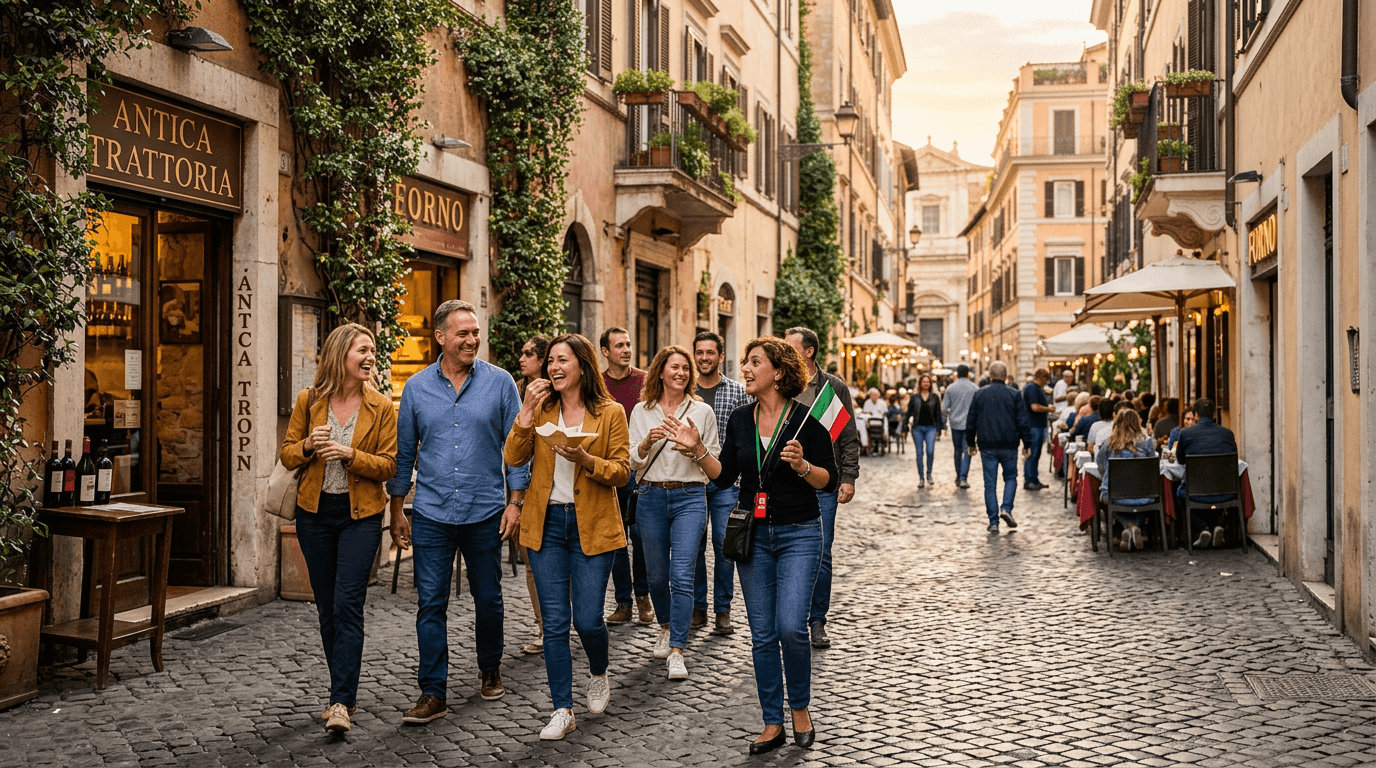
The best food tours in Rome are concentrated in food-rich neighborhoods like Trastevere and Testaccio, offering an unforgettable mix of iconic dishes, local history, and authentic culinary experiences. Top-rated companies like Eating Europe and Devour Tours provide exceptional small-group tours led by expert local guides, which are perfect for your first few days in the city to discover the best, most authentic spots to eat and drink. Booking a tour is the single best way to dive headfirst into the Eternal City's legendary food scene, bypassing the tourist traps and eating like a true Roman from day one.
Welcome to Rome, a city where history is etched into every cobblestone and the aroma of simmering tomato sauce and freshly baked bread hangs in the air. Navigating its culinary landscape can be as daunting as it is exciting. For every hidden trattoria serving heavenly pasta, there's a tourist trap with a picture menu waiting to disappoint. That's where a great food tour comes in. It's not just a guided tasting; it's a backstage pass to the city's heart and soul. We're talking about sipping wine in a centuries-old cellar, learning the secret to perfect carbonara from a nonna's recipe, and discovering the history behind a simple piece of fried artichoke. This guide is your ultimate resource for finding the perfect culinary adventure that will transform your trip from a simple vacation into a delicious, unforgettable memory.
How We Chose the Best Roman Food Tours
Selecting the truly exceptional food tours in Rome from the hundreds of available options is a task we take seriously here at Gidly. Our team of local experts and seasoned food travelers applied a rigorous set of criteria to ensure that every recommendation on this list offers an authentic, high-quality, and memorable experience. We believe a food tour should be more than just a sequence of snacks; it should be a story, a connection to the city's culture, and the highlight of your trip. We looked for tours that go beyond the obvious, support local family-run businesses, and are led by passionate guides who make the city's culinary history come alive. Our goal is to guide you to an experience that feels less like a tour and more like an evening out with a knowledgeable local friend who knows all the best spots.
The process involved cross-referencing thousands of guest reviews, conducting interviews with tour operators, and, most importantly, participating in these tours ourselves. We pounded the cobblestones, tasted countless supplì, and asked the tough questions to separate the genuinely great from the merely good. We paid close attention to the flow of the tour, the quality and quantity of the food and drink, the group size, and the overall value proposition. This hands-on approach allows us to provide you with insights you won't find on a simple booking page. We understand that you're not just investing your money, but also your precious vacation time, and our selections reflect that commitment to excellence and authenticity. We are confident that this curated list represents the absolute best the Eternal City has to offer your palate.
Our Evaluation Criteria (Why Trust Gidly)
To earn a spot on our list, a tour had to excel across several key metrics. First and foremost was the quality and authenticity of the tastings. We prioritized tours that feature iconic Roman dishes prepared traditionally at beloved local institutions, not mass-produced samples at tourist-focused shops. We looked for a generous number of stops—typically 6-8—offering a substantial amount of food that could easily replace a full meal. The quality of the guide was the second pillar of our evaluation. We sought out tours led by certified, native Roman guides who possess a deep, personal knowledge of their city’s food, history, and culture, and can share it with passion and humor. Group size was another critical factor; we exclusively recommend small-group tours (typically 12-15 people max) to ensure an intimate and personal experience where you can easily interact with your guide and fellow travelers.
Furthermore, we analyzed the overall value for money. This doesn’t just mean the cheapest price, but the best overall package. We weighed the cost against the duration of the tour (aiming for 3.5-4 hours), the number and quality of tastings, the inclusion of alcoholic beverages like local wine, and the educational and entertainment value provided by the guide. Finally, we considered the operational excellence of the tour company. This includes ease of booking, clear communication, the ability to cater to common dietary restrictions, and a strong reputation for customer service. Gidly’s methodology ensures that you're not just booking a tour, but a meticulously vetted experience designed to be a highlight of your Roman holiday.
Local Expertise & First-Hand Testing
At Gidly, we believe there's no substitute for first-hand experience. Our recommendations are not based on scraping other websites or aggregating online reviews. Our Rome-based contributors and traveling team members have personally walked these streets and tasted these dishes. We've experienced the "Twilight Trastevere" tour on a warm summer evening and navigated the bustling Testaccio Market on a busy Saturday morning. This on-the-ground research allows us to speak with authority about the subtle differences between tours. We know which guide tells the most compelling stories, which tour offers the creamiest gelato, and which company handles dietary restrictions with the most care. This personal investment is the foundation of your trust in us.
From our experience, we can tell you that the difference between a good tour and a great one is in the details. It's the guide who remembers your name, the secret off-menu tasting at a deli, or the story behind the family that has run a bakery for five generations. Our team has sat in the same enotecas, chatted with the same shopkeepers, and learned the same pasta-making techniques you will on these tours. We've assessed the comfort of the walking pace, the cleanliness of the facilities at each stop, and the quality of the wine being poured. This deep, sensory knowledge allows us to craft reviews that are not only informative but also genuinely reflective of the actual experience, helping you make a choice with confidence.
Quality of Guides (Locals vs. Expats)
A guide can make or break a food tour. While many tours in Rome are led by enthusiastic expats who love the city, our evaluation placed a premium on tours led by native Romans. There is a palpable difference in the depth of storytelling and cultural context provided by someone who grew up in the city, whose grandmother cooked these same dishes, and who has a lifetime of memories attached to these streets and flavors. A local Roman guide can explain the subtle nuances of dialect, the unspoken rules of a Roman coffee bar, and the fierce neighborhood pride that defines the city's culinary scene. They aren't just reciting a script; they are sharing their heritage.
During our testing, we found that local guides often have long-standing personal relationships with the vendors and chefs you'll meet. This translates into a warmer, more authentic welcome and often grants the group access to special insights or experiences. They can answer questions about modern Roman life, politics, and football with the same ease as they can explain the ancient origins of Cacio e Pepe. While a passionate expat can certainly lead a good tour, a great local guide elevates the experience from a tasting to a cultural immersion. All the tours on our top list, particularly those from leading companies like Eating Europe and Devour Tours, make a point of hiring and training exceptional local guides for this very reason.
Authenticity of Tastings & Venues
In a city as popular as Rome, the line between authentic and tourist-oriented can be blurry. A core part of our mission was to identify tours that champion true authenticity. For us, this means visiting establishments that are loved by locals and have been serving the community for years, often generations. We actively filtered out tours that rely on kickbacks or frequent large, impersonal restaurants designed for tourists. An authentic stop is a place like a family-run *salumeria* where the prosciutto is sliced to order, a tiny *friggitoria* that only makes supplì, or a historic bakery whose recipes haven't changed in a century. These are places you would likely never find on your own.
We assessed authenticity by looking at the ingredients. Does the tour explain the importance of Guanciale (cured pork jowl) in an Amatriciana, as opposed to pancetta? Do they serve gelato made with natural, seasonal ingredients rather than artificial colors and flavorings? The tours we selected celebrate these details. They take you to places that prioritize quality and tradition over convenience and volume. This commitment to authenticity ensures that the flavors you taste are not just delicious, but are a true representation of Roman culinary culture. It’s the difference between eating a pizza in Rome and eating a Roman pizza.
Value for Money and Overall Experience
When considering value, we look far beyond the price tag. A €99 tour that includes a 4-hour guided experience, a full meal's worth of high-quality food, several glasses of wine, and invaluable local knowledge can be a much better value than a €45 tour that offers a few small bites and a rushed walk. We broke down what you get for your money on each of our recommended tours. A typical high-quality tour includes 8-10 different food and drink tastings, which collectively amount to a very generous dinner. When you factor in the cost of a multi-course meal with wine at a good Roman restaurant (easily €50-€70 per person), plus the cost of a 4-hour private guide, the tour price often presents a fantastic deal.
The "overall experience" component is about the intangible value. Did the tour save you from wasting money on mediocre meals for the rest of your trip? Did it give you the confidence to order coffee like a local? Did it create a lasting memory? We believe the best food tours are an investment in your entire vacation. By booking one on your first or second day, you get a curated list of recommendations and the know-how to navigate the city's food scene for the remainder of your stay. The confidence and local insight gained are, in our opinion, priceless and represent the ultimate value for your money.
Comparison of the Top 7 Rome Food Tours
Choosing the right food tour depends on your personal style, budget, and what you want to get out of the experience. Are you a first-timer looking for the most iconic, picturesque stroll? Or a seasoned foodie wanting to get deep into a residential neighborhood? To help you decide, we've created this comprehensive comparison table. It breaks down our top 7 picks by their key features, allowing you to see at a glance which tour is the perfect fit for your Roman adventure. Use this as your starting point to quickly compare price points, neighborhoods, durations, and culinary highlights.
Each of these tours has been thoroughly vetted by the Gidly team for quality, authenticity, and overall experience. While they all offer a fantastic taste of Rome, their focus and vibe can be quite different. The Twilight Trastevere tour is pure romance and classic charm, while the Testaccio tour is a deep dive into the city's gritty, authentic culinary soul. The Prati tour offers an elegant, off-the-beaten-path alternative, perfect for those looking to escape the crowds near the Vatican. Consider what kind of traveler you are and what kind of memories you want to create. This table is your first step toward making that perfect choice, setting you up for an unforgettable journey through the flavors of the Eternal City.
| Tour Name | Neighborhood | Avg. Price | Duration | Key Tastings | Best For |
|---|---|---|---|---|---|
| Eating Europe: Twilight Trastevere | Trastevere | €99 | 4 hours | 30-year-aged balsamic, Cacio e Pepe, Suppli, Wine | First-timers, Couples, Romantics |
| Devour Tours: Testaccio Food & Market Tour | Testaccio | €89 | 3.5 hours | Market produce, Trapizzino, Coda alla Vaccinara | Foodies, Return Visitors, Authentic Seekers |
| The Roman Food Tour | Prati | €95 | 4 hours | Pizzarium pizza, Prosciutto, Cannoli, Truffle cheese | Vatican Visitors, Escaping Crowds |
| Jewish Ghetto & Campo de' Fiori Tour | Jewish Ghetto | €85 | 3 hours | Carciofi alla Giudia, Fried Cod, Jewish-Roman pastries | History Buffs, Unique Flavor Fans |
| Rome Street Food Tour | Centro Storico | €45 | 2.5 hours | Pizza al taglio, Suppli, Gelato | Budget Travelers, Families with Teens |
| Hands-On Cooking Class with Market Visit | Trastevere/Campo | €110 | 5 hours | Homemade Pasta, Tiramisu, Local Wine | Interactive Experience Seekers, Families |
| Private & Custom Food Tour | City-Wide | €200+ | Customizable | Bespoke Tastings (e.g., wine, cheese, offal) | Luxury Travelers, Special Occasions |
1. The Ultimate Classic: The Twilight Trastevere Food Tour (Eating Europe)
The Twilight Trastevere Food Tour by Eating Europe is arguably the most famous and beloved food tour in Rome, and for good reason. It's the quintessential Roman evening experience, blending enchanting scenery with exceptional food and wine. As dusk settles over the city, the tour guides you through the labyrinthine, ivy-draped alleyways of Trastevere, one of Rome's most picturesque neighborhoods. The experience is perfectly paced, combining fascinating historical anecdotes with a progressive dinner that takes you from a classic Roman aperitivo to a sit-down pasta dinner at a traditional trattoria, and finally to some of the best artisanal gelato you'll ever taste. This tour has perfected the art of storytelling through food, making it an ideal introduction to Roman cuisine for first-time visitors.
What sets this tour apart is its impeccable curation of stops and the quality of its guides. You won't be visiting generic tourist spots; instead, you'll be welcomed into family-owned establishments that are local institutions. Imagine sipping Prosecco in a wine cellar that predates the Colosseum, or tasting cheese and cured meats at a shop that has been in the same family for generations. The guides are not only knowledgeable but are true entertainers, weaving together history, humor, and culinary tips to create a lively and engaging atmosphere. The group size is kept small, fostering a convivial environment where you quickly feel like you're out for dinner with a group of new friends. It's a polished, professional, and utterly charming experience from start to finish.
In-Depth Review: What Makes It an Icon?
The Twilight Trastevere tour has achieved iconic status because it flawlessly delivers on its promise: a magical evening in Rome. The pacing is masterful. It starts with lighter aperitivo fare, moves on to street food classics, builds to a hearty pasta course, and concludes with a sweet finish, ensuring you never feel rushed or overly full at any single stop. The route itself is a highlight, winding through Trastevere’s most beautiful and hidden corners just as the golden hour light gives way to the romantic glow of street lamps. It's an experience that engages all the senses. The tour's longevity and consistently stellar reviews are a testament to its quality. Eating Europe has refined this itinerary over years of operation, building deep relationships with vendors, which translates to an exclusive and seamless experience for guests.
More than just a collection of tastings, the tour is a structured narrative of Roman dining culture. You learn why Romans start with an aperitivo, the difference between various types of pasta, and the rules of ordering coffee. Our team found that the visit to the ancient wine cellar was a particular highlight, providing a tangible link to the city's immense history that you can literally touch and feel. The sit-down pasta dinner is another key element; it provides a moment to relax, socialize with your group, and savor two of Rome's most famous pasta dishes in a proper restaurant setting. It’s this thoughtful combination of walking, learning, and dining that makes the tour feel like a complete, well-rounded evening event rather than just a tasting tour.
The Tastings: From Sparkling Prosecco to Artisanal Gelato
The culinary journey on this tour is a masterclass in Roman flavors. It typically begins at a historic "salumeria" where you'll sample an array of artisanal cheeses and cured meats, like Pecorino Romano and delicate prosciutto, paired with a glass of fine local wine. A standout experience for our team was tasting 30-year-aged balsamic vinegar – a revelation of complex sweetness. Next, you'll dive into the world of Roman street food with a stop for freshly made supplì, those crispy fried rice balls with a gooey mozzarella center. The tour then progresses to a proper sit-down meal at a charming, family-run trattoria, often 'Hostaria Glass'. Here, you'll be served generous portions of two classic Roman pastas, typically Amatriciana and Cacio e Pepe, accompanied by more wine.
The quality of the pasta is exceptional—perfectly al dente and coated in rich, flavorful sauce made with traditional ingredients like guanciale and Pecorino Romano DOC. The meal is a fantastic opportunity to understand the heart of Roman cuisine. Following the pasta course, the tour doesn't slow down. You might visit a famous "biscottificio" for traditional handmade cookies, a perfect little bite before the grand finale. The evening culminates with a visit to a top-tier artisanal gelateria. Here, your guide will teach you how to spot authentic gelato and you'll get to choose from a variety of seasonal, natural flavors. It's a full and satisfying menu that leaves you with a deep appreciation for the quality and diversity of Roman food.
The Vibe: A Lively Evening Stroll Through Charming Streets
The atmosphere of the Twilight Trastevere tour is, in a word, enchanting. It captures the energy of a perfect Roman evening. As you start the tour in the late afternoon, Trastevere is just beginning to wake up for the night. You'll see locals setting up for the evening, hear the clinking of glasses from opening bars, and feel the neighborhood's bohemian buzz come to life. The vibe is sophisticated yet relaxed, social, and incredibly photogenic. The small group size contributes to a friendly, intimate atmosphere, making it easy to chat with your guide and fellow travelers. Our Gidly team felt this was particularly conducive to a great experience, turning strangers into dinner companions by the end of the night.
As the tour progresses and darkness falls, the cobblestone streets, lit by warm, golden streetlights, create a magical backdrop. The mood is lively and convivial, fueled by good food, flowing wine, and engaging conversation. It's not a stuffy, academic tour; it's a moving feast filled with laughter and discovery. The guides are experts at reading the group's energy and keeping things engaging and fun. The experience feels like a well-orchestrated night out, where all you have to do is show up and enjoy the ride. It’s perfect for those who want to experience the social aspect of Italian dining culture, not just the food itself.
Insider Tip: What Your Guide Won't Tell You on the Website
While the tour itself is a complete experience, the real secret value lies in your guide's personal knowledge. Don't be shy—this is your chance to get a curated list of recommendations for the rest of your trip. At the end of the tour, after the final gelato, pull your guide aside and ask for their personal, non-tourist recommendations. Ask them: "Where do you go for pizza on your day off?" or "What's your favorite neighborhood spot for a coffee that we didn't visit?" They are a treasure trove of hyper-local information. Our team did this and received a list of three amazing, off-the-beaten-path restaurants that became the highlights of our following days. They are often happy to mark spots on your Google Maps.
Another tip is to pay close attention during the sit-down pasta portion of the meal. The guides often share the "rules" of Italian pasta, like which shapes go with which sauces and why you should never, ever ask for parmesan on a seafood pasta. These little cultural lessons are invaluable. Also, if a particular wine or cheese strikes your fancy, ask the guide where you can buy it. They can point you to the best local markets or shops where you can purchase high-quality culinary souvenirs to take home, often at better prices than the tourist shops.
2. For the Authentic Foodie: Testaccio Neighborhood & Market Tour (Devour Tours)
If Trastevere is Rome's pretty face, then Testaccio is its hardworking, beating heart. The Testaccio Neighborhood & Market Tour by Devour Tours is designed for the serious foodie, the traveler who wants to get beyond the picturesque and dive into the authentic, unvarnished soul of Roman cuisine. Testaccio is historically the city's "larder," the neighborhood of the abattoir (slaughterhouse), where much of Rome's most iconic "cucina povera" (peasant cooking) was born. This daytime tour takes you on a journey through this working-class, foodie-centric neighborhood, culminating in an extensive exploration of the vibrant, modern Testaccio Market. It’s a less-polished, more-real experience that will connect you to the source of Roman food.
Devour Tours, a company known for its deep research and commitment to authenticity, shines in this environment. The tour is a fascinating blend of history, food, and modern Roman life. You'll learn why Testaccio is the birthplace of dishes like Coda alla Vaccinara (oxtail stew) and see how that history is still alive in the neighborhood's trattorias and market stalls. The tour is a morning affair, which means you get to see the market in full swing, bustling with local shoppers picking out their daily produce. It feels incredibly authentic, offering a glimpse into the daily life of Romans that evening tours in more tourist-centric areas simply can't provide. This is the tour for those who have been to Rome before or who prioritize authenticity above all else.
In-Depth Review: Exploring Rome's Culinary Heart
This tour is a deep, educational dive into what makes Roman food Roman. It begins by grounding you in the history of the neighborhood, starting near Monte Testaccio, an ancient artificial hill made entirely of discarded Roman amphorae (clay pots). This incredible historical site sets the stage for understanding Testaccio's role as the commercial hub of ancient Rome. From there, the tour expertly weaves through the neighborhood, visiting historic bakeries, salumerias, and pasticcerias that have been serving the community for decades. The Gidly team was particularly impressed by the narrative quality; the guide connects each tasting back to the story of Testaccio, whether it’s the offal-based dishes born from the proximity to the slaughterhouse or the fresh produce arriving from the Roman countryside.
The centerpiece of the tour is the Mercato di Testaccio. Unlike the chaotic outdoor market at Campo de' Fiori, this is a bright, modern, and organized indoor market where locals actually shop. The tour doesn't just pass through; it's a major part of the experience. You’ll spend a significant amount of time here, visiting multiple vendors, tasting everything from fresh pasta to cheese to the famous Trapizzino. This focus on the market makes the tour incredibly dynamic and provides a real-time look at seasonal Italian produce. It’s an intellectually satisfying tour that feeds your mind as much as your stomach.
The Tastings: A Journey Through Testaccio Market and Beyond
The tastings on the Testaccio tour are a celebration of simplicity and quality. You might start your day the way Romans do, with a cappuccino and a cornetto at a historic pastry shop. Then, it's on to more savory delights. A highlight is often a visit to a legendary deli for some of the best pizza bianca (plain pizza bread, often filled with mortadella) in the city. The main event is the market, where a feast awaits. You’ll navigate the stalls with your guide, tasting things as you go. Expect to try supple, fresh buffalo mozzarella, sun-dried tomatoes, aged cheeses, and perhaps even a sample of a traditional Roman stew.
One of the most famous stops is the home of the Trapizzino, a brilliant street food invention: a triangular pocket of fluffy pizza bianca stuffed with classic Roman dishes like chicken cacciatore or meatballs in sauce. It's a modern classic born in this very neighborhood. The tour often concludes with a pasta course, but here it's different—you might visit a stall in the market that makes fresh pasta to order, watching as they prepare your dish right before your eyes. To finish, you'll be guided to one of Testaccio's best gelaterias to put your newfound knowledge of authentic gelato to the test. The variety and quality of the tastings are superb, showcasing the full spectrum of Testaccio's culinary offerings.
The Vibe: A Daytime Exploration of a True Roman Neighborhood
The vibe of the Testaccio tour is distinctly different from its evening counterparts. It's a morning, daytime experience, so the energy is that of a bustling, working neighborhood. It feels less like a performance for tourists and more like you've been invited to tag along on a local's Saturday morning errands. The atmosphere is down-to-earth, energetic, and completely unpretentious. You’ll be walking alongside Romans pulling their shopping carts, hearing the lively banter between vendors and their regular customers, and truly immersing yourself in the local scene. It's a vibrant, authentic slice of modern Roman life.
This tour is perfect for morning people and those who want to keep their evenings free. The group is typically made up of curious, food-focused travelers, making for interesting conversation. The guides are passionate advocates for their neighborhood, and their pride is infectious. The overall feeling is one of discovery and authenticity. You leave not only full but also feeling like you've seen a side of Rome that many visitors miss entirely. It’s an eye-opening and deeply satisfying experience for anyone who wants to understand the city on a deeper level.
Insider Tip: How to Navigate the Market Like a Local After Your Tour
The Testaccio Market can be overwhelming, but your tour gives you the perfect orientation. The key insider tip is to go back to the market for lunch on another day of your trip. By then, you'll know the layout and which vendors are the best. Create your own progressive lunch: grab a Trapizzino from stall #15, then head to Romeo for a creative supplì, followed by a custom salad from one of the produce vendors, and finish with a cannoli or a glass of wine from a wine stall. Many stalls have a few stools or a small counter where you can eat. This allows you to have an incredible, multi-course lunch for under €20.
Another local trick is to observe the queues. If you see a line of well-dressed Italian nonnas at a butcher or cheese stall, that's the one you want to go to. Don't be afraid to use the few Italian words you've learned. A simple "Buongiorno" and a smile go a long way. Many vendors are happy to give you a small taste ("posso assaggiare?") before you buy. Your tour guide will have armed you with the confidence and knowledge to navigate this foodie paradise on your own, a skill that is truly the best souvenir.
3. Near the Vatican: The Prati Neighborhood Tour (The Roman Food Tour)
For travelers staying near the Vatican or those looking to escape the dense tourist crowds of the Centro Storico, the Prati Neighborhood Tour by The Roman Food Tour is a brilliant choice. Prati is an elegant, tree-lined residential and commercial district built in the late 19th century. It’s where many Roman professionals live and work, and its food scene reflects that: high-quality, authentic, and catering to a discerning local clientele. This tour offers a unique perspective on Roman life, showcasing how tradition and modernity coexist in a sophisticated, non-touristy setting. It's the perfect activity to pair with a visit to St. Peter's Basilica or the Vatican Museums, providing a delicious and relaxing counterpoint to a day of intense sightseeing.
The Roman Food Tour has carved out a fantastic niche by focusing on this underserved, food-rich neighborhood. The tour feels like a secret glimpse into the everyday lives of well-to-do Romans. You'll visit upscale delis, a gourmet cheese shop, and one of the most celebrated pizza-by-the-slice places in the entire city. The guides are locals who are passionate about their neighborhood, and they excel at making you feel welcome in an area that sees fewer tourists. This tour is less about ancient history and more about the living, breathing culinary culture of contemporary Rome, making it a refreshing change of pace and a truly unique experience.
In-Depth Review: Eating Like a Local in an Upscale District
What struck our Gidly team about the Prati tour was its refined, relaxed atmosphere. The wide, clean streets and Art Nouveau buildings of Prati are a world away from the charming but chaotic alleys of Trastevere. The tour reflects this elegance. The stops are carefully selected to showcase the best of the best, from a gourmet food shop that's been open for over a century to a modern pastry shop with exquisite creations. The experience feels curated and exclusive. The tour’s signature stop at Pizzarium, often hailed as the number one pizza al taglio spot in Rome, is a major draw and a testament to the tour's quality. Getting to sample multiple creations from master pizzaiolo Gabriele Bonci without waiting in the massive line is worth the price of admission alone.
The tour is intelligently structured. It's a walking tour, but the distances are manageable, and the pace is leisurely. It's more of a stroll than a march. The guides provide just the right amount of historical and architectural context about the Prati neighborhood, explaining its development after the unification of Italy. However, the focus always remains squarely on the food. You'll learn about the 'DOC' and 'DOP' designations that guarantee the quality and origin of Italian food products, empowering you to be a more discerning shopper and diner throughout your travels in Italy. It’s an education in quality that elevates your entire culinary understanding.
The Tastings: From Pizzarium Masterpieces to Gourmet Cheese
The quality of the tastings on the Prati tour is exceptional. The journey begins with a visit to the legendary Pizzarium. Here, you won't just have one slice; you'll sample several of Gabriele Bonci's inventive and delicious creations, which feature a light, airy, and highly digestible crust topped with gourmet seasonal ingredients. It’s a game-changing pizza experience. From there, the tour takes you to a renowned gourmet shop, La Tradizione, which boasts an astonishing collection of over 400 types of Italian and international cheeses, plus an incredible selection of cured meats. Here, you’ll enjoy a guided tasting of delicacies like prosciutto di Parma, aged Parmigiano-Reggiano, and perhaps some cheese infused with truffles or aged in wine, all paired with a good local vintage.
The tour continues with a visit to a local restaurant for a taste of fresh, handmade pasta. Unlike tours that focus on the "big four" Roman pastas, this one might feature a unique regional specialty, offering a different perspective. The grand finale is a stop at a Sicilian-owned pastry shop for an authentic, freshly filled cannolo. The crisp shell and creamy, not-too-sweet ricotta filling are a world away from the pre-filled versions you find elsewhere. Each stop is a highlight, showcasing purveyors who are at the very top of their game. You'll leave feeling completely satisfied and with a new appreciation for high-quality Italian ingredients.
The Vibe: An elegant, off-the-beaten-path experience.
The vibe of the Prati tour is one of casual sophistication. It’s calm, orderly, and feels very "insider." Because you are away from the main tourist drags, you feel less like a tourist and more like a guest. The groups are small and the guides are personable, creating a relaxed and conversational atmosphere. It's an ideal choice for travelers who are a bit overwhelmed by the chaos of central Rome and are seeking a more tranquil, authentic experience. The elegance of the neighborhood, with its beautiful architecture and high-end shops, contributes to a feeling of being on a special, curated outing.
Our team found this tour to be particularly well-suited for couples or small groups of friends who appreciate the finer things but want an unpretentious experience. It’s not about raucous fun; it's about quiet enjoyment and deep appreciation. The daytime schedule allows you to see the neighborhood as the locals do, going about their daily business. You get a strong sense of place and community. If your idea of a perfect day includes discovering a fantastic cheese shop, learning about wine pairings, and enjoying some of the best pizza in the world in a relaxed setting, then the Prati tour's vibe will be a perfect match for you.
Insider Tip: The Perfect Pre- or Post-Vatican Museum Activity
The strategic genius of this tour is its location. The Vatican Museums can be an exhausting, overwhelming experience. The Prati food tour is the perfect antidote. Our Gidly-approved strategy: book an early morning, "skip-the-line" ticket for the Vatican Museums. Spend your morning exploring the art, finishing around noon. Then, instead of eating at one of the overpriced, mediocre cafes near the Vatican walls, take a short 10-15 minute walk to the tour's meeting point for a 12:30 PM or 1:00 PM start. You'll be able to sit down, relax, and be rewarded with some of the best food in Rome. It turns a long day of sightseeing into a perfectly balanced cultural and culinary experience.
Alternatively, you can do it in reverse. Do the morning food tour, which typically ends around 3:30 or 4:00 PM. This leaves you perfectly positioned to visit St. Peter's Basilica in the late afternoon when the crowds have often thinned out. The tour will leave you energized and full, and the walk to the Basilica is short and pleasant. Your guide will be happy to point you in the right direction. This "combo" approach maximizes your time and ensures you eat exceptionally well on your "Vatican day," a feat that many tourists fail to achieve.
4. A Taste of History: Jewish Ghetto & Campo de' Fiori
For a food tour that is as rich in history as it is in flavor, the Jewish Ghetto and Campo de' Fiori tour is an unparalleled experience. This tour takes you through one of Rome's most historically significant and atmospheric neighborhoods, the former Jewish Ghetto. Established in 1555, it's one of the oldest ghettos in the world, and its unique history has given rise to a distinct and delicious culinary tradition known as "cucina ebraico-romanesca" (Roman-Jewish cooking). The tour then typically winds its way to the bustling Campo de' Fiori, a vibrant piazza that has hosted a daily market since the 1800s. This is a journey through layers of Roman history, where every bite tells a story of resilience, adaptation, and incredible flavor.
This tour is perfect for history buffs and adventurous eaters who are curious to taste something uniquely Roman that they won't find back home. You'll learn about the hardships and restrictions that shaped this cuisine, forcing creativity and resulting in masterpieces made from humble ingredients. The contrast between the quiet, poignant streets of the Ghetto and the loud, colorful chaos of Campo de' Fiori market makes for a dynamic and fascinating walk. Several companies offer tours of this area, but the best ones are led by guides with a deep understanding of Jewish history and culture, who can sensitively and accurately share the stories behind the food. It's a moving and deeply memorable culinary experience.
In-Depth Review: Where Ancient History Meets Unique Cuisine
The power of this tour lies in its profound sense of place. Walking through the narrow streets of the Jewish Ghetto, you'll pass by the Great Synagogue, see the "stumbling stones" (small brass plaques commemorating victims of the Holocaust), and feel the weight of history. The guide's role here is crucial, and the best tours provide a respectful and insightful narrative that connects the food to this complex past. You'll learn, for example, how the papal decree forbidding Jews from selling valuable fish led to the creation of "filetti di baccalà" (fried salt cod fillets), a Roman street food staple that originated here out of necessity. This connection between history and gastronomy is what makes the tour so compelling.
Our team found that the tour provides a crucial context for understanding Rome as a whole. The transition from the Ghetto to the adjacent Campo de' Fiori is also part of the story. The piazza, once the site of public executions (philosopher Giordano Bruno was burned at the stake here), is now a riot of color and commerce. The tour uses this contrast to discuss the evolution of Roman markets and street life. The experience is an emotional and intellectual journey, where the food serves as a delicious gateway to understanding centuries of Roman life, struggle, and triumph.
The Tastings: Fried Artichokes, Cod Fillets, and Roman-Jewish Pastries
The tastings in the Jewish Ghetto are some of the most unique in all of Rome. The undisputed star of the show is the Carciofo alla Giudia (Jewish-style artichoke). This is a whole artichoke, deep-fried until the outer leaves are shatteringly crisp like potato chips and the heart is tender and creamy. It's a culinary miracle and a must-try when in Rome. Another Ghetto classic you'll sample is the aforementioned filetti di baccalà, a perfectly fried, non-greasy fillet of salt cod that is pure comfort food. You may also get to try "concia," zucchini marinated in olive oil, garlic, and herbs, a dish that showcases the simple yet flavorful nature of the cuisine.
As the tour moves towards Campo de' Fiori, the tastings might shift. You could stop at one of the historic "forni" (bakeries) surrounding the market for a slice of pizza rossa, a simple but sublime pizza with just tomato sauce. In the market itself, you might sample local cheeses, cured meats, or perhaps some fresh fruit. The tour often concludes with a visit to a pastry shop specializing in Roman-Jewish sweets, which often feature almonds and honey. A famous example is the "pizza ebraica," a dense, fruit-and-nut-filled bar that is nothing like a pizza but is addictively delicious. The collection of flavors on this tour is truly distinct from any other in Rome.
The Vibe: A fascinating walk through layers of history.
The atmosphere of this tour is more contemplative and historical than others. While still fun and delicious, there's a certain reverence required when walking through the Ghetto. The vibe is one of respectful discovery. The guides are typically fantastic storytellers, and the mood is often one of rapt attention as they recount the area's dramatic history. It’s a tour that encourages questions and reflection. The energy picks up considerably upon reaching the boisterous Campo de' Fiori market, providing a lively contrast. This shift in atmosphere is part of what makes the tour so memorable.
This experience is well-suited for mature travelers and those with a keen interest in history. It may not be the best choice for families with very young children due to the more serious historical themes. However, for those who want their meals to come with a side of meaning, the vibe is perfect. It's a tour that will make you think, feel, and taste in equal measure. You’ll leave with a much deeper understanding of the city's complex social fabric and a newfound appreciation for a cuisine born from resilience.
Insider Tip: Understanding the Stories Behind the Recipes
The real magic of this tour is in the stories. To get the most out of it, engage your guide with questions about the "why." Don't just ask what's in the dish; ask why those ingredients were used. For example, the use of frying in Roman-Jewish cuisine (like the artichokes and cod) was partly because it was an economical way to cook using oil and could be done in advance of the Sabbath. The "pizza ebraica" pastry was calorie-dense and portable, perfect for a community that might need to flee at a moment's notice. Understanding these origins transforms the act of eating into a profound connection with the past.
After the tour, take some time to wander through the Ghetto on your own. Now that you've been introduced to its stories, the streets will look different. Notice the kosher restaurants and bakeries. We recommend returning in the evening for dinner at one of the restaurants you passed. The atmosphere is completely different at night, with tables spilling out onto the streets, and you can enjoy a full meal of the dishes you tasted, like the carciofi, as a proper appetizer. Booking this tour gives you the confidence to explore and dine in this incredible, historic neighborhood.
5. Best on a Budget: Rome Street Food & Pizza Tour
Exploring Rome's culinary scene doesn't have to break the bank, and the Rome Street Food & Pizza Tour is proof. This type of tour, offered by several excellent local operators, is a fast, fun, and affordable way to dive into the city's most beloved casual eats. Clocking in at around 2.5 hours and with a price point often under €50, it offers incredible value. The focus is squarely on "cibo di strada" – the delicious, high-quality food that Romans grab on the go. You'll hop between historic bakeries, hole-in-the-wall pizzerias, and local markets, sampling a greatest hits collection of Roman street food. It’s the perfect option for travelers on a tight budget, families with kids or teenagers who have shorter attention spans, or anyone with a packed itinerary who can only spare a couple of hours.
These tours typically take place in food-dense areas like the Centro Storico (Historic Center), often weaving through Campo de' Fiori and the charming streets around Piazza Navona. While shorter than the more comprehensive evening tours, they pack a surprising amount of food and information into a short time. You'll get a crash course in Roman essentials, learning the difference between pizza tonda (round pizza) and pizza al taglio (pizza by the slice), and discovering the crispy, cheesy joy of a perfectly made supplì. It's an energetic, no-frills experience that delivers maximum flavor for minimum cost and time commitment.
In-Depth Review: A Fast, Fun, and Affordable Introduction
The genius of the street food tour is its efficiency and accessibility. It strips the food tour concept down to its delicious core: tasting great food and learning a little bit along the way. Our team was impressed by how much ground these tours cover, both geographically and culinarily, in such a short time. The guides are typically young, energetic locals who have an encyclopedic knowledge of the city's best cheap eats. The tour feels less like a formal lesson and more like a friend showing you their favorite snack spots. It’s an excellent way to get oriented in the city center and build a mental map of reliable, affordable places to eat for the rest of your trip.
The format is ideal for a modern traveler's attention span. You're constantly on the move, with short walks between stops and quick, satisfying tastings. This makes it particularly great for families with teenagers, who will love the focus on pizza and fried goodies and appreciate the fast pace. It's also a fantastic icebreaker for solo travelers, offering a casual and easy way to meet people without the commitment of a four-hour dinner. Despite the lower price point, the quality of the food on the tours we vetted is not compromised. You'll be visiting top-notch, highly-rated establishments that specialize in their respective street food crafts.
The Tastings: A Marathon of Suppli, Pizza al Taglio, and Trapizzini
Prepare for a delightful carb-loading experience. A street food tour is a whirlwind tour of Rome's most iconic on-the-go treats. You'll almost certainly start with a supplì, the quintessential Roman snack. Your guide will explain the tradition of the "supplì al telefono," where the hot mozzarella inside stretches out like a telephone cord as you pull it apart. Next, you'll dive deep into the world of pizza al taglio. You'll visit a classic Roman "forno" (bakery) where you'll see massive rectangular trays of pizza with all sorts of toppings. Your guide will explain how to order (by weight) and you'll likely sample a few different types, from the simple pizza bianca or rossa to more elaborate toppings.
Depending on the specific tour route, other tastings might include a stop for filetti di baccalà (fried cod), a taste of cured meats from a historic salumeria near the Pantheon, or even a sample of the famous Trapizzino if the route permits. The tour almost always concludes with a stop for artisanal gelato, where your guide will teach you the all-important lesson of how to distinguish the good stuff from the tourist-trap fluff. You will not leave hungry. In fact, the amount of food is often enough to serve as a full and very satisfying lunch.
The Vibe: Casual, energetic, and perfect for a quick bite.
The vibe of a street food tour is 100% casual and high-energy. There are no sit-down meals or wine pairings. You'll be eating on your feet, standing on sidewalks, and navigating bustling crowds, just like a true Roman grabbing a quick lunch. The atmosphere is fun, informal, and fast-paced. It's the culinary equivalent of a highlights reel, designed to give you a taste of the best of Roman street culture in a short amount of time. The guides are usually masters of "herding cats," keeping the group together and entertained as they move through the busy city streets.
This is not a tour for those seeking a leisurely, romantic evening. It's for people who want to be on the move, soaking up the city's energy. The excitement is infectious, and the constant discovery of new flavors around every corner keeps the adrenaline pumping. Our Gidly team found it to be a fantastic way to spend a midday, breaking up sightseeing with delicious snacks and getting a feel for the rhythm of the city center. It’s an efficient, fun, and delicious way to fuel your Roman explorations.
Insider Tip: How to Spot the Best Pizza al Taglio by the Slice
Your guide will give you great pointers, but here's a key insider tip you can use for the rest of your trip. The secret to great pizza al taglio is the crust. Look for a pizzeria where you can see the underside of the crust. It should be golden brown and slightly blistered, not pale or soggy. A great crust will have lots of air pockets and bubbles of varying sizes—this is a sign of a long, slow fermentation process, which results in a lighter, more digestible, and more flavorful dough. Avoid places where the pizza looks like it's been sitting under a heat lamp for hours. The best spots have a high turnover, so the pizza is always fresh from the oven.
Also, don't be afraid of simplicity. The true test of a great al taglio place is its pizza bianca (just olive oil and salt) or pizza rossa (just tomato sauce). If they can make these simple versions taste incredible, you know you're in a good place. Use the knowledge you gain on this tour to confidently walk into any "forno" in Italy and order like a pro for the rest of your travels.
6. The Hands-On Experience: Pasta & Tiramisu Cooking Class
For those who want to do more than just taste, a hands-on cooking class is the ultimate souvenir. Instead of just eating delicious Roman food, you learn the skills to recreate it in your own kitchen, a gift that keeps on giving long after your trip is over. Many of these classes, which are a hybrid of a tour and a workshop, begin with a guided visit to a local market like Campo de' Fiori to select fresh, seasonal ingredients. Then, you'll head to a dedicated cooking school or a private apartment to learn the art of making fresh pasta from scratch, along with a classic sauce and the iconic dessert, tiramisu. It's a social, fun, and incredibly rewarding experience that connects you to the food in a much deeper, more personal way.
This is not a demonstration; it's a fully interactive experience. You'll get your hands dirty, kneading dough, rolling out fettuccine, and whipping up mascarpone cream. The class is typically led by a professional chef or a passionate local cook who will guide you through every step of the process. The best part? After all your hard work, you get to sit down with your fellow students and enjoy the multi-course meal you just created, usually paired with some excellent local wine. It's a fantastic option for families, couples looking for a unique date activity, or anyone who loves to cook.
In-Depth Review: More Than a Tour, It's a Skill
What elevates a cooking class above a standard food tour is the element of empowerment. You walk away with not just a full stomach, but with a new skill. The classes are designed to be accessible to all levels, from complete novices to experienced home cooks. The chefs are skilled teachers, breaking down seemingly complex techniques into simple, manageable steps. Our team, which included members with varying levels of cooking experience, found the instruction to be clear, patient, and encouraging. The moment you successfully transform a simple pile of flour and eggs into a silky sheet of pasta dough is a truly magical one.
The experience is also a deep dive into the philosophy of Italian cooking: using simple, high-quality ingredients to create extraordinary flavor. You'll learn why the type of flour matters, the importance of using fresh eggs with golden yolks, and the secret to a balanced tiramisu. Many classes also include a market tour component, which is an invaluable lesson in itself. Learning how to select the best seasonal produce, how to talk to vendors, and what to look for in fresh ingredients is a fundamental part of Italian culinary culture. It’s an immersive, educational experience that provides a profound appreciation for the craft behind the cuisine.
The Experience: From Shopping at the Market to Rolling Your Own Fettuccine
A typical cooking class experience starts in the morning. You'll meet your chef and the rest of the small group at a pre-arranged spot, often a famous local market like Campo de' Fiori. The first hour is spent exploring the market, with the chef as your guide. They will point out the best seasonal ingredients—the brightest tomatoes, the most fragrant basil, the freshest cheese—and you'll work together to purchase what you need for your meal. This is a vibrant, sensory experience and a fantastic opportunity to see a Roman market in full swing. After shopping, you'll proceed to the cooking location. This could be a professional kitchen space or a charming private home, adding to the authenticity of the experience.
Once you've donned your apron, the real fun begins. The chef will guide you through the process of making pasta dough by hand, kneading it to the perfect consistency. Then comes the satisfying part: rolling it out into thin sheets and cutting it into shapes like fettuccine or ravioli. Simultaneously, you'll work on a classic sauce, like a simple tomato and basil or perhaps a carbonara. You will also learn the steps to create a perfect tiramisu, from whipping the mascarpone to soaking the ladyfingers in coffee. The culmination of the class is sitting down together as a group to enjoy the fruits of your labor, a delicious, home-cooked Italian meal that you made yourself.
The Vibe: Social, educational, and incredibly rewarding.
The vibe of a cooking class is wonderfully social and collaborative. You're not just passively listening to a guide; you're actively working alongside your fellow travelers, all learning and laughing together. There's a great sense of camaraderie that develops as you collectively tackle the challenge of making pasta from scratch. Kneading dough, sipping wine, and sharing stories creates a relaxed and friendly atmosphere. It's an excellent activity for breaking the ice and making new friends, especially for solo travelers or small groups.
The experience is also incredibly rewarding. There's a huge sense of pride and accomplishment when you sit down to eat a delicious plate of pasta and know that you made it with your own two hands. The environment is educational but in a fun, non-intimidating way. The chefs are passionate and patient, creating a supportive space where it's okay to make mistakes. The overall mood is one of joyful creativity, culminating in a festive, family-style meal. It’s a truly wholesome and memorable way to spend half a day in Rome.
Insider Tip: Questions to Ask Your Chef to Elevate Your Home Cooking
You have a few hours with a professional Italian chef—use it! This is your chance to go beyond the recipe. While you're kneading the dough, ask them about the science: "What is the ideal hydration for pasta dough?" or "How does the protein content of the flour affect the final texture?" When making the sauce, ask about technique: "What is the secret to emulsifying the sauce so it clings to the pasta?" or "At what point should I salt the pasta water and why?" These are the details that separate amateur from pro cooking.
Don't be afraid to ask for their "nonna's secrets." Ask about common mistakes home cooks make when preparing Italian food. Ask for their recommendation for a good brand of canned tomatoes available internationally, or what type of olive oil to use for cooking versus finishing. A great question is, "What is one simple Italian dish that everyone gets wrong, and how do I make it right?" The answers to these questions are the real takeaways that will transform your cooking long after you've returned home.
7. The Luxury Option: Private & Bespoke Food Tours
For those celebrating a special occasion, traveling with specific and discerning tastes, or simply seeking the ultimate in personalized service, a private and bespoke food tour is the pinnacle of culinary exploration in Rome. This option moves beyond a set itinerary and allows you to craft the perfect day or evening tailored precisely to your interests. Want to do a deep dive into the world of natural wines? Eager to explore Rome's offal traditions with an expert? Need to plan a tour that meticulously caters to a severe food allergy? A private tour is your answer. You work directly with a high-end tour operator or a private guide to design an experience that is uniquely yours. The possibilities are limited only by your imagination and your budget.
The luxury of a private tour isn't just about exclusivity; it's about efficiency, flexibility, and depth. You won't waste a moment on something that doesn't interest you. The pace is entirely your own—linger longer at the cheese shop, or skip the gelato in favor of another glass of Barolo. Your guide is dedicated solely to you, providing an unparalleled level of personal attention and answering your every question. This is the ultimate way to access the inaccessible: a behind-the-scenes look at a Michelin-starred kitchen, a one-on-one tasting with a renowned winemaker, or a historical tour focused on the food of the Roman emperors. It's an investment in a truly unforgettable, once-in-a-lifetime memory.
In-Depth Review: Crafting Your Perfect Culinary Day in Rome
The process of planning a bespoke tour is part of the experience itself. You'll typically have a consultation call with the tour provider to discuss your interests, preferences, dietary needs, and budget. Are you a coffee aficionado? They can build a tour that takes you to Rome's best roasters and historic cafes. Are you obsessed with cheese? They can arrange a masterclass with a cheesemonger. Our team has seen custom tours built around everything from Renaissance-era recipes to the city's best modern street food. The level of detail and personalization is what sets this option apart. The tour is no longer a product you buy, but an experience you co-create.
On the day of the tour, the difference is palpable. There's no huddling to hear a guide over a crowd. Transportation can be arranged via private car, whisking you from a morning market tour in Testaccio to an afternoon wine tasting in the hills outside the city. Your guide functions as a personal concierge, translator, and cultural interpreter. They can make on-the-fly adjustments based on your mood or a sudden craving. If you pass a shop that looks interesting, you can stop. This flexibility and responsiveness are the hallmarks of a true luxury experience, ensuring your time is spent in the most enjoyable and enriching way possible.
The Possibilities: Wine Tasting, Cheese Deep Dives, Chef-Led Experiences
The sky is the limit when it comes to a private tour. You could arrange a "Lazio Wine Deep Dive," where a sommelier guides you through a tasting of the region's best and most interesting varietals, like Frascati Superiore, Cesanese, and Malvasia Puntinata, paired perfectly with local foods. For the truly adventurous, a "Quinto Quarto" (The Fifth Quarter) tour could explore Rome's tradition of eating offal, with tastings of coda alla vaccinara (oxtail stew), trippa alla romana (tripe), and pajata, guided by an expert who can explain the history and preparation of these challenging but delicious dishes. A private cooking class could be taken to the next level, held in the private home of a Roman aristocrat or led by a Michelin-recognized chef.
Other possibilities include a "Truffle & Porcini Hunt" in the Roman countryside during the autumn months, followed by a meal prepared with your finds. A "Market to Table" experience could involve not just shopping at the market with a chef but then retreating to a private kitchen to cook and enjoy a multi-course lunch together. You could even design a historical food tour, tracing the culinary history of Rome from ancient times through the Renaissance to the present day, with tastings that reflect each era. For those with specific dietary needs, such as celiac disease, a private tour is the safest and most enjoyable way to navigate the city, with a guide who can communicate your needs precisely and take you to pre-vetted, safe, and delicious spots.
The Vibe: Exclusive, personalized, and unforgettable.
The vibe of a private tour is one of complete comfort and effortless exclusivity. It's the difference between flying commercial and flying private. Every detail is handled for you. The experience is relaxed, intimate, and entirely focused on your enjoyment. There's no pressure to keep up with a group or make small talk. You can have a deep, one-on-one conversation with your guide, delving into subjects that truly fascinate you. This level of personalization creates a powerful connection to the city and its culture.
This is the perfect choice for a honeymoon, an anniversary, a milestone birthday, or for discerning travelers who value their time and privacy. The feeling is less like being on a tour and more like having a well-connected, incredibly knowledgeable friend showing you their city. It’s a seamless and stress-free experience that allows you to simply immerse yourself in the magic of Rome. The memories created on a well-executed private tour are often the ones that travelers cherish the most, long after the taste of the last cannolo has faded.
Insider Tip: How to Get the Most Out of a Private Guide
The key to maximizing a private tour is to be an active participant in the planning process. Be as specific as possible about your likes and dislikes. Don't just say you like wine; say you prefer full-bodied reds or that you're curious about volcanic soil whites. Don't just say you're a foodie; mention that you're obsessed with Anthony Bourdain and want to find the modern-day Roman equivalent of his favorite spots. The more information you provide, the better your guide can tailor the experience. Also, communicate your budget clearly from the outset. A good operator can design a fantastic private experience across a range of price points.
During the tour, treat your guide as a resource for your entire trip. This is even more crucial than on a group tour. Ask them to make dinner reservations for you for the following nights. Ask for their help booking a taxi or navigating the metro. Ask them where to find the best leather goods or a specific souvenir. They are your personal concierge for the duration of the tour, and often, their assistance can extend beyond it. By leveraging their expertise to the fullest, you transform the cost of a private tour into a high-value investment for your entire Roman holiday.
Which Rome Food Tour is Right for YOU? A Scenario-Based Guide
With so many fantastic options, choosing just one food tour can be tough. The "best" tour really depends on who you are and what you're looking for. To make it easier, we've broken down our recommendations based on common travel scenarios. Think of this as your personalized Gidly consultation. Whether you're planning a romantic getaway, wrangling a family of picky eaters, or embarking on a solo adventure, we've got the perfect culinary experience for you. Find your scenario below and discover the tour that will turn your trip into an unforgettable feast.
This section is designed to cut through the noise and give you a direct, actionable recommendation. We'll weigh the pros and cons of different tours for each situation, considering factors like pace, vibe, cost, and content. Remember, the goal is to find an experience that not only feeds you well but also matches your travel style and enhances your overall enjoyment of the Eternal City. Let's find your perfect match and get you one step closer to that first, glorious bite of authentic Roman cooking. Your dream food experience awaits.
Best Rome Food Tour for a Date Night / Romantic Occasion
For couples looking to dial up the romance, there is no better choice than the Twilight Trastevere Food Tour by Eating Europe. The entire experience is practically designed for a perfect date night. The tour takes place in the evening, guiding you through the impossibly charming, ivy-covered alleyways of Trastevere just as the sun sets and the streetlights cast a warm, golden glow. The vibe is intimate and magical. You'll be sipping Prosecco in an ancient cellar, sharing plates of delicious pasta at a candlelit table, and strolling hand-in-hand over cobblestone streets. The small group size keeps it from feeling like a massive tour group, allowing for plenty of moments of private conversation.
The progressive dinner format, with multiple stops for different courses, is inherently romantic and encourages conversation and shared discovery. The inclusion of plenty of good wine certainly helps set the mood. It's a far more engaging and memorable experience than a standard dinner at a single restaurant. The tour ends on a sweet note with artisanal gelato, the perfect finale to a romantic evening. For a truly special occasion like a honeymoon or anniversary, consider splurging on a Private & Bespoke Food Tour, where you can customize the experience to include a private wine tasting or a meal at an exceptionally romantic, off-the-beaten-path restaurant.
Best Rome Food Tour for Families with Young Children
Traveling with young children requires a different strategy. Long, slow-paced evening tours with extensive historical explanations are a recipe for a meltdown. The absolute best option for families, particularly those with kids under 12, is a Hands-On Pasta & Tiramisu Cooking Class. This experience is interactive from start to finish, which is key to keeping children engaged. Kids love getting their hands messy, and the process of kneading dough, cranking the pasta machine, and whipping cream for tiramisu is endlessly entertaining for them. It channels their energy into a creative and productive activity.
The best part is that the class culminates in a meal that they helped create, making them much more likely to eat it. Pasta and tiramisu are generally kid-friendly foods, so you avoid the battle of trying to get them to eat unfamiliar dishes. The experience is social, fun, and educational in a way they'll enjoy. As a runner-up, a shorter, daytime Rome Street Food Tour is also a good option. The focus on pizza, fried snacks, and gelato is a guaranteed hit with kids, and the shorter duration (around 2.5 hours) is better suited to their attention spans. The fast pace and lack of long, seated portions keep them from getting bored.
Best Rome Food Tour for a Group of Friends or a Party
When you're traveling with a group of friends, you're likely looking for an experience that is social, lively, and fun, with plenty of good food and drink. The Twilight Trastevere Food Tour is again a fantastic choice. The evening setting in a vibrant neighborhood, the generous pours of wine, and the convivial atmosphere make it a perfect kick-off for a night out. The small group format allows your group to interact easily, and you'll often end up mingling with other fun travelers on the tour. It's essentially a curated, multi-stop aperitivo and dinner party on foot.
Another excellent option for a group is the Testaccio Neighborhood & Market Tour. The daytime schedule and bustling market environment have a high-energy, authentic vibe that can be a lot of fun to experience with friends. Discovering the "real" Rome together and debating your favorite bites at the market makes for great bonding. For a bachelor or bachelorette party, or a celebratory trip, a private Hands-On Cooking Class can also be a huge hit. The collaborative, hands-on activity, fueled by wine and friendly competition, is a recipe for a memorable group experience that's more unique than just going to a bar.
Best Rome Food Tour for Solo Travelers
Food tours are a godsend for solo travelers. They offer a safe, structured, and fun way to explore the city's nightlife and dining scene without the awkwardness of eating alone. They are also one of the best ways to meet other travelers. For a solo adventurer, we highly recommend a small-group evening tour like the Twilight Trastevere Food Tour or a similar offering. The structure of a progressive dinner with a shared table for the pasta course is designed to foster conversation. The guides are adept at making introductions and ensuring everyone feels included. You'll start the night as strangers and end as friends, often with plans to meet up later in your trip.
A daytime option like the Testaccio Food & Market Tour is also a great choice. The shared experience of navigating the bustling market and tasting new things creates an easy bond among group members. The educational aspect gives you plenty to talk about. As a solo traveler, a food tour provides more than just a meal; it provides companionship and a built-in social event for the evening or day, which can be invaluable. It's a fantastic way to feel connected to the city and the people in it.
Best Rome Food Tour for Corporate Team Building
For corporate groups looking for a unique and effective team-building activity in Rome, the clear winner is a private Hands-On Cooking Class. This experience is tailor-made for fostering collaboration, communication, and a bit of healthy competition. The process of working together to create a multi-course meal from scratch requires teamwork. You can divide the group into teams—one on pasta, one on sauce, one on dessert—to encourage cooperation towards a common goal. The shared challenge and subsequent success create a powerful bonding experience that translates back to the office environment.
The activity is engaging for everyone, regardless of their position in the company hierarchy, and it takes place in a fun, low-pressure environment outside the usual corporate setting. The class can be customized to the size of your group, and the final meal, enjoyed together with wine, serves as a natural celebration of the team's collective achievement. It’s far more memorable and effective than a standard trust-fall exercise. A private, customized street food tour or a scavenger-hunt-style tour could also work well, but the collaborative nature of a cooking class makes it the superior choice for team-building objectives.
Deep Dive: Choosing Your Tour by Neighborhood
The neighborhood where your food tour takes place dramatically shapes the entire experience. Rome is not a monolithic city; it's a patchwork of distinct districts, each with its own unique history, character, and culinary specialties. Choosing a tour is as much about choosing a neighborhood as it is about choosing a menu. Do you crave the postcard-perfect charm of ivy-clad lanes, or the gritty, authentic buzz of a former working-class district? Understanding the personality of each neighborhood will help you select a tour that perfectly aligns with your travel style. Let's take a closer look at the key food tour districts and what makes each one special.
This guide will walk you through the four primary neighborhoods for food tours: Trastevere, Testaccio, Prati, and the Jewish Ghetto/Centro Storico area. We'll also touch on an up-and-coming alternative, Monti. For each one, we'll describe the vibe, the typical foods you'll encounter, and the type of traveler who would enjoy it most. Think of this as the geographical companion to our scenario-based guide. By understanding the lay of the land, you can make an even more informed decision and ensure your culinary adventure takes place in the setting that's just right for you.
Trastevere: The Picturesque & Popular Choice
Trastevere, which literally means "across the Tiber," is the Rome you've seen in movies. It's a maze of narrow cobblestone streets, colorful, crumbling buildings draped in ivy, and charming piazzas filled with outdoor cafes. In the evening, the neighborhood comes alive with a vibrant energy, attracting tourists and locals alike with its countless restaurants, bars, and shops. A food tour here is an aesthetic delight. The main draw is the atmosphere—it's undeniably romantic and picturesque. Tours in Trastevere, like the iconic Twilight Trastevere tour, are usually evening affairs that take advantage of this magical ambiance. The food focus is on classic Roman dishes: you'll find fantastic pasta, supplì, and cured meats. It's the perfect choice for first-time visitors, romantics, and anyone who wants that quintessential Roman holiday experience.
The downside of Trastevere's popularity is that it can be very crowded, especially in high season, and it's home to many tourist traps. This is why a good food tour here is so valuable. An expert guide will navigate you away from the crowds and into the hidden-away, authentic gems that locals still frequent. They'll take you to the bakery that's been there for a century or the trattoria tucked down a quiet alley that serves the best cacio e pepe. So, while the neighborhood itself can feel touristy, a well-curated tour allows you to experience its authentic heart while still enjoying the stunning scenery. Choose Trastevere if your top priority is atmosphere and classic charm.
Testaccio: The Authentic Food-Lover's Paradise
If Trastevere is the beauty, Testaccio is the soul. This is the undisputed champion for serious foodies. A less visually ornate but far more culinarily significant neighborhood, Testaccio was the home of Europe's largest slaughterhouse for nearly a century. This legacy gave birth to Rome's "cucina povera" and its "quinto quarto" (fifth quarter) tradition of using every part of the animal. Today, the slaughterhouse is a modern art museum, but the neighborhood's identity is still deeply rooted in food. It's home to some of the city's most revered traditional trattorias and the magnificent Mercato di Testaccio. A food tour here, like the one offered by Devour Tours, is a deep, educational, and utterly delicious dive into the heart of Roman cuisine.
The vibe in Testaccio is 100% authentic. This is a real, working-class Roman neighborhood where people live, shop, and eat. The tours are daytime affairs, centered around the bustling market. You won't find the romantic, candlelit atmosphere of Trastevere here. Instead, you'll find an energetic, no-nonsense love of food. You'll taste dishes you might not find elsewhere, from classic stews to the inventive Trapizzino. Choose Testaccio if you prioritize authentic food over picturesque scenery, if you're a return visitor looking to go deeper, or if your primary identity is "food lover."
Prati: The Elegant & Local Vatican-Adjacent Option
Prati offers a completely different flavor of Rome. Located just north of the Vatican, this neighborhood is characterized by its wide, tree-lined avenues, elegant Art Nouveau buildings (known as 'Liberty' style in Italy), and upscale shopping streets. It's a prosperous residential and business district, and its food scene reflects its discerning local clientele. A food tour in Prati, like The Roman Food Tour, is an exercise in quality and sophistication. You'll visit high-end gourmet shops, world-renowned pizzerias, and artisanal pastry shops. The vibe is calm, clean, and decidedly non-touristy, offering a welcome respite from the chaos of the city center.
This is the perfect neighborhood to explore if you're staying near the Vatican, or if you simply want to see how modern, affluent Romans live and eat. It's less about ancient history and more about contemporary quality. The tastings here are often a cut above, focusing on premium ingredients like truffle-infused cheeses, 24-month-aged prosciutto, and the masterful pizza creations of Gabriele Bonci. The experience feels more refined and relaxed. Choose Prati if you appreciate the finer things, want to escape the tourist crowds, and are looking for a sophisticated, off-the-beaten-path culinary adventure.
Jewish Ghetto & Centro Storico: The Historic & Unique Route
A food tour through the Jewish Ghetto and the surrounding Centro Storico (Historic Center), including Campo de' Fiori, is a journey through time. This is the heart of ancient and Renaissance Rome, and the food is deeply intertwined with the area's incredible history. The Jewish Ghetto, one of the oldest in the world, has its own unique culinary tradition, the "cucina ebraico-romanesca." A tour here offers the chance to taste unique and delicious dishes with fascinating backstories, like the famous Carciofi alla Giudia (Jewish-style fried artichokes) and filetti di baccalà. The vibe is historic and poignant, a stark contrast to the lively chaos of the nearby Campo de' Fiori market.
This tour is for the history buff, the cultural explorer, and the adventurous eater. The experience is as much a history lesson as it is a food tasting. You'll learn about the resilience of the Jewish community and how their culinary traditions have enriched the city's gastronomic landscape. The close proximity to major sights like the Pantheon and Piazza Navona makes it a convenient option, but the focus on the Ghetto's specific cuisine gives it a unique edge. Choose this neighborhood if you want every bite to come with a compelling story and you're eager to taste a piece of living history.
Monti: The Hip, Artisanal, and Trendy Alternative
While not yet a mainstream food tour hub like Trastevere or Testaccio, the Monti neighborhood is a rising star and a fantastic area to explore for a more modern, trend-focused culinary experience. Tucked away behind the Colosseum, Monti is Rome's original "suburra" (suburb) and has evolved into a hip, bohemian enclave. Its cobblestone streets are filled with independent fashion boutiques, vintage shops, artisan workshops, and, most importantly, a fantastic array of trendy wine bars ("enoteche"), craft breweries, and innovative small restaurants. A food tour here, or even a self-guided one, would focus on a younger, more modern side of Roman cuisine.
The vibe is effortlessly cool and creative. You could build an evening around an "aperitivo crawl," hopping between stylish enoteche, sampling natural wines and creative small plates. The focus here is less on deep-fried traditions and more on artisanal quality and modern interpretations. You'll find gourmet paninis, curated cheese and charcuterie boards, and craft beer brewed right in Lazio. Choose Monti if you've already done the classic tours, if you identify as a "hipster," or if you're interested in Rome's contemporary food and wine scene. It's the place to see and be seen while sipping something delicious.
Filling a Gap: The Ultimate DIY Rome Food Tour (Budget & Self-Guided)
While we wholeheartedly believe a guided food tour is one of the best investments you can make on a trip to Rome, we also understand that it might not fit everyone's budget or schedule. But that doesn't mean you have to miss out on a culinary adventure! With a little planning, you can create your own amazing Do-It-Yourself food tour. This approach gives you ultimate flexibility, allowing you to go at your own pace, linger where you like, and focus exclusively on the foods that tempt you most. It's a fantastic way to explore a neighborhood and feel like a true urban explorer. We've put together a few plug-and-play itineraries and lists to get you started on your very own self-guided feast.
The key to a successful DIY tour is research and a good map. The Gidly team has done the heavy lifting for you, creating mini-routes through Rome's best food neighborhoods. We've identified key stops and must-try dishes, giving you a framework for your adventure. Remember to bring cash (many small spots don't take cards), wear your most comfortable shoes, and embrace the spirit of discovery. Getting a little lost and stumbling upon your own hidden gem is half the fun of a DIY tour. So, charge up your phone, grab your appetite, and let's build your perfect Roman food crawl.
A Mapped-Out Walking Route for Trastevere (with 5 key stops)
This evening walk is designed to capture the magic of Trastevere while hitting some legendary spots. Expect to spend around €20-€25 per person. Start around 6:00 PM.
- Stop 1: Aperitivo at 'Freni e Frizioni'. Start your night like a Roman at this famous aperitivo bar located in a former mechanic's shop. Grab a spritz or a creative cocktail and enjoy the extensive free buffet of snacks. The vibe is young, hip, and bustling. Address: Via del Politeama, 4-6.
- Stop 2: Supplì at 'I Supplì'. A short walk away is this legendary hole-in-the-wall, also known as 'La Casa dei Supplì'. This is your stop for the quintessential Roman street food. Get a classic supplì (tomato and mozzarella) and maybe a cacio e pepe version. Eat it on the street while it's hot and gooey. Address: Via di San Francesco a Ripa, 137.
- Stop 3: Pizza Bianca at 'Forno La Renella'. This historic bakery is famous for its bread and pizza, baked in a 19th-century oven fueled by hazelnut shells. Get a simple slice of pizza bianca or pizza rossa. It's the perfect savory bite. Address: Via del Moro, 15.
- Stop 4: A Glass of Wine at 'Enoteca L'Orologio'. Duck into a more traditional wine bar for a proper glass of Italian wine. This spot is cozy and authentic, a world away from the tourist crowds. Ask for a recommendation from the Lazio region. Address: Via del Moro, 26.
- Stop 5: Gelato at 'Fatamorgana'. End your DIY tour with some of the best gelato in the neighborhood. Fatamorgana is known for its creative, all-natural flavors. Avoid the tourist traps with mountains of brightly colored gelato and come here instead for the real deal. Address: Via Roma Libera, 11.
A Mapped-Out Walking Route for Testaccio Market (with 5 key stops)
This daytime tour is a feast for the senses, best done on a weekday or Saturday morning (the market is closed on Sundays). Go hungry! Expect to spend €25-€30 for a very generous lunch.
- Stop 1: Breakfast Pastry at 'Linari'. Start just outside the market at this historic Testaccio institution. Join the locals for a quick caffè and a freshly baked cornetto or a maritozzo (a sweet bun filled with whipped cream). Address: Via Nicola Zabaglia, 9.
- Stop 2: Trapizzino at 'Trapizzino'. Head into the market and make a beeline for Box #15. This is the home of the modern street food legend, the Trapizzino. Get one filled with Pollo alla Cacciatora or Lingua in Salsa Verde. It’s a must-try. Address: Mercato Testaccio, Box 15.
- Stop 3: Fresh Pasta at 'Le Mani in Pasta'. Witness pasta-making magic at Box #58. You can buy fresh pasta to take home, or better yet, have them cook up a plate for you on the spot. A simple Cacio e Pepe here is sublime. Address: Mercato Testaccio, Box 58.
- Stop 4: Gourmet Sandwich at 'Mordi e Vai'. This is another Testaccio Market legend (Box #15). Here, they stuff sandwiches with slow-cooked Roman meat stews. The 'Allesso di Scottona' (boiled beef) is the classic, but the sausage and broccoli is also a winner. Address: Mercato Testaccio, Box 15.
- Stop 5: Cheese & Wine at 'La Prosciutteria di Enzo e Lina'. Find Box #89 and let Enzo guide you through a tasting of amazing cheeses and cured meats from all over Italy. Grab a small platter and a glass of wine and enjoy the market buzz. Address: Mercato Testaccio, Box 89.
10 Must-Try Roman Street Foods for Under €5
Keeping an eye on your wallet? Rome is a paradise for delicious and cheap street food. Here are ten iconic bites you can find all over the city, most for less than the price of a fancy coffee back home.
- Supplì: The king of Roman street food. A fried ball of risotto rice with tomato sauce and a molten mozzarella core. (~€1-€2)
- Pizza al Taglio: Pizza by the slice, sold by weight. A decent-sized slice of pizza rossa or margherita can be just €2-€4.
- Pizza Bianca con Mortadella: A simple slice of plain pizza bread, split open and filled with thin slices of mortadella. Heavenly. (~€3-€4)
- Filetto di Baccalà: A perfectly fried fillet of salt cod. Find the best ones in the Jewish Ghetto or near Campo de' Fiori. (~€4-€5)
- Trapizzino: The modern classic. A triangle of pizza bread stuffed with Roman stew. A filling snack or light meal. (~€4)
- Fiori di Zucca: Zucchini flowers, stuffed with mozzarella and an anchovy, then battered and fried. A seasonal delight. (~€2-€3)
- Carciofo alla Giudia: The Jewish-style fried artichoke. A bit more of a splurge for street food, but can be found for around €5 at some takeaway spots in the Ghetto.
- Panino con Porchetta: A crusty roll filled with savory, herby roasted pork. Look for vendors who have a whole pig on display. (~€4-€5)
- Maritozzo: A sweet, fluffy brioche-like bun, sliced open and filled with a mountain of panna (whipped cream). The perfect breakfast or afternoon treat. (~€2-€3)
- Gelato: A small cup or cone ("coppetta o cono, piccolo") of artisanal gelato is an affordable luxury. (~€2.50-€3.50)
How to Build Your Own Aperitivo Crawl for an Evening
The Italian tradition of "aperitivo" is a pre-dinner ritual of a drink and snacks, designed to "open" the stomach for dinner. You can make a whole evening of it by hopping between a few spots. The neighborhood of Monti is perfect for this. Here’s a 3-stop plan:
- Start Classic (7:00 PM): Begin at a traditional bar like 'Ai Tre Scalini'. This place is a Monti institution, famous for its ivy-covered facade. Order a glass of house red or a spritz. They have a great list of small plates and cheese boards. The atmosphere is cozy and always packed with locals. Address: Via Panisperna, 251.
- Go Modern (8:15 PM): Walk a few minutes to 'Blackmarket Hall'. This spot has a cool, speakeasy vibe with eclectic furniture and a creative cocktail list. It’s a change of pace from the traditional enoteca and a great place to see Monti's hipper side. Order one of their signature cocktails. Address: Via de' Ciancaleoni, 31.
- Finish with a View (9:30 PM): For your final stop, head to 'Tiziano Terrace Rooftop Bar' at the Monti Palace Hotel. While a bit more upscale, the price of a drink is worth it for the stunning panoramic views over the rooftops of Monti and Rome. It's the perfect, sophisticated end to your aperitivo crawl, offering a completely different perspective on the neighborhood you just explored. Address: Via Panisperna, 191.
A Seasonal Guide to Roman Food: What to Eat When
True Roman cooking is fiercely seasonal. Unlike in many parts of the world where you can get anything at any time, Italian cuisine follows the rhythm of the harvest. This is fantastic news for food lovers, as it means the ingredients are always at their peak of flavor and freshness. Visiting a market in Rome is like a living calendar—the produce on display tells you the exact time of year. The best food tours will always highlight these seasonal specialties. Knowing what's in season during your visit will not only help you order the most delicious things on the menu but will also deepen your appreciation for the Italian food philosophy. Here’s a look at the culinary highlights of each season in the Eternal City.
This seasonal knowledge is your secret weapon to eating like a local. If you see strawberries on a menu in February, a savvy Roman would be suspicious. By ordering seasonally, you are guaranteed a better-tasting meal and you are participating in a food culture that has been honed over centuries. From the tender artichokes of spring to the comforting stews of winter, each season brings its own unique and delicious treasures to the Roman table. Let this guide help you discover the best flavors that Rome has to offer, no matter when you visit.
Spring Delights: Artichokes (Carciofi), Fava Beans, and Abbacchio
Spring (March to May) is arguably the most exciting culinary season in Rome. The city goes wild for artichokes, specifically the round, purple-tinged Romanesco variety. You'll see them prepared in two classic ways: 'alla Romana' (stuffed with garlic and mint and braised until tender) and 'alla Giudia' (deep-fried until crispy). A food tour in spring will almost certainly feature one of these. Another quintessential spring pairing is fresh fava beans (fave) served with salty Pecorino Romano cheese—a simple, perfect snack you'll find at markets and trattorias, especially around May 1st. Spring is also the season for 'vignarola', a glorious stew of fresh artichokes, peas, fava beans, and guanciale. For Easter, the star is 'abbacchio', young, milk-fed lamb, often roasted with potatoes and rosemary ('abbacchio a scottadito' or 'finger-burning' lamb chops are also popular).
This is the time of year when everything feels fresh and green. Look for 'puntarelle' on menus, a crunchy chicory salad served with an anchovy vinaigrette, which is at the tail end of its season. Wild strawberries ('fragoline di bosco') make an appearance, offering an intense burst of flavor. A spring visit offers a vibrant, vegetable-forward taste of Rome that is light, flavorful, and utterly delicious. Ask your food tour guide about the Sagra del Carciofo (Artichoke Festival) in the nearby town of Ladispoli if you're a true fan. The entire city celebrates the bounty of the season, and the markets are a beautiful sight to behold, overflowing with fresh green produce.
Summer Essentials: Prosciutto e Melone, Cold Pastas, and Fruity Gelato
Summer in Rome (June to August) is hot, and the food smartly adapts. The focus shifts to light, refreshing dishes that require minimal cooking. The iconic summer appetizer is 'prosciutto e melone'—the simple but brilliant pairing of salty cured ham with sweet, juicy cantaloupe melon. It's the perfect antidote to the heat. You'll also see lots of 'insalata di riso' or 'pasta fredda' (cold rice or pasta salads) in cafes and delis, tossed with fresh vegetables, mozzarella, and tuna. Tomatoes are at their absolute peak, so this is the time for a simple 'bruschetta al pomodoro' or a classic 'caprese' salad with buffalo mozzarella and fresh basil. It's a time for simplicity and letting the incredible quality of the summer produce shine.
Summer is also peak season for fruit-based gelato and granita. Flavors like lemon (limone), peach (pesca), watermelon (anguria), and fig (fico) are ubiquitous and incredibly refreshing. On a food tour, you might get to taste a refreshing 'grattachecca', a Roman snow cone made with shaved ice and fruit syrups, sold at kiosks along the Tiber. Seafood is also popular, with many Romans flocking to the nearby coast. Look for 'spaghetti alle vongole' (spaghetti with clams) on menus. The key to summer eating in Rome is to keep it simple, fresh, and light. It's about enjoying the bounty of the sun in the most delicious way possible.
Autumn Harvest: Porcini Mushrooms, Pumpkin (Zucca), and Truffles
As the heat of summer fades, autumn (September to November) brings a wealth of rich, earthy flavors to the Roman table. This is the season of the harvest ('vendemmia'), and the city's menus reflect the bounty. The undisputed king of autumn is the porcini mushroom. You'll find them grilled, fried, or, most blissfully, in a creamy pasta or risotto ('fettuccine ai funghi porcini'). Their rich, nutty flavor is the quintessential taste of Italian autumn. Pumpkin ('zucca') also makes a frequent appearance, often in savory dishes like gnocchi or ravioli, paired with butter and sage. It’s a time for more robust flavors and heartier dishes as the weather begins to cool.
Autumn is also truffle season. While the most famous white truffles come from the north, you'll find delicious black truffles from the Lazio and Umbria regions featured on Roman menus, often shaved generously over pasta or eggs. Grapes are, of course, everywhere, and this is the season of 'vino novello', the "new wine" from the recent harvest. It's a light, fruity red wine that's meant to be drunk young. Game meats like wild boar ('cinghiale') also start to appear on menus, often in rich stews or pasta sauces. An autumn food tour is a journey into the comforting, savory heart of Italian cooking.
Winter Comforts: Hearty Stews, Puntarelle Salad, and Holiday Sweets
Winter in Rome (December to February) is a time for soul-warming comfort food. The cooler weather brings a craving for rich, slow-cooked dishes. This is the season for Rome's famous stews, like 'coda alla vaccinara' (oxtail stew) and 'trippa alla romana' (tripe in tomato sauce). These dishes, born from Testaccio's slaughterhouse history, are deeply flavorful and perfect for a cold day. Soups and broths are also popular, particularly 'stracciatella', a simple egg drop soup in chicken broth. Even the salads are robust; winter is the true season for 'puntarelle', the crisp chicory shoots dressed in a punchy garlic and anchovy vinaigrette. It’s a bitter, crunchy, and utterly Roman taste.
The winter landscape is also dominated by citrus fruits, with bright, flavorful oranges and clementines flooding the markets. Artichokes begin to make their first appearance late in the season, a welcome promise of the spring to come. Around the holidays, the city is filled with the aroma of roasted chestnuts, sold in paper cones on street corners. Pasticcerias are overflowing with 'panettone' and 'pandoro', the traditional Christmas sweet breads. A winter food tour in Rome is a cozy, hearty affair that will leave you feeling warm from the inside out.
Insider Tips: How to Eat Like a Roman
Eating in Rome is about more than just sustenance; it's a way of life, complete with its own set of unwritten rules, rituals, and customs. To the uninitiated, this can be a bit intimidating. Why did the barista raise an eyebrow when you ordered a cappuccino at 3 PM? What is this "coperto" charge on the bill? Navigating these nuances is key to having a truly authentic and enjoyable culinary experience. A good food tour guide is your best resource for learning these rules, but we want to give you a head start. Think of this as your crash course in "Roman Food Etiquette 101."
Mastering a few of these local customs will not only save you from common tourist mistakes but will also earn you a nod of respect from waiters and shopkeepers. It shows that you've taken the time to understand and appreciate their culture. From spotting real gelato to ordering coffee like a pro, these insider tips will give you the confidence to dive into the Roman food scene with the swagger of a local. So, put down the guidebook for a second and let's learn how to truly eat, drink, and dine like a Roman.
The Unwritten Rules of Ordering Coffee at a Roman Bar
Ordering coffee in Rome is a performance with three acts. First, know your order. 'Un caffè' will get you a shot of espresso. 'Caffè macchiato' is espresso "stained" with a bit of frothy milk. 'Cappuccino' is espresso, steamed milk, and foam. Crucially, cappuccinos and other milky coffees are strictly morning drinks, consumed before 11 AM at the latest. Ordering one after a meal is considered a cardinal sin, as the milk is thought to hinder digestion. After midday, stick to espresso.
Second, understand the procedure. At most traditional bars, you first go to the cashier ('la cassa'), state your order, and pay. The cashier will give you a receipt ('scontrino'). You then take this receipt to the barista at the counter, place it on the bar with a small coin (a €0.10-€0.20 tip is appreciated), and repeat your order. Third, drink your coffee like a Roman: standing at the bar ('al banco'). It's quick, efficient, and significantly cheaper than sitting at a table ('al tavolo'), where you'll pay a premium for service. The whole process should take less than five minutes.
Understanding the Bill: 'Coperto', 'Servizio', and When to Tip
The Italian restaurant bill can be confusing for first-timers. You'll often see two potential extra charges: 'coperto' and 'servizio'. The 'coperto' is a per-person cover charge, typically €1-€3. It's not a scam; it's a legal charge that covers the cost of the bread basket, olive oil, and the use of tablecloths and cutlery. It should be listed on the menu. 'Servizio', on the other hand, is a service charge or gratuity, usually 10-15%. This is less common in Rome and is more frequently seen in very touristy areas. If 'servizio' is included on your bill, you are not obligated to leave any additional tip.
So, when should you tip? Tipping is not a widespread custom in Italy the way it is in the United States. Waitstaff are paid a full living wage. If neither 'coperto' nor 'servizio' is on the bill (rare), or if the service was truly exceptional, it's a nice gesture to leave a few extra euros in cash on the table, or to 'round up' the bill (e.g., leave €55 for a €52 bill). On a food tour, tipping your guide is not mandatory but is very much appreciated for a job well done. A common amount is €5-€10 per person for a half-day tour if you were happy with the experience.
The Genius Strategy: Why to Book a Food Tour on Your FIRST Day in Rome
Here's the single best piece of advice we can give you: book your food tour for your first afternoon or evening in Rome. It may seem counterintuitive—shouldn't you get settled in first? Absolutely not. A food tour on day one is a strategic masterstroke that will pay dividends for your entire trip. Why? First, it's the perfect cure for jet lag. A 4-hour walking tour keeps you awake, active, and engaged, helping you adjust to the new time zone far better than a nap would. Second, it's an immediate and delicious orientation to the city. You'll learn how to navigate a neighborhood, get your bearings, and see some sights along the way.
Most importantly, the tour acts as a personalized vetting service for the rest of your vacation. Your local guide is a walking, talking goldmine of recommendations. At the end of the tour, you'll have a list of guide-approved, authentic restaurants, cafes, and gelato shops for every neighborhood and budget. This allows you to spend the rest of your trip eating incredibly well and avoiding the tourist traps that plague the city. It gives you the confidence to explore and order on your own. Investing in a food tour on your first day isn't just buying a meal; it's buying the key to unlocking the city's entire culinary scene.
Practical Information for Booking Your Tour
You're convinced. You're ready to embark on a Roman culinary adventure. That's fantastic! But before you click "book," there are a few practical details to consider that will make your experience smoother and more enjoyable. From knowing how far in advance to book to understanding how to communicate dietary restrictions, a little bit of planning goes a long way. This section covers the essential logistics you need to know to secure your spot and show up prepared for a great time.
We've compiled these tips based on our own experiences and feedback from countless travelers. These are the questions that come up time and time again. What should I wear? Can they accommodate my gluten allergy? Is the wine included? Don't worry, we've got you covered. Read on for the practical, need-to-know information that will take all the stress out of the booking process and let you focus on what really matters: the delicious food that awaits you.
How Far in Advance Should I Book a Rome Food Tour?
The top-rated food tours in Rome, especially those run by premier companies like Eating Europe and Devour Tours, are incredibly popular and sell out quickly. To avoid disappointment, we strongly recommend booking your tour as soon as you know your travel dates. For travel during the high season (May through September) or during holidays like Easter, you should book at least 4-6 weeks in advance. For the most popular tour, the Twilight Trastevere, even more notice might be required. For the shoulder seasons (April, October) or winter, you have a bit more flexibility, but booking 2-3 weeks in advance is still a wise idea.
Booking in advance not only secures your spot but also gives you the best choice of dates and times. Leaving it to the last minute often means you'll be left with less popular time slots or have to settle for a second or third-choice company. Most tour companies have generous cancellation policies, often allowing a full refund if you cancel more than 24 or 48 hours in advance (be sure to check the specific policy when you book). So, there's very little risk in booking early. Secure your spot, put it in your calendar, and start dreaming of pasta.
How to Handle Dietary Restrictions (Vegetarian, Gluten-Free, Vegan)
This is a critical point. The best tour companies are very accommodating of common dietary restrictions, but communication is key. Most tours can handle vegetarian requests with ease, as Italian cuisine is rich in wonderful vegetable, cheese, and pasta dishes. However, you MUST inform the company of your vegetarian needs at the time of booking. They need to arrange alternative tastings for you at stops that are meat-focused.
Gluten-free (celiac) and vegan diets are more challenging in a cuisine based on pasta, bread, and cheese. While many companies will do their best, they often cannot guarantee a 100% equivalent experience. They may have to skip certain stops or provide a simple substitute like fruit or a salad. It is absolutely essential that you contact the tour company directly *before* you book to discuss the severity of your allergy or restriction. Ask them specifically what substitutes they can provide. A private tour is often the best and safest option for those with severe allergies, as the entire menu can be built around your needs. Do not wait until the day of the tour to inform your guide; it will be too late.
What to Wear and Bring (Hint: Comfortable Shoes are Essential)
This cannot be stressed enough: wear comfortable shoes. You will be walking for 3-4 hours, often on uneven cobblestone streets. This is not the time to break in new sandals or wear high heels. Choose supportive sneakers, walking shoes, or comfortable flats. Your feet will thank you. In terms of clothing, think layers. Rome's weather can be unpredictable, and temperatures can drop in the evening. A light jacket, sweater, or scarf that you can easily take off or put on is always a good idea. Dress for the tour is casual and comfortable; there's no need to dress up.
Besides comfortable shoes, there are a few other items to bring. A reusable water bottle is a great idea; you can refill it at Rome's many public water fountains ('nasoni'). Bring a portable battery charger for your phone, as you'll be taking lots of pictures. A small bag or backpack is useful for carrying your layers, water bottle, and any small purchases you might make. And of course, bring your appetite! The tours provide a substantial amount of food, so it's wise to have a light lunch if you're on an evening tour.
A Note on Lazio Wines: What to Expect in Your Glass
While Italy is famous for wines like Chianti and Prosecco, your Rome food tour will give you a fantastic opportunity to taste the local wines of the Lazio region, where Rome is located. These wines are often delicious, food-friendly, and rarely exported, making this a unique tasting experience. For white wines, the most famous is Frascati, produced in the hills just outside Rome. Look for "Frascati Superiore DOCG" on the label, which indicates a higher quality level. It's typically a dry, crisp white with notes of green apple and citrus, perfect for pairing with appetizers and seafood.
For red wines, the local star is Cesanese. It produces a medium-bodied red wine with lovely notes of cherry, red berries, and a slightly bitter finish that makes it fantastic with Roman pasta dishes like Amatriciana or Carbonara. Most food tours will include several glasses of wine in the price. Don't be afraid to ask your guide about the specific wine you're drinking. They will be happy to tell you about the grape, the producer, and why it pairs so well with the food you're eating. It's a great chance to expand your wine knowledge beyond the usual suspects.
Frequently Asked Questions About Rome Food Tours
Are food tours in Rome worth it?
Absolutely. A good food tour is one of the best investments you can make on a trip to Rome. It provides a full meal, a guided tour, and, most importantly, the local knowledge to avoid tourist traps and eat well for your entire vacation.
How much food do you actually eat on a tour?
A surprising amount! On a standard 4-hour tour, you can expect 8-10 different tastings which collectively add up to a very generous full meal. You will not leave hungry, so we recommend having a very light lunch beforehand if you're on an evening tour.
Which neighborhood is the absolute best for a food tour in Rome?
It depends on your style. For first-timers and romantics, picturesque Trastevere is the best. For serious foodies who prioritize authenticity, the gritty and delicious Testaccio is the winner.
Do food tours in Rome cater to vegetarians and gluten-free diets?
Most tours can accommodate vegetarians very well with advance notice. Gluten-free and vegan diets are more challenging; it is essential to contact the tour company directly before booking to discuss your specific needs and see what they can offer.
What is the difference between a food tour and a cooking class?
A food tour is a guided tasting experience where you walk between different venues to sample pre-made dishes. A cooking class is a hands-on workshop where you learn to prepare the dishes yourself before eating them, usually in a single location.
How can I spot an authentic restaurant vs. a tourist trap?
Look for short, seasonal menus written only in Italian, listen for the sound of Italian being spoken by other diners, and avoid places with picture menus or aggressive hosts outside trying to lure you in. A food tour is the best way to get a curated list of authentic spots from a local.
Do I need to tip my guide on a Rome food tour?
Tipping is not mandatory in Italy, but it is a common and much-appreciated gesture for excellent service. If you had a great time, tipping your guide €5-€10 per person is a lovely way to show your appreciation.
What are the 4 famous Roman pastas I should try?
The four classic Roman pasta dishes are Carbonara (egg, guanciale, pecorino, black pepper), Cacio e Pepe (pecorino, black pepper), Amatriciana (guanciale, pecorino, tomato), and Gricia (the "white Amatriciana" - guanciale, pecorino, black pepper). Most food tours will include at least one or two of these.
What time do Romans eat dinner?
Romans eat dinner later than many other cultures. It's rare to see locals in a restaurant before 8:30 PM, with 9:00 PM or 9:30 PM being a more common time to sit down for dinner, especially on weekends.
Conclusion: Your Unforgettable Taste of Rome Awaits
We've journeyed through Rome's most delicious neighborhoods, from the romantic cobblestones of Trastevere to the authentic heart of Testaccio. We've uncovered the secrets to spotting real gelato, navigated the rules of the Roman coffee bar, and explored the unique flavors of each season. Rome's culinary landscape is a vast, delicious, and sometimes intimidating world, but now you are armed with the knowledge to conquer it. Whether you choose the iconic Twilight Trastevere tour for a first-time romance, the foodie-focused Testaccio tour for a deep dive, or a hands-on cooking class to take skills home, you're setting yourself up for an experience that goes far beyond a simple meal. You're investing in a memory.
A food tour is more than just a great way to eat; it’s a bridge to understanding Roman culture. It connects you with the passionate local artisans, chefs, and guides who are the keepers of the city's culinary flame. It transforms you from a passive observer into an active participant in the city's daily life. We're confident that any of the tours on this list will provide a highlight for your trip, but the real magic happens after the tour ends, when you walk into a salumeria and order with confidence, or sit down at a trattoria and know exactly which seasonal pasta to choose. Your unforgettable taste of Rome is just one booking away. Find the perfect tour for you, and get ready to eat your heart out in the Eternal City.
Recap of the Top Recommendations
To quickly summarize our top picks for every type of traveler:
- For First-Timers & Romantics: The Twilight Trastevere Food Tour by Eating Europe is the undisputed classic, offering a perfect blend of magical atmosphere and delicious food.
- For Serious Foodies: The Testaccio Neighborhood & Market Tour by Devour Tours provides an authentic, deep dive into the heart of Roman cuisine.
- For Families & Interactive Fun: A Hands-On Pasta & Tiramisu Cooking Class is a surefire hit, offering an engaging and rewarding experience for all ages.
- For Budget Travelers: A shorter, daytime Rome Street Food Tour delivers maximum flavor and fun for a fraction of the price.
- For a Special Occasion: A Private & Bespoke Food Tour allows you to craft a completely personalized, luxurious, and unforgettable culinary day.
Find Your Perfect Outing in Rome on Gidly
Ready to take a bite out of Rome? The perfect food tour or cooking class is waiting for you. This guide is just the beginning of the delicious adventures you can have in the Eternal City. From historic walks to culinary workshops, there's always something new and exciting to discover. Explore a full range of curated experiences and book your next unforgettable outing by visiting Gidly's full events catalog. Your Roman feast awaits!