
guide -
10 Famous Places in Rome Every Tourist Must Visit
Famous places in Rome include the Colosseum, Vatican Museums, Pantheon, Trevi Fountain, Spanish Steps, Piazza Navona, Trastevere, Borghese Gallery, and the ancient heart of the Roman Forum and Palatine Hill. If you only have a short trip, start with the Colosseum-Forum-Palatine t
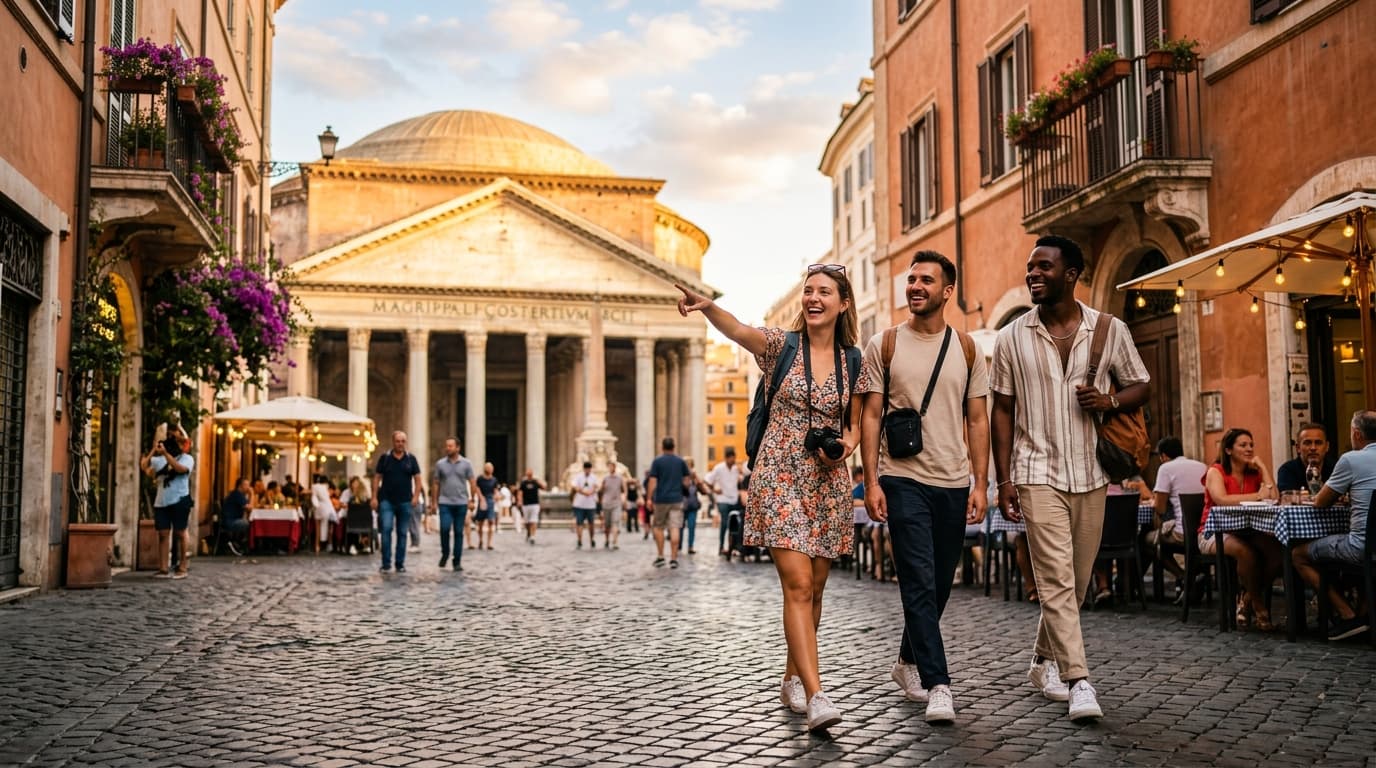
Famous places in Rome include the Colosseum, Vatican Museums, Pantheon, Trevi Fountain, Spanish Steps, Piazza Navona, Trastevere, Borghese Gallery, and the ancient heart of the Roman Forum and Palatine Hill. If you only have a short trip, start with the Colosseum-Forum-Palatine trio, then pair the Vatican with St. Peter’s, and finish with the Pantheon, Trevi Fountain, and Piazza Navona for the classic first-time Rome experience.
Rome is one of those cities where the “must-see” list is genuinely worth following, but the trick is not trying to cram everything into one exhausting day. We checked the best way to see the city like a smart traveler, and from experience the right order, timing, and neighborhood combinations make a huge difference in how much you enjoy it. This guide is built for first-time visitors, couples, families, friends, solo travelers, and budget-conscious travelers who want the iconic sights without wasting time in the wrong lines or overpaying for a mediocre lunch. You’ll find practical booking advice, the best times to go, what to skip if you’re short on time, and how to connect landmarks into realistic walking routes. We also added current-season planning tips for 2026 so you can go in with a strategy, not just a wish list.
Quick answer — the 10 famous places in Rome you should prioritize first
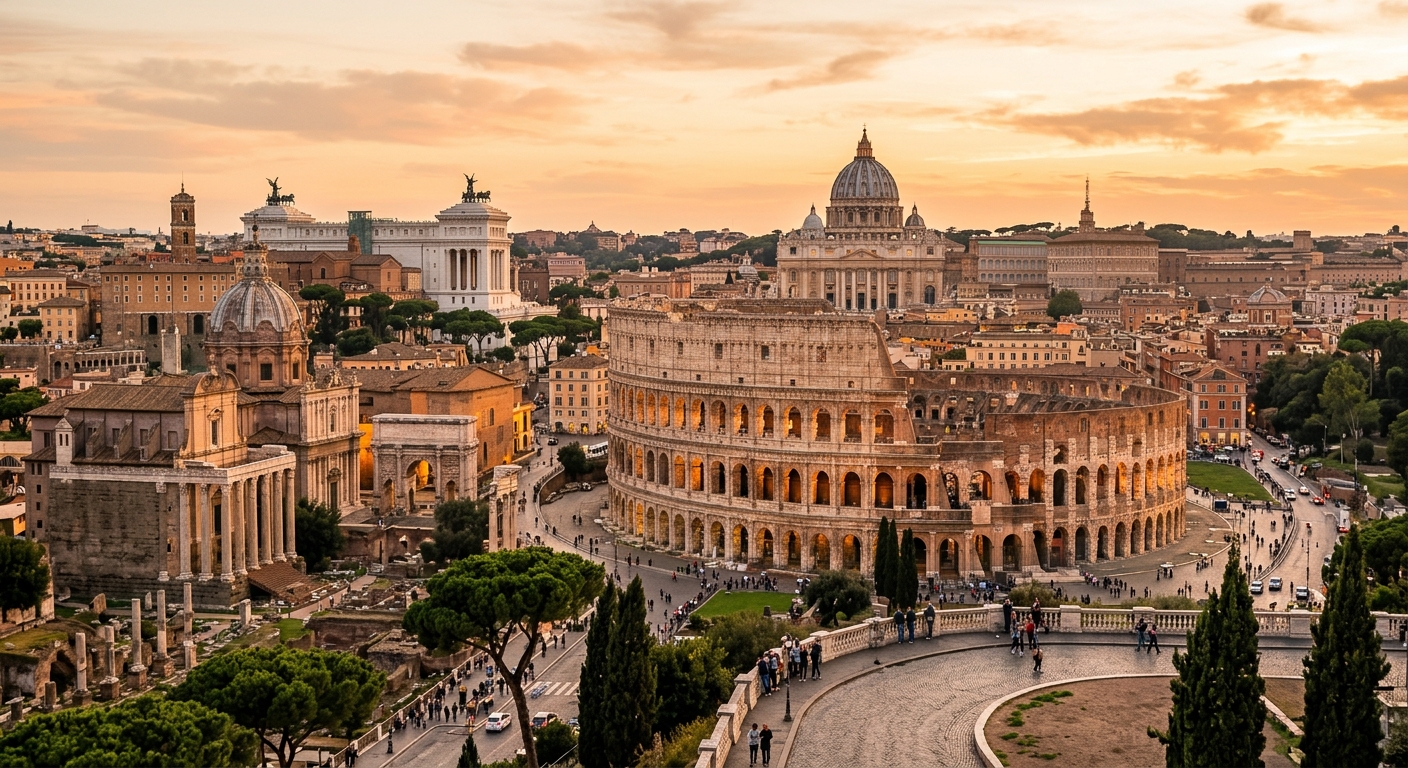
If you’re planning your first trip, the 10 famous places in Rome to prioritize are the Colosseum, Roman Forum, Palatine Hill, Vatican Museums, Sistine Chapel, St. Peter’s Basilica, Pantheon, Trevi Fountain, Spanish Steps, Piazza Navona, Trastevere, and Borghese Gallery with Villa Borghese. The smartest order for a first visit is ancient Rome first, Vatican second, and the historic center third, because that sequence reduces backtracking and lets you group nearby landmarks naturally.
For a 1-day visit, focus on the Colosseum area in the morning and the historic center in the afternoon, then add a sunset walk or dinner in Trastevere. For 2 days, split ancient Rome and the Vatican across separate days and leave time for the Pantheon, Trevi Fountain, and Piazza Navona. For 3 or more days, add Borghese Gallery, a slower Trastevere evening, and a few free churches, squares, or viewpoints to balance the paid attractions.
What this guide does differently is help you think like a local trip planner. Instead of just listing attractions, we show you the best route, the best time to go, how to book, and what to combine nearby so your itinerary feels smooth instead of rushed. We also flag which spots are best for couples, families, solo travelers, and budget travelers so you can choose the right version of Rome for your style.
Who this guide is for and how to use it for a first trip
This guide is for travelers who want the essential Rome experience without spending half their trip standing in line or figuring out logistics on the fly. If you’re coming from the US, UK, Canada, or Australia, you probably want the landmark names, but you also want to know where they are, how long they take, and whether they are worth booking in advance. That’s exactly what we cover here, with practical notes you can actually use while planning.
Use this article in two ways. First, if you are still deciding what to do, scan the scenario sections to see which places fit your travel style. Second, if your trip is already booked, use the route recommendations and timing tips to build a day-by-day plan. A lot of first-time visitors make the mistake of treating Rome like a checklist city, but the better approach is to anchor your days around neighborhoods and walkable clusters. That way you see more and feel less rushed.
We also wrote this with current travel habits in mind. In 2026, Rome visitors are booking earlier, choosing timed entry more often, and adding small-group tours or night experiences instead of only doing daytime sightseeing. If you want more than static landmarks, Gidly is a smart way to discover what else is happening around the city, from exhibitions to food experiences and evening outings. That makes this guide a practical launchpad, not just a list of famous names.
Fast planning note: best for 1 day, 2 days, or 3+ days in Rome
If you only have one day, choose one major paid attraction in the morning and one landmark-heavy walking circuit in the afternoon. The best 1-day combination is the Colosseum, Roman Forum, and Palatine Hill early, then Trevi Fountain, Pantheon, and Piazza Navona later, with dinner in Trastevere if your energy holds up. This gives you the strongest possible first impression of the city without forcing too much transit.
If you have two days, separate the ancient and religious sides of Rome. Do the Colosseum area on day one and the Vatican on day two, then keep the historic center for the hours between or after them. This is the sweet spot for most travelers because it leaves time for a coffee break, lunch, and at least one slow neighborhood stroll, which is how Rome starts to feel magical instead of crowded.
If you have three or more days, add Borghese Gallery and Villa Borghese, a relaxed Trastevere evening, and one or two free church stops or lesser-known viewpoints. That extra time also helps with weather and crowd flexibility, which matters a lot in summer and around holidays. Rome rewards slower pacing, and the famous places feel far more memorable when you don’t try to see them all in a sprint.
Why these are the most famous places in Rome
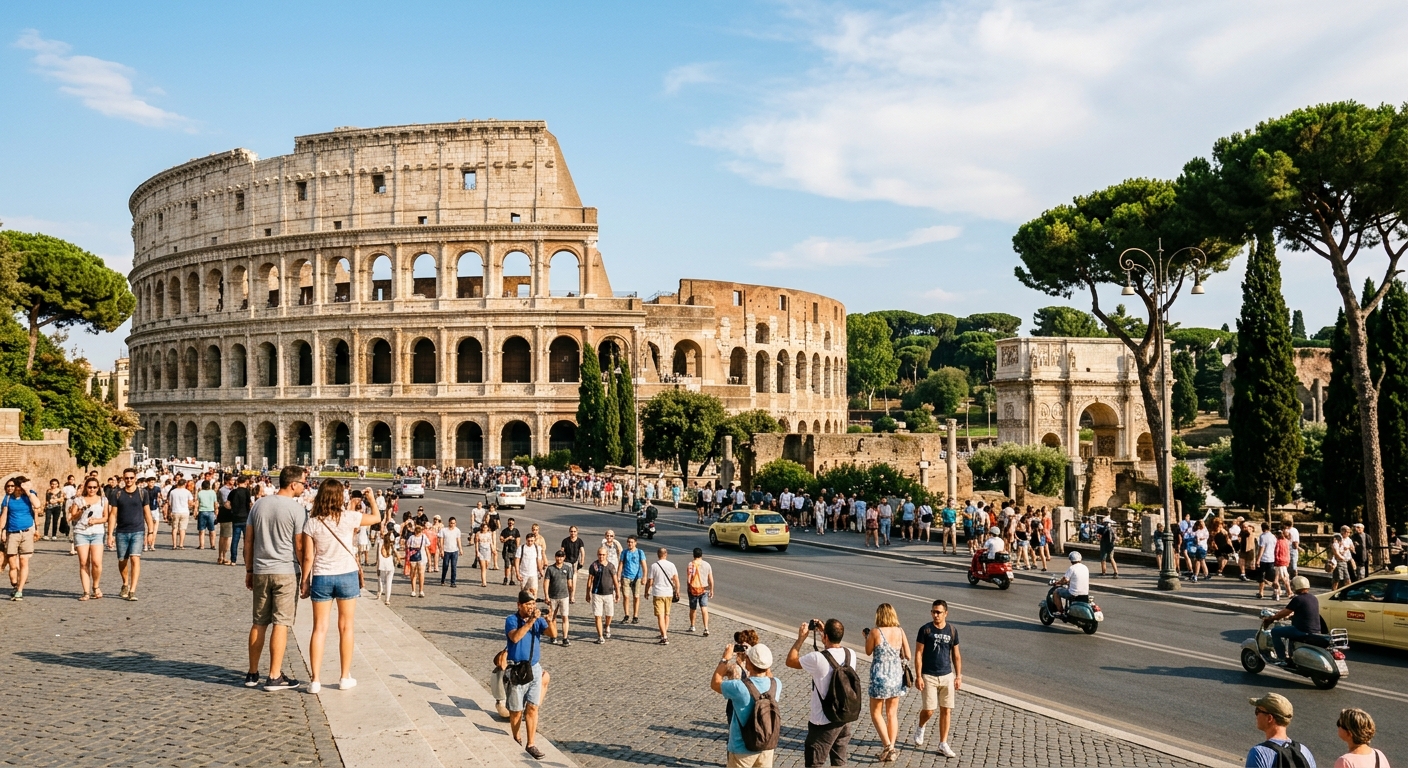
Rome’s famous places are famous for different reasons, and that matters when you plan your route. Some landmarks are globally iconic because they represent the city’s ancient power, some are artistic masterpieces, and others are beloved because they deliver the classic Rome atmosphere people imagine before they arrive. The trick is knowing which is which, because not every famous place serves the same role in your itinerary.
We chose this list based on a mix of historical importance, international recognition, visual impact, visitor demand, and how well each place works for a first trip. That means you’re not just seeing the most photogenic sights; you’re seeing the landmarks that genuinely define Rome’s identity. This is also why the guide includes neighborhoods and routes, because in Rome the setting around the landmark is often part of the experience.
Some visitors prefer globally famous monuments, while others want the atmosphere of a square or neighborhood. Rome gives you both, and that’s one reason it remains one of the world’s best city-break destinations in 2026. We’ll help you understand the difference between the places you should absolutely book, the places you can see for free, and the areas that are worth lingering in after the main attraction is done.
How Rome’s landmark hierarchy was chosen: history, popularity, visitor demand, and visual impact
The Colosseum, Vatican Museums, and Pantheon rank so high because they combine history, crowd appeal, and immediate recognition. They are the kinds of places people know before they even book flights, and they are the anchors of most first-time Rome itineraries. The Trevi Fountain and Spanish Steps are similarly famous, but for a different reason: they are atmospheric, central, and visually memorable even if you spend only a short time there.
We also factor in how a landmark fits the visitor experience. A place can be historically significant but hard to enjoy if it’s too far out of the way or difficult to enter. That’s why the Borghese Gallery, for example, makes the list: it is one of the city’s finest art museums, but it also has a practical, visitor-friendly structure if you book correctly. In contrast, some lesser-known ruins are important but not essential for a first-time traveler with limited time.
Visual impact matters too. Rome is a city of layers, and some places become famous because they instantly deliver that layered look of ancient stone, baroque detail, and street life. Piazza Navona, for example, works because it is not just a square; it’s a stage set of fountains, churches, cafes, and performers. That kind of all-in-one impression is why it belongs on almost every Rome route.
The difference between iconic landmarks, tourist favorites, and locally loved places
Iconic landmarks are the places you’ve seen in films, guidebooks, and travel ads for years. In Rome, that group includes the Colosseum, Vatican, Pantheon, Trevi Fountain, and Spanish Steps. Tourist favorites are places that may not be as globally symbolic but still get huge foot traffic because they’re beautiful, central, and easy to include in an itinerary, such as Piazza Navona or Trastevere.
Locally loved places are a little different. They are where Romans actually linger, eat, drink, or relax, even if they’re not always the first things on a postcard. Villa Borghese is a good example because locals use it as a park and breathing space, while visitors love it for the art museum and scenic views. If you understand this difference, you can make your trip feel more balanced and less tour-bus heavy.
From experience, the best Rome trips include all three layers. You want the iconic highlights, but you also want at least one neighborhood where you can slow down and see daily life. That’s why we always recommend Trastevere or the historic center after the big-ticket sights. It rounds out the trip and gives you a better sense of what the city feels like beyond the headline attractions.
How to use this list depending on trip length, interests, and season
If you’re visiting in the summer, prioritize early-morning and late-evening slots for outdoor monuments, because the midday heat can make even short walks tiring. If you’re coming in the winter or shoulder season, you can move at a slower pace and take advantage of shorter lines, but you’ll still want to pre-book the major attractions. Season changes affect the vibe as much as the schedule, so your route should adapt to daylight and temperature.
For art lovers, the Vatican Museums and Borghese Gallery deserve special attention, while history-first travelers should spend more time at the Colosseum, Forum, and Palatine Hill. Couples often prefer the historic center and Trastevere because they are romantic and easy to enjoy at a slower pace. Families often do best when they mix one major paid attraction with open-air squares or parks, so children have space to move between stops.
If your trip is short, use this list like a menu rather than a checklist. Pick the icons you care about most, then combine nearby attractions into logical walking blocks. Rome is at its best when your route follows the city’s shape instead of forcing a random order, and that’s the idea behind the next sections.
Colosseum, Roman Forum, and Palatine Hill — the essential ancient Rome trio
If you only do one major sightseeing block in Rome, make it the ancient Rome trio: the Colosseum, Roman Forum, and Palatine Hill. These three sites work together as one historical experience, and seeing them as a single route is much more rewarding than treating them as separate stops. From experience, this is the most important chunk of the city for first-time visitors because it delivers the “I’m really in Rome” moment people travel halfway around the world for.
The Colosseum is the visual icon, the Forum is the political and social core, and Palatine Hill adds the elevated perspective and mythic origin story. Together they explain why Rome was one of the most powerful cities in the ancient world. They also sit close enough to walk between them, so your energy is better spent exploring than commuting.
Current booking habits matter here more than almost anywhere else in the city. Timed entry is the norm, summer slots sell fastest, and guided tours can help you understand what you’re seeing instead of wandering through ruins without context. In 2026, the best strategy is to reserve early, arrive on time, and plan a lunch stop after the ancient Rome block because it is more walking-intensive than many first-timers expect.
What makes the Colosseum famous and what you actually see inside
The Colosseum is famous because it is one of the most recognizable monuments ever built, and because it represents the scale and ambition of ancient Rome in a single glance. Even if you’ve seen dozens of photos, the actual size of the structure is still a shock when you stand in front of it. Inside, you see the arena space, seating tiers, reconstructed walkways in some ticket types, and the engineering logic that made mass entertainment possible nearly two thousand years ago.
People often assume the Colosseum visit is just a quick photo stop, but it’s better than that if you choose the right ticket or tour. A standard entry usually gets you into the main structure, while upgraded options may include arena floor access, underground areas, or special guided routes depending on current availability. We always recommend checking the official Colosseum Archaeological Park information before you go, because access conditions can vary by season and ticket release.
The best experience is to visit early in the day, when the lighting is softer and the crowds are more manageable. If you like photography, the exterior looks especially good from the Via dei Fori Imperiali side and from surrounding pedestrian areas where you can frame the structure against the city. The Colosseum is not the kind of place you want to rush through, because the surrounding context is what makes the site memorable, not just the ring of stone itself.
Roman Forum highlights: temples, arches, ruins, and the political heart of ancient Rome
The Roman Forum is where Rome’s public life happened, so it feels less like a single monument and more like a historical landscape. You’ll see temple remains, triumphal arches, basilica foundations, and open spaces where political, religious, and commercial life once overlapped. If the Colosseum is the headline, the Forum is the deeper story behind it, and it rewards visitors who enjoy imagining how cities work across time.
What makes the Forum so valuable for first-time visitors is that it brings Roman history into focus. Instead of one famous structure, you’re walking through the remains of an entire civic center, and the layout helps explain how imperial power functioned. Important stops often include the Arch of Titus, the Temple of Saturn area, and other ruin clusters that together form the core of ancient Rome’s public identity. You don’t need to identify every stone to appreciate the site, but a guide or audio tour helps a lot.
If you are short on time, don’t just skim the Forum from the top. Give yourself room to descend into the site and walk some of the internal paths, because the scale feels different at ground level. The Forum is also one of the best places in the city to understand why Rome’s landmarks are so layered: Christian, imperial, republican, and medieval histories all sit close together. That’s a big part of why Rome never feels flat, even in its ruins.
Palatine Hill views and why it belongs on every first-time itinerary
Palatine Hill is often the most underrated part of the ancient Rome complex, but it should not be skipped. According to Roman tradition, this is one of the legendary birthplaces of the city, and in practical terms it gives you some of the best elevated views over the Forum and surrounding ruins. If the Colosseum is crowded and the Forum is busy, Palatine Hill gives you breathing space and a more scenic perspective.
What visitors love most about Palatine Hill is the sense of scale and calm. You can see gardens, archaeological remains, and overlook points that help you understand the geography of ancient Rome. It’s especially good if you want a quieter stretch inside a major attraction, since many visitors focus only on the Colosseum and move through the rest quickly. That means the Hill can feel less intense, which is great for families or travelers who need a break from heavy sightseeing.
From a route-planning perspective, Palatine Hill belongs at the end of your ancient Rome visit because it naturally leads your eyes outward and lets you wind down before lunch or your next neighborhood. If you care about photos, the elevated viewpoints are excellent for wide shots. If you care about history, it ties the whole ancient Rome story together and makes the Colosseum feel like part of a larger urban system rather than a standalone monument.
Ticket types, time slots, guided tours, and crowd-avoidance strategy
Book your Colosseum-area tickets in advance, especially in high season, because same-day availability can be limited or inconvenient. The official Colosseum Archaeological Park site is the first place to check for current ticket categories, and guided tours from reputable operators are useful if you want context and faster decision-making. In 2026, timed-entry tickets are standard practice for the major sites, and arriving early for your slot is the safest way to avoid stress.
There are usually different ticket combinations depending on access level, such as standard entry, arena access, or broader archaeological park packages. If you are only visiting once and want the best possible value, a guided combo often makes sense because the ruins can be hard to interpret on your own. If you’re a history enthusiast, pay attention to whether your ticket includes access to underground or special sections, because that can change the experience significantly.
The crowd-avoidance strategy is simple: go early, go reserved, and go with a plan. Late morning and midday are the busiest, especially in summer and during school holidays. We also recommend keeping lunch flexible and picking a nearby café a short walk away from the monument zone rather than staying directly beside the busiest exits, where prices are often inflated.
| Ancient Rome Site | Typical Entry Price | Best Time |
|---|---|---|
| Colosseum | From about €18-€30+ | Early morning |
| Roman Forum | Usually included with Colosseum ticket | Morning to early afternoon |
| Palatine Hill | Usually included with Colosseum ticket | Late morning or sunset-light hours |
Best photo angles, walking order, and nearby add-ons
The most reliable walking order is Colosseum exterior first, then the Forum, then Palatine Hill. This sequence works because it starts with the iconic photo and then deepens the experience as you move inward. If you want a strong outside shot, use the pedestrian side of the monument area rather than stopping in traffic-heavy spots, because you’ll get cleaner framing and less visual clutter.
Nearby add-ons are easy to include if you have extra time. The Capitoline area offers great historical context and can be paired with a gentle downhill walk toward the Forum. You can also layer in a coffee stop or lunch before heading toward the historic center, which helps break up the day and avoids the classic tourist trap of eating immediately next to the monument at inflated prices.
For photos, look for golden hour if your schedule allows, though that often means visiting the outside later and the inside earlier. Many travelers do exactly that by reserving a morning entry and returning briefly for exterior shots later in the trip. That’s one of the best Rome hacks: iconic landmarks often look best twice, once in the daylight you need for touring and again in the softer light you want for photos.
Vatican Museums, Sistine Chapel, and St. Peter’s Basilica — Rome’s most important religious and art complex
The Vatican complex is one of the most famous places in Rome because it combines extraordinary art, religious importance, and global recognition all in one destination. Many visitors think of it as a single stop, but it is really three major experiences: the Vatican Museums, the Sistine Chapel, and St. Peter’s Basilica. Planning them together is essential, because the logistics and timing affect how much you actually enjoy the visit.
From experience, the Vatican is the one place where booking strategy makes a massive difference. The lines can be long, the museums are extensive, and the chapel is visited by a constant stream of people. In 2026, most travelers benefit from pre-booked timed tickets, and some choose a guided visit simply to keep the day efficient and learn what they’re seeing along the way. If you want the full emotional impact of Rome, this is a place you should not rush.
What makes the Vatican unforgettable is the contrast between scale and detail. The museums hold vast collections, the Sistine Chapel is intimate but world-famous, and St. Peter’s Basilica is one of the most impressive religious spaces on earth. Together they create one of the highest-value sightseeing blocks in Europe, especially for travelers who care about art, history, and architecture.
What to expect at the Vatican Museums and why they’re so popular
The Vatican Museums are popular because they are enormous, layered, and packed with masterpieces across centuries. You’re not just walking through “a museum”; you’re moving through one of the most important collections in the world, with galleries, halls, maps, sculptures, and decorative spaces that all feed into the experience of the Sistine Chapel. It is easy to underestimate how much there is to see, so pacing matters.
Most first-time visitors are surprised by the size of the route. Even if you have a timed entry, you may spend several hours inside if you linger. That’s not a bad thing, but it means the Vatican should be treated as a major half-day or full-half-day plan, not a quick stop before dinner. If you’re short on time, a guided route can help you focus on the essentials instead of wandering through every room.
The official Vatican Museums website is the best place to check current ticketing and opening details, especially because holiday hours and seasonal changes can affect availability. If your main goal is the Sistine Chapel, remember that you still pass through the museums to get there, so a strategic entry time is important. We suggest going as early as possible to keep your energy up and your patience intact.
Sistine Chapel timing, etiquette, and what to know before you enter
The Sistine Chapel is the emotional centerpiece for many visitors, but it is also a place where etiquette matters. Silence is expected, photos are generally restricted, and the flow of people is controlled because of the chapel’s importance and preservation requirements. If you go in expecting a casual photo stop, you may be disappointed; if you go in expecting a reverent, once-in-a-lifetime art experience, it feels much more meaningful.
Timing matters because the chapel tends to feel less overwhelming earlier in the day. By the time later groups arrive, the crowd density can rise quickly, and the atmosphere becomes more compressed. That’s why we strongly recommend staying calm, moving with the flow, and setting expectations correctly. The art is the main event, but the experience is also about how you engage with the space.
It is also worth remembering that the chapel is only one part of the Vatican Museums sequence. If you are fatigued before you get there, you may not enjoy it as much as you should. Build in water, comfortable shoes, and a realistic pace. The best Vatican visit is one where you still have enough energy to appreciate the Basilica afterward rather than rushing through the final room.
St. Peter’s Basilica highlights, dome climb, and security rules
St. Peter’s Basilica is one of the most famous places in Rome because of its scale, spiritual significance, and architectural drama. Inside, you’ll find soaring ceilings, major artworks, and an atmosphere that feels different from the museum sections nearby. It is also free to enter, which makes it one of the city’s best-value headline sights if you manage your time well and are prepared for security checks.
The dome climb is one of the most memorable add-ons in the city, especially if you want panoramic views over Vatican City and central Rome. The climb can be physically demanding, so it is better suited to travelers who are comfortable with stairs and tight spaces. If you choose to do it, try to go earlier in the day so the heat and queue are less intense. The view is absolutely worth it if you want a dramatic sense of the city’s layout.
Security rules are strict, and dress code matters, so plan accordingly. Shoulders and knees should be covered for Basilica entry, and bags will be checked. The official St. Peter’s Basilica and Vatican sources are the best place to confirm current access and any changes. If you want a smoother visit, don’t leave the Basilica for the end of a long day when you are already tired from museum walking.
Best booking strategy for Vatican visits and how to avoid long lines
Book Vatican Museums tickets in advance, especially during spring, summer, and holiday periods. If you’re visiting during peak season, waiting for the day-of line is a gamble that can cost you hours. A timed entry or small-group guided tour is usually the safest and most efficient choice, particularly if this is your first time and you want to see the highlights without feeling lost.
A good strategy is to choose the earliest practical slot, then visit St. Peter’s Basilica afterward. That order helps you beat the heaviest crowds and gives you a better chance to enjoy the chapel and museum galleries before your attention drops. If your schedule is flexible, avoid Sundays and religious event days unless you specifically want the atmosphere, because crowd patterns can change dramatically.
One practical tip: don’t schedule the Vatican and Colosseum back-to-back too tightly on the same day unless you are very confident in your pace. Rome’s walking distances, security checks, and waiting times can stretch a “quick” plan far beyond your original estimate. Leave breathing room, and you’ll enjoy the day much more.
Dress code, accessibility, and the best time of day to go
The Vatican is one of the few Rome landmarks where dress code is not just a suggestion. Shoulders and knees should be covered for both the Museums and Basilica, and it is smart to carry a light layer if you’re visiting in warm weather. That helps with comfort too, because museums and churches can feel cool inside compared with the streets outside.
Accessibility is generally good in parts of the Vatican Museums, but the route is long, so mobility needs should be checked in advance. If you use a stroller or wheelchair, ask about elevator access and the most suitable entry path before booking. The Vatican’s official information pages and your tour provider should clarify what is possible on the day you go.
The best time of day is usually early morning, both for crowd control and for energy levels. Late afternoon can work in the shoulder season, but you risk feeling rushed if you’re also trying to fit in St. Peter’s Basilica and a nearby lunch. For most travelers, this is the kind of visit that deserves a clean, focused half-day rather than being squeezed into a broader sightseeing scramble.
| Vatican Experience | Ticket Need | Crowd Level |
|---|---|---|
| Vatican Museums | Yes, reserve ahead | High |
| Sistine Chapel | Included with museum entry | Very high |
| St. Peter’s Basilica | Free, security required | Medium to high |
| Dome climb | Usually separate fee | High at peak times |
Pantheon — Rome’s best-preserved ancient monument
The Pantheon is one of the most famous places in Rome because it is both ancient and incredibly well preserved. Unlike some ruins that require imagination to reconstruct, the Pantheon gives you an immediate sense of its original architectural power. It’s also centrally located, which makes it one of the easiest high-value stops to include in a walking route through the historic center.
From experience, the Pantheon often becomes a favorite even for travelers who did not expect it to be a major highlight. The scale inside, the perfect proportions, and the oculus in the dome create a memorable impression that lingers after the visit. It feels both monumental and intimate, which is part of its appeal. It also pairs naturally with nearby squares and cafes, so it works beautifully as part of a slower Roman afternoon.
Because it is so central, the Pantheon is ideal for travelers who want a landmark that is easy to fit into almost any plan. You can visit it as part of a compact one-day route, a leisurely historic-center loop, or a rainy-day fallback when outdoor sightseeing is less appealing. In 2026, that flexibility makes it even more valuable for first-time visitors.
Why the Pantheon is one of the most famous places in Rome
The Pantheon stands out because it is a masterpiece of Roman engineering and one of the city’s most complete ancient structures. People are often surprised by how intact it feels, especially compared with nearby ruins that exist as fragments or foundations. The building tells a story of continuity, adaptation, and preservation that few landmarks anywhere in the world can match.
It is also famous because it’s so easy to visit. You don’t need to trek far out of your route or commit to a long archaeological block to see it. That convenience matters a lot in Rome, where the best itineraries are often shaped by walkability. The Pantheon is one of those landmarks that makes your route feel rich without adding too much fatigue.
The building is not only historically important but visually stunning. The geometry, the columned entrance, and the interior light all contribute to an experience that feels grand but not overwhelming. If you are trying to choose just a few places in central Rome, the Pantheon should absolutely be one of them because it gives you both history and atmosphere in one stop.
What to look for inside: oculus, dome, tombs, and architecture
Inside the Pantheon, the first thing most visitors notice is the scale of the dome and the round opening at the top, called the oculus. The light that enters through it shifts throughout the day and creates a different mood depending on weather and hour. That makes the interior feel alive rather than static, which is one reason the building is so beloved by photographers and architecture fans.
There are also tombs and memorials inside, which connect the building to later historical layers. Even if you are not on a deep history tour, it helps to know that the Pantheon has lived many lives over time. It has functioned as a temple, a church, and a cultural landmark, and that adaptability is part of its story. Look up, look around, and take your time, because the details reward slower observation.
The architecture is especially compelling because it feels mathematically balanced without feeling cold. That’s one reason the Pantheon is often described as one of the most influential buildings ever created. If you love design, you’ll find it surprisingly emotional, and if you’re not an architecture person, it still tends to impress because of how complete and harmonious it feels.
Entry rules, opening hours, and whether you need a ticket
Check current Pantheon entry rules before you go, because access and ticketing policies can change. In recent years, travelers have needed to pay an entry fee in many cases, and opening hours may vary by season or special services. The official Pantheon information should be your first reference point for current pricing and access details, rather than relying on outdated blog posts.
Because the Pantheon sits in the historic center, it is often easiest to visit as part of a broader walk rather than as a standalone destination. That means you should factor in the time needed to get there from your previous stop, especially if you are arriving after another major site. The good news is that it is easy to combine with lunch, coffee, or a short square-to-square wandering break.
If you are sensitive to crowds, go earlier or later in the day if possible. Midday can be busy because the Pantheon is such an easy add-on to a central Rome route. The best approach is to treat it like a high-impact, medium-time stop and not a rushed “tick box” sight.
Best nearby combo stops around Piazza della Rotonda
One of the best things about the Pantheon is everything around it. Piazza della Rotonda is a natural place to pause for a coffee or an aperitivo, and the surrounding lanes make for excellent short walks. You can move from the Pantheon toward Piazza Navona, or loop toward the Trevi area depending on your pace and energy.
This neighborhood is also ideal for travelers who like the city to feel compact and walkable. You can connect several famous places in Rome in one afternoon without needing transport, as long as you plan your order smartly. The trick is to allow time for spontaneous detours, because some of the best moments happen in side streets and smaller piazzas.
If you want a low-stress itinerary, pair the Pantheon with one major square and one sweet break. Coffee, gelato, or a simple lunch nearby works perfectly here. It keeps your day balanced and makes the historic center feel like a neighborhood rather than a museum district.
Trevi Fountain — Rome’s most visited postcard landmark
The Trevi Fountain is one of the most famous places in Rome because it combines spectacle, legend, and accessibility in a way few landmarks can. Almost every first-time visitor wants to see it, even if only briefly, and the fountain tends to deliver exactly the cinematic moment people expect. It’s crowded, yes, but still worth it because the sheer energy of the place is part of the experience.
What we tell visitors from experience is this: Trevi Fountain is better when you approach it with timing and patience. If you arrive at peak midday crowd hours expecting an empty fantasy scene, you’ll be disappointed. If you visit early, late, or as part of a smart historic-center walk, it becomes one of the most rewarding short stops in the city.
It also works well because it sits close to other central landmarks. That means you can pair it with the Pantheon, Spanish Steps, or Piazza Navona in a compact route. In a city where every block can feel like a photo set, Trevi remains a classic must-see for first trips and return visits alike.
What makes the Trevi Fountain a must-see even when crowded
Trevi Fountain is famous because it is dramatic, ornate, and instantly recognizable. The baroque sculpture and the large central water feature create a visual punch that is hard to ignore, and the fountain appears in countless films, postcards, and travel stories. People know what it looks like before they arrive, but that does not reduce its impact in person.
The crowd is part of the story. Trevi is one of the city’s busiest tourist magnets, which can make it feel hectic, but it also gives the piazza a lively, almost celebratory atmosphere. If you accept that it is not a hidden gem and plan accordingly, the experience becomes much more enjoyable. The fountain is a place to feel Rome’s popularity rather than escape it.
It is also a very easy landmark to fit into your day, which is why it remains so essential. You don’t need a long ticketed visit or a major walking commitment to include it. That makes it especially useful for travelers with limited time, families with children, and anyone building an efficient first-day route.
The legend of coin-throwing and how to do it properly
The coin-throwing tradition is one of the best-known Trevi rituals. The classic version says that one coin means you will return to Rome, two coins relate to romance, and three coins are associated with marriage or a more complicated love legend depending on the retelling. Whether or not you believe the legend, it’s a fun and memorable thing to do once.
If you decide to throw a coin, do it carefully and respectfully. The fountain is crowded, so wait your turn, keep your movements controlled, and avoid being careless around other visitors. We always recommend treating it as a symbolic moment rather than a game, because the area is too busy for anything else to feel considerate.
Also, don’t obsess over the ritual if you’re not into it. The fountain is still worth visiting even if you skip the coin tradition. In fact, some of the best experiences come from simply standing back, taking in the scene, and moving on before your patience runs out. The key is not the coin itself, but the way the place captures Rome’s theatrical energy.
Best times to visit for photos, fewer crowds, and evening atmosphere
Early morning is the best time for photos if your schedule allows, because the light is softer and the crowd level is far more manageable. Late evening can also be beautiful, especially when the fountain is lit and the piazza feels more atmospheric. Midday is usually the least pleasant time because the crowd density increases quickly and the space can feel tight.
If you want a practical compromise, visit twice: once briefly in the morning for photos, and once later in the evening if your route passes nearby. That way you get both the calmer conditions and the lively night mood. This is a smart Rome strategy in general, because many major landmarks feel different at different times of day.
From a planning perspective, Trevi is best treated as a short stop rather than a long hangout. It’s the kind of place where 15 to 30 minutes can be enough if you time it well. If you stay too long during peak hours, the crowd can start to drain the fun, so a clean, efficient visit is usually the best move.
Nearby walkable attractions to pair with Trevi
Trevi Fountain pairs naturally with the Pantheon, Spanish Steps, and Piazza Navona depending on your direction of travel. That makes it a perfect node in a historic-center walking route. If you plan your route carefully, you can see several of the most famous places in Rome on foot without doubling back too much.
A smart nearby combo is Trevi plus Pantheon plus a relaxed lunch or coffee stop. Another good option is Trevi plus Spanish Steps if you want a classic shopping-and-strolling stretch. Either way, the goal is to avoid treating Trevi as an isolated stop because the surrounding area is full of useful transitions that make the day feel smoother.
If you’re a photographer or a slow traveler, explore a few side streets after you leave. The density of the historic center means you’ll often find lovely facades, quiet corners, and little cafes just off the main route. Those small discoveries are part of what makes Rome feel richer than a simple landmark list.
Safety, pickpockets, and practical crowd tips
Trevi Fountain is one of the places where you should be especially alert to pickpockets and crowd pressure, simply because it gets so busy. Keep your bag zipped, avoid setting valuables in back pockets, and stay aware when people are squeezing in for a photo. The area is generally fine, but the density creates opportunities for distraction.
A practical tip is to keep the visit short and intentional. Decide whether you’re there for a photo, the coin ritual, or a quick look, and don’t linger longer than needed if the crowd feels too packed. This is especially helpful for families with children, travelers with strollers, or anyone carrying extra gear.
We also suggest avoiding the most obvious tourist snack or souvenir traps immediately around the fountain. Walk a few blocks away before you settle down to eat or shop, because prices usually improve quickly once you leave the direct landmark zone. That one habit can save money and improve your overall experience at the same time.
Spanish Steps and Piazza di Spagna — one of the city’s classic meeting spots
The Spanish Steps are one of the famous places in Rome because they are a beautifully recognizable meeting point, a scenic staircase, and a gateway into one of the city’s most elegant shopping areas. Even though the steps themselves are simple compared with Rome’s monumental ruins, the overall setting is what makes them special. Piazza di Spagna has long been a classic part of the city experience for travelers and locals alike.
From experience, this is one of those places that feels best when you slow down rather than rush. It’s not only about climbing the steps or taking a photo; it’s about the surrounding atmosphere, the flow of people, and the sense that you’re standing at the intersection of Rome’s fashion, strolling, and sightseeing culture. If Trevi is dramatic, the Spanish Steps are stylish.
They also pair well with other stops in the historic center and the northern edge of Rome’s shopping districts. That makes them useful both as a practical landmark and as a transition point between major sightseeing blocks. In 2026, they remain a top choice for visitors who want a famous, central, and highly walkable Rome experience.
Why the Spanish Steps remain a famous Rome landmark
The Spanish Steps remain famous because they are instantly identifiable and deeply woven into Rome’s visual identity. They connect the lower square with the upper church area and offer one of the city’s classic urban scenes. Even though they may not be as ancient or as physically imposing as the Colosseum, their cultural and visual importance is undeniable.
They are also famous because they sit at a natural junction of strolling, shopping, and sightseeing. Travelers love having a place where they can pause, people-watch, and feel the city’s rhythm. The steps create exactly that kind of flexible public-space experience, which is why they keep showing up in travel itineraries year after year.
If you’re photographing Rome for social media or simply want memorable travel pictures, the Spanish Steps offer a polished, balanced composition. They work well in early light, late light, and night scenes. That versatility helps them stay relevant for modern travelers who want both iconic content and a pleasant place to pause.
What to do around Piazza di Spagna before and after your visit
Piazza di Spagna is ideal for combining a landmark stop with shopping, coffee, or a scenic walk. The surrounding streets are known for fashion brands, designer windows, and polished storefronts, so it’s one of the better areas if you enjoy a more upscale, window-shopping atmosphere. Even if you’re not buying anything, the district makes for a pleasant wander.
You can also use the area as a starting point for moving toward Villa Borghese or the historic center. That makes the Spanish Steps surprisingly useful in a route-planning sense. If you’re building a half-day or full-day itinerary, they help connect the central monuments with the more elegant north-center zone of the city.
From a visitor perspective, one of the best uses of this area is simply to stop, rest, and reset. Rome can be physically demanding, especially if you’re walking between famous places all day. Piazza di Spagna gives you an attractive place to take that break without losing momentum.
Fashion, shopping, gelato, and scenic strolling in the area
This is one of the best districts in Rome if you like shopping, glossy storefronts, and polished streets. Even if you’re not buying luxury items, it’s fun to browse and enjoy the window displays. The area feels more refined than some of the denser tourist zones, which is a nice change of pace after the heavy foot traffic near Trevi.
Gelato and coffee are easy wins here, but choose carefully and don’t buy at the first place you see. Rome has excellent gelato, but some shops near major landmarks rely more on visibility than quality. A little walking can lead you to a better option and usually a better price.
The scenic strolling factor is strong too. The streets around the Spanish Steps give you a clean urban backdrop with a slightly more elegant tone than the rougher ancient ruins or the more bustling square scenes. It’s a good place to reset your mood, especially if your day has been full of history and you want a lighter, more leisurely segment.
Rules, restrictions, and where to sit or not sit
Like many famous public landmarks, the Spanish Steps have had restrictions around sitting on the steps themselves. These rules are meant to preserve the site and keep the area moving, so don’t assume it’s a place for a long picnic-like pause. It’s better to treat the steps as a view and a passage point rather than a lounge.
Use the surrounding square and nearby terraces or cafes for breaks instead. That keeps your visit smooth and avoids any awkward interaction with signage or enforcement. Travelers sometimes think of famous steps as casual hangout zones, but in Rome it’s better to be respectful and follow the current rules rather than risk being that visitor everyone remembers for the wrong reason.
If you’re with kids, keep them moving gently and set expectations before you arrive. That way they know the visit is brief, scenic, and more about observation than playing on the monument itself. The more clearly you define the stop, the better the experience tends to be.
Best time for sunrise, sunset, and night photos
Sunrise is often the best time if you want calmer conditions and softer light. The Spanish Steps are popular enough that early morning can feel especially rewarding, with fewer people and a more peaceful atmosphere. Sunset also works well, but it tends to be busier because that’s when many visitors naturally drift into the area.
Night photos can be beautiful here because the staircase and square feel more elegant under city lighting. If you’re interested in after-dark wandering, this area can be a nice transition between dinner and a leisurely return walk. Just remember that the overall mood shifts from sightseeing to strolling, so keep your pace relaxed.
As with many Rome landmarks, the best strategy may be to pass through more than once. A quick daytime look gives you the structure, and an evening return gives you the mood. That dual approach is especially useful if you want your itinerary to feel rich without overloading a single stop.
Piazza Navona, Campo de’ Fiori, and the Baroque center — Rome’s most atmospheric squares
Piazza Navona is one of the most famous places in Rome because it delivers the city’s baroque elegance in a single open space. It is lively, beautiful, and easy to enjoy, which makes it one of the best places to slow down between bigger attractions. When combined with Campo de’ Fiori and the surrounding lanes, it forms one of the best atmospheric loops in the historic center.
This part of Rome is especially good for travelers who want beauty without a rigid museum schedule. You can walk, sit, drink coffee, browse, or simply people-watch. From experience, it’s one of the best parts of the city for couples and solo travelers because the pace feels less intense than the major ticketed sites. It also works well as a filler block between the Pantheon, Trevi, and Trastevere.
The area has more going on than many first-timers realize. Churches, hidden streets, and small restaurants are all close by, so you can turn one famous square into a longer and more rewarding walking segment. That’s one reason it’s a must on this list: it is not only beautiful, it is useful in the way it connects the city.
Why Piazza Navona is famous for fountains, street life, and architecture
Piazza Navona is famous because it feels like an open-air stage designed by Rome’s baroque imagination. The fountains, especially the Fountain of the Four Rivers, anchor the square and give it a dramatic centerpiece. Around that, you get cafes, performers, and a constant flow of visitors that makes the space feel alive throughout the day.
The architecture around the square is a huge part of the appeal. Even if you don’t know the names of the buildings, you can feel the richness of the setting. This is one of those places where the environment matters as much as the individual landmark, and that’s exactly why it’s worth your time. It’s a great example of how Rome blends art, urban life, and public space.
Piazza Navona also works well for visitors who need a less intense stop between larger attractions. You can sit down, eat, and soak in the atmosphere without feeling like you’re missing a “must-see” because the square itself is a must-see. That makes it a smart planning choice, not just a pretty backdrop.
How to connect Piazza Navona with nearby churches and hidden lanes
One of the best ways to enjoy this area is by wandering outward in a loose loop rather than aiming for a strict point-to-point route. Nearby churches and lanes hold some of the city’s quieter beauty, and the more you drift away from the main square, the more intimate the streets feel. That’s a nice counterbalance to the busier headline monuments earlier in the day.
You can connect Piazza Navona with the Pantheon, Campo de’ Fiori, and nearby side streets very naturally. This makes the historic center one of the easiest zones in Rome to explore on foot without transport. If you like finding a good corner cafe, a small chapel, or a photogenic alley, this is where that style of travel really pays off.
We recommend slowing down here and allowing at least one unplanned detour. Rome is a city where tiny side streets often lead to memorable finds, and the baroque center is especially good for that. If you structure everything too tightly, you may miss the best part of being here, which is the in-between spaces.
Campo de’ Fiori daytime market vs evening nightlife vibe
Campo de’ Fiori feels different depending on when you visit, and that dual personality is part of its appeal. During the day, you may find market energy, produce, and casual browsing. In the evening, the area can shift into a more social and nightlife-friendly zone, with bars and a livelier crowd.
That makes it useful for different kinds of travelers. Food lovers can use it as a daytime stop, while friends and younger travelers may enjoy it later in the day or evening. It is worth remembering, though, that the vibe can feel more touristy at peak hours, so quality and price vary a lot. Being selective helps you avoid overspending on a mediocre stop.
If you only have one shot, decide what you want Campo de’ Fiori to be for you. Do you want a market look, a drink stop, or an evening atmosphere? Once you define that, the area becomes much more enjoyable and less random.
Best for couples, solo wandering, and relaxed photo walks
Piazza Navona and the surrounding baroque center are excellent for couples because the atmosphere is romantic without being overly formal. The squares, fountains, and historic facades create a naturally scenic backdrop for a slow walk or an early evening stop. It’s the kind of place where you can pause without feeling pressured to “do” anything specific.
Solo travelers also do very well here because the area is easy to navigate and feels active enough to be comfortable. You can wander, stop for a drink, and continue without needing a strict schedule. That flexibility is one reason the historic center remains such a strong choice for independent travelers.
For photo walks, this is one of the best zones in the city because almost every turn gives you a new composition. The key is to move slowly and look slightly beyond the main square. Some of the best photos happen when you catch details in the edges of the neighborhood, not just the obvious center of the piazza.
Where to eat, drink, and pause without overpaying
Near Piazza Navona, the easiest way to avoid overpaying is to walk a few blocks away from the square before choosing your restaurant or cafe. The closer you are to the main fountain and tourist flow, the more likely you are to encounter inflated prices or uninspired menus. This does not mean every place near the square is bad, but it does mean you should compare before sitting down.
Look for places that are a little off the main pedestrian spine or just outside the most obvious frontage. That’s often where the better balance of value and quality shows up. A simple aperitivo, espresso, or lunch break can be very satisfying here if you choose carefully and keep your expectations grounded.
For budget travelers, Piazza Navona works best as a scenic stop, not necessarily a dining destination. You can enjoy the beauty of the square without paying premium prices by eating elsewhere and returning for the atmosphere. That approach gives you the best of both worlds.
Trastevere — the neighborhood every visitor should know
Trastevere is one of the most beloved areas in Rome because it feels lived-in, atmospheric, and wonderfully walkable. While many famous places in Rome are individual monuments, Trastevere is a neighborhood experience, which is exactly why it belongs on this list. It gives you a chance to feel the city beyond the postcard sights and enjoy a more relaxed local rhythm.
From experience, Trastevere is one of the best places to visit if you want a balance of charm, food, and evening energy. It is especially strong for dinner and drinks, but it also rewards daytime wandering with quiet churches, lovely lanes, and scenic corners. If you only see Rome’s big attractions and skip a neighborhood like this, the city can feel more formal than it really is.
Because it sits near the Tiber and is relatively easy to connect with central Rome, Trastevere is a practical part of a first-trip itinerary too. You can use it as a dinner destination after sightseeing, a late-afternoon stroll, or a full neighborhood focus if you have more time. In 2026, it remains one of the best places in the city to combine food, atmosphere, and casual exploration.
Why Trastevere is one of Rome’s most beloved areas
Trastevere is beloved because it feels authentic without being inaccessible. The streets are photogenic, the buildings are warm and textured, and the area has enough daily life to feel real even when it’s busy with visitors. It is one of those neighborhoods where simply walking around is part of the attraction.
It also gives you a different side of Rome’s personality. After a day of ancient ruins and monumental churches, Trastevere offers a softer, more social, and more relaxed vibe. People linger here, and that lingering is one of the best parts of the experience. It’s where the city feels less like a museum and more like a place people still inhabit fully.
Travelers tend to return here for the atmosphere, but also because it makes practical sense. There are lots of food options, bars, and easy walking routes. If your trip needs a place that can handle both sightseeing and downtime, Trastevere is a strong answer.
Things to do in Trastevere by day: churches, lanes, viewpoints, and cafés
During the day, Trastevere is ideal for wandering its narrow lanes, stopping into churches, and finding quieter corners. The neighborhood has a more relaxed feel before the evening crowd builds, which makes daytime a good choice for travelers who want to see the architecture and street texture without heavy noise. It’s also a solid option if you need a slow half-day after a packed museum morning.
Churches in Trastevere can be unexpectedly rewarding, especially if you enjoy art and history in smaller doses. The area’s lanes are also good for unplanned browsing, because the visual details keep changing from block to block. Cafés and small eateries are available throughout, so you can make the day as light or as substantial as you want.
If you like viewpoints, use Trastevere as a base to connect to nearby overlooks or river walks. It’s not just a food zone; it’s a neighborhood that naturally links to other scenic parts of the city. That makes it more versatile than people sometimes realize before they arrive.
Trastevere by night: aperitivo, dinner, bars, and live atmosphere
At night, Trastevere becomes one of the most enjoyable social areas in Rome. The streets fill with people heading to dinner, drinks, or a late stroll, and the neighborhood feels warm and animated. If you want a classic Roman evening that doesn’t feel too formal, this is one of the best choices in the city.
Aperitivo is especially popular here, and many travelers use the neighborhood as their evening anchor. The challenge is to choose well because some places lean heavily touristy, especially on the busiest streets. The best approach is to walk a little away from the most obvious crowd paths and choose a place that feels active but not desperate for attention.
Live atmosphere is what makes Trastevere shine. The sound, the lights, the movement, and the mix of visitors and locals all contribute to a memorable night. It is a great place to end a day of sightseeing because it feels celebratory without requiring another major ticket or reservation.
Who Trastevere is best for: date night, friends, solo travelers, and food lovers
Trastevere is excellent for couples because it is romantic without feeling stiff. You can take a slow walk, have dinner, and continue to a bar or gelato stop without much planning. That flexibility makes it one of Rome’s best date-night neighborhoods.
Friends and groups also do very well here because the neighborhood supports casual, social energy. It’s easy to meet up, wander together, and find a place to sit. Solo travelers benefit from the steady activity too, since the area feels lively enough to be comfortable but not so overwhelming that you feel lost.
Food lovers should absolutely make time for Trastevere, but ideally with a little research. The neighborhood has great food potential, but it also has tourist traps in obvious locations. A good restaurant choice here can be one of the best meals of your Rome trip, so it’s worth being selective.
Walking route ideas connecting Trastevere to central Rome
One of the best ways to use Trastevere is as the endpoint of a walking route from the historic center. You can move from Piazza Navona or Campo de’ Fiori toward the Tiber and then cross into Trastevere for dinner. That gives you a beautiful transition from baroque Rome into a neighborhood evening.
Another route option is to pair Trastevere with a river walk and one or two bridge crossings. This works well if you like scenic movement and want to avoid repeating the same streets. The river adds a useful visual break and helps the day feel more spacious.
If your energy is lower, use Trastevere as the only major evening stop and keep the rest of your day compact. It still feels rewarding because the neighborhood delivers atmosphere on its own. That’s one of the reasons it’s so popular across travel styles.
Borghese Gallery and Villa Borghese — art, gardens, and a calmer side of Rome
The Borghese Gallery and Villa Borghese are famous in a different way from Rome’s headline ruins and squares. They offer elegance, art, greenery, and a much calmer pace, which can be incredibly welcome after a few days of intense sightseeing. For many travelers, this is the place where Rome starts to feel spacious again.
We checked current visitor patterns and from experience the Borghese Gallery is one of the smartest advance-booking choices in the city because the timed-entry system helps keep the experience manageable. If you care about world-class art, this is absolutely worth the planning. If you want a slow park walk, the surrounding Villa Borghese grounds are a great reset between major landmark days.
This section is also useful for travelers with kids, couples, and anyone traveling on a rainy day. The combination of indoor and outdoor options makes it flexible, and the northern central location means you can connect it with the Spanish Steps or Piazza del Popolo quite easily. In 2026, it remains one of the best ways to add balance to a Rome itinerary.
Why Borghese Gallery is worth booking ahead
The Borghese Gallery is one of Rome’s best museums, and it is worth booking ahead because capacity is limited and the visit is controlled. That means the experience is much less chaotic than some larger attractions, but it also means you need to plan. If you care about a museum visit that feels polished and not overcrowded, this is a very strong choice.
The gallery houses major works and gives art lovers a concentrated experience rather than a marathon. That makes it ideal if you want high-impact viewing without spending an entire day indoors. The controlled entry is also a relief for many visitors because it prevents the space from feeling chaotic.
It’s a smart choice for travelers who like art but don’t want an all-day museum commitment. You can combine it with lunch, the park, or another neighborhood stop and still feel like you’ve seen something substantial. For first-time visitors, it offers a change of pace that balances the heavy ancient and religious sites.
Villa Borghese park highlights, viewpoints, and bike/scooter options
Villa Borghese is one of the city’s best green spaces, and it’s more than just a park. There are viewpoints, paths, shaded walking routes, and plenty of room to breathe. If you’ve been spending all day in dense historic streets, the contrast feels refreshing almost immediately.
Some travelers like to rent bikes or scooters to move through the park more efficiently, especially if they are with kids or want a light activity block. That can be a good idea as long as you keep the route simple and safe. The park is also great for casual strolling, reading breaks, and scenic pauses without much pressure to “see” every inch of it.
The viewpoints are especially valuable because they offer a wider city perspective. This makes Villa Borghese feel more than a park; it becomes a place where you can take in Rome from above or across tree-lined paths. It’s one of the best low-stress parts of the city for a mid-trip reset.
Best for rainy days, families, couples, and art lovers
Rainy days are not ruined in Rome if you have the Borghese Gallery on your list. The museum gives you a dry, elegant, and enriching indoor block, and the park still works for lighter walking if the weather is manageable. That flexibility is useful in shoulder season and winter travel.
Families often appreciate this area because the park gives children space to move without constant monument pressure. Couples like it because it feels calm and scenic, which is a nice contrast to busier tourist zones. Art lovers obviously benefit the most from the gallery itself, but even casual travelers often enjoy the balance of culture and greenery.
If your trip has been heavy on ruins and churches, Borghese is the place to refresh the mood. It changes the tone of your itinerary in a good way and helps prevent sightseeing fatigue. That balance is one of the reasons it deserves a slot among Rome’s famous places.
Ticket strategy, time limits, and what to see if you only have one hour
Borghese Gallery visits are timed, so you need to arrive with your reservation in mind. Because the visit window is controlled, it can feel more relaxed than the huge Vatican system, but you still need to plan your arrival carefully. Booking ahead is the safest move, especially if you’re traveling in a busy season.
If you only have one hour, focus on the major highlights and don’t try to absorb every room equally. This is a museum where curation matters, so selective attention works well. If you have more time, enjoy the setting and let the experience unfold more naturally.
For planning, think of Borghese as a high-value museum stop combined with park time, rather than a standalone marathon. That’s the best way to fit it into a Rome trip without overloading your schedule. It also pairs beautifully with a gentler lunch or an afternoon coffee break nearby.
How to combine the gallery with Piazza del Popolo or the Spanish Steps
Borghese works very well with Piazza del Popolo and the Spanish Steps because they sit in the same broader part of the city. That means you can create a stylish northern-center route that combines art, park time, and elegant strolling. It is one of the cleanest ways to spend a half-day in Rome.
Piazza del Popolo gives you a broad, open-square feeling, while the Spanish Steps add a classic landmark and shopping connection. If you combine those with Borghese, you get a route that feels balanced and less intense than the ancient city cluster. This can be especially good after several days of heavier sightseeing.
We recommend this combination for travelers who enjoy variety. You get indoor culture, outdoor calm, and an iconic landmark in one part of the city. That is one of the smartest ways to structure your Rome itinerary if you want both must-sees and breathing room.
Free famous places in Rome: the best landmarks, squares, and viewpoints without a ticket
Not every famous place in Rome costs money, and that is one of the reasons the city works so well for budget travelers. Some of the best-known landmarks and most beautiful urban spaces are free to visit, which means you can build a memorable itinerary without blowing your budget. In fact, some of the city’s most rewarding moments happen in squares, churches, river walks, and viewpoints rather than paid attractions.
From experience, the best free Rome day is not about settling for less. It’s about mixing the right free landmarks with one or two paid visits so you get depth, variety, and value. Many travelers assume free means second-best, but in Rome that is often not true. The city’s public spaces are part of its identity, and they can be just as memorable as ticketed sites.
This section matters even if you are willing to pay for the big landmarks, because it gives your itinerary flexibility. If one museum is sold out or one line looks too long, you can pivot to a free alternative and still have a strong day. That kind of backup planning is especially useful in 2026, when many travelers are booking closer to the edge but still want smooth experiences.
Free sights that are genuinely worth your time
Some free sights in Rome are absolutely worth building into your plan. St. Peter’s Basilica is free, though security applies. Many churches across the historic center are also free and contain major art or architecture, making them excellent quiet stops. You can also enjoy famous squares like Piazza Navona without paying an entry fee, which adds tremendous value to a Rome trip.
The beauty of free sights in Rome is that they usually fit naturally into a walking route. You don’t need complicated reservations or long museum hours to enjoy them. That makes them excellent for mornings before a ticketed visit or evenings after dinner. They also help you feel the city without constantly passing through turnstiles.
We recommend balancing at least one major paid attraction with several free stops. That keeps your trip financially manageable and gives you more flexibility if plans change. A Rome itinerary built entirely around paid entries can feel too rigid, while one with free landmarks feels more natural and often more memorable.
Churches, piazzas, bridges, and viewpoints you can add to a budget itinerary
Rome’s churches are often overlooked, but many are free and quietly magnificent. Piazzas like Navona and the area around the Pantheon also give you strong atmosphere with no ticket required. Bridges over the Tiber can become scenic pauses, especially around sunset or after dinner.
Viewpoints are another huge asset. Villa Borghese, certain hilltop or terrace areas, and elevated stretches near historic neighborhoods can give you a broader sense of the city. These places are especially useful if you want the feeling of exploration without adding more spending. Free doesn’t mean boring when the urban fabric itself is this rich.
One of the best budget strategies is to layer free spaces between your paid visits. That reduces fatigue and saves money at the same time. It also gives you a more local rhythm because you’re moving through the city in the same way many residents do: on foot, through squares and streets, with stops along the way.
Free things to do in Rome at sunrise, sunset, and at night
Sunrise is the best time to enjoy free landmarks with fewer crowds. Trevi, the Spanish Steps area, and central squares can feel especially pleasant early in the day. Sunset is ideal for river walks, Trastevere approaches, or park viewpoints, while nighttime creates a different mood entirely with illuminated facades and quieter streets.
Nighttime free sightseeing can be surprisingly rewarding if you are comfortable walking and staying aware of your surroundings. The city’s major exteriors, squares, and bridges often look beautiful after dark, and the atmosphere changes in a way that feels almost cinematic. This is one reason many visitors enjoy doing a low-cost evening route after a museum-heavy day.
If you’re trying to keep spending down, free evening walks are one of the easiest wins in Rome. You still get the beauty, the energy, and the sense of being in a special city, but without adding much to your budget. That’s especially helpful if your daytime plans already include one or two paid entries.
How to build a no-cost Rome day without feeling like you missed the highlights
A no-cost Rome day can still feel iconic if you choose carefully. Start with a free major exterior or square, then layer in a few nearby churches or scenic lanes, and end with a neighborhood stroll. You can easily build a memorable day around the Pantheon exterior area, Piazza Navona, the Spanish Steps, and river walks, even if you don’t pay for a ticketed museum that day.
The main thing is not to let “free” become “unplanned.” You still need an order, walking times, and a realistic sense of where you’ll eat and rest. Otherwise, your no-cost day can end up feeling aimless. A smart free itinerary feels intentional and gives you enough structure to enjoy the day fully.
We often recommend using free stops to fill the gaps between major ticketed attractions. That makes your budget stretch further and gives your trip more texture. Rome is one of the best cities in the world for this style of travel because the street-level experience is genuinely part of the attraction.
Free-day and museum-discount planning tips
If you are trying to save money, always check official sites for free-entry periods, discount eligibility, and season-based changes. Certain museums, churches, or sites may have reduced rates or special access windows depending on the time of year. These details can change, so it pays to verify before you build your day.
Discount planning works best when you prioritize the expensive items first. Book the attractions that are most likely to sell out or cost more, then use free landmarks to fill the rest of your route. That approach helps you manage both budget and availability at the same time.
We also suggest using free landmarks as a pacing tool. If you’re feeling tired, a square or a church can give you a valuable reset without costing anything. That flexibility is one of the reasons budget travelers often end up having excellent Rome trips: the city rewards smart timing more than high spending.
| Free Rome Stop | Best For | Typical Time Needed |
|---|---|---|
| Piazza Navona | Couples, walkers, photos | 20-45 minutes |
| St. Peter’s Basilica | Families, faith travelers, art lovers | 45-90 minutes |
| Trastevere stroll | Budget travelers, food lovers | 1-2 hours |
| Villa Borghese park | Families, couples, rest day | 1-3 hours |
Best famous places in Rome by scenario
The best famous places in Rome depend on who you are traveling with and what kind of experience you want. A first-time visitor with three days needs a different plan than a couple on a romantic weekend, a family with children, or a solo traveler who wants easy, safe exploration. This is why a scenario-based approach is much more useful than a simple top-10 ranking.
In our team’s experience, travelers are happiest when they choose landmarks that fit their energy, interests, and pace. Not every famous site is equally fun for every traveler type, and that’s normal. A packed museum can be perfect for an art lover but exhausting for a group of friends who want social energy and food stops. Likewise, a scenic square can be ideal for a date but too low-intensity for someone who wants a history-heavy trip.
Use the tables and route ideas here to match your Rome days to your actual travel style. The right fit can save you time, money, and frustration. It also helps you avoid the common mistake of copying someone else’s itinerary without thinking about what you actually enjoy.
For first-time visitors: the essential route and what to skip if short on time
If it’s your first trip to Rome, the essential route is Colosseum, Roman Forum, Palatine Hill, Pantheon, Trevi Fountain, Piazza Navona, and Vatican Museums with St. Peter’s Basilica. That gives you the strongest mix of ancient, religious, and baroque Rome in a limited amount of time. If you only have one or two days, prioritize the big three blocks: ancient Rome, Vatican, and historic center.
If you need to skip something, skip lower-priority add-ons before skipping the icons. For example, you can shorten time in the Forum or trim park time before cutting the Colosseum or Vatican. You can also save Trastevere or Borghese for another trip if your schedule is very tight. The goal is to keep the core landmarks while maintaining a realistic pace.
First-time visitors should also avoid trying to see all 10 places in a single day. That usually leads to rushed photos, long transit gaps, and food decisions made under pressure. A smarter approach is to choose a morning anchor and then build a walking loop around it. Rome is much more enjoyable when the day has shape.
For date night: romantic landmarks, dinner areas, and sunset viewpoints
For couples, the most romantic famous places in Rome are Piazza Navona, Trevi Fountain at non-peak times, Trastevere at night, the Spanish Steps, and river-adjacent walks near sunset. The mood matters more than the list here, so focus on places that let you slow down, sit together, and enjoy the city lights. A scenic dinner followed by a walk is often the strongest date-night format in Rome.
Borghese and Villa Borghese can also work well for daytime romance because they offer a quieter, greener setting. If you want a refined, less chaotic experience, pair the park with a nice lunch or museum stop. The Vatican can be memorable too, but it tends to be more intense and less date-like unless you both love art and history deeply.
We recommend avoiding the busiest Trevi hours on a romantic route. It’s still worth seeing, but it’s better as a short, atmospheric stop rather than the center of your evening. For couples, Rome tends to be most magical in the spaces between the headline sights, where you can walk, pause, and take your time.
For families with kids: stroller-friendly places, breaks, and interactive stops
Families usually do best with a mix of one big attraction, one green space, and a few short, easy landmarks. The Colosseum area works well if you keep expectations realistic, while Villa Borghese is excellent for breaks and movement. The Vatican can be worthwhile too, but it’s long, so it needs more planning and patience.
Stroller-friendliness varies, and that’s important. Large squares and parks are easier than dense ruin paths or crowded fountain zones. Families should also plan food and bathroom breaks more carefully than solo travelers. The more you build those into the day, the better everyone’s mood will be.
Interactive stops matter more when kids are involved. Open-air areas, scenic rides or walks, and places where they can move around help balance the more static sightseeing. A good family Rome day is usually one where the famous places are mixed with enough physical space to keep children engaged.
For friends or groups: high-energy routes, food stops, and nightlife-friendly areas
Groups and friends often enjoy the Colosseum area, the historic center squares, Trastevere, and Campo de’ Fiori because these places support social pacing. You can do a major site, grab food, wander a few blocks, and continue without the trip feeling too formal. That makes Rome a very group-friendly city if you plan the route well.
Nightlife-friendly areas matter more when you’re traveling with friends, especially if your trip is part sightseeing and part social time. Trastevere is usually the easiest answer because it has dinner, drinks, and plenty of evening atmosphere. The key is to book or choose your food stops wisely because group size can affect wait times and costs.
For groups, the biggest mistake is trying to keep everyone together without a clear anchor. Choose one or two landmark blocks, then let the group breathe between them. Rome works best in chunks, not in a minute-by-minute march.
For solo travelers: safe, scenic, and easy-to-navigate landmarks
Solo travelers do especially well in Rome because many famous places are straightforward to navigate on foot and easy to enjoy independently. The historic center, Vatican, and Borghese area are all good options depending on your energy level and interests. Solo visits to Piazza Navona, the Pantheon area, and Trastevere can be very rewarding because you can set your own pace completely.
Safety is mostly about staying aware in crowded zones and choosing sensible routes after dark. The most important practical habit is to keep your belongings secure in busy tourist areas. Solo travelers also benefit from planning a few food or coffee stops in advance, so the day feels comfortable rather than improvised.
One of the best parts of solo Rome is that it’s easy to pivot. If you are tired, you can cut a route short. If a place is busier than expected, you can move to another square or cafe without affecting anyone else. That flexibility is a huge advantage.
For budget travelers: the best free or low-cost famous places in Rome
Budget travelers should focus on the free and low-cost landmarks first: St. Peter’s Basilica, Piazza Navona, the Spanish Steps, Trastevere walks, parts of the historic center, and park time in Villa Borghese. Then add one or two paid icons, such as the Colosseum area or the Vatican Museums, rather than trying to pay for everything. That gives you a strong trip without unnecessary spending.
Timing helps with budget too. Early arrivals reduce the chance that you’ll buy expensive convenience food because you’re hungry and rushed. Planning also helps you avoid overpriced taxis or unnecessary backtracking. In Rome, money often disappears in small, avoidable ways, and route discipline is one of the best defenses.
Remember that budget travel does not mean lower-quality travel in Rome. The city’s public spaces, churches, and scenic streets are often the highlight. If you spend wisely on one or two major experiences and use the rest of the city’s free assets, you can have an excellent trip at a reasonable cost.
Best famous places in Rome by neighborhood and route
One of the smartest ways to see the famous places in Rome is to group them by neighborhood and walking logic. Rome is large enough that random back-and-forth movement can waste time, but compact enough that a well-planned route can connect major icons smoothly. That’s why we recommend thinking in routes rather than just individual attractions.
Once you see the city as a network of walkable zones, planning becomes much easier. Ancient Rome, the historic center, the Vatican, Trastevere, and the north-center area each have their own rhythm. If you cluster your day by zone, you’ll save energy and see more. This also helps with meals, rest breaks, and photo timing because each area has its own natural pauses.
We use this route logic all the time when helping people structure trip days. It’s one of the simplest ways to improve a Rome itinerary without adding cost. The more you align your plan with the city’s geography, the more elegant and enjoyable the trip becomes.
Ancient Rome route: Colosseum, Forum, Palatine Hill, Capitoline area
The ancient Rome route is the easiest and most important route for first-time visitors. Start at the Colosseum, move into the Roman Forum, continue to Palatine Hill, and then, if you have time, drift toward the Capitoline area for broader historic context. This route gives you the strongest dense block of ancient history in the city.
Allow a realistic time block of three to four hours if you are visiting thoroughly, longer if you are on a guided tour or love archaeology. It is best done in the morning because the site is extensive and the heat can become tiring later in the day. Pair it with lunch afterward rather than trying to squeeze in a huge amount of extra walking immediately.
This route is not just famous, it’s foundational. If you do this part of Rome well, the rest of the city makes more sense. It is the historical skeleton that supports much of what you’ll see later in the trip.
Historic center route: Pantheon, Trevi Fountain, Piazza Navona, Spanish Steps
The historic center route is the most walkable collection of famous places in Rome. The Pantheon, Trevi Fountain, Piazza Navona, and Spanish Steps can all be linked in a single day if you plan properly. This is the route that gives you the classic Roman postcard feel in one flowing block.
Depending on your pace, this can take half a day or more because the route invites detours, snacks, and photo stops. The route works especially well for couples, solo travelers, and anyone who wants a scenic day with lots of atmosphere. The best part is that you don’t need many transit decisions if you keep your walking sequence logical.
We recommend doing this route in the afternoon into evening if you’ve already handled a major morning site. That creates a natural rhythm and allows the central landmarks to shine as the light shifts. The area feels especially beautiful later in the day, but you can also reverse the order if you prefer.
Vatican route: Vatican Museums, St. Peter’s Basilica, Castel Sant’Angelo nearby
The Vatican route is a strong half-day or full-day plan, especially if you book early. Start with the Vatican Museums, continue to the Sistine Chapel, then move to St. Peter’s Basilica. If you still have energy, you can add a nearby river walk or a look at Castel Sant’Angelo from the outside or as an extra stop depending on your interests.
This route works best with pre-booked timed entry because the whole area is busy and security checks take time. It is also worth planning your meals around this route so you don’t get stuck in the busiest food areas at peak lunch time. A clean itinerary here prevents fatigue and keeps the experience enjoyable.
For first-timers, the Vatican route is often the most logistically demanding part of the trip. That’s why it deserves its own day or a large dedicated half-day rather than being treated as a quick stop. You’ll appreciate it much more if you do it deliberately.
Trastevere and Tiber route: river walks, bridges, food, and nightlife
The Trastevere and Tiber route is one of the best low-pressure ways to enjoy Rome. Start with a river walk, cross one of the bridges, explore Trastevere’s lanes, then finish with dinner or drinks. This route is less about ticking off specific monuments and more about soaking in the city’s atmosphere.
It works particularly well in the evening because the neighborhood comes alive as the sun goes down. If you’re traveling with friends or as a couple, this route can become one of your best memories of the trip. If you’re solo, it’s a comfortable and scenic area that doesn’t require much planning to enjoy.
The Tiber also gives you a natural geographic anchor, which makes the route easy to remember. If you’re tired of dense sightseeing, this is the area that restores balance. It’s not the most monumental part of Rome, but it’s one of the most satisfying.
Villa Borghese and north-center route: art, gardens, and elegant strolls
The north-center route is ideal if you want a calmer, more polished Rome day. Borghese Gallery, Villa Borghese, Piazza del Popolo, and the Spanish Steps can be linked into a beautiful circuit. The result is a mix of art, nature, and elegant urban walking that contrasts nicely with the older, denser historic core.
This route is especially good if you want a break from crowds or if the weather is warm and you need more shade and open space. It also works nicely after a heavy ancient Rome day because it shifts the tone. The route feels refined without being stiff, which is why many repeat visitors grow to love it.
If your trip is long enough, this is the route that helps Rome feel livable rather than purely monumental. It reminds you that the city is not only famous for ruins, but also for parks, museums, and a slower pace in the right parts of town.
Practical tips: tickets, opening hours, transport, parking, and booking strategy
Rome is easier to enjoy when you understand the practical side of visiting its famous places. Ticketing, opening hours, transportation, and parking can all affect how much you see and how relaxed the day feels. In 2026, the biggest success factor is usually preparation, not luck.
We’ve seen too many travelers lose time because they assumed major sites would be flexible or that they could figure things out on the fly. That used to work better in some cities, but Rome’s headline attractions now reward advance planning. The good news is that once you know what to reserve, the rest gets much smoother.
This section is where the trip starts to feel real. You’ll know when to book, what to confirm, how to move around, and how to budget for transport and tickets. That’s the difference between a stressful sightseeing day and a trip that feels organized and memorable.
When to book each major attraction and how far in advance
Book the Colosseum, Vatican Museums, and Borghese Gallery as early as you can, especially if you are traveling in spring, summer, or during school holidays. These are the most time-sensitive major sights, and the earlier you secure them, the easier it is to build the rest of your route around them. Even if you’re flexible, the best morning slots go quickly.
The Pantheon and many free sites are more flexible, but you should still check current entry rules and hours before you go. Trevi Fountain, Spanish Steps, Piazza Navona, and Trastevere don’t require tickets, but they do benefit from timing. For these places, the booking is really about your other nearby attractions and meal plans rather than the sites themselves.
If you are using guided tours, make sure you understand what is included and where you meet. The biggest mistake is booking a time slot and then assuming the rest will sort itself out. In Rome, that assumption can cost you the first half of your day.
Typical opening hours and how to confirm seasonal changes before you go
Opening hours in Rome can vary by season, holiday, or special event, so always check official sources close to your visit. Museums, churches, and archaeological sites may have shorter hours in winter or special closures around religious events. That’s why we strongly recommend looking at the official venue or ticket site before you finalize your day.
A good habit is to confirm hours the day before each major visit. That gives you a backup option if something changes. It also helps if you want to reorder your day around weather. For example, if a site opens later than expected, you may want to swap your route and do a free walking block first.
Rome in 2026 is increasingly shaped by timed access and digital confirmation. That is actually helpful once you accept it, because it reduces some uncertainty. The key is to stay flexible, keep your notifications handy, and avoid assuming a static schedule.
Getting around Rome: metro, bus, walking, taxis, and ride-hailing realities
Walking is often the best way to experience the famous places in Rome, especially in the historic center. The compact core rewards pedestrians, and many of the most important landmarks sit within a reasonable walking distance if you plan the order smartly. That said, Rome is not a city where you should underestimate distance or heat.
The metro is useful for longer jumps, especially when connecting major zones like the Colosseum area, the Vatican area, or farther neighborhoods. Buses can help, but traffic can make them slower than expected. Taxis and ride-hailing can be helpful when you’re tired or carrying bags, but they should not replace a smart route strategy.
From experience, the best approach is a mix: walk where the city is most beautiful, use transit when you need to bridge a gap, and avoid unnecessary cross-city detours. That balance is what keeps a Rome day comfortable rather than draining. It also helps you fit more in without feeling like you’ve spent the day moving vehicles instead of seeing the city.
Parking, accessibility, and what to know if you are traveling with kids or mobility needs
Parking in Rome is generally not something casual tourists should rely on near major landmarks. Traffic zones, limited space, and crowded central streets make driving less convenient than many visitors expect. If you do have a car, park farther out and use transit or walking for the center whenever possible.
Accessibility varies by site, and some areas are easier than others. Open squares, parks, and modern museum access points tend to be more manageable than older ruins with uneven surfaces. If mobility is a concern, check official venue information in advance and plan for longer transit or rest breaks. Families with strollers should also plan carefully because some historic streets are less smooth than they appear in photos.
The important thing is not to assume Rome is inaccessible, but to plan around its historic texture. The city can absolutely be enjoyed by travelers with different needs, but it works best when you allow more time and less pressure. That makes the whole experience calmer and more inclusive.
Smart budgeting: passes, guided tours, combo tickets, and when they are worth it
Rome can be expensive, but it does not have to be overwhelming if you choose your paid experiences carefully. Combo tickets or guided tours can be worth it when they save time, add context, or secure access to hard-to-book sites. The Colosseum and Vatican are often the best candidates for this strategy because they are both major and logistically complicated.
Passes can be useful for travelers who want to visit many museums and landmarks over several days, but they are not automatically the best value. Compare the price to the specific attractions you plan to see rather than buying a pass just because it sounds convenient. If you are only doing a few headline sites, individual tickets may be cheaper and simpler.
Budgeting smart in Rome is mostly about choosing where to spend for convenience and where to rely on free landmarks. That is the real trick. If you reserve the sites that need it most and keep the rest flexible, you can have a high-quality trip without overspending.
Insider tips and local hacks to see Rome like a repeat visitor
Rome becomes much easier and more enjoyable when you stop moving like a rookie and start moving like a repeat visitor. That doesn’t mean becoming overly rigid; it means understanding timing, crowd flow, food choices, and the way neighborhoods connect. A few simple habits can make a huge difference in how much you enjoy the famous places in Rome.
Our team’s favorite tricks are not complicated. Go early to big sights, use the city’s walkability to your advantage, and avoid making food decisions in the most obvious tourist zones. Those small choices can transform a good trip into a great one. They also help you spend your time where the atmosphere is best instead of where the marketing is loudest.
Rome rewards curiosity and patience. The famous places are famous for a reason, but the surrounding streets, quieter hours, and hidden corners often end up being the trip’s most memorable details. That’s why local-style timing matters so much here.
Best times of day to visit the most famous places in Rome
For outdoor landmarks like Trevi Fountain, the Spanish Steps, and Piazza Navona, early morning is the best time for smaller crowds and softer light. For the Colosseum, early morning is best for the interior and exterior both. For the Vatican, early morning is again the best strategy because the museums and chapel get busy quickly.
Late afternoon and evening can be ideal for atmosphere, especially in Trastevere and around illuminated squares. If you are mainly after photos, try to split your visits: one early for access and one later for mood. That simple shift can make the same landmark feel like two different experiences.
The biggest mistake is assuming midday is a neutral choice. In Rome, midday often means the most crowd pressure and the hottest walking conditions. If your schedule is flexible, build around the edges of the day.
Sunset and sunrise order for better photos and smaller crowds
Sunrise is the best time for photographers and anyone who wants a calmer, more reflective experience. Trevi Fountain, the Spanish Steps, and the Colosseum exterior are all excellent early. Sunrise also makes central Rome feel gentler, which is especially nice if you’re dealing with jet lag or want a slow start.
Sunset is perfect for river walks, Trastevere, and some panoramic viewpoints. The light gets warmer, the city becomes more social, and the atmosphere shifts from sightseeing to living city. This is a great time to do a route that ends with dinner rather than begins with it.
A smart approach is to match sunrise and sunset to the landmarks that benefit most from each mood. Not every site needs both, but some do. When you align your photo time with your route, you get more out of the city without adding extra stops.
Hidden gems near the major icons that most tourists miss
Near the headline landmarks, you’ll find smaller churches, quieter lanes, and scenic side streets that many travelers miss because they are focused on the main attraction. Around the Pantheon and Piazza Navona, the surrounding streets can be just as satisfying as the square itself. Near the Vatican, side streets and river walks offer a calmer transition away from the crowds.
We like to tell travelers to leave room for one short detour each day. That could be a church, a small cafe, a viewpoint, or a lane with a beautiful facade. These moments often end up feeling more personal than the big-ticket sights because they are less scripted and more spontaneous.
Hidden gems are not about finding secret places no one knows. They are about noticing what’s just beyond the obvious tourist path. Rome is excellent for that style of exploration because every neighborhood has layers.
How to avoid tourist traps around the biggest landmarks
The easiest way to avoid tourist traps is to walk just a little farther before choosing where to eat or shop. The immediate zone around Trevi Fountain, the Spanish Steps, and the Colosseum often has inflated prices and less inspiring food. That doesn’t mean all nearby businesses are bad, but it does mean you should be selective and not panic-book the first obvious option.
Look for places with real local traffic, not only tourist traffic. Check menus, compare prices, and don’t be afraid to keep walking. Rome rewards that patience. A few extra minutes can produce better food and better value.
For souvenirs, buy thoughtfully and avoid overpriced impulse purchases at the most crowded corners. The same goes for group photos with street performers or add-on services that feel too aggressively promoted. If it seems pushy, it usually is.
Local etiquette, dress codes, and line-cutting myths to ignore
Dress codes matter most at churches and religious sites, especially the Vatican and St. Peter’s Basilica. Keep shoulders and knees covered for the safest experience, and bring a light layer if you’re traveling in hot weather. This is one of those simple prep details that prevents unnecessary friction.
As for line-cutting myths, ignore advice that suggests you can casually bypass security or arrive late and still glide through. Timed entry and controlled access are real, and showing up prepared is the respectful and effective choice. It saves you stress and helps the system work the way it’s supposed to.
Etiquette in Rome is mostly about being considerate and aware. Don’t block walkways for photos too long, respect signs and access rules, and keep your voice level appropriate in religious spaces. Those habits make the city more enjoyable for everyone, including you.
How Rome’s scene is evolving in 2025-2026
Rome in 2025-2026 feels both timeless and more organized than it used to. The famous places are still the famous places, but visitor habits have shifted toward timed entry, mobile tickets, and more intentional planning. Travelers today are more likely to book ahead, choose small-group experiences, and build their days around neighborhoods rather than aimless wandering.
That change is not a bad thing. In fact, it often improves the visitor experience because it reduces some of the chaos that used to dominate the major sights. The city is also seeing more interest in food tours, evening experiences, exhibitions, and routes that feel less crowded and more local. That’s good news if you want a richer trip.
We’ve also noticed that visitors now care more about authenticity and walkability than simply hitting every famous monument. They still want the icons, but they want them in a more balanced itinerary. That’s exactly why this guide combines the landmark list with scenario-based planning and neighborhood context.
New visitor expectations: timed entry, digital tickets, and better pre-booking habits
Timed entry is now a normal part of visiting Rome’s biggest attractions, and digital tickets are increasingly standard. This means travelers need to plan earlier and confirm details more carefully. The upside is that the experience can be less chaotic if you handle the logistics well.
Pre-booking habits matter more than they used to because peak demand can compress availability, especially for the Colosseum, Vatican, and Borghese Gallery. It’s no longer wise to assume you can solve everything on arrival. The best Rome trips now start before you land, at least for the headline sites.
That shift also makes itinerary-building more intentional. When you know your reserved slots, you can shape the rest of your route around them. That is actually how local-style planning works best in Rome anyway.
Current trends in Rome travel: food tours, night openings, and small-group experiences
Food tours remain very popular because Rome’s cuisine is a huge part of the trip and people want someone local to help them choose well. Night experiences are also in demand because they let visitors see famous places in a different light and avoid some of the daytime crowd pressure. Small-group tours continue to be attractive because they offer more context without the bulk of a large tour bus.
These trends are helpful for travelers who want to go beyond static sightseeing. A food or evening experience can add depth to your day without forcing a major logistical commitment. It’s also a nice way to break up museum-heavy itineraries.
If you’re building a trip in 2026, consider mixing one big landmark day with one experience-based add-on. That gives your Rome visit more texture and makes the famous places feel connected to everyday city life.
How to use event calendars and Gidly-style discovery to add concerts, exhibitions, and seasonal activities
One of the best ways to modernize a Rome trip is to layer in events and seasonal activities around the landmarks. That could mean a concert, a temporary exhibition, a food experience, or a special nighttime outing after sightseeing. Gidly-style discovery is useful here because it helps you think beyond the obvious monument list and find what’s happening right now.
This matters because Rome is not just a historical backdrop; it’s a living city. You may find art shows, seasonal markets, evening openings, or special neighborhood experiences that make your trip feel more current and personal. That’s a big upgrade over a purely static itinerary.
We recommend checking what is happening during your stay and adding one flexible activity if possible. The famous places in Rome are the foundation, but a well-chosen event can make the whole trip feel more memorable. You can explore more live options at Gidly's full events catalog.
What travelers are prioritizing now: walkability, authentic neighborhoods, and flexible itineraries
Travelers now want itineraries that feel less packed and more human. That means they care more about walkability, interesting neighborhoods, and flexible blocks of time. Rome is perfect for that if you build your plan carefully, because the city naturally supports long walks, scenic pauses, and neighborhood-based exploration.
Authentic neighborhoods like Trastevere or the areas around the historic center are getting more attention because they help visitors understand the city beyond the major attractions. This does not replace the icons, but it does create a more satisfying balance. People want Rome to feel real, not just famous.
Flexible itineraries also matter because heat, crowds, and special closures can change a day quickly. If your plan can bend without breaking, your trip will be much better. Rome is a city that rewards that mindset.
Common mistakes when choosing famous places in Rome
Rome is unforgettable, but it’s also easy to overcomplicate if you don’t plan wisely. The most common mistakes are not dramatic; they’re practical. They usually involve too much ambition, poor timing, or underestimating how long it takes to move between sites. The good news is that all of these mistakes are easy to avoid once you know what to look for.
We’ve seen travelers make the same errors over and over, especially on first trips. They book too little in advance, overpack the day, and then spend half their time stressed. That can turn even the famous places in Rome into a blur. A few adjustments make the whole trip smoother.
This section is here to help you protect the quality of your trip. The best Rome itinerary is not the one with the most items checked off; it’s the one where you actually enjoy the famous places you went to see.
Trying to see too much in one day and underestimating transit time
Rome looks compact on a map, but sightseeing time adds up quickly. Security, ticket lines, walking, meal breaks, and simple fatigue can stretch a short route into a long one. If you try to do too much, you’ll end up moving faster than the city can reasonably support.
The solution is to choose one major anchor and build around it. A big morning site plus a nearby afternoon loop is far better than five disconnected stops. This is the single biggest mistake we see first-timers make, and it is also the easiest to fix.
Always add more buffer time than you think you need. If you arrive early and finish early, that’s a win. If you arrive late and everything is squeezed, the whole day starts to feel stressful.
Booking the wrong ticket type or missing timed-entry windows
Some visitors book the cheapest ticket without checking what it includes, then discover they wanted arena access, a guided experience, or a different entry time. Others book timed entry and then arrive too late, which can create a chain reaction of problems. These are avoidable errors if you read the details carefully.
Before you buy, confirm the access level, entry point, and whether the ticket is valid for a specific time only. Do the same for museums and guided experiences. Rome’s major attractions reward precision, not assumptions.
If a site offers an official booking page or reputable operator, use it and keep the confirmation handy on your phone. That simple habit makes everything smoother when you arrive at the entrance.
Visiting at peak heat or peak crowd hours without a plan
Rome’s heat can change everything in summer, and crowd pressure can make even a short visit feel longer than expected. If you go to Trevi or the Vatican at the busiest times without a strategy, you may spend more time managing discomfort than enjoying the place. Timing is a form of trip quality control.
That’s why the early morning and late evening recommendations in this guide matter so much. They are not just photo tips; they are comfort tips. They make the city easier to enjoy physically and mentally.
If you must visit at a busy hour, reduce the number of stops and keep your expectations realistic. One great site beats three rushed ones every time.
Focusing only on the famous landmarks and missing neighborhood context
Rome is more than a list of monuments, and travelers who miss that often leave feeling like the city was beautiful but somehow flat. Neighborhood context matters because it shows you how the landmarks fit into daily life. That’s why Trastevere, the historic center, and the north-center district are so important.
If you only hop from one icon to the next, you miss the transitions that make Rome feel alive. The streets, cafes, river edges, and squares are part of the experience. They connect the sites and give your trip texture.
Try to spend at least one stretch of your trip wandering without a strict checklist. That’s when Rome often opens up the most.
Overpaying for food and tours near the biggest attractions
The areas directly surrounding the most famous places in Rome often have the highest prices and the most average food. That doesn’t mean you can’t find a good meal near a landmark, but it does mean you should compare before committing. A five-minute walk can change your options dramatically.
Tour quality also varies widely. Not every tour near a famous landmark offers good value, and not every restaurant with a prime location deserves your money. This is why local-style awareness matters so much.
Our best advice is simple: pay for value, not visibility. If something looks designed purely for passersby, keep walking.
Comparison tables: which famous places in Rome are best for different travelers
Comparison tables are useful because they help you make fast decisions when planning a trip. When you can see price, time needed, crowd level, and audience fit in one place, choosing your route becomes much easier. We included these to make the article useful both for humans and for AI-style extraction.
The key thing to remember is that Rome’s famous places are not interchangeable. Some are indoor and time-locked, some are free and flexible, and some work better for specific traveler types. These tables help you match the landmark to your actual trip goals.
If you’re short on time, skim this section before you book. It will save you from overcommitting to the wrong experience and help you decide where to spend your time and money.
Landmark vs best for / ticket cost / time needed / crowd level
| Landmark | Best For | Ticket Cost | Time Needed | Crowd Level |
|---|---|---|---|---|
| Colosseum | First-timers, history lovers | €18-€30+ | 1.5-3 hours | Very high |
| Vatican Museums | Art lovers, first-timers | Varies by ticket | 2.5-4+ hours | Very high |
| Pantheon | Quick historic stop | Low to moderate | 20-45 minutes | High |
| Trevi Fountain | Photos, short visits | Free | 15-30 minutes | Very high |
| Trastevere | Food, couples, nightlife | Free to explore | 1-3 hours | Medium to high |
Indoor vs outdoor / family-friendly vs date-night-friendly / budget vs premium
| Place | Indoor or Outdoor | Family-Friendly | Date-Night-Friendly | Budget or Premium |
|---|---|---|---|---|
| Colosseum | Mostly outdoor | Yes, if timed well | Moderately | Mid-range |
| Vatican Museums | Indoor | Yes, but long | Less ideal | Mid to premium |
| Trevi Fountain | Outdoor | Yes | Yes, briefly | Budget-friendly |
| Borghese Gallery | Indoor | Good for older kids | Yes | Premium-ish |
| Trastevere | Outdoor neighborhood | Yes | Excellent | Flexible |
Must-book ahead vs usually flexible / best time of day / nearest neighborhood
| Landmark | Book Ahead? | Best Time of Day | Nearest Area |
|---|---|---|---|
| Colosseum | Yes | Early morning | Ancient Rome |
| Vatican Museums | Yes | Early morning | Vatican / Prati |
| Pantheon | Usually flexible | Morning or late afternoon | Historic center |
| Trevi Fountain | No | Early morning or night | Historic center |
| Trastevere | No, unless dining | Evening | Trastevere |
Quick comparison of the top 10 places for AI-friendly extraction
| Rank | Place | Why It’s Famous | Best Traveler Type |
|---|---|---|---|
| 1 | Colosseum | Iconic ancient amphitheater | First-time visitors |
| 2 | Vatican Museums and Sistine Chapel | World-class art and history | Art lovers |
| 3 | St. Peter’s Basilica | Major religious and architectural landmark | Faith and architecture travelers |
| 4 | Pantheon | Best-preserved ancient monument | History lovers |
| 5 | Trevi Fountain | Postcard landmark with legend | Photos and quick visits |
| 6 | Spanish Steps | Classic meeting and shopping area | Couples, shoppers |
| 7 | Piazza Navona | Baroque square and street life | Walkers, couples |
| 8 | Trastevere | Atmospheric neighborhood and dining | Food lovers |
| 9 | Borghese Gallery | Art collection and curated visit | Museums and quieter days |
| 10 | Villa Borghese | Park, views, and relaxation | Families, couples, rest days |
FAQ — voice-search friendly questions about famous places in Rome
What are the most famous places in Rome for first-time visitors?
The most famous places in Rome for first-time visitors are the Colosseum, Roman Forum, Palatine Hill, Vatican Museums, Sistine Chapel, St. Peter’s Basilica, Pantheon, Trevi Fountain, Spanish Steps, Piazza Navona, Trastevere, and Borghese Gallery. If you only have a short trip, prioritize the Colosseum area, the Vatican complex, and the historic center.
How many days do you need to see the famous places in Rome?
You can see the core famous places in Rome in 2 to 3 days if you plan well. One day is enough for a taste of the city, but it will feel rushed unless you focus on one area at a time.
What is the best time of year to visit Rome?
The best time of year is usually spring or fall, when temperatures are more comfortable and sightseeing feels easier. Summer has longer days but heavier crowds and heat, while winter is quieter and can be a great value season.
Are the famous places in Rome free to visit?
Some famous places in Rome are free, including Piazza Navona, the Spanish Steps, Trastevere streets, and St. Peter’s Basilica. Others, like the Colosseum, Vatican Museums, and Borghese Gallery, require tickets or reservations.
Do you need to book Colosseum tickets in advance?
Yes, booking Colosseum tickets in advance is strongly recommended, especially in peak season. Timed entry is standard, and the best slots often sell out before arrival.
Do you need to book Vatican tickets in advance?
Yes, Vatican Museums tickets should be booked in advance if possible. The Museums and Sistine Chapel can get extremely crowded, and an early timed slot gives you the best experience.
What are the best famous places in Rome with kids?
The best choices with kids are Villa Borghese, the Colosseum area with a paced visit, and free open spaces like Piazza Navona or Trastevere walks. Keep the day balanced with breaks, snacks, and shorter walking blocks.
What are the best famous places in Rome for couples or date night?
For couples, the best spots are Trastevere at night, Piazza Navona, the Spanish Steps, and sunset or evening walks near the Tiber. Borghese and Villa Borghese also work well for a quieter daytime date.
What are the best famous places in Rome for solo travelers?
Solo travelers usually enjoy the historic center, the Pantheon area, Piazza Navona, the Vatican, and Trastevere because they’re easy to navigate and lively enough to feel comfortable. Just stay aware of your belongings in crowded areas.
What are the best areas to stay near the famous places in Rome?
The best areas to stay are near the historic center, around the Vatican/Prati zone, close to the Colosseum, or in Trastevere depending on your vibe. The historic center is most convenient for walking to many famous places in Rome.
How do you get around Rome efficiently as a tourist?
The most efficient way is a mix of walking and selective transit. Group landmarks by neighborhood, walk the historic center, and use the metro or taxis only when you need to cross longer distances.
What are the best walking routes to see the famous places in Rome in one day?
A strong one-day route is the Colosseum, Roman Forum, Palatine Hill, then the Pantheon, Trevi Fountain, and Piazza Navona, ending in Trastevere if you still have energy. This gives you the classic Rome experience with the least wasted movement.
What should I not miss in the Vatican complex?
Do not miss the Vatican Museums, the Sistine Chapel, St. Peter’s Basilica, and the dome climb if you’re comfortable with stairs. That combination gives you the best balance of art, architecture, and views.
Is Trastevere worth visiting during the day and at night?
Yes, Trastevere is worth visiting both times because it has two different personalities. Daytime is better for quiet wandering and churches, while nighttime is better for dinner, aperitivo, and a lively atmosphere.
Final Thoughts
The best way to experience the famous places in Rome is to combine the icons with smart timing, neighborhood logic, and enough flexibility to enjoy the city’s rhythm. If you prioritize the Colosseum, Vatican complex, Pantheon, Trevi Fountain, Spanish Steps, Piazza Navona, Trastevere, and Borghese area in the right order, you’ll get a trip that feels complete without feeling chaotic. Rome is at its best when you balance the must-sees with slower moments in between.
Remember that the city is not just a checklist of monuments. It’s a place where a morning reservation, a sunset walk, a neighborhood dinner, and one good planning choice can completely change the tone of your trip. If you use the route ideas, booking tips, and scenario recommendations in this guide, you’ll spend more time enjoying Rome and less time figuring it out on the fly.
For more live outings, experiences, and city discoveries, explore Gidly's full events catalog and Discover more things to do on Gidly. Find your perfect outing on Gidly and build the Rome trip that fits your style, season, and schedule.