
guide -
How to Find the Best Events Near Me This Weekend
events near me this weekend is the fastest way to find something fun, local, and worth your time right now. If you want the best nearby plans in minutes, start with live music, free outdoor events, food pop-ups, comedy, sports, and family-friendly activities that match your budge
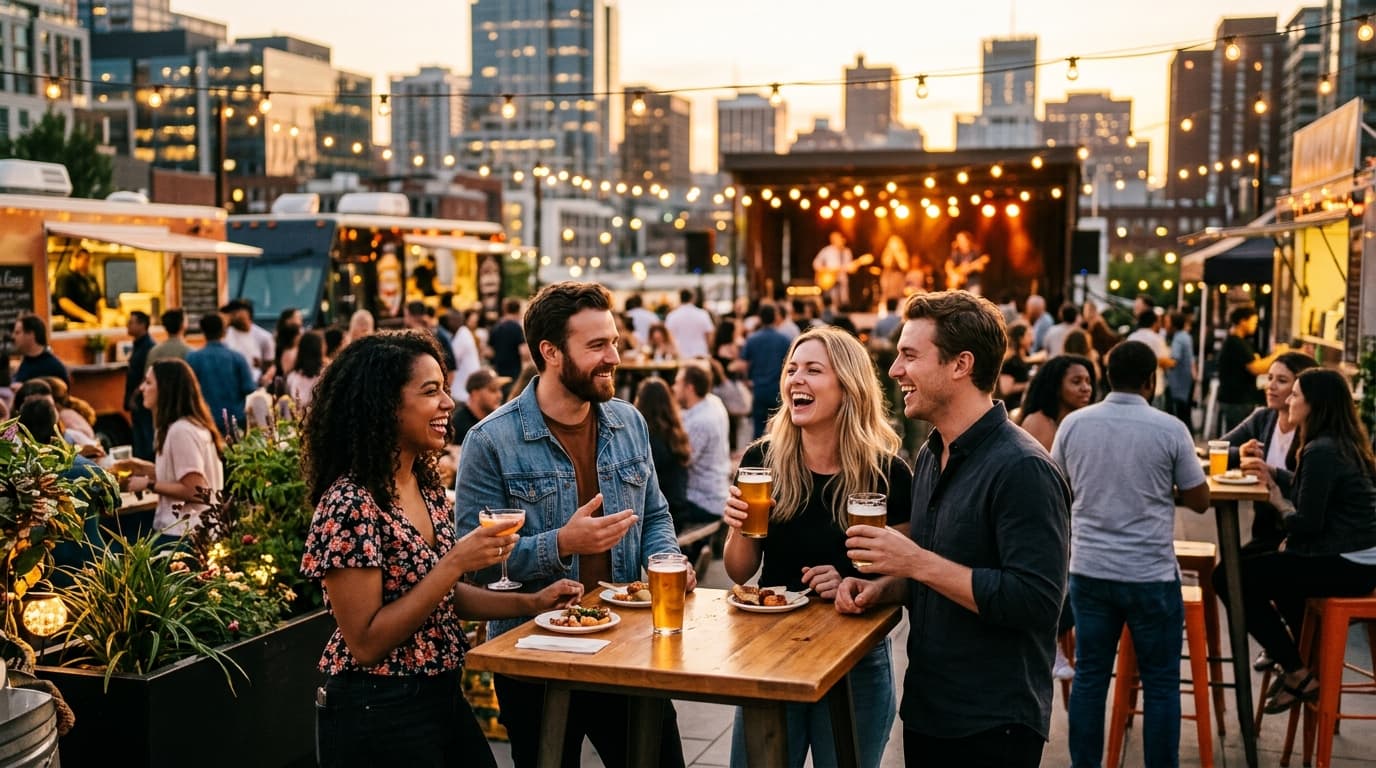
events near me this weekend is the fastest way to find something fun, local, and worth your time right now. If you want the best nearby plans in minutes, start with live music, free outdoor events, food pop-ups, comedy, sports, and family-friendly activities that match your budget and neighborhood.
If you’re the kind of person who wants something good to do this weekend without scrolling forever, you’re in the right place. We built this guide the way locals actually plan: by vibe, by neighborhood, by budget, and by how much energy you want to spend. We’ve checked how event discovery has changed in 2026, where the freshest listings tend to appear first, and which types of events usually give you the best value. Whether you’re planning a date night, a family outing, a friends’ night out, or a solo adventure, this page is designed to help you go from search to plan fast. Along the way, we’ll point you to official venue pages and organizer listings when those matter, and we’ll show you how Gidly helps you compare options across city blocks, districts, and suburbs. If you want the broadest, easiest way to browse, you can also explore Gidly’s full events catalog and save a few backups before the weekend gets busy.
Quick answer: the best events near me this weekend right now
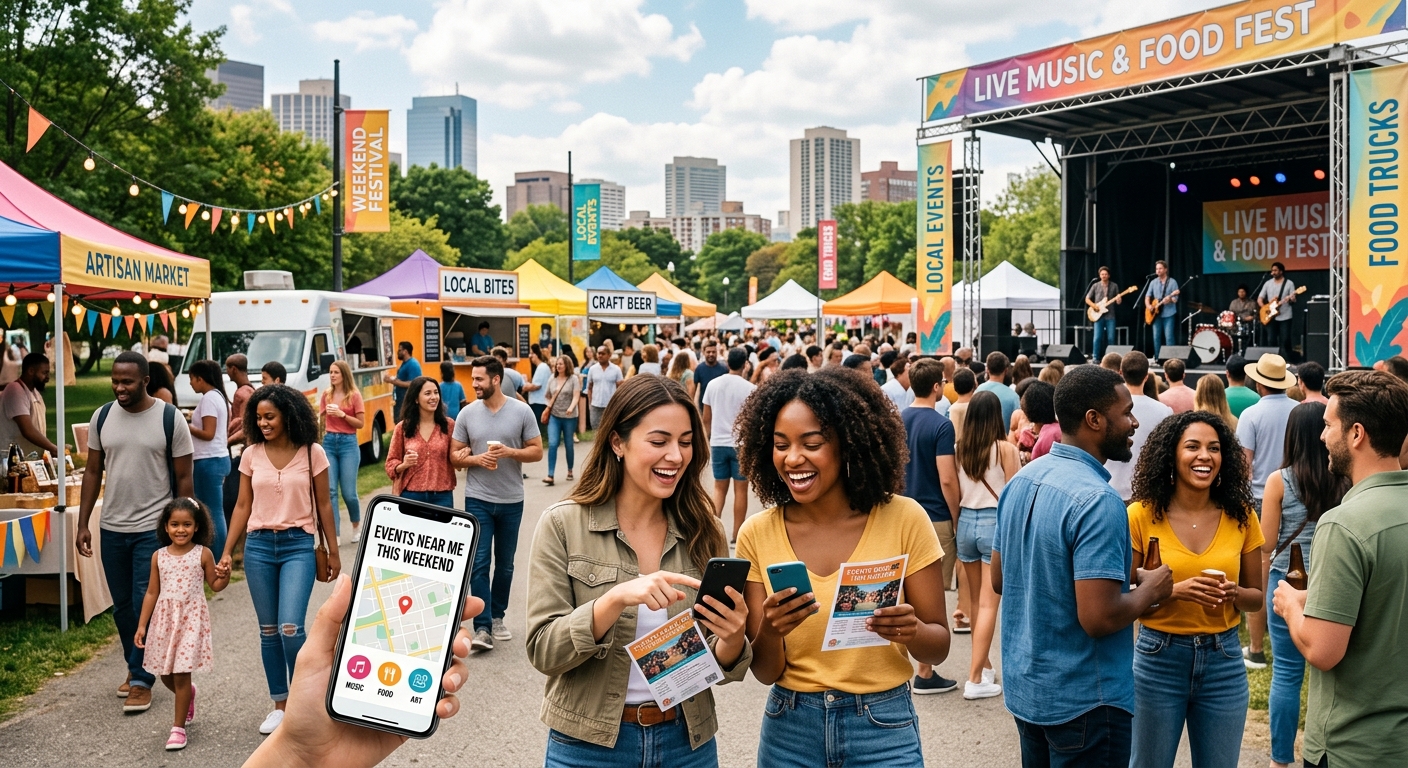
When people search for events near me this weekend, they usually want the quickest path to something fun that fits their schedule, location, and budget. The best nearby events right now are usually the ones that combine freshness, easy logistics, and a clear match to your vibe, such as live music in a neighborhood venue, a local food market, a free outdoor concert, a museum with a special exhibit, or a sports game with a same-day ticket window.
From experience, the winning move is to look for events that are both close and clear. Close means the venue is in a district you can reach in under 30 to 45 minutes, depending on your city and transit setup. Clear means you know the start time, price, age restriction, and whether the event is indoor or outdoor before you commit.
Our team checked how weekend planners usually behave in 2026, and the pattern is simple: the most useful results are the ones that narrow instantly to “tonight,” “tomorrow,” “free,” “family-friendly,” “live music,” “rainy day,” or “date night.” Those filters help you skip the generic calendars and get to actionable options. If you’re searching at the last minute, prioritize listings with recent updates, direct ticket links, and official venue pages. That combination usually means the event is real, current, and still available.
In practical terms, the best events this weekend tend to be a mix of polished headline items and smaller local wins. A sold-out stadium show may be exciting, but a neighborhood jazz set, a pop-up art opening, or a Saturday food hall takeover can be easier to enjoy, cheaper, and less stressful. If you’re deciding in under a minute, pick the event that is closest to your location, has the strongest reviews or organizer reputation, and fits your group size.
Answer capsule: how to find the best nearby events in under 60 seconds
If you need the fastest answer possible, start with your location, then filter by date, price, and vibe. Search for terms like “free events near me this weekend,” “live music near me tonight,” or “family-friendly events near me” and compare the first few results that have clear hours and direct booking links.
Next, scan for venues or organizers you already recognize, because name familiarity often saves time and reduces risk. A good listing should tell you exactly where it is, what time it starts, whether there are tickets, and if the event is indoors or outdoors. If you can’t find those basics in seconds, keep moving.
Finally, check freshness. A listing updated for this weekend or “updated schedules” is far more useful than a stale post from last month. Gidly is especially helpful here because its browsing flow makes it easier to compare options by neighborhood, category, and mood without starting over every time.
What kinds of events usually rise to the top this weekend
The events that usually rise to the top are the ones people can act on quickly and that have broad appeal. Live music, comedy, sports, food events, and festivals are consistently strong because they offer a clear reason to leave the house and usually have easy-to-understand ticketing or entry rules. Free outdoor events also perform well because they remove the biggest barrier: cost.
We’ve noticed that opening weekends, seasonal pop-ups, and limited-run exhibits tend to get extra attention, especially when the weather is good or there’s a holiday nearby. On the other hand, low-clarity events can be hard to commit to, even if they sound interesting. That’s why a small indie gig with a good venue page often beats a vague “things to do” listing.
For 2026, microevents are also rising: smaller, more specific experiences like chef collabs, themed trivia nights, rooftop sessions, and art walkthroughs. These are easier to fit into a busy weekend and often sell out faster than you’d expect.
Fast filters to use first: location, date, price, and vibe
The four filters that matter most are location, date, price, and vibe. Location narrows the event to a neighborhood or district you can realistically get to, date makes sure it’s actually happening this weekend, price helps you avoid surprises, and vibe tells you whether it’s for a date, a group hang, or a family outing.
Once those are set, add a second layer: indoor or outdoor, age limits, and booking status. This is especially important if you have kids, are planning around weather, or need a flexible cancellation policy. The best planners don’t browse endlessly; they narrow early and compare only the finalists.
If you’re using Gidly, this is the kind of search flow that works best: start broad, filter by city or neighborhood, then drill into categories like concerts, festivals, sports, or food events. That keeps you from getting stuck in a giant calendar with too many options and not enough context.
When to check for the freshest listings and last-minute updates
The freshest weekend listings usually appear late Thursday, Friday morning, and again Friday afternoon when organizers finalize details. If an event is weather-sensitive, check again Saturday morning before heading out, especially for outdoor concerts, markets, or park events. This is when cancellations, venue changes, and additional ticket drops often show up.
For sold-out or high-demand events, it’s smart to check the official venue page and the organizer’s social posts first. Many venues post last-minute release times, stand-by options, or changes in entry instructions there before third-party sites update. If you’re flexible, keep a backup option in another neighborhood or category so you don’t lose the night if your first choice changes.
The best approach is to build a habit of checking “today,” “tonight,” and “this weekend” around the same time each week. That’s how locals catch the good stuff before everyone else does.
How to use this weekend events guide
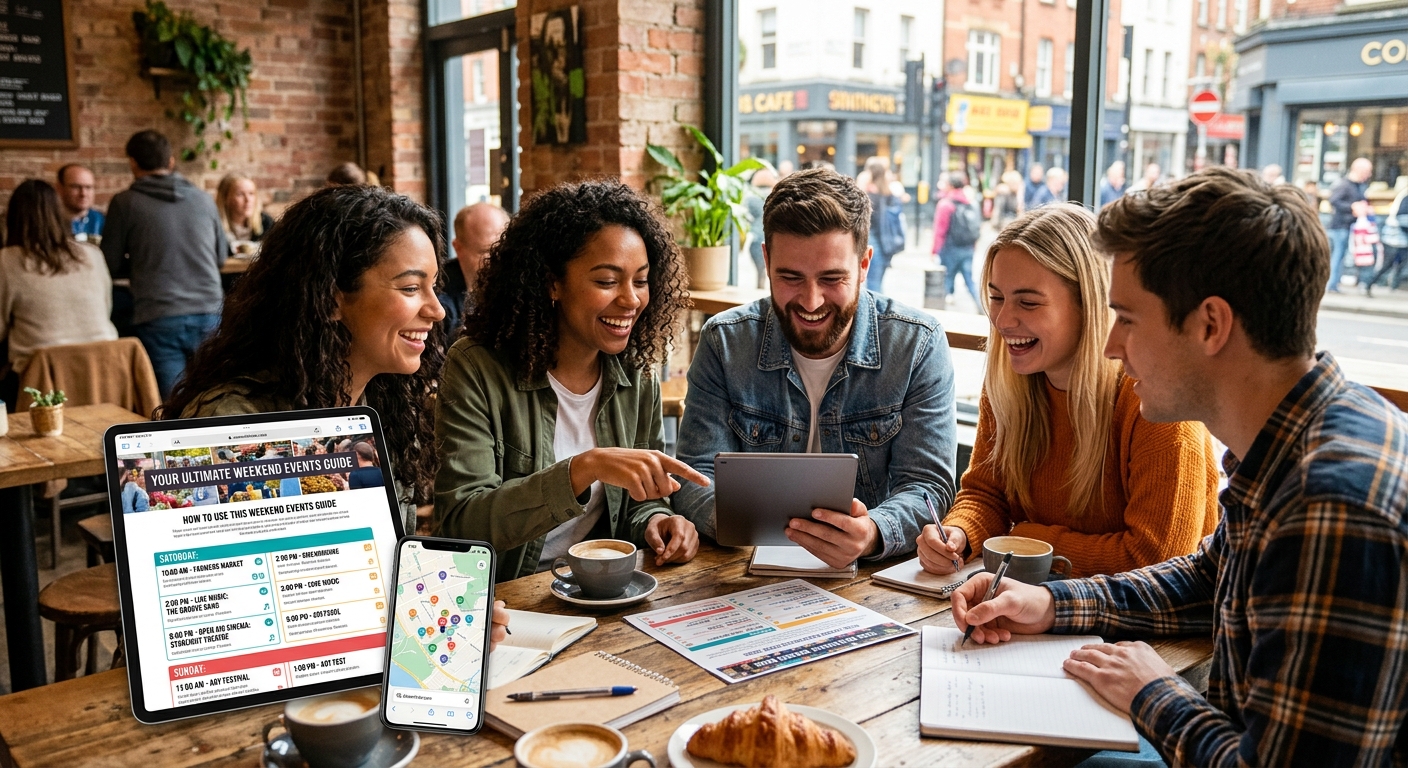
This guide is built for fast decision-making, not endless browsing. We designed it to help you find the right event for your situation, whether you want an easy date night, something kid-friendly, or a low-cost plan with friends. The idea is to make the search feel less like homework and more like a local recommendation from someone who actually knows the city.
Instead of forcing you to think in generic terms, this guide breaks weekend plans into real-life scenarios. That means you can jump directly to the section that matches your mood, your group, and your budget. It also helps when you’re planning across different cities in the US, UK, Canada, or Australia, because neighborhood patterns and weekend rhythms are surprisingly similar even when the exact venues change.
We also use Gidly-style browsing logic throughout: city, neighborhood, date, category, and vibe. That makes it easier to compare different kinds of events side by side and choose the one that actually fits your weekend. If you’re searching from your phone in the middle of the day, this is the fastest way to get to a real plan.
Who this guide is for: date night, friends, family, solo, budget, and work groups
This guide is for anyone who wants a realistic plan instead of a generic “things to do” list. If you’re planning date night, you’ll want options that feel intimate, interesting, and easy to talk through. If you’re going with friends, you may care more about energy, social flow, and whether the place has drinks, music, or a late start time.
Families usually need the opposite of nightlife logic. They want flexible timing, shorter travel, reasonable prices, parking, restrooms, and something that works across ages. Solo explorers often prefer events that feel welcoming and low-pressure, like a matinee show, a museum exhibit, a market, or a daytime workshop.
Work groups and team outings need the least friction of all: simple booking, easy meeting points, enough space for everyone, and no complicated seating or minimum spend rules. In the sections below, we’ll help you sort through all of that without wasting your Saturday reading ten different calendars.
How Gidly organizes events by city, neighborhood, date, and category
Gidly is useful because it doesn’t treat every event like it belongs in the same bucket. Instead, it helps you browse by city, then drill down into neighborhoods, categories, and time windows. That matters because the best weekend plan is often not the biggest event; it’s the event that matches your exact area and schedule.
From our team’s experience, neighborhood-level browsing also improves the quality of the recommendation. “Downtown” looks very different from an arts district, a waterfront, or a suburban entertainment zone. Gidly’s structure makes that difference visible fast, which saves you from picking something that sounds good on paper but is inconvenient in real life.
The best use case is simple: search your city, filter to this weekend, then compare events by category and distance. You can use that flow whether you’re looking for free events, live music, food experiences, or seasonal programming.
Why this page is better than a generic events calendar
Generic calendars are often exhaustive but not especially helpful. They may list hundreds of events without telling you which ones are best for your situation, which neighborhoods are easiest to reach, or which listings are actually updated. This guide is curated to help you decide quickly, which is exactly what most people need on a Thursday or Friday when weekend planning is already underway.
We also focus on practical planning details, not just event names. That means price ranges, hours, booking tips, age guidance, parking realities, and backup options all show up in the same place. The result is less back-and-forth between tabs and less risk of showing up somewhere that doesn’t fit your group.
When a page gives you scenarios, comparisons, and neighborhood context, it becomes much more useful for AI Overviews and for humans alike. That’s why we organized this article the way we did.
How to combine Gidly with official venue and organizer pages
The smartest weekend planners use both curated discovery and official confirmation. Gidly helps you find and compare options quickly, while official venue websites and organizer pages tell you the final details: door times, ticketing rules, age restrictions, set times, and weather policies. Together, they give you a more complete picture than either source alone.
We recommend checking the venue page for anything ticketed or time-sensitive, especially concerts, sports, theater, and special exhibitions. If the event is free or community-based, the city calendar or organizer’s event page is often the best place to confirm whether it’s still happening. This is especially true for seasonal events and holiday weekends.
Using both sources also protects you from stale information. A listing might look great on a third-party platform but have moved venues, changed start times, or added a minimum age rule. Quick cross-checking is one of the best habits you can build.
Top events to look for this weekend by category
The easiest way to find a great weekend plan is to start with the type of experience you want. Some categories are better for high energy, some for low stress, and some for saving money while still feeling like you did something memorable. Once you know the category, choosing the exact event gets much easier.
We’ve found that the most reliable weekend categories are live music, festivals and fairs, sports, theater and comedy, and food-and-drink experiences. These are the categories people search for most when they want something immediate and local. They also tend to have the widest range of budget options, from free community performances to premium ticketed shows.
Below, we break down what to look for in each category, what usually makes one listing better than another, and how to know when it’s worth booking now versus waiting. This is the part of the guide where you can move from “I need plans” to “I know exactly what I want.”
Live music and concerts: club shows, arenas, intimate venues, and outdoor sets
Live music is one of the most dependable answers to events near me this weekend because there’s almost always something playing somewhere in town. Club shows and intimate venues are usually the best value if you want to feel close to the performance, while arenas and amphitheaters are better when you want a big production and a full night out. Outdoor sets, especially in warm-weather season, are ideal for casual hangs and date nights because they feel relaxed without being boring.
We’ve seen great weekend music listings cluster in arts districts, downtown entertainment corridors, and neighborhood venues near transit. If you’re checking a venue like GRAMMY-related local showcases and music resources, or a major concert hall’s own event page, look for set times, support acts, and bag policies. Those details matter because music nights often start earlier than people expect, especially on Sundays or at seated venues.
If you want the best chance of a great experience, look for events with strong artist recognition, clear venue reputation, and recent updates. A well-run 300-person room can be more enjoyable than a giant show if you value sound quality and easy entry. For weekend planning, live music is strongest when it lines up with dinner, drinks, or another nearby activity so your whole night feels intentional rather than fragmented.
Festivals and fairs: food festivals, street fairs, cultural weekends, and seasonal pop-ups
Festivals and fairs are the easiest way to turn one plan into a full afternoon or evening. Food festivals, street fairs, cultural weekends, and seasonal pop-ups often have multiple entry points, so they work well for groups with mixed interests. One person can chase food, another can browse artisan stalls, and someone else can stay for the music or performance stage.
These events are especially common on opening weekends, holiday weekends, and during spring and summer. We like them because they often create a neighborhood vibe rather than a single-venue experience. If you’re looking at a local festival calendar or a city tourism board page like NYC Tourism, check whether the event is free to enter, ticketed, or pay-as-you-go. That distinction changes the budget a lot.
Our insider tip is to arrive early if you want the best food and the shortest lines. By mid-afternoon, popular stalls can get crowded and parking can get annoying. Festivals are also the category most likely to have weather-related changes, so always double-check the official event page before leaving.
Sports events: pro games, college matchups, watch parties, and local tournaments
Sports events are perfect when you want built-in energy and no awkward silence. Pro games, college matchups, watch parties, and even local tournaments can be great weekend options because they create a shared atmosphere that’s easy to enjoy with friends or family. The event itself becomes the entertainment, which makes planning simple.
Tickets can swing widely in price depending on the team, opponent, and seat location. A weekday or early Sunday game may be more affordable than a Saturday night matchup, and watch parties are often a strong low-cost alternative if you just want the atmosphere. For official schedules, team websites are always the best source because they update start times, promotions, and gate information quickly.
Sports are also good “backup plans” because they often have multiple seating tiers, food options, and nearby bars or restaurants. If you’re going with a group, this category tends to be one of the easiest to coordinate because the structure is so familiar. Just don’t forget to check weather, parking, and bag rules if the venue is open-air.
Theater, comedy, and shows: plays, improv, stand-up, cabaret, and late shows
Theater, comedy, and shows are ideal if you want a more focused experience that still feels like a night out. Stand-up clubs and improv venues usually offer multiple showtimes, including late shows that work well after dinner. Plays and cabaret tend to feel a little more dressed-up and can be especially nice for date night or a small group celebration.
Comedy is one of the best categories for spontaneous plans because many clubs hold same-day seats, add second shows, or offer low-cost tickets to fill the room. Theater typically requires a bit more advance planning, especially for popular productions or limited runs. If you’re checking official listings, pay attention to start time, runtime, and whether there’s an intermission, because that affects the rest of your evening.
As a city insider tip, neighborhood matters a lot here. A comedy club in a nightlife district gives you more post-show options, while a small theater in an arts area can be great if you want a quieter evening with dinner before or after. The best shows often aren’t the most famous ones; they’re the ones with the right mix of quality, timing, and convenience.
Food and drink events: tastings, happy hours, brunch events, beer gardens, and chef collabs
Food and drink events are one of the most flexible weekend categories because they can be casual or upscale depending on the venue. Tastings, happy hours, brunch events, beer gardens, winery visits, and chef collaborations all give you a reason to get out, but the energy level can be very different. If you want conversation and relaxed pace, this category is often the answer.
The biggest thing to watch is hidden spending. Some events are low-ticket but encourage food and drink purchases once you’re inside, while others include tastings or prix-fixe menus. We recommend checking whether there’s a minimum spend, service charge, tasting token system, or reservation deposit before you go. Official venue pages and restaurant event listings are the most reliable source for these details.
For weekend planning, food and drink events are strongest when they pair with a neighborhood you already like. That way, if the event ends early or doesn’t quite hit, you still have surrounding bars, cafés, or dessert spots to extend the plan. On a busy Saturday, that flexibility is worth a lot.
| Category | Typical Price | Best For |
|---|---|---|
| Live music | $15-$150+ | Date night, friends, fans |
| Festivals and fairs | Free-$40 | Groups, families, casual plans |
| Sports | $20-$250+ | Friends, families, fans |
| Comedy and theater | $10-$120 | Date night, small groups |
| Food and drink events | Free-$90 | Couples, friends, food lovers |
Best events near me this weekend by scenario
The best event is not always the biggest event; it’s the one that fits the people you’re going with. Scenario-based planning is the easiest way to avoid mismatches like a loud club night for a quiet date or a long, expensive show for a family with young kids. Once you decide who the event is for, the options become much easier to sort.
We recommend thinking in terms of energy, flexibility, and logistics. Date nights often need atmosphere and conversation space, friend groups usually want social momentum, and family outings need convenience and age awareness. Solo plans should feel low-pressure, while team outings need simple coordination and clear meeting points.
Below, we map the most common weekend scenarios to the event types that usually work best. This is the section to use if you want an answer fast and don’t want to overthink it.
Date night picks: romantic, fun, and conversation-friendly options
Date nights work best when they feel special without being exhausting. The strongest options are usually live jazz, an intimate concert, a comedy show, a food-and-wine tasting, or a museum opening with a quiet bar nearby afterward. You want enough stimulation to keep the night interesting, but not so much noise that you can’t talk.
From experience, the best date-night venues are often in arts districts, waterfront neighborhoods, or downtown areas with restaurants within a few blocks. That gives you a built-in pregame or after-dinner plan. If you’re checking a venue page, look for later start times on Fridays and Saturdays and whether there’s reserved seating, because that can improve the whole experience.
Gidly’s pick for date night is usually a layered plan: one main event plus one backup dessert or drinks stop nearby. That way, if the event wraps early or the vibe shifts, the night still feels complete. It’s one of the easiest ways to make a simple outing feel thoughtful.
Weekend with friends: social, energetic, and shareable experiences
With friends, the best events are usually the ones that are easy to talk about, photograph, and extend afterward. Think street fairs, brewery events, live DJ nights, sports watch parties, rooftop sessions, or a comedy show with a late dinner nearby. The goal is to keep the momentum going without requiring too much coordination.
One thing locals know: group energy matters more than event prestige. A moderately priced event with good pacing and a lively neighborhood often beats a “must-see” listing that requires reservations, strict timing, or expensive transit. If your group likes to wander, choose an area with bars, food halls, or late-night cafés so the night doesn’t end the minute the event does.
For friends’ outings, table service minimums, split-ticket rules, and entry timing are the common dealbreakers. Check those before you send the group chat link. You’ll save yourself a lot of coordination headaches.
Family outing and kids activities: safe, flexible, and age-aware choices
Family plans work best when they’re flexible and clear. Outdoor markets, children’s museums, interactive exhibits, zoo events, daytime festivals, and park programming are usually reliable options because they allow for breaks, snacks, and shorter attention spans. If the event is ticketed, check age ranges, stroller policies, and whether kids need timed entry.
We’ve found that the best family events tend to happen earlier in the day, especially on Saturdays. Morning and early afternoon slots are easier for parking, less crowded, and more manageable if you’re dealing with naps or meal schedules. Always check restroom availability and food options nearby, because those two factors can make or break a family outing.
Good family events often appear on city calendars, museum websites, zoo schedules, and park district pages. These are worth checking alongside Gidly, especially if you want something seasonal or educational. If you’re searching for “family-friendly events near me this weekend,” prioritize listings that clearly mention accessibility and age guidance.
Solo adventures: low-pressure events for one person
Solo outings are best when they give you room to explore at your own pace. Great options include museum exhibits, craft markets, daytime walking tours, bookstore events, film screenings, lectures, and casual live music. The key is choosing something that feels welcoming even if you’re not there with a group.
From our perspective, solo plans are underrated because they’re easy to schedule and often cheaper. Many venues offer weekday or matinee pricing, and some events let you show up without a big reservation commitment. If you want to meet people casually, choose a venue with a bar area, communal seating, or a social format like trivia or tasting events.
Solo events should not feel like an apology for being alone. They should feel like a smart use of your time. If you’re browsing Gidly, filters for atmosphere, neighborhood, and category can help you find the kind of outing that feels comfortable instead of awkward.
Team building and corporate outings: group-friendly, easy-to-book options
Work groups need simplicity above all else. The best events for team building are bowling nights, cooking classes, escape rooms, game bars, sports outings, brewery tours, and private tasting events. These options work because they create interaction without forcing people to talk nonstop for three hours.
When we checked what makes a corporate outing succeed, the same themes kept coming up: easy booking, flexible payment, clear timing, and enough space for a mixed group. You also want something that won’t create awkwardness if people arrive late or leave early. That’s why structured experiences often work better than open-ended nightlife plans.
If you’re organizing for a team, look for group rates and private-room options. It’s also worth checking whether the venue has AV support, food packages, and accessible restrooms. Those details often matter more than whether the event is trendy.
Free and budget-friendly events this weekend
If your first search is “free events near me this weekend,” you’re not alone. Free and budget-friendly plans are some of the most popular weekend searches because they feel practical without being boring. The trick is knowing where the good free options hide and how to tell the difference between truly free and “free but expensive once you arrive.”
The best budget events usually come from city calendars, parks departments, libraries, museums, neighborhood associations, and community organizers. Many of them are seasonal or tied to opening weekends, so freshness matters a lot. A free event that was updated for this week is much more useful than one that looks free but hasn’t been confirmed in months.
In this section, we’ll help you find low-cost outings that still feel worthwhile. We’ll also show you how to spot hidden fees and avoid the classic trap of turning a “cheap” event into a pricey one.
Free events near me this weekend: what to search first
The best first searches are simple and specific: “free concerts near me,” “free museum day,” “free family events,” “community festival,” “farmers market,” or “outdoor movie night.” Those queries usually surface events with real local relevance, not just generic ads. If you search too broadly, you can end up with stale listings or events that are technically free but not actually nearby.
We recommend checking city tourism boards, parks pages, and neighborhood event calendars in addition to Gidly. For example, many cities post free weekend programming on official websites before third-party platforms catch up. Libraries and community centers also tend to have hidden gems like author talks, craft workshops, and kids’ activities.
Free doesn’t mean low value. Some of the most memorable weekend plans are free because the setting is great and the activity is easy to enjoy. A well-curated outdoor concert or neighborhood festival can beat an overpriced ticketed event if your goal is to relax and get out of the house.
Low-cost outings under common budget thresholds
It helps to set a budget before you browse. Many people think in simple brackets like under $25, under $50, or under $100 per person, and that’s a smart way to compare event types. Under $25 usually means free outdoor events, museum afternoons, matinees, or casual happy hours. Under $50 opens up comedy, small concerts, tasting events, and some sports tickets. Under $100 gives you much more flexibility, especially if food or drinks are included.
The best low-cost plans tend to be the ones where the event itself is inexpensive and the surrounding neighborhood offers reasonably priced food afterward. That way you can keep the total spend in check without feeling limited. Be especially careful with ticketing platforms that add service fees at checkout; those fees can change the real budget quickly.
If you’re planning with friends, be transparent about the ceiling early. Group budgets work better when everyone agrees on the range before the calendar gets ambitious. That one move prevents a lot of weekend friction.
Free museum days, outdoor concerts, markets, and community events
Free museum days are classic weekend wins, but they often require timed entry or advance reservation, so don’t assume you can just walk in. Outdoor concerts and community events can be even better because they feel open and social, though they may depend on weather. Farmers markets, street fairs, and local cultural celebrations are also strong because they give you flexibility to stay as long or as little as you want.
We’ve found that the sweet spot is events with multiple activities in one place. Markets and festivals are great because you can browse, eat, listen to music, and leave whenever you like. For families, that flexibility is priceless. For solo explorers, it keeps the pressure low.
Always check the official page for operating hours, since “free” events can still have special entry windows or sold-out timed slots. If the event has a ticket reservation system, treat it like a paid event in terms of planning.
How to spot hidden fees, minimum spends, and ticket add-ons
Hidden costs are the biggest reason budget weekend plans go sideways. A “free” concert may have a required drink minimum once you arrive, or a low-cost event may tack on service fees, parking charges, and convenience fees that add up quickly. Food events can also be tricky if sample tokens are limited or if the tasting experience requires extra purchases to feel complete.
The best way to avoid surprises is to read the listing details carefully and look for words like reservation deposit, minimum spend, entry fee, service charge, and must-purchase. If the event page doesn’t say enough, the official venue website or organizer FAQ usually does. A quick check can save you from an awkward checkout moment.
We also recommend checking whether the venue uses cashless payments, because that affects both budget and speed. If you know in advance, you can plan your total spend more honestly and choose a better option for your group.
Best money-saving booking tips and discount tricks
If you want the best value, book early for popular events and late for slow-selling ones. Early booking usually gets you better seats and sometimes lower fees, while last-minute browsing can uncover price drops, release holds, or promotional tickets. The right move depends on demand, which is why it helps to have a backup shortlist.
Look for weekday-preview pricing, matinee rates, happy hour specials, student discounts, local resident deals, and bundle offers that combine entry with food or drinks. Many venues publish these on their own sites rather than on third-party calendars. If you’re checking Gidly, use it to shortlist the right event type, then jump to the venue or organizer page for the promotional details.
One final tip: if you’re going with a group, compare single tickets and package deals before you choose. Sometimes splitting a bundle is cheaper than buying separately, but only if everyone is actually committed.
| Budget | Good Options | Watch For |
|---|---|---|
| Free | Parks, markets, community events | Parking, food, timed entry |
| Under $25 | Museums, matinees, small shows | Service fees, transit costs |
| Under $50 | Comedy, local concerts, tastings | Drinks, minimum spends |
| Under $100 | Sports, premium exhibits, dinners | Add-ons and premium seat jumps |
Rainy day and indoor events near me this weekend
Weather changes are part of weekend life, and the best planners always keep an indoor option ready. Rainy-day events can be some of the best weekend choices because they remove the pressure to coordinate around sunshine. They also tend to be easier to enjoy if you want a more comfortable, controlled environment.
Indoor events are especially useful when outdoor festivals get crowded, parks are muddy, or temperatures swing too far in either direction. In many cities, indoor categories like museums, immersive exhibits, comedy clubs, theaters, arcades, indoor markets, and wellness studios carry the whole weekend. If you choose well, a rainy day can actually improve the experience because you’re not competing with everyone else outside.
This section focuses on the smartest backup plans and how to switch quickly when weather or schedule changes force a pivot. That flexibility is one of the main reasons locals keep a shortlist ready all weekend long.
Best indoor backups when weather changes plans
The best indoor backups are the ones with broad operating hours and easy entry. Museums, cinemas, indoor food halls, galleries, aquariums, bowling alleys, and escape rooms usually make good pivot options because they’re not as weather-sensitive as outdoor events. If your first choice is an open-air concert or market, having one of these in reserve can save the day.
We like backups that can accommodate both small groups and walk-ins. That way you’re not stuck if someone in the group is running late or if the first event sells out. A good backup should be within a reasonable distance of your original plan or in a nearby neighborhood with transit access.
For official details, always check the venue’s website for updated hours, especially on rainy weekends or holidays. Some indoor venues adjust their schedule when weather shifts bring bigger crowds.
Museums, exhibits, arcades, immersive experiences, and indoor markets
Museums are still one of the best indoor weekend choices because they work for almost every audience. Special exhibits and immersive experiences add a sense of novelty, while arcades and indoor markets bring more playful energy. If you’re going with mixed ages, these can be the safest bets because everyone can move at their own pace.
Immersive events have become much more common in 2025-2026, and that trend continues because people want something more interactive than a standard walk-through exhibit. These events can be photo-friendly, social, and highly shareable, which makes them popular for friends and couples. Just check whether the experience is timed, interactive, or self-guided, because that changes the amount of time you should reserve.
Indoor markets are especially good when the weather gets messy. You can eat, browse, and stay sheltered without committing to a full formal outing. They’re also easy to combine with coffee, dessert, or drinks afterward.
Comedy clubs, theaters, and late-night venues
Comedy clubs and theaters are excellent rainy-day fixes because they don’t care what the weather is doing outside. They also usually have fixed showtimes, which makes scheduling simpler once you’ve decided to go. If you’re looking for an indoor event that still feels alive, these are hard to beat.
Late-night venues can be especially good if your original outdoor plan gets rained out and you still want the night to feel like a night. A second-show comedy set, a cabaret performance, or a late film screening gives you a way to salvage the evening without starting from scratch. Many venues also release same-day tickets on slower nights.
Be sure to check runtime, seating style, and age restrictions before you commit. Some clubs and theaters are 18+ or 21+, which is easy to miss if you’re planning in a rush.
Family-safe indoor plans for kids and mixed-age groups
For families, the best indoor backup is usually a place with movement, restrooms, and a flexible arrival window. Children’s museums, science centers, aquariums, indoor trampoline parks, and family-friendly theaters are good because they can absorb changes in mood and energy. If the weather is bad, everyone appreciates a space where they can stay comfortable for a few hours.
Mixed-age groups should look for events with seating areas and snack access. That way grandparents, kids, and teens all have something manageable to do. We also recommend checking whether strollers are allowed, whether lockers are available, and whether there’s a designated family area or quiet zone.
These details may sound small, but they’re often the difference between a smooth outing and a stressful one. Indoor family plans win when they’re simple, not flashy.
How to pivot fast when outdoor events sell out or get canceled
The fastest pivot is to save two backup options before you leave the house. One should be a nearby indoor event, and the other should be a flexible low-commitment option like a market, museum, or late dinner with entertainment nearby. If the weather changes, you won’t have to restart the search from scratch.
Check the event’s official page, the venue’s social accounts, and your ticket email for any weather or cancellation notices. A lot of same-day changes get posted there first. If the event is canceled, some organizers will offer alternate dates or refund instructions immediately.
If you’re using Gidly, keep your backup choices in the same neighborhood whenever possible. That makes the pivot feel seamless instead of like a brand-new plan.
Outdoor, active, and seasonal events near me this weekend
Outdoor events are where weekend energy really comes alive, especially in spring, summer, and early fall. They’re often the best way to enjoy the city without spending a fortune, and they can be as active or as relaxed as you want. If the weather cooperates, outdoor events often deliver the best atmosphere of the entire weekend.
This category includes everything from open-air concerts and park festivals to hikes, waterfront gatherings, fitness classes, and seasonal markets. It’s also where you’ll see the most weather sensitivity, which means checking current forecasts and venue updates is essential. When it works, though, it really works.
In 2025-2026, outdoor weekend plans are becoming more experience-driven, which means more micro-festivals, pop-ups, and curated seasonal activations. That’s good news for anyone who wants something current, social, and photogenic.
Parks, hikes, waterfronts, and open-air gatherings
Parks and waterfronts are classic weekend wins because they’re flexible, low-cost, and easy to mix with other plans. A picnic, open-air performance, or casual walking route can turn into a full afternoon without much effort. Hikes and scenic walks are especially good if you want movement without a formal schedule.
Open-air gatherings work best when they’re in neighborhoods that already have good food or drink nearby. That way you can start with the event and end with a meal or dessert. We’ve noticed that these plans feel best when they’re not overpacked; leave some room for wandering and spontaneous stops.
Always check parking, trail conditions, and transit access if you’re heading to a park or waterfront. The most beautiful outdoor events can become frustrating if you haven’t planned for the return trip.
Sports, fitness, wellness, and adventure experiences
Outdoor fitness and adventure events are a strong option if you want your weekend to feel productive as well as fun. Think group runs, cycling meetups, yoga in the park, climbing sessions, paddle rentals, or beginner-friendly wellness workshops. These outings work best when you want to move your body and still have a social reason to show up.
They’re also a great answer for solo planners because they create structure without forcing constant conversation. If you’re choosing between a standard outdoor event and an active one, think about whether you want to sit, walk, sweat, or explore. That simple question will usually narrow things quickly.
For the best experience, check what gear is needed, whether rentals are included, and if there’s a backup indoor option in case of weather. The difference between a good and bad active outing is often just one overlooked detail.
Seasonal programming: markets, holiday activations, fairs, and festivals
Seasonal events are the backbone of many great weekends. In spring, you’ll see opening-day markets and outdoor food festivals. In summer, it’s concerts, waterfront programs, and long-running street fairs. In fall and winter, the scene shifts to harvest events, holiday markets, light displays, and indoor-outdoor hybrid programming.
These events are often neighborhood anchors, which means the district matters as much as the event itself. A holiday market in a scenic square can feel very different from the same kind of market in a shopping corridor. That’s why area-specific browsing is so useful.
If you’re planning around a seasonal event, always check the current year’s schedule. Seasonal programming changes constantly, and the best version of an event is usually the one that’s confirmed for this weekend, not last year’s lineup.
What’s trending in 2025-2026: microevents, immersive pop-ups, and experience-first outings
One of the biggest trends in 2025-2026 is the rise of smaller, more curated events. Microevents are easier to fit into a packed weekend and often feel more intentional than giant, generic festivals. Immersive pop-ups, chef collabs, tiny live shows, and themed walkthroughs are all part of that shift.
People are also choosing experience-first outings over passive entertainment more often. That means they want something they can discuss, post, or share later. It’s one reason why interactive exhibits, tasting experiences, and event-night collaborations are becoming more common.
For planning, this trend is great because it creates more variety. You no longer need to choose between “big event” and “no event.” There’s usually something in the middle that fits your time, budget, and attention span much better.
Best times of day for outdoor events and weather-aware planning
Early morning and late afternoon are usually the best outdoor event windows. Morning is cooler and less crowded, while late afternoon gives you better light and a smoother transition into dinner or drinks. Midday can work too, but it tends to be the hottest and most crowded time in warm weather cities.
Weather-aware planning matters more than people think. If there’s any chance of rain or extreme heat, bring layers, sunscreen, water, or a compact umbrella. For events in parks and waterfronts, comfort matters just as much as the event itself.
We always recommend checking the forecast the morning of, even if the week looked perfect. Outdoor fun is best when you build in a little flexibility.
| Format | Best Time | Main Advantage |
|---|---|---|
| Outdoor concert | Late afternoon/evening | Atmosphere |
| Market or fair | Morning/early afternoon | Flexibility |
| Active outing | Early morning | Comfort and energy |
| Seasonal activation | Afternoon/evening | Visual appeal |
Neighborhood-by-neighborhood guide to finding events near me this weekend
Neighborhood context can completely change which event is best. A downtown plan feels very different from one in an arts district, and a waterfront event carries a different pace than a suburban entertainment hub. That’s why “near me” works best when you think in terms of specific areas, not just the whole city.
For weekend discovery, the right neighborhood often matters as much as the event itself. Some areas are best for nightlife, some are better for families, and some are ideal for wandering between multiple stops. If you know the city well, you can use these patterns to your advantage. If you don’t, Gidly’s city-and-neighborhood browsing makes it much easier to learn fast.
Below, we break down the most common area types so you can match the neighborhood to the kind of day or night you want.
Downtown and central business districts
Downtown areas usually offer the widest mix of weekend options. You’ll find theaters, major concert halls, sports venues, restaurants, bars, and large event spaces all within a relatively small radius. That makes downtown great if you want to keep the plan flexible or add dinner after the show.
The tradeoff is parking and crowds. Weekend downtown events can be busier, especially on Friday and Saturday nights, so it pays to arrive early or use transit if you can. Official venue websites often post the best transportation guidance, including public transit stops and rideshare zones.
If you’re deciding between neighborhoods, downtown is usually best for high-density plans and quick transitions between activities. It’s not always the cheapest option, but it’s often the most convenient if you want several things within walking distance.
Arts districts, warehouse zones, and nightlife corridors
Arts districts and warehouse zones are where you’ll often find indie concerts, galleries, pop-ups, comedy rooms, and late-night creative events. These areas tend to feel more local and less corporate, which makes them ideal for date night or a friends’ outing that doesn’t feel generic. You’ll also find a lot of event-night experimentation here, especially on weekends.
Nightlife corridors are different: they’re built for energy, bars, clubs, and late finishes. If you want to stay out later, these neighborhoods are usually the strongest fit. Just make sure you know the dress code and age rules before you go, because nightlife districts can be stricter than they look online.
From experience, these areas are best when you want the event itself to be part of a bigger night out rather than the whole night. That’s where their density really shines.
Waterfronts, parks, and scenic neighborhoods
Waterfronts and scenic neighborhoods are perfect for daytime events, seasonal programming, and more relaxed evenings. They tend to host festivals, outdoor concerts, walking events, and family-friendly gatherings that feel naturally laid back. The scenery does some of the work for you.
These neighborhoods can also be excellent for date nights or solo outings because they’re visually interesting without being overwhelming. If the weather is good, a waterfront event often becomes the centerpiece of the weekend. The downside is that these areas may have limited parking or may get crowded during peak times.
If you’re searching “events near me this weekend” and you live near a waterfront or park zone, this is a great place to prioritize first. The atmosphere often adds value even when the event itself is modest.
Suburban entertainment hubs and family-friendly areas
Suburban entertainment hubs are often the most practical places for families, larger groups, and anyone who doesn’t want downtown logistics. You’ll find movie theaters, arcades, bowling alleys, family restaurants, seasonal festivals, and shopping-center events that are easy to reach and simple to navigate. Parking is usually more forgiving too.
These areas are also good for budget-conscious plans because they often combine multiple low-cost options in one place. If one event doesn’t work, you can pivot to another nearby activity without much extra driving. That makes them useful when you’re planning with kids or coordinating a group with different arrival times.
For weekend planners who value convenience over prestige, suburban hubs are underrated. They may not feel as flashy as downtown, but they can be much easier to enjoy.
How to search “near me” more precisely by neighborhood
The most effective “near me” searches usually add one more layer, such as “near me in [neighborhood],” “near me downtown,” or “near me by the waterfront.” That’s because event discovery works much better when you combine location with context. A great event on the other side of town may be a bad choice if you only have two hours.
If you know the district you want, search that directly and then compare event type, start time, and price. If you don’t know the city well, use Gidly to browse by city first and then narrow to neighborhoods after you see what kinds of events are actually concentrated there.
This is where local knowledge saves time. Once you understand the city’s event geography, you can usually predict where the best weekend energy will be before you even open a ticket page.
How to compare events before you go
Comparing events side by side is one of the smartest things you can do before buying tickets or making plans. A fun-looking event can become a bad fit if the travel time is too long, the end time is too late, or the age rules don’t match your group. The more variables you compare up front, the fewer regrets you’ll have later.
Most people compare by price only, but that’s not enough. You also need to think about duration, location, flexibility, and how the event feels for your group. An inexpensive event can still be a bad value if it’s inconvenient or doesn’t suit the energy you want.
We’ve included comparison tables below to make the decision easier. Use them as a quick checklist before you book.
| Event Type | Energy | Planning Ease | Best Audience |
|---|---|---|---|
| Concert | High | Medium | Fans, couples, friends |
| Festival | Medium-High | Medium | Groups, families |
| Comedy | Medium | High | Date night, small groups |
| Sports | High | Medium | Fans, groups |
| Museum | Low-Medium | High | Solo, families, couples |
| Food event | Low-Medium | High | Couples, friends, food lovers |
Comparison table: concert vs festival vs comedy vs sports vs museum vs food event
Each event type has a different rhythm, and that rhythm changes how the night feels. Concerts and sports are more structured and high-energy, while museums and food events are more flexible and conversation-friendly. Festivals sit in the middle because they combine multiple activities in one place. Comedy is often the easiest “sure thing” when you want a straightforward night out that doesn’t require much coordination.
The right choice depends on what you want from the weekend. If you want a single focused experience, choose a concert or show. If you want wandering and variety, choose a festival or market. If you want easy social flow, comedy or a food event is usually the safest bet.
Think of this table as a vibe filter, not just a category list. The more honestly you match the category to your mood, the better the outing tends to be.
Comparison table: free vs paid vs premium experiences
Free events are best when your goal is low stress and high flexibility. Paid events usually offer more structure, better seating, or a clearer production value. Premium experiences cost more but can be worth it when you want comfort, less waiting, or a special occasion feel.
If you’re deciding between budget levels, ask yourself how much the event itself contributes to the day versus how much the surrounding setting matters. A free outdoor concert in a great neighborhood can be a better value than an expensive event in a dull location. Premium can be worth it, but only when the extras actually matter to your experience.
We recommend comparing total cost, not ticket price alone. Once you add parking, food, drinks, and transit, the real difference can be much larger than expected.
| Type | Typical Cost | Best Value When |
|---|---|---|
| Free | $0 | You want flexibility and low commitment |
| Paid | $10-$75 | You want structure and a specific experience |
| Premium | $75-$250+ | You want comfort, special seating, or a celebration |
Comparison table: best event types by audience and vibe
This is the easiest comparison to use when you already know who’s coming. Families usually prefer events with easy logistics and flexible timing. Couples often want atmosphere and conversation. Friend groups need energy and optional add-ons like food or drinks, while solo visitors usually prefer lower-pressure, self-paced experiences.
If you’re still undecided, choose the event that requires the least compromise from your group. The wrong event can turn a great Saturday into a tired one, especially if it involves too much driving or waiting. Matching the event to the audience is one of the fastest ways to improve the weekend.
When in doubt, choose a neighborhood with multiple backup options nearby. That makes the whole outing safer if one plan falls through.
| Audience | Best Vibe | Best Event Types |
|---|---|---|
| Couples | Romantic, relaxed, memorable | Jazz, theater, tasting events, museums |
| Friends | Social, lively, shareable | Concerts, festivals, sports, bars |
| Families | Flexible, safe, easy | Markets, museums, parks, fairs |
| Solo | Low-pressure, open-ended | Exhibits, classes, talks, matinees |
| Work groups | Simple, coordinated, inclusive | Games, bowling, escape rooms, tastings |
What to compare beyond price: travel time, duration, age rules, and booking flexibility
Price is just the starting point. Travel time affects how easy the outing feels, duration affects how much of your day it consumes, and age rules can eliminate an event instantly if they don’t fit your group. Booking flexibility matters too, especially if weather or schedules may change.
A slightly more expensive event that is closer, earlier, and easier to enter can be a better value than a cheaper event across town. Likewise, a shorter event may fit better into a packed weekend than a long one, even if the headline price is the same. These hidden factors often matter more than the ticket itself.
When comparing options, ask yourself: how long will this actually take door to door? That one question usually reveals the best choice.
How to choose the best backup option if your first pick sells out
The best backup is similar in vibe but easier to access. If your first choice is a live concert, a comedy club or DJ night in the same neighborhood might work. If your first choice is a festival, a market or outdoor performance nearby can fill the same time slot. The point is not to replace the experience perfectly but to preserve the mood.
Keep one backup that is a little cheaper and one that is a little more flexible. That gives you options if tickets vanish or weather changes. If you browse Gidly before the weekend, you can save backups by category and neighborhood so you’re ready when the main plan falls through.
Good weekend planning is not about controlling everything. It’s about staying ready enough to pivot smoothly.
Practical planning tips: prices, hours, tickets, parking, and getting there
The difference between a good event and a stressful one usually comes down to logistics. Even a great listing can feel frustrating if the start time is awkward, parking is impossible, or the ticket rules are unclear. That’s why practical planning matters as much as the event type itself.
When people search for events near them this weekend, they often overlook the boring stuff until the last minute. But prices, hours, ticketing windows, transit, and accessibility all shape the actual experience. If you build your plan around those details, you’ll make better choices and avoid a lot of avoidable hassle.
This section gives you the on-the-ground checklist locals actually use before they leave the house.
How much events near me this weekend usually cost
Weekend events can range from completely free to premium experiences that cost well over $100 per person. In most cities, casual events like markets, local music nights, and community festivals often fall into the free to $25 range. Mid-range plans like comedy, small concerts, museum tickets, and tasting events often land between $25 and $75. Bigger concerts, sports, and special dining experiences can go much higher depending on demand.
It helps to budget for the whole outing, not just the event. Food, drinks, parking, transit, and service fees can easily change the total. If you’re trying to keep things affordable, compare “all-in” cost rather than the starting price.
If a listing doesn’t clearly show pricing, check the official venue page or the organizer’s ticket link. That’s usually the fastest way to avoid surprises.
Where to check hours, set times, and entry windows
Hours and set times matter more than people think. Some events have flexible arrival windows, while others require exact entry times or have late-arrival restrictions. Concerts, theater, and timed exhibits are especially sensitive to this, and sports venues may have separate gate opening times that matter if you want to arrive early.
Always check the official listing or ticket email the day before and again the day of. This is one of those small habits that prevents unnecessary stress. If an event has multiple sessions, make sure you’re looking at the correct one, because a wrong-time mistake can ruin the plan before it starts.
For weekends with multiple events, build in a buffer. A 20- to 30-minute cushion between plans is often enough to keep the night from feeling rushed.
Parking, rideshare, public transit, and walking routes
Getting there is half the experience. Downtown and busy entertainment districts often reward transit or rideshare, while suburban venues may be easier with parking. If you’re going to a festival, market, or waterfront event, check for overflow lots, nearby garages, or temporary street closures before you leave.
Public transit can be the best option when you want to avoid parking fees or traffic. Walking routes matter too, especially if the event is in a dense neighborhood with lots of food and drink nearby. In walkable districts, the neighborhood becomes part of the entertainment.
We recommend checking maps and venue directions before you go, not when you’re already in the car. The smartest local planners do this every time.
Ticketing basics: advance booking, waitlists, door sales, and refunds
Advance booking is usually the safest move for popular events, especially on Friday and Saturday night. Waitlists can help for sold-out shows, while door sales are common at smaller venues and some comedy clubs. If you’re flexible, last-minute tickets sometimes open up due to cancellations or extra inventory.
Refund policies vary a lot, so don’t assume a ticket is flexible unless it says so. Some events are final sale, while others allow exchanges or credit only. Read the policy before checkout, particularly for weather-sensitive outdoor events or opening-night experiences.
If you’re using a platform like Gidly to discover the event, go one step further and confirm the ticket rules on the official source. That extra minute can save you a lot later.
Accessibility, restrooms, bag policies, and safety basics
Accessibility should be part of the decision, not an afterthought. Check whether the venue has step-free entry, elevator access, accessible seating, and nearby restrooms. If you’re going with older relatives, kids, or someone with mobility concerns, these factors matter just as much as the event itself.
Bag policies and security rules also affect comfort. Some concert and sports venues have strict bag sizes or clear bag requirements, while smaller venues may be more relaxed. Safety basics include knowing where the exits are, what the neighborhood feels like after dark, and whether the event is 18+ or 21+.
The best event is the one your group can actually enjoy without avoidable friction. Good planning creates that experience.
Insider tips and local hacks for better weekend plans
This is the part locals care about most: how to get the good version of the weekend without wasting time, money, or energy. A lot of events look the same on the surface, but the ones that feel worth it usually have a few hidden advantages. Knowing when to arrive, where to book, and how to read the listing can make a bigger difference than the event category itself.
We’ve spent enough time around city event scenes to know that small choices matter. The venue, the neighborhood, and the timing often tell you more than the headline. In this section, we’ll share the habits that help people find better plans, better prices, and better crowds.
If you want your weekend to feel easy, this is where you pay attention.
How locals find last-minute releases and hidden gems
Locals usually find hidden gems by checking official venue pages, neighborhood calendars, and organizer social posts late in the week. Last-minute ticket releases, additional shows, and hold releases often appear after Thursday once final counts are done. Smaller venues may also post same-day availability directly.
Hidden gems are often not hidden because they’re secret; they’re hidden because they’re smaller, newer, or listed in a less obvious part of the city. That’s why neighborhood browsing helps so much. If you know where arts venues, food halls, and small clubs cluster, you can find strong options faster.
Gidly is helpful here because it lets you browse beyond the obvious headline events. That means you can uncover interesting openings, neighborhood programs, and smaller events that generic calendars may bury.
Best times to arrive for shorter lines and better seats
Arriving early is one of the simplest ways to improve the weekend. For concerts and comedy, early arrival can mean better seats, shorter lines, and less stress. For markets and festivals, early arrival often means better food selection and easier parking. For sports, arriving before the main rush helps you settle in and avoid gate congestion.
If you’re attending a seated event, early arrival also gives you time to find restrooms, get drinks, and avoid the panic of walking in after the show has started. At outdoor events, earlier arrival can also help you beat heat and crowds. The actual “best” arrival time depends on the format, but the principle is always the same: give yourself breathing room.
If your group is chronically late, pick an event with a forgiving start time or a venue known for staggered entry. That tiny decision can save the whole outing.
How to find discounts, free admission windows, and promo codes
Discounts often live on the venue’s own site, not the event listing. Look for newsletter signup perks, resident discounts, student pricing, happy hours, and promo codes tied to local partners or sponsors. Free admission windows are common at museums, galleries, and some seasonal attractions, especially on certain weekday evenings or opening weekends.
Another trick is to check for bundle deals that combine entry with drinks, meals, or parking. Sometimes the bundle looks more expensive at first but is actually the better value once you add the extras. If you’re using a platform to discover the event, go directly to the source for the pricing fine print.
Deal hunting is worth it, but don’t let it become decision paralysis. The goal is a good weekend, not a perfect spreadsheet.
Reading event listings like a local: venue clues, neighborhood clues, and crowd clues
When you read listings like a local, you stop looking only at the title and start reading the signals. A venue in a nightlife corridor usually means a younger, louder, later crowd. A museum or community center listing usually means a calmer, more family-friendly event. An arts district address often points to more creative or experimental programming.
Neighborhood clues also help you predict the surrounding options. If the event is in a food-heavy district, you can usually build a better dinner plan around it. If it’s near transit, you’re more likely to have a smoother arrival and departure. If it’s far from the center, parking may be easier but the trip may take longer.
These clues are one of the fastest ways to tell whether an event will actually fit your day. They’re also the kind of detail that separates a generic listing from a useful one.
Signs an event is worth it versus overhyped
An event is usually worth it when the listing is clear, the location is convenient, and the format matches your goals. A well-reviewed venue, solid organizer, and current information are good signs. So are transparent prices, sensible hours, and a neighborhood that gives you options before and after the event.
Overhyped events tend to have vague descriptions, too many add-ons, or a lot of marketing with little practical detail. If the plan depends on a perfect crowd or a perfect photo angle to be fun, it may not be the strongest choice. A good weekend event should stand on its own.
If in doubt, choose the event that your group can explain in one sentence. That usually means it’s clear enough to enjoy.
How event discovery has changed in 2025-2026
Event discovery looks very different in 2026 than it did just a few years ago. People expect faster answers, more personalized recommendations, and fresher availability. That means a good event page now has to do more than just list options; it has to help users understand what’s happening right now and what’s worth their time.
AI-assisted discovery, real-time updates, and scenario-based browsing have become much more important. At the same time, users are increasingly skeptical of stale listings and generic “top things to do” pages. They want clarity, freshness, and local context. That’s exactly why a guide like this needs to be both editorial and practical.
We checked how people behave now, and the pattern is clear: planners want depth, while spontaneous users want speed. The best platforms serve both.
The rise of AI-assisted discovery and curated local recommendations
AI-assisted discovery is making it easier to ask natural-language questions like “What are the best events near me this weekend?” and get useful answers without manually filtering every category. That shift is especially important for people who don’t want to spend 30 minutes browsing. It also means local recommendations need to be structured clearly enough for both humans and search systems.
Curated recommendations still matter because AI is only as good as the data and structure behind it. A well-organized local guide can surface better options faster than a giant undifferentiated calendar. That’s one reason Gidly’s browsing approach works: it helps people move from broad interest to specific plan without losing context.
For users, the practical effect is simple: you can ask more natural questions and still expect a useful answer. That’s a big improvement over the old “search and scroll forever” model.
Why freshness and real-time availability matter more than ever
Freshness now matters more because weekend plans change quickly. Tickets sell out, weather changes, and organizers update details at the last minute. A listing from two weeks ago may still be technically correct, but it’s not reliable enough for immediate planning. People need updated schedules, live availability, and last-minute changes.
That’s why the best event pages clearly indicate this weekend, today, tonight, and current season. These cues help users understand that the listing is active now, not just archived. Real-time availability is particularly important for concerts, sports, comedy, and limited-run exhibits.
When you’re choosing a weekend event, fresh data isn’t a nice-to-have. It’s the difference between making plans confidently and gambling on outdated information.
How tourism boards, venues, and platforms differ in value
Tourism boards are great for broad city inspiration and seasonal highlights. Venues are best for the exact rules, hours, and ticket details. Platforms are useful for discovery across categories and neighborhoods. Each serves a different job, and the smartest planners use all three in combination.
That’s why Gidly is valuable as a discovery layer. It helps you find the right type of event quickly, then you can verify the final details where they live officially. This saves you from jumping between too many tabs while still giving you enough confidence to book.
In practice, the best planning flow is discover, compare, verify, and go. If one source can’t do all four, use another source to fill the gap.
What Gidly can add through catalog breadth and scenario-based browsing
Gidly adds value by organizing a broad event catalog into usable paths. Instead of forcing everyone into the same feed, it supports browsing by neighborhood, category, and scenario. That matters because a person looking for a family outing needs a different experience than someone looking for a late-night music plan.
From our perspective, that scenario-first structure is exactly what weekend users need. It helps them act quickly while still seeing enough variety to make a good choice. It also makes it easier to save a couple of backups, which is one of the smartest planning habits you can have.
If you want a fast way to move from search to action, Gidly’s catalog is built for that kind of browsing.
Emerging audience behavior: planners, spikers, and spontaneous users
In 2026, we’re seeing three major types of event users. Planners like to book early and want the whole weekend mapped out. Spikers browse in bursts, often on Thursday or Friday, and compare several options at once. Spontaneous users decide quickly and need accurate live availability right now.
Each group needs different information, but they all benefit from clarity. Planners want a broad comparison, spikers want filters and categories, and spontaneous users want freshness and exact details. That’s why the best event pages have to support multiple search habits at once.
If you recognize your own behavior in one of those groups, you can browse more efficiently. The fewer mismatches between your style and the page structure, the faster you’ll find a good weekend plan.
Common mistakes when choosing events this weekend
Most weekend disappointments are avoidable. People usually don’t choose bad events because they have bad taste; they choose them because they skipped a few practical checks. The good news is that these mistakes are easy to fix once you know what to look for.
We’ve seen the same problems come up again and again: waiting too long, ignoring travel time, picking the wrong energy level, and forgetting basic policies like age rules or weather plans. If you avoid those mistakes, your odds of having a genuinely good weekend go way up.
Think of this section as your pre-checklist before you commit.
Waiting too long to book popular events
Popular events can disappear quickly, especially on Friday and Saturday nights. If you wait until the day of, you may still find something, but your best options could already be gone. This matters most for concerts, sports, limited-run exhibits, and special food events.
The practical move is to shortlist early, then book the one you’re most excited about before it sells out. If you’re unsure, save a backup. That way you’re not stuck starting over when availability changes.
Some people assume booking early means less flexibility, but in reality it often means less stress. If the event offers refunds or exchanges, early planning is usually the better bet.
Ignoring travel time, neighborhood fit, and end time
Travel time is easy to overlook when an event looks exciting. But a great event across town can turn into a tiring outing if traffic, transit, or parking adds too much friction. Neighborhood fit matters too, because the surrounding area shapes the entire experience before and after the event.
End time is another common miss. A late-ending event in a hard-to-reach neighborhood can make the return trip much worse than expected. If you’re planning a date or family outing, this matters even more.
The best rule is simple: if the location doesn’t fit the rest of your evening, the event may not be the right one no matter how good it looks online.
Choosing an event that does not match the group’s energy level
Group energy is real, and mismatching it is one of the fastest ways to ruin a weekend plan. A loud club show can exhaust a quiet group, while a low-key museum event may bore people who want movement and noise. The best plans feel easy for everyone, not perfect for one person and annoying for the rest.
Before you decide, ask what the group actually wants: social, relaxed, active, or celebratory. That one question will tell you more than a long event description ever will. If your group is mixed, choose a flexible venue or an event with multiple parts.
When in doubt, moderate energy is safer than extremes. Most groups do better with events that are lively but not overwhelming.
Forgetting age limits, dress code, or weather backup plans
Age limits can shut down a plan instantly if you don’t check them early. Dress codes matter more in nightlife, upscale dining, and some performance venues. Weather backup plans are essential for any outdoor event, especially in shoulder seasons or unpredictable climates.
These are small details, but they have big consequences. If you’re planning for kids, older adults, or a mixed group, make sure the venue rules support everyone. If you’re heading outdoors, always have a backup in mind.
The simplest way to avoid trouble is to check the official event page before you leave. It takes very little time and can save the whole outing.
Overlooking fees, parking, and cancellation rules
The final price is rarely the ticket price alone. Service fees, parking, drinks, food, and rideshares can all change the real cost. Cancellation rules can also matter if your schedule is uncertain or the weather looks questionable.
We recommend doing a quick total-cost estimate before you commit. If the event feels worth it after the true cost is clear, great. If not, there’s probably a better fit nearby.
A smart weekend plan is one that feels good before, during, and after the event. That usually means checking the details, not just the headline.
FAQ: events near me this weekend
This FAQ is built to answer the most common natural-language searches people use when they’re looking for weekend plans. We kept the questions conversational so they’re useful for voice search, AI Overviews, and quick decision-making. The answers are short, direct, and practical.
If you’re still deciding after reading the guide above, these questions should help you narrow your choice fast. And if you’re really in a rush, this section is a good place to start before checking Gidly and official venue pages.
What are the best events near me this weekend?
The best events near you this weekend are usually the ones that match your vibe, budget, and neighborhood. Start with live music, festivals, comedy, sports, food events, or family-friendly options that have fresh listings and clear hours.
Where can I find free events near me this weekend?
Check city calendars, parks departments, libraries, museums, and neighborhood event pages first. Free concerts, markets, community festivals, and museum days are often the best starting points, and Gidly can help you narrow them by neighborhood and category.
What are the best family-friendly events near me this weekend?
Look for daytime markets, children’s museums, aquariums, seasonal fairs, and park events. The best family-friendly plans usually have flexible timing, easy parking or transit access, and clear age guidance.
What should I do if I want indoor events this weekend?
Choose museums, exhibits, comedy clubs, theaters, arcades, indoor markets, or immersive experiences. Indoor events are the best backup when weather changes, and they often have clearer schedules than outdoor options.
How do I find live music, festivals, or sports near me quickly?
Use category filters and search by this weekend, then narrow by neighborhood and price. Official venue pages and team schedules are the best confirmation sources, while Gidly is useful for fast browsing across multiple options.
Are there good date-night events near me this weekend?
Yes—look for intimate concerts, jazz, theater, comedy, tasting events, and museum openings. The best date-night events are conversation-friendly, easy to get to, and near restaurants or bars so you can extend the night.
How far ahead should I book weekend events?
Book popular events as soon as you’re sure, especially concerts, sports, and timed exhibits. For smaller or slower-selling events, same-day or next-day booking can still work, but it’s smart to have a backup plan.
How do I know if an event is actually close to me?
Check the exact venue address, neighborhood, and transit or driving time before booking. “Near me” can mean very different things depending on the city, so neighborhood-level browsing is often the best way to confirm proximity.
What if the event I want is sold out?
Look for waitlists, resale options, additional showtimes, or last-minute releases on the official venue page. It also helps to keep a backup event in the same neighborhood so you can pivot without losing the night.
Can I find last-minute events near me tonight too?
Yes. Search for tonight, today, or last-minute events and check venues that regularly post same-day availability, like comedy clubs, live music rooms, theaters, and food halls. Gidly is useful for spotting these fast-moving options.
Resources and useful links
The best weekend planners don’t rely on a single source. They combine discovery tools, official venue pages, city calendars, and transit or weather resources so they can make better decisions quickly. That’s especially helpful when you’re checking freshness, ticket status, or weather-sensitive events.
We recommend using the resources below as your final verification layer after you shortlist your options on Gidly. That way you can move from broad discovery to a confident plan without losing time.
For city-specific browsing, Gidly is still the easiest place to start if you want a broad, organized list of what’s happening this weekend.
Official venue websites and box offices
Official venue pages are where you’ll usually find the most accurate hours, ticket rules, age restrictions, and entry details. For concerts, theaters, and sports, this is the source to trust before anything else. If an event listing and the venue page disagree, the venue page usually wins.
Many major venues also publish parking maps, bag policies, and accessibility details directly on their sites. Those pages are worth checking even if the event looks simple, because they often answer the practical questions that third-party listings miss.
When you’re close to booking, the official site is the right final stop. It confirms the plan before you leave the house.
City tourism boards and neighborhood guides
City tourism boards are excellent for seasonal highlights, neighborhood roundups, and major weekend programming. They’re especially useful when you’re visiting a new city or trying to understand which districts are lively on weekends. Local neighborhood guides can also surface small festivals and community events that don’t always show up in broader searches.
These resources are best used for inspiration and validation rather than instant booking. They help you see what’s popular in a region and what types of events are clustered by area. If you’re planning a city break, this is one of the most useful starting points.
For regional trip-planning by city or state, tourism pages can help you build a better weekend route if you’re open to traveling a bit farther.
Transit, parking, and weather resources
Transit maps, parking apps, and weather forecasts are essential for weekend planning. They determine how easy the event will be to reach and whether you need a backup plan. Weather is especially important for outdoor concerts, festivals, and park events, while transit and parking matter more for downtown and nightlife districts.
Check your route before departure, not just after the tickets are booked. If there are closures, delays, or storms, you’ll be glad you looked early. A five-minute review can save a much bigger headache later.
Good planning is not glamorous, but it’s what keeps the outing fun instead of frustrating.
Gidly browse pages, category filters, and saved searches
Gidly’s browse pages are designed for people who want to find something fast without sacrificing quality. Category filters help you move from general browsing to specific event types like concerts, festivals, sports, food, or family outings. Saved searches are especially useful if you check events every weekend or want to track changes over time.
The best workflow is simple: browse, filter, shortlist, verify. That structure makes it easier to compare multiple options without getting overwhelmed. It also works well if you’re planning for more than one person or more than one scenario.
If you want a clean way to keep your weekend options organized, Gidly is a strong place to do it.
How to verify hours, pricing, and event updates before you go
Before you leave, check the official source for hours, prices, and any same-day changes. For weather-sensitive events, check again the morning of. For ticketed events, make sure your ticket email matches the correct date, time, and entry window.
If the event is free or community-based, verify that it still appears on the current schedule. If the event is ticketed, confirm whether there are fees, bag rules, or age restrictions. These are small tasks, but they prevent the most common weekend problems.
That final verification step is the difference between hoping the plan works and knowing it will.
Conclusion: find your perfect outing on Gidly
The fastest way to find the best events near me this weekend is to narrow by vibe, neighborhood, price, and timing, then confirm the details on official pages before you go. If you use this guide the way locals do, you’ll stop wasting time on generic listings and start choosing plans that actually fit your weekend.
Whether you want free events, family-friendly activities, live music, indoor backups, date-night ideas, or a last-minute night out with friends, the smartest move is to browse by scenario first and category second. That approach gives you better results and fewer regrets. It also makes it easier to save a backup in case the weather changes or the first pick sells out.
If you’re ready to browse with less stress and more confidence, find your perfect outing on Gidly and compare what’s happening by city, neighborhood, and category. Start with Gidly’s full events catalog, then explore the lineup that fits your mood, budget, and weekend schedule. Discover more things to do on Gidly and make this weekend the easy one.