
guide -
The Ultimate Guide to Christmas Markets in Europe
The best Christmas markets in Europe are found in the historic cities of Germany, Austria, and France, with Nuremberg, Vienna, and Strasbourg leading the pack for their traditional charm, festive atmosphere, and incredible food. These markets, along with dozens of other magical d
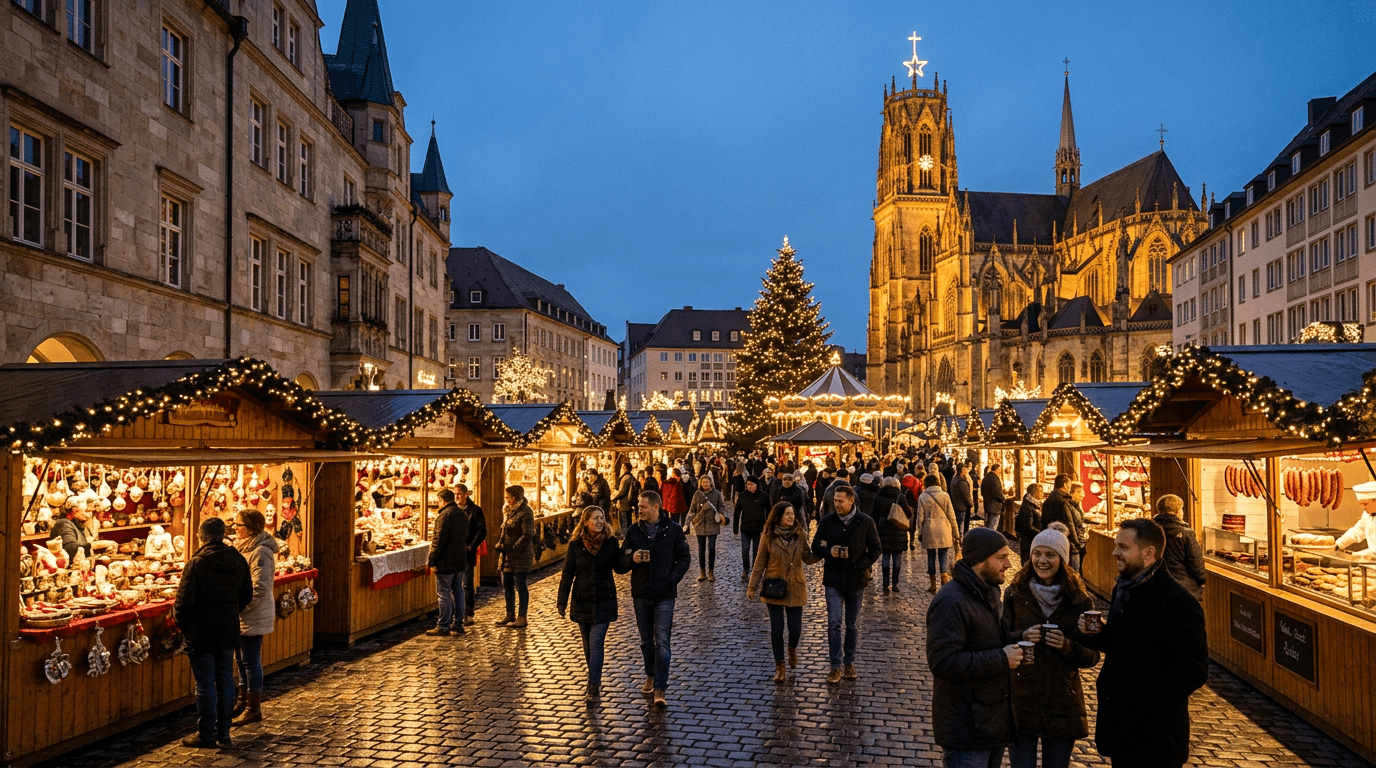
The best Christmas markets in Europe are found in the historic cities of Germany, Austria, and France, with Nuremberg, Vienna, and Strasbourg leading the pack for their traditional charm, festive atmosphere, and incredible food. These markets, along with dozens of other magical destinations across the continent, offer a quintessential holiday experience steeped in centuries of tradition.
As the air turns crisp and the scent of gingerbread and mulled wine fills the streets, Europe transforms into a winter wonderland straight from a storybook. For centuries, cities and towns have celebrated the Advent season with festive markets, known as Christkindlmarkt, Marché de Noël, or Weihnachtsmarkt. These vibrant gatherings are the heart and soul of the European holiday season, a place where locals and visitors alike come together to shop for handcrafted gifts, indulge in seasonal treats, and soak up the magical atmosphere. From the grand, imperial squares of Vienna to the cozy, medieval lanes of Colmar, each market has its own unique character. This guide, brought to you by the city experts at Gidly, is your ultimate resource for planning the perfect European Christmas market adventure for the 2024 season. We’ve explored the famous, uncovered the hidden gems, and gathered all the insider tips you need for a truly unforgettable trip.
What Are the Best Christmas Markets in Europe? (Quick Answer Capsule)
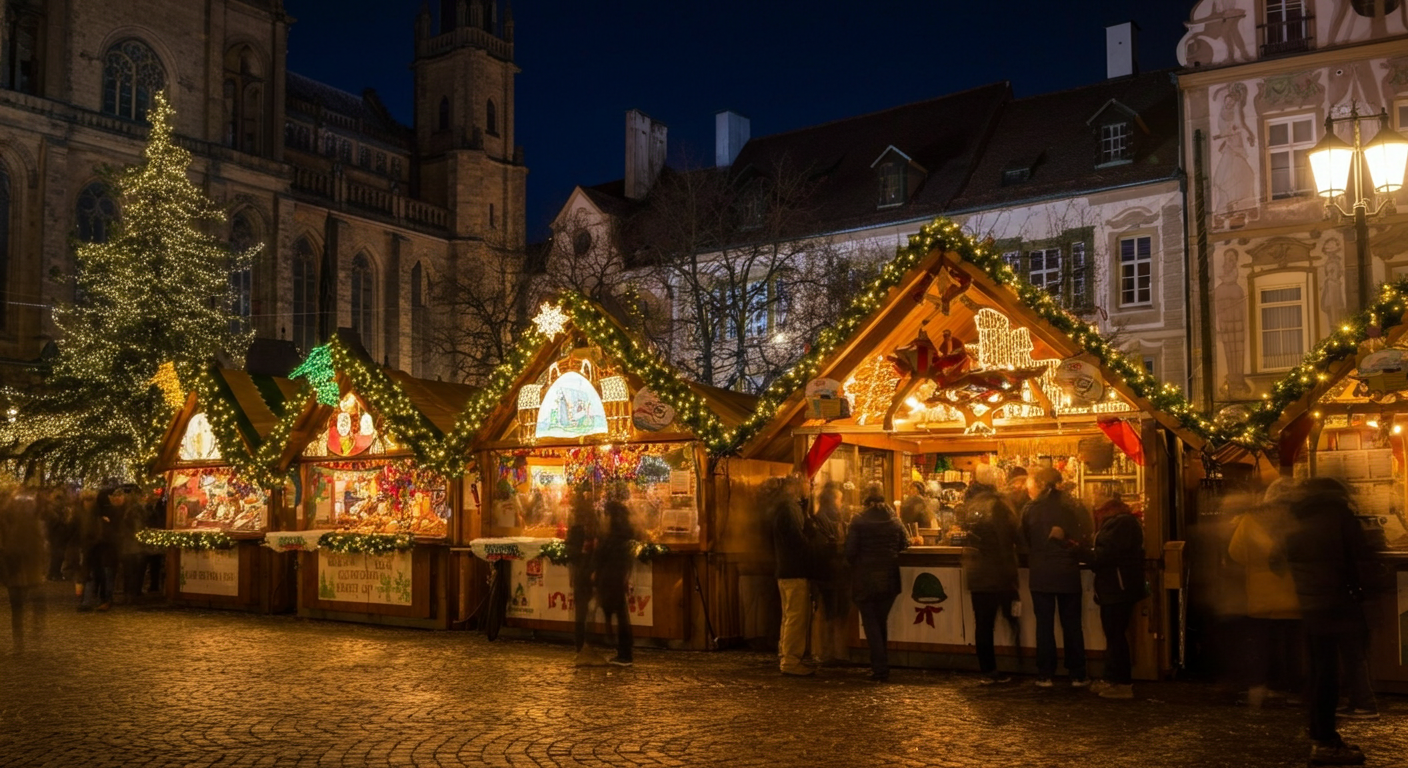
While "best" is subjective and depends on your travel style, a few destinations consistently stand out for their unparalleled festive spirit and historical significance. The most magical Christmas markets are often found in Germany (Nuremberg, Cologne), France (Strasbourg), and Austria (Vienna), prized for their traditional charm, festive food, and enchanting atmosphere. These cities represent the gold standard of the European Christmas market experience, offering a perfect blend of history, culinary delights, and pure holiday magic. They are the benchmarks against which all others are measured, and for a first-time visitor, they provide an unforgettable introduction to this beloved European tradition. This guide details the top 25+ markets, helping every type of traveler find their perfect festive match, from romantic escapes to family adventures.
The short answer: The most magical Christmas markets are often found in Germany (Nuremberg, Cologne), France (Strasbourg), and Austria (Vienna), prized for their traditional charm, festive food, and enchanting atmosphere. This guide details the top 25+ markets for every type of traveler.
The consensus among seasoned travelers and Christmas enthusiasts points to a specific region as the heartland of festive markets: the historic areas of Germany, Austria, and the Alsace region of France. Strasbourg, self-proclaimed "Capitale de Noël," is often cited as the pinnacle of market magic, with its ancient traditions and stunning cathedral backdrop. Close behind is Nuremberg's Christkindlesmarkt, a purist's dream with its strict rules on handcrafted goods and iconic gingerbread. Vienna offers a more imperial, grand-scale experience, with its palace courtyards transformed into glittering seas of light. Cologne captivates with its series of seven distinct, themed markets, each offering a different world to explore. These destinations have perfected the art of the Christmas market over centuries, creating immersive experiences that feel both authentic and utterly enchanting. Beyond these titans, cities like Prague, Budapest, and Bruges offer their own unique fairytale settings, ensuring there's a perfect market for every taste and budget across the continent, which we will explore in detail.
Our Top 5 Picks: The Most Famous & Festive Christmas Markets
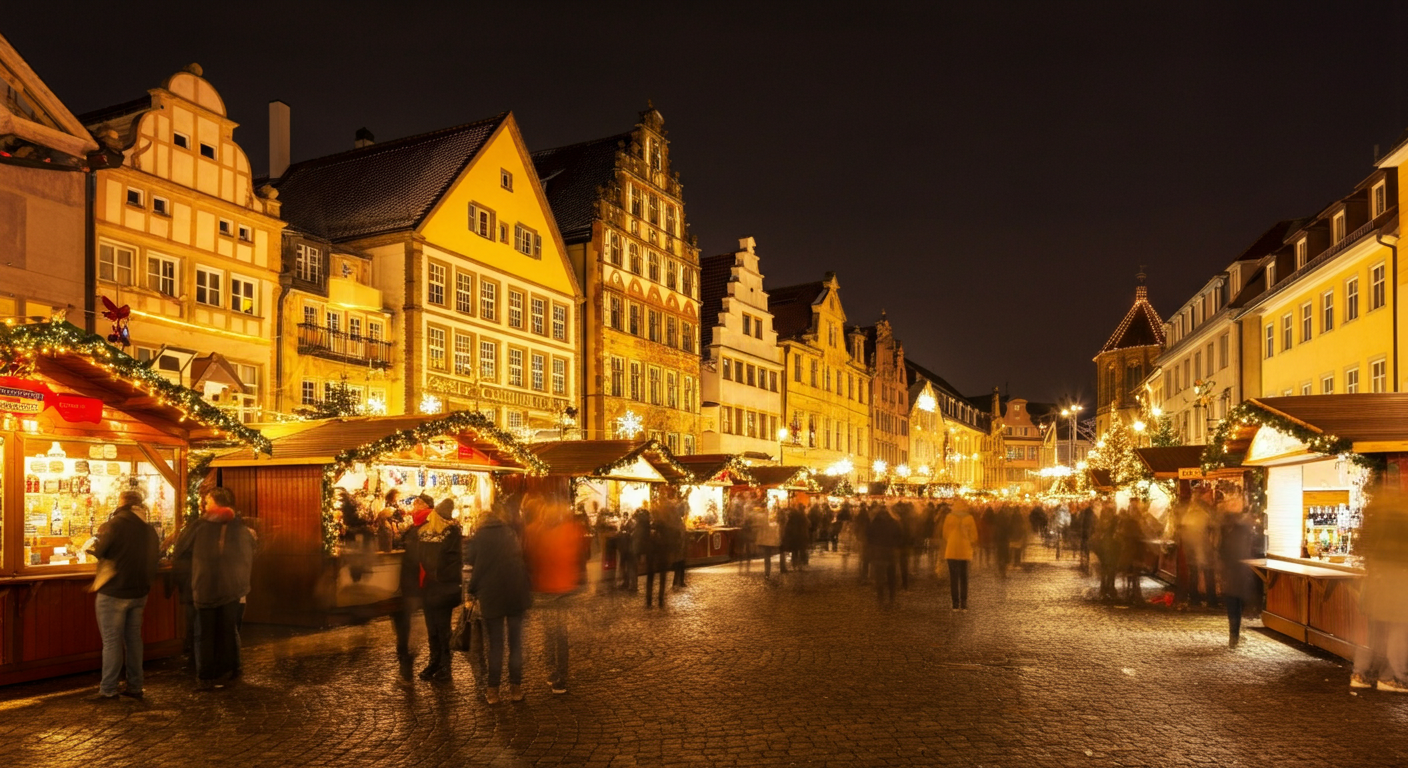
These are the heavyweights, the markets that define the European Christmas experience and draw millions of visitors each year. They are famous for a reason, offering an unparalleled combination of scale, history, beauty, and festive spirit that makes them bucket-list destinations for any holiday lover. Our Gidly team has visited them all, and we can confirm they live up to the hype. From the oldest market in France to the imperial splendor of Vienna, these top five picks represent the absolute best of the best. If you can only visit one or two markets in your lifetime, starting with one of these is a guaranteed way to experience the tradition in its most spectacular form. They are the perfect introduction to the world of European Christmas markets and provide a benchmark for all others.
Strasbourg, France ("Capitale de Noël"): The Oldest & Most Magical
Strasbourg is not just a city with a Christmas market; it's a city that becomes a Christmas market. As the self-proclaimed "Capital of Christmas," it hosts France's oldest market, the "Christkindelsmärik," dating back to 1570. The entire city center, a UNESCO World Heritage site, is transformed into a breathtaking festive spectacle. Hundreds of wooden chalets are spread across more than a dozen different squares, each with its own unique vibe. The main market at Place Kléber is home to the magnificent Great Christmas Tree, a towering fir decorated with dazzling lights and ornaments, which is a sight to behold. Wandering through the cobbled streets of the Petite France quarter, with its half-timbered houses adorned with giant teddy bears and glowing stars, feels like stepping directly into a holiday card. The air is thick with the aroma of vin chaud (mulled wine), cinnamon, and freshly baked bredele, the traditional Alsatian Christmas cookies.
The sheer scale and dedication to decoration are what set Strasbourg apart. The Cathedral square, Place de la Cathédrale, offers a market with a stunning gothic backdrop, while the Place des Meuniers is dedicated to local Alsatian producers, offering the best regional delicacies. Our team found the atmosphere to be most magical at dusk, when the lights begin to twinkle against the darkening sky and the crowds swell with festive cheer. A visit here isn't just about shopping; it's an immersive experience. Don't miss the chance to try a choucroute garnie (a hearty dish of sauerkraut and assorted meats) or a flammekueche (a thin, crispy flatbread like a pizza) from a market stall for an authentic taste of Alsace. The city takes its title seriously, creating a truly all-encompassing Christmas environment that is second to none.
Nuremberg, Germany: The Traditional "Little Town of Wood and Cloth"
For those seeking authenticity and tradition, the Nuremberg Christkindlesmarkt is the undisputed champion. Held in the city's vast Hauptmarkt (Main Market Square), this market is affectionately known as the "Little Town of Wood and Cloth" because plastic decorations and pre-recorded Christmas music are strictly forbidden. The iconic red-and-white striped canvas roofs of the nearly 200 wooden stalls create a timeless, charming scene. The market is famous for its opening ceremony, where the "Christkind" (a young local woman chosen to be the angelic Christmas gift-bringer) recites a prologue from the balcony of the Church of Our Lady, officially opening the festivities. This tradition, dating back centuries, adds a layer of unique local culture that you won't find elsewhere. The attention to detail is remarkable; every stall is beautifully decorated, and vendors are encouraged to sell only high-quality, handcrafted goods.
The culinary stars of Nuremberg are the Nürnberger Rostbratwürste – small, finger-sized grilled sausages seasoned with marjoram and served three at a time in a bun ("Drei im Weggla"). Another absolute must-try is the Nürnberger Lebkuchen, a type of gingerbread protected by EU law, which is sold in beautiful decorative tins that make perfect souvenirs. For a different perspective, climb the steps of the Church of Our Lady for a panoramic view of the bustling market below. Just a short walk away is the Kinderweihnacht, or Children's Market, featuring a beautiful two-tiered carousel, a Ferris wheel, and hands-on activities like candle-making and cookie decorating, making it a paradise for families. Our experience confirms that Nuremberg offers a pure, unfiltered dose of German Christmas tradition.
Vienna, Austria: An Imperial Dreamscape of Festive Markets
Vienna takes the Christmas market concept and elevates it with a touch of imperial grandeur. Instead of one central market, the city boasts over 20 "Christkindlmärkte," each set against a backdrop of stunning Hapsburg architecture. The most famous is the "Viennese Dream Christmas Market" at Rathausplatz, in front of the spectacular City Hall. This market is a dazzling sea of lights, with elaborately decorated trees in the surrounding park and a huge ice rink for skating. While it's the largest and most popular, our Gidly team recommends also exploring the smaller, more intimate markets for a different flavor of Viennese Christmas. The Christmas Village on Maria-Theresien-Platz, nestled between the magnificent Art History and Natural History Museums, has a sophisticated and elegant atmosphere.
For a truly unique experience, visit the market at Schönbrunn Palace, the former imperial summer residence. Browsing stalls filled with traditional handicrafts and sipping on a warming punch with the majestic palace as your backdrop is an unforgettable experience. Another local favorite is the market in the Spittelberg quarter, which winds through narrow, romantic Biedermeier-era cobblestone streets, offering a cozier, more artisanal feel. Viennese markets are known for their unique array of festive punches, including Orangepunsch and the creamy, egg-nog-like Eierpunsch. Pair your drink with a classic Austrian pastry like Apfelstrudel or Kaiserschmarrn (fluffy shredded pancake). Vienna's markets feel less like a temporary event and more like an integral part of the city's elegant fabric during the holiday season.
Cologne, Germany: A City of Seven Themed Markets
Cologne offers a brilliant "market-hopping" experience, with seven main Christmas markets spread throughout the city, each with its own distinct theme and atmosphere, all easily connected by a mini-train. The most iconic market is the Weihnachtsmarkt am Kölner Dom, set in the shadow of the city’s breathtaking Gothic cathedral. With its massive, centrally located Christmas tree and a canopy of twinkling lights, it’s a truly awe-inspiring sight. But the fun in Cologne is exploring the variety. Just a short walk away, you'll find the "Heimat der Heinzel" (Home of the Gnomes) in the old town. This market has a charming, rustic fairytale theme dedicated to the legendary Heinzelmännchen, little house gnomes who are said to have done the citizens' work at night. It even features a large outdoor ice rink and curling lanes, making it a hub of activity.
For a more modern, trendy vibe, head to the Harbour Christmas Market next to the Chocolate Museum, where maritime-themed stalls and sea shanties create a unique port atmosphere. The Angel's Market at Neumarkt is an elegant affair, with elaborately designed chalets and women dressed as angels wandering through the crowd sprinkling glitter. Our team particularly loved the Village of St. Nicholas near Rudolfplatz, which creates a cozy, family-friendly atmosphere with its half-timbered stalls. This diversity means you can spend a whole weekend in Cologne and feel like you've visited multiple different worlds. It’s the perfect destination for those who love variety and exploration. Be sure to collect the uniquely designed Glühwein mugs from each market—they are a coveted souvenir.
Prague, Czech Republic: A Fairytale Setting in the Old Town Square
Prague during Christmas is the stuff of fairytales. The city's main Christmas markets are held in the Old Town Square and Wenceslas Square, transforming these historic hearts of the city into a festive paradise. The Old Town Square market, in particular, is a visual masterpiece. A giant Christmas tree, brought from the forests of the Czech Republic, stands tall amidst a collection of brightly decorated wooden huts, all set against a backdrop of the city's iconic Astronomical Clock and the twin spires of the Church of Our Lady before Týn. The atmosphere is cozy and traditional, with a large nativity scene and daily performances of carol singers and folk groups on a central stage. It feels less commercialized than some of the larger German markets, with a strong focus on Czech crafts and food.
The culinary experience here is a highlight. Forget bratwurst; in Prague, it’s all about the klobása (grilled sausages) and the incredible Pražská Šunka (Prague Ham), large hams roasted on spits over an open flame. For a sweet treat, you absolutely must try the trdelník, a spiral of grilled dough rolled in sugar and walnuts, often filled with ice cream or chocolate. It’s a messy, delicious, and quintessential Prague experience. The drinks are also unique, with grog (rum, water, lemon, and sugar) and medovina (hot honey wine) being popular alternatives to mulled wine. From experience, the best time to visit is just after sunset, when the lights are on and the entire square glows with a warm, magical light that makes you feel like you've stepped back in time.
The Best European Christmas Markets for a Romantic Getaway
When the festive lights start to twinkle over cobblestone streets and canals, some European cities become incredibly romantic. These Christmas markets are perfect for couples, offering a cozy, intimate atmosphere away from the overwhelming crowds of the mega-markets. It's all about finding those magical spots for two—sharing a warm drink under a canopy of lights, skating hand-in-hand on a frozen pond, or discovering a hidden alleyway decked in festive garlands. The destinations we've chosen for a romantic getaway excel in creating this enchanting ambiance. They are cities where history, beauty, and festive cheer combine to create the perfect backdrop for making holiday memories together. From the fairytale canals of Bruges to the musical magic of Salzburg, these markets are tailor-made for romance.
Colmar, France: A Hyper-Romantic Alsatian Dream
If Strasbourg is the capital of Christmas, Colmar is its romantic heart. Often described as a "mini-Venice" due to its canals, this small Alsatian town is impossibly picturesque, and during Advent, its beauty is dialed up to eleven. The town hosts six distinct, intimate Christmas markets, each nestled within its own historic square, connected by streets that look like they've been decorated by elves. The half-timbered houses, painted in a rainbow of colors, are lavishly adorned with lights, wreaths, and festive characters. The market in the Petite Venise quarter, with its canalside chalets, is particularly enchanting. Our team found that taking a gentle boat ride along the illuminated canals at dusk is one of the most romantic experiences you can have in Europe during the holidays. It’s quiet, beautiful, and utterly magical.
The markets in Colmar feel less about grand scale and more about curated charm. You’ll find high-quality local crafts, from pottery to hand-painted ornaments, perfect for finding a special gift. The Place de l’Ancienne Douane market, surrounding a beautiful fountain, is a hub of activity but still retains a cozy feel. For couples, the magic is in the details: sharing a box of warm Alsatian bredele cookies, sipping local white mulled wine (a regional specialty), and simply getting lost in the labyrinth of glowing, medieval streets. The entire town is a photo opportunity, a living postcard that feels custom-made for a romantic winter escape. It's a place to slow down, hold hands, and just soak in the atmosphere.
Bruges, Belgium: Canals, Cobblestones, and Festive Charm
Bruges is a city that seems permanently stuck in a romantic medieval fairytale, and Christmas only enhances its charm. The main Christmas market, part of the "Winter Glow" festival, is located on the Grote Markt (Market Square), with the iconic Belfry tower providing a stunning backdrop. The square is filled with wooden chalets offering Belgian specialties, a large ice rink, and a palpable sense of festive cheer. However, the real romance of Bruges at Christmas lies beyond the main square. Our Gidly experts recommend wandering away from the Grote Markt to discover the smaller, quieter market on Simon Stevinplein, which has a more intimate and local feel. Here, you can browse for gifts in a more relaxed setting before warming up with a decadent Belgian hot chocolate.
The most romantic activity in Bruges is undoubtedly a walk along the "Light Experience Trail," which illuminates the city’s canals, historic buildings, and hidden corners with stunning light installations. Seeing the reflection of the twinkling lights and ancient facades on the still water of the canals is pure magic. Follow this with a horse-drawn carriage ride through the cobblestone streets for a truly classic romantic experience. Bruges offers a perfect blend of festive buzz in the main square and quiet, romantic moments in its less-traveled corners. It’s a city that invites you to explore hand-in-hand and discover its enchanting secrets together. And of course, no trip is complete without indulging in freshly made Belgian waffles topped with chocolate and cream from a market stall.
Salzburg, Austria: Mozart, Mountains, and Market Magic
Nestled at the foot of the Alps and famous as the birthplace of Mozart and the setting for "The Sound of Music," Salzburg is steeped in romance and history. Its main Christkindlmarkt, held in the Cathedral and Residenz Squares, is one of the oldest and most traditional in the world. The setting is spectacular, surrounded by the grand cathedral, the historic Residenz Palace, and the imposing Hohensalzburg Fortress perched on the hill above. The market has a distinctly classical feel, with daily performances of choir music and brass ensembles filling the air, echoing the city's rich musical heritage. The proximity to the mountains often means a dusting of real snow, adding an extra layer of magic to the scene.
For a truly romantic experience, our team suggests taking the funicular up to the fortress for the Hohensalzburg Advent Market. The views from here are breathtaking, looking down over the sea of lights in the city below and out to the snow-capped Alpine peaks. It's a smaller, cozier market, and sipping a Glühwein while taking in that panoramic view is an unforgettable moment for any couple. Another romantic spot is the Hellbrunn Advent Magic market at Hellbrunn Palace, where the palace facade is turned into an oversized Advent calendar and hundreds of decorated trees create a fairytale forest. Salzburg's combination of epic scenery, classical music, and historic charm makes it an incredibly sophisticated and romantic Christmas destination.
Rothenburg ob der Tauber, Germany: A Medieval Walled Wonderland
To step into Rothenburg ob der Tauber during Christmas is to step back 500 years. This perfectly preserved medieval walled town on Germany's "Romantic Road" is enchanting year-round, but during Advent, it becomes the setting of every German Christmas fantasy. The Reiterlesmarkt, as it's known, is woven into the very fabric of the town's market square and surrounding cobblestone streets. It’s a small, intimate market compared to the giants in Nuremberg or Cologne, but its setting is what makes it so unbelievably romantic. The stalls are nestled between half-timbered houses, under the gaze of the town hall tower. The name "Reiterle" comes from a mythical figure said to descend from the sky with the souls of the dead during winter—a bit of dark folklore that adds to the historic atmosphere.
The real joy of Rothenburg is exploring the town itself. Walk the medieval town walls at dusk for a spectacular view of the glowing town below. Duck into one of the cozy, wood-paneled taverns for a hearty German meal. And you absolutely must visit Käthe Wohlfahrt's Christmas Village, a massive, year-round Christmas store that is a destination in itself. It's a wonderland of ornaments, nutcrackers, and pyramids that will leave you spellbound. For a special treat, try the local "Schneeball" (snowball), a ball of fried dough strips covered in powdered sugar or chocolate. It’s the perfect snack to share while wandering the ancient, magical streets. Rothenburg offers a deep, immersive dive into a historical Christmas, perfect for couples who love history and charm.
Gidly Recommends: Finding couple-friendly events and cozy tours near the markets
While the markets themselves are romantic, you can elevate your trip by finding special events nearby. Using the Gidly app, you can easily discover couple-focused activities to complement your market visit. Search for things like "classical music concerts" in Vienna or Salzburg, many of which take place in stunning historical churches or palaces during the Advent season. A candlelit concert of Vivaldi's "Four Seasons" after a day at the market is the perfect romantic evening. You could also look for "wine tasting tours" in the Alsace region near Strasbourg and Colmar, where you can visit local vineyards and sample the region's famous Riesling and Gewürztraminer. Many local guides offer private walking tours that focus on the history and romantic legends of the city, taking you to quiet corners you might otherwise miss. Or, search for "couples cooking classes" to learn how to make local festive specialties like Lebkuchen or Apfelstrudel together. By combining the public spectacle of the market with a more private, curated experience, you can create a truly unforgettable romantic getaway.
Top Christmas Markets for a Fun Trip with Friends
A Christmas market trip with friends is all about lively atmospheres, great food and drink, and a good dose of fun and nightlife. These cities offer large, bustling markets with a party-like vibe, plenty of space to gather, and lots of activities beyond just shopping. It's about finding places where you can toast with unique festive drinks, sample a wide variety of street food, and maybe even enjoy some live music or hit a cool bar after the market stalls close. The destinations we've selected for a friends' trip offer this perfect blend of festive fun and vibrant city life. From the ruin bars of Budapest to the sheer variety of Berlin, these markets are the ideal backdrop for a memorable holiday adventure with your crew.
Budapest, Hungary: Thermal Baths and Two Lively Markets
Budapest offers a unique and fantastic combination for a trip with friends: beautiful Christmas markets and relaxing thermal baths. The city has two main markets: the traditional one on Vörösmarty Square and the slightly more modern one in front of St. Stephen's Basilica. The Basilica market is a standout, featuring a small ice rink in the center and a spectacular 3D light show projected onto the facade of the basilica itself every half hour in the evenings. It's a great meeting point and a visual spectacle that's fun to watch as a group. Both markets are packed with stalls selling delicious Hungarian food. You and your friends can work your way through hearty goulash served in a bread bowl, lángos (deep-fried dough with sour cream and cheese), and kürtőskalács (chimney cake). The atmosphere is buzzing and sociable.
What really sets Budapest apart for a friends' trip is what you can do before or after the market. Spending an afternoon at one of the city’s famous thermal baths, like the stunning Szechenyi Thermal Bath, is an incredible experience. Soaking in the warm, steaming outdoor pools as the cold winter air swirls around you is both relaxing and a lot of fun. In the evenings, after the markets wind down, you can explore Budapest’s legendary "ruin bars." These are quirky, eclectic bars set up in abandoned buildings in the old Jewish Quarter, filled with mismatched furniture and art. They offer a cool, laid-back atmosphere perfect for grabbing a few drinks and recounting the day's adventures. This combination of festive markets, unique wellness, and cool nightlife makes Budapest a top-tier choice for a group holiday.
Berlin, Germany: A Sprawling City with Over 70 Eclectic Markets
If your group thrives on variety and a cool, urban vibe, Berlin is the ultimate Christmas market destination. The city boasts an incredible 70 to 100 markets, ranging from the traditional to the downright quirky. You could spend a week here and not see them all. For a touch of elegance, the market at Gendarmenmarkt is a must-visit. Set between the German and French Cathedrals, it feels sophisticated and has a tented area with gourmet food stalls. There's a small entrance fee (usually just €1-2), but it’s worth it for the upscale atmosphere. For sheer scale and fun, head to the market at Alexanderplatz, which features a giant Ferris wheel, an ice rink, and a party-like atmosphere. It’s a great place for a lively evening with friends.
But the real fun in Berlin is exploring the alternative markets. The Lucia Christmas Market at the Kulturbrauerei has a Scandinavian theme, offering Swedish glögg and Nordic crafts in the courtyard of a 19th-century brewery. For something completely different, check out the Holy Shit Shopping, an indoor design market that runs for a couple of weekends, showcasing cool, independent designers—perfect for finding unique gifts. The sheer diversity means everyone in your group can find a market that suits their taste. After the markets, Berlin's world-famous nightlife awaits, from techno clubs to cocktail bars. Berlin offers a Christmas experience that is less about quaint tradition and more about vibrant, modern, and diverse fun.
Brussels, Belgium: Winter Wonders and a Giant Ferris Wheel
The "Winter Wonders" (Plaisirs d'Hiver) festival in Brussels is one of Europe's largest and most exciting Christmas events, making it a fantastic choice for a friends' trip. The market stretches for over two kilometers, from the Grand-Place to the Place Sainte-Catherine. The Grand-Place itself is the stunning centerpiece, with a magnificent Christmas tree and a mesmerizing sound and light show that illuminates the historic guildhalls in the evenings. It's a spectacular show that you can watch while sipping on some Jenever (Belgian gin) or a strong Belgian beer. The market then unfolds along the streets, packed with stalls, food trucks, and attractions. A giant Ferris wheel at Marché aux Poissons offers incredible views over the sparkling city—a perfect group photo op.
The atmosphere is incredibly lively and international. You’ll find stalls representing different countries, offering a global array of food and gifts. One of the best parts of the Brussels market for groups is the sheer variety of delicious, easy-to-eat street food. You can feast on tartiflette (a cheesy potato dish), Belgian fries with a myriad of sauces, and of course, warm, sugary Belgian waffles. For a bit of friendly competition, there are also ice curling rinks. The market's long, spread-out nature means it can handle large crowds without feeling too cramped, and there are plenty of open areas with stand-up tables perfect for gathering and socializing. It's a high-energy, modern, and sprawling market experience.
Manchester, UK: A Huge, Sprawling, Party-Atmosphere Market
For an English-speaking option with a guaranteed party vibe, the Manchester Christmas Markets are hard to beat. They are arguably the biggest and best in the UK, taking over multiple sites across the city center. The main hub is usually at Albert Square, in front of the magnificent Town Hall, but the markets snake through at least ten different locations, including Exchange Square, Cathedral Gardens, and St Ann's Square. This creates a fantastic "market trail" that you can follow with your friends, grabbing a drink at one location and food at the next. The vibe is decidedly celebratory and less traditional than its German counterparts; it's a place people go to eat, drink, and be merry. The sound of chatter and laughter is constant.
The food and drink offerings are vast and international. You'll find the classic German bratwurst and Glühwein, but also Spanish paella, Dutch pancakes, and the famous Yorkshire pudding wraps. The market at Cathedral Gardens often has an ice rink and other attractions, making it a great spot for activities. What makes Manchester great for friends is the city's incredible pub and bar scene. When you've had your fill of the market, you're just steps away from countless traditional pubs, cool cocktail bars in the Northern Quarter, or lively music venues. The market acts as the festive starting point for a great night out. It's loud, it's fun, and it's unapologetically focused on having a good time.
Gidly Recommends: Using the app to find live music and nightlife after the markets close
The fun doesn't have to stop when the market stalls shut for the night, which is often surprisingly early (around 9 or 10 PM). This is where planning ahead with the Gidly app becomes a game-changer for a friends' trip. Before you go, use the app to search for "live music," "DJs," "cocktail bars," or "pubs with late license" in your destination city. You can filter by neighborhood, so if you're at the Berlin Gendarmenmarkt, you can see what's happening nearby in Mitte. In Budapest, you can create a list of ruin bars you want to hit after visiting the Basilica market. You can even find tickets for club nights or late-night comedy shows to keep the energy going. By having a few after-market options saved in the app, you can seamlessly transition from festive cheer to nighttime fun without any "what should we do now?" debates. It ensures the good times roll long after the last Glühwein has been served.
The Most Magical Christmas Markets for Families with Kids
Taking the family to a European Christmas market can create core memories that will last a lifetime. The best family-friendly markets go beyond just shopping and mulled wine, offering specific attractions and a welcoming atmosphere for children. These are places with carousels, ice rinks, dedicated kids' zones, and plenty of sweet treats to keep little ones enchanted. Safety and accessibility are also key, with these top picks offering a more manageable experience for parents with strollers and excited children in tow. From the fairytale amusement park of Tivoli to the rooftop wonders of Stuttgart, these markets are designed to make children's eyes light up with the magic of the season.
Tivoli Gardens, Copenhagen, Denmark: An Amusement Park Christmas
Tivoli Gardens in Copenhagen offers a Christmas experience that is simply unparalleled for families. This historic amusement park, one of the oldest in the world, undergoes a complete and utter transformation for the holidays. The entire park is draped in over half a million twinkling lights, the lake is turned into an ice rink, and the gardens are filled with over 60 festive stalls. It’s a Christmas market inside an amusement park, or an amusement park that has become one giant Christmas market. The rides, from gentle carousels for the little ones to thrilling roller coasters for teens and brave parents, are all open and running, decked out in their festive best. The combination of classic Christmas market charm with the excitement of amusement park rides is a guaranteed winner for kids of all ages.
Beyond the rides, Tivoli offers a complete festive world. You can visit Santa's Grotto, watch the Tivoli Youth Guard perform their pixie-themed musical parades, and marvel at the spectacular light shows on the lake. The food options are fantastic and kid-friendly, with stalls selling æbleskiver (round pancakes with jam and sugar) and gløgg (the Scandinavian version of mulled wine, with a non-alcoholic version for kids). While it requires an entrance fee to the park (check official site for prices), the sheer volume of entertainment and the breathtakingly beautiful atmosphere make it worth every penny. Our team agrees that for a family looking for non-stop festive fun and enchantment, Tivoli is in a class of its own.
Stuttgart, Germany: A Rooftop Fairytale and Kids’ Fairyland
Stuttgart's Christmas market is one of Germany's largest and oldest, but what makes it truly special for families is its incredible attention to detail and its dedicated children's area. The main market is famous for the elaborate, fairytale-like scenes that decorate the rooftops of the wooden chalets. Each stall competes to have the most impressive display, featuring everything from giant moving reindeer to complete nativity scenes. This turns a simple walk through the market into a magical treasure hunt for kids, who can look up and spot something new and amazing on every roof. It’s a unique feature that captivates both children and adults. The market spreads across several squares, with the Schlossplatz featuring a huge ice rink and a Ferris wheel with enclosed cabins, perfect for a family ride.
The real highlight for families is the "Kinder-Märchenland" (Children's Fairyland) on Schlossplatz. This dedicated kids' zone is a paradise for little ones. It features a miniature steam train that chugs through a snowy landscape, a child-sized Ferris wheel, nostalgic carousels, and numerous hands-on workshops. Here, kids can try their hand at baking their own gingerbread hearts, making candles, or even creating chocolatey treats. The presence of this self-contained, kid-focused area provides a fantastic and safe space for children to play, while parents can watch with a warm drink in hand. Stuttgart masterfully balances a huge, traditional German market with a truly exceptional family-friendly experience.
Basel, Switzerland: Swiss Charm and a Fairytale Forest for Children
Basel, located on the border of Switzerland, France, and Germany, boasts a Christmas market that is widely considered Switzerland's prettiest and most traditional. The main market on Barfüsserplatz and Münsterplatz is a charming affair, with around 180 rustic wooden chalets set against the stunning backdrop of the Basel Minster cathedral. The quality of the crafts is exceptional, reflecting Swiss attention to detail. But for families, the magic truly comes alive at the Christmas Fairytale Forest (Märchenwald) on Münsterplatz. This special section of the market is designed exclusively for children to get creative and hands-on. It's a world away from passive entertainment and is all about participation.
Inside the Fairytale Forest, kids can engage in a variety of enchanting activities. They can forge metal objects over a fire with a real blacksmith, decorate gingerbread, make their own Christmas candles, ride a children's train, and even bake their own "Schiibi" (a type of bread on a stick) over a campfire. It's a wonderfully rustic and interactive experience that allows children to be part of the Christmas magic, not just observers. The entire area is thoughtfully designed to be engaging and safe for younger visitors. Paired with the delicious Swiss hot chocolate and the overall cozy, high-quality feel of the Basel market, it’s a fantastic choice for families seeking both charm and interactive fun.
Answer Capsule: What makes a market family-friendly?
A truly family-friendly Christmas market is defined by more than just pretty lights. It needs dedicated attractions for children, such as carousels, Ferris wheels, or ice rinks. The most successful ones, like those in Stuttgart or Basel, offer interactive workshops where kids can bake, make crafts, or learn a new skill, making the experience more engaging. Practical considerations are also crucial: the market layout should be manageable with a stroller, there should be readily available and clean restroom facilities, and food stalls should offer kid-friendly options beyond complex regional dishes. A safe, welcoming atmosphere where children are not just tolerated but actively catered to is the ultimate hallmark of a great family market.
Gidly Recommends: Filtering for "family-friendly" activities and workshops
Planning a family trip can be stressful, but the Gidly app can help streamline the process. Before your trip, use the "family-friendly" or "kids" filter when searching for activities in your destination city. This will instantly show you not just the main market, but also other attractions that are perfect for children. You can find puppet shows, children's museums with holiday exhibits, or special storytelling sessions happening near the market. Specifically search for "Christmas workshops for kids" to find schedules for the candle-making in Stuttgart or the gingerbread decorating in Basel. You can save these events to a personalized itinerary in the app, complete with times and locations, so you have a ready-made plan to keep the little ones entertained and ensure a smooth, magical, and tantrum-free family adventure.
Best Christmas Markets on a Budget (Without Sacrificing the Magic)
The magic of a European Christmas market isn't determined by how much you spend. Some of the most charming and atmospheric markets are found in cities where your money goes much further. These destinations in Central and Eastern Europe offer all the festive cheer—twinkling lights, delicious food, handmade gifts, and lively entertainment—at a fraction of the cost of their Western European counterparts. A trip to these markets means you can indulge in more food, buy more unique gifts, and enjoy a longer stay without breaking the bank. From the award-winning Advent in Zagreb to the medieval charm of Tallinn, here’s how to have a spectacular Christmas market trip on a budget.
Zagreb, Croatia: Award-Winning Advent on a Budget
For several years running, Advent in Zagreb was voted the "Best Christmas Market in Europe," and for good reason. It’s not just one market; it's a city-wide festival with events and themed areas spread all over. And the best part? Zagreb is significantly more affordable than cities like Vienna or Paris. Your budget for food, drinks, and accommodation will stretch much further here. The main festivities are centered around Ban Jelačić Square, but the real magic is found in the surrounding parks and squares. Zrinjevac Park is transformed into an enchanting forest with hundreds of illuminated trees and charming old-fashioned bandstands hosting live music. The atmosphere is joyful and relaxed, with locals and tourists mingling together.
One of the most unique features is the Ice Park on King Tomislav Square, one of the largest open-air ice rinks in this part of Europe, which encircles a beautiful central fountain. The "Fuliranje" (Fooling Around) zone is a favorite among our team, offering a fantastic array of creative and modern street food stalls and a cool, party-like atmosphere with DJ sets. You can feast on delicious Croatian specialties like sarma (cabbage rolls) and fritule (small doughnuts) for just a few Euros. Zagreb proves that you don't need to spend a fortune to experience a world-class, award-winning Christmas celebration. It's a vibrant, sprawling, and incredibly fun festival that offers phenomenal value.
Tallinn, Estonia: Medieval Charm, Lower Prices
Tallinn's Christmas market is a fairytale come to life, and it’s one of the most budget-friendly options in Northern Europe. Set in the city’s perfectly preserved medieval Town Hall Square, the market is small, cozy, and incredibly atmospheric. At its heart stands a magnificent Christmas tree, which has been the centerpiece of the square's celebrations since 1441, making it the first publicly displayed Christmas tree in Europe. The entire Old Town is a UNESCO World Heritage site, and wandering its snowy, cobblestone streets feels like traveling back in time. The small scale of the market makes it feel intimate and authentic, a far cry from the huge, commercialized markets elsewhere.
The affordability is a major draw. A hearty bowl of blood pudding with sour cabbage or a warm mug of hõõgvein (Estonian mulled wine) will cost you significantly less than in Germany or Austria. The stalls focus on traditional Estonian crafts, including beautiful hand-knitted sweaters, felt hats, and wooden decorations, all at reasonable prices. The market also features a small enclosure with live reindeer and a Santa's Grotto that kids can visit for free. For travelers on a budget who crave historical authenticity and a cozy, magical atmosphere, Tallinn is an unbeatable choice. It’s a chance to experience a truly enchanting winter wonderland without the hefty price tag.
Krakow, Poland: A Festive & Affordable Gem
Krakow is a city that is beautiful year-round, but it truly shines during the holiday season. The Christmas market takes over the Rynek Główny, the city's vast and magnificent main square, one of the largest medieval squares in Europe. With the stunning Cloth Hall and the soaring twin spires of St. Mary's Basilica as a backdrop, the setting is breathtaking. The market itself is traditional and full of Polish character. Wooden stalls sell a wonderful variety of local crafts, including hand-painted glass baubles (a Polish specialty), intricate wooden boxes, sheepskin rugs, and handmade jewelry. It’s a fantastic place to find unique, high-quality gifts at very affordable prices.
The food is another highlight where you can save money. You can enjoy a feast for just a few Złoty. Be sure to try grilled oscypek cheese with cranberry jam, pierogi (dumplings) with various fillings, and hearty Polish sausages. Instead of standard mulled wine, try a grzaniec galicyjski (hot mulled wine) or a miod pitny (hot mead). Krakow is also famous for its "szopki" competition, an incredible tradition of creating elaborate nativity scenes featuring miniature versions of Krakow's historic buildings. These amazing creations are displayed in shop windows around the city. Krakow offers a rich cultural experience, beautiful scenery, and incredible value for money, making it a top budget destination.
Free Christmas Markets: How to enjoy the atmosphere without spending a Euro
The wonderful secret about almost all European Christmas markets is that they are free to enter. The only exceptions are a few specific, enclosed markets like Tivoli Gardens in Copenhagen or sometimes the Gendarmenmarkt in Berlin (which charges a nominal €1-2 fee). This means you can soak up the magical atmosphere of Europe's most beautiful cities completely for free. You don't have to buy a single thing to have a fantastic time. Spend your evening simply strolling through the illuminated streets, watching the ice skaters, and listening to the carol singers. The light shows, like the one on the basilica in Budapest or on the Grand-Place in Brussels, are world-class entertainment that costs nothing to watch.
You can bring your own flask of hot chocolate or tea to stay warm while you wander. The joy of the market is in the sights, sounds, and smells, all of which are free to experience. You can watch the blacksmiths at work in Basel, marvel at the rooftop decorations in Stuttgart, or enjoy the folk dancing on stage in Prague without opening your wallet. The market is a public celebration, a gift to the city's inhabitants and visitors alike. So even on the tightest of budgets, you can fully participate in this wonderful European tradition.
5 Tips for Saving Money on Food, Drinks, and Souvenirs
Even in the more expensive cities, you can enjoy the markets without overspending. Our Gidly team has gathered some top tips for making your euros go further.
- Eat a Big Lunch Outside the Market: Market food, while delicious, is priced for convenience. For a more substantial and affordable meal, find a local restaurant or bakery a few streets away from the main tourist area. Have a big, hearty lunch there and then just "snack" on a special treat at the market in the evening.
- Share and Sample: Portions at the market can be quite large. If you're with a partner or friends, agree to buy different things and share them. This way, you can sample a wider variety of foods—a sausage, a potato pancake, a sweet pastry—for the price of one or two items each.
- Return Your Mug (or Keep It as a Souvenir): When you buy a hot drink, you pay a deposit (Pfand) for the ceramic mug, usually €3-€5. You can return the mug to any stall selling drinks to get your deposit back. Alternatively, the unique, city-specific mugs make for a great, functional souvenir that is much cheaper than many of the other items for sale.
- Browse First, Buy Later: Don't buy the first thing you see. Many stalls, especially in larger markets, sell similar items. Take a full lap of the market to compare prices and quality before making a purchase. The stalls on the outer edges or in less crowded side alleys often have slightly lower prices.
- Look for "Imbiss" or "Grill" Stalls: For the most filling and best-value savory food, look for the simple "Imbiss" (snack) or "Grill" stalls that are often frequented by locals. A classic bratwurst in a bun is often one of the cheapest and most satisfying hot food options available.
Underrated & Lesser-Known Christmas Markets to Escape the Crowds
While the mega-markets of Cologne and Vienna are spectacular, they can also be overwhelmingly crowded. For a more relaxed and authentic experience, consider visiting one of Europe's hidden gems. These lesser-known markets offer all the festive charm but with fewer tourists, more space to wander, and a stronger sense of local flavor. They provide a chance to see a different side of a country's Christmas traditions, often in stunning, off-the-beaten-path locations. Our Gidly explorers love discovering these underrated spots where the magic feels a little more personal and a lot less commercial. If you're looking to escape the hustle and bustle, these markets are your perfect festive sanctuary.
Trentino, Italy: A Mountain Market with Italian Flair
When you think of Christmas markets, Italy might not be the first country that comes to mind, but the northern region of Trentino, in the heart of the Dolomites, offers a truly special experience. The main market in the city of Trento combines German-style wooden chalets with a distinct Italian passion for food and style. Set in Piazza Fiera and Piazza Cesare Battisti, the market has a stunning mountain backdrop. You'll find typical alpine crafts and foods, but with an Italian twist. Instead of just bratwurst, you can find stalls selling polenta, local cheeses, and delicious apple strudel made with apples from the region's valleys. The mulled wine here is "vin brulè," often made with local red wines.
What makes Trentino truly special is venturing into the smaller mountain villages. Towns like Rango and Canale di Tenno, officially two of "Italy's Most Beautiful Villages," host intimate markets where the stalls are set up inside ancient stone cellars and farmhouses. This creates an incredibly rustic and authentic atmosphere. You're not just in a market; you're inside the history of the village. The combination of stunning Alpine scenery, delicious Italian food, and the cozy, historic setting of these smaller markets makes Trentino a wonderfully unique and less-crowded alternative to the more famous Alpine markets in Austria and Germany.
Aachen, Germany: Printen, Pilgrimage, and Punch
Located near the border with Belgium and the Netherlands, Aachen is a historic spa city that often gets overlooked in favor of its larger neighbor, Cologne, just an hour away. This is a mistake, as the Aachen Christmas Market is one of Germany's most beautiful and atmospheric. The market is nestled in the squares around the magnificent Aachen Cathedral, a UNESCO World Heritage Site and the burial place of Charlemagne. The setting is intimate and historic, with the cathedral's golden glow casting a magical light over the festivities. The market feels deeply integrated into the city's ancient core, creating a very cohesive and charming experience.
Aachen is world-famous for one thing: Aachener Printen, a unique type of gingerbread-like cookie that is protected by law and can only be made in the city. You'll find it in every possible form at the market—soft, hard, with chocolate, with nuts—and the spicy scent is everywhere. It's the essential Aachen souvenir. The market is also known for its high-quality arts and crafts and its particularly delicious Glühwein. Because it's less of an international tourist magnet than Cologne, the crowds are more manageable, and the atmosphere feels more authentically local. It’s the perfect market for those who appreciate history, tradition, and world-class baked goods.
Gothenburg, Sweden: The Liseberg Market and a "Design Route"
While Stockholm has its charm, Sweden's second city, Gothenburg, offers what is arguably Scandinavia's best Christmas experience. The centerpiece is the Christmas market at Liseberg, one of Scandinavia's largest amusement parks. During the holidays, Liseberg is transformed with over five million twinkling lights, becoming a spectacular winter wonderland. It features a traditional Christmas market, an ice rink, Santa's workshop, and a medieval village, in addition to the winter-open rides. It's a huge, high-quality production that rivals Tivoli but with a distinctly Swedish character. You can browse for Swedish handicrafts while sipping on glögg and eating pepparkakor (ginger snaps).
Beyond Liseberg, Gothenburg offers a "Lane of Light," a 3km illuminated trail that guides you through the city center, past other, smaller markets. The Haga district, with its charming wooden houses, hosts a cozy market on weekends. What sets Gothenburg apart is its focus on design. The city encourages visitors to follow a "design route" to find unique gifts from local designers and craftspeople in trendy shops around the Magasinsgatan area. This offers a modern alternative to the traditional market stalls. Gothenburg provides a brilliant mix of large-scale spectacle at Liseberg and chic, modern design, all with fewer crowds than many other major European cities.
Metz, France: The "Sentiers des Lanternes" (Lantern Trail)
Often overshadowed by nearby Strasbourg, Metz in the Lorraine region of France hosts a spectacular and underrated Christmas market. In fact, it's one of the largest in France, spread across several of the city's main squares. The Place Saint-Louis, with its medieval arcades, gives the market a wonderful historic feel. You'll find a giant pyramid of mulled wine, a Ferris wheel on the Place d'Armes offering views of the stunning Gothic cathedral, and a market dedicated to local gastronomic delights. But the undisputed highlight and what makes Metz truly unique is the "Sentiers des Lanternes" or Lantern Trail.
Each year, a public garden is transformed into a magical, poetic world filled with hundreds of large, handcrafted lanterns in the shape of elves, teddy bears, and fairytale characters. Wandering through this illuminated wonderland after dark is a completely enchanting and free experience that captivates both children and adults. It's a piece of pure artistic magic that sets Metz apart from any other market. The city's proximity to Germany also means you get a wonderful blend of French and German traditions in the food and crafts. For a large-scale market experience with a unique artistic twist and fewer international tourists, Metz is a fantastic choice.
Gidly Recommends: Discovering hidden gem events in smaller cities
The magic of visiting an underrated city is discovering the local events that tourists often miss. Use the Gidly app to dive deeper than just the main market. In a city like Aachen, search for "organ concerts" to see if there's a performance inside the historic cathedral. In Trentino, you might search for "torchlight ski descents," a spectacular Alpine tradition where ski instructors snake down the mountain with torches after dark. In Gothenburg, look for "design studio open houses" or "craft workshops" to connect with the city's creative scene. By using Gidly to explore beyond the market stalls, you can transform a visit to a lesser-known city into a rich, immersive cultural experience, discovering the local traditions that make each place truly special.
The Ultimate Culinary Guide: What to Eat & Drink at European Christmas Markets
Let's be honest: for many of us, the number one reason to visit a Christmas market is the food. These markets are a sensory overload in the best possible way, with the air thick with the irresistible scents of grilled sausages, roasting nuts, sweet pastries, and spiced wine. Each region has its own unique culinary traditions, making a market trip a delicious journey of discovery. Forget your diet, put on your stretchiest pants, and get ready to indulge. This is your ultimate guide to the essential eats and drinks that define the Christmas market experience, from the savory to the sweet, the classic to the regional.
Answer Capsule: What is the most popular food at Christmas markets?
The most popular and iconic food at a European Christmas market, particularly in Germany and Austria, is unquestionably the bratwurst. This grilled sausage, served in a crispy bread roll with mustard or ketchup, is the quintessential savory snack. However, its popularity is closely followed by sweet treats like gingerbread (Lebkuchen) and festive drinks like mulled wine (Glühwein).
Must-Try Savory Specialties (Beyond Bratwurst)
While the simple perfection of a bratwurst is undeniable, there's a whole world of savory delights to explore. In Germany, look for Reibekuchen or Kartoffelpuffer. These are crispy, fried potato pancakes, often served with a dollop of applesauce (Apfelmus) or sour cream. They are greasy, salty, and absolutely addictive. Another German favorite is Champignons, a simple dish of mushrooms sautéed with garlic and herbs in a creamy sauce. In France, especially the Alsace region, you must try Flammekueche (or Tarte Flambée), a thin, crispy flatbread topped with crème fraîche, onions, and bacon bits—like a light, smoky pizza. In Hungary and the Czech Republic, Lángos is king: a disc of deep-fried dough slathered with sour cream, garlic, and grated cheese. It's heavy, messy, and glorious. For something truly hearty, look for Goulash soup served inside a hollowed-out bread bowl in Prague or Budapest. It's a meal and a hand-warmer all in one.
Essential Sweet Treats and Festive Pastries
Your sweet tooth will be in heaven at a Christmas market. The most ubiquitous sweet smell comes from the Gebrannte Mandeln (roasted almonds) stalls, where almonds are caramelized in copper kettles with sugar and cinnamon. You'll get them hot in a paper cone, and they are dangerously easy to eat. In Germany and Austria, look for Lebkuchen (gingerbread), which comes in all shapes and sizes, from soft, cake-like cookies to beautifully decorated hearts with messages on them. Another must-try is the Schneeball (snowball) from Rothenburg, a ball of fried pastry strips covered in powdered sugar. In Austria, you'll find stalls selling freshly made Kaiserschmarrn, a fluffy shredded pancake served with fruit compote. And of course, there are crêpes and waffles everywhere, with a dazzling array of toppings from Nutella to fresh fruit to whipped cream. Don't leave Prague without trying a Trdelník, a hollow cylinder of grilled dough rolled in sugar and nuts.
The Complete Guide to Festive Drinks (Glühwein, Eierpunsch, and more)
Staying warm at a chilly Christmas market is all about the hot drinks, and there's a fantastic variety to choose from.
- Glühwein: The undisputed king. This is hot mulled red wine, spiced with cinnamon, cloves, star anise, and citrus. Every market has its own recipe. You can often get it "mit Schuss" (with a shot) of rum or amaretto for an extra kick. White Glühwein is also becoming increasingly popular.
- Feuerzangenbowle (Fire-Tongs Punch): This is Glühwein's spectacular cousin. A large, sugarloaf cone is suspended over the wine, doused in high-proof rum, and set on fire. The caramelized, rum-infused sugar drips into the wine below, making it stronger and sweeter. It's a spectacle to watch and delicious to drink.
- Eierpunsch: A warm, creamy, German version of eggnog. It's made with egg yolks, sugar, white wine, and vanilla, and is often topped with whipped cream. It's rich, sweet, and dessert-like.
- Kinderpunsch: For the kids and non-drinkers, there's always a non-alcoholic "children's punch." It's usually a warm, spiced fruit juice, often grape or apple-based, so everyone can enjoy a festive warm mug.
- Regional Varieties: Look for Glögg in Scandinavia (mulled wine with almonds and raisins), Vin Chaud in France, and Grzaniec Galicyjski in Poland. In the UK, hot mulled cider is a popular alternative.
Regional Specialties: What to Eat Where (Table Format)
| Location | Must-Try Savory | Must-Try Sweet | Must-Try Drink |
|---|---|---|---|
| Nuremberg, Germany | Nürnberger Rostbratwürste (3 small sausages in a bun) | Nürnberger Lebkuchen (spiced gingerbread) | Feuerzangenbowle |
| Strasbourg, France | Flammekueche (thin "pizza" with cream, bacon, onions) | Bredele (assorted small Christmas cookies) | Vin Chaud Blanc (white mulled wine) |
| Prague, Czech Rep. | Pražská Šunka (roasted Prague ham) | Trdelník (grilled pastry spiral) | Medovina (hot honey wine) |
| Vienna, Austria | Käsespätzle (cheesy egg noodles with fried onions) | Kaiserschmarrn (shredded fluffy pancake) | Eierpunsch (warm egg punch) |
| Budapest, Hungary | Lángos (fried dough with cheese and sour cream) | Kürtőskalács (chimney cake) | Forralt Bor (Hungarian mulled wine) |
How to Plan the Perfect Multi-Market Christmas Trip (Sample Itineraries)
Why settle for just one Christmas market when you can experience several in a single trip? Europe's excellent train network and relatively short distances make market-hopping an easy and incredibly rewarding adventure. Planning a multi-city tour allows you to experience the diverse traditions, foods, and atmospheres of different regions. You can compare the imperial grandeur of Vienna with the fairytale charm of Prague, or the traditional purity of Nuremberg with the modern variety of Cologne. Crafting the right itinerary is key to maximizing your festive fun. Here are a few sample itineraries, tested by the Gidly team, to inspire your perfect Christmas market tour.
Itinerary 1: The German Classics by Train (7 Days in Nuremberg, Munich, Cologne)
This itinerary is a deep dive into the heartland of Christmas markets, perfect for first-timers who want to experience the most iconic German traditions. Germany's Deutsche Bahn high-speed ICE trains make this route fast, comfortable, and scenic.
- Days 1-2: Nuremberg. Fly into Nuremberg (NUE). Spend two days exploring the world-famous Christkindlesmarkt, the Children's Market, and the city's WWII history. Indulge in Lebkuchen and Nürnberger sausages.
- Days 3-4: Munich. Take a 1-hour ICE train to Munich. Discover the main market at Marienplatz, the quirky Tollwood Winter Festival for an alternative vibe, and the enchanting Medieval Market at Wittelsbacherplatz. Enjoy the Bavarian atmosphere and beer halls.
- Days 5-6: Cologne. Take a scenic 4.5-hour ICE train ride to Cologne. Spend two days market-hopping between the seven themed markets. Collect the different Glühwein mugs, skate at the Heumarkt, and marvel at the cathedral.
- Day 7: Departure. Fly out of Cologne (CGN) or Düsseldorf (DUS), which is a short train ride away and often has more international flight options.
This plan gives you two full days in each city, which is enough time to see the main markets and a few key sights without feeling rushed. Booking train tickets in advance can save you a significant amount of money.
Itinerary 2: The Alsace Fairy Tale by Car (5 Days in Strasbourg, Colmar, and small villages)
For a hyper-romantic and picturesque trip, nothing beats the Alsace region of France. Renting a car gives you the freedom to explore not just the main cities, but also the tiny, enchanting villages along the Alsace Wine Route (Route des Vins d'Alsace).
- Days 1-2: Strasbourg. Fly into Strasbourg (SXB) or Basel (BSL) and pick up your rental car. Spend two days immersing yourself in the "Capital of Christmas." Explore the various markets from Place Kléber to Petite France.
- Day 3: The Wine Route. Drive south from Strasbourg. Stop in charming, decorated villages like Obernai, Riquewihr, and Eguisheim. These towns have their own small, incredibly charming markets and are less crowded than the big cities. The drive itself is beautiful.
- Days 4-5: Colmar. Arrive in Colmar and drop your car at your hotel (book one with parking!). Spend the next two days exploring Colmar's six intimate markets on foot. Take a boat ride on the canal and soak in the romantic atmosphere before departing.
This itinerary is best for couples or small groups who want to move at a slower pace. Driving in the city centers can be tricky, so it's best to park your car upon arrival in Strasbourg and Colmar and explore on foot.
Itinerary 3: The Imperial Capitals by Train (8 Days in Vienna, Budapest, Prague)
This grand tour connects three of Central Europe's most beautiful capital cities, each with its own unique imperial history and festive flair. The train connections between them are efficient and offer lovely views of the countryside.
- Days 1-3: Vienna. Fly into Vienna (VIE). Spend three days exploring the grand markets at Rathausplatz, Schönbrunn Palace, and Maria-Theresien-Platz. Attend a classical concert and indulge in Viennese coffee house culture.
- Days 4-5: Budapest. Take a 2.5-hour train to Budapest. Discover the markets at Vörösmarty Square and St. Stephen's Basilica, watch the light show, and relax in a thermal bath. Explore the city's ruin bars in the evening.
- Days 6-7: Prague. Take a 7-hour scenic train ride to Prague. Spend two days exploring the magical Old Town Square and Wenceslas Square markets. Walk across the Charles Bridge at dawn and enjoy the fairytale atmosphere.
- Day 8: Departure. Fly out of Prague (PRG).
This itinerary is perfect for those who love grand architecture, history, and experiencing three distinct cultures in one trip. The longer stay in Vienna allows for a more relaxed pace to begin the journey.
Using River Cruises to See Multiple Markets
For a completely stress-free, all-inclusive way to market-hop, consider a Christmas market river cruise. Companies like Viking River Cruises, AmaWaterways, and Avalon Waterways offer themed cruises along the Rhine and Danube rivers during Advent. The beauty of a river cruise is that you unpack only once, and your floating hotel takes you directly from one city center to another. These cruises typically include guided tours of the markets in each port, as well as festive food and entertainment onboard the ship. A typical Danube cruise might visit Vienna, Budapest, and Bratislava, while a Rhine cruise could stop at Cologne, Strasbourg, and Basel. While this is a more expensive option, it is unparalleled in convenience and comfort, making it an excellent choice for travelers who prefer a more structured and relaxed way to see the sights. It's particularly popular with older travelers or those with mobility concerns.
Practical Tips for a Flawless First Visit (2024-2025 Edition)
Your first visit to a European Christmas market is a truly magical experience, but a little bit of practical knowledge can make the difference between a good trip and a flawless one. These events have their own unique customs and challenges, from navigating crowds to understanding the local currency customs. As your trusted city guides, the Gidly team has compiled the essential, up-to-date tips you need for the 2024-2025 season. Think of this as your pre-flight checklist to ensure you stay warm, happy, and stress-free while you soak in all the festive cheer. From what to wear to how to pay, we've got you covered.
When to Go: Decoding Peak vs. Off-Peak Timing
Timing your visit is crucial for managing crowds and costs. Most markets open in the last week of November and run until December 23rd or 24th. A few, especially in cities like Budapest and Prague, may stay open until New Year's.
- Peak Time: Friday evenings and all day Saturday and Sunday are the busiest times. The two middle weekends of December are typically the absolute peak. Expect dense crowds, long lines for food, and a loud, boisterous atmosphere. Flights and hotels will also be at their most expensive.
- Best Time (The Sweet Spot): Our Gidly team strongly recommends visiting from a Monday to a Thursday. The first two weeks of December are ideal. The markets are fully operational and beautifully decorated, but the crowds are far more manageable. You’ll have more space to browse the stalls and a better chance of getting that perfect photo without a hundred strangers in it. Hotel prices are also generally lower mid-week.
- Early Season: Visiting during the last week of November or the very first days of December can be a good strategy. The festive spirit is in full swing, but the peak tourist rush hasn't started yet. You might even catch the opening ceremonies, which are a special treat.
What to Wear to Stay Warm and Comfortable for Hours
You will be spending hours outdoors, standing and walking on cold pavement or cobblestones, often in near-freezing temperatures. Being cold is the fastest way to ruin the magic. Do not underestimate the need for proper clothing. The key is layers.
- Base Layer: Start with a thermal base layer (top and leggings) made of merino wool or a synthetic fabric. Avoid cotton, as it holds moisture and will make you cold if you sweat.
- Mid Layer: A fleece jacket or a wool sweater is perfect as a second layer for insulation.
- Outer Layer: A waterproof and windproof winter coat is essential. It doesn't have to be a giant arctic parka, but it should protect you from wind, snow, or rain.
- Footwear is Critical: This is the most important part. Wear comfortable, waterproof boots with good traction for cobblestones. Most importantly, make sure they have thick, insulated soles to protect your feet from the cold ground. Wear thick wool socks (bring an extra pair in your bag). Cold feet will make you miserable faster than anything else.
- Accessories: A warm hat that covers your ears, a scarf, and gloves are non-negotiable. Touchscreen-compatible gloves are a great idea for taking photos without freezing your fingers.
Cash vs. Card: What’s the Reality in 2024?
While Europe is increasingly credit card-friendly, Christmas markets are one of the last bastions of cash culture. The situation is improving year by year, but you should not assume you can pay for everything with a card. Here's the breakdown for the 2024 season:
- Cash is King: For small purchases like a single sausage, a pretzel, or a small ornament, cash is still preferred and sometimes the only option. It's faster for vendors and avoids transaction fees on small amounts. You will definitely need cash for the mug deposit (Pfand).
- Cards are Becoming More Common: Many more vendors, especially those selling higher-priced items like clothing or large crafts, now accept credit cards (Visa and Mastercard are most common). You'll often see a minimum purchase amount, like €10 or €15.
Navigating the Crowds: Best Times of Day to Visit
Even on a weekday, the markets can get busy. Timing your visit throughout the day can make a big difference.
- Late Morning (11 AM - 1 PM): Most markets open around 10 or 11 AM. This is the quietest time of day. It's the absolute best time for serious shopping, browsing the craft stalls without being jostled, and taking photos of the decorations in the daylight.
- Afternoon (2 PM - 4 PM): The crowds start to build as locals finish work and school. It's still manageable and a good time to grab a late lunch.
- Evening (5 PM onwards): This is when the markets are most magical, but also most crowded. The lights come on, the after-work crowd arrives, and the atmosphere becomes electric. This is the best time for soaking in the festive vibe, drinking Glühwein, and socializing. If you want to experience the magic of the lights without the peak crush, aim for a visit between 4:30 PM and 6 PM on a weekday. The peak crowds are typically between 7 PM and 9 PM.
The Mug Deposit System (Pfand) Explained
This is a brilliant system that confuses many first-time visitors. When you buy your first hot drink (like Glühwein or hot chocolate), you'll be charged an extra fee, usually between €3 and €5. This is the Pfand, or deposit, for the ceramic mug it's served in. It's an environmental initiative to reduce waste from disposable cups. You have two options:
- 1. Get a Refill: Take your empty mug to any stall selling drinks. You'll only be charged for the price of the new drink, not another deposit.
- 2. Return it for a Refund: When you're finished for the day, simply return your mug to any stall that sells drinks (it doesn't have to be the one you bought it from). They will give you your deposit back in cash. Look for signs that say "Tassenrückgabe" (Mug Return).
- 3. Keep it as a Souvenir: The mugs are often beautifully designed, with the city and year on them. Many people choose to forfeit their deposit and take the mug home. At €3-€5, it's one of the cheapest and most authentic souvenirs you can buy!
Insider Tips & Local Hacks for a Better Experience
Once you've mastered the basics, it's time to elevate your Christmas market experience from that of a typical tourist to a savvy insider. These are the little tips and tricks that locals know, the small adjustments that can make your visit more magical, more authentic, and less stressful. The Gidly team loves finding these local hacks that you won't find in most guidebooks. From knowing where to look for the best decorations to finding unique gifts, these tips will help you experience the markets like a seasoned pro. Get ready to unlock a new level of festive enjoyment.
Answer Capsule: How can I avoid the crowds?
To avoid the biggest crowds, visit the Christmas markets on a weekday (Monday-Thursday) rather than on the weekend. The best time of day for a quiet experience is late morning, just after the stalls open. For a magical but less-packed evening, visit between 4:30 PM and 6:00 PM before the main after-work rush begins.
Look Up! Why the Best Decorations Aren’t at Stall-Level
Many first-time visitors are so focused on the stalls in front of them that they forget to look up. This is a huge mistake! In many of the best market cities, the most spectacular decorations are on the facades of the buildings surrounding the square. Strasbourg is famous for this, with entire storefronts covered in giant teddy bears, intricate light displays, and lavish garlands. In Stuttgart, the real competition is between the vendors' rooftop decorations, creating a fairytale skyline above the market. In Vienna, the trees in the parks surrounding the markets are often lit with incredible designs, like glowing hearts or violins. Take a moment to step back from the crowded aisles, find a bit of space, and just look up. The architecture, the lights, and the elaborate decorations on the buildings are an essential part of the spectacle and often where the true magic lies.
Finding Unique, Hand-Made Gifts (and Avoiding Generic Souvenirs)
Many large markets have a section of stalls selling generic, mass-produced souvenirs that you could find anywhere. To find the real treasures, you need to be discerning. Here’s how:
- Talk to the Vendor: The people selling true handmade goods are often the artisans themselves. Ask them about their craft. If they can tell you passionately about how they made the item, it's likely authentic. If they seem disinterested, they might just be a reseller.
- Look for "Kunsthandwerk": In German-speaking countries, look for stalls with signs that say "Kunsthandwerk" (artisan crafts). These areas are often curated to feature genuine local artists.
- Seek Out Themed or Specialized Markets: Instead of just visiting the main market, seek out smaller, specialized ones. For example, the Medieval Market in Munich or the design-focused markets in Gothenburg will have items you won't find anywhere else.
- Focus on Regional Specialties: Buy items that are specific to the region: hand-painted baubles in Poland, Printen cookies in Aachen, wooden toys from the Erzgebirge region in Germany, or lavender products in France. These make for much more meaningful souvenirs.
Using Local Transport to Hop Between City Markets
In cities with multiple markets like Cologne, Berlin, or Brussels, trying to walk between all of them can be exhausting, especially in the cold. Use the local public transport system like a pro. Buy a day pass (Tageskarte) for the city's trams, U-Bahn (subway), or buses. It’s almost always cheaper than buying multiple single tickets and gives you unlimited travel. In Cologne, there's even a dedicated "Christmas Market Express" mini-train that shuttles people between the main markets for a small fee. In Berlin, the U-Bahn and S-Bahn network is incredibly efficient for zipping between far-flung markets. Using public transport saves your energy for what matters: eating, drinking, and soaking in the atmosphere. Plan your market-hopping route in advance using a city transport app to be extra efficient.
The "locals’ market" vs. the "tourist market": How to tell the difference
In many big cities, there's the main, famous market that draws all the tourists, and then there are smaller, neighborhood markets where locals go. How can you find the latter? The "locals' market" is often smaller, less flashy, and might be located in a residential neighborhood square rather than in front of a major landmark. The food and drink prices might be slightly lower. You'll hear more of the local language being spoken around you. The stalls might focus more on practical goods or food items that locals would buy for their own Christmas celebrations, rather than just souvenirs. To find them, ask your hotel concierge or Airbnb host: "Where do you go for a Glühwein after work?" Or, use the Gidly app and zoom into a residential area on the map to see if any smaller festive events pop up away from the city center. Visiting one of these provides a more relaxed and authentic glimpse into the city's holiday culture.
Accessibility at Christmas Markets: A Traveler’s Guide
The historic charm of European cities, with their cobblestone streets and medieval layouts, can present significant accessibility challenges. While the magic of Christmas markets should be for everyone, the reality is that navigating them can be difficult for wheelchair users, visitors with mobility issues, or parents with strollers. However, with some planning and knowledge, it is absolutely possible to have a wonderful and accessible experience. This section provides honest advice and practical tips to help all visitors navigate the markets safely and comfortably, based on our team's on-the-ground research.
General Accessibility: Cobblestones, Crowds, and Challenges
The primary accessibility challenge at most traditional Christmas markets is the ground surface. Many are held in historic squares paved with uneven cobblestones, which can be very difficult for wheelchairs, walkers, and even strollers. The sheer density of the crowds, especially during peak hours, can also be a major obstacle, making it hard to move around freely. Another issue can be the layout of the stalls themselves; aisles can be narrow, and some stalls have a high counter that can be difficult to access from a seated position. Many markets also have temporary electrical cables running across the ground, which are usually covered by ramps but can still create bumps. Acknowledging these challenges is the first step to planning around them.
Tips for Wheelchair Users and Visitors with Mobility Issues
Despite the challenges, a fantastic visit is possible. Here are our top tips:
- Choose Your Market Wisely: Some markets are naturally more accessible than others. Modern markets or those set in parks, like parts of Advent in Zagreb (Zrinjevac Park) or the market at Rathausplatz in Vienna, often have more paved surfaces and wider paths. In contrast, markets in tight medieval alleys like Spittelberg in Vienna or parts of Colmar can be very difficult. Research this in advance; many city tourism websites now have dedicated accessibility pages.
- Timing is Everything: This is the single most important tip. Visit on a weekday morning (e.g., Tuesday at 11 AM). The lack of crowds will make navigation infinitely easier. You'll have space to move between stalls and won't feel rushed or trapped.
- Look for Accessible Toilets: Plan ahead. Before you go, use a city's accessibility map or an app like Wheelmate to locate accessible public restrooms near the market. Most large markets will have a designated accessible toilet, but it might be tricky to find in the bustle.
- Bring a Friend: If possible, travel with a companion who can help navigate tricky spots, run interference in crowds, and assist with ordering from high counters.
- Consider a River Cruise: As mentioned earlier, a river cruise can be an excellent option for travelers with mobility issues. It eliminates the stress of navigating train stations and hotels, and the onboard staff and guided tours are well-equipped to handle accessibility needs.
Navigating Markets with a Stroller and Small Children
Parents with strollers face similar challenges to wheelchair users: cobblestones and crowds. Again, timing your visit to a weekday morning is your best strategy. Instead of a large, bulky stroller, consider using a more compact, lightweight model or a baby carrier/sling, which can be much easier to manage in a crowd. Many family-focused markets, like the Kinder-Märchenland in Stuttgart, are designed with more space for families to move around. Be aware of your stroller's footprint and try to park it to the side when stopping to look at a stall so you don't block the narrow aisles for other visitors. Having a stroller can be a great "home base" for a tired child and for storing coats and purchases, but a baby carrier offers ultimate mobility in the busiest moments.
Sensory Considerations for a Less Overwhelming Visit
Christmas markets are a feast for the senses, but for some people, especially those with autism or sensory processing disorders, this can quickly become overwhelming. The combination of flashing lights, loud music, strong smells, and dense crowds can be too much. To manage this, plan a shorter visit during the quietest times (weekday mornings). Look for markets that are known to be smaller and cozier, such as the one in Salzburg's Hohensalzburg Fortress or a small village market in Alsace, rather than the sprawling festivals in Brussels or Berlin. Having a quiet "escape plan," like a nearby café or a park bench away from the main square, can be very helpful. Wearing noise-canceling headphones can also make a huge difference in managing the auditory overload. The "Sentiers des Lanternes" in Metz, while visually stimulating, is often quieter and more focused on visual beauty than loud noise, making it a potentially better choice for a sensory-sensitive visitor.
Comparison Tables for Easy Planning
With so many incredible options, choosing the right Christmas market can feel overwhelming. To help you make the best decision for your travel style and preferences, we've created these easy-to-read comparison tables. Whether you're debating the merits of a bustling big-city market versus a charming small-town one, or you just want a quick overview of the top contenders, these tables break down the key information at a glance. Use them as a starting point to narrow down your choices and plan your perfect festive itinerary.
Table: Big City vs. Small Town Markets (Pros and Cons)
| Feature | Big City Markets (e.g., Cologne, Vienna, Berlin) | Small Town Markets (e.g., Rothenburg, Colmar, Rango) |
|---|---|---|
| Atmosphere | Lively, high-energy, bustling, spectacular scale, often multiple themed markets. | Cozy, intimate, romantic, charming, feels more traditional and authentic. |
| Crowds | Can be very crowded, especially on weekends. Long lines for popular food/drinks. | Fewer people, more relaxed pace, easier to browse stalls and interact with vendors. |
| Variety | Huge variety of food, drinks, and gifts. Attractions like ice rinks and Ferris wheels are common. | More focused selection, often highlighting local crafts and regional food specialties. |
| Logistics | Easy to reach via major airports and train hubs. Lots of accommodation options. | May require a car or regional train to access. Fewer hotels, booking ahead is crucial. |
| Best For | Friends' trips, travelers who love variety and energy, market-hopping. | Romantic getaways, travelers seeking authenticity, avoiding crowds. |
Table: Top 10 Markets at a Glance (Dates, Vibe, Best For, Price Level)
| Market | Typical Dates (2024 Est.) | Vibe | Best For | Price Level |
|---|---|---|---|---|
| Strasbourg, FR | Nov 24 - Dec 24 | Magical, traditional, vast | First-timers, Romantics | High |
| Nuremberg, DE | Nov 29 - Dec 24 | Authentic, traditional | Purists, Families | Medium-High |
| Vienna, AT | Nov 16 - Dec 26 | Imperial, grand, elegant | Couples, Culture Lovers | High |
| Cologne, DE | Nov 23 - Dec 23 | Varied, lively, fun | Groups of Friends | Medium-High |
| Prague, CZ | Nov 30 - Jan 6 | Fairytale, historic, cozy | Budget Travelers, Couples | Low-Medium |
| Budapest, HU | Nov 18 - Jan 1 | Lively, modern, foodie | Friends, Budget Travelers | Low |
| Colmar, FR | Nov 24 - Dec 29 | Hyper-romantic, intimate | Couples | Medium-High |
| Zagreb, HR | Dec 2 - Jan 7 | Sprawling, fun, festive | Budget Travelers, Groups | Low |
| Tivoli (Copenhagen), DK | Nov 19 - Dec 31 | Enchanting, amusement park | Families with Kids | Very High |
| Bruges, BE | Nov 24 - Jan 7 | Medieval, romantic | Couples, Photographers | High |
Frequently Asked Questions
What are the typical dates and opening times for Christmas markets?
Most European Christmas markets open during the last week of November and run until December 23rd or 24th. Opening hours are typically from 10 or 11 AM until 9 or 10 PM, though they may stay open later on weekends.
How much money should I budget for a Christmas market visit?
For a typical evening visit, budget around €30-€50 per person for food, drinks, and a small souvenir. A Glühwein costs €4-€5 (plus a €3-€5 mug deposit), and a sausage is about €5-€7. Your budget will go much further in cities like Prague or Budapest than in Vienna or Strasbourg.
Are Christmas markets open on Christmas Day?
The vast majority of traditional markets, especially in Germany and Austria, close for good on December 23rd or midday on December 24th (Christmas Eve). A few markets in major tourist hubs like Prague or Budapest may stay open through Christmas and even until New Year's, but it's not the norm.
Which country has the best Christmas markets?
Germany is widely considered the heartland of Christmas markets, with an incredible density of traditional and authentic markets like Nuremberg and Cologne. However, Austria (Vienna, Salzburg) and the Alsace region of France (Strasbourg, Colmar) are also top-tier destinations renowned for their magical atmosphere.
Is it better to visit markets during the day or at night?
It's best to experience both! Visit during the day to shop and see the crafts and decorations clearly with fewer crowds. Return in the evening (after 4:30 PM) to experience the magical atmosphere when all the twinkling lights are on.
What is the most famous Christmas market food?
The most famous Christmas market food is the German Bratwurst (grilled sausage) served in a bun. For sweets, it's Lebkuchen (gingerbread), and for drinks, it's Glühwein (hot mulled wine).
Can you recommend a Christmas market that is less crowded?
For a less crowded experience, consider underrated gems like Aachen in Germany, Metz in France, or Trentino in Italy. Visiting any market on a weekday morning is also an effective way to avoid the largest crowds.
Are the markets safe for solo female travelers?
Yes, Christmas markets are generally very safe and have a festive, public atmosphere. As in any crowded place, be aware of your belongings to prevent pickpocketing. Sticking to well-lit main areas in the evening is always a good practice.
How do I get between different Christmas markets in the same city?
In cities like Cologne or Berlin with multiple markets, the best way to get around is by using the local public transport (trams, buses, U-Bahn). Buying a day pass is usually the most economical option for hopping between the different market locations.
Do I need to book tickets to enter a Christmas market?
No, almost all public Christmas markets in Europe are free to enter. The rare exceptions are markets inside private venues like Tivoli Gardens in Copenhagen or Liseberg in Gothenburg, which require a park admission ticket.
Useful Resources and Links
Planning is half the fun! To help you finalize the details of your magical Christmas market trip, we’ve compiled a list of essential resources. These official sites will give you the most accurate and up-to-date information for the 2024 season, from exact opening dates to transport schedules. Using these links alongside the Gidly app will ensure you have all the information you need right at your fingertips. Happy planning!
Official Tourism Board Websites for Top Destinations
These are the best sources for official dates, times, and event programs. Always check here before you book.
- Strasbourg: Noël à Strasbourg
- Nuremberg: Nuremberg Christkindlesmarkt
- Vienna: Vienna Christmas Markets Guide
- Cologne: Cologne Christmas Markets
- Prague: Prague City Tourism - Christmas
- Budapest: Budapest Christmas Fairs
Key Train and Transport Booking Sites
Book your travel in advance, especially trains, to get the best prices for your multi-market adventure.
- Deutsche Bahn (DB): Germany's national rail service, excellent for planning train travel across Germany and into neighboring countries. bahn.com
- Omio (formerly GoEuro): A great tool for comparing and booking trains, buses, and flights across Europe in one place. omio.com
- Trainline: Another popular platform for booking train and bus tickets across the UK and Europe. thetrainline.com
Gidly App: Your Pocket Guide to Festive Events
The Gidly app is your best friend for discovering what's happening on the ground. Go beyond the main markets and find local concerts, workshops, pop-up events, and neighborhood celebrations. It's the key to experiencing your destination like a local.
- Discover Events: Find thousands of festive activities, from major markets to hidden gems.
- Plan Your Trip: Save events, create personalized itineraries, and navigate the city with ease.
- Download Free: Available on iOS and Android. Find your perfect winter outing at gidly.app.
Conclusion: Find Your Perfect European Christmas Market Experience
From the traditional, gingerbread-scented streets of Nuremberg to the grand, imperial squares of Vienna, and the impossibly romantic canals of Colmar, Europe's Christmas markets offer a diverse tapestry of festive experiences. There truly is a perfect market for every type of traveler, whether you're seeking romance, family fun, a lively party with friends, or a quiet, budget-friendly escape. The magic lies not just in the twinkling lights and delicious food, but in the centuries of tradition and the shared sense of joy that fills the air. It's a chance to slow down, connect with loved ones, and immerse yourself in the pure, unadulterated spirit of the holiday season.
Quick Recap of Top Recommendations
To summarize our deep dive, if you're a first-timer seeking the ultimate magical experience, head to Strasbourg. For staunch traditionalists, Nuremberg is your destination. Couples will fall in love with the fairytale charm of Colmar or Bruges. Families with children will find endless delight at Tivoli Gardens in Copenhagen. Groups of friends should look to the lively, varied markets of Budapest or Berlin. And for those on a budget who don't want to sacrifice an ounce of magic, the award-winning Advent in Zagreb is an unbeatable choice.
Final Encouragement to Explore
This guide is your starting point, but the greatest joy comes from your own discoveries. Allow yourself to get lost down a decorated alleyway, try a food you can't pronounce, and strike up a conversation with a local vendor. Whether you plan a grand multi-city tour or an immersive stay in one special town, the memories you make will be cherished for years to come. So, bundle up, grab a warm mug of Glühwein, and get ready to step into a real-life winter wonderland. The magic of a European Christmas is waiting for you.
CTA: Ready to feel the magic? Discover thousands of festive events and activities for your winter trip on Gidly!
Your perfect Christmas adventure is just a few clicks away. Don't just visit the market—experience the whole city's festive spirit. Use Gidly to find everything from candlelit concerts and ice-skating rinks to local craft workshops and hidden pop-up bars. Plan your itinerary, discover events on the go, and make this holiday season truly unforgettable. Explore the full lineup of festive things to do on Gidly's full events catalog and start planning your magical winter trip today!