
guide -
Cheap Things to Do in Tokyo: Travel on a Budget
cheap things to do in Tokyo are easier to find than most first-time visitors expect, and the best options mix free landmarks, low-cost neighborhoods, park time, budget food, and a few well-chosen paid attractions. If you plan around train lines, opening hours, and the right distr
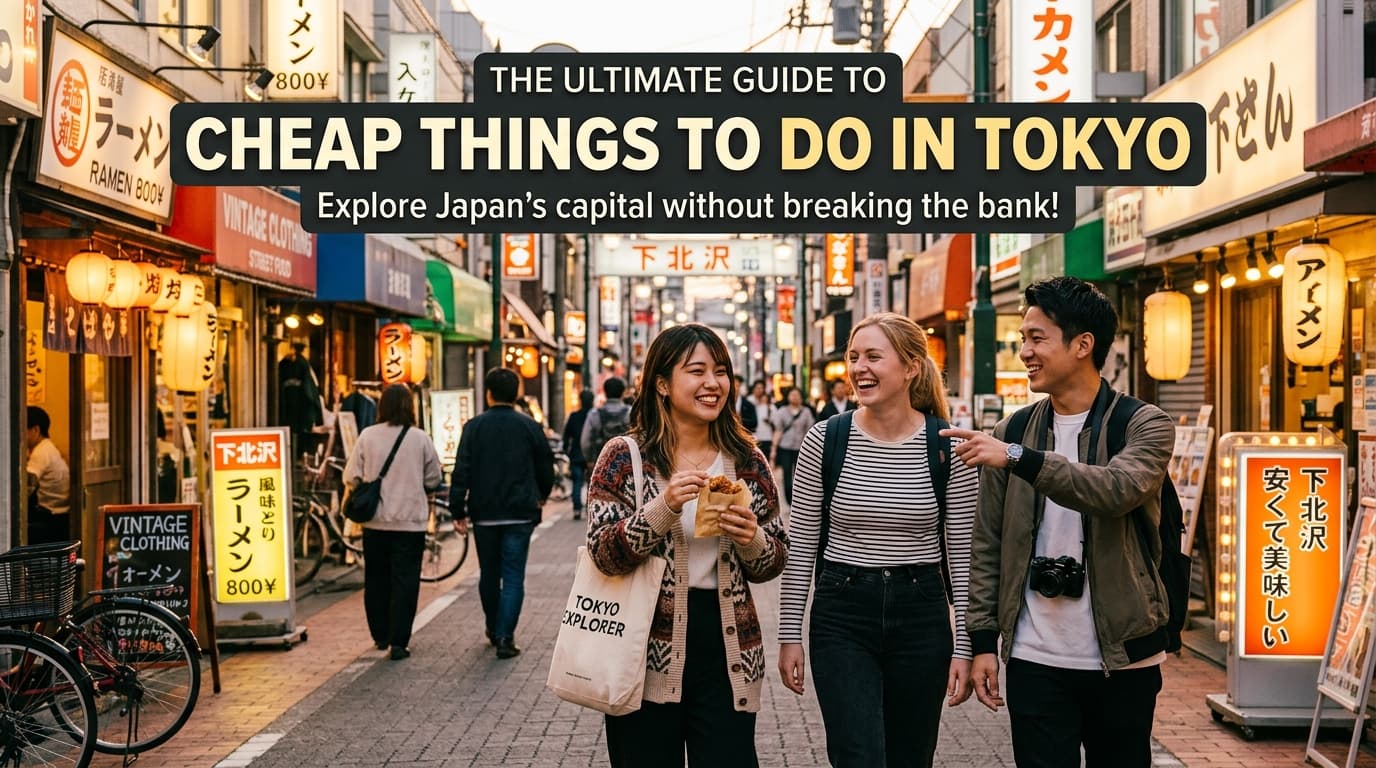
cheap things to do in Tokyo are easier to find than most first-time visitors expect, and the best options mix free landmarks, low-cost neighborhoods, park time, budget food, and a few well-chosen paid attractions. If you plan around train lines, opening hours, and the right districts, you can have an amazing Tokyo day for under ¥2,000, or even close to free.
Tokyo is one of those cities where “budget” does not mean “boring,” and from experience, that’s the first thing to remember. We checked the current 2026 travel landscape, and the city still rewards travelers who walk more, eat smart, and cluster activities by neighborhood instead of zigzagging across town. You can start at a temple in Asakusa, hop to a skyline view in Shinjuku, grab a cheap bowl of ramen, then end with night lights in Shibuya without blowing your budget. The trick is understanding what’s truly free, what’s worth paying a little for, and how to avoid the hidden costs that sneak into a day of sightseeing. In this guide, Gidly’s pick approach is simple: choose the right area, choose the right time, and stack cheap wins so the day feels full, not frugal.
Quick answer — the best cheap things to do in Tokyo right now
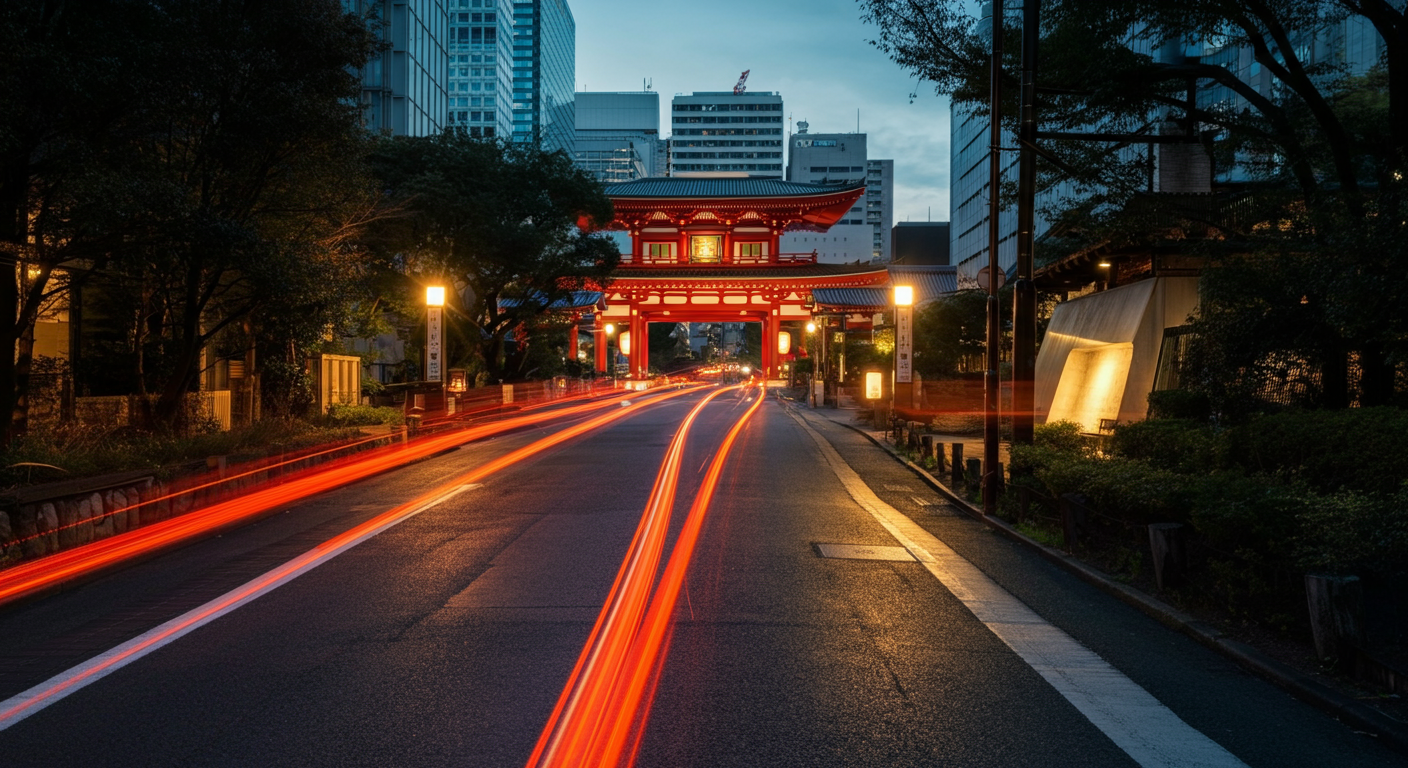
If you want the fastest answer, the best cheap things to do in Tokyo right now are Senso-ji Temple in Asakusa, the free observation deck at the Tokyo Metropolitan Government Building in Shinjuku, a walk through Meiji Jingu and the Harajuku approach, a self-guided stroll around Shibuya Crossing, and an easy neighborhood loop through Ueno, Yanaka, or Marunouchi. These options are cheap, central, and easy to combine with budget food and transit-friendly planning.
Why Tokyo is surprisingly budget-friendly for sightseeing is that many of its most memorable experiences cost nothing or close to nothing. You can enjoy giant city views from public decks, wander famous districts for free, and spend your money only on the things that matter to you, like a bowl of ramen, a museum ticket, or a snack crawl. In 2026, Tokyo remains a city where the biggest money-saving move is not “skip everything,” but “pick one or two paid highlights and make the rest of the day free.” That’s especially true for visitors who are okay walking between stops and using the subway strategically.
The fastest way to choose based on time, weather, and budget is to match your plan to the day you actually have. If it’s sunny, go heavy on outdoor neighborhoods, shrines, and parks; if it’s rainy, switch to food halls, department stores, galleries, and station complexes. If you only have a small budget, focus on districts with multiple free attractions close together, because Tokyo’s transit can eat into the day if you bounce around too much. For a simple starter day, we’d do Asakusa in the morning, Ueno or Yanaka in the afternoon, and Shibuya or Shinjuku at night.
Why Tokyo is so good for budget travelers
Tokyo works well on a budget because the city has an unusually high concentration of free public spaces, neighborhood experiences, and self-guided walking routes. Unlike some capitals where sightseeing is mostly tied to expensive entry tickets, Tokyo lets you build a full day around atmosphere, architecture, people-watching, and food. That’s why locals often treat the city itself as the attraction, not just what’s inside buildings. The best days here are often the ones with a simple route and a few carefully chosen paid stops. It feels generous even when you’re spending very little.
Another reason is that pricing is transparent once you learn the pattern. Temples are often free or donation-based, parks are low-cost or free, and many observation decks either cost nothing or only a few hundred yen. Food also works in your favor because Tokyo is packed with budget ramen shops, curry counters, standing sushi spots, and convenience-store meals that can be genuinely satisfying. When you compare that with the cost of a single major theme park or premium museum ticket, the budget-friendly side of the city starts to stand out fast. In 2026, that value is even more noticeable because a lot of travelers are prioritizing flexible, shorter activities rather than all-day splurges.
How to choose the right cheap outing today
If you’re deciding “what should I do right now?”, start with three filters: weather, time, and energy. Sunny morning? Choose a shrine, park, or walking district. Rainy afternoon? Choose a museum, department store food hall, or station-connected indoor area. Evenings are where Tokyo becomes especially affordable, because many of the best city views, light displays, and street scenes are free after dark. That means your day can change based on mood without changing your budget much.
From experience, the best “near me” cheap outings are the ones close to a major station with multiple things clustered together. For example, Asakusa gives you temple culture, snack streets, river walks, and cheap food in one place. Shibuya gives you crossing views, youth culture, and easy access to nearby Harajuku. Ueno combines park time, museums, and budget meals. Once you think in clusters rather than single attractions, Tokyo becomes much easier to enjoy cheaply.
What counts as a cheap day out in Tokyo?
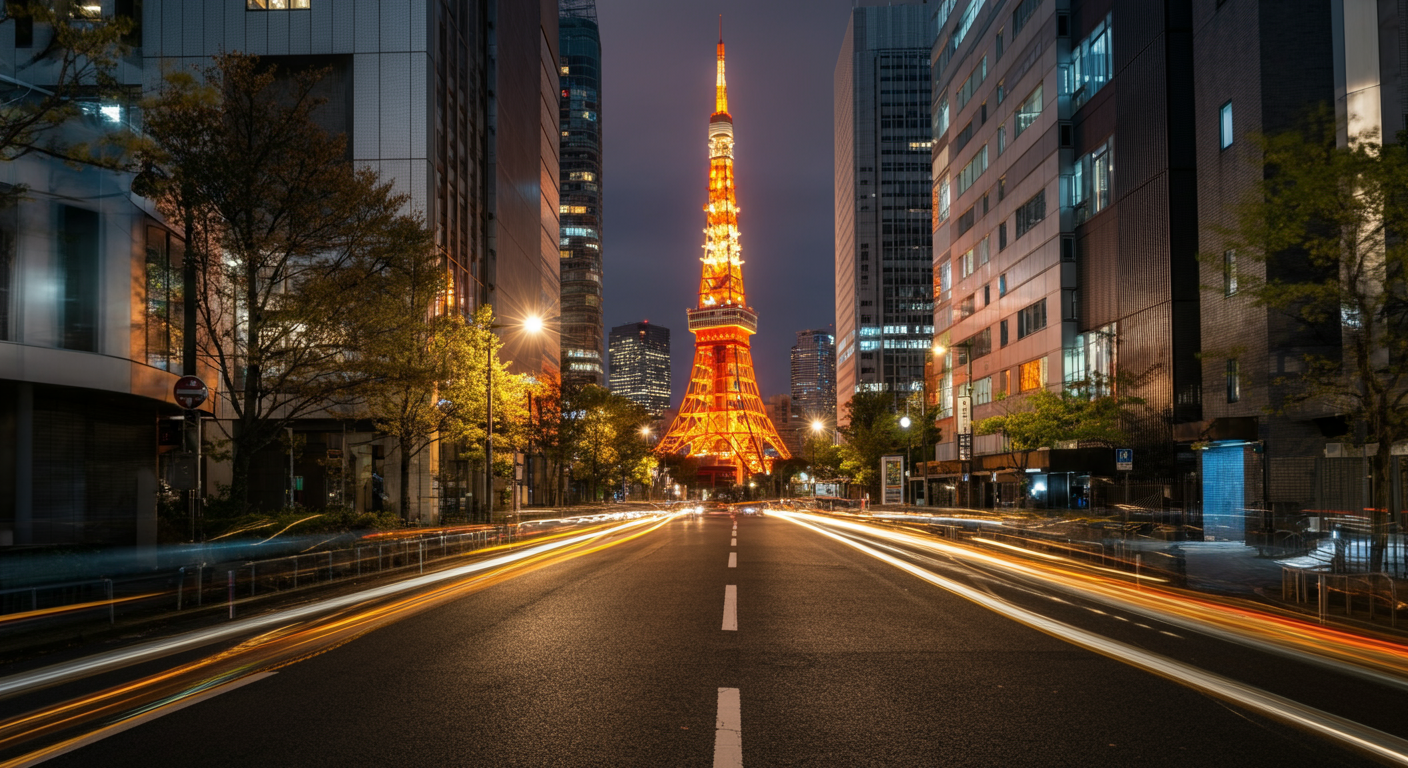
Before you build a plan, it helps to define “cheap” in Tokyo terms, because the city has a wide range of prices and experiences. A cheap day out here can mean completely free, but it can also mean spending carefully on one or two small-ticket items while keeping everything else low-cost. The sweet spot for most travelers is a day that feels full and memorable while staying under about ¥2,000 per person, not counting hotel costs. That budget can cover transit, snacks, one paid attraction, and maybe a casual meal if you plan well.
The real secret is understanding what usually costs money in Tokyo and what doesn’t. Admission can be free for temples, shrines, parks, and some observatories, while food can range from a few hundred yen to several thousand depending on the category. Transport is where some visitors overspend, especially if they make too many cross-city moves. In 2026, smart budget planning is less about finding “cheap Tokyo” in general and more about choosing the right neighborhood stack, so you spend the least amount of time and money getting between spots.
Local pricing also works a little differently from what some visitors expect. Japanese residents may get special discounts for local museums, annual passes, or school-age rates, while many tourist-facing attractions keep pricing simple and public. You’ll also see a lot of cashless-friendly vending machines, ticket kiosks, and same-day booking systems, which means your cost can be very predictable if you check official pages first. Once you know the budget bands, it becomes much easier to decide what kind of day you’re actually building.
Budget bands: free, under ¥500, under ¥1,000, under ¥2,000
Free activities in Tokyo include famous shrines, many park walks, iconic crossings, public plazas, and some observation decks. These are the foundation of a budget day because they let you fill hours without spending on admission. Under ¥500 usually covers a drink, a snack, or a very low-cost local attraction, which is useful if you want one small indulgence. Under ¥1,000 opens the door to budget museum tickets, a casual lunch, or a short paid experience such as a deck, garden, or exhibition. Under ¥2,000 gives you room for a full cheap outing if you combine a low-cost attraction with food and transit.
We like to think of these bands as building blocks rather than hard limits. A free morning in Asakusa can turn into a ¥900 lunch and still feel like a bargain. A rainy-day museum plus coffee can stay under ¥1,500. A date night with one paid skyline view, a snack crawl, and a walk through illuminated streets can still stay impressively affordable by Tokyo standards. The key is to decide in advance where you want the one “splurge” to be, because that keeps the rest of the day balanced.
What to expect for admission, transit, food, and extras
Admission is often the easiest part to control because many major Tokyo experiences are free or low-cost. Transit is the variable, and it can rise quickly if you ride long distances on multiple lines. A single subway ride may feel inexpensive, but three or four separated stops across the city add up fast, especially if you’re also paying for JR, private rail, or airport transfers. Food is usually where budget travelers can either save big or accidentally overspend, depending on whether they choose convenience stores, lunch sets, or midrange cafés.
Extras are the hidden layer most people forget. Souvenirs, capsule toys, paid photo booths, lockers, and small museum add-ons can quietly drain a day’s budget. That’s why we recommend setting a “total day cap” instead of only tracking tickets. If you want a Tokyo day under ¥2,000, you may need to keep food around ¥700 to ¥1,000 and transit efficient. If you want the day to feel more relaxed, aim for under ¥3,000 and allow one nicer meal or a paid observation deck.
How local pricing works for residents vs. visitors
Tokyo pricing can vary by age, residency, and booking method. Some museums offer local resident pricing or special discounts for students and seniors, while visitors usually see the standard public rate. A few attractions also bundle discounted entry with online reservations, timed tickets, or off-peak visits. If you have a student ID, it’s worth carrying it, because several institutions still recognize student pricing. This is especially useful for gallery and museum days where the difference can be significant over multiple stops.
For visitors, the best approach is to assume the public price unless the official site says otherwise. That keeps your planning simple and avoids surprises at the door. In practice, Tokyo is still very fair for travelers because many of the top-value attractions have one price for everyone or no admission at all. Always check the official website before you go, especially in 2026 when timed entry and special exhibition pricing are more common than they were a few years ago. It’s a small step that saves both money and hassle.
Common money-saving terms and passes to know
If you see terms like “free admission,” “timed entry,” “advance reservation,” or “same-day tickets,” read them carefully because they affect both cost and flexibility. Subway passes, day passes, and area passes can help, but only if you’re actually making enough rides to justify them. In many cases, the cheapest option is still simply walking between clustered attractions and using an IC card like Suica or Pasmo for the rides you do take. That’s why we always recommend mapping your route before buying any pass.
Another useful concept is the lunch set or “teishoku” style meal, which often costs much less than dinner and gives you a complete meal with rice, soup, and a main. Convenience-store food is also better than many travelers expect, especially for breakfast, snacks, or a fast dinner backup. If you see “student day,” “resident day,” or “discount night,” that may be a clue to save a few hundred yen. Over the course of a Tokyo trip, those small savings can pay for an extra coffee, dessert, or train ride.
Free iconic landmarks and must-see sights
The easiest way to enjoy Tokyo cheaply is to start with its icons, because many of the most recognizable sights are free to visit. This is where the city really shines for budget travelers: you can stand in front of world-famous landmarks without needing a ticket. From Asakusa’s temple complex to the buzz around Shibuya Crossing, Tokyo offers plenty of memorable moments that cost nothing. If you’re building a first trip or a last-minute day plan, these are the places that give you the most visual payoff for the least money.
What makes these spots especially useful is that they work for different types of travelers. Solo visitors can wander at their own pace, couples can build a romantic day around them, families can use them as low-stress anchors, and friends can turn them into a casual photo walk. Several of these free sights are also near cheap food and public transit, which makes them even more practical. We’ve used this exact pattern many times: free landmark, affordable meal, another free landmark, and maybe one paid stop if the mood feels right.
Tokyo’s iconic places are also good reminders that “cheap” doesn’t have to mean “hidden.” Some of the city’s most famous spots are free precisely because they are public spaces or active religious sites. The vibe at these places changes by time of day, so it’s worth going early for calm, mid-day for energy, or evening for light and atmosphere. In 2026, the best value is often found by combining a classic with a neighborhood walk, not by chasing only admission-based attractions.
Senso-ji and Nakamise approach in Asakusa
Senso-ji is the classic free Tokyo stop, and yes, it’s absolutely free to visit. The temple sits in Asakusa and welcomes visitors all day, with the main grounds generally open 24 hours even though the temple buildings and surrounding shops have their own hours. Nakamise-dori, the approach leading up to the temple, is packed with snack stalls, souvenir shops, and traditional treats, so you can enjoy the atmosphere without spending much. If you do buy something, even a few hundred yen goes a long way here.
From experience, the best way to do Asakusa cheaply is to arrive early, walk the temple grounds, browse Nakamise without rushing, and then eat away from the most tourist-heavy stretch if you want better value. The area is full of affordable tempura, soba, and snack options, so you don’t need to commit to anything fancy. Senso-ji is also excellent for people-watching because the mix of locals, school groups, and travelers creates a lively but manageable atmosphere. For photos, early morning or late evening tends to be calmer and more beautiful than the busiest daytime hours.
Shibuya Crossing and the surrounding street scene
Shibuya Crossing is free, iconic, and one of the easiest “wow” stops in Tokyo. The crossing itself doesn’t cost anything, and the surrounding area gives you plenty to look at: giant screens, fashion storefronts, station exits, and a nonstop flow of pedestrians. You can watch the scramble from street level or grab a coffee and look down from a nearby upper floor. The fun here is less about buying something and more about soaking in the energy of one of the world’s most recognizable intersections.
We recommend pairing Shibuya Crossing with a short walk to nearby photo points rather than treating it as a single stop. That way, you get more than one angle without spending extra. It’s also a good place to begin an evening plan because the district feels different after dark, with signage and traffic turning the whole area into a bright urban scene. If you’re budget-conscious, avoid the temptation to shop too much here, because Shibuya is one of the easiest places to “accidentally” spend. The crossing is free, but the district is a spending magnet if you’re not careful.
Meiji Jingu and the Harajuku approach
Meiji Jingu is another strong free option, and it feels like a reset button after the intensity of Shibuya or Harajuku. The shrine grounds are spacious and calm, making them ideal for travelers who want something peaceful without paying admission. The forested approach is one of the nicest low-cost walks in central Tokyo, and it’s especially attractive in spring and autumn. Harajuku is right next door, so you can combine spiritual quiet with youth culture and street style in a single cheap outing.
This is one of our favorite low-budget combinations because it offers variety without a lot of transit. You can start with the shrine, walk through the trees, then head toward Harajuku for people-watching and a low-cost snack. If you’re into photography, the contrast between the forest entrance and the fashion-heavy streets nearby is excellent. The only real cost is your time, and that makes it a good choice for travelers who want a big experience on a small budget.
Tokyo Metropolitan Government Building observation deck
The Tokyo Metropolitan Government Building in Shinjuku remains one of the best budget observation decks in the city because it’s free. The North and South observation decks are known for wide city views, and on a clear day, you can often see major landmarks and even Mount Fuji in the distance. This is a standout choice for budget travelers because it gives you the “skyline moment” without the price of a premium tower ticket. It’s also conveniently placed in Shinjuku, where you can easily add more free or low-cost activities afterward.
The best time to go is late afternoon into sunset if you want a full view transition from day to night. That said, anytime with clear weather is worth it, and because it’s free, you don’t have to be precious about timing. If you’re trying to keep a Tokyo day affordable, this is the view we’d prioritize before paid towers. It’s one of the strongest examples of how Tokyo rewards budget travelers with genuinely high-value experiences. Check the official Tokyo Metropolitan Government site for current hours, because observation deck schedules can change by season and special event operations.
Other free city-view spots and photo stops
Beyond the headline landmarks, Tokyo has many free places where you can get a great city feel without purchasing entry. Rooftop-style public spaces, station-area promenades, and riverside walks often deliver more atmosphere than you’d expect. Marunouchi in particular can be great for elegant evening wandering, while Odaiba gives you waterfront space, bridges, and open views that don’t require a ticket just to enjoy the setting. If you want the city’s scale without paying for a tower, these are excellent add-ons.
We also like using free photo stops as anchors between paid meals or shopping breaks. A short pause at a bridge, riverside path, or station plaza can give your day a memorable rhythm. The secret is not to over-pack these stops; pick one or two with strong visual interest and move on. Free views are best when they’re part of a bigger route, not when they become the entire plan. In Tokyo, even a 15-minute stop can feel surprisingly meaningful if the skyline and traffic are doing their thing.
Best cheap things to do by neighborhood
The smartest way to find cheap things to do in Tokyo is to think by neighborhood, not by individual attraction. Tokyo is huge, and budget day planning gets much easier when you build around an area where multiple low-cost activities sit close together. That approach cuts transport costs, saves time, and makes the day feel more relaxed. It also helps with “near me” searches because you can decide based on where you already are rather than where you think you need to be.
Each neighborhood has its own budget personality. Asakusa is traditional and snack-friendly, Shibuya is energetic and youth-forward, Shinjuku is perfect for skyline and nightlife value, Ueno is excellent for parks and museums, and Yanaka offers a quieter, old-Tokyo feel. Odaiba and Marunouchi add waterfront and polished urban walking options, often at low or no cost. Once you know these clusters, you can mix and match depending on weather, time of day, and the type of mood you want.
Our team has found that neighborhood-based planning is the fastest way to avoid common budget mistakes. People often spend more by chasing one famous attraction across town and then trying to squeeze in too much transit. But if you choose one base area and layer a few cheap activities around it, Tokyo becomes both cheaper and more satisfying. Below, we’ve broken down the best low-cost moves by area so you can plan like a local.
| Neighborhood | Budget Vibe | Best Cheap Highlights |
|---|---|---|
| Asakusa | Traditional, walkable, snack-friendly | Senso-ji, Nakamise, river walks, affordable tempura |
| Shibuya / Harajuku | Busy, stylish, youthful | Shibuya Crossing, Meiji Jingu, people-watching, low-cost cafés |
| Shinjuku | Big-city views, late-night energy | Free observatory, Omoide Yokocho, parks, neon streets |
| Ueno / Yanaka | Classic, cultural, relaxed | Ueno Park, museums, Yanaka Cemetery, old-town walks |
| Odaiba / Marunouchi | Scenic, polished, easy evening walks | Waterfront views, station architecture, illuminations, mall browsing |
Asakusa and Sumida
Asakusa is one of the easiest neighborhoods for a cheap day because so much of the appeal is free. You can visit Senso-ji, browse the surrounding alleys, and wander toward the Sumida River without paying for entry. The area has a strong local feel early in the day, and that makes it particularly rewarding for visitors who like atmosphere more than hype. If you want to stretch your yen, it’s also one of the better places to grab a relatively inexpensive meal without sacrificing character.
Sumida adds a nice riverside layer to the Asakusa plan, especially if you want to walk rather than sit. River promenades, views of the Skytree, and bridges give you a different perspective of Tokyo without extra admission. This is a great choice for slow travelers and for families because the environment is easy to navigate. We’d say this is one of the best areas in Tokyo for a budget half-day or full day, especially when combined with a snack stop and a simple lunch.
Shibuya and Harajuku
Shibuya and Harajuku are perfect if you want to feel Tokyo’s energy without spending a lot on attractions. Shibuya Crossing is free, the surrounding streets are ideal for walking, and Harajuku’s contrast between fashion, youth culture, and shrine calm makes for a very Tokyo-specific day. The area also works well for low-cost coffee stops, casual bites, and window shopping. If you plan carefully, you can spend very little and still feel like you’ve been right in the middle of the city.
The biggest budget mistake here is over-shopping or choosing expensive cafés just because the district is trendy. You don’t need to do that. A better move is to use the area as a free walking route, then pick one affordable food stop and one landmark. Meiji Jingu provides the quiet; Shibuya provides the buzz. Together, they create a balanced and very doable cheap day.
Shinjuku
Shinjuku is one of the best budget bases because it combines transportation convenience with a surprising number of low-cost and free things to do. The free Tokyo Metropolitan Government Building observation deck is the obvious highlight, but the area also gives you neon streets, budget dining, parks, and nightlife that doesn’t require a cover charge just to explore. It’s a great neighborhood for travelers who want a big-city feel and don’t mind energy.
From experience, Shinjuku works best when you choose a specific lane: views, food, or nightlife. If you try to do everything, the district can become overwhelming and expensive. But if you start with the observatory, have a cheap lunch, and end with a walk through the illuminated streets, you can have a memorable low-cost day or evening. It’s also a smart base if you’re arriving late because the station area keeps you connected.
Ueno and Yanaka
Ueno is one of Tokyo’s strongest budget neighborhoods because of Ueno Park, museum access, and easy food options. Yanaka, nearby, gives you a slower, old-style Tokyo feeling that many visitors love but don’t always plan for. Together, they create a route that feels cultural without getting pricey. You can spend an entire day moving between park paths, museum stops, neighborhood lanes, and low-cost lunch spots.
Yanaka in particular is ideal if you want a quieter experience with fewer crowds than the major tourist zones. The neighborhood has that “local Tokyo” atmosphere people are often looking for, and it rewards slow walking. Ueno adds the obvious public-space advantage, especially in spring when the park becomes a cherry blossom favorite. If your idea of cheap travel is calm, culture, and flexibility, this area is a top pick.
Odaiba, Marunouchi, and Tokyo Station area
Odaiba is a solid choice for cheap scenic wandering, especially if you like waterfront space, bridges, and open-air views. It can be especially good at night when the city lights reflect on the water. Marunouchi and the Tokyo Station area are polished, elegant, and surprisingly rewarding for budget strolls, because the architecture and plazas are part of the experience. These areas are strong if you want a more refined vibe without paying for a major ticket.
We often recommend these districts for rainy-day transitions too, because station-connected interiors and shopping complexes make it easy to stay dry while still feeling like you’re out. Tokyo Station in particular is useful for travelers who need an easy meetup point or a central base. If you’re planning a budget day with minimal friction, these areas can fill a gap between more famous stops while keeping costs under control.
Budget-friendly Tokyo for date night
A cheap date night in Tokyo can feel surprisingly special if you lean into atmosphere instead of expensive reservations. The city is full of free views, public promenades, and food options that feel date-worthy without requiring a big spend. You do not need a rooftop dinner to make the night memorable. In fact, some of Tokyo’s best date energy comes from walking, sharing snacks, and timing your route around sunset or nighttime lights.
Tokyo is especially good for budget date nights because you can build the whole evening around one romantic anchor and then keep the rest flexible. A skyline deck, a riverside walk, or a lit-up neighborhood can carry a lot of emotional weight for very little money. That’s helpful whether you’re traveling as a couple or planning a casual local night out. The key is to choose a setting that feels intentional, not random.
In 2026, cheap date nights are also easier because food halls, light displays, and walkable districts are more popular than ever. People want experiences that feel good without a lot of booking friction, and Tokyo delivers. You can still make the night feel polished by choosing the right timing, the right route, and one small treat that feels like a splurge.
Sunset walks with skyline views
One of the simplest and best cheap date ideas in Tokyo is a sunset walk with skyline views. Start near a free observation point, river path, or elevated station area, then let the light change as you walk. Tokyo is excellent at this because the city looks completely different before and after sunset. A skyline walk gives you a built-in sense of occasion without requiring a dinner reservation or paid ticket.
Good routes for this include Shinjuku around the government building, Marunouchi near Tokyo Station, and waterfront areas like Odaiba. You can pause for photos, sit for a minute, and then move on to a snack or casual meal. The trick is not to rush. The whole point is to make the city itself part of the date. It’s affordable, low-pressure, and very Tokyo in the best way.
Cheap food halls, depachika, and snack hopping
Tokyo’s department store basement food halls, or depachika, are one of the most date-friendly budget hacks in the city. You can sample sweets, savory bites, and beautiful packaged foods without committing to a full expensive meal. Many visitors treat them like a gourmet grocery museum, but they’re also practical if you want to share a few items and keep costs low. A snack-hopping date can feel playful, relaxed, and surprisingly memorable.
If you want to do this well, choose one district and explore several small items rather than buying from multiple departments all over town. You’ll save time and money that way. Convenience stores can also play a role here if you’re keeping things extra cheap, especially for drinks or dessert backups. We’ve found that snack dates often work better than fancy dinners when you want to talk, walk, and keep the energy light.
Low-cost attractions that feel special at night
Nighttime in Tokyo is where the city becomes dramatically rewarding for budget travelers. Shibuya Crossing lights up, Shinjuku gets neon-heavy, and many public spaces feel more cinematic after dark. Even free spots can feel “paid” in the sense that the atmosphere is so strong. That makes nighttime perfect for couples who want a mood without a huge bill. A short route through a lit district can feel more romantic than a rushed meal.
Try pairing a free observation deck with a simple dinner and a night walk. Or do the reverse: start with food, then head toward the lights. The important thing is to avoid overbooking your date with too many time-specific reservations. Cheap date nights are strongest when there’s some room to wander. Tokyo gives you that flexibility better than many cities.
Affordable late-night spots and illuminated districts
If you want something after 9 p.m., Tokyo still gives you cheap options. Late-night walks through Shinjuku or Shibuya are free, and there are plenty of affordable bars, cafés, and noodle shops if you decide to sit down. Omoide Yokocho can be atmospheric, though you’ll want to watch prices and order intentionally. The illuminated streets around major stations also provide a strong date-night backdrop without entry fees.
For couples on a budget, the main trick is to avoid making the evening too alcohol-heavy or snack-heavy if you’re trying to save. Choose one low-cost anchor, then let the rest be free. That way, the night still feels special but doesn’t creep up in price. This is one of the easiest ways to keep a Tokyo date romantic and affordable at the same time.
Cheap things to do in Tokyo with kids and families
Tokyo can be a fantastic city for families on a budget, as long as you choose the right neighborhoods and don’t try to squeeze in too many paid attractions. The city’s parks, plazas, free public spaces, and family-friendly museums make it possible to have a full day that feels fun without becoming expensive. The best family outings are usually simple: one anchor stop, one place to eat, and one open space to let kids reset. That rhythm keeps everyone happy and keeps costs down.
Parents often worry that Tokyo will be overwhelming with children, but in practice it’s very manageable if you plan around stations and restroom access. The city’s public transport is excellent, and many central districts have strollers, elevators, and family facilities if you know where to look. Budget family days work best when you stick to walkable zones like Ueno, Asakusa, Odaiba, or Marunouchi. Those areas let you keep moving without buying a lot of tickets.
In 2026, more families are seeking shorter, flexible outings instead of marathon sightseeing days. That’s actually a great fit for Tokyo. You can mix free parks, low-cost indoor attractions, and food courts to make a day feel successful without financial stress. If you’re traveling with kids, comfort and convenience matter just as much as price, and Tokyo can deliver both.
Free parks, plazas, and open spaces
Tokyo’s parks are one of the best budget wins for families because they give kids room to move and parents room to breathe. Ueno Park is a strong all-around choice with paths, open lawns, and easy access to other attractions. Yoyogi Park near Harajuku is another great option for casual free time, especially if you want a picnic vibe or just a place to let kids run around. Odaiba’s open spaces and waterfront promenades can also be a hit if your family likes wide views and easy walking.
We’ve seen families have the best success when they treat the park as the anchor, not the afterthought. A park stop before or after lunch helps prevent meltdown moments and reduces the pressure to spend money on entertainment. If the weather is good, even a simple two-hour park break can be more valuable than another indoor ticket. Tokyo’s parks are often free, centrally located, and easy to combine with transit.
Affordable museums and interactive attractions
Tokyo has a number of museums and exhibits that are reasonably priced by international standards, and some of them are particularly good for families. The trick is to choose one with enough visual variety to hold children’s attention without paying premium theme-park prices. Ueno is especially strong for this because several institutions cluster together. Depending on the venue and special exhibition, tickets may stay in the low hundreds to low thousands of yen, which is manageable for many families.
Before you go, check whether the museum offers family pricing, timed entry, or special closure days. The most common mistake families make is arriving without checking the schedule, only to find out that a gallery is closed on Mondays or that a special exhibit requires advance booking. In 2026, this is more common than before. A quick official-site check can save a lot of frustration and make the day smoother for everyone.
Kid-friendly neighborhoods and easy walking routes
Asakusa is excellent for families because the route is easy to understand and has lots of little breaks built in. You can visit Senso-ji, browse the shopping lane, and stop for snacks without needing a complicated itinerary. Ueno is equally family-friendly because the park and museums are close together. Odaiba works well if your family likes open space, shopping-center convenience, and the comfort of being able to duck indoors quickly.
For walking routes, choose loops instead of point-to-point sprints. That way, kids see new things without being dragged across the city. We recommend keeping your route close to one major station so you always have an exit plan. Tokyo is big, but family budget days work best when they feel small and manageable.
Practical family tips for strollers, toilets, and naps
Tokyo is generally stroller-friendly in central districts, but elevators can be busy and station navigation takes time. If you’re traveling with very young children, factor in extra transit time between platforms and exits. Restrooms are usually available in major stations, department stores, parks, and museums, so it’s smart to map those out before you need them. A few extra minutes of prep can prevent a lot of stress later in the day.
Naps matter too, even on a budget. A family outing goes much better if you schedule a quiet half-hour in a park, café, or stroller break rather than trying to power through nonstop. Pack snacks if you can, because that cuts down on impulse buying. The best family budget day in Tokyo is one that has breathing room, not just cheap tickets.
Cheap things to do with friends or in a group
Tokyo is a great city for groups because it offers plenty of cheap activities that don’t require everyone to agree on a single expensive plan. If your group likes walking, snacking, and photo stops, you can build a strong day around one or two neighborhoods without spending much. The best group plans are flexible and social, which matters because budgeting is easier when the group is happy to share food and move together. That’s why Tokyo works so well for birthdays, reunion weekends, and casual friend trips.
Group outings also benefit from the city’s density. You can pick a central meet-up spot and then roam without constantly paying for transport. That’s especially helpful for mixed-interest groups where some people want culture, some want food, and some just want good photos. If you choose the right district, everyone can get what they want for a reasonable price. The trick is to choose a neighborhood with enough variety that nobody feels stuck.
From our experience, groups do best when they agree on a loose “theme” rather than a rigid schedule. A snack crawl, a shrine-and-photo walk, or a night-view route can carry a whole outing without feeling forced. Tokyo makes those shared experiences easy, which is one of the reasons budget social outings here are so satisfying.
Group-friendly neighborhoods for walking and browsing
Asakusa is one of the best group neighborhoods because the walking is easy and the food options are straightforward. Shibuya is great if your group wants energy, fashion, and lots of visual stimulation. Ueno and Yanaka are better if your group wants a calmer pace with museums and old-town lanes. Marunouchi and Tokyo Station are ideal for polished evening walks where you can wander, chat, and stop for a cheap dessert or drink.
The best group strategy is to choose one neighborhood and stick with it long enough to feel comfortable. Tokyo gets expensive when groups split up, meet in different areas, or chase too many separate attractions. If you can keep the route tight, you’ll naturally save on transit and maximize time together. That’s usually the difference between a smooth budget outing and a stressful one.
Shared food experiences and snack crawls
Food is one of the easiest group budget wins in Tokyo because it’s fun to share and easy to scale up or down. A snack crawl in Asakusa or a depachika visit in a station-connected department store can turn into a low-cost group activity. Everyone can choose one item, and the group gets to taste more without over-ordering. This works especially well if you have mixed appetites or different dietary preferences.
Snack crawling also solves the “where do we eat?” problem without committing to one expensive meal. You can move through a district, try small things, and stop when everyone feels satisfied. It’s social, flexible, and budget-conscious. If you’re trying to keep costs under control, this is often better than sitting down for a long meal that everyone experiences differently.
Free nightlife-style experiences without the spend
Not every group outing needs to be bar-heavy. Tokyo has plenty of free nightlife-style experiences, like neon district walks, crossing viewpoints, waterfront strolls, and station-area people-watching. Shibuya and Shinjuku are the obvious choices, but many other districts also feel lively after dark. If your group wants a fun night without a high tab, a walk through illuminated streets can be enough.
This is especially useful for groups with different budgets. You can all enjoy the vibe together and then split off if some people want drinks while others want to keep the spend low. That flexibility is one of Tokyo’s biggest strengths. A free night walk can feel like an event if the route is well chosen and the timing is right.
Easy group photo stops and meetup points
Tokyo has excellent meetup points, and that matters more than people think. Shibuya Crossing, Tokyo Station, and major temple entrances are all easy reference points for groups. If you need a photo stop, choose one where the background is obvious and the crowd flow is manageable. That prevents the group from wasting time trying to coordinate in a confusing area.
We also suggest choosing one “anchor photo” and one “spontaneous photo” rather than stopping at every corner. Too many photo breaks can make a cheap day feel slow and fragmented. The most enjoyable group outings usually have a natural rhythm, with one big photo moment and then lots of casual moments in between. Tokyo is extremely photogenic, so you don’t need to force it.
Solo budget activities in Tokyo
Tokyo is one of the best cities for solo budget travel because you can move at your own pace and build the day around whatever you enjoy most. Solo visitors often save money naturally because they don’t need to coordinate group meals or split up across the city for different preferences. The best solo days are quiet, flexible, and lightly structured. You can spend a lot of time walking, reading, observing, and taking in the city without paying much at all.
Solo travel in Tokyo also feels safe and comfortable in most central neighborhoods, especially during the day and early evening. That means budget activities don’t have to be limited to obvious tourist spots. A bookstore stop, shrine visit, or arcade session can be enough if that’s the mood. In 2026, solo travelers increasingly want plans that are easy to book, easy to drop, and easy to personalize, and Tokyo does that extremely well.
The best part about solo budget outings is that they give you total freedom over pace and spending. If you want a long walk through Yanaka, you can do it. If you want to sit in a park and people-watch for an hour, that works too. There’s no pressure to “make the most” of a ticket, which often makes solo days feel more relaxing and more affordable.
Self-guided neighborhood walks
Self-guided walks are one of the cheapest and most satisfying things to do in Tokyo alone. You can create a route based on a theme, like old Tokyo in Yanaka, temple culture in Asakusa, or city energy in Shibuya. Walking lets you discover small alleys, local shops, and unexpected views that aren’t on a typical checklist. It also lets you stop whenever something catches your eye, which is a huge advantage for solo travelers.
Our favorite solo routes are the ones that start and end near a major station so you never feel stranded. You can make the walk as short or long as you want, depending on energy and weather. A 90-minute route can be just as rewarding as a half-day route if the district has enough variety. The best part is that walking costs nothing, and in Tokyo, it often reveals more than an expensive attraction would.
Bookstores, arcades, and people-watching spots
Tokyo is a wonderful city for solo browsing, and bookstores are a particularly good budget-friendly stop. They give you indoor time, calm energy, and the chance to rest without feeling like you have to buy anything. Arcades are another option if you want a low-cost burst of fun, though it’s smart to set a limit so the spending stays small. People-watching is also a legitimate activity here because the city’s street fashion, transit flow, and neighborhood personalities are endlessly interesting.
A solo outing can feel rich without being packed. You might wander a bookstore, then sit in a station plaza, then go for a cheap meal. That’s enough. If you’re trying to save money, it’s better to have one or two intentional stops than to buy small things all day and lose track of the total. Tokyo rewards curiosity, especially when you don’t force the schedule.
Temple, shrine, and garden visits at your own pace
Temples, shrines, and gardens are ideal solo budget activities because they let you slow down completely. You can spend five minutes or an hour, depending on how you feel. Senso-ji, Meiji Jingu, and many smaller neighborhood shrines are perfect examples of places where solo visitors can just move, observe, and reset. Gardens may charge a small fee, but the calmer atmosphere can be worth it if you’re craving a break from the city noise.
Solo travelers often enjoy these spaces most because there’s no need to keep a group moving or decide when to leave. The quiet is part of the point. If you’re on a budget, choose one garden or temple area and pair it with a free walk nearby so the day still feels balanced. That gives you depth without needing a large ticket count.
Safe, low-cost evening ideas for solo travelers
At night, solo travelers can keep things simple and affordable by sticking to well-lit, populated areas. Shibuya, Shinjuku, and Marunouchi are good choices because there’s plenty to see and easy access to transit if you want to head home early. A night walk, a cheap bowl of noodles, or a free observatory can make for a satisfying solo evening. The key is to avoid getting too far off the main routes if you want comfort and convenience.
If you want a quiet evening, look for station-connected food halls, café spaces, or illuminated public promenades. That gives you a gentle ending without pressure to spend on nightlife. Many solo travelers find that their best Tokyo memories come from these quieter, lower-cost moments rather than from the most famous ticketed attractions. Tokyo really shines when you give yourself permission to keep it simple.
Rainy-day cheap things to do indoors
Rain does not have to ruin a cheap Tokyo day, because the city is built with plenty of indoor alternatives. In fact, some of the best budget experiences in Tokyo happen when you move into department stores, station complexes, museums, and covered shopping arcades. This is a huge advantage for travelers who don’t want weather to dictate the whole day. If you know where to go, a rainy day can still be productive, fun, and affordable.
The biggest mistake visitors make is assuming they need to cancel the day or book something expensive when it rains. You usually don’t. Tokyo’s indoor network is so strong that you can spend hours moving between galleries, food halls, and connected shopping areas without going outside much at all. That’s why budget travelers should always keep one or two rainy-day backups in mind.
We checked the current season’s patterns, and the best rainy-day moves in 2026 are still the classic ones: free or low-cost museums, large station hubs, and well-organized food floors. You can stay dry, stay entertained, and still keep spending under control. The city is very good at making indoor time feel intentional rather than like a fallback.
Free or low-cost museums and galleries
Tokyo has a strong mix of museums and galleries, and not all of them are expensive. Some public exhibition spaces are free, while others cost a few hundred to a couple thousand yen depending on the exhibit. That means you can build a cultural rainy-day plan without needing to budget like you’re visiting a major international art fair. Ueno is especially good for this because multiple museums sit close together, making it easy to choose one rather than paying for a bunch of separate transit rides.
Before going, always check official websites for hours, closed days, and any special exhibit fees. That matters a lot on rainy days because many people have the same idea, and the good places can get busy. If you’re looking for value, choose the museum that most closely matches your interest rather than trying to visit the most famous one. A well-chosen smaller gallery can feel better than a rushed big-name visit.
Covered shopping streets, department stores, and station complexes
Covered shopping streets and station complexes are some of the best free indoor spaces in Tokyo because you can browse, relax, and people-watch without paying admission. Department stores often have multiple floors of food, fashion, and lifestyle goods, which means there’s plenty to look at even if you buy nothing. These spaces are especially helpful if you need a weatherproof route between neighborhood stops. They also make easy meeting points if your group is splitting up or arriving from different directions.
Station areas like Tokyo Station, Shinjuku, and Shibuya are incredibly useful on rainy days because they connect transport, food, and shopping in one place. You can walk through the interior, grab a snack, and decide your next move without getting soaked. For budget travelers, this is one of the most efficient ways to keep the day moving. It’s also a good chance to use a cheap lunch set or convenience-store meal and save your bigger meal budget for another day.
Aquarium, observation, and exhibition alternatives
If you want something a little more structured, aquariums, observatories, and temporary exhibitions can be good rainy-day alternatives. Some are free, some are low-cost, and some are pricier, so it’s worth checking the rate before you go. In Tokyo, the best value often comes from choosing one paid indoor attraction and filling the rest of the day with free indoor browsing. That way, the rain becomes part of the plan rather than a disruption.
Observatories are especially useful because a rainy city view can still be beautiful, even if you don’t get a perfect skyline. If the forecast improves, you may even catch dramatic cloud breaks or evening lights. For families and couples, this kind of indoor view can keep the day feeling special without needing a full-day commitment. Just confirm operating hours and any booking rules ahead of time.
Indoor food halls and café hopping
Food halls and café hopping are the easiest rainy-day budget wins because they solve both hunger and weather at once. Tokyo’s depachika are ideal for wandering, tasting, and choosing a cheap meal or dessert. If you want to keep the day low-cost, you can split one snack and then move on to another indoor space. This gives you variety without locking you into one expensive restaurant.
Cafés can work too, but they’re best if you pick one with a clear purpose: a break, a meeting point, or a weather pause. Don’t use multiple sit-down cafés in a single day unless you’re comfortable with the spend. The strongest rainy-day itineraries in Tokyo usually involve one low-cost cultural stop, one food stop, and one station-connected wander. It’s a simple formula, but it works.
Seasonal cheap things to do in Tokyo
Tokyo changes beautifully with the seasons, and that matters a lot when you’re trying to keep plans cheap. Some of the city’s best low-cost outings only make sense at certain times of year, like cherry blossom viewing, summer festival walks, autumn leaf hunting, or winter illumination routes. The good news is that seasonal experiences are often some of the most affordable things in the city because the setting does most of the work. You don’t need a huge budget to enjoy the atmosphere if you plan at the right time.
In 2026, seasonal timing matters even more because many travelers are looking for specific windows and local-style experiences rather than generic sightseeing. That’s great news for budget visitors, because seasonal activities often happen in public spaces. If you want to save money, try to align your trip with a season that naturally suits outdoor wandering and local events. Tokyo is especially generous when the weather and the city’s public spaces are working together.
We recommend thinking of Tokyo seasonally, not just practically. A spring trip should lean into blossoms and parks, a summer trip should focus on evening events and river walks, an autumn trip should prioritize foliage and neighborhood exploration, and winter should center on lights and free displays. That framework helps you get the most value out of the season you actually have.
Cherry blossoms and hanami on a budget
Cherry blossom season is one of the best times to enjoy cheap things to do in Tokyo because hanami, or flower viewing, is often free. Parks like Ueno, Yoyogi, and smaller riverside paths can become incredible blossom spots without a ticket. The most budget-friendly strategy is to bring your own snacks or buy a simple lunch nearby and spend time under the trees. That gives you the classic seasonal experience without the premium restaurant or boat-ride costs that can come with peak blossom marketing.
Timing matters a lot. Early mornings and weekdays are usually calmer, and that makes the experience better for photos and lower stress. Some places get crowded very fast during peak bloom, so choosing a less-famous park or going slightly off-peak can be a better value. Blossoms are a seasonal gift from the city, and the more flexible you are, the more you get out of them.
Summer festivals, evening walks, and fireworks viewpoints
Summer in Tokyo can be humid, but it also brings festivals, night markets, and evening walks that are often low-cost or free to enjoy. This is a great time to focus on after-dark experiences because temperatures can be more comfortable and the city feels lively. A festival walk can be as simple as browsing stalls, watching crowds, and picking one or two snacks. You do not need to spend much to feel part of the scene.
Fireworks viewpoints can also be budget-friendly if you choose a public spot instead of a paid viewing area. The key is arriving early enough to secure a comfortable position and checking local transport plans so you don’t get stuck. Summer outings can be amazing on a budget if you accept that the atmosphere is part of the entertainment. Tokyo does summer nights well, especially in districts with rivers, bridges, and open plazas.
Autumn leaves and park strolls
Autumn is one of the best seasons for cheap Tokyo days because the weather is often ideal for walking and the city’s parks and gardens look outstanding. You can enjoy leaf colors in Ueno, Yoyogi, and many other green spaces without paying much, and the walking itself becomes the main attraction. This is also a strong season for photography, which means even a simple neighborhood route can feel like an event. The cool air makes it easier to spend longer outside without needing constant café breaks.
From experience, autumn is when budget travel feels easiest in Tokyo. You can spend more time outdoors, use fewer backup indoor stops, and rely on scenic routes between attractions. If you’re coming during this season, prioritize parks, gardens, and quiet neighborhoods. You’ll get a lot of value from very little money.
Winter illuminations and free seasonal displays
Winter in Tokyo is excellent for cheap outings because the city’s illuminations and seasonal decorations create a lot of free evening atmosphere. Many major districts, especially around Marunouchi and Shinjuku, put on lights or festive displays that are open to the public. This means you can have a very satisfying night plan without buying a ticket to a show. A light-walk combined with a cheap dinner is one of the best winter budget formulas.
Winter also works well indoors, with department stores, food halls, and museums serving as easy warm-up points. The trick is to layer outdoor lights with indoor comfort so the plan doesn’t feel too cold or too expensive. Tokyo’s winter budget outings are strongest when you keep them compact and walkable. A few well-chosen lights can be more memorable than a long expensive evening out.
Parks, gardens, cemeteries, and green spaces
Green spaces are one of the most overlooked cheap things to do in Tokyo, and they’re often the best antidote to a packed urban trip. Parks, cemeteries, and gardens let you slow down, recharge, and enjoy the city at a different rhythm. The price range here can be anything from free to a modest entrance fee depending on the site, but the value is often excellent. If you want a day that feels balanced, adding one green space can transform the whole outing.
Tokyo’s parks are also useful because they work for almost every travel style. Families can picnic, solo travelers can relax, couples can walk, and groups can use them as a reset point. In a city this dense, a little greenery goes a long way. That’s especially true in 2026, when more visitors are seeking lower-stimulation, lower-cost plans that still feel distinctly Tokyo.
We like combining green spaces with nearby neighborhoods, rather than treating them as separate destinations. That way, you get both atmosphere and context. A park visit in Ueno can pair with a museum; a walk through Yanaka Cemetery can pair with old-town lanes; a Yoyogi picnic can pair with Harajuku. That’s how you get the most out of a budget day.
Ueno Park, Yoyogi Park, and Shinjuku Gyoen tradeoffs
Ueno Park and Yoyogi Park are the easiest free or low-cost green spaces to build into a Tokyo day. Ueno Park has a classic central-city feel, with museums nearby and wide paths that make it easy to wander. Yoyogi Park near Harajuku is more laid-back and open, which makes it great for casual time outside. Both are strong choices for budget travelers because you can spend as little or as much time there as you want without needing to commit to a ticketed experience.
Shinjuku Gyoen is a different kind of option because it usually has a modest entrance fee, but many visitors find the gardens worth the cost if they want a more manicured and peaceful setting. It’s a good example of a small paid experience that can still fit a budget day, especially if you pair it with free nearby walking. The choice comes down to atmosphere: if you want completely free, choose Ueno or Yoyogi; if you want a more curated garden feel, consider Shinjuku Gyoen. Either way, the green space gives the city day some breathing room.
Yanaka Cemetery and quiet neighborhood green spaces
Yanaka Cemetery is one of Tokyo’s best quiet walking areas, and it often surprises first-time visitors who think a cemetery will feel gloomy. In reality, it can be peaceful, atmospheric, and beautifully integrated into the neighborhood. It’s a great budget stop because you’re not paying much, if anything, and you’re getting a slow, reflective experience that feels very local. Nearby streets add to the old-Tokyo atmosphere, which makes the whole area more than just a single site.
Quiet neighborhood green spaces are also worth seeking out because they reveal a softer side of the city. Small shrines, side streets with trees, and tiny pocket parks can make a walk feel restorative. If you’re tired of crowds or need a break from the most famous places, these are excellent low-cost alternatives. Tokyo rewards attention to detail, and the quieter green spaces often provide exactly that.
Best free picnic and walking routes
Some of the best free picnic and walking routes in Tokyo are simple: Ueno Park plus nearby streets, Yoyogi Park plus Harajuku, or riverside paths near Asakusa and Sumida. The appeal is that you can move at your own pace and carry your own food if you want to save money. Picnics work especially well in spring and autumn when the weather supports longer outdoor time. They also make the day feel more personal and less transaction-heavy.
If you’re planning a picnic, choose a route that ends near a station or food option. That gives you flexibility if the weather changes or you want to add a snack. Walking routes should feel easy, not like a test. In Tokyo, a good budget route often beats a complicated expensive one because it leaves room for unexpected discoveries.
Best times to visit for flowers and fewer crowds
To get the most from parks and gardens, timing matters. Early mornings are usually the quietest, especially on weekdays, and they’re excellent for photography and calm walks. Spring flowers can be beautiful but crowded, so going a bit off-peak can make a huge difference. Autumn and winter offer better breathing room in many places, while summer evenings can be more comfortable than mid-day. The city’s green spaces change character dramatically with the season, which is part of the fun.
If you want fewer crowds, aim for non-holiday weekdays and avoid peak lunch or blossom times. That gives you more space and often better value from the same free or low-cost stop. The best budget move is usually not “find the cheapest place,” but “find the cheapest place at the best time.” Tokyo makes that strategy very effective.
Museums, galleries, and indoor low-cost options
Tokyo’s museum and gallery scene is broader than many budget travelers realize, and a lot of it can be enjoyed affordably if you pick carefully. Some spaces are free, some charge only a few hundred yen, and others are well worth the modest cost for a rainy or culture-heavy day. The city is especially good for mixing one small ticket with nearby free walking, which keeps the day balanced. You don’t need to spend a lot to get a meaningful cultural experience here.
The best part is that museums and galleries are often concentrated near strong transit hubs, especially in areas like Ueno, Roppongi, Marunouchi, and central Shinjuku. That lets you combine indoor and outdoor experiences without long rides. For budget travelers, this is one of Tokyo’s biggest strengths because it makes it easy to stay in one area and keep the budget under control. A well-planned museum day can feel richer than a more expensive attraction-heavy day.
In 2026, timed entry and special exhibits are more common, so checking hours and booking details is essential. The upside is that the city still offers plenty of low-cost options if you do that prep work. For travelers who want more than temples and street scenes, Tokyo’s cultural spaces are a smart investment.
Free-entry galleries and public exhibition spaces
Free-entry galleries and public exhibition spaces are a great way to experience Tokyo’s art side without paying much. These venues often focus on rotating exhibits, design, photography, or civic culture, and they can be found near major stations or in neighborhood hubs. The key advantage is flexibility: you can drop in, spend 20 to 40 minutes, and keep moving without feeling like you’ve wasted money. That makes them especially useful on rainy days or when your schedule is loose.
We recommend checking the official site before going because free spaces may still close on certain days or host special ticketed exhibits. If the main room is free but the special show costs money, decide whether it’s worth it before you arrive. This is one of those places where a quick lookup pays off. Free galleries often aren’t as famous as the big museums, but they can be excellent low-cost additions to a Tokyo itinerary.
Discounted or low-cost museums worth prioritizing
Low-cost museums can be some of the best value activities in Tokyo, especially if you’re interested in art, history, design, or pop culture. Entry prices can vary, but many are still manageable when compared with large international attractions. If you’re choosing among several, prioritize the ones near your base neighborhood so you don’t spend half your budget getting there. Ueno is a strong cluster because several institutions sit close together, which gives you more choice for less transit cost.
It’s also smart to look at special discount days, combo tickets, and after-hours pricing. Some museums offer lower prices for certain exhibitions or time slots, and those small savings can add up. If you’re traveling on a tight budget, one well-chosen museum is usually better than trying to do several in a single day. Quality beats quantity when your wallet is the main constraint.
What to check before you go: closed days, special exhibits, student pricing
Before heading to any museum or gallery, always check three things: closed days, special exhibit pricing, and whether student or resident discounts apply. Mondays are a common closure day in many institutions, though not all. Special exhibits sometimes cost significantly more than the permanent collection, which can change the value equation completely. If you’re a student, carry proof of status because some venues still honor student rates.
These checks matter more in 2026 because museums are increasingly using timed reservations and variable pricing. A ten-second official-site lookup can keep your budget day from turning into a surprise spend. It also helps you decide whether the museum should be your main activity or just a backup. Planning ahead is one of the easiest ways to keep Tokyo affordable.
Best rainy-day clusters near major stations
If you want a low-stress rainy-day cluster, choose Ueno, Shinjuku, or Tokyo Station/Marunouchi. These areas give you a mix of indoor attractions, food, and transit connectivity, which means you can spend more time doing things and less time moving between them. Ueno is especially good for museum-centered plans, while Tokyo Station is useful for food halls and shopping. Shinjuku works well if you want both indoor and nighttime flexibility.
These clusters are budget-friendly because you can make one visit cover several needs. A museum, a snack stop, and a station-area wander can be enough for the day. That’s a much better value than hopping across the city in bad weather. Tokyo’s strongest indoor days are the ones that stay compact and intentional.
Food and drink experiences that stay budget-friendly
Food is one of the easiest ways to enjoy Tokyo on a budget, because the city has plenty of tasty options that don’t require a big spend. If you know where to look, you can eat well for a few hundred to a little over a thousand yen per meal. The best budget food experiences often feel local, fast, and satisfying rather than fancy. That’s good news for travelers who want to keep the day moving.
Tokyo’s cheap food scene also gives you a lot of freedom in how you structure the day. You can choose one sit-down meal and then fill in the rest with snacks, or keep things extra lean with convenience-store breakfasts and simple lunches. The city is especially strong in lunch pricing, when many shops offer set meals that are much cheaper than dinner. That’s one of the easiest money-saving habits to adopt here.
In 2026, food halls and small-format eateries remain some of the best-value plays in the city. They’re easy to find, easy to access, and often much more budget-friendly than trying to eat at a sit-down restaurant in a premium location. If you want cheap things to do in Tokyo that also satisfy your appetite, this is where to focus.
| Food Type | Typical Price | Best For |
|---|---|---|
| Convenience store meal | ¥300–¥700 | Fast breakfast, backup dinner, solo travelers |
| Ramen / curry / soba | ¥700–¥1,200 | Lunch, quick dinner, first-time visitors |
| Depachika snack share | ¥500–¥1,500 | Couples, friends, rainy days |
| Standing sushi / casual izakaya | ¥1,000–¥2,500 | Dinner with a little splurge |
Standing sushi, ramen, curry, and soba on a budget
Standing sushi, ramen, curry, and soba are some of the most reliable cheap meals in Tokyo. A bowl of ramen or curry can often be had for around the low hundreds to around a thousand yen, depending on location and extras. Soba is another great option because it can be light, quick, and affordable. Standing sushi counters can be a bit more expensive than ramen, but still reasonably priced if you keep your order simple. These are the kinds of meals that let you eat well without planning a long restaurant break.
For budget planning, the best strategy is to look for lunch sets, especially near station areas or office districts. Lunch pricing is often much better than dinner, and the portions are usually enough to keep you going through the afternoon. If you want to save money while still enjoying Tokyo’s food culture, this is one of the strongest ways to do it. We often recommend choosing one “signature” meal and then keeping the rest of the day light.
Depachika, convenience stores, and vending machine meals
Depachika are a wonderful budget hack because you can browse beautiful food displays and choose exactly what you want. They’re not always the absolute cheapest option, but they offer excellent value for a snack-based outing or a picnic-style lunch. Convenience stores are even more budget-friendly and can be surprisingly high quality, with rice balls, sandwiches, noodles, and desserts that work well for travelers. If you’re moving between attractions quickly, this is an easy and cost-effective solution.
Vending machine meals are less common than the tourist imagination sometimes suggests, but vending machines for drinks are everywhere and help keep spending in check. A cold tea or coffee from a machine can be far cheaper than a café stop. If you’re serious about budget travel, don’t underestimate the value of keeping drinks simple. A few small choices like that can save enough for an extra attraction or dessert.
Cheap dessert and snack stops
Tokyo is ideal for snack hopping because there are so many small treats available at low prices. From taiyaki and soft-serve to mochi, cookies, and seasonal sweets, you can build a dessert stop into almost any day without overspending. This works especially well in Asakusa, where snack culture is part of the appeal, and in department stores, where packaged sweets are easy to sample. If you’re planning a date or group outing, a shared snack route can feel more fun than a sit-down dessert café.
The trick is not to turn every snack into a “must try” purchase. Pick one or two items and enjoy them. That’s enough. Tokyo’s dessert scene is huge, and the best budget approach is to be selective, not greedy. A small sweet can add a lot of joy to a day without breaking the budget.
Drinking cheaply without wasting time or money
If you want to drink on a budget, keep it simple and pick locations carefully. Convenience stores can be good for a quick beverage, while casual bars or standing spots may be better if you want a social atmosphere. The main budget trap is starting with expensive drinks in a tourist-heavy district and then realizing your evening tab has already climbed. That’s why we suggest deciding whether the drink is the activity or just part of the plan.
For a low-cost night, one drink at a simple spot plus a free walk is usually better than multiple bar stops. That keeps the evening focused and prevents “drift spending.” Tokyo has plenty of fun nightlife energy without requiring a big tab, so you can absolutely keep it modest if that’s your goal.
Public transit and sightseeing savings
Transit is one of the biggest factors in whether your Tokyo day stays cheap or starts creeping up in price. The good news is that Tokyo’s rail system is excellent, reliable, and relatively easy to use once you understand the basics. If you plan around major stations and avoid unnecessary crisscrossing, you can save a surprising amount of money. Walking is also more realistic than many visitors expect, especially in neighborhoods with multiple attractions close together.
The smartest budget travel in Tokyo is built around clustering. Instead of visiting five famous spots across five different areas, choose one or two neighborhoods and stay within them. That means fewer train rides, less confusion, and more time enjoying the city. In 2026, with more travelers using digital maps and same-day planning tools, this approach is easier than ever.
We always tell travelers to think of transit as part of the itinerary, not just the connector between things. The route matters. The number of station changes matters. Even which exit you use can matter. If you get that right, Tokyo becomes much cheaper and much more enjoyable.
IC cards, subway passes, and walking-friendly itineraries
Using an IC card like Suica or Pasmo is the easiest way to keep transit simple. You tap in, tap out, and avoid ticket-machine confusion. For most budget travelers, that’s enough. Day passes can be useful if you’re making several rides on a single line or within a constrained zone, but they’re not automatically better than pay-as-you-go. Always compare the pass cost to your actual route before buying.
Walking-friendly itineraries usually offer the best value. A route that combines Asakusa, Sumida, and nearby river paths, or Shibuya and Harajuku, can cut transit costs dramatically. The more you walk, the more you discover. Tokyo is a city where many of the best things are close enough together to make this practical, especially if you start with one neighborhood base.
When a taxi is or isn’t worth it
Taxis are generally not the cheapest choice in Tokyo, but they can make sense late at night, with heavy luggage, or when weather and timing are making transit more stressful than it’s worth. If your group is splitting the fare, a taxi can sometimes be reasonable for a short direct hop. But for a normal budget day, rail is usually better. The question is whether the taxi saves enough time or comfort to justify the extra cost.
We’d say taxis are worth considering only when they prevent a much bigger hassle, like a very late transfer or an awkward station connection. Otherwise, keep the money for food, views, or an attraction. The city is designed for rail-based movement, and budget travelers should lean into that.
Airport transfer savings and arrival-day planning
Airport transfers can blow a budget fast if you don’t plan ahead. Narita and Haneda both offer rail and bus options that are often much cheaper than a private car or last-minute taxi. On arrival day, the easiest savings often come from staying near your arrival station and keeping the first outing simple. Don’t schedule a cross-city sprint after a long flight if you can avoid it. That’s how transport costs and fatigue pile up together.
A good arrival-day plan is one nearby neighborhood, one easy meal, and one low-cost attraction or walk. That keeps the day manageable and prevents wasted money on unnecessary movement. Tokyo rewards travelers who let the city ease them in rather than trying to conquer everything at once.
Budget mistakes that increase transport costs
The most common transit mistake is trying to see too many neighborhoods in one day. Another is choosing attractions based only on fame rather than proximity. A third is not understanding station exits, which can add time and fatigue even if it doesn’t directly add money. Small route mistakes often create bigger spending because tired travelers are more likely to grab expensive convenience options just to recover.
If you want to stay budget-conscious, always ask: can I combine this with something nearby? If the answer is no, consider dropping it. Tokyo is most affordable when your route is logical. The city is huge, but your day doesn’t have to be.
Insider tips and local hacks for saving money in Tokyo
If you want to stretch your budget in Tokyo, a few local-style habits make a huge difference. The city is full of savings opportunities, but many are only obvious once you’ve spent time here. Knowing when to go, where to look, and how to structure the day can save money without making the outing feel stingy. These are the kinds of tips we’d share with a friend who wanted the city to feel rewarding, not restrictive.
The biggest budget hack is timing. Early visits, weekday slots, and off-peak hours often mean fewer crowds and smoother access. The second biggest hack is flexibility. If a venue seems too expensive or crowded, there is almost always a nearby alternative. Tokyo rewards people who adapt. It’s one of the reasons budget days here can still feel special.
In 2026, finding cheap outings is also easier because more events, pop-ups, and local gatherings are searchable online. That means you can combine classic free attractions with current happenings instead of relying only on a guidebook. For real-time discovery, Gidly is a great place to browse nearby options and last-minute budget plans. If you’re looking for something current, that matters a lot.
Best hours to avoid crowds and entry friction
Early mornings are often the best time for shrines, temples, and popular photo spots because the mood is calmer and the crowds are lighter. Late afternoons can be great for observation decks and sunset walks, while evenings work well for illuminated districts. If you’re trying to keep a cheap day smooth, avoid peak lunch rushes at the most famous spots unless you’ve already planned for them. Timing does not just affect comfort; it can affect how much you end up spending.
At crowded places, you’re more likely to buy unnecessary snacks, pay for convenience, or get frustrated and switch plans on the fly. Planning around quieter hours reduces that risk. A little timing discipline often produces both a better experience and a lower spend. That’s one of the most reliable Tokyo travel hacks there is.
How to find free events, seasonal pop-ups, and local festivals
Tokyo has a steady flow of free events, seasonal installations, and neighborhood festivals, many of which don’t make it into conventional travel guides. You can often find them through city tourism pages, station posters, venue social media, and event platforms. The best part is that many of these are low-cost by nature because they’re public or semi-public. If you’re flexible, they can become the highlight of your day.
In 2026, browsing current listings is more useful than ever because pop-ups and short-run events are common. That’s one reason we recommend using Gidly alongside official venue pages. It helps you see what’s happening now rather than just what’s permanently famous. If your budget is tight, a free event can be much better than buying another ticket.
Discount strategies, combo tickets, and same-day booking
Discounts in Tokyo are often tied to timing, online booking, or combo deals. Same-day bookings can sometimes work in your favor, especially for attractions that want to fill a quieter slot. Combo tickets are worth checking if you plan to visit multiple linked sites, but only if the combo fits your route. Otherwise, you may spend more on the bundle than you would separately.
We recommend always comparing the official rate, the advance rate, and any same-day price before deciding. A small discount can help, but only if it doesn’t lock you into a bad schedule. The best savings are the ones that still fit your day naturally. That’s true for attractions, food, and even transport.
Hidden gems and less-touristy areas
Some of Tokyo’s cheapest and best experiences are not the most famous. Quiet streets in Yanaka, smaller shrine grounds, local shopping arcades, and neighborhood viewpoints can be excellent value. You may spend nothing, or almost nothing, and still come away feeling like you found the city rather than just the checklist. Those discoveries often become the most memorable part of a trip.
Less-touristy areas also reduce the urge to overspend because they tend to have more straightforward pricing and fewer “tourist markups.” If you’re willing to trade some prestige for atmosphere, you’ll often get a better experience for less money. That’s the kind of tradeoff budget travelers should be making intentionally.
How Tokyo’s budget entertainment scene has evolved in 2025-2026
Tokyo’s budget entertainment scene has changed in subtle but important ways over the last couple of years. Prices have risen in some areas, but the city has also become better at serving flexible, low-friction visitors. That means there are still plenty of affordable experiences if you know where to look. The city is not “cheap” in every category, but it remains very doable for budget-minded travelers who plan intelligently.
One major shift is the growing importance of digital booking and timed entry. That can be slightly more annoying if you like spontaneity, but it also gives better control over crowd levels and sometimes access to discounts. Another trend is the continued expansion of public-space experiences: more promenades, lighting displays, food halls, and neighborhood events that are free or low-cost to enjoy. Tokyo is leaning into experiences that feel open and accessible, which is good news for budget travelers.
In 2026, the best approach is not to fight the system but to use it well. Prices may be higher than they were a few years ago in some tourist categories, but the city still offers enormous value if you focus on walking, neighborhoods, and current events. That’s where a planning tool like Gidly can help, because it gives you a faster route to cheap plans that are actually happening now.
Rising prices and what still feels affordable
Some food, entertainment, and attraction prices have crept up, especially in premium or tourist-heavy areas. But many of Tokyo’s classics remain affordable: temples, parks, free observation decks, and low-cost food are still easy to find. The city’s core value proposition hasn’t disappeared; it has just become more important to choose carefully. Visitors who stay near major stations and neighborhood clusters still get excellent value.
What feels affordable in 2026 is anything that offers a lot of atmosphere with a small entry cost or none at all. That includes shrine visits, city views, and casual neighborhood wandering. If you’re selective, Tokyo still gives you more budget options than many global cities. The key is to avoid assuming that every famous thing requires a big spend.
More free public spaces, digital booking, and timed entry
Tokyo has continued to improve public spaces and digital access, which helps budget travelers in a big way. More places now make it easy to check hours online, reserve a time slot, or understand pricing before leaving home. That reduces wasted transit and unnecessary spending. It also makes it easier to combine a free outdoor stop with a paid indoor one in the same neighborhood.
Timed entry can actually be a budget advantage if it helps you avoid long lines or crowded time windows that tempt you into impulse spending elsewhere. The tradeoff is less spontaneity, but for a cheap day that’s often worth it. In practice, the city is becoming better organized for planners while still leaving room for casual walk-ins.
Trends in food halls, night views, and neighborhood experiences
Food halls remain a major trend because they deliver variety, convenience, and strong visual appeal. Night views are also getting more attention, especially free or low-cost ones. Neighborhood experiences are becoming more popular than “tick the famous box” sightseeing, which suits budget travelers perfectly. Instead of spending big on a single attraction, many people now prefer a city walk with a few small paid items and lots of free atmosphere.
This trend works in your favor because it lowers the pressure to buy premium tickets. You can shape the day around what the city is already offering, not what a tour package says you should do. That’s a much more flexible and affordable way to experience Tokyo.
How to use Gidly to find current events and cheap outings
One of the smartest ways to plan in 2026 is to check current listings before you commit to a route. Gidly is useful here because it helps you find nearby events, last-minute plans, and things to do by neighborhood. That means you can discover cheap or free outings that fit your exact date, weather, and location. It’s especially helpful if you’re already in Tokyo and want something to do “today” or “tonight.”
For budget travelers, this matters because live availability is often better than static lists. A cheap pop-up, free festival, or limited-time exhibit can be the best value of your day if you catch it in time. Gidly makes that kind of discovery more practical. When your budget is tight, current information is gold.
Comparison table — the best cheap Tokyo activities by price, vibe, and audience
If you’re trying to decide quickly, a comparison table can make the choice much easier. The best cheap Tokyo activities depend on whether you want free, low-cost, indoor, outdoor, daytime, nighttime, solo, family, or group-friendly plans. This section breaks down the main options so you can choose based on what matters most in the moment. Think of it as a fast filter for planning on the fly.
The value of this kind of comparison is that it shows you what each option is really good for. A shrine may be free but not ideal in heavy rain. A museum may cost a little but be worth it for a rainy day. A neighborhood walk may be the best budget move if you want flexibility. Once you see the tradeoffs clearly, it becomes much easier to match your plan to your day.
| Activity | Typical Cost | Best For | Best Weather / Time |
|---|---|---|---|
| Senso-ji + Asakusa walk | Free | First-timers, couples, solo travelers | Morning, dry weather |
| Tokyo Metropolitan Government Building | Free | Views, date night, budget sightseeing | Late afternoon, clear weather |
| Ueno Park + museum | ¥0–¥1,500 | Families, rainy day, culture lovers | Anytime, especially weekdays |
| Shibuya Crossing + Harajuku walk | Free | Friends, solo, photo stops | Afternoon or night |
| Depachika snack crawl | ¥500–¥1,500 | Budget food fans, couples, groups | Rainy days, lunch time |
| Yoyogi Park picnic | Free–¥1,000 | Families, friends, solo | Spring, autumn, sunny days |
| Shinjuku neon walk | Free | Nightlife feel, date night, solo | Evening, dry weather |
Free vs. under ¥500 vs. under ¥1,000 vs. under ¥2,000
Free activities are best when you want to maximize sightseeing and minimize spending, but they usually work best as part of a bigger route. Under ¥500 is ideal for snacks, drinks, or a very small add-on. Under ¥1,000 opens up a real lunch or a low-cost entrance ticket, which is often enough for a very satisfying budget day. Under ¥2,000 is where the day starts to feel comfortably flexible because you can combine transit, food, and one paid item without much stress.
For most travelers, under ¥1,000 is the sweet spot for one paid highlight plus free exploration. That amount is enough to make the day feel intentional without turning it into a splurge. If you’re aiming for maximum value, choose one category to spend on and keep the rest free. That formula works in almost every Tokyo neighborhood.
Best for couples, families, solo travelers, and groups
Couples usually do best with sunset views, snack hopping, and illuminated district walks. Families do best with parks, Ueno, and easy transit-connected neighborhoods. Solo travelers benefit from shrines, bookstores, self-guided walks, and calm indoor stops. Groups usually want snack crawls, photo stops, and a walkable district where everyone can wander together.
It’s not that one activity is universally better; it’s that the fit matters. Tokyo has something for each scenario, and that’s what makes it such a strong budget city. If you match the activity to the audience, you automatically improve the experience and often reduce spending too.
Best for sunny, rainy, daytime, and nighttime plans
Sunny days are best for parks, shrine routes, river walks, and neighborhood exploration. Rainy days are better for museums, depachika, and station-connected districts. Daytime works well for temples, parks, and family outings. Nighttime is where free skyline energy, neon streets, and illuminated areas become the best-value options.
If you’re deciding on the fly, start with weather and then pick the neighborhood. That will usually lead you to the right activity faster than trying to search by attraction first. Tokyo is a city where matching the plan to the light and weather often matters more than the actual ticket price.
Quick decision guide for “near me” searches
If you’re searching “cheap things to do near me” in Tokyo, pick the closest major station and look for three things nearby: a free landmark, a low-cost meal, and an indoor backup. That gives you a complete mini-plan with almost no wasted movement. For example, near Asakusa, you can do Senso-ji, snack streets, and a riverside walk. Near Shinjuku, you can do the observatory, a cheap meal, and neon streets. Near Ueno, you can do the park, a museum, and budget food.
This is the fastest way to solve a last-minute plan without overthinking. The best “near me” activity is usually the one that clusters well with the area you’re already in. Tokyo is too large to treat like a single downtown, so local clustering is the key to convenience and savings.
Common mistakes when choosing cheap things to do in Tokyo
Budget travel in Tokyo is easy once you understand the city, but there are a few common mistakes that can quietly make a cheap day expensive or frustrating. Most of them come from trying to fit too much into too many neighborhoods. Others come from skipping basic checks like hours, closures, or transit timing. If you avoid these mistakes, your budget will stretch farther and your day will feel smoother.
The biggest pattern we see is travelers confusing “cheap activity” with “cheap day.” A free attraction can still be costly if it’s far away or hard to reach. A low-cost museum can become expensive if you add multiple train rides and a pricey lunch nearby. That’s why the route matters just as much as the individual stop. Tokyo rewards smart sequencing.
Here are the most common pitfalls we’d warn a friend about before they go. These aren’t complicated errors, but they do add up. Fixing them can make a huge difference in the quality and affordability of your day.
Assuming free always means low effort or easy access
Free does not always mean simple. Some free attractions are busy, spread out, or slightly awkward to reach from your station. If you don’t check access details, you may end up spending time and energy that offset the savings. That doesn’t make the place bad, but it does mean you should choose carefully based on your route. A free stop is only a bargain if it fits naturally into the day.
The smartest approach is to use free attractions that are already close to other things you want to do. That way, they act as value boosters rather than standalone errands. Tokyo has plenty of those if you look neighborhood by neighborhood. It’s a much better budget strategy than chasing free items just because they’re free.
Ignoring transit time and station exits
Tokyo transit is excellent, but the station complexity can surprise visitors. A short distance on the map may still take longer than expected because of transfers, exits, or platform changes. That matters when you’re on a budget because extra transit often means extra spending and more fatigue. If you’re trying to keep the day cheap and comfortable, don’t underestimate the cost of movement.
Station exits are especially important. Picking the wrong exit can turn a five-minute walk into a twenty-minute detour. Check the route before you leave the station, and don’t be afraid to pause and reorient. Small route corrections are one of the easiest ways to save both time and money.
Not checking opening days, closures, or ticket rules
Many museums, galleries, and some gardens have closed days or special ticket rules, and these can change your plan completely. Monday closures are common enough to warrant a check every time. Some attractions also require advance booking for time slots or special exhibits. If you arrive without checking, you may need to pay for a backup plan on the spot.
That’s why we strongly recommend checking official websites before heading out. It takes a minute and can save a lot of hassle. This is especially important in 2026, when more attractions are using timed systems to manage crowds. The city is more organized, but that also means planners need to be more informed.
Overcommitting to too many neighborhoods in one day
This is probably the most expensive mistake of all, even when individual attractions are free. If you try to hit Asakusa, Shibuya, Shinjuku, and Odaiba in one day, transit costs and fatigue will rise quickly. The day may also feel rushed, which makes you more likely to spend on convenience. A better strategy is to pick one base neighborhood and one secondary stop, then leave room for meals and walking.
Tokyo is not a city that rewards speed. It rewards rhythm. If you slow down and cluster, you’ll see more and spend less. That’s a far better trade for a budget traveler than trying to “cover” the city in one day.
Frequently Asked Questions
What are the best cheap things to do in Tokyo?
The best cheap things to do in Tokyo include Senso-ji in Asakusa, the free observation deck at the Tokyo Metropolitan Government Building, Shibuya Crossing, Meiji Jingu, Ueno Park, and a self-guided walk through Yanaka. If you combine one free landmark with cheap food and a neighborhood route, you can have a very full day for little money.
What are some free things to do in Tokyo today?
Free things to do in Tokyo today include visiting shrines and temples, walking through parks, watching Shibuya Crossing, exploring Meiji Jingu, and checking out free city views from the Tokyo Metropolitan Government Building. If you want a quick plan, choose one central neighborhood and build a walking route around it.
What can I do in Tokyo on a budget this weekend?
A budget weekend in Tokyo can include Asakusa, Ueno, Shibuya, Shinjuku, or Harajuku, depending on your interests and weather. On a sunny weekend, focus on outdoor walking and free views; on a rainy weekend, choose museums, station complexes, and food halls. Keep transit clustered to avoid extra costs.
Where can I get the best free views in Tokyo?
The best free views in Tokyo are usually at the Tokyo Metropolitan Government Building observation deck, around Shibuya Crossing from upper-floor public spaces, and along waterfront or riverside promenades like Odaiba and Sumida. For the best experience, go at sunset or on a clear day when the skyline is most visible.
Is Senso-ji free to visit?
Yes, Senso-ji is free to visit. The temple grounds are open to the public, and you can walk through the area, see the temple, and browse Nakamise-dori without paying admission. You’ll only spend money if you choose to buy snacks, souvenirs, or drinks.
What are the best cheap things to do in Tokyo at night?
The best cheap things to do in Tokyo at night are walking through Shibuya or Shinjuku, visiting free city-view spots, exploring illuminated districts, and grabbing a low-cost dinner or snack. Night walks are especially good in Tokyo because the city lights create a strong atmosphere without any entry fee.
What can families do in Tokyo for cheap?
Families can enjoy Ueno Park, Asakusa, Yoyogi Park, waterfront walks in Odaiba, and low-cost museums or galleries. The best strategy is to keep the day close to one station, use parks for breaks, and choose one paid activity rather than several. That helps keep both stress and spending under control.
What are the best rainy-day activities in Tokyo that are affordable?
Affordable rainy-day activities in Tokyo include museum visits, free galleries, department store food halls, station-connected shopping complexes, and café hopping. Ueno, Shinjuku, and Tokyo Station are some of the best rainy-day clusters because they offer several indoor options close together.
Which Tokyo neighborhoods are best for budget sightseeing?
The best budget sightseeing neighborhoods in Tokyo are Asakusa, Ueno, Yanaka, Shibuya, Harajuku, Shinjuku, Odaiba, and Marunouchi. Each area has a mix of free sights, cheap food, and easy walking routes, which makes it easier to keep transit and admission costs low.
What are the best cheap food experiences in Tokyo?
The best cheap food experiences in Tokyo include ramen, curry rice, soba, standing sushi, depachika snack shopping, and convenience-store meals. Lunch sets are especially good value, and snack hopping in neighborhoods like Asakusa can be fun without costing much.
How can I save money on transit and sightseeing in Tokyo?
Save money on transit by using an IC card, clustering activities by neighborhood, and walking between nearby attractions instead of crossing the city multiple times. For sightseeing, pick free landmarks, public parks, and low-cost observation decks, then add just one paid experience if you want it.
How do I find cheap or free events in Tokyo near me?
The easiest way is to check neighborhood event listings, station posters, city tourism pages, and live discovery platforms like Gidly. If you’re already in Tokyo, search by your nearest station or district so you can find events that fit your current location and budget.
Resources and useful links
Good budget planning starts with reliable sources, especially in a city where opening hours, ticket rules, and seasonal events can change. Official attraction pages are the best place to confirm the latest hours and pricing before you go. Tokyo’s transit tools are equally important because transport is often the difference between a cheap day and an expensive one. If you want to stay nimble, keep a few trusted links handy.
We also recommend using live event discovery tools instead of relying only on static lists. Tokyo has enough temporary pop-ups, festivals, and last-minute plans that current information matters a lot. That’s where Gidly can help you find cheap outings near you, especially if you’re planning for today, tonight, or this weekend. Budget travel is always easier when the plan is current.
Official attraction websites and city tourism sources
For the most reliable information, start with official pages like Senso-ji, Meiji Jingu, and the official Tokyo Metropolitan Government website for observatory hours. City tourism pages and venue pages are the best place to verify seasonal schedules, special closures, and ticket updates. When in doubt, the official source wins.
For museums and galleries, official websites are especially important because special exhibits can change the price or require reservations. A quick check before you leave can save a lot of time and money. It’s a simple habit that pays off constantly in Tokyo.
Transit and neighborhood planning resources
Transit apps, map tools, and station information pages are essential for budget sightseeing. They help you choose exits, compare routes, and keep your walking and train time reasonable. The best cheap plans are almost always the ones that stay geographically tight. If you can map your day in one neighborhood cluster, you’re already ahead.
Use your route planner to confirm how long each stop really takes and whether a day pass makes sense. In many cases, a standard IC card will be enough. The goal is to make transit invisible and efficient, not something that dominates the day.
Gidly catalog and event discovery suggestions
For live outings, neighborhood events, and budget-friendly plans that fit your location, check Gidly’s full events catalog. It’s especially useful when you want something nearby and current instead of a generic tourist list. If you’re searching for “cheap things to do in Tokyo” and want options that are actually happening now, Gidly helps you narrow fast.
This matters most for last-minute planning, rainy days, and weekends when the city has a lot going on. A live catalog can surface free events, seasonal displays, and low-cost outings that don’t always show up on older blogs. That makes it a strong companion to official websites.
Suggested route-planning and booking tools
Route-planning tools are valuable because they help you minimize transfers and avoid expensive zigzags. Booking tools are useful for timed-entry attractions, special exhibits, or anything with limited capacity. The combination of official pages, transit planning, and live discovery gives you the best chance of keeping a Tokyo day both fun and affordable. It’s a straightforward system, but it works.
If you only remember one thing, remember this: cheap Tokyo is about information as much as it is about price. The better your information, the cheaper and smoother your day will be. That’s true whether you’re traveling solo, with family, on a date, or with friends.
Conclusion — plan your budget Tokyo day with Gidly
Tokyo is one of the best cities in the world for travelers who want a lot of experience without a lot of spending, as long as you plan by neighborhood, weather, and time of day. The strongest budget categories are free landmarks, parks and green spaces, cheap food, free city views, and clustered walking routes that keep transit costs low. If you’re traveling with a partner, friends, kids, or on your own, there’s a cheap Tokyo plan that fits your style. The city is much more affordable when you choose one area and let the atmosphere do the work.
For the best value, think in layers: one free anchor, one low-cost meal, one optional paid stop, and one walkable neighborhood. That’s the formula we keep coming back to from experience because it balances savings with fun. In 2026, Tokyo is still full of value if you pay attention to timing, use official information, and stay flexible. Whether you’re planning today, this weekend, or tonight, the city has something budget-friendly ready for you.
Find your perfect outing on Gidly and explore what’s current, nearby, and worth your time. If you want live options, seasonal picks, or last-minute plans, start with Gidly’s full events catalog and build from there. Cheap things to do in Tokyo are everywhere — the best part is choosing the ones that fit your mood right now.