
guide -
How to Find the Best Camping Spots Near Me
Finding the best camping spots near you is easier than ever by using a combination of modern booking apps, government reservation systems, and free camping resources. For instant booking of private and unique sites, use apps like Hipcamp; for national and state parks, head to Rec
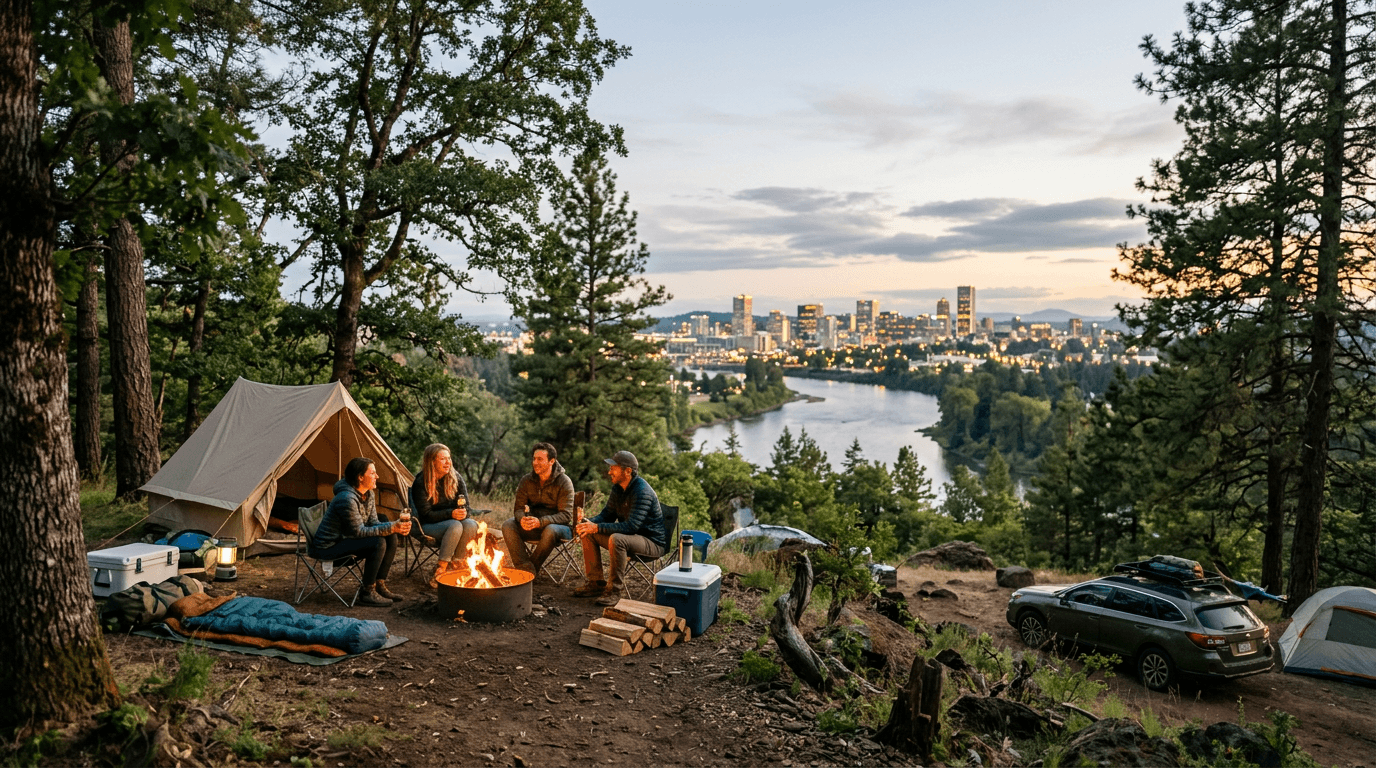
Finding the best camping spots near you is easier than ever by using a combination of modern booking apps, government reservation systems, and free camping resources. For instant booking of private and unique sites, use apps like Hipcamp; for national and state parks, head to Recreation.gov or state-specific websites; and for free options, check resources like Freecampsites.net.
There's a primal pull to escape the concrete grid, to trade the city's relentless hum for the whisper of wind through pine trees. For many of us living in bustling urban centers, the idea of camping feels like a distant, complicated dream. But what if your next great adventure—sleeping under a canopy of stars, waking up to the crisp morning air, and brewing coffee over an open flame—is just a short drive away? This guide is your key to unlocking that reality. We're here to show you that finding and booking the perfect campsite, whether it's a primitive tent spot, a luxurious glamping dome, or a family-friendly RV park, is not only possible but incredibly straightforward. Let's dive into the ultimate guide to discovering the best camping spots near you for any style, budget, and occasion.
How to Find the Best Camping Spots Near You in 3 Easy Steps
Getting out of the city and into nature can feel like a monumental task, but it really boils down to knowing where to look. We've simplified the process into three core strategies that cover every type of camping imaginable, from paid and amenity-rich to rugged and completely free. Think of these as your three main toolkits for adventure planning. Whether you're planning months in advance for a popular national park or impulsively deciding to escape for the weekend, one of these pathways will lead you to the perfect spot. These methods are what our team at Gidly uses to plan our own getaways, and they are foolproof. The key is to match the tool to the type of trip you envision.
First, you have the world of aggregator apps, which have revolutionized how we find private and unique camping experiences. Then there's the official route, which involves navigating government-run websites to book coveted spots in our nation's most beautiful public lands. Finally, for the truly adventurous and budget-conscious, there's the exciting world of free and dispersed camping, often called boondocking. Each path has its own set of tools, tricks, and rewards. By understanding all three, you become an expert navigator of the great outdoors, capable of finding a site for any mood or group. Let's break down exactly how to use each one to your advantage.
For Instant Booking: Use aggregator apps like Hipcamp and Campspot
If you value convenience, variety, and unique experiences, aggregator apps are your best friend. Think of Hipcamp as the "Airbnb of Camping." It connects you with private landowners who offer up their property for camping. This means you can find incredibly unique spots you'd never discover otherwise, from a secluded tent site in an apple orchard to a vintage Airstream trailer overlooking the ocean. The booking process is seamless and entirely online, just like booking a vacation rental. You can filter by price, amenities (like toilets, showers, and pet-friendliness), and type of stay (tent, RV, glamping). Reviews and photos from other campers provide a reliable sense of what to expect, which our team finds invaluable when trying a new place.
Similarly, Campspot focuses more on established private campgrounds, RV parks, and glamping resorts. It’s an excellent tool if you're looking for a place with guaranteed amenities like pools, Wi-Fi, laundry facilities, and full RV hookups. Its interface is clean and user-friendly, allowing you to search for real-time availability across thousands of premier locations. The biggest advantage of these platforms is the sheer breadth of options and the ability to book a last-minute trip with just a few taps on your phone. They remove the guesswork and the often-clunky reservation systems of older campgrounds, making the planning process part of the fun.
For Public Lands: Check Recreation.gov for national parks and state park websites for local gems
For those dreaming of camping in iconic landscapes like Yosemite, Zion, or Acadia, the official government portals are your gateway. Recreation.gov is the primary booking platform for federally managed lands in the United States, including National Parks, National Forests, and Bureau of Land Management (BLM) areas. This is where you'll reserve campsites, permits for backcountry trips, and even tickets for ranger-led tours. The key to success on Recreation.gov is planning. Popular campsites are often released on a rolling basis, typically six months in advance, and can sell out within minutes. It's crucial to know the exact date and time a site becomes available and be ready to book immediately.
Don't overlook state parks, either! They often rival national parks in beauty and are sometimes less crowded and easier to book. Each state has its own park system and reservation website (e.g., ReserveCalifornia for California, Texas State Parks Online Reservations for Texas). A quick search for "[State Name] State Park Reservations" will lead you to the right place. From our experience, these state-run sites are fantastic for finding hidden gems—beautiful lakes, forests, and coastal areas that are closer to home and perfect for a weekend trip. While some of these websites can feel a bit dated, they are the only way to secure a spot in these protected public lands.
For Free Camping: Utilize resources like Freecampsites.net and apps like iOverlander for boondocking options
For the ultimate in freedom and budget-friendliness, nothing beats free camping, also known as "boondocking" or "dispersed camping." This involves camping on public lands outside of designated campgrounds, typically with no amenities like water, toilets, or trash service. It's a rugged, self-sufficient style of camping that rewards you with unparalleled solitude and stunning scenery. The best places to find legal free camping are typically in National Forests and on Bureau of Land Management (BLM) land. The challenge is knowing exactly where you can and can't legally park for the night. This is where dedicated online resources become indispensable.
Freecampsites.net is a community-driven database where users share the locations and details of free and cheap campsites across the country. It's a treasure trove of information, though the quality of listings can vary. For a more modern and mobile-friendly experience, apps like iOverlander and Campendium are essential. These apps use your phone's GPS to show you nearby camping spots on a map, complete with user reviews, photos, and crucial details like cell signal strength and road conditions. We always cross-reference a few spots on these apps before heading out, as recent reviews are key to knowing if a site is still accessible and clean. Remember, the golden rule of boondocking is to practice "Leave No Trace" principles—pack out everything you pack in and leave the site better than you found it.
Why Camping is the Ultimate Experience for City Dwellers
Living in a city is an electrifying experience, filled with endless opportunities for entertainment, culture, and connection. Yet, the constant stimulation, noise, and digital tether can leave us feeling drained and disconnected from something fundamental. Camping is the perfect antidote. It’s more than just a vacation; it's a powerful reset button for the mind, body, and soul. It offers a chance to trade screen time for stargazing, deadlines for day hikes, and traffic horns for the gentle crackle of a campfire. It's an opportunity to recalibrate your internal clock to the rhythms of sunrise and sunset, an experience that feels both novel and deeply familiar.
The beauty of camping is its incredible versatility. It can be whatever you need it to be: a challenging solo expedition into the backcountry, a laughter-filled weekend with friends, a cozy and romantic getaway, or a chance for your family to create lasting memories without the distractions of modern life. It forces a mindful simplicity upon us, where the day's biggest decisions might be what trail to hike or how to perfectly toast a marshmallow. For city dwellers, this deliberate slowing down isn't just a break—it's a vital form of self-care that can reduce stress, improve mental clarity, and foster a profound sense of well-being that lingers long after you've packed up the tent.
Reconnecting with Nature: The Mental & Physical Benefits
The positive impact of spending time in nature is not just a feeling; it's backed by science. The Japanese practice of "shinrin-yoku" or "forest bathing" has been shown to reduce cortisol (the stress hormone), lower blood pressure, and boost the immune system. Simply being among trees and natural landscapes can improve your mood, increase creativity, and enhance your ability to focus. When you're camping, you're not just visiting nature for an hour—you're immersed in it. You're breathing cleaner air, soaking in Vitamin D from the sun, and engaging your body in natural movement, whether it's hiking, swimming, or simply walking to gather firewood.
From a mental health perspective, camping offers a powerful break from the "attention fatigue" of urban life. Our brains are constantly processing information from screens, advertisements, and social interactions. In nature, our attention is captured effortlessly by a passing deer, the sound of a river, or the intricate pattern of a leaf. This "soft fascination" allows the directed-attention parts of our brain to rest and recover. The Gidly team consistently finds that even a two-day camping trip can feel as restorative as a much longer vacation, simply because it provides such a complete and immersive break from our daily routines and mental loads. The physical activity combined with the mental rest creates a holistic rejuvenation that is hard to achieve anywhere else.
More Than Tents: The New World of Camping Experiences
If your image of camping is wrestling with a leaky tent in the rain, it's time for an update. The world of camping has exploded in recent years, offering a vast spectrum of experiences that cater to every comfort level and taste. While classic tent camping remains a beloved and rewarding adventure, it's now just one of many options. The rise of "glamping" (glamorous camping) has opened the outdoors to those who want a nature fix without sacrificing comfort. You can now book yurts with plush beds, geodesic domes with panoramic windows for stargazing, safari-style tents with private bathrooms, and fully restored vintage Airstreams with chic interiors.
Beyond glamping, unique structures like treehouses, fire lookout towers, and tiny cabins offer even more ways to experience the outdoors with a roof over your head. RVing, once seen as a retiree's pastime, has been embraced by younger generations and families, thanks to modern, stylish vans and trailers and the freedom of having a mobile home base. This diversification means that "camping" is no longer a one-size-fits-all term. It's a flexible concept that you can tailor to your specific needs, whether you're a seasoned backpacker seeking solitude or a couple looking for a luxurious and romantic weekend in a vineyard. This new world of camping makes the outdoors more accessible and appealing to everyone.
The Perfect Antidote to Your Always-On Life
In our hyper-connected world, the pressure to be constantly available—answering emails, checking social media, responding to texts—is immense. This "always-on" culture contributes to burnout, anxiety, and a feeling of being perpetually overwhelmed. Camping is one of the few activities that actively encourages, and often forces, a digital detox. Many of the most beautiful camping spots are blissfully free of cell service and Wi-Fi, removing the temptation to scroll and allowing you to be fully present in the moment. It's a chance to reconnect with the people you're with, have uninterrupted conversations, and engage in simple, analog activities like reading a book, playing cards, or just sitting in silence.
This forced disconnection is a feature, not a bug. It helps break the cycle of constant digital stimulation and allows your brain to reset. You start to notice the world around you in greater detail—the way the light changes throughout the day, the different calls of birds, the scent of the forest after it rains. It's an exercise in mindfulness that happens naturally. For many city dwellers, this is the most profound benefit of camping. It’s a rare opportunity to truly log off and tune in—to nature, to your companions, and most importantly, to yourself. It reminds us that there is a rich, vibrant world that exists beyond our screens.
The Top Platforms for Finding Camping Spots Near You: A Deep Dive Comparison
Navigating the digital landscape of campsite booking can be as tricky as finding a good trail map. With so many apps and websites claiming to be the best, how do you know where to start your search? The truth is, the "best" platform depends entirely on what you're looking for. Are you seeking a unique, private experience? A classic spot in a national park? A free place to park your van for the night? Our team has spent countless hours on all the major platforms, booking everything from remote desert sites to luxury glamping tents. We've compiled this deep-dive comparison to break down the pros, cons, and ideal user for each of the top players in the game. This will save you time and help you pinpoint the perfect tool for planning your next adventure.
We'll explore the key differences between the Airbnb-style private listings on Hipcamp, the curated resort experience on Campspot, the official government portal of Recreation.gov, and the community-powered reviews of The Dyrt. We'll also cover the essential resources for finding free campsites and the underrated strategy of booking directly through state park websites. Understanding the strengths and weaknesses of each will empower you to move beyond a simple "camping spots near me" search and start strategically finding the exact type of outdoor experience you've been dreaming of. Think of this as your master class in campsite booking technology.
Hipcamp: The Airbnb of Camping (Pros, Cons & Best For)
Hipcamp has truly been a game-changer, fundamentally expanding the definition of a "campsite." Its model is simple and brilliant: it allows private landowners—farmers, ranchers, vintners, and people with a bit of backyard acreage—to list their property for campers. This has unlocked a world of exclusive and charming locations that were previously inaccessible. You can camp in a lavender field, on a working horse ranch, or in a secluded redwood grove. The sheer variety is its greatest strength.
**Pros:** Unmatched variety of unique sites, instant booking with a user-friendly app, excellent filtering options (pets, toilets, showers, etc.), and a strong review system with photos that builds trust. It’s fantastic for finding last-minute availability when public campgrounds are full.
**Cons:** Prices can be higher than public campgrounds, and the quality of sites can vary widely since they are not professionally managed parks. You need to read reviews carefully. Service fees are added at checkout.
**Best For:** Campers looking for unique, private, and often Instagram-worthy experiences. It's ideal for couples seeking a romantic getaway, solo travelers wanting a safe and interesting spot, and anyone who values character and story over traditional amenities. It's also the go-to for glamping options like yurts, cabins, and treehouses.
Campspot: For Premier & Private Campgrounds (Pros, Cons & Best For)
If Hipcamp is the quirky indie marketplace, Campspot is the curated boutique. It partners primarily with established, professional campgrounds, RV parks, and glamping resorts. This means you're booking with businesses that specialize in hospitality. The platform is designed to make finding and booking high-quality, amenity-rich sites as easy as possible. Its "lock your site" feature is a standout, allowing you to pay a small extra fee to guarantee the exact campsite you choose from the map, which is a huge plus for those who want a specific lakefront or shaded spot.
**Pros:** High-quality, vetted campgrounds with reliable amenities. A super-slick, modern interface with real-time availability and an easy booking process. The "lock your site" feature provides peace of mind. Excellent for finding top-tier RV resorts and family-friendly campgrounds.
**Cons:** Less variety in terms of "unique" or "rustic" experiences; the listings are generally more commercial. Prices are on the higher end, reflecting the quality of the resorts. The inventory is smaller than Hipcamp's.
**Best For:** RVers looking for full hookups and resort-style amenities (pools, clubhouses). Families who want a safe, predictable environment with activities for kids. Anyone who prioritizes comfort, convenience, and guaranteed quality over rugged individualism.
Recreation.gov: Your Gateway to America's Public Lands (Pros, Cons & Best For)
Recreation.gov is the non-negotiable, official portal for the most sought-after real estate in the American outdoors. If you want to camp inside a National Park like Yellowstone or Arches, this is where you have to go. It’s a massive database that handles reservations for tens of thousands of campsites, cabins, and permits across multiple federal agencies. Its "Scan for Availability" feature and flexible date search are helpful, but the platform is infamous for the "booking frenzy" that occurs when popular sites are released six months in advance.
**Pros:** Access to the most beautiful and iconic landscapes in the country. Generally very affordable nightly rates. The information is official and reliable. It's the only way to book many of these premier public sites.
**Cons:** The booking process can be intensely competitive and frustrating; sites sell out in seconds. The website can be clunky and less intuitive than modern apps. Many sites are booked solid months, or even a year, in advance, making spontaneous trips difficult.
**Best For:** Planners. Anyone whose dream is to camp in a specific National Park or National Forest. Budget-conscious campers who don't need fancy amenities. It is essential for anyone planning a major "bucket list" camping trip across the country.
The Dyrt: Community-Driven Reviews & Pro Features (Pros, Cons & Best For)
The Dyrt started as a Yelp-for-campgrounds, building a massive database of over 1 million user-submitted reviews, photos, and tips. This community-driven aspect remains its core strength. You can find candid, real-world feedback on almost any campground in the country, from national parks to private RV resorts. Recently, it has evolved into a full-fledged booking platform and a subscription service, The Dyrt PRO. The PRO membership ($36/year) unlocks some incredibly useful features, including trip planning tools, offline maps, and discounts on camping gear and select campgrounds.
**Pros:** The most comprehensive collection of user reviews and photos available. The Dyrt PRO features, like finding free dispersed camping on a map and offline access, are invaluable for boondockers and road-trippers. The community aspect helps you get a real feel for a place.
**Cons:** The free version of the app is cluttered with ads and pushes the PRO subscription heavily. The direct booking functionality is not as seamless or comprehensive as Hipcamp or Campspot.
**Best For:** Researchers and road-trippers. It's the first place our team goes to research a campground we're considering. The Dyrt PRO is a must-have for anyone serious about RVing or finding free, off-grid camping spots. It's best used as a research tool in conjunction with other booking platforms.
Freecampsites.net: The Ultimate Guide to Free & Boondocking Spots
This website is the OG of free camping resources. It's a no-frills, community-powered map and database dedicated to helping people find free and cheap (under $12) places to camp. The interface is dated, but the information is gold if you're willing to do a little digging. Users can submit new sites, leave reviews, and update conditions, creating a living repository of boondocking knowledge. You'll find everything from established dispersed camping areas in National Forests to unofficial spots like casino parking lots that allow overnight stays.
**Pros:** It's completely free to use. It contains a massive number of free camping locations that you won't find on any paid app. The user comments often provide crucial details about road accessibility, safety, and recent conditions.
**Cons:** The website design is very basic and not mobile-friendly. The information can be outdated or inaccurate, as it relies on user submissions. You have to be careful and cross-reference information, and always have a backup plan.
**Best For:** Die-hard boondockers, van lifers, and budget travelers who prioritize saving money above all else. It's for the self-sufficient camper who is comfortable with uncertainty and is prepared to camp without any amenities. It’s an essential tool for long-term road trips.
State & National Park Websites: How to Book Direct and Find Hidden Gems
While Recreation.gov covers federal lands, every state has its own park system with its own reservation website. These are often overlooked goldmines. State parks can offer scenery and amenities that are on par with national parks but with less competition for campsites. For example, the state parks along Oregon's coast or in the Texas Hill Country are breathtaking destinations in their own right. Learning to navigate your state's specific booking portal (e.g., ReserveAmerica is used by several states, while others have their own unique system) can unlock a whole new tier of nearby camping options.
**Pros:** Access to beautiful, well-maintained parks that are often closer to home. Sometimes less competitive booking than national parks. Booking direct can occasionally save on service fees found on third-party sites. Great for finding family-friendly campgrounds with educational programs.
**Cons:** The quality and user-friendliness of these websites vary dramatically from state to state. Some are modern and easy to use, while others are frustratingly archaic. You have to learn a new system for each state you want to visit.
**Best For:** Weekend warriors looking for reliable and beautiful spots within a few hours' drive. Families and anyone interested in local natural history and ranger-led programs. It's a fundamental resource for building a rotation of favorite local getaways.
Comparison Table: Features vs. Fees vs. Best For...
| Platform | Typical Cost & Fees | Inventory Type | Best For |
|---|---|---|---|
| Hipcamp | $25 - $500+/night. Service fee (10-18%) added at checkout. | Private Land, Glamping, Unique Stays, Tent & RV Sites | Unique experiences, glamping, last-minute bookings |
| Campspot | $40 - $200+/night. Booking fee varies (~$2-5). Optional site-lock fee. | Premier RV Parks, Private Campgrounds, Cabins | RVers, families, those wanting guaranteed amenities |
| Recreation.gov | $15 - $50/night. Booking fee (~$8-10) per reservation. | National Parks, National Forests, Federal Lands | Booking iconic public lands, budget-conscious planners |
| The Dyrt (PRO) | $36/year for PRO. Site fees vary. Offers booking on some sites. | Massive database of all types, including free dispersed sites | Research, reviews, finding free camping (boondocking) |
| Freecampsites.net | $0. The site is free to use. | Dispersed Camping, Overnight Parking, Boondocking Spots | Budget travelers, van lifers, self-sufficient campers |
| State Park Websites | $20 - $60/night. Booking fees vary by state. | State-run Parks and Recreation Areas | Finding local gems, weekend trips, family camping |
Tent vs. RV vs. Glamping: Which Camping Style Fits Your Vibe?
Once you know where to look for campsites, the next big question is: how do you want to camp? The choice between pitching a tent, rolling up in an RV, or checking into a glamping site will fundamentally shape your entire experience. Each style comes with its own unique set of costs, comforts, conveniences, and challenges. There's no single "best" way to camp; the perfect choice depends on your personality, budget, group size, and the type of adventure you're craving. Are you looking for a rugged, back-to-basics challenge? A comfortable home-away-from-home on wheels? Or a luxurious nature retreat where you don't have to lift a finger? Let's explore the holy trinity of modern camping to help you find the style that perfectly matches your vibe.
Understanding these differences is crucial for first-timers to avoid a mismatch of expectations. Choosing tent camping when you desperately need a hot shower and a comfy bed can lead to a miserable trip. Conversely, opting for a high-end glamping experience when you're craving solitude and self-reliance might feel unfulfilling. Our Gidly team has tried them all, from sleeping on the ground in a one-person tent to lounging in a climate-controlled dome with a king-sized bed. We'll break down the realities of each style—the gear you'll need, the costs involved, and the overall experience—to ensure you make the right choice for your first, or next, outdoor escape.
Tent Camping: The Classic Adventure (Cost, Gear, Experience Level)
Tent camping is the quintessential outdoor experience. It's the most immersive way to connect with nature, offering the least separation between you and the elements. The sound of rain on the fly, the silhouette of trees against the tent wall, the feeling of zipping open your door to a crisp, misty morning—these are the simple, powerful moments that define tent camping. It's also the most accessible entry point into the world of camping. A basic but reliable setup for two people can be acquired for a few hundred dollars. This initial investment in a tent, sleeping bags, and sleeping pads can last for years of adventures.
The cost per night is generally the lowest, with public campground sites ranging from $15 to $50. The trade-off for this affordability and immersion is a lack of comfort and a greater need for self-sufficiency. You'll be sleeping on the ground (hopefully on a good pad!), cooking your own meals on a camp stove or fire, and dealing directly with weather, bugs, and wildlife. This style is best suited for those with an adventurous spirit, a willingness to embrace minor discomforts, and a desire to learn basic outdoor skills. For beginners, we recommend starting at an established campground with amenities like bathrooms and running water before venturing into more primitive sites.
RV Camping: Your Home on Wheels (Costs, Types, Amenities)
RV (Recreational Vehicle) camping offers a fantastic blend of mobility and comfort. It's like having your own private cabin on wheels, complete with a bed, kitchen, bathroom, and climate control. This makes it an incredibly popular choice for families, retirees, and anyone who wants to explore the outdoors without giving up the comforts of home. The world of RVs is vast, ranging from small "Class B" camper vans that are easy to drive and park, to towable travel trailers and fifth wheels, to massive "Class A" motorhomes that are essentially luxury buses. You can rent RVs through platforms like Outdoorsy and RVshare to try it out.
The primary advantage is convenience. Your kitchen, bathroom, and cozy bed are always with you. Setting up camp is often as simple as pulling into a spot and hooking up to electricity and water. This is a game-changer in bad weather. The costs, however, are significantly higher. RV rentals can range from $100 to $400+ per day, plus fuel and the cost of "full hookup" campsites ($40-$100+ per night). Owning an RV is a major financial commitment. RV camping is ideal for longer road trips, trips with small children, and for those who value comfort and predictability. It allows you to cover large distances while maintaining a consistent and comfortable home base.
Glamping (Yurts, Cabins, Domes): Nature Meets Luxury (Cost, What to Expect)
Glamping is the perfect solution for those who love the idea of being in nature but not the idea of "roughing it." It combines the beauty and serenity of a natural setting with the comfort and amenities of a boutique hotel. Glamping accommodations are diverse and often spectacular: think spacious safari tents with hardwood floors and clawfoot tubs, geodesic domes with skylights for stargazing from a king-sized bed, or charming yurts with wood-burning stoves. These sites are typically found on private land, often through platforms like Hipcamp, and are designed to be turnkey experiences.
When you go glamping, almost everything is provided for you. You just show up with your clothes and food. The experience is centered on relaxation and curated comfort. You might find a welcome basket, pre-chopped firewood, and an outdoor deck with stylish furniture. This luxury comes at a price, with glamping sites often costing anywhere from $150 to over $500 per night, rivaling hotel prices. Glamping is perfect for romantic getaways, special occasions, or as a gentle introduction to the outdoors for hesitant friends or family. It removes the barriers of gear and skill, making a comfortable nature escape accessible to absolutely everyone.
Answer Capsule: What is the difference between tent, RV, and glamping?
The main difference lies in the level of comfort, cost, and self-sufficiency required. Tent camping is the most rustic and affordable, requiring you to bring all your own gear and sleep in a portable shelter. RV camping provides a mobile home with amenities like a bed, kitchen, and bathroom, offering more comfort at a higher cost. Glamping is the most luxurious, providing a permanent or semi-permanent structure (like a yurt or cabin) with hotel-like amenities, requiring no gear from the guest but commanding the highest price.
Comparison Table: Cost vs. Comfort vs. Convenience
| Camping Style | Avg. Nightly Cost | Comfort Level | Convenience & Gear |
|---|---|---|---|
| Tent Camping | $15 - $50 (Site Fee) | Low to Medium (Dependent on gear) | Low convenience; requires bringing all your own gear. |
| RV Camping | $40 - $100+ (Site Fee) + Rental/Fuel | High (Real bed, bathroom, climate control) | High convenience; gear is built-in. Driving can be challenging. |
| Glamping | $150 - $500+ | Very High (Hotel-like amenities) | Very high convenience; requires no gear. Just show up. |
The Gidly Scenario Guide: Perfect Camping Spots For Every Occasion
Finding a campsite isn't just about location; it's about matching the environment to the experience you want to create. The perfect spot for a loud, fun-filled weekend with friends would be a terrible choice for a quiet, romantic escape. As your guide to all things entertainment and experience, Gidly knows that the context of your trip is everything. That’s why we’ve created this scenario-based guide to help you choose the right type of camping spot for every occasion. We've considered the specific needs and desires of different groups, from couples seeking seclusion to families needing playgrounds, and even companies planning a unique team-building retreat. Think of this as your cheat sheet for curating the perfect outdoor adventure, ensuring the vibe of the campground perfectly complements the vibe of your crew.
We'll move beyond generic advice and give you actionable tips on what to look for on booking platforms. What keywords should you search for? What amenities are non-negotiable? What red flags should you watch out for? By focusing on the "who" and "why" of your trip, you can narrow down the overwhelming number of options to a handful of perfect candidates. Whether you're planning a much-needed solo digital detox or organizing a memorable family reunion, this guide will help you find a campsite that feels like it was made just for you and your occasion.
For a Romantic Date Night: Secluded, Scenic & Unique Stays
When planning a romantic camping trip, the keywords are seclusion and ambiance. You want a spot where you feel like you're the only two people in the world, not wedged between a massive RV and a family reunion. On platforms like Hipcamp, search for terms like "secluded," "private," and "creekside." Look for listings that explicitly mention being the only site on the property or being far from other campers. Glamping is often the ideal choice for romance. A yurt with a wood-burning stove, a tiny cabin with a hot tub, or a canvas tent with a plush queen bed and fairy lights sets an effortlessly romantic mood. These places do the work for you, creating a beautiful setting so you can focus on each other.
Pay close attention to the photos and reviews. Do previous guests mention privacy and quiet? Does the site have a dedicated fire pit for just the two of you? Scenic views are a huge bonus—look for sites described as having "sunset views," "stargazing," or "overlooking the valley." The goal is to find a place that feels special and intentional. Avoid large, family-oriented campgrounds with shared facilities and playgrounds. Instead, opt for a unique stay that provides a memorable backdrop for your time together. Our Gidly pick is often a well-appointed glamping site near a winery or a charming small town, allowing you to pair your rustic night with a nice dinner or wine tasting during the day.
For a Weekend with Friends: Group Campsites with Activities & Social Vibes
Camping with friends is all about shared experiences, laughter, and making memories around the campfire. The ideal campsite for a group has two key features: space and a tolerance for a bit of social noise. Look for designated "group campsites" in state and national parks. These sites are designed to accommodate multiple tents and cars and are often set slightly apart from the main family loops. On Hipcamp, many hosts offer large, private sites perfect for groups, sometimes advertised as "meadows" or "event spaces." The key is to be upfront with the host about your group size to ensure you're a good fit.
Proximity to activities is crucial. A campground with a lake for swimming and kayaking, a network of hiking trails, or a nearby brewery or town to explore during the day will keep everyone entertained. Amenities like large picnic tables, multiple fire rings, and access to flush toilets can make a big difference for group comfort. You'll want to avoid campgrounds with strict, early quiet hours if your group tends to stay up late chatting. Read reviews to see if others mention the campground being "social," "lively," or "great for groups." The goal is to find a place where you can relax, be yourselves, and enjoy the communal spirit of camping together without disturbing others.
For Family Adventures: Kid-Approved Campgrounds with Playgrounds & Amenities
Camping with kids is a magical experience, but it requires a different kind of planning. Safety, convenience, and entertainment are the top priorities. Look for established campgrounds with family-friendly amenities. A playground is often a non-negotiable for keeping little ones happy. Paved loops for bike and scooter riding are a huge plus. Many KOA (Kampgrounds of America) and state park campgrounds are designed with families in mind, offering things like swimming pools, mini-golf, and organized kids' activities like hayrides or craft hours.
When booking a site, consider its location within the campground. A spot close to the bathrooms can be a lifesaver for middle-of-the-night potty runs. Look for sites that offer some shade for afternoon naps and a flat, clear area for the tent. "Walk-in" sites that require you to carry your gear a short distance from the car can be challenging with kids and all their associated stuff. A traditional "drive-up" site is much easier. Nature centers and junior ranger programs, common in state and national parks, are fantastic ways to engage kids with the natural world and give parents a bit of a break. For a family trip, predictability and amenities trump seclusion.
For Solo Escapes: Safe, Accessible & Scenic Spots for a Digital Detox
Solo camping is a deeply rewarding experience, offering a rare opportunity for quiet reflection, self-reliance, and an uninterrupted connection with nature. For a solo trip, safety and accessibility are paramount. Many solo campers, especially women, prefer the security of an established campground with a host or ranger on-site. Small, well-managed state parks or national forest campgrounds are excellent choices. Look for a site in a loop that feels populated but not crowded, offering a balance of privacy and the comfort of having neighbors nearby. Reading reviews from other solo campers can provide invaluable peace of mind.
Alternatively, if you're an experienced camper seeking true solitude, a well-researched dispersed camping spot can be incredible. Use apps like The Dyrt or iOverlander and look for sites with recent positive reviews and good cell service (a key safety feature for solo trips). Choose a site that is easy to access with your vehicle and not too remote. A spot with a beautiful view or near a favorite hiking trail can provide a perfect focal point for your trip. The goal is to find a place where you feel secure enough to truly relax, unplug, and enjoy the freedom and empowerment of a solo adventure.
For Team Building: Campgrounds with Group Facilities & Nearby Activities
Taking the team out of the office and into the woods can be a powerful way to build camaraderie and foster creative thinking. When planning a corporate or team camping trip, logistics are key. You'll need a location that can accommodate a large group and offers facilities for meetings or group meals. Many state parks and some private campgrounds have reservable group campsites or even large pavilions with electricity and grills. Some glamping resorts specialize in corporate retreats, offering a blend of comfortable accommodations and curated team-building activities.
Look for a location with a variety of accessible activities that can appeal to different fitness levels and interests. Easy hiking trails, a lake for kayaking, or lawn games can provide structured fun. Proximity to a town with a good restaurant for a group dinner can also be a great option. The key is to make it easy and comfortable for everyone, especially those who may not be experienced campers. Consider renting a block of cabins or yurts instead of asking everyone to bring a tent. The goal is to create a shared, positive experience that strengthens team bonds, and that often means prioritizing comfort and organized activities over rugged adventure.
The Entertainment Camping Guide: Stay Near the Action
Your camping trip doesn't have to be an isolated retreat into the wilderness. One of the most exciting ways to plan an outdoor getaway is to pair it with local entertainment. This is the Gidly philosophy: an adventure is more than just a place to sleep; it's the sum of all the cool experiences you have. "Entertainment camping" means strategically choosing your campsite to be a convenient and affordable home base for attending a music festival, a concert at an iconic outdoor venue, or a weekend of exploring a city's cultural happenings. It's the ultimate "best of both worlds" trip, blending the restorative power of nature with the thrill of live events.
This approach transforms your trip from a simple camping excursion into a full-blown, experience-rich vacation. Imagine seeing your favorite band play under the stars and then, instead of sitting in hours of traffic, retreating to your quiet campsite just a few miles away. Or picture spending your day exploring a city's museums and food scene, then escaping the urban hustle for a night around a campfire. This section will show you how to master the art of entertainment camping, using tools like Gidly to discover events and plan a perfectly balanced getaway that satisfies both your adventurous spirit and your love for culture and fun.
The Gidly Advantage: Pairing Your Camping Trip with Nearby Events
This is where planning gets really fun. Instead of starting with a campground, start with an event you want to experience. Use the Gidly app to browse what's happening in a region you're interested in. Maybe there's a folk music festival in the mountains, a food and wine fair in a scenic valley, or a quirky local parade in a small town you've always wanted to visit. Once you've locked in your entertainment, you can reverse-engineer your camping trip. Use the event's location as the center point of your search on Hipcamp, Recreation.gov, or Campspot.
The Gidly advantage is about seeing the bigger picture. We don't just list events; we provide the context for a great time. By layering event discovery on top of your accommodation search, you create a more dynamic and memorable itinerary. You might discover a state park just 20 minutes from a summer concert series you never knew existed. Or you could find a charming Hipcamp spot on a farm that's a short drive from a weekend-long renaissance faire. This method encourages you to explore new areas and combines your interests into one cohesive, exciting trip. It turns a simple "camping spots near me" search into a quest for a complete adventure.
How to Find Campsites Near Major Music Festivals (Coachella, Bonnaroo, etc.)
Attending a major music festival is an unforgettable experience, but the accommodation costs can be astronomical. Camping is often the most affordable and immersive way to do it. Most large festivals like Coachella, Bonnaroo, and Electric Forest offer official on-site camping. This is the most convenient option, putting you right in the heart of the action and the 24/7 festival community. However, these spots can be crowded, noisy, and sell out quickly. They offer an incredible social experience but little in the way of peace and quiet.
For a more restful experience, look for off-site camping options. Use the festival's address and search for campgrounds within a 10-30 mile radius. Check state parks, county parks, and private RV parks. Hipcamp can be a goldmine here, as landowners near festival grounds often open up their properties to campers during that time, offering a quieter, more spacious alternative. Be aware that these private and public campgrounds often get booked up by festival-goers months in advance, so plan ahead. Also, be sure to factor in transportation—will you need to drive and park each day, or is there a shuttle service available? Weigh the convenience of on-site camping against the peace (and often, better amenities) of a nearby off-site campground.
Campgrounds Near Iconic Outdoor Concert Venues (Red Rocks, The Gorge, etc.)
Seeing a show at a legendary outdoor amphitheater like Red Rocks in Colorado or The Gorge in Washington is a bucket-list item for any music lover. These venues are celebrated for their stunning natural acoustics and breathtaking scenery. Camping nearby is the perfect way to complete the experience, avoiding a long, late-night drive back to a city hotel. Both Red Rocks and The Gorge have famous on-site campgrounds that become vibrant communities on show nights. The Gorge Campground, in particular, is notorious for its epic party scene and stunning views of the Columbia River Gorge.
To find these spots, go directly to the venue's official website, where they will have information and booking links for their official campgrounds. Just like with festivals, these spots sell out fast, especially for popular artists. If the official campground is full, use the venue's address to search for alternatives. For Red Rocks, look for campgrounds in the nearby towns of Morrison and Golden, like Bear Creek Lake Park. For The Gorge, look for options in Quincy or Wenatchee, including state parks like Wanapum State Park. Booking a campsite turns a one-night concert into a mini-vacation, giving you time to hike and explore the beautiful surroundings during the day before the show.
Planning a "City & Nature" Combo Trip (e.g., Camping Near NYC, LA, Chicago)
You don't have to choose between a city vacation and a nature escape—you can have both. This is a fantastic way to travel, especially if you and your partner or friends have different interests. The strategy is to find a campground within an hour's drive of a major city. This gives you a quiet, affordable home base where you can relax in the evenings, but allows for easy day trips into the city to explore museums, restaurants, and attractions. This combo is surprisingly easy to pull off for many major US cities.
For example, you can camp at Harriman State Park or Clarence Fahnestock State Park and take a train into New York City for the day. Near Los Angeles, you can camp in the mountains of Angeles National Forest or by the beach at Leo Carrillo State Park and drive into the city. Around Chicago, Illinois Beach State Park offers camping on the shores of Lake Michigan. Use Gidly to plan your city days, finding the best brunch spots, museum exhibits, or walking tours. Then, retreat to your campsite in the evening to trade the city lights for starlight. This approach saves a fortune on city hotel prices and provides a wonderful balance of stimulation and serenity.
Using the Gidly App to Discover Events and Things to Do Near Your Campsite
Once you've booked your campsite, the adventure planning has just begun! This is the perfect time to open the Gidly app and explore the local scene around your destination. Set your location to the town nearest your campground and see what pops up. You might be surprised to find a wealth of hidden gems. Perhaps there's a farmer's market on Saturday morning where you can buy fresh ingredients for your campfire dinner. Maybe a local brewery is having live music on the patio, or a small-town theater is putting on a play. Gidly is designed to help you discover these authentic local experiences.
This adds a layer of spontaneity and discovery to your trip. Instead of just staying at the campground, you can integrate into the local community. It's a great way to find the best local coffee shop, a scenic overlook that's not in the tourist brochures, or a quirky annual festival. By using Gidly as your local entertainment guide, you elevate your camping trip from a simple stay in the woods to a rich, multi-faceted exploration of a new place. It ensures you won't miss out on the cool, unique happenings that are often just a stone's throw from your tent.
The Ultimate Guide to Free & Cheap Camping Near You
One of the most liberating and adventurous ways to experience the outdoors is through free camping. Known by many names—boondocking, dispersed camping, wild camping—it boils down to camping on public lands outside of a designated campground, completely for free. This means no reservations, no fees, and often, no neighbors. It's the ultimate way to find solitude and connect with nature on your own terms. However, it also requires more knowledge, preparation, and a commitment to self-sufficiency and ethical outdoor practices. Finding these legal and beautiful spots can seem daunting, but with the right tools and know-how, a world of free adventure opens up.
This section is your comprehensive guide to mastering the art of free and cheap camping. We'll demystify the concept of boondocking, explaining what it is, where it's legal, and how to do it responsibly. We'll show you how to navigate the vast public lands managed by the Bureau of Land Management (BLM) and the US Forest Service (USFS) to find your own private piece of paradise. We'll also dive into the best apps and websites that have become essential tools for the modern boondocker. And for those not quite ready to go completely off-grid, we'll share insider tips for saving money on traditional paid campgrounds. Get ready to cut your travel costs and dramatically increase your freedom.
Answer Capsule: Where can I find free camping spots?
You can primarily find free camping spots, known as dispersed camping or boondocking, on public lands managed by the Bureau of Land Management (BLM) and in National Forests. The best way to locate these spots is by using apps like iOverlander and The Dyrt PRO, or websites like Freecampsites.net, which map out legal free camping areas with user reviews.
What is Boondocking? A Guide to Legal and Responsible Free Camping
Boondocking is the practice of camping in the wild without connections to water, electricity, or sewer—in other words, without any amenities. This is most commonly done in an RV or van, but tent campers can boondock as well. The key to boondocking is understanding where it's legal. In the United States, this is generally permitted on most land managed by the Bureau of Land Management (BLM) and the US Forest Service (USFS), as long as you're outside of a developed campground and not in an area marked "No Camping." A good rule of thumb is to look for existing pull-offs and dirt roads where others have clearly camped before.
Responsible boondocking is crucial to keeping these areas open and beautiful for everyone. The golden rule is to follow the principles of Leave No Trace (LNT). This includes:
- Pack it in, pack it out: All of your trash, including food scraps, must leave with you.
- Dispose of waste properly: This is especially important for human waste. RVs have holding tanks, but tent campers need to know how to dig a proper "cat hole" 6-8 inches deep and at least 200 feet from water sources.
- Minimize campfire impacts: Use existing fire rings whenever possible and be hyper-aware of local fire bans. Always extinguish your fire completely.
- Respect wildlife and be considerate of other visitors.
How to Find Dispersed Camping in National Forests & BLM Land
Finding a great dispersed camping spot is a modern-day treasure hunt. The first step is to identify the large swaths of National Forest or BLM land near your target destination. You can use paper maps like the National Forest Visitor Maps or digital tools like the Gaia GPS app with a public lands layer. These maps will show you the boundaries of the public land and the network of forest service roads (often designated with "FR" and a number) that crisscross them. The adventure begins by turning off the main highway and onto these dirt or gravel roads.
Drive slowly and keep an eye out for small, unmarked turnouts and clearings along the road. These are often established, unofficial campsites. The best spots are usually a few miles in from the pavement, away from road noise. Look for a flat, durable surface and a pre-existing stone fire ring—a clear sign that others have camped there. It’s wise to scout these roads during daylight and know your vehicle's capabilities; some forest roads can be rough and require high clearance or 4WD. Before you go, always check the local ranger district's website or call their office for the most current information on road closures, fire restrictions, and specific dispersed camping rules for that area.
Top Apps & Websites for Finding Free Sites (iOverlander, Campendium)
While exploring forest roads is a classic method, modern technology has made finding free sites infinitely easier and more reliable. Apps have crowdsourced the knowledge of thousands of campers into easy-to-use databases. The undisputed champions in this space are iOverlander, Campendium, and The Dyrt. These apps function similarly: they display a map with icons representing different types of spots—established campgrounds, informal campsites, boondocking locations, and even places to find water or dump your tanks.
iOverlander: This is a global app, popular with the international overlanding community. It's known for its simple, no-frills interface and extensive database of wild camping spots. User comments are key, often providing GPS coordinates and critical details about road conditions and safety.
Campendium: Campendium has excellent search filters, allowing you to specifically search for "Free" camping. It's particularly strong for its coverage of BLM and Forest Service land in the Western US. A standout feature is its cell service reports, where users report the signal strength for different carriers (Verizon, AT&T, T-Mobile), which is crucial for digital nomads.
The Dyrt (PRO): The Dyrt's free dispersed camping map layer is a PRO feature, but many find it well worth the annual fee. It overlays BLM and USFS boundaries on a map, making it easy to see where you can legally camp.
Our team uses a combination of these apps to cross-reference sites and get the most complete picture before heading out.
Tips for Saving Money on Paid Campgrounds (Off-season, Weekdays, Memberships)
If boondocking isn't your style, you can still camp on a budget. The most effective way to save money on paid campgrounds is to travel during the "shoulder seasons" (spring and fall) or the off-season (winter). Nightly rates are often significantly lower, and sites are much easier to find. Camping on weekdays (Sunday through Thursday) is almost always cheaper and less crowded than on weekends. If your schedule allows for it, a mid-week trip can feel like you have the whole campground to yourself.
Another great strategy is to invest in a camping membership or pass. For RVers, memberships like Good Sam Club, Passport America, and Harvest Hosts can offer significant savings. Good Sam provides a 10% discount at thousands of partner campgrounds. Passport America offers a 50% discount at its network of parks (though with some restrictions). Harvest Hosts is a unique model where you pay an annual fee to camp for free at over 5,000 wineries, breweries, farms, and attractions. For public lands, the America the Beautiful Pass ($80/year) gives you free entry to all National Parks and federal recreation sites, which can save a lot on entrance fees, though it doesn't discount camping fees themselves.
Top-Rated Camping Categories for Your "Near Me" Search
Sometimes the best way to find your perfect campsite is to search by the experience you're craving rather than just the location. A generic search for "camping spots near me" can yield an overwhelming list of generic options. By refining your search to focus on a specific activity or feature, you can uncover extraordinary places tailored to your interests. Are you an amateur astronomer dreaming of a clear view of the Milky Way? A passionate hiker who wants to roll out of your tent and onto the trail? Or perhaps you're looking for a truly unique, memorable stay that will wow your friends and family? This section breaks down the top camping categories to help you target your search and find exactly what you're looking for.
We'll explore the best types of campgrounds for specific passions, from stargazing and waterfront relaxation to hiking and unique architectural stays. We'll also cover the crucial category of pet-friendly camping, because for many of us, an adventure isn't complete without our four-legged companion. For each category, we'll provide tips on what to look for and what keywords to use in your search on platforms like Hipcamp, The Dyrt, and Recreation.gov. This approach will help you move from simply finding a place to sleep to discovering a destination that fuels your passion.
Best for Stargazing: Official Dark Sky Parks & Remote Sites
Escaping the city's light pollution is one of the most magical rewards of camping. To truly witness the cosmos in all its glory, seek out locations designated as International Dark Sky Parks. These are parks and reserves recognized for their exceptionally dark skies and commitment to preserving them. You can find a list of these parks on the International Dark-Sky Association website. Many are located in remote areas like Big Bend National Park in Texas or Death Valley National Park in California. Booking a campsite in one of these parks during a new moon guarantees an astronomical show you'll never forget. Use search terms like "dark sky," "stargazing," and "astronomy" when looking for campsites.
Even if you can't get to an official Dark Sky Park, you can still find great stargazing spots. The key is remoteness. Look for campsites in national forests or on BLM land, far from any towns or cities. Desert environments are often fantastic for stargazing due to their low humidity and frequent clear skies. On Hipcamp, many hosts in rural areas specifically advertise their properties as being great for stargazing. Look for reviews that mention seeing the Milky Way or shooting stars. A campsite with a large, open clearing away from trees will give you the best panoramic view of the night sky.
Best for Waterfront Views: Lakeside, Riverside & Oceanfront Camping
There's something uniquely serene about camping next to water. The sound of gentle waves, the opportunity for a morning swim, and the beauty of a sunset reflecting on the surface make waterfront campsites some of the most sought-after. When searching, use specific keywords like "lakefront," "riverside," "creekside," or "oceanfront." On booking sites like Recreation.gov and state park websites, look for campgrounds that have "waterfront" or "lake view" site designations. These often cost a small premium but are well worth it. Be sure to book these prime spots as far in advance as possible.
For lakeside camping, look for state and national parks centered around large bodies of water. These are perfect for boating, kayaking, and fishing. Riverside and creekside camping, often found in national forests or on Hipcamp, offers the soothing sound of running water and great opportunities for fly fishing or just dipping your toes in on a hot day. Coastal camping is its own special category. Spots like those at Jalama Beach in California or on the Outer Banks of North Carolina offer the incredible experience of sleeping to the sound of ocean waves. Be prepared for wind and cooler temperatures when camping on the coast.
Best for Hiking Access: Trailheads Right at Your Tent Door
For many campers, hiking is the main event. The ultimate convenience for an avid hiker is a "hike-in/hike-out" campsite where the trailhead is literally steps from your tent. This allows you to start your hike early in the morning before the crowds arrive and finish right at your home base without needing to drive anywhere. Many campgrounds inside national and state parks are specifically situated to provide access to the park's best trail networks. When looking at a campground map on Recreation.gov, check to see if trailheads are marked within the campground loops.
Another great strategy is to look for "walk-in" or "hike-in" campsites. These sites are located a short walk (from a few hundred feet to a mile) from the parking area, meaning you have to carry your gear in. The reward for this small effort is often more privacy, better scenery, and a feeling of being deeper in the wilderness. On Hipcamp, look for listings that mention "direct trail access" or are located adjacent to public lands like a national forest or state park. Reading reviews from other hikers can give you a good sense of the quality and variety of trails accessible from the campsite.
Most Unique Stays: Treehouses, Airstreams, Fire Towers & More
If you're looking for a camping experience that's truly out of the ordinary, the world of unique stays is calling. These are accommodations that are as much a part of the adventure as the location itself. Hipcamp is the undisputed king of this category. You can filter your search by structure type to find an incredible array of options. Have you ever dreamed of sleeping in a treehouse? A converted school bus ("skoolie")? A historic fire lookout tower with 360-degree views? Or a shiny, retro Airstream trailer? All of these and more are available to book.
These unique stays blur the line between camping and a boutique hotel experience. They are perfect for celebrating a special occasion or for anyone looking for a highly memorable and photogenic getaway. While they fall under the glamping umbrella and come with a higher price tag, the experience is often priceless. When searching, use keywords for what you're dreaming of: "treehouse," "Airstream," "tiny cabin," "geodome," "fire tower." Reading the descriptions and looking at the photos is half the fun. These stays book up very far in advance, so early planning is essential if you have your heart set on a specific one.
Pet-Friendly Paradise: Campgrounds Your Dog Will Love
For many of us, our dogs are part of the family, and leaving them behind is not an option. Thankfully, the camping world is becoming increasingly pet-friendly. However, rules and amenities can vary wildly, so it's crucial to do your research. On booking platforms like Hipcamp, Campspot, and The Dyrt, there is almost always a "pets allowed" filter. This is the first and most important step. Never assume a campground is pet-friendly; always confirm.
Beyond just being allowed, what makes a campground great for dogs? Look for sites with some space and shade. Proximity to dog-friendly hiking trails is a huge plus (be aware that most National Park trails are not open to dogs, while National Forest trails generally are). Some upscale RV parks and KOAs even have dedicated dog parks or "bark parks" where your pup can run off-leash. Read the campground's specific pet policy carefully. Most require dogs to be leashed at all times, have rules about excessive barking, and prohibit leaving dogs unattended at the campsite. Finding a spot where your dog is not just tolerated but welcomed makes for a much more relaxing and enjoyable trip for everyone.
A Local's Guide to Camping Near Major Cities (Example: Los Angeles)
One of the best-kept secrets of many major metropolitan areas is the incredible diversity of natural landscapes lying just beyond the city limits. While it's easy to feel trapped in an urban environment, a world-class outdoor escape is often just an hour or two away. To illustrate this, we're using Los Angeles—a sprawling megalopolis famous for its traffic—as a case study. The greater LA area is a perfect example of how you can experience drastically different ecosystems, from surfing at the beach in the morning to watching the sunset from a mountain peak in the evening. This model can be applied to almost any major city, whether it's escaping to the mountains near Denver, the forests near Seattle, or the lakes near Chicago.
This section is designed to inspire you to look at the map around your own city with fresh eyes. We'll break down the different types of camping experiences available within a short drive of Los Angeles, categorized by environment: beach, mountain, and desert. We'll also touch on the upscale glamping and wine country options that offer a more refined getaway. By using a specific city as an example, we can provide concrete names, places, and tips that you can use as a template for planning your own local escape, no matter where you live. Your next great adventure is closer than you think.
Beach Camping: Coastal Spots from Malibu to Orange County
Camping with the Pacific Ocean as your front yard is a quintessential Southern California experience. The options range from rustic bluff-top sites to full-service RV parks right on the sand. In the Malibu area, Leo Carrillo State Park and Sycamore Canyon Campground in Point Mugu State Park are perennial favorites. These spots offer campsites a short walk from the beach, with access to tide pools and coastal hiking trails. They get booked up months in advance, especially for summer weekends, so planning on ReserveCalifornia is essential. Further south in Orange County, spots like San Clemente and San Onofre State Beaches offer legendary surf breaks and campsites with epic ocean views. For a more resort-style experience, RV parks like Newport Dunes in Newport Beach offer full hookups and waterfront sites right in the bay.
The vibe of beach camping is social and active. You'll be sharing the space with surfers, families, and sunbathers. It can be noisy and crowded, but the reward is falling asleep to the sound of crashing waves. Be prepared for morning marine layer (fog) and often windy conditions. A key tip is to check the campground map carefully when booking; "beach camping" can sometimes mean the campground is near the beach, not on it. Look for sites explicitly labeled "oceanfront" or "beachfront" if that's the experience you're after. These prime spots are some of the most competitive to book in the entire state.
Mountain Camping: Escapes in the San Gabriels & San Bernardinos
When the LA basin heats up, locals know to head for the mountains. The Angeles National Forest and the San Bernardino National Forest form a massive, rugged playground just an hour's drive from downtown. These mountains offer a true alpine escape with pine forests, mountain streams, and cooler temperatures. Campgrounds like Buckhorn in the Angeles National Forest or Serrano Campground near Big Bear Lake in the San Bernardinos are fantastic options. These sites offer a classic forest camping experience with opportunities for hiking, fishing, and stargazing. The famous Pacific Crest Trail (PCT) winds through these mountains, offering incredible day-hiking opportunities.
Mountain camping near LA offers a dramatic change of scenery and climate. You can go from 90-degree heat in the valley to needing a jacket at your 7,000-foot-elevation campsite. These campgrounds range from primitive sites with just a vault toilet to more developed ones with flush toilets and hosts. Most are booked on Recreation.gov. For a more adventurous trip, explore the many dispersed camping options along the forest service roads. A trip to the mountains is the quickest way to forget you're anywhere near one of the world's largest cities. It's a vital escape for many Angelenos seeking shade and solitude.
Desert Camping: Otherworldly Stays Near Joshua Tree & Anza-Borrego
Southern California is also home to some of the world's most iconic desert landscapes. A two-to-three-hour drive east takes you to a completely different world of stark beauty, unique flora, and brilliant night skies. Joshua Tree National Park is the star attraction. Camping among the bizarrely beautiful Joshua trees and giant rock formations is an unforgettable experience. Campgrounds like Jumbo Rocks and Ryan Campground are nestled right amongst these features. These are extremely popular and hard to book, especially in the pleasant spring and fall seasons. Summer is brutally hot, while winter can be surprisingly cold.
Beyond Joshua Tree, Anza-Borrego Desert State Park offers a more rugged and less crowded desert experience. It's famous for its spring wildflower blooms and its allowance for open, dispersed camping throughout most of the park. The area around Joshua Tree has also become a hotspot for unique private camping on Hipcamp. You can find everything from minimalist off-grid cabins and stargazing domes to vintage trailers and artistic compounds. Desert camping is about embracing minimalism, witnessing incredible sunrises and sunsets, and experiencing a level of quiet that is impossible to find anywhere else. It’s a profound and deeply restorative landscape.
Glamping & Vineyards: Upscale Getaways Near Ojai & Temecula
For those seeking a nature-filled escape without sacrificing comfort (or a good glass of wine), the areas around Ojai and Temecula are perfect. These regions blend beautiful natural scenery with a thriving hospitality scene. Temecula Valley is Southern California's main wine country, and you can find several upscale RV resorts and glamping options nestled among the vineyards. Places like Vail Lake RV Resort offer extensive amenities, while unique Hipcamp listings might place you in a luxurious safari tent overlooking the vines. This is the perfect setting for a romantic getaway or a fun trip with friends who appreciate the finer things.
To the northwest of LA, the Ojai Valley is a famously spiritual and artistic enclave with a "boho-chic" vibe. The surrounding Los Padres National Forest offers rugged public campgrounds, but the valley itself is known for its unique and stylish glamping. You can find beautifully restored Airstreams, yurts, and tiny cabins on private properties, often with amenities like pools, yoga decks, and outdoor kitchens. Caravan Outpost in Ojai is a well-known example, offering a community of upscale Airstreams around a central social area. These destinations provide a perfect blend of outdoor access and curated comfort, ideal for a rejuvenating and stylish weekend away from the city.
Insider Tips for Booking the Perfect Campsite
Scoring the perfect campsite, especially in a popular park or during peak season, can feel like winning the lottery. It often requires a mix of strategic planning, perfect timing, and a little bit of insider knowledge. But it's not impossible. Over years of booking countless trips, the Gidly team has developed a set of best practices and tricks that dramatically increase our chances of success. It's about understanding the system, knowing what to look for, and having a few backup plans in your pocket. This section is where we share our playbook with you.
We'll demystify the booking process, from understanding the crucial "booking window" to decoding the jargon used by campgrounds. We'll teach you how to read between the lines of campsite reviews to spot potential problems and ensure you're picking a site that truly matches your needs. Finally, we'll provide a comprehensive checklist for first-time bookers to guide you through the process step-by-step. These tips will transform you from a hopeful novice into a savvy booking pro, ready to snag that coveted waterfront spot or secluded forest hideaway.
The Booking Window: How Far in Advance to Reserve Your Spot (By Season)
The single most important factor in booking popular public campgrounds is understanding the "booking window." Most federal campgrounds on Recreation.gov and many state park systems operate on a 6-month rolling window. This means that on any given day, you can book a site for a stay that starts up to 6 months in the future. For example, to book a site for July 15th, you need to be online and ready to book on January 15th. The new day's inventory typically becomes available at a specific time, often 10:00 AM Eastern Time (7:00 AM Pacific) for Recreation.gov. For a popular park like Yosemite or Zion on a summer weekend, the best sites will be gone in less than a minute. You need to have your account created, be logged in, and have your desired site picked out before the window opens.
- Summer (June-August): Book 6 months out to the day for popular destinations. For less popular spots, 2-4 months may suffice.
- Fall (September-November): Shoulder season is more forgiving. Book 2-3 months out for popular spots, especially for weekends with fall colors.
- Winter (December-February): For snow-free destinations (deserts, southern coasts), book 1-2 months out. For mountain locations, many campgrounds are closed.
- Spring (March-May): Very popular for desert wildflowers and spring break. Treat it like summer and book 4-6 months out.
Decoding Campground Lingo: What "Full Hookup," "Primitive," & "Dry Camping" Really Mean
Reading a campground description can feel like learning a new language. Understanding these key terms is essential to booking the right type of site for your needs, especially for RVers.
- Full Hookup: This is the holy grail for most RVers. It means your site has connections for three things: electricity (to run appliances and AC), fresh water (to fill your tank and use your sinks/shower), and sewer (to dump your black and gray water tanks directly).
- Partial Hookup: This typically means the site has electricity and water, but no sewer connection. You'll need to use the campground's communal dump station to empty your tanks.
- Electric-Only: The site has an electrical pedestal but no water or sewer. You'll need to fill your fresh water tank at a communal spigot.
- Dry Camping / No Hookups: This means the site has no connections at all. You are camping using only the resources in your RV's tanks and batteries. This is standard for most public campgrounds and is essentially the same as boondocking, but within a designated campsite.
- Primitive Site: This term is usually used for tent camping and indicates a site with very few amenities. It typically means you'll have a picnic table and a fire ring, but the nearest toilet will be a non-flushing vault toilet, and water will be from a shared spigot, if available at all.
- Walk-in / Hike-in Site: A site where you cannot park your car directly. You must park in a designated area and carry your gear a short distance to the campsite.
How to Read Reviews Like a Pro to Avoid Bad Surprises
Reviews are your best source of on-the-ground intelligence, but you need to know how to interpret them. Don't just look at the star rating; read the actual comments, especially the most recent ones and the 3-star reviews. A 5-star review might just say "Great!", while a 3-star review often provides balanced, specific feedback like, "Beautiful view, but the site was very unlevel and close to a noisy road."
Here's what our team looks for:
- Recency: A review from last week is more valuable than one from three years ago. Conditions change.
- Specifics about the Site: Look for comments on a specific site number if possible. "Site 24 has great afternoon shade," or "Site 12 is right next to the bathrooms and very bright at night."
- Keywords: Search reviews for terms relevant to you, like "level," "shade," "privacy," "windy," "bugs," "road noise," or "cell service."
- Photos: User-submitted photos on The Dyrt or Hipcamp are often more realistic than the professional shots. Look for photos that show the site's size, spacing from neighbors, and overall condition.
The First-Timer's Booking Checklist
Feeling overwhelmed? Just follow this simple checklist.
- Define Your Trip: Who are you going with? What's your camping style (Tent, RV, Glamping)? What's your budget? What activities do you want to do?
- Choose Your Region & Dates: Pick a general area and your ideal dates. Have some flexible backup dates.
- Research Platforms: Based on your trip type, choose the right platform. Hipcamp for unique stays, Recreation.gov for National Parks, Campspot for RV resorts.
- Check the Booking Window: How far in advance do you need to book? Set a calendar reminder for the day your dates become available.
- Filter Your Search: Use filters for your non-negotiables: "pets allowed," "toilets," "showers," site type, etc.
- Create a Shortlist: Pick 3-5 promising campgrounds or sites.
- Deep Dive Research: Now, read the reviews for your shortlisted sites like a pro. Look at user photos on The Dyrt. Check the campground map. Use Google Maps Satellite View to get a bird's-eye look at the site's tree cover and privacy.
- Book It! Have your account and payment information ready to go. If booking on a competitive site, be online the minute the window opens.
- Confirmation & Prep: Save your confirmation email. Read the campground rules (fire policy, quiet hours). Start planning your packing list!
Local Hacks for a Better Camping Trip
Beyond the basics of booking and packing, there are a handful of hacks and insider tricks that can elevate your camping trip from good to great. These are the tips and tools that seasoned campers use to find sold-out sites, save money, and make their time in the outdoors smoother and more enjoyable. These aren't the things you'll find in the official park brochure; they're the kind of advice you get from a friend who has spent years exploring the backroads and learning from trial and error. As your knowledgeable city insider, we're here to share those secrets with you.
From leveraging technology to snag last-minute cancellations to understanding the real value of camping club memberships, these strategies can be game-changers. We'll also cover the essential apps you should download *before* you lose cell service and some clever packing hacks that go beyond the obvious. Think of this as your advanced course in camping, designed to help you adventure smarter, not harder. These tips will help you solve common camping frustrations and unlock a new level of outdoor savvy.
How to Find Last-Minute & Sold-Out Campsites
You decided on Thursday you want to go camping this weekend, but every single site online is booked solid. It's a classic problem. Don't give up! People's plans change, and cancellations happen all the time. The key is to be there when a site opens up. While you could manually refresh the reservation page over and over, a much better way is to use a cancellation-scanning service. Websites like Campnab and Wandering Labs allow you to specify a campground, date range, and site preferences. For a fee, their bots will scan the reservation system 24/7 and send you a text or email notification the instant a matching site becomes available. You still have to be quick to log in and book it, but it gives you a massive advantage. Our team has successfully snagged incredible, "sold-out" sites using these services.
Another strategy is to look for "First-Come, First-Served" (FCFS) campgrounds. While most popular campgrounds are reservation-only, many national forests and some parks still have FCFS loops or entire campgrounds. The trick is to arrive early, especially on a Thursday or Friday morning, to claim a spot as people from the previous night leave. The Dyrt and iOverlander can help you identify FCFS campgrounds. Finally, don't be afraid to just call the campground directly a day or two before your desired dates. They might have a site held back or know of a recent cancellation that hasn't shown up online yet.
Scoring Discounts with Camping Clubs and Passes
If you plan to camp more than a few times a year, investing in a membership or pass can quickly pay for itself. These clubs offer discounts, special access, and a community of like-minded travelers.
- Good Sam Club: For about $29/year, you get a 10% discount at over 2,000 participating private campgrounds and RV parks across North America. It also includes fuel savings at Pilot Flying J and retail discounts at Camping World. This is a must-have for frequent RVers.
- Passport America: This club offers a 50% discount on nightly rates at nearly 1,200 campgrounds. The catch is that parks can restrict the days the discount is valid (e.g., no weekends or holidays). It's best for flexible travelers who camp mid-week or in the off-season.
- Harvest Hosts & Boondockers Welcome: These are unique subscription services. For an annual fee, Harvest Hosts lets you stay overnight for free at thousands of wineries, breweries, farms, and museums. You're expected to make a small purchase to support the host. Boondockers Welcome connects you with private property owners who offer a free spot to park your RV. These are incredible ways to find unique, safe places to stay and meet interesting people.
- America the Beautiful Pass: For $80/year, this pass grants free entry to all National Parks and over 2,000 federal recreation sites for a driver and all passengers in a personal vehicle. If you plan to visit at least three national parks in a year, it's a no-brainer.
Essential Apps to Download Before You Lose Service
Your smartphone is one of your most powerful camping tools, but it's only useful if you've prepared it for off-grid use. Before you leave home and lose that precious cell signal, make sure you have these apps downloaded and set up for offline access.
- Offline Maps (Gaia GPS, onX Offroad): Standard mapping apps often fail in the backcountry. A dedicated GPS app like Gaia allows you to download detailed topographic and forest service road maps of your entire planned area. This is a critical navigation and safety tool.
- Campsite Finder (The Dyrt, iOverlander): Even if you have a reservation, having an app with offline maps of alternative campsites is a great backup. The Dyrt PRO's offline features are particularly robust.
- First Aid App (Red Cross First Aid): Download a comprehensive first aid app that provides step-by-step instructions for handling common injuries and medical emergencies, all accessible offline.
- Plant & Star Identification (Seek by iNaturalist, SkyView Lite): Enhance your experience by learning about your surroundings. Seek can identify plants and animals from a photo, and SkyView uses your phone's camera to identify constellations, stars, and planets.
- Gidly App: Before you go, browse events in the nearby towns and screenshot any that look interesting. This gives you a ready-made list of fun things to do if you decide to venture out from camp.
Packing Hacks You Haven't Heard a Million Times
Everyone knows to bring a tent and a sleeping bag. Here are some less-obvious packing hacks that our team swears by.
- The "Go-Box" System: Use clear plastic bins to organize your gear by category: one for kitchen supplies, one for tools and lighting, one for dry foods, etc. This makes finding things a breeze and allows you to grab your pre-packed boxes and go on a moment's notice.
- Spice Tic-Tac Boxes: Instead of bringing full-size spice containers, reuse empty Tic-Tac boxes for small amounts of salt, pepper, garlic powder, and other essential spices. They're compact and dispense easily.
- Foam Floor Tiles: Bring a few of those interlocking foam floor tiles (like the kind used in kids' playrooms or gyms). They make a fantastic, insulated, and comfortable floor for your tent vestibule or a soft mat to stand on while changing.
- Solar-Powered String Lights: They weigh almost nothing and create an amazing ambiance at your campsite. They're much cozier than a single harsh lantern and help you avoid tripping in the dark.
- Pre-crack Your Eggs: For shorter trips, pre-crack your eggs into a sealed water bottle or mason jar. This prevents crushed eggs in the cooler and makes scrambling them for breakfast incredibly easy—just shake and pour.
The Future of Camping: What’s Trending for 2025-2026
The world of camping is constantly evolving, shaped by new technologies, shifting cultural values, and a growing desire for authentic experiences. Looking ahead to 2025 and beyond, several exciting trends are redefining what it means to get away from it all. These trends reflect our changing relationship with work, technology, sustainability, and luxury. For you, the camper, this means more options, greater flexibility, and new ways to connect with the outdoors. Understanding these shifts can help you plan trips that are not just fun, but also on the cutting edge of outdoor recreation. As your guide to what's next, Gidly has been tracking the most significant movements that will shape your future adventures.
From the ability to take your high-speed office anywhere to a deeper focus on sustainable travel, the future of camping is about personalization and purpose. The lines between work and life, luxury and nature, are blurring, creating exciting new niches. We'll explore the "work-from-campsite" revolution, the rise of eco-conscious camping, the next level of experiential glamping, and the enduring influence of van life culture. These trends aren't just fads; they represent a fundamental change in how we choose to spend our time outdoors.
The "Work-from-Campsite" Revolution: The Rise of Starlink & Connectivity
The remote work revolution has permanently changed our concept of the office, and the outdoors is the next frontier. The single biggest enabler of this trend is the advent of reliable, portable satellite internet like SpaceX's Starlink. Previously, working from a campsite meant tethering to a spotty cell signal. Now, with a Starlink dish, campers can have high-speed internet in some of the most remote locations imaginable. This is a complete game-changer, allowing for "work-from-campsite" or "work-from-anywhere" lifestyles that were previously impossible. We expect to see a surge in campgrounds and RV parks offering premium sites with better connectivity, and more individuals investing in mobile internet setups.
This trend is creating a new type of traveler: the digital nomad who spends weeks or months on the road, blending workdays with outdoor recreation. Campgrounds are responding by adding co-working spaces and "business centers" to their list of amenities. This shift also means that weekday camping will become more popular, as people are no longer tethered to a Friday-to-Sunday travel schedule. The ability to take a Zoom call from a scenic overlook in the morning and hike a mountain in the afternoon is a powerful draw, and it's a trend that will only accelerate.
Eco-Camping: The Push for Sustainable and Low-Impact Stays
As more people flock to the outdoors, there's a growing awareness of our collective impact on natural spaces. This is driving a powerful movement toward eco-camping and sustainable travel. Campers are increasingly seeking out campgrounds and hosts that prioritize environmental stewardship. This includes practices like using solar power, implementing robust recycling and composting programs, utilizing water-saving fixtures, and restoring natural habitats on their property. On platforms like Hipcamp, you'll see more hosts advertising their "off-grid" power systems or their use of sustainable building materials.
This trend also extends to camper behavior. There's a renewed and strengthened emphasis on Leave No Trace principles, with a focus not just on packing out trash, but on minimizing all forms of impact. This includes reducing water and electricity consumption, using reef-safe sunscreens in natural waterways, and choosing to patronize businesses that are committed to sustainability. We anticipate seeing more certifications and "eco-ratings" for campgrounds, allowing travelers to make informed choices that align with their values. The future of camping is green, with a focus on preserving the beautiful places we love to visit.
Experiential Glamping: Beyond a Fancy Tent to Curated Experiences
Glamping has moved beyond simply offering a comfortable bed in a natural setting. The next evolution is "experiential glamping," where the accommodation is just one part of a larger, curated experience. Glamping providers are now acting as concierges, bundling stays with unique activities and workshops. Think of a weekend package that includes a stay in a luxury yurt, a guided foraging class with a local expert, and a farm-to-table cooking lesson using the ingredients you gathered. Or a stay in a desert dome paired with a private stargazing tour and a sound bath session.
These experiences are designed to be immersive and transformative, offering more than just relaxation. They cater to a desire for personal growth, learning, and authentic connection. You might find glamping retreats focused on wellness, creativity, or culinary arts. This trend elevates glamping from a simple lodging alternative to a full-fledged, all-inclusive vacation experience. It's about creating a story and a set of memories, not just providing a place to sleep. Look for glamping sites that advertise partnerships with local guides, chefs, and artists.
The Rise of Van Life Culture and Its Impact on Campgrounds
The #vanlife phenomenon continues to surge, driven by a desire for freedom, minimalism, and mobility. The proliferation of beautifully converted Sprinter, Ford Transit, and Ram ProMaster vans has created a new, influential demographic of campers. These travelers are often self-sufficient, equipped with solar power and their own water, but they still need places to park, socialize, and occasionally use amenities. This has had a significant impact on the camping landscape. There's a growing demand for simple, affordable, and well-located overnight parking spots—something more than a Walmart parking lot but less than a full-service RV park.
In response, we're seeing the rise of "van life hubs" or dedicated gathering spots in popular areas like Moab, Bend, and Baja. These offer basic amenities like Wi-Fi, communal kitchens, and showers for a reasonable price. Hipcamp has also become a key resource for van lifers, offering thousands of private driveways, farm fields, and scenic pullouts for a single night's stay. Established campgrounds are also adapting, creating specific "van sites" or more flexible check-in/check-out policies to cater to this mobile community. The van life movement is pushing the industry to think more flexibly about what constitutes a "campsite."
Common Mistakes to Avoid When Searching for "Camping Spots Near Me"
While finding a campsite is easier than ever, a few common mistakes can quickly turn a dream getaway into a frustrating ordeal. In our excitement to book a trip and escape the city, it's easy to overlook crucial details that can have a big impact on our experience. These are the rookie errors that the Gidly team has either made ourselves or seen countless others make. They're almost always avoidable with a little extra research and planning. Think of this as your "what not to do" guide, a checklist of potential pitfalls to sidestep during your search and booking process.
From misjudging the time it takes to get there to showing up unprepared for campground rules, these mistakes can lead to stress, disappointment, and even a canceled trip. By being aware of these common traps, you can ensure your outdoor adventure is smooth, enjoyable, and free of any unwelcome surprises. Let's walk through the top five mistakes people make when searching for "camping spots near me" and how you can avoid them.
Mistake #1: Underestimating Drive Time & Traffic from Major Cities
A campsite that's 90 miles away on the map might seem like a quick 90-minute drive. But if you're leaving a major city like LA, New York, or Atlanta at 5 PM on a Friday, that 90-minute drive can easily turn into a 3 or 4-hour ordeal. This is one of the most common and frustrating mistakes. You end up arriving at the campground late, stressed, and have to set up your tent in the dark. Always use a mapping app like Google Maps or Waze and check the "arrive by" or "depart at" feature to get a realistic estimate of your travel time, factoring in peak traffic hours. For a weekend trip, it's often worth taking a half-day off work on Friday to get a head start and beat the worst of the exodus from the city. Or, plan to leave very early Saturday morning.
Mistake #2: Ignoring Campground Rules (Fire Bans, Quiet Hours, Pet Policies)
Every campground has a set of rules, and they are not just suggestions. Ignoring them can lead to warnings, fines, or even being asked to leave. The most critical rule to check before you go is the fire policy. During dry seasons, especially in the Western US, wood and charcoal fire bans are extremely common. Showing up with a cooler full of hot dogs and no way to cook them is a huge bummer. Always check the official park website or call the ranger station for the most current fire restrictions. Many places will still allow propane camp stoves during a fire ban. Other important rules to know are quiet hours (usually from 10 PM to 6 AM), pet policies (leash laws are nearly universal), and rules about food storage (in bear country, using a bear locker is often mandatory).
Mistake #3: Forgetting to Check for Cell Service and Wi-Fi (If You Need It)
In our connected world, suddenly having no cell service can range from a welcome detox to a major problem. It's crucial to set your expectations beforehand. If you absolutely need to be reachable for work or family, or if you're a solo traveler who wants the security of a connection, you must research this in advance. Don't trust the campground's own claims of "Wi-Fi available"—it's often slow, spotty, and only works near the main office. The best source of truth is user reviews on platforms like The Dyrt and Campendium, where campers report real-world signal strength for different carriers (e.g., "Two bars of Verizon LTE," "No AT&T service"). If you need to be connected, filter your search for sites with confirmed good service. If you want to disconnect, searching for spots with *no* service can be a feature in itself!
Mistake #4: Booking the Wrong Site Type for Your Vehicle or Tent
This mistake can be a trip-ender. You book a site online, and the description seems fine, but you arrive to find it's not what you expected. Common mismatches include: booking a "walk-in" site when you have a ton of heavy gear and small children; booking a small "tent-only" site when you have a large RV; or booking a site with a short driveway that your trailer can't fit into. Pay close attention to the site details on the reservation page. It will usually list the maximum vehicle length, the dimensions of the parking spot (or "tent pad"), and whether the site is a "back-in" or "pull-through" (for RVs). Use Google Maps satellite view to get a visual sense of the site's size and layout. When in doubt, call the campground to confirm your vehicle and setup will fit.
Mistake #5: Not Checking the Weather or Local Advisories
The weather in the mountains or desert can be drastically different from the weather in the city you just left. A sunny 75-degree day in the city could correspond to a 40-degree, windy night at a high-elevation campsite. Always check the detailed forecast for the specific location of your campground, not just the nearest town. Look at the overnight low temperatures—this is the most important number for determining if your sleeping bag is warm enough. Beyond the weather, check for local advisories on the park's official website. This is where you'll find information about road closures, trail closures due to wildlife activity, algae blooms in lakes, or other temporary conditions that could significantly impact your trip. A five-minute check before you leave can save you from major disappointment.
Frequently Asked Questions
How much does it cost to camp at a good site?
A good campsite at a public state or national park typically costs between $20 and $50 per night. Private campgrounds and RV parks with more amenities usually range from $40 to $100+, while glamping can cost anywhere from $150 to over $500 per night.
Is it safe to camp in free or dispersed areas?
Yes, it is generally safe to camp in legal dispersed camping areas, but it requires more self-awareness. It's important to choose a spot that feels secure, let someone know your location, and be prepared for self-rescue. The biggest risks are typically environmental (weather, wildlife) rather than from other people.
What are the essential items every first-time camper needs?
The essentials for a first-time tent camper are a tent, a weather-appropriate sleeping bag, a sleeping pad for comfort and insulation, a headlamp or flashlight, a camp chair, and a cooler. You'll also need a way to cook food, like a simple propane stove, and basic cooking utensils.
Can you camp in an RV park with a tent?
Sometimes, but not always. Many RV parks are exclusively for self-contained RVs and do not allow tents. However, some RV parks, especially KOAs and other family-friendly resorts, have a separate designated area for tent camping. Always check the park's rules or call ahead to confirm.
Where is it legal to go boondocking near major cities?
Legal boondocking is most commonly found on Bureau of Land Management (BLM) land and in National Forests. To find spots near a city, look for the nearest National Forest on a map and use apps like iOverlander or The Dyrt to identify specific dispersed camping areas along forest service roads.
How do I find pet-friendly camping spots?
The easiest way is to use the "pets allowed" or "pet-friendly" filter on booking websites like Hipcamp, Campspot, and The Dyrt. Always double-check the specific campground's pet policy, as rules about leashes, fees, and breed restrictions can vary.
What's the best app for finding last-minute camping?
For last-minute availability, Hipcamp is often the best choice due to its large inventory of private sites with instant booking. For sold-out public campgrounds, a cancellation scanner app like Campnab is your best tool for snagging a spot that has just opened up.
How can I camp without owning any gear?
You have two great options. You can rent a full set of camping gear (tent, sleeping bags, stove, etc.) from retailers like REI. Alternatively, you can book a glamping site, where a comfortable tent or cabin and all amenities are provided for you.
What is "glamping" and is it worth the price?
Glamping, or "glamorous camping," combines the experience of being in nature with the comfort and amenities of a hotel, like real beds and private bathrooms. Whether it's worth the higher price depends on your priorities; it's perfect for special occasions or for those who want a nature escape without any "roughing it."
How do you go camping in a state or national park?
To camp in a national park, you typically need to book a campsite far in advance through the official Recreation.gov website. For state parks, you must use that state's specific park reservation website (e.g., ReserveCalifornia, Florida State Parks Reservations). Popular parks require booking 6 months ahead.
Are there showers at most campgrounds?
Showers are common at private campgrounds, RV parks, and many state parks, though they are sometimes coin-operated. They are less common at national park and national forest campgrounds, which often have more primitive facilities like vault toilets and no running water.
What's the best way to find campsites with electricity?
When searching on booking sites like Campspot or Recreation.gov, use the filter for "electric hookup" or "full hookup." RV parks are the most reliable source for electric sites, but many state and some national parks also offer loops with electrical hookups for RVs and tents.
More Resources & Useful Links for Campers
You're now equipped with the knowledge to find and book your perfect campsite. To make it even easier, we've compiled a quick-reference list of the most valuable resources we've discussed throughout this guide. Bookmark this page and use these links as your go-to toolkit for planning all your future adventures. Whether you're booking a site, looking for free spots, or planning your entertainment, these are the websites and apps that will help you get there. Having all these tools in one place will streamline your planning process and ensure you have access to the best information available.
Booking Platforms
- Hipcamp: For unique private land campsites, glamping, and RV stays.
- Campspot: For premier private campgrounds and RV resorts.
- The Dyrt: For comprehensive campground reviews and the Dyrt PRO features.
Government Resources
- Recreation.gov: The official booking site for US National Parks, National Forests, and other federal lands.
- NPS.gov (National Park Service): For park-specific information, alerts, and maps.
- Bureau of Land Management (BLM): For information on dispersed camping on BLM land.
Free Camping Finders
- Freecampsites.net: A community-driven database of free and cheap campsites.
- iOverlander: A mobile app and website for finding all types of campsites, especially popular for boondocking.
- Campendium: Another excellent app/website with strong filtering for free camping and cell service reports.
Event & Entertainment Planning
- Gidly.app: Your guide to discovering local events, concerts, and things to do near your campsite.
Conclusion: Your Next Adventure is Closer Than You Think
From the instant gratification of booking a unique Hipcamp stay to the thrill of discovering a secluded free spot in a national forest, you are now fully equipped to find the perfect campsite for any adventure. We've journeyed through the best booking platforms, compared camping styles, planned for every occasion, and uncovered insider hacks to make your trips smoother and more memorable. The overwhelming feeling of not knowing where to start has been replaced by a clear roadmap and a powerful set of tools. The barrier between you and the great outdoors has never been lower.
Recap of the Best Ways to Find Your Perfect Spot
Remember the three core strategies: use modern apps like Hipcamp and Campspot for variety and convenience; master the government portals like Recreation.gov and state park websites for access to iconic public lands; and embrace the freedom of boondocking with resources like iOverlander and Freecampsites.net. Choose your camping style—classic tent, comfortable RV, or luxurious glamping—to match your desired experience. And don't forget the Gidly advantage: pair your nature escape with local concerts, festivals, and events to create a truly complete and unforgettable getaway. By avoiding common mistakes and using a few pro tips, you can ensure every trip is a success.
Final Encouragement to Explore the Outdoors
The city will always be there, with its energy, its opportunities, and its noise. But just beyond the horizon lies a world of quiet trails, starry nights, and crackling campfires waiting to recharge your spirit. We encourage you to take this guide and turn it into action. Start small with a weekend trip to a nearby state park. Try a new style of camping you've been curious about. Plan that "City & Nature" combo trip you've been dreaming of. The simple act of sleeping outside, even for one night, can provide a profound sense of perspective and peace. Your next adventure is calling, and it's so much closer than you think.