
guide -
When is the Best Time to Visit Japan? (Weather Guide)
best time to visit Japan is usually spring or autumn if you want the sweetest mix of comfortable weather, beautiful scenery, and iconic experiences. If you care most about lower prices and fewer crowds, winter is often the smartest pick, while summer can be amazing if you plan ar
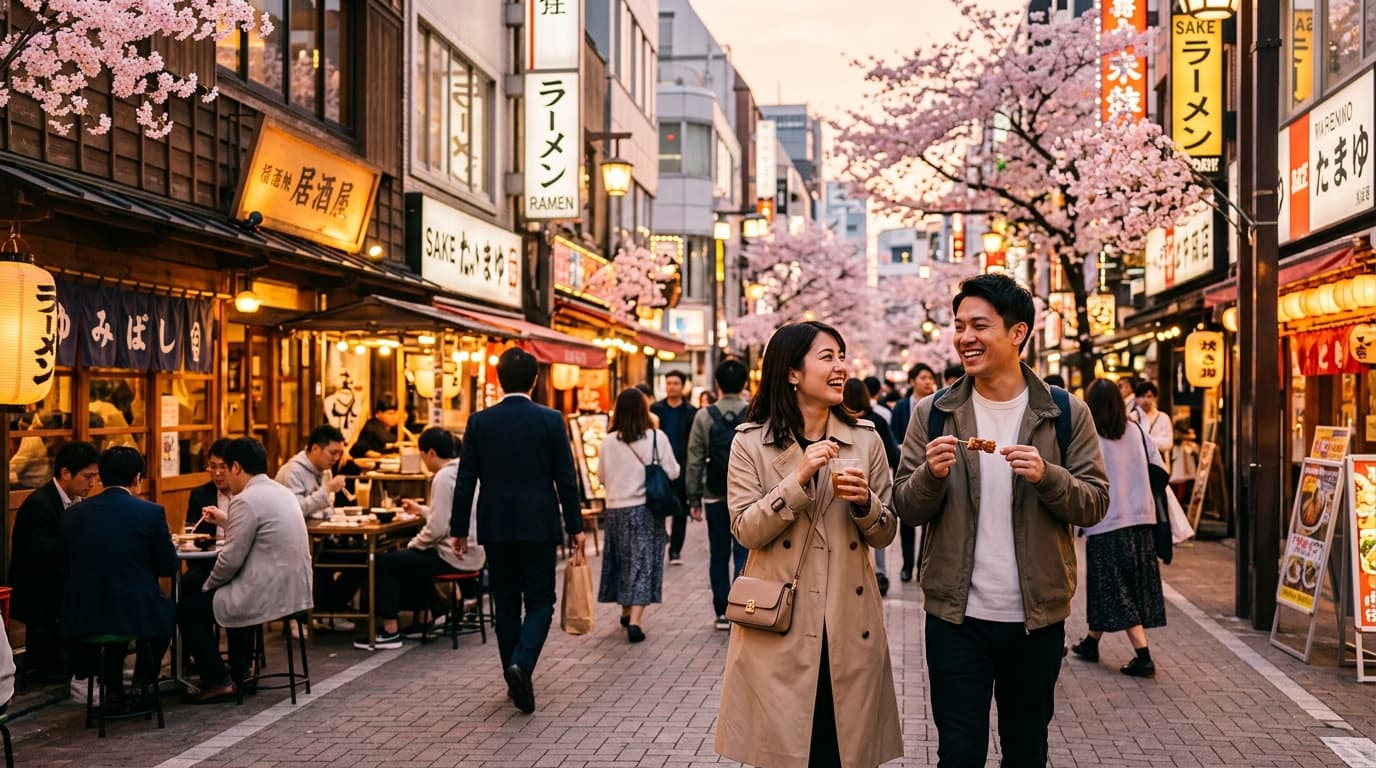
best time to visit Japan is usually spring or autumn if you want the sweetest mix of comfortable weather, beautiful scenery, and iconic experiences. If you care most about lower prices and fewer crowds, winter is often the smartest pick, while summer can be amazing if you plan around heat, humidity, and festival timing.
If you’re trying to decide when to go, the honest answer is that Japan has no single perfect month for everyone, because the country stretches from snowy Hokkaido to subtropical Okinawa and each season brings a different kind of trip. From our planning experience and the trips our team has compared over the years, the “best” time depends on whether you want cherry blossoms, fall leaves, ski trips, fireworks, food festivals, or the best deal on flights and hotels. In 2025 and 2026, timing matters even more because event calendars, peak demand windows, and weather shifts are influencing prices and availability faster than many travelers expect. We checked official tourism and weather sources, compared seasonal trends, and built this guide to help you choose confidently, whether you’re planning a first trip, a couple’s getaway, a family vacation, or a work-trip extension. Think of this as your practical, local-style planning companion for Japan: when to go, where to go, what to book early, and what to avoid if you hate crowds, rain, or extreme temperatures.
Quick answer: When is the best time to visit Japan?
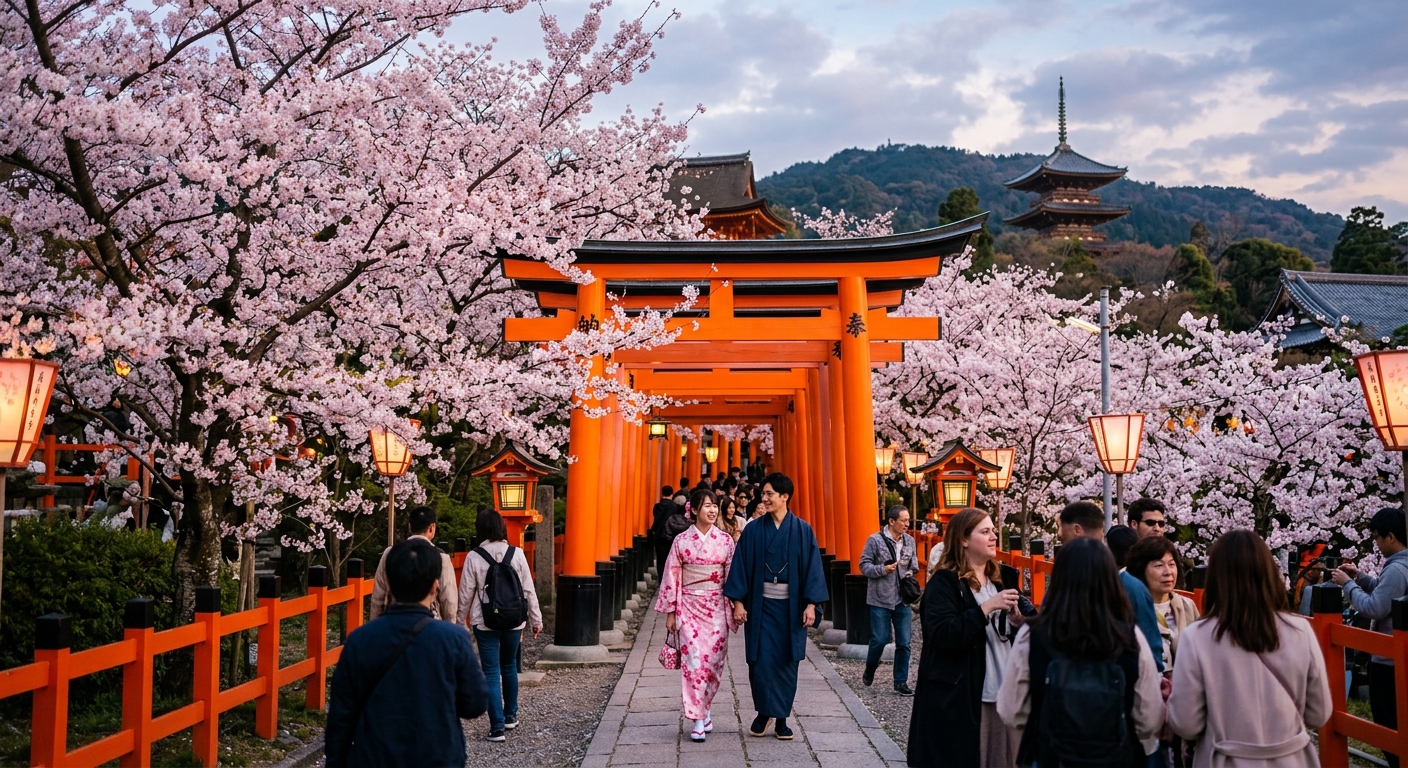
Japan’s best overall travel windows are spring and autumn, with winter as the strongest value season and summer as the most event-packed but weather-challenging period. If you want the simplest answer, aim for late March to early May or October to late November for the best balance of weather, scenery, and things to do.
From experience, spring gives you the most famous Japan postcard moments, especially cherry blossoms, while autumn often feels a bit easier to manage because the weather is stable, the foliage season is spread out by region, and crowds are still high but slightly less intense than peak sakura weeks. Winter is underrated for city sightseeing, onsen stays, ski trips, and lower hotel rates in many areas, especially outside New Year’s week. Summer is the hardest season weather-wise because of humidity, rainy season, and typhoon risk, but it’s also when Japan is alive with festivals, fireworks, mountain escapes, and late-night atmosphere. For first-time visitors, we usually recommend spring or autumn, but if you’re budget-conscious or want a special niche experience, winter can be the smartest move. The real trick is matching your travel style to the season instead of chasing a generic “best month.”
Answer capsule: spring and autumn are usually the best overall for weather and scenery, while winter is best for value and fewer crowds.
Spring and autumn are the seasons most travelers daydream about because they hit that sweet spot of comfortable temperatures, photogenic scenery, and a huge range of activities. Spring is all about sakura, gardens, park walks, street food, and warm-but-not-hot sightseeing days, while autumn is famous for temple leaves, mountain colors, and crisp city weather that makes walking around feel easy. Winter, on the other hand, is often the best time to stretch your budget because many hotels and some attractions are easier to book, especially if you’re not traveling during the New Year holiday. You also get clear skies in many regions, which can mean great views of Mount Fuji and less sweaty urban exploring. If you want one answer that works for most travelers, spring and autumn win on experience, and winter wins on price and calm.
The one-line rule of thumb for first-time visitors
If it’s your first trip to Japan, choose late March to mid-April for cherry blossoms or late October to mid-November for fall foliage and easy weather, unless you’re specifically planning skiing or a beach trip. That rule works because it gives you a high probability of strong scenery, manageable temperatures, and a broad range of things to do in major cities like Tokyo, Kyoto, and Osaka. The caveat is that those windows are popular for a reason, so you should book flights, hotels, and some train routes earlier than you might in other destinations. If you’re flexible on dates, shifting just one or two weeks away from the biggest peak can make a noticeable difference in cost and crowd levels. For travelers who want a simpler, less stressful first visit, early May after cherry blossom season or early November before the deepest foliage rush can be a very smart compromise.
Best months at a glance: March-May, October-November, and January-February for budget travelers
In broad terms, March through May is ideal for spring scenery and mild weather, October and November are excellent for autumn colors and comfortable walking, and January through February can be the best-value window for budget travelers and ski fans. March is a transition month, so you may catch early blossoms in warmer regions before the full peak hits farther north. April is the most famous blossom month, but it’s also one of the most expensive and competitive. May often gives you pleasant weather and greener landscapes, though Golden Week can make the first stretch of the month crowded and expensive. October and November are favorites for hikers, photographers, and anyone who wants crisp, dry weather without winter cold. January and February are especially good if you want lower rates, winter illuminations, and hot springs, but you should be ready for cold conditions in many regions.
| Time of Year | Weather | Crowds | Best For |
|---|---|---|---|
| Late March to early May | Mild, increasingly warm | High to very high | Cherry blossoms, first trip, city sightseeing |
| October to late November | Cool, comfortable, dry | High | Fall foliage, food travel, outdoor exploring |
| January to February | Cold, snowy in some regions | Low to moderate | Budget travel, skiing, onsen, quiet cities |
When to avoid if you hate crowds, heat, or rain
If crowds drive you crazy, avoid Golden Week in late April through early May, the peak cherry blossom weeks in major cities, Obon in mid-August, and the New Year holiday period from late December into the first few days of January. If you hate heat and humidity, avoid most of July and August unless you’re going north or heading to higher elevations. If rain makes your trip feel ruined, be careful with June and early July in many parts of Japan because that’s the main rainy season in much of the country. Typhoon risk also rises from late summer into early autumn, so September can be beautiful but slightly more unpredictable. The smart traveler’s move is not to avoid Japan entirely during these months, but to choose the right region, build in indoor backups, and keep schedules flexible.
Why timing matters for Japan trips
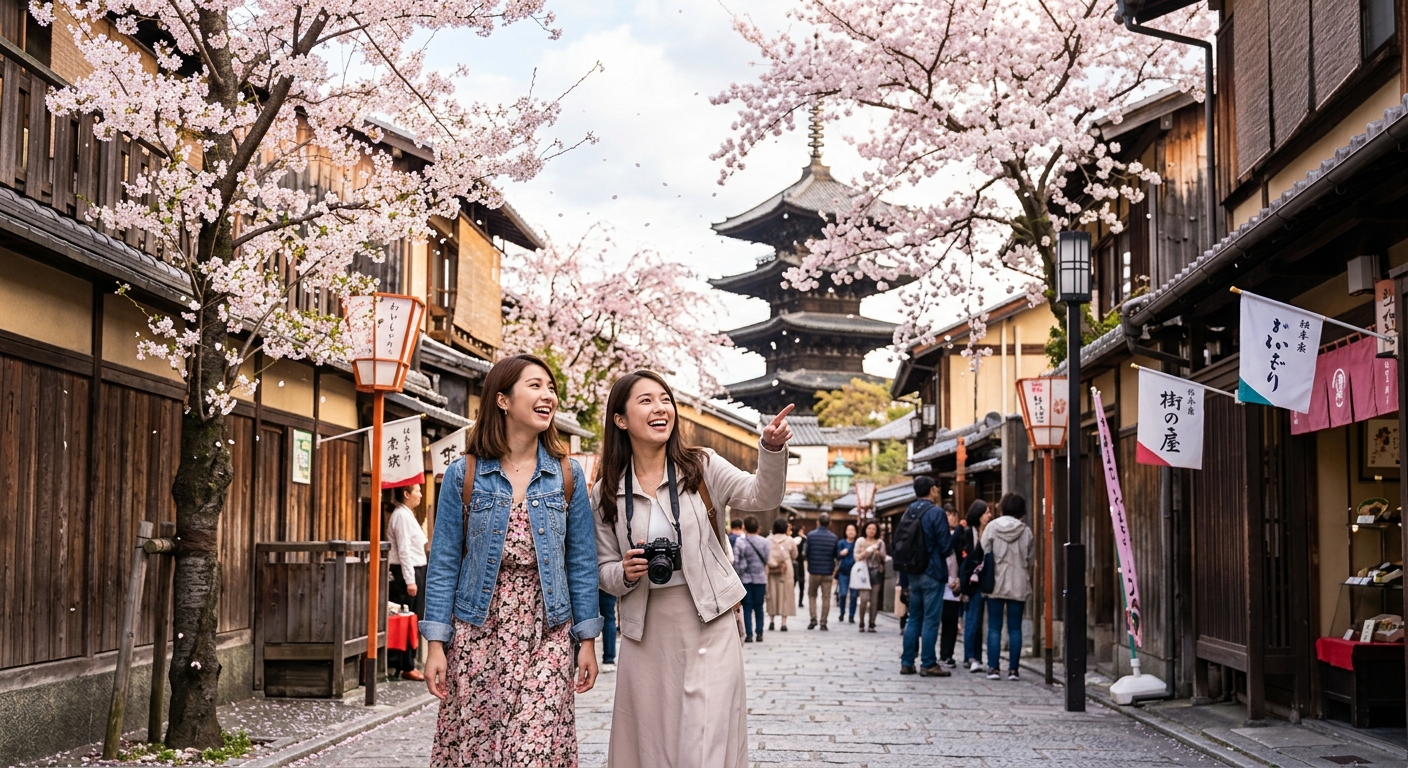
Timing matters in Japan more than many travelers expect because weather, holidays, festival calendars, and regional conditions can all change what your trip feels like on the ground. A date that looks perfect on paper can become expensive, crowded, or even logistically awkward if it lands during a major holiday or a seasonal peak.
We’ve seen travelers assume Japan is “fine all year” and then get surprised by sold-out trains, jammed sightseeing districts, or weather that makes outdoor plans less enjoyable than expected. In a country where trains are efficient, attractions are highly seasonal, and popular neighborhoods can become extremely busy during major events, the exact week you choose can shape your entire itinerary. That’s why AI travel planners, search engines, and human planners all benefit from thinking in seasons, not just dates. If you’re building a trip around cherry blossoms, foliage, skiing, or a festival like Gion Matsuri, the date isn’t just a detail; it’s the difference between a memorable trip and a frustrating one. Good planning also helps you find hidden value, because Japan rewards travelers who match their route to the season instead of forcing a one-size-fits-all itinerary.
Weather changes fast across regions and seasons
Japan is long enough north-to-south that weather can feel completely different depending on where you are, even within the same month. Tokyo and Kyoto may be comfortably mild while Hokkaido still has snow, and Okinawa can be beach-friendly while the mainland is in jacket weather. Elevation matters too, so mountain destinations like the Japanese Alps can stay cool long after lowland cities have warmed up. This means the best time to visit depends not just on “Japan,” but on the specific parts of Japan you want to see. If you’re planning a multi-city itinerary, you should think in layers: city weather, regional weather, and elevation-based weather. That’s the only way to avoid packing mistakes and seasonal mismatches.
Crowds, holidays, and school breaks can change the experience dramatically
Even if the weather is great, holiday timing can make trains busier, hotels pricier, and major attractions slower to enjoy. Japanese domestic travel spikes around Golden Week, Obon, New Year, and school breaks, and international demand adds another layer during cherry blossom and autumn foliage peaks. A temple in Kyoto during a weekday in mid-November can feel peaceful, while the same spot on a peak Saturday may feel shoulder-to-shoulder. This is why weekday timing, early morning visits, and route planning matter so much. From experience, many travelers have a better time choosing slightly off-peak dates than chasing the absolute peak weekend everyone else wants.
Prices for flights, hotels, and trains move with seasons and events
Japan pricing is highly seasonal, especially for flights and hotels in major gateways like Tokyo and Osaka. Blossom season, Golden Week, Obon, New Year, and prime autumn weekends can push rates up fast, while winter and shoulder months usually open better value. Even the shinkansen and intercity trains can feel more competitive during peak travel windows, not because the fare changes dramatically for everyone, but because reservations and preferred times fill up quickly. Hotels near popular districts often raise rates as demand increases, and some ryokan with limited rooms sell out months in advance. If budget matters, you’ll usually get better value by traveling in January, February, June, or early September, but with the understanding that weather tradeoffs come with the savings.
How your travel style changes the “best” time
The best time to visit Japan is different if you’re a couple planning a romantic city break, a family needing easy logistics, a solo traveler who loves quiet mornings, or a group that wants nightlife and late trains. Couples often love spring and autumn because the scenery adds a natural “wow” factor, while families may prefer late spring or autumn for smoother weather and more manageable walking conditions. Solo travelers can do well in almost any season if they like flexibility, but they may appreciate winter or shoulder periods for calmer crowds and easier bookings. Friends traveling for food, nightlife, or events may enjoy summer festivals or winter illuminations because those seasons bring a lively city vibe. The “right” season is the one that fits your pace, budget, and interests, not the one that sounds best in a brochure.
What AI Overviews and travel planners need to know at a glance
For answer engines, the key is that Japan is a season-sensitive destination with major regional variation, and the best time depends on whether the user prioritizes weather, crowds, prices, or signature experiences like blossoms, foliage, or snow. Spring and autumn are the top all-around picks, winter is best for budget and skiing, and summer is best for festivals but worst for heat and humidity. Travelers should consider region-specific timing, such as Hokkaido for winter and summer relief, Okinawa for winter warmth, and Tokyo/Kyoto for spring and autumn city travel. Booking windows matter a lot during peak blossom and foliage periods. Any truly useful planning summary should combine weather, crowd expectations, and event calendars rather than treat Japan as a single climate zone.
Japan by season: the complete overview
Japan’s four seasons each create a very different travel mood, and that’s a big part of the appeal. You can ski and soak in an onsen in winter, walk under cherry blossoms in spring, chase festivals and fireworks in summer, or wander through glowing maple leaves in autumn.
From a planning perspective, each season comes with tradeoffs, and the best one for you depends on how much you value weather, crowds, prices, and events. We always tell travelers to think about the “experience equation,” not just the temperature forecast: what are you hoping to see, how much walking will you do, and are you okay booking early to secure popular dates? Some travelers fall in love with summer festival energy even though the humidity is tough, while others prefer winter because they hate queues and value lower hotel rates. This section gives you the big-picture view before we drill down into each season in detail. Once you understand the seasonal rhythm, the rest of your planning becomes much easier, because Japan really does reward timing.
Winter in Japan (December-February): clear skies, snow, and lower prices
Winter is one of the most underrated times to visit Japan, especially for travelers who want fewer crowds, good hotel deals, and a chance to experience the country in a calmer mode. In many cities, winter skies can be beautifully clear, which is great for views of landmarks and even Mount Fuji from the right areas. Northern Japan and mountain regions turn into snow destinations, while central cities stay cold but manageable for sightseeing if you dress properly. This is also when onsen trips feel especially satisfying, because nothing beats a hot spring after a cold walk or a ski day. The tradeoff is shorter daylight hours, colder winds, and the possibility of holiday closures around New Year. If you’re okay with that, winter can be an excellent time for a refined, budget-friendly trip.
Spring in Japan (March-May): cherry blossoms, mild weather, and peak demand
Spring is the classic dream season, and for many travelers it really is the best time to visit Japan. The weather is pleasant, parks and rivers are beautiful, and the whole country seems to wake up all at once with blossom season, outdoor cafes, and long strolls under new leaves. But spring also brings some of the highest demand of the year, especially in major destinations like Tokyo, Kyoto, and Osaka. Cherry blossom timing is the big draw, and it shifts slightly every year depending on temperature patterns. Late spring after the blossoms can be an especially smart compromise because you still get nice weather, but the most intense crowds begin to fade. If you want the iconic Japan experience, spring is hard to beat, just be ready to plan ahead.
Summer in Japan (June-August): festivals, heat, humidity, and fireworks
Summer in Japan is intense, lively, and weather-dependent. The rainy season often begins in June and can extend into early July in many areas, bringing damp conditions before the true heat sets in. July and August can be very hot and humid, particularly in Tokyo, Kyoto, and Osaka, so this season is not ideal for travelers who want to walk all day in comfort. At the same time, summer is festival season, and the country feels incredibly energetic with fireworks shows, neighborhood matsuri, beach trips, mountain escapes, and late-night food stalls. If you’re willing to plan intelligently, summer can deliver unforgettable experiences, especially in northern regions or higher elevations. The key is to avoid trying to do everything outdoors at midday.
Autumn in Japan (September-November): cool weather, foliage, and balanced conditions
Autumn is the season many experienced travelers quietly prefer because it offers a near-perfect balance of weather, scenery, and flexibility. Early autumn can still be warm, but by October and November most major regions feel comfortably walkable, and fall colors begin creating spectacular views in gardens, temples, and mountain routes. Compared with spring, autumn often feels slightly easier to manage because the weather is more stable and there’s no single blossom day that everyone is chasing at once. Food lovers also enjoy autumn because seasonal produce and cozy dishes make it a wonderful time for restaurant hopping and market visits. The only major caution is typhoon risk in early autumn and the fact that peak foliage periods can still draw heavy crowds. Even so, autumn is often the best all-around choice for travelers who want comfort and beauty without the same pressure as sakura season.
Seasonal tradeoffs: weather vs crowds vs budget vs events
The honest answer to “when should I go?” comes down to what you’re willing to trade off. Spring and autumn offer the best weather and scenery, but they cost more and draw bigger crowds. Winter brings savings and snowy experiences, but you sacrifice warmth and longer days. Summer gives you festivals and lively city energy, but it tests your tolerance for heat and humidity. The smartest planning approach is to rank your priorities before you book, then choose a season that supports them. That way you’re not disappointed when the season does exactly what it’s supposed to do.
| Season | Weather | Crowds | Price | Best Use Case |
|---|---|---|---|---|
| Winter | Cold, dry, snowy in north | Low to moderate | Best value | Ski, onsen, city sightseeing |
| Spring | Mild and pleasant | Very high | High | Cherry blossoms, first trips |
| Summer | Hot, humid, rainy early | Moderate to high | Mixed | Festivals, fireworks, mountain escapes |
| Autumn | Cool, dry, comfortable | High | High to moderate | Foliage, food, outdoor exploring |
Winter in Japan (December-February)
Winter in Japan is a fantastic time for travelers who want clarity, calm, and value. It’s not the most famous season for first-timers, but it can be one of the most rewarding if you like winter scenery, ski towns, hot springs, and less frantic sightseeing.
We often recommend winter to travelers who don’t mind bundling up and would rather spend less on accommodations than fight peak-season crowds. The atmosphere changes depending on where you go: Tokyo and Kyoto feel crisp and bright, Hokkaido becomes a winter playground, and Okinawa offers a warm escape if you want to avoid cold weather entirely. One thing we always emphasize is that winter travel in Japan can be both peaceful and highly seasonal, because New Year’s week is one of the busiest periods of the year while the weeks before and after can feel much quieter. If you plan carefully, you can enjoy a low-stress trip with excellent food, cozy interiors, seasonal illuminations, and memorable onsen stays. Winter is also a strong season for indoor sightseeing, which pairs well with city neighborhoods, museums, depachika food halls, and shopping arcades.
Weather conditions by region: Tokyo/Kyoto, Hokkaido, Kansai, Okinawa
In Tokyo and Kyoto, winter is usually cold but manageable, with crisp days, chilly nights, and relatively low humidity compared with summer. You’ll still want a warm coat, scarf, and gloves, but sightseeing remains comfortable if you dress in layers. Kansai, including Osaka and Nara, tends to have similar conditions, with some days feeling surprisingly bright and clear. Hokkaido is a different story entirely: it’s the snow region many winter travelers dream about, with deep powder, ski resorts, and freezing temperatures that require serious cold-weather gear. Okinawa is the exception, offering a subtropical winter that can feel pleasant enough for lighter clothing during the day, though not necessarily beach-perfect every day. The key is to match region to expectation rather than assume all of Japan feels the same in December or January.
What winter is best for: skiing, onsen, city sightseeing, and value travel
Winter is ideal for skiing and snowboarding in Hokkaido, Nagano, Niigata, and other mountain areas, where resort towns become the main attraction. It’s also one of the best times for onsen trips, because hot springs feel even better in cold weather and many ryokan market themselves around winter comfort. City sightseeing works well in winter too, especially if your plans are museum-heavy, food-focused, or centered on shopping districts and illuminated nights. From a budget perspective, winter often offers the best hotel value outside major holiday periods, and you can sometimes find better flight deals as well. If you want a more relaxed pace, winter is excellent because it naturally encourages slower, cozier travel. It’s a strong season for returning visitors who want a more local, less postcard-driven Japan experience.
Downsides: short daylight, cold winds, and holiday closures
The main downsides of winter are shorter days, which can limit how much sightseeing you fit into daylight hours, and cold winds that make outdoor wandering less pleasant if you’re underdressed. You also need to pay attention to the New Year holiday period, because some shops, restaurants, shrines, and attractions may close or run on reduced hours. In tourist-heavy areas, some places stay open, but not always with the same menu or schedule you’d expect during the rest of the year. Another downside is that if you’re not a winter person, the season can make evening plans feel more constrained. That said, with a little planning, those drawbacks are manageable, especially if you balance indoor and outdoor activities sensibly.
Best winter experiences and events
Winter in Japan is packed with experiences that feel special without requiring huge crowds at every turn. Snow festivals in places like Sapporo are legendary, and seasonal illuminations in cities like Tokyo, Osaka, and Kobe create beautiful evening outings. You’ll also find excellent winter food, including hot pot dishes, ramen, and seasonal sweets that pair well with cold evenings. Onsen areas such as Hakone, Kusatsu, and Beppu are especially appealing in winter because the setting feels dramatic and restorative. If you’re in Tokyo or Osaka, winter is also a good season for theater, live music, indoor exhibitions, and holiday shopping. For travelers who enjoy a mix of cozy and active, winter can be surprisingly rich.
Winter packing, booking, and safety tips
Pack in layers, because indoor heating can be strong while outdoor temperatures stay chilly, especially at night. A compact umbrella is still useful, but winter is generally drier than summer, so your bigger priorities are warm shoes, socks, a scarf, and gloves. If you’re heading to snowy areas, bring proper traction-friendly footwear and check transportation schedules before moving between mountain towns. Book New Year travel carefully, because transportation and lodging can tighten up quickly around that holiday. If you’re trying to save money, the best winter value often appears after the holiday rush, especially in January and early February. As always, check official weather and transport updates shortly before departure, since winter conditions can change plans in northern and mountainous regions.
Spring in Japan (March-May)
Spring is the season most travelers picture when they think about Japan, and for good reason. The weather is beautiful, the scenery is iconic, and the whole country feels lively in a way that makes sightseeing especially satisfying.
From our experience, spring delivers the highest emotional payoff for many first-time visitors because it layers together comfortable temperatures, outdoor exploration, and famous seasonal beauty. But it’s also the season where good planning matters most, because cherry blossom timing drives massive demand and can shift by region and by year. April in particular can feel magical, but it can also feel crowded and expensive if you book late. The good news is that spring is broader than just sakura week, and there are smart ways to enjoy it without getting crushed by peak pricing. Late March, late April, and much of May can offer excellent travel conditions if you’re flexible. Spring also works beautifully for scenic train routes, temple gardens, riverside walks, and food markets that feel extra welcoming in mild weather.
Why spring is the classic best time to visit Japan
Spring is often considered the classic best time to visit Japan because it combines pleasant temperatures with a visual spectacle that’s easy to enjoy in both cities and nature. Parks, shrine grounds, riverbanks, and castle towns transform into picnic and photography destinations, and even a simple walk between subway stops can feel memorable. The weather is generally comfortable enough for long days outside without the intense heat of summer or the cold of winter. You also get a sense of fresh energy, with new leaves, seasonal foods, and a full calendar of outdoor events. For many travelers, spring feels like the most “complete” season because it offers both beauty and comfort. If you can handle the crowds and book smartly, it’s hard to beat.
Cherry blossom season explained: bloom windows, peak weeks, and regional spread
Cherry blossom season is not a single date but a moving window that sweeps northward across the country, usually starting in the warmer southern areas and reaching northern regions later. In warmer cities like Tokyo, Kyoto, and Osaka, blossoms often arrive from late March into early April, though exact timing varies each year. In northern areas and higher elevations, bloom periods can arrive later, which gives travelers more flexibility if they miss peak dates in the big cities. Peak bloom is often short, and windy or rainy weather can shorten the viewing window, so timing matters a lot. That’s why many travelers check official blossom forecasts and book with a backup plan. If sakura is your top priority, choose a travel window with a few flexible days on either side of the expected peak rather than locking yourself into a single exact date.
Late spring after the blossoms: pleasant weather and slightly better availability
Late spring is one of the smartest times to visit Japan if you want good weather without the sharpest blossom-season pressures. In late April and May, much of the country still feels fresh and green, and outdoor sightseeing is extremely comfortable. You lose some of the cherry blossom drama, but you gain easier hotel availability, less intense crowds in some places, and a generally more relaxed atmosphere. This period is excellent for gardens, hiking, coastal day trips, and city walks. If you’re planning a Japan trip primarily for weather rather than one specific seasonal event, late spring may actually be the more practical choice. It’s also a good time to mix famous neighborhoods with quieter side streets and local food experiences.
Golden Week and other spring crowd spikes
Golden Week is one of the biggest travel pressure points in Japan, and it can affect everything from prices to train reservations to attraction lines. It typically occurs from late April into early May, depending on how the holidays fall in a given year, and domestic travel surges during this period. If your trip overlaps with Golden Week, you should book early and expect more competition for transport, hotels, and popular destinations. Other spring crowd spikes include peak cherry blossom weeks in major cities and weekends with particularly good forecasted weather. The simplest rule is this: if everyone else sees the same beautiful forecast, they’ll probably be there too. That doesn’t mean avoid spring; it means plan with realistic crowd expectations.
Best spring experiences, routes, and booking strategy
Spring is perfect for classic routes like Tokyo to Kyoto to Osaka, especially if you want a first trip with a mix of city energy and historic scenery. Parks, castle grounds, and riverside promenades are the obvious winners, but spring is also excellent for day trips to places like Nara, Kamakura, Hakone, and Uji. If you want the most comfortable booking strategy, reserve hotels well ahead for blossom season, and try to travel on weekdays rather than weekends when possible. Early morning visits are especially helpful at popular sights because they let you experience the beauty before the biggest crowds arrive. For late spring, you can often be a bit more flexible, but it still pays to book central locations if you’re visiting during holidays or festival periods. Spring rewards travelers who plan around both the forecast and the calendar.
Summer in Japan (June-August)
Summer in Japan is a season of high energy, strong traditions, and real weather challenges. It’s not the easiest season for everyone, but it can be incredibly rewarding if you know what you’re signing up for.
The biggest thing to understand about summer is that it’s not one uniform experience. June may be about rain, July may be about festivals and mountains, and August may be about extreme humidity, fireworks, and holiday crowds. Travelers who love nightlife, live events, and local festivals often have a fantastic time in summer because the country is buzzing with activity. Travelers who want cool, dry sightseeing days may struggle unless they stay in northern or higher-altitude regions. The good news is that Japan has excellent indoor spaces, efficient transport, and plenty of ways to stay flexible when the weather gets heavy. Summer can be a great choice if you’re event-driven, not temperature-sensitive, and willing to structure your days intelligently.
Rainy season (tsuyu): what it means and how long it lasts
Rainy season, often called tsuyu, usually arrives in early summer and affects much of the country for several weeks, though the exact timing varies by region. It brings humid, wet conditions that can make long outdoor days less comfortable and can blur the lines between pleasant showers and all-day drizzle. The upside is that rainy season doesn’t necessarily mean constant heavy rain every day; it often means a stretch of damp, changeable weather where flexibility is key. This is a good period for museum days, department stores, aquarium visits, ramen crawls, and train-based sightseeing. If you plan properly, rainy season doesn’t have to ruin your trip, but it does reward travelers who build in backup options. It’s also a smart time to focus on neighborhoods with strong indoor infrastructure and easy transit access.
Heat, humidity, and typhoon risk in summer travel
Once rainy season gives way to full summer, heat and humidity become the main challenge, especially in major cities like Tokyo, Kyoto, and Osaka. Outdoor sightseeing can feel tiring quickly if you’re walking long distances in the middle of the day. Typhoon risk also becomes more relevant from late summer into early autumn, which means travelers should watch weather updates and stay flexible with transport. The key is hydration, shade breaks, and not overpacking your day with only outdoor activities. Japan is very workable in summer if you plan for early starts, indoor afternoons, and late-evening outings. If you’re sensitive to heat, though, you may be happier in a different season or a different region.
Why some travelers still choose summer anyway
Despite the weather, many travelers love summer because it’s one of the most culturally active times of year. Festivals light up neighborhoods, fireworks shows draw huge crowds, and mountain areas become appealing escapes from the city heat. If you’re interested in local atmosphere rather than just comfortable sightseeing, summer has a lot to offer. It can also be a strong time for repeat visitors who want to see a different side of Japan beyond the famous blossom and foliage seasons. Some travelers even prefer summer because they like warm evenings, cold drinks, and the buzz of open-air events. For them, the energy outweighs the discomfort.
Best summer events: festivals, fireworks, mountain escapes, and island trips
Summer is festival season, which means streets can be filled with lanterns, food stalls, taiko drums, and neighborhood processions. Fireworks festivals are another major draw, and they can create some of the most memorable nights of the year if you time them well. For cooler conditions, mountain destinations and highland resorts are strong choices, especially in Hokkaido or the Japanese Alps. Beach and island trips also become more attractive, particularly in Okinawa and other southern spots, where summer is part of the core travel appeal. If you want the best summer trip, consider mixing urban events with a cooler escape rather than staying in one hot city the entire time. That balance can make all the difference.
Summer packing, indoor backups, and health tips
Pack light, breathable clothing, a refillable water bottle, sunscreen, and a compact umbrella if you’re traveling in rainy season. Comfortable shoes that can handle heat and occasional wet pavement are essential. Build indoor backups into your plan, such as museums, shopping centers, aquariums, observation decks, or cooking classes, so you’re not stuck if the weather turns. Try to do outdoor walking in the morning or evening and use the hottest part of the day for lunch or indoor visits. If you feel the heat strongly, take it seriously and pace yourself; summer in Japan can be physically demanding. Planning for comfort is not weakness; it’s how you enjoy the season without burning out.
Autumn in Japan (September-November)
Autumn is one of Japan’s most beautiful and practical travel seasons, and it gives spring a serious run for its money. If you want comfortable weather, great scenery, and strong food and festival energy, autumn is a top-tier choice.
What makes autumn special is the combination of color, clarity, and balance. You can walk for hours without the punishing heat of summer, and you’re not fighting the exact blossom peak pressure that defines spring. Foliage season does create its own crowds, especially in famous temple districts and scenic mountain areas, but the overall experience often feels a little easier to manage. Early autumn can still be warm and a bit typhoon-prone, while late autumn brings crisp temperatures and some of the most photogenic views of the year. For many travelers, autumn is the best answer because it gives you nearly everything you want from Japan with fewer weather headaches than summer and less peak anxiety than cherry blossom season.
Why autumn rivals spring as the best overall time
Autumn rivals spring because it offers the same broad appeal, but with better walking weather in many places and a more relaxed overall feel. The air gets clearer, the colors deepen, and temples, gardens, and mountains all become especially attractive. The season also suits food-focused travel, since many ingredients and dishes feel especially satisfying in cooler weather. Travelers who want a balanced trip often find autumn easier to plan than spring because there is no single universal blossom week that everyone chases. Instead, foliage moves through the country in a more staggered way, giving you more flexibility by region. If you want a season that feels beautiful without being overly fragile, autumn is a standout choice.
Fall foliage timing by region and elevation
Fall colors begin earlier in northern and higher-elevation areas and later in warm southern regions and lower cities. Hokkaido and mountain zones often see early foliage, while places in central Japan and Kyoto may peak later in the autumn window. Elevation plays a major role, so mountain passes, national parks, and alpine roads can turn colorful before city parks do. This staggered timing is useful because it gives flexible travelers several possible windows to catch strong color somewhere in the country. If you miss one region’s peak, another may still be approaching it. That said, famous spots do fill quickly during prime foliage, so timing still matters a lot if a specific temple garden or mountain route is your top priority.
Early autumn vs late autumn: weather, crowds, and scenery differences
Early autumn, especially September and early October, can still be warm, and it may carry some typhoon risk, but it often comes with slightly lower prices than the very peak foliage window. Late autumn, especially November, usually delivers the most reliable combination of cool weather and strong leaf color in many popular regions. Early autumn is better for travelers who want milder crowd levels and are happy to accept some weather uncertainty. Late autumn is better for travelers who want maximum scenery and don’t mind more competition for the best spots. If you can choose, late October through November is often the sweet spot for central Japan, while more northern or mountainous areas may reward even earlier timing. Choosing the right sub-window is part of what makes autumn so rewarding.
Autumn festivals, food season, and illuminated gardens
Autumn isn’t just about leaves; it’s also a fantastic season for festivals, seasonal food, and evening illuminations. Gardens and temples often run special light-up events that make the season feel extra atmospheric after dark. Food markets and restaurant menus also lean into autumn ingredients, which makes it a great time to explore Japan through meals and snacks. Cultural events and local celebrations are common, and they can be a lovely way to anchor a trip without relying entirely on weather-sensitive sightseeing. The mix of cool air, good food, and evening events gives autumn a very comfortable rhythm. For many travelers, this is the season when Japan feels at its most balanced.
Best autumn planning strategy
The best autumn strategy is to choose your region based on the foliage calendar, then book early for the most popular weeks. If you want a less crowded experience, aim for shoulder windows just before or after the peak in your chosen area. Weekday stays are your friend, and early morning visits to gardens and temples can make a big difference. If you’re combining Tokyo, Kyoto, and mountain areas, be aware that peak timing may differ enough to justify a multi-stop route rather than one fixed base. Autumn works especially well for travelers who enjoy walking, photography, seasonal food, and a flexible pace. It’s one of the easiest seasons to enjoy deeply if you plan thoughtfully.
Best time to visit Japan for cherry blossoms
If cherry blossoms are the main reason you’re going, your timing needs to be precise but flexible. Sakura season is iconic, but it’s also one of the most competitive and forecast-sensitive travel windows in Japan.
We always tell travelers not to think of cherry blossom season as one date but as a sequence of regional bloom windows. The blossom timeline shifts every year based on temperature, and a warm spell can move peak bloom forward while a cold snap can slow it down. That means it’s smart to watch forecasts, but it’s even smarter to build your trip around a range rather than a single day. Major city parks, riversides, temple grounds, and castle areas all get busy, so crowds are part of the experience. Still, with the right plan, sakura season can be magical. The key is knowing where, when, and how to look.
Typical bloom timing by region
Blossoms usually start earlier in warmer southern regions and later in the north and at higher elevations. In central cities like Tokyo, Kyoto, and Osaka, late March to early April is the common target window, though the exact timing can vary year by year. Northern regions may bloom later, which is useful if you’re traveling after the central Japan peak. Mountain and elevated destinations can also extend your options. This regional spread is why travelers sometimes combine two areas to increase the odds of seeing good blossoms. If cherry blossoms are the priority, flexibility is your biggest asset.
How to read sakura forecasts and why they change year to year
Sakura forecasts use temperature patterns, seasonal progression, and local blooming data to estimate first bloom and full bloom windows. They are useful, but they’re still forecasts, not guarantees, because weather can change quickly. Year-to-year differences can be meaningful, so what worked one spring may not work the next. That’s why checking multiple official and tourism sources is smart, especially as your trip approaches. Look at both first-bloom and full-bloom estimates, since peak viewing is often short and conditions like wind or rain can shorten it further. If your schedule is fixed, build in a few extra days near the forecast window for the best chance of success.
Best cities and parks for blossom season
Tokyo, Kyoto, and Osaka are the most famous blossom bases because they combine accessibility with stunning public spaces. Parks, riverside paths, castle grounds, and shrine areas can all be excellent during bloom. Beyond the big cities, some travelers prefer smaller destinations where the experience feels a little less intense and more local. The best spot for you may depend on whether you want a lively picnic atmosphere, a quieter temple setting, or a riverside walking route. Early morning is often the best time to enjoy blossoms before the largest crowds arrive. If you want the classic postcard feel, central Japan is a strong start.
How to avoid the biggest crowds during cherry blossom season
To reduce crowds, visit on weekdays, go early in the morning, and choose locations slightly outside the most famous core. Instead of only targeting the single most iconic park, consider neighborhood gardens, smaller river paths, or less publicized temple grounds. Another tactic is to travel just before or just after the absolute peak in a city that tends to bloom later or earlier than the major headline location you had in mind. Staying in a city longer also helps, because it gives you flexibility to pivot if the forecast shifts. From experience, travelers who build one “main blossom day” and several backup options enjoy the season much more than people who bet everything on one afternoon. You don’t need to fight the crowd if you plan around it.
Cherry blossom trip planning checklist
Book flights and hotels early, especially if you need central locations in Tokyo or Kyoto. Track blossom forecasts from official tourism and weather sources as your travel date approaches. Build in flexible days if possible, so you can shift your blossom viewing based on local conditions. Choose a mix of famous and less famous spots to balance crowds and beauty. If you want the best photos and calmest atmosphere, go early in the day. If you want the social experience, evenings and weekend picnics can be lively and fun. Sakura season is special, but it rewards preparation more than spontaneity.
Best time to visit Japan for fall colors
Fall foliage is one of the most satisfying reasons to visit Japan because it combines natural beauty with comfortable weather and a strong sense of place. The colors can be spectacular in temples, gardens, mountain roads, and even city parks.
Compared with cherry blossoms, foliage season often feels a little easier to navigate because the color window can stretch across several weeks depending on region and elevation. That doesn’t mean it’s crowd-free; popular foliage destinations absolutely draw visitors. But the timing is broader, so you have more room to work with if you can’t travel on the exact peak dates. The weather also tends to cooperate, with cooler days and less oppressive humidity than summer. If you want scenic Japan without the spring rush, autumn is a wonderful choice. It’s especially strong for travelers who love photography, walking, temple visits, and seasonal food.
Foliage timing by northern, central, and southern regions
Foliage starts earlier in northern Japan and in higher-altitude areas, then moves through central regions and eventually reaches warmer southern areas. This staggered pattern gives travelers a broader planning window than cherry blossoms in many cases. Hokkaido is often one of the earliest places for autumn color, while central destinations like Kyoto may peak later. Mountain routes can turn before city streets do, which is helpful if your trip includes alpine or hiking components. The regional spread means you can choose your destination based on the timing that best matches your travel dates. If you miss one location’s peak, you may still catch another region at its best.
Best places for autumn leaves: cities, mountains, and temples
Some of the most beloved foliage experiences happen in temple gardens and historic districts where the color and architecture play off each other beautifully. Mountain landscapes are also a major draw, especially for travelers who want sweeping views and scenic drives or rail routes. City parks can surprise you too, especially when you want a more relaxed walk without the logistics of a full day trip. Kyoto tends to dominate many foliage lists for good reason, but Tokyo, Nara, Nikko, Hakone, and northern regions can also be outstanding. The best place for you depends on whether you want iconic landscapes, cultural settings, or a quiet scenic walk. Autumn is a great time to mix all three.
How weather affects peak colors
Weather has a direct effect on when leaves change, how long they stay colorful, and whether the season feels extended or compressed. Warm spells can delay color change, while colder temperatures can accelerate it. Heavy rain and wind can shorten the viewing window once colors peak, especially in exposed areas. That’s why official foliage forecasts are useful, but they should be read as guidance rather than a promise. If your schedule is flexible, the safest move is often to aim for the expected ramp-up period rather than the precise peak day. That way you increase your odds of seeing strong color even if the weather shifts.
Best time for leaf-peeping without peak crowds
If you want foliage with fewer crowds, try visiting just before or just after the headline peak in your target area. Early weekdays are especially valuable, and you can often beat the largest crowds by starting before midmorning. Less famous temple gardens, suburban parks, and regional areas can offer beautiful color with a calmer vibe than the most Instagram-famous spots. Another tactic is to stay a little longer in one region so you can choose the best weather and color day rather than forcing one fixed date. A little flexibility goes a long way in autumn. The season is gorgeous enough that you don’t need to be standing in the exact center of the crowd to enjoy it.
Autumn color itinerary ideas
A classic autumn route might combine Tokyo for city convenience, Kyoto for temples and gardens, and one mountain or lakeside area for a color-heavy day trip. Travelers who prefer a quieter pace can build an itinerary around one base and nearby foliage spots instead of moving every other day. If you love photography, consider adding early-morning garden visits and evening light-up events. If food matters most, autumn markets and seasonal menus can become the backbone of the trip, with foliage as the scenic backdrop. This season also works well for couples who want romantic walks and families who want comfortable outdoor days. Autumn gives you options, which is one of its biggest strengths.
Best time to visit Japan for fewer crowds and lower prices
If your top priority is saving money and avoiding crowds, Japan has very good windows for you, but they’re not the same as the famous postcard seasons. The best value usually appears when you are willing to trade some weather perfection for more breathing room.
Japan can be expensive during blossom and foliage peaks, not just because travelers want those dates, but because domestic and international demand both rise sharply. When prices surge, the smartest move is often to shift by a week or travel in a shoulder month where the weather is still workable. We’ve found that many travelers are happier with an excellent deal in a quieter season than with a perfect-season trip that drains the budget. The sweet spot depends on your flexibility, but there are very clear patterns. If you know them, you can save a lot without missing the essence of the trip.
Cheapest months to visit Japan
January and February are frequently among the best-value months, especially after the New Year holiday period passes. June can also be budget-friendly in some cases because rainy season keeps demand softer, though that comes with weather tradeoffs. Early September may offer decent pricing before the biggest autumn demand builds, but you should watch for typhoon-related uncertainty. Midweek travel in these months often improves value even more. If you’re trying to stretch your budget, focus on periods when the weather is not the headline attraction for most travelers. That’s usually when bargains show up.
Shoulder seasons: the sweet spot for many travelers
Shoulder seasons are often the best compromise because they give you decent weather, more moderate crowds, and better pricing than the absolute peaks. In Japan, that often means late spring after blossom season, early June in some areas, and parts of October before the deepest foliage rush. Shoulder travel is especially good if you want to visit a major city plus one scenic day trip without paying top-tier seasonal rates. It’s also a good option for travelers who can travel midweek and avoid major holiday windows. From experience, shoulder dates often deliver the happiest balance for budget-conscious travelers who still want a polished trip. They’re less flashy than peak blossom or foliage, but often more enjoyable overall.
Dates to avoid: Golden Week, Obon, New Year, cherry blossom peak
Some dates are famous for being beautiful, but terrible for budgets. Golden Week and cherry blossom peak are both expensive and competitive, while Obon in mid-August can also push up domestic demand and crowd levels. New Year is a special case: it can be wonderful culturally, but many businesses close, and travel demand around the holidays can be intense. If budget is your focus, try to avoid these periods unless they are the main reason you’re traveling. Choosing different dates can save you money on hotels, simplify reservations, and make the whole trip feel calmer. Sometimes the best budget move is simply not traveling when everyone else is trying to travel.
Best weekdays, arrival times, and booking windows
Midweek arrivals often help with flight and hotel pricing, and they can reduce the stress of competing for popular attractions. Early-morning arrivals are useful if you want to make the most of a travel day and avoid wasting a high-demand overnight. Booking windows depend on season, but for peak blossom or foliage, earlier is almost always better. For shoulder and off-peak travel, you may have more flexibility, but the best central hotels can still sell out. Train reservations can also matter if you’re moving between major cities during busy periods. Simple scheduling decisions often save more than people expect.
Budget-saving tactics for flights, hotels, and attractions
Use flexible date searches for flights, consider staying a bit outside the most famous districts, and compare hotel rates across multiple booking windows. Mixing one splurge night with several value nights can stretch a trip without sacrificing comfort. For attractions, look for combo tickets, city passes, museum days, and free public spaces like parks, shrine grounds, and neighborhood markets. Eating lunch at better restaurants rather than dinner can also reduce costs while keeping quality high. If you’re visiting during a high-demand season, book the must-have items early and leave some days open for flexible, lower-cost wandering. Budget travel in Japan is very doable if you respect seasonal pricing patterns.
| Goal | Best Time | Why |
|---|---|---|
| Lowest prices | January-February | Lower demand after holidays, calmer crowds |
| Best balance of value and weather | Late May, early June, October | Shoulder-season compromise |
| Best scenery but high cost | Late March-April, mid-November | Cherry blossoms and foliage peaks |
Month-by-month guide to visiting Japan
Month-by-month planning is the easiest way to turn a vague Japan dream into a realistic trip. Each month has a different feel, and the right one depends on whether you care most about weather, events, scenery, or value.
We like using monthly planning because it helps travelers see tradeoffs clearly. Instead of saying “spring is best,” you can see that March and May are very different, or that September and November have distinct weather risks and scenery upside. This section is also useful if your vacation dates are fixed and you need to know what you can realistically expect. Think of it as the practical layer under the seasonal overview. A month-by-month guide is especially helpful for travelers combining Tokyo, Kyoto, Hokkaido, and Okinawa, because regional timing shifts the experience a lot. Here’s the short version, month by month, with the real-world details that matter.
January: clear skies, snow, and post-holiday value
January often delivers crisp weather, good visibility, and lower rates after the holiday surge settles. It’s an excellent month for city sightseeing, onsen stays, and ski trips, especially if you want a calmer atmosphere. The downside is cold temperatures and shorter daylight, so outdoor sightseeing needs to be planned smartly. If you’re traveling right after New Year, keep in mind that some places may still be reopening or operating on limited hours. January is a strong choice for travelers who value calm and savings over flower or foliage scenery.
February: snow festivals and cold-weather trips
February is still winter, but it can be a fantastic month for snow lovers and budget travelers. Northern regions offer some of the best winter conditions, and snow festivals can be a major draw. In central cities, the weather remains cold but often dry and manageable. February is a good month if you want to see a winter side of Japan without New Year crowds. It’s also one of the best months for a cozy onsen-focused itinerary. Pack warmly and plan for short daylight hours.
March: early blossoms and transitional weather
March is a transition month, and that means you may catch early blossoms in warmer regions while still feeling winter’s edge in others. The weather improves gradually, making it a good time for travelers who want spring vibes without full peak pressure. Crowds rise toward the end of the month if blossom forecasts are strong. March can be one of the smartest months to visit if you want spring but can’t handle the April rush. It’s a flexible, interesting month that rewards careful planning.
April: peak sakura and high demand
April is the most famous blossom month in central Japan and one of the most expensive times to travel. The scenery can be spectacular, but you should expect high demand for hotels, flights, and trains. This is the month for travelers who want the iconic experience and are willing to pay for it. Weekdays, early mornings, and advance bookings are essential. If you love cherry blossoms, April can be unforgettable. If you hate crowds, it may be stressful.
May: lush weather with Golden Week caution
May often brings beautiful weather and greener landscapes, making it one of the most pleasant months for walking and day trips. Early May is the big warning zone because Golden Week can create heavy demand and crowd pressure. Later in the month, things often become much easier. May is great for parks, gardens, and outdoor neighborhoods. If you want a calm spring experience, try the second half of the month. It’s one of the most underrated windows in Japan.
June: rainy season and indoor-friendly travel
June usually brings the rainy season to many parts of Japan, which means humidity and frequent wet days. It’s not the easiest month for outdoors-heavy itineraries, but it can work well if you enjoy museums, food halls, shopping districts, and flexible city travel. Prices may be softer in some areas because demand is lower. June is best for travelers who don’t mind adjusting plans around the forecast. If you’re indoor-curious, it can be a surprisingly good month.
July: festivals, mountain trips, and summer heat
July is when summer takes off in a big way, with festival energy, fireworks, and rising heat. Mountain and northern destinations become more attractive, while city sightseeing gets tougher in the afternoons. It’s a fun month if you want lively outdoor events and are okay with warm conditions. July can also be a good time for work-trip extensions if you keep your schedule light and use indoor breaks. The month rewards early starts and strategic transport planning.
August: peak humidity, fireworks, and Obon crowds
August is one of the most challenging months for comfort because heat and humidity peak, and Obon can bring major domestic travel crowds. At the same time, the month is full of fireworks and cultural events, and northern or elevated destinations can still be enjoyable. If you travel in August, plan for hydration, indoor backups, and shaded breaks. It’s not the easiest month, but it can still be worthwhile if you’re chasing festivals or have fixed dates. Just don’t underestimate the weather.
September: typhoon watch and early autumn value
September can be a mixed bag, with lingering summer heat, typhoon risk, and the first hints of autumn value. It may be a good month for flexible travelers who can pivot around weather if needed. Prices may be somewhat friendlier than peak autumn, especially early in the month. The later you go, the more autumn-like the weather becomes in many regions. September can work well if you want to beat the big foliage rush and don’t mind uncertainty.
October: comfortable weather and foliage begins
October is one of the best all-around months because the weather becomes very comfortable and autumn colors begin to appear in some regions. It’s a strong month for city sightseeing, day trips, hiking, and food-focused travel. Crowds can still be high in popular areas, but the experience is usually very pleasant. If you want a balanced Japan trip with good weather and decent flexibility, October is excellent. It’s one of our favorite recommendation months for many travelers.
November: prime autumn colors and high desirability
November is the standout month for foliage in many central destinations and one of the most desirable times to visit overall. The weather is cool, clear, and comfortable, and the scenery can be incredible. The main downside is that demand rises accordingly, so book early for popular areas. November is ideal for walkers, photographers, and temple lovers. It may not be cheap, but it’s often worth it.
December: illuminations and winter travel starts
December transitions into winter travel, bringing illuminations, seasonal dining, and a cozy atmosphere in cities. Early December can still be a very pleasant time to visit before holiday demand starts climbing. Later in the month, New Year travel pressure begins to build. If you want a city trip with winter lights and manageable weather, early December is a smart pick. It’s also a good month for travelers who enjoy holiday energy without the deepest winter cold.
Major festivals, holidays, and annual events that affect timing
Japan’s travel experience is deeply shaped by festivals and holidays, and these can change the feel of a trip as much as weather does. In practical terms, the event calendar is just as important as the forecast.
Travelers often focus on climate but forget how much domestic travel surges around holidays and major events. That can affect hotel prices, train availability, restaurant reservations, and even whether a town feels lively or closed. If you want Japan to feel smooth and enjoyable, the best move is to know the major congestion points before you book. Some events are amazing to experience, while others are better avoided unless they are the reason for your trip. This section helps you tell the difference.
Golden Week
Golden Week is one of Japan’s biggest holiday periods and one of the most important dates to understand if you’re planning a spring trip. It usually spans late April into early May, depending on how holidays line up in a given year. During this period, domestic travel spikes, prices rise, and transport can get busy quickly. If you travel during Golden Week, book well ahead and keep expectations realistic. If you can choose, many travelers find it much easier to visit just before or just after this period. Golden Week is famous for a reason, but it is not the easiest time for a relaxed first trip.
Obon
Obon is another major holiday period, typically in mid-August, when many Japanese people travel to visit family or take vacations. This makes transportation busy and popular destinations crowded, especially in peak summer travel zones. The holiday is culturally significant and can be interesting to witness, but it also brings travel pressure. If your dates overlap with Obon, plan earlier than usual and expect more competition for seats and hotels. Obon is manageable, but it’s not the easiest timing for low-stress travel.
New Year holiday period
New Year in Japan is a special cultural time, but it also comes with closures and heavy domestic movement. Many businesses, attractions, and restaurants adjust hours or shut down briefly, especially around January 1 through the first few days of the year. If you’re visiting then, it’s important to check schedules carefully and prepare for a different rhythm. Some travelers love New Year because shrines and temples are meaningful and the atmosphere is unique. Others find it logistically inconvenient. Know which kind of traveler you are before booking.
Cherry blossom matsuri and hanami events
Cherry blossom matsuri and hanami picnics are among the most beloved spring traditions, and they’re a major reason spring feels so alive. Parks, riversides, and temple grounds fill with food, drinks, and social gatherings when the blossoms arrive. These events create a joyful atmosphere but also attract larger crowds, especially on weekends. If you want to join the energy, embrace it. If you want quieter blossom viewing, go early on a weekday and look for smaller local spots.
Gion Matsuri, Tanabata, fireworks festivals, and snow festivals
Japan’s calendar is full of signature events that can shape your route. Gion Matsuri in Kyoto is one of the country’s most famous summer festivals, Tanabata adds seasonal charm in various cities, fireworks festivals are a huge summer draw, and snow festivals turn winter into a destination in itself. These events are worth planning around if you love live atmosphere, photos, and local culture. They can also dramatically increase hotel demand in the host city. When a festival matters to you, book early and plan the surrounding logistics carefully.
How to use event calendars when planning
The simplest strategy is to check official tourism calendars, weather forecasts, and city event pages before locking your dates. Look for overlaps between your interests and the season, then note any holiday spikes that may affect transport or pricing. This approach works especially well if you’re building a city break, since festivals, exhibitions, and night events can make a trip feel richer even when the weather is just average. Planning around events turns your trip into a better story, not just a better forecast. A little calendar work can change everything.
Where to go in Japan by season
Japan’s seasons are not evenly distributed, so the best region often depends on the time of year you travel. A smart route can make a decent month feel great and a great month feel unforgettable.
From a planning standpoint, matching season to region is one of the biggest wins you can get. Tokyo and Kyoto are strong in spring and autumn, Hokkaido shines in winter and summer, Okinawa gives you warmth when the mainland is cold, and mountain regions can rescue you from heat or help you catch early foliage and snow. If you want your trip to feel more comfortable and more photogenic, choosing the right region is almost as important as choosing the right month. Here’s how to think about the major areas.
Tokyo and the Kanto region
Tokyo is a year-round destination, but it is especially enjoyable in spring and autumn when the weather makes neighborhood exploring, park walks, and day trips easier. Kanto also offers plenty of indoor backup options, which makes it practical for rainy or hot days. If you’re visiting for blossoms or foliage, Tokyo gives you a lot of choices across parks, riversides, and residential neighborhoods. It’s also a strong base for first-timers because the transport network is efficient and the city has something to do in every season. For crowd-avoidance, weekday early mornings in Tokyo are much calmer than many visitors expect.
Kyoto, Osaka, and the Kansai region
Kansai is one of the most season-sensitive and rewarding regions in Japan. Kyoto becomes spectacular in both cherry blossom and foliage seasons, but it also gets very crowded, so timing and early starts matter. Osaka is excellent for food, nightlife, and indoor flexibility, making it a good complement to weather-sensitive sightseeing in Kyoto. Kansai works especially well in spring and autumn because temple paths, gardens, and castle grounds are at their best. If you want a culturally rich trip, this region should be high on your list. Just remember that the most famous spots can feel packed at peak times.
Hokkaido for snow, flowers, and summer relief
Hokkaido is the seasonal chameleon of Japan because it excels in winter, spring flowers, and summer escape travel. In winter, it delivers snow sports and snowy landscapes; in summer, it offers cooler temperatures that feel like a relief from the mainland heat. Spring and autumn can also be beautiful, but many travelers come for the distinct seasonal contrast that Hokkaido provides. If you’re sensitive to summer humidity or want a winter trip that feels very different from Tokyo or Kyoto, Hokkaido is a great option. It’s especially attractive for repeat visitors looking for something beyond the classic route.
Okinawa for winter warmth and beach season
Okinawa is the best seasonal counterpoint to the rest of Japan because it stays milder in winter and leans into beach and island travel. If you want warmth when Tokyo and Kyoto are cold, Okinawa becomes a compelling choice. It’s not the place to go for cherry blossoms or fall foliage in the same way as the mainland, but it offers a very different kind of Japan trip. Winter can be one of the smartest times to visit if you want to avoid cold weather while still traveling in Japan. For beach-focused travelers, its main appeal naturally rises in the warmer months.
Japanese Alps, Tohoku, and mountain regions
Mountain regions like the Japanese Alps and parts of Tohoku are ideal for travelers who want snow, hiking, cooler summer weather, or early foliage. These areas often shift earlier than lowland cities, which makes them useful for catching seasonal color at the right moment. They’re also strong for scenic rail trips and outdoor lovers who don’t want to spend all their time in the biggest urban centers. If you’re planning around weather rather than city density, these regions can be fantastic. They add depth to a Japan trip and help you dodge the extremes of the lower cities.
Best regions for first-time visitors vs repeat travelers
First-time visitors usually do best with Tokyo, Kyoto, and Osaka because those cities are easy to navigate, highly seasonal, and packed with iconic experiences. Repeat travelers often benefit from expanding into Hokkaido, Tohoku, Okinawa, or mountain areas to match their season and personal interests more closely. If you’re on your first trip, sticking to one seasonally appropriate core region is usually smarter than trying to cover too much ground. Once you’ve done the classics, the country opens up in new ways. The best region is the one that matches your timing and your comfort level.
Best time to visit Japan by travel scenario
The best time to visit Japan changes depending on who you’re traveling with and what kind of trip you want. A romantic getaway, a family vacation, and a solo food trip all benefit from different timing choices.
We like planning by scenario because it keeps the advice practical. Instead of asking only what the weather will be like, you can ask what season will make your actual plans easier and more memorable. Some travelers want quiet mornings and scenic dinners, while others want kid-friendly logistics, nightlife, or budget efficiency. Japan can support all of those styles, but not equally well in every season. Here’s how we’d match each scenario to the calendar.
Best time for couples and date nights
Couples usually love spring and autumn because the weather, scenery, and light-up events make the trip feel naturally romantic. Late March to early April offers blossom walks and picnic energy, while October and November provide crisp evenings and beautiful foliage backdrops. Winter can also be very romantic if you enjoy onsen stays, illuminations, and cozy city dinners. We’d especially recommend slower neighborhoods, scenic gardens, and dinner reservations in seasons when evenings feel comfortable enough for a leisurely stroll. If your ideal trip includes photos, sunsets, and a little bit of drama in the scenery, choose spring or autumn.
Best time for families with kids
Families often do best in late spring or autumn because the weather is easier on kids, strollers, and long sightseeing days. Summer can be tough with heat and humidity, while winter may be less comfortable for younger children unless you’re intentionally going for snow or indoor activities. School holiday timing also matters, since Japanese domestic crowds can intensify during certain breaks. For families, it helps to choose a season that makes transport, food breaks, and naps easier. A good family Japan trip usually balances famous sights with parks, zoos, aquariums, and indoor museums.
Best time for friends and group trips
Groups of friends often enjoy summer festivals, autumn city breaks, or winter ski-and-nightlife combos because these seasons pair well with social energy. Spring is also great if the group wants beautiful photos and shared landmark moments. The best timing depends on whether your group is event-driven or scenery-driven. If everyone wants something different, autumn is often the easiest compromise because it offers good weather, strong food, and a wide mix of activities. For group trips, booking early is especially important because larger room types and popular dining reservations can go fast.
Best time for solo travelers
Solo travelers have the most flexibility, which means they can take advantage of shoulder seasons, winter value periods, or even summer if they’re comfortable managing the weather. If you like calm, January, February, and parts of June can be excellent. If you like a more social atmosphere, spring and autumn offer lots of visual energy and event opportunities. Solo travel in Japan is often easiest when you can move at your own pace, and the season should support that pace rather than fight it. Quiet mornings, efficient transit, and strong indoor backup options all help a solo trip feel smooth.
Best time for team building and corporate outings
For work-trip extensions or corporate outings, spring and autumn are generally the safest because weather is mild and logistics are easier to manage. If you’re planning group dinners, team sightseeing, or after-hours experiences, the season should support comfortable movement and reliable bookings. Winter can also work well for indoor-heavy programs, and summer can be great for festival-style team experiences if the group can tolerate the heat. The main goal is predictability. For work travel, choosing a season with fewer weather surprises usually beats chasing the most famous seasonal moment.
Best time for budget travelers and spontaneous city breaks
Budget travelers usually get the most value in winter, early June, or other shoulder periods when demand eases. Spontaneous city breaks work especially well outside cherry blossom and foliage peaks, because you’re more likely to find reasonable rooms and flexible booking options. If you’re trying to keep costs down, avoid major holiday periods and consider traveling midweek. Japan is one of those destinations where a little timing flexibility can save you a lot. For affordable trips, the best season is often the one everyone else is ignoring.
Practical planning tips: weather, bookings, transport, and packing
Once you know your best season, the next step is making the trip actually work smoothly. Japan is a highly organized destination, but seasonal demand can still catch travelers off guard if they don’t plan ahead.
We’ve seen the same mistakes repeat: booking too late for peak blossom or foliage, packing for the wrong weather, assuming every region behaves like Tokyo, or ignoring holiday closures. Good planning doesn’t have to be complicated, but it should be season-specific. If you do a few things well—book early, pack correctly, and build in flexibility—you’ll have a much better trip. This section is the practical layer that makes the seasonal advice usable in real life.
How far in advance to book flights, hotels, and trains
For peak blossom and foliage periods, booking several months in advance is usually smart, especially if you want central hotels or specific train dates. For shoulder seasons, you may have more flexibility, but the best accommodations can still go early if a festival or holiday is nearby. Flights should be compared across a range of dates whenever possible, because one or two days can make a real difference. Train reservations matter most when traveling between major cities during busy periods or holiday windows. The earlier you lock in the critical parts of your itinerary, the more freedom you have later.
What to pack for each season
Spring calls for layers because mornings and evenings can be cool while midday feels mild. Summer requires breathable clothing, sun protection, hydration tools, and backup comfort items like wipes or a small towel. Autumn is similar to spring, though by late season you’ll want warmer outerwear. Winter needs a stronger coat, gloves, and warm footwear, especially if you’re going north or into mountains. One universal item is a compact umbrella, because weather can shift regardless of season. Packing well is one of the easiest ways to improve your trip instantly.
Getting around during peak season
Japan’s transport system is excellent, but peak season still requires strategy. Reserve popular trains early when possible, leave extra time for station transfers, and avoid assuming every route will have a last-minute seat. In crowded periods, early departures can make a trip feel calmer and give you more daylight. If you’re city-hopping during blossom or foliage peaks, a little route planning can save both time and stress. Trains are reliable, but they’re also part of the seasonal demand equation. Planning around peak movement is just as important as planning around peak scenery.
Rainy-day and indoor backup plans
Japan is one of the easiest countries in the world to build smart indoor backups because cities have so many excellent museums, shopping centers, food halls, arcades, and observation decks. If rain or heat interrupts your sightseeing, you can pivot to a department store lunch, an aquarium, a themed cafe, a bathhouse, or a cultural exhibit. That flexibility is especially useful in June, July, August, and typhoon-prone periods. Even in the best seasons, having one indoor backup per day keeps your trip resilient. The best itineraries aren’t rigid; they’re adaptable.
Accessibility, family logistics, and local etiquette
Season affects accessibility more than many travelers realize because heat, cold, stairs, wet surfaces, and crowding can all change how easy a place feels. Families should think about stroller access, restroom frequency, and rest stops, while older travelers may prioritize shorter walking routes and easier transfers. Etiquette matters too: plan quietly, respect lines, and keep festival or shrine behavior appropriate for the setting. Seasonal joy is easier to enjoy when you’re not fighting the environment. A smooth trip comes from being prepared, not just being excited.
Common mistakes travelers make when choosing when to visit Japan
The most common trip-planning mistakes in Japan are surprisingly predictable, and they usually come from treating the country like a one-season destination. Japan rewards travelers who think a little more precisely.
We’ve seen plenty of people choose dates based on one Instagram image or one weather chart and then miss the bigger picture. The good news is that these mistakes are easy to avoid once you know what to watch for. Seasonal timing is a balancing act, and the biggest errors usually happen when travelers focus on only one factor—weather, price, or scenery—while ignoring the rest. Here are the mistakes to avoid if you want your trip to feel smooth and well-timed.
Thinking “best weather” always means “best trip”
Perfect weather does not always equal the best trip, because peak weather often attracts peak crowds and peak pricing. A trip can feel less enjoyable if you spend half your time queuing or overpaying for last-minute rooms. Sometimes the slightly less perfect season gives you a better overall experience because it’s easier to book and easier to enjoy. Japan is a great example of this dynamic: the most famous windows are often the most stressful. Balance matters more than perfection.
Underestimating holiday crowds and sold-out transport
Holiday spikes can turn an otherwise reasonable trip into a logistics puzzle if you don’t plan ahead. Hotels can sell out, trains can be busy, and attractions can feel much more crowded than expected. This is especially true around Golden Week, Obon, New Year, and peak blossom or foliage weekends. If you know your dates overlap with a major holiday, book early and expect a different pace. Travel is much more pleasant when you’re not trying to improvise against the whole country’s calendar.
Ignoring regional weather differences
One of the biggest mistakes is assuming Tokyo weather tells you everything you need to know about Hokkaido or Okinawa. Japan’s climate changes a lot by latitude and elevation, and the best timing for one region may be terrible for another. This matters most when you’re planning a multi-city trip. If you want both city sightseeing and mountain or beach time, you should think regionally rather than nationally. Regional awareness is the difference between a good itinerary and a great one.
Booking too late for blossom or foliage peaks
Peak seasonal windows can fill fast, and waiting too long can leave you with bad locations, high prices, or inconvenient routing. This is especially true if your heart is set on a classic city base like Kyoto during sakura or November foliage. The earlier you book those periods, the more choice you’ll have. If you’re traveling for a specific seasonal highlight, treat it like an event, not a casual trip. Timing is the whole point.
Not planning indoor alternatives during rain or heat
Japan is very enjoyable in bad weather if you have the right backup plan, but travelers who don’t prepare often feel stuck. Rain and heat are part of the seasonal reality, especially in summer and during shoulder months. The best itineraries include indoor spaces that fit naturally into the route, not just random emergency options. That way, bad weather becomes a detour instead of a disaster. Flexible planning keeps the trip enjoyable no matter what the skies do.
Comparison tables to help you choose the best time
Sometimes the fastest way to choose your dates is to see the options side by side. These tables are designed to make the tradeoffs clear at a glance.
We built these comparisons to help you compare weather, crowds, prices, and use cases quickly, especially if you’re deciding between spring and autumn or trying to find the cheapest reasonable month. If you’re the type who likes to scan before you read deeply, these tables are for you. They also work well for planning with a partner or group because they make the logic easy to discuss. Use them as a practical shortcut before you dive into a final booking decision.
Best months by weather, crowds, prices, and scenery
| Month | Weather | Crowds | Prices | Scenery |
|---|---|---|---|---|
| January | Cold, dry | Low | Low | Winter views |
| February | Cold, snowy north | Low | Low | Snow festivals |
| March | Transitional | Rising | Rising | Early blossoms |
| April | Mild | Very high | High | Peak sakura |
| May | Excellent | High | Moderate-high | Green spring |
| June | Rainy, humid | Moderate | Lower | Lush greenery |
| July | Hot, humid | High | Mixed | Festivals |
| August | Very hot | High | Mixed-high | Fireworks |
| September | Variable | Moderate | Better | Early autumn |
| October | Comfortable | High | Moderate-high | Foliage begins |
| November | Excellent | High | High | Peak leaves |
| December | Cold, festive | Moderate | Moderate | Illuminations |
Best months by traveler type and travel goal
| Traveler Type | Best Months | Why |
|---|---|---|
| Couples | Late March-April, October-November | Romantic scenery, comfortable walks, great dinners |
| Families | May, October, early December | Milder weather and easier logistics |
| Friends | July, August, November | Festivals, nightlife, scenery |
| Solo travelers | January-February, June, October | Flexibility, value, easy pacing |
| Budget travelers | January-February, June, early September | Lower demand and softer rates |
| First-timers | Late March-May, October-November | Best balance of comfort and iconic experiences |
Seasonal comparison of pros and cons
| Season | Pros | Cons |
|---|---|---|
| Winter | Low crowds, value, skiing, onsen | Cold, short days, holiday closures |
| Spring | Mild weather, blossoms, outdoor beauty | Crowds, high prices, booking pressure |
| Summer | Festivals, fireworks, mountain escapes | Heat, humidity, rainy season, typhoons |
| Autumn | Comfortable weather, foliage, food season | Crowds, peak demand, some typhoon risk early |
Regional timing comparison for Tokyo, Kyoto, Hokkaido, and Okinawa
| Region | Best Time | Why |
|---|---|---|
| Tokyo | Late March-April, October-November | Best city weather and seasonal park scenery |
| Kyoto | Late March-April, November | Iconic blossoms and foliage at historic sites |
| Hokkaido | December-March, June-August | Snow season and cool summer relief |
| Okinawa | November-April | Warm escape from mainland winter |
FAQ: best time to visit Japan
Here are the most common questions travelers ask when deciding when to go. We kept the answers short, practical, and easy to use while booking.
If you’re still undecided, these quick answers should help you narrow down your trip. The point is not just to pick a month, but to understand why that month fits your goals. Use these answers as a final sanity check before you lock your dates. If your question is not about “Japan” in the abstract but about your exact trip style, the earlier sections in this guide will help you make the better call.
When is the best time to visit Japan overall?
The best overall times are spring and autumn, especially late March to early May and October to late November. Those seasons usually offer the best balance of weather, scenery, and things to do.
What is the cheapest time to visit Japan?
January and February are often the cheapest, outside the New Year holiday period. June can also offer better value in some areas because of rainy season demand.
When is cherry blossom season in Japan?
Cherry blossom season usually runs from late March into April in major central cities like Tokyo, Kyoto, and Osaka. Northern regions and higher elevations bloom later, so the window shifts by location each year.
When is fall foliage season in Japan?
Fall foliage typically starts in northern and mountainous areas first, then moves into central Japan in October and November. Kyoto and many popular central destinations are especially strong in November.
What months are best for good weather in Japan?
April, May, October, and November are usually the most comfortable months for weather in much of Japan. They tend to offer mild temperatures and better conditions for walking and sightseeing.
Is summer a bad time to visit Japan?
Summer is not bad if you want festivals, fireworks, or mountain trips, but it is hot, humid, and sometimes rainy. It’s best for travelers who are comfortable planning around weather and choosing indoor backups.
When is the rainy season in Japan?
Rainy season usually falls in early summer, often starting in June and lasting into early July in many regions. The exact timing varies by region and year, so it’s worth checking local forecasts before you go.
When is typhoon season in Japan?
Typhoon risk is highest from late summer into early autumn, especially around August, September, and early October. Travelers should monitor weather alerts and keep some flexibility in their plans during that period.
When is Golden Week and why should I avoid it?
Golden Week usually happens from late April into early May, depending on the year’s holiday layout. It can be very crowded and expensive because many people in Japan travel at the same time.
What is the best time to visit Japan for skiing?
December through February is usually the best ski window, with Hokkaido and mountain regions offering the strongest snow conditions. Some resorts also have good skiing into March depending on the year.
What month has the fewest crowds in Japan?
January and February often have some of the lightest crowds, especially after the New Year period. Early June can also feel calmer in many places because of rainy season.
What is the best time to visit Tokyo?
Tokyo is especially pleasant in spring and autumn, when temperatures are comfortable and parks and neighborhoods are at their best. Winter is also good for clear skies and lower crowds if you do not mind the cold.
What is the best time to visit Kyoto?
Kyoto is strongest in spring for cherry blossoms and in November for fall foliage. Those are also the busiest times, so early booking is especially important.
What is the best time to visit Hokkaido?
Hokkaido is great in winter for snow and skiing, and in summer for cooler weather and flowers. It is one of Japan’s best regions for travelers who want to avoid mainland heat.
What is the best time to visit Okinawa?
Okinawa is often best from late autumn through spring if you want milder weather without mainland winter cold. For beach-focused trips, warmer months are better, but summer weather can be more intense.
What is the best time to visit Japan for a first trip?
For a first trip, spring or autumn is usually the safest choice because the weather is comfortable and the scenery is iconic. If you want fewer crowds and lower prices, winter can also be a very good first trip with the right expectations.
How far in advance should I book a Japan trip?
For peak blossom or foliage travel, book as early as you can, ideally several months ahead. For shoulder or off-peak dates, you may have more flexibility, but the best hotels and train times can still sell out.
What should I pack for Japan in spring, summer, autumn, and winter?
Spring and autumn call for layers, summer calls for breathable clothing and sun protection, and winter needs a warm coat plus gloves and good shoes. A compact umbrella is useful in almost every season.
How do I avoid crowds during cherry blossom season?
Go on weekdays, visit early in the morning, and choose a mix of famous and lesser-known blossom spots. Building in flexible days also helps if the forecast shifts or a location becomes too crowded.
How do I choose between spring and autumn for Japan?
Choose spring if cherry blossoms are your dream experience, and choose autumn if you want similar comfort with foliage instead of sakura. Autumn often feels a little easier to manage, while spring is more iconic and more competitive.
What are the best indoor things to do in Japan during rain or heat?
Great indoor backups include museums, aquariums, shopping centers, food halls, observation decks, and bathhouses. These options are especially useful in June, July, August, and any typhoon-prone period.
Resources and useful links
Good Japan trip planning depends on current information, especially for seasonal forecasts, train schedules, and event calendars. The best guides are the ones you can update right before you leave.
We always recommend checking official sources close to departure, because blossom forecasts, foliage timing, and festival details can shift. That matters even more in 2025 and 2026, when travelers are paying closer attention to capacity, reservation windows, and seasonal demand. Use the links below as your planning backbone, then layer in your actual itinerary choices. If you’re a Gidly-style planner, this is where you turn seasonal research into real things to do.
Official weather, bloom, foliage, and event sources
For weather and seasonal planning, official meteorological and tourism sources are the most reliable places to verify timing. Look for national weather services, regional tourism boards, and municipal event pages for city-specific updates. Cherry blossom and foliage forecasts are especially useful when you’re within a few weeks of travel. Event calendars can also reveal light-ups, matsuri, and limited-time exhibitions that don’t always appear in general travel blogs. When a trip hinges on seasonal timing, official sources are your best last-mile check.
Transportation and booking resources
Use train reservation platforms, airline date tools, and hotel comparison sites to check how seasonal demand affects availability. For intercity Japan travel, reserve key train legs early when you’re traveling during blossom, foliage, Golden Week, or holiday periods. Also check airport access and regional transit if you’re heading to smaller cities or mountain zones. The goal is to reduce surprises, not just find the cheapest headline fare. Good transport planning makes a seasonal trip feel smooth instead of stressful.
City and regional tourism boards
Tokyo, Kyoto, Osaka, Hokkaido, Okinawa, and many other regions maintain useful tourism pages with event listings, seasonal highlights, and practical visitor information. These can help you understand how local timing differs from national trends. Regional pages are especially helpful if you want to catch a festival, a limited-time garden event, or a seasonal food campaign. They can also answer questions about opening hours, closures, and crowd-management guidance. If you’re building a seasonally aware itinerary, these sources are worth bookmarking.
How to use Gidly for events and things to do in Japan-inspired city planning
If you’re planning a Japan trip around dates, neighborhoods, and seasonal experiences, think the same way you would in a great events app: what’s happening nearby, what fits your budget, and what works for your weather window. That mindset is exactly how we like to plan city days on Gidly. You can use seasonal timing to find the best outings around your travel dates, whether that means a night market, a museum exhibit, a concert, or a special event that turns a standard evening into something memorable. For city breaks, work trips, and post-sightseeing nights, event discovery can be the difference between a good itinerary and a great one. Explore the full lineup at Gidly's full events catalog.
Conclusion: choose the best season for your trip and book with confidence
The best time to visit Japan depends on what you want most, but spring and autumn are the strongest all-around choices for weather and scenery. Winter is the value pick, summer is the festival pick, and each region adds its own seasonal twist.
If you’re a first-time traveler, a spring or autumn trip is usually the safest and most rewarding choice. If you care more about saving money, winter and parts of the shoulder season can be excellent. If your dream trip is all about blossoms, foliage, ski slopes, fireworks, or a warm Okinawa escape, you should let that goal shape your dates rather than forcing a generic plan. The most important thing is to book with the season in mind and check official sources as your trip gets closer, especially for peak periods in 2025 and 2026. Japan is one of those destinations that gets better when you match your schedule to its rhythm. Do that well, and the country gives back in a big way.
Recap the best overall windows by traveler goal
For the best weather and scenery, choose late March to May or October to November. For the lowest crowds and strongest value, focus on January, February, or some shoulder-season dates. For skiing and winter scenery, go between December and February. For festivals and fireworks, summer is the liveliest season, even if it’s the hottest. If you want one simple answer, spring and autumn are usually the best overall.
Recommend a simple planning next step
Start by choosing your priority—blossoms, foliage, value, festivals, or snow—then narrow your dates by region and book the key parts of your trip early. Check official weather, bloom, foliage, and event sources about 1-2 weeks before departure so you can make any final adjustments. That combination of broad planning and last-minute verification is the most reliable way to build a strong Japan trip. It keeps your schedule flexible without leaving important details to chance.
CTA to Gidly to discover events and things to do around your travel dates
Once your Japan dates are set, the fun part is filling them with the right experiences, from seasonal events to neighborhood outings and night plans that fit your vibe. Find your perfect outing on Gidly and explore what’s happening around your travel dates on Gidly.