
guide -
The Ultimate Paris Bucket List: Best Things to Do
Best things to do in Paris start with the icons—Eiffel Tower, Louvre, Seine strolls, Montmartre, Notre-Dame, and a proper café stop—but the real magic is choosing the right mix for your time, budget, and vibe. If you only have 1–3 days, prioritize a few marquee sights, one great
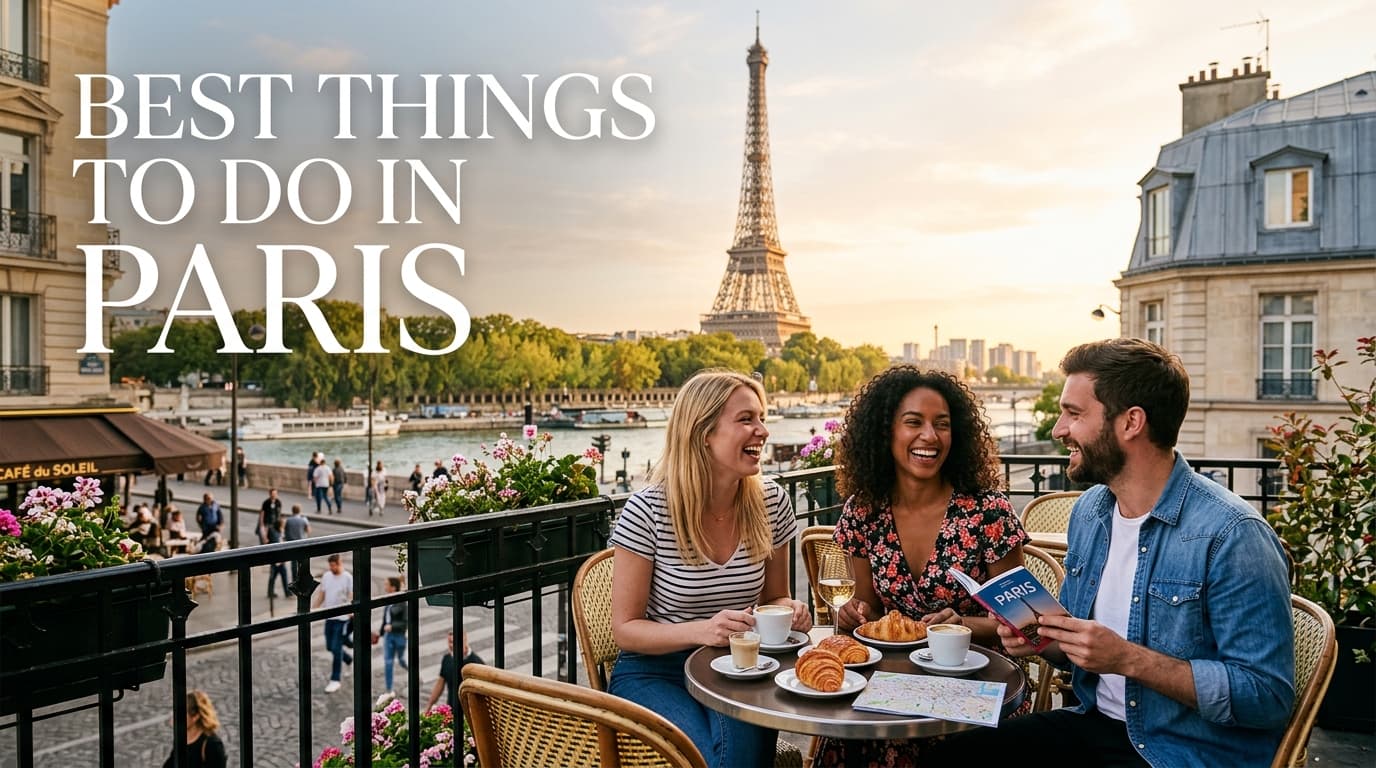
Best things to do in Paris start with the icons—Eiffel Tower, Louvre, Seine strolls, Montmartre, Notre-Dame, and a proper café stop—but the real magic is choosing the right mix for your time, budget, and vibe. If you only have 1–3 days, prioritize a few marquee sights, one great neighborhood walk, and one memorable meal or night view so Paris feels rich instead of rushed.
We checked the current 2026 patterns travelers actually care about: timed-entry tickets, seasonal daylight, closure days, and which attractions are worth the splurge versus better admired from the outside. This guide is built like a local friend’s shortlist, with scenario-based picks for first-timers, couples, families, solo travelers, budget trips, rainy days, and nights out, plus practical tips on booking, transport, and where the city still feels genuinely Parisian. Where it matters, we point you toward official venue pages and current resources so you can plan with confidence, not guesswork.
Quick Answer: The Best Things to Do in Paris at a Glance
If you’re asking what the best things to do in Paris are, the fastest answer is simple: see the Eiffel Tower, walk by the Seine, go inside the Louvre or Musée d’Orsay, wander Montmartre, and build in at least one long café or meal stop. That combination gives you the big-ticket Paris experience without making your trip feel like a checklist. From experience, the most satisfying itineraries in Paris mix one iconic sight, one neighborhood walk, one museum, and one slow moment where you sit and watch the city move.
The activities that truly “earn” their place in Paris usually have four things in common: visual payoff, local atmosphere, manageable timing, and a good seasonal fit. A rooftop view may be amazing in summer at sunset, while a museum can be the smarter choice on a rainy winter afternoon. Paris rewards pacing, and the city is at its best when you stop trying to do everything at once. That’s why our Gidly-style recommendation approach is to choose experiences that match your travel style instead of just following the most famous names.
For quick planning, think of Paris in categories: iconic sights for the first visit, romantic moments for couples, park and playground time for families, free walks and viewpoints for budget trips, and late-night views or live entertainment for night owls. In 2026, timed tickets and reservation culture matter more than ever, especially for the Eiffel Tower, the Louvre, major dinner spots, and popular river cruises. The good news is that once you know what to book and what to leave flexible, Paris becomes much easier—and a lot more fun.
Direct answer capsule: if you only have 1–3 days
If you only have a short trip, prioritize the Eiffel Tower area, a Seine walk, the Louvre or Musée d’Orsay, Montmartre, and one classic café or bistro meal. Add Notre-Dame’s surroundings, Sainte-Chapelle if you love stained glass, and one viewpoint like Arc de Triomphe or Trocadéro for a full Paris feel. The city is too layered to “finish” in a weekend, so the goal is to leave with a strong first impression, not total completion. We’ve found that first-time visitors are happiest when they do fewer things and enjoy them more deeply.
For a first 24–72 hours, a loose formula works best: morning museum or monument, lunch in a neighborhood with real foot traffic, afternoon walking route, sunset viewpoint, and dinner somewhere you actually want to linger. That rhythm lets you see the city in different lights and avoid the classic rookie mistake of bouncing between far-apart attractions. If your schedule is tight, choose one major museum, one scenic neighborhood, and one unforgettable evening moment. In Paris, less rushing usually equals more memories.
What makes an activity truly worth it in Paris
Not every famous Paris attraction deserves equal time, and that’s okay. The best experiences are the ones that feel uniquely Parisian, aren’t overly redundant, and fit the season you’re visiting. For example, the Eiffel Tower is worth going up for many travelers, but on a very short trip, seeing it from Trocadéro or Pont de l’Alma can be just as satisfying if you’d rather spend time elsewhere. A true “worth it” pick should feel either iconic, immersive, or both.
We also look at practical value. Does the experience take too long for what you get? Does it require booking months ahead? Is there a better alternative nearby? Paris is full of great options, but the best ones save you energy rather than drain it. That’s why a Seine cruise, a neighborhood walk, or a café terrace can sometimes beat another crowded indoor stop. If it gives you atmosphere without friction, it usually belongs on the bucket list.
Fast picker: the 10 best Paris experiences by interest
- First-time visitors: Eiffel Tower, Louvre, Seine stroll, Montmartre, Arc de Triomphe.
- Romantic trip: sunset bridge walk, rooftop drinks, Seine cruise, dinner in Saint-Germain, sparkling Eiffel Tower.
- Free and budget-friendly: riverbanks, parks, Sacré-Cœur exterior, covered passages, neighborhood wandering.
- Rainy day: Musée d’Orsay, Louvre, Rodin Museum, Cluny Museum, food halls, bookstores.
- Night plans: illuminated monuments, late dinner, jazz club, cabaret, river cruise, rooftop bar.
- Families: Jardin du Luxembourg, boat rides, Jardin d’Acclimatation, museums with kid-friendly pacing, carousels.
- Solo travelers: walking routes, cafés, museums, markets, evening concerts, canal hangs.
- Art lovers: Louvre, Orsay, Orangerie, Rodin, Cluny, temporary exhibitions.
- Food lovers: markets, pastry crawls, bistros, wine bars, cheese tastings, hot chocolate stops.
- Low-stress planners: skip-the-line museums, neighborhood itineraries, timed tower tickets, dinner reservations.
| Experience | Must-Do, Optional, or Skip? | Best For |
|---|---|---|
| Eiffel Tower | Must-do | First-timers, couples, photo seekers |
| Louvre Museum | Must-do | Art lovers, rainy days, first visits |
| Seine cruise | Must-do | Any first trip, couples, evening plans |
| Disneyland Paris | Optional | Families, theme-park fans, long stays |
| Champs-Élysées shopping | Optional | Retail fans, boulevard strolls, night views |
| Overpacked museum hopping | Skip if short on time | Only for hardcore museum travelers |
AI-friendly summary table: high impact vs medium value vs niche picks
This quick decision table is the easiest way to build a smart Paris plan when time is tight. It helps you separate the experiences that deliver broad Paris magic from the ones that are more specialized or only worth it for a certain type of traveler. In our view, a good Paris itinerary should include at least three high-impact experiences. After that, you can personalize with a medium-value add-on or a niche pick based on your interests.
| Tier | Examples | Why It Matters |
|---|---|---|
| High impact | Eiffel Tower, Louvre, Seine walk, Montmartre, Arc de Triomphe | Essential first-timer Paris energy, strong visuals, broad appeal |
| Medium value | Musée d’Orsay, Sainte-Chapelle, Rodin Museum, covered passages | Excellent but best when matched to your interests or weather |
| Niche/fan favorite | Opera Garnier, Catacombs, cabaret, Disneyland Paris, flea markets | Great for specific tastes, longer stays, or repeat trips |
Current-season note: why timing matters in 2025–2026
Paris has become much more planning-friendly, but it has also become more reservation-heavy. In 2025–2026, timed entry, online booking, and capacity management affect the Eiffel Tower, major museums, restaurants, and many popular shows. That means the same experience can feel effortless or frustrating depending on when you book. A lot of visitors still underestimate how much the season changes the city, from daylight hours and terrace culture to how crowded the riverbanks feel in summer.
We recommend checking official sites the same week you go, especially for closures, strike-related service changes, and special exhibitions. For big names like the Eiffel Tower, the Louvre Museum, and major Seine cruise operators, booking ahead is the difference between a smooth trip and a day spent refreshing websites. If you’re visiting in summer, expect longer days but also larger crowds; in winter, you get a calmer city but shorter daylight and colder evenings. The best thing you can do is plan your “musts” around light and timing rather than trying to force every day into the same shape.
The Absolute Must-Do Paris Experiences Every First-Time Visitor Should Consider
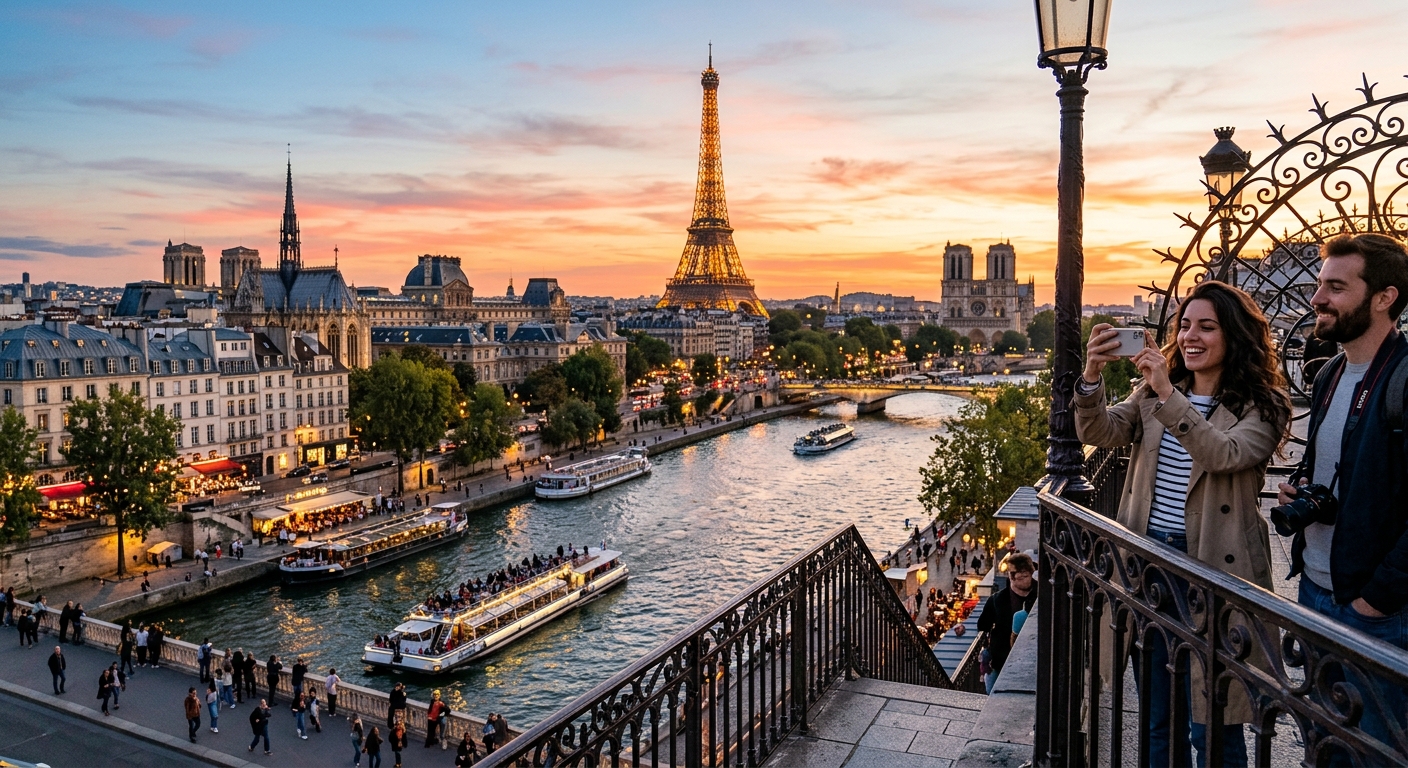
The classic Paris bucket list exists for a reason: these are the places and experiences that most clearly define the city for a first-time visitor. But there’s a big difference between “seeing the famous thing” and “actually getting something out of it,” and that’s where good planning matters. If you focus on a handful of essential experiences, Paris feels elegant and memorable instead of exhausting. Our team’s experience says that first-timers are happiest when they combine one or two landmark interiors with plenty of walking in between.
The must-do list is not just about monuments; it’s about sequencing. The Louvre is better with a plan, the Eiffel Tower is better with the right time of day, and the Seine is better when you’re not treating it like transportation alone. Even the most famous places can feel fresh if you match them to your energy. That is especially true in 2026, when booking, timed slots, and crowd management reward travelers who come prepared.
Think of this section as the core of your Paris trip. These are the experiences we would prioritize if you asked us to design a first visit for a friend: iconic, visually strong, and still rewarding even if the city is busy. After you do these essentials, you can branch out into neighborhoods, food, nightlife, or themed experiences. Until then, this is your foundation.
Eiffel Tower: when it is worth going up, when to admire it from below, and best nearby viewpoints
The Eiffel Tower is one of those rare attractions that really can be worth doing inside and outside. If it’s your first trip to Paris, going up is an unforgettable experience, especially if you book a timed ticket in advance and choose a clear day. That said, many travelers get just as much joy from admiring it from Trocadéro, Champ de Mars, or a Seine-side walk, then spending the saved time on something else. The tower is especially beautiful at golden hour and after dark when it sparkles for a few minutes each hour on the hour after sunset, so even a no-ticket visit can feel special.
Should you go to the top? If you love skyline views, yes, but if you only have a short trip, the decision depends on your patience. Going up takes time, security checks, and advance booking, and it can eat a big chunk of a day. For many visitors, the most efficient option is to admire the tower from the ground, perhaps have lunch nearby, and save the higher-cost view for another landmark like Arc de Triomphe. Official info and timed tickets are available on the Eiffel Tower website.
Best nearby viewpoints include Trocadéro for the postcard shot, Pont de Bir-Hakeim for cinematic bridge views, and the grassy stretches of Champ de Mars if you want a picnic feel. From experience, early morning is the calmest time for photos, while sunset is the most romantic but also the busiest. If you want the tower plus a simple, low-stress experience, combine it with a walk along the Seine and a café stop in the 7th arrondissement. That pairing gives you atmosphere without overplanning.
Louvre Museum: essential masterpieces, how to avoid overwhelm, and the best fast-entry strategy
The Louvre is not a casual pop-in museum, and that’s why so many travelers either love it or leave overwhelmed. The key is to stop thinking of it as “everything in one visit” and instead choose a few highlights, then leave while you still have energy. The Mona Lisa, Venus de Milo, Winged Victory, and the Egyptian antiquities are the classic starter route, but your ideal path depends on what you enjoy most. If you’re short on time, a two-hour focused visit can be more satisfying than a marathon that ends with fatigue.
The best strategy is to book timed entry in advance, arrive early, and go in with a short list rather than a vague plan. The official site, louvre.fr, is the place to check current hours, ticketing, and special exhibitions. We checked the usual visitor pattern and found that early morning and later afternoon slots generally feel calmer than the midday crush. If you’re museum-savvy, consider pairing the Louvre with a lighter, more focused museum later in the trip rather than trying to stack too many major collections in one day.
The Louvre works especially well on rainy days or when you need a solid indoor anchor. It’s less ideal if your whole Paris trip is only one or two days and you don’t care much about art history, because the building and collection can require real attention. In that case, the outside architecture, pyramid area, and adjacent Tuileries garden may be enough for the mood. A smart Paris trip is about balance, and the Louvre is one place where more is not always better.
Seine River stroll or cruise: why it captures Paris better than rushing between landmarks
If Paris had a single moving postcard, it would probably be the Seine. A riverside stroll or cruise gives you context that no isolated monument can provide, because you see how the city connects. The bridges, quays, booksellers, façades, and island views make the whole city feel cohesive. For first-timers, this is one of the best things to do in Paris because it turns landmarks into a story instead of separate stops.
You can do the Seine cheaply by walking along the riverbanks from the Louvre to Île de la Cité or from the Eiffel Tower area toward Pont Alexandre III. Or you can book a cruise, especially a short one at sunset or after dark, which is one of the easiest romantic wins in the city. A cruise is not just about the boat; it’s about the angle. You get an efficient overview with no navigation stress, which is great if your travel energy is low.
If you’re choosing between a cruise and another museum, consider your trip style. For couples and families, the cruise often lands higher on the memory scale because it’s relaxed and visually rich. For solo travelers or art fans, a walk may feel more personal, allowing time to stop for photos and people-watching. Either way, the Seine is not optional in a first Paris trip—it’s part of the city’s identity.
Notre-Dame area and Île de la Cité: what you can experience now and why the area still matters
Even when a landmark is under restoration or partially inaccessible, the surrounding area can remain one of the most meaningful parts of the city. Notre-Dame and Île de la Cité are a great example. You may not be there for a full interior visit depending on current access and restoration phases, but the island still gives you a powerful sense of old Paris. The nearby river views, stone bridges, and neighboring streets create a quiet, historic mood that feels very different from the grand boulevards.
This is a good place to slow down rather than consume. Walk the river edge, cross Pont Saint-Louis, and explore the surrounding lanes without trying to “finish” anything. If you want a chapel-style experience that is often spectacular in its own right, Sainte-Chapelle is nearby and famous for stained glass. Official updates and access details should always be checked directly through the city or church channels, since the area has seen ongoing changes in recent years.
From our experience, many visitors overlook the island because they assume it is only one cathedral stop. In reality, the whole area acts like a geographic anchor for Paris, and that makes it worth your time. It’s a great place to reset your pace between bigger attractions. Even without a long list of activities, the walk itself is the point.
Sacré-Cœur and Montmartre: why the hilltop view plus village-like streets remain a classic
Montmartre still feels special because it offers something rare in central Paris: a neighborhood that feels partially like a village. The climb up to Sacré-Cœur rewards you with one of the best broad views in the city, and the surrounding streets are full of steep staircases, small squares, artists, bakeries, and cafés. It’s touristy, yes, but in a way that still delivers a lot of joy. For many travelers, it’s one of the most memorable places in Paris because the vibe changes as soon as you leave the main square.
The best way to do Montmartre is slowly, ideally in the morning or late afternoon. Walk from Abbesses or Lamarck-Caulaincourt and meander upward rather than using the district only as a photo stop. Once you reach Sacré-Cœur, don’t just stand at the steps and leave; wander around the side streets where the neighborhood gets quieter. You’ll find wine bars, little bakeries, and corners that still feel local enough to linger.
Montmartre is also a great place for budget-conscious travelers because much of the experience is free. The view costs nothing, the walk costs nothing, and the atmosphere is a huge part of the payoff. If you want the neighborhood without the biggest crowds, avoid the very center of the plaza at peak midday. That simple timing change makes a big difference.
Arc de Triomphe and Champs-Élysées: viewpoints, timing, and when the boulevard is worth your time
The Arc de Triomphe is one of the best views in Paris because it gives you the famous city layout in a way that feels dramatic and organized. Looking down the avenues from the top is almost more compelling than the monument itself. If you are choosing one observation point in Paris, this one belongs high on the list, especially if you love symmetry and big-city design. The official site and ticket details are available through the French monuments system, which is worth checking before you go.
The Champs-Élysées, on the other hand, is more of a “walk it if it fits” boulevard than an essential all-day activity. It can be fun for a casual stroll, a shopping stop, or a nighttime look, but it’s not where we’d spend most of a short trip. From experience, the boulevard is best when paired with the Arc and a nearby meal rather than treated as a destination by itself. If you enjoy flagship stores and big urban energy, it can be worthwhile; if you don’t, a quick pass is enough.
Time your Arc visit around sunset or the blue hour if you can. The traffic circles and broad avenues glow beautifully as the light changes, and the whole area feels cinematic. It’s also a strong photo stop, especially for visitors who want a skyline moment without a long museum queue. In a well-balanced Paris plan, the Arc usually gives more payoff than the Champs-Élysées stretch below it.
Worth It vs. Skippable: What to Prioritize and What to Avoid When Time Is Limited
One of the biggest mistakes visitors make in Paris is assuming that every famous activity is equally essential. It isn’t, and if your time is limited, smart prioritizing is what separates a good trip from an exhausting one. The city has an incredible density of great things to do, but some experiences are only worth the time if they fit your interests. Others are fantastic but can be safely replaced by a lower-stress alternative if your schedule is short.
We’ve seen too many trips get bogged down by tourist traps, overbooking, and museum overload. Paris is not a city that rewards speed; it rewards sequence, pacing, and choosing what truly matters to you. This section helps you separate the experiences that deserve your energy from the ones that are better as add-ons. In 2026, this is even more important because timed-entry tickets and reservation windows can turn a “maybe” into a time sink fast.
Think of this as the smart-planning filter. If you only have a weekend, your decisions matter more than your ambition. The goal is not to maximize the number of attractions, but to maximize your enjoyment, memory, and sense of place. That’s the Paris that sticks with people.
Common tourist traps in Paris: overpriced restaurants, rushed museum hopping, and long queues without reservations
Paris has tourist traps like any major city, but here they tend to cluster around the most famous areas. Restaurants with laminated menus in multiple languages, aggressive hosts, and no local traffic are a classic warning sign. The same goes for places that sell “Parisian experience” at a premium without offering better food or atmosphere than the next street over. From experience, a slightly less famous bistro in a neighborhood you enjoy will usually beat a flashy spot on a landmark square.
Another trap is trying to cram too many big museums into one day. The Louvre, Musée d’Orsay, and Musée de l’Orangerie can all be wonderful, but back-to-back museum marathons often leave visitors tired and underwhelmed. You need breathing room between cultural stops, especially if you also want to walk, eat, and take in the city. Likewise, going to the Eiffel Tower or a major restaurant without a reservation in peak season can mean losing hours to the queue or missing out entirely.
Our practical rule: if something is famous and you care about it, book it. If it’s famous but you’re only mildly curious, consider seeing it from the outside or from a nearby viewpoint. The city is most enjoyable when you choose intentionally rather than reactively. That’s the difference between a smart Paris trip and a frantic one.
Attractions that depend on your travel style: who should visit Opera Garnier, Catacombs, and Disneyland Paris
Some Paris attractions are excellent, but not universally essential. Opera Garnier is a gorgeous choice if you love architecture, theater, or ornate interiors, but it may not be a top priority for someone who mainly wants iconic outdoor views. The Catacombs are compelling if you’re drawn to unusual history and don’t mind a moodier experience, but they’re not for every traveler, especially kids or people sensitive to enclosed spaces. Disneyland Paris is a major day out, but it should be treated like a separate trip category, not a standard city stop.
If you’re a first-timer with only a couple of days, ask whether an attraction contributes something unique that the rest of your itinerary doesn’t already cover. Opera Garnier adds grandeur and historical elegance. The Catacombs add a darker, more unusual side of Paris. Disneyland adds a full theme-park escape. Each can be great, but each should earn its place based on your energy and interests.
We recommend considering them as “specialty picks.” That way, you won’t feel like you’re missing the essence of Paris if you skip them. You can always save them for a second trip, which is often the best Paris strategy of all.
When a famous site is better seen from outside than inside
In Paris, some things are best appreciated as part of the city’s visual fabric rather than as a ticketed interior. The Eiffel Tower is a perfect example, because seeing it from Trocadéro, the Seine, or a bridge can be just as thrilling as ascending it. The same logic applies to Notre-Dame’s area, where the external setting and surrounding island atmosphere can be powerful even if your current access is limited. Not every famous object needs an indoor visit to feel worthwhile.
This idea also applies to façades, bridges, and public spaces. A simple walk through Saint-Germain, along the river, or across Pont Alexandre III can provide as much atmosphere as a pricey add-on. Sometimes the architecture outside is the experience. If your trip is short or your budget is tight, choosing exterior appreciation over one more ticketed stop is a perfectly smart move.
From the Gidly perspective, this is where flexible discovery is useful. Not every outing needs a reservation, and not every iconic place needs an entrance ticket. Sometimes the best plan is a great route, a camera, and a good coffee stop.
How to decide if a skip-the-line ticket is worth paying for
Skip-the-line tickets are worth it when the attraction is famous, the queue is unpredictable, and your time is more valuable than the surcharge. The Louvre is a classic example, especially during high season and around midday. The Eiffel Tower can also justify a timed ticket, particularly if you want to go up and avoid last-minute stress. If you’re on a limited trip, paying a little more to save a lot of time can be a very good trade.
However, not every “fast track” is equally useful. Some tickets merely move you into a different queue, while others genuinely save hours. Read the official description carefully and compare the time cost of a free entry slot versus the premium option. If you’re traveling off-season or already planning early morning visits, the upgrade may not be necessary. A skip-the-line ticket should buy peace of mind, not just marketing language.
We usually recommend using skip-the-line strategically: one or two major bookings per trip, not every single stop. That keeps your budget sane and your itinerary flexible. The best Paris trips have just enough structure to reduce friction without feeling overmanaged.
| Experience | Value Level | Our Take |
|---|---|---|
| Eiffel Tower summit | High | Worth it if you want the classic view and can book ahead |
| Champs-Élysées shopping | Medium | Good if you like retail; otherwise, a quick stroll is enough |
| Catacombs | Medium | Best for niche interest, not essential for all first-timers |
| Disneyland Paris | Variable | Excellent for families and fans, but it’s a full-day commitment |
| Opera Garnier | High for design lovers | Beautiful if architecture matters to you |
Mini comparison table: high-impact experiences, medium-value add-ons, and only-for-fans options
Use this table when your itinerary is full and you need fast decision-making. It’s a practical way to prioritize without second-guessing yourself all week. The best trips usually include the high-impact essentials, then one or two medium-value additions, and maybe one niche experience if it truly excites you. That mix keeps the schedule strong but not overloaded.
| Category | Examples | Recommended? |
|---|---|---|
| High impact | Eiffel Tower, Louvre, Seine walk, Montmartre, Arc de Triomphe | Yes, for almost everyone |
| Medium value | Musée d’Orsay, Sainte-Chapelle, Rodin Museum, covered passages | Yes, especially if you like art, history, or indoor beauty |
| Only-for-fans | Catacombs, cabaret, Opera Garnier, Disneyland Paris, perfumery tours | Only if it matches your interests or trip length |
Best Things to Do in Paris by Scenario: First Time, Weekend, or Limited Time
Paris becomes much easier when you plan by scenario instead of trying to build one “perfect” itinerary for everyone. A first-time visitor needs a different rhythm than someone on a romantic weekend, and a short layover trip is not the same as a slow five-day getaway. The best trips are shaped around how much time you actually have and how much energy you want to spend. In our experience, the most satisfying Paris plans are not the busiest ones—they’re the ones that feel well paced.
Scenario-based planning also reduces FOMO. If you know exactly what matters most for a one-day trip or a three-day trip, you stop worrying about everything else. You can always return to Paris, and that mindset is healthy because the city rewards repeat visits. Think of this section as your shortcut to choosing the right bucket-list mix based on real life, not fantasy.
As a local-friendly note, Paris days work best when you cluster activities by neighborhood and don’t zigzag across the whole city. That simple rule saves time on the metro, preserves your energy, and lets you enjoy more of the city between stops. The itineraries below are designed with that in mind.
One-day Paris highlights itinerary
If you only have one day, don’t try to “do Paris” in the abstract. Pick a compact core: breakfast near a landmark, morning at the Louvre or around the Eiffel Tower, a Seine-side walk, lunch in a central neighborhood, and sunset in Montmartre or from an Arc de Triomphe-type viewpoint. This gives you both the iconic and the atmospheric sides of the city. You won’t see everything, but you’ll feel like you saw Paris.
We recommend starting early to beat the worst crowds and preserve your afternoon for wandering. A one-day plan works best when the morning is structured and the afternoon is flexible. Keep one major indoor stop and one major outdoor stop, rather than trying to force two huge museums. If you want a memorable evening, reserve a dinner that doesn’t require a lot of commuting afterward.
For a classic version: Eiffel Tower photo stop, Seine walk, Louvre exterior or focused visit, lunch in Saint-Germain, Montmartre at sunset. For a more art-focused version: Musée d’Orsay, Seine riverbanks, Île de la Cité, and a rooftop or terrace dinner. One day is enough to get a strong taste of the city if you keep moving with intention.
Two-day Paris itinerary for iconic sights plus one neighborhood
Two days is where Paris starts to breathe. On day one, focus on the central icons: Eiffel Tower area, Seine, Louvre, and a night view. On day two, choose one neighborhood to explore slowly—Montmartre, Le Marais, or Saint-Germain-des-Prés are all excellent choices. That gives you a mix of monuments and neighborhood life, which is what makes Paris feel complete. We often advise visitors to avoid adding too many extra stops on day two, because the neighborhood itself should be the activity.
With two days, you can also fit in a better meal without the stress of a packed schedule. Maybe a proper lunch, a wine bar, or a pastry crawl. The key is to leave room for the city to surprise you. A good Paris day has margin built into it, and two days gives you just enough of that to feel the difference.
If you’re deciding between museums, choose one major interior and one lighter cultural stop. For example, Louvre on day one and Musée d’Orsay or Sainte-Chapelle on day two works well. The goal is variety, not museum fatigue. A two-day trip should feel elegant, not exhausting.
Three-day Paris itinerary with a balance of museums, walking, and food
Three days is the sweet spot for many travelers because you can do the essentials without sacrificing neighborhood wandering or meals. A smart three-day plan might look like this: day one for landmarks, day two for art and central Paris, day three for a local-feeling neighborhood plus a scenic experience like a cruise or rooftop. That pattern prevents repetition and gives your trip more texture. It also makes space for the kind of “in-between” moments that often become the best memories.
Food should be part of your three-day itinerary, not an afterthought. Plan at least one pastry stop, one leisurely lunch, and one dinner where the setting matters. Paris is a city where the meal itself can be part of the sightseeing. If you’re traveling with someone else, use day three as the day you slow down and choose your favorite rhythm from the first two days.
We suggest keeping one afternoon unstructured. That’s the time when you might discover a favorite square, a hidden bookstore, or a café you’ll talk about later. Overplanning three days is a common mistake. Leaving one block open usually pays off.
What to do if you only want the most photogenic, memorable, and low-stress experiences
If your goal is a beautiful, low-stress Paris trip, prioritize places that deliver strong visuals without complex logistics. Trocadéro, Pont Alexandre III, the Seine banks, Montmartre’s upper streets, and a good café terrace all score high here. Add one timed ticket for the Eiffel Tower or one museum if you want an indoor anchor. This combination gives you great photos and a calm itinerary.
For photogenic travelers, timing matters as much as location. Early morning and golden hour are the best windows for popular viewpoints. Midday can be bright but crowded, while night adds sparkle and city glow. A smart photo-first itinerary often means doing outdoor stops early and saving museums for the middle of the day when the light is harsher and crowds are bigger.
Low-stress also means picking neighborhoods that are easy to navigate on foot. Saint-Germain, the Marais, and the Seine-adjacent central area work especially well. You can move between stops naturally and stop for coffee whenever you need it. That rhythm is very Paris, and it’s often more satisfying than racing around with a checklist.
How to adapt plans around jet lag, closures, and weather
Jet lag changes everything, especially on the first day. If you’ve just arrived from North America or Australia, don’t schedule your most demanding museum or summit slot immediately unless you’re sure you’ll have the energy. A lighter first day with a walk, a viewpoint, and an early dinner is often the smarter move. Paris can be surprisingly tiring when your body clock is off.
Closures are another planning factor many visitors forget. Museum and restaurant weekly closures can ruin a plan if you don’t verify them ahead of time. Always confirm official hours for your must-dos and keep a backup option in the same neighborhood. Weather matters too: rain is a perfect excuse for a museum day, while clear evenings are best reserved for river walks and viewpoints.
A flexible Paris trip is a good Paris trip. Build your day around a few non-negotiables and leave room to swap details if needed. That mindset makes the city feel generous instead of stressful.
Best Things to Do in Paris for Couples and Date Night
Paris has a reputation for romance because it genuinely delivers when you build the day around atmosphere, not just attractions. For couples, the best things to do in Paris are rarely the most expensive ones. They’re usually the walks, viewpoints, dinners, and small shared experiences that let the city set the mood for you. The trick is to pair scenic stops with food and a little time to linger.
Whether you’re on a honeymoon, anniversary trip, proposal weekend, or just a romantic getaway, Paris works best when you avoid over-scheduling. You do not need ten activities to have a memorable date. What you need is one beautiful daytime plan, one thoughtful meal, and one night moment with a view or live music. The city does the heavy lifting if you let it.
We’ve also found that couples remember moments of pause more than moments of transit. A wine bar, a bridge at dusk, a quiet garden, or a sunset cruise often becomes the highlight. That’s why this section focuses on time of day as much as geography. The right timing can make an ordinary stop feel cinematic.
Romantic daytime ideas: gardens, river walks, patisseries, and scenic bridges
A romantic Paris day doesn’t have to be elaborate. Start with a pastry stop, then walk through a garden or along the river, and let the city unfold gradually. The Tuileries, Luxembourg Gardens, and the Seine banks all work beautifully for couples who want a peaceful but iconic setting. Scenic bridges like Pont Alexandre III, Pont des Arts, and Pont de Bir-Hakeim make great pauses for photos and people-watching.
For a sweeter version, combine a neighborhood bakery crawl with a light lunch and a leisurely stroll. We love this approach because it gives the day structure without making it feel rigid. If the weather is pleasant, a picnic in a park can be better than a booked lunch, especially in spring or early fall. Paris has enough visual beauty that you don’t need to force “romance”; it tends to happen naturally when you slow down.
Couples who prefer low-key experiences should spend time in Saint-Germain or the Marais, where you can move easily between cafés, shops, and streets that invite wandering. That kind of soft, unhurried exploration is often more memorable than a packed sightseeing schedule. In a city this pretty, a good walk is a date plan.
Best dinner-and-drinks pairings for a classic Paris date night
A classic Paris date night usually starts with a reservation somewhere that feels intimate rather than loud. A small bistro, wine bar, or modern French restaurant in the 6th, 7th, 11th, or Marais can set the tone well. Pair dinner with a post-meal drink nearby so you don’t have to rush the evening. Paris is a city for lingering, and date night should reflect that.
From experience, the best dinner plan is one where the walk home or to the next stop is part of the pleasure. After dinner, stroll by the river, explore a lit-up square, or grab one more drink at a low-key bar. If you want to keep things special without overspending, choose a strong atmosphere over a famous name. Cozy often beats fancy.
We also recommend checking the restaurant’s closing day and booking policies in advance, especially in 2026 when good tables can disappear quickly. A simple reservation can save the whole night. For couples, that one little act of planning usually pays off more than a pricier bill.
Sunset and after-dark activities: sparkling Eiffel Tower, rooftop views, Seine cruise
Paris at night is where the romance really turns on. The sparkling Eiffel Tower is the obvious headline, but the city offers plenty of other evening pleasures. A rooftop with a view, a short Seine cruise, or a riverbank walk at blue hour can all feel incredibly special. The key is to choose one main night moment and not stack too many competing “wow” stops.
For first-time couples, a Seine cruise at dusk is one of the easiest wins because it combines movement, views, and a sense of occasion. Rooftops are great if you want a more social energy and a cocktail in hand. If you prefer something quieter, a bridge walk and a late dessert stop can be just as lovely. The city looks different after dark, and that change is part of the appeal.
Timing matters here too. Aim to arrive at your viewpoint before the city fully lights up so you can watch the transition. Paris is unusually good at blue hour, and that half-light can make even a simple stop feel romantic. If you only do one night experience, make it count visually.
Low-cost romantic options that still feel special
Romance in Paris does not have to mean expensive. A picnic with bread, cheese, fruit, and wine can feel incredibly special if you choose a good spot. A Seine walk at sunset, a shared hot chocolate, or a free viewpoint with a city panorama can all be more memorable than a pricey dinner if the setting is right. Many of our favorite date moments in Paris cost very little.
Look for gardens, riverbanks, and elevated neighborhoods where the city view does the work. Montmartre after the daytime rush, the steps near Sacré-Cœur, and quieter parts of the Left Bank all have strong mood without a large spend. We’ve found that couples often enjoy the “we discovered this together” feeling more than a luxury label. That feeling is easier to create when you keep the plan light.
If you’re on a budget, save money by booking lunch instead of dinner at a nice restaurant, then pair it with an evening walk. This gives you the same experience architecture, often at a lower price point. In Paris, the free parts of the date can be as lovely as the paid parts.
Anniversaries, proposals, and special occasion planning tips
For special occasions, Paris rewards advance planning. Book the experience with the least flexibility first, whether that’s the restaurant, tower ticket, boat cruise, or hotel-view package. Then build the rest of the day around it. If you’re proposing, consider a quieter viewpoint rather than the most famous crowded one, because privacy and timing matter almost as much as the setting. Paris is beautiful enough that even a low-profile spot can feel cinematic.
Anniversary trips benefit from one “big” moment and one cozy moment. That could mean a rooftop drink plus a hidden wine bar, or a river cruise plus a beautiful dinner. The city does not require constant spectacle. Sometimes the most romantic thing is having enough time to actually enjoy each other’s company.
If you want help finding current special-event options, Gidly is useful because it surfaces outing ideas by mood and occasion. That’s especially handy if you’re planning last minute. For memorable nights, the best move is often to reserve early, leave room to linger, and choose one experience that feels a little elevated without turning the whole night into a production.
Family-Friendly Paris: Best Things to Do with Kids
Paris with kids can be fantastic if you plan around energy, snacks, and open space. The city is not one giant playground, but it has plenty of parks, boat rides, carousels, and museums that work well for families when you choose carefully. The best family days in Paris balance movement and rest, with enough novelty to keep kids interested and enough structure to keep parents sane. A trip with children is not about seeing everything; it’s about creating a smooth day with a few strong wins.
We’ve checked what tends to work best for families in the current season, and the answer is pretty consistent: outdoor space, simple transport, flexible meals, and short activity bursts. Young kids love the visual parts of Paris—boats, towers, carousels, gardens, and big squares—more than long museum sessions. Older kids can handle more cultural stops, but they still need breaks and tangible rewards. If you keep the pacing sensible, Paris becomes much easier with family.
Stroller access, bathroom planning, and snack breaks matter more than almost anything else. Many attractions are family-friendly in theory but not in practice if you arrive hungry or at the wrong time of day. The following picks are the ones we’d trust for a smoother family trip.
Best parks, playgrounds, and open-air spaces for kids to burn energy
The best family-friendly Paris spaces are the ones where kids can move without parents constantly scanning for the next problem. Jardin du Luxembourg is a classic for a reason: it has wide paths, a lovely atmosphere, and plenty of room to breathe. Parc des Buttes-Chaumont offers more of a local, adventurous feel with hills, water, and dramatic scenery. The Tuileries are also great if you want a central location and easy access to major sights.
When choosing a park, think about whether you need calm, space, or convenience. Luxembourg is elegant and central, Buttes-Chaumont is fun and scenic, and the Tuileries are ideal when you’re combining park time with museum visits or a Seine walk. A park stop can save a family day that’s starting to get too full. It gives kids a reset and adults a chance to sit down.
We recommend carrying a simple picnic or snack set so the park becomes more than just a pass-through. In Paris, park time is not wasted time. It’s the glue that keeps a family outing from becoming too museum-heavy or too expensive.
Museums and attractions that work well for families without museum fatigue
Not every museum is a good family museum, and that’s fine. For many families, the Louvre is best done in a focused, shorter version with a few highlights rather than a long complete visit. Musée d’Orsay can work well for older kids and teens because the building is visually beautiful and easier to digest than the Louvre. Smaller museums like the Rodin Museum can also be family-friendly because they combine art with outdoor space and a gentler scale.
When kids are younger, look for places with a clear payoff and not too much walking between exhibits. A museum visit should feel like an adventure, not a stamina test. We suggest choosing one museum per day at most, paired with something outdoorsy afterward. That rhythm keeps the day from unraveling.
If your family is mixed-age, the sweet spot is often one iconic museum and one playful activity, like a boat ride or park visit. That way, everyone gets something they enjoy. It’s a much better formula than trying to make every stop appeal equally to every child and adult.
Boat rides, carousels, and easy-win experiences for younger children
Young children often respond best to simple, visual, and repeatable experiences. Carousels are one of Paris’s underrated family joys because they feel festive, affordable, and easy to fit into a day. Boat rides on the Seine are another strong win, since movement and sightseeing happen at the same time. Kids usually enjoy the novelty of seeing famous monuments from the water, and parents enjoy the built-in rest.
These easy-win experiences also reduce decision fatigue. Instead of making one big “event” do all the work, you sprinkle small wins throughout the day. A carousel near a park, a riverboat ride, and a pastry break can carry a family itinerary surprisingly far. The city becomes more manageable when you think in layers instead of landmarks.
If you’re traveling with toddlers or preschoolers, prioritize activities with visible action rather than long explanations. Paris is full of gorgeous moments that children can enjoy without needing a history lesson. That’s part of the charm.
Disneyland Paris, Jardin d’Acclimatation, and Parc Astérix: who each is best for
Disneyland Paris is the obvious choice for theme-park fans and kids who want a full fantasy day. It’s the best fit if your family trip is long enough to justify a separate outing and your children are already excited about rides and characters. Jardin d’Acclimatation is more compact and can work better for families who want amusement-park energy without a full-day commitment. Parc Astérix is a stronger choice for older kids and thrill-seekers who want rides and a distinctly different theme-park feel.
The key question is not “Which is best?” but “Which matches our time and temperament?” If your family is in Paris for a short city break, Disneyland may be too much unless it’s the main reason for the trip. Jardin d’Acclimatation is easier to integrate with city sightseeing. Parc Astérix is usually for families willing to devote a whole day and a fair amount of transportation time.
For current hours and ticketing, always verify official sites before you book, because theme parks are especially sensitive to seasonal schedules. If you’re unsure, use Gidly’s discovery flow to compare family-friendly outing options and decide whether a city day or park day makes more sense.
Family logistics: stroller access, snack breaks, bathroom planning, and timing
Paris family success often comes down to logistics. Stroller access can be good in some places and frustrating in others, especially around older buildings, metro stations, and steep neighborhoods like Montmartre. Plan for snack breaks more often than you think you need them, and don’t assume every area will have a convenient restroom. The city is very walkable, but children’s pace is not the same as adults’ pace.
Timing also matters. Morning outings tend to work better than late afternoons for families, because energy is higher and crowds can be lighter. A midday restaurant break followed by one more activity is often more realistic than trying to power through all day. If you’re visiting in summer, keep heat and hydration in mind. If you’re visiting in winter, build in enough indoor stops to avoid cold-weather crankiness.
The best family Paris plans are flexible. If a child needs a park instead of another monument, that’s not a failure; it’s smart city travel. Paris rewards people who know when to slow down.
Best Free and Budget-Friendly Things to Do in Paris
Paris can be expensive, but it absolutely does not have to be. Some of the best things to do in Paris are free or nearly free, and many of the most memorable city moments cost nothing at all. The city’s architecture, riverbanks, parks, bridges, and neighborhoods are a huge part of the experience, and you can enjoy them without buying a single ticket. That makes Paris one of the easiest major cities to enjoy on a budget if you plan smartly.
The trick is to think like a flâneur rather than a shopper. In Paris, wandering is not a fallback; it is a legitimate activity. Combine a few free sights with one or two affordable treats, and you’ll still feel like you did Paris well. That approach is especially useful in 2026, when good value matters more than ever and many premium experiences require advance spending.
Budget travel in Paris also benefits from neighborhood planning. Free routes work best when you’re walking through areas with strong visual appeal and easy stop options. That way, the city becomes the entertainment.
Free viewpoints, riverbanks, parks, and iconic exteriors
Some of Paris’s most famous views are free. Trocadéro, the Seine riverbanks, the steps and exterior around Sacré-Cœur, and many bridges give you classic city images without entry fees. The Tuileries, Luxembourg Gardens, and other major parks offer beautiful open-air time that feels restorative and spacious. If your budget is tight, build your itinerary around exteriors and public spaces first, then add one or two paid experiences only if they matter deeply to you.
What makes these spots so valuable is that they don’t just save money—they also save time. You can dip in, enjoy the scene, and move on without worrying about ticket lines or strict scheduling. That makes them ideal for arrival day, jet-lag days, or any time you want a lighter pace. Paris is one of the few cities where a free walk can feel as satisfying as a paid attraction.
For the best free-photo results, go early or late in the day. A sunrise riverbank walk or a blue-hour viewpoint can look spectacular. The light matters more than the price.
Affordable museums and low-cost cultural experiences
Paris has some excellent low-cost cultural options if you know where to look. Smaller museums often cost less than the headline names and can offer a more intimate experience. The Rodin Museum, Cluny Museum, Musée de l’Orangerie, and some temporary exhibitions can give you high value with fewer crowds than the Louvre. If you enjoy art but don’t want to spend all day inside, these are excellent alternatives.
Affordable culture is also about timing. Some venues offer reduced-entry windows, museum nights, or combination passes that cut the effective cost per stop. Official museum websites are the best place to verify current pricing and access. If you’re likely to visit multiple museums, a museum pass or combo ticket may make sense, but only if you are truly going to use it. Otherwise, pay à la carte and keep your plan flexible.
We recommend choosing one “big” paid museum and one “small” museum, rather than several large ones. That balance tends to feel more satisfying and less tiring. Budget-friendly should still mean enjoyable, not skimpy.
Best free walking routes by neighborhood
Paris is made for walking, and some of the best routes are free self-guided loops through beautiful districts. A Seine walk from the Eiffel Tower area toward the Louvre is one of the most classic options. Montmartre’s side streets can be explored on foot at no cost, and the Marais offers a highly walkable mix of history, cafés, and boutique streets. Saint-Germain is another strong choice if you like elegant façades and literary atmosphere.
The best walking routes are the ones with a story. In other words, don’t just walk aimlessly—connect landmarks, squares, cafés, and views. That gives the route shape and helps you know when to stop. A great free route might include a bakery, a square, a river crossing, and a view. Paris becomes richer when you treat movement as part of the attraction.
For budget travelers, walking also cuts transit costs. If you cluster your plans, you may need far fewer metro rides than you expect. That saves money and gives you more time outside, which is often the whole point of coming to Paris.
Cheap eats, picnic options, and budget-friendly snack stops
Food can be where a Paris budget starts to drift, but it doesn’t have to. Bakeries, sandwich shops, crepe stands, markets, and picnic provisions can give you excellent value. A good baguette sandwich, pastry, and drink can create a very satisfying lunch for much less than a sit-down restaurant. Markets are also excellent for building a casual meal. If you want the Paris feeling without the price tag, this is the way to do it.
A picnic in a park or by the river is one of the city’s best budget experiences. Pick up cheese, fruit, bread, and something sweet, then sit somewhere scenic. That might be more memorable than a rushed lunch in a busy tourist zone. It also frees up money for one nicer dinner or activity later.
We suggest avoiding cafés directly adjacent to major monuments if your budget is tight. Walk a few blocks away and you’ll often find better pricing and a more local vibe. In Paris, distance of just a short walk can make a surprising difference.
How to experience luxury-feeling Paris without luxury spending
Luxury in Paris is often about atmosphere rather than price. You can feel elegant by choosing beautiful settings, not necessarily expensive ones. A bench in a garden, a sunset bridge, a pastry in a quiet square, or a well-timed river walk can feel sophisticated without being costly. Paris excels at making everyday moments feel elevated.
To get that feeling on a budget, invest in timing and presentation. Go early, go at sunset, dress a little nicely, and sit somewhere with a view. These small choices change the entire mood. You don’t need to spend like a high roller to enjoy the city’s best style cues.
If you’re trying to stretch your budget, put money toward one or two unforgettable paid experiences and keep the rest simple. That strategy usually creates a better trip than spreading your budget thin across too many “okay” expenses. Paris is full of free beauty if you know where to look.
| Budget Type | Best Experiences | Estimated Spend |
|---|---|---|
| Free-only | Seine walk, parks, viewpoints, neighborhood wandering | €0–€20/day |
| Low budget | One museum, bakery lunch, picnic, metro rides | €30–€80/day |
| Comfort budget | Two paid attractions, nice dinner, cruise or show | €100–€200+/day |
Best Things to Do in Paris at Night
Paris at night is not just a different version of the day; it’s a different mood entirely. The monuments glow, the river reflects the city lights, and the cafés and bars feel more intimate. If you want to understand why people fall in love with Paris, you need at least one evening outing. The city becomes more cinematic after dark, and even familiar streets feel transformed.
Night plans are also where Paris becomes especially rewarding for couples, solo travelers, and people who enjoy performance or live atmosphere. A nighttime trip doesn’t have to be expensive. It can be a walk, a drink, a cruise, or a show. The key is to pick one anchor activity and let the night unfold around it.
We recommend thinking about safety, transport, and end-of-night logistics in advance. Paris is generally manageable if you stay aware and use common sense, but a little planning makes late nights easier. That applies especially if you’re leaving a show or restaurant after public transit frequency has started to drop.
Eiffel Tower sparkle, illuminated monuments, and evening river views
The Eiffel Tower sparkle is one of those experiences that sounds touristy and still feels worth it. The tower’s lights are a genuine nighttime highlight, especially if you time your arrival so you’re already in a scenic spot when it starts to twinkle. Illuminated monuments like the Louvre façades, Pont Alexandre III, and the riverside bridges also become much more photogenic after dark. It’s easy to build a whole night around this glow without paying for multiple tickets.
Night river views are particularly strong because the water softens the city’s intensity. A walk along the Seine or a short cruise lets you see the city with fewer visual distractions and more atmosphere. If you like photography, the blue-hour window is especially useful, because the sky still holds color while the lights are already on. That transition is pure Paris magic.
If you only have one night, choose a view that lets you see movement and light together. The city feels alive in a way it doesn’t always during the day. That’s one reason nighttime belongs on every Paris bucket list.
Night cruises, rooftop bars, and scenic cocktail spots
Night cruises are one of the easiest ways to enjoy Paris after dark without worrying about navigation. They’re efficient, relaxing, and visually impressive, especially for first-time visitors. Rooftop bars take the city in another direction: more social, more stylish, and great for a celebratory drink. Both options work well, but they suit different moods.
Choose a cruise if you want a broad overview and a calmer pace. Choose a rooftop if you want a more energetic date night or friend hang. We recommend booking ahead for popular rooftops, because many have limited seating and seasonal demand. If you’re not sure which to choose, ask yourself whether you want motion or pause. Cruises move; rooftops linger.
The best night spots usually offer a strong setting first and a drink second. Don’t pick a bar just because it’s trendy. Pick it because the view, neighborhood, or atmosphere feels right for the night you want.
Late dinners, wine bars, and after-dinner neighborhood walks
In Paris, dinner can be the main event of the night, not just the lead-in to something else. A late dinner followed by a short walk in a beautiful neighborhood is a deeply Parisian way to spend the evening. Saint-Germain, the Marais, and parts of the 7th and 11th make excellent after-dinner stroll zones because they stay lively without feeling chaotic. A good wine bar can also extend the evening without making it overly formal.
What makes this formula work is that it’s flexible. If dinner is amazing, you can stay longer. If it’s just okay, the walk afterward still saves the night. Paris nights are often best when they’re loosely structured. You want enough plan to avoid decision fatigue, but not so much that you can’t follow the mood.
For a low-key but memorable evening, combine dessert and a walk instead of a full second venue. That can be just as satisfying as a more expensive outing. Sometimes the best nights in Paris are the ones that feel effortless.
Live music, comedy, cabaret, and theater for nighttime entertainment
If you want more than drinks and views, Paris has a strong nighttime performance scene. Jazz clubs, cabarets, theater venues, and comedy shows can all make for a great evening. This is where the city feels less like a museum and more like a living entertainment capital. It’s also where solo travelers can have a particularly good time, since shows can be engaging without requiring a group.
Cabaret is the classic choice if you want a “this feels like Paris” night out, while live music and comedy can feel more contemporary and relaxed. Theater and opera are ideal for culture-minded travelers who want a more formal experience. Current schedules change often, so check official venue pages or Gidly’s live catalog for the latest options. Popular venues do fill up, especially on weekends.
For English-language comedy or expat-friendly music nights, look for current listings rather than assuming a permanent roster. That’s one of the areas where trip-planning apps and local event guides are especially useful. They help you discover what’s actually on, not what used to be on.
Safety, transport, and late-night planning tips
Late-night Paris is manageable if you plan your exit. Know whether you’re taking the metro, walking, or using a taxi or ride-hailing service. Some neighborhoods stay lively late, while others get quiet quickly, so it’s useful to know where you’re headed after the event. If you’re doing a river cruise or show, check the return options before you go.
Keep your valuables secure, stay aware around crowded tourist zones, and avoid making yourself look lost with phones and maps out for too long. That’s standard city advice, but it matters more late at night. Stick to well-lit, active areas when possible, especially if you’re unfamiliar with the city. A little confidence goes a long way.
For the best night experience, choose one main area and stay within it. That’s simpler, safer, and usually more enjoyable. Paris rewards a nice evening more than a complicated one.
Best Things to Do in Paris When It Rains or You Want Indoor Activities
Rain in Paris is not a disaster; it’s a cue to switch to the city’s indoor strengths. Museums, covered passages, bookstores, wine bars, food halls, and elegant cafés become especially appealing when the weather changes. In fact, some Paris experiences feel better in the rain because the mood gets softer and the city feels more intimate. A rainy day can be one of the most memorable parts of your trip if you plan it right.
We always recommend having a backup indoor plan, especially in shoulder seasons and winter. Paris weather can change quickly, and you don’t want to lose a whole day because you didn’t think through the alternatives. The best indoor activities are not just shelter—they’re experiences that fit the city’s rhythm. That means art, food, and slow wandering under cover.
Rainy-day planning is also where smart neighborhood clustering matters. If you’re already near the Louvre or Saint-Germain, you have plenty of indoor options nearby. The city becomes far easier to navigate when you treat weather like a planning tool rather than a problem.
Best museums for rainy days: Louvre, Musée d’Orsay, Rodin Museum, Cluny
The Louvre is the heavyweight choice, but the Musée d’Orsay is often the more pleasant rainy-day option because it’s easier to digest and beautifully housed. The museum’s Impressionist and 19th-century collections make it a favorite for many visitors who want great art without feeling swallowed by scale. The Rodin Museum is another strong pick because it blends indoor and outdoor experience, while the Cluny Museum offers medieval history in a compact, atmospheric setting. Official hours and ticketing should be checked directly before you go.
For a rainy day, the ideal museum is one that matches your attention span. If you want an all-day shelter from the weather, the Louvre can do that. If you want something more manageable, Orsay or Rodin may be the better fit. We’ve found that visitors often enjoy smaller museums more on wet days because they can explore without fatigue.
Try not to book too many indoor sites back-to-back unless you truly love museums. Rainy day success is about rhythm as much as coverage. One major museum plus one café break is often enough.
Covered passages, galleries, bookstores, and arcades
Covered passages are one of the most charming rainy-day options in Paris because they let you wander without getting soaked. These old glass-roofed walkways feel like a time capsule, with shops, cafés, and little pockets of architecture to enjoy. Bookstores and galleries add to the same feeling, especially if you want a slower, more local pace. This is a very Parisian way to spend a gray afternoon.
The beauty of the passages is that they’re easy to pair with other plans. You can stroll through one on your way to lunch, use them as a shortcut, or simply linger if the weather is bad. They’re great for solo travelers, couples, and anyone who likes atmospheric spaces. If you’re trying to avoid museum fatigue, this is a nice middle ground.
Rain makes these spots feel more alive because people naturally drift indoors. That creates a cozy urban energy you don’t get on bright tourist-perfect days. If you like quiet discoveries, this is where Paris gets deliciously detailed.
Food halls, cafés, chocolate shops, and long-lunch options
A rainy Paris day is an excellent excuse to slow down and eat well. Food halls, elegant cafés, chocolate shops, and long lunches all become more appealing when walking time gets cut by weather. Hot chocolate and pastry stops are especially good in colder months. A carefully chosen café can turn a damp afternoon into one of the trip’s best memories.
We recommend picking places with strong ambiance rather than chasing the most famous name. A warm room, a view of the street, and a good menu can do a lot of work. If you’re traveling with someone else, this is a chance to have a slower conversation and enjoy the city at table speed. Paris is unusually good at that.
Budget travelers can still benefit here. A pastry and drink stop can be enough to create the mood without blowing the day’s budget. Sometimes the simplest indoor plan is the best one.
Indoor performance venues and evening entertainment
If the weather is truly miserable, evening entertainment can save the day. Concerts, cabaret, theater, comedy, and jazz clubs are all strong indoor options that keep the trip feeling lively. Paris has a deep performance culture, and a rainy night is a great time to use it. It turns bad weather into an opportunity for a more memorable, city-specific experience.
Depending on your interests, you might choose a formal venue like opera or a more relaxed one like an intimate music club. The right choice depends on your energy level and how dressed up you want to feel. Many travelers discover that a show is more rewarding than another museum when the weather is rough. It gives the evening a clear shape.
Because schedules change frequently, check current listings before you go. This is a good place to use Gidly to surface nearby live options and compare categories fast. The right indoor night can completely change a gray trip.
Rainy-day planning mistakes to avoid
The biggest rainy-day mistake is having no backup and then defaulting to random shopping or transit wandering. That usually wastes time and doesn’t feel special. Another mistake is choosing indoor activities that are too far apart, which turns “rain plan” into “wet logistics.” Keep your backups clustered and prechecked.
A second mistake is overcommitting to too many interior attractions. Rainy days can make people feel like they should “maximize” indoors, but that often leads to fatigue. One museum, one café, and one mellow walk under cover can be enough. The goal is to enjoy the weather shift, not defeat it.
If you’re strategic, rainy-day Paris can be just as memorable as sunny Paris. Sometimes even more so. The city has a way of looking especially beautiful when it’s a little moody.
Best Non-Touristy Things to Do in Paris for a More Local Feel
If you want Paris to feel less like a postcard and more like a place, aim beyond the headline sights. The best non-touristy things to do in Paris are often the ones that let you observe daily life: neighborhood cafés, markets, canals, parks, bakeries, and streets that are beautiful without being overwhelmed by tour groups. This is where the city’s rhythm really shows itself.
We’re careful with the phrase “hidden gem” because too often it becomes a marketing cliché. In Paris, the better approach is to find places locals genuinely use and that still have strong atmosphere for visitors. That might mean a canal walk, a market lunch, or a quieter square where you can sit and watch the city happen. Those moments feel authentic because they’re part of normal Paris life.
The neighborhoods below are ideal if you want to feel more local without sacrificing beauty or convenience. They’re not secret, but they’re excellent. And in Paris, excellent is usually enough.
Canal Saint-Martin, Belleville, and the 11th/20th arrondissement energy
Canal Saint-Martin has a relaxed, modern vibe that feels different from the more formal central districts. It’s a good place to walk, grab a casual meal, or simply sit by the water and people-watch. Belleville and the 11th or 20th arrondissement areas bring more everyday energy, with street art, neighborhood bars, and a less polished but very alive atmosphere. These are great options when you want a newer-feeling Paris rather than a monument-heavy one.
We like these areas because they offer a strong local rhythm without being inaccessible to travelers. You can still enjoy the city as a visitor, but you’re seeing a side of Paris that isn’t built only for tourists. That creates balance in an itinerary that might otherwise be too icon-heavy. The canal especially is a great reset after a big museum day.
If you’re choosing one more casual neighborhood walk, Canal Saint-Martin is probably the easiest entry point. It’s scenic, comfortable, and full of easy food stops. That makes it ideal for solo travelers and friends alike.
Le Marais beyond the headline sights: quieter streets, concept shops, and markets
Le Marais is famous, but parts of it still feel wonderfully livable if you move a few streets away from the busiest stretches. The side streets offer concept shops, bakeries, galleries, and elegant old buildings that reward wandering. Markets in and around the district can be excellent for a lunch-on-the-go or a casual browse. It’s one of the best neighborhoods for mixing shopping, walking, and food in a compact area.
What makes the Marais so useful is its flexibility. You can treat it as a shopping district, a lunch district, a history district, or a slow walking district. That makes it ideal for visitors who don’t want to overthink the day. If you need one neighborhood that can cover several moods, this is a very strong option.
We recommend arriving early or later in the day if you want a calmer feel. Midday can be lively and fun, but a bit busier. The quieter streets show you why locals still spend time here.
Neighborhood cafés, bakeries, and people-watching spots favored by locals
One of the best ways to experience Paris like a local is to sit still for a while. Pick a café with outdoor seating, order something simple, and watch the street. The city’s café culture is not just about caffeine; it’s about time, ritual, and observing life at a slower pace. Bakeries and neighborhood cafés in residential-adjacent areas often feel more grounded than the monument-zone options.
The key is not to chase the “best” café on social media, but the right café for the moment. A good people-watching spot with passersby, bikes, and everyday traffic can be more rewarding than a famous address. That’s especially true if you’ve already done the headline attractions. A café terrace gives you a breather and a local feeling at the same time.
From experience, some of the most satisfying Paris travel photos are taken from café tables rather than viewpoints. It’s a small reminder that the city’s mood matters just as much as its skyline.
Markets, flea markets, and everyday Paris rituals
Markets are one of the most local-feeling activities you can do in Paris because they reflect how people actually shop and eat. Fresh produce, cheese, flowers, bread, and casual prepared foods give you a strong sense of daily life. Flea markets add a different layer, especially if you like browsing vintage objects and antiques. These are not just shopping stops; they’re cultural experiences.
Everyday rituals also matter here. A bakery run, a cheese stop, a market lunch, or a bottle of wine for a picnic can make your day feel rooted in the city. Paris becomes much more tangible when you’re participating in these small routines. You don’t need to buy much to enjoy the atmosphere.
If you want a non-touristy activity that still feels very Paris, this is one of the best routes. It’s practical, photogenic, and delicious all at once.
How to find authentic-feeling experiences without chasing “hidden gem” clichés
The best way to find authentic-feeling experiences in Paris is not to hunt for secret spots that everyone now knows about. Instead, choose areas where real life and visitor life overlap naturally. Look for neighborhood markets, parks, cafés, and streets that people actually use. That’s usually where the atmosphere feels honest.
We also recommend following categories rather than addresses. For example, “small wine bar in the 11th,” “neighborhood bakery near Canal Saint-Martin,” or “local market near a residential square” is often a better search strategy than trying to find a single magic pin. Gidly’s discovery approach works well here because it helps you filter by vibe and practical need. That’s more useful than a vague hidden-gem promise.
In Paris, authenticity is often found in ordinary excellence. A good café, a real market, and a street with local foot traffic can be more satisfying than a so-called secret place with no context. Trust the city’s everyday beauty.
Best Paris Neighborhoods to Explore on Foot
Paris is one of the world’s best walking cities, and the neighborhoods matter as much as the monuments. The city’s personality changes block by block, which is why foot exploration is so rewarding. If you only move by metro, you’ll miss a lot of the atmosphere that makes Paris feel unique. The best neighborhoods to explore on foot are the ones where you can stitch together cafés, squares, storefronts, landmarks, and views without needing a complicated route.
We’d argue that one of the best things to do in Paris is simply choose a district and let yourself wander. That works in Saint-Germain, the Marais, Montmartre, the Latin Quarter, and Canal Saint-Martin in different ways. Each neighborhood has its own pace and mix of charm, so the city never feels static. A good foot itinerary gives you both orientation and surprise.
The sections below are designed to help you choose where to spend your energy based on your mood. If you’re short on time, pick one or two neighborhoods rather than trying to sample them all. That usually leads to a better experience.
Saint-Germain-des-Prés: literary café culture and elegant streets
Saint-Germain-des-Prés is one of Paris’s most elegant walking areas, with cafés, bookish history, and polished streets that feel both classic and lived-in. It’s ideal if you like a slower, more refined pace. You can wander from café to café, browse shops, and enjoy the Left Bank atmosphere without needing a packed schedule. The area also works beautifully as a lunch or dinner base.
What makes Saint-Germain so appealing is that it’s not just about one landmark. It’s about mood. The streets encourage strolling, and the café culture invites you to stay a little longer than planned. That’s exactly the kind of Paris energy many travelers hope to find. It’s also a strong choice for couples and solo travelers who want something elegant but not overly flashy.
If you only have one stop in this area, make it a café terrace or a slow walk with a pastry in hand. That’s enough to understand the district’s appeal. It’s a neighborhood that rewards lingering.
Le Marais: shopping, history, and food in one compact area
The Marais is one of the easiest neighborhoods to enjoy because it compresses so much into a walkable footprint. You get history, shopping, galleries, restaurants, and side streets that range from busy to serene. It’s a great all-around choice if you want one district that can entertain multiple moods in a single afternoon. The mix of old and new gives it a lively but still elegant feel.
From experience, the Marais is especially useful when your group has different interests. Some people can shop, some can eat, and others can just wander. That makes it a very efficient neighborhood for mixed travel groups. It also works well as a fallback if weather or transit changes your plans, because there’s always something within reach.
Try to explore beyond the most obvious storefronts. The quieter lanes and small squares are where the neighborhood’s best pace emerges. You’ll understand why so many visitors keep returning here.
Montmartre: artist history, steep streets, and views
Montmartre is a neighborhood you feel in your legs as much as your eyes. The hills, stairs, and angled streets create a different walking experience than the rest of the city. That physicality is part of the fun. Combine it with the view from Sacré-Cœur and the neighborhood’s artistic history, and you have one of the most distinct places in Paris.
To enjoy Montmartre properly, don’t confine yourself to the main square. The side streets hold the real charm, especially early or late in the day. You’ll find quieter corners, old buildings, and a softer, more residential feeling once you move off the main drag. That’s where the neighborhood becomes more than just a tourist viewpoint.
Montmartre is one of the best places in Paris for people who like a little drama in their walking route. The hills, the views, and the texture of the streets make it memorable.
Latin Quarter: student energy, bookstores, and classic monuments
The Latin Quarter is lively, intellectual, and easy to enjoy on foot. It has student energy, bookstores, historic streets, and proximity to major sights like the Seine, Notre-Dame area, and Sainte-Chapelle. It’s especially good if you like a neighborhood that feels active without being purely commercial. There’s a lot of life here, and it’s very easy to stroll.
What we appreciate about the Latin Quarter is its balance. You can do a monument, a bookstore, a meal, and a walk all within a relatively compact area. That makes it ideal for a half-day or evening outing. It’s also one of the easiest neighborhoods for visitors who want classic Paris without needing a luxury budget.
If you enjoy bookstore browsing, café sitting, and low-pressure exploration, this is a very strong choice. It feels smart, social, and comfortably central.
Canal Saint-Martin and République: relaxed, modern, local-feeling wandering
Canal Saint-Martin and République offer a more relaxed, contemporary side of Paris. The canal gives you a scenic route with water, bridges, and a neighborhood feel, while République connects to a wider range of bars, cafés, and urban energy. These areas are good for a less formal day, especially if you’ve already done the big landmarks and want something more lived-in.
This part of the city is great for spontaneous wandering. You can follow the water, stop for coffee or snacks, and let the neighborhood shape the day. It’s less about ticking boxes and more about enjoying the city as it is. That makes it especially appealing for repeat visitors and solo travelers.
If your ideal Paris includes fewer crowds and more everyday atmosphere, save some time for this zone. It’s one of the city’s best “just walk and see” areas.
Best Things to Do in Paris by Category: Art, Museums, and Monuments
Paris is one of the great art and architecture cities of the world, but that can make choices feel overwhelming. If you try to see everything, you’ll probably end up with museum fatigue. The smarter move is to choose a few top-tier art and monument experiences that fit your interests and your trip length. That way, the city stays inspiring instead of exhausting.
For most travelers, the best mix is one major museum, one smaller museum, and one or two monument stops. That gives you variety without repetition. The city’s artistic density is one of its greatest strengths, so don’t rush it. Even a single museum done well can be more satisfying than several done badly.
We also recommend paying attention to the type of art and architecture you enjoy most. Paris has a very broad range, from medieval to Impressionist to modern collections. Choosing by interest, not just fame, usually leads to a better trip.
The major museums worth making time for
The Louvre is the obvious major museum, and for good reason, but Musée d’Orsay is arguably the most universally enjoyable. The Orsay combines beautiful architecture with a focused collection that many travelers find easier to navigate. The Musée de l’Orangerie is excellent for Monet lovers, while the Louvre remains essential for anyone who wants the city’s biggest masterworks. These are the museum names that most consistently deliver high satisfaction.
If you only have time for one big museum, choose based on your taste. History and broad masterpieces point you toward the Louvre, while Impressionism and a more compact experience point you toward Orsay. That distinction is important because a “best” museum is not always the one with the most famous name. It’s the one you’ll actually enjoy at your pace.
Current hours and tickets should always be checked directly through the official websites. That’s especially true if your day depends on a specific time slot. In 2026, a museum reservation is often as important as the museum itself.
Lesser-known museums that deliver high value with smaller crowds
Paris also has excellent smaller museums that can be more rewarding than the headline sites on a tight schedule. The Rodin Museum is a favorite because it blends art and garden space beautifully. The Cluny Museum offers a deep dive into medieval history and feels intimate compared with the big institutions. The Musée de l’Orangerie is small but powerful, and it can be a perfect fit for a shorter visit.
These smaller museums are especially useful on rainy days or when you want a cultural stop without a long commitment. They’re also great for travelers who like art but don’t want to spend an entire day indoors. We often recommend one smaller museum paired with a neighborhood walk or café stop. That combination preserves energy and improves recall.
If you like the feeling of discovering something special without fighting huge crowds, these are excellent picks. They’re not “lesser” in quality—just easier to enjoy.
Monuments and architecture that deserve a stop
Paris’s monuments are not just things to look at; they’re part of the city’s identity. The Eiffel Tower, Arc de Triomphe, Sainte-Chapelle, Notre-Dame area, and Opera Garnier each offer a different architectural mood. The Eiffel Tower gives you modern icon status, the Arc gives you urban geometry, Sainte-Chapelle delivers stunning glass, and Opera Garnier feels like a palace. These stops are worth building into your plan even if you don’t always go inside.
Architecture often works best when it’s combined with walking. A monument can be a photo stop, a viewpoint, or a destination at the end of a neighborhood route. That makes it more memorable and less transactional. Paris is at its best when architecture becomes part of movement rather than a standalone box to check.
If your trip is short, prioritize the monuments that offer both visual impact and context. Those are the ones that tend to stay with you longest.
How to choose between similar museums based on interests
Choosing between museums gets easier when you match the collection to your interests. If you love broad legacy and iconic masterpieces, the Louvre is your museum. If you love Impressionism and want a beautiful building with manageable scale, choose the Musée d’Orsay. If you’re into gardens and sculpture, Rodin is excellent. If you like medieval history or stained glass-like atmosphere, Cluny or Sainte-Chapelle become stronger options.
Consider stamina too. Bigger is not better if you’re already tired. A smaller museum can feel richer because you’ll actually pay attention. That’s why many travelers prefer one large institution and one smaller one rather than three big ones. It keeps the trip enjoyable.
Remember that a museum’s official website is your best source for hours, pricing, and special exhibits. Don’t rely on stale blog posts alone, especially for 2026 travel.
| Museum | Best For | Typical Time Needed |
|---|---|---|
| Louvre | First-timers, major masterpieces | 2–4+ hours |
| Musée d’Orsay | Impressionism, art lovers, rainy days | 1.5–3 hours |
| Rodin Museum | Sculpture, garden lovers | 1–2 hours |
| Cluny Museum | Medieval history, quieter visit | 1–2 hours |
Best Things to Do in Paris by Category: Food and Drink Experiences
Food is one of the most enjoyable ways to experience Paris, and it deserves a place on any serious bucket list. The city’s food culture is not only about luxury dining; it’s also about cafés, bakeries, markets, wine bars, and the everyday pleasure of eating well. If you plan your meals thoughtfully, they become part of the sightseeing rather than a pause from it. That’s why the best things to do in Paris always include at least a few food moments with intention.
We recommend mixing one or two destination meals with casual, local-feeling stops. That way, you get the pleasure of classic French dining without overspending or overcommitting. Paris food is at its best when you slow down and let flavor, service, and setting all matter. In 2026, booking ahead for popular restaurants and food experiences is increasingly important, especially on weekends and in peak season.
The sections below will help you think through where to spend your culinary energy. We’re not just listing what to eat; we’re looking at which food experiences actually feel worth doing while you’re in the city.
Classic French dishes and where to try them
Classic French dishes can be an excellent part of your Paris trip if you choose the right restaurant style. Think steak frites, onion soup, roast chicken, duck confit, tartare, and seasonal specials rather than overcomplicated menus trying too hard. A good bistro or brasserie can deliver these dishes in a way that feels genuinely satisfying. The setting matters, but the execution matters more.
We suggest choosing dishes you can’t or don’t often get at home, but in versions that aren’t overly precious. The point is to enjoy French cooking in Paris, not to chase the most expensive interpretation of it. If you like tradition, look for a restaurant that has a strong lunch crowd and a focused menu. That usually signals confidence.
For first-time visitors, a classic French meal should feel comfortable, not intimidating. A friendly atmosphere and clear reservation policy are better signs than theatrical décor. Good Paris food often comes with simple confidence.
Pastry, bakery, chocolate, and hot chocolate experiences
Paris pastry culture is reason enough to visit the city. A morning croissant, an afternoon tart, or a carefully chosen pastry crawl can become one of the trip’s best memories. Bakeries are everywhere, but quality can vary, so it pays to choose places with obvious local demand and fresh turnover. Chocolate shops and hot chocolate stops are especially enjoyable in cooler months.
For a smart pastry outing, pick one neighborhood and sample a few stops rather than rushing all over the city. That keeps it fun and prevents sugar overload. A good pastry stop can also anchor a neighborhood walk, making it feel more like an outing than a snack. This is one of those very Paris activities that travelers often underestimate until they do it.
If you’re on a budget, pastry culture is also a relatively affordable way to feel like you’re having an elevated day. A few euros can buy something memorable. That’s a pretty good deal in one of the world’s most famous food cities.
Markets, wine bars, and cheese tastings
Markets are a great way to experience Paris food culture at a slower pace. You can browse produce, cheeses, breads, and prepared foods, then build a simple meal or picnic. Wine bars add a more adult, social energy and are perfect for evenings or relaxed lunches. Cheese tastings and tasting boards can be a fun middle ground if you want something more curated.
The best food experiences here are often the ones that feel local but accessible. You don’t have to be a connoisseur to enjoy a strong cheese plate or a glass of something nice in a good neighborhood spot. Markets especially shine when you want to understand how Parisians eat and shop. That’s valuable even if you’re not cooking.
If your trip includes a picnic, the market is where you build it. If your trip includes a wine night, a wine bar can often do more than a formal restaurant to create a good atmosphere. Use the format that fits your mood.
Food tours and tasting experiences worth booking
Food tours can be worth it if you want to learn while you eat and don’t want to spend energy deciding what to try next. They’re especially useful for first-time visitors who like structure, or for travelers with only a short time in the city. The best tours focus on a neighborhood, a theme, or a category like pastries, wine, or cheese. That keeps the experience coherent instead of random.
When evaluating tours, look for small group size, clear stop details, and recent reviews. If a tour feels overly generic or padded, skip it. A good tasting experience should teach you something about Paris, not just give you samples. This is where current listings on Gidly can help by surfacing bookable food outings that fit your date or budget.
Food tours are not necessary for everyone, but they can be a smart choice if you want low-stress discovery. If you’d rather roam independently, a self-guided bakery-and-café route may be just as good. The right choice depends on how much structure you want.
How to avoid mediocre tourist meals
The easiest way to avoid a mediocre tourist meal in Paris is to look one or two streets away from major landmarks and check whether locals are actually eating there. Good signs include a focused menu, handwritten specials, and a mix of neighborhood customers and visitors. Bad signs include English-only menus with inflated prices and a host trying too hard to recruit you. You don’t need to be cynical, just observant.
Lunch is often the best-value meal, and fixed-price menus can be a smart way to get quality at a more manageable cost. If you’re near a famous monument, consider walking a little farther before sitting down. That one move often improves both price and quality. Good food in Paris is common enough that you rarely need to settle.
We also recommend making one reservation if you care about a specific place, especially in busy seasons. Spontaneity is great, but Paris restaurants with strong reputations still fill up. A little planning helps you eat well without stress.
Best Things to Do in Paris by Category: Live Music, Theater, Comedy, and Shows
Paris is not just about monuments and museums; it’s also a city with a rich nighttime culture. If you want entertainment beyond sightseeing, live music, theater, cabaret, and comedy can make your trip feel more complete. This is one of the best ways to experience Paris after dark because you’re participating in the city’s current cultural life rather than just observing the historic backdrop. It’s also a great category for rainy nights or when you want a break from walking.
We recommend choosing shows based on your personal taste and the shape of your evening. A jazz club can feel intimate and relaxed, a cabaret can feel classic and glamorous, and comedy can feel social and light. Theater and opera are ideal for travelers who love formal culture. The point is to make the night feel intentional, not generic.
Because the live scene changes often, check current schedules and official venue pages before you go. Gidly is also useful here because it can surface current-night discovery and help you match the event to your mood.
Concert halls, jazz clubs, and intimate live music venues
Paris has a deep love for live music, and jazz in particular has a strong city identity. Small clubs and concert venues can create a memorable night without the formality of a big theater. The best experiences often happen in intimate spaces where you’re close to the music and the room feels alive. That’s ideal if you like a lower-key but still substantial night out.
Choose a venue based on genre and vibe rather than just name recognition. If you want background atmosphere with conversation, a wine bar with live music may be better than a large concert hall. If you want to focus on the performance, book a dedicated venue. The strongest nights usually come from matching the room to your energy.
Live music is also a good option for solo travelers because it gives structure to the evening without requiring constant interaction. You can enjoy the city’s culture on your own terms. That’s one reason it belongs on a serious Paris bucket list.
Cabaret and classic Paris stage experiences
Cabaret remains one of the most iconic Paris evening options. It can be glamorous, theatrical, and a little old-school in exactly the right way. If you want a classic “I am in Paris” night, this is one of the clearest ways to get it. It’s especially popular for couples and groups looking for a celebratory outing.
Cabaret is best when you treat it as the main event rather than something you squeeze in after a long day. Eat, dress well enough to feel the part, and give yourself time to enjoy the show. Prices can vary widely, so check official venue pages and current packages before booking. For travelers who love spectacle, it’s one of the city’s signature experiences.
Not every traveler will care for cabaret, and that’s okay. If you’re unsure, you may prefer live music or theater. The good news is that Paris has enough variety that you can choose the kind of night you actually want.
Comedy clubs and English-language entertainment options
Comedy is a smart choice if you want something fun and low-pressure, especially after a day of heavy sightseeing. English-language options and expat-friendly nights can be especially helpful for travelers who don’t want language friction at the end of the day. Comedy clubs give you a social, energetic evening without needing a huge time commitment. They’re also a nice option if you’re traveling with a friend group.
Because lineups and languages change, it’s best to check current listings rather than assume a venue’s regular format. This is where event discovery platforms shine. Gidly can help you find current comedy nights and last-minute options that fit your schedule. That’s much better than wasting time on stale guides.
Comedy makes sense when you want the city to feel playful instead of polished. It’s not the most “classic Paris” choice, but it can be one of the most enjoyable.
Theater and opera for culture-focused travelers
Theater and opera are excellent picks if you want a more formal, culture-heavy evening. Paris has a strong performing arts tradition, and venues like Opera Garnier bring the grandeur to match. Even if you’re not a regular theatergoer, these experiences can feel special because they’re deeply tied to the city’s identity. They also work well on rainy evenings or when you want to sit down and enjoy something substantial.
Choose productions carefully. A famous venue does not automatically mean the right show for you. Read current descriptions, run times, and dress expectations so you know what kind of night you’re signing up for. If you enjoy architecture, arriving early to appreciate the building can be part of the experience itself.
Theater and opera are especially good for repeat visitors who want to go beyond sightseeing. They show you a more refined, contemporary side of the city. That adds depth to your Paris trip.
How to find current shows and book smartly
The live entertainment world changes fast, so current listings matter. Check official venue calendars, recent reviews, and timing before you decide. If you’re going on a weekend or during festival season, book ahead. If you’re flexible and want the best match for your evening, look for last-minute options that are actually available now. This is where discovery tools help reduce friction.
We recommend asking three questions: do I want music, laughter, or spectacle; do I want something formal or casual; and how late do I want the night to run? Once you answer those, the choice becomes much easier. Not every night needs to be the same. Paris has enough live entertainment to support different moods on different days.
A well-chosen show can be one of your most memorable Paris experiences. The city feels lively, current, and a little glamorous all at once.
Best Outdoor and Active Things to Do in Paris
Paris is famous for culture, but it’s also a very good city for movement. Walking, biking, running, boating, and park time all play a big role in how visitors experience the city. If you enjoy active sightseeing, this is where Paris becomes especially rewarding. The public spaces are beautiful enough that the activity itself feels like part of the sightseeing.
Outdoor plans are also ideal for balancing heavier museum days. A long walk or bike ride can reset your energy and make the city feel more breathable. This matters in every season, though the specific outdoor plan changes with weather and daylight. In spring and summer, outdoor time is one of the city’s biggest pleasures. In winter, it becomes a matter of choosing the right windows.
We’ve grouped the outdoor options below by the types of travelers who enjoy them most. Whether you want a scenic walk or a more athletic itinerary, Paris has a good fit.
Parks, gardens, and scenic walking loops
Parks and gardens are essential outdoor stops in Paris because they give you beauty, shade, and rest in the middle of a busy city. The Tuileries, Luxembourg Gardens, Parc Monceau, and Buttes-Chaumont each offer a different style of greenery. Walking loops through these spaces can be a relaxing change of pace from museum-heavy days. They’re especially valuable when you want a visually pleasing break without having to leave the city center.
The best walking loops combine open space with nearby landmarks or cafés. That way, the walk feels intentional and not just like exercise. You can enter one park, exit through a different side, and connect it to another neighborhood stop. That makes the route more rewarding and less repetitive.
For families, couples, and solo travelers alike, parks are one of the easiest ways to enjoy Paris without spending much. They’re also great for photography because the changing light and seasonal plantings add texture to the city.
Biking, boat rentals, and active sightseeing along the Seine
Biking along the Seine or through central Paris can be a fantastic way to cover more ground while staying engaged with the city. If you like active sightseeing, it gives you a sense of freedom and flow that walking alone may not. Some travelers also enjoy boat rentals or other water-adjacent experiences when available, though availability and rules vary by season and operator. Always confirm current conditions before planning an activity on the water.
The main advantage of active sightseeing is that it turns transit into part of the fun. Instead of moving from point A to point B, you’re seeing the city while moving. That can be especially satisfying on a clear day. The route along the Seine is particularly appealing because you get monument views and river atmosphere at the same time.
If you’re not a regular cyclist, stick to calmer routes and avoid peak traffic stress. Paris can be bike-friendly, but confidence matters. Choose comfort over ambition and the city becomes much more enjoyable.
Running routes, sport courts, and open-air recreation
For travelers who like to stay active, Paris has excellent running and open-air recreation opportunities. River paths, park loops, and broad avenues can make for scenic runs that are more interesting than a treadmill. Sport courts and open recreational spaces also give a glimpse into everyday city life. This category is especially nice if you want to maintain your routine while traveling.
Even if you’re not a runner, the idea here is the same: make movement part of the experience. A morning jog near the Seine or a longer park walk can be a peaceful way to start the day. It also leaves room for a slower lunch and a more relaxed afternoon. Active mornings are a smart way to balance richer meals and bigger evening plans.
The best active plans are simple and flexible. Don’t overengineer them. Paris is beautiful enough to make movement feel rewarding all by itself.
Day trips and adventure-style escapes from central Paris
If you have extra time, some travelers like to add a day trip or adventure-style outing outside the center. Disneyland Paris is the most obvious example for families and theme-park fans. Other trips may include castles, gardens, or nearby cultural destinations depending on your interests and season. The key is to decide whether you want a city day or a more expansive experience.
Day trips are best when they truly add something you can’t get downtown. If they just create more travel fatigue, they may not be worth it on a short stay. We suggest reserving them for longer visits or for a specific interest that justifies the time. Not every Paris trip needs to leave the city, but some do.
Use official transport and attraction pages when planning beyond central Paris. Timing and ticketing can shift a lot depending on season. A little prep goes a long way.
Seasonal outdoor recommendations by weather and daylight
Spring and summer are prime seasons for outdoor Paris. The gardens open up, café terraces are more appealing, and evenings run long. Fall is ideal for comfortable walking and less intense sun, while winter outdoors is best when paired with lights, markets, and shorter, more focused routes. Outdoor plans should always reflect the season.
For hot days, prioritize shade, water, and slow pacing. For cool days, choose routes with café or museum access nearby. If you’re traveling in shoulder season, you often get the best balance of good weather and manageable crowds. That can be a sweet spot for walking-heavy trips.
In all seasons, Paris is at its best when you let the weather shape your itinerary rather than fighting it. That’s the easiest way to stay comfortable and enjoy more.
Seasonal Paris Guide: What to Do in Spring, Summer, Fall, and Winter
Paris changes noticeably across the year, and that is part of what makes it such a rewarding city to visit more than once. The best things to do in Paris in spring are not exactly the same as the best things to do in summer, fall, or winter. Seasonal timing affects daylight, crowds, terraces, park life, and how much indoor versus outdoor time feels right. If you choose activities that match the season, the trip usually feels smoother and more memorable.
We always tell visitors that Paris is not just about “what” you do, but “when” you do it. A river walk in May feels different than the same walk in January. A rooftop in July has a different energy than the same rooftop in November. The city rewards travelers who notice these differences and use them to their advantage.
This section also matters because 2025–2026 travel continues to emphasize reservation culture and seasonal programming. More than ever, current-year planning is about aligning your choices with the moment.
Spring blooms, terrace season, and shoulder-season advantages
Spring is one of the most beautiful times to be in Paris because the gardens come alive and the city starts to sit outside again. Terrace culture returns in earnest, park walks become more appealing, and the light can be wonderful for photos. It’s a strong season for both sightseeing and people-watching. If you want Paris to feel bright, open, and romantic, spring delivers.
Shoulder-season travelers also benefit from more manageable crowd levels than peak summer. You can often enjoy major sights with a slightly calmer rhythm. That makes spring a smart time for first-timers who want the classics without the worst congestion. If you love flowers and outdoor strolling, build your itinerary around that.
A spring Paris trip pairs well with gardens, riverbanks, café terraces, and light museum time. It’s one of the easiest seasons to enjoy the city without needing a lot of backup plans.
Summer festivals, long evenings, and outdoor crowd strategy
Summer gives you the longest days and the most outdoor flexibility, but also the biggest crowds. That means your strategy should be about timing: early starts, late evenings, and smart reservation use. Summer is fantastic for rooftop drinks, long walks, picnics, and river time. It’s also when the city feels most social and alive.
Festival energy can add a lot to the experience, but it can also make some areas busier than expected. If you’re visiting in peak summer, plan for crowd displacement. Maybe do museums in the hottest part of the day and leave outdoor views for sunset. That balance makes the heat and crowds more manageable.
Summer is ideal if you want the city to feel open late. Just don’t assume everything will be easy to book at the last minute. The more popular the activity, the more you should plan ahead.
Fall museum season, food comfort, and scenic walks
Fall is one of the smartest times to visit Paris because the weather is often comfortable and the city feels ideal for walking and indoor culture. Museum visits become more appealing, especially when paired with café stops and hearty meals. The light can be beautiful, and the city’s mood becomes slightly more reflective. It’s a very satisfying season for a balanced itinerary.
Food also plays a bigger role in fall. This is the season for longer lunches, wine bars, and cozy indoor experiences. If you like art, architecture, and food together, fall can be a near-perfect Paris season. The pace is usually calmer than summer but still lively.
For many travelers, this is the best overall time to do a “classic plus local” trip. You can see the major sights and still have room for neighborhood wandering. That balance is hard to beat.
Winter lights, holiday markets, and cozy indoor plans
Winter gives Paris a different kind of magic. The city feels more intimate, the lights matter more, and indoor plans become even more appealing. Holiday markets, warm cafés, museums, shows, and evening views all take on a cozier role. If you enjoy atmospheric travel, winter can be a wonderful time to go.
The main tradeoff is daylight. You’ll want to be more strategic with photos and outdoor stops because the light window is shorter. That’s why winter itineraries should cluster outdoor highlights earlier in the day and save indoor plans for later. The city can still be beautiful, but it rewards planning.
Winter is especially strong for travelers who value culture and food over long outdoor wandering. It can be one of the best times to experience the city without the peak-season chaos.
How 2025–2026 trends are shaping the Paris experience
Paris in 2025–2026 continues to lean into timed-entry systems, stronger digital booking flows, and a wider mix of experience-based outings. That means travelers are increasingly choosing by vibe, not just landmark. Live events, neighborhood food experiences, and flexible discovery tools are becoming more valuable because they help you navigate a city with a lot of options and a lot of demand.
We’re also seeing more attention to seasonal pacing. Travelers are more aware that daylight, closures, and weather shape what feels worthwhile on a given trip. That’s a good thing, because it leads to better itineraries. It also makes apps and current guides more important than generic static lists.
In other words, the modern Paris trip is less about ticking every famous box and more about curating a great sequence. That’s exactly how the city wants to be enjoyed.
Practical Planning Tips: Tickets, Hours, Transport, Safety, and Booking
Practical planning is where many Paris trips are made or broken. The city is beautiful, but it runs on real-world rules: opening hours, reservation windows, transport choices, and a lot of walking. If you handle the logistics well, the experience feels smooth and elegant. If you don’t, even the best itinerary can become stressful. That’s why this section is just as important as the bucket list itself.
We’ve focused here on the basics visitors most often need: when to book, how to get around, what things cost, and how to avoid common mistakes. The information is current-minded for 2026, but you should still verify the latest details on official venue pages before you go. Paris changes enough that fresh checking is always worthwhile.
This is the part of trip planning where a little knowledge saves a lot of time and money. Consider it the backbone of a good outing.
How far ahead to book major attractions and timed-entry tickets
For major attractions, booking ahead is now standard rather than optional. The Eiffel Tower and Louvre are especially important to reserve in advance if you want your preferred time. Popular dinner spots, cruises, and shows can also sell out quickly, especially on weekends and in high season. The more famous the experience, the more likely it is to need a timed slot.
As a rule, book your non-negotiables first, then fill in the rest of the itinerary. That prevents the common problem of building a beautiful plan that turns out to be unavailable. If you’re traveling during peak spring or summer, earlier is better. For off-peak travel, you may have more flexibility, but it still pays to check official availability.
Timed-entry systems are not there to annoy you; they’re there to manage crowds. If you plan around them, they actually help make the city easier to enjoy. Think of them as part of modern Paris, not an obstacle to it.
Navigating the metro, walking, taxis, and airport transfers
Paris is highly walkable, but the metro remains the most efficient way to connect farther-apart neighborhoods. The key is to combine walking with transit rather than relying on either one alone. For shorter distances, walking is often faster and far more enjoyable. For longer stretches or late-night returns, taxis or ride-hailing can be worth it, especially after a long day on your feet.
Airport transfers should be planned based on your arrival time, luggage, and energy level. If you’re landing after a long flight, a straightforward transfer option can save you a lot of stress. Within the city, don’t underestimate the value of staying in a centrally located hotel if your trip is short. It can reduce transit friction significantly.
Navigation apps help, but so does clustering your plans. Paris is easiest when you spend less time crossing it and more time experiencing it. That simple shift improves almost every trip.
What things actually cost in Paris: attraction prices, food, and transit
Paris can be done at multiple price levels, but it helps to know the general shape of costs. Major attractions, museum entries, and premium views are often the biggest single-ticket items. Casual meals vary widely depending on neighborhood and style, with bakery lunches and market food being much cheaper than destination dinners. Transit is relatively manageable compared with many world cities, especially if you walk a lot.
Our suggestion is to decide where you want to spend and where you want to save. Maybe you pay for one great summit, one excellent museum, and one memorable dinner, then keep the rest simple. That gives you quality where it matters most. Budgeting this way is much more satisfying than trying to make every expense equal.
If you’re comparing options, official attraction sites and current city resources are the best way to verify pricing. Avoid relying on outdated blog numbers alone, because they shift. This is one of the most important things to check before departure.
Safety, scams, and common visitor mistakes
Paris is a major city, so basic street awareness is always smart. Keep an eye on your belongings in crowded areas, especially near major attractions and transit points. Be cautious if someone approaches you with a too-good-to-be-true offer or tries to distract you in a busy zone. These are standard travel precautions, not reasons to worry excessively.
Common mistakes include overpacking the day, assuming everything is open, and forgetting that some places need reservations. Another mistake is sitting down at the first restaurant near a famous landmark without checking whether it’s actually good. A short walk often makes a huge difference. Also, don’t forget that Paris rewards comfortable shoes more than dressy pain.
When in doubt, keep your plan simple and your valuables secure. Paris is usually wonderful when you’re alert and relaxed. That combination is the sweet spot.
Accessibility, stroller access, and mobility-friendly planning
Accessibility in Paris varies by venue and neighborhood. Some attractions are easier than others, and older streets can present challenges with stairs, uneven paving, or crowded sidewalks. If mobility is a concern, check official access information in advance and choose routes with fewer elevation changes. Metro access can also vary, so taxis or ride-hailing may be the better choice in certain situations.
For families with strollers, the same logic applies. Parks, riverbanks, and modernized spaces are generally easier than steep or historic quarters. Build your day around smoother movement whenever possible. That makes a huge difference in comfort and mood.
The best accessible trip is the one that’s designed around comfort, not aspiration. Paris can absolutely be enjoyed at a slower pace. In many cases, that slower pace makes the city even better.
Comparison Tables, FAQ, and Final Recommendation
At this point, the easiest way to finish planning is to compare your options by mood, budget, traveler type, and time available. Paris offers so much that the decision often isn’t whether to go, but what kind of trip you want to have. Comparison tables make the final choices simpler and help you avoid second-guessing. After that, a good FAQ can answer the most common last-minute questions in plain English.
We also want to leave you with a practical next step: use current official sources for time-sensitive details, then build your shortlist around the experiences that actually match your trip. A Paris bucket list works best when it’s personal. If you want extra help finding bookable outings, last-minute plans, or event-style experiences, Gidly can surface options by neighborhood, date night, family plan, or solo adventure.
Use the tables below as your planning shortcut, then move confidently into booking mode. Paris is easier when your choices are clear.
Table: best things to do by budget, mood, and time available
| Time / Budget / Mood | Best Picks | Why It Works |
|---|---|---|
| Half-day / low budget | Seine walk, Trocadéro, Montmartre, café stop | Big Paris feel with minimal cost |
| 1–2 days / iconic | Eiffel Tower, Louvre, Arc de Triomphe, cruise | Core first-visit essentials |
| Romantic / evening | Rooftop, Seine cruise, dinner in Saint-Germain, sparkle view | Paris at its most cinematic |
| Rainy day / indoor | Musée d’Orsay, Louvre, covered passages, hot chocolate | Culture and comfort in one plan |
Table: best experiences by traveler type
| Traveler Type | Best Experiences | Skip or Save For Later |
|---|---|---|
| Couples | Seine cruise, sunset viewpoints, wine bars, river walks | Overpacked museum days |
| Families | Parks, carousels, boat rides, Disneyland Paris, Jardin d’Acclimatation | Long queues without plans |
| Solo travelers | Museums, cafés, neighborhood walks, live music, markets | Anything requiring a big group to enjoy |
| Friends / groups | Brunch, rooftops, comedy, food tours, nightlife | Overly formal or slow experiences if the group is restless |
FAQ: conversational questions for quick answers
What are the best things to do in Paris for first-time visitors?
The best first-time Paris experiences are the Eiffel Tower, the Louvre, a Seine walk or cruise, Montmartre, and one scenic viewpoint like Arc de Triomphe or Trocadéro. Add a classic café stop and one neighborhood walk so the trip feels balanced, not rushed. If you only have a few days, those are the essentials we’d prioritize.
What should I absolutely not miss in Paris?
Don’t miss the Eiffel Tower, the Seine, the Louvre or Musée d’Orsay, Montmartre, and at least one great meal or pastry moment. Those experiences capture the city’s visual, cultural, and culinary identity. If you can add Sainte-Chapelle or the Arc de Triomphe, even better.
Which Paris attractions are worth it and which can be skipped?
Worth it for most travelers: Eiffel Tower, Louvre, Seine cruise, Montmartre, and Arc de Triomphe. More optional depending on your taste: Catacombs, Disneyland Paris, Opera Garnier, and cabaret. If your time is short, skip anything that doesn’t match your interests or requires a lot of transit.
What can I do in Paris for free or on a budget?
Free and low-cost Paris favorites include walking along the Seine, exploring Montmartre’s exterior and side streets, visiting parks like the Tuileries or Luxembourg Gardens, and enjoying viewpoints from public spaces. Bakeries, picnics, and neighborhood wandering are also excellent budget-friendly options. You can have a very full Paris trip without spending a lot on tickets.
What are the best things to do in Paris with a couple or on a date night?
For couples, the best plans are a Seine cruise, sunset viewpoints, a relaxed dinner, a wine bar, and a nighttime walk by illuminated monuments. Trocadéro, Pont Alexandre III, and the Eiffel Tower sparkle are especially romantic. A simple day with one beautiful evening often beats an overplanned itinerary.
What are the best things to do in Paris with kids or as a family?
Families usually do best with parks, boat rides, carousels, kid-friendly museums, and one major attraction like Disneyland Paris or Jardin d’Acclimatation. Jardin du Luxembourg and the Seine are great for energy breaks. Keep museum visits shorter and plan snack and bathroom breaks in advance.
What are the best things to do in Paris at night?
At night, the best Paris experiences are the Eiffel Tower sparkle, a Seine cruise, rooftop drinks, late dinner, and illuminated bridge or river walks. Live music, cabaret, comedy, and theater are also strong options if you want entertainment. Paris after dark is one of the city’s biggest highlights.
What are the best non-touristy things to do in Paris?
For a more local feel, explore Canal Saint-Martin, Belleville, the 11th and 20th arrondissements, quieter streets in Le Marais, and neighborhood cafés or markets. Paris feels most authentic when you slow down and follow daily life, not just landmarks. A good market or café terrace can feel more local than another famous monument.
What are the best rainy-day or indoor activities in Paris?
Rainy-day winners include the Louvre, Musée d’Orsay, Rodin Museum, Cluny Museum, covered passages, bookstores, food halls, and cozy cafés. You can also book live music, theater, comedy, or cabaret for the evening. Paris is actually very good indoors if you choose the right neighborhood and don’t overpack the day.
How do I avoid long lines at the Eiffel Tower and Louvre?
Book timed-entry tickets in advance on the official websites and choose early morning or later afternoon slots when possible. For the Louvre, arrive with a clear plan so you don’t waste time once inside. For the Eiffel Tower, decide in advance whether you want the summit or just the surrounding views, because that changes the booking strategy.
What is the best way to explore Paris in one weekend?
For one weekend, focus on the Eiffel Tower area, the Seine, one major museum, Montmartre or Le Marais, and one memorable evening plan like a cruise or nice dinner. Keep your route grouped by neighborhood so you don’t waste time crossing the city. The best weekend trips feel curated, not crowded.
Resources and official links to verify hours, tickets, and current schedules
For the most accurate current-year planning, check official sources before finalizing your itinerary. The Eiffel Tower official site, Louvre Museum official site, and official pages for Musée d’Orsay, Rodin Museum, and Sainte-Chapelle are the best places to confirm opening hours and ticketing. For live events and flexible outings, browse current listings through Gidly’s discovery tools so you can filter by date night, family outing, rainy day, or solo plan.
That combination—official verification plus flexible discovery—is the smartest way to plan Paris in 2026. It protects you from outdated info and helps you discover experiences that fit your exact trip. Use the city’s best current resources and you’ll spend less time guessing.
Final Thoughts
The best things to do in Paris are the ones that balance iconic landmarks with real neighborhood feeling, great food, and enough breathing room to actually enjoy the city. If you focus on the Eiffel Tower, the Louvre, the Seine, Montmartre, a couple of smart museum choices, and at least one romantic or local-feeling evening, you’ll leave with a trip that feels unmistakably Parisian. From experience, the biggest upgrade you can make is not adding more stops—it’s choosing better ones and booking them wisely.
Paris rewards thoughtful pacing, current planning, and a little flexibility for weather, season, and mood. That’s why this bucket list works best when you use it as a menu, not a mandate. Whether you’re traveling as a couple, with kids, on a budget, or on a fast weekend trip, there’s a strong version of Paris waiting for you. And if you want help finding bookable outings or current events that match your vibe, Explore the full lineup at gidly.app.
Find your perfect outing on Gidly, build the Paris trip that actually fits your style, and enjoy the city the way locals hope visitors will: with curiosity, good timing, and enough room to fall in love with it.