
guide -
The 10 Best Places to Visit in Italy This Year
best places to visit in Italy right now include Rome, Florence, Venice, Milan, Naples, Tuscany, Cinque Terre, Sicily, Sardinia, and Lake Garda, depending on whether you want culture, beaches, food, romance, or an easy first trip. If you’re planning Italy in 2026, the smartest cho
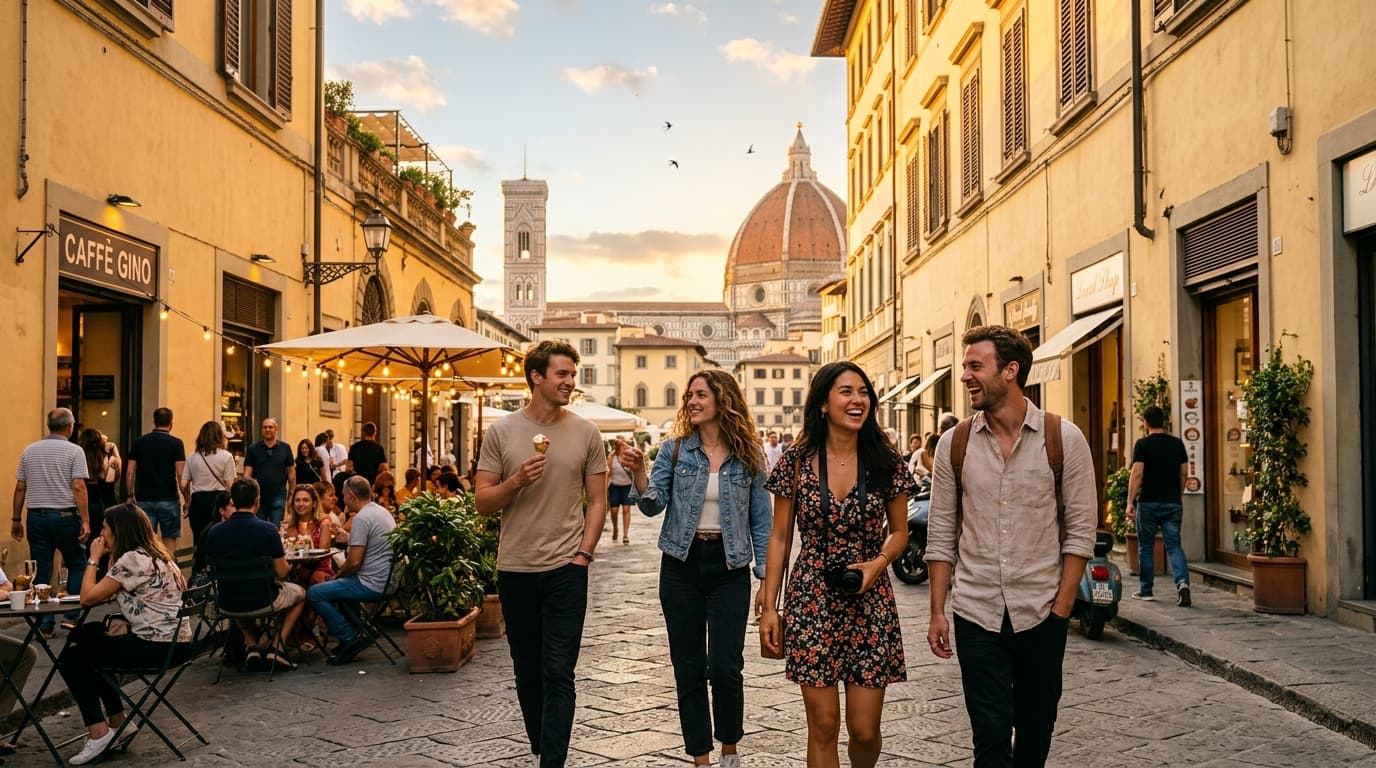
best places to visit in Italy right now include Rome, Florence, Venice, Milan, Naples, Tuscany, Cinque Terre, Sicily, Sardinia, and Lake Garda, depending on whether you want culture, beaches, food, romance, or an easy first trip. If you’re planning Italy in 2026, the smartest choice is to match the destination to your travel style, season, and budget rather than trying to “see it all” at once.
Italy is one of those destinations where the right trip can feel like three vacations in one: a city break, a food pilgrimage, and a scenic escape. We’ve built this guide the way a local trip-planner would, starting with the obvious icons and then adding the practical details that actually help you decide where to go. That means neighborhood advice, seasonality, price ranges, day-trip logic, and the kind of entertainment and event ideas you’d normally only get from someone who has already done the research. If you’re the kind of traveler who wants to know not just what’s famous but what’s fun tonight, this is for you. And since the Gidly mindset is all about discovering great things to do, we’ll also point out where each destination shines for concerts, aperitivo, shows, museums, and special events. By the end, you should know exactly which Italian place fits your trip best, and how to build a route that feels smart instead of rushed.
Quick answer: the best places to visit in Italy right now
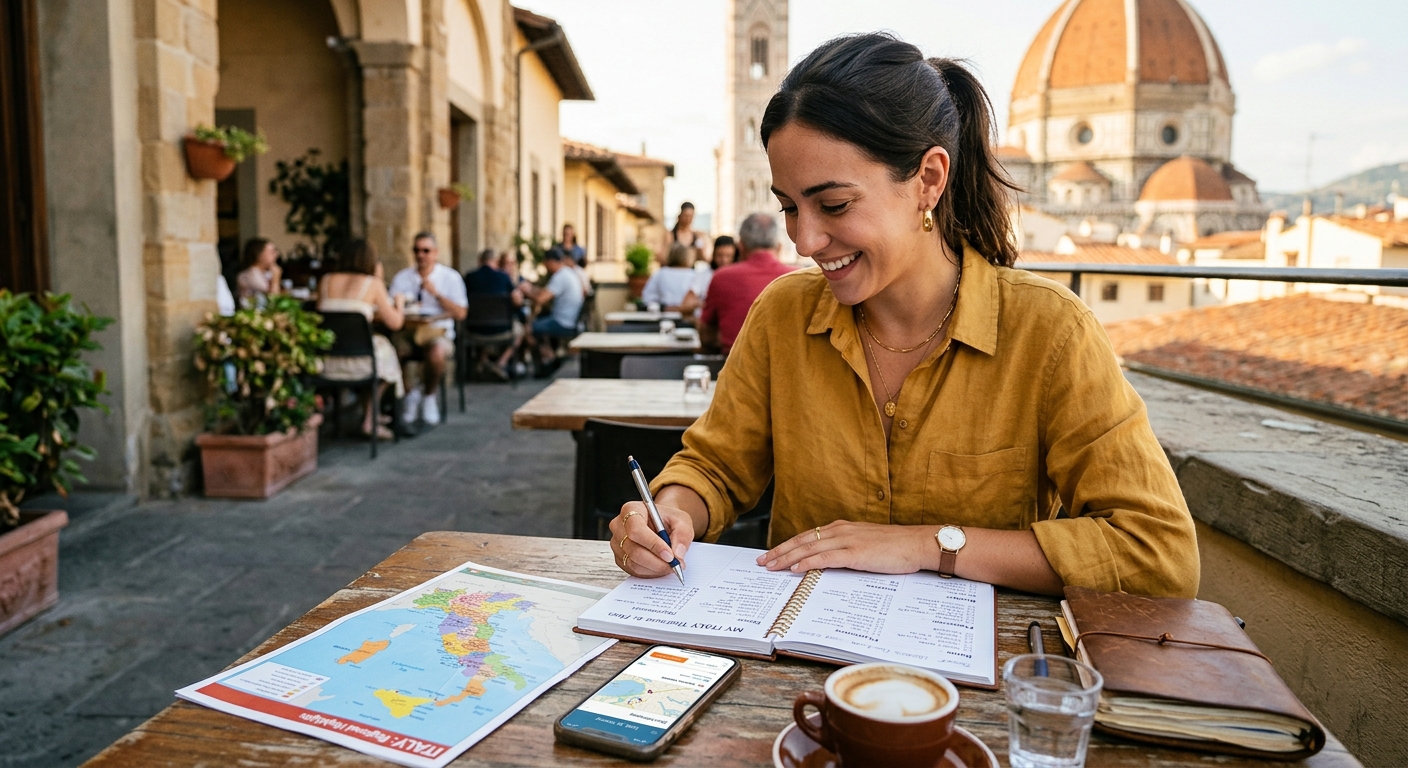
If you only have a short time to plan, the best places to visit in Italy this year are Rome, Florence, Venice, Milan, Naples, Tuscany, Cinque Terre, Sicily, Sardinia, and Lake Garda. Those ten destinations cover nearly every major travel goal, from first-time sightseeing and museum-heavy city breaks to beach trips, romantic escapes, and family-friendly holidays.
What makes this year different is that travelers are leaning more toward experience-led itineraries, slower pacing, and fewer hotel changes. In 2026, the destinations that do best are the ones where you can combine iconic landmarks with food, nightlife, outdoor time, and easy logistics. That’s why this list is not just about “where is beautiful,” but also “where will your actual trip feel good in real life.”
We checked this list through the lens of practical trip planning: train access, crowd levels, weather, day trips, cost, and whether the destination works for couples, families, friends, solo travelers, or first-timers. The result is a shortlist that should help you avoid the classic mistake of overstuffing Italy into one rushed itinerary. For many travelers, a smart mix looks like Rome plus Florence, or Naples plus the Amalfi Coast, or Milan plus Lake Garda. If you want a beach-first trip, Sicily and Sardinia are often better value and more flexible than the famous postcard coastlines. If you want culture with minimal friction, Rome and Florence still set the standard.
Answer capsule: the 10 best places and who each one suits
Rome is the best all-around pick for first-timers, history fans, and people who want nonstop things to do. Florence is the best for art, museums, and romantic walkable city breaks. Venice is still unbeatable for atmosphere, canals, and a one-of-a-kind romantic escape. Milan is the best for shopping, design, nightlife, and business-leisure trips. Naples is the best food-first city and the gateway to the Amalfi Coast and southern day trips. Tuscany is the best region for countryside drives, wine, and slower travel. Cinque Terre is the best compact coastal escape for hikers, photographers, and summer visitors. Sicily is the best mix of archaeology, beaches, food, and value. Sardinia is the best beach destination overall if you want turquoise water and outdoor adventure. Lake Garda is the best family-friendly scenic alternative to a big city break.
Why these destinations stand out this year
These places stand out because they balance demand and experience. Rome, Florence, and Venice remain the cultural heavy hitters, but they’re also where advanced booking matters most in 2026. Naples, Sicily, and Sardinia are getting more attention from travelers who want more room to breathe, better value, and a stronger food-and-beach combination. Meanwhile, the lakes and Tuscany continue to win with people who want a slower itinerary and easy day trips. We’re also seeing more travelers build “experience stacks” around these destinations: a museum morning, an aperitivo stop, a food market, a sunset viewpoint, and an evening concert or show. That’s where a Gidly-style approach comes in handy, because Italy is not just a sightseeing country, it’s a go-out-and-do-things country.
How to choose between cities, coastlines, islands, and regions
If you’re torn between the big categories, think like this: cities are best for history, museums, nightlife, and easy transit; coastlines are best for scenery, beach time, boat rides, and slower pacing; islands are best for memorable nature, seafood, and summer energy; and regions are best for road trips, wine, and local life. Rome and Milan work well if you want a strong urban itinerary. Florence and Venice work if you want walkability and atmosphere. Naples, Sicily, and Sardinia are better when you want the sea to be part of the plan. Tuscany and Lake Garda are ideal when the destination itself is part of the relaxation, not just a base.
What type of traveler each destination fits best
First-time visitors usually do best with Rome, Florence, or the Rome-Florence-Venice triangle if they have more than a week. Couples often love Venice, Florence, the Amalfi Coast, and Lake Garda for the scenery and romance. Families usually appreciate Rome for big attractions, Lake Garda for low-stress fun, and Sicily for beaches and variety. Friends and groups tend to prefer Milan, Naples, and parts of Sicily or Sardinia for food, nightlife, and flexibility. Solo travelers often feel happiest in Rome, Florence, and Milan because there’s always something happening and it’s easy to fill a day. Budget travelers should pay extra attention to Naples, Sicily, and parts of Tuscany or Lake Garda outside peak season.
Fast planning note on season, budget, and crowds
Spring and fall are the easiest times to enjoy almost any of these destinations, especially if you want a balance of weather and manageable crowds. Summer is strongest for coastlines, islands, and lakes, but it’s also when prices and congestion rise fast. Winter is underrated for cities like Rome, Milan, Florence, and Venice if you want museums, indoor attractions, and lower hotel rates. For budget planning, coastal luxury spots like Positano, Capri, and Costa Smeralda can get expensive quickly, while Naples, Palermo, Catania, and many Tuscan inland towns are often more forgiving. Booking early matters most for museum slots, intercity trains, and popular stays in Venice, Florence, and the Amalfi Coast.
How to use this Italy list to plan the right trip
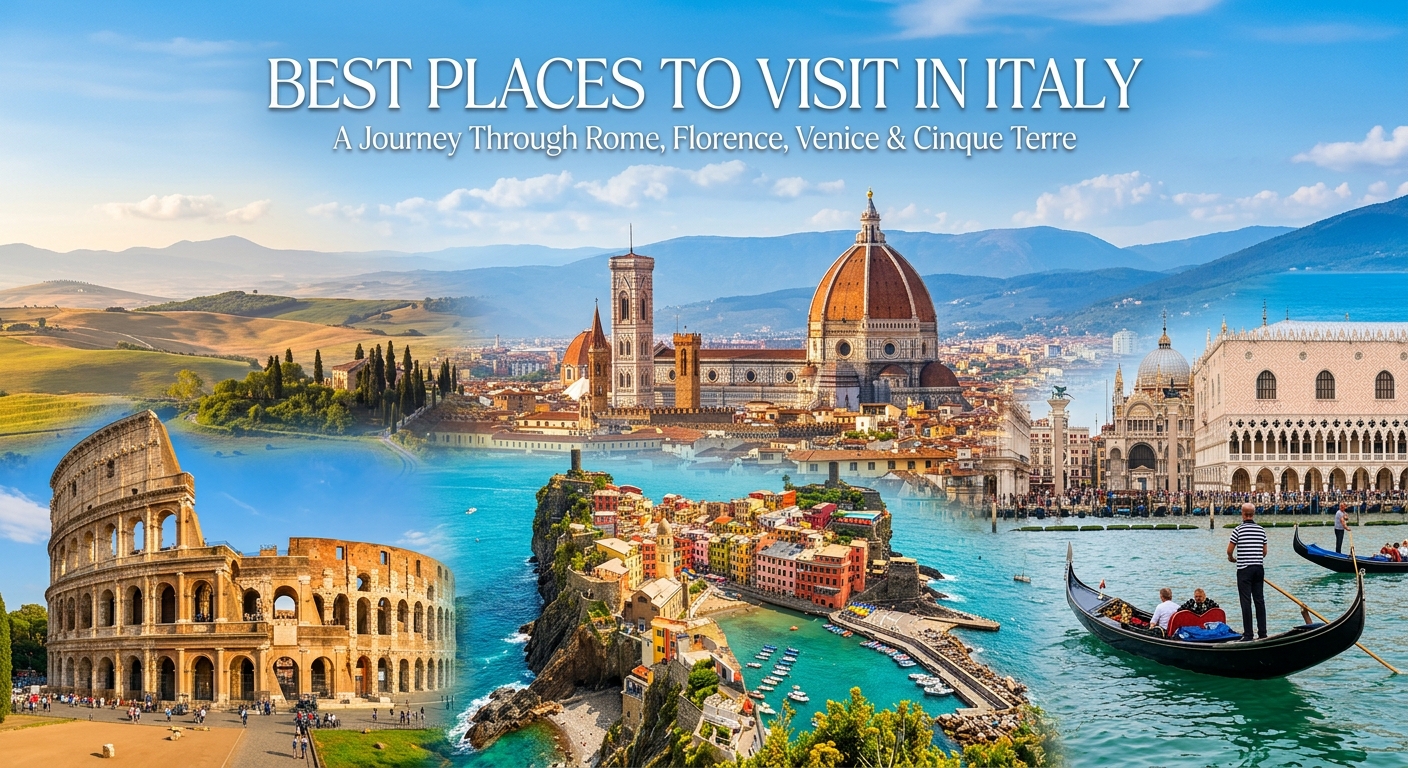
The easiest way to use this guide is not to start with the “best” destination in the abstract, but with your trip style, time window, and budget. Italy can be amazing whether you have three days or three weeks, but the planning logic changes a lot depending on how long you’re staying. A 3-day trip should feel concentrated and walkable, while a 10-day trip can absorb a mix of city and coast without becoming exhausting.
We’ve seen too many travelers build Italy itineraries like a checklist, which usually means spending half the trip on trains, dragging luggage over cobblestones, and eating dinner with one eye on the departure board. The smarter move is to cluster destinations by geography. For example, Rome pairs naturally with Naples or Florence, Florence pairs naturally with Tuscany and Cinque Terre, and Milan pairs naturally with Lake Garda or the lakes region. If you want islands or beaches, give yourself more time and fewer base changes. That approach makes the whole trip feel more like a holiday and less like a transit exercise.
This section breaks down how to choose by traveler type, trip length, budget, season, and transportation. If you’re traveling with kids, you’ll want different answers than a solo traveler chasing museums and nightlife. If you’re going in August, your answer may be completely different from someone traveling in November. And if you want to keep costs down, the best destination may be less famous but still just as rewarding. That is the logic behind choosing the right place in Italy, not just the most photographed one.
Decide by travel style: first-timers, couples, families, friends, solo travelers
First-timers usually want the classic trio: Rome, Florence, and Venice, with Rome as the anchor because it gives you the most varied introduction to Italy. Couples often lean toward Florence, Venice, the Amalfi Coast, or Lake Garda because those places have the strongest built-in romance factor and easy date-night energy. Families often need more space, fewer logistics headaches, and more variety, which makes Rome, Lake Garda, Sicily, and parts of Tuscany especially strong. Friends and groups often do best where there’s food, bars, shopping, and activity variety, so Milan, Naples, and Palermo can be excellent choices. Solo travelers tend to like places where walking is rewarding and there is always a museum, café, neighborhood, or evening event nearby, which is why Rome, Florence, and Milan are so practical. If your personality is “I want to wander and figure it out as I go,” Venice, Bologna, and smaller Tuscan towns also have strong appeal, even if they are not in the official top ten here.
Decide by trip length: long weekend, 1 week, 10 days, 2 weeks
For a long weekend, choose one place and stay put. Rome, Florence, Venice, Milan, Naples, or Lake Garda all work well if you want one base with enough to fill the time. For one week, you can comfortably combine two nearby bases, such as Rome plus Naples, Florence plus Tuscany, or Milan plus Lake Garda. For 10 days, a classic route like Rome-Florence-Venice starts to become possible, though it still helps to keep one city as a shorter stop rather than trying to “do” each one equally. For two weeks, you can finally add a coastal or island component without rushing, such as Rome, Naples, the Amalfi Coast, and Sicily, or Milan, Florence, Tuscany, and Cinque Terre. The main rule is simple: the fewer nights you have, the fewer hotel changes you should make. Italy rewards depth much more than sprinting.
Decide by budget: cheap, mid-range, splurge
Budget travelers should look hard at Naples, Sicily, and many inland parts of Tuscany because they often provide the best food and cultural value for the money. Mid-range travelers can do almost anywhere in Italy comfortably, especially if they avoid the most expensive hotel zones in Venice, Florence, and Positano. Splurge travelers can make Rome, Venice, Milan, the Amalfi Coast, Capri, and Sardinia feel luxurious with premium hotels, boat days, private guides, and high-end dining. The real budget killer is usually not Italy itself, but the combination of peak season, late bookings, and a poor routing decision. If you book trains early, stay near transit hubs, and choose neighborhoods wisely, your daily costs can stay much more reasonable. A very good trip does not need to be a very expensive trip, especially if you mix a few paid marquee experiences with lots of free walking and neighborhood time.
Decide by season: spring, summer, fall, winter
Spring is perhaps the easiest season for Italy overall because the weather is comfortable, cities are alive, and the coast is not yet overwhelmed. Summer is best when your priorities are beaches, islands, rooftop evenings, and long daylight hours, but you should expect higher prices and more crowd management. Fall is a sweet spot for city breaks, food travel, wine country, and more relaxed sightseeing, which is why many locals would recommend September through early November. Winter works surprisingly well in cities where indoor attractions dominate, especially Rome, Milan, Florence, and Venice, and it can be wonderfully atmospheric around Christmas and New Year. For ski-oriented travelers, the alpine and northern areas also have a winter identity of their own. In other words, the best destination in Italy is often the one that matches the season instead of fighting it.
Decide by transportation: train-friendly, fly-in, island trip, road trip
If you want the smoothest logistics, choose train-friendly destinations like Rome, Florence, Venice, Milan, Naples, and many Tuscan towns. If you want islands or remote coasts, you’ll likely need a flight, ferry, or a combination of both, which works better when you slow down your itinerary. Sardinia and Sicily are easier if you fly in and move less frequently. Tuscany and much of the countryside are better with a car, though not necessarily in the major cities themselves because of ZTL restrictions and parking complexity. For the Amalfi Coast, many travelers do a hybrid approach: train to Naples, then transfer by car, bus, or private driver to the coast. The goal is to choose a route that supports the trip you want, not force a single transportation method everywhere.
Rome: best for first-time visitors, history, and nonstop things to do
Rome is the destination most people mean when they say they want the “real” Italy experience, and for good reason. It combines ancient landmarks, energetic neighborhoods, excellent food, great people-watching, and enough entertainment to fill several trips. If you only have one place to choose for a first visit, Rome is the safest and richest answer because it has the widest range of things to do. You can spend one morning in ruins, one afternoon in a museum, one evening in a wine bar, and still feel like you’ve only scratched the surface.
From experience, Rome works especially well for travelers who like cities that feel layered rather than neatly packaged. It can be busy, a little chaotic, and occasionally overwhelming, but that is part of its charm. The key is not to try to “finish” Rome in three days; it’s to pick the right neighborhoods, book the essentials early, and leave space to wander. That is where the city becomes magical. A piazza lunch can become a sunset stroll, which becomes aperitivo, which becomes a late dinner in Trastevere, and suddenly the whole day has its own rhythm. For a city-savvy traveler, Rome is not just a museum stop, it’s an entire entertainment ecosystem.
For official planning, the Colosseum Archaeological Park, Vatican Museums, and city tourism pages are essential references. We also recommend checking event calendars because Rome’s cultural programming changes throughout the year, from concerts and theater to seasonal markets and outdoor festivals. If you want to pair sightseeing with current events, Rome is one of the best destinations in Italy to do it. The city rewards curiosity, and it rewards advance booking even more.
Why visit Rome and what makes it essential
Rome is essential because it delivers history at a scale most cities can’t match. The Colosseum, Roman Forum, Pantheon, Vatican City, and countless churches and squares create a travel experience that is both iconic and surprisingly personal. Even if you’ve seen Rome in films and photos, the city still feels bigger and more textured in real life. It’s also a city with strong neighborhood identity, which means your hotel choice and daily route can change the whole mood of the trip. We love Rome for first-timers because it is instantly recognizable yet never feels fully “finished.” There is always another church, gelateria, market, rooftop, or hidden courtyard waiting around the corner. That makes it one of the best places to visit in Italy if you want a trip with momentum.
Top things to do: Colosseum, Vatican City, Trastevere, Piazza Navona, Pantheon
The classic checklist starts with the Colosseum, Roman Forum, and Palatine Hill, ideally with a timed entry so you’re not stuck in long lines. Vatican City deserves at least half a day, especially if you want the Vatican Museums, Sistine Chapel, and St. Peter’s Basilica without rushing. Trastevere is one of the most enjoyable neighborhoods for an evening stroll, with lively restaurants, bars, and smaller piazzas. Piazza Navona and the Pantheon area are perfect for walking, shopping, and a long lunch or coffee break. We also suggest adding at least one less-obvious stop such as the Capitoline Museums, the Appian Way, or the Baths of Caracalla to round out the experience. These are the kinds of places that make the city feel deeper and less like a postcard tour.
Best neighborhoods to stay in and explore
For first-timers, the historic center near the Pantheon, Piazza Navona, or Campo de’ Fiori offers excellent walkability. Trastevere is ideal if you want more nightlife and neighborhood character, though it can be lively late into the evening. Monti is a favorite for travelers who like boutique hotels, cafés, and easy access to the Colosseum. Prati works well near the Vatican if you want a cleaner, calmer base with solid restaurant options. Testaccio is a great pick for food-focused travelers and people who want a more local feel without sacrificing convenience. If you stay near Termini, you’ll get transport practicality, but the vibe varies by exact location, so choose carefully. A good rule is to balance convenience with atmosphere rather than defaulting to the cheapest option.
Food, nightlife, and date-night appeal
Rome is one of Italy’s strongest cities for date nights because dinner can be a whole evening, not just a meal. Think cacio e pepe, carbonara, amatriciana, Roman artichokes, and aperitivo at a terrace bar before a long walk through illuminated piazzas. The nightlife is not just clubs; it’s wine bars, jazz venues, live music, rooftop drinks, and late trattorias where the city feels alive well past sunset. The neighborhoods of Trastevere, Monti, and the area around Campo de’ Fiori are particularly good for couples and friend groups who want a stylish but not too formal night out. For a Gidly-style itinerary, you could combine a museum afternoon, sunset at Gianicolo Hill, dinner in Trastevere, and a live music venue or cocktail bar after. That kind of evening is exactly why Rome remains one of the best places to visit in Italy for entertainment-minded travelers.
Practical tips: tickets, public transit, best time to visit, crowd management
Book major attractions ahead of time, especially the Colosseum and Vatican Museums, and check official websites for opening hours because they can vary by season and special events. Rome’s metro is useful but limited compared with the city’s size, so walking and taxis often fill in the gaps. Spring and fall are the best overall seasons, while winter can be excellent for museum-heavy visits and lower hotel rates. Summer can be hot and crowded, but early mornings and late evenings help a lot. Dress modestly for churches and the Vatican, and be aware that certain areas may close or change access for holidays and events. Rome also rewards strategic pacing: one major sight, one neighborhood meal, one scenic walk, and one evening plan is usually a better day than trying to “see everything.”
Florence: best for art, museums, walkability, and romantic city breaks
Florence is the city we recommend when someone wants Italy to feel intimate, elegant, and culturally dense without being too large or hard to navigate. It is a dream for art lovers, but it’s also one of the best places to visit in Italy if you care about walkability, romantic views, and a strong restaurant scene. The historic center is compact, which means you can see a lot without needing constant transit. That makes Florence especially satisfying for couples, first-time visitors, and anyone who wants a city break that feels rewarding every single day.
What makes Florence stand out in 2026 is how well it works as both a destination and a base. You can spend a full trip here and never get bored, or you can use it as the anchor for day trips into Tuscany, Siena, Pisa, or the Chianti countryside. The city is also ideal for travelers who like the idea of culture but don’t want the scale of Rome. Florence feels curated, but not sterile. It has enough energy to stay interesting, especially in the evenings when the riverfront and neighborhood bars begin to fill up.
From our experience, Florence is also one of the easiest cities in Italy to pair with a special dinner, a museum morning, and a slow walk through beautifully lit streets. If you want a city that works as well for a rainy-day museum itinerary as it does for a sunset Aperol Spritz, this is it. It also offers some of the best practical day-trip options in the country, which is why it often anchors longer Italy itineraries. The best way to experience Florence is to stay central, book the marquee museums, and leave room for wandering in Oltrarno.
Why Florence ranks for art lovers and first-timers
Florence ranks so highly because it concentrates world-class art and architecture into a walkable center. The Renaissance story is everywhere, from its museums to its churches to the simple act of crossing a bridge over the Arno. Even travelers who are not self-described “museum people” often end up loving Florence because the city feels human-scaled and visually rich. It is also easier to organize than some larger destinations because the historic core is so navigable on foot. For first-timers, that means less logistical fatigue and more time enjoying the trip. For art lovers, it is almost unbeatable because so many masterpieces are accessible within a small radius.
Must-see sights: Duomo, Uffizi, Accademia, Ponte Vecchio, Oltrarno
The Duomo complex is the obvious starting point, including the cathedral exterior, the Baptistery, and the Brunelleschi dome if you book ahead and are comfortable climbing. The Uffizi Gallery is a must for major works by Botticelli, Leonardo, and others, while the Accademia is home to Michelangelo’s David. Ponte Vecchio is more than a photo stop; it’s part of the city’s visual identity and best experienced on a slow walk rather than a rushed pass-through. On the other side of the river, Oltrarno offers artisan shops, smaller piazzas, and a slightly more local, lived-in feel. If you want a deeper Florence, spend time here in the late afternoon or evening. The contrast between the polished center and the more relaxed riverbank neighborhoods is part of what makes the city memorable.
Day trips from Florence: Siena, Pisa, Chianti, Tuscan hill towns
Florence is one of the best day-trip hubs in Italy because the surrounding region is so rich. Siena is a favorite for its medieval center and Piazza del Campo, while Pisa is an easy classic if you want to see the Leaning Tower. Chianti is ideal for wine tastings, scenic drives, and agriturismo lunches, especially in spring and fall. Tuscan hill towns like San Gimignano, Volterra, and Montepulciano give you a slower pace and some of the region’s best views. If you have a car, the countryside opens up significantly, but even without one, guided tours and rail-friendly day trips can work well. The key is not to overdo it; one good day trip is better than three tiring ones. Florence works best when you treat the city as a base, not as a race against the clock.
Family-friendly and rainy-day options
Florence is surprisingly workable for families, especially if you mix major sights with outdoor breaks and food-focused stops. Kids often enjoy climbing spaces, markets, gelato breaks, and the visual drama of the Duomo area. The city has excellent rainy-day potential thanks to the Uffizi, Accademia, Palazzo Pitti, and smaller museums that keep the itinerary flexible. For a lower-stress family day, you can combine a museum in the morning with a simple lunch, a riverside walk, and a less crowded neighborhood in the afternoon. We also like Florence for multi-generational travel because it offers enough depth for adults and enough open space and snack stops for younger travelers. The trick is to keep the pace humane and not cram in too many museum hours at once.
Practical tips: museum booking, best months, where to stay
Book Uffizi and Accademia tickets in advance through official museum sites or trusted partners, especially in spring, summer, and around holidays. The best months are April to June and September to October, when the weather is comfortable and the city is vibrant without being as overwhelming as peak summer. Winter can be a great value period if you don’t mind shorter daylight and cooler weather. Stay in or near the historic center, Santa Maria Novella, or Oltrarno if you want an easy walking trip. Be prepared for some crowds around the major sights, but know that early mornings and late evenings feel much calmer. Florence is one of those places where staying in the right neighborhood can make the whole experience feel smoother and more luxurious, even on a mid-range budget.
Venice: best for romance, canals, and a once-in-a-lifetime atmosphere
Venice remains one of the most extraordinary places to visit in Italy because there is nowhere else quite like it. Yes, it can be crowded, and yes, it can be expensive, but the atmosphere is so distinctive that it still earns its place near the top of nearly every smart Italy itinerary. Venice is not just for honeymooners, though it is absolutely one of the country’s best romantic destinations. It is also a city of hidden courtyards, smaller neighborhood zones, art, and unforgettable water-based transit.
What many travelers get wrong about Venice is trying to treat it like a checklist city. The better approach is to let the city’s pace shape your day. Wander the smaller sestieri, take time on the canals, and pay attention to the difference between the busy routes and the quieter corners. From a local-insider perspective, the most memorable Venice moments often happen away from the most photographed spots. That could mean a late dinner in Dorsoduro, a morning coffee in Cannaregio, or a ferry ride to Murano and Burano. The city rewards those who slow down.
Venice also makes a great stop for travelers who want a destination that feels like entertainment in itself. Between boat rides, art exhibitions, live music, classical concerts, seasonal festivals, and atmospheric bars, the city gives you a constant sense of occasion. If you’re looking for a once-in-a-lifetime trip that still has enough depth for a second visit, Venice is hard to beat. The key is timing and strategy.
Why Venice still earns a top spot despite crowds
Venice earns its place because the city’s physical layout creates an experience that no other destination can duplicate. Streets become canals, and your route becomes part of the adventure. Even when the major sights are busy, the city still has pockets of calm that make exploration worthwhile. It is especially appealing for travelers who want atmosphere over action. Venice is not a “do everything” city; it’s a “be somewhere unforgettable” city. That distinction matters. If you choose it with the right expectations, it can easily become one of the most memorable stops in your entire Italy trip.
Must-do experiences: St. Mark’s Square, Grand Canal, gondola rides, hidden sestieri
St. Mark’s Square is the classic starting point, along with St. Mark’s Basilica and the Doge’s Palace. The Grand Canal is best experienced from a vaporetto or water taxi, which gives you the city’s grandest views without needing to splurge on every leg. A gondola ride remains a special experience for couples and celebratory trips, especially if you choose your route carefully and avoid the most chaotic times. Beyond the famous core, spend time in the sestieri of Cannaregio, Dorsoduro, and Castello for a more layered experience. We also recommend simply getting lost a little, which is one of the few cities where that advice actually pays off. Venice is a place where the journey between attractions can be the attraction.
Best neighborhoods and nearby islands: Cannaregio, Dorsoduro, Murano, Burano, Torcello
Cannaregio is one of the best areas to stay if you want a local feel with good dining and easier access to everyday Venice life. Dorsoduro is another strong choice, especially for art lovers and travelers who want a more relaxed, elegant atmosphere. Castello can be excellent if you want proximity to major sights without being directly in the thickest tourist flow. Nearby islands add another layer to the trip: Murano for glass, Burano for colorful houses and lace tradition, and Torcello for a quieter, more historic escape. These island outings are especially rewarding when you treat them as half-day or full-day experiences rather than quick photo stops. The farther you get from the obvious center, the more Venice starts to feel like a lived-in city again.
When to visit Venice for fewer crowds and better weather
Spring and fall are usually the sweet spots for Venice because the weather is generally pleasant and the city is more comfortable to explore on foot and by boat. Winter can be beautiful and moody, with lower crowds and strong museum appeal, though conditions can occasionally be damp or foggy. Summer brings more visitors and heat, which makes early starts more important. If you want a calmer Venice, choose weekday stays outside major holiday windows and arrive early enough to enjoy the morning before day-trippers flood the core. Events and festivals can also dramatically change the atmosphere, so if you enjoy energy and don’t mind busier conditions, checking the calendar can be a plus. Venice in the right season feels like a masterpiece; in the wrong one, it can feel like a queue.
Practical tips: day trip versus overnight, tide considerations, transport
We strongly recommend at least one overnight in Venice rather than doing it only as a day trip, because the city changes character after the daytime crowds thin out. Tide conditions can affect certain walkways and the overall experience, so it’s smart to check local updates when traveling in wetter periods. Transport is largely on foot and by boat, which means packing light matters more here than almost anywhere else in Italy. Booking lodging near a vaporetto stop can make your arrival and departure much easier. If you’re traveling with luggage or limited mobility, that detail becomes even more important. Venice is one of the best places to visit in Italy if you can embrace its rhythm instead of fighting it, and that often starts with staying a little longer than the day trip crowd.
Milan: best for style, shopping, design, nightlife, and business-leisure trips
Milan is the destination people often underestimate until they actually spend time there. It is not trying to be Rome or Florence, and that’s exactly why it works so well for travelers who want a modern, stylish, and efficient Italian city break. Milan delivers architecture, shopping, fashion, nightlife, aperitivo culture, design, and an excellent base for day trips. If you want a trip that feels current and energetic rather than purely historic, Milan belongs on your list.
In 2026, Milan is especially appealing for travelers who like cities with an event calendar. It hosts major fashion, design, trade, and cultural programming throughout the year, which means the city often feels dynamic in a way that is different from more monument-heavy destinations. If you are combining work and leisure, or just want a place that makes it easy to go from museum to dinner to drinks, Milan is one of the smartest choices in Italy. It also pairs well with Lake Como or Lake Garda, so it works beautifully as part of a broader northern Italy route. Think of it as the polished, social, late-night side of Italy.
Milan also deserves credit for being highly practical. The transportation is straightforward, the neighborhoods are varied, and the city gives solo travelers, couples, and friends a lot of room to customize the experience. It may not be the first city that comes to mind for a classic Italy itinerary, but it’s absolutely one of the best places to visit in Italy if your idea of a good trip includes design, aperitivo, and nightlife.
Why Milan belongs on the list
Milan belongs because it gives you a different Italy, one that is urban, stylish, and globally connected. The city has real cultural weight, from the Duomo to world-famous fashion and design institutions, but it also feels contemporary and useful for travel. That combination makes it ideal for people who want more than old stones and church interiors. Milan is a city where you can shop, eat well, go to exhibitions, and enjoy a polished night out without needing to leave the center. For travelers who like big-city energy, this is one of the most satisfying options in the country.
Top things to do: Duomo, Galleria Vittorio Emanuele II, Last Supper, Brera, Navigli
The Duomo and the rooftop terraces are essential, especially if you want that classic city view. Galleria Vittorio Emanuele II is worth a slow pass-through for architecture, cafés, and shopping. The Last Supper is one of the most in-demand art experiences in Italy, so booking well in advance is critical. Brera is ideal for galleries, boutique strolling, and elegant dining, while the Navigli district is one of the city’s best areas for aperitivo and evening social life. These are the core stops, but Milan also rewards time spent in design-oriented districts, contemporary art spaces, and special exhibitions. We like Milan especially for travelers who enjoy switching between daytime culture and nighttime plans in the same neighborhood.
Best for friends, couples, and solo travelers
Friends and group trips do well in Milan because there are so many places to eat, drink, and go out without much friction. Couples can build a chic itinerary around rooftop cocktails, a major museum or two, and a refined dinner. Solo travelers benefit from the city’s easy transit, strong café culture, and plentiful event options, which make it easy to have a full day without feeling isolated. Compared with some more tourist-heavy cities, Milan can feel more self-directed and less scripted. That’s a plus if you like planning your own pace. It is also a city where you can look up what’s happening tonight and actually find a strong lineup, whether you want live music, a DJ set, or a temporary exhibition.
Fashion, aperitivo, and late-night entertainment
Milan’s aperitivo culture is one of the city’s signature pleasures. You can spend early evening hours in Brera, the Navigli, or around Porta Venezia enjoying drinks, snacks, and the social energy that builds before dinner. Fashion and design shape the mood of the city, which is why the shopping streets and showrooms feel part of the destination, not just a side activity. Late-night entertainment ranges from cocktail bars to clubs to concert venues, and the city generally handles a nightlife-heavy itinerary well. If you’re traveling with a Gidly mindset, Milan is one of the best cities in Italy to use as an event-first destination rather than a sightseeing-only stop. You can easily build a whole day around brunch, an exhibition, aperitivo, and a performance at night.
Practical tips: getting around, costs, and event calendar
Milan’s metro is efficient, and the city is generally easier to navigate than many older Italian cities. Costs can be moderate to high depending on your hotel zone and whether you’re visiting during a major fair, fashion week, or design event. Book the Last Supper and important exhibitions early through official sites, and keep an eye on event calendars because Milan’s schedule can change the feel of a whole weekend. If you’re planning a visit on a budget, staying slightly outside the most central luxury areas can help a lot. Milan is best appreciated when you treat it as a city to live in briefly rather than just to see. That perspective makes the whole trip more enjoyable and less rushed.
Naples and the Amalfi Coast: best for food, drama, day trips, and sea views
Naples and the Amalfi Coast make a powerful combination because they give you both grit and glamour. Naples is intense, historic, and incredibly rewarding for food and culture, while the Amalfi Coast delivers some of the most famous sea views in the world. Together, they create one of the best places to visit in Italy if you want a trip that combines city energy, dramatic landscapes, and memorable regional food. This is also one of the strongest choices for travelers who love day trips, because the area is packed with major sights within easy reach.
Naples is often misunderstood by first-time visitors, but that’s part of why it can feel so good when you finally get there. The historic center is alive in a way that makes the city feel immediate and real, not curated for tourists. Pizza here is not just a meal, it’s part of the city’s identity. Add museums, waterfront views, and access to Pompeii, Herculaneum, Capri, Ischia, and Procida, and you have a destination with serious range. If you like travel that feels energetic and full-bodied, Naples is a standout.
The Amalfi Coast, by contrast, is all about scenery, hotel views, and slow, scenic movement between towns. It can be expensive and crowded, so the smarter move is to plan carefully and decide whether you want a luxury coastline stay or a one-day experience from Naples or Sorrento. In 2026, the best trips to this region are the ones that balance the buzz of Naples with the softness of the coast. That’s where the trip really shines.
Why Naples is the gateway to southern Italy
Naples is the gateway because it connects the city, the coast, and the archaeological treasures of Campania. It is also one of the best food cities in Europe, which means you can have an excellent trip even if you never leave the center. The city’s personality is bold, and it rewards travelers who enjoy a little edge along with their beauty. Naples is where you feel the southern Italian tempo most clearly, from market energy to late dinners and street life. For many visitors, it’s the place where Italy starts to feel less polished and more alive. If you are open to that energy, Naples can become one of the most memorable stops on the entire trip.
Top things to do in Naples: historic center, pizza, museums, waterfront
Start in the historic center, where narrow streets, churches, and pizzerias create a dense and unforgettable walking experience. The National Archaeological Museum is a major highlight, especially if you are also visiting Pompeii or Herculaneum. The waterfront around the Lungomare gives you sea air and scenic views of the bay and Vesuvius. Of course, the city’s pizza scene is legendary, and trying a classic Neapolitan pie should be considered essential rather than optional. We also like Naples for its underground sites, lively markets, and neighborhood feel. A good Naples day mixes culture, food, and a few low-pressure stops where you can just watch the city move around you.
Amalfi Coast highlights: Positano, Amalfi, Ravello, Praiano
Positano is the most photographed town on the coast, with steep streets, boutique hotels, and dramatic views. Amalfi gives you a historic center and a more central position for coastal movement. Ravello is beloved for views, gardens, and a more peaceful hilltop feel. Praiano can be a smart alternative if you want coast access without sitting directly in the busiest parts of the coastline. Each town has its own mood, and the best one for you depends on whether you want glamour, convenience, scenery, or quieter nights. The coast is gorgeous, but the logistics matter a lot, so it’s worth choosing the base that matches your travel style instead of just chasing the most famous name.
Iconic day trips: Pompeii, Herculaneum, Capri, Ischia, Procida
Pompeii is one of the most important archaeological sites in the world and a must for many first-time visitors. Herculaneum is smaller but often easier to manage and deeply impressive in its own right. Capri offers dramatic scenery, luxury vibes, and day-trip prestige, though it can be pricey and busy. Ischia is a strong option for wellness, beaches, and a more relaxed island feel. Procida is smaller and quieter, which makes it appealing for travelers who want color and charm without as much flash. These day trips make Naples one of the richest bases in Italy because you can tailor the trip to archaeology, islands, or coastal living without changing your whole hotel plan.
Practical tips: transport, crowds, budget, and best time to go
For most travelers, the best time to visit is spring or fall, when temperatures are manageable and the coast is less overwhelming. Public transit is useful in Naples, but some day trips are smoother with ferries, private transfers, or carefully planned trains. Amalfi Coast logistics can be expensive and congested, so budget more than you think for transport and book ahead for peak dates. Naples itself is often more budget-friendly than the coast, which is another reason to spend at least part of your trip in the city. If you want a more relaxed approach, combine Naples with one or two day trips rather than moving hotels every night. This region works best when you let the geography guide the route.
Tuscany beyond Florence: best for countryside drives, wine, and slower travel
Tuscany is the region that many travelers imagine when they picture a slower, more pastoral Italy, and it absolutely deserves its place among the best places to visit in Italy. Beyond Florence, Tuscany offers wine country, hill towns, olive groves, scenic drives, and a pace that feels very different from the big cities. This is where Italy becomes more about atmosphere, meals, and landscape than about ticking off landmark lists. If you want to feel like you’re settling into the rhythm of the place rather than racing through it, Tuscany is one of the best choices you can make.
The big advantage of Tuscany is how flexible it is. You can use it for a romantic countryside escape, a family road trip, a wine-focused long weekend, or a more relaxed segment in a longer Italy itinerary. Siena and San Gimignano deliver strong medieval character. Val d’Orcia brings some of the most iconic scenery in the country. Montepulciano offers wine and hill-town charm. Lucca gives you a gentler city alternative with walkable walls and a calmer feel. The region works because it has variety without losing its identity.
For 2026, Tuscany continues to be a strong choice for travelers who want fewer hotel changes and more immersive days. It also aligns perfectly with the growing “slow travel” trend. Instead of trying to see five cities in seven days, you can settle into one base, eat incredibly well, and use your time for short drives, winery visits, and pretty towns that don’t require much explanation. That approach feels especially rewarding when paired with local markets, outdoor dining, and an evening event or concert in a town square or historic venue.
Why Tuscany works for food, wine, and scenic road trips
Tuscany works because the scenery is beautiful enough to be the activity, not just the backdrop. Driving between towns becomes part of the pleasure, and many travelers find that the region’s wine, olive oil, bread, and rustic cooking become highlights as memorable as the sights. Tuscany also has a strong sense of place, so even if you’re moving between several towns, the trip still feels cohesive. For food lovers, it’s one of the best places to visit in Italy because almost every meal can become a regional experience. For road-trip fans, it offers a rare balance of beauty and manageability. The roads and distances are generally easier than in many other scenic European regions, especially if you’re comfortable with a rental car.
Best places in Tuscany: Siena, San Gimignano, Val d’Orcia, Montepulciano, Lucca
Siena is one of the most important hill towns in Tuscany and has a strong medieval identity. San Gimignano is famous for its towers and compact historic center. Val d’Orcia is the scenic icon, with rolling hills and classic cypress-lined roads. Montepulciano is an excellent wine town with dramatic views and a refined atmosphere. Lucca, meanwhile, is a fantastic choice if you want a more relaxed city with walls you can walk or cycle on. Together, these places let you build a Tuscany trip that is as architectural, scenic, or culinary as you want. You do not need to see all of them in one trip; in fact, choosing two or three often leads to a better experience.
Family-friendly and couple-friendly itinerary ideas
Couples often love Tuscany because it’s easy to create beautiful, unhurried days: breakfast in a village, a winery lunch, an afternoon nap or pool break, and dinner under the stars. Families can also do very well here if they choose an agriturismo, a spacious farmhouse stay, or a base with a pool and short day trips. That format gives kids room to move while adults still get the scenic and food-driven experience they want. If you’re traveling with multiple generations, Tuscany can be one of the lowest-stress parts of an Italy itinerary because there is less pressure to “cover ground” and more room to enjoy the place. The region encourages flexible days, which is exactly what many groups need.
Wine, agriturismos, and local markets
Agriturismos are one of Tuscany’s best travel hacks because they often combine lodging, meals, and scenery in one place. Many travelers enjoy waking up in the countryside, spending the day exploring, and coming back for a long dinner with local ingredients. Wine tasting in Chianti, Montepulciano, or Montalcino can become a core part of the trip if you plan it in advance. Local markets are also worth adding, especially if you enjoy food shopping, cheese, cured meats, and seasonal produce. These experiences make Tuscany feel lived-in rather than just scenic. They also provide a natural bridge between sightseeing and entertainment, because dinner, wine, and conversation can become the evening’s main event.
Practical tips: car rental, train hubs, and seasonal timing
If you plan to explore beyond one town, a car is often the best tool in Tuscany, though not for the center of Florence or other restricted historic cores. Train hubs like Florence, Pisa, and Siena can help you structure a hybrid trip. Spring and fall are the most comfortable times, especially if you want to drive and enjoy outdoor meals without extreme heat. Summer is still beautiful but can be busier and hotter inland. Book countryside stays early if you want the best views or pool access, because the most appealing places go quickly. Tuscany is one of those destinations where the accommodation itself can be a major part of the experience, not just a place to sleep.
Cinque Terre and the Ligurian coast: best for coastal hikes, colorful villages, and summer escapes
Cinque Terre is one of the most famous coastal destinations in Italy, and it remains popular because it really does look and feel special. The five villages are tightly packed into a dramatic stretch of coastline, which makes the area ideal for hikers, photographers, and travelers who want a compact trip with a lot of visual payoff. If your idea of the best places to visit in Italy includes sea views, scenic trains, and colorful harbor towns, Cinque Terre belongs on the list. The Ligurian coast around it also gives you alternatives if you want a similar vibe with fewer people.
From a planning perspective, Cinque Terre is best when you respect its scale. It is not a place for endless driving or broad hotel hopping. It is a place to base yourself well, travel by train or boat, and use the villages as connected experiences rather than separate destinations. That makes it especially good for couples, active travelers, and small groups who like to walk a lot and enjoy a sense of discovery. It is also a strong summer destination because the sea becomes part of the daily rhythm, but the area can be crowded, so timing matters. If you visit in spring or early fall, you often get the best balance of weather and manageable traffic.
We also like Cinque Terre because it can be combined with other Ligurian stops or as a scenic add-on to Florence, Tuscany, or Milan. It gives the trip a coastal finale without requiring a full island itinerary. The villages themselves may be famous, but they still have enough variation to feel rewarding if you do them thoughtfully.
Why Cinque Terre is still a bucket-list destination
Cinque Terre is bucket-list worthy because the scenery is unusually concentrated. You can step off a train and immediately be in a village with steep lanes, harbor views, and dramatic cliffs nearby. The hiking trails, when open, add another layer by letting you connect the villages on foot rather than only by transit. It is a destination where the landscape does a lot of the work for you, which is why it appeals to travelers who want beauty without complex planning. That said, its fame means you should expect company. The best experience comes when you treat it like a scenic immersion rather than a secluded secret.
Village-by-village highlights: Monterosso, Vernazza, Corniglia, Manarola, Riomaggiore
Monterosso is the best known for beach access and a more relaxed seaside feel. Vernazza is often considered the most photogenic and has a classic harbor charm. Corniglia is the most elevated and feels a little quieter because it sits above the water rather than directly on it. Manarola is famous for iconic sunset views and romantic atmosphere. Riomaggiore often feels energetic and compact, with strong views and easy access to the train. Each village has a different personality, so it is worth choosing the one that best fits your pace instead of assuming they all feel the same. Many travelers enjoy staying in one and visiting the others by train or boat.
Who should visit: hikers, couples, groups, photographers
Hikers will obviously get a lot out of Cinque Terre, especially if they want the trail network and changing elevations. Couples often love the romantic harbors and sunset viewpoints, especially in Manarola and Vernazza. Groups and friends can enjoy splitting time between beaches, village walks, and seafood dinners. Photographers tend to get excellent material throughout the day, but morning and golden hour are particularly rewarding. This is a great destination for travelers who want a visually rich holiday with enough activity to keep it interesting. It is less ideal for people who want constant nightlife or big-city museum density. Think of it as a nature-plus-culture destination with a strong seaside personality.
Best beaches, boat rides, and food experiences nearby
Monterosso offers the easiest beaching in the main Cinque Terre set, while boat rides between villages are a memorable way to understand the coastline. Seafood, pesto, and Ligurian specialties are essential here, and simple trattorias often outperform overcomplicated dining spots. Pesto is especially important because Liguria is one of its spiritual homes. Local focaccia is another must. If you want more beach flexibility or a lower-stress seaside experience, you can also look at nearby Ligurian alternatives such as Levanto or the Portofino area, depending on your route and budget. A well-planned Ligurian stop can combine swimming, walking, and casual dining in a way that feels both active and restful.
Practical tips: train passes, crowd control, best months, alternatives
The train is usually the easiest way to move between the villages, and official regional transport information is worth checking before you go. Spring and early fall are often the sweet spots, while high summer can be crowded enough to test your patience. If you want a less intense version of the experience, consider staying outside the core five villages and visiting strategically. This can lower stress and sometimes improve value. You should also keep an eye on trail conditions, because hikes can open or close depending on weather and maintenance. Cinque Terre is worth it when planned well, but it is even better when you do not expect it to behave like a hidden secret.
Sicily: best for beaches, archaeology, food, and value
Sicily is one of the strongest all-around destinations in Italy because it combines archaeology, beaches, food, mountains, and city life in a way few places can match. It’s not just a beach destination, and it’s not just a cultural destination either. It is both, plus a lot more. If you want the best places to visit in Italy with excellent value, a strong sense of identity, and the freedom to build a trip your own way, Sicily deserves serious attention.
What makes Sicily especially compelling in 2026 is the way it rewards travelers who are willing to spend a little more time on the ground. Palermo offers gritty energy and incredible food. Catania gives you access to Etna and the east coast. Taormina brings coastal glamour. Syracuse adds historical depth and elegant charm. Agrigento offers one of the island’s most significant archaeological sites. This variety means you can shape the trip around almost any interest, from street food to ancient ruins to luxury hotels to family beaches.
Sicily also compares favorably with the mainland in terms of value. You can often get more space, better food access, and a richer mix of experiences for your money than in the most expensive coastal zones elsewhere in Italy. If you like trips that feel full and layered rather than overly polished, Sicily is one of the smartest answers on this list.
Why Sicily offers the strongest mix of culture and coast
Sicily’s strength is range. You can swim, hike, eat, explore ruins, go to markets, and visit beautiful historic centers all on the same trip. That makes it one of the best places to visit in Italy for travelers who want variety without having to hop between a dozen far-flung regions. The island’s culture is also distinct enough to make it feel like a destination with its own identity rather than a generic extension of mainland Italy. That matters if you are trying to build a trip that feels memorable and not repetitive. For travelers who want the sea but also want substance, Sicily is hard to beat.
Must-see spots: Palermo, Catania, Taormina, Syracuse, Agrigento, Mount Etna
Palermo is a must for food markets, baroque architecture, and a lively, sometimes chaotic urban experience. Catania is a practical and energetic base for the east side, especially if you want Mount Etna within reach. Taormina is famous for its scenic setting and polished atmosphere, and it works beautifully for couples and travelers seeking a more luxurious seaside stay. Syracuse, especially the Ortigia area, blends history and charm in a way many travelers adore. Agrigento’s Valley of the Temples is one of the island’s most important archaeological experiences. Mount Etna is a standout for adventure and landscape, especially if you want something beyond beaches and cities. Together, these places give Sicily a depth that far exceeds its reputation as just a warm-weather escape.
Best for families, food lovers, and off-the-tourist-trail trips
Families often do well in Sicily because there is a lot of variety and room to adapt to different ages and energy levels. Food lovers will find street food, seafood, pastries, cannoli, pasta dishes, and local wines that make the island feel like a culinary journey. Travelers who prefer less standardized tourism often appreciate Sicily because the rhythm is less polished and more local in feel. That can mean a richer trip if you’re comfortable with a bit of unpredictability. It also means Sicily is especially good for those who want to get off the obvious tourist path without sacrificing major sights. If you want your Italy trip to feel adventurous and grounded at the same time, Sicily is a standout.
Island-road trip planning and intercity routing
Sicily works particularly well as a road trip if you have the time and confidence to move at your own pace. You can also structure the trip around a few key bases and use trains or regional transport in a more controlled way. The main routing challenge is that the island is large enough to make overambitious itineraries tiring. It is better to see less and enjoy more than to try to cover every famous site in a single week. A good route might combine Palermo, Agrigento, and the west, or Catania, Taormina, Syracuse, and Etna on the east side. Choose one major circuit instead of zigzagging constantly. That approach preserves the island’s best qualities, including its sense of place and the freedom to linger.
Practical tips: ferry vs flight, seasonal beaches, and budget
Flights are usually the easiest way in for most international travelers, while ferries can make sense if you are already in southern Italy or combining Sicily with nearby regions. Spring and fall are ideal for sightseeing and road trips, while summer is the strongest beach season. Budget travelers often find Sicily more favorable than the Amalfi Coast or northern luxury destinations, but the best boutique stays and seaside hotels still book quickly in peak months. Beach conditions vary by location, so it is worth checking what kind of coastline you’re actually getting rather than assuming all Sicily beaches are the same. One of Sicily’s best qualities is that it can be done affordably without feeling stripped down. That combination is a big reason it keeps rising on many travelers’ Italy lists.
Sardinia: best for beaches, water, luxury, and outdoor adventure
Sardinia is the destination we recommend when someone says they want the best beaches in Italy and a true escape from the mainland. The water is famously clear, the coastline is varied, and the island feels distinct in both atmosphere and rhythm. If you want a trip that leans heavily toward swimming, boating, hiking, and seaside relaxation, Sardinia is one of the strongest options in the country. It is especially good for travelers who are willing to slow down and treat the beach as the main event rather than just one stop on a larger itinerary.
What makes Sardinia stand apart is the combination of luxury and nature. You can find high-end coastal experiences in Costa Smeralda, but you can also discover more laid-back beach towns, family-friendly coastlines, and outdoor areas that feel less development-heavy than other popular Italian seaside spots. That makes Sardinia a great choice for couples, groups, and families who care about water quality, scenery, and space. It is also a strong choice for people who love boat days, hidden coves, and a more relaxed island pace. In short, Sardinia is not just a beach destination; it is a beach culture.
For 2026 travel planning, Sardinia continues to be one of the best places to visit in Italy if you want a premium summer trip with room to customize. Prices can climb in the best-known areas, but the island can still be a strong value if you choose your base carefully and travel outside the absolute peak window. If you want blue water and an easier, more outdoorsy holiday, Sardinia is excellent.
Why Sardinia is different from mainland Italy
Sardinia feels different because the coastline dominates the experience in a way that is more pronounced than on the mainland. Distances can be larger than they look on a map, and the island often invites you to choose one area and really enjoy it rather than move around too much. The scenery is Mediterranean in the best sense: beaches, coves, cliffs, and clean water that make outdoor time the priority. The island’s cultural identity also adds interest, so the trip is not only about sunbathing. Sardinia rewards travelers who want a combination of beach, design, food, and nature with fewer urban distractions.
Best areas: Costa Smeralda, Alghero, Cagliari, La Maddalena, Villasimius
Costa Smeralda is the luxury-facing choice, known for glamor, resorts, and high-profile beach scenes. Alghero offers a more charming city base with Catalan-influenced character and access to scenic coastal areas. Cagliari is a practical and lively capital with good dining and urban amenities. La Maddalena is excellent for island beauty and boat access, while Villasimius is popular for beaches and a slightly more laid-back vibe. These areas each serve a different kind of Sardinian trip. Some travelers want polish, some want charm, and some want the clearest possible water. Sardinia gives you room to choose.
Beach types, boat trips, hiking, and water activities
Sardinia is ideal for boat trips because the island’s coastline is so dramatic from the water. Hiking also plays a role if you want to balance beach time with active outdoor days. Water activities like snorkeling, kayaking, and sailing are natural fits here. The beaches themselves range from broad and family-friendly to small coves that feel more secluded and scenic. That variety is part of the appeal, and it means you can find a beach mood that suits your trip. For groups and families, this flexibility is especially helpful because not everyone wants the same level of activity all day.
Who it suits best: couples, groups, families, luxury travelers
Couples often love Sardinia because the scenery makes even simple days feel special. Groups can enjoy beach clubs, boat rentals, and social dinners without needing a major city to anchor the trip. Families appreciate the water clarity and the option to combine beaches with relaxed town time. Luxury travelers are naturally drawn to Costa Smeralda and the higher-end resort scene, but the island also works for mid-range travelers who plan carefully. If your ideal holiday includes sun, sea, and enough comfort to stay easy, Sardinia is one of the best places to visit in Italy.
Practical tips: getting around, best months, and price expectations
Getting around Sardinia usually requires more planning than staying in a compact city, so decide early whether you want a car. The best months are late spring through early fall, with summer being peak beach season. Price expectations vary widely, but the most famous coastal areas can become expensive fast in July and August. If you want better value, look at shoulder season travel or choose a base slightly away from the most headline-famous spots. Sardinia works best when you commit to the island logic: fewer moves, better bases, and more time enjoying the water. That strategy turns a good beach trip into a great one.
Lake Garda and the Italian lakes: best for families, scenic relaxation, and active holidays
Lake Garda is one of the smartest choices in Italy if you want scenic relaxation with less intensity than the major cities or famous coastlines. It is beautiful, family-friendly, active, and surprisingly versatile. The lake gives you beaches, boat rides, cycling, hiking, theme-park access, and charming towns without the logistics of a full island trip. If your goal is a holiday that feels easy and scenic rather than nonstop and crowded, Lake Garda deserves a spot on your shortlist of the best places to visit in Italy.
One reason Lake Garda is so appealing in 2026 is that it offers a lot of value for mixed-age travel. Kids can enjoy the water and nearby attractions, adults can enjoy lakefront meals and relaxed strolls, and active travelers can add cycling or hiking. It also works well as a break from a city-heavy trip, especially if you’re doing Milan, Verona, or the Veneto region. Compared with the more famous Lake Como, Garda often gives you more variety and a more practical family layout. It’s not necessarily the “prettiest” lake in every traveler’s opinion, but it may be the most useful and satisfying overall.
The broader Italian lakes region also includes Lake Como and Lake Maggiore, and each has a slightly different mood. Garda is often the best all-around pick for active, family-oriented, or flexible trips. If you want one scenic base that doesn’t feel too precious or restrictive, this is the one to consider.
Why the lakes are a smart alternative to crowded city breaks
The lakes are a smart alternative because they let you relax without giving up options. You can swim, take a boat, visit a town, eat well, and still be back at your hotel in time for a slow evening. That makes the region a great fit for travelers who want a break from monument-heavy sightseeing. It is also a good solution if some members of your group want nature while others want organized activities. The slower pace helps avoid burnout, which is often the hidden problem in overly ambitious Italy trips. For many people, the lakes become the part of the itinerary where they finally feel like they’re on vacation.
Lake Garda highlights and nearby towns
Lake Garda’s towns each have their own personality. Sirmione is famous for its peninsula setting, thermal atmosphere, and scenic appeal. Desenzano offers practical access and a lively base. Riva del Garda is excellent for active travelers at the northern end of the lake. Bardolino and Lazise provide classic lakeside charm and family-friendly energy. These towns let you choose between relaxation, activities, and convenience. We like Garda especially because it gives you enough variety that a few days can feel full without becoming exhausting. You can easily design a stay around boat rides, lakeside walks, and casual dinners with a view.
Lake Como, Lake Maggiore, and when to choose each one
Lake Como is often the most glamorous and photogenic, making it a strong choice for couples and luxury-seeking travelers. Lake Maggiore can feel quieter and more laid-back, with good access to islands and gardens. Lake Garda, by comparison, is usually the most versatile and family-friendly. If you want romance and elegance, Como may be your pick. If you want a more relaxed and less crowded scenic lake holiday, Maggiore can be lovely. If you want a broad set of activities and the easiest fit for mixed groups, Garda is often the best answer. That’s why many travelers consider Garda the smartest all-around lake destination even if Como gets the most attention online.
Family activities, boat rides, cycling, and theme-park options
Lake Garda is one of the best places in Italy for families because it offers room to move and a wide range of day options. Boat rides and lakeside walks are easy wins, while cycling paths provide active fun for older kids and adults. There are also nearby amusement and family attractions that make the area more than just a scenic stop. For groups, the lake is easy to enjoy because it doesn’t force everyone into the same rhythm all day. Some can swim, some can explore a town, and some can just relax at the water’s edge. That flexibility is a huge advantage, especially on longer family trips.
Practical tips: shoulder season, transport, and day-trip planning
Shoulder season is ideal if you want nicer weather without peak-summer congestion. Transport can be straightforward by train and local connections, but a car may help depending on your exact base and how many towns you want to visit. Day-trip planning works well from Verona, Milan, or other northern hubs, but staying on the lake itself often creates a better experience. Book lakeside stays early for the best views and room types. Lake Garda is a destination that rewards moderation: one good base, a few well-chosen outings, and lots of time actually enjoying the water. That is the formula for a very good lakes trip.
Best places in Italy by travel scenario
Choosing the best places to visit in Italy gets much easier when you stop asking, “What is the best destination?” and start asking, “What is the best destination for this specific kind of trip?” That shift matters because a couple’s weekend, a family vacation, and a solo museum trip all need different things. Italy is flexible enough to support almost any scenario, but the best results come from matching the place to the mood and the logistics. This section is designed to make that faster and clearer.
We’ve used this scenario framework a lot in planning because it cuts through the usual noise. If you want romance, you do not need the same itinerary as a group of friends who want nightlife. If you are traveling with kids, you should be thinking about convenience, pacing, and weather protection as much as landmarks. Budget travelers should be looking at value, transport, and free things to do, not just the cheapest hotel room. Solo travelers often benefit from cities with strong public life and easy walking. The best place in Italy depends on what kind of traveler you are in that moment, not just what your social feed says.
Below, we break the country down by travel scenario, and then we connect each one to the places that work best. That makes it easier to shortlist destinations quickly and plan with confidence. It also helps you avoid one of the most common mistakes in Italy planning: choosing a glamorous place that does not actually fit the way you like to travel. A good match changes everything.
Best for a romantic getaway
For romance, Venice is the obvious classic, but Florence, Lake Garda, the Amalfi Coast, and parts of Tuscany are all excellent. Venice gives you canals and atmosphere, Florence gives you art and walkable elegance, Lake Garda offers scenic lakeside calm, and the Amalfi Coast delivers dramatic sea views. If you want a quieter romantic trip, consider Tuscany with a countryside stay or a Lake Garda base. The most successful romantic trips in Italy are usually less about ticking off attractions and more about mood: sunset walks, long dinners, wine bars, and one or two special experiences. That is why these destinations work so well. They create space for the trip to feel like an occasion rather than a checklist.
Best for families and kids
Families usually do best in Rome, Lake Garda, Sicily, and select Tuscan bases because these places offer variety and enough space to accommodate different energy levels. Rome has big-ticket attractions, fountains, and plenty of food options. Lake Garda is especially strong because it blends scenery with outdoor activities. Sicily gives families beaches, markets, and diverse day trips. Tuscany can work beautifully if you choose a farmhouse or countryside stay and keep the itinerary relaxed. The key is avoiding an itinerary that is too museum-heavy or too transit-heavy. Families thrive when there is a mix of structured and open time, and these places support that.
Best for friends and group trips
Friends and group trips often do well in Milan, Naples, Palermo, Rome, and some parts of Sicily or Sardinia. These destinations give you enough restaurants, bars, live music, and group-friendly activities to keep everyone engaged. Milan is excellent for aperitivo and nightlife. Naples is great for food and high-energy wandering. Palermo has character and value. Sardinia and Sicily work well if the group wants beaches, boat days, and less rigid scheduling. The best group trips are the ones where you can split up without friction and reunite easily later. Cities with strong public life and clear neighborhood zones are usually the easiest win.
Best for solo travel
Solo travelers often feel most comfortable in Rome, Florence, and Milan because these cities have constant movement and plenty of things to do alone without feeling awkward. You can spend a whole day museum-hopping, café-sitting, neighborhood-walking, or attending an event. Florence is especially easy for solo exploration because of its size and walkability. Rome gives you an almost endless amount of material to fill your time. Milan is excellent if you want a more contemporary urban experience and easy night options. The best solo trips usually involve places where you can keep your own rhythm without needing a car or complex coordination, and these cities excel at that.
Best for budget travelers and free things to do
Budget travelers should consider Naples, Sicily, parts of Tuscany, and certain areas around Lake Garda or the Italian lakes outside peak season. Free things to do are easy to find in most Italian cities: walking historic centers, visiting churches, exploring markets, enjoying viewpoints, and people-watching in piazzas can fill hours. Naples and Palermo can be especially rewarding because the cultural experience is rich even without high-ticket attractions. If you plan carefully around train bookings, off-peak lodging, and local food, your trip can feel generous without being expensive. Budget travel in Italy works best when you choose the right base and then spend time enjoying the city or region rather than constantly paying for transfers and admissions.
| Scenario | Best Match | Why It Works |
|---|---|---|
| Romantic getaway | Venice, Florence, Amalfi Coast | Atmosphere, scenic dining, and memorable evenings |
| Family trip | Rome, Lake Garda, Sicily | Variety, outdoor time, and flexible pacing |
| Friends/group trip | Milan, Naples, Palermo | Nightlife, food, and easy group logistics |
| Solo travel | Rome, Florence, Milan | Walkability, culture, and full-day flexibility |
| Budget travel | Naples, Sicily, inland Tuscany | Strong value and plenty of free or low-cost activities |
Best places in Italy by category of entertainment and experience
Italy is often sold as a sightseeing destination, but that misses half the fun. If you’re planning with an entertainment-first mindset, the country offers excellent live music, theater, nightlife, outdoor activities, exhibitions, and food experiences that make each trip feel more dynamic. This section is for travelers who want to know where the evenings are good, where the rain won’t ruin the day, and where the city feels alive after dark. That’s very much in the Gidly spirit: not just where to go, but what to do when you’re there.
The most useful shift in planning is to think about categories. Some destinations are better for classical concerts and museum nights. Others are better for aperitivo, food halls, or late drinks. Some excel at outdoor walks, boat rides, and hiking. If you match the destination to the kind of entertainment you actually enjoy, the trip becomes easier and better. A culture-heavy traveler may love Florence, while a nightlife-heavy traveler may prefer Milan or Naples. A food-obsessed traveler may get more joy from Palermo or Rome than from a more famous but less varied stop. That’s why category-based planning matters.
Below, we break Italy down by live events, art, outdoor activities, shows, and food experiences. These are the layers that turn a good itinerary into a great one. They are also the categories where you’ll most often discover things “near me” once you arrive, which makes spontaneous planning possible. That flexibility is a big part of what makes Italy such a strong travel country.
Live music, concerts, and nightlife
Milan is the strongest all-around city for nightlife and contemporary events, especially if you want polished bars, clubs, and a packed event calendar. Rome also performs very well, with a broader range that includes jazz, live music bars, rooftop venues, and theater. Naples can be excellent for more energetic nights, especially if you like local atmospheres and food-first evenings that stretch late. Venice has a more elegant and sometimes classical nightlife flavor, while Florence is strong for relaxed evenings, wine bars, and a younger traveler scene. The smartest move is to check official venue and city event calendars as your trip approaches, because Italy’s nightlife often shifts seasonally and by day of week. That can turn a regular night into a memorable one.
Art, museums, and exhibitions
For art and exhibitions, Florence and Rome are the clear giants, with Venice and Milan also offering major institutions and strong temporary programming. Florence’s Uffizi and Accademia are foundational. Rome’s Vatican Museums, Capitoline Museums, and many churches create an almost endless museum day. Milan adds contemporary and design-oriented options that feel particularly relevant in 2026. Venice is excellent if you enjoy art biennales, galleries, and atmospheric cultural spaces. If you are rainy-day planning, these cities are the most reliable because you can always pivot indoors without losing the whole day. It’s one reason they remain among the best places to visit in Italy year after year.
Outdoor and active experiences
For outdoor and active experiences, Sardinia, Cinque Terre, Lake Garda, Tuscany, and Sicily are especially strong. Sardinia gives you beaches, boating, and hiking. Cinque Terre adds cliffside trails and seaside movement. Lake Garda is ideal for cycling, boat rides, and lakefront activities. Tuscany works well for countryside drives, vineyard walks, and outdoor meals. Sicily combines hiking near Etna with beaches and scenic towns. If your ideal trip includes movement and fresh air, these destinations may be more satisfying than a dense urban itinerary, especially in spring or fall when the weather supports longer days outside.
Theater, comedy, and shows
Rome and Milan are the strongest bets for theater, concerts, and live shows because they have the scale and institutional infrastructure to support them year-round. Florence and Venice also offer classical music, smaller performances, and cultural programming that can elevate a trip. Naples has a rich performance culture as well, especially if you are open to local venues and a more lived-in urban experience. If you want a special night out, it pays to check what’s happening on official venue pages or local event platforms before you lock in your dates. A show can become the centerpiece of a trip, especially on a short stay. That’s one of the easiest ways to make Italy feel more than just photogenic.
Food and drink experiences
Food and drink are arguably Italy’s most universal entertainment category. Rome is excellent for classic Roman pasta and wine bars. Naples is unbeatable for pizza and deeply local food culture. Florence and Tuscany shine for wine and countryside meals. Sicily offers an extraordinary mix of street food, seafood, and sweets. Milan’s aperitivo culture is one of the country’s best for social evenings. If you want to plan around food, almost every destination on this list will deliver, but the vibe changes a lot by region. The best strategy is to pick a destination where the local specialties excite you enough to become part of the itinerary rather than just the background to it.
| Experience Type | Best Italian Destination | Typical Cost Range |
|---|---|---|
| Live music / nightlife | Milan, Rome, Naples | €15–€80+ |
| Museums / exhibitions | Rome, Florence, Venice | €10–€30+ |
| Outdoor / active | Sardinia, Cinque Terre, Lake Garda | €0–€60+ |
| Theater / shows | Rome, Milan, Florence | €20–€120+ |
| Food / drink tours | Naples, Palermo, Rome, Tuscany | €25–€120+ |
Seasonal guide: when to visit Italy for the best experience
Timing can make or break an Italy trip. The same destination can feel wildly different depending on whether you visit in April, August, October, or January. This is why we always recommend choosing the place after you’ve chosen the season, especially if you care about comfort, crowd levels, and how much you’ll actually enjoy moving around. Italy is strong year-round, but not every place is equally good at every time.
For 2026 travel, we’re seeing the continued popularity of spring and fall trips because they give the best balance of weather and livability. Summer remains ideal for coastlines, islands, and lakes, but the most famous spots can become very busy. Winter is underrated for museum-heavy cities and value-focused travelers. If you know how the seasonal rhythm works, you can save money, reduce stress, and often get a more authentic experience. That makes seasonality one of the most important planning tools you have.
This section breaks down when each type of trip works best, plus the month-by-month logic you should keep in mind. You do not need to memorize every weather detail, but you should know whether your target destination is at its best in shoulder season, peak summer, or the quieter winter months. That knowledge alone will help you choose better. It also helps you book smarter.
Spring: best all-around season
Spring is one of the best times to visit Italy because the weather is comfortable, flowers are out, daylight is improving, and most destinations feel energetic without being at full summer pressure. Cities like Rome, Florence, Venice, and Milan work extremely well in spring because walking is pleasant and outdoor dining starts to open up. Tuscany is especially beautiful as the countryside turns lush. Even the coast begins to wake up without reaching the chaos of peak summer. If you want a balanced trip that feels active but not punishing, spring is hard to beat. It’s the season that gives you the widest margin for success across multiple kinds of destinations.
Summer: best for beaches and islands, hardest for crowds
Summer is ideal for Sardinia, Sicily, the Amalfi Coast, Cinque Terre, and Lake Garda because these places are built around water, long daylight hours, and outdoor life. The tradeoff is crowd intensity and higher prices. Major city centers can also feel hot and busy, which means better pacing and more early starts become important. If you want a summer city trip, choose a city with strong evening life or indoor attractions, and build around morning sightseeing plus evening outings. If beaches are the goal, summer is still the right season, but book early and be realistic about expenses. The best summer trips in Italy are the ones that embrace the season rather than fight it.
Fall: best for food, wine, and city travel
Fall may be the most underrated Italy season for many travelers. The weather often stays pleasant well into October, city walking becomes easier, and the food and wine regions are at their most rewarding. Rome, Florence, Milan, Tuscany, and the lakes all perform very well in fall. It’s also a strong period for travelers who care about cultural events, exhibitions, and a less hectic overall pace. If you want to feel like you’re experiencing the country in a balanced way, fall is a beautiful choice. It is especially good for travelers who prefer less intense sun, more comfortable dining, and a slightly more local-feeling atmosphere.
Winter: best for Christmas markets, museums, and lower prices
Winter is a great time for indoor-focused trips in cities like Rome, Milan, Florence, and Venice. Museums, churches, shopping streets, and festive programming make the season surprisingly rich. Hotel rates can be lower outside major holiday periods, and the atmosphere can be much calmer. Venice in winter has its own moody charm, and Rome can feel wonderfully manageable compared with the crush of peak season. If you enjoy Christmas lights, markets, and cozy evenings, winter can be an excellent time to go. It is not the best beach season, of course, but for cultural travelers, it is far from a bad choice.
Month-by-month crowd and weather considerations
April, May, September, and October are often the safest sweet-spot months for a broad mix of destinations. June and early July can still be excellent, though they move toward peak conditions in popular spots. August is the biggest challenge for crowds and pricing, especially in major cities and famous coastlines. November can be quiet and value-friendly, though weather becomes less predictable. December through February is strongest for cities, events, and indoor experiences rather than coastlines. If you are flexible, travel in shoulder season and use the weather window to guide your final choice. That is one of the best ways to improve your Italy trip without spending more money.
Comparison table: which Italian destination is best for your trip
If you are down to a shortlist and need to decide quickly, comparison tables are your best friend. Italy can feel overwhelming because so many places are excellent, but the right filter makes the decision much easier. This section compares the main destinations by traveler type, budget, season, trip length, city versus region, crowd level, and overall vibe. Think of it like your practical cheat sheet.
We built these tables to make routing decisions easier. A first trip to Italy needs different logic from a return trip. A beach trip needs different logistics from a museum trip. And a short weekend needs very different pacing from a ten-day holiday. The tables below help you narrow the field without getting lost in the details. Use them to shortlist the places that fit your mood, then read back through the relevant section for the practical plan.
One thing to remember: no comparison table can fully capture the atmosphere of Italy, but it can help you avoid mismatches. If you know you hate crowds, don’t choose peak Amalfi Coast in August. If you want nightlife, don’t make your only base a sleepy hill town. If you need easy transport, prioritize train-friendly cities. That kind of decision-making will save you time, money, and frustration.
Table by traveler type, budget, season, and trip length
| Destination | Best Traveler Type | Budget Level | Best Season | Ideal Trip Length |
|---|---|---|---|---|
| Rome | First-timers, couples, solo | Mid-range to splurge | Spring / Fall | 3–5 days |
| Florence | Art lovers, couples, families | Mid-range | Spring / Fall | 3–4 days |
| Venice | Romantic travelers, culture seekers | Mid-range to splurge | Spring / Winter | 1–3 days |
| Milan | Friends, solo, business-leisure | Mid-range to splurge | Year-round | 2–4 days |
| Naples / Amalfi | Foodies, couples, explorers | Budget to splurge | Spring / Fall / Summer coast | 5–8 days |
| Tuscany | Slow travelers, couples, families | Mid-range | Spring / Fall | 4–7 days |
| Cinque Terre | Hikers, photographers, couples | Mid-range | Spring / Early Fall | 2–4 days |
| Sicily | Families, food lovers, road trippers | Budget to mid-range | Spring / Fall / Summer coast | 7–12 days |
| Sardinia | Beach lovers, couples, groups | Mid-range to splurge | Late Spring / Summer / Early Fall | 5–10 days |
| Lake Garda | Families, active travelers, relaxers | Budget to mid-range | Spring / Summer / Fall | 3–6 days |
Table by city vs region vs island
| Type | Destinations | Best For |
|---|---|---|
| City | Rome, Florence, Venice, Milan, Naples | Culture, transit, nightlife, walkability |
| Region | Tuscany, Italian Lakes | Road trips, wine, slower travel |
| Coastal area | Amalfi Coast, Cinque Terre, Ligurian coast | Views, hiking, seaside dining |
| Island | Sicily, Sardinia, Capri, Ischia, Procida | Beaches, boats, summer escapes |
Table by crowd level, walkability, and transport ease
| Destination | Crowd Level | Walkability | Transport Ease |
|---|---|---|---|
| Rome | High | High | High |
| Florence | High | Very high | High |
| Venice | High | High | Medium |
| Milan | Medium | High | Very high |
| Naples | Medium | Medium | High |
| Tuscany | Low to medium | Medium | Medium |
| Cinque Terre | High in season | Medium | High by rail |
| Sicily | Medium | Medium | Medium |
| Sardinia | Medium | Low to medium | Medium |
| Lake Garda | Medium | Medium | Medium |
Practical planning tips: prices, hours, transport, booking, and local logistics
The dream of Italy is beautiful; the logistics are where smart planning pays off. A great trip usually comes down to a handful of practical decisions: what things cost, how far apart they are, when to book, and how much time you should actually leave between activities. Italy is very doable, but it becomes much easier when you plan like someone who has already been there a few times. That means not overcommitting, not underbooking the transport, and not assuming every town is designed for cars.
For 2026, the biggest logistical advantage still comes from booking early for trains, museums, and popular stays. Prices vary widely by destination and season, but the general pattern is clear: the most famous city centers and coastlines are the most expensive, while less famous neighborhoods and inland areas often provide better value. You should also remember that Italy runs on timing and rhythm. Opening hours, lunch closures, and late-evening energy can all affect your day. If you understand those patterns, your trip will feel easier almost immediately.
Below we cover typical price ranges, transport choices, booking windows, parking and ZTL zones, and common mistakes. This is the section that can save you the most money and frustration. It’s also where many travelers benefit from a local-style guide, because the best destinations are not always the easiest to navigate without a little context. Good planning turns a trip from decent to great.
Typical price ranges for hotels, meals, and attractions
In major cities like Rome, Florence, Venice, and Milan, mid-range hotel rates can vary widely depending on season and location, but a common planning range is roughly €120–€300 per night for a solid double room, with higher rates in the most in-demand areas. Meals can range from €10–€20 for casual lunches and €25–€50 per person for a nicer dinner, excluding wine. Major attractions often run around €10–€30 for standard entry, while special tours, rooftop access, and premium experiences can cost much more. In beach or luxury zones like Positano, Capri, and parts of Sardinia, prices can climb significantly in summer. Budget travelers can still make Italy work well, especially in Naples, Sicily, and smaller towns, but the key is booking and choosing neighborhoods wisely. The best travel value often comes from location, not just star rating.
Train travel, flights, ferries, and car rentals
Train travel is one of Italy’s biggest strengths and is the easiest option for Rome, Florence, Venice, Milan, Naples, and many other city pairs. High-speed rail can make city-to-city travel surprisingly efficient if you book in advance. Flights are most useful for reaching islands such as Sicily and Sardinia or for saving time on longer cross-country routes. Ferries matter most for island and coastal travel, particularly if you’re combining mainland and island segments. Car rentals are best for Tuscany, some Sicilian routes, and parts of Sardinia, but they are less ideal in historic city centers because of parking and ZTL restrictions. In practice, the best transport choice is often a mix, not one single method for the whole trip.
Booking tips for museums, tours, and popular viewpoints
Book the Colosseum, Vatican Museums, Uffizi, Accademia, Last Supper, and similar headline attractions as early as possible through official sites or reputable providers. For popular viewpoints, rooftops, and special tours, booking a few days to a few weeks ahead may be enough in shoulder season, but longer in peak months. A good rule is that the more famous the place, the earlier you should reserve it. Many Italian attractions also have timed-entry systems now, which reduces lines but increases the importance of planning. If your dates are fixed, lock in the biggest items first and build the rest around them. That approach reduces stress and helps you enjoy the trip instead of chasing availability.
Parking, ZTL zones, and walking expectations
Driving in Italian city centers is often a mistake unless you absolutely need a car, because ZTL zones can lead to fines if you enter restricted traffic areas without permission. Parking in historic zones can be expensive and difficult, and narrow streets make city driving more stressful than necessary. The better strategy is to park outside the center or avoid a car entirely in the main cities. Walking is usually part of the Italy experience, so comfortable shoes matter more than many travelers expect. You should also assume that some streets, stairways, and old-town areas are less luggage-friendly than a modern hotel corridor. The more you pack like a city walker, the easier your trip becomes.
Safety, etiquette, and common mistakes to avoid
Italy is generally a very manageable destination, but common travel mistakes can make it harder than it needs to be. The biggest one is overpacking the itinerary, which leaves you tired and unable to enjoy the places you paid to reach. Another is ignoring opening hours, lunch closures, and booking windows. A third is choosing the wrong neighborhood and spending too much time commuting. Be mindful of pickpockets in crowded areas, keep an eye on bags at train stations and tourist hotspots, and dress appropriately for churches and religious sites. Also, do not assume every Italian destination functions like a big city; islands and countryside areas often have very different rhythms. A little local awareness goes a long way.
What’s trending in Italy travel for 2025-2026
Italy travel in 2025-2026 is increasingly shaped by a few clear trends: slower itineraries, more regional exploration, stronger interest in food and wellness, and a desire for experiences that feel local rather than purely iconic. Travelers still want the classics, but they are also more aware of crowd pressure, price swings, and the value of building a trip around fewer, better-chosen bases. That shift has made regions like Tuscany, Sicily, Sardinia, and the lakes even more appealing, while big cities continue to thrive by offering culture and entertainment density.
Another trend is the blending of sightseeing with event discovery. Many travelers do not want a trip made up only of monuments and hotel breakfasts. They want concerts, neighborhood dinners, exhibitions, sunset drinks, markets, food halls, and special seasonal programming. That is where a Gidly-style mindset fits naturally, because the best Italian trip is often the one with both anchor sights and “what’s on tonight” flexibility. In 2026, this kind of planning feels especially smart.
There is also increasing demand for less crowded alternatives and better pacing. People want the Italy experience without the burnout. That means hidden gems, better neighborhood choices, and more thoughtful routing are all more valuable than they used to be. If you plan with these trends in mind, you’ll likely enjoy a smoother and more rewarding trip.
Rising demand for slower travel and regional trips
Travelers are increasingly choosing one region and exploring it well rather than trying to hit a large number of famous cities in one go. That is good news for Tuscany, Sicily, Sardinia, and the Italian lakes, which all reward deeper stays. Slower travel reduces transit fatigue and creates more room for meals, events, and spontaneous discoveries. It also makes it easier to enjoy local rhythms instead of constantly packing and unpacking. In Italy, slower often means better. This trend is likely to continue because travelers are becoming more experience-focused and less checklist-driven.
Wellness, food, and outdoor-first itineraries
Wellness has become more than spas; it now includes lake views, beach time, thermal baths, countryside stays, and better sleep built into the itinerary. Food travel is also stronger than ever, with people planning around regional specialties, markets, and tastings. Outdoor-first trips are rising too, especially in Sardinia, Cinque Terre, and Lake Garda. These trips feel rewarding because they give you movement, scenery, and structure without constant museum intensity. The overlap of wellness and food is especially strong in Italy, where a good meal and a beautiful walk can both be part of the same day. For many travelers, that combination is the sweet spot.
Smaller cities and lesser-known alternatives gaining traction
While the big cities remain essential, smaller places and alternatives are getting more attention because travelers want easier logistics and more room to breathe. That doesn’t mean Rome or Florence are losing relevance; it means people are adding cities like Lucca, Ravenna, Lecce, and smaller coastal bases into their plans. The official top ten still matter, but the conversation is broader than before. This is especially useful for repeat visitors who have already done the classic route and want something that still feels Italian but less crowded. As a result, neighborhood-level planning and offbeat substitutions are more valuable than ever.
How events, festivals, and seasonal programming change the experience
Italy changes dramatically when festivals, fairs, concerts, or seasonal programs arrive. Venice during a major arts period, Milan during design or fashion events, and Rome during summer festivals can all feel very different from their normal rhythm. Food festivals, open-air concerts, and local celebrations can transform a regular visit into a memorable one if you time it right. This is one reason we recommend checking official tourism and venue calendars before you travel. Entertainment discovery is not just a bonus; it can be the deciding factor in whether a specific week feels special. If you like traveling with built-in energy, these calendars are gold.
What Gidly-style entertainment discovery adds to trip planning
A Gidly-style approach helps you find not just the famous sights, but the things you’d actually want to do once you arrive: live music, shows, neighborhood markets, food events, and seasonal outings. That matters because Italy is a place where the second layer of the trip often becomes the favorite layer. The city center after dark, the weekend market, the unexpected concert, the local food hall, the sunset aperitivo spot — these are the details that make a trip feel alive. Entertainment discovery also helps you plan by “what’s near me” once you’re on the ground, which can be more useful than a rigid static itinerary. In 2026, that kind of flexible planning is one of the smartest ways to experience Italy.
Frequently Asked Questions
What are the best places to visit in Italy for a first trip?
Rome, Florence, and Venice are the classic first-trip choices because they give you history, art, and atmosphere in a very manageable route. If you have more time, add Milan for a modern city contrast or Naples for food and southern energy.
What is the best time of year to visit Italy?
Spring and fall are usually the best overall seasons because the weather is comfortable and crowds are more manageable. Summer is best for beaches and islands, while winter is excellent for museums, city breaks, and lower hotel prices.
Which place in Italy is best for beaches?
Sardinia is often the best all-around beach destination because of its clear water, coves, and wide variety of coastlines. Sicily and the Amalfi Coast are also strong options, depending on whether you want more space, more culture, or more dramatic scenery.
Which Italian city is best for art and culture?
Florence is the top choice for art, especially if you want the Renaissance, major museums, and a very walkable center. Rome is a close contender because of its ancient sites, Vatican museums, and sheer cultural density.
Where should I go in Italy for a romantic trip?
Venice is the most iconic romantic destination, but Florence, Lake Garda, and the Amalfi Coast are also excellent choices. For a quieter, slower romance trip, Tuscany with a countryside stay is a beautiful option.
What are the best family-friendly places in Italy?
Rome, Lake Garda, and Sicily are among the best family-friendly options because they offer variety, flexible pacing, and plenty to do beyond museums. Tuscany can also work well if you choose a countryside base with space and easy day trips.
What are the best places in Italy for food and wine?
Naples is amazing for pizza and street food, Tuscany is ideal for wine and countryside meals, and Sicily offers a huge range of regional specialties. Rome and Milan are also strong if you want great dining plus nightlife and aperitivo.
What places in Italy are less crowded or off the tourist trail?
If you want something less crowded, consider parts of Sicily, inland Tuscany, Lake Maggiore, or smaller Tuscan towns like Lucca. Even popular destinations can feel calmer if you visit in shoulder season or stay in a neighborhood away from the busiest landmarks.
Can I combine Rome, Florence, and Venice in one trip?
Yes, you can combine Rome, Florence, and Venice in one trip, especially if you have 7 to 10 days. The smartest version uses high-speed trains and keeps hotel changes to a minimum so you spend more time enjoying the cities and less time in transit.
How many days do I need in Italy?
For one city, 3 to 4 days is a solid minimum, while 7 to 10 days lets you combine two or three places without feeling too rushed. If you want city plus coast or islands, two weeks gives you much more flexibility and a better pace.
What is the best way to get around Italy: train, car, ferry, or flight?
Trains are best for major cities, flights are best for Sicily and Sardinia, ferries are useful for islands and coastal routes, and cars are best for Tuscany and some rural areas. Most good Italy itineraries use a combination rather than relying on one transport method.
Conclusion: how to choose your best Italy destination and what to do next
The best places to visit in Italy this year are the ones that fit your trip style, not just the ones that look the prettiest in photos. Rome is the best first-time all-rounder, Florence is the art and romance winner, Venice is the atmospheric one-of-a-kind classic, Milan is the stylish city for nightlife and events, Naples and the Amalfi Coast are the food-and-scenery power combo, Tuscany is the slower countryside dream, Cinque Terre is the compact coast-and-hike escape, Sicily is the best all-around island for culture and value, Sardinia is the beach champion, and Lake Garda is the smartest scenic option for families and active travelers.
If you’re still deciding, use the simplest routing advice possible: choose one city for a short trip, two nearby destinations for a week, or one region plus one highlight for a longer stay. That approach keeps the trip relaxed and makes the best parts of Italy shine. It also leaves room for entertainment and event discovery, which is a huge part of what makes travel memorable. A great museum day, a surprise concert, a neighborhood aperitivo, or a sunset boat ride can become the moment you remember most. That is the kind of experience we love helping people find.
For the most flexible trip planning, check official venue pages, transport operators, and local tourism boards as your dates get closer, especially for museum bookings and event calendars. Then use Gidly to explore what’s happening during your stay, whether you want something cultural, social, family-friendly, or just fun. Find your perfect outing on Gidly and explore the full lineup at Gidly's full events catalog. When you plan Italy with both the icons and the local experience in mind, the trip gets better fast.