
guide -
10 Best Places to Travel Alone in Asia Safely
best places to travel alone in Asia include Taipei, Singapore, Chiang Mai, Tokyo, Seoul, Hoi An and Da Nang, Kuala Lumpur, Bali, Luang Prabang, and Kathmandu with Pokhara. If you want safe, solo-friendly destinations with good transport, interesting neighborhoods, and plenty to d
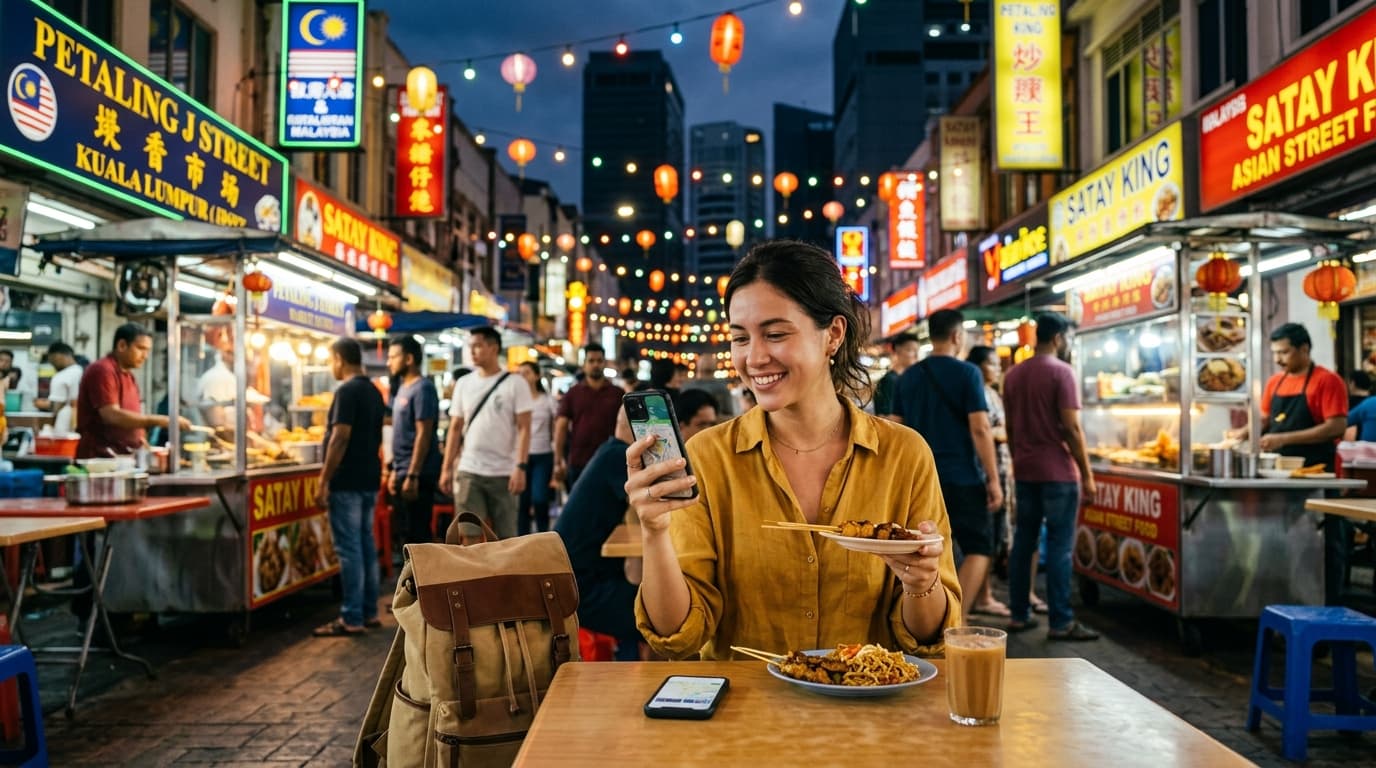
best places to travel alone in Asia include Taipei, Singapore, Chiang Mai, Tokyo, Seoul, Hoi An and Da Nang, Kuala Lumpur, Bali, Luang Prabang, and Kathmandu with Pokhara. If you want safe, solo-friendly destinations with good transport, interesting neighborhoods, and plenty to do alone or with new friends, these are the strongest picks for 2026. We ranked them for first-time solo travelers, solo female travelers, budget travelers, and anyone who wants a trip that feels easy, social, and memorable.
If you’re planning your first solo adventure in Asia, the big question is not just “Is it safe?” but “Will I actually enjoy being alone there?” That’s the lens we used here. We checked current tourism patterns, common traveler feedback, transport systems, neighborhood comfort, and the kinds of activities that make a solo trip feel effortless instead of lonely. From experience, the best destinations are the ones where you can land, get to your hotel easily, find good food late at night, and choose between quiet independence and social experiences whenever you want. This guide gives you both the ranking and the practical planning help: where to stay, when to go, how much to budget, what to do in the evening, and when a guided tour is worth it.
We also wrote this with a city-insider mindset, because solo travel is often about the quality of the in-between moments. A great solo destination is not only about a famous landmark; it is about the café you can sit in for two hours, the night market where it feels normal to browse alone, the transit line that is easy to figure out, and the neighborhood where you can return after dark without stress. That is exactly why places like Taipei and Singapore score so high, even though they are very different from a vibe perspective. And it’s why we included not just the “big names,” but also places like Luang Prabang and central Vietnam, where solo travel can feel deeply rewarding without being overwhelming.
Quick answer: the best places to travel alone in Asia safely
This quick answer section gives you the shortlist first, then the logic behind it. If you want the safest, easiest, and most rewarding solo travel options in Asia, start here and then read the full profiles below.
Short answer for first-time solo travelers and solo women
If you are traveling alone for the first time, Taipei, Singapore, Tokyo, and Seoul are the easiest all-around picks because they combine low-stress transport, strong safety norms, and a lot of solo-friendly things to do. Taipei is especially great if you want friendly people, night markets, hot springs, and easy day trips without feeling rushed. Singapore is ideal if you want a super-clean, highly organized city that is simple to navigate even if you only have a few days. Tokyo and Seoul are a little more complex, but they reward solo travelers with incredible food, culture, shopping, and nighttime energy.
For solo female travelers, these same destinations are often the strongest because they offer reliable public transit, good lighting in central areas, and a culture of solo dining or solo exploring that feels normal rather than awkward. Chiang Mai is another favorite, especially for travelers who want a gentler pace, affordable stays, and a strong backpacker and wellness scene. Bali can also work well, but it requires more caution around scooters, longer transfers, and the reality that some areas are much safer and easier than others. In other words, the “best” place depends on your comfort level, but the cities above are the most forgiving starting points.
The top 10 destinations at a glance
Here is the ranked list we think most solo travelers should consider in 2026. The order reflects a balance of safety, transport, social vibe, food, affordability, and how easy the destination is to enjoy without a companion. We checked not only major landmarks but also the everyday experience of getting around, eating alone, and finding an evening plan that feels natural.
| Rank | Destination | Best For | Solo Vibe |
|---|---|---|---|
| 1 | Taipei, Taiwan | First-time solo travelers, food lovers | Easy, friendly, balanced |
| 2 | Singapore | Cautious travelers, short trips | Polished, simple, safe |
| 3 | Chiang Mai, Thailand | Budget travelers, social travelers | Relaxed, community-driven |
| 4 | Tokyo, Japan | City lovers, food explorers | Independent, efficient, exciting |
| 5 | Seoul, South Korea | Nightlife, shopping, culture | Energetic, polished, social |
| 6 | Hoi An & Da Nang, Vietnam | Relaxed coast-and-culture trips | Easygoing, scenic, affordable |
| 7 | Kuala Lumpur, Malaysia | Food, transit, mixed experiences | Underrated, practical, diverse |
| 8 | Bali, Indonesia | Wellness, beach time, social stays | Social but needs street smarts |
| 9 | Luang Prabang, Laos | Slow travel, culture, quiet reset | Peaceful, compact, reflective |
| 10 | Kathmandu & Pokhara, Nepal | Adventure, trekking, scenery | Adventurous, guided-friendly |
What makes a destination solo-friendly: safety, transport, social vibe, and cost
When we say “solo-friendly,” we are not just talking about crime rates. A destination can be statistically safe and still feel hard if the transit is confusing, the sidewalks are poor, or there is nowhere comfortable to eat alone. The places on this list all do several things well: they have clear transit, accommodations in convenient neighborhoods, food options that do not require a group, and a mix of activities that work for one person. That is why people come home from Taipei, Singapore, or Tokyo saying the trip felt easier than they expected.
Cost matters too, but it is not simply about being cheap. Some destinations are affordable but require more taxi rides, more planning, or more patience, which can make the trip feel more expensive in practice. Others, like Singapore, cost more upfront but save you stress because the transit is easy and the logistics are smooth. The sweet spot for solo travel is a place where your money buys flexibility, not just a hostel bed. That is one reason we included both budget-forward and premium-leaning cities in the top 10.
Finally, the social vibe matters more than many first-timers realize. Solo travel can be wonderful when a place naturally supports both independent and shared experiences, like food tours, walking tours, rooftop bars, classes, and day trips. If you want to meet people, you want destinations where it is normal to join a group for part of the day and then head off on your own at night. That balance is exactly what makes these Asian destinations stand out in 2026.
Why Asia is great for solo travel
Asia has a special advantage for solo travelers because it offers huge variety without demanding that you be a veteran traveler to enjoy it. In one trip region, you can move from hyper-modern cities to historic old towns, beach escapes, mountain treks, and food scenes that are among the best in the world.
Affordability compared with Europe and North America
For many travelers from the US, UK, Canada, and Australia, Asia feels like a place where your budget stretches farther than it would in Western Europe or major North American cities. In cities like Chiang Mai, Kuala Lumpur, and Hoi An, you can often get a comfortable private room, delicious meals, and transport for a fraction of what you would spend at home. Even in pricier places like Tokyo and Singapore, solo travelers can still control spending by mixing convenience-store breakfasts, food courts, and midrange hotels with a few splurge experiences. That flexibility is huge when you are traveling alone and want control over the rhythm of the trip.
Price differences also let you tailor the experience to your travel style. If you want a social backpacker trip, hostels and guesthouses make it easy to keep daily costs down while meeting other travelers. If you want a more private or wellness-focused escape, many Asian cities offer boutique hotels, capsule stays, or serviced apartments at better rates than similar options in the West. The result is that you can design a solo trip around the experiences you actually care about instead of blowing your budget on basics.
Strong tourism infrastructure and easy-to-use transport
Another reason Asia works so well for solo travelers is the depth of tourism infrastructure. Major destinations across the region understand airport transfers, bilingual signage, transit cards, ride-hailing, hotel check-in, and day-trip logistics. In practical terms, that means you can arrive after a long flight and still get to your hotel without too much drama. If you are nervous about your first solo trip, this alone can make a huge difference.
Places like Taipei, Singapore, Tokyo, and Seoul are especially smooth because metro systems are extensive, clean, and generally easy to decipher. Even in more complex cities, there are usually strong transport apps, abundant taxis or ride-hailing options, and organized airport links. For solo travelers, that combination reduces the “friction tax” that can make a destination feel exhausting. Less friction means more energy for the fun stuff, whether that is a night market, a museum, or an evening live show.
Variety of experiences: cities, islands, mountains, temples, and food scenes
Asia is one of the few regions where you can build a solo itinerary around almost any mood. Want a highly urban trip full of shopping, street food, and nightlife? Tokyo, Seoul, Singapore, and Taipei are ready. Want temples, slower mornings, and casual café hopping? Chiang Mai and Luang Prabang are ideal. Want beaches, wellness, and a flexible social scene? Bali and Da Nang make that easy. Want nature and adventure? Kathmandu and Pokhara open the door to trekking and mountain scenery.
This variety is especially important for solo travelers because your own mood may change during the trip. You might land wanting energy and nightlife, then decide two days later that you want a quiet hot spring, a long café lunch, or a sunset walk. In Asia, it is much easier to pivot without changing countries or blowing your budget. That makes it a dream region for travelers who want a trip that feels alive and responsive instead of fixed and overly packaged.
Social travel opportunities: hostels, tours, classes, and nightlife
One thing solo travelers love about Asia is how easy it is to be alone without being isolated. Many cities have a strong ecosystem of group tours, cooking classes, food tours, walking tours, shared day trips, and nightlife districts where solo dining is normal. This makes it much easier to choose your level of social interaction day by day. If you want to be a hermit one morning and have dinner with new friends that night, that is absolutely possible.
We especially like destinations where you can stack experiences without overcommitting. For example, you might do a temple tour in the morning, a café break in the afternoon, and a night market or rooftop bar in the evening. That kind of flexible structure is perfect for solo travel because it keeps the day interesting without forcing you into a group all day. It also helps if you are traveling alone for the first time and want a mix of independence and reassurance.
How we ranked these destinations
To rank the best places to travel alone in Asia safely, we looked beyond popularity. A destination can be famous on social media and still be awkward for a solo traveler if the transport is stressful, the neighborhoods are hard to navigate, or the nightlife is too scene-driven.
Safety and comfort for solo travelers
Our first filter was simple: does the place feel comfortable for a solo traveler arriving on their own? That includes basic safety, but it also includes how crowded the streets feel at night, whether people are used to independent travelers, and whether the destination has a reputation for welcoming solo women. We also considered whether central districts are easy to reach from the airport and whether common activities are structured in a way that reduces stress. A place does not have to be “perfect” to rank highly, but it should feel manageable.
We paid attention to the kinds of issues solo travelers actually mention in real life, like whether they felt comfortable taking public transit after dinner, whether hotel staff were helpful, and whether it was easy to find a place to eat alone. Those little friction points matter more than headline attractions. If a destination has a great museum scene but requires you to fight for every taxi at night, it moves down the list. Safety is about comfort, not just statistics.
Walkability, transit, and language accessibility
The second factor was mobility. The best solo destinations are places where you can move around independently without needing to negotiate every ride. Taipei, Singapore, Tokyo, and Seoul score well because their metro systems and transit signage are strong. Kuala Lumpur and Bangkok-adjacent options can work well too, but the experience is more uneven by neighborhood. We also rewarded destinations where walking is realistic in core areas and where transit cards, apps, and station maps make the city approachable.
Language accessibility matters, especially for first-time travelers. English is not required for a destination to be solo-friendly, but it does help when airport signs, hotel communication, and transit information are clear. In places where English is less common, a tourist-forward infrastructure can still make things easy. The best solo destinations minimize the mental load of figuring out how to move through the city. That leaves more room for enjoying the place itself.
Budget range and value for money
We ranked destinations partly on affordability, but more importantly on value. Some cities cost more yet deliver a smoother experience and better quality for the money, while others are budget-friendly but less efficient. We wanted a list that worked for real travelers, not just bargain hunters. For example, Singapore is not a cheap destination, but it can still be a great solo pick because the logistics are so simple. Chiang Mai is cheaper overall, but it also offers a lot of fun per dollar, which is why it ranks so high.
Value also means access to experiences that are easy to book and enjoy alone. That includes food tours, cultural shows, day trips, yoga classes, wellness sessions, and neighborhood walks. A destination becomes more valuable when you can fill a day without spending a fortune or depending on a group itinerary. That balance is one reason these places keep showing up on solo travel lists year after year.
Things to do alone vs things to do with others
Some destinations are great only if you are traveling with people. We deliberately favored places where a solo traveler can have just as good a time, or even a better one. That means there are plenty of activities that do not require a companion, like night markets, museum visits, hot springs, rooftop bars, or train-based day trips. It also means there are social options if you want them, such as food tours or hostel dinners. That flexibility is one of the clearest signs of a solo-friendly city.
We also considered whether the destination supports different levels of energy. A city like Tokyo can feel amazing whether you want to do a packed itinerary or wander for hours with no agenda. A place like Luang Prabang is ideal if your goal is to slow down and think. The best destinations let you decide the pace.
Seasonal weather and timing considerations
Timing matters a lot in Asia because the weather can transform a destination from perfect to punishing. We looked at dry season windows, monsoon periods, heat, humidity, and high-crowd holiday periods. A place that is wonderful in November may be exhausting in July, and a destination that is calm in shoulder season may be packed during festivals. We included season notes because a solo trip is easier when weather and logistics cooperate.
We also paid attention to seasonal entertainment. Night markets, festivals, beach weather, temple celebrations, and flower seasons can make a solo trip much richer. At the same time, crowd levels and price spikes can change the experience. In the sections below, we point out the best times to visit each destination so you can choose the version that fits your trip.
1. Taipei, Taiwan
Taipei is one of the best places to travel alone in Asia because it is friendly, easy to navigate, and full of low-pressure experiences that are perfect for solo travelers. It gives you the big-city benefits without the big-city stress, which is exactly what many first-time travelers want. The combination of excellent transit, great food, and a calm urban rhythm makes it a standout choice year after year.
Why Taipei is one of the best places to travel alone in Asia
Taipei works so well for solo travelers because it feels accessible from the minute you land. The city is approachable, tidy, and designed in a way that reduces the mental load of travel. You can use the MRT, walk around central neighborhoods, and eat incredibly well without needing a group. That matters more than flashy attractions because it makes every day feel manageable. For solo female travelers in particular, Taipei has a strong reputation for comfort, civility, and ease.
The city also gives you a nice balance of activities. You can spend one day visiting temples and tea houses, another day eating through night markets, and another taking a quick escape to hot springs or the mountains. It is not a destination where you need to “force” fun. Fun happens naturally because the city is layered and welcoming. From experience, Taipei is the kind of place where a solo traveler starts planning a two-night stop and ends up wishing they had booked a week.
Safety, transport, and neighborhood ease
Taipei’s MRT system is clean, reliable, and easy to understand, which makes the city a top choice for travelers who want independence without chaos. The airport link is straightforward, station signage is clear, and taxis are generally easy to find when needed. Neighborhoods like Ximending, Zhongshan, Da’an, and Xinyi are particularly easy for first-timers because they offer a mix of food, shopping, transit, and accommodation options. Those areas also keep you close to evening activities, so you do not have to travel far after dark.
For practical planning, check the official Taipei Metro site and the Taipei City Government tourism pages for updated transit information and city events. In 2026, Taipei continues to be one of the region’s most consistently solo-friendly capitals because the infrastructure is built for convenience. The only real caution is to plan your route for late-night returns if you are staying outside the core MRT zones. Otherwise, it is one of those rare cities where you can relax rather than constantly problem-solve. That alone makes it a smart first solo destination.
Best solo things to do in Taipei: night markets, temples, hot springs, and day trips
If you are alone in Taipei, the city gives you plenty of easy wins. Night markets like Shilin, Raohe, and Ningxia are classic solo experiences because you can browse, snack, and move at your own pace. Temples like Longshan Temple offer a peaceful contrast, while tea houses in and around the city provide slower, reflective time. If you want something more social, look for food tours or small-group excursions to nearby spots like Jiufen, Yehliu, or Beitou hot springs.
We especially recommend building one evening around a night market and another around a rooftop or view-focused plan. Taipei 101 area, Elephant Mountain at sunset, and the city’s café culture all work beautifully for solo visitors. A great solo Taipei day might include breakfast near your hotel, a temple visit, an afternoon in a museum or bookstore, and a casual dinner at a market. It is not a city that demands a strict itinerary, which makes it ideal for travelers who want breathing room.
Budget expectations and where solo travelers save money
Taipei is not the cheapest city in Asia, but it is excellent value for what you get. Budget travelers can often find dorm beds or simple private rooms at reasonable prices, while midrange hotels in good areas remain more affordable than comparable options in many global cities. Food is one of the best places to save because you can eat extremely well at night markets, local noodle shops, and casual chain spots without spending much. If you are traveling solo, that means you can splurge selectively on a nicer hotel or a hot spring experience without blowing the whole budget.
For solo trip planning, expect a moderate daily budget that increases if you add taxis, specialty cafés, or premium neighborhoods. The best money-saving move is to stay near an MRT station and lean into street food and local breakfasts. That gives you both convenience and cost control. When we checked recent traveler reports and tourism sources in 2026, Taipei continued to stand out as a city where value and comfort are genuinely balanced.
Best areas to stay for first-time solo travelers
If it is your first time in Taipei, the safest and easiest areas are Ximending, Zhongshan, Da’an, and Xinyi. Ximending is lively and youthful, with lots of food and entertainment, while Zhongshan is convenient and central. Da’an is a favorite for cafés, parks, and a calmer residential feel, and Xinyi puts you near the modern skyline, shopping, and Taipei 101. All four neighborhoods are practical because they let you return easily after dinner without needing a complicated commute.
Try to stay within a short walk of an MRT station, especially if you plan on doing night markets or evening views. That one choice makes solo travel feel much easier. If you want the most balanced base, Da’an and Zhongshan are our favorite picks for first-timers. They are central enough to be practical, but not so overwhelming that they feel noisy all the time.
2. Singapore
Singapore is ideal if you want a highly organized, low-stress solo trip where nearly everything works the way you expect. It is one of the easiest destinations in Asia for cautious travelers, and that makes it especially attractive for a first solo adventure. The city is clean, efficient, and full of things to do even if you only have a short amount of time.
Why Singapore is ideal for cautious first-time solo travelers
Singapore is not always the cheapest option, but it is one of the most reassuring ones. The city is designed for clarity, from transport signs to pedestrian areas to attraction access. If you are nervous about being alone in a foreign place, Singapore gives you a soft landing. You can move from airport to hotel to dinner without much friction, and that mental ease is worth a lot. Solo female travelers often appreciate how predictable and organized the city feels.
We also like Singapore for short solo trips because you do not need days of prep to have a great time. A few neighborhoods, a couple of museum visits, a hawker center crawl, and a skyline evening are enough for a memorable visit. If you want an Asian destination that feels international and straightforward, this is one of the best bets. It is not the “wildest” choice on the list, but it may be the most worry-free.
Clean transit, low stress, and easy navigation
The MRT is one of the cleanest and easiest transit systems anywhere in Asia, and that is a huge advantage for solo travelers. Stations are clearly marked, ride apps are widely used, and the city is compact enough that you can often get around efficiently. For official schedules and transit updates, check the Singapore MRT/LRT operator information and the Singapore Tourism Board resources. In 2026, it remains one of the smoothest city travel experiences you can have without renting a car.
The biggest practical benefit is that Singapore reduces decision fatigue. You do not have to wonder whether a neighborhood is too far out, whether a taxi will be hard to get, or whether the transit card is confusing. Those are exactly the kinds of things that can make solo travel feel tiring. In Singapore, the infrastructure is strong enough that you can focus on the fun, not the logistics.
Solo-friendly experiences: food centers, museums, skyline views, and nightlife
Singapore’s hawker centers are one of the great solo travel pleasures in Asia. You can sit by yourself, sample several dishes, and nobody cares that you are alone. This is the kind of city where solo dining feels completely normal, whether you are at Maxwell Food Centre, Lau Pa Sat, or a neighborhood food hall. Beyond food, the city’s museums, gardens, and observation decks give you lots to do between meals. Gardens by the Bay, the National Gallery Singapore, and rooftop viewpoints all work well for independent travelers.
Nightlife is more polished than wild, which actually suits many solo visitors. You can do a rooftop cocktail, a riverside evening walk, or a live music venue without feeling stuck in a party scene. The city also has excellent event programming, from performances to exhibitions, so it is worth checking what is on during your stay. If you are using Gidly-style planning, Singapore is great for bookable evening experiences that feel easy and safe.
Budget reality: what costs more and how to keep it affordable
Singapore is expensive by regional standards, especially for accommodation and alcohol. That said, it is still possible to manage the trip smartly. The simplest way to save is to use the MRT, eat at hawker centers, and choose a hotel slightly outside the most premium districts while staying close to transit. If you are traveling solo, you may actually spend less on shared logistics than a group would because you can choose exactly where to splurge. A nice hotel room may be worth it here because the city is so easy to navigate independently.
From experience, the best value strategy is to think in terms of “one premium thing a day.” Maybe that is a rooftop dinner, a cocktail stop, or a special museum ticket. Everything else can be simple. That approach keeps Singapore feeling luxurious without becoming overwhelming for your wallet. It also makes the city a strong option for weekend solo trips where convenience is more important than bargain pricing.
Best neighborhoods and practical solo travel tips
Marina Bay, Orchard, Bugis, Chinatown, and Clarke Quay are the most convenient areas for first-time solo travelers, though each has a different vibe. Marina Bay is polished and scenic, Orchard is shopping-heavy, Bugis is more mixed and practical, Chinatown offers heritage and food, and Clarke Quay works if you want an evening scene. For safety and convenience, staying near an MRT stop is the main rule. That simple choice makes getting around much easier after a long day out.
One practical tip: book popular attractions and evening experiences in advance if you are visiting during peak season or a holiday period. Singapore’s appeal means popular spots can fill up quickly. It is also smart to check local rules and opening hours before you go, especially for food venues and late-night entertainment. That tiny bit of prep pays off immediately once you arrive.
3. Chiang Mai, Thailand
Chiang Mai is a solo travel favorite because it is relaxed, affordable, and full of opportunities to meet people without pressure. The city offers a gentler pace than Bangkok, making it especially appealing for travelers who want their first solo trip to feel social but not overwhelming. If you want a place where morning temples, afternoon cafés, and night markets can all fit into one easy day, Chiang Mai is hard to beat.
Why Chiang Mai is a solo travel favorite
Chiang Mai has a built-in solo travel rhythm. The city attracts remote workers, backpackers, wellness travelers, and first-time visitors, which creates a welcoming atmosphere for people exploring on their own. The Old City is compact, the café scene is excellent, and there are plenty of small-group activities that make it easy to make friends for a few hours or a few days. That flexibility is one of the reasons it remains one of the best places to travel alone in Asia for budget-conscious travelers.
The city is also emotionally easy. You are not constantly battling chaos, and you do not need a packed itinerary to justify being there. You can wander, sit in a café, visit a temple, or book a class and feel like you are doing the trip right. That is especially helpful for solo female travelers who want a destination with social energy but a calmer overall mood. Chiang Mai feels like a place where the solo traveler is expected, not singled out.
Social hostels, café culture, and easy day trips
Chiang Mai is famous for its social hostels and guesthouses, many of which organize group dinners, cooking classes, or day trips. This makes it very easy to meet other travelers if you want companionship, but it never forces the issue. The café culture is another big win: you can work, read, journal, or simply watch the street life without feeling rushed. Many cafés also have excellent coffee and food, which makes solo lunches feel like part of the experience rather than a fallback.
Day trips are another reason Chiang Mai ranks so high. You can head to Doi Suthep, the sticky waterfalls, craft villages, or nearby nature spots without needing to overcomplicate the logistics. Many travelers book a guided day trip for convenience, then spend the next day independently exploring the city. That balance works beautifully for solo travelers who want a little structure mixed with freedom. For current tour and attraction info, check the official Tourism Authority of Thailand resources before booking.
Temples, markets, cooking classes, and ethical elephant experiences
Chiang Mai shines when you want a mix of cultural and interactive experiences. Temples like Wat Phra Singh and Wat Chedi Luang are ideal solo stops because they invite slow wandering and reflection. Night markets are another highlight, with food, crafts, and casual live entertainment that feel easy to navigate alone. Cooking classes are especially good for solo travelers because they are naturally social, give you a skill to take home, and often include market visits.
One area where we urge extra care is elephant tourism. Not all elephant experiences are equal, and solo travelers should stick to ethical sanctuaries that do not allow riding and clearly explain animal welfare practices. It is worth doing a little research before booking. If a place feels vague, touristy, or exploitative, skip it. You will enjoy the trip more knowing your money supported a responsible operation.
Budget breakdown and where to splurge vs save
Chiang Mai is one of the better-value destinations on this list, which is why it works so well for longer solo trips. You can often find budget guesthouses, affordable private rooms, and meals that cost very little by Western standards. Street food and local restaurants are the easiest places to save, while spas, boutique hotels, and guided experiences are smart areas to splurge. The city is flexible enough that you can travel comfortably on a modest budget or upgrade your experience without changing destinations.
A smart solo traveler in Chiang Mai might spend a little more on accommodation in the Old City or Nimman so that evenings feel easy and transit stays simple. Then you can save on food and local transport. This “balanced splurge” approach often makes solo trips better because it reduces stress where it matters most. It also gives you more energy for activities, which is the real goal.
Best times to visit and seasonal caveats
The best time to visit Chiang Mai is generally during the cooler, drier months, when walking and day trips are much more comfortable. Burning season can be a real issue in some periods, so solo travelers should check air quality before booking, especially if they plan to spend a lot of time outdoors. Rainy season also changes the experience, though many indoor activities and cafés still make the city enjoyable. Timing really matters here because comfort and visibility affect how much you will enjoy day trips and outdoor sightseeing.
If you are planning around festivals, be aware that popular periods can bring both excitement and higher prices. That can be amazing if you like events, but it can also mean more crowds and less spontaneity. The best solo strategy is to plan your top two or three priority activities in advance and leave the rest open. Chiang Mai rewards flexible travelers.
4. Tokyo, Japan
Tokyo is one of the most rewarding solo destinations in the world because it gives independent travelers so much to explore without ever feeling awkward about doing it alone. The city’s scale, precision, and cultural depth make it ideal for people who enjoy moving through neighborhoods, discovering tiny restaurants, and filling a day with great micro-experiences. It is also one of the safest major cities for solo travelers who are willing to learn the transit system.
Why Tokyo works for independent travelers
Tokyo is perfect for people who like autonomy. There is always something new around the corner, whether that is a quiet shrine, a themed café, a department store food floor, or a tiny bar with a unique personality. The city is famously solo-friendly because eating alone, exploring alone, and riding transit alone are all normal parts of the urban rhythm. That makes it a strong choice for travelers who want to feel independent instead of dependent on group plans.
Tokyo also offers a rare kind of emotional freedom. You can be anonymous in the best way possible, which is liberating if you are used to always coordinating with other people. From experience, solo travelers often love Tokyo because it lets them set their own pace without sacrificing intensity. One day can be hyper-structured and the next can be beautifully unplanned. That flexibility is a huge reason Tokyo remains one of the best places to travel alone in Asia.
Transit mastery, safety, and late-night ease
Tokyo’s transit system is complex at first glance but incredibly efficient once you get the hang of it. The trains are frequent, punctual, and extensive, and central neighborhoods are generally easy to reach by rail. For official transit details, check JR East, Tokyo Metro, and the Japan National Tourism Organization. In 2026, Tokyo remains one of the safest and most reliable cities for solo movement, including in the evening. The main challenge is not safety so much as understanding transfers and station exits.
What helps most is choosing a central neighborhood and learning just a few key lines. Once you do that, late-night returns become very manageable. Solo travelers often enjoy Tokyo’s convenience-store food, station dining, and late-evening neighborhood strolls because the city stays active without becoming overwhelming. If you want to maximize comfort, stay near a major line and build your plans around that transit anchor. That small strategy makes Tokyo feel less intimidating and much more fun.
Top solo activities: food halls, themed cafés, neighborhoods, and entertainment
Tokyo is a dream for food lovers traveling alone. You can spend an entire afternoon browsing department store basements, ramen counters, sushi spots, and dessert cafés without ever needing a companion. Neighborhoods like Shibuya, Shinjuku, Asakusa, Ueno, and Ginza each offer a different solo experience. Shibuya and Shinjuku bring energy and nightlife, Asakusa gives you old Tokyo charm, Ueno offers museums and parks, and Ginza leans upscale and polished.
We also like Tokyo for solo entertainment because you can build a whole evening around one neighborhood. That might mean a themed café, an arcade, a live music venue, a cocktail bar, or a Japanese performance. There is always something bookable, and many experiences are designed for small groups or even one person. If you want to combine structure and spontaneity, Tokyo is one of the best cities in Asia to do it.
Budget tips and capsule hotels versus business hotels
Tokyo is not a budget-busting city if you plan well, but it does reward smart choices. Capsule hotels can be a fun and affordable option for short stays, especially if you are curious about the experience and don’t need much space. Business hotels are another excellent solo option because they are reliable, compact, and often close to major stations. If you want more comfort, midrange hotels can still offer strong value compared to similar cities in Europe or North America.
Food is another area where Tokyo gives you control. You can spend a lot on omakase and fine dining, or keep it simple with noodles, curry rice, conveyor-belt sushi, and convenience-store snacks. That flexibility makes Tokyo workable for a wide range of budgets. The best advice is to book a centrally located hotel and then let the food and entertainment choices scale up or down depending on your daily mood.
Best areas for solo stay and first-timer planning
For first-time solo travelers, Shinjuku, Shibuya, Ueno, and Asakusa are the easiest neighborhoods to understand. Shinjuku is busy and well-connected, Shibuya is energetic and modern, Ueno is practical and transit-friendly, and Asakusa has a slower, more traditional vibe. If you want a calmer experience, look near quieter pockets of these areas rather than the busiest party blocks. That way you get convenience without noise overload.
A lot of solo travelers make the mistake of trying to “do all of Tokyo” in too few days. The smarter move is to choose one or two base neighborhoods and explore deeply. Tokyo is not a city to rush. It rewards curiosity, wandering, and repeat visits, which is great news if you are planning a solo trip that feels layered rather than packed.
5. Seoul, South Korea
Seoul is one of the strongest solo destinations in Asia for travelers who want a lively city with great food, shopping, culture, and dependable transport. It has a confident energy that makes solo exploration feel natural, especially if you enjoy late-night cafes, beauty trends, and a mix of old and new. For solo women and city travelers, Seoul is especially appealing because it balances style, structure, and nightlife in a very manageable way.
Why Seoul is strong for solo women and solo city travelers
Seoul is a city where solo travel feels modern. You can have a café meal alone, browse boutiques, visit a palace, or head out for a late-night snack without drawing much attention. The city’s social and food culture makes it easy to stay busy, and its broad appeal means there is always something happening. For people who like urban exploration, Seoul is a strong fit because it offers both a contemporary vibe and deep cultural history.
Solo female travelers often appreciate Seoul for its strong transit, busy streets, and abundant neighborhood choices. It feels active without being chaotic in the way some large cities can be. You still need normal city awareness, of course, but the overall structure is reassuring. If you want a place where you can move from a palace visit to a café to a night market in one day, Seoul delivers. It is easy to see why many travelers add it to their top “safe and fun” solo lists.
Cafés, K-beauty, shopping, and late-night culture
Seoul’s café culture is one of the best in the world for solo travelers. You can spend hours in beautiful spaces that are made for lingering, journaling, or people-watching. The city also offers an incredible shopping scene, from fashion districts to beauty stores to markets, making it easy to fill a solo afternoon with zero pressure. For many travelers, this is part of the appeal: you do not need a friend to enjoy browsing.
Late-night culture is another reason Seoul stands out. Whether you are in Hongdae, Myeongdong, or Gangnam, there is a strong evening rhythm that includes food, shopping, and entertainment. That means your solo day does not have to end early. If you like the idea of an active night without a rowdy atmosphere, Seoul gives you many options. This is where Gidly-style outings shine: live performances, themed cafés, and nightlife that is more stylish than chaotic.
Public transport, safety, and how to get around confidently
Seoul’s subway system is extensive, reliable, and a major reason the city is so solo-friendly. English signage is generally strong in central areas, and ride-hailing or taxis are easy to use when needed. Check the Seoul Metro and official tourism resources for updated route information and travel tips. In 2026, Seoul continues to be one of the easiest major Asian cities for solo movement, especially if you stay near a major interchange or central line.
What we like most is how the city encourages exploration without forcing you to overthink every move. You can go from a museum district to a market to a river walk and still get back to your hotel comfortably. That accessibility matters for solo travelers because it reduces the fear of “getting stuck” somewhere unfamiliar. If you can master just a few lines, you can see a huge amount of Seoul with very little stress.
Solo-friendly things to do: palaces, markets, hikes, and shows
Seoul has a rare mix of culture and activity. Gyeongbokgung Palace, Bukchon Hanok Village, and Insadong give you history and design; Myeongdong and Dongdaemun give you shopping and energy; Namdaemun and Gwangjang Market bring food and texture. If you want something active, city hikes and riverside walks are easy add-ons. The point is that you can choose the kind of solo day you want without changing cities.
We also recommend checking out live shows, K-pop-adjacent entertainment, or a jjimjilbang-style wellness evening if you want a more local-feeling experience. These are exactly the kinds of activities that make a solo trip memorable. They work well because they are experiential, easy to book, and satisfying even without company. Seoul is a city that rewards curiosity in every direction.
Best time to visit and seasonal events
The most comfortable times to visit Seoul are usually spring and autumn, when temperatures are more pleasant for walking and sightseeing. Summer can be hot and humid, while winter can be very cold, though both seasons still have plenty to offer if you plan accordingly. Seasonal festivals, cherry blossoms, and autumn colors can transform the city, so timing really matters. If you are an event-focused traveler, it is worth checking what is on during your dates.
For solo travelers, shoulder seasons are usually the sweet spot. You get better weather, more comfortable transit, and more energy for exploring. If you plan around major holidays, book ahead because popular neighborhoods and hotels can fill quickly. Seoul rewards the traveler who thinks like a local: pick a neighborhood, check the season, and then build the day around a few strong anchor experiences.
6. Hoi An and Da Nang, Vietnam
Central Vietnam is a fantastic choice for solo travelers who want beauty, relaxation, and easy logistics without the intensity of a mega-city. Hoi An and Da Nang work especially well together because they give you both heritage and beach time in one region. For a solo trip that feels soothing rather than hectic, this combination is one of the smartest in Asia.
Why central Vietnam is great for a relaxed solo trip
Hoi An and Da Nang are ideal if you want your solo trip to feel graceful and low-friction. Hoi An offers historic charm, lantern-lit evenings, tailoring, cafés, and a walkable old town that is easy to enjoy alone. Da Nang gives you a broader city-and-beach base with modern hotels, beachfront walks, and easy airport access. Together, they create a trip that can be as active or as restful as you want. That is especially appealing for solo travelers who want a break from busy, high-stimulation cities.
We like this pairing because it naturally creates a rhythm. You can spend a few days in Hoi An absorbing the atmosphere, then move to Da Nang for beach time or a more contemporary city stay. It’s simple, scenic, and not too expensive. If your ideal solo vacation includes slow mornings, good food, and gentle evenings, central Vietnam should be high on your list.
Beach, heritage, and easy day trip combinations
The strength of this region is the variety of experiences packed into a relatively small area. In Hoi An, you can explore the old town, visit craft workshops, take lantern photos at night, and book a tailoring appointment. In Da Nang, you can enjoy the coastline, cafés, and modern hotel zones. Day trips to Marble Mountains, My Son Sanctuary, or the surrounding countryside add even more texture. That makes the region very solo-friendly because you never run out of ways to structure the day.
Solo travelers also appreciate that many activities can be done independently without stress. You can wander the old town, eat cao lầu, rent a bicycle, or sit by the river with coffee and not feel out of place. If you want a social boost, small-group cooking classes and day tours are easy to find. The overall experience is a great example of how Asia can support both independent and guided solo travel.
Food, tailoring, lantern nights, and low-cost experiences
Hoi An is especially famous for food and tailoring, both of which are excellent solo activities. You can browse local dishes at your own pace, sample street snacks, and then visit a tailor if you want custom clothing made during your stay. At night, the lantern-lit streets create a beautiful atmosphere that feels safe, photogenic, and relaxed. For many solo travelers, this becomes one of the most memorable evening settings in Asia.
Da Nang is a bit more spread out, but it gives you beach cafes, seafood, and easy transport to the old town. The price point is still generally friendly compared with many regional hubs. That makes central Vietnam a strong choice for travelers who want value without sacrificing comfort. You can have a very full solo itinerary here without spending a fortune, which is always a bonus.
Budget, transport, and solo safety notes
Budget-wise, central Vietnam is one of the easier regions on this list. Accommodation, food, and local transport are generally manageable, and you can choose between simple guesthouses and nicer boutique stays. The main logistics consideration is moving between Hoi An and Da Nang, which is straightforward but worth planning so you are not scrambling last-minute. Ride-hailing and hotel transfers are common choices, and the short distance between the two makes them easy to combine.
Safety-wise, standard city awareness applies, especially at night and around busy roads. Hoi An is generally very comfortable for walking in the old town, while Da Nang feels easier if you stay in well-trafficked beachfront or central areas. Solo female travelers often like this region because the pace is calmer than in larger capitals. It is a strong option if you want a trip that feels restorative and visually rich.
When to go for the best weather and least hassle
Weather is crucial in central Vietnam because the rainy season can affect the old town, beach plans, and outdoor activities. The most comfortable periods are typically the drier, milder months when walking and sightseeing are more enjoyable. If you are planning a solo trip for scenery and atmosphere, those shoulder periods are especially good because crowds are manageable and the weather is friendlier. It is worth checking current seasonal forecasts before locking in your dates.
For solo travelers who care about both comfort and picture-perfect evenings, timing your trip for the drier months can make a huge difference. Lantern nights, beach sunsets, and outdoor dining are simply easier when the weather cooperates. That is why this region is best treated as a seasonal pick, not just a place on a map.
7. Kuala Lumpur, Malaysia
Kuala Lumpur is one of the most underrated solo travel cities in Asia because it combines multicultural food, modern transit, and a practical layout that makes independent exploration easy. It may not always appear at the top of glossy lists, but it is a very smart choice for solo travelers who want convenience, variety, and strong value. If you like urban experiences without an overwhelming pace, Kuala Lumpur deserves a serious look.
Why Kuala Lumpur is underrated for solo travel
Kuala Lumpur is often overlooked in favor of flashier destinations, but that is exactly why solo travelers sometimes love it. The city gives you a mix of Malay, Chinese, and Indian cultural influences, plus modern malls, skyline views, and excellent food. It is a place where you can move between neighborhoods and experiences without constantly resetting your expectations. That variety makes it interesting for people traveling alone because you can shape the day around your own curiosity.
Another reason KL works well is that it is practical. The city has enough structure to feel manageable, but it is not so polished that it becomes sterile. You can have a comfortable hotel stay, eat well, and still feel the character of the city. For many solo travelers, especially those who enjoy food and urban energy, that balance is exactly right.
Transit, malls, street food, and cultural variety
Kuala Lumpur’s transit system is useful and improving, and that matters a lot if you are traveling alone. While it is not as effortlessly simple as Singapore or Tokyo, it still gives you solid options for getting around. The city is also full of large malls, food courts, night markets, and cultural sites, which means you can spend a whole day indoors if the weather is not cooperating. That makes it a great rainy-day option as well.
Street food and hawker-style dining are major strengths here, and they are perfect for solo travelers. You can grab a meal quickly, linger if you want, and move on without feeling odd. Cultural variety also means you can mix temple visits, mosque architecture, shopping, and rooftop views in one itinerary. That kind of variety keeps a solo trip from feeling repetitive.
Best solo-friendly districts and evening plans
Bukit Bintang, KLCC, and Chinatown are among the most convenient areas for solo travelers, depending on your vibe. Bukit Bintang is lively and close to shopping and nightlife, KLCC is polished and central, and Chinatown gives you heritage and food with more grit. Choosing the right district matters because it determines how easy your evenings feel. Stay near transit and your nights become much simpler.
For evening plans, Kuala Lumpur is great for rooftop dining, casual bars, night markets, and mall-based entertainment. If you want something low-key, you can do a food hall and a skyline walk. If you want a social evening, there are plenty of bars and tours where solo visitors are common. It is not a city that demands a strict entertainment plan, but it rewards a little curiosity.
Day trips and nearby nature escapes
One of KL’s best solo travel benefits is how easy it is to combine the city with nature or cultural day trips. You can explore caves, hill spots, or nearby towns without needing to commit to a long transfer. This creates a nice contrast if you are trying to balance city energy with quieter time. Solo travelers often appreciate being able to return to a comfortable hotel after a day out rather than moving every night.
If you are using KL as a base, think of it as a flexible hub. It is especially useful if you want to do a city break that feels substantial but not frantic. The ability to mix urban and nearby nature experiences is one reason Kuala Lumpur deserves more attention from solo travelers.
Budget and practical planning tips
Kuala Lumpur can be very affordable compared with many major Asian capitals, especially if you choose lodging wisely. Midrange hotels and private rooms often offer strong value, and food is easy to keep budget-friendly. The trick is to choose a neighborhood with direct transit access so you do not spend too much on rides. That makes the trip smoother and cheaper.
For first-time solo travelers, KL works best if you do a little neighborhood research first. Pick one base area, learn the transit, and then book a few anchor activities like a food tour, museum, or rooftop dinner. That way you avoid the common mistake of underestimating the city’s size. With a bit of planning, Kuala Lumpur is a very rewarding solo destination.
8. Bali, Indonesia
Bali is popular for solo travel for a reason: it blends wellness, beaches, coworking, social hostels, and easy access to community. But it is also a place where travelers need to be more intentional, because the experience changes dramatically depending on where you stay and how you move around. Done well, Bali can be a fantastic solo reset with plenty of room for connection.
Why Bali remains popular with solo travelers
Bali continues to attract solo travelers because it offers a strong mix of relaxation and social opportunities. You can do yoga in the morning, eat healthy food at a café, spend the afternoon at the beach or in a rice field, and then join a sunset gathering or dinner with new people. That blend is powerful, especially for travelers who want a trip that feels both restorative and a little communal. It is easy to find like-minded people in many parts of the island.
The island also gives you a lot of flexibility in pace and style. Some people go to Bali for wellness and long stays, while others want a fun week of beaches, brunches, and nightlife. That range is part of the appeal. The main thing is to choose the right base and not assume all of Bali feels the same. It does not.
Best for wellness, beach time, and social connection
Bali is excellent for solo travelers who want wellness and social connection in the same trip. Ubud is the obvious wellness and culture hub, while coastal areas offer beach clubs, surf, and sunset scenes. You can do meditation, spa treatments, healthy cafés, and creative workshops all in one day. If you are traveling alone to reset emotionally, this is one of the best regions in Asia for that purpose.
Community is easy to find if you want it. Coworking spaces, group classes, hostels, and organized experiences make it easy to meet people. The social scene can be lively, but it is still possible to stay private when you want. That flexibility is a major reason Bali remains a favorite on solo travel lists in 2026.
Ubud, Canggu, Seminyak, and Uluwatu compared
Ubud is best for wellness, culture, and a slower pace, with rice terraces, temples, and yoga studios. Canggu is more social, surf-oriented, and coworking-friendly, often appealing to younger travelers and digital nomads. Seminyak is polished, shopping-friendly, and convenient for beach clubs and restaurants. Uluwatu is more scenic and spread out, with dramatic cliffs and a slightly quieter feel. Choosing the right area is critical because it shapes your solo experience more than the island name itself.
| Area | Best For | Solo Vibe |
|---|---|---|
| Ubud | Wellness, culture, quiet | Calm and reflective |
| Canggu | Coworking, social energy, surf | Busy and social |
| Seminyak | Beach clubs, dining, shopping | Convenient and stylish |
| Uluwatu | Views, surf, sunsets | Scenic and spread out |
Safety, scooters, scams, and solo female traveler caution points
Bali is generally solo-friendly, but it comes with practical caution points that matter. Scooters are common, but they are also a major risk if you are not experienced. If you do not ride confidently, do not treat Bali like a place to learn. Solo female travelers should also be mindful of late-night transport, isolated roads, and the fact that some areas are much more walkable than others. A safe trip here usually means choosing your base carefully and avoiding unnecessary risk.
We also recommend watching for tourism scams, overpriced transport, and overpromising activity listings. Many visitors have a great experience, but a little skepticism goes a long way. Book through trusted operators, read recent reviews, and avoid taking unnecessary shortcuts. Bali can absolutely be a wonderful solo destination if you approach it with awareness instead of assuming everything is easy because it is popular.
Cost, coworking, and where to find community
Bali’s cost structure varies widely by area and travel style. You can travel cheaply in some guesthouses and local restaurants, or spend quite a lot on boutique stays and upscale beach clubs. Coworking spaces, yoga studios, and group classes are some of the best ways to meet people while staying productive or healthy. That is why Bali works so well for longer solo stays, especially if you want to meet other independent travelers.
For the best balance, many solo travelers split their stay between Ubud and a coastal area. That gives you both quiet and social energy without forcing one mood for the entire trip. If you use Bali well, it becomes less of a destination and more of a reset system. That is a big part of its appeal.
9. Luang Prabang, Laos
Luang Prabang is one of the best places to travel alone in Asia if your idea of a perfect trip includes slower mornings, riverside cafés, temples, and a gentle pace. It is compact, charming, and ideal for travelers who want to unwind rather than pack every hour. If you are craving quiet solo travel with cultural depth, this is a standout choice.
Why Luang Prabang is perfect for slow solo travel
Luang Prabang offers a kind of solo travel that feels meditative. The town is beautiful without being flashy, and its scale makes it easy to navigate on foot or by simple transport. You do not need a complicated plan to enjoy it. You can wake up, visit a temple, grab coffee, read by the river, and still feel like you had a rich day. That makes it ideal for solo travelers who want less stimulation and more presence.
The town also gives you enough structure to feel safe and grounded. There are enough fellow travelers, guesthouses, and small cafés to create a comfortable atmosphere, but not so much noise that the place loses its calm. For people recovering from busy schedules or intense work periods, it can feel like a reset button. It is one of those destinations where “doing less” is actually the point.
Temples, rivers, cafés, and low-key nights
Luang Prabang is famous for its temples, river views, and quiet charm. Solo travelers can easily spend an afternoon visiting historic sites, then move into a café or riverside restaurant for a slow meal. Nights tend to be low-key, which is part of the appeal. Rather than nightlife in the club sense, you get a gentle evening atmosphere that encourages conversation, reflection, and early rest.
That low-key environment is great for travelers who do not want to constantly hustle for entertainment. It is also helpful if you are traveling alone and want to feel comfortable in the evening without needing to plan every hour. Some of the best solo moments in Luang Prabang are simple ones: a warm drink, a peaceful street, and a sense that the day did not need to be crammed full to be meaningful. If that sounds like your speed, it belongs on your list.
Day trips, waterfalls, and ethical experiences
One of the best things to do in Luang Prabang is take a day trip to waterfalls or nearby nature spots. These are easy to arrange through guesthouses or local operators, and they create a nice contrast to the calm of town. You can also book cultural experiences, boat trips, or small-group outings that feel natural for a solo traveler. That mix keeps the trip interesting without turning it into a race.
As always, choose ethical operators when wildlife or community-based tourism is involved. Laos rewards travelers who stay curious but respectful. It is not a place to rush through. The slower you go, the better it tends to feel.
Budget and transport realities
Luang Prabang is not usually expensive, though transportation and some international connections can add up depending on your route. Within town, getting around is relatively simple, which helps solo travelers keep costs controlled. Because the town is compact, you may not need to spend much on transport once you arrive. That makes it attractive for longer stays or travelers on a moderate budget.
One practical note: because it is smaller and quieter than major capitals, you should book ahead during busier periods or special events. Availability can shift quickly. For a solo traveler who values calm, that tradeoff is worth it. The destination stays low-stress if you plan just enough.
Best time to go and who it suits most
The best time to visit is usually during the drier, cooler season when outdoor wandering is more comfortable. Heavy rain can affect day trips and riverside plans, so timing makes a difference. Luang Prabang suits solo travelers who want cultural depth, gentle routines, and a slower pace more than those chasing nightlife or big city buzz. It is especially good if you enjoy writing, reading, photography, or simply having space to think.
If you are exhausted by modern urban travel, Luang Prabang can feel like a gift. It is not about doing more. It is about enjoying the quiet quality of what is already there.
10. Kathmandu and Pokhara, Nepal
Kathmandu and Pokhara are excellent solo destinations for travelers who want nature, adventure, and a strong sense of place. Nepal is especially good for people who want the option to join guided hikes or treks while still having plenty of independent time in town. The combination of city culture and outdoor access makes this one of the most rewarding solo travel choices in Asia.
Why Nepal is a strong solo pick for nature lovers
Nepal is ideal if your solo trip needs mountains, fresh air, and a feeling of adventure. Kathmandu gives you historic neighborhoods, temples, and a chaotic-but-fascinating urban base, while Pokhara offers lakeside calm and access to the Himalayas. This contrast is part of what makes Nepal so appealing. You can build a trip that starts with culture and ends with nature, or vice versa.
Solo travelers who enjoy meaning-making often connect deeply with Nepal because it feels both spiritual and physical. The scenery is dramatic, but the atmosphere is still accessible. You do not need to be a hardcore mountaineer to enjoy it. That makes it a strong option for first-time adventure travelers who want a solo trip with some edge, but not too much complexity.
Trekking, lakeside downtime, and guided adventure options
Pokhara is especially good for solo travelers who want downtime between activities. You can sit by the lake, rent a boat, explore cafés, or book an organized adventure with a guide. Kathmandu, meanwhile, has enough landmarks and neighborhoods to support a fuller city stay. Many solo travelers use these places as a base for short treks, scenic hikes, or guided day trips. That makes the region a powerful fit for people who want some structure without losing independence.
Guided options are often the smartest choice here, especially if you want trekking support, route safety, or local knowledge. This is one of the clearest cases where solo travel does not have to mean doing everything alone. A guided trek or day hike can be both safer and more rewarding than trying to improvise. That’s an important distinction for first-time adventure travelers.
Safety, transport, and logistics for solo travelers
Safety and logistics in Nepal require a bit more attention than in some of the other destinations on this list, but the reward is worth it. Urban transport can be less polished, roads can be slower, and you may need more time buffers than usual. That said, solo travel is very common, and many travelers have excellent experiences with local guides, hostels, and guesthouses. The key is to plan smartly and not assume things will move as quickly as they would in Singapore or Tokyo.
For solo female travelers, the main advice is the same as anywhere: use reputable transport, keep plans clear, and avoid unnecessary night movement in unfamiliar areas. Once you build a reliable base, Nepal opens up beautifully. The logistics are a bit more “real world” than some of the easier city destinations, but that can be part of the appeal if you want a more adventurous solo journey.
Budget and package-tour alternatives
Nepal can be excellent value, especially if you combine guesthouses, local food, and selective guided activities. Trekking packages and day trips vary a lot in price depending on duration and service level, so it pays to compare carefully. If you are traveling solo and want to keep things simple, a packaged trek or guided excursion can save time and reduce stress. It may cost more upfront, but it can be more efficient and safer than piecing everything together yourself.
For travelers who love the idea of autonomy but not the burden of logistics, Nepal is a strong hybrid destination. You can do some things independently and rely on professional guidance for the higher-stakes parts. That is a great model for solo adventure travel, and it is why Nepal deserves a place on this list.
Seasonal planning for trekking and city stays
Seasonality is crucial here because mountain weather can change the experience dramatically. Clearer, drier periods are generally best for trekking and outdoor views, while rainier months can make transport and trail conditions less predictable. If you are doing a solo Nepal trip, plan the season first and the exact activities second. That order matters because it helps avoid disappointment.
Kathmandu and Pokhara can both be enjoyable outside peak trekking periods, but the experience changes. If your main goal is nature, plan around the clearest weather window you can. If your goal is more cultural and relaxed, you may have more flexibility. Either way, Nepal rewards thoughtful timing.
Best places to travel alone in Asia by travel style
Not every solo traveler wants the same thing. Some people want a safe first trip with minimal stress, while others want food, nightlife, or outdoor adventure. This section helps you match the destination to your style so you do not end up in a place that looks great online but feels wrong in real life.
Best for first-time solo travelers
For your first solo trip, Taipei and Singapore are the easiest wins because they reduce friction and feel intuitive. Taipei gives you a friendly balance of culture, night markets, and day trips without overwhelming you. Singapore is even more structured, which makes it especially good if you are nervous about language barriers or navigation. Both destinations let you practice solo travel skills in a supportive environment.
If you want something slightly more social and affordable, Chiang Mai is another excellent first-time choice. It gives you a softer landing, lots of food and café breaks, and a welcoming traveler ecosystem. First-time solo travel works best when the destination is forgiving, and these three are exactly that.
Best for solo female travelers
Solo female travelers often look for cities with strong transit, busy central areas, and a culture that normalizes independent dining and exploring. Taipei, Singapore, Tokyo, and Seoul are top-tier for those reasons. They offer a sense of order and comfort, especially in central neighborhoods. Chiang Mai also ranks highly because it is easy to meet people, choose calmer lodging, and build a flexible itinerary.
Bali can be great too, but only if you choose the right area and stay alert about transport and nighttime movement. The biggest difference for solo female travelers is often not the country itself, but the neighborhood, the transport, and the time of day. The destinations above give you the most room to make smart choices.
Best for budget travelers
If budget is the main concern, Chiang Mai, Hoi An/Da Nang, Kuala Lumpur, and Luang Prabang are especially appealing. These destinations let you keep daily costs controlled while still enjoying good food and strong experiences. You can often find affordable rooms and meals without sacrificing atmosphere. That matters because a solo trip should feel enriching, not cramped.
Bali can also work on a budget, but the island’s pricing is more uneven than many travelers expect. Some areas are affordable, while others are surprisingly pricey once you add transport and beach clubs. Budget travelers should choose carefully and avoid treating all parts of Bali the same.
Best for food lovers
For food-focused solo travel, Taipei, Tokyo, Seoul, Singapore, and Kuala Lumpur are standouts. These cities make solo dining easy and rewarding, from street food to market halls to specialty restaurants. Night markets, ramen counters, hawker centers, and café culture all work beautifully when you are on your own. Food in these destinations is not just a necessity; it is one of the main reasons to go.
Chiang Mai and Hoi An also deserve a special mention because they combine strong local flavors with approachable, low-stress eating environments. If your ideal solo day includes several meals and snack stops, this is your section of the list.
Best for nightlife and meeting people
If you want social energy, Chiang Mai, Bali, Seoul, Singapore, and parts of Kuala Lumpur are strong options. These destinations offer bars, rooftop venues, live music, hostel scenes, classes, and events that make it easier to meet others. You do not have to be the extroverted type to benefit from this. Sometimes just being in the right area at the right time is enough.
Tokyo also deserves mention for nightlife, though it is a different kind of social scene—more niche, neighborhood-based, and style-driven. If you are using Gidly’s lens, look for live shows, rooftop bars, food tours, and small group experiences that let you connect without committing your whole evening to a party.
Best places to travel alone in Asia by scenario
The best solo destination also depends on the kind of trip you want right now. Are you escaping for a weekend, trying to meet people, or just needing a reset? This section helps you choose by scenario instead of by generic ranking.
Solo weekend trip ideas
If you only have a few days, choose a city that is easy to access and simple to navigate. Singapore, Taipei, and Tokyo are excellent for weekend solo travel because you can get a lot out of them quickly. Seoul is also great if you want a dense urban experience with strong food and evening options. A short solo trip works best when the destination rewards immediacy rather than requiring a long warm-up.
For a more relaxed weekend, Hoi An or Chiang Mai can work if flights and transfers line up well. The key is not to overpack the schedule. A weekend solo trip should feel complete, not exhausting.
Rainy day and indoor-friendly cities
Some destinations are better when the weather is unpredictable. Singapore is one of the best indoor-friendly solo destinations because of its museums, malls, food centers, and general transit ease. Tokyo and Seoul are also excellent for rainy days because they have dense transit networks and endless indoor entertainment. Kuala Lumpur works well too thanks to its malls, cafés, and city-center attractions.
If you are traveling during a wet season, these destinations let you keep the trip enjoyable even if the weather shifts. That is a huge advantage for solo travelers because it removes pressure from the day. You can still have a rich itinerary without depending on sunshine.
Solo travel with a focus on events and entertainment
If your solo trip is about concerts, performances, nightlife, or bookable experiences, look closely at Taipei, Singapore, Seoul, and Tokyo. These cities have strong event calendars, neighborhood entertainment, and a lot of things to do after dark. They are also perfect for Gidly-style planning because you can find food tours, live shows, rooftop bars, and museum nights that work for one. That gives the trip a social pulse even if you are traveling independently.
Chiang Mai and Bali also do well here, especially for relaxed social events, wellness classes, and group-friendly activities. The key is to check current listings before you go so you can align your itinerary with what is actually happening.
Solo wellness and reset trips
For a reset trip, choose Ubud, Luang Prabang, or Chiang Mai. These places are excellent if your goal is to sleep more, walk slowly, and reconnect with yourself. They offer plenty to do, but they do not push you into constant motion. That can be incredibly valuable if you are traveling solo because you get to recover while still feeling engaged.
It is easy to overestimate how much “doing” you need on a solo trip. Sometimes the best trip is the one that gives you space. These destinations are built for that kind of experience.
Solo adventure and nature trips
If you want adventure, Nepal is the obvious standout, with Kathmandu and Pokhara giving you access to trekking and mountain scenery. Bali can also work if you want surf, hiking, and nature excursions, though it is more mixed in terms of ease. Central Vietnam is a softer adventure option, with beaches, day trips, and heritage sites rather than high-intensity outdoor travel.
Adventure solo travel is most enjoyable when the logistics are clear. That is why guided options are often worth it for hikes, treks, or multi-stop excursions. You get the thrill without unnecessary risk.
Comparison table: safety, budget, transport, and social vibe
This comparison table gives you a quick, AI-friendly scorecard for the top destinations. It is not scientific, but it is practical, and it helps narrow the choice fast. We use it the same way we would when helping a friend choose a trip in real life.
A simple scorecard for AI extraction
| Destination | Safety | Budget | Transport | Social Vibe |
|---|---|---|---|---|
| Taipei | Excellent | Moderate | Excellent | Friendly |
| Singapore | Excellent | High | Excellent | Polished |
| Chiang Mai | Very good | Low | Good | Very social |
| Tokyo | Excellent | Moderate to high | Excellent | Independent |
| Seoul | Excellent | Moderate | Excellent | Energetic |
| Hoi An/Da Nang | Very good | Low to moderate | Good | Relaxed |
| Kuala Lumpur | Very good | Low to moderate | Good | Mixed |
| Bali | Good with caution | Variable | Fair | Very social |
| Luang Prabang | Very good | Low | Good | Quiet |
| Kathmandu/Pokhara | Good with planning | Low to moderate | Fair | Adventurous |
Which destinations are easiest to navigate without a car
The easiest destinations without a car are Taipei, Singapore, Tokyo, and Seoul. All four have strong transit systems, clear maps, and neighborhoods that make sense for solo exploration. You can land, get a transit card or app setup, and start exploring with confidence. That simplicity is one of the biggest reasons they rank so highly for first-time travelers.
Chiang Mai, Kuala Lumpur, and parts of Vietnam also work well without a car if you stay in the right area. Bali and Nepal are more variable, so location choice matters more. If you want the least friction, stick with the cities that are already built for independent movement.
Which destinations offer the best value
The best value destinations are Chiang Mai, Luang Prabang, Hoi An/Da Nang, and Kuala Lumpur. They combine low daily costs with meaningful experiences, which is the sweet spot for solo travel. You are not just saving money; you are getting a lot for what you spend. That includes food, culture, and ease of movement.
Taipei also deserves a value mention because it offers a very comfortable trip without the price shock of some major capitals. Singapore costs more, but the convenience may justify it if your time is limited. Value is about the full experience, not just the cheapest hotel.
Which destinations are best for meeting other travelers
The easiest places to meet people are Chiang Mai, Bali, and parts of Kuala Lumpur, especially if you stay in social accommodations or join tours and classes. Tokyo and Seoul can also be social if you choose the right activities, but they are a bit less instantly communal than backpacker hotspots. Taipei and Singapore are more independently oriented, though you can still join tours or experiences to connect with others.
Luang Prabang and Nepal are somewhere in the middle: social if you want to be, quiet if you do not. That flexibility is useful for solo travelers who like having options. Meeting people is easiest when you build your day around shared activities rather than hoping for magic to happen.
Best time to visit Asia for solo travel
Seasonality affects solo travel more than many people realize. Weather changes comfort, crowd levels, prices, and even how safe certain areas feel after dark. Planning around the right season can turn a good destination into a great one.
Dry season versus shoulder season
Dry season is usually the safest bet for ease and predictability, especially if you are a first-time solo traveler. You get more comfortable walking, easier day trips, and fewer weather-related surprises. Shoulder season can be even better if you want fewer crowds and a more relaxed vibe, as long as you are comfortable with some variability. For many destinations in this article, shoulder season is the sweet spot.
The tradeoff is simple: peak season gives you the most reliable weather, while shoulder season gives you better value and less congestion. If you are traveling alone and want to meet people, peak season may have more social energy. If you want a calmer trip, shoulder season can be ideal.
Best months by destination cluster
Taipei, Tokyo, and Seoul are often best in spring and autumn, when temperatures are comfortable and the city feels pleasant for walking. Singapore is relatively steady year-round, though rain patterns still matter. Chiang Mai is best during cooler, drier months, while Bali and central Vietnam depend strongly on their local rainy patterns. Kuala Lumpur is more flexible but still benefits from planning around weather and holidays.
Nepal is highly seasonal for trekking, so the weather window is especially important there. Luang Prabang tends to be most comfortable during the drier months as well. The broader point is that Asia is not one season fits all. Matching your destination to its best weather window is one of the simplest solo travel upgrades you can make.
Weather, festivals, and crowd levels
Festivals can transform a trip in good and challenging ways. They can add energy, local character, and entertainment, but they can also bring price spikes and full hotels. If you love events, this may be perfect. If you want calm, book around them instead. Solo travelers should decide early whether they want to ride the festival wave or avoid it.
We recommend checking official tourism calendars before finalizing your dates. This helps you catch the good stuff, like seasonal markets or citywide celebrations, while avoiding the most crowded or expensive periods if that matters to you. It is one of those small planning steps that improves the whole trip.
How to plan around monsoon and heat
Monsoon season does not automatically ruin a trip, but it changes how you should plan. Choose destinations with strong indoor options if you are going to travel during rainy months, and build flexibility into your days. Heat is another major factor, especially in places where midday walking becomes draining. In hot seasons, plan longer breaks and do your sightseeing earlier or later in the day.
The best solo traveler strategy is to stay adaptable. Book the trip, but do not overbook every hour. That way you can shift plans around weather without feeling like the trip failed. Asia rewards flexible travelers more than rigid ones.
Solo traveler safety tips for Asia
Safety is the most important concern for many solo travelers, especially if it is your first time in Asia or your first solo trip anywhere. The good news is that most of the destinations on this list are very manageable with common-sense habits and a little preparation. The key is to be intentional, not anxious.
Pre-trip planning and research
Before you go, learn the basics: airport transfer options, neighborhood names, transit cards, and local SIM or eSIM choices. Read recent traveler feedback and check official tourism pages for current updates. That kind of prep lowers stress on arrival. It also helps you choose a hotel in the right location instead of one that looks cheap but causes headaches later.
Solo travelers should also keep copies of essential documents, share their itinerary with someone at home, and make sure their phone setup will work when they land. A little preparation goes a long way. In our experience, the best solo trips feel spontaneous because the basics were handled in advance.
Staying safe at night and in transit
At night, the safest move is usually to stick to well-trafficked areas and use trusted transport rather than trying to save a few dollars on a confusing route. Learn your return path before you leave your hotel. If you are out late, know which station exit, taxi stand, or ride-hailing pickup point is simplest. These are small habits, but they make a big difference.
In transit, keep your bag secure and stay aware of your surroundings, especially in crowded stations or busy nightlife zones. This is standard city wisdom, not Asia-specific fearmongering. Most problems are preventable if you stay alert and do not overcomplicate your movement. The more familiar you are with the route, the better the evening feels.
Solo female traveler tips
Solo female travelers should prioritize central neighborhoods, well-reviewed lodging, and transport that keeps them from arriving too far from their base late at night. Choose activities that have clear pickup and drop-off details, and avoid making last-minute plans in unfamiliar areas after dark. It also helps to dress in a way that matches local norms when visiting temples or conservative areas. That is less about rules and more about blending in comfortably.
Trust your instincts. If a street, bar, or transport option feels off, leave. Good destinations make it easy to pivot without ruining your night. That is why the cities on this list matter: they give you enough alternatives that you are never stuck.
Common scams and how to avoid them
Common travel scams vary by destination, but the usual categories include inflated transport prices, unofficial taxi offers, overly helpful strangers, and booking sites with vague terms. The best defense is to use reputable apps, confirmed hotel transfers, and well-reviewed operators. If an offer sounds too easy or too cheap, slow down and verify it. That advice saves money and stress.
Also be careful with street-side currency exchange, unsolicited tour offers, and any situation where you feel pressured to decide immediately. Solo travelers are sometimes targeted because they seem easier to rush. A calm, deliberate approach is your best protection.
Connectivity, emergency contacts, and travel insurance
Reliable connectivity is a safety tool, not a luxury. Get a local SIM or eSIM, save important addresses offline, and keep emergency contacts easily accessible. Travel insurance is also a must, especially if you are planning adventure activities or longer trips. It is one of those expenses that feels optional until you need it.
Also note your country’s embassy or consulate info in the destination, just in case. Most solo trips will never require it, but it is smart to know where to find help. Prepared travelers enjoy more freedom because they have fewer unknowns.
How to meet people while traveling alone
One of the best things about solo travel is that you can choose your level of social interaction. You might want to be alone all day and meet people over dinner, or you might want company for an excursion and quiet evenings. Asia makes that balance pretty easy if you know where to look.
Hostels, walking tours, and food tours
Hostels are the easiest way to meet people quickly, especially in Chiang Mai, Bali, and some parts of Kuala Lumpur. Walking tours and food tours are also ideal because they create natural conversation without forcing it. You already have a shared topic, a route, and a limited time together, which makes introductions easier. For many solo travelers, that is enough social energy for the day.
If you do not love hostels, you can still use tours strategically. A one-off food tour or neighborhood walk can give you social contact without sacrificing privacy. That is one of the smartest ways to travel solo: you control the dose.
Classes, coworking spaces, and fitness communities
Classes are one of the best solo travel hacks because they make meeting people feel effortless. Cooking classes, language classes, yoga sessions, and even fitness communities can create natural connections. Bali, Chiang Mai, and parts of Seoul and Taipei are especially good for this. Coworking spaces can also help if you are a remote worker and want to stay in a social environment during the day.
The advantage of classes is that they give you structure and a reason to talk. You are not just “making friends”; you are doing something together. That makes the process far less awkward.
Night markets, rooftop bars, and live events
Night markets, rooftop bars, and live events are perfect for solo people-watching and casual conversation. Taipei, Singapore, Seoul, and Tokyo all have strong options here. You can sit at a counter, join a tasting, or simply stay present in a lively environment. That is often enough to create spontaneous conversations.
Live events are especially good if you want to feel the city rather than just see it. Concerts, small performances, and neighborhood festivals can make a solo trip memorable. This is where checking what is happening during your stay really pays off.
Group day trips versus independent exploring
Group day trips are fantastic when you want companionship for a big experience, like a temple circuit, waterfall outing, or trekking day. Independent exploring is better for slow wandering, shopping, and café hopping. The smartest solo travelers often mix both. That gives you a social anchor without turning the entire trip into a group experience.
As a rule, choose group tours for things that are logistically tricky or more fun with context, and explore independently for places that are easy to enjoy at your own pace. This hybrid approach is usually the most satisfying.
Practical planning tips: prices, hours, getting there, and booking
Good solo travel planning is about reducing friction before it starts. A few smart choices around price, timing, and booking can make your trip dramatically smoother. This section is your practical checklist before you leave.
How much to budget per day in each destination tier
Budget tiers vary by destination, but here is the general pattern: Chiang Mai, Luang Prabang, Hoi An/Da Nang, and Kuala Lumpur can often be managed on a lower daily budget; Taipei and Seoul sit in the moderate range; Tokyo and Singapore tend to be higher; Bali ranges widely depending on where you stay and how you move around. Nepal can be budget-friendly, especially outside guided adventure packages, but logistics can add costs. These are rough planning numbers, not fixed rules.
The key is to budget for comfort, not just survival. Solo trips feel better when you are not constantly optimizing every expense. Spending a little more on location can save time and reduce stress, which often makes the whole trip better value.
Flight and rail access from major hubs
Most of these destinations are well connected to major international hubs, but access differs. Singapore, Tokyo, Seoul, Taipei, and Kuala Lumpur are especially convenient for long-haul arrivals and onward connections. Chiang Mai, Hoi An/Da Nang, Luang Prabang, and Pokhara may require more planning or additional domestic segments. That is not a dealbreaker, but it should shape your itinerary.
If you are doing a short solo trip, easy access matters more than it does on a longer journey. If you only have five or six days, a city with a straightforward airport transfer and strong transit is usually the smarter choice. That is one reason we keep recommending Taipei and Singapore.
Booking strategy for hotels, tours, and transport
Book your first two nights early, especially in a new country. That gives you a safe arrival buffer and removes pressure. For tours and special events, book in advance if the activity is popular or seasonal. For everything else, leave some flexibility so you can adjust based on weather or energy. That mix of structure and openness is ideal for solo travel.
Use official venue or tourism websites for current hours and availability whenever possible, and double-check before leaving your hotel. This matters because hours can change by season, holiday, or day of the week. A few minutes of checking saves a lot of wasted transit time.
What to pack for solo travel in Asia
Pack light, but pack smart. Bring comfortable shoes, a power bank, a universal adapter, a small day bag with zippers, and clothing that works for temples, heat, rain, and transit. A compact umbrella, reusable water bottle, and any personal medications are also essential. If you plan to join classes, beach days, or hikes, build that into your packing list now rather than improvising later.
For solo travelers, one of the best packing decisions is to keep your valuables organized and easy to access. That makes airport arrivals, hotel check-ins, and transit transfers much easier. Simplicity is the goal.
Common mistakes when choosing a solo travel destination
Solo travel gets better when you avoid the predictable mistakes. Many first-timers choose a destination for the wrong reason, like price alone or social media hype, and then wonder why the trip feels harder than expected. A little realism goes a long way.
Choosing only cheap destinations and ignoring transit
A cheap destination is not automatically a good solo destination. If the transit is difficult or the neighborhood choices are poor, you may end up spending more on taxis, lost time, or stress. That is why places like Taipei and Singapore rank so highly even though they are not the absolute cheapest. Convenience can be worth money.
Think of budget in total-trip terms. A slightly more expensive hotel in the right neighborhood may save you a lot. Solo travel is about ease as much as cost.
Overestimating nightlife and underestimating recovery time
Many travelers assume they want a nightlife-heavy trip, but then realize that constant late nights are exhausting when they are alone. The best solo trips usually include a mix of energy and recovery time. If you are not naturally a late-night person, do not build an itinerary around bars and clubs just because a city is known for them.
Destinations like Seoul, Tokyo, and Singapore are great because nightlife is optional rather than mandatory. That gives you flexibility. The trip should fit your energy, not the other way around.
Not matching the trip to your comfort level
Some travelers choose Bali or Nepal because they look adventurous, then discover they would have preferred a smoother first trip. Others choose the safest city possible and feel bored. The right destination should match your current level of comfort and ambition. If this is your first solo trip, start with a destination that helps you succeed.
There is nothing wrong with saving the more complex trip for later. Solo confidence grows with experience. Choose the destination that helps you enjoy the trip you can actually have right now.
Ignoring seasonality and local holidays
Weather, festivals, and holidays can dramatically change the experience. A beach destination can be miserable in the wrong rainy window, and a major city can be packed during peak holiday dates. Solo travelers should always check seasonality before booking. It is one of the simplest ways to avoid disappointment.
Use official tourism calendars and weather patterns to guide your timing. Then make sure your expectations match the season. That alignment is one of the biggest factors in solo trip success.
FAQs about the best places to travel alone in Asia
These are the most common questions travelers ask when planning a solo trip to Asia. We’ve answered them in a natural, voice-search-friendly way so you can get the practical bottom line fast.
What are the best places to travel alone in Asia?
The best places to travel alone in Asia are Taipei, Singapore, Chiang Mai, Tokyo, Seoul, Hoi An and Da Nang, Kuala Lumpur, Bali, Luang Prabang, and Kathmandu with Pokhara. These destinations stand out for safety, transport, food, and solo-friendly activities. If you want the easiest first solo trip, start with Taipei or Singapore.
Which Asian countries are safest for solo travelers?
Taiwan, Singapore, Japan, and South Korea are among the safest and easiest countries for solo travelers in Asia. They have strong infrastructure, reliable transit, and good day-to-night comfort in major cities. You still need normal travel awareness, but they are excellent choices for first-timers.
What are the best places in Asia for solo female travelers?
Solo female travelers often do best in Taipei, Singapore, Tokyo, Seoul, and Chiang Mai because these places combine strong transit, busy central areas, and a culture that makes solo dining and exploring feel normal. Bali can also work well if you choose your area carefully and stay mindful about transport. Neighborhood choice matters almost as much as the city itself.
Is Taiwan good for first-time solo travel?
Yes, Taiwan is one of the best first-time solo travel choices in Asia. Taipei is easy to navigate, friendly, and full of solo-friendly food, markets, and day trips. The MRT system and central neighborhoods make it simple to move around without stress.
Is Singapore worth it for solo travel despite the cost?
Yes, Singapore is absolutely worth it if you value convenience, safety, and a low-stress experience. It costs more than many Asian destinations, but the efficiency, transit, and variety of things to do can justify the price. It is especially good for short solo trips or cautious first-timers.
What are the cheapest solo-friendly destinations in Asia?
Chiang Mai, Hoi An and Da Nang, Luang Prabang, and Kuala Lumpur are among the best budget-friendly solo destinations in Asia. They offer low daily costs, good food, and enough infrastructure to keep travel comfortable. Kathmandu and Pokhara can also be affordable if you plan carefully.
When is the best time of year to travel alone in Asia?
The best time depends on the destination, but spring and autumn are often ideal for cities like Tokyo, Seoul, and Taipei. Chiang Mai, Luang Prabang, and Nepal are better in cooler, drier periods, while Singapore is more year-round. Always check local weather and holiday calendars before you book.
Should solo travelers choose independent travel or guided tours?
Most solo travelers do best with a mix of both. Independent travel is great for cities, cafés, neighborhoods, and flexible days, while guided tours are helpful for day trips, trekking, food experiences, and places with trickier logistics. A hybrid approach gives you freedom without unnecessary stress.
Which Asian cities have good public transport for solo travelers?
Tokyo, Singapore, Taipei, and Seoul have some of the best public transport systems for solo travelers in Asia. Their transit networks are extensive, reliable, and easy to use once you learn the basics. Kuala Lumpur also has useful transit, though the experience is a little more neighborhood-dependent.
Which destinations are best for meeting other travelers?
Chiang Mai, Bali, and parts of Kuala Lumpur are especially good for meeting other travelers, thanks to hostels, classes, and social outings. Tokyo and Seoul also offer chances to connect through tours, events, and nightlife. If social connection is important, plan at least one group activity early in your trip.
What are the best solo travel destinations in Asia for food lovers?
Taipei, Tokyo, Seoul, Singapore, and Kuala Lumpur are outstanding for solo food travel. They make it easy to eat alone and enjoy everything from street food to specialty restaurants. Chiang Mai and Hoi An are also excellent if you want strong local flavors in a more relaxed setting.
What are the best solo travel destinations in Asia for nightlife?
Seoul, Tokyo, Singapore, Chiang Mai, and Bali are some of the best solo travel destinations in Asia for nightlife. The type of nightlife varies from rooftop bars and live music to night markets and social lounge scenes. For solo travelers, the best nightlife is usually the kind that is easy to enter and easy to leave.
Final Thoughts
The best places to travel alone in Asia are the ones that make you feel capable, curious, and comfortable all at once. For most travelers, Taipei, Singapore, Chiang Mai, Tokyo, and Seoul are the strongest overall picks because they combine safety, transit, food, and easy solo experiences. If you want something slower, look at Hoi An, Luang Prabang, or Bali. If you want nature and adventure, Kathmandu and Pokhara offer a different but deeply rewarding kind of solo trip.
At the end of the day, the right destination is the one that matches your energy, your budget, and your current confidence level. Start with the trip that feels exciting but manageable, then build from there. If you want more ideas for solo-friendly events, bookable experiences, nightlife, food tours, and things to do once you arrive, explore more on Gidly's full events catalog. Find your perfect outing on Gidly and turn your solo trip into something you’ll actually remember.