
guide -
The 10 Best Islands to Visit in Greece for First-Timers
The best islands to visit in Greece for a first-timer are Crete for its sheer variety, Santorini for iconic romance, Naxos for family-friendly beaches, and Paros for a balanced island experience. These destinations offer a perfect introduction to the magic of the Greek isles, com
The best islands to visit in Greece for a first-timer are Crete for its sheer variety, Santorini for iconic romance, Naxos for family-friendly beaches, and Paros for a balanced island experience. These destinations offer a perfect introduction to the magic of the Greek isles, combining stunning landscapes, rich history, and vibrant culture that cater to every type of traveler.
Dreaming of whitewashed villages clinging to cliffs, turquoise waters lapping at sun-drenched beaches, and the taste of fresh feta and olive oil? You're dreaming of the Greek islands. With over 200 inhabited islands to choose from, picking the right one for your first trip can feel as epic as one of Homer's tales. But don't worry, we're here to be your trusted local guide. As city-dwellers ourselves, we at Gidly know the importance of planning the perfect escape. We've explored the winding alleys, sailed the azure seas, and danced at the local panigiria to bring you the definitive guide. This isn't just a list; it's your personalized roadmap to finding the island that speaks to your soul, whether you're seeking a romantic hideaway, a family adventure, or the party of a lifetime.
Our Top 10 Greek Islands for First-Timers: A Complete Guide
Embarking on your first Greek island adventure is a rite of passage, and we've curated the ultimate list to ensure your trip is nothing short of spectacular. This top 10 is designed specifically for first-timers, balancing iconic "must-see" destinations with hidden gems that offer a taste of authentic island life. Our team has hand-picked these islands based on accessibility, variety of activities, and overall experience, ensuring there's a perfect match for every travel style. From the volcanic drama of the Cyclades to the Venetian charm of the Ionian Sea, each island offers a unique universe of experiences. We'll dive deep into what makes each one special, providing the insider tips you need to go beyond the postcard and truly connect with the heart of Greece. Get ready to start planning, because your dream island is just a scroll away.
1. Santorini: For Unforgettable Romance & Epic Sunsets
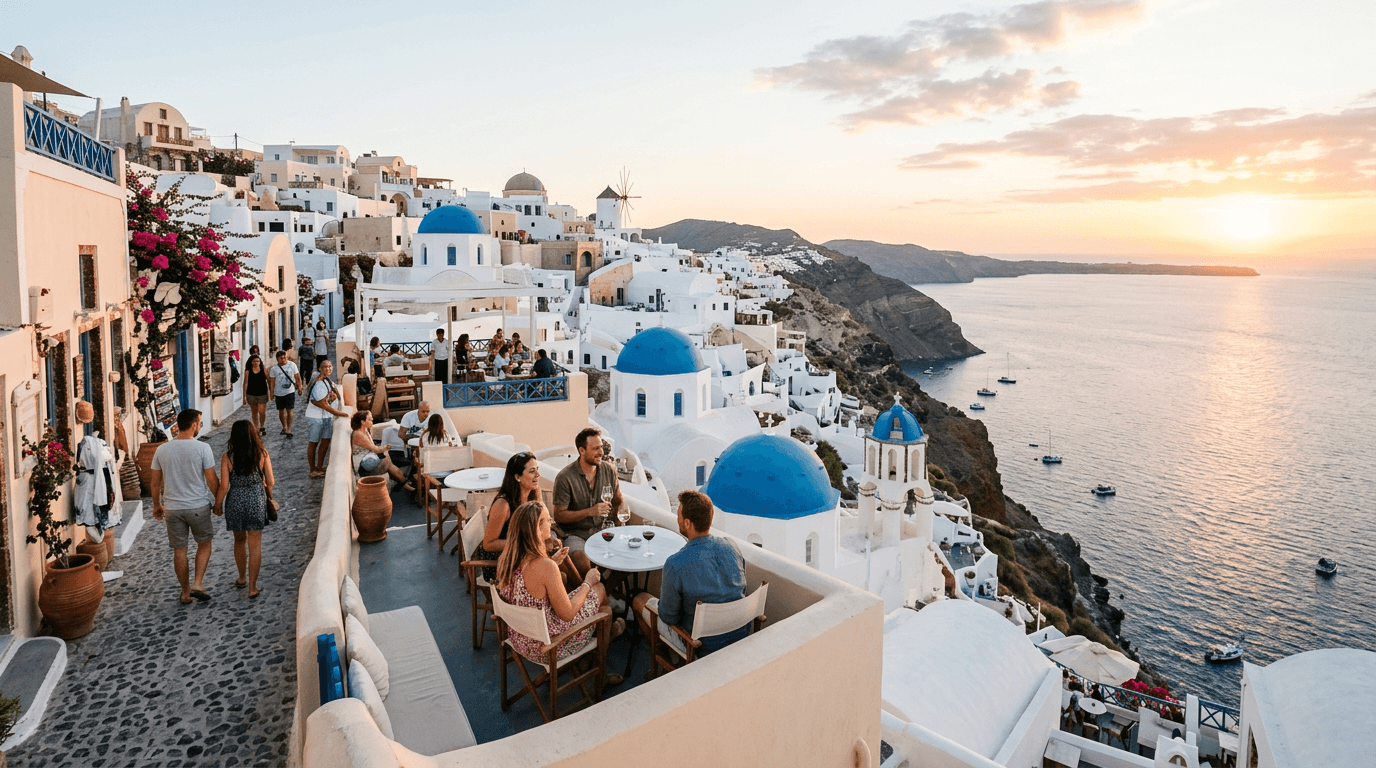
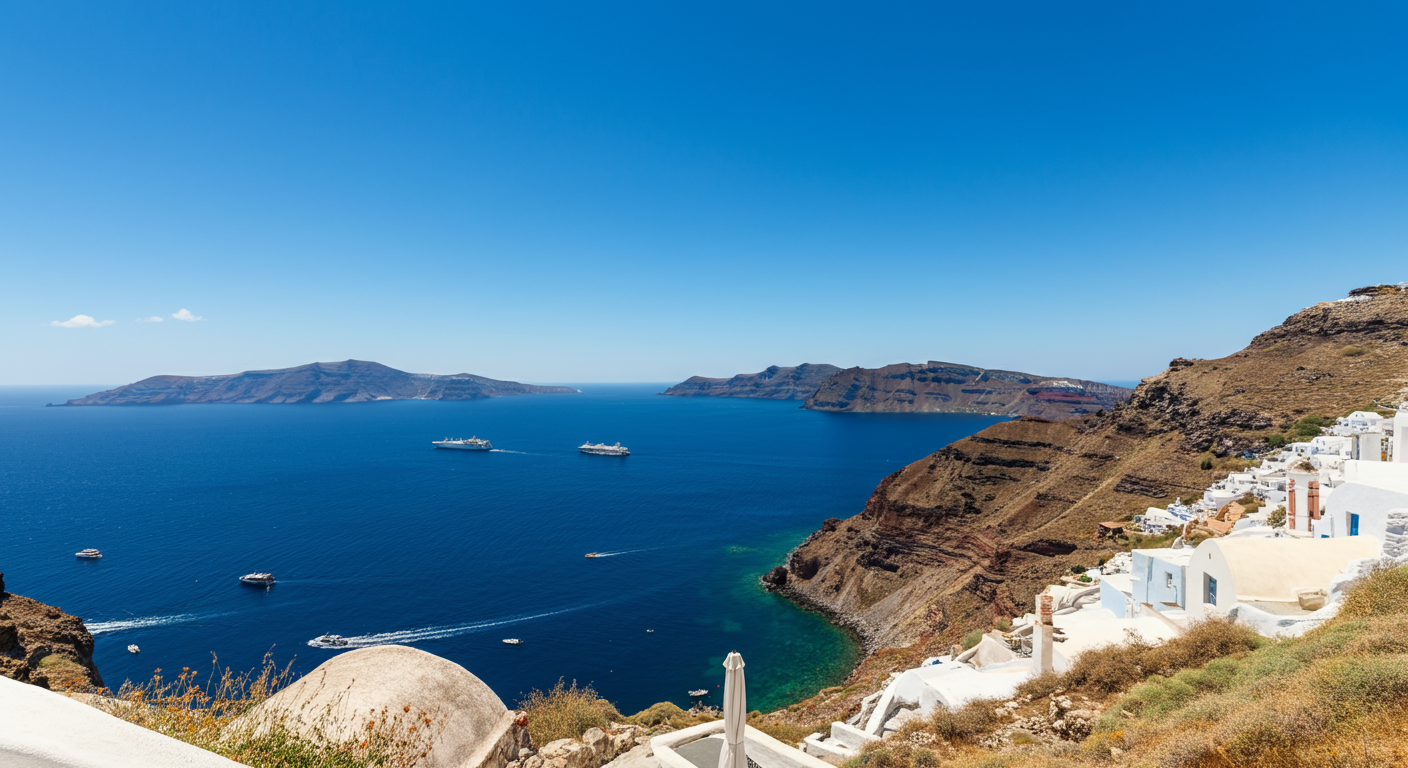
Santorini is the superstar of the Greek islands, and for a very good reason. Formed by a massive volcanic eruption thousands of years ago, its dramatic caldera—a sheer-walled, flooded crater—provides one of the most breathtaking natural landscapes on the planet. For first-time visitors, seeing the whitewashed villages of Oia and Fira perched precariously on the cliff edge, overlooking the deep blue Aegean, is a travel memory that will last a lifetime. While it's undeniably popular, the unique beauty and romantic atmosphere are truly unparalleled, making it an essential experience for anyone new to Greece. The island pulses with a luxurious, almost mythical energy, perfect for honeymooners, couples, and anyone looking to celebrate a special moment.
The experience goes far beyond just the views. Santorini has a sophisticated food and wine scene, with unique volcanic soil producing crisp Assyrtiko white wines that you can sample at clifftop wineries. The island is dotted with chic hotels offering infinity pools that seem to melt into the sea, world-class restaurants serving innovative Greek cuisine, and black and red sand beaches that testify to its volcanic past. Whether you're exploring the ancient Minoan ruins at Akrotiri, buried in ash like a Greek Pompeii, or simply finding a quiet spot to watch the world-famous sunset, Santorini delivers an experience that feels both epic and deeply personal. It's the Greece you've seen in pictures, brought to life in the most spectacular way.
- Top Things to Do: Sunset sailing tour, wine tasting at Santo Wines or Venetsanos Winery, watch a film at the Open Air Cinema Kamari.
- Best For: Couples, honeymooners, photographers, luxury travelers.
- Practical Info: Fly into Santorini National Airport (JTR) or take a ferry from Athens (Piraeus). The best time to visit is May, June, or September to avoid the peak crowds and prices of July and August. Be prepared for high prices; this is one of Greece's most expensive islands.
2. Crete: For Unmatched Variety & Epic Adventures
Crete isn't just an island; it's a mini-country with a fiercely independent spirit and a landscape so diverse it can satisfy any type of traveler. As Greece's largest island, it offers a breathtaking range of experiences, from the snow-capped peaks of the White Mountains to the palm-fringed shores of Vai Beach. For a first-timer, Crete is a fantastic choice because you could spend two weeks here and feel like you've visited several different countries. You can explore the labyrinthine streets of Venetian-era cities like Chania and Rethymno, hike Europe's longest gorge, discover the cradle of Minoan civilization, and relax on world-famous beaches like Elafonisi with its pink sands. Its sheer size means it can absorb summer crowds better than smaller islands, offering pockets of tranquility even in high season.
The island is broadly divided into four regions, with the western side (Chania) being lush and green with stunning beaches, and the eastern side (Lasithi) being drier and more rugged. Heraklion, the capital, is a bustling city that serves as the main entry point and home to the incredible Palace of Knossos. The southern coast is a haven for those seeking wild, remote beaches and a slower pace of life. This variety extends to its culture and cuisine. Cretan food is a universe unto itself, celebrated for its health benefits and delicious simplicity. Think local cheeses, mountain herbs, fresh-caught fish, and the ubiquitous and excellent local olive oil. For the active traveler, the opportunities are endless: trekking, canyoning, diving, and exploring countless historical sites.
- Top Things to Do: Hiking the Samaria Gorge (for the fit and prepared), Cretan cooking class, exploring the Palace of Knossos (go early or late to avoid heat and crowds).
- Best For: Adventurers, families, history buffs, foodies.
- Practical Info: Fly into Chania (CHQ) for the west or Heraklion (HER) for the east. Renting a car is essential to explore the island properly. The price level is moderate and offers great value, especially for food and accommodation outside the main tourist hubs.
3. Naxos: The Ultimate Family-Friendly Paradise
If you're picturing a Greek island vacation with kids in tow, Naxos should be at the very top of your list. It offers the quintessential Cycladic charm—whitewashed villages, ancient ruins, and stunning beaches—but with a relaxed, unpretentious, and incredibly welcoming atmosphere. Unlike some of its more glamorous neighbors, Naxos prioritizes space, comfort, and ease. The island boasts some of the longest and most beautiful sandy beaches in the Aegean, many of which have shallow, calm turquoise waters perfect for little swimmers. Beaches like Agios Georgios (right next to the main town), Agia Anna, and Plaka are lined with family-friendly tavernas where you can enjoy a long, leisurely lunch while the kids play safely in the sand just feet away.
Beyond the beaches, Naxos has a surprisingly lush and mountainous interior dotted with charming, traditional villages like Chalki, Filoti, and Apiranthos, which are fun to explore. This is the mythological homeland of Dionysus, the god of wine, and the island's fertile land produces incredible potatoes, cheeses (like the famous Graviera Naxou), and the citron liqueur known as Kitron. For a dose of history that will capture everyone's imagination, the giant Portara—the gateway to an unfinished temple of Apollo—stands proudly by the main port, offering the perfect frame for a family sunset photo. It's an island that feels authentic and lived-in, providing a perfect, stress-free introduction to Greece for families and anyone looking for a truly relaxing beach holiday without the hefty price tag.
- Top Things to Do: Attend a pottery workshop in a mountain village, try beginner's windsurfing at Agios Georgios lagoon, explore the Portara at sunset.
- Best For: Families with kids of all ages, beach lovers, budget-conscious travelers.
- Practical Info: Arrive by ferry (it has a small domestic airport but ferry is more common). There's a wide range of family-friendly resorts and apartments, especially along the western beaches. The price level is low to moderate, offering some of the best value in the Cyclades.
4. Mykonos: For Glamorous Nightlife & Chic Beach Clubs
Mykonos needs no introduction; its reputation as the Mediterranean's ultimate party capital is well-earned. This is the island for those who want to see and be seen, where days are spent lounging on plush sunbeds at world-famous beach clubs and nights are for dancing until dawn to the beats of international superstar DJs. For first-timers seeking a glamorous, high-energy holiday, Mykonos is an unforgettable experience. The island buzzes with a cosmopolitan and infectious energy, attracting a vibrant, stylish crowd from all over the world. The main town, Chora, is a stunning labyrinth of pristine white alleyways, designer boutiques, and sophisticated cocktail bars, with the iconic 16th-century windmills and Little Venice waterfront providing a beautiful backdrop to the hedonism.
The party scene is centered around legendary beach clubs like Scorpios, Nammos, and Principote on beaches like Paraga and Panormos, which transform from chic daytime lounges to full-blown parties as the sun sets. At night, the action moves to Mykonos Town and superclubs like Cavo Paradiso, perched on a cliff overlooking Paradise Beach. But Mykonos is not just about partying. It also offers beautiful beaches, a high-end culinary scene, and the nearby sacred island of Delos, one of Greece's most important archaeological sites. However, be prepared: this level of glamour comes at a price. Mykonos is by far one of the most expensive Greek islands, and booking everything from sunbeds to dinner tables well in advance is essential during high season.
- Top Things to Do: Experience a sunset-to-sunrise party at a major beach club, get lost in the maze-like streets of Mykonos Town, visit the iconic windmills for a classic photo op.
- Best For: Groups of friends, nightlife seekers, luxury travelers, and anyone celebrating a big occasion.
- Practical Info: Fly into Mykonos International Airport (JMK) or take a fast ferry from Athens. Book accommodation and restaurant/club tables months in advance for July/August. The price level is very high.
5. Paros: The Perfect Balance of Tradition and Buzz
Paros has emerged as the darling of the Cyclades, perfectly capturing the sweet spot between the authentic charm of smaller islands and the vibrant energy of its more famous neighbors. For first-timers, it offers a beautifully balanced introduction to Greek island life. You get the picturesque fishing villages, the classic whitewashed architecture, golden sand beaches, and a nightlife scene that is lively and fun without being overwhelming or overly expensive. It has a youthful, stylish vibe, attracting a crowd of young couples and groups of friends who appreciate both a good beach party and a quiet, traditional taverna. The island is large enough to offer variety but small enough to be easily explored in a few days.
The island has two main hubs: Parikia, the main port and capital, is a bustling town with a beautiful old quarter and a long waterfront promenade. However, the jewel of Paros is the northern fishing village of Naoussa. Its incredibly charming old port, filled with colorful fishing boats and surrounded by a maze of stone-paved alleys, is lined with some of the most beautiful and atmospheric restaurants and bars in the Aegean. By day, you can explore the island's many beaches, from the windsurfing mecca of Golden Beach to the surreal rock formations of Kolymbithres. A huge draw is the easy and highly recommended day trip to the smaller, more laid-back island of Antiparos, just a 10-minute ferry ride away, which feels like stepping back in time.
- Top Things to Do: Take the short ferry for a day trip to Antiparos, explore the enchanting fishing port of Naoussa at night, try kitesurfing or windsurfing at Golden Beach.
- Best For: Young couples, groups of friends, first-time island hoppers, water sports enthusiasts.
- Practical Info: Arrive by ferry or fly into the small Paros National Airport (PAS). The bus system is good, but renting an ATV or car is best for full exploration. The price level is moderate to high, more expensive than Naxos but cheaper than Mykonos.
6. Milos: For Otherworldly Beaches & Unique Landscapes
If your Greek island fantasy is less about parties and more about discovering jaw-droppingly unique natural beauty, then Milos is your island. Often compared to Santorini for its volcanic origins, Milos offers a different kind of drama—one of otherworldly landscapes and a staggering variety of beaches. Its coastline is a masterpiece of geological artistry, with mineral-rich cliffs painted in shades of red, yellow, and white, and more than 70 distinct beaches to explore. The island is most famous for Sarakiniko, a "moonscape" of pure white volcanic rock smoothed by the wind and sea, creating a surreal and unforgettable place to sunbathe and cliff-jump. It's also where the iconic Venus de Milo statue was discovered, hinting at the island's rich history.
The best way to appreciate the island's stunning coastline is by boat. A full-day catamaran tour is non-negotiable here; it's the only way to access secluded coves and the magnificent sea caves of Kleftiko, a former pirate hideout with towering white cliffs and impossibly clear turquoise water for snorkeling. Beyond the dramatic coast, Milos has charming, colorful fishing villages like Klima, where traditional two-story "syrmata" (boat houses) are carved into the cliffs with brightly painted doors at the water's edge. The vibe on Milos is chic but relaxed, making it a favorite among couples and photographers looking for a romantic and visually stunning escape. It’s an adventurer’s paradise that rewards exploration.
- Top Things to Do: A full-day catamaran tour to Kleftiko and Sykia, explore the colorful fishing village of Klima at sunset, sunbathe and cliff-jump at Sarakiniko Beach.
- Best For: Couples, beach connoisseurs, photographers, adventure seekers.
- Practical Info: Fly into Milos Island National Airport (MLO) or take a ferry. The main towns to stay are the port of Adamas or the clifftop Plaka. Price level is moderate, but rising due to its growing popularity.
7. Corfu: For Lush Landscapes & Venetian Charm
Stepping onto Corfu feels like entering a different part of Greece. Located in the Ionian Sea off the northwest coast of the country, it swaps the arid, rocky landscapes of the Cyclades for lush, green hillsides covered in olive groves and cypress trees. Its history is also distinct, with long periods under Venetian, French, and British rule that have left an indelible mark, most notably in its stunning capital, Corfu Town. For first-timers, Corfu offers a captivating blend of sophisticated urban culture, beautiful green countryside, and lovely beaches. It's a large and diverse island that can cater equally well to families seeking all-inclusive resorts, couples looking for romantic coves, and history lovers wanting to immerse themselves in its rich past.
The heart of the island is Corfu Town, a UNESCO World Heritage site. Its Old Town is a magical maze of narrow cobblestone alleys known as "kantounia," flanked by tall, pastel-hued Venetian buildings. You can spend days exploring its two grand fortresses, sipping coffee on the French-designed Liston promenade, and discovering hidden squares and churches. Beyond the town, the island's coastline is spectacular. The west coast boasts dramatic cliffs and beautiful sandy beaches like Paleokastritsa, while the northeast coast is known for its upscale villas and pebble coves with crystal-clear water, earning it the nickname "Kensington-on-Sea." The island also has a rich cultural life, with numerous music festivals and philharmonic bands that often give free concerts in Corfu Town.
- Top Things to Do: Explore every corner of Corfu’s Old Town (UNESCO site), visit the Achilleion Palace, take a boat trip to the caves and beaches of Paleokastritsa.
- Best For: History lovers, families, nature lovers, those who appreciate architecture.
- Practical Info: Fly directly into Corfu International Airport (CFU), which has many connections from across Europe. The best time to visit is late spring (May-June) when the island is incredibly green and full of flowers. The price level is moderate.
8. Rhodes: For a Journey Back in Time
Visiting Rhodes is like stepping through a time portal. The island, located in the Dodecanese group near the coast of Turkey, is dominated by its capital, Rhodes Town, which contains the largest and best-preserved medieval city in Europe. For a first-timer, walking through the gates of the Old Town is an awe-inspiring experience. Surrounded by massive stone walls and a deep moat, the city was the headquarters of the Knights of Saint John for over 200 years, and their legacy is everywhere. You can walk the magnificent Street of the Knights, explore the imposing Palace of the Grand Master, and get lost for hours in a labyrinth of cobbled alleys, mosques, Byzantine churches, and bustling squares. It's a living, breathing museum where people still live and work.
But Rhodes is much more than just its incredible Old Town. The island is large and offers a wide variety of experiences. The east coast is lined with long, sandy beaches and numerous all-inclusive resorts, making it a popular choice for families and package holidaymakers. The undisputed jewel of the east coast is the village of Lindos, a stunning cluster of whitewashed houses nestled at the foot of a steep rock, crowned by an ancient acropolis with breathtaking views. The west coast is windier and wilder, popular with surfers, while the interior is mountainous and green, with traditional villages and ancient ruins to discover. From the history-drenched streets of the capital to the sun-soaked beaches of Lindos, Rhodes provides a rich and varied vacation for first-time visitors.
- Top Things to Do: Walk the entire length of the Street of the Knights in the Old Town, take a day trip to the stunning village and Acropolis of Lindos, relax at the picturesque Anthony Quinn Bay.
- Best For: History buffs, families, fans of all-inclusive resorts.
- Practical Info: Rhodes has a major international airport, Rhodes International Airport (RHO). A car is useful for exploring the island beyond the main towns. Price level is moderate, with options ranging from budget to luxury.
9. Ios: The Budget-Friendly Party & Beach Island
For young travelers, backpackers, and anyone looking for a legendary party scene that won't completely drain their bank account, Ios is the answer. Often described as "Mykonos's younger, wilder, and cheaper cousin," Ios has been a fixture on the European backpacking circuit for decades. It offers an incredible combination of beautiful beaches and an uninhibited, high-energy nightlife that is concentrated in its main town, Chora. During the day, the island is surprisingly tranquil. The golden sands of Mylopotas Beach, one of the best in the Cyclades, are perfect for recovering from the night before, with plenty of beach bars, water sports, and a relaxed, youthful vibe.
As the sun begins to set, the island transforms. The beautiful, whitewashed Chora, a classic Cycladic village perched on a hill, comes alive. Its narrow, winding alleys become a massive, open-air party as dozens of small, quirky bars and clubs open their doors. The tradition on Ios is to bar-hop, moving from one themed bar to the next, collecting free shots and T-shirts, before heading to the larger clubs on the edge of the village after 2 AM. The atmosphere is friendly, international, and all about having fun. It's less about VIP tables and more about dancing on them. While the party reputation is strong, Ios also has a quieter side, with over 30 other beaches, Homer's (reputed) tomb, and beautiful sunset views from the Panagia Gremiotissa church high above Chora.
- Top Things to Do: Take part in the legendary bar crawl through the streets of Chora, spend the day relaxing or playing at Mylopotas Beach, watch the incredible sunset from Panagia Gremiotissa church.
- Best For: Young travelers, backpackers, budget partiers, groups of friends.
- Practical Info: Ios has no airport, so it's accessible only by ferry from Athens or nearby islands like Santorini and Naxos. Accommodation includes many hostels, campsites, and budget-friendly rooms. The price level is low, making it one of the most affordable party islands.
10. Sifnos: For Foodies & Quiet Charm
In a country full of culinary delights, Sifnos stands out as the undisputed foodie capital of the Cyclades. This is the birthplace of Nikolaos Tselementes, the early 20th-century chef who wrote the first modern Greek cookbook and revolutionized Greek cuisine. The island takes its culinary heritage seriously, and the quality of food, from the simplest taverna to the most innovative restaurant, is exceptional. For first-timers who travel with their taste buds, Sifnos is a revelation. The island is famous for its traditional pottery, used to slow-cook dishes like revithada (chickpea stew) and mastelo (lamb cooked with wine and dill). It's an island where the highlight of the day is often deciding where you'll have dinner.
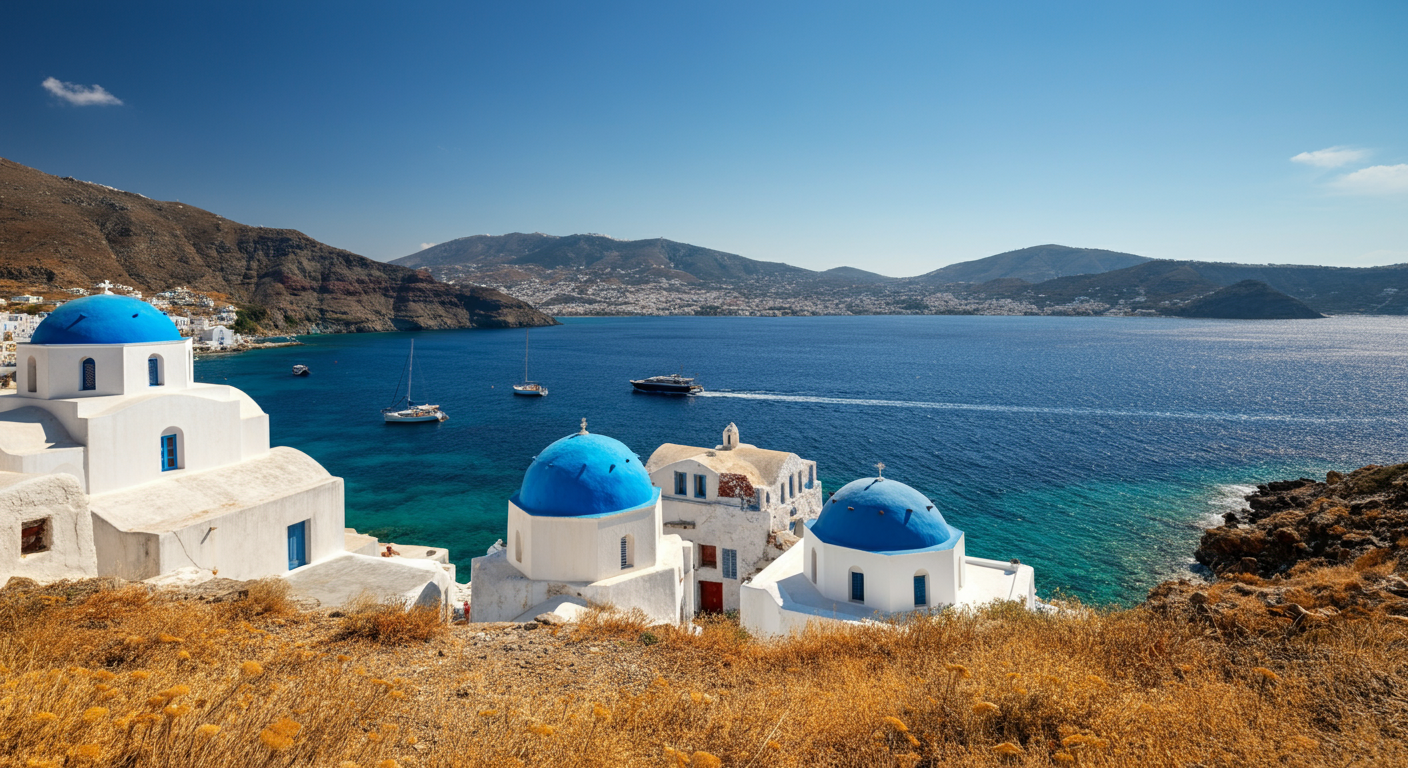
Beyond the food, Sifnos is an island of understated beauty and quiet charm. It has the classic Cycladic aesthetic—beautiful whitewashed villages, blue-domed churches, and lovely sandy coves—but without the crowds and commercialism of its more famous neighbors. The main town of Apollonia is a chic and lively hub at night, while the cliff-top village of Kastro, the island's ancient capital, is a mesmerizing maze of medieval alleys with stunning sea views. Sifnos is also a hiker's paradise, with a well-maintained network of ancient trails ("Sifnos Trails") crisscrossing the island, connecting villages, monasteries, and remote beaches. It's the perfect island for travelers seeking authenticity, tranquility, and some of the best food they'll ever eat.
- Top Things to Do: Take a traditional Sifnian cooking class, get lost in the medieval streets of the Kastro, hike one of the many ancient trails of the Sifnos Trails network.
- Best For: Food lovers, hikers, travelers seeking authenticity and quiet charm.
- Practical Info: Sifnos is accessible only by ferry. The island's villages are well-connected by bus, but a scooter or small car is useful for exploring. The price level is moderate, offering excellent value, especially for the quality of the food.
Which Greek Island is Right for You? A Scenario-Based Deep Dive
Choosing the perfect Greek island is like matchmaking; success depends on finding the right personality fit. While our top 10 list gives you a great starting point, now it's time to get personal. Are you planning a once-in-a-lifetime honeymoon, a chaotic but fun-filled family vacation, a wild reunion with friends, or a soul-searching solo trip on a shoestring budget? The ideal island for one scenario might be all wrong for another. In this section, our team at Gidly breaks it down by travel style, giving you expanded recommendations and specific, bookable activity ideas to help you zero in on your perfect paradise. We'll move beyond the island names and into the actual experiences that will make your trip unforgettable. Let's find your perfect match.
Best for a Date Night or Romantic Getaway
When romance is the main event, the Greek islands provide a world-class stage. The goal is to find an island that combines breathtaking scenery, intimate experiences, and a touch of luxury. It’s about more than just a pretty view; it’s about creating shared memories, from a private dinner under the stars to discovering a secluded cove all to yourselves. The right island will offer a pace that allows for connection, whether that’s through shared adventure or quiet relaxation. We’ve selected three islands that excel at creating a romantic atmosphere, each with its own unique flavor of love and enchantment. Whether you're a classic romantic, an adventurous duo, or a couple seeking chic tranquility, your perfect getaway awaits.
- Santorini: This is the undisputed champion of classic romance. The iconic caldera views are a powerful, emotional backdrop for any couple's trip. Stay in a "cave hotel" in Oia or Imerovigli with a private plunge pool overlooking the volcano. The Gidly recommendation here is a private wine tour, visiting 2-3 boutique wineries like Domaine Sigalas or Gavalas Winery, culminating in a sunset tasting. The intimacy of a private tour allows you to learn about the unique volcanic wines at your own pace.
- Milos: For the adventurous couple, Milos is a dream. Its magic lies in discovery—finding your own private beach for the day. Rent an ATV and explore the unpaved roads to remote spots like Fyriplaka or Tsigrado. The ultimate romantic experience is a private boat charter. Unlike the group tours, a private boat allows you to customize your itinerary, linger longer at spots like the Kleftiko caves, and have the captain find a completely secluded bay for a private swim and lunch. It’s an investment, but a truly unforgettable one.
- Folegandros: This is the choice for couples seeking quiet luxury and dramatic, raw beauty. Folegandros has the dramatic cliffs of Santorini but without the crowds. The main town, Chora, is one of the most beautiful in the Cyclades, perched on the edge of a 200-meter cliff. The romance here is subtle and sophisticated. Gidly recommends an evening stroll along the clifftop path from Chora to the Panagia church for sunset—it’s more intimate and, some say, more beautiful than the Oia sunset. Afterwards, enjoy a gourmet meal at one of Chora's refined restaurants in a quiet, candlelit square.
Best for Families with Kids
A family trip to the Greek islands can create core memories for years to come, but success hinges on choosing an island that is safe, easy, and, most importantly, fun for all ages. The perfect family island needs more than just a beach; it requires shallow, calm waters, accommodation with space to spread out, and activities that can engage both toddlers and teenagers. It’s about finding a place with a relaxed, welcoming vibe where kids can be kids and parents can actually relax. Our Gidly team, many of whom are parents, has selected islands that check all these boxes, offering a stress-free environment packed with opportunities for family bonding and adventure.
- Naxos: Naxos is our number one pick for families, especially those with younger children. The western beaches like Agios Georgios, Agia Anna, and Plaka are the main draw. They are vast stretches of fine sand with very shallow, crystal-clear water, almost like a natural swimming pool. Many beach clubs are family-oriented, with playgrounds and plenty of space. Gidly recommends a family horse riding tour at sunset along the beach—an activity that will delight kids and parents alike. The island's interior also offers fun excursions, like exploring the giant, half-finished Kouros statues lying in ancient quarries.
- Crete (Western): For families with a mix of ages and interests, the western part of Crete is unbeatable. You get world-class beaches like Elafonisi and Balos, but also so much more. There are water parks like Limnoupolis near Chania for a guaranteed day of fun. History can be made exciting for kids by exploring the myths of the Minotaur at Knossos or the Venetian fortresses in Chania and Rethymno. Gidly's family pick is a boat trip to Balos lagoon; the boat ride itself is an adventure, and the shallow, turquoise waters of the lagoon are perfect for families to splash around in for hours.
- Corfu: Corfu is a fantastic option, particularly for families looking for the convenience of an all-inclusive resort. The northeast coast, around areas like Dassia and Kassiopi, has numerous resorts with kids' clubs, multiple pools, and organized activities, allowing parents some well-deserved downtime. The sea here is typically very calm. Beyond the resort, Gidly recommends a "myths and legends" themed walking tour of Corfu Town. A guide can bring the history to life with stories of gods, heroes, and Venetian nobles, making it engaging for older children and teenagers.
Best for Groups of Friends & Celebrations
Planning a trip with your friends, whether it's a milestone birthday, a bachelor or bachelorette party, or just a much-needed group getaway, requires a special kind of island. You need a destination with a vibrant social scene, a variety of activities to suit different tastes within the group, and accommodation options that can handle a crowd. The ideal island for a group of friends has a palpable energy, great music, fantastic food and drink, and plenty of opportunities for both day and night entertainment. From legendary party hotspots to islands that perfectly balance buzz and beach time, these Gidly-approved picks are guaranteed to make your group trip an epic one.
- Mykonos: If the budget allows and the goal is world-class partying, Mykonos is the undisputed king. For a group, renting a villa with a private pool can often be more cost-effective and fun than booking multiple hotel rooms. Gidly’s top tip for groups is to book a "party transfer" service—a private van that will shuttle your group from your villa to a beach club for the day, then to a restaurant for dinner, and finally to the clubs in town, ensuring no one has to worry about driving. Booking a large sunbed area or a "cabana" at a beach club like Scorpios or Alemagou is a classic group splurge that provides a base for the whole day.
- Ios: For a younger group or those on a tighter budget, Ios delivers a party experience that is just as wild as Mykonos but far more accessible and affordable. The fun is more spontaneous here. The main group activity is the nightly bar crawl through Chora, which is less about exclusive reservations and more about joining the massive, flowing crowd. Gidly recommends starting the evening with a group sunset-watching session at "Ios Club" for a slightly more chilled vibe before diving into the chaos of Chora. During the day, groups can rent a boat together for a cheap and cheerful tour of the island's more remote beaches.
- Paros: Paros is the perfect compromise for a group with varied interests. The nightlife in Naoussa is chic and lively, with fantastic cocktail bars and clubs that go late, satisfying the party animals. During the day, the group can split up—some can go kitesurfing at Golden Beach, others can relax at a more chill beach like Santa Maria, and some can explore the charming inland village of Lefkes. A fantastic group activity is to charter a traditional "caique" boat for a day trip to the sea caves around Antiparos, complete with a barbecue on board. It’s a bonding experience that offers something for everyone.
Best for Budget-Friendly or Free Fun
A trip to the Greek islands doesn't have to break the bank. With a little bit of planning and by choosing the right island, you can have an incredible experience filled with natural beauty, authentic culture, and delicious food without spending a fortune. The key is to look for islands that have a strong local life, affordable accommodation options like family-run "domatia" (rooms to let), and a culture where the best things in life—a beautiful beach, a mountain hike, a stunning sunset—are free. Our team has scouted the islands that offer the best value, proving that a champagne experience is possible on a lemonade budget in Greece.
- Naxos & Amorgos: We're grouping these two Cycladic neighbors as they both offer fantastic value. Naxos has the edge on affordable, sandy beaches, while Amorgos is a hiker's paradise with dramatic landscapes. On both islands, the best free activity is hiking the extensive network of ancient trails that connect villages and offer stunning views. Gidly recommends packing a lunch of fresh bread, local cheese, and tomatoes from a village market and having a picnic with a million-dollar view. Accommodation and food in tavernas away from the main ports are incredibly reasonable. For example, a huge, delicious dinner for two with house wine in a Naxian mountain village can cost as little as €30.
- Ios: While known as a party island, Ios is fundamentally a budget destination. If you steer clear of the most expensive drinks, the nightlife itself is very affordable. Accommodation in hostels or simple rooms is cheap, and the quintessential Ios meal is a €3-€4 gyros pita. The best free activity is the daily spectacle of Mylopotas Beach, followed by the hike up to Chora and then further up to the Panagia Gremiotissa church for one of the most spectacular (and free) sunset shows in all of the Cyclades. The sense of community among budget travelers here is also a huge plus.
- Crete: The sheer size and diversity of Crete make it a fantastic budget destination if you know where to look. Avoid the chic boutique hotels of Chania's old town and look for apartments in the suburbs or in less-touristy towns along the south coast, like Plakias or Matala. The best budget food experience is to seek out a "kafenio" in a small village for a simple lunch of meze, or to visit the bustling food markets in Chania and Heraklion to stock up on supplies. With endless mountains to hike, gorges to explore (besides the pricey Samaria), and hundreds of beaches to choose from, free fun is everywhere on Crete.
Island Hopping 101: A Practical Guide for First-Timers
The dream of island hopping in Greece is a powerful one, but the logistics can seem daunting for a first-timer. How do you get between islands? How many can you realistically visit? And when is the best time to go? In this section, we'll demystify the process and give you the practical, insider advice you need to plan a seamless and enjoyable island-hopping adventure. Our Gidly team has spent countless hours on ferries and planes, learning the ins and outs of Greek travel, and we're here to share our hard-won wisdom. The key, as with most things in Greece, is to not rush. A well-paced trip that allows you to savor each island is far more rewarding than a frantic dash across the Aegean.
Best Time to Visit the Greek Islands
Timing is everything when it comes to planning your Greek island vacation, affecting everything from weather and crowds to prices and ferry schedules. While the islands are technically a year-round destination, the ideal travel window for most people is quite specific. The absolute best time to visit the Greek islands is during the shoulder seasons: late spring (mid-May to late June) and early autumn (September). During these periods, the weather is fantastic—warm and sunny enough for swimming, but without the scorching heat of mid-summer. The sea has warmed up by late May, and it stays warm through September. Crucially, the crowds are much thinner than in peak season, and prices for flights and accommodation can be 20-40% lower. The islands feel more relaxed, and you'll have a much easier time getting a table at a popular restaurant or finding a quiet spot on the beach.
The high season, July and August, is when the islands are at their busiest, hottest, and most expensive. This is when the "Meltemi" winds can also be at their strongest in the Cyclades, which can be a welcome relief from the heat but can also sometimes disrupt ferry services. If this is the only time you can travel, it's still a fantastic experience, but be prepared for crowds and book everything far in advance. The low season, from late October to April, is generally not recommended for a first-time, classic beach-focused trip. Many hotels, restaurants, and shops on the tourist islands close down completely, and ferry schedules are severely reduced. The weather can be cool, rainy, and unpredictable. This time is better suited for visiting large islands with significant local populations, like Crete or Rhodes, or for a city break in Athens.
Getting Between Islands: Ferries vs. Flights
The journey is part of the adventure in Greece, and you have two main options for getting between islands: the classic ferry or a quicker flight. Ferries are the lifeblood of the Greek islands and the most common way to travel. There are two main types: the large, conventional car ferries (like Blue Star Ferries) and the smaller, high-speed catamarans (like SeaJets). The conventional ferries are slower, cheaper, and more stable in rough seas. Our team loves them because you can sit on the open deck, feel the sea breeze, and watch the islands go by—it’s a classic Greek experience. The high-speed ferries are much faster (often cutting travel time in half) but are more expensive and can be bumpy. You're also required to stay inside in assigned seating, so you lose the classic ferry experience.
Flights are a great option for covering long distances or for connecting island groups, saving you valuable vacation time. For example, flying from Athens to Santorini (45 minutes) is much faster than the 5-8 hour ferry ride. Similarly, flying between Crete and Rhodes is practical, whereas a ferry would be a very long and indirect journey. The main domestic carriers are Aegean Airlines/Olympic Air and Sky Express. However, only a limited number of islands have airports, so for most shorter hops within an island group (e.g., Paros to Naxos), the ferry is your only option. For booking, we recommend using a comparison site like Ferryhopper to see all available routes and schedules, but then booking directly on the ferry company's website is often a good practice. Always book ferries in advance for high season, especially if you have a car.
How Many Islands to Visit in One Trip?
This is the most common mistake first-timers make: trying to cram too many islands into one trip. It’s easy to look at a map and think you can hop from Mykonos to Santorini to Crete in a few days, but the reality is that travel days are tiring and time-consuming. Packing, checking out, getting to the port, waiting for the ferry, the ferry journey itself, getting from the new port to your hotel, and checking in can easily eat up half a day or more. A trip where you change islands every two days is not a vacation; it's a logistics exercise. The best advice we can give is: less is more.
For a typical 10-day trip, we strongly recommend choosing a maximum of two islands, ideally within the same island group to minimize travel time. For example, a great 10-day itinerary would be 5 days in Paros and 5 days in Naxos, which are only a 30-minute ferry ride apart. For a 14-day trip, you could comfortably visit three islands, such as Athens (2 days), Mykonos (4 days), Santorini (4 days), and then fly home from Santorini, with the remaining days as travel days. Stick to one island group per trip. The Cyclades are the most popular for first-timers (Santorini, Mykonos, Paros, Naxos, Ios, Milos). The Ionian islands (Corfu, Zakynthos) are another group, and the Dodecanese (Rhodes, Kos) are another. Trying to mix groups (e.g., Santorini to Corfu) is impractical and will waste a whole day on travel. Embrace "siga-siga" (slowly, slowly), the Greek philosophy of life, and give yourself time to actually unpack and relax.
The Gidly Event Calendar: Don't Miss These Major Greek Island Events
To truly experience the soul of a Greek island, you need to go beyond the beaches and tavernas and dive into its cultural life. Summer on the islands is a vibrant tapestry of events, from modern music festivals drawing international crowds to ancient village traditions that have been celebrated for centuries. Planning your trip around one of these events can elevate your vacation from great to unforgettable. At Gidly, we're all about connecting you with these authentic, live experiences. This isn't just about sightseeing; it's about participating. Here's a glimpse into the types of events you can find and plan your trip around, turning your holiday into a story worth telling.
Summer Music & Arts Festivals
The Greek islands have become a major destination for summer festivals, offering incredible music and art in some of the world's most beautiful settings. Mykonos, of course, leads the pack with a summer-long lineup of world-famous DJs at clubs like Cavo Paradiso and Scorpios, which is essentially a continuous festival. But beyond the EDM scene, there's a growing number of diverse festivals. Look for events like the Naxos Festival, held in the historic Bazeos Tower, which features a mix of classical music concerts, art exhibitions, and theatrical performances. On Crete, the Chania Rock Festival is a highlight for rock and metal fans. For a more alternative vibe, the Saristra Festival on the Ionian island of Kefalonia revives a ghost village with indie music, art installations, and film screenings. These events offer a fantastic way to mingle with locals and like-minded travelers.
Traditional 'Panigiria' (Saint's Day Festivals)
This is where you'll find the true heart of Greek island culture. A "panigiri" is a traditional festival celebrating a village's patron saint, and it's the most important event on the local calendar. Don't picture a solemn religious affair; picture a massive, open-air party for the entire community, and you're invited! Typically held in the village square or outside a church, a panigiri features live, traditional music (with violins, lutes, and clarinets), non-stop circular dancing, mountains of local food (often goat stew or grilled meats), and barrels of free-flowing local wine. The atmosphere is joyous, inclusive, and incredibly authentic. Almost every island and village has a major panigiri during the summer, especially around the major celebration of the Assumption of Mary on August 15th. Our advice: if you hear about a panigiri happening, drop everything and go. It will be the most memorable night of your trip.
Cultural Events: Outdoor Cinemas, Theatre Festivals
There's something magical about watching a film under the stars on a warm Greek night. Many islands have charming open-air cinemas ("therino sinema") that are a beloved local tradition. Venues like Cine Kamari in Santorini or Cine Manto in Mykonos (set in a beautiful garden) show a mix of new releases and classic films (usually in English with Greek subtitles) and serve drinks and snacks. It's a perfectly relaxed and romantic evening activity. For theatre lovers, while the most famous ancient theatre festival is at Epidauros on the mainland, smaller-scale performances often tour the islands. Keep an eye out for posters advertising ancient Greek tragedies or comedies performed in local amphitheatres or unique venues. These cultural events provide a wonderful, low-key alternative to the high-energy nightlife.
Where to find event listings on Gidly for your travel dates
Finding out what's happening during your specific travel dates used to require deciphering local posters or asking around. Not anymore. Gidly is your go-to resource for discovering and booking events on the Greek islands. Our platform aggregates all these experiences, from major music festival tickets to registration for a local cooking class or a spot on a panigiri-focused tour. Simply enter your destination and dates on the gidly.app, and you'll get a curated list of what's on. You can filter by category—Music, Food & Drink, Culture, Outdoors—to find exactly what you're looking for. We work with local organizers to ensure our listings are up-to-date, so you can plan your trip with confidence, knowing you won't miss out on the best local happenings.
Insider Tips & Local Hacks for a Better Trip
You've chosen your island, booked your flights, and packed your bags. Now it's time for the insider knowledge that will transform your trip from a standard vacation into a seamless, authentic, and memorable adventure. These are the tips and tricks our Gidly team has learned from years of exploring the Greek islands—the kind of advice a local friend would give you. From saving money without sacrificing experience to knowing the smartest way to get around and what to pack (and what to leave at home), these hacks will help you navigate your first Greek island trip like a seasoned pro. Pay attention to these details, and you'll spend less time stressing and more time soaking in the magic.
How to save money on accommodation and food
The Greek islands can be as expensive or as affordable as you make them. To save on accommodation, book well in advance, especially for July and August. Consider staying just outside the most popular towns; a room a 10-minute walk from the center can be significantly cheaper. Look for "domatia" (rooms) or apartments, which often include a kitchenette, allowing you to prepare your own breakfast and lunch. When it comes to food, the number one rule is to avoid the tourist traps on the main waterfront or with picture menus. Walk a few streets back from the main square. The best and most affordable food is often found in small, family-run tavernas where the locals eat. Always order the house wine ("chima krasi"), which is served by the carafe, is perfectly drinkable, and a fraction of the price of bottled wine. For a cheap and delicious lunch, you can't beat a gyros pita from a local "psistaria" (grill house).
The best time of day to visit popular spots
Crowd management is key to enjoying the most popular sights. The world-famous sunset in Oia, Santorini, is a prime example. The best spots are claimed hours in advance, and it can be a stressful, crowded experience. The pro move? Visit Oia in the morning when the alleys are quiet and the light is beautiful for photos. Watch the sunset from a less-crowded spot like Imerovigli, the "balcony of the Aegean," or from a boat on the water. Another strategy is to go right after the main event; the colors in the sky 20 minutes *after* the sun has set are often more spectacular, and most of the crowd has already left. This logic applies to popular beaches as well. Go early in the morning (before 10 AM) or later in the afternoon (after 4 PM) to avoid the midday rush and secure a good spot.
Renting a vehicle (ATV vs. car vs. scooter)
Renting a vehicle is the best way to explore most islands. The choice depends on the island and your comfort level. Scooters (50-150cc) are cheap, easy to park, and perfect for zipping around smaller islands like Paros or Sifnos, but they require experience and are not safe for inexperienced riders. ATVs (quad bikes) are a popular and fun option, great for navigating the dirt roads to remote beaches on islands like Milos. They offer more stability than a scooter but can be noisy and tiring on long drives. Cars are the most comfortable and safest option, especially for families, for covering long distances on large islands like Crete or Rhodes, and for the precious air conditioning in summer. Regardless of your choice, make sure you have an International Driving Permit (IDP) if your license is from outside the EU, as it's legally required by most rental agencies.
What to pack (and what to leave at home)
Packing for the Greek islands is all about smart, casual comfort. The essentials include: lightweight clothing (linens, cottons), a swimsuit (or three), strong sun protection (hat, sunglasses, high-SPF sunscreen), and a reusable water bottle. The most important item is comfortable footwear. You'll be walking on uneven cobblestones, so leave the stilettos at home. A pair of sturdy sandals or stylish sneakers is perfect for daytime exploration. Even in summer, it can get windy and cool at night, especially by the sea, so always pack a light jacket, cardigan, or pashmina. Pack a European power adapter and a portable power bank for charging on the go. What to leave home? Heavy clothing, expensive jewelry, and too many "fancy" outfits. The vibe is generally relaxed, even in upscale places.
Are Mykonos & Santorini Overrated? Which Islands to Consider Instead
Mykonos and Santorini. The names alone conjure images of ultimate Greek island perfection, and they are, without a doubt, two of the most unique and spectacular islands on the planet. But their immense popularity comes with a price: huge crowds, sky-high prices, and an atmosphere that can sometimes feel more international than Greek. This leads many first-timers to ask the crucial question: are they overrated? And are there alternative islands that offer a similar vibe without the downsides? The answer is nuanced. They aren't overrated, but they require a certain mindset and budget to be fully enjoyed. Here, we'll give you an honest take and provide some fantastic alternatives if you're looking for a similar experience with a different flavor.
The Argument For (and Against) the Big Two
Let's be clear: there's a reason everyone wants to go to Santorini and Mykonos. Santorini's caldera is a geological marvel, a truly once-in-a-lifetime sight that no other island can replicate. The feeling of swimming in an infinity pool on the edge of a volcano is surreal. Mykonos offers a concentration of energy, style, and world-class entertainment that is unmatched in the Mediterranean. If your goal is to experience the pinnacle of luxury, romance, or nightlife, these islands deliver in spades. They are popular because they are exceptional. The argument against them is purely practical. In July and August, the crowds can be suffocating, turning a stroll through Oia or Mykonos Town into a slow, frustrating shuffle. The costs can be astronomical, with a simple cocktail costing €20 and a sunbed rental reaching over €100. The experience can feel highly commercialized, sometimes losing the sense of authentic Greek hospitality.
If you like Santorini, you’ll love… Milos or Folegandros
If you're drawn to Santorini for its dramatic volcanic landscapes and romantic atmosphere, but are wary of the crowds, Milos and Folegandros are fantastic alternatives. Milos shares Santorini's volcanic origins, resulting in a similarly dramatic and colorful coastline. It replaces the single, epic caldera view with dozens of unique and otherworldly beaches like Sarakiniko and caves like Kleftiko. The vibe is more adventurous and less formal than Santorini, perfect for couples who want to explore. Folegandros offers the same clifftop drama as Santorini, with its main town, Chora, perched precariously on a high cliff. It's much smaller, quieter, and has a more understated, chic vibe. It's the island for those who want the breathtaking views and boutique hotel experience but in a more intimate and tranquil setting.
If you like Mykonos, you’ll love… Paros or Ios
If the magnetic pull of Mykonos for you is its buzzing nightlife, stylish crowd, and beautiful beaches, but the price tag is intimidating, then Paros and Ios are your go-to alternatives. Paros has become the "new Mykonos" for many, especially in the beautiful port of Naoussa. It boasts a sophisticated and incredibly lively nightlife scene with excellent cocktail bars and clubs, chic boutiques, and fantastic restaurants. The crowd is stylish, but the atmosphere is slightly more relaxed and the prices more manageable than on Mykonos. Ios offers the pure, unadulterated party energy of Mykonos but on a backpacker's budget. The nightlife in Chora is legendary, chaotic, and incredibly fun. It’s less about glamour and more about high-energy hedonism, attracting a younger, more international crowd.
Finding Your "Off-the-Beaten-Path" Paradise (Sifnos, Amorgos, Symi)
For some first-timers, the goal is to avoid the main tourist trail altogether. If your ideal Greek island is one where you hear more Greek than English, where time slows down, and where the experience feels completely authentic, then consider islands like Sifnos, Amorgos, or Symi. We've already sung the praises of Sifnos as a foodie paradise with a network of hiking trails and understated charm. Amorgos, famous as the setting for the film "The Big Blue," is a wild, spiritual island with dramatic mountains, crystal-clear water, and the breathtaking Monastery of Hozoviotissa built into a cliff face. In the Dodecanese, Symi boasts one of the most beautiful harbors in Greece, with neoclassical mansions painted in shades of ochre and terracotta climbing the hillsides. These islands reward travelers with a deeper, more personal connection to the true spirit of Greece.
Comparison Table: Greek Islands at a Glance
To help you make that final decision, we've compiled all the key information into one easy-to-read table. Think of this as your cheat sheet for comparing our top 10 islands for first-timers. Here you can see, at a glance, which island best matches your desired vibe, budget, and interests. Whether you're prioritizing nightlife, beach quality, or family-friendliness, this table will help you quickly narrow down your choices and build the perfect Greek island itinerary. Use it to compare and contrast, and to see how different islands might complement each other for an island-hopping adventure.
| Island | Vibe | Best For | Price Level | Beach Type | Nightlife Score (1-5) |
|---|---|---|---|---|---|
| Santorini | Romantic, Luxurious, Epic | Couples, Honeymoons | Very High | Volcanic (Black/Red Pebble) | 4 |
| Crete | Diverse, Adventurous, Historic | Everyone (Families, History Buffs) | Moderate | Diverse (Sand, Pebble, Rocky) | 3 |
| Naxos | Relaxed, Family-Friendly, Authentic | Families, Budget Travelers | Low-Moderate | Long, Golden Sand | 2 |
| Mykonos | Glamorous, Energetic, Party | Groups of Friends, Nightlife Seekers | Very High | Golden Sand, Organized | 5+ |
| Paros | Balanced, Stylish, Youthful | Young Couples, Groups of Friends | Moderate-High | Golden Sand, some Rocky | 4 |
| Milos | Adventurous, Unique, Romantic | Couples, Photographers | Moderate | Extremely Diverse (Volcanic, Sand) | 2 |
| Corfu | Green, Venetian, Grand | Families, History Lovers | Moderate | Pebble Coves, some Sand | 3 |
| Rhodes | Historic, Medieval, All-Inclusive | History Buffs, Families | Moderate | Sand & Pebble Mix | 3 |
| Ios | Wild, Budget-Party, Young | Backpackers, Students | Low | Beautiful Golden Sand | 5 |
| Sifnos | Foodie, Authentic, Chic | Food Lovers, Hikers | Moderate | Sandy Coves, some Pebble | 2 |
Frequently Asked Questions about Visiting the Greek Islands
What is the best Greek island for a first-time visitor?
For a balanced first trip, Paros is an excellent choice as it offers a mix of beautiful beaches, a lively town in Naoussa, and traditional villages. For sheer variety, Crete is unmatched, while Santorini is a must for iconic romantic views.
Which Greek island has the best beaches?
Naxos is renowned for its long, family-friendly golden sand beaches like Plaka and Agios Georgios. For unique, otherworldly beaches, Milos is unparalleled with its volcanic landscapes at spots like Sarakiniko and Kleftiko.
Is it better to fly or take a ferry between Greek islands?
For short distances within the same island group (e.g., Naxos to Paros), ferries are the only and best option. For long distances (e.g., Athens to Crete), flying saves a lot of time. Taking a conventional ferry is a classic Greek experience we recommend at least once.
What is the best month to go to the Greek islands?
The best months are June and September. You'll enjoy fantastic warm weather, fewer crowds, and lower prices compared to the peak season of July and August. May is also beautiful, though the sea can still be a bit chilly.
How many days do you need for the Greek islands?
We recommend a minimum of 10 days to comfortably visit two islands. Rushing between islands is a common mistake; remember to factor in travel time, which can easily take up half a day or more.
Which is the most beautiful Greek island?
Beauty is subjective and depends on your preference. Santorini is famous for its dramatic caldera views, Milos for its unique coastline, Corfu for its lush greenery, and Symi for its picturesque harbor. Each island offers a unique kind of beauty.
Which Greek island is best for families?
Naxos is widely considered the best island for families due to its safe, shallow sandy beaches, relaxed atmosphere, and family-friendly tavernas. Western Crete is also an excellent choice with its mix of beaches, activities, and historical sites.
Can I visit the Greek islands on a budget?
Absolutely. Islands like Naxos, Ios, and Amorgos offer very affordable accommodation, food, and activities. Even on larger islands like Crete, you can find budget-friendly options by staying away from the main tourist centers and eating at local tavernas.
Should I rent a car on the Greek islands?
On larger islands like Crete and Rhodes, a car is essential for proper exploration. On smaller islands like Milos or Paros, a car, ATV, or scooter is highly recommended to reach the best beaches and villages. Always have an International Driving Permit if you're a non-EU license holder.
Do people speak English in the Greek islands?
Yes, in all tourist areas, hotels, restaurants, and shops, English is widely spoken, especially by the younger generation. Learning a few basic Greek words like "Yassas" (Hello), "Efcharisto" (Thank you), and "Parakalo" (Please/You're welcome) is always appreciated.
Conclusion: Your Perfect Greek Island Adventure Awaits on Gidly
The Greek islands are more than just a destination; they are a feeling. A feeling of sun on your skin, the taste of salt in the air, the sound of laughter echoing in a taverna, and the sight of a sunset so beautiful it makes you stop and breathe. Choosing the right island for your first visit is the first step in crafting an unforgettable story. Whether you're drawn to the romance of Santorini, the adventures of Crete, the family fun of Naxos, or the parties of Mykonos, there is a perfect island waiting for you. We hope this guide has inspired you, answered your questions, and made the planning process a little less daunting and a lot more exciting.
Remember, the best trip is one that's filled with moments of connection and discovery—not just with the place, but with the activities and people that bring it to life. This is where Gidly comes in. Once you've chosen your island, your journey is just beginning. Your perfect Greek island adventure is a tapestry of moments—the cooking class where you mastered tzatziki, the music festival where you danced under the stars, the boat trip that led you to a secret cove. Let us help you find those moments. Explore the incredible lineup of events, tours, and local experiences on Gidly's full events catalog and start weaving your own epic Greek tale today. Your adventure awaits.